If you own an iPhone equipped with a ProMotion display, such as the iPhone 13 Pro or newer, you might not be using its full potential. While these devices support a 120 Hz refresh rate, Safari, the default browser, is capped at 60 Hz by default. However, with a few adjustments, you can enable Safari’s […]
AI voice models are evolving rapidly, offering breakthroughs in communication and automation across industries. In a recent analysis by MattVidPro, the focus shifts to some of the most prominent players in this space, including OpenAI, Google, XAI and InWorld AI. OpenAI’s GPT Realtime-2, for instance, demonstrates remarkable multilingual capabilities, supporting over 70 languages while maintaining […]
Apple’s Worldwide Developers Conference (WWDC) is set to captivate audiences once again with a lineup of highly anticipated announcements. This year, the tech giant is expected to unveil eight new products, alongside significant software updates and a reimagined Siri powered by advanced artificial intelligence. Despite ongoing global supply chain challenges, Apple continues to push forward, […]
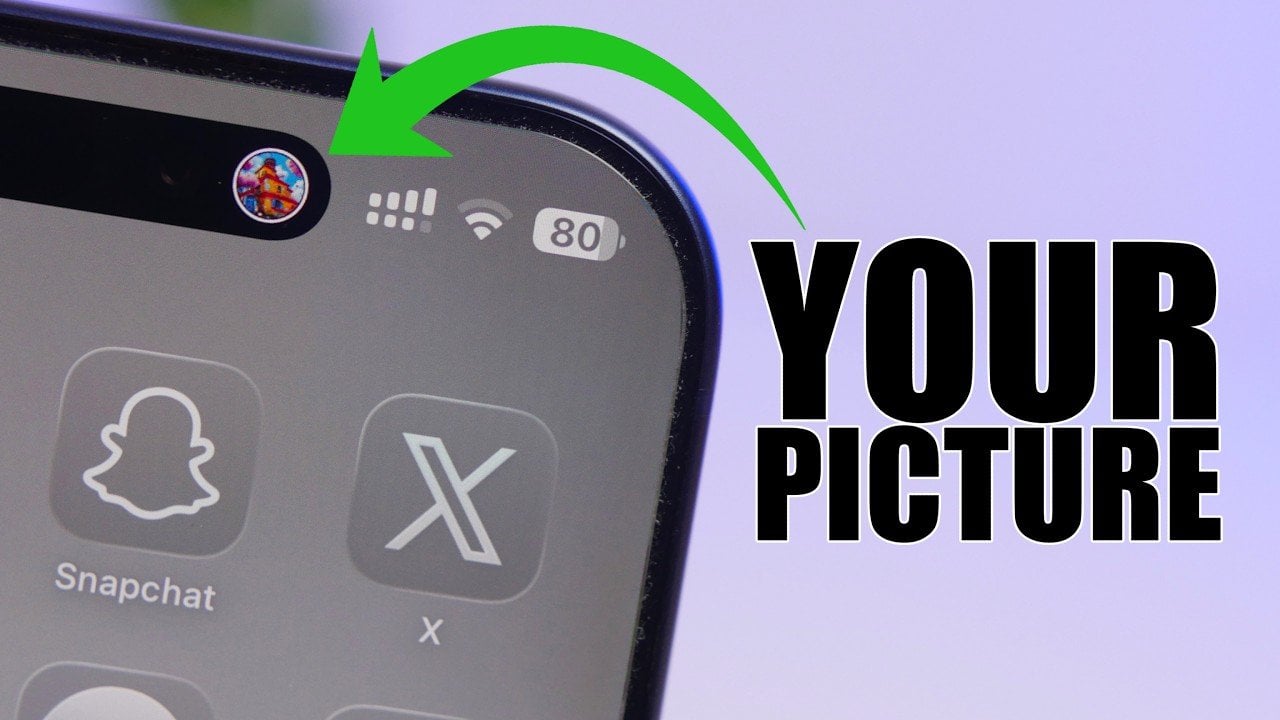
The Dynamic Island feature on your device is more than just a functional display; it’s a canvas for expressing your personal style. By using the free app “Cocoa Widgets”, you can transform this space into a reflection of your individuality by adding your favorite photos. This guide will take you through the process step-by-step, from […]
Ever had an AC running all day and still felt uncomfortable? Or a system that cools too fast, then leaves the room uneven and humid? Both problems usually come down to one thing: incorrect sizing. An undersized unit struggles to keep up. An oversized one cycles too quickly, wasting energy and creating inconsistent temperatures. The […]
Somewhere in your home, there’s likely a camera that used to mean something. A Nikon FM2 inherited from a parent, a Canon AE-1 found at a flea market, a Pentax K1000 that still smells faintly of old leather. These bodies were built with a precision and intention that most modern cameras rarely replicate. The feel of a metal shutter, the resistance of a manual aperture ring, the satisfying click of the film advance lever. None of that ever became obsolete. What became obsolete was the film inside.
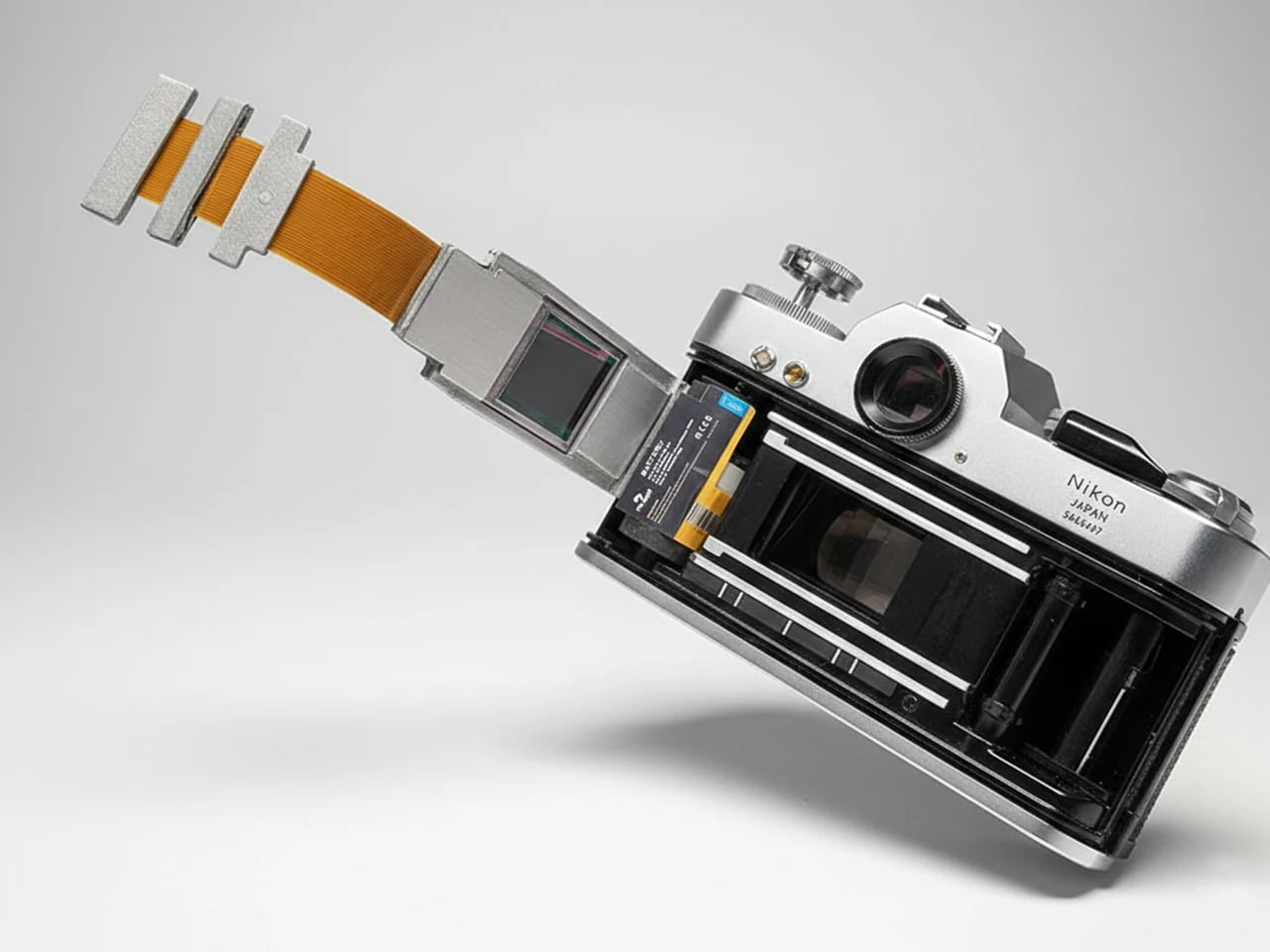
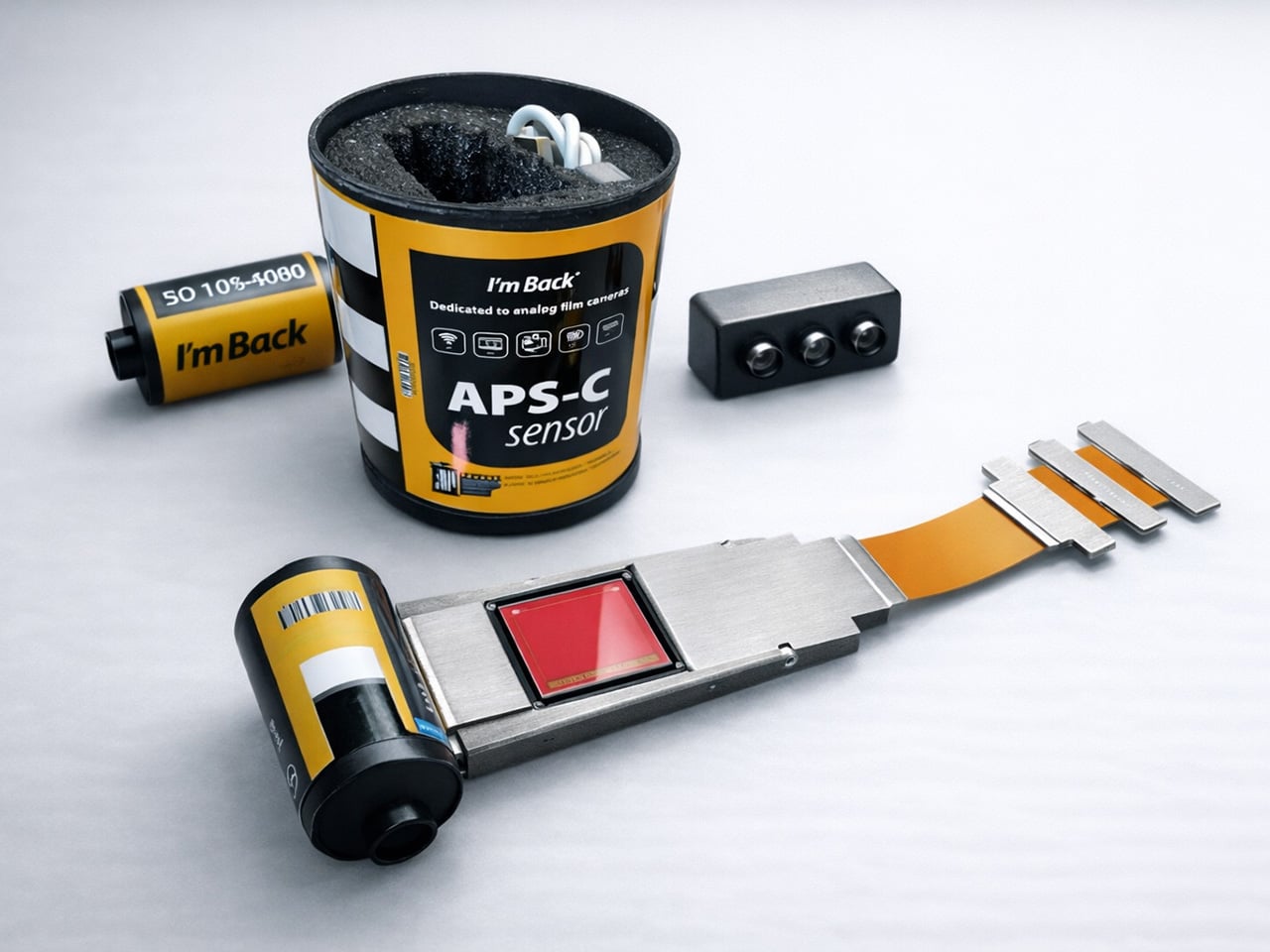
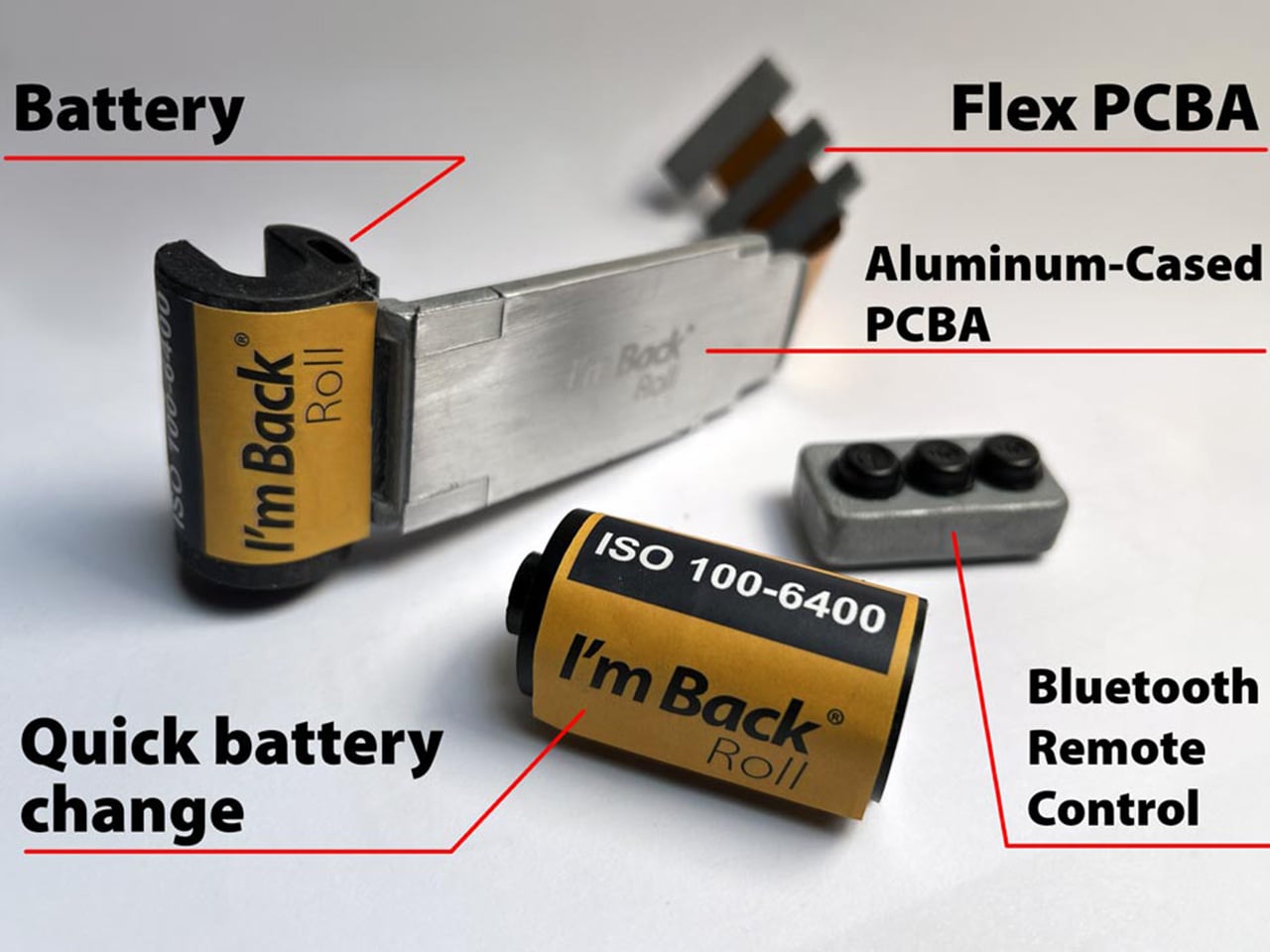
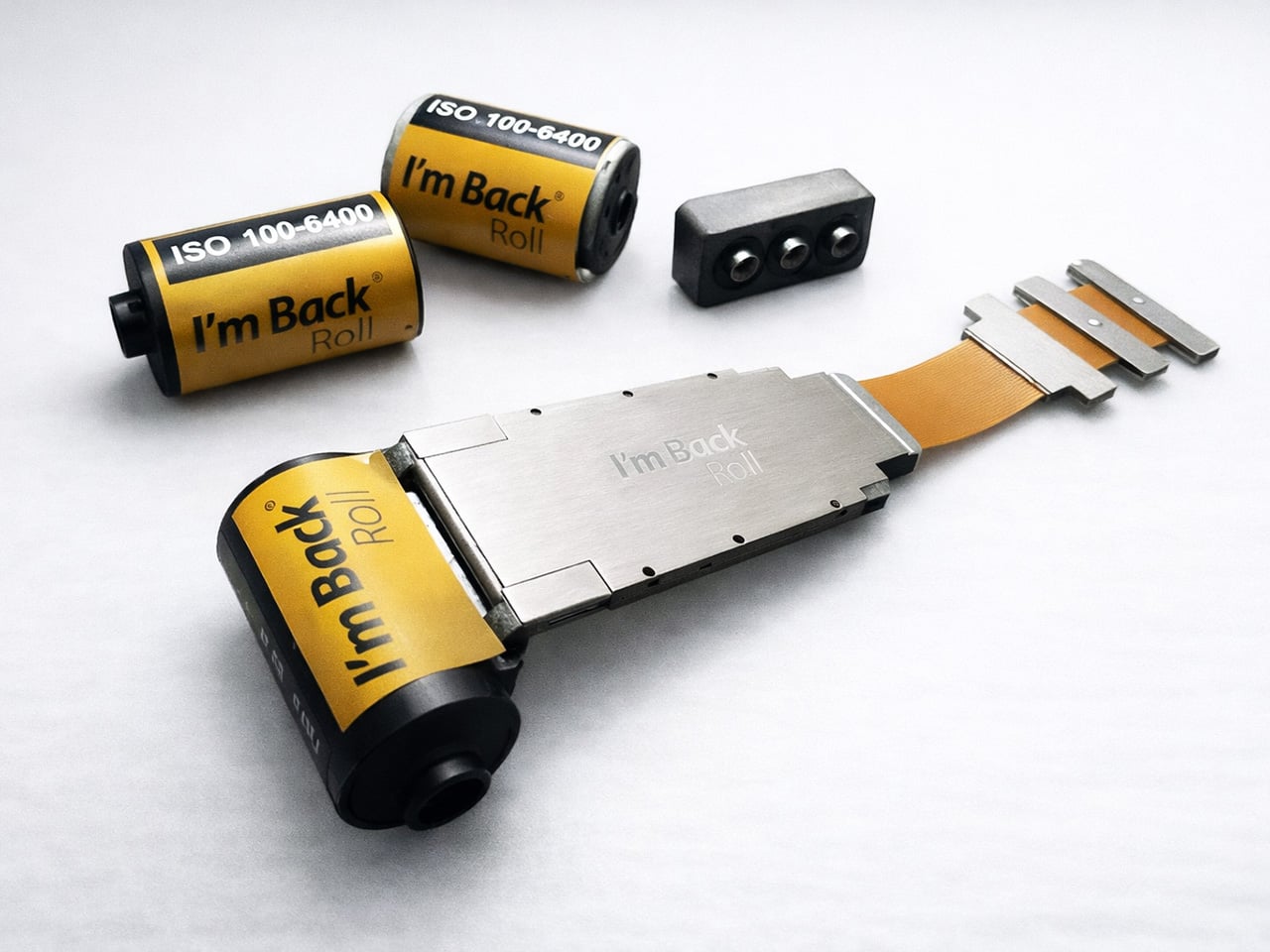
Samuel Mello Medeiros decided to use that space where the film cartridge would go, and create a retrofittable module that turns any analog camera into a digital one. Medeiros’ module slides into the film chamber of any compatible 35mm film camera, and packs a Sony IMX571, a 26.1-megapixel back-illuminated APS-C sensor along with up to 256FB of internal storage, Wi-Fi, Bluetooth, and a rechargeable battery. Dubbed the “I’m Back Roll APS-C”, it’s designed to be compatible with cameras from Canon, Nikon, Leica, Pentax, Olympus, Minolta, and dozens of others. Just put the module into the film canister and you’re ready to shoot. The camera goes untouched. The shutter fires the same way it always did. Images accumulate on internal storage and transfer wirelessly once the shoot wraps. Nothing hangs off the body. Nothing changes on the outside. Future-proofing at its finest.
At the heart of I’m Back Roll is the Sony IMX571, a professional APS-C sensor used in astronomy cameras, where image quality is pushed to its absolute limits. Astrophotography demands sensors that extract clean signal from vanishingly faint sources, which requires exactly the qualities that make a sensor excellent for general photography: low noise, wide dynamic range, and clean performance at elevated ISO. The IMX571 is a back-illuminated design, meaning the photodiodes are exposed to light before the wiring layer rather than behind it, collecting more photons per pixel and delivering measurably better high-ISO output than front-illuminated sensors of equivalent resolution. At 26.1 megapixels, it is designed to preserve the optical character of classic cameras. The APS-C plane measures 23.4 x 15.6mm, producing a 1.5x crop factor, so a 50mm Nikkor on an F3 behaves as a 75mm equivalent, worth accounting for if your collection runs heavy on wide primes.
There is no rear display, making for pure, distraction-free photography. You use the camera as you normally would, setting focus, aperture, and shutter speed just like with film. When ready to shoot, you press the remote control button to activate the digital sensor, then immediately press the camera shutter release. You have roughly one to two seconds after activating the sensor to trigger the shutter. After a few shots, this movement becomes natural and intuitive. For those who prefer a cleaner approach, the new sync button lets you take photos with a single click, just like a normal analog camera, screwing onto the shutter if available, or fixing on top of the button. One press activates the system and triggers the camera instantly. No remote. No extra step. Think of it as just you retrofitting an electric motor on your existing analog bicycle – everything stays the same, but you get a remarkable performance bump.
The structure is CNC-machined aluminum, built for durability, heat dissipation, and full internal integration. Running a 26-megapixel sensor inside a sealed metal body with no active airflow is a genuine thermal engineering problem, and aluminum’s conductivity is doing real work here. The battery is compact, stable in power delivery, safe, and easy to replace, enclosed in a protective housing and connecting to the PCBA through a sliding rail system that allows easy and secure replacement. The battery itself takes the exact form factor of a 35mm film canister, sitting in the chamber exactly where your Kodak Ultramax would load, swapping out the same way. The module works like a film roll, approximately 4mm thick. I find the replaceable battery design to be the most quietly clever decision in the entire product. It asks nothing new of the photographer.
The I’m Back Roll is compatible with most 35mm film cameras, including Nikon (F, F2, F3, F4, F5, FM, FM2, FE, FE2), Canon (AE-1, A-1, AT-1, F-1, EOS series), Minolta (X-700, X-500, XG series), Pentax (K1000, LX, ME Super, Spotmatic), Olympus (OM-1, OM-2, OM-3, OM-4), Contax (139, RTS, G1, G2), Yashica, Leica M and R series, Fujica, Konica, Ricoh, Chinon, and Praktica. A dedicated solution was designed for Leica M cameras specifically, featuring a custom back with integrated sensor, no change to camera feel, and the full mechanical experience preserved. Your Leica stays analog, but becomes digital. A semi-transparent frame overlay shows the exact sensor area, using a very light adhesive that is non-permanent and easily removable, placed directly on the viewfinder window so you always know what is inside the final image. Cameras with vertically opening backs, including the Nikon F, Contax II, and Alpa, may require a dedicated back cover produced via 3D printing, though based on previous experience, only three models out of hundreds tested required this.
The I’m Back Roll captures RAW and JPEG, 4K video, and film-inspired color profiles. The fact that it captures 4K video is impressive, since shooting video on a Contax RTS through a Zeiss Planar T* 50mm f/1.4 is a creative proposition nobody had access to when that camera was in production. The unlocked stretch goal brings extra color profiles and film-inspired looks, plus a clean digital mode. The profile lineup covers Kodacolor, Kodak Portra, Tri-X 400, Fujifilm, Ilford HP5, Agfa Vista 200, Cinestill 800T, and Kodak Ektachrome E100, each tuned to the color science and tonal character of its namesake stock. Cinestill 800T carries its signature tungsten-halation glow, Tri-X delivers the high-contrast grain that defined a generation of photojournalism, and Portra’s skin-tone-saturated warmth translates faithfully. The optional external touchscreen display runs 2.5 inches at 400 x 712 pixels on an OLED panel, with up to 1000 nits of peak brightness, connected to the I’m Back Roll via a flexible flat cable.
Storage tiers run 64GB for everyday use, 128GB for creators who shoot more, and 256GB for maximum freedom, with Leica M versions for dedicated rangefinder users. Every reward includes the I’m Back Roll APS-C, remote control, USB-C cable, and a 2-year warranty. The $499 Discovery Kit saves 29% off the MSRP of $699 (with 64GB storage). Concretely, that puts the the Creator Kit with 128GB between $499 and $549 (for the Leica M edition), and the Master Kit with 256GB at $599. All backers also receive a 3-year warranty, with global shipping starting August 2027.
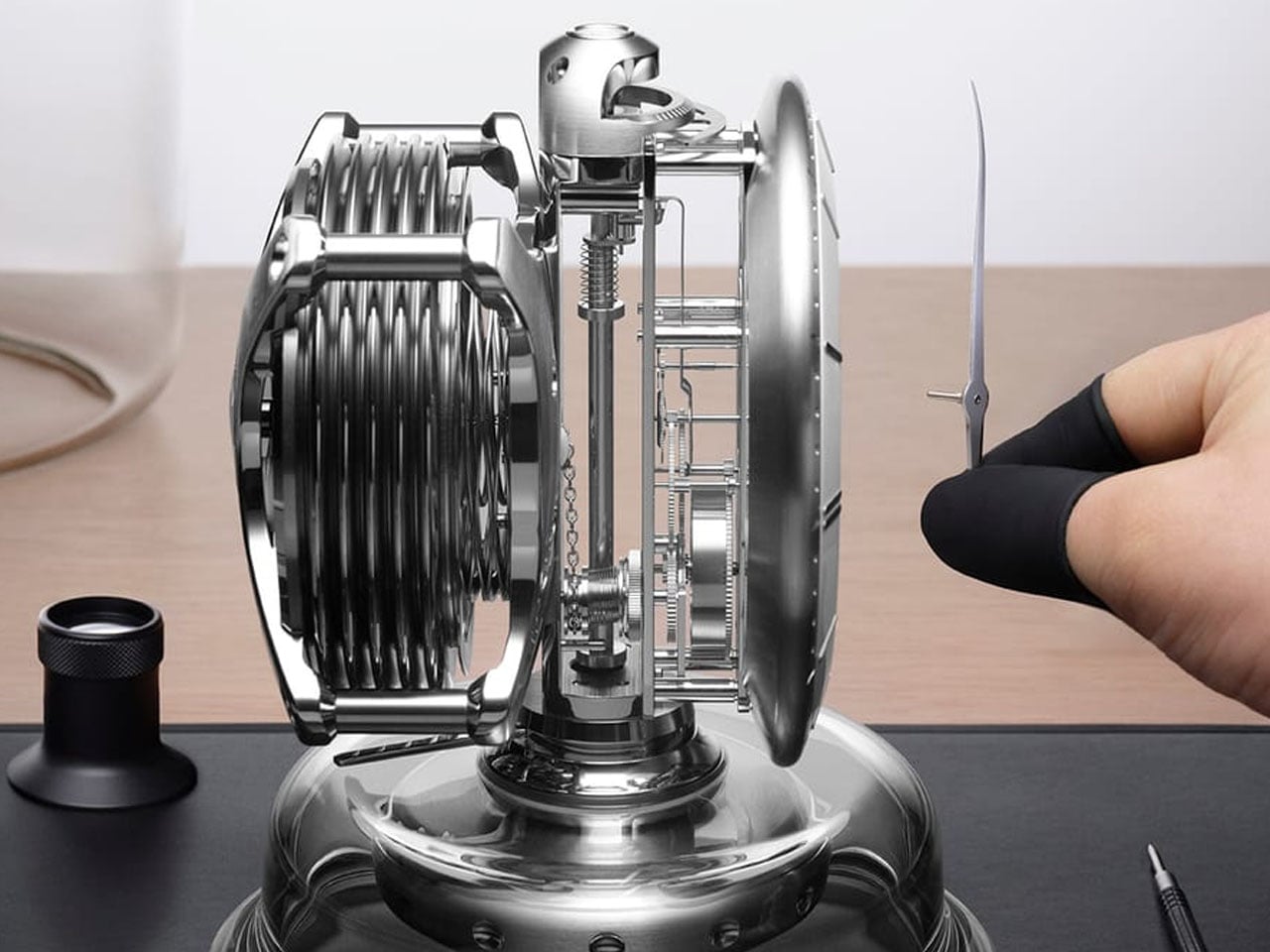
Like Jaeger-LeCoultre doesn’t need an introduction, neither does the Australian design icon, Marc Newson. If you want to know what the two in collaboration can create, look no further than the Atmos Hybris Artistica Tellurium. Powered by the in-house caliber 590, it is one of the most enticing horological marvels I have seen. Trust me when I say this, because I have actually seen some fascinating timepieces in the last decade, and I have spent time writing about watches and clocks.
The new Atmos Hybris Artistica Tellurium is ‘inspired by the beauty and the mystery of the cosmos.’ Not the solar system we are a part of, but the ‘cosmos beyond the Earth’s solar system,’ the company notes. It is the result of over 18-years of partnership between Jaeger-LeCoultre and the design genius, which has been designed to run on the most advanced and complex Atmos movements from the watchmaker that is respected for its expertise in mechanical movements.
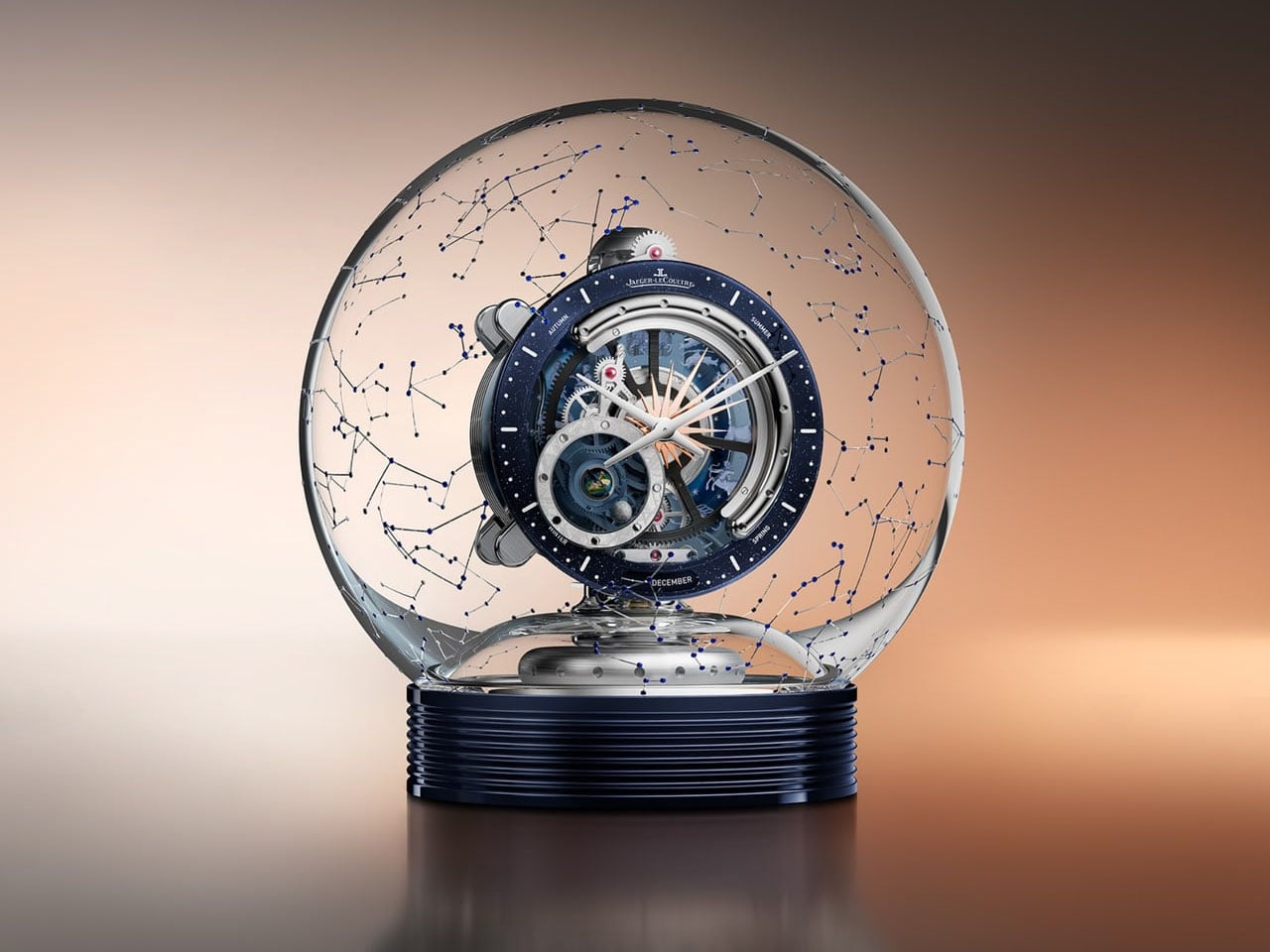
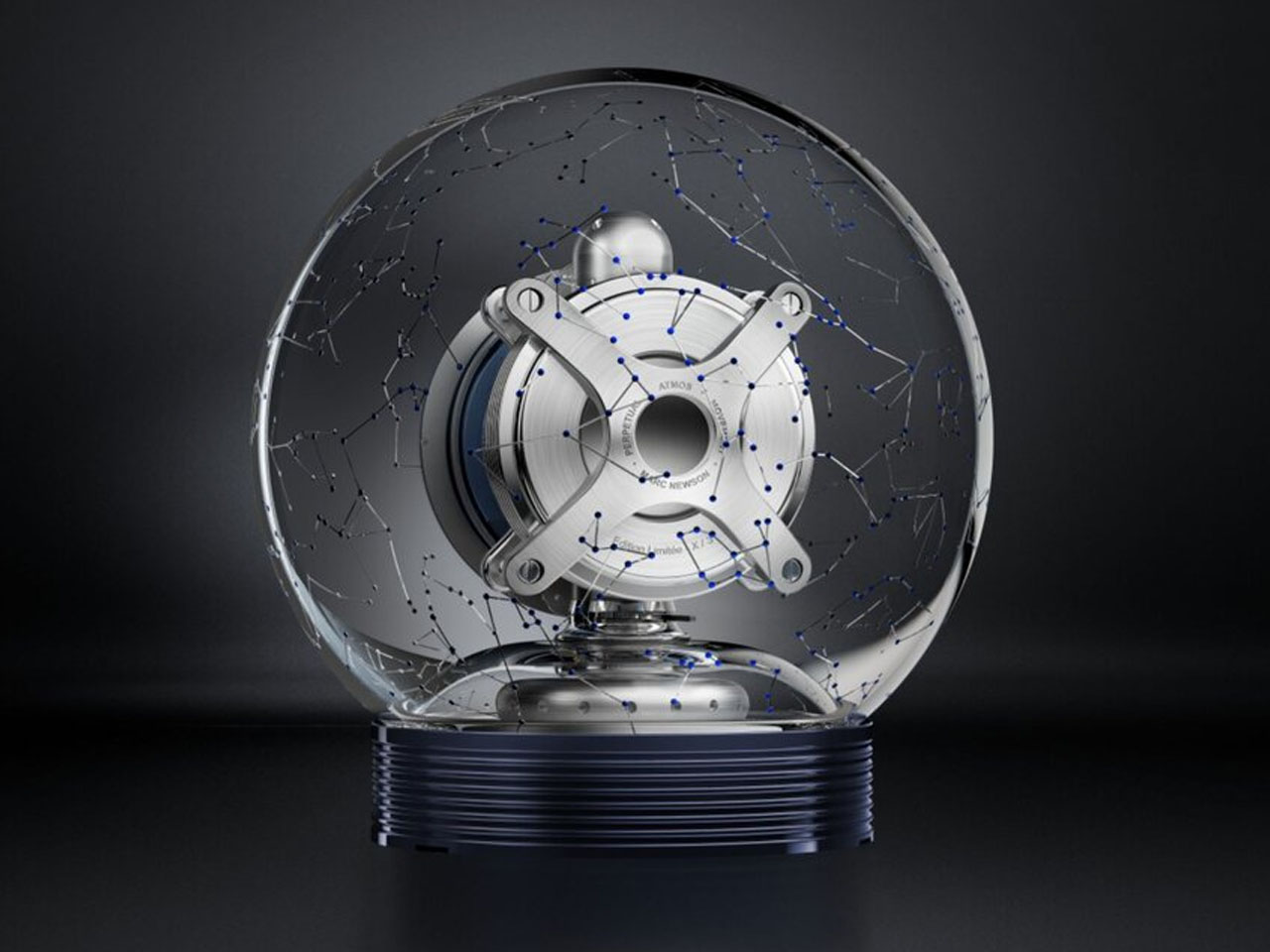
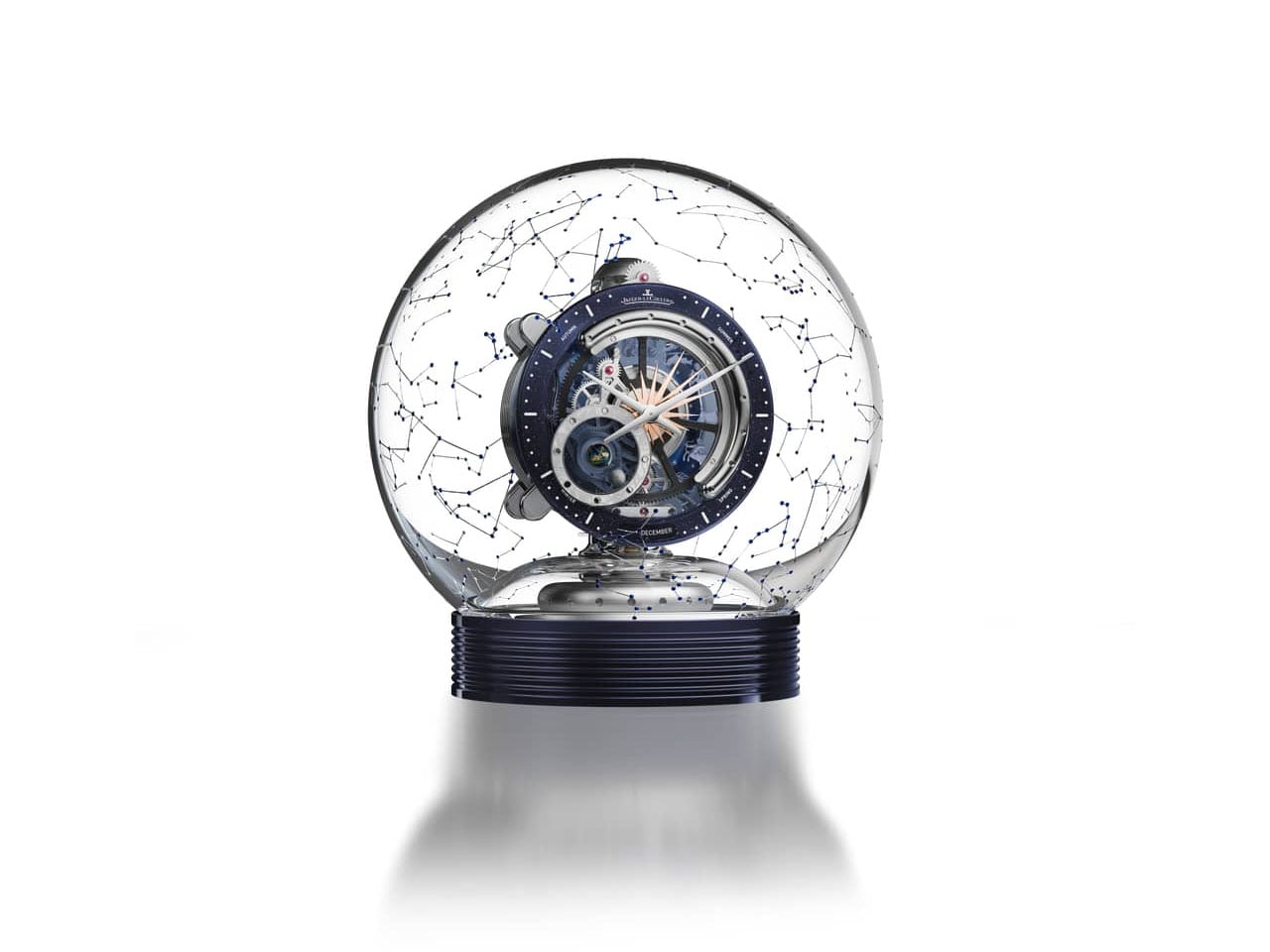
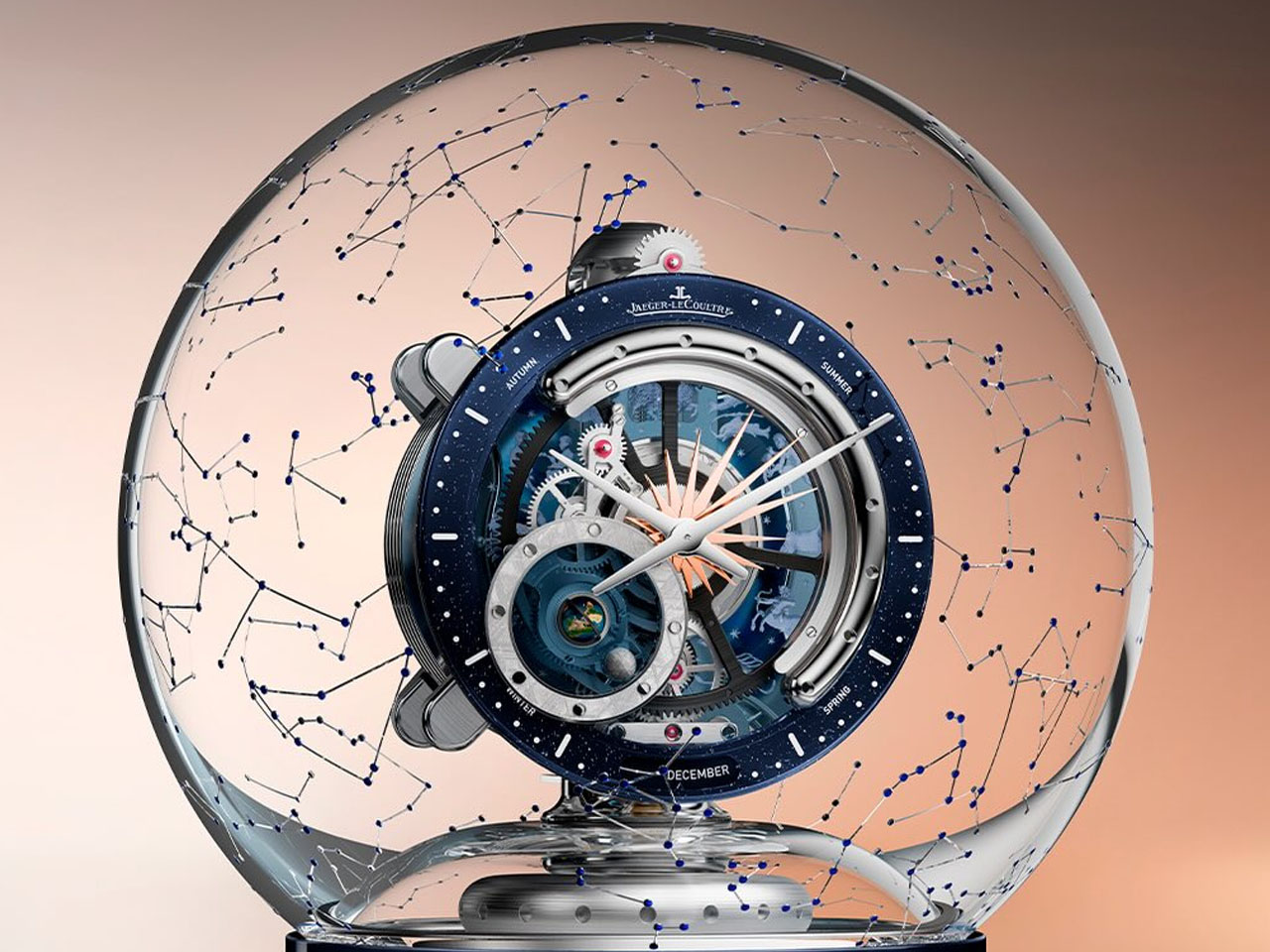
The clock has been through a great deal of iterations to arrive at the current version, which features a new cabinet for the Atmos Tellurium designed by Newson. The glass features 64 constellations that are visible in the Northern Hemisphere, engraved on it, while 539 cabochon-cut sapphires here represent the principal stars.
A pinnacle of haute horlogerie, the Jaeger-LeCoultre Atmos Tellurium is a limited-edition piece (strictly limited to three units) featuring a meteorite dial with hand-painted, 3-dimensional earth inside the glass globe. The clock is created to precisely track Earth’s rotation alongside the lunar phases as the moon rotates around the Earth. The clock recreates the cycles of the sun, earth, and moon with great precision in 3D.
Measuring 188mm thick, the clock’s miniature earth rotates on its axis (like the real thing) in 24 hours, providing the day and night indication. While the Earth rotates, the Moon is seen orbiting it in a complete moon phase (averaging 29 days, 12 hours, 44 minutes and 2 seconds). This allows the moon, revolving on its own axis, to display its phases accurately. According to the watchmaker, the moon phase has complete accuracy with a discrepancy of only one day every 5,770 years.
The sun resides in the center of the Atmos Tellurium and the earth, and the moon is designed to orbit around it in one complete year, indicating the seasons (listed on the parameter of the clock) as it turns. In addition to displaying corresponding months and seasons, the clock also displays the zodiacal calendar. The Atmos Tellurium clock is powered by an in-house caliber 590 perpetual movement that operates without human intervention. Yes, as with all Atmos clocks, the Atmos Hybris Artistica Tellurium also winds itself by the expansion and contraction of a gas mixture within an airtight capsule.
Most chopsticks are never designed. They’re just made. Wide enough to produce cheaply. Consistent enough to ship by the millions. Familiar enough that nobody questions them.
Until someone finally did.
The FineLine Aluminum Chopsticks are the result of more than 40 rounds of refinements in Tsubame-Sanjo, Japan—adjusting the tip diameter, taper angle, grip texture, and balance in increments as small as 0.1mm.
Not to reinvent chopsticks. Just to remove the small frustrations people stopped noticing years ago. And surprisingly, most of those frustrations start with rotation.
The Chopsticks That Changed How Dinner Felt
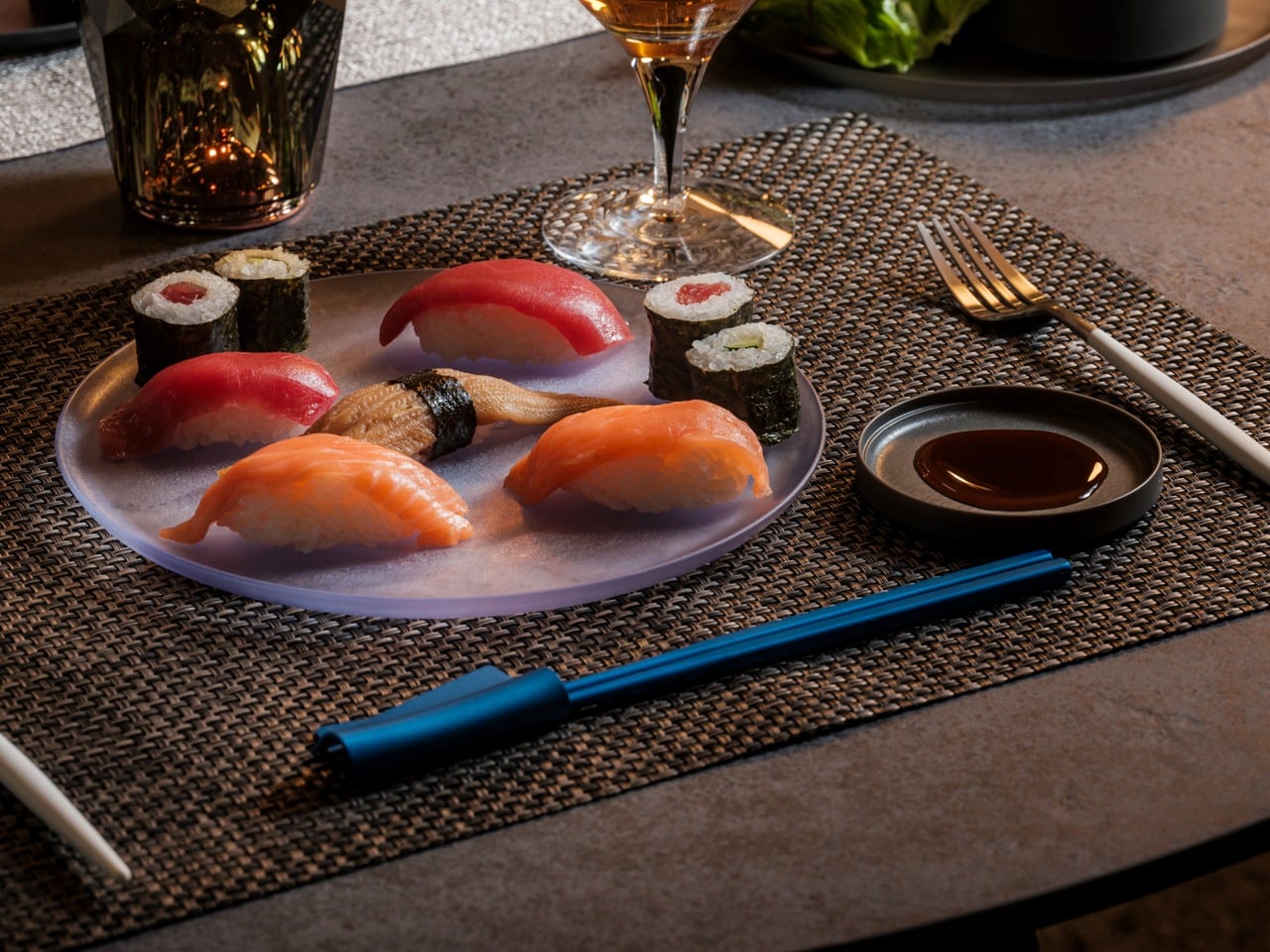
At first, the difference felt almost too small to explain. Then I noticed I wasn’t squeezing sashimi as hard. I wasn’t correcting the tips halfway through a bite. I wasn’t adjusting my grip every few minutes without realizing it.
The chopsticks stayed aligned. The tips held cleanly. Long meals felt calmer somehow. And once I noticed that, ordinary chopsticks started feeling strangely unfinished.
Designed for the Details
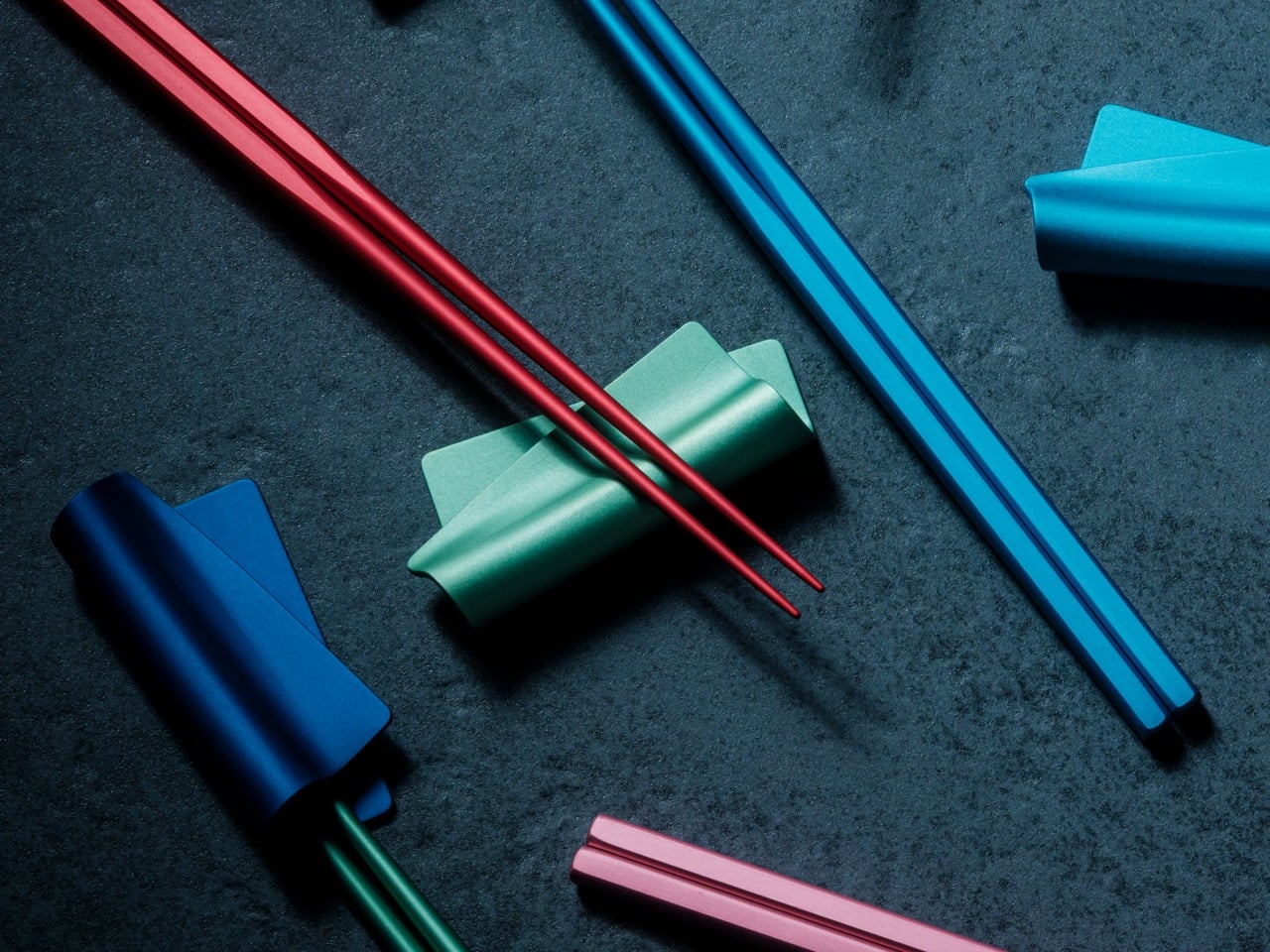
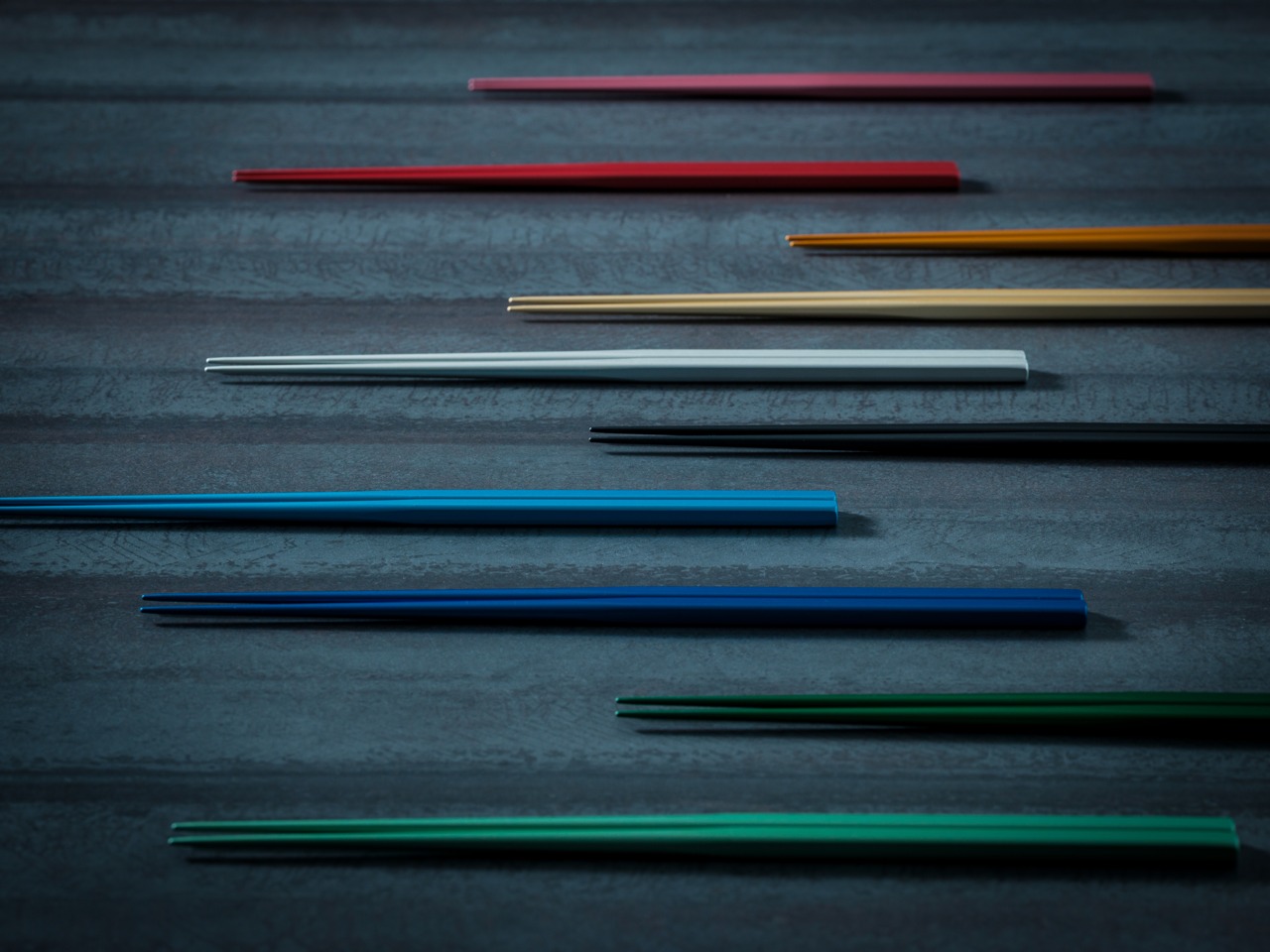
1.5mm precision tip: Roughly half the diameter of most standard chopsticks, creating cleaner contact and more precise control.
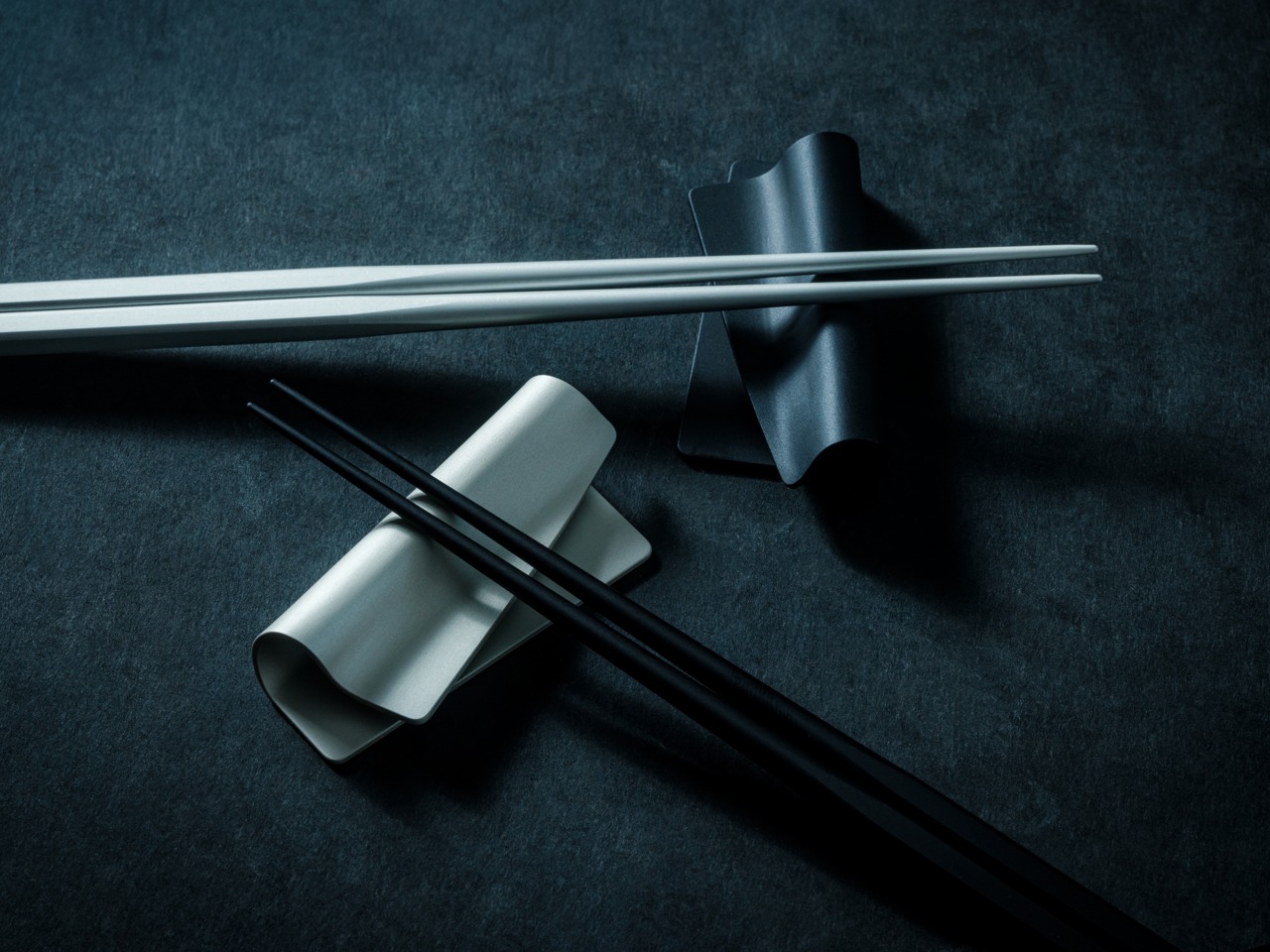
Faceted anti-rotation body: Prevents the constant drifting and micro-corrections caused by round chopsticks.
Machined anti-slip texture: Built directly into the tip instead of added as a coating that eventually wears away.
40 rounds of refinements: Tip diameter, taper angle, grip texture, and balance were adjusted repeatedly in increments as small as 0.1mm.
14.5g balanced weight: Controlled enough for precision without becoming tiring across a full meal.
Anodized aluminum construction: Resists moisture, warping, stains, and dimensional drift over time.
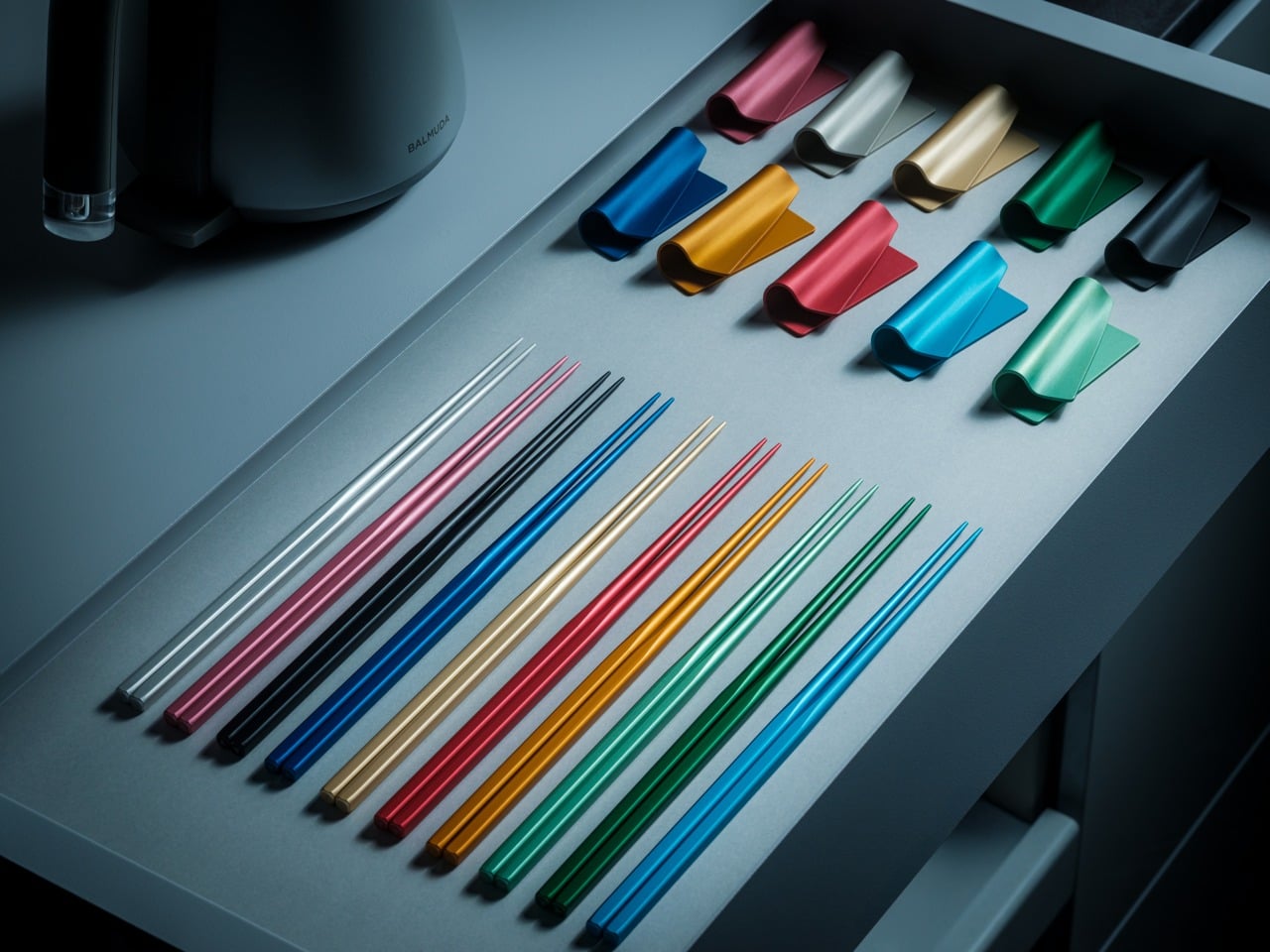
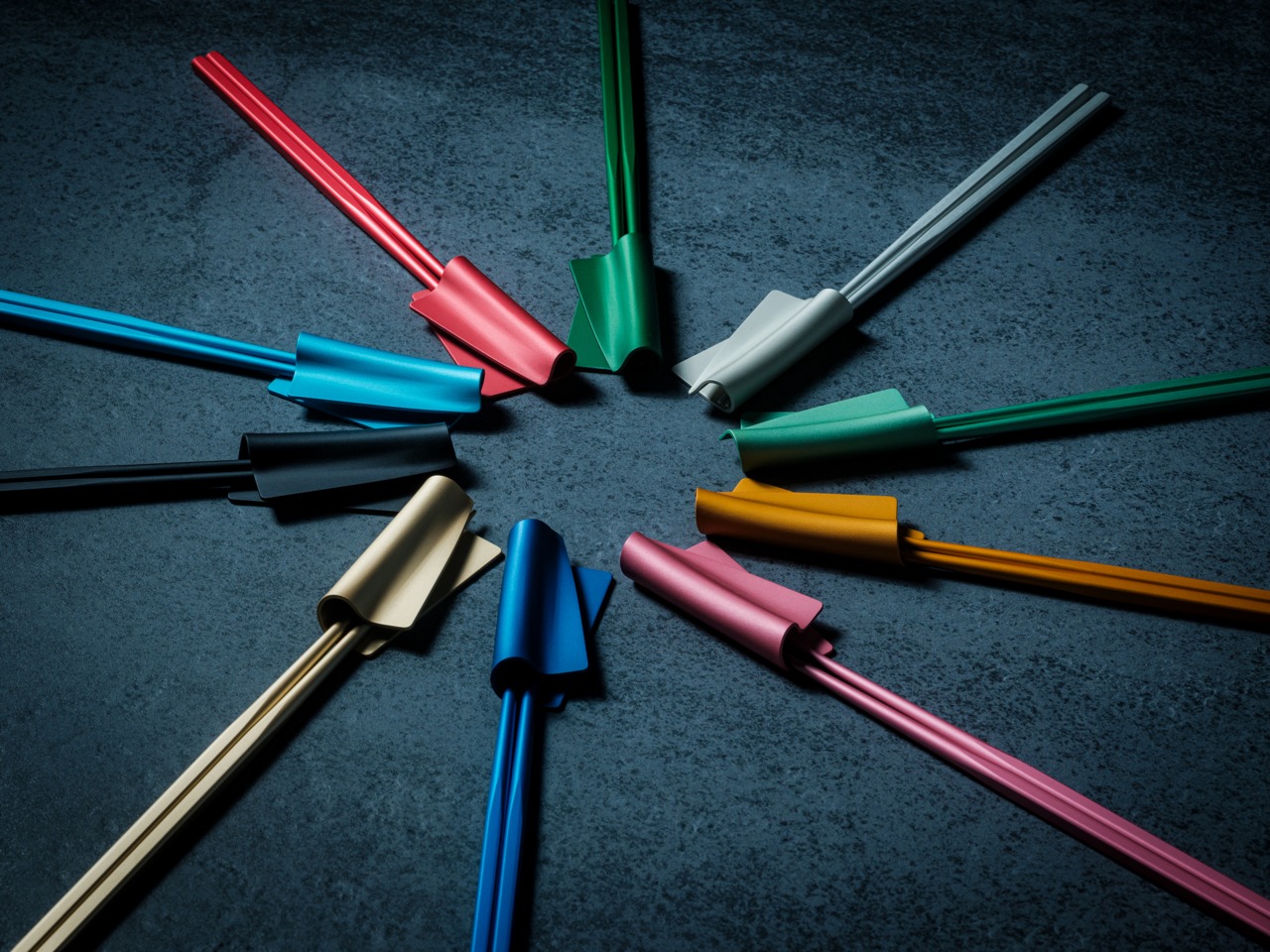
Available in ten satin anodized tones, the finish adds grip without roughness while maintaining the same feel years later as it did on day one.
The Friction You Stop Noticing
Standard chopsticks taper to around 3–4mm at the tip. That’s not really a design decision—it’s a manufacturing default. It works, but it quietly asks something of you every time you eat. A little extra pressure to hold slippery food. A slight grip adjustment. A constant realignment of the tips.
Round profiles make it worse. They rotate in your fingers constantly. Subtly, continuously—your hand is always correcting them, always bringing the tips back into alignment. It’s the kind of friction that never rises to the level of complaint but accumulates quietly across every meal.
Most people never notice it because they’ve adapted to it for years.
The FineLine was designed to remove that friction entirely. Not through dramatic reinvention, but through refinement precise enough that the tool eventually disappears from your awareness altogether.
Design That Disappears
The workshop behind the FineLine was founded in Tsubame-Sanjo in 1907, a region known for precision metalworking where tolerances measured in fractions of a millimeter completely change how a tool feels in use.
That same philosophy shaped these chopsticks.
Metal chopsticks done poorly feel clinical and slippery because aluminum hides nothing. Wood and bamboo naturally absorb small inconsistencies in manufacturing. Aluminum doesn’t. Every imbalance in taper, texture, and weight becomes immediately obvious in the hand.
That’s precisely why this level of precision mattered here. The same discipline required to hold 0.1mm tolerances across professional tools is what allows a 1.5mm aluminum tip to feel stable instead of precarious.
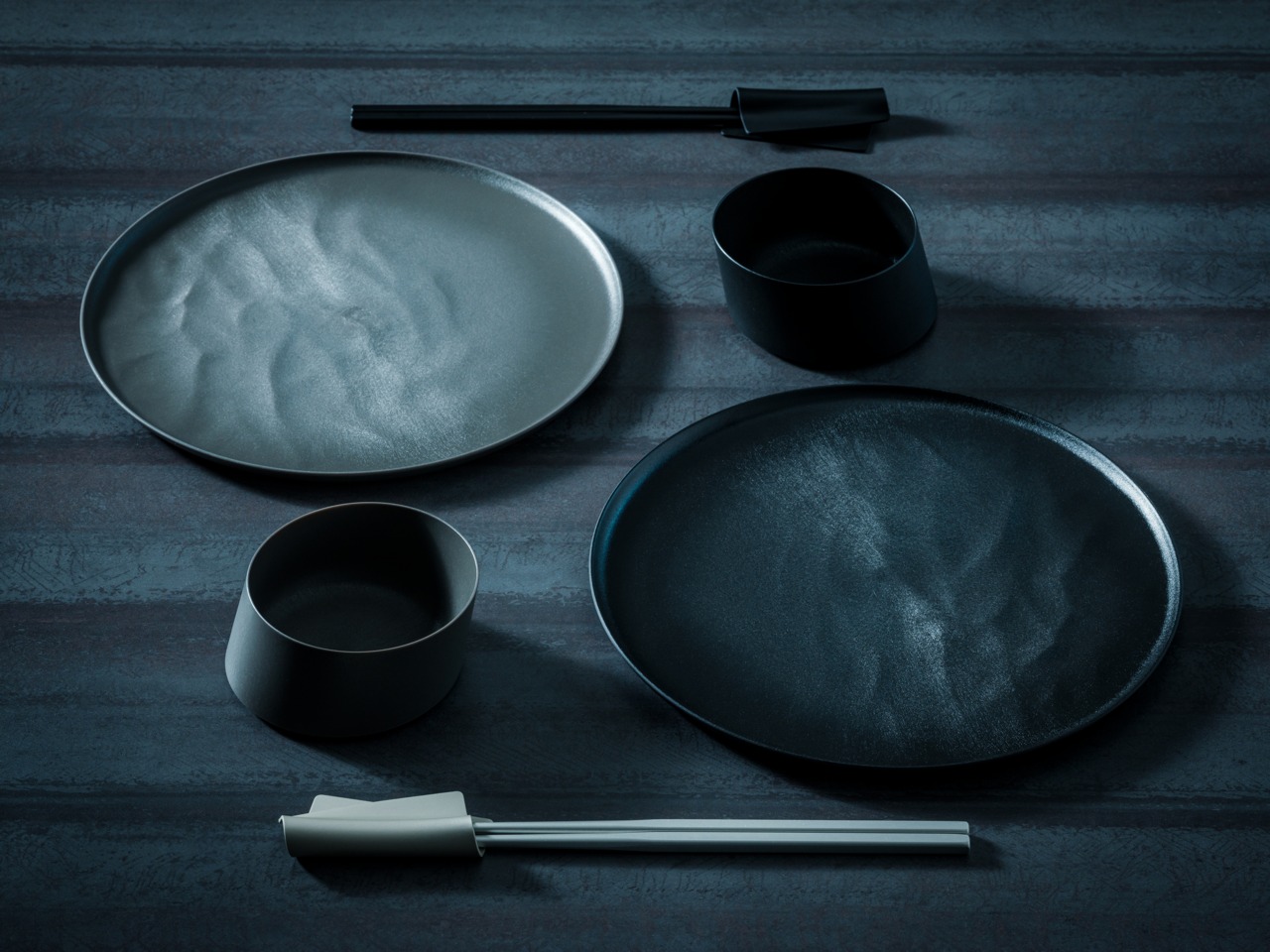
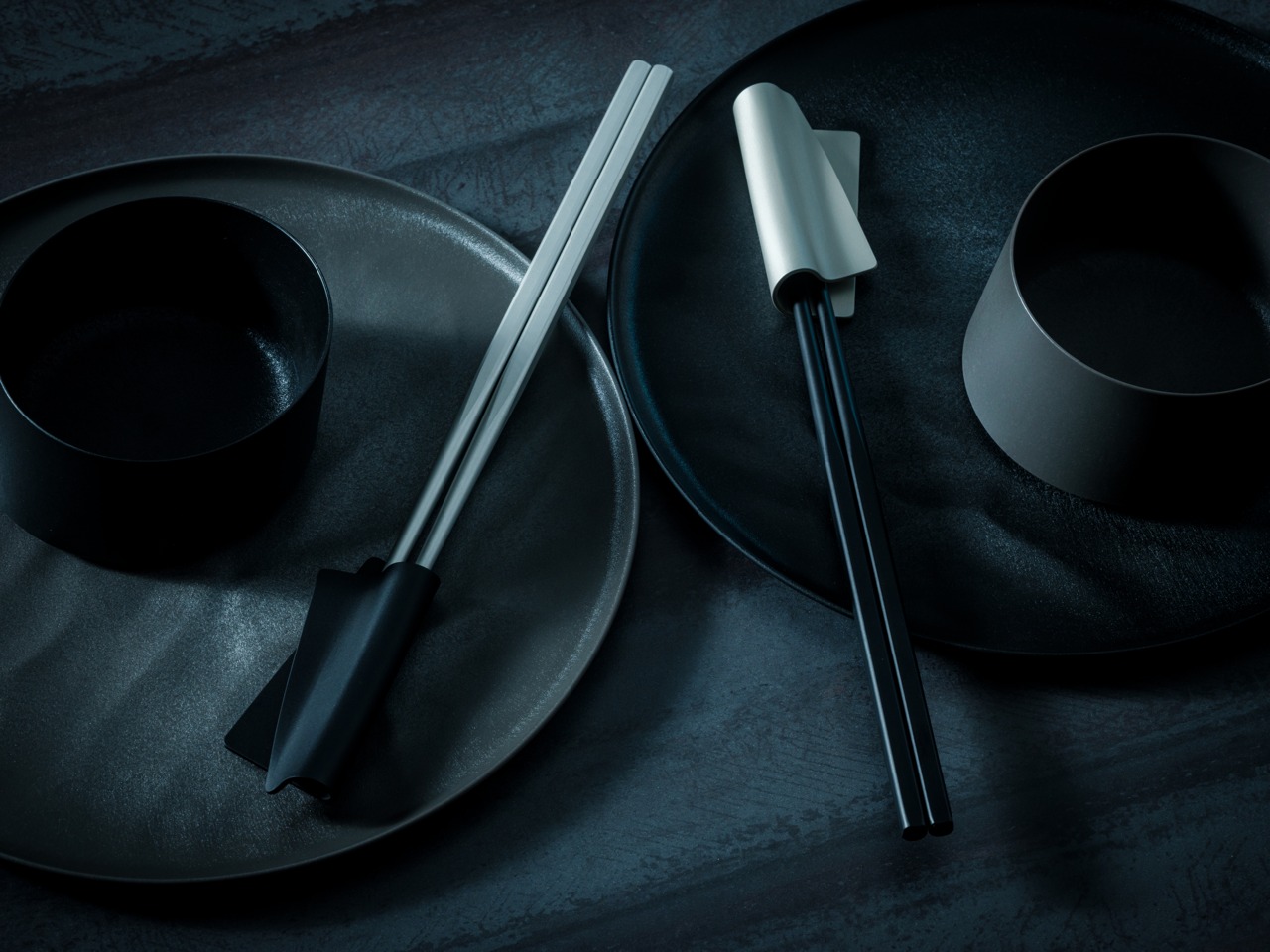
The matching FineLine Chopstick Rest completes the system, carrying the same anodized finish, color language, and quiet restraint. Together they create a table setting that feels considered without asking for attention.
Who It’s For
Daily Chopstick Users
Once you’ve used a 1.5mm tip on a properly balanced stick, ordinary chopsticks start feeling strangely unfinished.
Japanese Craft Enthusiasts
This isn’t craft as decoration. It’s a century of metalworking precision applied to one of the most ordinary tools on a Japanese table.
Gift Givers with Taste
Not displayed. Not saved for guests. Just quietly reached for without thinking—which is exactly the point.
Where The Meal Takes Over
You don’t think about chopsticks when they work. You think about the food, the conversation, the rhythm of the meal. That’s the quiet achievement of the FineLine Aluminum Chopsticks. The grip stays aligned. The tip holds cleanly. The weight never asks for attention.
Not just chopsticks. A better way to feel every meal. The FineLine Chopsticks are available now for $30.