The ROG Xbox Ally X is getting some updates, including Automatic Super Resolution
Xbox Insiders can preview the new tech today.


British specialist carmaker Morgan Motor Company has just introduced a modern roadster that blends contemporary performance with its long-standing tradition of hand-built craftsmanship. While that pairing may sound unlikely, the company’s fastest production model to date still carries the unmistakable silhouette of 1930s roadsters, complete with its signature ash wood frame construction beneath the body.
The two-seater Supersport 400 is powered by a 402-horsepower engine derived from the tuned BMW B58 turbocharged inline-six, positioning it as the flagship performer in the boutique brand’s lineup. This lightweight roadster can sprint from 0–62 mph in just 3.6 seconds, underlining a significant leap in performance while preserving Morgan’s analog driving appeal.
Designer: Morgan


Despite the increase in power, the Supersport 400 remains true to the brand’s lightweight philosophy. Tipping the scales at around 2,579 pounds, the car benefits from an impressive power-to-weight ratio that enhances both acceleration and agility. It is underpinned by Morgan’s CXV aluminum platform, paired with its traditional wooden framework, a combination that balances rigidity with handcrafted character. The result is a driving experience that feels both responsive and distinct from conventional sports cars.


To complement the performance upgrade, Morgan equips the Supersport 400 with a Dynamic Handling Pack as standard. This includes adjustable Nitron dampers, revised suspension geometry, and lightweight forged wheels that collectively improve stability and road feedback. Buyers can also opt for a limited-slip differential, which enhances traction during more spirited driving. A reworked exhaust system, available in active or high-flow configurations, further sharpens the car’s auditory presence, giving the inline-six a more pronounced note without overwhelming the cabin.
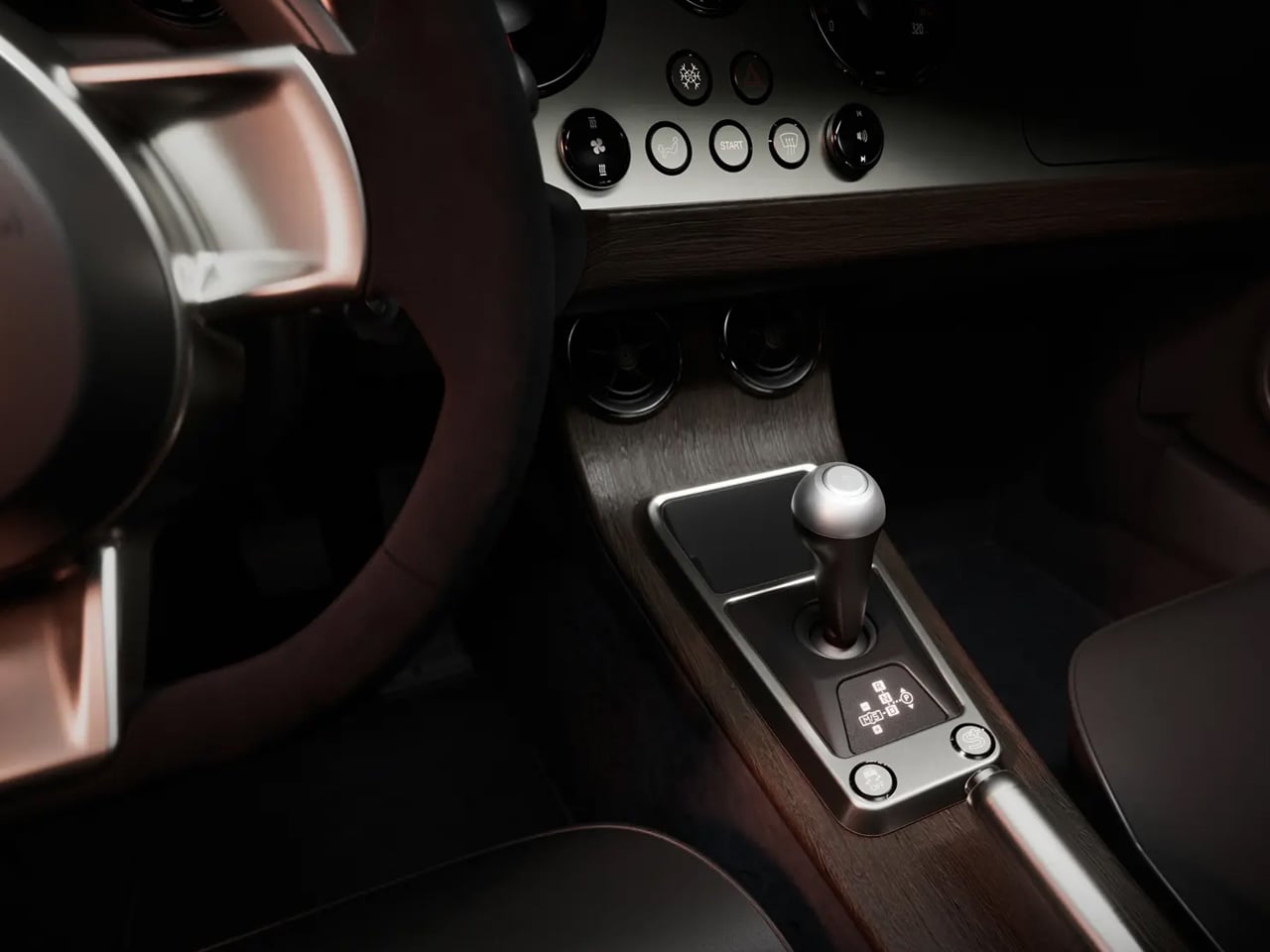

Visually, the Supersport 400 remains instantly recognizable as a Morgan, yet subtle refinements bring it in line with modern expectations. The long bonnet, flowing fenders, and exposed detailing stay true to the marque’s heritage, while new front wing vents and cleaner lower bodywork improve airflow and lend the car a more contemporary edge. These updates do not alter its identity but instead refine it for current performance standards.


Inside, the cabin continues the blend of tradition and modernity. Hand-stitched leather upholstery is paired with Alcantara options and bespoke detailing, offering a high level of personalization. Updated instrument dials and optional aluminum accents add a modern touch without detracting from the car’s classic appeal. Each example can be tailored extensively, reinforcing Morgan’s reputation for bespoke craftsmanship.


Positioned at the top of the lineup, the Supersport 400 carries a starting price of around £112,000 (approximately $150,000), reflecting its low-volume, hand-built nature. Production is set to begin in 2026, with orders already open for customers seeking a uniquely analog yet high-performance driving experience.




The post 402-HP Morgan Supersport 400 is a handcrafted retro roadster with modern muscle first appeared on Yanko Design.

Apple is reportedly preparing to make its debut in the foldable smartphone market with a device potentially named the iPhone Ultra. Leaked schematics and insider reports suggest this highly anticipated release will combine innovative technology with Apple’s signature minimalist design. Positioned to compete with established players like Samsung, Honor and Oppo, the iPhone Ultra could […]
The post Apple’s First Foldable is a Battery Beast: iPhone Ultra Leak Confirms Massive Specs appeared first on Geeky Gadgets.

Most bookshelves are designed around adult convenience. The tallest shelves hold the most books, and the titles at a grown-up’s eye level are the ones that get noticed first. For a small child, this setup turns browsing into a guessing game, with the best finds often too high to reach. Standard shelving quietly tells children that picking out a book on their own isn’t quite something they can manage yet.
That’s the problem that Tsuranari, a mobile bookshelf by Border Design Architects, directly addresses. Designed for GoGo Marchen House, a Japanese traveling children’s bookstore that brings picture books to schools, parks, and community spaces, it goes a completely different direction from the standard upright shelf format. The whole browsing experience happens low on the ground, where every book sits at an equally reachable distance for everyone gathered around it.
Designer: Nobutaka Torii (Border Design Architects)


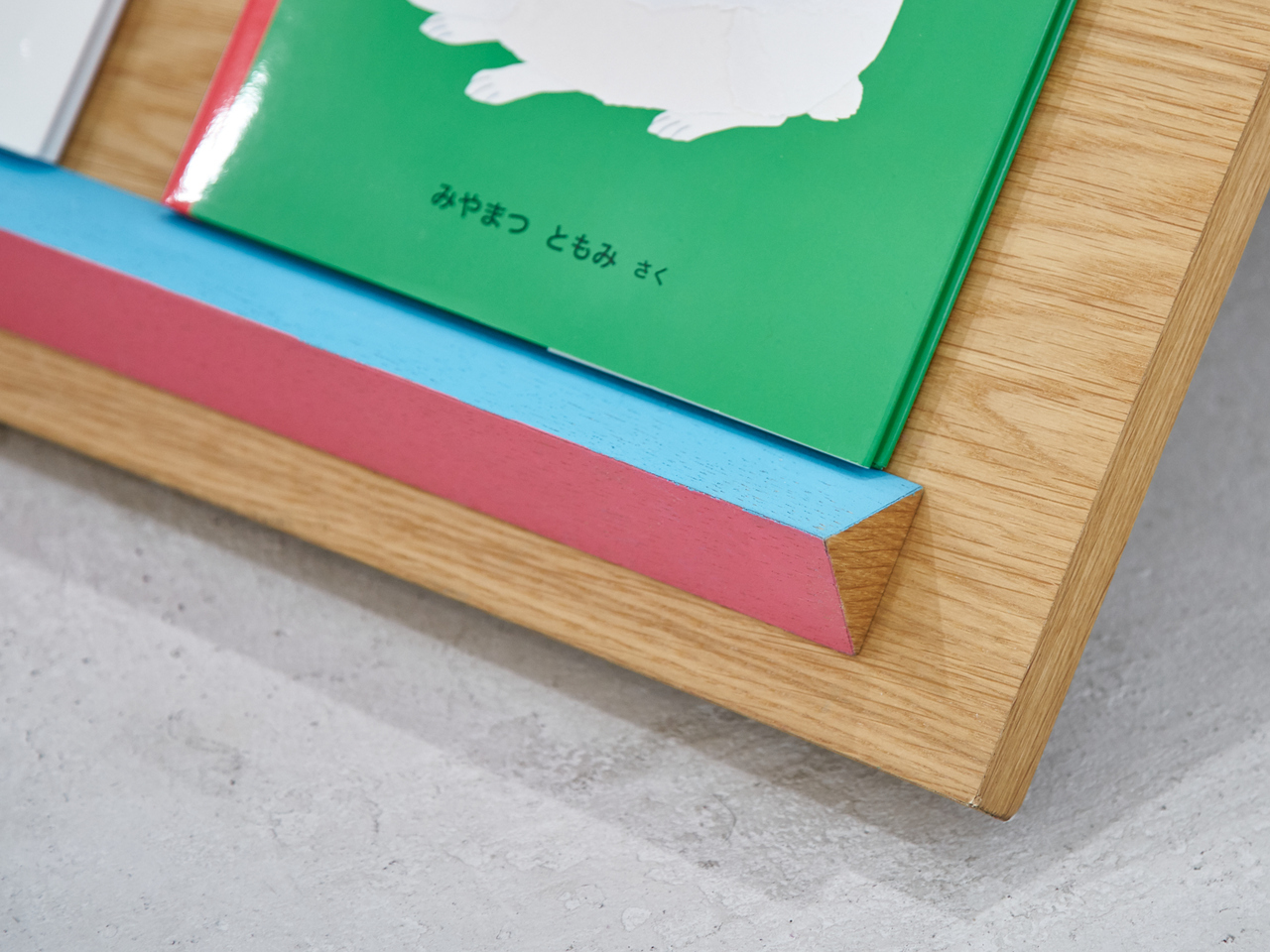
The structure is made up of mountain-shaped wooden modules that link side by side, creating a continuous zigzag profile sitting low on the ground. You’re never looking up at a bookshelf; you’re looking across it from the same level as everyone else. The design accommodates two browsing modes: books tucked spine-out into the V-shaped channels between peaks, and titles displayed face-out on the wider sloped sections.


What Tsuranari’s angle actually changes is the body language of browsing. On a regular shelf, a child cranes upward while an adult leans down, and neither has a great view. Here, both stoop and reach at the same incline, heads at roughly the same height. A toddler can run a hand along the wood and pull out a picture book entirely on her own, without waiting for someone taller.


It also helps that Tsuranari can be browsed from every side. Kids browsing from opposite ends end up facing each other without even trying, and adults and young children find themselves side by side at the same slope. It turns a normally solitary task into something more communal, not through any explicit design intention but simply because the form makes it hard to avoid.

For a traveling bookstore, portability matters just as much as the design concept. Tsuranari is built from solid wood and fastened with bolts, making it quick to set up and break down on location. The modules load efficiently into the bookstore’s vehicle, so the same shelf that’s standing at a school festival in the morning can be on its way to a neighborhood park by afternoon.

Solid wood has a practicality that goes well beyond how it looks. The material handles the kind of grabbing, leaning, and rough treatment that children bring to anything they enjoy, and it’ll only develop more character with wear. Small painted ledges in pink and light blue run along the face-out display sections, adding the only deliberate color to an otherwise warm, natural wood surface.
The name Tsuranari translates roughly to “a continuous series” in Japanese, which describes the zigzag form, literally. It also captures what the bookshelf is really after: a chain of small encounters between children and books, and between the children themselves. A shelf that stays low and stays open makes those encounters much more likely, turning a visit to the bookstore into something a child walks away from excited.

The post This Zigzagging Wooden Bookshelf Doesn’t Care How Tall You Are first appeared on Yanko Design.


Samsung is poised to redefine the augmented reality (AR) landscape with the upcoming release of its first-generation Galaxy Glasses, codenamed “Jinju.” Scheduled to launch in July 2026, these AI-powered smart glasses will debut alongside the Galaxy Z Fold 8, Z Fold 8 Wide and Z Flip 8. With an estimated price of $400, the Galaxy […]
The post Samsung’s Next Big Wearable: How Galaxy Glasses Will Change the Way You Use Android appeared first on Geeky Gadgets.