How to watch the LG CES 2026 press conference

LG
LG

For years, LG has opened CES press day with the first event of the morning. Though arch-rival Samsung getting the jump on its fellow Korean rival by giving its presentation the evening before, LG will be hitting the podium at breakfast time with the theme "Innovation in Tune with You." 

As with many tech-focused events nowadays, AI is expected to serve as the unifying thread of LG's CES 2026 presentation. That said, LG — much like Apple — has its own take on the acronym, referring to it as "Affectionate Intelligence." The company will share "its vision for elevating daily life through Affectionate Intelligence — delivering harmonized and seamlessly connected customer experiences." The irony, though, is that LG has already shown its cards, thanks to a long string of pre-show press releases offering details about a litany of new products (see below).

The event will stream live from Las Vegas on Monday, January 5 at 11AM ET. You've got a few options for tuning in — watch the livestream on the LG website, the LG Global X channel or the LG Global YouTube channel (embedded below).

Here's what LG has already confirmed it will be showcasing at CES 2026: 

  • LG will debut its first Micro RGB TV, a display with a cutting-edge screen technology with multicolor backlights that should one-up mini LED displays. The size options are 100 inches, 86 inches and 75 inches.

  • The company is countering Samsung's Frame TVs with its new LG Gallery TV, arriving in 55- and 65-inch screen sizes.

  • Look for a new LG humanoid home automation robot named CLOiD to take the stage. 

  • In the audio realm, the Korean multinational will also introduce a Dolby-powered modular home audio system and a new line of its xboom speakers (developed with musician will.i.am). 

  • LG is revamping its ultralight Gram laptop line with a proprietary material it calls Aerominum. 

Does that leave any surprises for the CES press conference? We'll find out on January 5. 

Update, December 31 2025, 12:36PM ET: This story has been updated to include more LG CES pre-announcements, and to embed the YouTube stream. 

Update, January 4 2026, 1:09PM ET: This story has been updated to include information on LG's new laptop line.

This article originally appeared on Engadget at https://www.engadget.com/home/how-to-watch-the-lg-ces-2026-press-conference-190159378.html?src=rss

When a V10 Engine Becomes a Brutalist Coffee Table

A V10 engine block possesses a particular kind of architectural presence that most furniture actively avoids. The cast aluminum surfaces carry tooling marks from industrial machining. The bolt patterns follow functional logic rather than decorative intent. The mass distribution reflects combustion dynamics, not ergonomic considerations. When this assemblage becomes a coffee table, the object enters a different conversation entirely: one about what happens when mechanical purpose gives way to spatial presence, and whether the transformation honors or obscures the original form.

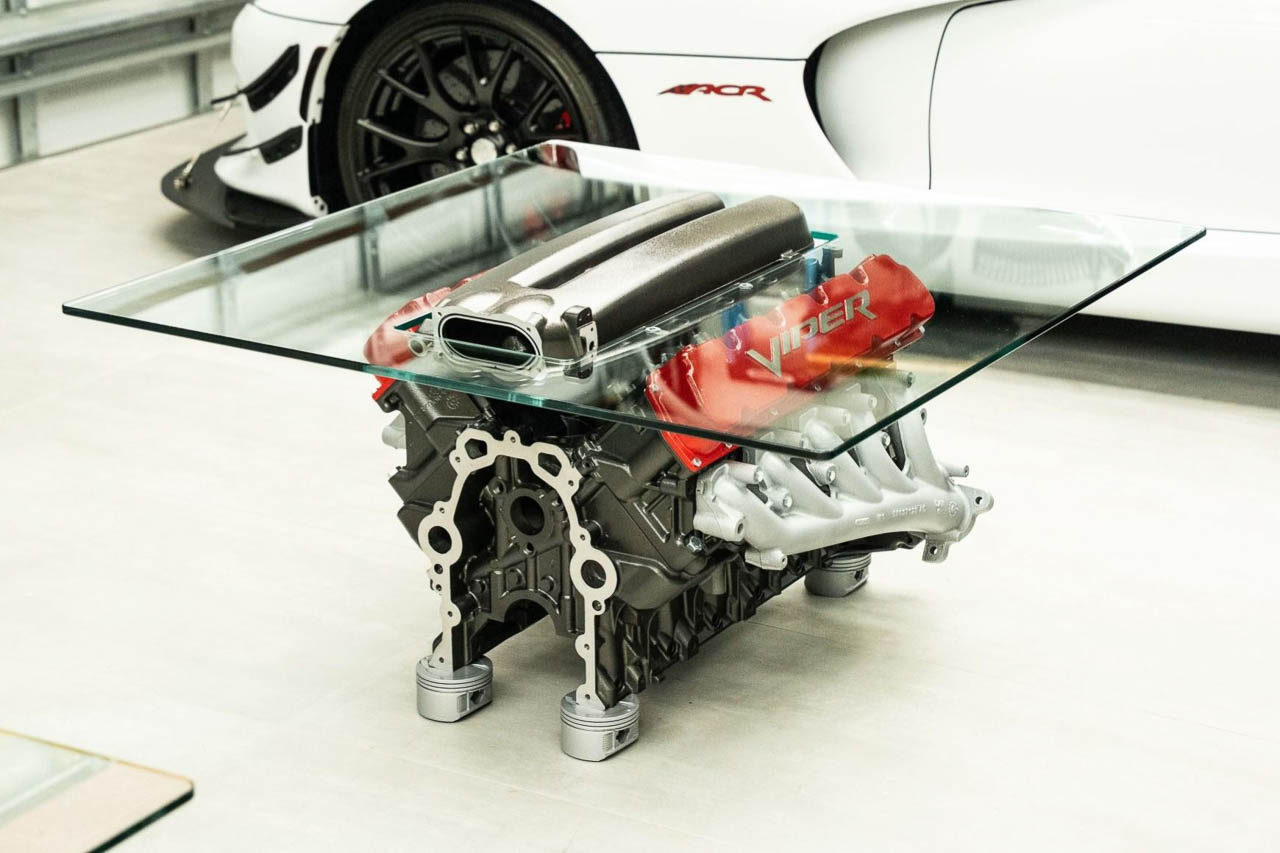
The piece that sold on Bring a Trailer for $6,350 approaches this question with unusual directness. JcCustoms finished a pieced-together V10 powertrain in black, capped it with red valve covers bearing Viper script, and placed the entire assembly beneath glass at conventional coffee table height. The result reads as neither automotive memorabilia nor standard furniture, but as something closer to an industrial artifact placed deliberately in domestic context. The 350-pound mass anchors itself to the floor with repurposed pistons serving as feet, completing a material vocabulary that runs consistently from base to crown. Every surface announces its origin. Every bolt pattern declares that this object once served a purpose far removed from supporting coffee cups and design magazines.

Form Language and Color Strategy

The color palette operates through deliberate contrast rather than subtlety. The black engine block and black intake manifold establish a dark, absorptive core that reads as negative space beneath the glass surface. Red valve covers provide the primary chromatic accent, positioned to catch light and draw attention to the components that would matter most in a functioning engine. Silver exhaust manifolds sit outboard, reflecting ambient illumination and creating a metallic counterpoint to the matte aluminum and gloss-painted surfaces at center.

This arrangement follows a logic rooted in automotive presentation rather than interior design convention. Performance vehicles use red accents to signal aggression. Black components suggest technical seriousness. Silver hardware implies precision engineering. The table inherits these associations without requiring explanation, communicating through a visual language that anyone who has walked past a car dealership will recognize on some level. The meaning transfers even when the machinery no longer functions.

The Manifold Penetration

The most consequential design decision involves the intake manifold’s relationship to the glass top. Rather than sealing the engine beneath a continuous surface, the builder cut a central aperture that allows the manifold to pass through the plane of the glass and emerge into the user’s space above. This gesture transforms the table from a display case into something more spatially assertive: the manifold becomes a vertical element, almost sculptural, rising from the mechanical base like an industrial totem.

The penetration creates several simultaneous effects. It breaks the expected boundary between object and surface. It introduces vertical rhythm to a horizontal form. It makes the table physically difficult to use as a conventional surface, since the manifold occupies prime real estate at center. Most significantly, it declares that the engine’s form matters more than the table’s function, that the manifold’s sculptural presence justifies the functional compromise of a smaller usable area around its edges.

Materiality and Construction Logic

The glass top measures approximately 44 inches square and positions the overall height at roughly 21.5 inches from floor to upper surface. These dimensions place the object within conventional coffee table parameters, suggesting that whoever built it understood the constraints of living with furniture even while prioritizing visual impact over utility. The footprint works in most residential configurations. The height allows seated users to reach across the surface. The proportions read as intentional rather than accidental. Standard furniture dimensions applied to non-standard furniture content creates a productive tension: the object fits spatially while refusing to fit conceptually. This deliberate mismatch between expected form and unexpected content drives much of the piece’s visual interest, forcing viewers to reconcile the familiar coffee table silhouette with the unfamiliar mechanical presence beneath the glass.

Below the glass, the engine assembly reveals its pieced-together origins. Commenters on the auction identified components that appear more consistent with Ram SRT-10 truck applications than pure Viper specification, and noted that certain valve covers may have been installed in reversed orientation. These observations matter for collectors concerned with authenticity, but they matter differently for design evaluation. The object never claimed mechanical integrity. It claimed visual coherence, and the assembled components deliver that coherence regardless of their original applications.

The pistons repurposed as feet extend the material language vertically and provide stable support for the substantial mass. This detail demonstrates the builder’s commitment to vocabulary consistency: rather than hiding the base beneath generic leveling feet, the design incorporates additional engine components to maintain the automotive reference from every viewing angle. The gesture costs nothing functionally while reinforcing the object’s identity at every point of contact with the floor.

Spatial Implications

Placing this object in a room reorganizes the space around it. The 350-pound mass cannot be casually repositioned. The visual intensity demands clear sightlines from seating areas. The scale requires sufficient floor area to breathe, ideally with circulation paths that allow viewers to approach from multiple angles. The table functions best in spaces designed around its presence rather than spaces that accommodate it as an afterthought.

This inversion of the typical furniture-space relationship aligns the piece with sculptural installation logic. A Brancusi or a Serra reorganizes the gallery around itself. This engine table, at a different scale and in a different context, performs a similar operation on domestic space. The living room becomes a setting for the object rather than the object becoming a component of the living room. Whether this constitutes design success depends entirely on whether the owner wants a room that serves the furniture or furniture that serves the room. The answer varies by temperament. Some inhabitants will thrive with an anchor piece that organizes everything else around it. Others will find the gravitational pull exhausting.

The Transformation Question

What distinguishes this execution from cruder automotive furniture attempts is the clarity of the design position. Many engine tables bury the machinery beneath excessive glass, padding the visual impact with transparency until the mechanical forms become background texture. Others over-restore the components, chasing a showroom cleanliness that erases the industrial character. JcCustoms found a middle register: finished enough to read as intentional, raw enough to preserve the material authenticity that makes the object interesting in the first place.
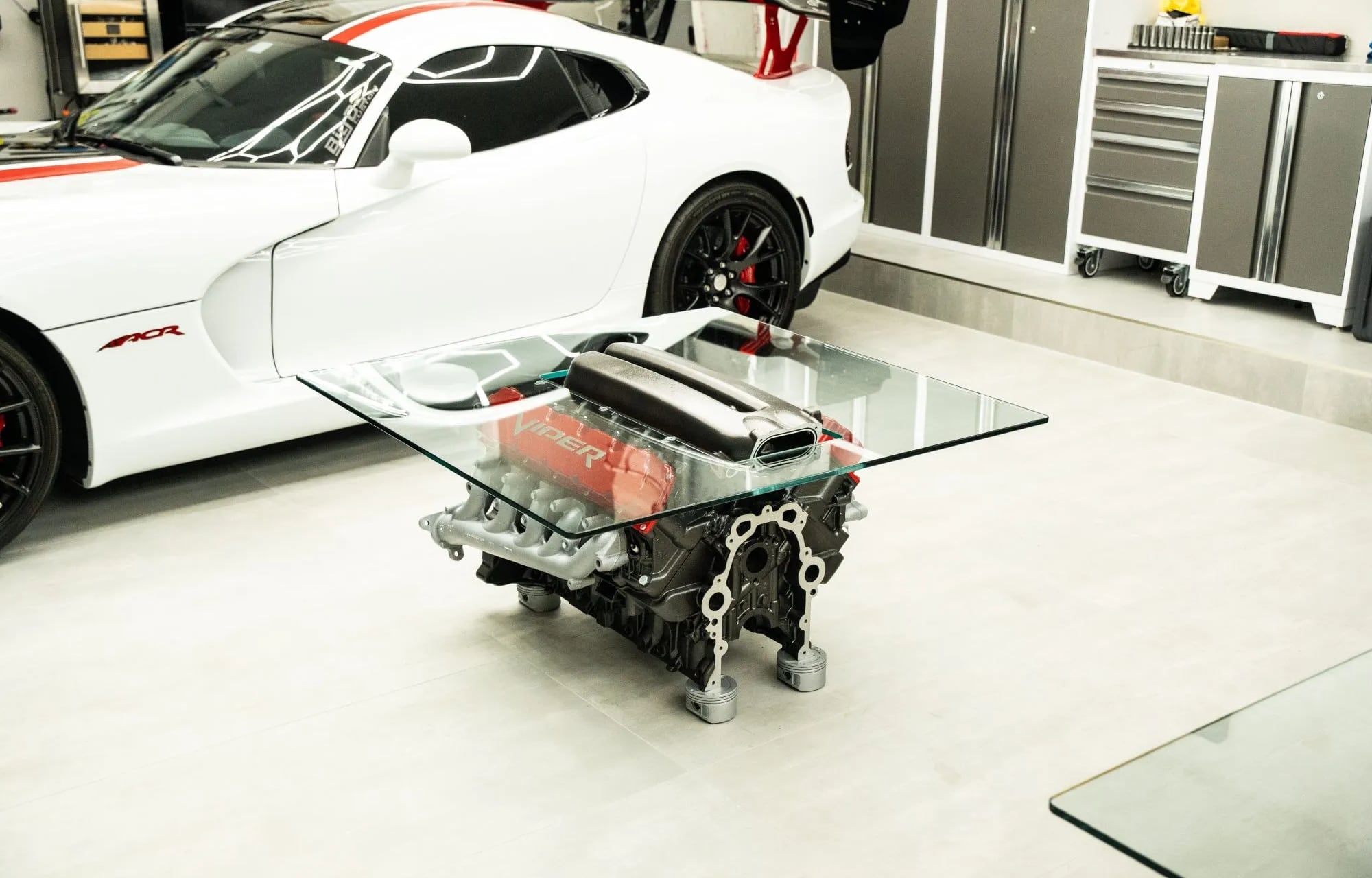
The black-and-red palette references Viper identity without reproducing it literally. The aperture asserts sculptural ambition without abandoning table function entirely. Each decision reflects restraint as much as assertion, suggesting a builder who understood that engine tables succeed or fail based on what they choose not to do as much as what they add. Knowing when to stop matters as much as knowing what to include. JcCustoms stopped at the right moment.

Object Status After Function

The $6,350 hammer price establishes this piece as serious furniture for a narrow audience, but the design implications extend beyond market validation. This table represents one answer to a question that contemporary culture increasingly confronts: what happens to mechanical objects when their original purpose ends? Engines fail. Vehicles get scrapped. Components enter a liminal state between artifact and waste. Someone chose transformation over dissolution, preservation through reimagining rather than preservation through stasis.
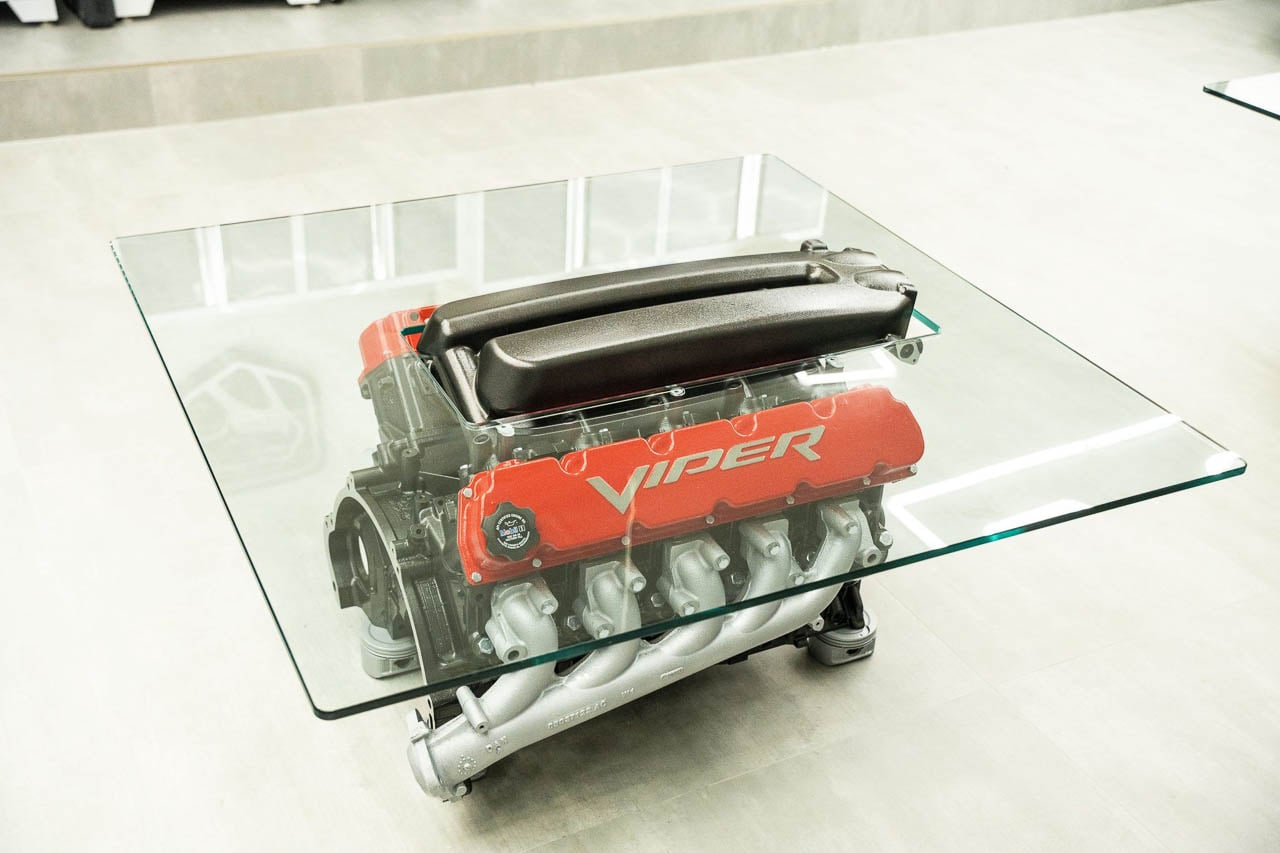
One response treats these objects as raw material for recycling, melting the aluminum back into commodity feedstock. Another response preserves them as static memorabilia, freezing the machinery in museum context. This table proposes a third path: transformation into new objects that acknowledge their origins while serving different functions. The engine remains recognizable as an engine. It also becomes furniture. Both identities coexist in the finished piece, neither fully displacing the other.

The buyer who claimed this object now owns something that occupies multiple categories simultaneously. It functions as a table, barely. It functions as sculpture, more convincingly. It functions as automotive artifact, somewhat ambiguously given the mixed-source components. It functions as conversation anchor, inevitably and permanently. The object will outlast the buyer’s patience for explaining it, will survive the inevitable scratches on its glass, will persist through changes in interior design fashion, will remain exactly what it is regardless of how the surrounding room evolves around it. Mechanical objects built for permanence tend to achieve it, even when their original function disappears.

The post When a V10 Engine Becomes a Brutalist Coffee Table first appeared on Yanko Design.
Co-founder of CD Projekt Michał Kiciński has acquired GOG, the company’s game storefront

Michał Kiciński, co-founder of CD Projekt, has acquired total ownership of the DRM-free video game storefront GOG. The digital video game platform was started by CD Projekt in 2008 with a stated mission to preserve "Good Old Games" (hence the GOG acronym). CD Projekt is known for its game studio CD Projekt Red, the developers The Witcher series and Cyberpunk 2077.

GOG said Kiciński bought 100 percent of its shares for PLN 90.7 million ($25 million). The acquisition was fully financed through committed funding secured at the sale’s closing and did not involve the sale of any of Kiciński’s CD Projekt shares.

The storefront will continue to operate independently under its new owner, sticking with its DRM-free philosophy and ongoing work to keep classic titles playable on modern PCs. After the sale, CD Projekt and GOG signed a distribution agreement that will see CD Projekt Red games continue to be listed on GOG.

While the press release for the sale did not list a reason, a report posted Monday under the Regulatory Announcements section of the CD Projekt website states "the sale of shares in GOG is consistent with the CD PROJEKT Group growth strategy, which assumes focusing on the core business of the Company, i.e., developing and publishing video games and related projects based on the owned and new franchises." The report also describes a "competitive sale process," implying that Kiciński may not have been the only bidder.

While it seems Kiciński will have a hands-on role in GOG after its acquisition, his current involvement at CD Projekt is less clear. He remains a significant shareholder but is not listed on the company's Management board or its Supervisory board.

This article originally appeared on Engadget at https://www.engadget.com/gaming/pc/co-founder-of-cd-projekt-micha%C5%82-kicinski-has-acquired-gog-the-companys-game-storefront-174853415.html?src=rss

1Password deal: Last chance to save 50 percent on our favorite password manager

If cleaning up your digital life is on your New Year's resolution list, we've got good news: 1Password is offering half off its subscription plans (both the Individual and Families plans). That brings the price of the Individual plan down to $24 for a year and the Families plan down to $36 for a year. 

The plans are nearly identical, but the Families plan accommodates five additional people. These discounts are only available to new customers and the prices expire after the year, so set a reminder to cancel or reassess. And you'll need to act fast, because the offer expires today — Tuesday, December 30.

This provider topped our list of the best password managers, and for good reason. We appreciated the intuitive interface and the fact that it's available on most platforms, so you'll never be left out in the cold. These include Chrome, Firefox, Safari, Edge, macOS, iOS, Windows, Android and more.

Subscriptions include industry standard encryption and a "secret key" that only you know on top of a master password. There's also two-factor authentication and the platform issues alerts when credentials have potentially been compromised.

1Password recently raised prices across the board, but this is still looking to be the best deal for our favorite password manager going into the new year. The only downside here is the one that accompanies many password managers: There is no free version. 

Follow @EngadgetDeals on X for the latest tech deals and buying advice.

Update, December 30 2025, 11:43AM ET: This story has been updated to fix broken links, and to note that this is the final day of the sale.

This article originally appeared on Engadget at https://www.engadget.com/deals/1password-deal-last-chance-to-save-50-percent-on-our-favorite-password-manager-162844256.html?src=rss

The Solar Touch Light That Hides Its Tech in Plain Sight

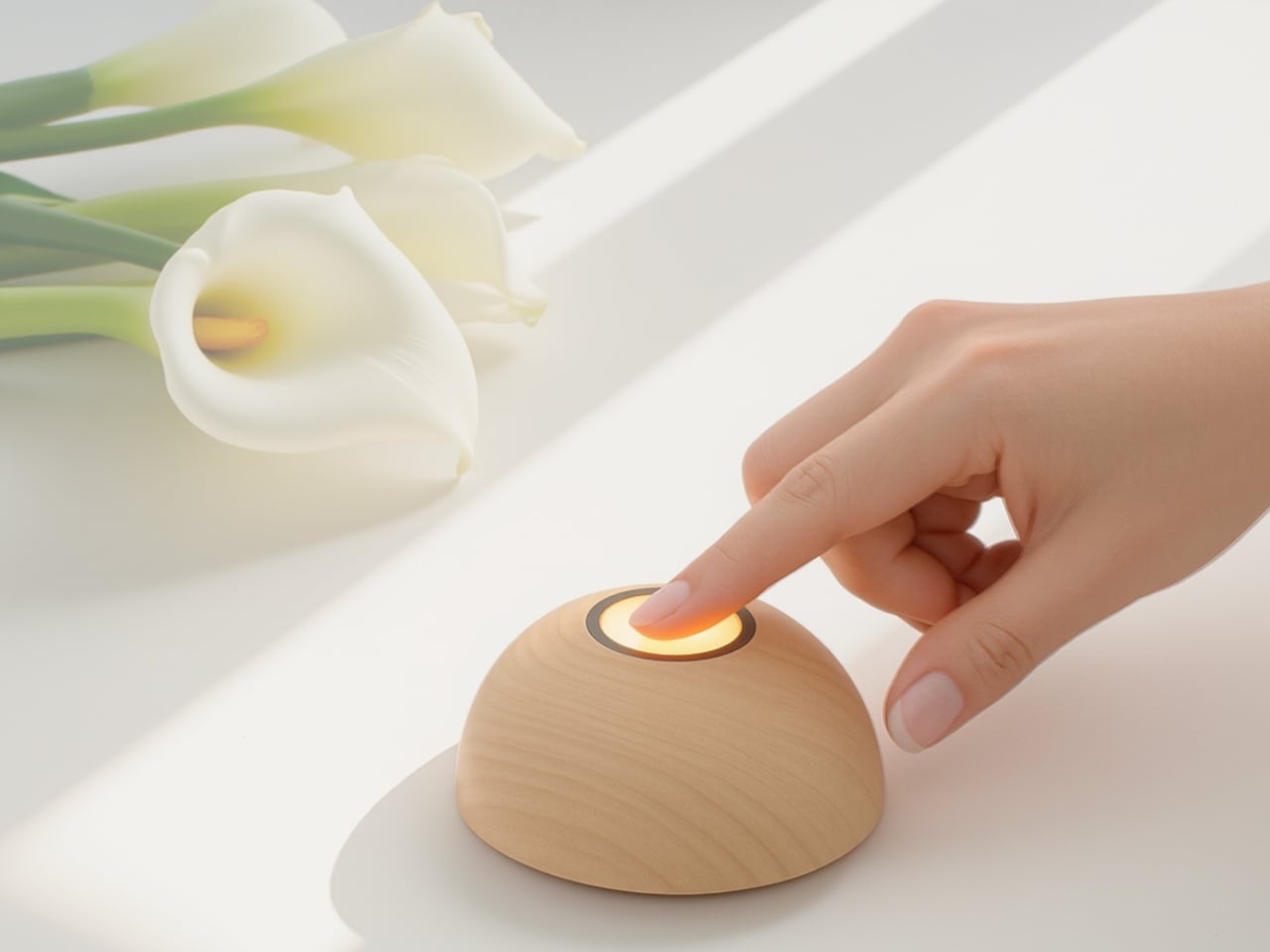
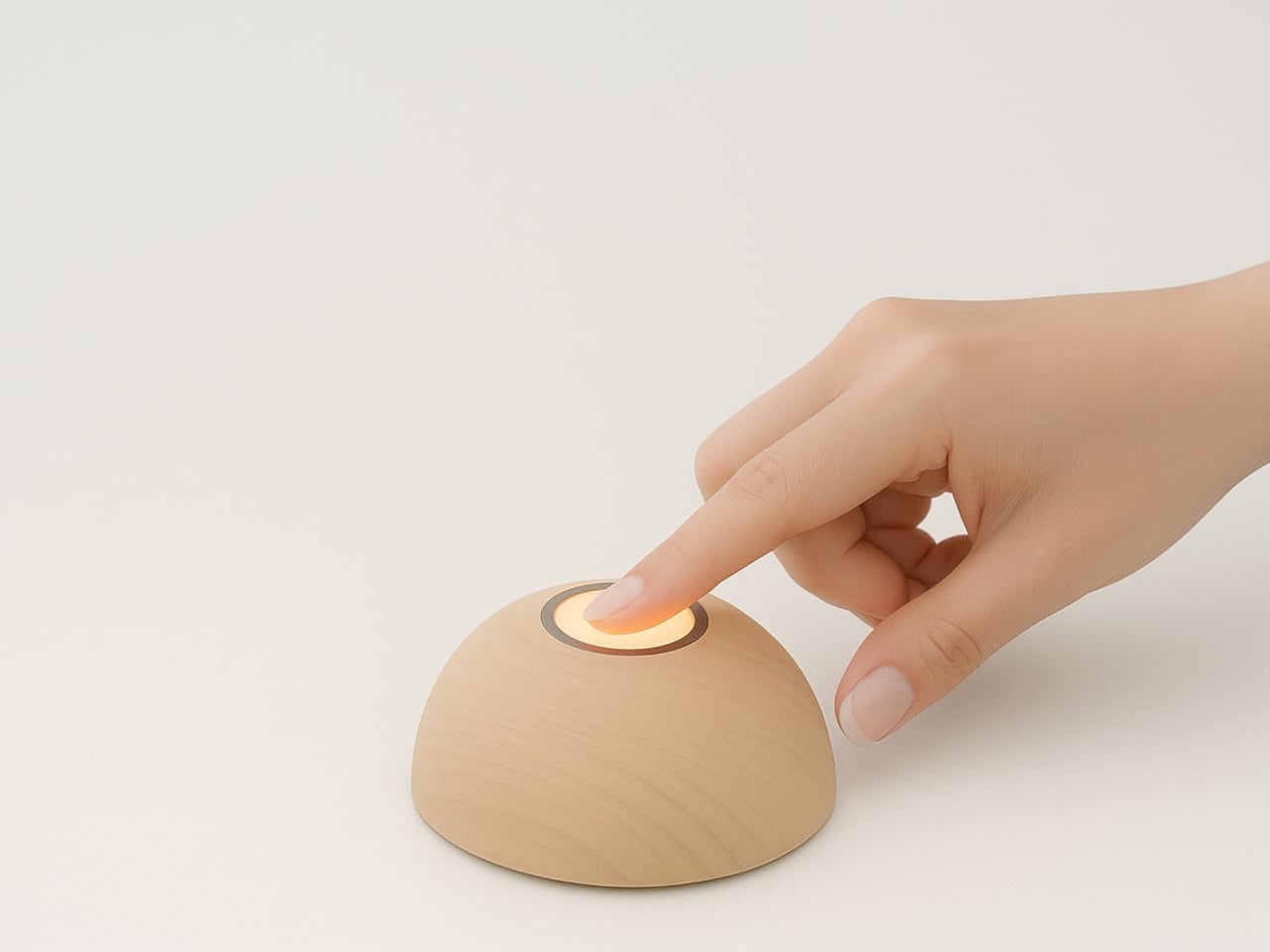
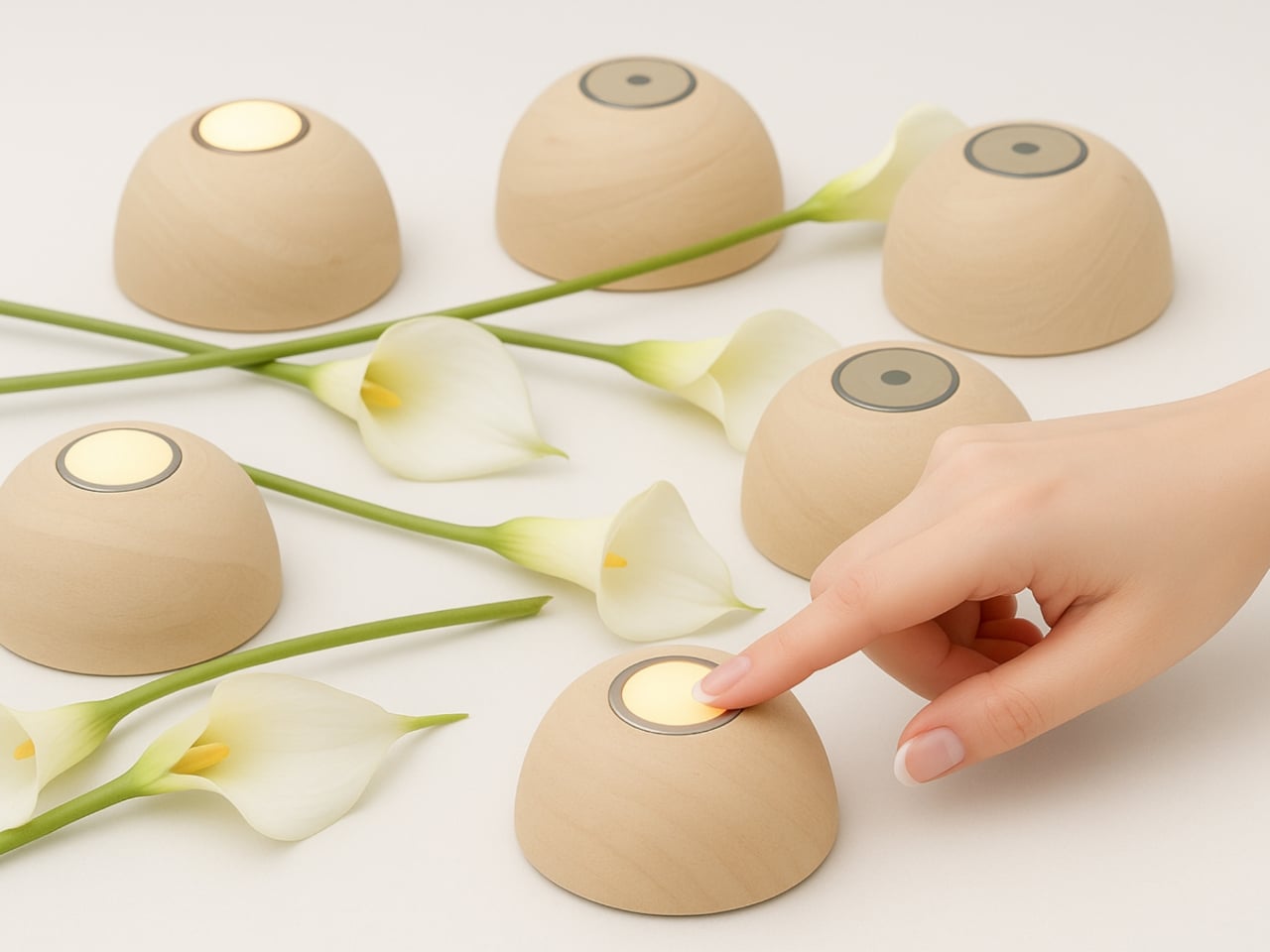
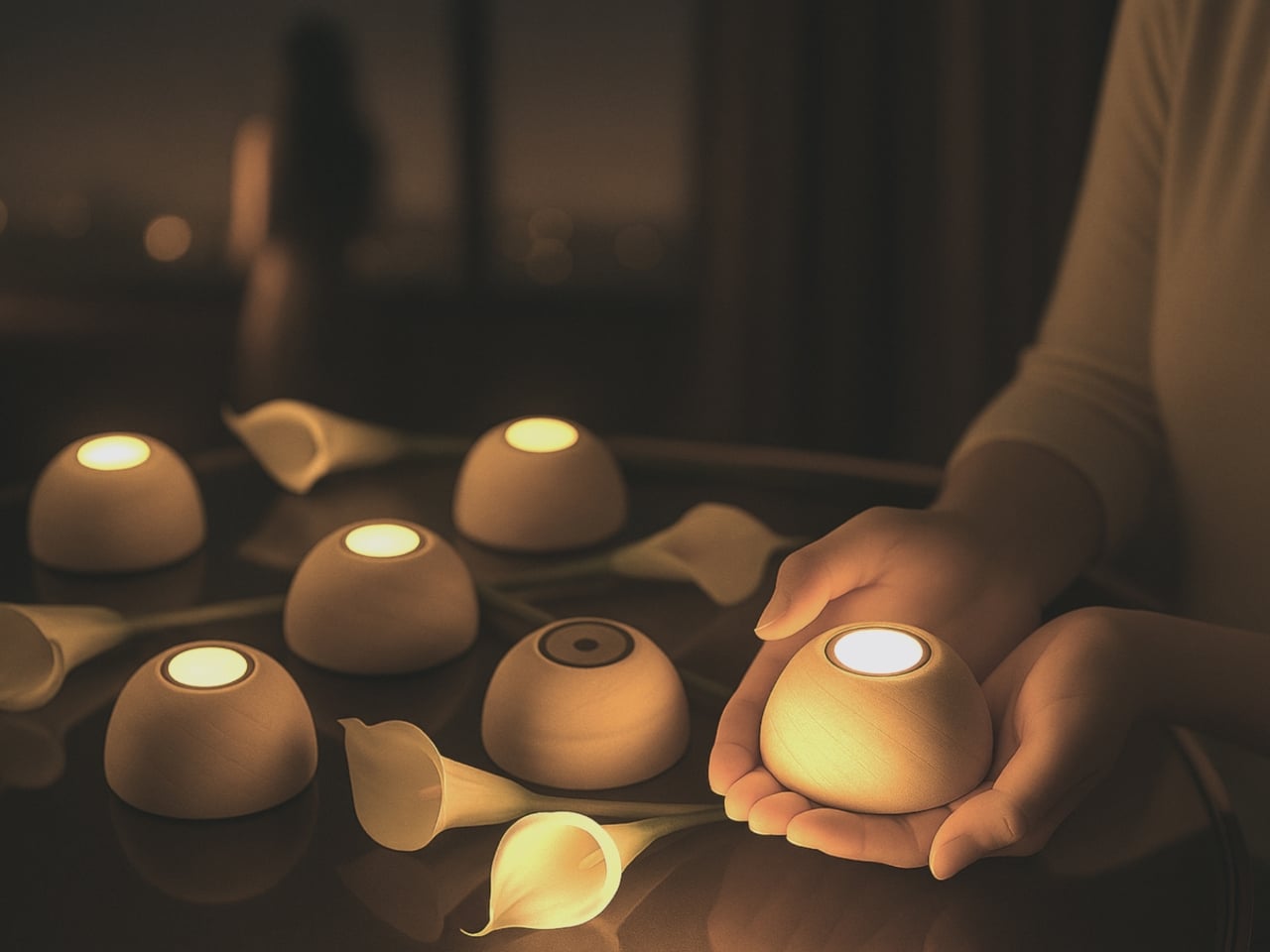
There’s something quietly revolutionary happening in the world of ambient lighting, and it looks like a smooth wooden pebble you’d want to hold in your palm. Meet Sula, a solar touch light designed by Maryam Mozafari that’s making the case for sustainable design without sacrificing an ounce of beauty or simplicity.

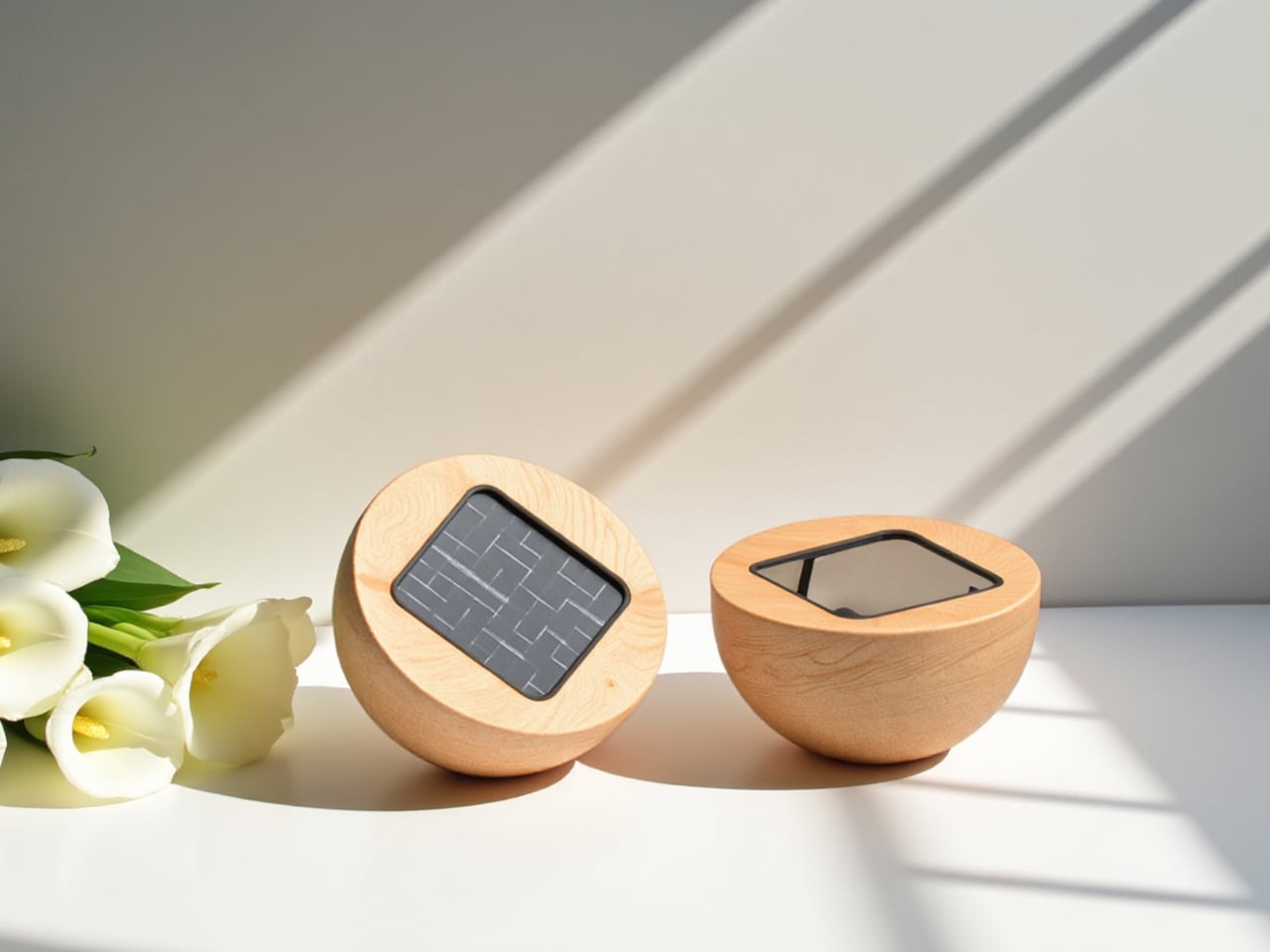
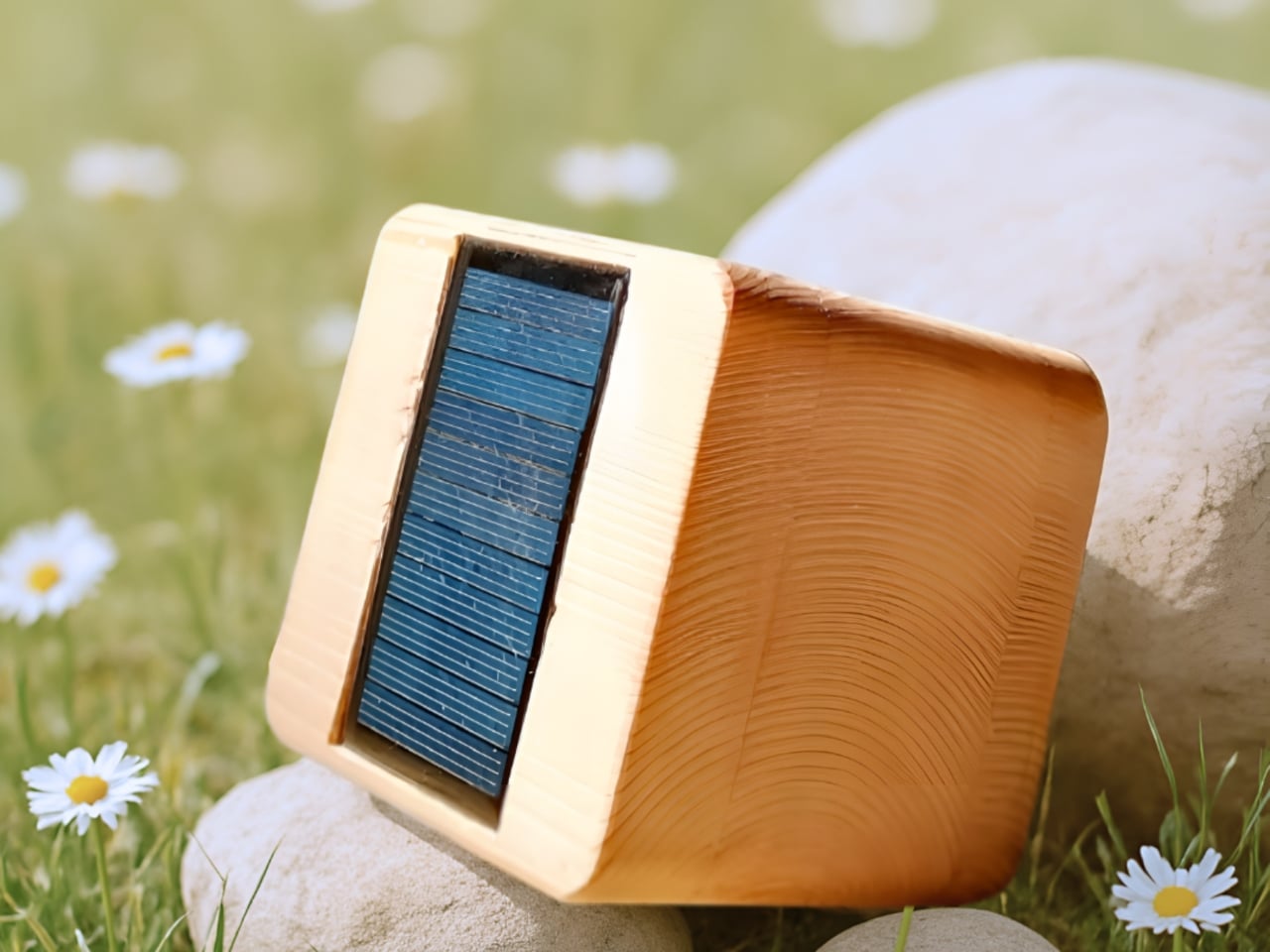
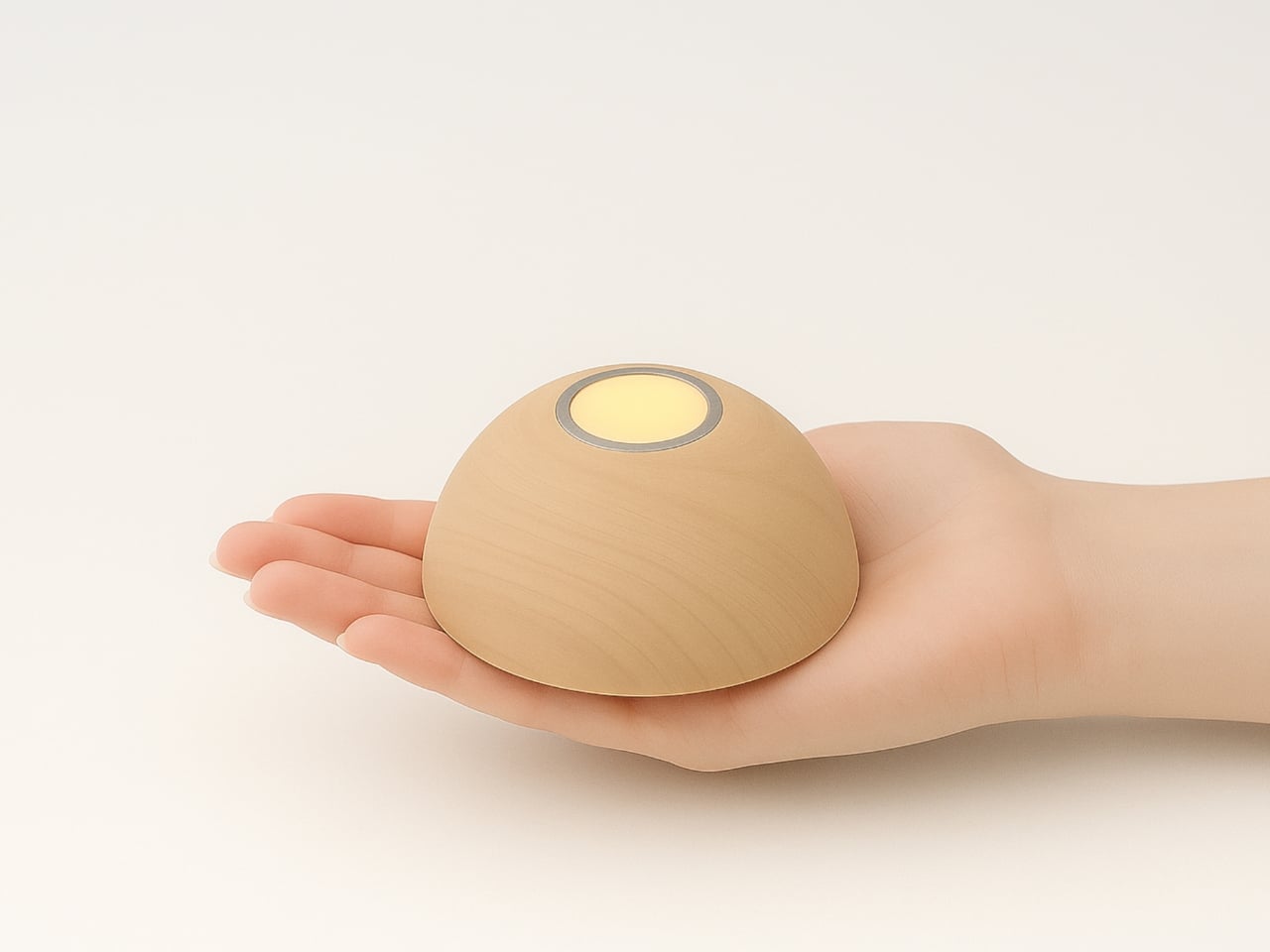
At first glance, Sula resembles a decorative candle that’s been reimagined for the 21st century. Its organic, rounded form sits comfortably in your hand, and the warm wood finish gives it that luxurious, handcrafted quality that makes you want to keep it on display even when it’s not lit. But flip it over or lay it on its side, and you’ll discover its secret: a hidden solar panel that soaks up sunlight and stores energy in its lithium battery.

Designer: Maryam Mozafari

The genius of Sula lies in how effortlessly it integrates sustainability into everyday life. We’re living in an era where solar panels still feel like clunky additions to our homes, awkward compromises between function and form. Sula challenges that assumption entirely. Instead of treating the solar panel as an eyesore to hide, Mozafari designed the entire object around the idea that charging should be as natural as setting something down. Want to power up your light? Just flip it upside down on a sunny windowsill. That’s it. No cords, no outlets, no apps to download.

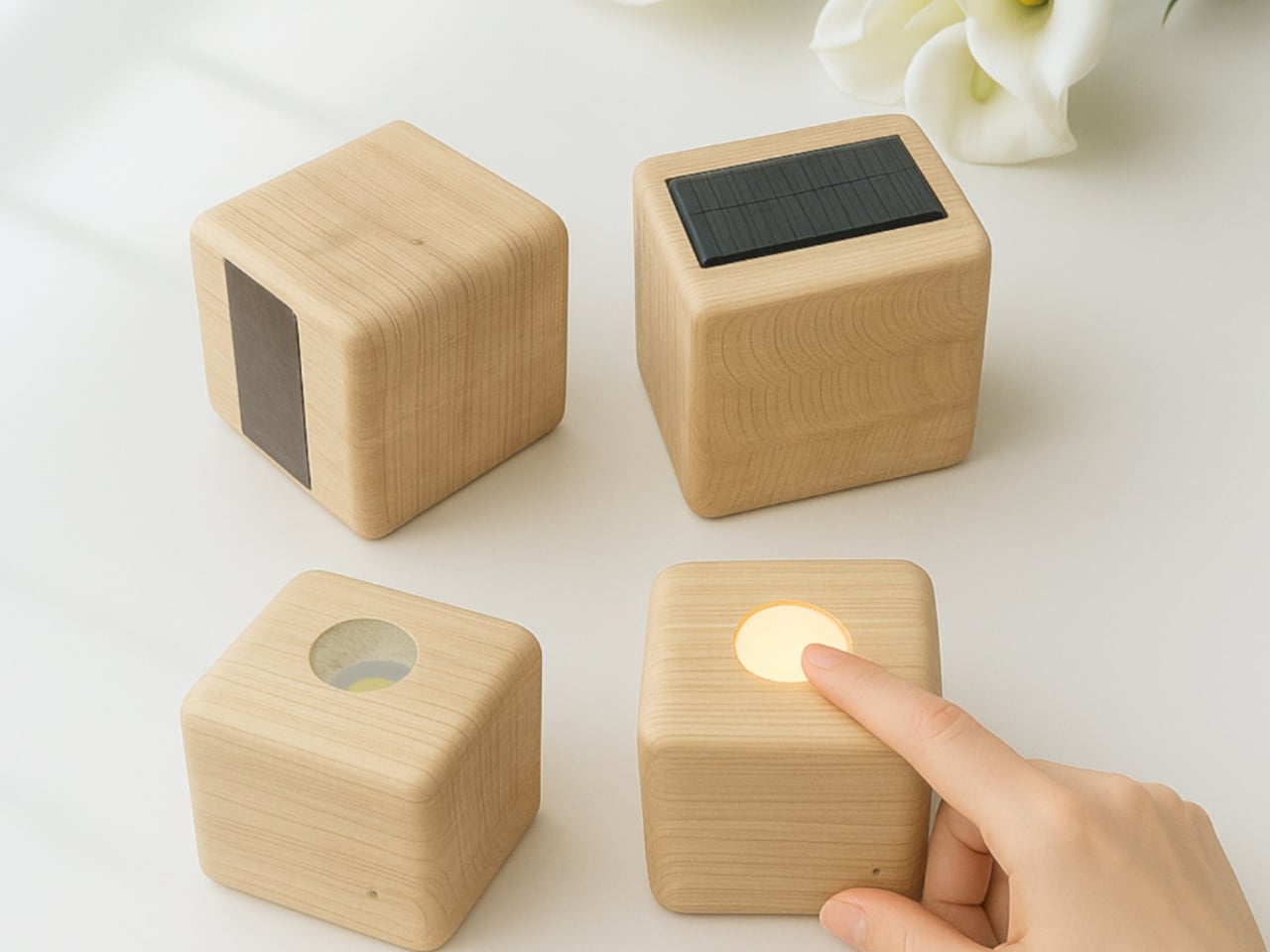
This simplicity extends to how you actually use the light. A gentle touch activates the soft glow, creating that intimate, relaxing atmosphere we usually associate with candlelight but without the fire hazard or melting wax. There’s something deeply satisfying about touch activation. It makes you feel more connected to the object, more intentional about the mood you’re creating in your space.

The design comes in different forms too, giving it versatility that most ambient lights lack. The classic dome shape looks like a smooth river stone, while the cubic version brings a more contemporary, architectural vibe. Both variations share that same philosophy: beautiful objects that happen to be functional, rather than functional objects trying to look beautiful. It’s a subtle but crucial distinction that separates good design from great design.

What makes Sula particularly relevant right now is how it addresses our complicated relationship with technology and sustainability. We want to make better choices for the environment, but we don’t want those choices to feel like sacrifices. Solar power often comes with baggage: it’s expensive, it’s complicated, it requires installation. Sula strips all that away. It’s a light that charges itself using the sun, and the whole process is so seamless you barely think about it.

The ergonomics deserve attention too. The light is sized perfectly to be portable, to move from room to room as you need it. Imagine bringing a cluster of them to an outdoor dinner as the sun sets, or keeping one on your nightstand for gentle reading light that won’t blast you awake like your phone screen. The soft illumination creates pockets of warmth without overwhelming a space, which is exactly what good ambient lighting should do.

There’s also something wonderfully analog about Sula in our increasingly connected world. It doesn’t ping you with notifications, it doesn’t need updates, and it won’t become obsolete when a new model comes out. It’s just a light that runs on sunshine and responds to your touch. In a market saturated with smart home devices that promise to make life easier but often just add complexity, Sula’s straightforward approach feels refreshingly honest.

Mozafari’s design proves that sustainability doesn’t have to announce itself loudly to be effective. Sula isn’t covered in green leaves or covered with “eco-friendly” labels. It’s simply a beautifully crafted object that happens to run on renewable energy. That quiet confidence is what makes it work. It fits into modern homes not because it’s making a statement about sustainability, but because it’s genuinely lovely to look at and use.

For anyone who’s ever fumbled for a light switch in the dark or dealt with the anxiety of leaving candles burning overnight, Sula offers something better. It’s proof that the future of sustainable design isn’t about compromise. It’s about creating objects so well-designed that their environmental benefits become just one more reason to love them.

The post The Solar Touch Light That Hides Its Tech in Plain Sight first appeared on Yanko Design.
Why the Galaxy S26 Ultra Will Redefine Flagship Phones

Why the Galaxy S26 Ultra Will Redefine Flagship Phones

The Samsung Galaxy S26 Ultra is poised to make a significant impact in the competitive smartphone market. Scheduled for a February unveiling at Samsung’s Unpacked event and a March retail launch, this flagship device introduces a host of advanced features, including 60W fast charging, enhanced file-sharing capabilities, and the debut of Samsung’s 1 UI 8 […]

The post Why the Galaxy S26 Ultra Will Redefine Flagship Phones appeared first on Geeky Gadgets.

Posted in Uncategorized

Essential AI Skill sfor 2026 from Prompts to Task-Specific Agents

Essential AI Skill sfor 2026 from Prompts to Task-Specific Agents

What will it take to stay competitive in the AI-driven world of 2026? As artificial intelligence continues to evolve, it’s no longer just about understanding the basics, it’s about mastering the skills that will define the future of work. Tina Huang walks through how professionals can position themselves at the forefront of this transformation in […]

The post Essential AI Skill sfor 2026 from Prompts to Task-Specific Agents appeared first on Geeky Gadgets.

Posted in Uncategorized

Retro-modern N200 desktop speaker has serious Teenage Engineering vibes

Desktop Bluetooth speakers are plentiful, and the one you choose for your desk setup purely depends on the desired audio signature and your design affinity. While the commercially available desktop speakers from numerous brands go for the tried and tested designs with some trendy innovations in the mix, some unique desk speaker designs do catch our attention.

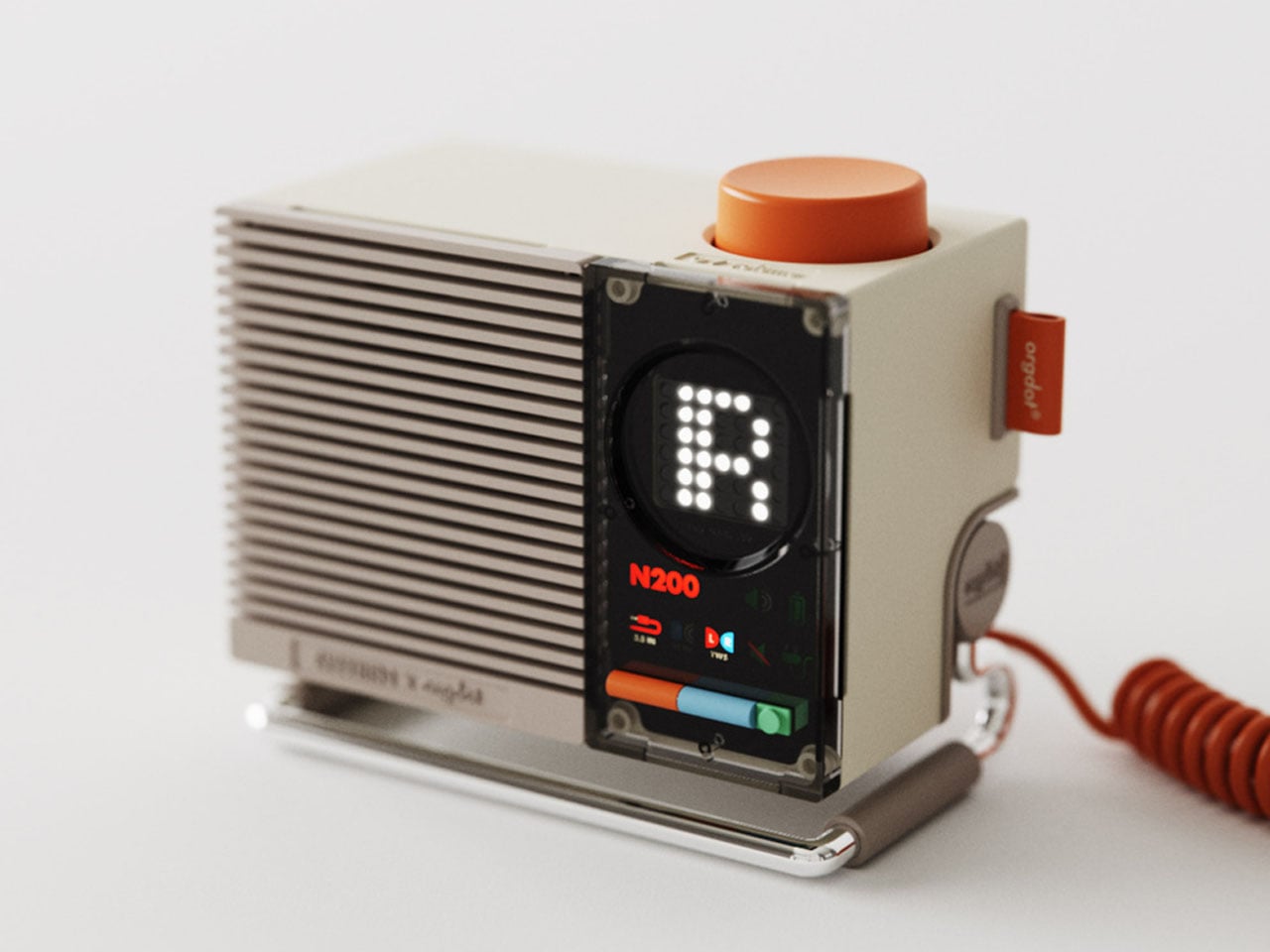
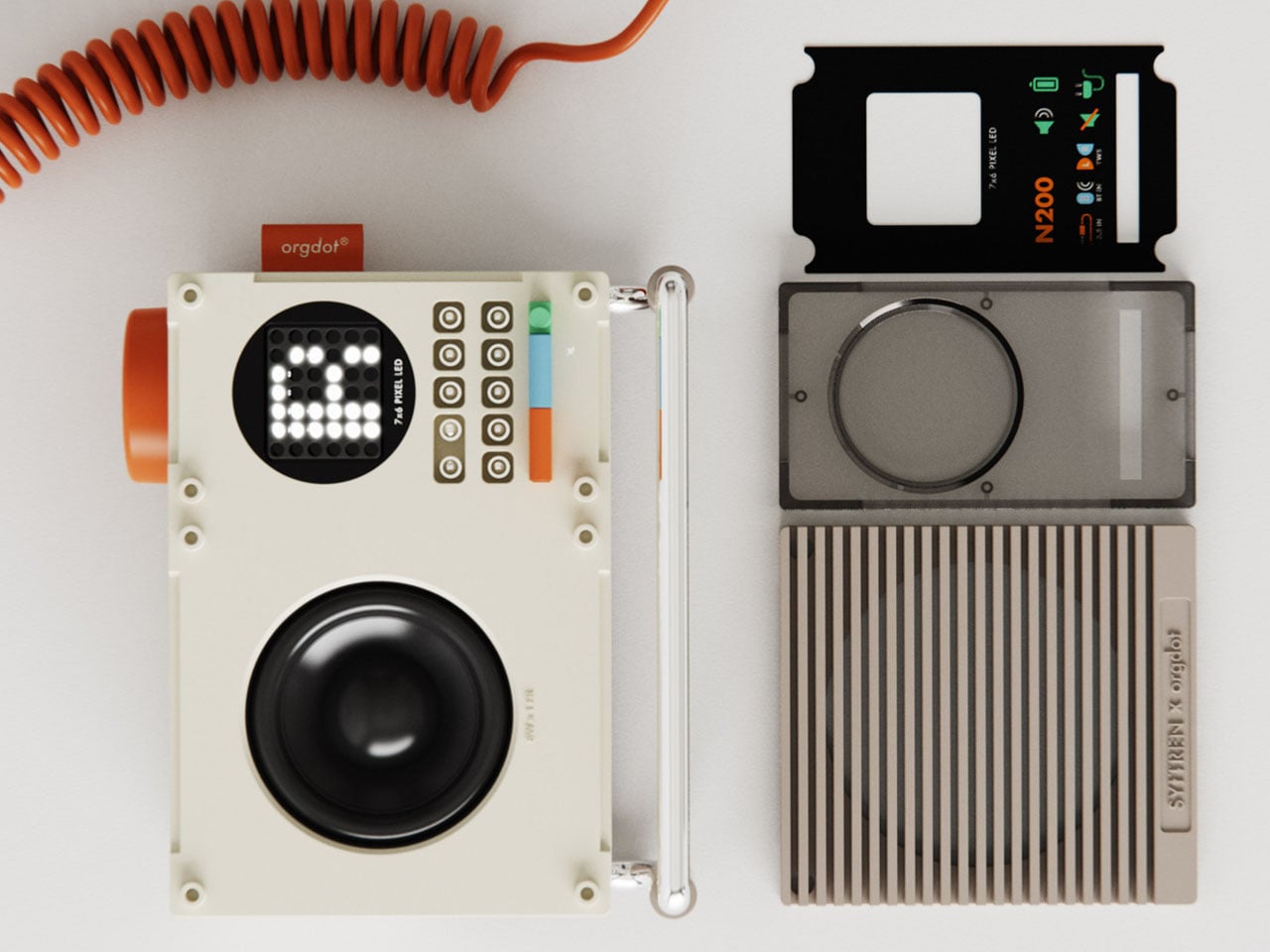
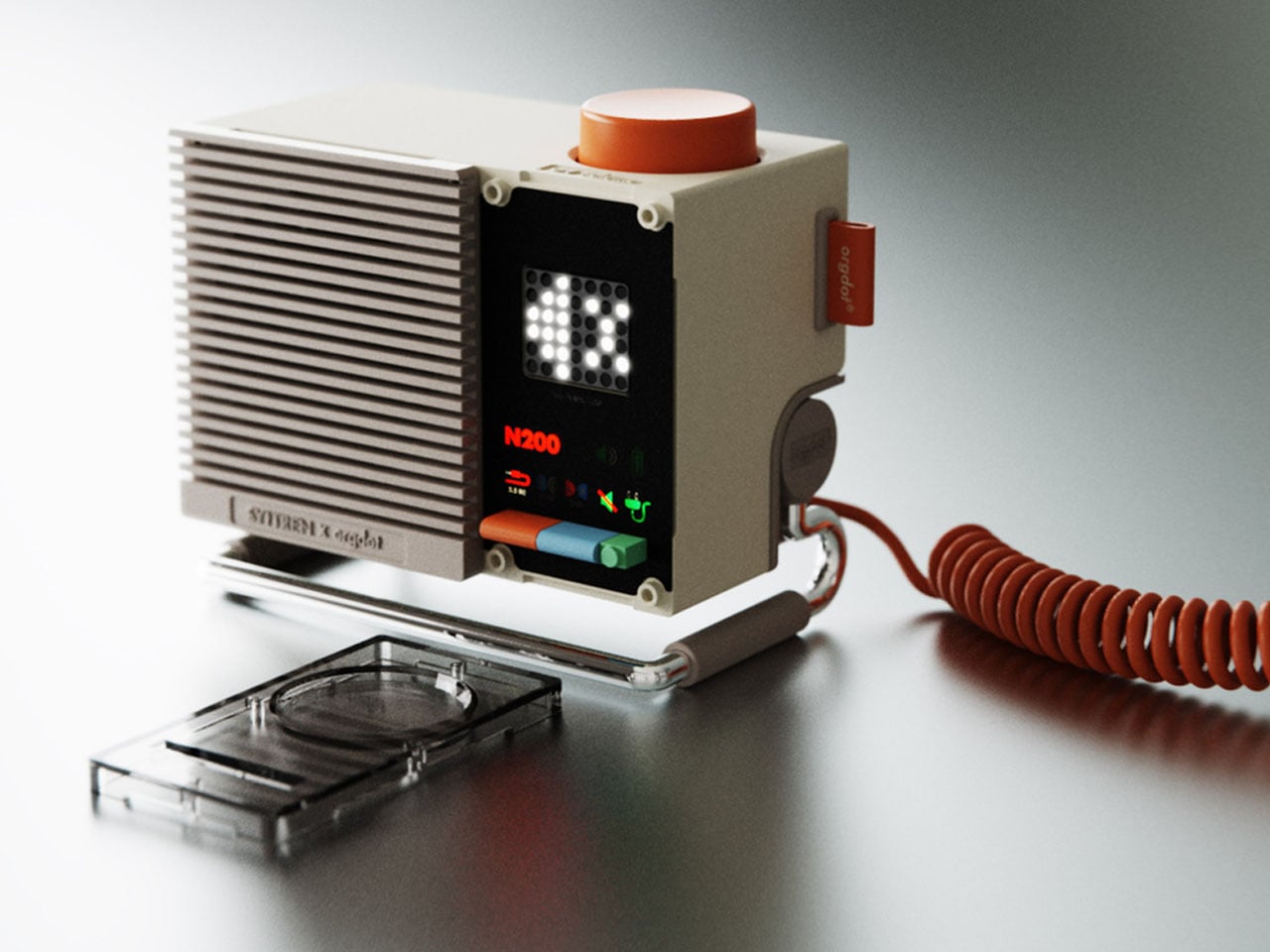
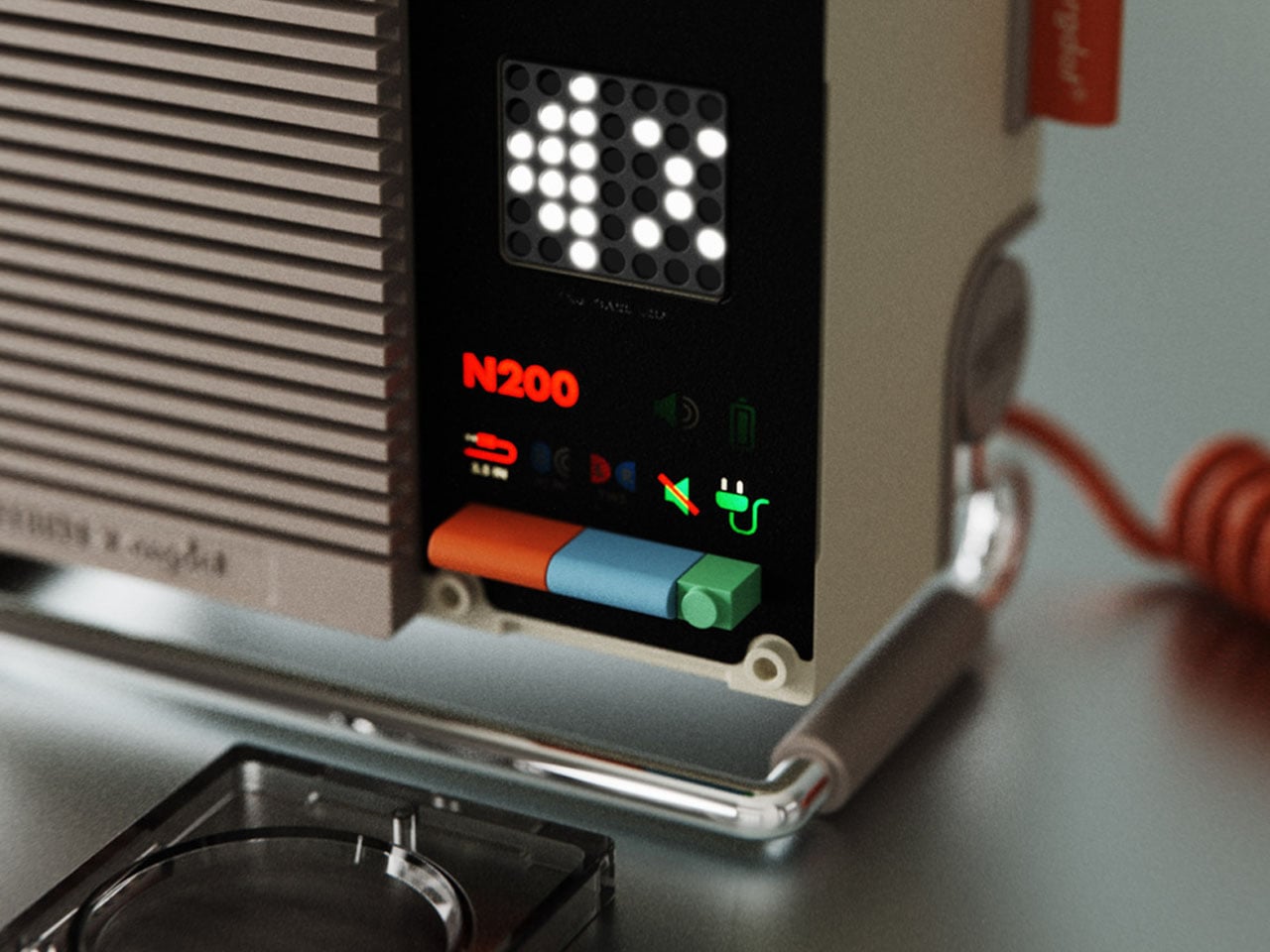
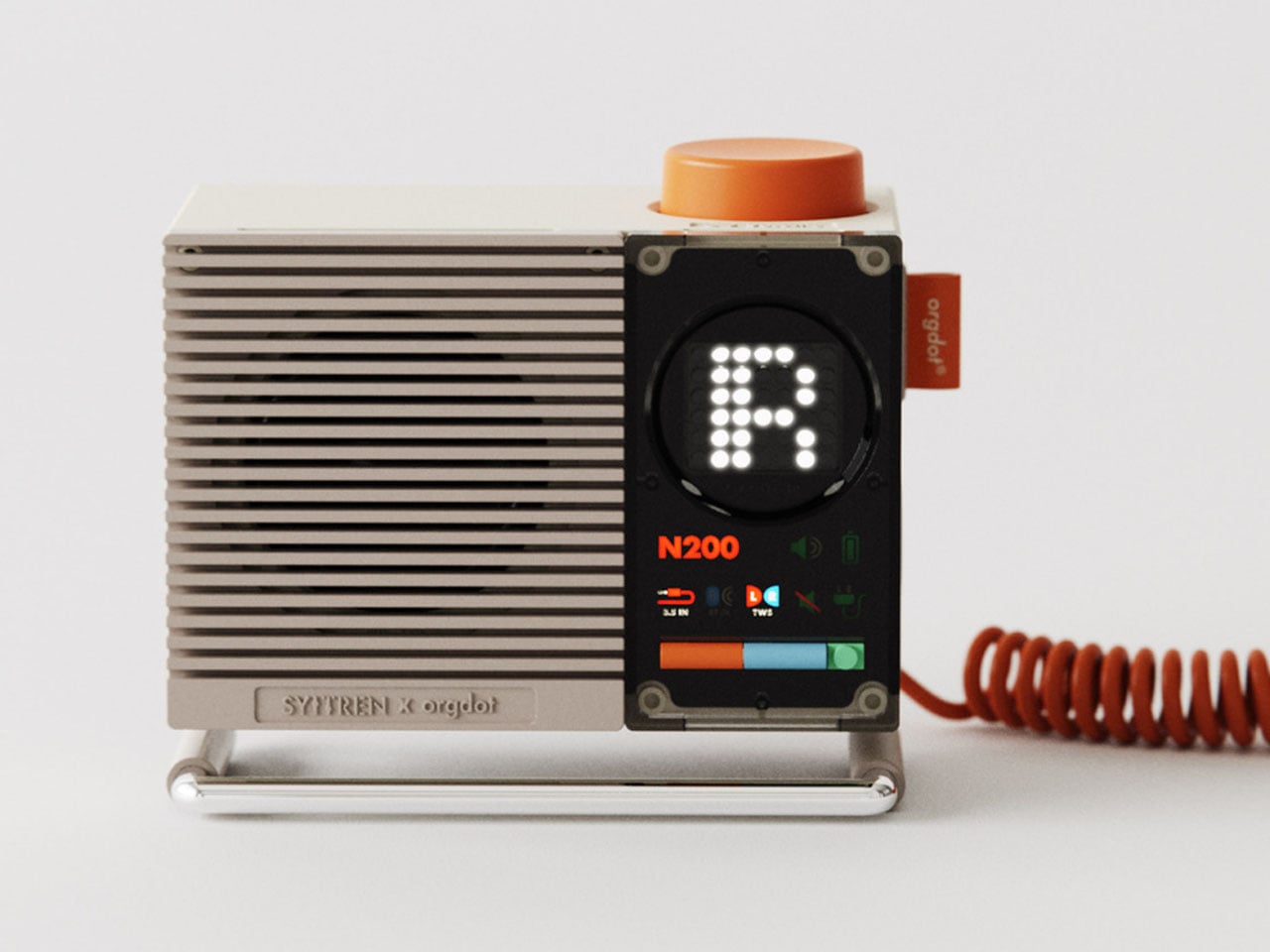
This is the Orgdot N200 Bluetooth desktop speaker that bears a tell-tale industrial design influence and a pinch of steampunk vibe. Designed by Shu Zhang and his team, the wireless speaker is mindful of the design sense of modern users. The primary motive is to create a relaxing and immersive atmosphere for the user, while keeping the practical functionality intact. The retro-modern form of the speaker takes you back in time when muted colors were beautifully fused with the vibrant hues to instantly pep up any desk space.

Designer: Shu Zhang and Orgdot

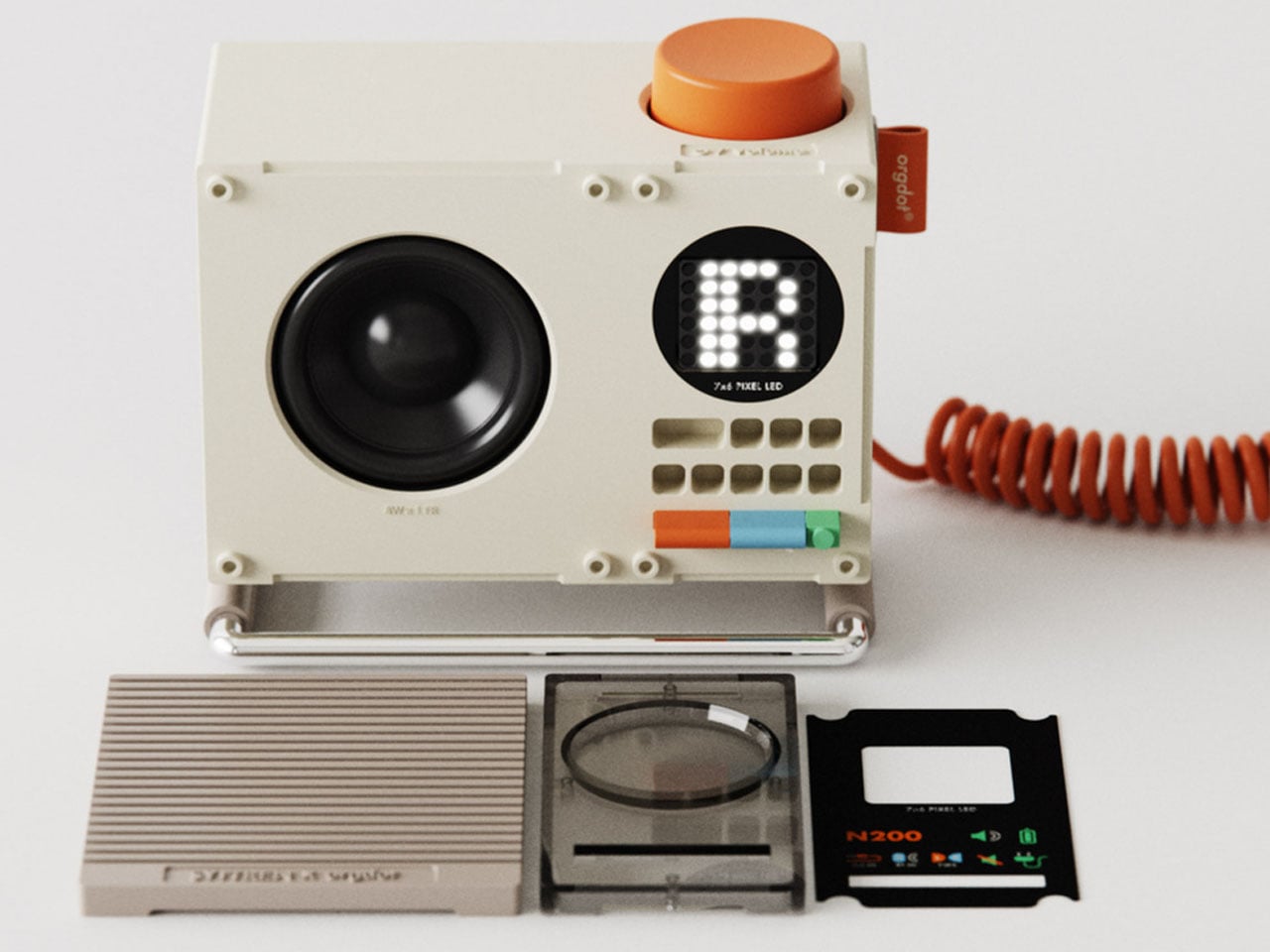
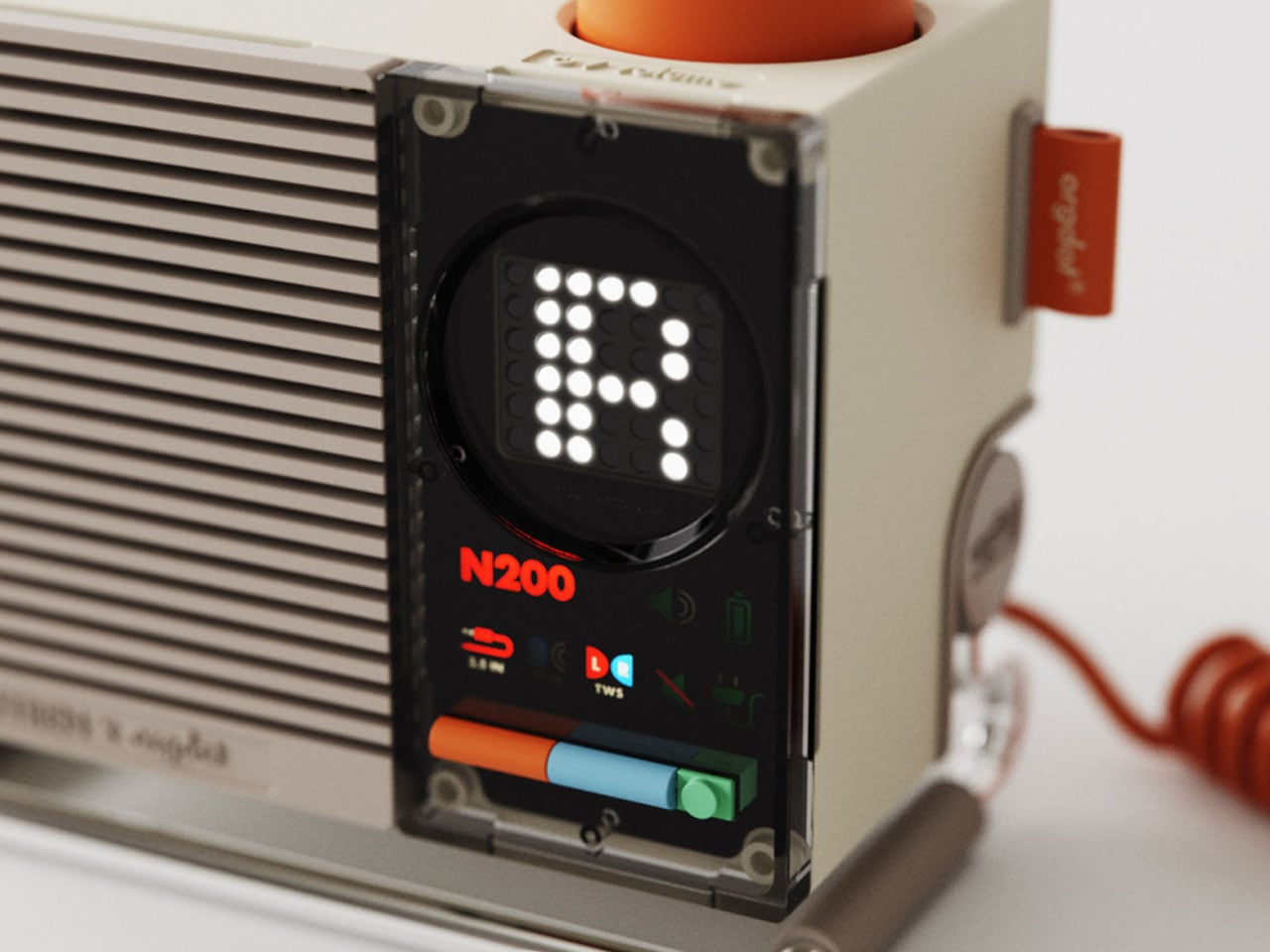
The Orgdot Bluetooth speaker draws inspiration from the modular design of the LEGO bricks, thereby having a swappable front panel, physical buttons, indicator lights, and a dot-matrix display. First look at this thing, and I presumed it was a Teenage Engineering-inspired product, but it turned out otherwise. This makes the audio accessory much more than just a possession to listen to your favorite tunes. It’s more like a playable and explorable sound companion for your desk. I can already imagine this one sitting on my geeky desk with the future garage or lo-fi tunes playing for hours on end as I dive deep into my productive sessions.

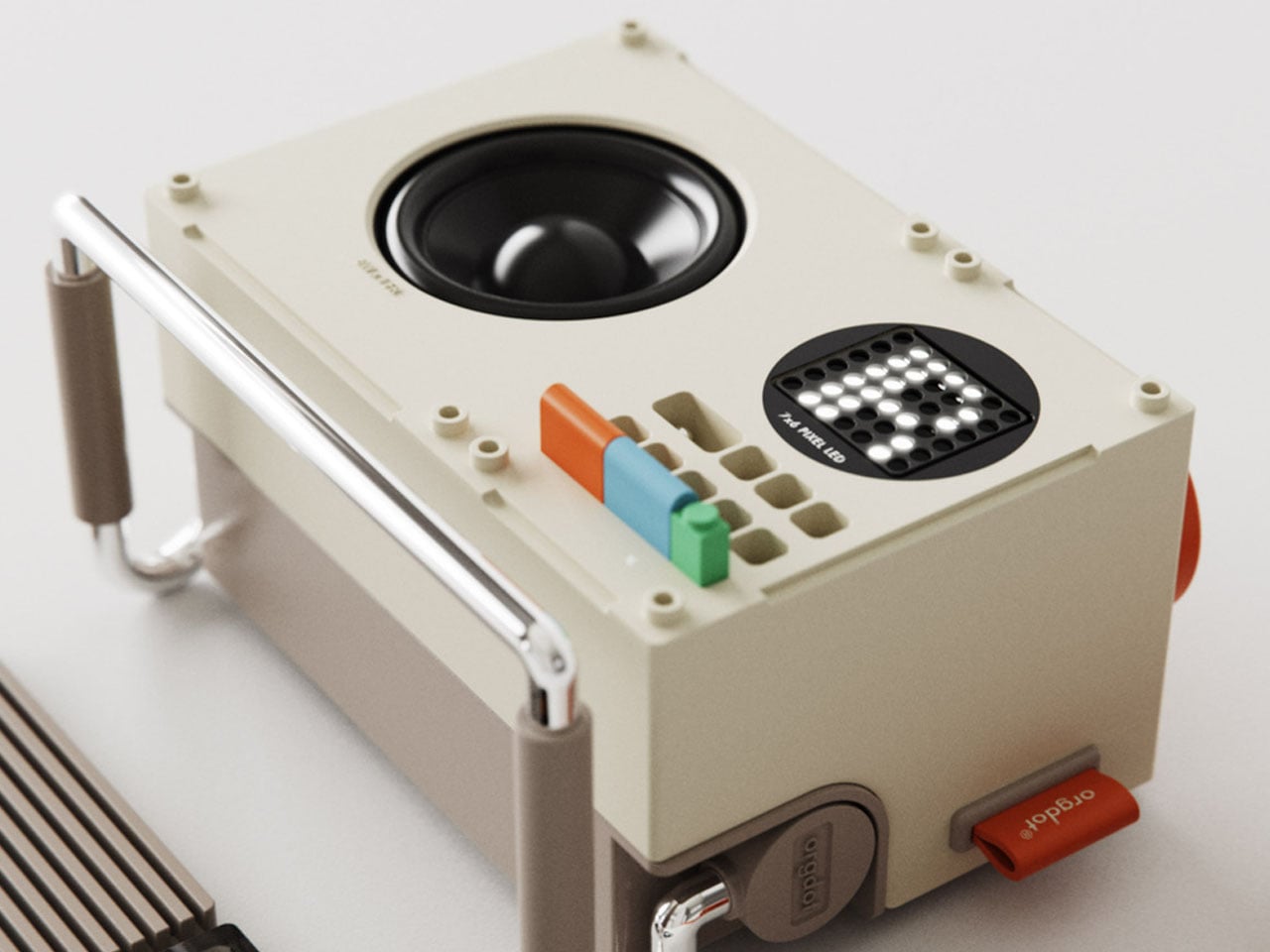
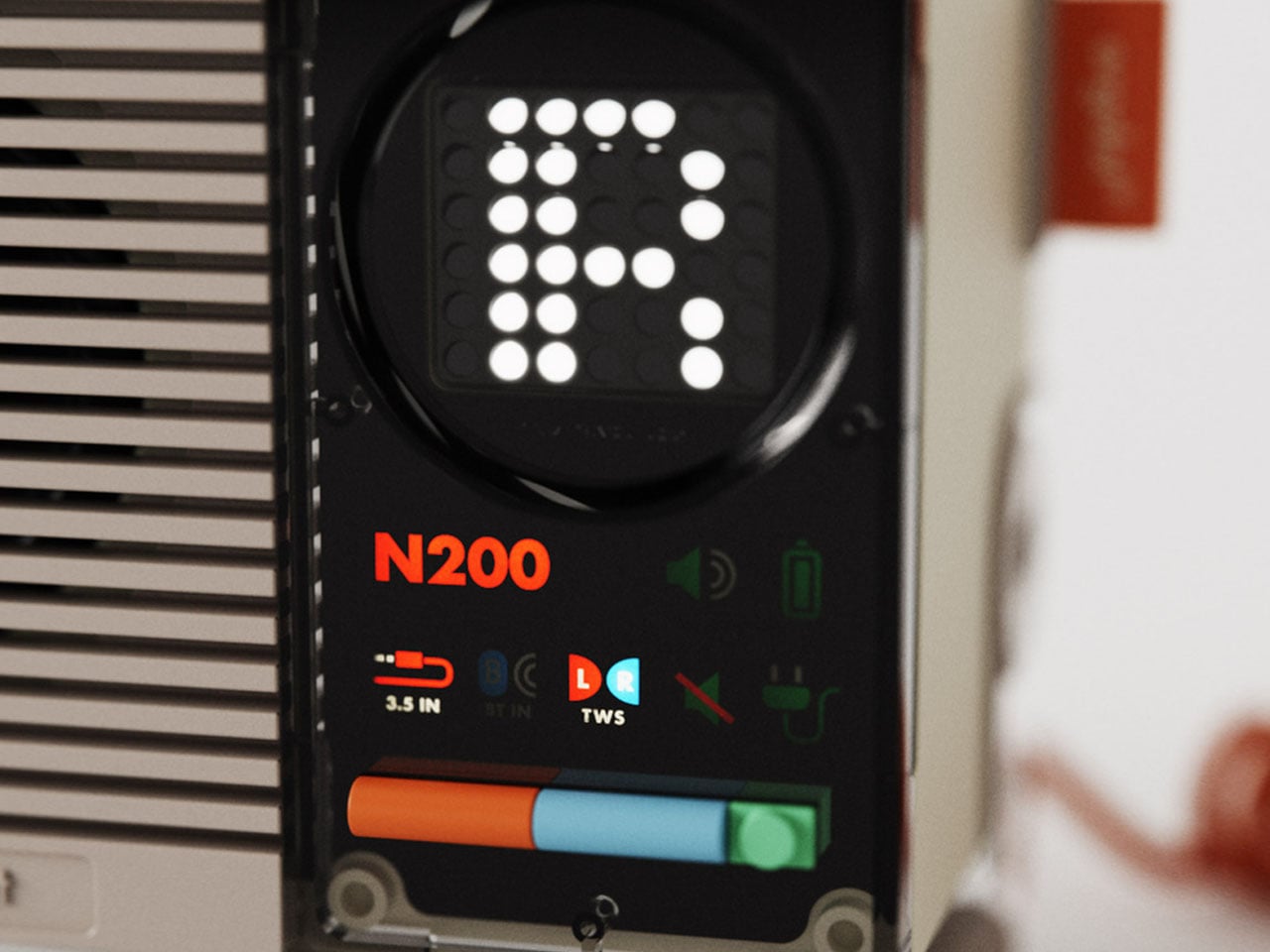
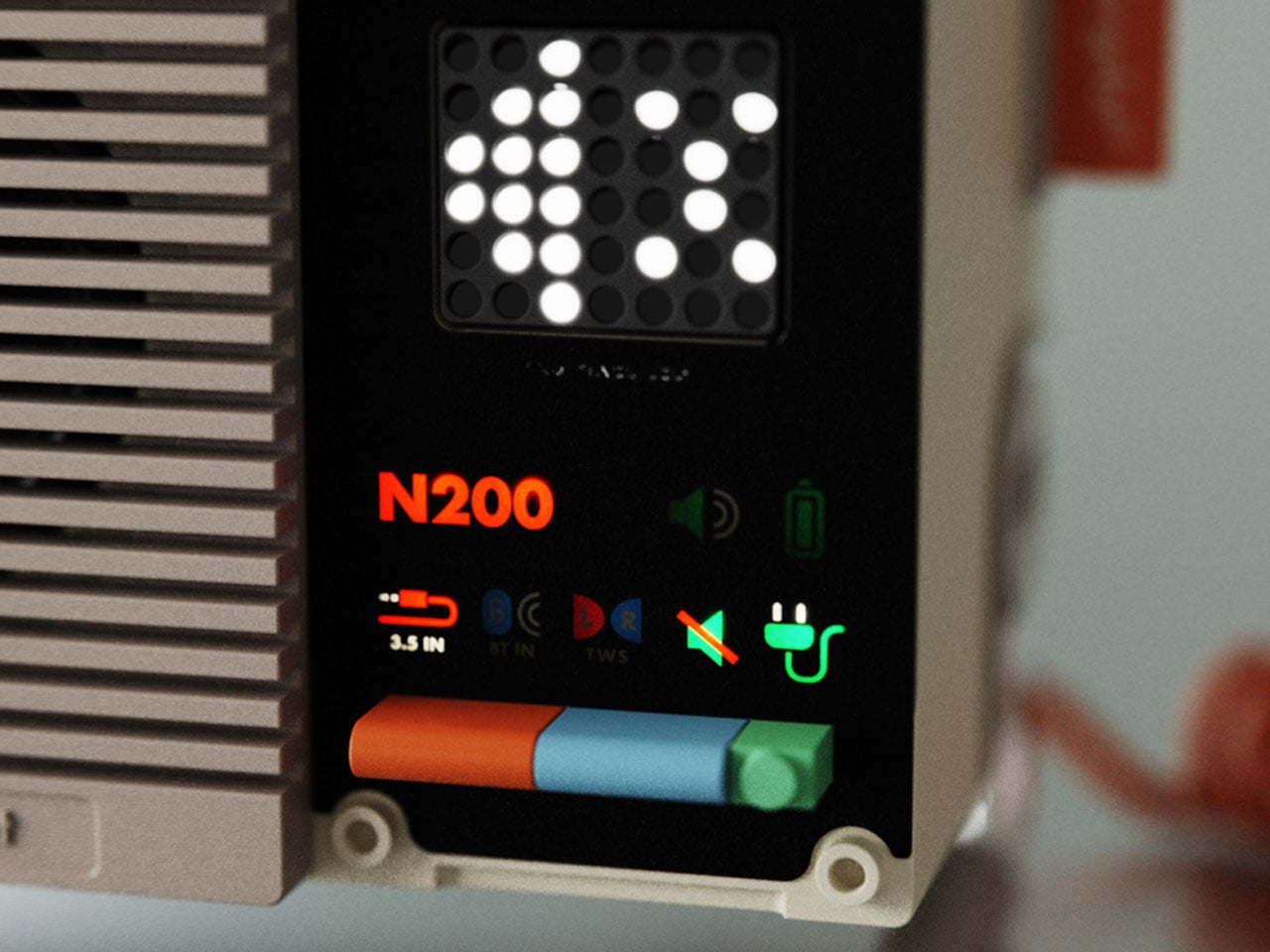
For Shu, the guiding principle in crafting the speaker is “Form Follows Function.” Keeping intact the brand’s signature design ethos, the portable speaker has a simple geometric shape for visual consistency. Coming back to the choice of colors, the low-saturation beige for the body frame brings an element of tranquil aesthetic, while the bright orange denotes the interactive components like the volume dial. To put stress to a minimum on the new users, the physical button colors correspond to the corresponding icons. To put the speaker on the desk sturdily and have a distinct appeal, the integrated metal stand adds to the nostalgic charm. The design of the stand enables multi-level adjustment to adjust the elevation depending on the desktop layout.

The 8Watt speaker is made out of plastic, metal, and rubber with strategically placed functional zones for the best tactile experience. It comes with support for TWS pairing, wherein you can connect two N200s for an even more immersive soundscape. The pixel display shows all the current playback vitals and the preloaded emoticons, which is cool. On the back, there are aux-in and USB-C connectivity options as well, so that you can connect the BT speaker to physical hardware.

The post Retro-modern N200 desktop speaker has serious Teenage Engineering vibes first appeared on Yanko Design.
Retro-modern N200 desktop speaker has serious Teenage Engineering vibes

Desktop Bluetooth speakers are plentiful, and the one you choose for your desk setup purely depends on the desired audio signature and your design affinity. While the commercially available desktop speakers from numerous brands go for the tried and tested designs with some trendy innovations in the mix, some unique desk speaker designs do catch our attention.

This is the Orgdot N200 Bluetooth desktop speaker that bears a tell-tale industrial design influence and a pinch of steampunk vibe. Designed by Shu Zhang and his team, the wireless speaker is mindful of the design sense of modern users. The primary motive is to create a relaxing and immersive atmosphere for the user, while keeping the practical functionality intact. The retro-modern form of the speaker takes you back in time when muted colors were beautifully fused with the vibrant hues to instantly pep up any desk space.

Designer: Shu Zhang and Orgdot

The Orgdot Bluetooth speaker draws inspiration from the modular design of the LEGO bricks, thereby having a swappable front panel, physical buttons, indicator lights, and a dot-matrix display. First look at this thing, and I presumed it was a Teenage Engineering-inspired product, but it turned out otherwise. This makes the audio accessory much more than just a possession to listen to your favorite tunes. It’s more like a playable and explorable sound companion for your desk. I can already imagine this one sitting on my geeky desk with the future garage or lo-fi tunes playing for hours on end as I dive deep into my productive sessions.

For Shu, the guiding principle in crafting the speaker is “Form Follows Function.” Keeping intact the brand’s signature design ethos, the portable speaker has a simple geometric shape for visual consistency. Coming back to the choice of colors, the low-saturation beige for the body frame brings an element of tranquil aesthetic, while the bright orange denotes the interactive components like the volume dial. To put stress to a minimum on the new users, the physical button colors correspond to the corresponding icons. To put the speaker on the desk sturdily and have a distinct appeal, the integrated metal stand adds to the nostalgic charm. The design of the stand enables multi-level adjustment to adjust the elevation depending on the desktop layout.

The 8Watt speaker is made out of plastic, metal, and rubber with strategically placed functional zones for the best tactile experience. It comes with support for TWS pairing, wherein you can connect two N200s for an even more immersive soundscape. The pixel display shows all the current playback vitals and the preloaded emoticons, which is cool. On the back, there are aux-in and USB-C connectivity options as well, so that you can connect the BT speaker to physical hardware.

The post Retro-modern N200 desktop speaker has serious Teenage Engineering vibes first appeared on Yanko Design.

Revolutionary iPhone 18 Pro Camera Tech Will Blow Your Mind

Revolutionary iPhone 18 Pro Camera Tech Will Blow Your Mind

The iPhone 18 Pro is poised to set a new benchmark in smartphone innovation. Apple is introducing a range of advanced features, including a variable aperture camera, under-display Face ID, and a next-generation processor. While the overall design retains the signature Apple aesthetic, subtle refinements aim to enhance both functionality and user experience. This flagship […]

The post Revolutionary iPhone 18 Pro Camera Tech Will Blow Your Mind appeared first on Geeky Gadgets.

Posted in Uncategorized