SpaceX’s Grok 4.5 has emerged as a compelling option for developers seeking a balance between performance and affordability in AI-driven software development. Designed with a focus on efficiency and usability, this model excels in practical applications like debugging, generating prototypes and creating front-end components. Notably, Grok 4.5 achieves an 83.3% score on Terminal Bench, placing […]
Xbox’s recent price hikes for its Series X and Series S consoles have sparked widespread discussion about affordability in gaming. Bellular News highlights how these increases, combined with the discontinuation of the 2TB Series S model, reflect broader industry challenges like rising production costs and reliance on digital revenue streams. To address these financial pressures, […]
The Samsung Galaxy Z Fold 8 Ultra, unveiled as part of Samsung’s 2026 foldable lineup, represents the brand’s continued push into foldable smartphone innovation. While it introduces a handful of refinements over its predecessor, the Galaxy Z Fold 7, these updates come with a significant price increase. At a rumored 2,199 euros, the Fold 8 […]
Google provides a variety of AI-driven applications tailored to both creative and professional workflows. As highlighted by Parker Prompts, Google Flow allows users to perform detailed image editing with adjustable parameters, while NotebookLM offers features like automated study guides and citation tracking to help organize and analyze documents. These examples illustrate how specific AI functionalities […]
Most productivity apps on smartphones are fighting a losing battle against the same device that hosts them. The screen reminding you to focus is the one delivering the notification that derails it. People have tried everything from grayscale mode to app blockers, and those who find none of it sufficient have started looking at dedicated hardware as the more honest answer to the problem.
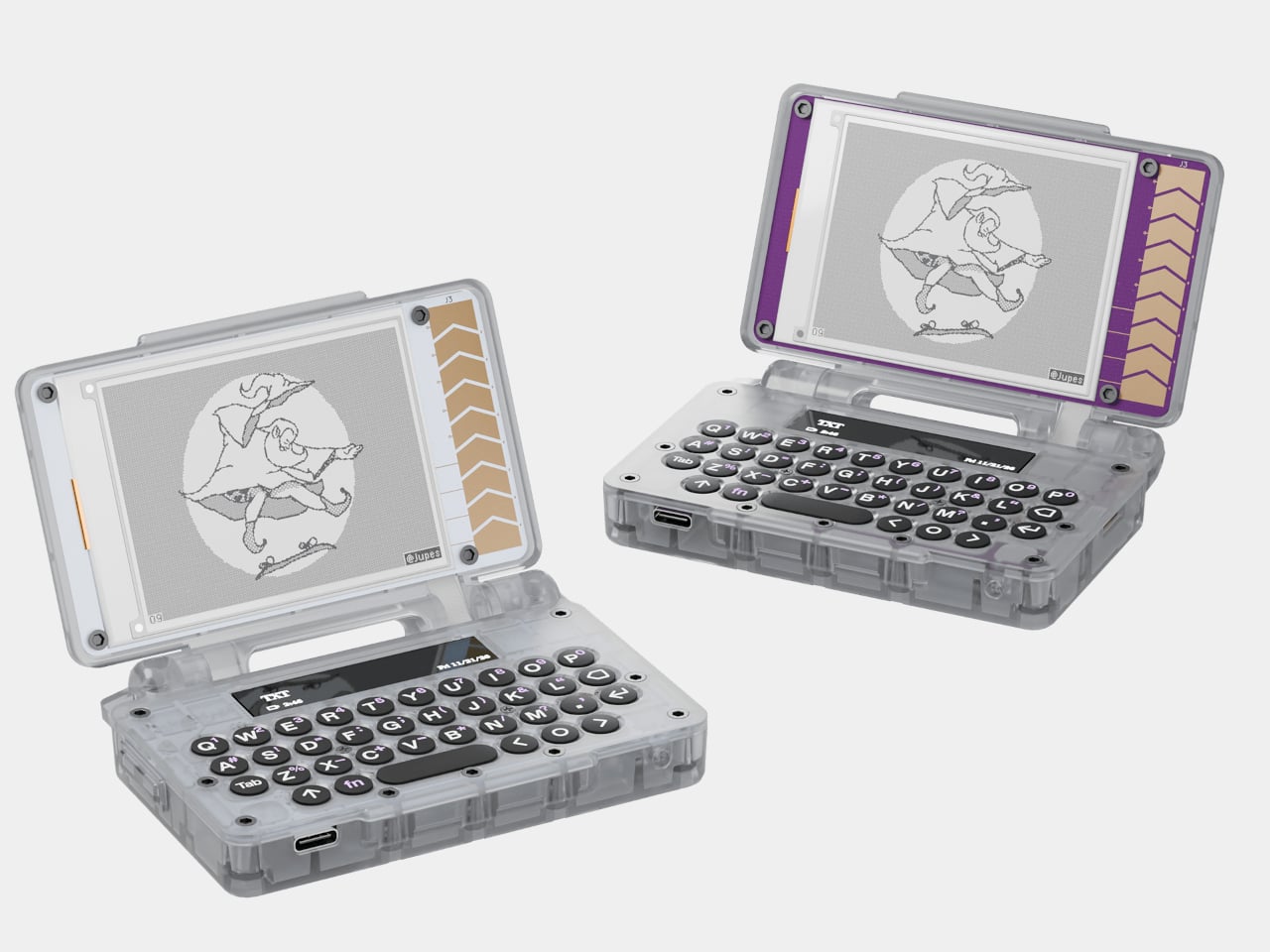
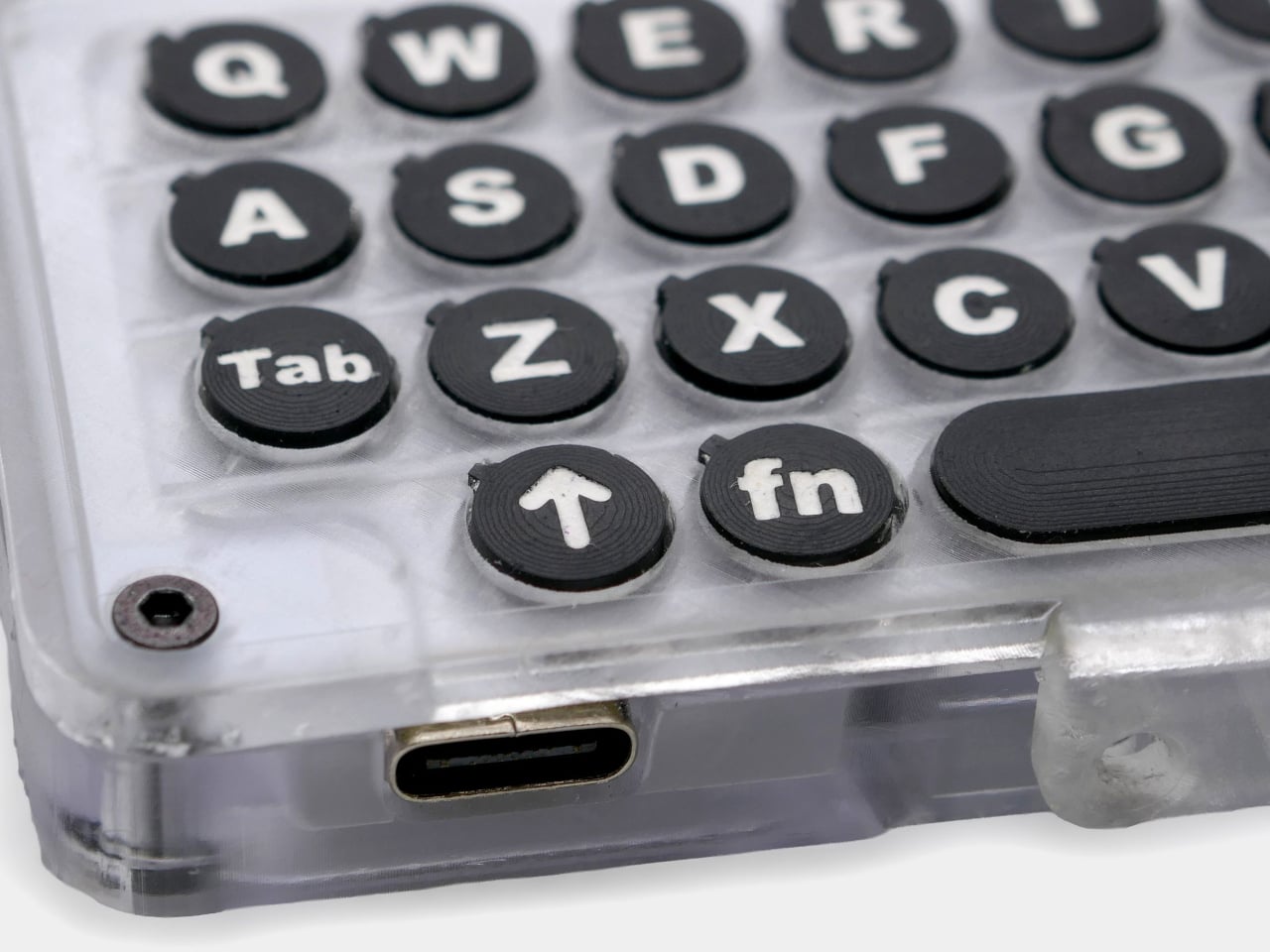
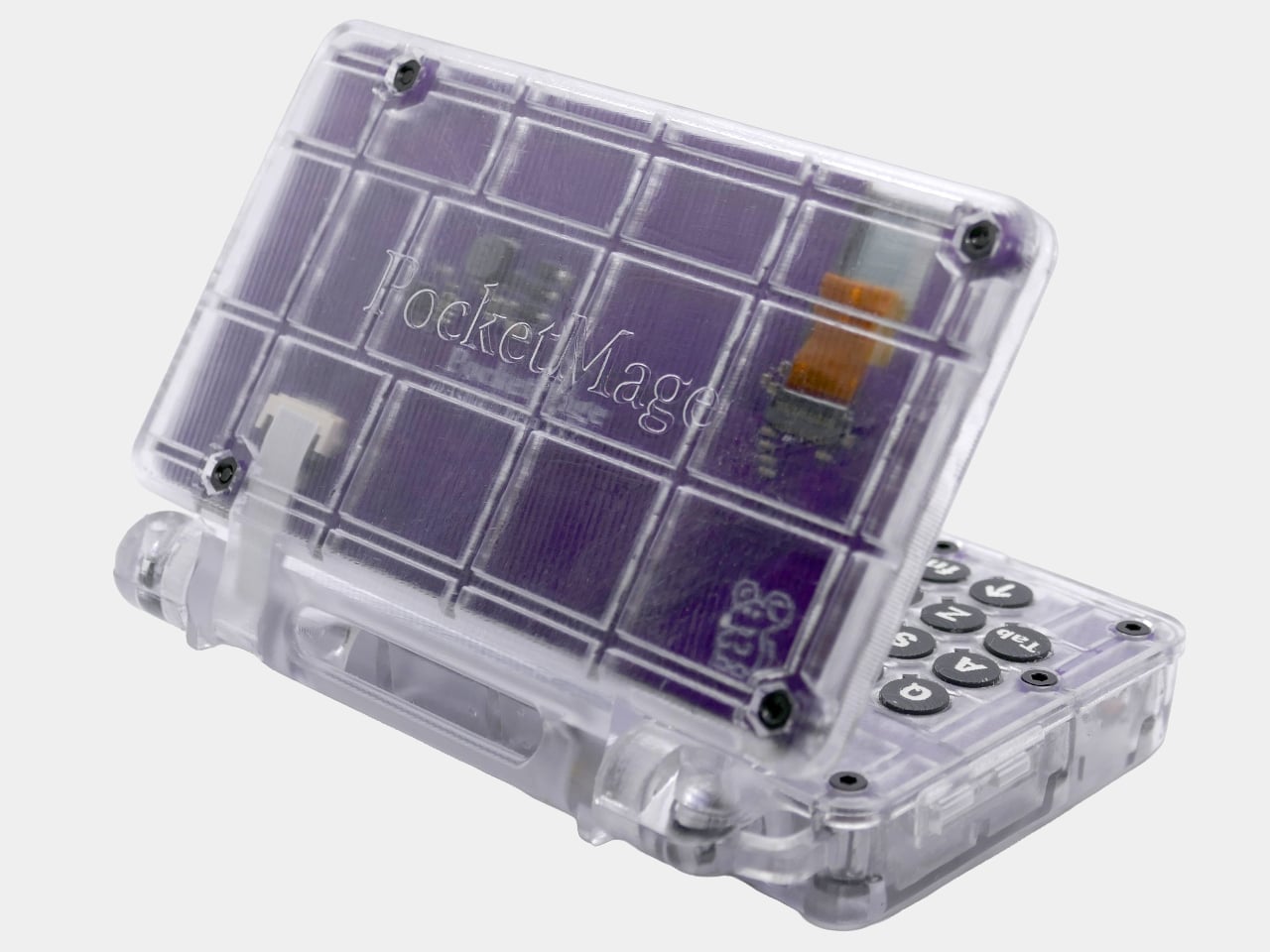
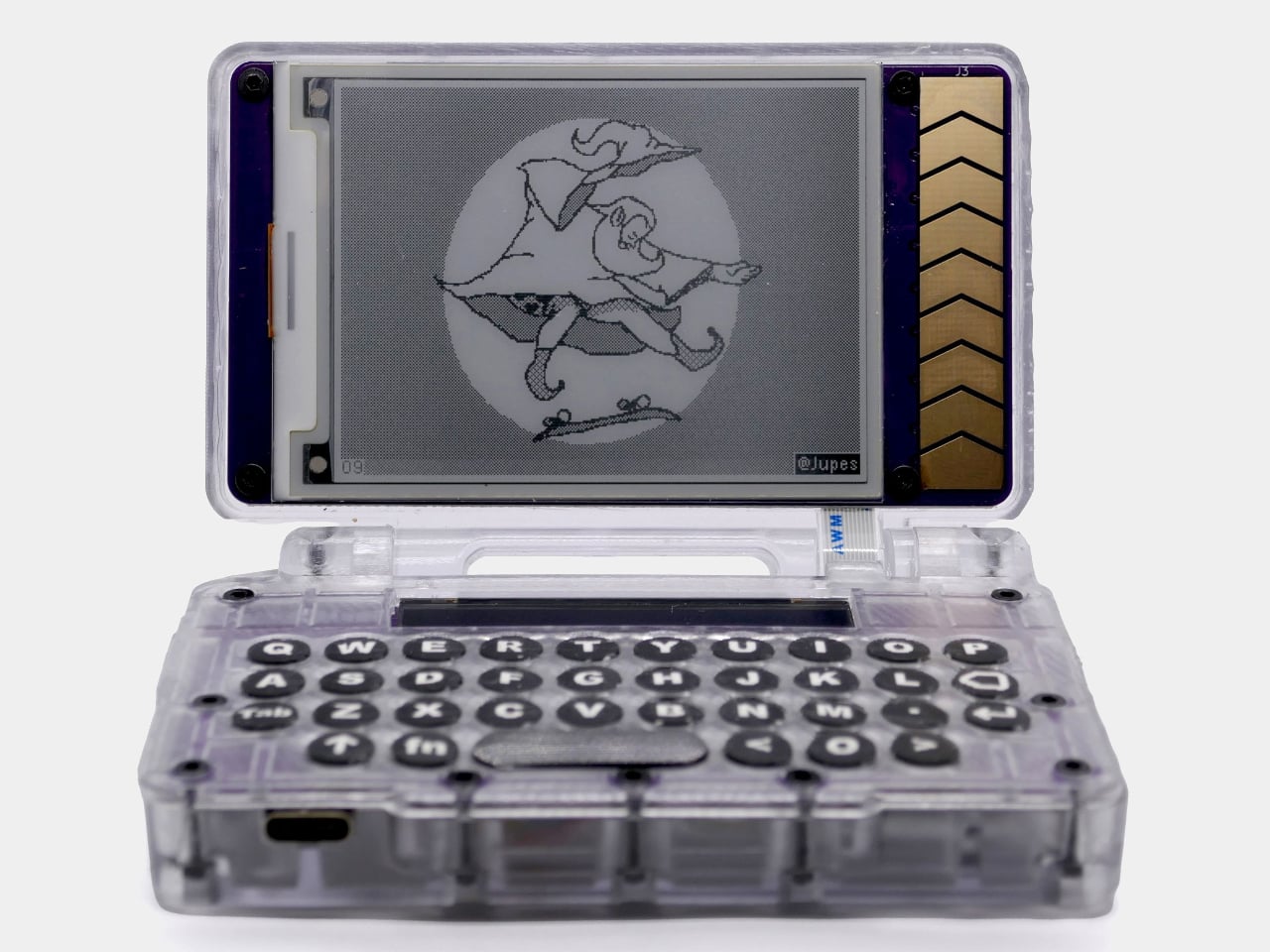
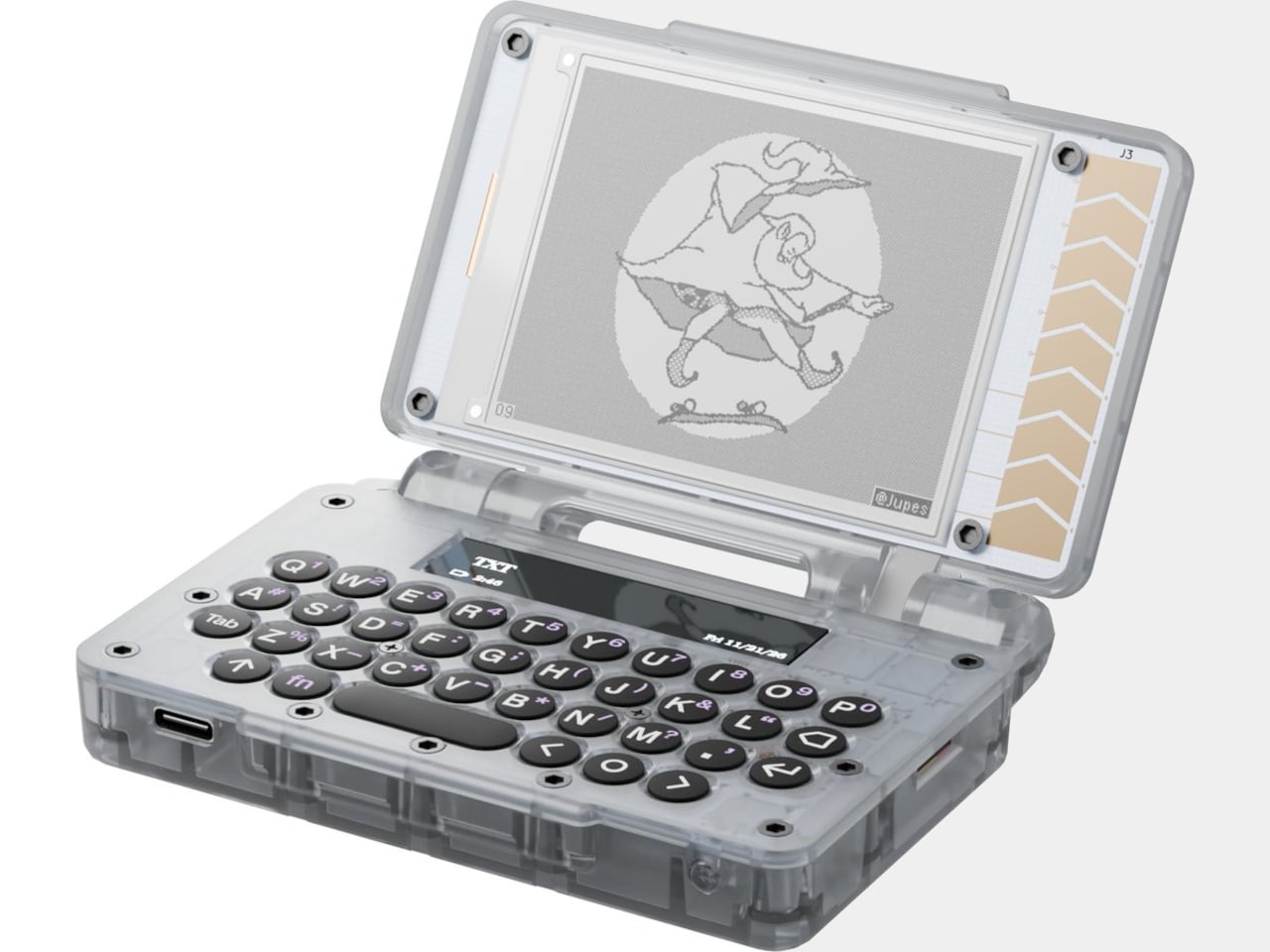
The PocketMage PDA started as a DIY project published online, a clamshell gadget running on an ESP32-S3 microcontroller with an E Ink display and a physical QWERTY keyboard. What began as a hobbyist prototype built around the idea of a modern Palm Pilot has since turned into an actual device with a price that starts at $185.
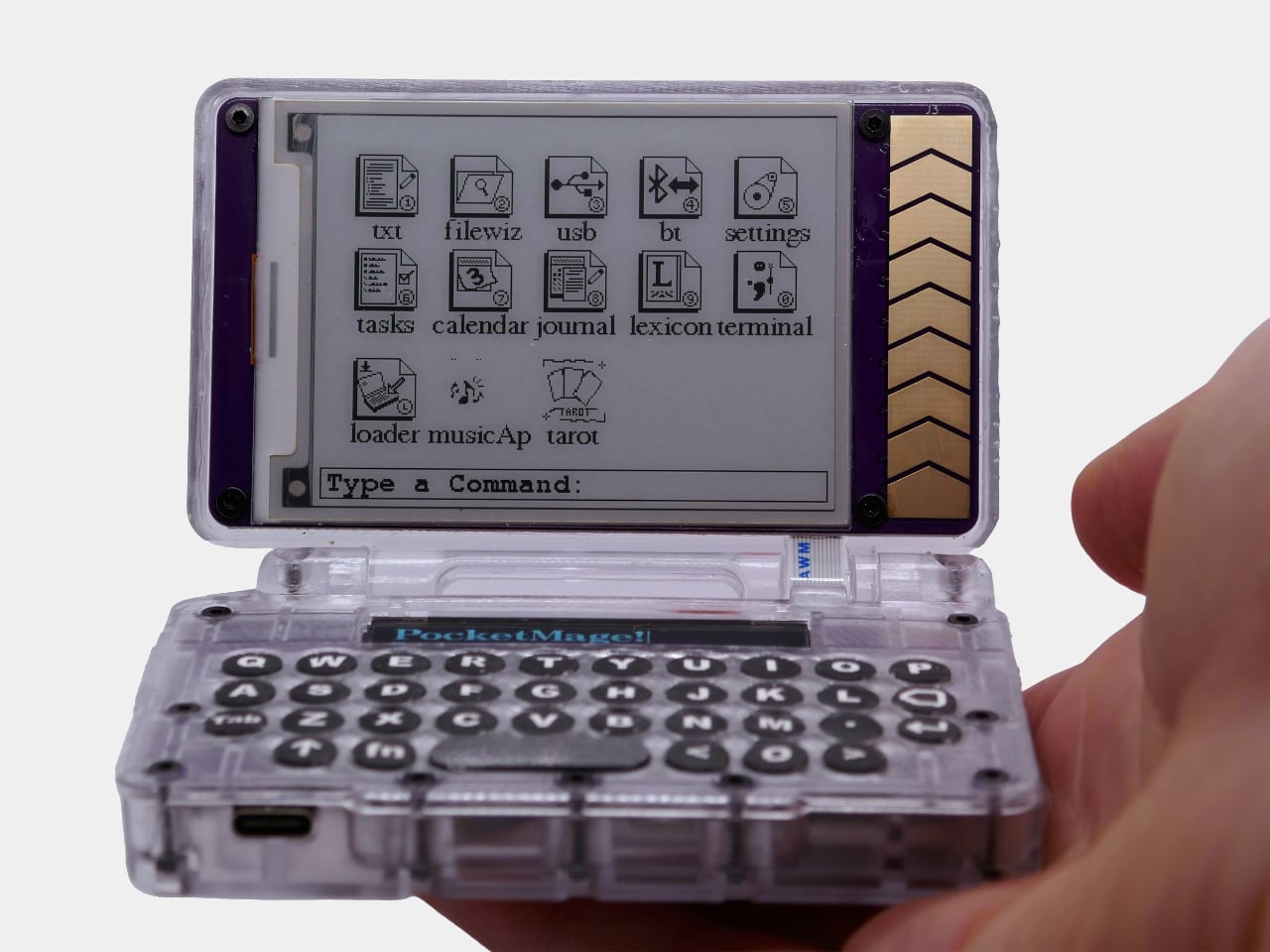
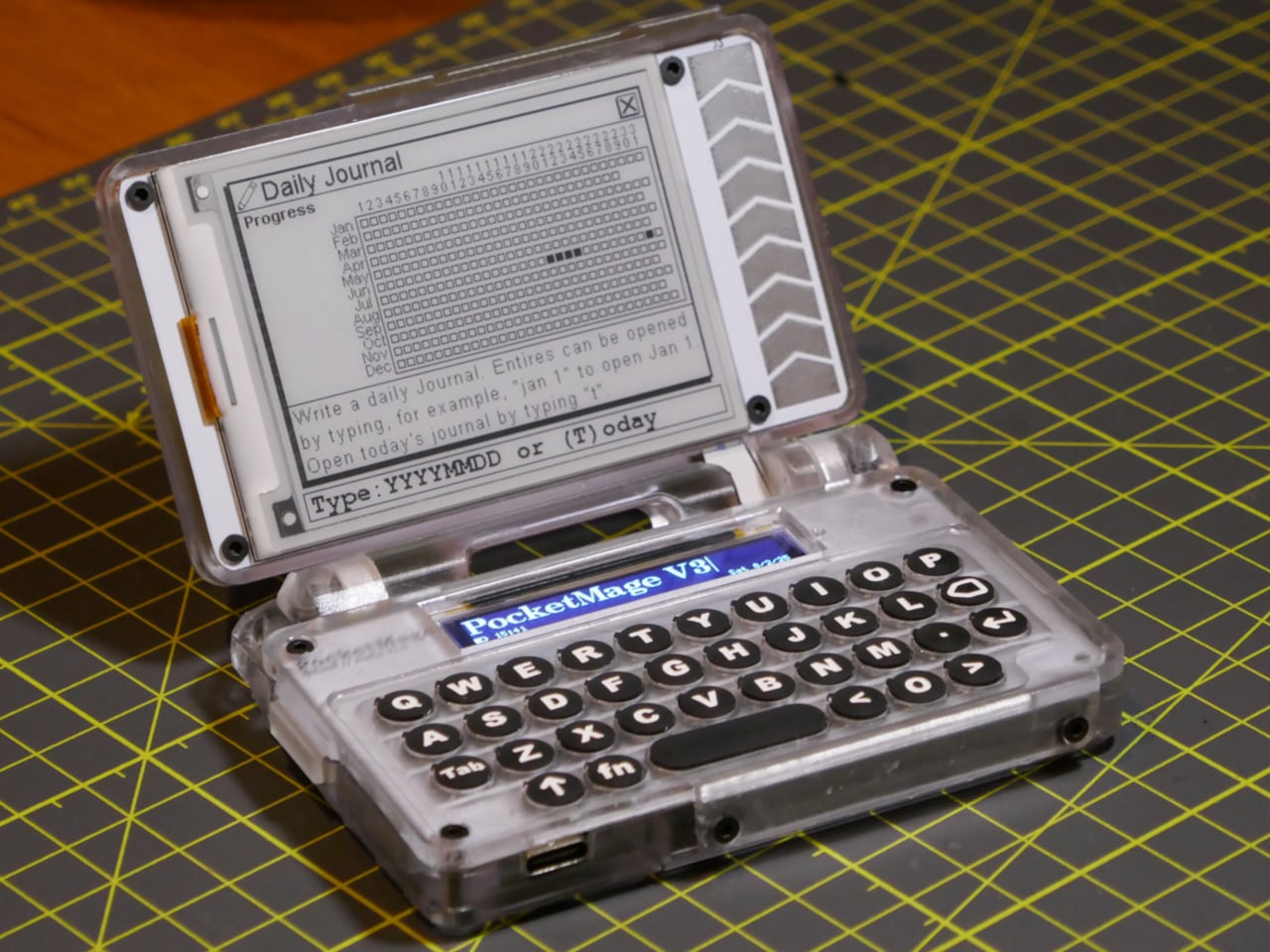
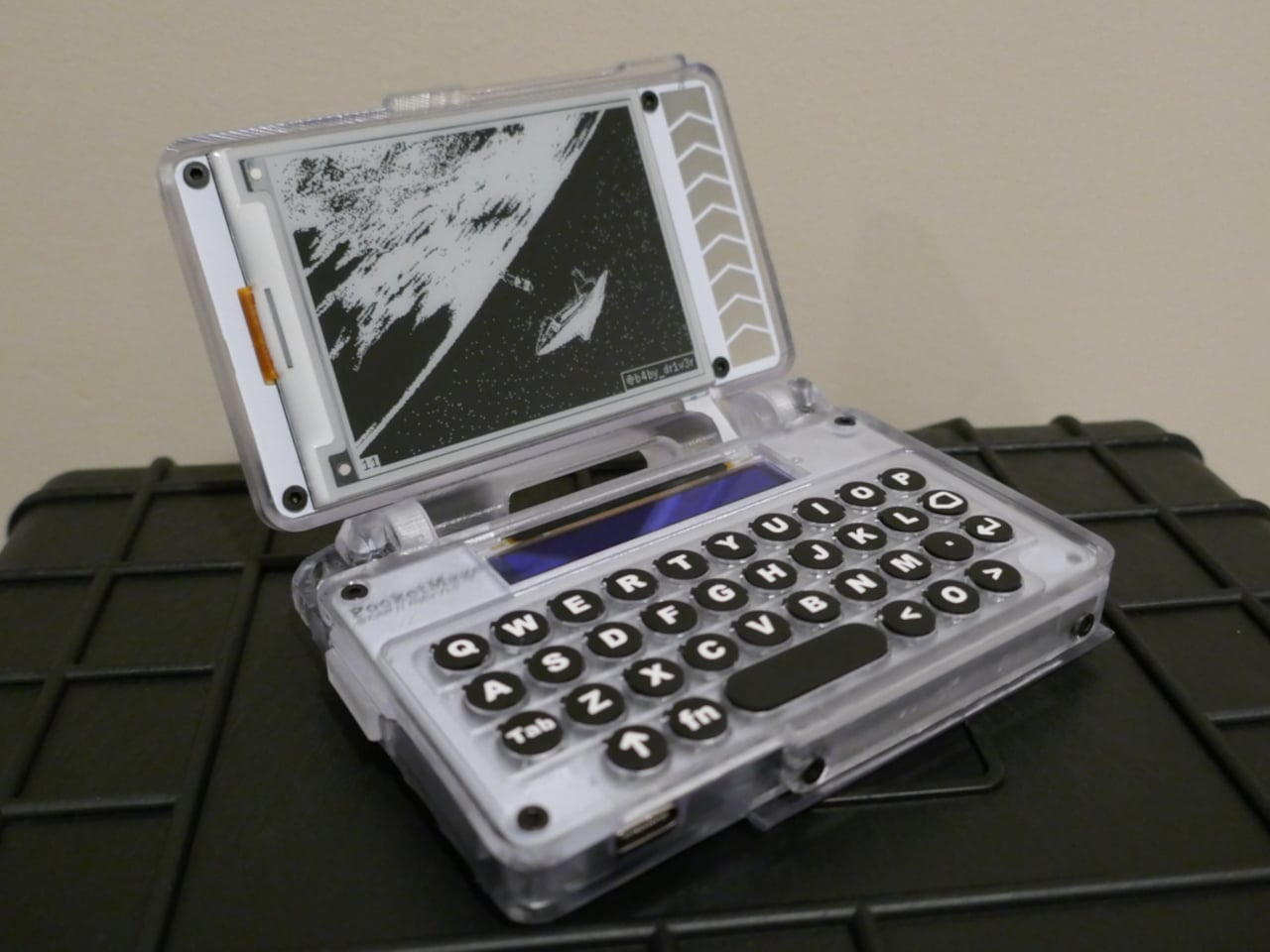
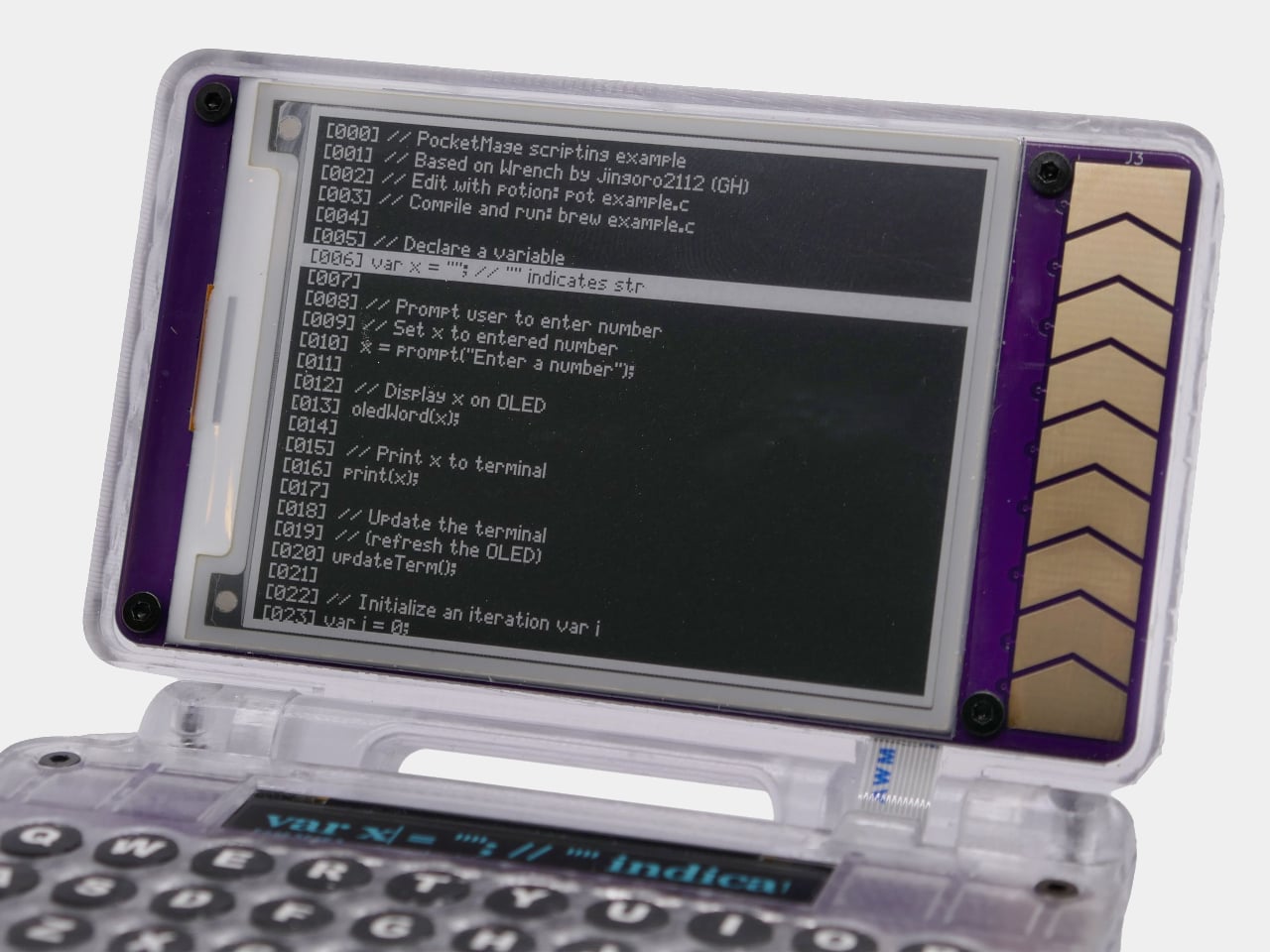
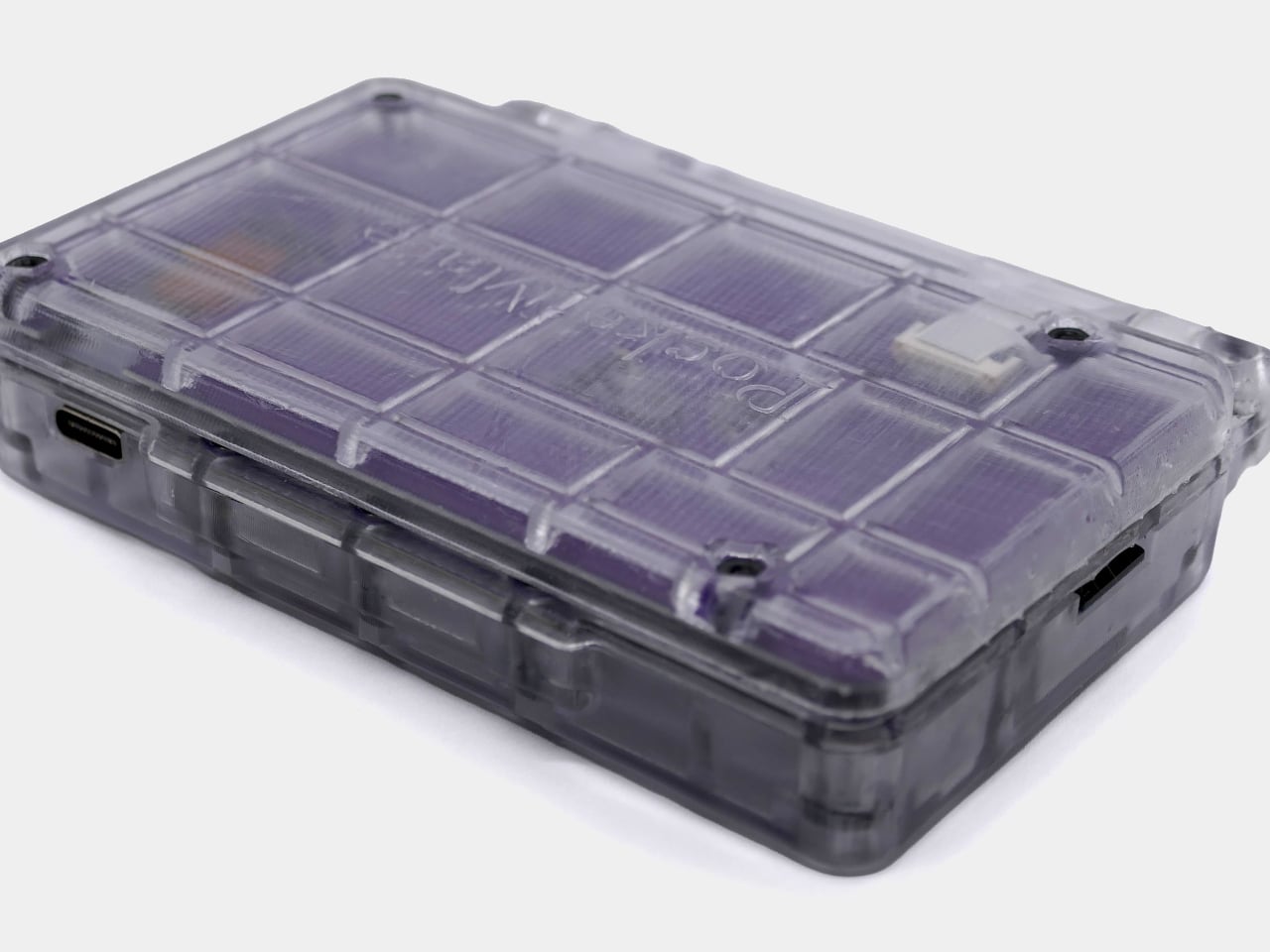
The clamshell body measures 100mm x 73mm x 21.7mm, roughly the footprint of a large credit card holder. Opening it reveals a 3.1-inch E Ink main display and a full tactile QWERTY keyboard, alongside a slim 1.8-inch OLED secondary screen above it. The two-display setup balances the E Ink’s eye comfort and battery efficiency against the OLED’s speed, so typing feedback appears instantly rather than waiting for a slow screen refresh.
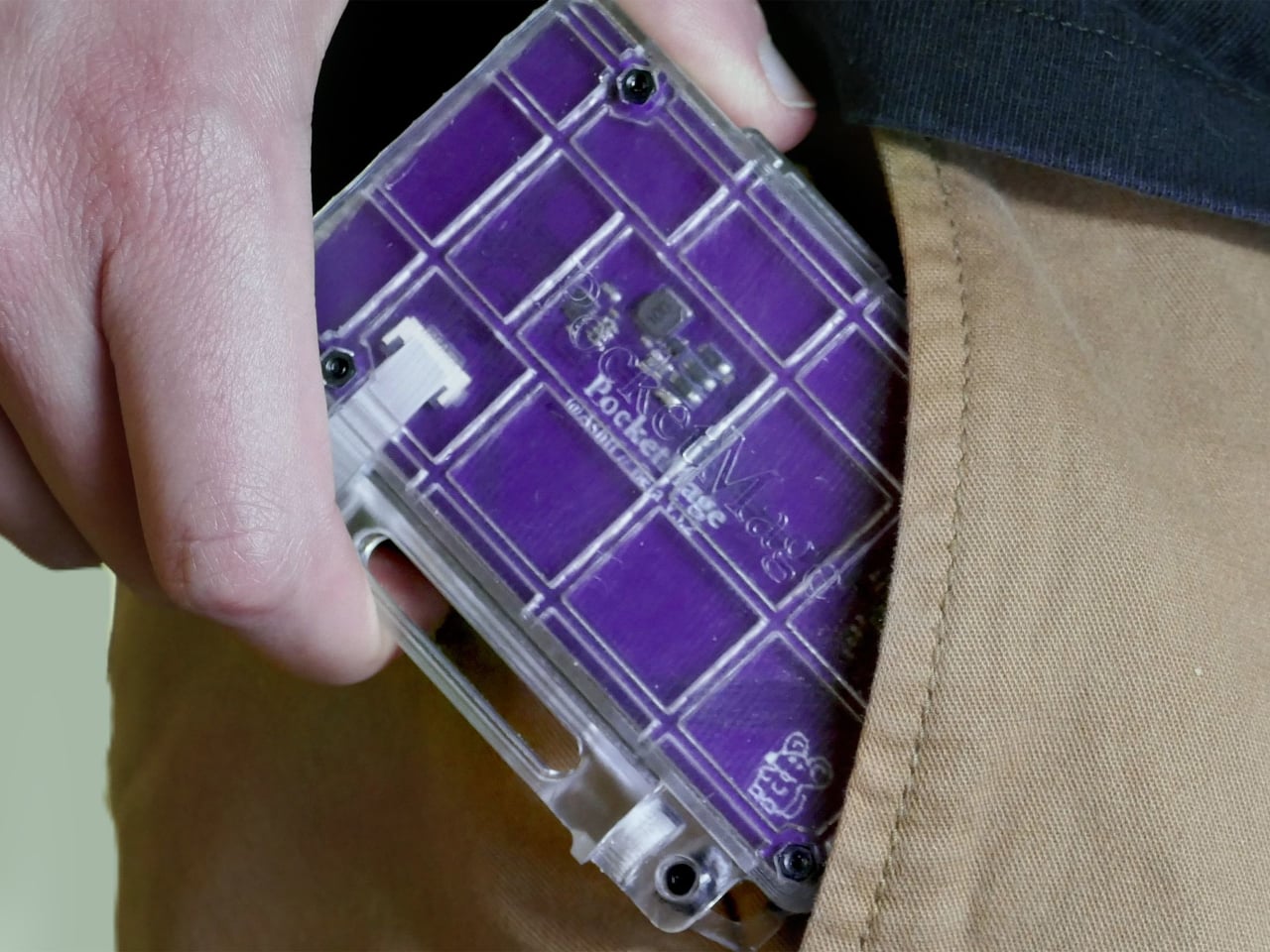
Pull it out of your pocket on a train and start writing. The E Ink screen is readable in direct sunlight, doesn’t draw the eye with its own light, and lets you hold a thought without a notification pane sliding in from the edge. A 1,200 mAh battery keeps the whole thing running for about seven days between charges, which makes it genuinely grab-and-go.
The built-in PocketMageOS runs on FreeRTOS and comes with a Markdown text editor, a daily journal, a calendar, a task manager, a dictionary, and a file manager. There’s also a Bazaar, an app store where community-built software can be side-loaded, which already includes a text-based web browser, a calculator, and an e-book reader. The whole OS and hardware are open source under the Apache 2.0 license.
For engineers, the expansion port opens up a different set of possibilities entirely. It breaks out I2C, SPI, UART, and GPIO connections, meaning hardware modules can be attached and communicated with directly from the device. LoRa and Meshtastic add-on modules are already listed as planned accessories, and USB keyboard support means the built-in keys don’t have to be the limit of the typing experience.
The campaign offers two versions. The $185 DIY kit includes the PCBs, case parts, LiPo battery, microSD card, all hardware, and an assembly guide, making it the option for anyone who actually wants to build it themselves. The $235 pre-assembled version ships complete. Both come in Parchment white and Royal Purple. Either way, shipping to the US is free, with a $12 flat rate internationally.
Backers will need patience since deliveries aren’t expected until March 2027, and the campaign still needs to hit its $100,000 funding goal on Crowd Supply by September 2026. None of that is unusual for independent hardware crowdfunding. What is unusual is the combination: a pocketable clamshell with a real keyboard, an eye-friendly display, a week’s worth of battery life, and no notifications competing for your attention.
Apple Maps has introduced a fantastic set of updates with the release of iOS 27, marking a significant step forward in the navigation app landscape. By integrating advanced AI capabilities, sharper 3D imagery, and personalized recommendations, Apple Maps is now positioned as a compelling alternative to its competitors. These updates not only enhance usability but […]
Valve’s “red line of death” issue on Steam Machines marked a significant moment in the company’s hardware journey. This problem, which caused a red LED line to appear on affected devices, was initially feared to be a hardware failure but was later traced to a software update error. Deck Ready explores how Valve quickly addressed […]
The iPhone 18 Pro Max stands as a testament to Apple’s commitment to innovation, offering a range of significant upgrades that enhance the smartphone experience. With improvements in battery life, processing power, camera technology, and design, this flagship device for 2026 is designed to cater to both loyal Apple enthusiasts and newcomers. By integrating advancements […]
Claude Code offers a range of customization options that go far beyond its default setup, allowing users to better align the platform with their individual workflows. In this feature, Simon Scrapes highlights 12 lesser-known settings designed to improve productivity, security and overall usability. For instance, you can enable local notifications to receive updates directly within […]