This Teenage Engineering inspired laptop is a creative sound engineers dream come true

One thing all digital creatives need is a good machine to support their endeavors. The same holds true for music that pleases our ears, and no one knows it better than Teenage Engineering. The Swedish consumer electronics brand has made a name for itself in the last couple of years courtesy of its unique design language and the sublime ability to blend visually striking form factor with the musical experience.

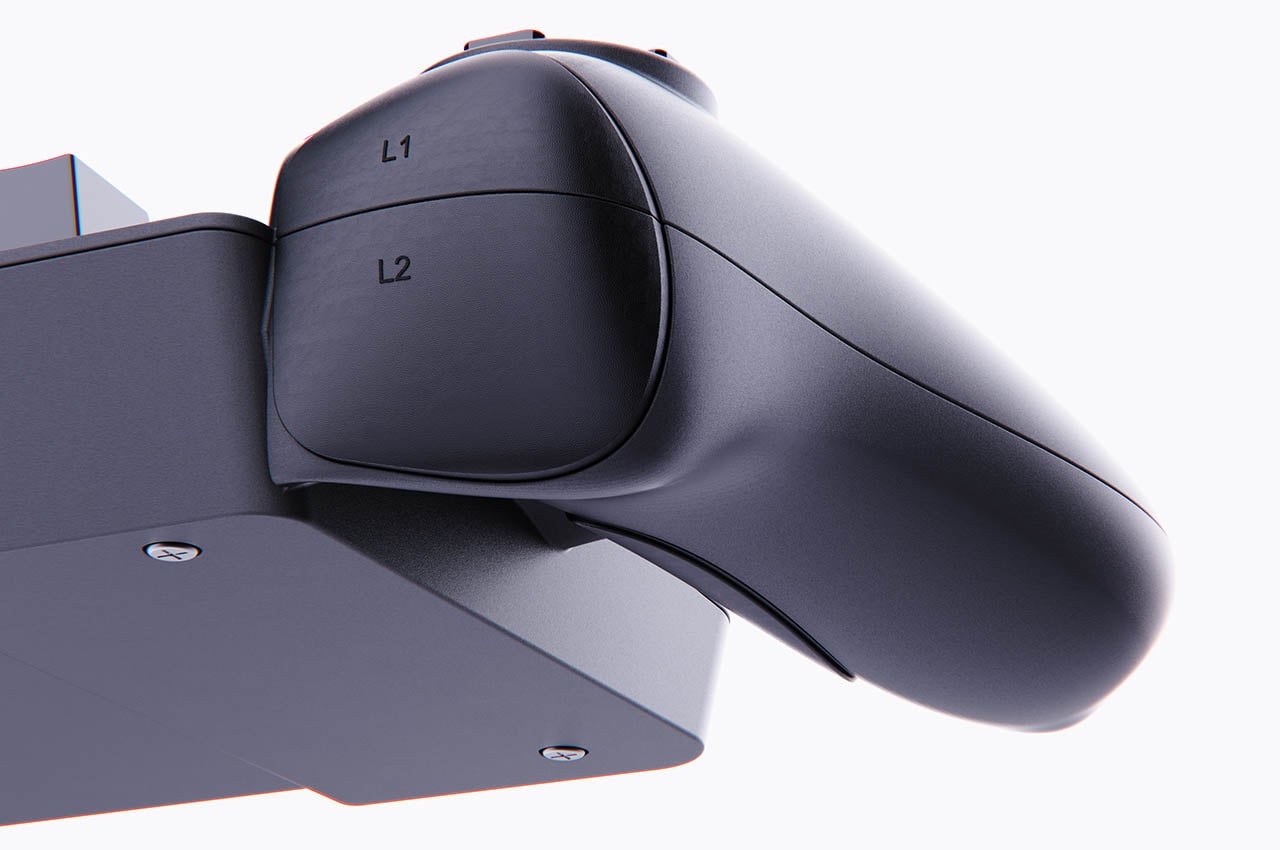
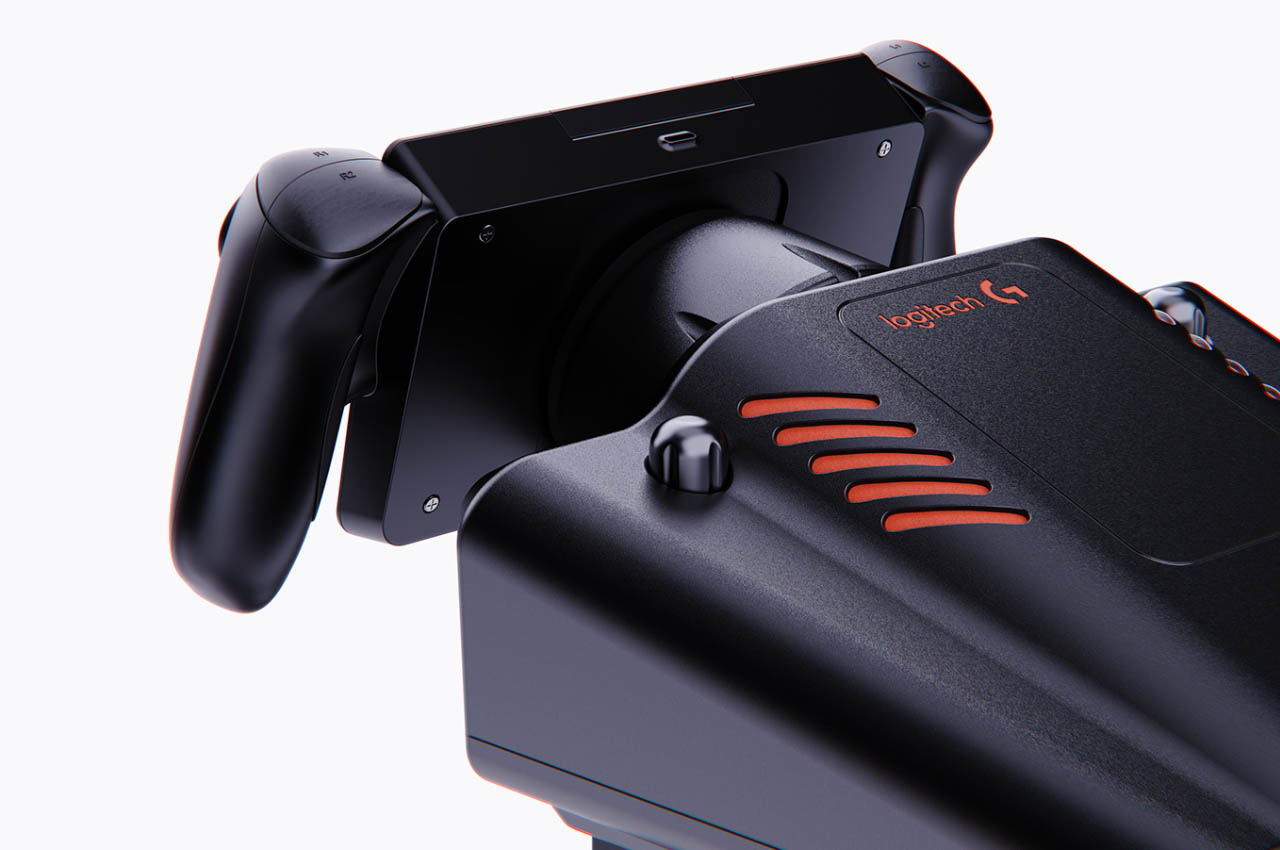
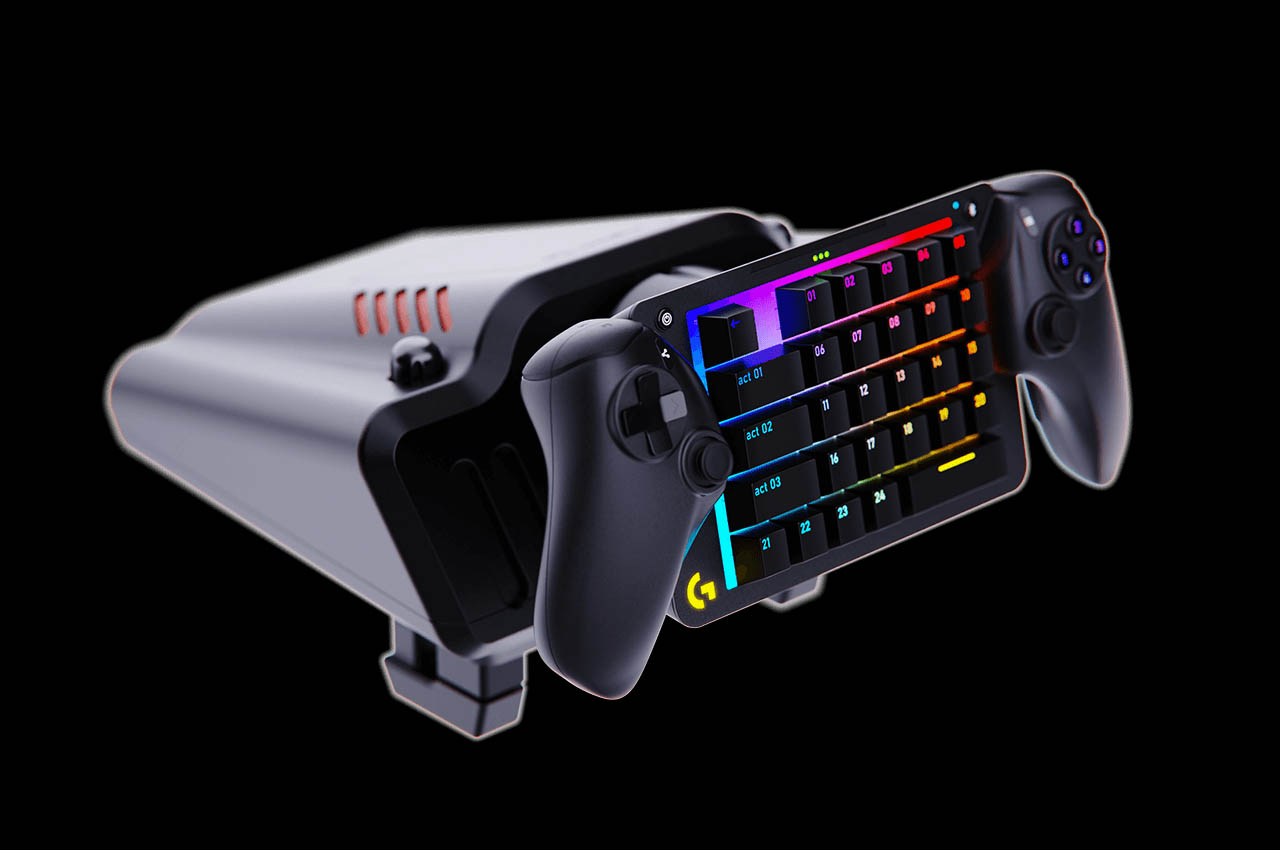
This music editing laptop based on the TE philosophy of instant musical immersion, is all about music immersion, portability of use and flexible connection options to connect audio devices to create and edit music. It comes with a unique DJing method to control multiple controllers simultaneously by pressing the keys and adjusting the dot-shaped touchscreen.

Designer: PDF Haus

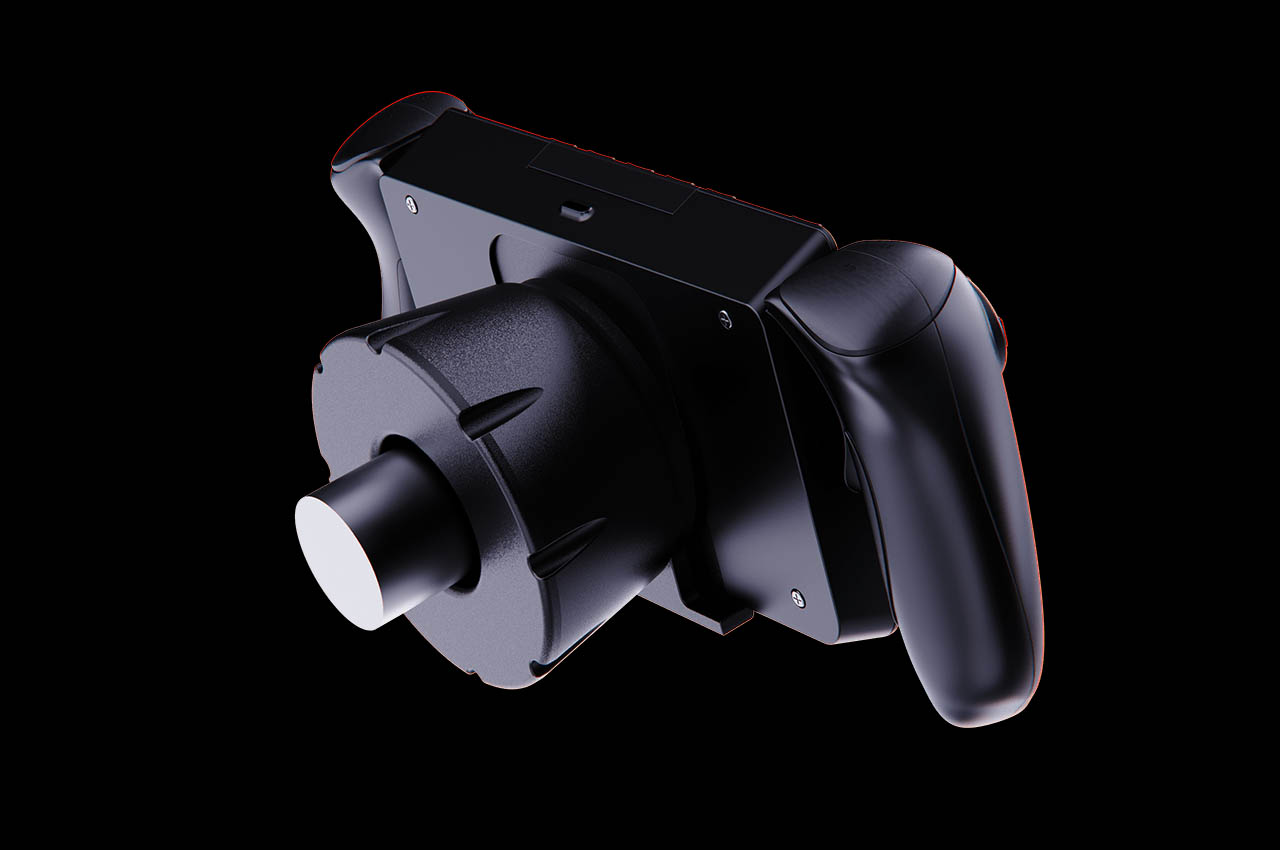
The motivation behind designing this compact music-creating machine is to cut down the clutter of various instruments and give audio engineers the ability to work on their projects anytime, anywhere. There are dedicated control wheels and keypads for editing the music files with ease. Those detachable sound sampler modules that act as a sound device to record or send edited samples, extend the usability of the machine without the need for a dedicated sampler. Thus, making it a one-stop-shop gadget for sound editing, audio creation and more. Everything is a lot more fun with the 180-degree hinge that allows one to work on it like contemporary audio-creating equipment.

That detachable interaction UI system brings a whole lot more to the fore than expected. Things like Low Pass Filter, High Pass Filter, pitch controller, and much more. While one could go on talking about the multifaceted use of keys and buttons that music makers will instantly relate to, we’ll appreciate the whole design aspect of it. Especially the achromatic and orange point tones emphasizing its Teenage Engineering DNA.

The post This Teenage Engineering inspired laptop is a creative sound engineers dream come true first appeared on Yanko Design.

Legendary Italian designer Marcello Gandini known for Lamborghini and Lancia Stratos Zero dies aged 85

Sowing the seed of Italian craftsmanship in car design will always be attributed to Marcello Gandini. Unfortunately, the legend passed away at the age of 85, leaving us with his iconic works including Lamborghini Countach and BMW Garmisch. He was the creative head behind the idea of incorporating the iconic scissor door and several other design innovations that were ahead of time.

Marcello’s cars have timeless appeal given they adorned the walls of automotive enthusiasts all over the world. Born in Turin, Italy, he worked as an interior designer and once was even rejected by Nuccio Bertone’s lead designer Giorgetto Giugiaro who himself had names like BMW M1, Maserati Ghibli and Lotus Esprit S1 under his design portfolio. Eventually, when Giugiaro moved on to Ghia in 1965, Gandini was hired by Bertone.

Designer: Marcello Gandini

This started an exciting journey that eventually led to designs like the Lamborghini LP500 prototype (earlier known as Countach), the Lancia Stratos Zero concept and the Alfa Romeo Monteral. During his 14-year stint at Bertone, he completed over 100 projects, most of which are deemed the classics in automotive design. His signature styles including the scissor doors and wedge-shaped outlines, even today capture everyone’s imagination. After leaving Bertone, Gandini started a new company with his wife Claudia. During this time he worked out of the box to design mass production cars for names like Polo, BMW and Renault.

He even worked with Tata Motors in the year 2017 to bring to life the TaMo Racemo sportscar concept. Gandini also helped design the Volkswagen Polo, second-generation Renault 5 and Citroen BX. In the latter half of his glorious career, he experimented with non-automotive projects like the Angel helicopter, an expansive house in Corsica and noticeable industrial and furniture design spaces.

The legendary designer died aged 85 all of a sudden in the Rivoli municipality of Turin on Monday which was a shock for the design community. His funeral chapel was held on Thursday from 3:00 P.M. to 7:00 P.M., and Friday from 10:00 A.M. to 12:00 P.M. local time. The funeral will extend to Saturday to allow fans and the design community to pay homage.

The post Legendary Italian designer Marcello Gandini known for Lamborghini and Lancia Stratos Zero dies aged 85 first appeared on Yanko Design.
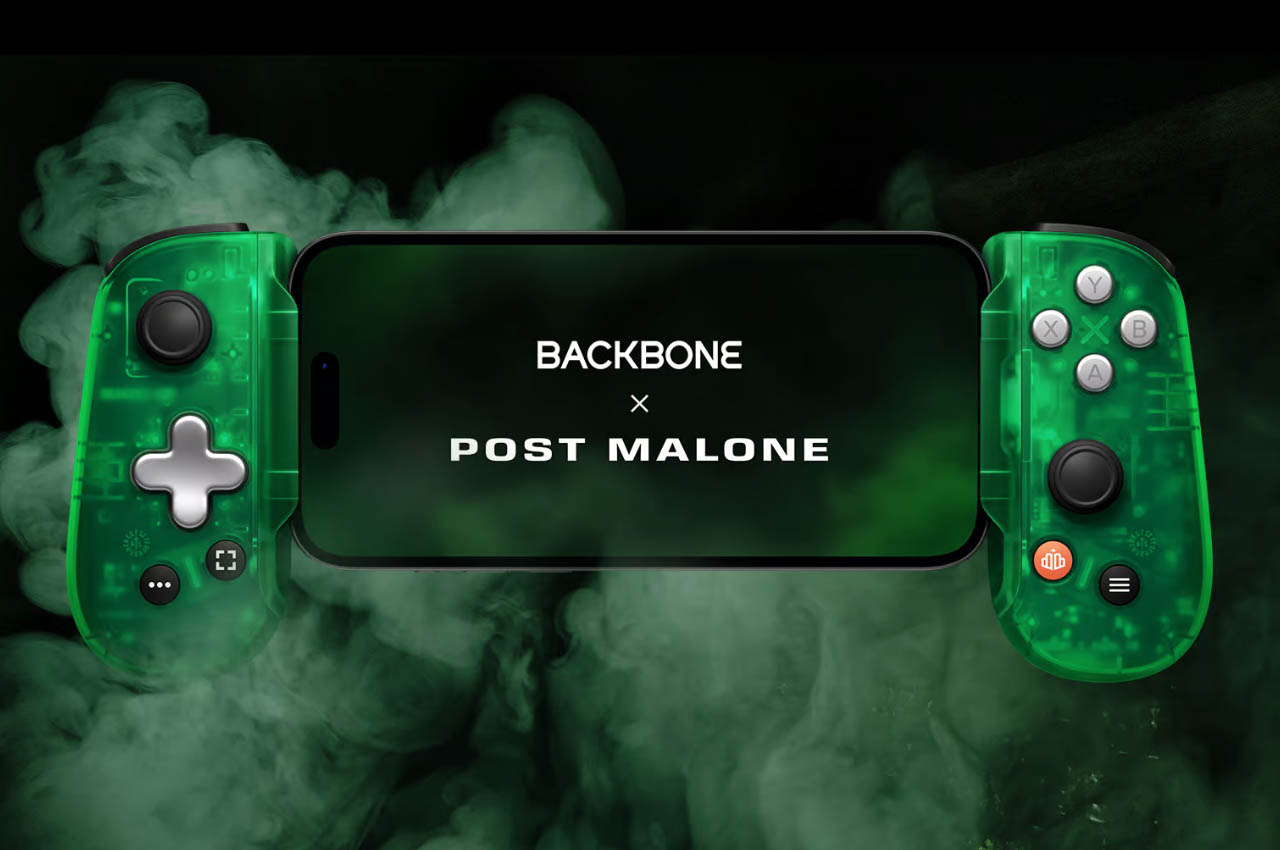
Light, comfortable, and overly versatile Dropy teardrop trailer has compact foldout kitchen

Teardrop trailers have, arguably, taken the camping world by storm. The industry is flooded with small, mini, and micro trailers with their customization options to fit user desires and requirements. Offering extreme overlanding comfort with a sleeping area and functional galley kitchen in the rear, these lightweight trailers in addition to being exciting and fun are also comfortable and glamorous.

Following the lead arrives Dropy, a light, compact, comfortable and overly versatile teardrop trailer designed and developed by Barcelona-based Drop Campers. While on the exterior, the squared-off Dropy is just an ordinary trailer, it reveals some exciting new ways to keep it simple with an interesting layout.

Designer: Drop Campers

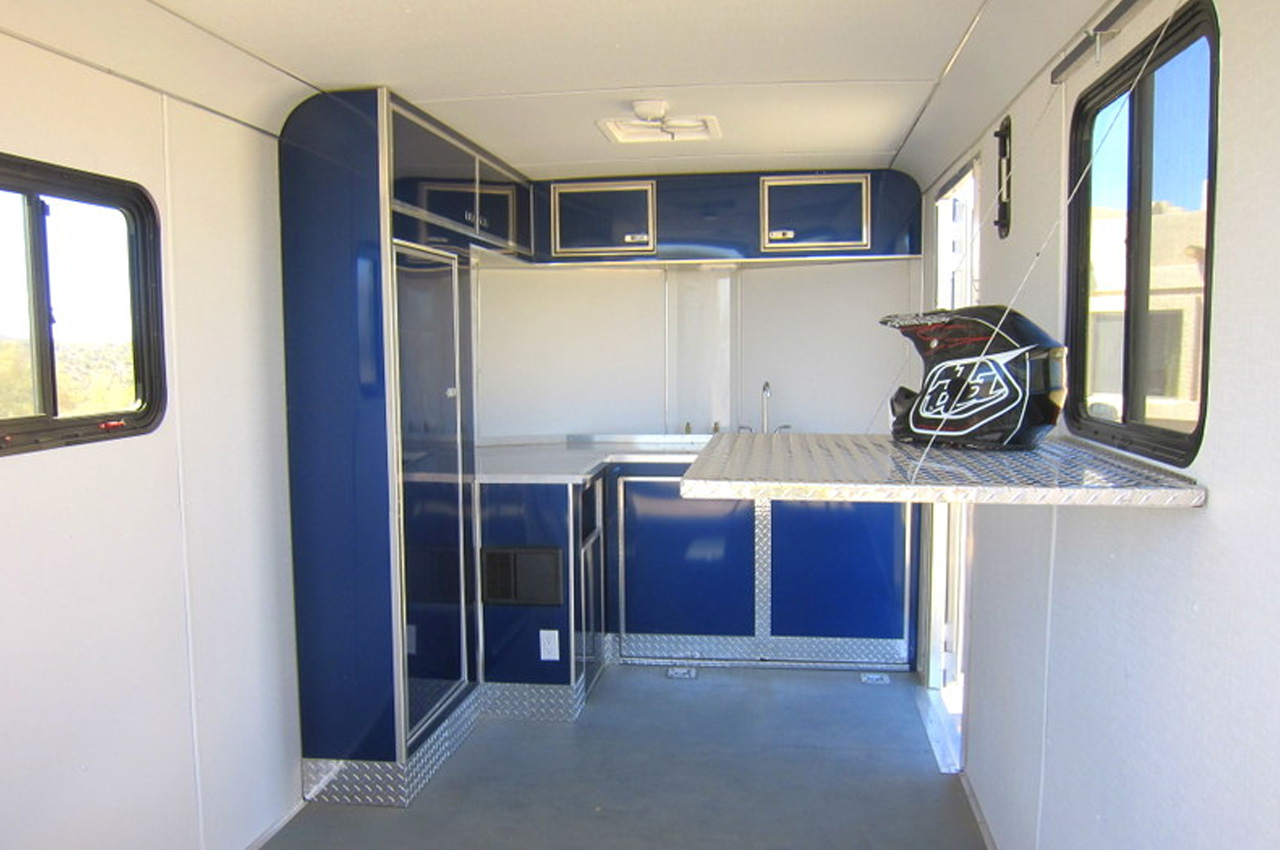
The variation of the Dropy lies in its kitchen, which basically comprises a fold-down traction board at the back alongside a small slide-out to hold a petite stove. This interesting convertible makeover, which is starkly compact in comparison with the rear galley kitchen, leaves more room in the sleeping quarter for the inhabitants to explore. The folding table can double as a work desk or a casual table when you want to just sit and relax outside of your camping trailer.

Always ready for what you throw at it, the Dropy has been designed to travel on tar, gravel, and unbeaten trails without much fuss courtesy of its welded galvanized steel chassis comprising a torsion bar axle and choice of leaf spring or independent suspension. Within its aluminum composite, birch body, black Line-X cabin, insulated with Kaiflex closed-cell rubber, you can experience an unforgettable living space featuring a double mattress, overhead cabinets, and some drawers and shelves for storage.

The interior of the Dropy trailer is well-lit with a skylight, and boat side doors with sliding windows. The camper is more of a shell otherwise starting at €21,500 (approximately $23,500). It is the la carte options that scale up the price and the utility of the Dropy. To that accord, Drop Campers offers a range of options depending on the Crossover (all-road), SUV (all-terrain), or Offroad variant you go for. This includes the choice of 110W rooftop solar panels, lithium battery, hot air heating system, outdoor water tank with road shower, refrigerator, Primus 2-burner gas stove, indoor hanging hammock for kids or pets, bike rack for 2 bicycles, ski and surfboard carriers, side-mounted dresser and outdoor bathroom/toilet, and more.

The post Light, comfortable, and overly versatile Dropy teardrop trailer has compact foldout kitchen first appeared on Yanko Design.

This hybrid smartwatch cocoons a pair of earbuds for double utility geeks always desired

Carrying around gadgets is a normal regime for geeks like me who always have a smartwatch, earbuds and the trusted phone at arm’s length. That said, at times you wish things were more compact or a multipurpose gadget would perform double duty to cut the clutter down. The Huawei Watch Buds are a good example of that niche market space where smartwatches and earbuds are in plenty.

Capitalizing on the inherent human nature of forgetting things, especially buds, the Huawei Watch Buds are a good idea to own. On the same lines, Indian tech startup, WatchOut has released their own iteration of a smartwatch with earbuds concealed on the sides. They are pitching it as the WearPods Smartwatch for Gen-Z who are always open to accepting new ideas and gadgets for an upbeat lifestyle.

Designer: WatchOut

Converging the two gadgets always seemed like a sensible idea to me, since it means you have one less gadget to carry around. Moreover, taking out your earbuds from inside the smartwatch is the stuff of Bond movies, for bragging rights. How well these two separate wearable experiences work is still my quandary as little compromises for both have to be made to fit in such a small size. With a typical smartwatch lasting a couple of days on full charge, and with all the smart features enabled, the battery life on this hybrid smartwatch having a 1.93-inch display is going to be an issue for sure.

Just like the charging case of your earbuds juices up the earbuds for the next session of listening, the smartwatch charges the incubating buds inside. Interestingly, the earbuds are quite compact which results in the compact form factor of the squarish smartwatch. The makers have kept the rugged element alive for this timepiece having a 48.5 mm dial with symmetrical chopped edges. At that size, it might be an odd fit for smaller hands but the compact design should make things accommodating.

Just like other smartwatches out there, IP67-rated WatchOut has a suite of features for customization, health statistics (including heart rate, steps, BP measurement and sleep tracking), and of course, bands to match the look. Coming on to the buds, they have a good balanced audio for music lovers. There’s no mention of ANC or transparency modes in the feature list, so we’ll mark that as a downside. That said the buds will last an impressive 8 hours on a single charge. For approximately $60, this combo of a smartwatch and earbuds is not a bad deal considering a standalone product alone costs around $100-$150 if you are on a budget.

The post This hybrid smartwatch cocoons a pair of earbuds for double utility geeks always desired first appeared on Yanko Design.

This modular multiverse controller is well-equipped for gaming, drone flying and industrial applications

In a world where gadgets are ruling the roost, a unified approach to control them is prime. Carrying around different controllers for your drone, portable gaming consoles and Metaverse applications seems like backtracking to the last century. The dynamic aspects of life and users’ desire to have the least possible things to carry in their backpacks with the maximum scope of utility are important in current times. That’s the reason multiple utility gadgets are in hot demand.

This Multiverse controller wants to address this market space with its ability to address multiple use-case scenarios. With 3D printing in its structural design, the controller has modular capabilities to adapt to the needs of users and gamers who love the freedom of customization.

Designer: Diego Perez Rogé

Strangely named the Lifil Murtiverse controller, this gadget will primarily be an open-source product in terms of hardware and software. This keeps the options open for industrial applications, along with the casual applications for individual users. All the buttons, triggers and joysticks are completely modular, allowing the users to program the controller for different game-playing needs, customize for drone flying, controlling industrial equipment, or even employed in tech-savvy educational applications in schools or institutions. The ergonomics have been kept close to what’s identified as a winning formula as it closely resembles an Xbox or PlayStation controller.

The positioning of buttons can be adjusted by a 30-degree adjustment angle to have maximum control over the transversal axis. On the inside, the components are ARDUINO actuated to make possible the assembly of the controller from scratch for potential configuration with newer Bluetooth or WiFi modules. According to the designer, the controller can be reconfigured at the internal hardware level to ensure it never gets obsolete with technological advancements.

The post This modular multiverse controller is well-equipped for gaming, drone flying and industrial applications first appeared on Yanko Design.
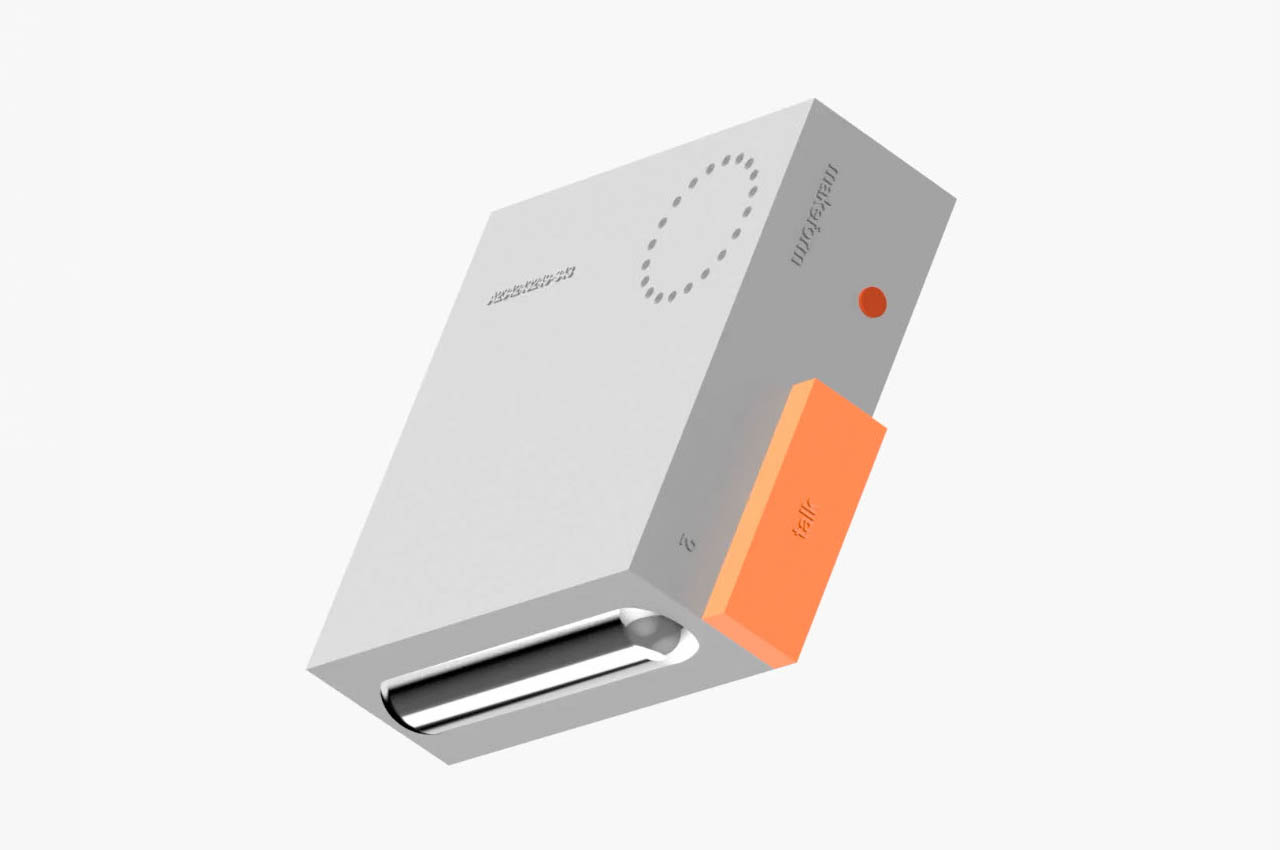
This ultra-futuristic Batmobile inspired by motorsports is fit for the Batman 2 flick slated for 2025 release

The Batmobile, as a symbol of power, stealth, and ingenuity has captivated audiences for generations with its dynamic presence in the DC Comics universe. Beyond the pages of comic books and the screens, the crime-fighting accomplice has inspired real-world automotive designers to push the boundaries of creativity and innovation. From its humble beginnings as a stylized car in the 1940s to its latest incarnation in the movies, the Dark Knight’s legendary ride has undergone numerous adaptations, each reflecting the technological advancements and design trends of its respective era.

While many of these interpretations remain confined to the realm of fiction, some have transcended into reality, sparking imaginations and fueling the dreams of automotive enthusiasts and designers alike. This concept design is no different as it lands straight out from a realm of the future for Gotham’s vigilante to take charge of the streets!

Designer: Frédéric LE SCIELLOUR

The humungous size of this crime-fighting machine can be gauged from the minuscule size of the driving seat. Top it off with those spiked-up wheels for maximum grip even in the most inhospitable terrain or inclement weather conditions. You can even deem this vehicle fit for a universe where Batman and the junkies of Mad Max collide. For sure it is built for high-speed chases in the city and the outer bounds with equal dexterity. The low-slung riding position and the wide tires ensure maximum grip aided by those metal spikes. The uniquely shaped rear wing seems inspired by the Formula-1 cars of the current generation to increase the downforce. This Batmobile looks fit for a circuit racing world with its motorsports-inspired shape.

To beep up the intimidation quotient while maintaining a modern look, the Batmobile gets small red LED headlights and fog lamps up front. The overall glossy bodywork is contrasted by the matte titanium grey finish that looks gorgeous.

The post This ultra-futuristic Batmobile inspired by motorsports is fit for the Batman 2 flick slated for 2025 release first appeared on Yanko Design.
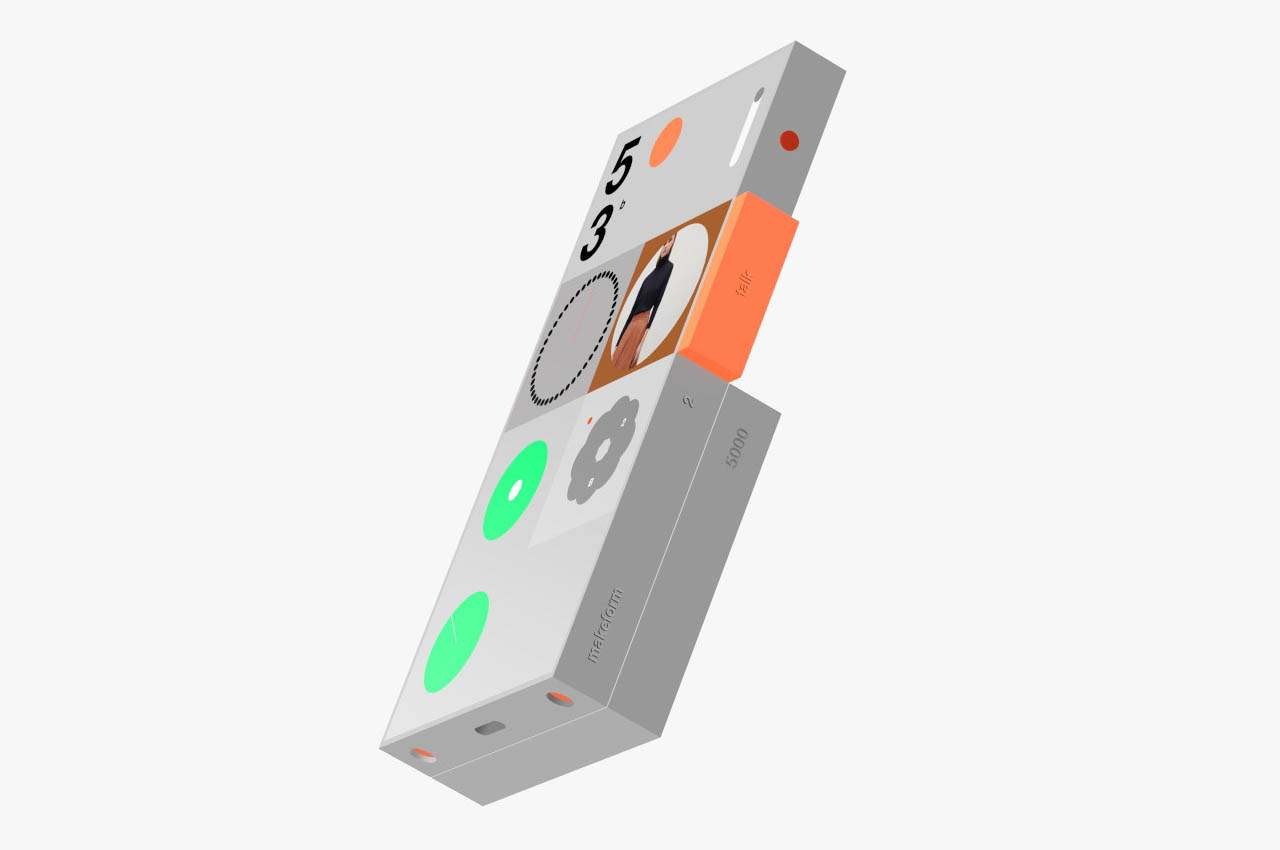
$3,000 Cybertruck Basecamp Tent is an unpolished homeless encampment missing key features

Before the release of the Cybertruck (for eager buyers), Tesla was developing an official accessory with Heimplanet to satiate the needs of adventure junkies. Known as the Cybertruck Basecamp Tent, the sleek and stylish add-on would turn the electric truck into a sporty off-grid camping vehicle for nature lovers.

The accessory has finally shipped for people who pre-booked and unfortunately, it looks nothing like the version promised in the 2019 renders and prototype. Just like the Cybertruck’s overblown bubble hype, the Basecamp Tent for the truck bed looks like a gray blob of unfinished and shabby product that’s more like a homeless encampment.

Designer: Tesla

There are a lot of strings attached when we consider the ease of installation as Tesla recommends owners bring the thing to the service center for initial installation of the brackets. Ideally, that should not be the case as one should be able to seamlessly install it on his/her own. A user on the CybertruckOwnersClub forum says that “forcefully popping out the Aeroflap” just feels like a less-than-premium experience. Removing or reinstalling the Aeroflap compromises the waterproofing at the front of the vault. Also, the plastic pieces/clips hooked from the Aeroflap are susceptible to breaking with repeated use.

Strangely the manual lists down the “Tent Mode” – supposed to self-level on a sloped surface – which apparently doesn’t exist right now. So, should we expect some kind of update or add-on fix it? The second-hearted approach in launching this product is evident from the small little gripes. On a positive note, the Roof Peak clips are easy to locate and attach to the roof, as they fit along the triangle section of the truck’s window. This helps maintain the structural integrity of the tent, and once everything is in place, inflate the tent to set up the base for the night. Another advantage is the space under the stowed basecamp to store essentials. Not to mention the lightweight aesthetics and the use of premium materials.

If the price had been reasonable, my perspective would have been different about all the shortcomings in features and the overall design. But shelling out $3,000 for this unfinished accessory that’s a handful while installing and uninstalling, is not at all justified!


The post $3,000 Cybertruck Basecamp Tent is an unpolished homeless encampment missing key features first appeared on Yanko Design.

Teenage Engineering-inspired Nintendo Switch feels like the minimalist handheld console we deserve

Teenage Engineering has created a niche in the music tech market with rule-defiying products that tap into the inquisitive nature of things. No matter if it’s a field system, wireless audio, or synthesizers; if it’s from Teenage Engineering, it’s got to be worth talking about. That’s the sole reason we just love everything from the Stockholm-based audio wizard.

This time around though, it’s not something coming out of their creative factory, but rather a culmination of creative thoughts from a designer to muster up a winning product envisioned for TE. A handheld gaming console that’s fun to play around with and also one that doesn’t deviate from the core ethos of the brand. According to the designer the handheld blends into any environment, “triggering the nostalgic feeling and providing fun to the users.”

Designer: Nidharshan Suresh

The primary motivation behind this concept gaming console carrying the DNA of Teenage Engineering is to break the monotony in the design of current handheld consoles and refresh the market with a product that’s a delight to savor. The initial research identified the reason for playing games as an escape from the daily stresses of life. Another couple of motivators are the ability to boost problem-solving capabilities and live a story in pseudo-reality. One fact that was clear from the data was the end-users who are either on-the-go gamers, tech geeks, softcore gamers, or socializers.

Nidarshan employed parallel prototyping using thermocol models to fine-tune the final handheld design that falls right into place. As a TE fan, I immediately found a connection between two different worlds of audiophile bliss and gaming frenzy in this product. A cohesive form that’s minimal while retaining the ergonomic comfort of playing games for extended sessions. The color theme also piques interest in the form of orange, black and white buttons for the joystick and D-pad buttons.

The slim form factor ensures your fingers never get fatigued from constantly hitting the trigger buttons on the top. From what’s apparent this handheld gaming console is quite compact compared to the current market leaders like Steam Deck, Asus ROG Ally, or Nintendo Switch. That alone is a win for someone like me with small hands.

The titanium silver grey finish brings a new look to the arena which I absolutely love. Whether or not such a handheld is going to disrupt the market, only time will tell, that is if, Teenage Engineering ever designs a handheld gaming console in the near future!

The post Teenage Engineering-inspired Nintendo Switch feels like the minimalist handheld console we deserve first appeared on Yanko Design.

Apple Car is dead but AI reimagines what the ambitious venture could have been

After dumping billions of dollars into the idea of an Apple Car, the Cupertino giant has officially scrapped the electric car project. So why are we ranting about it now? That’s because new details have surfaced about the inside stories of how the project was never the real deal from the beginning.

Some inside poking from Bloomberg’s Mark Gurman has unearthed interesting details about the highly anticipated four-wheeled car that could have been anything from a hatchback or sedan to an SUV or performance sports car. In the report by the trusted Apple tipster, there were some interesting revelations about the ambitious project that lingered on for a decade and finally laid to rest last week.

Designer: Karissa Bell (Engadget)

According to Gurman, the idea pool was divided majorly into two think tanks – ones who wanted less autonomy and others who vouched for a fully autonomous version without any human intervention.  The second option was chosen and that was the real problem on practical grounds. They were confident of breaking the code for a full self-driving vehicle and eventually, it turned out to be a challenge that was more difficult than anticipated. Some of these decisions were taken in the early phase of the 2014s when the reality was not clear and ambitions were high. Of course with Tesla also on the horizon of gaining traction, it was motivation for the Apple Car team to break the code.

Time trickled through and when the Cupertino giant realized the idea was not feasible, it was too late. That said, now the monkey is off the back, we can enjoy some of the details that lie deep in the trenches of the initial design files. Yes, these mock-ups were referred to by the core team but we’ll never get hands on those secret documents since Apple is ultra-proactive when it comes to security. The next best thing is to put in as many details as possible in an AI tool (Meta AI to be precise) and come up with these cute Apple Car designs that Engadget found enchanting.

The post Apple Car is dead but AI reimagines what the ambitious venture could have been first appeared on Yanko Design.

Renault reinvents mobility with electric rides to take on the elements of nature

A showcase of the automotive geniuses for tomorrow, the Geneva International Motor Show 2024, saw some fascinating automobile innovations. Amid them, drenched in eye-piercing yellow theme, was Renault’s collaborative project carried out in association with reckoned French startups in the mobility sector.

Titled the Renault 5 Movements, it is a series of electric vehicles comprising a bicycle motocross, foldable sailboat, sea bike, snow bike, and a surfboard with an electric hydrofoil. This impressive and diverse range of Renault options is a nod to the elements of nature: earth, water, air, and snow, and is an integral part of the company’s 100 percent electric revolution.

Designer: Renault

For the earth, the R5 Evol BMX is an all-electric bicycle motocross designed in association with Olivier Le Quellec. The bike is powered by a 500W motor that can take you cruising at 45km/h. It is designed to combine “dynamism and performance,” which makes it a perfect option for urban commuting and living the bike thrill off the tar.

Taking to the water, Renault has a fantastic foldable sailboat designed with Antoine Simon. Dubbed the Reverso, the versatile and compact boat features a stable, rigid hull. With a payload capacity of 180 kg, this sailboat – that is apt to take a family for an outing – has a folding design. It can be disassembled into four separate floating sections for the convenience of transportation.
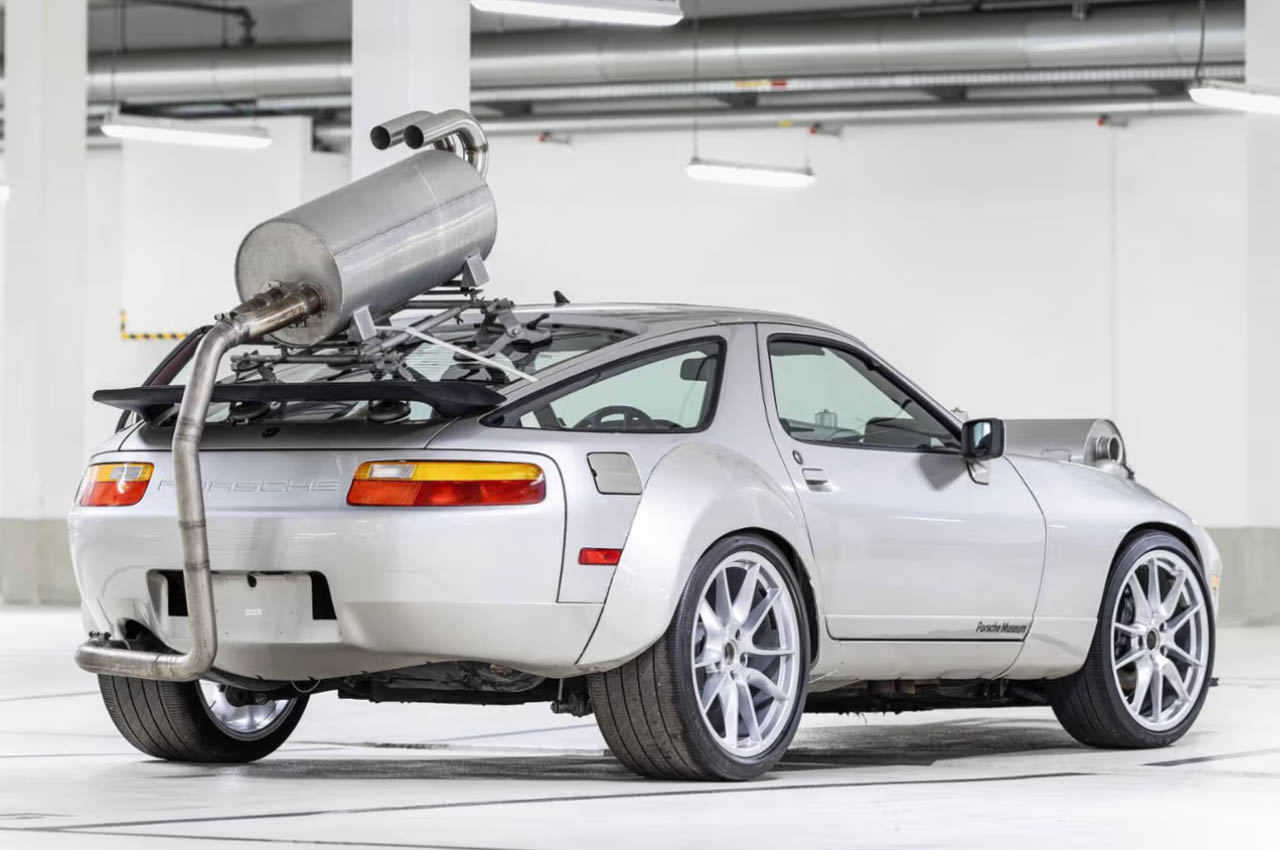
Following on is Renault and Flavien Neyertz’s Searacer. This electric sea bike developed for water sports, comes ready with a high-density motor that can give this electric jet ski-style a boost of up to 77km/h. The motor offers a two-hour range, which should appeal to pros and beginners alike. If the bike is not your type, Renault also has the Plume surfboard by Etienne Mombereau for you. Weighing 3kg, this surfboard with electric hydrofoil is designed to take you on water adventures at speeds of up to 35 km with 1.5 hours of run-time.

If your fancy is not satiated by the regular land and water rides, Renault has come up with an electric snowbike called the Moonbike designed by Nicolas Muron. Its chain and belt-free design comprises a track and a front ski that can help the Moonbike achieve top speeds of up to 40km/h. That should be a good speed for treading the snow paths with 3 hours of assured ride time. Whatever your choice, Renault 5 Movements has a ride for you. The information on pricing and any possible availability is in oblivion for now.
The post Renault reinvents mobility with electric rides to take on the elements of nature first appeared on Yanko Design.