The Sonder x Skarper Camino Solves the Two-Bike Problem with a Click

Most cyclists who commute and ride recreationally face an uncomfortable choice: buy a dedicated ebike for weekday miles and a separate unassisted bike for weekend adventures, or pick one and accept its limitations. The garage fills with frames, the budget stretches thin, and neither bike does both jobs particularly well. Sonder and Skarper have looked at this problem and proposed something different.

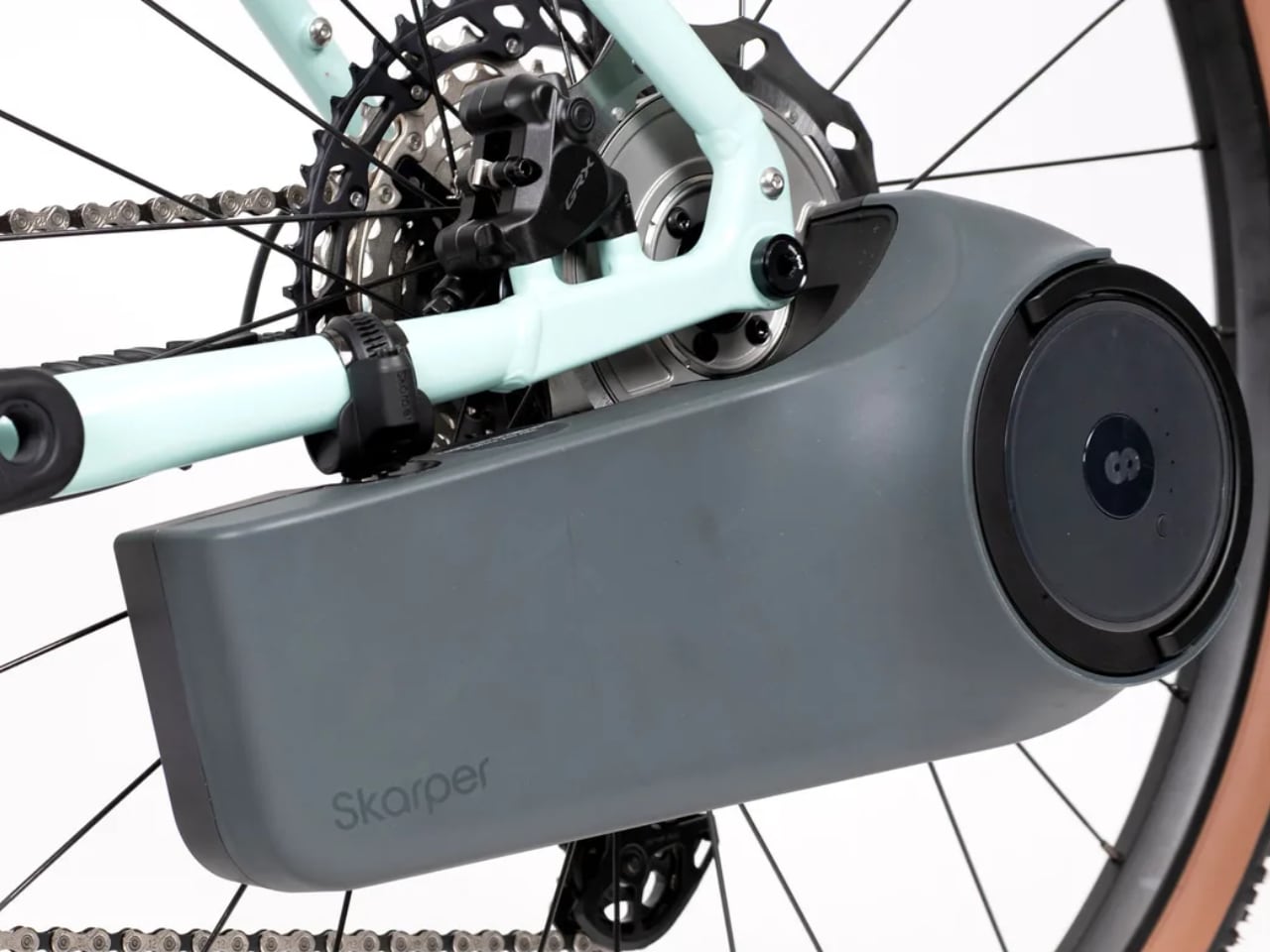
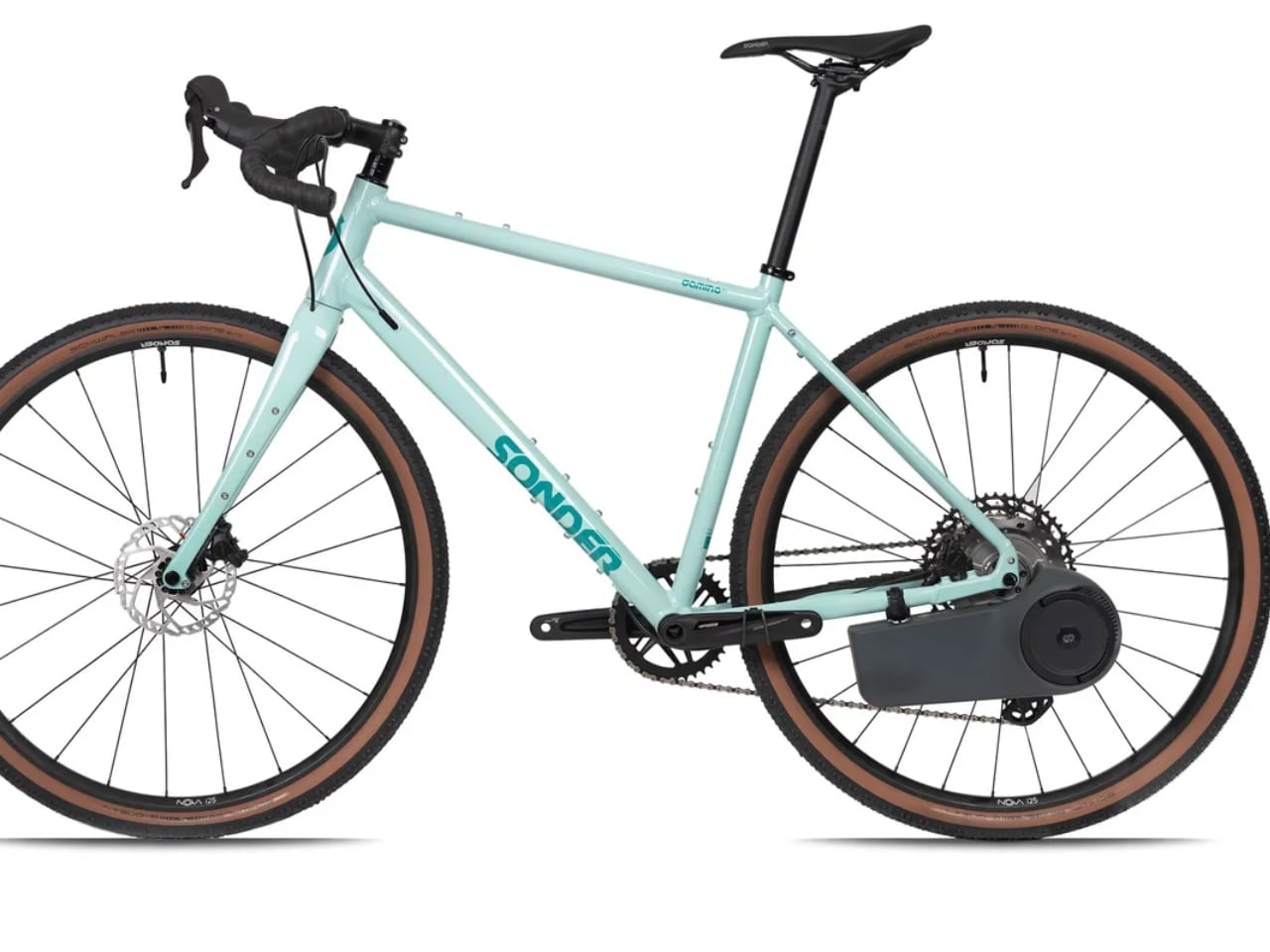
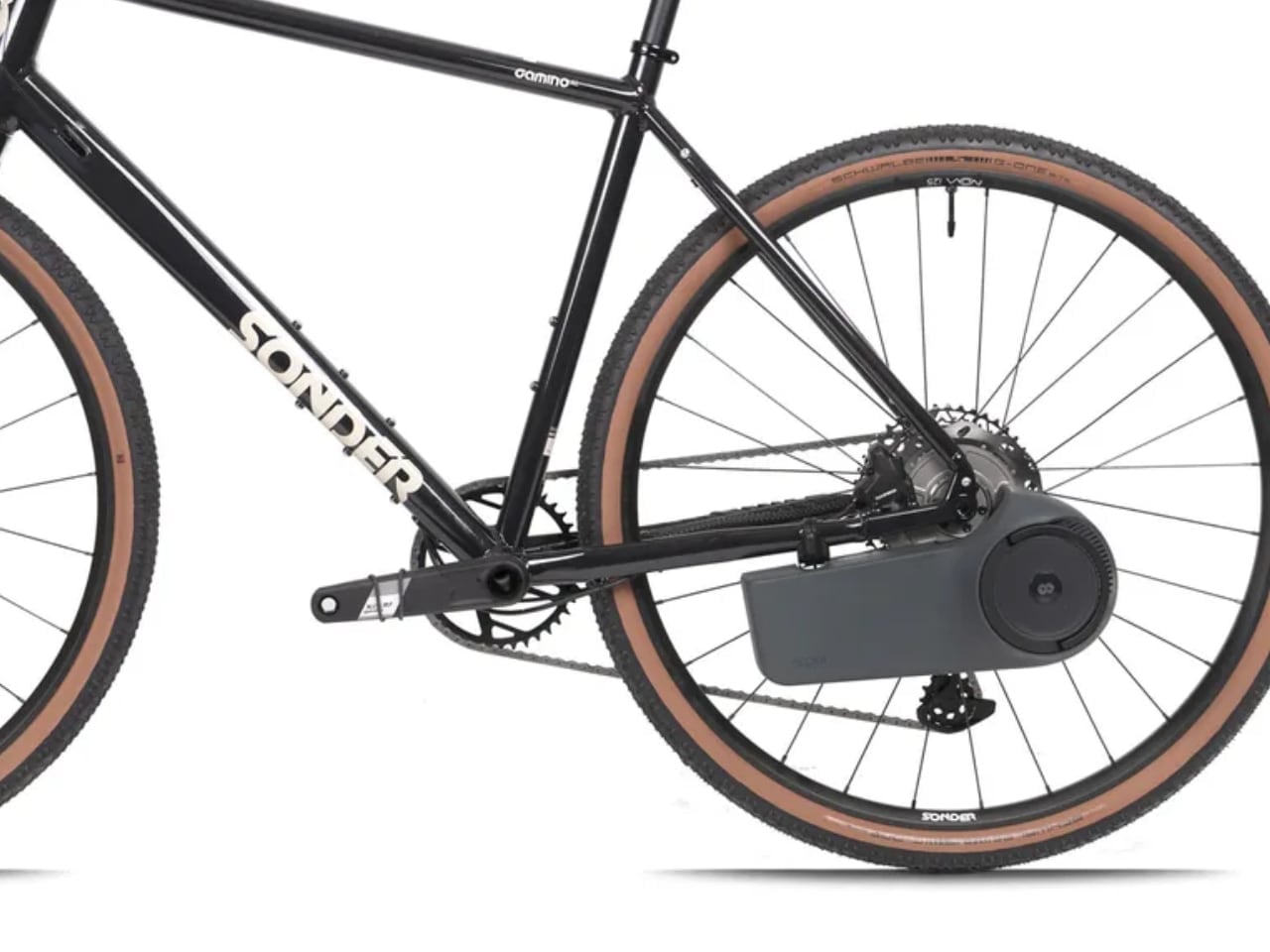
The Sonder x Skarper Camino collaboration bundles three gravel bike configurations with the Skarper DiskDrive system pre-installed, creating what both companies call a “two bikes in one” solution. The concept is straightforward: clip on the motor for assisted commutes, unclip it for unencumbered gravel riding. What makes this interesting is not the idea itself, which conversion kits have promised for years, but the execution and the factory integration that distinguishes it from aftermarket retrofits.

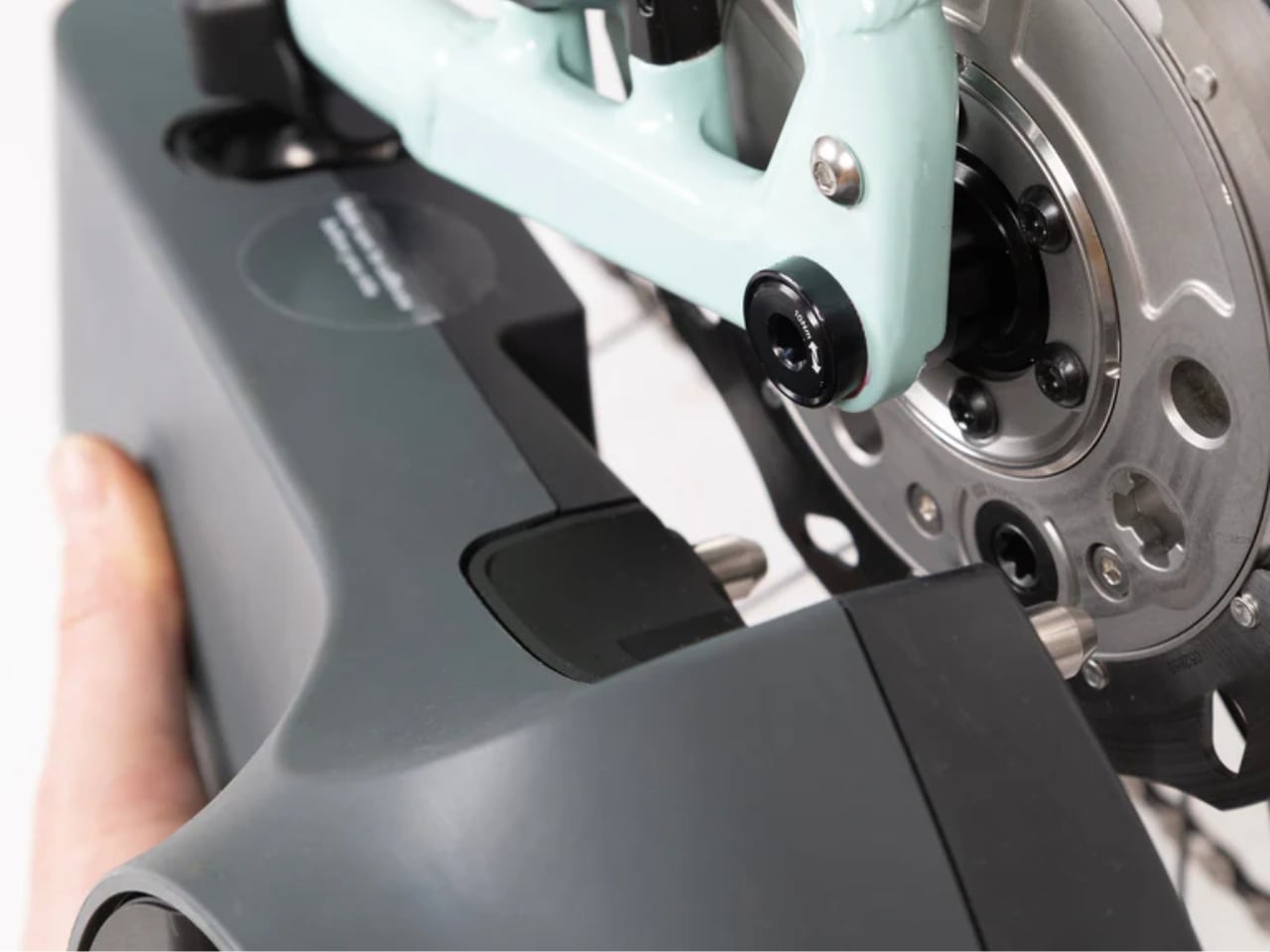
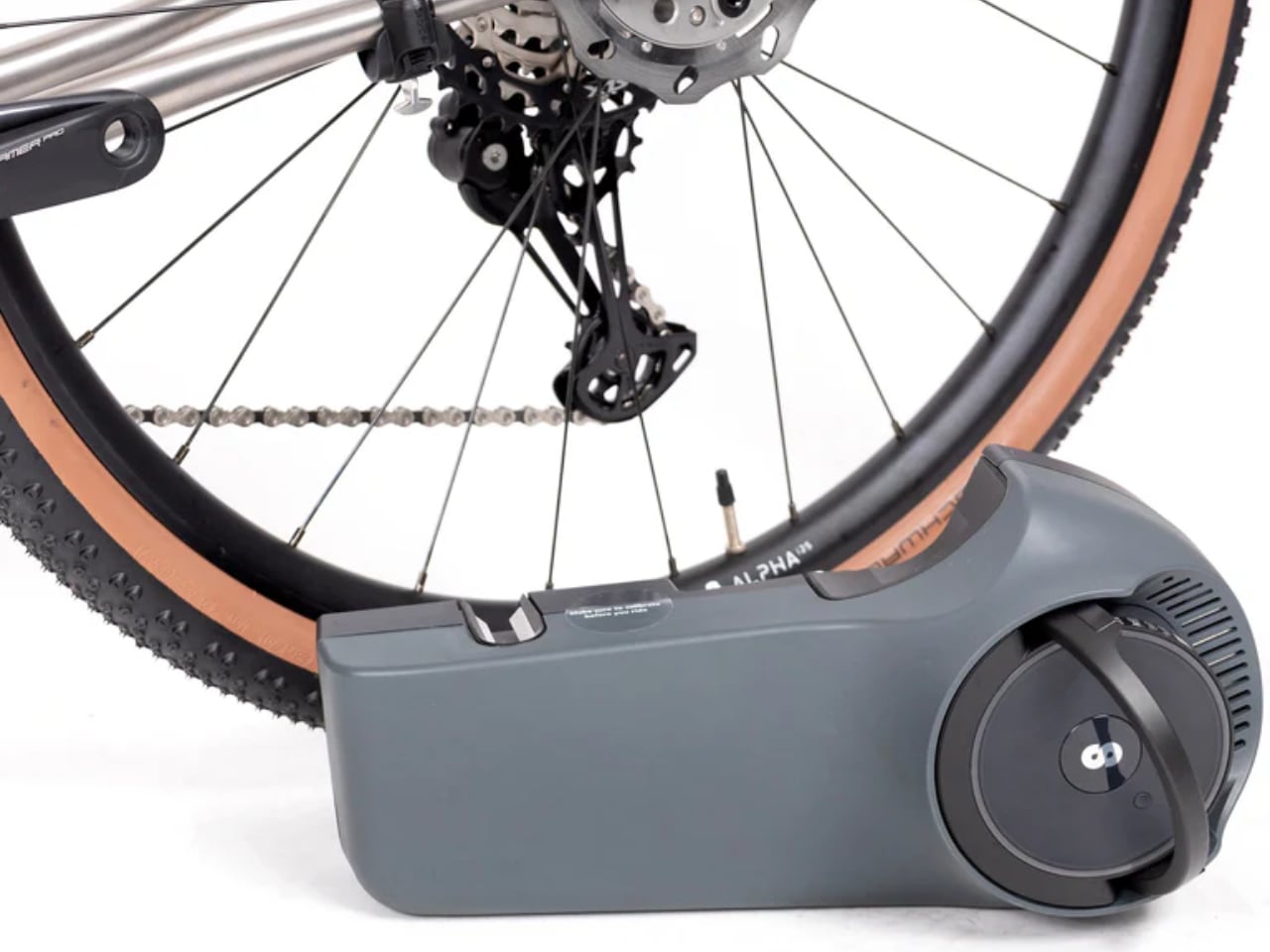
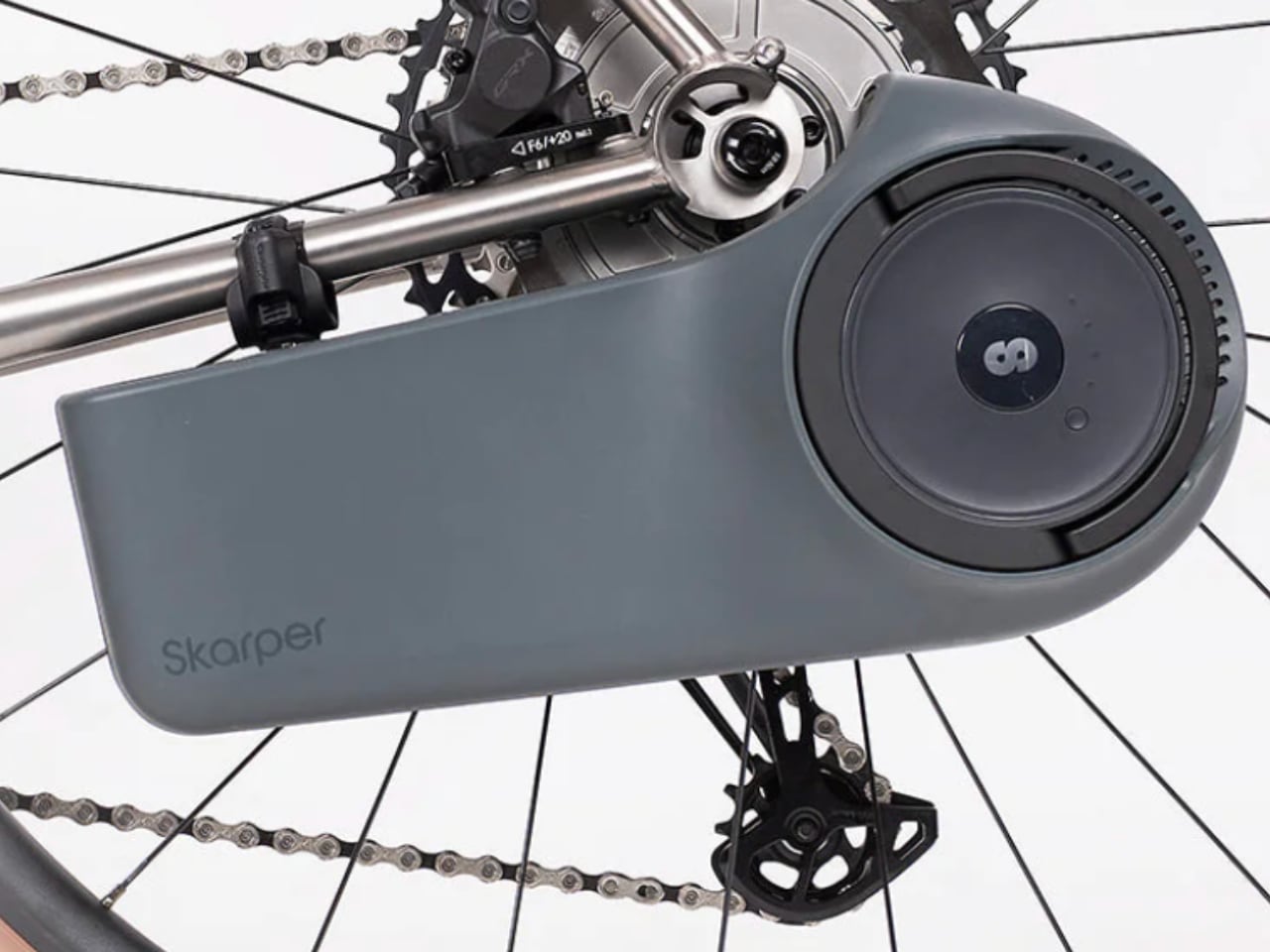
Skarper’s approach to electric assist differs fundamentally from hub motors or mid-drives. The DiskDrive unit locks onto a specially designed rear brake rotor and delivers torque through that interface rather than through the wheel axle or crankset. This rotor-drive architecture means the motor sits at the chainstay, clips on and off without tools, and leaves no permanent frame modifications when removed.

How the DiskDrive System Works

Rotor-Based Power Delivery

The Skarper unit contains a 250W motor rated at approximately 45 to 50 Nm of torque depending on generation. Rather than spinning the wheel directly or pushing through the chain, it grips the proprietary DiskDrive rotor and rotates it, which in turn rotates the wheel. This mechanically simple layout avoids the planetary gears found in hub motors and bypasses the drivetrain entirely, which may reduce wear on chains and cassettes over time.

A 240 Wh internal battery provides the energy storage, with Skarper claiming a full charge time of roughly 2.5 hours. Range estimates land between 50 and 60 km in eco mode, dropping in higher power settings. These figures are modest compared to purpose-built ebikes with larger battery packs, but the trade-off is system weight: approximately 4.5 kg for the drive unit plus around 600 grams for the special rotor. Under 5.2 kg total when fitted, and zero added weight when the unit stays home.

Integration and Connectivity

The drive unit houses its control electronics alongside the motor and battery, incorporating wireless connectivity to apps and head units, including Bluetooth and, in some configurations, ANT+ and Wi-Fi. This allows communication with cycling computers and smartphone apps without requiring additional handlebar-mounted controllers or wiring runs along the frame. The interface remains clean whether the bike runs assisted or stripped down for pure pedaling.

Skarper designed the attachment mechanism for tool-free operation. The unit clicks into place on the rotor, locks securely for riding, and releases with a lever action. The transition takes seconds rather than minutes, which matters for riders who genuinely intend to use both configurations rather than leaving the motor permanently attached.

The Camino Platform

Gravel Geometry and Capability

Sonder’s Camino line has earned recognition as a capable adventure platform before this collaboration existed. The geometry emphasizes stability and confidence on mixed terrain: a slack, gravel-ready head angle in the high 60s, a long wheelbase that tracks predictably over rough surfaces, and tire clearance that accommodates rubber wide enough for bikepacking or rough bridleway exploration. Internal routing supports dropper posts for technical descents.

The frame accommodates racks and accessories through multiple mount points, positioning the Camino as much for loaded touring as for fast gravel rides. Sonder markets these bikes for everything from UK B-roads to multi-day routes, which makes the addition of removable electric assist logical: the same frame that handles loaded bikepacking benefits from power assistance when covering urban miles with gear.

Available Configurations

The collaboration launches with three builds, each pairing a different Camino specification with the Skarper system pre-installed:

The entry point is the Camino Apex 1 Flat Bar at 2,649 GBP. The flat handlebar configuration and SRAM Apex 1x drivetrain position this build for commuter-first buyers who want gravel capability without drop bar commitment. The aluminum frame keeps costs reasonable while the Skarper system adds the assisted dimension.

The Camino Al GRX1 at 2,999 GBP moves to drop bars and Shimano GRX 610 12-speed gearing. This build targets the rider who wants traditional gravel geometry with quality shifting and the option of motor assistance. The aluminum frame carries through from the flat bar model.

At the top sits the Camino Ti GRX1 at 4,249 GBP, pairing the titanium frame with GRX 1x and the Skarper drive. Titanium’s compliance and durability appeal to riders thinking in decades rather than seasons, and the “forever bike” logic extends to the modular motor: invest in a frame that lasts, add or remove assistance as needs change over time.

Value Proposition and Market Position

Pricing Logic

The standalone Skarper conversion kit sells for 1,495 GBP. Buying a regular Camino and adding Skarper separately would cost more than these bundled configurations, which means the partnership delivers genuine pricing advantage rather than merely convenience. Whether the discount compensates for the commitment of buying a specific bike with a specific motor system depends on individual circumstances, but the math favors the bundles.

Compared to purpose-built electric gravel bikes, the starting price of 2,649 GBP positions these configurations competitively. The differentiation comes from capability: remove the Skarper unit and you have a conventional gravel bike that weighs and rides like a conventional gravel bike. Purpose-built ebikes carry their motors and batteries permanently, adding weight and changing handling characteristics regardless of whether you want assistance on any given ride.

Who This Serves

The target buyer emerges clearly from the product logic: someone who commutes by bike during the week and rides gravel on weekends, who lacks space or budget for two dedicated machines, and who wants neither a permanently heavy ebike nor a permanently unassisted bike that exhausts them before arriving at the office. The Skarper system’s quick-release nature makes the dual-use scenario practical rather than theoretical.

Neil Sutton, Sonder’s product manager, frames it around simplicity and adventure, noting that the removable drive “keeps a Sonder feeling like a Sonder” when unclipped. Ean Brown, Skarper’s CEO, emphasizes freedom and flexibility over the alternative of owning “a second heavy bike.” Both statements acknowledge the core insight: versatility matters most when it does not require permanent compromise.

Availability and Upgrade Path

The three Sonder x Skarper models are available immediately through Alpkit stores, Alpkit’s website, and Selfridges in London. The retail presence at Selfridges suggests positioning beyond core cycling audiences, reaching urban consumers who might not otherwise visit specialty bike shops.

Existing Sonder owners can purchase Skarper add-on kits with free professional installation at participating Alpkit stores. This upgrade path extends the collaboration’s reach beyond new bike sales, allowing current Camino riders to convert their frames without buying a complete new build. The factory integration remains cleaner, but the option exists for those already invested in the platform.

Design Significance

The Sonder x Skarper collaboration represents something worth watching in the electric cycling space: an OEM partnership that treats removable assist as a feature category rather than an aftermarket addition. Most ebikes build their motors permanently into the frame architecture. Most conversion kits remain aftermarket products that buyers install themselves. This sits between those models, offering factory confidence with modular flexibility.

Whether the rotor-drive approach gains broader adoption depends on how well Skarper’s execution holds up to real-world use and whether other frame manufacturers follow Sonder’s lead. For now, the Camino collaboration offers one answer to the two-bike problem: a gravel bike that becomes an ebike when you want it to, and becomes a gravel bike again when you do not.

The post The Sonder x Skarper Camino Solves the Two-Bike Problem with a Click first appeared on Yanko Design.

Hublot Big Bang Meca-10 Street Art: When Concrete Becomes Wearable Art

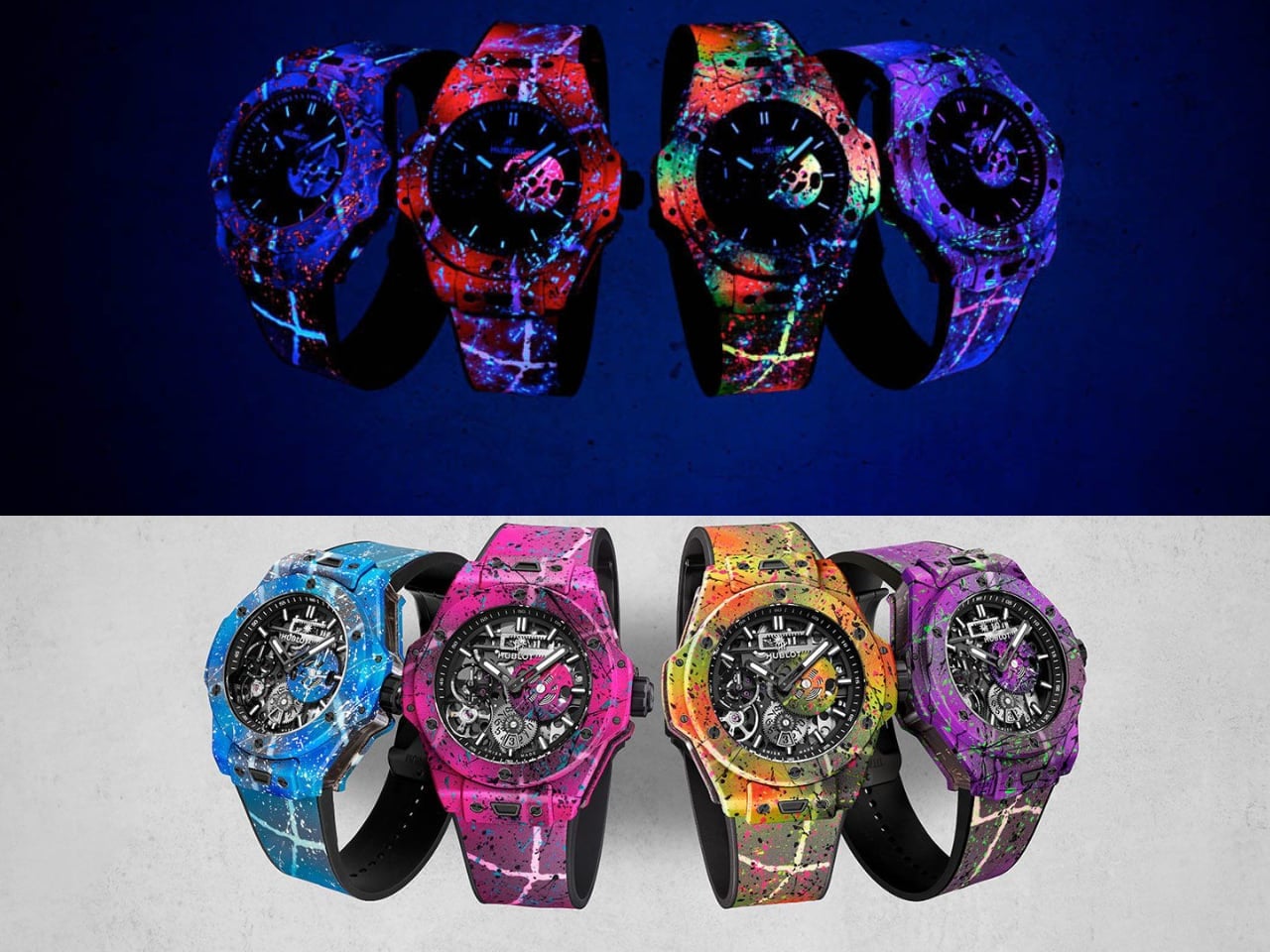
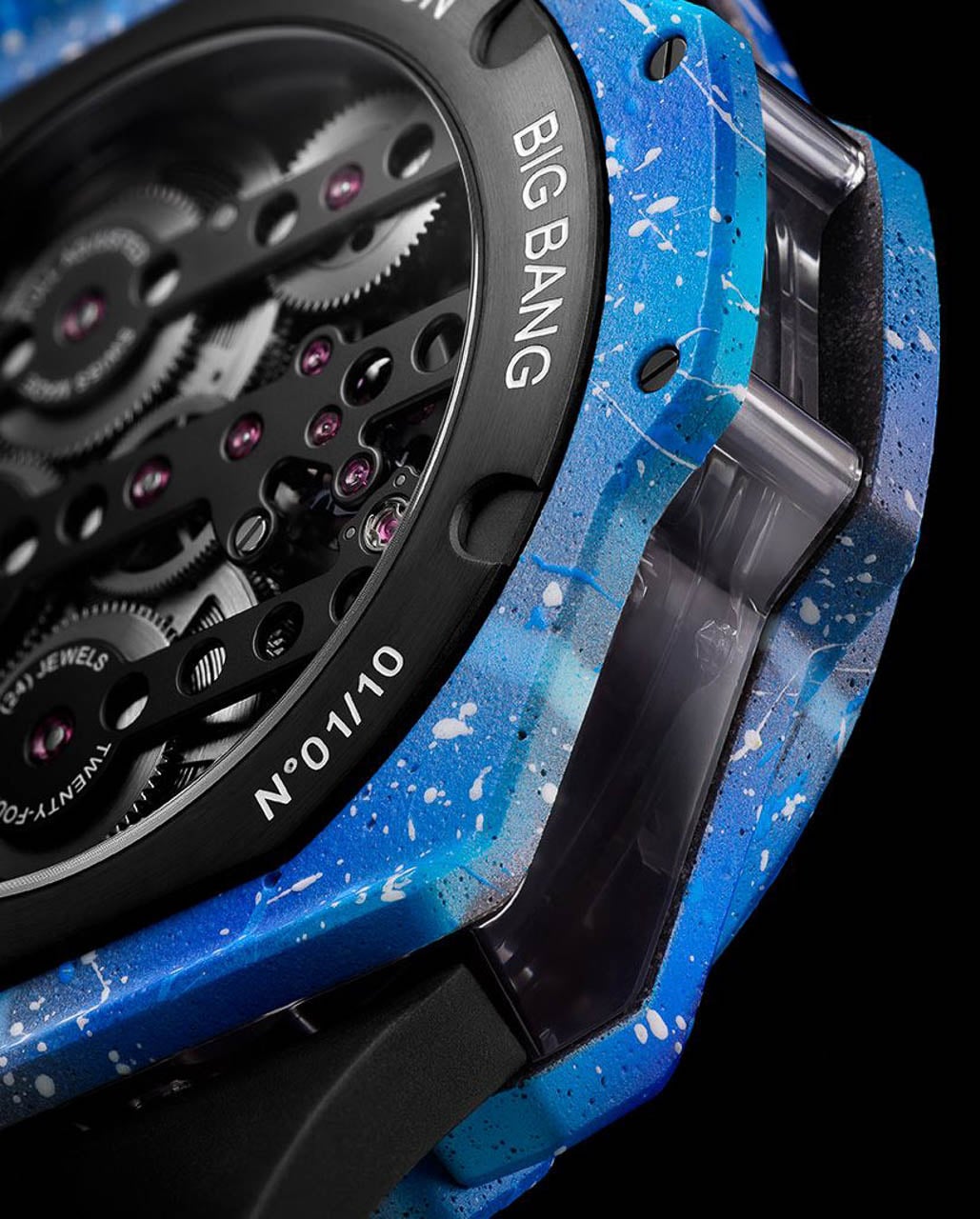
Imagine taking a chunk of concrete from a Miami street wall, complete with cracks and spray paint, and somehow turning it into a luxury watch. That’s exactly what Hublot has done with the Big Bang Meca-10 Street Art collection. The result is four watches that look like someone ripped pieces of graffiti-covered urban architecture and strapped them to your wrist.

Designer: Hublot

The idea sounds absurd until you see the execution. The cracks in the surface aren’t flaws. They’re designed that way, filled with glow-in-the-dark paint that shifts color depending on whether you’re standing in daylight, darkness, or under the ultraviolet lights of a nightclub. One watch becomes three different visual experiences depending on where you take it.

This isn’t just a watch wearing a costume. The concrete composite forms the actual structure of the case, meaning the material choice affects weight, texture, and how the watch feels against skin. Every crack pattern is unique because the material naturally fractures differently each time.

Why Concrete Makes Sense (Even Though It Shouldn’t)

Before going further: is that really concrete on your wrist? Technically, it’s a concrete composite rather than the stuff you’d pour into a building foundation. Hublot mixes actual cement with polymers and resin binders, so calling it a “concrete case” isn’t wrong, but watch nerds will correctly note that raw structural concrete would crumble the first time you bumped a doorframe.

That said, the material still chips, cracks, and absorbs moisture in ways that make it seem like the last thing you’d want wrapped around delicate mechanical parts. Hublot approached the problem by treating concrete not as a building material but as a canvas that happens to be structural.

The bio-based epoxy resin mixed into the cement changes the rules. Traditional concrete relies on water evaporation to harden, leaving behind microscopic pores that weaken the structure over time. This composite skips that process entirely, binding the cement particles with plastic polymers instead. The addition of graphene creates a reinforcement network at the molecular level, boosting strength by roughly 15 to 20 percent compared to standard concrete while keeping the rough, porous surface texture that makes the material visually interesting.

What you end up with is a material that looks fragile but behaves like a proper watch case. The matte, weathered surface invites touch in a way that polished steel or ceramic never could. Run your finger across the face and you feel actual texture, tiny ridges and valleys that remind you this started life as construction material. The painted cracks catch light unevenly, creating shadows that shift as you move your arm. The weight sits noticeably on the wrist. At 44 millimeters across and over 15 millimeters thick, this isn’t a subtle timepiece. But the density feels purposeful rather than clumsy, grounding the visual chaos of the paint job in something physically substantial.

The Paint Job That Transforms Three Times

Street artist Saiff Vasarhelyi handled the hand-painting, layering splatter patterns and graffiti gestures across the concrete surface in a way that looks spontaneous but required careful planning to execute at this scale. Each of the four colorways targets a different slice of Miami’s visual landscape.

Magic City uses purple and green tones that glow pink under blacklight, capturing the neon palette of the city’s nightclub district. Vice pushes harder into hot pink with splashes of blue, channeling the saturated colors of club lighting after midnight. Big Water shifts to aqua and turquoise, evoking ocean tones and lit swimming pools at night. Sunshine goes warm, layering yellow, orange, and green in patterns that recall sun-faded murals and citrus groves.

The paint contains UV-reactive luminova pigments, which is a fancy way of saying these watches absorb light during the day and release it slowly in darkness. Whether this transforms the watch into wearable art or an expensive novelty depends on how often you actually find yourself under blacklights. But unlike typical watch lume that just makes hands visible at night, this application turns the entire case into a light source. The cracks glow along their full length, and the splatter patterns that looked chaotic in daylight suddenly reveal hidden geometry when the lights go out.

Under actual ultraviolet light, the effect intensifies again. Colors that appeared muted in normal conditions snap into vibrant intensity, and additional pigment layers that were invisible before suddenly appear. The watch literally changes appearance depending on the environment, which sounds gimmicky until you consider that Hublot launched these at Art Basel in Miami, where moving between gallery lighting, afternoon sun, and club blacklights happens multiple times per night.

The Mechanical Heart Underneath the Chaos

Strip away the paint and concrete, and you find the HUB1201 Meca-10 caliber, a movement Hublot introduced in 2016 specifically to showcase power reserve engineering. The name refers to the 10-day power reserve, meaning you can wind this watch on Monday morning and it will keep running until the following Thursday without additional attention.

Most mechanical watches store energy in a single barrel, a coiled spring that slowly releases tension to drive the gear train. The Meca-10 uses two barrels working in parallel, effectively doubling the stored energy while keeping the watch thin enough to remain wearable. The trade-off is complexity. More barrels means more gears, more potential failure points, and more cost to service when maintenance time comes.

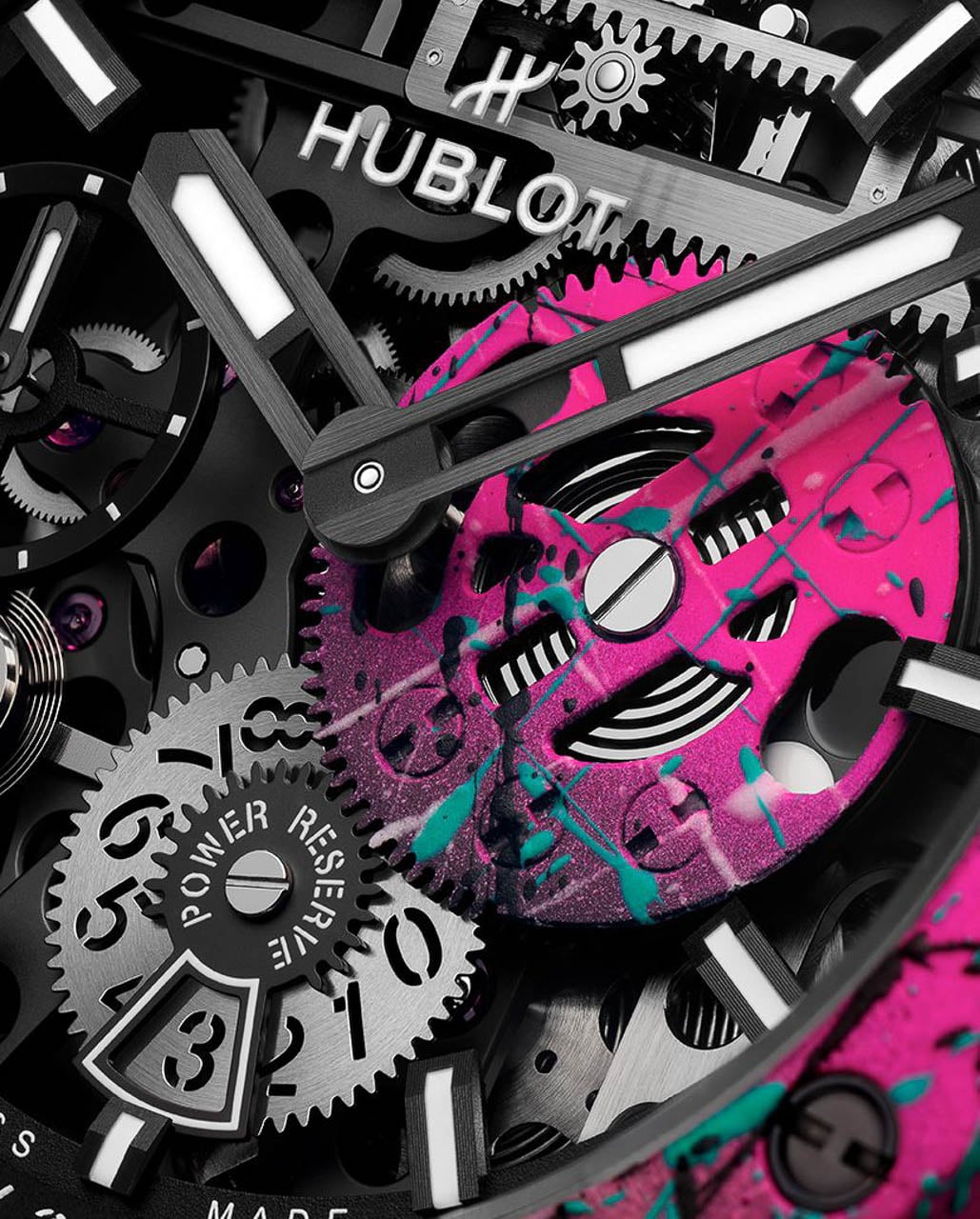
The power reserve display dominates the upper half of the dial through a rack-and-pinion system that looks more like industrial machinery than traditional watchmaking. As energy depletes over the 10-day cycle, a rotating disc gradually reveals a red warning zone that tells you winding time approaches. The mechanism is completely visible through the openworked dial, turning the act of checking remaining power into a visual experience rather than just a number readout.

Hublot finished the movement bridges in matte black for these editions, creating contrast against the silver metallic elements and making the painted splatter accents on the power reserve disc cover pop more aggressively. The balance wheel sits toward the front of the movement, oscillating at 21,600 vibrations per hour, visible through the smoked sapphire crystal that forms the case midband.

Who Actually Buys This

At $57,500 per watch with only 10 pieces of each colorway available through Hublot boutiques, these aren’t entry points into watch collecting. The price positions them as art objects that happen to tell time, targeted at collectors who already own multiple Hublots and want something that can’t be replicated.

The concrete composite material, the hand-painted surfaces, and the natural variation in crack patterns mean no two examples will ever look identical. This appeals to a specific collector psychology that values uniqueness over consistency, the same mindset that drives people to collect original artwork rather than prints.

The launch context reinforced this positioning. Hublot unveiled the collection during Miami Art Week at a party featuring a 50 Cent performance, targeting an audience that views watch purchases as part of a broader lifestyle statement. The watches were designed to look correct in that environment, where blacklight, loud music, and celebrity adjacency form the natural habitat.

Whether this represents the future of watchmaking or a temporary detour into spectacle depends on your perspective. Hublot has built its identity on exactly these kinds of polarizing releases, betting that the collectors who love them will love them intensely enough to offset the collectors who find them absurd. Twenty years into the Big Bang platform, the strategy keeps working.

The Design Verdict

The Big Bang Meca-10 Street Art collection succeeds by committing fully to its premise. The concrete isn’t a surface treatment applied to a conventional case; it’s the case, with all the texture, weight, and visual unpredictability that implies. The paint job doesn’t just decorate; it transforms the object depending on lighting conditions, giving owners a different watch for every environment.

The execution required solving genuine engineering problems around material strength, moisture resistance, and paint adhesion to rough surfaces. Other brands have pushed unconventional case materials, from Richard Mille’s forged carbon to Panerai’s carbotech composites, but none have attempted something this visually chaotic or deliberately fragile-looking. Hublot could have achieved a similar visual effect through ceramic printing or enamel work, but the tactile experience would have been entirely different. Touching these watches feels like touching urban infrastructure, which is either brilliant or terrible depending on what you want from a timepiece.

For readers who appreciate design as problem-solving, the collection demonstrates how material innovation can drive aesthetic outcomes that would be impossible to achieve through conventional means. For readers who appreciate watches as status objects, the limited production and five-figure pricing check those boxes efficiently. For readers who simply want to know what time it is, there are roughly 10,000 more practical options available.

Hublot knows exactly which audience it serves. The Big Bang Meca-10 Street Art exists for the third category of buyer: people who want their watch to start conversations, and who would rather defend an unusual choice than blend in with conventional taste.

Key Specifications

Specification Details
Case Size 44mm diameter, 15.3mm thick
Case Material Concrete composite with graphene reinforcement and bio-based epoxy resin
Movement HUB1201 Meca-10, manual wind
Power Reserve 10 days (240 hours)
Frequency 21,600 vph (3 Hz)
Water Resistance 50 meters
Price $57,500
Limited Edition 10 pieces per colorway (40 total)
Colorways Magic City, Vice, Big Water, Sunshine
Artist Collaboration Saiff Vasarhelyi


The post Hublot Big Bang Meca-10 Street Art: When Concrete Becomes Wearable Art first appeared on Yanko Design.
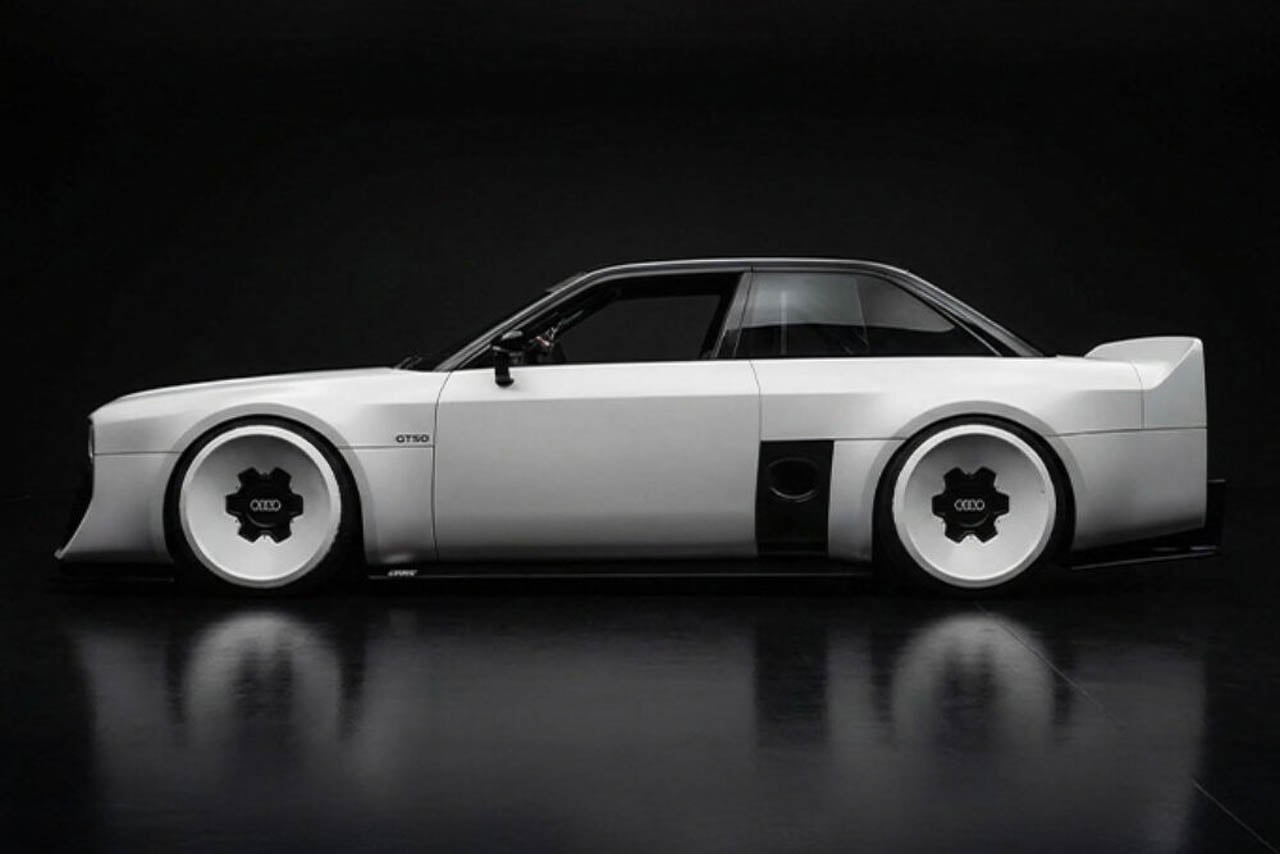
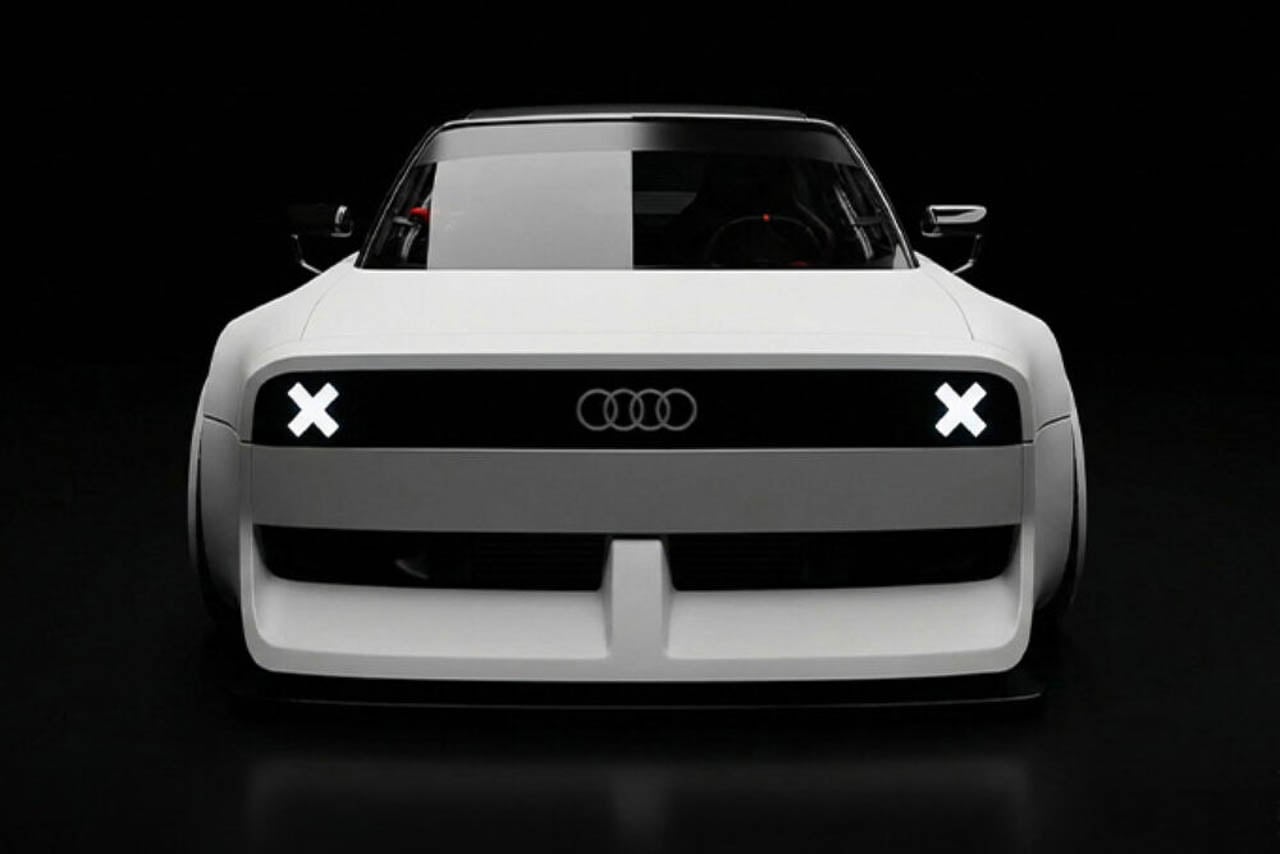
The GT50 Asks What Happens When Combustion Heritage Becomes a Design Argument


Audi’s electrification messaging has been relentless. Press releases foreground battery density. Concept reveals emphasize range anxiety solutions. The brand’s future, by every official metric, runs on electrons. Then the GT50 surfaces, quietly, through social channels and enthusiast blogs rather than a formal unveiling, and poses a question the corporate roadmap doesn’t answer: what cultural work can a five-cylinder engine still perform when the company building it has publicly committed to moving beyond internal combustion?

Designer: Audi

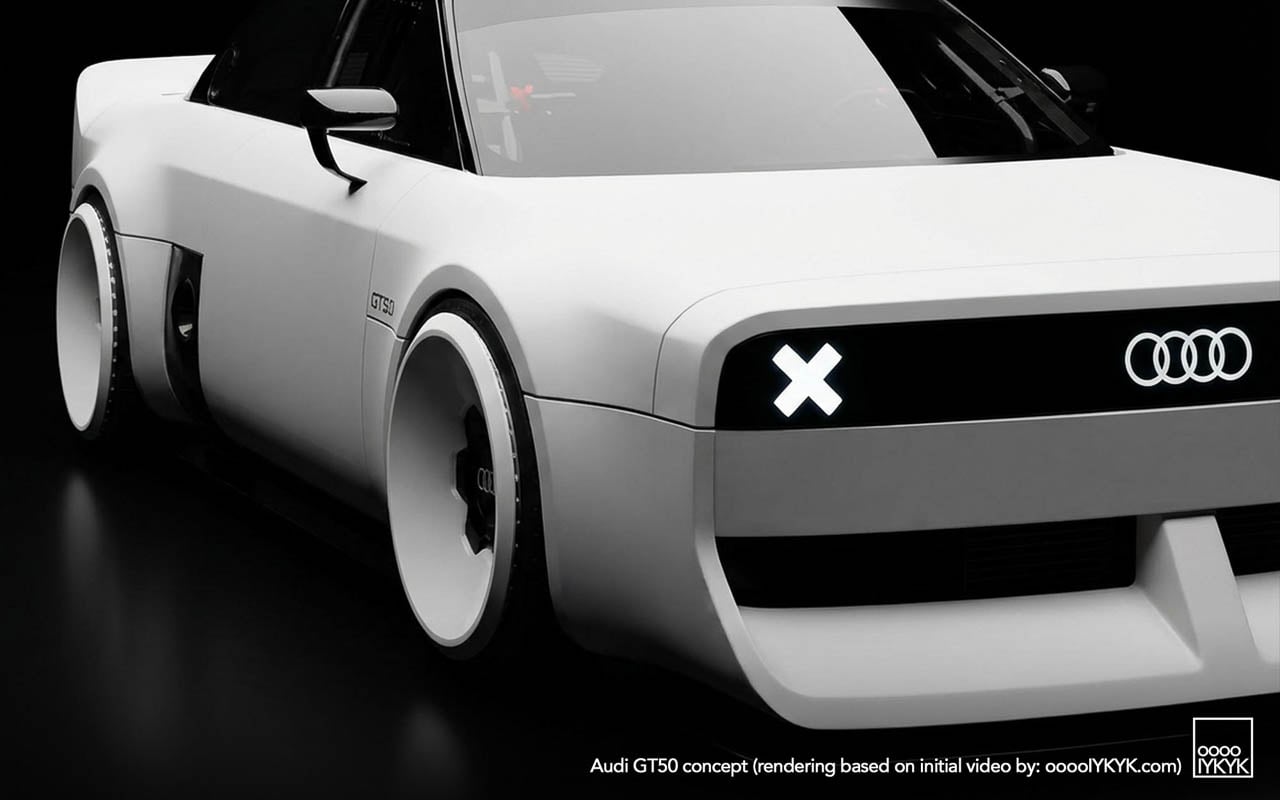
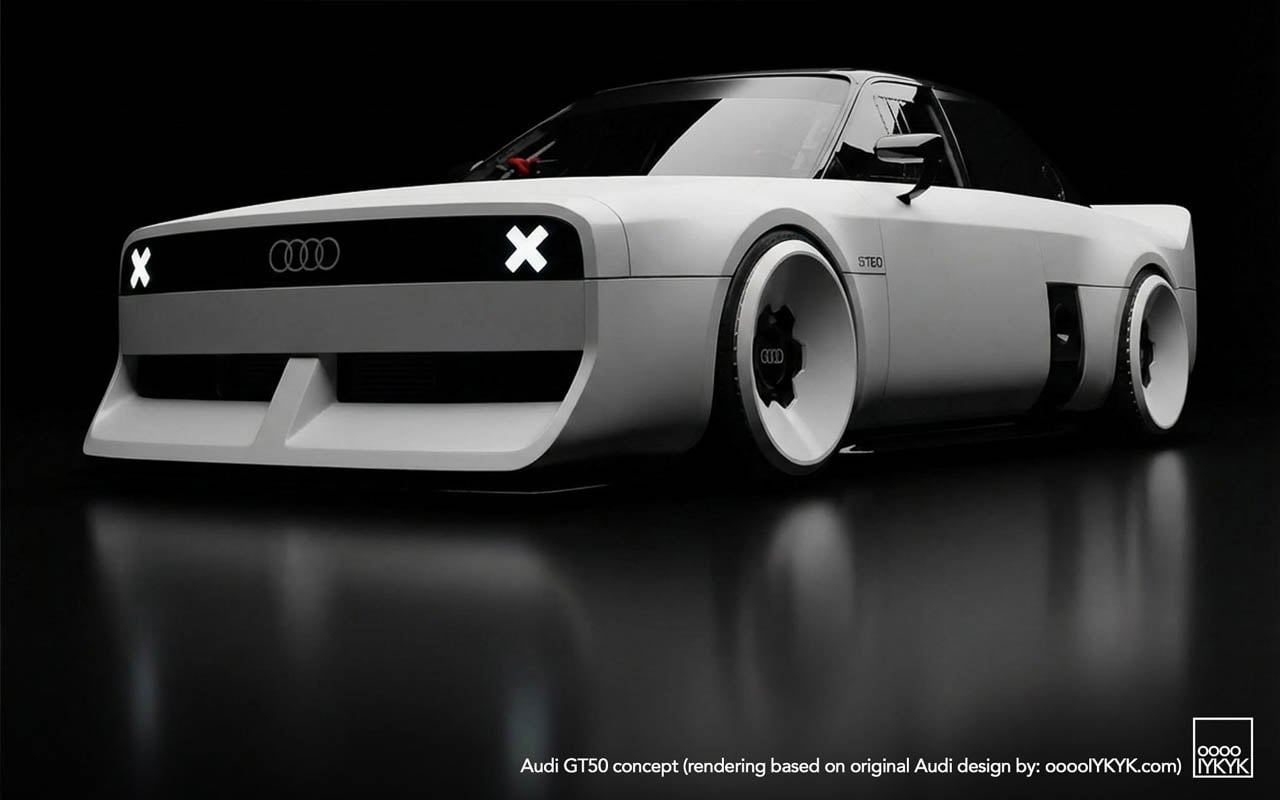
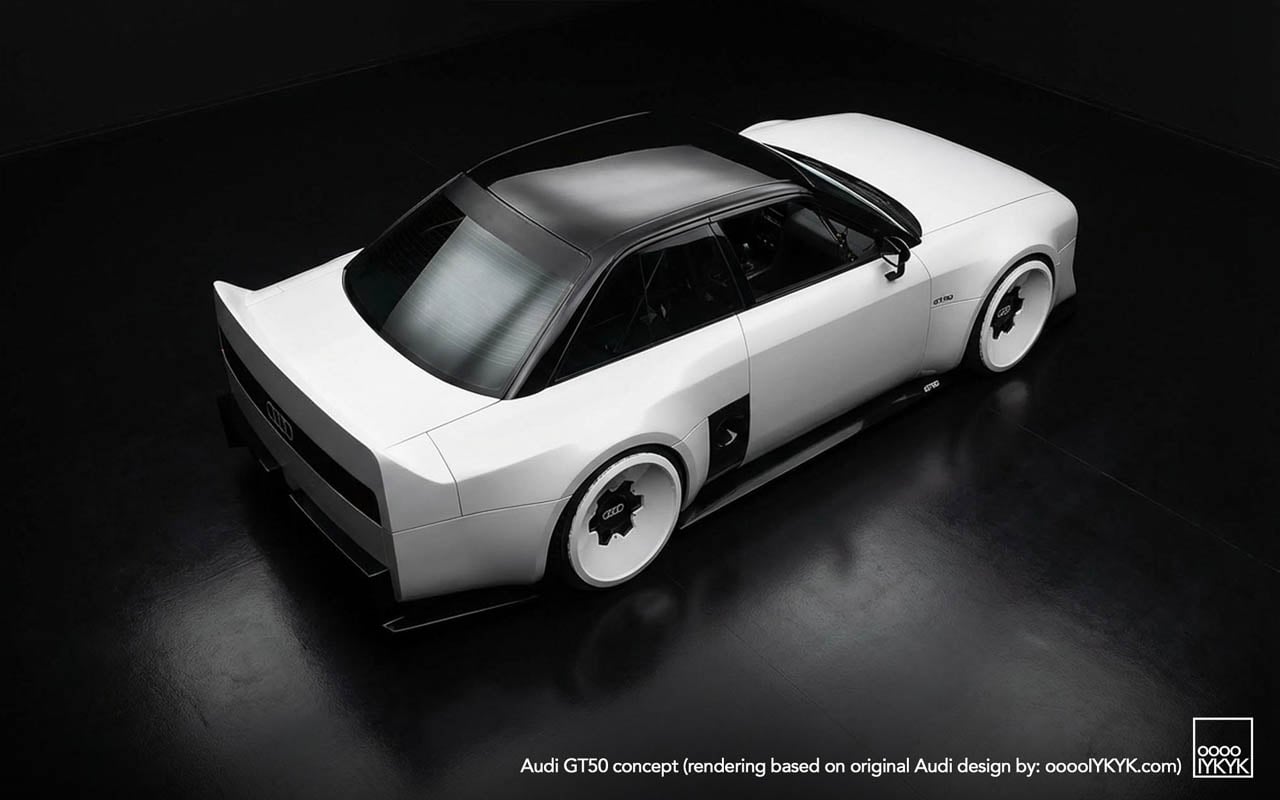
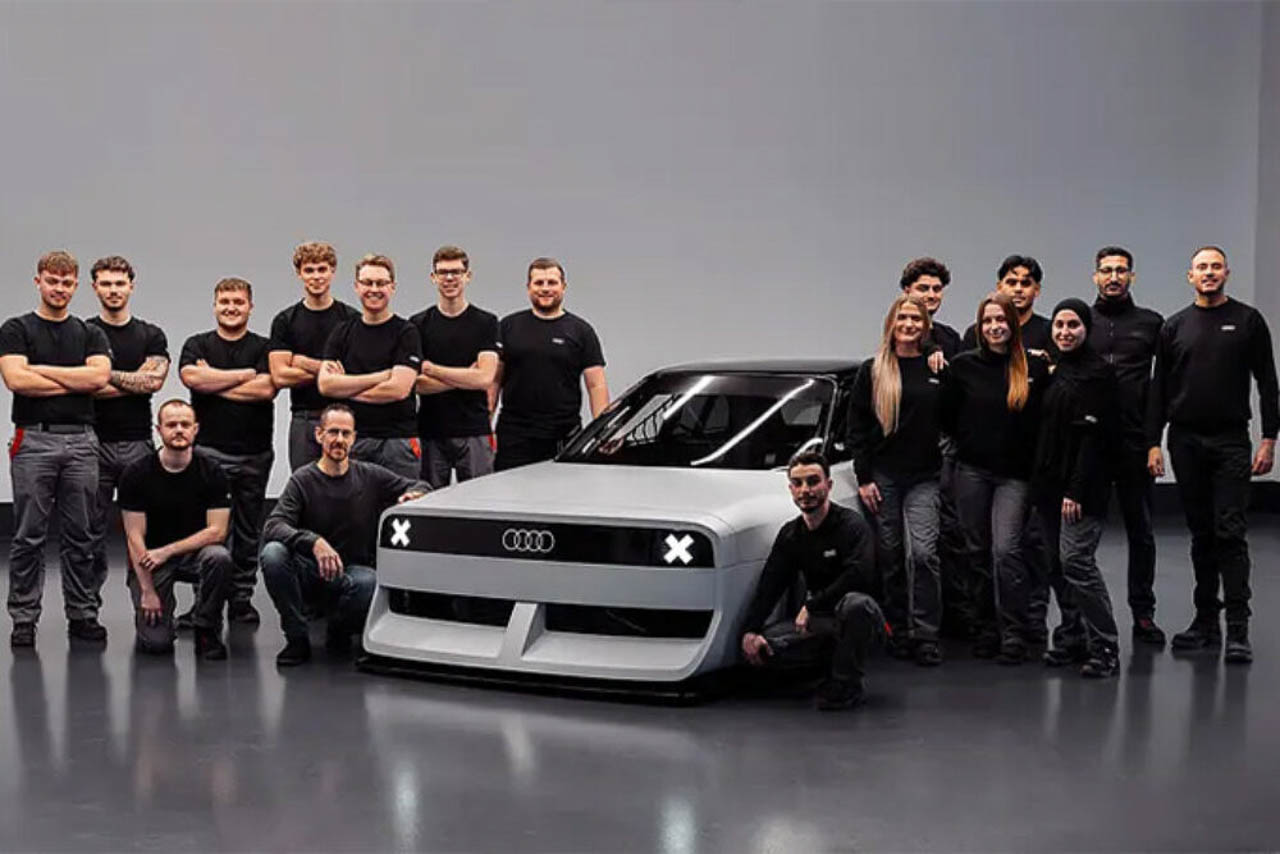
The concept car itself offers one response. Built by apprentices at Audi’s Neckarsulm training center, the GT50 wraps an unmodified RS3 powertrain in new fiberglass panels that visually lower the car (even if Audi has not detailed any suspension changes) while refusing every styling convention the parent company currently practices. The result reads less as tribute and more as provocation.

Visual Defiance: Reading the Surfaces

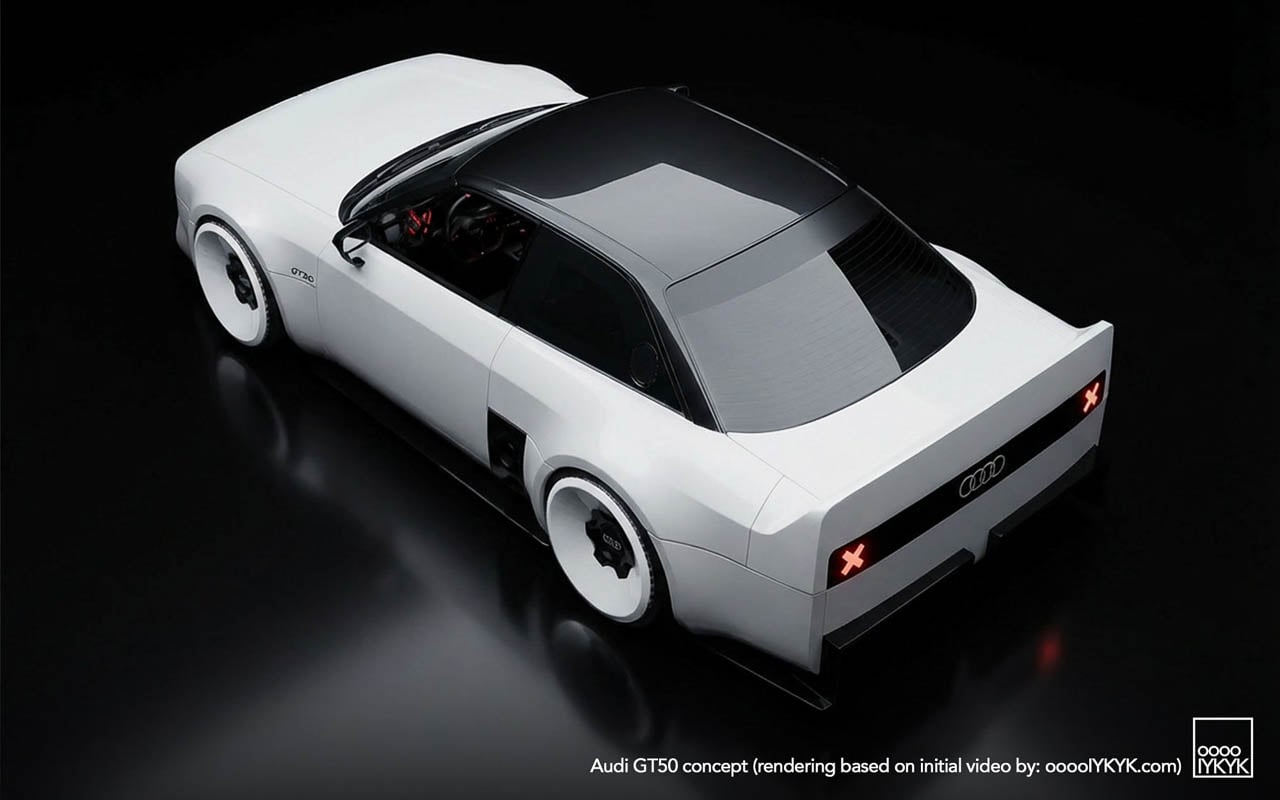
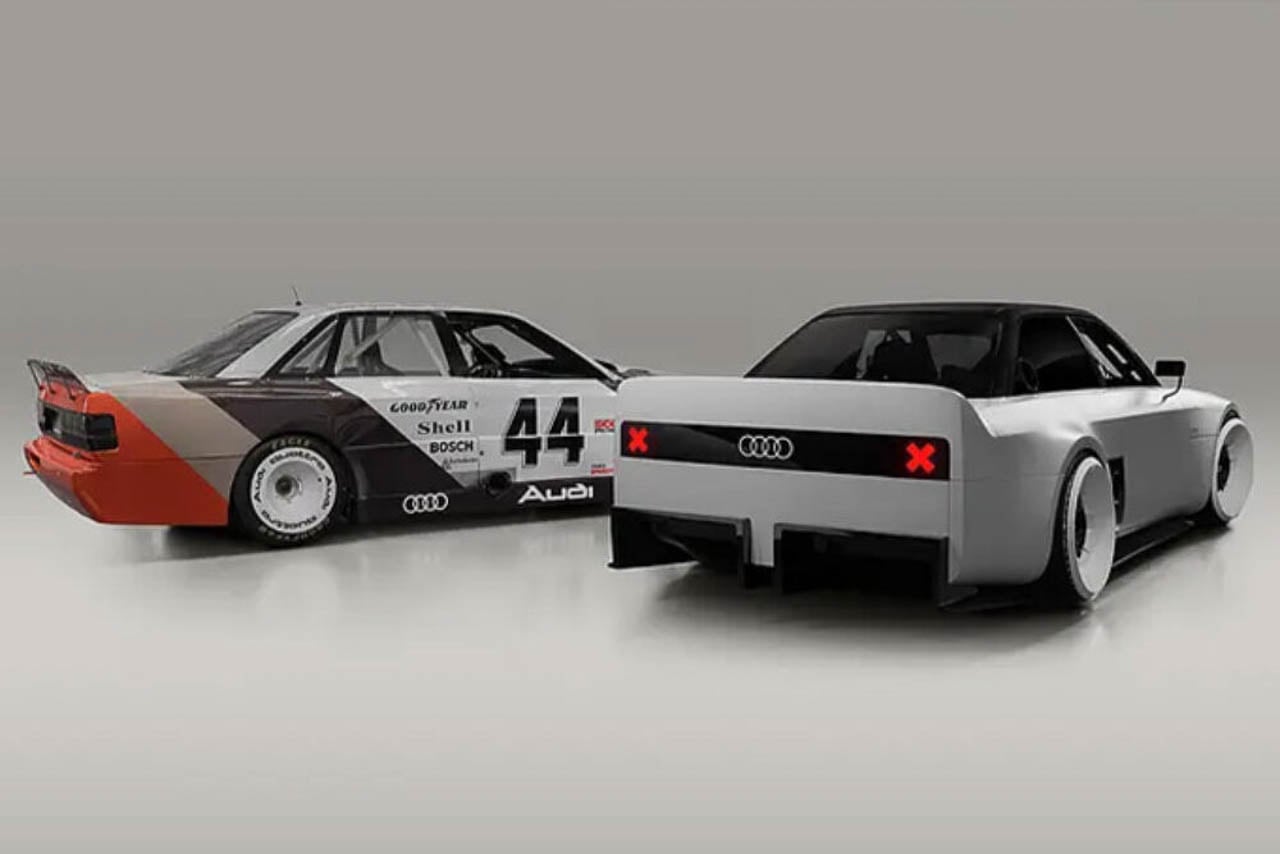
Start with what the photographs show that no press release describes. The C-pillar treatment carves a sharp notch where contemporary Audis would flow into a smooth shoulder line. Light catches the edge and dies. Below the rear glass, the decklid drops away at an angle that creates a shadow pocket, a visual trick borrowed from Group B rally cars, where abrupt surface breaks disrupted airflow less than they announced aggression.

The diffuser tells another story. Where modern RS models tuck their aerodynamic elements into integrated bumper designs, the GT50 exposes a finned undertray that reads like industrial equipment. No attempt to blend. No body-color covers. The functional hardware becomes ornament by being left visible.

Wheel graphics interact with the body in ways that suggest deliberate coordination. The turbofan blades repeat the horizontal slat motif from the grille, creating a visual echo across the car’s length. Whether this was intentional design language or happy accident, the effect unifies the silhouette: front face and wheel face speak the same vocabulary.

Three-box geometry defines the overall proportion. Flat hood. Upright greenhouse. Hard rear edge. Each volume asserts itself rather than dissolving into the next. This is geometry as argument, a rejection of the flowing sculpture that defines the e-tron GT and its siblings.

The Engine as Artifact

The 2.5-liter turbocharged five-cylinder produces 394 horsepower. The apprentice team changed nothing about it. No additional boost. No revised mapping. No intake modifications. This restraint is the point.

Enthusiasts know the platform. Basic modifications unlock nearly 500 horsepower. The aftermarket has mapped this engine extensively. Choosing to leave it stock reframes the powertrain as something worth preserving rather than improving: a museum piece still capable of performance, displayed in running condition rather than under glass.

The configuration itself has become rare. Volvo abandoned inline-fives years ago. Ford’s brief experiment ended. Fiat moved on. Among major manufacturers, Audi alone continues production, and only in the RS3. Fifty years after the layout debuted in the 1976 Audi 100 as a packaging compromise (five cylinders fit engine bays designed for fours while delivering displacement advantages) the configuration survives as brand signature rather than engineering necessity.

Racing Ghosts: Two Distinct Legacies

The GT50’s visual references split into separate histories that share an engine family but little else.

Rally heritage came first. The original Quattro road car and its competition derivatives established the five-cylinder as Audi’s performance identifier through the early 1980s. Gravel. Snow. Tarmac stages. The configuration proved itself in conditions that punished mechanical weakness.

North American racing followed a different path. The 90 Quattro IMSA GTO and 200 Quattro Trans-Am cars ran on circuits rather than stages, competing against purpose-built machinery from manufacturers with deeper racing budgets. The blocky bodywork, the aggressive aero addenda, the turbofan wheels: these elements came from that asphalt racing context, not from rally.

The GT50 draws primarily from the second lineage. Its proportions quote the IMSA cars directly: the way the fenders box out rather than curve, the stance created by wheels pushed to the body’s corners, the rear wing that spans the full decklid width. Rally Quattros looked different. The concept acknowledges this distinction through specific formal choices rather than generic “heritage” styling.

Apprentice Programs as Design Laboratory

Neckarsulm’s training program has produced boundary-testing work before. The RS6 GTO concept eventually influenced production decisions. That project proved the pipeline exists: ideas developed under apprentice freedom can migrate into showroom reality.

Other builds have pushed further from commercial viability. An electrified A2. A 236-horsepower NSU Prinz running modern EV hardware. These projects test technical integration as much as design direction.

The GT50 fits a different category. It uses a production powertrain unchanged. The bodywork is additive rather than structural. What the project tests is audience response, whether visual commitment to mechanical heritage generates the kind of enthusiasm that justifies development investment in combustion performance when corporate strategy points elsewhere.

Manufacturing Quality as Statement

Execution matters in this context. The released photography shows panel gaps that read as production-grade. Surface alignments hold. The fiberglass work displays none of the waviness or inconsistency that marks student-built specials at other institutions.

This finish level functions as argument. The GT50 is not a sketch in three dimensions. It is a proposal that could, with different business decisions, reach production. The apprentices built something that asks to be taken seriously as a potential product direction rather than dismissed as training exercise.

The Quiet Reveal and Its Implications

No stage. No livestream. No embargo coordination. The GT50 initially surfaced through social and niche outlets rather than the press machinery Audi deploys for products it expects to sell. This distribution choice communicates uncertainty, or perhaps strategic patience.

If reception proves enthusiastic, the soft launch becomes origin story. If response flatters less, the project remains an apprentice exercise, easily distanced from official product planning. The approach hedges corporate exposure while allowing genuine audience testing.

What the GT50 asserts, regardless of its production future, is that the five-cylinder’s cultural position within Audi’s identity has not been resolved by electrification commitments. The engine configuration still generates response. The racing heritage still communicates. Whether that cultural capital translates into business justification for extended combustion development remains the open question the concept was built to help answer.

The post The GT50 Asks What Happens When Combustion Heritage Becomes a Design Argument first appeared on Yanko Design.
Apple Vision Pro M5: How Tungsten, Knit, and Silicon Finally Make Spatial Computing Livable


The first time I strapped on Apple’s original Vision Pro, I almost waved to the nonexistent crowd watching me in that demo. It was that breathtaking an introduction to futuristic technology. But thirty minutes later, reality set in. That curved laminated glass and aluminum shell felt less like a window into the future and more like a beautiful brick bolted to my forehead.

Designer: Apple

Apple’s M5 Vision Pro refresh doesn’t change the object language. It still reads like a sci-fi ski goggle crossed with a premium camera body: all that curved glass, recycled aluminum, and fabric-wrapped interface that refuses to acknowledge gaming headset aesthetics exist. What Apple has done instead is far more interesting from a design standpoint. They’ve attacked the two biggest experiential flaws (visual fidelity under load and sustained wear comfort) through a combination of silicon headroom and, surprisingly, soft goods engineering.

The result is a product story that shifts from “breathtaking demo” to “actually livable spatial computer”: a device that doesn’t just show you other worlds but gives you psychological real estate to inhabit them. And that shift has everything to do with how Apple thinks about weight, balance, and the invisible physics of putting a computer on your face.

The Shell Stays the Same, The Experience Doesn’t

The M5 Vision Pro maintains the core silhouette that made the original so visually striking. That curved laminated glass front still acts as both visor and UI canvas for EyeSight, letting the device communicate outward while you compute inward. The aluminum frame still wraps the optics with the kind of machining tolerances you’d expect from Apple’s camera and audio hardware. If you put the M2 and M5 side by side, you’d struggle to spot the difference.

But inside that familiar shell, the micro-OLED optics now render roughly 10 percent more pixels than the original. That’s not Apple chasing field-of-view gimmicks. It’s a design decision aimed at reducing the cognitive friction of spatial computing. Higher pixel density and refresh rates up to 120 Hz for passthrough and Mac Virtual Display mean less motion blur, less eye strain, and less of that “I’m clearly looking at a screen” sensation that pulled you out of the experience on the M2.

Apple is using resolution and refresh as ergonomic features, not just spec bumps. They’re making the same industrial shell more transparent and less perceptible in daily use.

The M5 Chip as Comfort Feature

Apple’s M5 plus R1 pairing is positioned as a “dual-chip architecture”: one brain handles spatial computing while the other maintains that 12-millisecond photon-to-photon latency. That’s essentially a UX decision framed as silicon.

The 10-core CPU, 10-core GPU, hardware-accelerated ray tracing, and 16-core Neural Engine give Apple headroom for denser environments, more dynamic lighting, and heavier AI-assisted interactions without dropping frames. But the design-workflow angle is what matters here:

  • Sharper typography and UI chrome in floating windows, which is critical for Mac Virtual Display and creative tools
  • Higher, more flexible refresh rates (90/96/100/120 Hz), tuned to reduce blur when you’re looking through to the real world as much as at virtual content

You can frame the M5 not as “faster chip” but as “making the headset behave more like a neutral lens,” removing perceptible latency and grain from spatial interfaces until the technology itself becomes forgettable.

But visual clarity is only half the comfort equation. The other half is physical.

The Weight Problem Was Never Really About Weight

The original Vision Pro’s biggest experiential flaw wasn’t that it weighed too much. It was that it weighed too much forward. All that glass and optics cantilevered off your face, and after 30 to 60 minutes, you felt it in your cheekbones, your neck, your desire to take the thing off.

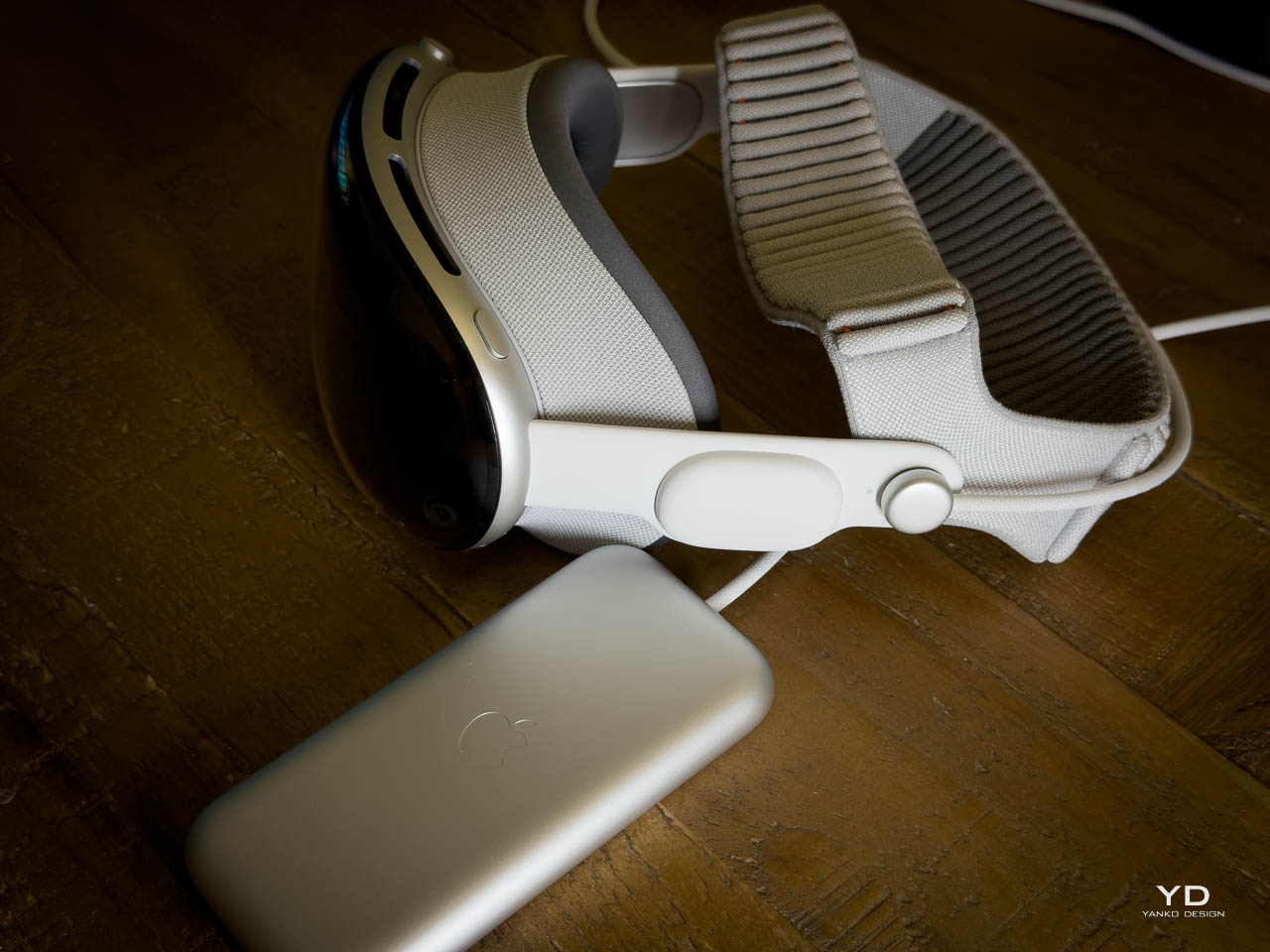
The battery is still external on the M5, with similar runtime: about 2.5 hours general use, 3 hours video. So the way the device sits on the skull is the only real comfort lever Apple can pull this generation. They’ve pulled it hard.

The first-gen straps forced an uncomfortable choice. The Solo Knit Band was soft but floppy. It worked for short sessions but couldn’t distribute load for extended wear. The Dual Loop Band was secure but clampy, leaving pressure lines and pushing users toward third-party halo straps and CPAP-style hacks.

Apple’s answer is the Dual Knit Band. And it’s the most “design-nerd” detail in the entire M5 product story.

Dual Knit Band: Tungsten, Torque, and Perceived Weight

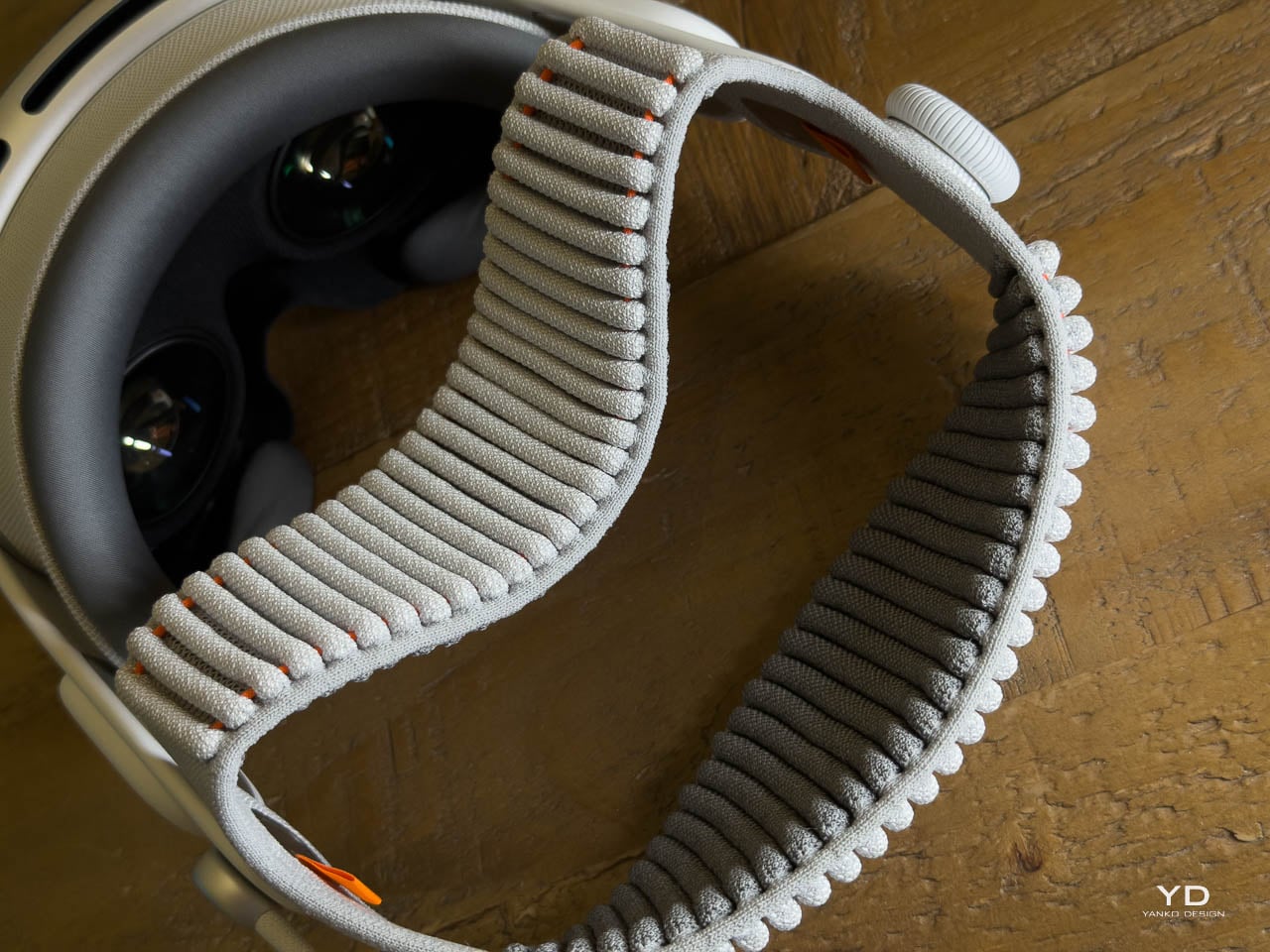
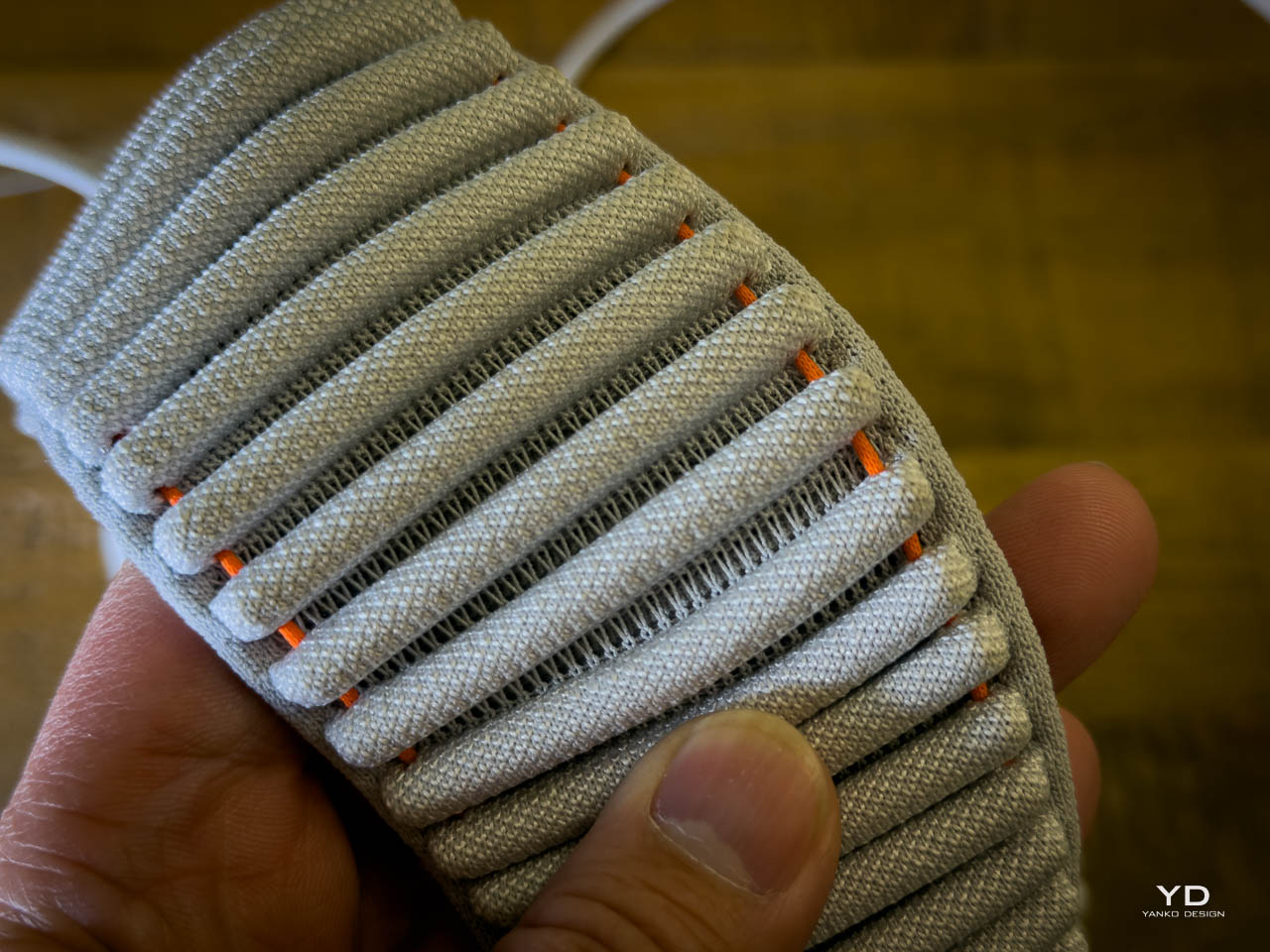
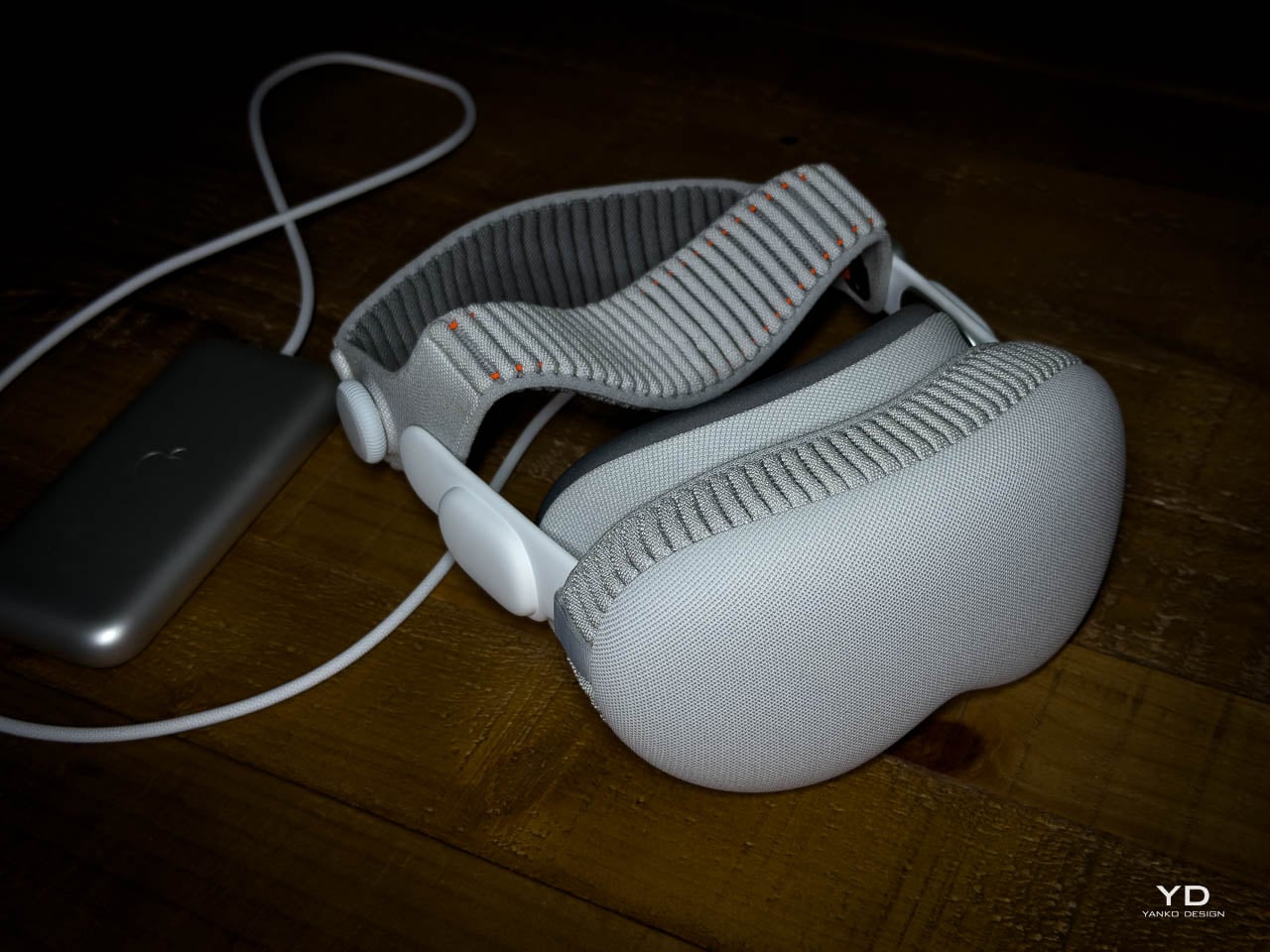
The Dual Knit Band introduces a two-strap geometry where upper and lower straps are 3D-knitted as a single piece into what Apple calls a “dual-rib structure.” One strap cups the back of the head, the other runs over the crown, creating a cradle that triangulates the headset’s mass around the skull instead of hanging it from the face.

But here’s where it gets interesting: the lower strap hides flexible fabric ribs embedded with tungsten inserts that act as counterweights. They literally pull some of the load backward and down to reduce the forward torque on your neck.

Apple is manipulating the moment arm via hidden dense material so the device feels lighter without actually being dramatically lighter. It’s a borrowed-from-watchmaking move. Tungsten is what you use for rotor weights and balance wheels when you need maximum density in minimum space. It’s visually invisible but functionally critical.

The real-world effect is that the Dual Knit Band doesn’t change the number on the scale, but it changes where you feel those grams. A front-heavy visor becomes something closer to a weighted pair of headphones. Two-hour sessions feel normal instead of like a tech demo punishment.

Soft Goods as Core UX

Apple describes the Dual Knit Band as soft, breathable, and stretchy: 3D-knitted from performance yarns similar to the Solo Knit Band. The dual-rib knit structure is designed for cushioning and airflow. Reviewers and users commonly reported that earlier bands ran hot and left pressure lines; this one appears to address both complaints through textile engineering.

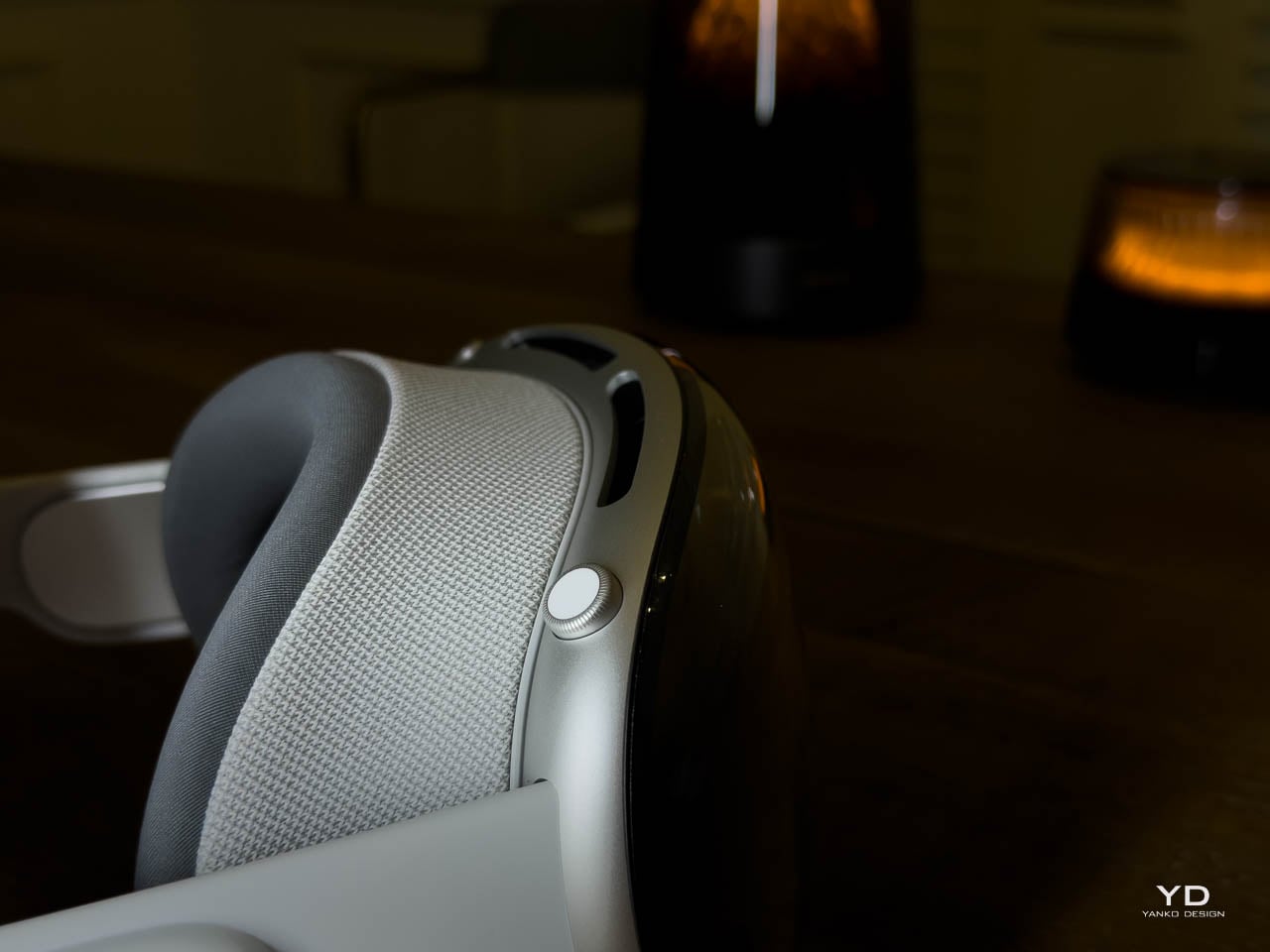
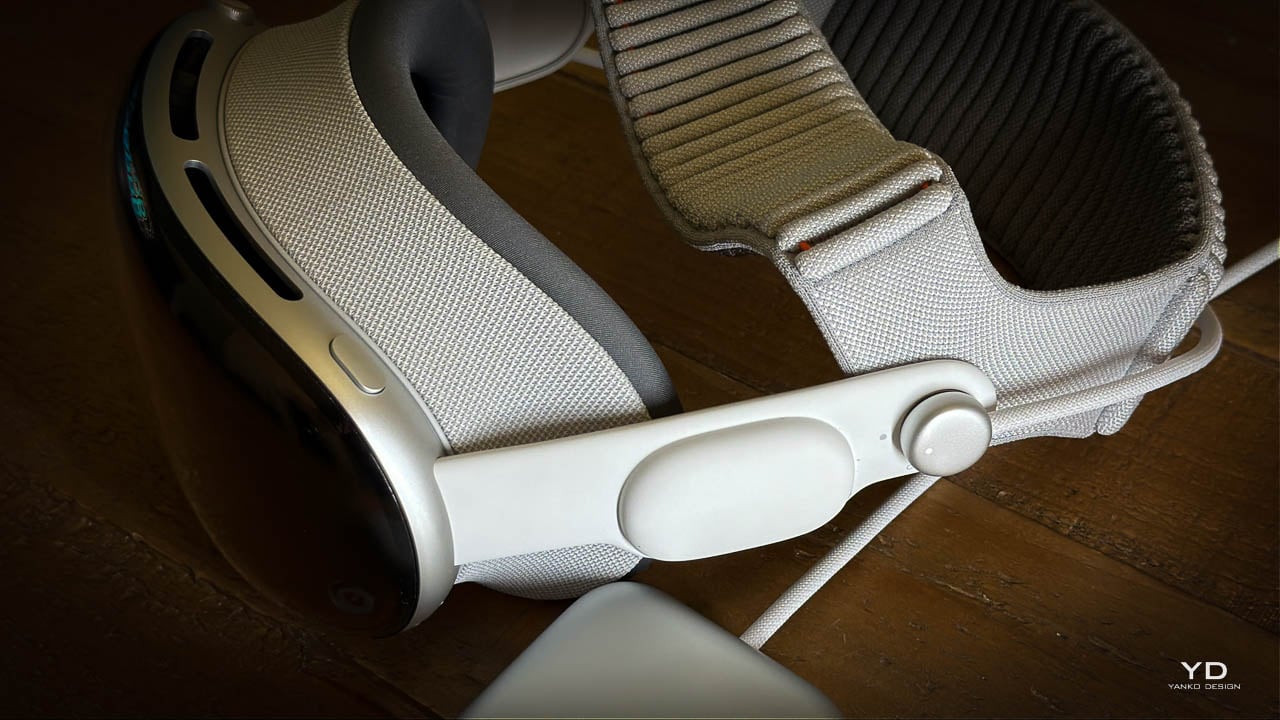
The Fit Dial mechanism uses a metal core with a textured outer ring and a slight pull-to-unlock action. Push to adjust one axis, pull to adjust the other, letting you independently tune top and back tension with one control. Micro ratchets give tactile feedback, and the push-pull gesture mirrors the Digital Crown’s multifunctionality elsewhere in Apple’s ecosystem.

Read together, Apple appears to be treating knit textiles, counterweights, and mechanical dials as part of the interface surface area, not just an accessory. That signals a philosophical shift: comfort isn’t something you tolerate to use Vision Pro. It’s designed into the product with the same rigor as the silicon.

Retrofit Ergonomics: The Cheapest Upgrade

The Dual Knit Band attaches to the Audio Straps via a simple, secure mechanism with release tabs, preserving the modular ecosystem introduced with the first Vision Pro. It ships in small, medium, and large sizes, comes included with M5 by default, and is sold separately as an upgrade that’s fully compatible with the original M2 model.

That compatibility is an important design signal. Apple is treating headbands as swappable “ergonomic modules” rather than disposable accessories. The Dual Knit Band becomes a retrofit that can rehabilitate earlier hardware, extending the life and desirability of equipment people already own.

If you already have the first Vision Pro, the cheapest way to “upgrade” isn’t the new chip. It’s this strip of knit and tungsten that quietly rehabilitates the hardware you already have.

What Changes in Practice

The M5 with Dual Knit Band finally makes Vision Pro something I can wear for hours. Less cheek pressure, less neck fatigue, and none of that “face is sliding off my skull” sensation that defined first-gen fit. People who tried 3D-printed hacks and CPAP-style mods say this is the first official strap that beats their DIY solutions, which is high praise from tinkerers.

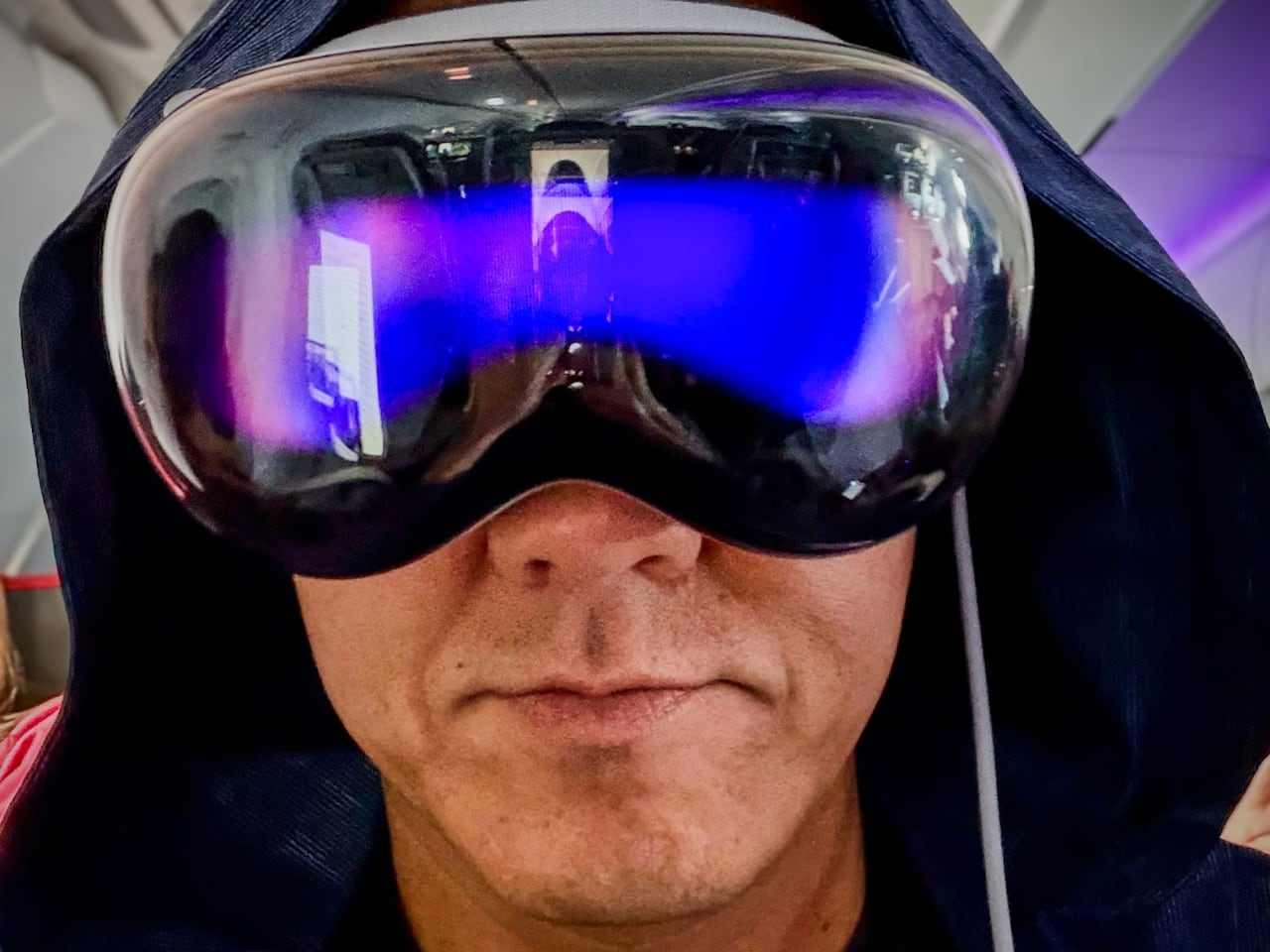
A recent cross-country test made the difference concrete. Economy class, Dallas to New York and back. Sold-out flight, middle seat, hostile in every physical dimension. But with Vision Pro strapped on, the environment selector became an escape hatch. Moon surface, Yosemite, Mount Hood: each one a functional retreat that made a miserable seat survivable. The hardware disappeared; the space remained. For a four-hour flight wedged between strangers, I was effectively in my own private cabin.

One small design detail made the in-flight experience smoother: when Vision Pro detects motion (plane, car, train), rotating the Digital Crown surfaces a Travel Mode prompt. No fumbling with eye tracking while the cabin shakes. Just turn the crown, tap confirm, and the headset stabilizes for a moving environment. The button just works.

That’s the psychological real estate concept paying off in practice. The immersive environments aren’t screensavers. They’re functional escapes that only work when the hardware is comfortable enough to forget. When you can wear Vision Pro for an entire cross-country flight without wanting to rip it off, the environments graduate from novelty demo to genuine utility.

The combined story is holistic: fewer pressure points, less motion blur, and less cognitive friction all point to longer, more natural sessions. Multi-hour productivity runs and movie marathons feel more plausible because comfort and visual stability are both improved. Five or six hours in a day with minimal discomfort would have been unthinkable with the old strap without modifications.

The real story isn’t that Vision Pro gained new tricks. It’s that the things people already loved doing in it (3D movies, floating Mac screens, immersive photos) no longer come with the same physical tax.

Still a Computer on Your Face

Even with the improvements, the headset is still big, still expensive at $3,499 for 256GB, and still leaves some marks under the eyes for certain faces, just less aggressively than before. Some users report needing to fine-tune fit over a few days, especially when finding the right light seal and tension balance. There’s also the hair situation: if I had short hair, the Dual Knit Band would probably bother me more. With longer hair, everything just gets pushed back and settles into place. Vision Pro hair is a thing, but it’s not as bad as hat hair. I can tolerate it.

It’s still very much a computer on your face, not a magic pair of AR glasses. But the Dual Knit Band and M5’s visual stability nudge Vision Pro out of “showpiece gadget” territory and closer to something you can actually live in.

The post Apple Vision Pro M5: How Tungsten, Knit, and Silicon Finally Make Spatial Computing Livable first appeared on Yanko Design.
Peugeot’s Hypersquare Replaces Two Centuries of Circular Logic with a Rectangular Controller

The steer-by-wire interface abandons the steering wheel’s fundamental geometry, trading infinite rotation for limited-arc precision and mechanical feedback for algorithmic haptics.

The circular steering wheel represents one of automotive design’s most persistent forms. Its logic is elegant: infinite rotation maps directly to front axle movement, the column transmits road texture into the driver’s palms, and the geometry anchors muscle memory across every vehicle. Peugeot’s Hypersquare discards that entire vocabulary–and the visual disruption is deliberate.

Designer: Peugeot

The controller presents as a rectangular frame with rounded corners, closer in visual language to a gaming peripheral than automotive equipment. Where traditional wheels invite sweeping hand motions and continuous rotation, Hypersquare rewards precise, deliberate inputs within a constrained arc. The angular geometry introduces deliberate friction within cockpit environments refined over decades around curves and organic transitions. This visual foreignness signals technological departure before the driver touches anything.

Peugeot first introduced the concept inside the Inception show car in early 2023, then refined it further in the Polygon concept. Working prototypes now exist in E-2008 test vehicles, translating render into tangible interface. The geometry has remained consistent across iterations: thick rectangular profile, four corner cutouts, control pods nested where thumbs naturally rest.

Controller Form and Spatial Logic

The controller’s primary form factor establishes immediate distance from steering convention. Where wheels present an unbroken rim that hands traverse continuously, Hypersquare offers four distinct corner voids that interrupt the perimeter. These cutouts serve dual purposes: they reduce visual mass while creating natural grip zones that guide hand placement without explicit instruction.

The upper two cutouts house circular touch-and-push control pods, positioned precisely where thumbs settle during a relaxed hold. This placement transforms the steering interface into a multi-input device-drive modes, media controls, ADAS settings, and navigation all accessible without hands leaving the controller surface. The integration recalls smartphone interaction patterns more than traditional automotive switchgear.

Rotation limits to approximately 170 degrees in each direction, eliminating hand-over-hand movement entirely. Lock-to-lock travel spans less than a single full turn. This constraint fundamentally alters the kinetic vocabulary of steering: no more shuffling grip during tight maneuvers, no more crossing arms during parallel parking. The interface assumes position-holding rather than continuous motion.

The thickness of the frame itself carries design intent. Traditional wheels taper toward thin rims that fingers wrap around easily. Hypersquare maintains substantial depth throughout, creating a slab-like presence that emphasizes grip stability over rotational fluidity. The form suggests holding rather than spinning.

Interior Integration and Visual Hierarchy

Hypersquare arrives as the centerpiece of Peugeot’s next-generation i-Cockpit, and the interior architecture reorganizes around its unconventional form. The traditional instrument binnacle disappears entirely–that hooded cluster of gauges positioned behind the steering wheel no longer makes spatial sense when the wheel itself has transformed. This isn’t merely component swapping; the entire visual hierarchy of the driver’s forward view gets restructured.

A large micro-LED display mounts high in the driver’s sightline, projecting vehicle data, navigation, and media controls in a single integrated surface. The Hypersquare sits below this display rather than in front of it, creating an unobstructed visual channel between driver and information. This layout resolves a persistent complaint about current i-Cockpit designs: the small-diameter wheel often blocks gauge visibility depending on seat position and driver height. Removing the circular wheel eliminates the occlusion problem at its geometric root.

The spatial relationship establishes a clear information triangle: eyes forward to the micro-LED, hands down on the controller, peripheral awareness maintained through the uninterrupted windshield view. Traditional cockpits force constant focal shifts–gauges behind the wheel, center stack to the right, road ahead. Hypersquare’s architecture consolidates primary information into a single elevated zone while relegating physical control to a lower plane that hands find by muscle memory rather than visual search.

Haptic Design and Synthetic Feedback

Eliminating the steering column removes the tactile vocabulary that drivers have developed over lifetimes of motoring. Traditional steering transmits surface texture directly–gravel announces itself through vibration, understeer builds as resistance at the rim, grip changes register as subtle shifts in feedback weight. Hypersquare must reconstruct this language algorithmically, and the design challenge extends beyond engineering into semiotics.

Sensors embedded within the steering actuator monitor forces acting on the wheel carriers. Those measurements get processed and translated into haptic vibrations through the controller itself, generating synthetic sensations designed to communicate grip levels and surface conditions. The result is road feel as interpretation rather than transmission–filtered through software calibration tables that determine what information reaches the driver’s hands and how intensely.

Physical feedback carries meaning accumulated through decades of driving experience. Synthetic feedback must either replicate those meanings faithfully or establish new ones that drivers can learn to interpret reliably. The haptic motors in Hypersquare’s corner pods bear responsibility for an entirely new tactile language–one that cannot simply copy mechanical sensation but must create communicative patterns that drivers internalize as meaningful.

This algorithmic mediation opens design possibilities unavailable in mechanical systems. Feedback intensity could adapt to driving mode–sharper haptic response in sport settings, dampened sensation during highway cruising. Surface texture translation could emphasize safety-critical information while filtering irrelevant noise. The controller becomes a tunable communication channel rather than a fixed mechanical linkage.

Material Expression and Ergonomic Form

The controller’s rim material carries significant design weight for an object intended for continuous palm contact during driving. Early prototypes suggest soft-touch surfaces with subtle texturing–enough grip to prevent slip without aggressive bite that would fatigue hands over extended sessions. The thumb pods feature slightly different tactile characteristics, likely to help fingers locate controls through touch alone without requiring visual confirmation.

Color and finish details remain largely undisclosed, though concept versions have appeared in dark matte treatments that recede visually against interior surfaces. This restraint makes sense: the form itself already commands substantial attention. Adding high-contrast finishes or decorative elements would risk visual overload in an already unconventional interface. The material palette must also accommodate significant electronic payload–touch sensors, haptic actuators, processing electronics, and wireless connectivity integrated into the frame add mass and thermal load that surface materials must manage invisibly.

Weight distribution presents unique challenges that circular wheels avoid entirely. Traditional steering balances around a central hub; Hypersquare must achieve equilibrium despite rectangular geometry and corner-mounted pods containing varying electronic payloads. Getting this balance right represents invisible design work–the kind of engineering refinement that users never consciously notice but would immediately sense if absent. A controller that pulls slightly leftward or resists rotation unevenly would undermine the entire interface concept regardless of how striking the visual design appears.

Design Significance

Hypersquare represents the most aggressive formal departure from circular steering wheels in automotive history. The visual drama of rectangular geometry, the integration of touch controls into the primary steering interface, and the reconstruction of road feel through algorithmic haptics combine into a coherent design proposition that either anticipates the future of driving interfaces or stands as ambitious experiment.

The interface succeeds as object design independent of its functional performance. The proportions feel considered, the material choices communicate appropriate restraint, and the integration of control pods demonstrates thoughtful human factors work. Whether drivers ultimately embrace or reject the interaction model, the physical artifact itself reflects serious design attention applied to a problem space that has resisted formal innovation for over a century.

The post Peugeot’s Hypersquare Replaces Two Centuries of Circular Logic with a Rectangular Controller first appeared on Yanko Design.
Student Team Builds Modular EV You Can Actually Repair Yourself

In most modern EVs, the battery pack lives deep inside a sealed structure that only brand-approved technicians ever see. A student team in the Netherlands decided that design logic works against long-term sustainability and affordability, so they built ARIA, a compact electric city car that treats owner repair as a core feature rather than an afterthought. The bright blue prototype with its upward-opening doors represents the tenth vehicle from TU/ecomotive at Eindhoven University of Technology, and it carries a philosophy that feels almost countercultural in 2025: if you own it, you should be able to fix it.

Designer: Students at TU/ecomotive at Eindhoven University of Technology

The name stands for “Anyone Repairs It Anywhere,” and the team took that promise seriously. Six independent battery modules sit accessible from the vehicle’s side without needing a lift. Exterior panels are designed for quick removal and refitting using standardized fasteners, so cosmetic damage can be addressed at home. A companion app reads the car’s status and walks owners through maintenance procedures. The team even ships a built-in toolbox with the vehicle, which signals exactly how they expect ARIA to be used.

What makes this project notable is not the ambition alone. Student teams have built conceptual EVs before, including earlier TU/ecomotive prototypes that scrubbed CO2 from the air or used recycled ocean plastic. ARIA differs because it tackles a problem that actually keeps EV owners awake at night: repair costs that can exceed the vehicle’s value when something goes wrong.

Why Modularity Changes the Repair Equation

Traditional EV battery packs are monolithic units, heavy and powerful but designed as single replaceable components. When one cell cluster degrades or fails, the entire pack often needs replacement. With too few mechanics trained on electric drivetrains and proprietary diagnostic systems locking out independent shops, repairs drag on for weeks. Costs climb into thousands of dollars. Some owners simply scrap functional vehicles because fixing them costs more than replacement.

ARIA’s architecture inverts that logic completely. The 12.96 kWh battery capacity splits across six independent modules, each weighing just 12 kilograms. Each of the six battery modules is light enough to handle manually, so an owner can remove a faulty unit and slot in a replacement instead of changing out an entire pack. The app identifies which module is underperforming, and the side-access design means you can reach it without crawling under the car or booking shop time.

The body panel system follows the same philosophy. A Summa student specifically devised the modular exterior approach, prioritizing repair speed over traditional automotive construction. If a fender gets scratched in a parking lot, the idea is to keep the fix in your driveway instead of at a service center: unbolt the damaged section, order a replacement, and install it yourself. According to the team, the whole process moves fast enough to make body shop appointments feel unnecessary.

This granular approach to vehicle architecture extends beyond convenience into genuine sustainability territory. Extending a vehicle’s usable lifespan by making repairs accessible keeps functional cars out of recycling streams longer. The environmental calculus of EVs depends heavily on how long vehicles stay on the road, since manufacturing emissions only pay off over years of use. A car you can maintain yourself has a better chance of reaching that payoff.

The Numbers Behind the Concept

ARIA reaches a maximum speed of 56 mph with a range of approximately 137 miles on a full charge. Those numbers position it firmly as an urban commuter, not a highway cruiser. The specifications make sense for the repair-focused mission: simpler systems mean fewer components that can fail and more accessible maintenance when they do.

The battery modules are accessible without specialized equipment. Team member Marc Hoevenaars, a computer science student at TU/e, emphasized that repositioning components requires no tools or prior experience. The diagnostic app reads vehicle status and provides maintenance guidance, essentially serving as a digital repair manual tailored to the specific car.

Built in approximately one year by students from TU Eindhoven, Fontys, and Summa, ARIA represents what a small team can accomplish when unconstrained by legacy manufacturing processes. The bright blue exterior and dramatic upward-opening doors add visual flair, but the real engineering statement lives in the underlying architecture.

Where ARIA Fits in a Crowded Concept Space

Modular vehicle concepts have appeared before with mixed results. The German startup ElectricBrands developed XBUS, imagining Lego-like body swaps that would let owners transform a camper into a pickup truck. Funding shortfalls stalled that project. Kia’s PV5 uses electromagnetic “Easy Swap” technology for commercial fleet reconfiguration between taxi and cargo van modes, but targets businesses with dedicated infrastructure rather than individual owners.

ARIA pursues something different: enabling owners to maintain their own vehicles rather than transforming them into other configurations. The team points to Europe’s emerging right-to-repair rules, which currently focus on appliances and electronics, as the policy backdrop for their work. Their argument is that passenger EVs should be held to the same standard of openness and longevity, and ARIA serves as their working example of how that might look in practice. Team manager Taco Olmer frames ARIA as a right-to-repair showcase, arguing that EV owners deserve genuine control over their vehicles rather than being locked into dealer-only service networks.

Reality Check: What ARIA Is and Is Not

The team has no plans to commercialize ARIA, which means the prototype’s long-term durability under actual driving conditions remains untested. Whether the modular design proves as repair-friendly as claimed after hundreds of hours on real roads is an open question. Splitting a vehicle into smaller independent modules might introduce maintenance challenges that traditional integrated designs avoid, particularly around weather sealing and connection reliability over time.

The specifications also limit practical applications. A 137-mile range and 56 mph top speed work fine for urban commuting in the Netherlands, where distances are short and speed limits modest. Drivers with longer commutes or highway requirements would find ARIA insufficient regardless of how easy it is to repair.

Still, the project succeeds as a proof of concept and a policy statement. If a student team can build an owner-repairable EV in roughly a year, the major manufacturers choosing sealed, dealer-dependent designs are making a business decision rather than following engineering necessity. Whether that message reaches the automotive industry remains to be seen, but ARIA at least demonstrates the alternative exists.

The post Student Team Builds Modular EV You Can Actually Repair Yourself first appeared on Yanko Design.
Huawei Wi Fi 7 Mesh Router Turns Connectivity into Sculptural Lighting

Most mesh routers exist to be hidden. They sit behind television consoles, inside media cabinets, anywhere out of sight. Huawei’s Wi-Fi 7 Mesh Router rejects that premise entirely-it was designed to occupy a shelf the way a sculptural lamp or a blown-glass vase might, demanding visibility rather than tolerating it. The system ships as a main router paired with up to two extenders, and every unit in the family brings aesthetic presence to a category that usually hides function. Whether that ambition translates into livable design depends on how much visual weight a room can absorb.

Form and First Impression

The main unit rises vertically under a tall transparent dome, and the first impression lands somewhere between illuminated glassware and a miniature architectural model. A sculpted cone sits inside the chamber, channeling warm LED light upward through fine vertical ribs that stretch the glow into elongated streaks. The gradient begins deep amber at the base, fades toward soft cream near the midpoint, and dissolves into near-invisibility at the dome’s crown. Under morning sun the dome reads as a sculptural artifact with subtle internal texture; under evening lamps it becomes a warm, glowing presence that anchors an entire corner of a room.

That visual prominence carries a trade-off worth acknowledging early. The dome’s height and luminosity demand attention in a way that softer network hardware does not. In quieter rooms-bedrooms, reading nooks, minimalist spaces-the persistent glow may feel like a permanent nightlight rather than a subtle accent. Huawei leans fully into the decorative category, and the result works best in spaces that already embrace statement objects.

Material Language

Huawei appears to use a dense transparent polymer that mimics the refraction and clarity of hand-blown glass. Close inspection reveals the material catches daylight differently than it catches artificial light, giving the object a living quality that shifts throughout the day. Fine vertical channels line the inner cone and catch the LEDs, stretching them into long streaks that resemble molten glass rising through a chimney. The effect positions the router closer to ambient lighting than consumer electronics.

Placement matters here. The design reads best on open shelving in a living area, a console table near an entryway, or a display ledge in a modern kitchen. Treating it as background hardware-tucked beside a television or wedged into a media cabinet-misreads the intent entirely.

Hidden Engineering

Functional elements remain invisible by design, but the engineering underneath is anything but minimal. Ports sit inside a recessed cavity on the underside, tucked into the dark base, so cables disappear the moment the device rests on a flat surface. The separation between glowing dome and utilitarian base gives the impression of a clean floating cylinder even though Ethernet, power, and every technical connection remain accessible.

Weight distribution pulls toward the base-intentional, since the main router includes active cooling with a built-in fan for high-throughput scenarios. That engineering decision affects form directly: the base must accommodate thermal management, which explains the unit’s footprint relative to passive competitors. The dark matte finish stays quiet, letting the luminous chamber dominate, but the chassis is doing real work underneath.

One detail that rarely survives the translation from engineering to marketing: Huawei literally etched the antennas into the sculpted mountain shape inside the dome. Six antennas-three for 2.4GHz, three for 5GHz-run along the contours of the internal cone, hidden in plain sight. The design team integrated signal hardware into the decorative structure rather than bolting it on as an afterthought. That level of form-function synthesis is rare in consumer networking equipment, and it suggests the industrial design team had genuine authority over the final product rather than decorating an engineering prototype.

The Satellite System

Satellite extenders interpret the same visual language in a shorter, more restrained form. Huawei’s briefing compared them to elegant whisky glasses-a fair analogy. Each unit features smoked outer walls with spaced vertical ribs that break the internal gradient into a soft, pulsing glow. The warm tone matches the main router but feels more intimate, less theatrical.

These units read as decorative accents on a shelf rather than technical equipment. No protruding antennas, no plastic ventilation grilles, no indicator LEDs screaming status codes from across the room. A candle holder or compact speaker would sit just as naturally in the same arrangement. The restraint here is notable-Huawei resisted the temptation to differentiate the satellites through size or brightness, which keeps the family identity coherent.

Interaction Design

Both the main router and each satellite include a flush touch surface on the top, letting users adjust lighting modes directly from the device. The touch panel sits flush with the rim, preserving the cylindrical outline-no buttons, no visible interface elements, no mechanical disruption. The top surface remains dark and reflective when inactive, reinforcing the contrast with the illuminated body below.

That restraint suggests confidence in the form itself. Huawei trusts the design enough to let it speak without interface clutter. The interaction layer exists, but it never competes with the sculptural presence.

The Placement Tension

The system’s visual cohesion raises a practical question that Huawei’s marketing sidesteps. Mesh networks exist to blanket a home in wireless coverage, which means placing extenders in locations optimized for signal propagation-hallways, stairwell landings, rooms far from the main router. Huawei designed units beautiful enough to display prominently, but optimal placement for aesthetics rarely aligns with optimal placement for coverage.

A living room shelf may showcase the extender perfectly while delivering weaker signal to a home office two walls away. Buyers should expect to choose between form and function in at least one placement decision, and that tension deserves acknowledgment. The router rewards homes where signal-optimal spots happen to be visible spots-and punishes homes where they don’t.

System Coherence

Material consistency across the system reinforces the family identity in ways that most mesh systems ignore. The polymer domes, the dark matte bases, the warm LED gradients, and the vertical rib detailing all repeat across main unit and satellites. Nothing about the extenders looks like a compromise or an accessory-they read as intentional companions rather than technical necessities.

That coherence reflects a design philosophy that treats network hardware as a coordinated interior collection rather than a primary device surrounded by lesser satellites. The approach borrows from furniture design, where a sofa and matching armchairs share fabric and form language. It’s an unusual strategy for networking equipment, and it pays off visually.

Design Verdict

Together, these choices carve out a new category for consumer networking equipment. Huawei positions the Wi-Fi 7 Mesh Router not as infrastructure but as decor, borrowing visual cues from glass art, ambient lighting, and sculptural furniture rather than traditional electronics. The approach invites users to display their network hardware rather than hide it-a genuine inversion of the category’s usual logic.

That ambition has limits worth naming. The design rewards specific interiors-modern, curated, comfortable with statement objects-and punishes others. A room already crowded with visual noise may find the router’s glow overwhelming. A household that treats connectivity as invisible utility may resent paying for aesthetics they plan to hide. The placement tension between signal optimization and display value will frustrate anyone expecting both without compromise.

Huawei built a router for people who want their home network to carry emotional weight through form and material alone. The system achieves this without abandoning its technical identity: Wi-Fi 7 support, six integrated antennas, active cooling, and mesh scalability all remain intact beneath the decorative surface. For everyone else, the category’s quieter options remain available.

The post Huawei Wi Fi 7 Mesh Router Turns Connectivity into Sculptural Lighting first appeared on Yanko Design.
Huawei’s Dubai Trio: A Foldable That Disappears, Earbuds That Double Down, and a Router Disguised as a Mountain

Five years into the foldable smartphone experiment, thinness remains the singular obsession. Huawei just crossed a threshold that reframes the conversation. The Mate X7, unveiled today at the company’s Dubai global launch alongside the FreeClip 2 earbuds and a Wi-Fi 7 mesh router, measures 4.5mm when unfolded. That figure matters less as specification than as experience: the fold becomes incidental to use rather than the defining characteristic of handling.

The Mate X7: Engineering the Fold Away

Huawei traces its foldable lineage to 2019, positioning itself as the category’s original commercializer. Six generations later, the design philosophy has crystallized into something specific and unambiguous: make the fold invisible to daily interaction. Quad-curved edges. A 4.5mm unfolded profile. Under 10mm closed. These dimensions place the Mate X7 closer to conventional smartphone territory than any previous book-style foldable has achieved. The engineering ambition centers not on what the fold enables, but on eliminating what the fold disrupts.

Where previous generations housed cameras in circular modules, the Time-Space Portal introduces flat edges to the protrusion. Huawei weaves between 900 and 1,700 threads into the finish, creating a textile-like visual texture that catches light across micro-patterns. This thread-woven treatment ships exclusively in China. Global variants arrive in standard colorways. The material strategy treats the camera bump as design opportunity rather than engineering compromise, an approach that signals continued investment in tactile differentiation where competitors minimize and apologize.

Both displays run at 2.4K resolution. Adaptive refresh spans 1Hz to 120Hz. The outer screen peaks at 3,000 nits while the inner reaches 2,500 nits, and high-frequency PWM dimming addresses the eye strain concerns that have plagued OLED panels since their adoption. These specifications alone would be unremarkable in any conventional flagship. Achieving them across two flexible panels within a 4.5mm envelope represents the actual engineering story, the quiet difficulty hidden beneath familiar numbers.

Durability targets the foldable’s historical weakness with measurable aggression. Drop resistance improved 100% over the previous generation according to Huawei’s internal testing. Impact resistance matched that improvement. The outer glass uses second-generation crystal armor technology. The inner screen employs a three-layer composite structure including a non-Newtonian fluid layer, material that increases rigidity under sudden impact pressure while remaining flexible during normal operation. Hinge redesign contributes over 100% improvement in bend resistance. IP59 certification covers high-temperature and water-jet resistance when open, with IP8 rating when the device closes.

Camera architecture compresses flagship-grade optics into 26% less volume than equivalent modules. A 50MP main sensor pairs with variable mechanical aperture reaching f/1.49. The 50MP telephoto deploys a vertical periscope structure, a first for the foldable category, achieving 3.5x optical zoom within constrained depth. Light intake improved 127% through these spatial optimizations. Second-generation ultrachroma sensors handle color science while LOPIC technology extends dynamic range for stills and video alike.

Battery capacity reaches 5,300mAh for global markets. The Chinese variant ships at 5,600mAh, the difference attributed to European import regulations that cap certain cell chemistries. Wired charging supports 66W. Wireless reaches 50W. Thermal management relies on an 18% larger vapor chamber paired with graphene-based loop dissipation. Additional antennas distributed around the device edges address connectivity challenges arising when folding reorients internal components relative to cell towers and Wi-Fi access points.

Wi-Fi 7 Mesh: Infrastructure as Object

Router design typically optimizes for invisibility. Mesh systems tuck behind furniture or blend into wall-mounted anonymity. Huawei inverts this assumption entirely. The main unit mimics a mountain range enclosed within a transparent dome. Extender units feature indirect lighting resembling whisky glasses set on a shelf. Touch controls on each surface adjust lighting modes and network settings. The design explicitly treats network infrastructure as decorative object rather than functional necessity demanding concealment.

Technical specifications support the visual ambition without contradiction. Wi-Fi 7 operates with six antennas, three at 2.4GHz frequency. 4K SQAM and Multilink Operation enable simultaneous connections across frequency bands for devices supporting the standard. The main router includes active cooling via internal fan for sustained high-throughput scenarios. Up to two extenders pair with each base unit.

This approach acknowledges domestic reality: mesh routers occupy visible positions in living spaces. Huawei treats that visibility as opportunity for intentional form rather than problem requiring solution.

FreeClip 2: Iteration on a Proven Form

Three million first-generation FreeClip units shipped, establishing category viability that justifies continued investment. Open-ear designs occupy a specific niche: awareness of surroundings traded against audio immersion. The sequel addresses the original’s primary limitations through incremental refinement. Weight dropped 9% to 4.1 grams per earbud. Case dimensions shrank 11% while narrowing 17%. The redesigned Seabridge improves comfort across extended wear sessions where the previous generation began to fatigue.

Dual 11mm diaphragms share a single magnetic circuit, an engineering choice that doubles bass output compared to the previous generation while reducing acoustic ball size by 11%. The architecture trades spatial efficiency for low-frequency presence that open-ear designs historically lacked. Battery life extends to 9 hours per earbud and 38 hours total with case, improvements of one and two hours respectively. IP57 certifies the earbuds while the case carries IP54.

For deeper examination of the FreeClip 2’s material execution and acoustic performance, my full review covers the dual-diaphragm engineering and comfort improvements in detail.

Automatic left/right detection, swipe volume controls, and head gesture support complete the interaction model. Huawei Audio Connect supports iOS and Samsung devices, with no Google Play availability announced. Color options span Denim Blue, Feather Sand White, Modern Black, and Rose Gold.

Market Position

Global launch proceeds December 11, 2025 from Dubai. Pricing remains unannounced. Product configuration suggests premium positioning matching or exceeding the previous generation’s placement.

For the foldable category broadly, the Mate X7’s dimensional achievements demonstrate that thinness progression continues regardless of engineering complexity. The mesh router and FreeClip 2 complete an ecosystem play: smartphone, audio, and home networking under unified design language. Huawei signals capability breadth alongside flagship ambition, using Dubai as statement of global market re-entry after years of constraint.

The post Huawei’s Dubai Trio: A Foldable That Disappears, Earbuds That Double Down, and a Router Disguised as a Mountain first appeared on Yanko Design.
Huawei FreeClip 2 Review: Open-Ear Audio at Its Best

PROS:


  • Featherlight 5.1g design disappears on your ears within minutes

  • Dual-diaphragm drivers deliver bass that open-ear rarely achieves

  • Nod to answer, shake to reject: head gestures feel futuristic

  • Intelligent Volume Adaptation matches audio to your environment automatically

  • 38-hour battery and IP57 durability: built for all-day adventure

  • Perfect, secure fit stays locked through runs, shakes, and sleep

CONS:


  • No ANC means loud environments will always win

  • Huawei Audio Connect app unavailable on Google Play Store

RATINGS:

AESTHETICS
ERGONOMICS
PERFORMANCE
SUSTAINABILITY / REPAIRABILITY
VALUE FOR MONEY

EDITOR'S QUOTE:

FreeClip 2 is proof open-ear audio doesn't have to compromise.
award-icon

Three million units. Huawei’s original FreeClip proved open-ear audio could sustain mainstream adoption, not simply exist as a design curiosity for early adopters willing to sacrifice bass for situational awareness. The FreeClip 2 is the engineering-driven response to that market validation.

Designer: Huawei

Refinements. Huawei’s engineering team reworked acoustic design, material selection, ergonomic architecture, and battery systems, each adjustment responding to friction points that first-generation users identified during extended daily wear cycles. These aren’t incremental changes. They required rejecting constraints the open-ear category had normalized as acceptable trade-offs.

Ergonomics & Design: Solving Gen 1’s Friction Points

The original FreeClip launched in Dubai, December 2023. Three million units later, Huawei knows exactly where it succeeded and where users pushed back. The FreeClip 2 arrives two years later, same city, same month, with a focused brief: fix the comfort complaints without abandoning what worked.

I’ve never worn open-ear earbuds before. My entire audio life has revolved around AirPods. The moment I clipped the FreeClip 2 on? Comfortable. Secure. It felt like they weren’t going anywhere, regardless of what I threw at them.

The architecture stays familiar: C-bridge, acoustic ball, comfort bean. Three components working as a unified clip mechanism. What changed is the material stack and dimensional tuning underneath.

The C-Bridge

Gen 1’s bridge gripped well but created pressure hot spots during extended wear. Huawei’s fix: a hybrid construction pairing skin-friendly liquid silicone over a shape-memory alloy core. The silicone adds 25% more flexibility. The alloy maintains consistent clamping force across temperature swings. No summer loosening. No winter tightening.

The new C-bridge doesn’t pinch. It doesn’t squeeze. It just… holds. Against my ear cartilage, the pressure distribution feels even rather than concentrated at specific contact points. “Cloud-like softness” sounds like marketing fluff until you’re six hours into a workday and realize you haven’t adjusted them once.

Huawei validated the design through 25,000 flex cycles. That’s lab durability. Real-world durability means the bridge returns to form after months of daily clipping and pocketing.

Acoustic Ball & Comfort Bean

The acoustic ball shrank by 11% in volume while achieving 95% internal space utilization. That’s engineering density: dual diaphragms, microphones, and acoustic venting packed tighter without adding visual bulk. The glossy finish on Denim Blue contrasts deliberately with the textured bridge.

The comfort bean, the counterweight behind the ear, reduced by 12.5% in volume. Huawei’s 10,000+ global ear scan database informed micrometer-level adjustments, expanding ear shape compatibility by 12.3%.

The bean tucks neatly into the anti-helix hollow, that curved ridge of cartilage behind your outer ear. It doesn’t fight for space or create awkward pressure points. The smaller footprint means it sits where anatomy intended rather than forcing the ear to accommodate the hardware. During head turns, it stays planted. During vigorous movement, same story.

Weight: The Competitive Edge

5.1g per earbud. Down from 5.6g. Half a gram matters because open-ear designs concentrate all mass on the helix rather than distributing it across the ear canal. At 5.1g, the FreeClip 2 is the lightest in its competitive set:

  • Bose Ultra Open: 6.5g
  • Shokz OpenDots One: 6.5g
  • SoundCore AeroClip: 5.9g

Glasses wearers gain the most. The softer bridge and smaller footprint reduce interference with temple arms.

Extended Wear Reality

After three to six hours, I forget I’m wearing them. That’s not hyperbole. That’s the actual experience. They disappear into background awareness the way a comfortable watch does.

Here’s where the open-ear advantage becomes obvious: car trips. The FreeClip 2 lets road noise through. Conversation reaches you unfiltered. But your podcast, your music, your navigation prompts, they’re all there too, layered on top of environmental audio rather than replacing it. Huawei’s “wear and forget” positioning isn’t aspirational marketing. It’s describing what actually happens.

The Sleep and Travel Test

Flying with AirPods is a gamble. Lean back in a business class seat, drift off, and wake up to find one earbud has slipped into the crevice where cushions meet armrest. Gone. The FreeClip 2’s clip mechanism eliminates that anxiety entirely. I wore them through an international flight, slept in them, and never once worried about losing a $200 earbud to upholstery.

They’ve become a sleep aid. For anyone managing tinnitus, the ability to wear comfortable earbuds to bed, playing low ambient audio to mask the ringing, is genuinely life-improving. Most earbuds create pressure points that make side-sleeping impossible. The FreeClip 2’s open design and featherweight construction don’t.

Case & Colorways

The case redesign matters for pocket carry. Crossed C-bridge arrangement inside achieves 17% narrower grip width and 11% smaller footprint. Case weight dropped 14%, from 45.5g to 37.8g. The larger 537mAh battery fits despite the shrinkage.

I love this form factor. The case slots perfectly into my jeans coin pocket, that small fifth pocket most people forget exists. It sits there all day without demanding attention. Always with me. Always ready.

Here’s an unexpected bonus: the slight bulge it creates actually works as a physical gate, preventing my phone from sliding up and out. The AirPods case does the same thing, but the FreeClip 2’s narrower profile makes it less intrusive while still providing that pocket security. It’s a small detail, but it means I don’t fish around wondering where I left them. They’re just – there. The compactness isn’t just a spec sheet flex. It translates directly to daily carry confidence.

Huawei offers four colorways: Denim Blue, Feather Sand White, Modern Black, and Rose Gold. I’d have picked Modern Black, but Huawei didn’t have one available for review. The Denim Blue unit I received turned out to be fine. It’s clearly the hero color, the one Huawei leads with in every press image, and after wearing it everywhere for weeks, I don’t mind it at all. The blue reads as understated rather than attention-seeking.

The Denim Blue and Feather Sand White cases feature micrometer-level molded denim weave texture, replicated from actual fabric. It’s stain-resistant (18 tests passed) and genuinely pleasant to the touch. The fabric-like surface adds grip without feeling gimmicky or cheap. Modern Black and Rose Gold ship with smooth matte finishes instead, trading the tactile detail for a more traditional premium look.

Durability

IP57 for the earbuds, up from IP54. The “7” rating certifies immersion to one meter for 30 minutes. Rain, sweat, accidental sink drops won’t end them. The case holds at IP54.

The Foundation

Here’s the thing about earbuds, headphones, any wearable audio that lives on your body: comfort isn’t a feature. It’s the prerequisite. Performance specs can dazzle on paper, but if the hardware pinches, slips, or annoys you into taking it off, none of those numbers matter. You won’t use them. They’ll collect dust in a drawer while you reach for something that actually feels right.

The FreeClip 2 nails this. Comfortable. Secure. Easy to forget you’re wearing them. Huawei got the foundation right, which means the performance conversation actually matters now. It’s worth having because you’ll actually wear these long enough to experience it.

So. How do they sound?

Performance: What Two Years of Engineering Buys You

Open-ear earbuds have always come with an asterisk. The form factor that keeps you connected to your environment also means no ear canal seal, no passive isolation, and historically, compromised bass. The first FreeClip accepted this trade-off. The FreeClip 2 challenges it.

The Dual-Diaphragm Difference

Huawei’s solution to open-ear bass limitations is architectural, not just algorithmic. The FreeClip 2 stacks two 11mm diaphragms inside the acoustic ball, sharing a single magnetic circuit. Think of it like a drum that can be struck from both sides simultaneously. The result: 100% more loudness and 100% more low-frequency power compared to Gen 1, all within a housing that’s actually 11% smaller.

On paper, that sounds like marketing. In practice, it translates to bass you can feel, not just hear. Electronic tracks have actual sub-bass presence. Podcast voices carry weight without sounding thin. The dual-diaphragm setup delivers what Huawei claims is the equivalent air volume of a 14mm driver, and my ears agree. Coming from AirPods, I expected the FreeClip 2 to sound hollow by comparison. It doesn’t. The bass extension surprised me, layered rather than boomy, with enough definition to distinguish kick drums from bass lines.

That said, let’s be realistic. These aren’t going to match the isolation and bass response of sealed in-ear monitors. They’re not trying to. The FreeClip 2 optimizes for a different use case: audio that coexists with your environment rather than replacing it. Within that constraint, the dual-diaphragm architecture delivers the best bass I’ve experienced from an open-ear design. And here’s the thing: these are on par with AirPods 4. Coming from someone who’s lived in Apple’s ecosystem for years, that’s not a statement I make lightly. The FreeClip 2 matches Apple’s latest in clarity, balance, and overall listening satisfaction. Different form factors, different philosophies, but the same tier of audio quality.

The elephant in the room: ANC. The FreeClip 2 doesn’t have it. It can’t, really. The open-ear clip form factor doesn’t create the seal needed for traditional active noise cancellation to work effectively. Huawei’s Intelligent Volume Adaptation compensates by boosting audio in noisy environments, but that’s fundamentally different from reducing ambient noise.

If you need to block out the world, the FreeClip 2 isn’t the answer. But here’s the thing: Huawei already makes that answer. The FreeBuds Pro 4 stays in the same ecosystem, uses the same Huawei Audio Connect app, and shares the same audio tuning philosophy. The difference is memory foam tips that create a proper seal and Ultra ANC mode that actually blocks external noise. I tested them on a Dubai-to-Dallas flight and they handled crying babies and engine drone beautifully. For Apple users, the AirPods 4 with ANC offers similar isolation in an open-ear-adjacent form factor.

The FreeClip 2 isn’t competing with those products. It’s serving a different need. Situational awareness first, isolation never. If that trade-off doesn’t work for your use case, Huawei has you covered with the FreeBuds Pro 4. Different tools, same ecosystem.

Sound Signature Across the Spectrum

Clarity over warmth. That’s the tuning philosophy here, and it works. Vocals sit forward with high stereo separation, positioned like you’re standing in front of a concert stage rather than lost in the crowd. High frequencies stay bright without crossing into harshness. Rich detail, zero sibilance. The mids avoid that muddy congestion that plagues open-ear designs trying to compensate for weak bass by boosting everything else.

How does this translate to actual listening? Electronic tracks stay layered. Individual synth lines remain distinct even when the producer stacks fifteen of them. Podcast voices sound full rather than thin. Acoustic guitar has actual body to the low strings.

I’ve spent time with the competitors, and they all make different tuning choices. The Bose Ultra Open leans warm with emphasized bass, which some listeners prefer for relaxed listening. The Shokz OpenDots One delivers strong low-end impact, though complex tracks can get congested. The SoundCore AeroClip emphasizes treble detail, which works well for acoustic content but may feel bright on certain recordings. The FreeClip 2 takes a different approach: balanced across all three frequency bands with no obvious peaks or valleys. Whether that’s “better” depends on your preferences, but for my listening habits, the neutral tuning works.

The NPU and Adaptive Audio

This is where the FreeClip 2’s third-generation audio chip with NPU AI processor starts to matter. The chip delivers 10x the processing power of Gen 1, and Huawei uses that headroom for something genuinely useful: Intelligent Volume Adaptation.

Enable it, and the FreeClip 2 continuously monitors environmental noise and adjusts volume in real-time. Quiet office? Volume drops to comfortable levels. Step onto a busy street? It ramps up automatically. Enter a subway car during rush hour? The system not only increases volume but activates voice frequency enhancement, boosting the specific frequencies that help speech cut through ambient noise.

I was skeptical. Automatic volume adjustment sounds like the kind of feature that would constantly annoy you with unexpected changes. But Huawei’s implementation is subtle enough that I stopped noticing it was happening. The transitions feel gradual rather than jarring. After a few days, I realized I was no longer manually adjusting volume when moving between environments. The earbuds just – handled it.

Call Quality: The VPU Advantage

Open-ear earbuds have traditionally struggled with calls. No seal means environmental noise bleeds into your voice pickup. The FreeClip 2 addresses this with a three-microphone system plus a VPU, a Voice Pickup Unit that uses bone conduction to capture your voice directly. It’s the first implementation of this technology in the open-ear category.

The DNN noise reduction algorithm running on the NPU has 9x the parameters of Gen 1. What does that mean in practice? I took calls from a coffee shop, from the street during traffic, from my home office with the window open. Every time, the person on the other end reported my voice was clear, not competing with background noise. The VPU captures vocal vibrations through bone contact, which the algorithm blends with the microphone feed to isolate your voice from everything else.

This isn’t the same as noise-canceling earbuds creating a bubble of silence around you. You still hear your environment. But the person you’re calling doesn’t, or at least not as much. That distinction matters for the always-in use case. You can take a work call while walking through an airport and remain aware of gate announcements while your colleague hears you clearly.

Controls: Swipe Volume Changes Everything

Gen 1 offered tap gestures. Double-tap for play/pause, triple-tap for next track. The FreeClip 2 keeps those but adds something I didn’t know I needed: swipe volume control on the comfort bean.

Slide your finger up or down, and volume adjusts accordingly. AirPods 4 introduced the same capability with swipe gestures on the stem, so this isn’t a differentiator. It’s table stakes for premium earbuds now, and both execute it well. The FreeClip 2’s larger touch surface on the comfort bean makes the gesture slightly easier to hit accurately during movement, but the difference is marginal. What matters is that both get the job done without forcing you to reach for your phone.

Head motion control is the feature I didn’t expect to love. Nod to answer calls, shake to reject. AirPods 4 has the same capability with Siri interactions, nodding for “yes” and shaking for “no.” I use it constantly on both. When your hands are full, carrying groceries, mid-workout, cooking dinner, the ability to manage calls with a simple head movement feels like the future arriving quietly. The FreeClip 2 matches AirPods here, not exceeds it. Both implementations work reliably, and both have become muscle memory.

Auto L/R Detection

Thanks to a six-axis attitude sensor and intelligent channel correction, either FreeClip 2 earbud works in either ear. Pop them on however you grab them from the case. The system detects orientation and assigns left/right channels automatically.

This sounds like a convenience feature until you’ve lived with it. No more squinting at tiny L and R markings. No more swapping buds when you realize you’ve got them reversed. Just clip and go.

Battery: Incremental but Meaningful

Gen 1 delivered 8 hours per earbud and 36 hours with the case. Gen 2 pushes to 9 hours and 38 hours respectively. Not a dramatic leap, but notable given that Huawei also increased loudness by 100%. More power output with longer battery life means meaningful efficiency improvements in the audio chain.

Quick charging remains at 10 minutes for 3 hours of playback, which covers most emergency situations. The case now supports wireless charging and, in an industry first for open-ear earbuds, can charge from a smartwatch charger. That last detail probably won’t matter to most people, but for Huawei ecosystem users who travel with a watch charger anyway, it’s one fewer cable to pack.

In practice, I’ve been getting through full workdays without needing a case top-up. The 9-hour claim holds if you’re not pushing volume to maximum constantly. At moderate listening levels, I’ve stretched past the rated time.

The App Situation

Huawei replaced the AI Live app with Huawei Audio Connect, a dedicated audio app for pairing, device management, EQ presets, and custom sound profiles. It’s available on the Apple App Store and Samsung Galaxy Store.

It’s not on Google Play.

For Pixel users or anyone running stock Android without Galaxy Store access, this means sideloading the APK or managing without the app entirely. The earbuds work fine via standard Bluetooth pairing, but you lose access to EQ customization, gesture configuration, and firmware updates. It’s not a dealbreaker, but it’s a friction point worth knowing about.

Spatial Audio 3.0 and Privacy Features

Two features worth mentioning, even if they won’t matter to everyone.

Spatial Audio 3.0 adds head tracking with 40% lower latency than Gen 1. Turn your head, and the soundstage adjusts. Three modes: Head Tracking, Fixed, and Off. The catch? You need compatible content. Huawei Music has a spatial audio library. Some streaming apps support Audio Vivid. But Spotify? Apple Music? The spatial features sit dormant. If you’re deep in the Huawei ecosystem, it’s a genuine enhancement. For everyone else, it’s a checkbox feature you’ll probably never activate.

More interesting: the reverse sound field system. Open-ear earbuds have always had a leakage problem. Your music becomes everyone’s music. Huawei’s solution uses openings at the rear of the acoustic ball to emit reverse sound waves that cancel what would otherwise leak outward. Does it work? Better than expected. At moderate volumes in a quiet room, someone sitting next to me couldn’t make out what I was listening to. Crank the volume in a silent library, and yeah, people will hear something. But for normal use? The privacy concern that plagued earlier open-ear designs feels mostly solved.

One more connectivity detail: dual-device connection. Pair to your laptop and phone simultaneously, switch between them without re-pairing. Useful if you’re bouncing between Zoom calls and mobile notifications. It’s table stakes for premium earbuds at this point, but worth confirming it works as expected. It does.

Performance Reality Check

The FreeClip 2 doesn’t rewrite the laws of physics. Open-ear audio will never isolate like sealed buds. In extremely loud environments, like a packed concert or a construction site, you’re going to struggle to hear your audio regardless of how much the NPU boosts volume.

But within the design constraints of the category, Huawei has pushed further than I expected. The dual-diaphragm architecture delivers bass that actually satisfies. The adaptive volume system works without being annoying. Call quality genuinely improved. The control additions, especially swipe volume, make daily use smoother.

For the always-in use case, situational awareness plus audio, the FreeClip 2 represents the most complete package I’ve tested in the open-ear space.

The Bottom Line

The FreeClip 2 lands in a category that’s still finding its identity. Open-ear earbuds don’t compete with AirPods Pro or Sony’s noise-canceling flagships. They serve a different need: audio without isolation. For runners who need to hear traffic. For office workers who can’t miss their name being called. For parents who want music but also want to hear if the kids are tearing the house apart.

Within that category, Huawei built something that feels genuinely refined rather than merely iterated. The comfort improvements matter because this form factor lives or dies by wearability. The dual-diaphragm architecture matters because open-ear bass has always been the weak point. The VPU matters because calls are half the reason people wear earbuds in the first place. The adaptive volume matters because open-ear listening happens in chaotic, shifting environments.

What works: Comfort across multi-hour sessions. Bass that actually shows up. Call quality that doesn’t embarrass you. Swipe volume control. Auto L/R detection. IP57 durability. The case size.

What doesn’t: No ANC (physics, not laziness). Spatial Audio limited to Huawei ecosystem content. The app isn’t on Google Play, which creates friction for Pixel users. Spatial audio content remains limited outside Huawei’s ecosystem.

Who should buy this: Anyone who wants all-day audio without cutting themselves off from their environment. Runners. Cyclists. Office workers. Parents. People with tinnitus who need sleep audio. Glasses wearers frustrated by traditional earbuds competing for ear real estate.

Who shouldn’t: Anyone who needs isolation. Loud environment workers. People who primarily listen in quiet spaces where open-ear leakage becomes more noticeable. If that’s you, consider the Huawei FreeBuds Pro 4 instead. Same ecosystem, same app, same Huawei audio tuning philosophy, but with memory foam tips that create a proper seal and Ultra ANC mode that actually blocks the world out. I tested them on a Dubai-to-Dallas flight and they handled crying babies and engine drone beautifully. For Apple users, the AirPods 4 with ANC offers similar isolation in an open-ear-adjacent form factor. Different tools for different jobs.

Three million Gen 1 units proved the market exists. The FreeClip 2 proves Huawei is serious about owning it. For the always-in use case, this is the most complete open-ear package available. It’s not perfect. Nothing is. But it’s the first open-ear earbud I’ve tested where the trade-offs feel worth making.

The post Huawei FreeClip 2 Review: Open-Ear Audio at Its Best first appeared on Yanko Design.
Vertical Aerospace Valo: The UK’s Electric Air Taxi Takes Flight

Imagine cutting a 90-minute airport transfer to 12 minutes. That is the value proposition Vertical Aerospace is selling with Valo, the electric air taxi it unveiled in London’s Canary Wharf on December 10. For business travelers, the pitch is straightforward. Skip ground traffic entirely on short-hop routes between major airports and city centers. Bring real luggage. Arrive in minutes instead of an hour.

Designer: Valo

If Vertical delivers on its technical targets and clears regulatory approval, Valo could reshape how time-sensitive travelers approach urban mobility. For cities, the calculus is different. Quiet electric aircraft designed to operate below 50 decibels in cruise might unlock airspace that conventional helicopters cannot access due to noise restrictions.

Vertiports on rooftops and waterfronts could become practical transit nodes rather than exclusive helipads. The infrastructure does not exist yet, but the partnerships to build it are forming.

The Aircraft

Valo is Vertical’s certification-intent production aircraft, not another prototype. The British company designed it from the ground up to clear regulatory approval rather than retrofit an experimental platform after the fact.

The cabin seats four passengers plus pilot at launch. Vertical plans to expand capacity to six as operator economics improve. Panoramic windows, generous space, and a cockpit divider create transport aesthetics distinct from early experimental aircraft.

Cargo capacity distinguishes Valo from competitors. The hold is designed to fit six cabin bags and six checked bags, with total payload around 550 kg. That addresses one of the persistent criticisms of early eVTOL concepts: nowhere to put your stuff.

Airline partners specifically requested this luggage capacity, and Vertical delivered.

Platform versatility extends beyond passenger service. Vertical has designed Valo to support EMS missions, cargo transport, and future defense applications.

Technical Targets

Vertical is targeting roughly 100 miles of range at cruise speeds approaching 150 mph. The company aims for zero operating emissions and noise levels below about 50 dBA.

If Vertical hits those acoustic targets, Valo cruising overhead would register quieter than typical street conversation. That matters for urban deployment. Helicopters face severe restrictions in noise-sensitive areas. Quiet electric aircraft could operate where rotorcraft cannot.

The propulsion system is designed with eight electric motors on multiple electrically isolated power lanes. Under-floor liquid-cooled battery packs, developed by Vertical’s Energy Centre using Molicel cylindrical cells, are intended to enable approximately 12-minute recharge cycles for short missions.

Honeywell supplies the fly-by-wire controls and avionics, purpose-built for eVTOL flight profiles. The tiltrotor configuration tilts forward propellers to manage vertical-to-horizontal transition. The aft array modulates based on wing lift. As speed increases, rear propellers reduce output and stop, transferring efficiency to cruise flight.

Carbon fiber composite blades and Low Noise Signature technology address specific frequency ranges that human hearing finds intrusive.

How It Got Here

The VX4 prototype generated thousands of test data points. Validated hover performance. Confirmed wingborne flight. Real maneuvers, not just simulation.

Vertical reports it is close to completing full piloted transition flight, the critical phase where the aircraft shifts from vertical lift into forward cruise. That accumulated knowledge shaped Valo’s production design.

The differences extend beyond surface refinements. A reworked airframe optimized for aerodynamics. New wing and propeller architecture. An under-floor battery system that redistributes weight and opens cabin space.

Syensqo and Aciturri contributed aerospace-grade composites for strength-to-weight optimization.

The VX4 received its Phase 4 Permit to Fly from the UK CAA in November 2025. This cleared final test sequences toward piloted transition. Hover, thrustborne, and wingborne phases have already been demonstrated.

Certification Path

Vertical is aiming for Type Certification under both UK CAA and EASA around 2028. The company plans to use the SC-VTOL Category Enhanced pathway.

This is the airliner-equivalent safety standard, requiring 10⁻⁹ failure probability. Approval at this level would enable commercial passenger operations with safety assurances travelers expect from scheduled airlines.

Seven UK-built certification aircraft will complete the full testing program. The redundant propulsion architecture, with eight motors on isolated power lanes, is mandatory to meet these standards.

Post-certification, Vertical holds roughly 1,500 pre-orders and MoUs from airlines including American and Japan Airlines, along with operators such as Bristow and Avolon. Deliveries could begin before decade-end if certification proceeds on schedule.

Planned Routes and Partnerships

Commercial structure is forming alongside the aircraft. Vertical, Skyports Infrastructure, and Bristow Group announced plans for what they describe as the UK’s first electric air taxi network.

The proposal centers on short-hop links between major airports and nearby city hubs.Canary Wharf would serve as the London node. Planned connections include Heathrow, Gatwick, Cambridge, Oxford, and Bicester. The partnership combines Vertical’s aircraft with Skyports’ London Heliport and Bicester Vertiport infrastructure, plus Bristow’s operational expertise.

Héli Air Monaco signed an MoU for Valo pre-orders, opening potential routes along the French Riviera. These are plans and memoranda of understanding that depend on certification and infrastructure buildout, not scheduled services.

Route economics favor corridors where time savings are most pronounced. Heathrow to central London currently consumes 60 to 90 minutes by ground. If Valo meets its performance targets, that could compress to roughly 12 minutes of flight.

Hybrid-Electric Expansion

Vertical announced a hybrid-electric variant in May 2025 targeting extended capabilities.

The hybrid version aims for 1,000 nautical miles of range, roughly ten times the all-electric envelope, with payload reaching 1,100 kg. Flight testing is scheduled for mid-2026.

This architecture would unlock market segments that battery-electric eVTOLs cannot currently serve: defense, logistics, air ambulance services where extended range is mandatory.

Economic Projections

According to company-cited projections from Frontier Economics, Vertical estimates the program could create over 2,000 skilled UK manufacturing and engineering positions. Annual economic contribution could reach £3 billion by 2035.

These are projections contingent on certification success and production scale-up, not guaranteed outcomes.

UK government backing adds context. The Department for Transport’s Plan for Change allocated over £20 million toward drone and air taxi development, signaling regulatory intent to streamline approval without compromising safety.

The Bottom Line

CEO Stuart Simpson positioned the reveal in manufacturing terms. The company is transitioning from prototype developer to production aerospace business.

Many eVTOL programs have demonstrated technology. Converting demonstrations into certified, commercially operating aircraft is the barrier that separates ambition from viable business.

The aircraft exists. The partnerships are signed. The certification path is defined.
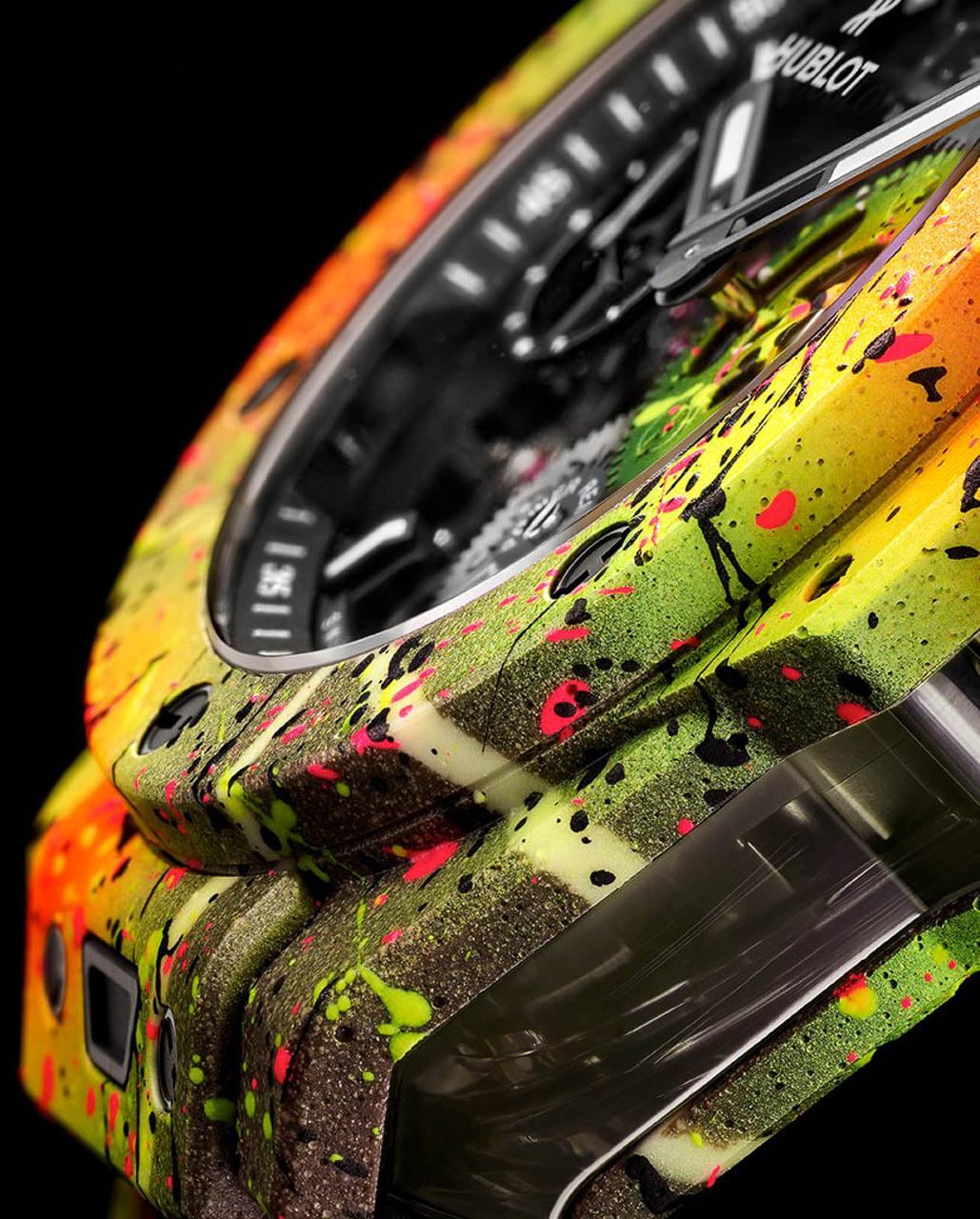
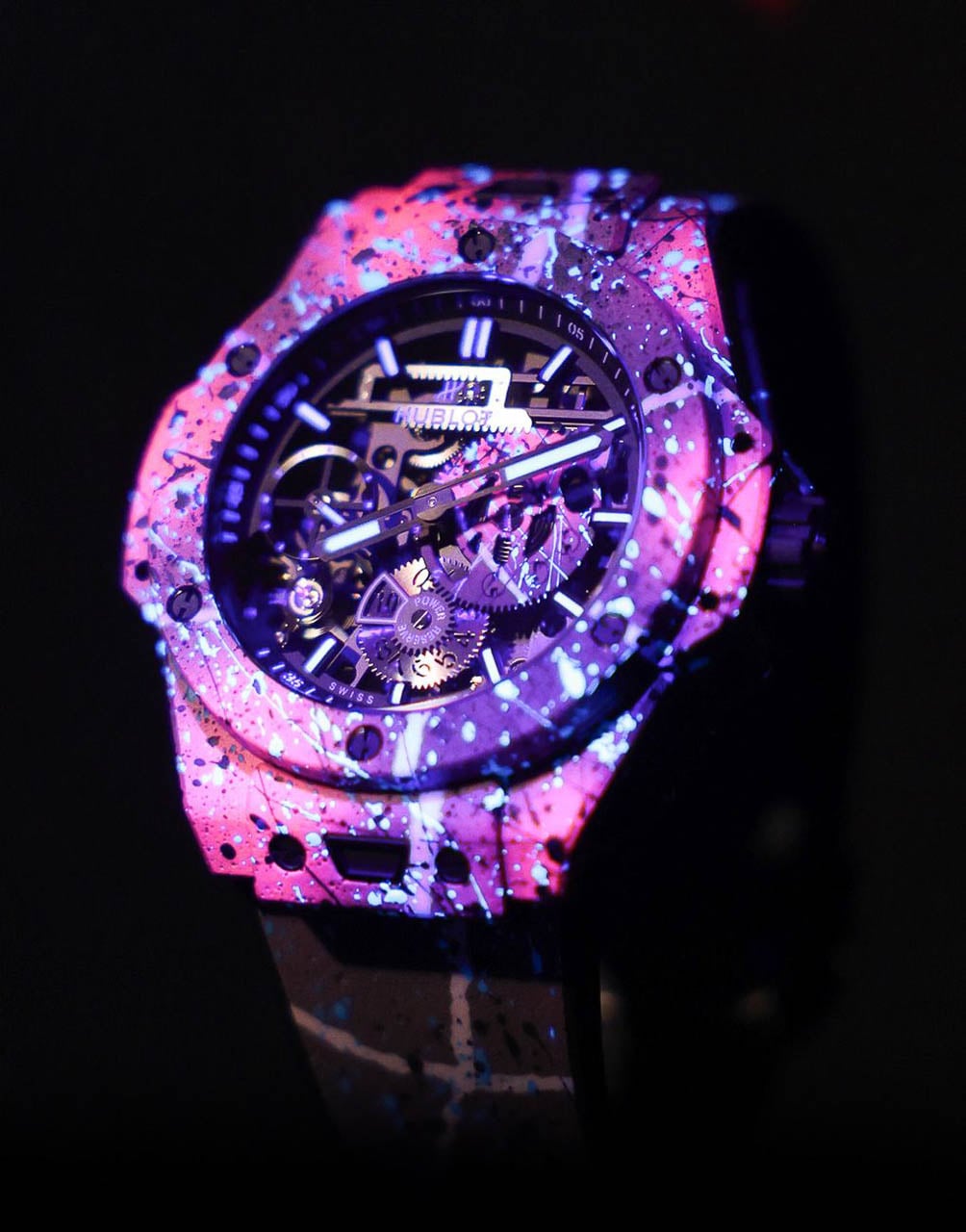
What remains is execution against ambitious technical and regulatory targets. December 2025 marked a concrete step. Whether Valo becomes routine urban transport depends on what Vertical delivers over the next three years.
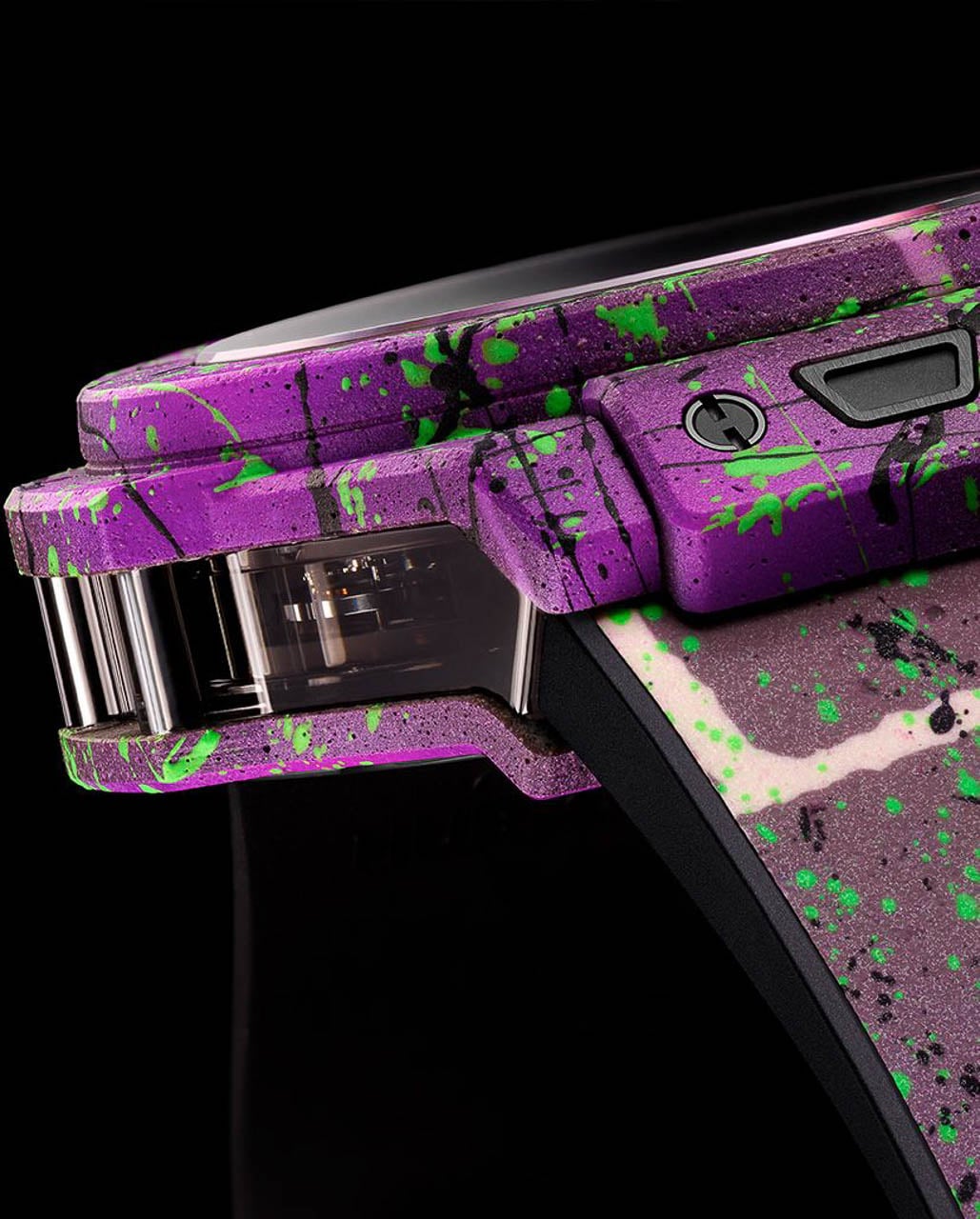
The post Vertical Aerospace Valo: The UK’s Electric Air Taxi Takes Flight first appeared on Yanko Design.