The Px8 S2 McLaren Edition: Papaya Orange, Carbon Cones, and Racing Pedigree

The Px8 S2 McLaren Edition wears its racing heritage proudly. That signature McLaren Papaya finish dominates the design, paired with Anthracite Grey accents that create instant visual impact. The McLaren Speedmark logo appears on both the headband and earcups, with diamond-cut bright edges on each elliptical plate that catch light like the carbon fiber details on a McLaren supercar.

Designer: Bowers & Wilkins + McLaren

Every material choice screams premium. The memory-foam cushions and headband come wrapped in soft Nappa leather, the same material you’ll find in McLaren’s Ultimate Series cars. The diecast aluminum arms provide structural integrity while keeping weight down to just 0.31 kg. This is what happens when automotive designers and audio engineers collaborate without compromise.

Carbon Cone Drivers: The Performance Story

Inside each earcup sits a custom 40mm Carbon Cone driver, completely redesigned from the previous Px8 generation. Bowers & Wilkins rebuilt everything: new chassis, upgraded voice coil, improved suspension, and a more powerful magnet system. The drivers sit angled within each earcup, ensuring consistent distance from every point on the driver surface to your ear. Translation: better imaging and a wider soundstage.

The result is audio that reviewers are calling deeper, tighter, and more holographic than the already-impressive original Px8. Bass hits harder without bleeding into the mids. Vocals sit precisely in the soundstage. Highs remain crystal clear without any harshness. This is 24-bit/96kHz high-resolution audio delivered wirelessly through Qualcomm’s aptX Adaptive and aptX Lossless technology, with Bowers & Wilkins’ DSP (Digital Signal Processing) fine-tuning everything in real-time.

The Smart Features

The Px8 S2 McLaren Edition connects to the Bowers & Wilkins Music app, giving you control over everything from noise cancellation to sound customization. A five-band EQ lets you dial in your preferred sound signature and save multiple presets. The transparency mode toggles between full isolation and ambient awareness. A physical Quick Action button puts your most-used functions one press away.

Eight microphones power the adaptive noise cancellation system while handling call quality duties. The ANC falls slightly short of what Bose and Apple achieve with their flagship models, but it preserves musicality in a way that overly aggressive noise canceling often destroys. The headphones prioritize sound quality first, noise cancellation second. For audiophiles, that’s the right priority order.

Battery life hits 30 hours on a single charge. A 15-minute quick charge delivers seven hours of playback. Connectivity options include aptX Lossless, aptX Adaptive, aptX HD, aptX Classic, AAC, and SBC codecs, plus USB-C wired listening when you want to bypass wireless entirely.

The Partnership Behind the Product

Bowers & Wilkins and McLaren have been developing audio systems together since 2015, starting with the McLaren 540C and continuing through to the recently unveiled McLaren W1 supercar. The audio system in the W1 features the same Continuum Cone technology found in Bowers & Wilkins’ flagship 800 Series Diamond loudspeakers. This partnership runs deeper than logos and color schemes.

The collaboration mirrors the precision demanded in Formula 1 racing with the acoustic perfection Bowers & Wilkins has pursued since founder John Bowers established the company in 1966. Both brands obsess over details. Both refuse to compromise on performance. The Px8 S2 McLaren Edition represents that shared philosophy translated into a wearable product.

Following the Pi8 McLaren Edition earbuds from earlier this year, these headphones give McLaren fans another way to connect with the team’s visual identity while getting genuinely excellent audio hardware. This isn’t a corporate partnership slapping logos on existing products. This is two performance-focused brands creating something together that neither could build alone.

The Details That Count

The Px8 S2 McLaren Edition launches November 19, 2025, priced at $899 (£729 UK, €829 EU). You can grab them directly from Bowers & Wilkins or through selected retailers. The price positions these firmly in premium territory, competing with the Mark Levinson 5909 ($999) and Focal Bathys ($799).

Early impressions highlight the improved comfort over previous generations, making these suitable for extended listening sessions and long flights. The slimmer profile and redesigned headband distribute weight more evenly. The Nappa leather cushions remain breathable even after hours of wear. For frequent travelers and music enthusiasts who value both design and performance, that comfort factor matters as much as sound quality.

The McLaren Edition offers music lovers, audiophiles, and Formula 1 fans a chance to own headphones that deliver on both aesthetic appeal and acoustic excellence. Sometimes partnerships create products that feel forced. This one feels natural, like both brands speaking the same performance-obsessed language.

The post The Px8 S2 McLaren Edition: Papaya Orange, Carbon Cones, and Racing Pedigree first appeared on Yanko Design.

The Rolls-Royce Black Badge Ghost Gamer: Translating Arcade Culture Into Automotive Craft

The Rolls-Royce Black Badge Ghost Gamer transforms vintage arcade aesthetics into automotive craft. This one-off commission features hand-painted 8-bit aliens across the coachline, arcade-themed interior details, and custom-programmed fiber-optic headliners that simulate laser fire. The vehicle reflects how luxury collecting now embraces gaming history alongside traditional high-culture references.

Designer: Rolls-Royce

Design Execution

Salamanca Blue covers the lower body, Crystal-over-Diamond Black the upper sections. The coachline features hand-painted “Cheeky Alien” motifs, each composed of 89 individual pixels measuring one-eighth inch square. One side shows a green alien with a pink 8-bit explosion, the other displays yellow and blue variations. Each pixel requires exact placement and consistent paint application to maintain the digital aesthetic at automotive scale.

Black and Casden Tan leather seats feature embroidery reading “Player 1” through “Player 4” in 8-bit font. Each headrest displays a “Cheeky Alien” composed of 89 embroidered pixels in vivid thread colors mimicking vintage CRT monitors. The Waterfall between rear seats features hand-painted arcade artwork requiring over two weeks of execution. Two stainless steel flying saucers hover above a lunar landscape, rendered through brushwork, sponge techniques, and airbrushing.

A metal inlay decorates the rear picnic table. An engraved 8-bit motif hides on the concealed side of the front black-chrome air vent. The Bespoke Illuminated Treadplates display arcade prompts: “PRESS START,” “LOADING…,” “LEVEL UP,” and “INSERT COIN.”

Technical Systems

The “Pixel Blaster” Starlight Headliner features 80 bitmapped battlecruisers formed from individually placed fiber-optic lights. Rolls-Royce’s Shooting Star effect receives custom programming to simulate laser fire pulsing across the headliner. The “Laser Base” Illuminated Fascia integrates an 85-star gunship into the dashboard constellation pattern.

Rolls-Royce’s Bespoke team spent a month studying late-1970s and early-1980s gaming culture, examining original arcade cabinets and promotional materials to ensure authentic translation. The Ghost platform features a 6.75-liter twin-turbo V12 producing 591 horsepower. Zero to 60 mph happens in 4.6 seconds despite the 5,500-pound curb weight.

Black Badge and Collecting Culture

Rolls-Royce established Black Badge to accommodate more assertive design expressions. Traditional clientele expect timeless elegance. Black Badge clients challenge those conventions while preserving quality standards. Hand-painted arcade aliens and “INSERT COIN” treadplates would disrupt a standard Ghost’s character but become legitimate opportunities within Black Badge parameters.

The commission reflects broader market shifts. Sotheby’s launched Geek Week for pop culture collectibles. Heritage Auctions sold a sealed Back to the Future VHS for $75,000. Rally offers fractional ownership in graded Pokémon cards and sealed video games. The person commissioning this Rolls-Royce likely participates in this expanded collecting ecosystem, where sealed Super Mario Bros. cartridges command five-figure prices.

Previous generations requested coachlines celebrating equestrian pursuits or yachting. Contemporary clients increasingly reference gaming history and streetwear culture. Hand-painting 89 individual pixels per alien requires identical precision whether depicting classical mythology or vintage video games.

The post The Rolls-Royce Black Badge Ghost Gamer: Translating Arcade Culture Into Automotive Craft first appeared on Yanko Design.
OMEGA’s Ceramic Gambit: How the Seamaster Planet Ocean Challenges Rolex’s Design Dominance

Twenty years after launching the Planet Ocean, OMEGA just made the boldest design move in luxury dive watches: bringing back orange ceramic at full production scale. Not as a limited edition. Not as a boutique exclusive. As a core offering that positions this collection directly alongside Rolex’s Submariner in the everyday luxury category.

Designer: OMEGA

This is the design story of how OMEGA spent years perfecting a single color, reworked an entire case architecture, and created three distinct visual personalities that finally give the Planet Ocean the design refinement it always deserved.

The Orange Ceramic Challenge

Let’s address the headline design achievement first. OMEGA’s new orange ceramic bezel represents years of Swiss atelier development to perfect a hue that most brands avoid entirely. The reason? Orange ceramic is notoriously difficult to execute without looking like cheap plastic film.

The chemistry of ceramic materials resists certain wavelengths. Getting that specific orange tone, the one that references the 1957 Seamaster 300 heritage pieces, requires precise control over sintering temperatures and material composition. OMEGA clearly cracked the formula. The result hits like a flare on the wrist: bold, bright, and unmistakably intentional.

The orange accents aren’t arbitrary nostalgia. The 1957 Seamaster 300 pieces carried orange through the hands, indices, and bezel. Those cues resurfaced in the very first Planet Ocean models in 2005, giving the watch its early cult status. Twenty years later, OMEGA had the confidence to bring that color back at impressive scale.

This represents thoughtful heritage integration. Rather than creating a vintage reissue or limited anniversary piece, OMEGA wove that 1957 DNA into a thoroughly modern design. The matte dial finish, the arrowhead hands, the white enamel bezel scales: these are pure Planet Ocean signatures, simply executed with contemporary precision.

What makes this move significant isn’t just the technical achievement. It’s the scale. Bringing this level of material complexity to a core production model, not a limited run, signals confidence in the design direction. OMEGA is betting that luxury watch buyers want personality and heritage, not just another black bezel diver.

Three Personalities, One Refined Architecture

The collection splits into three distinct visual identities, each serving different aesthetic preferences while sharing the same dramatically reworked case.

The black variant is the purist’s pick. Matte black dial, rhodium-plated numerals, white enamel bezel scale. This feels closest to the original professional dive watch brief, the option for someone who thinks color belongs in galleries rather than on expensive timepieces. It’s the no-nonsense tool watch executed with Swiss precision.

The blue edition becomes the everyday option, what I’d call The Bond Watch. That ceramic bezel catches light differently than the matte black version, creating visual interest that works equally well at Bondi brunch or a business dinner. Paired with the steel bracelet, it has that elevated everyday look. Swap to the blue rubber strap, and it transforms into something more pragmatic yet still effortlessly appealing.

Then there’s the orange variant, designed for people who want their Planet Ocean to make a statement while keeping it classy. This is where that years-long ceramic development pays off aesthetically. The bezel doesn’t just add color; it fundamentally changes the watch’s visual weight and presence. Doxa pioneered orange bezels in the 20th century for pure underwater legibility. OMEGA’s move here is for aesthetics, and it’s paid off completely.

The Case Evolution

Beneath those three color personalities sits a more subtle but equally important design refinement: the case architecture itself.

The new Planet Ocean case is sharper and more angular than the outgoing generation. You can see it in the lug transitions and the crown guard geometry. But here’s where OMEGA’s design team showed restraint: they made the watch sit flatter on the wrist by reworking the sapphire crystal profile.

That’s a crucial detail. Dive watches often suffer from excessive height, creating awkward wrist presence and limited shirt-cuff clearance. By addressing the crystal geometry, OMEGA created the most refined Planet Ocean silhouette to date. The 42mm diameter stays manageable, but the flatter profile changes how the watch wears entirely.

The Grade 5 titanium caseback contributes to this refinement. Titanium is NASA’s preferred material for a reason: exceptional strength-to-weight ratio and resistance to environmental extremes. For a watch rated to 600 meters, that caseback choice represents functional design thinking, not just material showcase.

Why This Design Matters

Glen Powell wearing the orange variant and Aaron Taylor-Johnson stepping into the blue and black references signals OMEGA’s positioning strategy. These aren’t just ambassador choices; they’re design communication. Powell can sell a high-visibility ceramic bezel with charm. Taylor-Johnson, as a 007 frontrunner, anchors the collection with leading-man polish.

The message? This Planet Ocean generation positions directly against Rolex’s Submariner in design sophistication, material innovation, and everyday luxury appeal. Not through imitation, but through distinct visual personality. Where the Submariner trades on timeless restraint, the Planet Ocean offers choice. Three distinct design directions, bold material decisions, and heritage integration that feels earned rather than borrowed.

For a brand of OMEGA’s scale to bring back orange ceramic as a core offering, not a boutique exclusive or limited run, reveals where luxury dive watch design is heading. Buyers want options beyond black and blue. They want material innovation that’s visible and meaningful. They want heritage that informs design rather than constraining it.

This Planet Ocean looks tougher. It wears better. It feels more resolved. The sharper case, the flatter profile, the perfected orange ceramic: these represent two decades of learning what worked and what needed refinement.

OMEGA didn’t just update the Planet Ocean. They gave it three distinct personalities, perfected a notoriously difficult material, and created the design refinement this collection always deserved. Twenty years after launch, this is the Planet Ocean that challenges Rolex’s design dominance with confidence and craft.

The post OMEGA’s Ceramic Gambit: How the Seamaster Planet Ocean Challenges Rolex’s Design Dominance first appeared on Yanko Design.

Silva Wood Collection by KFI Studios: Steam-Bent Beech Furniture Designed by Union Design

When solid beech wood flows from floor to backrest in a single steam-bent arc, you’re witnessing KFI Studios push the boundaries of what wood furniture can achieve. Silva, the company’s first fully wood collection, exemplifies material honesty and sculptural restraint.

Designer: KFI Studios

Designed in collaboration with Union Design, Silva rejects the noise of contemporary furniture design in favor of something more enduring: curves that follow the wood’s natural character, finishes that reveal rather than conceal grain patterns, and forms that balance timeless craft with approachable modern sensibility.

A Collection Built on Natural Warmth

Silva includes guest chairs, lounge chairs, stools, and coordinating tables across occasional, standard, counter, and bar heights. The versatility makes it equally at home in workplace lounges, hospitality environments, and social spaces where warmth matters more than clinical precision.

“It’s our first full wood collection, and something we’ve wanted to do for a long time,” says Chris Smith, CEO of KFI Studios. “It’s got that natural warmth and character that makes spaces feel instantly inviting.”

The signature detail defining the collection is that steam-bent rear leg. It flows in a single graceful line from floor to backrest, giving each piece a sculptural quietness that traditional joinery methods simply can’t achieve. The lounge chair in particular pushes wood bending techniques into elegant, continuous arcs that demonstrate what happens when material capability meets design ambition.

Design Details That Honor the Material

Every curve, edge, and contour in Silva was calibrated to highlight beech wood’s natural grain and inherent character. Gently rounded edges on seating pieces create tactile comfort without over-designing. Softly shaped square tabletops offer practical surface area while maintaining the collection’s organic aesthetic language.

“Every curve, edge, and contour was carefully considered to highlight the material, create comfort, and offer a sense of simplicity,” says Jeff Theesfeld, founder of Union Design.

The solid wood construction extends throughout the collection, with subtle engineering details that enhance functionality without compromising aesthetic purity. Guest chairs stack three high for space-efficient storage, making them practical for venues that need flexible seating arrangements. Stools feature chromed steel footrests that add durability and comfort while maintaining visual lightness. Table tops come in two configurations: wood tops with soft edge profiles that emphasize organic warmth, or optional laminate tops with knife edge profiles for environments requiring enhanced durability.

The finish palette expands beyond traditional wood tones into territory that feels distinctly contemporary. Seven stain options include Natural, Timber, Coffee, and Black alongside modern color-drenched hues: Navy, Evergreen, and Clay. These colored finishes don’t obscure the wood grain. They enhance it, letting the material’s natural texture show through while introducing unexpected color depth.

Chairs can be specified with or without upholstered seats. When upholstery enters the equation, KFI Studios offers a wide selection of graded-in textiles or COM options, allowing designers to calibrate comfort and aesthetic expression to specific project requirements.

Silva and the Biophilic Design Resurgence

According to Jeff Theesfeld, Silva arrives at a moment when designers are increasingly prioritizing wellbeing through material choices. Biophilic design, the practice of connecting interior environments to natural elements, continues gaining momentum as research confirms what intuition already suggested: natural materials and calming tactility improve how people experience spaces.

Silva’s all-wood construction, paired with finishes that enhance rather than hide wood grain, brings grounding presence to environments that benefit from nature-inspired warmth. As workplace design evolves beyond stark minimalism and hospitality spaces seek differentiation through material authenticity, collections like Silva offer designers tools to create environments that feel both contemporary and fundamentally human.

The collection represents more than aesthetic preference. It signals a broader shift toward furniture that prioritizes enduring material quality over trend-driven surface treatments, toward forms that respect craft traditions while serving modern spatial requirements.

The post Silva Wood Collection by KFI Studios: Steam-Bent Beech Furniture Designed by Union Design first appeared on Yanko Design.
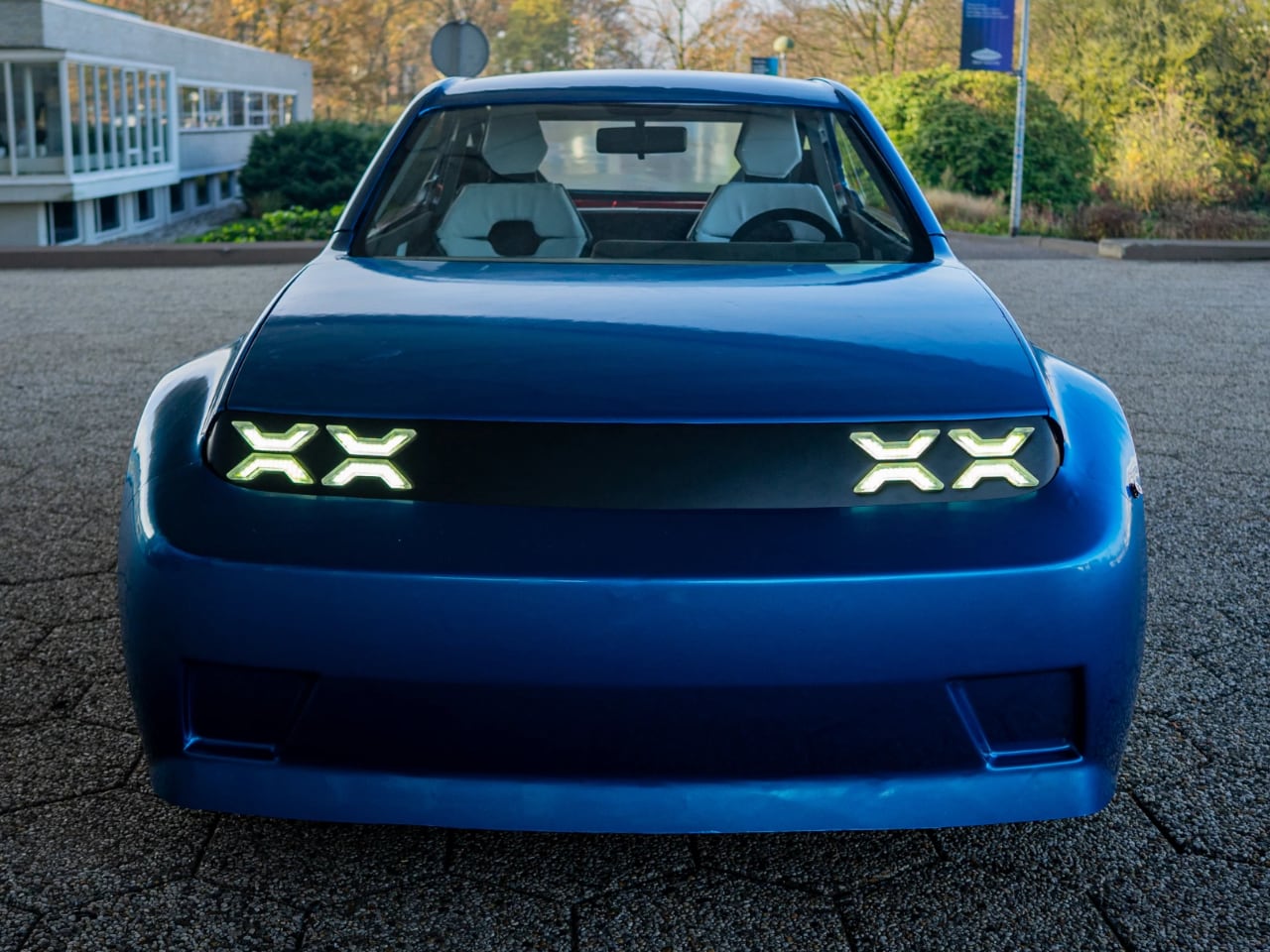
Apple’s 3D-Printed Titanium Apple Watch: When Manufacturing Becomes Design Philosophy

Apple’s shift to 3D-printed titanium marks a turning point, not just for wearables, but for how material innovation becomes the foundation for meaningful design change. Every Apple Watch Ultra 3 and titanium Series 11 case now emerges from additive manufacturing using 100 percent recycled aerospace-grade titanium powder. The process cuts raw material consumption in half and saves over 400 metric tons this year alone.

Designer: Apple

The mirrored polish catches light like traditionally forged luxury timepieces. The featherweight durability feels indistinguishable from cases that started as solid titanium blocks. But these surfaces hide a manufacturing revolution that transforms waste into possibility, turning production constraints into design advantages Swiss watchmakers using forged steel never imagined.

The Material Challenge That Changed Everything

Traditional watch case manufacturing works subtractively. Large titanium blocks get machined down until the case emerges, with excess material becoming waste. 3D printing reverses this entirely. Six lasers build each case layer by layer, over 900 times, until the form reaches near-final shape using only what the design actually needs.

“It wasn’t just an idea: it was an idea that wanted to become a reality,” Kate Bergeron, Apple’s vice president of Product Design, explains. The team spent over a decade watching 3D printing mature across industries. Hospitals printed prosthetics. Astronauts manufactured tools aboard the International Space Station. But cosmetic parts at consumer electronics scale remained impossible until Apple solved the titanium puzzle.

The material itself fought back. Titanium powder needs atomization to 50 microns, like sifting ultra-fine sand. But at that scale, oxygen content becomes critical. Too much oxygen, and hitting the powder with lasers risks fireworks instead of precision manufacturing. The materials science team engineered a low-oxygen titanium powder that could withstand six simultaneous lasers without compromising aerospace-grade quality.

Design Unlocked Through Process

The 3D printing breakthrough delivered benefits traditional forging never could. The process enables texture printing in locations previously inaccessible during manufacturing. For cellular Apple Watch models, this solved a critical waterproofing challenge.

Cellular cases require a plastic-filled split to enable antenna functionality. The bonding between metal and plastic determines water resistance performance. 3D printing allowed Apple to print specific textures on the inner metal surface, dramatically improving how plastic bonds to titanium.

For swimmers doing open-water laps, athletes training in downpours, or anyone caught in unexpected rain, that improved bonding translates to confidence the watch survives submersion without compromise. Better waterproofing emerges without adding bulk or sacrificing the slim profile that keeps the watch comfortable through 14-hour days.

“This has now opened up the opportunity for even more design flexibility than what we had before,” Bergeron notes. That flexibility already extended beyond Apple Watch. The new iPhone Air’s USB-C port features a titanium enclosure 3D-printed with the same recycled powder. The incredibly thin yet durable design only became possible through additive manufacturing.

Sustainability as Systems Change

The environmental mathematics tell a compelling story. Apple’s additive process uses half the raw titanium compared to subtractive machining of previous generations. That 50 percent reduction translates to two watches from material previously required for one.

“We’re extraordinarily committed to systems change,” Sarah Chandler, Apple’s vice president of Environment and Supply Chain Innovation, states. “We’re never doing something just to do it once: we’re doing it so it becomes the way the whole system then works.”

This aligns with Apple 2030, the company’s goal to achieve carbon neutrality across its entire footprint by decade’s end. All electricity powering Apple Watch manufacturing already comes from renewable sources like wind and solar. The 3D printing advancement represents another major step toward eliminating waste throughout the production chain.

The process preserves material quality without compromise. Ultra 3 maintains its durability and lightweight form for everyday adventurers. Series 11’s polished mirror finish stays pristine. Both deliver better environmental performance using the same or superior materials compared to traditionally machined cases.

Manufacturing Precision at Scale

Each 3D printer houses a galvanometer with six lasers working simultaneously. Layer thickness must hit exactly 60 microns. A precision squeegee spreads powder at microscopic tolerances. Speed matters for scalability, but precision matters for design standards.

“We have to go as fast as we possibly can to make this scalable, while going as slow as we possibly can to be precise,” Bergeron explains. After printing completes, operators vacuum excess powder during rough depowdering. An ultrasonic shaker removes powder trapped in case interlocks during fine depowdering. A thin electrified wire saws between each case during singulation while liquid coolant manages heat. Automated optical inspection verifies dimensions and cosmetics before cases move to final processing.

The multiyear journey started with demos and proofs of concept. Apple tested 3D printing at smaller scales in previous product generations before committing to this titanium breakthrough. Each incremental step validated the next possibility. The specific alloy composition, the printing process itself, the quality control protocols, all required continuous optimization to meet Apple’s exacting standards.

Design Philosophy Meets Environmental Imperative

What makes this achievement remarkable isn’t just the technical complexity. It’s how Apple made sustainability inseparable from design excellence. The polished titanium finish looks identical whether machined or printed. Performance remains unchanged or improves. Durability meets or exceeds previous generations.

According to Apple, environment is a core value for every team. The 3D printing technology offered material efficiency critical for reaching Apple 2030 goals. But the team refused to compromise aesthetics or functionality to hit environmental targets. Instead, they engineered a solution delivering all three simultaneously.

The manufacturing breakthrough also demonstrates how production constraints can drive design innovation rather than limit it. Printing textures in previously inaccessible locations improved waterproofing. Additive manufacturing enabled thinner, more durable USB-C ports. Material efficiency created new design possibilities instead of restricting existing ones.

“When we come together to innovate without compromise across design, manufacturing, and our environmental goals, the benefits are exponentially greater than we could ever imagine,” Chandler adds. By merging manufacturing efficiency with environmental responsibility, Apple turns sustainability into a creative asset rather than a corporate checkbox.

“We’re only beginning to imagine where additive manufacturing can take us,” Bergeron notes. The 3D-printed titanium Apple Watch cases prove manufacturing processes can become design philosophy. When production efficiency, material sustainability, and aesthetic excellence align, the result transcends simple environmental compliance. It becomes a new standard for what responsible design looks like at scale.

Key Takeaways

Manufacturing becomes design opportunity: 3D printing shifts titanium production from wasteful subtraction to efficient addition, cutting material use by 50 percent while enabling new design possibilities.

Sustainability unlocks features: The additive process allowed texture printing in previously inaccessible locations, directly improving waterproofing performance for cellular models without adding bulk.

Scale meets precision: Apple’s approach sets a manufacturing precedent, proving consumer electronics can achieve millions of identical premium-quality cases through 3D printing with 100 percent recycled materials.

Cross-product innovation: Breakthroughs developed for Apple Watch extended to iPhone Air’s impossibly thin USB-C port, demonstrating how solving constraints for one product unlocks possibilities across entire product lines.

The post Apple’s 3D-Printed Titanium Apple Watch: When Manufacturing Becomes Design Philosophy first appeared on Yanko Design.
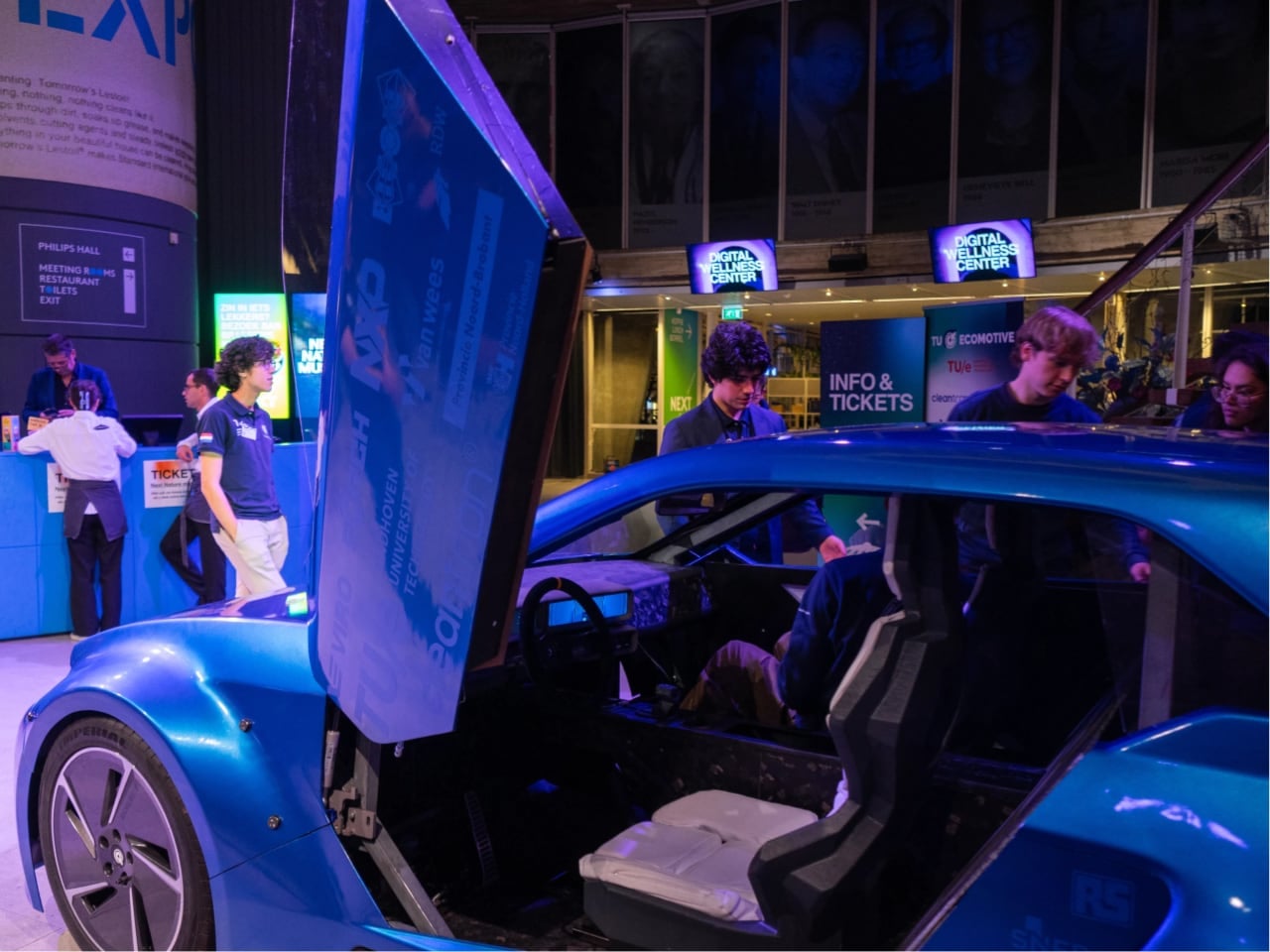
The Cube Trike Flatbed Hybrid 750 Redefines Urban Cargo with Tilting Technology

Urban cargo transport has always meant compromise. You get capacity but lose agility, or you get maneuverability but sacrifice load capability. Cube’s Trike Flatbed Hybrid 750 eliminates that trade-off entirely with a tilting rear mechanism that keeps the front wheel responsive while the cargo platform stays stable. This isn’t just another cargo bike with a basket attached. It’s a purpose-built three-wheeler that handles like a regular bike despite carrying up to 60 kilograms of whatever your city life demands.

Designer: Cube

The design philosophy centers on one compelling idea: the flatbed as blank canvas. That open platform invites customization in ways traditional cargo bikes with fixed containers never could. Coffee cart entrepreneurs, mobile vendors, small business owners, and urban families all see something different when they look at that 60kg-capacity deck. Some see a pop-up retail space. Others see a week’s worth of groceries. The platform doesn’t dictate use cases. It adapts to them.

Tilting Technology That Preserves Natural Handling

Most three-wheeled cargo bikes feel exactly like what they are: vehicles optimized for stability at the expense of cornering agility. You turn the handlebars and the entire rig leans as one cumbersome unit, reminding you constantly that you’re piloting something fundamentally different from a bicycle.

The Flatbed Hybrid 750 solves this with rear tilting that decouples the cargo load from the front steering geometry. When you lean into a corner, the front wheel responds with the natural feedback and precision of a standard bike. The rear platform stays level, keeping your cargo stable while you maintain the intuitive handling that makes cycling feel effortless.

It’s the kind of mechanical solution that feels obvious once you experience it, yet took genuine engineering thought to implement correctly. The short wheelbase amplifies this advantage, giving you tight turning radius and city-friendly parking capability that larger cargo solutions simply can’t match.

Power System, Frame Construction, and Material Intelligence

Cube specified the Bosch Cargo Line motor with 85Nm of torque paired with a 750Wh PowerTube battery. This isn’t a standard e-bike motor adapted for cargo duty. It’s purpose-built for moving weight through city streets, up inclines, and across the stop-and-go rhythm of urban traffic.

The capacity handles extended routes or full workdays without range anxiety creeping in. The Bosch Kiox 300 display integrates cleanly into the cockpit, giving you ride data and battery status without visual clutter. LED remote keeps controls accessible without forcing your hands off the grips.

The frame uses aluminum Superlite construction to balance the competing demands of cargo capacity and manageable weight. At 65 kilograms for the complete bike, it’s substantial but not absurd. The maximum system weight reaches 220 kilograms, accounting for rider and cargo together. That’s real utility capacity without requiring forklift-grade construction.

Critical frame components use aluminum gravity casting, an advanced manufacturing process that ensures structural strength where it matters most while maintaining the clean lines that define modern industrial design. The Comfort Ride Geometry tunes frame angles and dimensions specifically for stability and rider comfort across long sessions or rough city surfaces. This isn’t aggressive sport geometry adapted for cargo use. It’s ground-up design for urban utility. The step-through frame accommodates riders from 1.60 meters to 1.90 meters (roughly 5’2″ to 6’2″), with adjustable stem and seat making one size genuinely fit most users.

Downtube storage adds practical capacity for tools, locks, or daily essentials without eating into your primary cargo platform. The optional front rack expands carrying capability further for riders who need maximum versatility. Every storage solution integrates cleanly rather than looking bolted on as an afterthought.

The entire system feels cohesive rather than assembled from disparate components, with charging happening via a 4A charger that balances speed with battery health for daily-use vehicles. The engineering reveals itself in small decisions that compound into a cohesive whole, from component selection through geometry tuning to accessory integration.

Suspension and Rolling Stock

The SR Suntour MOBIE 34 CARGO 24″ fork with 100mm of travel specifically targets cargo trike applications. City streets aren’t smooth test tracks. They’re pothole-riddled, uneven surfaces where suspension matters for rider comfort and cargo protection. The fork absorbs impacts that would otherwise transmit straight through a rigid setup, making long urban routes less punishing on your body and your cargo.

Wheel sizing splits between 24-inch front and 20-inch rear, optimizing for a low center of gravity that enhances stability while making loading and unloading easier. CUBE EX40 rims come tubeless-ready with robust spoke counts (36H front, 32H rear) designed to handle cargo loads without constant truing. Schwalbe Pick-Up Super Defense tires bring the durability and urban grip that cargo applications demand, resisting punctures and providing confident traction across varied city surfaces.

Modular Platform Philosophy and Component Integration

The Flatbed Hybrid 750 establishes modular urban mobility as a legitimate design language. That open platform invites iteration and customization in ways that closed cargo boxes actively prevent. A food truck operator sees space for a custom coffee cart build. A mobile repair business sees a rolling workbench. Families see grocery capacity and weekend adventure potential. Each vision works because the platform doesn’t impose a singular use case.

The swampgrey and reflex colorway keeps the aesthetic modern and understated, letting custom cargo solutions provide the visual personality rather than forcing the bike itself to shout for attention. It’s the industrial design equivalent of a well-designed neutral backdrop that makes everything you place on it look better.

ACID components throughout the finishing kit (grips, lights, mudguards, storage options) create an ecosystem of compatible accessories. You’re not hunting through third-party catalogs hoping for fitment compatibility. The system is designed to expand and adapt as needs change. Tektro Auriga Twin+ hydraulic disc brakes include a parking lock feature that adds crucial safety when stopped for loading, unloading, or temporary parking on inclines. All-weather reliability comes standard, recognizing that urban utility vehicles can’t take weather days off.

Enviolo Cargo shifters deliver stepless gear transitions designed specifically for loads, with no hunting for the right gear or worrying about shifting under torque. You adjust continuously as terrain and load demand, keeping power delivery smooth and intuitive. It’s the kind of component choice that reveals thoughtful system integration rather than spec-sheet box-checking. The entire drivetrain recognizes that cargo cycling demands different performance characteristics than recreational riding or commuting.

The step-through design removes the athletic barrier that traditional bike frames create. You don’t need to swing your leg over a high top tube while managing cargo or wearing work clothes. You step through, adjust the seat if needed, and go.

Universal Access for Shared Urban Futures

The adjustable geometry and intuitive controls make this genuinely shareable across families, businesses, or community programs. There’s no specialized training required. If you can ride a bike, you can ride this. The parking brake, integrated lights, bell, and mudguards handle the practical details that separate concept vehicles from daily-use tools. Cube positions this within their broader cargo ecosystem alongside Family Hybrid and Cargo Hybrid configurations, recognizing that urban mobility needs vary. The Flatbed version specifically targets the blank-canvas modularity that businesses and adaptable use cases require. It’s futureproofed not through tech features that will age, but through physical adaptability that responds to changing needs over years of use.

The Trike Flatbed Hybrid 750 proves that cargo capacity and bicycle agility aren’t mutually exclusive when you engineer the solution correctly. Tilting technology, modular design, and purpose-built components create a platform that adapts to urban life rather than forcing urban life to adapt to it.

The post The Cube Trike Flatbed Hybrid 750 Redefines Urban Cargo with Tilting Technology first appeared on Yanko Design.
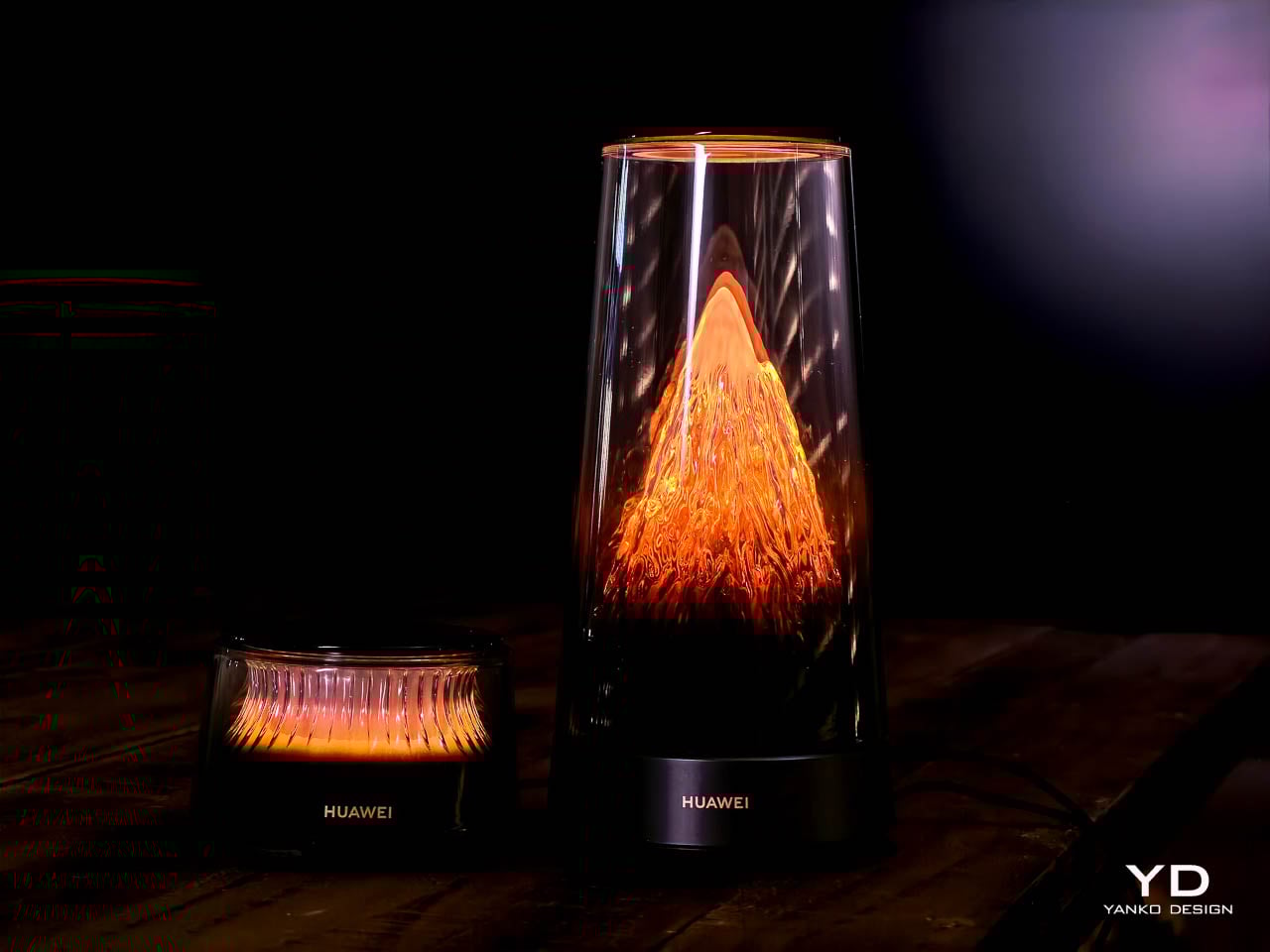
Huawei Mate 80 Series: Design Language Evolution and the 20GB RAM Flagship

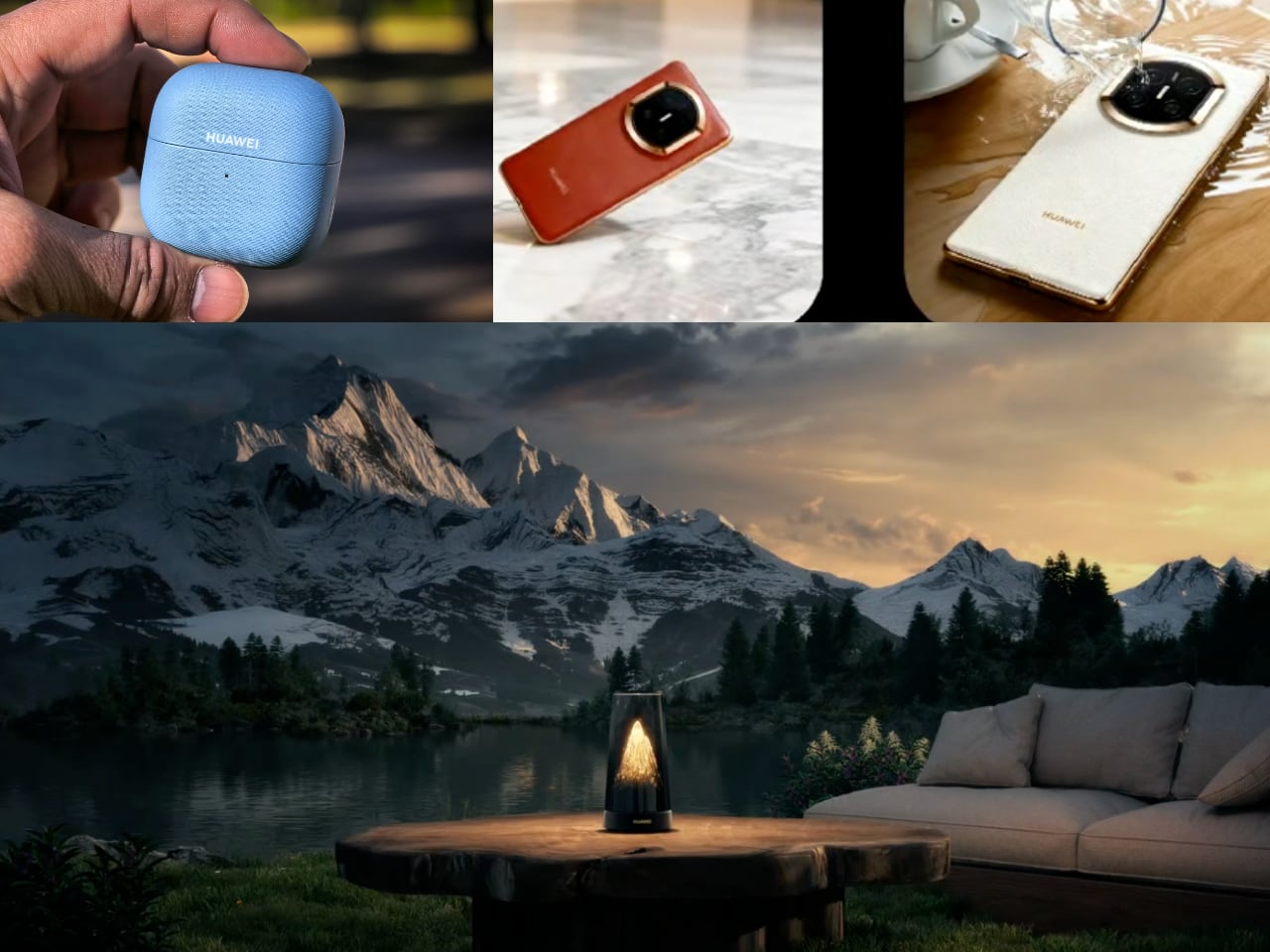
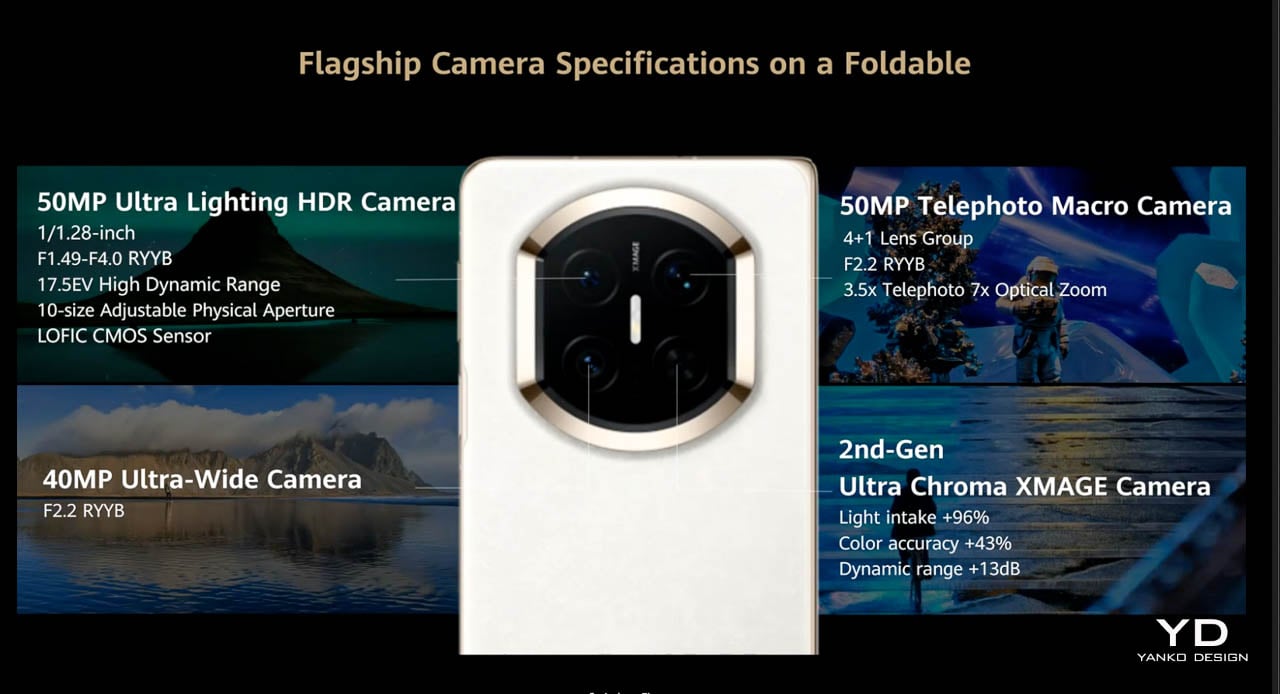
Huawei just confirmed November 25 as the official launch date for its Mate 80 series, and the company isn’t holding back. Four distinct models, each with its own camera architecture and design identity. The standout? A flagship variant packing 20GB of RAM and an octagon-shaped camera module that breaks from the circular designs dominating the smartphone industry.

Designer: Huawei

This is Huawei’s play for design differentiation in a market where most flagship phones look nearly identical from the back. The Mate 80 lineup spans from the accessible base model through to the RS Ultimate Design, a halo product that signals where Huawei sees premium smartphone design heading.

Four Models, Four Design Approaches

The Mate 80 and Mate 80 Pro share a circular rear camera module housing three sensors, including a periscope telephoto lens. Both phones feature dual front cameras with 3D face unlock technology. It’s a refined, approachable design that builds on Huawei’s established camera bump aesthetic.

The Mate 80 Pro Max steps up with a quad-camera system that includes dual periscope telephoto lenses. That’s two dedicated telephoto sensors for optical zoom flexibility, a configuration that gives photographers multiple focal length options without digital cropping. Dual front cameras maintain consistency across the upper-tier models.

Then there’s the Mate 80 RS Ultimate Design. The octagon-shaped camera module is the immediate visual differentiator, a geometric departure that catches attention without feeling gimmicky. It houses four rear sensors and pairs with dual front cameras, but the design statement is what matters here. Huawei is using the RS Ultimate to establish a distinct visual identity for its most premium offering.

Color Palettes Reflect Market Positioning

Huawei assigned different color families to each tier, reinforcing the hierarchy through material and finish choices.

The Mate 80 and Mate 80 Pro come in Dawn Gold, Obsidian Black, Snowy White, and Spruce Green. These are accessible, versatile colorways that work across different user preferences without pushing too far into statement territory.

The Mate 80 Pro Max gets Polar Night Black, Polar Silver, Polar Day Gold, and Aurora Blue. The naming convention evokes extreme environments and natural phenomena, positioning this model as the performance flagship with colors that suggest technical capability.

The RS Ultimate Design narrows to three options: Dark Black, Pure White, and Hibiscus. That last color, Hibiscus, has generated notable attention in early discussions. It’s a bold, design-forward choice that signals this phone is as much about aesthetic expression as technical specifications.

RAM Leadership: 20GB in the RS Ultimate Design

The Mate 80 RS Ultimate Design ships with 20GB of RAM paired with either 512GB or 1TB of storage. That’s the highest RAM configuration in the entire lineup, positioning this model for users running multiple resource-intensive applications simultaneously or future-proofing for increasingly demanding mobile workflows.

The base Mate 80 and Mate 80 Pro offer 12GB/256GB, 12GB/512GB, and 16GB/512GB configurations, with the Pro adding a 16GB/1TB option. The Mate 80 Pro Max comes in 16GB/512GB and 16GB/1TB variants. Huawei structured the RAM progression to create clear performance tiers across the lineup.

Launch Strategy: Pre-Orders and Dual Flagship Debut

Huawei opened pre-orders through its Vmall online store ahead of the November 25 launch event. The company is simultaneously unveiling the Mate X7 foldable, positioning the launch as a comprehensive showcase of its flagship smartphone strategy rather than focusing solely on the traditional slab phone format.

The dual launch suggests Huawei sees both form factors as equally important to its premium positioning. The Mate 80 series represents refinement and camera innovation within the established smartphone template, while the Mate X7 addresses users prioritizing screen real estate and multitasking flexibility.

What This Means for the Flagship Race

The Mate 80 lineup shows Huawei using design variation to create meaningful differentiation within a single product family. Most manufacturers rely primarily on camera count and technical specifications to separate models. Huawei added visual language shifts, particularly with the RS Ultimate’s octagon module, to make the hierarchy immediately apparent.

The dual periscope telephoto system in the Pro Max addresses a real pain point for mobile photographers: the gap between primary wide and telephoto focal lengths. Two periscope lenses allow for more granular zoom options and better image quality across the telephoto range.

Whether these design choices translate into market success remains to be seen when the phones launch November 25. But Huawei is clearly betting that distinctive design, aggressive RAM configurations, and advanced camera architectures can carve out space in the competitive flagship smartphone market.

The post Huawei Mate 80 Series: Design Language Evolution and the 20GB RAM Flagship first appeared on Yanko Design.
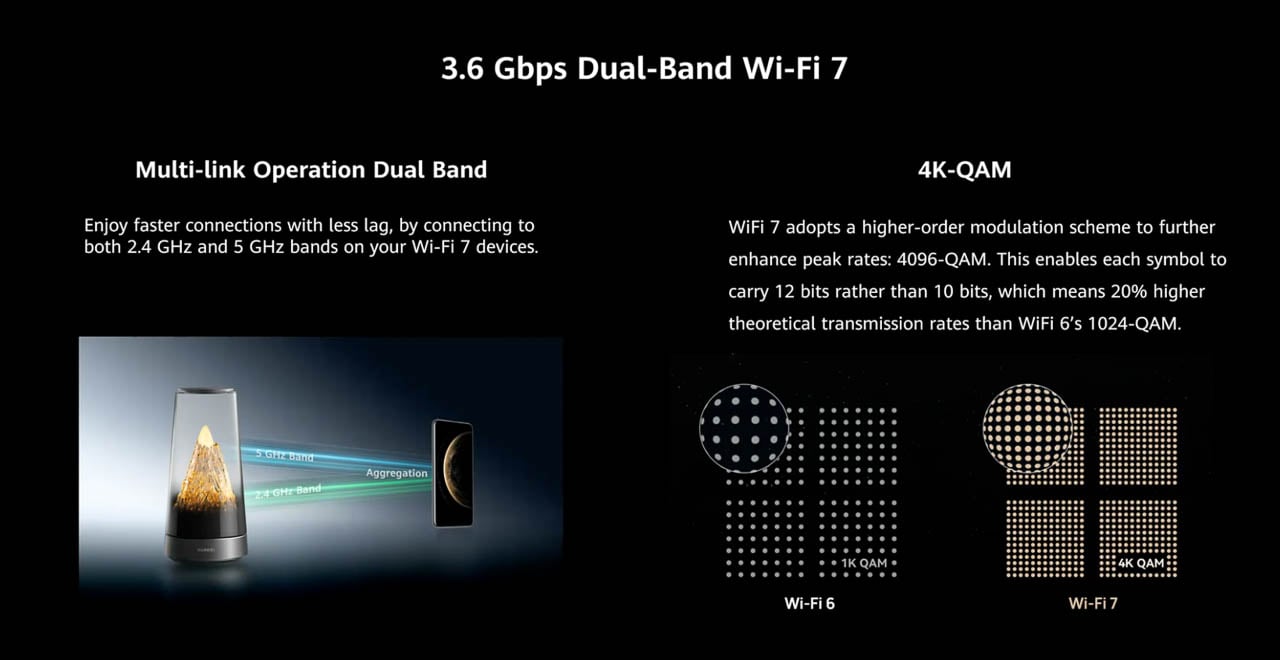
Christopher Ward C1 Bel Canto Lumière: When Luminescence Meets Acoustic Engineering

When a watch chimes on the hour, the sound should resonate with purpose. When it glows in the dark, the luminescence should tell a story. Christopher Ward’s C1 Bel Canto Lumière delivers both with a level of technical execution that transforms timekeeping into a multisensory experience.

Designer: Christopher Ward

The $5,205 timepiece combines three distinct engineering disciplines: advanced photoluminescence, acoustic amplification, and visual depth. It’s a watch designed for those who appreciate horological complexity and aren’t afraid to wear something that looks like it belongs in a sci-fi film.

At a Glance

Movement: In-house FS01 module (60+ components) on Sellita SW200-1 base, 29 jewels, 38-hour power reserve
Case: 41mm Grade 5 titanium Light-catcher™, brushed and polished
Crystal: Box sapphire with anti-reflective coating
Luminescence: Globolight ceramic ring, multi-layered Super-LumiNova (blue/green), luminescent strap option
Acoustic: Songbird striking mechanism, D note chime on the hour
Price: $5,205 (pre-order)
Guarantee: 60-day returns, 60-month movement warranty

Luminescent Architecture That Redefines the Category

Unlike most makers who settle for glowing hands and markers, Christopher Ward treats photoluminescence as a holistic design system. A Globolight ceramic ring floats above the dial while the base platine uses multi-layered Super-LumiNova that shifts from blue to vivid green depending on light exposure. The hands and dial circumference carry Globolight for intense neon-green luminescence, and the on/off indicator switches from white to luminous emerald in darkness.

The optional white rubber strap infused with Super-LumiNova extends the glow across your entire wrist, creating an “all-wrist” luminescent system. The smoked sapphire dial floats above the platine, amplifying the sunray pattern beneath through box sapphire crystal that enhances light play while providing scratch resistance.

In practical terms, expect visibility that exceeds standard dive watch lume by a significant margin. The multi-layer system charges quickly under ambient light and maintains legibility through extended darkness periods, while the blue-to-green shift creates visual interest that standard single-compound applications cannot match.

The Songbird Mechanism: Acoustic Engineering in 41mm

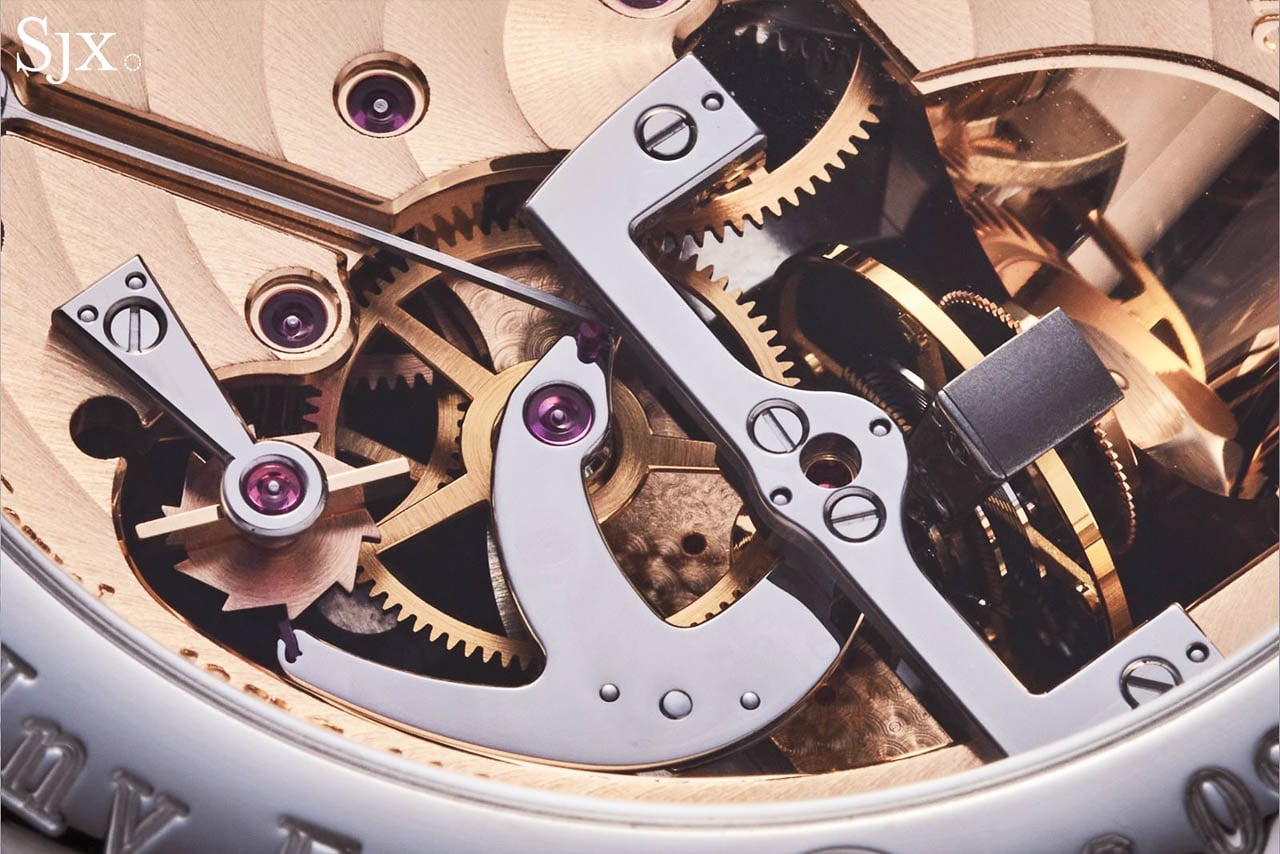
The C1 Bel Canto Lumière includes Christopher Ward’s signature “songbird” striking mechanism that chimes on the hour. The brand developed a custom FS01 module comprising over 60 components built atop a Sellita SW200-1 base movement. The striking hammer, visible through the dial, hits a steel spring to produce what the brand describes as “the beautiful singing of the D note.”

The Grade 5 titanium case functions as a sound amplifier, turning the entire watch into a resonance chamber. This material choice matters: Grade 5 titanium offers superior strength and hardness compared to the Grade 2 titanium used in the bracelet options, creating a rigid structure that amplifies vibration more effectively. At 41mm, the Light-catcher™ case is brushed and polished to create tactile contrast while maintaining structural integrity for acoustic performance.

Daily Wear Consideration: The chime operates automatically at each hour with no option to silence or adjust the mechanism. This commitment to acoustic performance means the watch announces time audibly throughout the day. Consider your typical environments before purchasing if you spend significant time in meetings, libraries, or other silence-required settings

The acoustic output sits between a subtle resonance and an assertive chime. In quiet rooms, the D note carries clearly without being intrusive. In noisier environments, you’ll feel the vibration through your wrist even when the sound doesn’t carry. The 29-jewel automatic movement provides 38 hours of power reserve, ensuring the hourly chime performs reliably through a full day and overnight.

Christopher Ward applied anti-reflective coating to the domed sapphire and deep-stamped the caseback with circular patterns. The push-down crown features the brand’s twin flag motif, and the Super-LumiNova strap carries a “Clous de Paris” hobnail pattern.

Technical Integration and Material Choices

The movement combines traditional Swiss watchmaking with Christopher Ward’s in-house engineering. The FS01 module adds chiming complications to the reliable Sellita base, creating a hybrid caliber that balances innovation with proven performance. Grade 2 titanium Bader or Consort bracelets are available as alternatives to the rubber strap. The softer Grade 2 titanium offers comfortable flex against skin compared to the rigid Grade 5 case material, making these bracelet options better suited for extended daily wear.

The floating Globolight X1 GL Blue ring serves as the watch’s visual anchor. The neon dial beneath creates contrast against titanium accents, and the visible striking mechanism adds mechanical intrigue. Every component works toward the same goal: making timekeeping feel less like utility and more like theater.

Christopher Ward’s Design Philosophy in Practice

This watch represents Christopher Ward’s commitment to delivering complications typically reserved for luxury segments at accessible price points. The brand has built its reputation on in-house innovation that challenges traditional watchmaking hierarchies. The C1 Bel Canto Lumière extends this philosophy into hybrid territory, where visual artistry meets acoustic engineering meets advanced materials science.

The sci-fi aesthetic positions Christopher Ward in conversation with avant-garde independents while maintaining the technical credibility that comes from genuine horological development. Where some microbrands rely on external module suppliers, Christopher Ward engineered the FS01 striking mechanism in-house, demonstrating a vertical integration approach more common in brands charging triple this price.

This approach signals where hybrid watches might evolve next. As traditional complications become more accessible through advanced manufacturing, the competitive edge shifts toward multi-sensory integration. The C1 Bel Canto Lumière doesn’t just tell time or chime or glow. It orchestrates all three into a unified experience.

Why This Watch Matters

Christopher Ward built the C1 Bel Canto Lumière for people who want their timepiece to do more than mark hours. The combination of advanced luminescence, acoustic engineering, and depth-creating visual design creates a watch that performs differently depending on lighting conditions and time of day. It chimes when the hour turns. It glows when darkness falls. It reveals mechanical complexity through transparency.

The $5,205 pre-order price positions this watch in the accessible luxury segment, competing with pieces that often deliver only one or two of these technical features. Christopher Ward integrated all three into a 41mm case with 60/60 guarantees: 60 days of free returns worldwide and a 60-month movement guarantee.

The C1 Bel Canto Lumière isn’t trying to be subtle. It’s designed for wrists that appreciate technical achievement and aren’t concerned with blending into boardrooms. This is a watch that announces its presence through light and sound, and does so with engineering that justifies the spectacle.

The post Christopher Ward C1 Bel Canto Lumière: When Luminescence Meets Acoustic Engineering first appeared on Yanko Design.
Audi Concept C Hands-On: When Athletic Minimalism Becomes Tangible Reality

At Audi’s Formula 1 event in Munich, I finally got hands-on time with the Concept C that sat on display. Between interviews, roundtable and briefings on F1 operations and facility tours, I had uninterrupted access to experience every surface, control, and detail I’d only theorized about in my September analysis of the Concept C’s athletic minimalism philosophy. This wasn’t a drive review. This was the kind of access that lets you understand whether a design philosophy actually translates from renderings and press materials into physical reality.

Designer: Audi

What I found validated nearly everything I wrote three months ago while also revealing gaps that photographs and specifications simply cannot capture. Some design elements photograph better than they feel. Others hide their sophistication until your hands confirm what your eyes suspected. The Concept C falls decisively into the latter category.

The Vertical Frame Confronts You Differently in Person

Photographs suggested authority. Physical presence delivers something closer to architectural permanence. The vertical frame that defines the Concept C’s face doesn’t just command attention when you approach. It fundamentally alters your spatial relationship with the car.

Most sports cars crouch. The Concept C stands. This creates an unexpected psychological effect. You don’t feel like you’re approaching a predatory machine that wants to intimidate you. You feel like you’re approaching a piece of industrial sculpture that happens to be engineered for motion. The distinction matters more than I anticipated when writing about this design from press images.

The vertical orientation creates visual weight without aggression, exactly as Audi’s design team intended. But the physical execution elevates this from interesting design choice to genuinely novel automotive presence.

That Cylindrical Center Console Element Exceeds Expectations

I wrote in September that this single component made me “giddy as a designer” based on photographs. Seeing it in person, feeling the machined surfaces, rotating it through its detent positions: I underestimated its impact.

This isn’t automotive jewelry. This is mechanical watchmaking philosophy applied to interior controls. The tolerances are absurd. When you rotate the cylinder, each detent click communicates precision through sound, resistance, and tactile feedback simultaneously. The aluminum surface treatment creates visual depth through subtle anodizing variations that photographs flatten into uniform gray.

Under Munich’s overcast afternoon light, the cylinder surface revealed micro-textures that shift as your viewing angle changes. This component alone justifies the athletic minimalism philosophy because it demonstrates how eliminating visual complexity forces every remaining element to achieve perfection.

I spent probably three minutes just rotating this control and feeling the mechanical quality. Each click produces the same resistance. Each detent holds position with identical firmness. This is the kind of obsessive engineering refinement that luxury brands promise but rarely deliver. The Concept C delivers it in a component most drivers will interact with dozens of times per drive.

That consistency between philosophy and execution separates serious design work from concept car theatrics.

The Steering Wheel Fulfills Its Round Promise

My September analysis praised the steering wheel’s return to pure circular form after years of flat-bottom, button-laden steering wheels became industry standard. Holding it confirms the decision’s wisdom.

Your hands find natural positions immediately. The rim diameter feels slightly larger than typical sports car wheels, which initially seems counterintuitive until you realize the extra circumference distributes grip pressure more evenly during spirited driving. The machined aluminum spokes telegraph structural purpose without decorative pretense.

When you grip the wheel and apply rotational force (not enough to actually turn the stationary wheels, just enough to test structural rigidity): zero flex. Zero creaking. Zero anything except the sensation of holding something engineered to communicate road surface information without filtration or interpretation.

Modern steering wheels often feel like they’re designed to protect you from feedback. This wheel feels designed to deliver it. The absence of buttons, paddles, and switches reinforces the minimalist commitment. In an era when steering wheels increasingly resemble game controllers, this wheel returns to its core purpose: connecting human inputs to mechanical outputs with maximum fidelity and zero distraction.

Every other function lives in its proper place, leaving the steering wheel to focus on steering.

The Retractable Hardtop Mechanism Reveals Sophisticated Engineering

I watched the roof cycle through its transformation sequence twice. The two-element system maintains the monolithic silhouette exactly as promised in official descriptions. What those descriptions don’t communicate: the mechanical choreography’s absolute precision.

The roof elements move in coordinated sequence with zero hesitation, zero adjustment, zero apparent searching for alignment points. Most retractable hardtops reveal their compromise through visible gaps, adjustment pauses, or mechanical complexity that dominates the aesthetic when deployed. The Concept C’s system disappears completely when lowered.


The rear deck maintains clean surfacing without visible storage bulges or panel interruptions. When raised, the roofline integrates so seamlessly that you’d never suspect it retracts. This achievement separates competent engineering from obsessive refinement.

What Static Observation Cannot Reveal (And What It Can)

Twenty minutes of hands-on time creates different understanding than twenty minutes of driving would provide. I cannot tell you how the Concept C handles mountain roads or how the electric powertrain delivers power through corner exits. Those experiences require the motion I didn’t get.

But I can tell you that athletic minimalism creates manufacturing challenges that traditional design approaches avoid. The center console cylinder alone probably costs more to manufacture than entire interior control assemblies in volume-market vehicles. The steering wheel’s machined aluminum components require precision manufacturing that doesn’t scale easily. The hardtop mechanism’s sophisticated engineering demands expensive components and careful assembly.

Athletic minimalism creates cost pressures that traditional design approaches avoid by hiding cheaper materials behind visual complexity.

I left my Munich appointment with the Concept C convinced of two things: First, this design philosophy works in physical reality as effectively as it promised on paper. Second, production versions will necessarily compromise somewhere between current concept execution and market realities.

The question that matters: which compromises will Audi accept, and will the production car maintain enough of this concept’s essence to justify the bold philosophical claims.

What Hands-On Time Confirms

Three months ago I analyzed the Concept C from photographs, specifications, and official descriptions. I concluded that athletic minimalism represented genuine design evolution rather than momentary styling exercise. Forty minutes of physical interaction with surfaces, mechanisms, and materials confirms that assessment while deepening appreciation for execution quality.

The Concept C demonstrates that radical simplicity creates more challenges than traditional complexity because every remaining element must achieve excellence. Audi met those challenges in this concept. Whether production versions maintain this standard determines if athletic minimalism becomes genuine brand direction or remains concept car philosophy that reality couldn’t sustain.

But today, standing in Munich with the vertical frame commanding presence in front of me and that perfect cylindrical control under my fingertips, I experienced design philosophy transformed into tangible reality. The question isn’t whether this approach works. The question is whether the automotive industry possesses sufficient courage to follow where Audi leads.

The post Audi Concept C Hands-On: When Athletic Minimalism Becomes Tangible Reality first appeared on Yanko Design.
Audi R26 Concept: Radical Minimalism Rewrites F1 Design

Photo: Audi

How Audi’s Formula 1 entry rewrites the visual rules of motorsport

On November 12, 2025, Audi unveiled the R26 Concept at its Brand Experience Center in Munich. I was there, and the first thing that strikes you when you see the car in person is how clean it looks compared to every other F1 car. Where competitors plaster every surface with sponsor logos and complex graphics, Audi went the opposite direction: radical minimalism driven by four design principles that treat the race car as architecture.

The R26 sat under bright reveal lighting at the Brand Experience Center, and the titanium finish showed its full reflective quality – a light, warm silver with subtle gold undertones. Move around the car, and you see how metallic finishes shift depending on viewing angle and light direction. That dynamic quality is something photos struggle to capture.

This isn’t a livery. It’s a visual system.

First Impressions: Seeing the R26 in Person

The R26 Concept sits on a raised platform at the Brand Experience Center, and from the moment you walk in, you understand what Audi means by “clarity.” The car reads as a single sculptural object. Your eye doesn’t jump between different graphic elements or sponsor logos fighting for attention. Instead, you follow the car’s form.

The red rings dominate immediately. Against the titanium and carbon, the red pops in a way that silver rings never could. Standing about 10 feet from the car, the rings are the first thing you see. Move closer, and the geometric cuts become visible. Move to the side, and you see how those cuts follow the sidepod’s compound curve.

The carbon fiber is particularly striking in person. It’s not painted black. It’s actual woven carbon, clear-coated to bring out the texture. Under the reveal lighting, you can see the individual weave pattern. It creates this organic texture against the precision geometry of the titanium panels. The contrast between smooth metal and textured carbon adds depth that flat paint never could.

The proportions feel different from current F1 cars. The R26 looks smaller, more compact, almost delicate. The narrow track width and reduced wheelbase make it look more like a classic Grand Prix car than a modern F1 machine. The minimalist graphics amplify this effect. Without visual clutter, the car’s actual shape becomes the dominant element.

Walking around the car, the geometric cuts reveal their logic. Each cut aligns with a structural element or airflow path. On the front wing, the titanium and carbon transition follows the wing’s compound curve. On the sidepods, the geometric division marks the break between the upper and lower airflow paths. These aren’t arbitrary design choices. They’re the car’s engineering made visible.

The Four Principles: Clear, Technical, Intelligent, Emotional

Audi’s design team built the R26 around four foundational principles: Clear, Technical, Intelligent, and Emotional. Each principle shapes specific design decisions.

Clear means eliminating visual noise. The R26 uses minimalist graphic surfaces with precise geometric cuts that follow the car’s structural lines rather than fight them. Where most F1 liveries wrap graphics over complex 3D surfaces, Audi’s design integrates with those surfaces. The result: a car that reads as a single visual object rather than a collection of stickers.

Technical drives the material expression. Exposed carbon fiber, metallic titanium, functional air intakes: every surface communicates its engineering purpose. The design doesn’t hide the technology; it celebrates it through selective color application and geometric clarity.

Intelligent governs the systematic application of design elements. The geometric cuts aren’t random. They map to structural stress points, airflow paths, and regulatory panel divisions. Audi’s designers worked directly with the engineering team to map every cut to the car’s invisible architecture: stress points where forces concentrate, airflow boundaries where high and low-pressure zones meet, load paths where structural members transfer energy. The visual geometry reflects forces you can’t see but that define how the car works. Function dictates form, but beauty emerges from the constraint.

Emotional brings the selective use of Audi red. While the base palette stays monochromatic (titanium and carbon black), red appears at key moments to create visual punctuation. The red rings replace Audi’s traditional silver exclusively for F1, marking a historic brand departure.

Color as Communication: The Three-Color System

Audi developed an entirely new color palette for F1, and each color has specific purpose:

Titanium: The Foundation

Titanium is Audi’s new performance color, first introduced on September’s Concept C. It’s a warm metallic that reads differently depending on light conditions. In bright sun, it appears almost white with a subtle gold undertone. In shadow or under track lighting, it shifts to a deeper, cooler gray with bronze highlights.

Photo: Audi

The Concept C introduced titanium as part of Audi’s production car transformation. The R26 adapts that same color for a radically different purpose. Where Concept C uses titanium to signal elegance and precision in a road car, the R26 deploys it for instant recognition and competitive differentiation in racing. Same color, different mission. The R26 doesn’t copy Concept C. It translates Concept C’s design language into motorsport clarity.

The warmth differentiates it from traditional racing silvers. Where chrome and aluminum feel cold and industrial, titanium conveys technical sophistication with organic warmth. It’s the color of aerospace-grade materials, of precision engineering, of expensive watches.

Titanium also solves a practical problem: visibility. On modern F1 broadcasts with complex camera angles and varying light conditions, many cars become visually similar. Titanium’s warmth and unique reflective properties create immediate visual differentiation.

Carbon Black: The Contrast

Carbon black isn’t paint. It’s exposed carbon fiber, finished to showcase the material’s woven structure. The decision to leave carbon exposed rather than painted communicates technical transparency.

Carbon black creates depth through texture. Where titanium reflects light, carbon absorbs it. The contrast between the two materials creates visual drama without graphics. The eye follows the transition between reflective and absorptive surfaces, mapping the car’s complex 3D geometry.

The exposed carbon also references Audi’s motorsport heritage. The Auto Union Silver Arrows pioneered lightweight construction in the 1930s. The R18 e-tron quattro showcased carbon monocoque technology at Le Mans. Exposed carbon fiber connects past to present through material honesty.

Audi Red: The Punctuation

Audi red exists nowhere else in the brand’s history. Created specifically for F1, it’s a pure, saturated red without orange or blue undertones. Think Rosso Corsa (Ferrari’s racing red) but slightly cooler in temperature.

Red appears selectively. It doesn’t flood the car. Instead, it marks specific moments: the halo structure, certain wing elements, brake cooling ducts. Each red application draws the eye to a functional element. Red becomes a visual guide to the car’s critical systems.

The red rings replace Audi’s silver rings exclusively for F1. Four red rings against titanium and carbon create instant recognition. From any angle, any distance, you know it’s Audi. The red rings also solve the challenge of brand visibility on a minimalist design. Without busy graphics, the rings need to work harder. Red makes them unmissable.

Geometric Language: Precision Cuts and Surface Integration

The R26’s most striking design element is its geometric surface treatment. Rather than applying graphics to the car’s complex 3D forms, Audi’s designers created precise cuts that follow the car’s structural geometry.

Think of it as subtractive design. Instead of adding visual elements, they’re revealing underlying structure through selective color application. A titanium surface might have a carbon black geometric cut that follows the bodywork’s compound curve. The cut isn’t arbitrary. It maps to an internal structural member, an airflow path, or a regulatory panel division.

This approach requires understanding the car’s architecture at a deep level. The design team worked directly with engineers to map stress points, airflow boundaries, and load paths. The visual geometry reflects the invisible forces acting on the car.

The geometric cuts also solve a challenge unique to F1: active aerodynamics. The 2026 regulations allow adjustable front and rear wings. The R26’s design maintains visual consistency whether wings are deployed or stowed. The geometric language works in multiple configurations because it follows the car’s core structure rather than any single aerodynamic state.

Proportion and Geometry: Working with the 2026 Regulations

The 2026 regulations give Audi’s designers opportunities unavailable with current F1 cars. The new cars are smaller (3.40m wheelbase vs. 3.60m), narrower (190cm vs. 200cm), and lighter (768kg vs. 798kg).

The 2026 regulations also mandate a fundamental powertrain shift: 50% electric power. The MGU-K (electric motor-generator unit) delivers 350kW, roughly matching the combustion engine’s output. This massive increase in electrical power (tripled from current regulations) changes the car’s architecture. The battery, inverter, and MGU-K create new packaging challenges and cooling requirements that directly influence the car’s geometry and surface design.
These reductions change the car’s proportions dramatically. Current F1 cars look big and planted, almost heavy. The 2026 cars will look nimble, almost delicate by comparison. The reduced wheelbase creates a more aggressive front-to-rear ratio. The narrower track width emphasizes vertical elements like the halo and rear wing.

Audi’s design amplifies these proportional shifts. The minimalist graphics make the car look even smaller because there’s no visual clutter to fill space. The geometric cuts emphasize the car’s length and narrowness. The selective red draws the eye vertically, accentuating height.

The overall impression is of lightness and precision: a car pared to its essential elements.

Material Expression: Texture and Finish

Beyond color, the R26 communicates through texture and finish. Audi specifies different surface treatments for different materials:

Titanium surfaces: Semi-gloss finish that balances reflection with depth. Too glossy and the car becomes a mirror, washing out detail. Too matte and the color loses its metallic character. The semi-gloss finish maintains the warm metallic read while preserving surface detail.

Carbon fiber surfaces: Clear-coated to reveal the woven structure but finished smooth for aerodynamic efficiency. The weave pattern creates visual texture without adding surface roughness. Under bright light, the carbon weave becomes visible, adding organic pattern to the geometric precision.

Red also needs high gloss for color saturation. Matte red looks dull and heavy.

These finish differences create a hierarchy of visual attention. Your eye goes to high-gloss red first, then semi-gloss titanium, then matte carbon. The finish strategy guides how you read the car’s form.

Typography and Graphics: When Less Is More

The R26 Concept preview shows minimal typography and graphics. The Audi wordmark appears clean and geometric, likely in a custom typeface that references the geometric cut language. Numbers use a technical, precision-cut style similar to engineering drawings.

Sponsor logos will be present on the final race car but in reduced size and selective placement. Audi’s partnership strategy emphasizes quality over quantity, which extends to livery design. Fewer, larger sponsor placements rather than dozens of small logos fighting for attention.

The lack of visual clutter makes individual elements more impactful. When everything screams, nothing stands out. The R26’s restraint makes each element meaningful.

Beyond the Car: A Complete Visual System

Audi’s design extends beyond the R26 to every touchpoint:

Team clothing (designed with adidas) uses the same geometric cuts, the same three-color palette, the same material contrasts. Driver suits feature titanium and carbon panels with red accents. Engineer shirts use geometric patterns derived from the car’s surface cuts.

Motorhome design applies architectural clarity. Clean white surfaces, geometric titanium accents, selective red details. The hospitality space feels like a contemporary art gallery, not a racing paddock.

Pit garage aesthetics showcase technical precision. Carbon fiber workstations, titanium tool holders, red accent lighting. Every element reinforces the four design principles.

Fan engagement zones reflect the design language through environmental graphics, wayfinding, and spatial organization. The geometric cuts become architectural elements. The three-color palette defines zones and circulation paths.

Digital fan zones and merchandise: The design system extends to Audi’s F1 app, website, and official merchandise. The same geometric patterns, the same three-color palette, the same material language. A fan buying an official team shirt gets the same design experience as someone walking through the paddock.

This comprehensive visual system creates a unified brand experience. Every interaction with Audi F1 reinforces the same design principles, the same aesthetic values, the same material language.

Designing for a New Audience

Audi’s design choices target F1’s demographic shift. The sport has gained 120 million female fans in five years. 44% of on-site visitors are now under 35. This younger, more diverse audience values aesthetics, sustainability, and brand authenticity differently than traditional F1 fans.

The R26’s minimalism appeals to design-conscious audiences who appreciate restraint over excess. The sustainable fuel mandate (part of the 2026 regulations) and 50% electric power align with younger fans’ environmental concerns. The red rings and titanium palette create a visual identity that works across digital platforms where younger audiences engage with F1 content.

Formula 1’s growth among younger demographics isn’t accidental. It’s driven by new media formats, design-forward teams, and visual storytelling that emphasizes aesthetics alongside performance. The R26 positions Audi at the center of this shift.

Design Heritage: From Silver to Red

Audi’s motorsport design history provides context for the R26:

The Auto Union Silver Arrows (1934-1939) pioneered the mid-engine layout, creating an entirely new racing silhouette. They emphasized technical innovation through streamlined bodywork that showcased mechanical complexity.

The Audi quattro (1981-1984) made four-wheel drive visible through aggressive fender flares and functional air intakes. The design communicated the revolutionary drivetrain through proportional shifts.

The Audi R8 LMP (2000-2002) introduced TFSI technology with clean, efficient aerodynamics. The design emphasized airflow management through sculpted surfaces and functional openings.

The R18 e-tron quattro (2012-2014) showcased hybrid technology through distinctive LED lighting and exposed mechanical elements. The design made electrical systems visible for the first time.

The RS Q e-tron (2024) brought electric drive to Dakar with brutal, geometric bodywork that emphasized structure over surface. The design celebrated the mechanical complexity of the electric drivetrain.

The R26 continues this heritage of technical transparency and innovative thinking, but adds a new layer: systematic minimalism. Previous Audi race cars showcased technology through addition: more details, more elements, more visual complexity. The R26 showcases technology through subtraction, revealing essential form through reductive design.

Comparison: How the R26 Differs from Current F1 Design

Current F1 liveries follow predictable patterns:

Busy graphics: Most cars use complex swooshes, gradients, patterns, and layered sponsor logos. Visual complexity becomes visual noise.

Arbitrary color placement: Colors often appear without structural logic, applied to maximize sponsor visibility rather than enhance form.

Surface-level design: Graphics sit on top of the car’s form rather than integrate with it. The 3D complexity of an F1 car gets flattened by 2D graphics.

Brand consistency over innovation: Most teams maintain similar liveries year after year, changing colors but maintaining the same basic approach.

The R26 rejects all these conventions:

Minimalist graphics: Visual restraint creates clarity and impact.

Structural color logic: Color placement maps to the car’s engineering, not sponsor requirements.

Integrated design: Graphics follow and reveal the car’s 3D form rather than covering it.

Visual innovation: The R26 establishes a new aesthetic language for Audi’s F1 era.

The closest comparison might be McLaren’s occasional minimalist liveries or the simple elegance of classic Grand Prix cars from the 1960s. But the R26’s geometric precision and material-driven approach creates something new.

Why Minimalism Works: Function, Not Just Form

The R26’s minimalism isn’t purely aesthetic. It solves practical problems:

Sponsor visibility: Fewer, larger sponsor placements get more attention than dozens of small logos competing for space. The minimalist surfaces make each sponsor location more valuable and more visible on television broadcasts.

Instant identification: Racing fans need to identify cars during chaotic race starts, high-speed overtakes, and wet conditions where spray obscures details. The R26’s distinctive proportions, unique color palette, and bold red rings create instant recognition from any angle, any distance, any lighting condition.

Television clarity: Modern F1 broadcasts use complex camera angles, onboard shots, and aerial views where busy liveries become visual noise. The R26’s geometric clarity reads clearly in every camera position.

Adaptability: The minimalist approach allows the design to work across different configurations (active aero positions) and different lighting conditions (day races, night races, variable weather) without losing visual coherence.

Minimalism becomes a competitive advantage because it makes the brand more visible, not less.

The November R26 Concept preview shows design direction, not final specification. Between now and the January 2026 car reveal, Audi’s design and engineering teams are working through an iterative refinement process:

Color specification: Testing titanium samples under different light sources (daylight, track lighting, television lighting) to finalize the exact metallic formula. Calibrating the red hue for maximum saturation and visibility. Optimizing the carbon fiber clear-coat finish for texture visibility while maintaining aerodynamic smoothness.

Geometric precision: Using CAD models and full-scale mockups to refine the exact placement of every geometric cut. Each cut must align with structural boundaries, airflow paths, or regulatory panel divisions. The design team validates that cuts maintain visual coherence in all wing configurations (active aero deployed and stowed).

Typography: Finalizing the custom typeface design that references the geometric cut language. Testing number legibility at racing speeds and various camera angles. Ensuring consistency across physical car graphics and digital brand materials.

Sponsor integration: Working with partners bp, Revolut, and adidas to position their logos within the minimalist design without disrupting visual flow. Fewer, larger placements that respect the geometric language and three-color palette.

Material transitions: Engineering the physical junctions where titanium panels meet carbon fiber surfaces. Ensuring smooth transitions that don’t create aerodynamic disturbances. Detailing how red elements integrate structurally with the base colors (painted panels vs. vinyl applications).

This refinement process involves constant collaboration between designers in Munich, engineers in Neuburg and Hinwil, and aerodynamicists validating every change in CFD simulations and wind tunnel testing.

The January reveal will show these refinements applied to a competition-ready car. Testing in Barcelona (January 26-30) and Bahrain (February 11-13, 18-20) will reveal how the design works in real racing conditions under television cameras and against competitor liveries. The March 8 Melbourne debut will show the R26 under lights, in competition, against nine other designs.

Strategic Investment: Qatar Backs the Vision

The R26’s bold design vision is backed by equally bold strategic moves. In November 2024, Audi announced that Qatar’s sovereign wealth fund, the Qatar Investment Authority (QIA), acquired a significant minority stake in Sauber Holding AG. This partnership provides financial strength and long-term commitment to the F1 project.

The QIA investment signals confidence in Audi’s approach: minimalist design, technical innovation, and audience transformation. Qatar’s backing allows Audi to execute its vision without compromise, funding the three-location operation, the extensive testing program, and the comprehensive visual system rollout.

Design as Competitive Advantage

“We want to have the most striking car on the grid,” says Massimo Frascella, and the R26’s design might deliver exactly that.

In modern F1, with cars so aerodynamically similar, visual differentiation matters. Fans need to identify cars instantly during chaotic race starts, high-speed overtakes, wet conditions. Television directors need cars that read clearly on screen. Sponsors want immediate brand visibility.

The R26’s minimalism creates instant recognition. The unique proportions, the distinctive color palette, the red rings: you can identify an Audi from any angle, any distance, any lighting condition.

The design also communicates brand values: precision, technical sophistication, innovative thinking. Where other teams shout, Audi whispers. The confidence to do less when everyone else does more.

And that confidence comes from century of motorsport success: 13 Le Mans victories, multiple DTM championships, Dakar Rally wins. Audi earned the right to take design risks.

115 days until the R26 races in Melbourne. 115 days until we see if minimalism can win in motorsport’s most complex, most visible, most competitive arena.

The post Audi R26 Concept: Radical Minimalism Rewrites F1 Design first appeared on Yanko Design.