Sam Altman was ‘shocked and saddened’ after he was fired as CEO of OpenAI

Sam Altman and Greg Brockman were "shocked and saddened by what the board did" and are still trying to figure out what exactly happened. The former CEO and the former President of OpenAI have published a post on X, sharing the details of what they do know and how they found out the former was being fired. Apparently, company co-founder and chief scientist Ilya Sutskever invited Altman for a meeting at noon on Friday, which was then attended by the whole board except for Brockman. It was at that meeting that Altman found out he was being fired and that OpenAI was going to announce it "very soon."

Shortly after that, Sutskever reportedly invited Brockman to a separate Google Meet conference, where he was told that Altman had gotten fired and that he was being removed from the board. However, the board members told him that he was "vital to the company and would retain his role." Brockman chose to quit on his own. The two former OpenAI executives also said that the rest of the company's management team outside of interim CEO Mira Murati only found out about the board's decision after Altman was already removed from his post. "The outpouring of support has been really nice; thank you, but please don’t spend any time being concerned," their joint statement reads. "We will be fine. Greater things coming soon."

While OpenAI's c-suite shakeup might have come as a surprise to onlookers, employees were reportedly very much aware that turmoil was brewing within the organization. According to The Information, Altman's ouster followed internal arguments on whether OpenAI was developing artificial intelligence technology in a safe manner. During the all-hands meeting after Altman's firing, employees asked Sutskever if the CEO's removal was a "coup" or a "hostile takeover." That seems to imply that some personnel were wondering whether the organization's leadership removed Altman because he was was commercializing OpenAI's technology too quickly at the expense of potential safety concerns. 

Bloomberg says Altman and Sutskever were the two people within the organization who butted heads the most when it came to the speed of development and the company's commercialization. Sutskever is one of the two employees leading a team within OpenAI that's dedicated to preventing its technologies from going rogue. He and his allies within the company may also have been put off by Altman raising funds using OpenAI's name, Bloomberg continues. The former CEO had huge ambitions for OpenAI, and the news organization says he was looking to secure funding worth tens of millions of dollars from Middle Eastern sovereign wealth funds in order to develop AI chips that can compete with NVIDIA processors. 

The well-sourced journalist and podcast host Kara Swisher posted similar information on X. She said employees felt that "the profit direction of the company under Altman and the speed of development" were at odds with the "nonprofit side dedicated to more safety and caution." Swisher also said she expects more major departures of "top folks" at OpenAI. The Information reported afterward that three senior researchers have left the company: Jakub Pachocki, OpenAI's director of research, Aleksander Madry, who headed a team evaluating potential risks from AI, and Szymon Sidor, who'd been with the organization for seven years. 

These concerns over the safety of AI development within the organization didn't pop up overnight, however. OpenAI has been grappling with the issue from the beginning, and it's the reason why a group of employees left in 2020 to form their own startup that became known as Anthropic. Still, investors were blindsided by Altman's firing, Forbes reports. Even Microsoft, which pledged to invest $10 billion into the organization over the next few years, reportedly learned about his removal a minute before the announcement went out. 

Update, November 18, 2023, 1:40AM ET: This story has been updated to include additional details from Bloomberg's report.

Update, November 18, 2023, 3:04AM ET: Added information about the three senior researchers who left the company.

This article originally appeared on Engadget at https://www.engadget.com/sam-altman-was-shocked-and-saddened-by-openais-decision-to-fire-him-051538582.html?src=rss
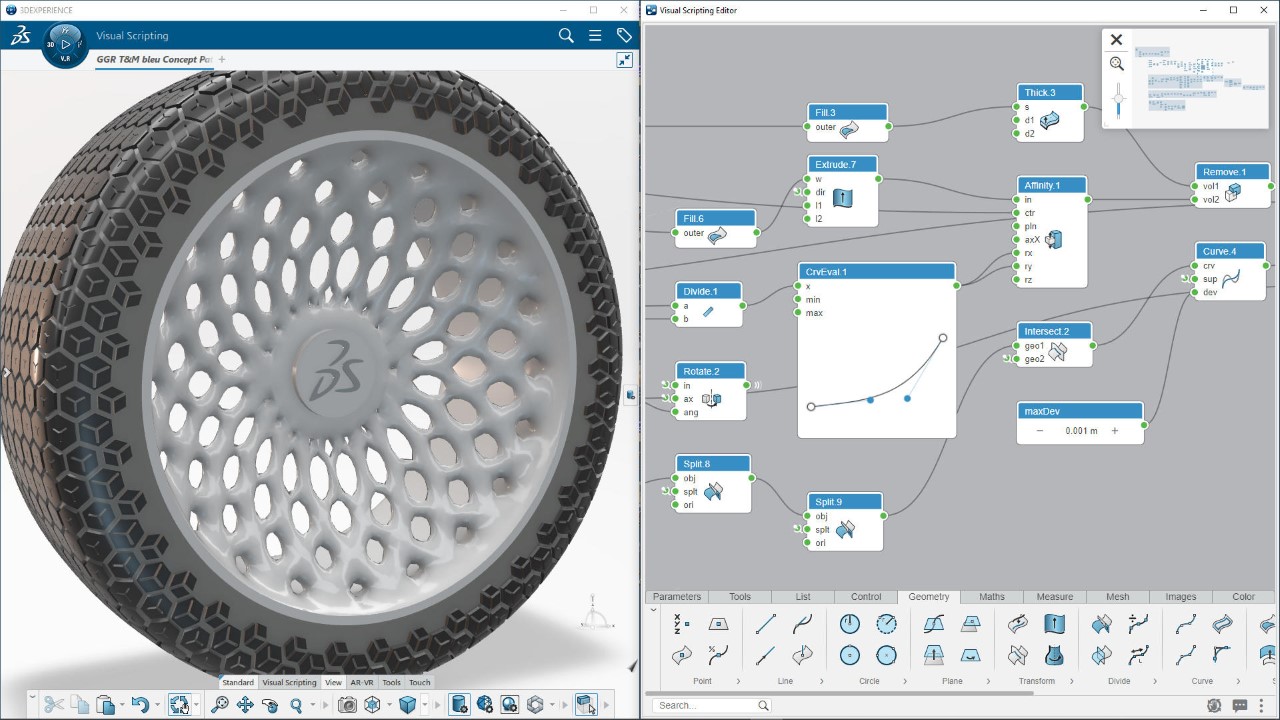
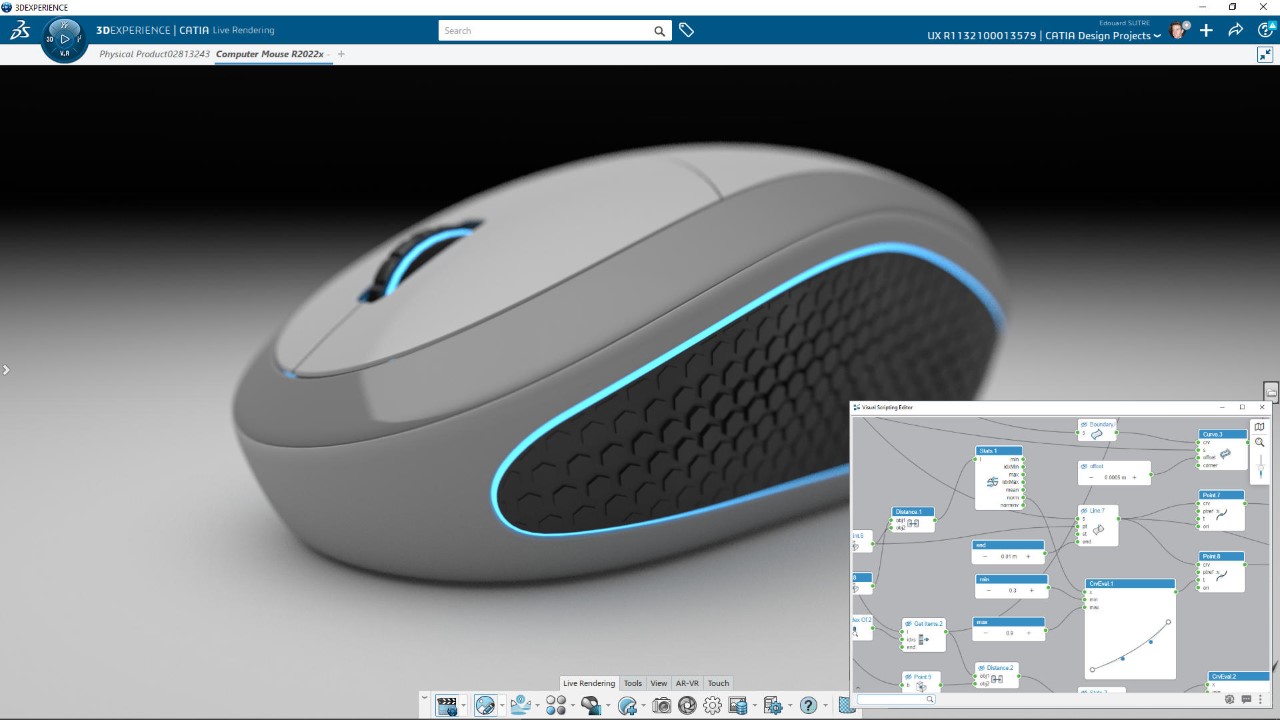
How CATIA Visual Scripting is making complex parametric design easier for everyone

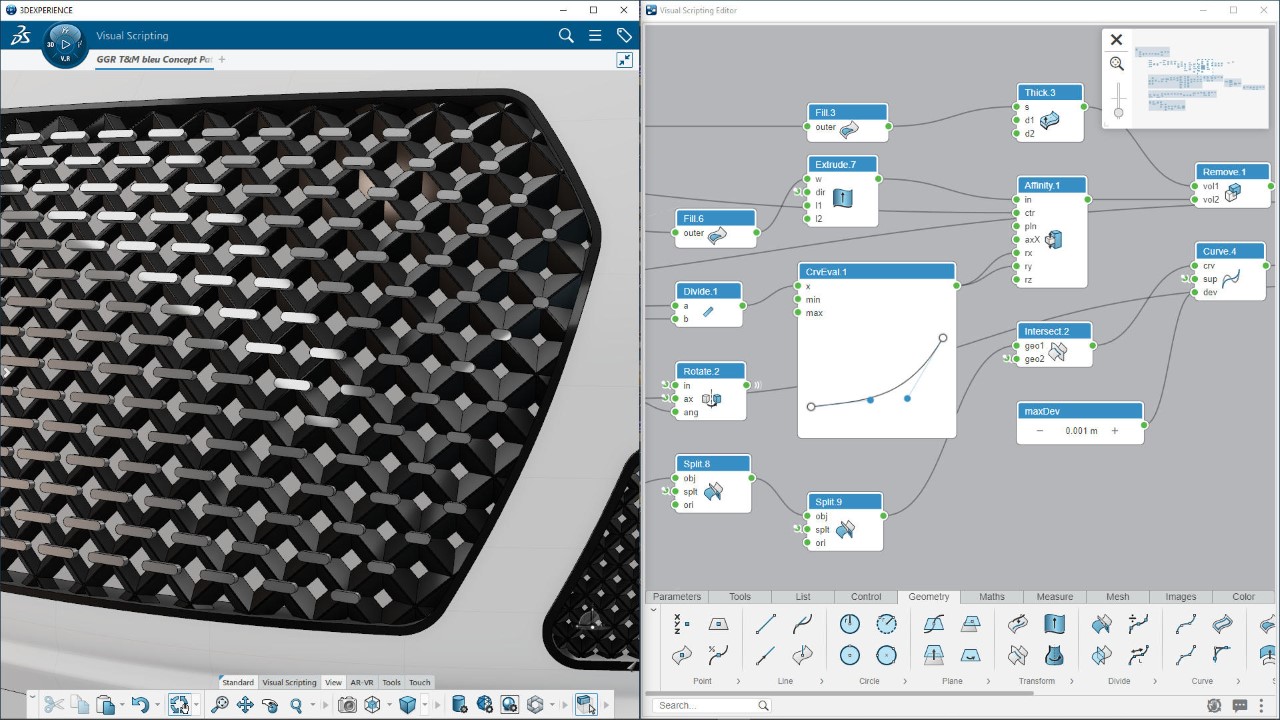
Arguably the best thing to ever happen to computing was the Graphical User Interface or the GUI. It took away the massive lines of code that you previously had to deal with while computing and replaced it with the windows and folders and files we see today. This new interface made it easy to interact with the computer, allowing pretty much everyone to jump on board the new technology at the time. CATIA is doing the same for parametric designing. Equipped with an intuitive no-code and algorithmic approach, the new CATIA Visual Scripting app within 3DEXPERIENCE Platform empowers its hardcore users even more with an easier, more visual way to build out their complex designs.

Sign Up to Receive an Exclusive CATIA Visual Scripting Introduction FREE!

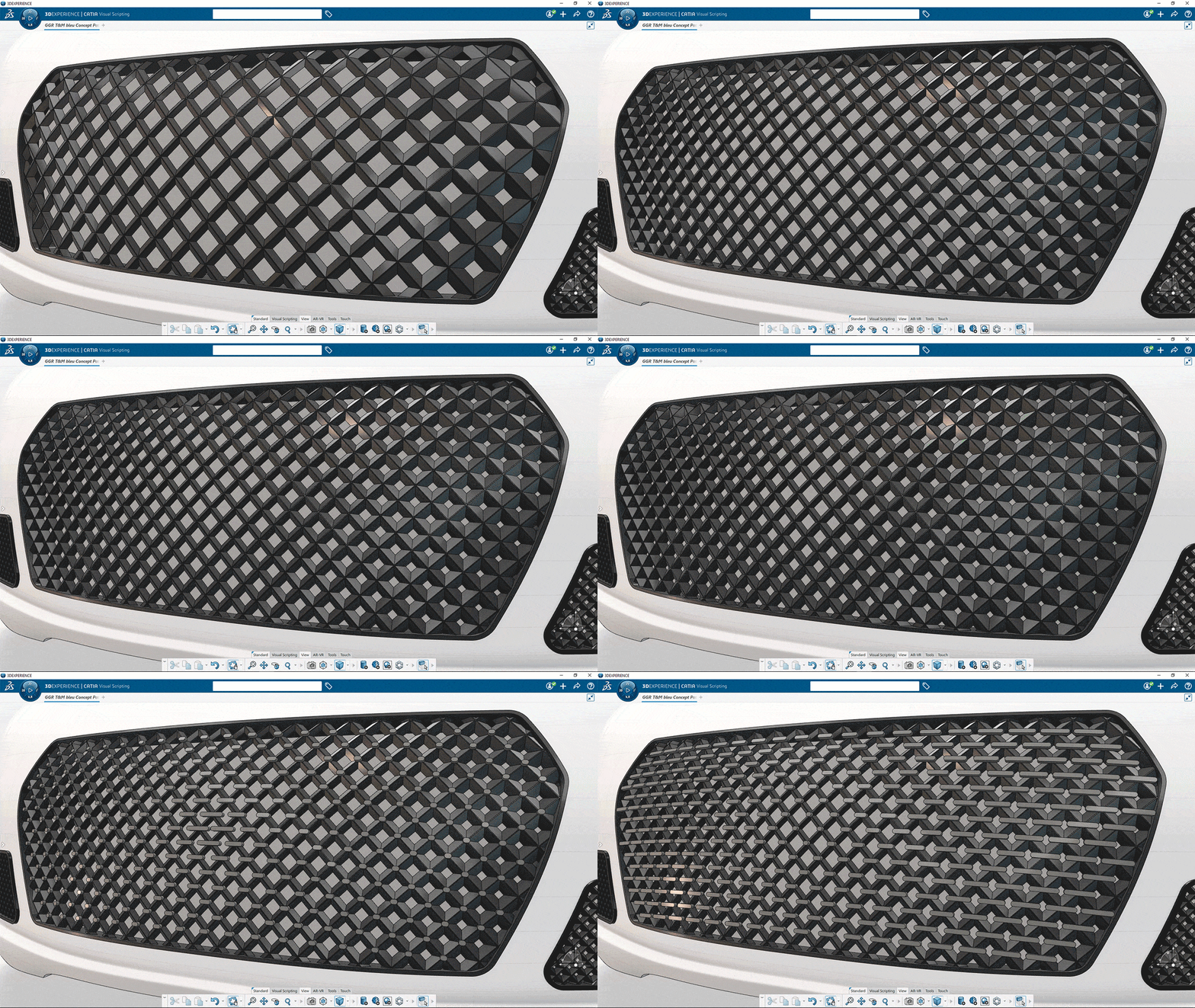
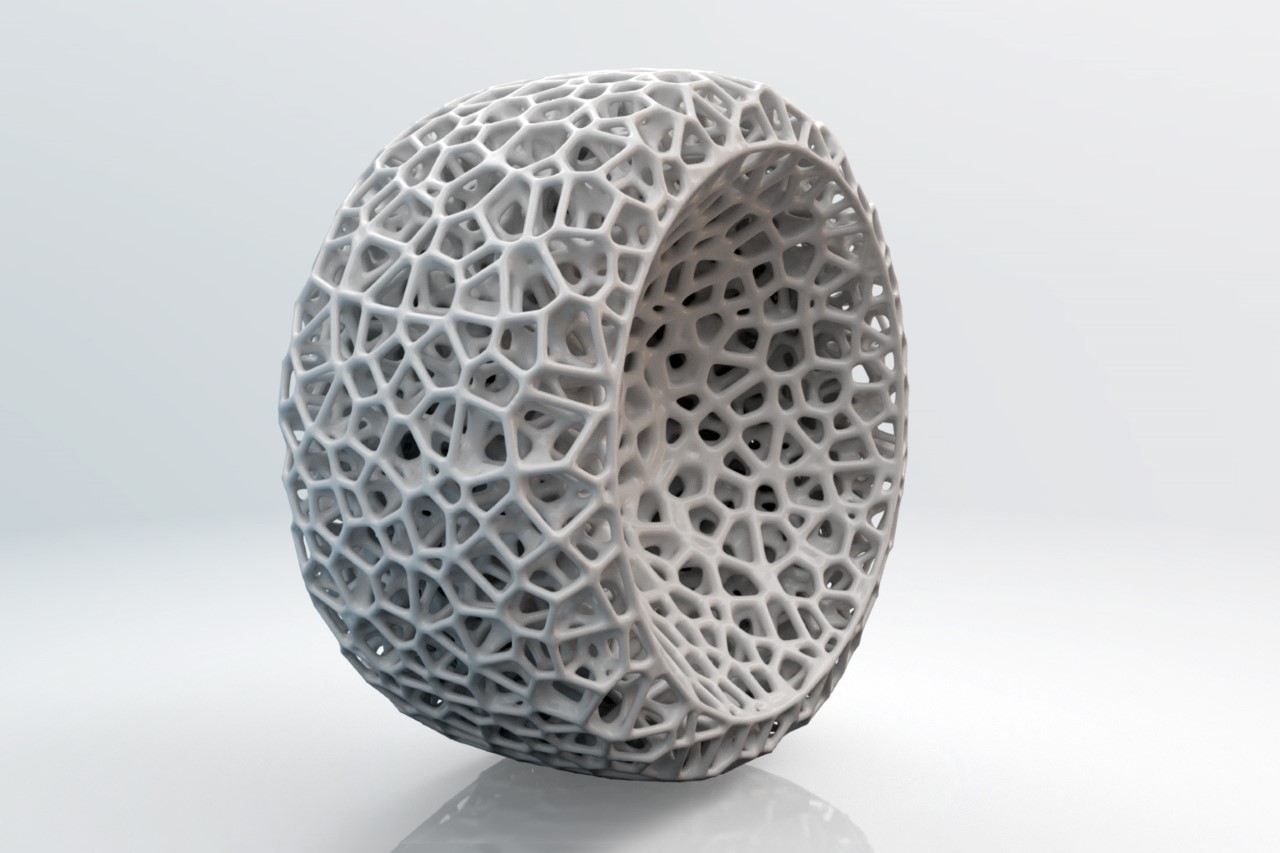
Created using CATIA Visual Scripting

Visual Scripting isn’t completely new to the design community, with software like Grasshopper being in the mainstream. However, CATIA’s sheer power as an industry-leading all-round CAD software combined with its new no-code visual approach to parametric/generative modeling really alters the landscape for designers, engineers, architects, etc. looking to push their creative boundaries. The company did launch a similar web-app named xGenerative Design, but with Visual Scripting, algorithmic design becomes a native part of the 3DEXPERIENCE, and seamlessly integrated into the rest of CATIA applications.

CATIA Visual Scripting provides an intuitive no-code approach to generative modeling

What sets CATIA Visual Scripting apart is its capacity to empower creators. Through a series of building blocks, designers can craft their own scripts, which in turn generate intricate 3D geometries autonomously. The interface takes on a familiar Node-based approach that most designers will find incredibly intuitive. With the tool’s Capture & Reuse feature, these algorithms become shareable and reusable assets, markedly enhancing both efficiency and collaboration across projects.

Instant parametric adjustments and design exploration in Visual Scripting

Users can intuitively link parameter blocks, defining and generating designs without writing a single line of code. The user interface is accessible to those without any programming knowledge, making complex design creation more comfortable and attainable. It also makes rapid conceptualization much easier, allowing you to quickly adjust parameters and alter your design/pattern on the fly, without editing code or rebuilding your model. It’s also the best way to rapidly generate tons of design alternatives and it’s natively built to serve the MODSIM approach, combining modeling and simulation in an integrated loop.

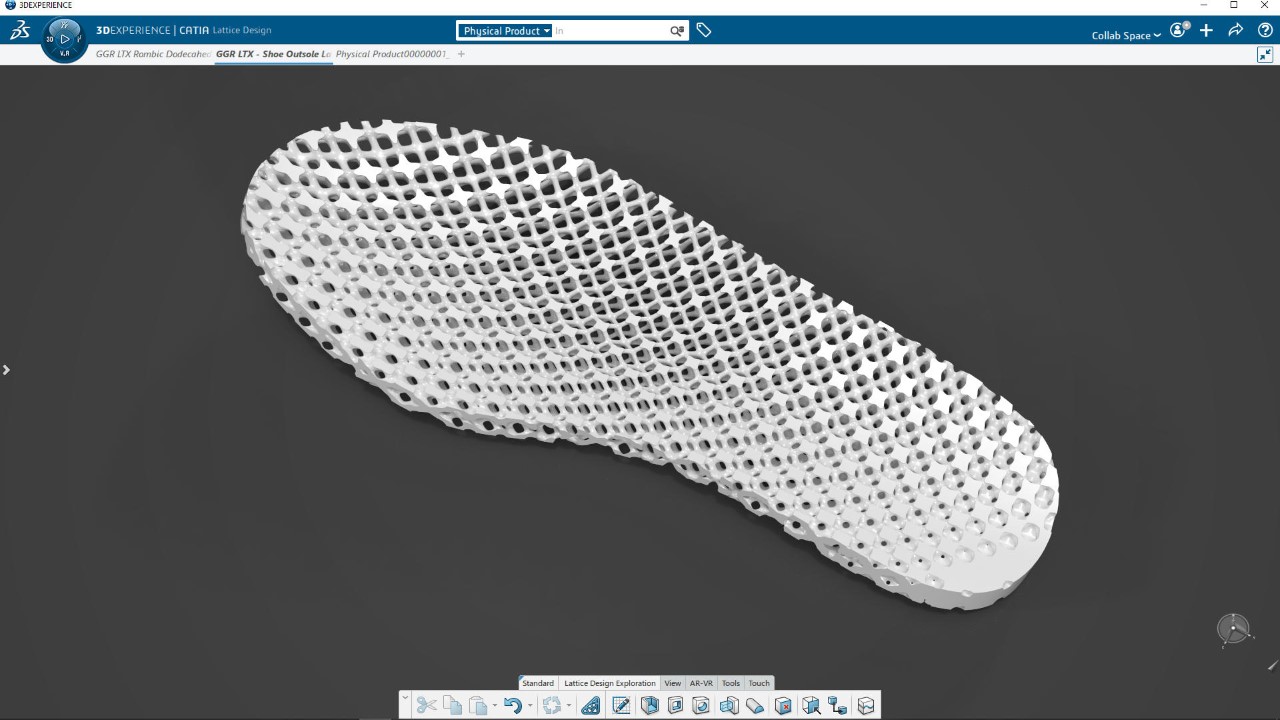
“CATIA Visual Scripting is not only a really powerful tool to quickly add a lot of details to designs. Its capabilities push the limits of traditional modeling with a suite of specialized operators to offer new possibilities for highly detailed and innovative designs. Creators can now also manipulate and deform meshes directly in the application, to find new interesting shapes without any sculpting interaction” mentions Edouard Sutre, CATIA Design R&D. Yet another example of the specialized operator is that the algorithm can create the architecture of lines used for complex, customized and non-regular lattice generation for 3D printing.

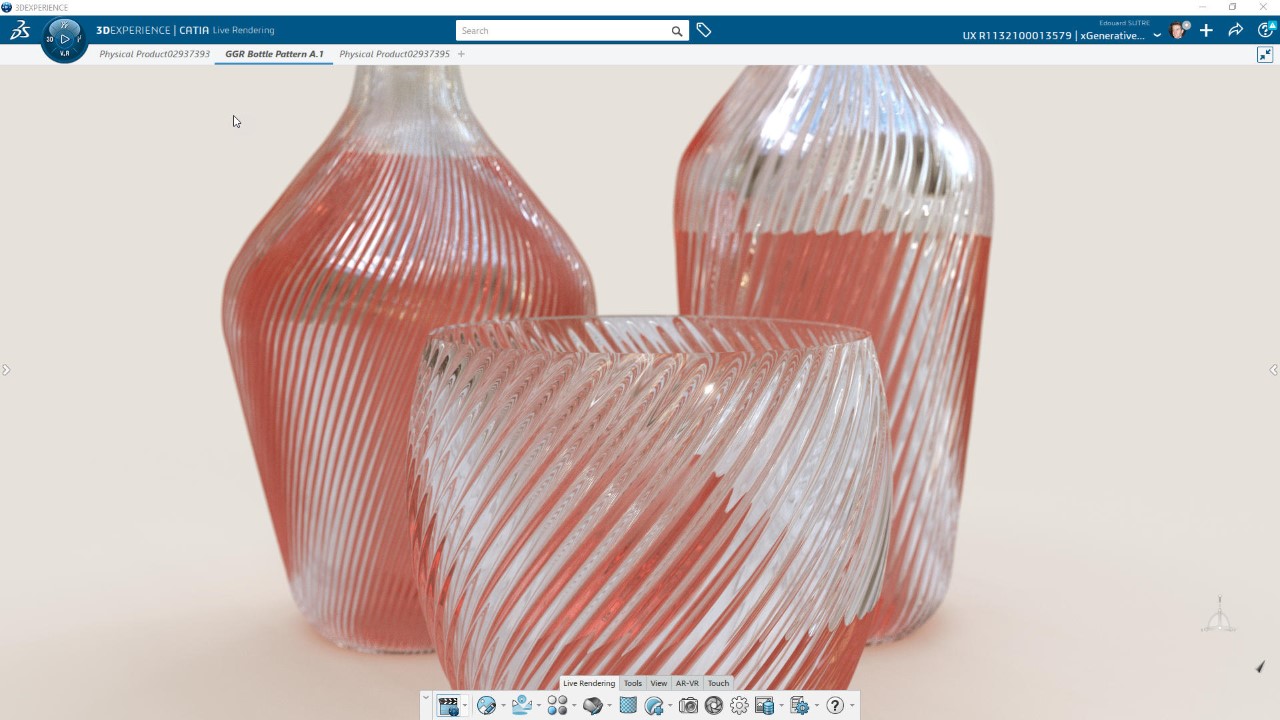
“CATIA Visual Scripting aids creators in all industries, not only for aerospace, architecture, or transportation”, Edouard adds. “We are empowering those in the shoe, furniture and product industries as well, for example. The tool can extend from designing buildings and huge city plans to smartphones and even jewelry.”

Visit CATIA’s Website and its YouTube channel to learn more about CATIA Visual Scripting, or check out the CATIA Creative Design & Styling community for tutorials and resources.

Sign Up to Receive an Exclusive CATIA Visual Scripting Introduction FREE!

The post How CATIA Visual Scripting is making complex parametric design easier for everyone first appeared on Yanko Design.

World’s First Programmable Music Box can play anything from Christmas Carols to the Latest Pop Hits

Nostalgia Upgraded – The Muro Box brings a fond childhood music instrument into the future with App Support and MIDI Connectivity

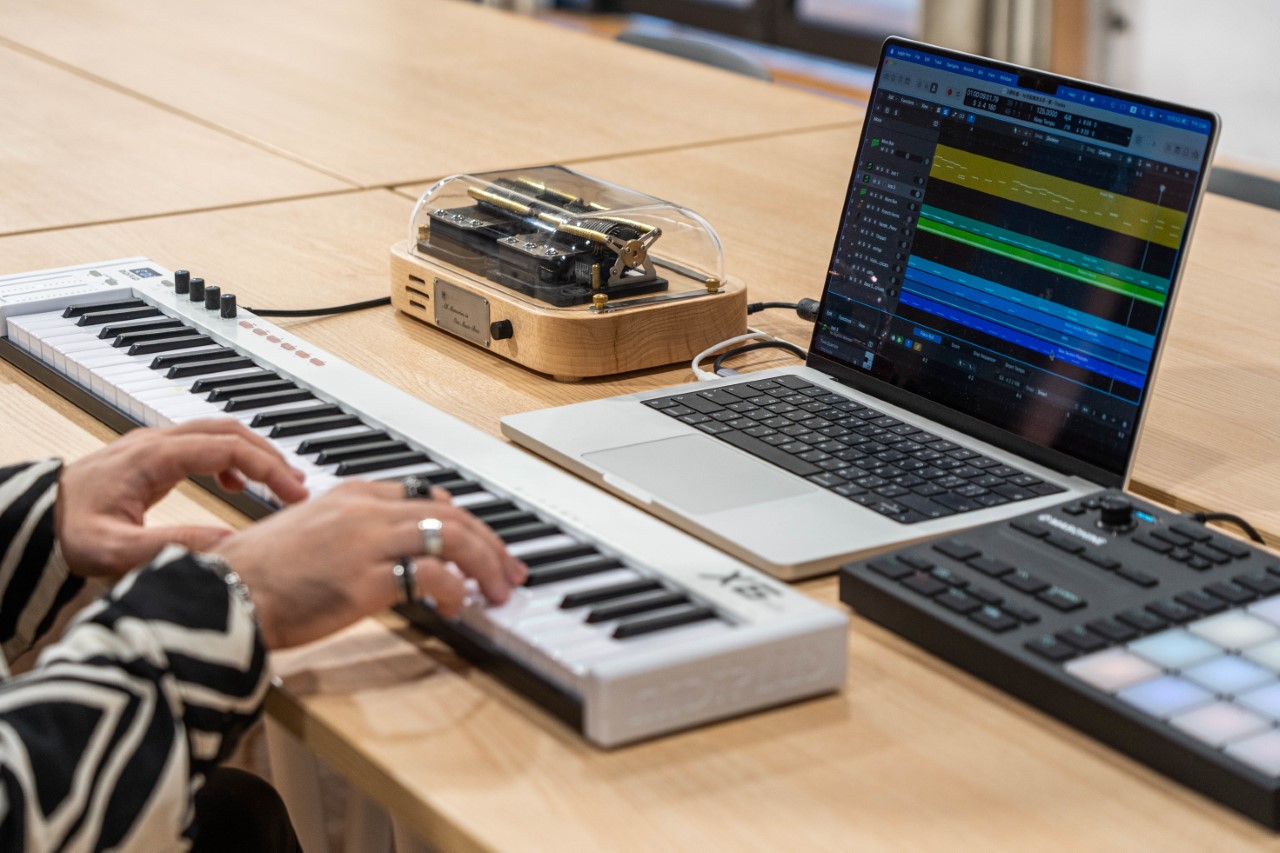
The second you hear a music box, your mind is taken to a fairytale land. Music box sounds have been used in cinemas to transition to dream sequences, showing exactly how rooted the sound of a music box is in childhood nostalgia. In the past, most of these mechanical musical instruments were found inside toys like snowglobes, jack-in-the-boxes, or other wind-up toys. You can still find music boxes today, although most of them just play fixed tunes like your odd nursery rhyme or Happy Birthday (some novelty stores even sell music boxes that play the Harry Potter or the Game of Thrones theme)… but the folks behind the Muro Box are doing something absolutely unusual. The Muro Box is the first customizable music box that can play pretty much any tune you want it to play, thanks to app connectivity and a MIDI interface. You can use Muro Box’s app to either compose your own tracks or browse through a library of pre-composed tracks… or better still, hook it to a MIDI synth and play music directly from your keyboard onto the Muro Box. The result is a charmingly nostalgic rendition of pretty much any song. Whether it’s a Christmas Carol or a Slipknot song, it’s sure to sound positively delightful and just incredibly dreamy!

Designer: Muro Box Global

Click Here to Buy Now: $299 (Ships Before Christmas) Hurry! Only 7 Days Left!

The way most music boxes worked was simple. Each box would come with a rotating cylinder that had studs on it, and a metal comb placed strategically near said cylinder. When the cylinder would rotate, the studs would ‘pluck’ against the comb, creating notes. Based on the cylinder’s pattern, you could play elements of any song. The problem with the music boxes of the past, however, was that A. You couldn’t change the song and B. The drum’s limited circumference meant you could only play a small portion of the song over and over again, which would become a little annoyingly repetitive after the first few times. The Muro Box solves both those problems thanks to a patented dynamic cylinder that can change while it rotates. This game-changing innovation allows the Muro Box to not just play different songs, but also play ENTIRE songs.

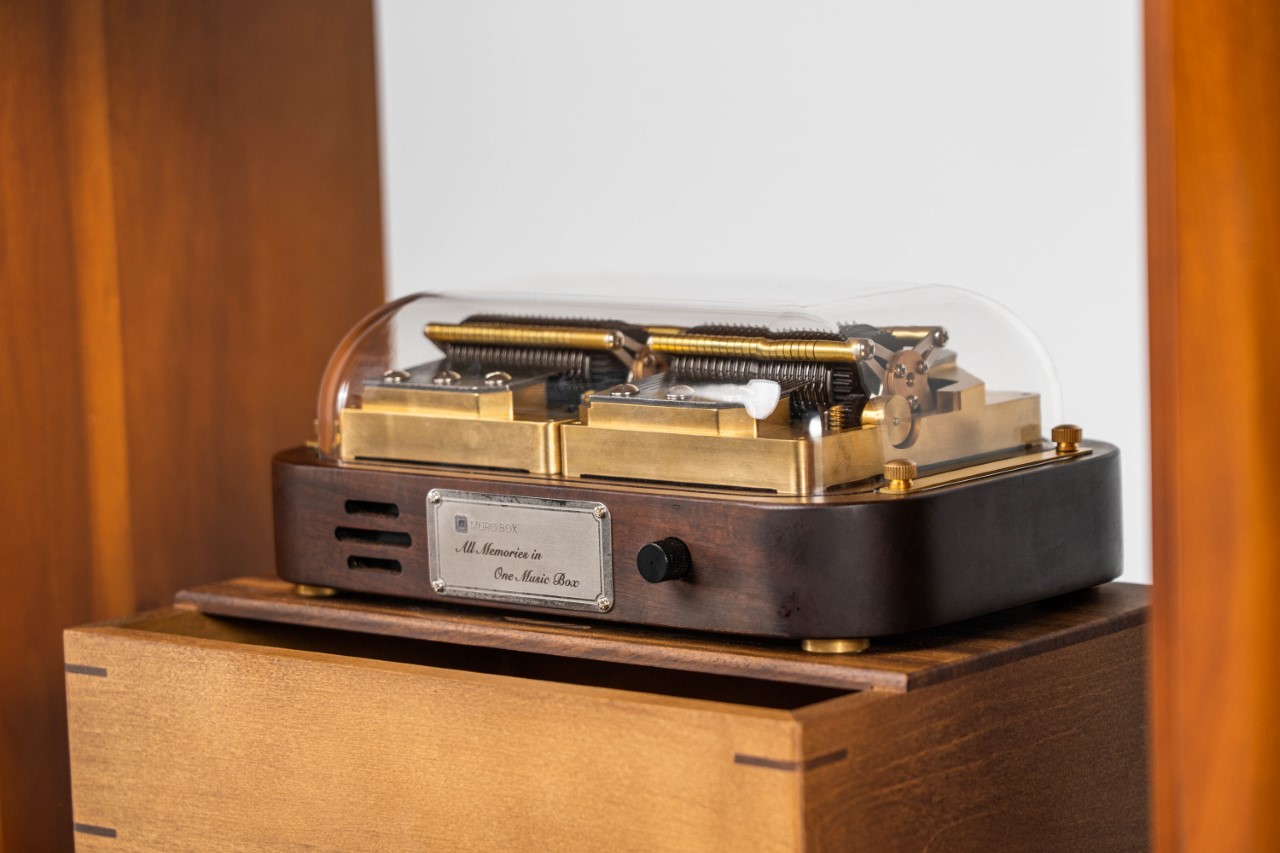
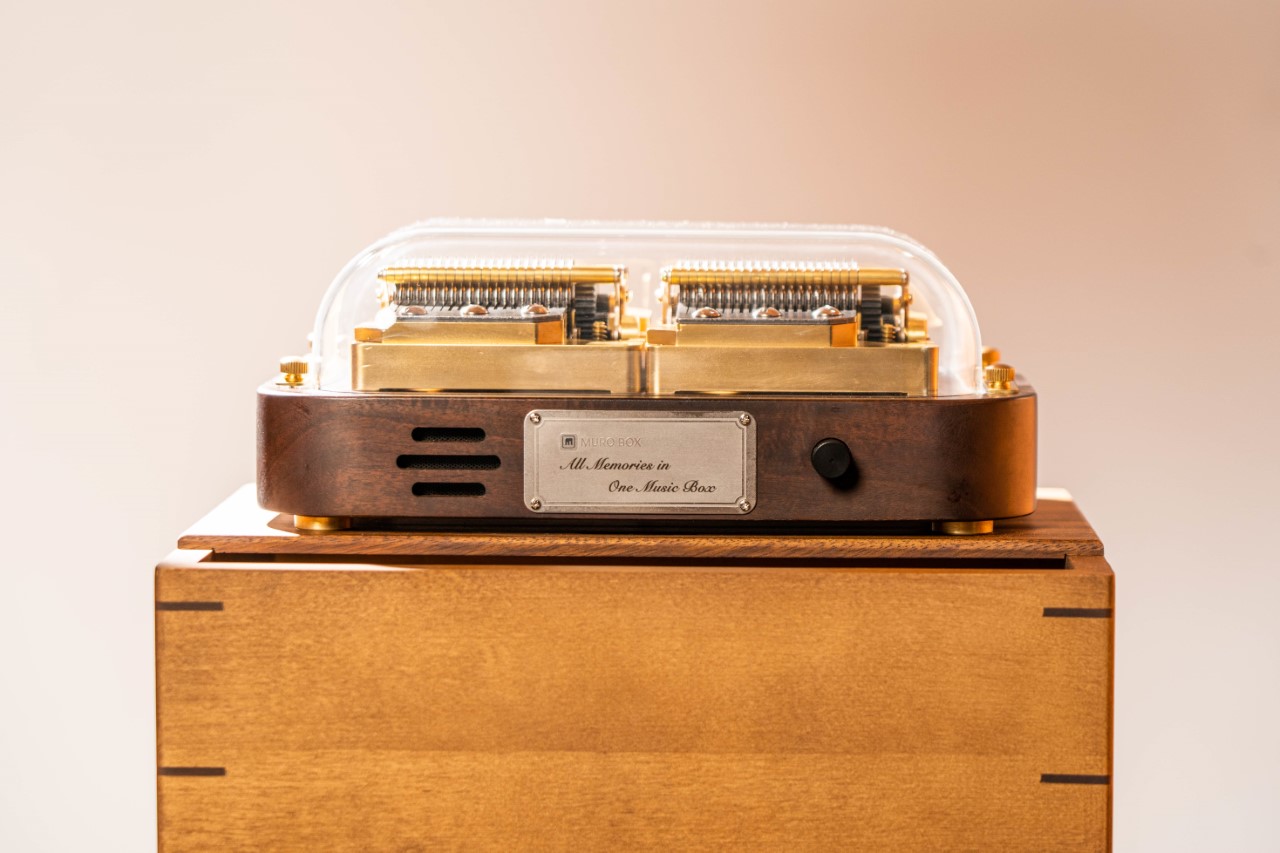
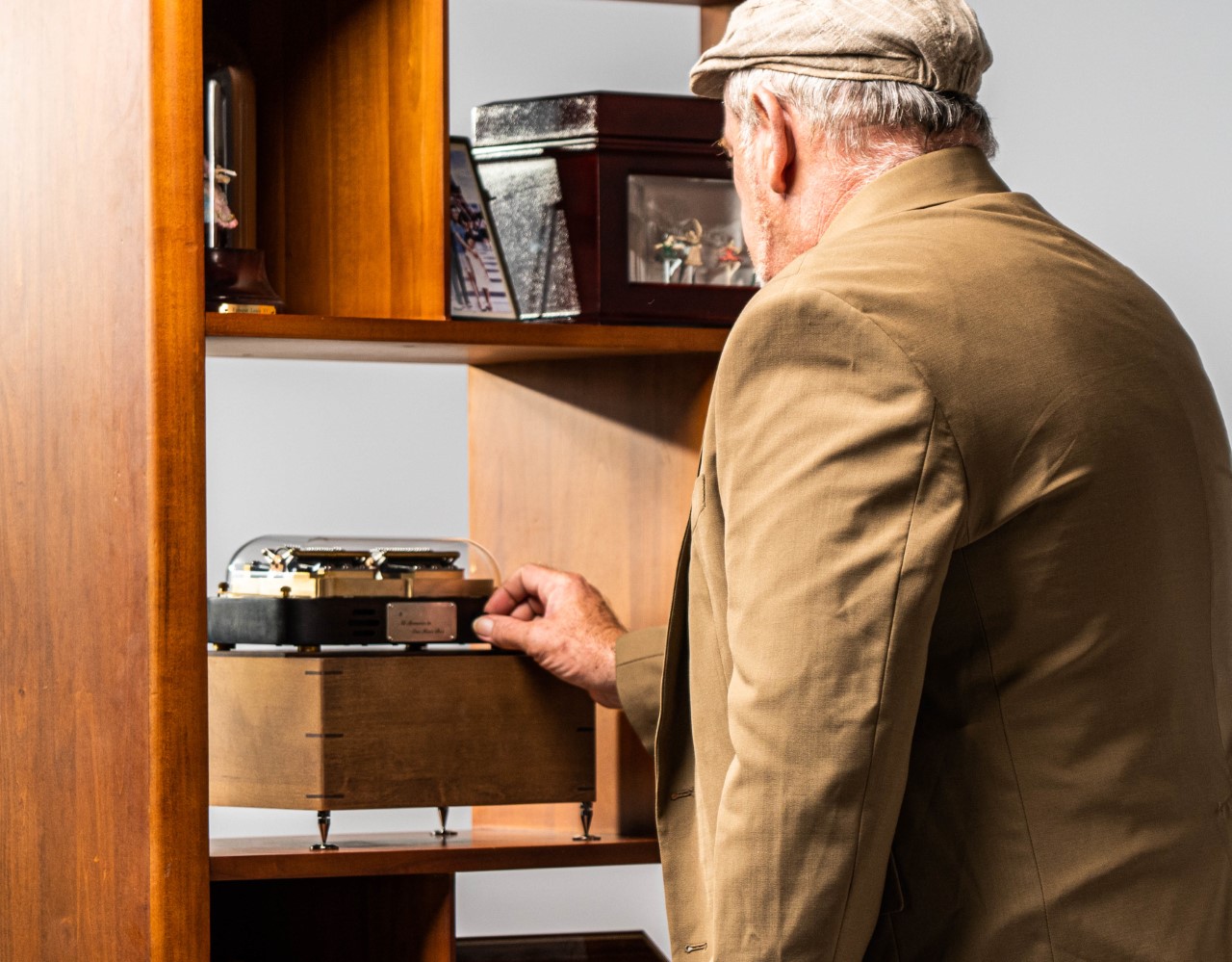
While the Muro Box is built to be a treat for one’s ears, its beauty starts with that gorgeously nostalgic design, echoing the steampunk aesthetic of the good old days. The mechanical parts of the box are surrounded by gorgeous brass detailing, sitting on top of a single-piece maple or acacia wood platform. Zinc-alloy components help create a warm, pleasant sound, while the acacia platform comes with an acoustic chamber that amplifies the music box’s sound. A glass enclosure seals the Muro Box’s internal components, preventing dust, dirt, or fidgety children from toying with the box’s delicate assemblies. Quite like the Muro Box’s sound transports you to a simpler time, its design is a hallmark of the simpler years before electronics, circuit boards, and internet connectivity.

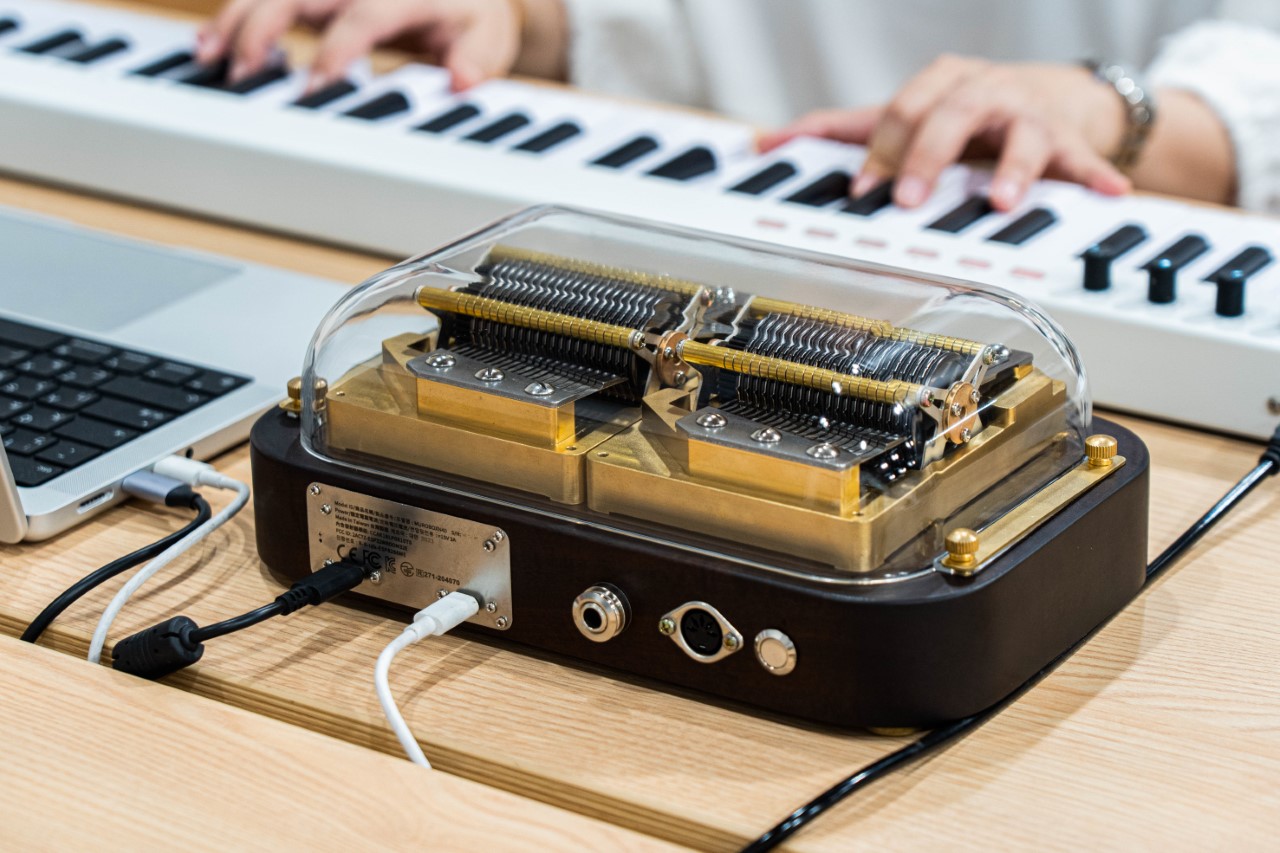
That being said, the box itself has some seriously impressive tech underneath its hood. It’s designed to be entirely programmable, which means you can choose what to play, thanks to a variable cylinder design that can pluck on the resonating comb in a variety of ways. The box connects to an app that allows you to either choose from a library of songs, or design your own melodies using a MIDI-style interface (think Guitar Hero, but with more notes). A single-button interface lets you twist to toggle between songs in the app’s playlist (left for previous, right for next), and pressing the button toggles the play/pause feature. If you’re looking to push the Muro Box to its absolute limit, a MIDI port on the back lets you connect your Muro Box to a synth or a laptop running a DAW, so you can play more complex melodies directly off music production software.

Most users will be more than content with running the Muro Box off its app. The vast library contains user-submitted tunes from all around the world, featuring classics, latest hits, and even local/regional tunes. Pick a tune and the box begins emitting a gentle whirr that’s punctuated by the melodious clinks of the cylinder’s studs hitting the resonating comb. The Muro Box’s different variants come with single, double, and quadruple-comb arrangements, allowing you to play simple tunes or even incredibly layered musical compositions.

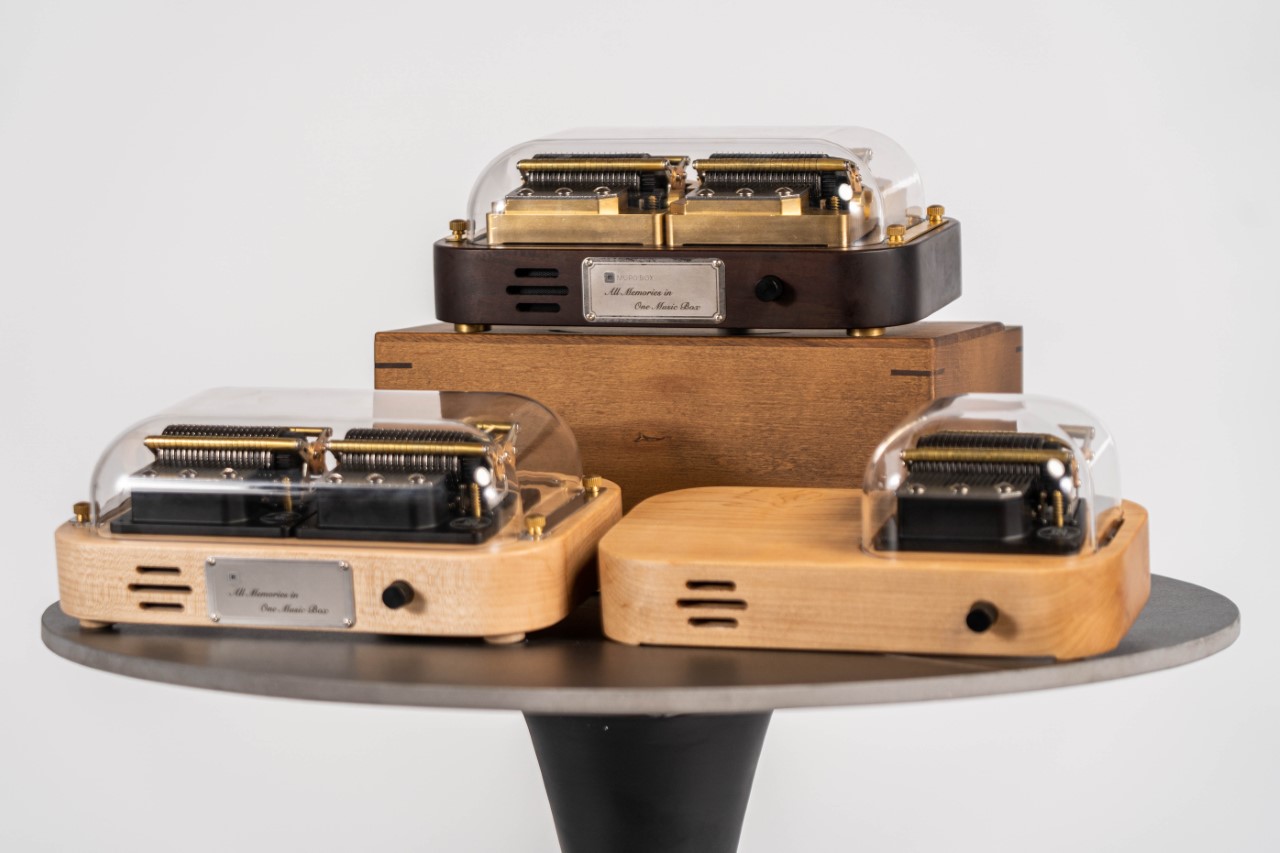
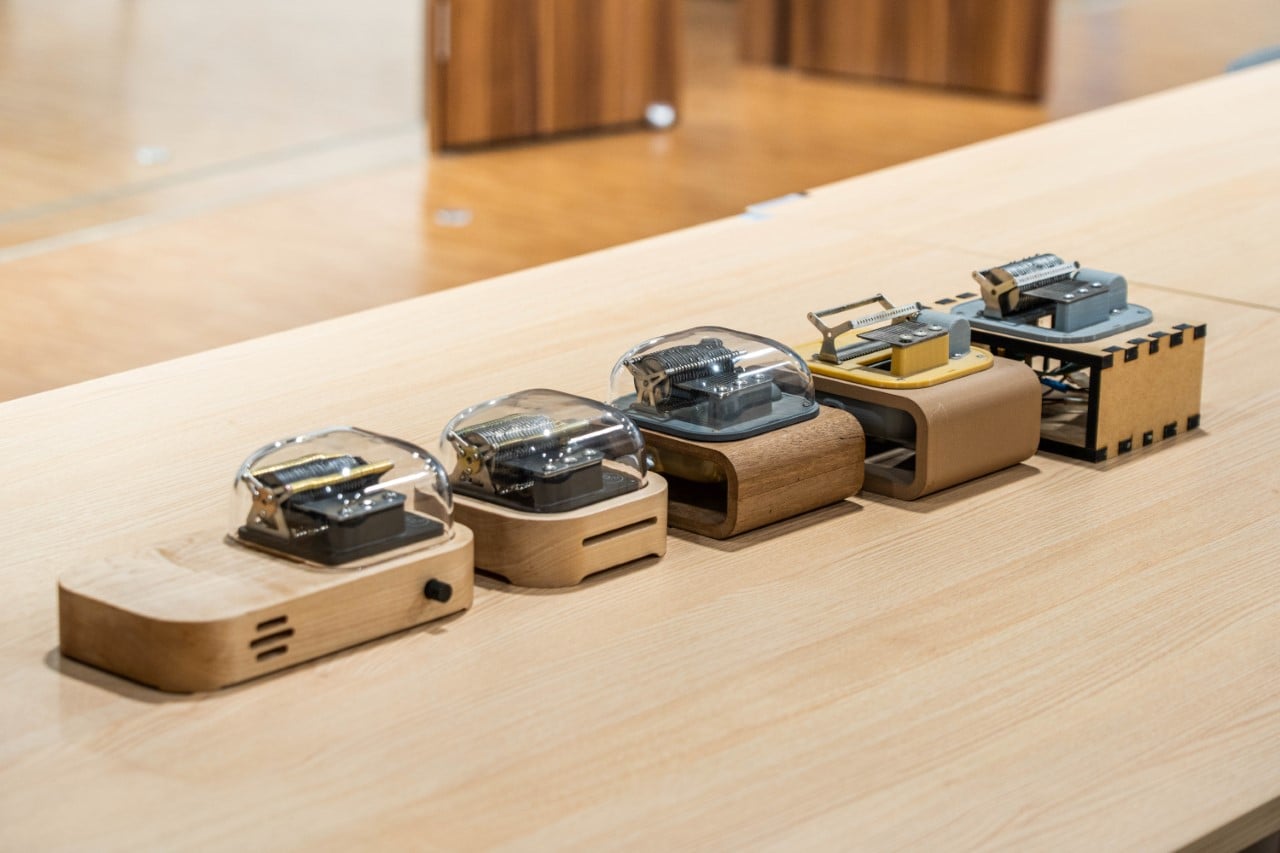
The Muro Box comes in three variants, ranging from simple to complex. The catalog starts with the N20 Lite, a redesign of the company’s first N20 music box from back in 2020. The N20 Lite comes outfitted with one 20-note music comb, limiting the number of notes you have to play with. Designed to be smaller than its siblings, it also ditches the MIDI feature for app-only control, and comes with a battery-powered design that lets you carry your music box with you, unlike the larger models that are wired.

The next step in the Muro Box journey is the N40 Standard, with two 20-note combs, giving it a total of 40 notes. This allows the N40 to cover more notes and more octaves, allowing you to play more complicated songs with a lower baseline and upper melody. The final music box in the series is the N40 Sublime, a more complex version of its standard sibling with four 20-note combs instead of two. However, instead of offering 80 different notes, it sticks to 40 notes, but has duplicates for each note. This makes each individual note sound richer as it’s played twice, creating more resonance. The phenomenon is called Sublime Harmonizing, and the best way to understand the difference is to think of a solo singer versus a choir.

Both the N40 variants come with a DIN 5 and USB-C MIDI input, and there’s even a 6.5mm (1/4 inch) audio output with a transducer pickup system. The N40 Standard comes with a Maple box, but you can upgrade to the high-quality Acacia for an extra $90. The N40 Sublime, on the other hand, is outfitted with the acacia-wood box and even has a laser-engraved metal plaque that you can customize with a message of your own.

The Muro Box starts at a commendable $299 for the N20 Lite, going up to $996 for the N40 Standard or a hefty $1,826 for the N40 Sublime. It’s difficult to put a price on nostalgia but the Muro Box definitely doesn’t make things cheap! The music boxes are all made in Taiwan, and ship globally as early as December 2023.

Click Here to Buy Now: $299 (Ships Before Christmas) Hurry! Only 7 Days Left!

The post World’s First Programmable Music Box can play anything from Christmas Carols to the Latest Pop Hits first appeared on Yanko Design.

The Last Of Us Part II Remastered is coming to PS5 next year

A remastered version of The Last Of Us Part 2 is coming to the PlayStation 5 in January, according to a leaked trailer that was later confirmed by Sony. The new version of the hit post-apocalyptic zombie adventure will be available on the platform on January 19, 2024, and will feature improved loading times, 4K graphics in the console's Fidelity mode and full integration with the PS5’s new DualSense wireless controller. Insider Gaming and multiple leakers on X first wrote about the remastered version.

In addition to quality of life improvements, the game will also include "No Return", a brand new rogue-like survival mode which will allow players to “choose [their] path through a series of randomized encounters” and play as unlockable characters never before seen in the franchise. Players will also be able to compete with each other in a global leaderboard. 

Additionally, the remastered version will also include early versions of three new levels that weren't present in the original game, as well as recorded commentary across the game's cutscenes from director Neil Druckmann, narrative lead Halley Gross, and actors Troy Baker, Ashley Johnson and Laura Bailey.

This isn't the first time that a Last of Us trailer has leaked straight from Sony before an official announcement. The same thing happened last year with the remake of The Last of Us Part I.

Update, November 17 2023, 7:45PM ET: Sony has now confirmed the prior leaks in an official blog post — our coverage has been updated to reflect additional information the company provided.

This article originally appeared on Engadget at https://www.engadget.com/the-last-of-us-part-ii-remastered-is-coming-to-ps5-next-year-001232736.html?src=rss
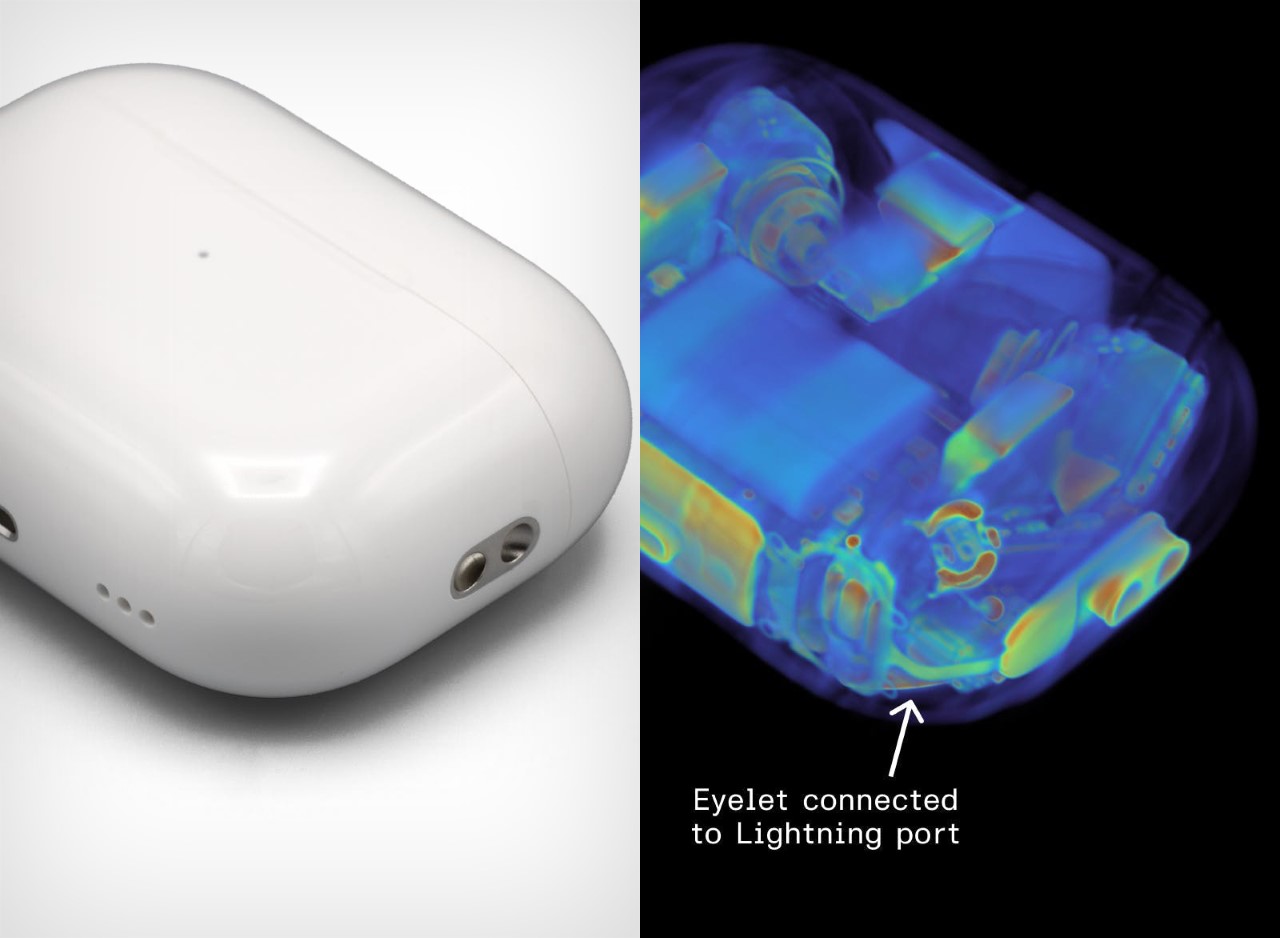
What’s Inside A Fake AirPods Pro? CT Scans Show How Counterfeit Earbuds Are Built

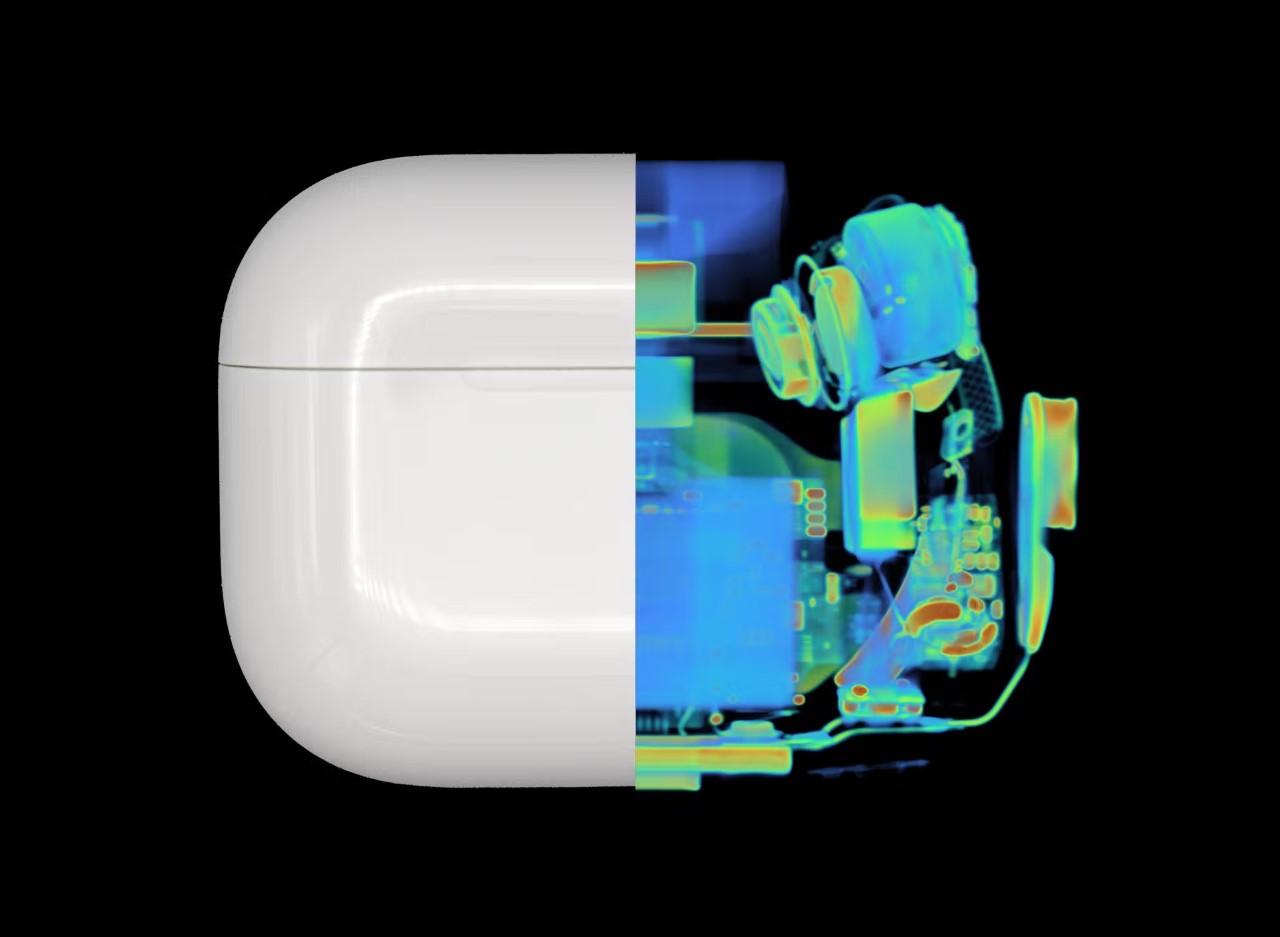
Just go type the word AirPods into Temu or AliExpress and you’re likely to be flooded with results of earphones that look exactly like the AirPods, but most likely are just counterfeits. The AirPods, more than being wireless earphones, are a fashion and social statement. Everyone craves being seen wearing them, and that sort of crowd response doesn’t go noticed by folks sitting in factories in Shenzhen. Counterfeit AirPods can be found across an entire spectrum. Sometimes they’re just shitty $10 earpieces stuffed into an AirPod plastic shell, other times they’re so convincingly good that they even end up fooling Apple devices into pairing with them. The trick to avoiding falling for a fake is to simply ensure you’re either buying your goods directly from Apple, or a certified Apple retailer/reseller… conversely, you could do what Lumafield did by renting incredibly expensive tomography equipment to scan your products.

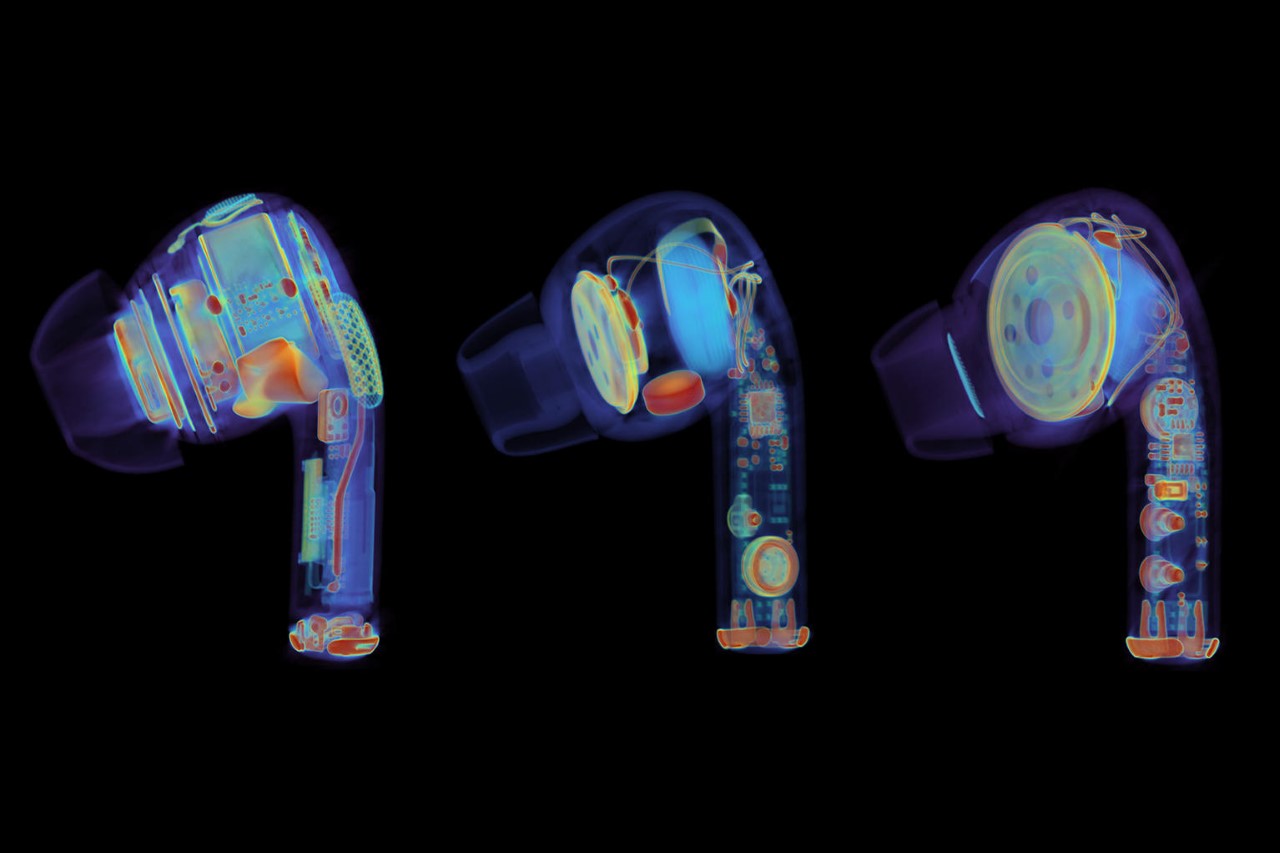
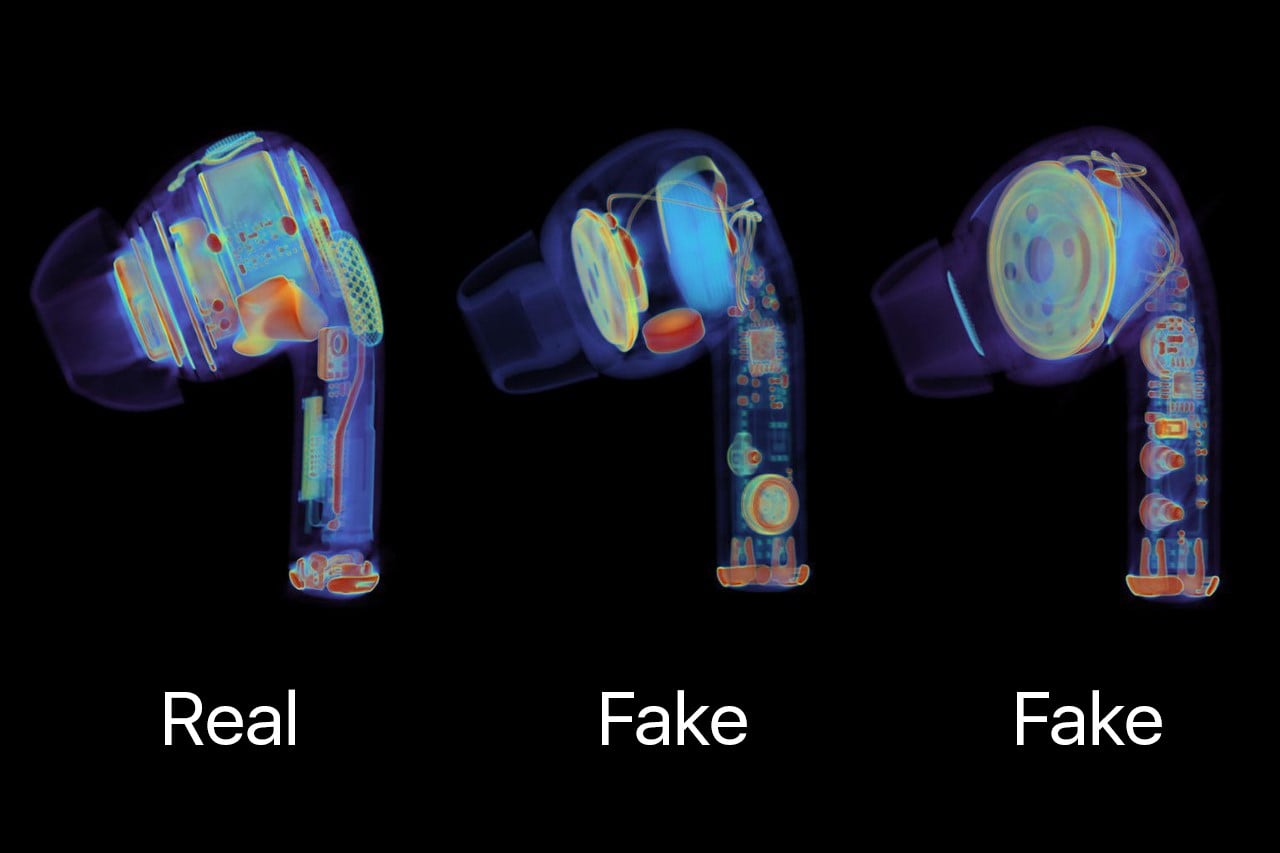
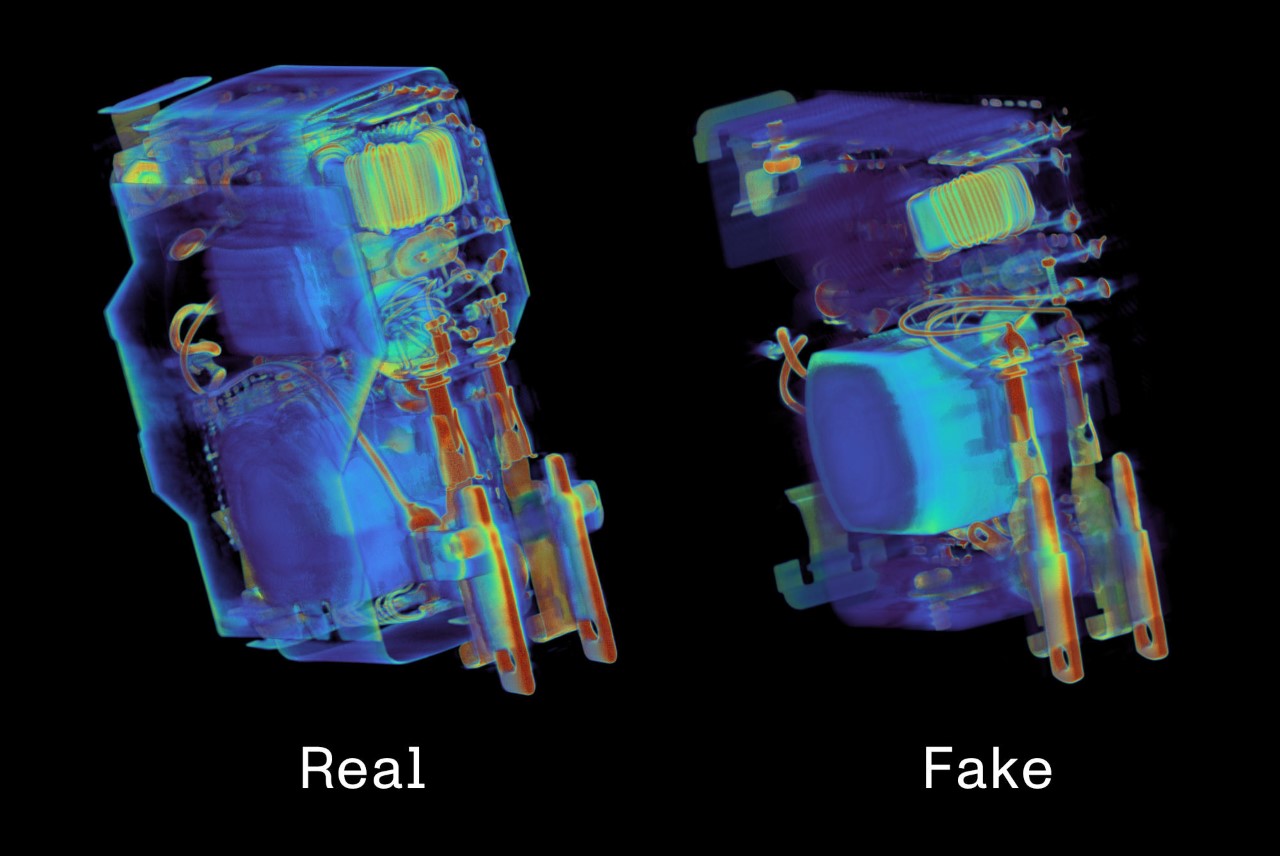
While I don’t endorse renting an Xray or an industrial scanner to look into your Apple gear, Lumafield’s endeavor has resulted in some wonderful findings. The company looked under the hood of a variety of Apple products, examining the difference between how real and fake ones were made. The findings reveal a lot of interesting trickery. Most of Apple’s products are engineered to perfection, but you won’t be able to say the same for a counterfeit. To cut costs, most counterfeits use unsafe parts, shoddy construction, unreliable circuitry, and even use metal pieces to mimic heaviness. Heck, sometimes they entirely miss components like some AirPods Pro cases not even having wireless charging to begin with. The point of the exercise, more than being an interesting comparison, was to highlight exactly how unsafe using some of these bogus knock-off products can be. A faulty product is the least of your worries when you think of larger implications like health hazards, exploding batteries, and gadgets being ruined by fake chargers.

Image Credits: Lumafield

CT Scans of Fake AirPods Pro: Unsafe Components, Metal Weights for Faux Heaviness

At the heart of AirPods’ convenience lies its battery technology. The authentic AirPods boast meticulously engineered button cell batteries designed for optimal power efficiency within their compact form. Counterfeit AirPods, however, use less sophisticated lithium-ion pouch cell batteries, crammed into spaces they are not designed for, potentially posing safety risks.

The disparity continues with the internal circuitry. Genuine AirPods are a marvel of miniaturization and precision engineering, featuring a combination of rigid and flexible printed circuit boards. The fakes? They’re assembled with much simpler electronics and off-the-shelf components, leading to reduced functionality and compromised sound quality.

The overall build quality also tells a tale of two products: genuine and fake. In some fakes, wireless charging is entirely absent, and others lack the necessary magnets for proper charging. Counterfeit AirPods even use internal weights to mimic the heft of the original, a deceptive tactic compensating for poorer materials and less functionality.

Comparing Real vs. Fake MagSafe 2 Power Adapters for MacBook

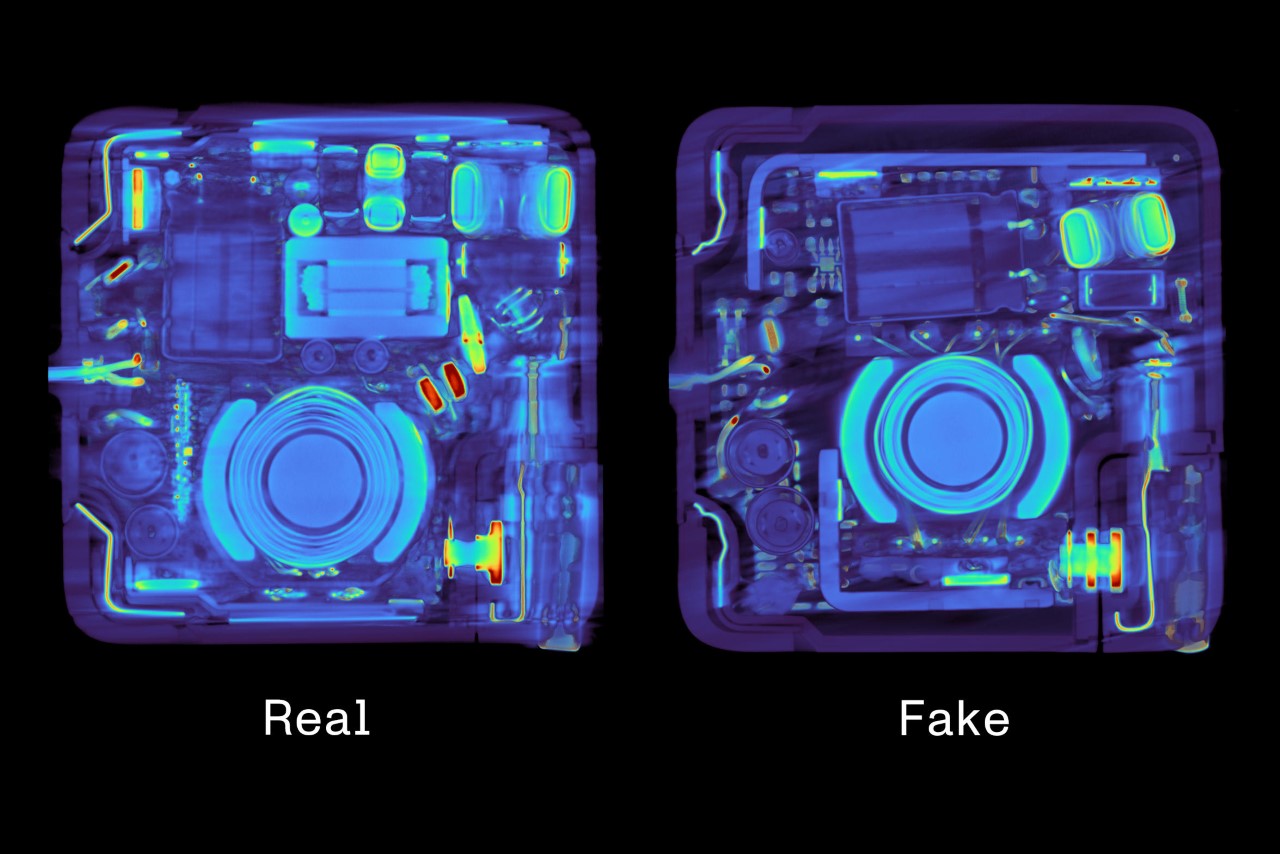
The differences aren’t limited to AirPods alone. Lumafield’s CT scans of the MagSafe 2 Power Adapter revealed a sophisticated power management system in the genuine Apple charger, absent in the counterfeit. The fake chargers lack the safety and longevity features of Apple’s design, raising performance and safety concerns.

Moreover, the heat sinks in the chargers differ significantly. Apple’s genuine charger uses a thin, complex heat sink, whereas the counterfeit opts for a heavier but simpler design. This difference could lead to dangerous hot spots in the counterfeit charger.

In the end, it’s a classic case of “you get what you pay for.” Those tempting savings might come at the cost of quality and safety. Opting for a counterfeit product isn’t just about saving costs; it’s about compromising on reliability and peace of mind. So next time you’re tempted by a too-good-to-be-true deal on AirPods, remember: the devil is in the details, and sometimes, those details are hidden deep inside.

The post What’s Inside A Fake AirPods Pro? CT Scans Show How Counterfeit Earbuds Are Built first appeared on Yanko Design.

MIT tests new ingestible sensor that records your breathing through your intestines

MIT researchers developed an ingestible capsule that can monitor vital signs including heart rate and breathing patterns from within a patient’s GI tract. The scientists also say that the novel device has the potential to also be used to detect signs of respiratory depression during an opioid overdose. Giovanni Traverso, an associate professor of mechanical engineering at MIT who has been working on developing a range of ingestible sensors, told Engadget that the device will be especially useful for sleep studies.

Conventionally, sleep studies require patients to be hooked up to a number of sensors and devices. In labs and in at-home studies, sensors can be attached to a patient’s scalp, temples, chest and lungs with wires. A patient may also wear a nasal cannula, chest belt and pulse oximeter which can connect to a portable monitor. “As you can imagine, trying to sleep with all of this machinery can be challenging,” Traverso told Engadget.

Clear pill tab
MIT

This trial, which used a capsule made by Celero Systems —A start-up led by MIT and Harvard researchers— marks the first time ingestible sensor technology was tested in humans. Aside from the start-up and MIT, the research was spearheaded by experts at West Virginia University and other hospital affiliates.

The capsule contains two small batteries and a wireless antenna that transmits data. The ingestible sensor, which is the size of a vitamin capsule, traveled through the gastrointestinal tract, and collected signals from the device while it was in the stomach. The participants stayed at a sleep lab overnight while the device recorded respiration, heart rate, temperature and gastric motility. The sensor was also able to detect sleep apnea in one of the patients during the trial. The findings suggest that the ingestible was able to measure health metrics on par with medical-grade diagnostic equipment at the sleep center. Traditionally, patients that need to get diagnosed with specific sleep disorders are required to stay overnight at a sleep lab, where they get hooked onto an array of sensors and devices. Ingestible sensor technology eliminates the need for that.

Importantly, MIT says there were no adverse effects reported due to capsule ingestion. The capsule typically passes through a patient within a day or so, though that short internal shelf life may also limit how effective it could be as a monitoring device. Traverso told Engadget that he aims to have Celetro, which he co-founded, eventually contain a mechanism that will allow the capsule to sit in a patient’s stomach for a week.

Dr. Ali Rezai, the executive chair of the West Virginia University Rockefeller Neuroscience Institute, said that there is a huge potential for creating a new pathway through this device that will help providers identify when a patient is overdosing according to their vitals. In the future, researchers even anticipate that devices could incorporate drugs internally: overdose reversal agents, such as nalmefene, could be slowly administered if a sensor records that a person’s breathing rate slowed or stopped. More data from the studies will be made available in the coming months.

This article originally appeared on Engadget at https://www.engadget.com/mit-tests-new-ingestible-sensor-that-record-your-breathing-through-your-intestines-224823353.html?src=rss

Crafting Peace from Volcanic Power in this Lava Ball

Volcanoes, Earth’s formidable architects, carve landscapes with their fierce might, yet paradoxically, they also forge symbols of serenity’s triumph over chaos.

In the realm of sensory experiences, ASMR (Autonomous Sensory Meridian Response) has risen from a mere cultural whisper to a symphony of tranquility, celebrated and exaggerated in equal measure on digital platforms like YouTube. Beyond the online spectacle lies a substantive scientific foundation, offering genuine psychological solace through this tactile phenomenon. The essence of ASMR can be distilled without recourse to the digital world; sometimes, an object suffused with the right qualities suffices, particularly one as unexpected as that born from nature’s fiercest expression.

Click Here to Buy Now: $99.

The volcanic eruption, a catastrophic spectacle, sculpts the earth and even casts its shadow globally through darkened skies. Yet, from this destruction, beauty emerges in the form of volcanic stones, the raw material for an innovative fusion of meditation aid and tactile object.

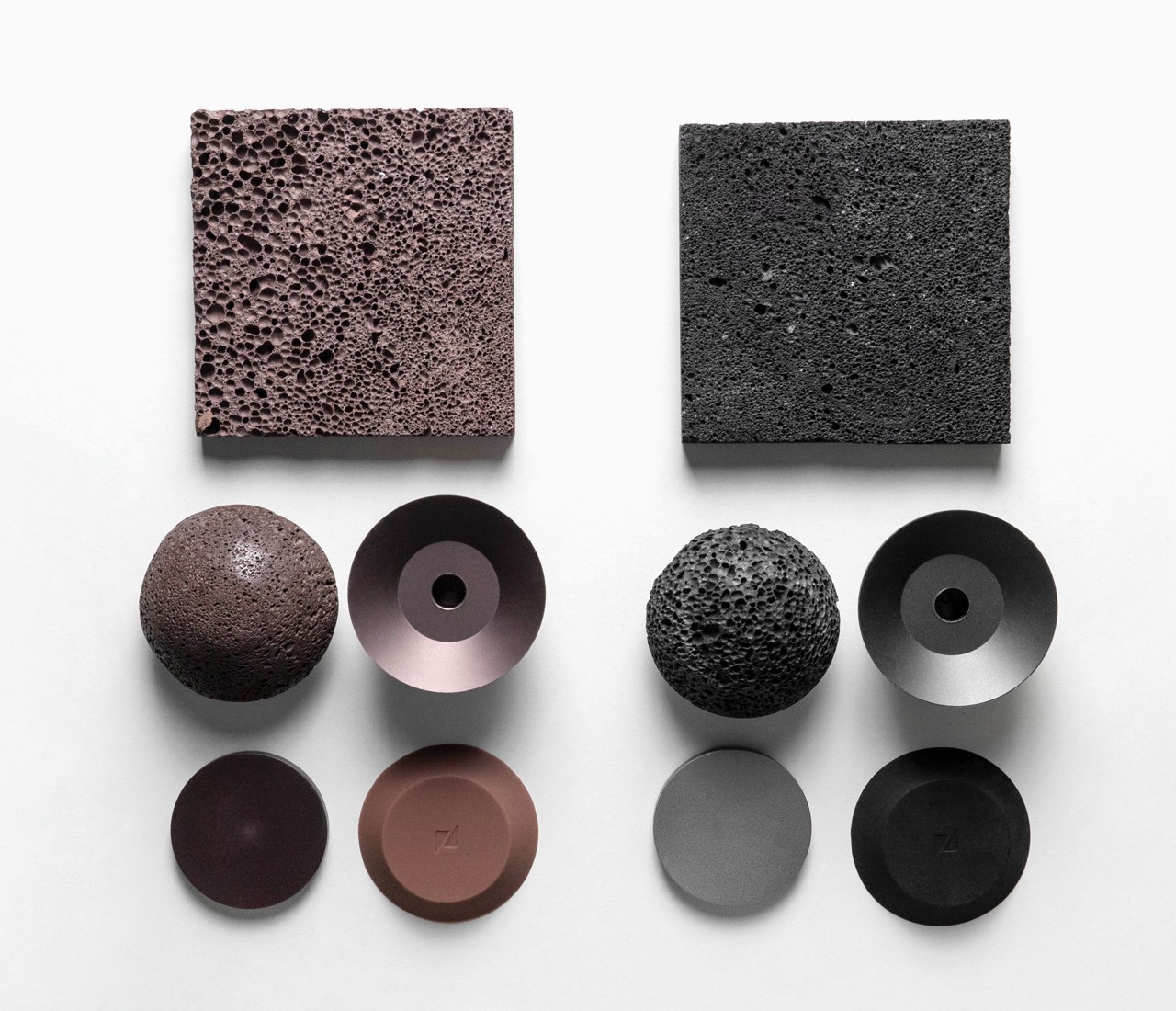
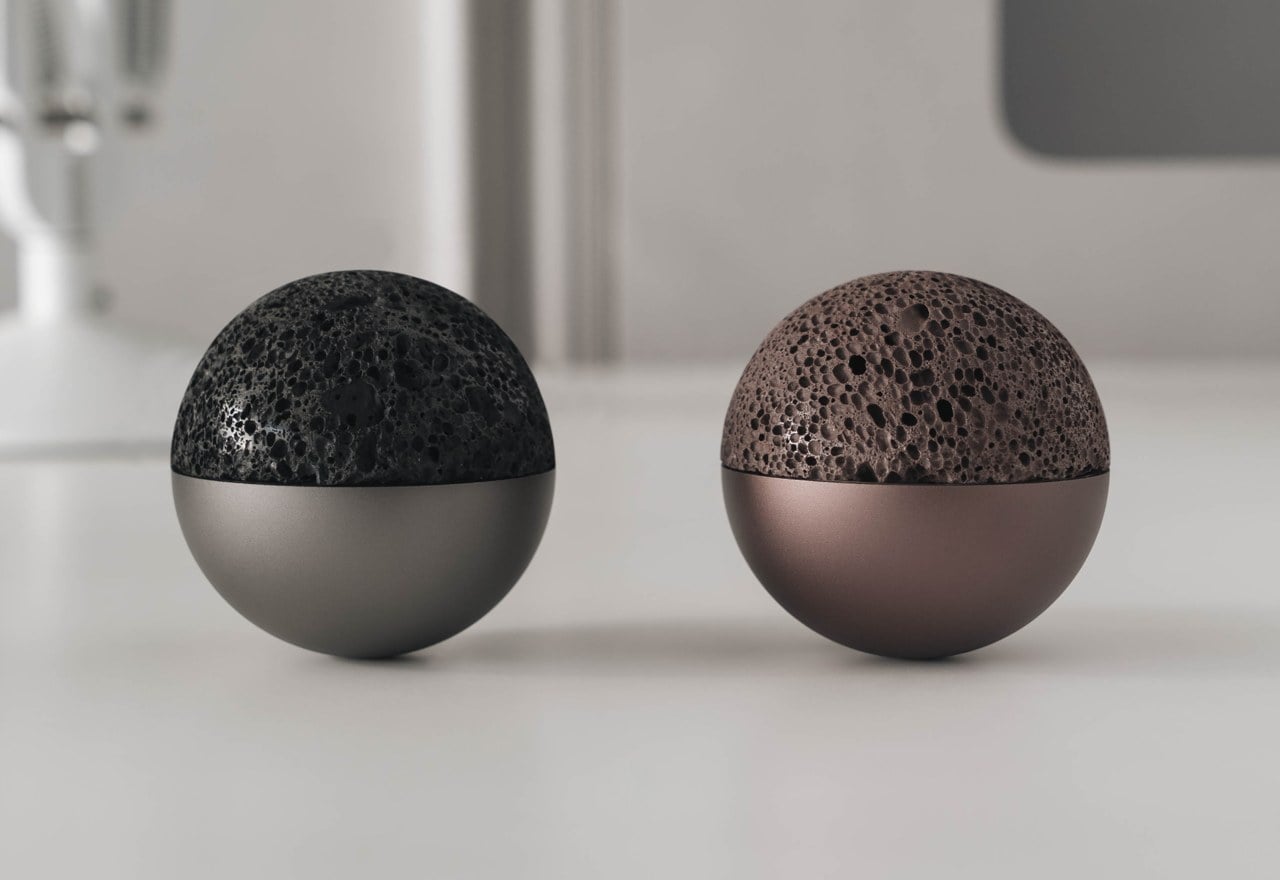
Comes in Moon Black or Mars Red.

Each ball is unique that it is one of nature’s masterpieces.

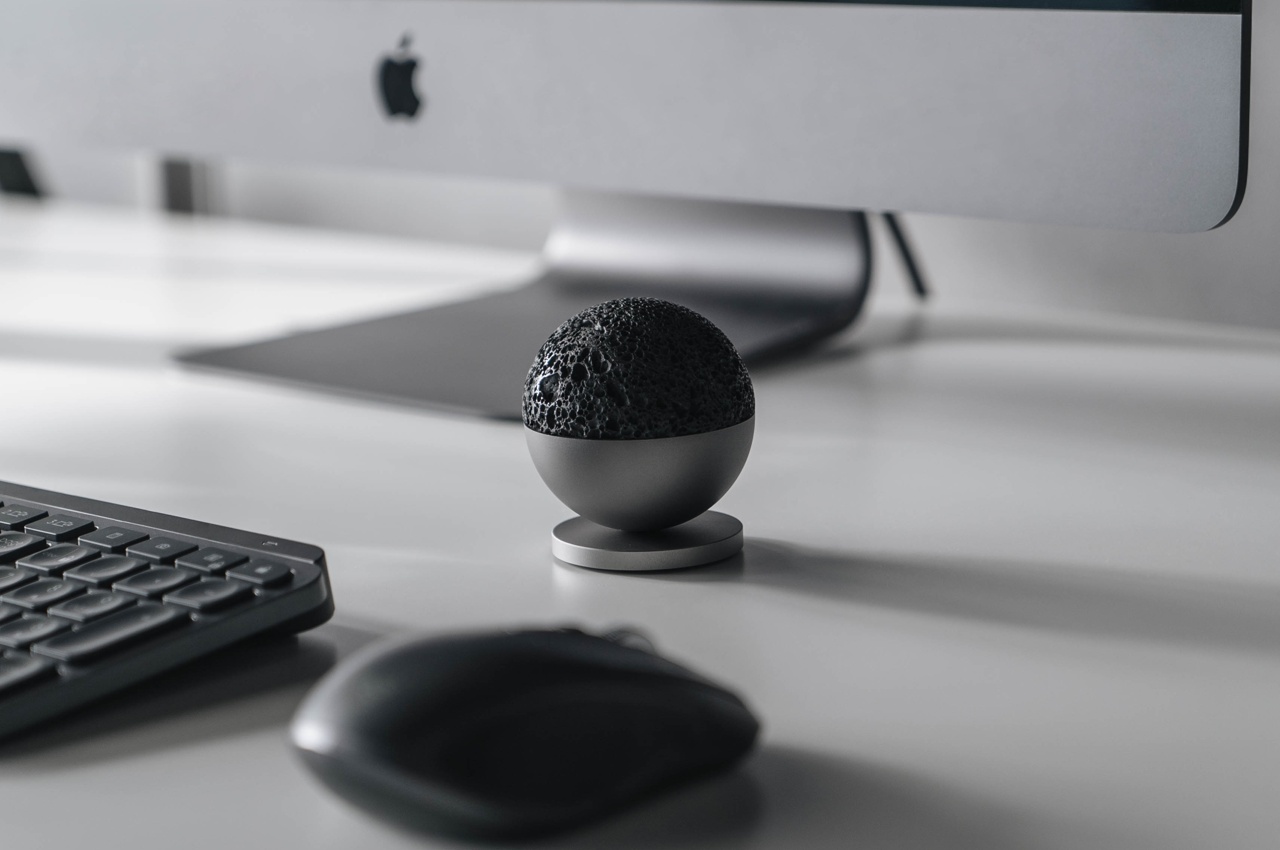
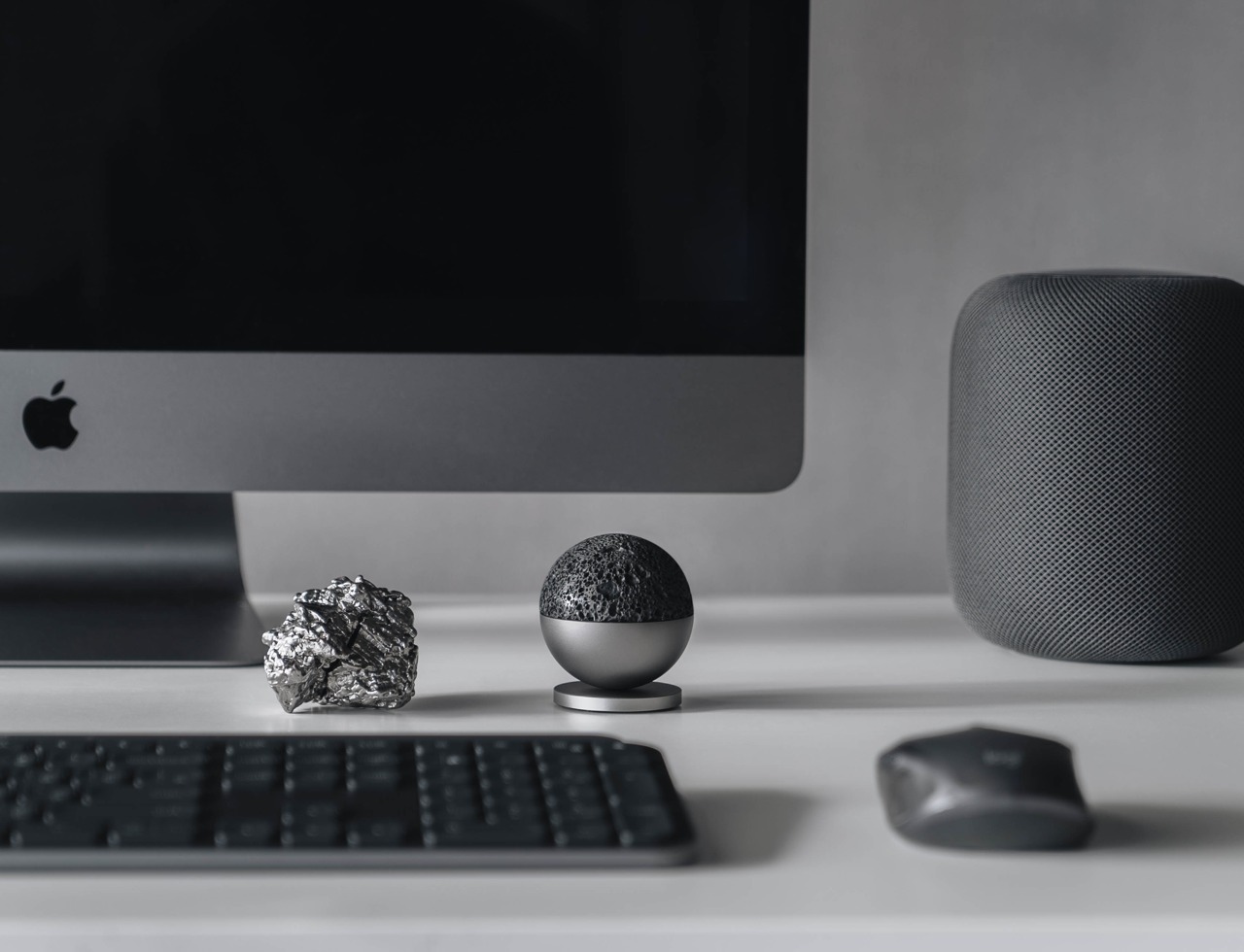
Enter the Lava Ball: a unique embodiment of nature’s dual character. Crafted partly from volcanic rock, its identity is defined by the stone’s intrinsic uniqueness—each porous and textured surface a testament to nature’s artistry. Polished to eliminate impurities, this hemispherical wonder boasts a singular aesthetic.

Listening|Embrace the rhythm of the Earth and relieve your stress.

In concert with the sphere’s other half, a matte aluminum alloy, the Lava Ball presents a harmonious marriage of the organic and the engineered. This duality facilitates a near-complete ASMR experience: tactile engagement with the rock’s ruggedness, aromatic journeys via essential oils absorbed by the stone, auditory pleasure from its rhythmic motion, and visual allure from its hypnotic spinning on a magnetic base.

Gazing|Focus on the present state to get to the next level of meditation. Awaiting the moments of inspiration to come.

Smelling|Perceive and immerse yourself with the familiar scent to wake up the pleasant memory.

Touching|Experience the unique rock texture to ease the anxiety.

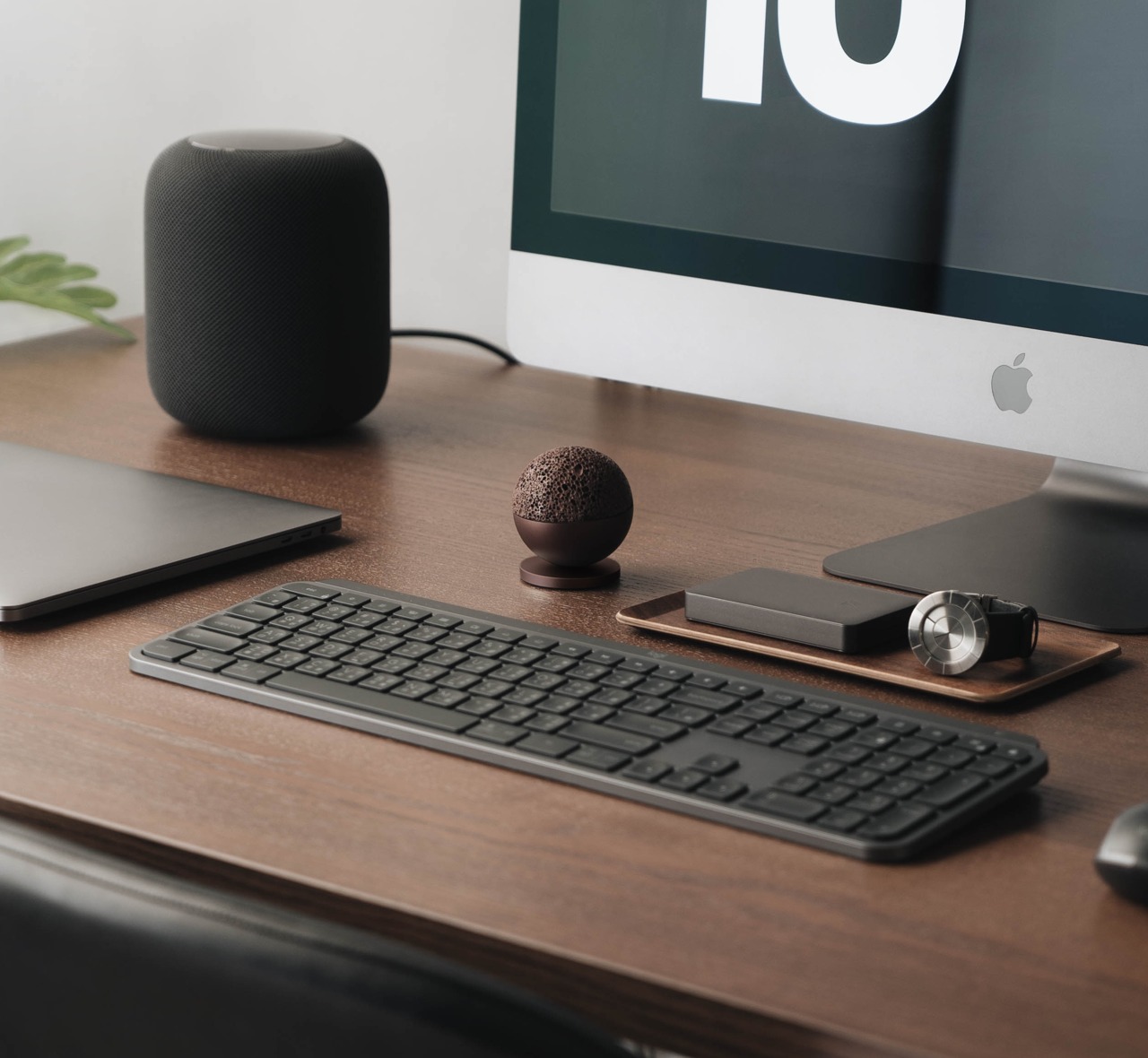
Thanks to the magnet holder, it will always stay on the desktop and come in handy just to inspire you.

Drop one of your favorite essential oil scents and gently turn the ball to spread scents to the air for immediate diffusion.

More than a mere distraction, the Lava Ball serves as a conduit to mindfulness, whether used as a tactile focus or an aromatic centerpiece. Its design, aimed at cultivating relaxation and introspection, circumvents any awkwardness associated with conventional ASMR methods.

The fusion of volcanic and metallic elements is achieved through magnetic bonding, allowing for effortless customization. Its magnetic holder, utilizing nano-suction technology, adheres to surfaces seamlessly, rendering it an elegant and functional desk accessory. A tangible metaphor, the Lava Ball stands as a stylish emblem of beauty’s emergence from turmoil, much like the volcanoes that inspire its creation.

Click Here to Buy Now: $99.

The post Crafting Peace from Volcanic Power in this Lava Ball first appeared on Yanko Design.

This 55-inch Samsung Frame TV is on sale for 35 percent off in Amazon’s Black Friday sale

Samsung’s Frame smart TVs are cheaper than ever in a Black Friday deal that you can snag right now at both Amazon and Samsung direct. The TVs come in 32- to 85-inch configurations, and all of them have some sort of discount. Of note is the 55-inch model, which is 35 percent off and down to $978 — a new record low, and the steepest percent-discount of the bunch. If you’re looking for the biggest dollar-amount savings, that’s on the massive 85-inch TV, which is $1,000 off and on sale for $3,298. 

These are the latest Frame TV models, with QLED displays and support for 4K content, Quantum Dot technology and 100 percent color volume. That quality should be good enough for most people (if you want your next set to be OLED, we recommend checking out these deals on LG, Sony and Samsung OLED TVs), but the real selling point of the Frame series is its ability to blend into your home's decor.

Thanks to its included slim wall mount, anti-reflective matte display and Art Mode, the Frame can mimic a piece of art hanging on your walls when you're note actively watching TV. When we used it, we were also impressed that it comes with an external receiver/port hub/tuner box combo that connects to the panel via a wire, so you could cleverly hide that wire behind a wall or with some accessories to truly make the TV look like it's a floating photo.

The only catch is that Samsung's full collection of displayable art hides behind a $5-per-month paywall. Thankfully, you do get a few pieces of art for free that you can display on the Frame, and you can upload your own photos and images to the Frame from your phone or via a USB drive to display as well. Combine that with the ability to customize the hardware further with a personalized bezel (at an extra cost, of course), and you have a TV that you can make your own and that won't be a big, blocky eyesore in your home like most other sets.

Your Black Friday Shopping Guide: See all of Yahoo’s Black Friday coverage, here. Follow Engadget for Black Friday tech deals. Learn about Black Friday trends on In The Know. Hear from Autoblog’s experts on the best Black Friday deals for your car, garage, and home, and find Black Friday sales to shop on AOL, handpicked just for you.

This article originally appeared on Engadget at https://www.engadget.com/this-55-inch-samsung-frame-tv-is-on-sale-for-35-percent-off-in-amazons-black-friday-sale-211336306.html?src=rss
Apple, Disney among brands reportedly pulling ads from X amid growing antisemitic content backlash

More major advertisers are pulling their ads from X amid a growing backlash to antisemitic content on the platform. Apple, Disney and Lionsgate are all reportedly suspending ads from the platform days after X owner Elon Musk appeared to publicly endorse an antisemitic conspiracy theory, according to Axios and The New York Times. Warner Brothers Discovery also paused its ads, according to Deadline, as did Paramount Global per CNBC.

The companies join IBM, which confirmed Thursday it was suspending its ads while it investigated a report that found ads for its Watson division appearing next to pro-Nazi content. The report, published by watchdog group Media Matters, also found ads for Apple, Oracle and other tech companies alongside similar content.

An executive at X previously told Engadget that the posts identified by Media Matters were no longer monetizable and that “the X system is not intentionally placing a brand actively next to this type of content, nor is a brand actively trying to support this content with placement.” X CEO Linda Yaccarino also said that “X has also been extremely clear about our efforts to combat antisemitism and discrimination.”

Many of X’s advertisers have long been concerned about the state of hate speech on the platform, but the departures of Apple, Disney, Lionsgate and IBM are a new blow to the company’s already struggling ad business. And it appears that a recent tweet from Musk, in which voiced agreement with an account promoting an antisemitic conspiracy theory, has prompted more advertisers pull back from the platform, at least temporarily.

Axios reported that Apple opted to “pause” all advertising on the platform, though it’s not clear whether the decision was driven by Musk’s tweet, Media Matters’ report or both. The company didn't immediately respond to a request for comment, but this wouldn’t be the first time the company has raised concerns about the direction of the platform under Musk’s leadership, and its role as a major advertiser. Apple CEO Tim Cook said in September the company was “constantly” questioning whether it should continue advertising on X. Apple also briefly paused ads on X (then Twitter) last year, amid a "misunderstanding" between the two CEOs.

The latest advertiser exodus comes one year after civil rights groups called for an advertiser boycott following Musk’s takeover of Twitter amid concerns about rising hate speech and relaxed content moderation policies under Musk. Though some major Twitter advertisers returned to the platform, the company’s ad business never rebounded. Musk said over the summer that the company’s ad revenue was down more than 50 percent.

Update, November 17 2023, 6:55PM ET: This story has been updated to note that Disney and Lionsgate have joined Apple in pausing advertising on X.

Update, November 17 2023, 7:15PM ET: This story has been updated to reflect reports that Warner Brothers Discovery has also pulled its ads. 

Update, November 17 2023, 7:45PM ET: This story has been updated with CNBC's report that Paramount Global has also pulled ads from X. 

This article originally appeared on Engadget at https://www.engadget.com/apple-reportedly-pulls-ads-from-x-amid-a-growing-backlash-to-antisemitic-content-on-the-platform-205849759.html?src=rss
OpenAI fires CEO Sam Altman as ‘board no longer has confidence’ in his leadership

In a surprise shakeup of its c-suite Friday, OpenAI's board of directors announced that CEO Sam Altman has been fired and will be leaving both the company and the board, effective immediately. Chief Technology Officer Mira Murati has been named interim CEO.

Altman's oustering reportedly follows an internal "deliberative review process" which found he had not been "consistently candid in his communications with the board, hindering its ability to exercise its responsibilities," the company announced. As such, "the board no longer has confidence in his ability to continue leading OpenAI."

OpenAI, which owns popular AI chatbot ChatGPT, thanked Altman for his "many contributions to the founding and growth of OpenAI," but believes that "as the leader of the company’s research, product, and safety functions, Mira is exceptionally qualified to step into the role of interim CEO." The board added it has "the utmost confidence in her ability to lead OpenAI during this transition period.”

OpenAI's board is comprised of the company's Chief Scientist Ilya Sutskever, as well as Chairman and President Greg Brockman. Independent advisors, who hold no equity in the company, are also board members: Quora CEO Adam D’Angelo, tech entrepreneur Tasha McCauley and privacy advocate Helen Toner of the Georgetown Center for Security and Emerging Technology. Altman was also considered an independent advisor on the board, despite being CEO of the company prior to his departure.

Altman's personal profile has grown alongside the meteoric rise of generative AI technologies over the past year, making him something of the unofficial face for both OpenAI and the burgeoning industry as a whole. Previously the president of Y Combinator, Altman has appeared before Congressional panels and committees, attended Senate AI Insight forums and made numerous rounds at industry conferences.

The suddenness of Friday's announcement is certainly surprising given how steadily, and heavily, Altman has been promoting his company and its products in the days leading up to his termination.

Just last week, Altman took the stage at OpenAI's 2023 DevDay to announce a faster and more responsive GPT-4 Turbo platform as well as smaller, application-specific models simply dubbed GPTs. On Thursday Altman attended the Asia-Pacific Economic Cooperation CEO Summit in San Francisco. "Something has qualitatively changed,” he said during the event. “Now I can talk to this thing. It’s like the ‘Star Trek’ computer I was always promised… I think a lot of the world has collectively gone through a lurch this year to catch up.” 

Altman and Murati aren't the only ones caught in this shuffle. Brockman was also notified that he would have to step down from his role as board President, however, "based on today's news, I quit," he wrote to OpenAI employees in a company-wide email Friday.

Microsoft, which signed a "multibillion-dollar" partnership extension with OpenAI in January, was down in market trading Friday afternoon. Despite the stock price hit, Microsoft will maintain its existing partnership with OpenAI, a company spokesperson told Engadget via email. “We have a long-term partnership with OpenAI and Microsoft remains committed to Mira and their team as we bring this next era of AI to our customers.” the spokesperson said. However, according to an report by The Information, few people within the Microsoft organization were warned of Altman's sacking prior to the public news release, including teams tasked with developing products based on OpenAI tech. 

The software giant's stance isn't surprising given the reported details of its $10 billion investment this past January, which bumped OpenAI's valuation to $23 billion. Microsoft will reportedly receive a lion's share of OpenAI's profits, some 75 percent, until that investment has been repaid, whereupon that figure will reportedly drop to 49 percent.

"We have a long-term agreement with OpenAI with full access to everything we need to deliver on our innovation agenda and an exciting product roadmap; and remain committed to our partnership, and to Mira and the team," Microsoft CEO Satya Nadella said in a prepared statement Friday. "Together, we will continue to deliver the meaningful benefits of this technology to the world."

Altman co-founded OpenAI with Elon Musk in 2015 as a nonprofit and has served as the CEO for the for-profit arm since 2019. The release of the company's ultra-popular ChatGPT conversational AI last November is credited with kickstarting the generative AI boom

The system, originally built atop the GPT-3.5 platform, initially enabled users to converse with a digital agent — one more capable than the previous generation of Siri, Alexa and Assistant — using natural language. Those capabilities quickly expanded to include myriad languages and modalities, as well as the ability to output programming code and control remote processes and devices through API access.

This article originally appeared on Engadget at https://www.engadget.com/openai-ceo-sam-altman-ousted-as-board-no-longer-has-confidence-in-his-leadership-204924006.html?src=rss