The year’s coming to a close, but there’s still plenty of time for more AI news. Microsoft just announced its Copilot AI chatbot is integrating with OpenAI’s latest model, GPT-4 Turbo, and the image generator DALL-E 3, among other upgrades. This should drastically improve the overall functionality of the service, just in time for its one-year anniversary/birthday. Wait, do AI chatbots have birthdays?
First up, there’s OpenAI’s latest and greatest large language model. GPT-4 Turbo integration will allow Copilot users to tackle complex tasks that would cause previous iterations of the software to sputter into madness. The last generation allowed for just 50 pages of text as a data input, while GPT-4 Turbo accepts up to 300 pages. The end result? More meaningful responses to queries. The integration is currently being tested by select users, with wider availability in the next few weeks.
There’s also integration with the newest DALL-E 3 Model. This chatbot generates higher quality images than ever before and, more importantly, with a greater regard for accuracy. In other words, the image should match the prompt more often than not. This tool is already available for Copilot users, and you can check it out here.
There are more features coming to a Copilot near you. The Inline Compose tool now includes a rewrite menu that lets you select a block of text, whereupon the bot rewrites it for you. This should cause absolutely no problems at all in schools (that was sarcasm). This tool is coming to all Edge users in the near future.
Coders are also getting some love, with a new feature set called Code Interpreter. Microsoft is fairly mum on the details here, but say that it will enable users to perform complex tasks like “data analysis, visualization, math” and, of course, garden variety coding. Code Interpreter is currently in beta, with a wide release planned for the near future.
Finally, Bing search is getting an upgrade powered by GPT-4. This should allow for expanded search queries for complex topics, with optimized results. Microsoft wrote a blog post detailing how this upgrade works. In short, it searches for multiple variations of the query at once and automatically files away useless information.
This article originally appeared on Engadget at https://www.engadget.com/microsoft-upgrades-copilot-with-openais-gpt-4-turbo-and-dall-e-3-162558170.html?src=rss
If you ever wondered what the next big leap in technology could be, it surely is artificial intelligence. Set to take the world we live in by storm in the coming decade, the future is exciting as we all witness the metamorphosis in our daily routine thanks to this promising evolution.
As a coder or content creator, if you always wanted AI to be by your side to streamline processes, now is a good time to be alive. So, why not a mechanical keyboard that employs AI to your advantage to stay ahead of the curve?
Designer: Junha Kahm
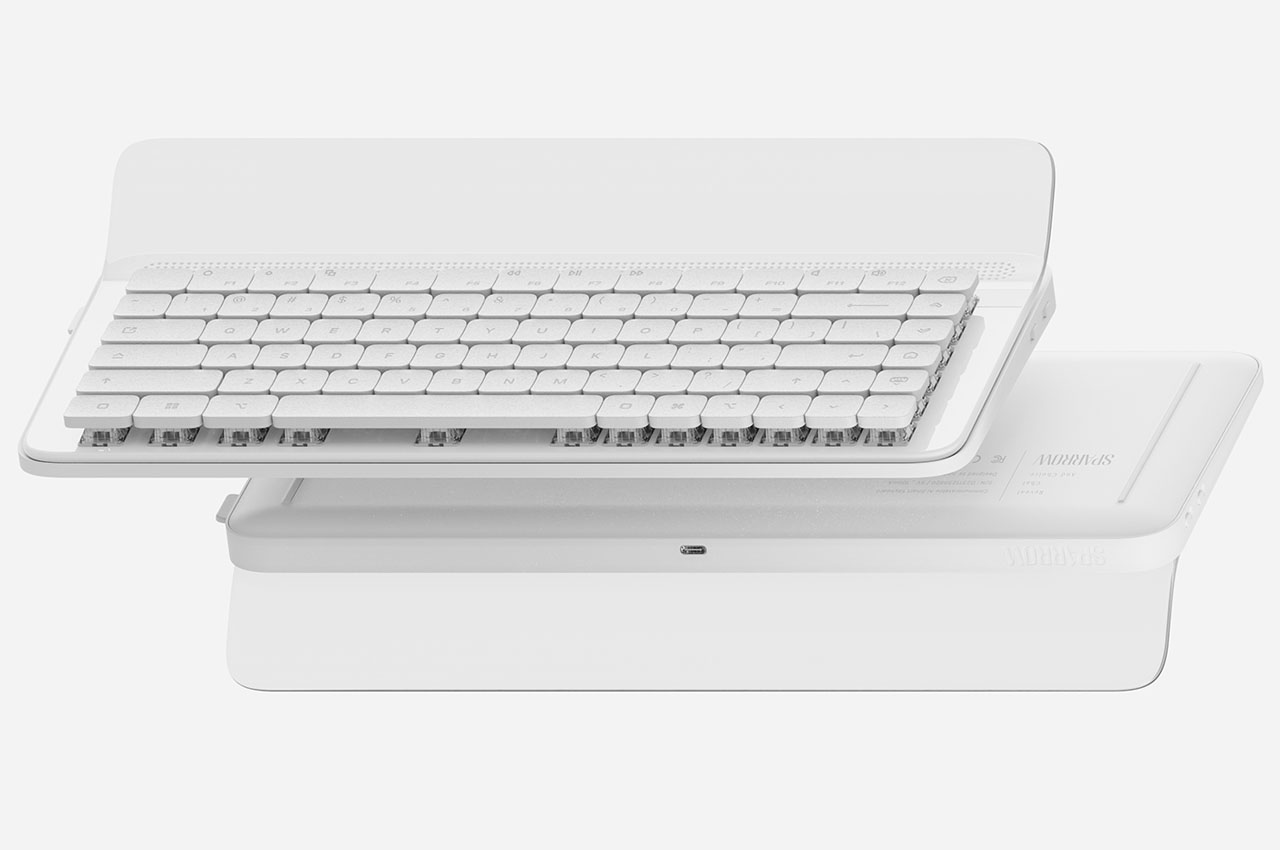
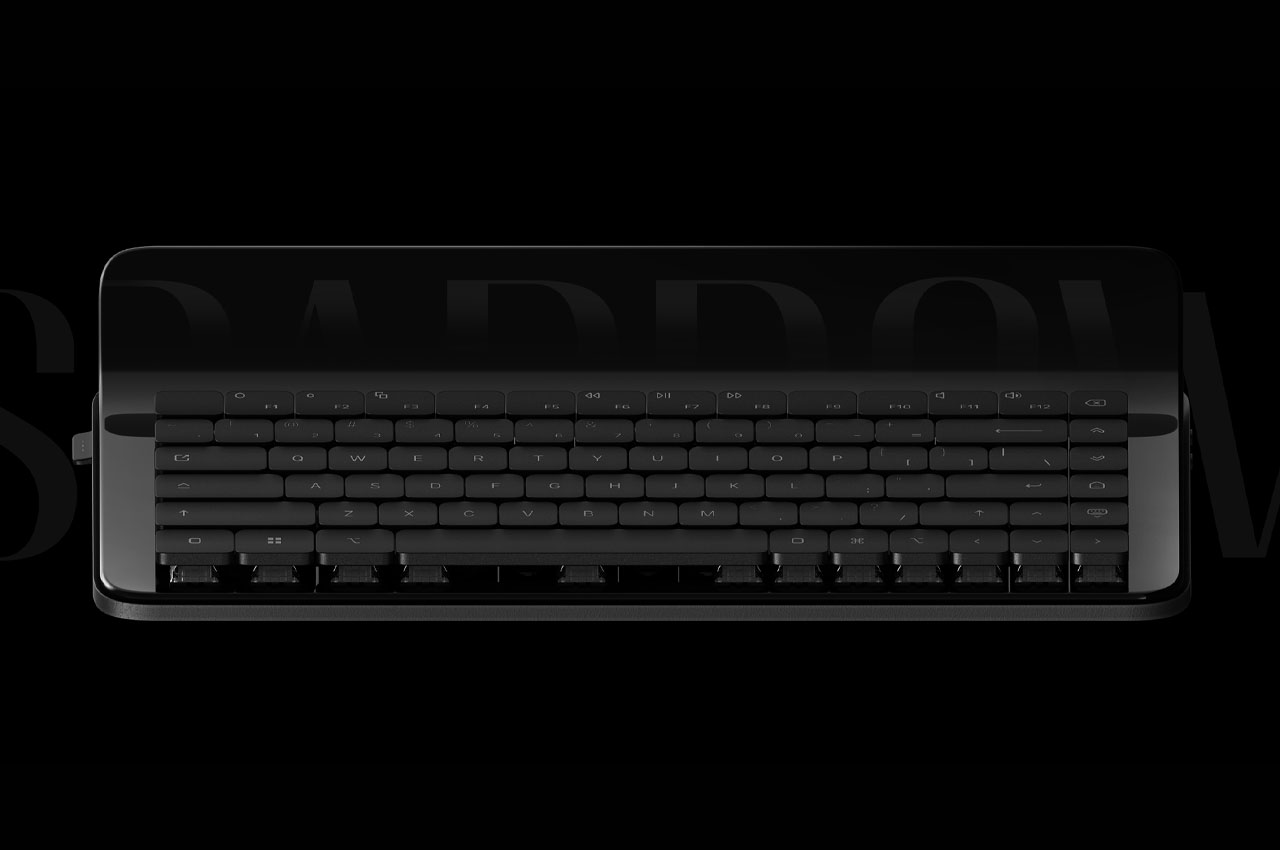
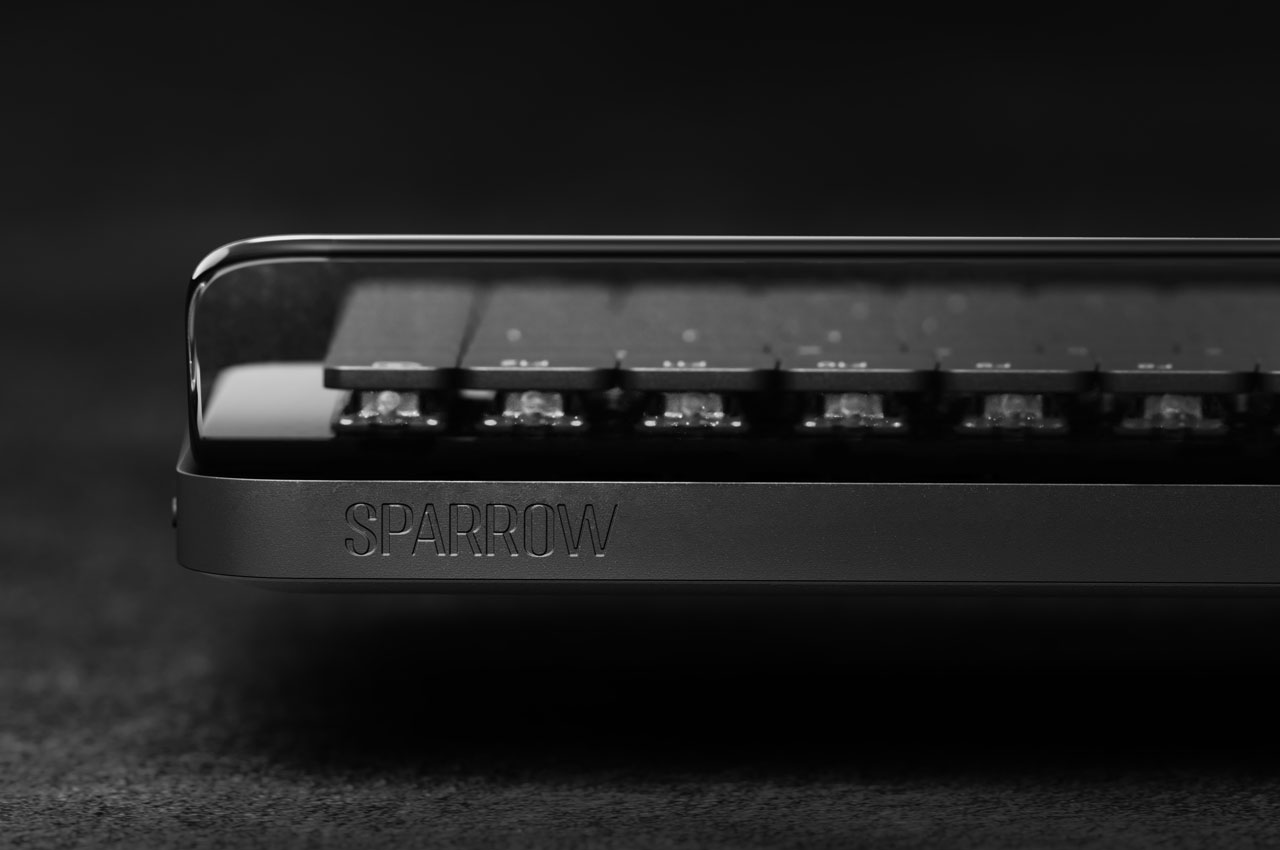
While most of us prefer the Logitech MX Mechanical Keyboard, Corsair K70 RGB Pro, 8Bitdo Retro Mechanical Keyboard or Keychron Q Series – the Sparrow AI keyboard wants to dethrone them all with functionality so unique, that you’ll want to grab it right away. As the name suggests, the keyboard is tailored for productive workflow out of the box with its advanced AI-assisted features.
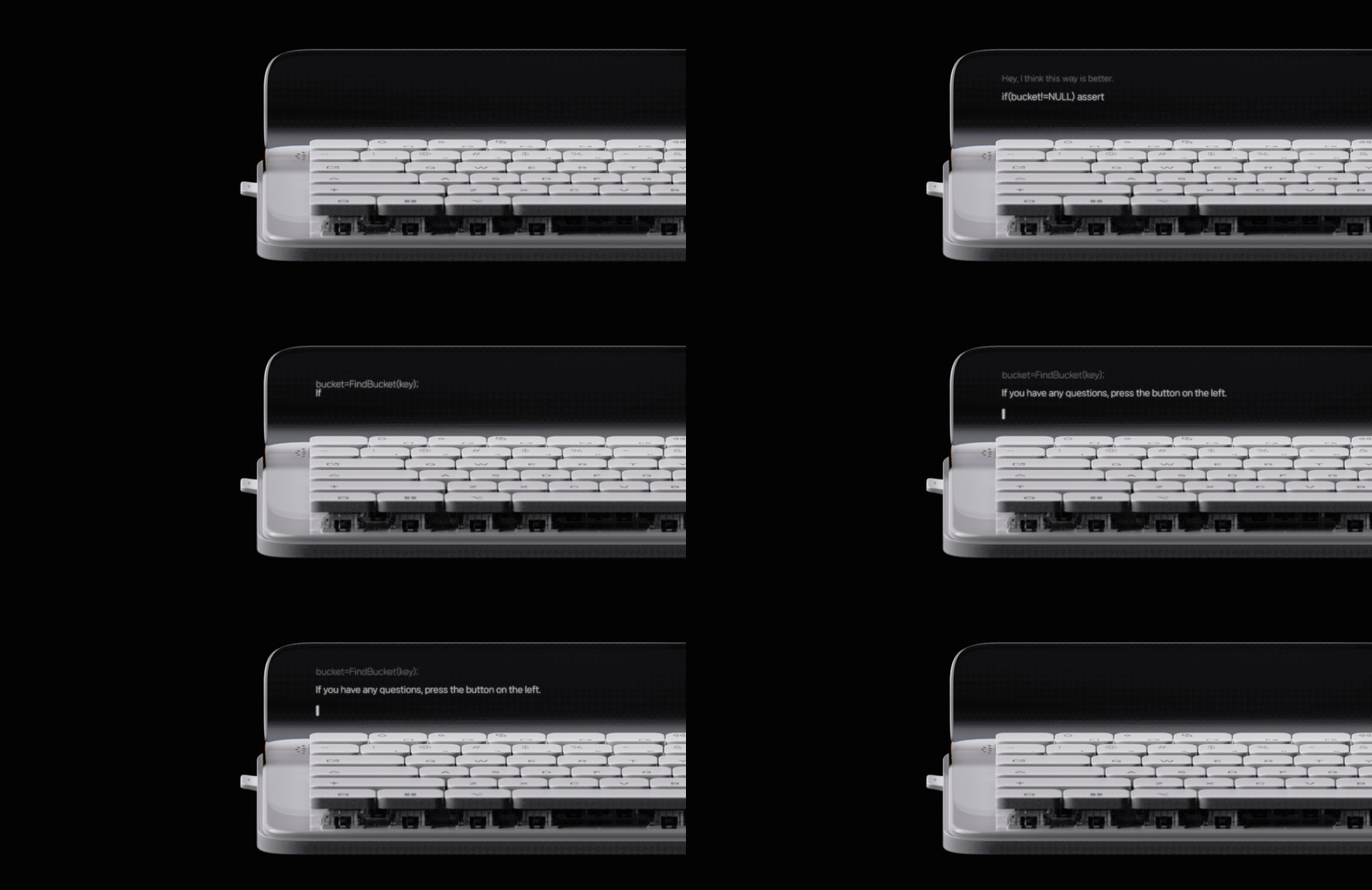
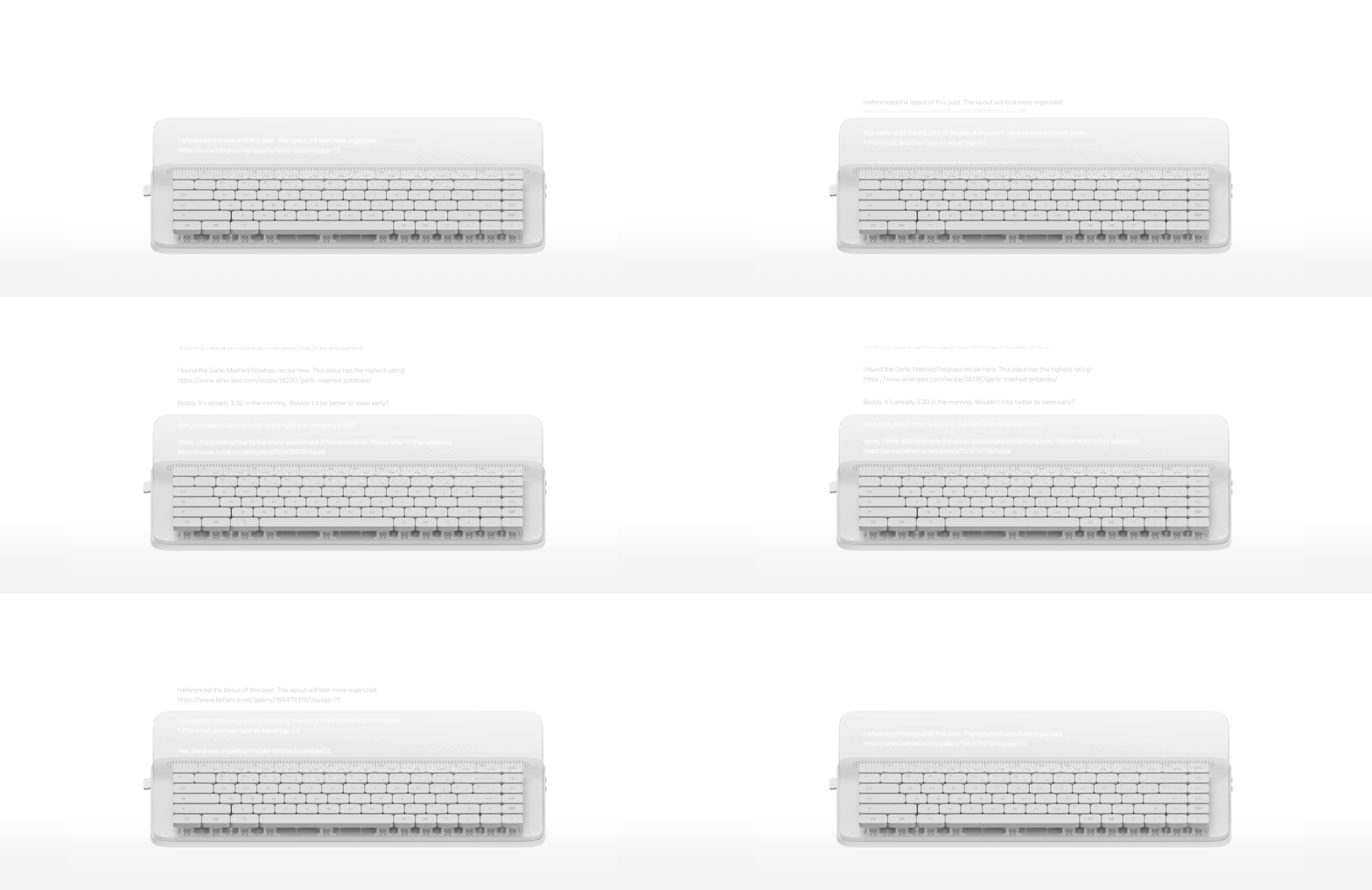
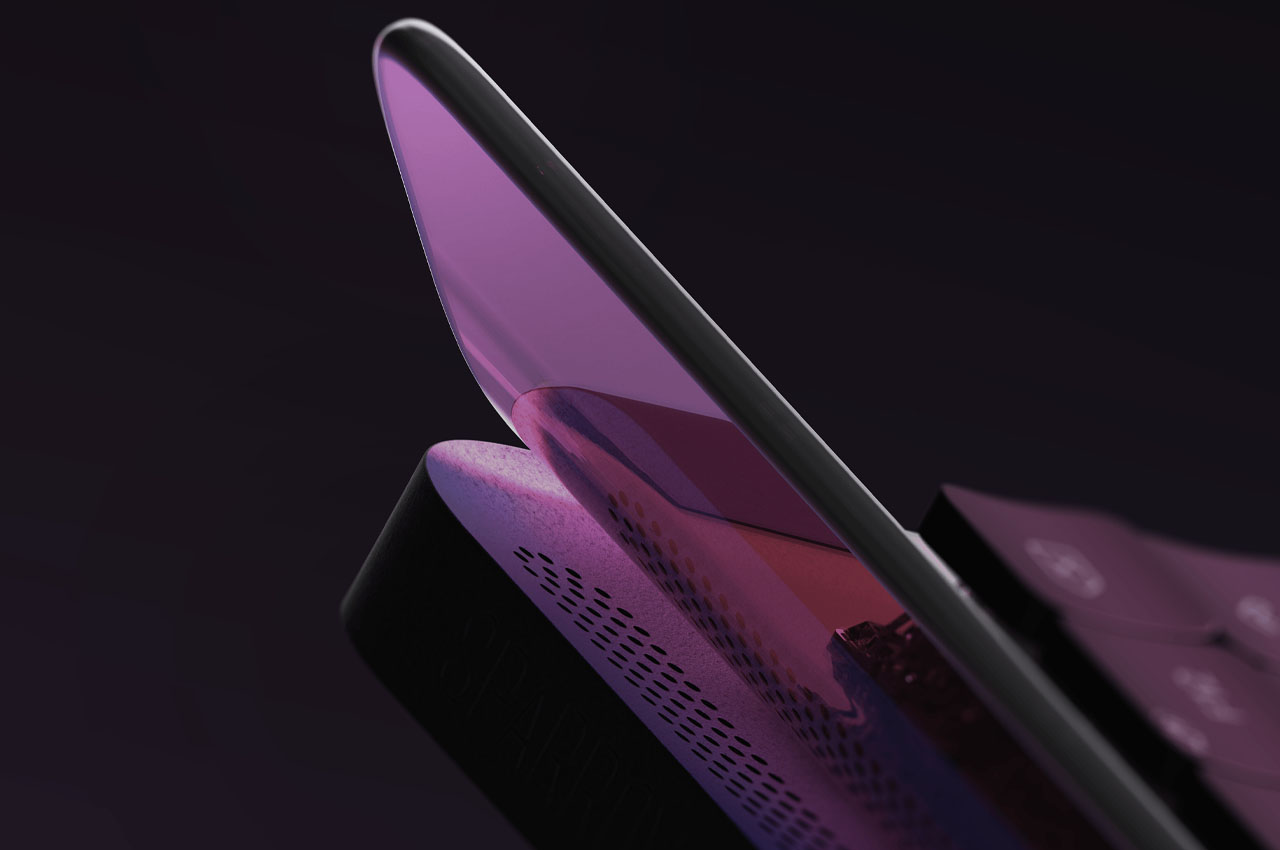
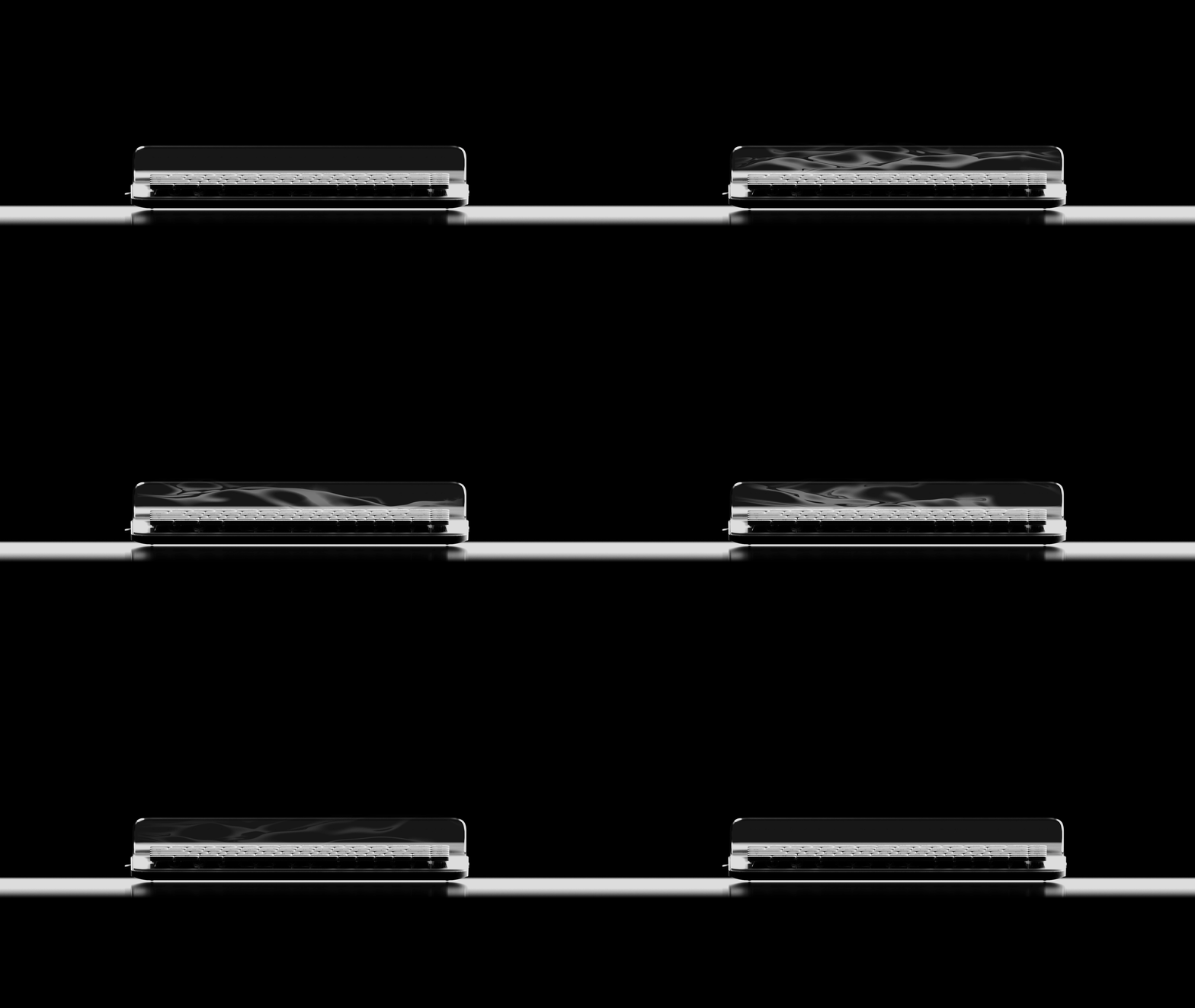
The smart keyboard has a semi-transparent display on the front that constantly keeps giving useful inputs and insight about the things you are typing on it. For example, if you are a coder and typing down lines of code and by mistake inputting a wrong code, Sparrow is mindful enough to suggest a rectification. The same is true for content creators who can benefit from the keyboard’s constant learning ability to weed any errors out of the workflow.
If you want to interact with the peripheral, there’s a switch button on the left that allows you to have a conversation right on the keyboard interface rather than going to your preferred AI program for help. When you want to use the traditional keyboard function and turn off any AI assists, it is as simple as toggling off the switch button.
This idea of an AI-assisted keyboard has every reason to make it past the concept and prototype stage. What do you think?
Naughty Dog is giving The Last Of Us Part 2 more than just a fresh lick of paint in a PS5 remaster of the game. The upcoming version includes a playable mode called Lost Levels (which features several segments that were cut from the final game), as well as one called No Return. The latter is an all-new roguelike survival mode and Sony has revealed more details about it in a trailer.
In this single-player mode, the aim is to survive as long as you can. You'll need to stay on your toes as the encounters with enemies are randomized and feature boss battles. You'll have to contend with unique gameplay modifiers too, such as setting enemies ablaze when you punch them or visual effects being applied. I'd actually advise against watching the trailer if you haven't played through the main game yet, as it spoils a few of the more fearsome enemies you'll come up against.
In No Return, you'll be able to play as Ellie, Joel and Abby. On top of those, you'll be able to take on the guise of several unlockable characters that haven't been playable before. Per the trailer, those are Dina, Jesse, Tommy, Lev, Yara, Mel and Manny. Every character has unique traits that support different playstyles. Pick Yara, for instance, and her brother Lev will help her out in combat (a co-op version of No Return could be pretty compelling!). Dina, meanwhile, will be able to craft trap mines and stun bombs.
You'll unlock more characters, skins, weapons (and weapon upgrades) and levels as you progress through No Return. While it strikes me as somewhat odd to introduce an infinitely replayable survival mode to a game in which the core theme is ending the perpetual cycle of violence, TLOU 2's combat is exceptional. No Return should let the combat mechanics shine without players needing to worry too much about remaining stealthy.
The Last Of Us Part 2 Remastered will hit PS5 on January 19. Those who own the original PS4 version of TLOU 2 will be able to upgrade for $10.
This article originally appeared on Engadget at https://www.engadget.com/the-last-of-us-part-2-remastereds-no-return-trailer-reveals-all-the-playable-characters-160325747.html?src=rss
As we dive into December, there’s a fresh array of Android apps that are catching the eyes of tech enthusiasts. If you’re always on the lookout for apps that enhance your smartphone experience, you will be pleased to know that a recent video from Sam Beckman has highlighted ten outstanding Android apps. Each of these […]
We call the Roku Ultra the best set-top box for most people in our guide to the best streaming devices, and it's now down to $67 through a new deal at Amazon. That's $33 off Roku's list price and only a little more than a dollar higher than the all-time low for this latest iteration of the streamer. Walmart has the same deal, though it doesn't have the device available for shipping as of this writing. The Ultra has been discounted to $70 at other retailers for the last couple of weeks as part of an ongoing holiday sale, but if you've been looking to pick the streamer up and didn't grab one on Black Friday, this discount lets you save a couple extra bucks.
The Ultra is Roku's highest-end streaming player, and this latest version was released in 2022. The device itself is essentially the same as the prior-generation model that arrived in 2020, but it now comes bundled with Roku's Voice Remote Pro, which upgrades the basic Roku remote with a rechargeable battery, two programmable shortcut buttons, and a headphone jack for private listening without having to use the Roku app. It also gives you the option to use the built-in mic hands-free, and if you ever lose the remote in the couch cushions, there's a built-in speaker that'll play a chime when you hit a remote finder button on the box. It does charge over an ancient microUSB port instead of USB-C, however. Beyond that, the box includes an Ethernet jack for steadier internet connections, plus a USB port for playing local media off external drives.
To be clear, while the Ultra is Roku's most fully-featured streamer, it's not necessarily its best value. That would be the Roku Streaming Stick 4K, which is the top overall pick in our guide and currently available for $28 less. The Ultra is technically more powerful in terms of processing and Wi-Fi performance, but the difference isn't huge in practice. Both devices support just about all the major streaming apps (Twitch excluded) and HDR standards, both work with Apple's AirPlay 2 protocol and both have the same app-based, easy-to-grok interface. It's also worth noting that you can buy the Voice Remote Pro separately. But if you need the Ethernet or USB ports, the Ultra is still a nice alternative to boxes like the Apple TV 4K, and this deal makes it a little cheaper than usual.
The name Moog is basically synonymous with bass. The company has pumped out countless synths over the years from the iconic Minimoog Model D, to foot-operated Taurus, to the modern-classic Sub Phatty that deliver incredible low-end. Now its plumbing those depths even further, but in plug-in form, with the Mariana, which obviously gets its name from the Mariana Trench, the deepest place on Earth.
The architecture of Mariana is different from almost any other Moog out there, in physical or virtual form. It's a dual-layer synth, with both layers feature two oscillators and a sub oscillator for some seriously thick tones. Each layer also has two filters, a low-pass and a high-pass, plus a dedicate filter just for the sub. In addition to those core sound-sculpting tools, there's three LFOs, three envelops and two random generators per layer, plus a saturation circuit, a compressor, chorus and delay effects.
When combined with the powerful modulation system that lets you control almost any part of the synth with any other part you get an incredibly rich and complex instrument — especially considering the price. Mariana is $30 on iOS or $99 for Windows or macOS, though it's 50-percent off as part of an introductory offer ($15 and $49, respectively).
Mariana does live up to its name. I got to play with it for a couple of days and, boy howdy, is it bassy. It stacks up quite nicely against other bass-focused virtual synths and Moog emulations from other companies. It can delivery enough sub bass to literally rattle your skull, without getting super muddy. Obviously that can vary a bit from patch to patch, but for the most part the sound engine delivers on its promise.
While most of the roughly 200 presets are focused on bass, there are a handful that explore other sonic territory. There are some particularly solid plucky leads that hit with all the oomph of the bassier patches, they just shine in the higher registers. Some presets showoff the wilder side of Mariana that can take advantage of the robust modulation features to spit out some wild-sounding effects and decidedly un-Moog-like tones.
Mariana also has MPE support. While it's a nice feature, it's also of limited use here. While you can switch it to duophonic mode and play the two synth layers independently, it's primarily a monophonic instrument. And while being able to perform slides simply by running my finger over the Push or Seaboard is nice, it doesn't really take advantage of the polyphonic part of MIDI Polyphonic Expression.
Moog
What Mariana does lack, is a sequencer, arpeggiator or a deep list of effects. That's not necessarily a bad thing, though. Chances are, if you're using it in a DAW as a VST then you've got plenty of options for those things. So, while a lot of other plugin makers are loading up their virtual instruments with all sorts of features, Moog stayed focused on the synth itself.
It's not without its quirks, however. While the interface is easy to navigate once you've gotten used to it, I'm still not a huge fan of skeuomorphic designs in general. And while I'm willing to cut Moog some slack on that front since it's trying to maintain a consistent aesthetic that capitalizes on its long legacy of analog synths, there are some slightly questionable choices. For one, the two separate slide out panels on either side for modulation controls seem like they could easily be combined. And the buttons to expose them are separated from the rest of the synth's controls — a dedicated tab within the main UI alongside the synth and mixer sections would probably make more sense.
It's also nigh impossible to read a knob's position by default. The tiny dot that indicates what a parameter is set to all but disappears on smaller notebook screens (and I can't even imagine how hard it would be to make out on a phone). There is an option called "knob position highlight" in the settings that extends a line from the center of the knob that's much easier to see. But I encountered a bug where, every time I'd minimize the window for Mariana in my DAW the lines would disappear. I'd have to go back into the settings to disable, then reenable it to make them pop back up. Besides, that should probably be on by default.
Lastly, it's worth mentioning that Mariana is an absolute resource hog. Admittedly my studio laptop — a roughly five-year-old Dell XPS with an eighth gen Core i7 —isn't exactly top of the line anymore, but I never saw my CPU usage dip below 50 percent in Ableton while Mariana was loaded, and it routinely spiked to around 80 percent while actually playing, leading to a number of audio artifacts. For comparison I can generally load six or seven instances of Arturia's Pigments or Analog Lab V without even crossing the 25 percent threshhold. And it's only with all of those actually playing that I climb above 50 percent.
Still, Mariana sounds great. And there's a lot of power under the hood. If Moog can get its resource usage under control in a future update it would be well worth the price.
This article originally appeared on Engadget at https://www.engadget.com/moog-mariana-is-a-virtual-synth-all-about-plumbing-the-depths-of-bass-151914123.html?src=rss
Apple is reportedly lobbying India to delay the implementation of a rule that requires all smartphones sold in the country to have a USB-C charging port. While Apple has already started shifting away from the Lightning port in the iPhone 15 lineup (and other products), the regulation differs from a similar one enacted in the European Union in that India may press Apple to switch to a USB-C port on older iPhones.
Other manufacturers, including Samsung, have agreed to India's plan to have a universal USB-C charging port on their smartphones by June 2025, which is six months after the EU's deadline (such OEMs have long been using USB-C charging ports anyway). Apple, however, is said to have pressed India to delay the implementation of the rule, or at least to exempt older iPhones from the requirement.
According to Reuters, Apple executives told Indian officials late last month that were the rule to be applied to older iPhones, the company would not be able to meet production targets as set out by the country's production-linked incentive (PLI) program. Under this scheme, India grants electronic manufacturers financial incentives to make new investments and generate incremental phone sales each year.
Apple suppliers such as Foxconn are said to have taken advantage of the program to boost iPhone production in India. Estimates suggest that between 12 and 14 percent of iPhones made this year will be manufactured in India. That proportion could rise to as much as 25 percent next year, according to analyst Ming-Chi Kuo.
Apple is said to have told officials that it can't change the design of earlier iPhones to include a USB-C port. The company reportedly argued that, unless it gains an exemption for pre-iPhone 15 models, it will need 18 months beyond the end of next year (i.e. until mid-2026) to comply with the regulation. That's presumably to give Apple enough time to phase out Lightning ports on older iPhones, which Indian consumers tend to prefer since they fall in price when the company releases new models.
This article originally appeared on Engadget at https://www.engadget.com/apple-reportedly-wants-india-to-exempt-older-iphones-from-usb-c-charging-rules-151558675.html?src=rss
This guide is designed to show you how you can use both Google Bard and ChatGPT to improve your productivity. In today’s fast-paced digital landscape, productivity is paramount. To stay ahead of the curve, individuals and businesses alike are constantly seeking innovative tools and techniques to streamline their workflows and maximize their output. Google Bard […]
Withings' latest, the ScanWatch Nova, is essentially a luxury take on its ScanWatch 2. The emphasis on it being for the higher-end buyer is reflected in the price tag, which is set at $599.95.
The ScanWatch Nova has a wide range of capabilities including the ability to monitor heart rate, heart rate variability and ECG. The smartwatch can also detect irregular heart rhythms and if conditions like atrial fibrillation are detected, ECG reports can be viewed in the Withings app. The smartwatch can also measure standard blood oxygen levels and report breathing disturbances during sleep, as well as body temperature changes overnight. It can also give feedback on a wearer’s rest and wake cycles, which includes information about the phases, depth and duration of sleep, as well as any notable interruptions and report a Sleep Quality score.
Like most competitors in the smartwatch market, the ScanWatch Nova can track steps and calories burned during workouts in 40+ preloaded activities, which includes standard exercises like cycling and running. During intense activities, the smartwatch can assess things like heart rate variability and give users feedback on performance and overall energy expenditure.
The luxury smartwatch normally comes decked with a stainless steel metal wrist band that can be swapped for a silicone one designed for physical activity. Lastly, the ScanWatch Nova is water resistant at 10 ATM and protected by a sapphire glass, which might be useful if you're into watersports or are concerned with sweat resistance.
Withings says the smartwatch’s battery life lasts about 30 days and requires less than 2 hours to fully recharge, allowing for long periods of continuous monitoring and use between charges. The watch will be available in blue, green and black on the Withings website now but it won't be available in retailers until February 1st next year.
This article originally appeared on Engadget at https://www.engadget.com/withings-releases-luxury-version-of-its-scanwatch-2-smartwatch-150042693.html?src=rss
Camera bumps are one of the necessary evils of smartphone design. There’s a hard limit on how small you can make imaging sensors and lenses while also keeping the phone itself thin and light. Sometimes, this situation has resulted in ingenious and beautiful designs, but sometimes the mass of glass and metal protruding from the back of the phone ruins whatever beauty the rest of the design might have. These days, it’s no longer common to see unappealing camera designs, though there are a few rare cases that pop up from time to time. If this leak is true, however, OPPO’s next flagship will come with a rather odd design choice that will surely split camps and get the Internet talking.
To be fair, it’s difficult to design around those cameras that wouldn’t look obnoxious or even unusable. Unless you’re Samsung, which separates each camera into its own little island, the common strategy is to have a single raised structure, often called a “bump,” to visually group the cameras together. Coming up with a pleasing design for that is no walk in the park, but OPPO has had some very good results in that regard.
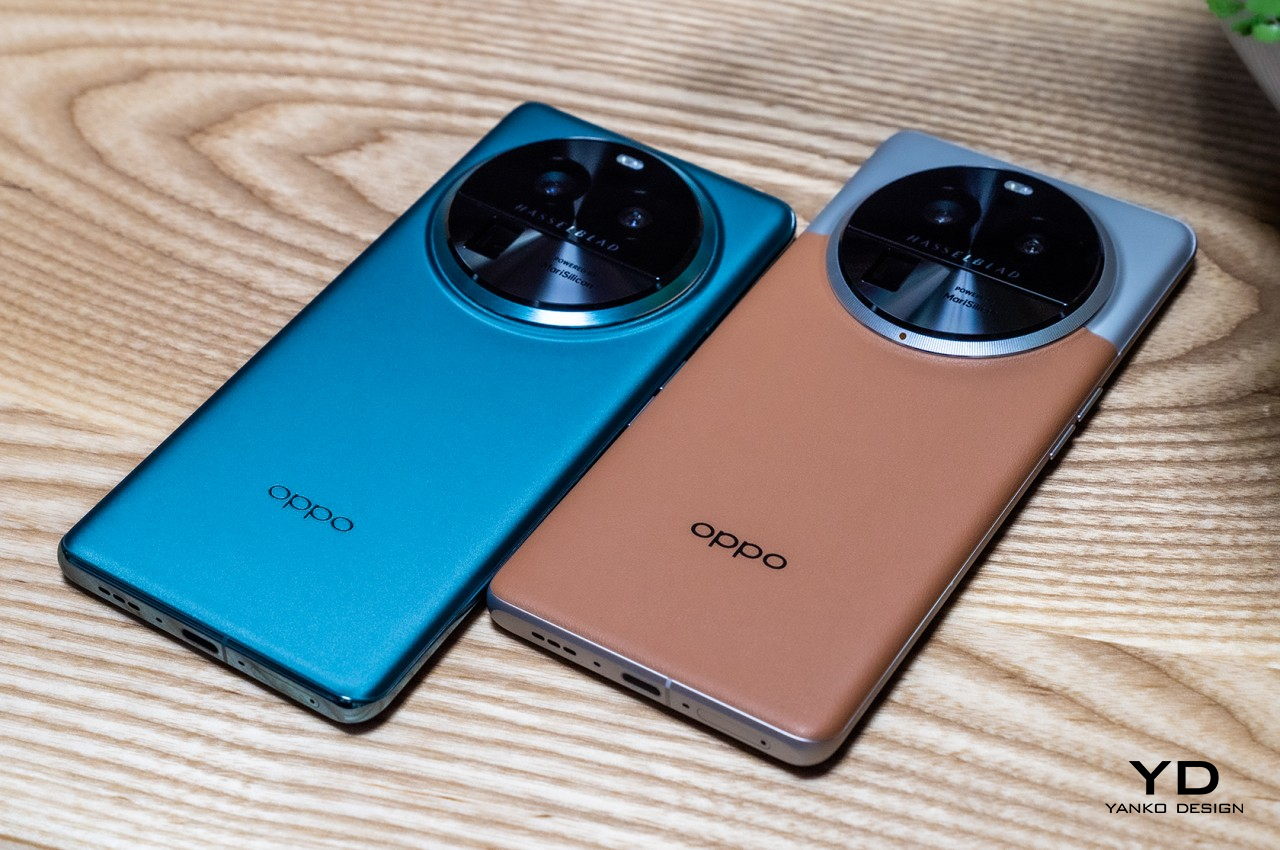
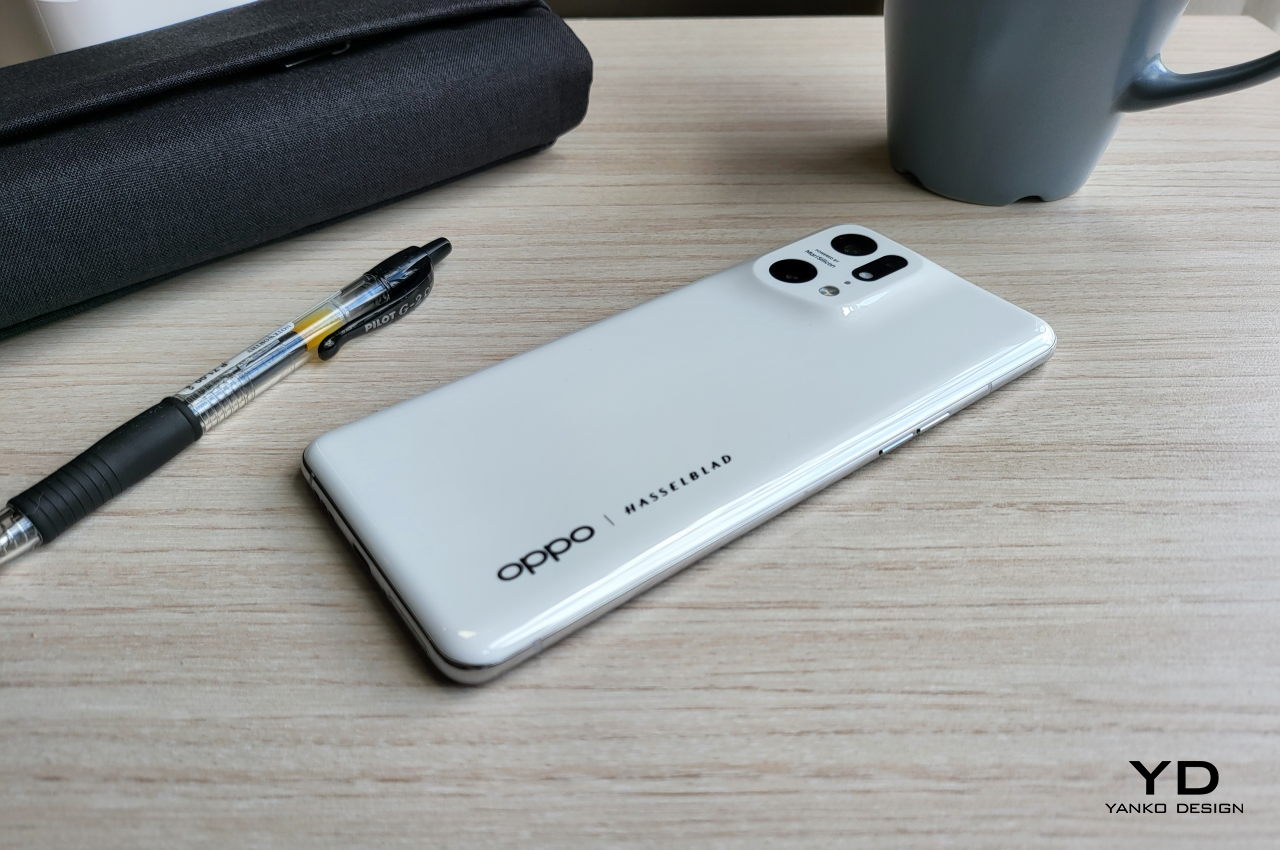
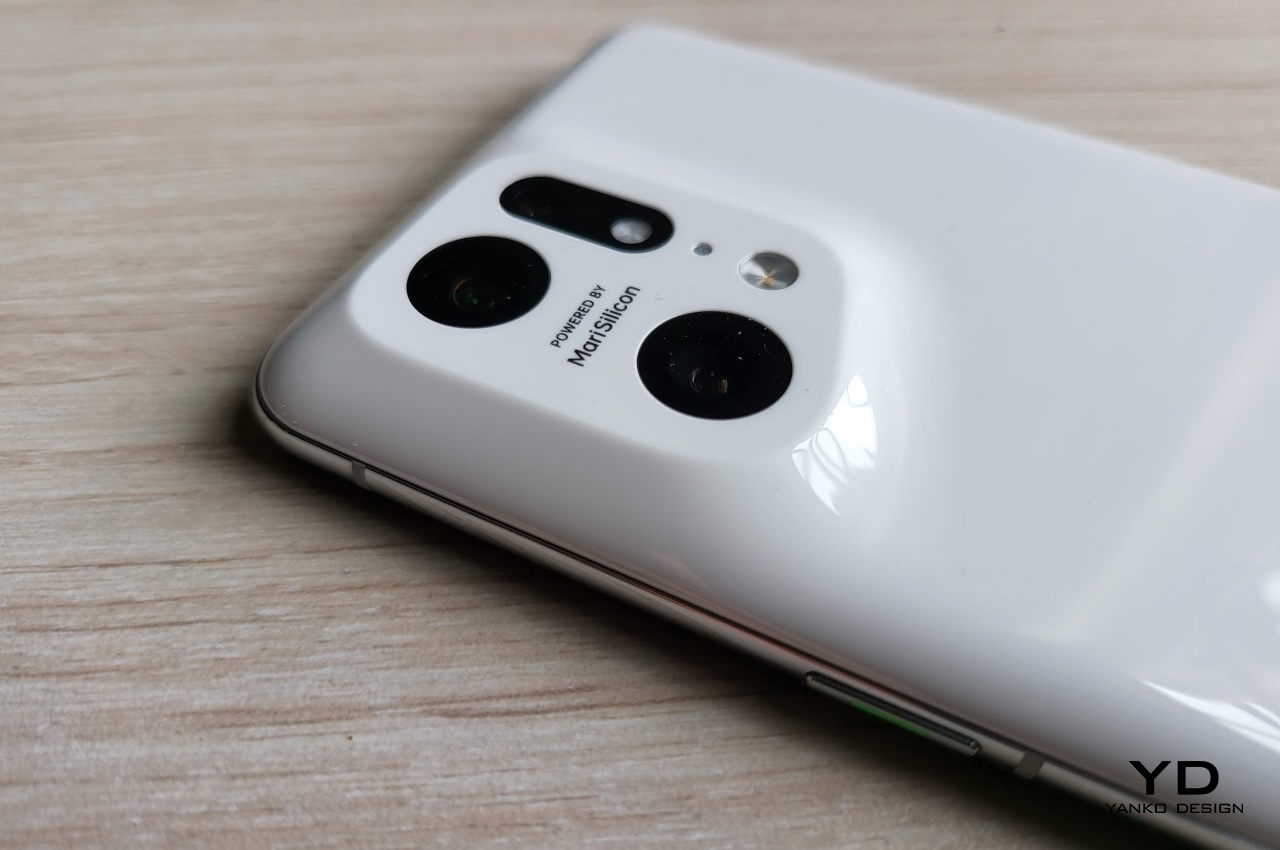
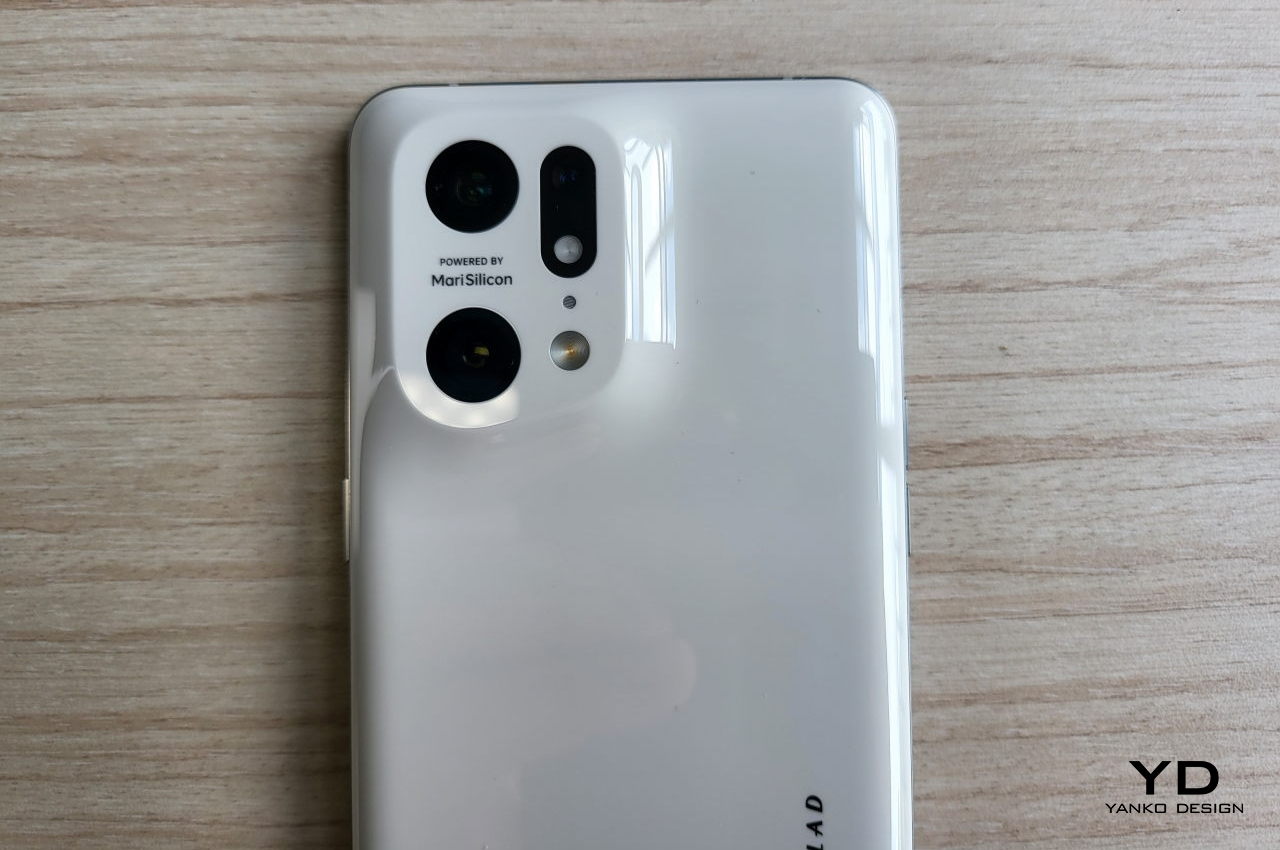
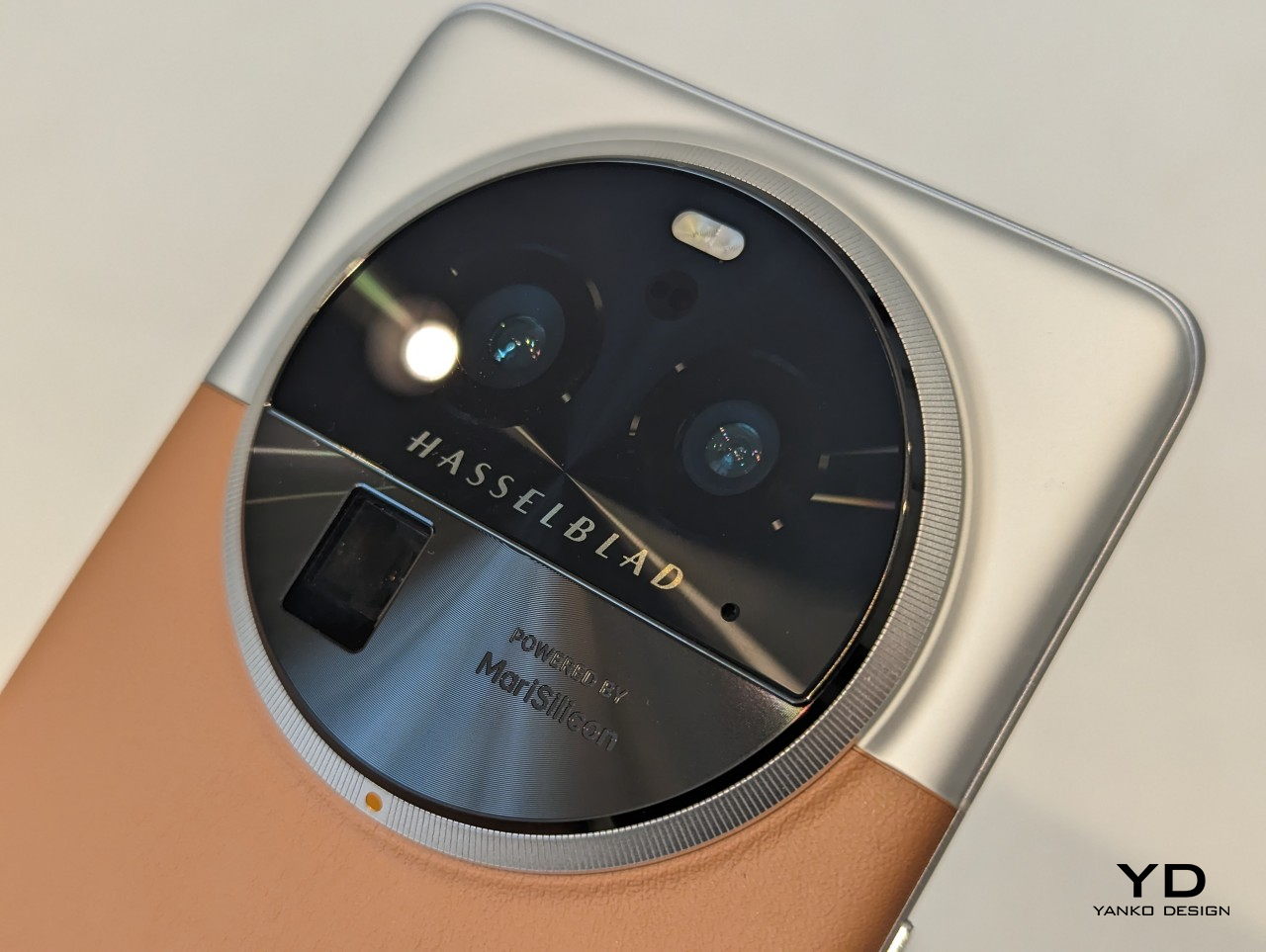
The OPPO Find X5, for example, used a single piece of ceramic for the back cover as well as the camera so that the bump is more of a gentle slope rather than an abrupt and independent structure. This year’s OPPO Find X6, on the other hand, used a very large circle, but it tried to imitate the aesthetics of a DSLR lens to give it a more familiar appearance. Given these two hits, it’s almost shocking to hear that the brand might be adopting something completely different and opposite to what they achieved.
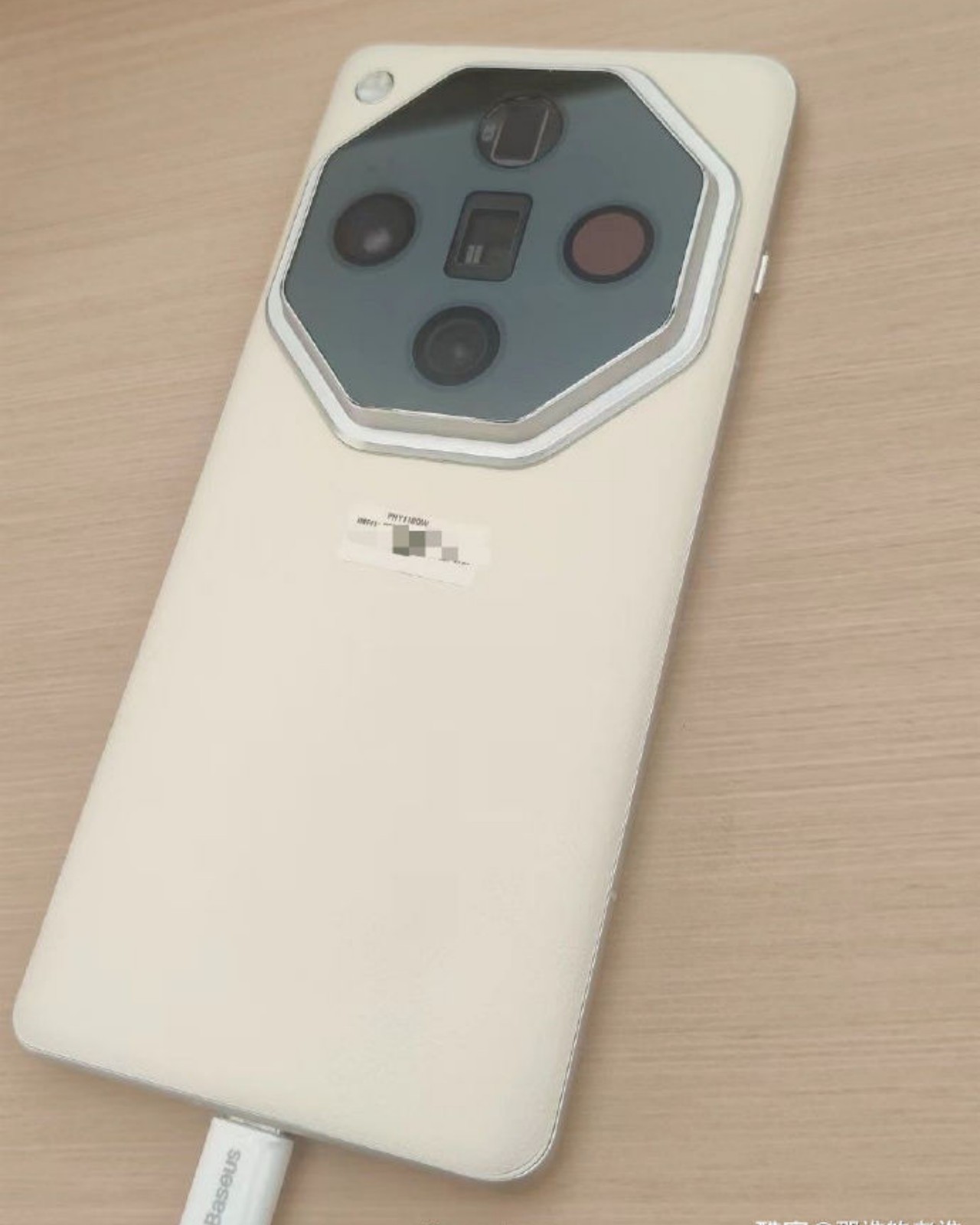
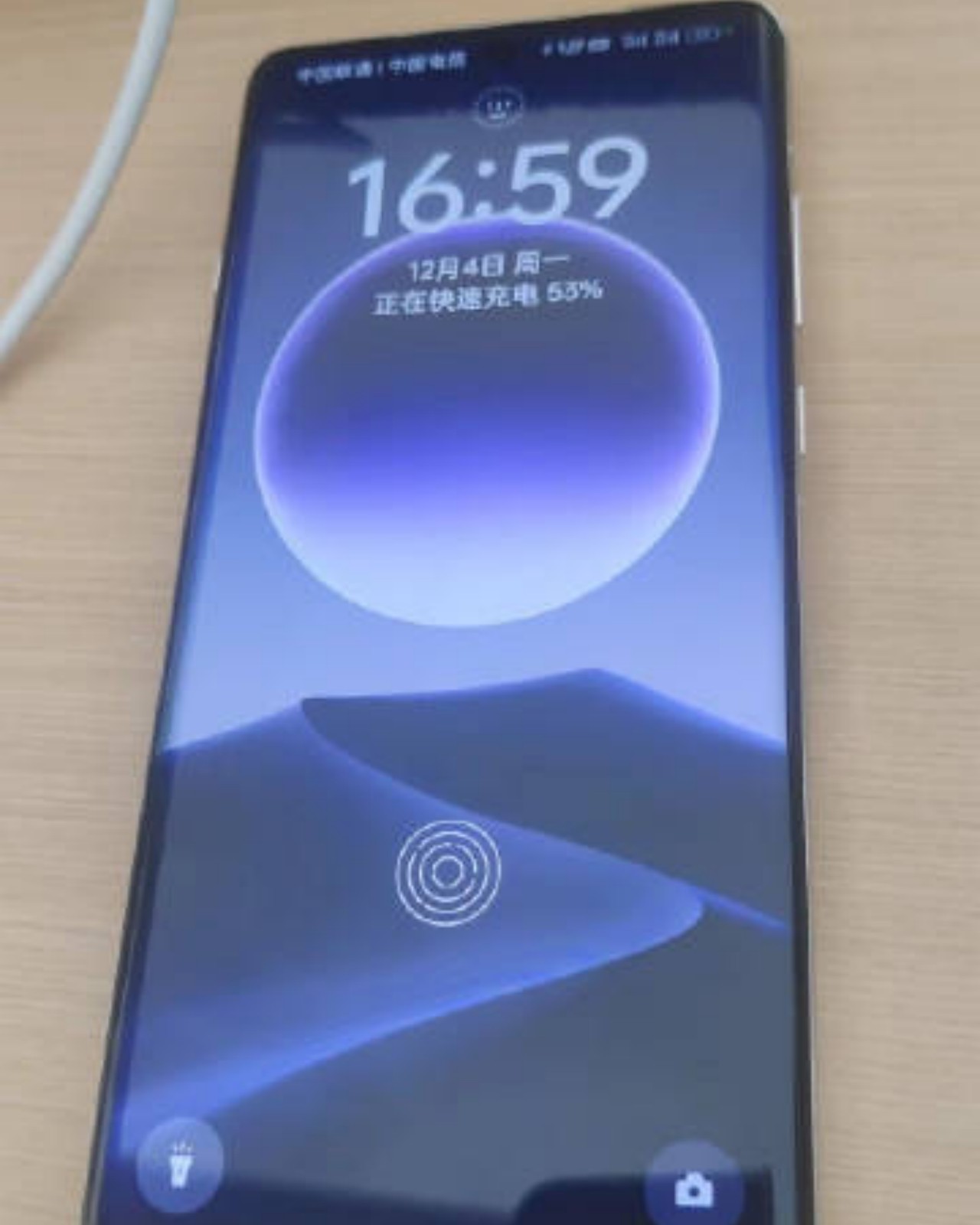
Leaked hands-on photos of the alleged OPPO Find X7 reveal a gigantic camera bump with a hexagon shape we rarely see on other phones, at least not of late. It seems to have a two-step structure perhaps to give it a bit of a flair, something it definitely needs given this rather unappealing appearance. At this point, however, the device in the photo is most likely a prototype, which means there’s a chance it isn’t the final design. Given the rather raw and rough appearance, that is hopefully the case.
The extra large camera bump could be due to having two periscope-style telephoto cameras, another first in the industry, that would require even more space for the hardware. That speculation isn’t that far off considering how OPPO markets its Find X series as a mobile photographer’s tool. It seems that the rest of the phone’s design will be similar to the OPPO Find X6, especially the curved edge screen which is a dying breed in this new flat age. The OPPO Find X7 is expected to drop sometime in the first quarter of 2024, so there’s plenty of hope that the brand will adopt a more attractive design for that large camera bump.