ChatGPT, the language model sensation from OpenAI, has captivated the world with its ability to generate eerily human-like text. But ChatGPT’s potential goes far beyond crafting convincing prose. Beneath its surface lies a treasure trove of hidden talents, brimming with possibilities waiting to be unleashed. This article delves into the depths of ChatGPT, exploring its […]
Hyperloop One had once dreamed of building a high-speed freight link between Europe and China, one that could take cargo from one end to the other in a single day. That will, however, remain one of the many goals the company won’t be able to fulfill. Hyperloop One is shutting down, a staff member has confirmed to Engadget after Bloomberg published a report about its closure. It was founded in 2014 following the release of Elon Musk’s paper about his vision for hyperloop transportation technologies.
The company originally aimed to provide transportation for both cargo and people in the form of pods traveling through sealed metal tubes across long distances in airplane-like speeds. From 2017 until 2022, it was known as Virgin Hyperloop One due to an investment from Richard Branson’s Virgin Group. But Virgin quietly pulled its branding last year when the company decided to abandon its plans of transporting passengers to focus on building a cargo-only service. Hyperloop One laid off over 100 staff members early last year due to its change in priorities.
According to Bloomberg, the company has been having financial troubles for a while and has notably never secured a contract to build a working hyperloop system. It has now laid off most of its remaining employees, the news organization said, and the ones left will be let go on December 31. Until then, they’re reportedly overseeing the sales of Hyperloop One’s assets, including its machineries and test tracks.
This article originally appeared on Engadget at https://www.engadget.com/hyperloop-one-is-shutting-down-030049106.html?src=rss
Hyperloop One had once dreamed of building a high-speed freight link between Europe and China, one that could take cargo from one end to the other in a single day. That will, however, remain one of the many goals the company won’t be able to fulfill. Hyperloop One is shutting down, a staff member has confirmed to Engadget after Bloomberg published a report about its closure. It was founded in 2014 following the release of Elon Musk’s paper about his vision for hyperloop transportation technologies.
The company originally aimed to provide transportation for both cargo and people in the form of pods traveling through sealed metal tubes across long distances in airplane-like speeds. From 2017 until 2022, it was known as Virgin Hyperloop One due to an investment from Richard Branson’s Virgin Group. But Virgin quietly pulled its branding last year when the company decided to abandon its plans of transporting passengers to focus on building a cargo-only service. Hyperloop One laid off over 100 staff members early last year due to its change in priorities.
According to Bloomberg, the company has been having financial troubles for a while and has notably never secured a contract to build a working hyperloop system. It has now laid off most of its remaining employees, the news organization said, and the ones left will be let go on December 31. Until then, they’re reportedly overseeing the sales of Hyperloop One’s assets, including its machineries and test tracks.
This article originally appeared on Engadget at https://www.engadget.com/hyperloop-one-is-shutting-down-030049106.html?src=rss
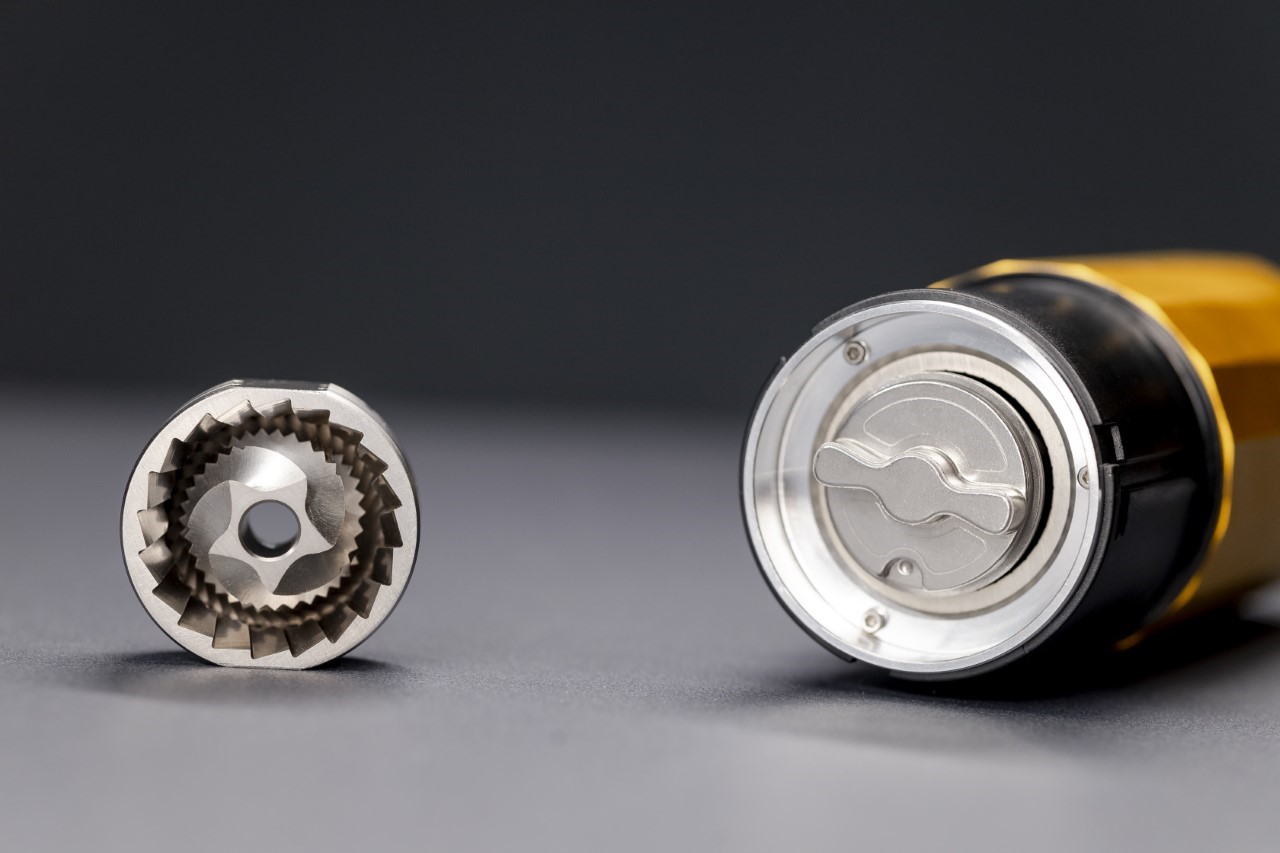
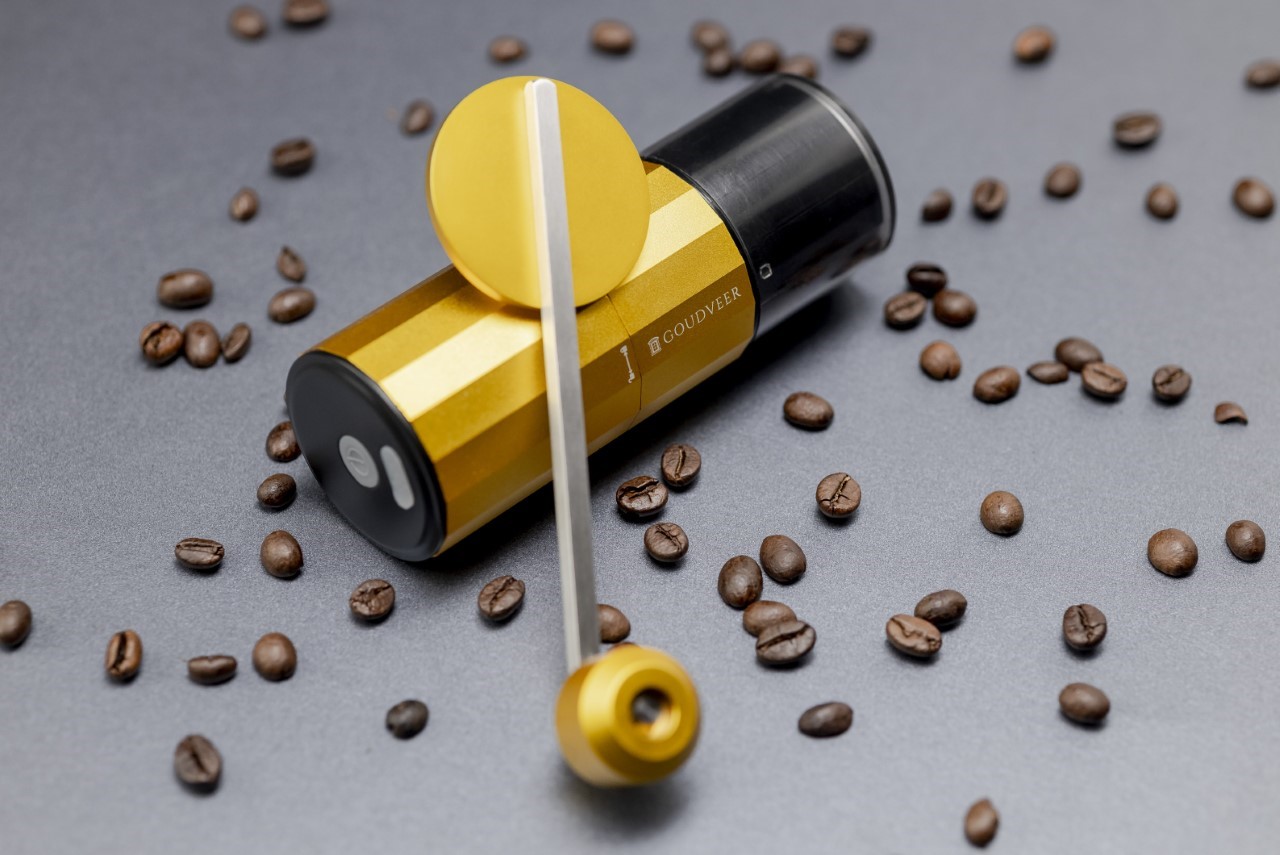
It’s a no-brainer that fresh ingredients lead to fresher-tasting food. Whether it’s a salad or a cup of coffee, the ingredients do play a role in overall flavor… but not everyone has access to fresh iceberg lettuce, and not everyone has the time/energy to freshly grind their coffee every morning. It’s common to err on the side of convenience and I’ll admit to drinking instant coffee when I’m in a rush, or when I’m traveling but the folks at Goudveer have a handy solution. The Goudveer F1 casually combines freshness and convenience together, ensuring that you don’t need to compromise on what might just be the first ritual of your day. The F1 is a portable, sleek, wireless coffee grinder that works both automatically as well as manually. With industrial-grade conical burrs and a motor that offers 100 grind settings, the Goudveer F1 gives you access to fresh coffee whether you’re at home, camping in the woods, or even at a minimally-stocked AirBnb in Osaka. The grinder comes with a built-in fold-out collection tray, and lets you hot-swap a motor for one-button electric grinding, or a hand-crank for a more ritualistic hands-on grinding experience. The best part? It’s practically the size of a small thermos, fitting into bags, backpacks, suitcases, or even your tiny apartment kitchen drawer.
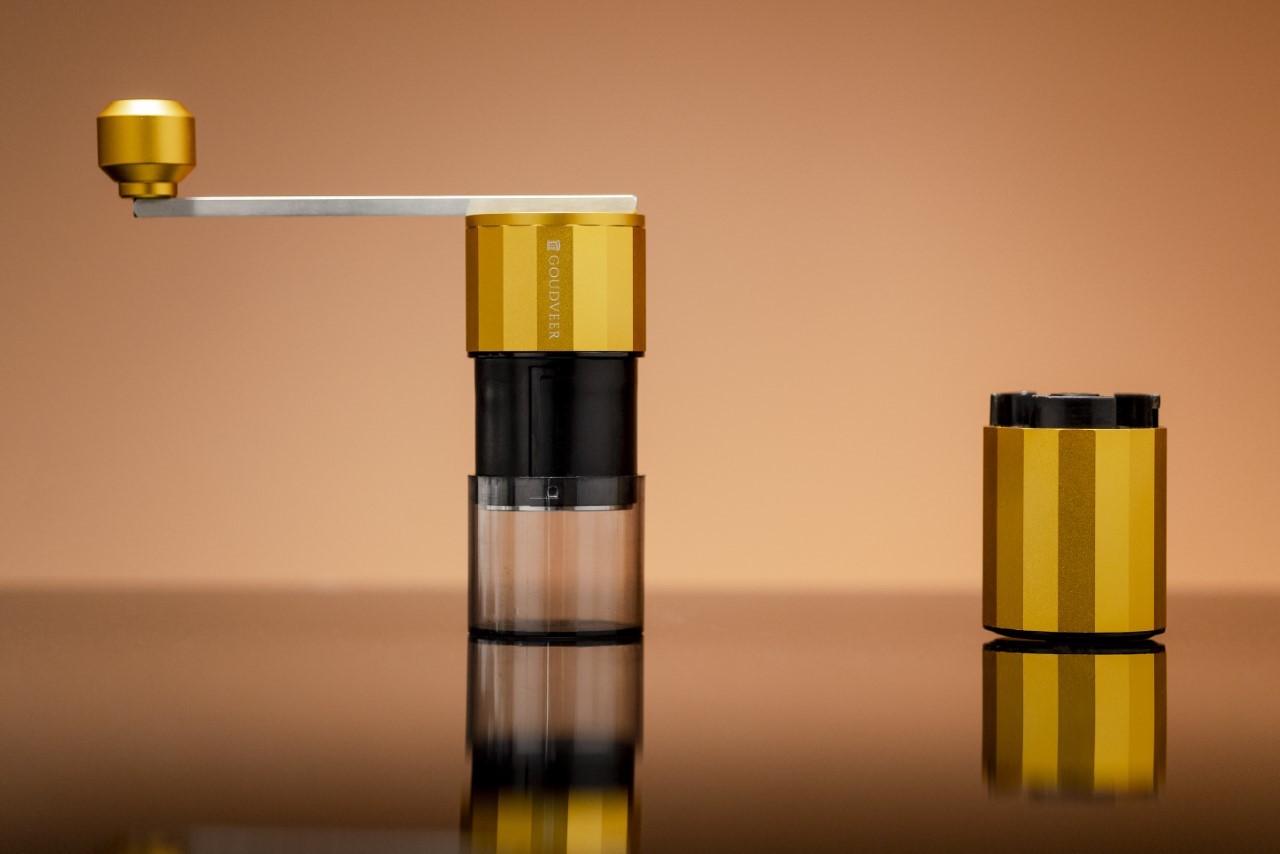
Designed in Norway, the Goudveer F1 has all the hallmarks of Scandinavian minimalism, with a simple-yet-sophisticated vertical cylindrical form factor. A faceted outer body with an anodized golden finish reflects light beautifully, while a fold-out clear container collects the coffee grinds, sort of like an inverted spice grinder. The vertical design ensures that all the coffee falls to the bottom, so you don’t need to smack the grinder around to get all the coffee out. Once done, the container slides telescopically back into the grinder, allowing it to have that tiny form factor that makes it such a travel-friendly pick.
The Goudveer F1 grinds at a speed of 1 gram per second, giving you enough for a double-shot of espresso in 15 seconds.
You can alternate between motorized or hand-cranked versions, letting you choose exactly how involved you want to be in the coffee-making process. Adding the motor gives the grinder more height, so we recommend keeping it when you want a quick, good coffee, or switching to the manual mode for travel. To keep things compact, the motor gets replaced with a simple hand-crank when used in manual mode. Rotate the handle and your coffee grinds through, effectively turning into a coarse or fine powder at the speed you like. Once you’re done, a quick rinse and dry should be fine, or if you want to place the F1 in your dishwasher, just remember to remove the motor before you do.
The patented motor and burr drive work efficiently at just 60 decibels
With 100 precise settings to choose from, the Goudveer F1 lets you fine-tune your grind, keeping it coarse for a French press or pour-over, or go superfine for an espresso machine or Turkish-style Cezve. 48mm five-star conical burrs made from high-quality stainless steel let you control your grind in increments of 0.018 mm or 18 microns (for reference, a human hair is 70 microns thick), giving you barista-level consistency. The 120W motor works with the tap of a single button, operating at a fairly quiet 60dB volume and grinding at speeds of 1 gram per second so you’ve got a 15-gram yield in just 15 seconds. The motor is powered by a battery that lasts for 35-50 grinds on a full charge, and charges via USB-C. An auto-stop feature kicks in if something (like a large coffee chunk or a loose staple pin) gets stuck in the burrs, preventing damage.
Charge it with a USB-C charger or even a power bank!
The Goudveer F1 ticks all the right boxes, from its compact size to its durable build, adaptable design, fast-yet-quiet motor, and ultimately its $89 price point which only includes the motorized variant. If you want both motorized and handheld options, a discounted $99 price tag fetches you an adaptable version of the world’s smallest pro-level electric coffee grinder.
We discovered the beauty and magic of tiny homes a couple of years ago, and we’re happy to see it was an excellent discovery. Since then, tiny homes have gained immense popularity, and been experimented with to create even better, more beautiful, and functional designs. We saw a torrent of ingenious and thoughtfully designed tiny homes in 2023, and we’ve curated some of our favorites for you. These unique tiny homes are space-saving and eco-friendly, reducing the load on Mother Earth, while also managing to look as cute as a button. From a 3D-printed tiny home that has the same price tag as a car to the world’s smartest tiny home that expands up to 3 times its original size – these tiny homes will have you swooning!
1. Nestron’s Tiny Homes
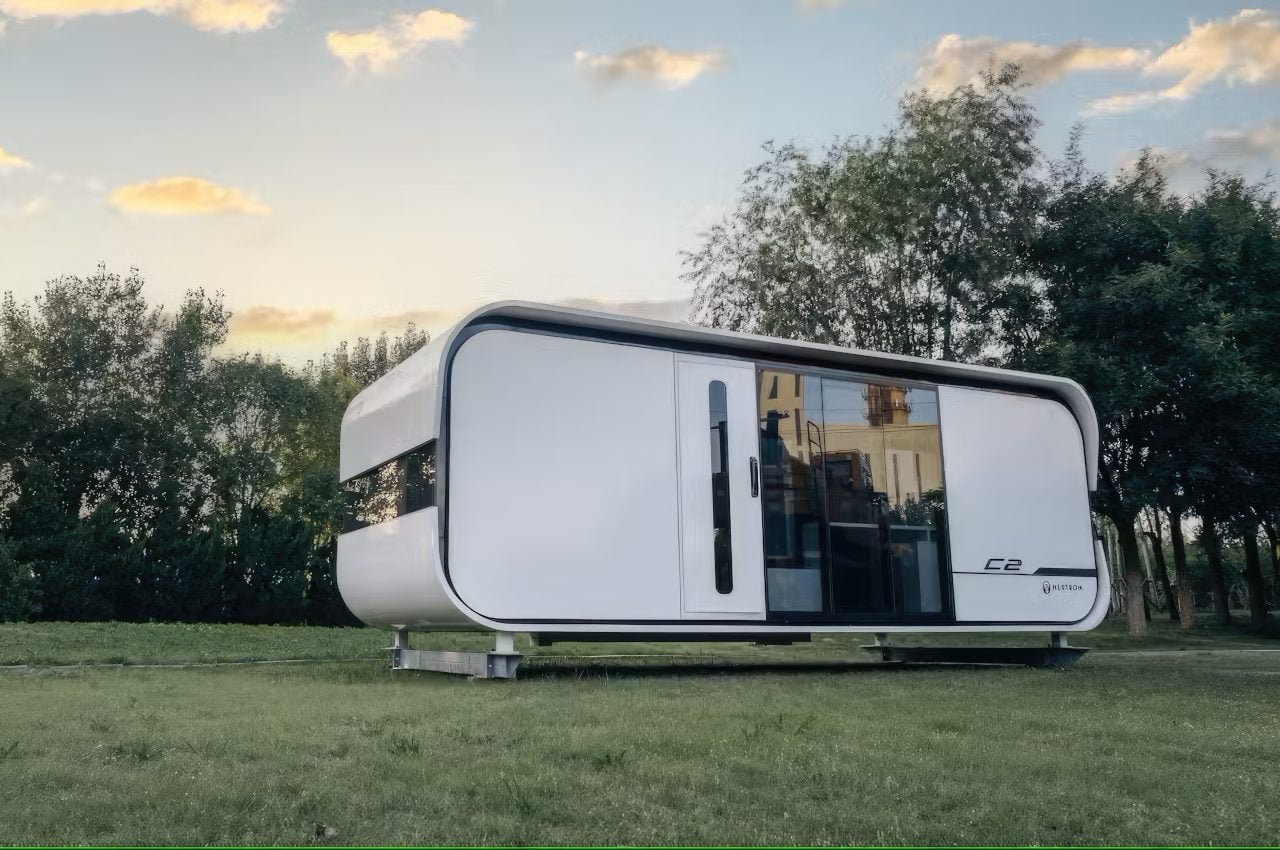
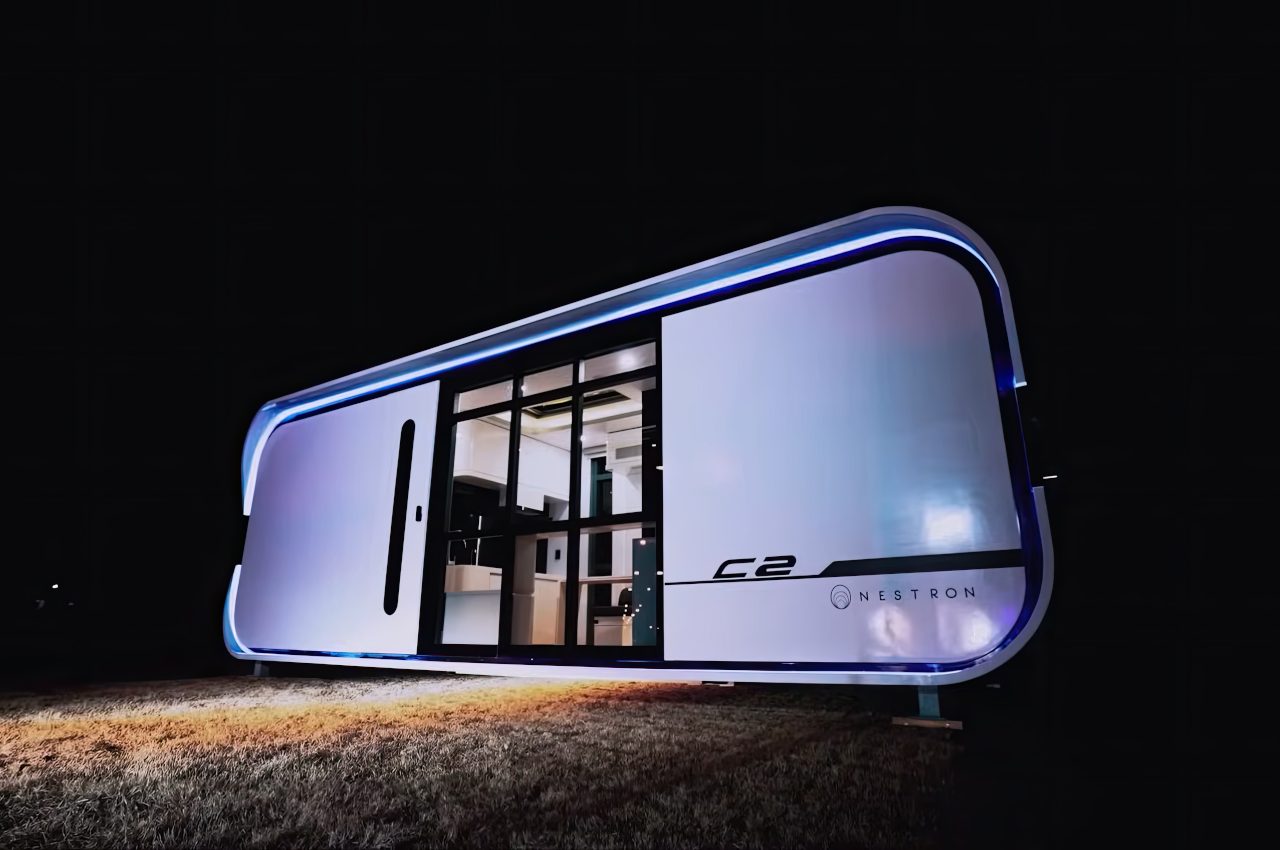
Nestron’s range of tiny homes is pretty sleek and futuristic with a highly customizable and aesthetically pleasing prefab design. The range includes the – Cube One (C1), Cube Two (C2), and Cube Two X (C2X) homes that cost from $42.2k to $126.6k, depending on the configuration you choose at Nestron’s online showroom.
Why is it noteworthy?
The futuristic homes include solar electricity (or local electricity), heating, and a fully-equipped bathroom with a smart toilet. The interiors can be customized, and they’re quite stunning and ideal for sci-fi fans who want their own futuristic homes!
What we like
Almost everything is handled by Nestron – from logistics and transport to unloading
Built from recyclable materials
What we dislike
They’re not very spacious, even the most expensive option, Cube Two X, only offers 398 square feet of space
2. Pod Studio
Meet the world’s smartest tiny home called Pod Studio! Designed by California-based Podform, the Pod Studio is an innovative and one-of-a-kind tiny home that can expand up to three times its original size. It is built using steel and aluminum and features a solar awning energy system
Why is it noteworthy?
The original size of the Pod Studio is 161 square feet, and it can be converted to 454 square feet within 15 minutes! It is easily transportable and portable and doesn’t need any foundation, because of its built-in hydraulic legs.
What we like
Equipped with solar panels and smart technology that can be easily controlled through an app
What we dislike
It’s not out on the market yet, so we’re not sure what the final home will be like
3. Vagabundo Flex
This special little home is called the Vagabundo Flex, and it extends over two levels, thanks to an innovative automated lifting root system that provides the home with enhanced comfort and functionality. The unique home is constructed using timber framing, wood fiber insulation, and double-glazed aluminum windows.
Why is it noteworthy?
It features an innovative and unique design that supports the roof, allowing it to rise to a height of 20.3 feet, which creates a spacious and expansive interior that occupies 300 square feet.
What we like
Bulky elements have been smartly hidden in corners and cupboards
Equipped with essential amenities, including panoramic windows and timber furnishings
What we dislike
Hefty price tag as compared to other tiny homes on the market
4. Fujitsubo
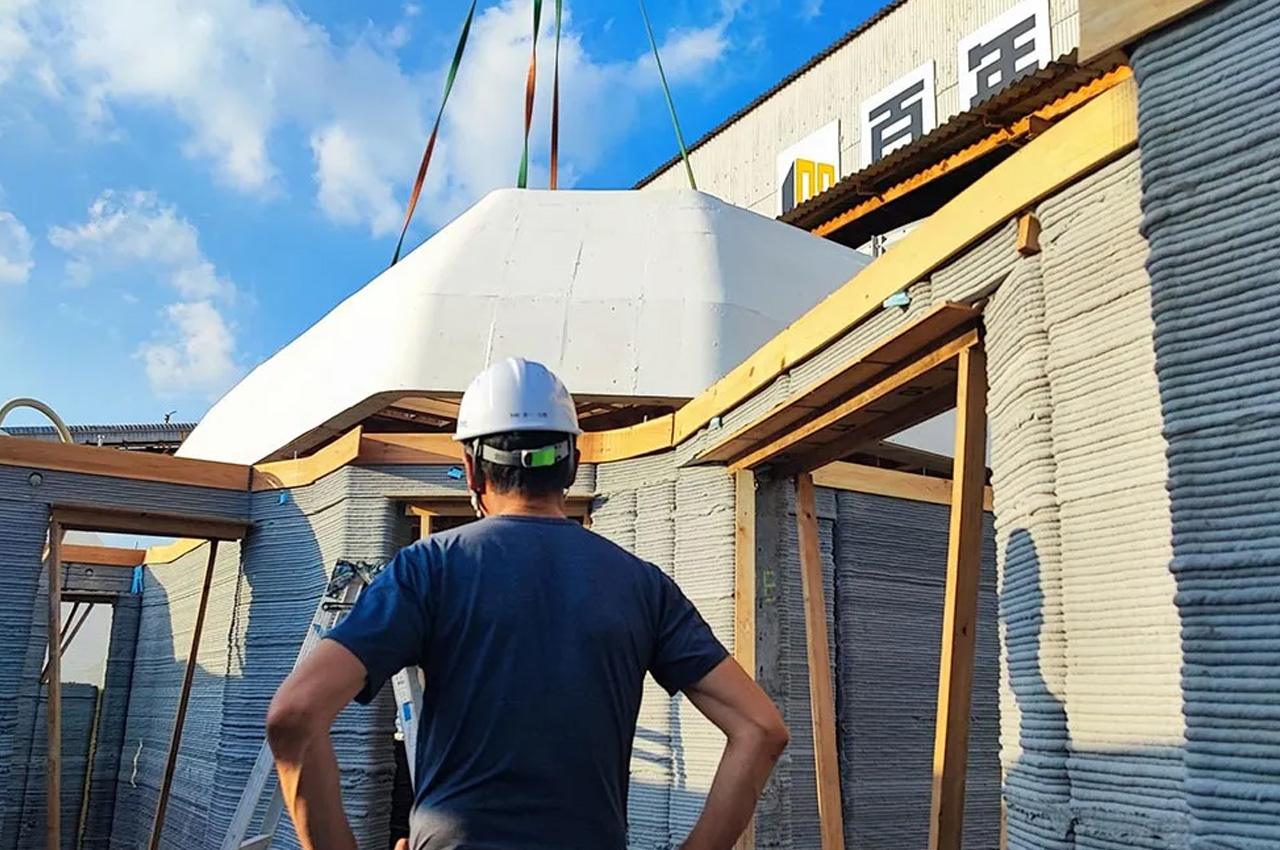
Japanese construction startup Serendix unveiled ‘Fujitsubo’ – a small home priced at 5.5 million yen or around $37,600! Serendix says it takes almost 44.5 hours to print and assemble the home.
Why is it noteworthy?
This compact home is called the Fujitsubo, or “the barnacle”, and it occupies only 538 square feet, which is quite small when compared to the average American home, which happens to be five times large. The home is 3D-printed and houses one bedroom, a bathroom, and an open living room connected to a kitchen.
What we like
Costs as much as a car while offering essential amenities and features
What we dislike
It’s still in the conceptual phase, so we’re not sure how the final structure will turn out to be
5. Câpsula
This tiny homes concept is called Câpsula, and it is designed by architecture studio i29. Launched during Dutche Design Week 2023, these prefabricated cabins and tiny homes are inspired by design-led thinking and aim to be simple yet functional.
Why is it noteworthy?
The project is pretty small-scale but the plans and ambitions for it are quite large. The goal and intention behind the project is to promote slow living, and create the ideal cabin architecture with a couple of amazing options.
What we like
Influenced by the minimalist style of architecture
Equipped with top-notch amenities and features
What we dislike
The small footprint of the homes may be considered too small for some
6. Ecocapsule NextGen
A few years ago, Ecocapsule launched a unique egg-shaped off-grid tiny home which was a major hit! And, now they’ve released a new and improved version called the Ecocapsule NextGen. The Ecocapsule NextGen promises to be an upgraded and elevated version of the tiny home.
Why is it noteworthy?
The Ecocapsule NextGen is larger than the previous home, it has been expanded to 5.2m from 4.67m, which makes it bigger than the original version, while also allowing it to maintain a compact and efficient form.
What we like
Features a gull-wing door that makes the home more open to the outdoors
What we dislike
It’s not released on the market, so we don’t know what the actual final product will be like
7. The Nest
Dubbed the Nest, this tiny cabin is one of the short-term rental properties available at ReWild Rentals. Nestled in Hocking Hills, Ohio, the cabin displays the stunning beauty of the location to the guests. It features a unique layout that makes it feel much bigger than it is!
Why is it noteworthy?
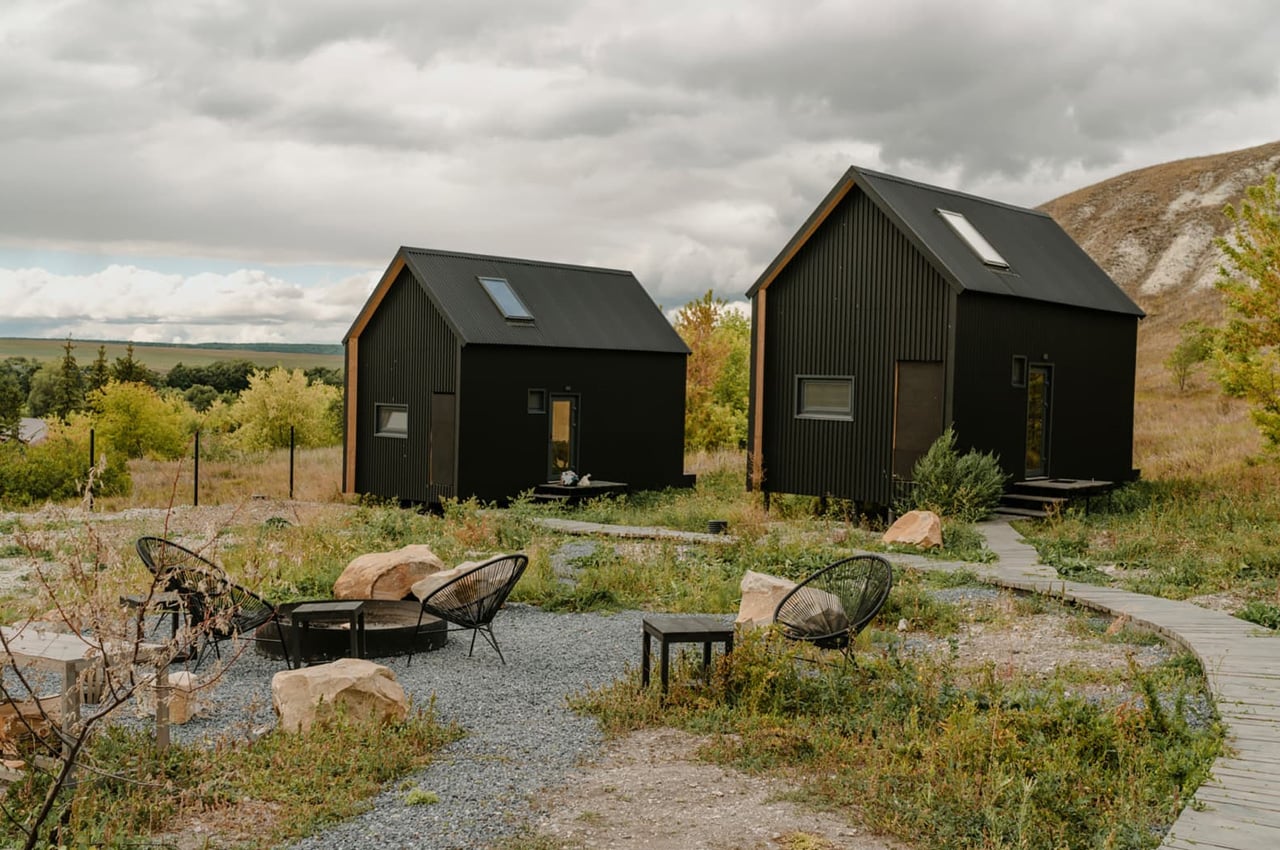
The small house is clad in black board-and-batten wood siding, providing it with a modern and contemporary vibe which is further defined by a long sloping roof on one side, which also offers shelter to the outdoor patio.
What we like
Unique layout unlike the typical tiny homes, which makes it feel much larger than it is
What we dislike
The barn-style door can be considered a bit old-fashioned and doesn’t provide much privacy in the bathroom, which is inconvenient for residents
8. Sakura Tiny House
Designed by Canada-based Acorn Tiny Homes, the Sakura tiny house is intended to be a game-changer compared to typical tiny homes on the market. It doesn’t feature wheels, but instead is equipped with an innovative space-saving interior which includes a transforming bedroom and kitchen.
Why is it noteworthy?
The Sakura tiny home is breaking ground in the tiny home arena, by taking this popular housing style to a whole new and upgraded version. It is inspired by popular Japanese design trends, which can be even witnessed in its name.
What we like
Heavily inspired by Japanese design holistically
Features a flexible multipurpose space, making it truly one-of-a-kind
What we dislike
It can accommodate two residents and only two guests, and it could be a tight fit. Not the best option for families who like to host people
9. Browny
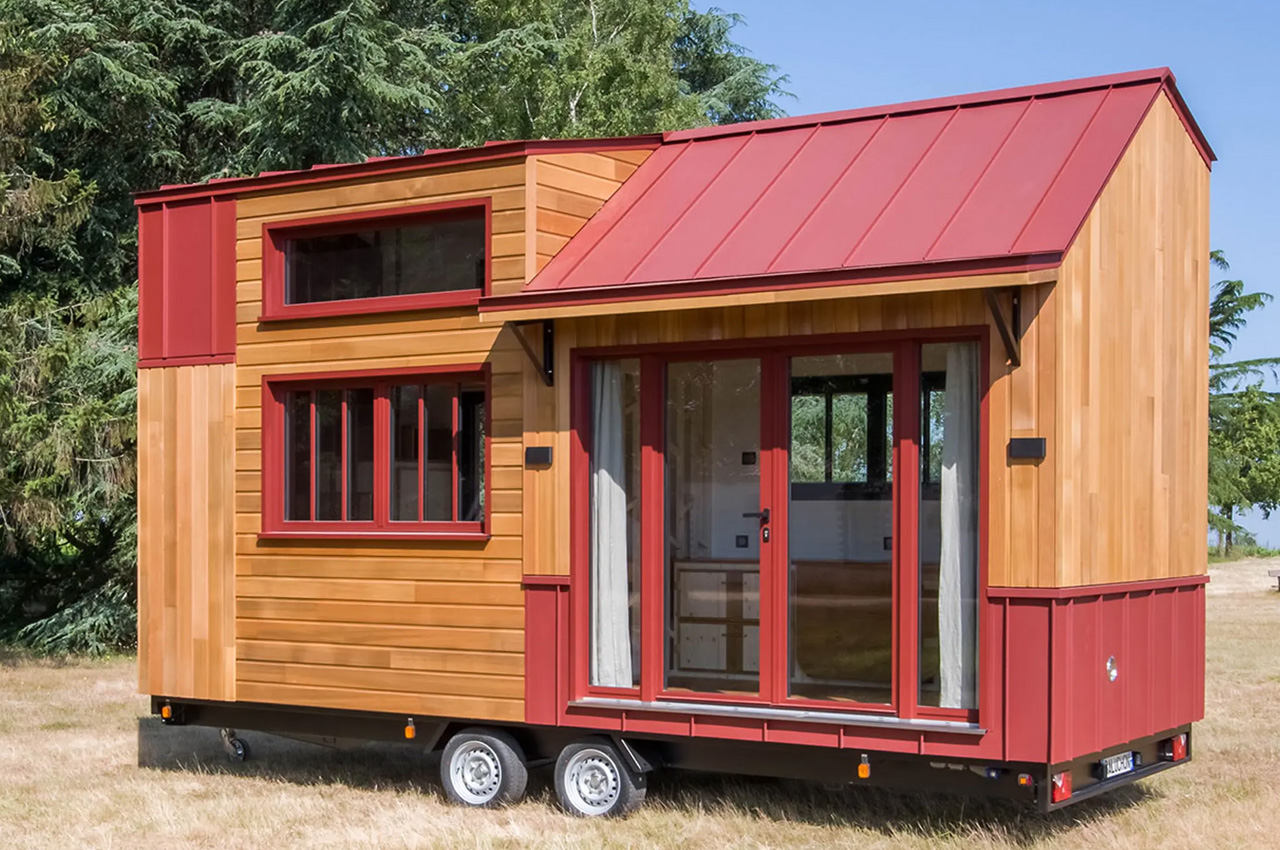
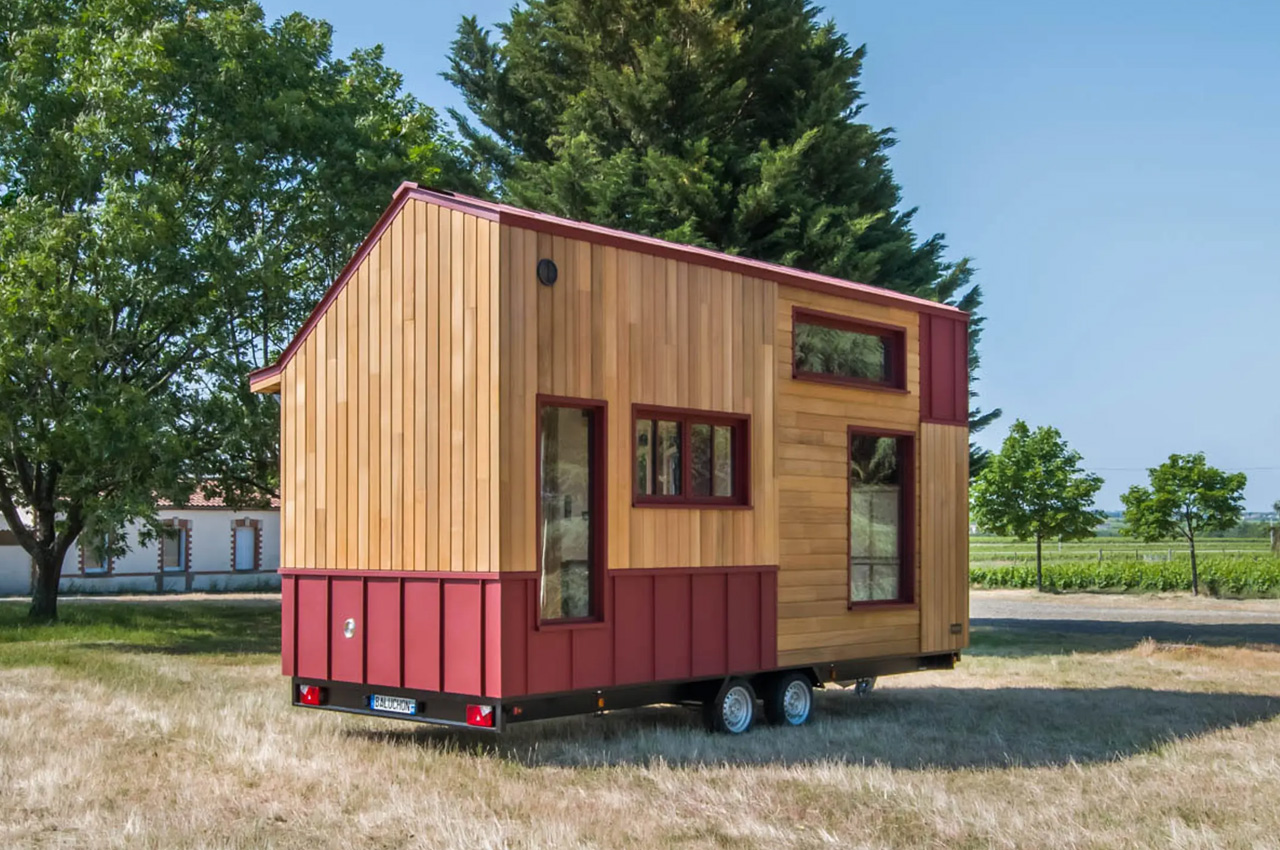
Coined Browny, this adorable-looking tiny home ranks high on versatility, as it can effortlessly and efficiently house a home office, exercise area, and a guest bedroom within a length of 6 meters, while also proving to be quite comfortable.
Why is it noteworthy?
The Browny is supported by a double-axle trailer and finished in red cedar, which is further accentuated by aluminum accenting and a roof. It is a great-looking tiny home with a generous amount of glazing to maximize natural light within the home.
What we like
Accommodates multiple amenities in a small space
Features integrated storage space
What we dislike
Doesn’t feature a proper kitchen and bathroom, which can be inconvenient for users
10. Samara and James’ Tiny Home
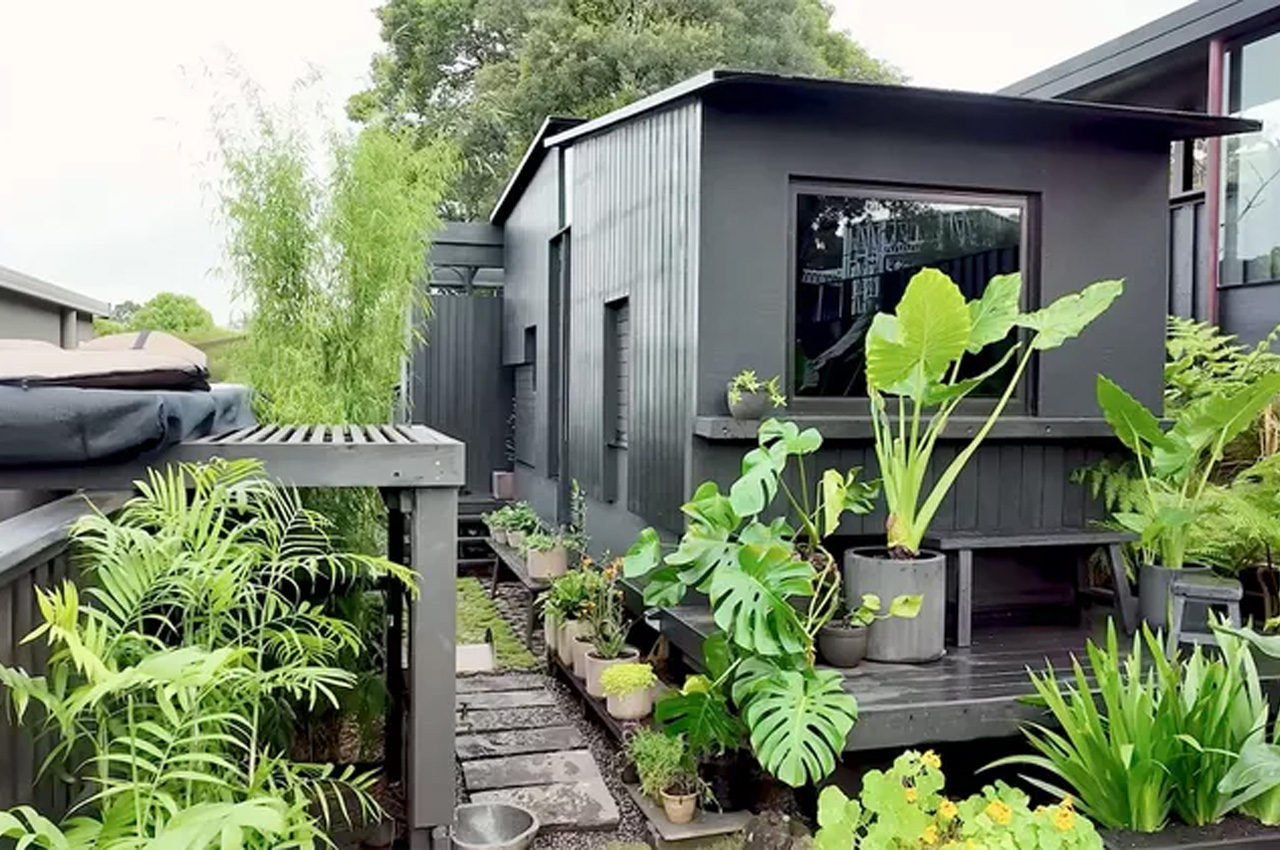
This 16-foot-long tiny home was designed by a lovely couple Samara and James, and is home to them. It features all the design ideas and moves you usually wouldn’t execute in a small space, making this tiny home a truly unique one.
Why is it noteworthy?
Although the interior and exterior have a dark theme, and there aren’t a lot of windows in the house, the home still manages to be quite spacious with a certain balance to it, while maintaining a serene connection to the site it is located on.
What we like
Inspired by Japanese design, especially by shou sugi ban
Features three modules, that can be moved and reconfigured if the home ever needs to be expanded
What we dislike
It only features an outdoor shower, which some people may not be comfortable with
Christmas is right around the corner, and if you’re looking for a wonderful last-minute present, then we may be able to help you out. Italian architect Cristina Celestino designed an ethereal-looking colored glass candle holder for Diptyque’s first refillable candle. The holder features the brand’s signature oval shape and was created as a part of the Les Mondes de Diptyque collection. The stunning candle holder was created “to achieve a monolithic volume while maintaining a soft, tactile quality”.
Designed as the brand’s first refillable candle, the candle can be utilized multiple times owing to the various replacement oval blocks that can perfectly fit into the holder’s glass form. The candle took almost three years to produce, as they needed to be sure that the wax would burn properly and evenly in the oval shape, and could be swiftly replaced if needed.
“It [pressed glass] is the most suitable for creating a compact object with highly precise and significant details, all while maintaining quality standards,” said Celestino. “I’ve always had a deep affinity for glass and consistently experimented with it in crafting small objects like flower vases and, in the case of my brand Attico Design, candle holders.”
The candle holder is made up of a trio of glass rings that have been stacked on top of each other, which makes a lovely reference to Diptyque’s three founders, and “subtly pays homage to their fruitful creative union”. It was built using a pressed glass technique which is also called molded glass – a process utilized to create intricately designed and detailed glassware. The method includes placing molten glass into a mold and then pressing the glass to the shape of choice via a plunger or pneumatic device.
The glass candle holder was designed to elevate the mood of a room, completely enhancing its ambiance, and adding a seductive charm to it. The colored holders come in shades of – blue, red, green, grey, and orange. They can be refilled with any of the five scented wax candles, that were created after drawing inspiration from five locations around the world – Nymphées Merveilles (Milan), La Forêt Rêve (Mexico), Temple des Mousses (Kyoto), La Vallée du Temps (China) and Terres Blondes (Colorado).
For audiophiles the craving to hear the smallest little detail can lead to purchases that otherwise might seem pointless to normal music listeners. In times dominated by wireless audio solutions, a wired solution seems pre-historic but it does deliver superior audio. That’s why you can still find enthusiasts yearning for Sony, Shanling, FiiO, Astell & Kern or iBasso.
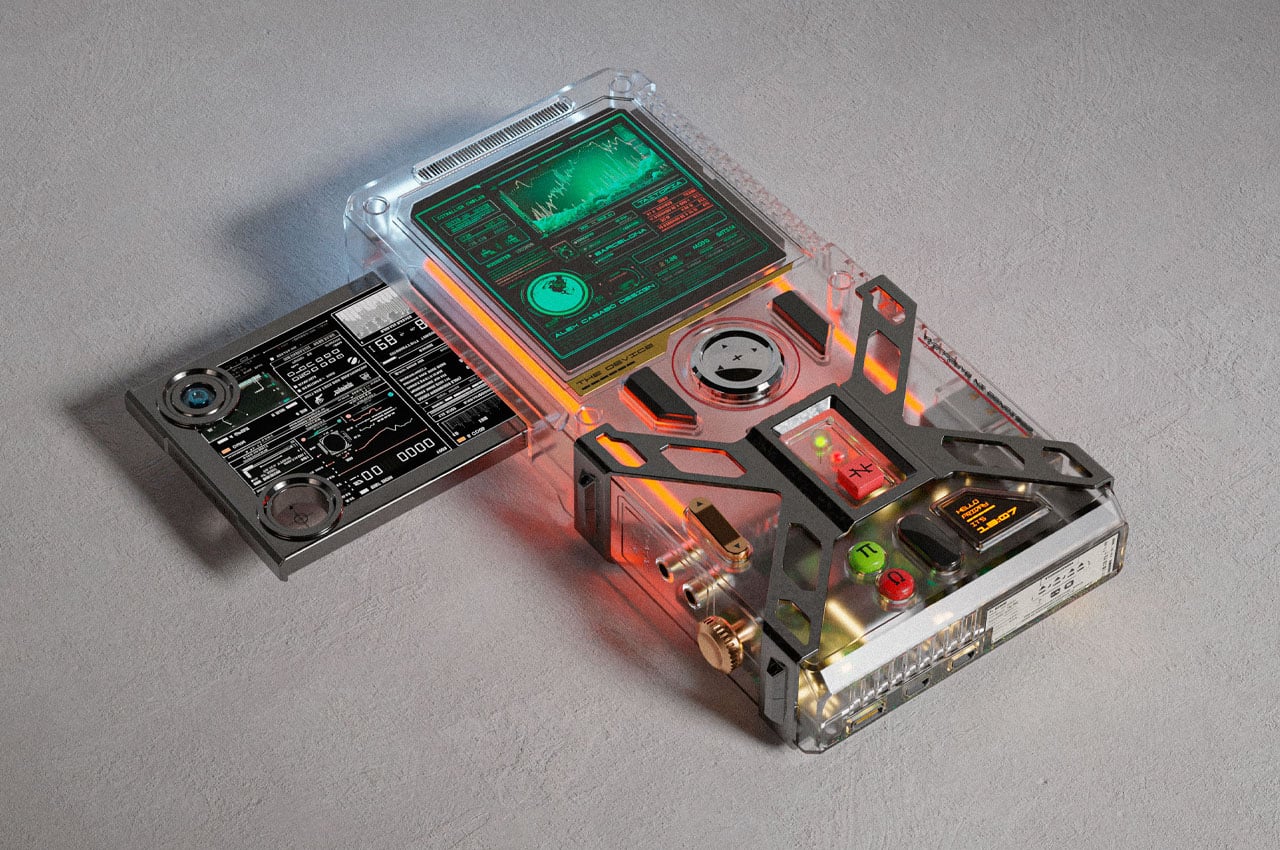
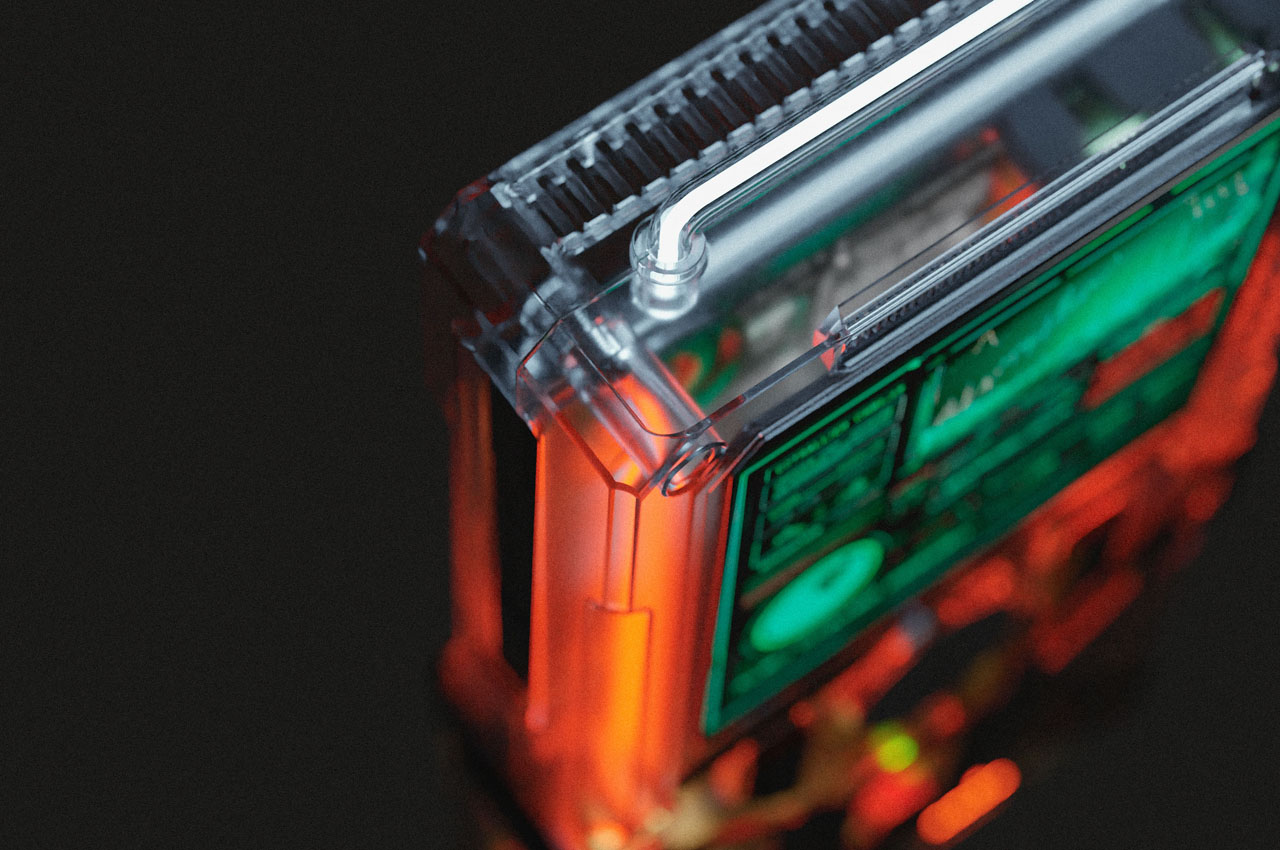
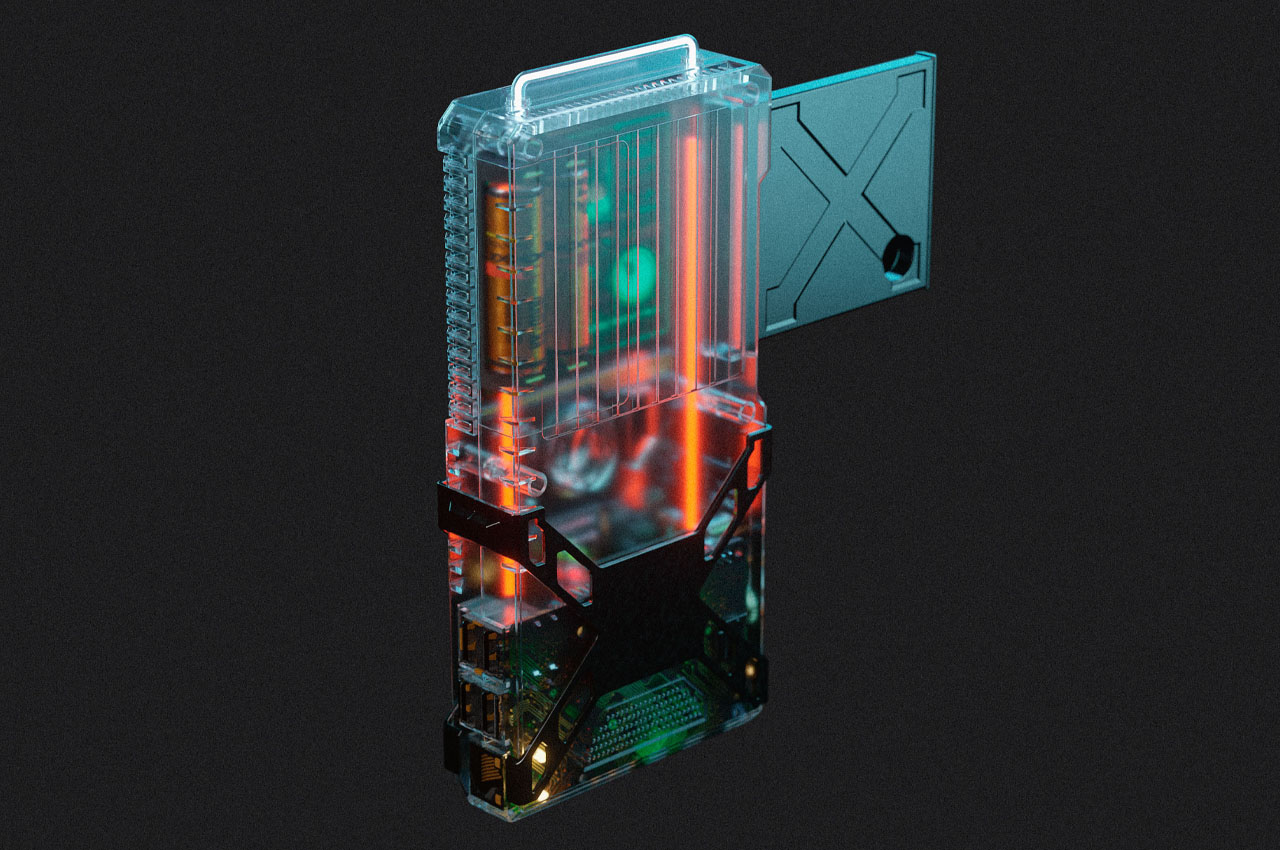
This Cyberpunkish MP3 music player concept is designed for geeky audio listeners who love to own gadgets that are a league apart. The transparent aesthetics expose all the hardware inside, letting you connect with the intricacies of the micro equipment like none other. This holds merit in a space where all the high-resolution MP3 players follow a predictable design language.
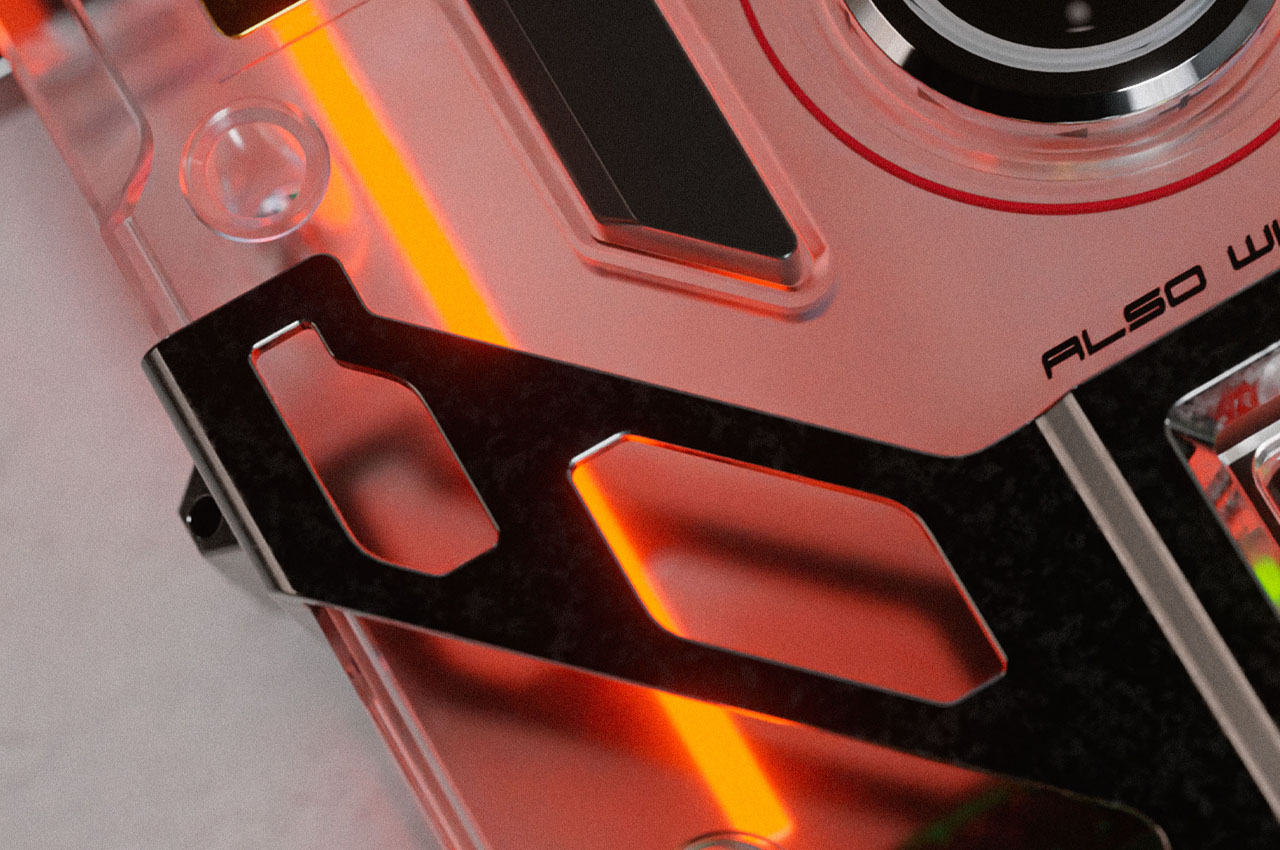
The interface of the music player induces elements of the famous Winamp player that ruled every geeks personal computer way back in the late 2000s. That’s mixed perfectly with the diffused amber LED lighting reminiscent of the Cyberpunk world. Use of metal inserts in X-shape to the bottom front section enhance its industrial appeal. While the designer doesn’t detail-in about the reinsertable part on the top behind the screen, I assume it’s the memory storage that can be connected to your PC for easy data transfer.
The Device is functional with a pair of AA batteries or can be charged up with the USB-C connector. To ensure seamless connectivity with you DAC’s or other audio equipment, there are ports on the left side. The whole design bears a raw industrial look – right from the menu buttons to the volume toggle buttons. There’s no clarity about the audio formats supported by the gadget – all we know is it atleast comes with plug-and-play MP3 support.
The Federal Trade Commission (FTC) is proposing changes to the Children’s Online Privacy Protection Rule (COPPA) to make it harder for tech companies to track and monetize children’s data. Some of the proposed changes include placing limits on how long companies can retain data they collect from minors and forcing parents to consent to, or opt out of, targeted marketing.
COPPA has been around since April 2000 and currently requires some level of transparency from online services and websites. Before collecting data from minors, providers need to obtain “verifiable parental consent.” In 2013, the FTC tried to narrow the definition of what a provider is to any digital service that weaves an advertising network into its platform and collects personal data — regardless of whether or not a website or online service is particularly directed toward children. At the time, they also expanded the scope of what constitutes ‘personal information’ to include geolocation and any photos or videos that depict a child’s image, among other things.
In its new proposal, the FTC wants to expand the scope of personal information in COPPA again to include biometric data. The proposal will also scrutinize digital service providers for sending push notifications that encourage kids to keep using their service and attempt to close any loopholes for data collection to “support for internal operations.”
FTC proposes strengthening children’s privacy rule to further limit companies’ ability to monetize children’s data: https://t.co/A4cbbX0Sn2 /1
“When we consider the harms of online behavioral advertising to children, we cannot forget one of the original reasons COPPA was envisioned and enacted: A desire to ensure that companies cannot build a commercial relationship with children that preys on their immaturity, honesty, and trust,” FTC Commissioner Alvaro Bedoya said in a statement.
The FTC also wants to make it harder to monetize children’s data generated in the classroom in an effort to enhance privacy safeguards for students. If passed, COPPA will allow schools to gain more control over whether or not to allow educational tech providers the option to collect or use students’ personal information.
Lina Khan, the chair of the FTC, took to X to voice support for the proposal, writing: “Our proposed changes to COPPA are much-needed, especially in an era where online tools have become essential for navigating daily life,” adding that companies are deploying increasingly sophisticated ways to collect kids’ data. The FTC will collect public comments on the proposal for 60 days before taking any further regulatory action.
The public will have 60 days to submit a comment on the proposed changes to the COPPA Rule after the notice is published in the Federal Register /3
This article originally appeared on Engadget at https://www.engadget.com/the-ftc-wants-to-strengthen-coppa-to-make-it-harder-for-companies-to-monetize-kids-data-214459097.html?src=rss
The Federal Trade Commission (FTC) is proposing changes to the Children’s Online Privacy Protection Rule (COPPA) to make it harder for tech companies to track and monetize children’s data. Some of the proposed changes include placing limits on how long companies can retain data they collect from minors and forcing parents to consent to, or opt out of, targeted marketing.
COPPA has been around since April 2000 and currently requires some level of transparency from online services and websites. Before collecting data from minors, providers need to obtain “verifiable parental consent.” In 2013, the FTC tried to narrow the definition of what a provider is to any digital service that weaves an advertising network into its platform and collects personal data — regardless of whether or not a website or online service is particularly directed toward children. At the time, they also expanded the scope of what constitutes ‘personal information’ to include geolocation and any photos or videos that depict a child’s image, among other things.
In its new proposal, the FTC wants to expand the scope of personal information in COPPA again to include biometric data. The proposal will also scrutinize digital service providers for sending push notifications that encourage kids to keep using their service and attempt to close any loopholes for data collection to “support for internal operations.”
FTC proposes strengthening children’s privacy rule to further limit companies’ ability to monetize children’s data: https://t.co/A4cbbX0Sn2 /1
“When we consider the harms of online behavioral advertising to children, we cannot forget one of the original reasons COPPA was envisioned and enacted: A desire to ensure that companies cannot build a commercial relationship with children that preys on their immaturity, honesty, and trust,” FTC Commissioner Alvaro Bedoya said in a statement.
The FTC also wants to make it harder to monetize children’s data generated in the classroom in an effort to enhance privacy safeguards for students. If passed, COPPA will allow schools to gain more control over whether or not to allow educational tech providers the option to collect or use students’ personal information.
Lina Khan, the chair of the FTC, took to X to voice support for the proposal, writing: “Our proposed changes to COPPA are much-needed, especially in an era where online tools have become essential for navigating daily life,” adding that companies are deploying increasingly sophisticated ways to collect kids’ data. The FTC will collect public comments on the proposal for 60 days before taking any further regulatory action.
The public will have 60 days to submit a comment on the proposed changes to the COPPA Rule after the notice is published in the Federal Register /3
This article originally appeared on Engadget at https://www.engadget.com/the-ftc-wants-to-strengthen-coppa-to-make-it-harder-for-companies-to-monetize-kids-data-214459097.html?src=rss
You can't buy the Apple Watch Series 9 and the Ultra 2 from Apple's online store anymore — and as of December 24, they're no longer available from the company's retail outlets. Here's why.
Why is there an Apple Watch ban?
Apple has pulled the watch models from its website after the United States International Trade Commission (ITC) ordered the company to stop selling them in the US.
The ITC issued the Apple Watch ban after siding with Masimo, a medical technology company, which sued Apple in 2021 for allegedly infringing on five patents related to light-based blood oxygen monitoring. In October, the ITC upheld a judge's ruling from earlier this year that the Apple Watch did violate Masimo's patents. Both the affected models come with the feature, but older models with the capability are not included in the sales ban. Apple started offering blood oxygen monitoring with the Watch Series 6.
The ITC had upheld a judge’s previous ruling from earlier this year that Apple did violate Masimo’s patents. Apple is appealing the decision and tried to convince the commission to put a pause on the ban until it’s done. However, the ITC has denied the request, meaning the ban is pushing through unless the president himself steps in and vetoes the order. The US Trade Representative is reviewing the ITC’s decision, as well, and could choose to disapprove it due to policy reasons.
Masimo originally sued Apple in 2020 for allegedly stealing trade secrets. It alleged that Apple hired several Masimo employees and used their knowledge of Masimo's products to develop the Apple Watch's blood oxygen monitoring capabilities. That case is still ongoing.
What is Apple doing about it?
Apple previously told Engadget that it’s pulling the watch models from its websites on December 21 and from its retail outlets on December 24 as a preemptive measure. The import ban took effect on December 26, following the Presidential Review Period, which also ended December 25 without veto.
"Apple’s teams work tirelessly to create products and services that empower users with industry-leading health, wellness, and safety features," the company said earlier this month. "Apple strongly disagrees with the order and is pursuing a range of legal and technical options to ensure that Apple Watch is available to customers." The company added that it will "continue to take all measures to return Apple Watch Series 9 and Apple Watch Ultra 2 to customers in the US as soon as possible.”
In 2022, Apple itself filed two patent infringement lawsuits against Masimo that accuse it of releasing a smartwatch that copies its watches’ features. If neither the president nor the US Trade Representative overturns the ban, however, the company may have to wait for the results of its appeal.
Apple could also come to an agreement with Masimo, which most likely means money will be changing hands. The company's CEO has said he is open to a financial settlement, but told Bloomberg that Apple has not tried to negotiate an agreement. Bloomberg also reports that Apple is working on a software update that it believes will resolve the ITC dispute.
How can I buy an Apple Watch now?
You can still get the brand’s older watches, or the Apple SE, which doesn’t have a blood oxygen monitor. If you’re looking to buy either of the affected models this holiday season, they will still be available from third-party retailers.
With the Apple Watch import ban now in effect, retailers will only be able to sell through their existing stock. So your best bet for buying these models would be a reputable retailer like Amazon, Best Buy, Target or Walmart. If they're out of stock, you'll just have to wait for this mess to get sorted out — or take it as an excuse to vacation in Mexico or Canada.
This article originally appeared on Engadget at https://www.engadget.com/the-apple-watch-ban-is-here-why-apple-is-no-longer-selling-the-watch-series-9-and-watch-ultra-203706971.html?src=rss