NVIDIA partners with Ubisoft to further develop its AI-driven NPCs

NVIDIA has been working on adding generative AI to non-playable characters (NPCs) for a while now. The company is hoping a newly-announced partnership with Ubisoft will accelerate development of this technology and, ultimately, bring these AI-driven NPCs to modern games.

Ubisoft helped build new "NEO NPCs" by using NVIDIA’s Avatar Cloud Engine (ACE) technology, with an assist from dynamic NPC experts Inworld AI. The end result? Characters that don’t repeat the same phrase over and over, while ignoring the surrounding violent mayhem

These NEO NPCs are said to interact in real time with players, the environment and other in-game characters. NVIDIA says this opens up “new possibilities for emergent storytelling.” To that end, Ubisoft’s narrative team built complete backgrounds, knowledge bases and conversational styles for two NPCs as a proof of concept.

A lady NPC talking about a bank heist or something.
Ubisoft/NVIDIA

These are fully-fleshed out characters with “environmental and contextual awareness” along with conversational memory. NVIDIA says each character excels with “collaboration and strategic decision-making.” The company also incorporated its Audio2Face technology to allow for appropriate facial animations and lip syncing. NVIDIA suggests that these characters push “the boundaries of game design and immersion.”

The company didn’t explicitly announce that this technology would be coming to Ubisoft titles in the nearish future, but it’s a safe bet it's on the roadmap. Perhaps soon you’ll be able to see what the sweet old man outside of the inn thinks about you absolutely obliterating the whole town. Won’t that be fun?

This isn’t the only big AI-adjacent announcement from NVIDIA this week. The company just unveiled its next-generation of GPUs, an evolution of the chips that are used to train large language models. The company promises that its Blackwell chips are seven to 30 times faster than the H100 series and use 25 times less power.

This article originally appeared on Engadget at https://www.engadget.com/nvidia-partners-with-ubisoft-to-further-develop-its-ai-driven-npcs-160432137.html?src=rss

Dyson enters the US robot vacuum market with the 360 Vis Nav

Dyson’s one of the biggest players in the cordless vacuum and air purifier space (and, more recently, hair styling as well), but it’s kept a relatively low profile in the robot vacuum market. Today, the company’s bringing its latest robot vacuum to the US and Canada. After being available in other regions, the Dyson 360 Vis Nav is now available to order in the US for a whopping $1,199 from Dyson direct and other retailers like Amazon.

While we haven’t had the chance to test the 360 Vis Nav yet, we were able to get more details from Dyson about how the new robot vacuum works. A few things stand out as departures from traditional robot vacuums, the first being the 360-degree vision system that uses a camera on the top-center of the robot to map out your home as it cleans. Home mapping isn’t new in this space, but Dyson claims that the images captured by this vision system will help the machine better understand the layout of your home, including where obstacles like furniture live, make note of corners and edges and help it recognize where it’s cleaned and where it still needs to go to finish a job. The camera is surrounded by eight LEDs that balance exposure and better help the robovac navigate in low-light situations as well.

Second, whereas most robot vacuums use small sweepers to collect dust bunnies hiding in room corners and along furniture edges, Dyson’s machine has a side-edge actuator that opens automatically when cleaning spaces like these. It then uses suction to collect debris, which Dyson claims provides an even more thorough cleanup. I’m eager to see how this works in practice because cleaning the corners of rooms is one of the hardest things for a robot vacuum to do right, even for those that have the advantage of a D-shaped design like the 360 Vis Nav.

Finally, Dyson’s robot vacuum uses a Piezo sensor similar to those found in the company’s stick vacs to detect dirt and, subsequently, help the machine do a couple of things: kick up its suction power to the max 65 air watts when necessary, and create a heatmap in the My Dyson app of the dirtiest parts of your home. This sounds like a more useful application for a piezo sensor than that of Dyson’s cordless vacuums; I found in my testing that seeing how many dirt particles you’re sucking up with a manual vacuum might be fun to watch change on a digital display as you clean, but it’s not very actionable once you’re done vacuuming. But in this application, particularly with the heatmap, that information can show you areas of your home you may want to clean more often and you can program the 360 Vis Nav to only clean those spots from within the app.

The Dyson 360 Vis Nav has a similar design to some of the higher-end robot vacuums on the market right now, with two squared-off edges that help it get into room corners more easily. Under the hood, it has a Hyperdymium motor and a removable filter, plus a triple-action brush bar that spans the entire width of the machine, something you don’t often see in competing robot vacuums. Naturally, the cleaning surfaces borrow a lot from those on the company’s stick vacs: there are carbon fiber bristles and stiff nylon bristles for deep-cleaning carpets and a “fluffy” softer nylon surface that’s better on hard floors. The whole machine is HEPA-compliant, which means air that’s been sucked up cannot escape through other parts of the machine, making it better at trapping microscopic particles like allergens and dust mites.

Dyson may have waited a bit to enter the US robot vacuum market, but it appears it wanted to find the right ways of integrating technology from its cordless vacuums into this space before doing so. On paper, that technology could set the 360 Vis Nav apart from other robot vacuums when it comes to raw suction power. When we’re able to get testing time with the device, I’ll be interested to try out its four cleaning modes (Auto, Boost, Quick and Quiet), see if the advertised 65-minute runtime (in Auto Mode) actually holds up and judge how robust and easy to use the My Dyson app is.

But what already sets the 360 Vis Nav apart from the competition is its sky-high, $1,199 price tag. That’s a price we’ve only seen on robot vacuums that come with self-emptying bases, and the 360 Vis Nav doesn’t have one of those (its dock only recharges). But this won’t be a surprise if you’re familiar with other Dyson products, which are often priced at a premium.

This article originally appeared on Engadget at https://www.engadget.com/dyson-enters-the-us-robot-vacuum-market-with-the-360-vis-nav-153013678.html?src=rss

Dyson enters the US robot vacuum market with the 360 Vis Nav

Dyson’s one of the biggest players in the cordless vacuum and air purifier space (and, more recently, hair styling as well), but it’s kept a relatively low profile in the robot vacuum market. Today, the company’s bringing its latest robot vacuum to the US and Canada. After being available in other regions, the Dyson 360 Vis Nav is now available to order in the US for a whopping $1,199 from Dyson direct and other retailers like Amazon.

While we haven’t had the chance to test the 360 Vis Nav yet, we were able to get more details from Dyson about how the new robot vacuum works. A few things stand out as departures from traditional robot vacuums, the first being the 360-degree vision system that uses a camera on the top-center of the robot to map out your home as it cleans. Home mapping isn’t new in this space, but Dyson claims that the images captured by this vision system will help the machine better understand the layout of your home, including where obstacles like furniture live, make note of corners and edges and help it recognize where it’s cleaned and where it still needs to go to finish a job. The camera is surrounded by eight LEDs that balance exposure and better help the robovac navigate in low-light situations as well.

Second, whereas most robot vacuums use small sweepers to collect dust bunnies hiding in room corners and along furniture edges, Dyson’s machine has a side-edge actuator that opens automatically when cleaning spaces like these. It then uses suction to collect debris, which Dyson claims provides an even more thorough cleanup. I’m eager to see how this works in practice because cleaning the corners of rooms is one of the hardest things for a robot vacuum to do right, even for those that have the advantage of a D-shaped design like the 360 Vis Nav.

Finally, Dyson’s robot vacuum uses a Piezo sensor similar to those found in the company’s stick vacs to detect dirt and, subsequently, help the machine do a couple of things: kick up its suction power to the max 65 air watts when necessary, and create a heatmap in the My Dyson app of the dirtiest parts of your home. This sounds like a more useful application for a piezo sensor than that of Dyson’s cordless vacuums; I found in my testing that seeing how many dirt particles you’re sucking up with a manual vacuum might be fun to watch change on a digital display as you clean, but it’s not very actionable once you’re done vacuuming. But in this application, particularly with the heatmap, that information can show you areas of your home you may want to clean more often and you can program the 360 Vis Nav to only clean those spots from within the app.

The Dyson 360 Vis Nav has a similar design to some of the higher-end robot vacuums on the market right now, with two squared-off edges that help it get into room corners more easily. Under the hood, it has a Hyperdymium motor and a removable filter, plus a triple-action brush bar that spans the entire width of the machine, something you don’t often see in competing robot vacuums. Naturally, the cleaning surfaces borrow a lot from those on the company’s stick vacs: there are carbon fiber bristles and stiff nylon bristles for deep-cleaning carpets and a “fluffy” softer nylon surface that’s better on hard floors. The whole machine is HEPA-compliant, which means air that’s been sucked up cannot escape through other parts of the machine, making it better at trapping microscopic particles like allergens and dust mites.

Dyson may have waited a bit to enter the US robot vacuum market, but it appears it wanted to find the right ways of integrating technology from its cordless vacuums into this space before doing so. On paper, that technology could set the 360 Vis Nav apart from other robot vacuums when it comes to raw suction power. When we’re able to get testing time with the device, I’ll be interested to try out its four cleaning modes (Auto, Boost, Quick and Quiet), see if the advertised 65-minute runtime (in Auto Mode) actually holds up and judge how robust and easy to use the My Dyson app is.

But what already sets the 360 Vis Nav apart from the competition is its sky-high, $1,199 price tag. That’s a price we’ve only seen on robot vacuums that come with self-emptying bases, and the 360 Vis Nav doesn’t have one of those (its dock only recharges). But this won’t be a surprise if you’re familiar with other Dyson products, which are often priced at a premium.

This article originally appeared on Engadget at https://www.engadget.com/dyson-enters-the-us-robot-vacuum-market-with-the-360-vis-nav-153013678.html?src=rss
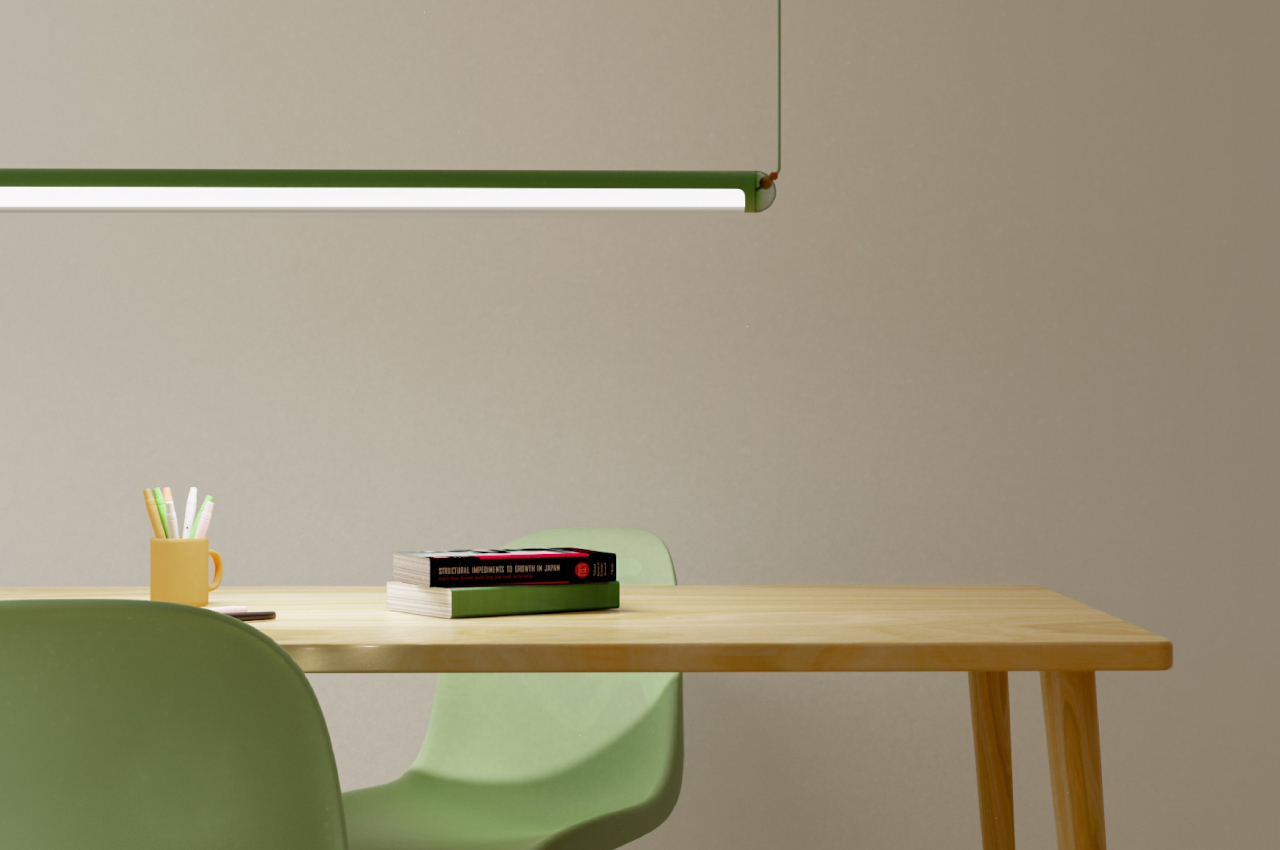
Bubble-inspired pendant lamp can hang horizontally or vertically as desired

Lamps these days come in all shapes and sizes, especially ones that are designed to elicit certain positive responses through their aesthetic. That said, most of these lamps are also designed to be used in a single manner only, especially if they’re mounted on walls or hung from ceilings. That’s why it’s interesting to come across lamp designs that offer a bit more flexibility, even if it’s just in the way they’re made to hang from ceilings. This concept, for example, tries to add a bit of whimsical fun to a room’s atmosphere by calling to mind the ethereal beauty and joy that floating bubbles bring to the air.

Designer: Begüm Kılınç

There are lamps that try to literally imitate the appearance of bubbles, and while they might be things of beauty, these chandeliers aren’t always the most practical lighting solutions. Just as bubbles convey characteristics of fragility, this kind of lamp is, more often than not, used for more delicate and posh settings. They are beautiful, yes, but they also don’t bring the kind of flexibility and fun that this lamp concept proposes.

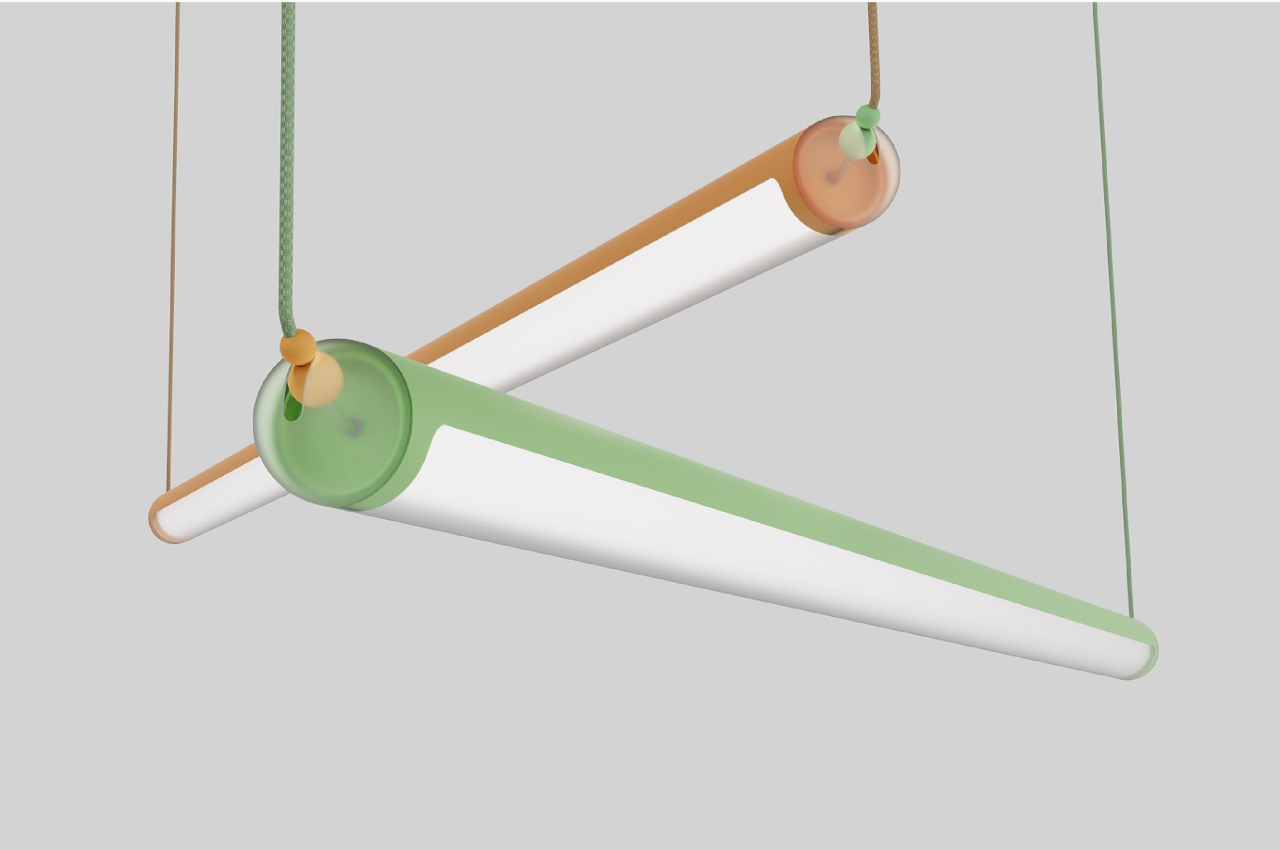
The Bubbles pendant lamp design looks more like a toy than a luxurious crystal-clear chandelier. Bubbles, after all, tend to bring out the inner child of anyone who sees or plays around with them. The pastel colors represent some of the hues reflected off the surfaces of bubbles, though toned down a bit to be a bit more discreet with some interior designs. The cylindrical body and rounded ends are akin to bubbles that, despite normally spherical, would sometimes join with other bubbles to form a longer mass.

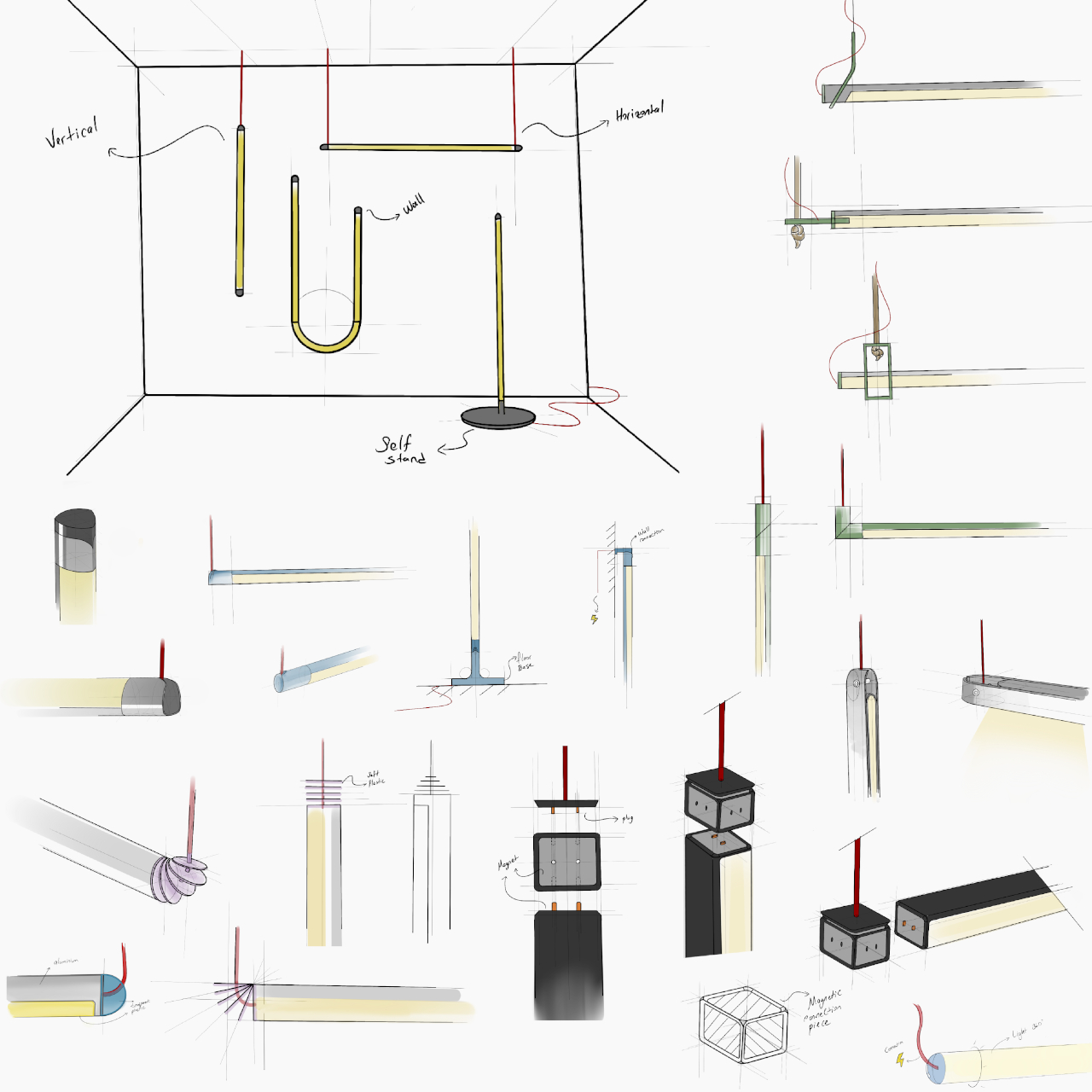
And just like how bubbles can float vertically or horizontally depending on how the wind blows, these lamps can hang either way as well. When it is held up by two cords, it can hang horizontally as you would expect from such a long lamp. However, it can also hang from a single cord to hang vertically, giving it a more striking presence, especially if the lamp is now at eye level. Interestingly, the clear ends of the lamp have spherical “stoppers” that let you adjust how those cords behave.

Such a simple difference can have a profound effect on the ambiance of a room. Imagine multiple Bubble lamps hanging vertically, creating an almost magical atmosphere with their collective lighting. It’s definitely not a ground-breaking feature, and there might be practical and safety issues with such a design. It’s still an interesting experiment that tries to take inspiration from the ordinary things in life that bring us joy and translate that into a product design that does the same.

The post Bubble-inspired pendant lamp can hang horizontally or vertically as desired first appeared on Yanko Design.

The Google Pixel Tablet is up to $150 off ahead of the Amazon Big Spring Sale

The Google Pixel Tablet is one of the better options for those dead set on an Android slate, as it doubles as a sort of smart display when hooked up to an included charging speaker dock. If you've been interested, now looks like a decent time to take the plunge: The 11-inch tablet is back down to $399 at multiple retailers, including Amazon, Target and the Google Store

Google ran this deal a few times toward the end of last year, but it matches the lowest price we've seen and comes in $100 below the 128GB model's usual going rate. If you need more storage, the 256GB version is $150 off and available for $449, another all-time low. The offer comes as part of a wider spate of sales on Google devices and just ahead of Amazon's "Big Spring Sale" sales event. Google says these deals will run through April 3.

My colleague Cherlynn Low gave the Pixel Tablet a score of 85 in her review last June, and we note the device in our tablet buying guide. The aforementioned dock is really what helps it stand out: Plop the tablet onto that and it becomes something akin to a detachable Nest Hub Max. It doesn't have all the same functionality, but you can use it to control smart home devices, showcase photos, stream music with the improved speakers, cast video from your phone and so on. It all makes this the rare tablet that can be useful even when when you aren't holding it. 

Without the dock, the Pixel Tablet isn't quite as remarkable: Its LCD display is limited to a basic 60Hz refresh rate, its Tensor G2 chip is now a generation old and Google doesn't support it with a custom-made keyboard or stylus. The screen's rectangular 16:10 aspect ratio may take a bit to get used to as well. Samsung's Galaxy Tab S9, the top Android pick in our guide, costs a few hundred extra but has more premium hardware and better tools for getting work done. And all Android tablets still lag behind Apple's iPadOS when it comes to optimizing apps for large displays. 

That said, even if it's not superlative, the Pixel Tablet is still perfectly solid for web browsing, streaming video and playing games. Unlike the iPad, it also supports multiple user profiles, so it's a good choice if you want share one tablet with everyone in your family. Google says it'll supply OS updates through June 2026 and security updates through June 2028. There's at least some chance that a follow-up device is in the works, but for now, this is a decent deal if you want a big-screen Android device.

Your Spring Sales Shopping Guide: Spring sales are in the air, headlined by Amazon’s Big Spring sale event. Our expert editors are curating all the best spring sales right here. Follow Engadget to shop the best tech deals from Amazon’s Big Spring Sale, hear from Autoblog’s car experts on the best spring auto deals on Amazon, and find spring sales to shop on AOL, handpicked just for you.

This article originally appeared on Engadget at https://www.engadget.com/the-google-pixel-tablet-is-up-to-150-off-ahead-of-the-amazon-big-spring-sale-152009518.html?src=rss

The Google Pixel Tablet is up to $150 off ahead of the Amazon Big Spring Sale

The Google Pixel Tablet is one of the better options for those dead set on an Android slate, as it doubles as a sort of smart display when hooked up to an included charging speaker dock. If you've been interested, now looks like a decent time to take the plunge: The 11-inch tablet is back down to $399 at multiple retailers, including Amazon, Target and the Google Store

Google ran this deal a few times toward the end of last year, but it matches the lowest price we've seen and comes in $100 below the 128GB model's usual going rate. If you need more storage, the 256GB version is $150 off and available for $449, another all-time low. The offer comes as part of a wider spate of sales on Google devices and just ahead of Amazon's "Big Spring Sale" sales event. Google says these deals will run through April 3.

My colleague Cherlynn Low gave the Pixel Tablet a score of 85 in her review last June, and we note the device in our tablet buying guide. The aforementioned dock is really what helps it stand out: Plop the tablet onto that and it becomes something akin to a detachable Nest Hub Max. It doesn't have all the same functionality, but you can use it to control smart home devices, showcase photos, stream music with the improved speakers, cast video from your phone and so on. It all makes this the rare tablet that can be useful even when when you aren't holding it. 

Without the dock, the Pixel Tablet isn't quite as remarkable: Its LCD display is limited to a basic 60Hz refresh rate, its Tensor G2 chip is now a generation old and Google doesn't support it with a custom-made keyboard or stylus. The screen's rectangular 16:10 aspect ratio may take a bit to get used to as well. Samsung's Galaxy Tab S9, the top Android pick in our guide, costs a few hundred extra but has more premium hardware and better tools for getting work done. And all Android tablets still lag behind Apple's iPadOS when it comes to optimizing apps for large displays. 

That said, even if it's not superlative, the Pixel Tablet is still perfectly solid for web browsing, streaming video and playing games. Unlike the iPad, it also supports multiple user profiles, so it's a good choice if you want share one tablet with everyone in your family. Google says it'll supply OS updates through June 2026 and security updates through June 2028. There's at least some chance that a follow-up device is in the works, but for now, this is a decent deal if you want a big-screen Android device.

Your Spring Sales Shopping Guide: Spring sales are in the air, headlined by Amazon’s Big Spring sale event. Our expert editors are curating all the best spring sales right here. Follow Engadget to shop the best tech deals from Amazon’s Big Spring Sale, hear from Autoblog’s car experts on the best spring auto deals on Amazon, and find spring sales to shop on AOL, handpicked just for you.

This article originally appeared on Engadget at https://www.engadget.com/the-google-pixel-tablet-is-up-to-150-off-ahead-of-the-amazon-big-spring-sale-152009518.html?src=rss

Mercedes AMG GT 43 Coupe unveiled

Mercedes AMG GT 43 Coupe

Mercedes Benz has unveiled a new version of its AMG GT Coupe, the Mercedes AMG GT 43 Coupe the car comes with a 2.0-litre turbo engine that produces 421 horsepower or 310 kW, the car is rear-wheel drive and is designed for dynamic driving. The AMG 2.0-litre turbocharged engine comes with 500 Nm of torque, […]

The post Mercedes AMG GT 43 Coupe unveiled appeared first on Geeky Gadgets.

Get up to 42 percent off Blink security cameras during the Amazon Big Spring Sale

Yes, securing your home is worth spending money on, but if you can do it at a discount, that's the way to go. Right now, there are a bunch Amazon Blink devices discounted as part of the site's Big Spring Sale. The new Blink Outdoor 4's deal is especially of note, with the device's three camera system down to $150 from $260. The 42 percent discount brings the fourth-generation camera to the lowest price we've seen this year (the three pack's all-time low was $135 on Black Friday). If one camera is all you need, then take advantage of the sale on a single Blink Outdoor 4. It's currently down to $65 from $100 — a 35 percent discount.

The Blink Outdoor 4 debuted last August as a significant upgrade to its predecessor. One of the biggest differences is the field of vision, which has increased from 110 to 143 degrees. It also boasts better low-light sensitivity and image quality. Blink claims the devices last two years before needing their AA batteries replaced. 

Another new feature of the Blink Outdoor 4 is its person detection. Basically, instead of just alerting you to the fact that there's some kind of motion, the camera can determine whether the movement is from a human. However, this feature is exclusive to anyone with Blink's subscription plan. If you're interested in it, there's a 30-day free trial, and then you can pay $3 per month or $30 annually to continue it. The plan also offers the ability to save and share videos through the cloud. 

Your Spring Sales Shopping Guide: Spring sales are in the air, headlined by Amazon’s Big Spring sale event. Our expert editors are curating all the best spring sales right here. Follow Engadget to shop the best tech deals from Amazon’s Big Spring Sale, hear from Autoblog’s car experts on the best spring auto deals on Amazon, and find spring sales to shop on AOL, handpicked just for you.

This article originally appeared on Engadget at https://www.engadget.com/get-up-to-42-percent-off-blink-security-cameras-during-the-amazon-big-spring-sale-151007181.html?src=rss

Get up to 42 percent off Blink security cameras during the Amazon Big Spring Sale

Yes, securing your home is worth spending money on, but if you can do it at a discount, that's the way to go. Right now, there are a bunch Amazon Blink devices discounted as part of the site's Big Spring Sale. The new Blink Outdoor 4's deal is especially of note, with the device's three camera system down to $150 from $260. The 42 percent discount brings the fourth-generation camera to the lowest price we've seen this year (the three pack's all-time low was $135 on Black Friday). If one camera is all you need, then take advantage of the sale on a single Blink Outdoor 4. It's currently down to $65 from $100 — a 35 percent discount.

The Blink Outdoor 4 debuted last August as a significant upgrade to its predecessor. One of the biggest differences is the field of vision, which has increased from 110 to 143 degrees. It also boasts better low-light sensitivity and image quality. Blink claims the devices last two years before needing their AA batteries replaced. 

Another new feature of the Blink Outdoor 4 is its person detection. Basically, instead of just alerting you to the fact that there's some kind of motion, the camera can determine whether the movement is from a human. However, this feature is exclusive to anyone with Blink's subscription plan. If you're interested in it, there's a 30-day free trial, and then you can pay $3 per month or $30 annually to continue it. The plan also offers the ability to save and share videos through the cloud. 

Your Spring Sales Shopping Guide: Spring sales are in the air, headlined by Amazon’s Big Spring sale event. Our expert editors are curating all the best spring sales right here. Follow Engadget to shop the best tech deals from Amazon’s Big Spring Sale, hear from Autoblog’s car experts on the best spring auto deals on Amazon, and find spring sales to shop on AOL, handpicked just for you.

This article originally appeared on Engadget at https://www.engadget.com/get-up-to-42-percent-off-blink-security-cameras-during-the-amazon-big-spring-sale-151007181.html?src=rss

Watch Disney’s official trailer for Star Wars: The Acolyte

Based on the synopsis for Star Wars: The Acolyte, you can expect more than just the typical action scenes and sci-fi world building from the show. It seems to have a mystery-thriller slant to it that you could find appealing even if you're not a Star Wars fan but love that particular genre — and now Disney+ has released its official trailer to give you an idea of what you can expect. Star Wars: The Acolyte's story is set at the end of the High Republic era, around a century before the events of Star Wars: Episode I: The Phantom Menace

It revolves around a former padawan played by Amandla Stenberg (Everything, Everything and The Hate U Give) who reunites with her old Jedi Master (Lee Jung-jae from Squid Game) to investigate a series of crimes. They, of course, unearth more and more clues as they look into the crime spree, which Disney says will lead them "down a dark path where sinister forces reveal all is not what it seems..." As a big fan of mystery and detective stories, it sounds promising, and I'd love it if Disney can nail the execution to give us a satisfying (and unpredictable) ending, as well. 

Star Wars: The Acolyte will be available for streaming on Disney+ starting on June 4. 

This article originally appeared on Engadget at https://www.engadget.com/watch-disneys-official-trailer-for-star-wars-the-acolyte-150246523.html?src=rss