MG EXE181 electric hypercar has an insanely low drag coefficient to hunt down speed records

MG Motor has again got its sights set on land speed records, and move beyond the sports car arena. The British marque owned by the Shanghai-based SAIC Motor, has revealed the first teaser look of the EXE181 hypercar concept that will make its maiden appearance at the Auto China 2024.

The sleek hypercar has a balanced futuristic design fused with the inspirational record-setting racers from the 1950s. In fact, the sleek hypercar draws inspiration from the experimental car by MG dubbed EX181. The UFO-like aerodynamic classic racer was powered by a 1.5-liter twin-cam engine that produced 300 hp and had its crosshair set on the land speed record of that time. The dome-shaped vehicle eventually broke it in October 1959, clocking 254.91 mph top speed at the Bonneville Salt Flats

Designer: Saic Design
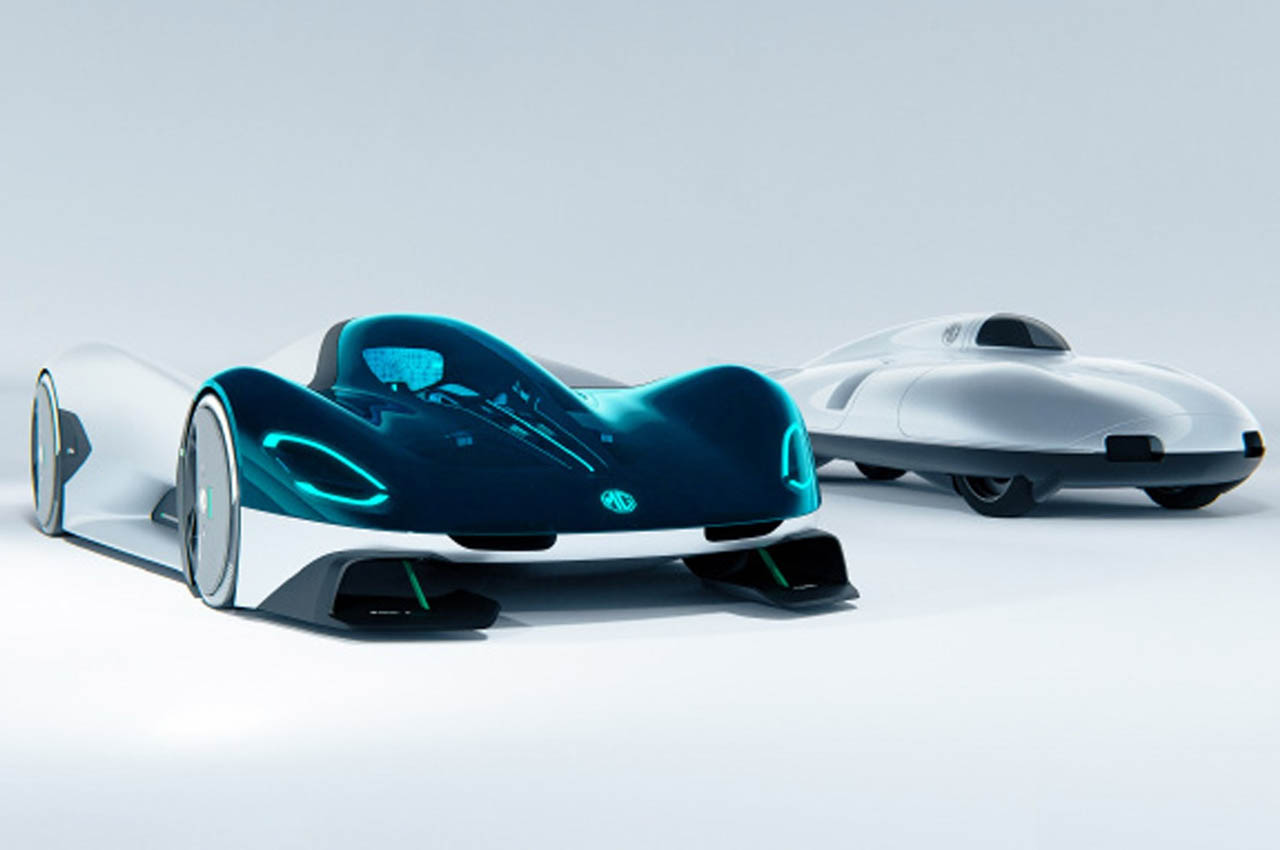
The new iteration of the classic record breaker has its name and the teardrop shape in common but other dynamics have drastically changed. This hypercar is more stylized for the year 2024 and is propelled by an electric drivetrain. The smooth elongated shape doesn’t look out of place and ends as a longtail when viewed from the side profile. The ride height is just a few millimeters from the ground, suggesting its racing DNA. Both the longtail design and the low ride height lend the hypercar an unbelievably low drag coefficient of 0.81.

There’s no word on the technical specifications of the hypercar but we believe it’s going to churn out 1,000 hp with ease. The only thing we know so far from MG’s official release is that the EXE181 will go from zero to 62 mph in a mere 1.9 seconds. That would make this hypercar the fastest off-the-line car on the planet. Top speed figures have also been kept in the dark so far, but we can expect it to at least break the 254.91 mph barrier set by its inspiration.
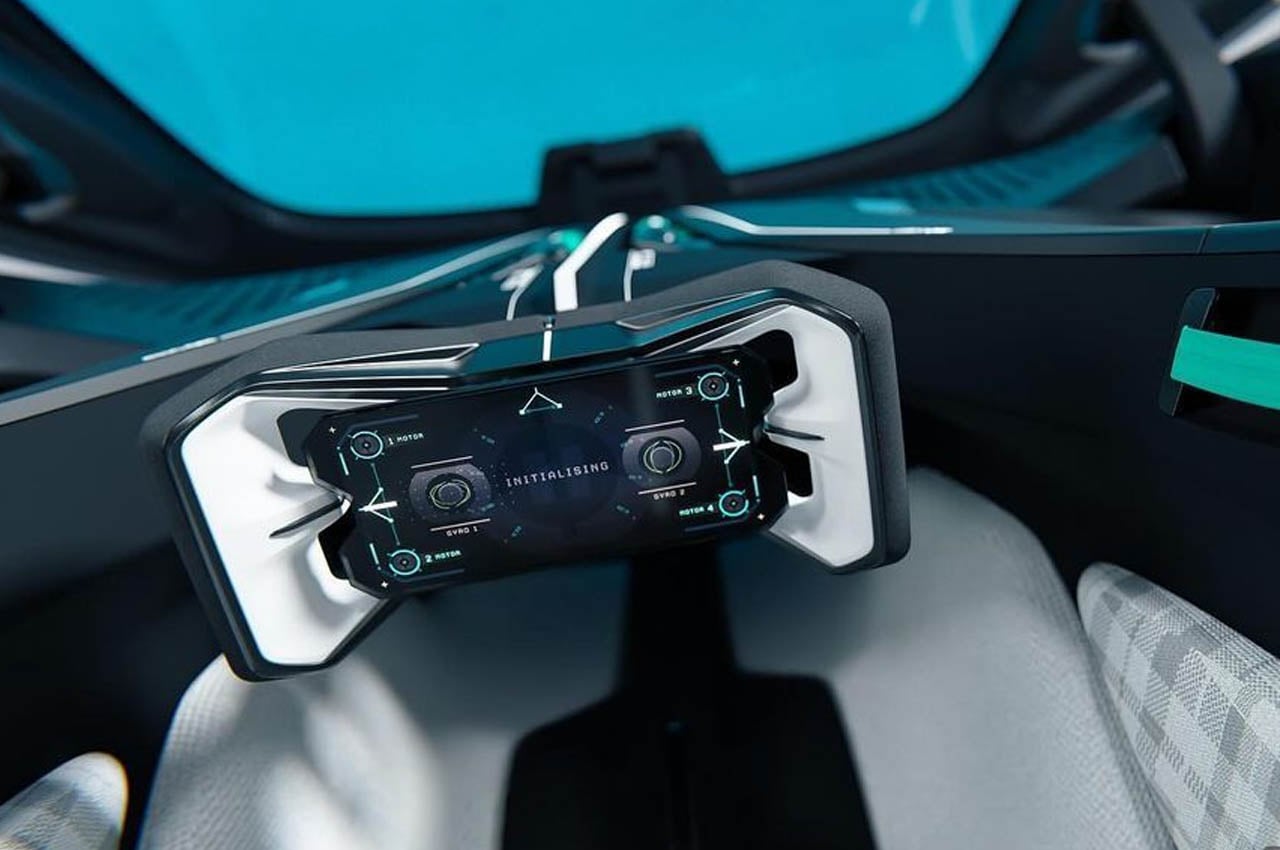
Such is the optimization of the vehicle that it supersedes the likes of Volkswagen XL1 and McLaren Speedtail having a drag coefficient of 0.199 and 0.278 respectively. The single-seater arrangement instantly puts one in the zone for competitive racing. There’s a yoke-style steering wheel and a touchscreen display to show all the HUD elements.
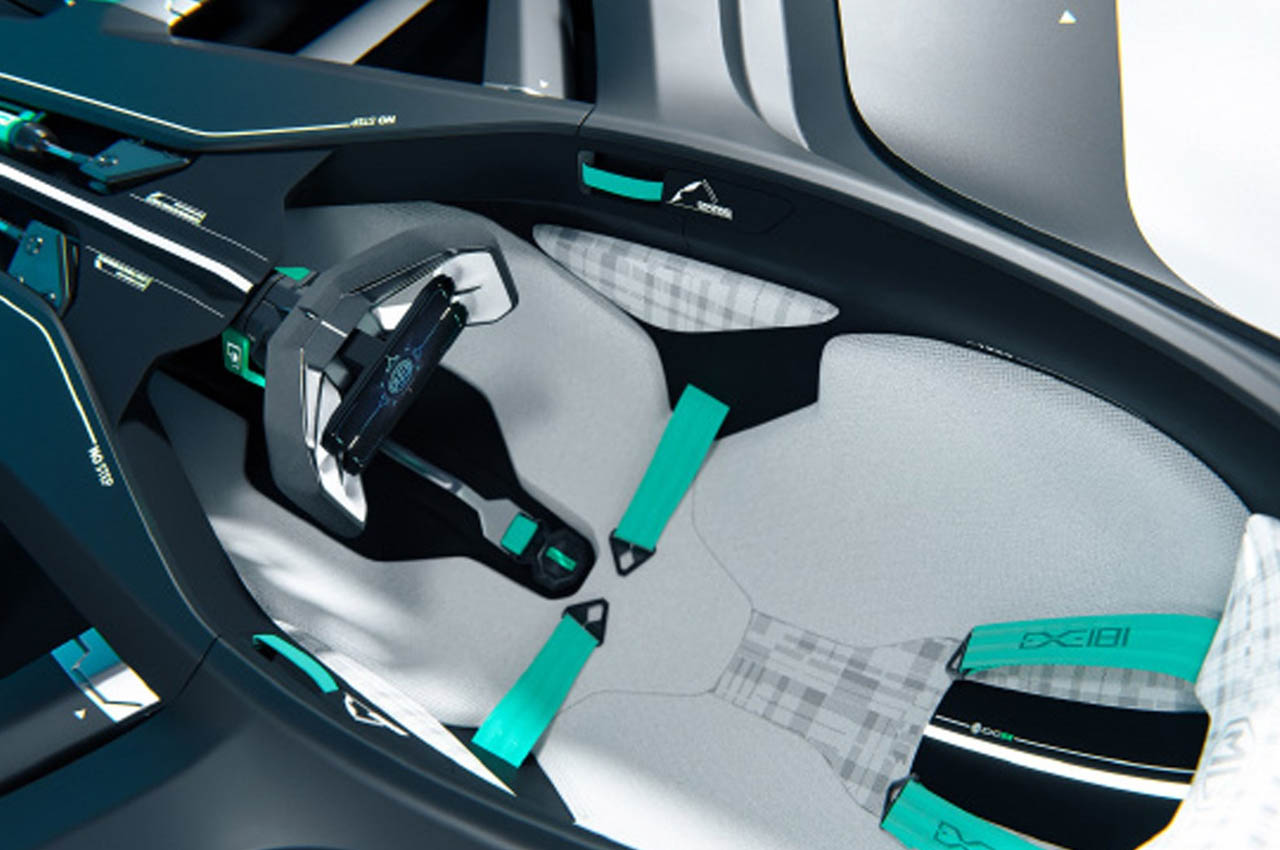
Don’t expect the MG EXE181 hypercar to hit the production lines anytime soon. Although, do expect to see this good-looking concept emerge as a prototype at the Beijing Motor Show 2024.


The post MG EXE181 electric hypercar has an insanely low drag coefficient to hunt down speed records first appeared on Yanko Design.


These vases were (almost) completely designed and made by algorithms and machines

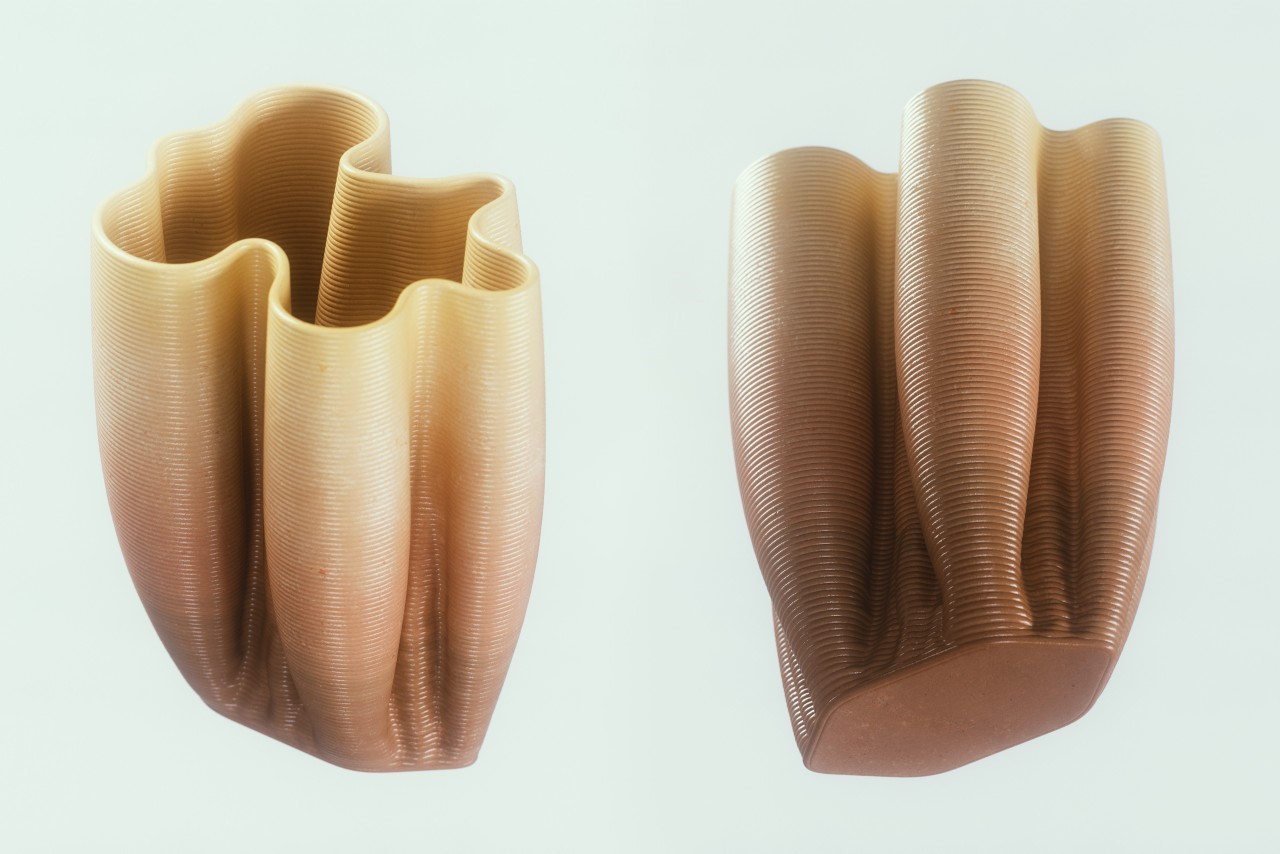
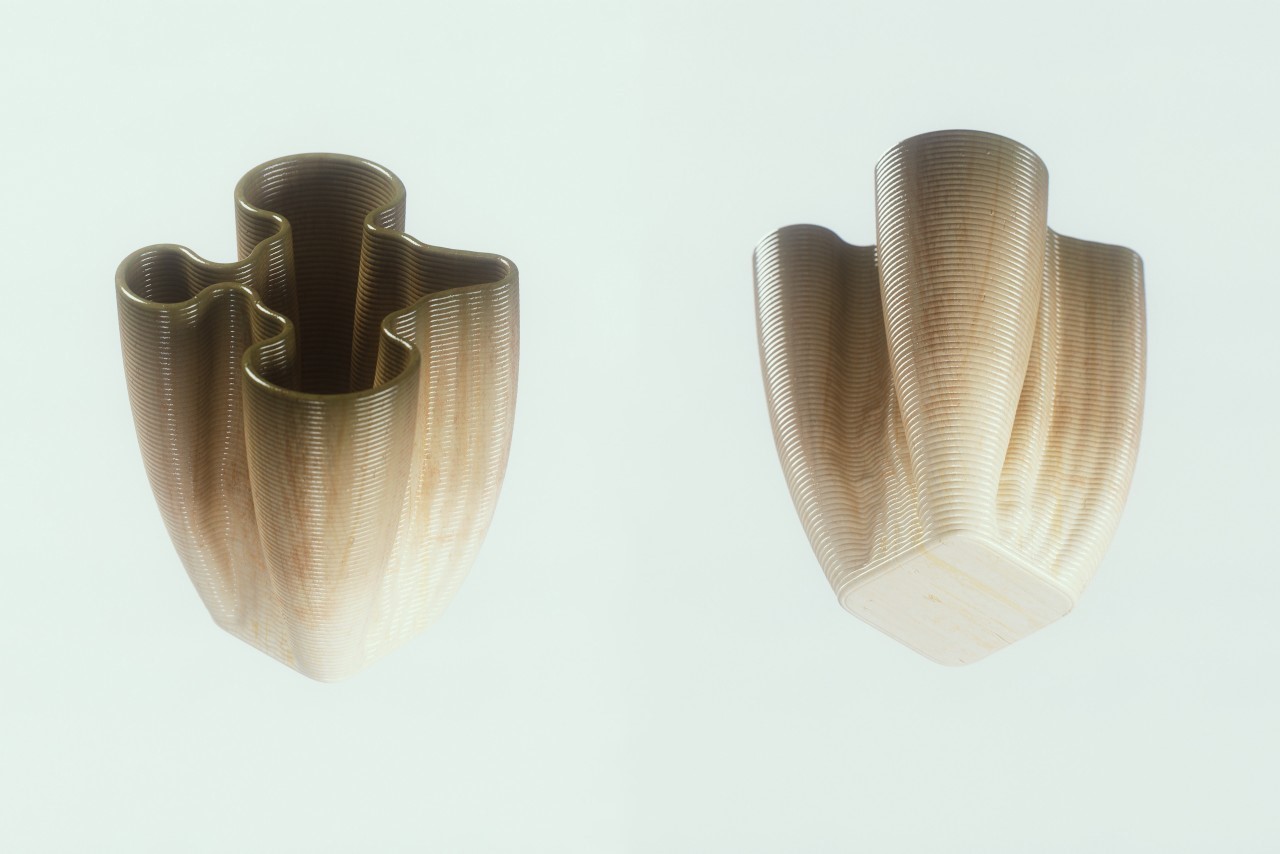
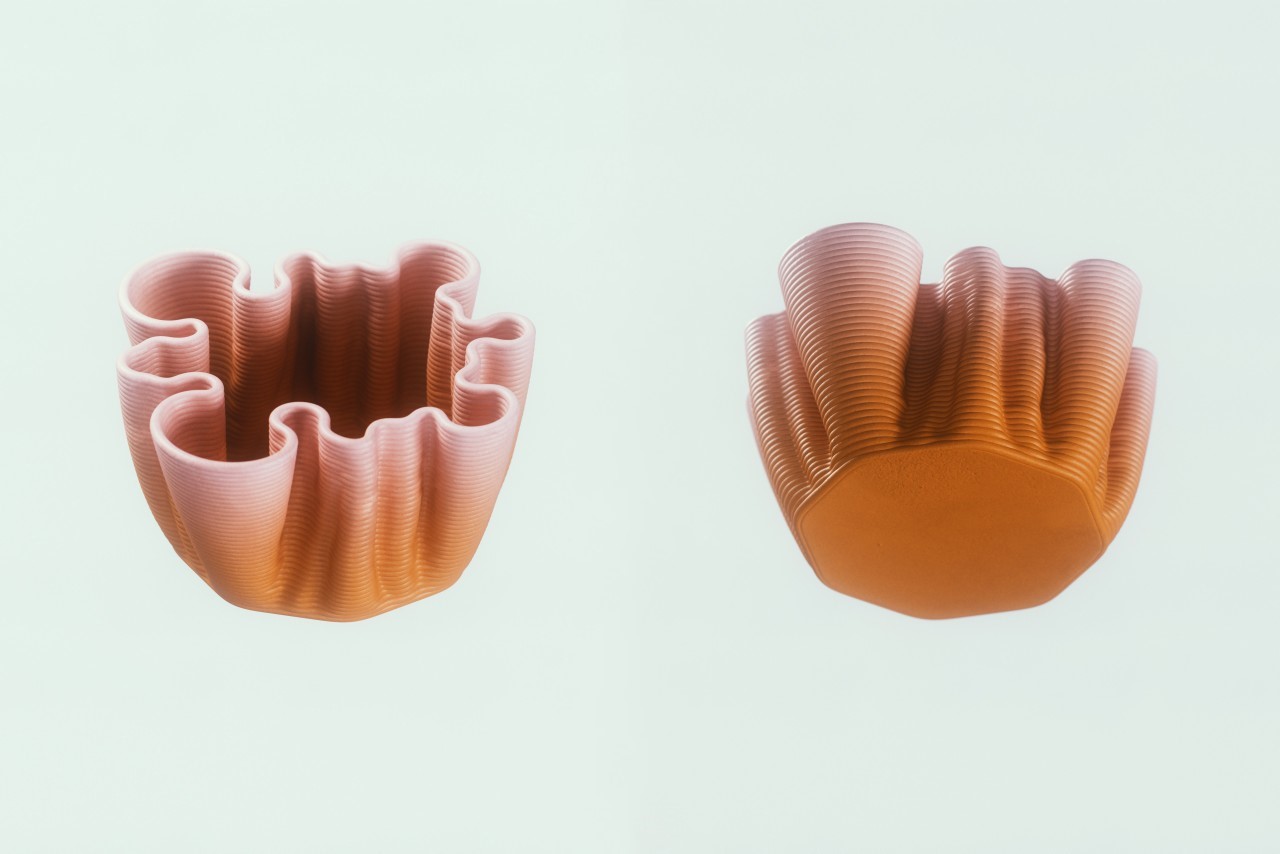
From the conceptualization to the actual production, the Differential Growth Vases hardly had any significant human intervention. The vase shape was determined by a differential growth algorithm, while a 3D printer manufactured the vase. Although designer Tim Zarki orchestrated the project and came up with the very idea in the first place, the machines pretty much took over the execution of both the concept and fabrication phases, displaying two things – AI-based creativity, and the ability to have humans step away from creative roles with a fair amount of success.

Designer: Tim Zarki

Differential growth might sound like a fancy term, but it’s a way of explaining how cells multiply. The process can be understood through a series of rules that are repeatedly applied to points in space (called nodes) connected into chains by lines (edges) to form paths. In short, the cells adopt a pattern (based on their DNA) and create within that particular pattern, resulting in growth that follows a template set by previous cells. You can see this in how plant branches grow, how cells expand, how rivers meander, etc. Zarki put the same sort of algorithm to the test with the vases, setting a base shape and having the algorithm expand it. The result is nothing like any pottery you’ll ever see…

While most vases are created using a potter’s wheel, resulting in a rotationally symmetrical design, these vases have undulating designs created by the algorithm. The best way to understand how the algorithm works is to look at the shape of the base of the vase, and the final shape at the top. The vase’s vertical growth shows the transition between these two shapes, helping you understand how the algorithm works. There’s never a set final pattern, as the algorithm creates something new each time. This means each vase ends up looking unique. Zarki experimented with three overall designs, although the possibilities are quite literally endless, much like how no two plants grow the exact same way, or no two fingerprints look the same.

The final forms were then fed into a slicer software, that helps prepare them for 3D printing. The slicer creates a path that the printer’s nozzle has to follow, and once ready, the printer gets to work, slowly, but steadily printing the vase. As is evident, this entire process is nothing like the current conventional pottery methods, but with this project, Zarki hopes to challenge convention. By eliminating standard processes, and to quite an extent the human too, these vases show how oddly appealing a world would be to live in if AI designed more… obviously with humans playing a final role in determining whether the design is aesthetic or not!

The post These vases were (almost) completely designed and made by algorithms and machines first appeared on Yanko Design.

An iPad version of the Delta game emulator is officially on the way

The popular Nintendo emulator, Delta, that arrived on the App Store for iPhone to much fanfare a few weeks ago is now getting a version that’s optimized for the iPad. Developer Riley Testut shared an update on Threads this weekend revealing that an iPad app has been in the works, and is now being prioritized since Apple changed its tune on game emulators. The iPad app is “near completion,” and subscribers to Testut’s Patreon can get it now through the AltStore, an alternative marketplace the developer created a few years back for sideloading iOS and iPadOS apps. Otherwise, you can wait a little while for it to come with Delta’s next big update, version 1.6.

In the post, Testut also shared a little preview of how it'll run on iPad. Delta was released as the successor to Testut’s Game Boy Advance emulator, GBA4iOS, and supports a slew of other Nintendo systems, including NES, SNES, N64, and DS. It shouldn’t be long before the iPad version is finished — Testut wrote that the team just needs to “finish up controller skins [and] fix some last bugs.” They’re also working on device-to-device multiplayer, Testut wrote (but that’s still a couple of items down on the checklist). And, as an added treat, he said a SEGA Genesis emulator is on the way too. That’s still in beta, but will become available “soon-ish.”

This article originally appeared on Engadget at https://www.engadget.com/an-ipad-version-of-the-delta-game-emulator-is-officially-on-the-way-184945398.html?src=rss

An iPad version of the Delta game emulator is officially on the way

The popular Nintendo emulator, Delta, that arrived on the App Store for iPhone to much fanfare a few weeks ago is now getting a version that’s optimized for the iPad. Developer Riley Testut shared an update on Threads this weekend revealing that an iPad app has been in the works, and is now being prioritized since Apple changed its tune on game emulators. The iPad app is “near completion,” and subscribers to Testut’s Patreon can get it now through the AltStore, an alternative marketplace the developer created a few years back for sideloading iOS and iPadOS apps. Otherwise, you can wait a little while for it to come with Delta’s next big update, version 1.6.

In the post, Testut also shared a little preview of how it'll run on iPad. Delta was released as the successor to Testut’s Game Boy Advance emulator, GBA4iOS, and supports a slew of other Nintendo systems, including NES, SNES, N64, and DS. It shouldn’t be long before the iPad version is finished — Testut wrote that the team just needs to “finish up controller skins [and] fix some last bugs.” They’re also working on device-to-device multiplayer, Testut wrote (but that’s still a couple of items down on the checklist). And, as an added treat, he said a SEGA Genesis emulator is on the way too. That’s still in beta, but will become available “soon-ish.”

This article originally appeared on Engadget at https://www.engadget.com/an-ipad-version-of-the-delta-game-emulator-is-officially-on-the-way-184945398.html?src=rss

Apple’s OLED iPad Pro may come packing an M4 chip and an emphasis on AI

Apple’s “Let Loose” iPad event is just over a week away, and the rumors in the leadup are starting to get interesting. According to Bloomberg’s Mark Gurman, the much-anticipated OLED iPad Pro may arrive not with the new M3 chip as we’ve all been expecting, but the next-gen M4 instead. In the Power On newsletter on Sunday, Gurman wrote that he’s “hearing there is a strong possibility” that this will be the case. And, he says it’ll herald Apple’s official entry into AI.

“I believe Apple will position the tablet as its first truly AI-powered device — and that it will tout each new product from then on as an AI device,” Gurman wrote. Doing it this way for the May 7 event would set the stage for Apple to go all-in on AI at its Worldwide Developers Conference (WWDC) in June. This all builds on Gurman’s previous reports that Apple has been in talks with OpenAI and Google to potentially tap their AI tech for new features with iOS 18.

The “Let Loose” product showcase is also expected to bring updates to the iPad Air and iPad accessories like the Magic Keyboard and Apple Pencil. According to Gurman, the upcoming Apple Pencil may introduce haptic feedback.

This article originally appeared on Engadget at https://www.engadget.com/apples-oled-ipad-pro-may-come-packing-an-m4-chip-and-an-emphasis-on-ai-154509441.html?src=rss

Apple’s OLED iPad Pro may come packing an M4 chip and an emphasis on AI

Apple’s “Let Loose” iPad event is just over a week away, and the rumors in the leadup are starting to get interesting. According to Bloomberg’s Mark Gurman, the much-anticipated OLED iPad Pro may arrive not with the new M3 chip as we’ve all been expecting, but the next-gen M4 instead. In the Power On newsletter on Sunday, Gurman wrote that he’s “hearing there is a strong possibility” that this will be the case. And, he says it’ll herald Apple’s official entry into AI.

“I believe Apple will position the tablet as its first truly AI-powered device — and that it will tout each new product from then on as an AI device,” Gurman wrote. Doing it this way for the May 7 event would set the stage for Apple to go all-in on AI at its Worldwide Developers Conference (WWDC) in June. This all builds on Gurman’s previous reports that Apple has been in talks with OpenAI and Google to potentially tap their AI tech for new features with iOS 18.

The “Let Loose” product showcase is also expected to bring updates to the iPad Air and iPad accessories like the Magic Keyboard and Apple Pencil. According to Gurman, the upcoming Apple Pencil may introduce haptic feedback.

This article originally appeared on Engadget at https://www.engadget.com/apples-oled-ipad-pro-may-come-packing-an-m4-chip-and-an-emphasis-on-ai-154509441.html?src=rss

Qualcomm Snapdragon X Plus vs Apple M3 (Video)

Snapdragon X Plus

In the highly competitive world of high-performance processors, two notable contenders have emerged: the Qualcomm Snapdragon X Plus and the Apple M3. These innovative processors are designed to deliver exceptional performance, energy efficiency, and advanced features to meet the demanding needs of modern computing devices. This in-depth comparison explores the design philosophies, performance metrics, and […]

The post Qualcomm Snapdragon X Plus vs Apple M3 (Video) appeared first on Geeky Gadgets.

Awesome no-code MS Excel data analysis tips and tricks

Excel data analysis tips and tricks 2024

If you use Microsoft Excel on a daily basis you will already know how much of a vital tool it is for spreadsheet data analysis and calculations. However there are several no-code tips and tricks you can use to improve your spreadsheet efficiency and your data analysis using MS Excel. This quick guide will take […]

The post Awesome no-code MS Excel data analysis tips and tricks appeared first on Geeky Gadgets.

Posted in Uncategorized | Tagged

One-Of-A-Kind Off-Grid Tiny Home Is Inspired By A WWII Airplane

Dubbed the Monocoque Cabin, and modeled after a World War II airplane, this tiny home is truly one-of-a-kind. We’ve seen all sorts of tiny homes, in different shapes, sizes, and forms, but this is really of the most unique and innovative ones we’ve come across. The extraordinary home features a visually appealing curving exterior and is amped with loads of options – such as an interior layout, as well as the ability to run off-grid. In 2022 Airbnb had an OMG! Fund to discover innovative and crazy home ideas, and British architect Peter Markos submitted his airplane-inspired home, which was one of the winners, for which he received US$100,000! He used the money to create his own studio and bring his tiny home to life with the help of prefab specialists BlokBuild and engineers Price & Myers.

Designer: Peter Markos

“The concept of the Monocoque Cabin originated from a fascination with aerospace and automotive construction techniques known for their efficient use of materials,” explains Markos. “This led to the question: Why not integrate such methods into the built environment? Monocoques are structural systems in which loads are supported by an object’s external skin, creating a stiff, strong, light structure similar to an ‘eggshell’. These are structures often used in aerospace and automotive design.”

The impressive Monocoque Cabin is heavily inspired by the WWII de Havilland Mosquito monocoque structure. The fighter plane features an amazing monocoque structure, which served as an excellent source of influence. The cabin is crafted from various timber materials, creating a surreal connection with the rural setting. The materials were selected as they tend to age gracefully, and with time they will gray, creating a more beautiful and impressive structure.

The house features a length of 30 feet and a width of 11 feet. It has a curving exterior with a finish of cedar shingles. The home isn’t supported by wheels like most tiny homes, but it is designed to be easily assembled and disassembled. It can be relocated within a few days with ease! You enter the home via some steps and a deck area, where you are welcomed by a shared living room and kitchen. This space includes a breakfast bar, sofa, and kitchen unit with a sink, shelving, and sufficient space for a small fridge and portable stove.

The main living area and the bathroom are connected. The bathroom contains a shower, toilet, and a sink. The end of the house contains a spacious bedroom with a comfy double bed and a generous amount of glazing. The entire home has a minimal and utilitarian vibe. The windows are a mix of plywood and polycarbonate, and a few are glass. Simple and subtle wooden furniture enhances the minimal appeal of the home, but the cabin does have a lot of layout and furniture options to pick from.

The post One-Of-A-Kind Off-Grid Tiny Home Is Inspired By A WWII Airplane first appeared on Yanko Design.