OnePlus Nord 4 Review: A Game-Changer with Metal Unibody Design

PROS:


  • Stunning metal unibody design

  • Alert slider

  • Impressive battery performance

  • Long-term support package

  • Fast 100W wired fast charging capability

CONS:


  • No wireless charging

  • Modest 8MP ultrawide camera

  • Limited availability

RATINGS:

AESTHETICS
ERGONOMICS
PERFORMANCE
SUSTAINABILITY / REPAIRABILITY
VALUE FOR MONEY

EDITOR'S QUOTE:

Whether for its striking aesthetics, impressive battery life, or rapid charging capabilities, the OnePlus Nord 4 offers great value for users seeking a reliable and feature-rich smartphone experience.

Positioning itself as OnePlus’s midrange smartphone, each iteration of the Nord series has delivered great value, balancing price and performance. However, design has often taken a back seat in OnePlus’s Nord lineup, where aesthetics have been serviceable but not standout. With the latest Nord series, this perception is set to change. The company took on a great design challenge in the era of 5G – OnePlus is bringing back metal and went with a metal unibody design with Nord 4.

In terms of specifications, the OnePlus Nord 4 features a 6.74-inch Super Fluid AMOLED display with Ultra HDR support, a dual camera system, a 5,500 mAh battery with 100W wired charging capability, and is powered by Snapdragon 7+ Gen 3 chipset. Is the Nord 4 merely a visually appealing device, or does it offer substance beneath its sleek exterior? We put the phone to the test to uncover the answer.

Designer: OnePlus

Aesthetics

Being the only metal unibody 5G smartphone, according to OnePlus, Nord 4 has a captivating aesthetics. Metal back panels have been more common in the past, but they have become increasingly rare due to the adoption of 5G technology, which requires materials that do not interfere with reception. This shift has led to the predominance of materials like glass, plastic, ceramic, and vegan leather for back panels. OnePlus, with its “Never Settle” spirit, has boldly challenged this norm and created a metal unibody 5G phone by introducing a unique antenna arrangement and U-shaped antenna positioned at the bottom of the device.
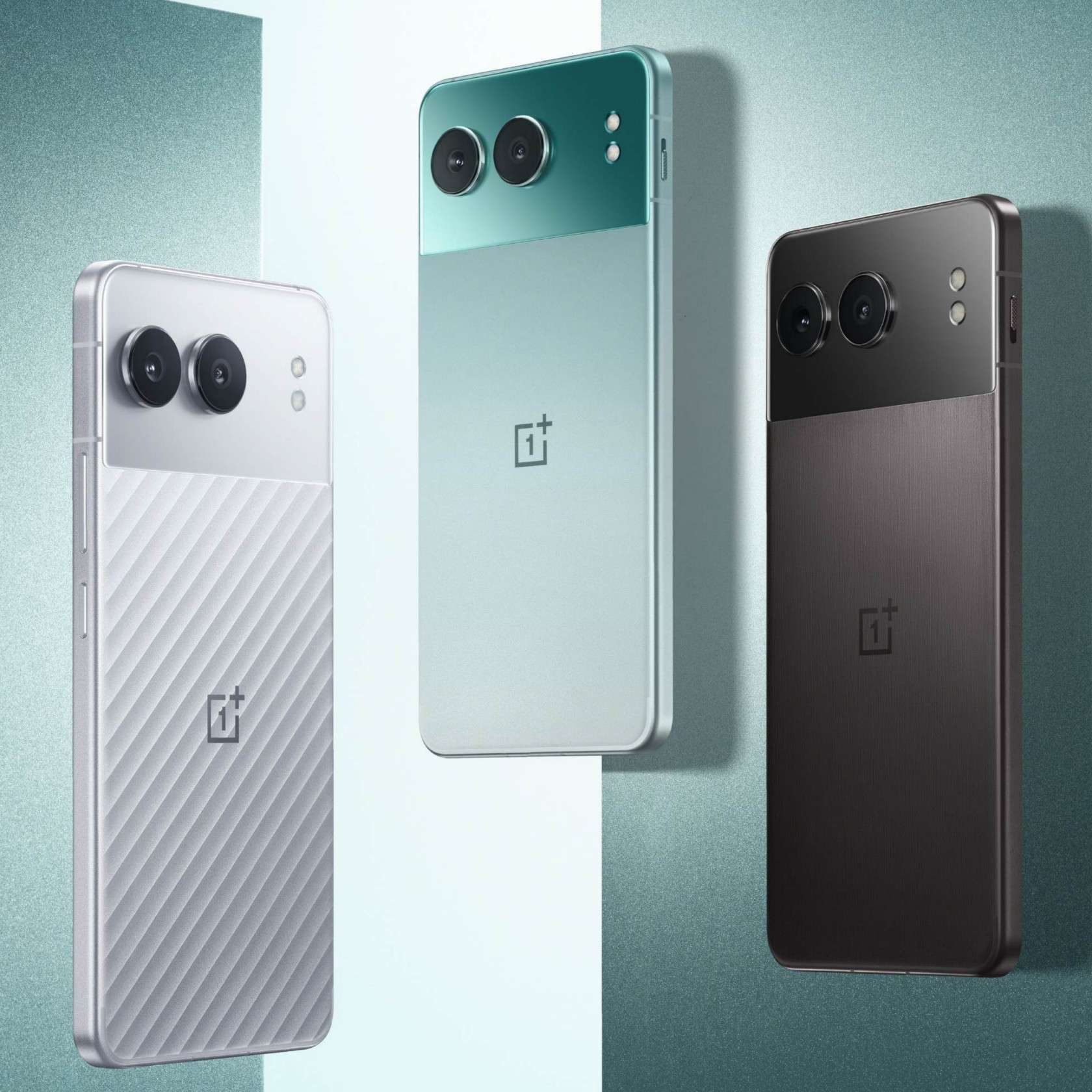
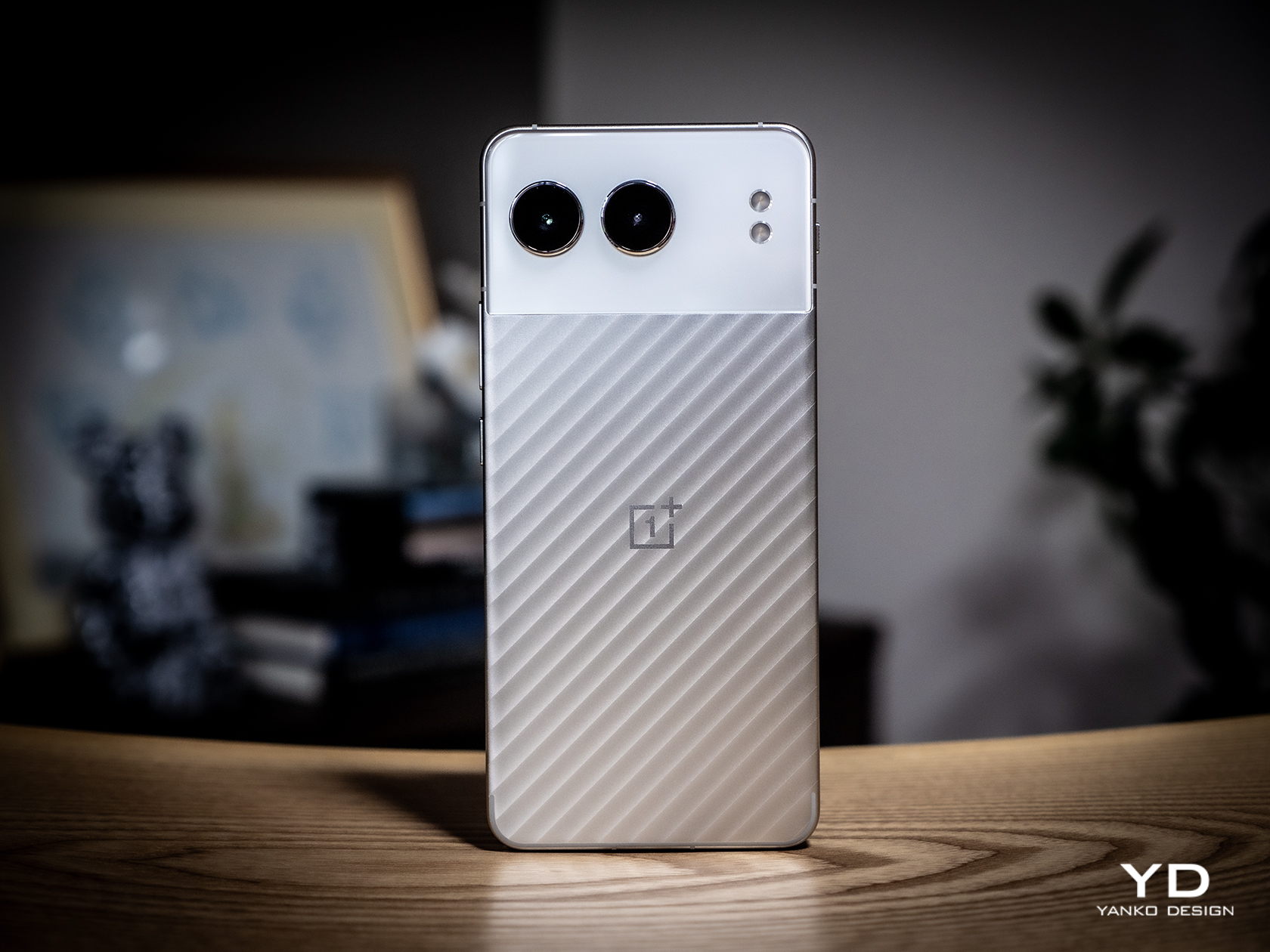
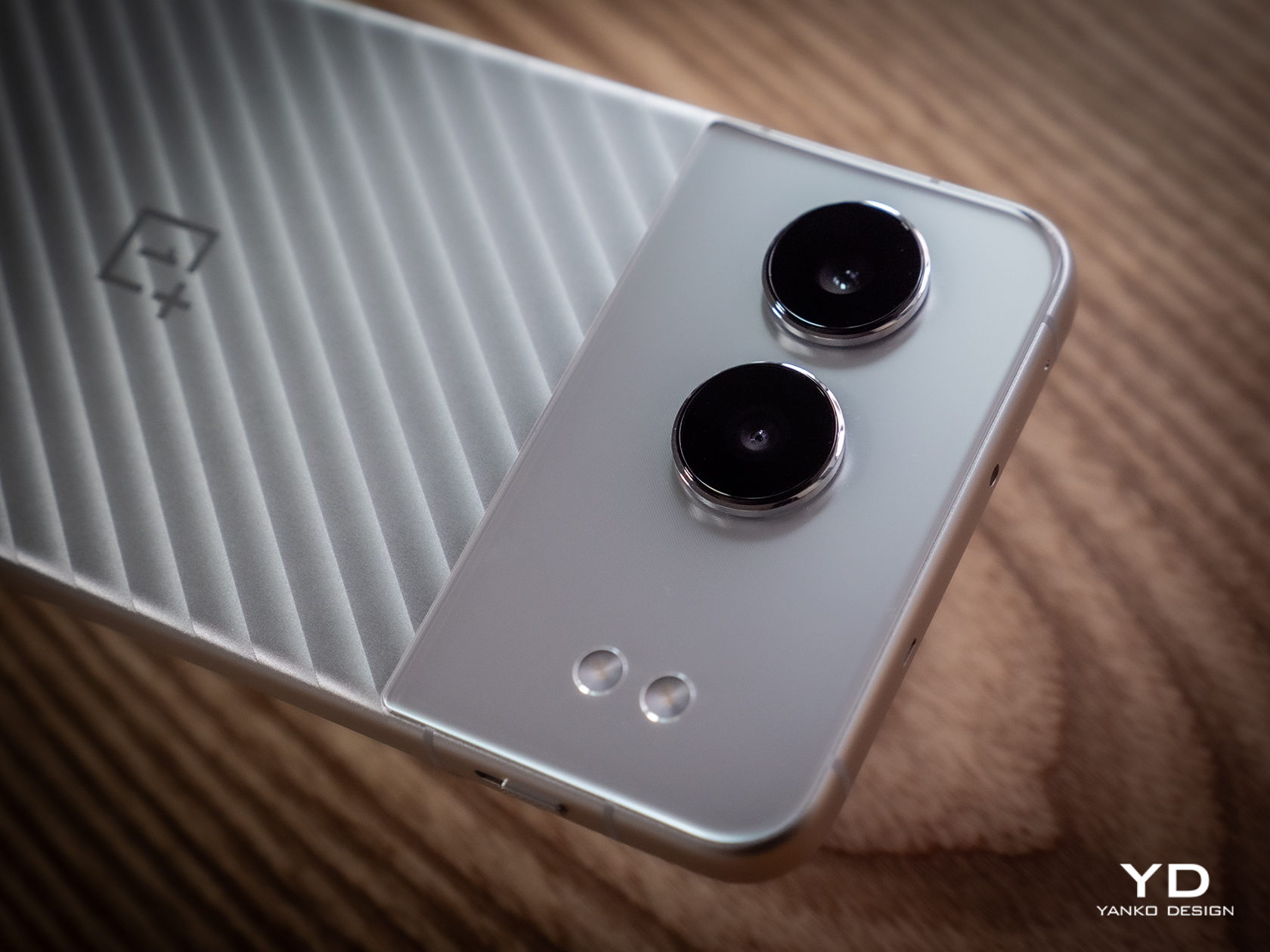
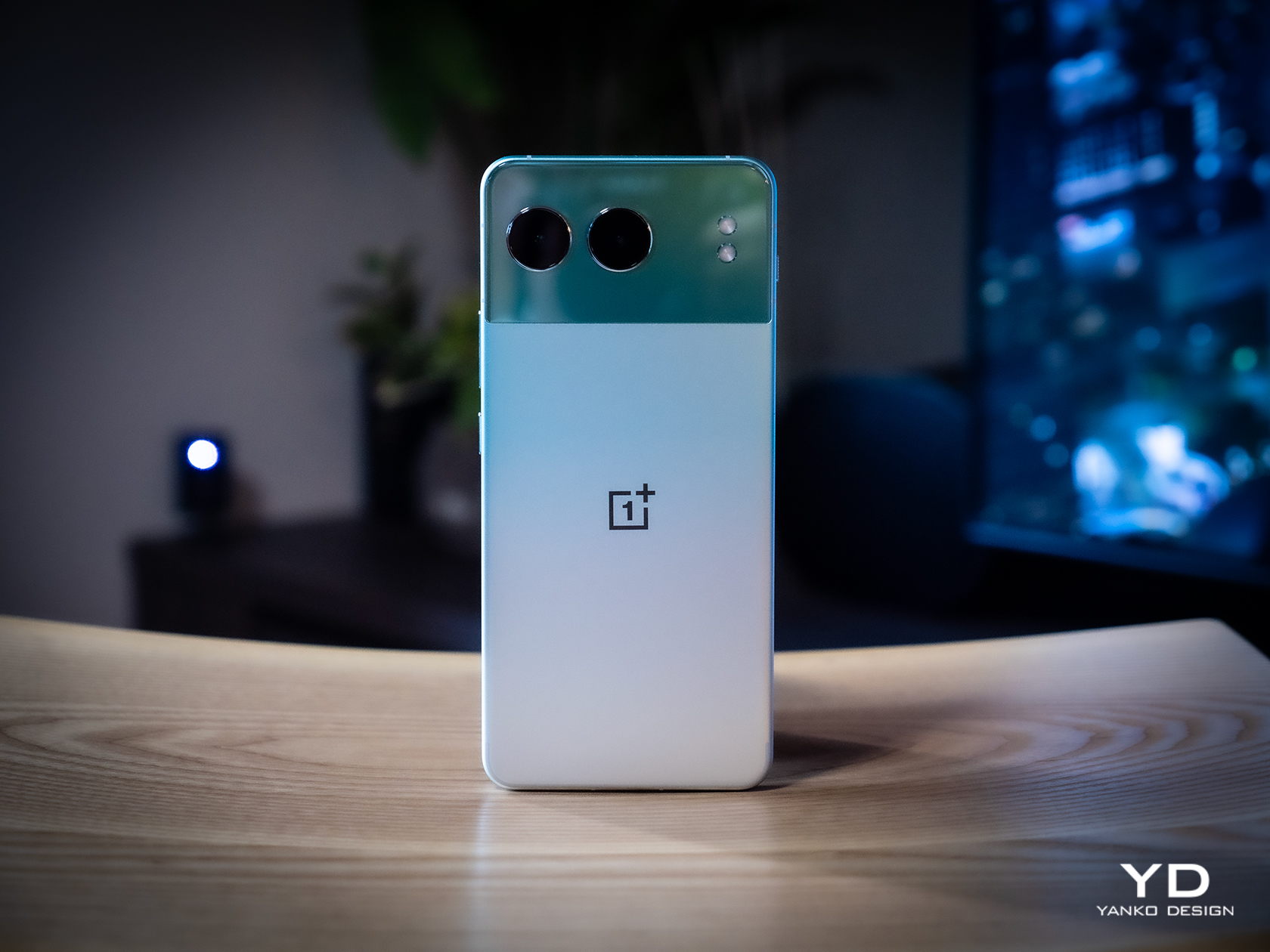
The phone is offered in three color options: Obsidian Midnight, Mercurial Silver, and Oasis Green. Each variant showcases a distinctive two-tone design on the back panel, with a glossy plastic covering the upper quarter and a metal lower three-quarters. The plastic section accommodates two horizontally arranged circular cameras and two vertically aligned LED flashlights.
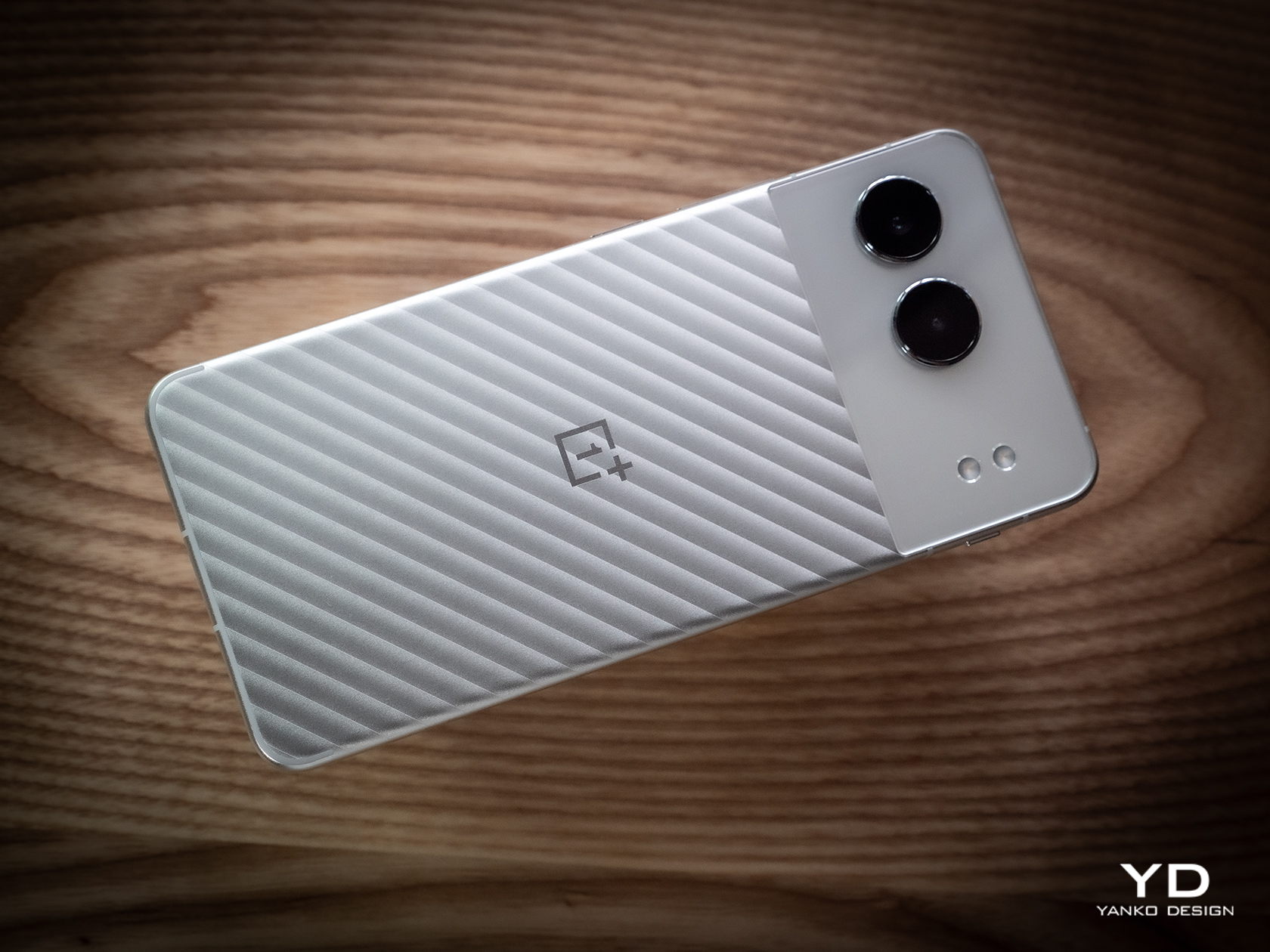
We received the device in Mercurial Silver, and it is one of the most aesthetically pleasing smartphones I’ve ever held so far. The silver variant features beautiful diagonal patterns that create an illusion of depth on the metal section of the back panel, accentuated by a shiny OnePlus logo at the center. According to OnePlus, each Mercurial Silver rear casing goes through a meticulous process with over 28,000 nano-laser cuts, which takes about 12 minutes to finish. The resulting silky texture of the back panel not only delights the eyes but also offers a pleasing tactile experience. While the metal unibody made from aluminum remains largely free of fingerprints, the glossy plastic part is more prone to smudges.
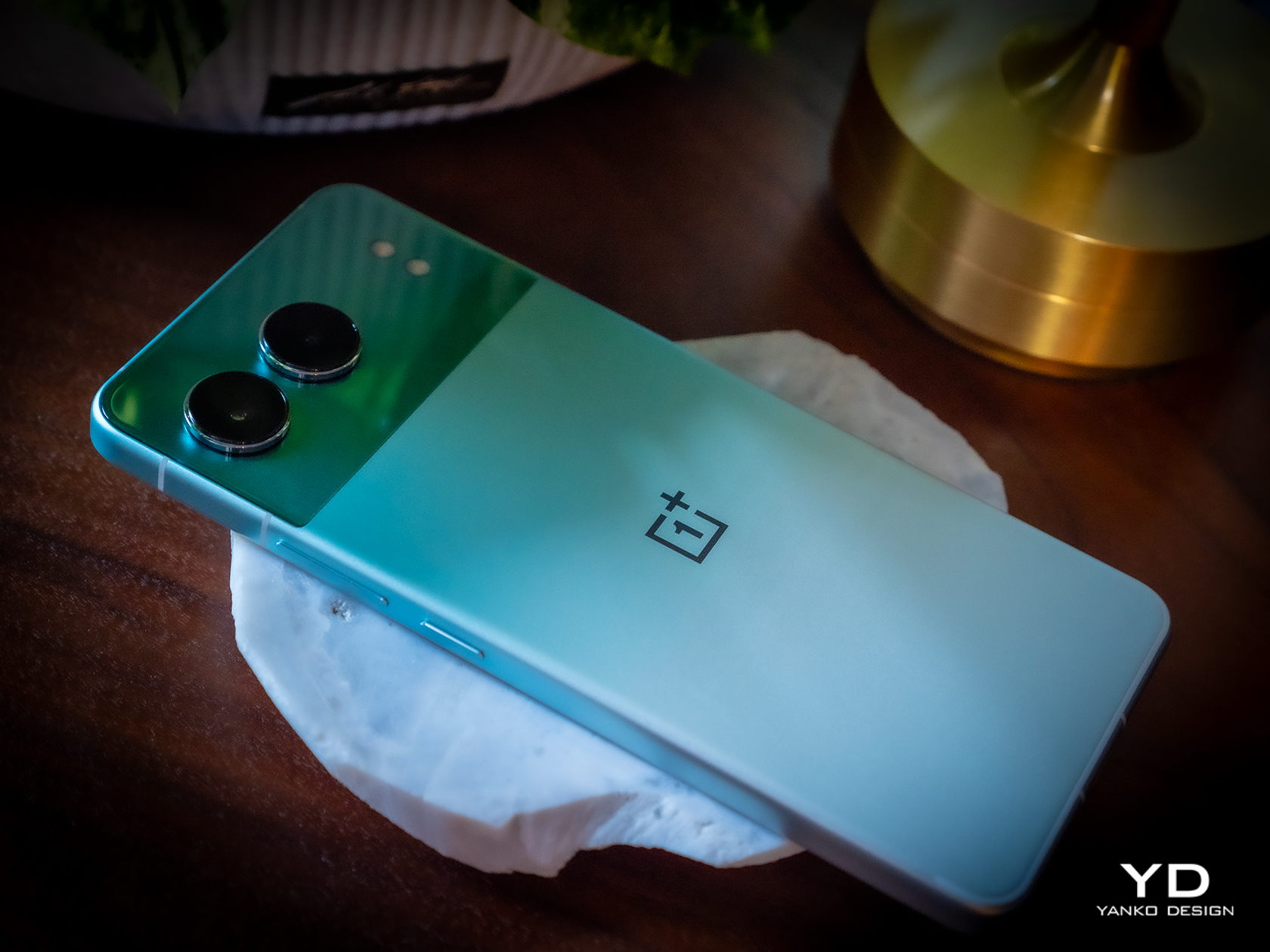
The Obsidian Midnight variant features a brushed gunmetal finish, while the Oasis Green variant pays homage to the OnePlus community’s favorite OnePlus Nord LE design. Whether you opt for Mercurial Silver, Obsidian Midnight, or Oasis Green, you are set to be impressed with Nord 4’s aesthetics.

Ergonomics

Thanks to the metal unibody design, the Nord 4 showcases excellent build quality and feels premium to hold. By seamlessly integrating the sides with the back, the design eliminates any awkward transitions combined with the curved back edge design, ensuring that the phone sits comfortably in the palm.

Being the thinnest Nord ever, the device measures 162.6mm x 75.0mm x 8.9mm. At 199.5g, it’s not the lightest phone, yet its balanced weight distribution ensures it feels comfortable to hold without being overly heavy. The slim profile and well-distributed weight, along with the textured back panel, offer a reassuring feel in hand.
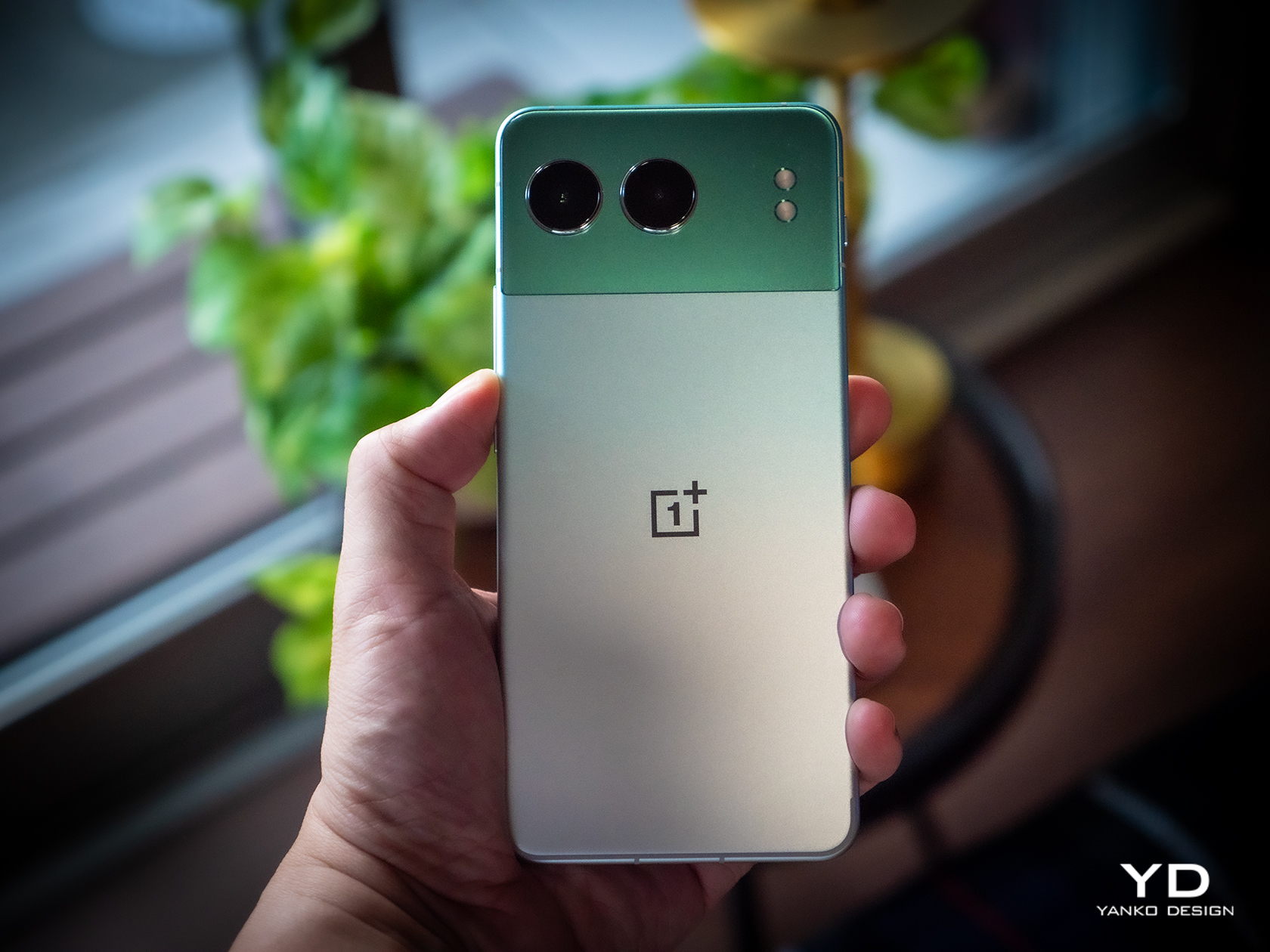
However, the same cannot be said when it comes to unlocking the phone with the fingerprint. The placement of the under-display fingerprint reader is close to the bottom edge of the screen, meaning you need to extend your thumb and probably reposition your grip. Fortunately, the device also supports face recognition for unlocking the phone.

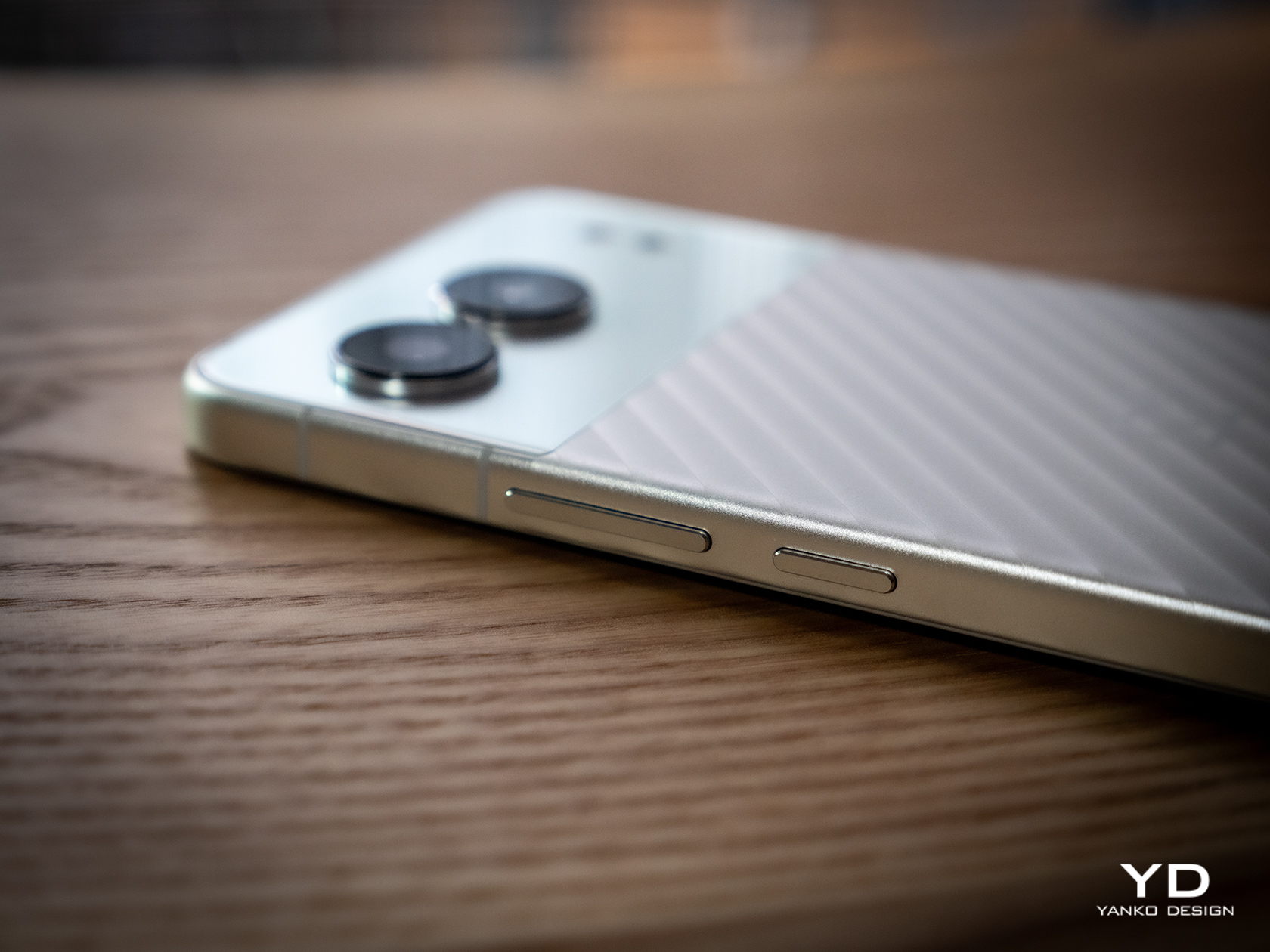
As for the placement of buttons and whatnot, the right side of the phone houses the power button along with the volume rockers on top of it. On the left side, you will find OnePlus’s familiar Alert Slider. The top of the phone houses the earpiece that doubles as a speaker and IR-blaster while the bottom houses the dual SIM slot, primary microphone, USB Type-C port, and speaker.

Performance

Out of the box, the OnePlus Nord 4 runs on OxygenOS 14.1 based on Android 14. Powered by Snapdragon 7+ Gen 3 paired with 8, 12, or 16GB of LPDDRX 5 RAM and 256GB or 512GB of storage, the phone can handle tasks smoothly even graphic intense mobile games as you’d expect from OnePlus phones.

Nord 4 packs a massive 5,500 mAh battery, and its performance is admirable. It can easily last a day even under heavy use. The charging speed is fast with 100W SuperVOOC charging support. According to OnePlus, with 100 W SuperVOOC the empty 5,500 mAh battery can be charged to full in 28 minutes. It’s worth noting that the SuperVOOC charger brick is not included with the phone, so to take advantage of this rapid charging capability, you’ll need to purchase a 100W SuperVOOC charger separately.
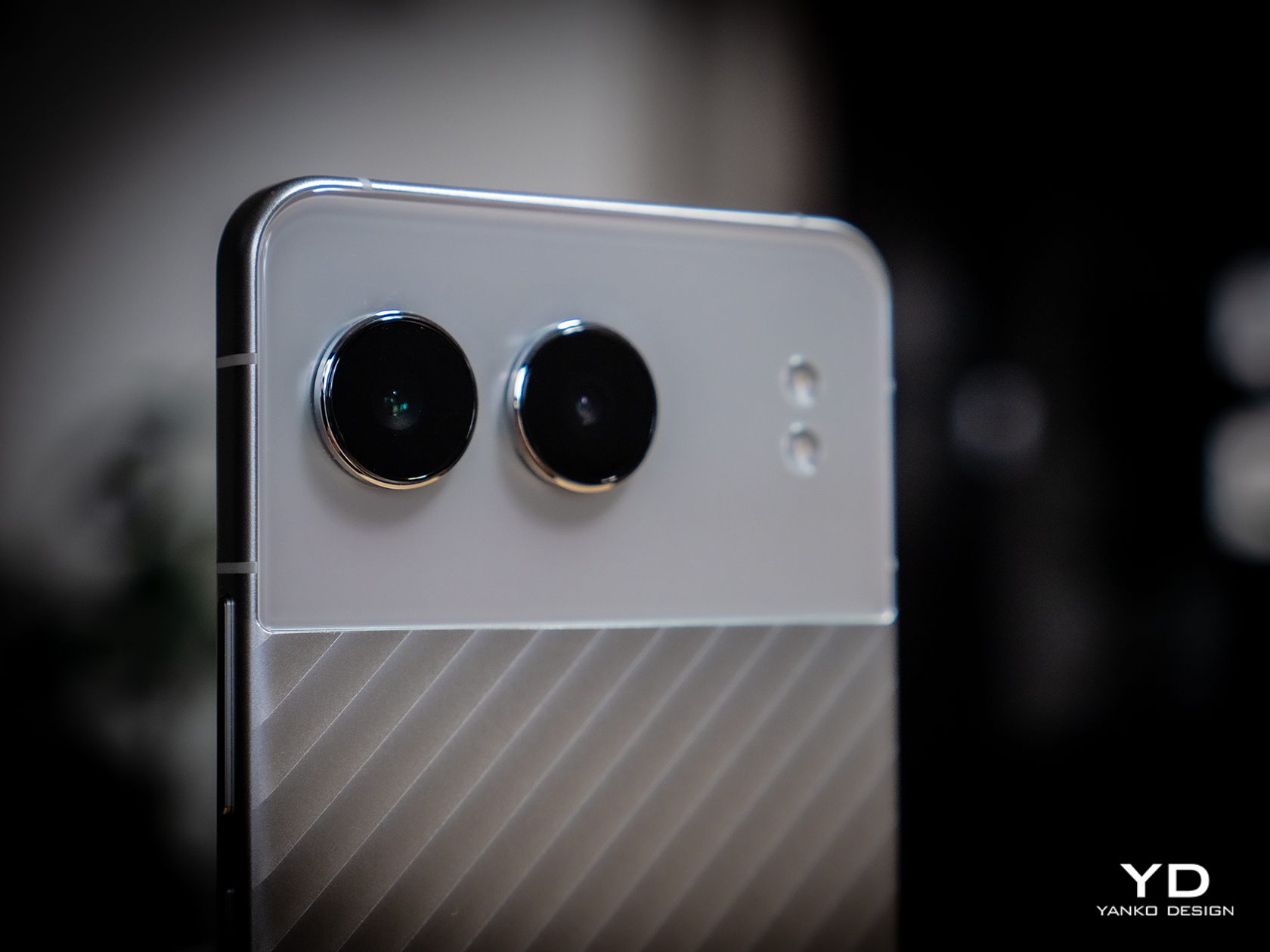
Nord 4 sports two cameras on its back and a front-facing camera on the top center of the screen. The main 50MP uses a 1/1.95-inch Sony LYT-600 sensor with an f/1.8 aperture and OIS. The ultrawide is a modest 8MP camera using Sony IMX355 with a 1/1.4-inch sensor and an f/2.2 aperture. And, the front-facing camera is a 16MP camera using Sony IMX 471 with a 1/3.0-inch sensor, f/2.4 aperture, and autofocus capability.

The daylight shots captured with the main camera are pretty good, producing sharp and detailed images. The photos with 2x zoom are also good, sadly the photos beyond 2x zoom, the image quality diminishes, making them barely usable. In low-light conditions, the Night mode automatically kicks in which can be inconvenient, but it takes pretty nice images. The photos taken with the ultrawide camera are satisfactory, though they tend to lean towards warmer tones.

The main can take 4k 60fps videos while the ultrawide camera and front-facing camera are limited to 1080p at 30fps. The 4k videos taken with the main under poorly lit conditions came out surprisingly well.
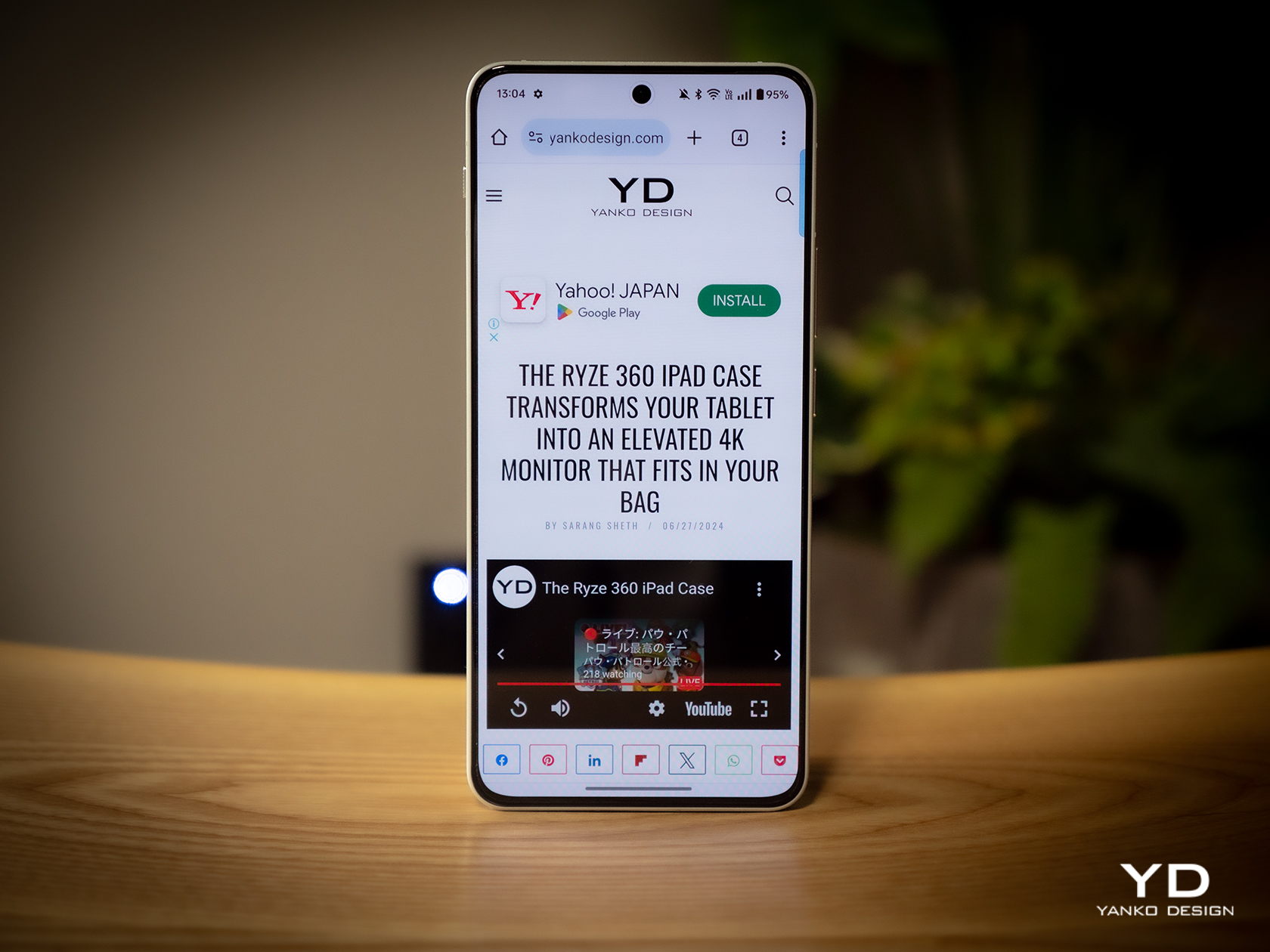
The 6.74-inch AMOLED display with 450 PPI is bright and vibrant. With AquaTouch technology implemented, drops of water on the display won’t be an issue when using the phone.

Sustainability/Repairability

Known for its durability, the phone made out of metal should withstand long periods of usage and tough handling. Additionally, the phone is IP65 rated, so it is fully protected against dust and can survive water splashes. On the software front, OnePlus offers its longest-ever support with four years of Android updates and six years of security updates for the Nord 4. Complementing its durable build and IP rating, the Nord 4 is certified TUV SUD Fluency 72 Month A, promising sustained performance even after six years of heavy use. With rugged hardware, assured sustained performance, and long-term software support, OnePlus ensures that users can enjoy this gorgeous device for years to come.
However, the metal unibody design may pose challenges for repairability, particularly when it comes to replacing the battery, as it typically requires opening the back panel, which is integrated due to the unibody construction.

Value

The OnePlus Nord 4 is priced competitively starting at 499 Euros (approximately $545), making it a compelling choice in the fiercely competitive midrange smartphone market. While it may not boast the best camera capabilities within its segment, the Nord 4 excels in achieving a fine balance between price and performance. Its striking aesthetics, impressive battery life, and rapid charging capabilities are standout features that add to its allure.


In a landscape where midrange options abound, the Nord 4 stands out for its blend of affordability and functionality. Despite its competitive price point, it doesn’t compromise on key aspects such as design appeal, enduring battery performance, and swift charging speeds. These attributes make the Nord 4 a noteworthy contender for anyone seeking a stylish and efficient smartphone without breaking the bank.

Verdict

The OnePlus Nord 4 exemplifies OnePlus’s commitment to delivering exceptional value in the midrange smartphone market. With each iteration of the Nord series, OnePlus has consistently balanced price and performance, and the Nord 4 is no exception. Unlike its predecessors, the Nord 4 marks a significant shift by reintroducing a metal unibody design, setting it apart in the 5G era with a blend of durability and aesthetic appeal.
Snapdragon 7+ Gen 3 chipset, a vibrant 6.74-inch Super Fluid AMOLED display with Ultra HDR support, and a robust camera setup. While its main 50MP camera produces sharp daylight shots and capable low-light images with Night mode, there are limitations with zoom photography and ultrawide shots tend to lean towards warmer tones. Nevertheless, its performance is bolstered by a substantial 5,500 mAh battery and blazing-fast 100W SuperVOOC charging, ensuring long-lasting power and quick refueling.

Whether for its striking aesthetics, impressive battery life, or rapid charging capabilities, the OnePlus Nord 4 offers great value for users seeking a reliable and feature-rich smartphone experience.
The post OnePlus Nord 4 Review: A Game-Changer with Metal Unibody Design first appeared on Yanko Design.

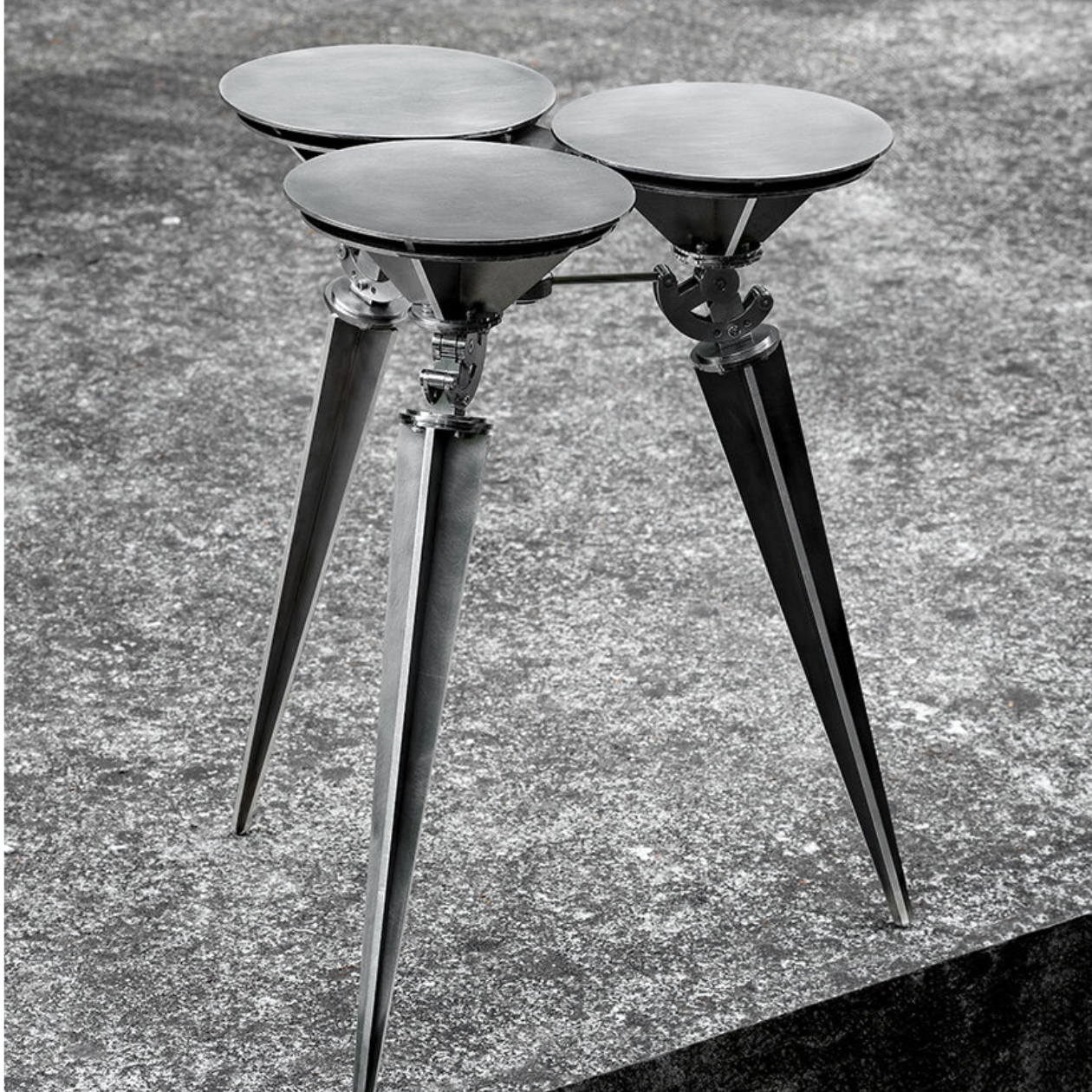
Cone-shaped stool made from stainless steel gives a flexible, stable seat

Not all stools are created to be comfortable. In fact, for me, stools are generally not the most comfortable when it comes to furniture you can sit on. But we’re seeing a lot of pretty interesting stool designs which can also sometimes double as art pieces. They are both functional and aesthetic, even if not the most practical.

Designer: Sukchulmok Studios

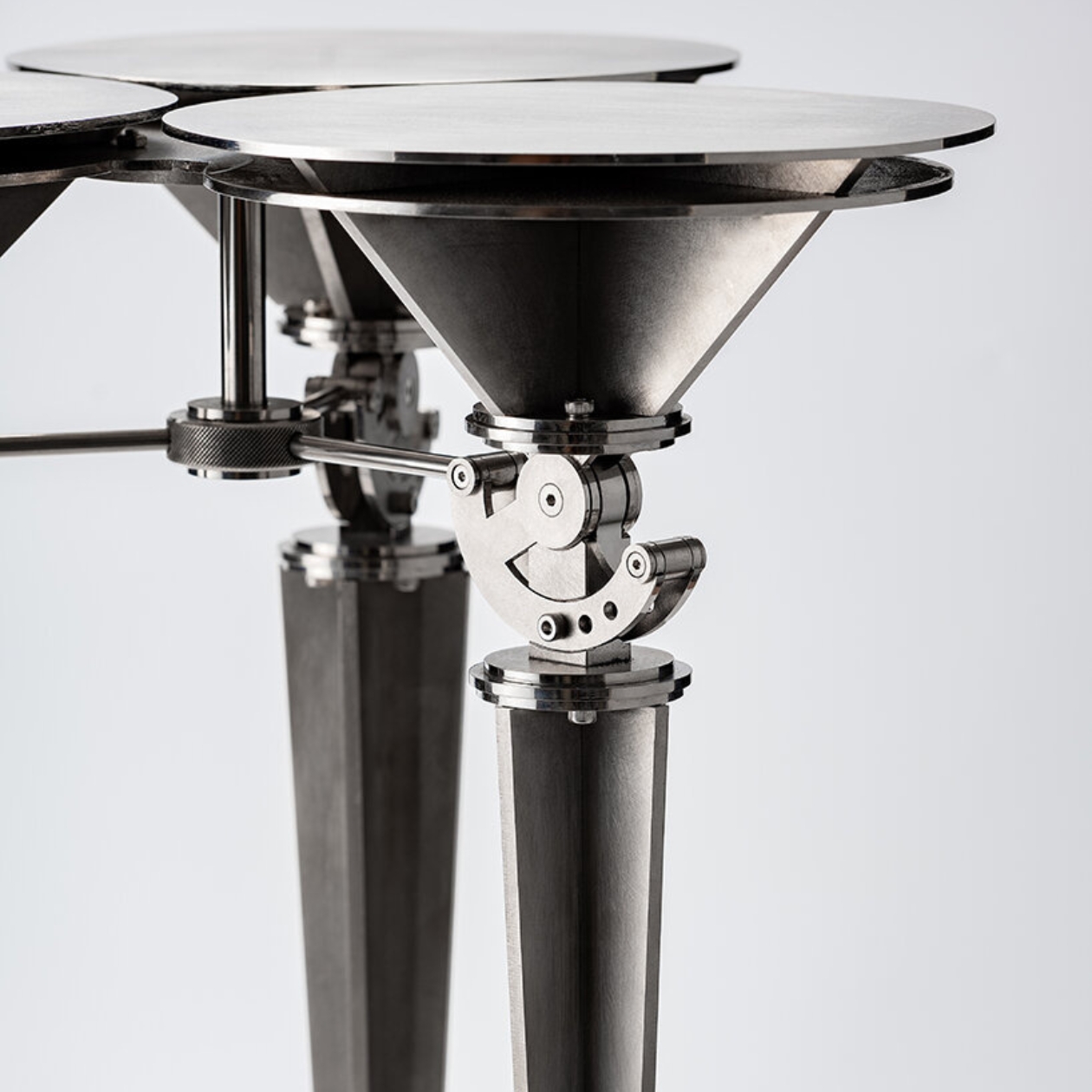
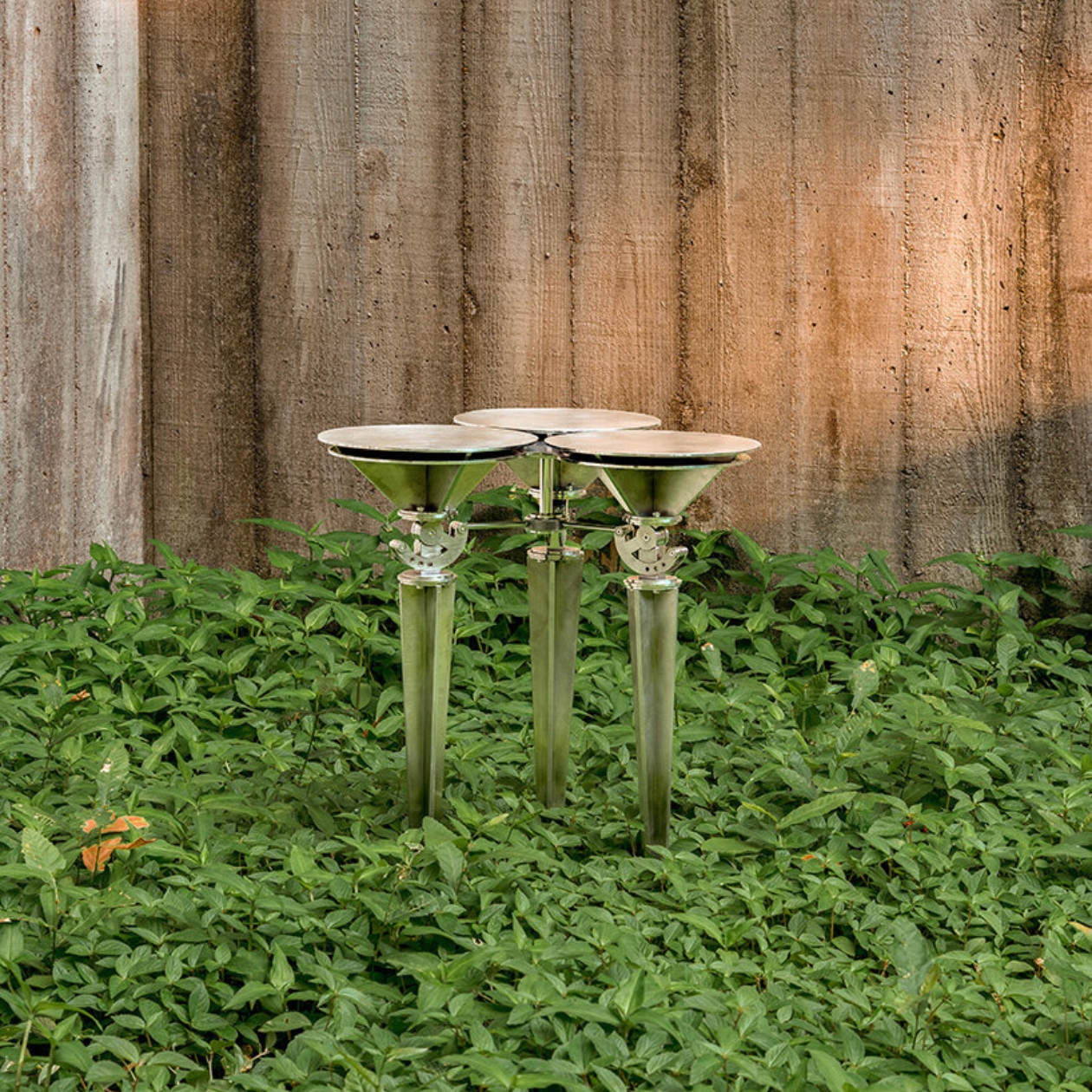
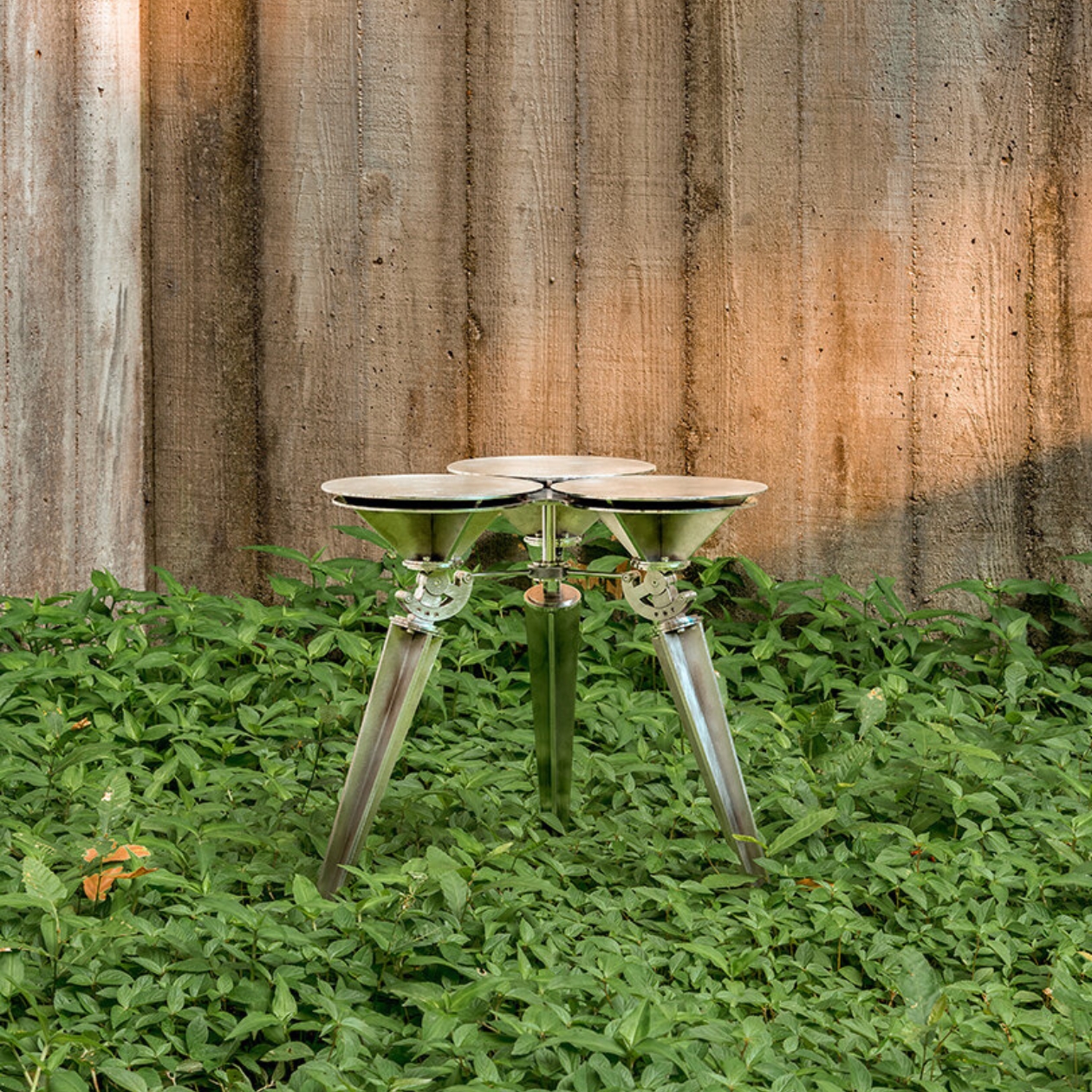
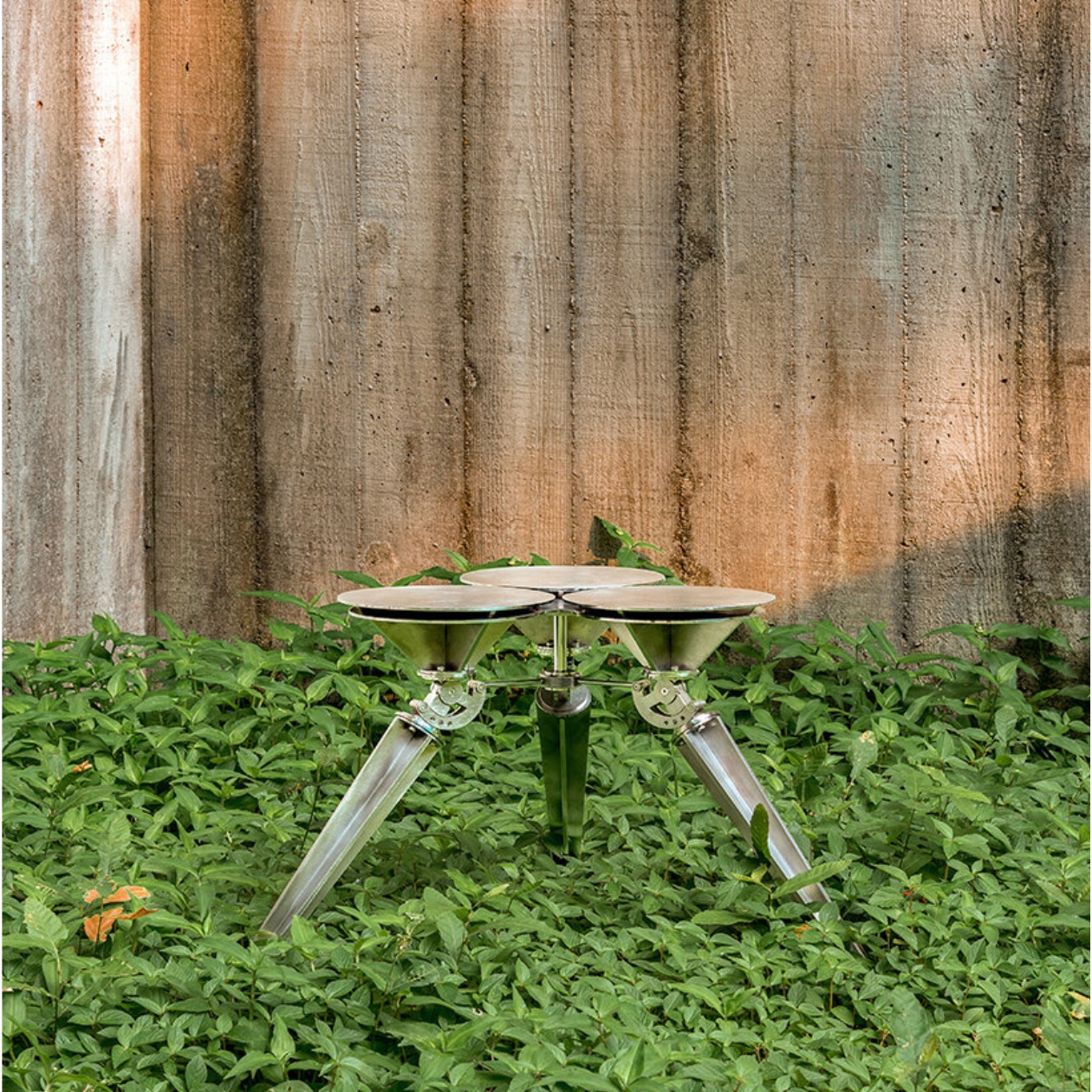
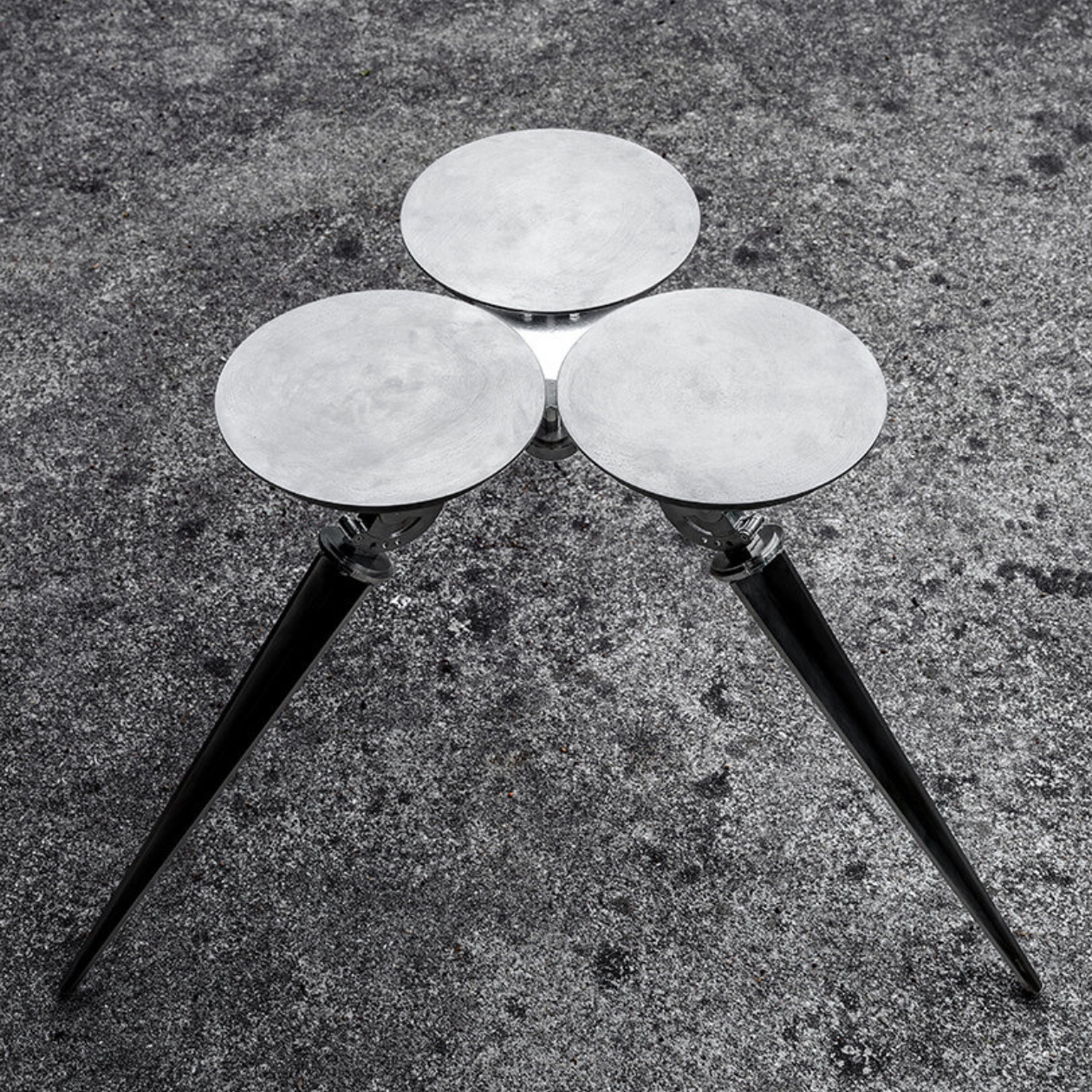
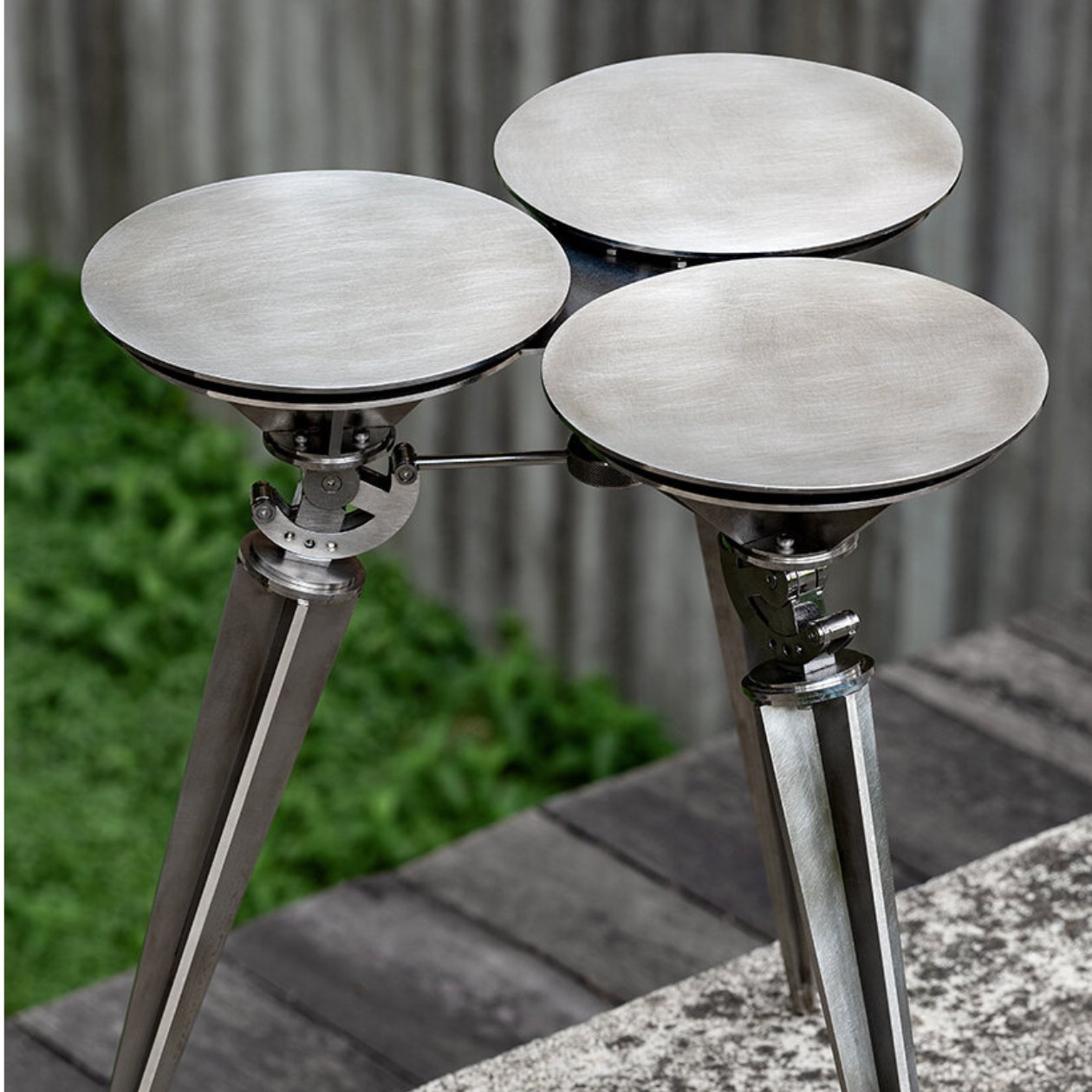
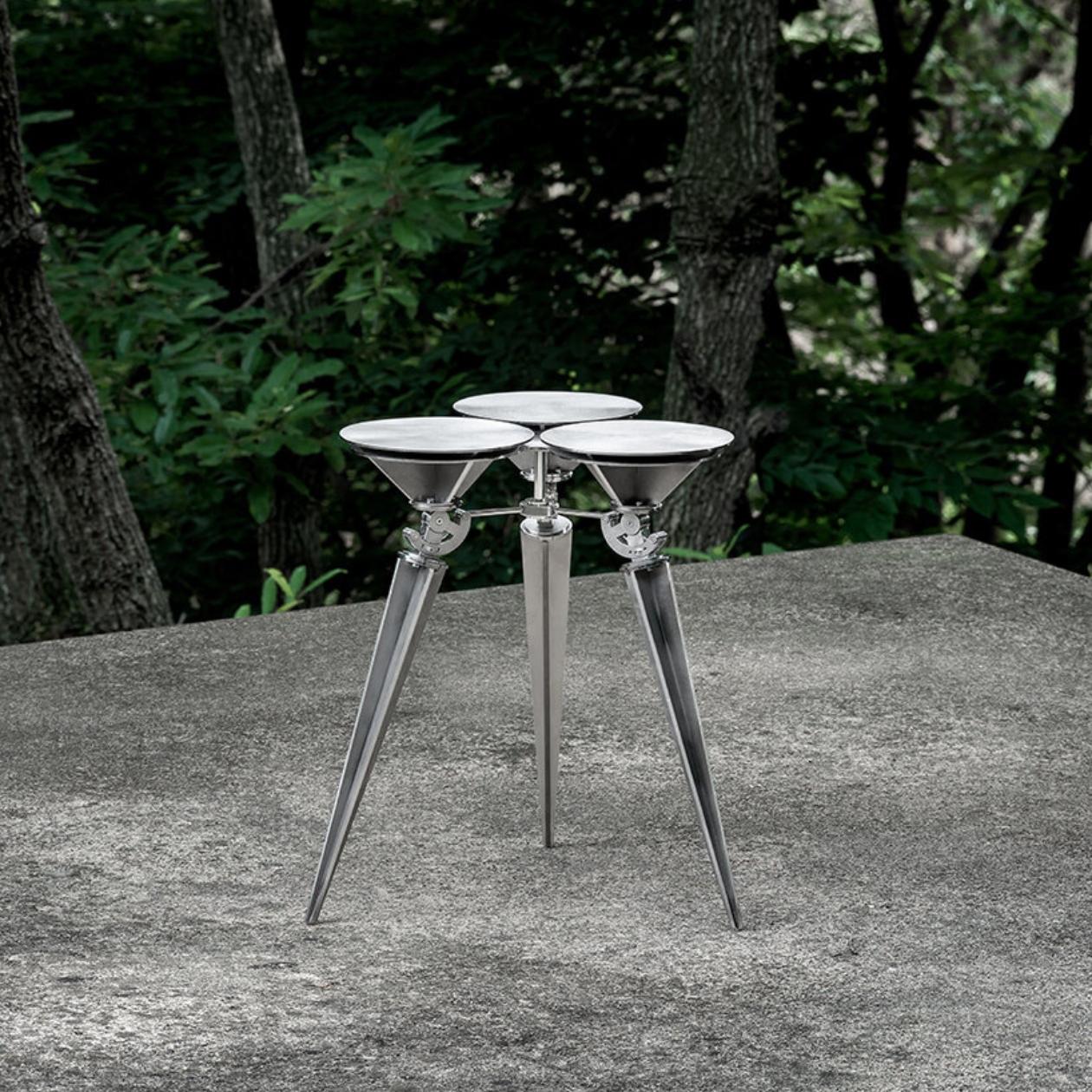
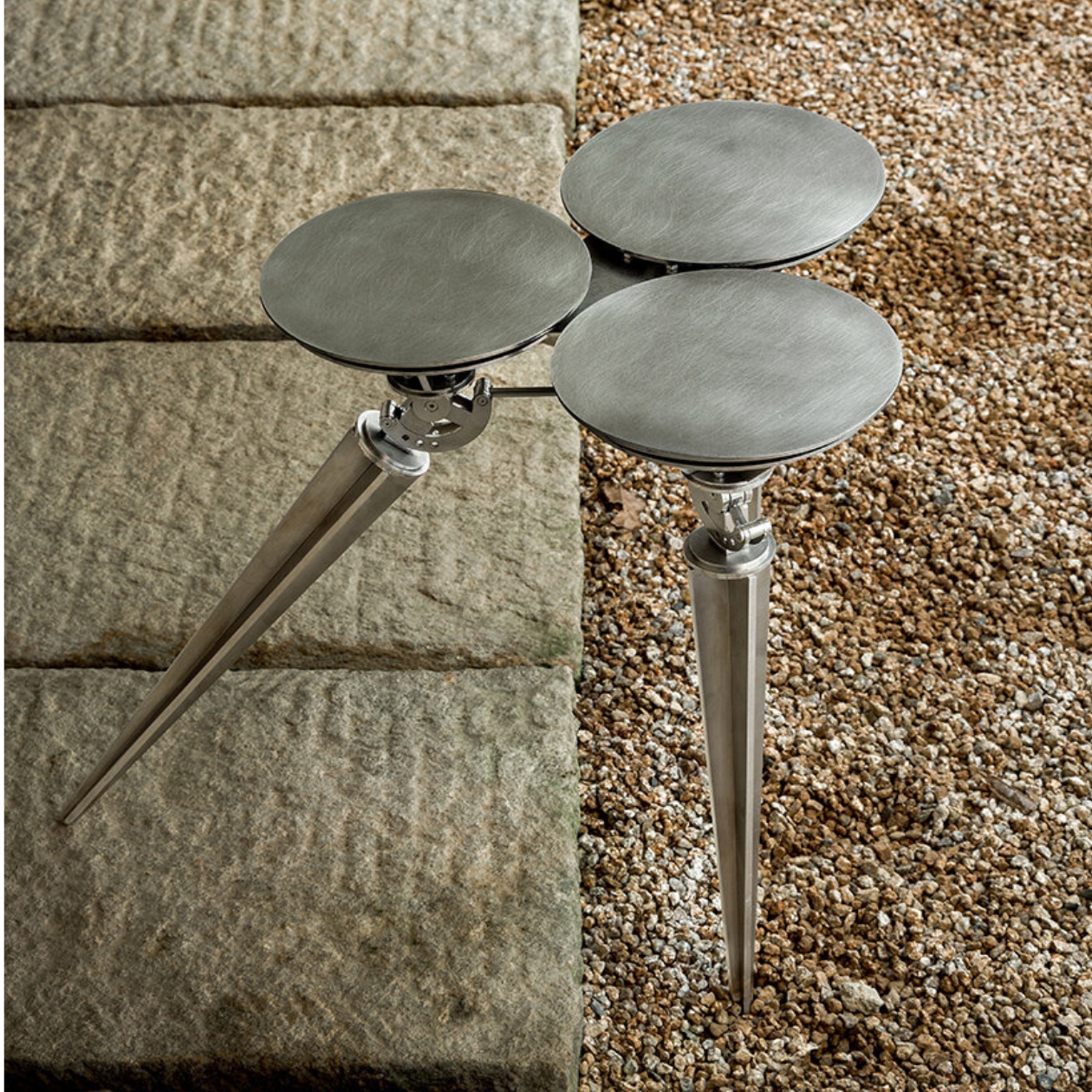
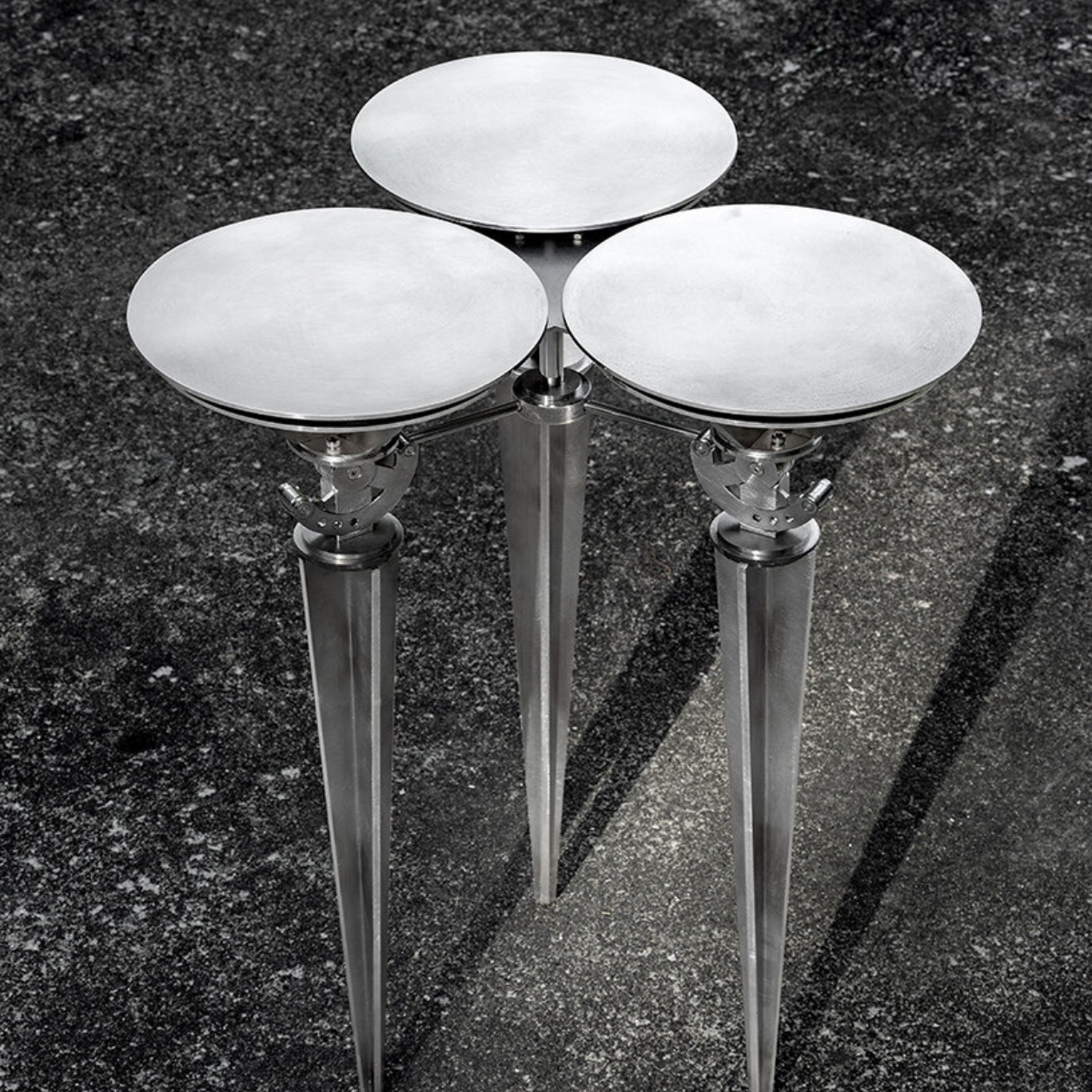
Take the chul-02 for instance, a stainless steel cone stool that looks very interesting but something you wouldn’t think of sitting on at first glance. The design peg is for the, well, pegs, used in landscape lighting. The idea for the pointed joints is that it can stand stably on hard surfaces but can also be pressed into the ground if needed.

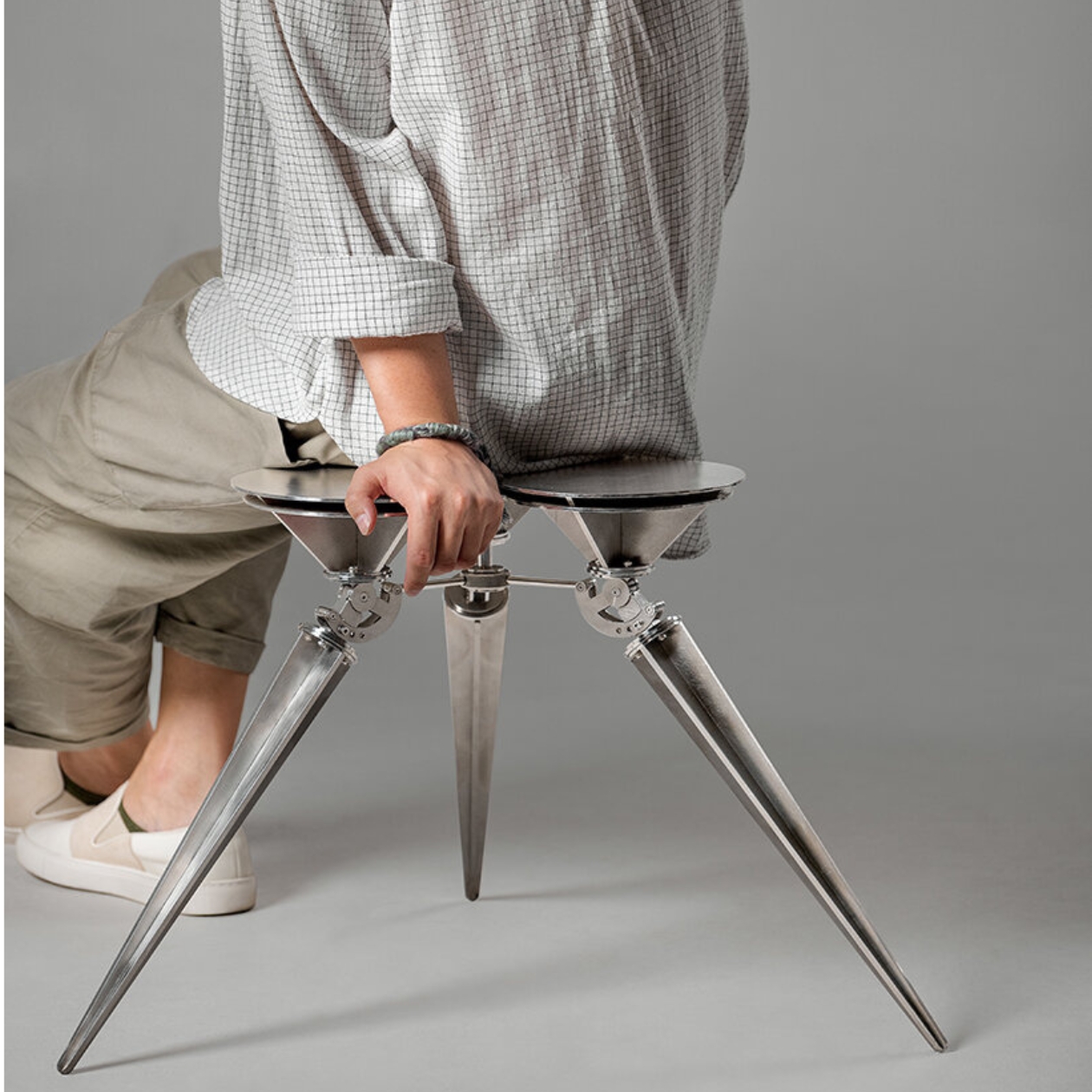
The three conical shapes form the entire stool and they are designed to lean on one another so you get a flexible seat. You can tilt the joints so you can put one on a stable surface while the other pegs can be put into the ground. Supposedly that will make it stable enough although I have my doubts looking at the thin legs. The three round seats actually makes it look like part of a percussion set but apparently it can accept all kinds of behinds to sit on it.

The Korea-based studio is planning to release new furniture pieces that is made from steel, wood, and stone. It’s a pretty interesting start although I don’t know if I would sit on one if I saw it in person. I’d rather look at it or use it as a side table, which may be one of the secondary functions of the chul-02.

The post Cone-shaped stool made from stainless steel gives a flexible, stable seat first appeared on Yanko Design.

Apple Watch 10 X blood sugar sensor

Apple Watch X

In recent years, wearable technology has made significant strides in enhancing personal health monitoring. Apple, a forerunner in this domain, continues to push the boundaries with its innovative Apple Watch series. Among the highly anticipated features rumored to be in development is a blood sugar sensor, a potential game-changer for individuals managing diabetes and those […]

The post Apple Watch 10 X blood sugar sensor appeared first on Geeky Gadgets.

The Architectural Heritage of the Mesopotamian Civilization

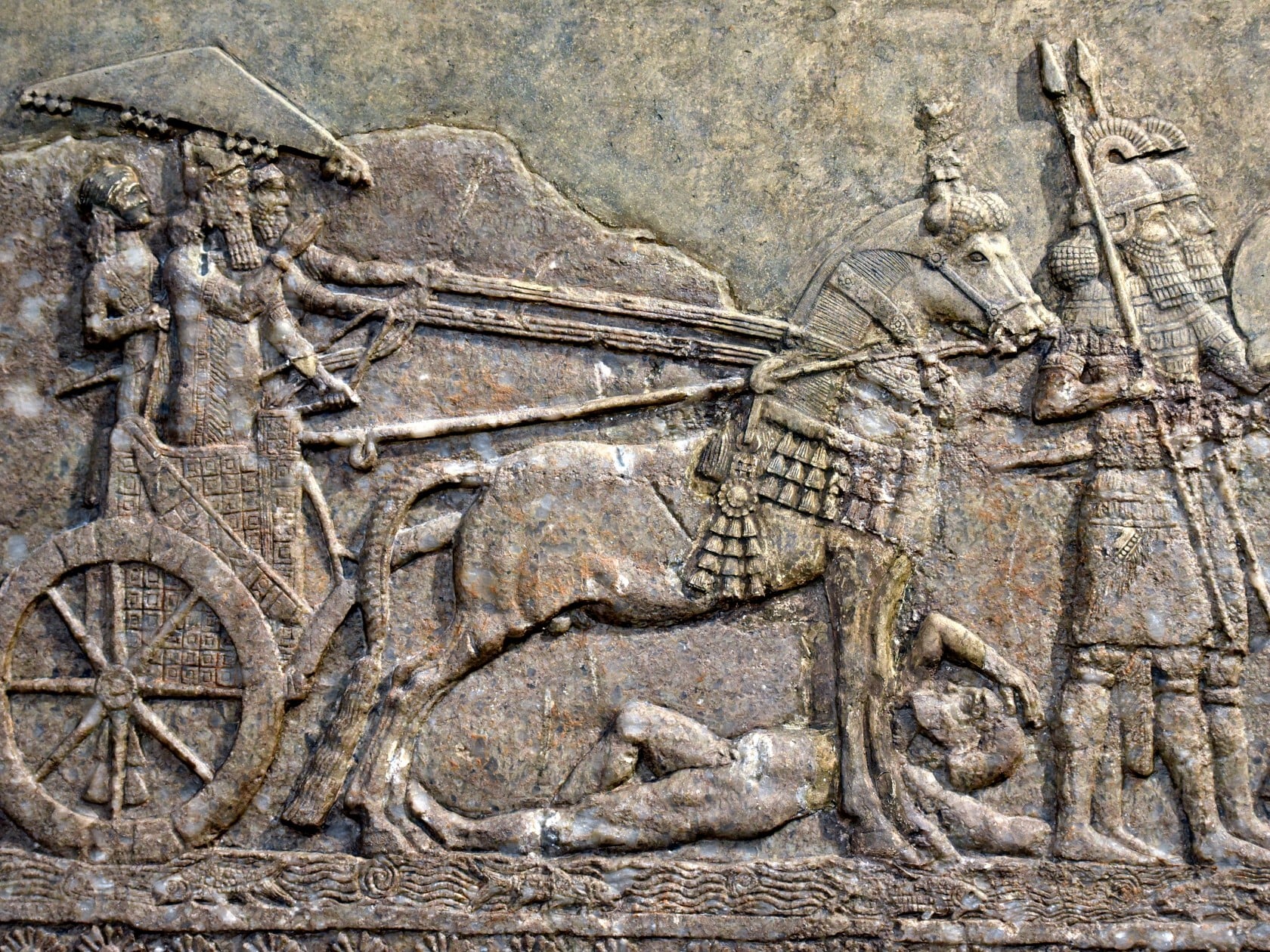
Mesopotamian architecture, born in the region between the Tigris and Euphrates rivers, takes its name from the Greek phrase “the land between the rivers. The Mesopotamian civilization is also known as the “Cradle of Civilization,” which covers the territories in Iran, Iraq, Kuwait, Lebanon, Israel, Palestine, Syria, Jordan, and Cyprus. The art and architectural creations from ancient Mesopotamia, trace their origins over 7,000 years ago. These works initially emerged in northern Mesopotamia before the Ubaid Period (circa 5500-4000 BCE) and further evolved in the south during the Uruk Period (4000-3000 BCE) in Sumer which marked the establishment of the earliest recorded civilization. During this period, the focus in architecture was predominantly on religious structures, with all sculptures having deep religious significance.

Image courtesy of: Kaufingdude

Some of Mesopotamia’s architectural achievements include advanced urban planning, the design of the courtyard house, and the construction of ziggurats to name a few.

Urban Planning

• Mesopotamian cities followed a grid-like layout with straight-aligned streets and structures where the city was organized into square or rectangular blocks that are akin to contemporary urban planning. The cities featured intersecting main streets that ran both longitudinally and latitudinally and were lined with a variety of establishments, including shops, residences, and public buildings. Additionally, distinct sectors were strategically planned for housing, religious activities, and various administrative functions.
• The city was divided into residential, mixed-use, commercial, and civic zones that were grouped according to the profession of the people and were distinctly allocated based on social strata. The more affluent residents occupied the inner city, and those of lower socio-economic status resided in the outskirts.
• The Mesopotamian urban centers included robust walls constructed from mud-brick or stone to safeguard the territory against intrusion and security of the residents. These fortified walls were characterized by substantial thickness durability and protection from external dangers.

Ishtar Gate of Babylon

Image courtesy of: Rick Norton

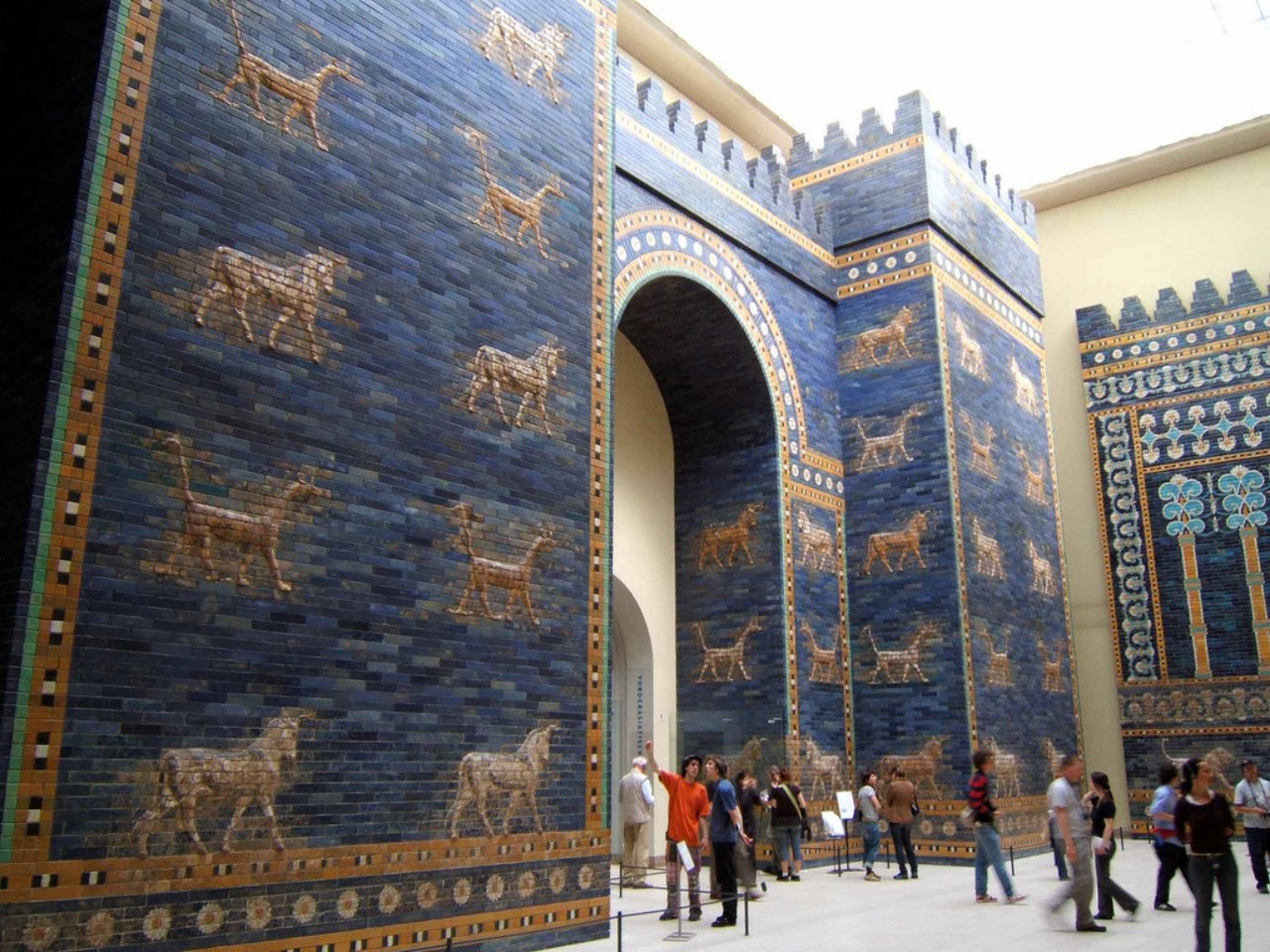
The Ishtar Gate was a significant entrance around the inner city of Babylon, the capital of ancient Babylonia. This gate epitomized the city’s opulence and power. Adorned with intricate sculptures featuring lions, bulls, and dragons, it served as a symbol of the Babylonian ruler’s authority. The sculptures on the gate were crafted from vibrant glazed brick, enhancing the structure’s striking appearance.

• Another important aspect of the Mesopotamian civilization was the construction of the central high temple complex that served as the core around which the city evolved and the urban layout developed.
• Mesopotamian urban centers featured numerous public edifices, including grand palaces, administrative hubs, and assembly halls. Additionally, public plazas and market places served as focal points for trade and social gatherings.

Ziggurats

Image courtesy of: Handrox-G

• The Ziggurats formed one of Mesopotamia’s most renowned architectural elements which stood out as a colossal, tiered temple tower, resembling a stepped pyramid.
• These structures held religious significance and were built from sun-dried bricks that were often decorated with vibrant glazed bricks and the temples were dedicated to various gods and goddesses.
• These monumental structures were often located at the center of the cities where they acted as focal points and symbolized the city’s connection with the divine.

Some of the famous Ziggurats include:

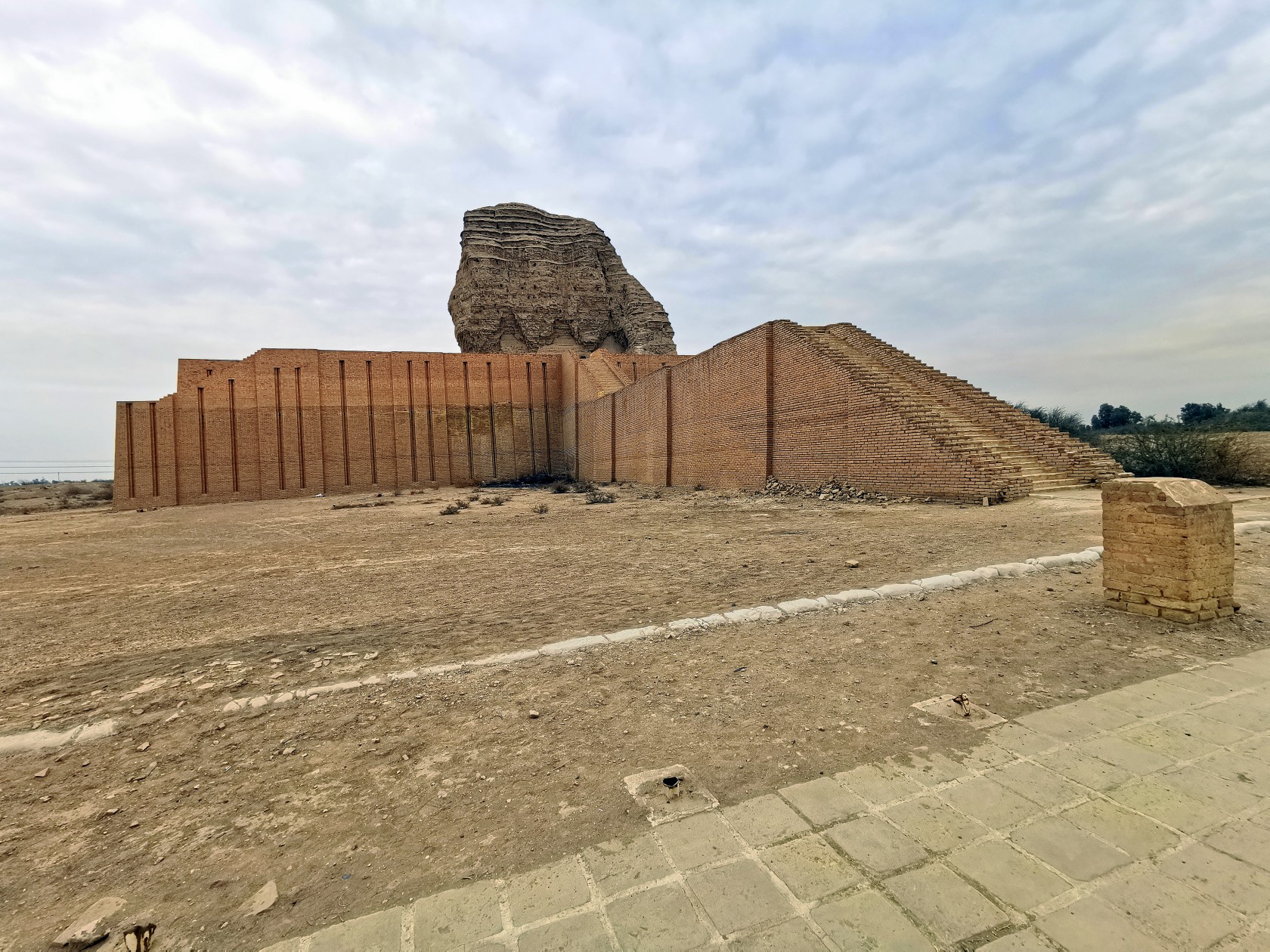
Ziggurat of Dur-Kurigalzu

Image courtesy of: Dr. Osama Shukir Muhammed Amin

Dur-Kurigalzu is an ancient city that is situated approximately 30 kilometers west of modern-day Baghdad and was established by the Kassite king of Babylon, Kurigalzu I, during the early 14th century B.C. This ziggurat is 52 meters tall and stands out prominently in the flat terrain near the convergence of the Tigris and Euphrates Rivers. It was surrounded by multiple temples and an extensive palace complex covering an area of 420,000 square meters.

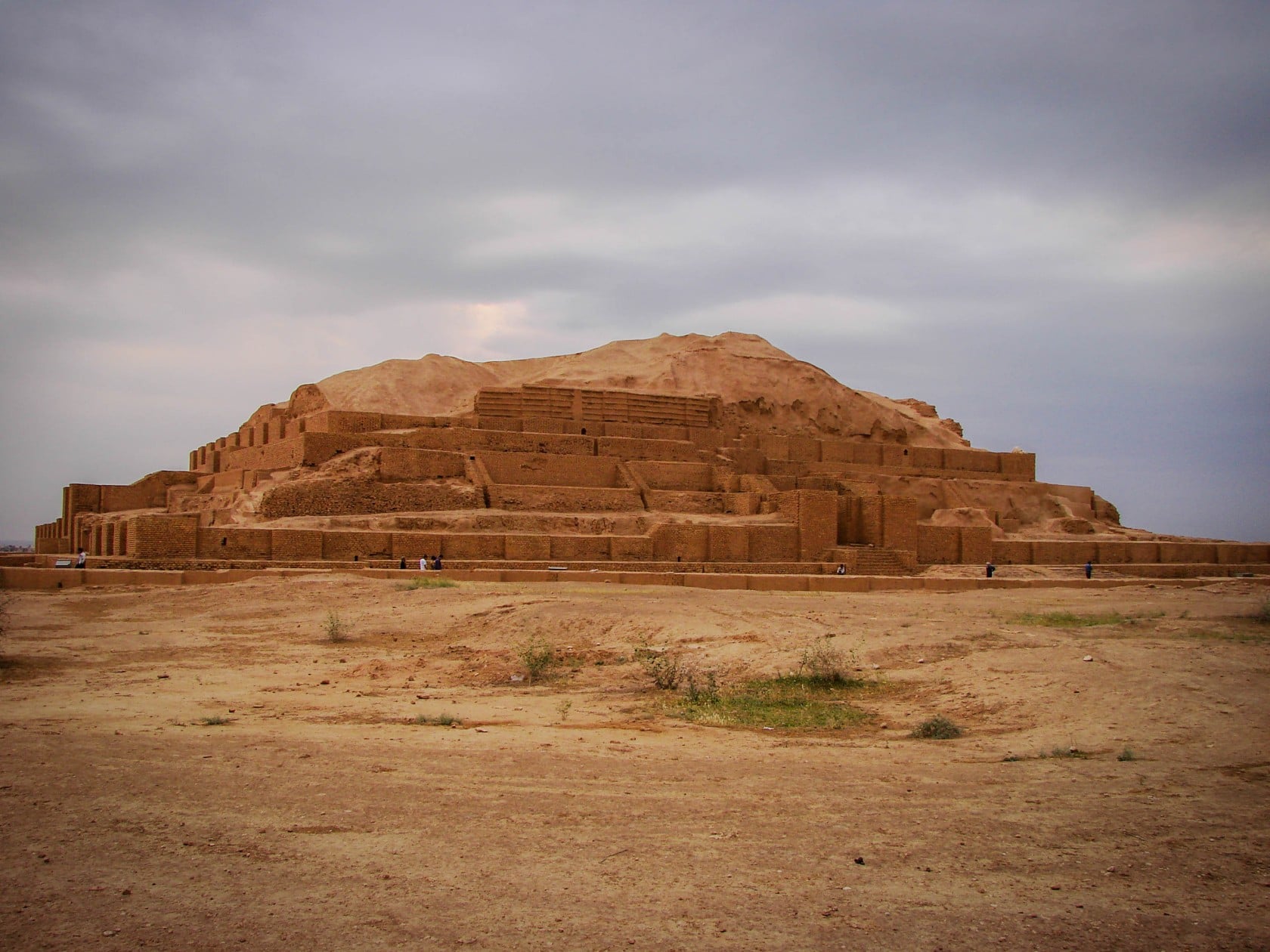
Chogha Zanbil

Image courtesy of: Mehdi Zali.K

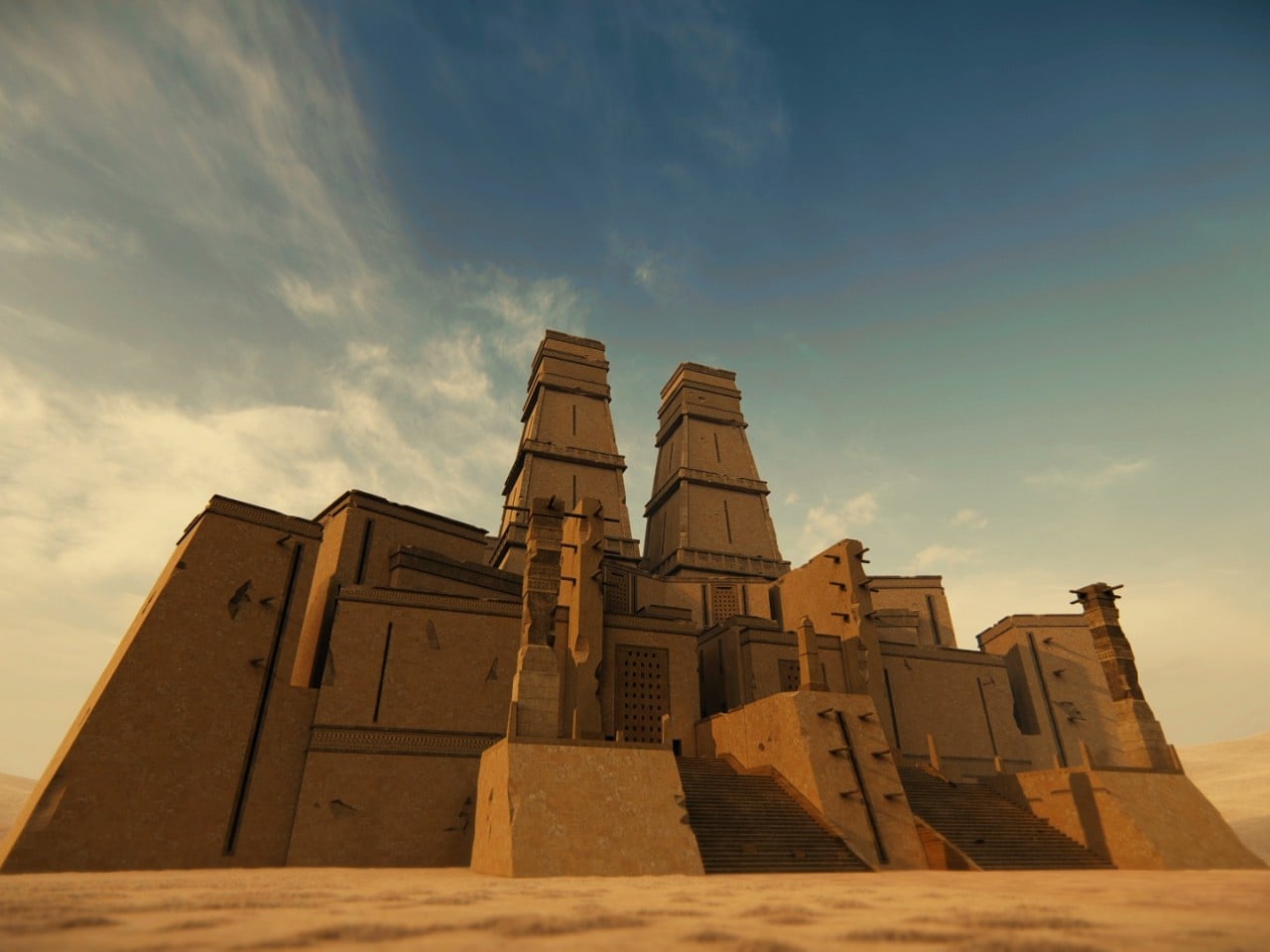
Chogha Zanbil is the name of a complex housing a massive ziggurat and is known as one of the world’s best-preserved ziggurats, located in the Khuzestan Province in western Iran. The square ziggurat measured 105.2 meters in base length and 53 meters in height, distributed across 5 floors. This ziggurat was constructed in the 13th century B.C. and it earned UNESCO World Heritage status in 1979.

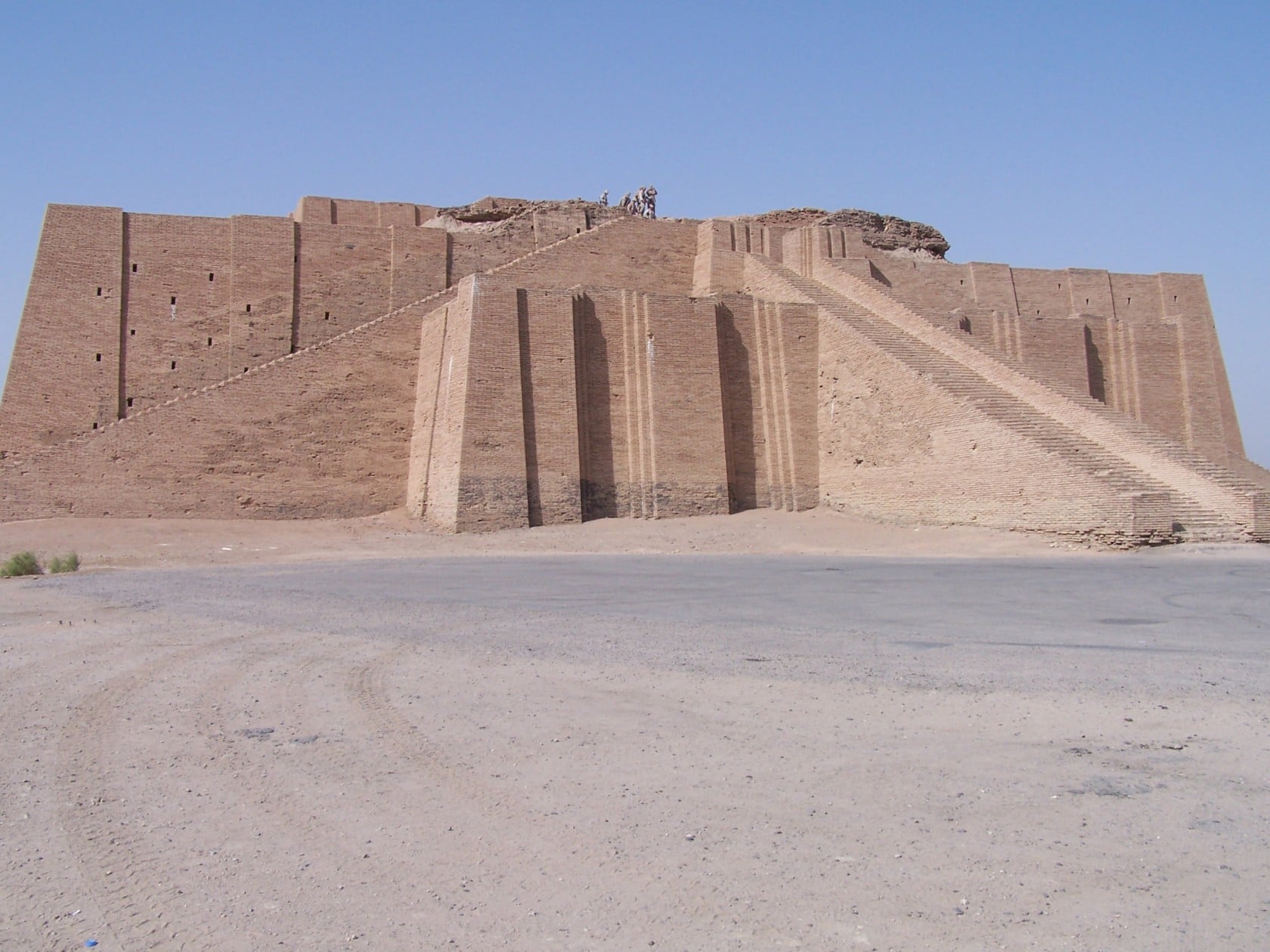
Great Ziggurat of Ur

Image courtesy of: Hardnfast

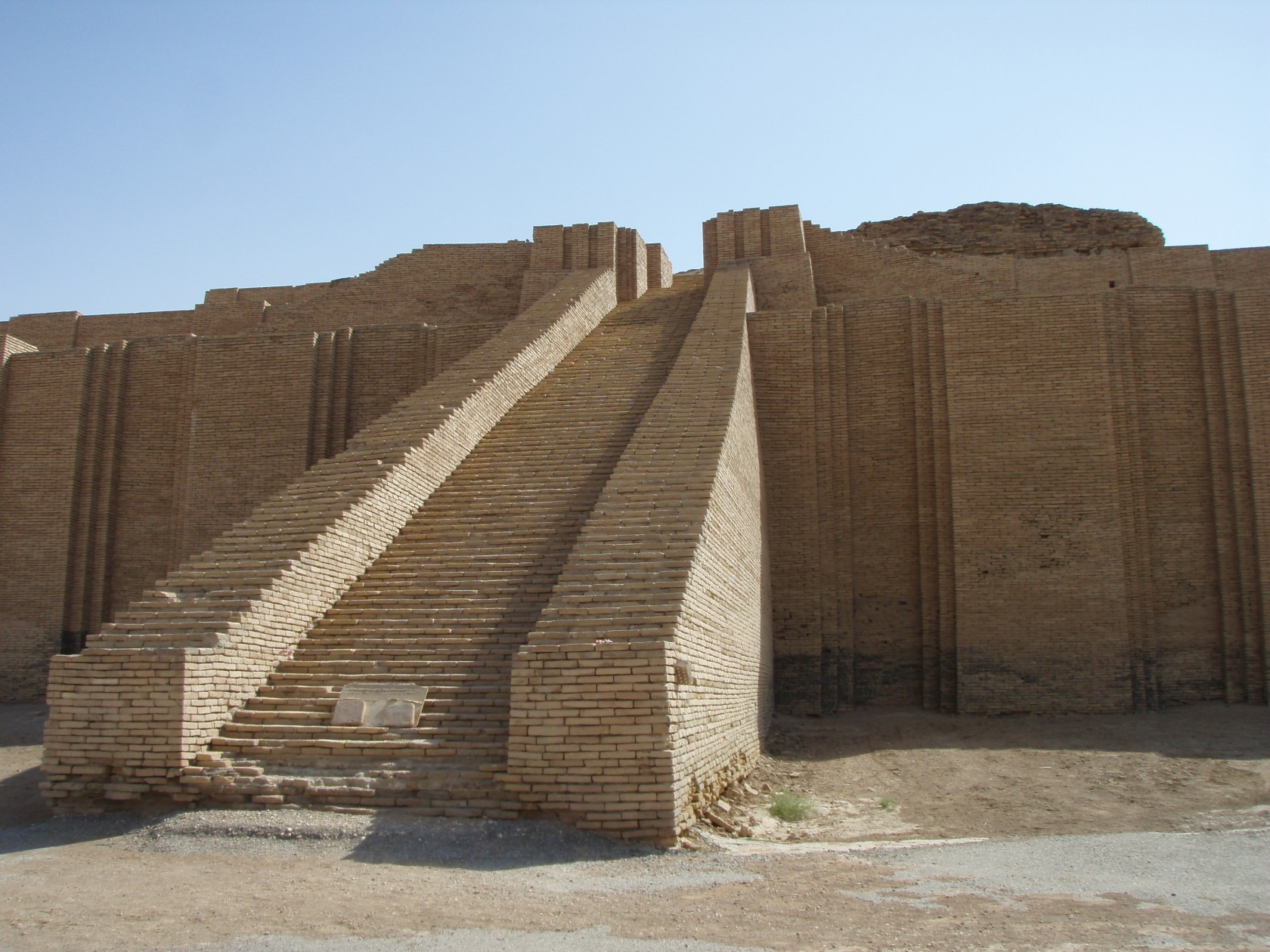
The Great Ziggurat of Ur, originally named “Etemenniguru,” meaning “Temple whose foundation creates an aura,” was initially constructed in the 21st century B.C. However, by the 6th century B.C., it had fallen into disrepair and was subsequently restored by the Neo-Babylonian King Nabonidus. For many centuries, the ziggurat was forgotten until its rediscovery in the 1920s. This ziggurat in the southeast of Iraq underwent partial restoration, which included the grand staircase leading to the upper levels.

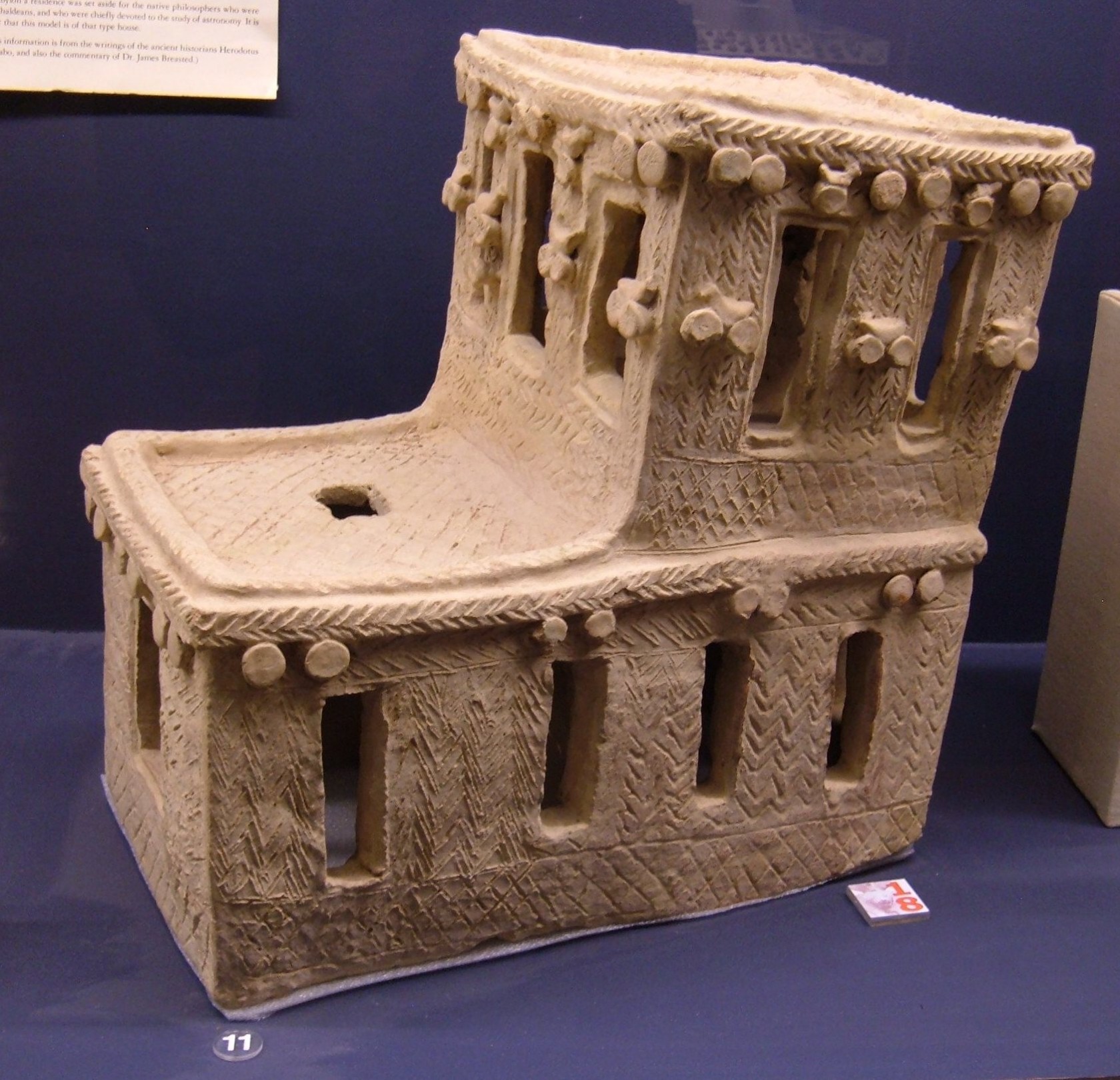
Mesopotamian Houses

Image courtesy of: BrokenSphere

Sumerian houses featured long-roofed central hallways, courtyards, and multiple storeys, exhibiting significant variations in size and construction materials, indicating that inhabitants likely constructed them themselves. These houses were oriented inward, focusing on an open cooling courtyard serving as the central hub for the home, with all rooms opening into it. The external walls remained plain, offering a single-entry point to the street.

Palaces

• The opulent palaces in Mesopotamia functioned as the centers of authority for rulers and administrators. The palace complex included impressive courtyards, audience chambers, and private accommodations.
• These versatile structures not only served as royal residences but also as administrative hubs, storage facilities, and sometimes workshops for artisans. Typically, these functions were compartmentalized, with various rooms grouped around an open central courtyard.

What are the Key Features of Mesopotamian Art and Architecture?

• Mesopotamian builders harnessed the local resources of clay and reeds to implement mudbrick construction for creating robust structures such as city walls, fortifications, and residences. Mud bricks were a staple of Mesopotamian construction due to their abundant local availability. These bricks were manually formed using a mixture of clay and straw, sun-dried, and subsequently utilized in architecture.
• Mesopotamian buildings include brick construction, columns, arches, and ornate decorations. The architects in Mesopotamia employed a modular design approach, enabling easy construction.
• The Mesopotamian architectural style, influenced by the region’s hot, arid climate, incorporated thick walls and high ceilings for sun and heat protection.
• In city planning, canals played a vital role by enabling agricultural irrigation, facilitating transportation, and supporting trade. Intricate water management systems were designed by skilled engineers and architects to control water from the Tigris and Euphrates rivers, including canals, embankments, and reservoirs. Note that water management was crucial to the fertile soil of Mesopotamia so that it could support agriculture and urban development.
• In Mesopotamian cities, they implemented sophisticated sanitation systems for their era, characterized by efficiently designed drainage and sewage systems, utilizing canals and conduits to divert wastewater from residential zones, effectively mitigating the risk of disease transmission.
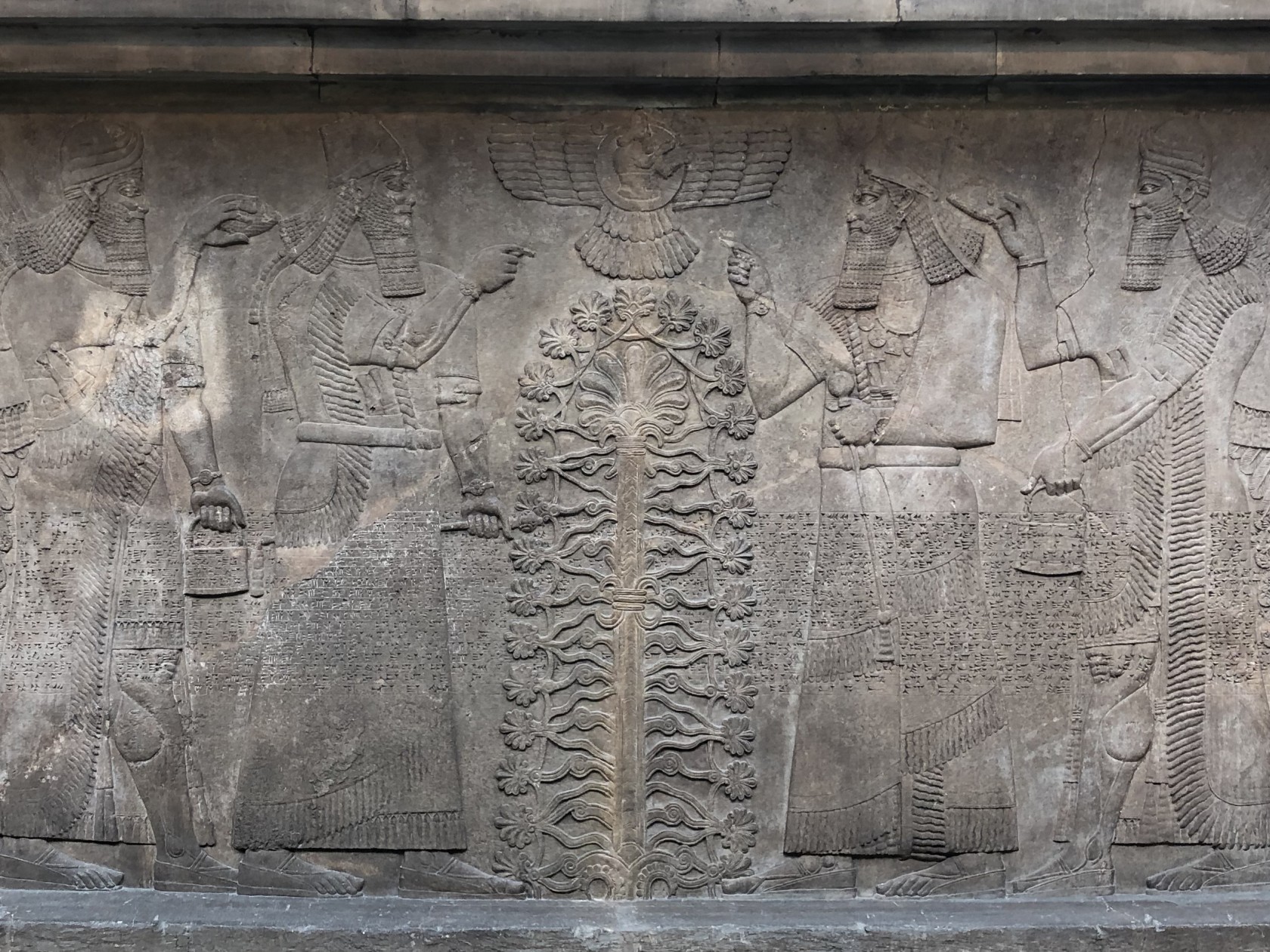
• Mesopotamians used cuneiform script to inscribe stone tablets, reliefs, and statues for commemorating achievements, recording legal codes, and conveying religious narratives. This provides invaluable insights into the historical and cultural heritage of the Mesopotamian civilization.
• Mesopotamian architecture was adorned with carvings, reliefs, and sculptures, which not only enhanced the aesthetics but also conveyed social, political, and religious themes, often drawing from mythology, nature, and everyday life.

Image courtesy of: Sanjar Alimov

Image courtesy of: Osama Shukir Muhammed Amin

To conclude, the Mesopotamian urban design was efficient and featured grid-like arrangements, defensive fortifications, ziggurats, irrigation canals, well-planned residential zones, public structures, and sanitation systems. These design elements played a key role in fostering the growth of vibrant urban hubs that served as the foundation of the Mesopotamian civilization.

The post The Architectural Heritage of the Mesopotamian Civilization first appeared on Yanko Design.
The Morning After: Blue screen of death outage affected around 8.5 million devices

A faulty update from cybersecurity provider CrowdStrike caused a global outage last Friday, apparently affecting some 8.5 million Windows devices, according to Microsoft itself. The update triggered a blue screen of death (BSOD), knocking offline systems used by hospitals, airlines, and banks. Only machines running Windows were affected — according to CrowdStrike, the total number of devices affected was “less than one percent of all Windows machines.”

The update “was designed to target newly observed, malicious named pipes being used by common C2 frameworks in cyberattacks,” according to CrowdStrike. Unfortunately, it included a logic error, crashing the OS. In the blog post on Saturday, Microsoft’s VP of enterprise and OS security, David Weston, wrote that the company is working with CrowdStrike to “develop a scalable solution” to fix the faulty update. Microsoft has also called for help from Amazon Web Services (AWS) and Google Cloud Platform (GCP).

Unfortunately, not everything is fixed quite yet — just ask Delta flyers over the weekend.

— Mat Smith

X is working on a way to block links in replies

.45 PARABELLUM BLOODHOUND is a cyberpunk RPG with a ’90s aesthetic

What to read this weekend: The Light Eaters, Paranoid Gardens and I Was a Teenage Slasher

Samsung halts Galaxy Buds 3 Pro shipments amid quality control issues

​​You can get these reports delivered daily direct to your inbox. Subscribe right here!

TMA
Engadget

No one has been making foldable phones longer than Samsung. But the pace of innovation from the company has slowed while new challengers, like the OnePlus Open and Pixel Fold, have arrived. Now for 2024, Samsung has reinforced the Galaxy Z Fold 6 with a stronger but significantly lighter frame, a new ultra-wide-angle camera and a bunch of AI-powered tools. It’s better, sure, but it feels like complacency is eroding Samsung’s foldable lead. 

Read the full review.

Kunitsu-Gami is a game of two halves: frenzied combat and peaceful base building. Demon enemies are often gross (intentionally!), filled with pus, and armed with claws. The game blends real-time combat with tower-defense mechanics, with all of it taking place in a zoomed-out third-person view. With so many samey action RPGs and Soulslikes, Kunitsu-Gami takes a refreshingly different approach. Oh, and so much delicious-looking, hyper-detailed video game food.

Continue reading.

NASA scientists say pure sulfur has been found on Mars for the first time after the Curiosity rover inadvertently uncovered a cluster of yellow crystals when it drove over a rock. And it looks like the area is filled with it. While minerals containing sulfur have been observed on the red planet, elemental sulfur has never been seen before. Ashwin Vasavada, Curiosity’s project scientist, said: “It shouldn’t be there, so now we have to explain it.”

Continue reading.

TMA
Rivian

Rivian just opened its first EV charging rest stop, 24 miles outside Yosemite National Park. Alongside the five DC fast chargers, only for Rivian owners, there are bathrooms, a lounge with a small library, a water refill station, free coffee, and make-your-own trail mix. These other amenities are open to anyone, and Rivian says it’s planning more Charging Outposts “around national parks and other high-traffic areas across the country.”

Continue reading.

This article originally appeared on Engadget at https://www.engadget.com/the-morning-after-blue-screen-of-death-outage-affected-around-85-million-devices-112012903.html?src=rss

iOS 18 Top features and redesigned apps explored

iOS 18 public beta top features

If you like to learn more about the top features that will be included with the upcoming iOS 18 release in September. Brian Tong has been hands-on with the latest iOS from Apple to bring you the new features aimed at enhancing customization, privacy, and user experience. iOS 18 Top features : Extensive Home Screen Customization: […]

The post iOS 18 Top features and redesigned apps explored appeared first on Geeky Gadgets.

Posted in Uncategorized | Tagged

CrowdStrike outage aftershocks cause Delta to cancel over 1,000 more flights

The CrowdStrike outage that started late on Thursday is still causing havoc as Delta was forced to scrap an additional 1,250 flights yesterday on top of the 3,500 already cancelled, Reuters reported. That has left tens of thousands of Delta fliers stranded waiting for new flights that could take days, forcing many to cancel or postpone trips. The airline has yet to say when it will resume normal operations. 

Delta has scratched a third of scheduled flights for a total of 5,000 since Friday, and delayed another 1,700. "In particular one of our crew tracking-related tools was affected and unable to effectively process the unprecedented number of changes triggered by the system shutdown," said Delta CEO Ed Bastian.

CrowdStrike's software update affected 8.5 million Windows devices, causing many to go into a boot loop that could only be recovered by technicians with direct access to machines. The problem turned out to be a faulty sensor designed to detect malicious activity that "triggered a logic error that resulted in an operating system crash," according to CrowdStrike.

Delta was the worst hit of any US airline, and United Airlines was a distant second with about 266 (9 percent) of flights cancelled on Sunday. 

At first, United and Delta told stranded travelers that they wouldn't cover bills since the CrowdStrike crash was out of their control. However, US Transportation Secretary Pete Buttigieg later stepped in and said that he considered the situation self-inflicted, so carriers would need to cover food, transportation and lodging costs for any delays longer than three hours as required by law. 

CrowdStrike said today that a "significant" number of devices are back online and the company is reportedly close to rolling out an automatic fix to the issue. Also heavily impacted by the outage are healthcare and other public services in the US and UK, with the NHS warning patients that "there may still be some delays." 

This article originally appeared on Engadget at https://www.engadget.com/crowdstrike-outage-aftershocks-cause-delta-to-cancel-over-1000-more-flights-120025978.html?src=rss

How to build AI apps using AgentScope drag-and-drop UI

using AgentScope to build AI apps

If you would like to quickly create AI enabled applications for your own business or to sell on as Software as a Service (SaaS) products. You might be interested in AgentScope, a new drag-and-drop platform designed to simplify the creation of multi-agent systems and AI applications. The platform offers a user-friendly interface, robust features, and […]

The post How to build AI apps using AgentScope drag-and-drop UI appeared first on Geeky Gadgets.

Tenstorrent next-gen Wormhole Developer Kits now available

Tenstorrent next-gen Wormhole Developer Kits

Did you know that traditional GPUs often fall short when it comes to handling complex AI models efficiently? Tenstorrent aims to change that with their newly launched Wormhole Developer Kits and Workstations. Featuring the powerful Wormhole n150 and n300 PCIe boards, these kits promise superior performance and flexibility. These new offerings include the Wormhole n150 […]

The post Tenstorrent next-gen Wormhole Developer Kits now available appeared first on Geeky Gadgets.