Amazon Prime Day is coming in hot with the deals, and no brand is safe. Case in point? Apple’s high-end AirPods Pro earbuds have dropped to $169. This is a record-low price for the famously expensive buds.
This Prime Day deal is for the second-gen version, which are the ones that made our list of the best wireless earbuds. We love so many things about them, from the incredible sound quality to the active noise cancellation. The best feature is likely Apple’s transparency mode, which we said was “more natural sounding than any other earbuds by a mile.”
The battery life is average, six hours on their own and 30 hours with the charging case, and the option for multipoint connections is highly useful. These are specifically designed to excel with other products in the Apple ecosystem, so they are the best earbuds to use with an iPhone, an iPad, a Mac or even a pricey Vision Pro headset.
The touch gestures take a bit of practice to get the hang of things, but the learning curve isn’t so bad. The primary downside of these earbuds is the exorbitant price, which has been alleviated by this deal. Thanks Prime Day!
If you want to save even more money, the regular AirPods are on sale for a record-low of $120. This is the third-generation model. On the other hand, if money is absolutely no object, the ultra-premium AirPods Max headphones are on sale for $395. This is also a record-low, as they typically cost a whopping $550.
Your Prime Day Shopping Guide: See all of our Prime Day coverage. Shop the best Prime Day deals on Yahoo Life. Follow Engadget for Prime Day tech deals. Hear from Autoblog’s experts on the best Amazon Prime Day deals for your car, garage, and home, and find Prime Day sales to shop on AOL, handpicked just for you.
This article originally appeared on Engadget at https://www.engadget.com/apple-airpods-pro-drop-to-169-for-amazon-prime-day-070220217.html?src=rss
Apple has re-released iOS 18 beta 3 for developers and this update primarily focuses on stability improvements and bug fixes, rather than introducing new features. The revised beta aims to address issues discovered in the initial release and provide a more polished experience for developers and beta testers. The video below from Brandon Butch gives […]
Samsung has once again pushed the boundaries of smartphone technology with the release of the Galaxy Z Fold 6 and Z Flip 6. These foldable devices showcase Samsung’s commitment to innovation, offering users unique experiences tailored to their specific needs and preferences. Whether you prioritize productivity, media consumption, or portability, these smartphones have something to […]
Samsung has once again pushed the boundaries of smartphone technology with the release of the Galaxy Z Fold 6 and Z Flip 6. These foldable devices showcase Samsung’s commitment to innovation, offering users unique experiences tailored to their specific needs and preferences. Whether you prioritize productivity, media consumption, or portability, these smartphones have something to […]
Apple has released iOS 18 Public Beta 1, giving eager users a chance to explore and test the latest features before the official release. If you’re ready to dive into the world of iOS 18 and experience the innovative enhancements firsthand, this comprehensive guide will walk you through the process of signing up and installing […]
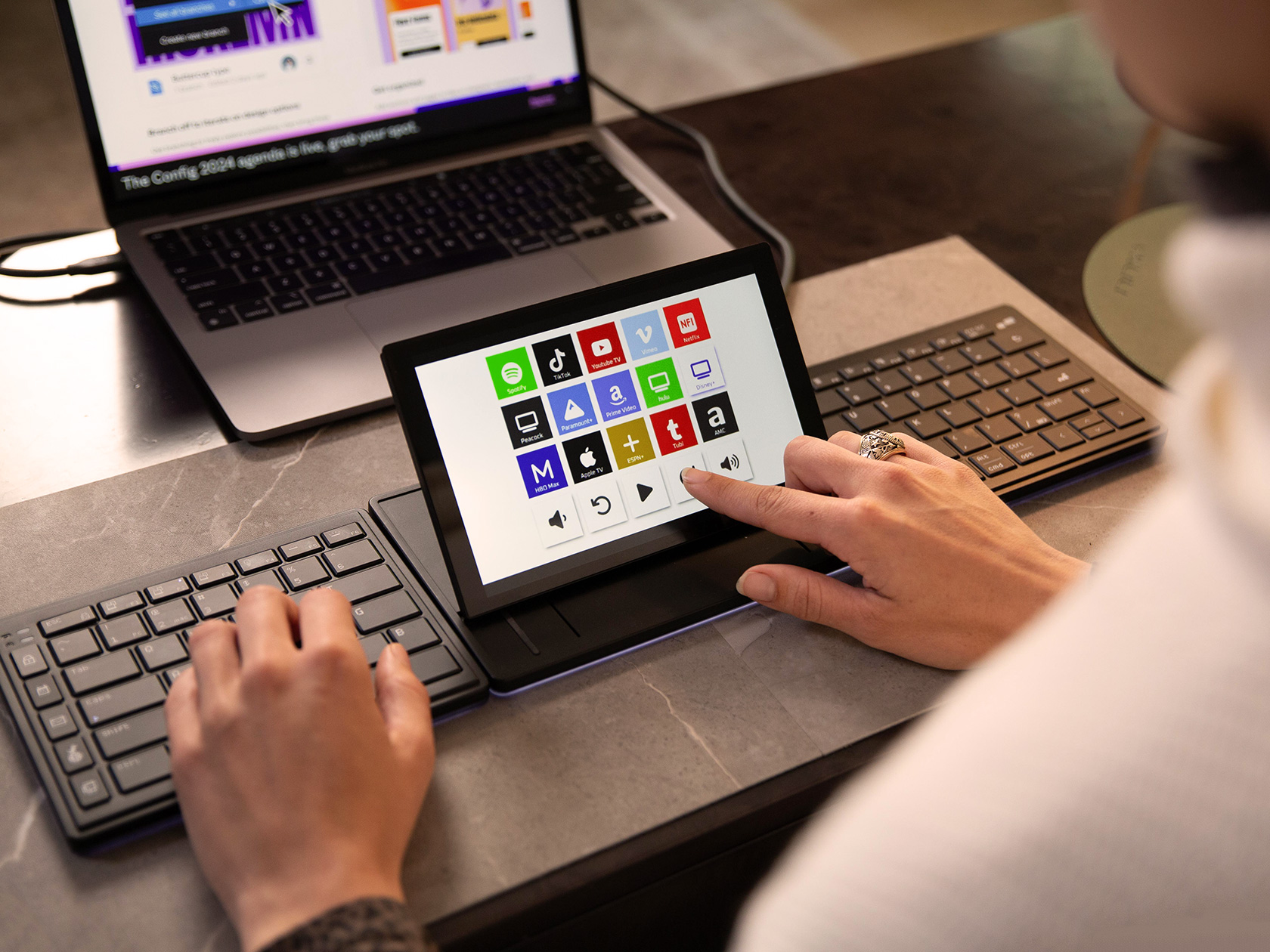
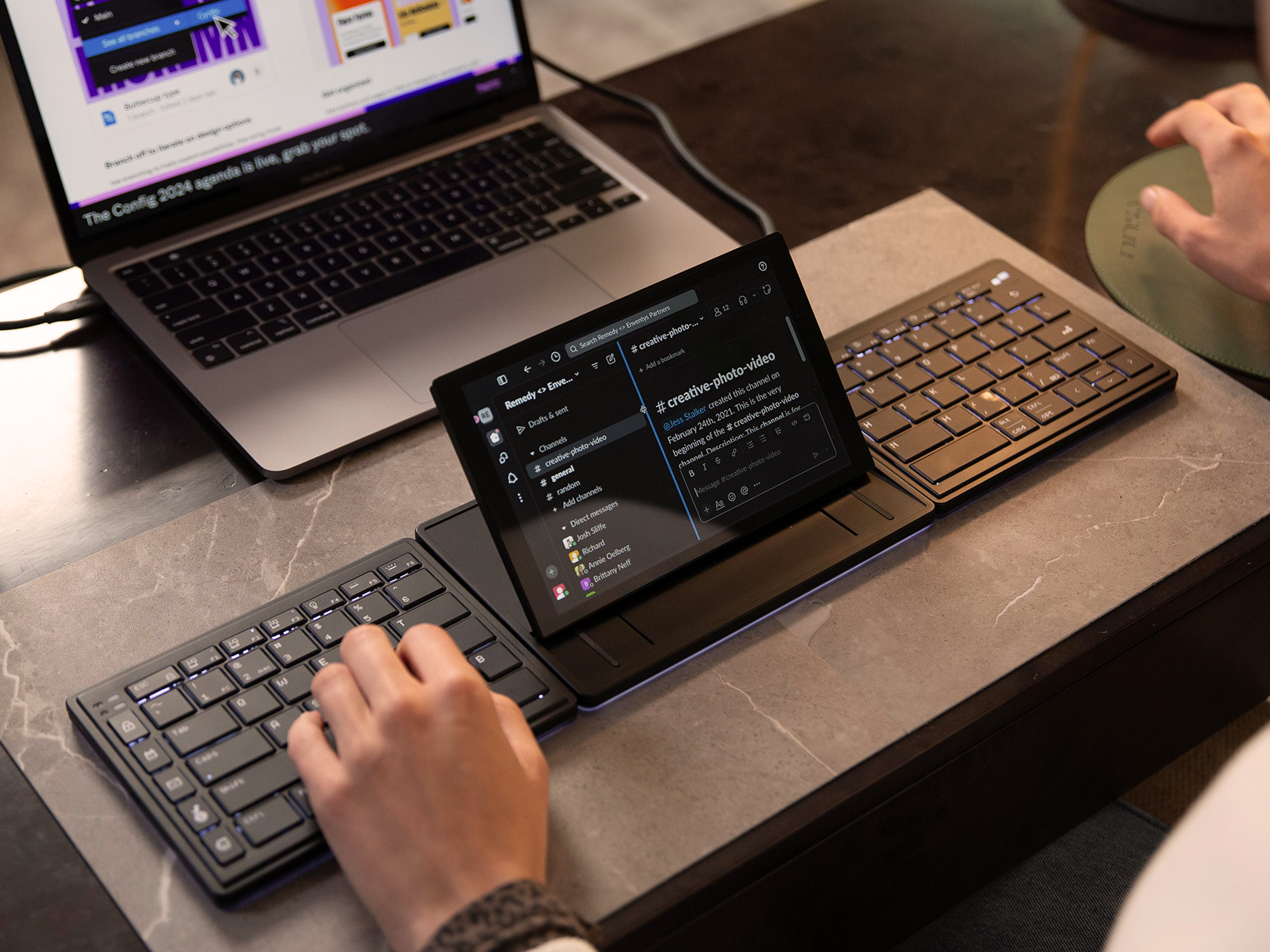
Remember the watershed moment when Steve Jobs unveiled the MacBook Air for the first time? He walked up on stage with a manila envelope, and opened it to reveal the thinnest laptop ever made. It changed how laptops looked from then on, and when people first saw the stunningly thin MacBook Air, everyone had the same question on their minds – why doesn’t my laptop look like this? The Tetra keyboard does the same thing for other keyboards. When you look at the Tetra for the first time, chances are you’ll have never seen anything quite like it before. It challenges the notion of keyboard design… and for the better. It’s more compact, easier to use, ruthlessly ergonomic, and comes with a world-first touchscreen display built right in. The keyboard splits in half, allowing you to place the parts wherever you want for a more comfortable typing experience… and the display tilts upwards or sits flat, transforming into a dock for widgets, shortcuts, playback controls, or a media center of sorts. Think Keyboard-Meets-Elgato-Stream-Deck.
Designers: Zikang Feng, Jarvie Liu, and Stephen Ng
Trust the folks at Mobile Pixels to come up with such a unique idea. The company first jumped to prominence with its plug-and-play laptop extending displays (lauded for their compact designs). These displays were targeted at one thing – boosting productivity through multi-display setups. The Tetra keyboard does the same too, in a matter of speaking. The split keyboard comes with its own dedicated screen that can be used as a secondary display or as a control center for apps and shortcuts. While keyboards are a first for Mobile Pixels, the Tetra highlights their bigger goal of enhanced productivity, thanks to a split wireless keyboard design that can be used in a variety of ways for a more comfortable and efficient typing experience.
SPLIT MODE
SPLICE MODE
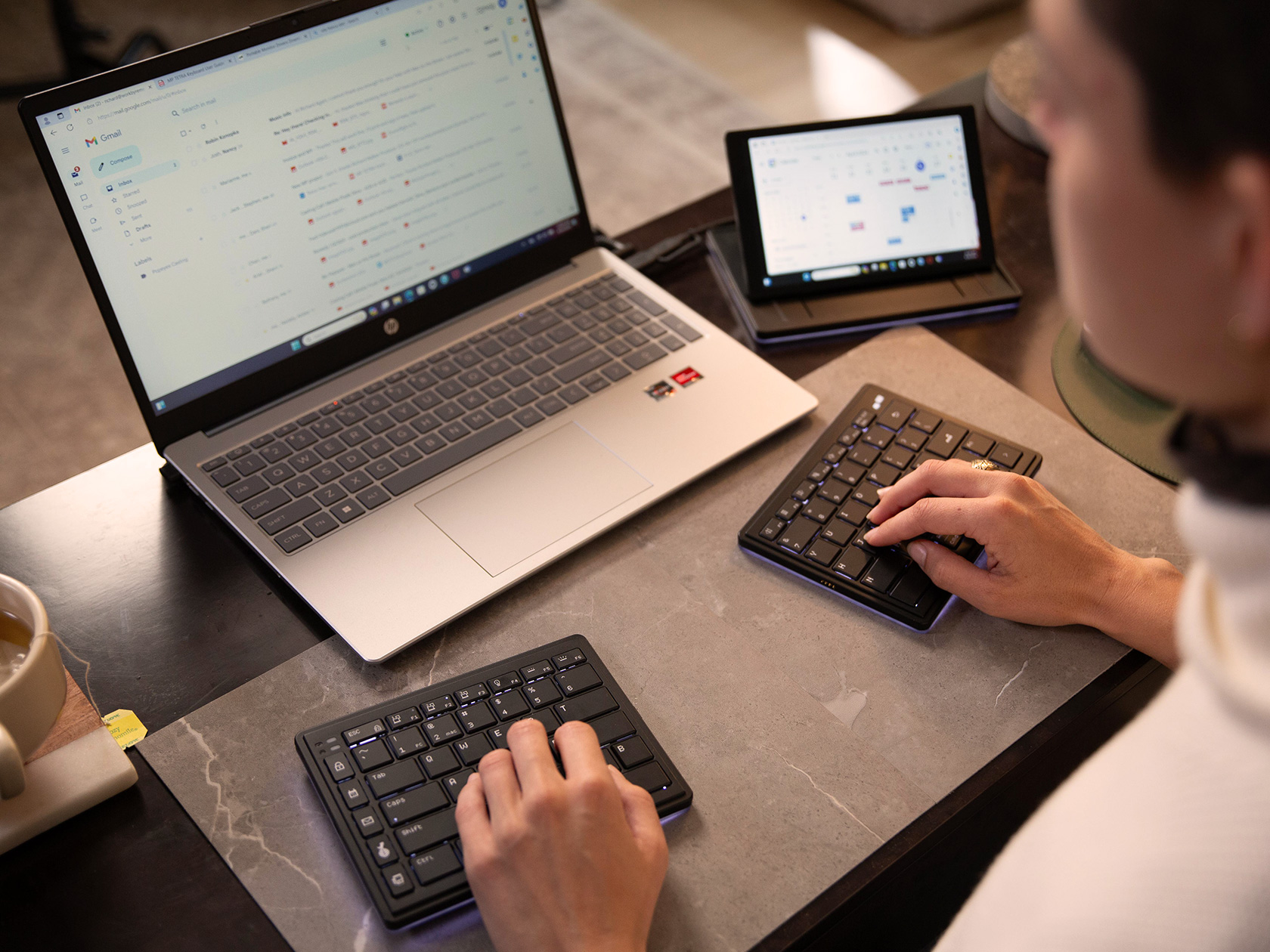
Split keyboards aren’t new, conceptually. Most researchers noticed that a cramped keyboard, although compact in size, wasn’t great for your wrists and fingers. Over prolonged periods of time, people developed carpal tunnel and ulnar deviation (where your fingers end up deviating sideways) because of the way these keyboards were designed. The split keyboard was created as an ergonomic alternative, increasing the space between your left and right hands while typing, so that they’re in a much more relaxed position. The Tetra takes that concept and builds further on it, turning it wireless, while also introducing a display into the mix.
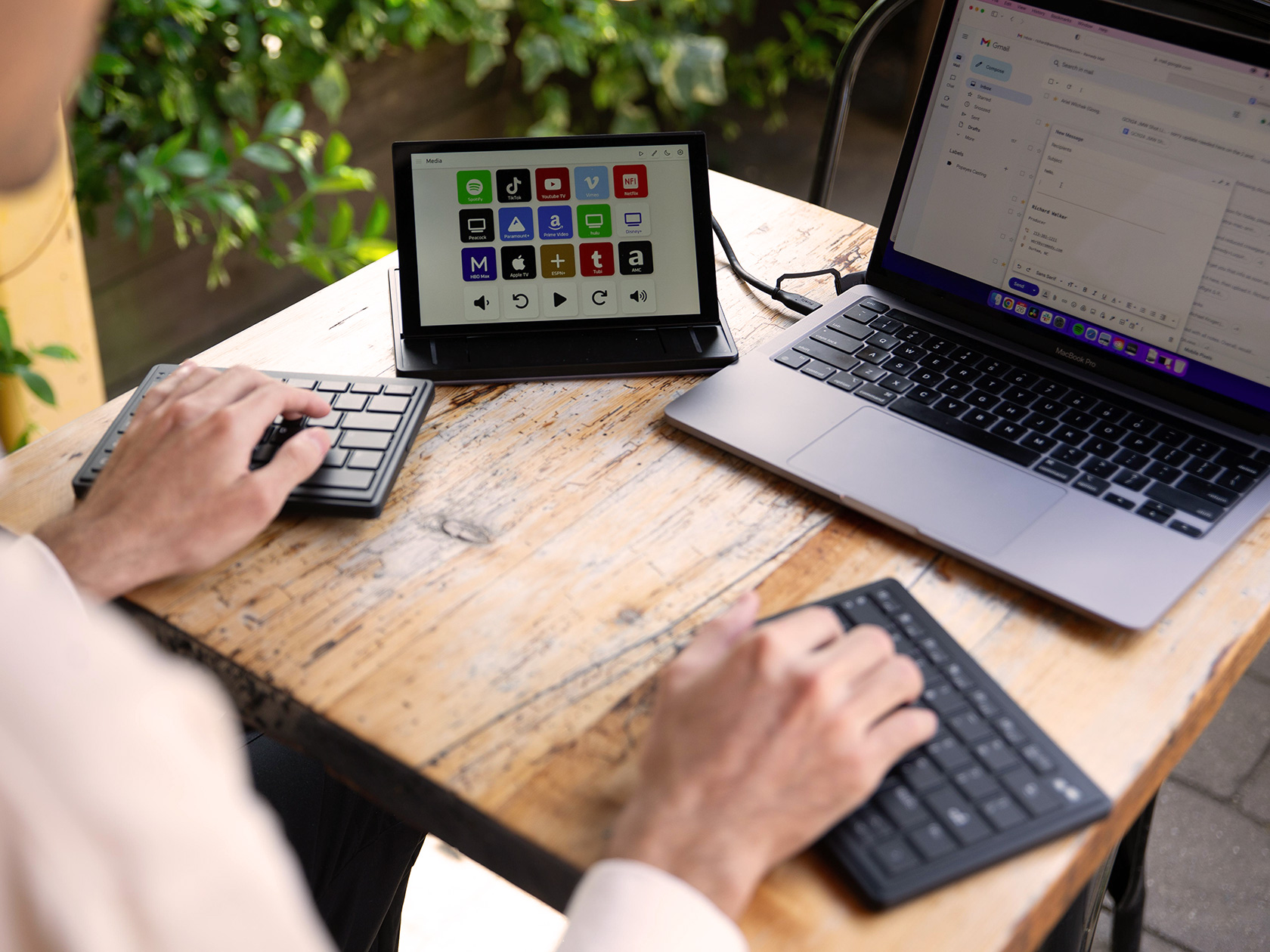
Use Bluetooth to Connect to Your Device (up to 3 devices with 3 channels).
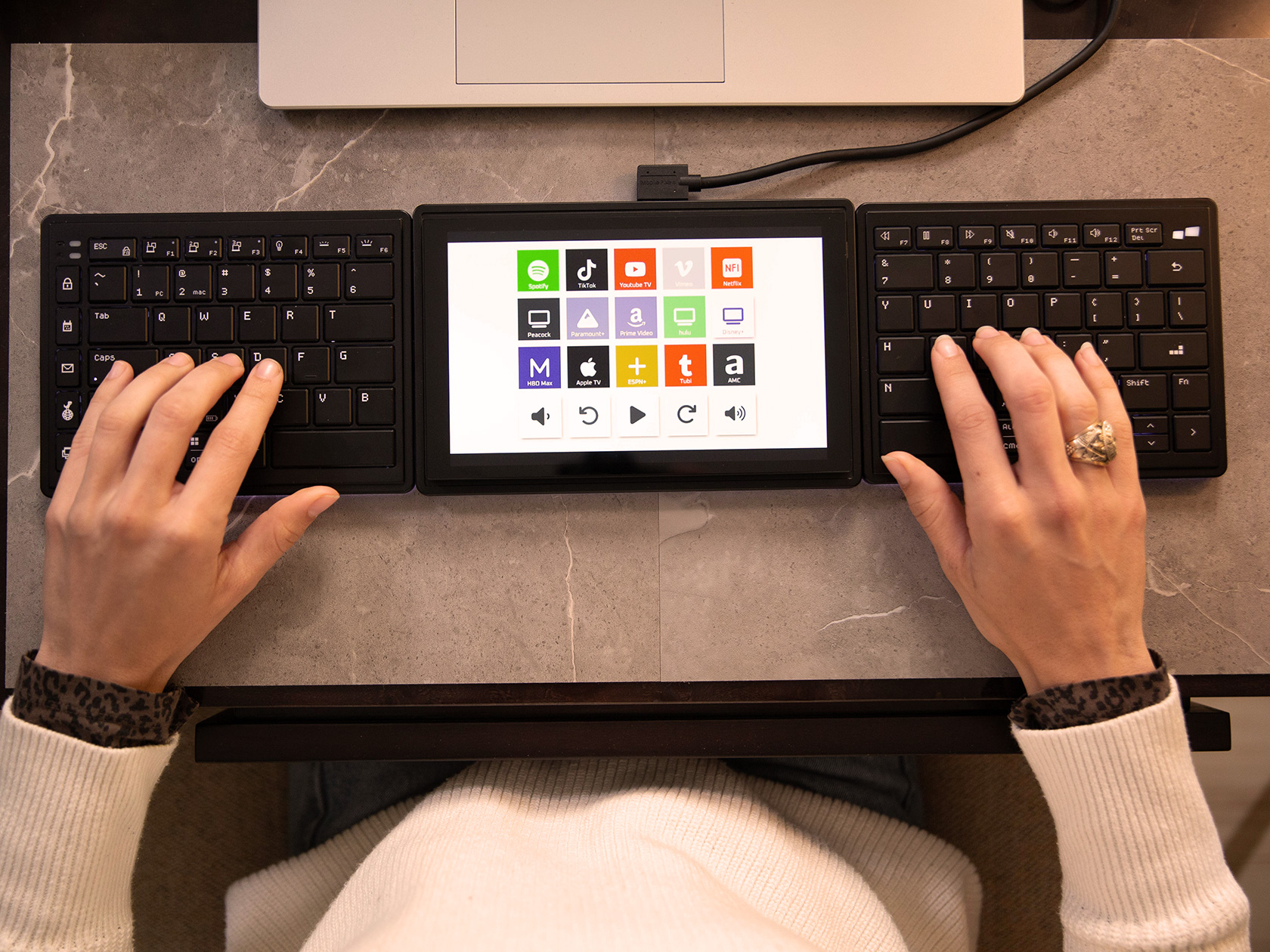
Position keyboards at shoulder width for ergonomic comfort.
Customize Your Experience
Type Away!
Broadly, the Tetra exists in three pieces – a central display unit, and the two keyboard halves that attach onto either side. Snap them together or use them independently, the Tetra gives you freedom to set your workspace up exactly the way you want. When attached together in a linear format, you’ve got a comfortable split keyboard with a screen in the middle. The screen functions as an extra display, a shortcut center, or perhaps even a trackpad if you want. The keyboards get spaced out on the left and right, allowing you to type comfortably without having your fingers and wrists bend awkwardly. Alternatively, you can snap the keyboard’s halves away from the display, accessing what Mobile Pixels calls the ‘Split Mode’. The keyboards then can sit anywhere on your desk, as can the screen, giving you full ergonomic freedom. If you want a more traditional keyboard experience, just the two keyboard halves can be attached to each other, creating a compact typing device, while the screen exists independently. Dubbed the ‘Stacked Mode’, this lets you opt for something that feels familiar, with the added benefit of a dock-style screen on the side.
Secondary Display
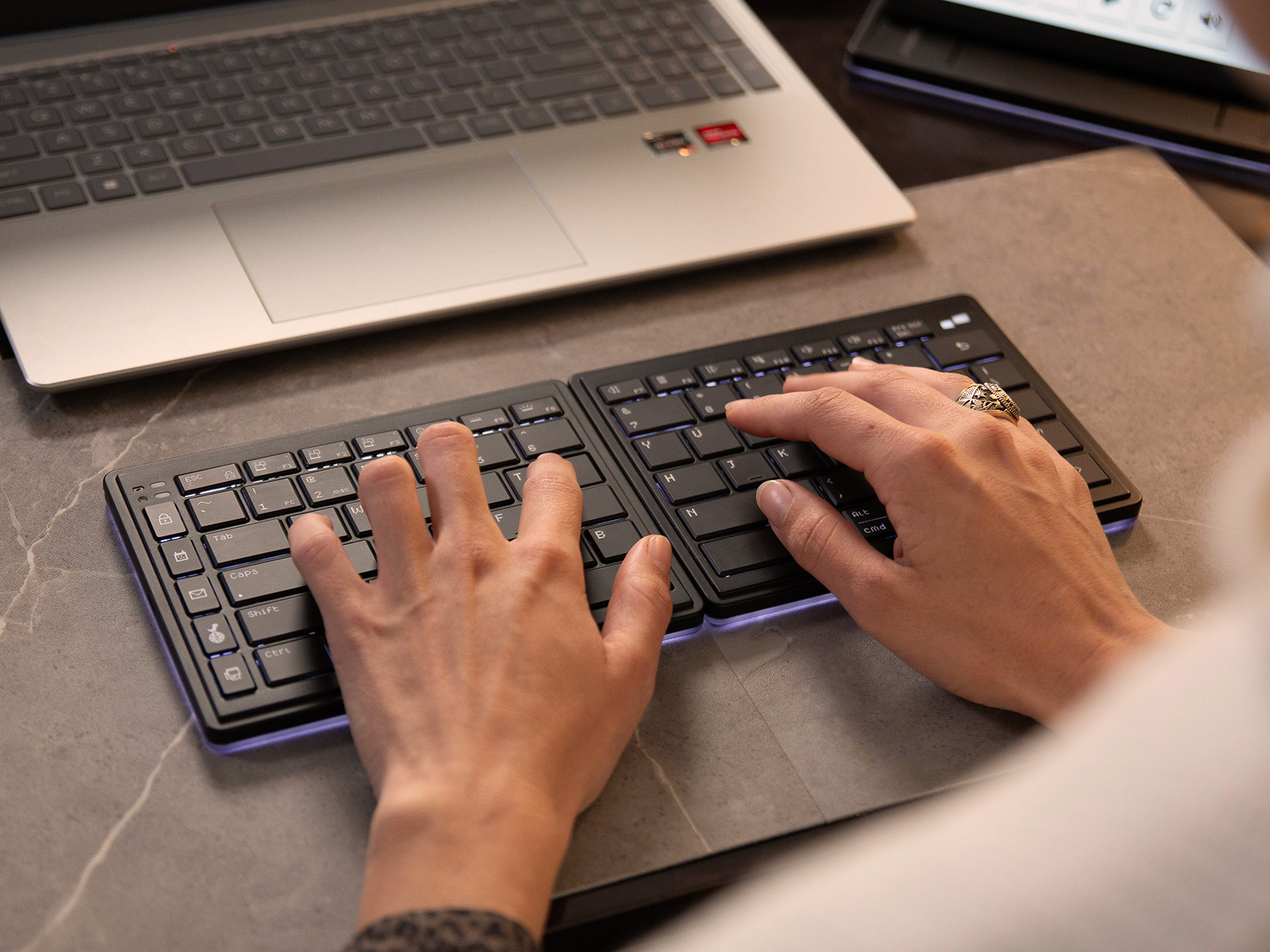
The keyboard comes with a 65% layout, split across its two halves. Scissor switches enable a fair amount of key travel, up to 1.3mm, and a backlight lets you type with ease. The keyboard halves and screen also have an underglow that feels reminiscent of gaming gear. 1200mAh batteries in each half of the keyboard allow it to operate wirelessly for hours if not days, and the central screen remains connected to your machine via a USB-C cable at all times. To charge your keyboard, simply snap them to the screen and pogo pins allow the Tetra to charge all the way through.
The screen is truly where Mobile Pixels’ innovation shines. It’s a little smaller than the ones that Mobile Pixels offers, measuring just 8 inches diagonally – but it’s an IPS LCD display with a 60Hz refresh rate and 300 nits of brightness. The screen stays connected to your machine at all times via cable, and sits on a unique tilting mechanism that lets you either lay it flat or tilt it upwards to face you. Touch sensitivity means you can control the display the way you would a tablet PC of sorts… and the Tetra offers a fair amount of flexibility in terms of how you use said display. You can use it as an extension of your PC or Mac’s shortcut bar, adding your favorite apps to it. Conversely, it also doubles as a media control center for playback, and even transforms into a tiny secondary display for extending or mirroring your screen. Use it to store notes while presenting on a video call. Turn it into a calculator. Allow it to be your dedicated Spotify device. Mobile Pixels created a special interface known as the Tetra Board App that you can use to customize your display. Yes, you can even load functions, tools, macros, and shortcuts, unlocking power-user potential while running apps like Photoshop, Premier, Final Cut, Logic Pro, After Effects, etc.
All this functionality and the Tetra still remains ruthlessly portable. The three components come apart and stack together, allowing them to be carried around with ease. There’s even a soft-fabric case to store your Tetra during travel, allowing you to slide it right into your laptop bag along with your charger and other accessories. I bet your existing ergonomic or split keyboard can’t boast this level of portability. The Tetra starts at $249 and ships globally starting September 2024.
A hacking group leaked over a terabyte of confidential data from more than 10,000 Slack channels belonging to Disney, the Wall Street Journalreported on Monday. The leaked information includes discussions about ad campaigns, computer code, details about unreleased projects and discussion about interview candidates among other things. “Disney is investigating this matter,” a company spokesperson told the Journal.
Nullbulge calls itself a hacktivist group advocating for the rights of artists. A spokesperson for the group told the Journal that it targeted Disney due to concerns about the company's handling of artist contracts and its approach to generative AI. For weeks, the group teased its access to Disney’s Slack, posting snippets of confidential information such as attendance figures for Disneyland parks on X. Nullbulge told the Journal that it accessed Disney’s confidential information by compromising an employee’s computer computer twice, including through malicious software that it buried in a videogame add-on.
For more than a year, generative AI has sparked tensions between the companies that make and use the tech and members of the creative community who have accused corporations of using their work to train AI models without consent or compensation.
This article originally appeared on Engadget at https://www.engadget.com/a-hacking-group-reportedly-leaked-confidential-data-from-thousands-of-disney-slack-channels-001124844.html?src=rss
In the heart of Wivenhoe, England, Paul Archer Design, a UK-based design firm, has crafted a unique and visually captivating home for an artist seeking a light-filled interior. The spatial requirements of the client were simple yet profound: a room to work in and a space to entertain. The resulting design reflects a perfect blend of functionality, aesthetic appeal, and historical context.
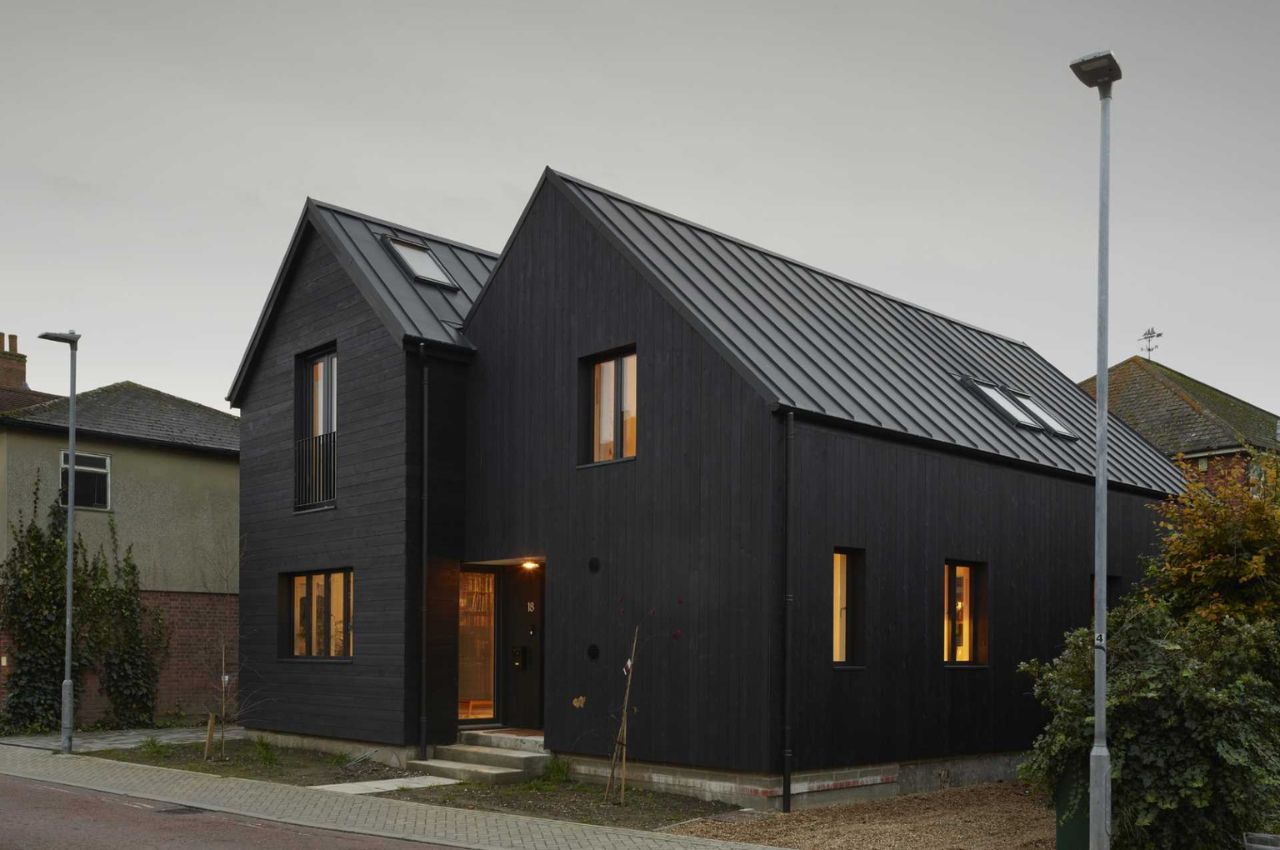
From the outside, this home defies conventional expectations, making “Dont judge a house by its exterior” the new phrase. With its all-black exterior, it may not immediately suggest the vibrant and creative life within. The exterior features a double-gable roof, dark timber cladding, and metal cladding on the roof. This stark façade contrasts sharply with the colorful and airy interior, creating an antithesis that piques curiosity.
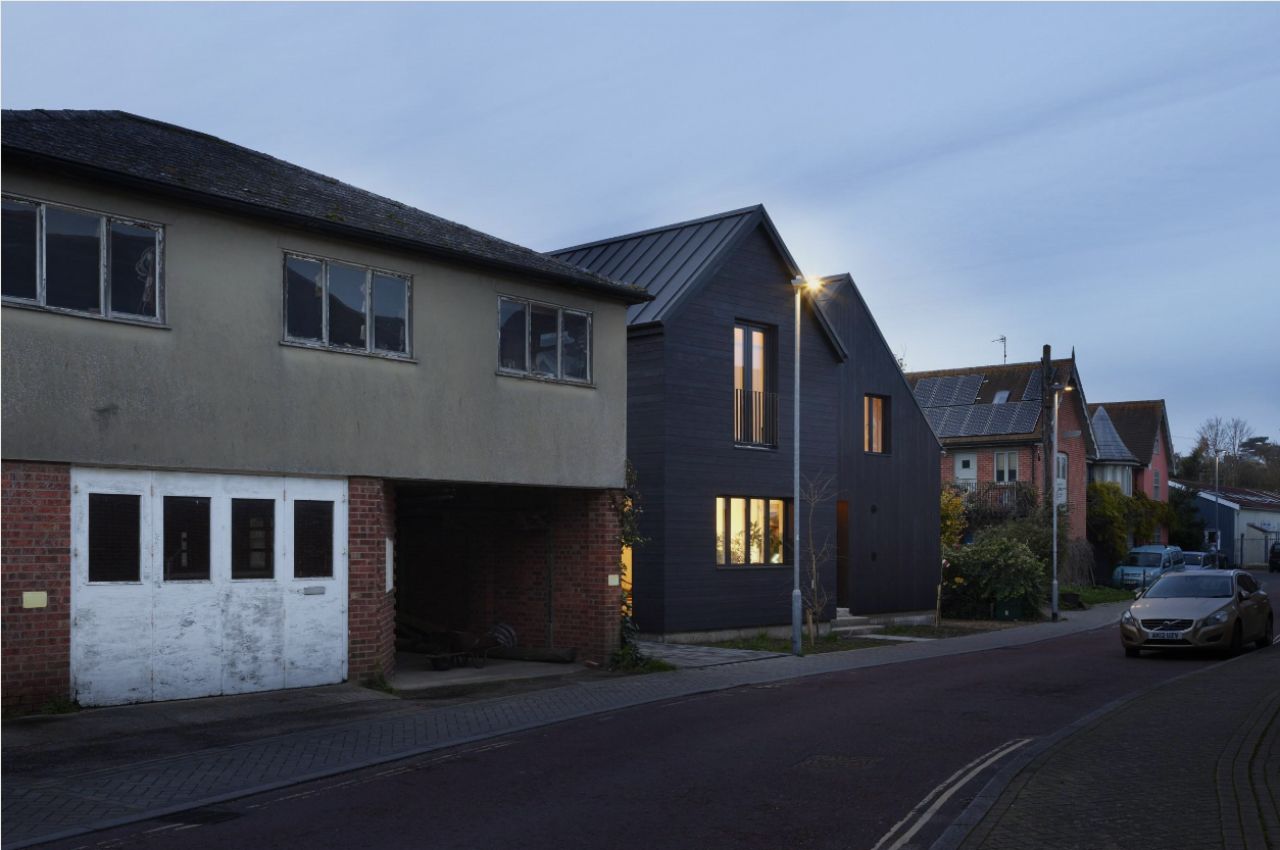
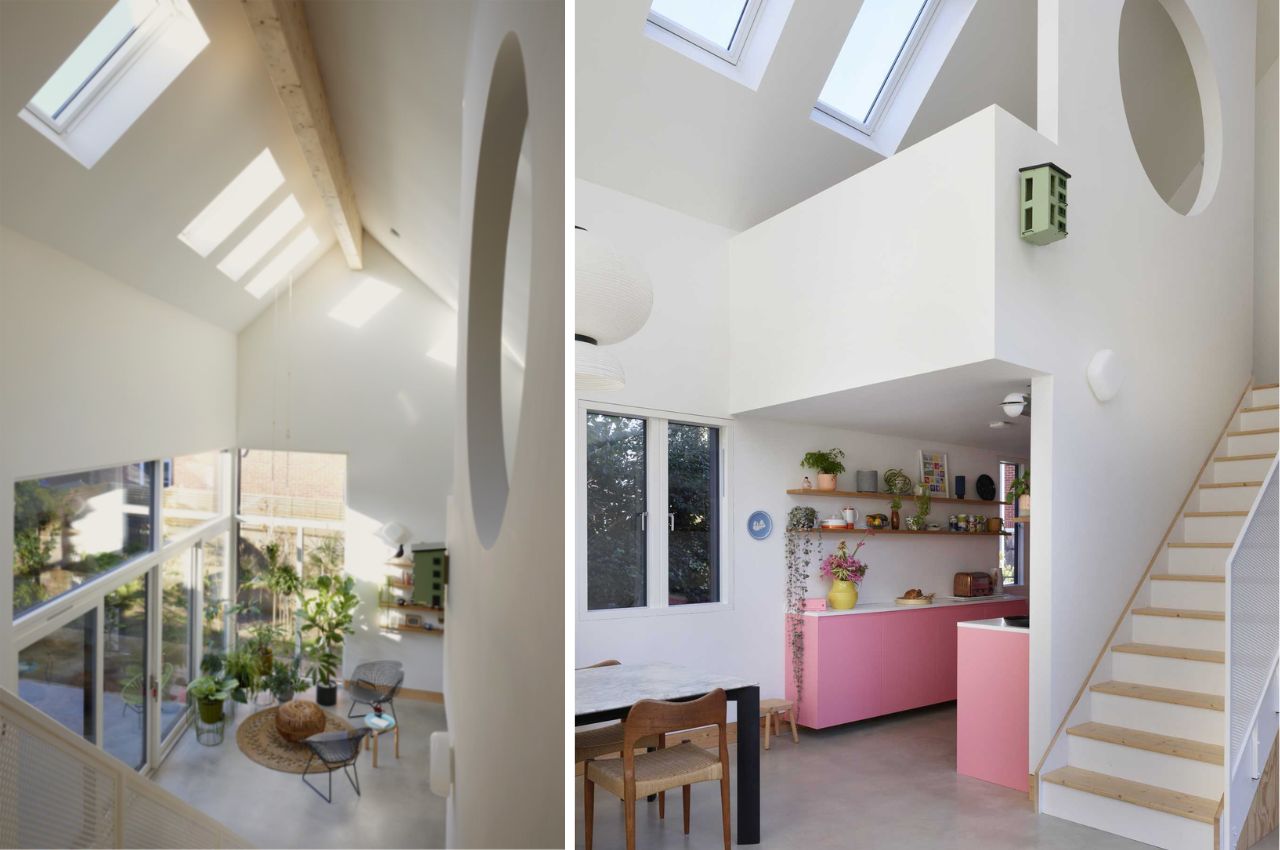
The house is ingeniously divided into two volumes that sit comfortably along St John Road, surrounding a courtyard garden. The different ceiling levels within the home create a dynamic spatial experience, with a lower ceiling towards the front that opens up to a double-height vaulted space at the rear. This design choice enhances the perception of space, making the house feel larger than it is.
The site, located in the Lower Wivenhoe Conservation Area, required a design that reflected the rich maritime history and traditional boat-building sheds of the area. Extensive research into local history and building techniques informed the design, which aims to sensitively integrate contemporary elements with the historic fabric of the town.
The site had been neglected for years, with concrete foundations installed by the previous owner for an unrealized project. Paul Archer Design chose to work with these existing foundations, minimizing groundworks, reducing waste, and reusing what was already there. This approach not only preserved the historical integrity of the site but also showcased sustainable building practices.
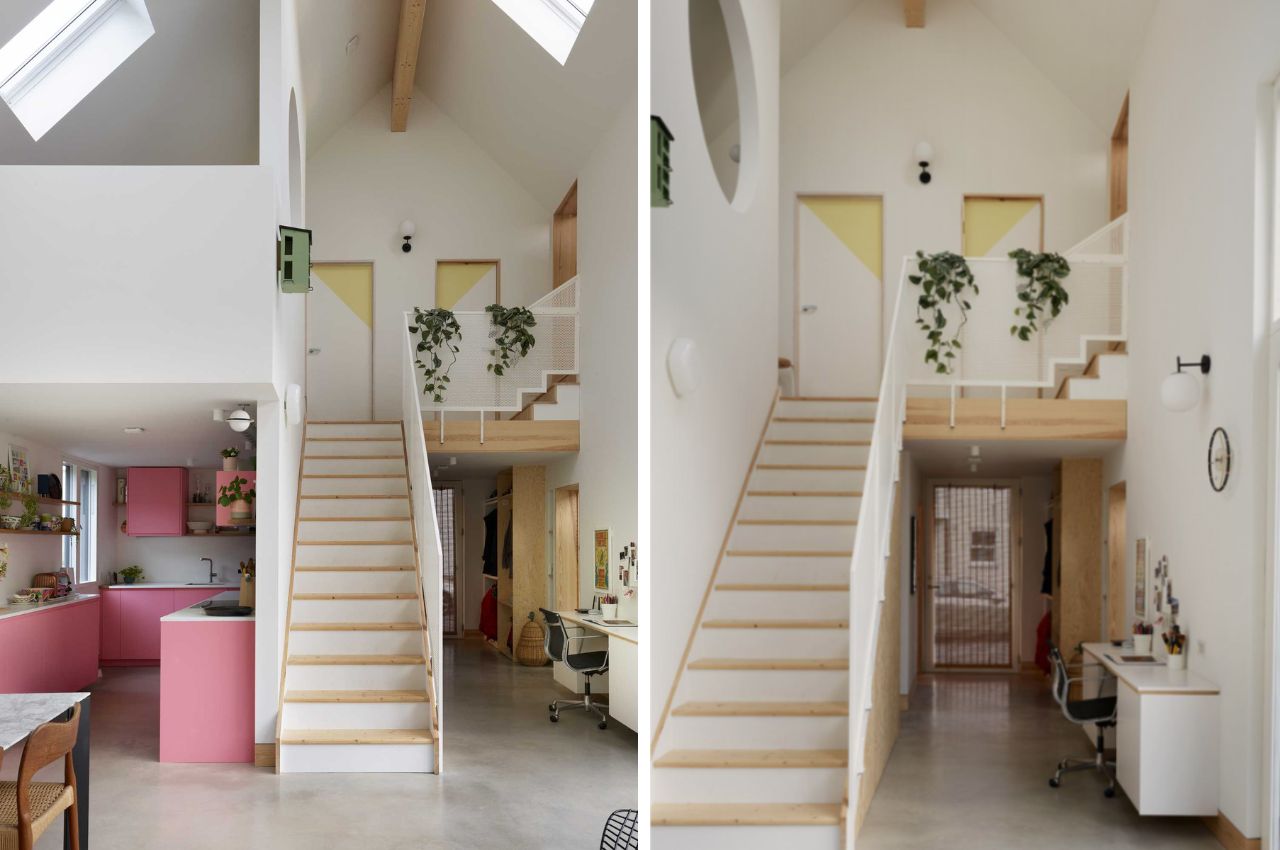
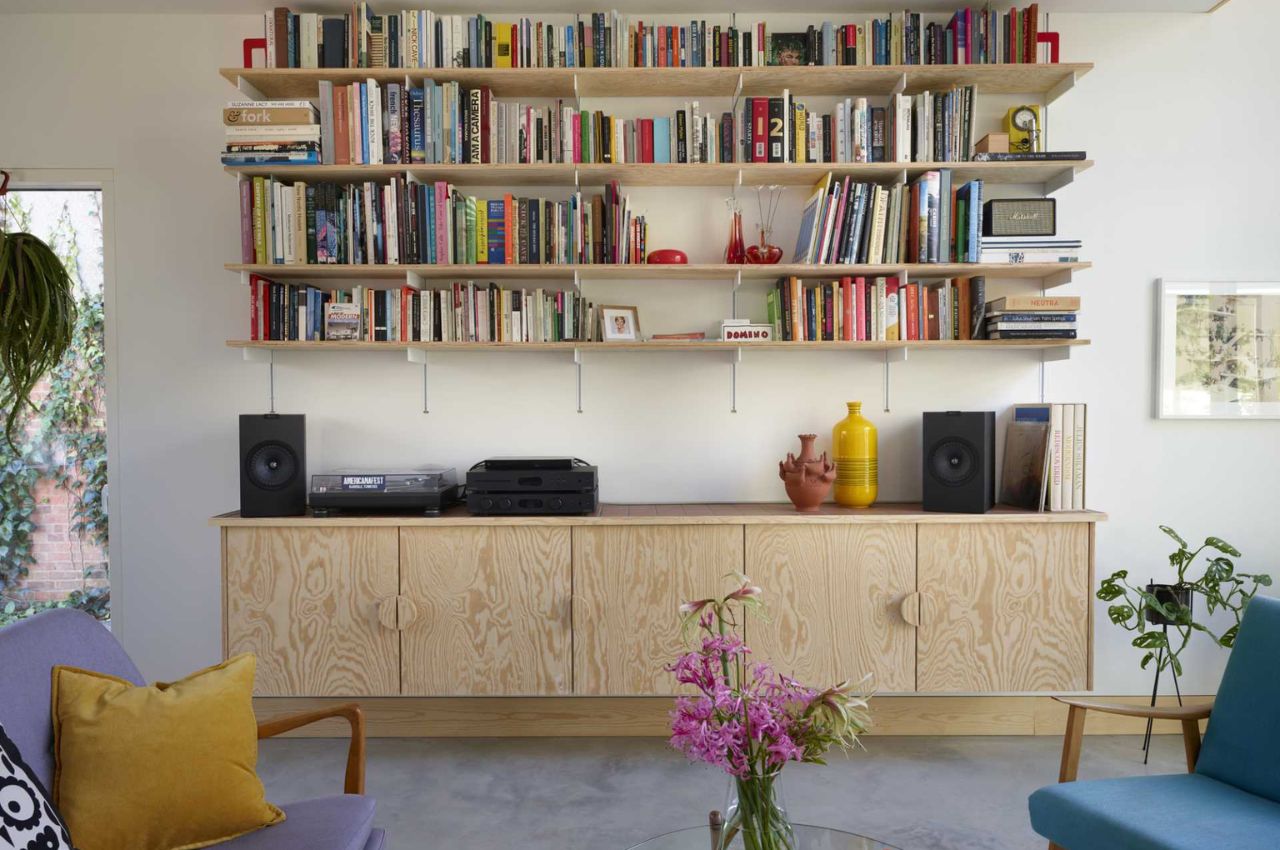
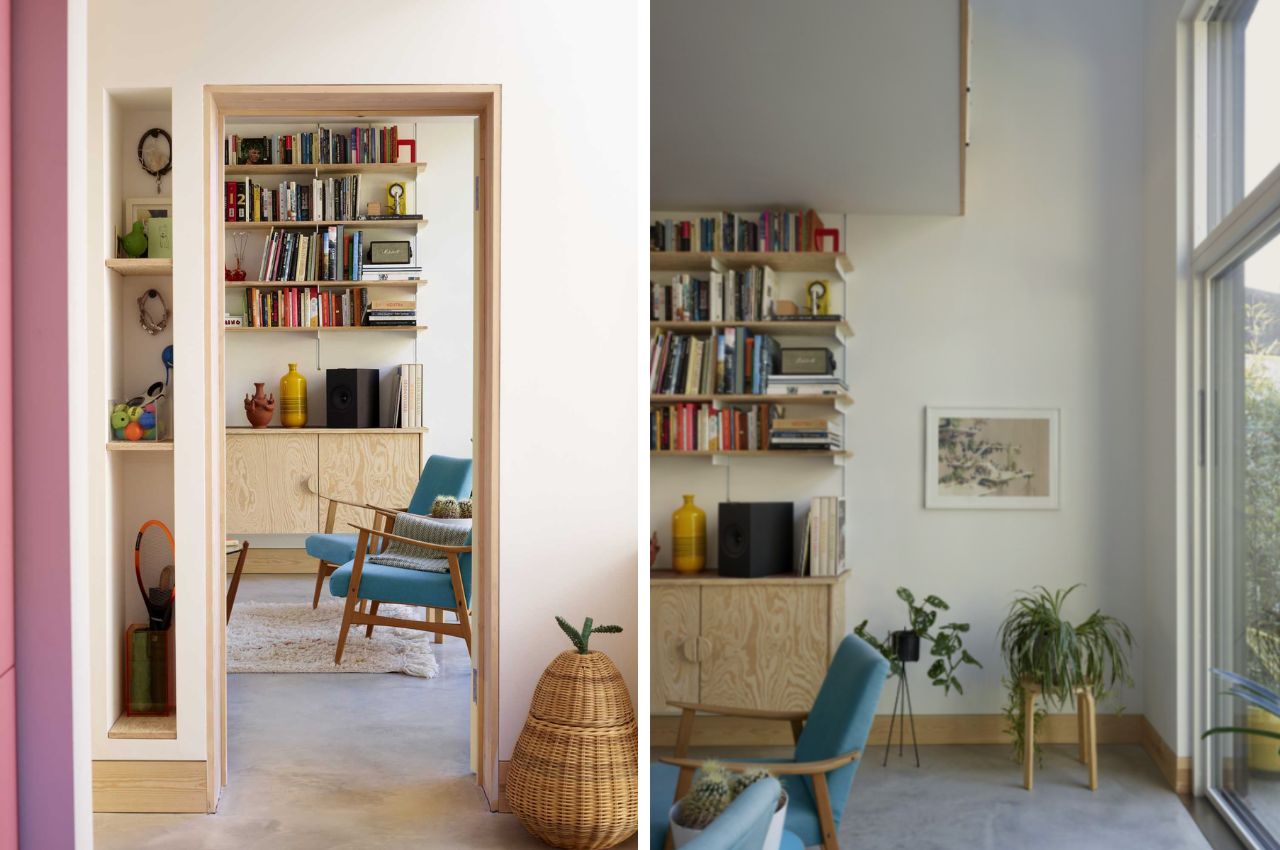
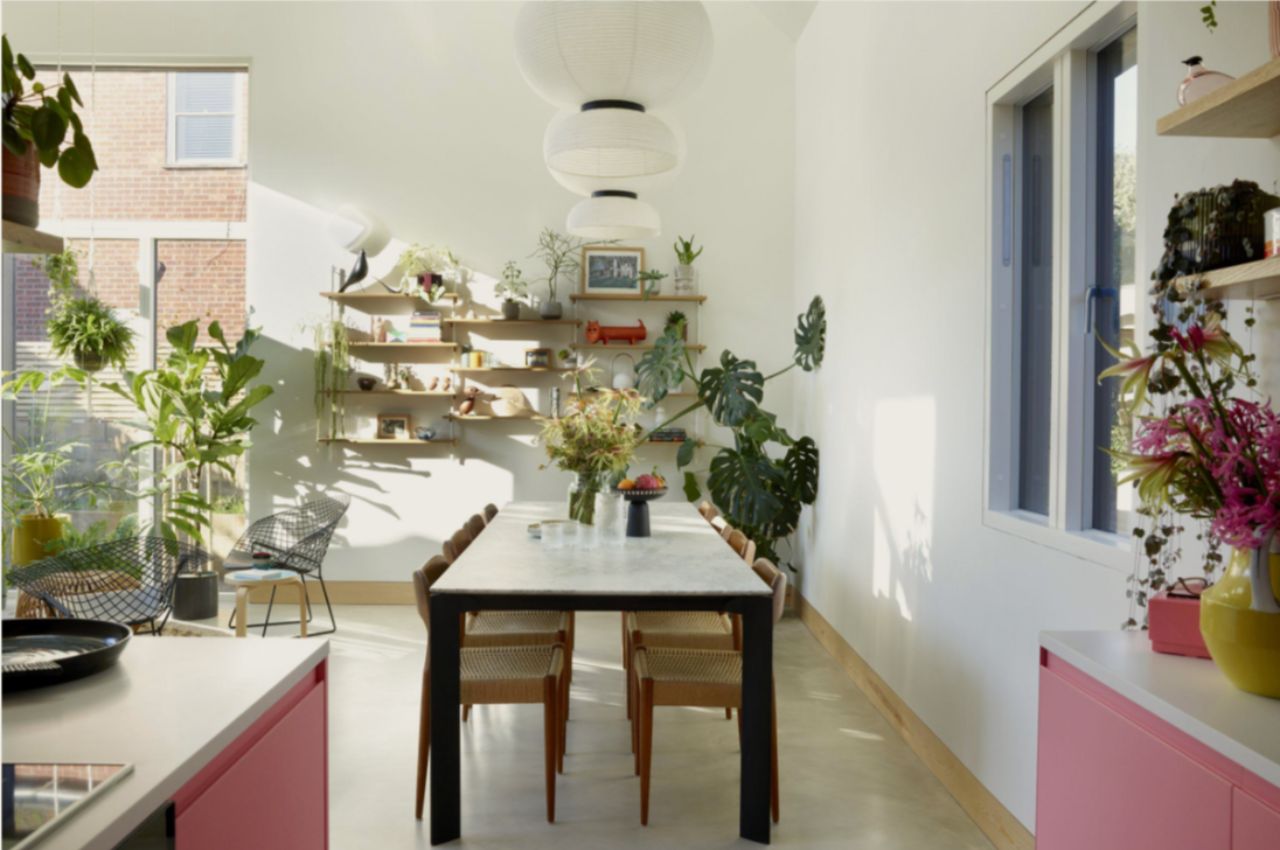
Upon entering, visitors are greeted by wooden shelves for coats and shoes. To the left, the living room features floating wooden shelves for record players and a cozy space for three to four people. Further inside, a staircase on the right separates the kitchen from the entrance foyer. The kitchen itself is a delightful surprise, featuring pink cabinets, white countertops, and floating wood shelves, creating a convenient and stylish space for one person or a couple.
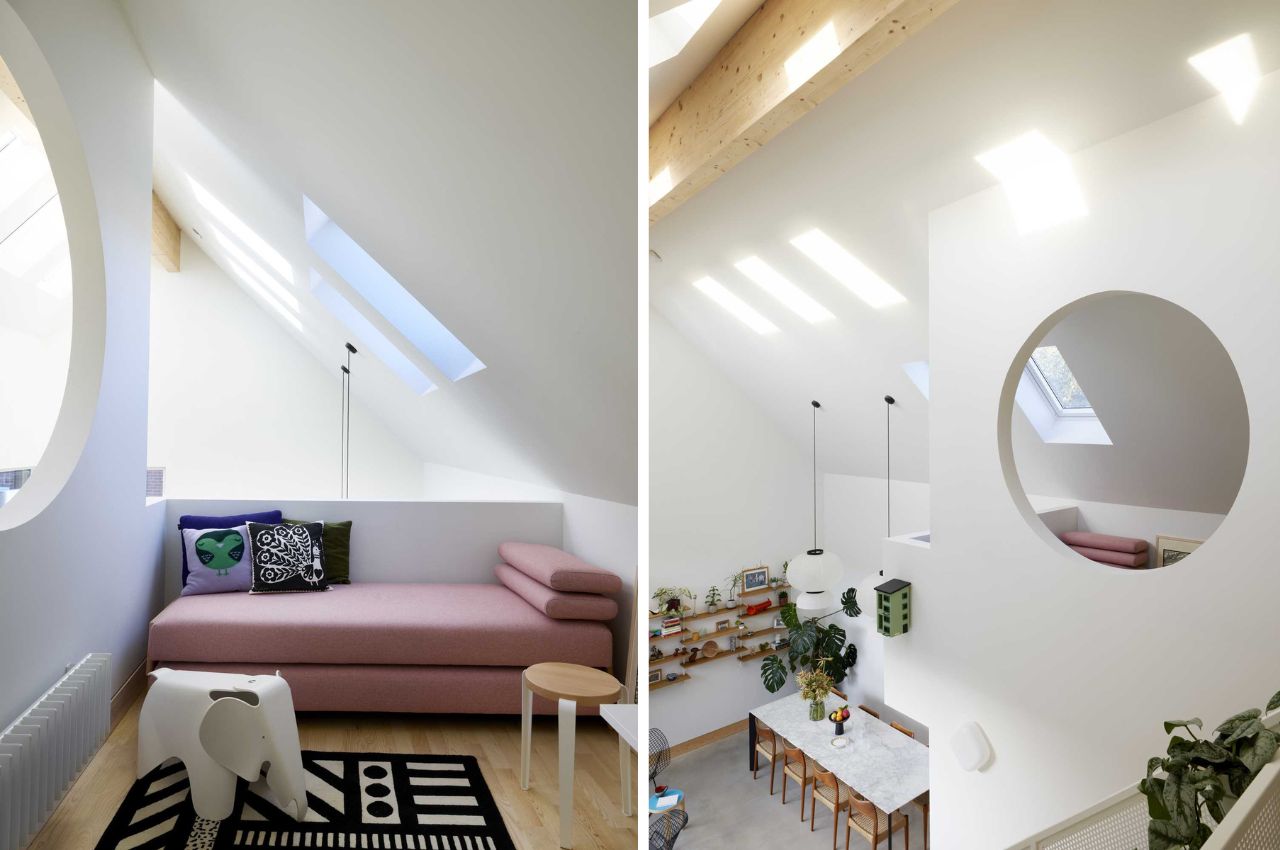
Natural light is a key feature of the home’s design. Skylights and rooflights along the length of the building ensure ample illumination throughout both levels. The open-plan living areas on the ground floor are connected to the outside by large, glazed doors, creating a seamless flow between indoor and outdoor spaces.
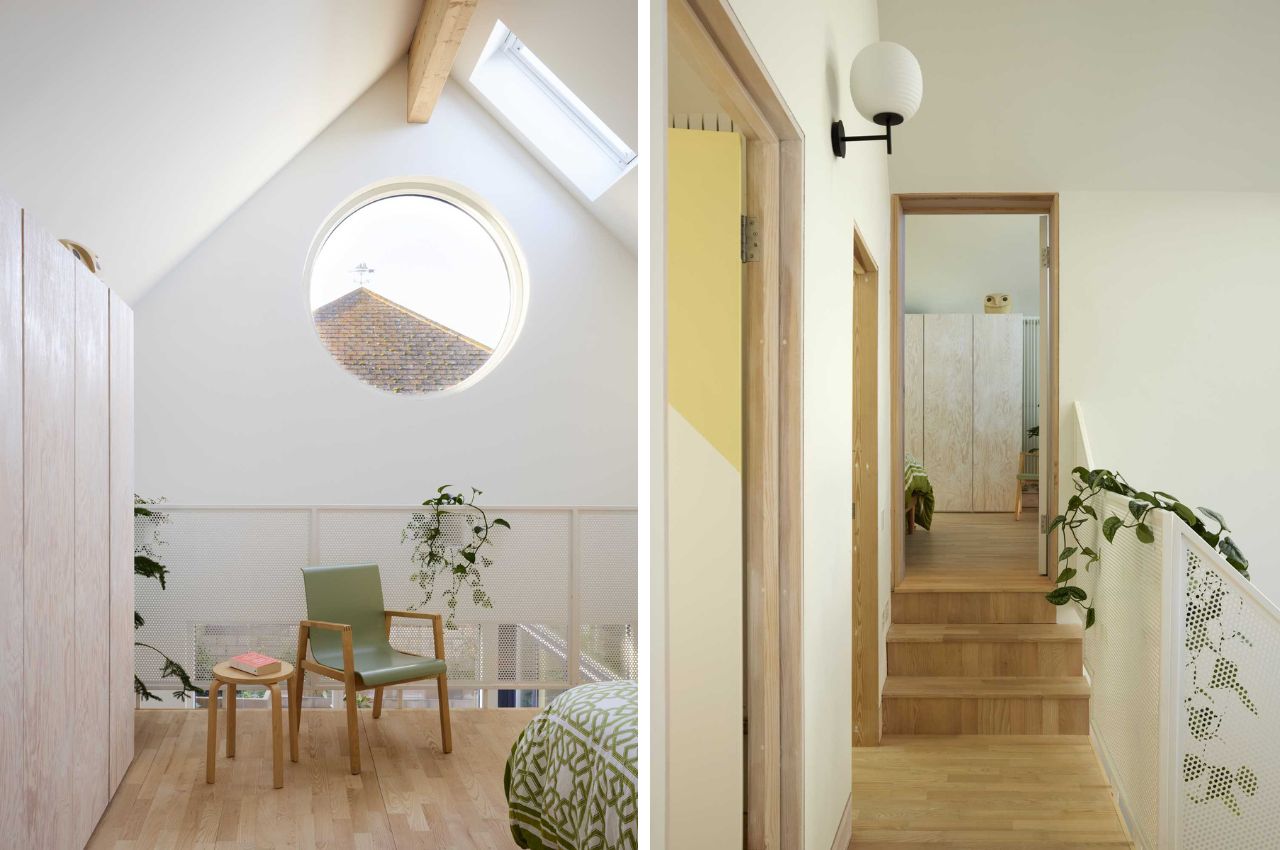
The upper levels of the house are defined by the geometry of the roofs, with open spaces overlooking the living areas below. A small lounge area with a dusty pink daybed at the top of the stairs provides a cozy corner to relax. The bedroom, complete with a wood closet and a balcony overlooking the lower level, also features a charming round window.
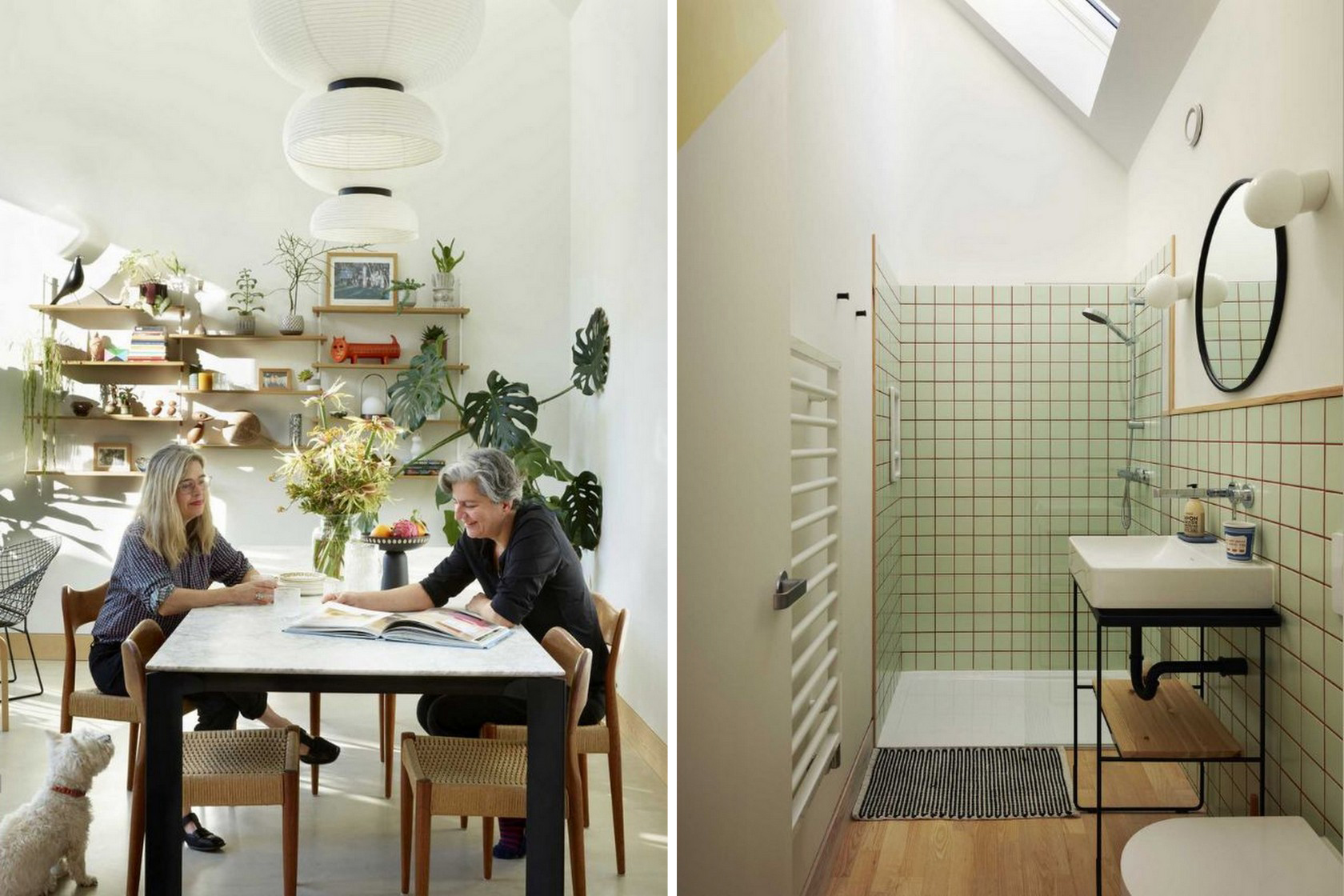
The design emphasizes convenience, functionality, and minimalism. Wood shelves in the open-plan dining area, pendant lights above the dining table, and strategically placed niches for storage highlight the efficient use of space. The bathroom features shower walls and a vanity area clad in square green tiles with colored grout, adding a touch of color and texture.
Planters throughout the home bring life to the space, creating a game of light and shadow that enhances the sense of warmth and closeness to nature. The ample natural light makes the space feel inviting and lively, perfectly suited to the needs of an artist.
The client’s brief called for a home that was flexible enough to allow for future separation of the two volumes. The design accommodates this with ease, providing a layout that can adapt to changing needs. Additionally, the home is designed to be energy efficient, minimizing heating costs and ensuring sustainability.
Roughly 22 billion pairs of shoes are manufactured globally each year. The production process of all these shoes – and lot many made in the unorganized sector – emits crazy amounts of carbon dioxide, enough to contribute about 1.5 percent of the world’s greenhouse gas emissions. Even though sustainable materials have become a significant part of the production process, carbon emissions have not decreased in tune; this means the industry still awaits a revolutionary idea that can help.
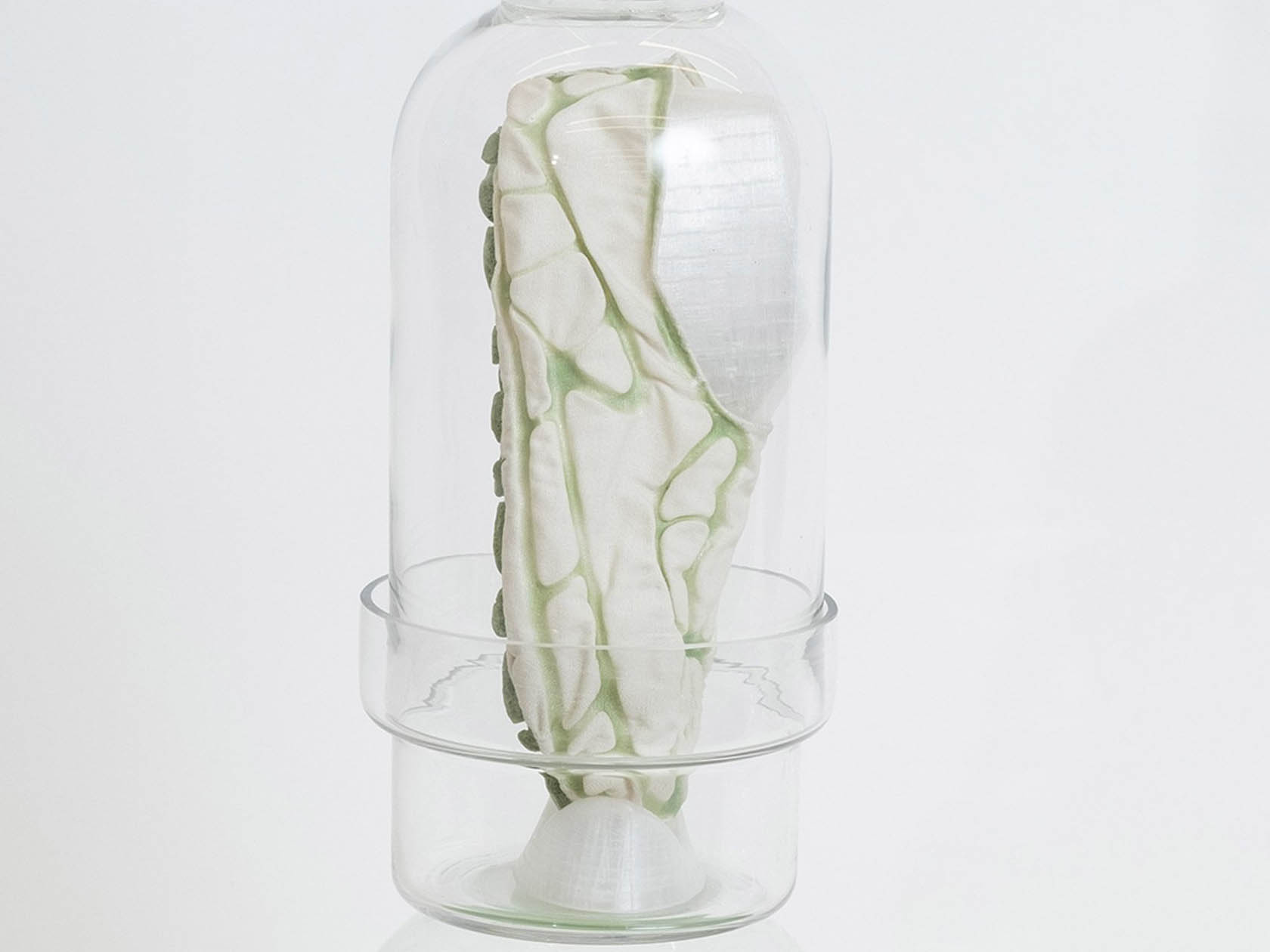
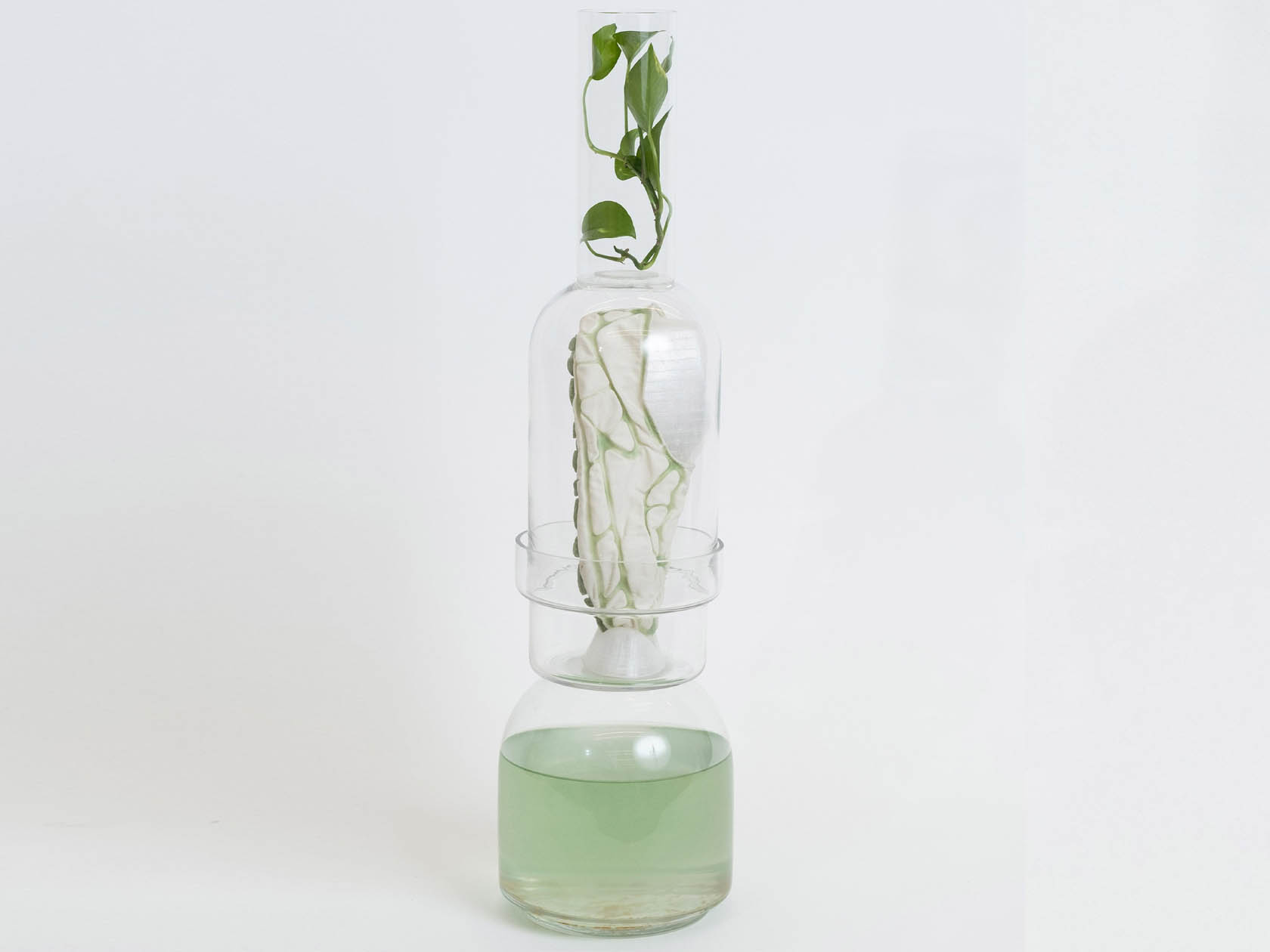
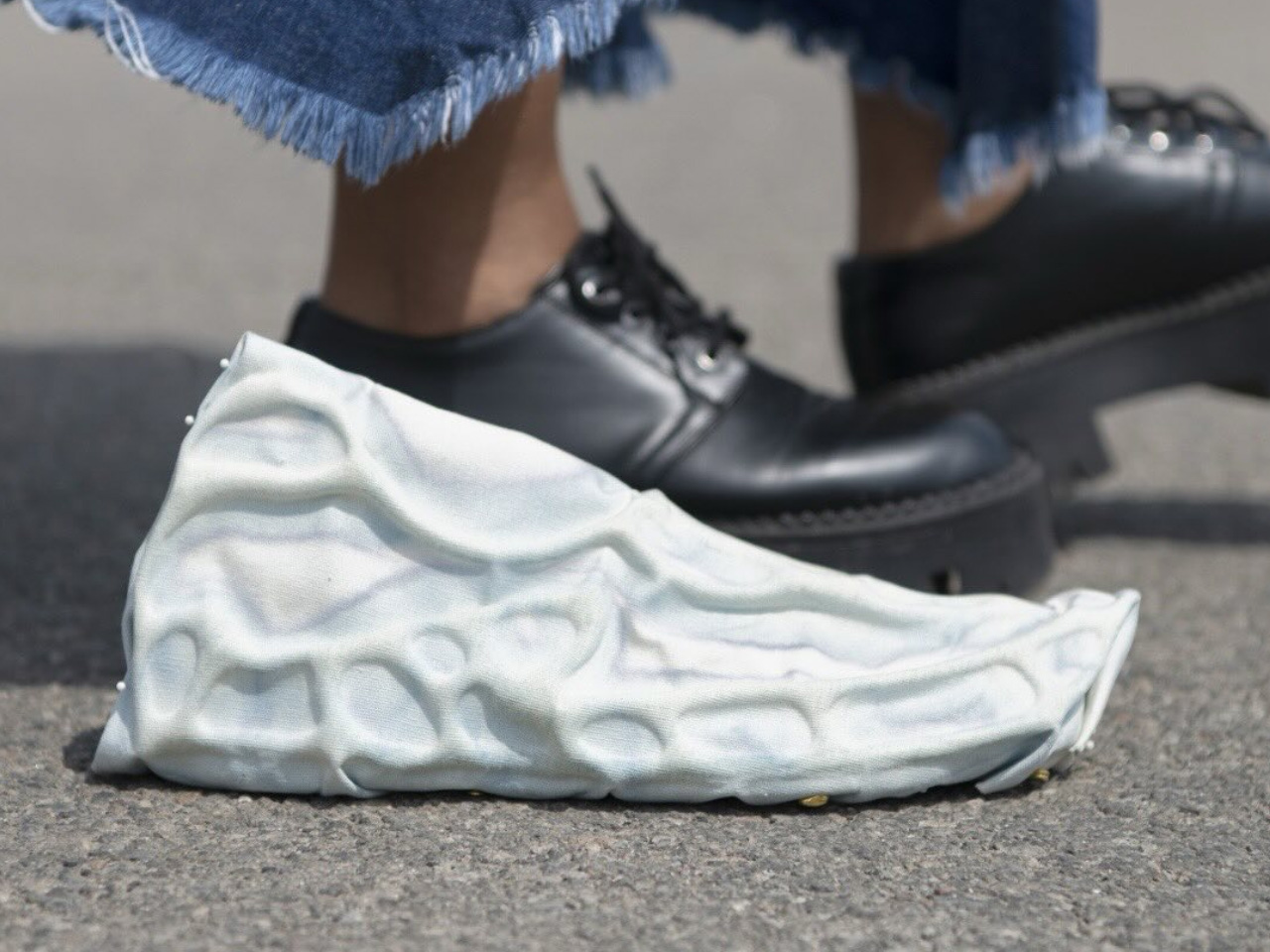
While the major manufacturers are dealing with their ideas, a designer Jessica Thies, based out of Brooklyn has developed a pair of concept shoes that could help the shoe industry reduce its environmental impact. Dubbed Synthiesis, the idea is based on Thies’ research into engineered living materials and is part of her thesis at Parsons School of Design. The experimental shoe printed from ink containing living algae can absorb carbon dioxide from the surroundings, the designer believes.
Presently shoes have polyurethane foam soles which are always recyclable or biodegradable, amounting to waste. Thies believes this could be replaced in the production lines with engineered living materials, which could be beneficial both for the user and nature. “I believe that if we simply replace synthetic materials with bio-based ones, we haven’t addressed the core issues of overconsumption and exploitation of the natural world.”
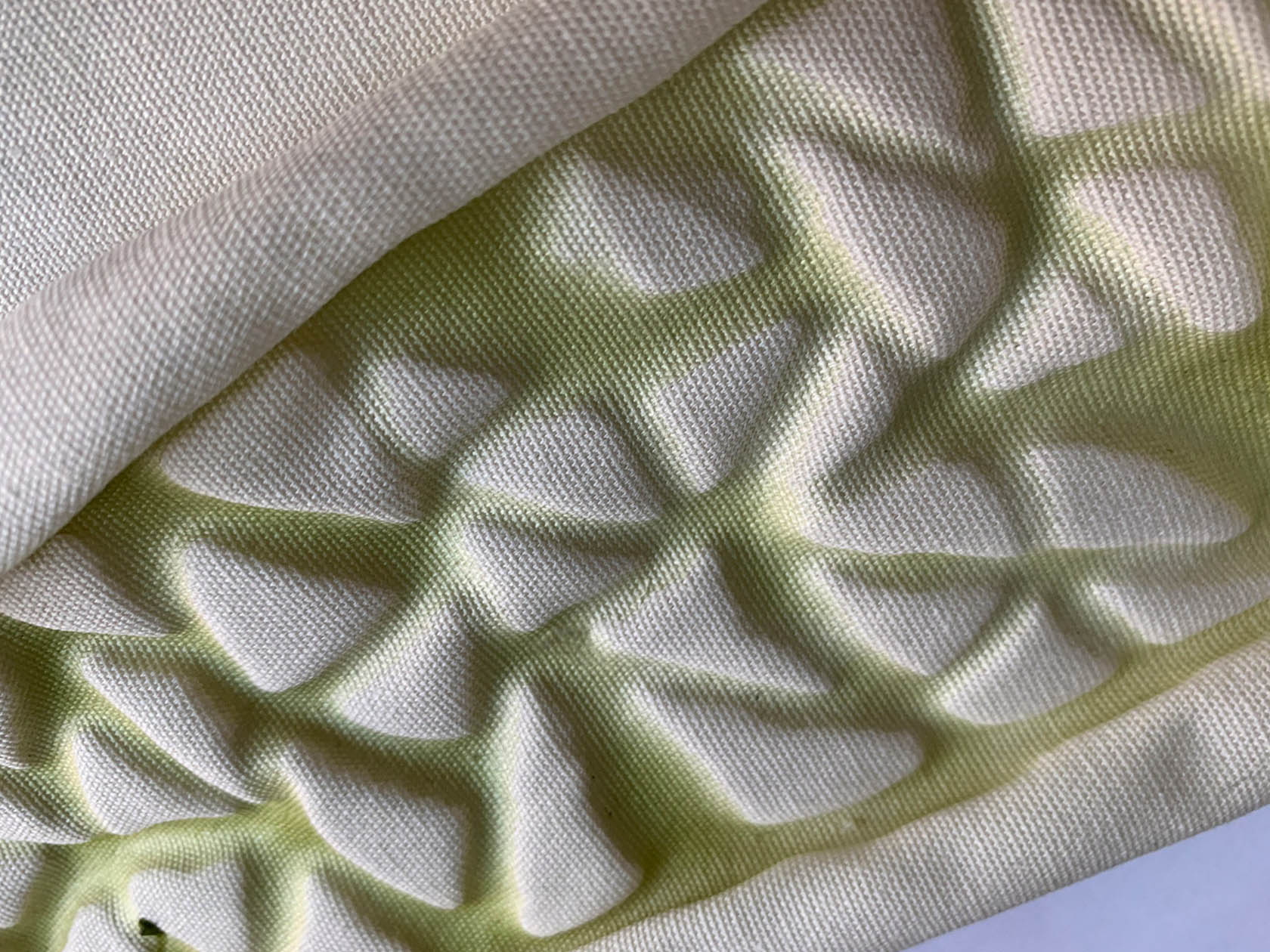
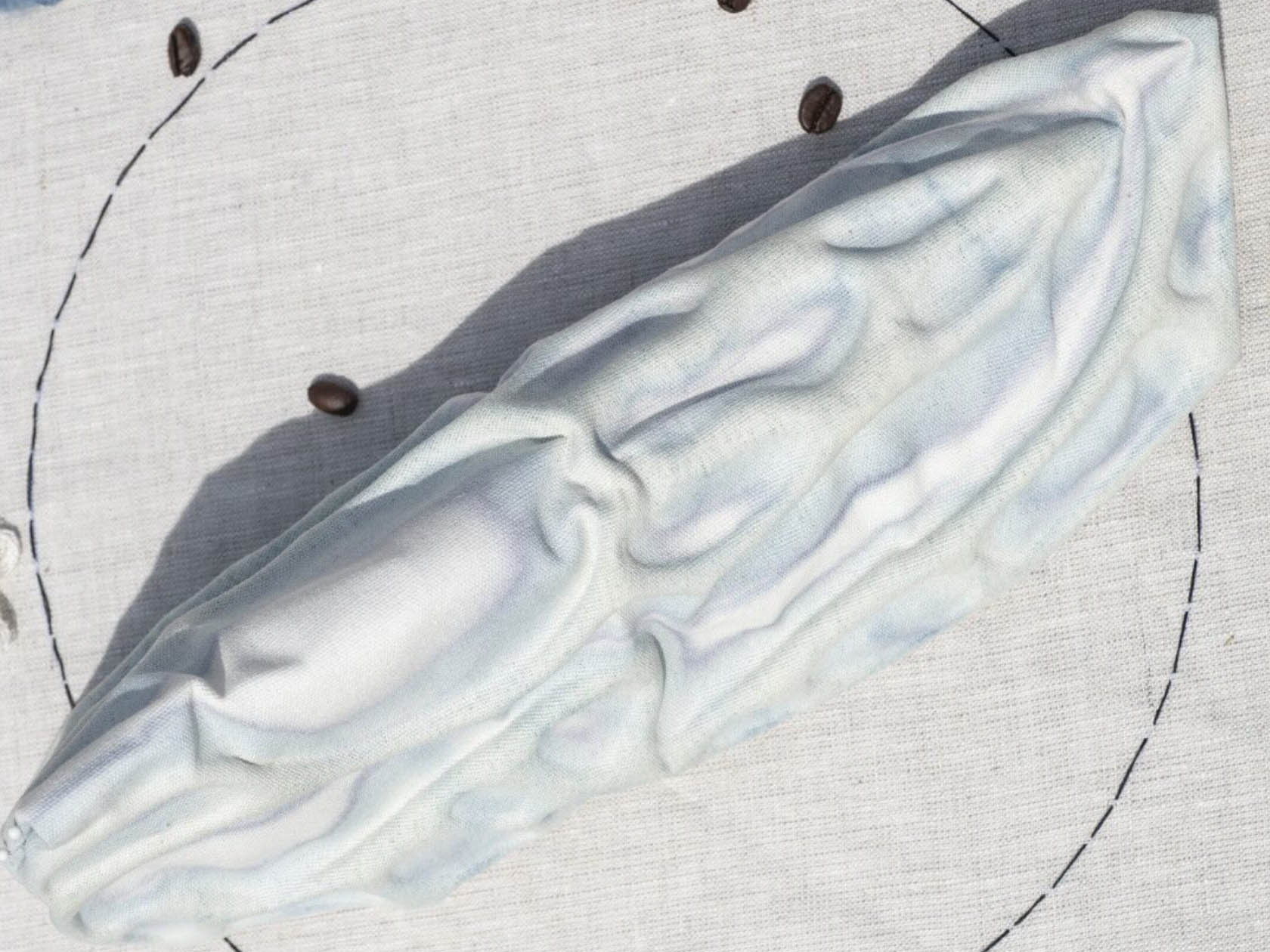
The shoe concept by the designer is made from hemp fabric and printed with bio-based ink included with algae. The addition of microalgae cells in the printing ink makes the shoe an “active object” capable of acting like a living organism. The unique construction ensures that the shoe can absorb carbon dioxide from the environment, and “potentially be able to self-clean,” Thies informs.
The idea of a living footwear sounds immensely exciting. One that can change our outlook toward the way we conceive what we wear on the foot with the least consideration. Thies’ research with material affirms that the algae used in the construction can survive a month without supplementary nutrients, and if cared for, it can last much longer. For the later, the shoe conceptualized by Thies can feed on nutrients and oxygen-producing cyanobacteria using hydroponics, in a manner we grow plants.
We’re less than a month away from the next Made by Google event, and we may already know what one of the marquee announcements will look like. TikTok user pixo_unpacking (viaYTechB) posted videos over the weekend of apparent pre-production samples of the Pixel 9 and Pixel 9 XL.
The phones in the video have different backs: a glossy finish on the standard Pixel 9’s rear and a matte one on the larger Pixel XL’s. 9to5Googlenotes that they appear to include rear-panel etchings Google uses for prototypes, although they’re mostly covered in the clips by labels.
Based on the video, the Pixel 9 appears to have two cameras, while the Pixel 9 XL has three. In addition, Google seems to have changed the camera visor into an elongated oval. It appears to be quite the protrusion, as evidenced by the video’s sections showing the two phones together.
Google sent out invites last month to the August 13 event. Although (unsurprisingly) devoid of details, it promised to “showcase the best of Google AI, Android software and the Pixel portfolio of devices.” The event will be at Google’s Mountain View headquarters instead of the typical New York City setting for Pixel launches.
In addition to the Pixel 9 series, we expect a next-generation Pixel Fold, a new Tensor chip and a third-generation Pixel Watch. (And a possible Pixel Buds appearance.) Of course, since this is 2024 and no company can hold an event without an almost comical obsession with AI, we’re practically guaranteed to hear more about new Google AI features — like the rumored Pixie AI assistant. In addition, the phones could include iPhone-like emergency satellite messaging.
This article originally appeared on Engadget at https://www.engadget.com/alleged-pixel-9-and-pixel-9-xl-leak-shows-a-redesigned-camera-bar-205144133.html?src=rss