The first-person shooter Doom has so many ports on so many different consoles and computers that modders have had to find new places to port the game like autonomous lawnmowers, digestive bacteria and even in Doom II itself.
One port that’s not nearly as popular or playable as the others is the Sega Saturn port that came out nearly four years after the game’s release. Gamespot’s Jeff Gerstmann called the Sega Saturn Doom port just about everything you can call a bad game without straying over the the boundaries of good taste: “completely worthless,” “drab,” “jerky,” “to be avoided at all costs.”
Bo, a self-described reverse engineer of Sega Saturn games, gave the Sega Saturn port of Doom another chance and he discovered a cheat code in the game that’s been laying dormant for more than a decade. He posted the secret cheat code he found on X.
Here's a cheat code for the Saturn version of DOOM that I think has gone unnoticed since 1997. Pause the game and press: X, Right, B, Y, X, Right, B, Y
The button combination X, Right, B, Y, X, Right, B, Y gives you the ability to see through the walls of the Mars substation and even Hell. It’s too bad the game doesn’t have a cheat code that lets you see a better version of Doom.
This article originally appeared on Engadget at https://www.engadget.com/gaming/someone-discovered-a-new-cheat-code-for-the-27-year-old-saturn-port-of-doom-230059377.html?src=rss
The first-person shooter Doom has so many ports on so many different consoles and computers that modders have had to find new places to port the game like autonomous lawnmowers, digestive bacteria and even in Doom II itself.
One port that’s not nearly as popular or playable as the others is the Sega Saturn port that came out nearly four years after the game’s release. Gamespot’s Jeff Gerstmann called the Sega Saturn Doom port just about everything you can call a bad game without straying over the the boundaries of good taste: “completely worthless,” “drab,” “jerky,” “to be avoided at all costs.”
Bo, a self-described reverse engineer of Sega Saturn games, gave the Sega Saturn port of Doom another chance and he discovered a cheat code in the game that’s been laying dormant for more than a decade. He posted the secret cheat code he found on X.
Here's a cheat code for the Saturn version of DOOM that I think has gone unnoticed since 1997. Pause the game and press: X, Right, B, Y, X, Right, B, Y
The button combination X, Right, B, Y, X, Right, B, Y gives you the ability to see through the walls of the Mars substation and even Hell. It’s too bad the game doesn’t have a cheat code that lets you see a better version of Doom.
This article originally appeared on Engadget at https://www.engadget.com/gaming/someone-discovered-a-new-cheat-code-for-the-27-year-old-saturn-port-of-doom-230059377.html?src=rss
Google announced that it has entered a partnership with Holocene to support its direct-air capture technology for collecting and removing carbon dioxide emissions from the atmosphere. Under this $10 million deal, Google will purchase carbon removal credits from Holocene at a rate of $100 per metric ton. This is the price the US Department of Energy set as a goal for direct-air capture technology to make it a viable part of efforts to reduce the rate at which we emit carbon dioxide into the atmosphere.
As the name implies, direct-air capture can collect carbon dioxide out of the air, then concentrate the gas to be stored in underground reservoirs. It sounds great in theory, but the technology has proven expensive and difficult to scale. Google said its support should allow Holocene to capture and store 100,000 tons of carbon dioxide from the atmosphere by the early 2030s, in addition to helping the company further refine its DAC technology. Holocene has a more detailed explanation of its DAC approach on its website.
Sustainability has become an important talking point for a lot of big tech. Google has made a big investment in buying carbon offsets, enough that it claims to have eliminated its entire "carbon legacy," and it aims to be carbon neutral by 2030. But its greenhouse gas emissions have risen almost 50 percent in the past five years thanks to the intensive data center demands of AI usage.
This article originally appeared on Engadget at https://www.engadget.com/big-tech/google-announces-deal-with-direct-air-capture-startup-to-remove-carbon-emissions-225627149.html?src=rss
Google announced that it has entered a partnership with Holocene to support its direct-air capture technology for collecting and removing carbon dioxide emissions from the atmosphere. Under this $10 million deal, Google will purchase carbon removal credits from Holocene at a rate of $100 per metric ton. This is the price the US Department of Energy set as a goal for direct-air capture technology to make it a viable part of efforts to reduce the rate at which we emit carbon dioxide into the atmosphere.
As the name implies, direct-air capture can collect carbon dioxide out of the air, then concentrate the gas to be stored in underground reservoirs. It sounds great in theory, but the technology has proven expensive and difficult to scale. Google said its support should allow Holocene to capture and store 100,000 tons of carbon dioxide from the atmosphere by the early 2030s, in addition to helping the company further refine its DAC technology. Holocene has a more detailed explanation of its DAC approach on its website.
Sustainability has become an important talking point for a lot of big tech. Google has made a big investment in buying carbon offsets, enough that it claims to have eliminated its entire "carbon legacy," and it aims to be carbon neutral by 2030. But its greenhouse gas emissions have risen almost 50 percent in the past five years thanks to the intensive data center demands of AI usage.
This article originally appeared on Engadget at https://www.engadget.com/big-tech/google-announces-deal-with-direct-air-capture-startup-to-remove-carbon-emissions-225627149.html?src=rss
Apple launches a new iPhone lineup every year and accessories makers step up to the challenge, delivering the finest MagSafe-compatible protective cases, ensuring the new iPhones stay safe and secure while looking good. At the launch of the new iPhone 16 devices, accessory maker Spigen – a name trusted by iPhone users for over a decade – has launched compatible cases to protect, accessorize, and power the new Apple devices.
To ensure the protective iPhone 16 cases remain essential to the users, Spigen has plenty of options, and most of them comply fit in its MagFit ecosystem: Cases that protect and keep the secured iPhone compatible with MagSafe charging and the world of snapping accessories. All these Spigen covers take care of the size alteration and the new capture button of the iPhone 16.
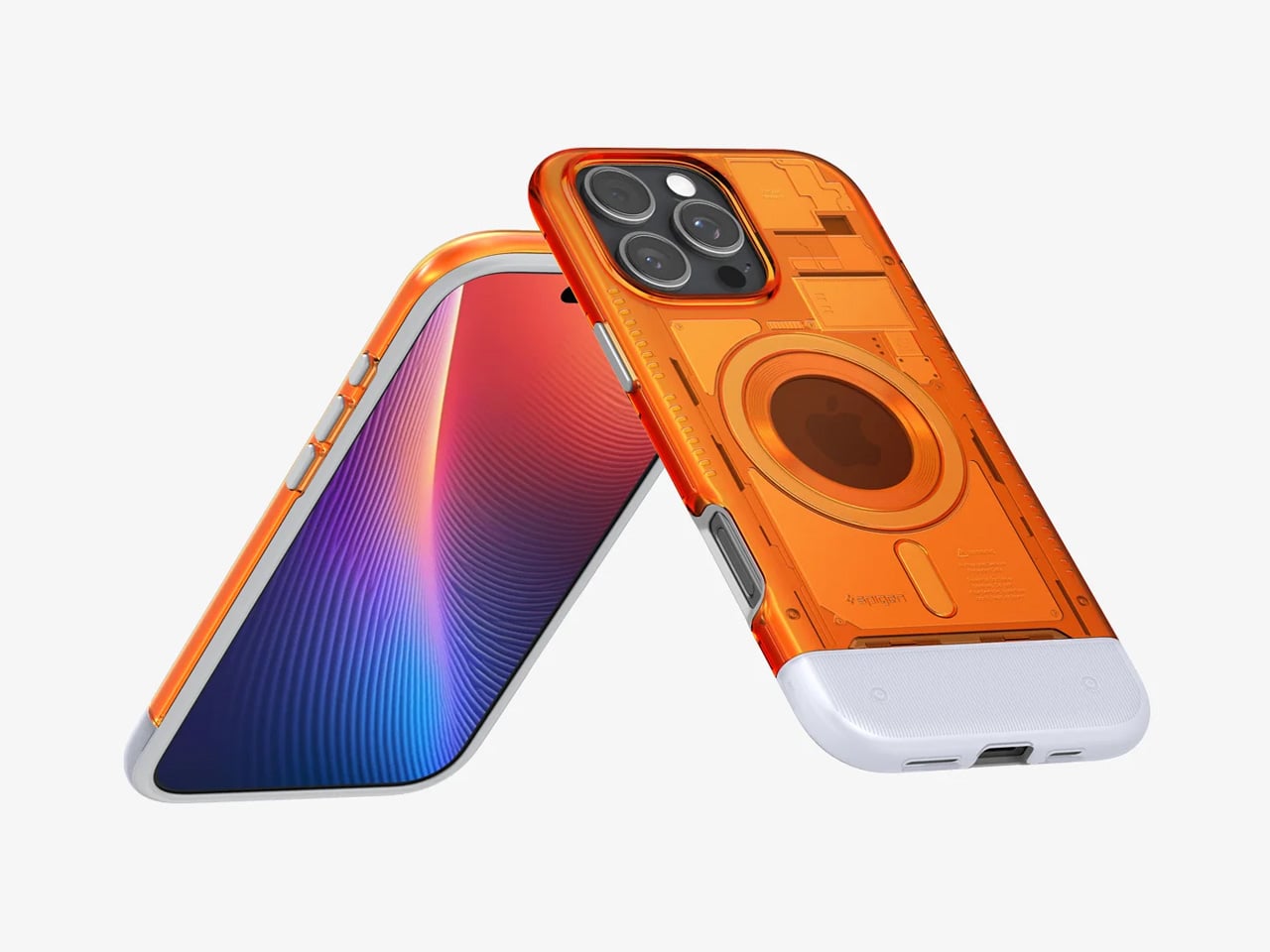
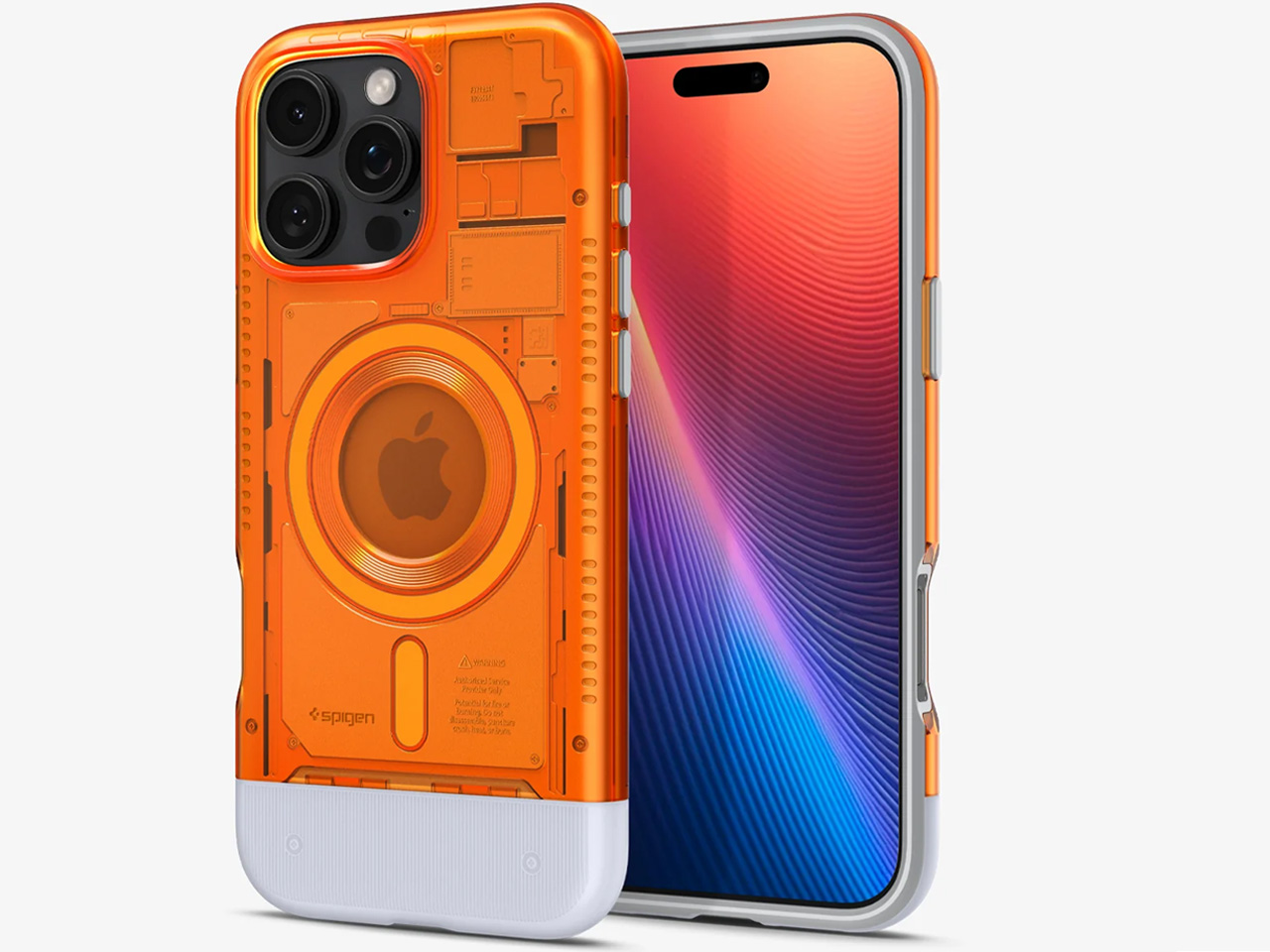
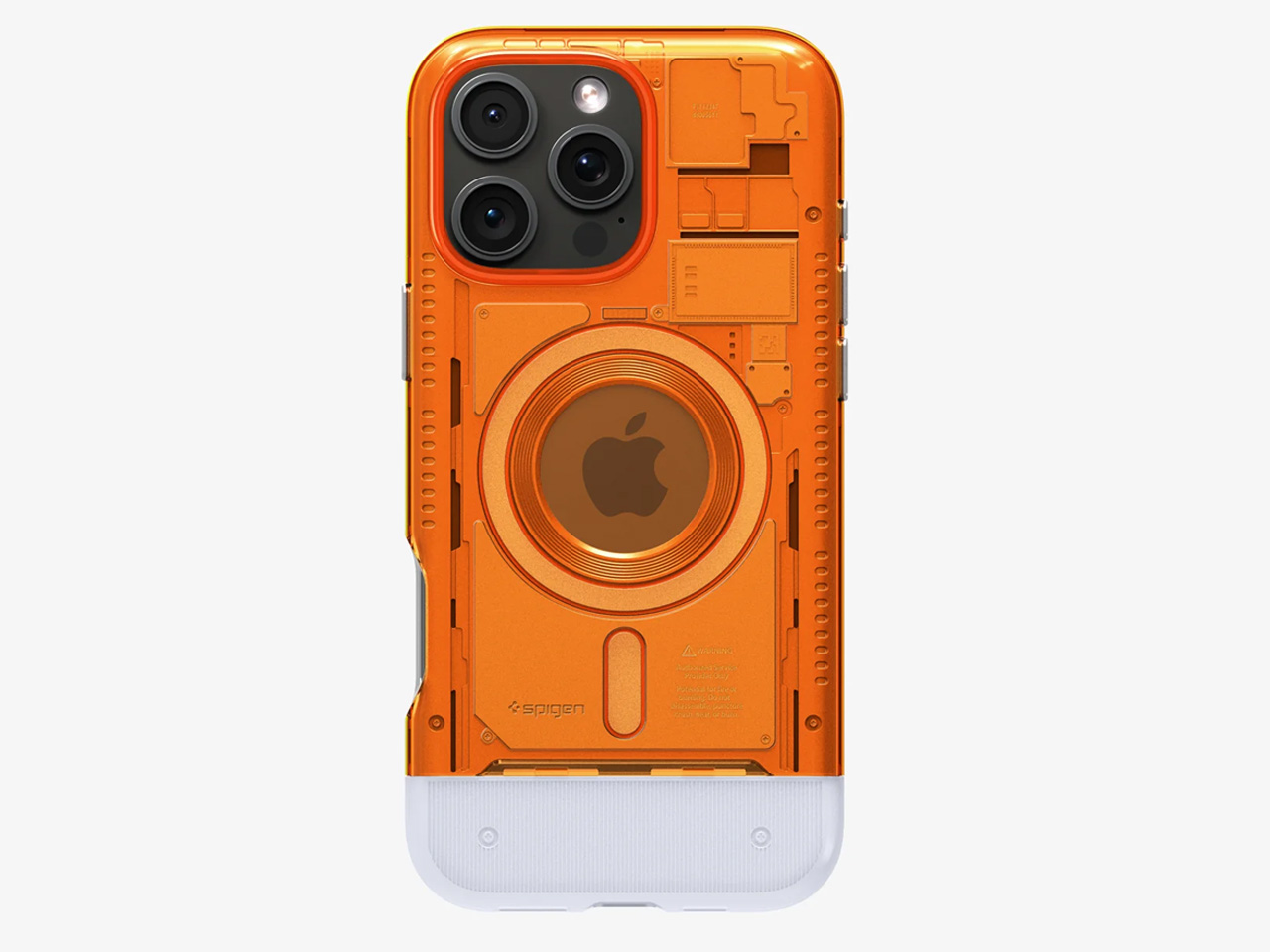
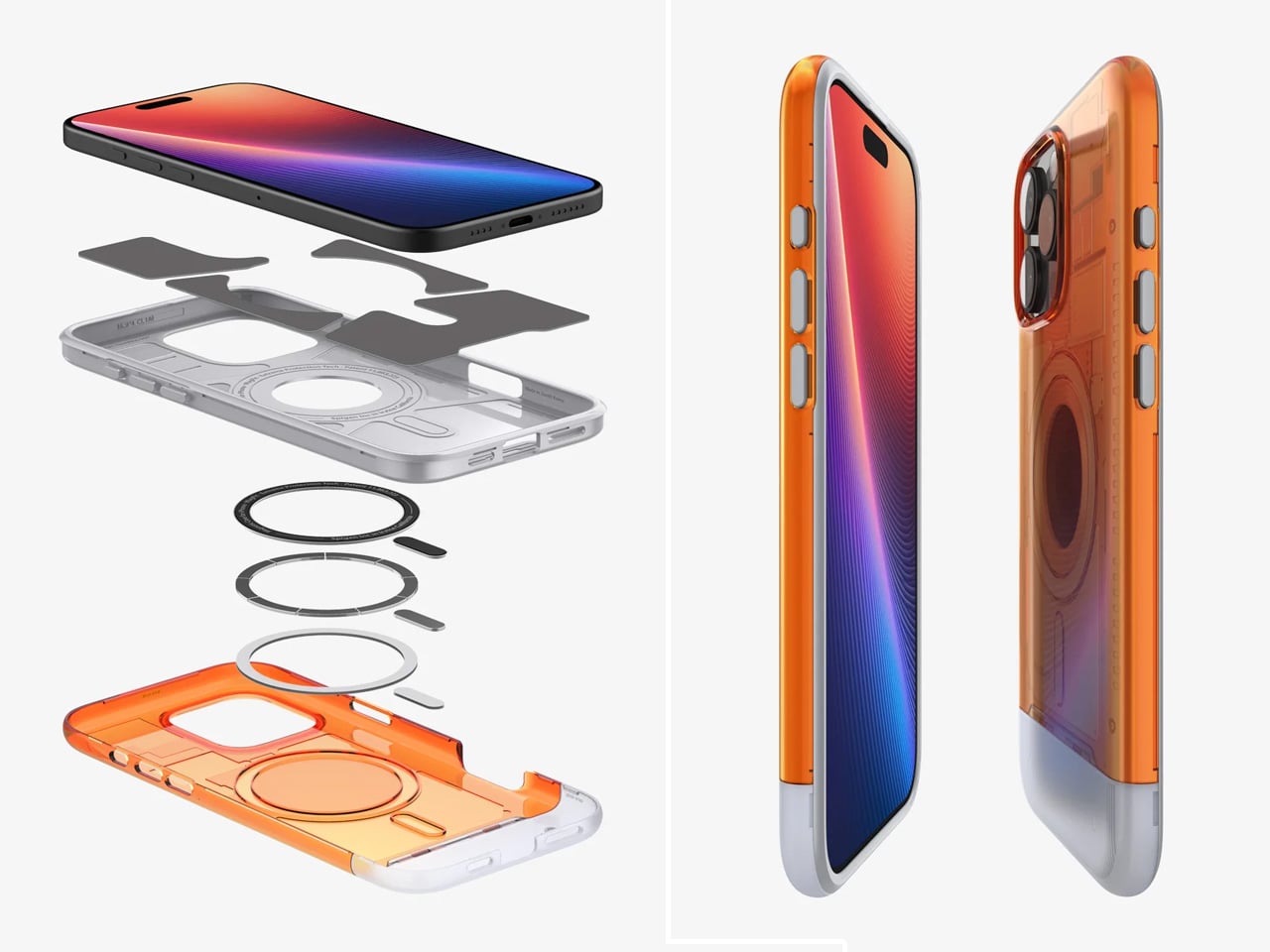
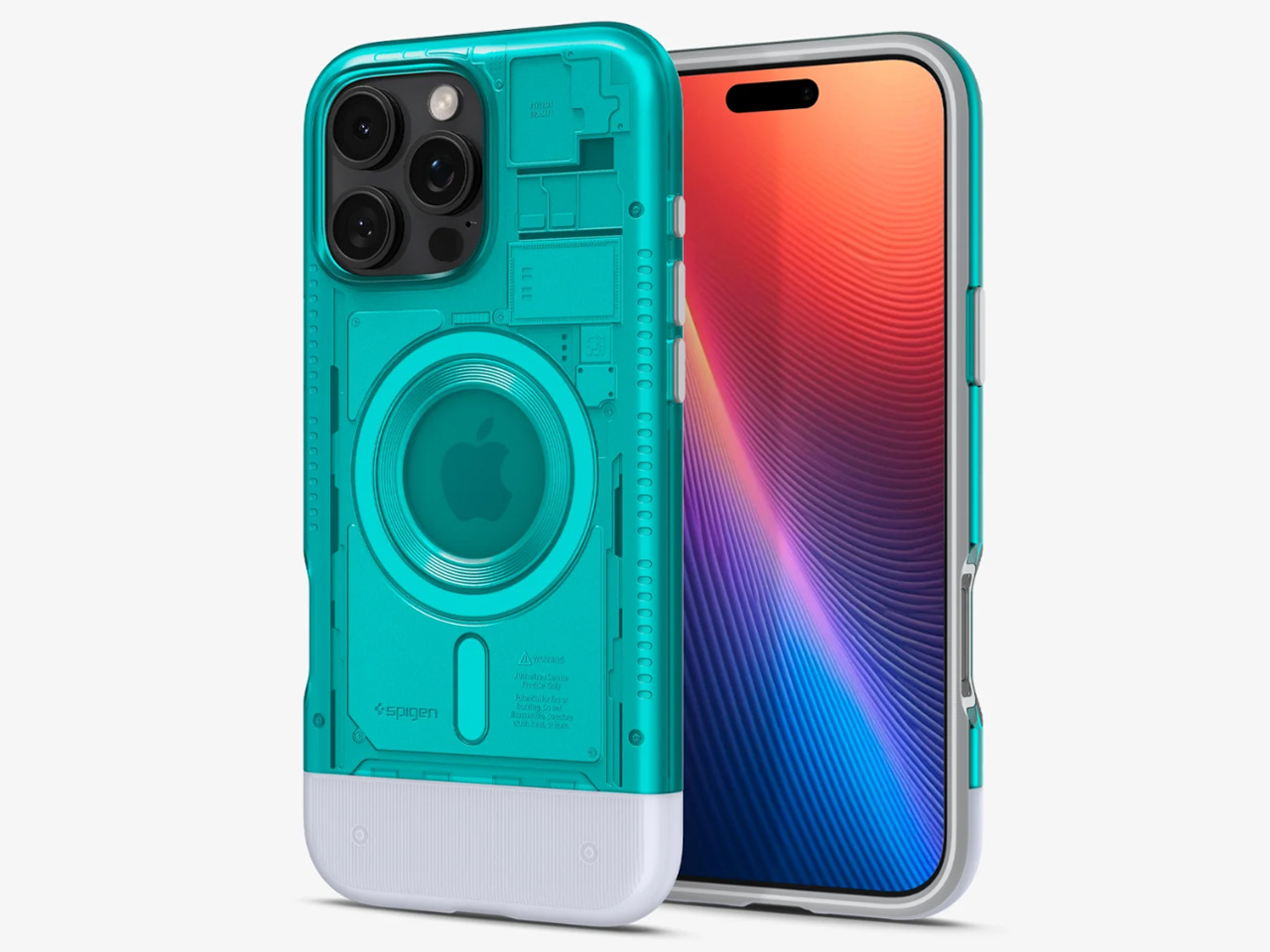
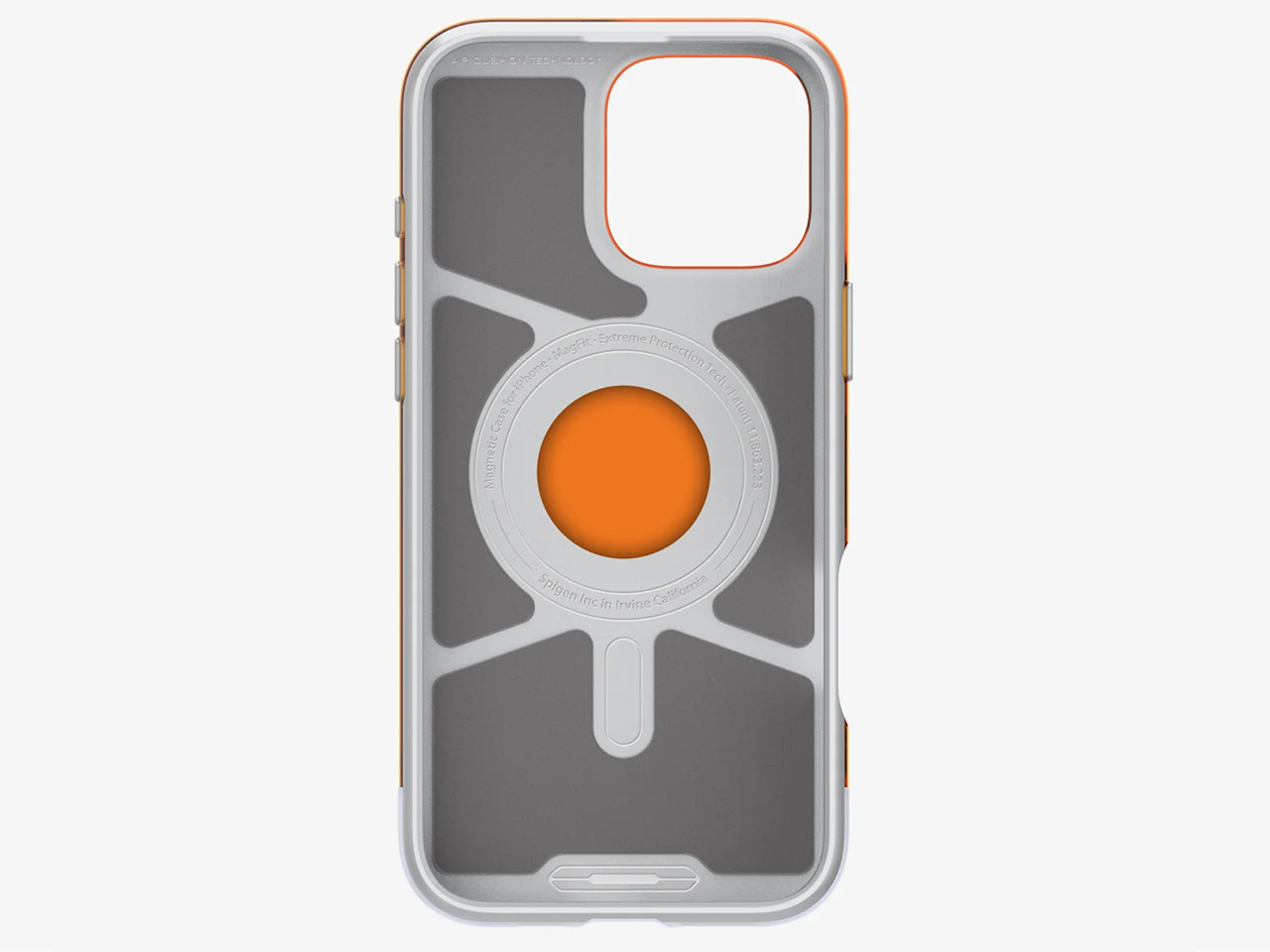
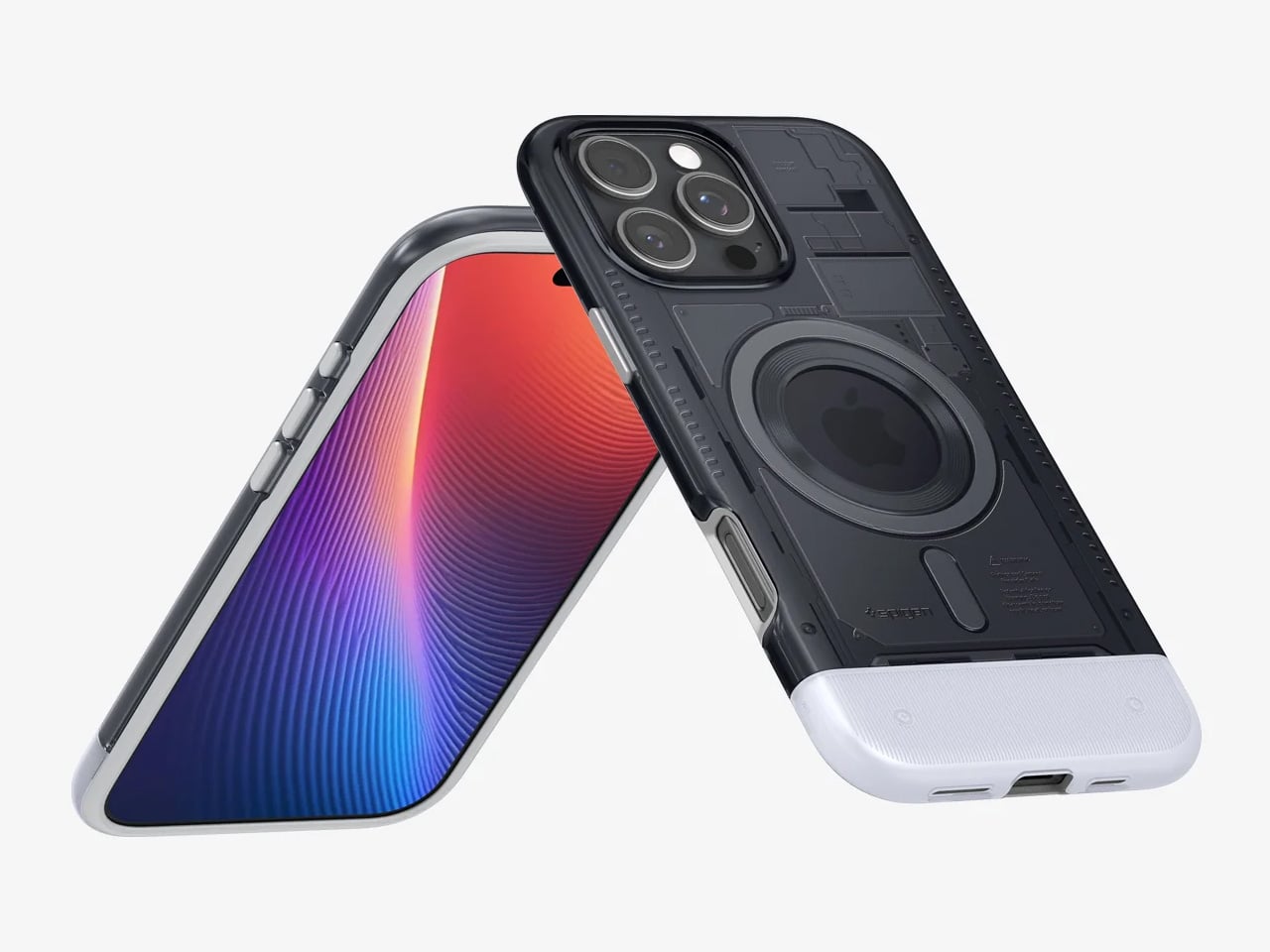
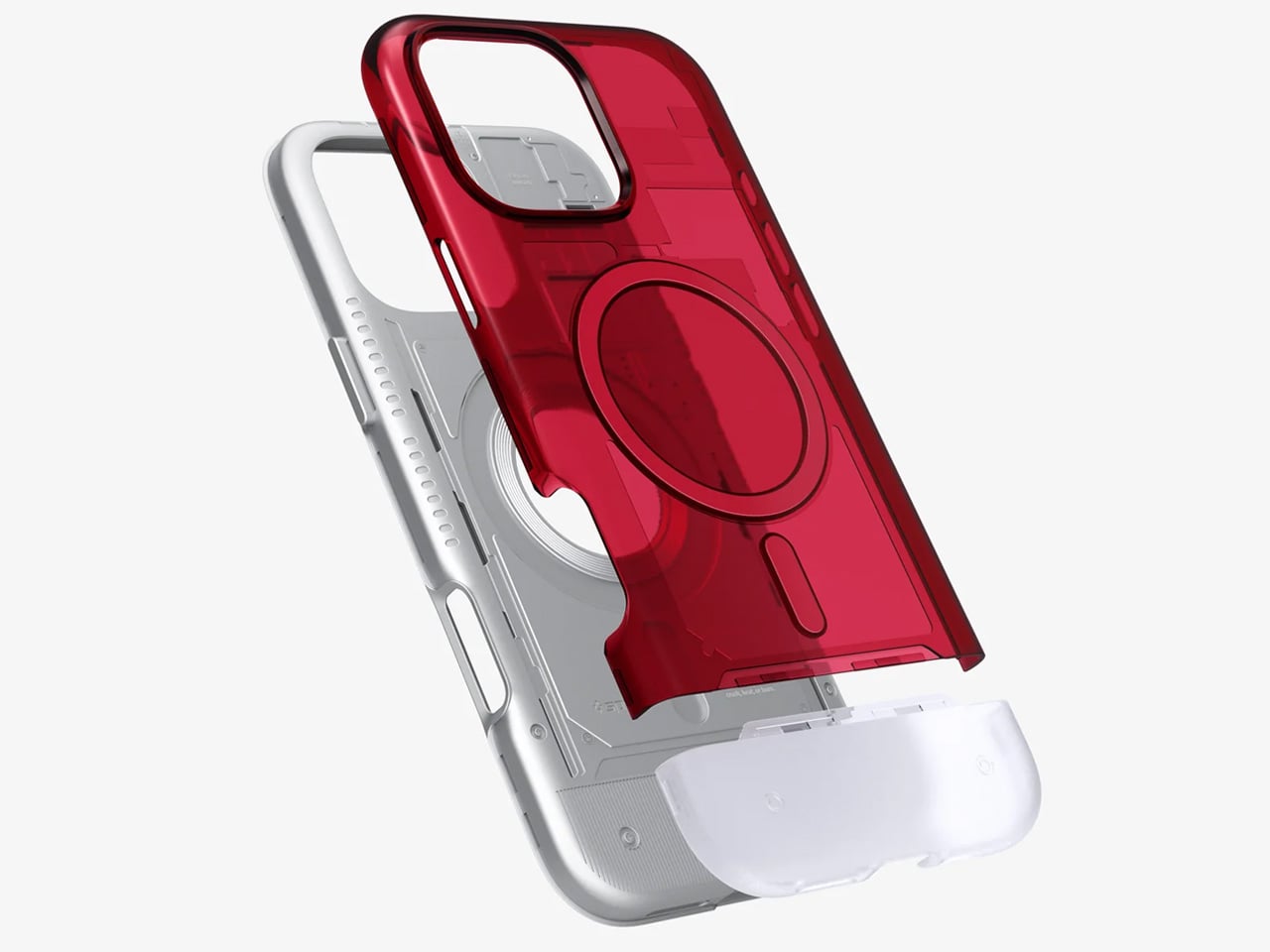
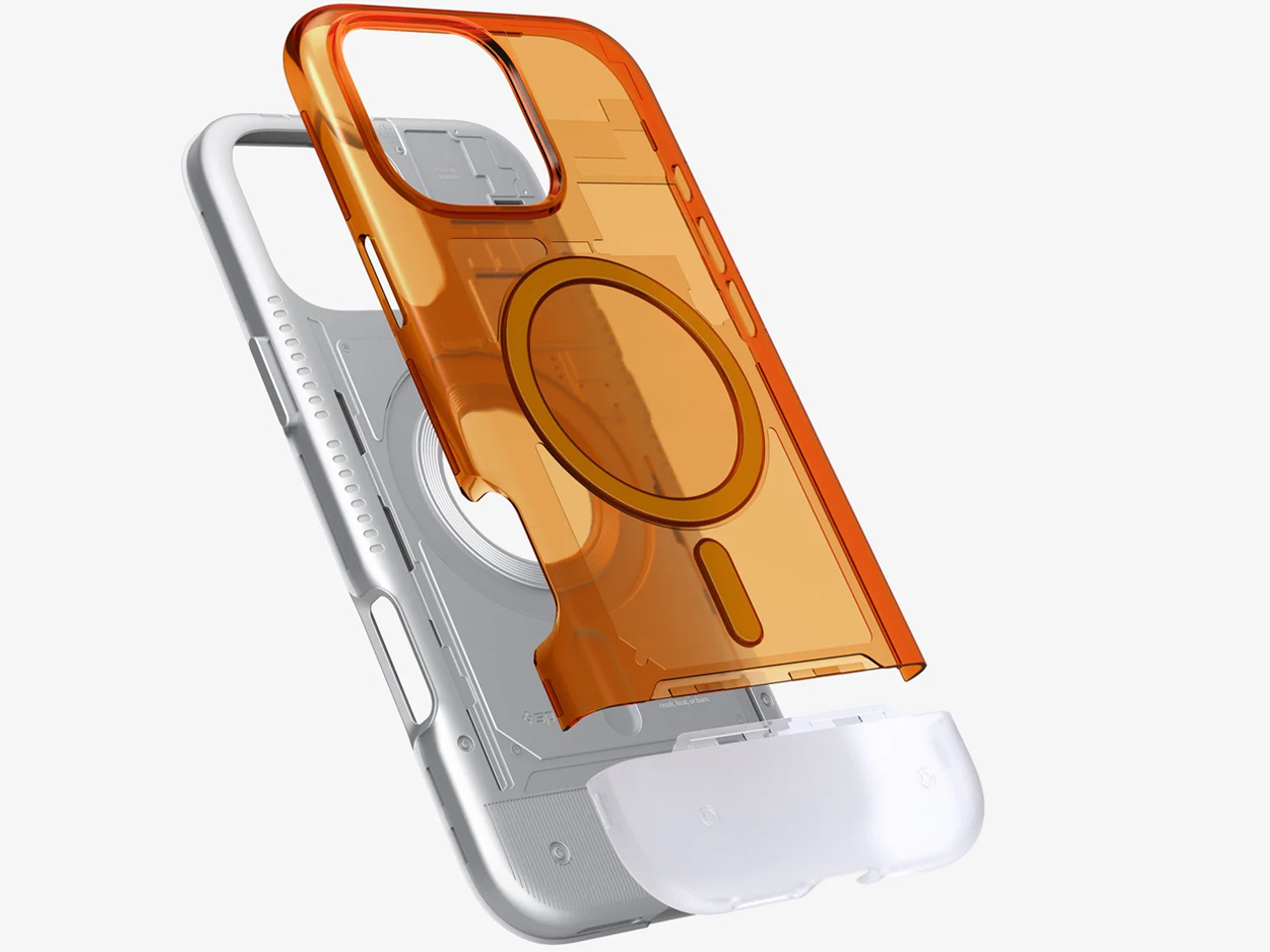
Leading the pack, and for me, the most outstanding option in the collection is the iconic iMac G3-inspired case. Dubbed the Classic C1 and priced $59.99, this tribute to one of the most fashionable computers of the day, the C1 like the iMac G3 itself is all about the candy colors. Available in four color options – tangerine, Bondi blue, graphite, and ruby – and made from a two-piece PC and TPU, the iPhone 16 cases with its retro translucent design, are from the MagFit ecosystem and fashioned out for total MagSafe compatibility.
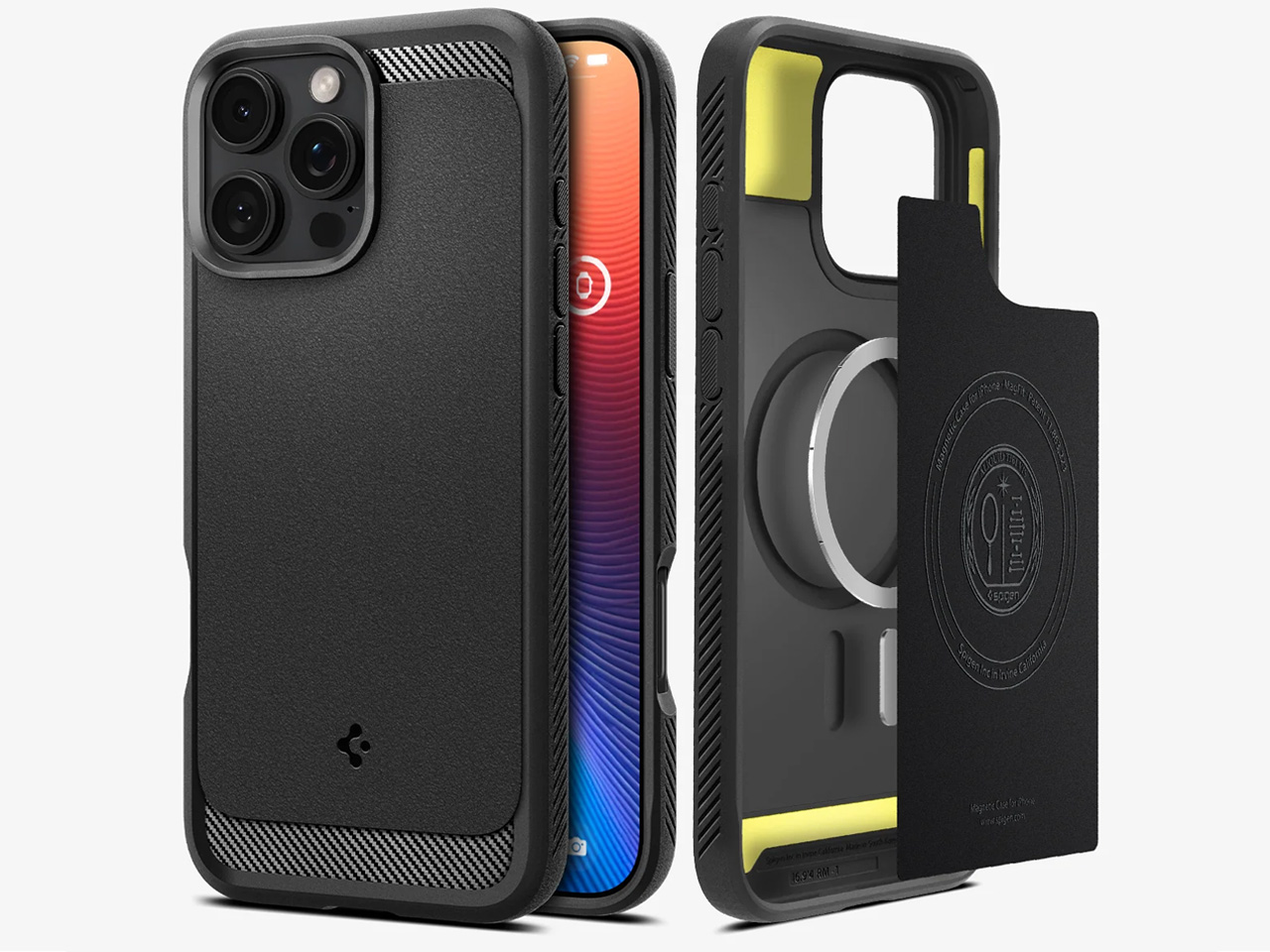
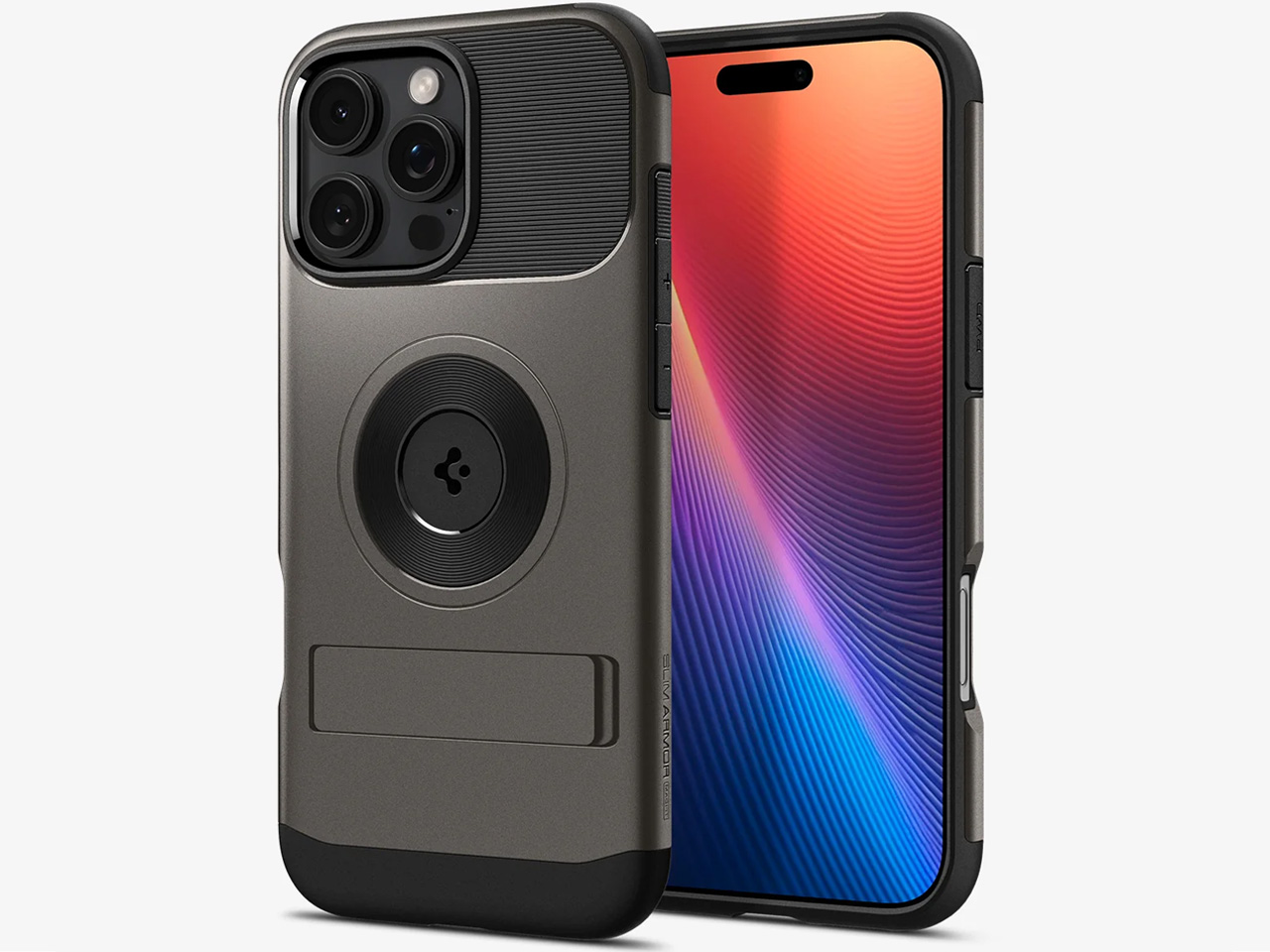
If you’re not the type who would want to travel back in time with the retro translucent design of the C1, but want a rugged phone case for additional protection against accidental falls; Spigen has the Rugged Armor (MagFit) priced at $39.99. Delivered with carbon fiber detailing and multi-layered bumper protection on all corners, the Armor is ready to take a punch. Moving on, with slimness in its name is the Slim Armor. This $54.99 case is MagSafe compatible and despite the form factor it conditions your iPhone to be in safe custody.
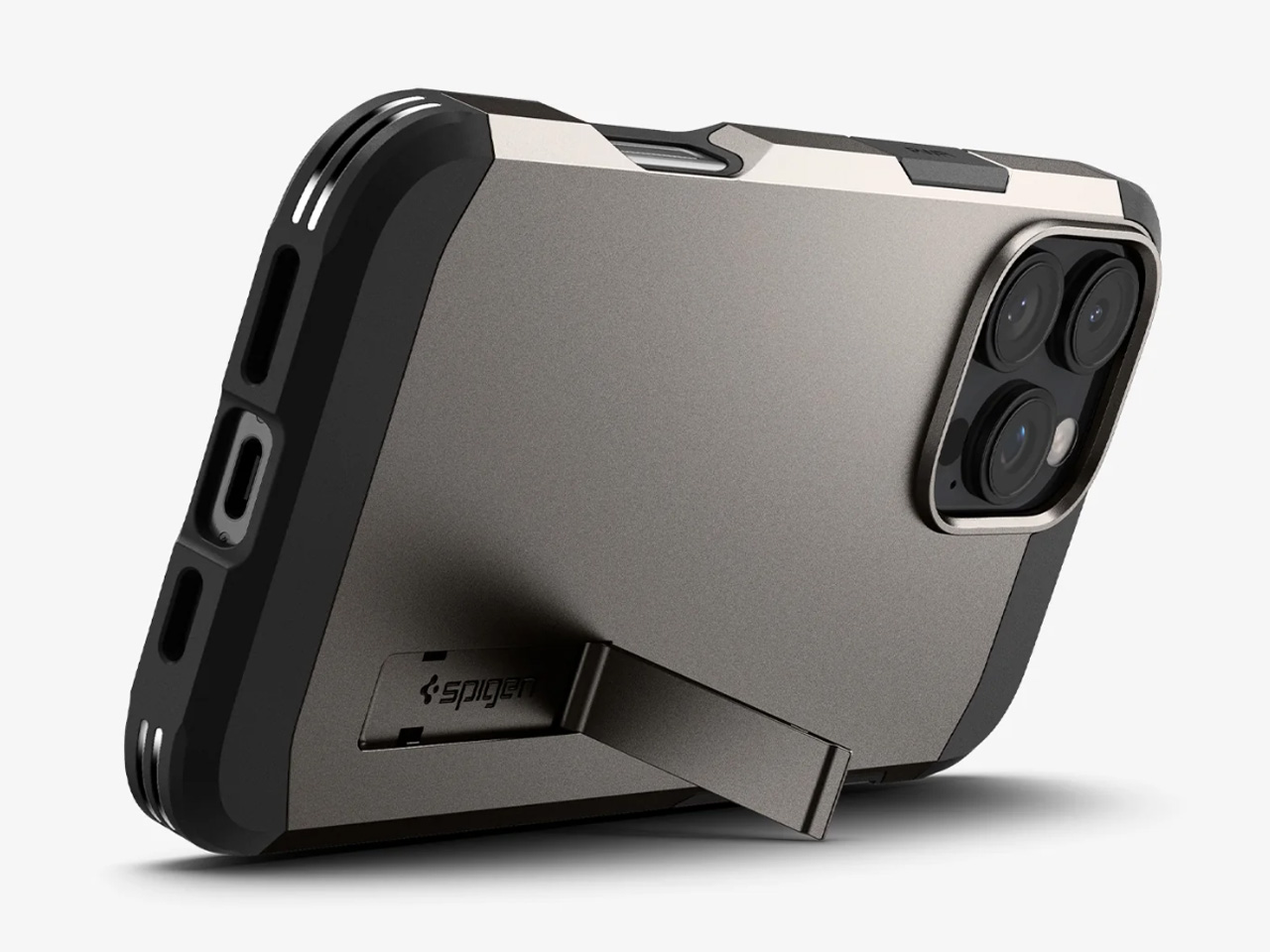
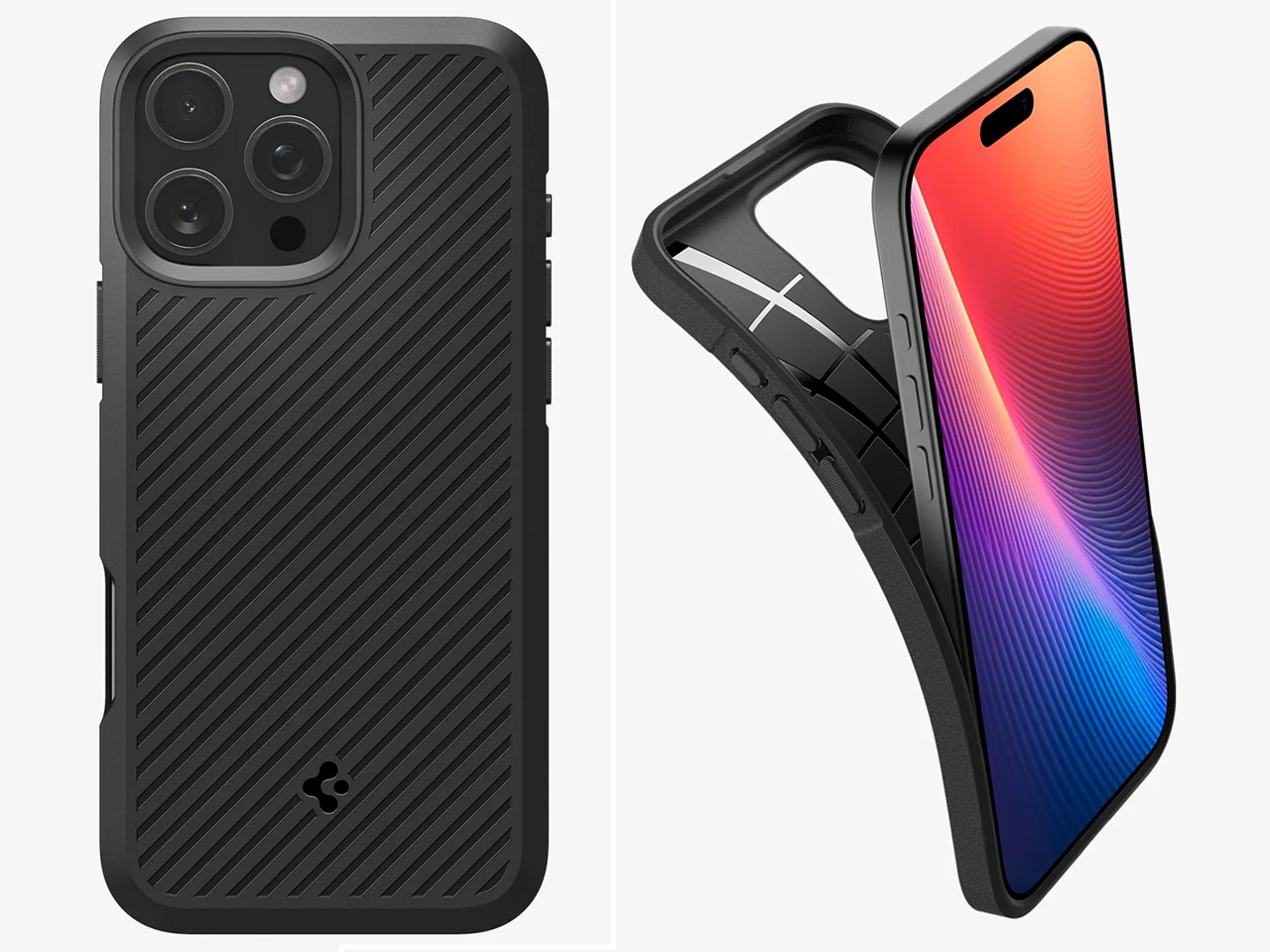
AI is the buzzword of late, and even the accessories maker wants to jump onto the bandwagon. To that accord, Spigen Tough Armor AI ($59.99) arrives with the power of artificial intelligence to protect the iPhone 16. Featuring XRD foam construction on the corners and thousands of impact data for trusted defense, the case is thrown in with a kickstand for undeniable user convenience. If you’re not willing to shell out 40-50 bucks for a protective iPhone 16 cover, Spigen has a more economical Core Armor in the collection. At $29.99, the Core Armor gives your iPhone 16 a sleek matte finish and grooves for extra good grip.
It's the day after Apple launched the iPhone 16, and though I published my hands-on with the iPhone 16 Pro right after the event, I didn't have a lot of time to spare for the base models until today. With that extra time, I've been able to learn more about the differences between the standard iPhone 16 and the iPhone 16 Pro, and honestly I'm pleasantly surprised that there aren't that many.
One of the most obvious ways to tell the iPhone 16 and iPhone 16 Pro apart is in their color selections. The entry-level series has a pleasant, vibrant array of colors this year, with the teal, pink and blue options really catching my eye. These hues are saturated and punchy, compared to the light pastel shades from recent years. I especially like how deep the "ultramarine" blue is — the pictures don't do any of these finishes justice.
The entire iPhone 16 series has the new camera control, meaning you can use the hardware switch to launch the camera app, and then tweak settings like zoom, depth and tone. Having played with them both, I can confirm that they're equally clicky and satisfying to use. Unlike last year, where only the Pro models got the Action button, the iPhone 16 has similar controls, so you're not missing out on a dedicated key by opting for a cheaper model.
You also gain the ability to record spatial video and audio, thanks to the iPhone 16's updated cameras. In addition to a new ultrawide camera with autofocus and support for macro shots, the sensors have been realigned and are now vertically stacked atop each other. Most intriguing is that the iPhone 16 will also support the new Audio Mix feature that lets you more finely control the voices and sounds in your footage after capture.
Cherlynn Low for Engadget
It'd be easy to assume that the "four new studio-quality mics" on the iPhone 16 Pro are what's behind Audio Mix, but it appears to just be the ability to record spatial audio that enables the new feature. With this you can go into the iPhone 16's video editing interface, tap the tab for Audio Mix and choose between "In-frame," "Cinematic" and "Studio" options. The first one isolates the sound from subjects in the scene and cuts out background noise, while Studio mimics the acoustic environment of a recording studio, complete with dampening walls. Cinematic, meanwhile, consolidates all the sounds in the front and center of the space.
I was able to get a demo of the Audio Mix feature, and was really impressed that the iPhone 16 was able to isolate voices of people it recorded speaking in an echoey outdoor deck in Apple's new Observatory space. Not only did switching between the different mixes effectively change how loud the various sources of sound were, but it was also nice to learn that you can tune the volume of specific streams in each profile. This is something I'm going to want to play with a lot more to better understand it, but for now I'm very intrigued by the possibility of using an iPhone 16 for future Apple event videos.
One disappointing exclusion from the iPhone 16 is the multi-track recording feature coming to iPhone 16 Pro. That Voice Memo update is only going to be available on the Pro models.
In fact, here are the main upgrades if you spring for a Pro: ProMotion screens with higher refresh rates and Always On Display, as well as superior camera hardware with a 48-megapixel ultrawide lens and a 5x telephoto option. The premium handsets also have support for 4K120p high-quality slo-mo footage and professional formats like ProRaw. The Pros also have the A18 Pro chip, compared to the iPhone 16's A18, and the differences mostly lie in GPU performance, so you might have a better time gaming on the more premium model.
Other differences are fairly minimal, like the titanium build and faster USB speeds on the Pros. In general, though, the iPhone 16 and iPhone 16 Plus feel like much less of a trade off for the cost savings, and you're also getting more fun colors. They also seem like a greater improvement from their predecessors, which is a welcome change after years of incremental changes.
This article originally appeared on Engadget at https://www.engadget.com/mobile/smartphones/iphone-16-hands-on-more-pro-than-i-expected-222843896.html?src=rss
It's the day after Apple launched the iPhone 16, and though I published my hands-on with the iPhone 16 Pro right after the event, I didn't have a lot of time to spare for the base models until today. With that extra time, I've been able to learn more about the differences between the standard iPhone 16 and the iPhone 16 Pro, and honestly I'm pleasantly surprised that there aren't that many.
One of the most obvious ways to tell the iPhone 16 and iPhone 16 Pro apart is in their color selections. The entry-level series has a pleasant, vibrant array of colors this year, with the teal, pink and blue options really catching my eye. These hues are saturated and punchy, compared to the light pastel shades from recent years. I especially like how deep the "ultramarine" blue is — the pictures don't do any of these finishes justice.
The entire iPhone 16 series has the new camera control, meaning you can use the hardware switch to launch the camera app, and then tweak settings like zoom, depth and tone. Having played with them both, I can confirm that they're equally clicky and satisfying to use. Unlike last year, where only the Pro models got the Action button, the iPhone 16 has similar controls, so you're not missing out on a dedicated key by opting for a cheaper model.
You also gain the ability to record spatial video and audio, thanks to the iPhone 16's updated cameras. In addition to a new ultrawide camera with autofocus and support for macro shots, the sensors have been realigned and are now vertically stacked atop each other. Most intriguing is that the iPhone 16 will also support the new Audio Mix feature that lets you more finely control the voices and sounds in your footage after capture.
Cherlynn Low for Engadget
It'd be easy to assume that the "four new studio-quality mics" on the iPhone 16 Pro are what's behind Audio Mix, but it appears to just be the ability to record spatial audio that enables the new feature. With this you can go into the iPhone 16's video editing interface, tap the tab for Audio Mix and choose between "In-frame," "Cinematic" and "Studio" options. The first one isolates the sound from subjects in the scene and cuts out background noise, while Studio mimics the acoustic environment of a recording studio, complete with dampening walls. Cinematic, meanwhile, consolidates all the sounds in the front and center of the space.
I was able to get a demo of the Audio Mix feature, and was really impressed that the iPhone 16 was able to isolate voices of people it recorded speaking in an echoey outdoor deck in Apple's new Observatory space. Not only did switching between the different mixes effectively change how loud the various sources of sound were, but it was also nice to learn that you can tune the volume of specific streams in each profile. This is something I'm going to want to play with a lot more to better understand it, but for now I'm very intrigued by the possibility of using an iPhone 16 for future Apple event videos.
One disappointing exclusion from the iPhone 16 is the multi-track recording feature coming to iPhone 16 Pro. That Voice Memo update is only going to be available on the Pro models.
In fact, here are the main upgrades if you spring for a Pro: ProMotion screens with higher refresh rates and Always On Display, as well as superior camera hardware with a 48-megapixel ultrawide lens and a 5x telephoto option. The premium handsets also have support for 4K120p high-quality slo-mo footage and professional formats like ProRaw. The Pros also have the A18 Pro chip, compared to the iPhone 16's A18, and the differences mostly lie in GPU performance, so you might have a better time gaming on the more premium model.
Other differences are fairly minimal, like the titanium build and faster USB speeds on the Pros. In general, though, the iPhone 16 and iPhone 16 Plus feel like much less of a trade off for the cost savings, and you're also getting more fun colors. They also seem like a greater improvement from their predecessors, which is a welcome change after years of incremental changes.
This article originally appeared on Engadget at https://www.engadget.com/mobile/smartphones/iphone-16-hands-on-more-pro-than-i-expected-222843896.html?src=rss
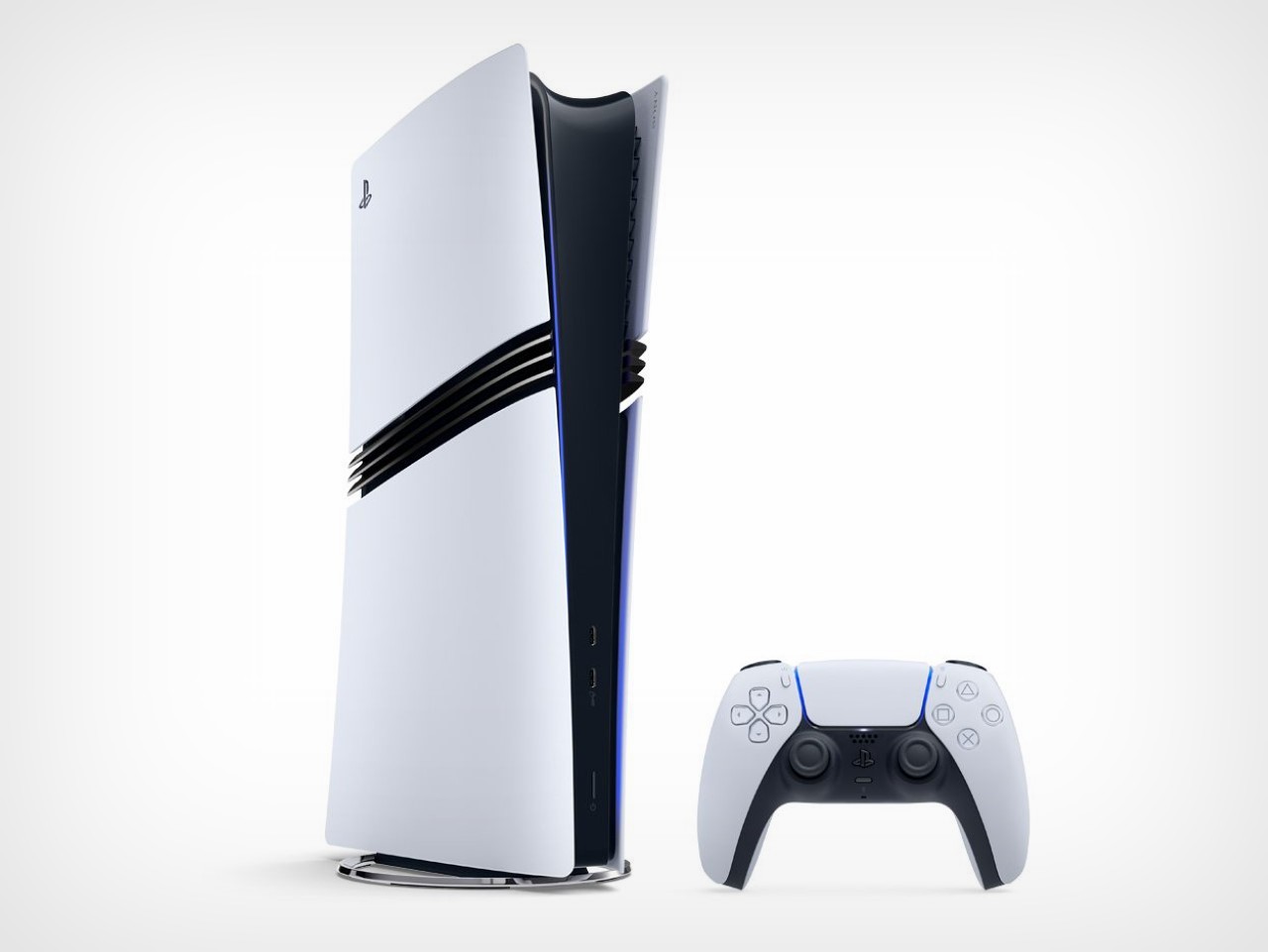
Sony’s freshly announced PlayStation 5 Pro is a power-packed upgrade designed for those who want the most visually striking gaming experience possible. Building on the already solid foundation of the PS5, this souped-up version aims to enhance everything from resolution and frame rate to ray tracing, while staying cool and quiet under pressure—literally. It’s set to hit shelves in November 2024, and with a starting price of $599, it’s clear Sony is positioning the PS5 Pro as the ultimate way to play for those who demand more from their console.
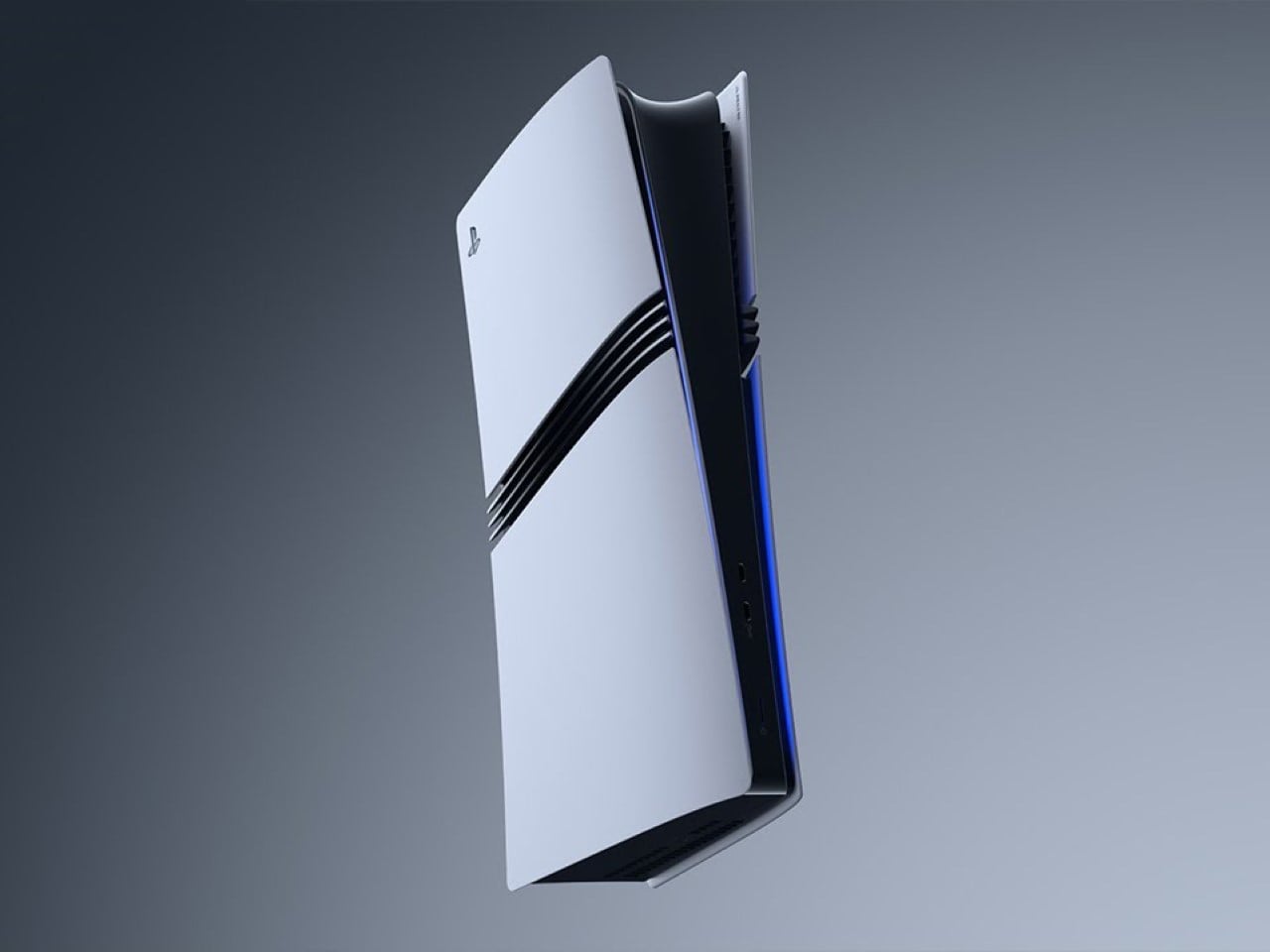
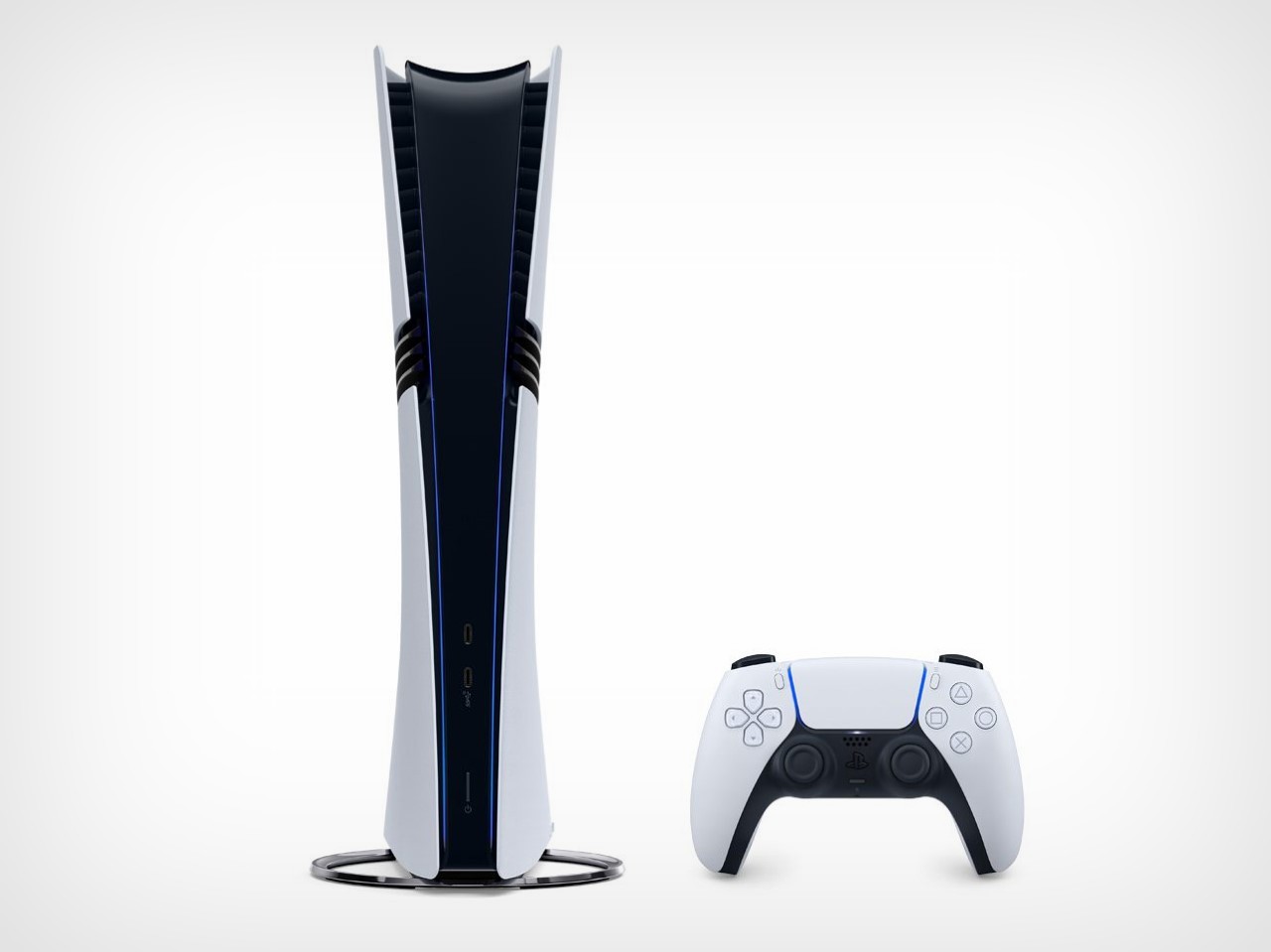
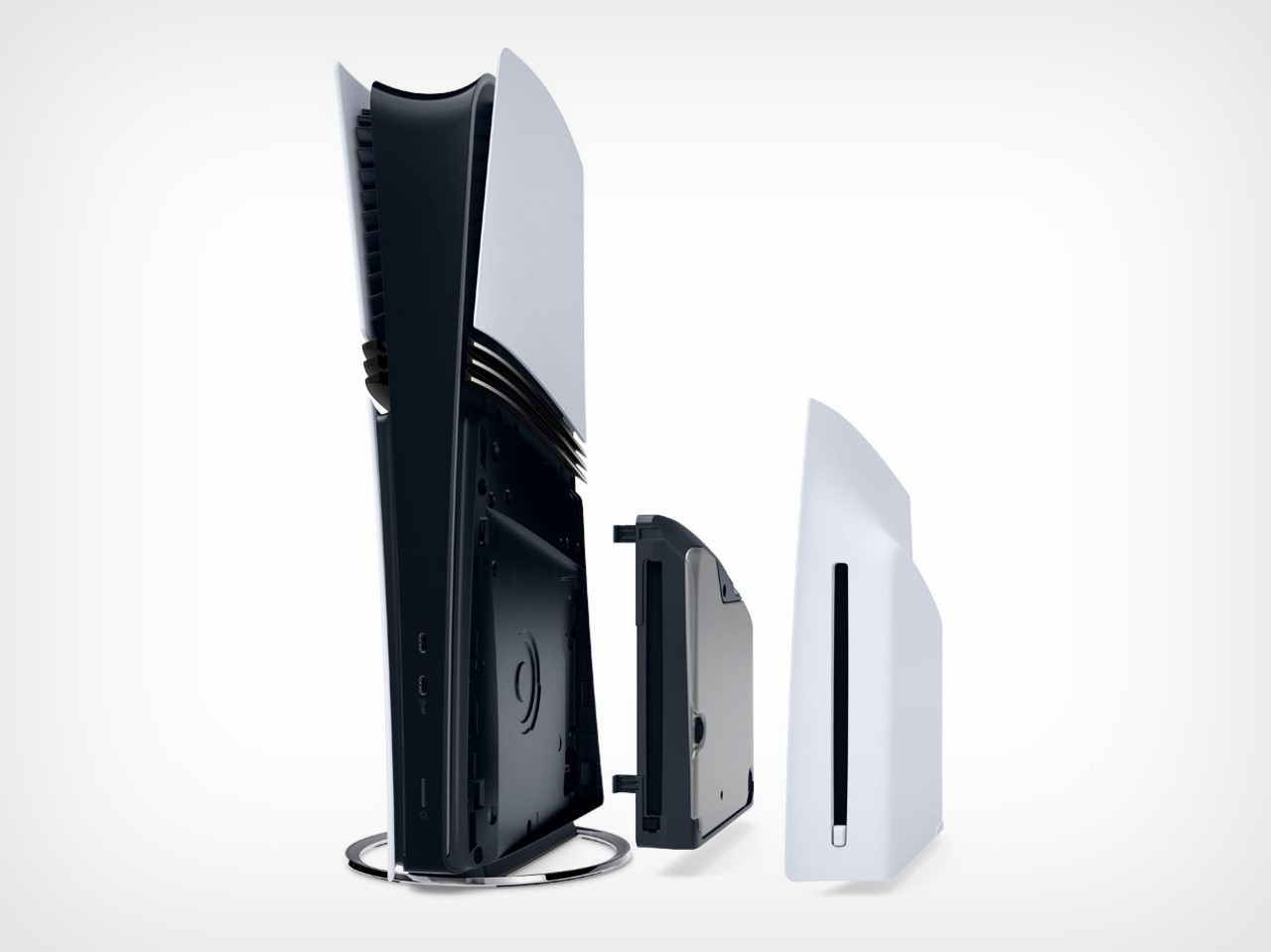
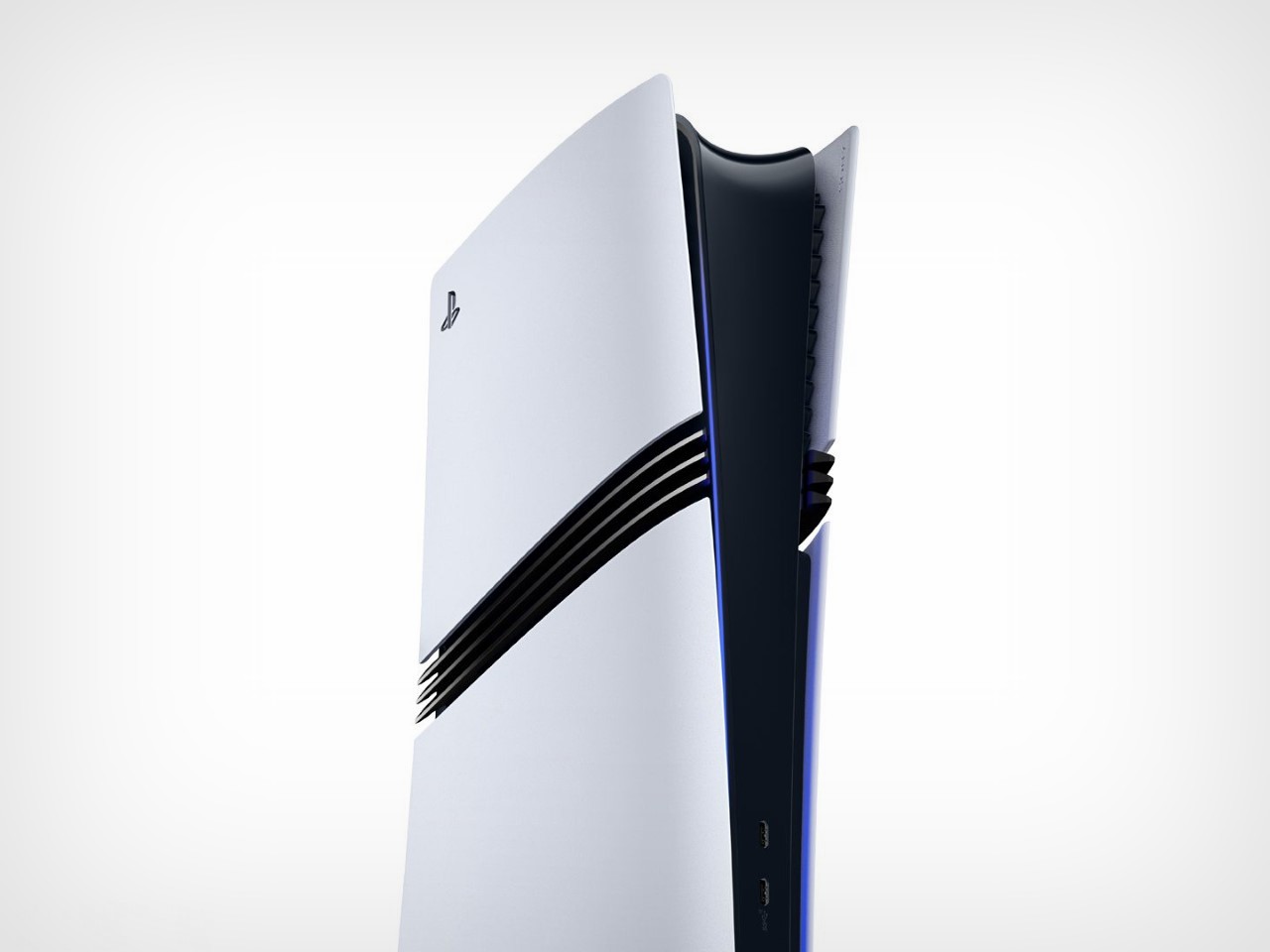
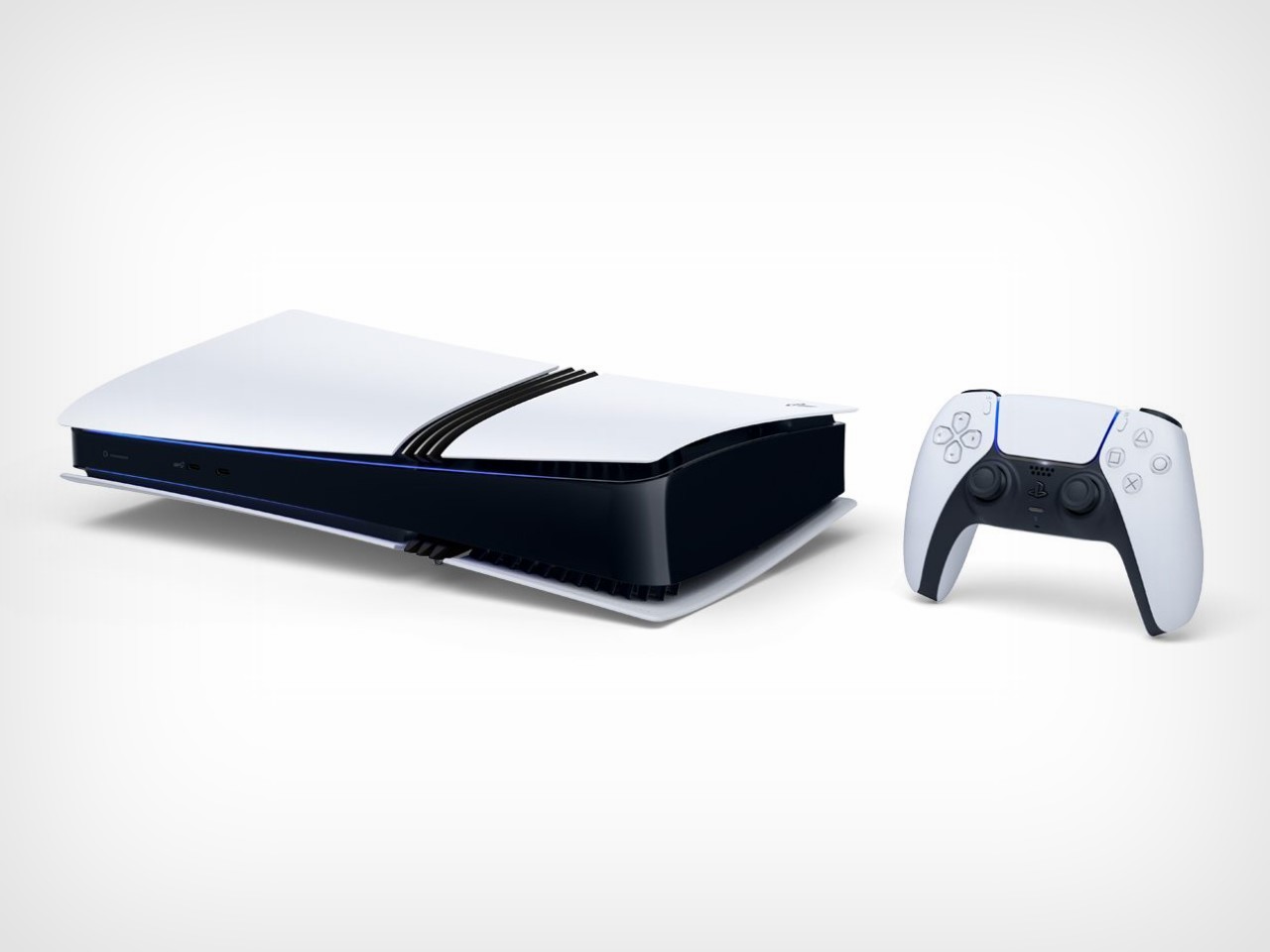
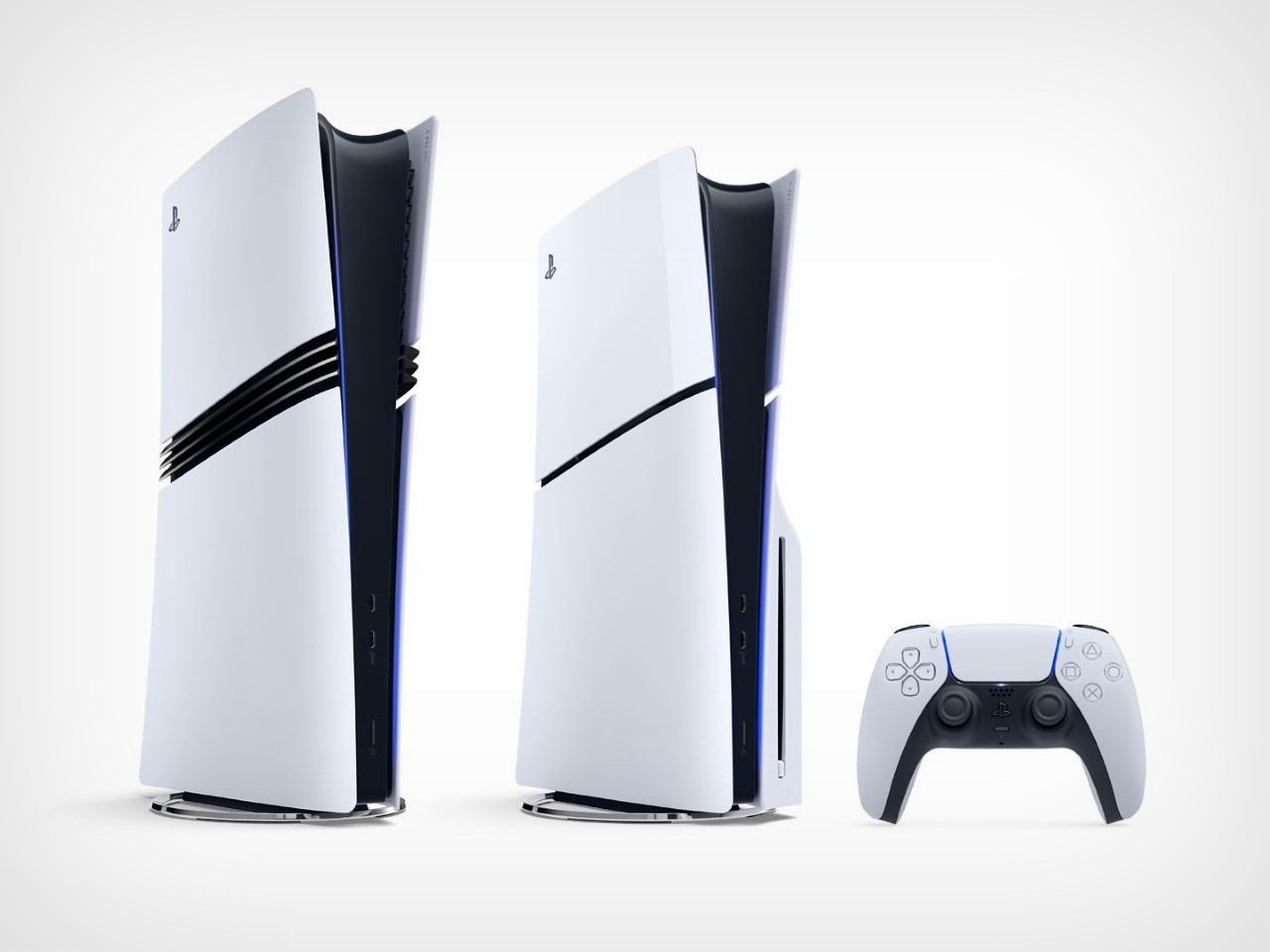
The PlayStation 5 Pro maintains the futuristic aesthetic of its predecessor, but with subtle refinements that make it stand out as a premium device. Its sleek curves and striking black-and-white color scheme are still present, but Sony has gone the extra mile to give the Pro a more streamlined silhouette. The PS5 Pro is slightly slimmer and more compact than the original, addressing one of the biggest complaints about the base PS5’s bulky design. The matte finish on the Pro model adds a touch of sophistication, and the improved vent placement ensures better airflow without compromising the console’s overall elegance. Whether it’s sitting vertically on your media stand or tucked horizontally under your TV, the PS5 Pro feels more like a deliberate piece of decor than a tech box, blending form with function seamlessly. Even the revamped LED lighting—now offering customizable colors—adds an extra layer of personalization for gamers who care about their setup’s vibe.
Under that gorgeous sleek white shell lies a custom RDNA 3.5 GPU, boasting a whopping 30 teraflops of graphical power. That’s nearly triple what the base PS5 offers. Translation? Games will look and run better—significantly so. The PS5 Pro is built to handle true 4K gaming at 60 frames per second without breaking a sweat, and it even flirts with 8K resolution for those fortunate enough to own one of those displays. It’s a level of visual fidelity that makes even the most graphically demanding games, like Spider-Man 2 and Final Fantasy XVI, feel like butter.
The CPU also gets a significant upgrade, featuring an 8-core AMD Zen 4 processor clocked at 4 GHz. The result? Faster load times, smoother performance, and an all-around snappier experience, especially in open-world games or titles with heavy physics and particle effects. If you’re tired of waiting in menus or watching progress bars crawl across the screen, the Pro has your back.
Remember the term ‘ray tracing’ everyone threw around when the PS5 first launched? While the base PS5 gave us a taste of what real-time lighting and reflections could do, the PS5 Pro is fully leaning into advanced ray tracing. Ray tracing is now 2.5 times more efficient, which means better lighting, reflections, and overall realism in games that support it. Picture walking through neon-soaked streets in Cyberpunk 2077 or exploring the vast wilderness of Horizon Forbidden West—but with reflections so sharp you could almost swear you’re looking in a mirror. Sony hasn’t left the frame-rate-focused players out in the cold either. The PS5 Pro introduces new gameplay modes to suit different preferences. If you’re all about visuals, the Fidelity Mode lets you enjoy games at 4K with maxed-out ray tracing, running at 30 fps. On the other hand, if you’re more of a competitive gamer looking for the smoothest experience, the Performance+ Mode delivers up to 120 fps at a slightly lower resolution. Fast-paced shooters like Fortnite and Call of Duty will feel incredibly responsive and fluid.
It’s a nice touch from Sony, acknowledging that not every gamer wants the same thing out of their console. Some of us want eye-popping visuals, while others want the fastest response times—and the PS5 Pro is prepared to juggle both with ease.
A common complaint about the original PS5 was its relatively limited storage, with the standard 825GB SSD filling up faster than expected, especially given the size of modern AAA games. Thankfully, the PS5 Pro steps things up with a 2TB SSD. That’s double the storage, meaning you won’t have to keep deleting games every time you want to install something new—unless, of course, you’re really into downloading entire game libraries. On the thermal front, Sony has reworked the cooling system, implementing more advanced liquid metal tech to ensure the Pro stays cool during marathon gaming sessions. Gone are the days of worrying about your console sounding like a jet engine taking off mid-boss battle.
Here’s the best part – your PS5 Pro is designed with backward compatibility in mind. Existing PS5 games won’t just work—they’ll run better. Thanks to the Pro’s additional power, many older titles will see improvements in frame rates, load times, and overall performance. Some developers are even offering patches that optimize their games specifically for the PS5 Pro, allowing fans to experience their favorite titles with upgraded visuals and smoother gameplay. Future titles, like the hotly anticipated Ghost of Tsushima 2 and The Last of Us Part III, will be optimized from the ground up for the PS5 Pro. Expect them to take full advantage of the new hardware, delivering worlds that are richer, denser, and more immersive than anything we’ve seen on a PlayStation console before.
At $599, the PS5 Pro is priced higher than the base PS5, which currently sits at $499. But for that extra hundred bucks, you’re getting significant upgrades that future-proof your gaming setup for years to come. Preorders begin in October, and you can expect the PS5 Pro to officially drop in November—just in time for holiday gaming marathons or, you know, to start that inevitable Elden Ring replay with maxed-out graphics. You’ve finally got a great excuse to splurge on that 4K TV you’ve been eyeing.
Australian Prime Minister Anthony Albanese has promised to introduce legislation that would prevent children under a certain age from using social media. Reuters reported that Albanese issued his statement in a TV interview on the Australian Broadcasting Corp. (ABC).
Albanese says the Australian government would start its social media initiative by testing age verification technology sometime this year. He also didn’t state a specific age limit but estimated he’d like the ban to be for children younger than 14-16 because “we know that social media is causing social harm.”
Meta issued a statement in response to the PM’s proposal noting that Facebook and Instagram already have a minimum age requirement of 13 years for users. The social media company also noted it wants to empower young people to benefit from social media with parental controls and monitoring “instead of just cutting off access.”
Lawmakers in the US and other countries have suggested and tried to implement a federal age limit on social media access. Last year, US Senator Josh Hawley introduced two bills to Congress that would prohibit teenagers under 16 from using social media. The state of Utah also passed laws in 2023 requiring teens to have parental consent and provide a copy of an ID instead of just inputting their birthday to access their accounts. The following year, Utah repealed the ID requirements.
Social media use has become a greater health issue as experts raise concerns about its effects on younger users’ mental well being. An open letter signed by 42 US attorneys general supported US Surgeon General Vivek Murthy’s proposal to require social media websites to post visible health warnings the way that cigarette makers are required to do so on their products’ packaging.
This article originally appeared on Engadget at https://www.engadget.com/social-media/australias-prime-minister-wants-to-ban-social-media-for-children-212139064.html?src=rss
Australian Prime Minister Anthony Albanese has promised to introduce legislation that would prevent children under a certain age from using social media. Reuters reported that Albanese issued his statement in a TV interview on the Australian Broadcasting Corp. (ABC).
Albanese says the Australian government would start its social media initiative by testing age verification technology sometime this year. He also didn’t state a specific age limit but estimated he’d like the ban to be for children younger than 14-16 because “we know that social media is causing social harm.”
Meta issued a statement in response to the PM’s proposal noting that Facebook and Instagram already have a minimum age requirement of 13 years for users. The social media company also noted it wants to empower young people to benefit from social media with parental controls and monitoring “instead of just cutting off access.”
Lawmakers in the US and other countries have suggested and tried to implement a federal age limit on social media access. Last year, US Senator Josh Hawley introduced two bills to Congress that would prohibit teenagers under 16 from using social media. The state of Utah also passed laws in 2023 requiring teens to have parental consent and provide a copy of an ID instead of just inputting their birthday to access their accounts. The following year, Utah repealed the ID requirements.
Social media use has become a greater health issue as experts raise concerns about its effects on younger users’ mental well being. An open letter signed by 42 US attorneys general supported US Surgeon General Vivek Murthy’s proposal to require social media websites to post visible health warnings the way that cigarette makers are required to do so on their products’ packaging.
This article originally appeared on Engadget at https://www.engadget.com/social-media/australias-prime-minister-wants-to-ban-social-media-for-children-212139064.html?src=rss