Pixel 9 Pro and Pixel 9 Pro XL Review: AI Future Today

PROS:


  • Distinctive, premium, and sleek design

  • Strong sustainability effort

  • Good camera output with software processing

  • Seven years of software support

CONS:


  • Gets mildly hot under intense use

  • Pixel 9 Pro: Slow 27W charging

  • Base storage starts at a measly 128GB

  • Some AI features still feel a bit gimmicky

RATINGS:

AESTHETICS
ERGONOMICS
PERFORMANCE
SUSTAINABILITY / REPAIRABILITY
VALUE FOR MONEY

EDITOR'S QUOTE:

With a premium and elegant design and impressive photography performance, the Google Pixel 9 Pro offers a glimpse into a future where AI makes lives easier and more meaningful.

In the beginning, Google was content to let its hardware partners shape people’s impressions of the Android mobile platform. With the launch of the first Pixel phone in 2016, however, it started to reveal its own vision for Android, not just in terms of software but for the overall user experience. Of course, visions and priorities change over time, and so do the focus and design for Pixel phones. With everything these days revolving around AI, it’s no surprise that Gemini, Google’s own AI platform, is at the heart of the new Pixel 9 series. But are these phones just vehicles for Gemini or do they have more to offer? With the smaller Pixel 9 Pro and the extra-large Pixel 9 Pro XL in our hands, we give Google’s latest smartphones a spin to see what all the fuss is about.

Designer:

Aesthetics

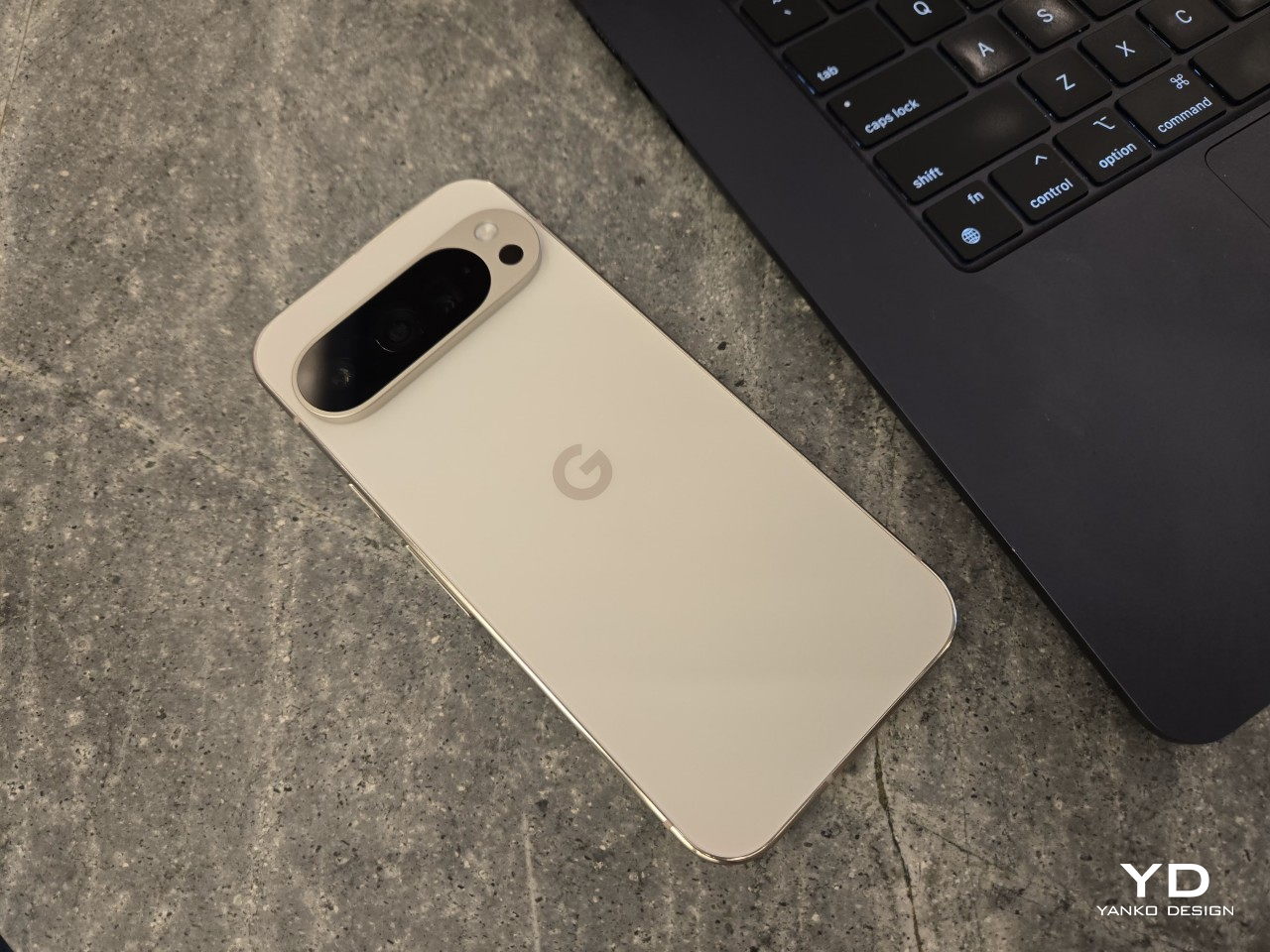
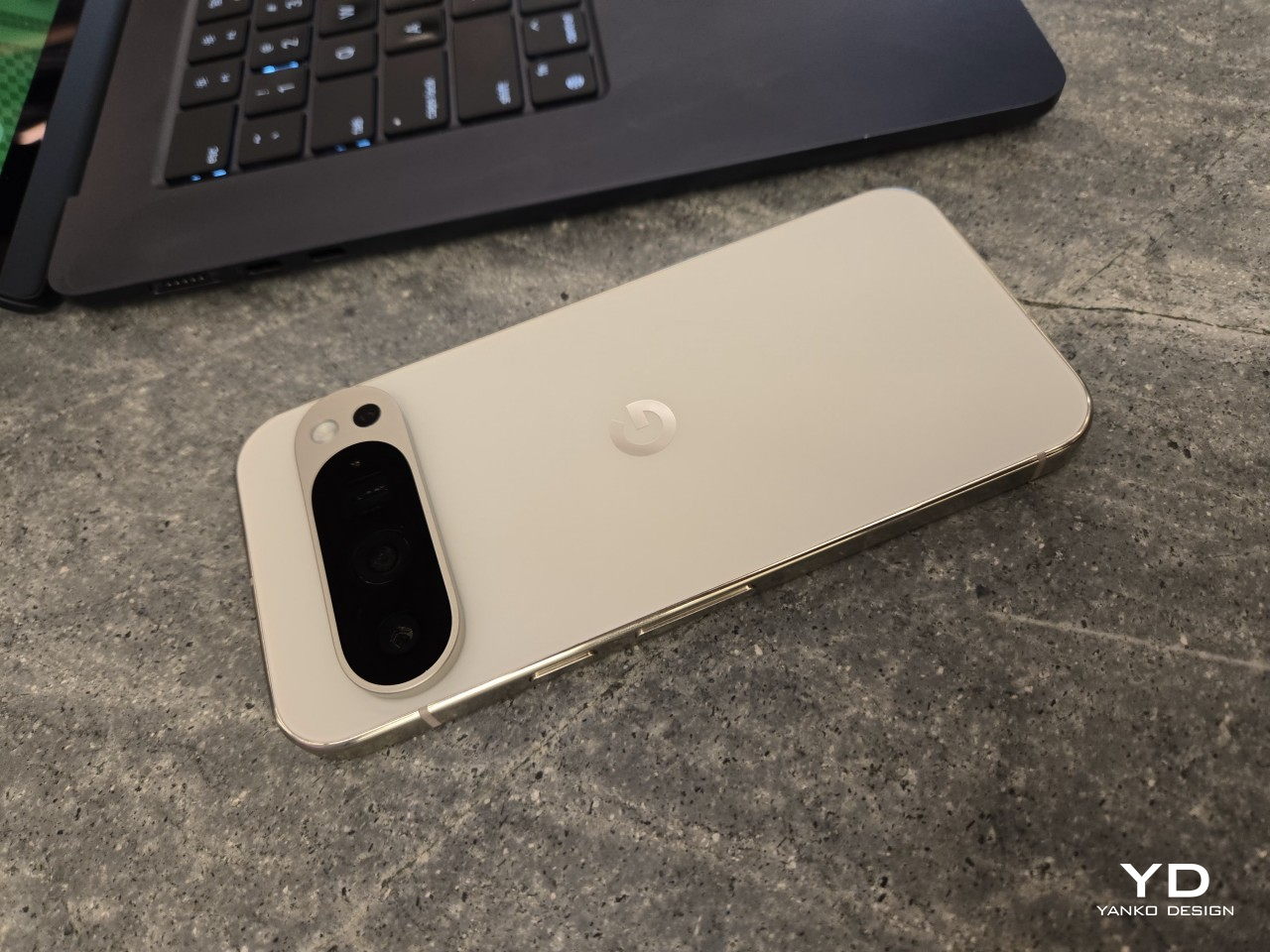
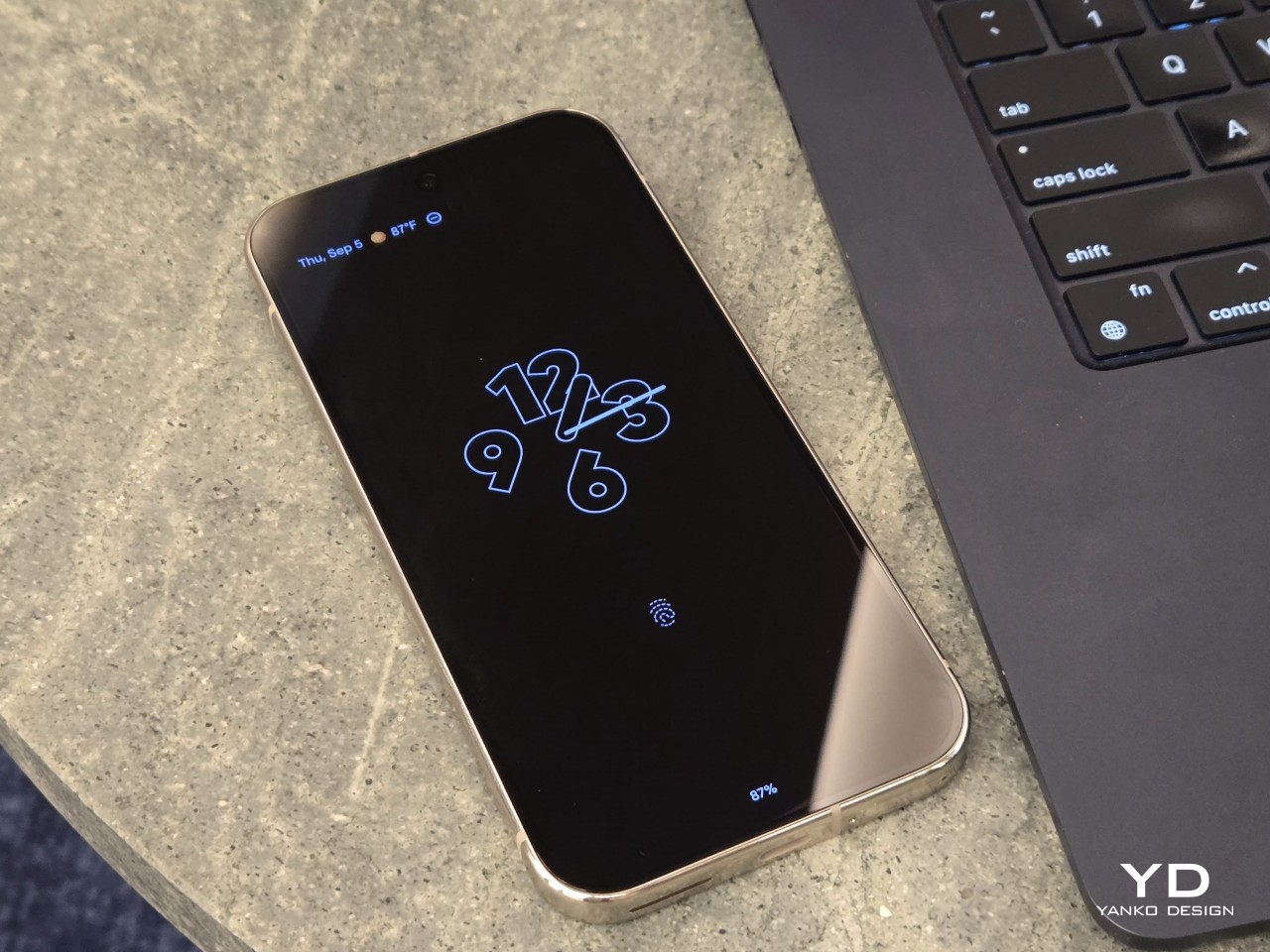
Remember the “Panda Phone,” a.k.a. the Google Pixel 2 XL? Pixel phones have always had rather distinctive designs bordering on being playful and fun. But as the phone line matured, so did their designs. Compared to the very first Pixels, the Pixel 9 Pro is more mellow, subdued, and grown up. Even the colors are a bit muted compared the last year’s selection. And it’s actually all for the best.
Google Pixel 9 Pro
Google Pixel 9 Pro
Google Pixel 9 Pro

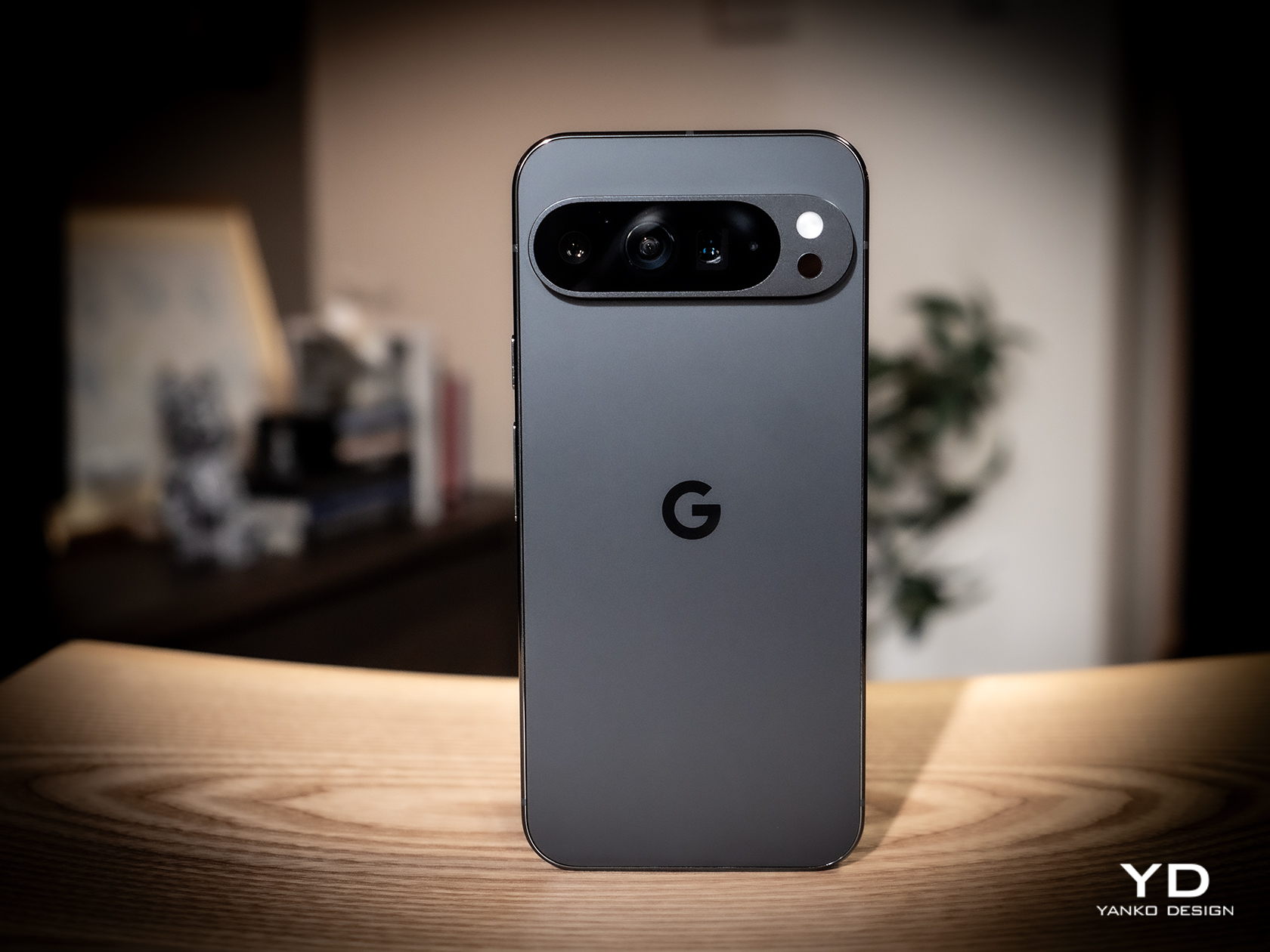
The Pixel 9 Pro now competes in a market where the previously young generation are now young adults and budding professionals. Tastes and needs change, and product design needs to adapt. Gone is the distinctive but divisive “visor” camera bar, now with an equally eye-catching but more modern-looking pill. It still sits across the width of the phone but leaves some space at the sides. While this gives the Pixel 9 Pro a more unified and mature appearance, it also makes the past dual-tone color combinations impossible to implement, at least not without some superficial gimmick.

The change in camera design also frees the Pixel 9 Pro to finally adopt what is now regarded to be a more contemporary convention: flatness all around. The edges are flat and, at long last, so is the back. There will be many that will disagree, definitely, but it’s a change that’s a long time coming either way. The four corners are still very much curved, of course, but this pillow design not only softens the appearance of the Pixel 9 Pro a bit but also literally softens the feel in your hand. One curious detail is that the SIM card tray at the bottom is also curved to follow the contour of the phone’s corner. It shows an attention to detail you might have come to expect from a certain fruity company but not from Google.
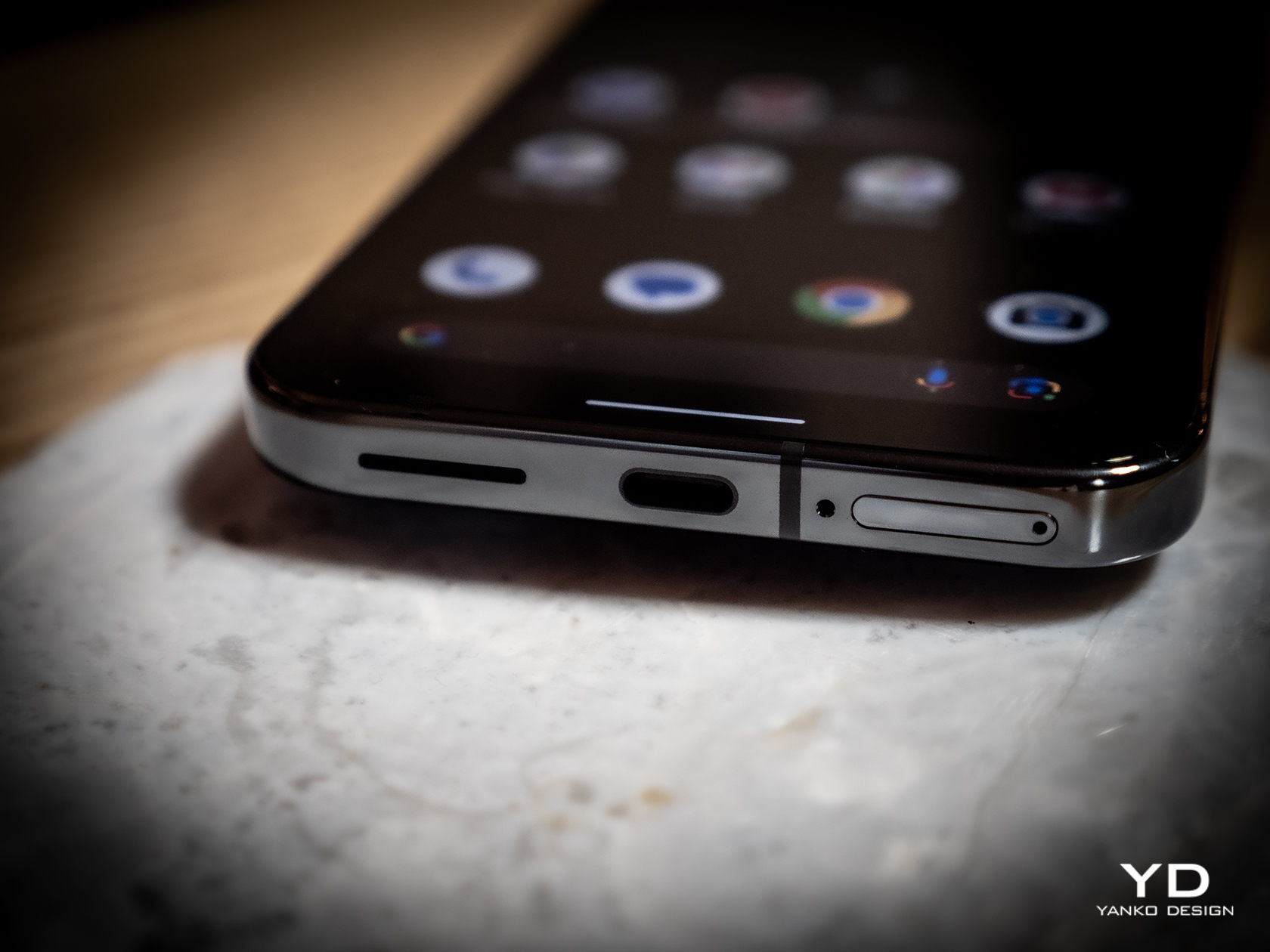
Overall, the Pixel 9 Pro gives off an aura of professionalism, maturity, and subtle elegance. It highlights the premium materials that Google has always been using but now feels more noticeable. Yes, it’s still playing up some of the fun things you can accomplish with the phone, especially with generative AI, but that is now a function of the user experience rather than the phone’s aesthetics. It’s almost as if Google wanted to show that, yes, the Pixel 9 Pro is now all grown up so you don’t have to feel shy about taking it out in the boardroom or in galas.

Ergonomics

Disregarding their foldable sibling, the Pixel 9 series this year comes in three models but only two sizes. Both the “plain” Pixel 9 and Pixel 9 Pro come with 6.3-inch screens while the Pixel 9 Pro XL enjoys a much larger 6.8-inch screen. Except for the rather large $200 price difference, there almost isn’t any significant reason to go for the non-Pro model when the Pixel 9 Pro comes in that same handy size but also offers a lot more, well, pixels.

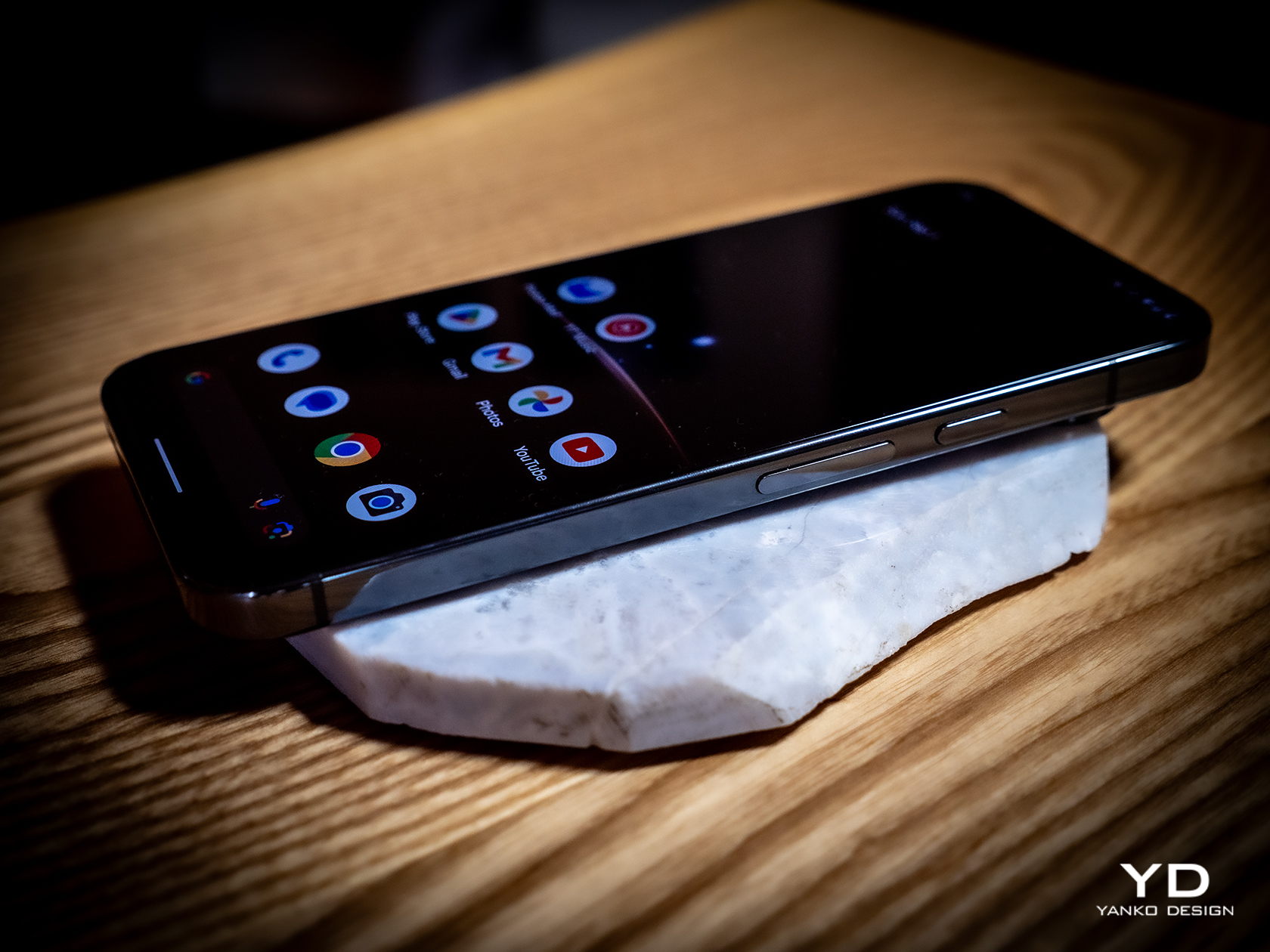
And handy it truly is, making the Pixel 9 Pro easier to hold and operate, even with one hand. The premium materials, particularly the matte glass finish, offer a good grip, and those flat edges sink better into your hand than curved ones. And for good measure, that horizontal camera island gives your index finger a good resting spot, almost like a built-in grip. That camera “pill” design also has one advantage when the phone is laid on a table: it doesn’t wobble.
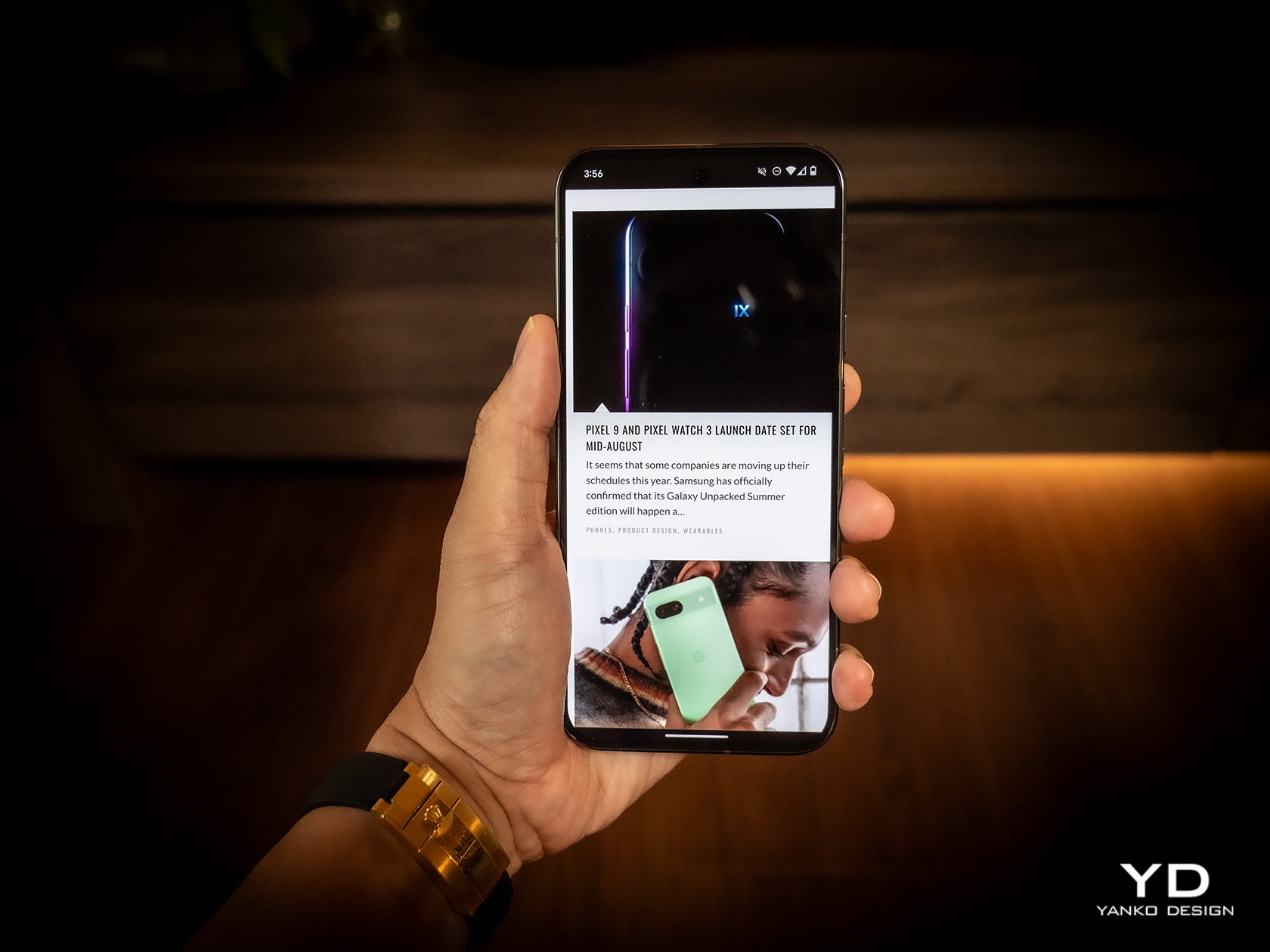
In that context, the Pixel 9 Pro XL is obviously harder to handle, but that’s the price you’ll have to pay for a much larger screen. In terms of materials and design, it’s equal to the smaller Pixel 9 Pro, but unless you have very large hands, chances are, you will be gripping the phone harder than normal, at least if you’re holding it with one hand only. It could lead to a bit of strain and tiredness in the long run and a bit less confidence in holding the phone overall.

Performance

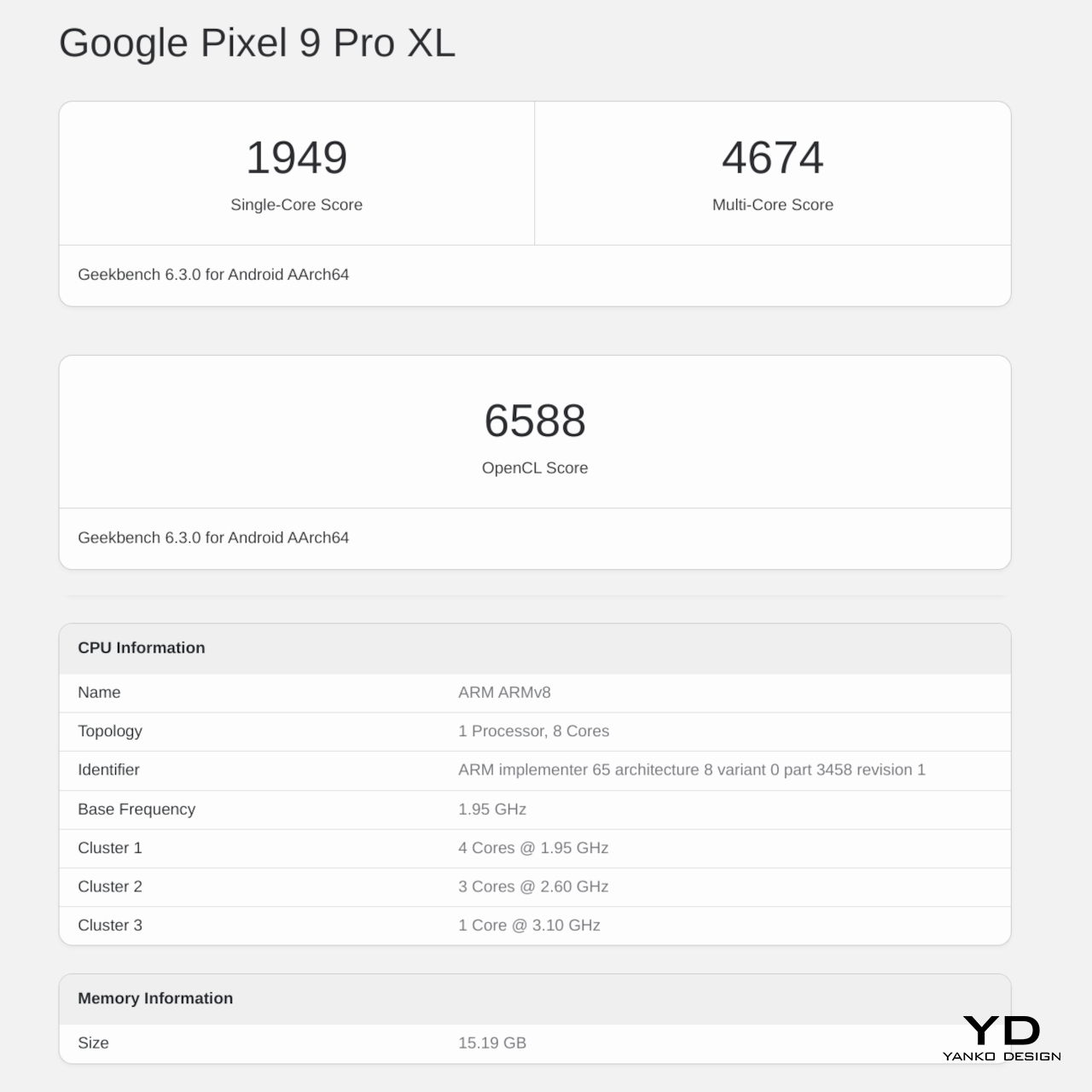
The Pixel 9 series also debuted Google’s fourth-gen self-made silicon, the Tensor G4. From the very beginning, these processors were made with AI and machine learning in mind, hence the name, and it definitely shows here, for better or worse. If you will be judging solely by benchmarks, you might come off pretty disappointed. It definitely lags behind the latest Qualcomm Snapdragon 8 Gen 3, let alone Apple’s new A18, but don’t let those numbers fool you. The Pixel 9 Pro and Pro XL perform quite well in real-world scenarios, and even better when AI is involved, to no one’s surprise.
If there’s one actually unfortunate aspect of the Tensor G4, it would be its continuing thermal woes. It doesn’t get burning hot, mind you, but the Pixel 9 gets noticeably warm sometimes even under moderate load. This is even more pronounced in the smaller Pixel 9 Pro, perhaps due to its smaller size. More than just some discomfort, this could affect performance, especially in graphics, where the Tensor G4 is forced to throttle sooner to lower the temperature faster.
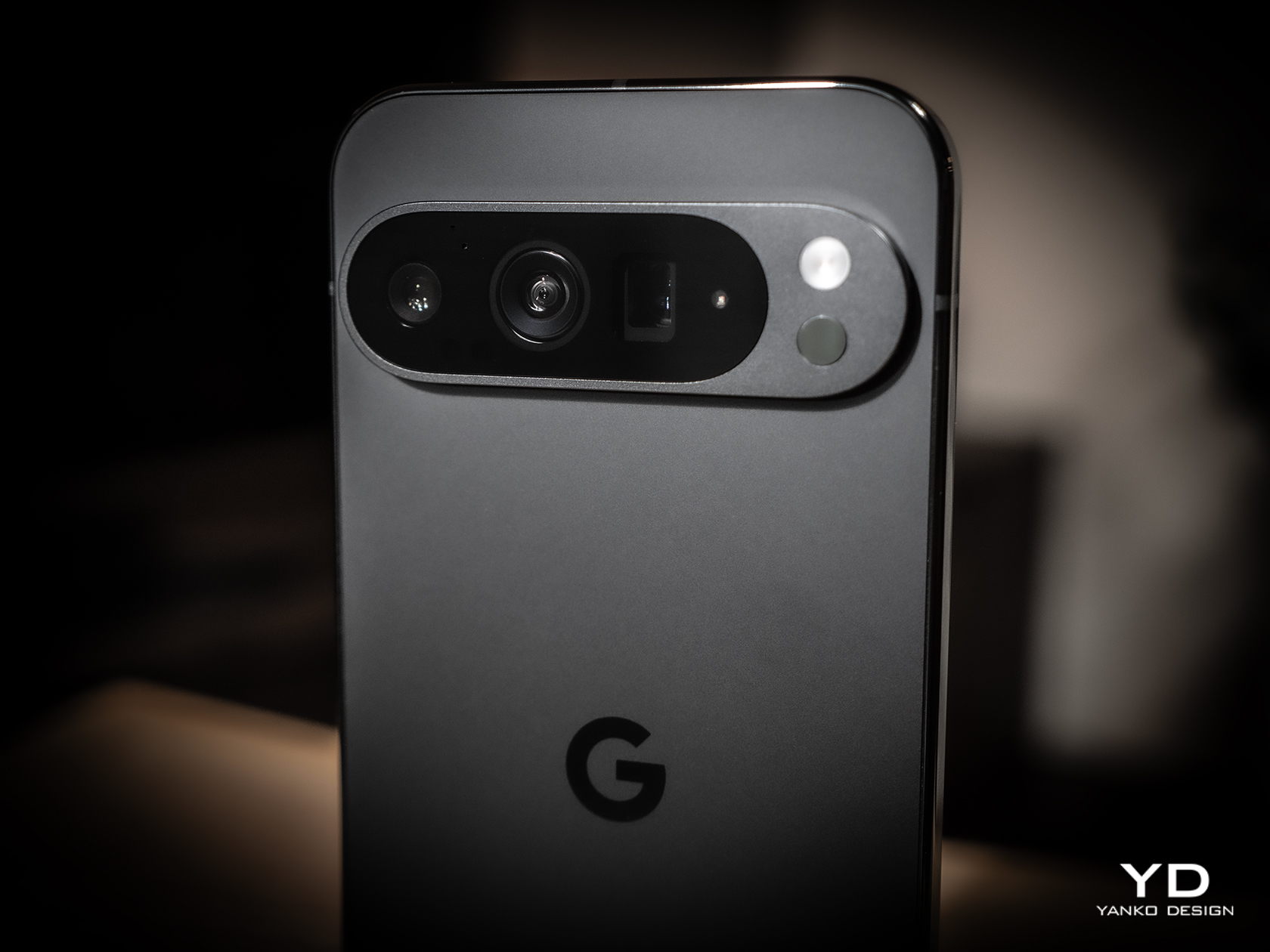
Pixel phones have always been great in photography, and not always because they have great camera hardware. From the very beginning, Google has relied on computational photography to do more with less, and it has been quite successful at that. This year, it didn’t even skimp on the hardware, giving both Pixel 9 Pro and Pixel 9 Pro XL the same powerful trio of cameras: a 50MP main camera with OIS, a 48MP periscope telephoto camera with 5x optical zoom and OIS, and a 48MP ultra-wide shooter.


As you can probably guess, the combination of decent hardware and even more advanced software results in rather impressive photos and videos. Details are rich, colors are accurate, noise is low, and even a 10x “hybrid” zoom results in decent captures. That’s true even when the lighting isn’t perfect, though there are times when you can catch that the Pixel 9 did a little too much processing to compensate. Of course, there are also plenty of AI features at work here, and that’s also when things can get a bit spotty. Zoom Enhance might sound and look great on CSI, but you might end up catching the wrong person if you rely on the Pixel’s sometimes erroneous guesswork.


AI is, of course, the bread and butter of the Pixel 9 Pro, almost to the point that you could say that it is its raison d’être. Gemini Advanced and Gemini Live, in particular, take center stage in any Pixel 9 discussion, and it is where the phone both shines and, to some extent, fails. No, it’s not that it flops in performance or believability. In fact, it’s scary good that you might even start to worry about the future of humanity. The problem lies in what can be considered really useful and what is just fluff, and, in the final analysis, whether the Pixel 9 Pro has any value without those.

The Pixel 9 Pro is naturally overflowing with AI features. Gemini Live ventures into uncanny valley with its natural sounding voices and conversational capabilities, though you might want to always fact-check before driving to a recommended restaurant that closed years ago. Call Notes is going to be a lifesaver for people who always find themselves in online meetings, and thankfully Gemini openly declares its presence to let other people know there’s an invisible participant. There are also the basics like summarize for long articles and, of course, translate.


And then there are the AI features for more “creative” activities, like Magic Editor’s Reimagine which lets you replace the sky or the ground with other elements, basically a photo-bashing tool on your phone. Pixel Studio is Gemini’s version of text-based image editor everyone’s raving or ranting about, except it can’t or won’t generate images of people. And then there’s Add Me, which lets you compose yourself or any other person into the shot by taking two versions. Useful for when you have nobody around to take a group photo and fun for the first few times.

Some of these features can be quite useful, while others feel more like gimmicks to flex Gemini’s AI muscles. And others still feel like they need a few more iterations to become reliable, presuming you’ll even use them in the future. And for all of those features, Gemini takes up a 3GB chunk of the Pixel 9 Pro’s 16GB RAM, whether you use it or not.

Sustainability

Google has clearly set itself apart from other Android phone manufacturers, not just in design or in how it presents Android, but also in how it ensures the health of the planet for every Pixel made. Every year, it steps up its efforts to use more sustainable materials, like how the Pixel 9 Pro frame is made from 100% recycled aluminum and how its packaging is 100% plastic-free.

And there’s the effort to ensure the longevity of the Pixel 9 Pro, both in hardware and software. Google has committed to serving seven years’ worth of software updates, so the Pixel 9 is guaranteed to remain fresh until 2031 at least. That hopefully also means that kinks in Gemini’s results will also be ironed over time and pushed to the Pixel 9 Pro. Google is also working with iFixit to add the Pixel 9 to the self-repair list, providing instructions and official replacement parts. It won’t be a comprehensive selection, but still better than zero.
Value

Now comes the hard part, determining whether the Pixel 9 Pro and Pixel 9 Pro XL are worth their weight in gold. That “gold” is actually $999 and $1,099 for the Pixel 9 Pro and Pro XL, respectively, and the price gives you the base model with 16GB of RAM and 128GB of storage. Yes, you only get 128GB of internal storage that you can never expand, at least not physically. Of course, Google wants you to use its cloud storage for almost everything, but that paltry capacity is really stingy. And then there’s the hidden cost of Gemini Advanced, which will be a $20 monthly subscription after the first free year runs out. But if people won’t migrate to a paid subscription for those AI features, what will be left of the Pixel 9 Pro?

Without AI, the Pixel 9 Pro is a pretty OK Android phone, but it’s really just a little above average. Yes, the cameras are great and don’t rely on Gemini to produce great results, but they’re not the best in class either. Performance outside of AI is pretty mediocre, and mobile gamers will be left unsatisfied with the results. The Pixel 9 Pro really shines brightest when you take into account AI and Gemini, and there might not be any better vehicle for Google’s AI. But if you’re not part of that crowd, there might be little reason to reach for a Pixel 9 Pro for now or upgrade from a Pixel 8 Pro that will be getting some of those AI features soon anyway.

Verdict

The Google Pixel is finally all grown up. From a frivolous youth, it has now become a rather dashing and elegant smartphone with a design that can stand proud beside the biggest players in the market. It retains its impressive camera performance thanks to a combination of contemporary camera hardware and improved imaging algorithms. There are some hardware choices that make little sense in this day and age, such as the 128GB base storage and 27W charging for the Pixel 9 Pro. Its focus on AI, however, is both its strength as well as its weakness. Gemini’s capabilities are impressive and sometimes downright frightening, but not everyone is completely sold on it, especially with a $999 price tag that will have a $20 recurring monthly cost. There might come a time when these AI features will become standard, but that is still in the near future. That makes the Pixel 9 Pro a bit of a harder sell today, no matter how beautiful it has finally become.
The post Pixel 9 Pro and Pixel 9 Pro XL Review: AI Future Today first appeared on Yanko Design.

DeepSeek-v2.5 open source LLM performance tested – Beats Claude 3, GPT-4o and Google Gemini

DeepSeek-v2.5 open source LLM

DeepSeek version 2.5 is a state-of-the-art open-source large language model (LLM), has been released, showcasing superior performance across a wide range of benchmarks. This advanced model is the result of a fusion between DeepSeek version 2 0628 and DeepSeek Coder version 2 0724, combining their strengths to create a powerful tool that outperforms leading models […]

The post DeepSeek-v2.5 open source LLM performance tested – Beats Claude 3, GPT-4o and Google Gemini appeared first on Geeky Gadgets.

OpenAI is reportedly moving away from its complicated non-profit structure next year

Sam Altman has told OpenAI staff members during their weekly meeting that the company is changing its rather convoluted non-profit corporate structure next year, according to Fortune. The CEO said OpenAI will move away from being controlled by a non-profit entity and will transition into a more traditional for-profit organization. He didn't delve into the specifics of how the company will achieve that goal and what OpenAI's corporate structure will look like exactly. A spokesperson only told Fortune that it remains "focused on building AI that benefits everyone" and that non-profit is "core to [its] mission and will continue to exist."

OpenAI started as a non-profit organization in 2015 that relied on money from donors. In a page explaining its structure, it said that it only raised $130.5 million in total donations over the years, which it says made it clear that "donations alone would not scale with the cost of computational power and talent required to push [its] core research forward." The then-purely non-profit organization created a for-profit subsidiary in order to solve that problem. As Fortune explains, OpenAI's non-profit entity currently controls its for-profit arm, which in turn controls a holding company that takes investments from companies like Microsoft. 

Under this structure, the profit that can be allocated to investors, including Microsoft, has a cap. Anything OpenAI makes beyond the cap will go to its non-profit division. And the company's revenue is booming, according to a report by The Information published in June. OpenAI reportedly doubled its annualized revenue in the first half of the year, thanks to the subscription version of ChatGPT.

The company's complex structure also allowed OpenAI's non-profit board of directors to oust Altman in 2023, because they "no longer [have] confidence in his ability to continue leading OpenAI." Five days later, however, the board was disbanded and replaced, while Altman was reinstated as CEO

This article originally appeared on Engadget at https://www.engadget.com/ai/openai-is-reportedly-moving-away-from-its-complicated-non-profit-structure-next-year-130014948.html?src=rss

Meta Connect 2024: Cheaper Quest 3S, AI, AR and everything else you can expect at the metaverse event

Update, September 25, 11:15AM ET: It's Meta's big day! You can follow the event as it happens with commentary from Karissa Bell and Devindra Hardawar in our Meta Connect 2024 live updates story. The original article follows below.


In the past, the biggest AR/VR event of the year has been known alternately as Oculus Connect and then Facebook Connect. But whatever the name, Meta’s fall event its primary showcase for the company’s latest and greatest achievements in the virtual reality and mixed reality space. Much like last year, we can likely predict the biggest news coming out of Meta Connect 2024 with just two acronyms: AI and AR. 

Like every other big tech firm this year, Meta will be desperate to demonstrate how it plans to stay relevant in a future powered by AI. And now that we're seven months beyond the launch of Apple's Vision Pro, which arrived alongside a short-lived spike in interest in augmented reality (AR), Meta CEO Mark Zuckerberg is likely eager to show off his own plans to make AR a reality.

While Zuckerberg isn't as hot on the metaverse as he was when he renamed his company, the union of AI and AR is one way he can still make the dream of persistent virtual worlds come true. It might look less like Ready Player One, but if AR glasses actually take off, they could still let Meta control another piece of our digital world. And to help get them there, delivering an updated inexpensive VR headset couldn’t hurt.

With all of that in mind, here are a few things we expect to see at Meta Connect 2024, which kicks off virtually tomorrow — September 25 — and runs for two days. The show starts with a 1PM ET livestream, which is expected to run about an hour.

After reportedly killing a pricey next-generation mixed reality headset, which was meant to compete with the Apple Vision Pro, Meta is instead focusing on a pair of augmented reality glasses, codenamed Orion, as its next innovation. As seen in the background of one Mark Zuckerberg photo (above), and later somewhat confirmed by him, Orion resembles a pair of chunky hipster frames.

Meta Orion glasses
Meta

Unlike the Quest 3, which fully consumes your vision and uses cameras to show you a low-quality view of the world, Orion could let you see the real world like a normal pair of glasses. But, like Magic Leap and Microsoft's HoloLens before it, Meta’s glasses could layer holographic imagery on top of your reality. The key difference, of course, is that it appears to be far less cumbersome than those devices.

“The glasses are, I think, going to be a big deal,” Zuckerberg said in an interview on the Blueprint Podcast (via RoadtoVR). “We’re almost ready to start showing the prototype version of the full holographic glasses. We’re not going to be selling it broadly; we’re focused on building the full consumer version rather than selling the prototype.”

Back at Meta Connect 2022, Zuckerberg showed off how the company was thinking of AR glasses, together with an intriguing wrist-based controller:

"It’s probably our most exciting prototype that we’ve had to date," Meta CTO Andrew Bosworth told The Verge last year. "I might get myself in trouble for saying this: I think it might be the most advanced piece of technology on the planet in its domain. In the domain of consumer electronics, it might be the most advanced thing that we’ve ever produced as a species."

According to a leaked Meta roadmap, the company plans to release a new pair of Ray-Ban smart glasses next year which would add a small built-in screen alongside its existing camera, speaker and microphone. That would be followed by Meta’s first pair of consumer AR glasses in 2027. It makes sense that we'll see some sort of concept device this year. Much like Apple’s Vision Pro was effectively that company’s version of an AR/VR concept car to introduce developers to its notion of "spatial computing," Meta will need to give developers a way to use its platform so they can build their own AR experiences. Competitor Snap just debuted its fifth-generation AR Spectacles, and this version is oriented at developers (with a $99/month subscription fee). 

Instead of an upgraded headset, all signs point to Meta releasing a stripped-down version of the Quest 3 called the Quest 3S, reports Bloomberg’s Mark Gurman. Recent leaked images from Meta’s own Quest Link application has confirmed the headset’s existence. According to Gurman, the company is aiming to make it much cheaper than the current version, reportedly considering price points of $300 or $400, while still delivering an experience close to the Quest 3. 

Meta Quest 3S
Meta via Gary_the_mememachine/Reddit

The latest leak suggests it’ll start at just $299. A Reddit user shared a clip of an Amazon ad reportedly shown on Peacock that features the Quest 3S, complete with a price and storage (h/t UploadVR). Per the ad, the 128GB Quest 3S will cost $299, but there may be other storage options as well. It could potentially replace the Quest 2, which remains in the product line priced at $299 long after its 2020 release.

So why would Meta do this? There’s a huge performance gap between the Quest 3 and Quest 2, which makes life difficult for developers. With a cheaper device that’s similar to the Quest 3, potentially using the same processor, it would be easier to build games that can scale across two price points. According to Bloomberg’s Gurman, Meta has also considered releasing some models of the new headset without any bundled controllers, which would push the price down even further.

Expect Meta to show off even more ways it’s taking advantage of AI across its Quest headsets and the Ray-Ban smart glasses. The company rolled out multi-modal AI search capabilities on those glasses in January, which allowed you to ask the Meta AI about objects or landmarks you were looking at, or for a quick translation. Based on our testing, though, those features were surprisingly half-baked.

Meta will likely discuss ways it’s improving those existing features by implementing its Llama 3.1 large language model (LLM), which it’s positioning as an open source competitor to Google and OpenAI’s LLMs. In particular, the company notes that Llama 3.1 offers dramatically improved translation, math and general knowledge capabilities. There’s certainly room for Meta to introduce new AI capabilities powered by Llama 3.1 in the Ray-Ban smart glasses, but given their limited processing power and battery life, we’ll probably have to wait for an updated model before we see anything truly groundbreaking.

Karissa Bell contributed to this report.

This article originally appeared on Engadget at https://www.engadget.com/ar-vr/meta-connect-2024-cheaper-quest-3s-ai-ar-and-everything-else-you-can-expect-at-the-metaverse-event-130011659.html?src=rss

5 Hidden Samsung One UI 6.1.1 Features

Samsung One UI

Samsung’s latest software update, One UI 6.1.1, brings a host of hidden features that enhance your smartphone experience. Tucked away within the Gallery Labs menu, these new functionalities offer exciting ways to interact with your photos and customize your device. Let’s dive into the key features and discover how to unlock them. The video below […]

The post 5 Hidden Samsung One UI 6.1.1 Features appeared first on Geeky Gadgets.

ChatGPT-o1 vs ChatGPT-4o performance comparison

GPT-o1 vs GPT-4o

OpenAI has this week made available its new and highly anticipated ChatGPT-o1, a groundbreaking new language model designed for complex reasoning and nuanced understanding. This advanced AI system has demonstrated remarkable capabilities, surpassing human PhD-level accuracy in challenging benchmarks across physics, biology, and chemistry domains. As researchers and practitioners explore the potential applications of GPT-o1, […]

The post ChatGPT-o1 vs ChatGPT-4o performance comparison appeared first on Geeky Gadgets.

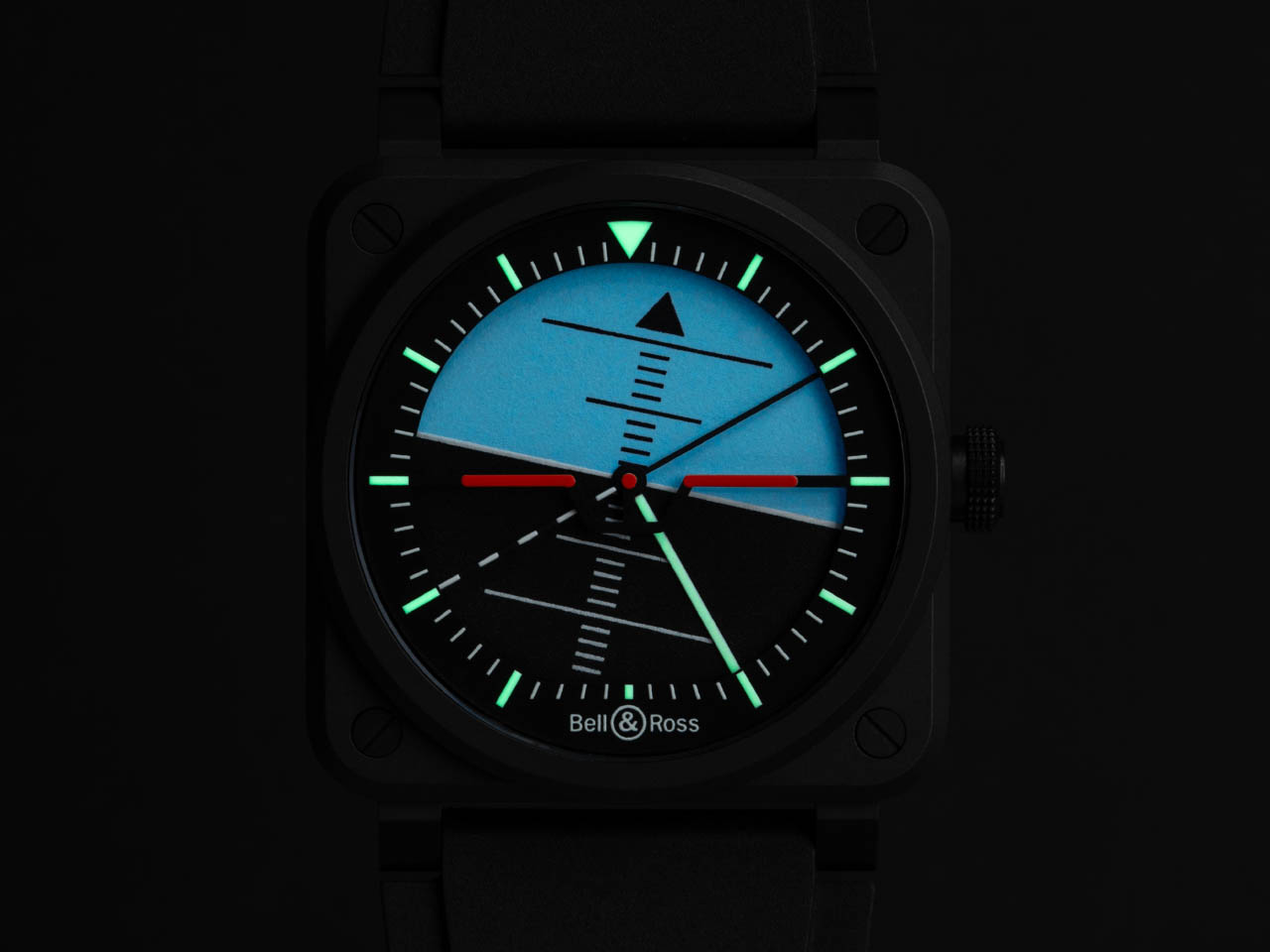
Bell & Ross BR-03 Horizon pushes aviation-inspired horology to the next level

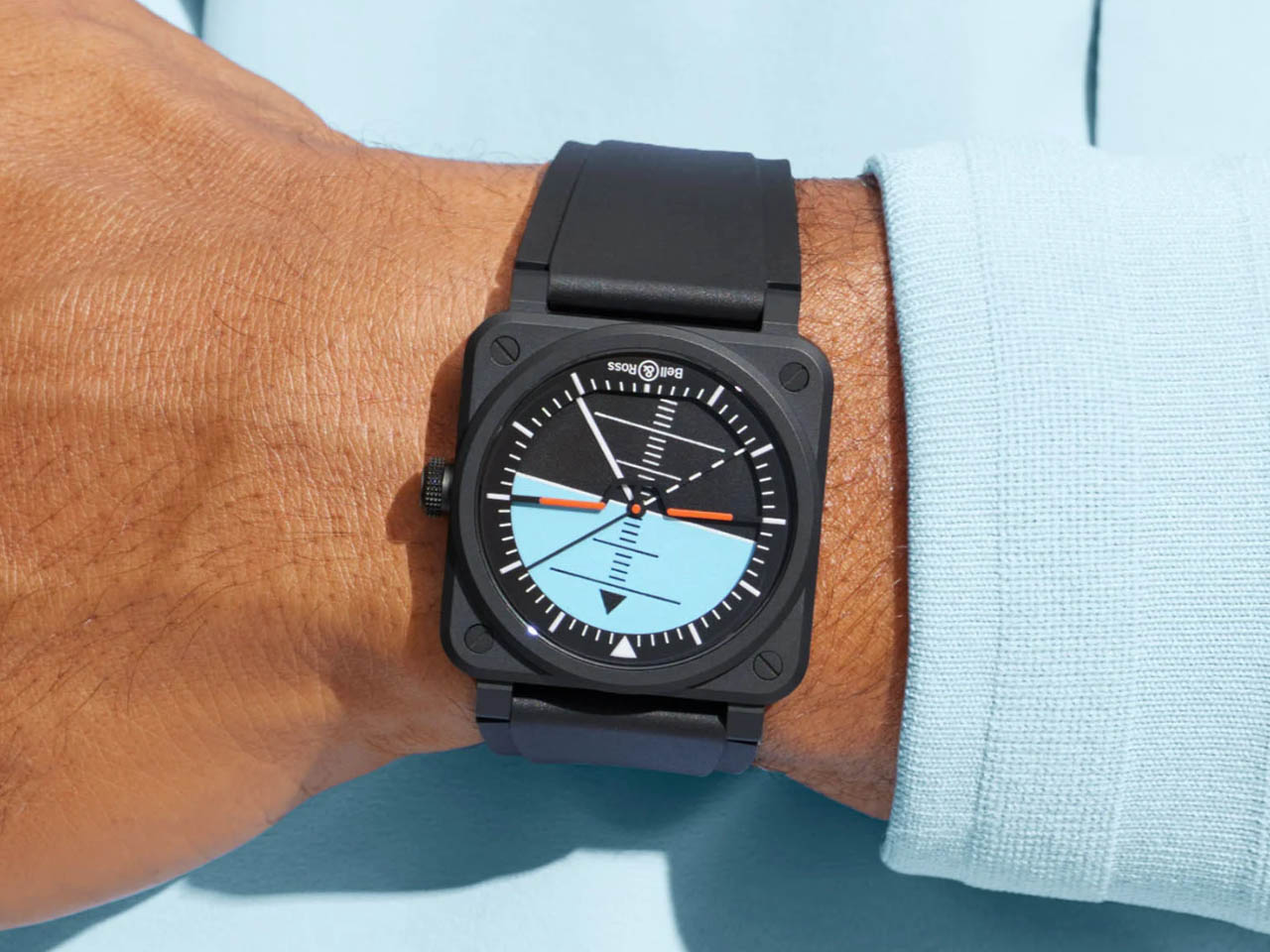
Bell & Ross in its DNA is about aviation horology, fusing functionality with aesthetics. Their aviation instrument-inspired watches have had many takers, especially the BR-03 series debuted in 2005. Now the collection is getting another intriguing timepiece to the flight instrument series.

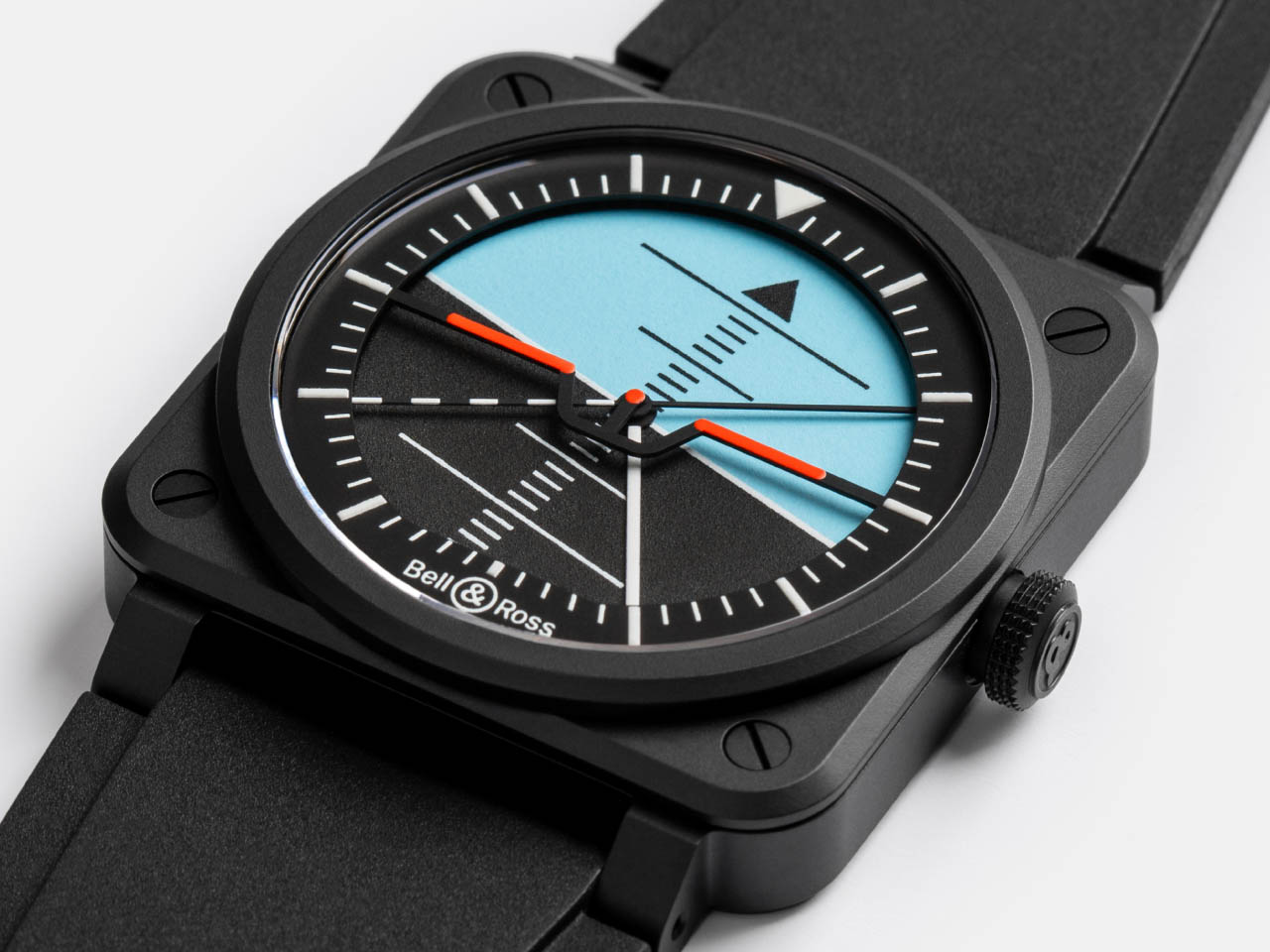
The BR-03 Horizon brings a new way of reading time with the aircraft navigation instrument look and feel that watch lovers will want to add to their collection. Limited to just 999 pieces, the watch pays homage to the vital instruments that keep pilots and the aircraft safe in uncharted territory. Those four screws on the dial stamp the signature brand identity for an impressive aesthetic.

Designer: Bell & Ross

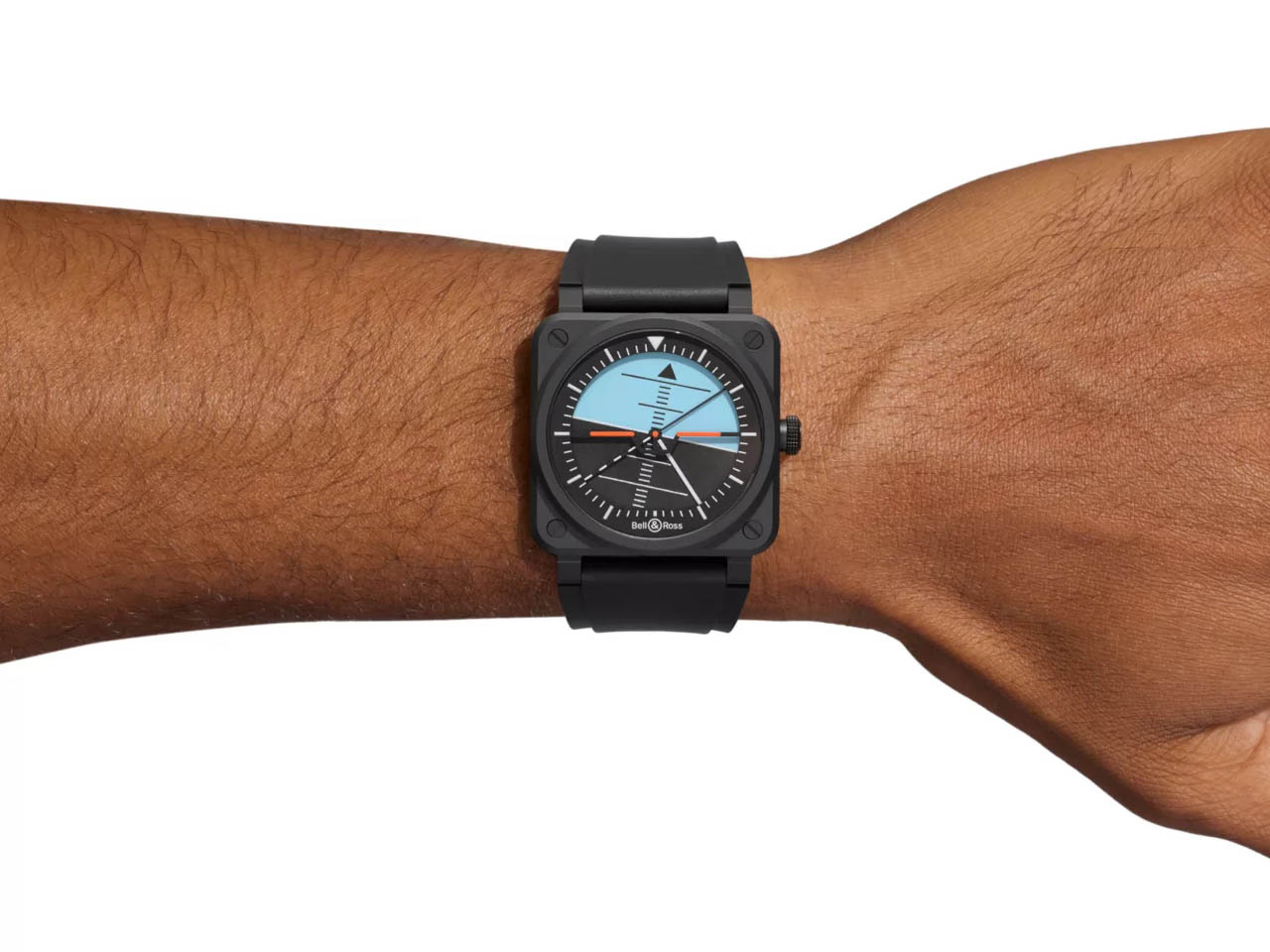
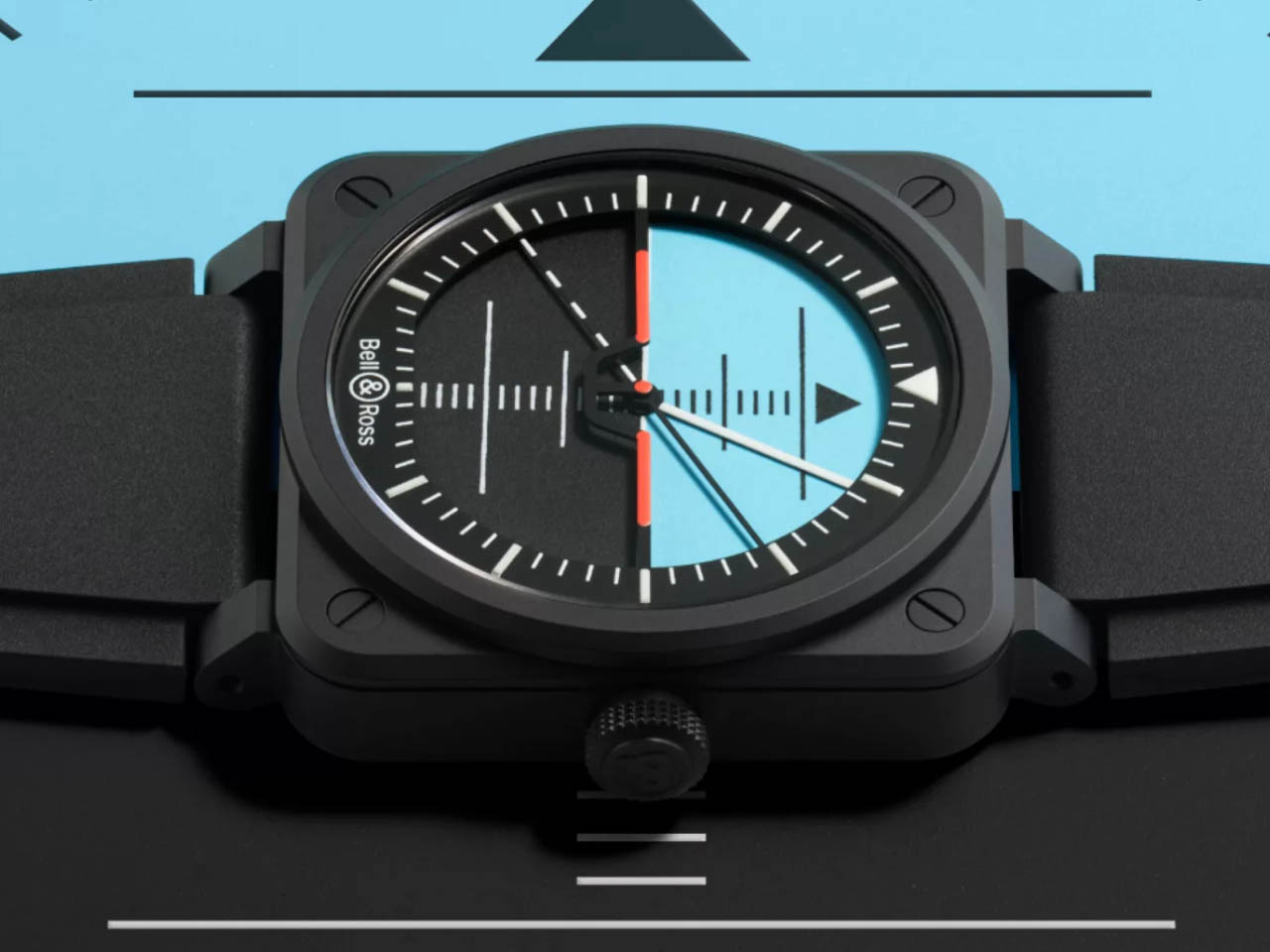
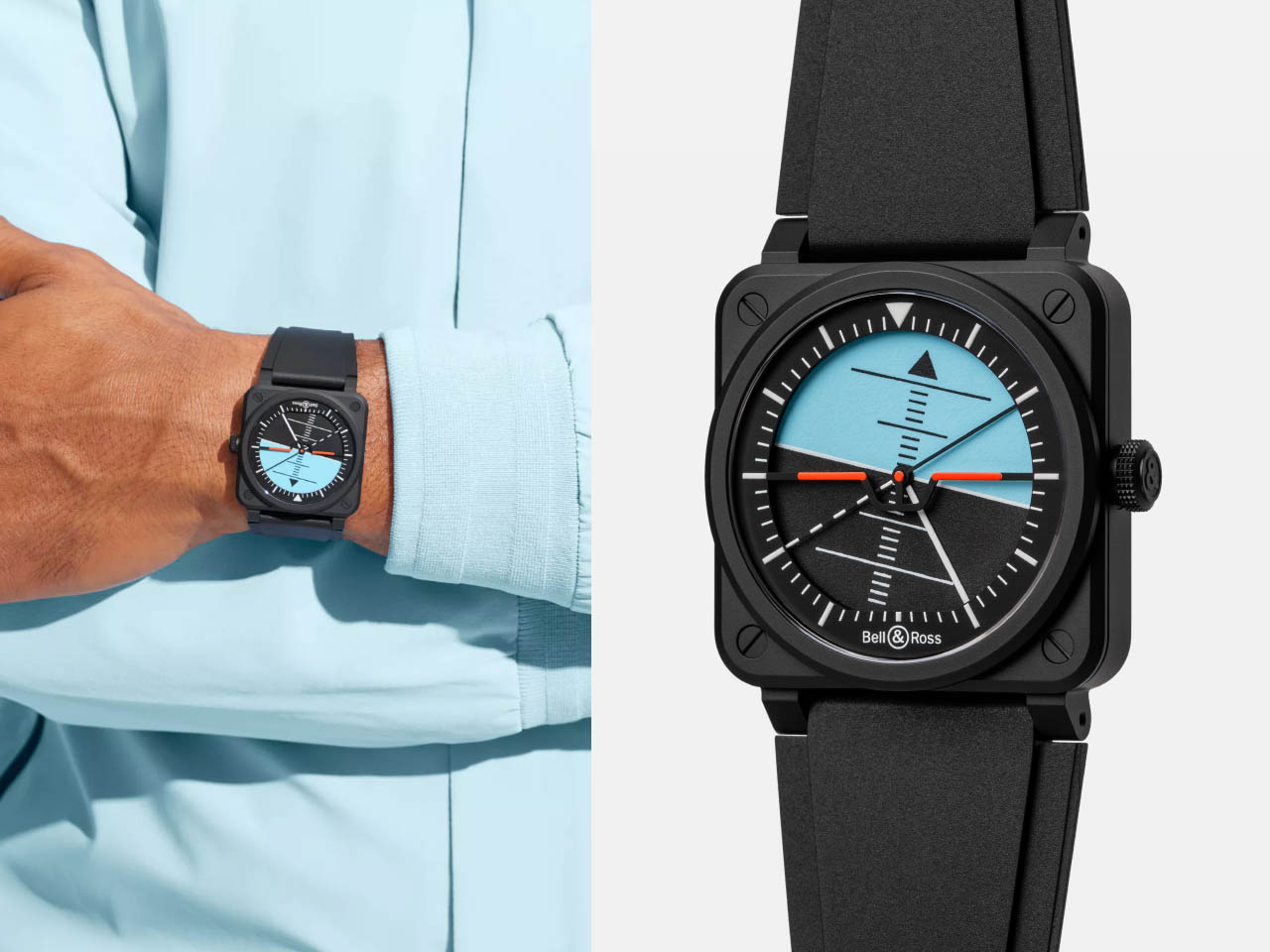
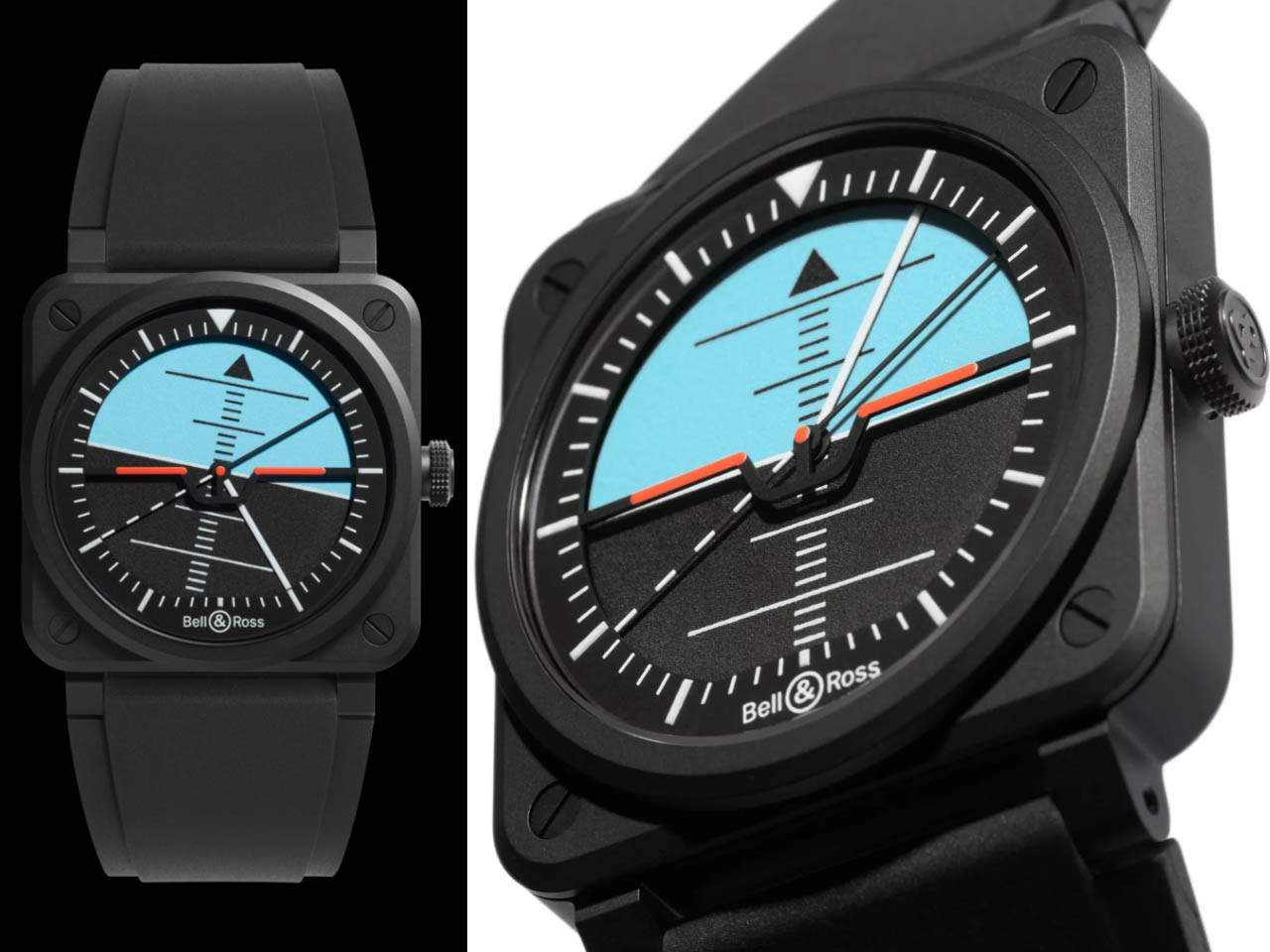
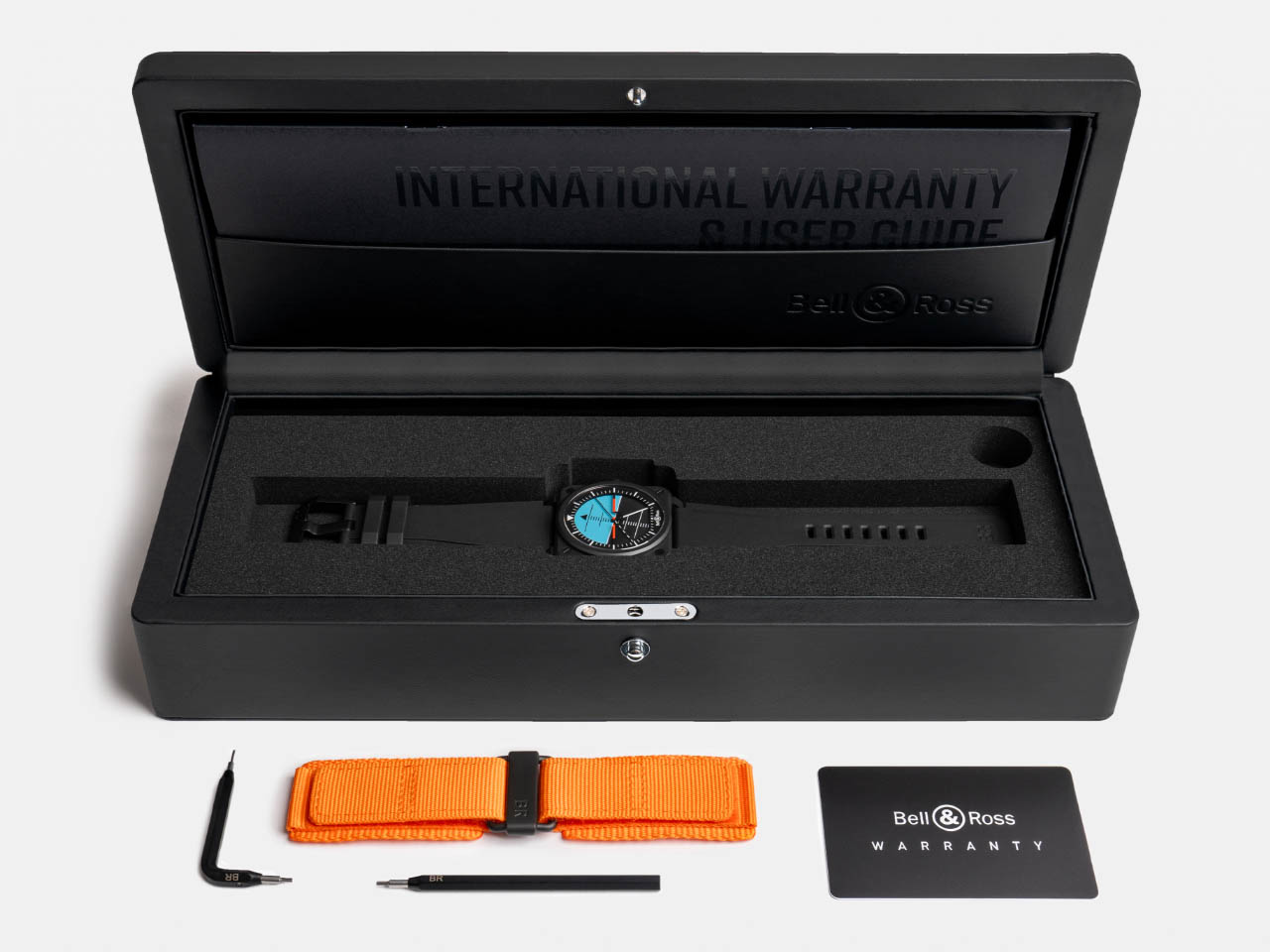
The 100-meter water-resistant BR-03 Horizon is signified by the distinct blue (representing the sky) and black (representing the earth) color scheme which mimics the horizon dial found on aircrafts. This is complemented by the horizontal orange decal (along the 3 to 9 o-clock line) representing the current orientation in the air, indicated by the pitch (tilt forward and back) and bank (side-to-side tilt). Of course, this is just a representation for visual excitement.

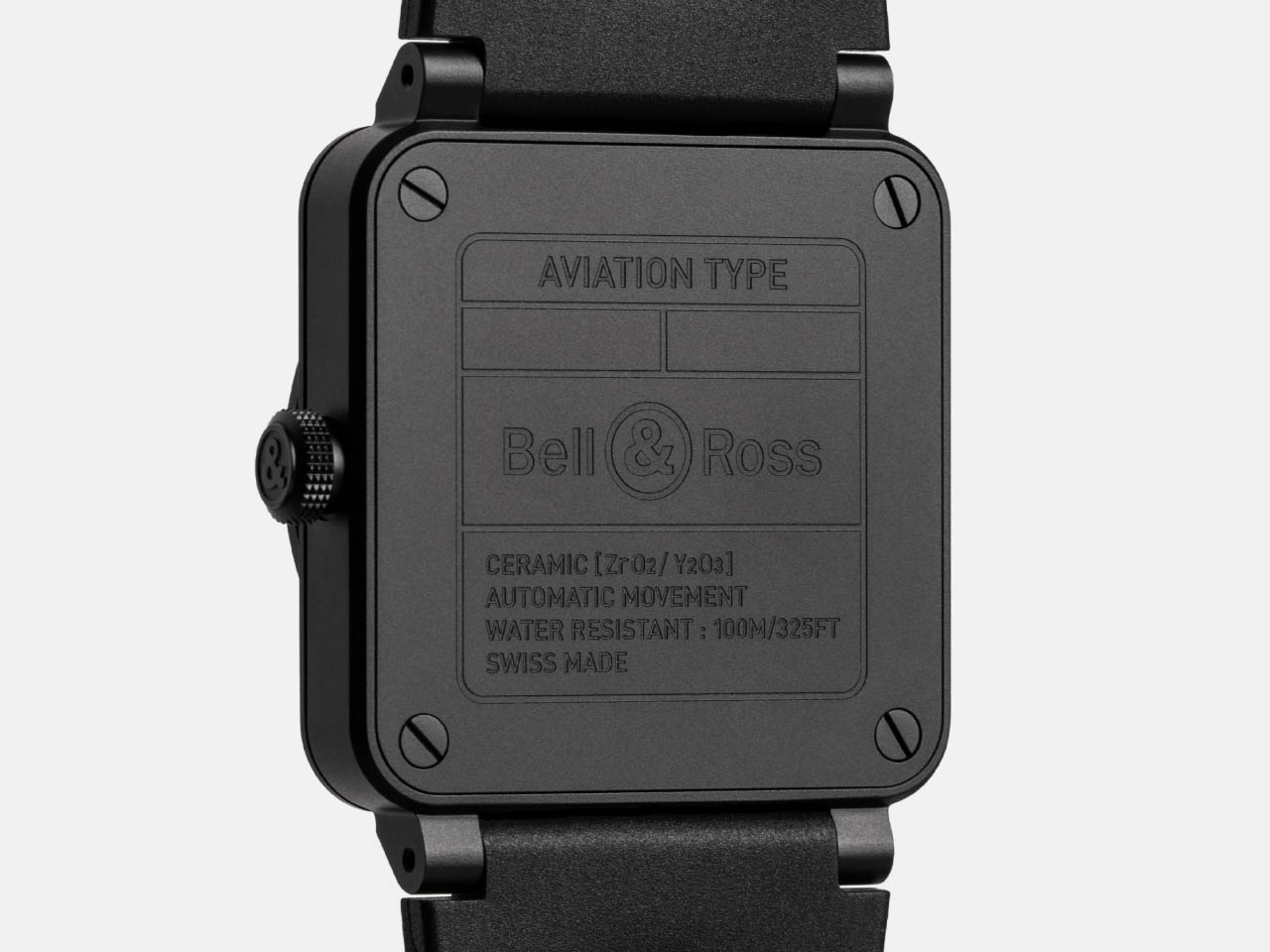
The square-shaped 41mm micro-blasted black ceramic case of the timepiece is highly durable against any elements and also looks striking. To top it off the sapphire crystal maintains clear visibility of the dial in any lighting conditions. Keeping track of time is simple with the black and white-striped hand tracking the seconds and the white hand indicating the minutes. The watch is powered by the updated automatic BR-CAL.327 calibre having a 54-hour power reserve.

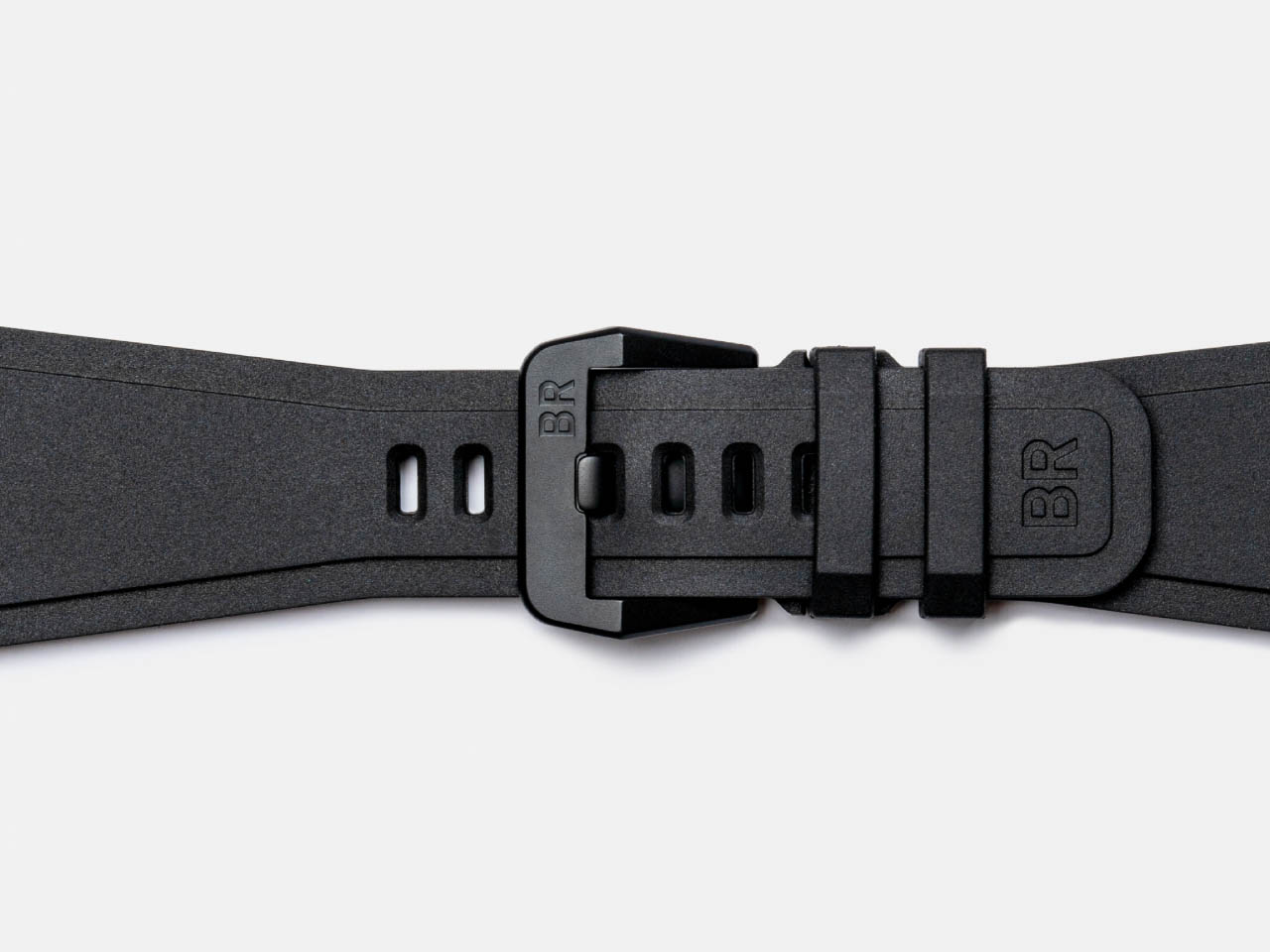
BR-03 Horizon’s striking dial is matched with the orange synthetic fabric strap. This has a Velcro closure and a black rubber strap, closed with a matte black PVD micro-blasted finish steel pin buckle to keep things contemporary. The timepiece is priced at £3,999 (approximately $5,250) and will surely be sold out in no time, so you better get one if you love Bell & Ross watches.

The post Bell & Ross BR-03 Horizon pushes aviation-inspired horology to the next level first appeared on Yanko Design.
The Beginners Guide to Notion: How to Get Started

Beginners Guide to Notion

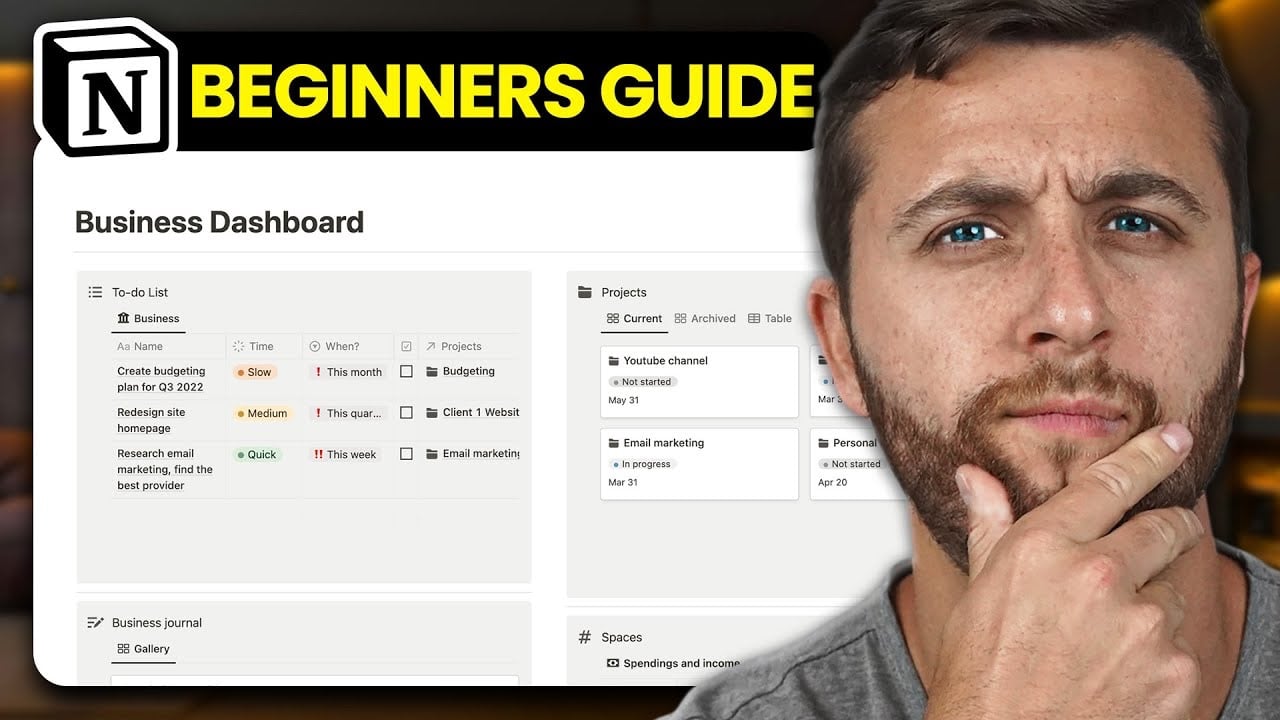
Notion is a powerful and versatile tool that offers a wide range of capabilities, making it an ideal choice for businesses looking to streamline their project management processes. Whether you need to take notes, track goals, manage client relationships, or even publish websites, Notion has you covered. By leveraging Notion’s features, you can build a […]

The post The Beginners Guide to Notion: How to Get Started appeared first on Geeky Gadgets.

Posted in Uncategorized | Tagged

The Beginners Guide to Notion: How to Get Started

Beginners Guide to Notion

Notion is a powerful and versatile tool that offers a wide range of capabilities, making it an ideal choice for businesses looking to streamline their project management processes. Whether you need to take notes, track goals, manage client relationships, or even publish websites, Notion has you covered. By leveraging Notion’s features, you can build a […]

The post The Beginners Guide to Notion: How to Get Started appeared first on Geeky Gadgets.

Posted in Uncategorized | Tagged

AmpAura’s Most Hardcore Campaign Yet: Destroy the Fuel Generator and Power Up with Solar

bust the fumes

Introduction: AmpAura, a leader in clean energy innovation, is inviting you to join an exhilarating new campaign, “Bust the Fumes.” This initiative is all about taking real-world action—literally. AmpAura is challenging consumers to creatively disable their old fuel generators, offering a unique opportunity to have fun while making a statement for clean energy. Forget the […]

The post AmpAura’s Most Hardcore Campaign Yet: Destroy the Fuel Generator and Power Up with Solar appeared first on Geeky Gadgets.