According to the Financial Times, Tim Cook may be ready to leave his position as soon as next year, and Apple's board and senior executives have ramped up their preparations to secure his replacement.
Cook, who has been at the helm of Apple for more than 14 years, succeeded Steve Jobs and led the company to a market cap of more than $4 trillion. Cook's tenure since 2011 has overseen the introduction of hardware, including Apple Watch, AirPods and Vision Pro, but also services like Apple Arcade and Apple TV+. According to the Financial Times's sources, Apple's senior vice president of engineering, John Ternus, will most likely take on the CEO role, but this decision hasn't been finalized yet. Ternus has been with Apple since 2001 as part of its Product Design team and eventually stepped into a vice president role within the Hardware Engineering division, where he played a heavy role in the company's transition to Apple silicon.
According to the Financial Times, Apple isn't planning to announce the new CEO before its January earnings report. However, the report also noted that this announcement would come earlier in the year to allow the leadership team to transition smoothly in time for all of Apple's annual events. Earlier this year, Apple also announced Sabih Khan as the new chief operating officer, taking over for Jeff Williams.
This article originally appeared on Engadget at https://www.engadget.com/big-tech/apple-is-reportedly-getting-ready-to-replace-tim-cook-as-early-as-next-year-171407974.html?src=rss
The Samsung Galaxy S26 Ultra represents a continuation of Samsung’s commitment to refining its flagship devices. While the exterior design may seem familiar, the true advancements lie within. With faster RAM speeds, enhanced image processing, improved battery efficiency, and thoughtful design adjustments, the S26 Ultra delivers a polished experience that caters to a wide range […]
What if your neighborhood watch wasn’t just a group of concerned citizens but a network of AI-powered cameras and drones, capable of identifying a person by the color of their jacket or detecting a package left at your door, all in real time? It sounds like something out of a sci-fi thriller, but with advancements […]
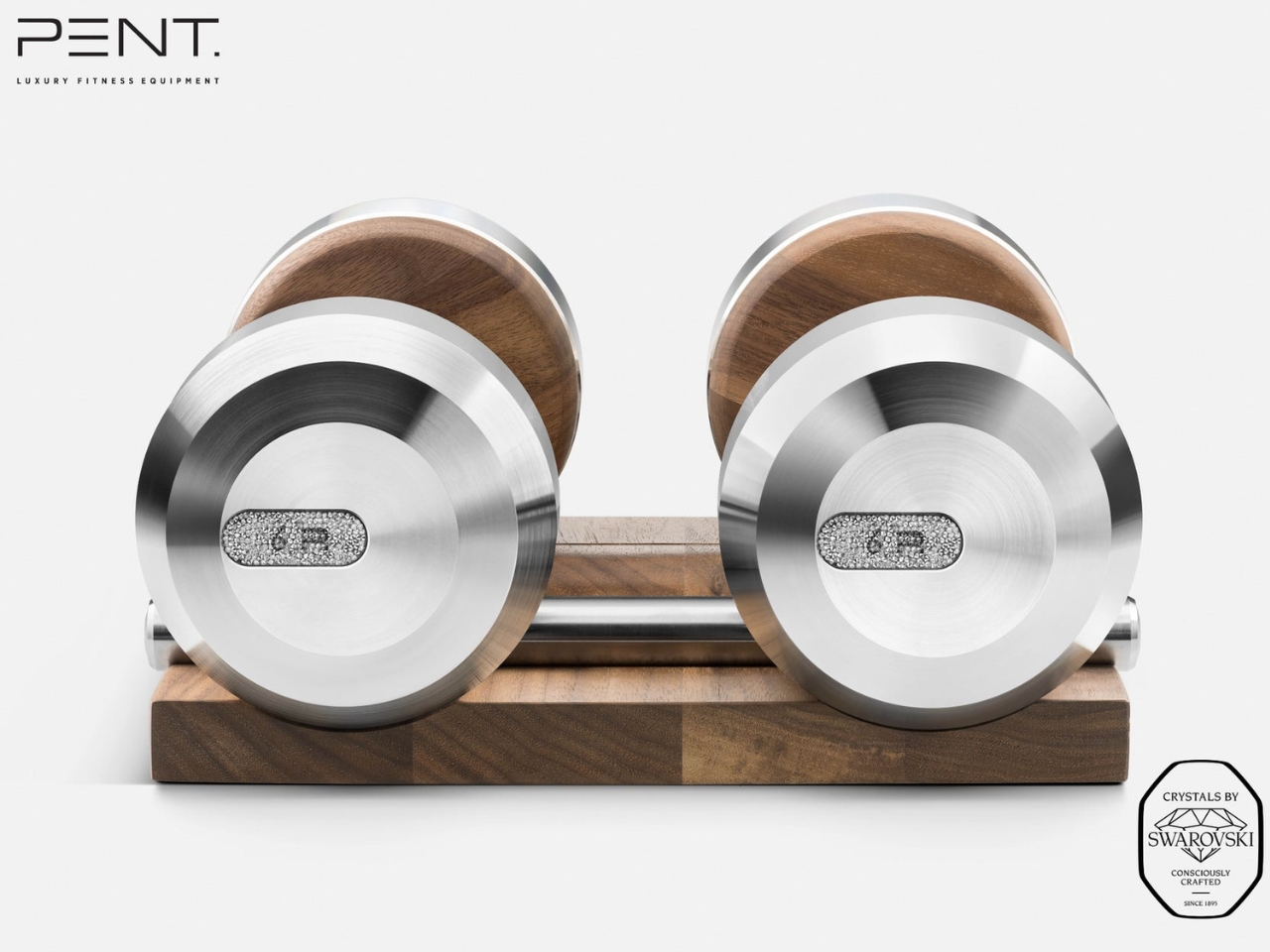
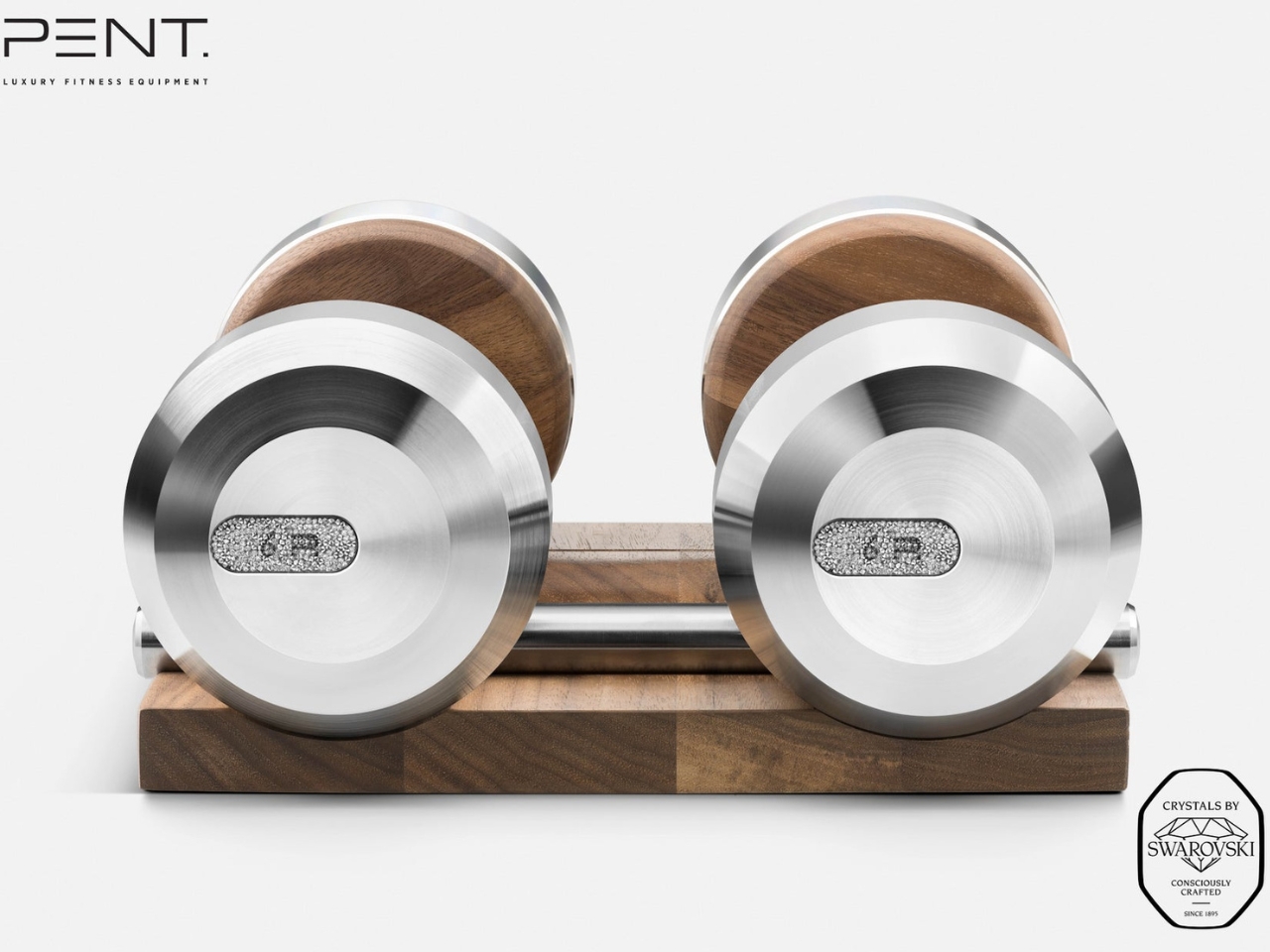
There’s something slightly absurd yet completely mesmerizing about the idea of working out with equipment covered in Swarovski crystals. But here we are in 2025, and Polish luxury fitness brand PENT has partnered with Swarovski to create gym equipment that looks like it belongs in a museum rather than your basement workout space.
Let’s be honest. Most of us have dumbbells tucked away in closets or gathering dust under the bed. They’re functional, sure, but they’re not exactly objects you’d want to display on your coffee table. PENT is completely flipping that script with their “Embellished with Crystals by Swarovski” collection, which features handcrafted dumbbells and kettlebells that are as much about aesthetics as they are about bicep curls.
The collection includes the COLMIA dumbbells and LOVA kettlebells, each one meticulously handmade in Poland using materials that sound more suited to a luxury yacht than a home gym. We’re talking walnut or ash wood handles, Italian leather, stainless steel, and of course, those signature Swarovski crystals hand-applied to every piece. Even the storage racks are designed with architectural precision, so the equipment becomes a sculptural element in your space rather than something you need to hide away.
What makes this collaboration particularly interesting is how it challenges our assumptions about where luxury belongs. Fitness equipment has traditionally been purely utilitarian. You want something that works, not something that sparkles. But as home wellness spaces have evolved from dingy garage setups to carefully curated environments, there’s clearly a market for equipment that doubles as design objects. According to Iron House Design, which is bringing the collection to the U.S. market, these pieces are intended for luxury home gyms, private spas, hotel suites, and superyacht interiors.
The price tag reflects this positioning. The collection starts at around $613 for dumbbells with a wooden stand and goes up to $681 for kettlebells, though more customized sets can reach $25,000 depending on the level of crystal detailing and personalization you want. That’s a significant investment for equipment you could theoretically replace with a $30 set from a sporting goods store.
But that misses the point entirely. These aren’t meant to be practical purchases in the traditional sense. They’re statement pieces that happen to be functional. Tanya Ryno, founder of Iron House Design, describes them as being “for those who make bold statements with every choice.” It’s for the person who wants every element of their home to reflect a certain level of taste and refinement, from the artwork on the walls to the weights on the floor.
The collaboration also taps into a broader cultural shift around wellness and self-care. Exercise is no longer just about breaking a sweat or hitting certain fitness goals. For many people, especially in the luxury market, it’s about the entire experience. The space you work out in matters. The equipment you use matters. And increasingly, people are willing to invest in making those experiences feel special.
That said, there’s an inevitable question hovering over the whole thing: would you actually work out with crystal-covered dumbbells, or would you just keep them on display? According to reports, many owners treat them more like collectible art pieces or conversation starters rather than everyday workout tools. Some designers are even using them purely as decorative elements in high-end spaces. Technically, these pieces are engineered to meet professional fitness standards, so you absolutely could use them for your actual workouts. The wooden handles are smooth and ergonomically designed, and the stainless steel ends are weighted properly. But when something is that beautiful and that expensive, there’s an understandable hesitation to actually get your sweat all over it.
What the PENT x Swarovski collection really represents is the ongoing blurring of boundaries between different design categories. Furniture looks like art. Kitchen appliances become sculptural centerpieces. And now, gym equipment gets the high-jewelry treatment. It’s all part of a world where the objects we surround ourselves with are expected to be both functional and beautiful, practical and aspirational.
Apple has introduced the second beta of iOS 26.2, showcasing a range of updates designed to enhance both functionality and visual appeal. This release highlights Apple’s ongoing commitment to delivering a seamless and engaging user experience. Key updates include the visually captivating liquid glass animations, improvements to gaming, productivity tools, and CarPlay. These changes aim […]
You may now have to scrutinize what you read on the internet (and event on print) more closely to determine if it’s the product of AI. Sam Altman has revealed on X that if you tell ChatGPT not to use em dashes in your custom instructions, the chatbot will now finally listen to you. Previously, ChatGPT would ignore your instruction and continue using em dashes even if you tell it not to.
Small-but-happy win:
If you tell ChatGPT not to use em-dashes in your custom instructions, it finally does what it's supposed to do!
People are treating the presence of em dashes, especially if they’re used in abundance, as one of the biggest tells if something was written by large language models. Of course, just because a piece of text uses em dashes doesn’t mean it was actually written by AI, but people have become suspicious of any writing that uses the punctuation mark.
It’s not quite clear while generative AI models have the tendency to pepper the text they generate with em dashes. LLMs are trained on a vast number of books and online content, such as scientific papers, posts on public forums and articles like this. It’s possible that punctuation mark appears so often in training materials and isn’t flagged by AI trainers as something that the LLM should avoid using.
This article originally appeared on Engadget at https://www.engadget.com/ai/openai-says-chatgpt-will-listen-if-you-tell-it-not-to-use-em-dashes-140000927.html?src=rss
Imagine slipping a pair of sleek, wireless earbuds into your ears, and within seconds, you’re immersed in crystal-clear sound, free from the tangle of cords or the frustration of dropped connections. This is the magic of Apple AirPods, a device so compact and intuitive that it feels almost futuristic. But have you ever wondered what […]
Apple’s Family Sharing feature is designed to make digital life simpler for households that use multiple Apple devices. It links individual Apple IDs under one family group so everyone can share subscriptions, purchases and storage without sacrificing personal privacy. A single organizer manages the group and decides who’s invited, what’s shared and how payments are handled. Once someone joins, they can access shared Apple services like Music, TV+, iCloud+, Fitness+ or Arcade, along with any compatible third-party apps that support Family Sharing.
Setting it up only takes a few minutes, but understanding how it works makes it far easier to manage long-term. Whether you’re adding a new partner, a roommate or creating an Apple ID for a child, the process is similar across iPhone, iPad and Mac, and each person keeps their own private account within the shared ecosystem.
Getting started with Family Sharing
Before adding someone new, make sure you’re the organizer of the family group. The organizer controls invitations and payment preferences, while each member uses their own Apple ID to sign in. You can manage everything from the Settings app on iPhone or System Settings on Mac. It’s worth checking for software updates first, since Family Sharing menus can vary slightly between iOS versions.
When you’re ready, open Settings, tap your name at the top then select Family. From there, you’ll see a summary of your group, any shared subscriptions and the option to add new members. Apple will ask whether you’d like to invite an existing user or create an account for a child who doesn’t yet have an Apple ID. Invitations can be sent through Messages, Mail or AirDrop, and if the person is nearby, you can let them enter their details directly on your device.
On a Mac, the process looks a little different but leads to the same result. Open System Settings, select your name then choose Family. You can then add a member, send an invite or set up a child account with appropriate parental controls. Once the invitation is accepted, the person automatically appears in your group list.
How to manage what’s shared with Family Sharing
When someone joins, they instantly gain access to the subscriptions and features that the organizer has made available. That can include Apple Music, Apple TV+, Apple Arcade and Apple Fitness+, along with the shared iCloud+ storage plan if you have one. Photos, calendars and location information can also be shared through the Family section of the Settings app, letting everyone see joint reminders, events or device locations through Find My.
If purchase sharing is enabled, everyone in the group can use the organizer’s payment method for App Store and iTunes purchases. Each transaction is still tied to the buyer’s own Apple ID, but it’s billed to the organizer’s payment method. It’s entirely optional, and you can disable it if you’d prefer each person to pay separately. Shared purchases can still be re-downloaded by other members from their purchase history without paying again, so long as the app or media supports Family Sharing.
Parents also gain access to tools like Screen Time and Ask to Buy, which give them oversight of a child’s activity. These options appear automatically when you create a child account and can be fine-tuned later from the organizer’s device. For example, Ask to Buy can send a notification each time a child tries to install a new app or make an in-app purchase, letting the organizer approve or decline it in real time.
Inviting children and setting boundaries
Creating an account for a child works slightly differently from inviting an adult. Apple requires a parent or guardian to set up the account directly from their own device, adding the child’s name, birthday and Apple ID credentials during setup. The age you enter determines what privacy and parental-control features are switched on by default, such as limits on explicit music or app downloads.
Once the child’s account is created, it behaves like any other Apple ID but remains tied to the family group until the child reaches the minimum age to leave or until the organizer removes them. Screen Time reports, purchase requests and content restrictions can all be adjusted as the child gets older. It’s a flexible way to give kids their own Apple ID and access to family-purchased content without sharing login details.
Common issues and how to fix them
Most people can add members without any problems, but sometimes the invitation process can stall. If the person you’re inviting doesn’t see the request, resend it from the Family settings and ask them to check their Messages or Mail. Invitations occasionally end up in spam folders or are filtered by older devices. If they’ve previously joined a different Family Sharing group, they’ll need to leave that one before they can accept your invite.
It’s also possible to hit the group limit. Family Sharing supports one organizer and up to five additional members, for a total of six people in one group. If you try to invite more, you’ll be prompted to remove someone before adding another. And if the Family menu doesn’t show the option to add members at all, double-check that you’re signed in with the organizer’s Apple ID, as members without organizer privileges won’t see those options.
If someone accepts but can’t see shared subscriptions, open the Subscriptions page under your Apple ID in Settings and ensure the toggle for “Share with Family” is switched on. For iCloud+ storage, confirm that the plan you’re sharing is large enough to include everyone’s data.
Why Family Sharing is worth setting up
Once everything is configured, Family Sharing can quietly simplify the way your household uses Apple’s ecosystem. Instead of juggling multiple subscriptions or repeating purchases, the organizer can consolidate everything in one place. Each member keeps their personal messages, photos and preferences, but benefits from shared apps, music and cloud storage. It’s also the easiest way to manage children’s digital habits while still giving them independence.
This article originally appeared on Engadget at https://www.engadget.com/mobile/how-to-add-someone-to-an-apple-family-account-130033896.html?src=rss
The busiest section of the holiday season is just two weeks away and we’re shoring up our reviews library with some of the products that might be on your list. We’ve got another well-rounded round-up this week, spanning multiple product categories and even taking another look at an older device. Read on for everything you might’ve missed.
Apple Watch SE 3
You don’t have to sacrifice as much as you used to if you want to save money on a current Apple Watch. Managing editor Cherlynn Low makes the case for the Apple Watch SE 3, laying out the specific items she missed from the Apple Watch Series 11. “In the end, it wasn’t the features like blood oxygen readings or hypertension notifications that I wanted back,” she explained. “It boiled down to physical components like a brighter display or bigger battery and more durable case that I wanted around for peace of mind.”
Apple Vision Pro M5
Apple’s M5 refresh for the Vision Pro is an improvement, but the product still very much feels like it’s in the beta phase. The main problem? Price. “Once again, the Vision Pro feels like a proof of concept — a symbol of what Apple can do when it’s not constrained by traditional screens,” senior reporter Devindra Hardawar said. “But the company’s dream of spatial computing won’t go anywhere until it can deliver cheaper devices.”
DJI Neo 2
The biggest problem with the DJI Neo drone was its deafening howl, and on the way to (somewhat) fixing that issue, the company added a host of new features for the Neo 2. The result is a highly capable drone that’s now the best budget option. “It retains everything I liked about the Neo, especially the ease of use and safety features,” contributing reporter Steve Dent wrote. “On top of that, it adds a host of useful functions like obstacle protection and, thank goodness, lower noise levels.”
Acer Predator Triton 14 AI
Gaming laptops are rarely actually portable. According to senior reporter Sam Rutherford, Acer has managed to fix that with the Predator Triton 14 AI. “In a lot of ways, this isn't just a travel-friendly gaming machine, it's a true do-everything ultraportable,” he explained.
OnePlus 15
There’s a lot to like about the OnePlus 15, including the processor, display and battery. What you have to contend with is a basic design and subpar cameras. “If you’re okay with a worse camera overall, the OP15 has a lot going for it, and provided OnePlus can successfully navigate an uncertain tariff regime, it will end up not just one of the best phones of 2025 but much of 2026 too,” senior reporter Igor Bonifacic said.
Other reviews you might have missed
Those devices aren’t all we’ve been testing over the last two weeks. I spent some time with Bowers & Wilkins’ luxurious Px8 S2 headphones. Reviews contributor James Trew put the Rodecaster Video S through its paces and deputy editor Nathan Ingraham met Alexa+ via the Echo Dot Max. Senior editor Daniel Cooper is keeping tabs on Framework’s modular, upgradable PCs and he reviewed the 2025 update for the Laptop 16.
Speaking of laptops, senior reporter Amy Skorheim took on the rare feat of reviewing a laptop charger, proclaiming the Anker Laptop Power Bank as an outstanding option for your gear bag. Sony recently gave the PlayStation Portal a big upgrade, so Devindra had a third review stint with the two-year-old gaming handheld.
This article originally appeared on Engadget at https://www.engadget.com/engadget-review-recap-apple-watch-se-3-dji-neo-2-playstation-portal-and-more-130000029.html?src=rss
Solar camping gear has finally evolved beyond gimmicky gadgets that barely keep a phone alive. These seven carefully selected innovations represent genuine breakthroughs in outdoor technology, combining serious power generation with practical design solutions. Modern solar camping equipment now delivers reliable performance that matches the demands of serious outdoor enthusiasts seeking complete independence from traditional power sources while maintaining authentic wilderness experiences and promoting responsible, sustainable environmental camping adventure practices.
Each product solves real problems campers face while maintaining the independence that draws us to the wilderness in the first place. From climate control to device charging, these innovations address genuine pain points without compromising off-grid freedom. Whether you’re seeking basic functionality or luxury comfort, solar technology now delivers reliable performance that enhances rather than limits outdoor adventures while supporting environmentally conscious exploration and sustainable, responsible outdoor camping adventure practices.
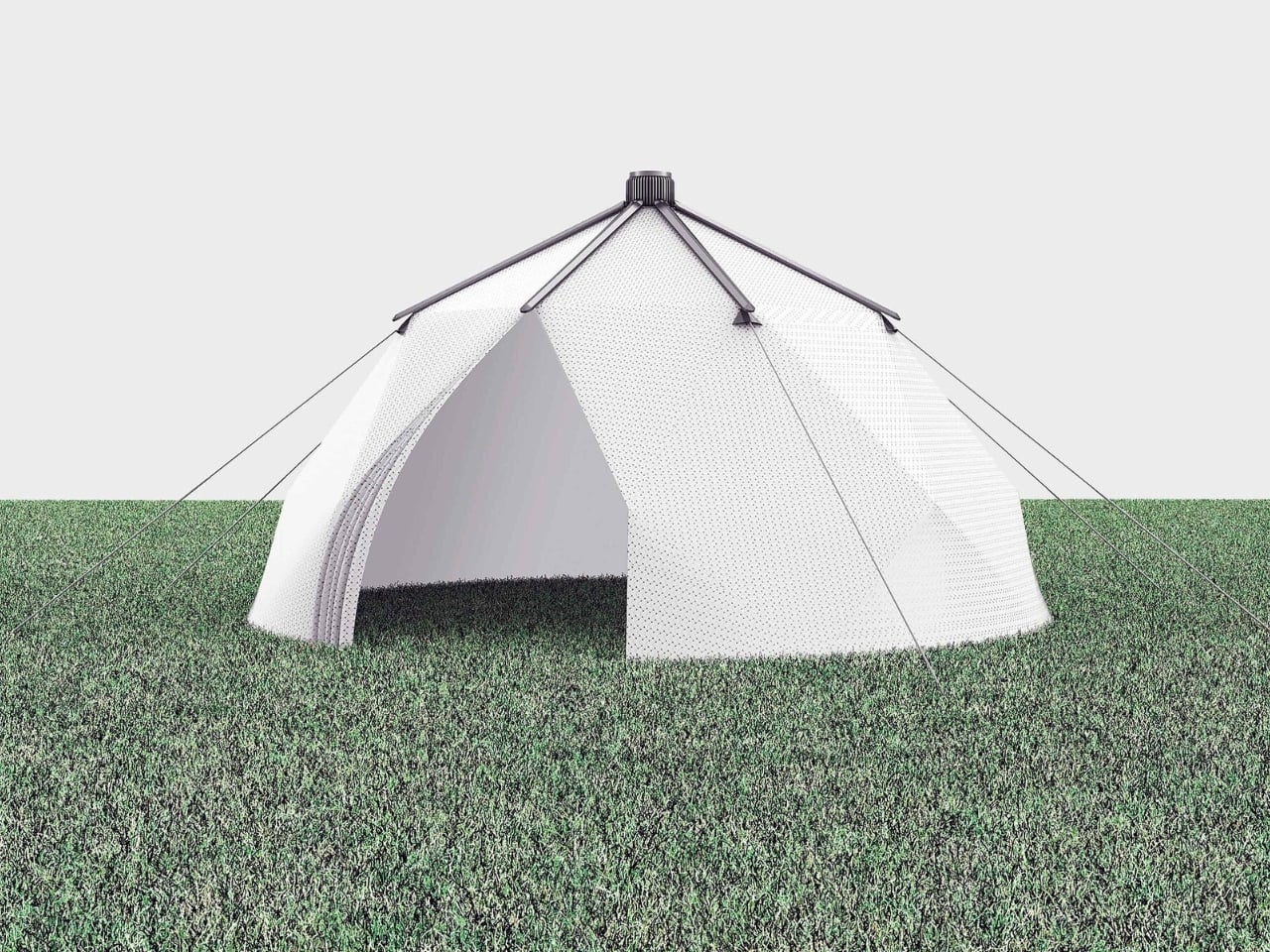
1. Solar Tent with Integrated Cooling System
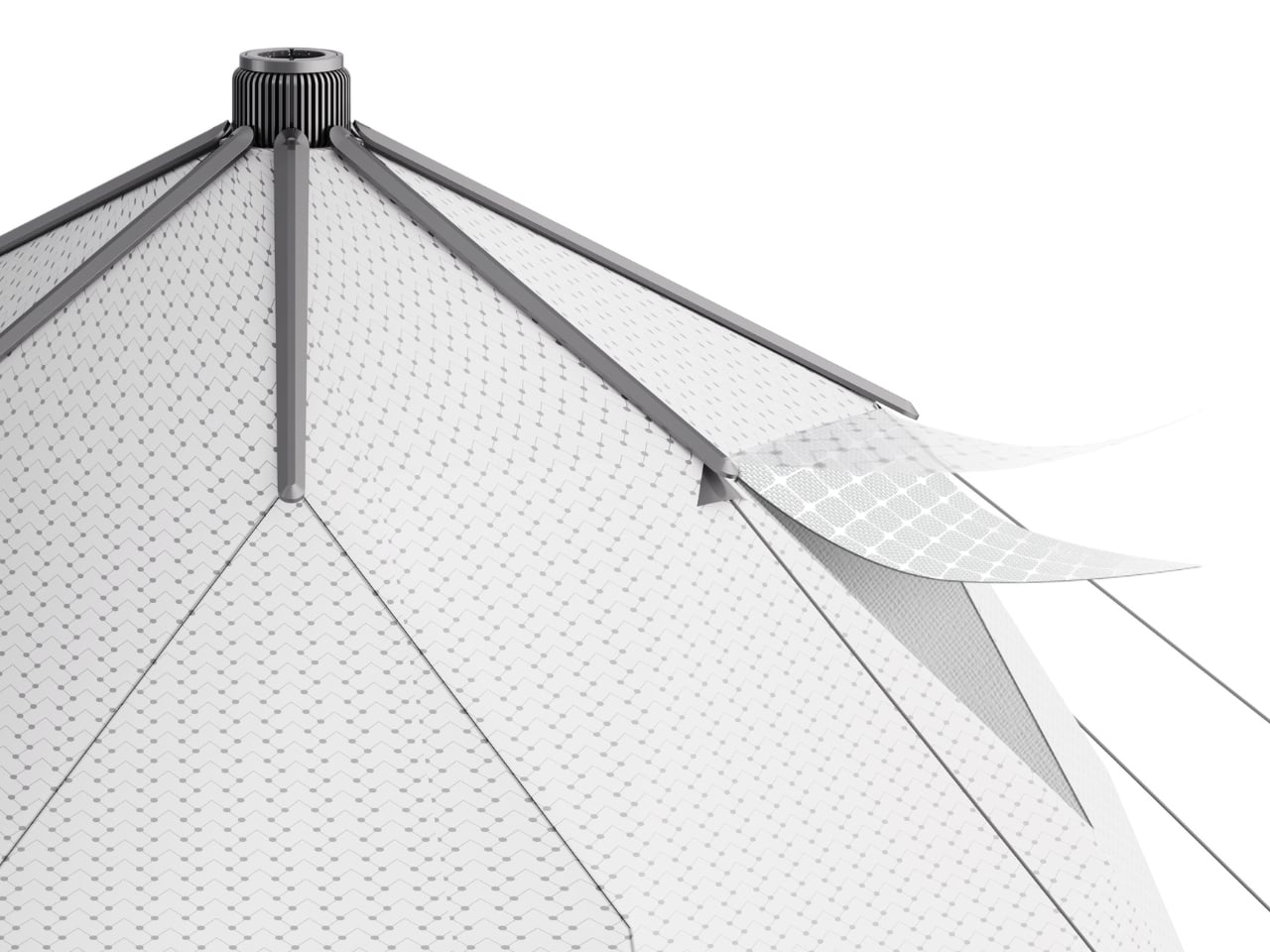
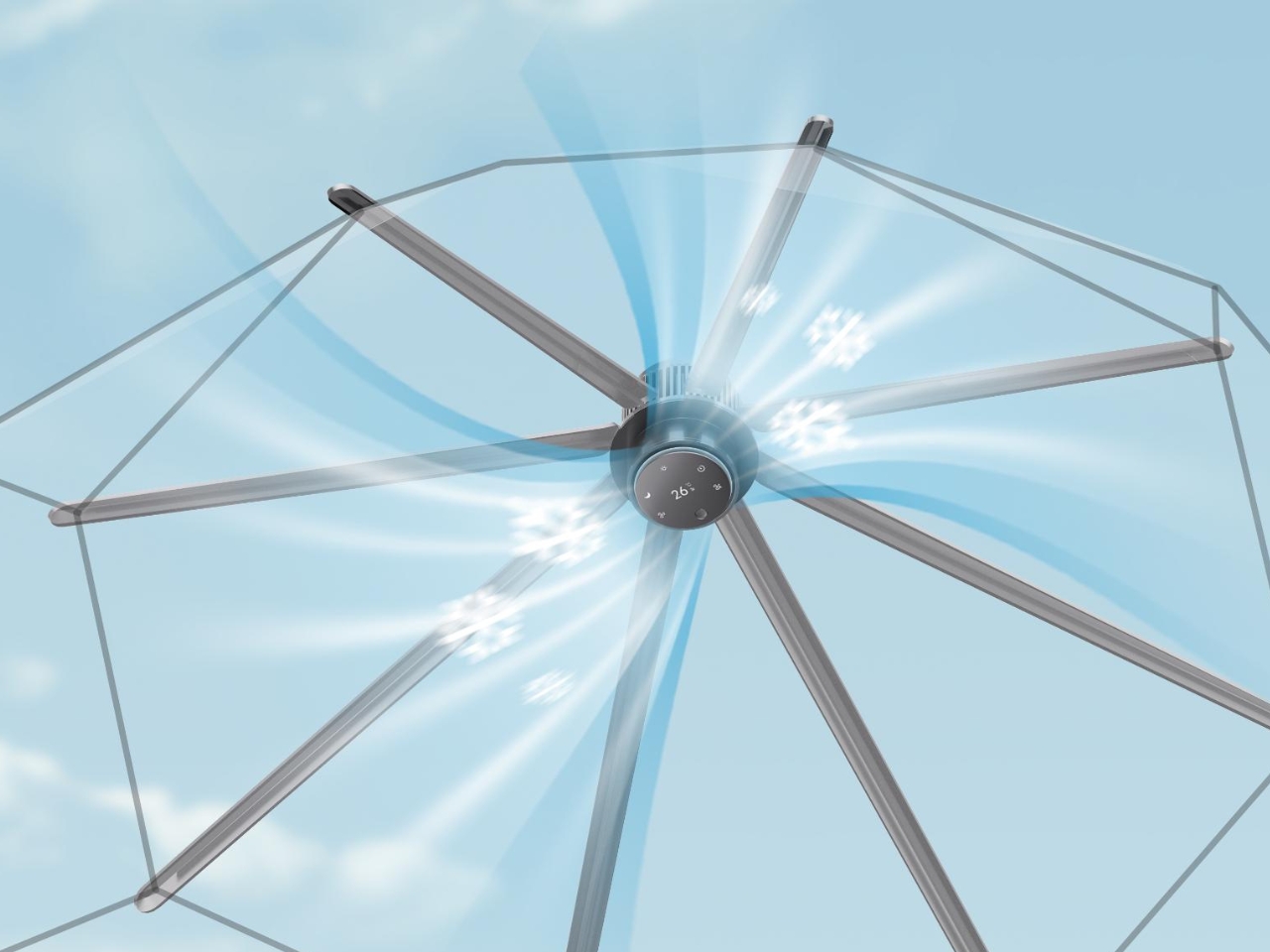
This revolutionary shelter transforms camping comfort through an ingenious integration of protection and power generation. The composite tarpaulin fabric serves dual purposes, providing weather protection while simultaneously harvesting solar energy to power an integrated cooling system. This isn’t simply a tent with an attached air conditioner; it’s a completely reimagined shelter where every material component contributes to both protection and comfort.
The concept addresses camping’s biggest pain point without compromising the off-grid experience. Traditional camping air conditioners often require bulky batteries, loud generators, or electrical hookups, which defeats the purpose of enjoying nature immersion. This solar-powered solution maintains ideal tent temperature while staying completely independent. Summer camping transforms from an endurance test into genuine relaxation, extending your outdoor season into previously unbearable months.
What we like
Eliminates the morning sauna effect that ruins summer camping.
Completely silent operation maintains a peaceful outdoor atmosphere.
What we dislike
Likely carries premium pricing for cutting-edge technology.
Effectiveness depends heavily on consistent exposure to sunlight.
2. EcoFlow Power Hat
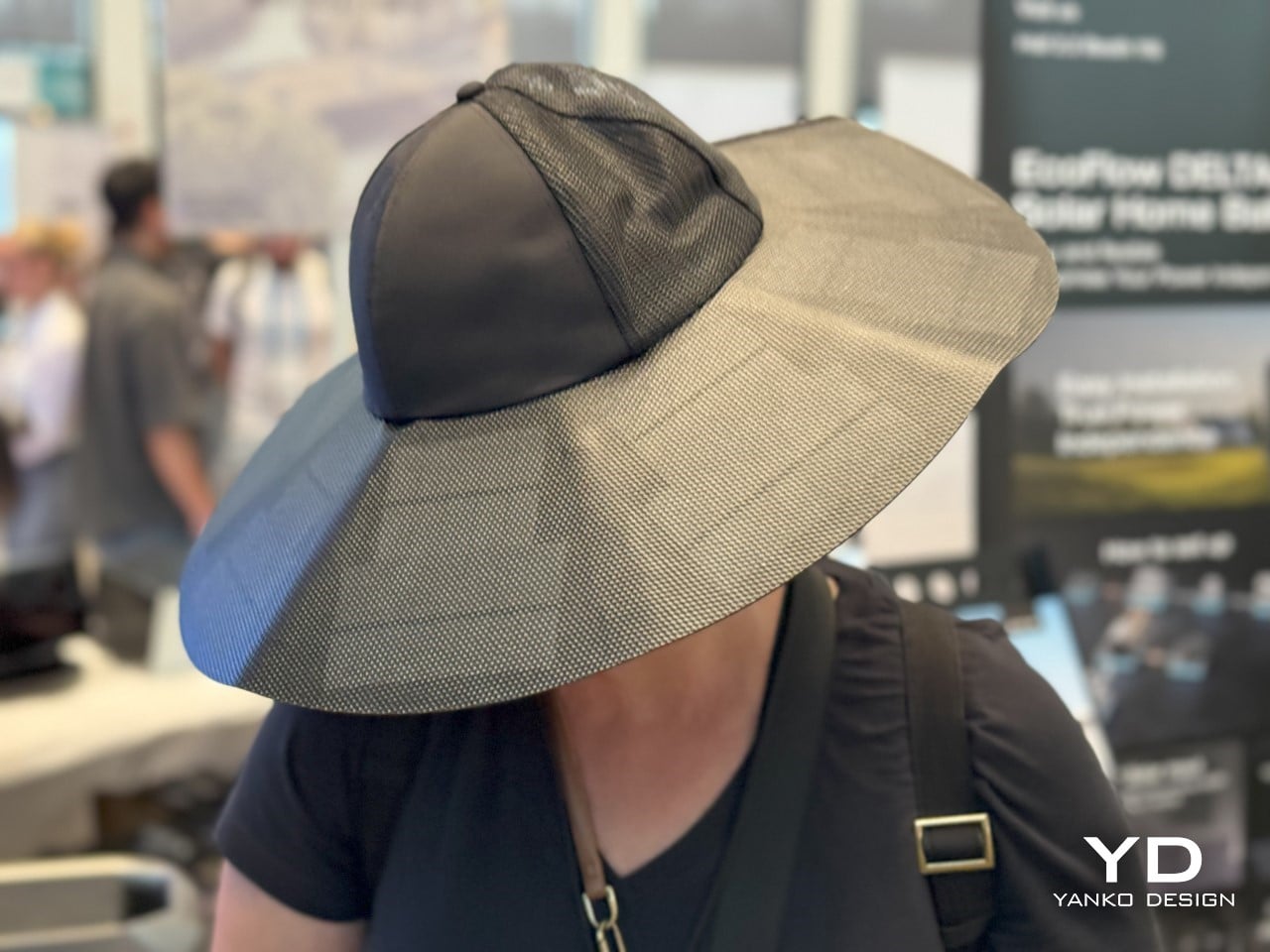
The Power Hat disguises serious functionality within everyday outdoor wear. Hidden within the wide brim sits a flexible solar panel that converts sunlight into usable power, feeding devices through a discreet USB-C port in the inner band. This wearable charging solution targets hikers, campers, and outdoor enthusiasts who find themselves disconnected when they need power most. The design philosophy prioritizes practicality over flashiness.
EcoFlow’s approach makes clean energy genuinely accessible through clever integration. You won’t power laptops or entire campsites, but smartphones and GPS units receive reliable backup power. The hat functions exactly as expected while secretly working as your personal power plant. For day hikers and casual campers, this represents the perfect balance between functionality and convenience, keeping essential communication devices alive.
What we like
Dual functionality as a sun protection and a charging station.
Completely hands-free operation during outdoor activities.
What we dislike
Limited charging capacity suitable only for small devices.
Requires consistent head-level sun exposure for optimal performance.
3. EO Canopy High-Tech Camping Platform
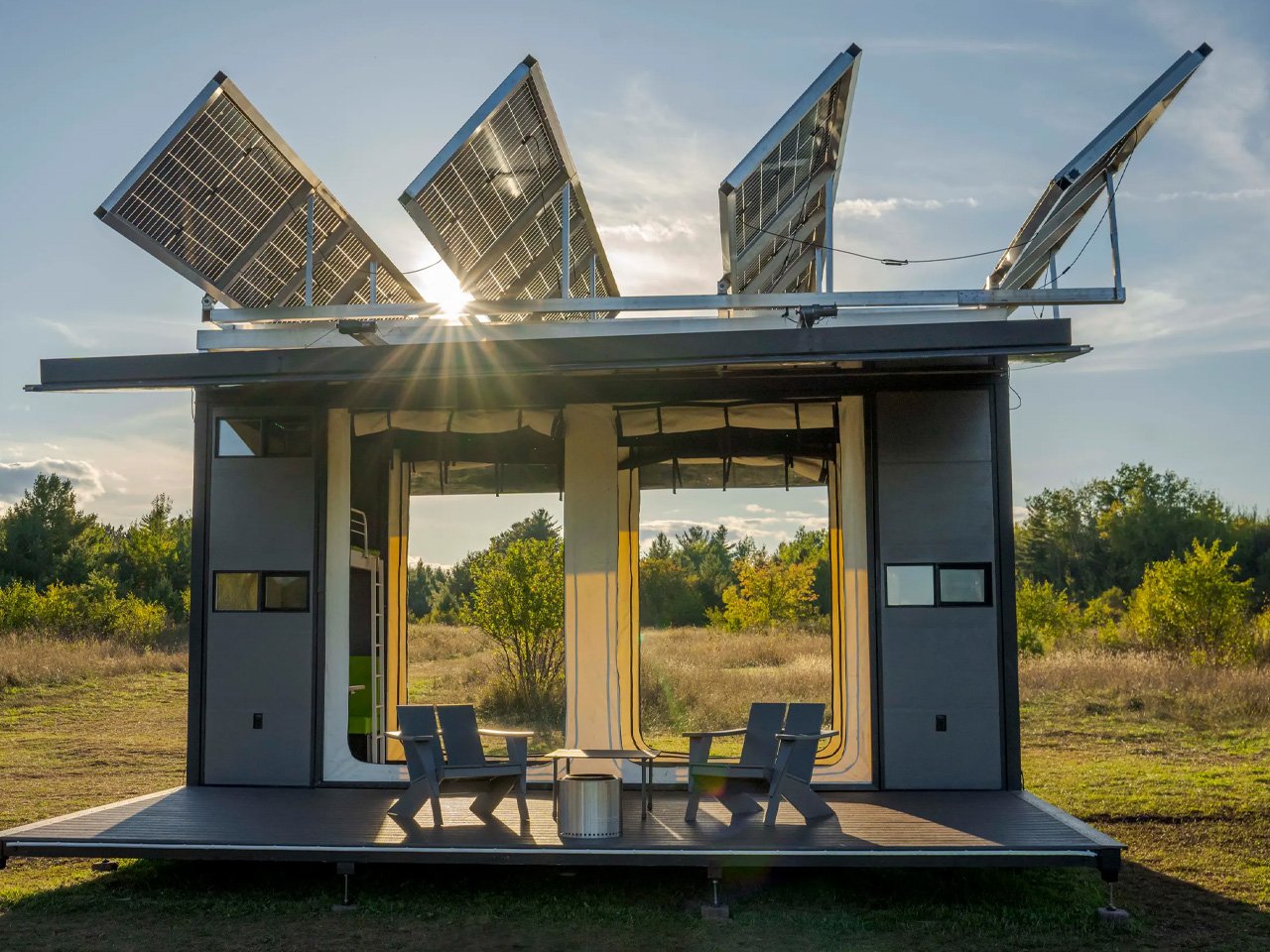
The EO Canopy redefines camping luxury through serious electrical engineering. This groundbreaking platform delivers genuine home comfort to remote locations, powered entirely by solar energy and massive battery storage. The 154-kWh sodium-ion battery pack pairs with a 6,600-watt solar-tracking roof system, generating 45-64 kWh daily. This setup produces enough power for two average American homes while maintaining complete off-grid independence.
Beyond impressive specifications, the EO Canopy includes practical features like onboard water generation and electric vehicle charging capabilities. The Level 2 charging station provides 150-mile range restoration for Tesla, Rivian, or similar vehicles. Air conditioning runs indefinitely thanks to the substantial battery bank, creating genuine comfort in any environment. This represents camping evolution for those unwilling to sacrifice modern conveniences for outdoor experiences.
What we dislike
Generates enough power to support luxury living indefinitely.
Includes electric vehicle charging for complete energy independence.
What we dislike
Massive size and weight limit mobility and spontaneous adventures.
Investment cost likely exceeds most camping budgets significantly.
4. Solar-Powered Glamping Accessories Collection
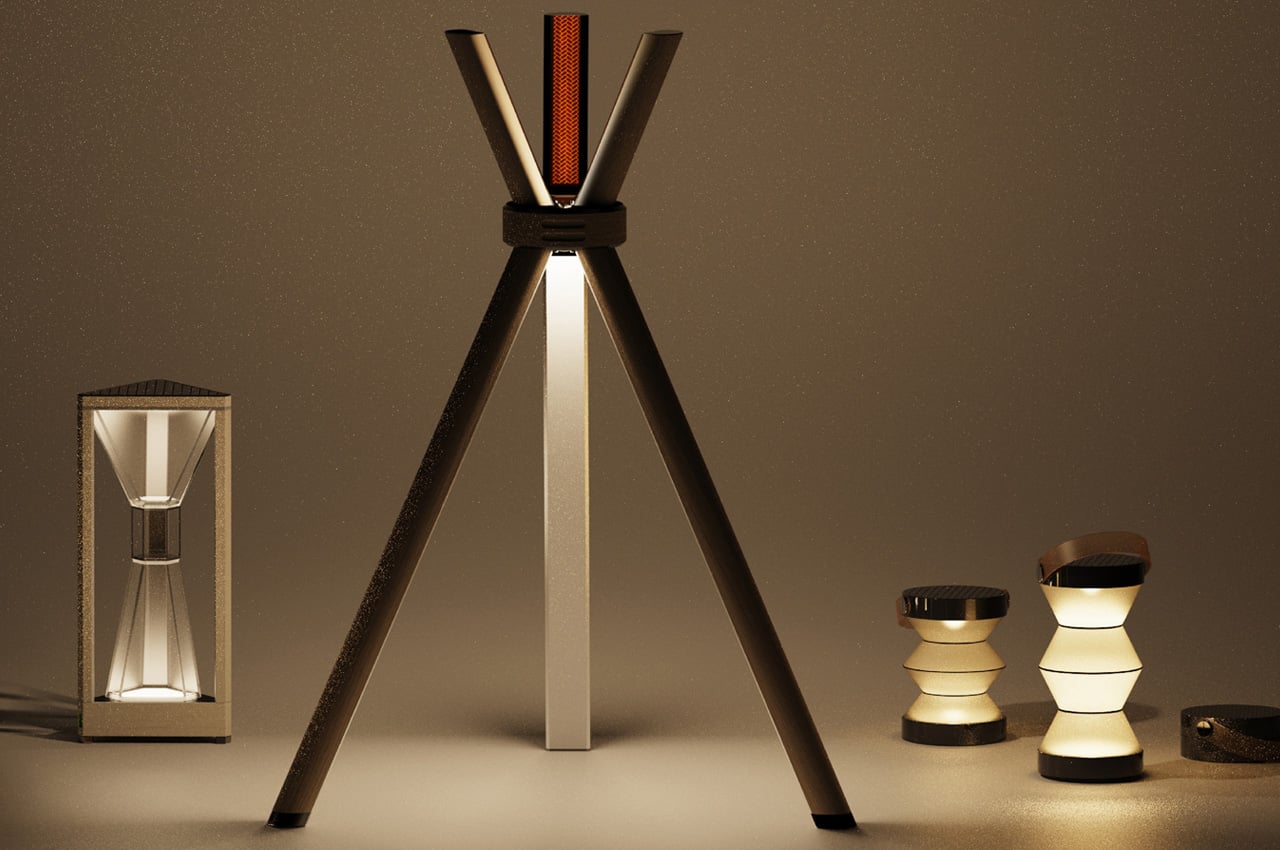
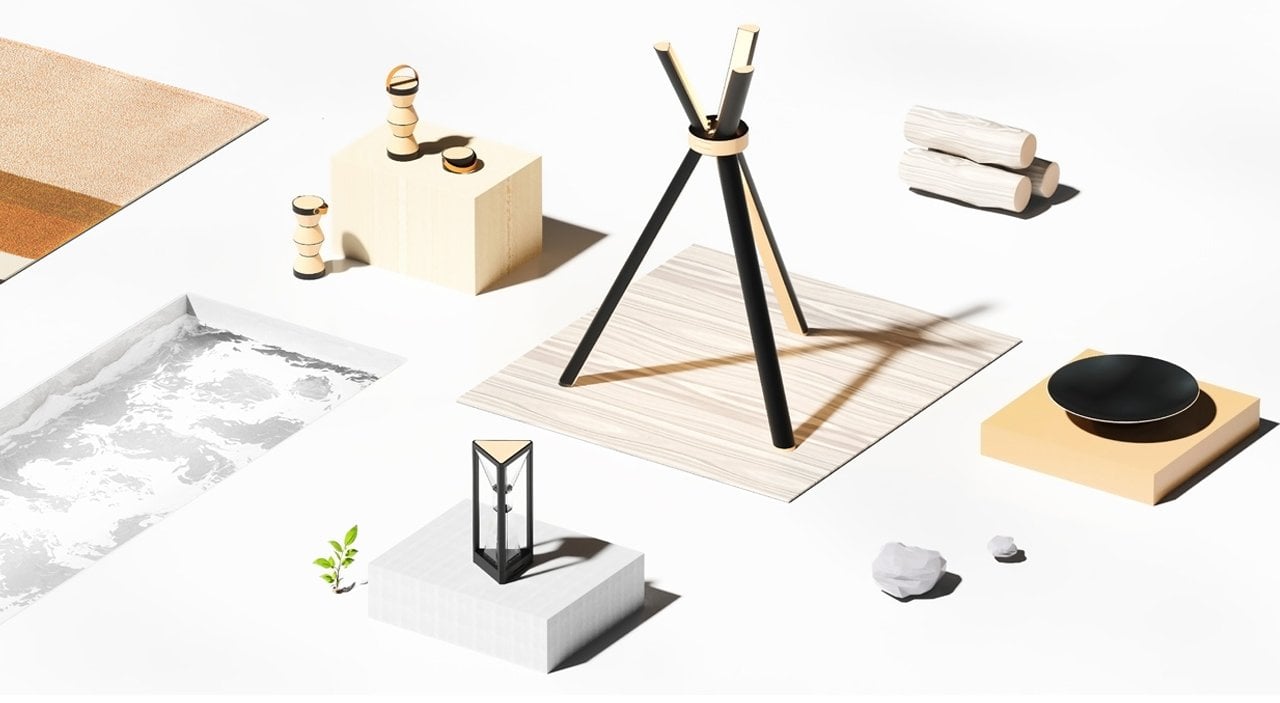
This comprehensive camping system prioritizes environmental consciousness without sacrificing style or functionality. The collection features independent solar-powered items designed for conscious travelers seeking wilderness experiences with minimal environmental impact. The standout smokeless camping fire pit combines portability with clean burning, while accompanying accessories include coffee brewers, elegant tableware, and ambient hanging lights. Every component charges during daylight hours and performs throughout evening activities.
The glamping accessories elevate outdoor dining and relaxation through thoughtful solar integration. Everything from the tripod-style fire pit to the drip coffee brewer operates on clean energy, creating sophisticated outdoor experiences. The hanging pendant lights provide warm illumination while maintaining zero environmental impact. This system proves that sustainable camping gear can enhance rather than limit outdoor luxury, appealing to environmentally conscious adventurers seeking refined wilderness experiences.
What we like
A complete ecosystem approach eliminates multiple charging concerns.
Multiple components create complex packing and setup requirements.
Higher price point compared to traditional camping accessories.
5. Solarpill
The Solarpill delivers maximum versatility within a pendant-sized solar lighting device. The white half features threading holes for rope attachment, creating instant keychain or necklace functionality. This cap removes to reveal a needle-like stake for embedding into trees, soft rocks, or other surfaces along hiking paths. The dual-purpose design provides hands-free lighting exactly where needed, from rope cutting to personal relief breaks in remote locations.
This adaptable lighting solution serves everyone from casual hikers to professional search-and-rescue teams. The ability to attach to any surface becomes invaluable during night travel through remote areas. Beyond camping applications, the Solarpill earns permanent placement in emergency preparedness kits. Its compact size and reliable solar charging make it an essential gear for anyone venturing into areas where reliable lighting could mean safety or danger.
What we like
Incredibly compact size fits anywhere without a weight penalty.
Versatile mounting options adapt to any outdoor situation.
What we dislike
Limited light output suitable only for close-range tasks.
A small solar panel requires an extended charging time.
6. GoSun Flow
The GoSun Flow addresses camping’s most critical need through backpack-friendly solar engineering. This compact system uses solar energy to eliminate 99.99% of waterborne pathogens while pumping one liter of clean water per minute. Beyond basic purification, it transforms into a portable handwashing station and hot shower system. The luxury of properly heated shower water becomes accessible anywhere, eliminating the dreaded cold water body plunges that define traditional camping hygiene.
The operation couldn’t be simpler for such sophisticated technology. Place the intake hose into any freshwater source, plug in the pump, and automatic filtration begins immediately. The Flex Faucet’s integrated clamp opens over two and a quarter inches, attaching to branches, tables, tailgates, or fences. The flexible head twists and points water precisely where needed. This system revolutionizes camping hygiene while maintaining complete energy independence through solar power.
What we like
Provides hot shower capability anywhere with water access.
Rapid one-liter-per-minute clean water production.
What we dislike
Cannot process saltwater, limiting coastal camping utility.
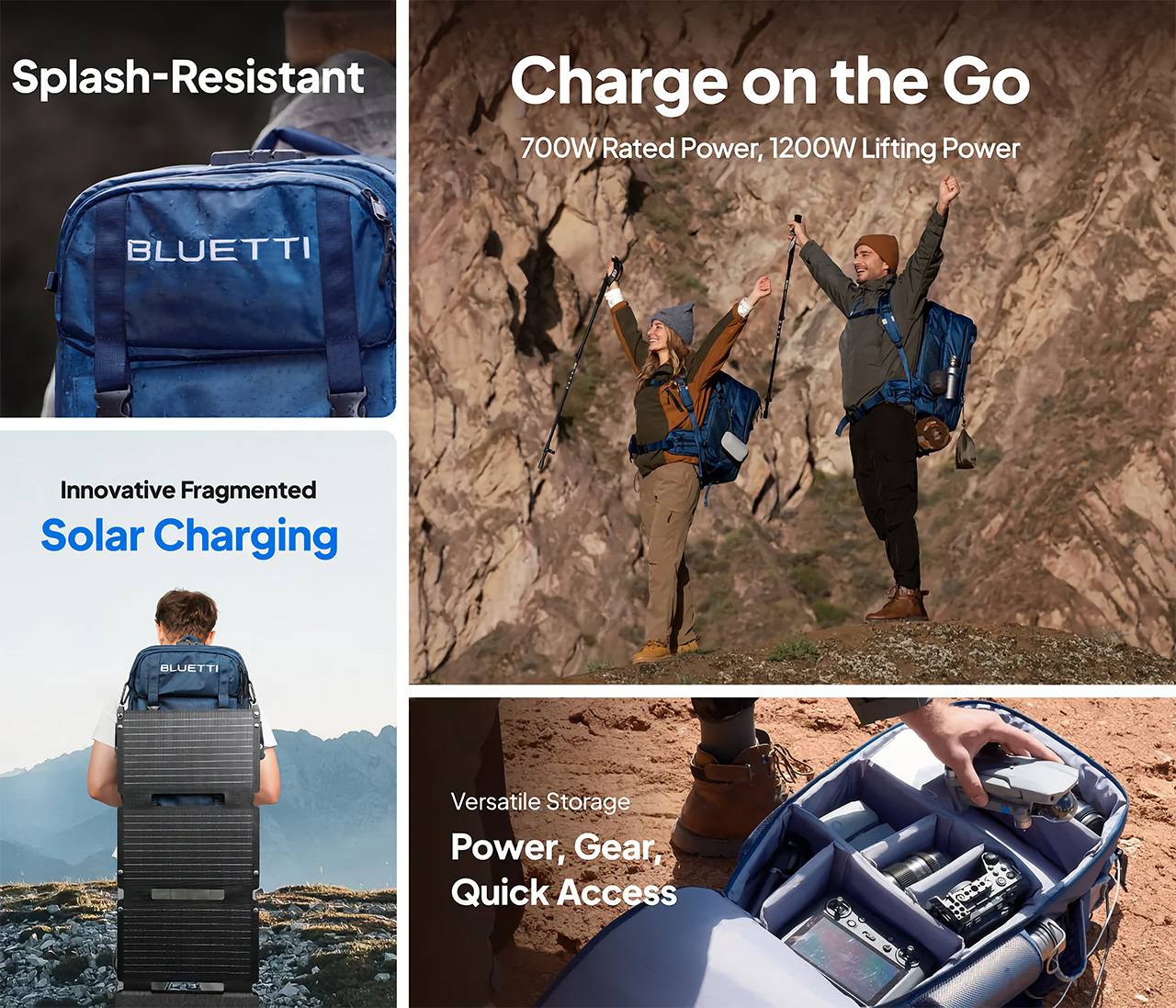
BLUETTI’s Handsfree 2 combines serious power generation with rugged outdoor functionality. This 60-liter backpack integrates a 512Wh power station and 700W inverter, maintaining device power for extended backcountry adventures. The built-in system eliminates the juggling act between navigation, power management, and gear transport. Drones capture aerial footage, GPS systems guide through unfamiliar terrain, and cameras document stunning landscapes without battery anxiety limiting creative possibilities.
The integration philosophy targets serious outdoor photographers and adventurers requiring reliable power. Memory cards fill with breathtaking landscapes while batteries remain topped off through continuous solar charging. Laptops stay operational for editing and backup tasks, extending creative possibilities far beyond traditional camping limitations. The 60-liter capacity accommodates extended expedition gear while the power station handles every electronic requirement. This represents the ultimate solution for tech-dependent outdoor professionals.
What we like
High-capacity 512Wh power station handles serious electronic demands.
Integrated design eliminates separate power station transport.
What we dislike
Significant weight addition affects hiking comfort and endurance.
These seven innovations prove solar camping gear has matured beyond novelty items into serious outdoor equipment. Each addresses genuine pain points while maintaining the independence that defines great outdoor experiences. From basic lighting to luxury climate control, solar technology now powers every aspect of camping comfort.
The transformation reflects broader outdoor industry evolution toward sustainable solutions that enhance rather than limit adventures. Whether you’re seeking basic device charging or complete off-grid luxury, solar power delivers reliable performance without environmental compromise. These designs represent the future of outdoor recreation, where technology serves adventure without sacrificing our connection to nature.