How YouTube TV subscribers can get their $20 credit while Disney’s ESPN and ABC remain off the air

The YouTube TV logo appears on the screen of a smartphone placed on a laptop keyboard illuminated by red light. YouTube TV loses all Disney channels on October 31 after negotiations over pricing break down. 10 million users are currently affected in Creteil, France, on November 7, 2025. (Photo Illustration by Samuel Boivin/NurPhoto via Getty Images)
Don't forget to claim your $20 credit from YouTube. (Getty Images)
NurPhoto via Getty Images

If you're a YouTube TV subscriber who relies on ESPN for football games, or maybe you never miss an episode of Dancing with the Stars (which airs on ABC), you're probably getting frustrated with the ongoing Disney feud. The two channels, along with other Disney-owned channels like Freeform and FX, have been off air since October 30, which is just over two weeks.

While no resolution has been reached yet, the two large streaming companies are still negotiating the new pricing terms. One analyst has estimated that Disney is losing upwards of $4 million per day while the holdout continues. "We’re ready to go as long as they want to,” said Disney's CFO Hugh Johnston on CNBC while discussing the company's quarterly earnings. Disney, of course, is trying to maximize the fees it gets for its channels, while YouTube claims Disney is "proposing costly economic terms," which could result in higher subscription prices.

But there's good news: YouTube has made good on its promise to offer a $20 credit to subscribers — you should've received an email from YouTube about it. However, it's not automatic so you'll need to claim it first — here's how to do it.

YouTube TV already costs you at least $83 a month, so take advantage of the $20 credit while you can. Here's what you need to do.

  1. Open YouTube TV in a web browser and go to your Membership Settings in the upper-right corner.

  2. Go to the bottom of the menu and click Updates.

  3. Click "Claim credit" on the Updates screen.

  4. You should see a confirmation screen showing you've claimed the credit. It will be applied to your next bill, likely in December.

Here's what your screen should look like when claiming the $20 credit. (Screenshots by Engadget)

If the two can't reach an agreement, you may be looking to cancel your YouTube TV subscription (or at least pause it until there's a resolution). Here's how to do it.

  1. Open YouTube TV in a web browser and go to your Membership Settings.

  2. Click Membership.

  3. Click Manage.

  4. Click Cancel Membership, and then click Cancel to confirm.

In the same settings, you can also pause your subscription until YouTube cuts a deal with Disney. Go to Settings > Membership > select the number of weeks you want to pause your subscription, and then click Pause.

That'll at least give you more time to decide whether it's worth keeping your account or closing it out.

Your $20 credit just goes to your next YouTube TV bill. But if you view that as "$20 more to spend on streaming this month," you can put that budget towards some fairly straightforward workarounds, including ESPN's new standalone service, Fubo (a YouTube TV competitor) and several more. Check out the best ways to watch ESPN and ABC during the YouTube TV blackout for more.

This article originally appeared on Engadget at https://www.engadget.com/entertainment/streaming/how-youtube-tv-subscribers-can-get-their-20-credit-while-disneys-espn-and-abc-remain-off-the-air-172824463.html?src=rss

When One Camera Just Isn’t Enough: The Moon Walker Multi Cam

Remember those old flip books where you’d thumb through pages to watch a stick figure run? Or maybe you’ve seen those mesmerizing bullet-time shots from The Matrix where everything freezes except the camera swooping around the action. Now imagine capturing that kind of magic with a wooden camera that looks like it walked straight out of a steampunk fantasy. That’s exactly what Woodlabo has created with the Moon Walker Multi Cam, and it’s got photographers and design nerds equally captivated.

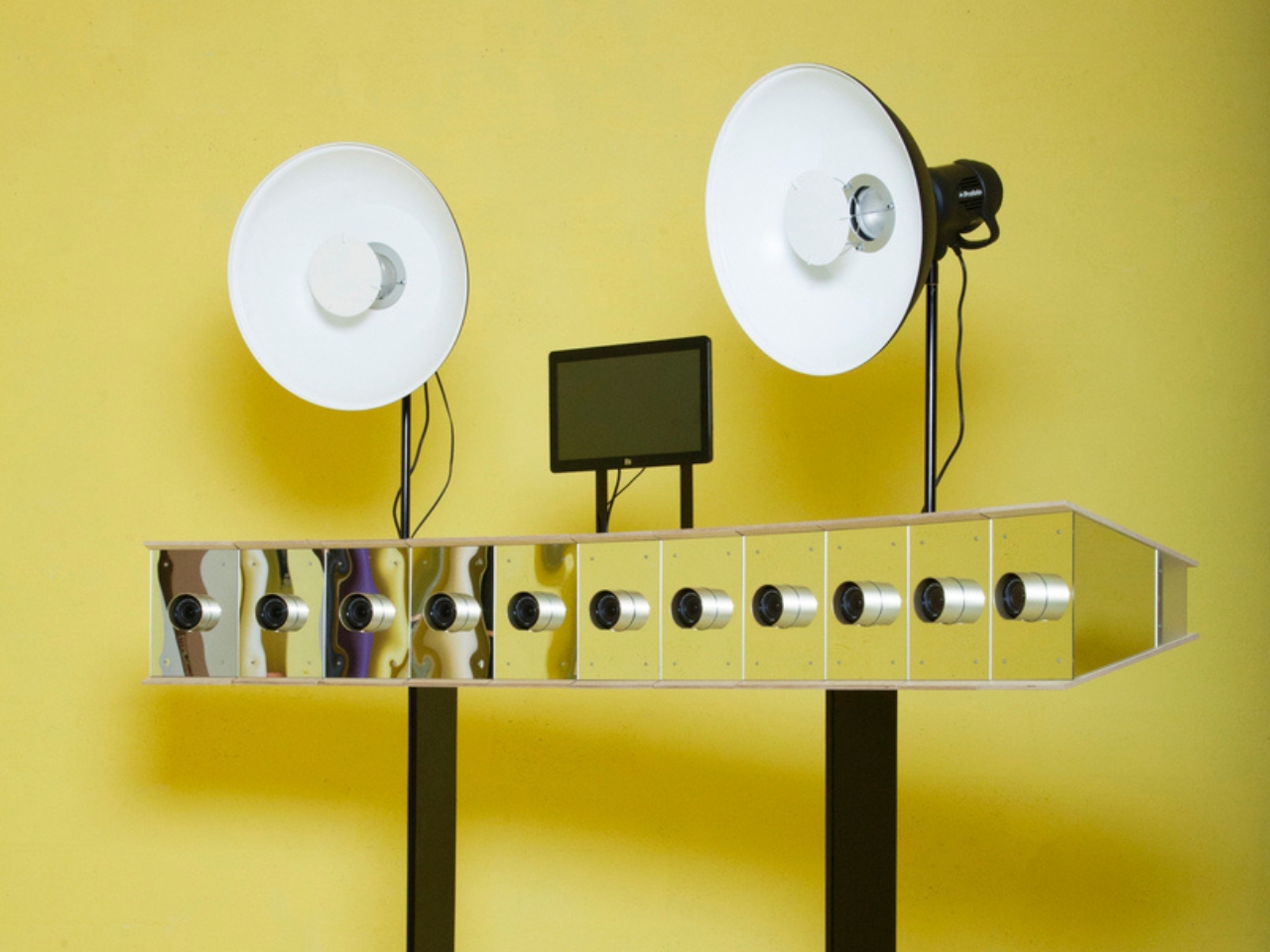
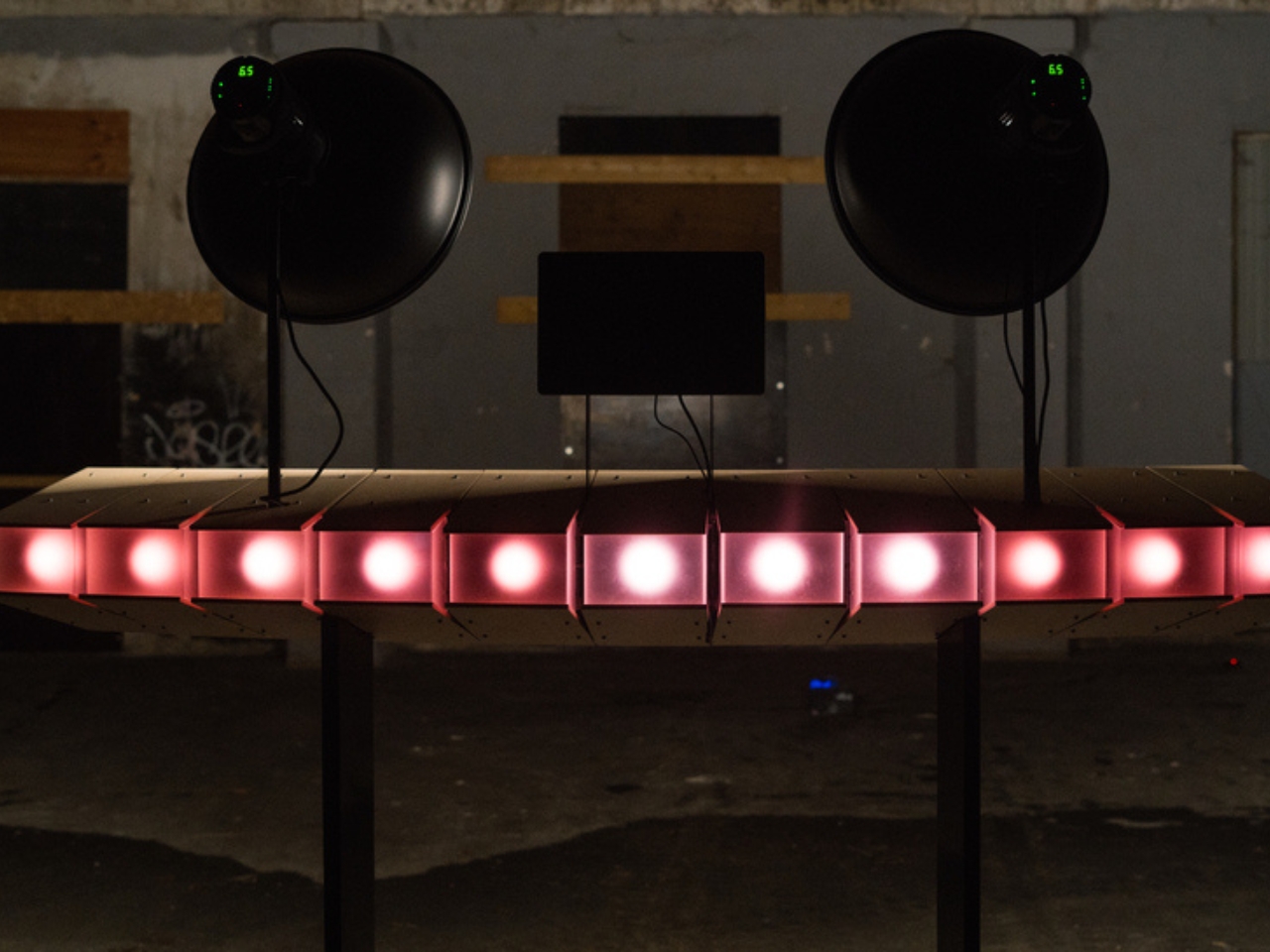
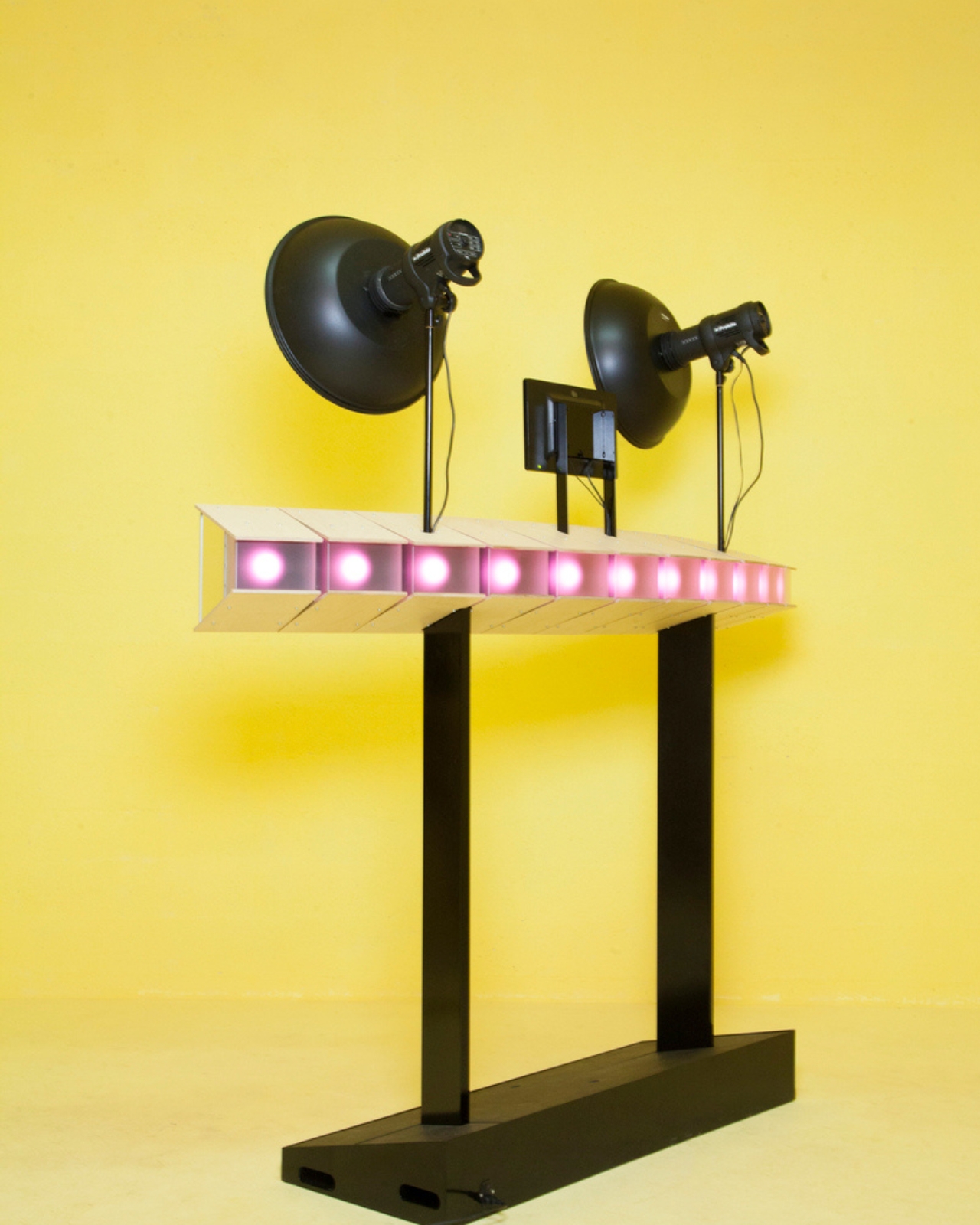
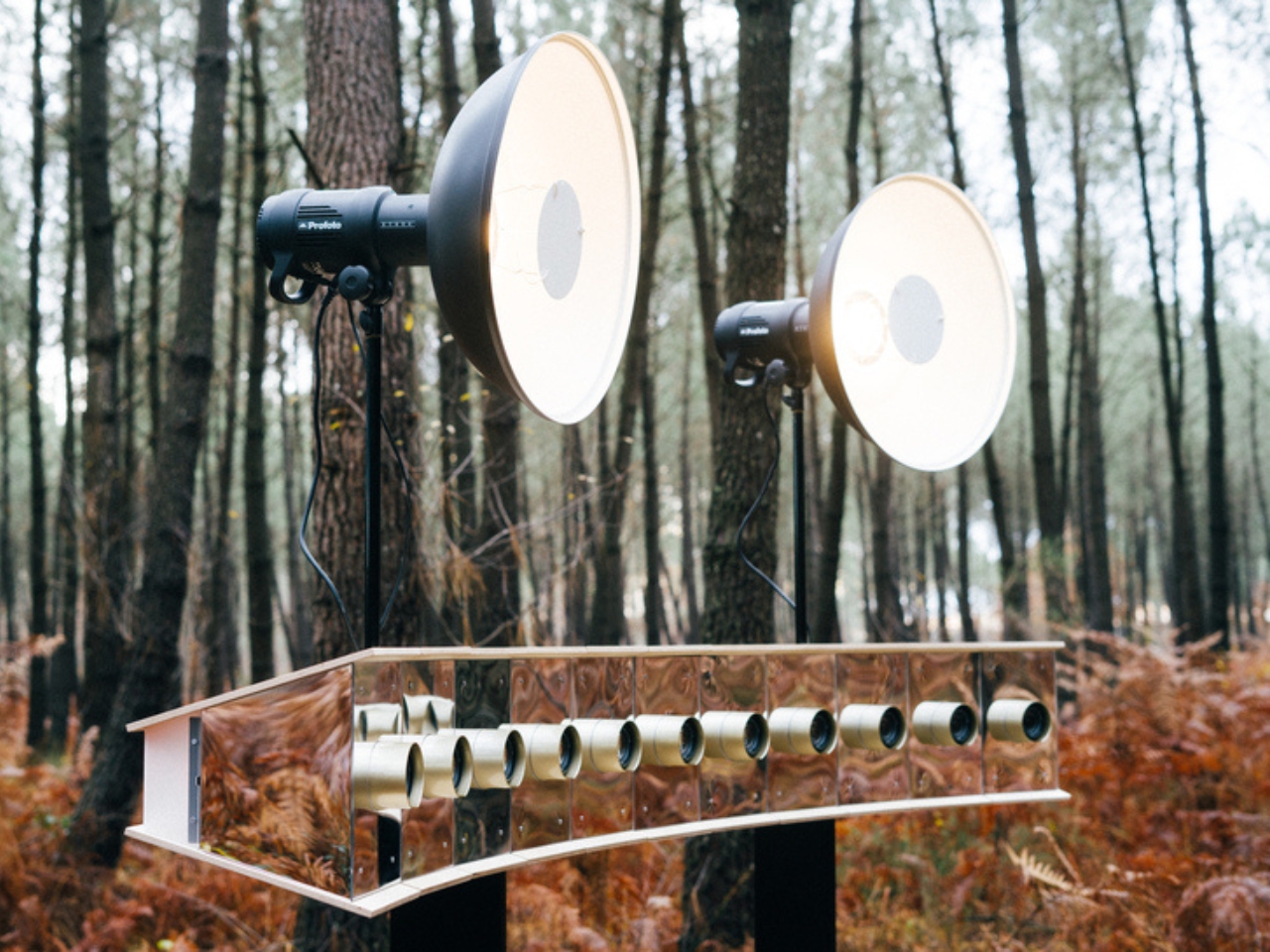
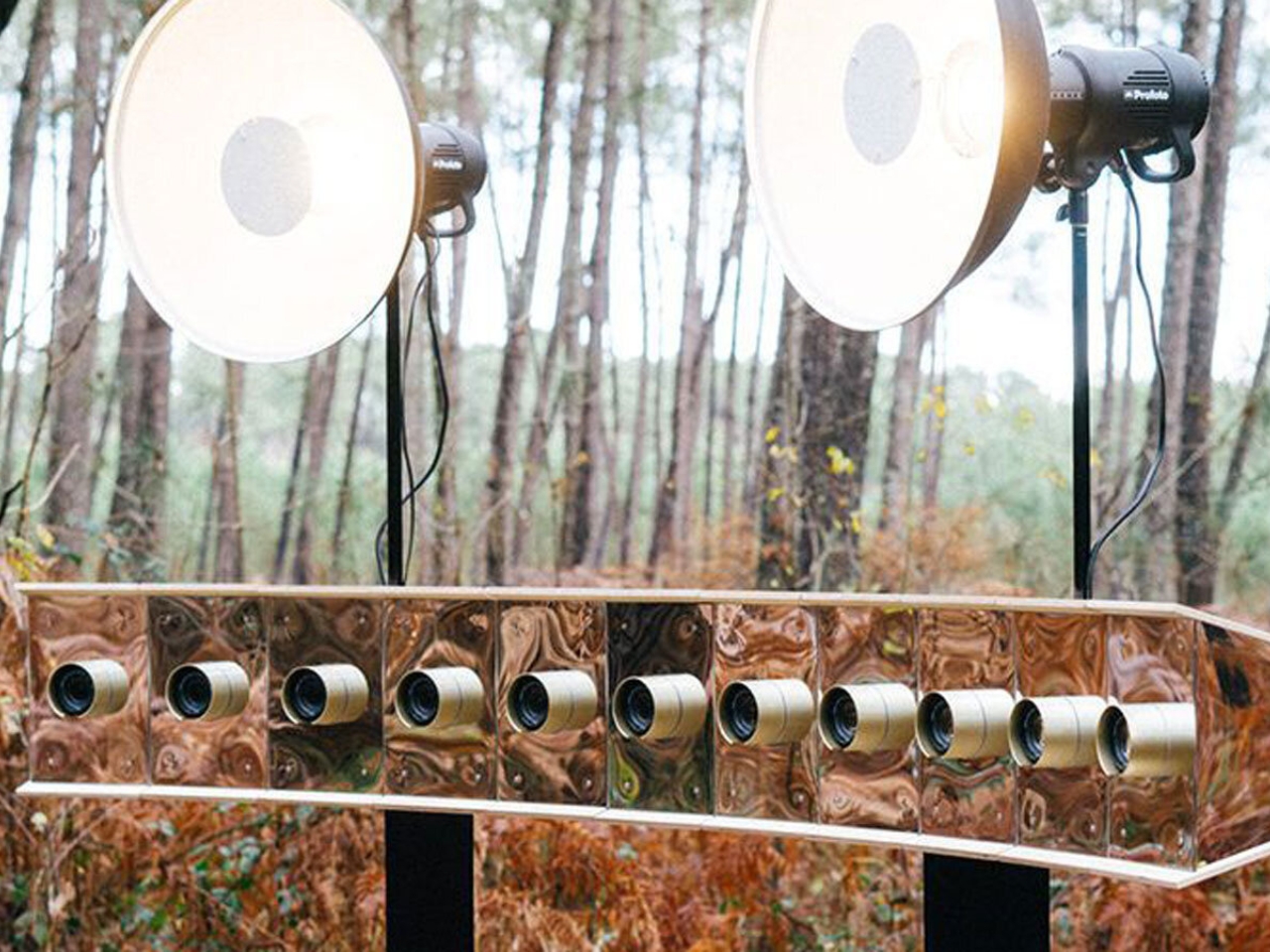
At first glance, the Moon Walker looks like something a Victorian inventor might have dreamed up after a few too many glasses of absinthe. This isn’t your sleek, minimalist smartphone camera or even a traditional DSLR. Instead, it’s a sculptural wooden installation equipped with eleven separate lenses arranged in a curved arc, all working together to capture the same moment from different angles simultaneously.‎‎‎‎‎‎‎‎‎‎‎‎

Designer: Woodlabo

‏‏‏‏‎‎‎‎‎‎‎‏‏‏‏‏‎‎‎‎‎‎‎‏‏‏‏‏‎‎‎‎‎‎‎‏‏‏‏‏⁠

The genius here lies in what happens after the shutter clicks. Those eleven simultaneous shots can be sequenced together to create animated sequences that show movement through space rather than time. It’s like having eleven photographers standing in different spots all pressing their shutters at the exact same instant. The result is something between a photograph and a short film, a kind of dimensional flip that makes you see familiar subjects in completely new ways.

Woodlabo, the creative force behind this project, clearly has a thing for merging old-world craftsmanship with contemporary photographic concepts. The wood construction isn’t just aesthetic posturing. There’s something deliberately nostalgic about using timber to house cutting-edge multi-perspective photography technology. It creates this fascinating tension between the handmade and the high-tech, the analog and the digital.

What makes the Moon Walker particularly interesting in today’s photography landscape is how it challenges our relationship with image-making. We’re living in an era where everyone has a powerful camera in their pocket, where we can shoot hundreds of photos in seconds, apply AI filters, and share them globally before lunch. Yet here’s a device that’s intentionally cumbersome, deliberately complex, and requires actual physical space and setup. It’s the photographic equivalent of listening to vinyl records in the age of streaming.

The multi-angle approach also taps into something we’ve been obsessed with since Eadweard Muybridge strapped cameras to horses to capture motion in the 1870s. We’ve always been fascinated by seeing things we can’t normally see, by breaking down movement, by viewing the same subject from impossible perspectives. The Moon Walker is essentially a modern riff on that same impulse, updated for an Instagram age that’s hungry for content that looks genuinely different.

For designers and artists, the Moon Walker represents an interesting commentary on how we create images. It’s both camera and sculpture, functional tool and art object. You could mount it on a wall when you’re not using it, and it would hold its own as a piece of design. That dual nature makes it more than just another photographic gadget. It’s a statement about the value of intentional, considered image-making in a world drowning in throwaway snapshots.

The practical applications are pretty wild too. Imagine capturing products for e-commerce from multiple angles in one shot, creating dynamic motion graphics for social media without complex video editing, or developing entirely new forms of visual storytelling that exist somewhere between still photography and animation. For creatives willing to experiment, the Moon Walker opens up possibilities that standard cameras simply can’t achieve.

Will you see Moon Walker Multi Cams at your local camera shop anytime soon? Probably not. This is more art project than consumer product, more proof-of-concept than mass-market solution. But that’s exactly what makes it worth paying attention to. The most interesting developments in design and technology often start as these quirky, impractical experiments that make us rethink what’s possible. Today it’s eleven lenses on a wooden arc. Tomorrow it might be the standard way we capture the world.

The post When One Camera Just Isn’t Enough: The Moon Walker Multi Cam first appeared on Yanko Design.

The best drone for 2025

Drones have evolved from hobbyist gadgets into everyday tools for creators and explorers. They’re smaller, easier to fly and packed with smart features that make aerial photography more accessible than ever. Whether you want to film sweeping landscapes or just learn to pilot your first quadcopter, there’s a drone built to match your needs.

Beginner models now include GPS, collision sensors and automated flight modes that simplify controls. Move up a tier and you’ll find foldable designs that fit easily in a backpack while capturing stable 4K footage that rivals handheld cameras. For experienced flyers, the best camera drones combine larger sensors with precise stabilization and automated tracking for professional-quality results.

We’ve tested drones across price ranges and categories to help you find one that fits how you want to fly, whether that means filming cinematic shots, traveling light or discovering a new perspective from above.

For this guide, we're looking only at drones that are basically flying cameras, so you want the best video and photo features possible. Bigger devices like DJI’s Mavic 3 Pro or Air 3S carry relatively large sensors, offering superior camera quality for nighttime cityscapes or other low-light scenes. Smaller models like the Mini 4 Pro and HoverAir X1 Max use smaller camera sensors, so they aren’t as good in dim light.

Field of view and minimum aperture are also important, with most drones typically having a wide-angle focal length, though a few others like the HoverAir X1 Max carry an ultrawide lens. Some models have multiple cameras including a wide and a zoom. As for aperture, lower numbers are better and allow for shooting in dim light. Most DJI models are solid in this regard, while the HoverAir models don’t perform as well.

Video resolution and slow-mo are also essential camera capabilities. Most drones these days can shoot at 4K with a frame rate of at least 30 fps, though some offer 6K or even 8K at up to 30 fps. Higher-end models can shoot 4K at up to 120 fps, allowing you to slow down the action dramatically to create a cinematic look.

Other noteworthy features include log or HDR video that supports higher dynamic range, particularly in bright and sunny conditions. Finally, the camera’s gimbal and stabilization are important factors to keep your footage looking as smooth as possible. Some drones have gimbals that can rotate the camera 90 degrees to give social media creators the maximum resolution for vertical formats.

By and large, there are two types of camera drones to consider. The first are standard drones (usually with open propellers but not always) designed to fly outside and take scenic shots. Often there’s nothing to stop the props from striking skin or objects, so they can’t really be used indoors or around people. Some models like the DJI Neo and Flip have prop guards that better protect bystanders and property, as well as the drone itself.

Then there's first-person-view (FPV) camera drones, which often have propeller guards and are meant to be used both indoors or outside to capture exciting footage. Standard models don’t need to go particularly fast as they’re mainly used to shoot fun videos for social media, but FPV drones need to move at high speeds to create excitement. Because of that speed, they’re also better in breezy conditions thanks to stronger wind resistance, and they can fight gusts and return home more quickly. Acrobatic abilities (often promoted by the manufacturer in ads or packaging) are also important for FPV drones, as it allows the user to perform tricks and zip around obstacles.

Battery life is another important factor. The best drones boast a battery endurance of up to 45 minutes, while FPV drones like the Avata 2 can only fly for about half that time as they tend to be heavier and carry smaller batteries to reduce weight. As a general rule, a single battery isn’t enough for any serious shooting so you’d do well to buy your drone in a kit with a few batteries and a charger.

As for range, DJI tends to dominate in this area, with its latest models able to maintain a video signal at a distance up to 20km (12.4 miles). HoverAir’s models are weaker with the top-end X1 Max model limited to just 1km (0.6 miles) when using the optional beacon system. DJI also offers multiple ways to control its drones including headsets, joystick-type controllers, motion detection controllers and smartphones.

The best drones have sensors to detect obstacles in all directions. Others are limited to only avoiding obstructions coming at them from the front and some only rely on the main camera to prevent crashes. Finally, if you want to have your drone follow you around automatically, you’ll need it to be able to track you around when you’re vlogging, riding a bike or skiing, while also avoiding obstacles. Smooth takeoff and return-to-home features are especially valuable here for both beginners and experienced drone pilots as well.

Anyone can buy any drone, but once purchased, all drones between 250g and 25 kg must be registered with the FAA and marked with the FAA registration number. Recreational pilots with drones over 249g must pass the recreational UAS safety "TRUST" exam and carry proof of TRUST completion when flying a drone. Commercial pilots must obtain a Remote Pilot Certificate from the FAA. You must be aware of and avoid any areas with airspace restrictions, particularly around airports.

In general, it is not legal to fly a drone within city limits over populations, as a crash from a high altitude could injure or kill someone. However, they can be flown over adjacent, non-populated areas in many cases. Here is a guide to where: https://uavcoach.com/where-to-fly-drone/

Most drones can fly for around 20-30 minutes, though some advanced models like DJI's Mavic 4 can fly up to 40 minutes or more.

This article originally appeared on Engadget at https://www.engadget.com/cameras/best-drone-120046775.html?src=rss


Google adds Deep Research capabilities to NotebookLM

At the end of 2024, Google was one of the first companies to start offering a Deep Research tool through its AI chatbot. Now, nearly a full year later, the company is bringing that same capability to NotebookLM. Like its Gemini counterpart, the tool allows you to task the app with generating an extensive report on a single topic. When you queue a Deep Research task, NotebookLM will browse hundreds of websites on your behalf before it starts writing up its findings. 

The entire process can take a few minutes, but at the end you'll have a multi-page report to read. As the model works in the background, you can instruct it to seek out specific online sources. NotebookLM will also recommend articles, papers and websites that might be relevant to your query. Once its findings are ready, you can use any of NotebookLM's capabilities to generate insights on the content.

With today's update, Google is also adding to the variety of sources NotebookLM can access. Now the app can pull data from Google Sheets, Microsoft Word documents and PDFs you've uploaded to Google Drive. It's now also possible to add Google Drive files just by copying over the URL. Google says all of today's enhancements should roll out to users within a week. The timing of the update is fortuitous given the company recently gave NotebookLM the capability to generate flashcards and quizzes.   

This article originally appeared on Engadget at https://www.engadget.com/ai/google-adds-deep-research-capabilities-to-notebooklm-170000817.html?src=rss

Valve’s trio of hardware announcements revived my Half-Life 3 fever dream

Yesterday, Valve announced three (3) hardware products: a Steam Machine console, an accompanying Steam Controller and the long-rumored Steam Frame VR headset. This hardware, along with the excellent Steam Deck, gives Valve a pretty comprehensive way to get people playing games wherever they want, on any sort of screen. And, of course, the games are what this is all about. Steam’s catalog is impossibly vast, encompassing every genre you can imagine — but there’s still one crucial title missing from the thousands of games available.

I am, of course, talking about Half-Life 3.

I swore back in 2017 that I’d stop beating this dead horse, but Valve sucked me back in with the utterly unexpected, excellent, VR-only Half-Life: Alyx prequel. At the very least, it was a sign that the Half-Life universe wasn’t dead and buried in Valve’s mind, despite the fact that it had lain dormant with an unresolved cliffhanger for more than a dozen years.

At the time, Valve indicated it was interested in moving forward with more games in the series, though I wouldn’t have been surprised if the company just dropped things again. But, a big push into hardware that is significantly more powerful than the Steam Deck feels like another perfect opportunity to make Half-Life 3 happen.

And there have actually been a few more concrete bread crumbs to follow over the last year or so indicating Valve might finally be returning to the Half-Life story. It started with the 20th anniversary of Half-Life 2, when Valve dropped a major update for the game. “Every map in Half-Life 2 has been looked over by Valve level designers to fix longstanding bugs, restore content and features lost to time, and improve the quality of a few things like lightmap resolution and fog,” the developer wrote. Along with some developer commentary, a documentary and the inclusion of the two episodic follow-up games, this was a pretty substantial update for such an old game.

At the end of last year, YouTuber Gabe Follower dropped some details on a potential Half-Life 3 coming soon. Follower had previously called the release of Counter-Strike 2, lending some credibility to his findings. To make a long story short, Follower claimed a Valve project internally titled “HLX” had reached the play-testing stage. That didn’t necessarily mean a launch was imminent, but at the very least the game was advancing in development.

Another less consequential but fun tidbit dropped around the same time: actor Michael Shapiro (who voiced the infamous G-Man in the Half-Life series) posted a New Years’ message where he spoke in the G-Man’s strange accent and said he’d see viewers in the year to come. Not coincidentally, he also did this in 2020 prior to the Half-Life: Alyx launch. The game had already been announced when he posted that message, but it’s still an intriguing tease. 

The timing couldn’t be better, either. The Game Awards are less than a month away, and that extravaganza is about the biggest platform you could ask for if you’re announcing a big new title. Not that Valve really needs the stage — they could just drop a trailer on YouTube and the gaming world would take care of the rest.

But as a companion piece to the company’s renewed hardware ambitions? The synergy would be too good to pass up. After all, the Valve Index VR headset launched just a short time before Half-Life: Alyx was announced, and anyone who had purchased it got the game for free. A theoretical Half-Life 3 isn’t quite the same, as there’s no chance the game will require the official Steam Machine. But it would still make a heck of a launch title to help drive interest in the company’s new devices. 

As for me, I’m not letting myself get too excited here. I remember in 2013, when Valve introduced the first Steam Machines initiative and its first attempt at a controller, I assumed it would be a perfect time to announce Half-Life 3. That clearly did not happen. But I’d be lying if I said I wasn’t a little bit hopeful this time around. There’s enough smoke to make me think that the fire is real; it’s hopefully time to wake up and smell the ashes. 

This article originally appeared on Engadget at https://www.engadget.com/gaming/pc/valves-trio-of-hardware-announcements-revived-my-half-life-3-fever-dream-170000561.html?src=rss

Meta is trying to make Facebook Marketplace a social shopping experience

Meta is revamping Facebook Marketplace in an effort to make it more appealing to "young adults" on the platform. The updates includes new collaborative shopping features, as well as AI-generated suggestions and "insights" about specific listings. 

Now, would-be buyers can create Pinterest-like "collections" of Marketplace listings and invite friends to join. These collections can then be shared elsewhere on Facebook or on WhatsApp and Messenger. People will also be able to invite their Facebook friends to join messages with sellers, which Meta says will make it "easier to coordinate pickup, negotiate prices, and get answers to your questions." Facebook is also making Marketplace listings themselves more social, with the ability to add comments and reactions. And while I'm not sure many Facebook users are clamoring for this, it seems like it could seriously up the meme potential for accounts like @insanefbmarketplace

Meta will provide AI-generated insights about vehicles listed on Marketplace.
Meta

And, because it's 2025 and AI is in just about every other part of Facebook, the company is also adding "AI insights" to listings. This will allow Meta AI to offer up suggestions for questions to ask sellers about the items they've listed. (Importantly, though, it looks like the default first-message suggestion is still a variation of "is this still available," which I've always found to be one of the more annoying quirks of using Marketplace.) The company is also experimenting with vehicle-specific "insights" from Meta AI as car shopping is apparently one of the most popular use cases for Marketplace among younger adults. 

All of the updates are part of Meta's years-long mission to make Facebook cool — or, at least, useful — for "young adults." And the company has long touted Marketplace as one of the more popular features among that demographic. The company has also experimented with local events, a friends-only feed and bringing back the Facebook "poke." 


This article originally appeared on Engadget at https://www.engadget.com/social-media/meta-is-trying-to-make-facebook-marketplace-a-social-shopping-experience-170000682.html?src=rss

Byredo Just Built a Lamp That Melts Candles While It Glows

There’s something magnetic about objects that refuse to stay in their lane. Byredo and designer Benoit Lalloz have created exactly that kind of rule-breaker with Infra Luna 2.0, a desk lamp that doubles as a candle warmer, triples as a sculptural statement piece, and somehow manages to look like it landed here from a more aesthetically interesting future.

This is the second collaboration between Byredo founder Ben Gorham and Lalloz, and it’s clear they’ve hit their creative stride. The concept sounds almost too clever: a halogen lamp that uses its own heat to melt a candle placed beneath it, releasing fragrance while casting ambient light. It’s part science lab experiment, part art installation, and entirely functional. Hybrids like this don’t just mutate, they evolve into something that makes you rethink what everyday objects can be.

Designer: Benoit Lalloz x Byredo

Lalloz brings serious design credentials to the table. Originally specializing in architectural projects, he’s expanded into creating his own objects that reflect what he calls a personal quest for design that melds the innovative with craftsmanship and the industrial with poetic narration. Translation: he makes things that look futuristic but feel human, technical but somehow soulful. The Infra Luna 2.0 embodies exactly that philosophy.

The inspiration behind the lamp’s striking aesthetic comes from an unexpected place: the insect world. Before you think that sounds unappealing, consider the visual universe of entomofauna, the technical term for bug life. It’s a realm of vibrant, almost unnatural color where iridescents and fluorescents completely redefine our perception of what nature actually looks like. Think of the metallic sheen on a beetle’s back, the holographic shimmer of dragonfly wings, or the electric blue of certain butterflies. Nature’s own color palette offers a kaleidoscope of vivid metallics that most human-made objects can’t touch.

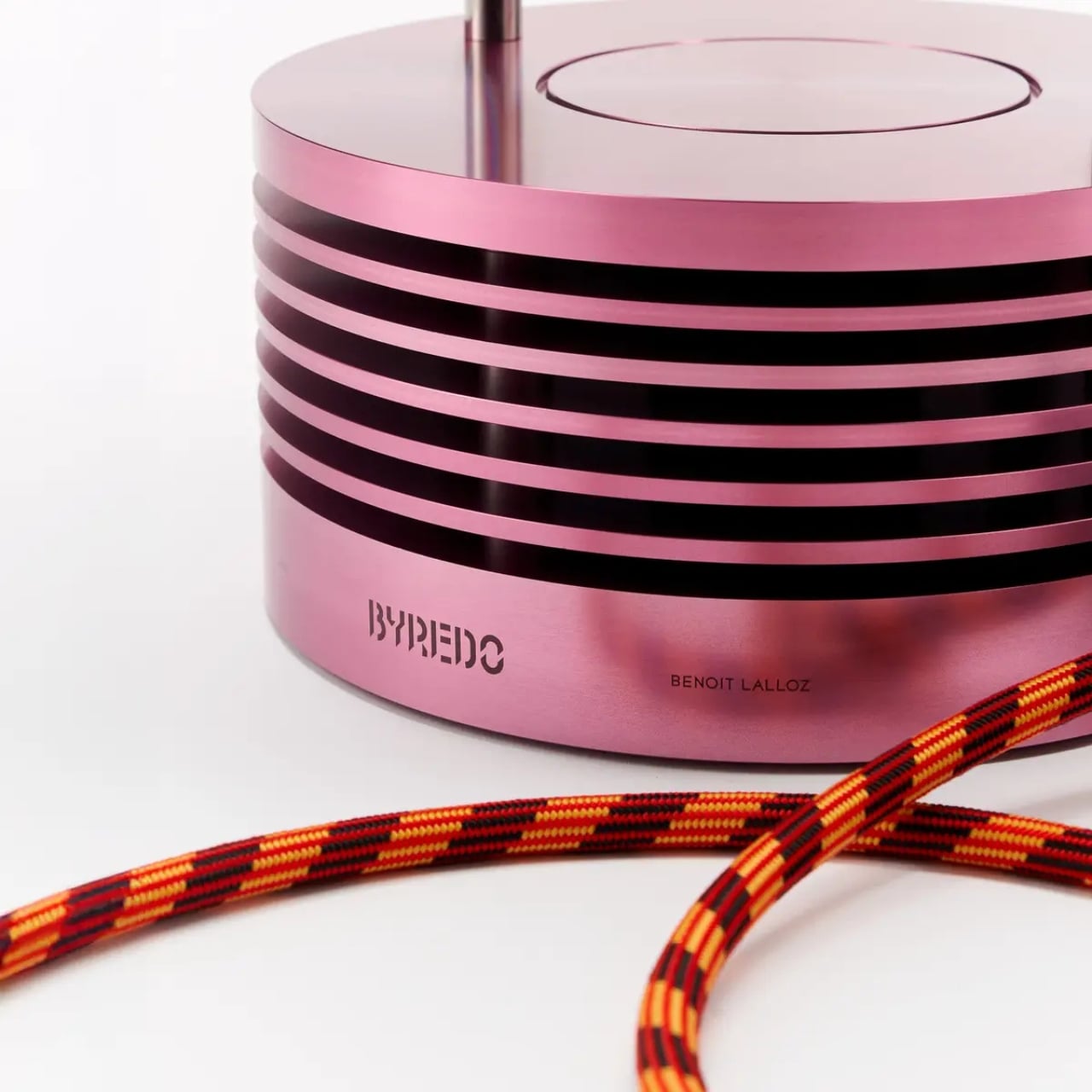
The Infra Luna 2.0 takes its codes from these dynamic opalescent shades and shimmering insect bodies, translating them into bold industrial design. The result is a lamp finished in metallic pink that catches light like an exoskeleton, shifting and glowing depending on your angle. But there’s also a natural finish available, giving you options depending on whether you want statement piece or subtle sophistication.

Even the details tell a story. The striped cable isn’t just decorative; it references how stripes function in nature as both warning and camouflage. A wasp’s yellow and black bands signal danger, while a tiger’s stripes help it disappear into tall grass. Here, the stripes bring the design to life both metaphorically and literally, as the cable becomes an integrated element of the overall aesthetic rather than something you try to hide behind furniture.

The silhouette maintains a technical, raw identity that feels industrial and purposeful, but nature writes this story just as much as engineering does. It’s this tension between the manufactured and the organic, between form and function, that makes the piece so compelling. You can see the halogen bulb, understand the mechanism, appreciate the transparency of how it works, yet it never feels cold or purely utilitarian.

Using temperature to release fragrance creates what Byredo describes as a gentle halo of light paired with an additional halo of scent. Place one of their candles on the base, and as the halogen bulb warms the wax, your space becomes enveloped in fragrance without a flame. For anyone who loves candles but worries about open flames or wants a more even scent distribution, this solves that problem while looking impossibly cool doing it.

The surprise here is both visual and olfactory. It’s one thing to create a beautiful object; it’s another to create one that engages multiple senses and actually improves your daily rituals. This isn’t design for design’s sake. It’s thoughtful, intentional, and genuinely useful, which feels increasingly rare in a world full of objects that prioritize aesthetics over everything else.

Infra Luna 2.0 represents where Byredo is heading as a brand: beyond traditional perfumery into territories where scent intersects with other sensory experiences and design disciplines. It’s inventive, intriguing, and exactly the kind of hybrid object that makes sense for how we live now, wanting fewer things but better things, objects that earn their place through beauty and utility combined.

If you’re interested, the lamp is available online and at select Byredo stores including Soho, Wooster, South Coast Plaza, and Melrose, but quantities are very limited. Available in both that eye-catching metallic pink and a more understated natural finish, it’s the kind of piece that transforms a space simply by existing in it.

The post Byredo Just Built a Lamp That Melts Candles While It Glows first appeared on Yanko Design.

Dbrand’s Companion Cube is the perfect partner for your future Steam Machine

Valve’s second attempt at a console-like gaming PC for your living room is hopefully going to be a triumph worthy of plenty of cake, with or without fun accessories. But if you really want to make the Steam Machine feel extra special when it arrives in early 2026, you’re going to want to dress it up in Dbrand’s Companion Cube skin.

A tribute to the iconic Weighted Companion Cube from Valve’s beloved Portal series, it’s such a fitting design that I sort of wonder if the company is kicking itself for not making something similar for its cube-shaped compact PC. Of course, putting your Steam Machine inside this will ensure it stands out from the other consoles occupying your TV unit, which is the opposite effect that the standard design is going to have. While it does have a customizable front plate and an LED light strip, the default all-black colorway could hardly be less attention-grabbing.

In case you missed yesterday's announcement, the Steam Machine is a Linux-based mini PC that runs SteamOS and is designed to be plugged into your TV, like a console. Valve says it’s roughly six times more powerful than a Steam Deck and is capable of supporting 4K/60fps gaming with FSR. You can also use it to stream VR games to the new Stream Frame headset, while the Steam Controller, with its distinctive trackpads, allows you to play your Steam games wirelessly.

Given that we don’t yet have a release date or price for the Steam Machine, Dbrand’s accessory doesn't have either of those yet either, but it is coming in 2026. And I’m fairly confident that isn’t a lie…

This article originally appeared on Engadget at https://www.engadget.com/gaming/pc/dbrands-companion-cube-is-the-perfect-partner-for-your-future-steam-machine-161634417.html?src=rss

Fallout’s new season two trailer is filled with quick nods to the source material

We are about a month away from the premiere of Fallout season two on Prime Video. The streaming gods have blessed us with a beefy two-minute trailer that's packed with "blink and you'll miss it" Easter eggs and nods to the source material.

This is the first real-deal trailer for the upcoming season, though we did get a teaser back in August. It checks in on every major character from the first season and, of course, is absolutely littered with New Vegas stuff. The first batch of episodes ended with an acknowledgment that the show would be visiting the iconic location and this trailer further proves that.

There are new actors coming to the show, many of which are featured here. Justin Theroux is playing Mr. House, a fan favorite character from the games who was originally voiced by the late, great René Auberjonois. Kumail Nanjiani shows up, and so does Macaulay Culkin. Ron Perlman can also be heard speaking during the trailer, and he did all of the opening narrations for the Fallout games.

We have no idea what will happen this season, as the show is set in the Fallout universe but is telling its own story. The first season took the world by storm, given that nobody really expected it to be quite that good. The new batch of episodes begin on December 17, but this is a weekly release schedule. There will be no Netflix-style drop here.

This article originally appeared on Engadget at https://www.engadget.com/entertainment/tv-movies/fallouts-new-season-two-trailer-is-filled-with-quick-nods-to-the-source-material-161533128.html?src=rss

Sony’s latest Horizon spin-off is an MMORPG for PC and mobile, but not PS5

An MMO based on Sony's Horizon series is on the way. However, Horizon Steel Frontiers is not coming to PS5, at least not initially. It's a mobile-first game that's also coming to PC, in another example of Sony Interactive Entertainment expanding beyond its core PlayStation console business.

NCSoft, the MMO developer and publisher behind the likes of the Guild Wars series and Throne and Liberty, is taking the lead on Horizon Steel Frontiers. It's working on the game alongside original Horizon developer Guerrilla Games and Sony.

Horizon Steel Frontiers is said to build on the fun robot dinosaur hunting action of Horizon Zero Dawn and Horizon Forbidden West with greater player freedom, "deeply customizable combat" and other advanced MMORPG systems. You'll be able to undertake "large-scale raids" with other players. You'll likely end up competing with other players for resources too.

You'll create your own character, who belongs to a tribe of your choosing. Just like in the main games, status effects are a key component of combat. You'll also be able to grapple onto giant machines, chip parts of them off and use weapons that robot enemies drop against them. In a neat touch, you can carry these weapons on your mount and use them in your next fight. Horizon Steel Frontiers has Tallnecks too, so I'm happy about that.

The action is set in a region called the Deadlands, which is inspired by New Mexico and Arizona, and you'll share this part of the Horizon world with "thousands of other players," according to Guerrilla studio director Jan-Bart Van Beek. As with the series' core games, the story here concerns finding a balance between humanity, technology and nature.

Guerrilla said back in 2022 that it was working on more “epic solo adventures for Aloy” (the protagonist of the mainline entries) and it's said to be making its own Horizon multiplayer game. This MMO isn't the first Horizon spin-off either. Lego Horizon Adventures, from Guerilla Games and Studio Gobo, arrived a year ago. Co-op is a key aspect of that game, so that's a multiplayer title too.

Handing development of Horizon Steel Frontiers to a studio with vast experience in the MMO genre is a smart move on Sony's part. The company pivoted a few years back to focus heavily on live-service games, but that strategy hasn't panned out so well. Sure, Helldivers 2 has been a major hit, but Concord was an utter disaster. An attempt to make a multiplayer game in the world of The Last of Us didn't work out. Sony's acquisition of Bungie hasn't gone as smoothly as expected either. The company said this week it wrote down the value of Bungie's assets by $204 million amid Destiny 2's struggles, putting even more pressure on the upcoming Marathon to succeed.

Sony and NCSoft have not yet revealed a release date for Horizon Steel Frontiers. In any case, Horizon is one of Sony's most popular franchises and it should make for strong fodder for an MMO. The action in the gameplay trailer looks as slick as you'd expect from this series and taking down robot dinos with friends in Monster Hunter-style action could be a lot of fun. It's probably a good thing that you're not playing as Aloy here, given how annoyingly reluctant she is to accept help from would-be allies in her own games.


This article originally appeared on Engadget at https://www.engadget.com/gaming/playstation/sonys-latest-horizon-spin-off-is-an-mmorpg-for-pc-and-mobile-but-not-ps5-153532860.html?src=rss