Apple has officially released iOS 26.2 RC2, the latest iteration in its software refinement process. This version is specifically designed for developers and public beta testers, addressing critical bugs, introducing subtle design improvements, and laying the groundwork for broader updates across the Apple ecosystem. With the final release anticipated soon, this update is more than […]
What does it take to crown a laptop as the best 18-inch gaming machine of its time? In 2025, Lenovo seems to have answered that question with the audacious Legion 9i, a device that doesn’t just aim to compete, it aims to dominate. Boasting a jaw-dropping Nvidia RTX 5090 GPU, an Intel Core Ultra 9 […]
The Samsung Galaxy S26 Ultra is poised to redefine the premium smartphone landscape with a series of impressive upgrades. While official announcements remain pending, credible leaks and expert insights have painted a compelling picture of what to expect. From advanced display technology to enhanced processing power, the Galaxy S26 Ultra is designed to deliver […]
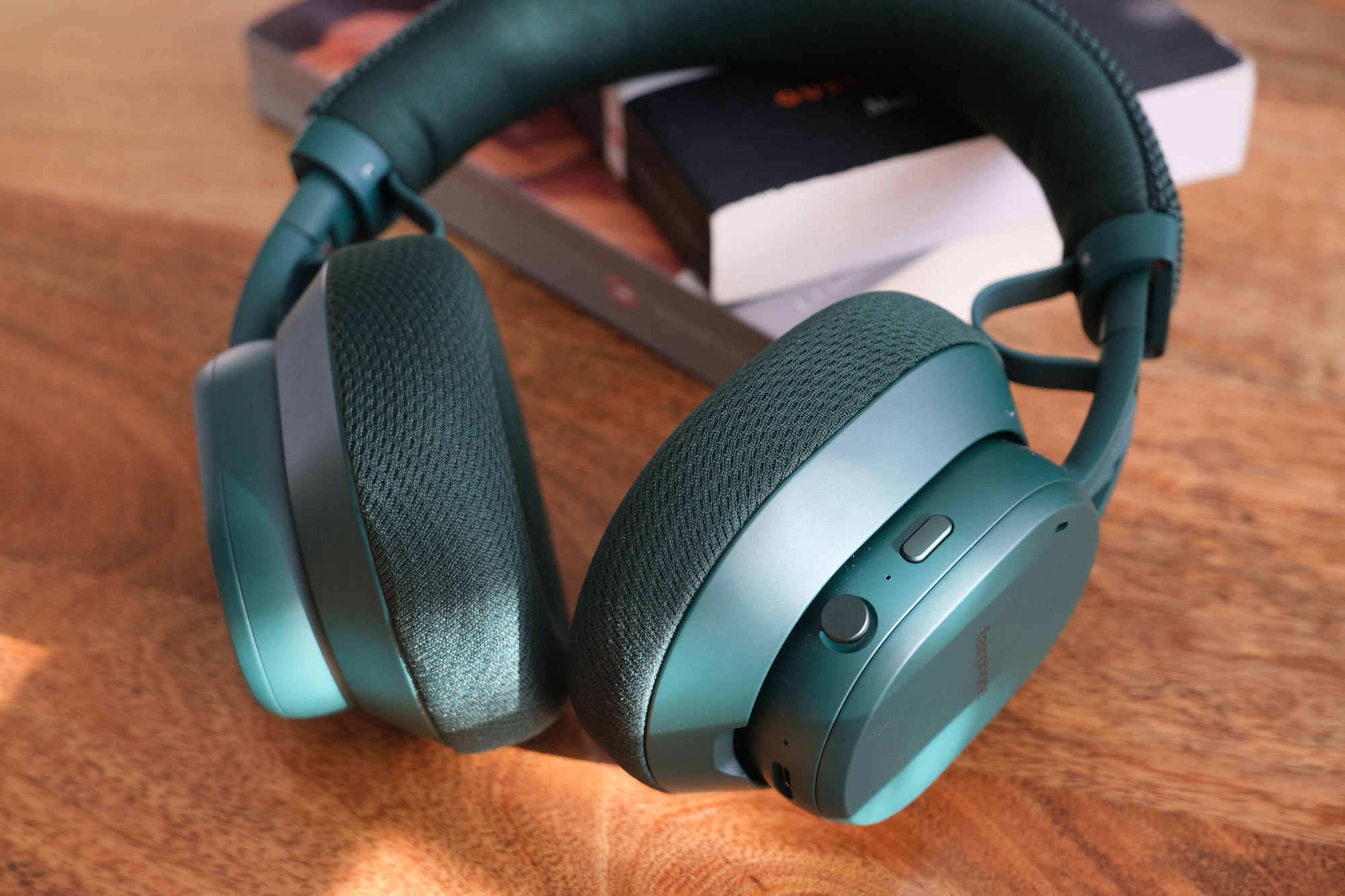
The 2025 Fairbuds XL ship with new “premium” 40mm dynamic drivers and stronger N52 rated magnets for “more power and enhanced bass response.” Listeners should expect to hear “improved accuracy in mid and high frequencies” thanks to improved audio tuning. And there’s a new paper-based speaker membrane that’s more refined than what went before.
Sound-quality is certainly improved over the predecessor, with cleaner bass and sharper mid and high tones. You can really hear how clean the sound is, especially when you’re listening to something lush and orchestral. Going by my memory from two years ago, the ANC seems to be unchanged, able to deal with unwanted sounds like the tapping of my own keyboard with ease.
Obviously, you shouldn’t go in expecting the same sort of brilliant sound you’d get from top tier manufacturers. Although I think Fairphone has likely closed the gap so while you’re still a generation or two behind the bleeding edge, it’s not by a shameful degree. And, if we’re honest, if you’re looking for a pair of cans that’ll last you years and years, you’re likely able to forgive the absence of the shiniest bells and whistles.
Closeup image of the Fairbuds XL (2025)
Daniel Cooper for Engadget
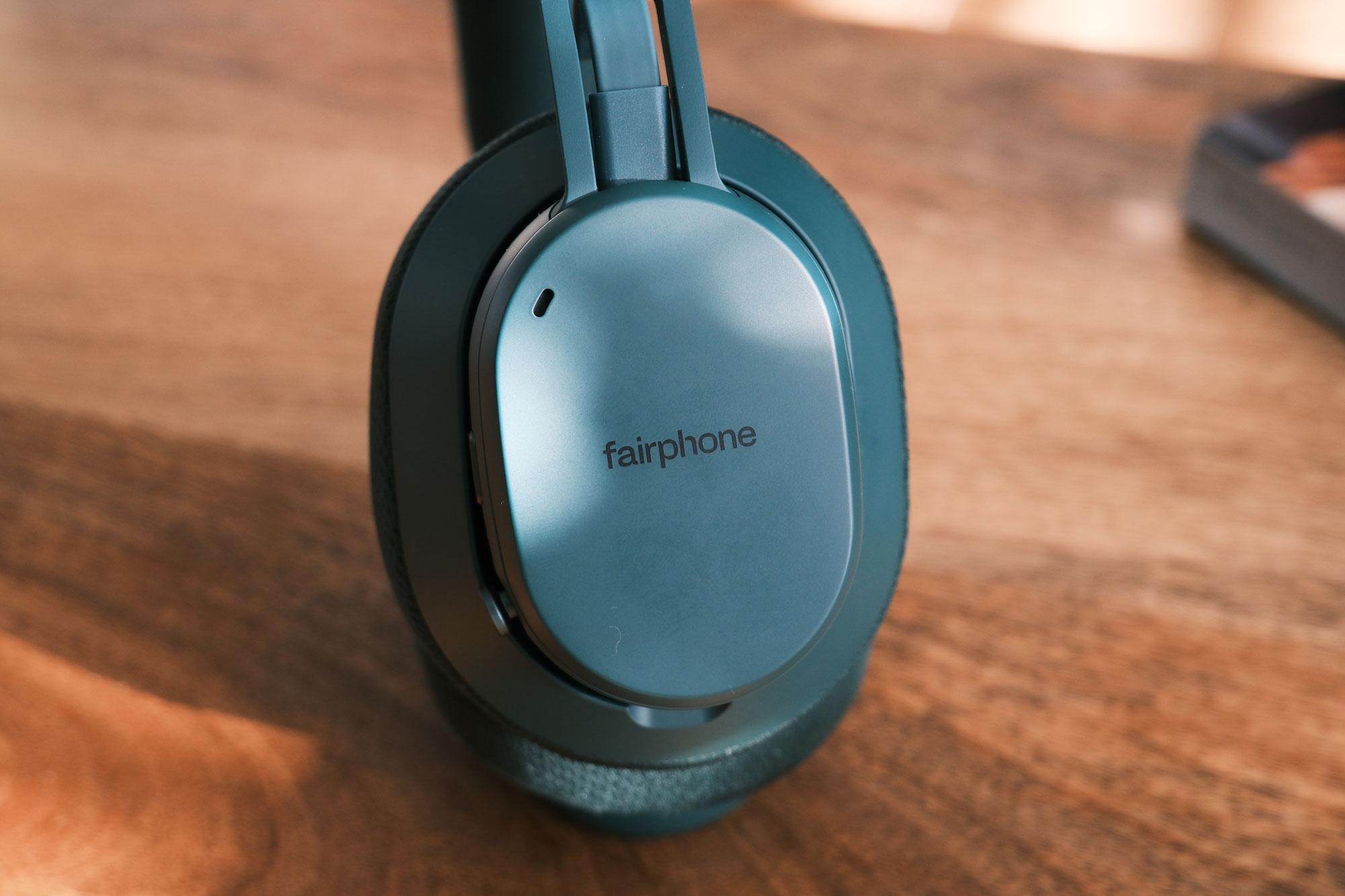
It’s easy to notice the design changes, too, with the more austere Fairphone logo and the use of solid plastic in place of the original speckled pattern. Sadly, that extends to the little pop of copper found on the four way joystick, which is now a different shade of the same colorway. I get it: A lot of people want their consumer electronics to blend in, but the loss of whimsy pains me a little.
There’s some fairly minor but welcome quality of life improvements, including adding automatic power off after 30 minutes. Plus, buyers get the benefit of a three year warranty, and can rest assured the XL are Longtime certified. Longtime is a new European labeling standard for gear built to be long-lived, repairable and supported by a robust repair infrastructure. And, if you already own a pair of XLs, you can buy the new drivers and slot them into your existing cans.
Side showing logo.
Daniel Cooper for Engadget
But, in line with Fairphone’s founding principles, the update is equally focused on the raw materials that have gone into making the 2025 XLs. The PU “leather” found in the ear cushions — hardly a climate friendly material — has been ditched in favor of Bird’s Eye Fabric. That’s a cotton fabric produced with a series of air holes for breathability more commonly found in athleisure products. Similarly the PU found in the headband gets replaced with fabric that reminds me of plenty of other high end sport headphones.
Beneath the surface, the new model contains 100 percent fair mined cobalt, copper and silver — via mining credits, at least. The rare earth metals used in the speaker magnets are now 100 percent recycled, and they were assembled in a facility using 100 percent renewable energy. You’ll also find more than 90 percent recycled aluminum, and 80 percent recycled plastics, with the company pledging to recycle an equal amount of e-waste to every pair sold. Plus, as usual, Fairphone will pay the people who assemble the hardware a living wage bonus to ensure “workers can cover their family’s needs.”
Fairbuds XL are available to order today in Europe both from the Fairphone website and select third party retailers. If you’re in the US, you’ll need to wait until “later” this month, but you’ll be able to pick them up via Amazon for $229.
This article originally appeared on Engadget at https://www.engadget.com/audio/fairphone-updates-its-over-ear-headphones-with-better-sound-080000773.html?src=rss
What if you could build an app in 2026 without writing a single line of code yourself? Imagine orchestrating a team of specialized AI models, one crafting flawless code, another designing stunning visuals, and yet another debugging with pinpoint accuracy, all working together seamlessly. While the dream of a single, all-powerful AI handling every aspect […]
Choosing a gaming laptop in 2025 shouldn’t feel like a gamble, but with the ASUS Strix G16, the stakes are high. Imagine investing in a innovative machine, only to realize you’ve picked the wrong configuration for your needs. The Strix G16 comes in two powerhouse flavors, Intel and AMD, each with its own strengths, quirks, […]
The Galaxy Z TriFold is poised to reshape the foldable smartphone landscape by merging the capabilities of a smartphone and tablet into a single, innovative device. Its tri-fold design, expansive interior display, and advanced multitasking features offer a glimpse into the future of mobile technology. However, this ambitious device also faces challenges, including increased thickness, […]
Apple has officially released iOS 26.2 RC2, marking the final release candidate before the public rollout of this update. This version is designed to address lingering bugs, enhance system performance, and refine existing features. For developers and public beta testers, it provides an early glimpse into the improvements that will soon be available to all […]
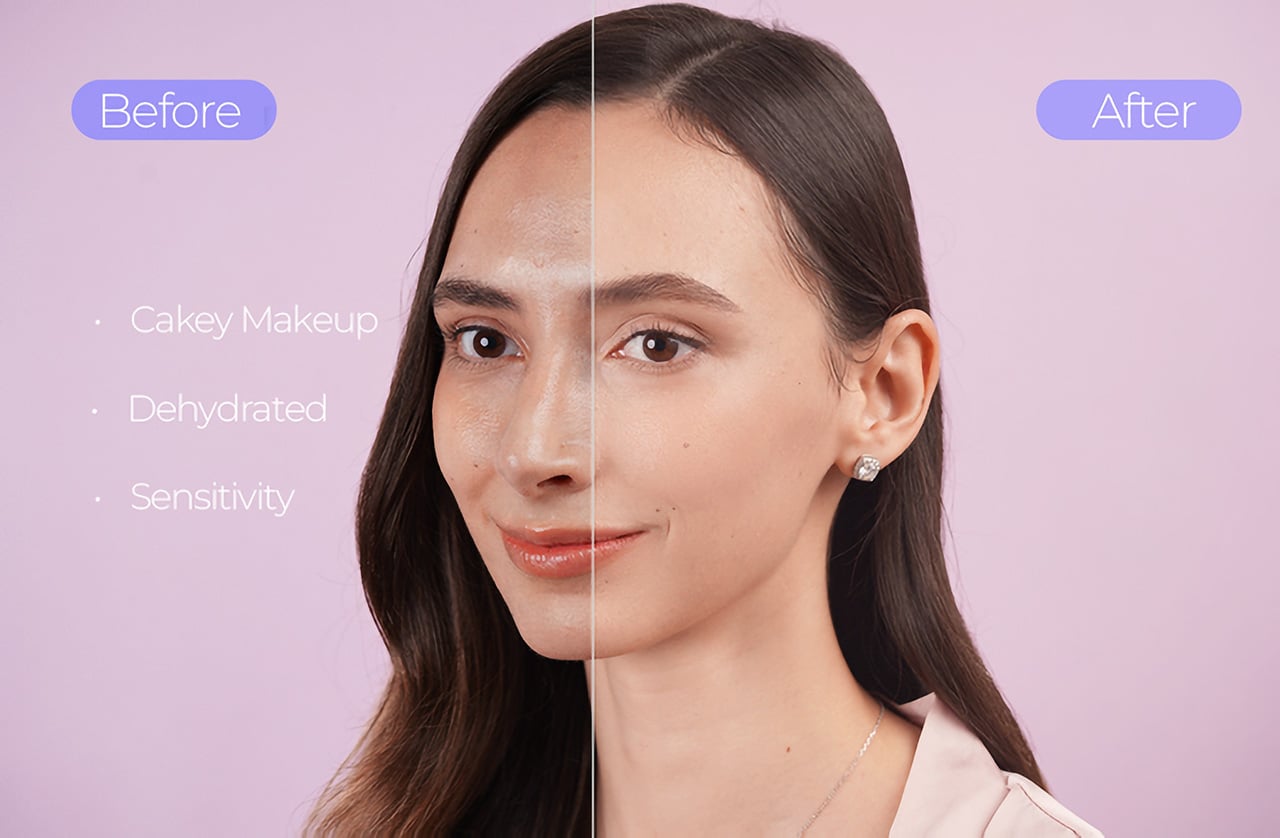
Skin loses the hydration war quietly in today’s modern world. Office air conditioning runs all day, planes recycle cabin air for hours, and cars blast heat or cold depending on the season. Most hydration routines still happen at a bathroom mirror with a cotton pad and a bottle, even though the real damage shows up at desks, in conference rooms, and halfway through a flight when your face feels tight and tired.
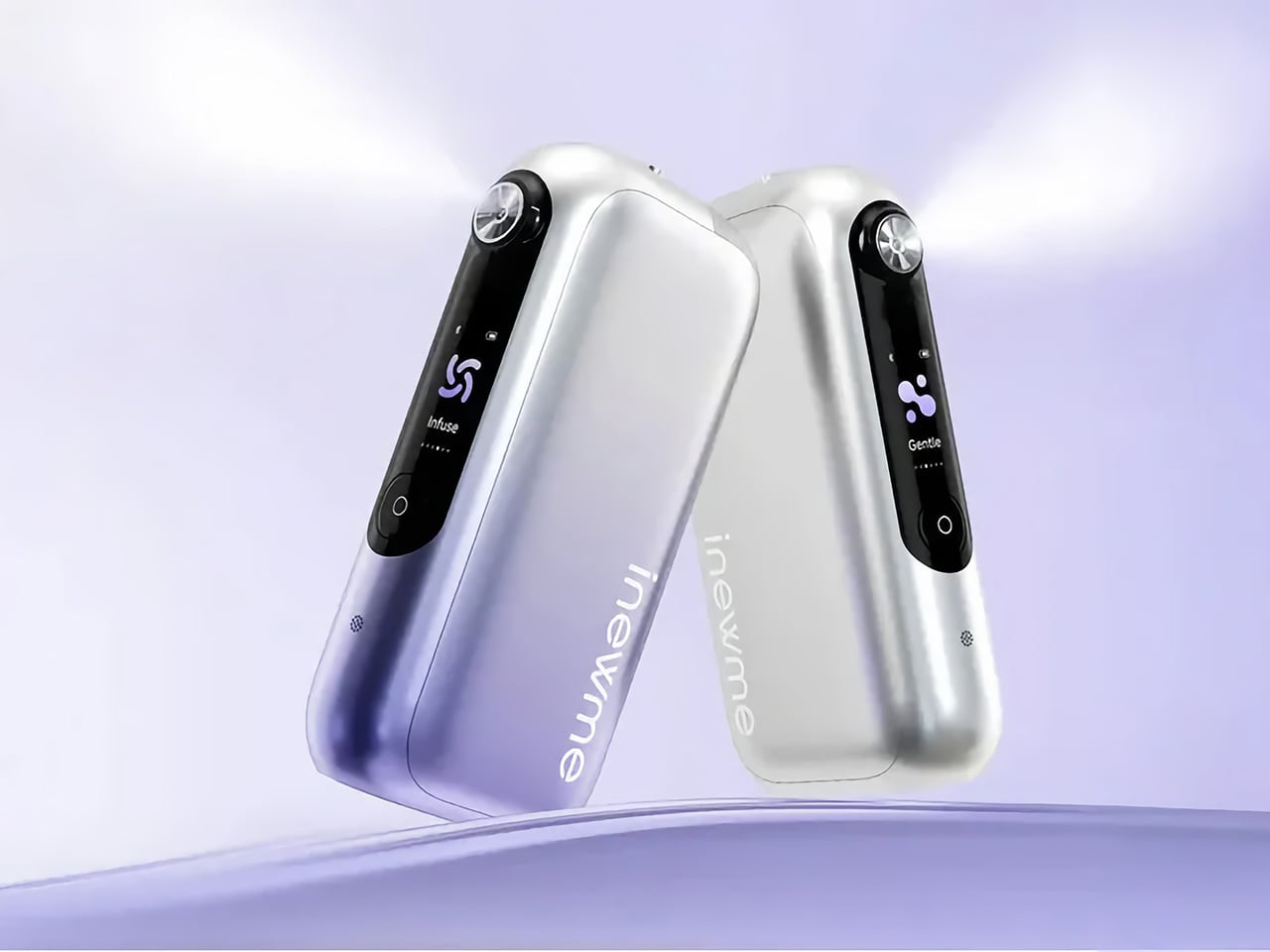
NanoHydra Pro tries to close that gap by shrinking a fairly advanced hydrator into something pocket-sized. It looks like a small metallic gadget with a gradient finish, the kind of thing that sits on a desk next to a phone or slips into a bag without announcing itself. A dual pump nano mist system atomizes toner or serum into a 10 micron droplet cloud, fine enough to sit on skin rather than drip off.
The 10 micron mist feels different from a regular spray bottle. Most misters shoot larger droplets that either evaporate too fast or run down your cheeks, leaving streaks on your makeup or pooling near your jawline. NanoHydra Pro atomizes liquid into something closer to a soft fog, light enough to absorb quickly without leaving skin wet or sticky, and you can use the same toner you already have.
What makes it feel smarter is the ToF distance sensor built into the front. It reads how close the device is to your face and quietly adjusts mist output in real time. Hold it near, and the spray softens to avoid oversaturating small areas. Pull it back, and coverage expands for broader strokes. Step outside the detection range, and it shuts off automatically, saving product and avoiding accidental desk misting.
The design seems built for people who keep skincare at their desk rather than just in the bathroom. Five modes let you shift between everyday hydration, a gentler setting for sensitive days, a lifting mode when skin feels slack, an infuse mode for deeper serum sessions, and a manual option for one quick burst. Each mode adjusts mist intensity and duration to match the moment.
The battery lasts around a week with regular use, so it sits there ready without becoming another thing to plug in every night. You press a button, pick a mode on the small LCD screen, mist your face, and go back to work. It fits into the kind of routine where hydration happens between calls or emails rather than as a separate event you have to carve out time for at home.
Travel is where the leak-proof capsule starts to matter. The chamber locks toner or serum inside with enough seals that you can toss it into a bag, check it in luggage, or carry it through airport security without spills soaking into clothes or electronics. The compact body fits easily into a jacket pocket or backpack side slot. On a long flight or dry commute, pulling it out and misting your face takes less effort than digging through a toiletry kit.
A companion app adds a layer for people who like tracking routines. It lets you adjust mist intensity, log each session, and review hydration trends over time, turning a simple spritz into something more intentional. The app also offers guidance based on your skin type and habits, though the device still works perfectly well as a one-button hydrator if you would rather skip the data layer entirely.
NanoHydra Pro hints at a version of skincare tools that pay attention to context instead of just pushing liquid through a nozzle. It reads distance, tunes droplet size, and fits into spaces where traditional routines fall apart, like desks, cars, and airplane seats. As hydration stops being something that only happens at a mirror, a small object that adapts quietly in your hand starts to feel like the more useful kind of upgrade.
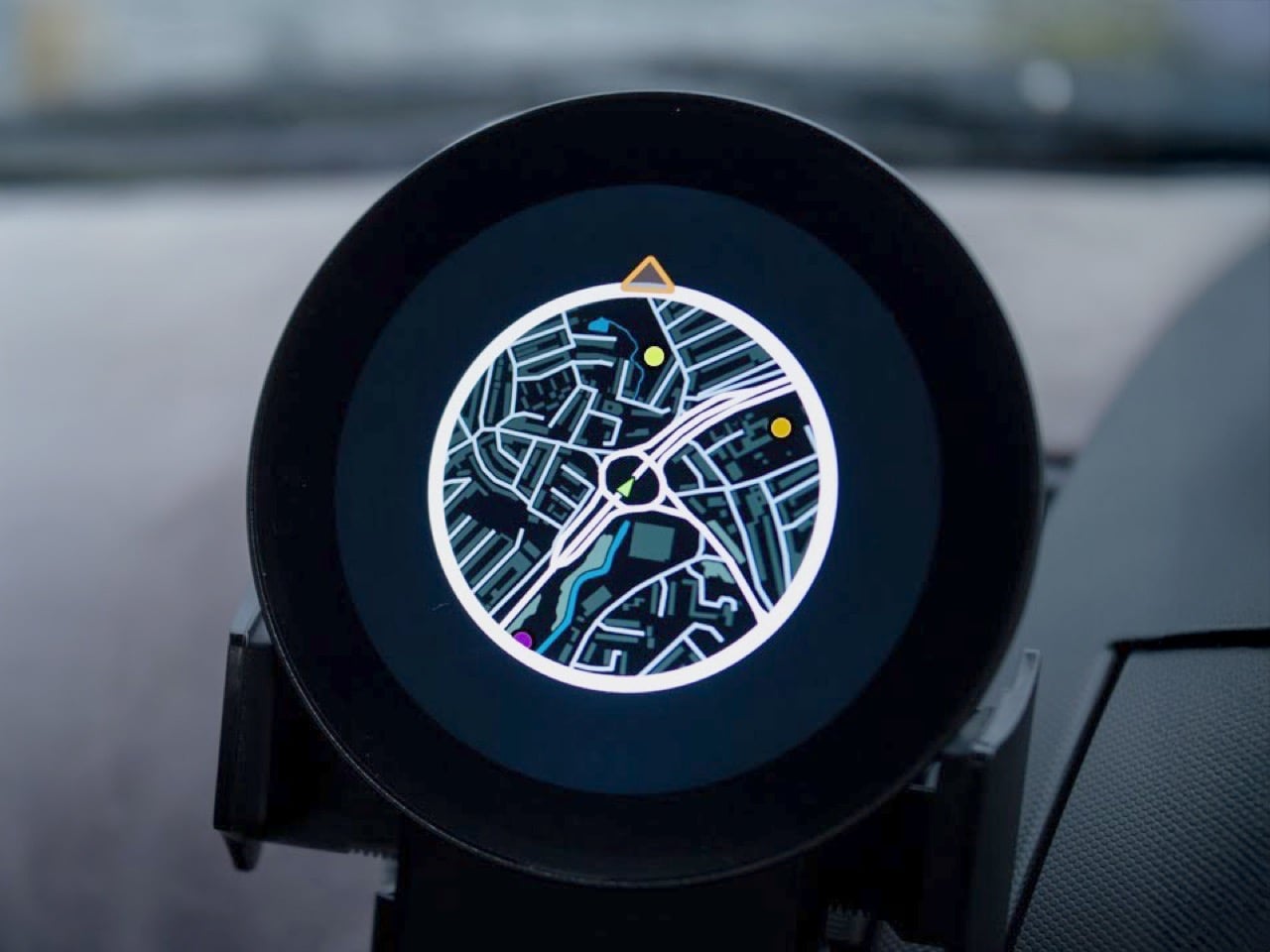
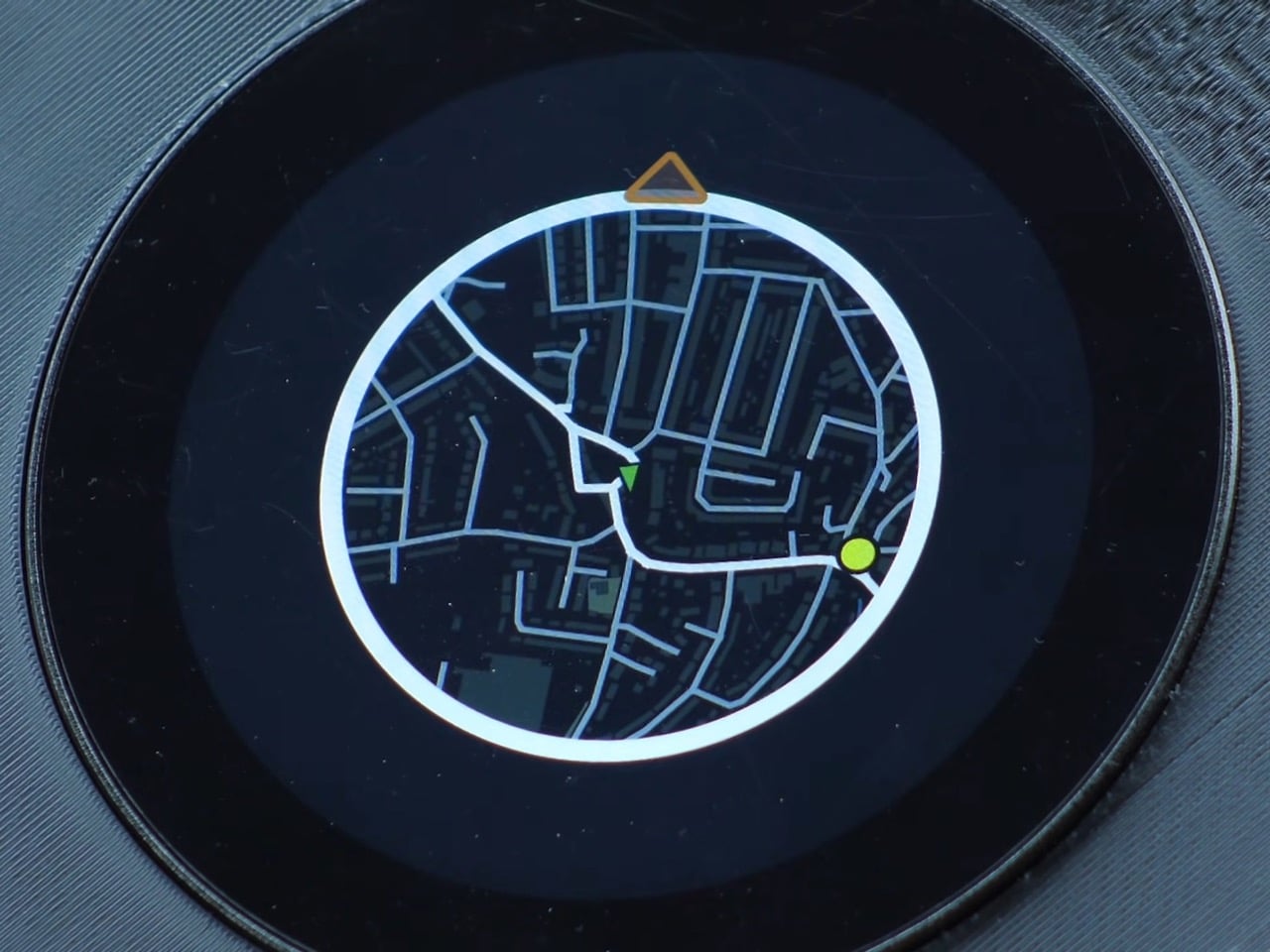
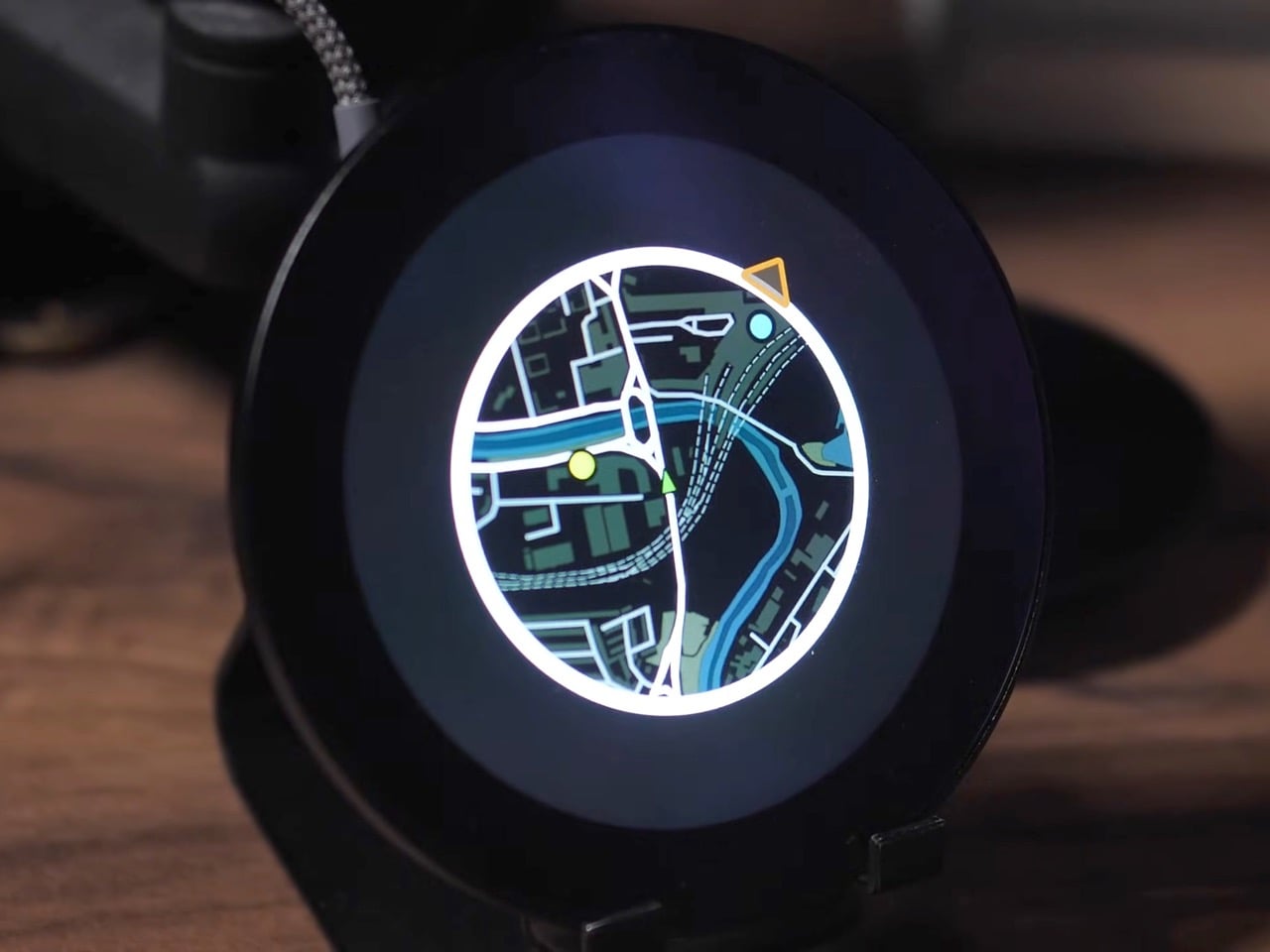
The mini map has been a staple of racing and open-world games for decades, teaching us to navigate virtual cities with quick glances at a corner of the screen. A developer has now made that experience tangible, building a GPS-based mini map system for actual driving that recreates the look and feel of Need for Speed Underground 2. What everyone said was impossible on an ESP32 microcontroller is now working smoothly in a real car, tracking position, displaying waypoints, and making everyday drives feel unexpectedly game-like.
Getting this to work on a $20 microcontroller meant processing the entire UK into 2.5 million map tiles, totaling 236GB of data stored on an SD card. The ESP32 loads them dynamically based on your heading, only pulling in new tiles from the direction you’re traveling because each one takes a tenth of a second to load. We’re talking weeks of optimization just to get map tiles loading fast enough, clever tricks to avoid tanking the frame rate, and some creative compromises that make the whole thing feel polished despite running on hardware that costs less than takeaway for two. What’s particularly cool is that all the code is open-source, meaning you could theoretically generate tiles for your own city styled after whatever game you’re nostalgic for.
Designer: Garage Tinkering
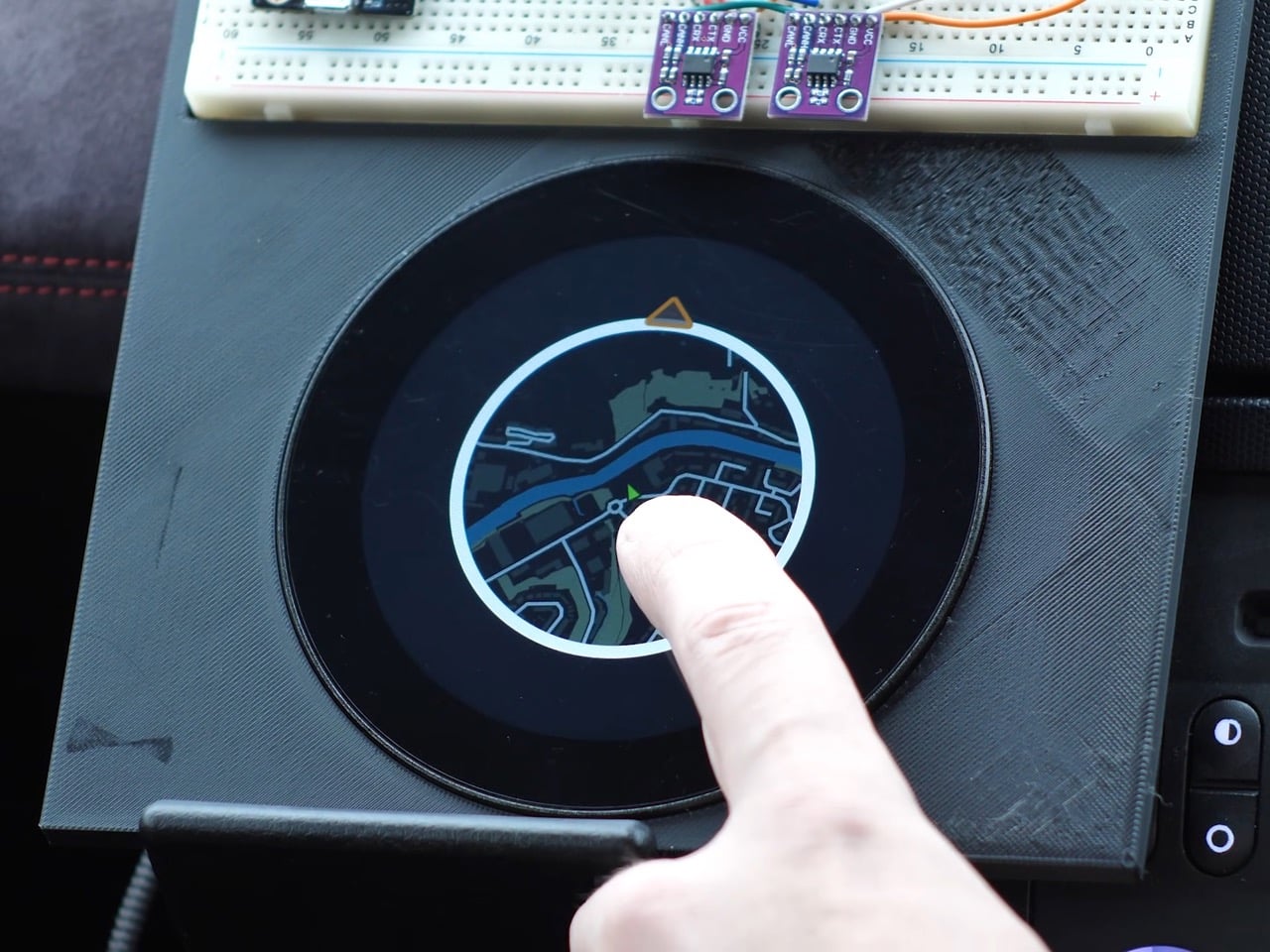
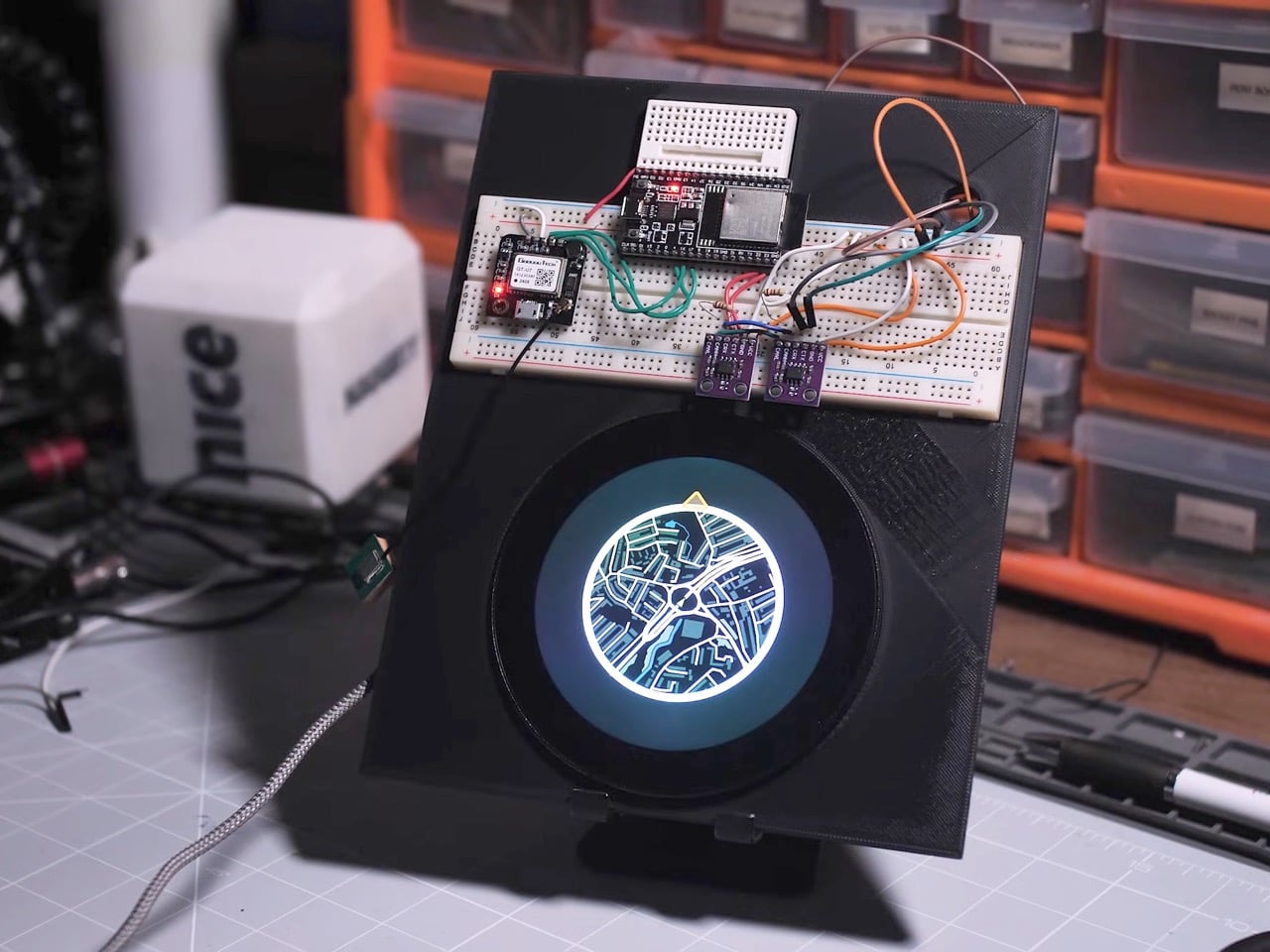
The project runs on an ESP32-P4, the flagship chip in the ESP32 family, paired with a 3.4-inch 800×800 pixel WaveShare display. If it couldn’t work on this combination, it wasn’t going to work on any ESP32, which is exactly why the developer chose it. The alternative would have been admitting defeat before even starting, and where’s the fun in that?
The map generation process alone is wonderfully excessive. Using QGIS, a geospatial mapping tool, the developer pulled road data from Ordnance Survey, transportation waypoints from the UK Department of Transportation, and petrol stations from Open Street Maps via a custom Python script that parsed through a 2GB dataset looking for anything tagged with “amenity=fuel.” The result was 2.5 million map tiles covering the entire UK at zoom level 16, totaling 236GB of data. Processing took 35 hours. Converting those tiles to a format the ESP32 could read took another 18 hours. Transferring everything to an SD card took 22 more hours. This is the kind of project where you start things running before bed and hope they’re done by morning.
Getting smooth performance meant rethinking how traditional GPS navigation works. Each tile takes roughly 0.1 seconds to load from the SD card, which sounds fast until you realize how many tiles you’d need if you loaded everything around you constantly. The solution was directional loading. If you’re heading north, only load new tiles coming in from the top. The tiles on the sides and bottom don’t need refreshing because you’re moving away from them. Just shuffle the existing data around in memory and you’ve saved yourself a bunch of unnecessary SD card reads.
The other big performance win came from abandoning authenticity. The original plan was to rotate the entire map grid so it moved like it does in Need for Speed, with the car always pointing up. Turns out rotating large image grids on an ESP32 makes everything stuttery and unpleasant. The fix was keeping the map oriented north and rotating just the car icon to show your heading. It’s less true to the game but infinitely smoother in practice, which matters more when you’re actually using the thing.
The current prototype isn’t exactly plug-and-play elegant though. The GPS module sits on a breadboard outside the main device, creating a larger footprint than the sleek circular display suggests. It’s functional but definitely looks like a dev setup rather than a finished product. Still, the developer plans to integrate everything into a full Need for Speed inspired dashboard for their Nissan 350Z, which should clean up the form factor considerably. And since all the code is open-source and free to use, anyone with the patience for multi-day processing times can adapt it for their own area and preferred game aesthetic.