Flow meditation assistive wearables customize your zen routine in real-time for deeper immersion

We live in a fast-paced world where everything seems like an action movie. That can force most of us into the fight or flight mode, which is not a good physiology to be in all the time. To calm down the senses and be in a zen state of mind, meditation is the alibi. But it’s easier said than done, as the mind races through all kinds of thoughts as soon as you close your eyes, ready to be in your zen mode.

That feeling can trigger anxiety and force one to give up the practice over time. Although there are countless gadgets claiming to be the best assistive solution for your daily meditation routines, only a few are practical enough to even consider. The Flow wearable meditation devices want to solve this once and for all with a ground-up approach to identify the underlying problem and then solve it with assistive tech in real-time.

Designer: Siwoo Kim | Samsung Design Membership

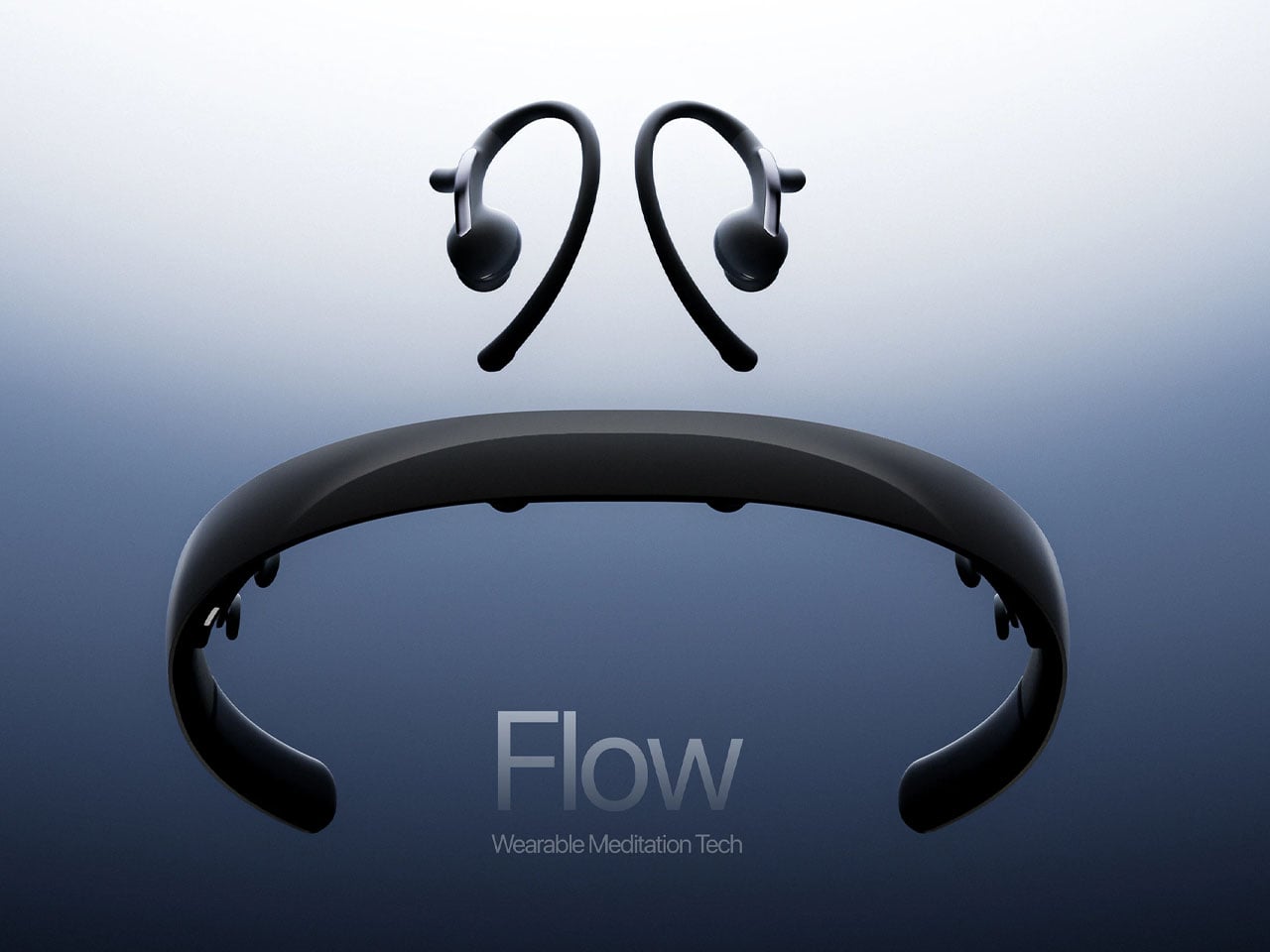
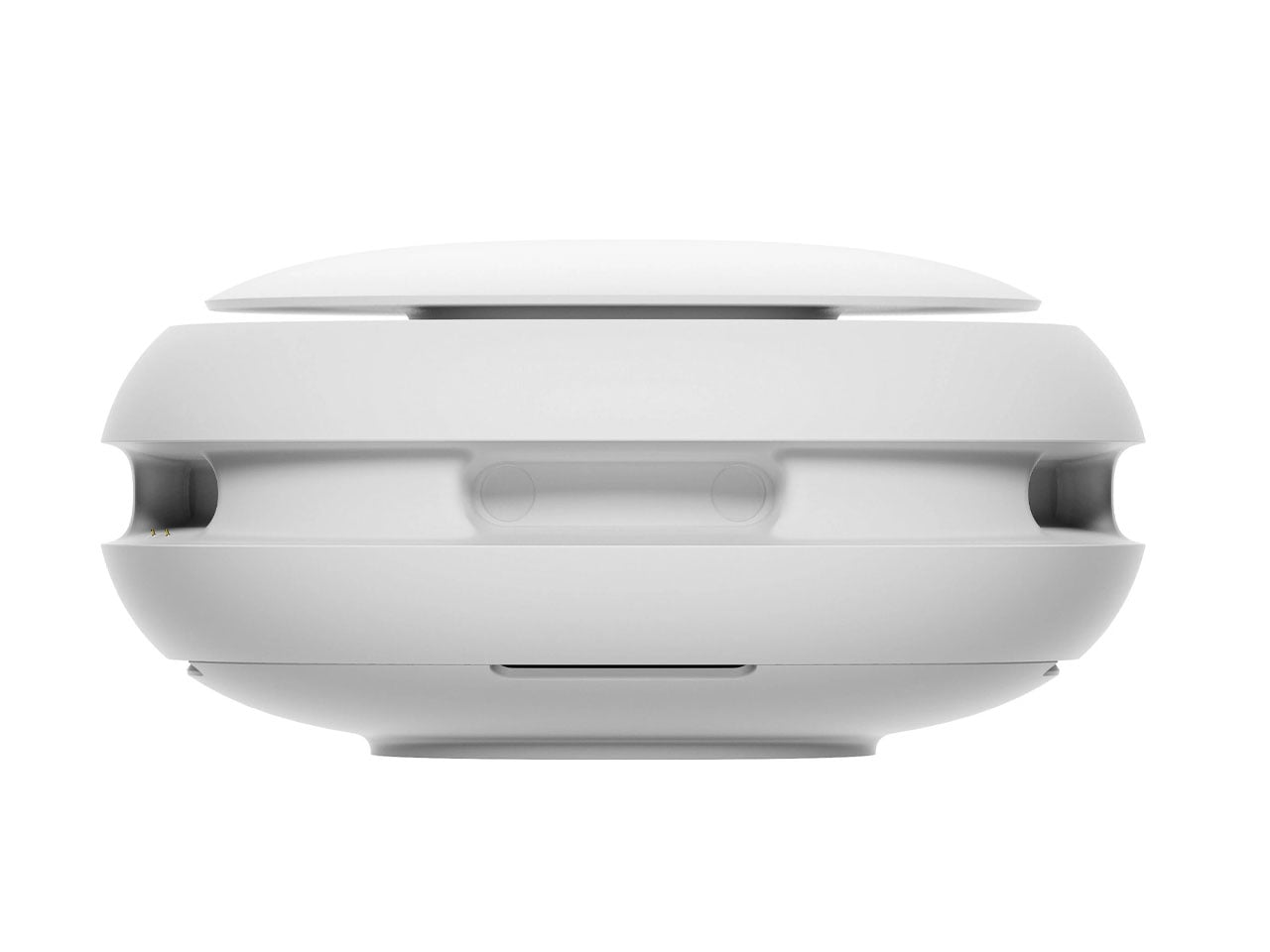
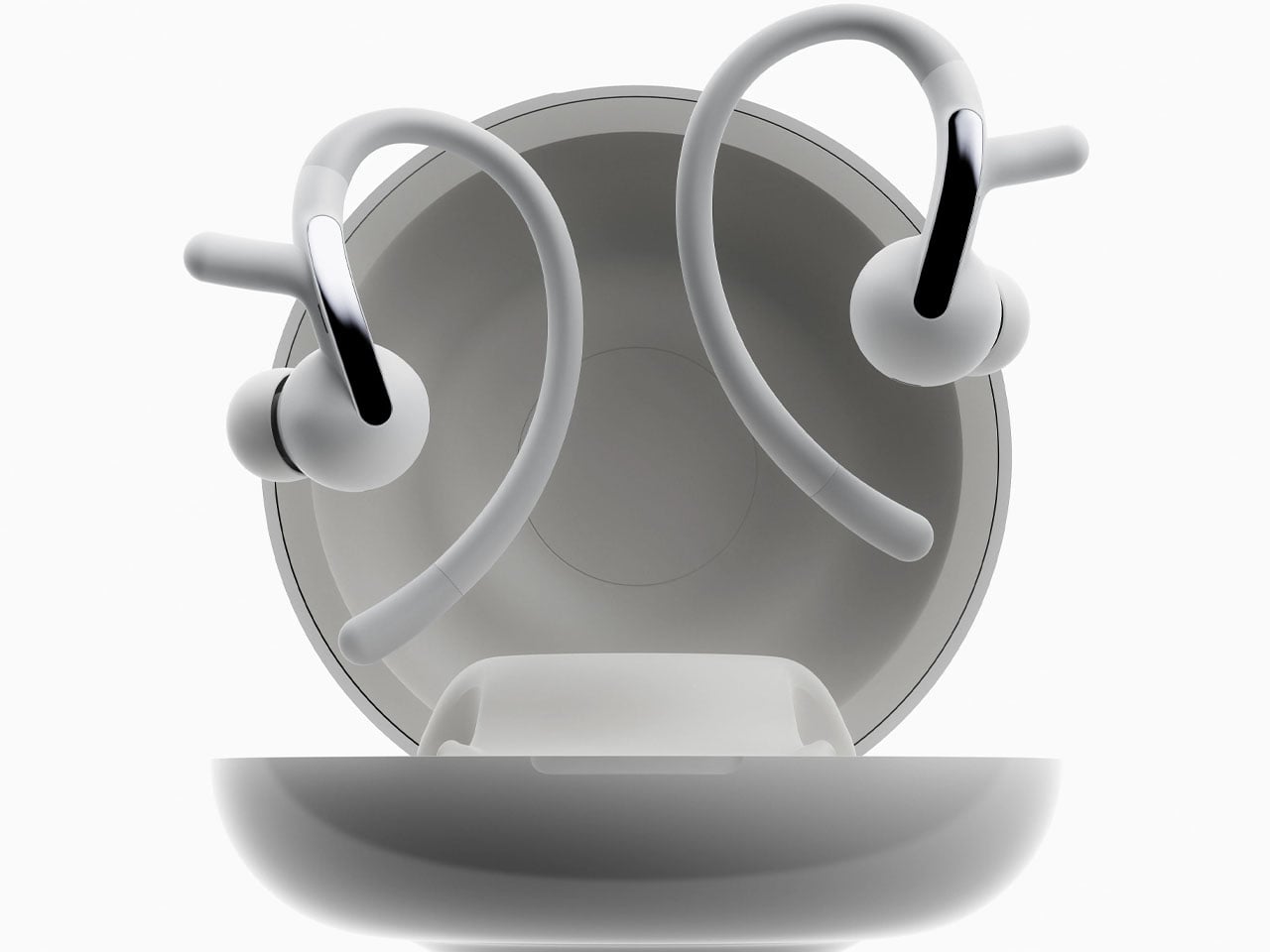
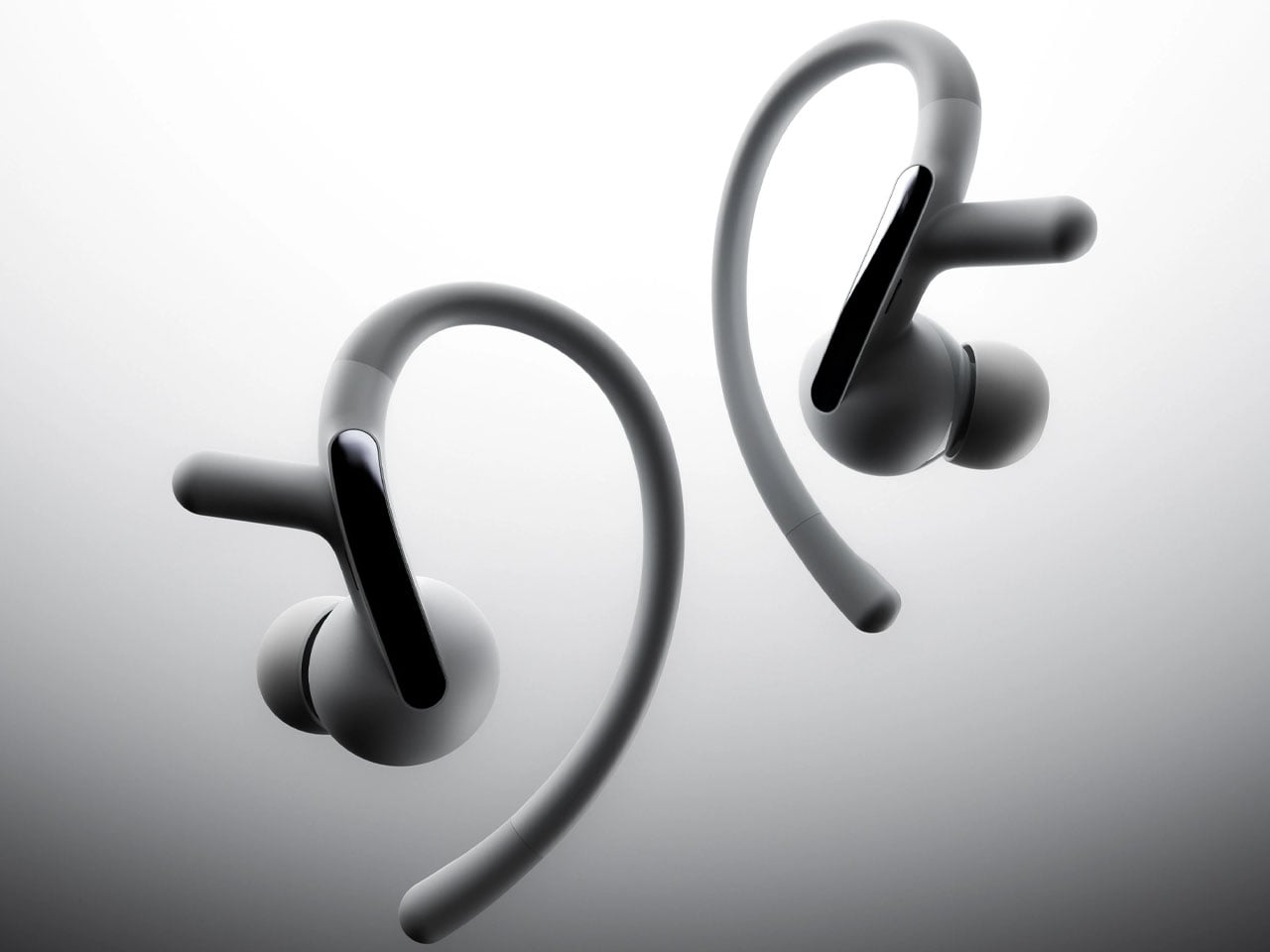
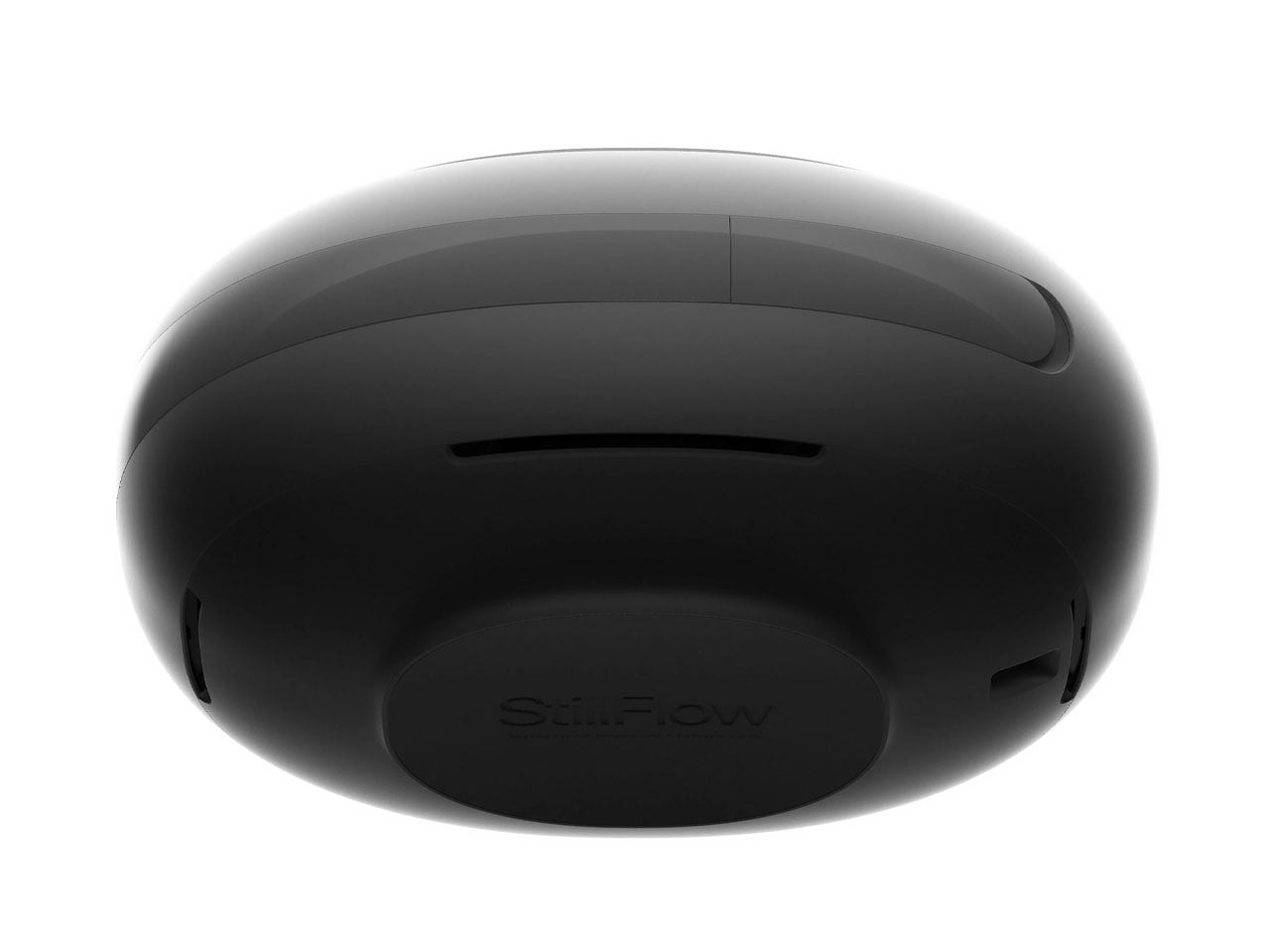
This concept relies on a holistic approach of consistency by having two separate sets of assistive wearable devices. StillFlow for a comprehensive at-home routine to immerse in the meditative state, and the AirFlow, which is a pair of advanced earbuds loaded with the tech to bring you back to a state of calm, when the world out there is too much for your senses to handle.

StillFlow

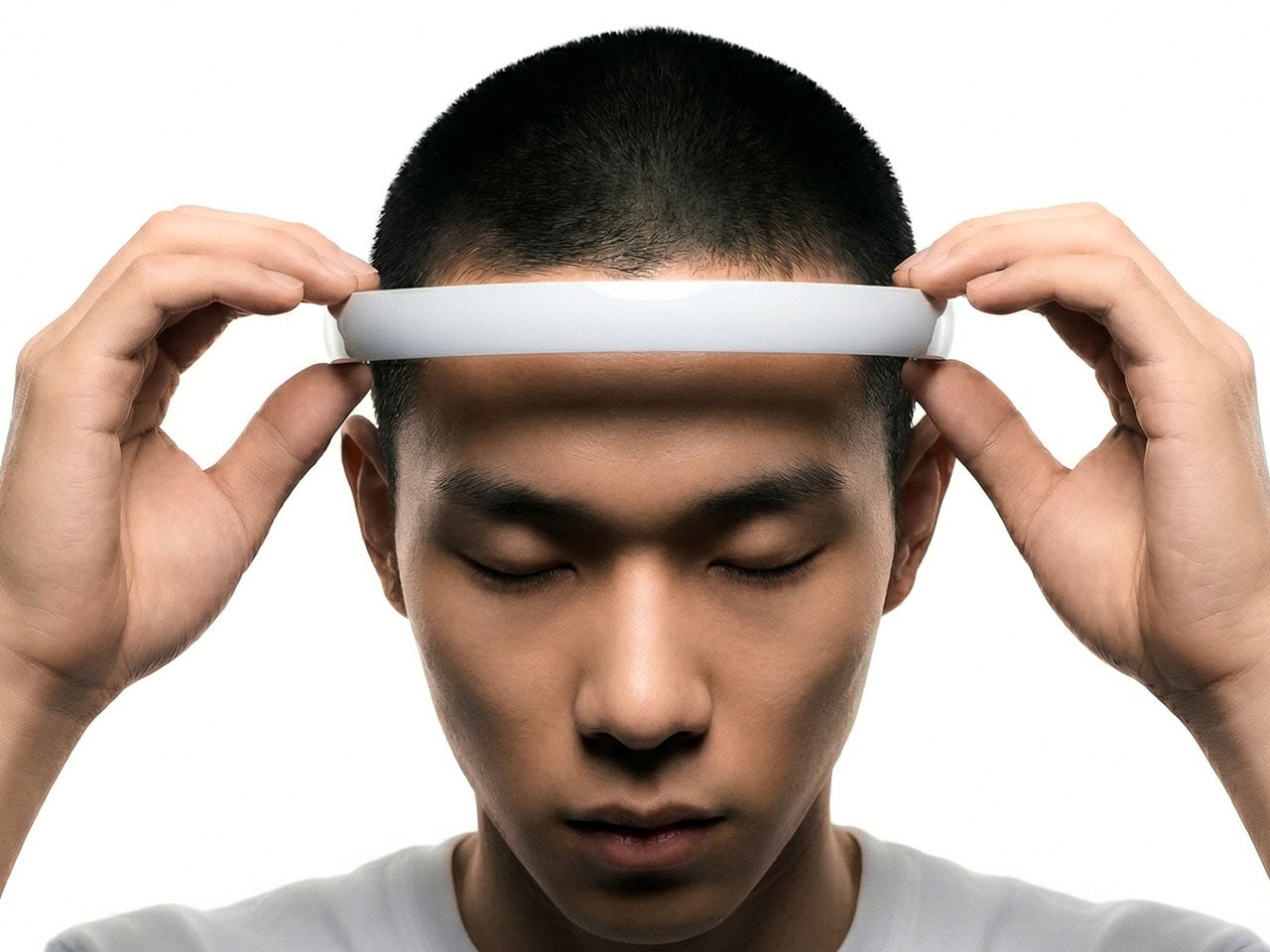
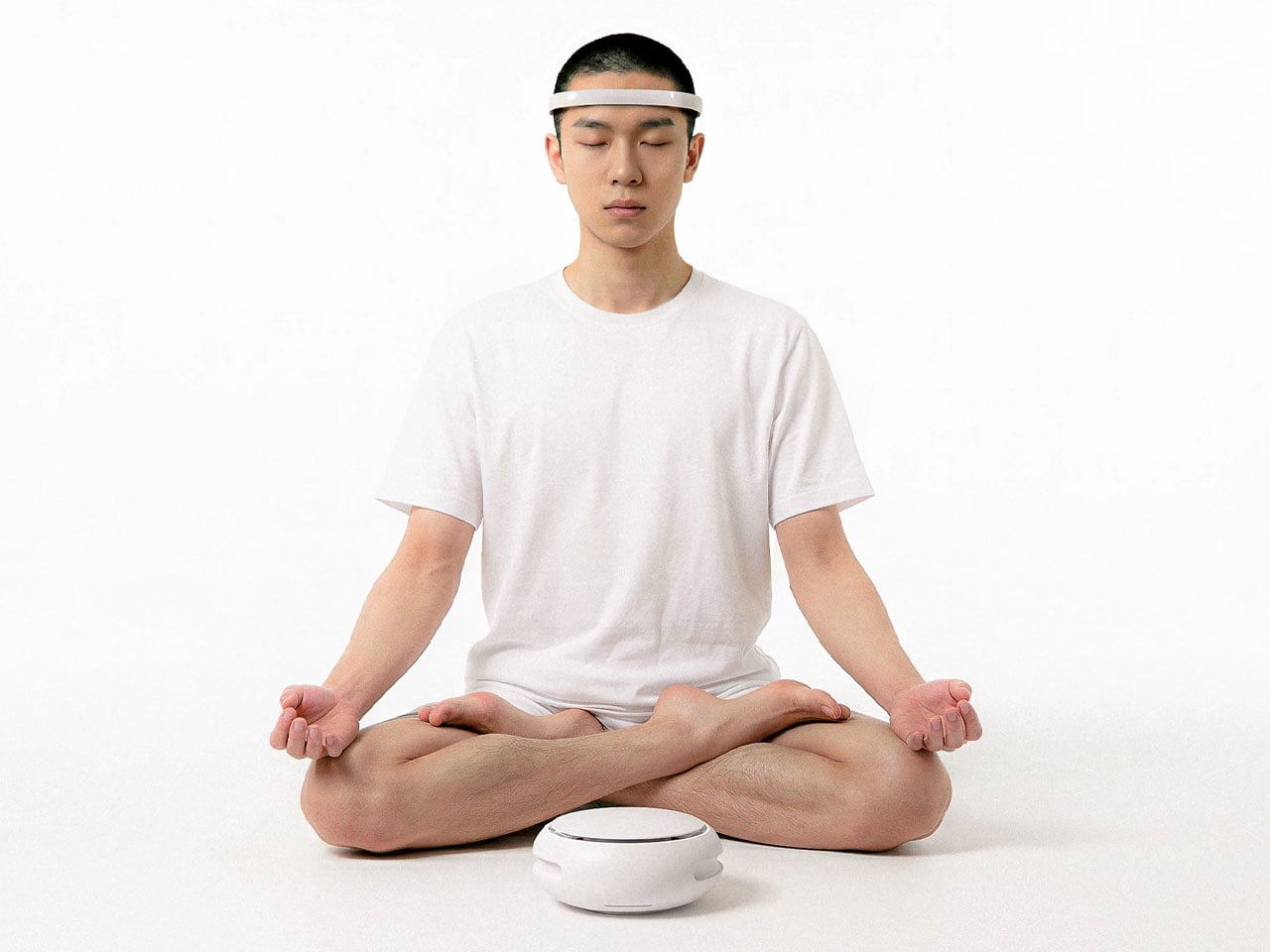
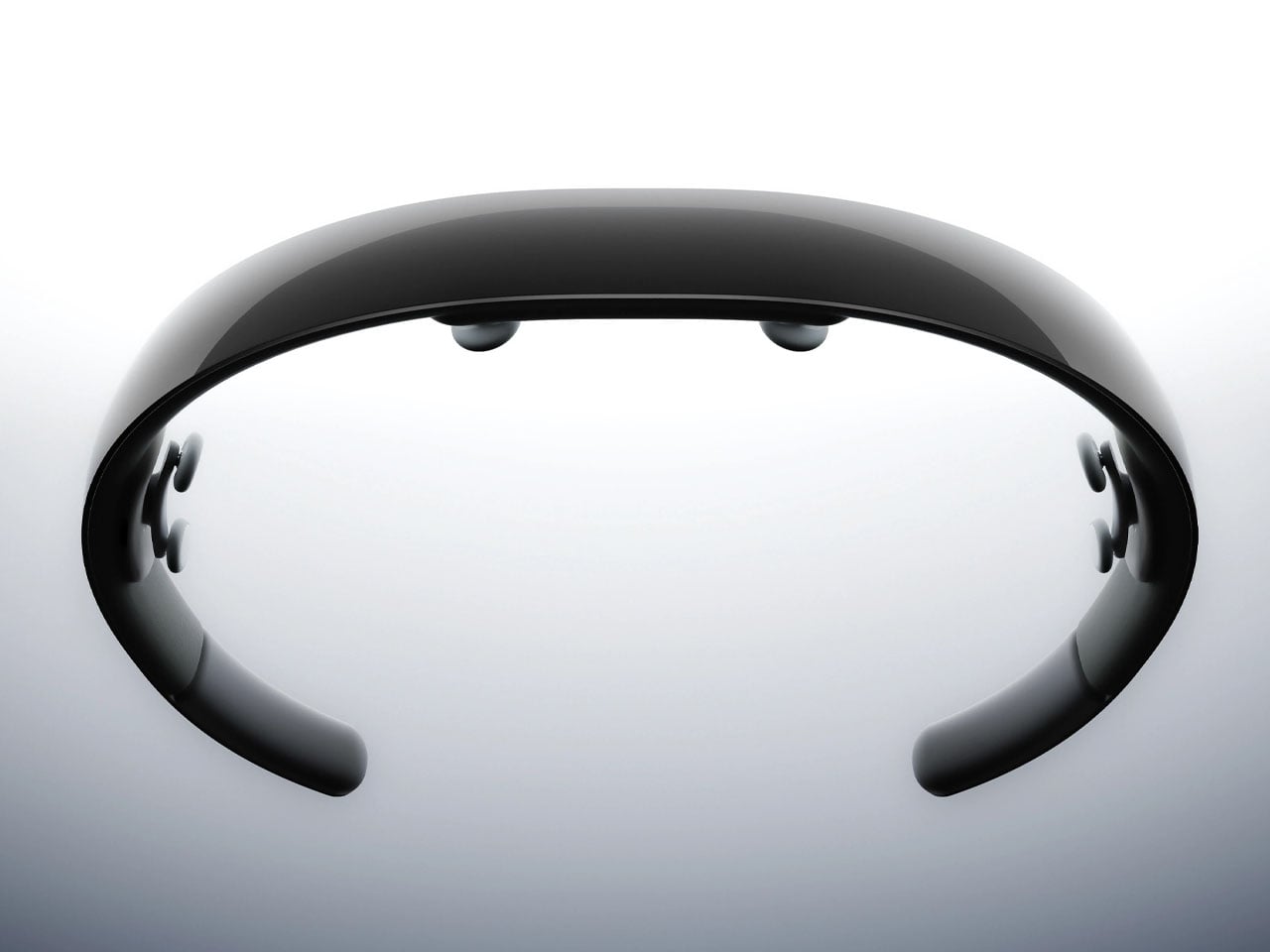
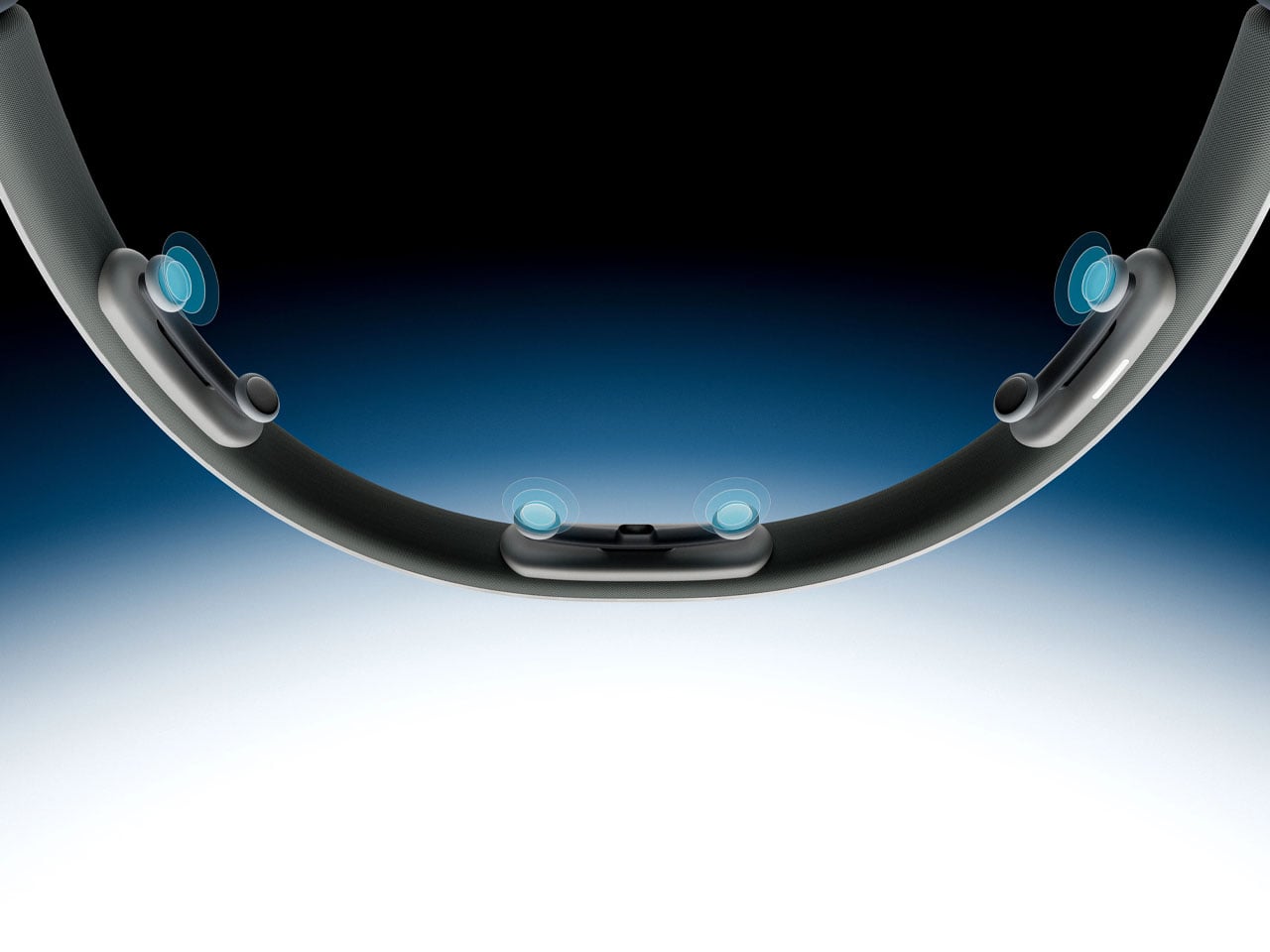
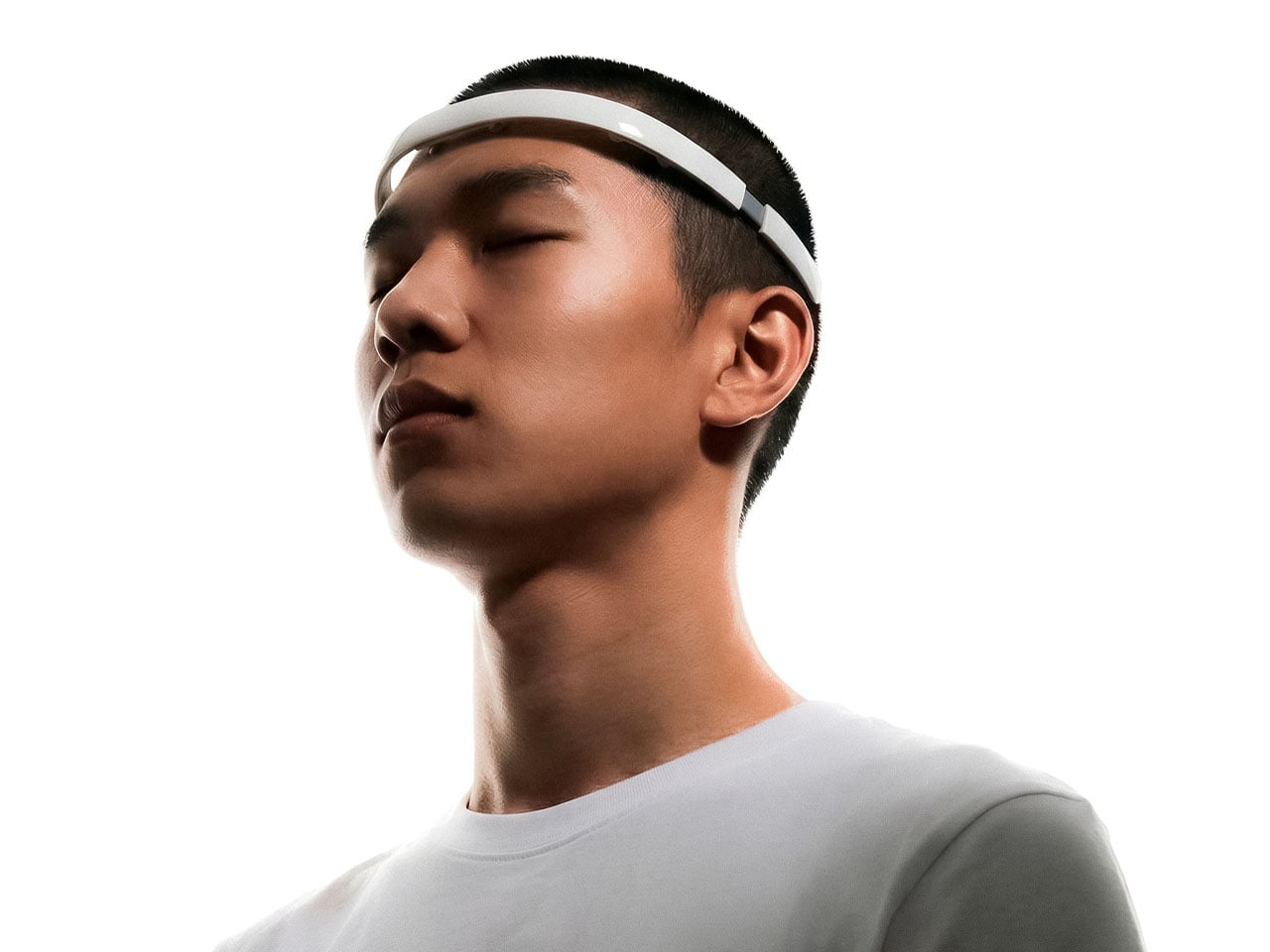
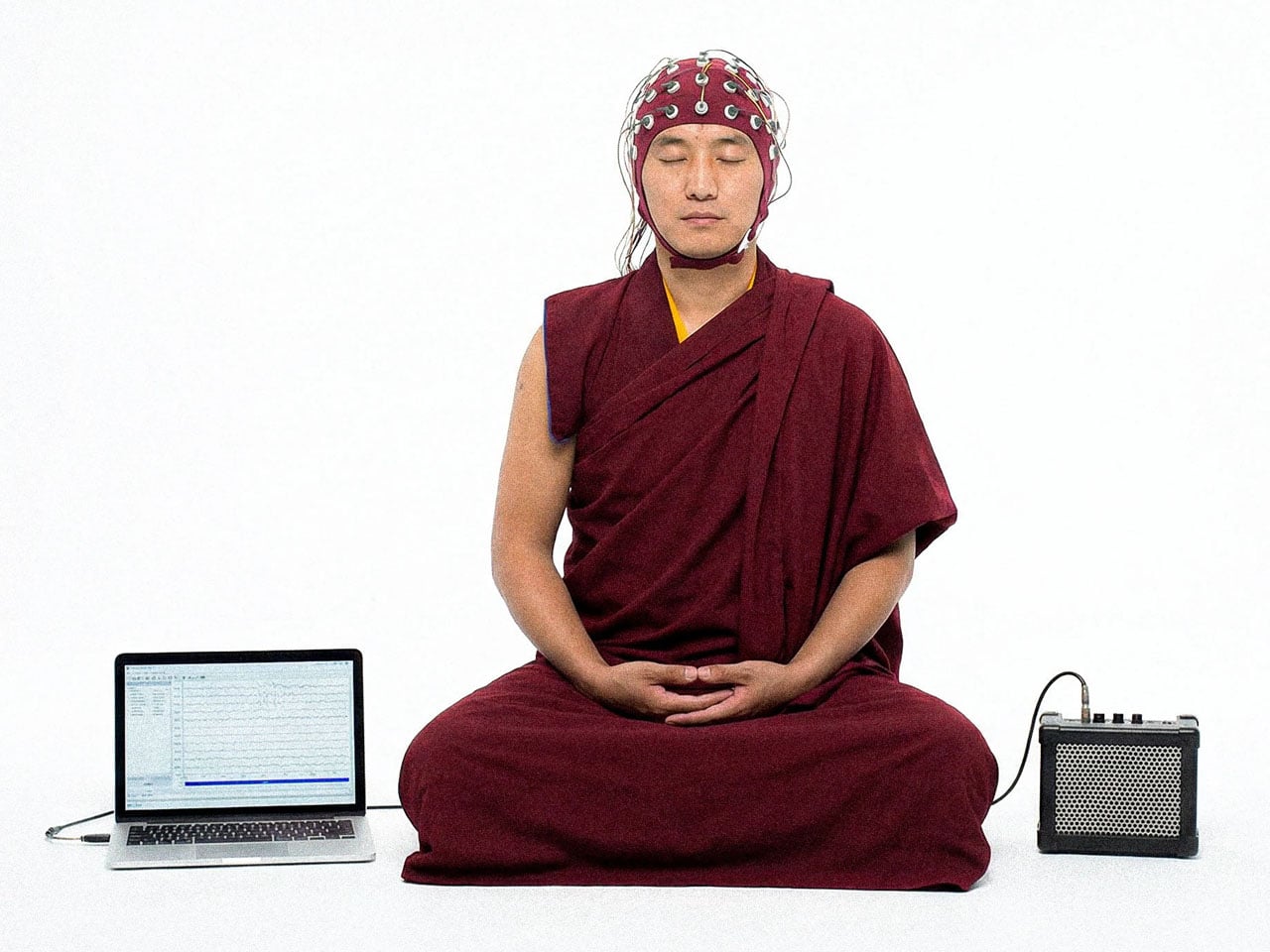
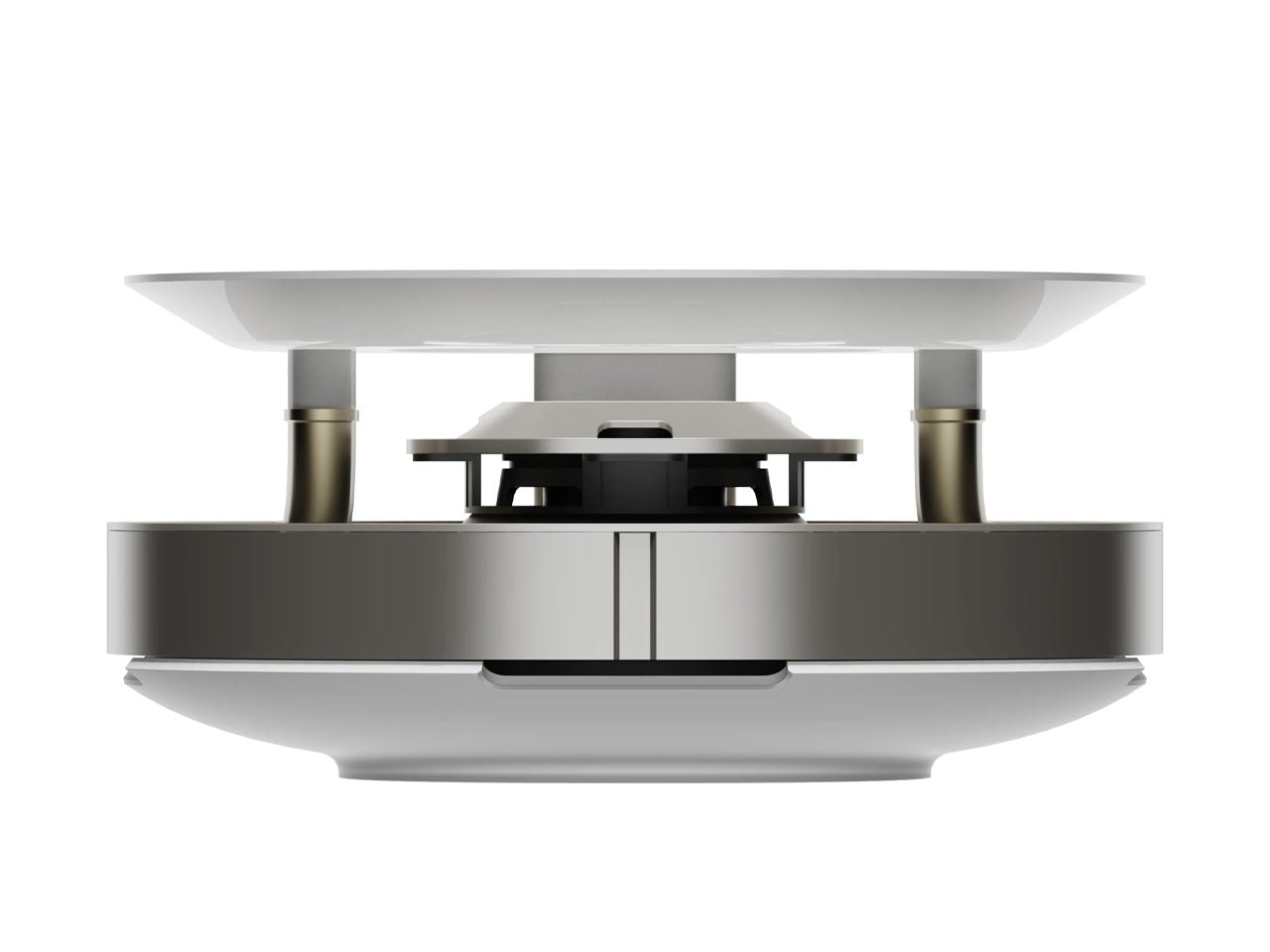
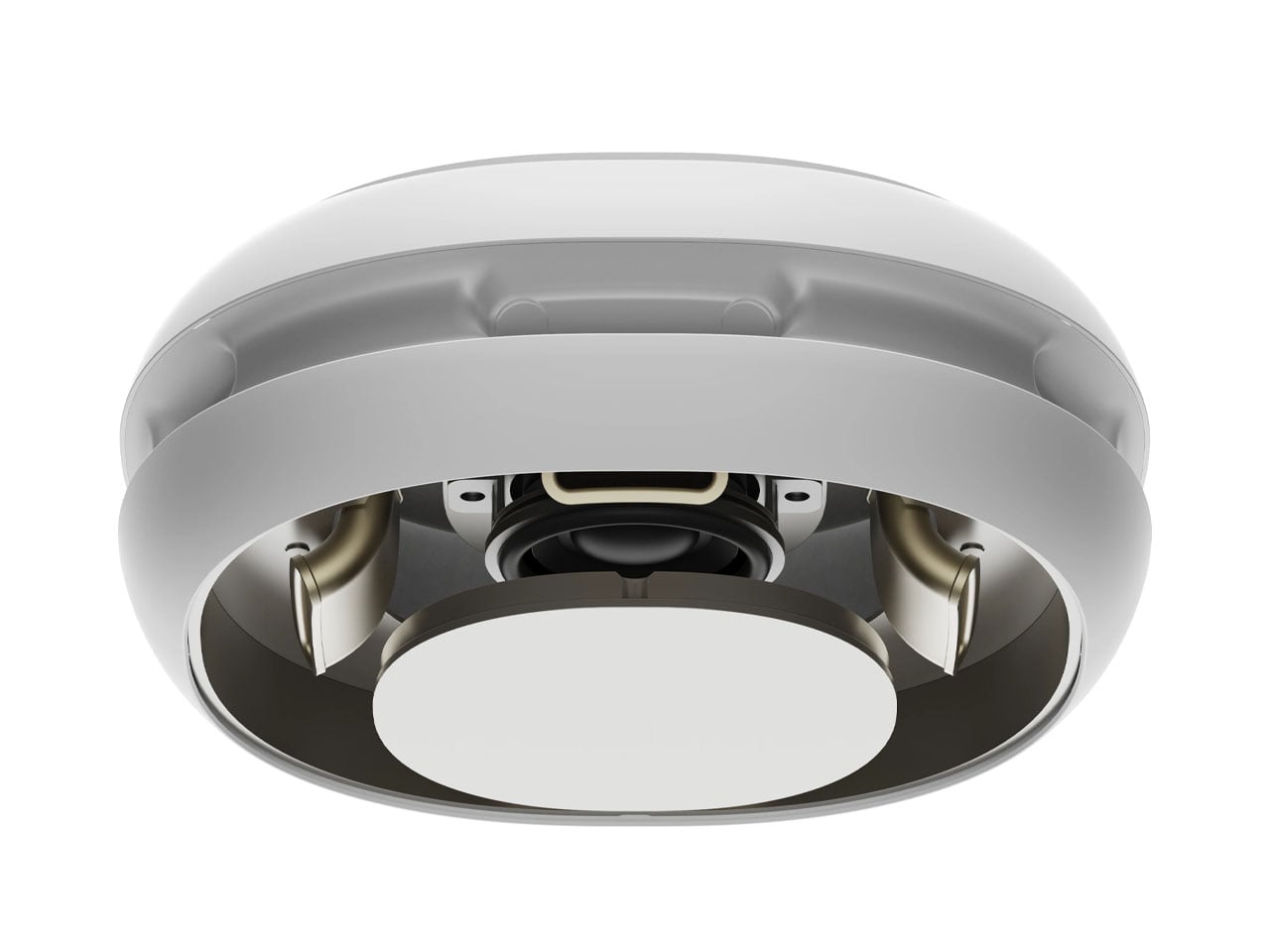
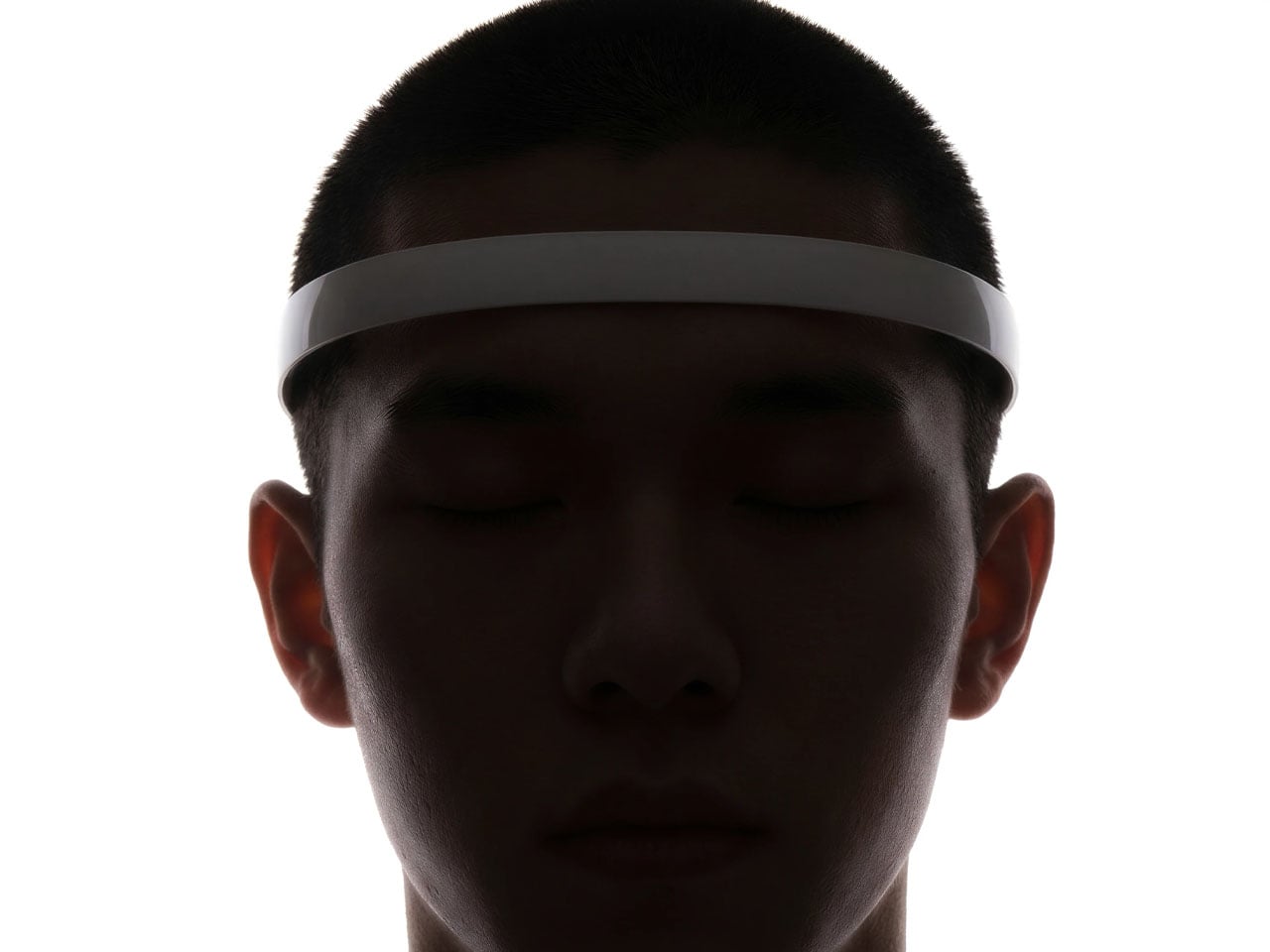
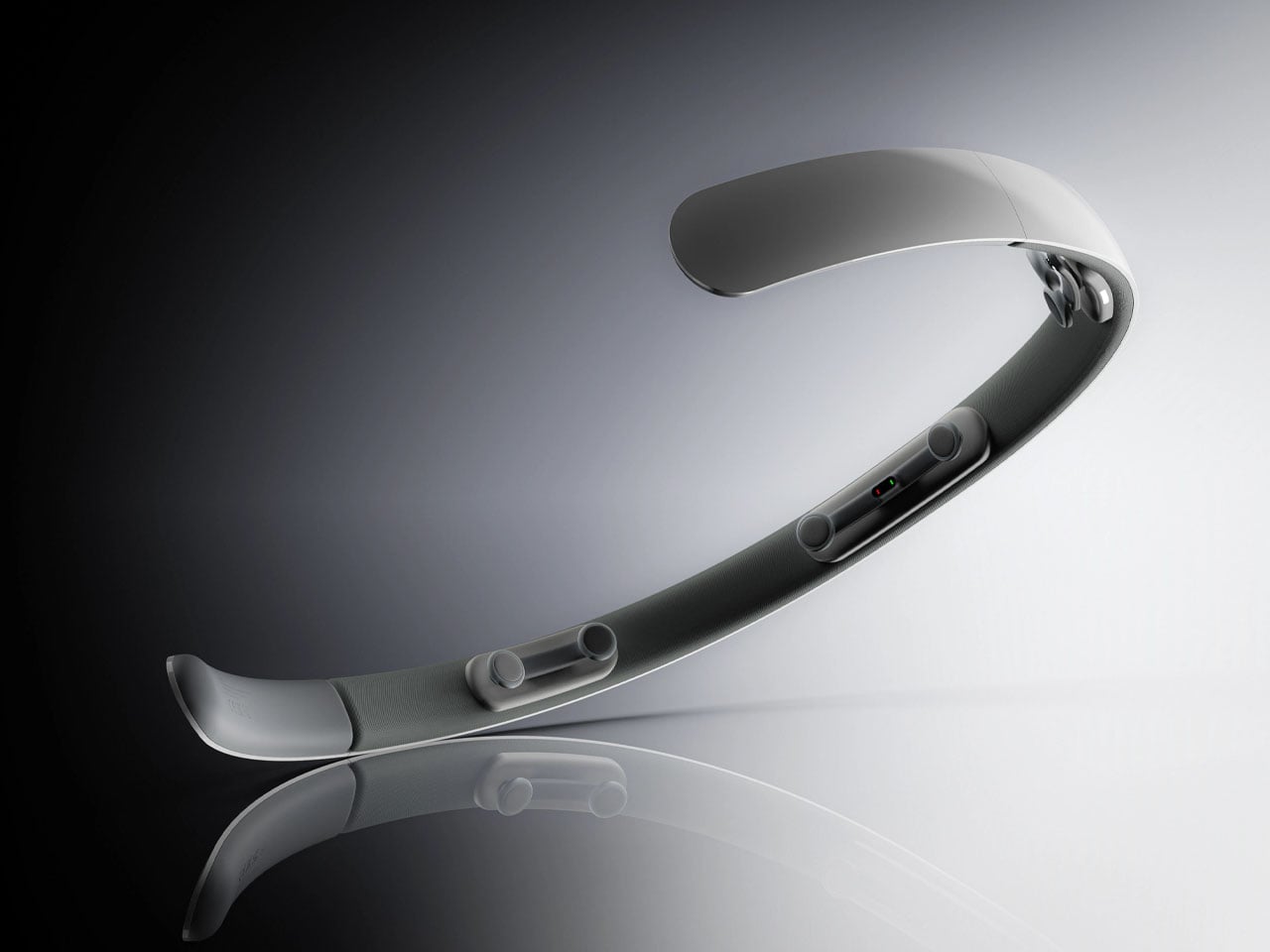
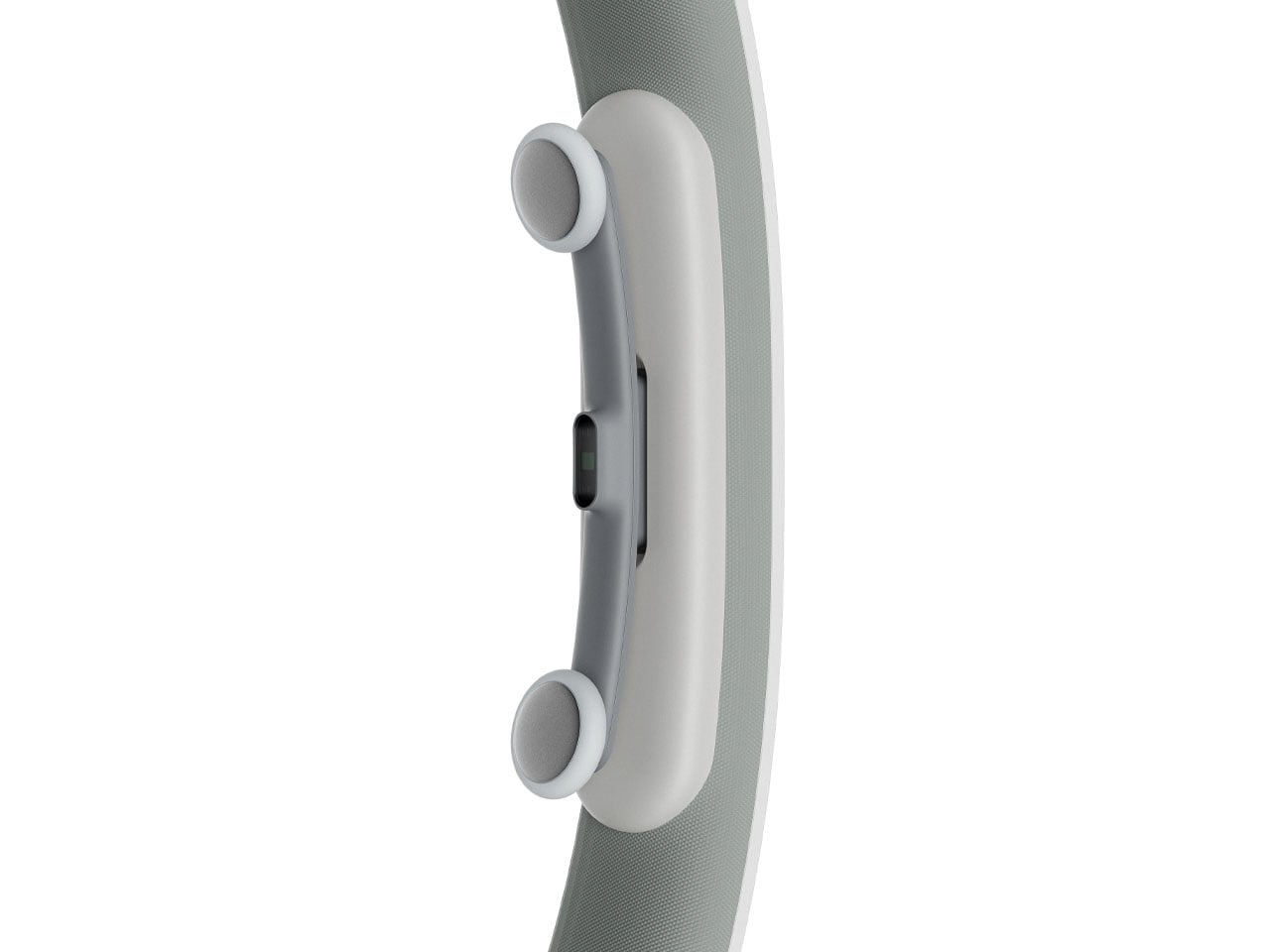
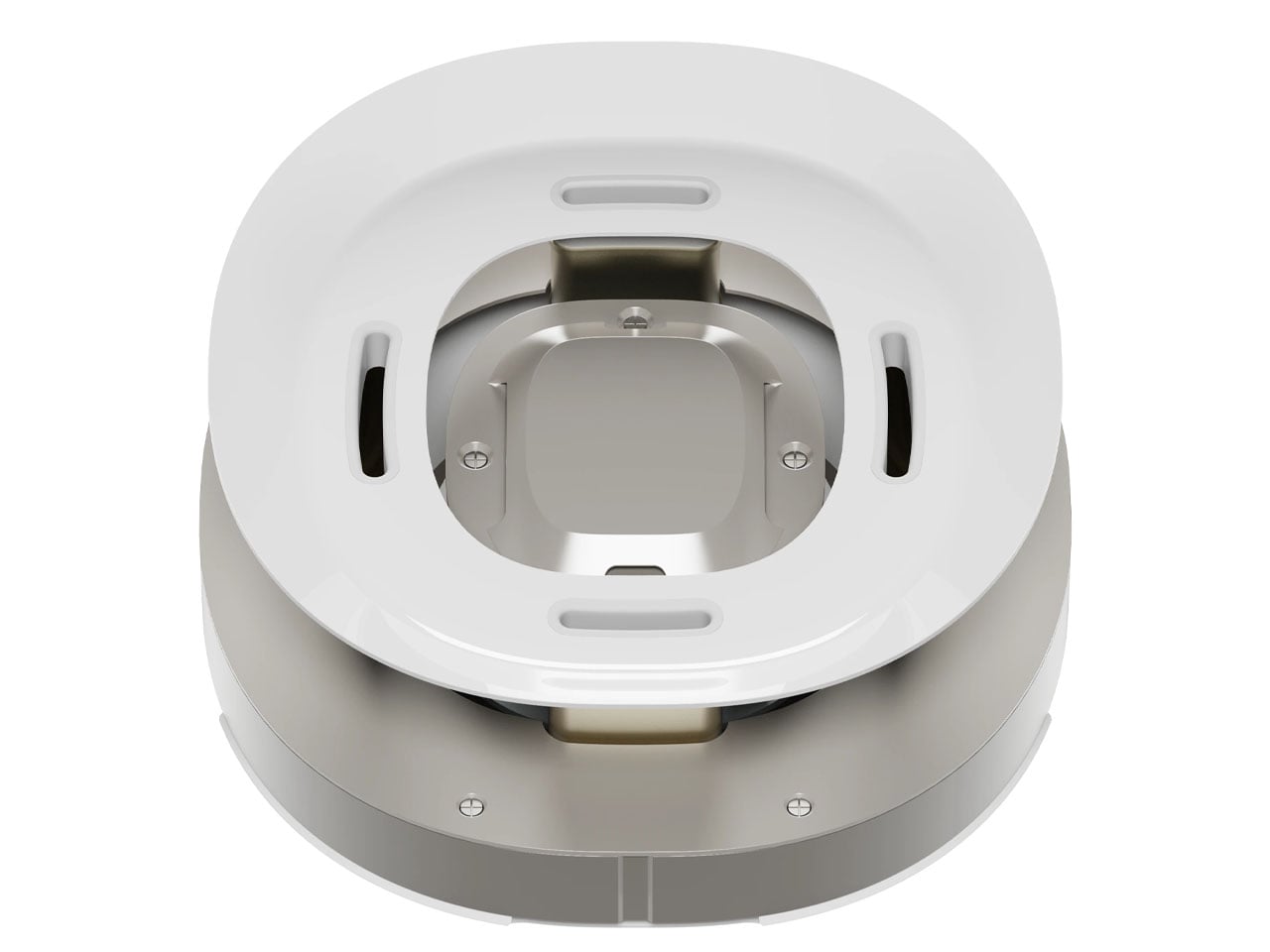
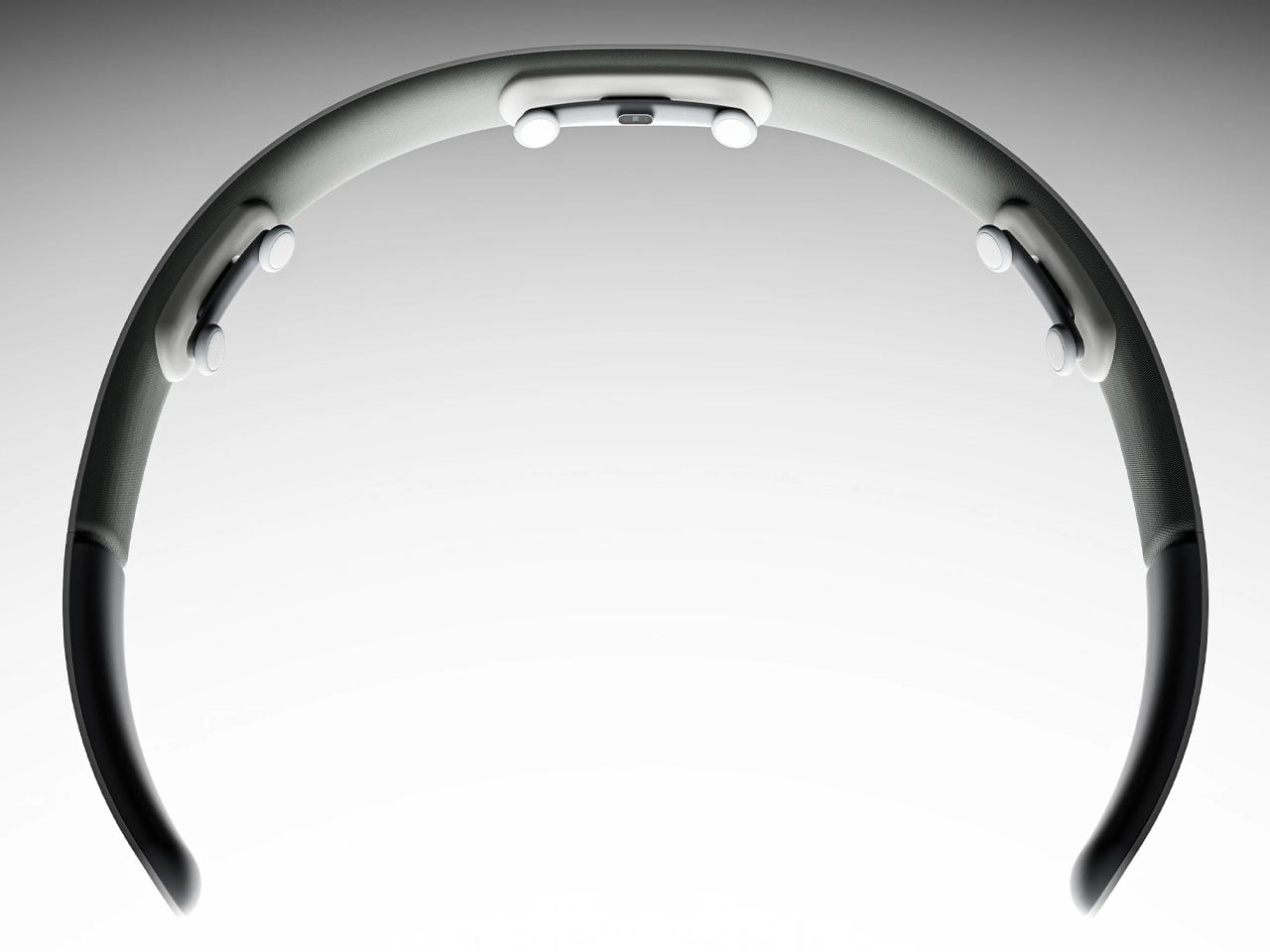
The at-home meditation assistance wearable comprises a headband loaded with sensors like GSR, EEG, and PPG to keep a tab on the level of immersion. Based on the real-time data like heart rate, brainwave activity, and skin temperature, StillFlow triggers the input to make your meditation routine completely optimized. When you’re done with the meditation routine, the headband rests on the docking station for recharging and transferring the diverse data to keep improving things for you over time.

To make the relaxation completely holistic, the station supports the flow of meditation with ambient lighting synced to the heart rate. This is supported by the spatial audio that adapts in real-time to maintain the level of immersion. StillFlow is powered by Matter to smartly integrate with your other smart home devices like lights, windows, ceiling fans, and more. To put it precisely, everything works in sync to make the meditation sessions more fruitful.

AirFlow

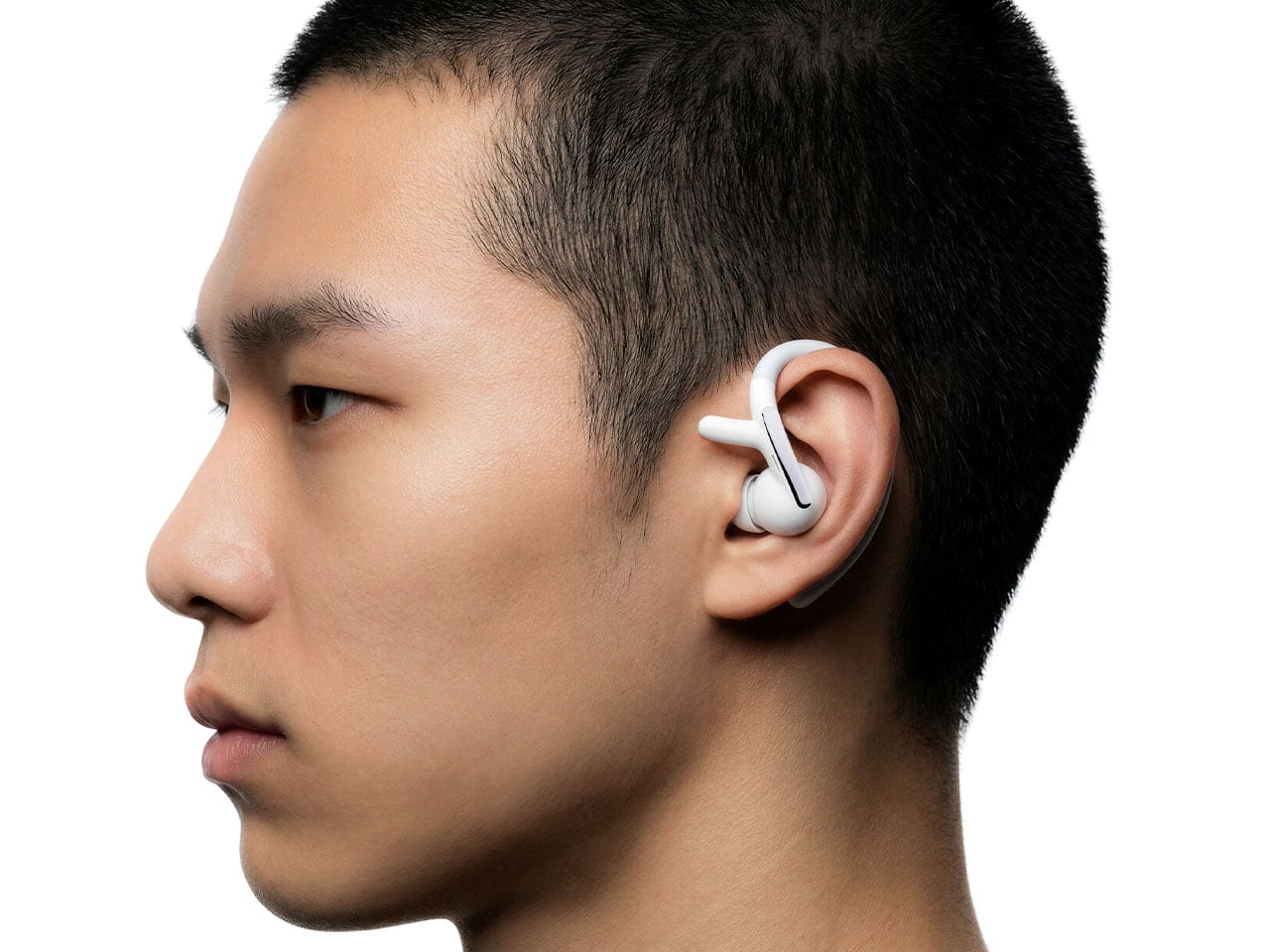
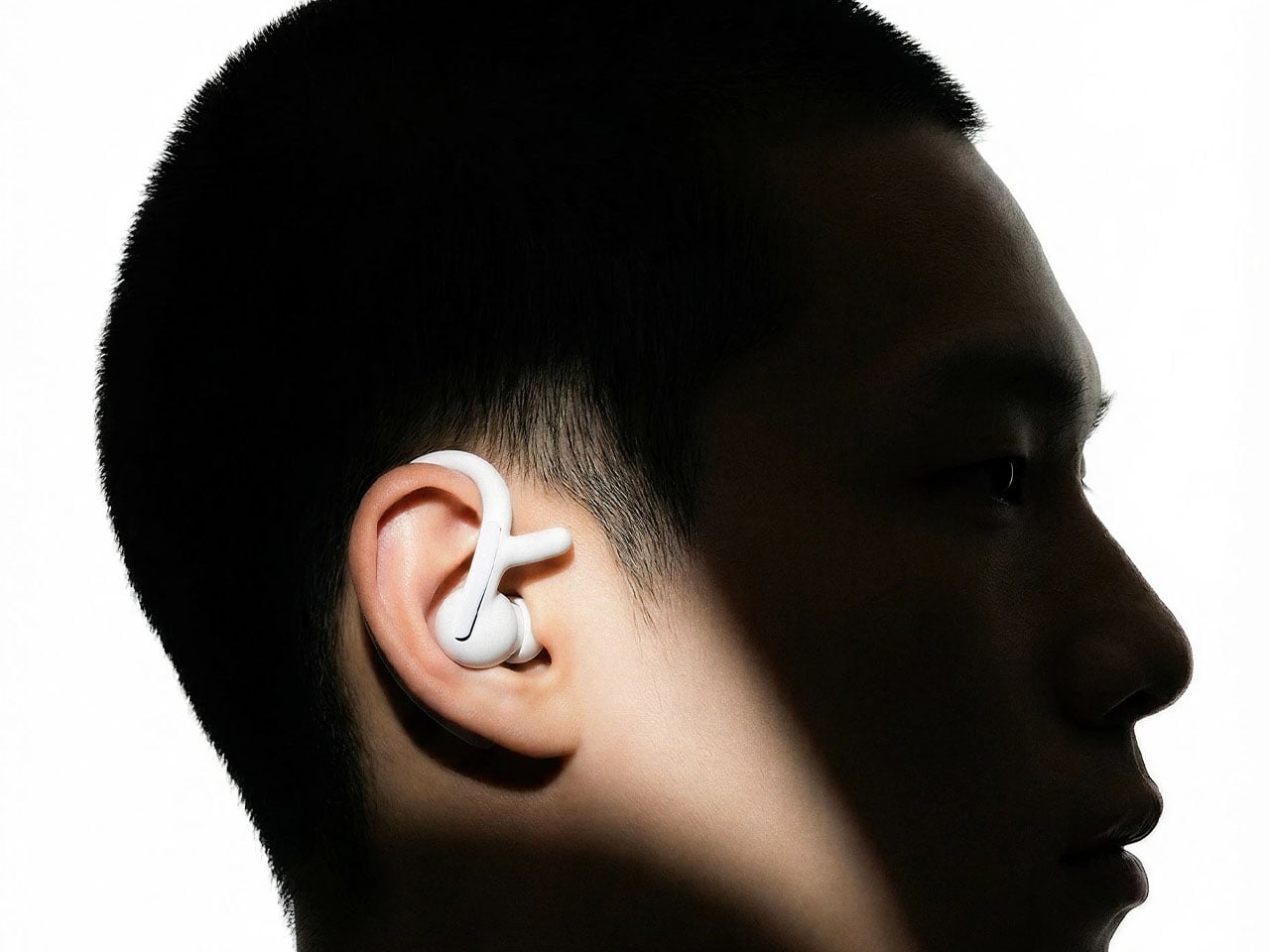
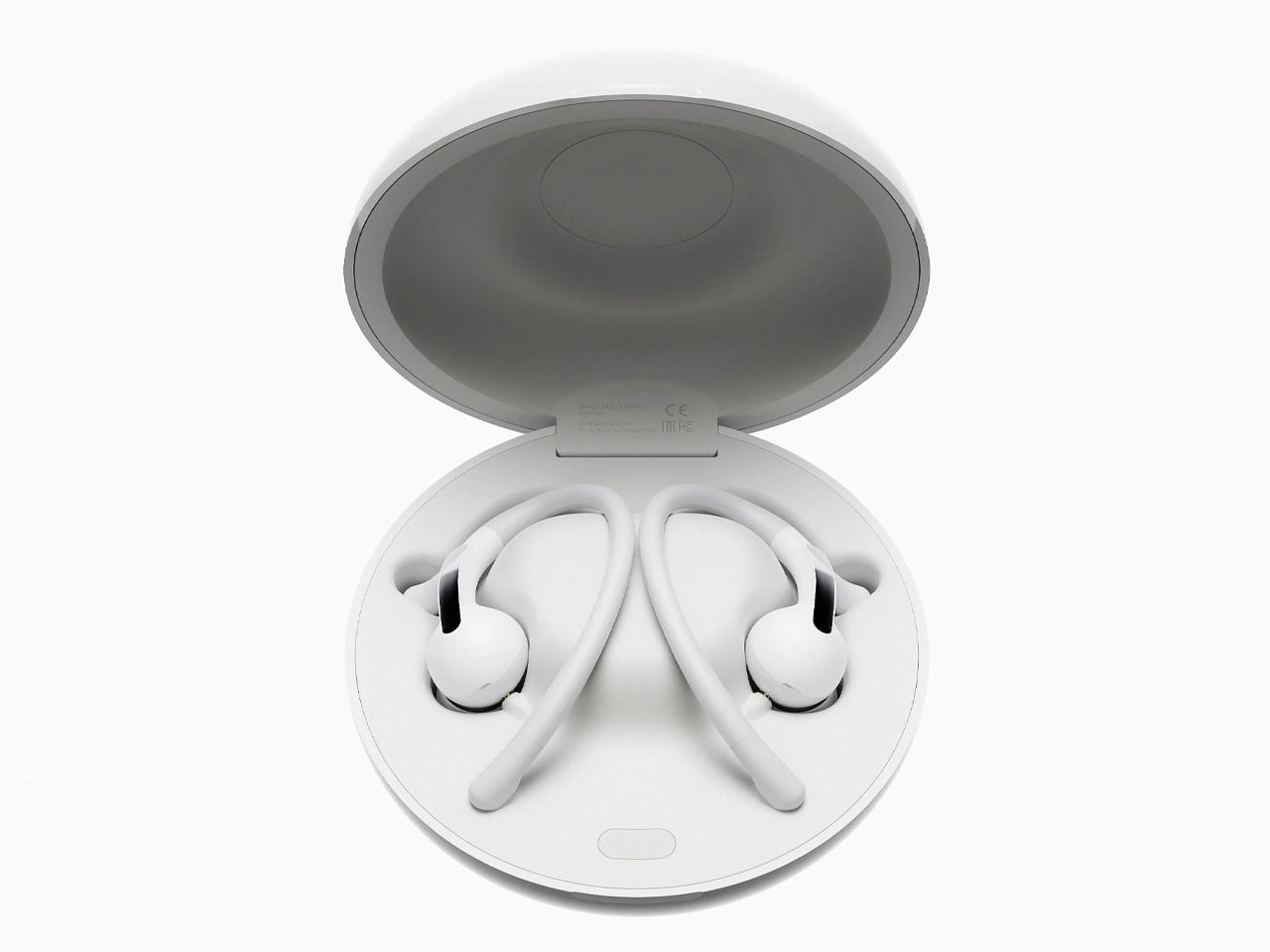
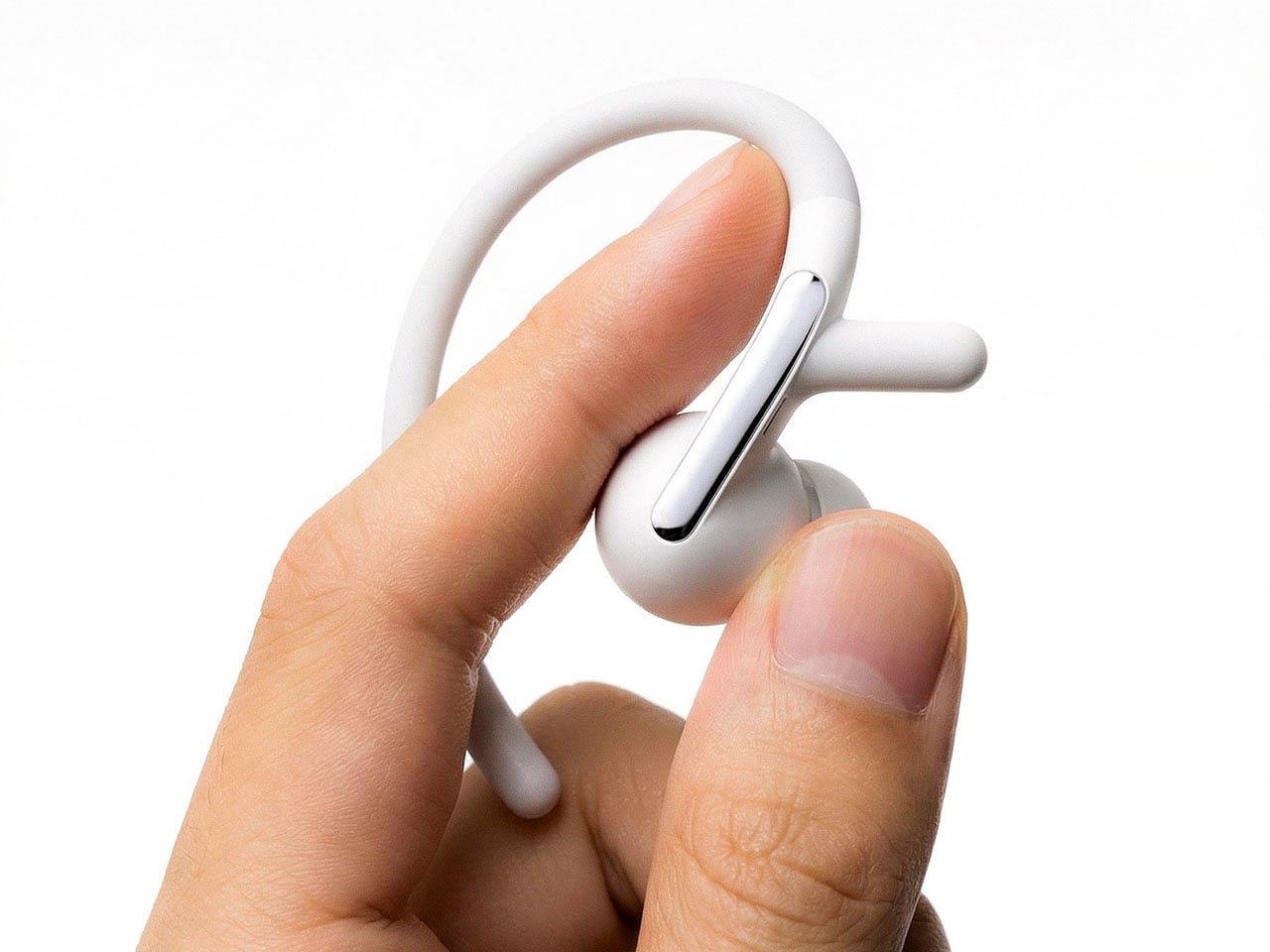
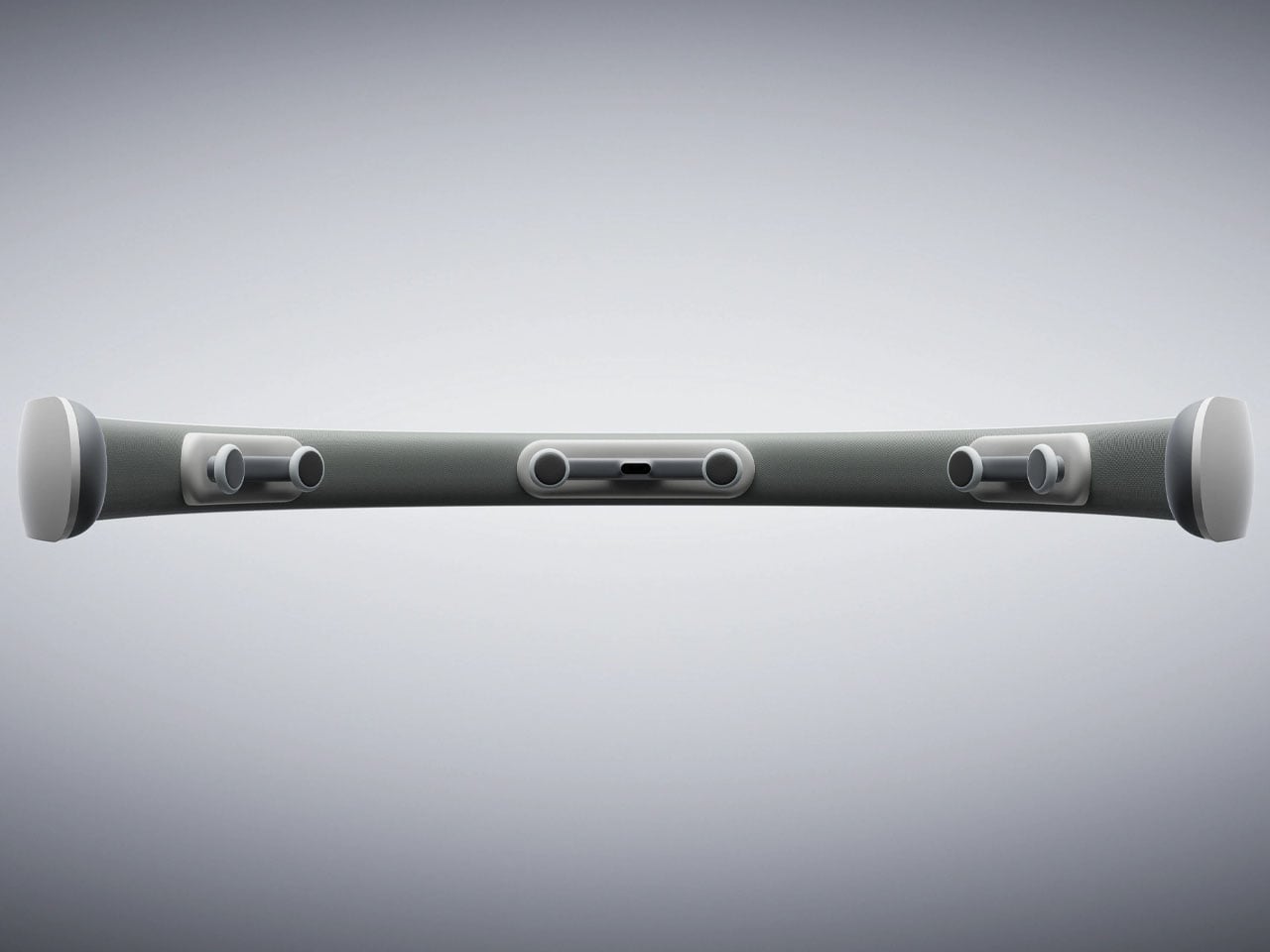
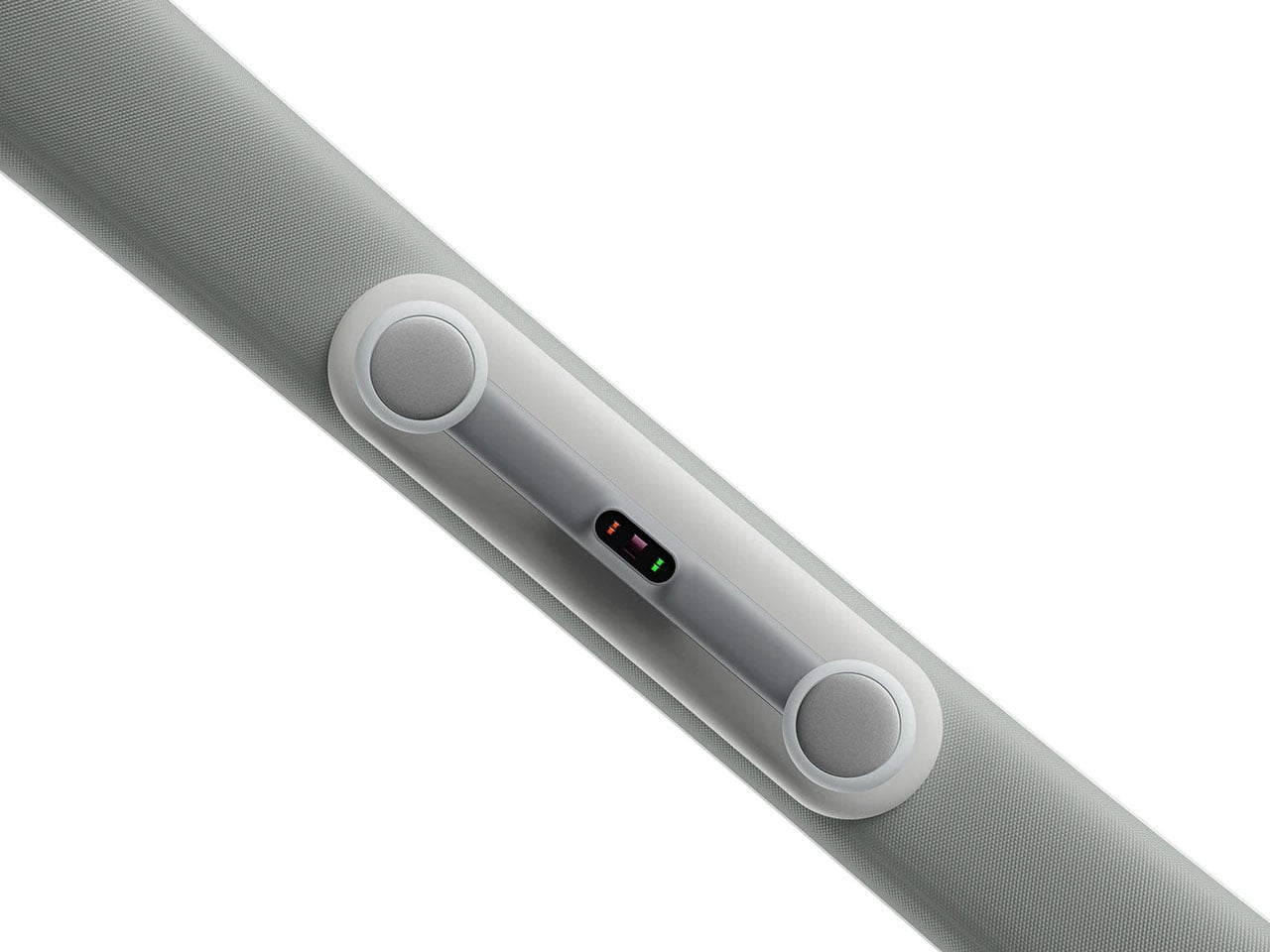
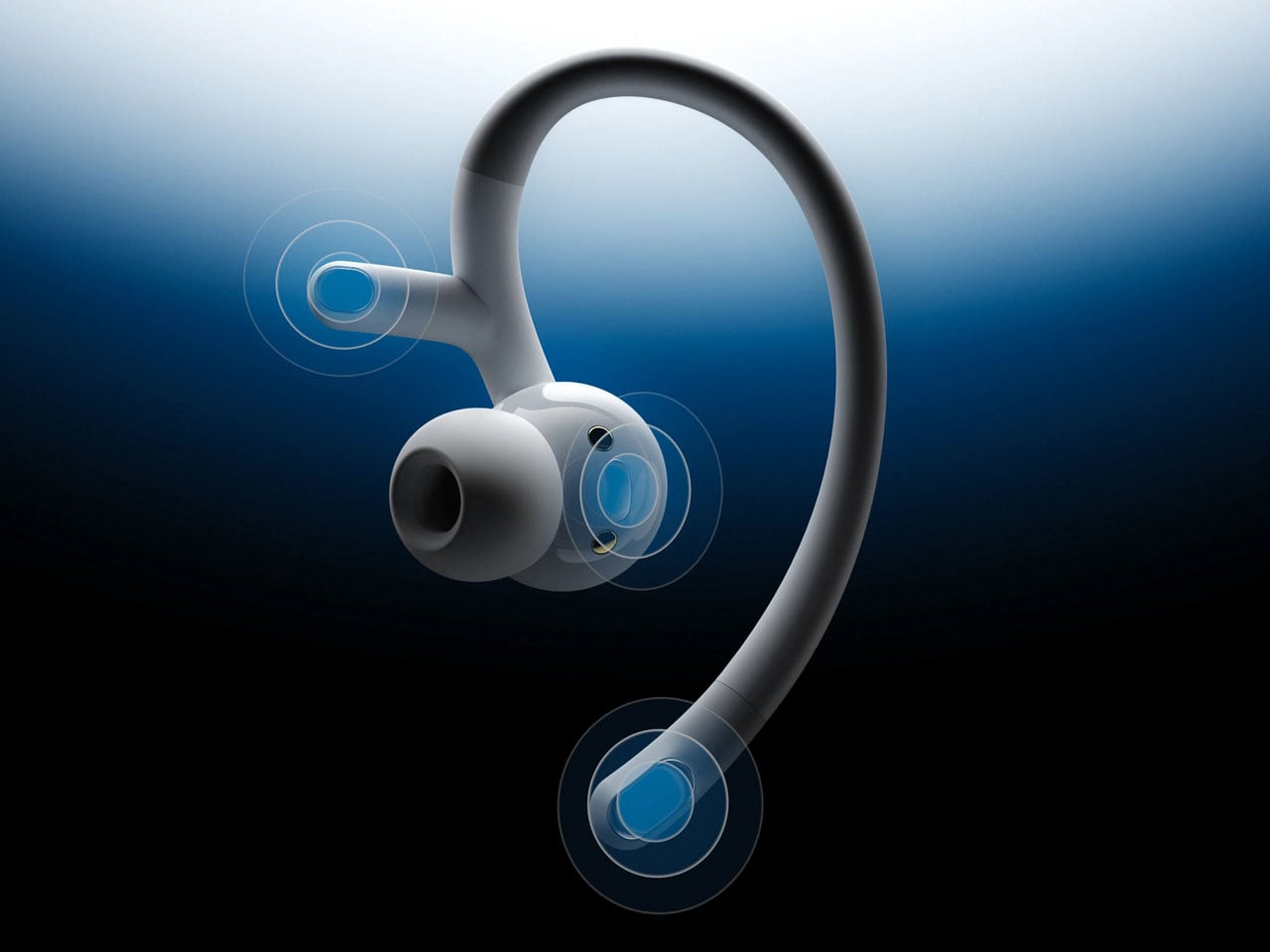
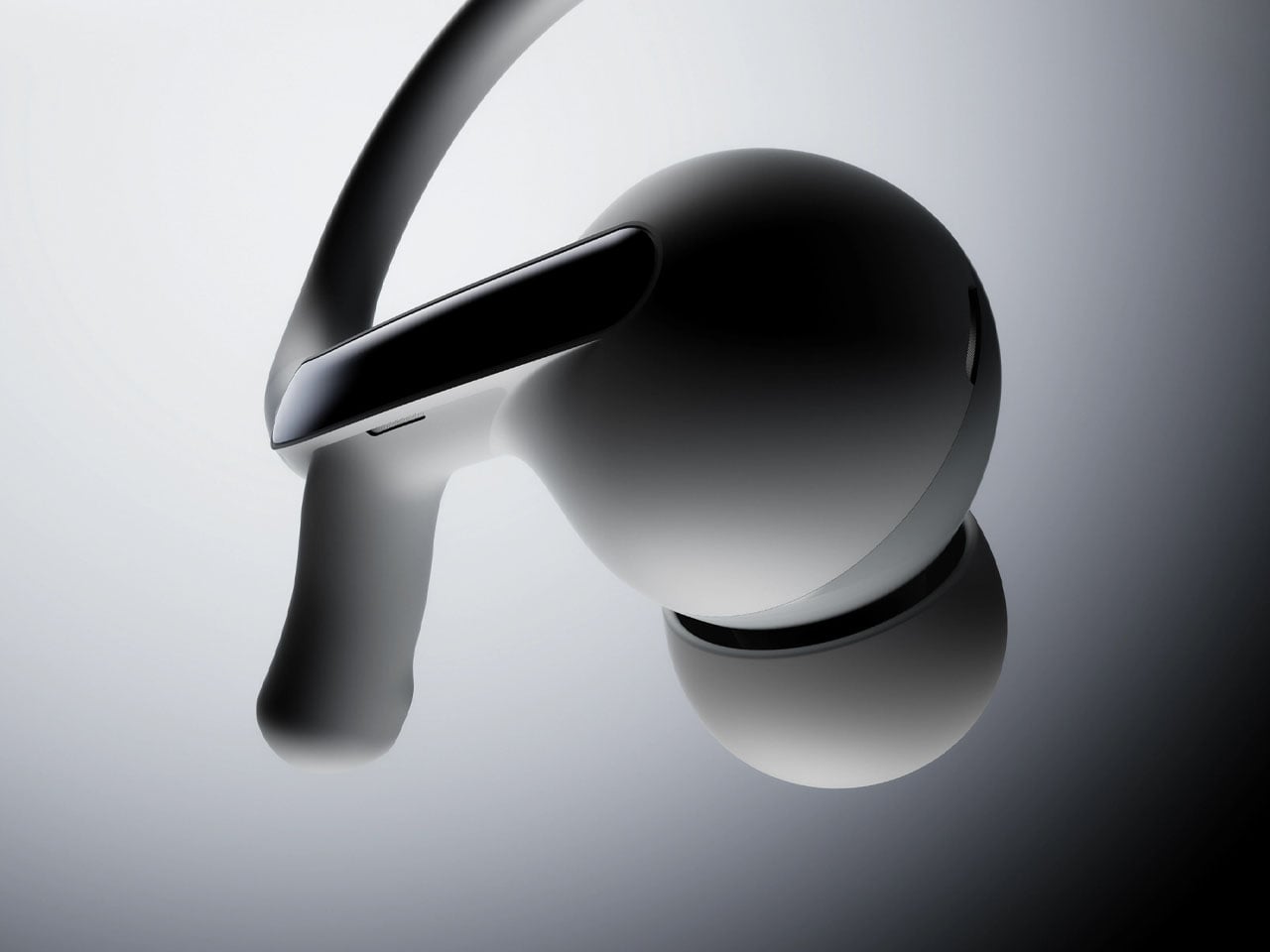
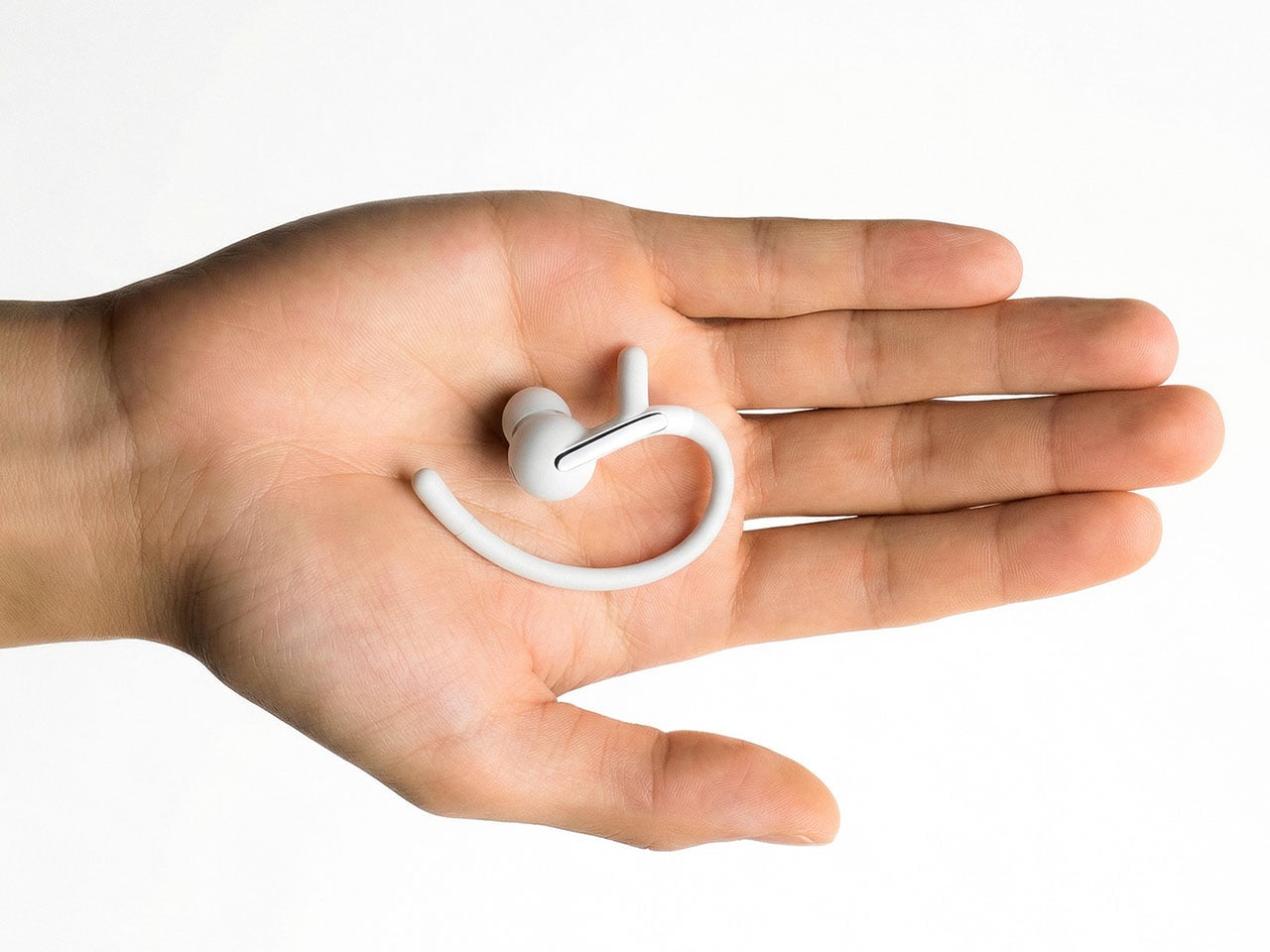
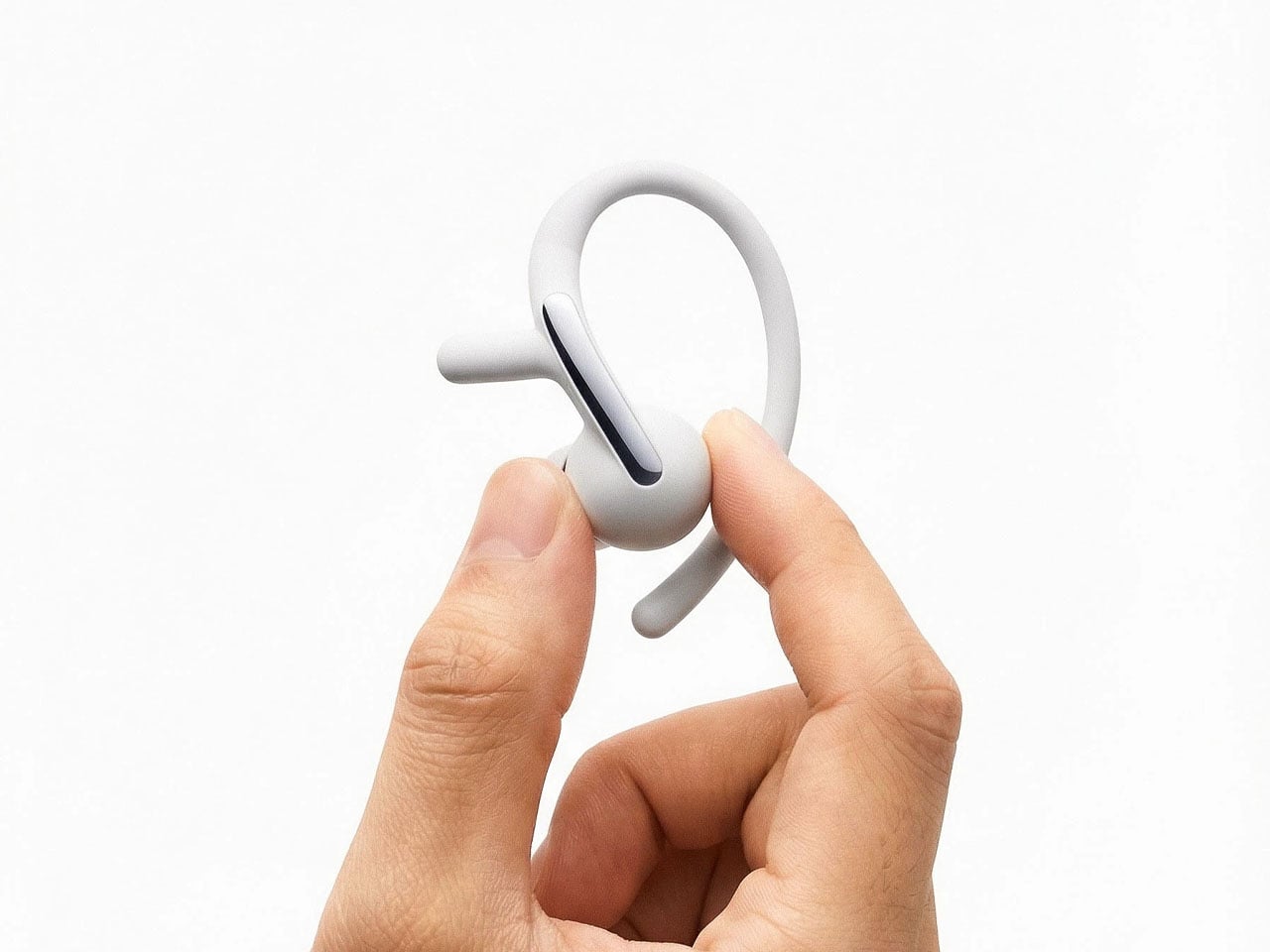
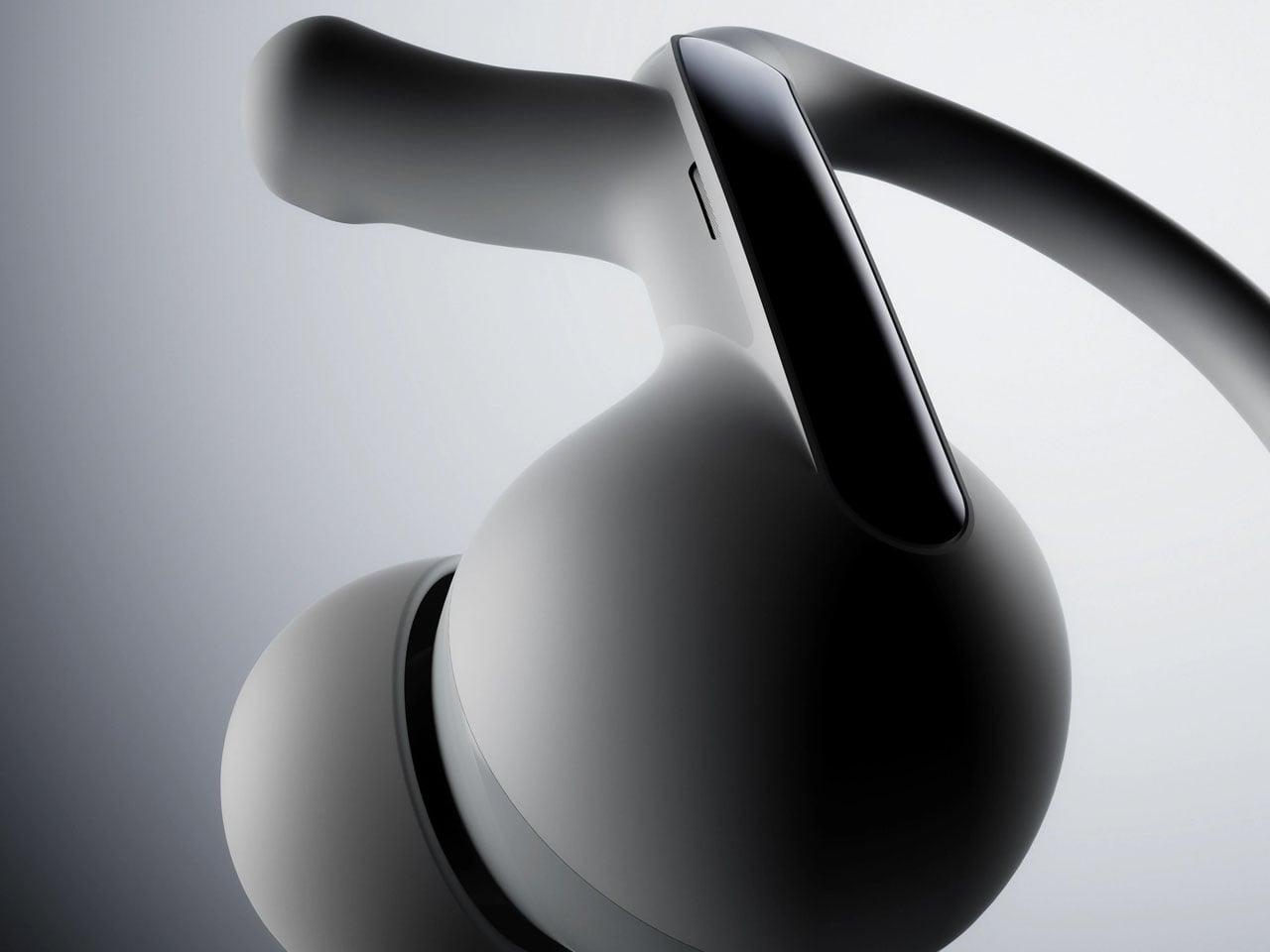
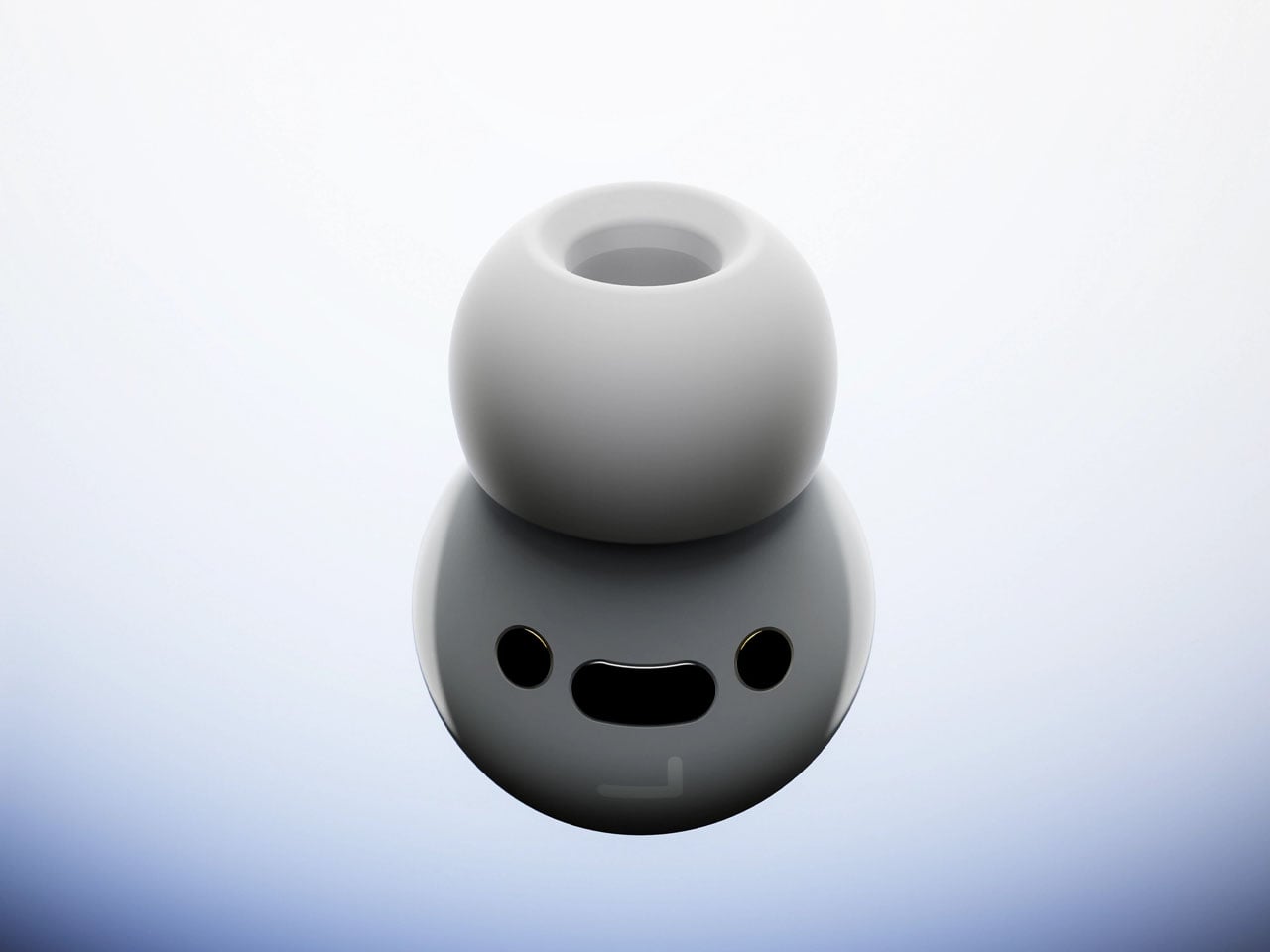
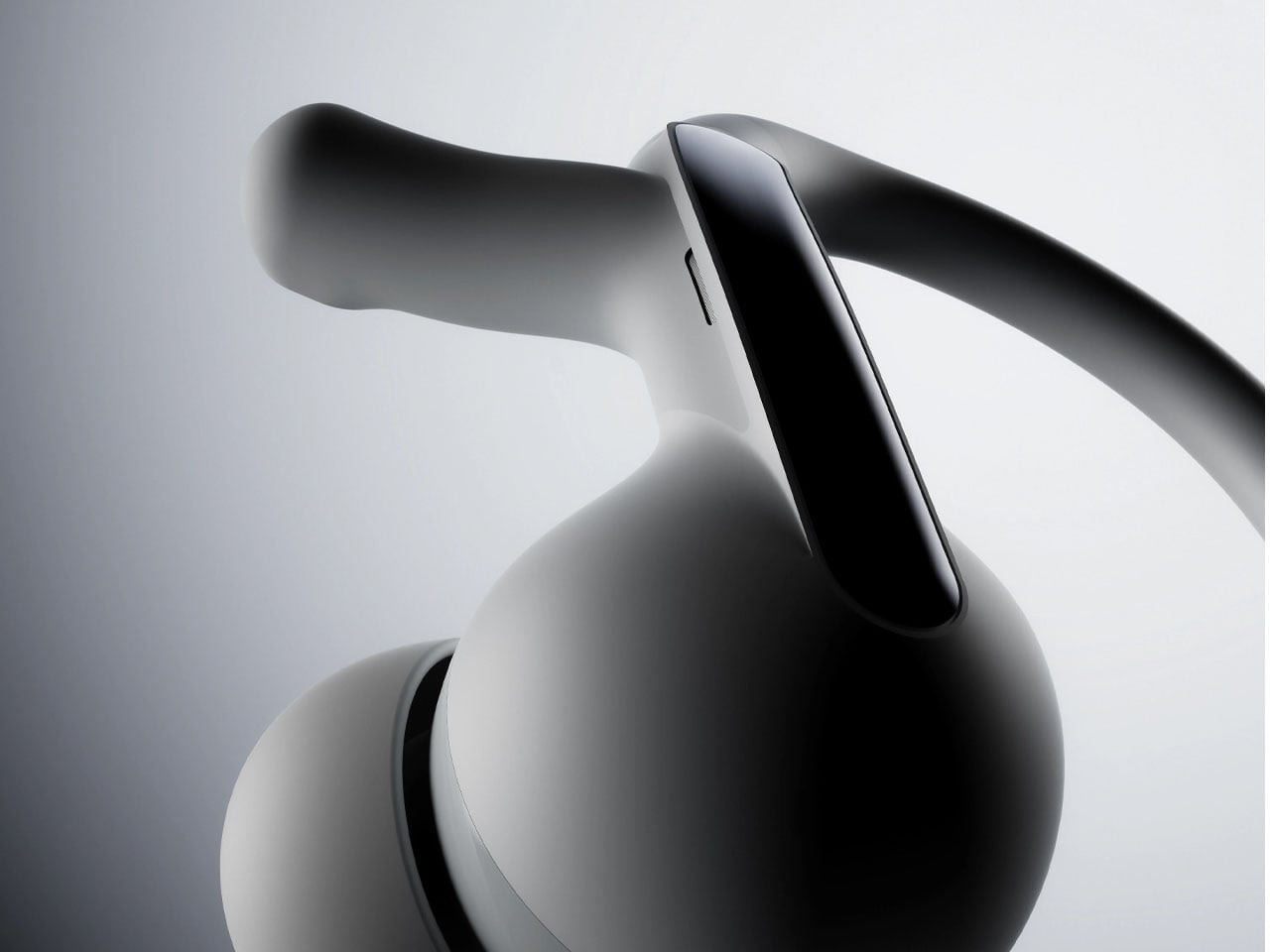
This is an extension of the StillFlow, as the portable wearable device assists your love for meditation even in the noisiest environments. Just like a pair of earbuds (only more advanced with in-built sensors), the wearable plays spatial audio based on the physiological state of your body. There are three EEG sensors to detect the alpha and theta brainwaves from the temporal region, to make your Zen session totally optimized. The over-the-ear design of the earbuds and the supporting hook keep them in place, so you don’t have to worry about anything other than being in the flow state.

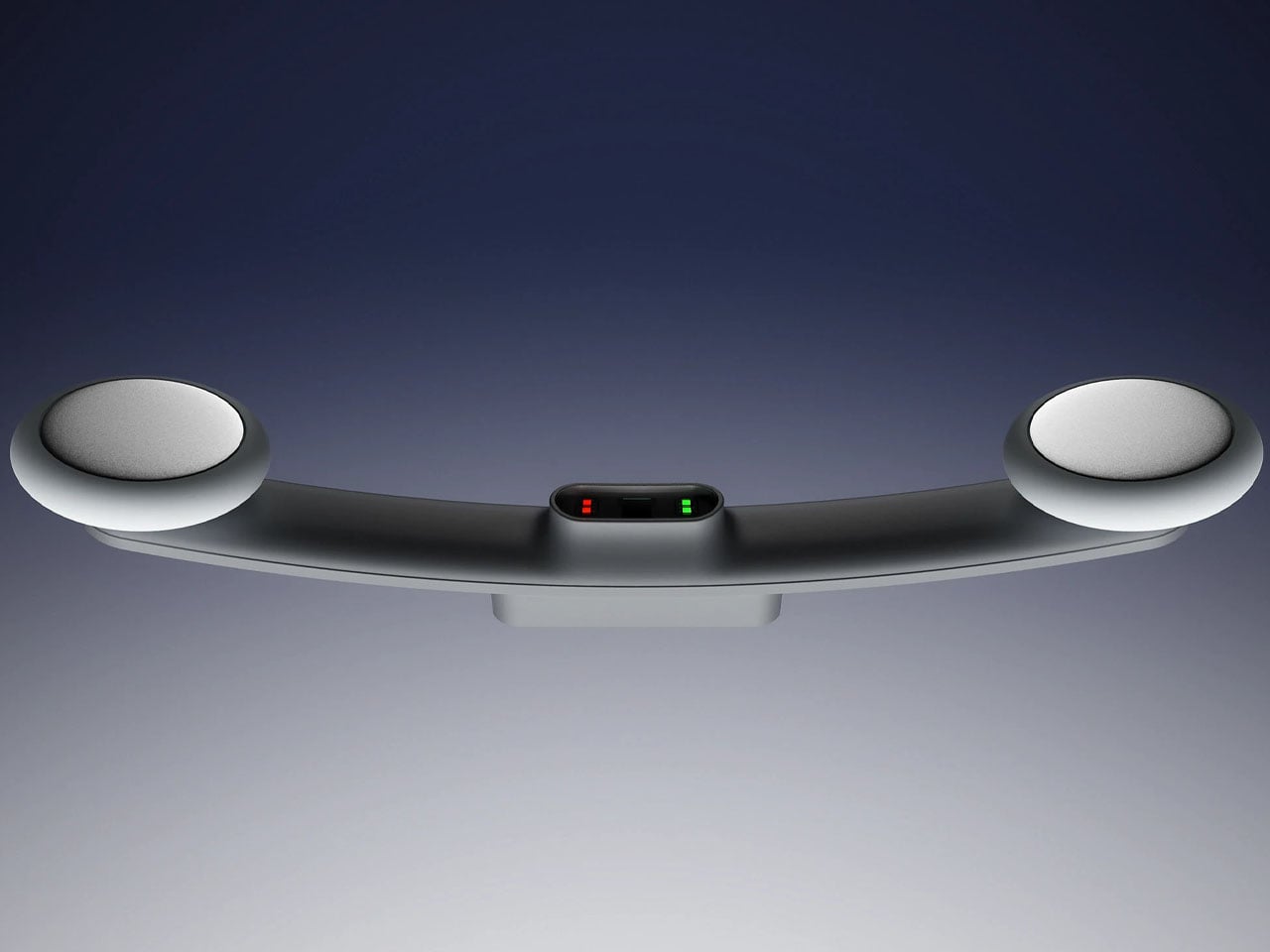
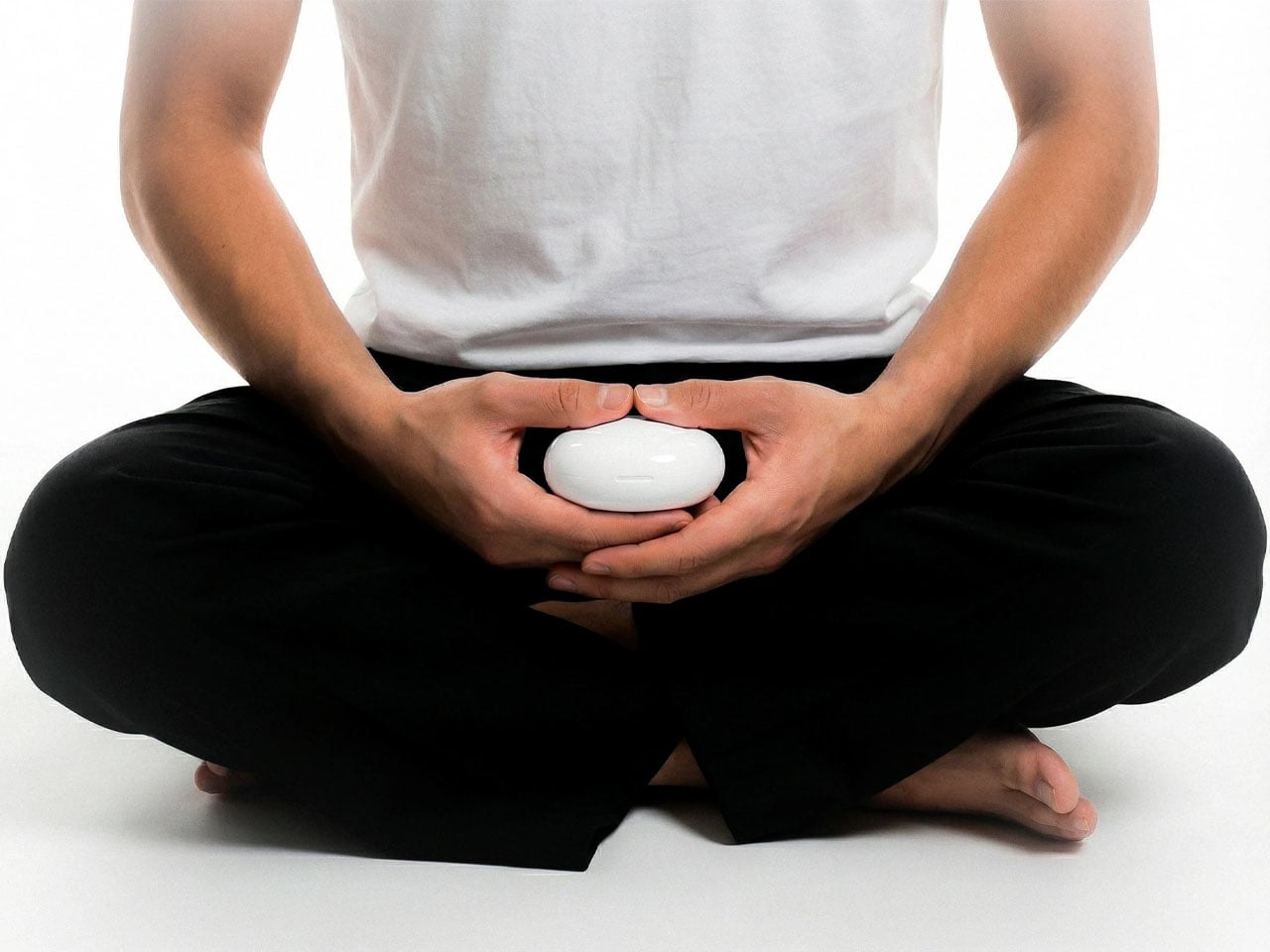
The charging case on the AirFlow doubles as a secondary hub for bio-data collection. They have another trick up their sleeves, though: there are PPG and GSR sensors built into the base, so the user can cup them in the palm for a broader level of sensing. This includes heart rate sensing and gauging the physiological tension. This unique feature is unique for earbuds and practical enough to be utilized for a deeper state of physical relaxation.

The post Flow meditation assistive wearables customize your zen routine in real-time for deeper immersion first appeared on Yanko Design.

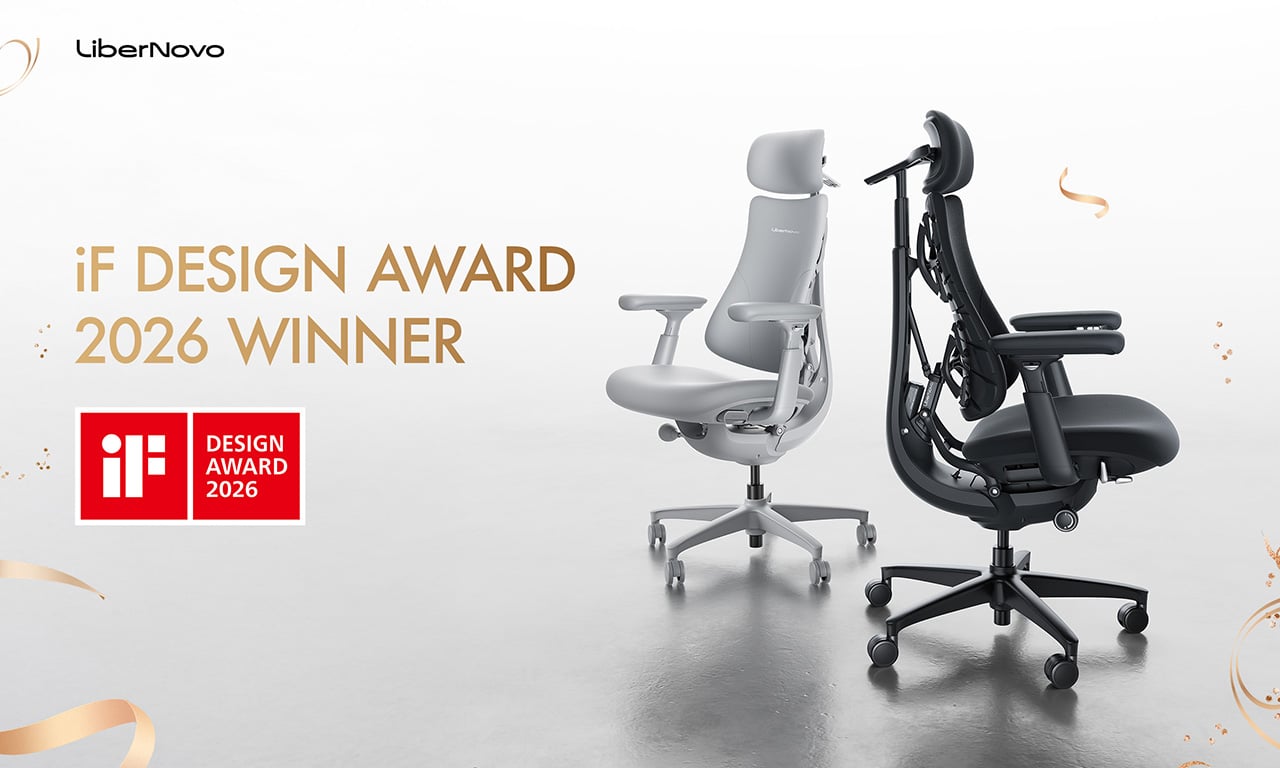
LiberNovo Omni Just Won the iF Design Award 2026 for Wellness Design

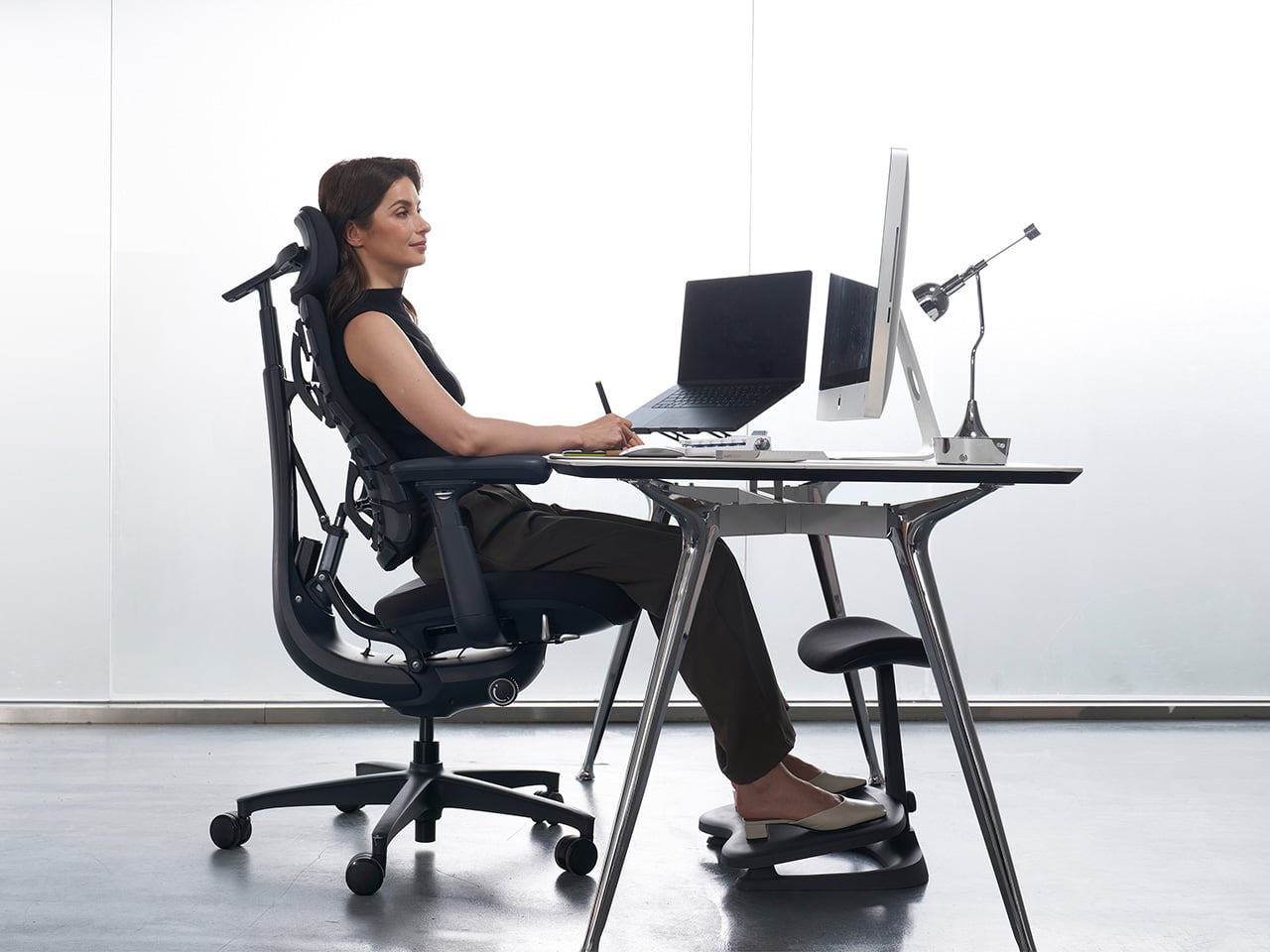
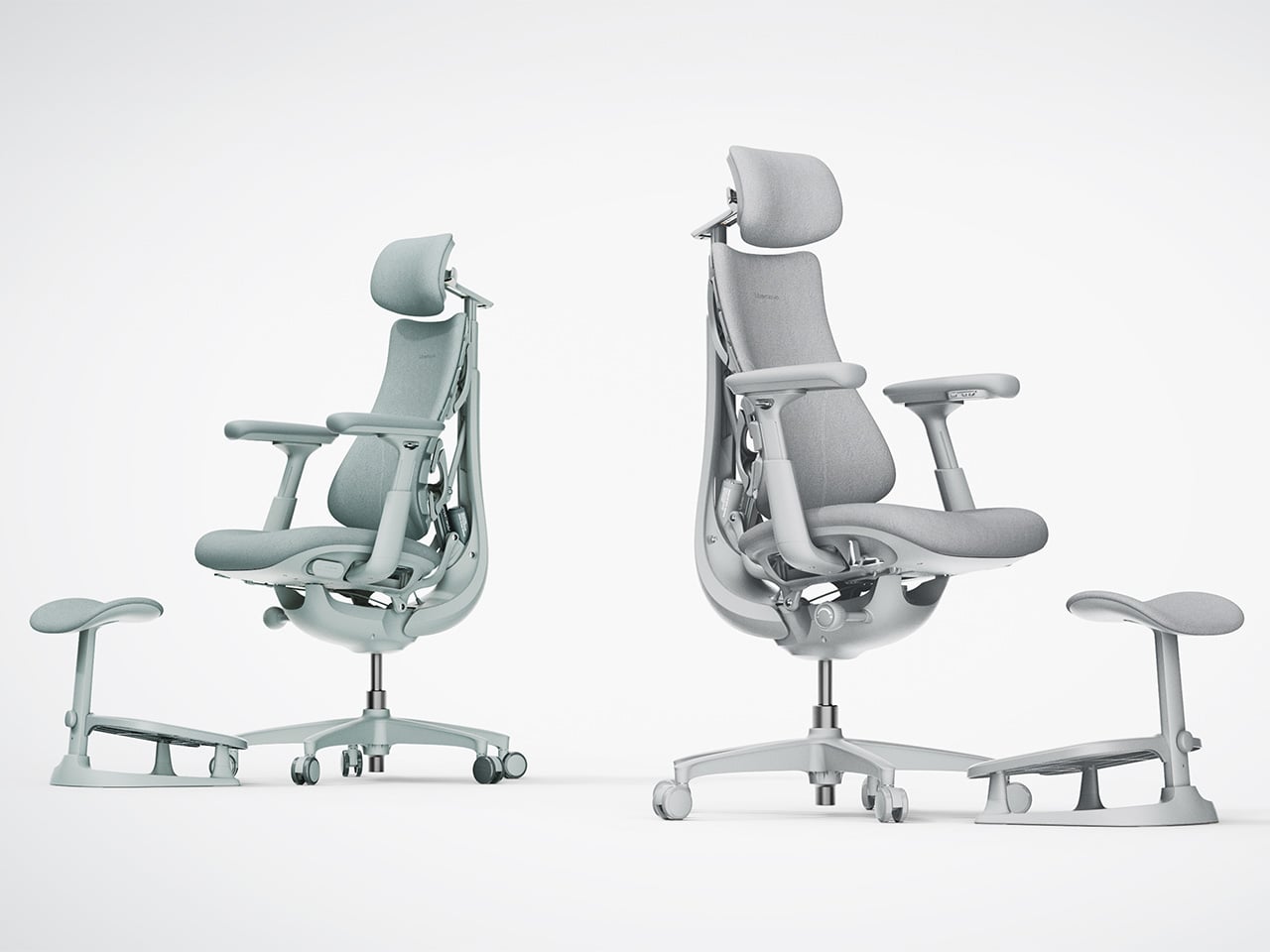
Most office chairs operate on a quiet assumption that sitting is something your body should adapt to, not the other way around. You adjust the height, nudge the lumbar support into roughly the right position, and then spend the rest of the day subtly fighting the chair anyway. The ache between your shoulders, the stiffness in your lower back by mid-afternoon, that’s just part of the deal, apparently, and most of us have accepted it without much argument.

LiberNovo decided not to accept it. The result is the Omni, a chair the company calls a Dynamic Ergonomic Chair, and it just picked up the iF DESIGN AWARD 2026 in the Product Design – Beauty/Wellness category. The iF Design Award has been one of the most internationally respected design recognitions since 1954, with this year’s cycle drawing more than 10,000 entries from over 60 countries. That’s a serious field to stand out in

Designer: LiberNovo

Click Here to Buy Now: $929 $1099 (15% off). Hurry, deal ends in 48-hours!

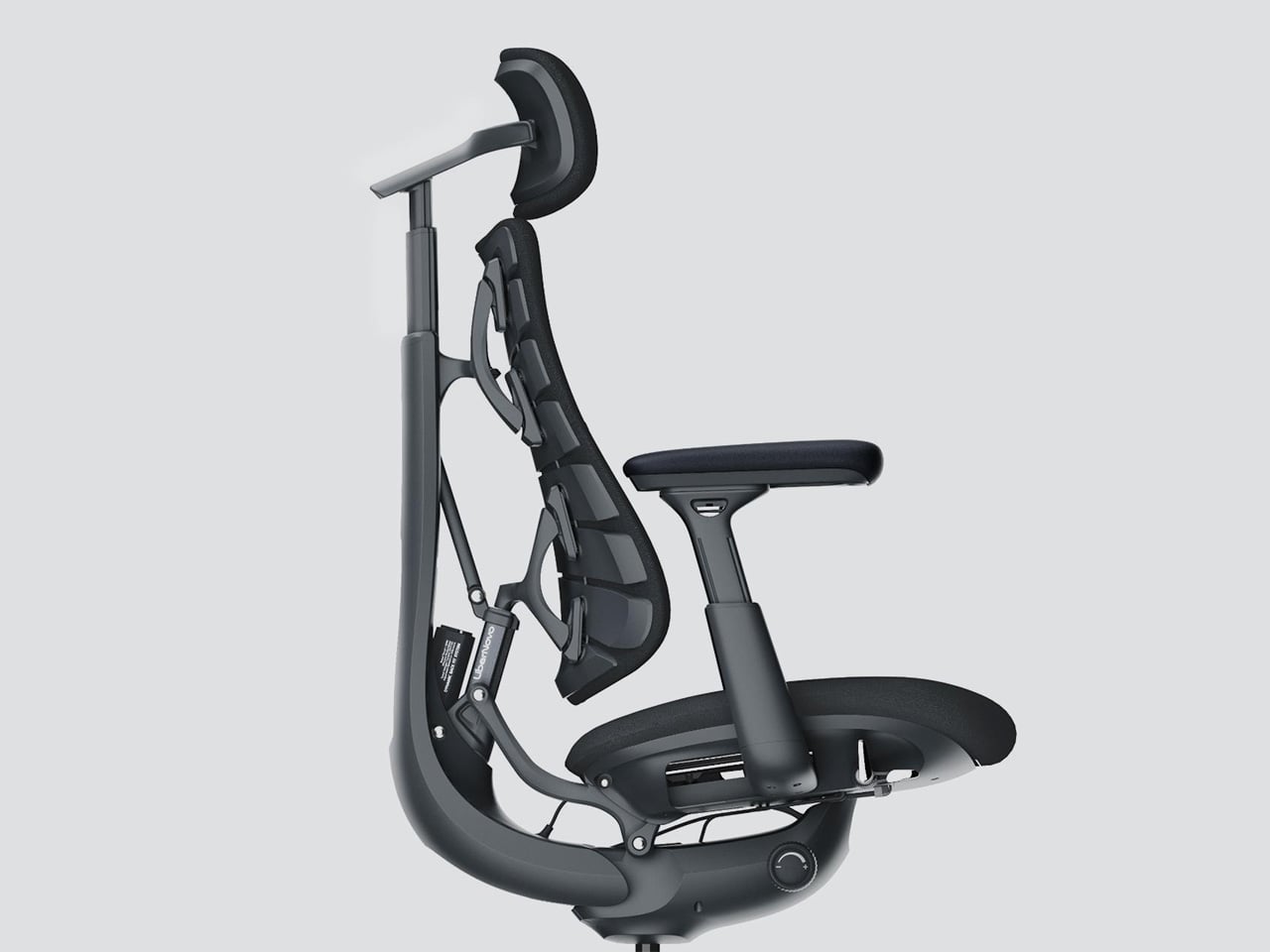
The core idea behind the Omni is that your posture doesn’t stay fixed throughout a workday, so your chair probably shouldn’t either. The Bionic FlexFit Backrest is built around that logic, using 16 spherical pivot points, 8 adaptive flexible panels, and 14 dual-connection points to follow the natural curve of your spine as it shifts. It covers you from the hips up through the shoulders, spreading pressure across the whole back rather than piling it onto one fixed lumbar point.

What makes this work in practice is the Dynamic Support system, which adjusts automatically to changes in your posture without you having to reach for anything. Lean forward during a focused stretch of work, sit back when you’re thinking something through, the chair tracks those shifts, and responds in real time. It’s the kind of feature that sounds modest until you realize how much of your day you’ve spent adjusting a chair that couldn’t do this.

Then there’s OmniStretch, which is where the Omni starts to feel like something genuinely different. Sitting for long hours compresses the lower spine gradually, and most chairs just let that happen. OmniStretch is a guided decompression feature that gently stretches the lower spine during the workday, designed to actively relieve pressure rather than simply tolerate it. It’s probably why the iF jury placed the Omni in the Beauty/Wellness category: this chair isn’t just holding you up, it’s doing a bit of recovery work along the way.

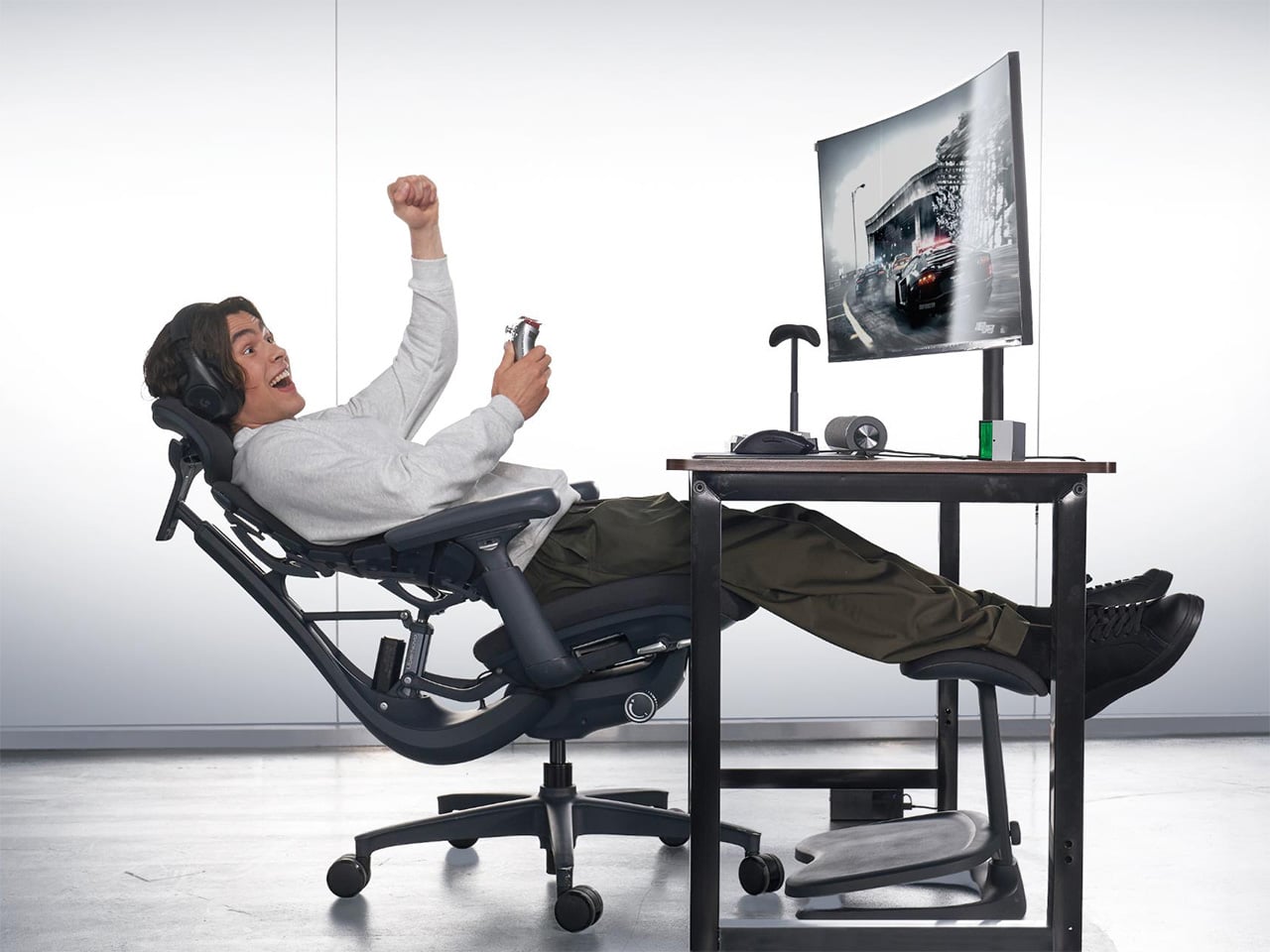
The Omni also offers four recline positions running from 105 to 160 degrees. The shallower end is built for focused, upright work, while the deep 160-degree Spine Flow position is designed for full spinal decompression between sessions. The two intermediate angles cover the range in between, which gives the chair a kind of daily rhythm that matches how most people actually move through their hours rather than sitting rigidly in one position all day.

The chair was developed by LiberNovo’s team in Shenzhen alongside industrial design firm Kairos Innovation, also based there. Winning an iF award is meaningful external confirmation that the design thinking behind the Omni translates beyond the product brief. For a chair that started from the premise that desk work doesn’t have to hurt, that’s a pretty good place to land.

Click Here to Buy Now: $929 $1099 (15% off). Hurry, deal ends in 48-hours!

The post LiberNovo Omni Just Won the iF Design Award 2026 for Wellness Design first appeared on Yanko Design.

This Anxiety Device Hides in Your Fist So Nobody Sees You Using It

Anxiety tools have a strange habit of making things worse. Fidget spinners draw stares across a conference table, breathing apps demand screen time mid-conversation, and wearable buzzers pulse on your wrist where anyone paying attention can spot them. The very act of reaching for help becomes another source of self-consciousness, which is the opposite of what someone in the grip of a social anxiety episode needs. The ideal intervention would be one that nobody else can detect at all.

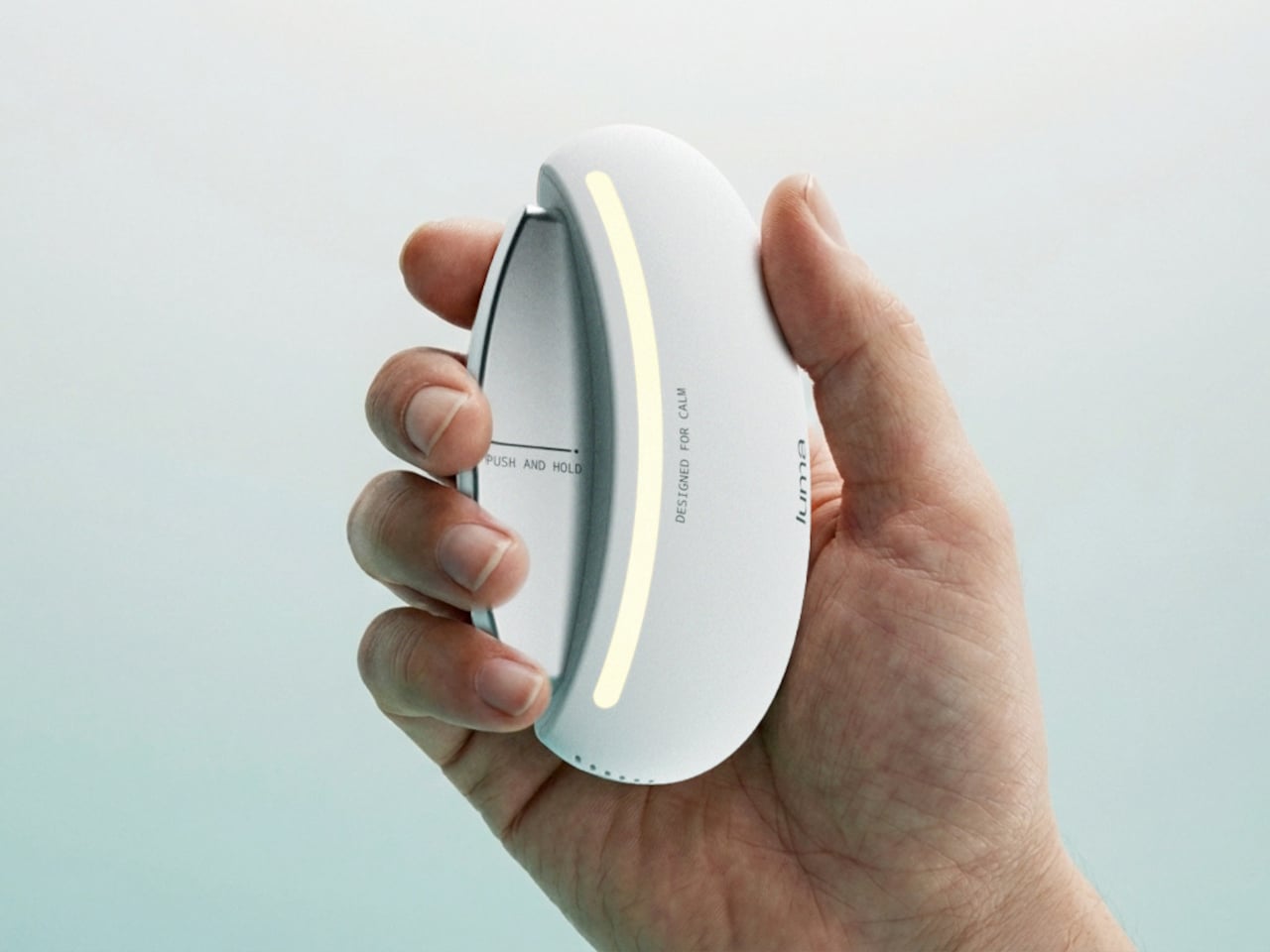
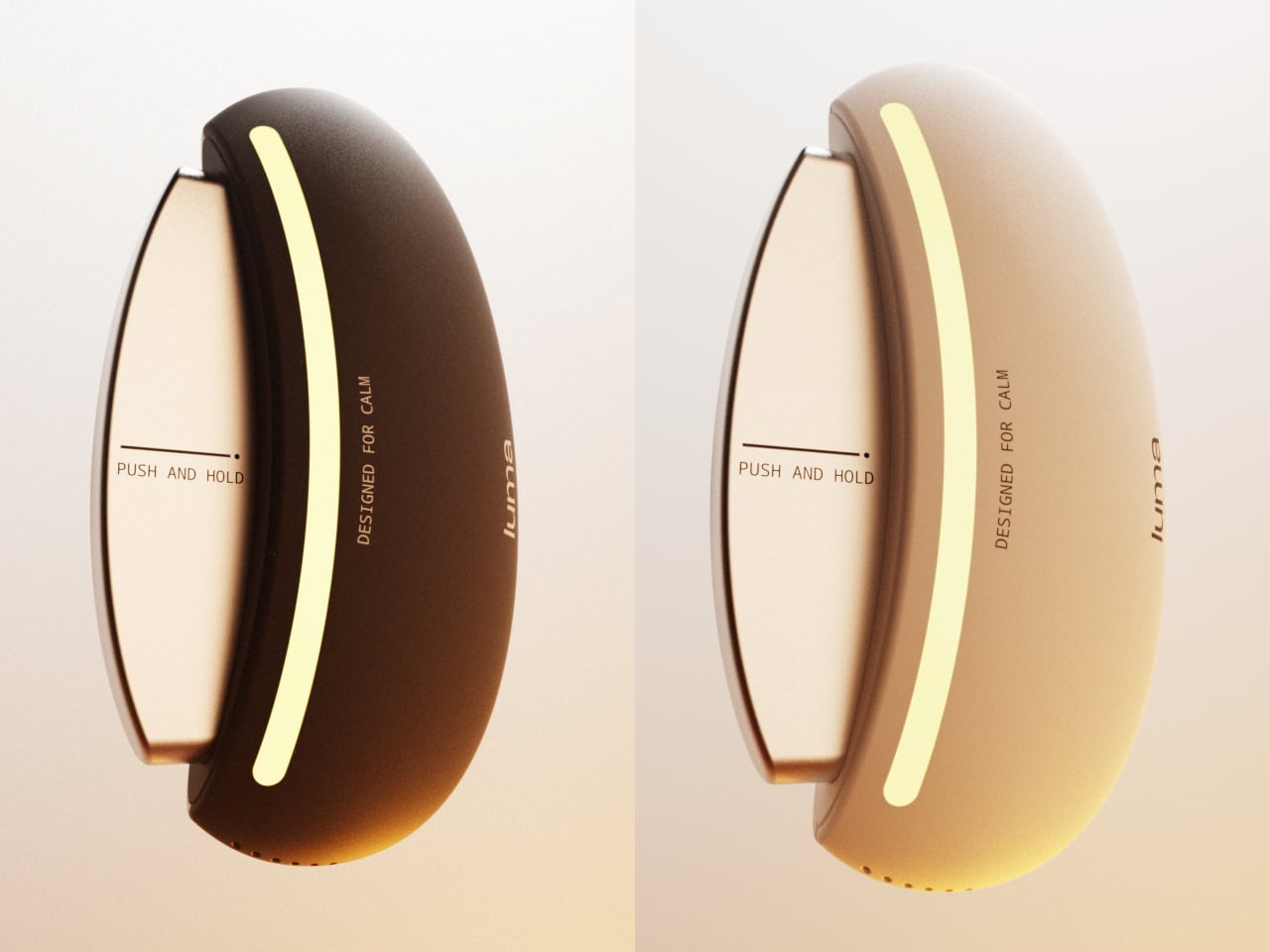
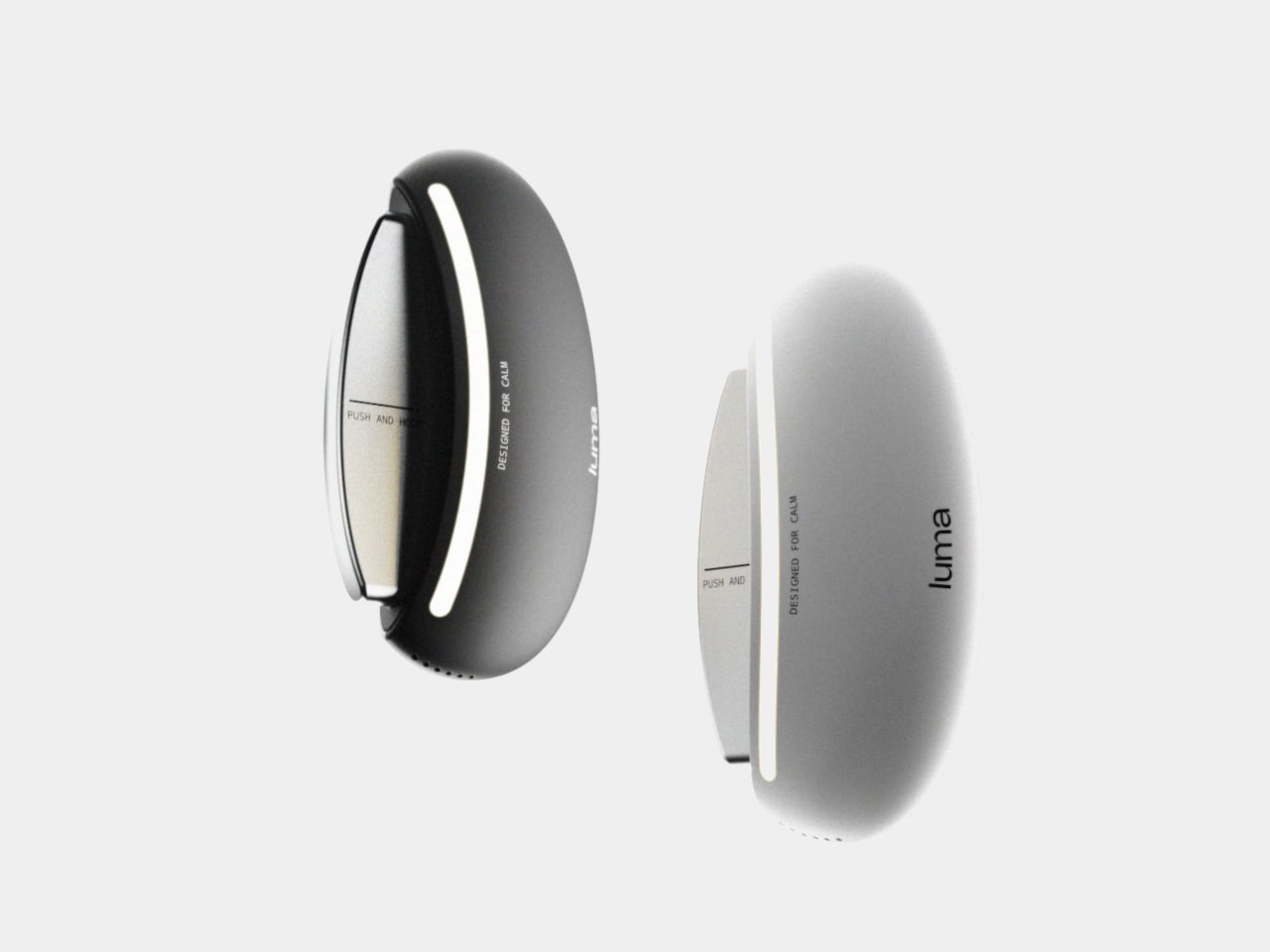
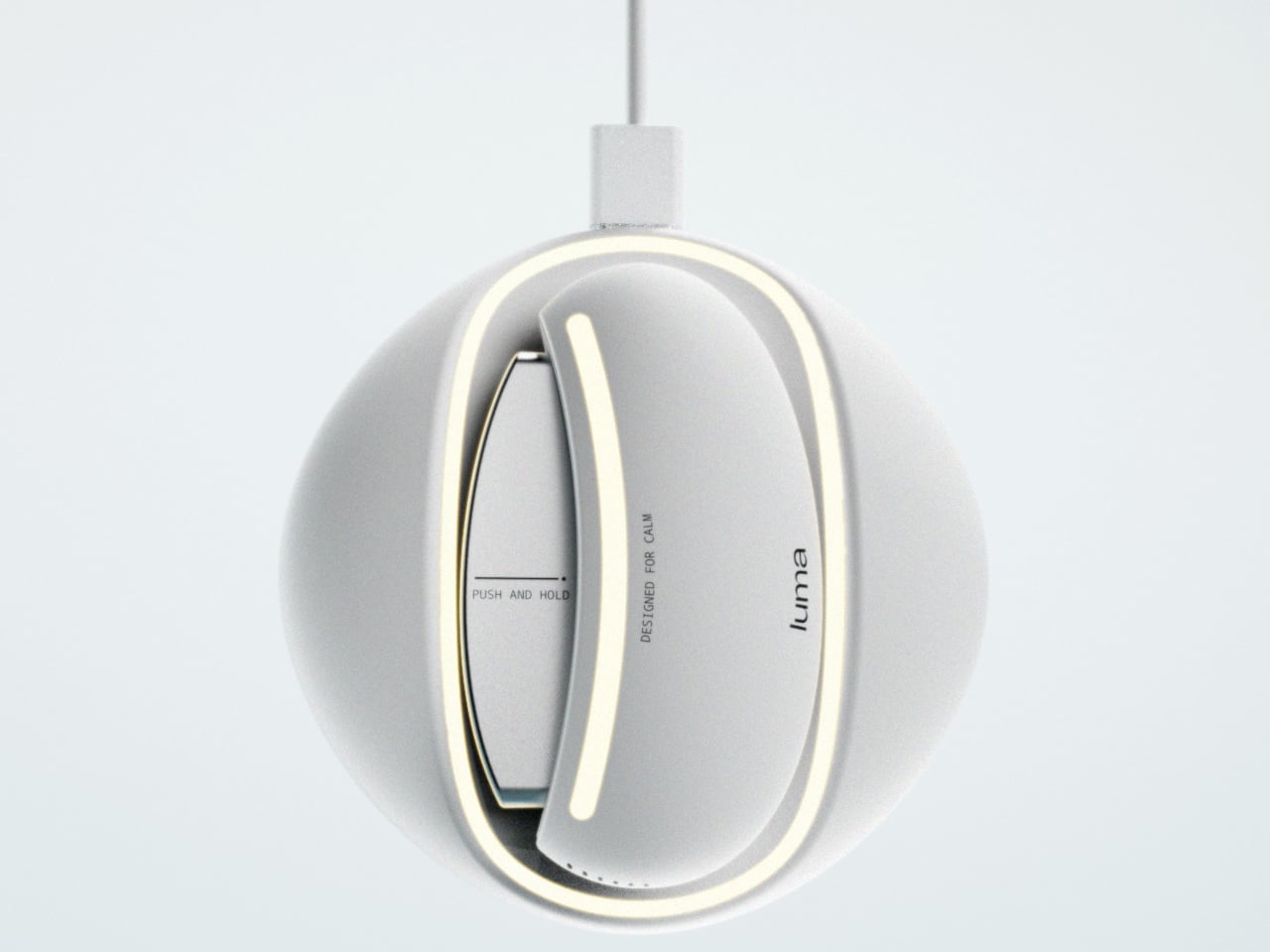
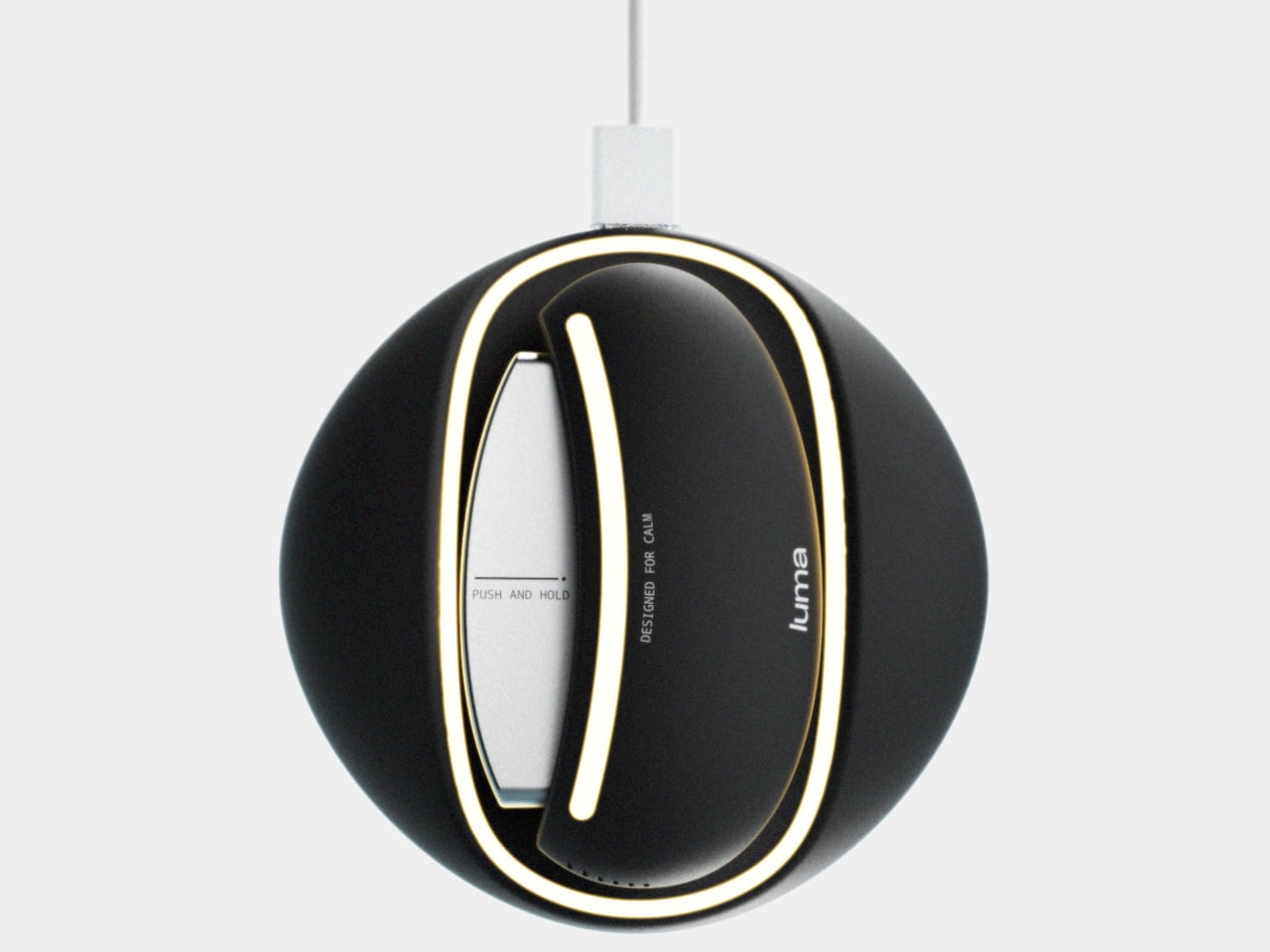
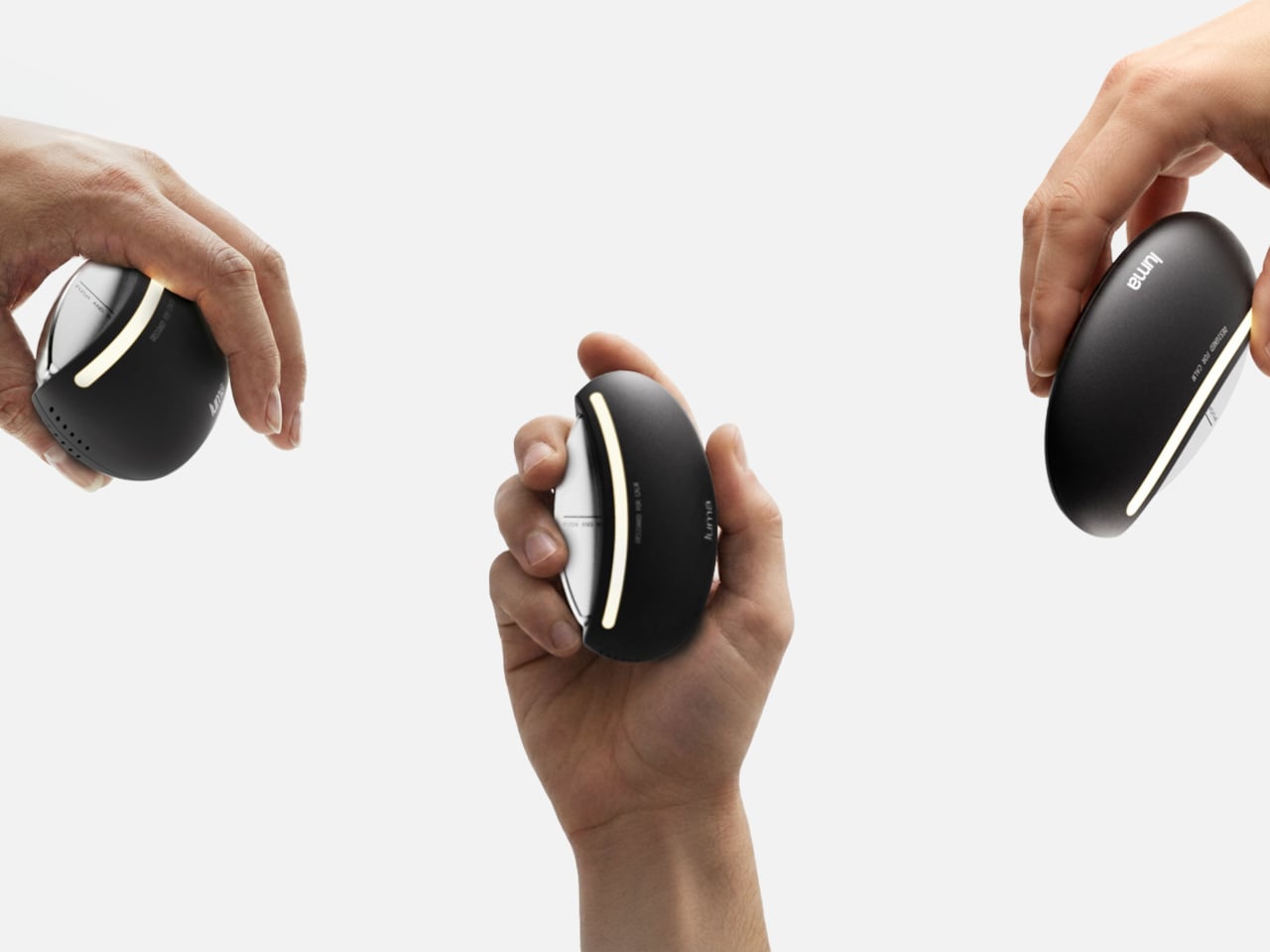
That is the premise behind LUMA, a concept device that fits entirely inside a closed fist. Shaped like an asymmetric pebble with a two-tone split between a matte dark outer shell and a lighter inner palm surface, LUMA combines tuned haptic vibration with gentle warmth to guide breathing and counter the physical symptoms of acute anxiety. “Designed for Calm” reads the text printed along its curved body, and the device activates with a single push-and-hold action that requires no fumbling, no screen, no second hand.

Designer: Vedant Kulkarni

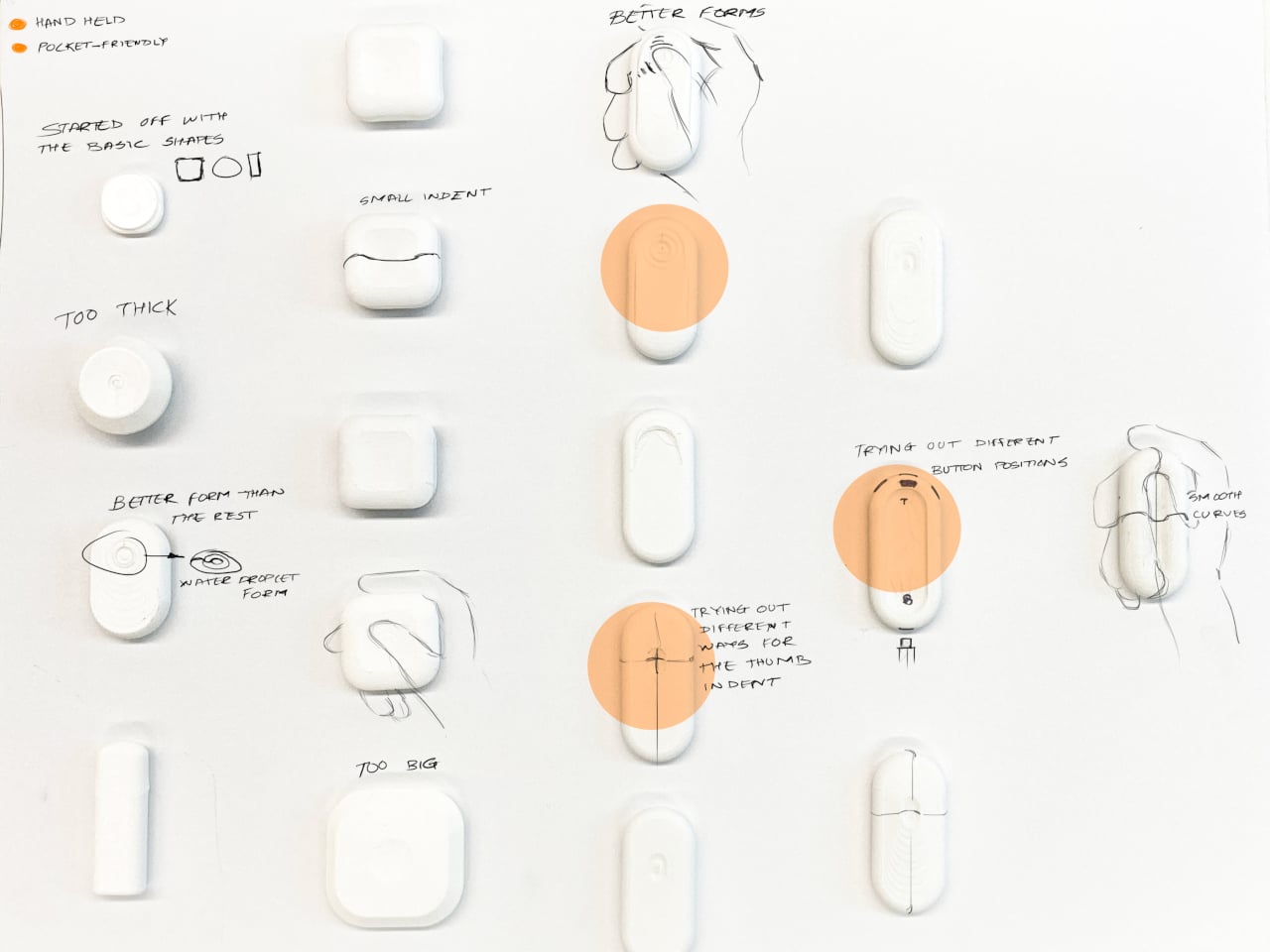
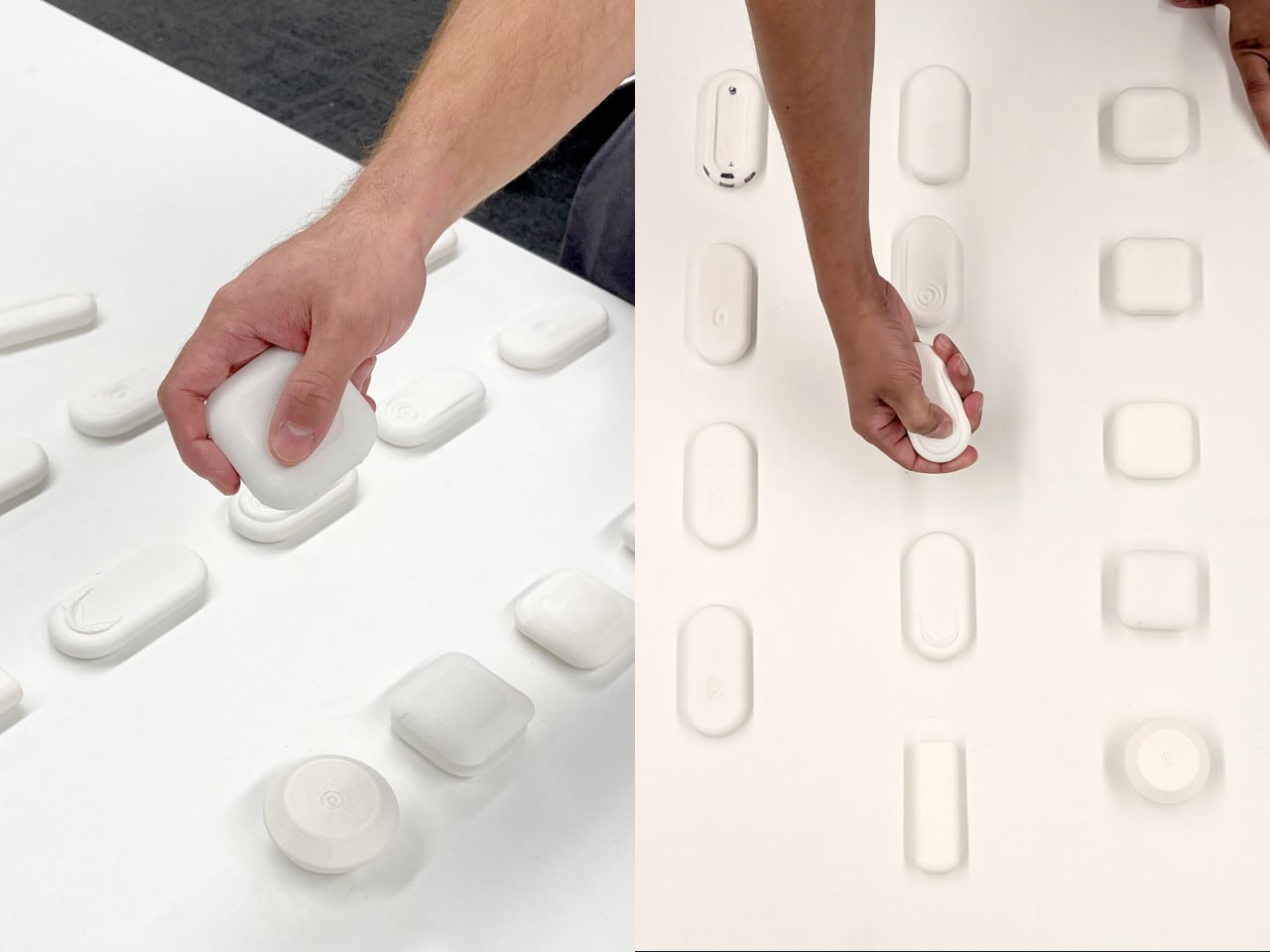
Early explorations cycled through squares, cylinders, pill shapes, and a water-droplet silhouette before arriving at the final biomorphic curve. Each candidate was filtered through two criteria simultaneously: does it feel natural in a clenching grip, and can it disappear inside a trouser pocket? Thumb indent placement, button positioning, and overall thickness were all iterated with physical models. The result is a device that reads less like a gadget and more like a smooth stone you picked up on a beach, except this one pulses warmth into your palm.

The calming mechanism works in two ways simultaneously. Haptic vibration patterns pace breathing rhythm, guiding the user through inhale-exhale cycles without any visual or audio prompt. Gentle heat addresses the cold-hands response that commonly accompanies anxiety spikes, while also providing a grounding tactile sensation. Picture someone at a networking event, feeling their chest tighten during small talk. They slip a hand into their pocket, squeeze LUMA, and within seconds the device is pacing their breath through their fingertips. Nobody around them notices a thing.

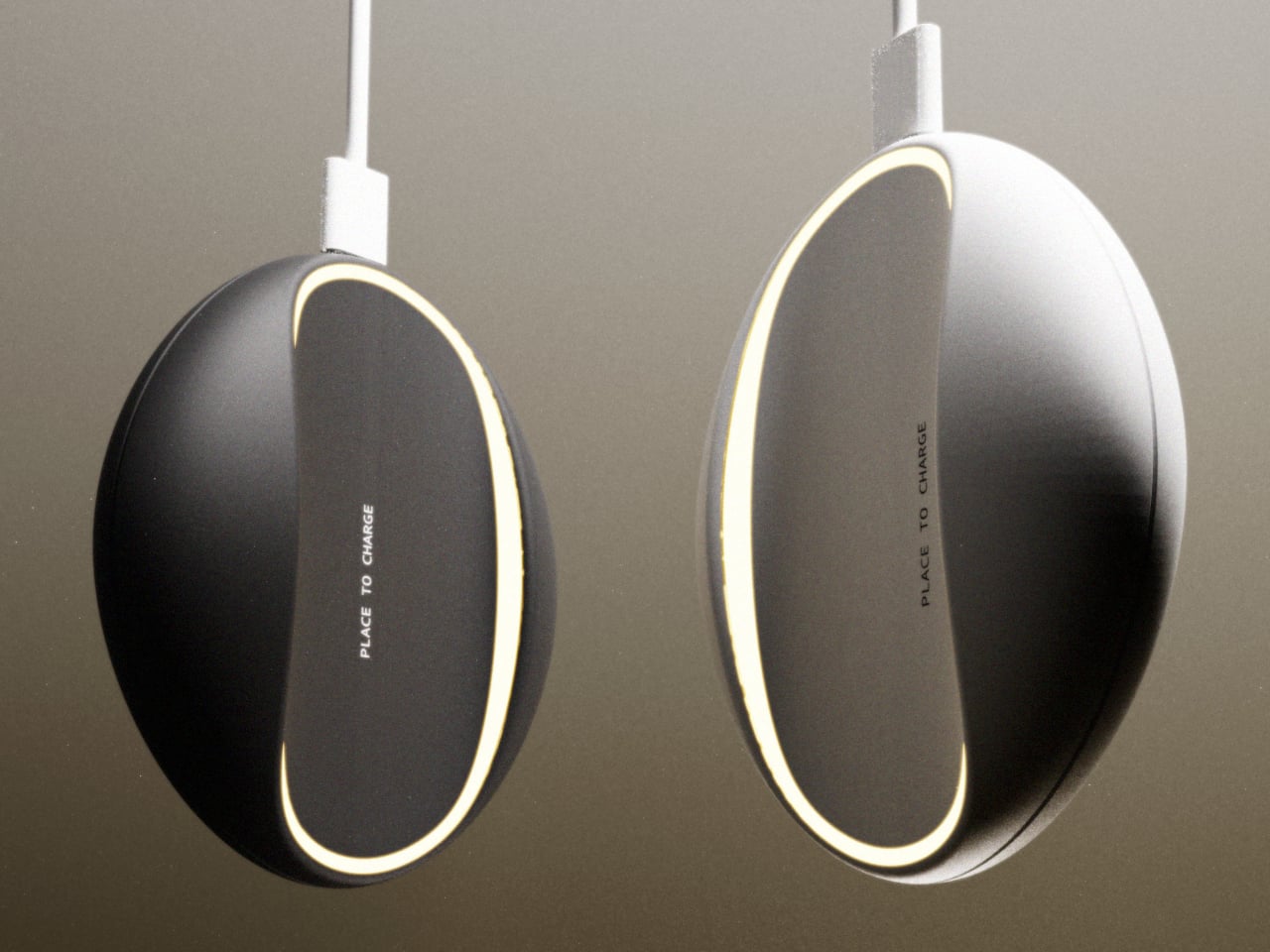
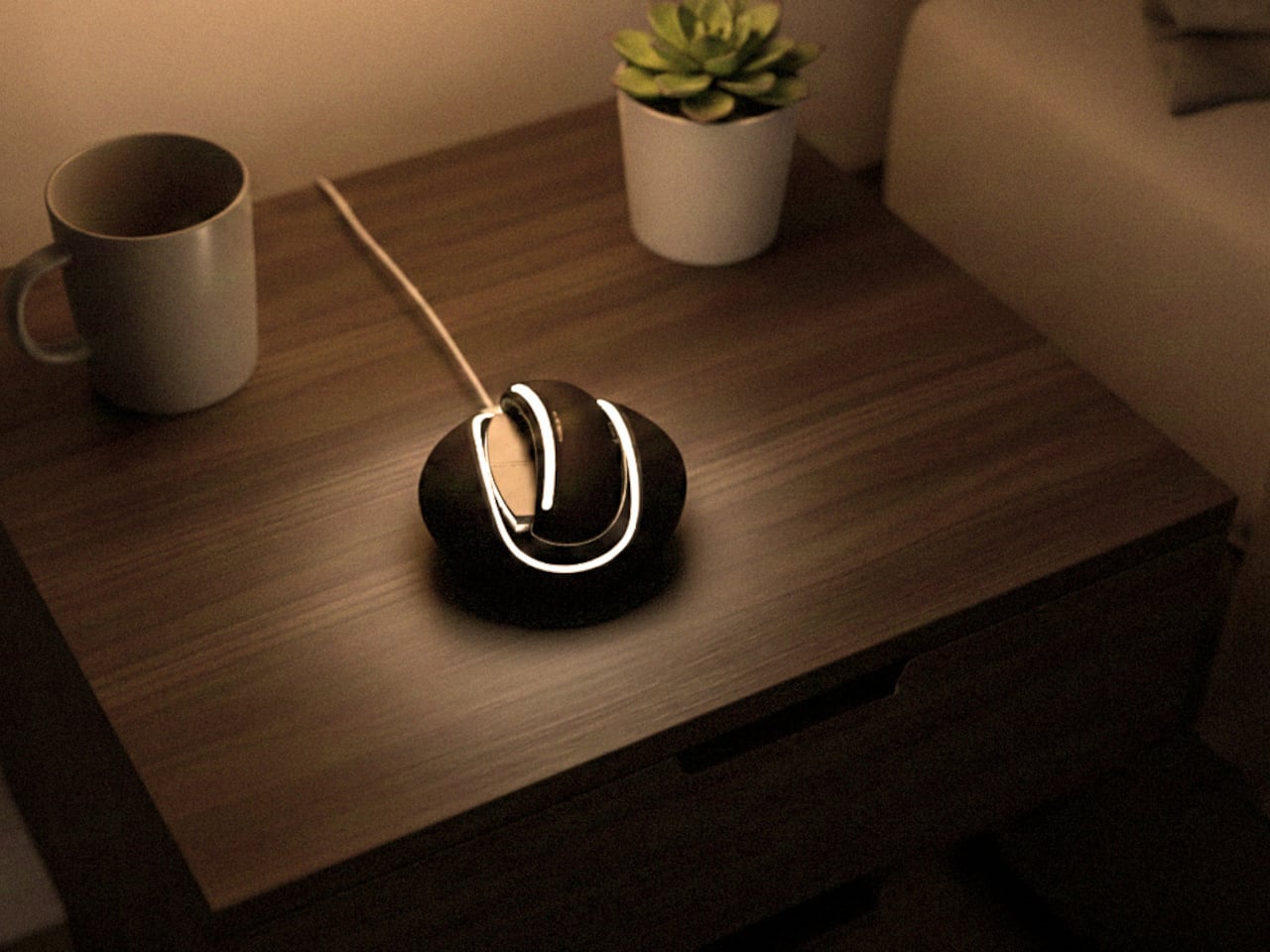
But wait, there’s more! Sitting on a bedside table while charging, LUMA glows softly through its LED light strip and looks like a small decorative object, something between an ambient lamp and a polished stone. It does not look like a medical device or a wellness gadget, and that visual ambiguity is entirely deliberate. Most products in the anxiety-relief space announce their therapeutic purpose through clinical form factors, companion apps, or wearable visibility. LUMA refuses to do any of that.

No handheld object can solve social anxiety. What LUMA proposes instead is that the moment of reaching for help should feel private, physical, and calm rather than clinical or conspicuous. The form factor argument is strong, and the dual heat-and-haptic approach addresses real physiological symptoms rather than just offering distraction.

The post This Anxiety Device Hides in Your Fist So Nobody Sees You Using It first appeared on Yanko Design.
This 2-Person Steam Room Sets Up in 5 Minutes and Packs Into a Case

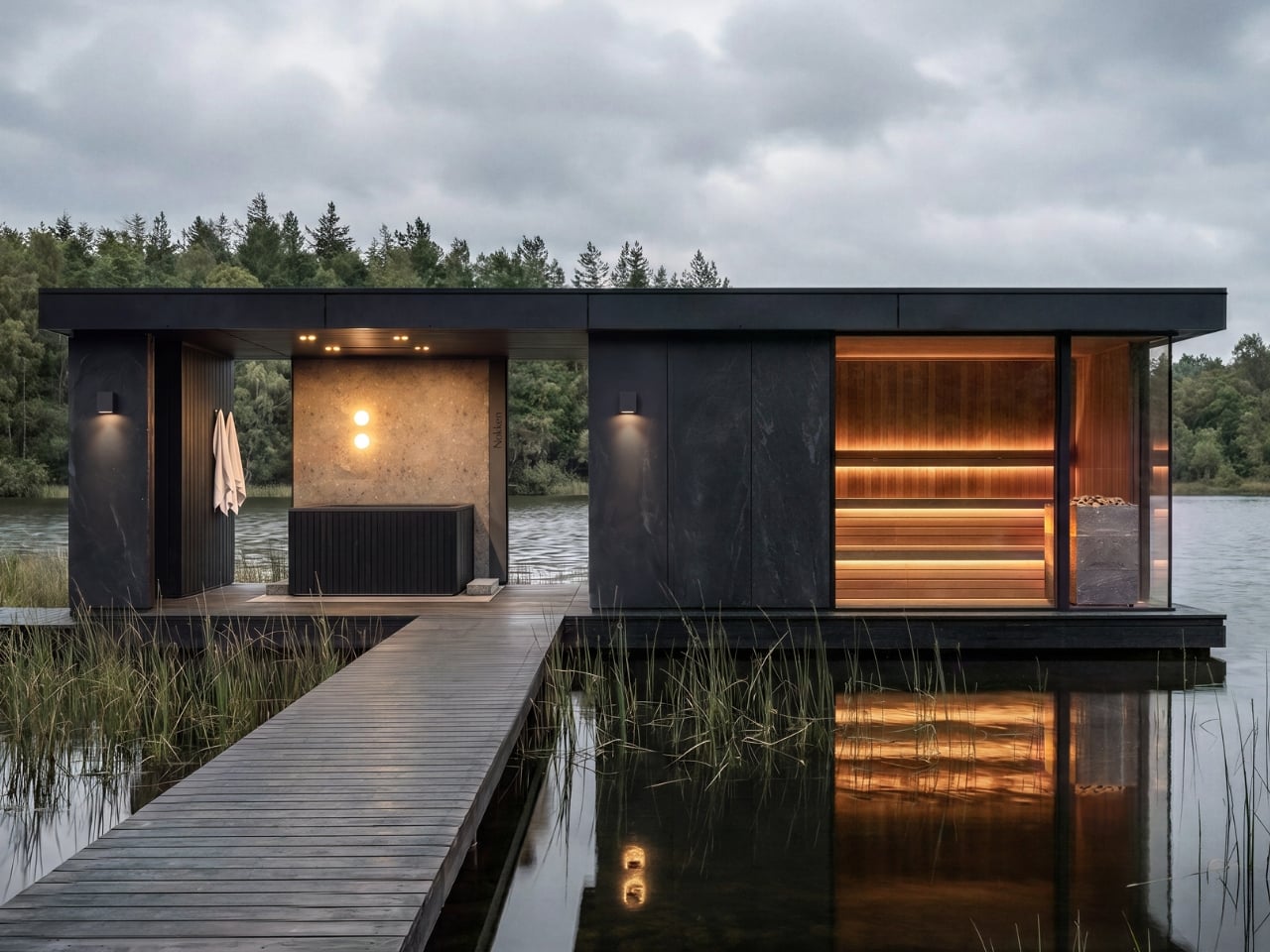
Home wellness has expanded well beyond foam rollers and cold showers. Heat therapy has become one of the more serious recovery habits people are building into their routines, but the hardware has always been the obstacle. Traditional saunas require installation, dedicated space, and a budget that rules out most apartments. The gap between wanting a genuine steam experience and being able to have one at home has stayed stubbornly wide.

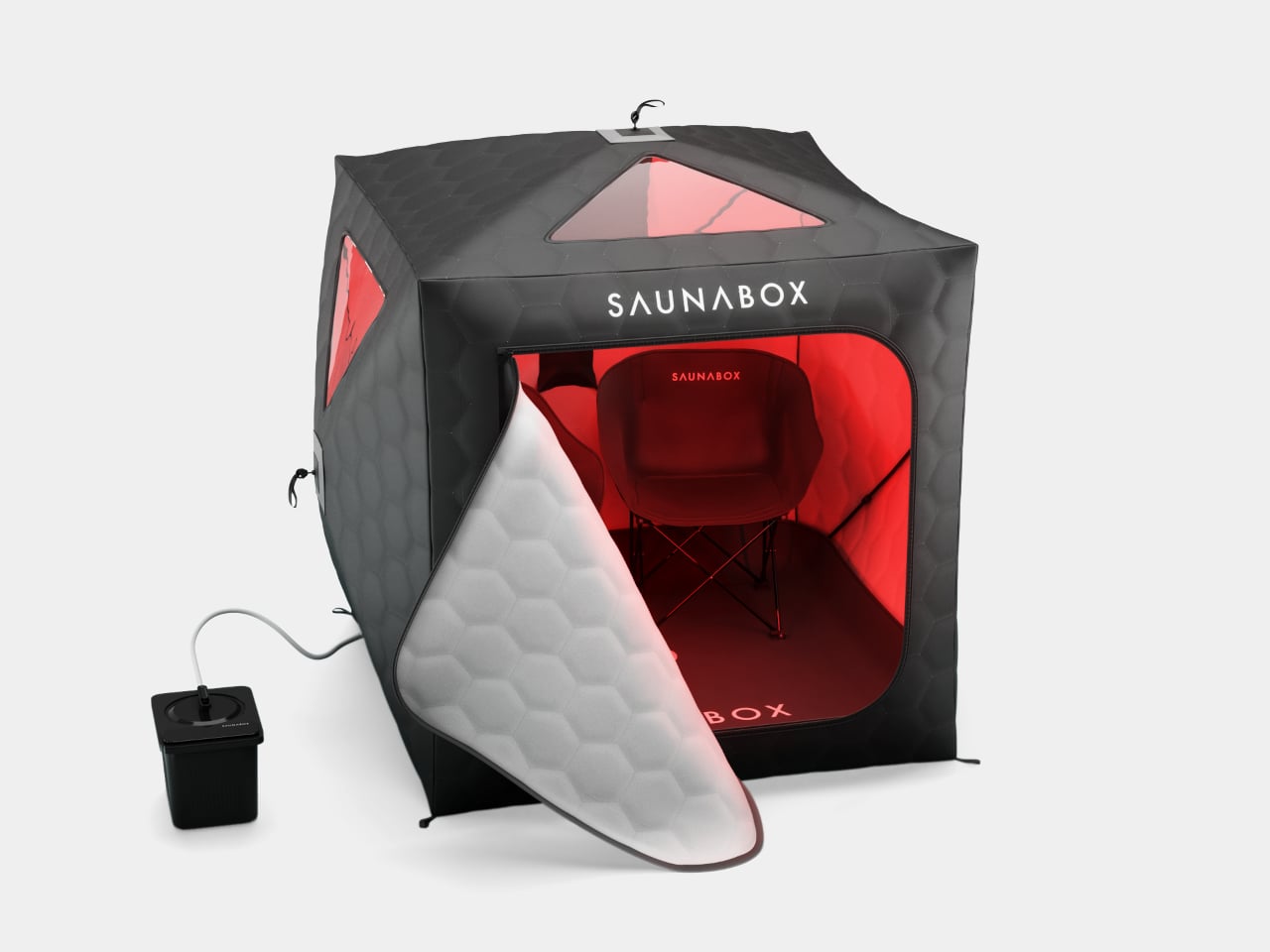
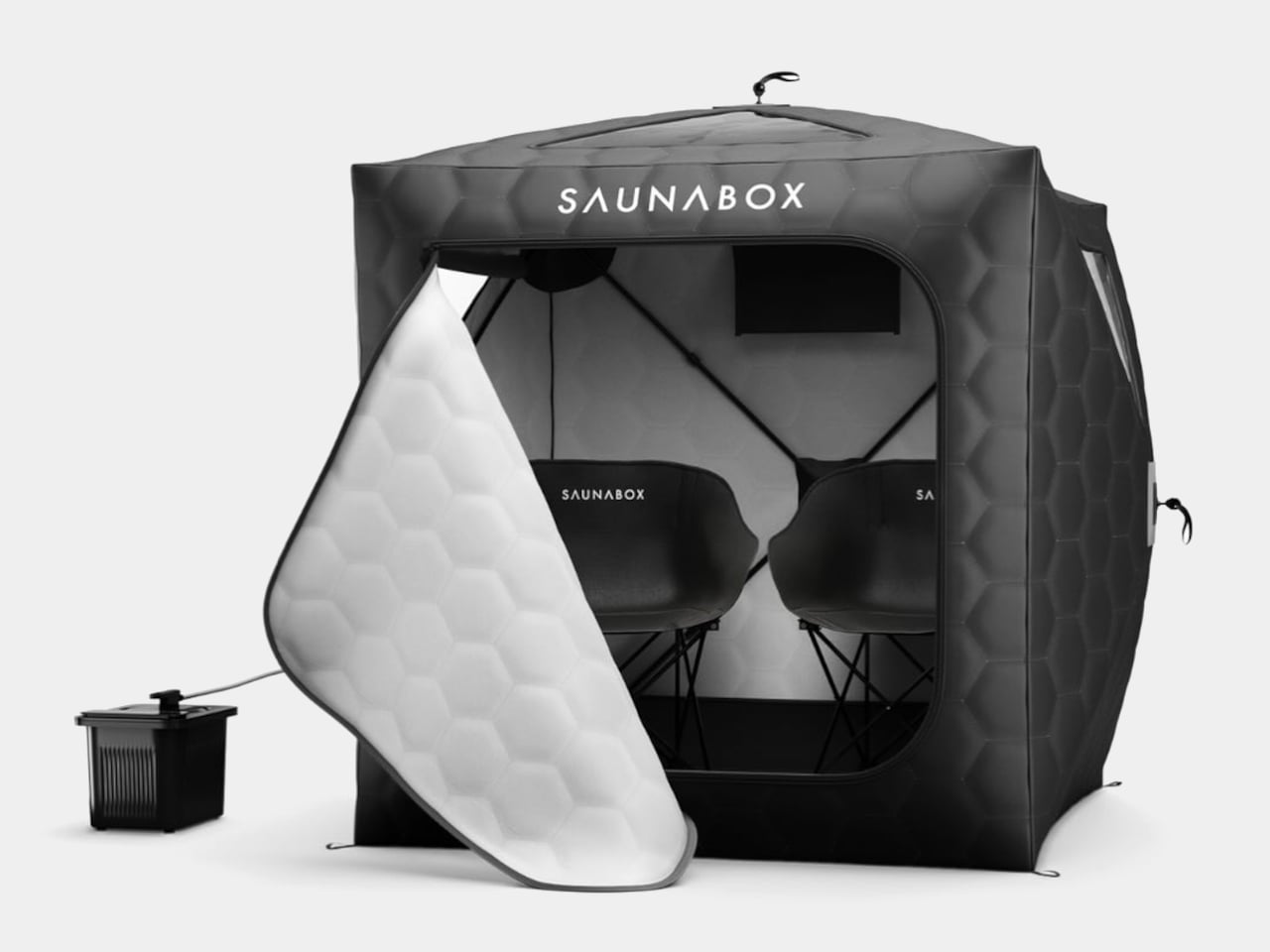
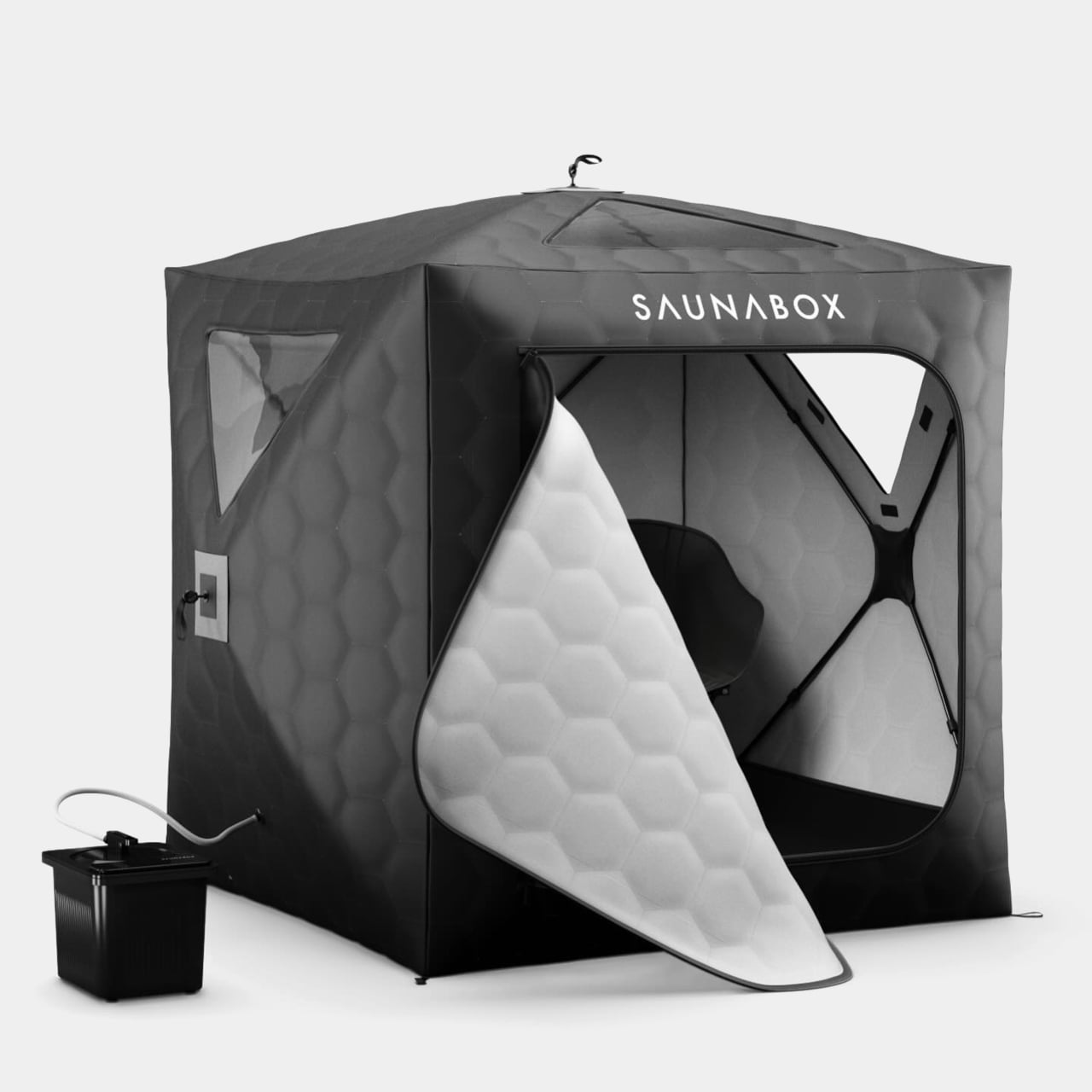
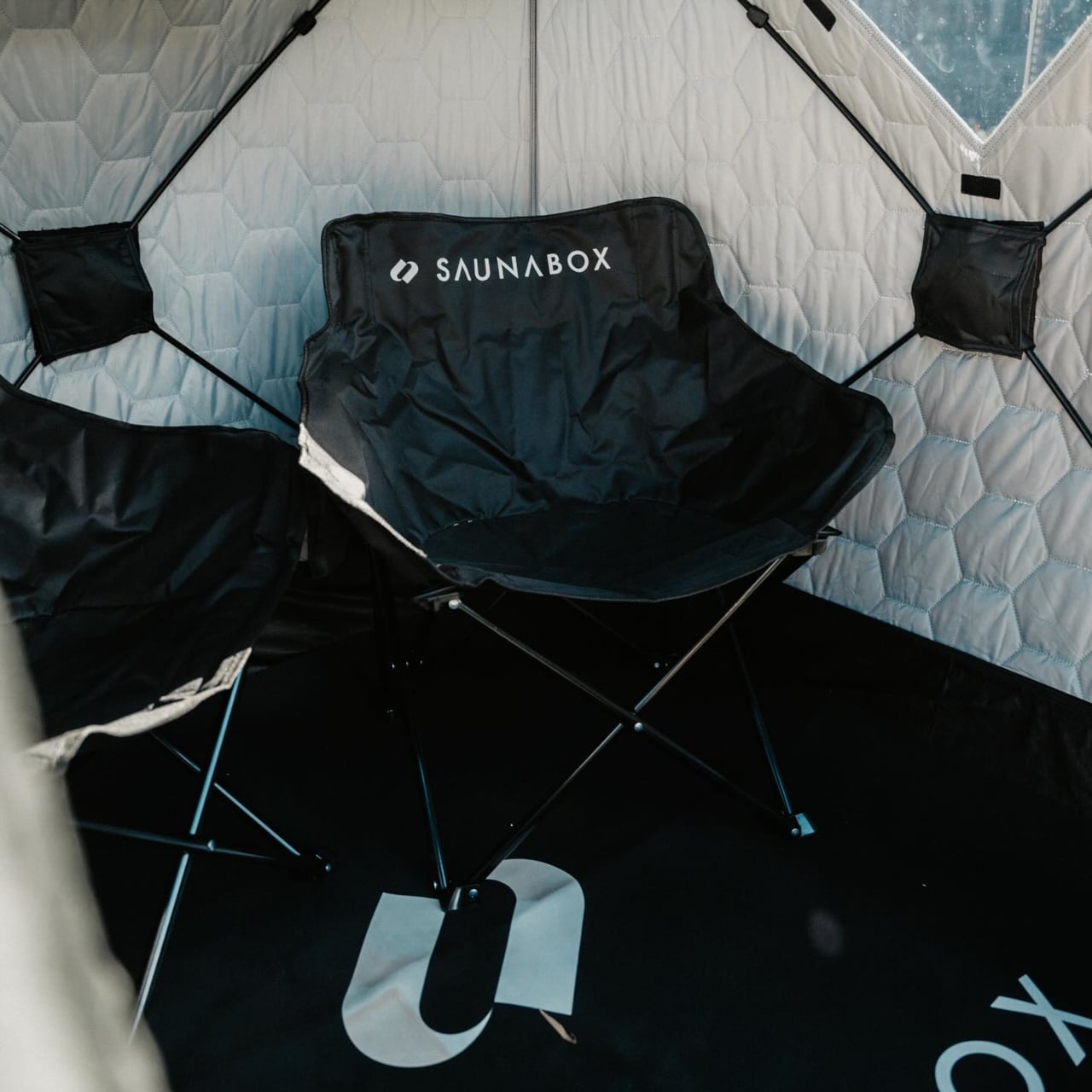
SaunaBox SmartSteam XL, formerly known as SaunaBox Go, tries to close that gap with a pop-up, two-person portable steam room that sets up in under 5 minutes and packs away into a carry case when you’re done. It sits somewhere between a camping structure and a private wellness retreat, which sounds like a strange mix until you’re sitting inside at 130°F with 100% humidity and the whole thing starts to feel more like an onsen than a tent.

Designer: SaunaBox

That steam-forward output is what shifts the experience away from the drier, more aggressive heat of traditional saunas. The SmartSteam Pro heating unit generates a deeply humid environment that envelops rather than parches, which is the difference between feeling like you’re sweating through a workout and feeling like you’re genuinely being restored. That’s not a small distinction when the goal is recovery and relaxation rather than just breaking a sweat.

The app layer is where the design thinking gets quieter, but equally important. Fifteen personalized heat levels, customizable session timers, and a choice of guided meditations or spa audio are all managed from an iOS or Android app, which means setup becomes a small ritual rather than a technical exercise. A weekly session log tracks your heat therapy over time, turning something you’d otherwise do by feel into something you can actually pay attention to and build on.

The tent fabric carries OEKO-TEX certification, meaning it’s been independently tested for harmful substances under strict global criteria. The unit is also fully REACH compliant, aligning with EU regulations on harmful chemicals in manufacturing. These aren’t headline features, but they matter when you’re sitting inside something heated and enclosed, breathing the air it’s generating, for extended periods of time.

Portability is the actual promise the design has to keep. It fits two people, sets up without tools, and takes down in roughly the same amount of time. The included carry case means it can travel to a vacation rental, move to a different room when needed, or disappear into storage without leaving a permanent footprint. That flexibility is what separates it from every wellness product that promises transformation but demands a dedicated square footage to make it happen.

SmartSteam XL works because it makes a steam room temporary and repeatable, rather than permanent and committed. The onsen feeling it delivers is less about achieving some spa ideal and more about actually having a reliable, consistent heat ritual that you can sustain because the setup doesn’t punish you every time.

The post This 2-Person Steam Room Sets Up in 5 Minutes and Packs Into a Case first appeared on Yanko Design.
This Pocket Hydrator Adjusts Mist Strength Based on Face Distance

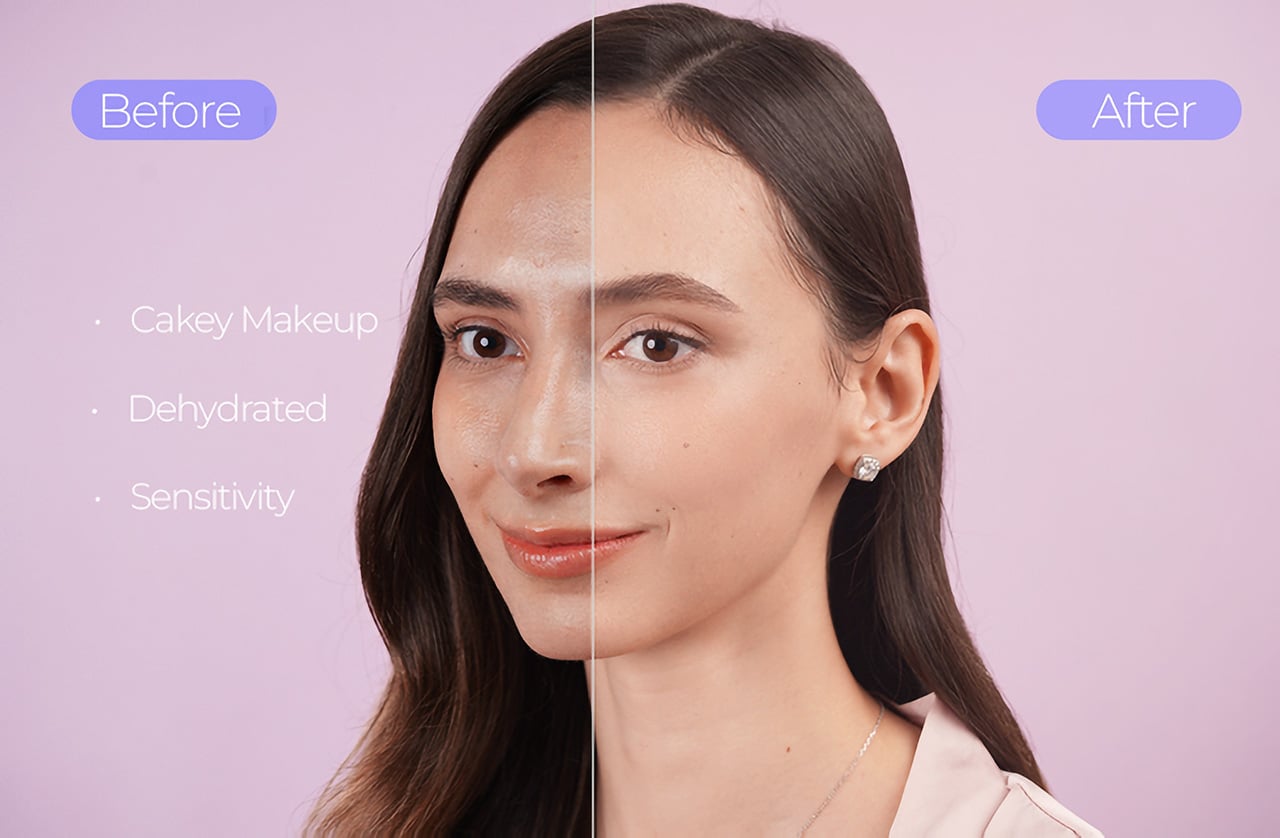
Skin loses the hydration war quietly in today’s modern world. Office air conditioning runs all day, planes recycle cabin air for hours, and cars blast heat or cold depending on the season. Most hydration routines still happen at a bathroom mirror with a cotton pad and a bottle, even though the real damage shows up at desks, in conference rooms, and halfway through a flight when your face feels tight and tired.
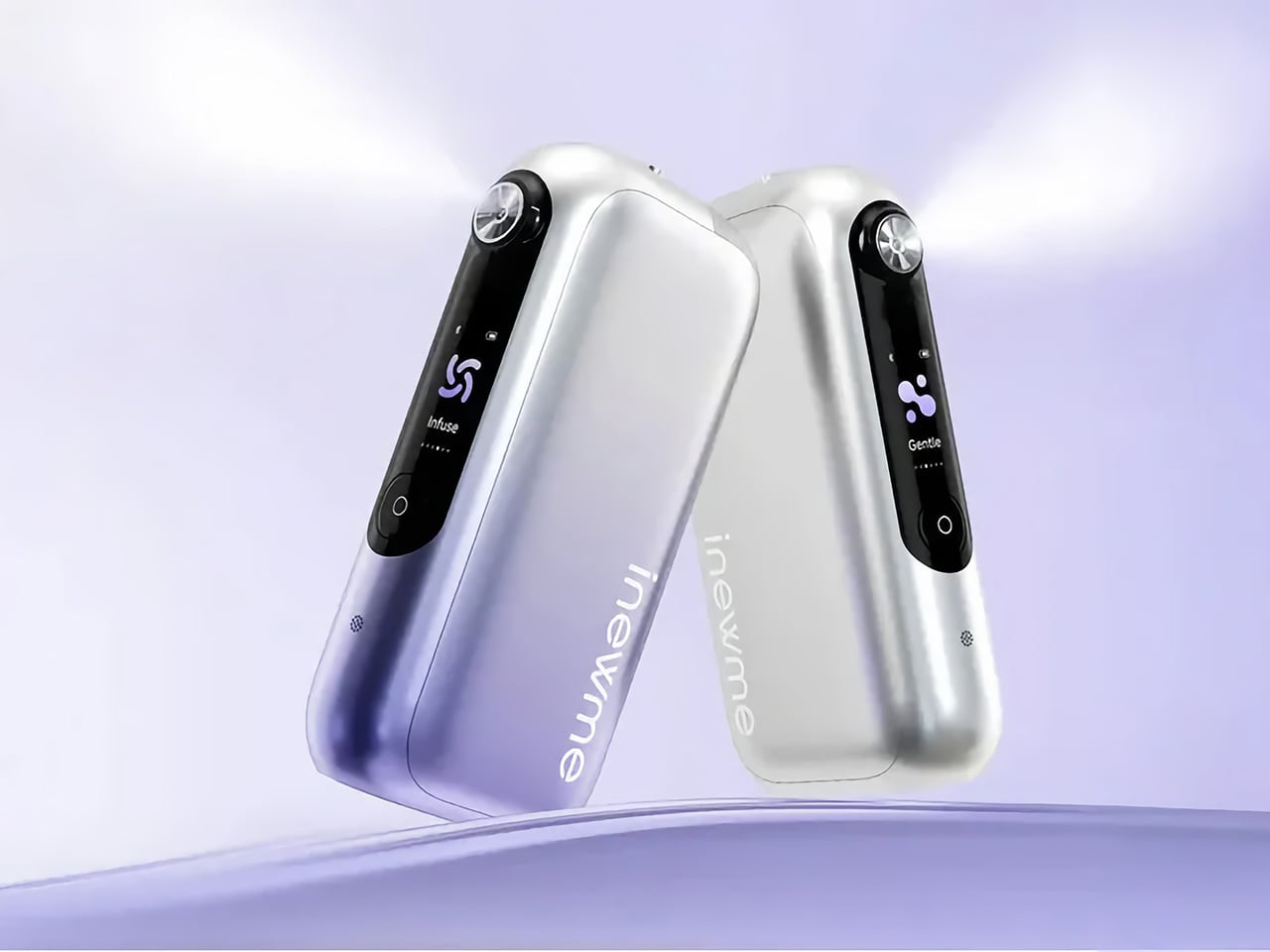
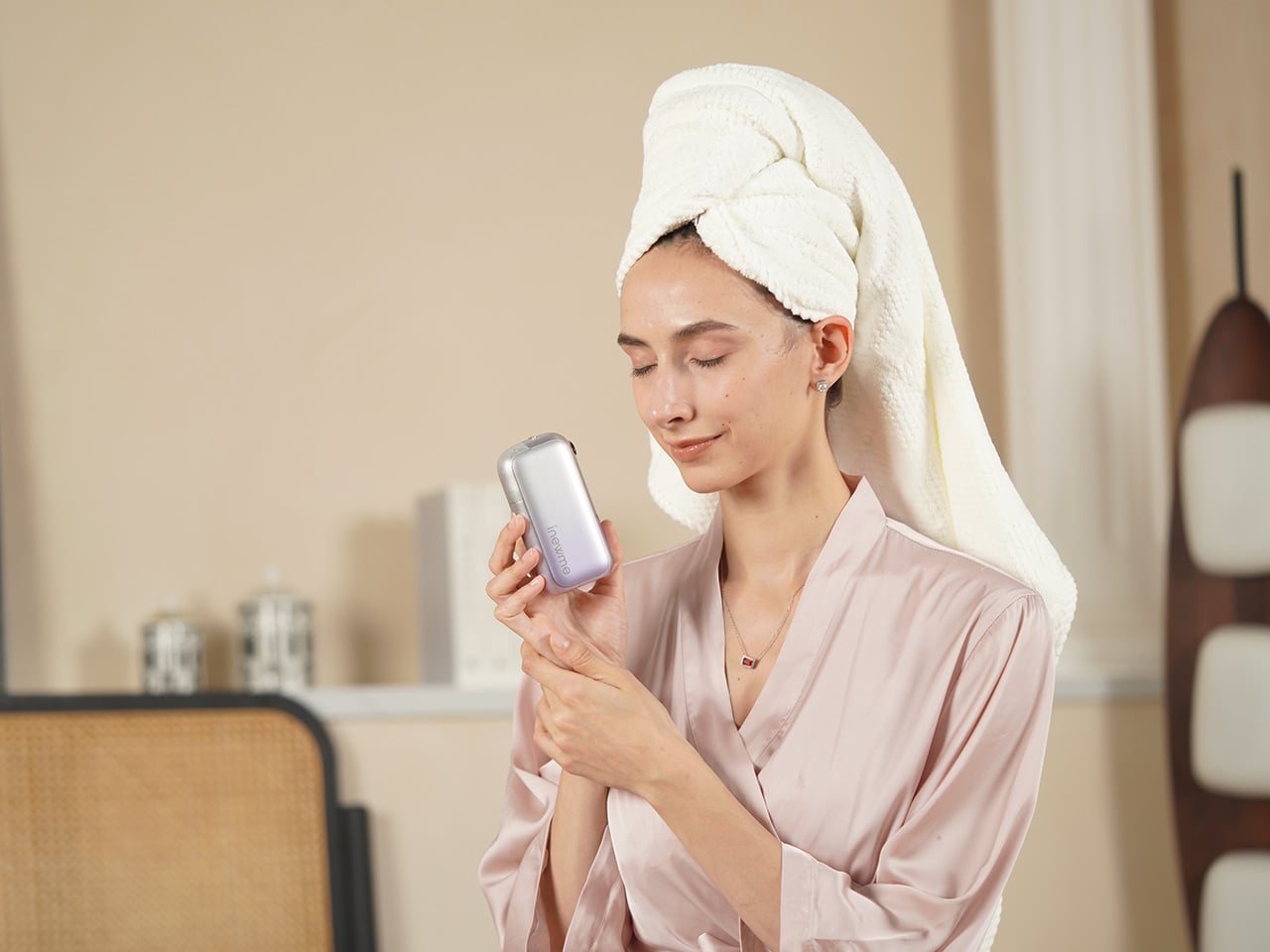
NanoHydra Pro tries to close that gap by shrinking a fairly advanced hydrator into something pocket-sized. It looks like a small metallic gadget with a gradient finish, the kind of thing that sits on a desk next to a phone or slips into a bag without announcing itself. A dual pump nano mist system atomizes toner or serum into a 10 micron droplet cloud, fine enough to sit on skin rather than drip off.

Designer: iNewMe

Click Here to Buy Now: $189 $269 (30% off). Hurry, only 121/200! Raised over $109,000.

The 10 micron mist feels different from a regular spray bottle. Most misters shoot larger droplets that either evaporate too fast or run down your cheeks, leaving streaks on your makeup or pooling near your jawline. NanoHydra Pro atomizes liquid into something closer to a soft fog, light enough to absorb quickly without leaving skin wet or sticky, and you can use the same toner you already have.

What makes it feel smarter is the ToF distance sensor built into the front. It reads how close the device is to your face and quietly adjusts mist output in real time. Hold it near, and the spray softens to avoid oversaturating small areas. Pull it back, and coverage expands for broader strokes. Step outside the detection range, and it shuts off automatically, saving product and avoiding accidental desk misting.

The design seems built for people who keep skincare at their desk rather than just in the bathroom. Five modes let you shift between everyday hydration, a gentler setting for sensitive days, a lifting mode when skin feels slack, an infuse mode for deeper serum sessions, and a manual option for one quick burst. Each mode adjusts mist intensity and duration to match the moment.

The battery lasts around a week with regular use, so it sits there ready without becoming another thing to plug in every night. You press a button, pick a mode on the small LCD screen, mist your face, and go back to work. It fits into the kind of routine where hydration happens between calls or emails rather than as a separate event you have to carve out time for at home.

Travel is where the leak-proof capsule starts to matter. The chamber locks toner or serum inside with enough seals that you can toss it into a bag, check it in luggage, or carry it through airport security without spills soaking into clothes or electronics. The compact body fits easily into a jacket pocket or backpack side slot. On a long flight or dry commute, pulling it out and misting your face takes less effort than digging through a toiletry kit.

A companion app adds a layer for people who like tracking routines. It lets you adjust mist intensity, log each session, and review hydration trends over time, turning a simple spritz into something more intentional. The app also offers guidance based on your skin type and habits, though the device still works perfectly well as a one-button hydrator if you would rather skip the data layer entirely.

NanoHydra Pro hints at a version of skincare tools that pay attention to context instead of just pushing liquid through a nozzle. It reads distance, tunes droplet size, and fits into spaces where traditional routines fall apart, like desks, cars, and airplane seats. As hydration stops being something that only happens at a mirror, a small object that adapts quietly in your hand starts to feel like the more useful kind of upgrade.

Click Here to Buy Now: $189 $269 (30% off). Hurry, only 121/200! Raised over $109,000.

The post This Pocket Hydrator Adjusts Mist Strength Based on Face Distance first appeared on Yanko Design.