Ahead of CES 2026, Samsung has unveiled a number of impressive gaming monitors that flaunt 3D and very high refresh rates. The headliner is the 32-inch Odyssey 3D, "the world's first 6K display with glasses free 3D," according to Samsung. Along with the high resolution, it offers a 165Hz refresh rate (boosted to 330Hz through Dual Mode), along with a 1ms GtG response time. Optimized 3D effects that enhance terrain, distance and object separation "beyond 2D" will work with featured games like Stellar Blade and The First Berserker: Khazan," according to Samsung.
Another model, the 27-inch Odyssey G6, brings refresh rates to a new level. It's the world's first 1,040 Hz monitor through Dual Mode and offers native QHD support up to 600Hz "to help players track targets and see fine details during high-speed movement," Samsung claims. It can provide instant performance boosts and is AMD FreeSync and NVIDIA G-Sync compatible.
Samsung
If it's OLED you want, Samsung has that covered as well with the 32-inch Odyssey OLED G8. It pairs a 4K QD-OLED panel with a 240Hz refresh rate, while offering glare-free viewing and VESA DisplayHDR True Black 500 certification, though brightness is limited to 300 nits. It's DisplayPort 2.1 and HDMI 2.1 compatible with up to 80Gbps bandwidth, while supporting both AMD FreeSync Premium Pro and NVIDIA G-Sync.
Finally, Samsung introduced two other new high-resolution Odyssey G8 models as well. The first is the 32-inch G80HS model with 6K resolution at up to 165Hz and the other is the 5K, 27-inch Odyssey G8 with native support up to 180Hz and Dual Mode boosting that to 360Hz in QHD. There's no word on pricing yet for any of these models, but we'll likely learn that early next year.
This article originally appeared on Engadget at https://www.engadget.com/computing/accessories/samsungs-latest-odyssey-gaming-monitor-has-a-32-inch-6k-screen-with-glasses-free-3d-130051748.html?src=rss
What makes an AI video model truly stand out? Is it the lifelike speech synthesis, the cinematic visuals, or the seamless lip synchronization that brings characters to life? Below CyberJungle breaks down the performance of three leading AI video generation models, Kling 2.6, Veo 3.1, and WAN 2.6, each vying for dominance in this rapidly […]
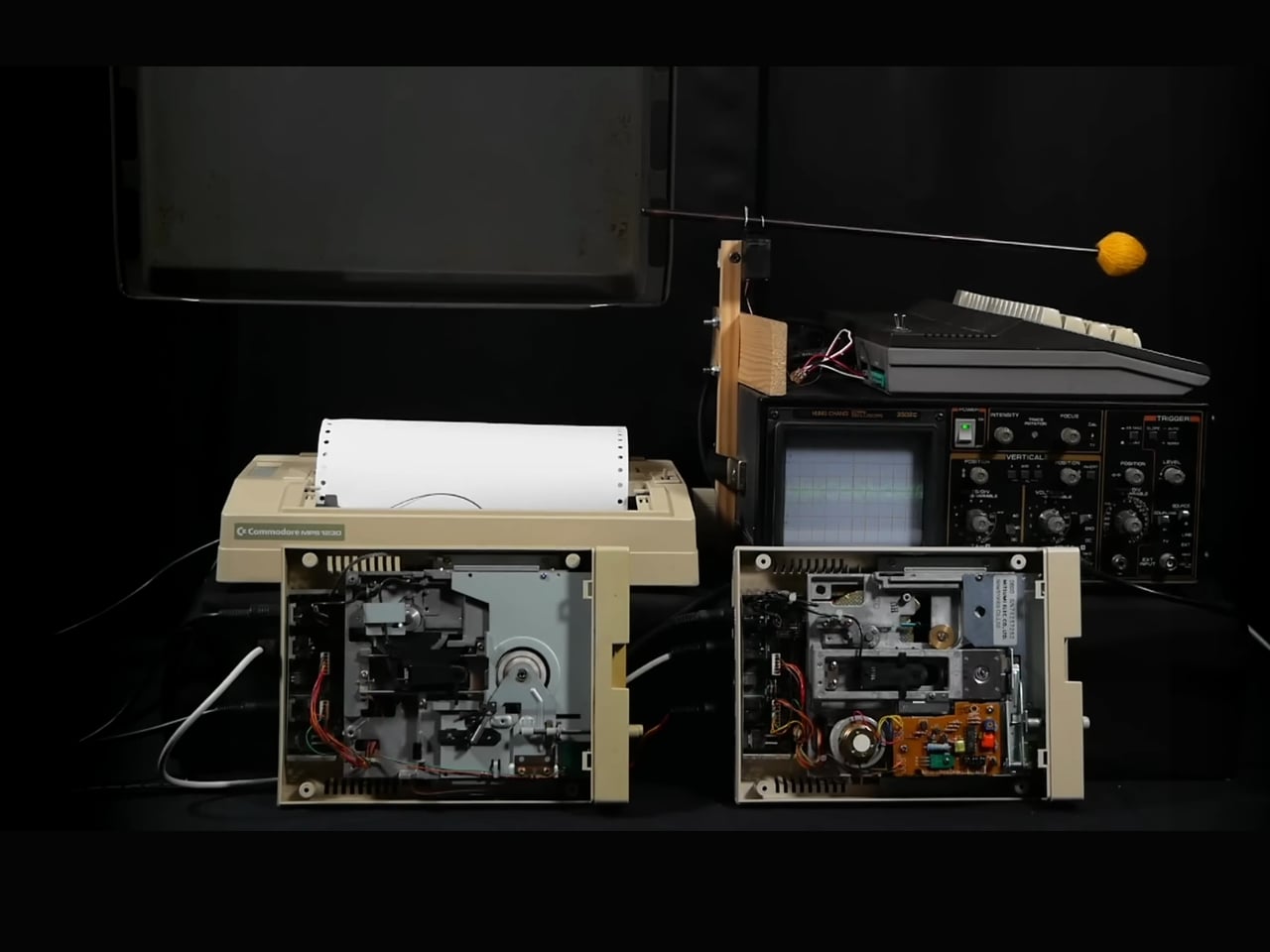
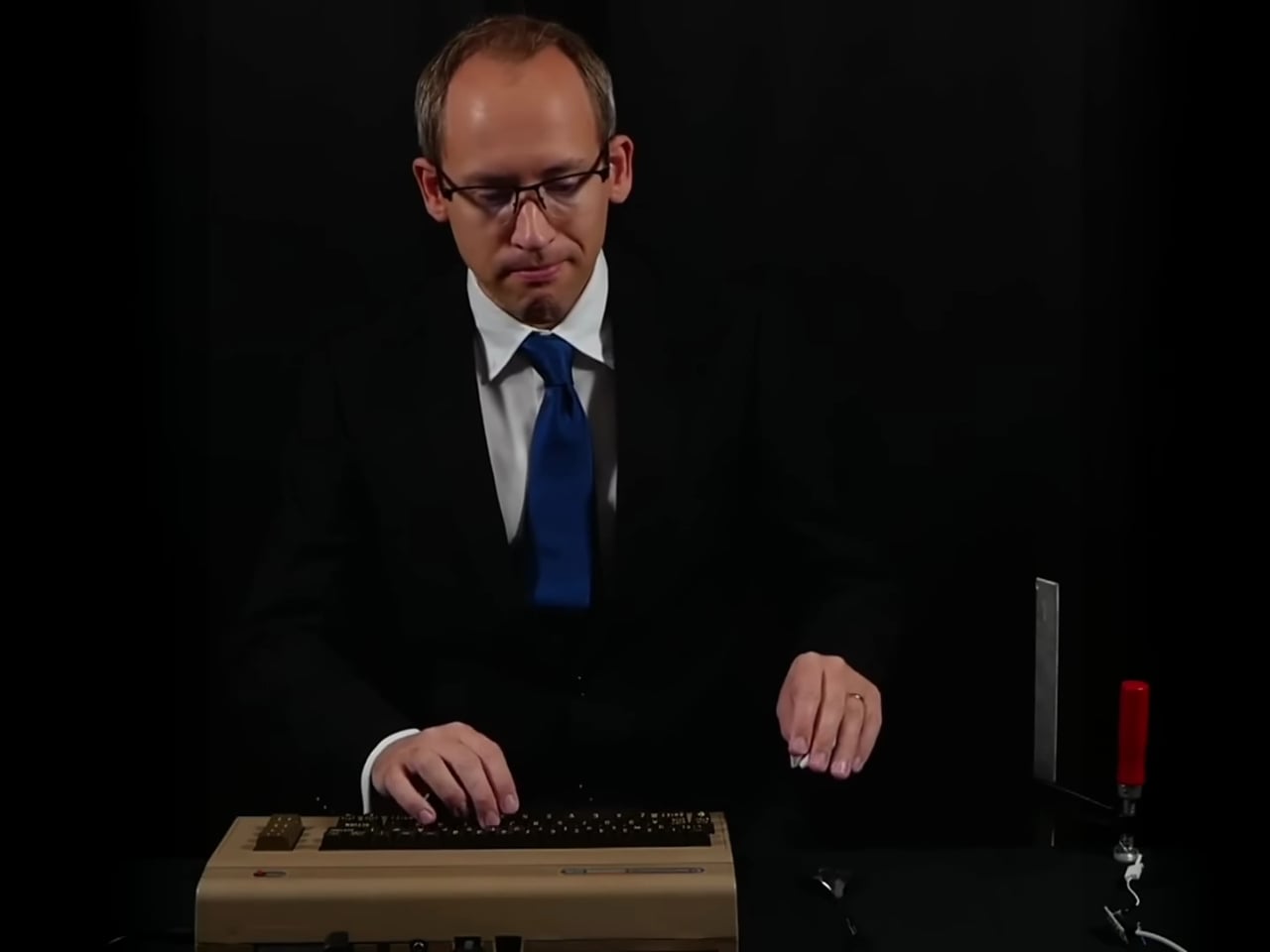
You know that moment when someone takes something impossibly complicated and makes it look like the most natural thing in the world? That’s exactly what happens when you watch Linus Akesson perform Maurice Ravel’s Boléro on nine homemade 8-bit instruments. And honestly, it’s the kind of thing that makes you stop scrolling and just stare.
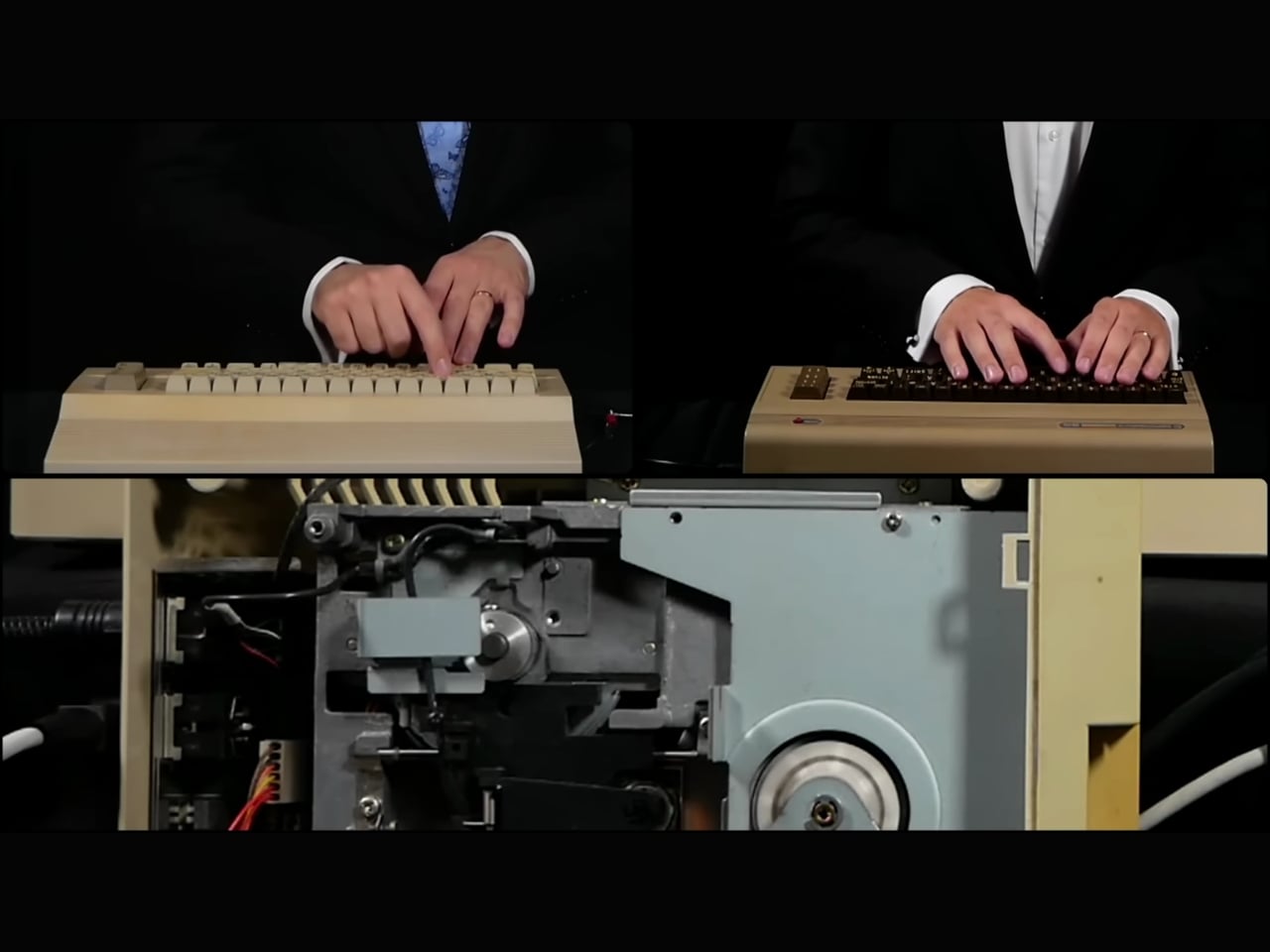
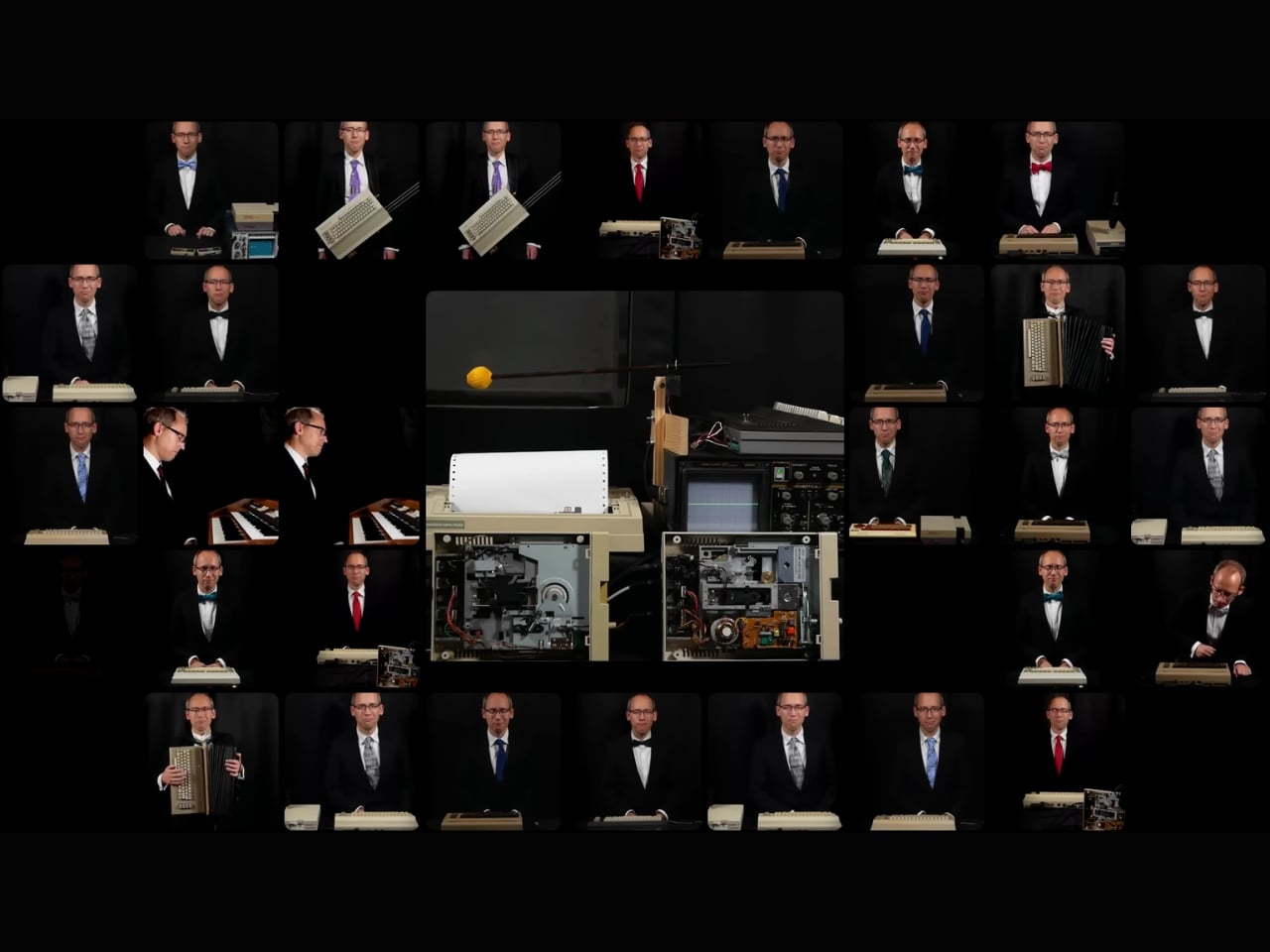
Akesson isn’t your average musician or engineer. He’s both, which is probably the only way a project like this could exist. The Swedish creator has spent years building custom electronic instruments from vintage computer parts and retro gaming hardware, and this 15-minute performance might just be his magnum opus. We’re talking about a piece that required nearly 10 hours of footage and 52 mixer channels to capture. This isn’t just a fun weekend project. It’s a full-blown technical and artistic achievement.
Ravel’s Boléro is one of those classical pieces that you recognize even if you don’t think you know classical music. It’s hypnotic and repetitive, building slowly over 15 minutes with the same melody cycling through different instruments until it reaches this massive crescendo. It’s also notoriously difficult to perform because of how exposed every musician is. There’s nowhere to hide when you’re playing the same pattern over and over. Now imagine tackling that with a collection of beeping, blooping 8-bit computers that you built yourself.
The instruments in Akesson’s arsenal include things like the Chipophone, an organ-like device that uses old computer sound chips, and the Commodordion, which is essentially a Commodore 64 turned into an accordion. Yes, you read that right. These aren’t instruments you can just buy off the shelf or even find in some obscure music shop. Akesson designed and built them from scratch, combining his deep knowledge of electronics with a genuine love for the aesthetic and sound of vintage computing.
What makes this performance so compelling isn’t just the technical wizardry, though there’s plenty of that. It’s the way Akesson treats these humble, squeaky sounds with the same reverence you’d give to a string section in a concert hall. Chiptune music, the genre that emerged from early video game soundtracks, often gets dismissed as novelty. But in Akesson’s hands, it becomes something genuinely moving. The piece still builds, still swells, still commands your attention the way Ravel intended.
There’s something deeply satisfying about watching someone honor both the past and the present in the same breath. Akesson isn’t trying to prove that 8-bit sounds are better than traditional orchestras, and he’s not making a joke out of classical music. He’s finding a middle ground where nostalgia, craftsmanship, and artistry all meet. It’s retro without being kitsch. It’s technically impressive without being cold or showy.
The video itself is a treat for anyone who loves behind-the-scenes peeks at creative processes. You see Akesson switching between instruments, his workspace cluttered with wires and vintage gear, every sound painstakingly triggered and mixed. It’s a one-man orchestra in the truest sense, except the orchestra is made of machines that were obsolete before many of us were born. In a world where we’re constantly told to upgrade, to move forward, to embrace the newest and shiniest technology, there’s something quietly rebellious about what Akesson does. He takes the discarded, the outdated, the supposedly useless and turns it into art. And not just functional art or conceptual art. Beautiful art. The kind that makes you feel something.
If you’re someone who gets excited about the intersection of design, technology, and culture, this project is basically catnip. It’s proof that limitations can breed creativity, that old technology still has stories to tell, and that sometimes the best way to appreciate a classic is to reimagine it completely. Akesson’s 8-Bit Boléro doesn’t replace the original. It sits alongside it, offering a new way to hear something we thought we already knew.
So do yourself a favor and watch it. Turn up the volume, let those retro beeps wash over you, and marvel at what one person with vision and skill can create. It might just change how you think about what’s possible when art and engineering collide.
The Trump administration has issued travel bans that prohibit five European tech researchers, including one former EU Commissioner, from entering the United States. “For far too long, ideologues in Europe have led organized efforts to coerce American platforms to punish American viewpoints they oppose. The Trump Administration will no longer tolerate these egregious acts of extraterritorial censorship,” said US Secretary of State Marco Rubio.
That official is Thierry Breton, the former European Commissioner for Internal Markets and Digital Services, who Sarah Rogers called the “mastermind” of the Digital Services Act. Rogers, the Under Secretary of State, said Breton threatened Elon Musk about ongoing formal proceedings for X’s noncompliance with “illegal content” and “disinformation” under the DSA just before his meeting with President Trump. The administration has also banned Imran Ahmed from the Center for Countering Digital Hate (CCDH), who apparently called for American anti-vaxxers to be deplatformed. One of those people is Robert F. Kennedy, Jr., who’s now the US Secretary of Health.
Clare Melford from the UK-based Global Disinformation Index has also been banned. Her group monitors online platforms for hate speech. Anna-Lena von Hodenberg and Josephine Ballon from German organization HateAid, have been banned, as well. HateAid flags hate speech online for the EU under DSA rules.
As The New York Times notes, these travel bans emphasize the administration’s close relationship with internet and tech companies, which would benefit from having DSA rules loosened or abolished. The Global Disinformation Index called the travel bans “an authoritarian attack on free speech and an egregious act of government censorship.” Meanwhile, von Hodenberg and Ballon said the bans mark a new escalation. “The US government is clearly questioning European sovereignty,” they said.
This article originally appeared on Engadget at https://www.engadget.com/big-tech/us-bans-former-eu-commissioner-and-others-over-social-media-rules-121804097.html?src=rss
The Apple Watch is not just a smartwatch; it’s a multifunctional device brimming with features that often go unnoticed. Whether you are a seasoned user or new to the Apple Watch, exploring its lesser-known capabilities can significantly enhance your experience. From advanced customization options to innovative health tools, these features are designed to simplify your […]
Do you ever wish your content could just… get done for you? And no, not the vacuuming (although you can get an AI robot for that too). We’re talking about your writing, research, and content production. That’s exactly what JustDone AI aims to deliver — a versatile suite of AI tools designed to speed up […]
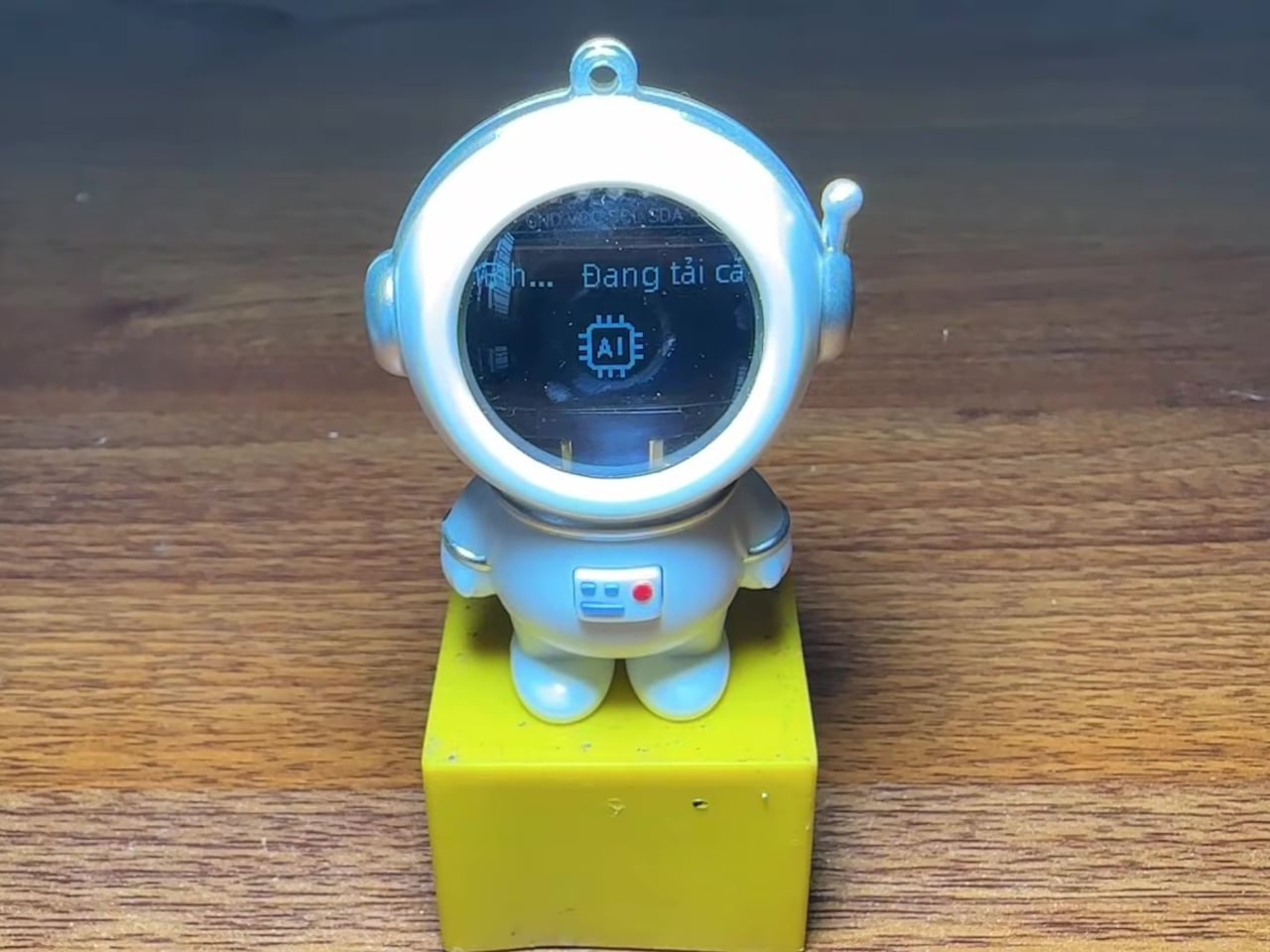
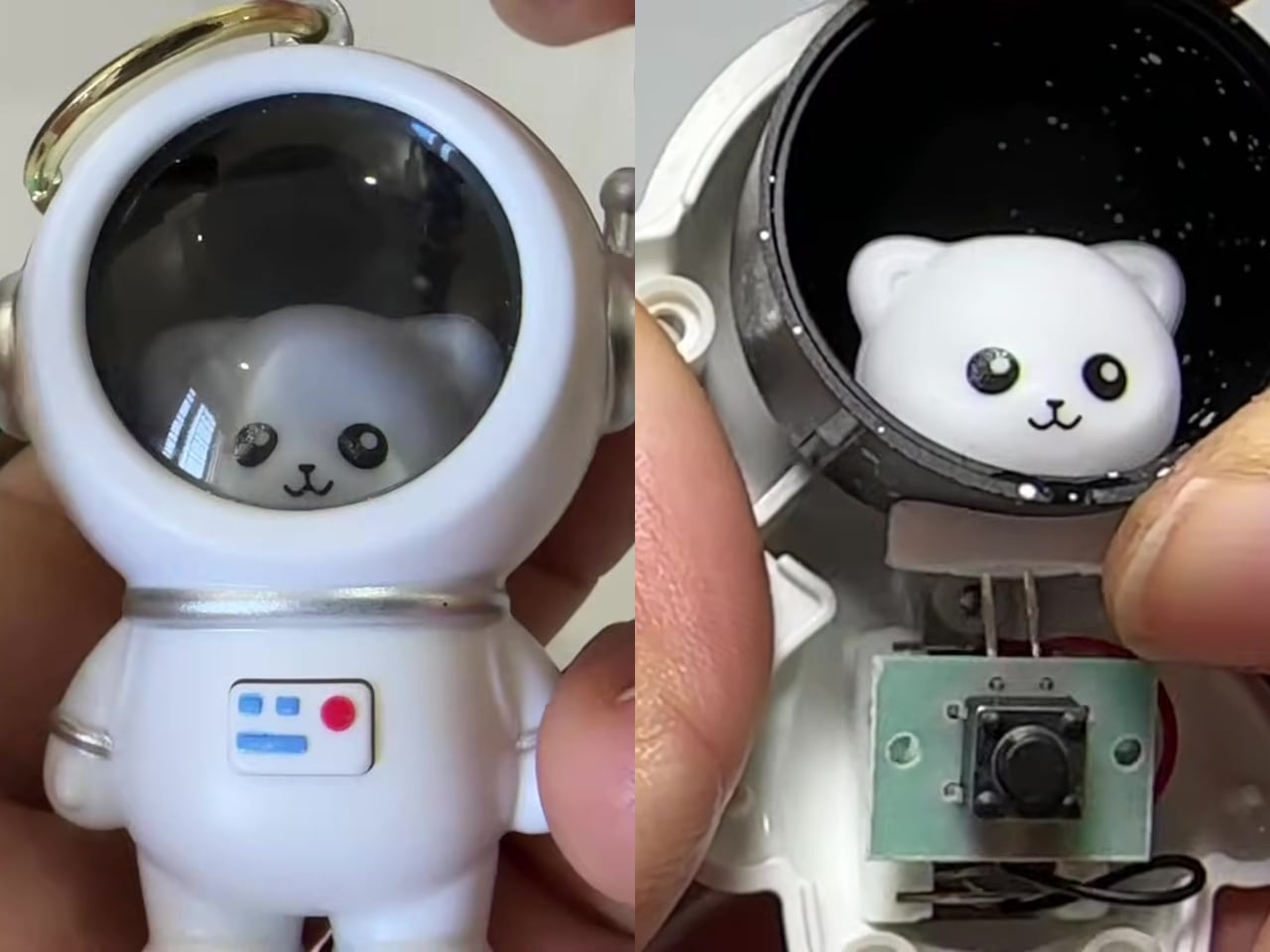
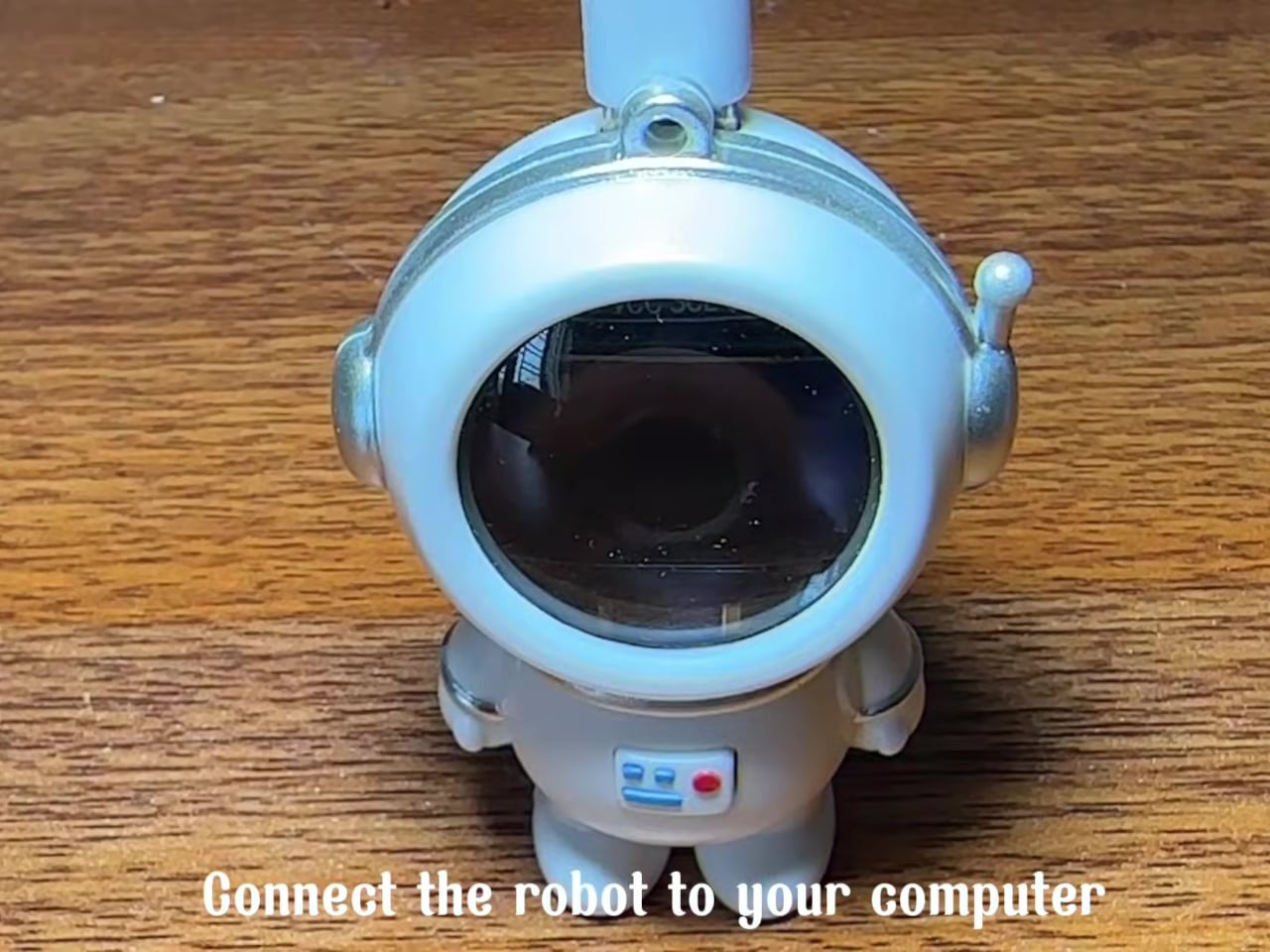
Most DIY AI gadgets are bare boards and wires, or at best a 3D-printed box, and that clashes with the idea of leaving them on a shelf or side table. Even clever builds end up looking like projects rather than finished objects. D. Creative’s tiny AI robot is a counterexample, a chatbot built inside a toy astronaut that looks like decor first and a smart assistant second, making it actually display-worthy.
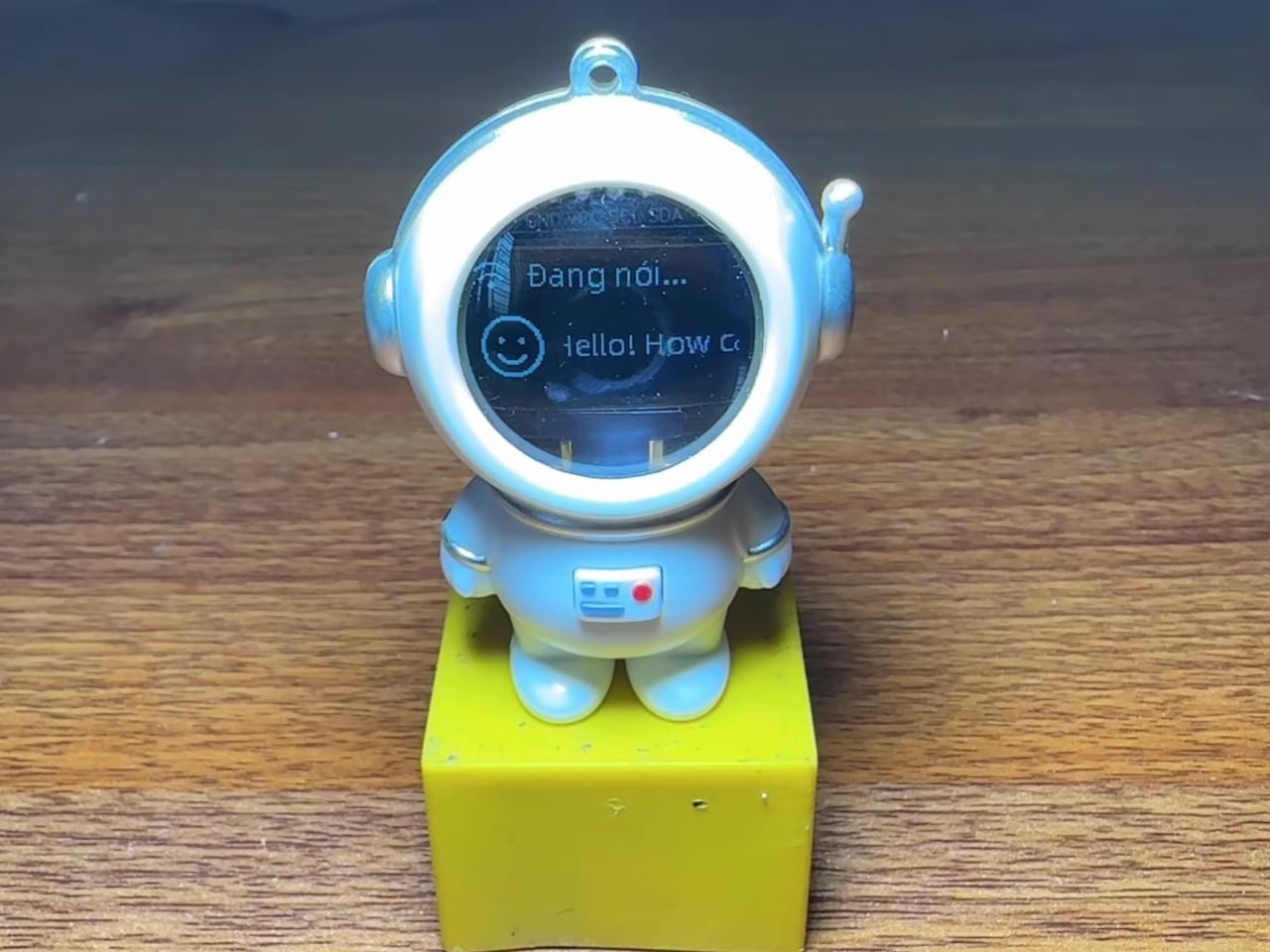
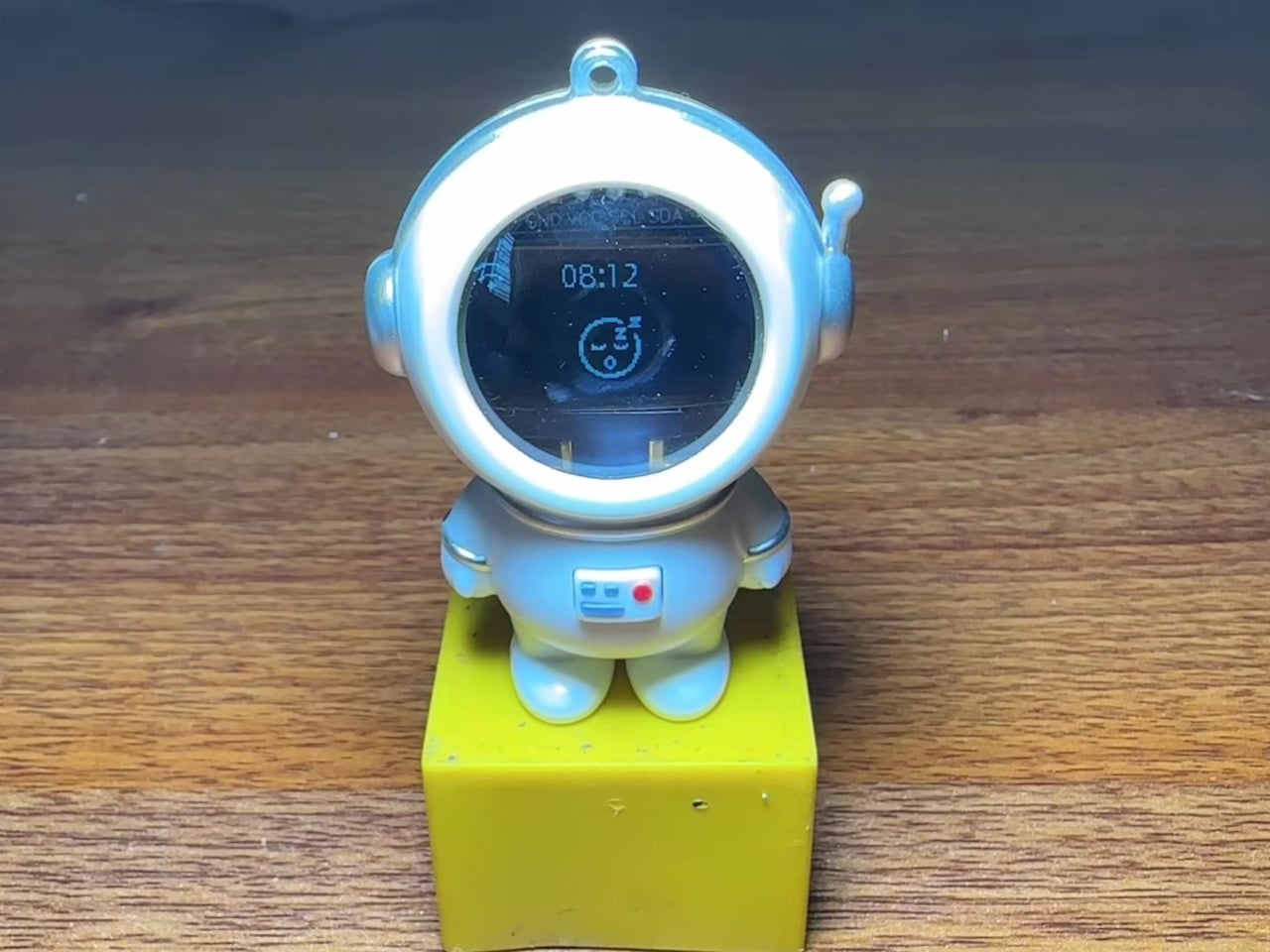
The basic concept is a small astronaut figurine that you can talk to, which talks back using a cloud LLM. All the electronics, ESP32-S3, mic, amp, speaker, battery, and OLED, are hidden inside the toy shell, so on a desk it reads as a cute space figure until it lights up and answers a question or starts blinking to show it is listening.
Designer: D. Creative
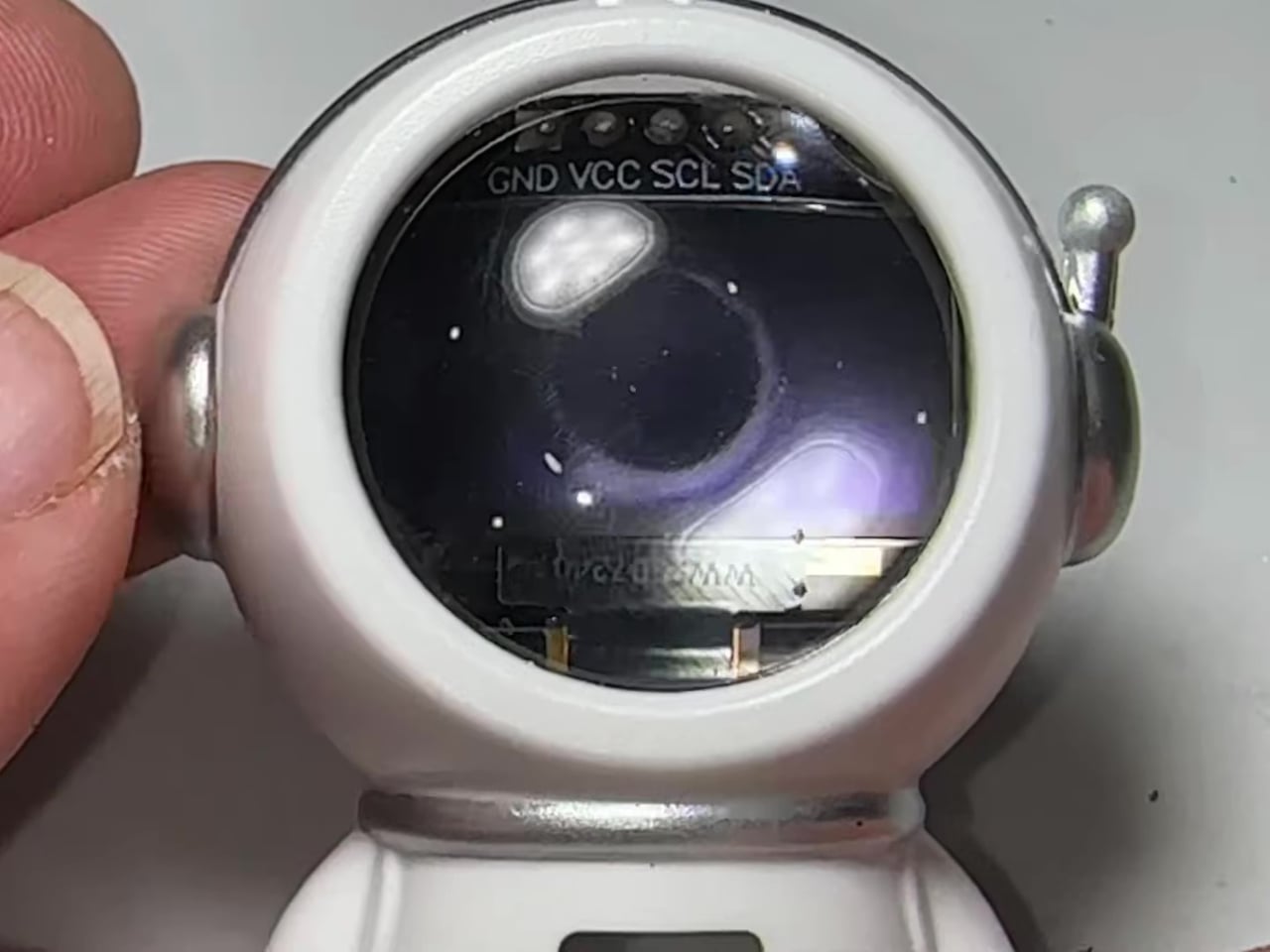
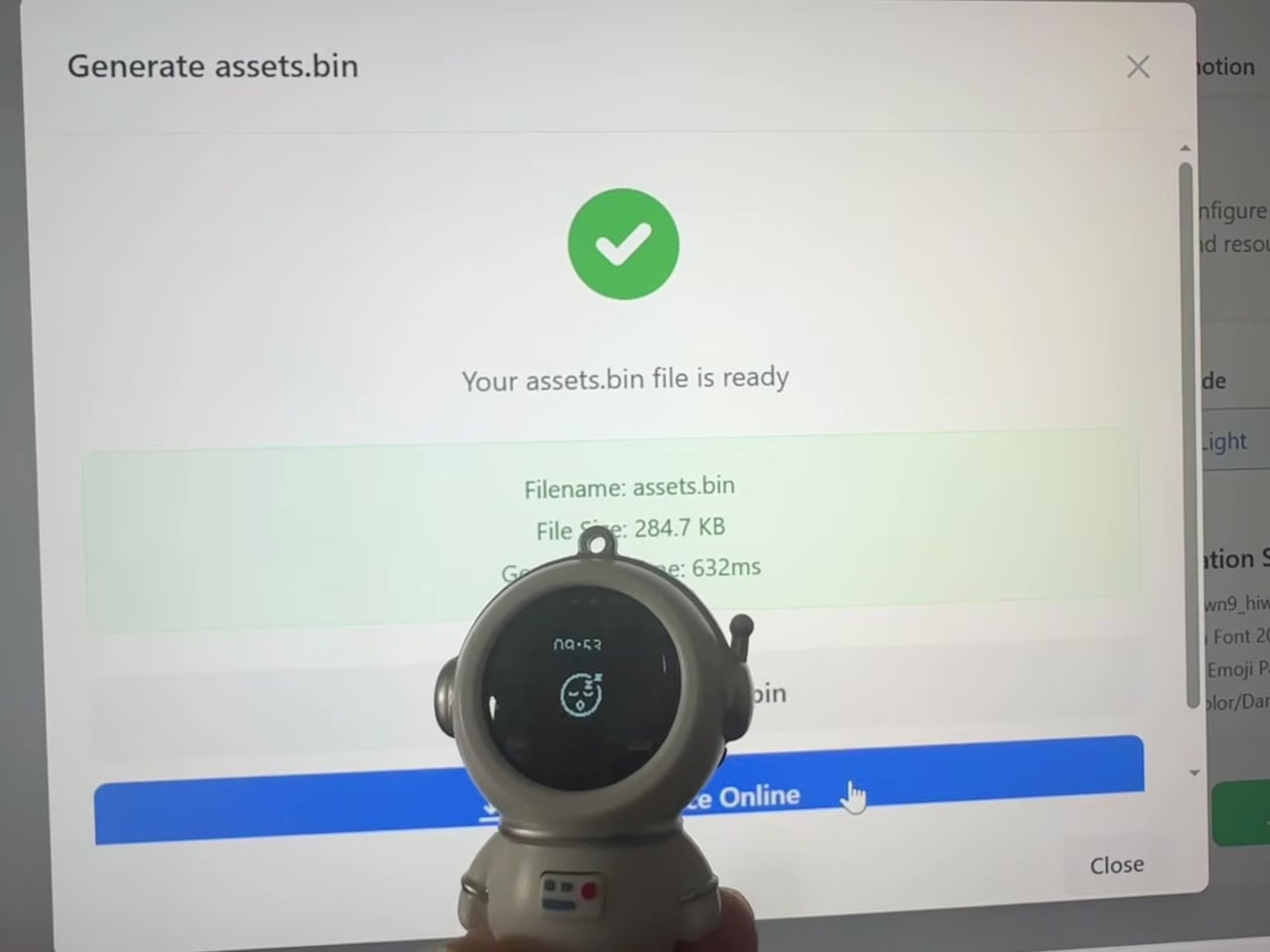
The internals pack tightly. An ESP32-S3 Super Mini acts as the brain, a digital I²S microphone hears you, a matching I²S amplifier and tiny speaker reply, and a 300 mAh battery with a charging board keeps it running. The 0.96-inch OLED is tucked into the helmet as the robot’s face, giving the AI a place to look back from when you address it or ask for help.
The builder gutted a light-up astronaut toy, drilled a few holes for buttons and a USB port, and then packed the new hardware inside before closing it back up. This is not a 3D-printed shell but an existing object repurposed, which keeps the proportions and charm of the original toy while hiding the complexity and making the result feel less like a gadget and more like a character.
The interaction loop is straightforward. You speak, the mic captures your voice, the ESP32 sends it over Wi-Fi to a speech-to-text service and then to the Qwen3 LLM, the response comes back as text, and a text-to-speech engine turns it into audio for the speaker. The astronaut’s OLED changes expression to show when it is listening, thinking, or ready to answer, turning a text exchange into something more animated.
Putting the same kind of chatbot you might use in a browser into a toy astronaut changes the relationship. The presence of a body, a face, and a fixed spot on your desk makes the assistant feel more like a little character you share space with, and less like a disembodied voice that lives somewhere in the cloud and has no opinion on where it sits.
This project hints at a pattern other makers can borrow, taking familiar objects and quietly giving them new capabilities instead of always starting from scratch. A tiny AI astronaut that fits into a home without looking like a project points toward a future where more of our everyday decor hides small, conversational brains, and where the line between toy and tool gets pleasantly blurry, with AI companions that feel more like friends than appliances waiting for commands.
What if you could have a fully private, AI-powered assistant that doesn’t just take notes but transforms the way you work, without ever sending your data to the cloud? WorldofAI breaks down the innovative potential of Open Notebook, a free, open source alternative to Google’s Notebook LM. Unlike its corporate counterpart, Open Notebook runs locally, […]
Streaming has become the default way most of us watch TV and movies, but the sheer number of services now available can make choosing what to subscribe to feel like a chore. Each platform leans into something different, from original shows and blockbuster films to comfort rewatches and niche libraries, and not all of them earn a permanent spot in your monthly budget.
This guide focuses on the on-demand streaming services that are the most worthwhile to live with day to day. Whether you’re lining up a few episodes after work, sharing an account with family or just want a reliable place to find something worth watching, these are the streaming services that consistently deliver the best mix of content, value and usability right now.
Best streaming services for 2026
This article originally appeared on Engadget at https://www.engadget.com/entertainment/streaming/best-streaming-services-154527042.html?src=rss
Your iPhone is more than just a communication device; it’s a powerful tool designed to enhance your productivity, simplify daily tasks, and elevate your overall experience. While many features are widely recognized, others remain underutilized, waiting to be discovered. In the video below, Proper Honest Tech explores ten practical and lesser-known features that can help […]