Apple’s AI Pin: The Wearable That Could Replace Your Smartphone

Apple’s AI Pin: The Wearable That Could Replace Your Smartphone

Apple is reportedly developing an innovative wearable device, referred to as the “AI Pin,” that could transform how you interact with technology. Expected to debut as early as 2027, this innovative product is designed to go beyond traditional screen-based interfaces, offering a more intuitive and immersive experience. With its advanced artificial intelligence (AI) capabilities and […]

The post Apple’s AI Pin: The Wearable That Could Replace Your Smartphone appeared first on Geeky Gadgets.

Posted in Uncategorized

Steam Machine Momentum Turns Linux Adoption into a Studio Requirement

Steam Machine Momentum Turns Linux Adoption into a Studio Requirement

What if the future of gaming didn’t revolve around Windows? That’s the bold possibility emerging as Linux, powered by Valve’s SteamOS, begins to reshape the gaming landscape. Joshua Keith outlines how the rise of devices like the Steam Deck and the anticipated Steam Machine is forcing developers to rethink their priorities, with Linux compatibility becoming […]

The post Steam Machine Momentum Turns Linux Adoption into a Studio Requirement appeared first on Geeky Gadgets.

Posted in Uncategorized

NotebookLM : 7 Ways to Turn Messy Notes into Progress

NotebookLM : 7 Ways to Turn Messy Notes into Progress

What if the AI assistant you already use could achieve far more than you imagined? Parker Prompts outlines how NotebookLM, a innovative AI platform, extends beyond its familiar capabilities to deliver surprising, fantastic applications. Picture turning disorganized information into structured insights or producing professional-grade content in a fraction of the time, tasks that once felt […]

The post NotebookLM : 7 Ways to Turn Messy Notes into Progress appeared first on Geeky Gadgets.

Posted in Uncategorized

10 Hidden iOS 26 Features to Double Your Productivity

10 Hidden iOS 26 Features to Double Your Productivity

iOS 26 introduces a range of features designed to improve functionality and simplify daily interactions. While adoption rates remain modest, this update is packed with hidden tools that can make your iPhone smarter, faster, and more intuitive. By exploring these lesser-known features, you can discover new ways to streamline tasks and enhance your overall experience. […]

The post 10 Hidden iOS 26 Features to Double Your Productivity appeared first on Geeky Gadgets.

Posted in Uncategorized

Apple Experience Event: New MacBooks and Creator Studio

Apple Experience Event: New MacBooks and Creator Studio

Apple is entering a pivotal phase of announcements, with the spotlight on its upcoming software updates, iOS 26.3 and iOS 26.2.1. While the past week has been relatively quiet in terms of new releases, the company is actively testing these updates and preparing for significant product launches. These developments are expected to shape the Apple […]

The post Apple Experience Event: New MacBooks and Creator Studio appeared first on Geeky Gadgets.

Posted in Uncategorized

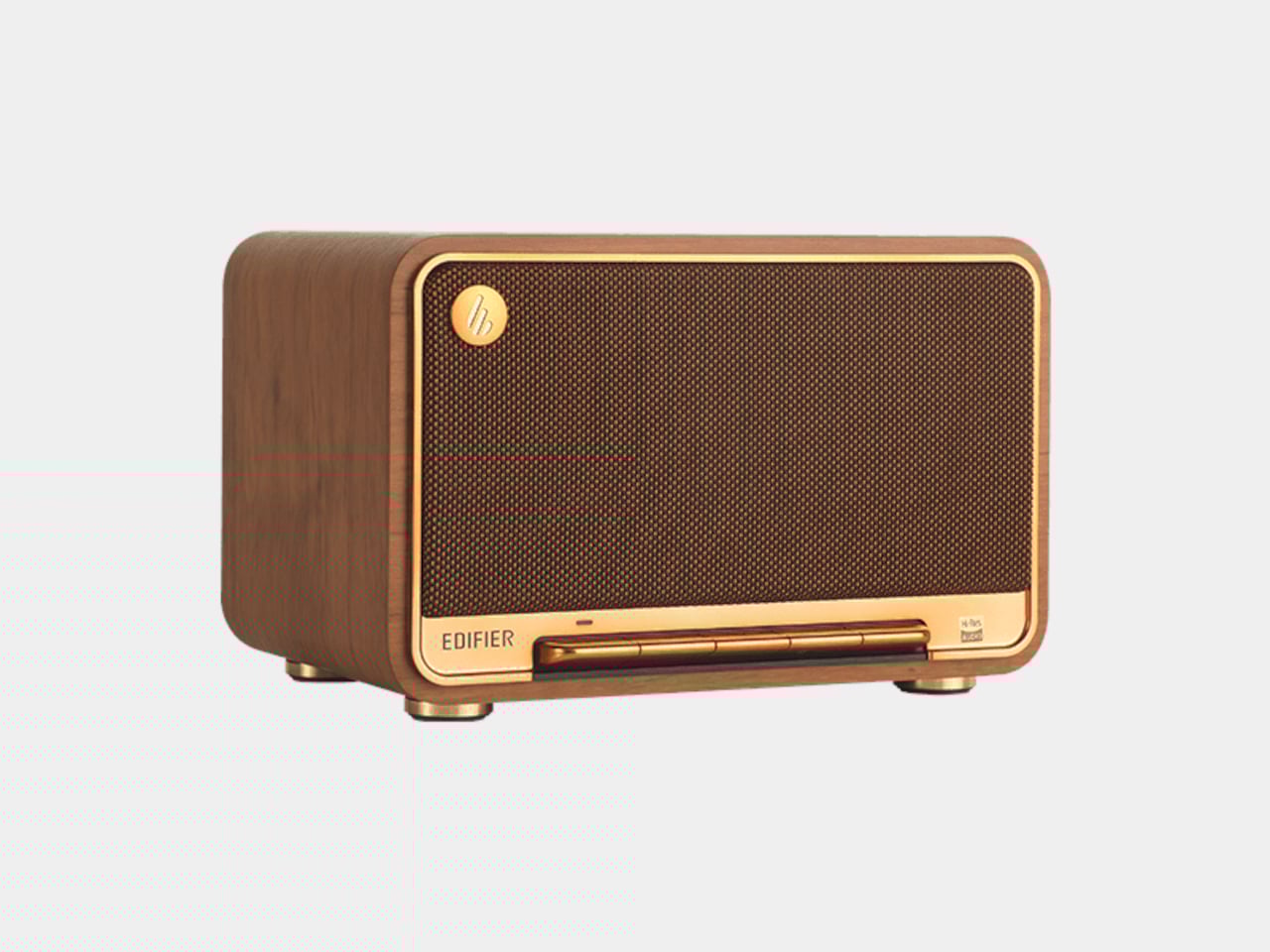
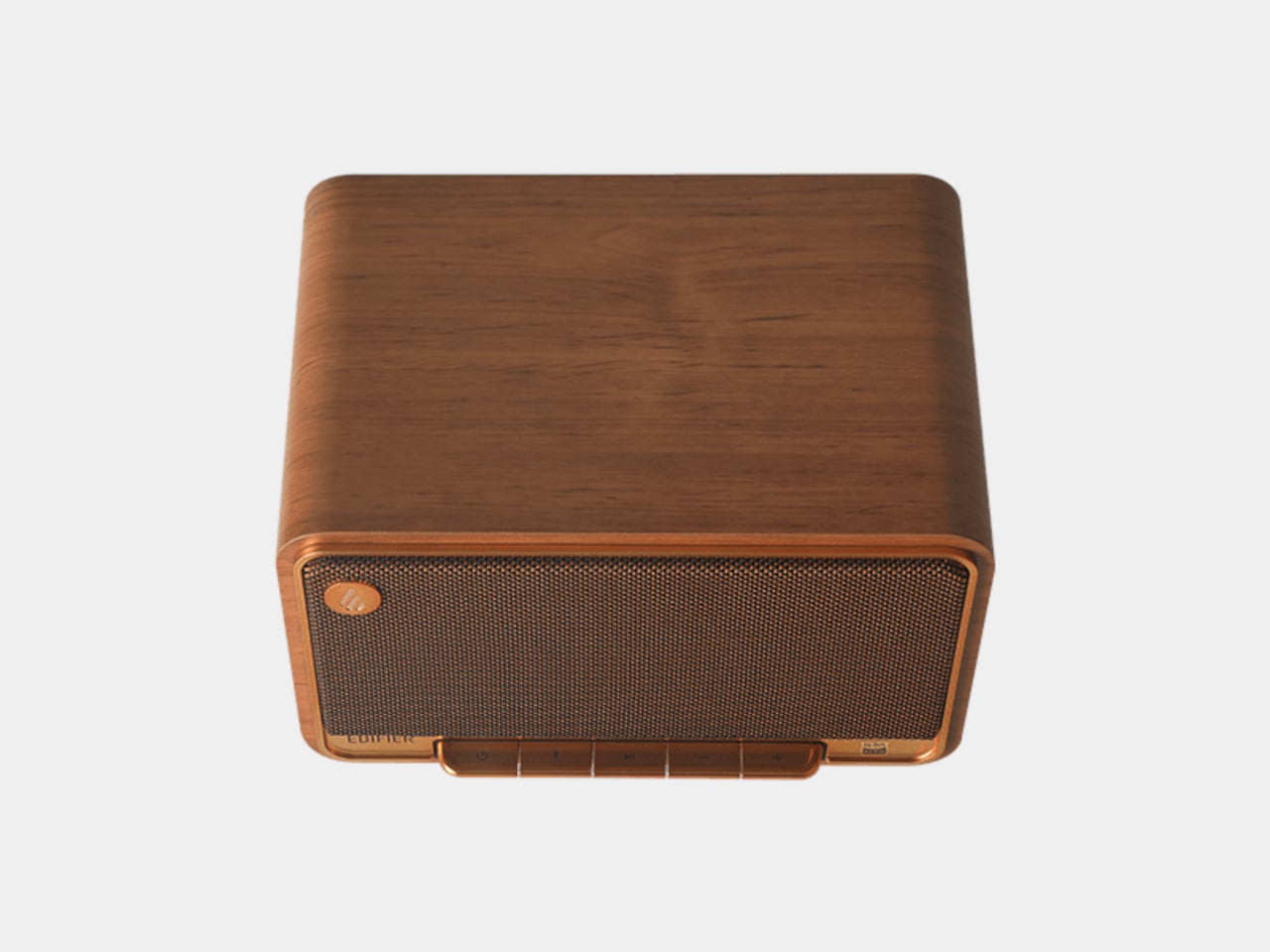
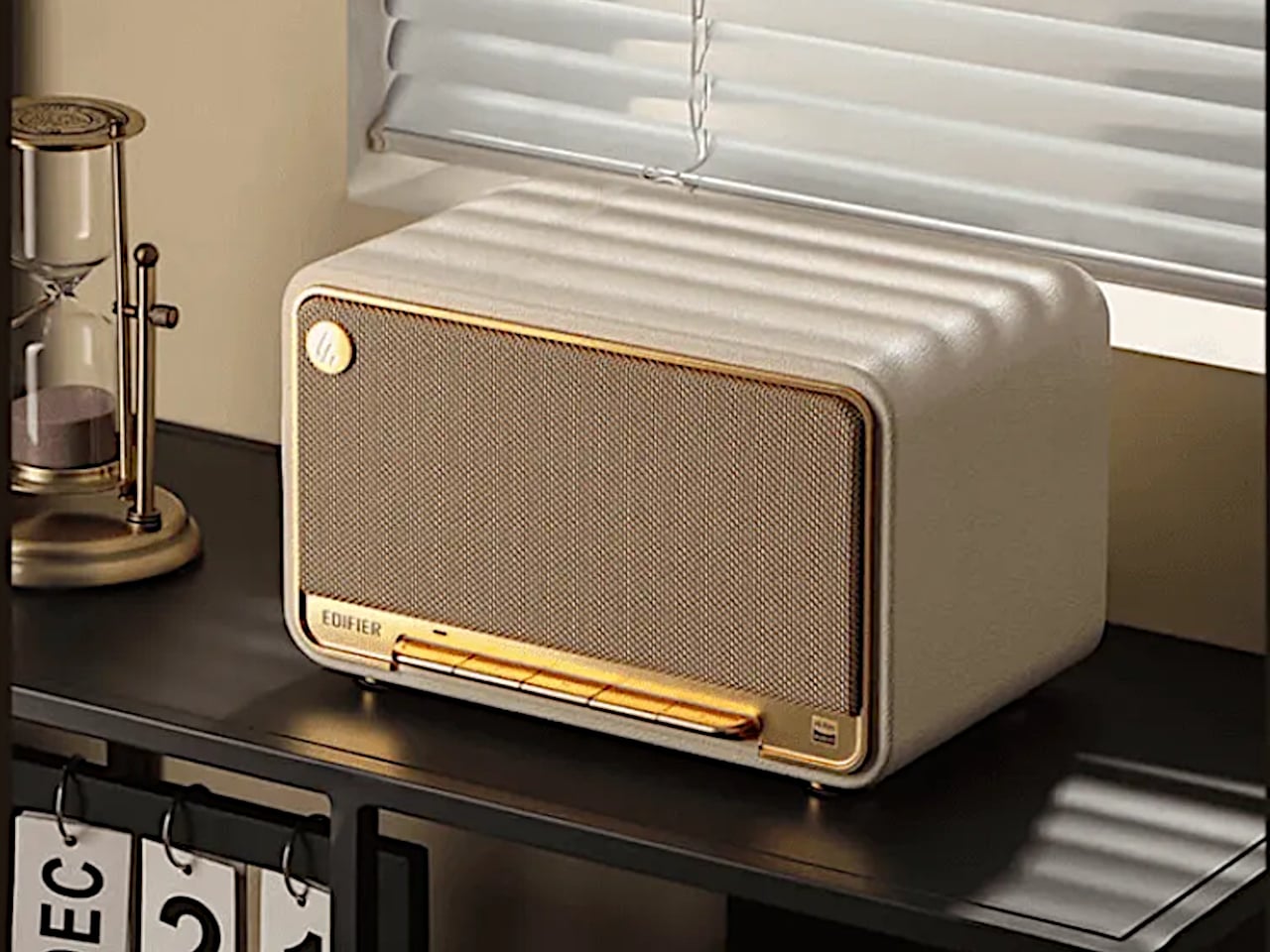
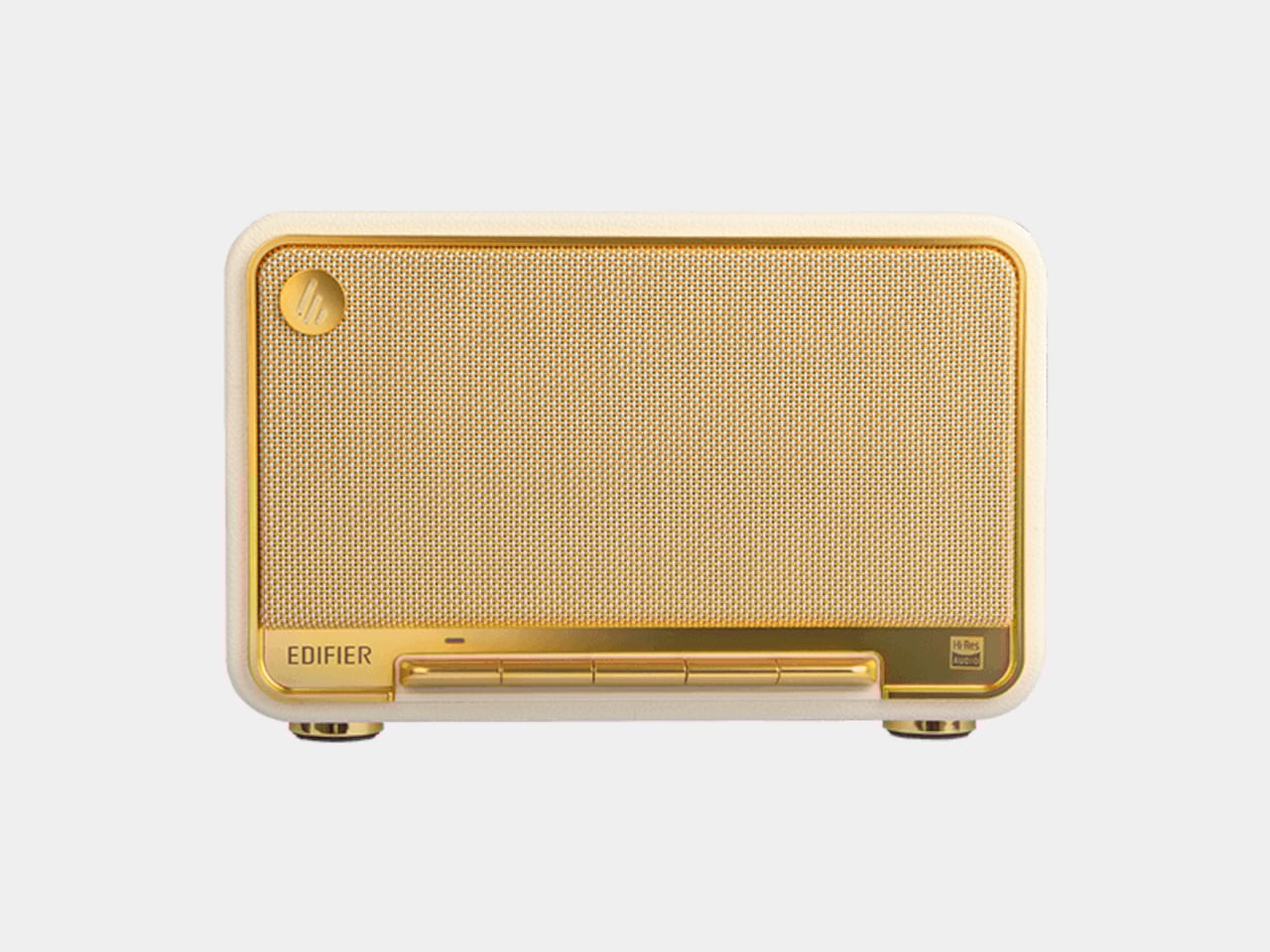
Edifier D32 Retro Hi-Fi Speaker Hides AirPlay and 11-Hour Battery

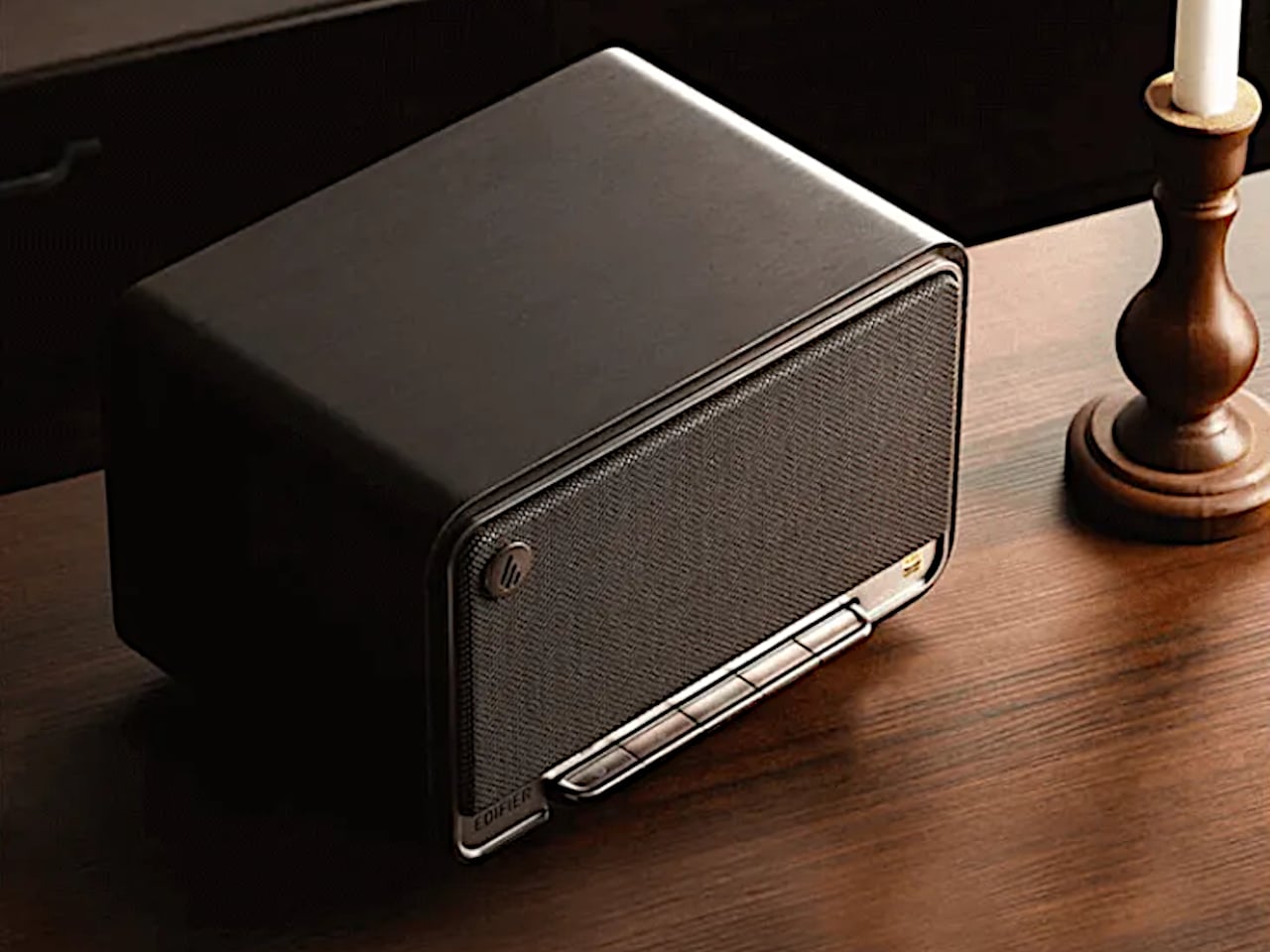
Music has become the backdrop to almost everything, cooking, working, reading, but the hardware that plays it often looks like a leftover from a tech store, plastic boxes that clash with furniture. There is a tension between wanting good sound in every room and not wanting your living space to feel like a gadget shelf. A speaker that behaves like hi-fi but looks like it belongs on a sideboard can quietly solve that.

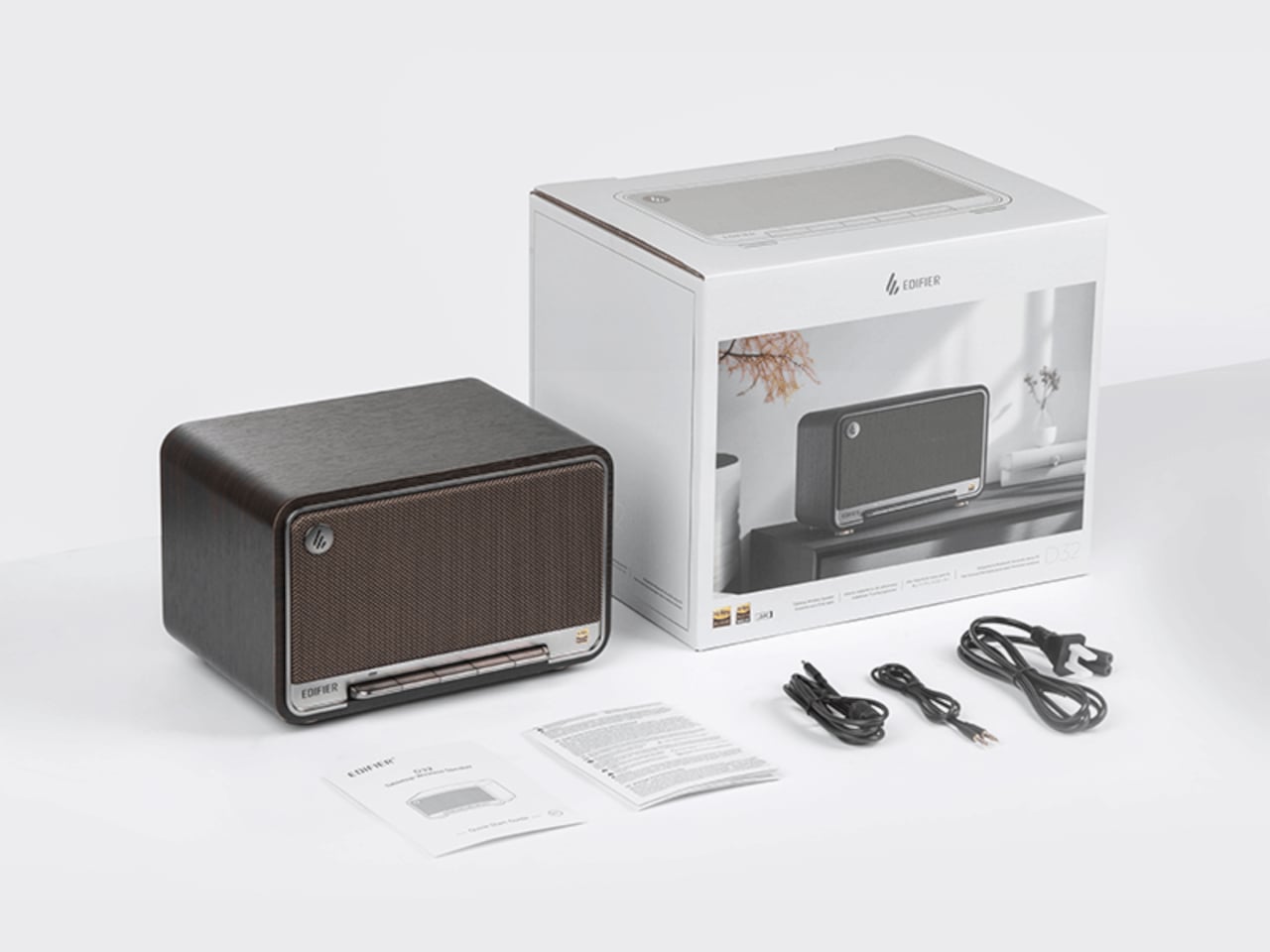
The Edifier D32 tabletop wireless speaker is that kind of object, a retro-styled piece with a hand-made wooden cabinet, braided grille, and accordion keyboard that feels closer to a mid-century radio than a Bluetooth brick. Behind the nostalgia is a modern 2.1 acoustic architecture and 60 W RMS of power, so it is not just a pretty box pretending to be a speaker. It is meant to fill a room with sound that actually holds up when you stop and listen.

Designer: Edifier

The D32 uses two 1-inch silk dome tweeters and a 4-inch long-throw mid-low driver inside an MDF cabinet with dual bass-reflex ports. The tweeters handle the crisp top end, the long-throw driver and ports take care of the low end, and the enclosure is tuned to minimize resonance and distortion. The result is a compact speaker that can throw clear highs, solid mids, and punchy bass without sounding strained when you turn it up, which is rare for something this size.

The signal path supports hi-res audio up to 24-bit/96 kHz and runs everything through full digital signal processing, a two-way active crossover, and dynamic range control. That means the tweeters and woofer get exactly what they need, and the electronics keep things clean and controlled even when tracks get dense. It is the kind of setup you expect in a bookshelf system, shrunk into something that can sit under a window or on a kitchen counter.

The wireless side covers Bluetooth 5.3 with LDAC for high-bandwidth streaming from compatible Android devices, plus AAC and ALAC support, and dual-band Wi-Fi with Apple AirPlay for network playback. There is an 11-hour built-in battery, so you can unplug and move it to another room or out onto a balcony without killing the mood. It can be a fixed living room piece most of the time, then wander when you need sound somewhere else.

Morning coffee with a low-volume playlist coming from the D32 on a sideboard, a workday where it pulls double duty as a Bluetooth speaker for a laptop and a Wi-Fi endpoint for lossless streaming, an evening where it becomes the main system for a movie or a focused album listen. The point is that you do not have to think about what it is connected to. You just pick a source and let the speaker handle the rest, switching smoothly between Bluetooth, Wi-Fi, USB, and AUX without fuss.

The D32’s mix of retro design and modern audio tech makes it feel like something you keep around, not cycle through. The wooden cabinet and accordion keys give it a presence that does not age the way glossy plastic does, while the 2.1 architecture, hi-res support, and flexible wireless stack mean it can keep up with whatever you are listening to next. It is the kind of speaker that quietly becomes part of the room, doing its job without shouting about it, which might be the best thing a piece of audio furniture can do.

The post Edifier D32 Retro Hi-Fi Speaker Hides AirPlay and 11-Hour Battery first appeared on Yanko Design.

Anbernic RG G01 gaming controller monitors your heart rate while you play

Anbernic is known for its retro gaming handheld devices has a respectable lineup of controllers as well. Looking to take the challenge to market leaders like GameSir and 8BitDo, the Chinese gaming accessories maker has revealed the RG G01 wireless controller for smartphones, PC, and Nintendo Switch. The gamepad does all the stuff that you’d expect from a gaming accessory, but has features you normally don’t see in gaming accessories.

The controller has a heart rate sensor embedded in the grip where your palms rest to identify when you are pumping too much adrenaline in action and should cool down a bit. These sensors measure your pulse in real time, displaying it on the controller’s screen and even triggering an alarm when your rate spikes. Anbernic calls it their first pro-level gamepad, and stamping the internal with a heart rate sensor may not help you detect any terminal signs, but it will let you keep an eye on how intensely you are engulfed in action.

Designer: Anbernic

Another standout feature with the RG G01 (RG for Retro Gaming) is the inclusion of Purple Kirin inductive joysticks that use capacitive sensing for accurate movement. This is done by measuring the small electric currents and turning them into digital signals to control movement. Unlike the Hall effect or TMR joysticks, which employ magnetic fields, already a technology used in high-end gamepads, this is a level higher. Complementing this are dual-mode triggers that let you switch between linear feel for nuanced control and microswitch mode for crisp actuation in shooters or racing games.

Anbernic’s RG G01 builds on that foundation with a suite of upgrades aimed at gamers who want more control and customization right in their hands. At the heart of its innovation is a built-in 2.5-inch HD smart screen that lets players adjust button mappings, create and manage macros, and fine-tune settings without opening an app on a phone or PC. This on-device control makes configuration intuitive and keeps you in the flow of your session.  The RG G01 offers Bluetooth 5.0, 2.4 GHz wireless, and wired USB-C modes, all with a 1000 Hz polling rate that helps ensure ultra-low latency whether you’re playing locally or in a competitive environment. This high polling rate, typically found in premium gamepads, means inputs are registered quickly and consistently across platforms like PC, SteamOS, Linux, Nintendo Switch, Android, and iOS.

The controller doesn’t skimp on motion or tactile feedback either. A six-axis gyroscope enables motion controls in compatible games, while dual asymmetric pendulum motors deliver immersive vibration feedback that responds to in-game action. Programmable macro buttons on the rear add another layer of control, letting you assign complex input sequences to simple presses—handy for fighting games or intensive multiplayer titles.

Anbernic hasn’t confirmed pricing or exact availability yet, but the RG G01 is positioned above its previous budget-oriented controllers, like the RG P01 and RG DS, suggesting a more premium price point. As a versatile, fully featured controller with distinct hardware upgrades and cross-platform support, the RG G01 offers a compelling option for gamers who want deeper control and unique features beyond what conventional gamepads provide.

The post Anbernic RG G01 gaming controller monitors your heart rate while you play first appeared on Yanko Design.

The JVC Pyramid TV That Defined Retro Futurism in the 70s Now Wants to Be a LEGO Set

Before flat screens colonized every wall and surface, televisions had personality. They came in wild shapes and bold colors, designed by people who believed consumer electronics could be sculpture. The JVC 3100R Video Capsule, produced throughout the 1970s, exemplified this philosophy. Its pyramid form and space-helmet aesthetic made it a favorite among collectors of “space-abilia,” that peculiar category of objects inspired by Apollo missions and science fiction films.

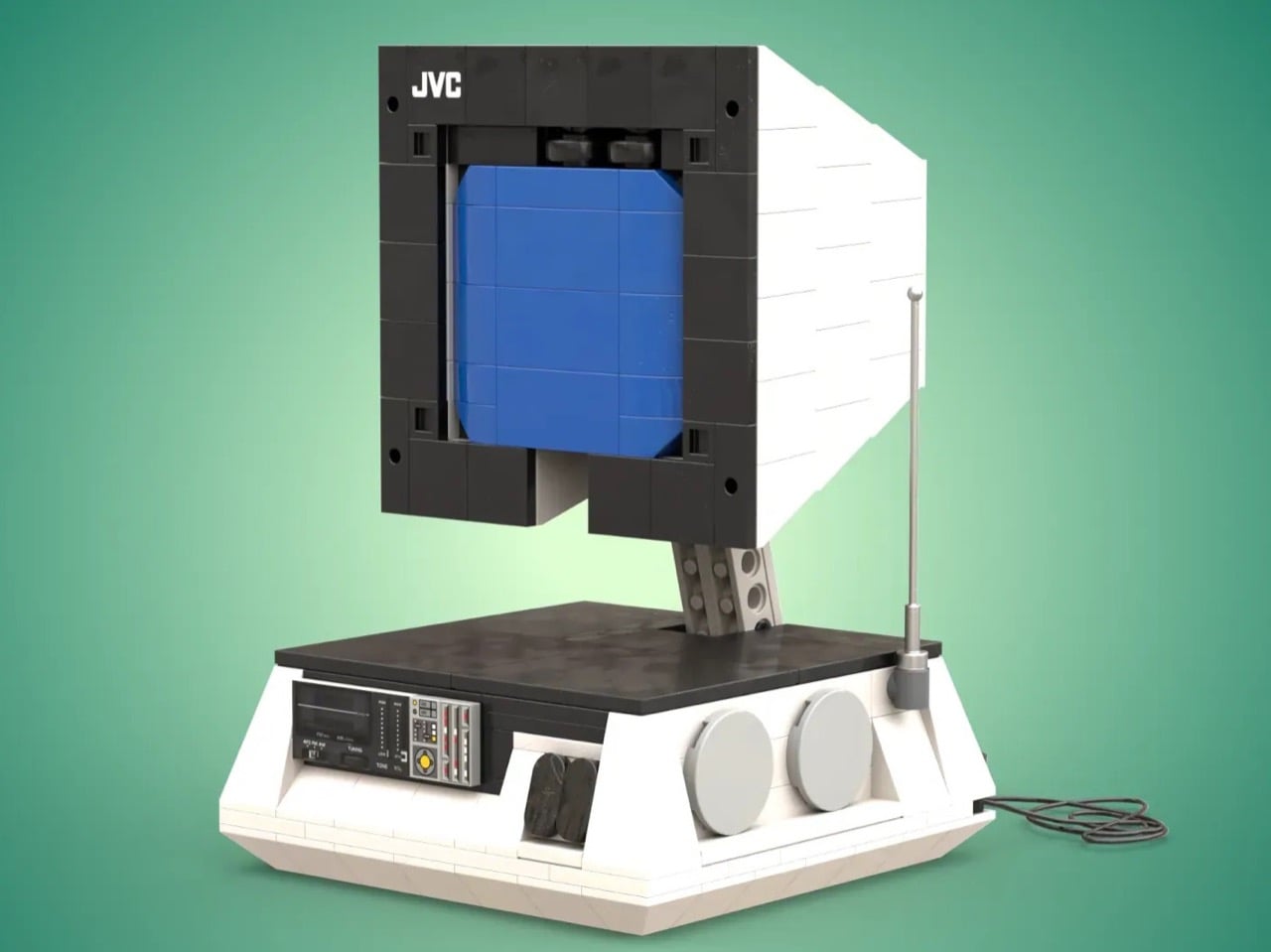
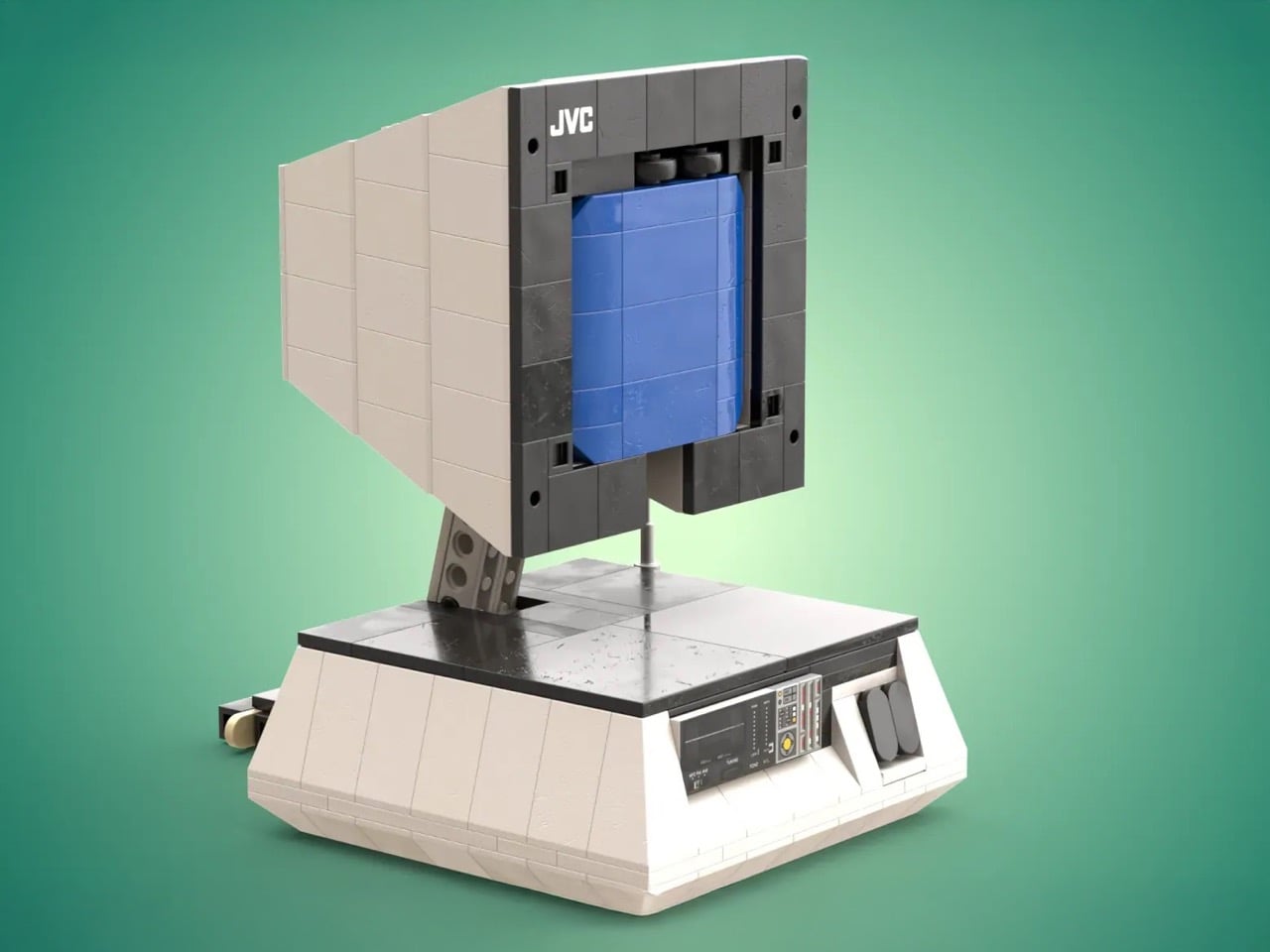
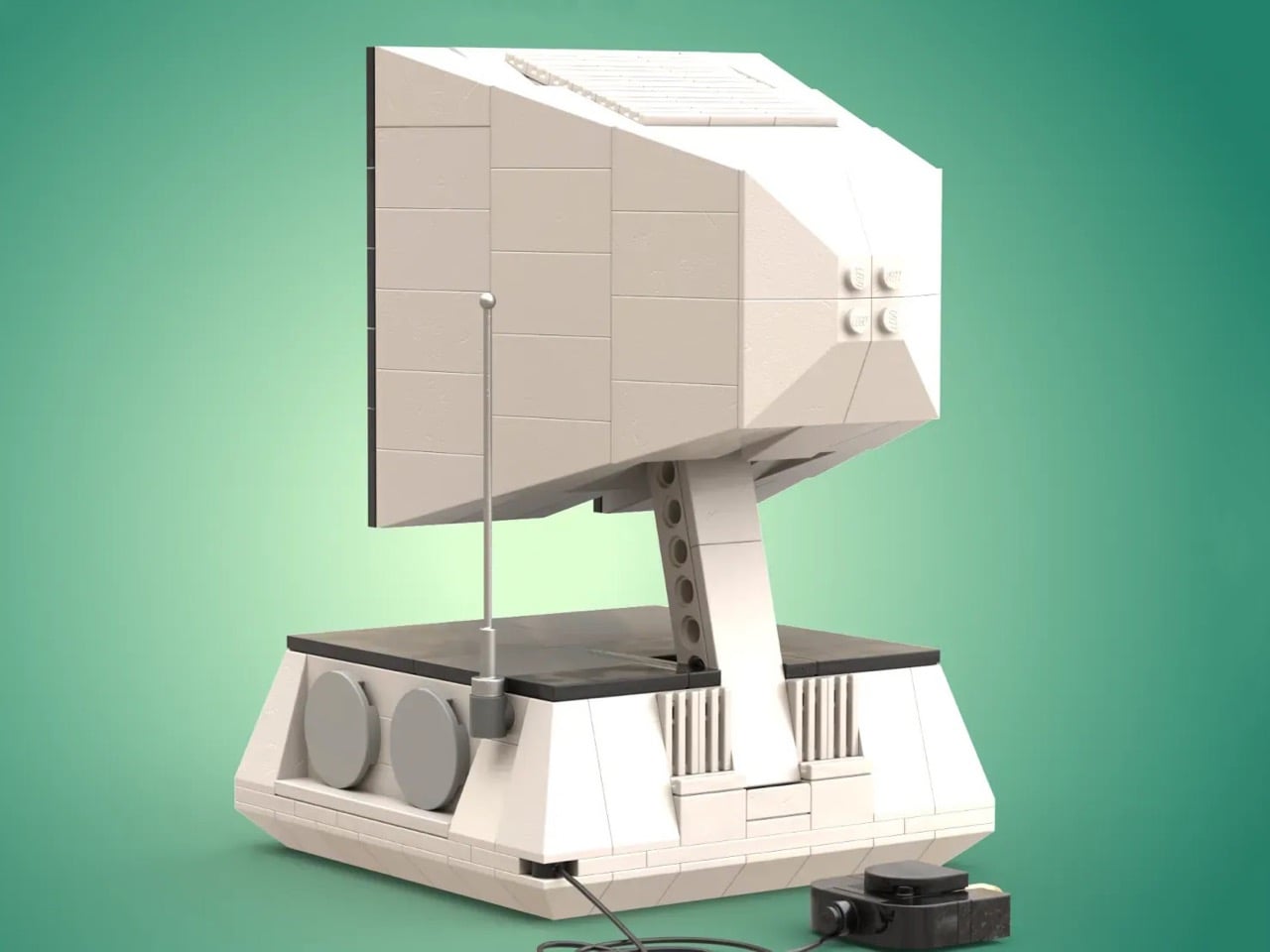
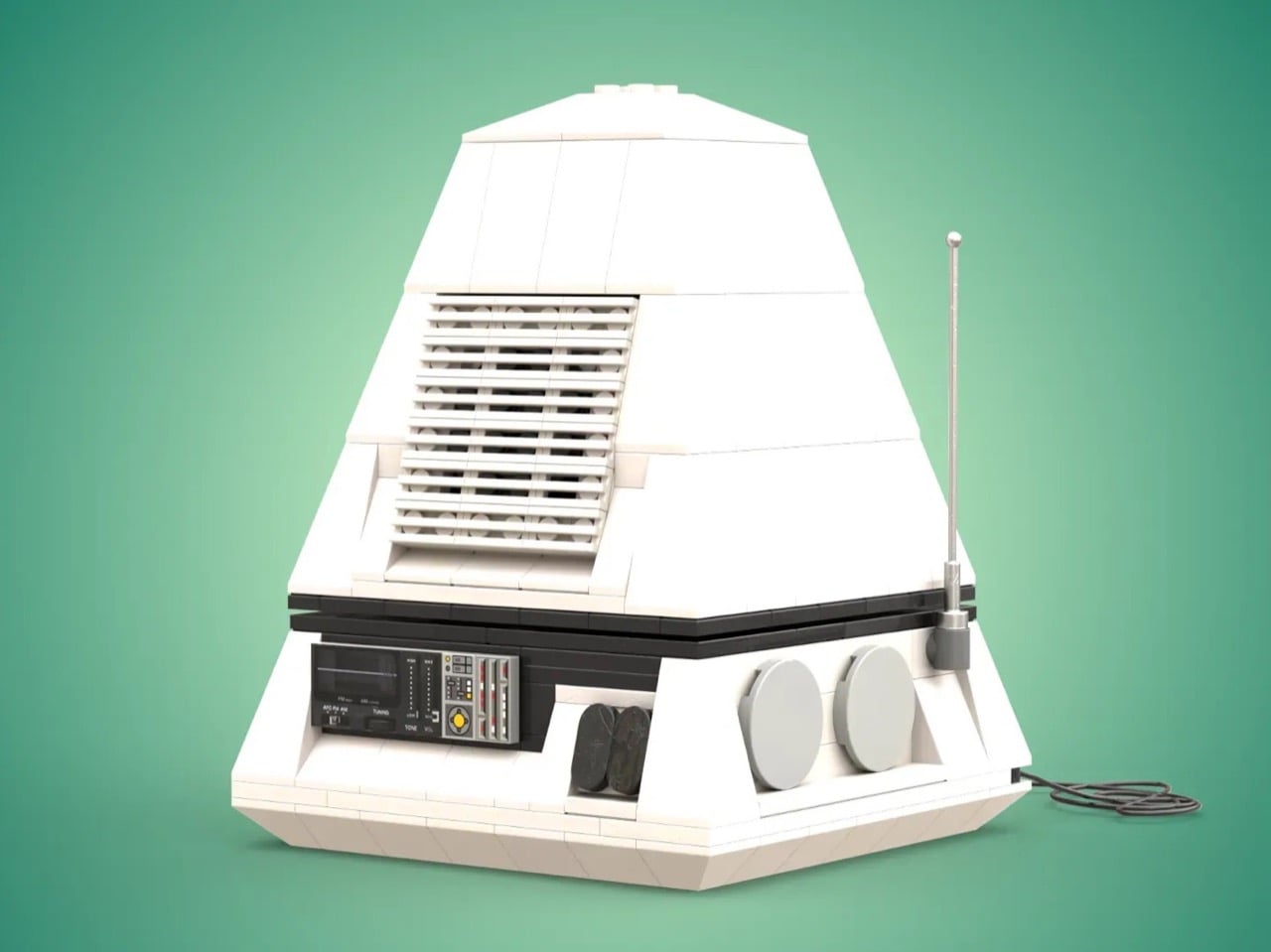
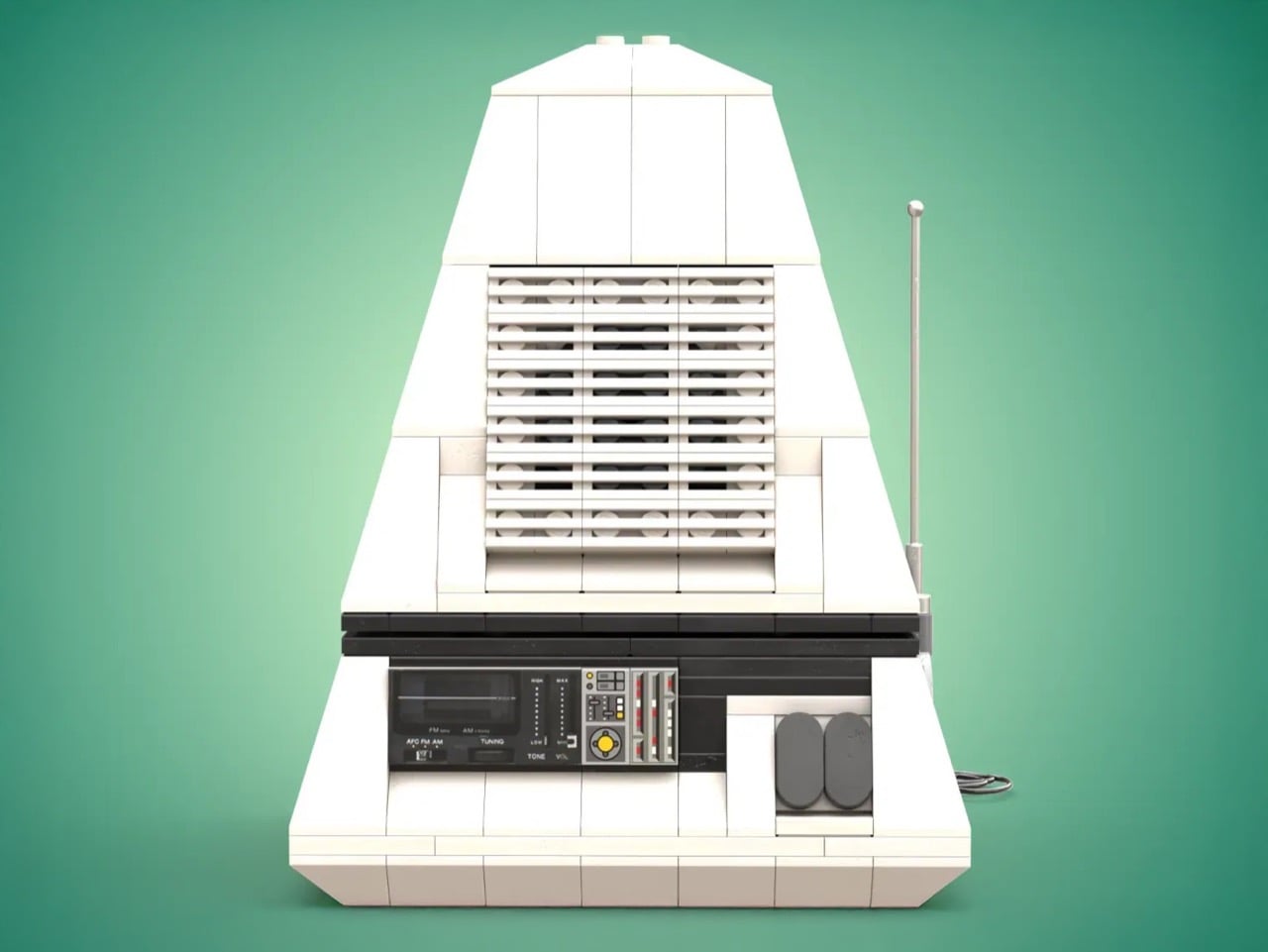
Enter DocBrickJones, a LEGO builder who has recreated this vintage icon in remarkable detail. His LEGO Ideas submission captures everything from the angled white body to the frequency gauge on the control panel. The project needs 10,000 supporters to be considered for production, but it’s currently sitting at just over 200. For anyone who appreciates when design took risks, or when LEGO tackles interesting real-world objects, this pyramid-shaped tribute deserves a closer look.

Designer: DocBrickJones

The original 3100R combined a 6-inch black and white CRT screen with an AM/FM radio in a package that could transform. Collapsed into pyramid mode, it functioned as a radio. Truncate that pyramid by opening the top section, and suddenly you had a television. The design language borrowed heavily from the cultural moment: the black and white color scheme echoed Saturn rockets, while the pyramid geometry nodded to San Francisco’s Transamerica Pyramid skyscraper, completed just a year before the 3100R hit shelves. This was 1972, when the Apollo program still dominated headlines and anything vaguely space-themed sold like crazy. JVC understood the assignment.

What makes DocBrickJones’ LEGO version impressive is how he’s translated analog curves and slopes into a medium that fundamentally works in right angles. The angled faces of the pyramid base use carefully placed slope bricks to maintain clean lines. The blue-tiled screen sits recessed behind a dark gray frame, complete with speaker grills and control dials. There’s even a telescoping antenna in light gray and a brick-built power cable trailing from the base. These details matter because they demonstrate an understanding of what made the original compelling: the interplay between smooth surfaces and functional elements, the visual weight of that wide base supporting a delicate screen assembly, the contrast between the pristine white body and the technical-looking control panel.

The current LEGO Ideas lineup skews heavily toward nostalgic tech objects. The Polaroid OneStep camera, the classic typewriter, even the Atari 2600 have all found success by appealing to adults who remember when consumer electronics felt tactile and specific rather than generic and touchscreen. The 3100R fits this pattern perfectly, maybe even better than some approved projects. It represents a specific design philosophy from a specific moment when optimism about technology translated into physical form. You looked at a 3100R and thought about the future, even if that future was technically just watching grainy UHF broadcasts.

LEGO Ideas operates as a democratic platform where fan-created designs compete for official production. Submit a project, gather 10,000 supporters within a set timeframe, and LEGO reviews it for potential manufacturing. The newly minted JVC 3100R build currently sits at 207 votes and needs to hit the 1,000 vote margin to reach the next stage, which means there’s plenty of runway for this design to find its audience. Voting costs nothing beyond a free LEGO account, and successful projects get produced as official sets with the original creator receiving royalties and credit. The platform has launched everything from the Saturn V rocket to the Medieval Blacksmith, proving that niche appeal can translate into mainstream success. If you want to see this space-age pyramid sitting on store shelves next to other design-focused sets, the voting link lives on the LEGO Ideas website. The 3100R deserves a second act, this time in brick form.

The post The JVC Pyramid TV That Defined Retro Futurism in the 70s Now Wants to Be a LEGO Set first appeared on Yanko Design.

Mercedes-Benz Vision Iconic: Solar Paint That Generates 7,450 Miles of Range Annually

In most concept cars the paint is just a color. On the Mercedes-Benz Vision Iconic, the paint is a powertrain component. Beneath that mirror black surface lies solar paint, a wafer thin photovoltaic skin that turns every curve and contour into an active energy source, capable of adding thousands of miles of range each year under ideal conditions. The result is a car that charges itself while it poses, while it cruises, even while it sleeps in a garage flooded with sunlight, generating a mind-boggling 7,450 miles of range annually based on ideal conditions.

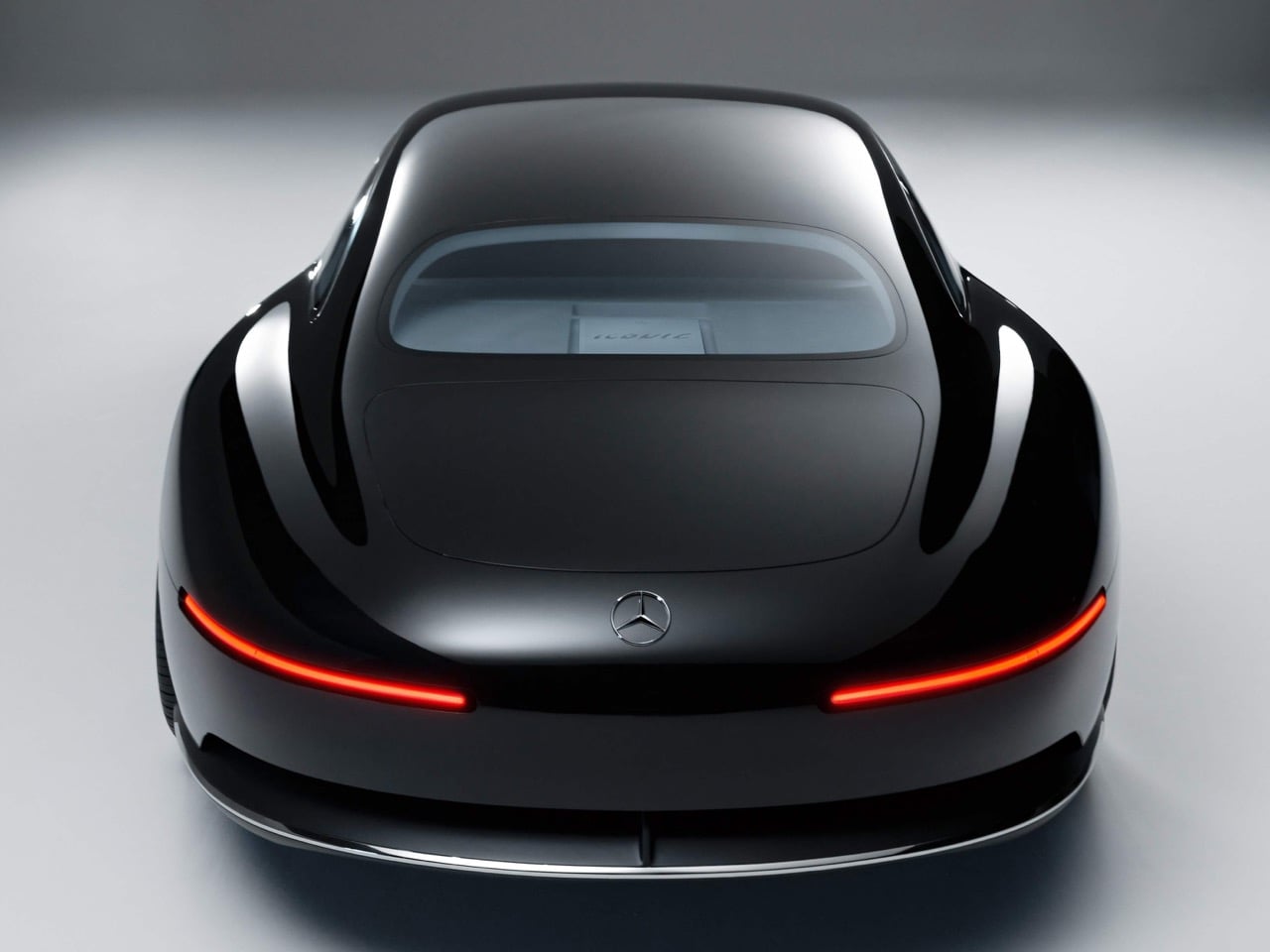
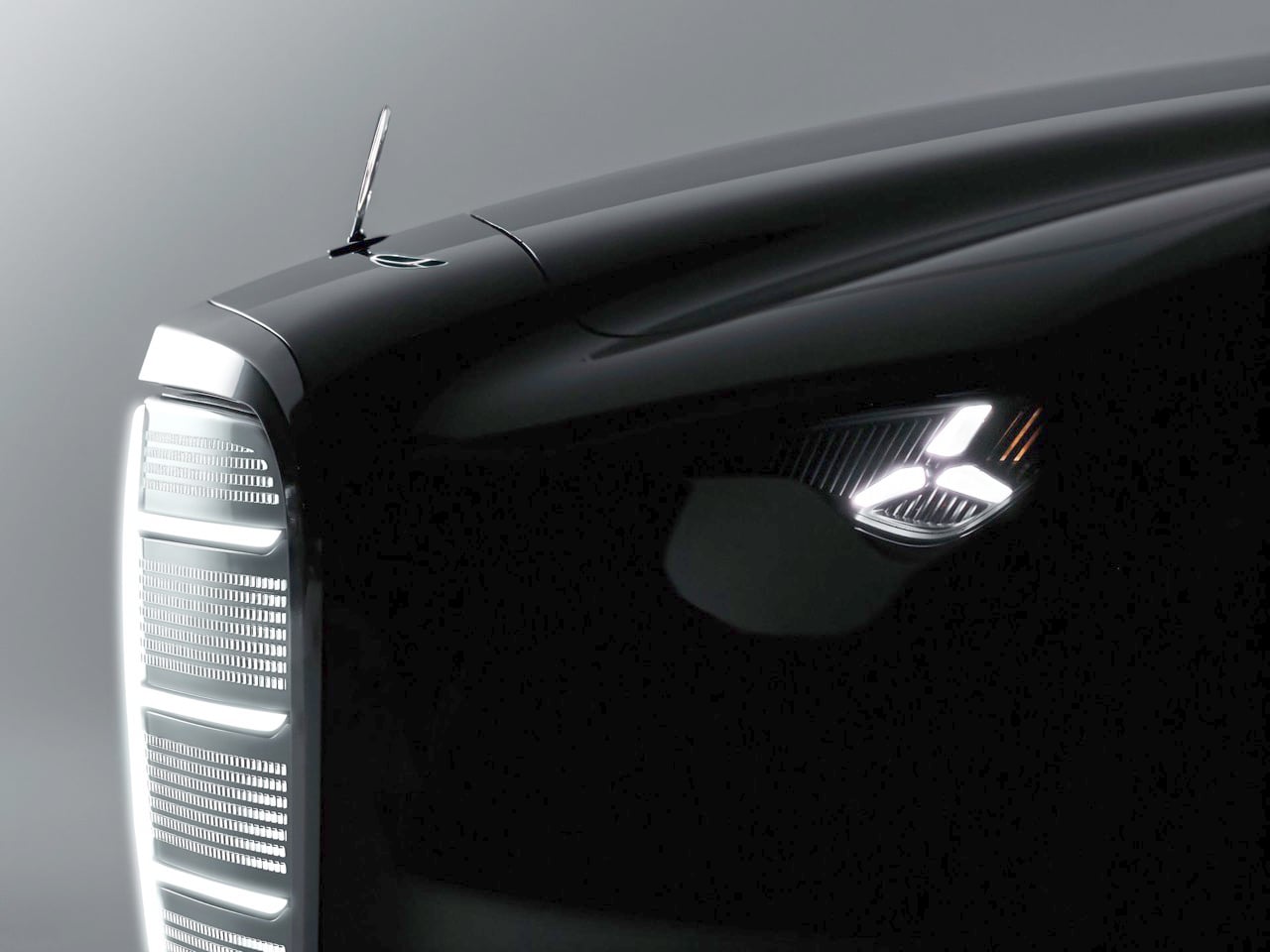
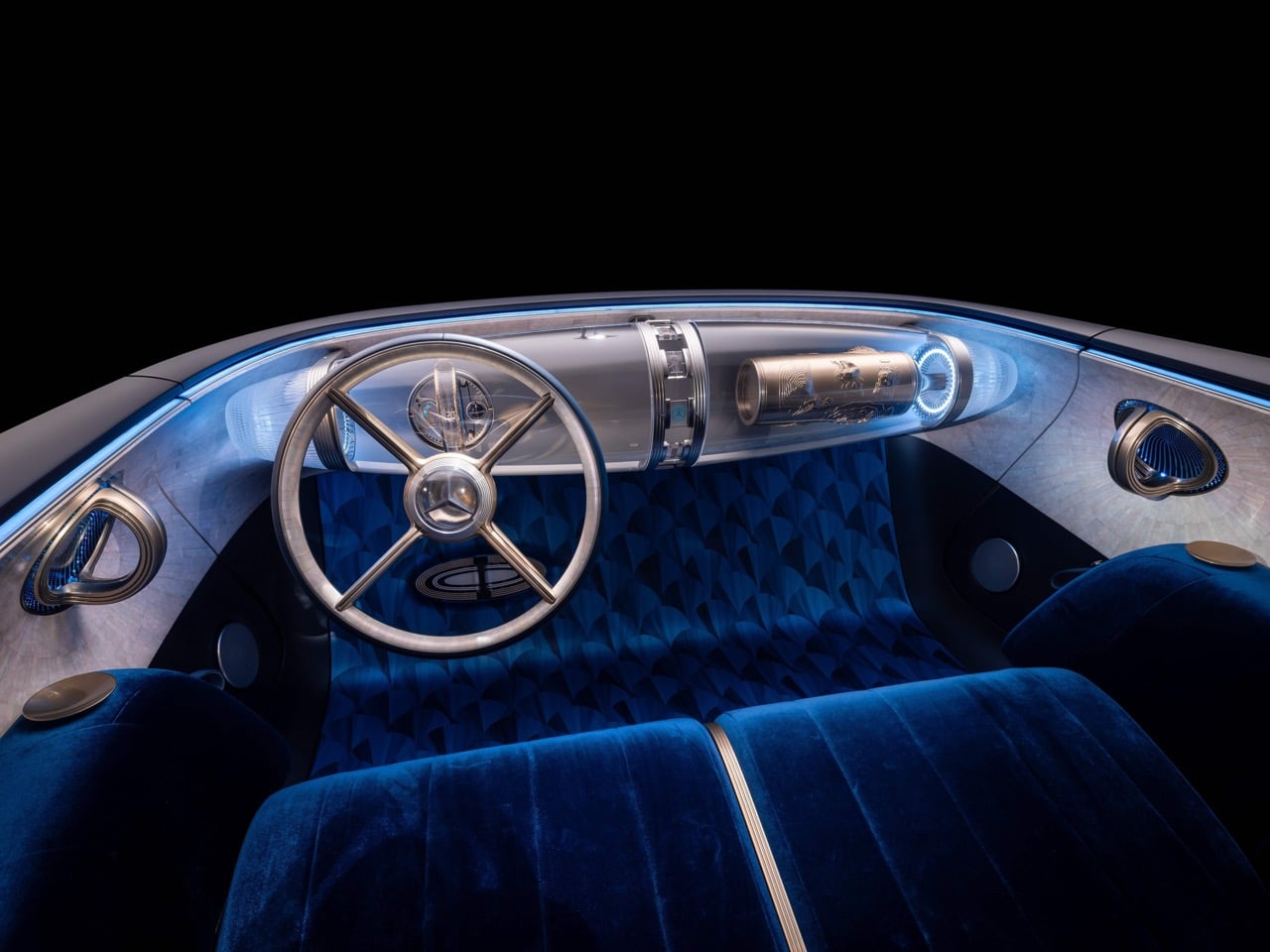
That technology wraps a body shaped like a vintage dreamscape. Mercedes pulled proportions from its 1930s icons, with a near vertical grille, extended hood, and fastback silhouette that hides the electric skateboard underneath. The grille glows with animated pixels, the hood star lights up, and the entire form is finished in reflective black that emphasizes sculptural surfaces over character lines. Inside, the cabin becomes a velvet lined theater with brass accents, floating glass displays, and neuromorphic computing that makes autonomous driving 90 percent more efficient. Solar energy meets Art Deco in a manifesto for sustainable luxury. Chief Design Officer Gorden Wagener created the concept as his creative conclusion before leaving the company, ensuring his “Sensual Purity” philosophy persists beyond his tenure. The strategy acknowledges that luxury customers buy emotional experiences rather than mere transportation. Technology serves that experience instead of overwhelming it.

Designer: Mercedes-Benz
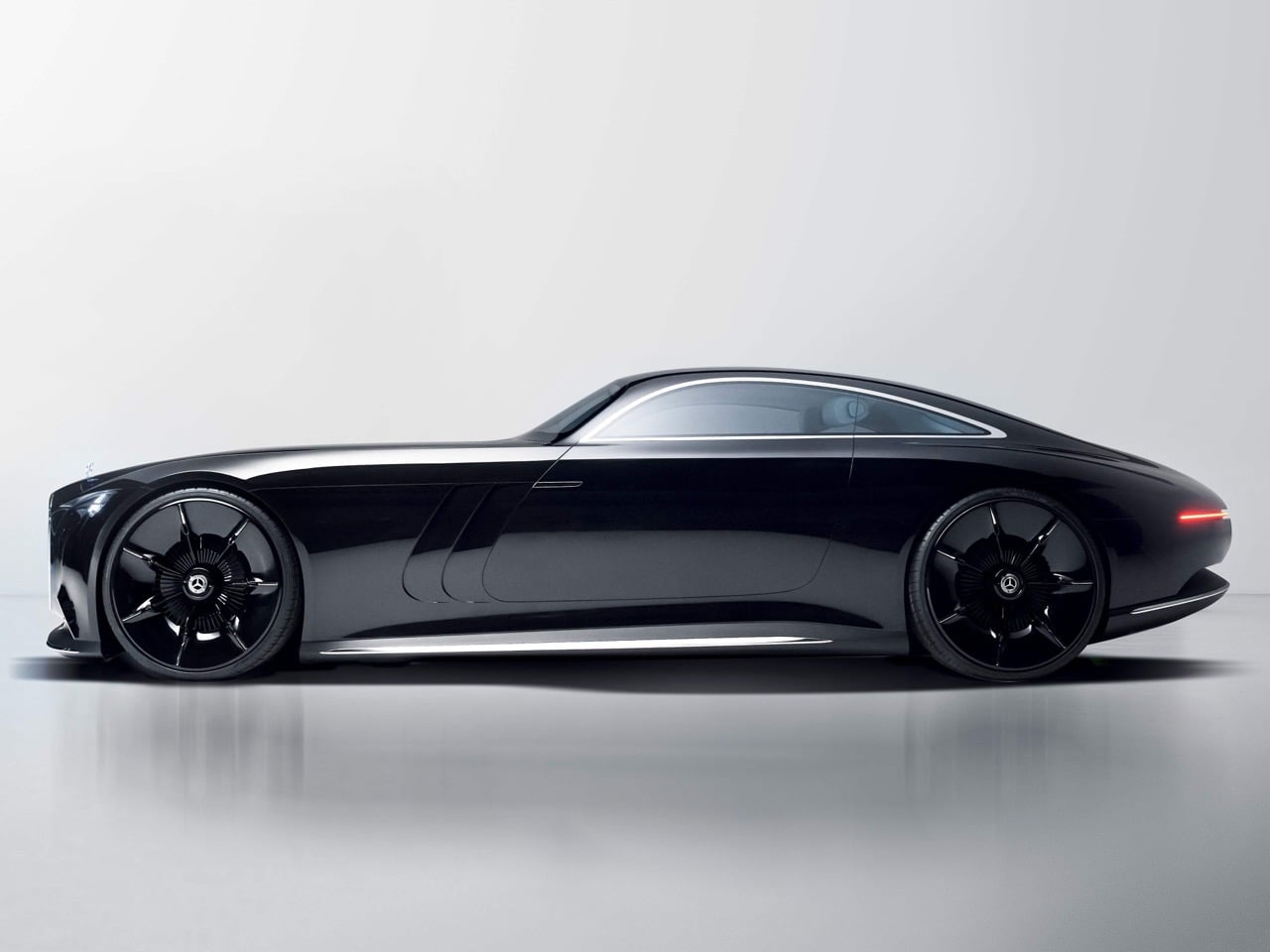
This car is essentially Wagener’s mic drop, a final, definitive statement on his “Sensual Purity” design philosophy before his departure in January 2026. For years, he’s talked about this bipolarity of emotion and intelligence, and the Vision Iconic is its physical manifestation. The emotion comes from the sheer presence of the thing, its sculptural surfaces and historical nods. The intelligence is the bleeding-edge tech humming beneath the surface. It’s a perfect symbiosis. This concept cements his legacy, proving that his focus on physical clay modeling to perfect proportions and surface language can produce something that feels both classic and futuristic. It’s a powerful farewell that will shape the company’s aesthetic for years to come.
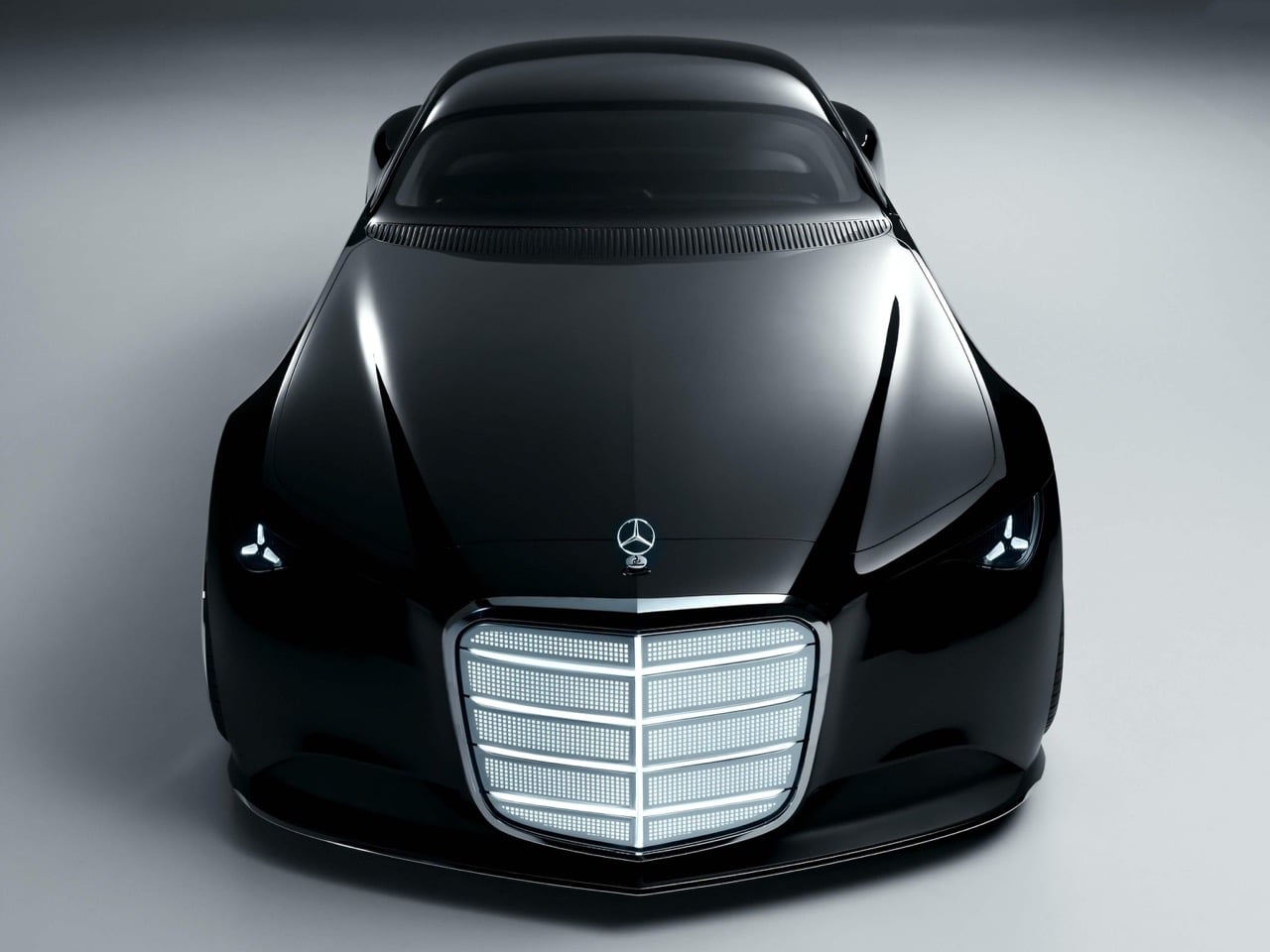
You can’t miss the grille, which is clearly the centerpiece of the new corporate face. It’s a direct homage to the upright, proud grilles of 1960s icons like the W108 S-Class and the W100 600 Pullman, but reinterpreted for the digital age. The structure is built from light, with a pixel-graphic lattice that can animate, giving the car a dynamic presence even when stationary. This isn’t just a styling gimmick; it’s a strategic move to ground the brand’s electric future in its rich heritage, preventing its EVs from looking like generic appliances. The illuminated three-pointed star on the hood reinforces this connection. The rest of the body is a study in minimalism, with clean, flowing lines that emphasize the car’s monolithic, sculptural quality.
Inside, the team pursued what they call a “hyper-analog” experience, which is a brilliant response to the industry’s obsession with sterile, screen-dominated interiors. The cabin is a lounge, not a cockpit, an idea enabled by its Level 4 autonomous capabilities. A continuous bench seat is wrapped in deep blue velvet, and details are rendered in polished brass. The centerpiece is the “Zeppelin,” a floating glass structure on the dash that houses a mix of analog-inspired instruments and digital displays, creating a layered, artistic effect. It feels opulent and tactile, a reminder that luxury is about materials and craftsmanship, not just pixel density.
For Wagner and Mercedes-Benz, the Vision Iconic is a manifesto. Mercedes is declaring that its electric future will not be one of compromise. The car’s entire technological ecosystem is built to support its aesthetic ambitions. The neuromorphic computing, which reduces the power needs of autonomous driving tasks by a staggering 90 percent, is what allows for such sophisticated self-driving without a crippling range penalty. The steer-by-wire system frees up the interior packaging, enabling the lounge-like atmosphere and allowing designers to maintain those classic long-hood proportions. Every piece of tech has a purpose that serves the overall vision of creating a desirable, beautiful object that also happens to be a highly advanced electric vehicle.
The post Mercedes-Benz Vision Iconic: Solar Paint That Generates 7,450 Miles of Range Annually first appeared on Yanko Design.