Tower Desk Organizer Turns a Strip of Desk into a Calm Landing Zone

Desks and side tables collect phones, glasses, remotes, pens, keys, and watches by the end of the day. The half-hearted attempts to corral them in a bowl or let them drift into a loose pile never quite work, and by the next morning, you are hunting for your phone under a stack of papers or fishing keys out from behind the lamp. What is missing is not more storage, but a small, clear structure that tells each thing where to go.

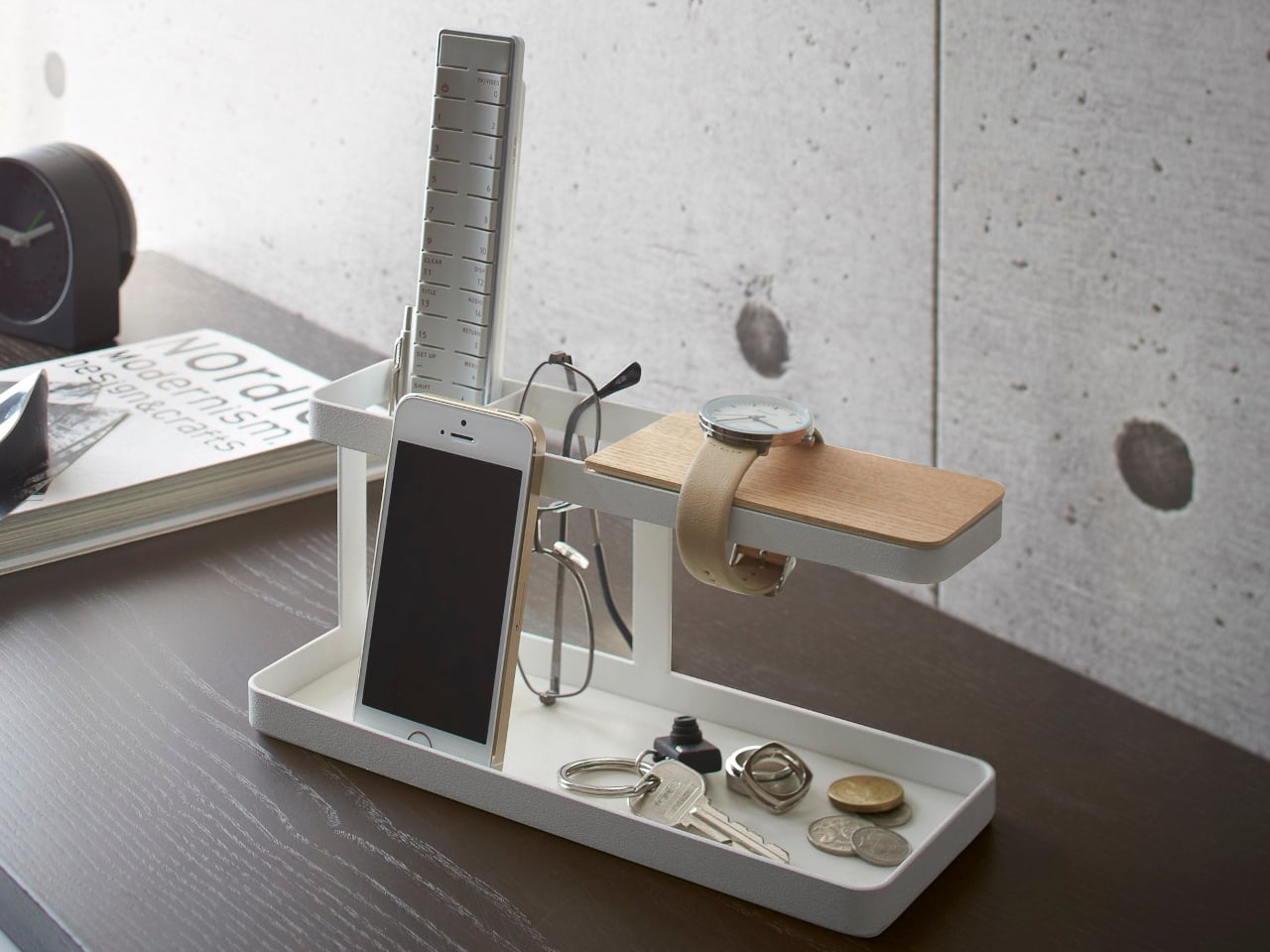
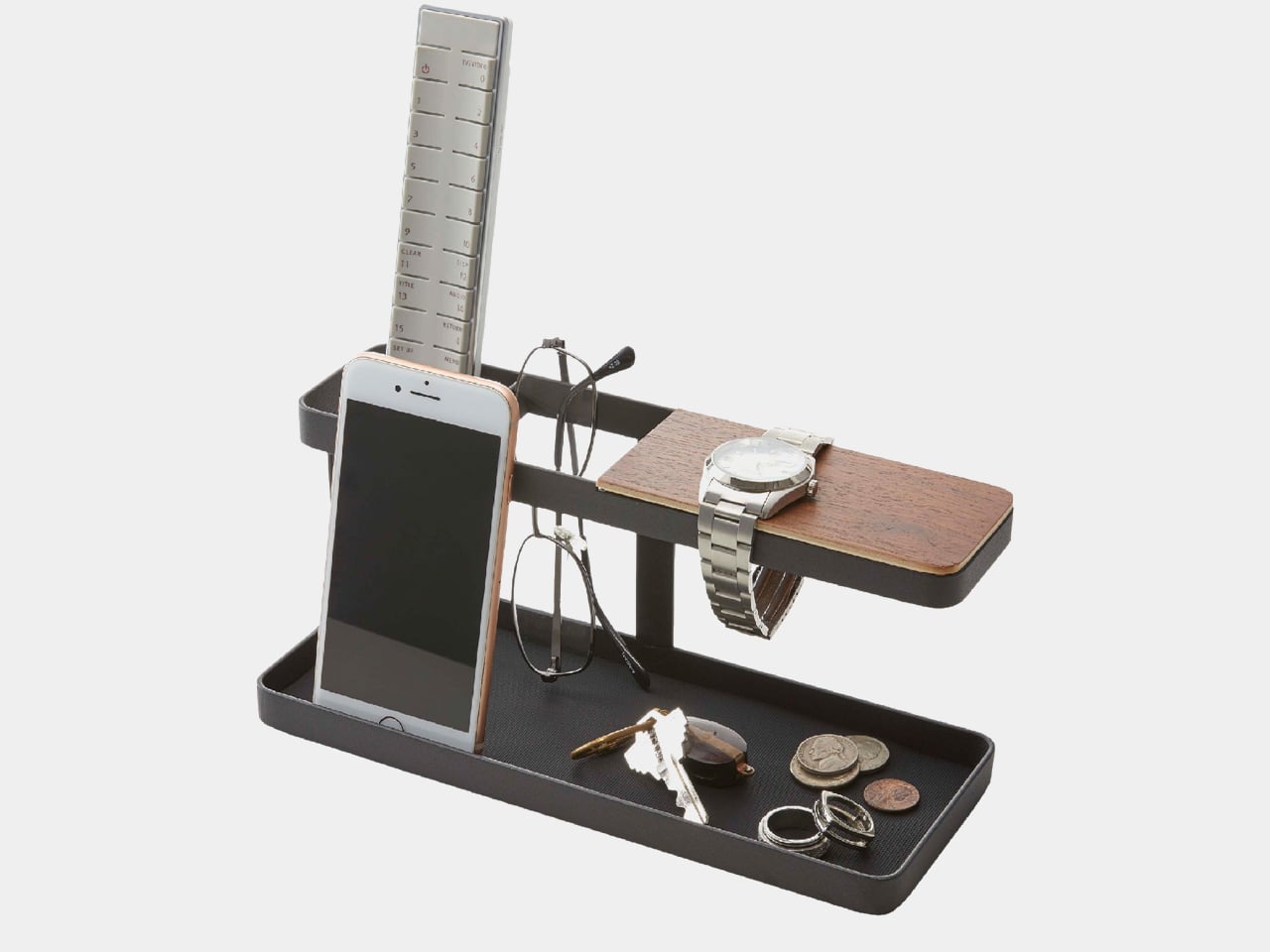
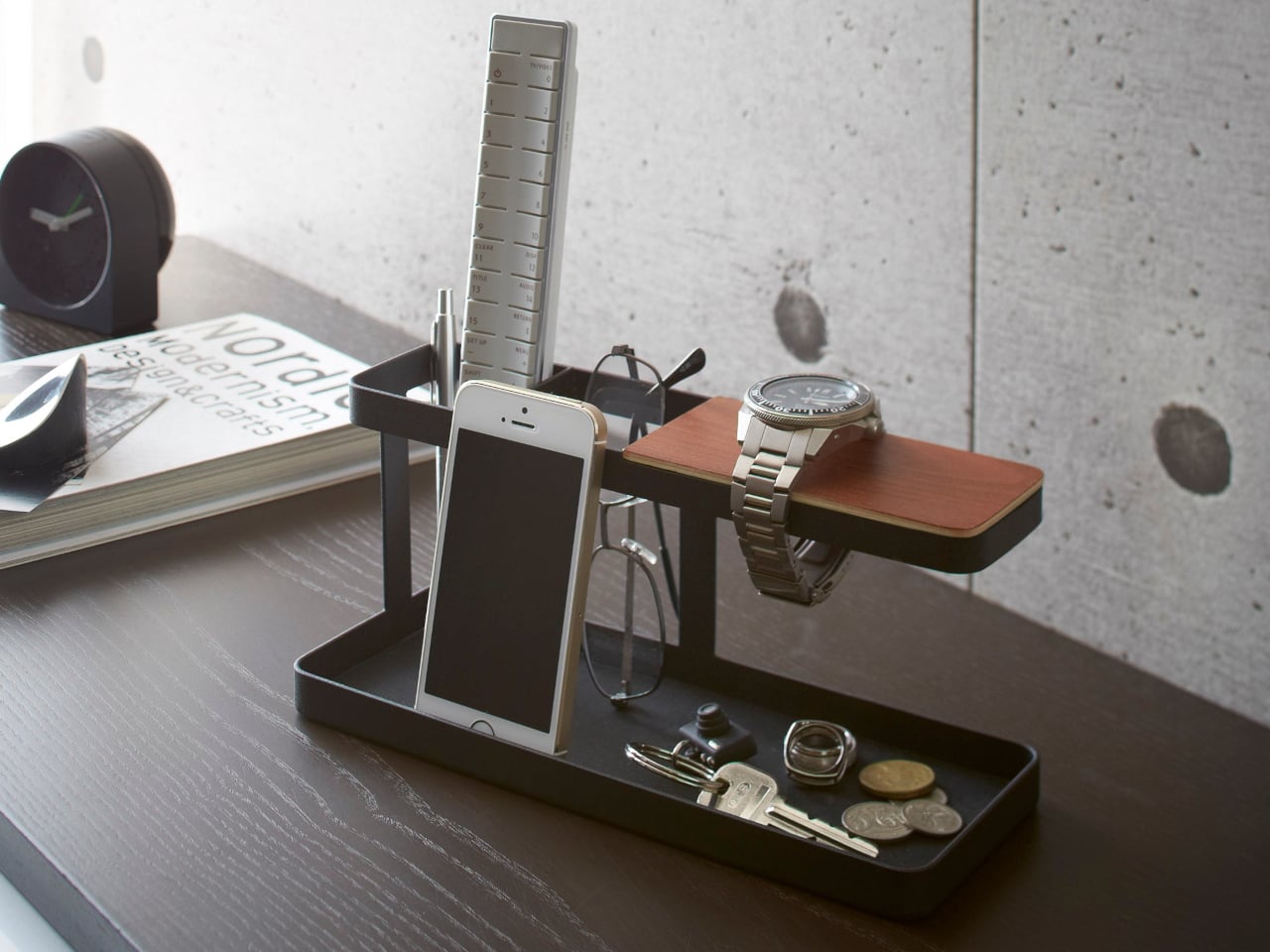
Yamazaki’s Tower Desk Organizer is a compact steel and wood bar that behaves more like a miniature piece of furniture than a generic tray. It has a slim base tray divided into two zones, a vertical post, and a raised wooden rest for watches or bracelets, all within a footprint that fits between a keyboard and monitor or next to a sofa arm.

Designer: Yamazaki Home
Sitting down at a desk in the morning, you drop your phone into one side of the tray, slide a pen and small notebook into the other, and hang a watch on the wooden bar while you type. The silicone mat keeps the phone from sliding when notifications buzz, and the low walls of the tray stop things from drifting under papers or behind the laptop. It becomes a predictable spot instead of another improvised pile.
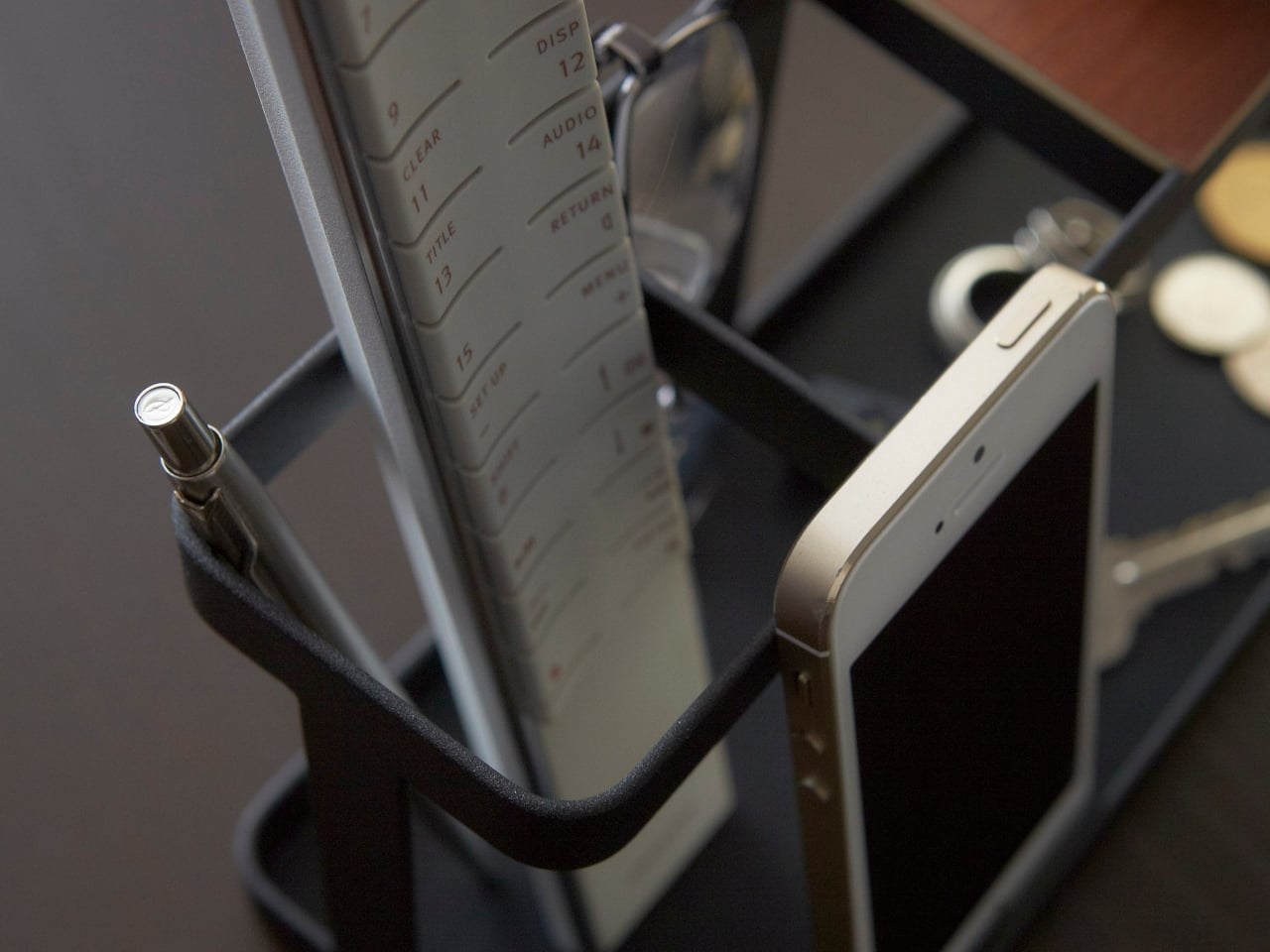
By evening, the same organizer moves to a living room table, where it now holds a couple of remotes, reading glasses, and a phone while you watch something or read. The two compartments make it easy to separate tech from analog items, so you are not fishing for a remote under a pile of keys. The watch bar doubles as a small display for a bracelet or everyday watch when you are off the clock.

The powder-coated steel body with its textured matte finish, available in white or black, and the plywood top plate that adds a warm accent, feel more like a quiet architectural element than a gadget. The combination lets it blend into both minimal workspaces and softer living-room setups without drawing attention to itself, staying useful while staying calm.

The organizer is designed for smartphones, not tablets, and the watch bar comfortably holds two large watches rather than an entire collection. It is a home for a curated set of essentials, not a dumping ground. That constraint is part of what keeps it from turning into another overstuffed catch-all that defeats its own purpose and ends up just as messy as the pile it replaced.
The Tower Desk Organizer treats everyday clutter as something worth designing for at a structural level. By giving phones, glasses, remotes, and watches a simple base, post, and beam to relate to, it turns a messy corner of the room into a small, legible landscape. Sometimes the most effective organizing tools are not big systems with a dozen compartments, but a single, well-drawn line on the desk that quietly suggests where things belong.

The post Tower Desk Organizer Turns a Strip of Desk into a Calm Landing Zone first appeared on Yanko Design.
Meta is temporarily pulling teens’ access from its AI chatbot characters

Meta will no longer allow teens to chat with its AI chatbot characters in their present form. The company announced Friday that it will be "temporarily pausing teens’ access to existing AI characters globally."

The pause comes months after Meta had said it was working on chatbot-focused parental controls following reports that some of Meta's character chatbots had engaged in sexual conversations and other alarming interactions with teens. Reuters reported on an internal Meta policy document that said the chatbots were permitted to have "sensual" conversations with underage users, language Meta later said was "erroneous and inconsistent with our policies." The company announced in August that it was re-training its character chatbots to add "guardrails as an extra precaution" that would prevent teens from discussing self harm, disordered eating and suicide. 

Now, Meta says it will prevent teens from accessing any of its character chatbots until "the updated experience is ready." Those updates will include parental controls, according to a Meta spokesperson. The new restrictions, which will be starting "in the coming weeks," will apply to those with teen accounts, "as well as people who claim to be adults but who we suspect are teens based on our age prediction technology." Teens will still be able to access the official Meta AI chatbot, which the company says already has "age-appropriate protections in place." 

Meta and other AI companies that make "companion" characters have faced increasing scrutiny over the safety risks these chatbots could pose to young people. The FTC and the Texas attorney general have both kicked off investigations into Meta and other companies in recent months. The issue of chatbots has also come up in the context of a safety lawsuit brought by New Mexico's attorney general. A trial is scheduled to start early next month; Meta's lawyers have attempted to exclude testimony related to the company's AI chatbots, Wired reported this week.

Correction, January 23, 2026, 11:18AM PT: This post was updated to clarify that Meta’s planned chatbot parental control features have not yet rolled out.

This article originally appeared on Engadget at https://www.engadget.com/social-media/meta-is-temporarily-pulling-teens-access-from-its-ai-chatbot-characters-180626052.html?src=rss

PISEN 140W Tower Replaces 7 Chargers with One Vertical MagSafe Hub

Most desks end up with a laptop brick, a phone charger, a watch puck, a wireless stand, and a small power strip fighting for space. The ritual of swapping plugs, stealing power from lamps, and dragging cables across the keyboard becomes part of the background noise. The problem is not just power but how scattered that power has become and how much horizontal real estate disappears under adapters.

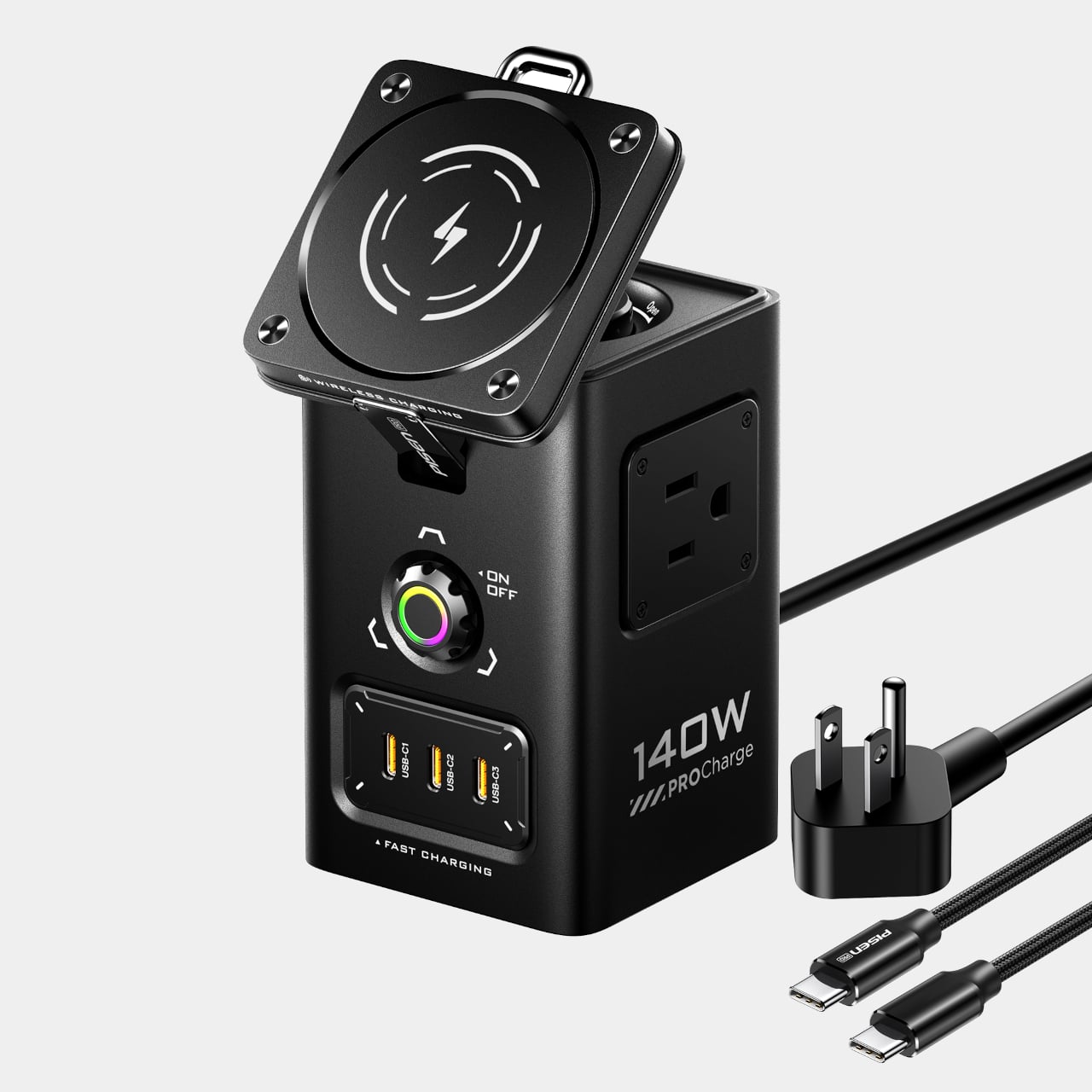
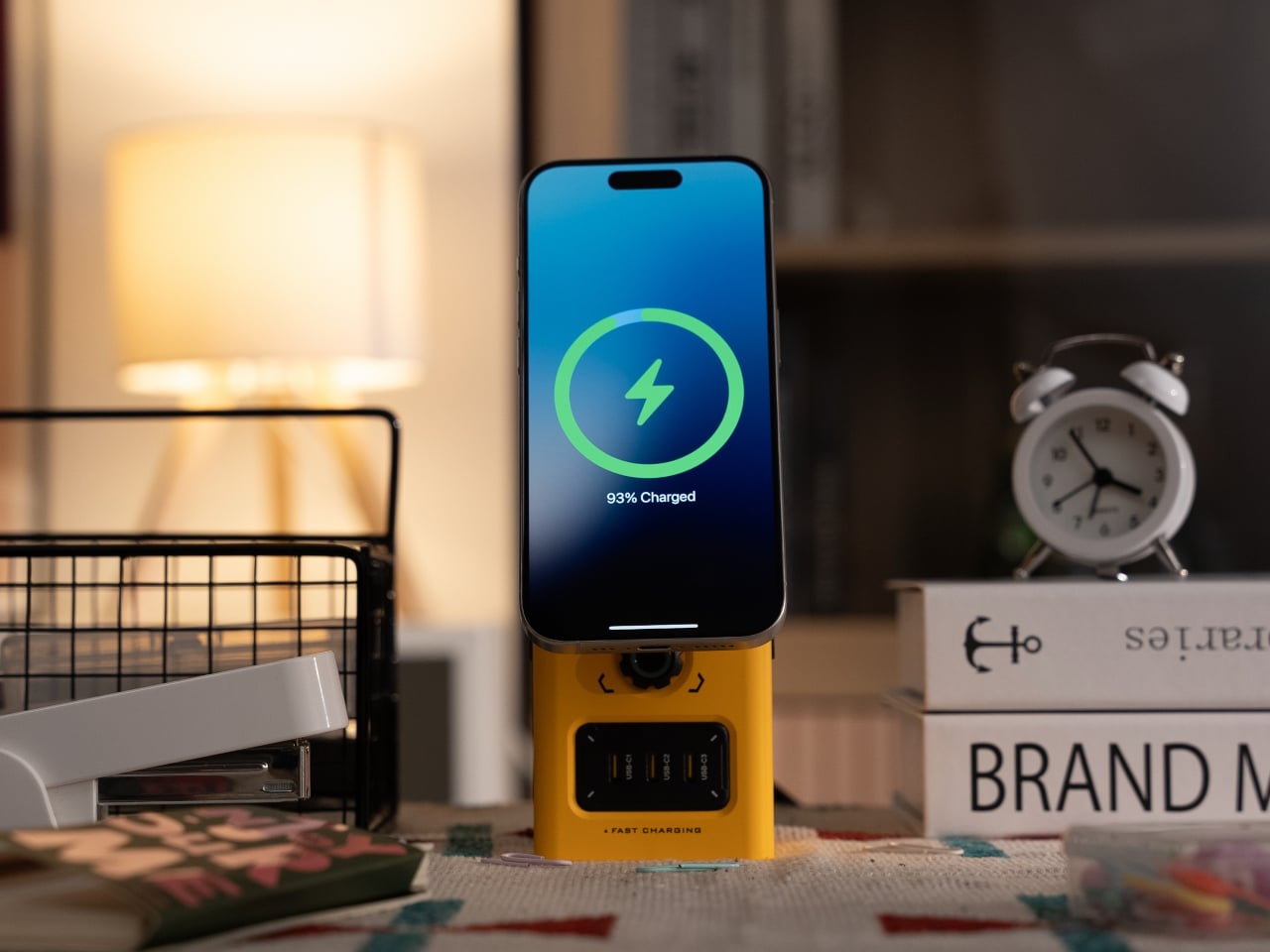
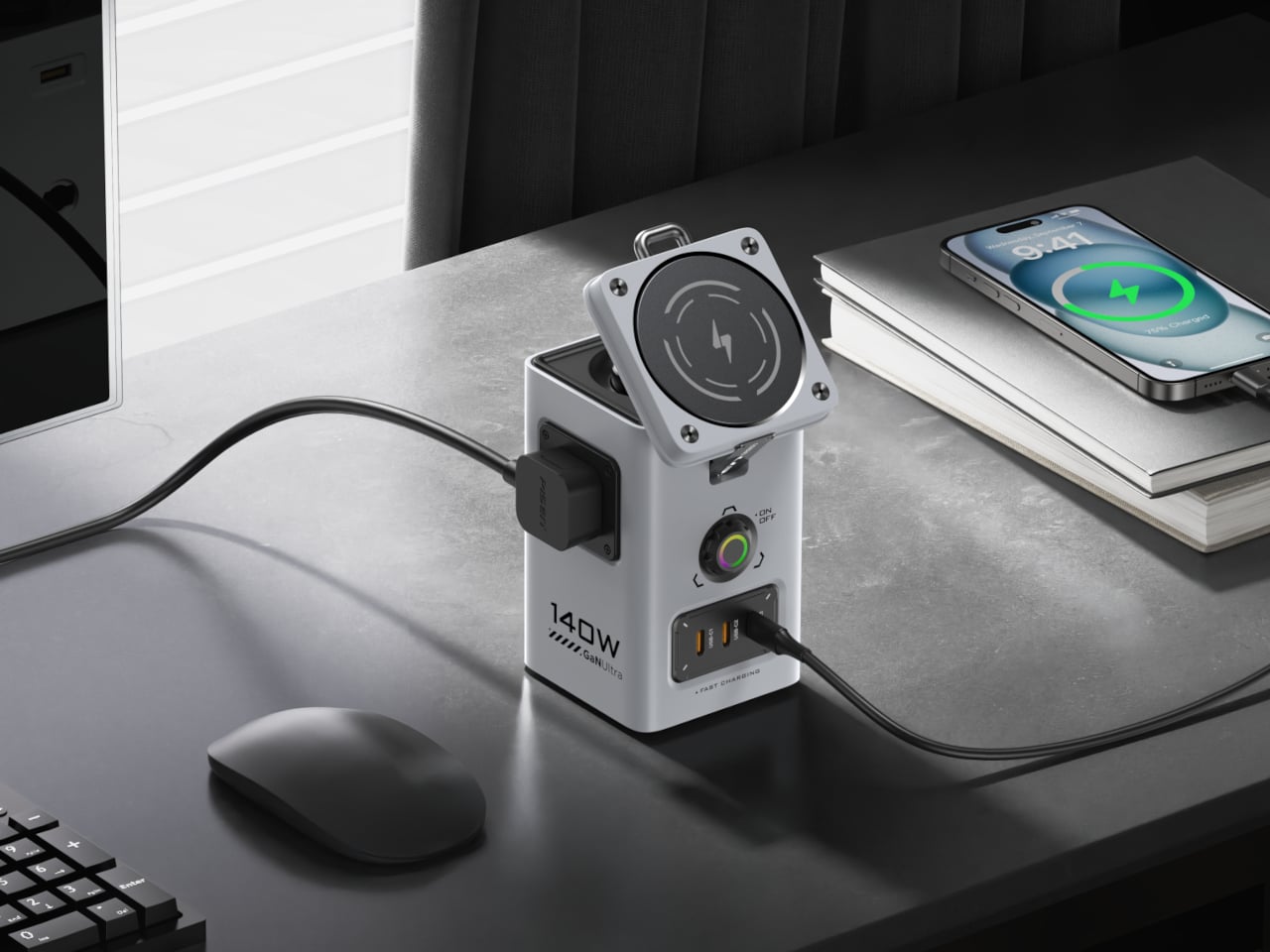
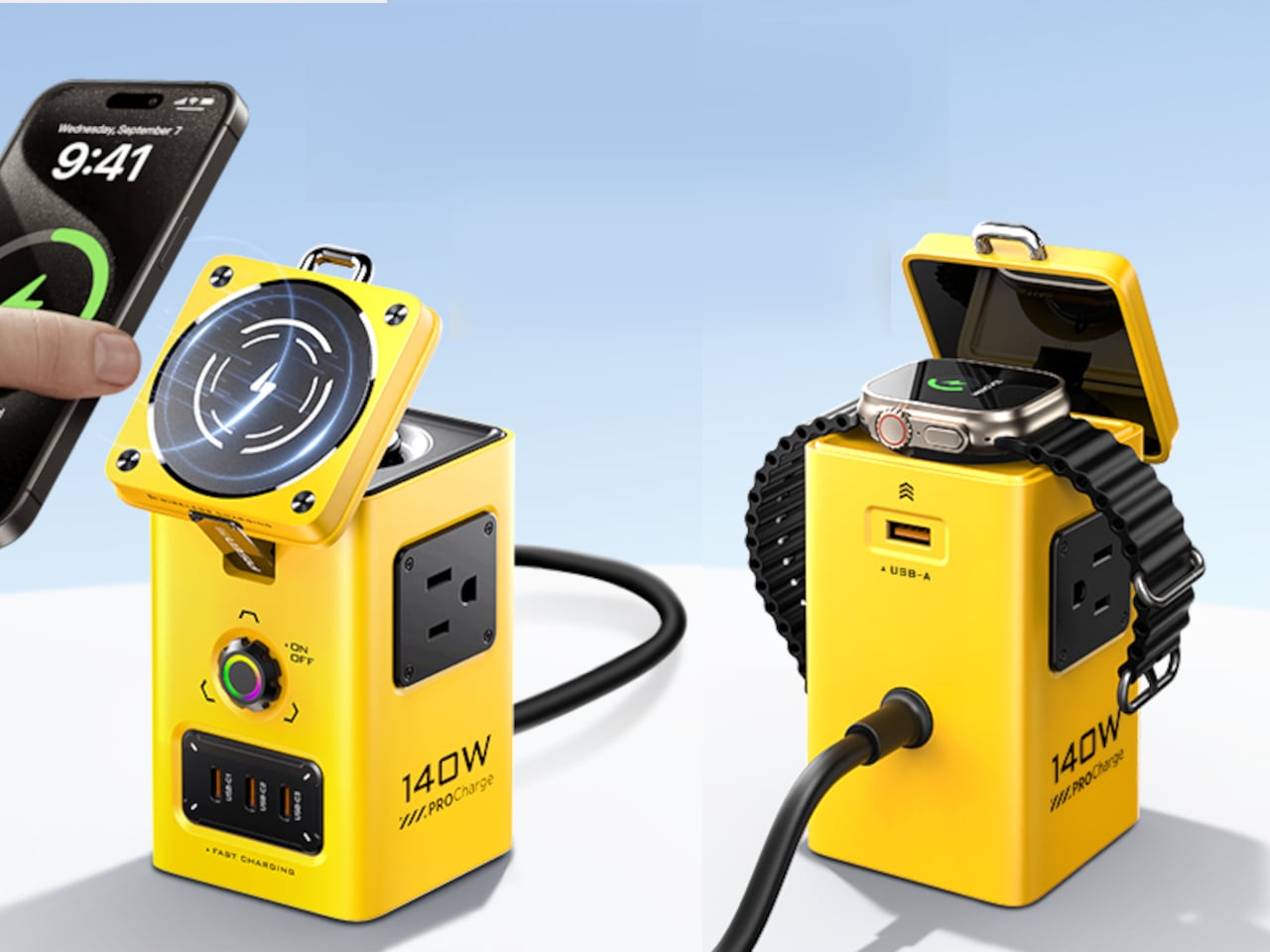
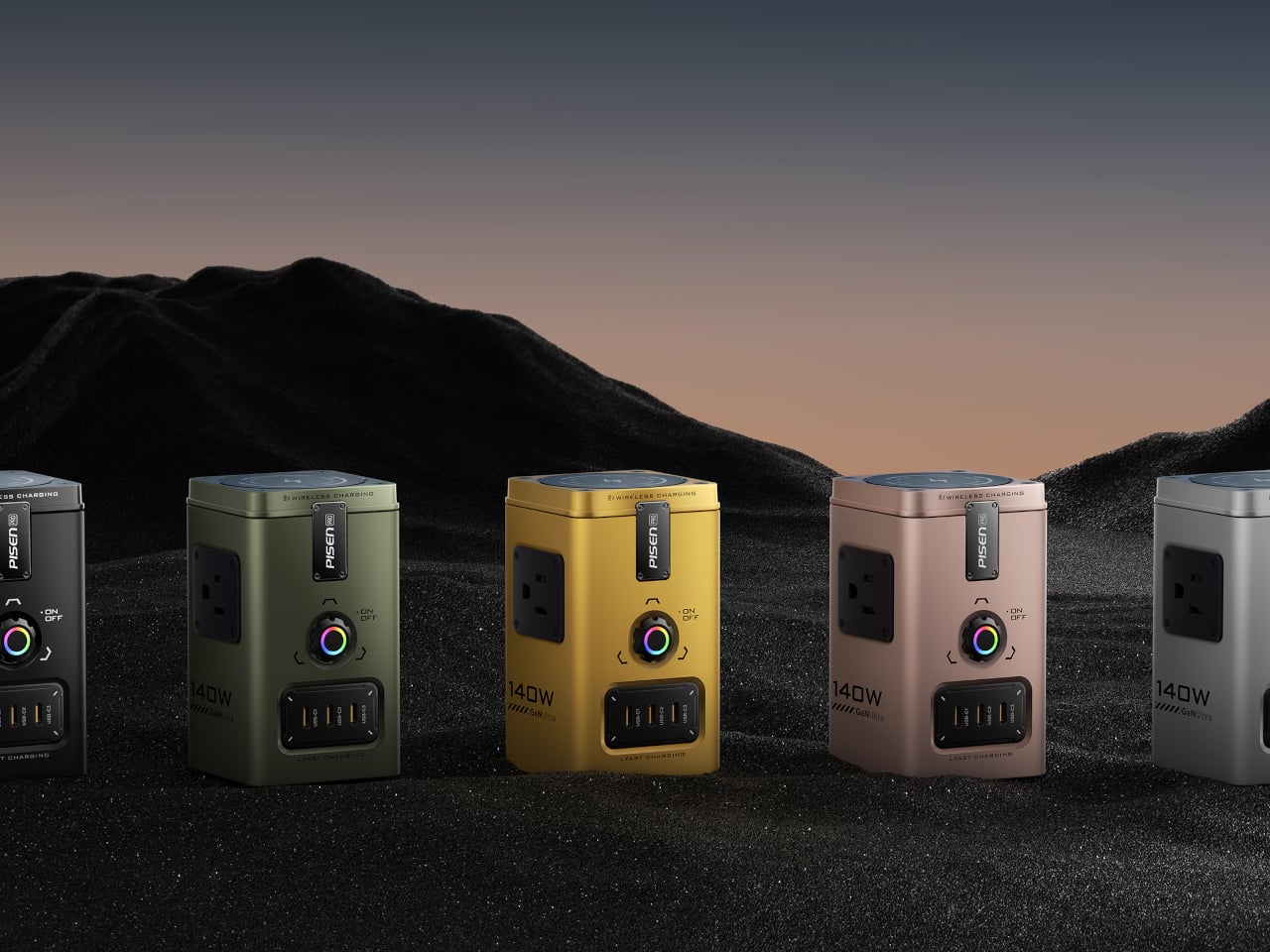
PISEN’s 140W Mega Charging Hub is a compact vertical tower that pulls everything into one place. It combines two AC outlets, three USB-C ports, one USB-A port, a Qi2-certified 15 W MagSafe pad for iPhone, and a dedicated wireless charger for Apple Watch and compatible earbuds. Available in black or bright yellow, it is meant to live on the desk, with its color and form turning a charging hub into something closer to a small power console.

Designer: PISEN

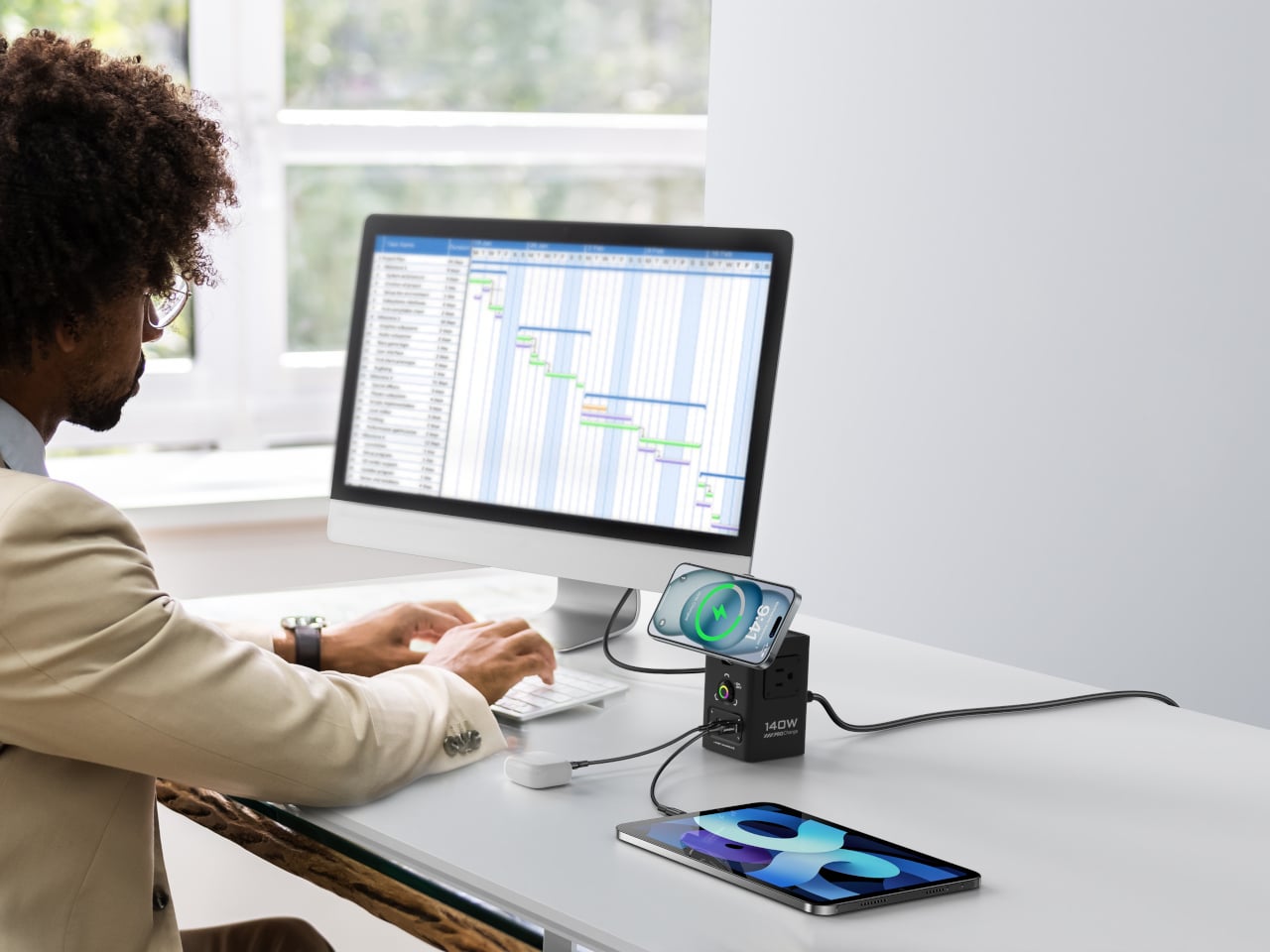
Dropping a laptop cable into one USB-C port, plugging a monitor or lamp into the AC outlets, and snapping an iPhone onto the magnetic pad, the tower becomes a small staging area. The watch rests on its charger, earbuds sit nearby, and the remaining ports top up a tablet or spare phone. Instead of a tangle of bricks scattered across the surface, there is one hub doing the work, tucked into a corner but fully loaded.

The hub uses GaN to push up to 140 W through a single USB-C port when needed, enough to feed a power-hungry laptop. It supports PD3.1, QC3.0, PPS, AFC, FCP, DCP, and PE, so tablets and phones see their preferred fast-charging profiles. When more devices join, power is shared intelligently across ports instead of everything grinding to a slow trickle, keeping the desk humming through long sessions.

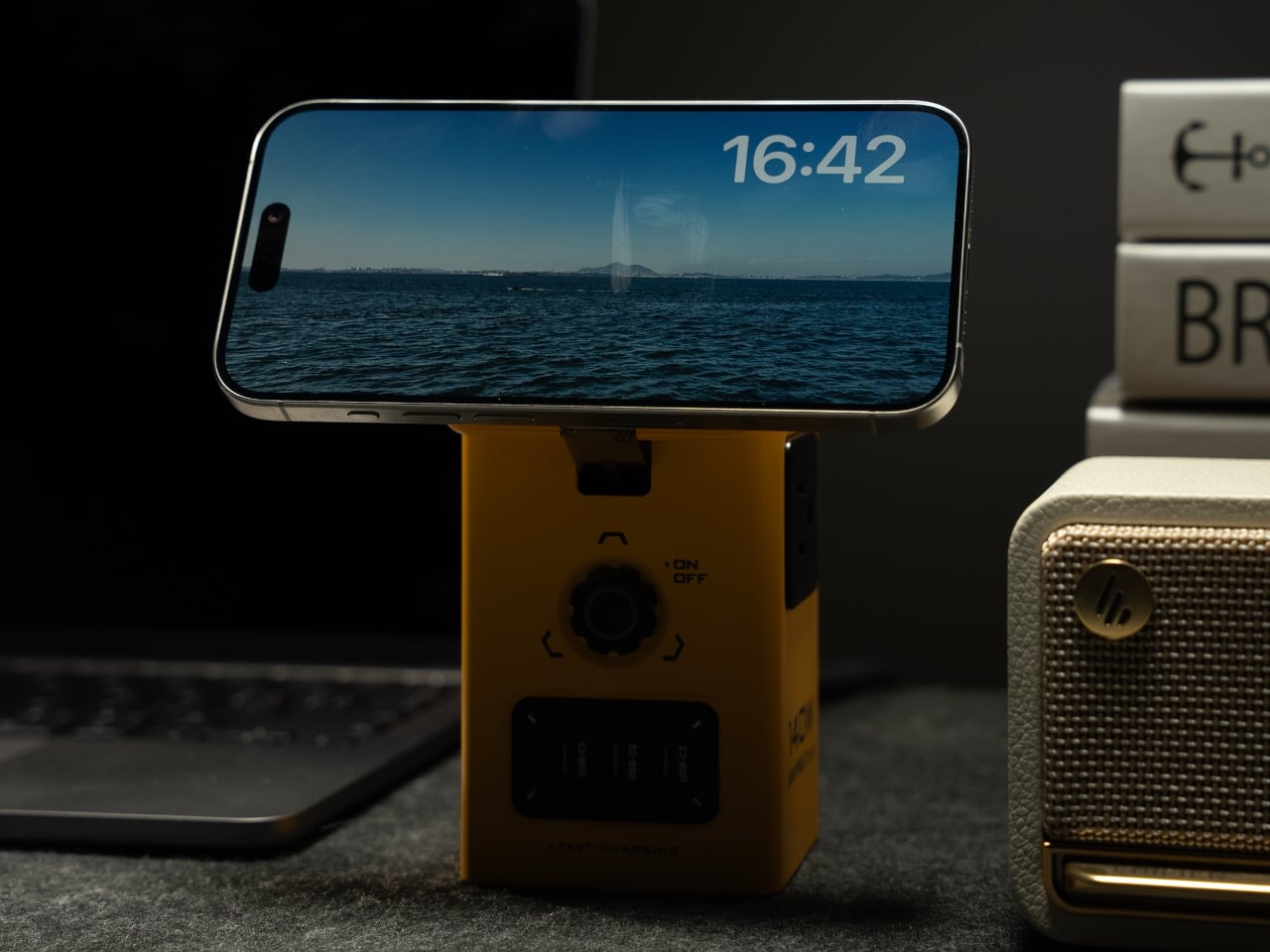
The Qi2 MagSafe pad on top locks onto iPhone 12 through 16 series with proper magnetic alignment and can tilt up to 65 degrees, making it easy to glance at notifications, take a call, or watch a video while charging. That small hinge turns the charger into a stand, which matters when the phone effectively becomes your second screen or the only thing within arm’s reach when the laptop is buried.

An Aurora Australis-inspired breathing light pulses gently when charging, shifting color with voltage, green at 5 V, purple between 9 and 15 V, yellow at 20 V. It is part status indicator, part ambient detail, giving the hub a slightly cyberpunk, glowing-console vibe. Underneath, nine layers of protection handle overvoltage, undervoltage, overcurrent, overheating, short circuit, and foreign object detection, with GaN keeping temperatures under control.

It is not a minimalist block that disappears. Once loaded with cables and a phone perched on top, it looks more like a small power tower with intentional visual density. The yellow version especially leans into that industrial, almost sci-fi energy. The PISEN hub condenses that scattered ecosystem into one vertical footprint where everything plugs in, pulses, and charges without taking over the entire desk.

The post PISEN 140W Tower Replaces 7 Chargers with One Vertical MagSafe Hub first appeared on Yanko Design.
You can now create AI-generated coloring books in Microsoft Paint

Microsoft CEO Satya Nadella recently went on record saying that AI still needs to prove its worth if society is to adopt it long-term, but he presumably thinks his company has cracked it with its latest innovation: AI coloring books.

A new Microsoft Paint feature currently rolling out to Windows Insiders allows you to generate coloring book pages based on the text prompt you enter. The example Microsoft uses is "a cute fluffy cat on a donut," to which the AI tool will spit out a set of slightly different options based on your prompt.

You can then choose which image you want, add it to your current workspace, copy or save it. Presumably you can also print it out for the purpose of entertaining your kids. No doubt the kind of real-world impact the Microsoft chief was alluding to.

The coloring book feature is exclusive to Copilot+ PCs, and Microsoft is also adding a fill tolerance slider that lets you adjust the precision with which the Fill tool adds color to your canvas.

As well as Paint’s new Coloring book feature, Microsoft has also improved its Write, Rewrite and Summarize AI functionality in Notepad, which integrates with GPT to fine-tune your writing and summarize complex notes. You’ll need to sign into your Microsoft account to use cloud features, but results will now appear more quickly and let you interact with the preview without having to wait for its full response. Again, you’ll need to be Windows Insider in the Canary and Dev channels on Windows 11 to take advantage of the updates initially.

This article originally appeared on Engadget at https://www.engadget.com/ai/you-can-now-create-ai-generated-coloring-books-in-microsoft-paint-163512527.html?src=rss

Tab Keeps Papers Visible on Your Desk Instead of Buried in Folders

Desks start tidy and slowly fill with stacks of printouts, notebooks, sketchpads, and loose sheets. The half-hearted attempts to tame it with file folders and trays end up closed, stacked, and forgotten in a corner or drawer. Most filing systems are great at hiding things but not so great at keeping the work you are actually doing visible and ready, which means you either let the surface turn into chaos or you bury everything and lose track.

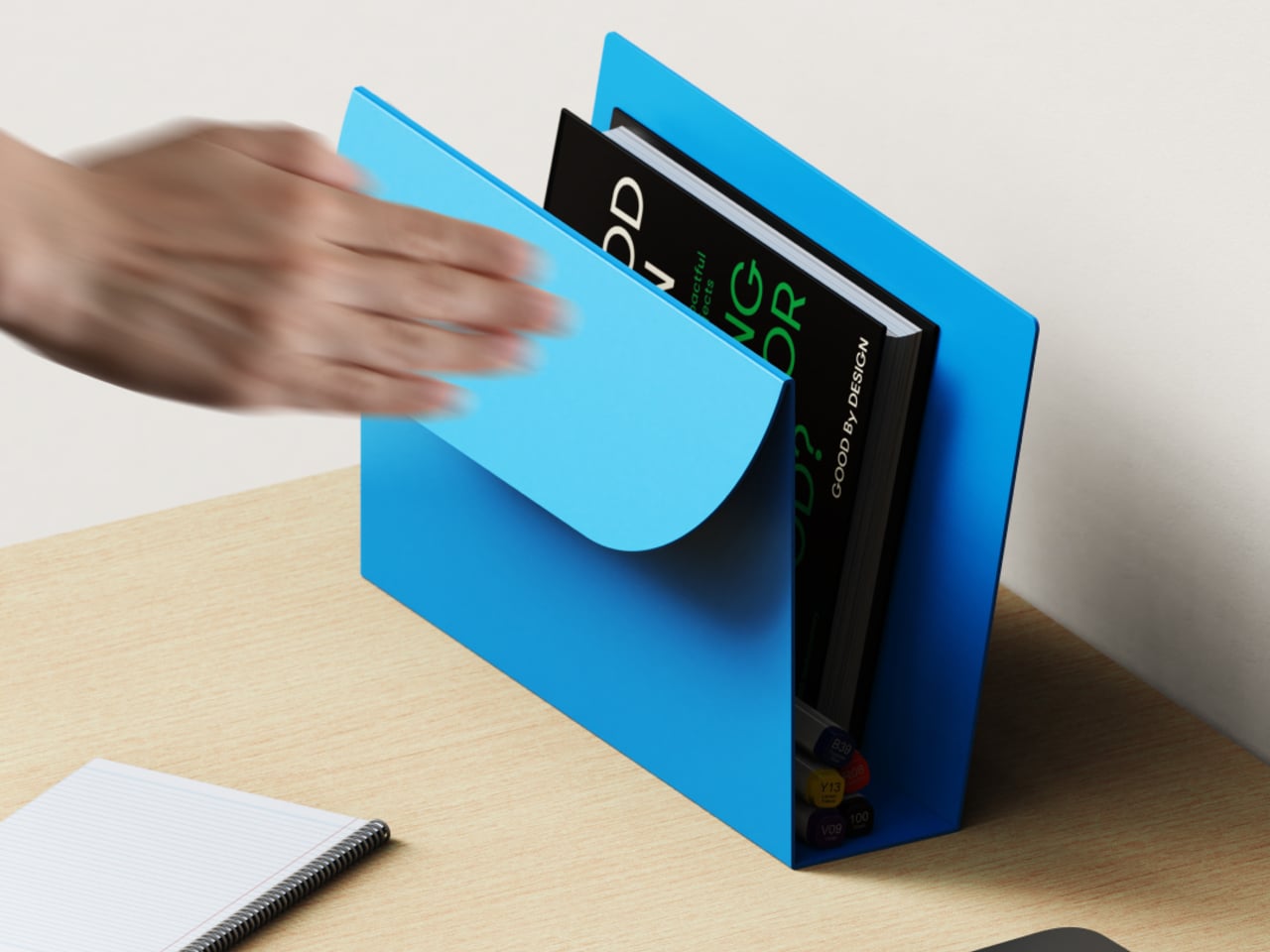
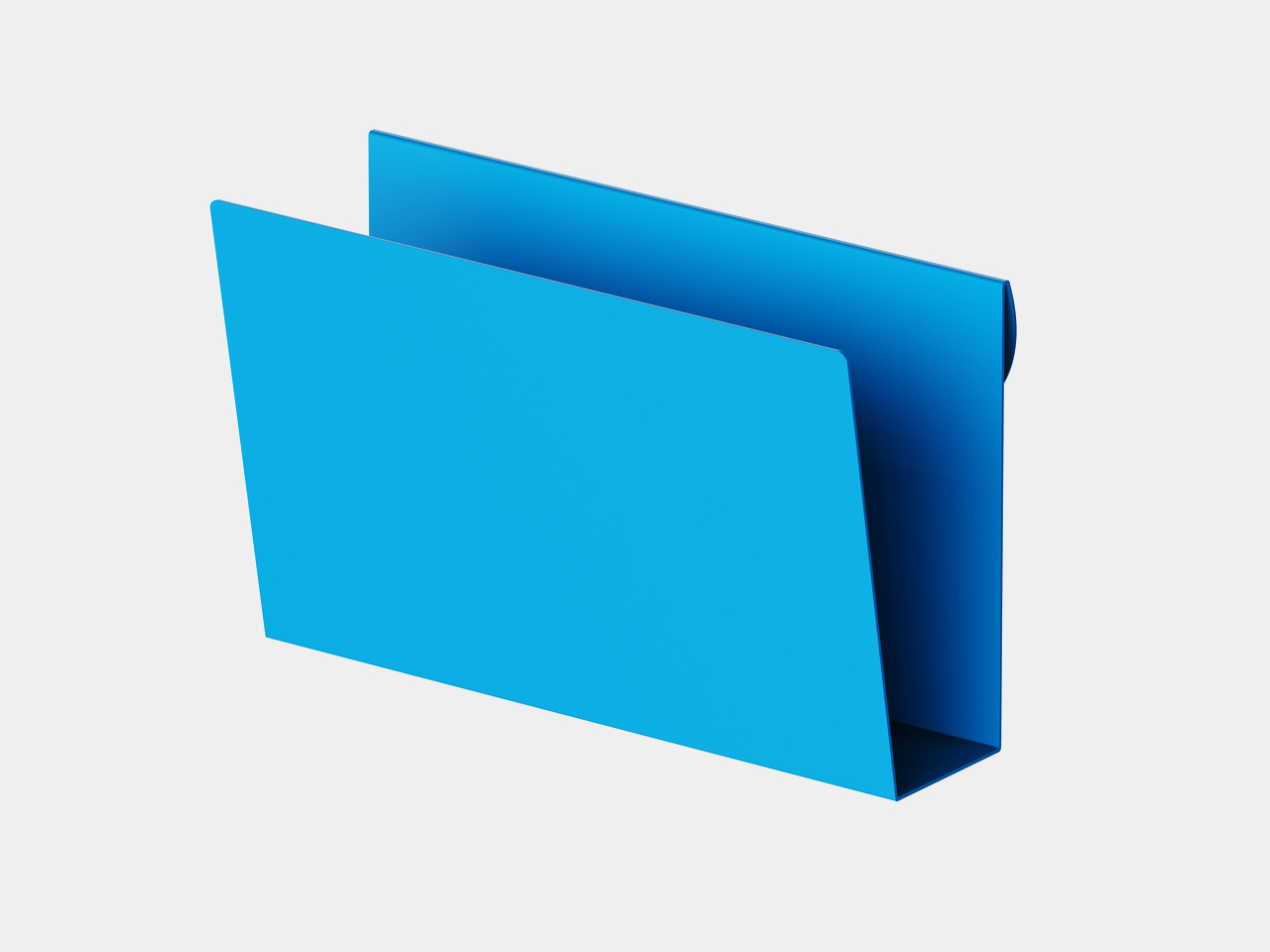
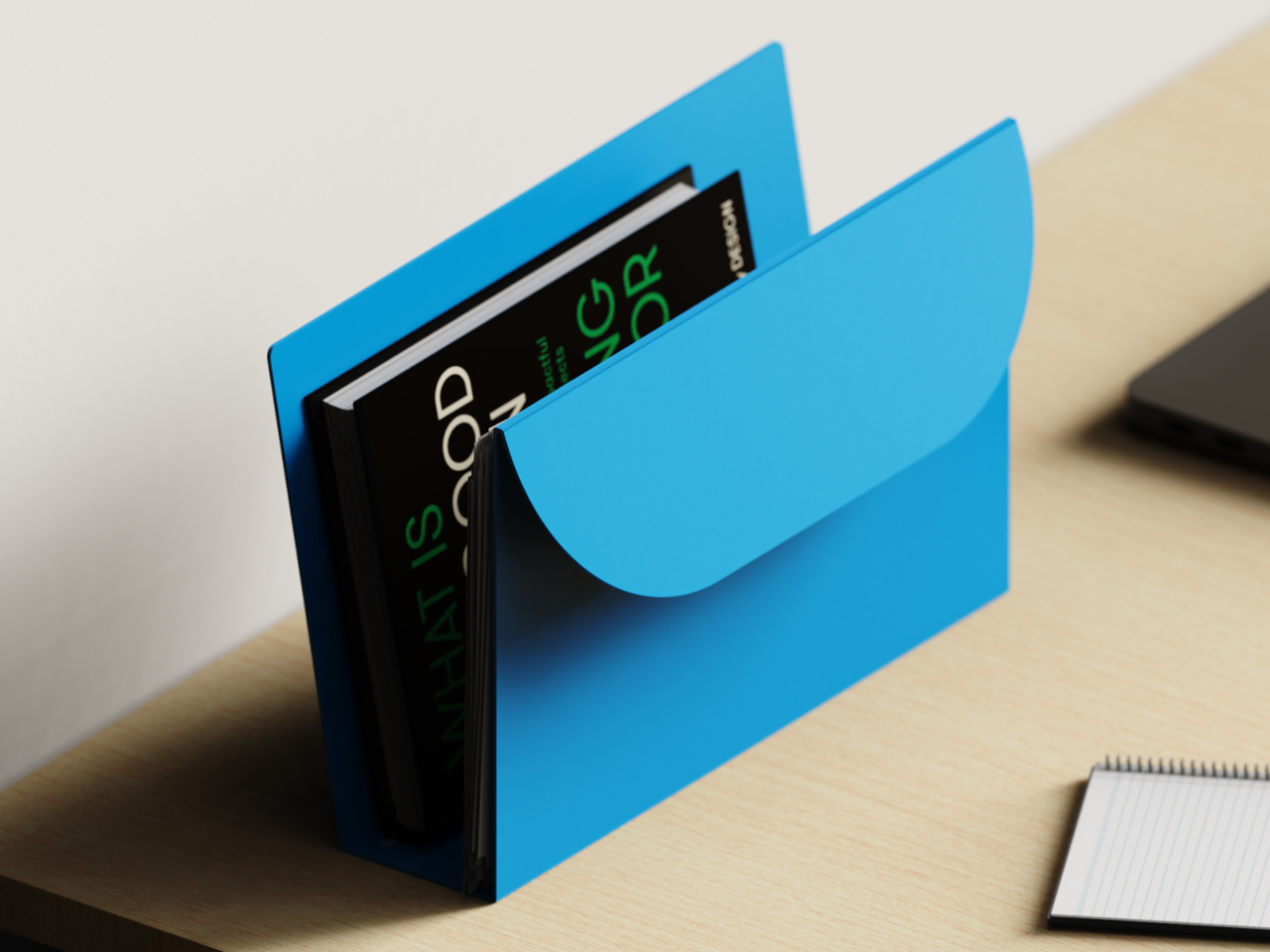
Tab is a desk organizer that rethinks the file through form, material, and use. It is made from a single folded sheet of metal, forming a self-standing sleeve that holds papers, books, sketches, and everyday tools in one continuous, open structure. Instead of zips, lids, or clasps, it borrows the logic of a folder but leaves everything accessible from the top and side, removing the need for hiding or closing.

Designer: Rithik Ravi

Sitting down to work with a few active projects, the current book, notebook, and reference prints slide into Tab, standing upright instead of spreading across the surface. When you switch tasks, you reach into the same place, pull out what you need, and drop it back when you are done. The organizer becomes a physical “now” stack that keeps the desk clear without burying anything in a drawer you will forget to check.

The open, continuous form changes behavior in small ways. Because there is no lid to open or box to slide out, grabbing a sketch or document feels as low-friction as picking something up off the table, which means you are more likely to put it back when you are done. The metal walls keep everything aligned and upright, so even a handful of items feels ordered rather than precarious.

The choice of a single folded metal sheet keeps the object visually quiet and structurally clear. There are no visible joints or added parts, just a few decisive bends that create the base, back, and front. The minimal geometry and solid color let it sit quietly on a desk, acting as a calm backdrop for whatever you place inside, rather than adding another fussy object to the mix.

Tab is not meant to swallow an entire archive. Its narrow footprint and single compartment work best when you treat it as a home for active work, not everything you own. Overfilling it would defeat the point, and people who need strict separation between projects might want more than one. But that constraint is also what keeps it from turning into another overstuffed in-tray that never gets emptied.

Tab turns a familiar storage object into a purposeful everyday design. By keeping active work visible and immediately accessible, it nudges you toward a simple rhythm of organizing, selecting, and returning without much thought. A single folded sheet of metal, shaped with the right intent, can do more for focus and clarity than a whole stack of labeled folders ever did, especially when those folders are closed and stacked somewhere you stopped looking six weeks ago.

The post Tab Keeps Papers Visible on Your Desk Instead of Buried in Folders first appeared on Yanko Design.
Geely Starray EM-i: UK Powertrain Details Confirmed

Geely Starray EM-i: UK Powertrain Details Confirmed

The Geely Starray EM-i Super Hybrid PHEV SUV is poised to redefine the hybrid vehicle market in the UK. By seamlessly integrating advanced electric and petrol technologies, this family-focused SUV offers a compelling combination of performance, efficiency, and sustainability. Designed to cater to the needs of modern drivers transitioning to greener transportation, the Starray EM-i […]

The post Geely Starray EM-i: UK Powertrain Details Confirmed appeared first on Geeky Gadgets.

Posted in Uncategorized

When Function Meets Whimsy: Grid Transforms the Umbrella Stand

There’s something delightful about a design that makes you reconsider the mundane. We walk past umbrella stands every day without giving them a second thought. They’re just there, practical and forgettable, tucked into corners doing their quiet work. But what if an umbrella stand could be more than a utilitarian afterthought? What if it could be playful, sculptural, and bold enough to earn a spot in your entryway not despite being an umbrella stand, but because of it?

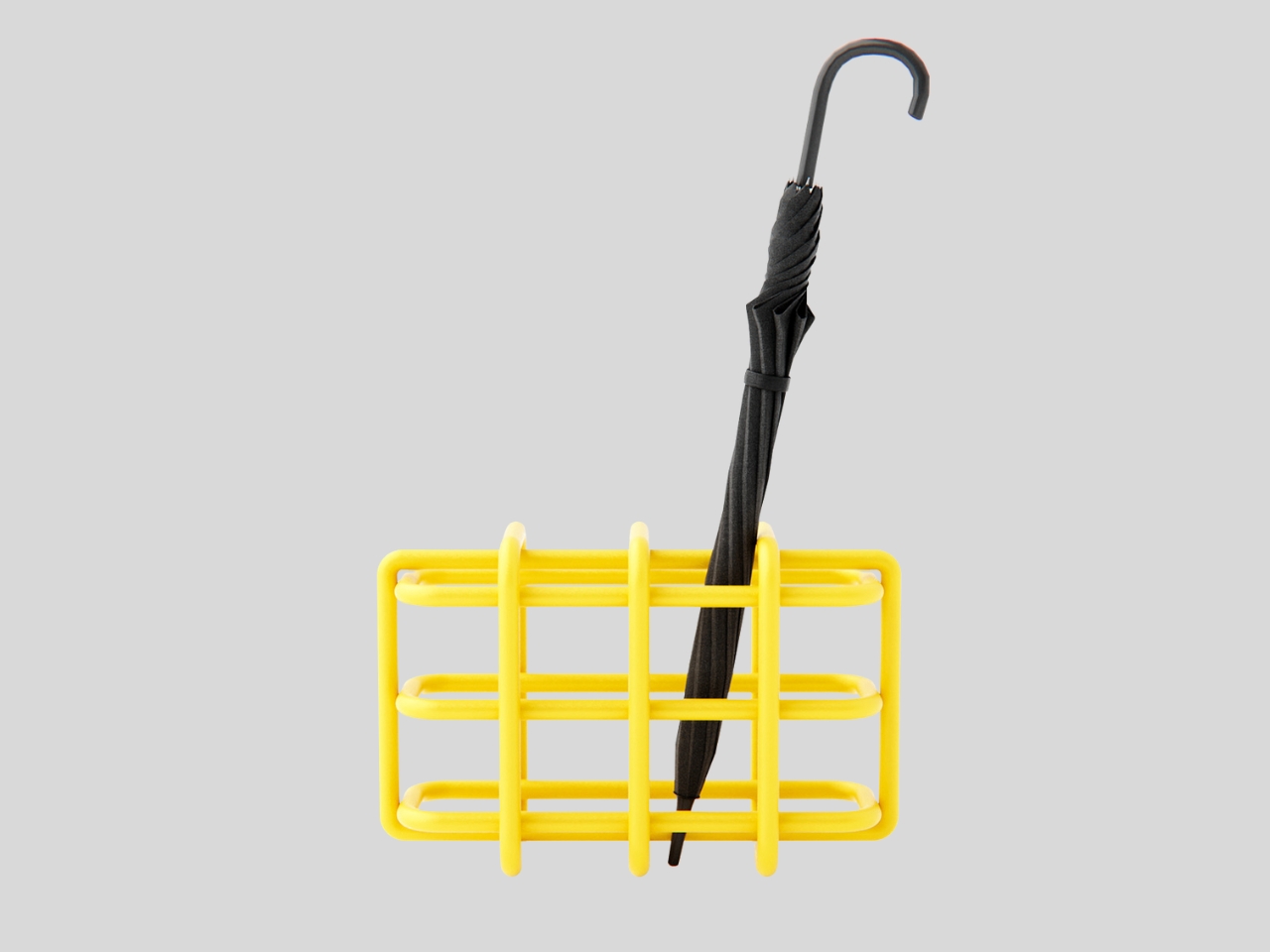
That’s exactly what Liam de la Bedoyere achieved with Grid, a minimalist umbrella stand that looks less like household furniture and more like a three-dimensional puzzle that escaped from a modern art gallery. The Essex-based industrial designer, who runs Bored Eye studio specializing in furniture and imaginative everyday objects, took inspiration from wine racks to create something that reimagines how we store our rain gear.

Designer: Liam de la Bedoyere

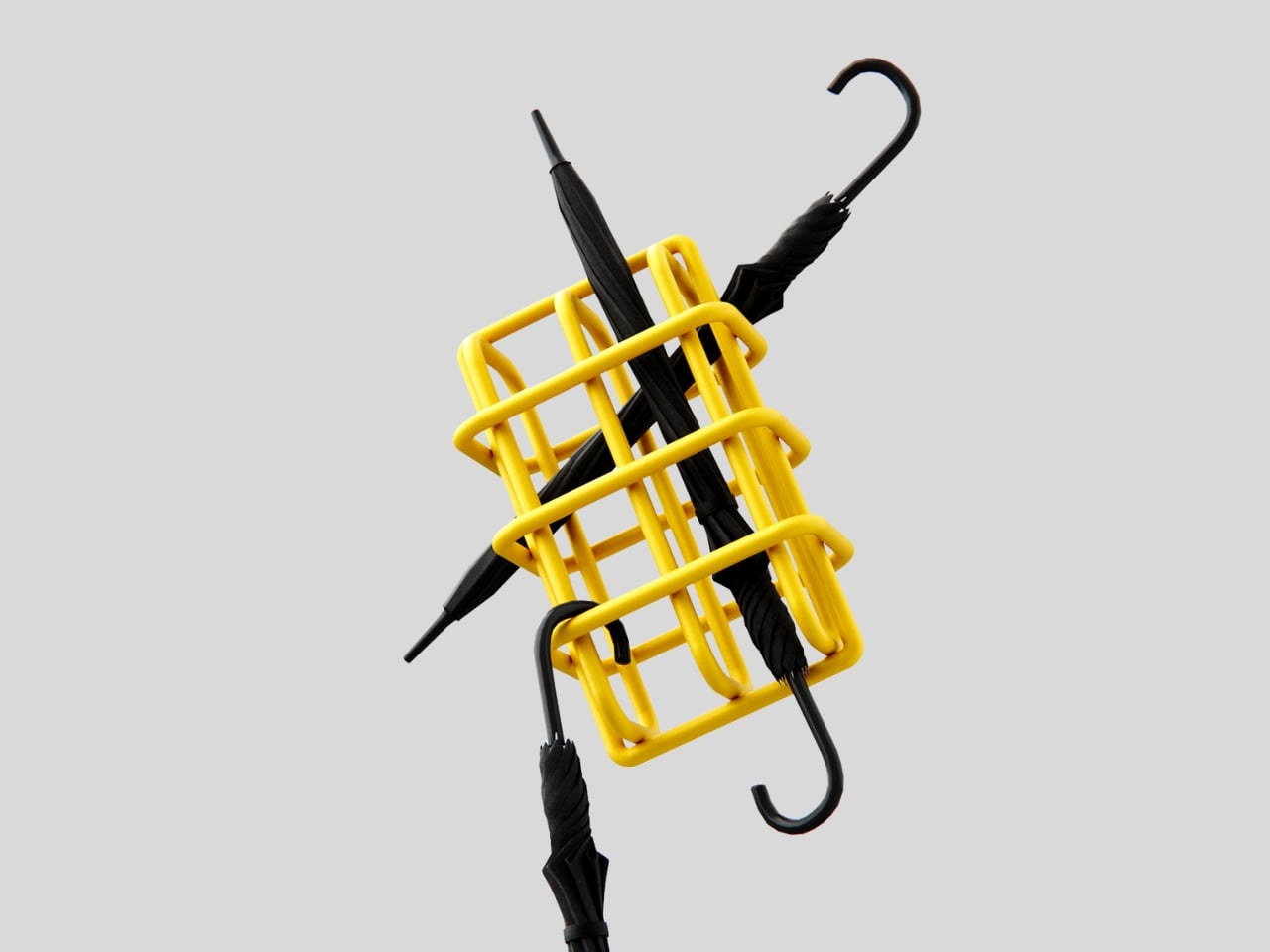
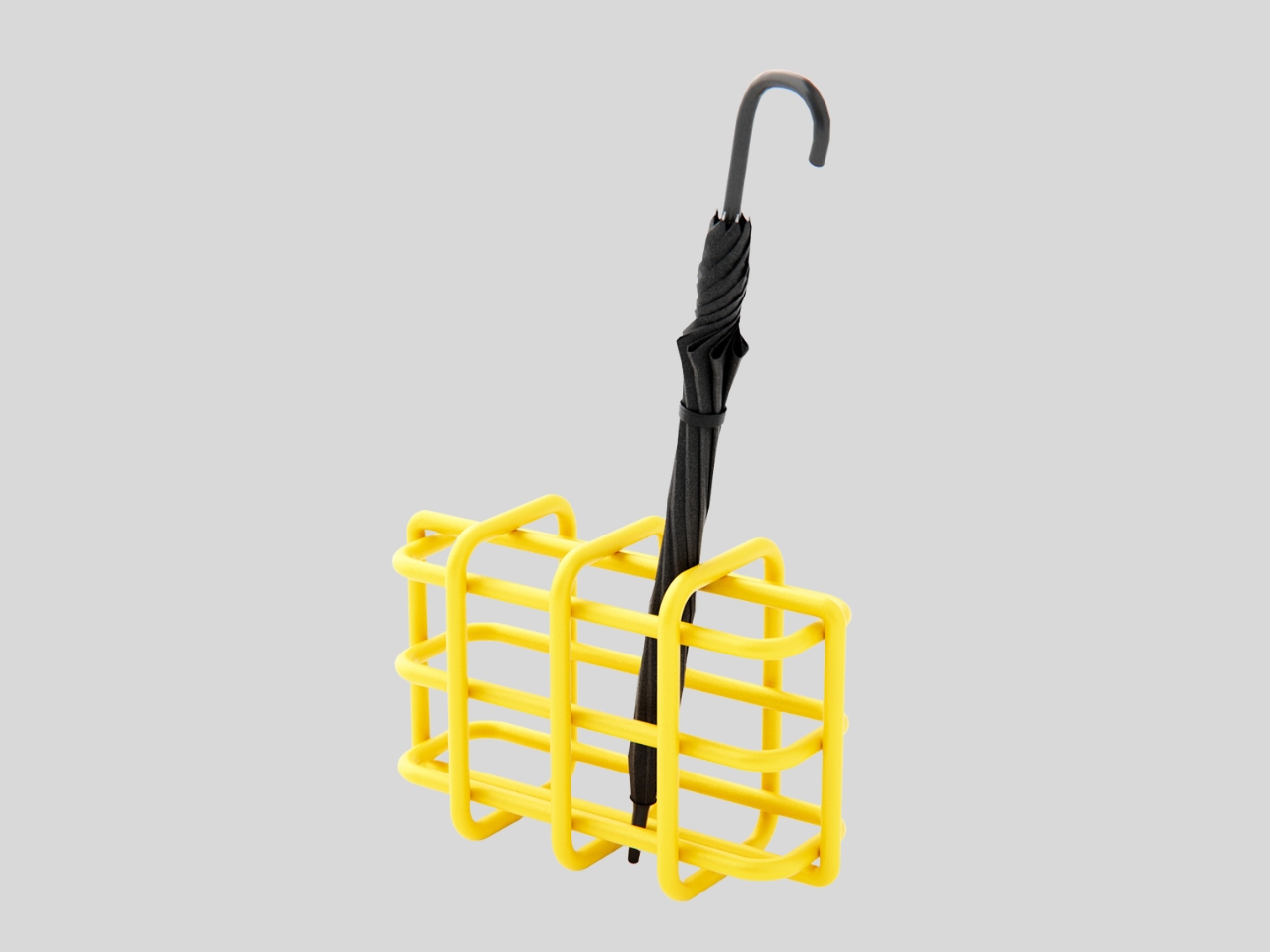
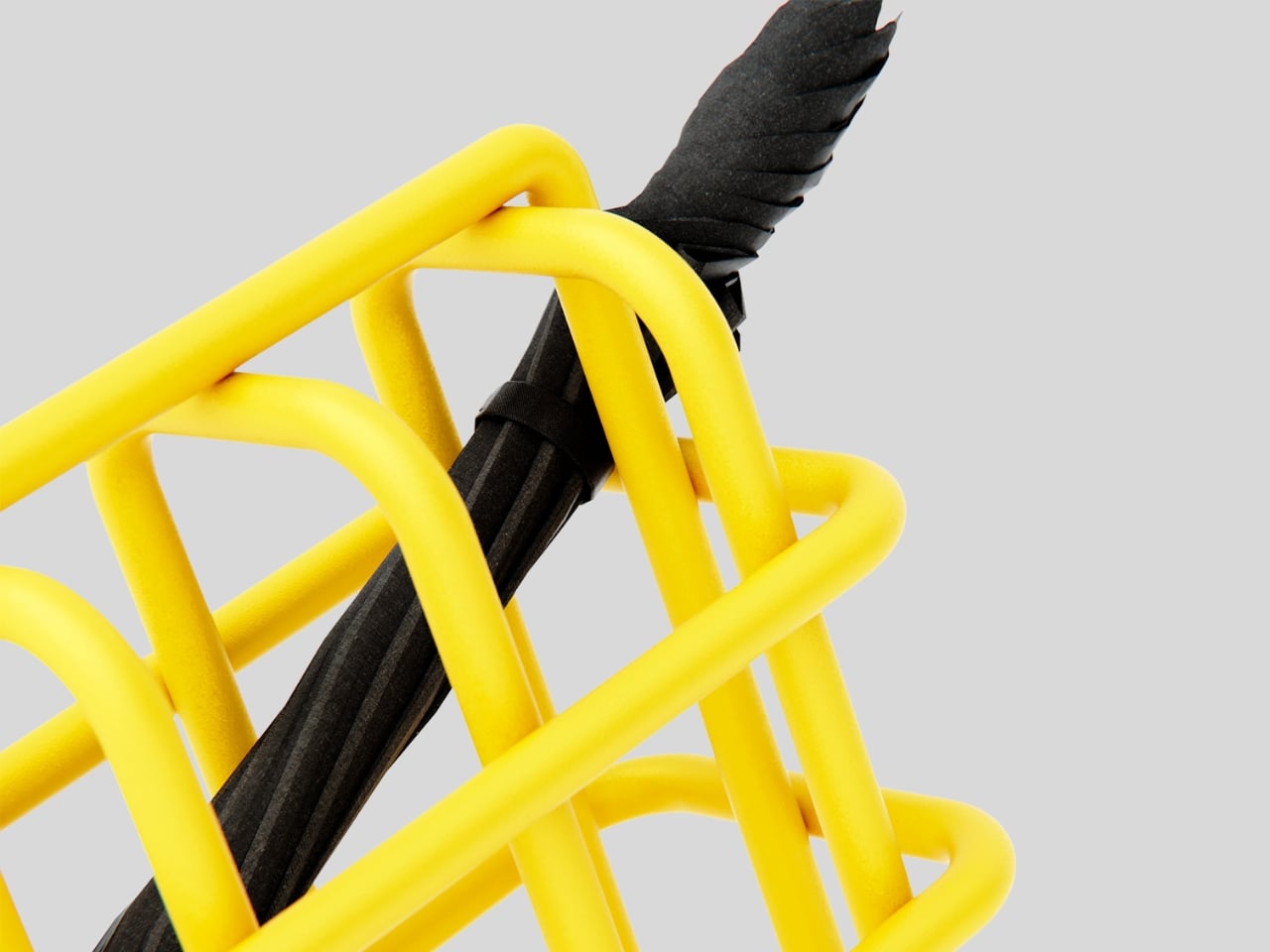
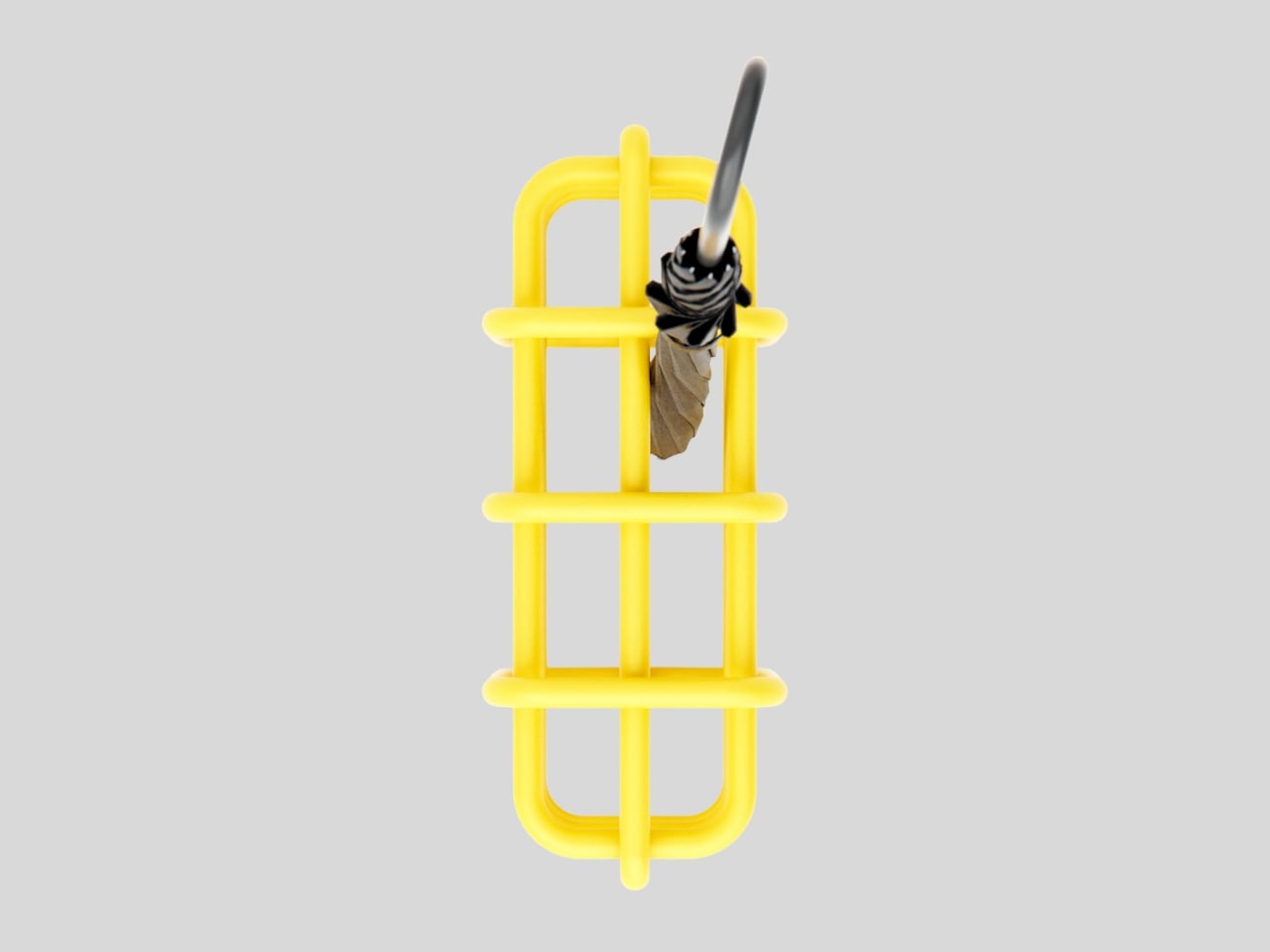
At first glance, Grid is pure visual joy. The bright yellow tubular frame weaves and loops through space, creating a geometric lattice that seems to defy its own simplicity. It’s the kind of object that makes you stop and trace the lines with your eyes, following how each rounded bar intersects and overlaps with the next. The design sits somewhere between functional sculpture and architectural model, compact enough for a small apartment yet striking enough to anchor a statement entryway.

The genius lies in how Grid holds umbrellas. Rather than forcing them into rigid slots or letting them jostle for space in a cylindrical container, this design cradles each umbrella at multiple points throughout the three-dimensional grid structure. You can slide an umbrella through at various angles, and the interwoven frame naturally supports it. The result is something unexpectedly organic: umbrellas become part of the composition, their handles and shafts creating new visual lines that play off the yellow framework.

According to the designer’s concept, Grid includes practical considerations that keep it from being merely decorative. The flat-pack construction means it arrives unassembled and space-efficient, while the powder-coated finish gives it durability and that eye-catching color depth. There’s a removable drip tray hidden at the base to catch water from wet umbrellas, solving the age-old problem of puddles forming on your floor. Even compact umbrellas get their moment, with a top peg designed specifically for them.

What makes Grid particularly appealing for design enthusiasts is how it exemplifies a broader movement in contemporary product design: the idea that everyday objects deserve creative consideration. We’re living in an era where people curate their living spaces more intentionally, where Instagram-worthy interiors have raised the bar for domestic aesthetics. Grid fits perfectly into this cultural moment, offering something that’s both genuinely useful and worth photographing.

The modularity adds another layer of interest. While the concept shows a singular yellow unit, you can imagine how multiple Grid stands might work together, creating larger installations that blur the line between storage and art installation. Picture an office lobby with several units in different colors, or a cafe entrance where the umbrella stand becomes a talking point rather than an eyesore.

There’s also something refreshing about seeing a designer tackle such an overlooked category. While the design world often focuses on chairs, lighting, and statement pieces, the humble umbrella stand rarely gets this kind of attention. De la Bedoyere’s approach suggests that no object is too ordinary to benefit from thoughtful design, that even the things we interact with for mere seconds can enhance our daily experience.

The post When Function Meets Whimsy: Grid Transforms the Umbrella Stand first appeared on Yanko Design.

Samsung’s New Galaxy S26 Ultra Accessory is Perfect… Except for One Thing

Samsung’s New Galaxy S26 Ultra Accessory is Perfect… Except for One Thing

The Samsung Galaxy S26 Ultra represents a significant step forward in smartphone technology, blending innovative features with practical design to meet the needs of a diverse audience. From the introduction of a magnetic power bank and a revamped Bixby AI assistant to advanced video recording capabilities and expanded color options, this flagship device aims to […]

The post Samsung’s New Galaxy S26 Ultra Accessory is Perfect… Except for One Thing appeared first on Geeky Gadgets.

Posted in Uncategorized

Malaysia lifts ban on Grok after taking X at its word

After being one of the first countries in the world to block Elon Musk’s Grok chatbot, Malaysia has now lifted its ban. Along with Indonesia, the country moved swiftly to temporarily halt access to X's frequently controversial AI chatbot earlier this month, after multiple reports emerged of it being used to generate deepfake sexualized images of people, including women and children.

At the time, the Malaysian Communications and Multimedia Commission (MCMC) said the restrictions would remain in place until X Corp and parent xAI could prove they had enforced the necessary safeguards against misuse of the above nature.

Malaysian authorities appear to be taking X at its word, after the MCMC released a statement confirming it was satisfied that Musk’s company has implemented the required safety measures. It added that the authorities will continue to monitor the social media platform, and that any further user safety breaches or violations of Malaysian laws would be dealt with firmly.

At the time of writing, only Malaysia and Indonesia have hit Grok with official bans, though UK regulator Ofcom opened a formal investigation into X under the country’s Online Safety Act, in the wake of the non-consensual sexual deepfake scandal. X has since changed its image-editing policies, and on January 14 the company said Grok will no longer allow "the editing of images of real people in revealing clothing such as bikinis."

Earlier this week, the UK-based non-profit, the Center for Countering Digital Hate (CCDH), estimated that in the 11-day period between December 29 and January 9, Grok generated approximately 3 million sexualized images, around 23,000 of which were of children.

This article originally appeared on Engadget at https://www.engadget.com/ai/malaysia-lifts-ban-on-grok-after-taking-x-at-its-word-144457468.html?src=rss

A Wireless Charger Shaped Like a Picnic Bag That Also Cleans Your Phone

Phones became both lifelines and germ magnets during the pandemic: the one thing you touched constantly but probably never cleaned properly. People started wiping screens with alcohol wipes or shirt sleeves, while juggling separate UV boxes and wireless chargers that never felt portable. The idea of a cleaner phone battling the reality of one more device to pack rarely worked out in daily practice.

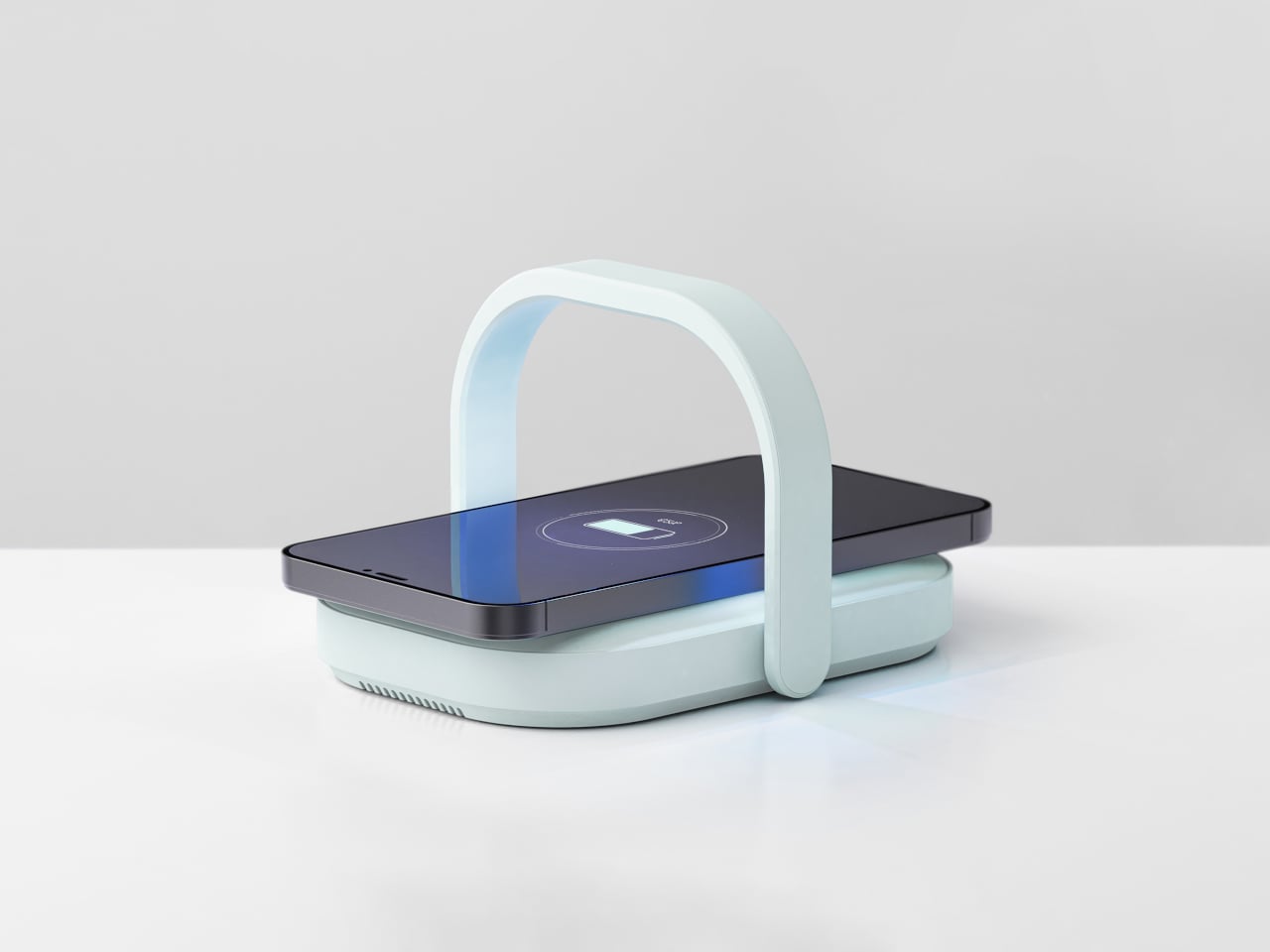
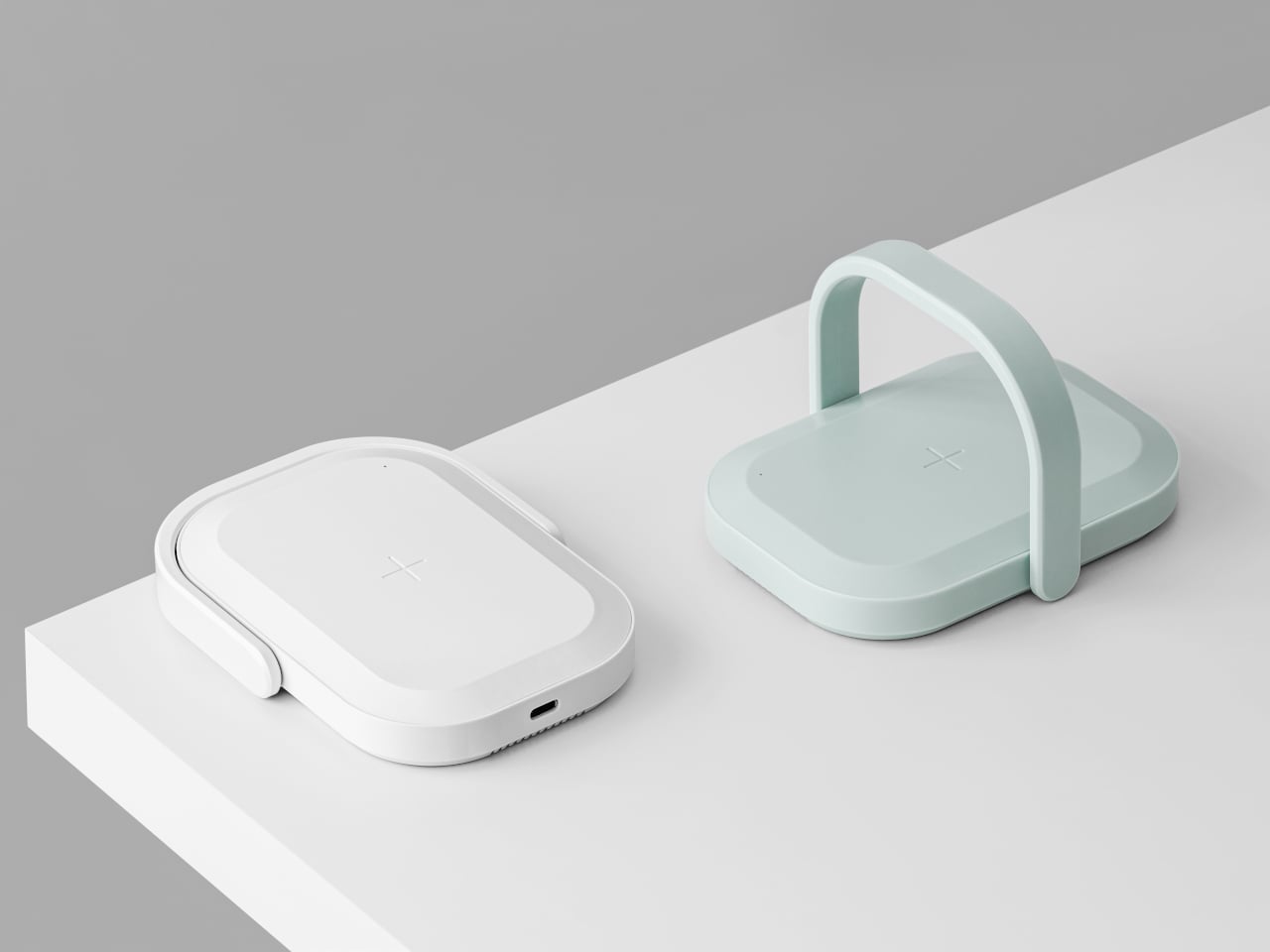
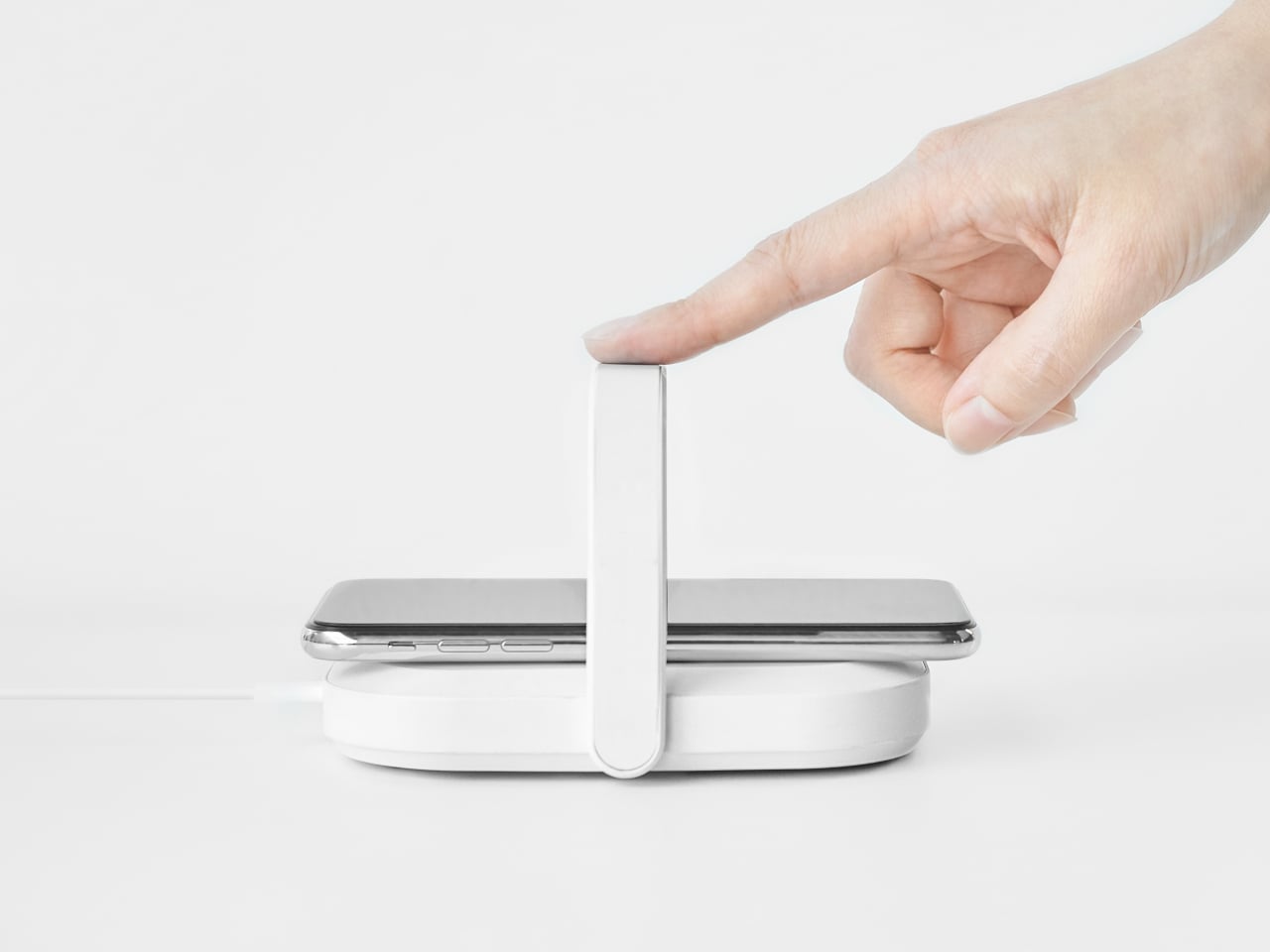
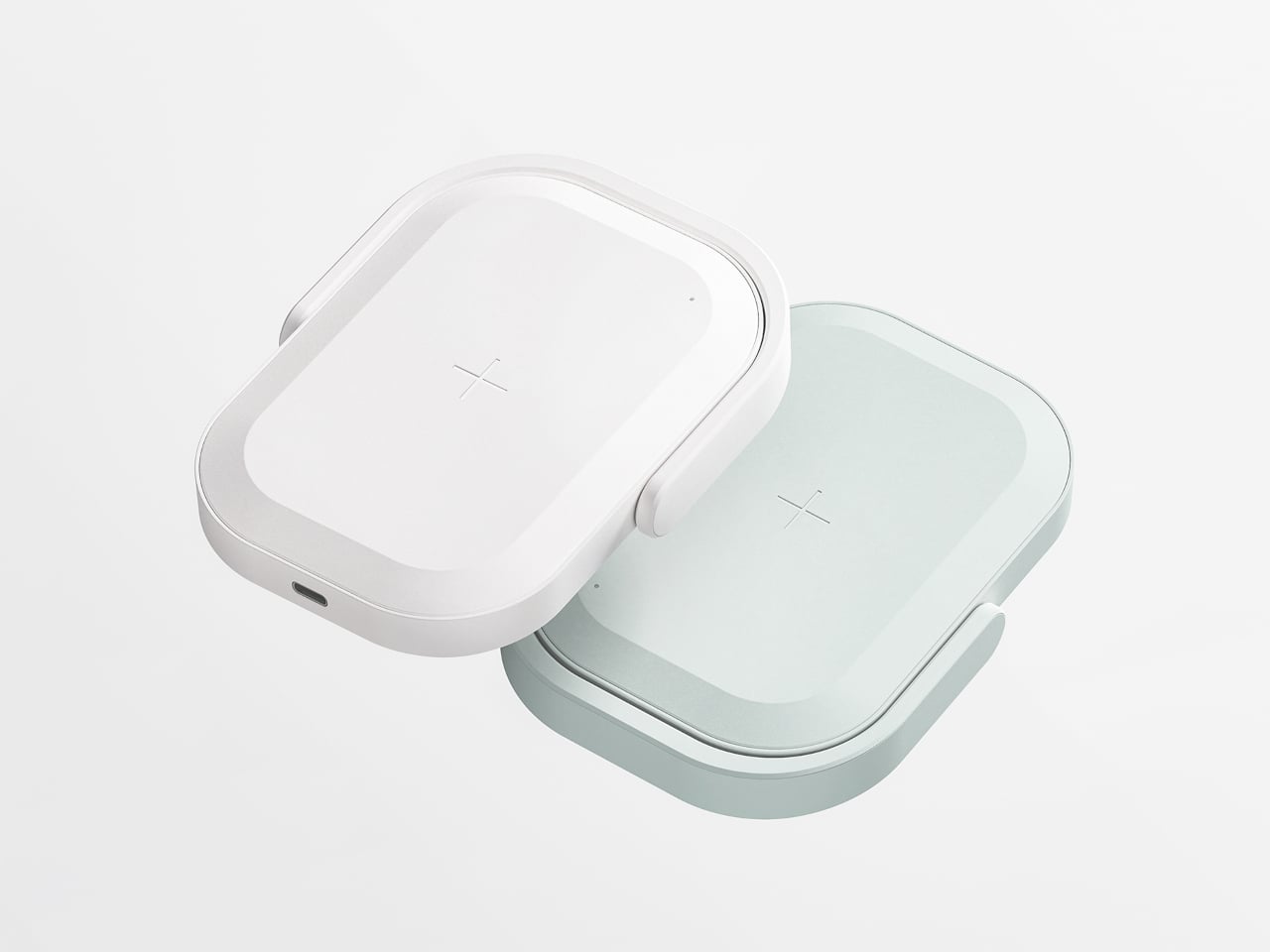
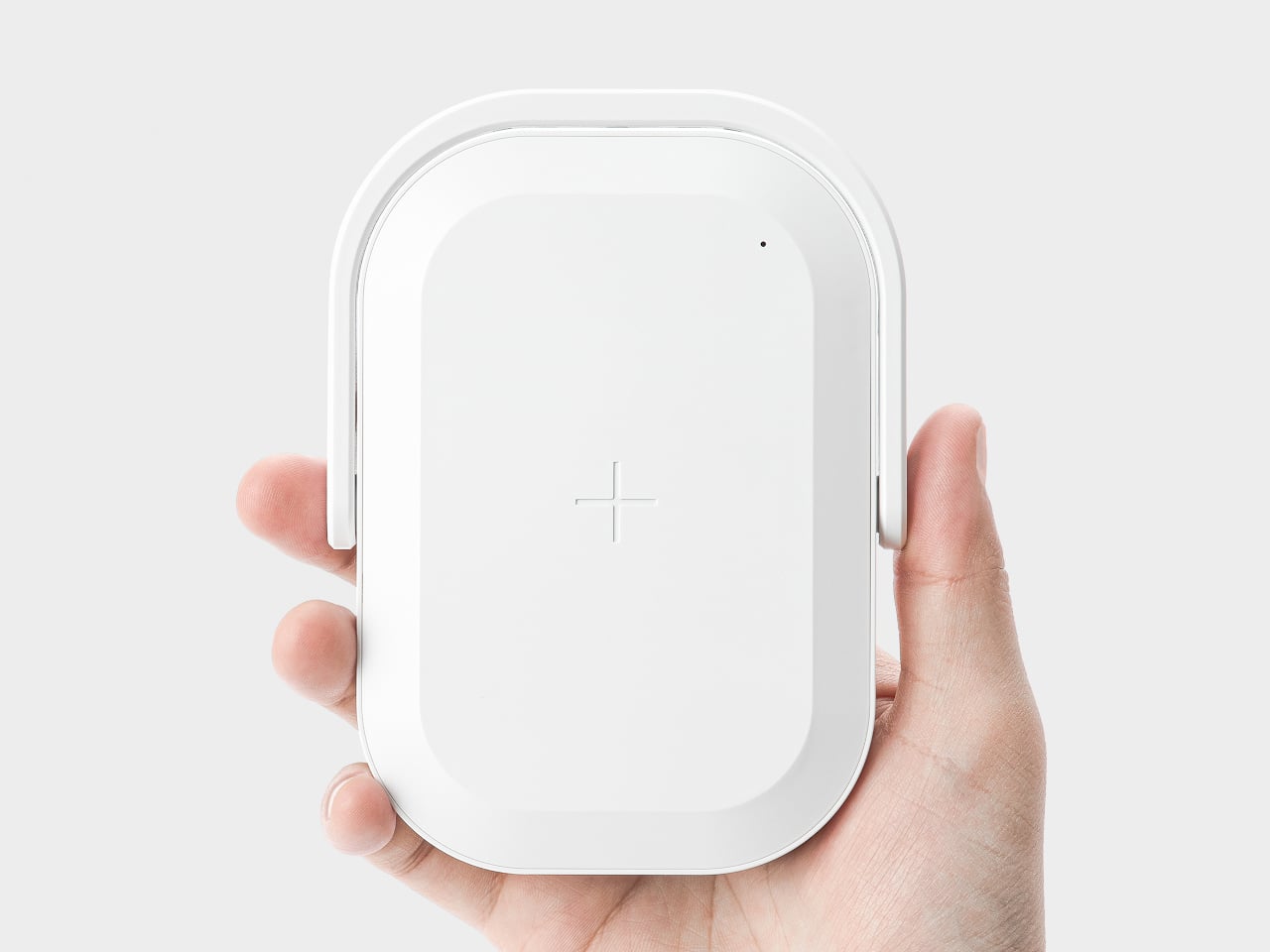
Picnic UV Charger merges those two needs, an extra battery and a cleaner phone, into one object. It is a wireless charger with a built-in UV sanitizer and a 10,000 mAh battery, shaped like a tiny picnic bag you can grab by the handle and drop into a tote or backpack. The compact body and soft colors keep it from looking like medical equipment parked on your desk.

Designer: SWNA Office

At a café with a questionably clean table, your battery is low, and you drop your phone onto the Picnic UV Charger instead of directly on the surface. You flip up the handle, which arches over the phone, and in about five minutes, the UV light has done its 99.9 percent sterilization pass while wireless charging quietly tops up the battery. Both tasks happen in a single gesture instead of requiring two separate gadgets.

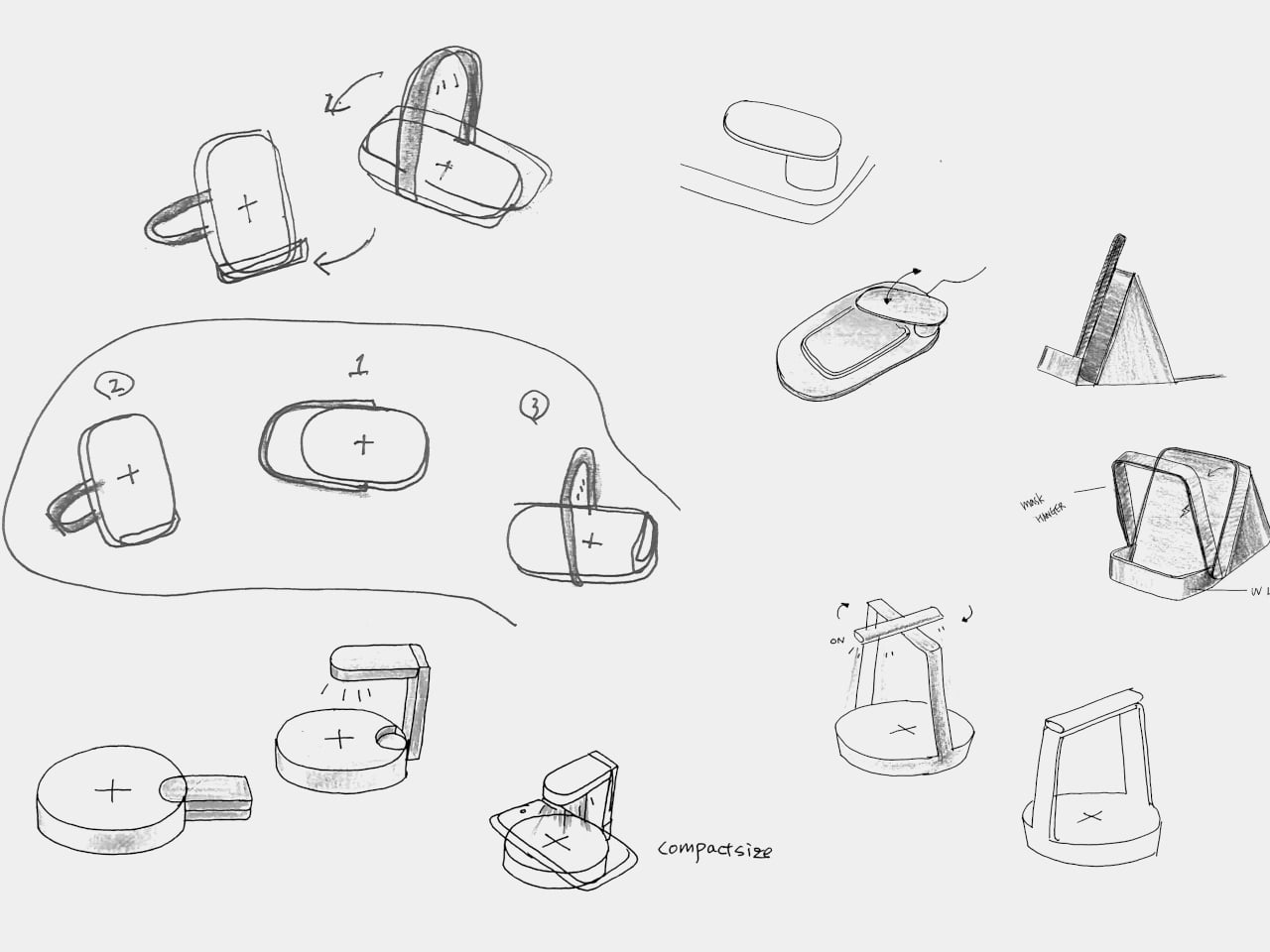
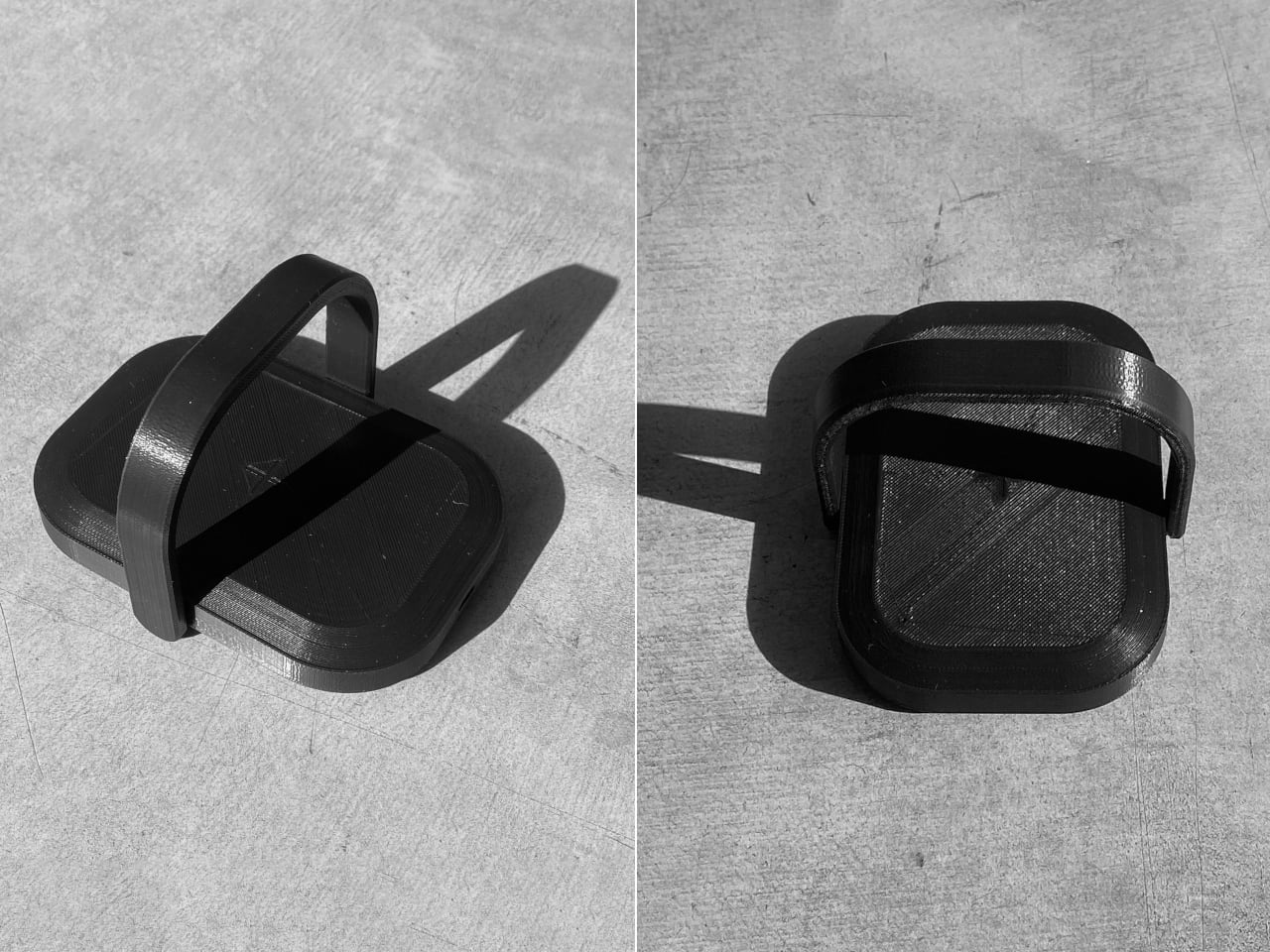
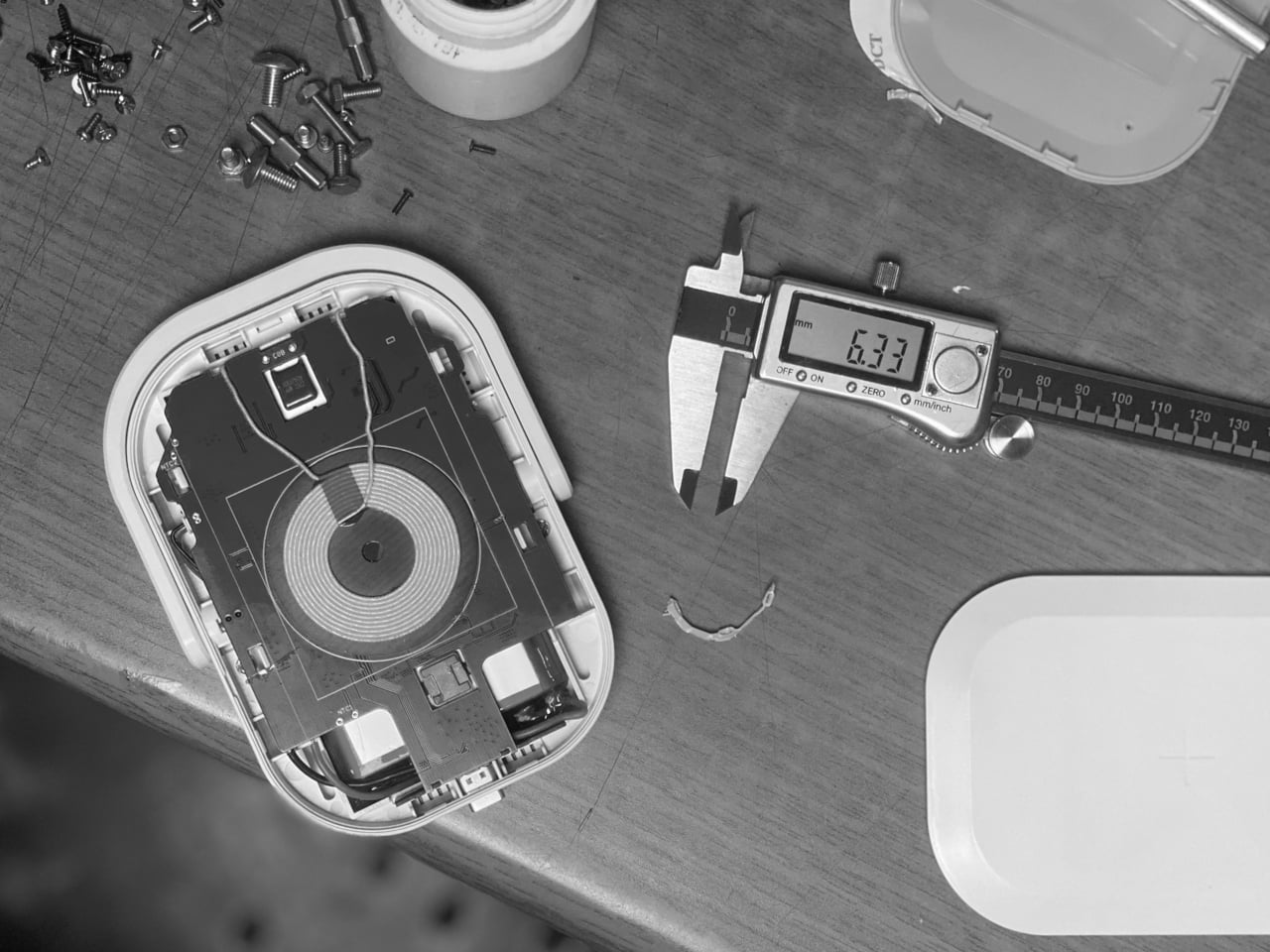
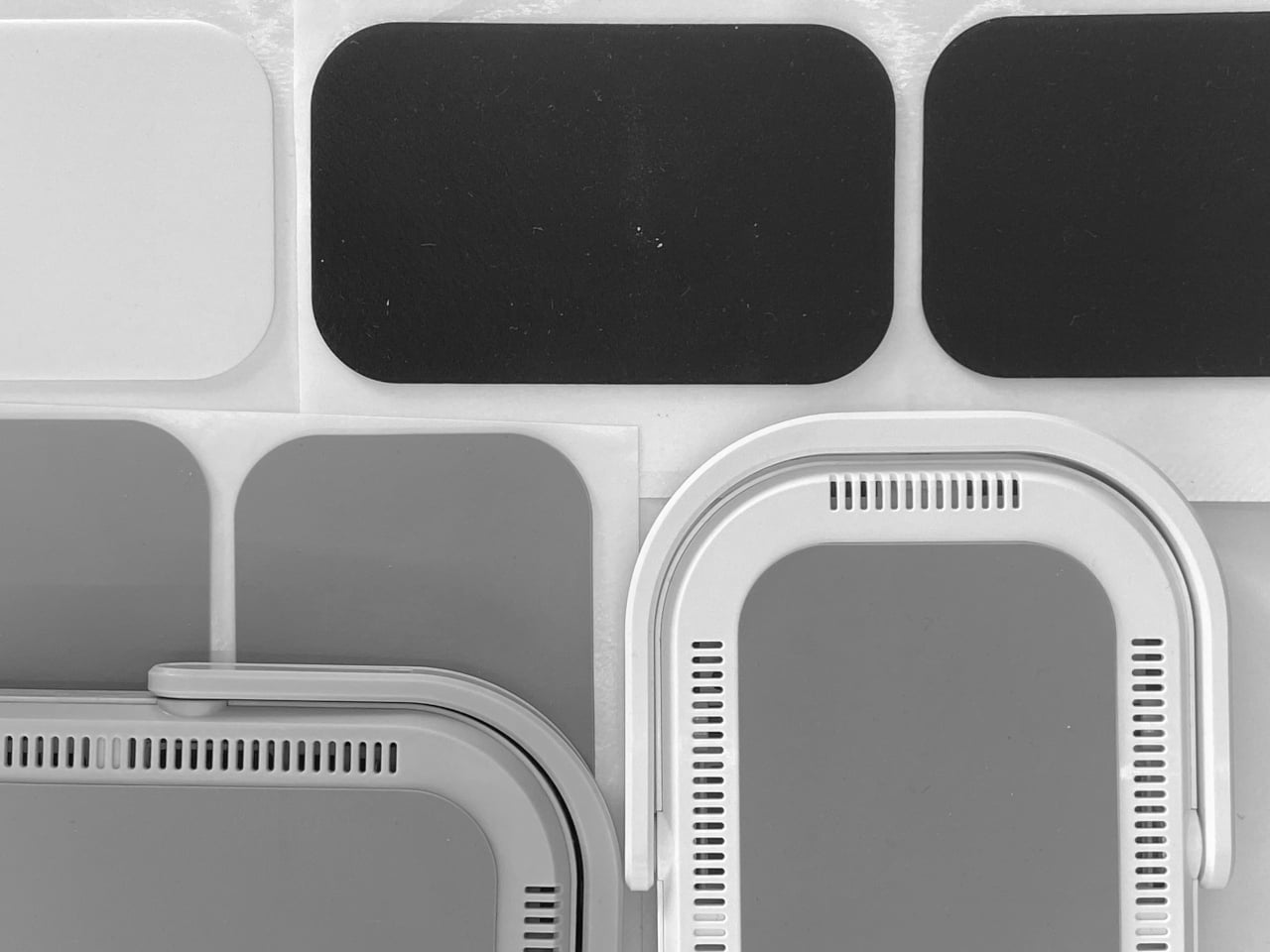
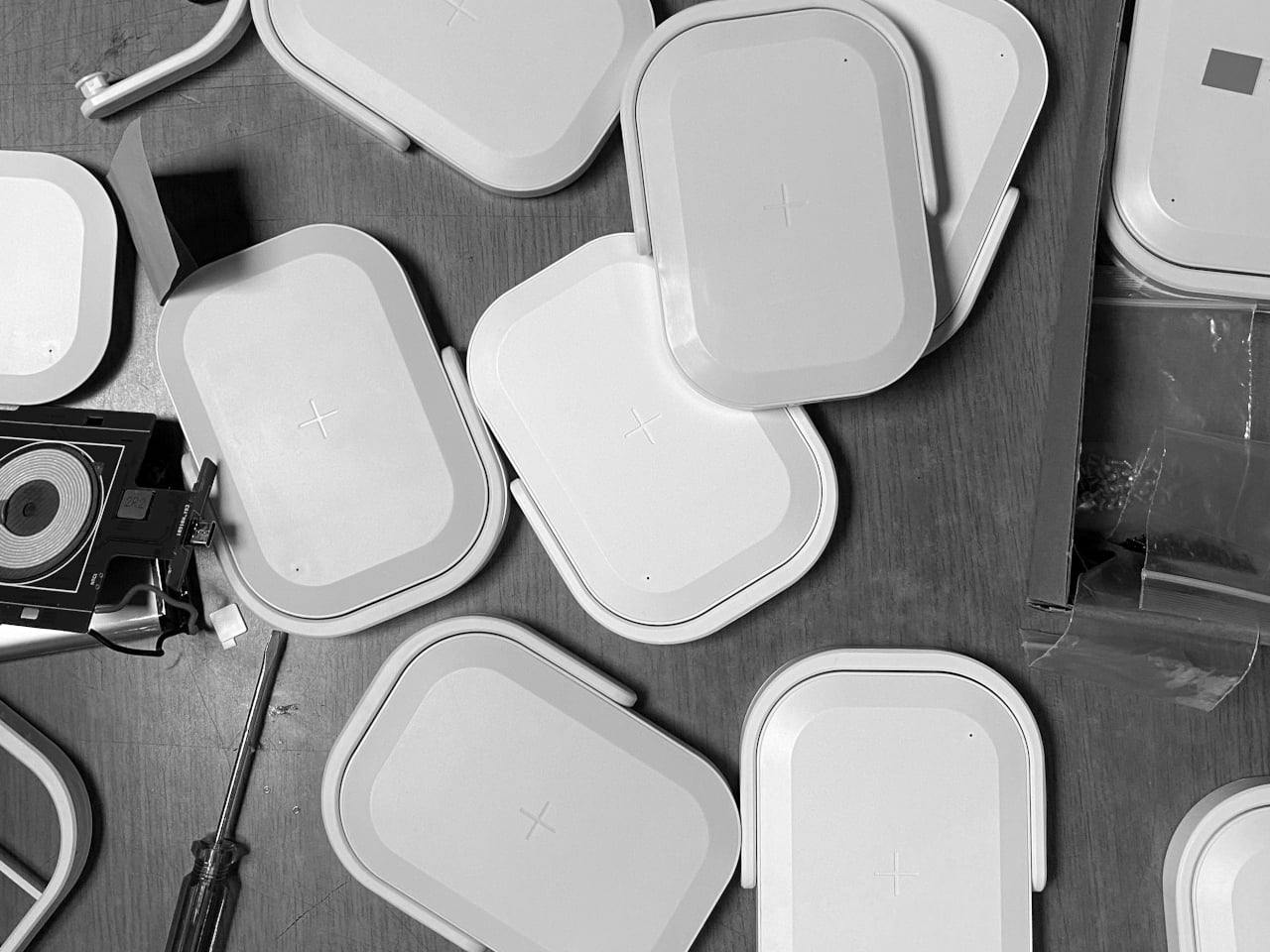
The handle does double duty: acting as a grip and carrying the UV LEDs. Its outline follows the shape of the body, so when folded down, it disappears into the silhouette, keeping everything compact and flat enough to slip into a bag. The form was prototyped with foam and paper to check scale, then refined with 3D printing to make sure the handle felt natural to raise and lower without snagging.

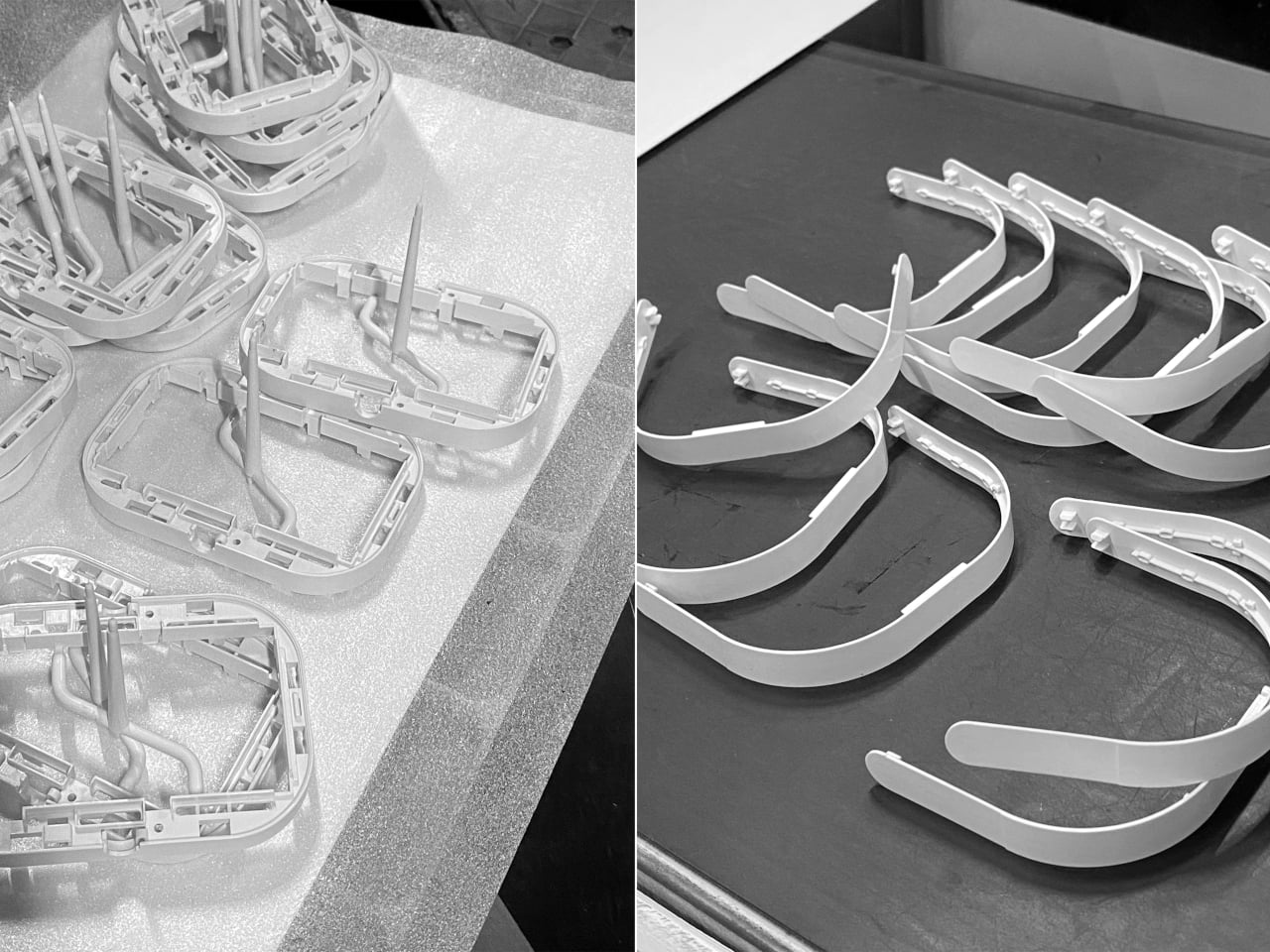
Working mock-ups were used to check battery heat and operation, which is important when combining a 10,000 mAh pack, wireless charging, and UV light in a small enclosure. The team iterated the molds several times to improve assembly and minimize breakage risk, suggesting attention to hinges, snaps, and internal ribs. It is the kind of work that makes a product feel trustworthy rather than fragile after a few uses.

The soft white and mint color options, rounded corners, and lunchbox-like proportions keep it from looking clinical. Even as Covid-era anxiety fades, a portable wireless charger that also sanitizes your phone still makes sense in crowded cities, shared offices, and travel. It turns a slightly uncomfortable task into something folded into a familiar ritual: place phone on charger, flip handle, walk away.

Picnic UV Charger treats hygiene as an add-on to something you already do, charging, instead of a separate chore. The handle, the compact body, and the dual function make it feel like a small, friendly object rather than a reminder of worst-case scenarios. A wireless power bank that also quietly cleans the screen you have been tapping all day turns out to be useful, especially when it fits into your bag without looking like you are carrying a sterilization station.

The post A Wireless Charger Shaped Like a Picnic Bag That Also Cleans Your Phone first appeared on Yanko Design.