How to Make SharePoint Data Load 7x Faster in Power Query

How to Make SharePoint Data Load 7x Faster in Power Query

What if I told you that a simple change could make your Power Query refresh from SharePoint up to 700% faster? If you’ve ever found yourself staring at a progress bar that refuses to budge, you’re not alone. In this overview, Excel Off The Grid explores how a common but often overlooked connector—`SharePoint.Files`—could be the […]

The post How to Make SharePoint Data Load 7x Faster in Power Query appeared first on Geeky Gadgets.

Posted in Uncategorized

iPhone 17e: The $499 Shocker Everyone Was Waiting For!

iPhone 17e: The $499 Shocker Everyone Was Waiting For!

Apple’s iPhone 17e, set to launch in early 2026, continues the company’s tradition of providing a cost-effective alternative within its smartphone lineup. As the successor to the iPhone 16e, this model introduces a series of practical enhancements while maintaining its affordability. With a starting price of $599 and anticipated discounts reducing it to $499, the […]

The post iPhone 17e: The $499 Shocker Everyone Was Waiting For! appeared first on Geeky Gadgets.

Posted in Uncategorized

Gemini 3.5 Tested : Shows Fast Deep Thinking, Builds Big Apps in a Single Prompt

Gemini 3.5 Tested : Shows Fast Deep Thinking, Builds Big Apps in a Single Prompt

What if a single AI model could write an entire application, compose a symphony, and design a cyberpunk robot, all in one go? Universe of AI breaks down how Google’s new Gemini 3.5 AI model, codenamed “Snow Bunny,” is pushing the boundaries of artificial intelligence with its ability to generate up to 3,000 lines of […]

The post Gemini 3.5 Tested : Shows Fast Deep Thinking, Builds Big Apps in a Single Prompt appeared first on Geeky Gadgets.

Posted in Uncategorized

iPhone Air Pros and Cons: Is It the Right Smartphone for You?

iPhone Air Pros and Cons: Is It the Right Smartphone for You?

The iPhone Air, Apple’s latest lightweight smartphone, has now been in the hands of users for 100 days. Designed to prioritize portability and aesthetic appeal, it delivers a sleek and refined experience. However, this focus on design comes with certain trade-offs that may not suit every user. While casual users may find its lightweight build […]

The post iPhone Air Pros and Cons: Is It the Right Smartphone for You? appeared first on Geeky Gadgets.

Posted in Uncategorized

Valve’s New Steam Controller Puts Comfort and Precision Control First

Valve’s New Steam Controller Puts Comfort and Precision Control First

What if one controller could truly do it all? Explore how Valve’s new Steam Controller is poised to redefine gaming hardware with a bold promise: universal compatibility across all Steam-supported platforms. Imagine seamlessly switching from your PC to a Steam Deck without missing a beat, all while enjoying a design that feels both familiar and […]

The post Valve’s New Steam Controller Puts Comfort and Precision Control First appeared first on Geeky Gadgets.

Posted in Uncategorized

Apple’s Secret iPhone 18 Pro Design: Why the Dynamic Island Isn’t Dead

Apple’s Secret iPhone 18 Pro Design: Why the Dynamic Island Isn’t Dead

The iPhone 18 Pro represents a significant step forward in Apple’s ongoing commitment to blending innovative technology with thoughtful design. While some rumors suggested radical changes, Apple has chosen a path of refinement, focusing on subtle yet impactful updates that enhance both functionality and user experience. Among the most notable advancements are a smaller Dynamic […]

The post Apple’s Secret iPhone 18 Pro Design: Why the Dynamic Island Isn’t Dead appeared first on Geeky Gadgets.

Posted in Uncategorized

This 6‑in‑1 wireless HDMI hub with 100W PD will practically replace every dongle in your bag

Your laptop gets thinner every year and your tablet ditches another port with each refresh. Meanwhile, the actual work you do requires more connectivity than ever. Photographers need fast SD card access during client reviews. Presenters need a clicker and a thumb drive while streaming to the big screen. Educators move between rooms with different projectors and zero time to fumble with settings. The gap between sleek hardware and messy reality keeps widening.

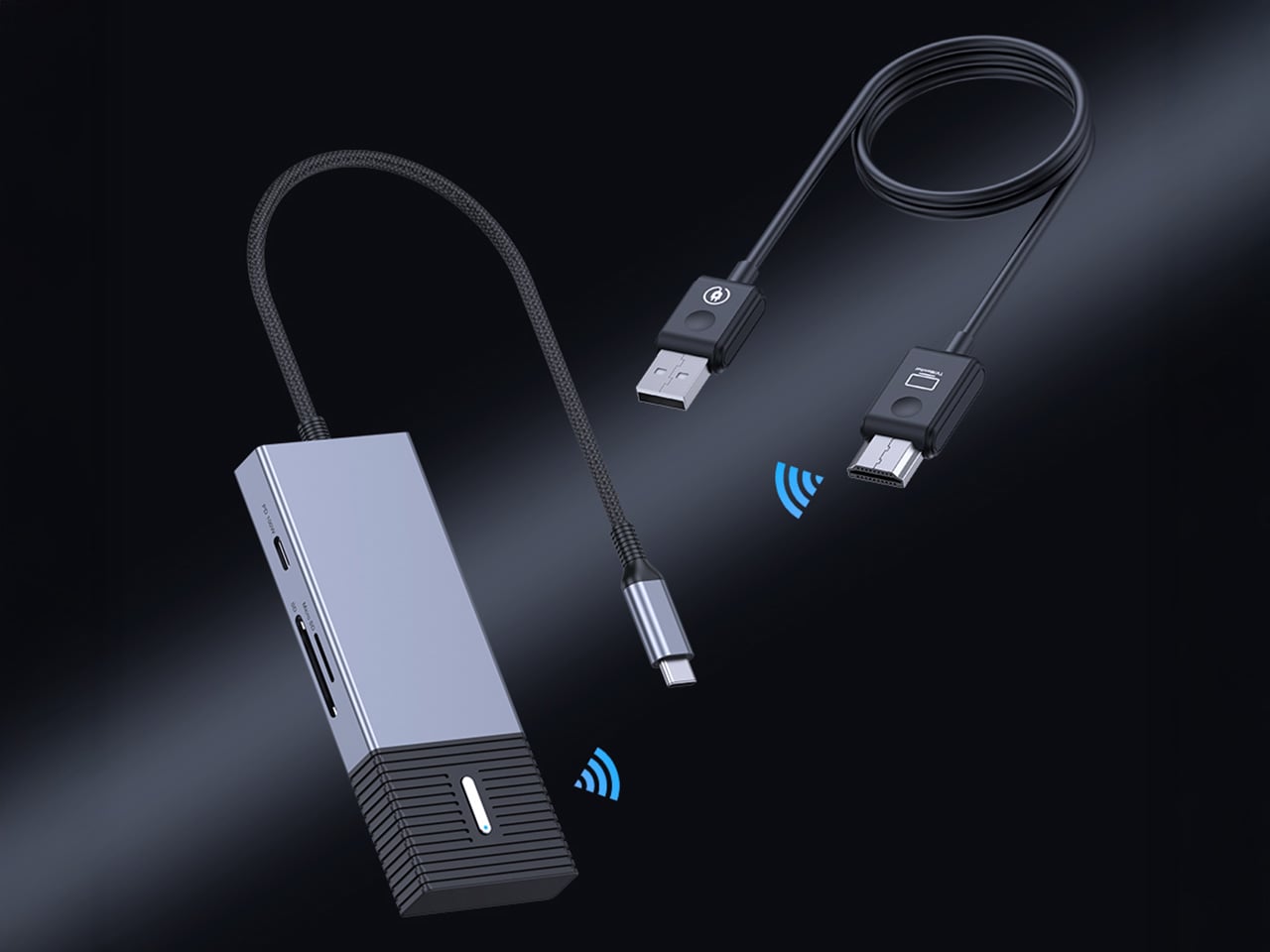
4URPC built the Gen 3 to close that gap entirely. The system pairs a plug-and-play wireless HDMI link with a genuinely useful hub, all in a single piece of kit. Plug the USB-C transmitter into your device and the HDMI receiver into any display. You get wireless 1080p 60Hz video in 0.02 seconds, plus immediate access to SD/TF cards, three high-speed USB ports, and 100W power delivery. No apps, no network dependency, no compromise. Just the screen and the tools you actually need, working together the way they should.

Designer: 4URPC

Click Here to Buy Now: $99 $198 (50% off). Hurry, only 132/500 left! Raised $50,000.

You can see the direct line from user feedback to this design. Their Gen 2 was a solid wireless 4K transmitter, but it was a single-purpose tool. People clearly pointed out that the moment they went wireless, their other ports were still occupied by hubs for storage, peripherals, and power. 4URPC took that to heart, building the new SP06 model around a complete workflow. They collapsed the entire dongle ecosystem into the transmitter itself, which is a far more practical solution for anyone working outside of a fixed desk setup.

The integrated hub is built with professional-grade specs. We are looking at two 10Gbps USB-A ports and a 10Gbps USB-C data port, which provides plenty of speed for fast external SSDs or multi-channel audio interfaces. The SD and TF card slots run at a respectable 5Gbps, fast enough for offloading photos and video without a huge bottleneck. Critically, the 100W USB-C power delivery input means you can run all of this connectivity and still keep a MacBook Pro or a powerful Windows laptop fully charged through a single connection.

All that local I/O becomes even more useful in a collaborative setting. A single HDMI receiver can pair with up to eight different transmitter hubs, completely changing the dynamic in a meeting room. Instead of passing a cable around or fighting with clunky software casting, each person can switch to become the active presenter with a button press. The 0.02-second switching time they claim makes the handoff nearly instant. This hardware-based approach sidesteps the need for everyone to be on the same Wi-Fi network or have specific apps installed, which is a constant headache in corporate or guest environments.

Packing a dual-band Wi-Fi module, a high-speed USB controller, and a PD circuit into one chassis generates serious heat, so the move to an aluminum alloy casing is a practical necessity. The metal body functions as a heat-sink, which should lead to more stable performance during long sessions where you are pushing 1080p video and transferring data simultaneously.

Super early backers can snag the complete system for $99, which includes the wireless transmitter/hub unit, the HDMI receiver, and the necessary cables. That is a 50% discount off the planned $198 retail price, limited to the first 500 backers. After that, early bird pricing sits at $109, and there are multi-pack options if you want to outfit an entire team or multiple rooms. The 4URPC G3 ships globally, starting April 2026.

Click Here to Buy Now: $99 $198 (50% off). Hurry, only 132/500 left! Raised $50,000.

The post This 6‑in‑1 wireless HDMI hub with 100W PD will practically replace every dongle in your bag first appeared on Yanko Design.

This Kevlar Medical Brace Folds Flat Like Origami and Might Finally Kill the Plaster Cast

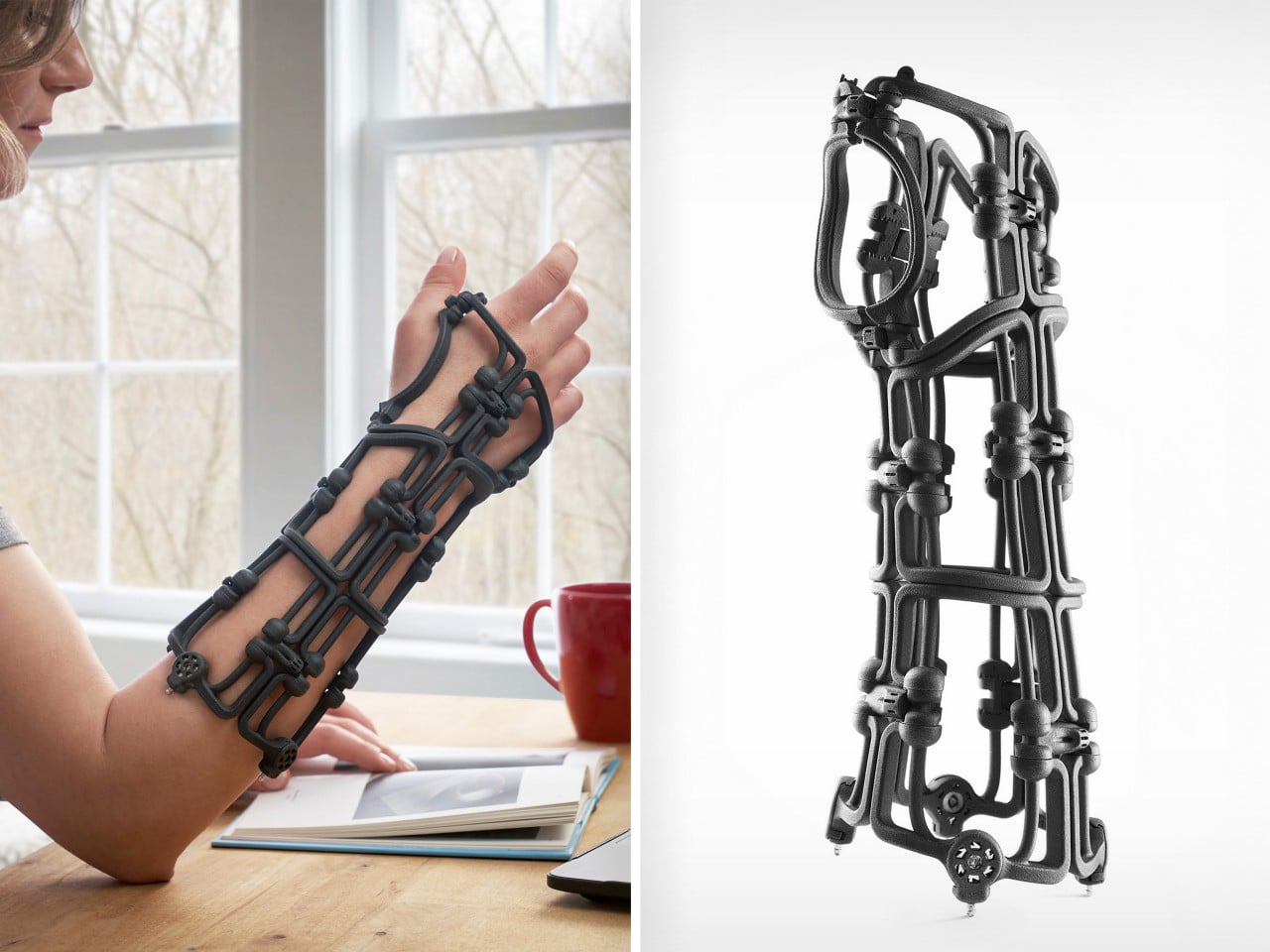
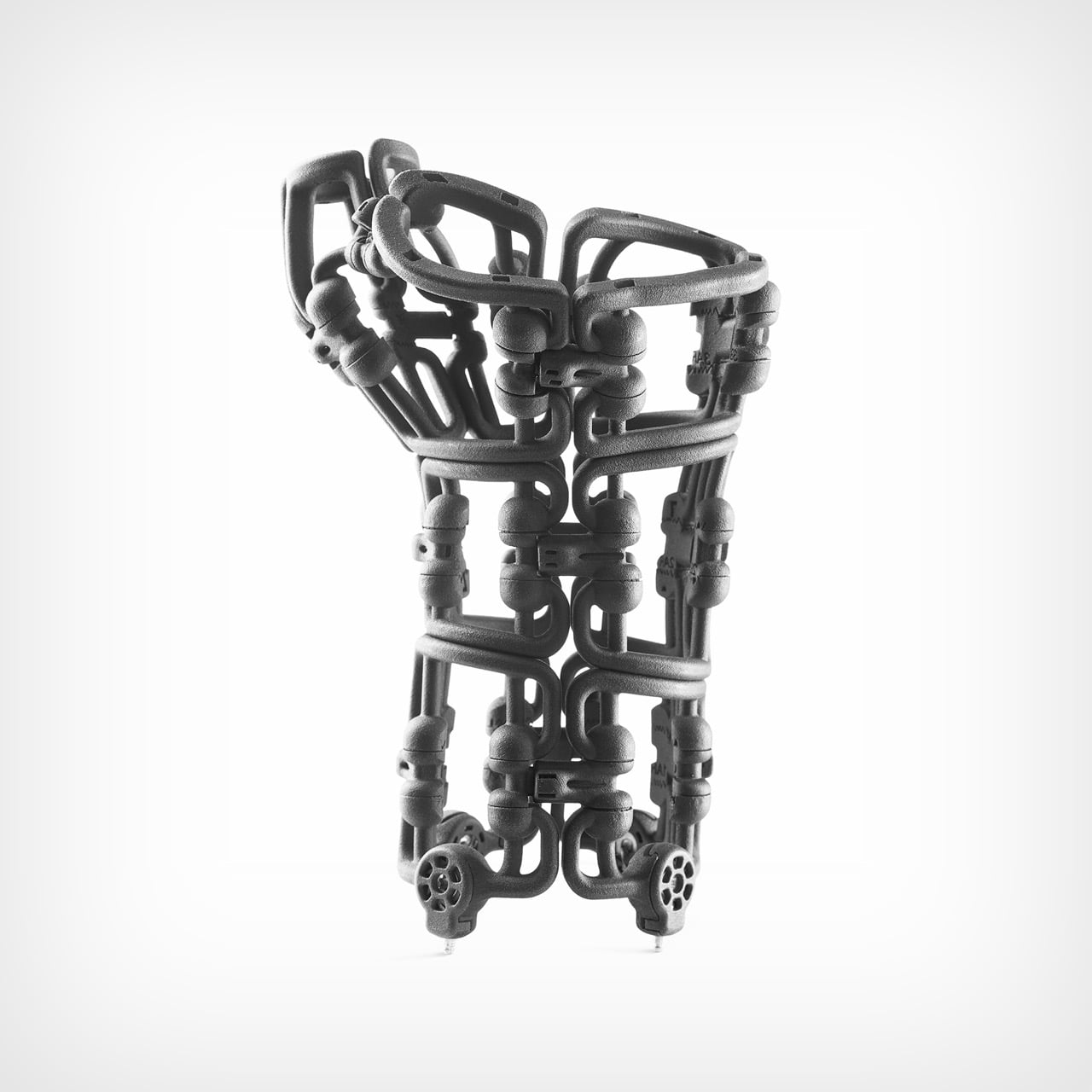
What do Swiss timepieces and sailing rigging systems have in common with orthopedic braces? More than you might think. The engineers at Osteoid drew inspiration from these precision mechanical systems to create Bracesys, a revolutionary approach to fracture immobilization that challenges everything we thought we knew about medical casts.

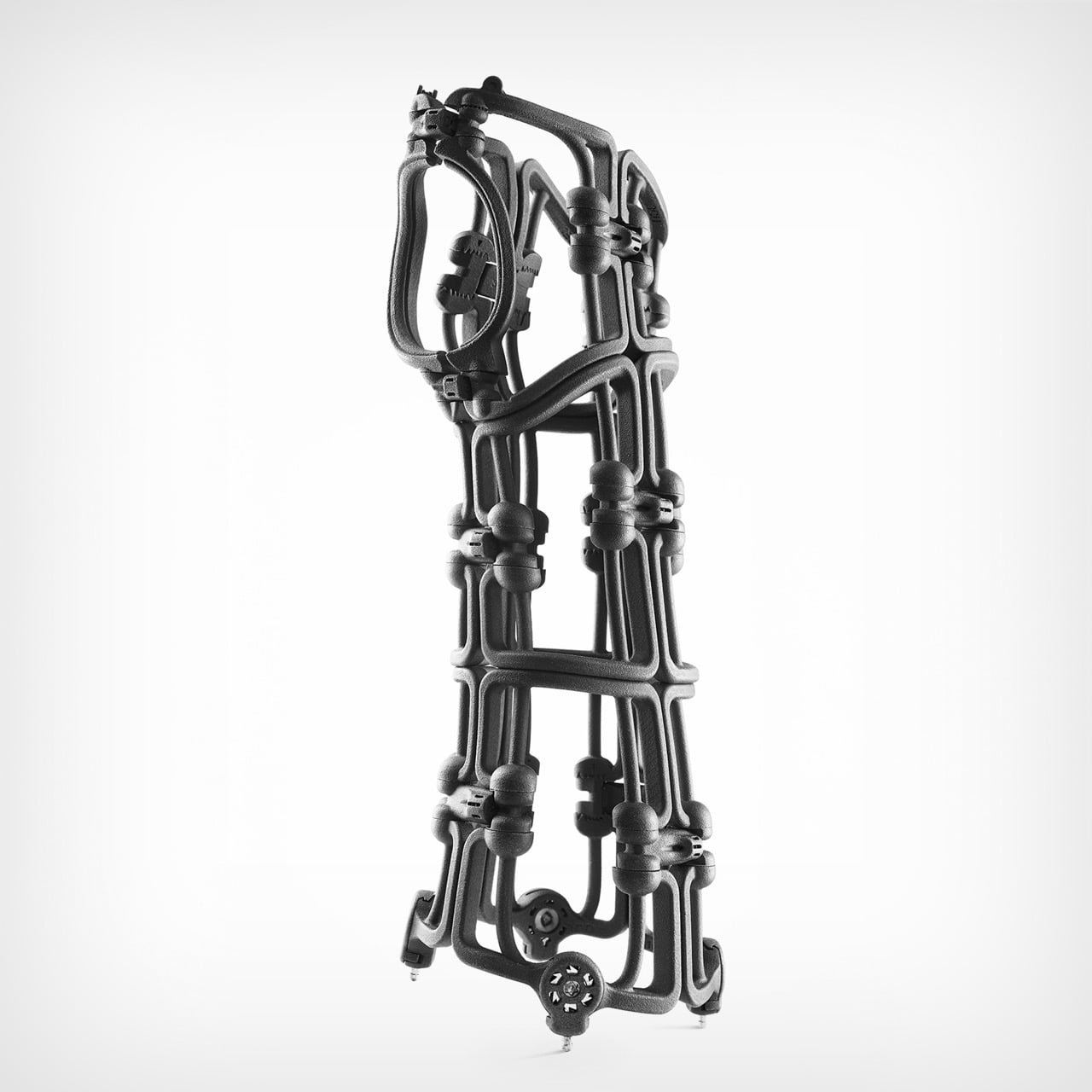
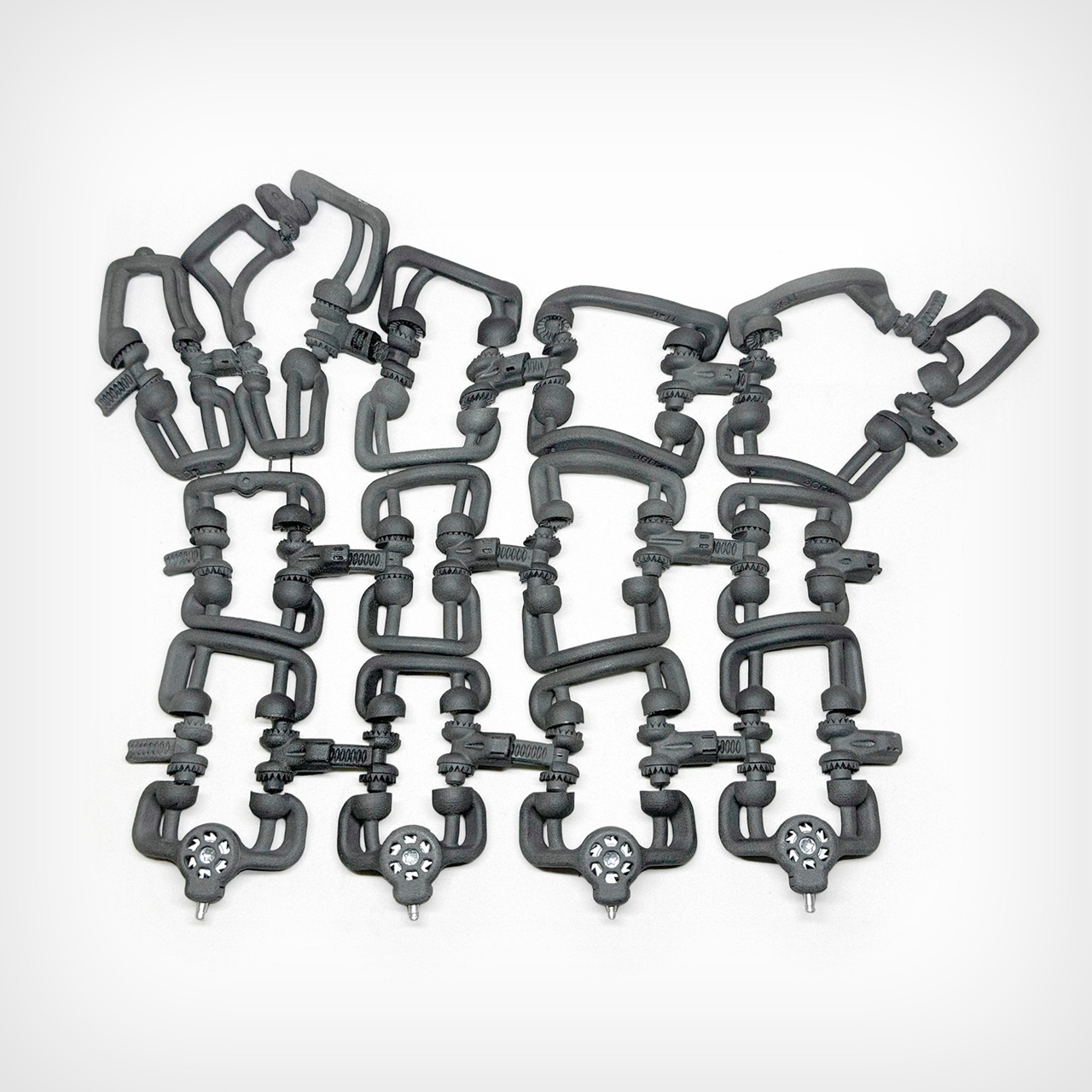
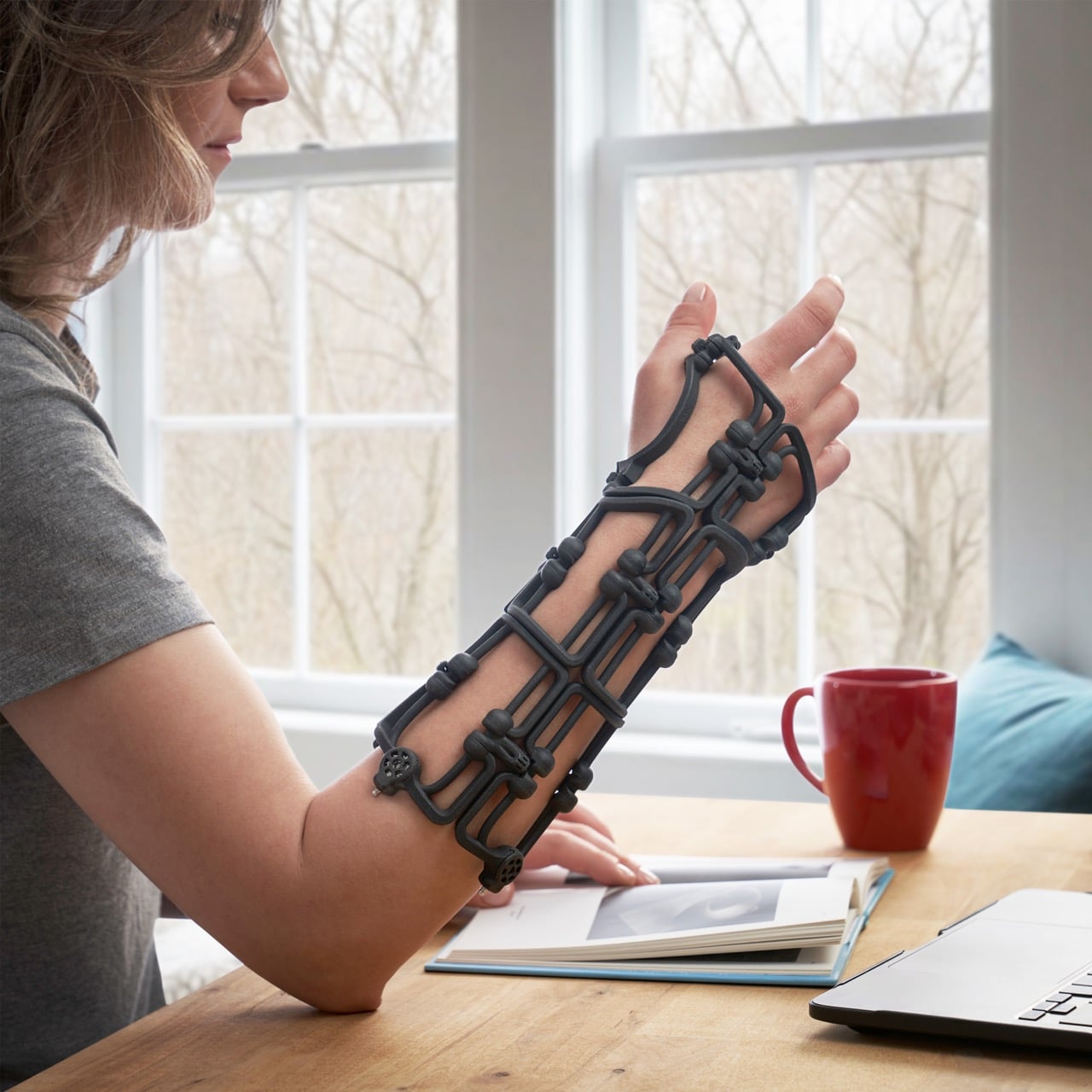
Traditional plaster casts have remained largely unchanged for over a century. Off-the-shelf braces offer convenience but rarely fit properly. Custom 3D-printed alternatives require expensive scanners, lengthy production times, and specialized expertise. Bracesys sidesteps all these limitations with an adjustable framework of segmented units, articulating connectors, and tension dials. The entire system weighs just 150 grams and folds flat into an envelope, yet provides rigid support comparable to traditional casts. More remarkably, clinicians can customize it to each patient’s anatomy in real time, adjusting the fit as swelling decreases and healing progresses.

Designer: Osteoid Design Team

Kevlar cables run through the framework and get tightened via integrated dials, borrowing directly from sailing rigging where distributed tension points create precise control. Yacht rigging achieves massive structural loads through this exact principle. Osteoid just applied it to wrist immobilization. The framework comes from SLS and MJF 3D printing with medical-grade Nylon 12, reinforced at stress points with CNC-machined aluminum and stainless steel. This hybrid manufacturing approach delivers geometric complexity for anatomical conformity while keeping structural integrity where loads concentrate. Pure injection molding couldn’t achieve these organic shapes. Pure 3D printing couldn’t handle the forces.

Over 600 anonymized CT scans went into the sizing methodology, processed through AI-driven segmentation and implicit skinning algorithms that map soft tissue deformation around bone structures. Principal Component Analysis crunched all that data into four standardized sizes covering the 5th to 95th percentile of hand and wrist anatomy. You’re getting semi-custom fit from off-the-shelf components, which anyone in medical device design will tell you is brutally difficult to pull off. Manufacturing needs standardization for scale. Patients need personalization for outcomes. Most companies pick one and live with the compromise.

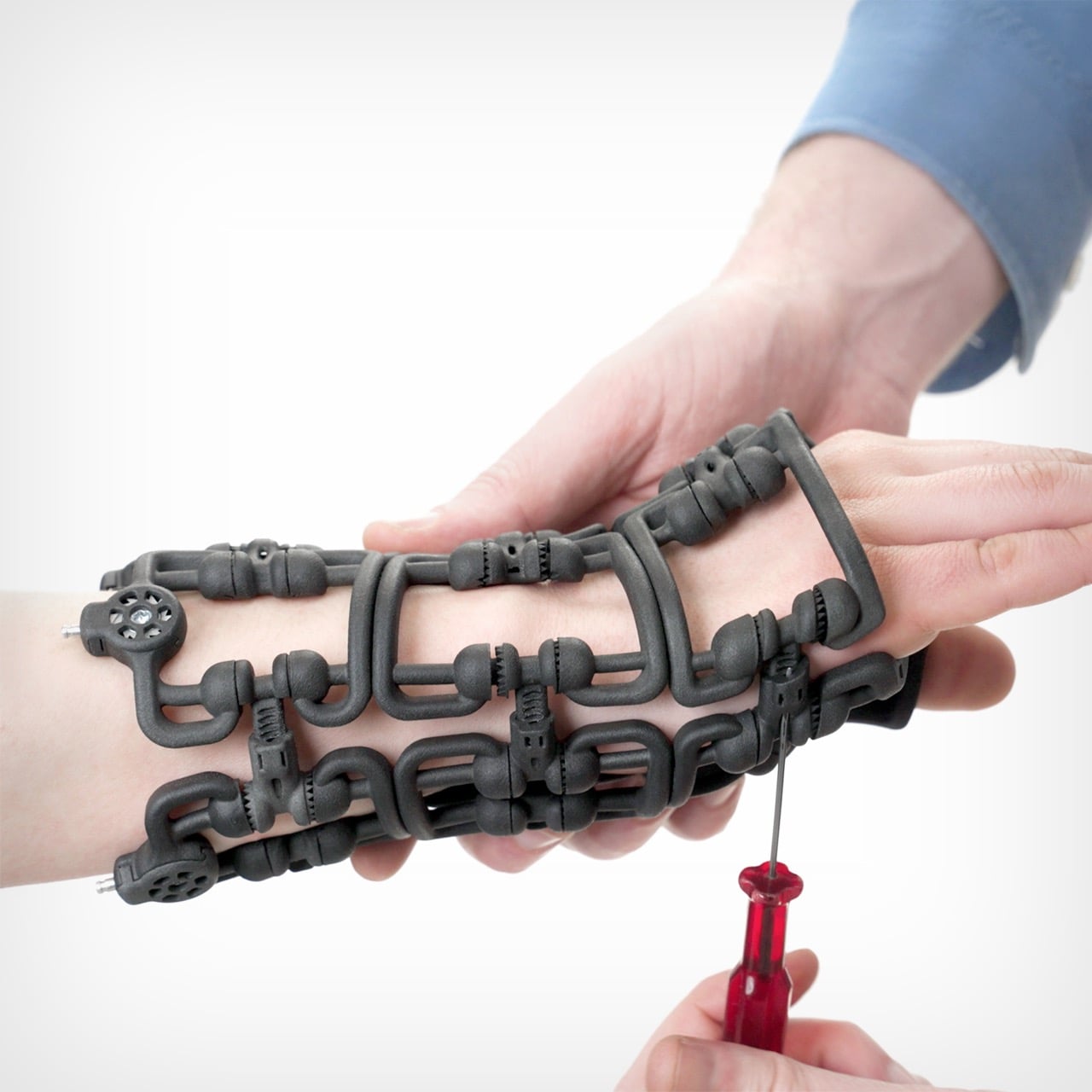
A typical Colles fracture brace measures 190 x 90 x 115 mm assembled but breaks down completely flat into an A4 envelope. Clinicians wrap it around the limb loose, let the segmented units find their natural anatomical alignment, then use screwdriver-sized tools to adjust connector lengths and tighten the tension dials incrementally. Spring-loaded quick-release pins handle adjustments as swelling changes during recovery. The whole initial fitting takes minutes. I keep coming back to that speed because custom 3D-printed orthotics need weeks of turnaround, and drugstore braces fit approximately nobody correctly. This lands right in the middle with none of the usual tradeoffs.

Every plaster cast is single-use. Every prefab brace eventually becomes landfill. Traditional orthopedic devices generate waste at a scale that should embarrass the industry but somehow doesn’t. Bracesys uses recyclable materials throughout, sterilizes for reuse in clinical settings, and lets you replace individual components rather than trashing the whole assembly. I’m usually cynical about sustainability claims in medical devices because they often conflict with clinical needs or regulatory requirements. This actually works because better economics and better outcomes align with lower waste. Nobody has to sacrifice anything.

We shouldn’t still be using plaster casts in 2026. The technology to do better has existed for decades. The problem has always been the gap between custom fabrication costs and mass production constraints. Most attempts at solving this try to make manufacturing cheaper or faster. Bracesys flips that entirely by making adjustability the core feature and shipping that capability to the point of care. You’re not customizing during manufacturing. You’re customizing during application. That philosophical shift matters more than any individual mechanical innovation. If orthopedic practices actually start using this widely, we might finally kill off a medical technology that’s been coasting on pure inertia since the 1800s. It’s time we ‘brace’ for change…

The post This Kevlar Medical Brace Folds Flat Like Origami and Might Finally Kill the Plaster Cast first appeared on Yanko Design.

TikTok finalizes deal for its US entity

After years of uncertainty over TikTok's future in the United States, a deal for the app's US business has been finalized. The new US entity is called TikTok USDS Joint Venture. ByteDance has retained a 19.9 percent percent stake in the new business, with the rest controlled by a group of non-Chinese investors, including Oracle, Silver Lake and MGX, an Emirati-state owned investment firm, all of which have a 15 percent stake. Dell CEO Michael Dell and other investors have smaller stakes in the new company. 

The terms of the deal were first leaked last month, after TikTok CEO Shou Chew reportedly told employees in a memo that TikTok and ByteDance had agreed to a group of investors. This ends a lengthy saga and months of slow progress as the agreement was being worked out, ensuring that the app will remain available in the US after years of being on the verge of a ban in the country.

President Donald Trump, who had tried to ban the app during his first term in office, praised the deal in a post on Truth Social. "It will now be owned by a group of Great American Patriots and Investors, the Biggest in the World, and will be an important Voice," he wrote."I only hope that long into the future I will be remembered by those who use and love TikTok."

According to TikTok’s announcement, the joint venture will protect American users’ data with Oracle's secure US cloud environment. It will also retrain TikTok’s algorithm on US users’ data and will be in charge of content moderation in the US. The entity promises interoperability, as well, promising that users will still get international content and, if they’re a creator, viewers. “The safeguards provided by the Joint Venture will also cover CapCut, and Lemon8 and a portfolio of other apps and websites in the US,” TikTok said.

The new entity will be overseen by a seven-member board of directors, most of whom are Americans. It includes, Shou Chew, the Chief Executive Officer of TikTok, Silver Lake co-CEO Egon Durban, Oracle Executive Vice President Kenneth Glueck and MGX Chief Strategy and Safety Officer David Scott. Adam Presser, who had previously been head of operations and trust and safety at TikTok, is the CEO of TikTok USDS Joint Venture.

Exactly what the new joint venture means for US users of TikTok is unclear. Shortly after the deal was announced, TikTok introduced new terms of service for US users. As the BBC notes, the new terms include provisions relating to use of the app by kids under 13 (they are limited to the "Under 13 Experience") and that the "TikTok USDS Joint Venture does not endorse any content" in the app. The company hasn’t announced specific changes to the app’s algorithm or other core features.

Update, January 23, 2026, 10:58AM PT: This post was updated to add a statement from President Trump, and with additional information about TikTok’s new terms of service.

This article originally appeared on Engadget at https://www.engadget.com/big-tech/tiktok-finalizes-deal-for-its-us-entity-010543484.html?src=rss

The Bugatti Veyron Turns 20 and Gets a 1,578 HP Makeover Nobody Saw Coming

In 2005, Bugatti unleashed a machine so audacious that even today it commands respect. The Veyron arrived with 1,000 horsepower, four turbochargers, and a top speed that left competitors speechless. Two decades later, one collector decided that anniversary celebrations and museum pieces weren’t enough tribute for such a revolutionary achievement.

The result is the F.K.P. Hommage, a one-off hypercar that channels the Veyron’s iconic silhouette while hiding Chiron Super Sport mechanicals beneath its red and black bodywork. Named for Ferdinand Karl Piëch, the Volkswagen Group patriarch who championed the original project, this creation incorporates design elements from an abandoned Veyron facelift that never reached production. It’s automotive archaeology meeting cutting-edge engineering, wrapped in a package that costs north of €10 million.

Designer: Bugatti

This is the second car from Bugatti’s Programme Solitaire, their bespoke division that handles exactly two ultra-custom builds per year. The first was the Brouillard, which took the Mistral roadster platform and wrapped it in equestrian-inspired design language. The F.K.P. Hommage takes a different approach entirely. It asks a simple question: what if Bugatti had kept refining the Veyron on the Chiron’s platform instead of replacing it? Chief designer Frank Heyl actually had sketches for a Veyron facelift back in 2008, concepts that never materialized because Piëch wanted something more radical. Those sketches became the foundation for this car. The headlights, those hollowed-out “light tunnel” taillights, even the adjusted proportions all stem from that unrealized project.

The exterior proportions mirror the original Veyron almost exactly, though it sits about an inch and a half wider. Every single body panel was designed specifically for this car. Nothing got copy-pasted from the parts bin. The horseshoe grille stands more upright now, three-dimensional and aggressive in ways the original never attempted. Those L-shaped LED headlights give the front end what Heyl calls a “concentrated stare,” which sounds like marketing speak until you actually look at the thing head-on. The side intakes got tightened up, the twin roof intakes lean forward more dramatically, and the rear diffuser flares outward at sharper angles. The taillights grew slightly larger on the outboard sections, creating better visual balance. Even the fuel filler got repositioned for better aerodynamic flow.

The red and black scheme matches the first production Veyron from 2005, but Bugatti couldn’t just spray it red and call it done. The base is actually silver, with red pigment incorporated into the clearcoat to create depth and luminosity that straight red paint never achieves. It’s the kind of obsessive detail that adds weeks to the build process and thousands to the cost, which matters zero percent when your budget already exceeds €10 million.
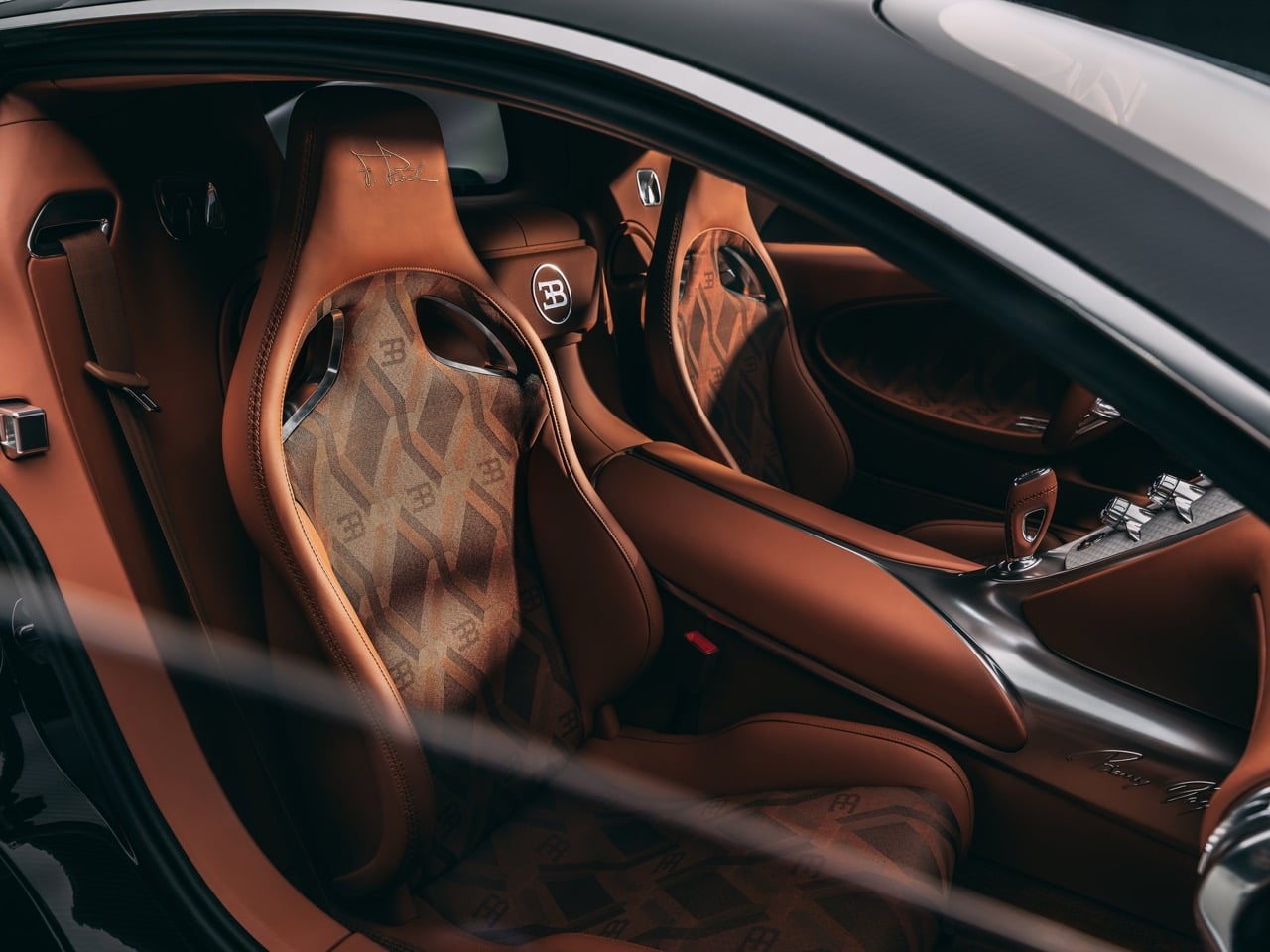
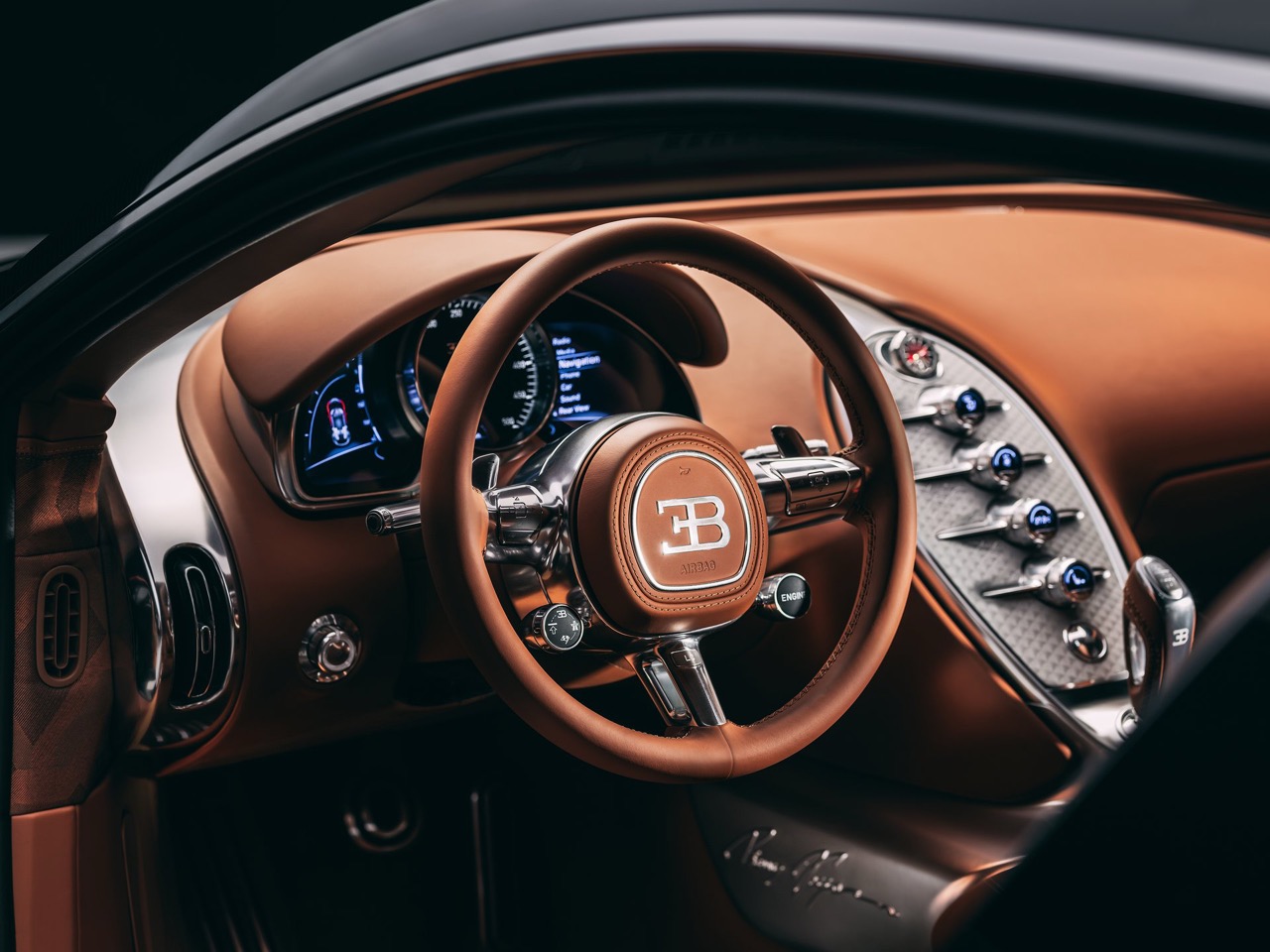
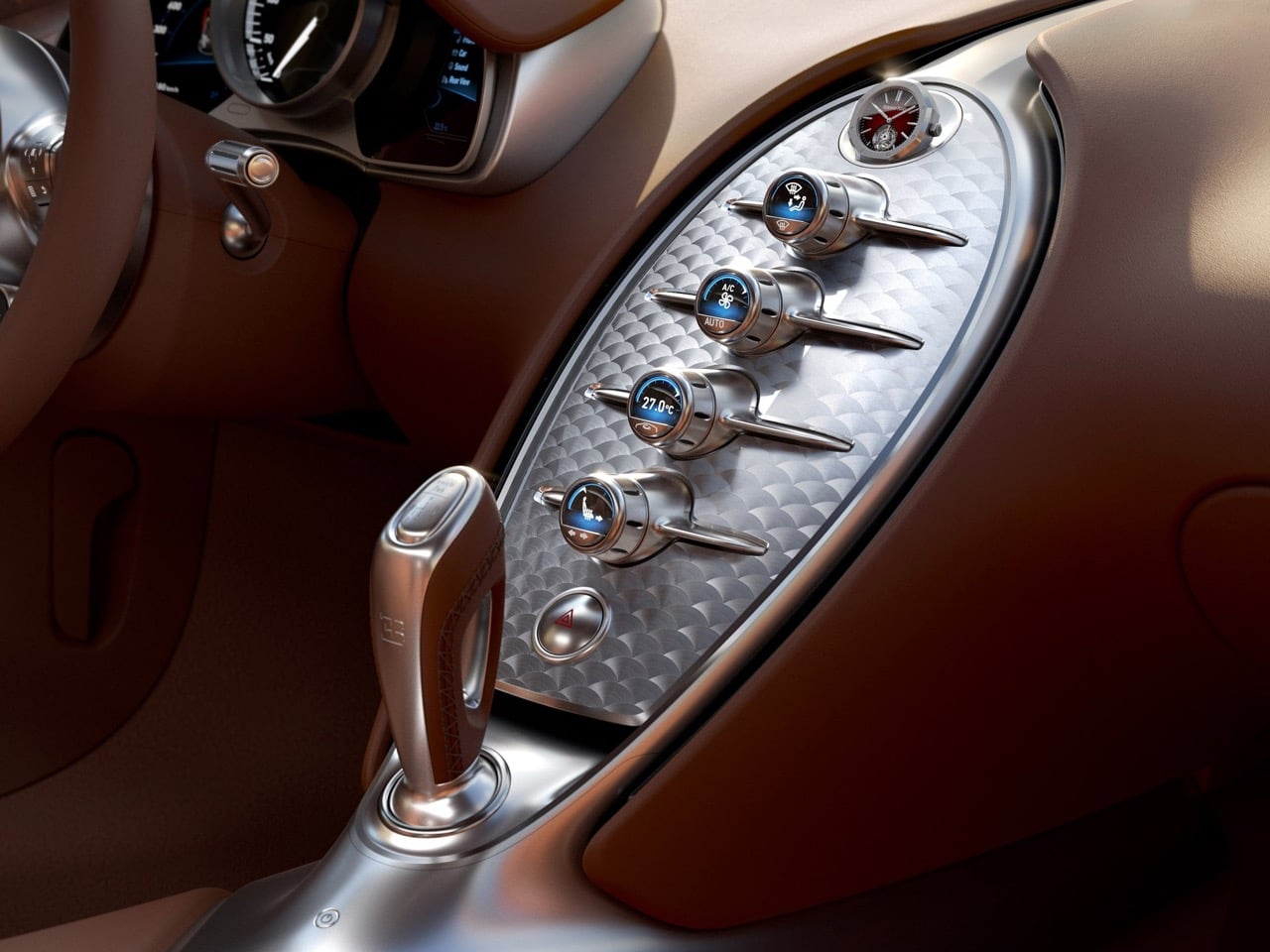
Then you open the door and realize the exterior was just foreplay. The cabin blends Chiron architecture with Veyron soul, keeping the newer car’s instrument cluster while introducing a completely redesigned steering wheel and a wider center console. That console gets machined from a single block of aluminum, which sounds impressive until you remember they’re putting a $200,000 Audemars Piguet Royal Oak Tourbillon inside it. The 43mm watch sits in a rotating mount that serves double duty. It hides the timepiece when the car’s off, protecting it from opportunistic smash-and-grab artists, and it spins the watch several times per hour to keep the automatic movement wound. No mechanical connection to the car, just a motorized gondola doing its thing on a timer.
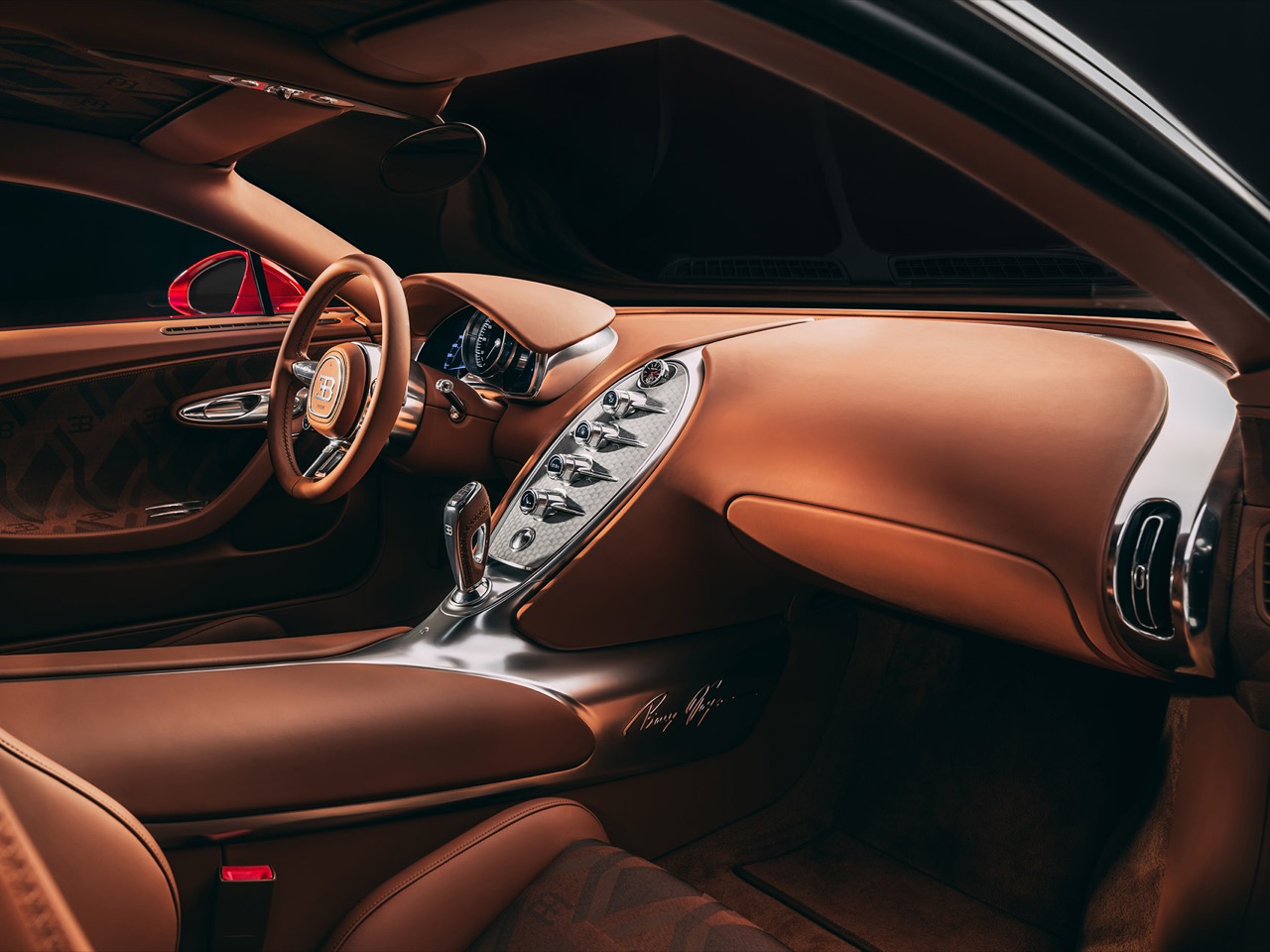
The seats wear custom couture fabrics woven by a Parisian textile house, because apparently Italian leather alone doesn’t sufficiently communicate exclusivity. Piëch’s signature gets stitched into each headrest, with his initials and birthday embossed into the leather by your right knee. These details matter in the rarefied world of eight-figure automotive commissions, where differentiation comes down to whose signature adorns your headrest.
Under that engine cover sits the Chiron Super Sport’s 1,578-horsepower W16, complete with upgraded cooling, enhanced intercoolers, and a reinforced gearbox. The wheels measure 20 inches up front and 21 inches out back, significantly larger than the Veyron’s original 18/20 setup but necessary to accommodate modern Michelin rubber and the massive brake calipers hiding behind those spokes. The owner reportedly already possesses a matching Veyron, which means they’ll soon park both side by side and spend entirely too much time explaining the differences to confused onlookers.
The F.K.P. Hommage debuts at Rétromobile Paris before embarking on the typical hypercar show circuit, hitting Monaco, Pebble Beach, and whatever other gatherings attract people wealthy enough to consider €10 million reasonable for a car. Delivery happens in 2027, giving Bugatti’s craftspeople enough time to obsess over every stitch and surface. By then, the W16 engine will be completely retired from production, making this one of the final expressions of Piëch’s original vision before Bugatti transitions to the V16 hybrid powertrain in the Tourbillon.

The post The Bugatti Veyron Turns 20 and Gets a 1,578 HP Makeover Nobody Saw Coming first appeared on Yanko Design.