Amazon is introducing an AI-powered assistant to One Medical, the tech-forward primary care provider it acquired in 2023. Dubbed 'Health AI,' Amazon says the tool "provides 24/7 personalized health guidance based on your medical records."
The company says Health AI can explain lab results, help manage medications, and book appointments for patients. Amazon also says it can "analyze images" but doesn't specify whether this means medical imaging or user uploaded photos. While the company specifically says the tool "complements, but does not replace," a patient's healthcare provider, it also vaguely says the AI can "answer general and complex health questions" while "considering your unique health history."
"Health AI recognizes when symptoms, situations, or specific queries require or benefit from human clinical judgment," reads the company's announcement, while giving few details on just how much medical advice the AI tool is empowered to give.
Use of AI tools brings up data privacy concerns, and Amazon says it follows HIPAA-compliant privacy and security practices. The company says that a user's conversations with Health AI are "not automatically added to your medical record." This of course implies the option to do just that. It also says the company doesn't sell members' protected health information.
One Medical has a limited number of brick-and-mortar offices in major metros throughout the US, but the focus of the company seems to be telehealth services. These services are offered as part of an annual subscription, which is discounted for Amazon Prime members. This is only the latest investment Amazon has made in the healthcare space. In recent years the tech giant has begun same-day prescription deliveries in certain markets, and built vending machines for prescription drugs.
Health AI follows the trend of AI companies competing to enter healthcare with their AI-powered chatbots. Google added an AI health coach to the Fitbit app last year, and OpenAI announced a dedicated health portal within ChatGPT in January.
This article originally appeared on Engadget at https://www.engadget.com/ai/amazon-is-adding-ai-powered-assistant-to-one-medical-180803368.html?src=rss
Two high-profile upcoming Ubisoft games have been starting to look more and more like vaporware with each passing year. One of them is Beyond Good & Evil 2, which we were assured is still in development last year. The other is the Prince of Persia: The Sands of Time remake, which is now officially canceled, along with five other games on Ubisoft’s release slate.
The news came in a media briefing attended virtually by VGC, in which the French company also announced delays to seven other games as part of a major restructuring. As reported by VGC, the only canceled game currently named by Ubisoft is the remake of its 2003 classic, which was first announced in 2020 and has by all accounts been in various stages of development hell ever since. Three of the others were original new IPs and one was a mobile game.
Ubisoft isn’t putting names to the more than half dozen delayed games either, but VGC’s report says one was supposed to come out in the first quarter of this year, and will now release before April 2027. While it’s yet to be officially announced, a remake of Assassin’s Creed: Black Flag has been heavily rumored for several months and is likely one of the games that has slipped.
Ubisoft also outlined its new organizational model, which will see the company split into five "creative houses" that function as independent business units. One of these is the previously announced, Tencent-backed Vantage Studios, which will oversee a number of the company’s flagship franchises, including Rainbow Six, Assassin’s Creed and Far Cry.
In its Wednesday briefing, Ubisoft also confirmed recent reports that it’s closing its Stockholm and (recently unionized) Halifax studios, with others, including Star Wars Outlawsdeveloper Massive Entertainment due to be restructured as a result of the new model. Ubisoft declined to tell VGC exactly how many layoffs could occur in the wake of the large-scale reorganization of the company.
This article originally appeared on Engadget at https://www.engadget.com/gaming/the-prince-of-persia-the-sands-of-time-remake-among-six-games-canceled-by-ubisoft-175801132.html?src=rss
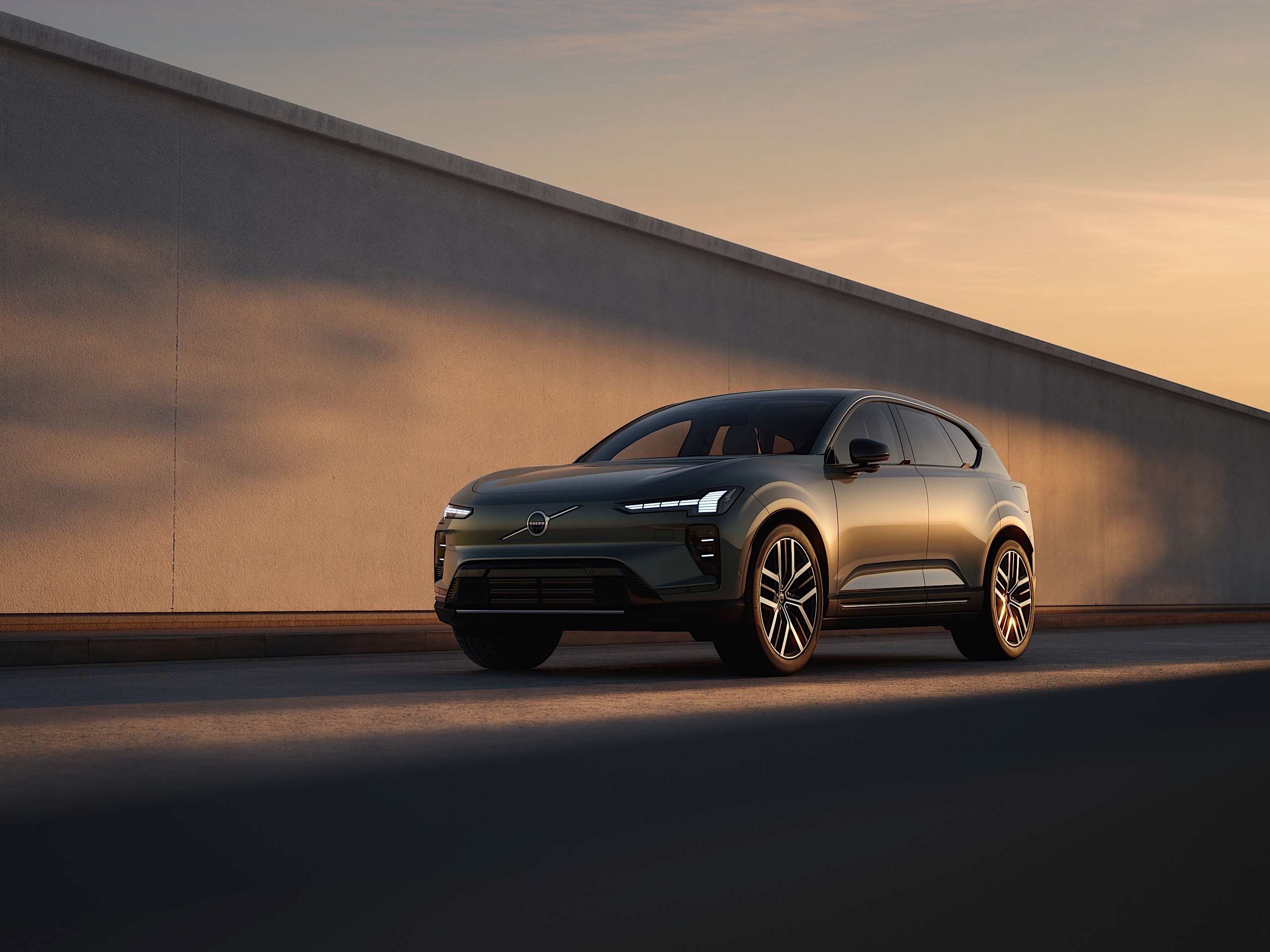
Volvo hasn't exactly had a great run of EVs lately. The rollout of its flagship EX90 was stymied out of the gate by a bevy of software glitches. The EX30, meanwhile, was too expensive when it launched — the promised $35,000 model was incompatible with the currently chaotic global tariff situation.
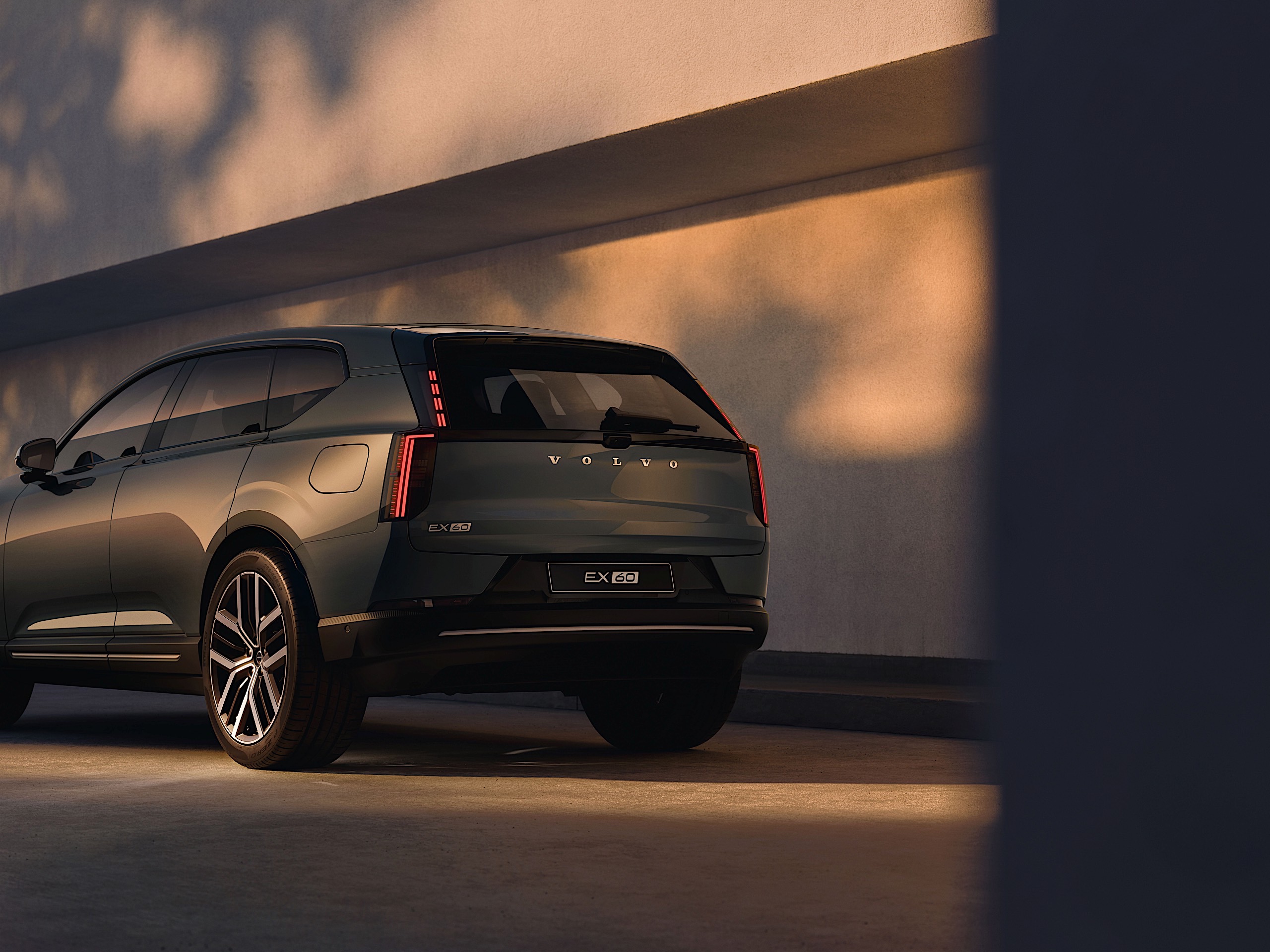
Now, it's time for a new generation of EV from Volvo, one that's radically different at its core with a gigacast frame, a much higher-density battery and enough digital and literal horsepower to impress the most jaded of automotive enthusiasts. Mix in high-performance chipsets from both NVIDIA and Qualcomm, plus Google's Gemini AI onboard, and on paper, it has a lot to offer. After getting an early look at the thing at its unveiling in Sweden, I feel like this EV is ready and able to face off against BMW's new iX3 and Mercedes-Benz's upcoming GLC.
Let's start with the basics: The EX60 slots in the Volvo product lineup right alongside the existing XC60, Volvo's most popular model in the U.S. It's a two-row, mid-size SUV that seats five, the sort of thing perfect for those with small families or big dogs. It'll be available in three different basic configurations, starting with the single-motor, rear-drive, 369-horsepower, 310-mile EX60 P6. Next up is the AWD dual-motor, 503-hp, 320-mile P10, and finally the top-shelf, 670-hp, 400-mile P12.
670 horsepower in an SUV of this size seems frankly excessive to me, but then it does have a lot of weight to move around — 5,137 pounds to be exact. That’s thanks in large part to the P12's 112-kilowatt-hour net battery pack which is about 50 percent bigger than the one inside a Tesla Model Y. The P6 is a relatively svelte 4,663 pounds thanks to its smaller 80-kWh net battery pack, while the P10 has 91 kWh.
Volvo EX60
Volvo
Beyond the powertrain divisions, the Volvo EX60 will also be available in a variety of different trims with varying amounts of equipment, including the Volvo Cross Country edition with air suspension and a 20mm boost of ride height. Prices are said to start "around $60k" for an EX60 P10 Plus with a 21-speaker Bose system, but a 28-speaker Bowers & Wilkins system with Dolby Atmos will be available for those who really need all the channels.
Of course, Atmos support is no good without a good source, and to that end, the EX60 will be the first Volvo with Apple Music built in. That'll be part of the company's Android Automotive-based infotainment system, running on a curved 15-inch OLED screen and powered by a Qualcomm 8255 chipset. It’s paired with a low, wide gauge cluster set far back on the dashboard behind the steering wheel.
This will also be Volvo's first car with integrated Gemini, and indeed one of the first cars on the road with Google's smart agent. You can, of course, do typical Gemini things like ask about the weather or the nuances of René Descartes's concepts on dualism. Beyond that, Volvo CTO Anders Bell said that it will eventually gain access to the car's outward-looking cameras, meaning you'll be able to ask for more details on whatever it is you can see looming on the horizon.
Volvo EX60
Volvo
Volvo calls the car's software-defined architecture and the hardware that powers it HuginCore, named for Huginn, the raven of Norse mythology and represents Odin's mind and senses. Qualcomm powers the infotainment side of the avian experience, but when it comes to active safety, the EX60 relies on an NVIDIA Drive AGX Orin chipset. Unlike the EX90, the EX60 will not use a LiDAR sensor.
Volvo CTO Bell downplayed the absence of the sensor. "We realized we can now achieve many more meaningful and safe automated functions without LiDAR than we could have years ago," he said. Per Bell, LiDAR was never really in the plan for the EX60 anyway, a decision looking all the brighter given the recent bankruptcy of Volvo's former LiDAR partner Luminar.
The car's cameras and radar sensors all tuck nicely into the new exterior of the EX60, which certainly doesn't look miles off from the EX90 or indeed the current, gas-powered XC60. But the pronounced flares on the front fenders are a nice touch of personality on an otherwise understated SUV.
At the core of the EX60 is a new platform Volvo calls SPA3, with a chassis made using gigacasting. This refers to the force required to inject molten aluminum into massive castings, allowing more of the car to be made from fewer components. Volvo says the carbon footprint of the EX60 is lower even than that of the much smaller EX30.
The battery packs use the on-trend cell-to-pack construction method, which means all the cells are lumped together into a single unit. Typically, this boosts density at the cost of repairability, a tradeoff most manufacturers seem willing to make in pursuit of higher range and lower costs. However, Bell said that the company has actually made pack maintenance easier by optimizing the layout of the ancillary equipment.
Volvo EX60
Volvo
"The absolute vast majority, 90 percent of anything that ever needs to be repaired on a battery pack is electronics," he said. In the EX60, Volvo positioned the battery electronics beneath the rear seat to make them even easier to access. "We save a lot of weight, save a lot of cost."
The EX60 will be Volvo's first car to use the Tesla-style NACS charging standard, and the largest two packs will support charging speeds up to 370 kW. That drops to 320 kW on the 80-kWh net P6.
In practical terms, though, they're all roughly the same. Each model charges from 10 to 80 percent in less than 20 minutes, adding between 160 and 173 miles of range in 10 minutes. That's not quite the 200 miles BMW's iX3 can manage in the same time, but it is close.
The iX3 will probably be the EX60's fiercest competition when Volvo opens up orders later this spring. The EX60's $60,000 price for a midrange P10 Plus puts it right in line with the $60,000 that BMW says to expect for its iX3. Mercedes hasn't set American pricing for its GLC yet, but that, too, will be on a lot of shoppers' lists to compare.
I've already been impressed by how both the iX3 and the GLC drive. Sadly, Volvo wouldn't let me behind the wheel of its EX60 just yet, but hopefully I can report back with impressions soon to start to see how all these stack up on the road.
This article originally appeared on Engadget at https://www.engadget.com/transportation/evs/volvo-ex60-suv-preview-400-mile-range-670-hp-and-google-gemini-onboard-173000033.html?src=rss
Picture a structure that looks like it’s floating in a grain field, its wooden slats hanging down like a delicate curtain swaying in the breeze. Now imagine that when the wind picks up, this architectural installation doesn’t just move, it sings. That’s exactly what Studio Carraldo has created with the Cappella del Suono, or Chapel of Sound, nestled in the rolling hills of Lunano, Italy’s Marche region.
The pavilion is deceptively simple at first glance. It’s a 16-square-meter wooden grid structure made entirely of vertical slats, but here’s where things get interesting. These slats aren’t cut to a uniform length. Instead, they’re suspended at varying heights, creating an undulating bottom edge that resembles a hanging wooden curtain dancing just above the landscape. This isn’t just an aesthetic choice, though it’s certainly beautiful. It’s what makes the structure come alive.
Each wooden element has been carefully drilled with holes at specific points. When the wind moves through the structure, or when someone walks through and brushes against the slats, these pieces knock together and create sound. Not just any sound, but layered acoustic experiences that shift and change depending on wind strength and direction. On particularly breezy days, the sounds produced by the colliding slats can echo the distant church bells from the nearby Convento di Monte Illuminato, creating an unexpected dialogue between contemporary installation art and historic religious architecture.
What makes this project so compelling is how it refuses to behave like traditional architecture. Most buildings try to keep the elements out, but the Cappella del Suono invites them in. It’s permeable by design, allowing wind, light, and views to pass through freely. The structure doesn’t dominate its surroundings, it blends into them. Rising from the grain fields like it grew there naturally, the pavilion manages to be both a distinct architectural place and completely part of the landscape.
The experience changes dramatically throughout the day. Morning light filters through the vertical slats, casting long shadows that shift and dance across the ground. By afternoon, the patterns have transformed entirely, creating what Studio Carraldo describes as a richly atmospheric space that’s never quite the same twice. It’s architecture as performance, constantly responding to its environment.
There’s a bench that runs through the space, extending from the interior to the exterior, which perfectly captures the project’s philosophy. Where does inside end and outside begin? The answer is intentionally unclear. Visitors can sit and experience the space while still feeling completely connected to the surrounding hillside and fields. The structural approach is refreshingly minimal. Slender vertical supports are simply anchored to the ground, emphasizing the temporary and non-invasive nature of the installation. There’s no heavy foundation, no permanent alteration to the landscape. It’s the kind of design that respects its context rather than imposing upon it.
What Studio Carraldo has achieved here goes beyond creating an interesting structure. They’ve made architecture that engages multiple senses simultaneously. You see the geometric pattern of the wooden grid, you feel the breeze moving through it, you hear the percussion of wood on wood, and you experience how all these elements combine to create something that’s part sculpture, part instrument, part shelter.
The project challenges our expectations about what architecture should do. Instead of providing solid walls and protection from the elements, it celebrates permeability and responsiveness. It doesn’t try to be timeless, it embraces its moment-to-moment changeability. Every visitor’s experience will be different depending on the weather, the time of day, and even how they move through the space.
In our era of smart buildings and high-tech architecture, there’s something refreshing about a structure that uses no electronics, no motors, no digital controls. Just wood, wind, and thoughtful design creating an experience that’s as ancient as wind chimes yet feels completely contemporary. The Cappella del Suono proves that sometimes the most innovative architecture comes from working with nature rather than against it.
Elon Musk is reportedly looking to finally take SpaceX public after years of resistance, according to sources who spoke to TheWall Street Journal. The company has long said it wouldn't choose an IPO until it had established a presence on Mars. That isn't happening anytime soon.
So why now? Company insiders have suggested it's because Musk wants to build AI data centers in space. Google recently announced it was looking into putting a data center in space, with test launches scheduled for 2027. Musk reportedly wants to beat his rival to the punch, but SpaceX would need the billions of dollars in capital that an IPO would deliver. Putting a giant center in space isn't cheap.
Our TPUs are headed to space!
Inspired by our history of moonshots, from quantum computing to autonomous driving, Project Suncatcher is exploring how we could one day build scalable ML compute systems in space, harnessing more of the sun’s power (which emits more power than 100… pic.twitter.com/aQhukBAMDp
Sources say that Musk wants to complete the IPO by July. SpaceX is reportedly expected to select banks to lead the stock offering in the near future.
This is also being seen as an attempt to boost xAI, which trails behind rivals like OpenAI and Google in the AI race. If SpaceX were to be successful in putting data centers in space, it's likely that xAI would get a sweetheart deal given that Musk runs both companies. Then they could pass money to one another in perpetuity, which seems to be the AI way.
Other companies have also begun considering jettisoning data centers into the great beyond. Blue Origin CEO Jeff Bezos recently suggested that shifting data centers to orbit makes sense. OpenAI CEO Sam Altman has been looking into partnering or purchasing a rocket maker called Stoke Space for a similar reason.
Of course, putting data centers in space is an extraordinary undertaking. There are serious issues that must be overcome, from latency to heat dissipation and radiation. Components must be launched and the structure must be built in space. WSJ reports that SpaceX made a breakthrough of some sort last year, but the company hasn't announced specifics.
If we need giant data centers to generate Garfield memes or whatever, I'd rather them in space. Microsoft's latest AI data center in Wisconsin takes up 325 acres. Meta recently announced a data center that would be nearly the size of Manhattan. These structures hoover up energy and water, strain local resources, create pollution and offer just a few long-term local jobs.
This article originally appeared on Engadget at https://www.engadget.com/science/space/elon-musk-is-reportedly-trying-to-take-spacex-public-170337053.html?src=rss
YouTube is just as wary of the rise of AI slop as you, and that’s why more AI-generated content is coming to the platform in the near future. In a lengthy blog post outlining YouTube’s 2026 plans, CEO Neal Mohan said the company will continue to embrace this new "creative frontier" by soon allowing its creators to throw together Shorts using their AI-generated likeness.
Mohan didn’t elaborate further about how this feature will work when it launches, but acknowledged the "critical" issue of deepfakes currently polluting the web, and reaffirmed his company’s support for new legislation such as the NO FAKES Act. YouTube also allows its own creators to protect themselves against unauthorized use of their likeness using a detection feature that scans newly uploaded videos for matches.
Other fresh AI (note: in no way slop) features referenced in the post include the currently-in-beta no-code Playables platform, which lets you make games using Gemini 3 with a single text prompt, as well as new music creation tools. At the same time, Mohan said YouTube is building on its existing systems designed to combat spam, clickbait and "low quality AI content." He added that an average of six million daily viewers watched more than 10 minutes of AI autodubbed content in December, despite the issues that rival platforms have had with similar features.
Mohan didn’t say when we can expect the new AI likeness generation feature for Shorts, but if that sounds like the sort of content you’d rather not encounter on your lunch break, here’s a little PSA: the company now allows you to omit its short-form videos from your YouTube search results altogether.
This article originally appeared on Engadget at https://www.engadget.com/entertainment/youtube/youtube-ceo-promises-more-ai-features-in-2026-162409452.html?src=rss
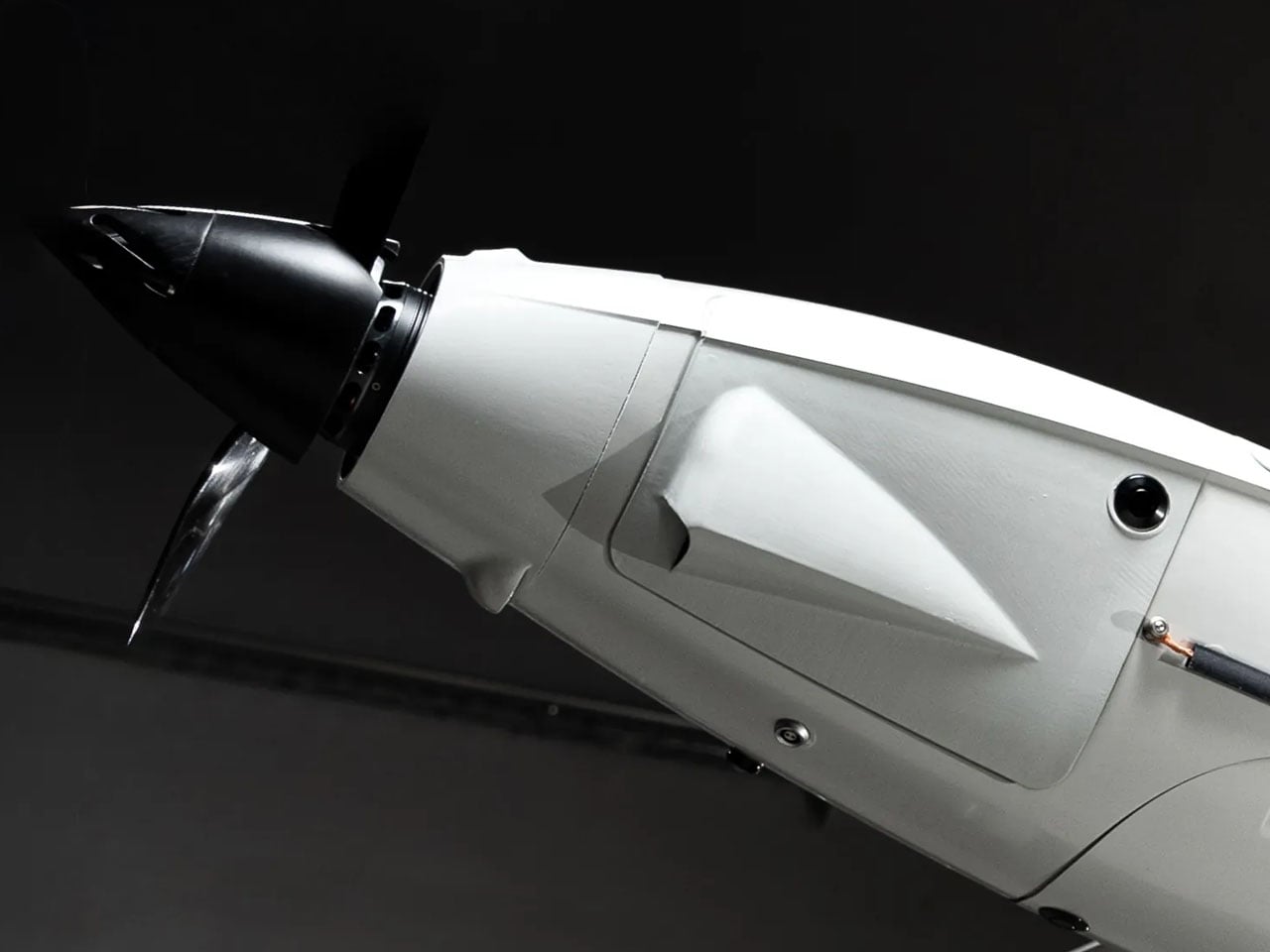
Hydrogen-powered unmanned aerial vehicles are not a new concept. Drones running on hydrogen fuel have been in experimental forms for over a decade, but this is for the first time, a drone has been fully designed and deployed on full-scale combat duty in an active war zone.
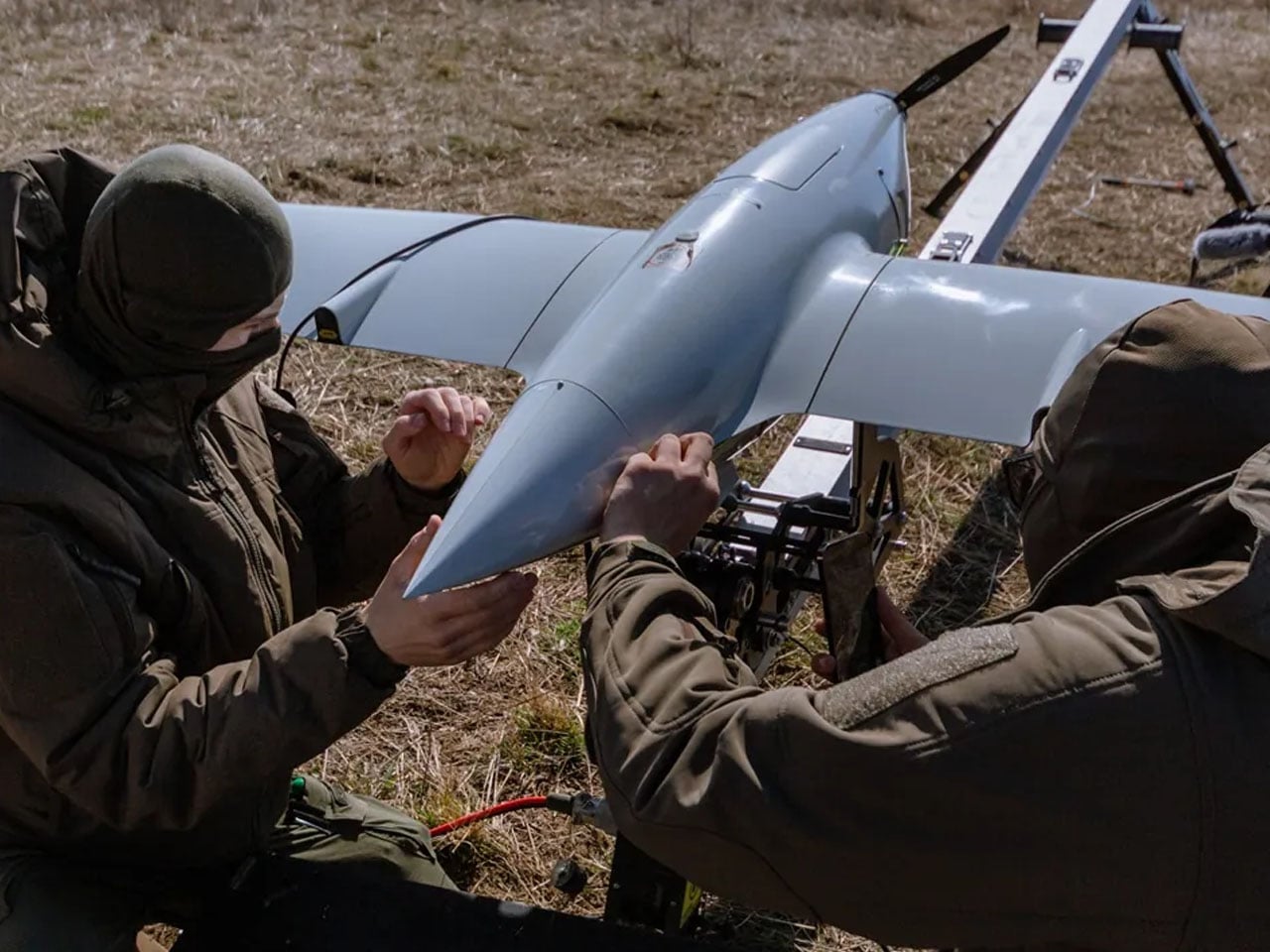
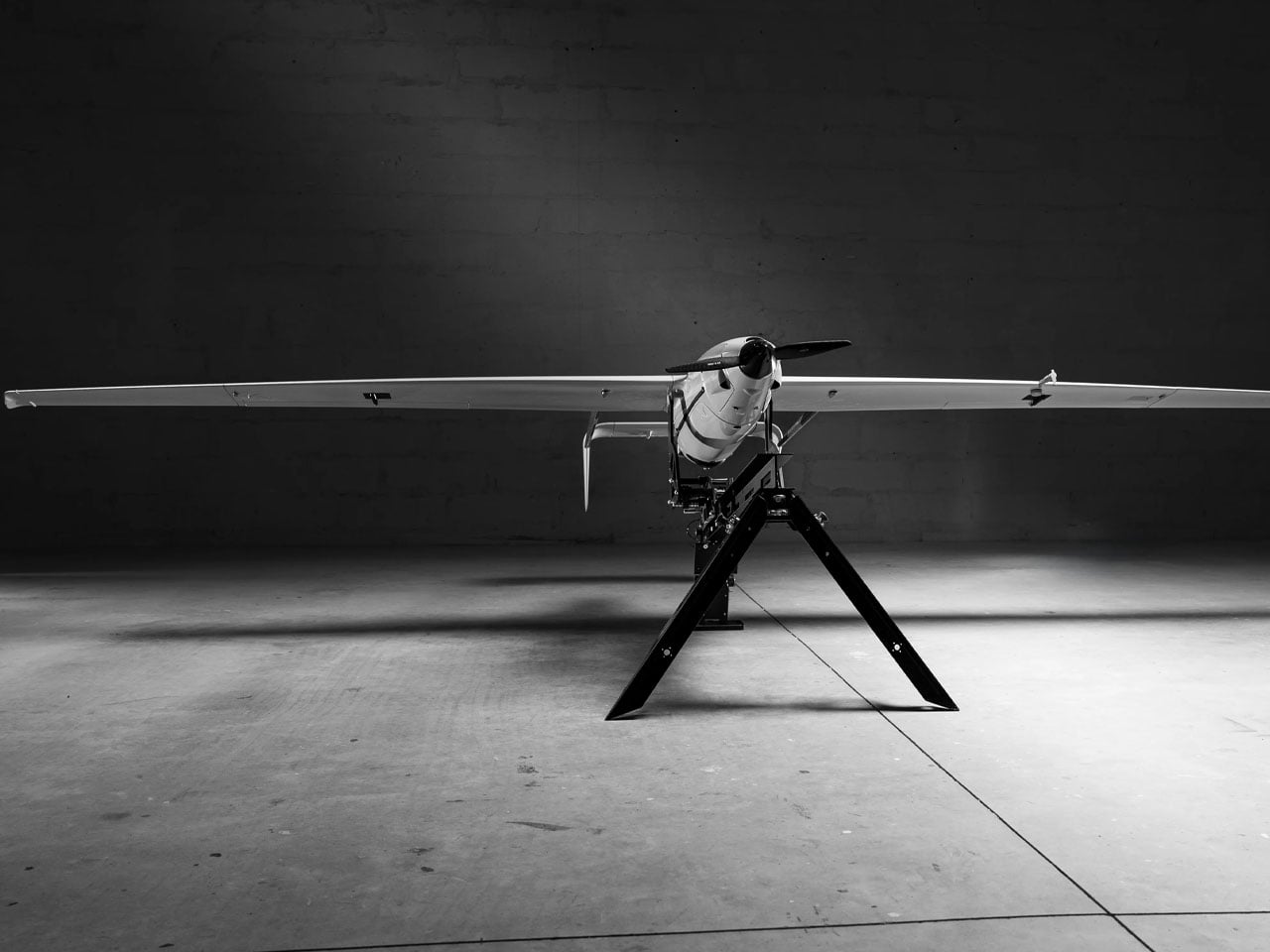
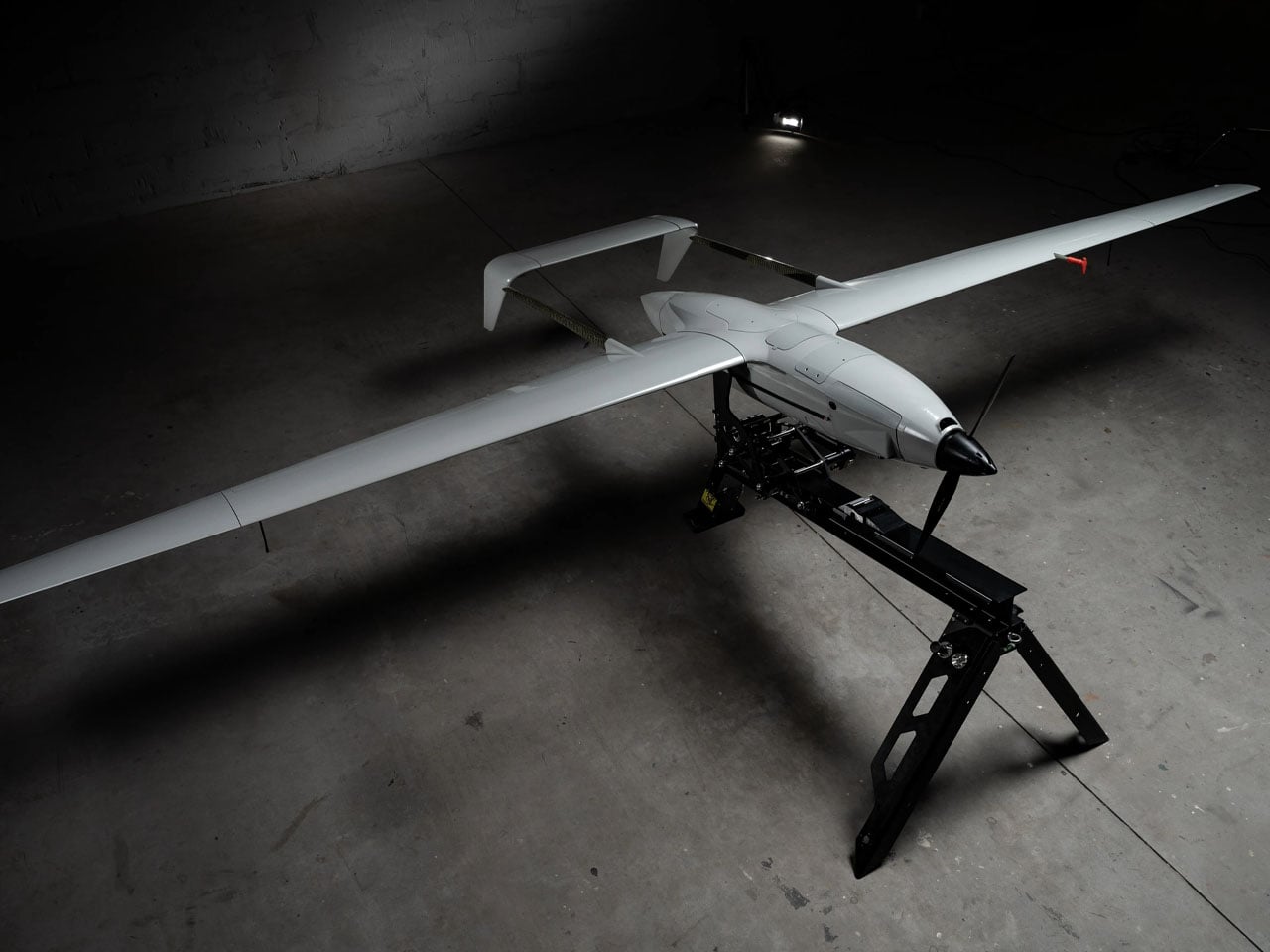
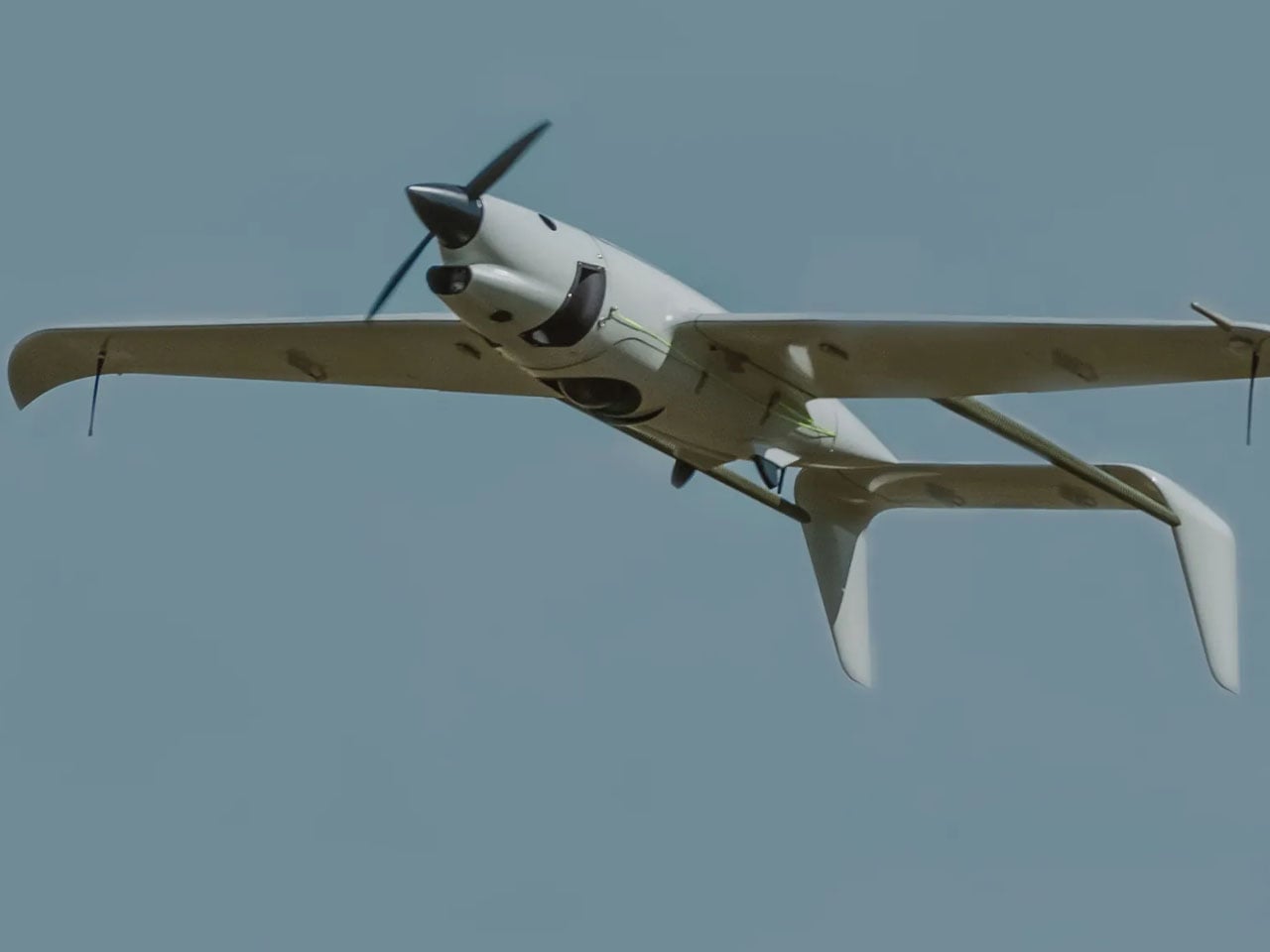
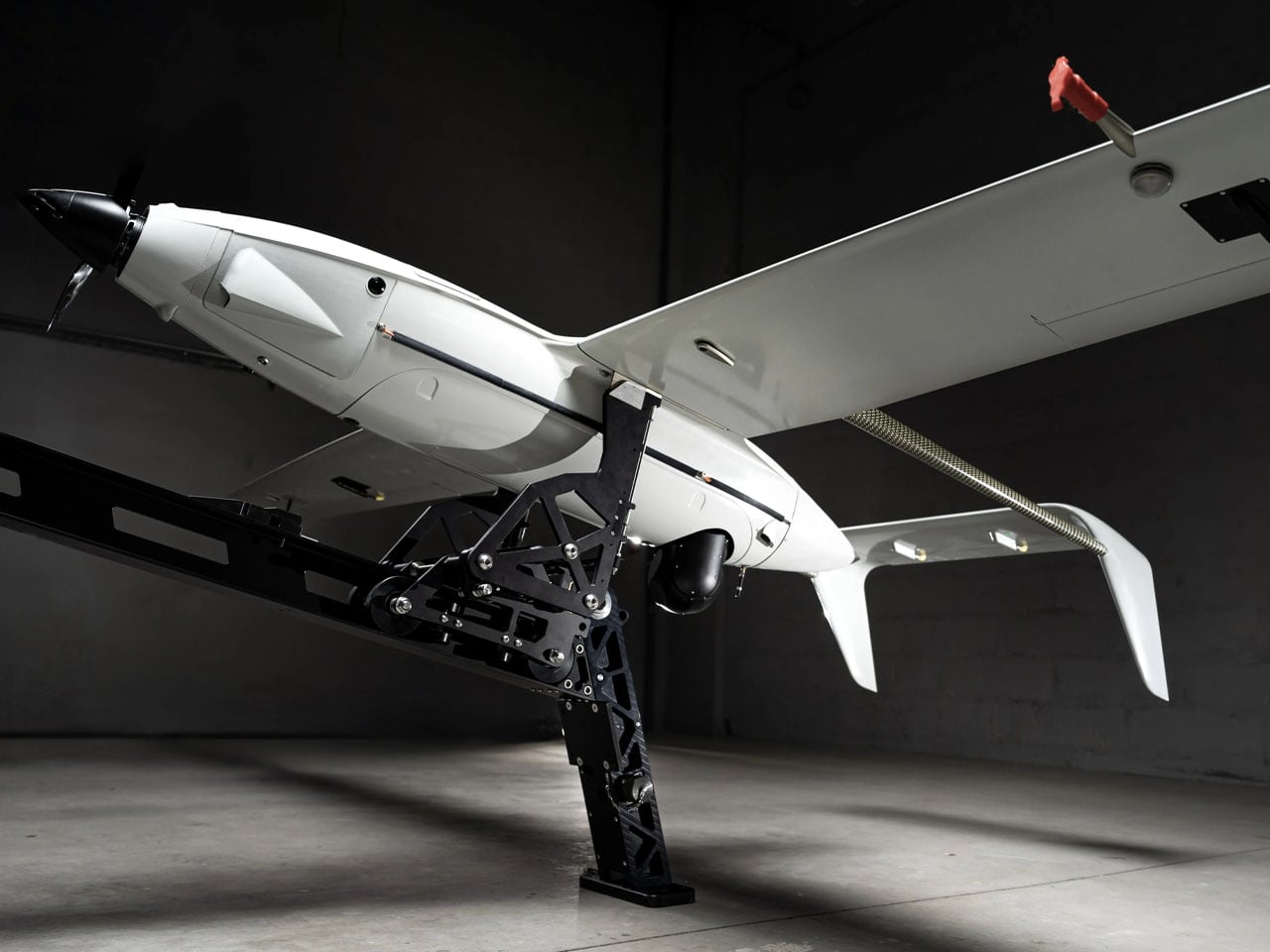
The drone is a hybrid version of the Raybird USA developed by Skyeton and is deployed with the Ukrainian Defense Forces. It is designed for long-endurance and perhaps is, Ukraine’s first attempt at sending a hybrid hydrogen-powered drone into an active battlefield. It has been in the war zone “since December 2025, as part of interagency testing,” Skyeton informs.
As a hybrid version of the Raybird, the drone is powered by an electric motor running on electricity generated by hydrogen fuel. The UAV has been reengineered to adequately distribute the space and weight of the hydrogen tank system onboard. Being hybrid, the drone is quieter in comparison to other combustion engine options, thus it makes a great surveillance aircraft.
“We have converted two years of laboratory testing into a new aircraft concept: it is the same class and weight, but a completely redesigned concept based on electric propulsion,” Roman Knyazhenko, CEO of Skyeton said. “Hydrogen fuel is a solution that allows us to combine all the advantages of an electric motor… with the long-duration continuous flight that is a hallmark of our UAV, he added.
According to Skyeton, the hydrogen-based Raybird is not armed, it instead has radar and sensors in its payload for its identified long-range reconnaissance missions. The drone is created with a wingspan of up to 15 feet, and it has a total payload capacity of 23 kgs. Being a Raybird, the hybrid drone can cruise at over 110 km/h top speed, and the UAV can function in temperatures ranging between -35°C to +55°C. It has a flight endurance of 12 hours for now, which the Skyeton engineers are determined to increase to 20 hours.
According to the company, the hydrogen-powered Raybird on war duty can fly at an altitude of up to 18,000 feet to carry out its surveillance duties. Of course, for now, the drone running on a hydrogen-electric propulsion is being used for long-range reconnaissance missions by Ukraine, but its operational efficiency and environmental benefits suggest it can be useful in a range of other applications: both civilian and defense.
For its usability in different scenarios, Skyeton says it will provide the hydrogen-powered Raybird in two variants. A drone with pre-filled tanks that can be swapped like cartridges. Or paired with a compact mobile unit capable of generating hydrogen on site as required.
Hydrogen-powered unmanned aerial vehicles are not a new concept. Drones running on hydrogen fuel have been in experimental forms for over a decade, but this is for the first time, a drone has been fully designed and deployed on full-scale combat duty in an active war zone.
The drone is a hybrid version of the Raybird USA developed by Skyeton and is deployed with the Ukrainian Defense Forces. It is designed for long-endurance and perhaps is, Ukraine’s first attempt at sending a hybrid hydrogen-powered drone into an active battlefield. It has been in the war zone “since December 2025, as part of interagency testing,” Skyeton informs.
As a hybrid version of the Raybird, the drone is powered by an electric motor running on electricity generated by hydrogen fuel. The UAV has been reengineered to adequately distribute the space and weight of the hydrogen tank system onboard. Being hybrid, the drone is quieter in comparison to other combustion engine options, thus it makes a great surveillance aircraft.
“We have converted two years of laboratory testing into a new aircraft concept: it is the same class and weight, but a completely redesigned concept based on electric propulsion,” Roman Knyazhenko, CEO of Skyeton said. “Hydrogen fuel is a solution that allows us to combine all the advantages of an electric motor… with the long-duration continuous flight that is a hallmark of our UAV, he added.
According to Skyeton, the hydrogen-based Raybird is not armed, it instead has radar and sensors in its payload for its identified long-range reconnaissance missions. The drone is created with a wingspan of up to 15 feet, and it has a total payload capacity of 23 kgs. Being a Raybird, the hybrid drone can cruise at over 110 km/h top speed, and the UAV can function in temperatures ranging between -35°C to +55°C. It has a flight endurance of 12 hours for now, which the Skyeton engineers are determined to increase to 20 hours.
According to the company, the hydrogen-powered Raybird on war duty can fly at an altitude of up to 18,000 feet to carry out its surveillance duties. Of course, for now, the drone running on a hydrogen-electric propulsion is being used for long-range reconnaissance missions by Ukraine, but its operational efficiency and environmental benefits suggest it can be useful in a range of other applications: both civilian and defense.
For its usability in different scenarios, Skyeton says it will provide the hydrogen-powered Raybird in two variants. A drone with pre-filled tanks that can be swapped like cartridges. Or paired with a compact mobile unit capable of generating hydrogen on site as required.
Hydrogen-powered unmanned aerial vehicles are not a new concept. Drones running on hydrogen fuel have been in experimental forms for over a decade, but this is for the first time, a drone has been fully designed and deployed on full-scale combat duty in an active war zone.
The drone is a hybrid version of the Raybird USA developed by Skyeton and is deployed with the Ukrainian Defense Forces. It is designed for long-endurance and perhaps is, Ukraine’s first attempt at sending a hybrid hydrogen-powered drone into an active battlefield. It has been in the war zone “since December 2025, as part of interagency testing,” Skyeton informs.
As a hybrid version of the Raybird, the drone is powered by an electric motor running on electricity generated by hydrogen fuel. The UAV has been reengineered to adequately distribute the space and weight of the hydrogen tank system onboard. Being hybrid, the drone is quieter in comparison to other combustion engine options, thus it makes a great surveillance aircraft.
“We have converted two years of laboratory testing into a new aircraft concept: it is the same class and weight, but a completely redesigned concept based on electric propulsion,” Roman Knyazhenko, CEO of Skyeton said. “Hydrogen fuel is a solution that allows us to combine all the advantages of an electric motor… with the long-duration continuous flight that is a hallmark of our UAV, he added.
According to Skyeton, the hydrogen-based Raybird is not armed, it instead has radar and sensors in its payload for its identified long-range reconnaissance missions. The drone is created with a wingspan of up to 15 feet, and it has a total payload capacity of 23 kgs. Being a Raybird, the hybrid drone can cruise at over 110 km/h top speed, and the UAV can function in temperatures ranging between -35°C to +55°C. It has a flight endurance of 12 hours for now, which the Skyeton engineers are determined to increase to 20 hours.
According to the company, the hydrogen-powered Raybird on war duty can fly at an altitude of up to 18,000 feet to carry out its surveillance duties. Of course, for now, the drone running on a hydrogen-electric propulsion is being used for long-range reconnaissance missions by Ukraine, but its operational efficiency and environmental benefits suggest it can be useful in a range of other applications: both civilian and defense.
For its usability in different scenarios, Skyeton says it will provide the hydrogen-powered Raybird in two variants. A drone with pre-filled tanks that can be swapped like cartridges. Or paired with a compact mobile unit capable of generating hydrogen on site as required.
AI-powered smart glasses have been “almost ready” for years. With the launch of Rokid Ai Glasses Style, Rokid has finally pushed it further into something consumers can realistically use every day. After debuting at CES 2026, Rokid AI Glasses Style is now officially on sale, starting at $299, through Rokid’s website and Amazon. Rather than […]