NASA’s crewed Artemis II launch gets pushed back again, this time due to a helium issue

It looks like a March launch is no longer in the cards for Artemis II, NASA's first crewed trip to the moon's vicinity since the final Apollo mission over 50 years ago. While preparations were underway at the Kennedy Space Center for a launch as soon as March 6, the space agency says it ran into an issue with the flow of helium to its SLS rocket's upper stage this weekend and it now has to roll the rocket from the launch pad back to the Vehicle Assembly Building (VAB) to figure out what's wrong and fix it. A media briefing is planned for sometime this week to discuss the problem and what's next. 

But in a post on X, NASA Administrator Jared Isaacman confirmed the rollback will "take the March launch window out of consideration." NASA noted on its blog that the current effort "potentially preserves the April launch window, pending the outcome of data findings, repair efforts, and how the schedule comes to fruition in the coming days and weeks." It's a four-mile trip back to the VAB that will take hours to carefully transport the massive rocket and the Orion spacecraft. NASA says it's eyeing February 24 for this trek.

The issue occurred overnight in the early hours of February 21, when NASA says it observed "interrupted flow of helium to the SLS (Space Launch System) rocket’s interim cryogenic propulsion stage." The space agency explained:

The upper stage uses helium to maintain the proper environmental conditions for the stage’s engine and to pressurize liquid hydrogen and liquid oxygen propellant tanks. The systems worked during NASA’s Artemis II wet dress rehearsals, but teams were not able to properly flow helium during normal operations and reconfigurations following the wet dress rehearsal that concluded Feb. 19. Operators are using a backup method to maintain the environmental conditions for the upper stage engines and the rocket, which remains in a safe configuration. 

The Artemis II crew — Commander Reid Wiseman, Pilot Victor Glover, Mission Specialist Christina Koch and Canadian Space Agency astronaut Jeremy Hansen, Mission Specialist — had just entered quarantine a day before the issue arose. NASA says the astronauts have since come out of quarantine.

At the start of this year, NASA announced an accelerated timeline for Artemis II, which was previously set for April 2026 after experiencing delays in 2024. For this 10-day mission, which will be the first crewed flight of the SLS rocket, the Artemis II astronauts will take a trip around the moon in the Orion spacecraft. While it initially targeted early February, the launch was pushed to March due to issues that popped up during the wet dress rehearsal. Now, we're back to the beginning with a possible April launch, but that’ll depend on the fix being a quick one.

This article originally appeared on Engadget at https://www.engadget.com/science/space/nasas-crewed-artemis-ii-launch-gets-pushed-back-again-this-time-due-to-a-helium-issue-231010042.html?src=rss

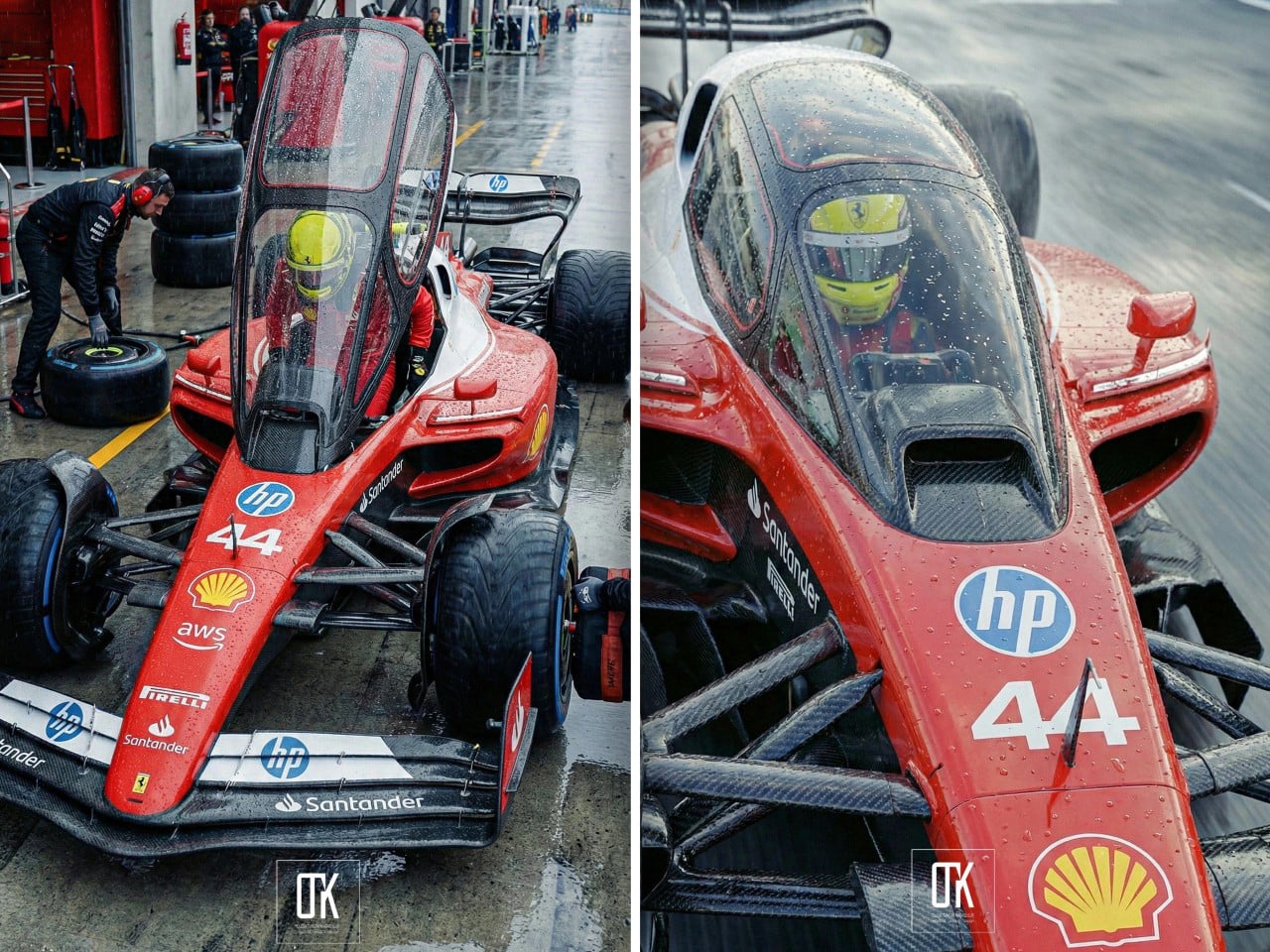
Formula 1 ‘Closed Cockpit’ Concept shows the future of the Halo as a Safer Enclosed Canopy

In the 2021 Italian GP, Lewis Hamilton nearly had his head crushed when Max Verstappen’s car literally climbed on top of his, with the car’s bottom grazing past his helmet and onto the protective Halo. Later on, Toto Wolff of the Mercedes team breathed a sigh of relief, also reflecting on how much he fought against the addition of the Halo to the F1 car design. This isn’t the first time a Halo has saved a life. Leclerc’s helmet showed the battle scars of Fernando Alonso’s tire from a similar incident in the Belgian GP in 2018.

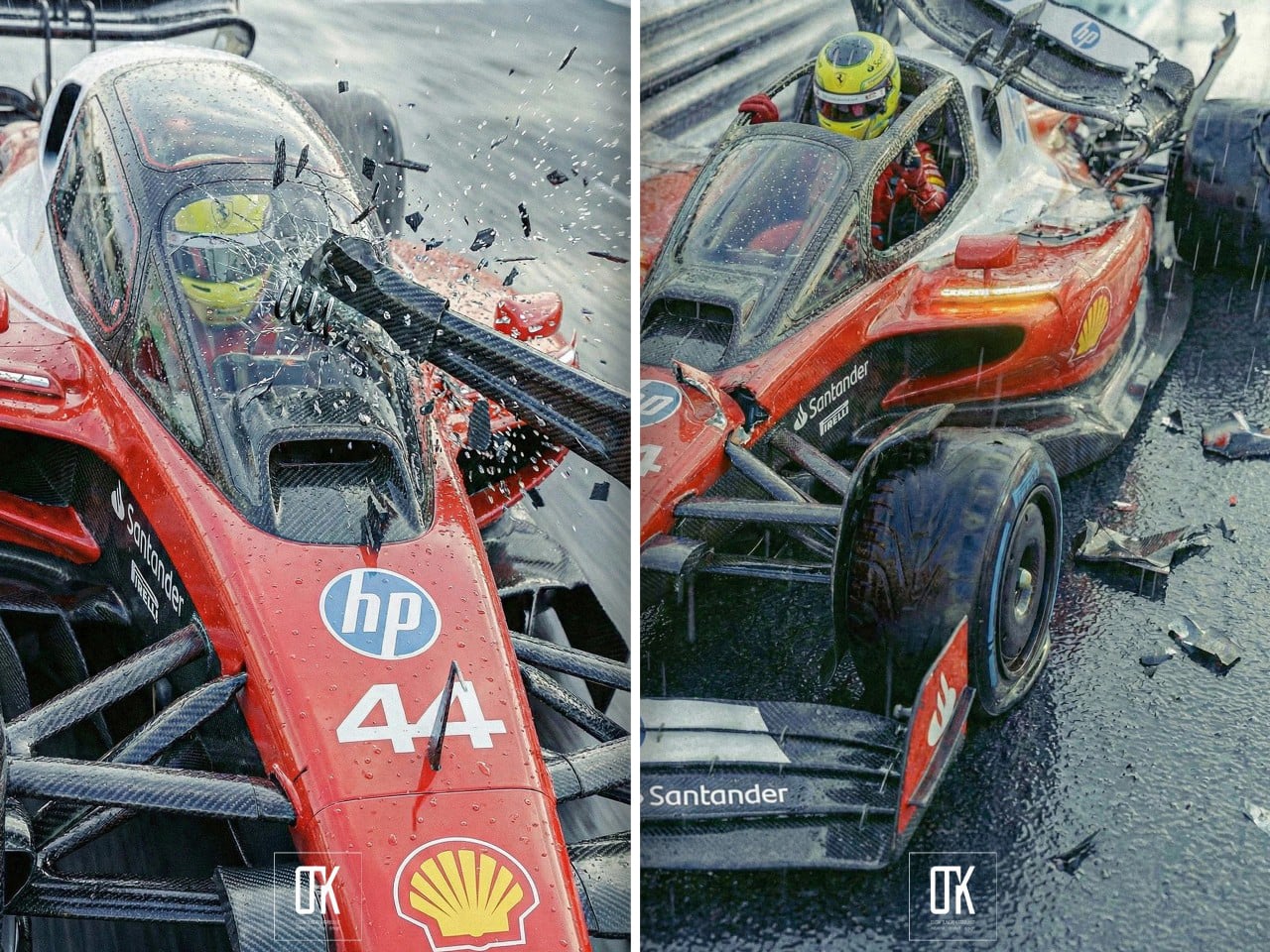
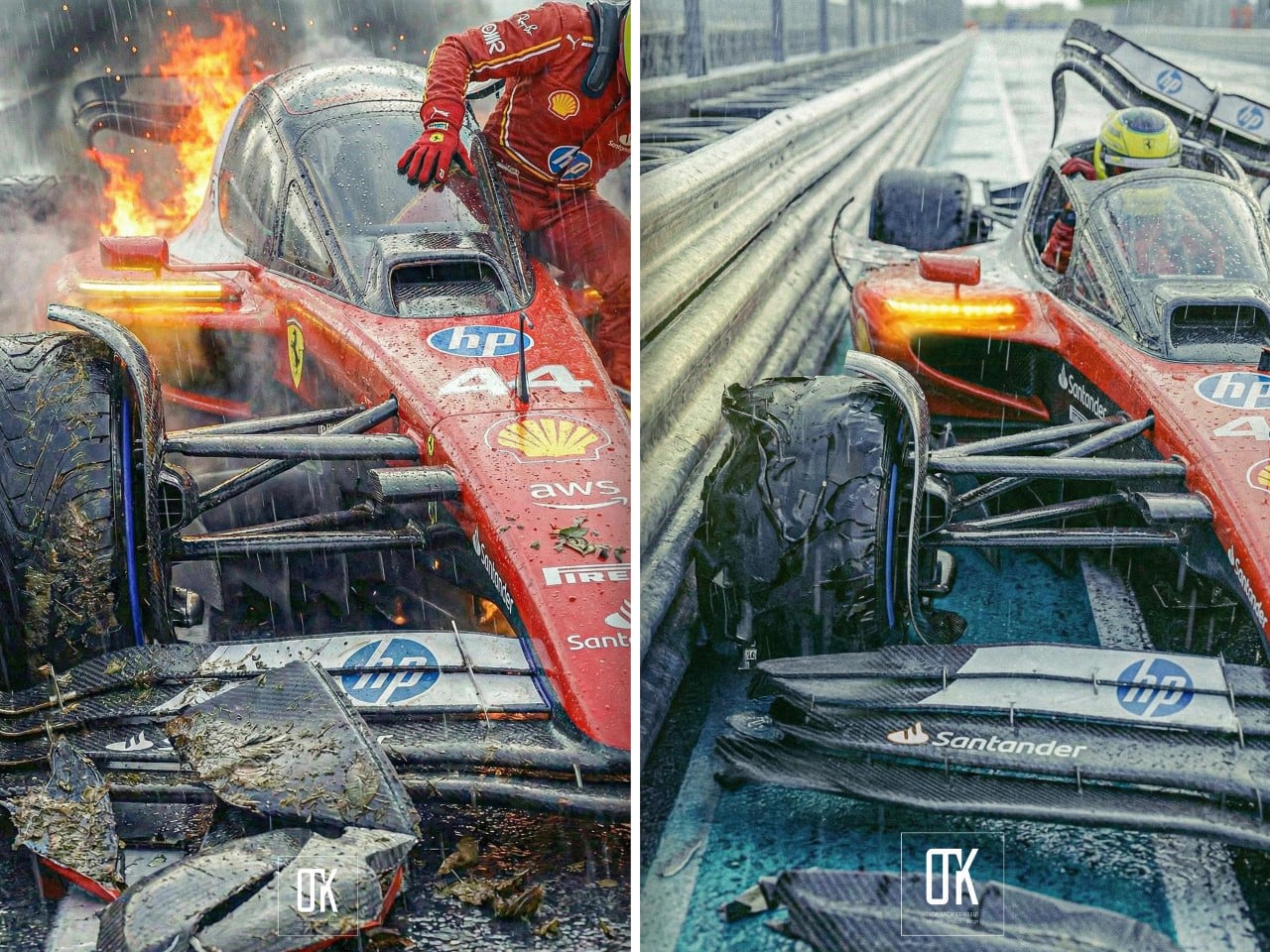
The Halo has played a controversial but incredibly pivotal role in F1. Most teams hated it, but now thank its presence in the face of nearly fatal accidents. The FIA also dabbled with the idea of a closed cockpit for even safer driving, but the ideas were all shot down because a closed cockpit proved to be more harmful in the event of a bad crash. What if the driver couldn’t exit a blazing vehicle? Or get out swiftly in the middle of a race? Designer Olcay Tuncay Karabulut has a clever fix to these questions. Dubbed the ‘Canopy’, this design detail takes the Halo and gives it a set of upgrades… in a way that still makes it safe for drivers to exit vehicles.

Designer: Olcay Tuncay ‘Karabulut’

As much as the Halo obscures a driver’s vision, it’s also incredibly good at obscuring dangerous obstacles that could smack the driver at forces of nearly 10 Gs. There’s no way a helmet could protect against something that powerful. The advantage the Halo has had over most closed cockpits, is that the two sides make it easy for drivers to enter and exit vehicles. More components, more details, and more safety can often mean more time required to exit a car. The seatbelt, as safe as it’s claimed to be, has been responsible for multiple people being trapped in cars longer than they need to be. For the FIA (the regulating body for the Formula series), the closed cockpit has had the exact same set of problems.

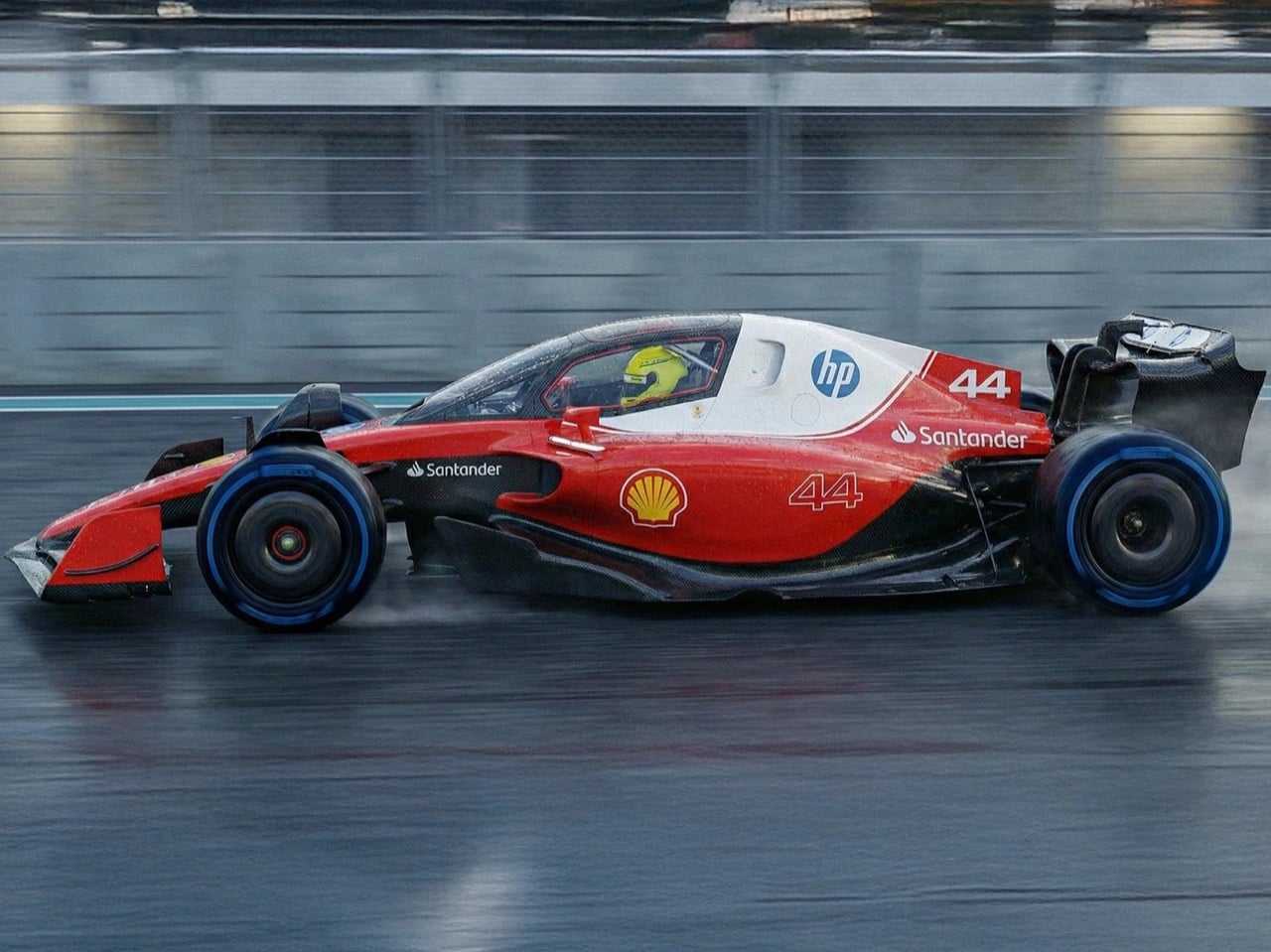
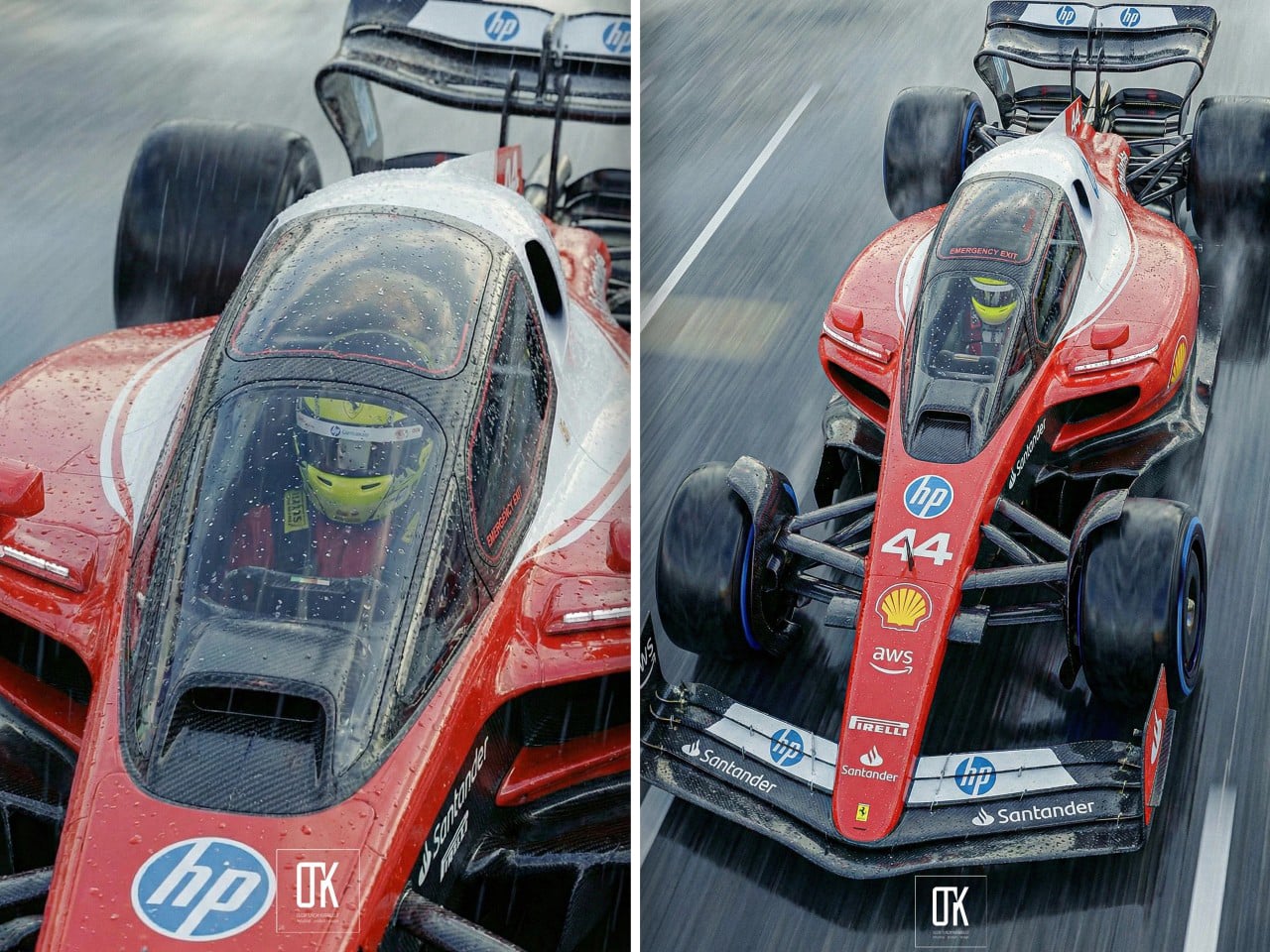
Olcay’s ‘Canopy’ concept addresses this by borrowing from the closed cockpit designs of a jet. The canopy hinges at the front, opening and closing to allow the driver to enter and exit on demand. However, in the case of an emergency, multiple panels in the canopy can be pushed out to provide different points of egress. If the canopy ever breaks or fails, simply ditch any of the transparent panels on the top or the sides and the driver can easily make an exit, just the way they would through the Halo.

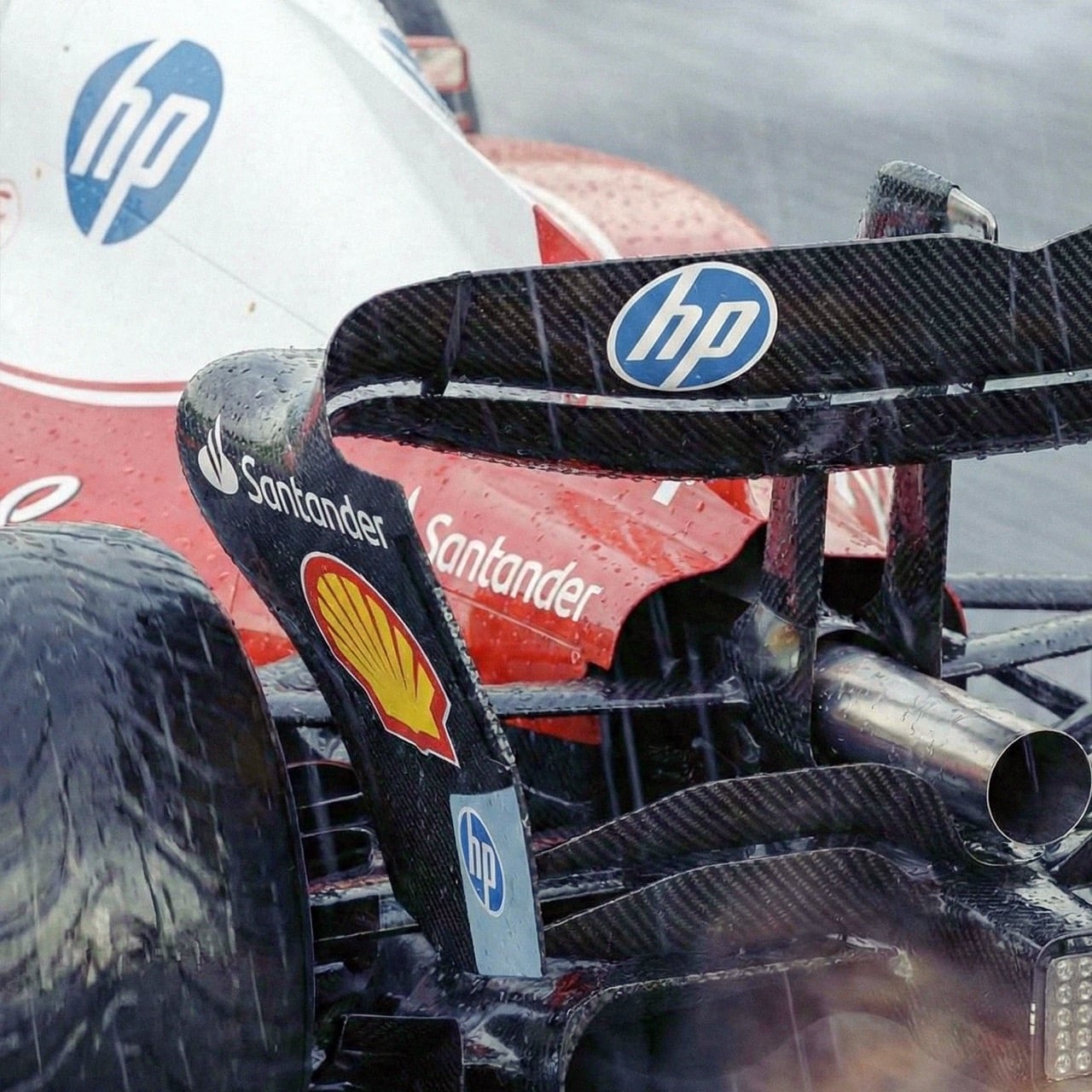
Olcay’s design relies on a robust canopy built using Carbon-Ti, a strong carbon-fiber, titanium, and aluminum alloy known for its ability to withstand pretty much any sort of abuse. Unlike the Halo which is Y-shaped, the Canopy is H-shaped, with panels on the front, top, and the sides. The front panel acts as a windshield, while the top and side panels can be ejected during an emergency exit.

Is the Canopy better than a Halo? Well, yes and no. Sure, a closed cockpit is way more secure than an open one. We all remember Felipe Massa getting struck by a loose spring in the 2009 Brazilian GP. A canopy would absorb that impact, shielding the driver from damage. However, that impact would also crack the glass, obscuring the driver’s vision and probably making them less safe. In the rain or in muddy conditions, drivers keep their vision clean by simply peeling away protective film from their helmet visors whenever it gets dirty. There’s really no way to peel mud or water away from a canopy, so this would be a nightmare in rainy races… provided the sheer force of wind pushes any dirt or debris away from the clear glass. We’re also completely sidestepping the potential worst-case scenario where the Canopy along with its ejectable panels fail to open, trapping the driver in a nightmare situation with really no exit until someone intervenes.

Olcay’s justification for designing the canopy is to protect the driver from any form of tiny debris that the Halo would miss. Sure, the Halo keeps the driver safe the way a car’s roll cage keeps drivers safe in regular vehicles. But the Halo would do nothing to stop shrapnel from the car in front of you flying towards your face or body. The enclosed design of the Canopy provides 360° cover, although yes, it needs to be sufficiently tested.

The Canopy tech was conceptualized for the year 2030, with 4 more years to test out the system. Current cars still use the Halo, and F1’s changes more or less revolve around the car’s power-train, moving from mainly fuel-based to an equal use of fuel and electric systems. Will we see something akin to this in future F1 cars? Well, Olcay’s work is entirely conceptual, but it bases itself in a stark reality that F1 still has ways to go when it comes to driver safety. After all, the Halo wouldn’t be able to stop what happened to Felipe Massa in 2009. Only a Canopy would.

The post Formula 1 ‘Closed Cockpit’ Concept shows the future of the Halo as a Safer Enclosed Canopy first appeared on Yanko Design.

Colorado is working on a bill that would make it illegal to 3D print firearms and gun parts

A collective of Colorado lawmakers wants to put an end to "ghost guns" and their rising popularity. Earlier this week, the state's House Judiciary Committee voted in a 7-4 majority to pass the bill, HB26-1144, along for a decision with the full House of Representatives. The proposed law would "prohibit the use of a three-dimensional printer, or similar technology, to make a firearm or a firearm component."

Ghost guns are typically made from 3D printers or similar machines without serial numbers, making them virtually impossible to trace and allowing users to skirt the federal requirements for purchasing a firearm. While the bill targets using a 3D printer to make guns, large-capacity magazines and other related components, it even bans possessing and distributing the instructions to manufacture guns in this way. However, these rules would be exempt for federally licensed firearm manufacturers.

"These ghost guns are increasingly found at crime scenes, making it harder for law enforcement to track down a suspect because the gun isn’t traceable," the bill's sponsor, Lindsay Gilchrist, said in a press release.

Prior to this proposal, Colorado passed a law in 2023 that banned owning ghost guns or making frames for them. While SB23-279 laid the groundwork, HB26-1144 can be seen as the next step since it's much more encompassing by targeting ghost guns even before they're made. According to the bill, first-time violations will be treated as a misdemeanor, while repeat offenses will be upgraded to a felony charge. Looking ahead, HB26-1144 still has to secure a vote from both the Colorado Senate and House of Representatives before being delivered to the governor to be signed into law.

This article originally appeared on Engadget at https://www.engadget.com/science/colorado-is-working-on-a-bill-that-would-make-it-illegal-to-3d-print-firearms-and-gun-parts-211508169.html?src=rss

Samsung is adding Perplexity to Galaxy AI for its upcoming S26 series

Samsung's next flagship devices will offer Perplexity as part of an expansion to support multiple AI agents in Galaxy AI. Perplexity's AI agent will work with apps including Samsung Notes, Clock, Gallery, Reminder and Calendar, according to the announcement. And, some third-party apps will support it, though Samsung hasn't yet said which. The news comes just a few days before Samsung's Galaxy Unpacked event, so we can expect to find out more about that integration and how it fits in with Samsung's revamped Bixby very soon. 

What we know so far is that the Perplexity agent will respond to the wake phrase, "Hey Plex" (not to be confused with the streaming service Plex). It can also be initiated by quick-access physical controls. In a statement, Samsung's Won-Joon Choi, President, COO and Head of the R&D Office for Samsung's Mobile eXperience Business, said the expansion of Galaxy AI is aimed at giving users more choice and flexibility in getting their tasks done. "Galaxy AI acts as an orchestrator, bringing together different forms of AI into a single, natural, cohesive experience,” Choi said.

Samsung previously announced a partnership with Perplexity last year to integrate the company's AI search engine into Samsung TVs.  Perplexity has been in hot water though over alleged content scraping and copyright infringement, and was even sued in September by Merriam-Webster — yes, the dictionary — and Encyclopedia Britannica. 

This article originally appeared on Engadget at https://www.engadget.com/ai/samsung-is-adding-perplexity-to-galaxy-ai-for-its-upcoming-s26-series-203729539.html?src=rss

Gorgeous Audio-Technica Turntable Concept is worthy of being in an Art Gallery

If you’ve ever looked at your turntable and thought it could be on a museum shelf, you’re not alone. Hive Industrial, a design studio with a real track record working with Audio-Technica, went ahead and made that thought into a full concept. And once you see it, it’s genuinely hard to look away.

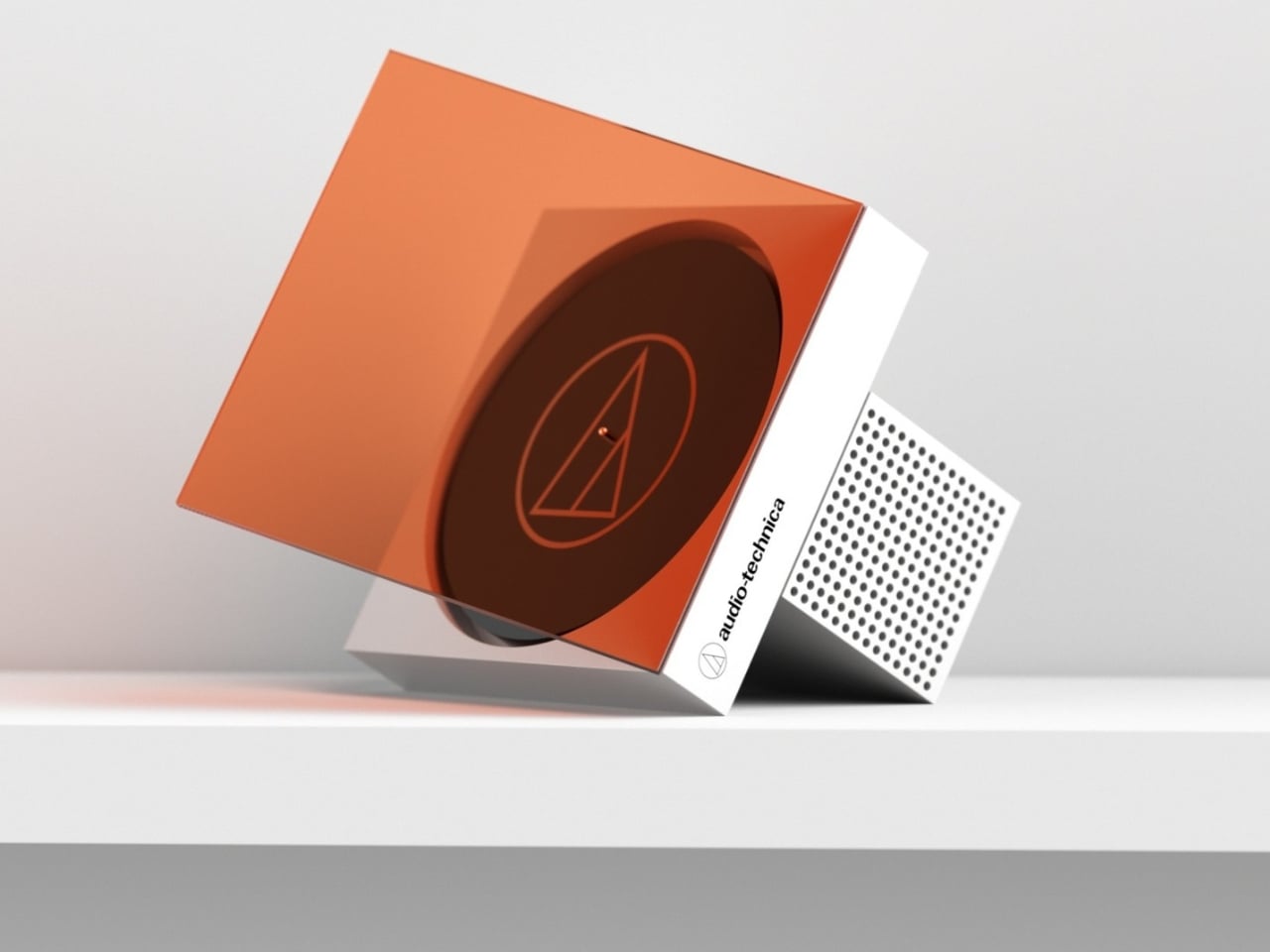
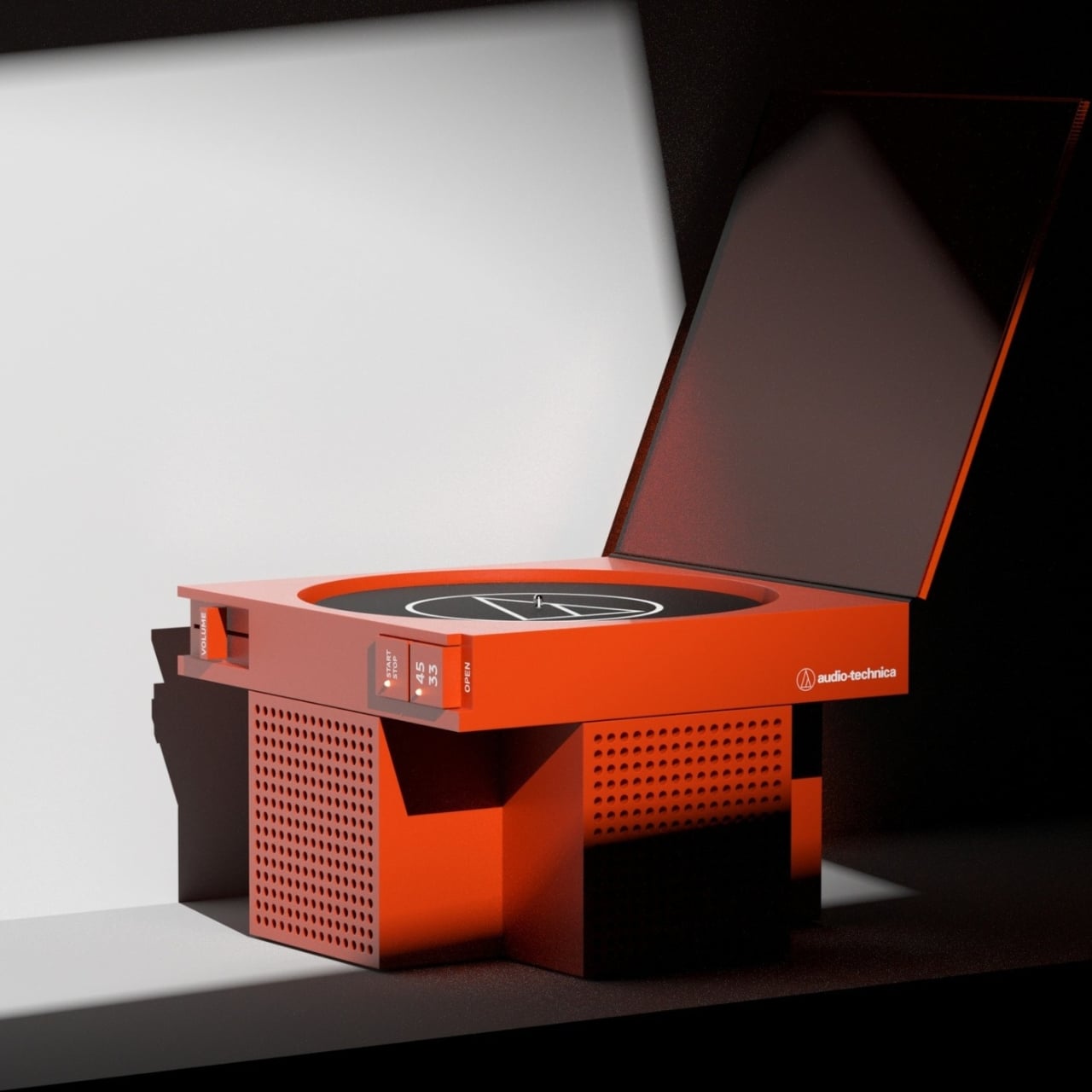
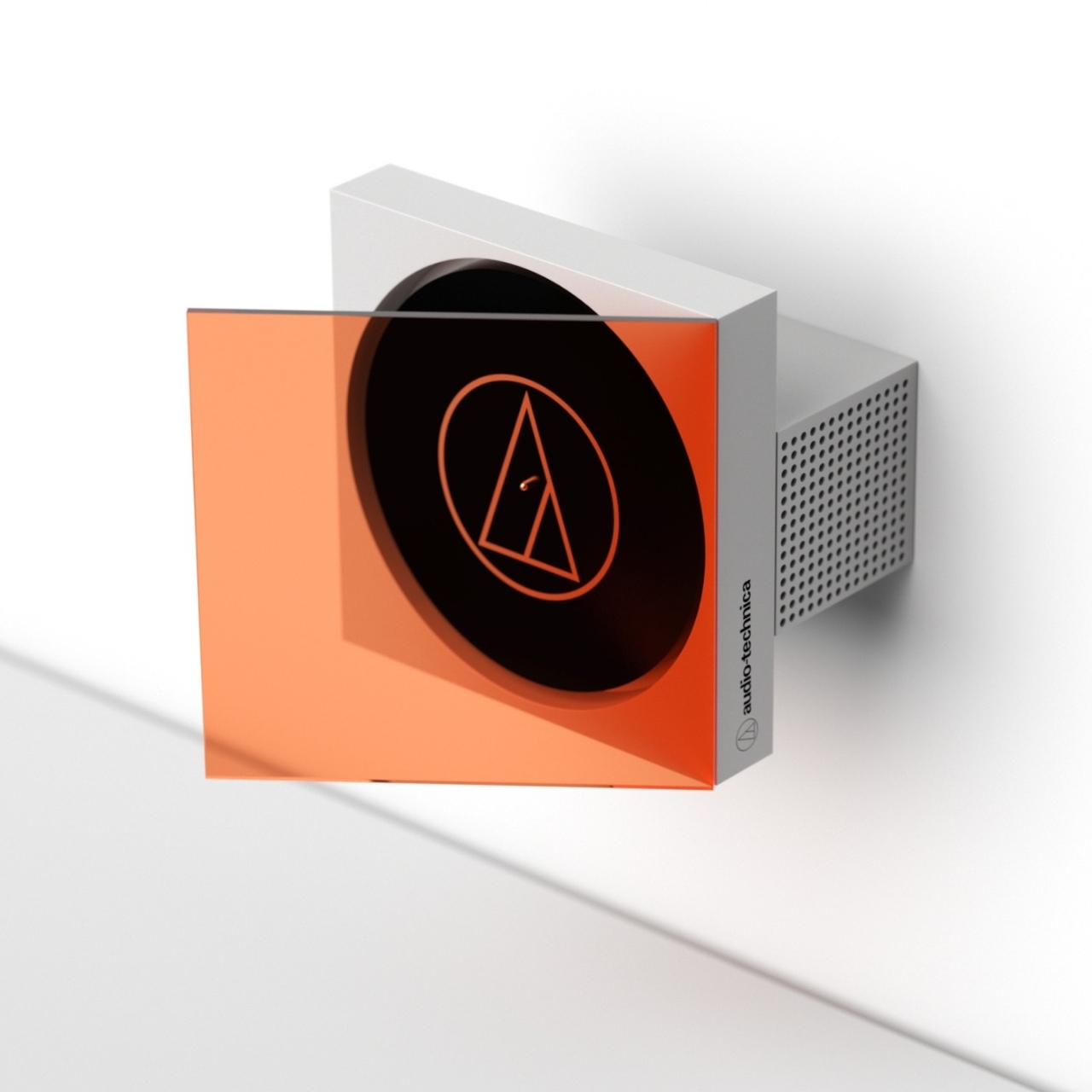
The ID Concept for Audio-Technica isn’t one turntable. It’s a family of forms, all sharing the same design DNA, all pushing the question of what a vinyl player can be when you stop treating it purely as audio equipment and start treating it like a sculptural object. The concept explores three distinct configurations: a flat tabletop version that opens like a precision box, a wall-mounted version where the record faces outward behind a tinted panel, and a vertical format where the disc and player stand together like a piece of framed art.

Designer: Hive Industrial

What makes it immediately striking is the geometry. Hive Industrial built the whole concept around a T-shaped extrusion, a form language that is clean and architectural without trying too hard. There are no soft curves begging for your attention, no retro-inspired wood paneling chasing nostalgia points. The shapes are confident and geometric, almost brutalist in their directness, which is exactly what makes them feel both modern and collectible.

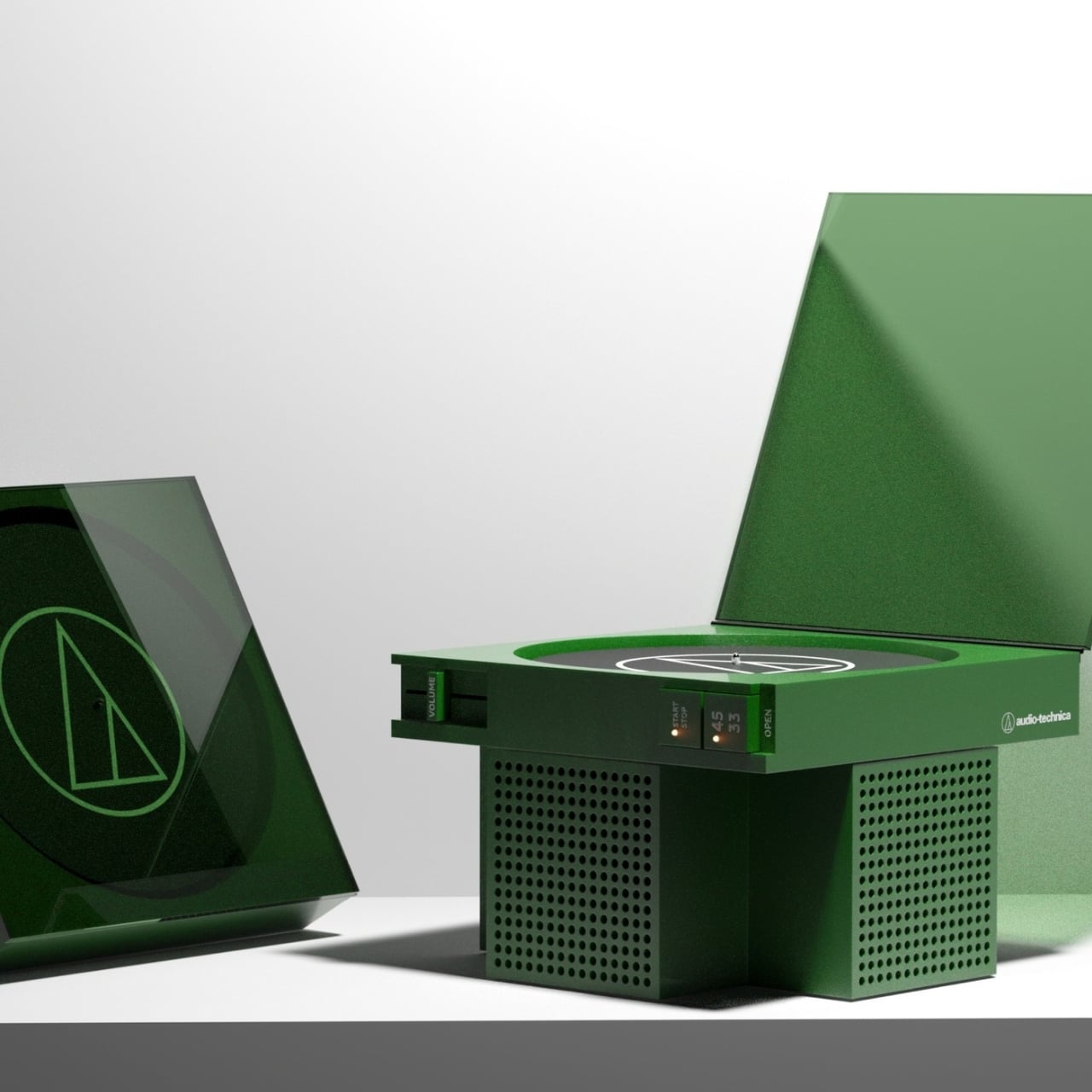
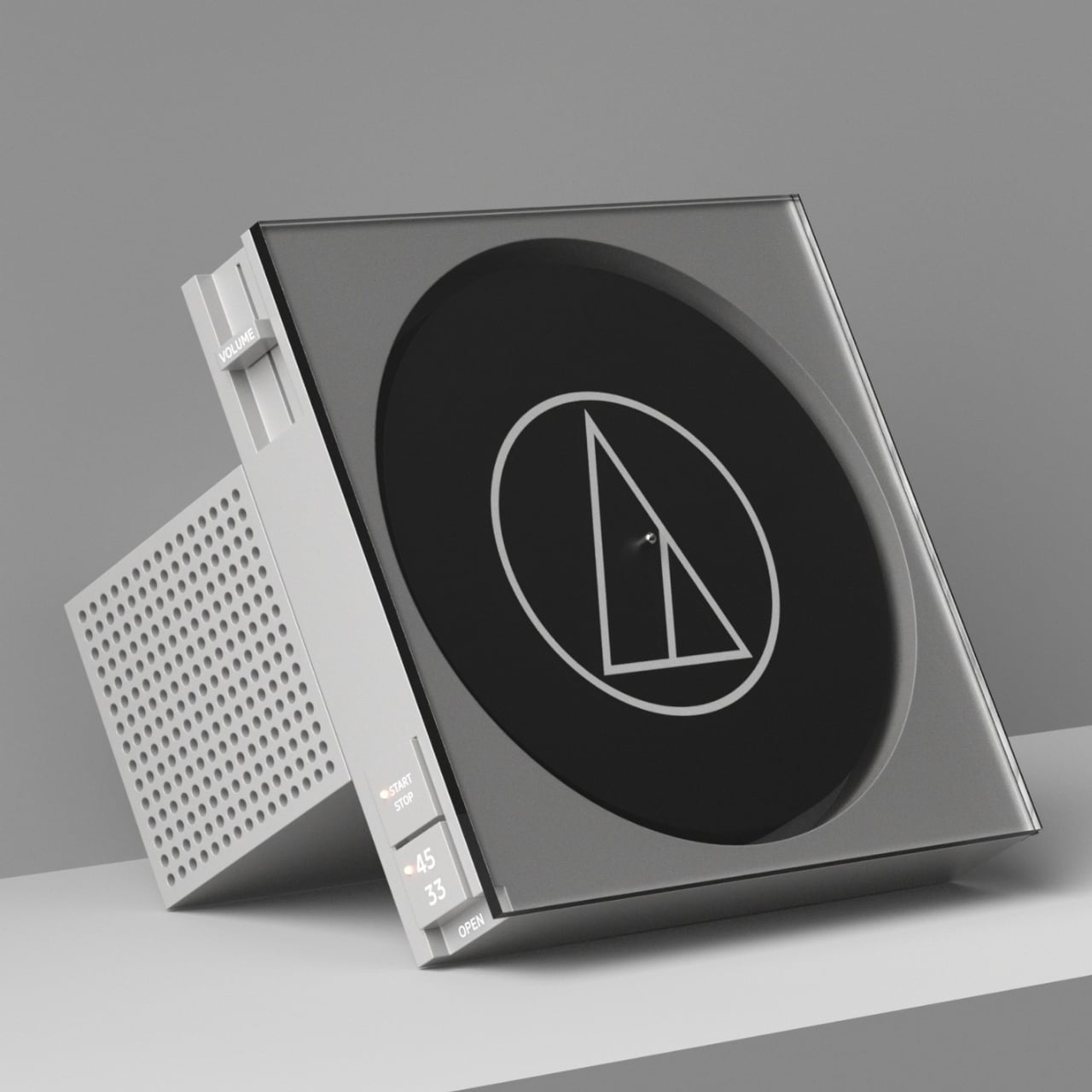
The colorways are doing a lot of heavy lifting, too. The terracotta red version reads bold and warm, the kind of piece that anchors a room the moment you place it down. The forest green edition has a more muted, considered quality that would sit comfortably alongside design-forward furniture. The gray and silver variant is crisp and precise. Then there is the wall-mounted orange-tinted version, which looks less like audio gear and more like something you would find at a gallery opening with a four-digit price tag on the label. Each colorway feels like a deliberate creative decision rather than a marketing checkbox.

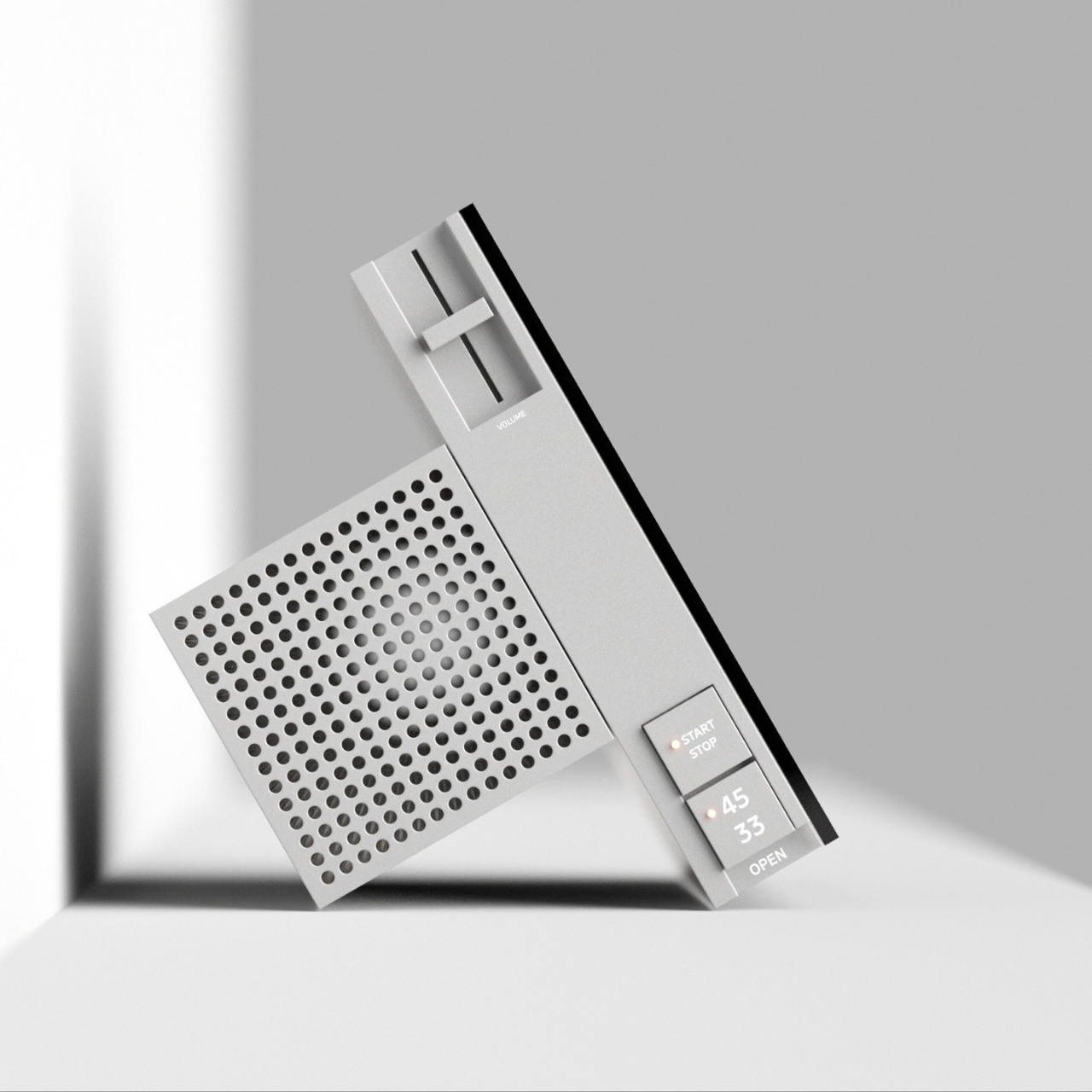
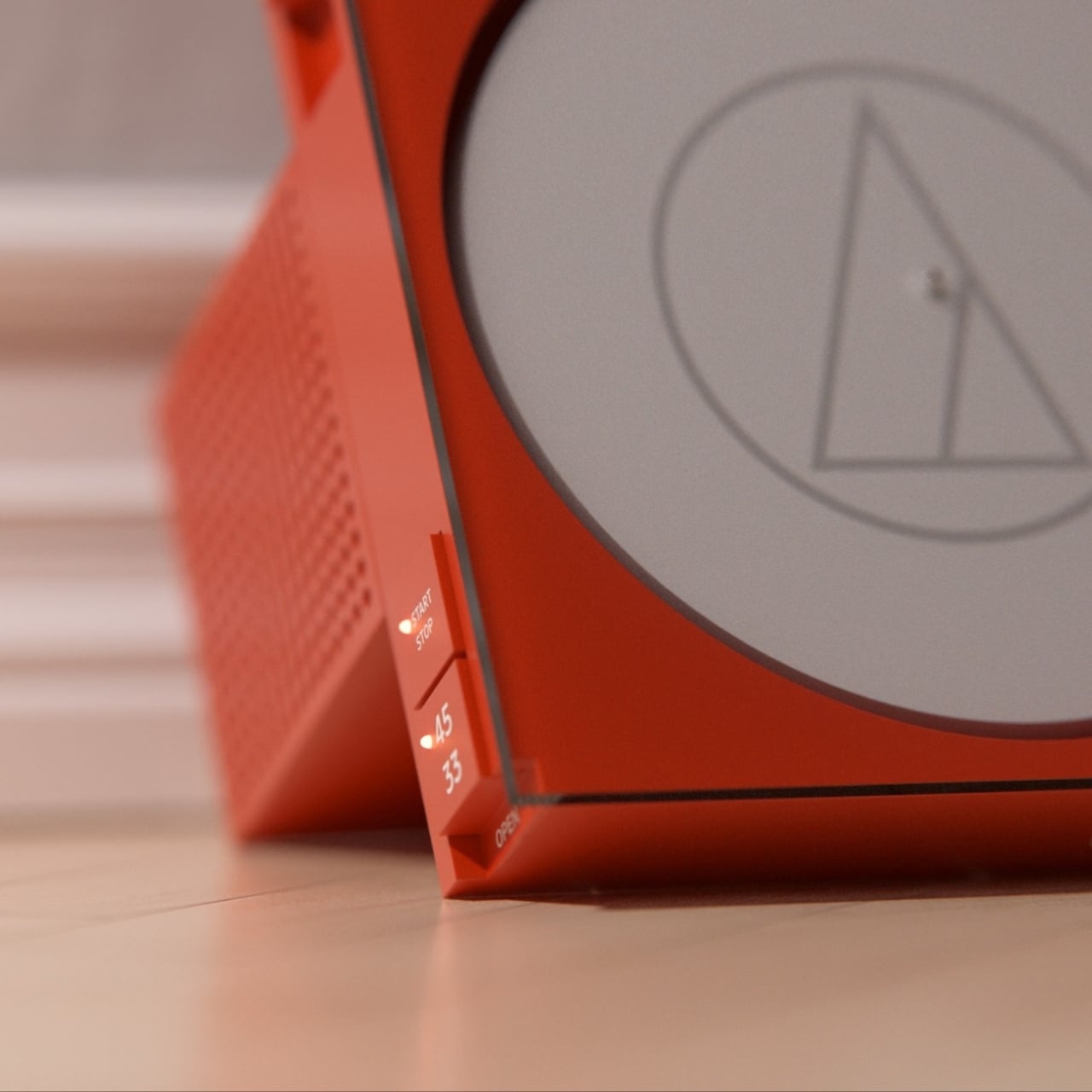
The controls are minimal by design. Along the side spine of each unit, you get a volume slider, a start/stop toggle, a 33 and 45 RPM selector, and an open mechanism. That is it. Nothing clutters the surface. The speaker grille, punched with a tight grid of circular perforations, sits flush into the body and reads almost as texture rather than hardware. The Audio-Technica triangle logo appears on each version, etched or applied with restraint, which is exactly how branding should be handled on a piece this considered.

The wall-mounted interpretation is the one that really challenges your expectations. Getting a turntable off the desk and onto the wall is not a new idea, but presenting the record itself as a visual element, visible through a color-tinted panel that doubles as the lid, is genuinely fresh territory. The record becomes part of the display. When the player is in use, you would be watching it spin behind that translucent orange surface, which is the kind of detail that takes something from useful to memorable.

Hive Industrial has a real history with Audio-Technica. The studio’s portfolio includes several actual products for the brand, including headphones that have shipped to real consumers. So this concept is not just a fantasy render from someone who has never held a stylus. It comes from a team that understands Audio-Technica’s design vocabulary and is asking, quite deliberately, what the next chapter of that vocabulary could look like.

Vinyl’s so-called revival has been going strong for well over a decade now. Sales have climbed consistently, and the audience has expanded well beyond classic rock collectors and dedicated audiophiles into a much broader group of people who simply want something more intentional than a streaming playlist. That audience, which has grown up caring about how things look as much as how they sound, is exactly who a concept like this speaks to.

Whether this ever makes it to production is an open question. But that is almost beside the point. Concepts like this matter because they move the conversation forward and remind you that even an object as established and beloved as a turntable still has room to surprise you.

The post Gorgeous Audio-Technica Turntable Concept is worthy of being in an Art Gallery first appeared on Yanko Design.

Apple is reportedly considering red as the next premium color for its iPhones

First, we got iPhones in Hermès orange, and now we might get them in Louboutin red. According to Bloomberg's Mark Gurman, Apple is already mulling over what the next premium colorway will be for its iPhone Pro models. While we're not expecting iPhone 18 announcements until later this year, Gurman reported that "red is the new flagship color in testing for the next iPhone Pros."

Gurman added that there were rumors of purple and brown shades, but predicted that these could just be different shades of the main red option. Red is definitely a departure from Apple's usual palette of more modest tones, but the company could be trying to continue the momentum of its flashier Cosmic Orange option that has been boosting sales in China. The bold orange option has been informally rebranded as Hermès orange among fans and is becoming somewhat of a status symbol in Chinese markets. With red as a potential frontrunner for the next iPhone Pro colors, Apple could capture even more sales in China, especially since the color is seen as lucky in Chinese culture.

It's not the first time Apple has offered red iPhones, though. Previously, Apple manufactured iPhones in deep red hues in collaboration with Product Red, with the last available models being the iPhone SE, iPhone 14 and iPhone 14 Plus. On the other hand, Gurman reported that Apple will play it much safer when it comes to the rumored foldable iPhone, sticking with its basic tones.

This article originally appeared on Engadget at https://www.engadget.com/mobile/smartphones/apple-is-reportedly-considering-red-as-the-next-premium-color-for-its-iphones-185748052.html?src=rss
These ‘Sandscape’ Lamps Turn Reflected Light Into Sculptural Artpieces

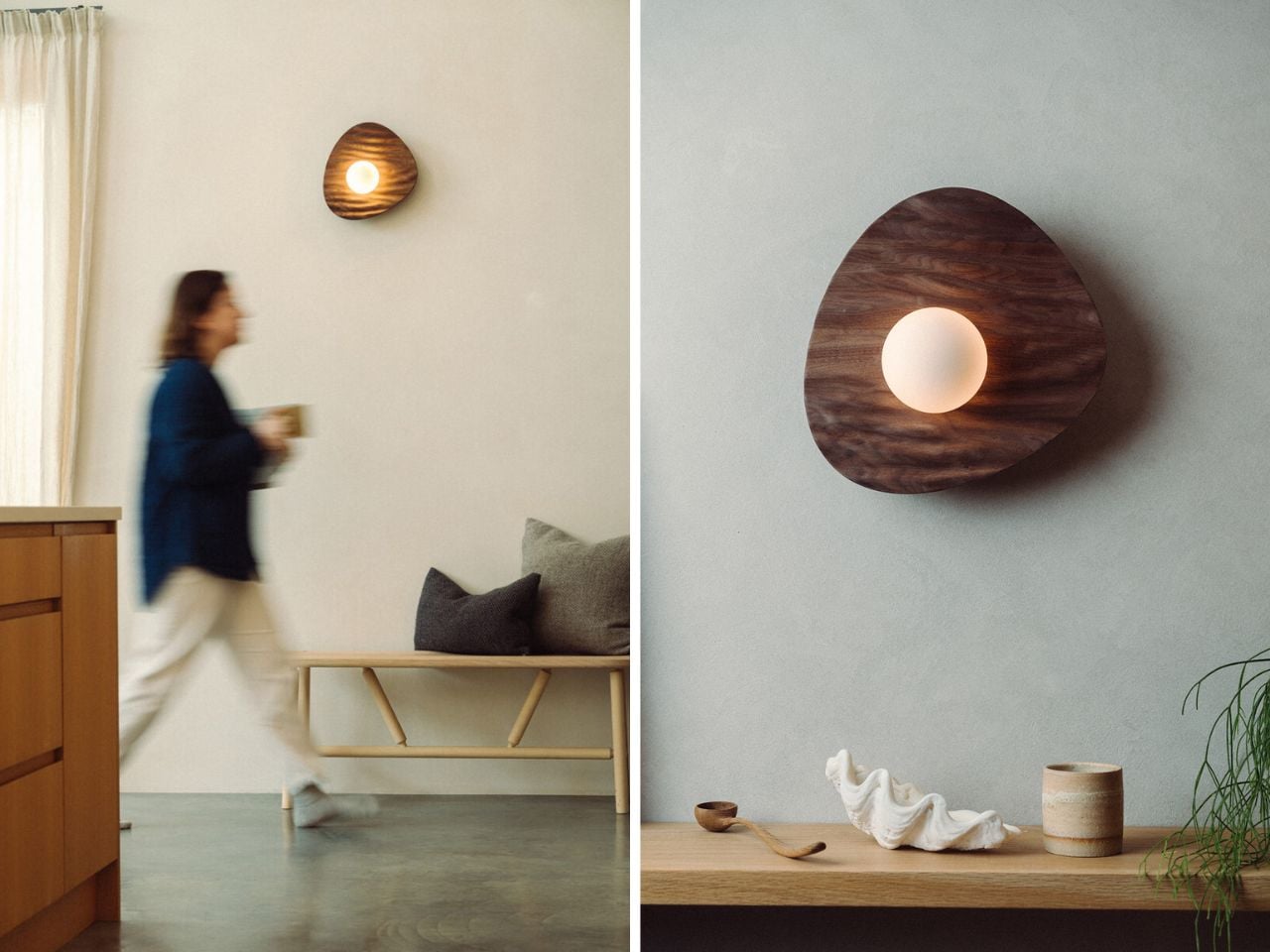
There is a moment at dusk when the boundary between sky and water dissolves. The sun hangs low, the tide softens, and the surface of the sea becomes a trembling mirror, holding light in fragments. Studio Haran’s Sandscape Collection seems to trap that exact instant. These sculptural luminaires do not simply resemble waves. They resemble the reflection of something luminous hovering above them, as though the moon or sun has descended and dissolved into ripples.

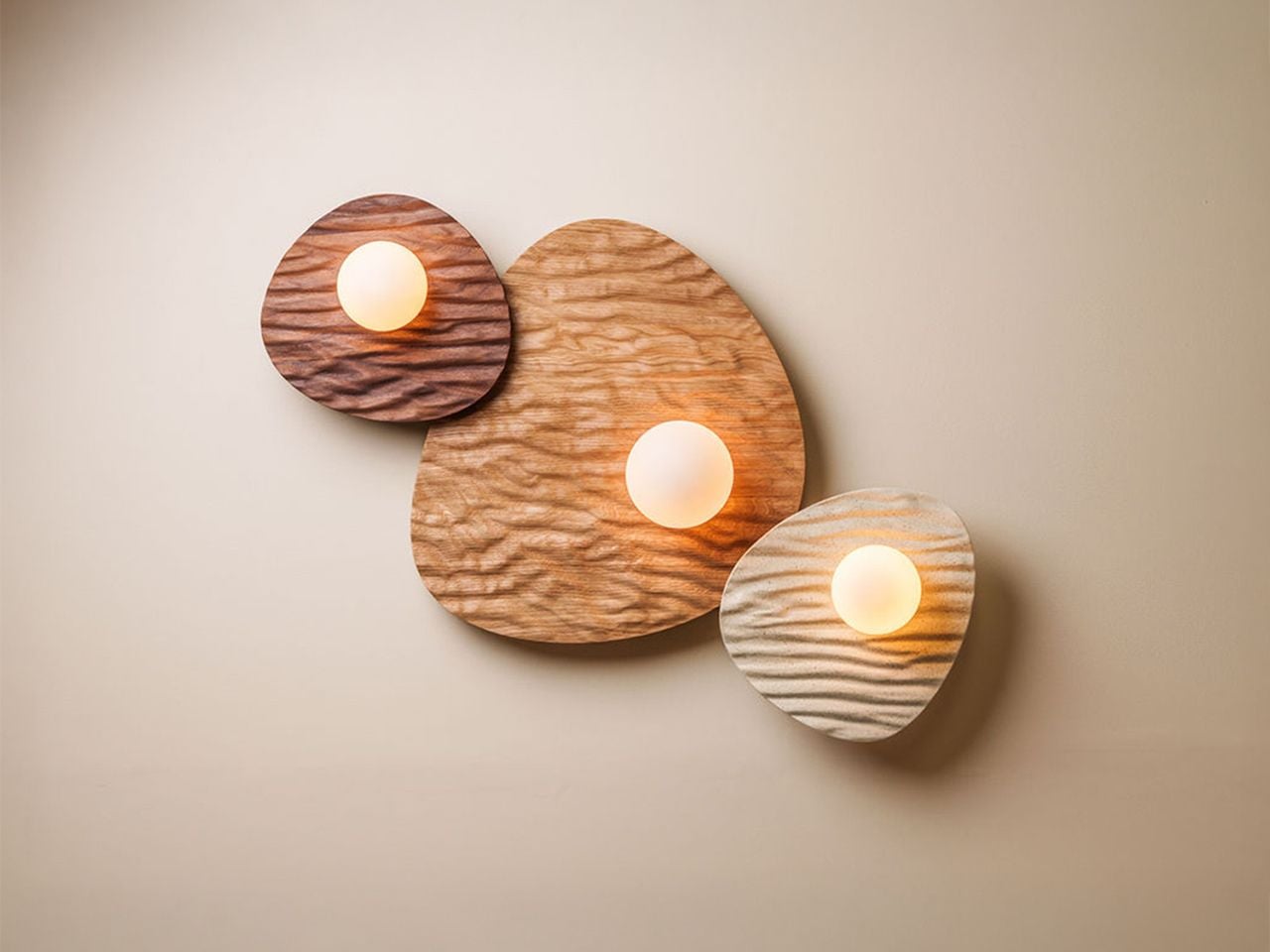
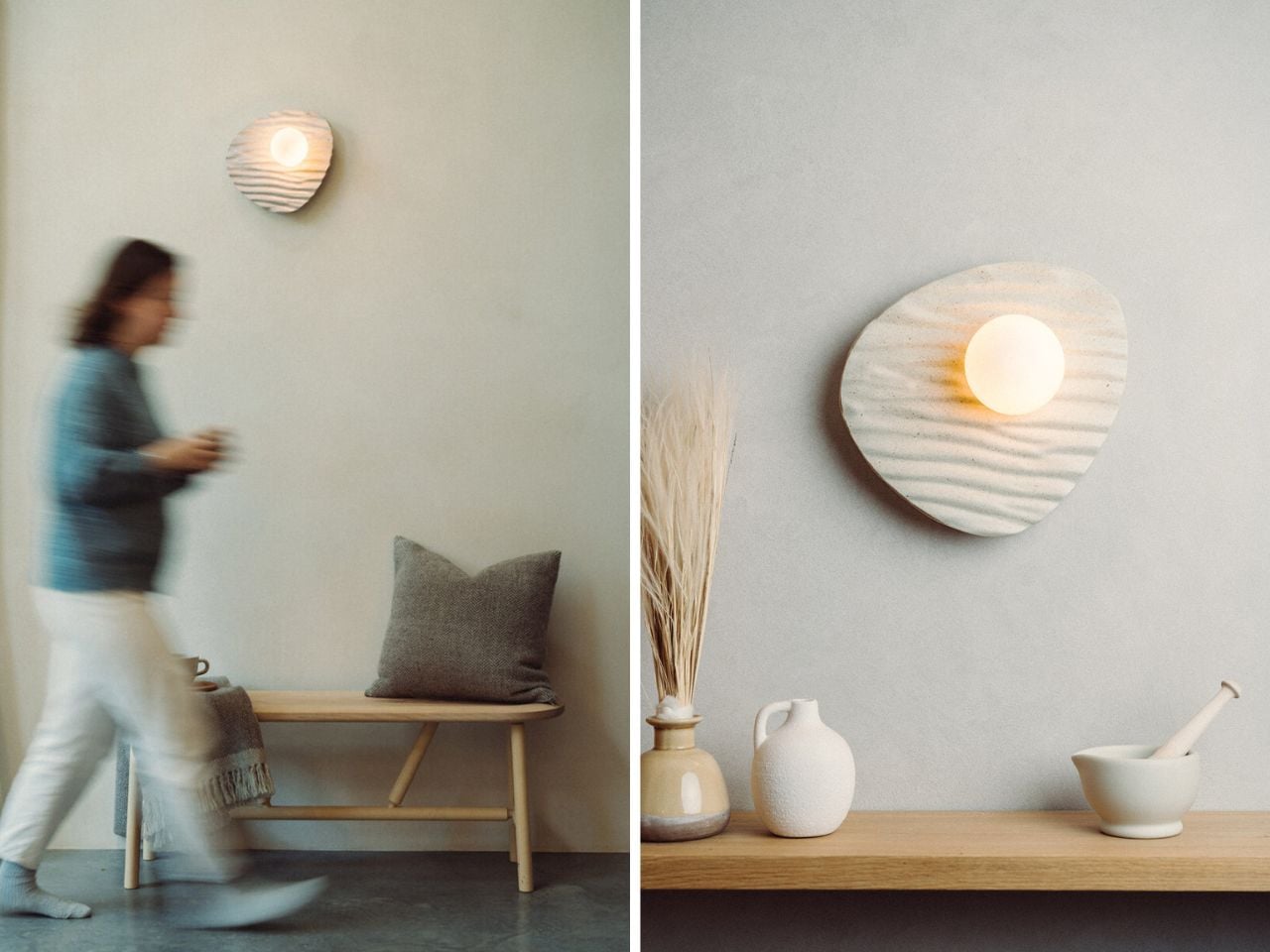
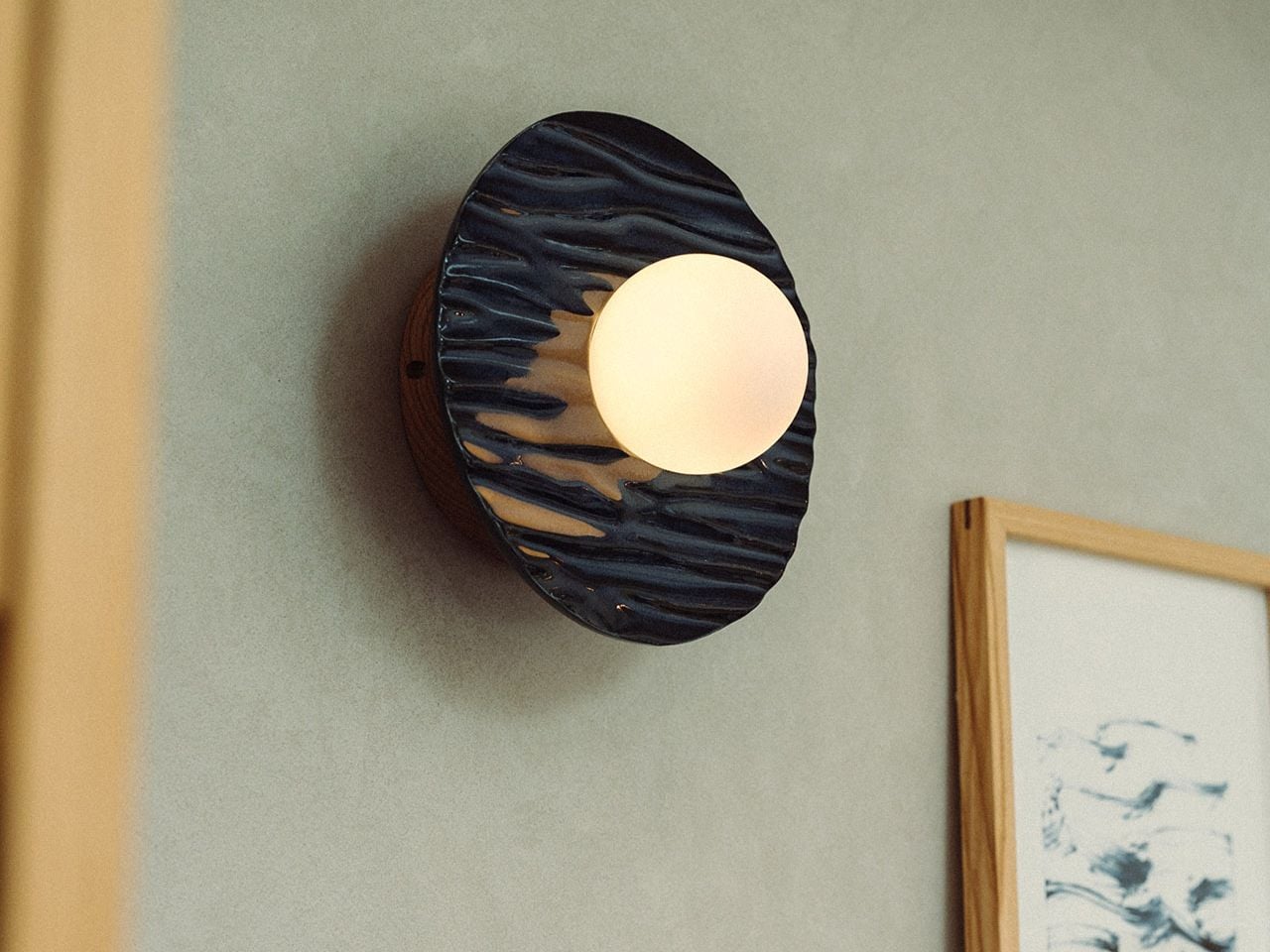
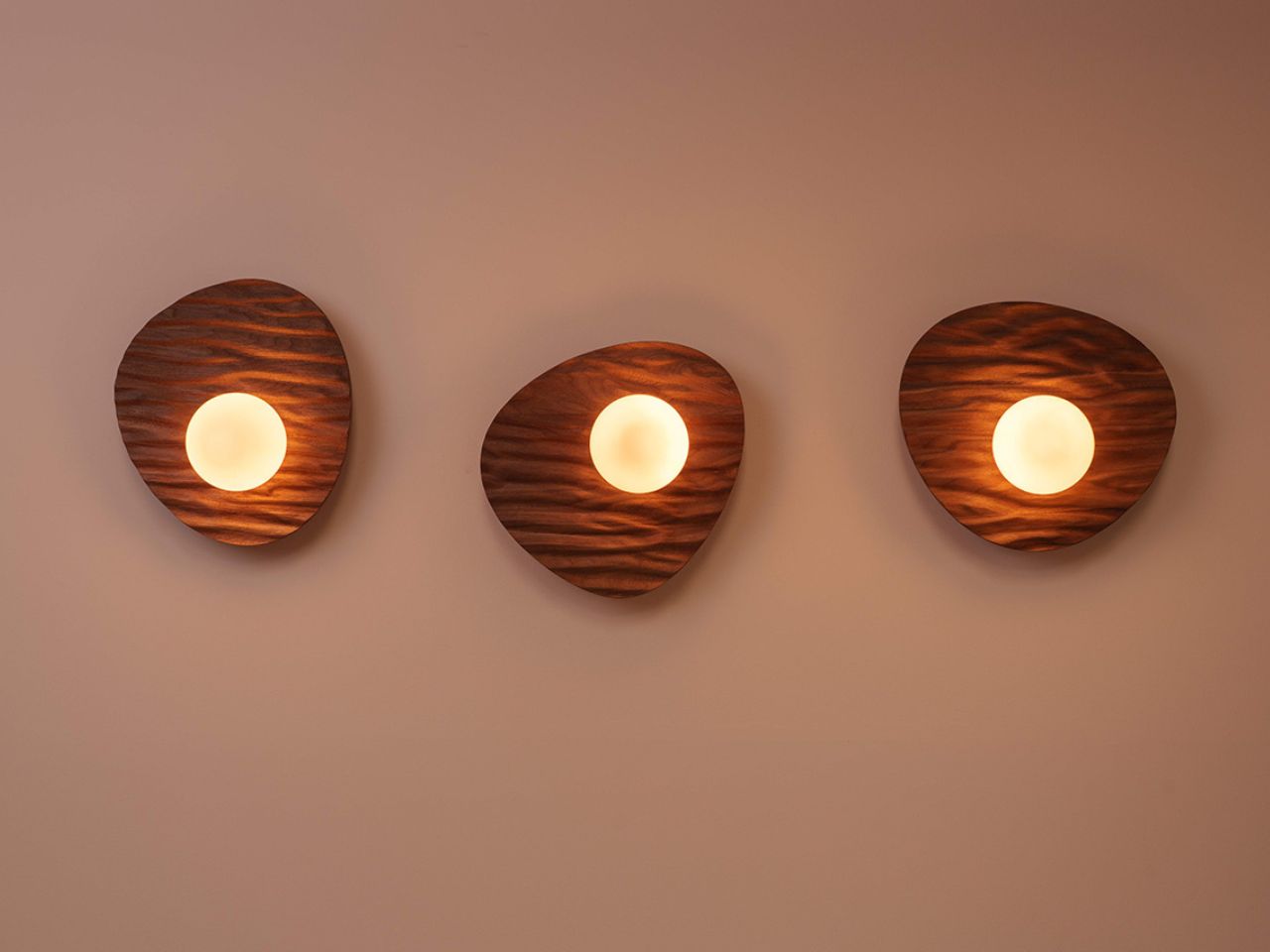
The magic lies in the relationship between form and illumination. Each piece is carved with undulating contours derived from real tidal formations scanned along the Cornish coastline. The surface behaves like a miniature seascape, complete with peaks, troughs, and subtle ridgelines. When the spherical light source glows, it does not just illuminate the piece. It performs. The orb reads like a celestial body hovering over water, while the carved wood becomes the restless surface below, catching and scattering its light.

Designer: Studio Haran

As brightness touches the crests and slips into the carved valleys, the illusion intensifies. Highlights shimmer like sun streaks across waves at noon. Softer gradients resemble moonlight stretching across a night tide. The piece shifts depending on angle and distance. Step to one side and the glow pools like reflected dusk. Move again, and it fractures into sparkling fragments. It feels less like looking at a lamp and more like witnessing a natural phenomenon condensed into an object.

Material selection deepens this celestial illusion. Oak amplifies warmth, making the light read like late afternoon sun glancing off shallow water. Walnut introduces depth, creating the mood of twilight reflections where light lingers, but shadows gather. Ebonised oak heightens contrast, evoking night seas where the moon’s glow appears almost liquid against darkness. Ceramic accents punctuate these landscapes with tonal stillness, acting like quiet horizons amid motion. With custom glaze options, these ceramic elements can echo anything from dawn pastels to stormy night tones, allowing the piece to shift emotional register without losing coherence.

Conceptually, the Sandscape Collection occupies a rare poetic territory in contemporary design. It does not imitate nature. It recreates an experience of nature. Instead of presenting waves themselves, it presents the phenomenon of light meeting water, a far more elusive and emotionally resonant subject. The pieces feel like memories rather than objects, like moments recalled rather than forms constructed.

Placed within an interior, the effect is quietly transportive. The room remains still, yet the surface suggests motion. The lamp sits solidly, yet the light seems to drift. It is a reminder that the most powerful design does not always demand attention. Sometimes it simply glows, as a distant moon reflected on a dark sea, asking nothing more than that you pause and look.

The post These ‘Sandscape’ Lamps Turn Reflected Light Into Sculptural Artpieces first appeared on Yanko Design.

Apple’s first event of the year will reportedly bring at least five products over a ‘three-day blitz’

Ready your wallets if you've been thinking about upgrading your Apple products. According to Bloomberg's Mark Gurman, Apple will announce "at least five products," starting on Monday, March 2, and extending to its scheduled "experience" on Wednesday, March 4.

There's a long list of potential options that Apple could announce next month, but Gurman is confident in a few. According to the report, Apple is "very likely" to reveal the low-cost MacBook, especially considering the event logo's choice of colors that could reference the new laptop colors. Gurman also predicted that Apple could announce the iPhone 17e, since its predecessor was launched last spring, and an iPad Air that's updated with the M4 chip. Previous rumors point to Apple getting ready to drop the upgraded MacBook Pro, which will likely get M5 Pro and Max chips, and the new MacBook Air with the base M5 chip. If that wasn't enough, Apple could even debut the refreshed Mac Studio and a new Apple Studio Display since the two desktop-oriented options were already expected to be released in the first half of the year.

There hasn't been any confirmation from Apple directly, but it may have left behind some hints for this "three-day blitz" of product announcements. Going off Apple's wording, the March 4 event will be an "Apple Experience" with locations in New York, London and Shanghai, which doesn't sound like the typical format of an event with keynote addresses that's paired with a livestream. Gurman also noted that Apple usually announces its new products on Tuesday, unlike the official Wednesday timing.

This article originally appeared on Engadget at https://www.engadget.com/computing/apples-first-event-of-the-year-will-reportedly-bring-at-least-five-products-over-a-three-day-blitz-175017716.html?src=rss
Barefoot Caravans goes from petite to pint-sized with the ultra-compact Bothy

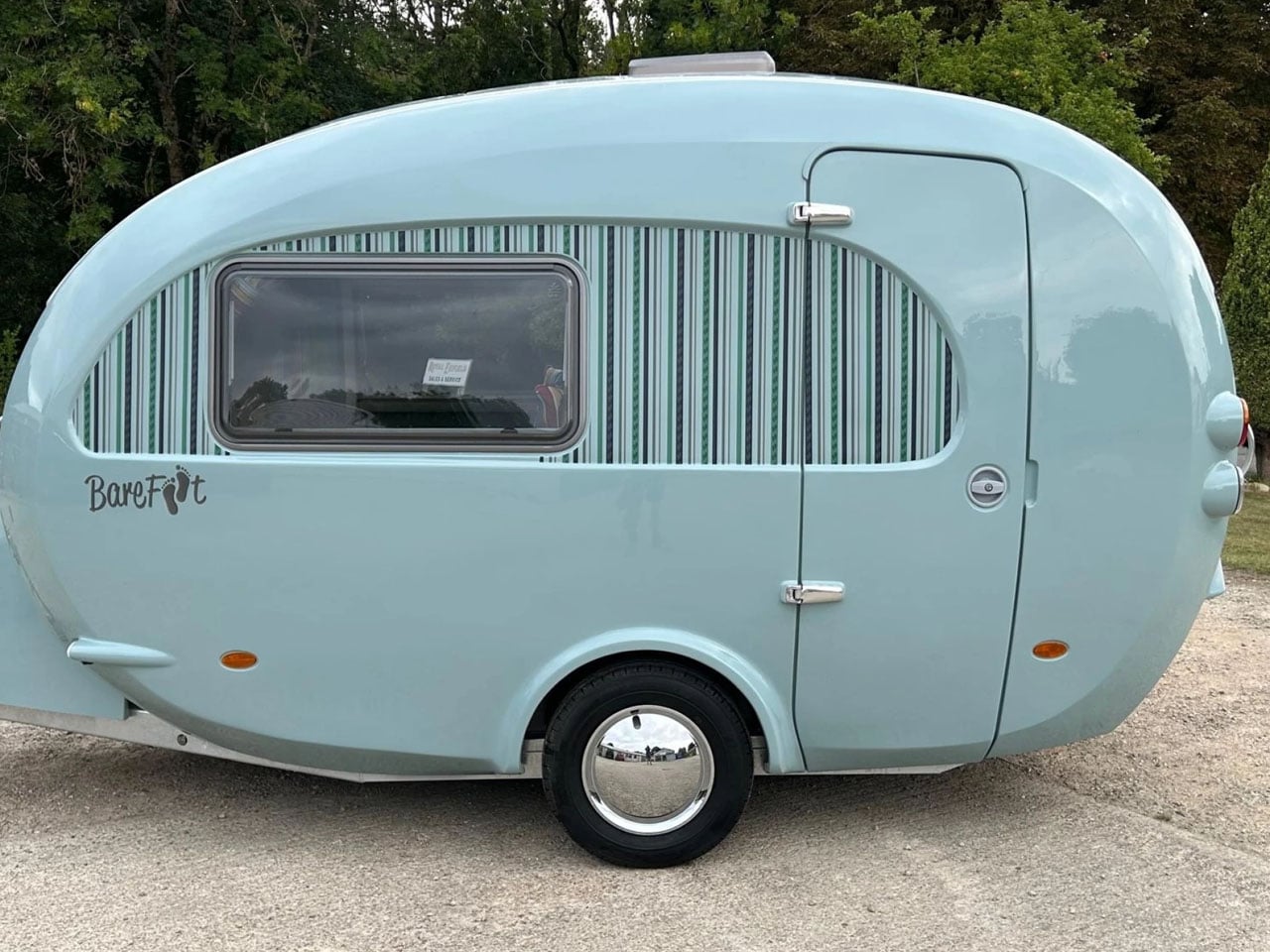
If you have been following the industry, it has been raining fiberglass trailers lately. First, we saw the Escape 13, and recently the MorningStar from Awaken RV. Now, while other brands are creating new inroads, Barefoot Caravans is taking a step back and revisiting its aesthetically pleasing Barefoot travel trailer born in the UK.
The caravan, which has also been able to make a mark for itself in the US and Australia, is now being downsized further, from its otherwise petite form factor. The new skimmed-down version of the Barefoot, dubbed the Bothy, is a super-small Barefoot travel trailer without the wet washroom.

Designer: Barefoot Caravans

The original, lightweight Barefoot has already been reckoned as one of the smallest in the market. Now, even smaller Bothy, which debuted at the 2025 NEC Caravan Show recently is much lighter, but this, of course, doesn’t come without some limitations. The most important of it is the absence of a bathroom, as mentioned earlier.

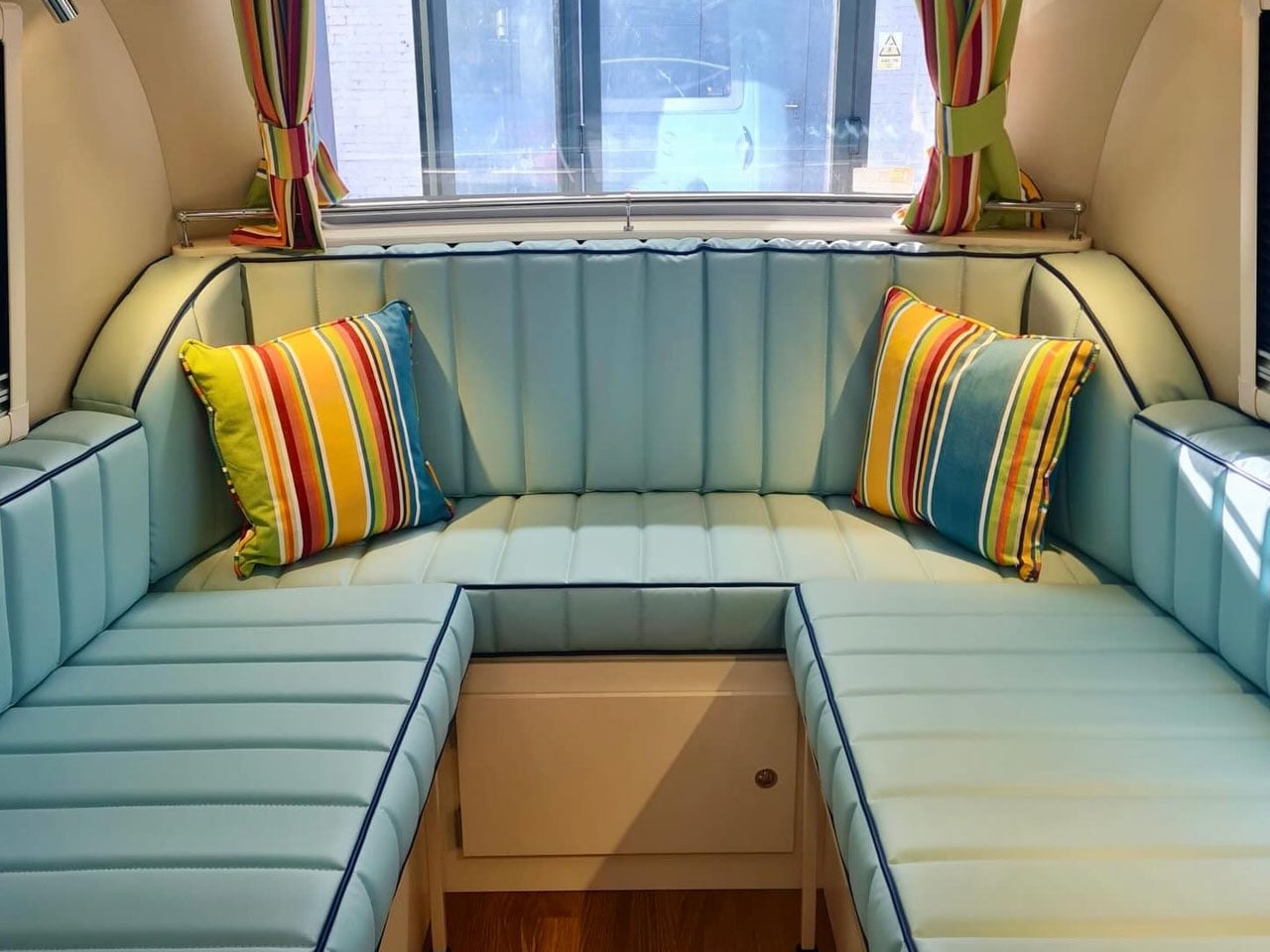
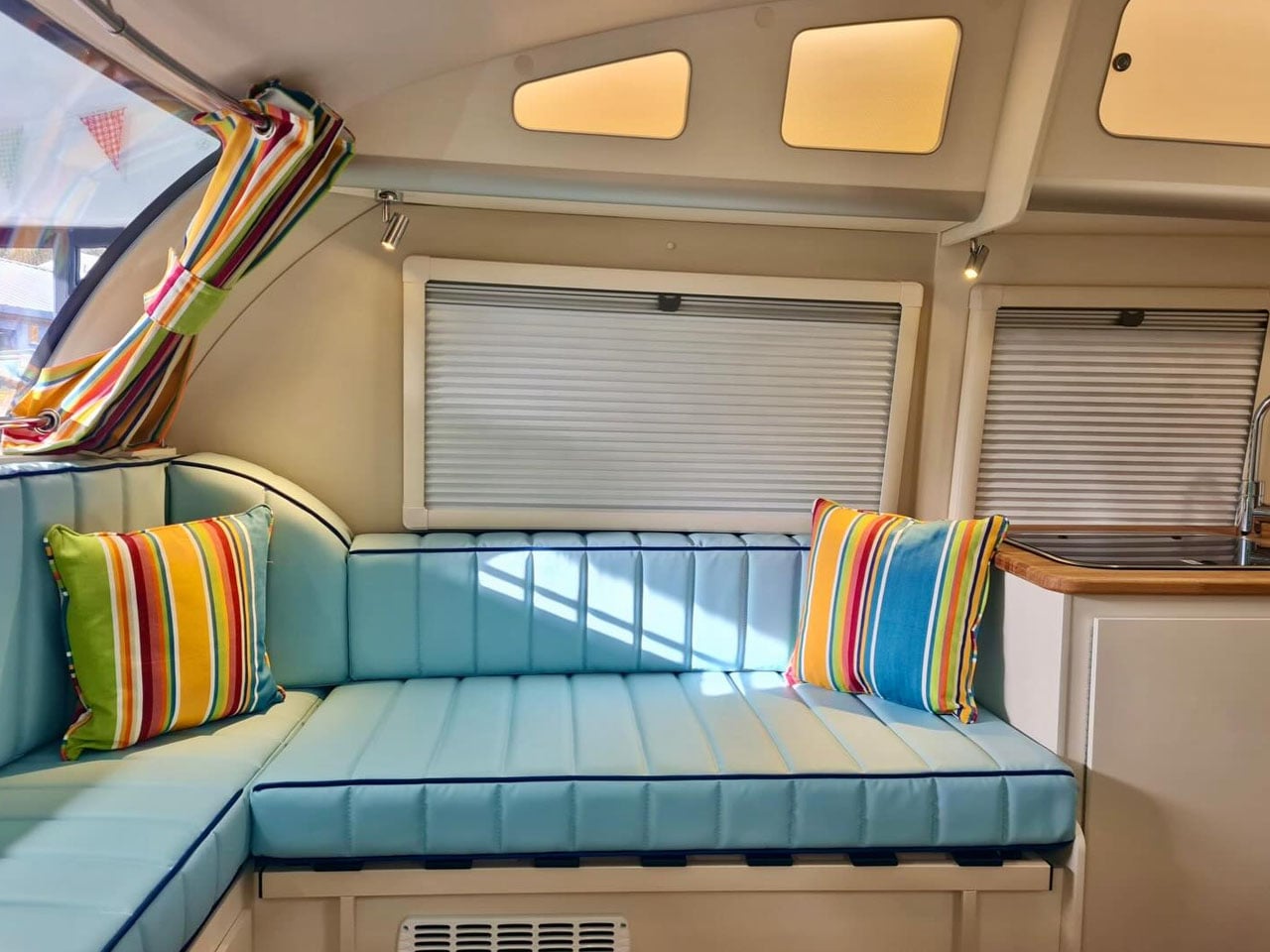
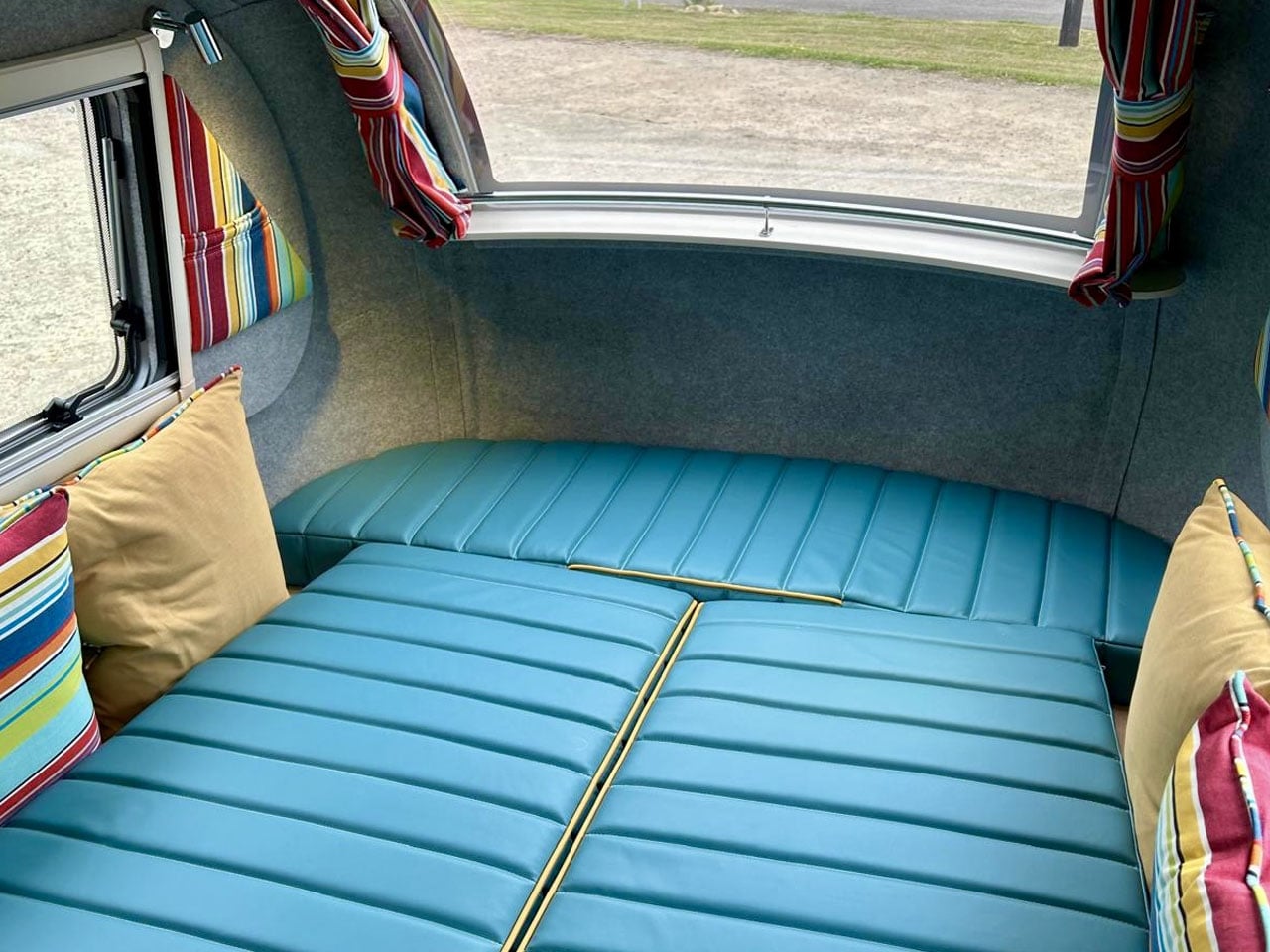
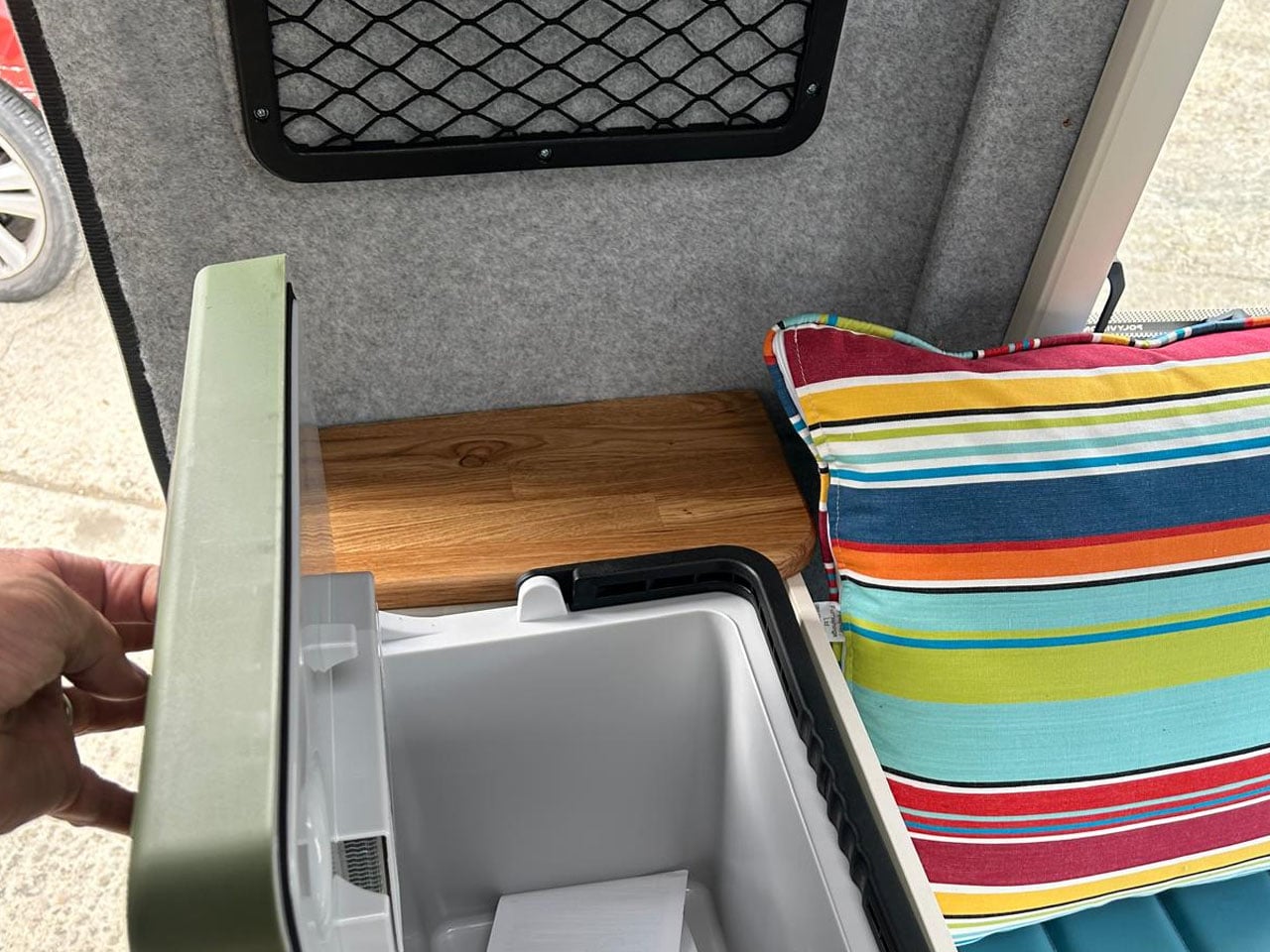
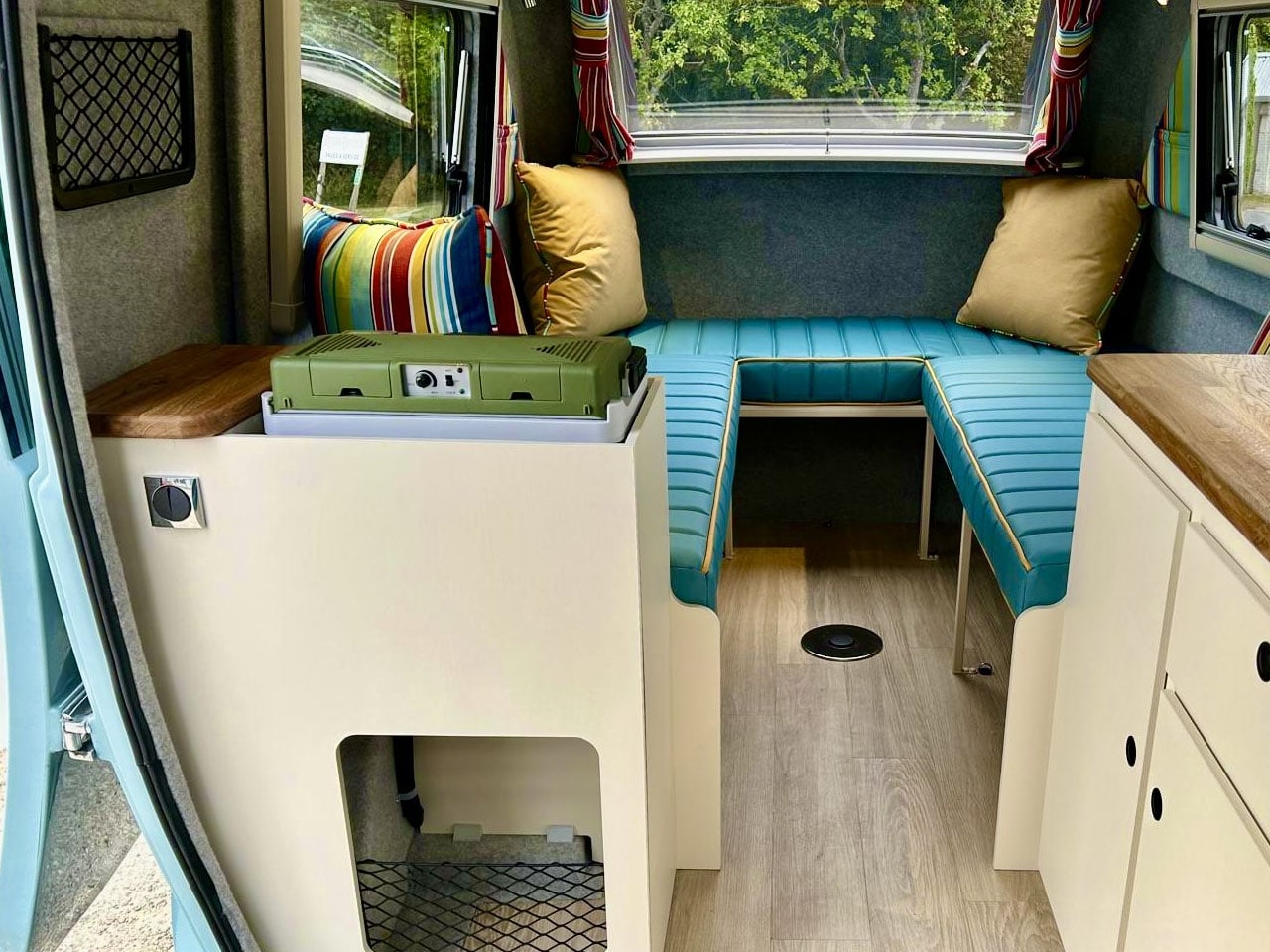
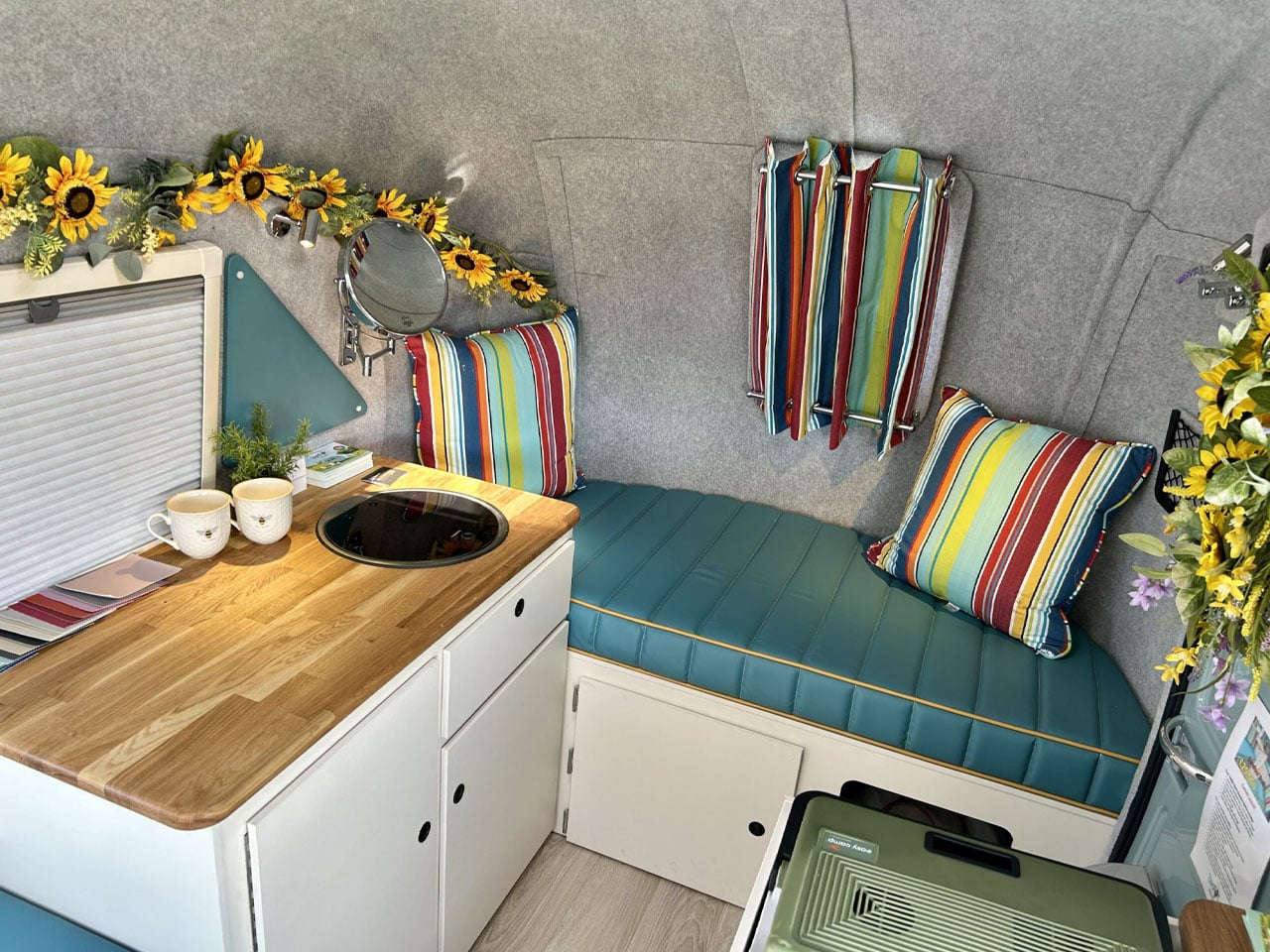
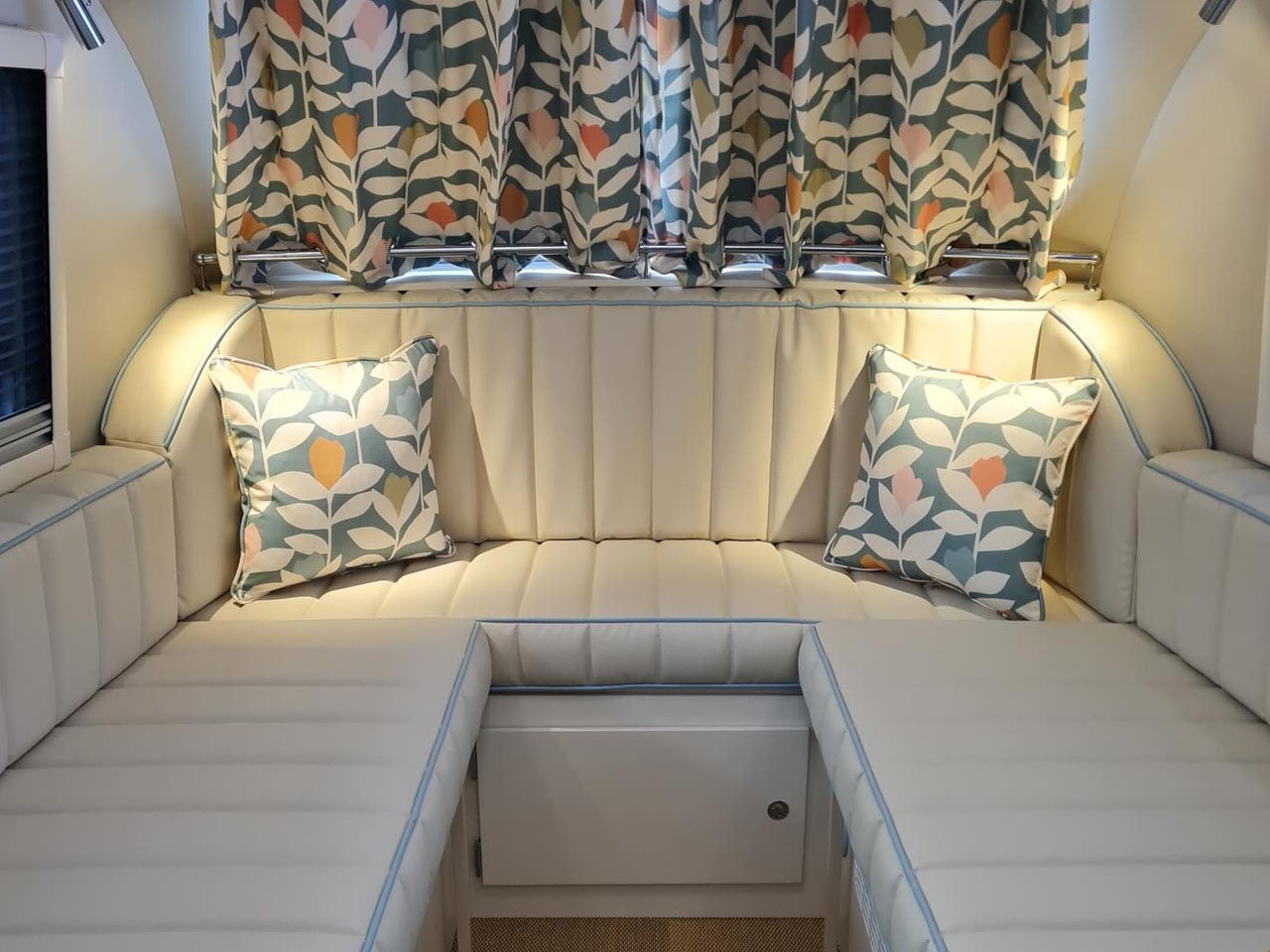
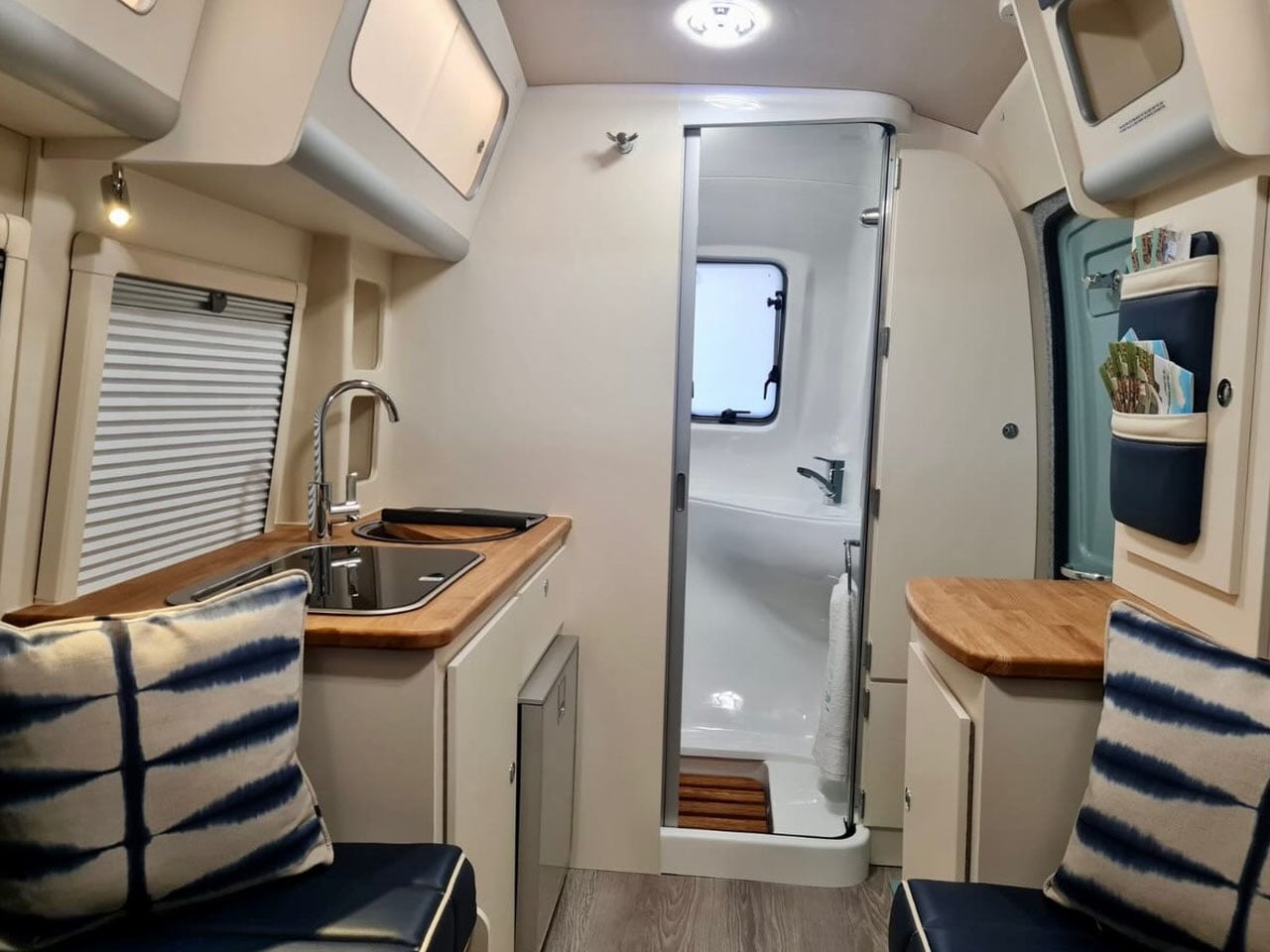
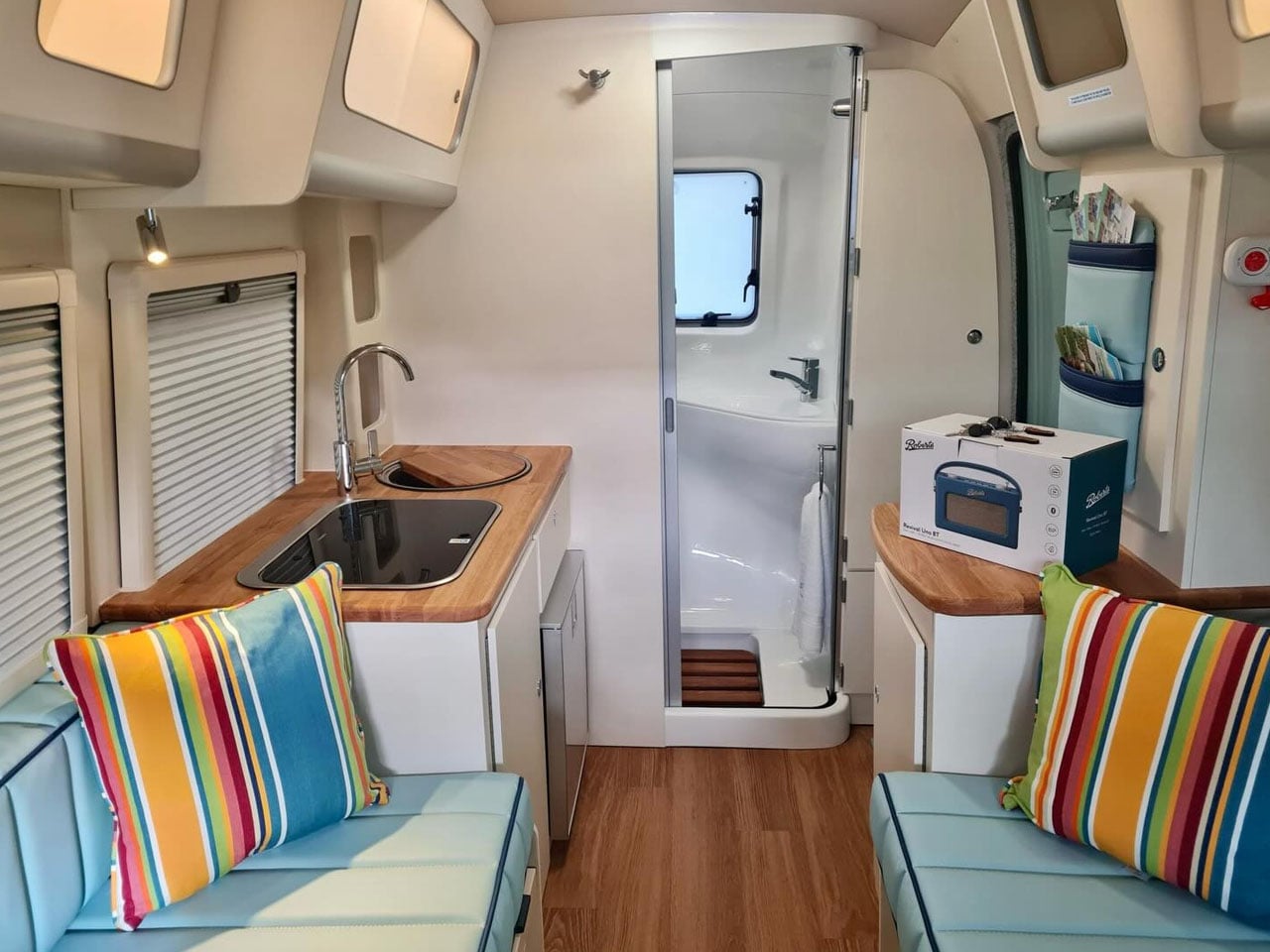
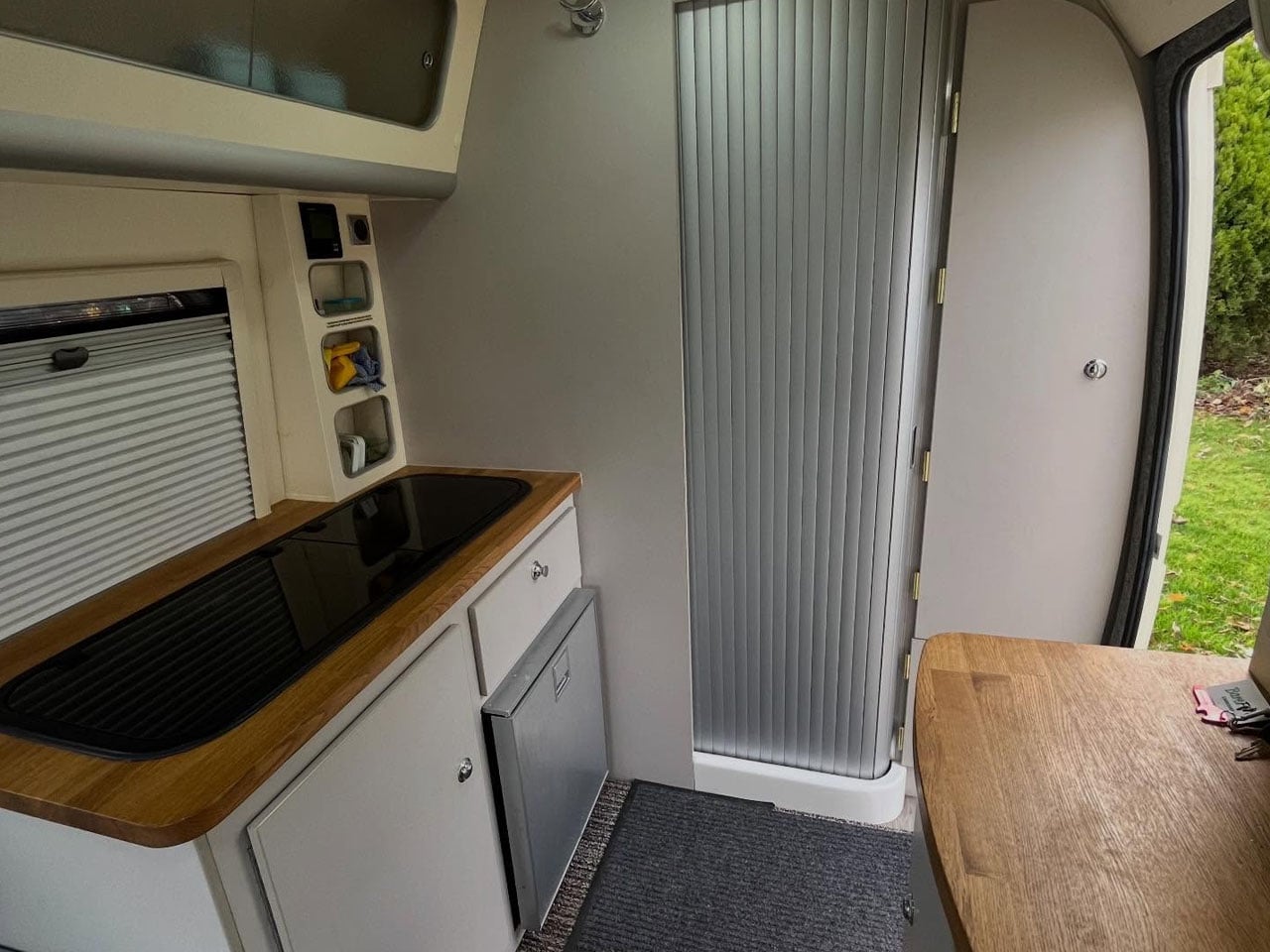
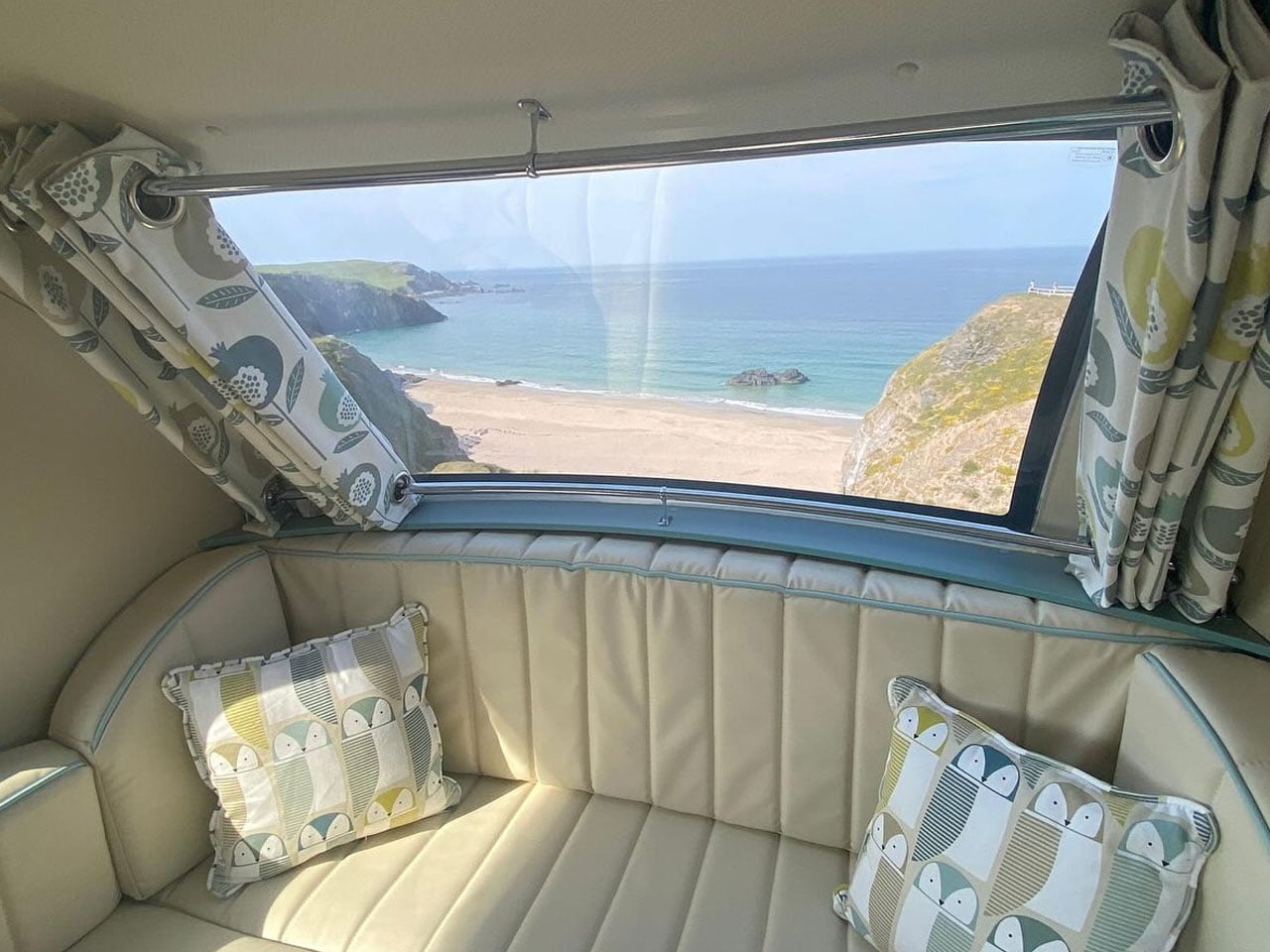
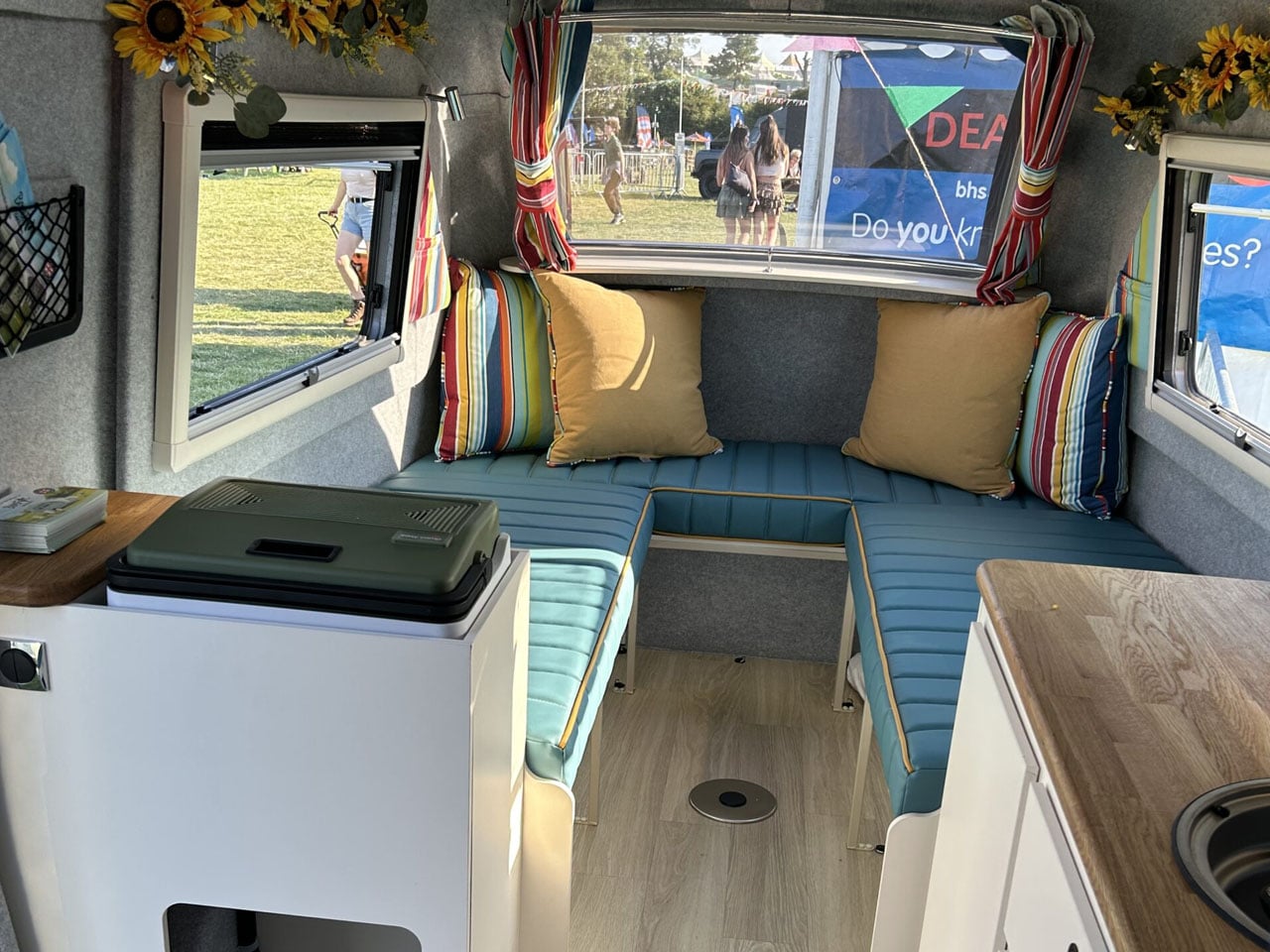
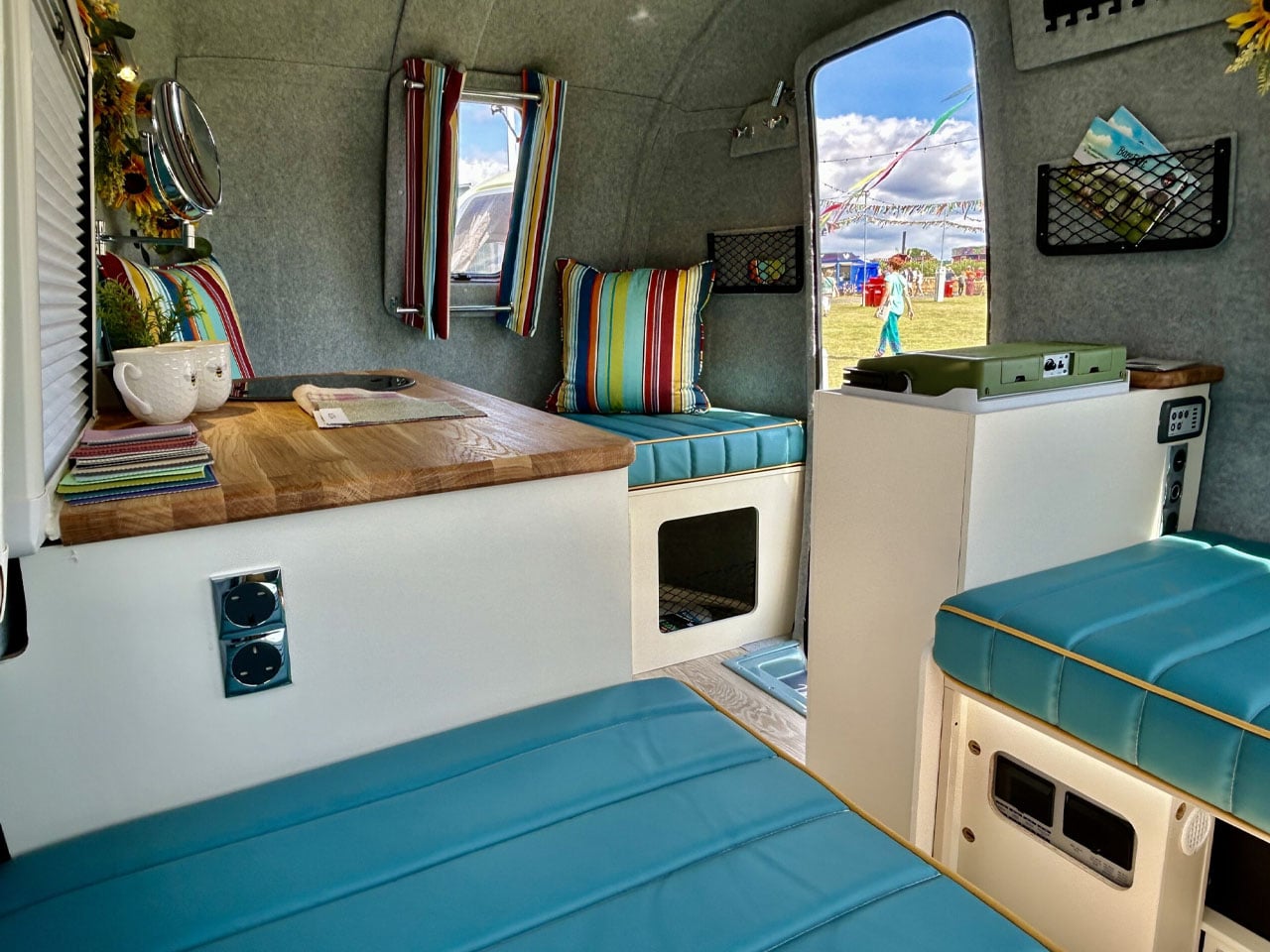
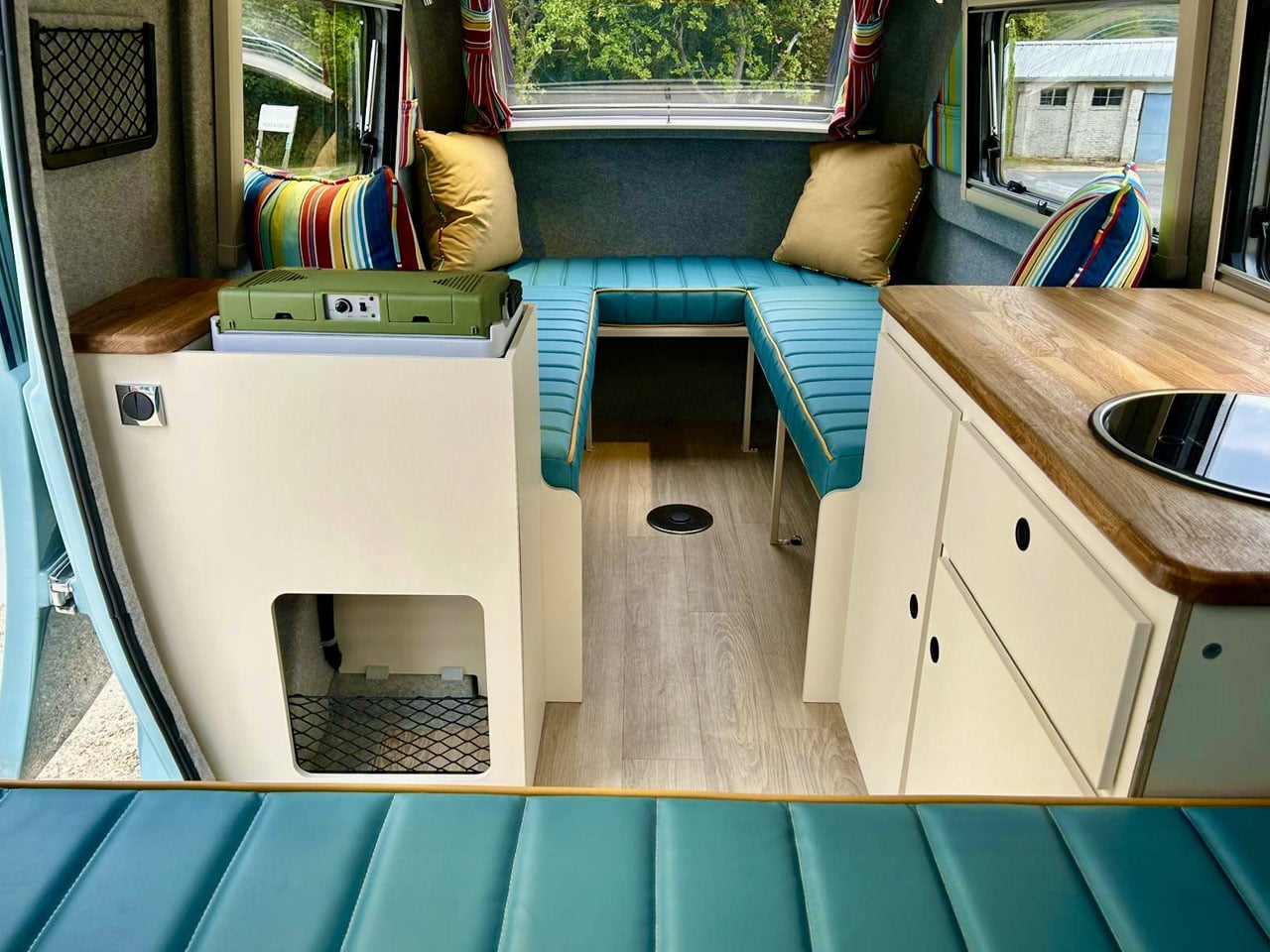
In spite of missing the wet bathroom found at the back of the original Barefoot, the Bothy is an incredible little rig for those who prefer compact trailers at the back of their riding vehicle. Instead of the bathroom, the Barefoot Bathy accommodates a small sofa, which converts into a sleeping arrangement. Just close by is a slide-out Porta-Potty. The interior is finished with overhead and underneath storage, and netted pockets to make space for your supplies and amenities.

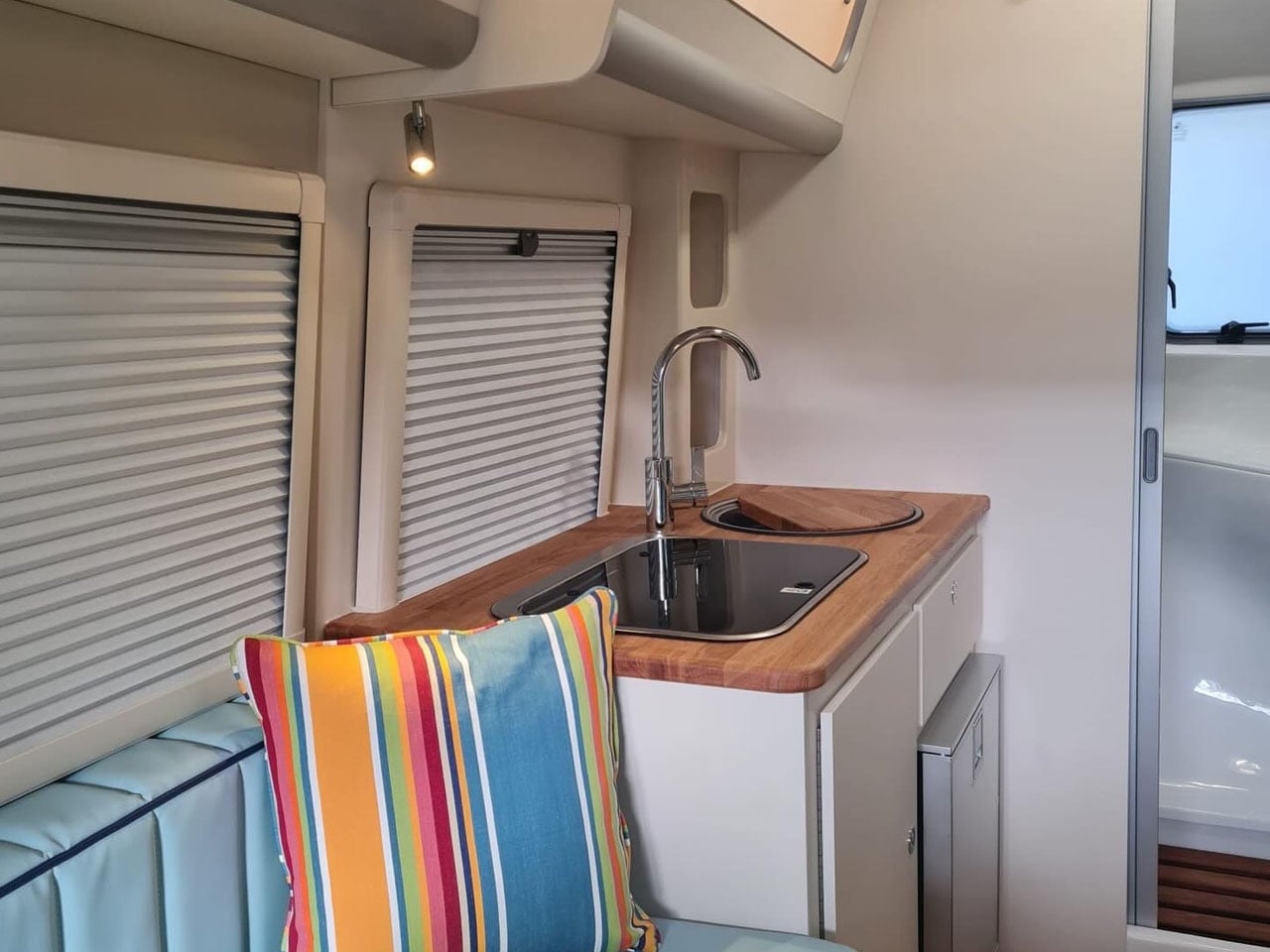
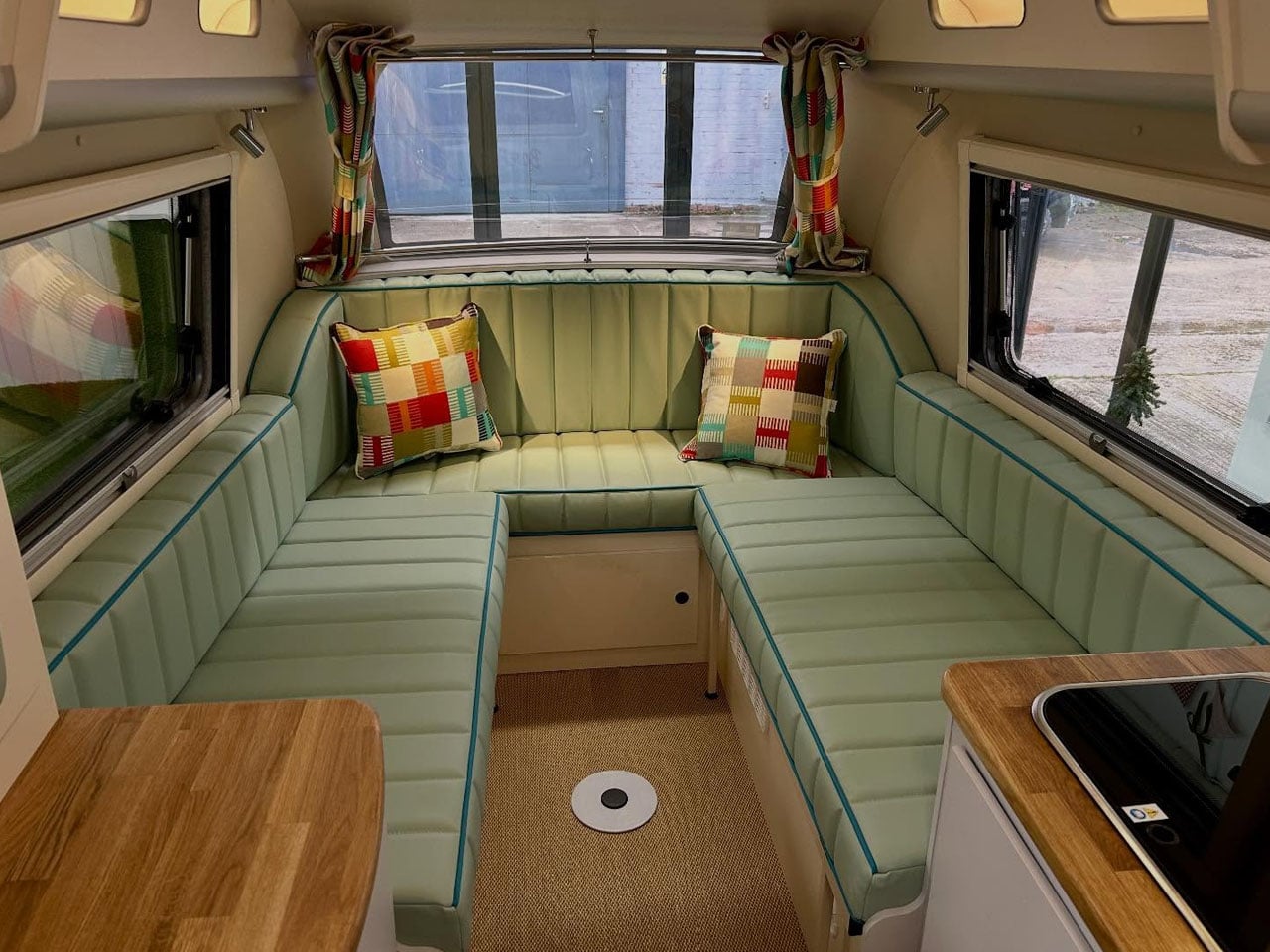
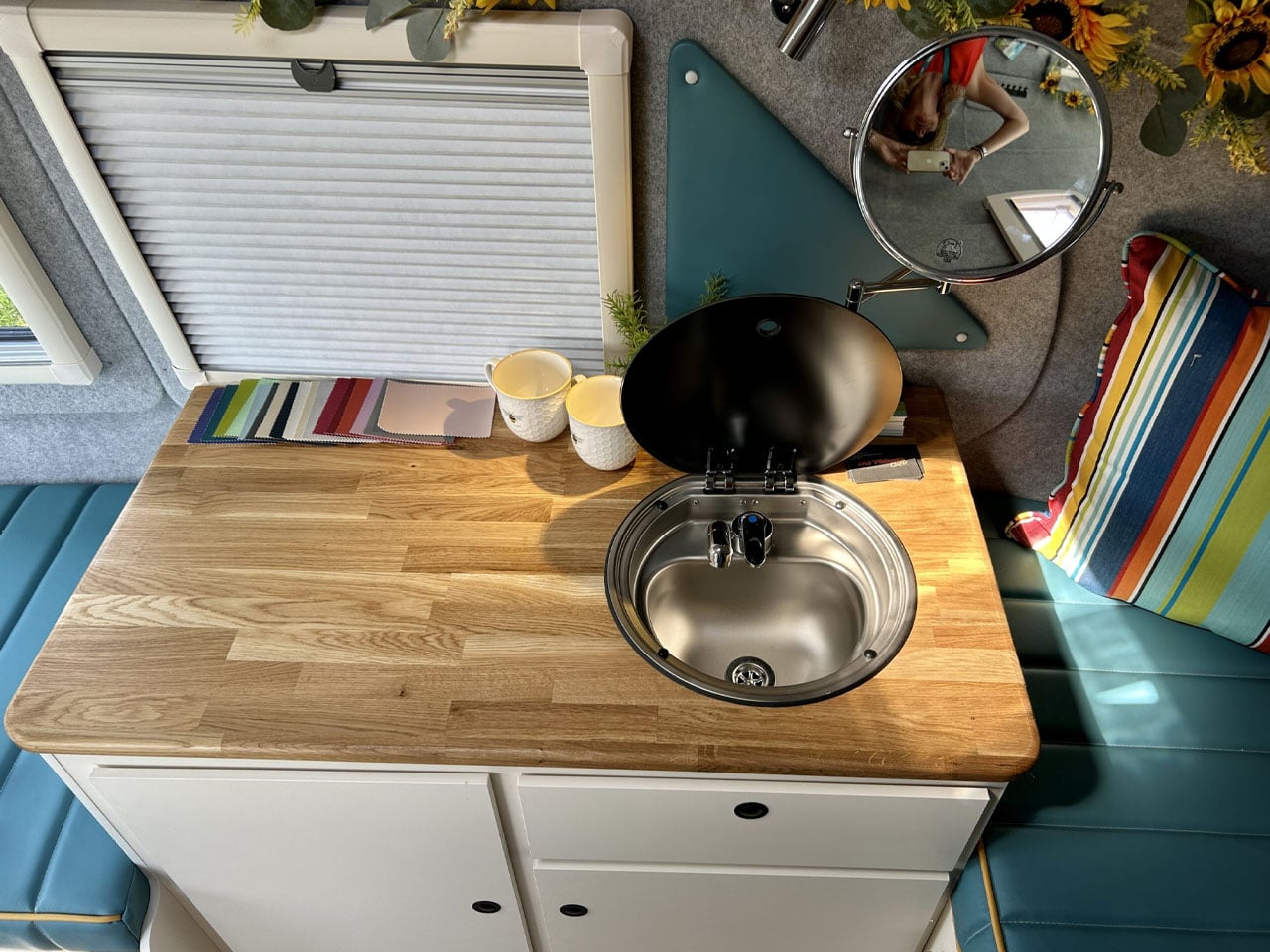
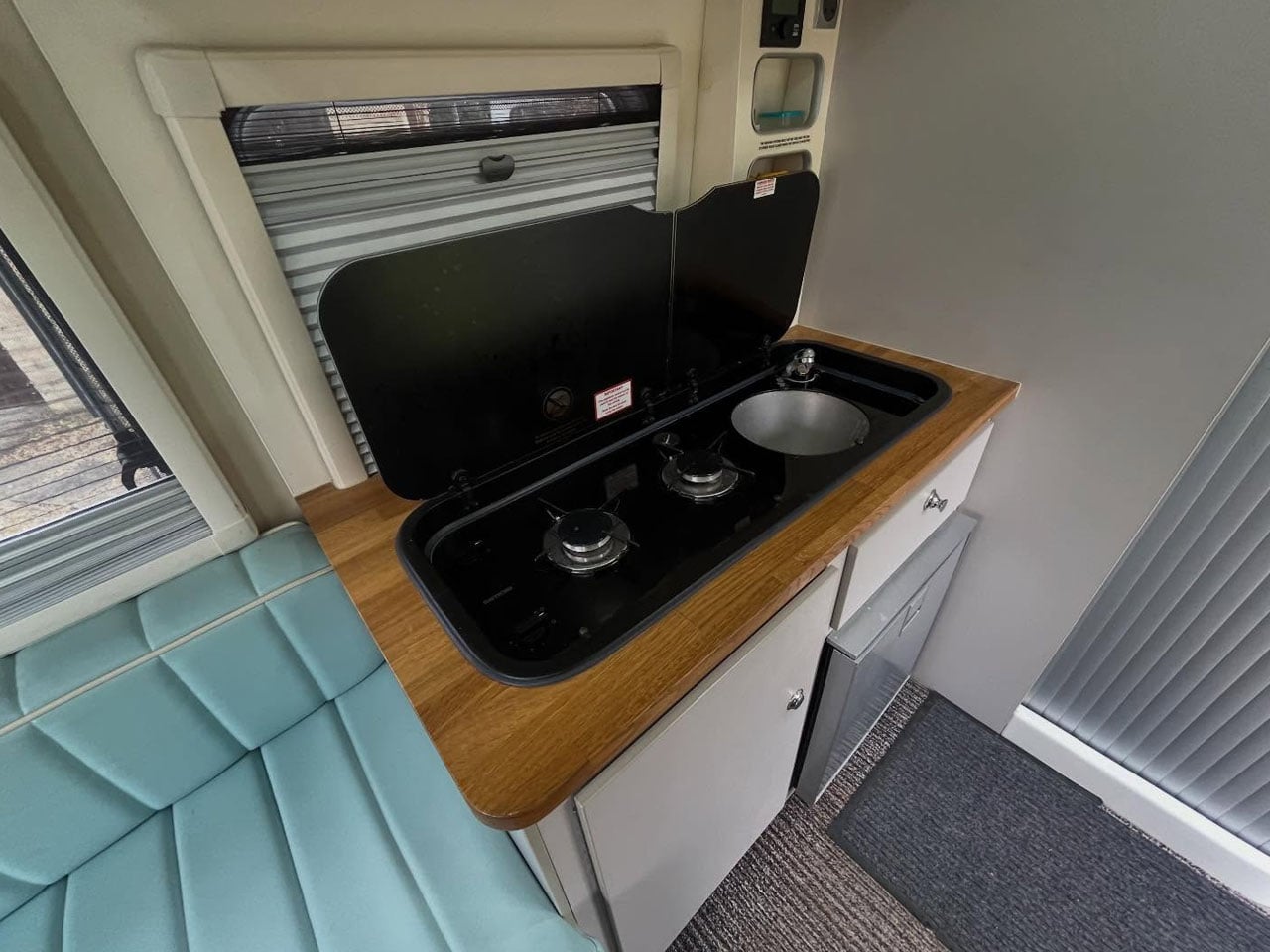
A slightly ahead, in the middle of the trailer is the galley, complete with a 2-burner gas cooktop, sink and storage cabinets. There is a dedicated space for a coolbox on the opposite side, while other parts of the trailer, including the U-shaped dinette cum bed in the front of the trailer, remain undisturbed. For the shell, the Bothy is built from a single piece of molded fiberglass and is apt for sleeping up to three people inside its compact belly. The exact size of the Bothy is not confirmed by the company.

As mentioned, most of its design inheritance is influenced by the original model, which includes a gray retro interior with shades of electric blue, wood accents, and interesting interiors. Being compact and trendy, the Barefoot Bothy can be towed behind any size vehicle or an electric vehicle. This is possible because of the trailer’s rounded corners and narrower design than other similar caravans on the market. That said, the trailer weighs only 1,556 kgs (going up to a maximum of 1,874 kgs), and it comes with 16L freshwater and 23L wastewater tanks onboard. Power needs of the Bothy are taken care of by a 110Ah battery, a 120W solar panel, and it starts at just £25,500 (rightly $35,000).

The post Barefoot Caravans goes from petite to pint-sized with the ultra-compact Bothy first appeared on Yanko Design.