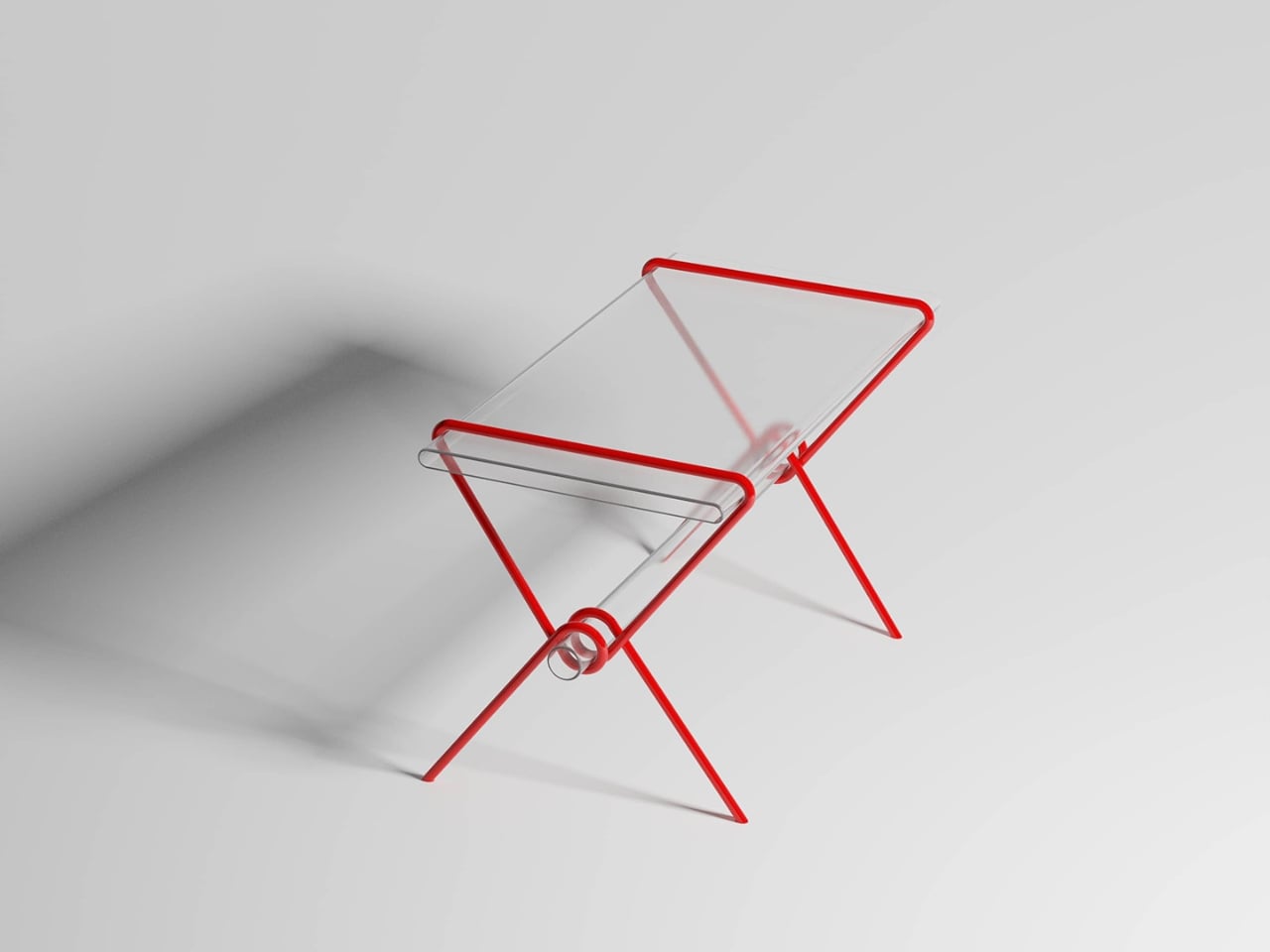
Magician’s Rope Is the Table Your Home Didn’t Know It Needed

Most furniture gets categorized before it even enters a room. That’s a dining table. That’s a desk. That’s a side table for the corner where nothing important ever happens. We sort, we label, we arrange our spaces accordingly, and then our lives proceed to ignore all of it. A laptop ends up at the dinner table. A coffee mug finds its way to the workspace. The categories we assign to our furniture rarely survive contact with how we actually live.

Designer Hanqi Jia seems to have taken that observation seriously. Magician’s Rope, her table concept that recently earned recognition at the NY Design Awards, is built around the idea that a piece of furniture doesn’t need to announce its purpose. It just needs to be useful, beautiful, and quiet enough to let the room breathe around it.

Designer: Hanqi Jia
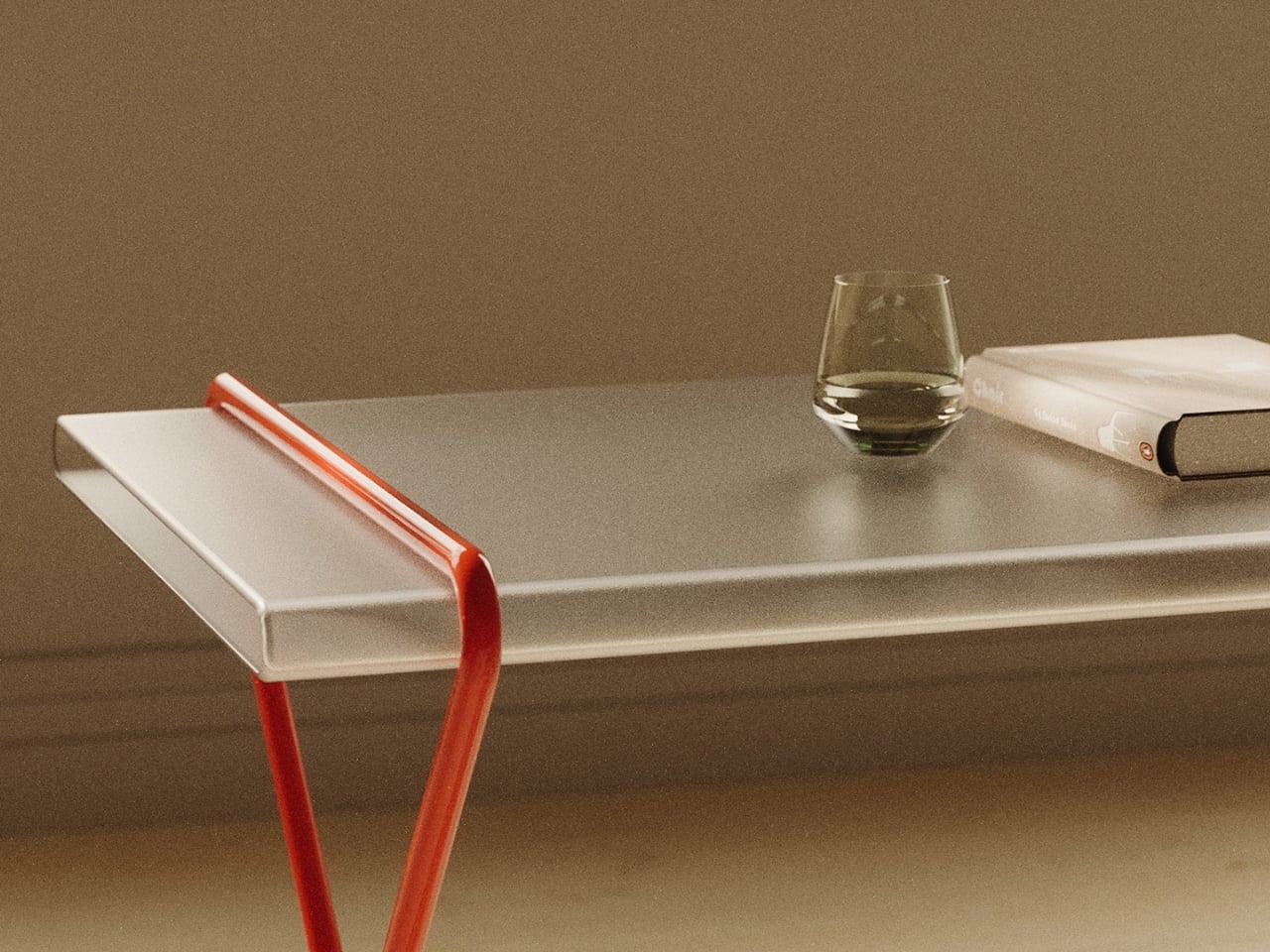
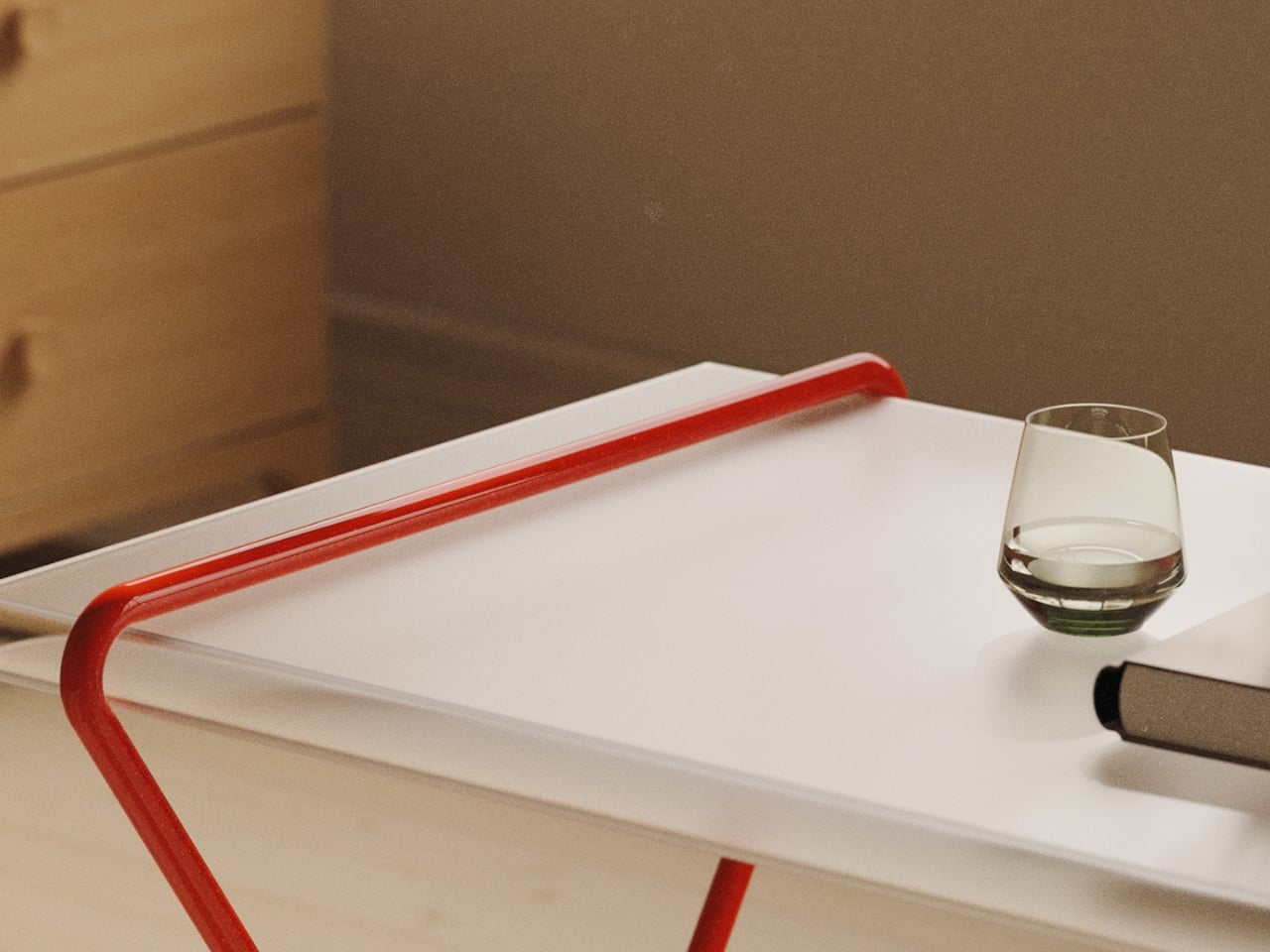
The construction is striking at first glance. A continuous red metal line bends, loops, and crosses itself into a structure that holds a transparent tabletop with almost suspicious ease. It looks like a sketch brought into three dimensions, or a gesture caught mid-motion. The structure doesn’t feel assembled so much as drawn, and that distinction matters more than it might seem. Assembled things feel permanent, fixed, committed to their identity. Something drawn feels like it could become something else.
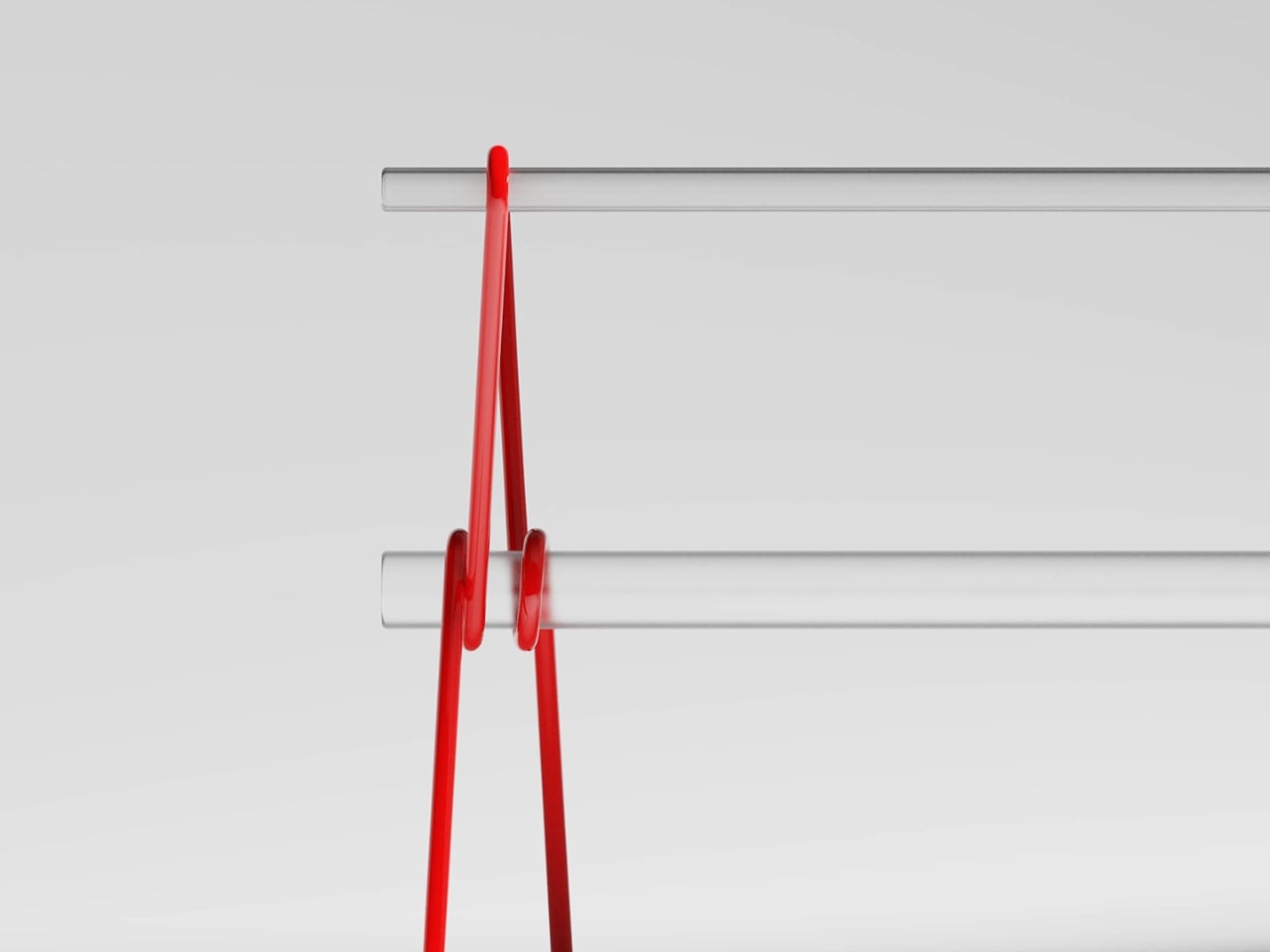
That quality of lightness is intentional. The transparent surface lets light pass through rather than absorbing it, which reduces the table’s visual footprint significantly. In a small apartment or a room already doing a lot of visual work, that kind of restraint is genuinely valuable. A heavy, opaque table makes itself the center of attention whether you want it to or not. This one participates in a room without demanding to run it.

I keep coming back to the red line, though. It’s the detail that makes this more than a clever concept. Red, in design, is rarely neutral. It carries energy and urgency and a certain willingness to be noticed. Here, it pulls off a more interesting move: asserting itself visually while the overall form stays quiet. The red line says look at me while the rest of the table says I’ll be here whenever you need me. That balance is hard to achieve and easy to appreciate once you see it.
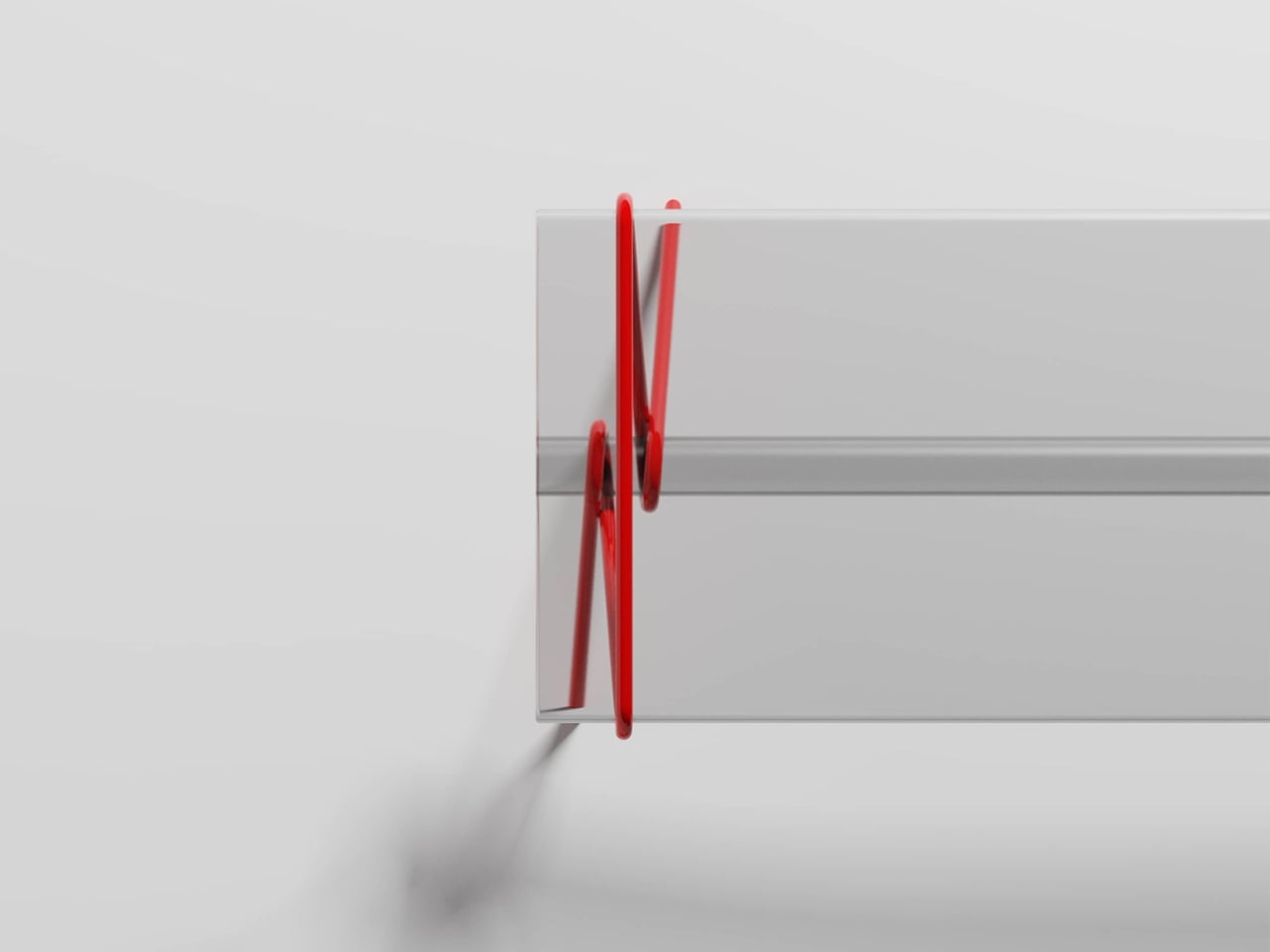
The name, Magician’s Rope, earns its reference. Stage magic has always been less about the trick itself and more about misdirection, timing, and the illusion of effortlessness. A good magician makes you forget you’re watching a performance. A good piece of furniture, by the same logic, makes you forget you’re using it. It just supports whatever the moment requires without calling attention to the effort involved. Magician’s Rope leans into that comparison deliberately, and the design holds up under it.
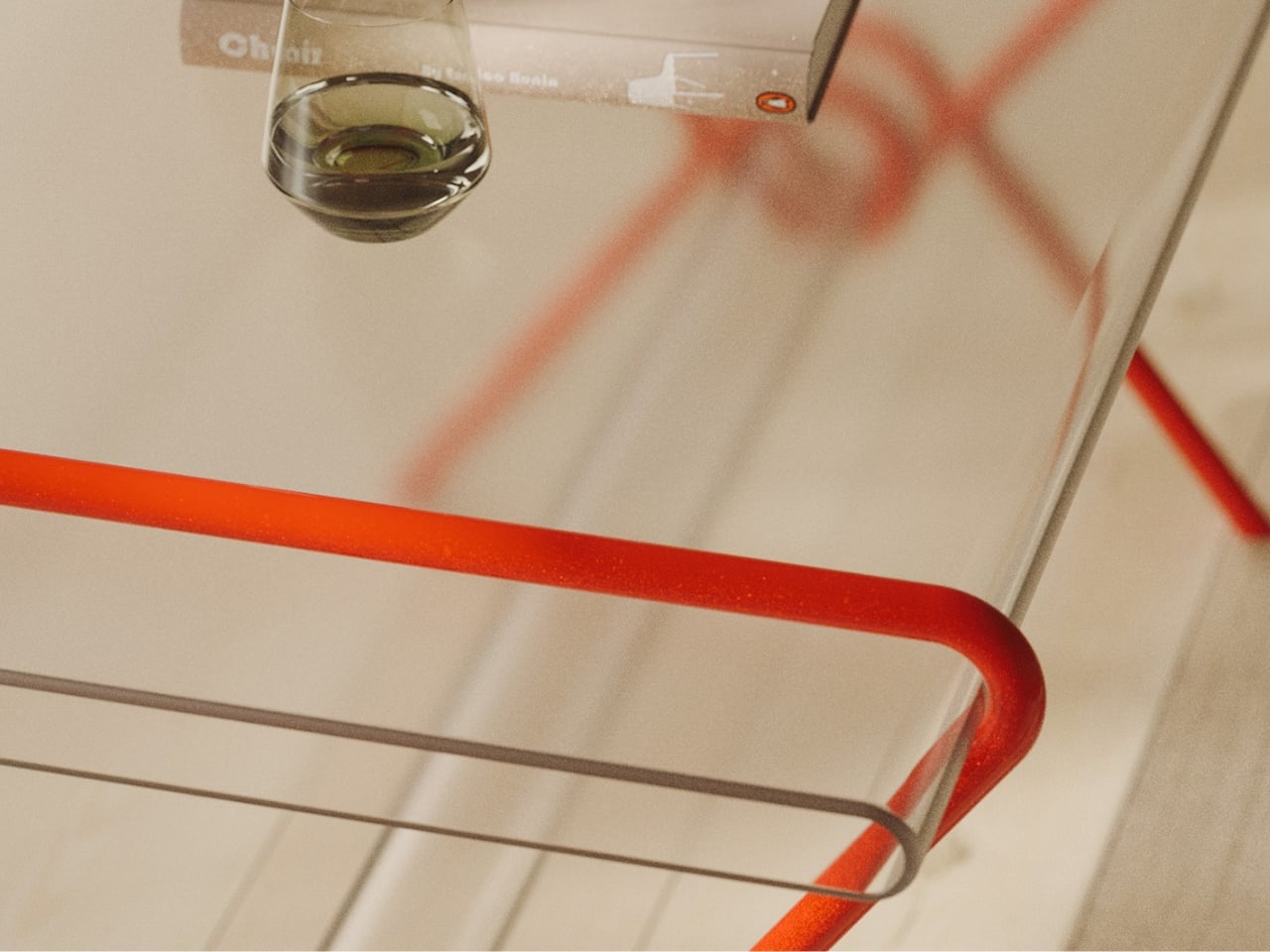
The refusal to over-explain might be the most quietly radical thing about it. A lot of contemporary furniture design tries to tell you exactly what it is and what it’s for. There are dining tables that are obviously dining tables, desks that are unambiguously desks, coffee tables that could not possibly be mistaken for anything else. Magician’s Rope doesn’t bother with that kind of insistence. It works as a dining surface, a work surface, a display surface, or something in between. The ambiguity is the feature, not a flaw.

It’s also worth noting that the concept addresses a real tension in how we live now. The lines between work and home have shifted in ways that most furniture hasn’t caught up with. A piece that can sit comfortably inside both modes of a day, without visual disruption, without demanding a room reorganization, without looking like an office prop or a formal dining relic, fills a gap that plenty of people have been quietly feeling for years. Magician’s Rope is a confident piece of work, and it carries the kind of assurance that makes you want to see what Hanqi Jia does next.
The post Magician’s Rope Is the Table Your Home Didn’t Know It Needed first appeared on Yanko Design.

Forced Windows updates can now be paused forever

No more getting caught by a forced Windows 11 update while you're in the middle of a meeting or a match. Microsoft announced some major changes coming to Windows Update on its blog, including the ability to indefinitely pause Windows updates, 35 days at a time.

To give users more control, Windows Update introduced the option to extend update pauses as much as users want. Once you opted to pause updates for Windows 11, you won't be disturbed for 35 days at a time, but you can now reset this 35-day limit for as long as you want. You should eventually install these updates, as most of them are usually related to security upgrades and only sometimes require emergency fixes, but Microsoft is letting users decide when to do so. Microsoft's Aria Hanson wrote in the blog that these changes were a result of feedback that consistently mentioned "disruption caused by untimely updates and not enough control over when updates happen."

Beyond the update pauses, Microsoft is ensuring Windows 11 users always have the option to shut down or restart their devices without updating. These quality-of-life upgrades build on another recent change that allowed users to skip updates while setting up their new Windows devices. According to Microsoft, the latest Windows Updates features are currently rolling out to those enrolled in the Windows Insider program, specifically users in the Dev and Experimental Channels.

This article originally appeared on Engadget at https://www.engadget.com/computing/forced-windows-updates-can-now-be-paused-forever-200338487.html?src=rss

The Knoll Is a Tiny House That Finally Refuses to Think Small

Tiny house living has always asked one thing of its converts: sacrifice. Less square footage, less storage, less room to breathe. The Knoll, the latest model from Backcountry Tiny Homes, pushes back on that idea — and does so with a lot of personality. Built on a triple-axle gooseneck (raised) trailer, the Knoll stretches 38 feet long and 10 feet wide, giving it 390 square feet of total living space.

That extra foot and a half of width over standard tiny homes makes a real difference inside — the layout feels less like a camper van and more like a proper apartment. It’s wide enough to sleep between one and five people, which makes it a genuine option for couples or small families who want to downsize without completely giving up comfort. The trade-off is that its width requires a permit to tow on public roads — a logistical consideration, but one most buyers seem willing to accept.

Designer: Backcountry Tiny Homes

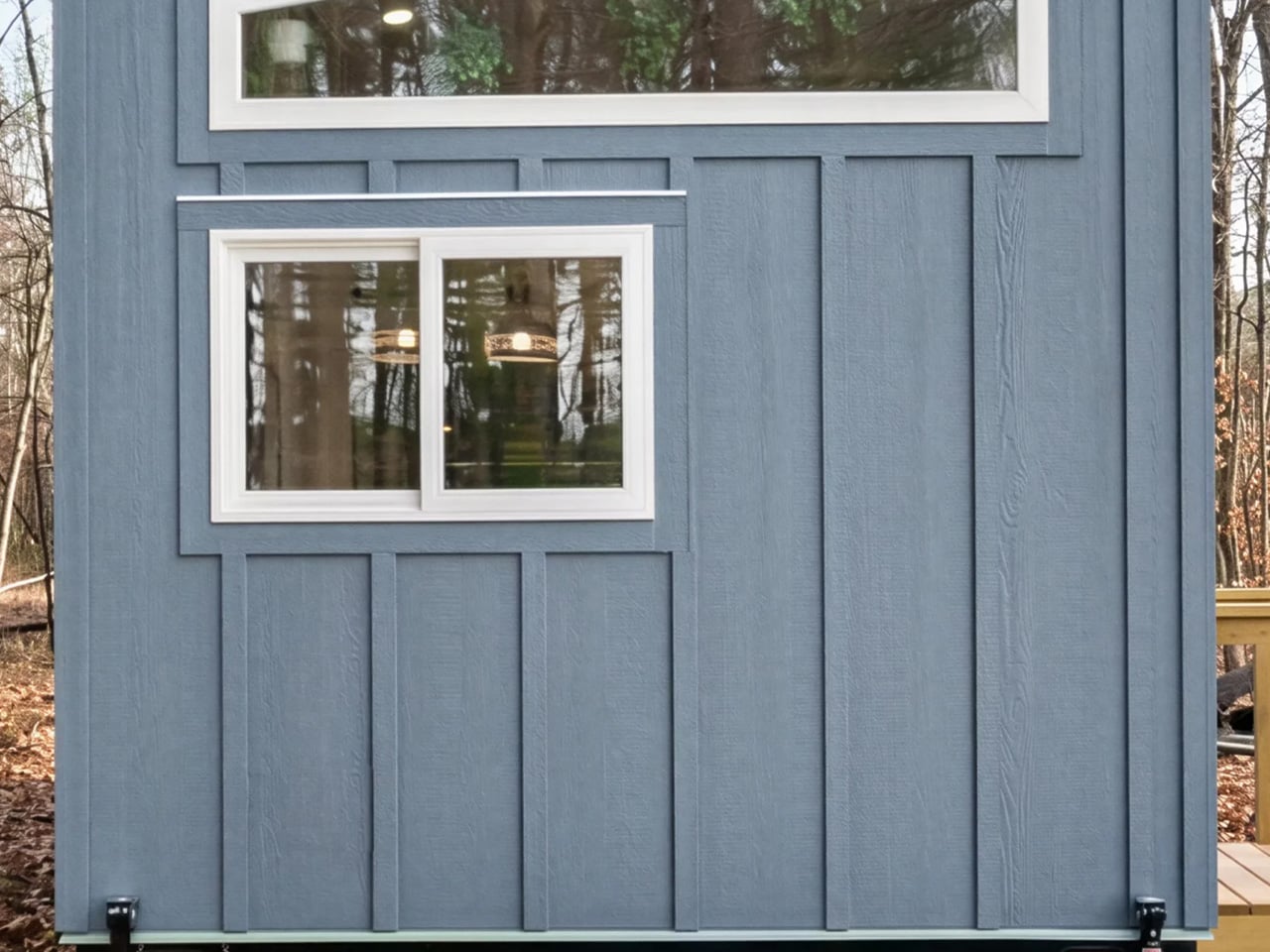
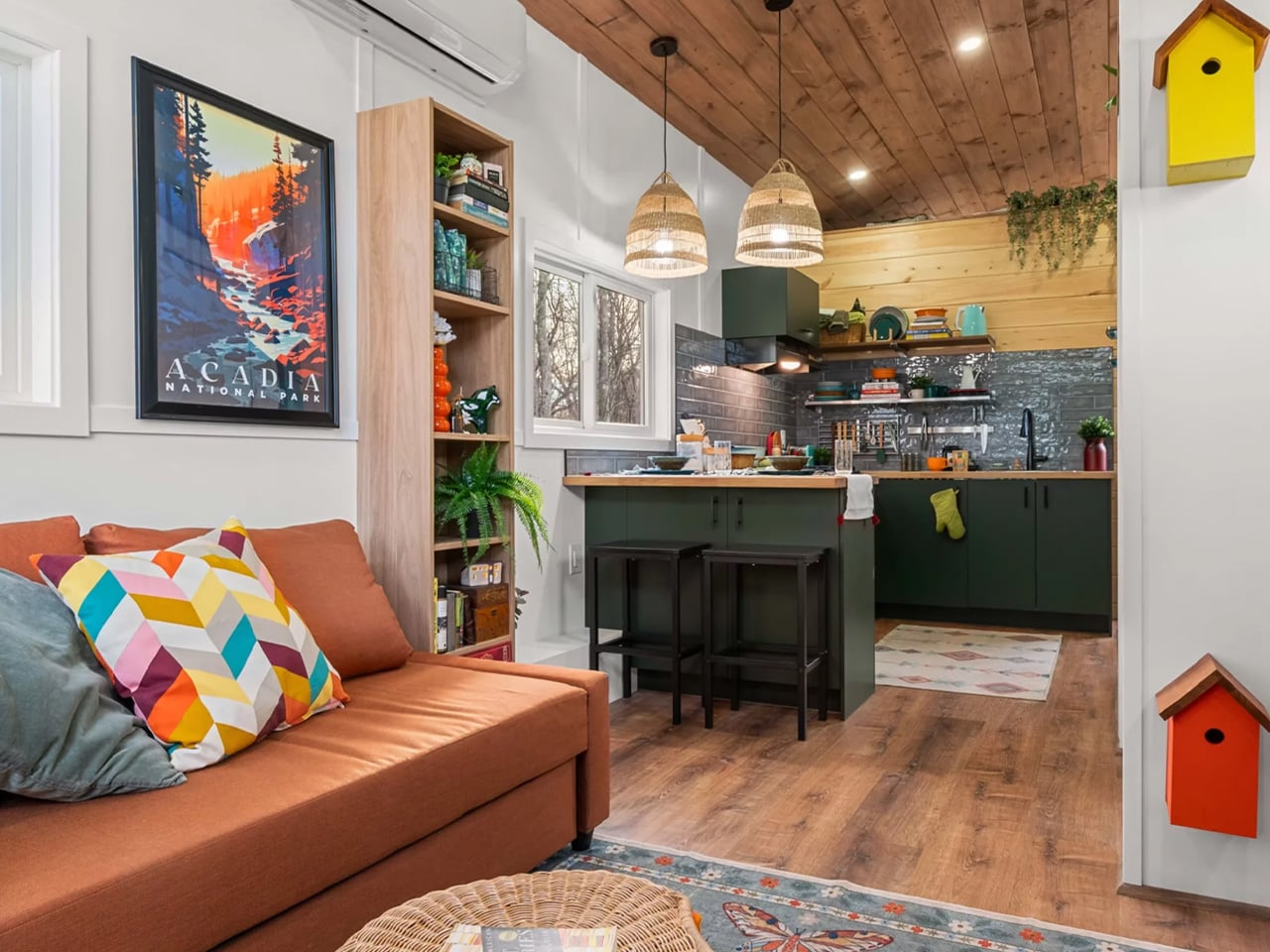
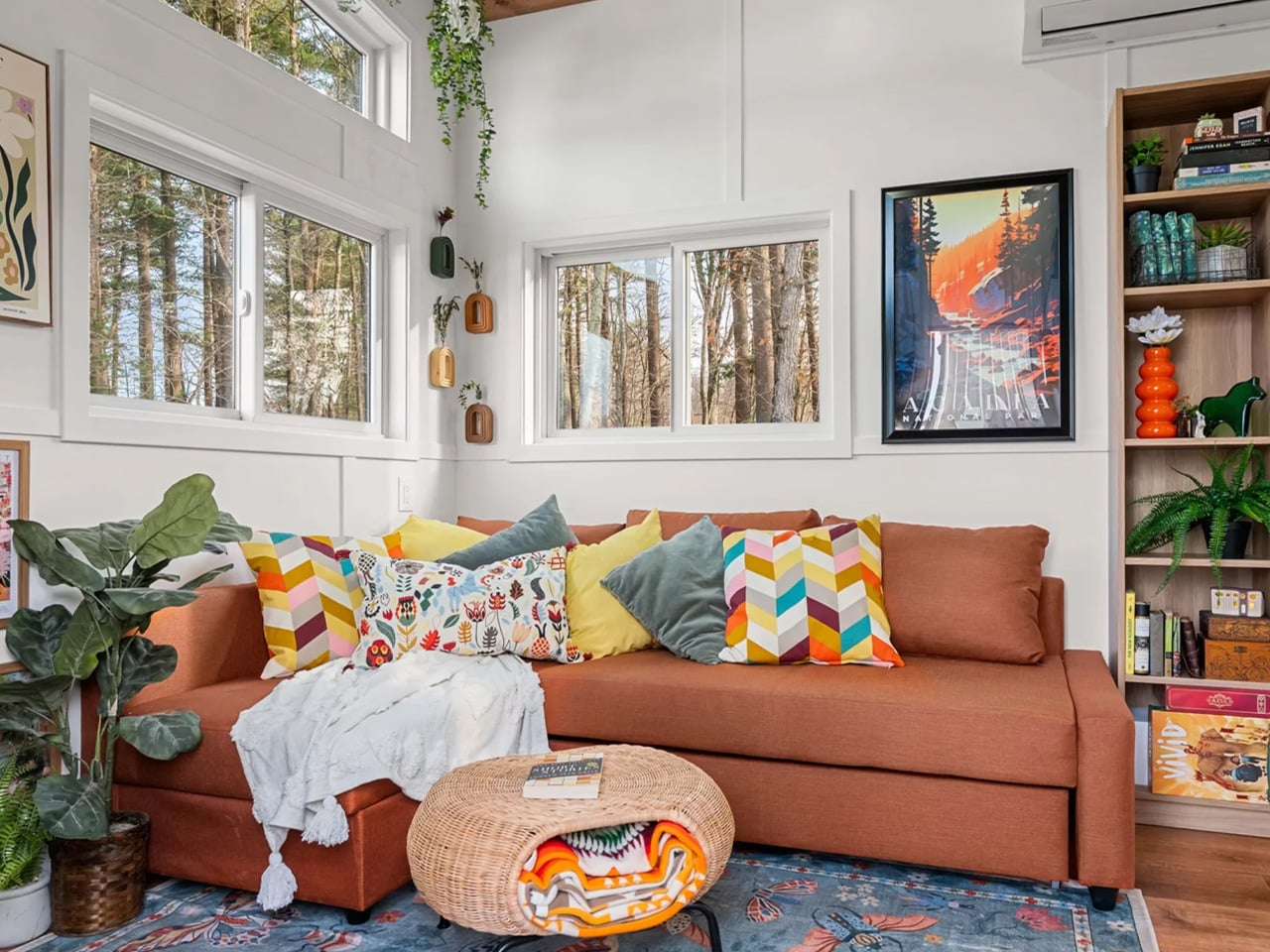
The exterior sets the tone early. A two-tone mix of metal and board and batten siding sits beneath a metal roof, giving the Knoll a sharp, modern look that reads more mountain cabin than mobile home. Inside, the design team leaned into color — boldly. The home’s interior philosophy is captured in a quote right on the Backcountry website: *”Color does not add a pleasant quality to design — it reinforces it.”* That commitment shows in every room, with rich, layered tones that make the space feel intentional rather than improvised.

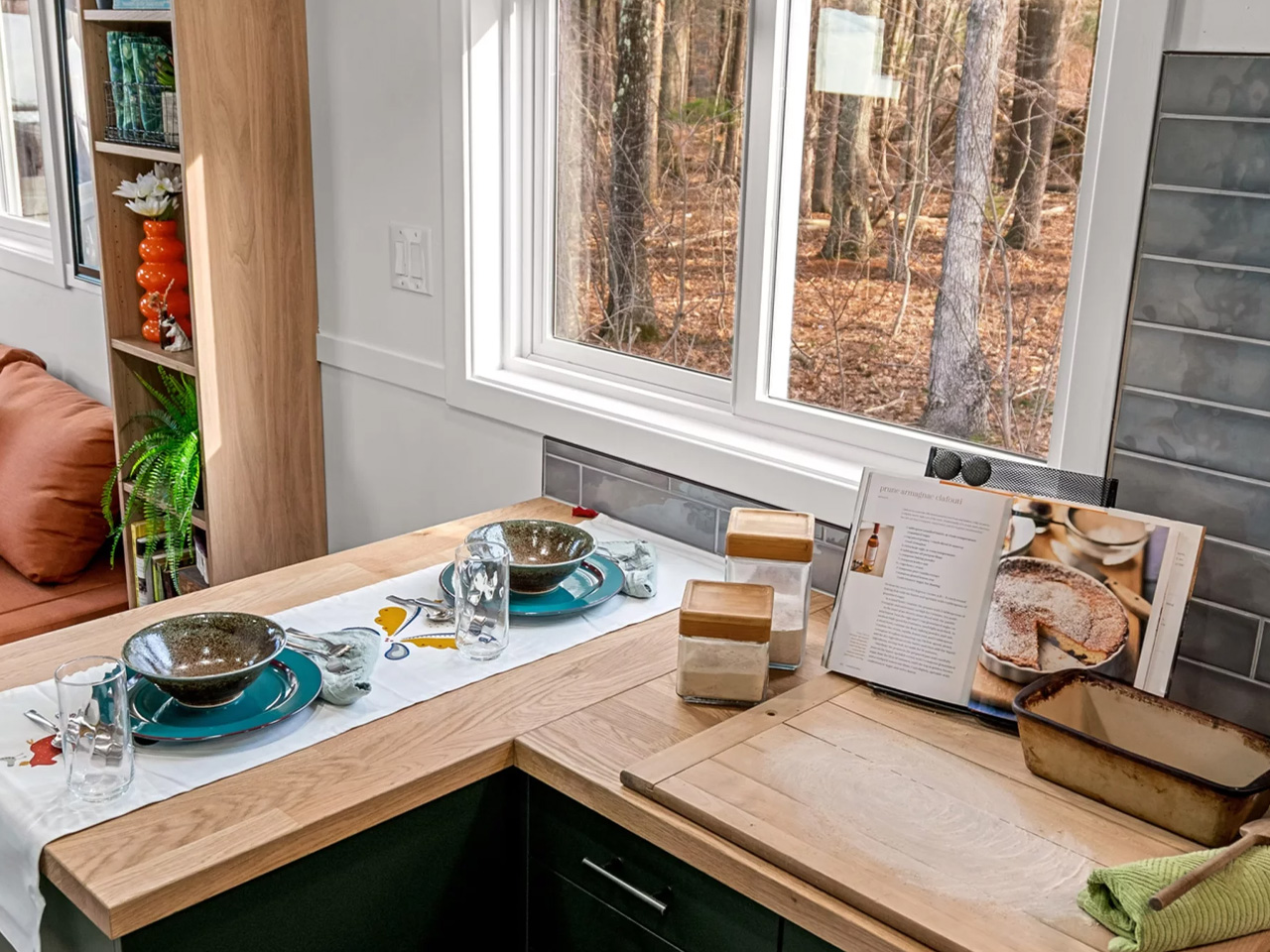
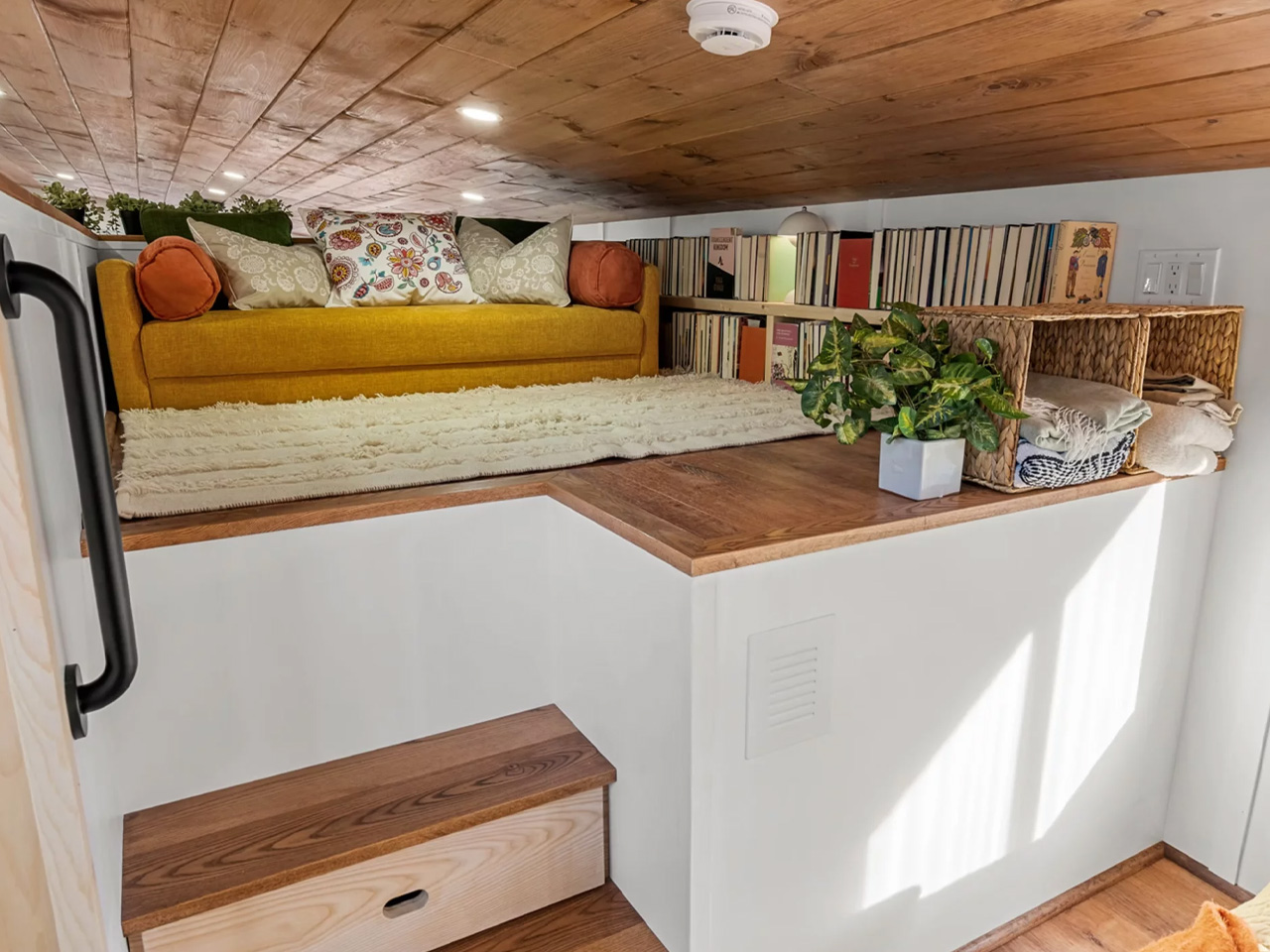
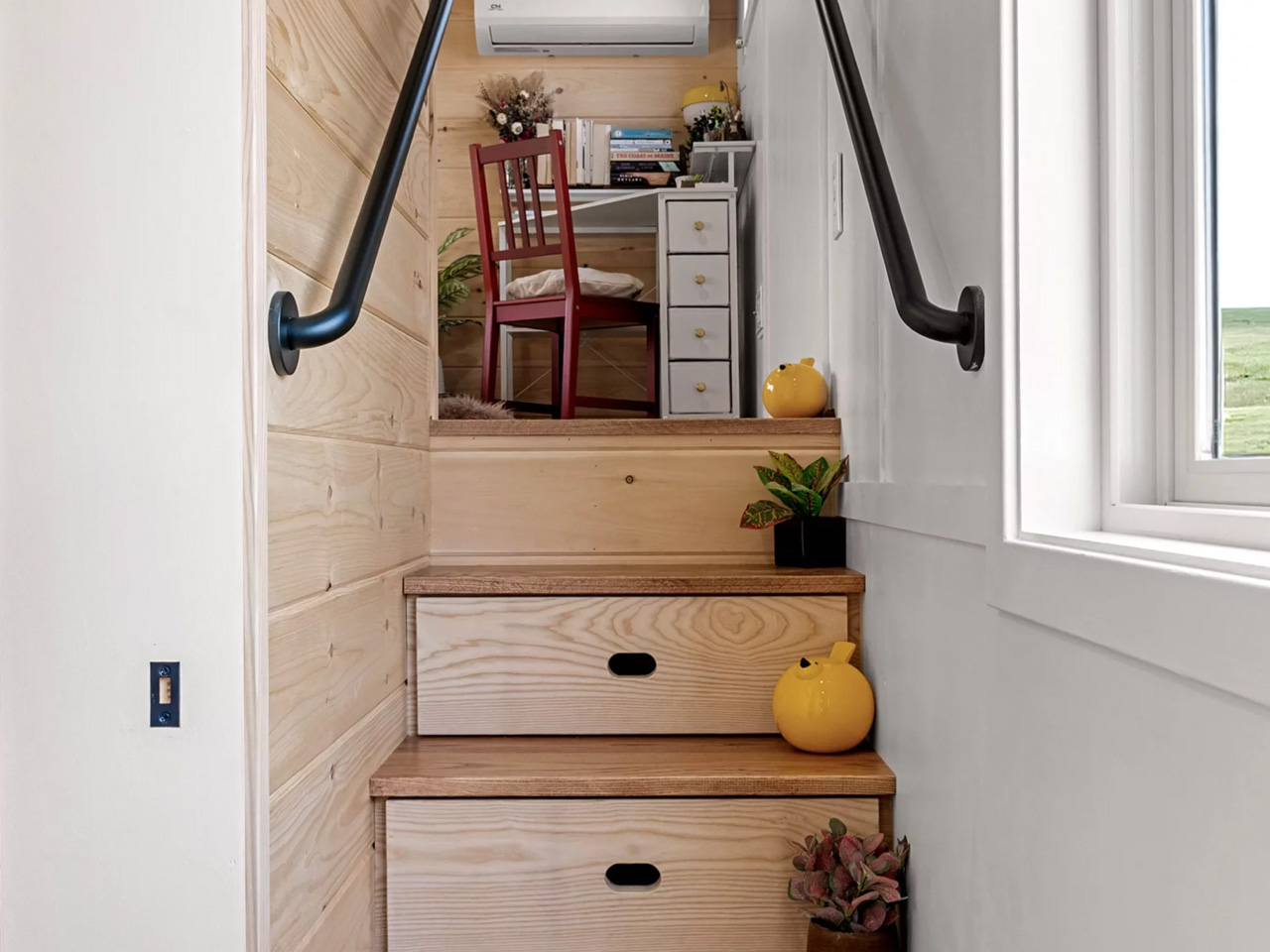
The floor plan is where things get genuinely clever. The main level handles the kitchen and living area, while the full-height gooseneck loft above serves as the primary bedroom — a queen-size bed, a desk, and a chair for working from home. From there, storage-integrated steps lead to a second, lower-ceilinged library loft, fitted with a long bookcase and a single sleeper sofa. It’s a rare thing in tiny living — a dedicated reading nook. The home also includes washer and dryer hookups, making it a fully functional permanent residence rather than a glorified weekend retreat.

All configurations come NOAH certified. Pricing runs $162,950 for the fully furnished turnkey version, $155,250 for the unfurnished option (which still includes the kitchen and bathroom), and $81,475 for the shell build for those who want to finish the interior themselves. The Knoll doesn’t try to hide what it is. It’s a small home — but it’s a real one, built for people who want to live smaller without feeling like they settled.

The post The Knoll Is a Tiny House That Finally Refuses to Think Small first appeared on Yanko Design.
Canadian premier wants to ban social media and AI chatbots for kids in Manitoba

Manitoba could be the first province in Canada to establish a social media ban for kids, but the proposal's details aren't very clear yet. The province's premier, Wab Kinew, announced during a fundraiser event on Saturday and on X that Manitoba would put in place a ban for social media and AI chatbots for its youth.

"They're doing these very awful things to kids all in the name of a few likes, all in the name of more engagement, and all in the name of money," Kinew said at the event. "Our kids will never be for sale and their attention and their childhoods should never be profited from."

Kinew didn't elaborate on the ban's crucial details, like the specific age restriction, when it will be introduced nor how it will be enforced. CBC reported that Kinew didn't speak to reporters after his remarks at the fundraiser.

Besides Manitoba, the Liberal Party of Canada recently voted in favor of proposals to restrict both social media and AI chatbot use for anyone under 16 during the party's national convention in Montreal. There are several efforts to restrict social media across Canada. One even seeks to limit those under 14 from accessing these platforms, an even younger cutoff than the ban recently enacted in Australia. However, a recent poll from the Molly Rose Foundation has cast some doubt on the effectiveness of such laws, which other countries have also adopted or are currently considering. The poll showed that a majority of teens still have accounts on banned social media platforms, or have found ways around the ban.

This article originally appeared on Engadget at https://www.engadget.com/social-media/canadian-premier-wants-to-ban-social-media-and-ai-chatbots-for-kids-in-manitoba-182120933.html?src=rss

Smeg’s Air Fryer Comes With A Steam Function For Food That’s Crispy Outside and Juicy Inside

I was today years old when I learnt that Smeg’s origins were in enamel technology, not the gorgeously colorful kitchen appliances we’ve known them for these past few decades. Well, Smeg did end up perfecting the art of enameling wonderful hues onto appliances, so it’s just natural that they’d become famous for it, collaborating with Dolce & Gabbana and even Porsche to reveal appliances in some truly eye-catching colors.

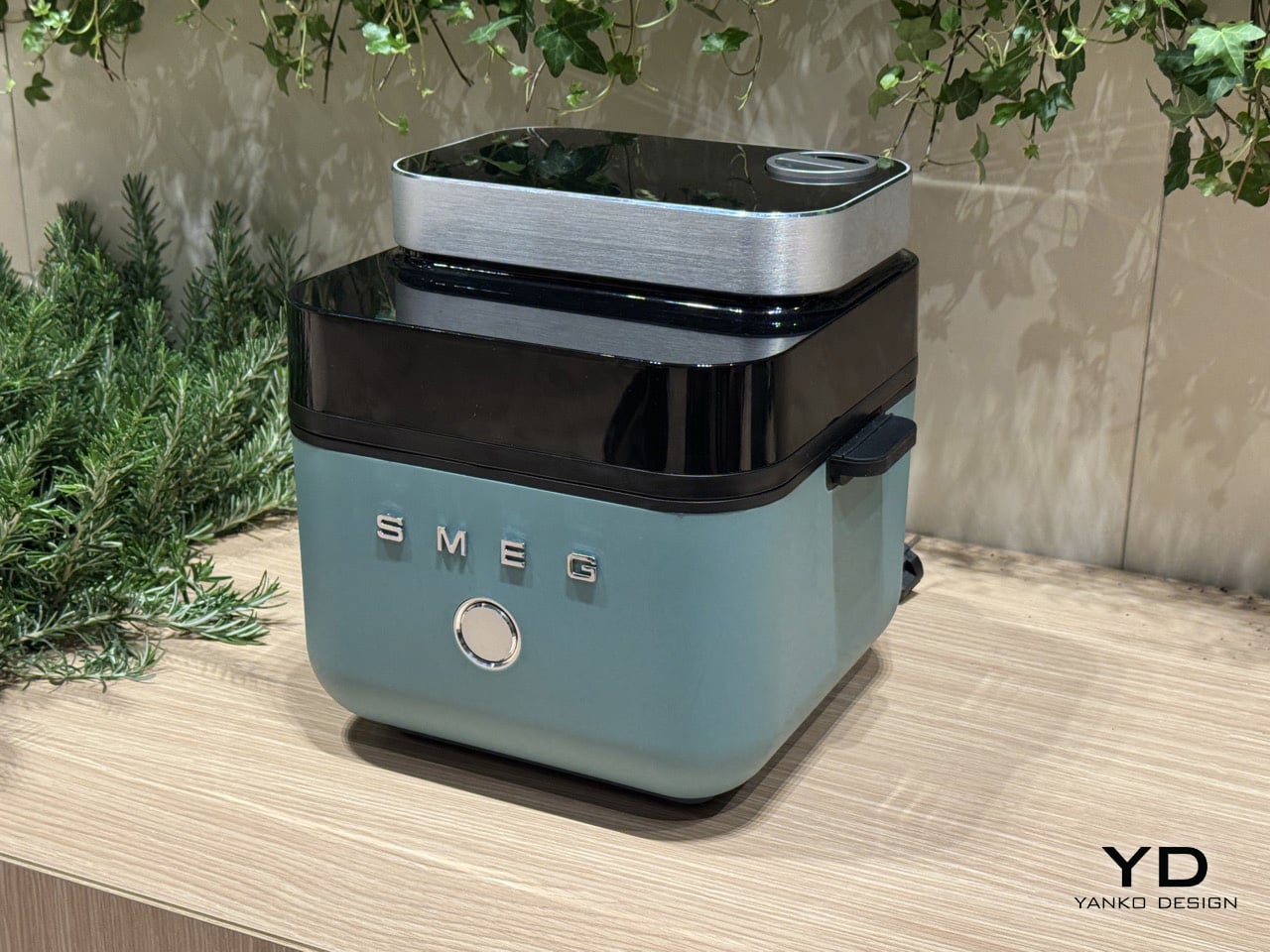
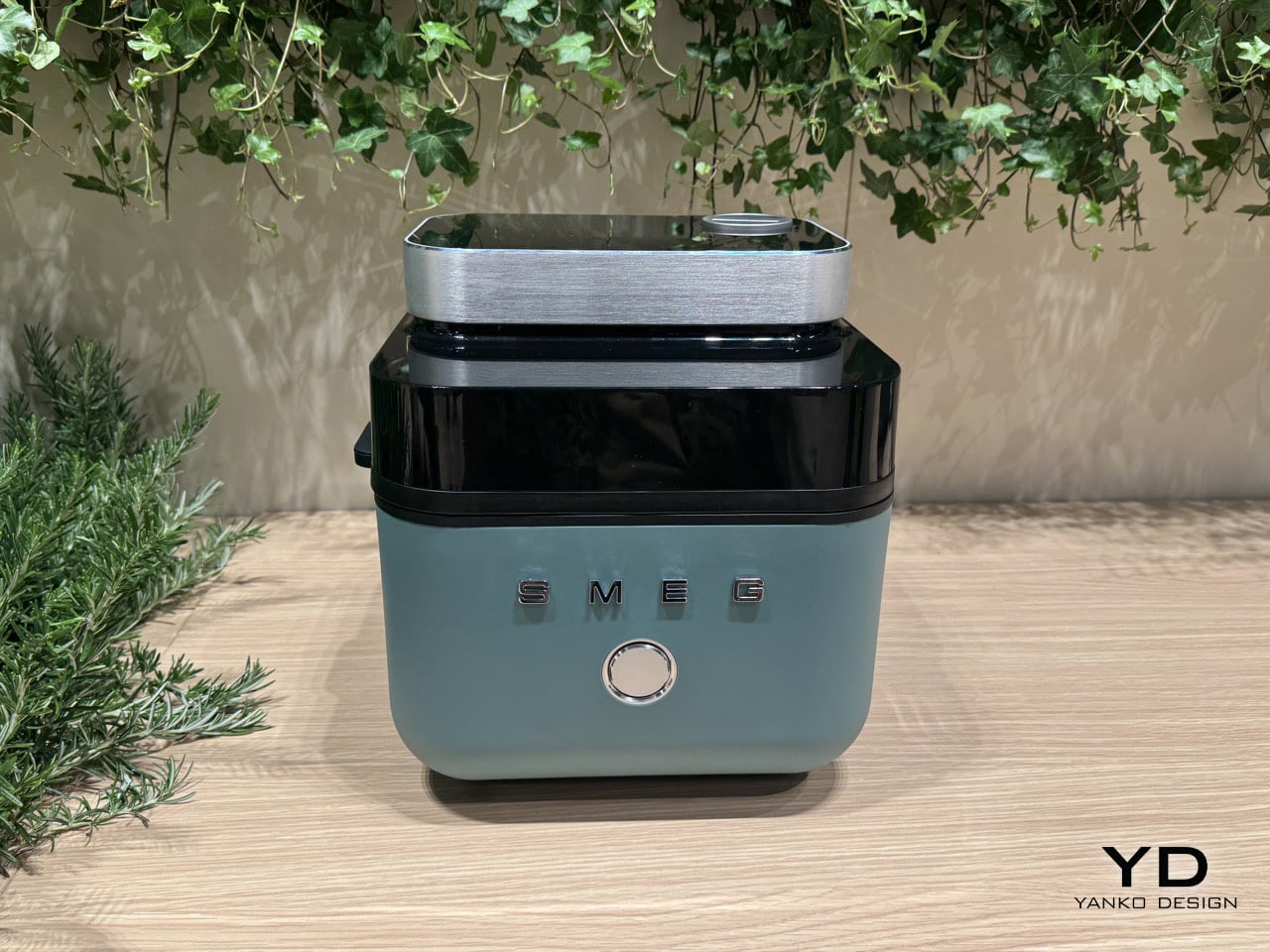
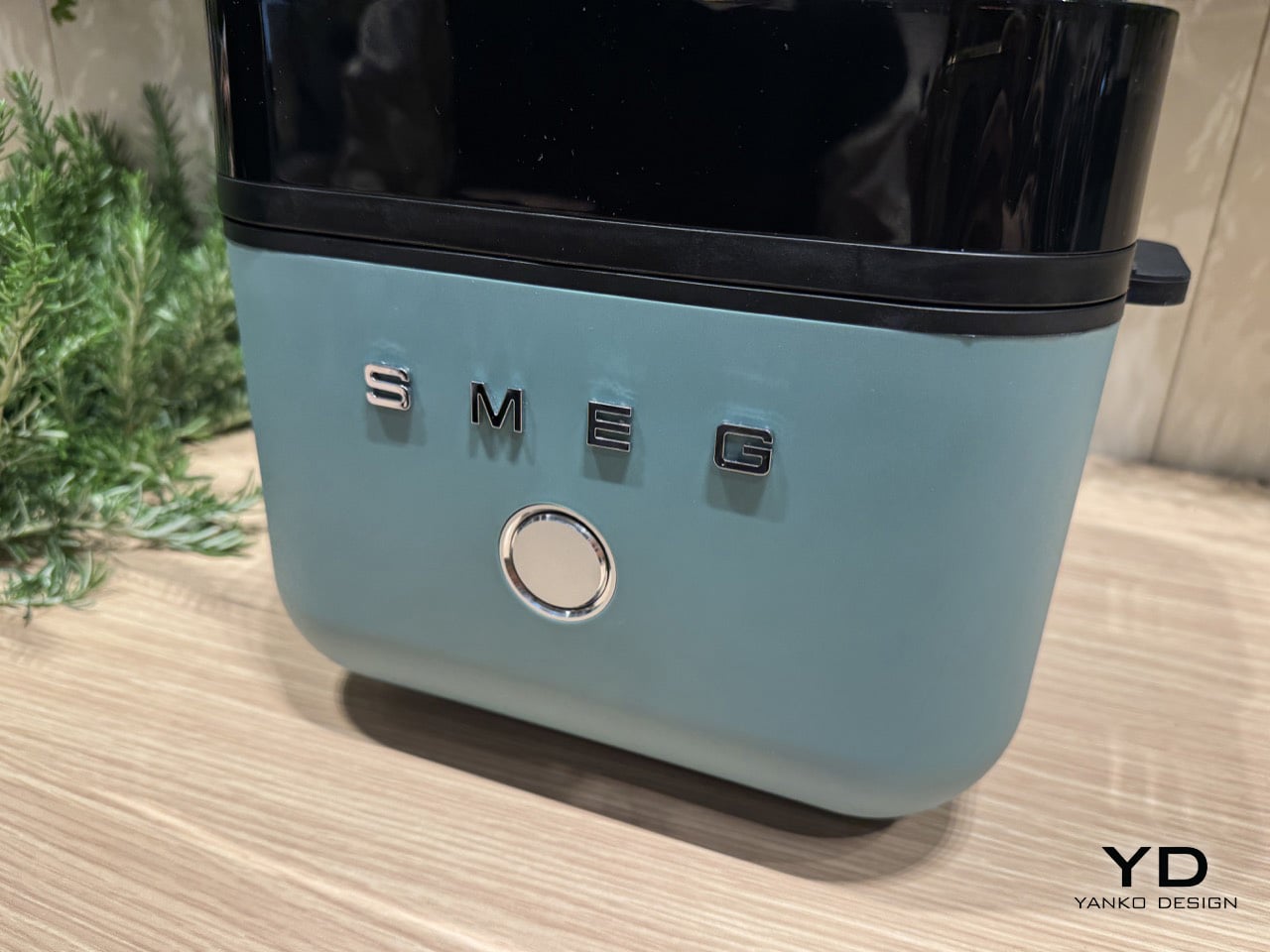
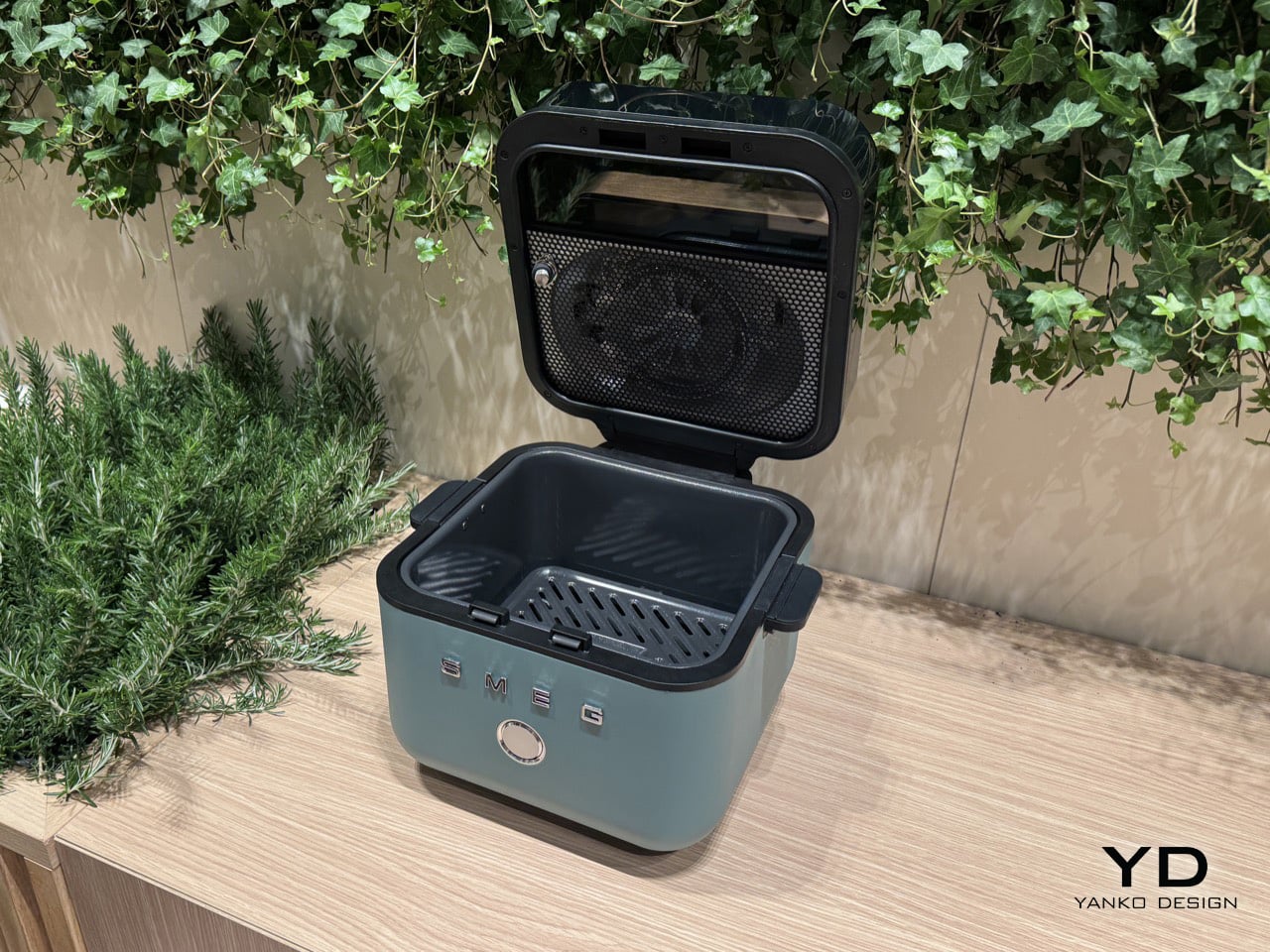
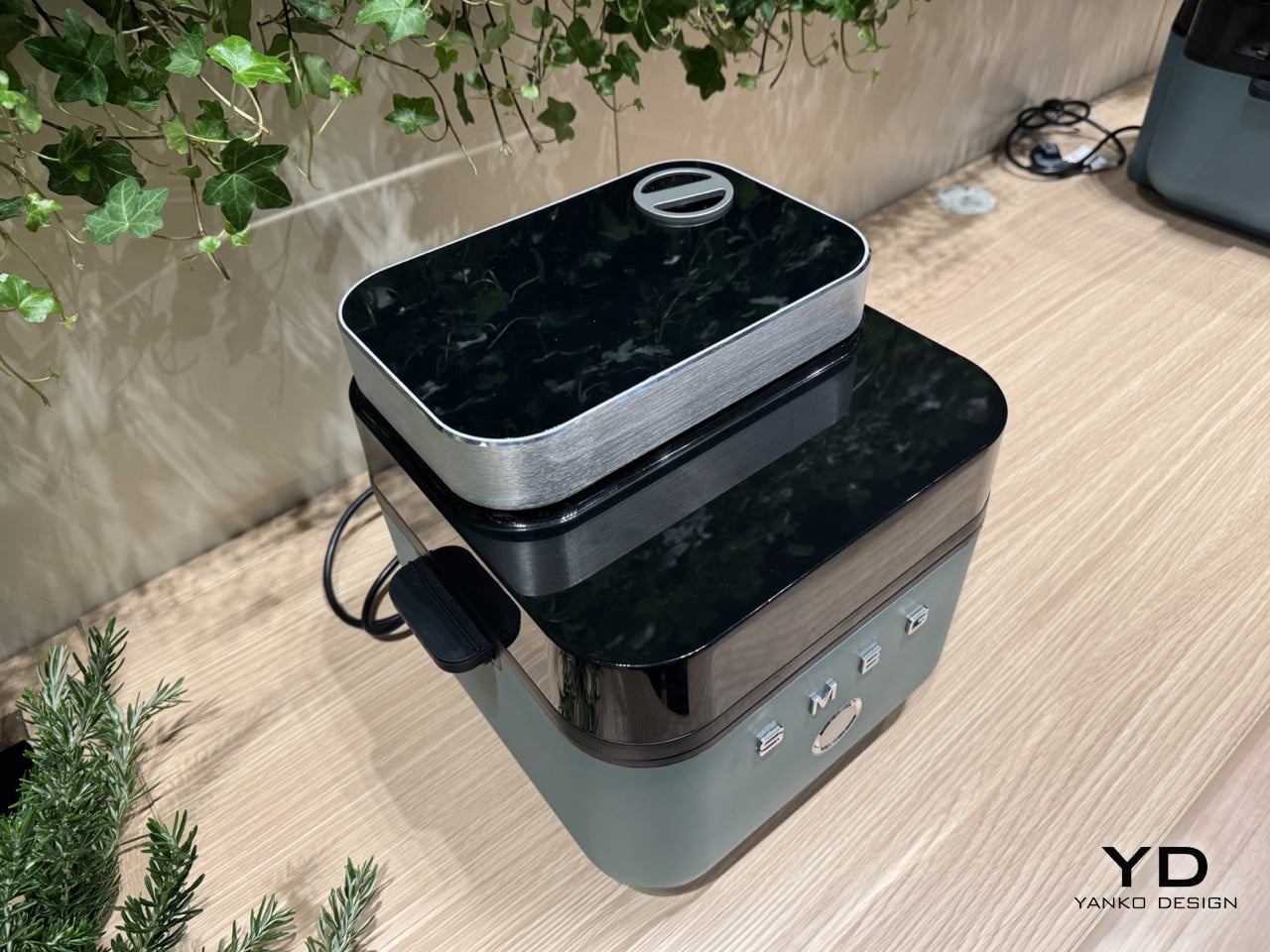
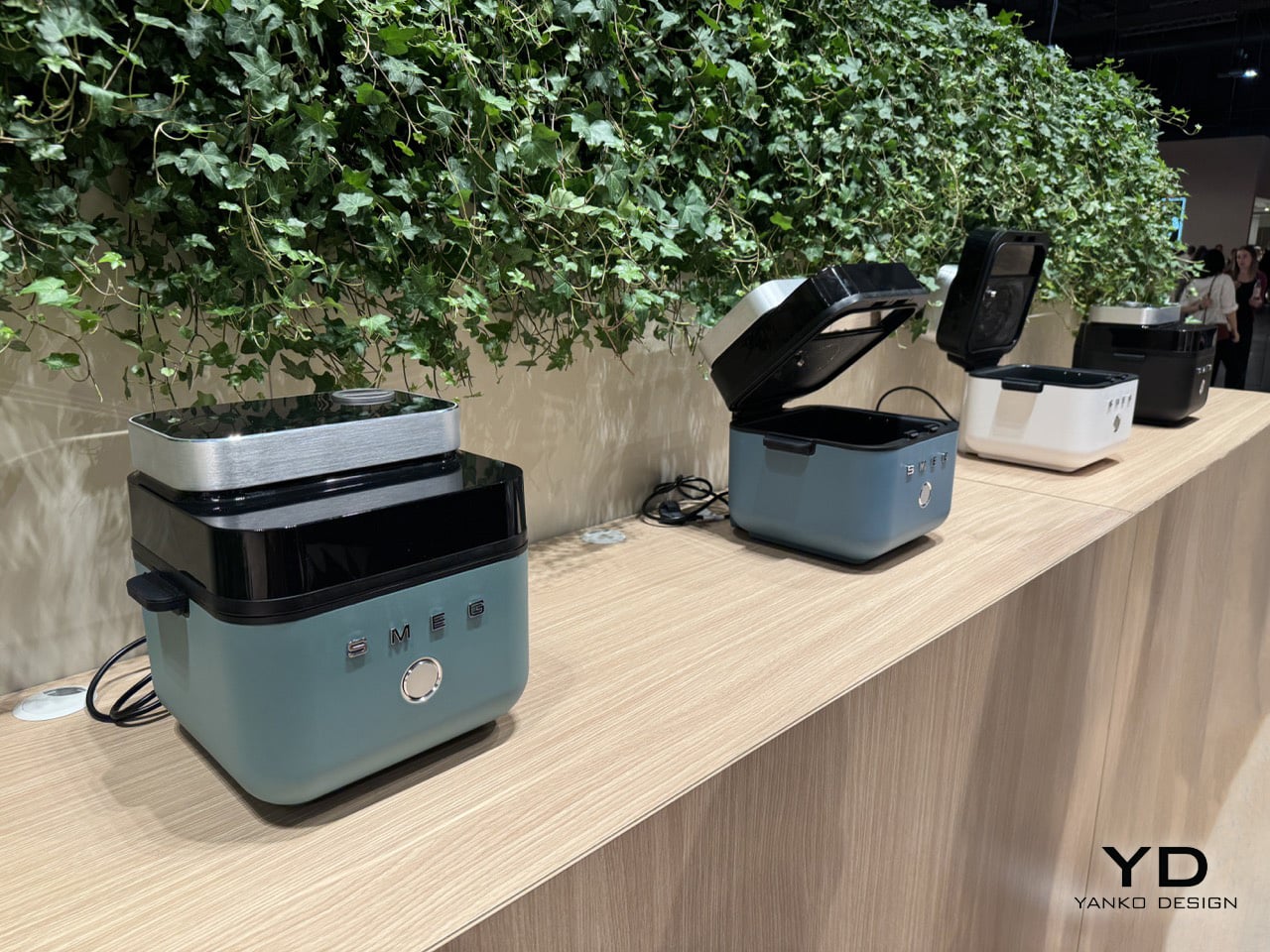
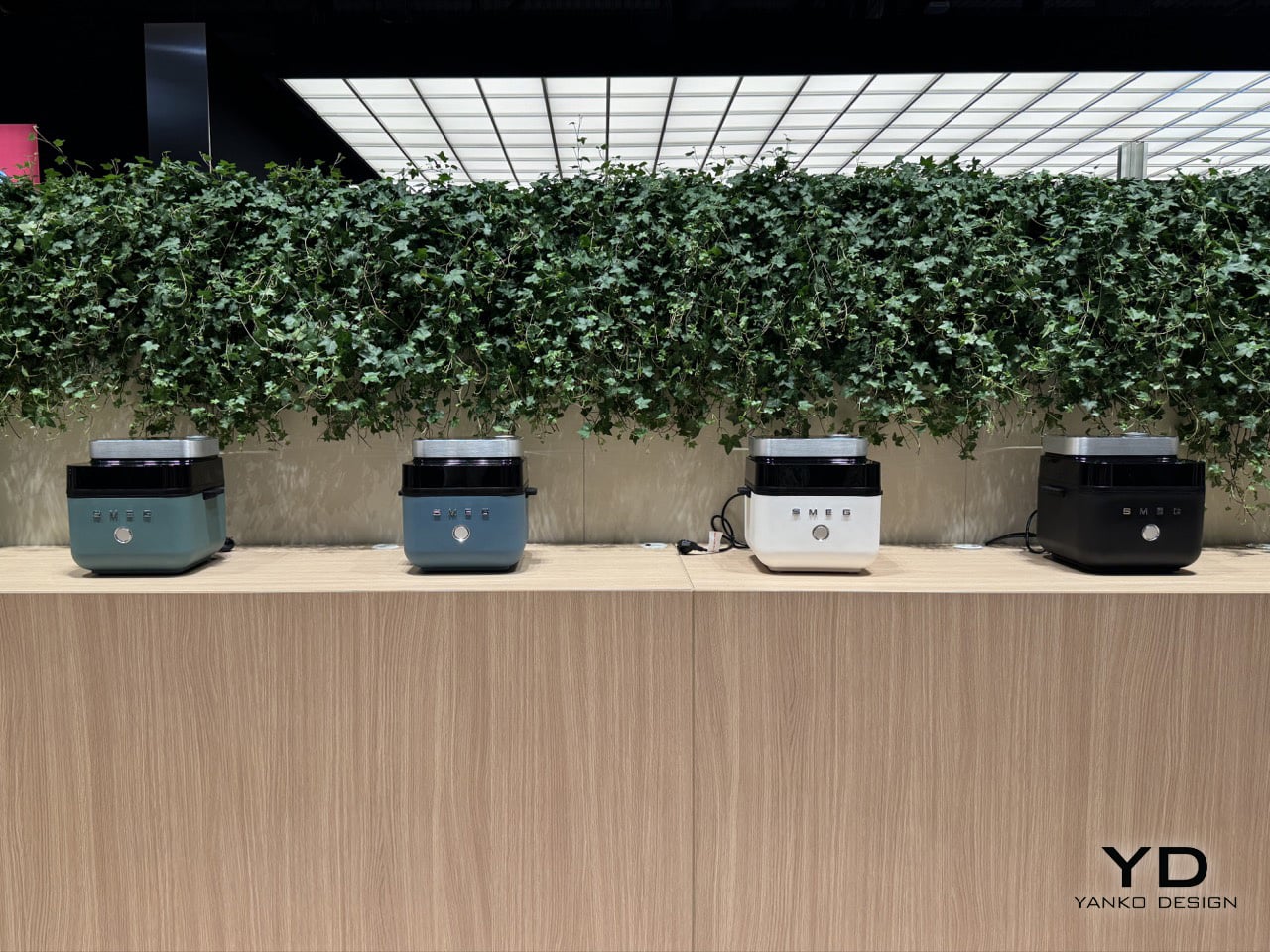
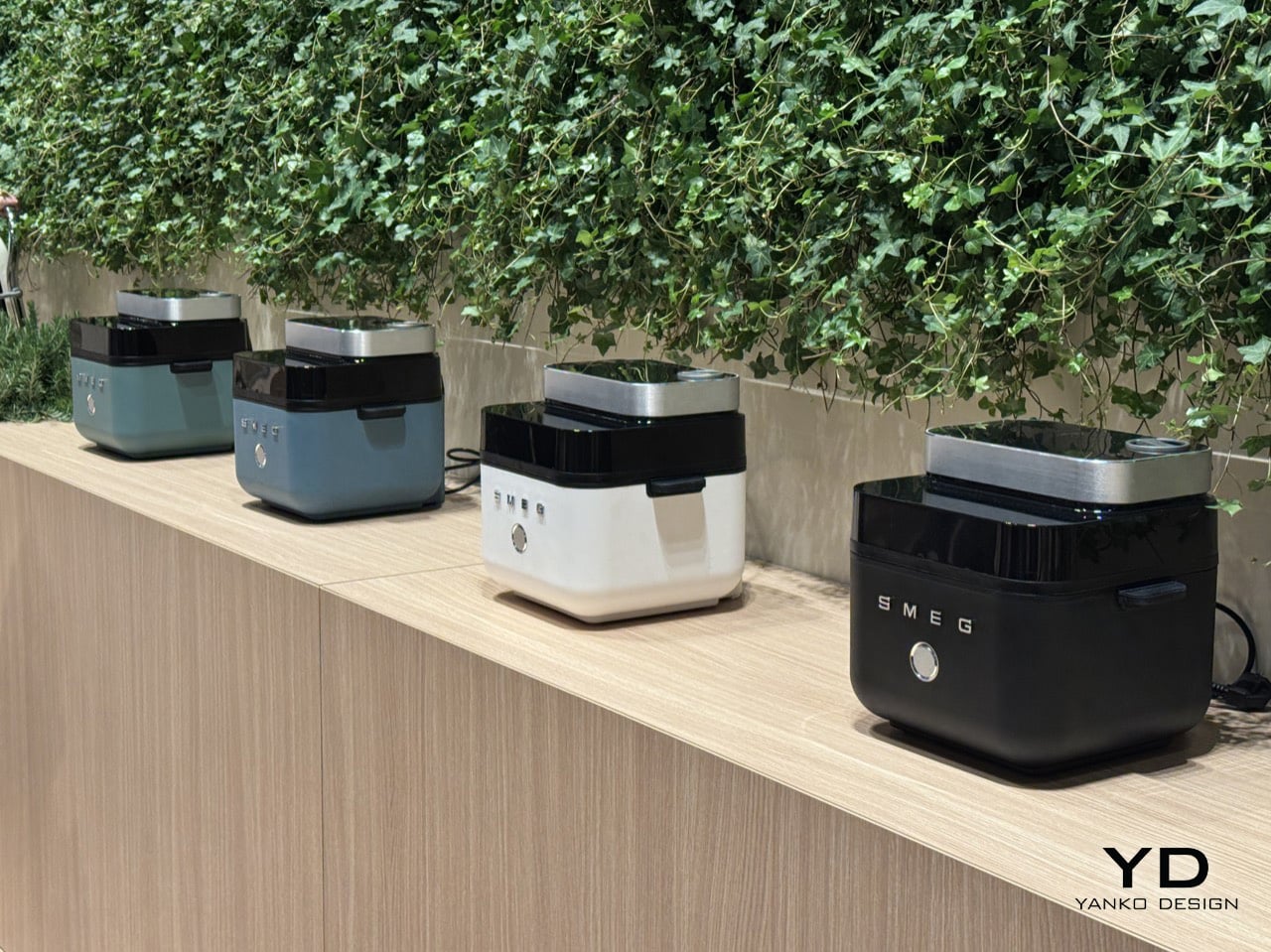
However, apart from the usual fanfare, Smeg even brought some concepts to the table at Milan Design Week, showcasing an innovative air fryer with its own built-in steamer feature. Currently just a concept (with really no product name, price, or market-launch date yet), the fryer channels Smeg’s familiar color language with 4 options, all interplaying wonderfully with gloss black and brushed metal trims.

Designer: Smeg

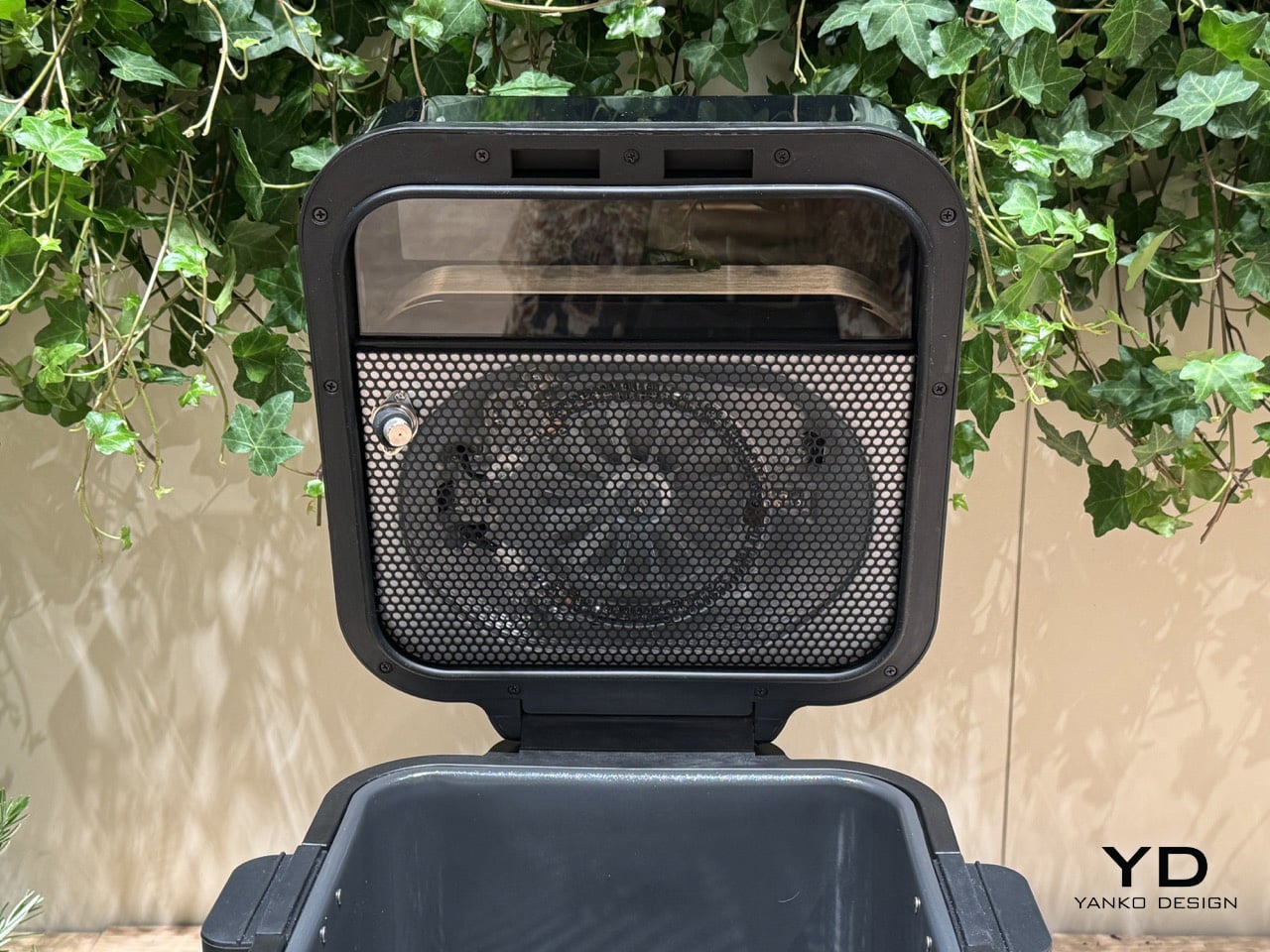
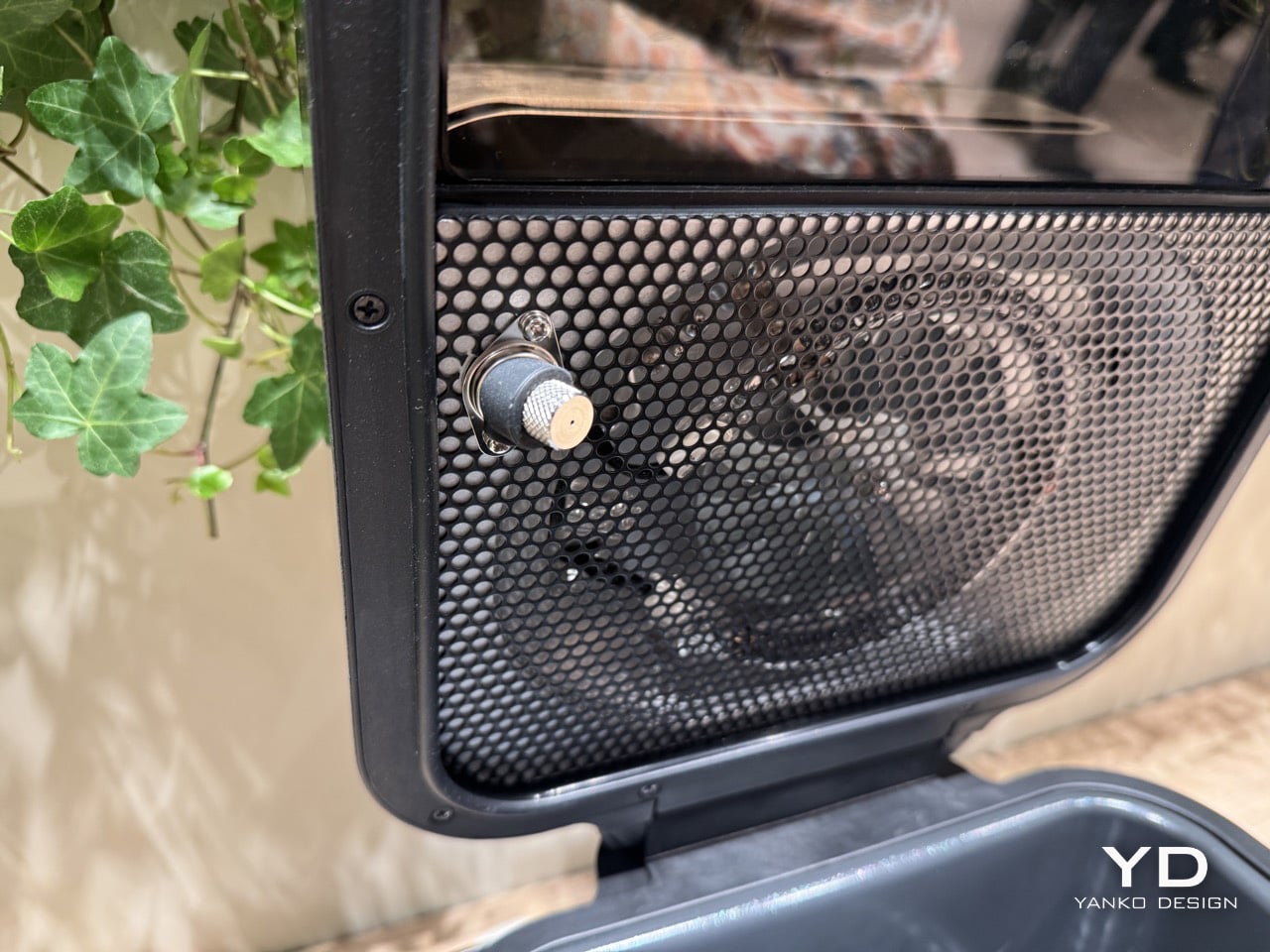
The fryer boasts a 7-liter internal capacity, accessed by a button on the front that ejects the fryer’s lid. Unlike most air fryers that open frontwards, Smeg’s opens from the top, letting you directly place items inside or even take the basket out by its handles. The coil and fan, which otherwise remains hidden from view, is directly visible here, right beside a tinted black visor that allows you to also look into the basket when the air fryer’s at work.

However, we wouldn’t be talking about an air fryer if it was just some basic piece of hardware. Smeg built a steamer into the fryer too, basically turning it into a steam oven, should you choose to use that feature. Most air fryers are just convection ovens redesigned in a different format, but the addition of steam makes a great difference to the fryer’s output. Contrary to popular belief, steam actually helps with crisping up of food, which is why breadmakers usually mist the insides of their oven while baking a loaf. The result is a gorgeous outer crust that’s perfectly brittle, with an inside that’s still fluffy. The same logic works with things like chicken wings, allowing you to cook them without oil, and still ensure that they don’t feel dry to the bite. The steam prevents the inside of the chicken from losing its moisture, so you still have the crack of a fried crust on the outside, with the delectable juiciness you love inside.

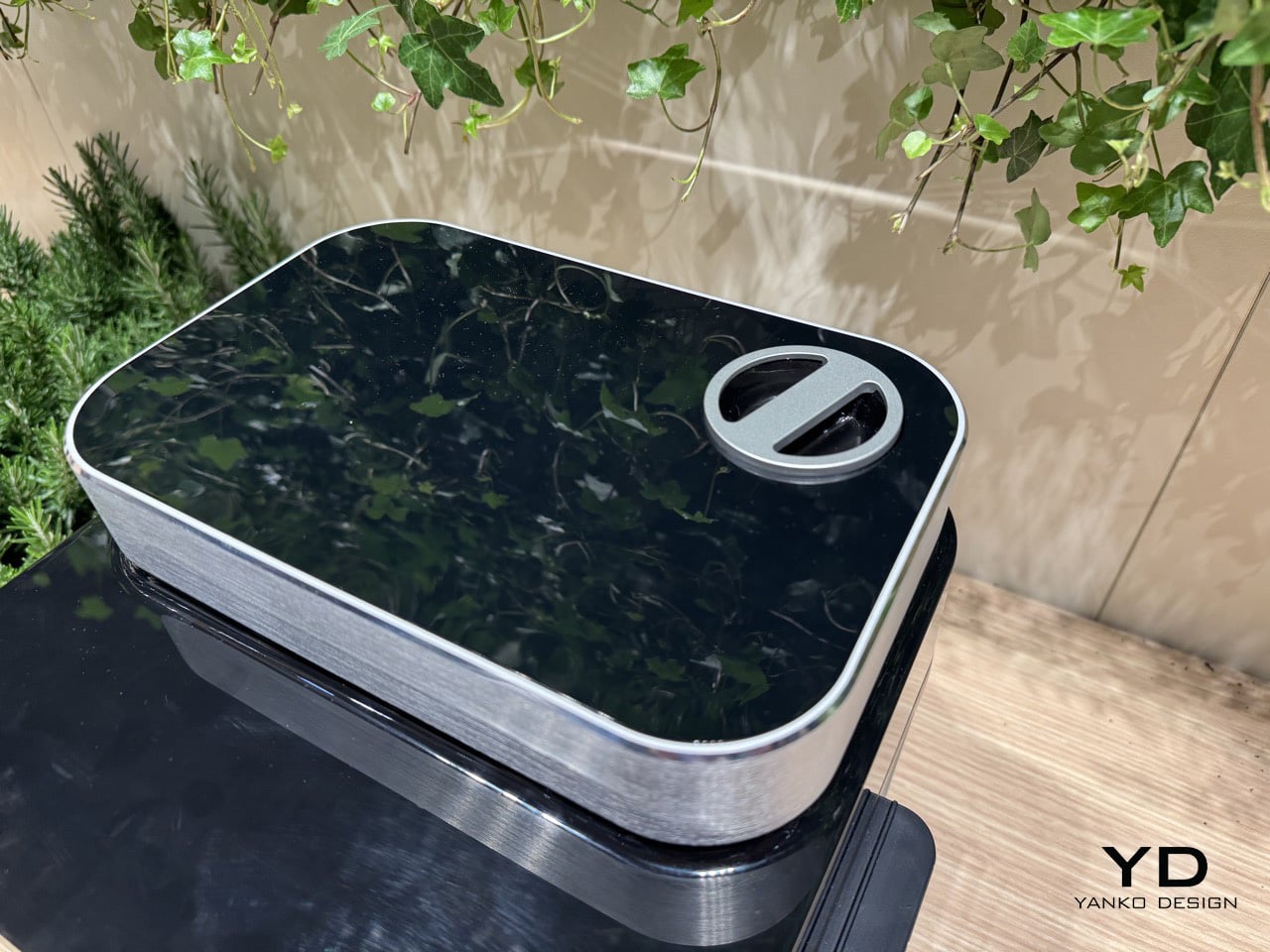
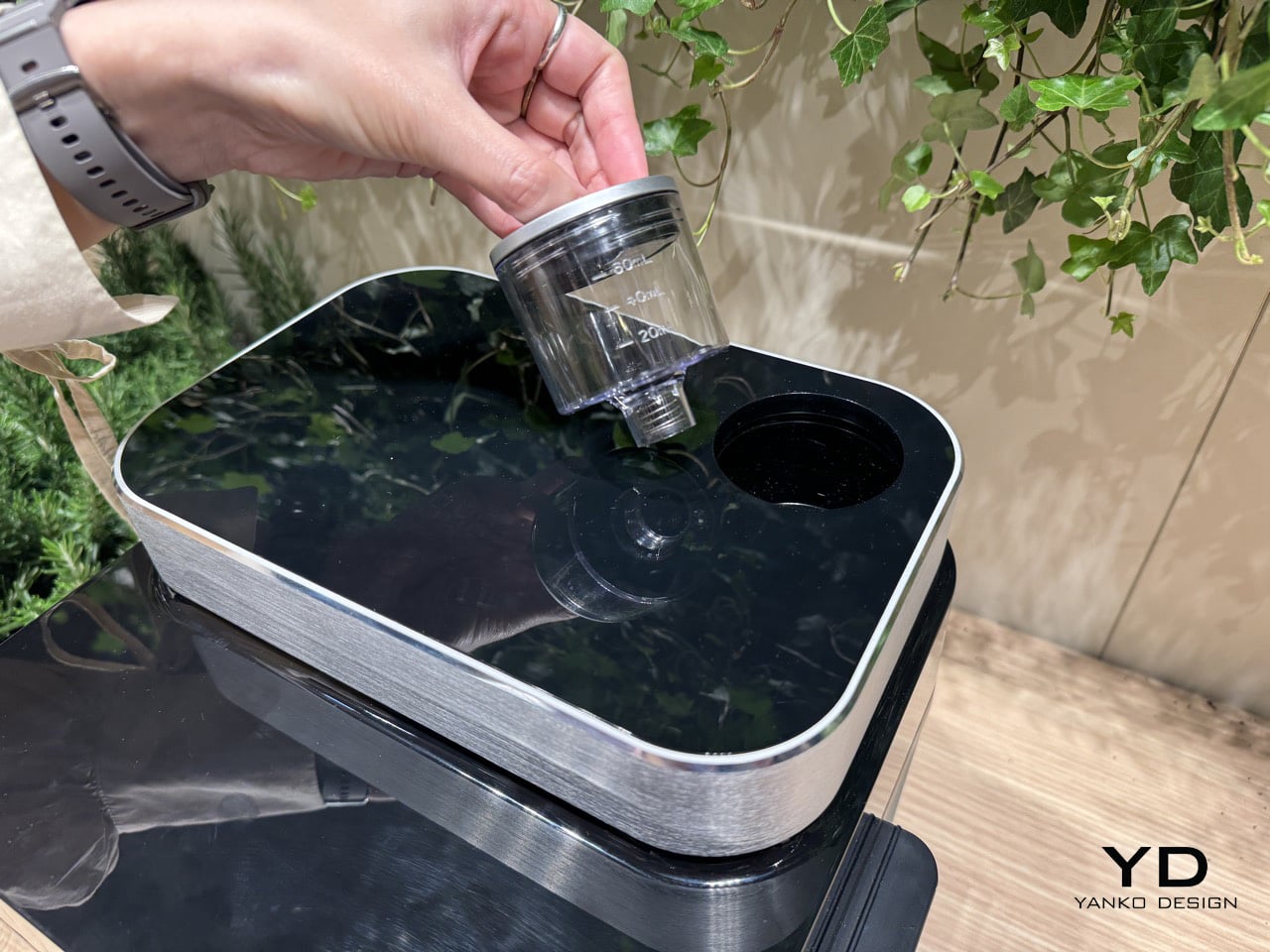
The way you use the steam feature is simple. Smeg built a water cartridge that you can pull out and fill up, before reloading back into your air fryer. Once chosen in the settings, the steam is deployed into the basket via a tiny nozzle on the top, permeating the inner chamber with moisture that makes breads fluffy, cakes delicious, and wedges/wings crispy outside and wonderful inside.

We probed Smeg to give us a launch date, but the air fryer + steamer is just a concept for now. Here’s to hoping that they actually launch it sometime in the future, although a representative did say that if it were to launch, it wouldn’t be before 2027. I guess I’ll have to settle for manually spritzing my food in the air fryer with water every few minutes until then!

Along with the concept Air Fryer, you can check out Smeg’s entire showcase at Salone del Mobile in Milan in the Euro Cucina section of the exhibition. The Italian kitchen brand is showcasing fridges, ovens, stoves, coffee machines, induction hobs, and even chimneys, combining color and enamel technology with a design aesthetic suited for both European as well as American markets.

The post Smeg’s Air Fryer Comes With A Steam Function For Food That’s Crispy Outside and Juicy Inside first appeared on Yanko Design.
Trump has terminated several members of the independent National Science Board

As reported by several outlets, the Trump administration dismissed members of the National Science Board (NSB), which is tasked with establishing policies for the National Science Foundation. It's not clear how many members have been dismissed. According to screenshots shared with The Washington Post, board members received a message that their position was "terminated, effective immediately.

The NSB establishes policies for the National Science Foundation (NSF), the independent US agency responsible for apportioning about 25 percent of federal support towards research conducted by the country's colleges and universities. The foundation has existed for over 75 years and has contributed to the development of MRIs and cellphones, among other breakthroughs. Up to 25 active members can head the NSB, however, the current board only has 22 members; the NSF's former director, Sethuraman Panchanathan, abruptly resigned last year.

In response, Congresswoman Zoe Lofgren called the latest decision a "real bozo the clown move" in a statement. "This is the latest stupid move made by a president who continues to harm science and American innovation," Lofgren, who also serves as the Ranking Member of the House's Science, Space and Technology Committee, added in the statement. "It unfortunately is no surprise a president who has attacked NSF from day one would seek to destroy the board that helps guide the Foundation."

It's unclear if the NSB's next scheduled board meeting for May 5 will take place. When asked about the recent terminations and the next meeting, the NSB referred to the White House for additional details. We've reached out to the Trump administration for confirmation and will update the story when we hear back.

This article originally appeared on Engadget at https://www.engadget.com/science/trump-has-terminated-several-members-of-the-independent-national-science-board-170405205.html?src=rss

The Restaurant Made of Mud and Marine Waste Is Drop-Dead Gorgeous

When you hear “shipping container restaurant,” you probably picture a food truck-adjacent setup with exposed steel walls and Edison bulb string lights. Petti, a restaurant in Tuticorin, Tamil Nadu, is nothing like that. Designed by Indian studio Wallmakers, it is one of those rare projects that makes you stop and ask why we haven’t been doing this all along.

Tuticorin is a port city, and like most port cities, it has a very specific kind of visual language. Industrial, gritty, layered with the residue of trade. Discarded shipping containers are a common sight there, stacked along waterfronts and left to rust once their working lives are over. For most people, they’re background noise. For Wallmakers’ founder Vinu Daniel and his co-architect Oshin Mariam Varughese, they were a starting point.

Designer: Wallmakers

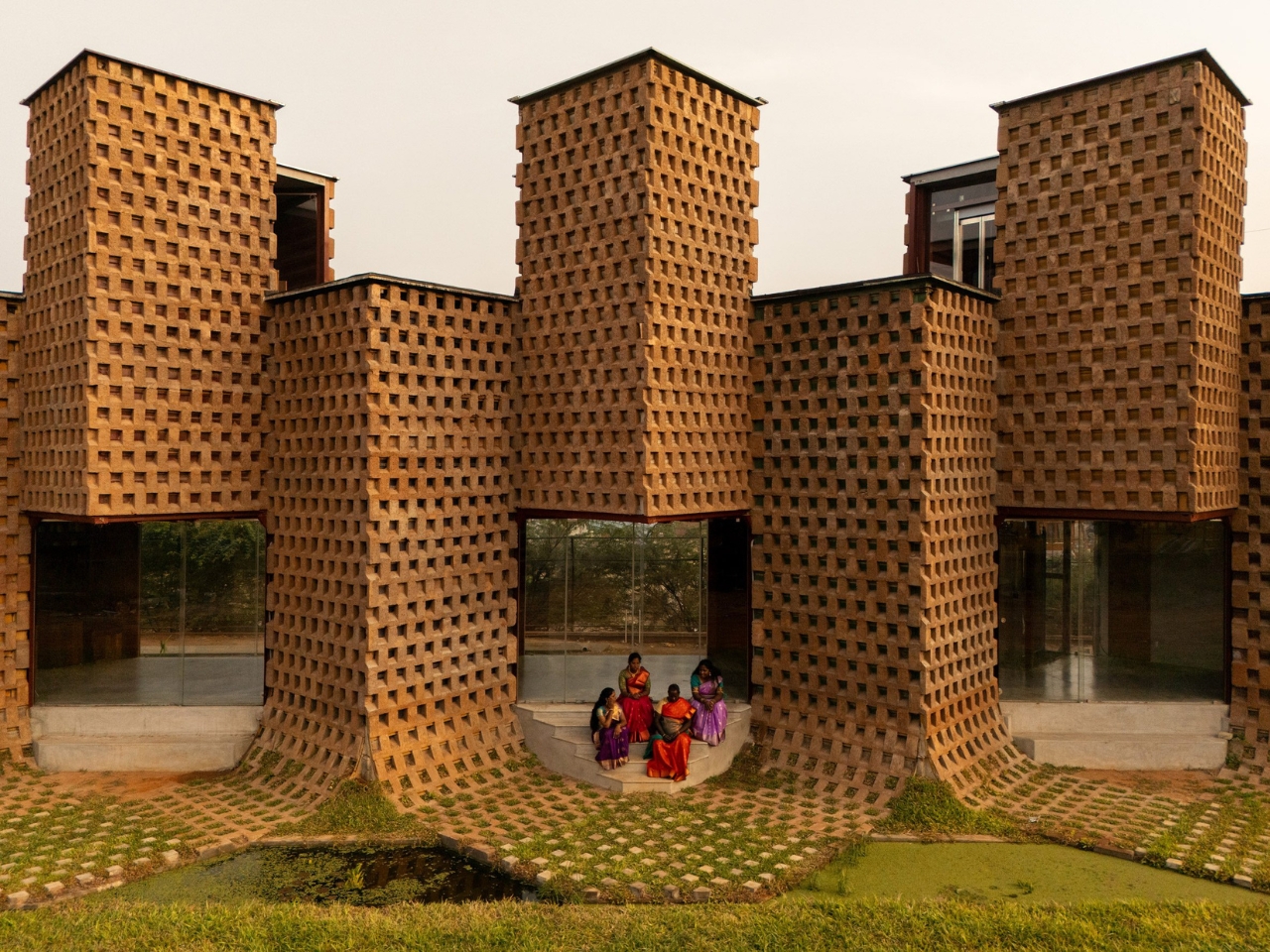
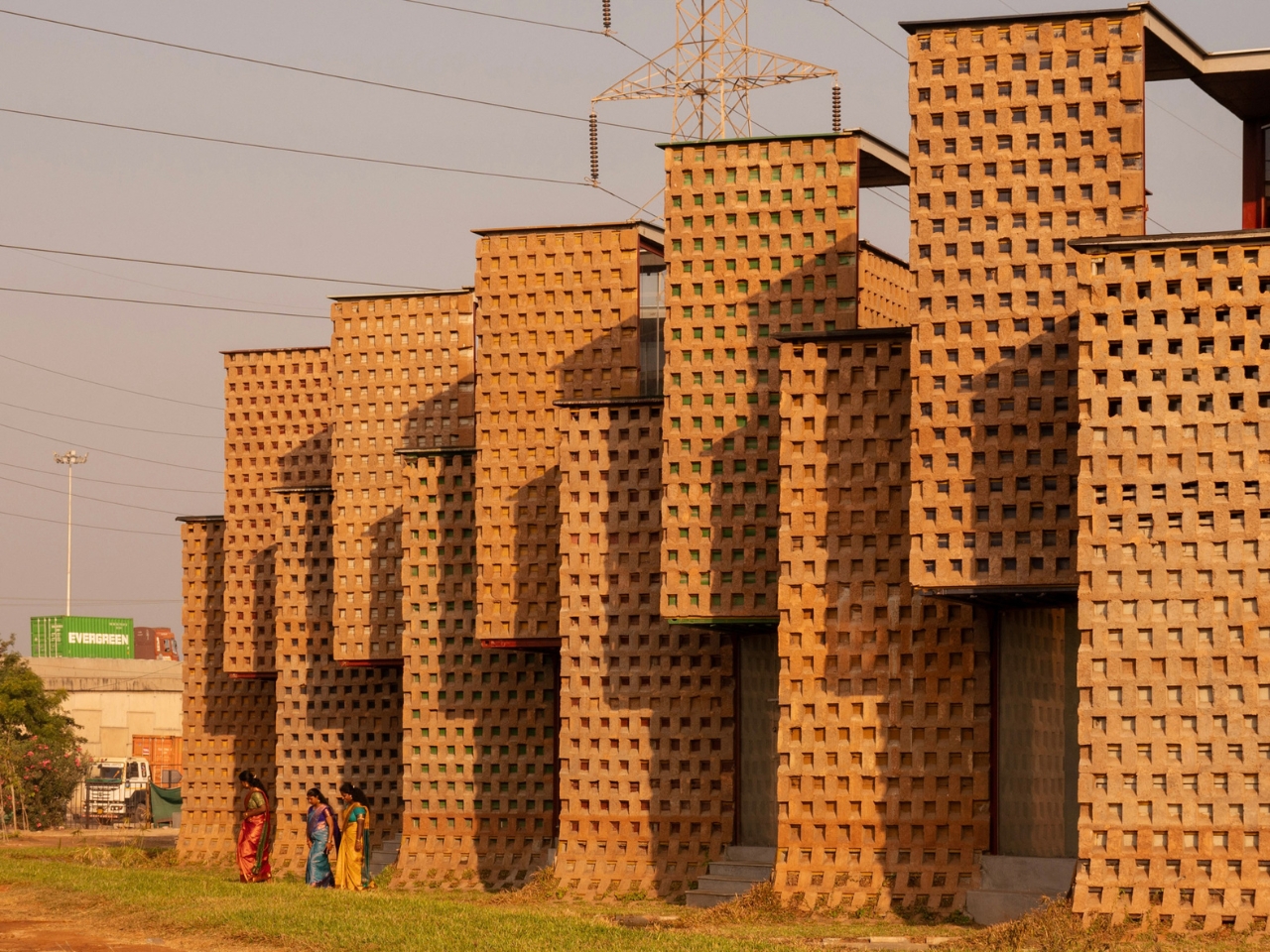
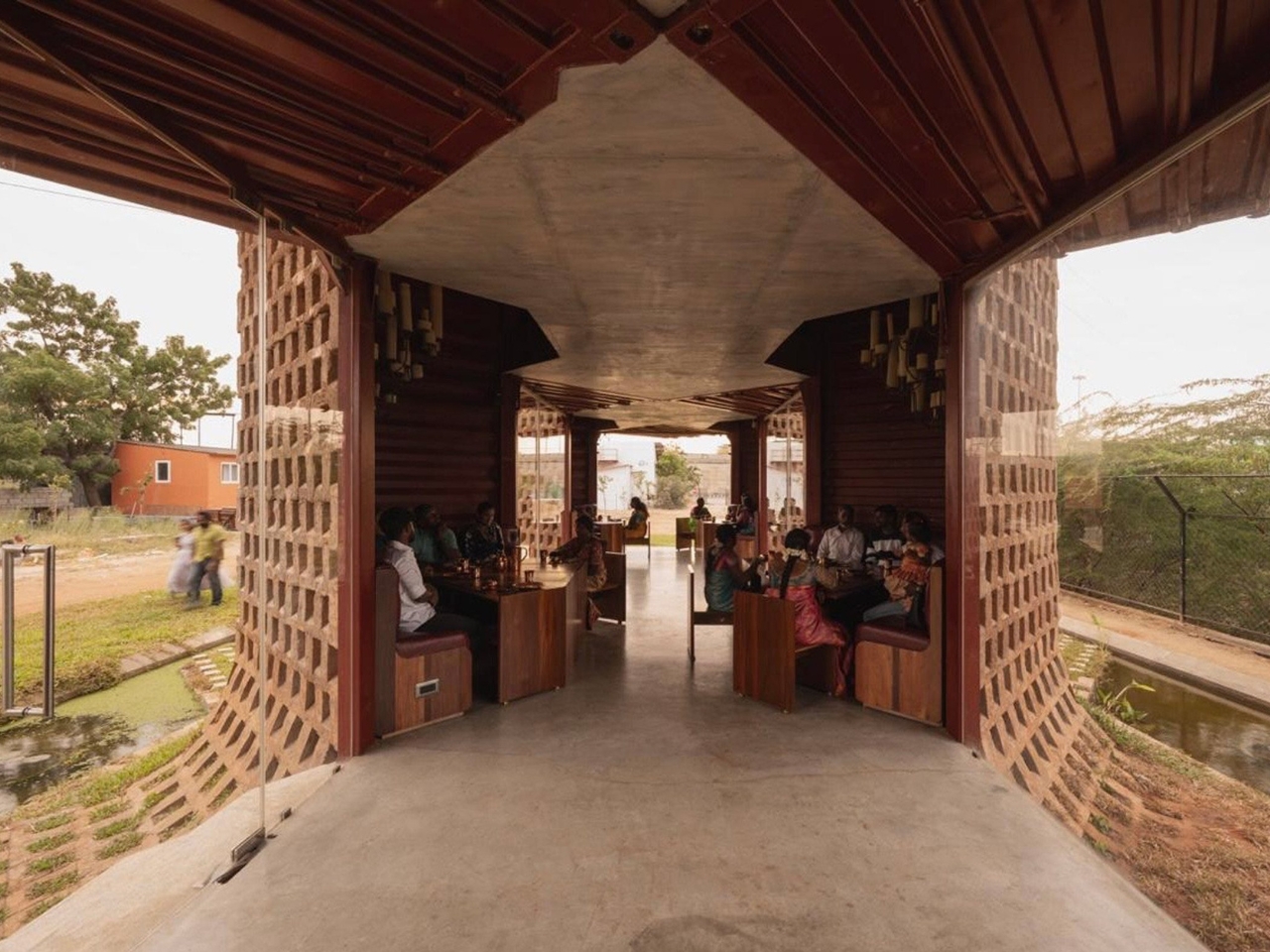
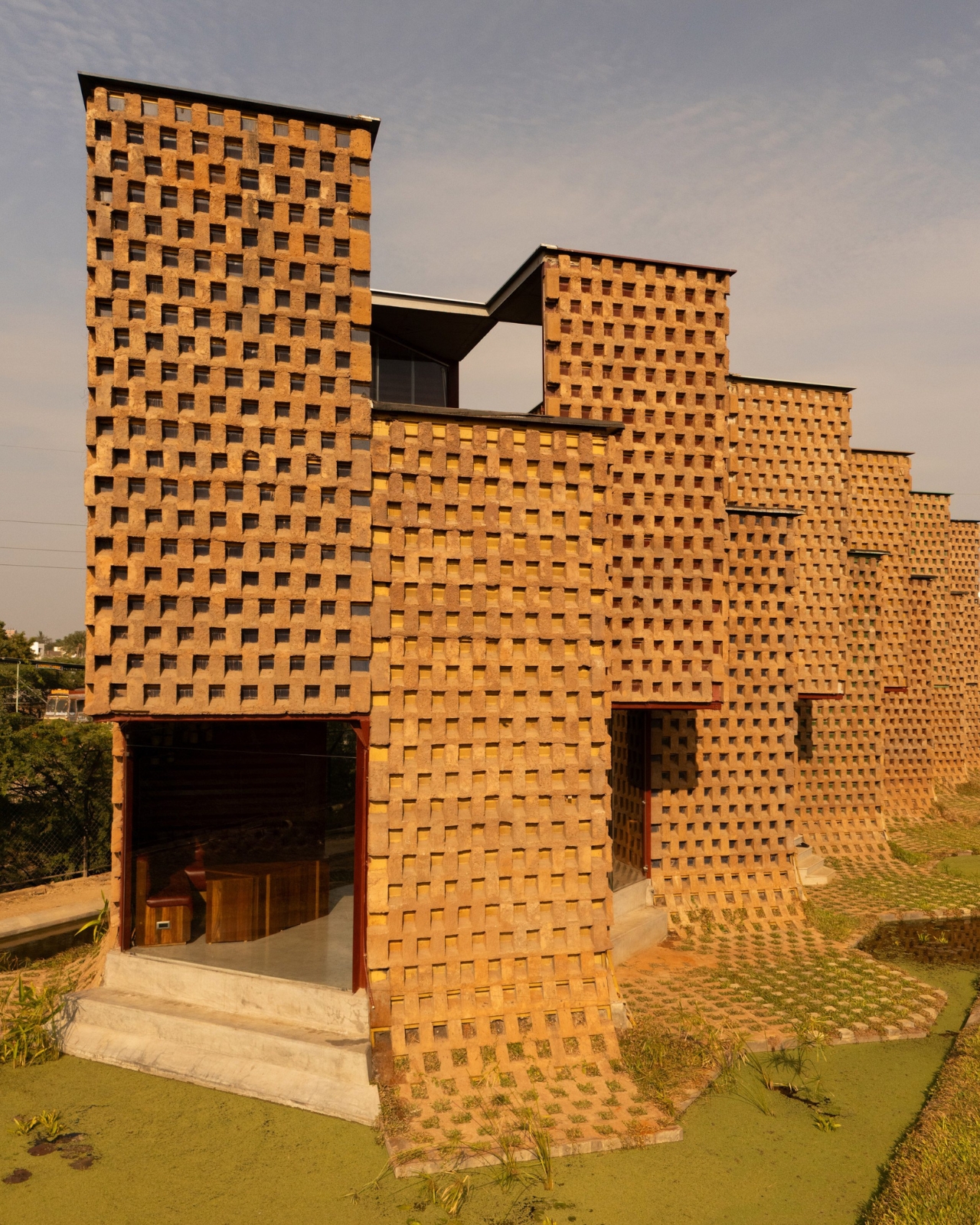
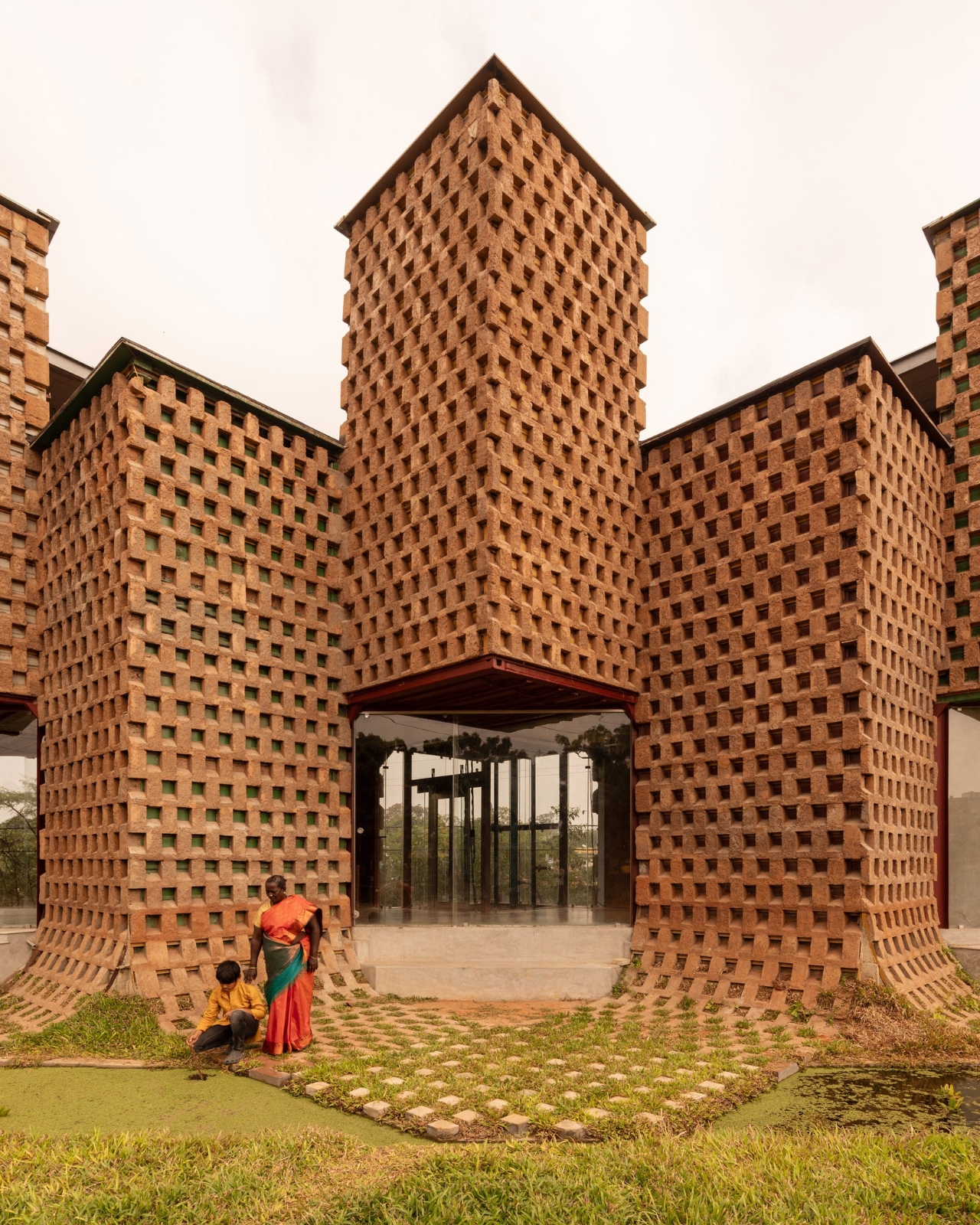
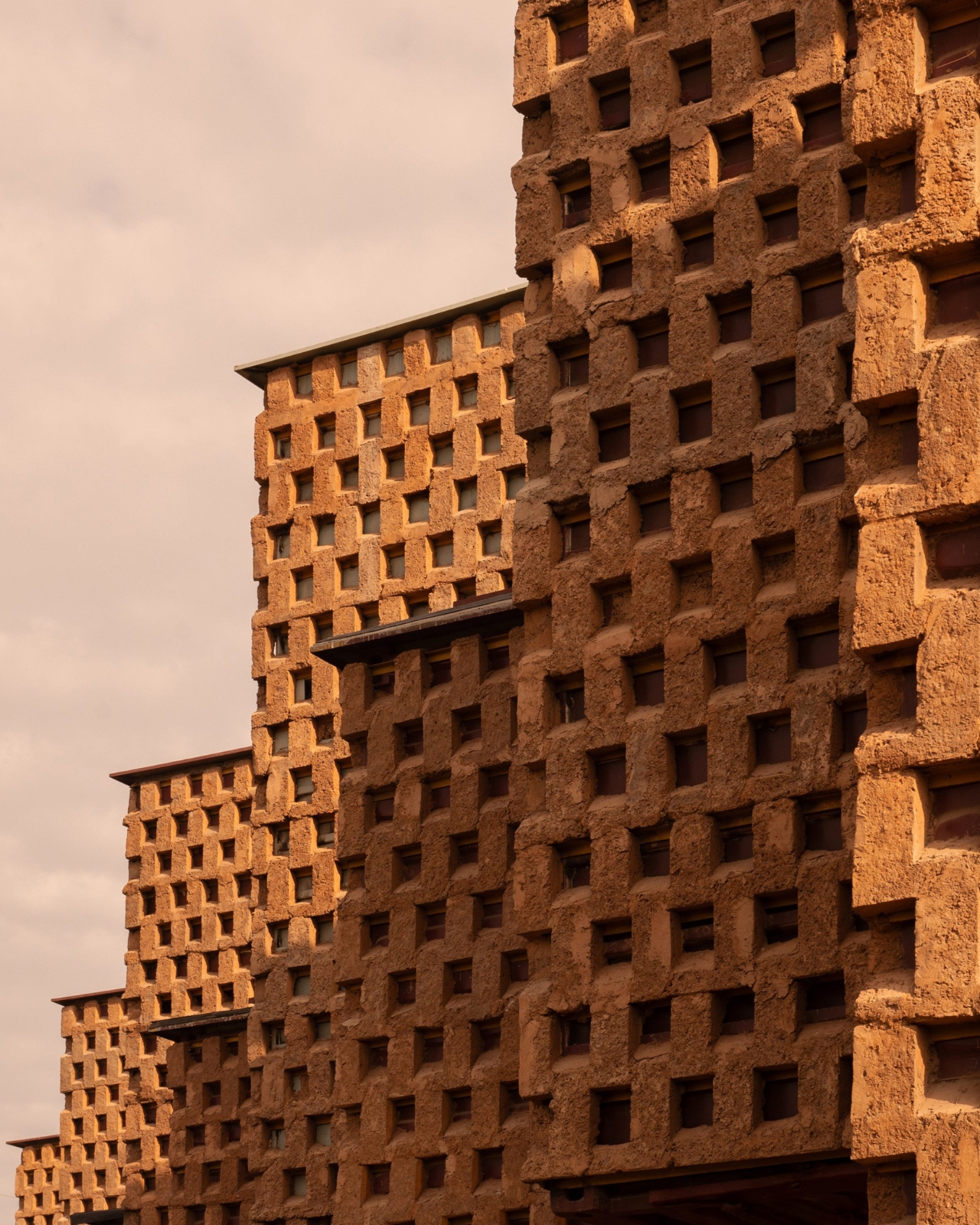
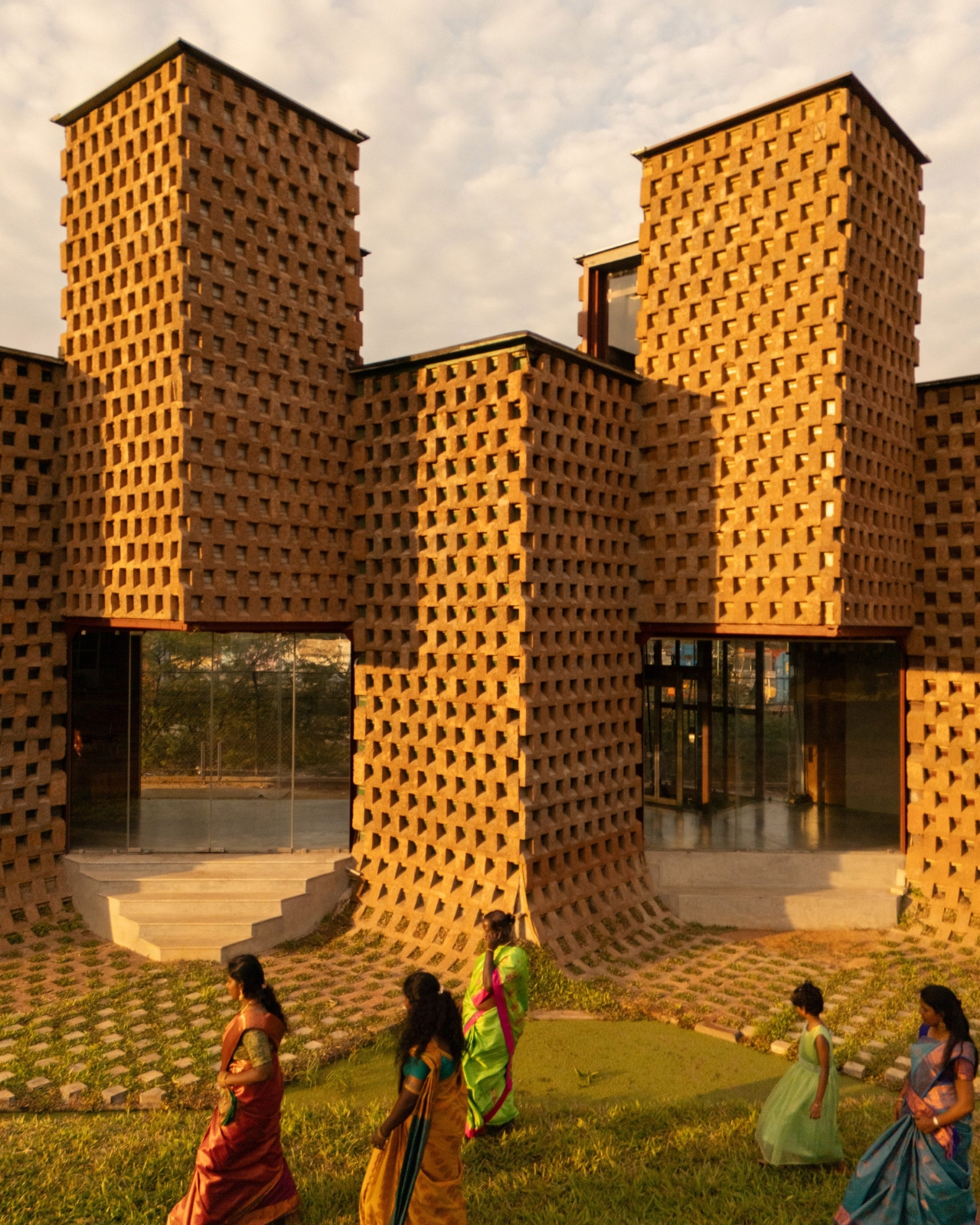
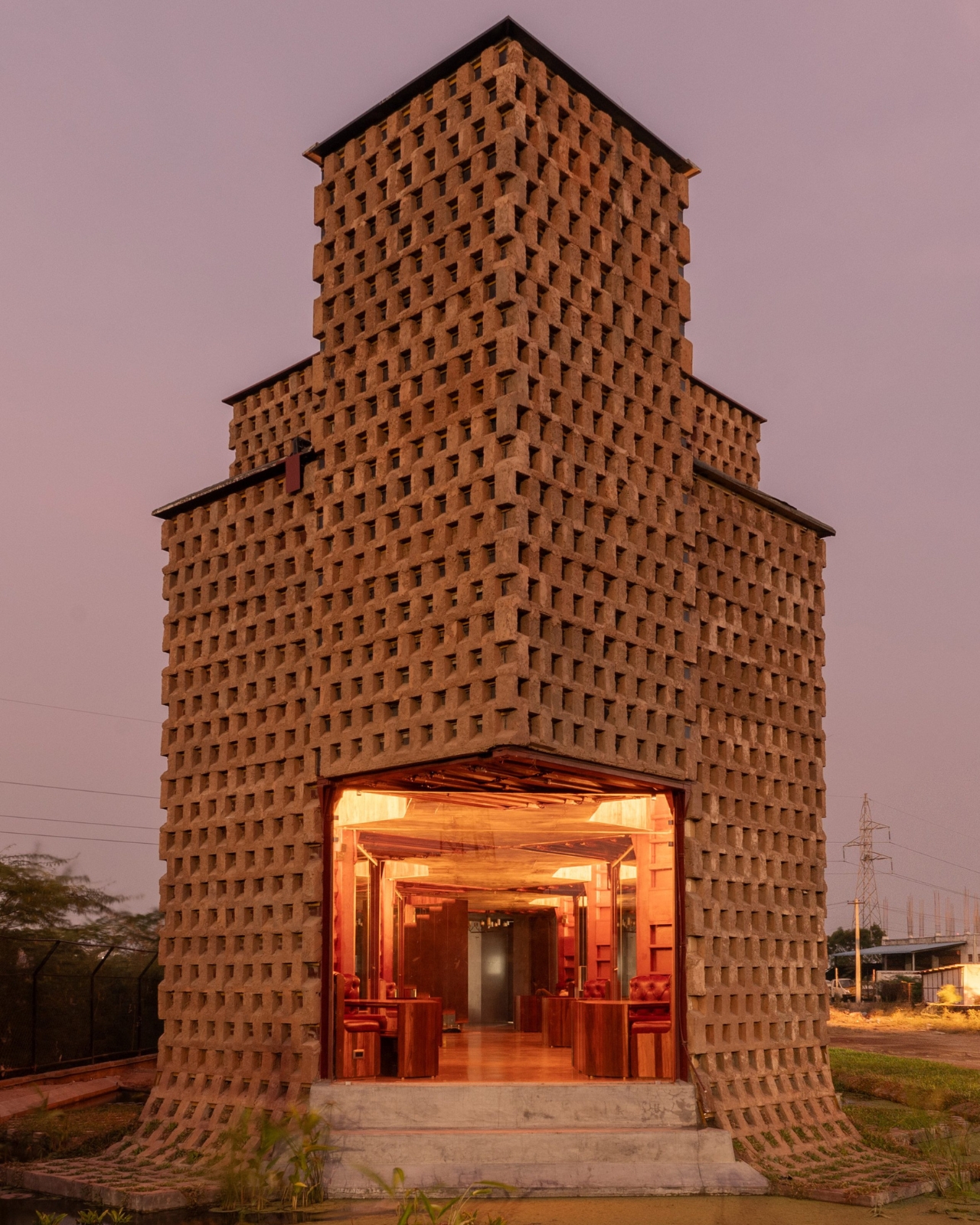
The team took twelve of those containers, cut them in half lengthways, and welded them onto a steel frame. That alone sounds like a fairly standard repurposing story. But here’s where it gets genuinely interesting. Instead of leaving the steel exposed or cladding it in something conventional, they coated the entire exterior in poured earth. Not just a surface treatment for looks, either. The earth layer was designed in an alternating recessed pattern specifically to reduce heat gain and cut the building’s reliance on air conditioning by 38 percent. In tropical Tamil Nadu, where heat is a year-round reality rather than a seasonal inconvenience, that’s a serious design decision with real consequences.

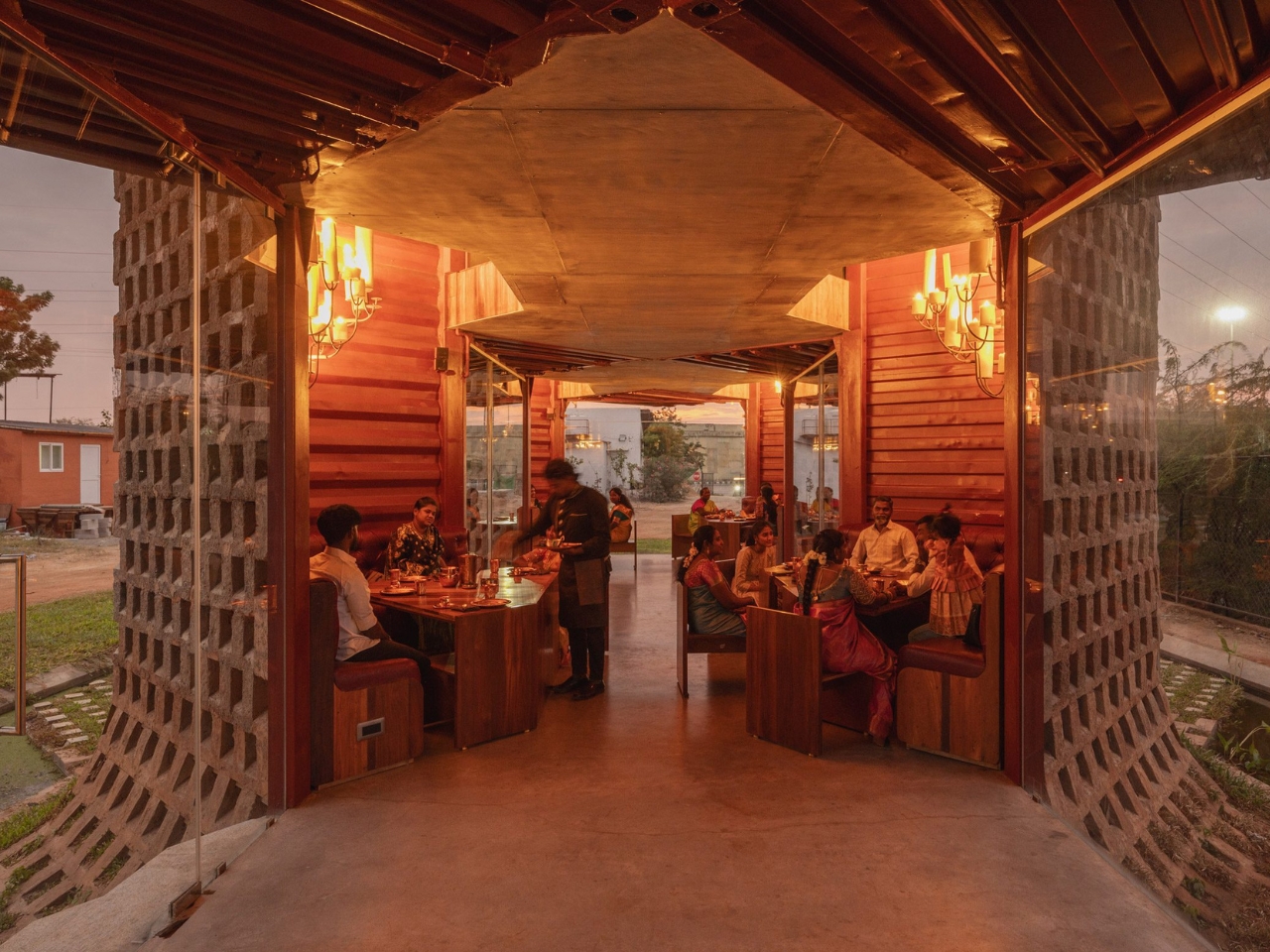
The result is a building that looks like it grew out of the ground. From the outside, Petti reads as a textured, warm-toned structure with a zigzagging profile, the kind of silhouette that makes you stop and puzzle over whether it’s old or new, industrial or handcrafted. The answer is that it’s both, and that tension is exactly the point.

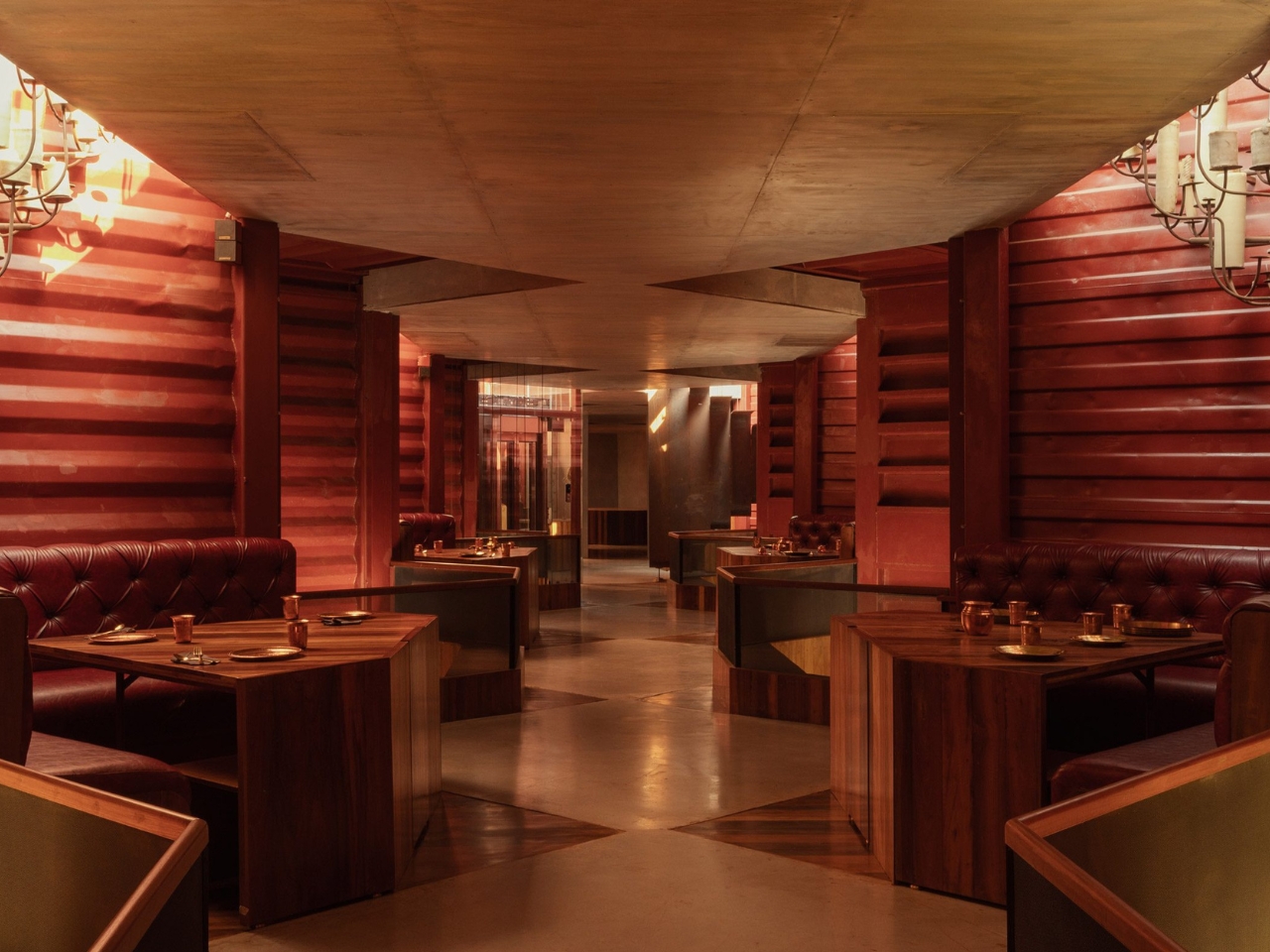
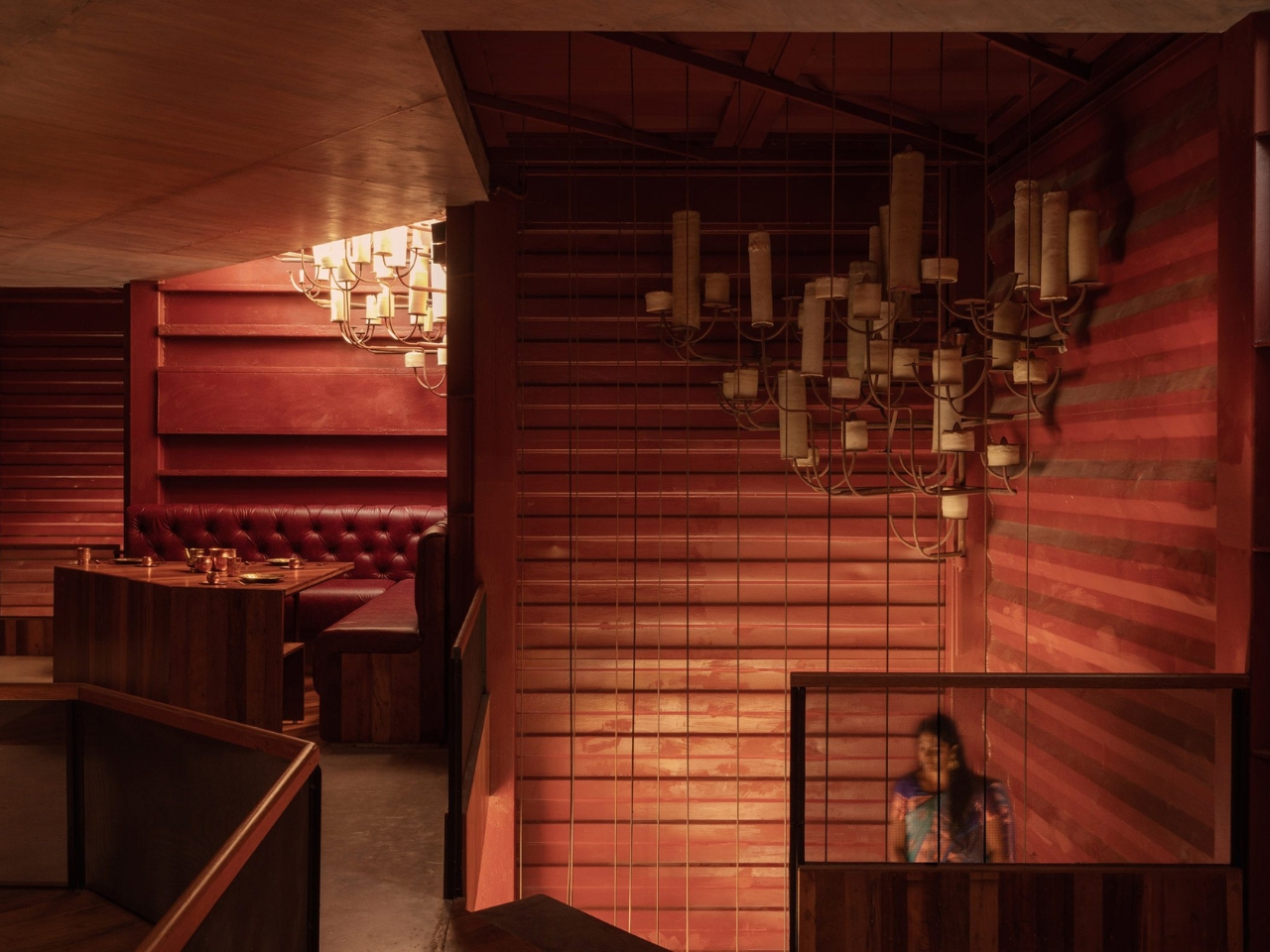
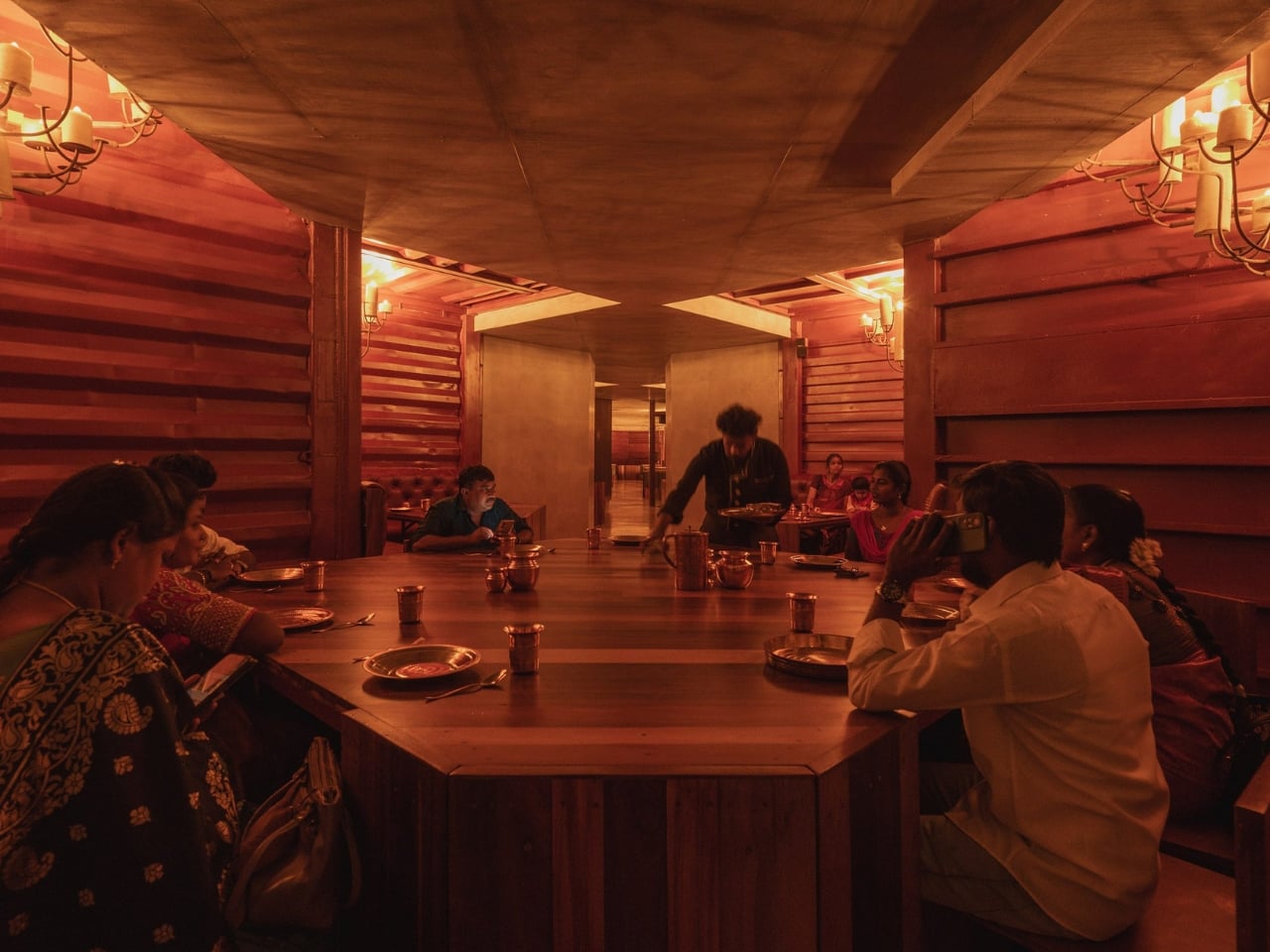
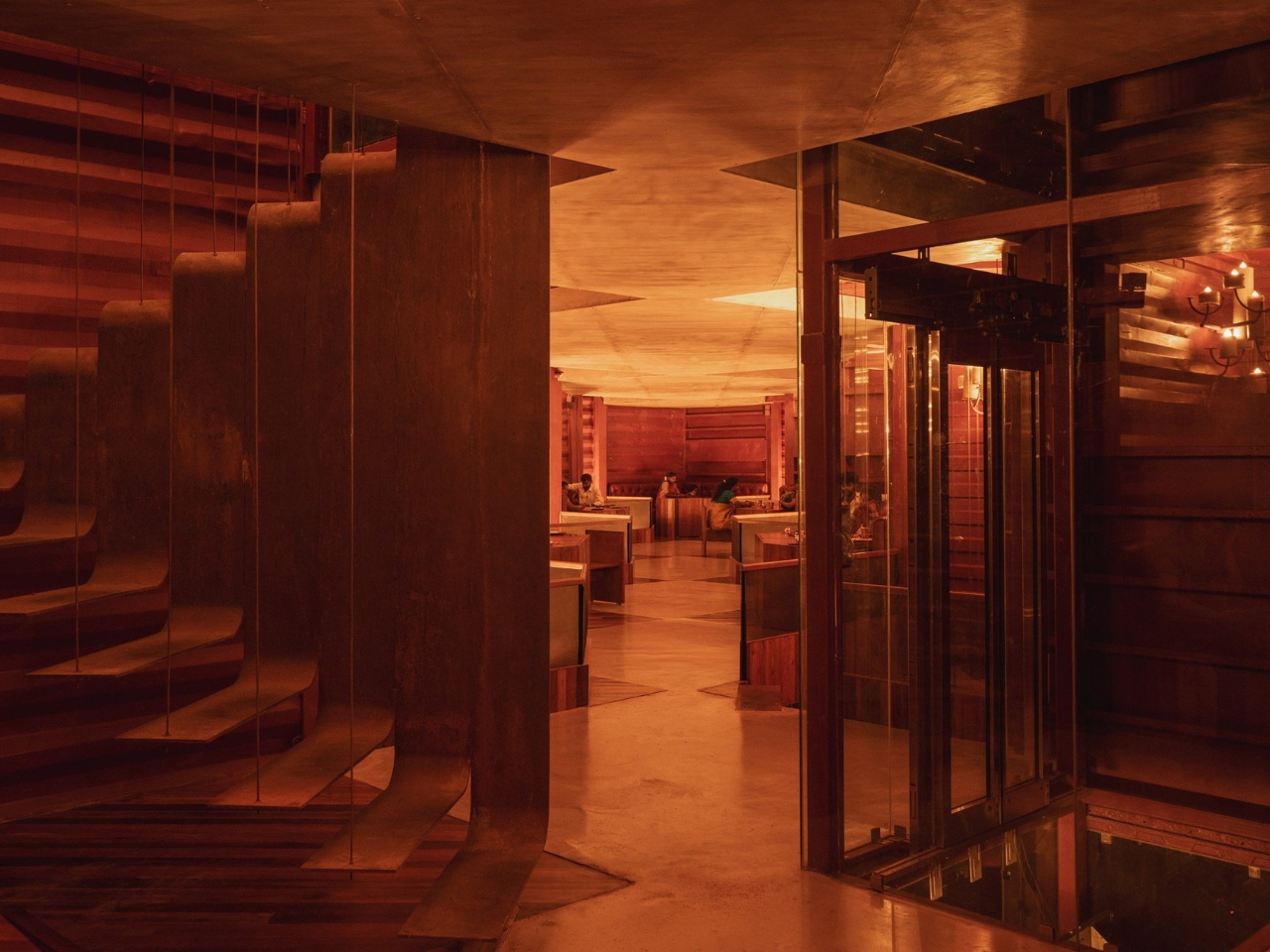
Inside, the layout follows the logic of the containers themselves. Each container half creates a defined niche, so the dining experience becomes surprisingly intimate for a space that seats 200 people. You’re tucked in, not floating in a vast open plan. During the day, natural light filters in through skylights above each seating area. At night, chandeliers made from old wax and pipes take over, filling the space with a glow that’s warm without being precious. The floors are laid with discarded deck wood and oxide. It’s a level of material consistency that tells you the team thought carefully about every surface, not just the ones visible from the street.

Petti doesn’t perform sustainability, and that’s a distinction worth making. A lot of design projects with eco credentials feel like they need you to notice the eco credentials first and the design second. Petti reverses that. The photograph you’re drawn to first is a beautiful one: warm light, earthy texture, layered geometry. The backstory, the fact that you’re looking at marine waste and mud, makes it more compelling, not less beautiful.

There’s a real argument here about how we build in tropical climates. Shipping containers are notoriously poor insulators on their own, which is why so many container architecture projects end up being thermally uncomfortable. Wallmakers addresses this head-on with the poured earth facade, and the 38 percent reduction in cooling load isn’t a marketing figure pulled from thin air. It reflects the kind of climate-specific thinking that a lot of globally distributed architectural trends skip entirely because they were never designed with heat in mind.

Petti also pushes back on a certain aesthetic snobbery in sustainable design, the assumption that salvaged materials and low-carbon building methods produce something that looks compromised or impermanent. This restaurant looks better than most places that cost considerably more to build, and it leaves a much lighter footprint while doing it.

The name itself is worth sitting with. Petti means “box” in Tamil, and the simplicity of that is quietly perfect. A box, rethought, coated in earth, stacked into something you’d travel to see. That’s not a small thing.

The post The Restaurant Made of Mud and Marine Waste Is Drop-Dead Gorgeous first appeared on Yanko Design.
The April 2026 Refresh: 8 Essential Free Apps Every iPhone User Needs

The April 2026 Refresh: 8 Essential Free Apps Every iPhone User Needs Featured image for 8 Incredible FREE iPhone Apps You Must Get !

Are you looking to maximize your iPhone’s potential without spending a dime? These eight free apps can significantly enhance how you use your device, offering tools that improve productivity, creativity, and overall functionality. From monitoring your phone’s performance to creating professional-grade content, these apps cater to a variety of needs. Here’s an in-depth look at […]

The post The April 2026 Refresh: 8 Essential Free Apps Every iPhone User Needs appeared first on Geeky Gadgets.

Posted in Uncategorized

DJI Avata 360 vs Antigravity A1: Why the Cheaper Drone Could Actually Cost You More

DJI Avata 360 vs Antigravity A1: Why the Cheaper Drone Could Actually Cost You More DJI Avata 360 navigating an indoor environment using omnidirectional obstacle avoidance

The DJI Avata 360 and the Antigravity A1 represent two compelling options in the world of 360-degree drones, but they cater to distinct user needs. As highlighted by Tech Court, the Antigravity A1’s foldable design and sub-250-gram weight make it a standout choice for those prioritizing portability. In contrast, the DJI Avata 360, while heavier […]

The post DJI Avata 360 vs Antigravity A1: Why the Cheaper Drone Could Actually Cost You More appeared first on Geeky Gadgets.

Posted in Uncategorized

Recycled Paper Turned Into a Japanese Zen Garden for Your Walls

Most acoustic panels exist as a necessary evil. You know the type: thick foam squares in aggressive wedge shapes, usually in black or grey, installed in a recording studio or conference room with zero consideration for how the space actually looks. They do their job. They do it without any grace. And for years, that was the trade-off we accepted without question.

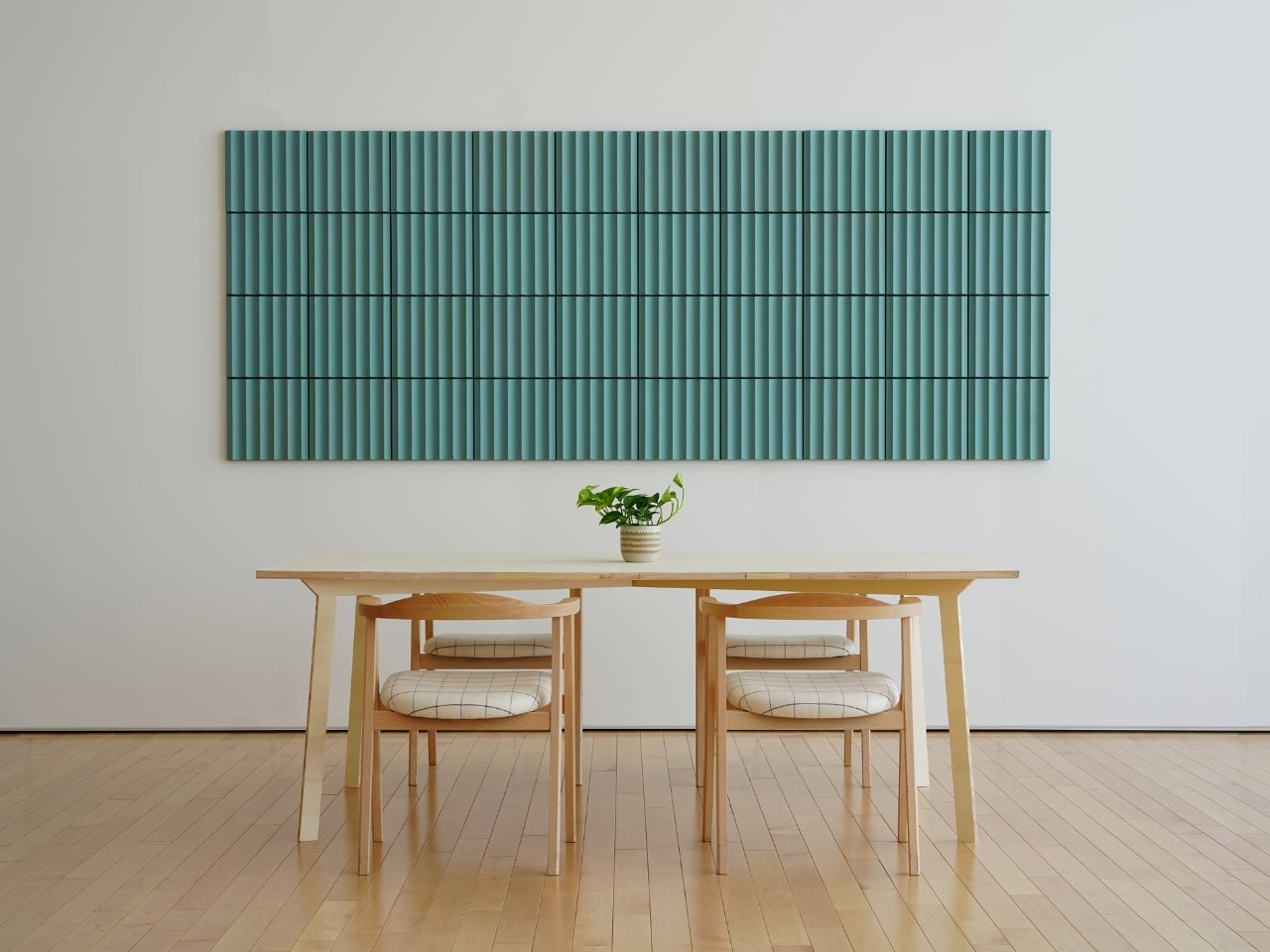
LIBGRAPHY’s REBORN PULP acoustic panel doesn’t accept that trade-off. The Japanese design studio has been quietly building a case for what acoustic treatment can look like when the people behind it actually care about both problems at once, and the more you learn about this piece, the more you understand why it’s been turning heads.

Designer: LIBGRAPHY

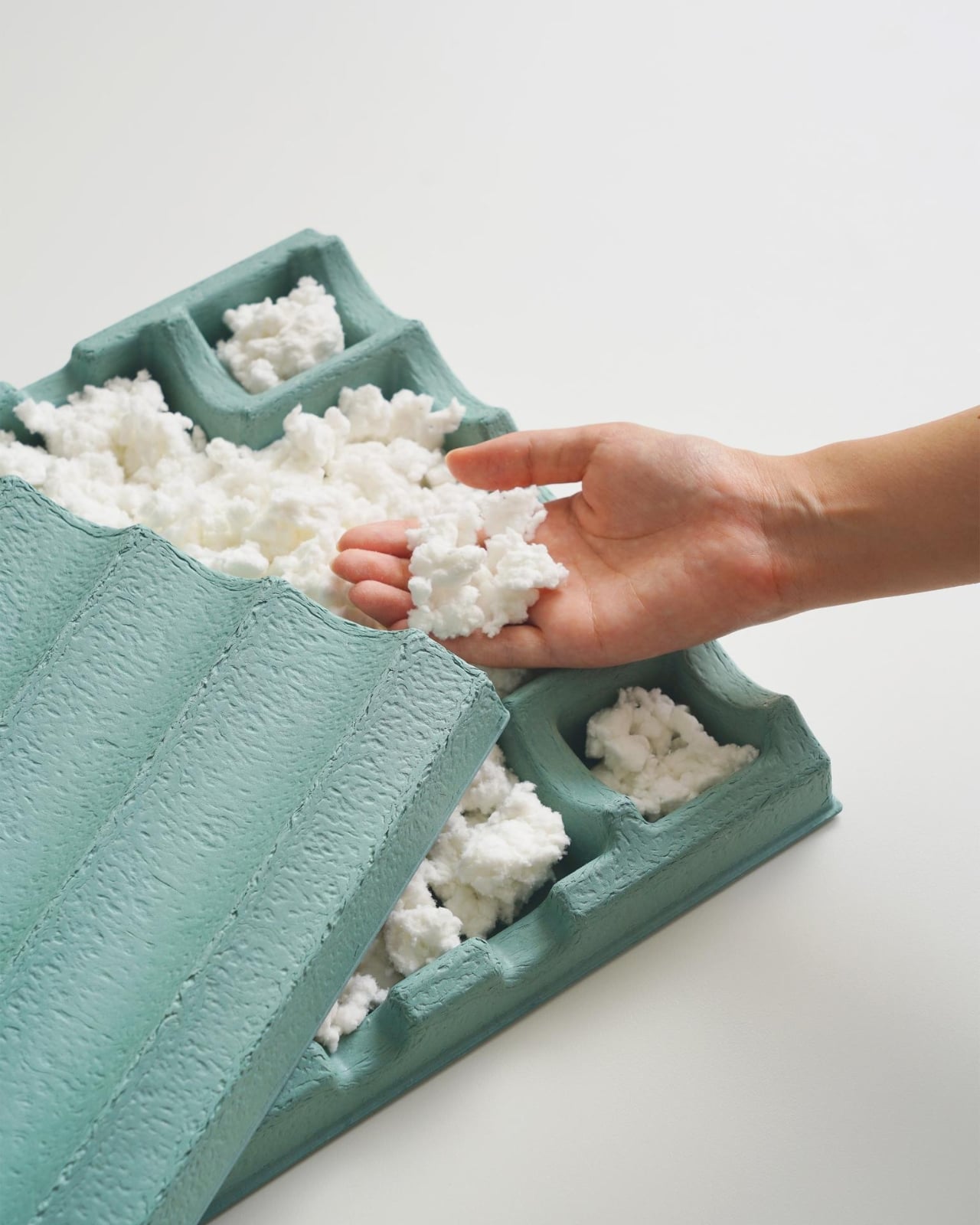
The material story alone is worth paying attention to. REBORN PULP is made entirely from 100% recycled paper pulp, with no plastics and no synthetic adhesives. It is fully biodegradable. In a category where polyester fiber and foam are the default, a panel that begins its life as discarded paper and can return to the earth when it’s done is a genuinely radical proposition. The name “Reborn” isn’t just branding. It’s a philosophy the whole product is built around.

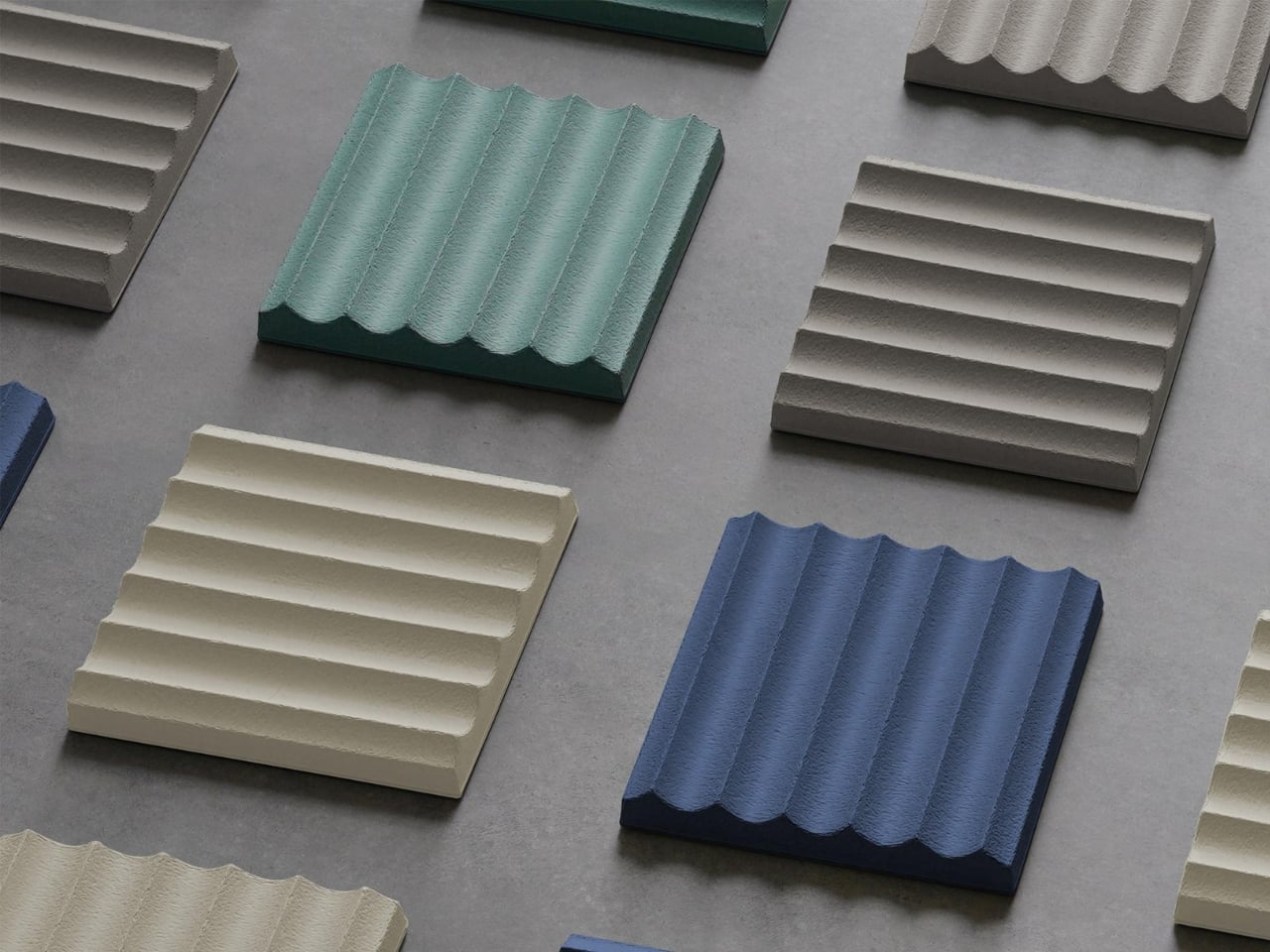
What makes the engineering here quietly impressive is the dual-layer construction. The outer shell is molded pulp, giving the panel its form and texture, while the interior is packed with loose pulp fiber. That combination works together to absorb sound across a wide frequency range, which is the part that matters most if you’re actually trying to fix a room’s acoustics. Getting a material to absorb sound consistently across low, mid, and high frequencies is not a trivial engineering challenge, and the dual-layer approach suggests LIBGRAPHY took that technical problem seriously before worrying about how the final product would photograph. A lot of design-forward acoustic products look pretty and perform modestly. This one appears to take both seriously.

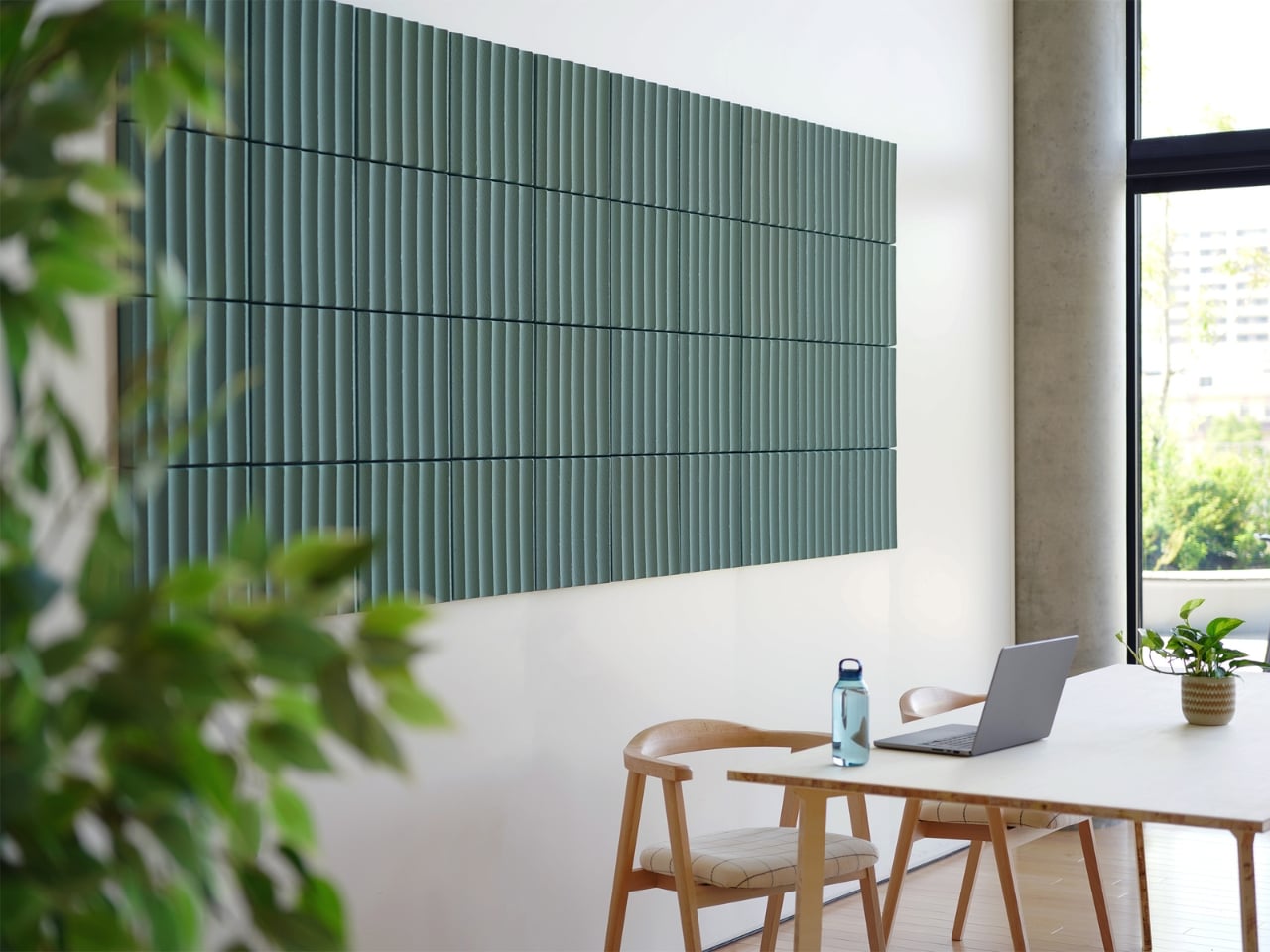
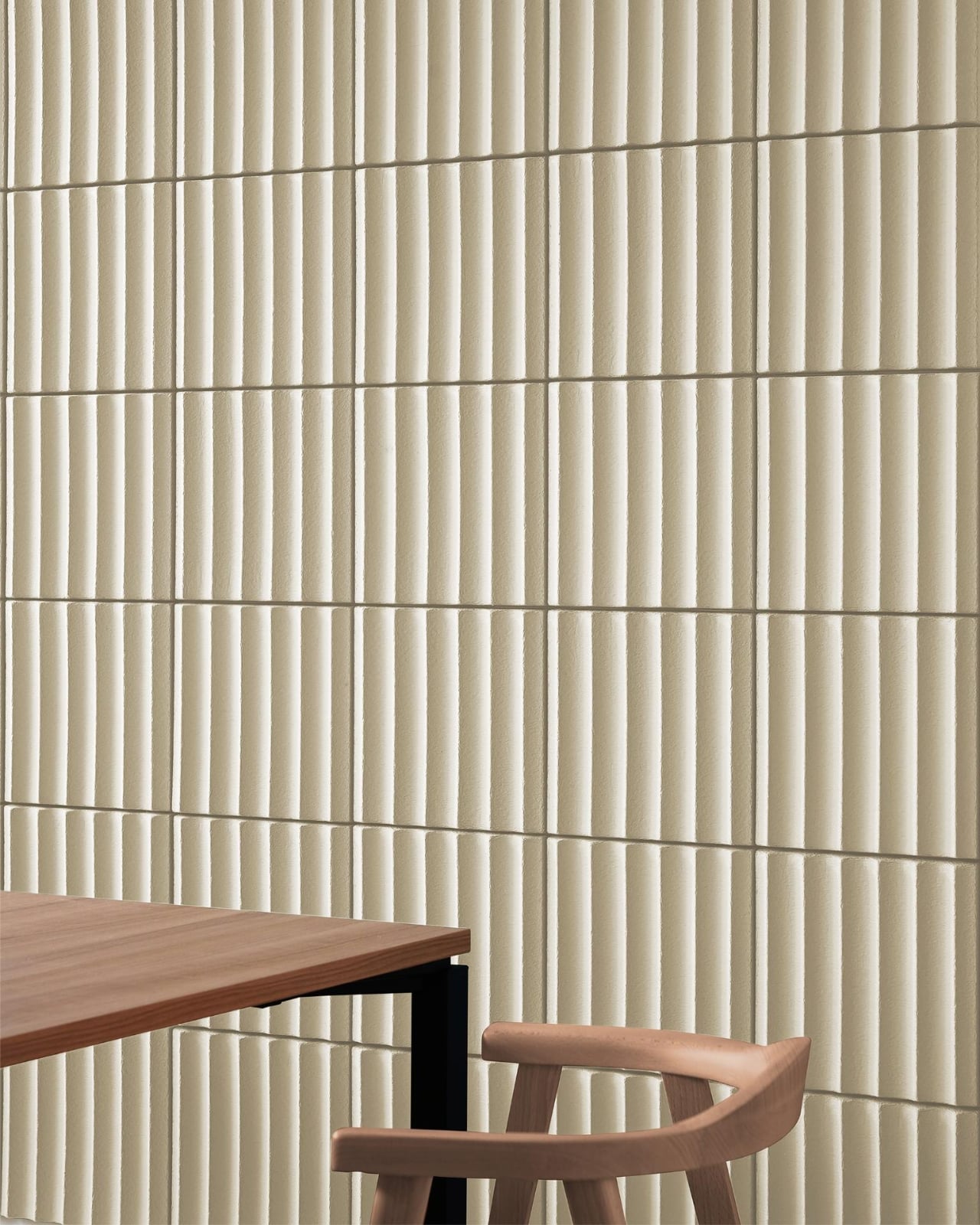
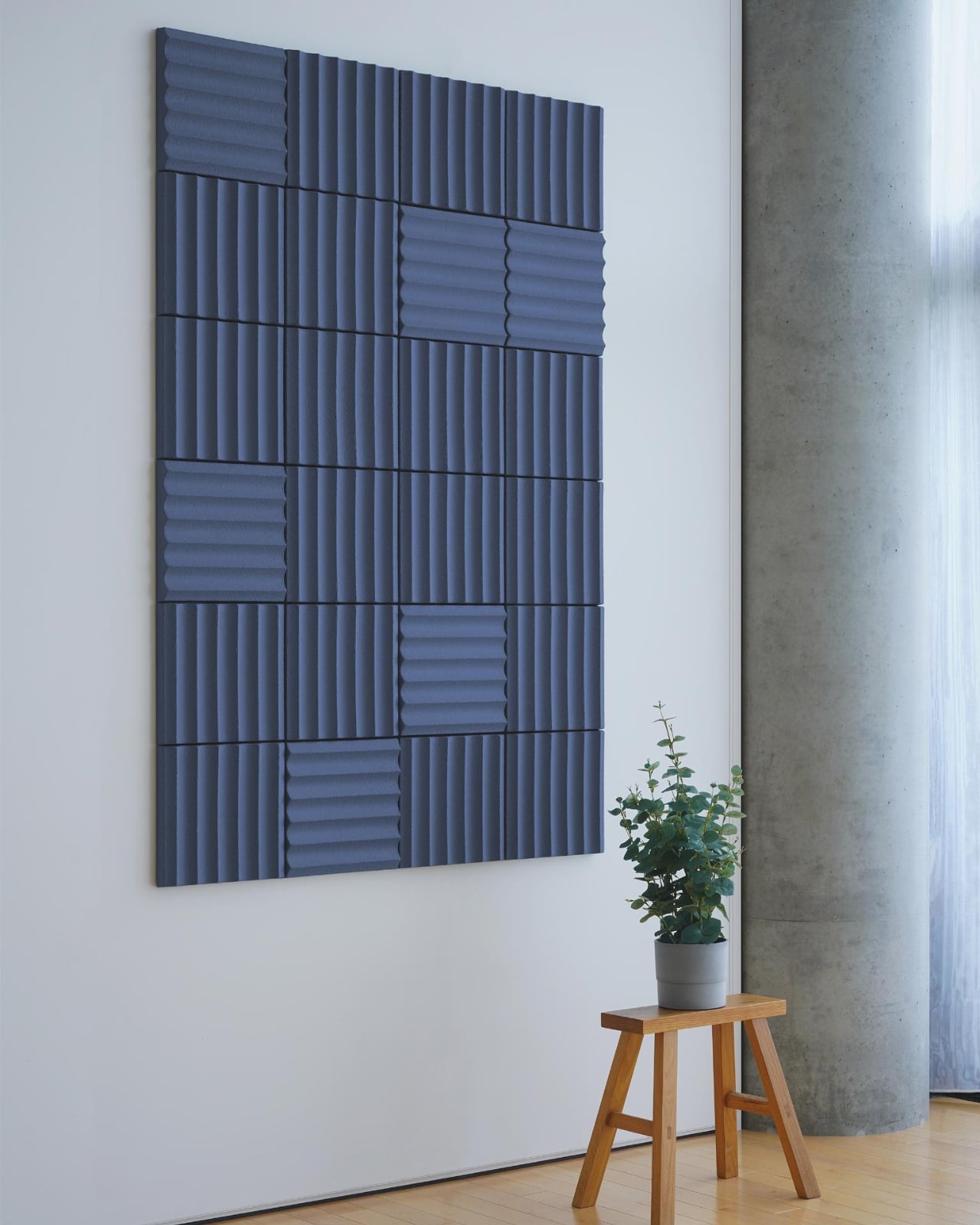
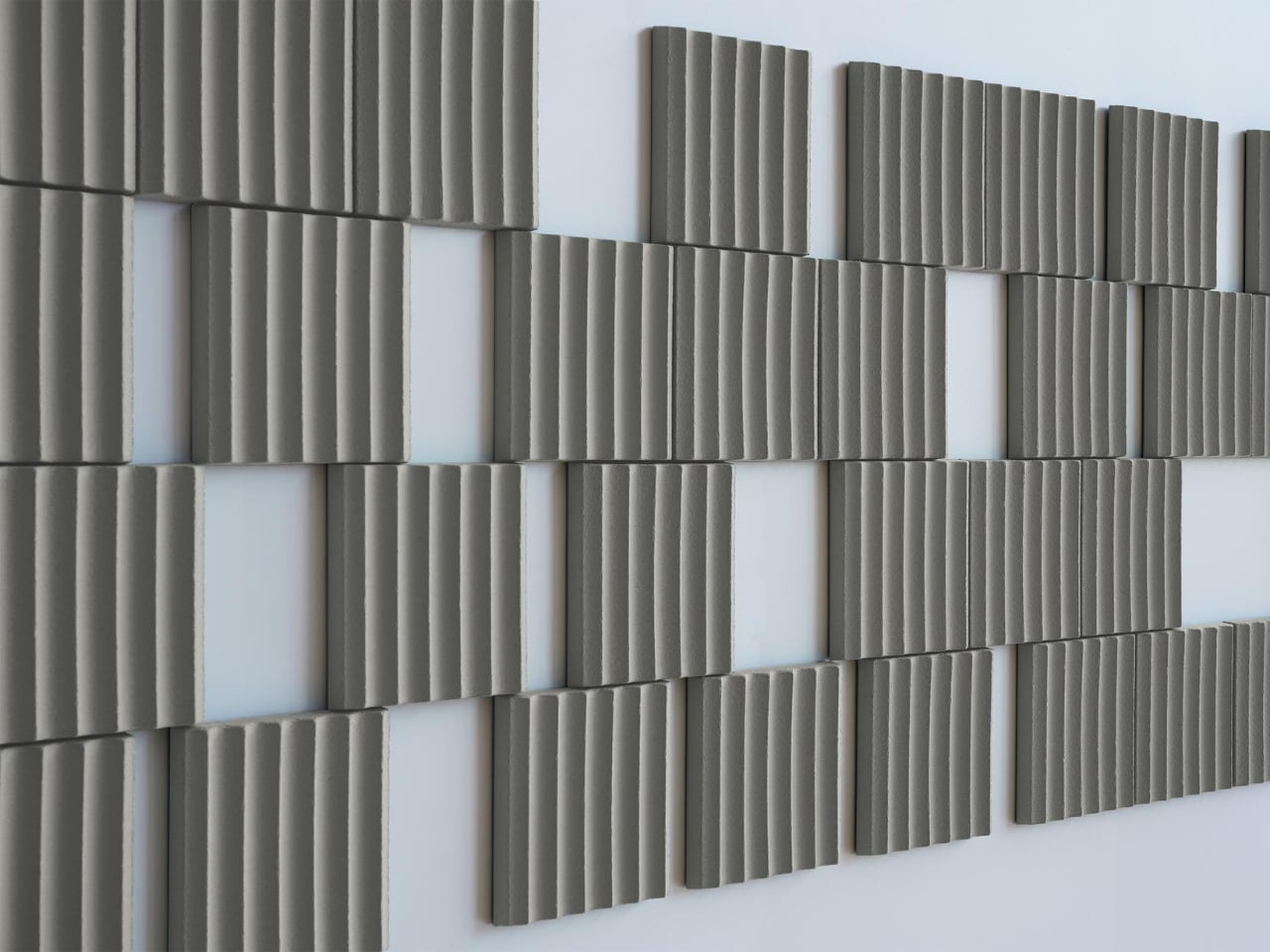
Then there’s the aesthetic angle, which is where I think the design conversation gets most interesting. LIBGRAPHY drew inspiration from Karesansui, the traditional Japanese dry landscape garden. If you’ve ever stood in front of one of those carefully raked sand gardens and felt an inexplicable sense of calm wash over you, you already understand the logic. The surface of the REBORN PULP panel carries that same quiet, rhythmic quality. Ridges and textures that reference raked sand, rendered in recycled paper. It’s an unusual and genuinely poetic translation.

The color palette reinforces this. The panel is available in shades drawn from traditional Japanese color naming: natural, pale grey, celadon, and indigo. These aren’t colors chosen because they’re trendy. They’re colors with cultural weight, and they communicate a kind of restraint that a lot of contemporary design products desperately try to fake.

I’ll admit I have a soft spot for design that refuses to treat function and beauty as separate departments. We’ve spent decades watching sustainability get squeezed into products as an afterthought, announced via small text on the packaging while the object itself looks like it came out of the same mold as everything else. REBORN PULP doesn’t do that. The recycled material is the design. The environmental commitment is legible in the texture, the color, the form. You can see it.
That last point matters more than it might seem. The conversation around sustainable design has a credibility problem right now. Too many products wear their eco-credentials as a badge without earning them through actual material and process decisions. REBORN PULP earns it. The sustainability isn’t a layer added on top. It’s the whole premise, and the design thinking follows from there rather than working around it.

Whether REBORN PULP finds its way into homes, offices, or commercial spaces beyond Japan remains to be seen. But as a piece of thinking, it’s the kind of design that makes the field feel purposeful again. Old paper, turned into something that quiets a room and looks like a zen garden doing it. That’s not a bad outcome for something that was headed for the recycling bin.

The post Recycled Paper Turned Into a Japanese Zen Garden for Your Walls first appeared on Yanko Design.