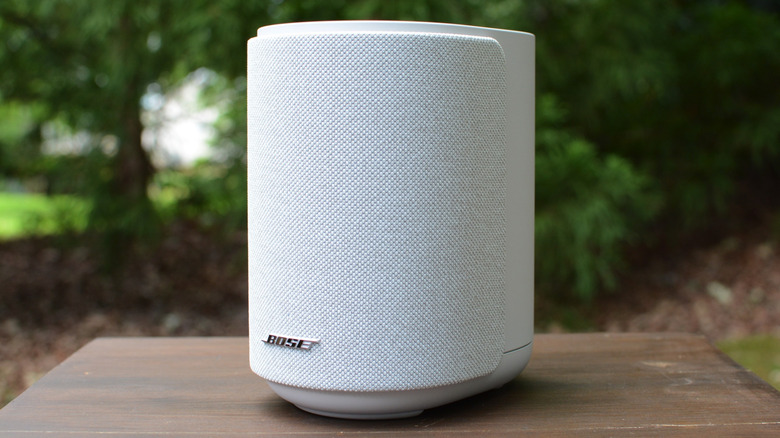
Bose Lifestyle Ultra Speaker review: Versatile home audio that comes with caveats
Perhaps Bose's latest speaker is better as part of a larger system.
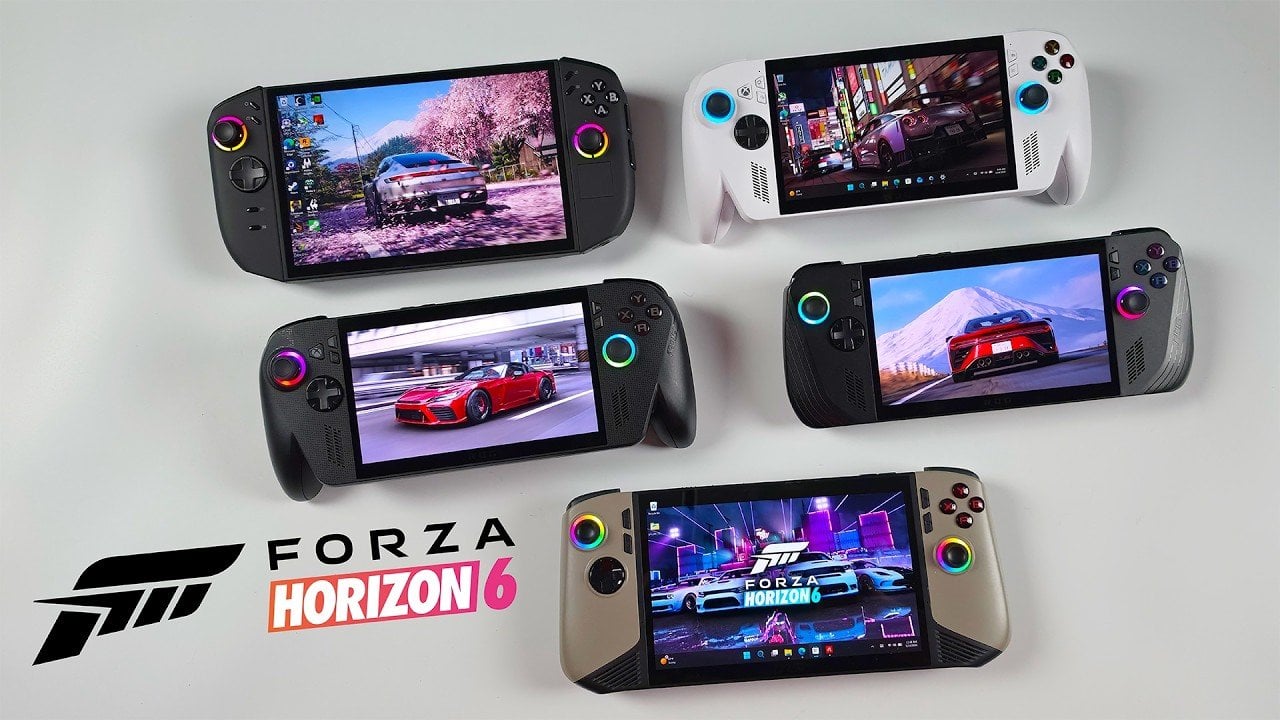
Handheld gaming PCs are pushing boundaries and Forza Horizon 6 serves as a demanding benchmark to evaluate their capabilities. ETA Prime explores how devices like the ROG Ally Z2 Extreme, MSI Claw 8 AI and ROG Ally Z1 Extreme handle this graphically intensive title. By focusing on metrics such as frame rates, TDP levels and […]
The post Can the Z1 Extreme Still Handle Forza Horizon 6 Against the Z2 Extreme and Intel 258V? appeared first on Geeky Gadgets.
Memorial Day weekend is when the campsite gets its first real test of the year. The gear you pack either earns its place or takes up space. This year, a handful of outdoor gadgets are shifting the conversation, designs so considered, so precise in their logic, they feel lifted straight from a Tokyo design studio. Each one solves a familiar outdoor problem in a way you didn’t see coming.
What unites these five objects is a shared commitment to intentionality, the Japanese idea that a well-made thing should do its job beautifully, without fanfare or waste. Whether it’s a lantern that turns like a toy or a fire pit engineered around combustion science, these gadgets carry a point of view. Not here to impress on a spec sheet. Just here to make the long weekend feel properly planned.

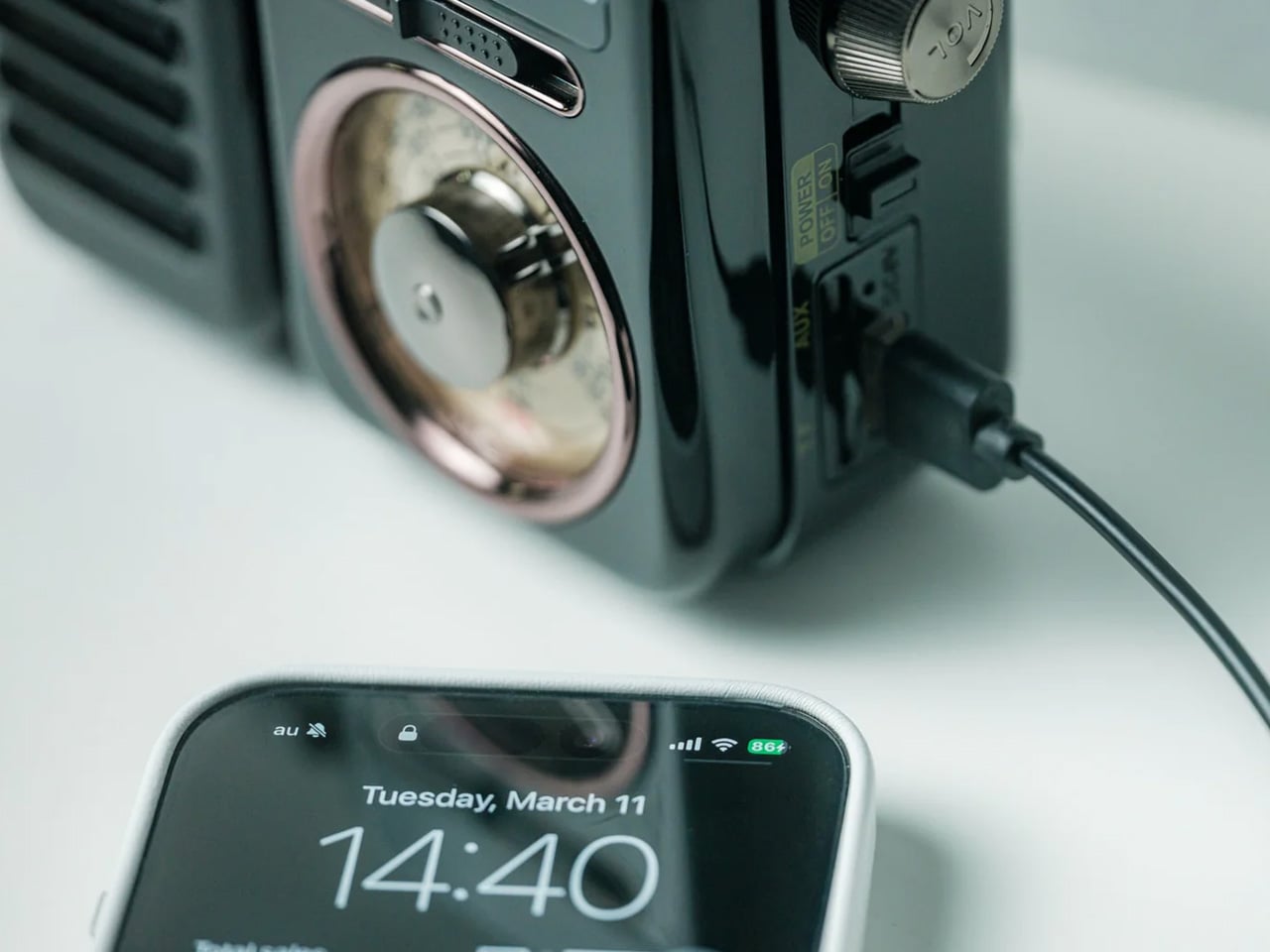
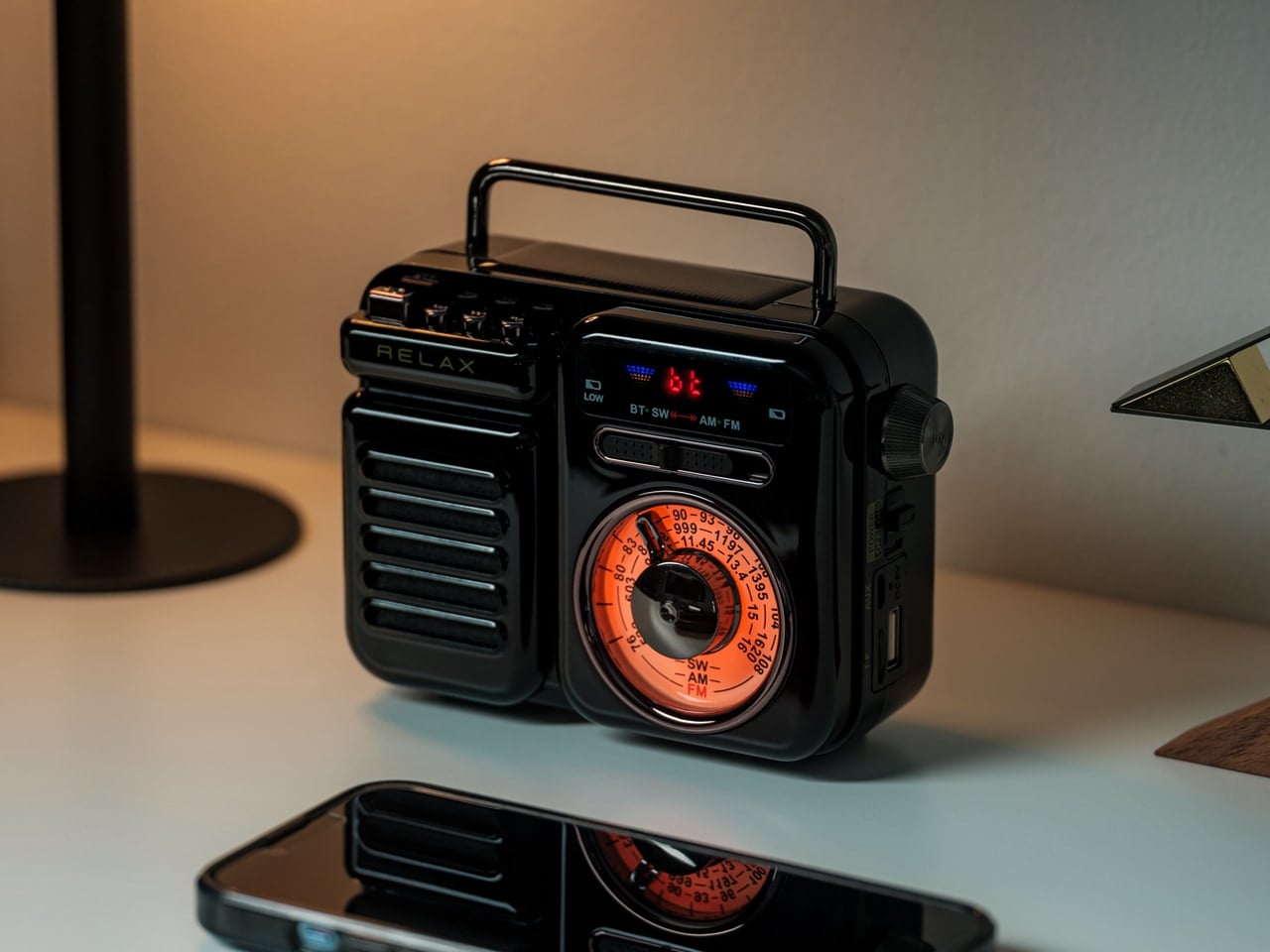
There’s a radio sitting somewhere in Japanese design history that directly inspired this one. The RetroWave 7-in-1 Radio arrives with a tactile tuning dial, a warm housing drawn from mid-20th century aesthetics, and the kind of visual restraint that makes a thing look inevitable. Behind the retro face is a 7-in-1 device handling AM, FM, and shortwave reception, Bluetooth streaming, a built-in flashlight, SOS alarm, power bank charging, and a 2000mAh battery that tops up via hand-crank or solar panel.
The 8W speaker punches with enough warmth to soundtrack a campfire properly, and the 20-hour radio battery life means it runs through a full weekend without reaching for a cable. Two colorways — black and warm gray — make it look as good on a picnic blanket as it sounds in the open air. It’s the rare object that solves the problems you forgot to plan for: music, emergency signaling, phone power, and light, all from one compact, beautiful thing.
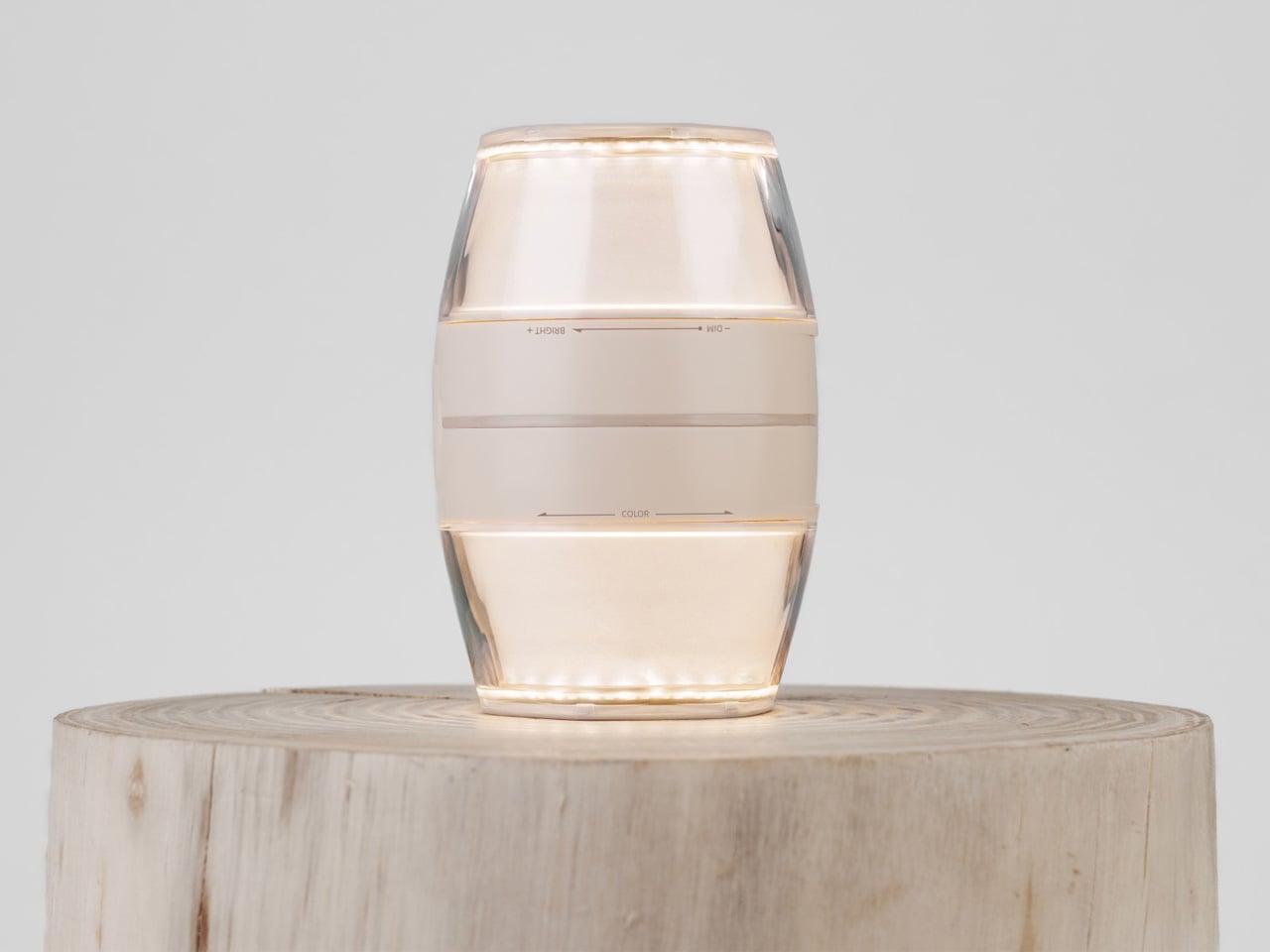
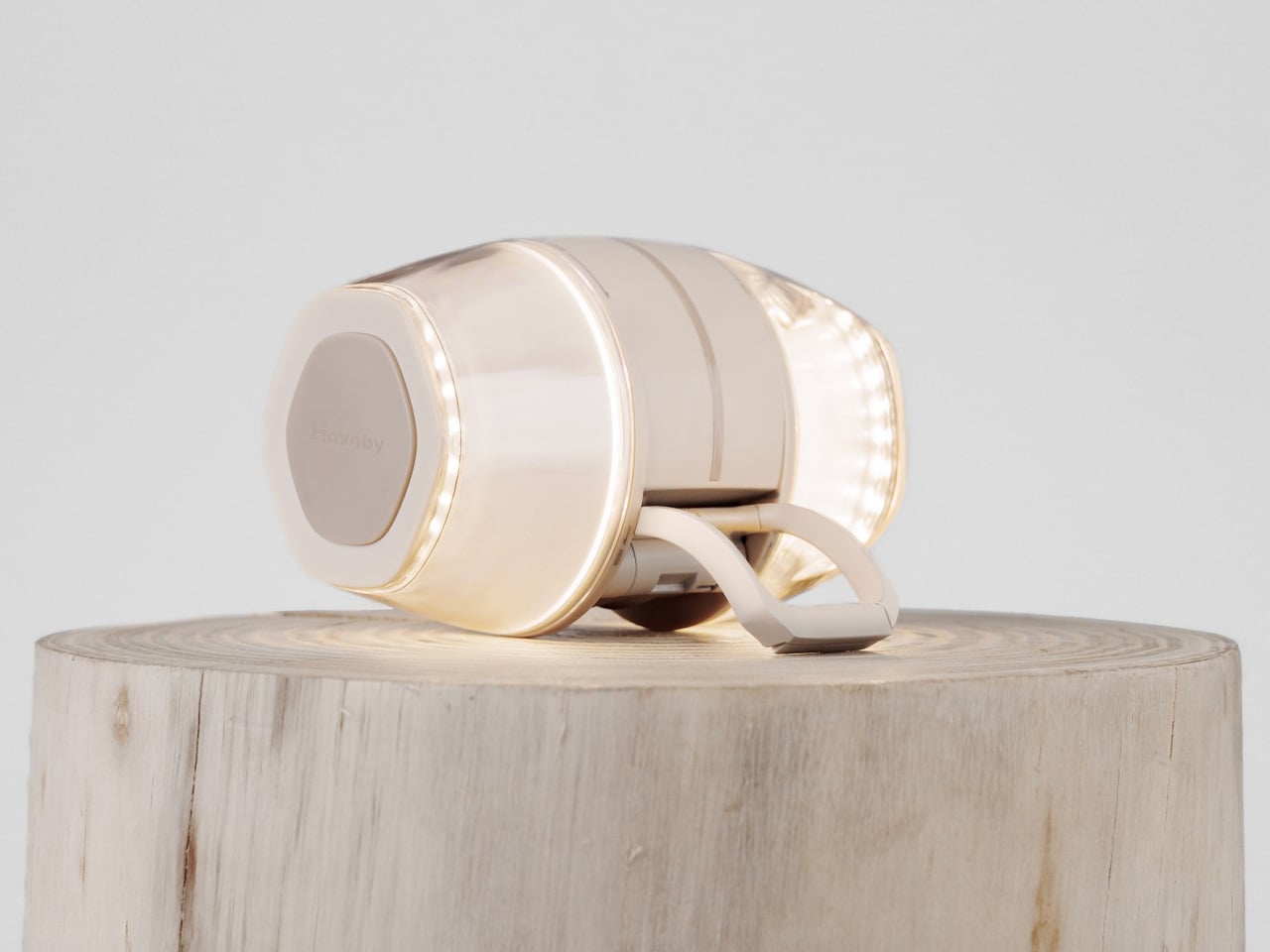
When designer iu Llong looked to Japanese gashapon vending machines for inspiration — those capsule toy dispensers that make cracking open a prize feel like a small ceremony — the result was a camping lantern that turns on exactly the way a gashapon opens: with a satisfying twist. Built for Havnby as two cones joined at the base, the single twist mechanism adjusts both brightness and color temperature, dialing from cool white all the way down to a warm red.
The Twist Lantern packs a 10,000mAh rechargeable lithium battery into a compact form that weighs around 410 grams and charges fully in under three hours via USB-C. Its runtime stretches from 3.8 hours at full brightness to an impressive 70 hours on its lowest setting — enough for an extended weekend. The waterproofing and built-in magnetic mount mean it handles rain and hangs wherever you need it. For a lantern, it’s remarkably thoughtful. For a design object, it’s immediately recognizable.
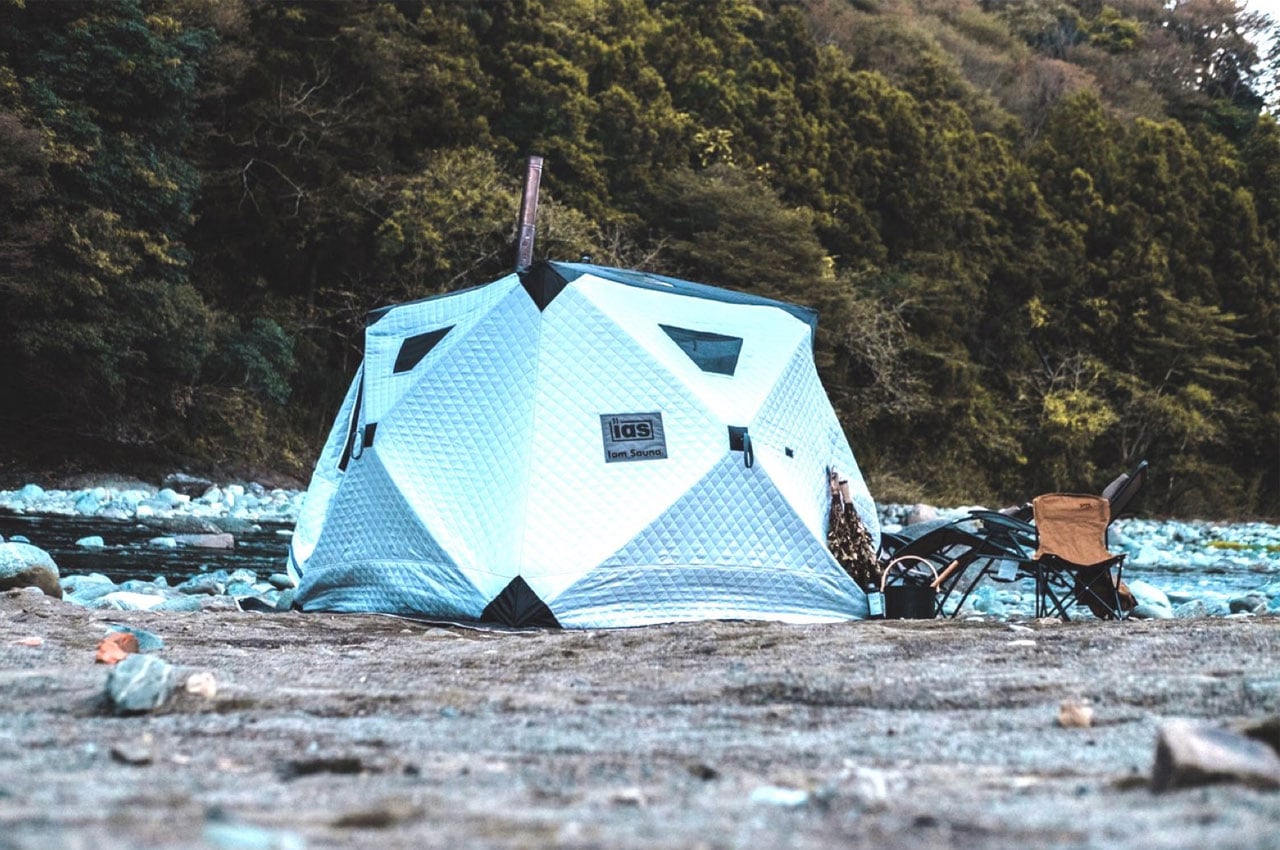
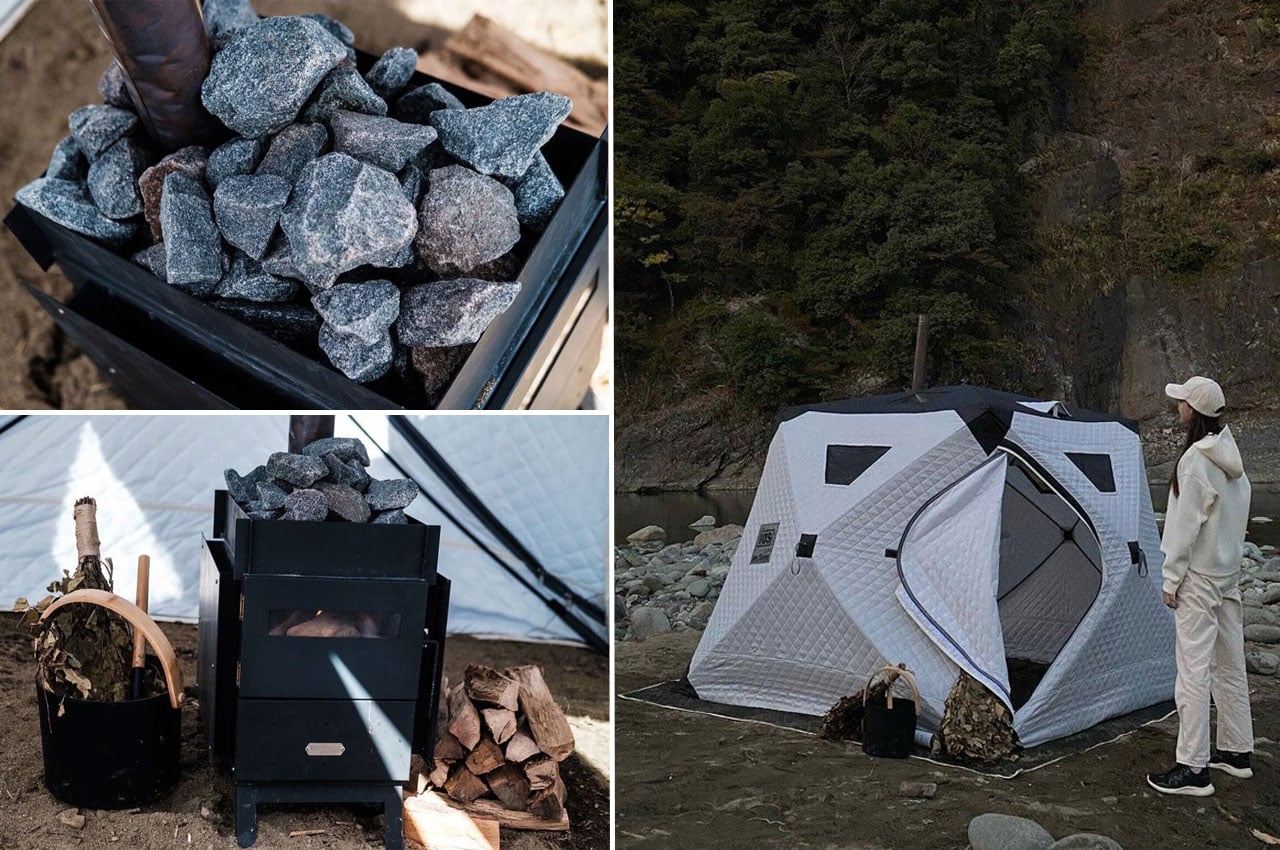
Iam Sauna is a portable sauna, genuinely made portable. The tent-style unit measures 220cm x 220cm x 185cm, accommodates up to six people, and is built from heat-insulating cotton material designed to trap steam and hold warmth in cold outdoor conditions. The included Tanzawa wood-burning stove is iron-built with folding legs, a heat-resistant glass window, and a removable guard plate where sauna stones stack neatly on top. Setup takes under a minute — one person, four pull tabs.
The panoramic windows along the upper section of the tent are a quiet design decision that separates this from any other portable sauna concept. Heat the stove, settle in, and you can watch stars or the tree canopy while your body does exactly what it came outdoors to do. Whether recovering after a full day of hiking or committing to a Saturday evening ritual by the lake, Iam Sauna delivers the restorative experience that used to require a fixed structure.
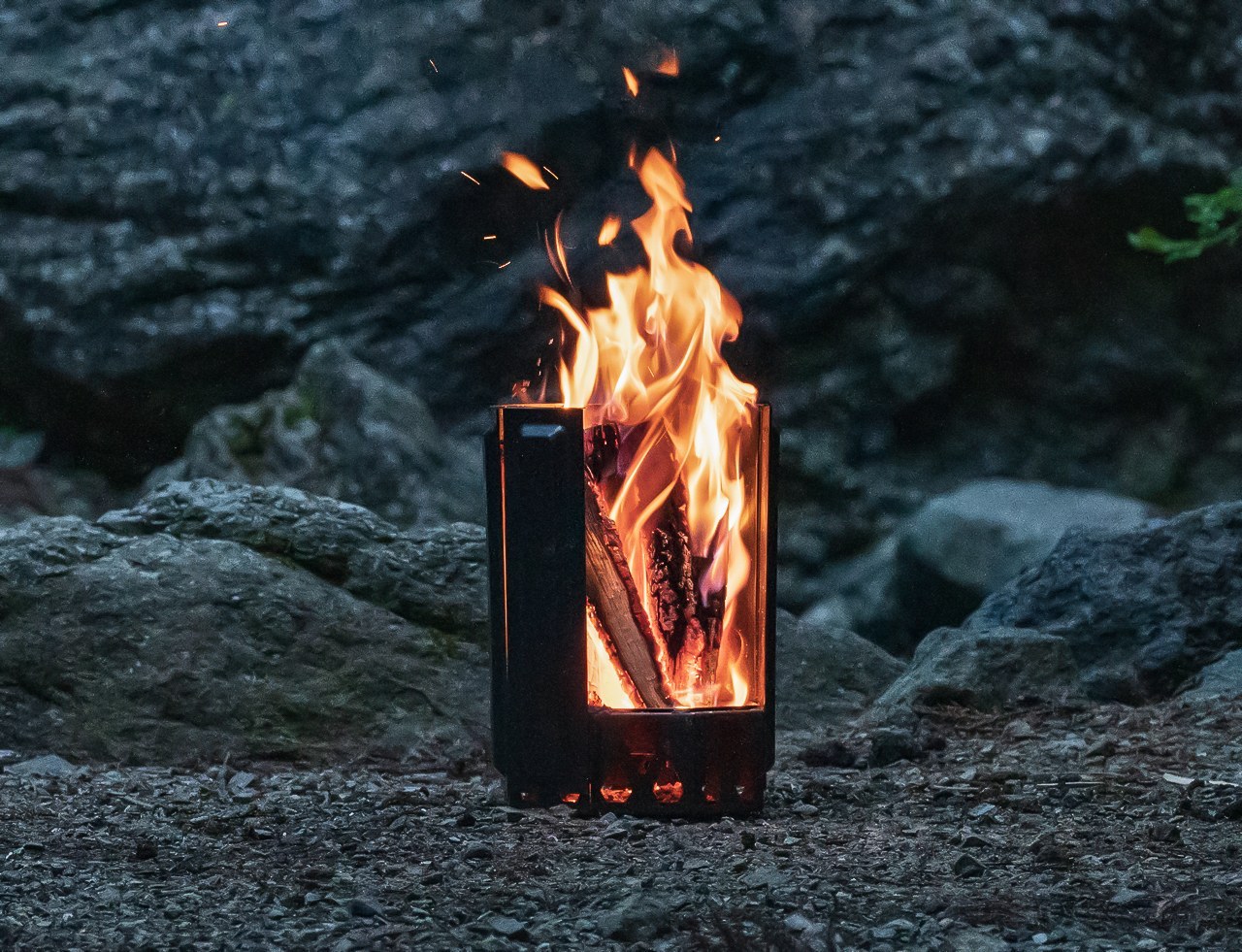
Japanese company UM spent decades in metal processing before arriving at the Airflow 8-Panel Fire Pit, and that deep material knowledge shows clearly. Eight removable panels form an octagonal cylinder optimized for secondary combustion. Holes at the base of each panel channel fresh air directly to the wood for primary combustion. As that air heats up, it rises through the double-walled cavity and exits at the top, creating secondary combustion that burns wood more completely and produces significantly less smoke.
The exterior panels are removable, meaning fire intensity is adjustable — pull one or two off and the fire breathes differently. The interior uses corrosion-resistant stainless steel designed to age into a natural patina, while exterior panels take the punishment a campsite delivers. A grill grate attachment turns it into a cooking platform without altering the fire pit’s core logic. Ash falls and collects at the base. Cleanup is minimal. It’s a piece of engineering that makes fire feel considered.
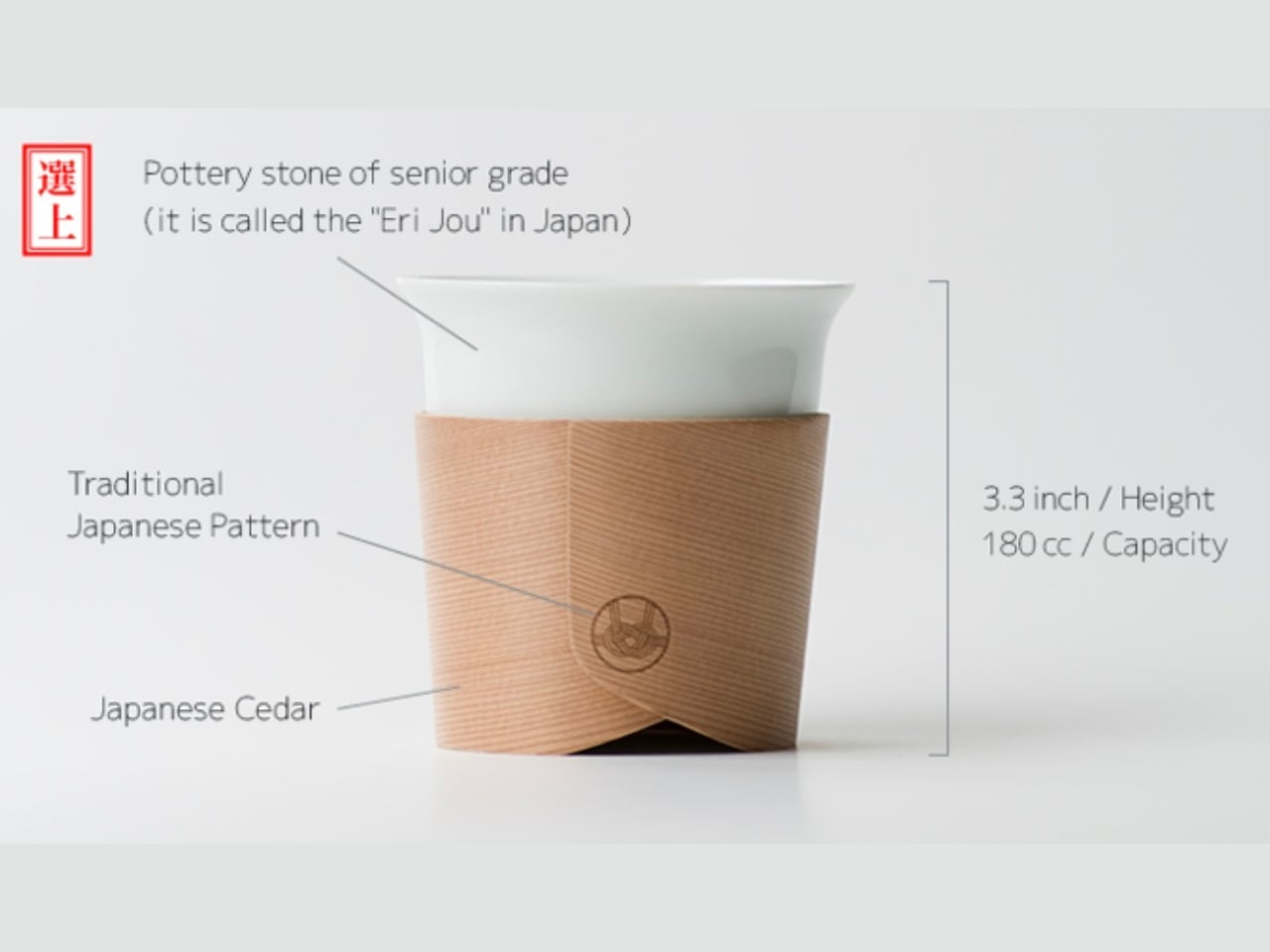

When designer Tomoya Nasuda set out to revive Hakata Magemono — the 400-year-old Japanese craft of hand-bending thin cedar into curved forms — he built the Haori Cup from a single piece of Japanese cedar. The result is a vessel that holds warmth from the inside and transfers almost none to your hands, because cedar insulates naturally. Available in several colorways, including the “Sakura” edition, every cup is handmade and shaped by grain patterns unique to that piece of wood.
The cedar lends a whisper of fragrance to each sip — a clean, forest quality that doesn’t compete with the coffee, just frames it. Bring the Haori Cup camping, and something specific happens. Holding warm coffee in a vessel bent from a single piece of Japanese cedar, sitting among trees not unlike the ones that made it, that’s the kind of moment you came outside for. It’s lightweight, it carries centuries of craft, and it makes the morning feel intentional.
Five products, five different problems, each solved with a rigor that feels less like product design and more like pure philosophy. That’s what Japanese design does at its best: it doesn’t add features to justify a price. It removes everything unnecessary, then makes whatever’s left feel like the only possible answer. That’s the standard these objects hold, and it makes everything else at the campsite feel slightly underdressed by comparison.
The best gear for Memorial Day isn’t the most technical. It’s the most considered. A radio that earns its campfire seat. A lantern that makes switching on a light feel like an occasion. A fire pit engineered so you don’t think about combustion. A sauna you carry in and a cup that turns coffee into a ceremony. Pack these five, and the weekend will be more than just a long one.
The post 5 Memorial Day Outdoor Gadgets That Make Every Camping Trip Feel Engineered in Japan first appeared on Yanko Design.

AI animation combines artistic techniques with advanced algorithms to create a variety of visual styles. Dan Kieft examines how AI enables everything from painterly, Arcane-inspired textures to the classic appeal of 2D Disney-style animations. A crucial aspect of this process is preparation, such as using character sheets to maintain consistency when adapting designs across styles. […]
The post Why Most AI Animations Fall Flat and How to Pick the Perfect Style appeared first on Geeky Gadgets.
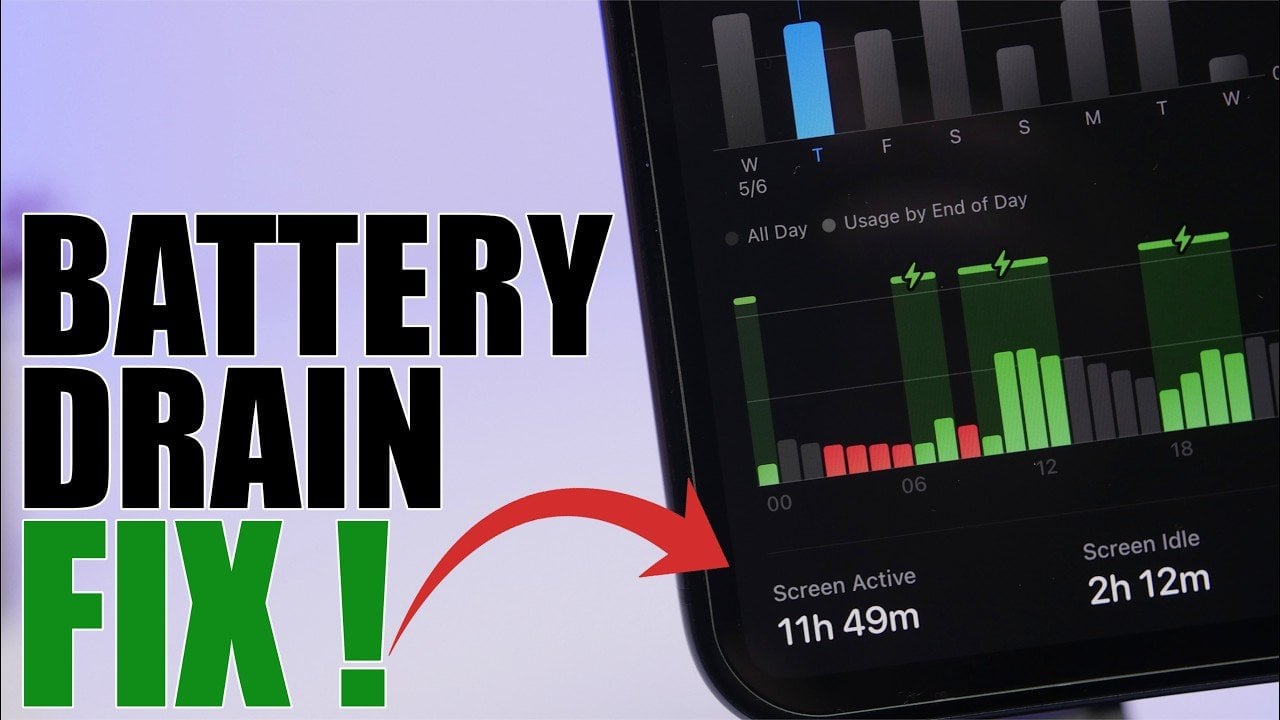
If your iPhone’s battery is depleting faster after updating to iOS 26.5, you’re not alone. Battery performance can be influenced by various settings and features, but the good news is that many of these can be optimized. This guide provides detailed, actionable steps to help you extend your device’s battery life while maintaining its performance. […]
The post iOS 26.5 Killing Your Battery? Hidden Settings to Stop the Drain Instantly appeared first on Geeky Gadgets.

Todoist has officially launched an integration with Claude, the AI assistant from Anthropic designed to simplify task management and improve productivity. In this overview by Peter Akkies, learn how to automate repetitive tasks, manage schedules and create workflows that align with your unique needs. By connecting Todoist with Claude, users gain access to AI-powered automation […]
The post Todoist Gets an Official Claude Integration : Manage Tasks Faster appeared first on Geeky Gadgets.


PlayStation’s $765 million write-down following its acquisition of Bungie highlights the challenges of aligning corporate goals in the gaming industry. As reported by Bellular News, the deal was intended to bolster PlayStation’s live-service gaming strategy, but it has faced significant setbacks. Bungie’s flagship game, Destiny 2, has struggled with declining player engagement and the planned […]
The post PlayStation’s Bungie Acquisition: How the Deal Turned Against Sony appeared first on Geeky Gadgets.
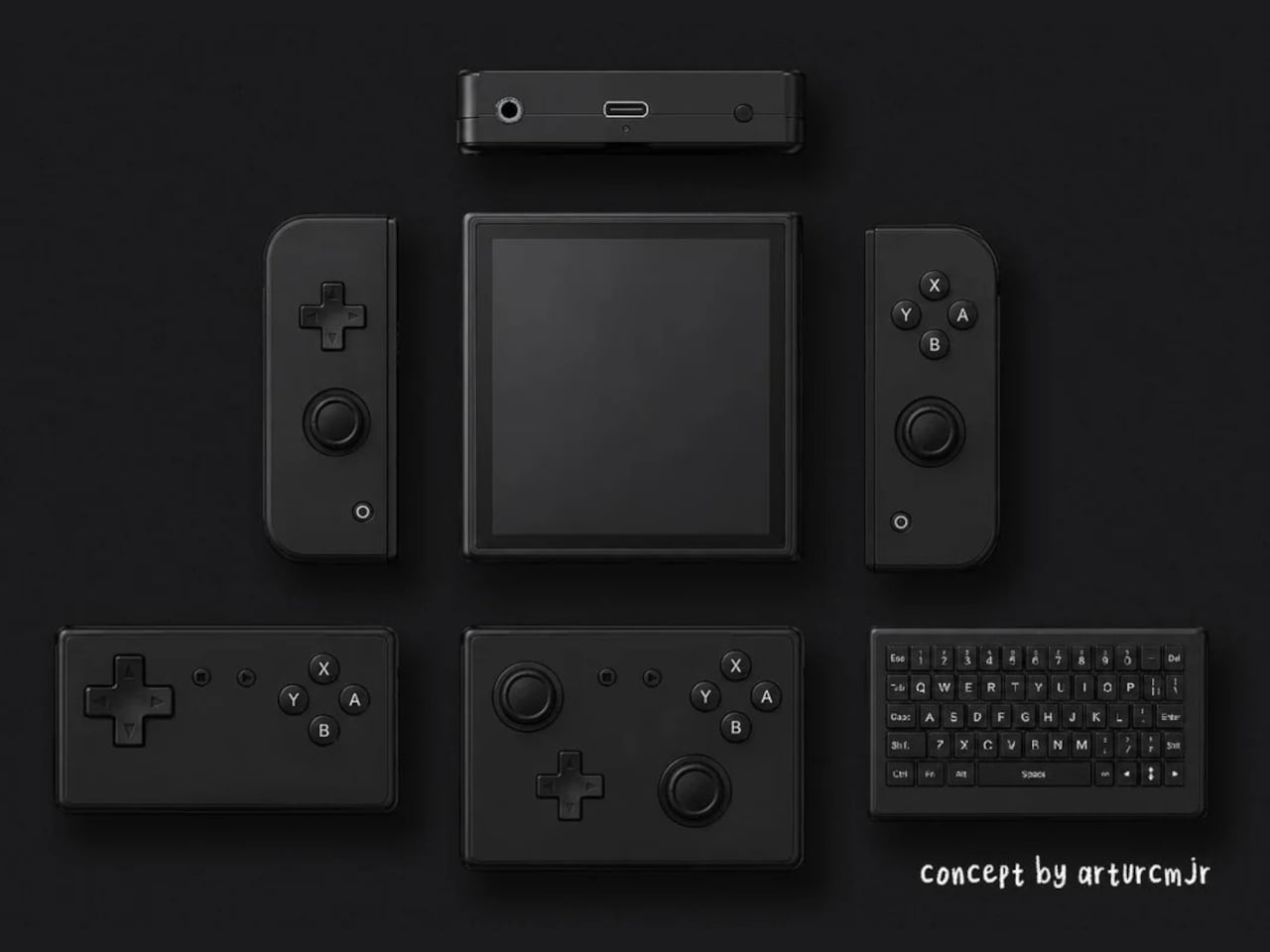
The retro handheld market has rarely been this crowded or creative. Manufacturers are shipping devices with sliding screens, dual-display clamshells, and rotating form factors, all competing for a growing nostalgia-driven audience. Yet for all that variety in hardware, the controls themselves rarely change. You get what you get, and if the layout doesn’t suit how you like to play, that’s not the manufacturer’s concern.
That’s the gap one Reddit user set out to address with the RG Modular, a fan-made concept that came shortly after the release of Anbernic’s RG Rotate. Rather than locking players into a single control layout, the concept centers on a core screen unit with swappable modules that slot into side and bottom rails. The game dictates the controller, not the other way around.
Designer: Snow (Snoo_6285)
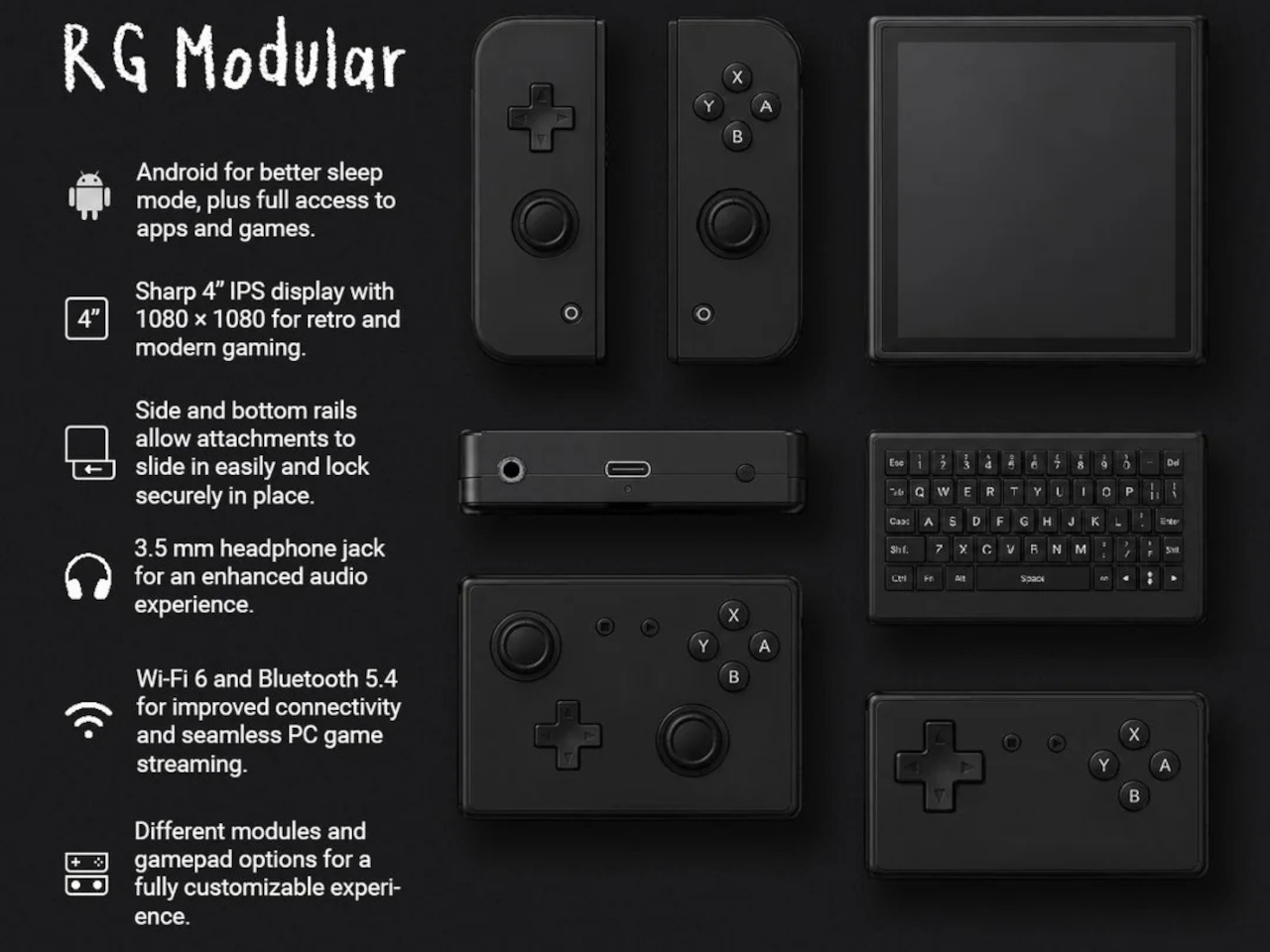
At the center of the RG Modular is a 4-inch IPS display running at 1080×1080 pixels, a square format that works cleanly for both retro and modern titles. Android powers the device, offering full app access, proper sleep mode behavior, Wi-Fi 6, Bluetooth 5.4 for wireless streaming, and a 3.5 mm headphone jack for when you’d rather keep the audio to yourself.
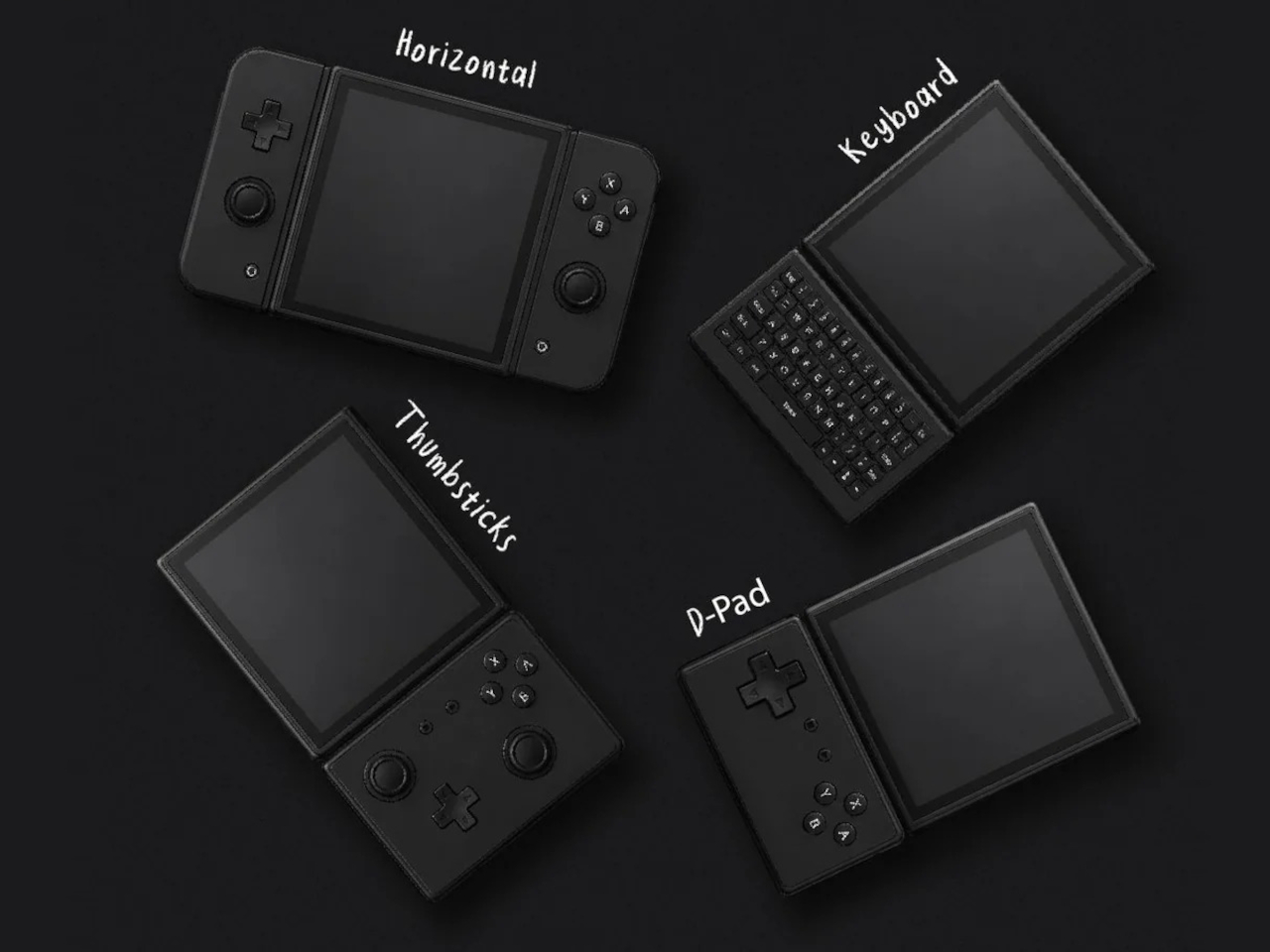
Blast through a library of classic arcade titles or beat-’em-ups, and the D-pad module is all you’d need. It’s compact, locks cleanly into the bottom rail, and keeps the whole assembly slim enough to hold comfortably in portrait mode. The result feels close to something from the original Game Boy era, scaled up just enough to feel substantial but still pocket-friendly enough to bring along.
Pop on the horizontal configuration for something more demanding, and the RG Modular begins to feel like a contemporary gaming device. A left module with a D-pad and analog stick snaps to one side, a right module with face buttons and a second stick clicks onto the other, and suddenly the same screen unit that ran retro arcade titles now handles 3D games and wirelessly streamed content.
Perhaps the most unexpected addition in the lineup is the QWERTY keyboard module. Swapped in for the standard controls, it nudges the device toward productivity, text entry, or emulating handheld systems that relied on keyboards. It signals that the concept isn’t purely about gaming, and that a modular form factor can cover considerably more ground than any one fixed layout could manage.
The post drew enthusiastic praise, but the community did raise practical questions. Some users noted that a D-pad-only module might leave the device feeling top-heavy, and the broader modular concept raises fair concerns about cost, connection point durability, and whether the rail system can stay snug through regular use.
It’s not the first attempt at a shape-changing handheld console, either, with the likes of the GAMEMET E5 and ONEXSUGAR testing the waters first. It’s worth noting that the RG Modular is only a concept, but concepts like this one carry weight in the retro handheld community. Manufacturers have also occasionally taken cues from what enthusiasts build, turning fan ideas into products people didn’t know they needed.
The post This Handheld Concept Swaps Between Gamepad, D-Pad, and Keyboard first appeared on Yanko Design.