5 Best Desk Objects That Help You Do Deeper Work Without Opening Your Phone

The phone is always the easy answer. Timer goes off — reach for it. Stuck on a thought — reach for it. Five minutes later, you’ve watched three videos and forgotten what you were working on. The real cost of deep work isn’t effort; it’s attention. And attention is exactly what these five desk objects are designed to protect, each one quietly replacing a digital habit with something more physical and deliberate.

None of these are apps or subscription tools. They’re objects — things you touch, twist, write on, and look at from across the room. Some are already on shelves. Others are still concepts. All of them point in the same direction: toward a desk that improves your focus so your phone can do less. Here are five designs worth making room for.

1. Air Powered Segment Clock

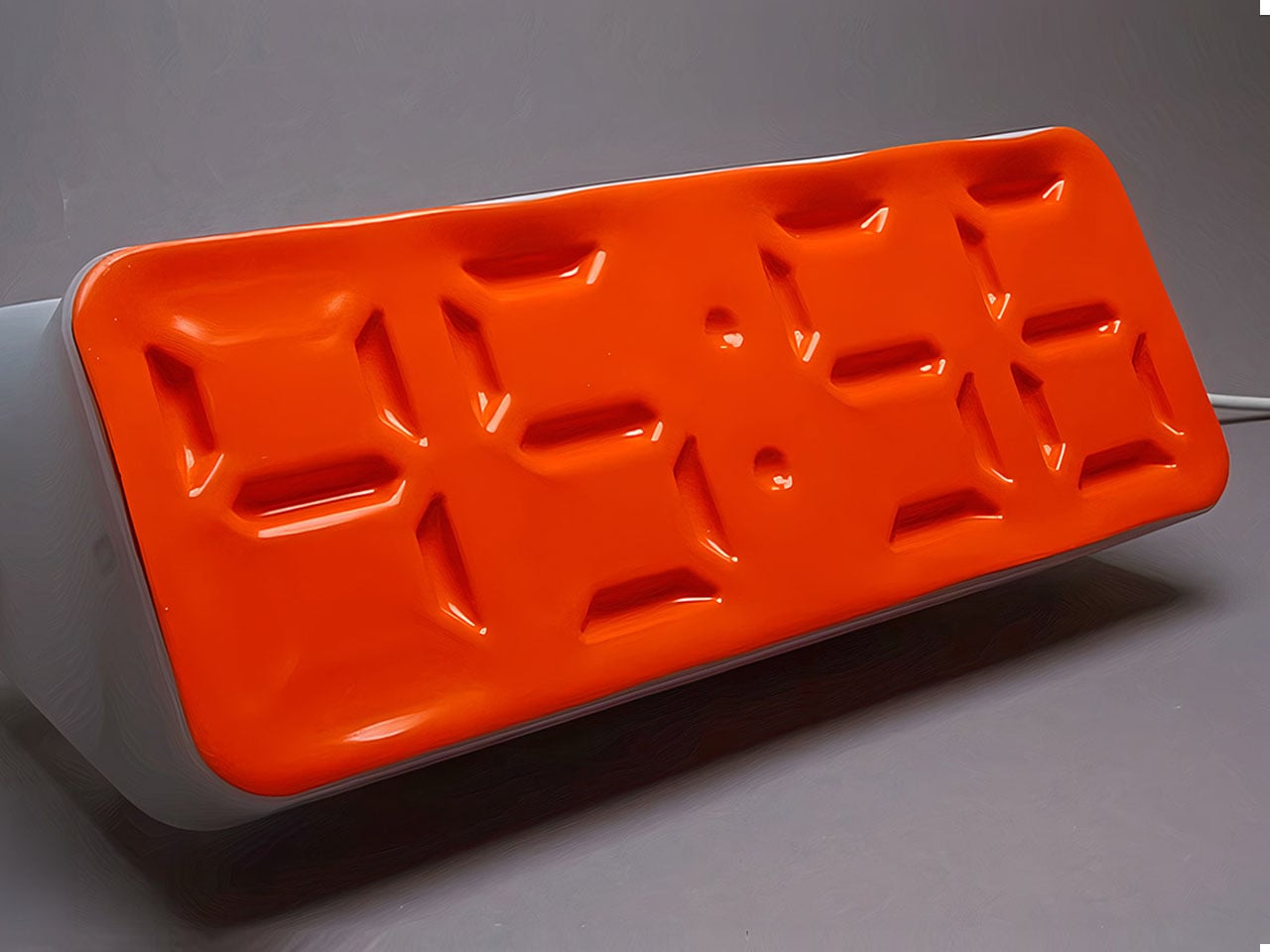
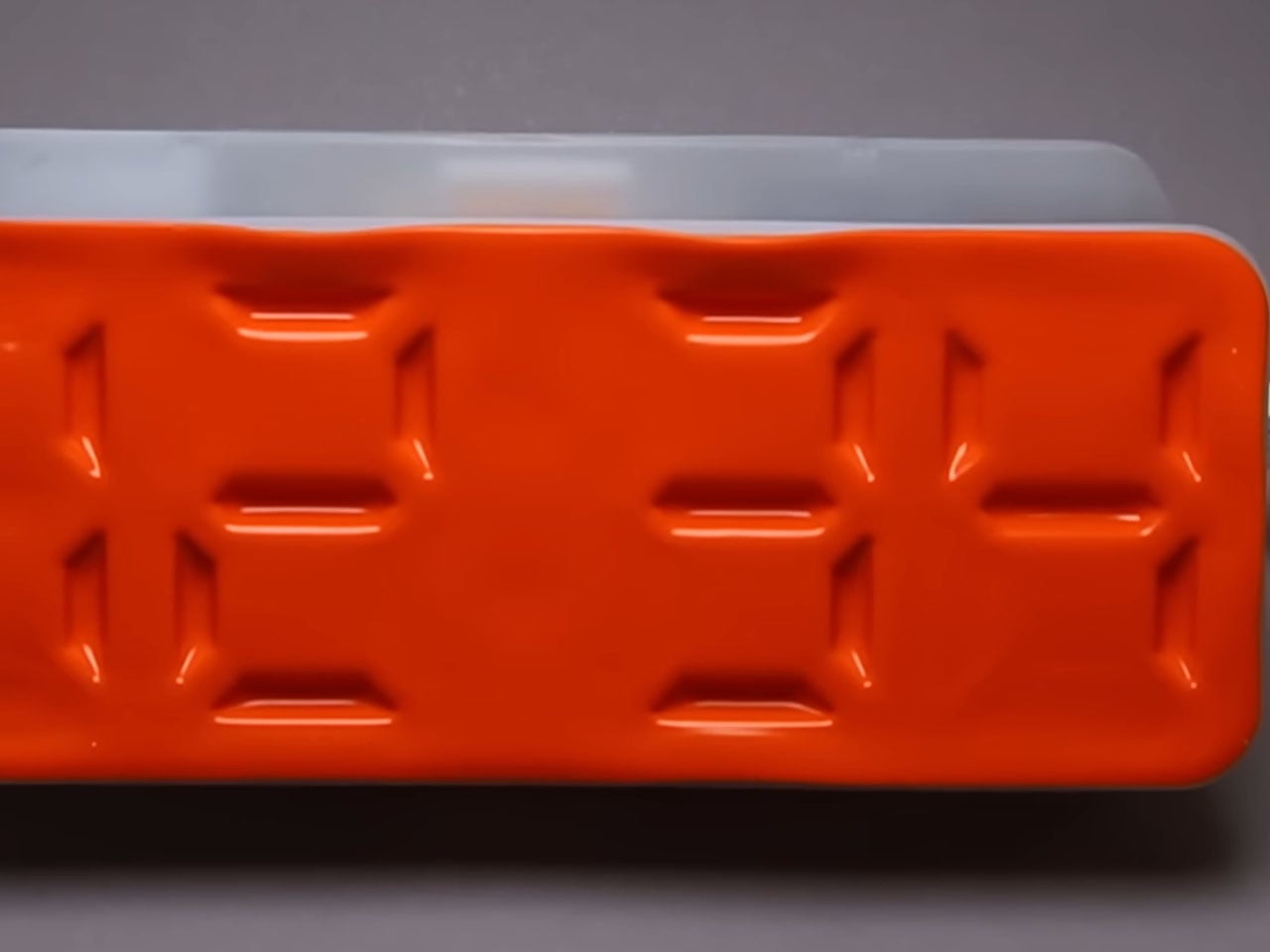
Time-checking is one of the most common reasons people pick up their phones — and one of the quickest ways to lose focus. The Air Powered Segment Clock answers that with something genuinely unlike anything else on a desk: a four-digit display that uses no LEDs at all. Instead, vacuum pressure pulls sections of a flexible silicone membrane inward to form each digit, the way a pneumatic system flexes a muscle. It’s mechanical, quiet, and mesmerizing to watch change.

What makes the engineering remarkable is that each segment behaves like a memory cell — holding its shape after pressure is removed, only resetting when the next command arrives. The architecture mirrors how RAM functions. The clock is DIY-built from 3D-printed parts, a small vacuum pump, solenoid valves, and an Arduino, and it includes a stopwatch mode. It lives on your desk to tell you the time, and that’s it — there’s nothing else it can tempt you with.

What we like:

  • The pneumatic segments hold each digit without continuous power, making it a genuinely low-energy timekeeping system
  • Watching the silicone membrane shift and settle is a micro-moment of calm between tasks

What we dislike:

  • As a DIY build, it requires significant technical skill to replicate — this isn’t something you can simply order
  • The vacuum pump and solenoid system adds mechanical complexity that may require periodic maintenance

2. OrigamiSwift Mouse

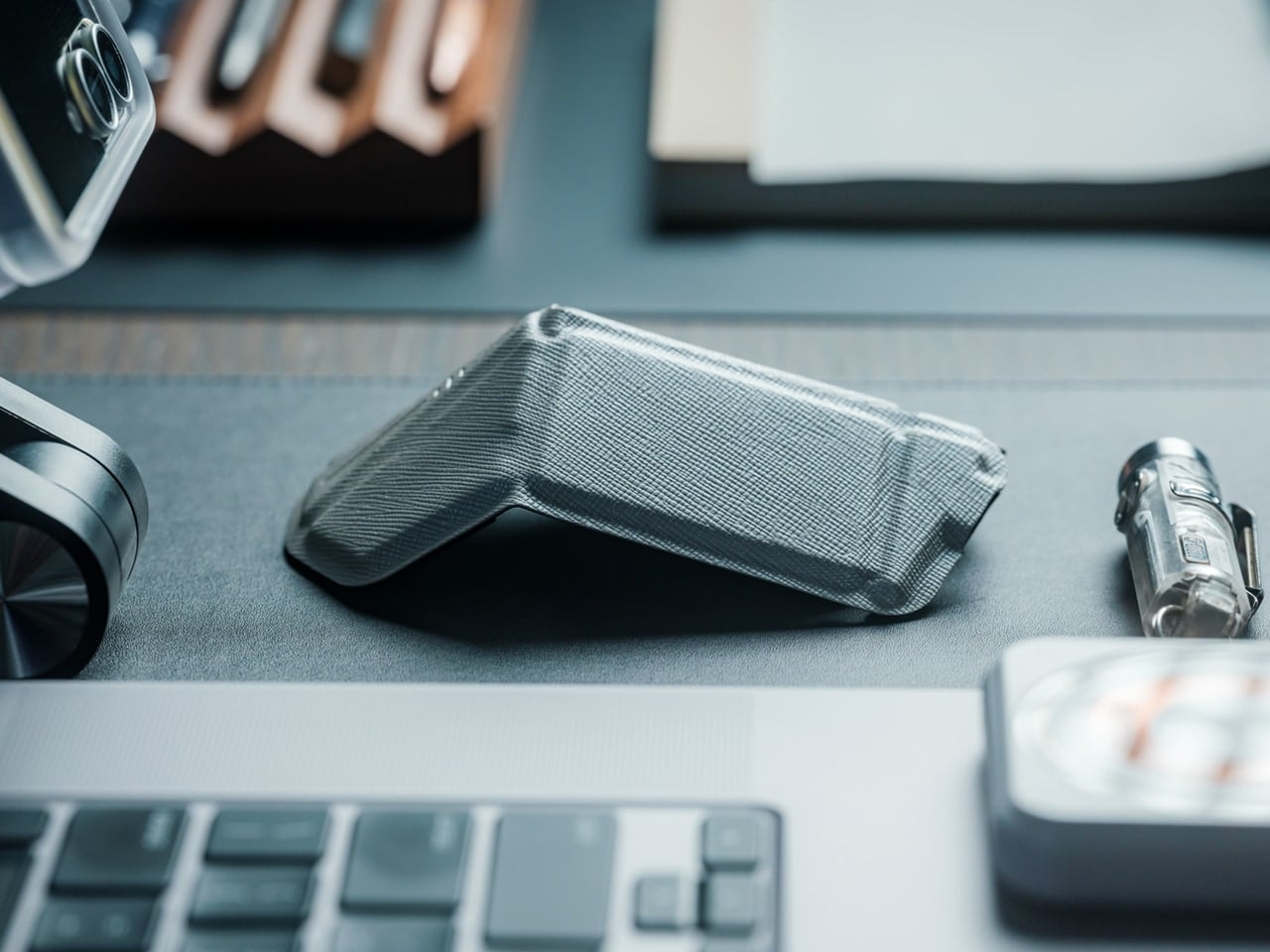
A mouse might seem like an unlikely candidate for this list, but the Origami Swift earns its place by making your physical workspace feel intentional. Designed by Horace Lam and inspired by the art of origami, it folds completely flat — just 4.5mm thin and 40 grams — and snaps into full mouse form in under half a second. That small ritual of unfolding and clicking into position is a quiet but real signal to your brain that work is starting now.

Bluetooth 5.2 keeps connectivity fast and reliable, with a wireless range of up to 32.8 feet in open areas, and the USB-C rechargeable battery lasts up to three months on a single charge. Soft-click buttons and a smooth glide keep sessions quiet and distraction-free. Compatible with Mac, Windows, and Android, it performs like a full-sized mouse when open and disappears into a bag without drama when the day is done.

Click Here to Buy Now: $85.00

What we like:

  • The fold-to-activate gesture creates a physical transition into work mode that a trackpad or standard mouse doesn’t offer
  • At 40 grams with a three-month battery life, it’s both genuinely portable and technically capable

What we dislike:

  • The folded form factor requires adjustment for users accustomed to traditional palm-grip mice
  • Soft-click buttons may feel less satisfying for those who prefer strong tactile feedback

3. Note

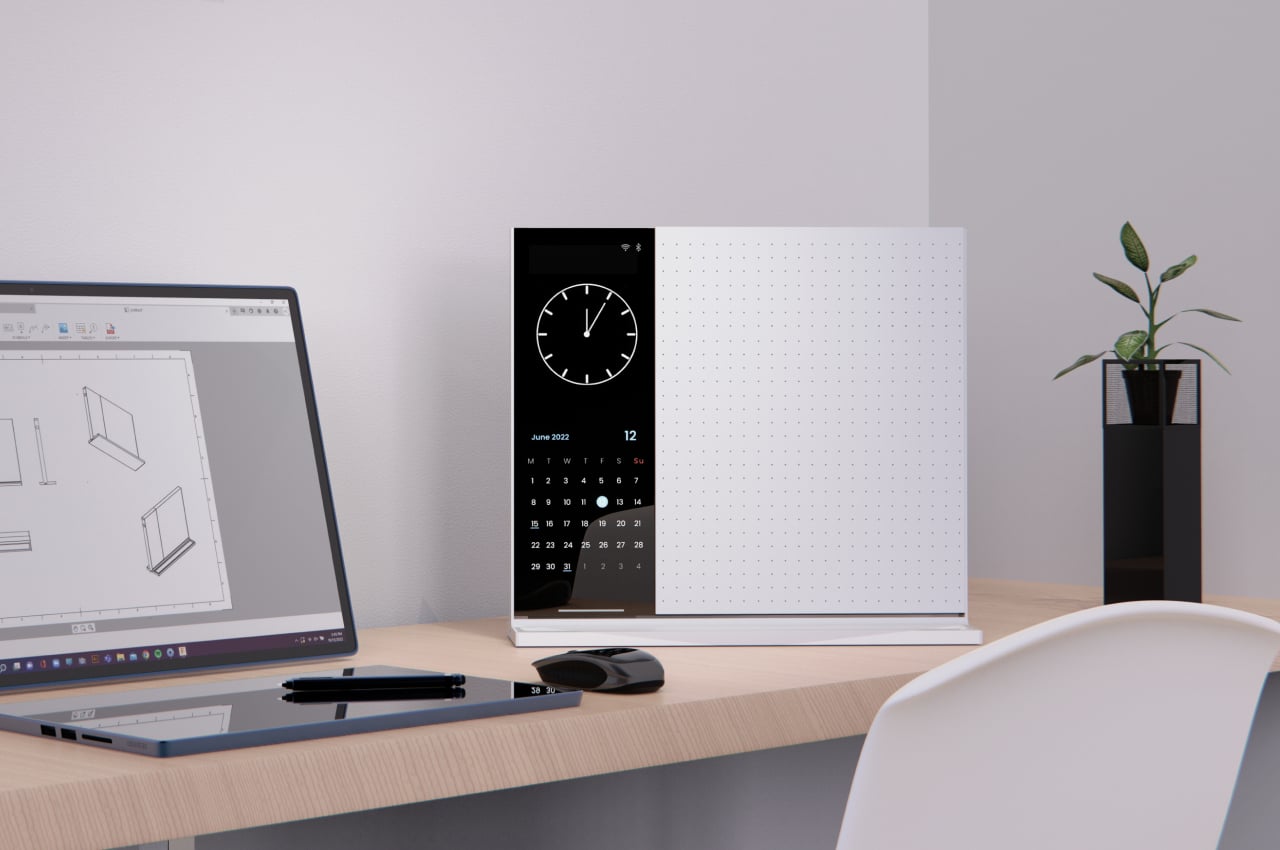
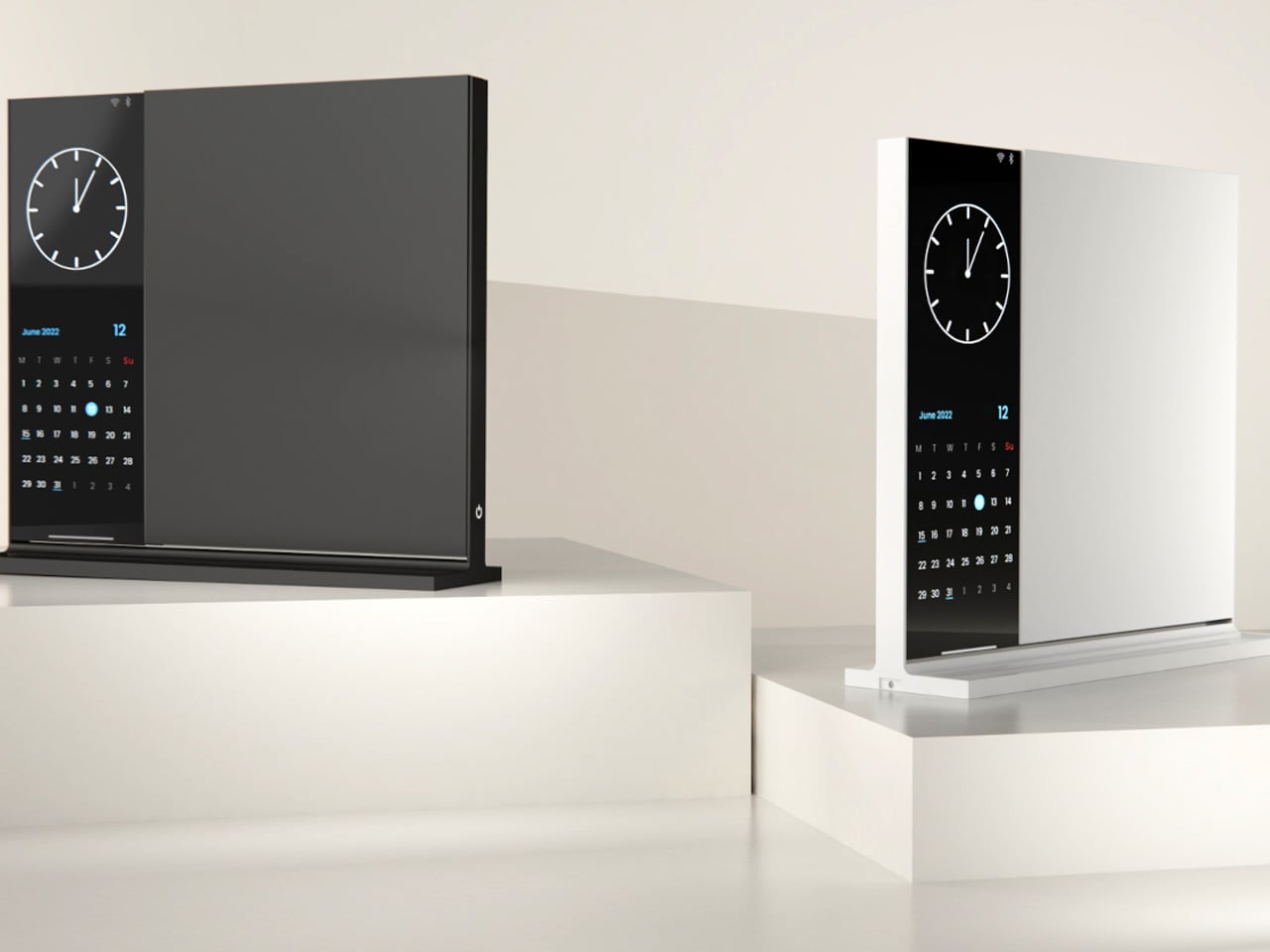
The Note is deceptively simple: a desk object that bridges analog note-taking with just enough digital utility to make it genuinely useful. The device pairs a whiteboard surface for jotting ideas with a small built-in display on the left side that shows the time, date, and music controls. Rather than asking you to open an app or unlock a screen, Note keeps that essential information directly in your peripheral vision, fixed and passive.

The design addresses something real: the modern digital workstation is so fully loaded that reaching for anything — a timestamp, a song, a quick note — means crossing through a notification minefield. Note keeps those basic needs on the desk and offline. Sketch an idea on the whiteboard, check the time from the side display, and keep moving. It doesn’t replace your technology. It quarantines the parts of it that constantly pull your attention away from the work directly in front of you.

What we like:

  • Combining a whiteboard surface with a peripheral display eliminates two of the most common reasons for picking up a phone
  • The minimal form factor stays present without demanding attention

What we dislike:

  • Note remains a concept with no confirmed production timeline or retail availability
  • The side display’s feature range is limited compared to a full smart display, which may frustrate users who want more

4. Immerge Desk Timer

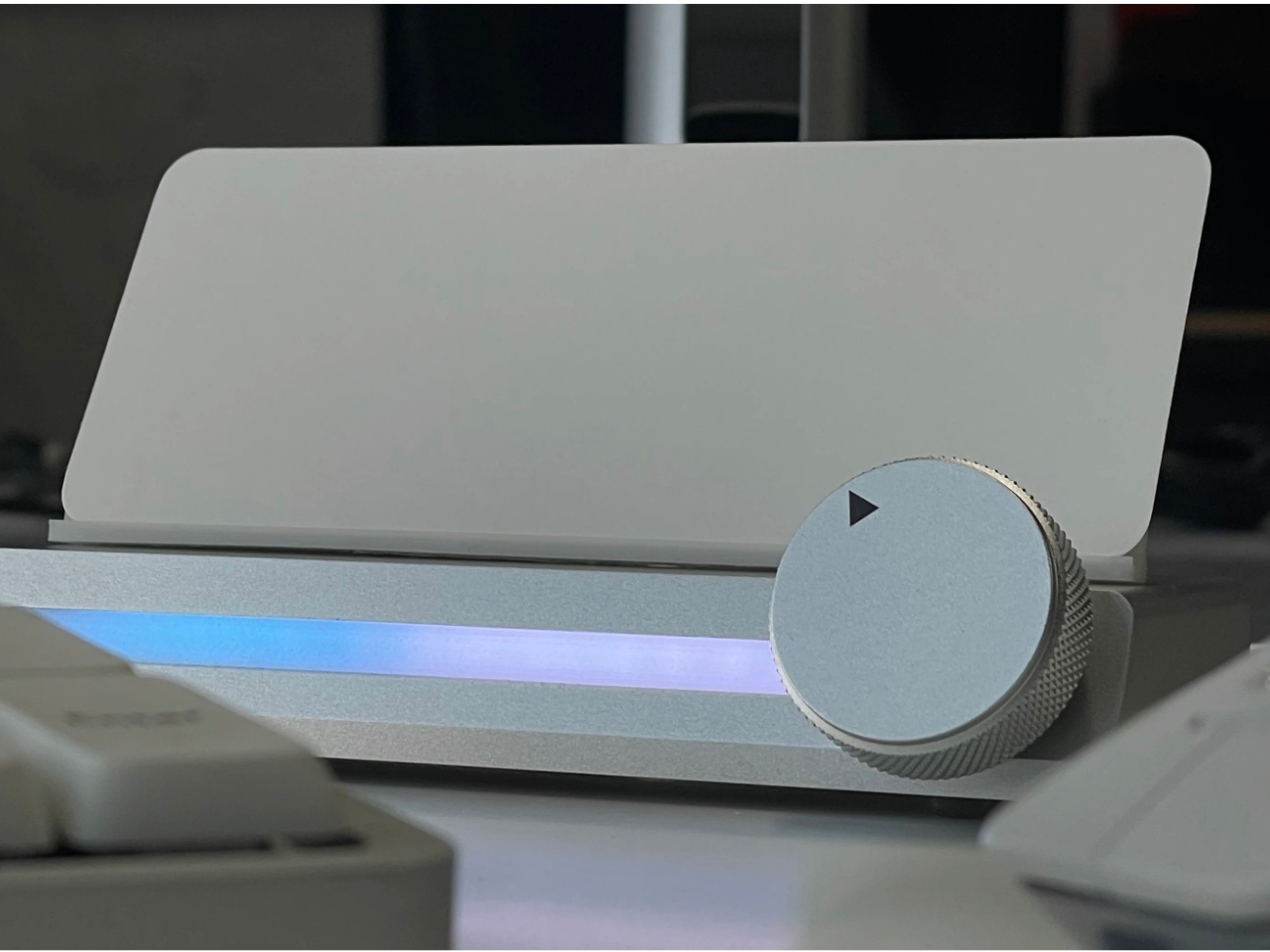
There’s a reason so many people use the Pomodoro method but can’t stick to it: phone timers live on the same device that breaks focus. The Immerge Desk Timer by Adam Cole Edwards is a concept for a CNC-machined aluminum timer with an anodized finish, designed to sit on your desk as a physical commitment to a work block. A smooth-rotating wheel sets the desired interval. There’s no screen, no app, and no chance of a notification bleeding through from something else.

A built-in note card slot on the front holds a small index card — space to write the day’s top priority, a single task, or a short reflection. That combination of timer and intention-setting turns the Immerge into something more considered than a countdown. The design language is deliberately understated, built to complement any desk without demanding to be noticed. It’s still a concept, but the idea it represents — analog focus as a deliberate cultural choice — feels overdue.

What we like:

  • The integrated note card slot pairs time management with written intention, reinforcing focus before a session even begins
  • CNC-machined aluminum with an anodized finish places it firmly in premium desk object territory

What we dislike:

  • The Immerge remains a concept with no confirmed production timeline or pricing
  • A purely analog timer offers no connectivity for users who track productivity data or want to log sessions

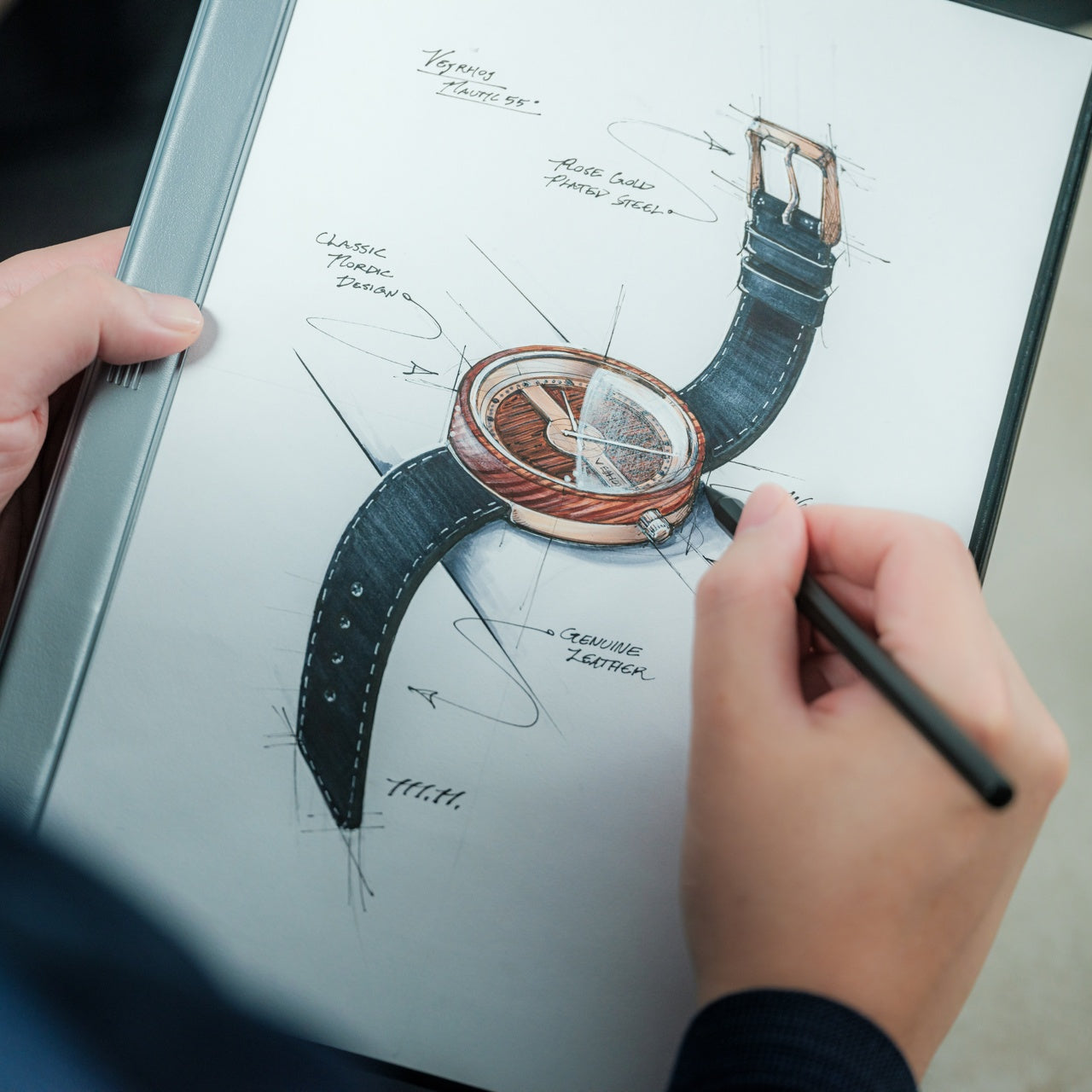
5. MagBoard Clipboard

Paper has a focus advantage that screens don’t: it notifies you of nothing. The MagBoard Clipboard leans into that advantage while solving the one real problem with loose paper — keeping it together. A Magnet x Lever mechanism secures up to 30 sheets without a traditional spring clip, and releasing or adding pages takes nothing more than a light press on the edge. It’s made in Japan, and the material quality reflects that without needing to announce it.

The hardcover design means you can write on it standing up, on a couch, or anywhere a thought shows up. The surface is water-resistant and easy to clean. Available in A4 and A5 sizes, it accepts any paper you choose — blank, grid, dotted, printed, perforated, or mixed. There’s no prescribed format and no app syncing required. You write what you think, in whatever order makes sense, and reorganize whenever the work demands it.

Click Here to Buy Now: $45.00

What we like:

  • The Magnet x Lever system secures any combination of paper types without marking or damaging sheets
  • Water-resistant hardcover construction makes it practical well beyond a standard desk setup

What we dislike:

  • The 30-sheet capacity may feel limiting for users who work through large volumes of material in a single session
  • Unlike digital tools, there’s no built-in way to search, tag, or retrieve older pages

The Best Tools Are the Ones That Stay Out of the Way

The phone isn’t going anywhere, and none of these objects pretend otherwise. What they offer is friction — the deliberate, productive kind. A clock that reads time through air pressure. A timer shaped from aluminum. A clipboard that holds whatever paper you choose. Each one introduces a small ritual into the day, and rituals are how deep work actually gets done. The setup matters more than most people give it credit for.

Good desk design is quiet. It works without asking to be noticed and keeps your attention where it belongs. These five objects don’t promise a productivity revolution — they just remove one more reason to reach for your phone. Sometimes that’s enough to finish the thing you’ve been putting off. Not because you became more disciplined overnight, but because nothing interrupted you long enough to break the thread.

The post 5 Best Desk Objects That Help You Do Deeper Work Without Opening Your Phone first appeared on Yanko Design.

5 Memorial Day Outdoor Gadgets That Make Every Camping Trip Feel Engineered in Japan

Memorial Day weekend is when the campsite gets its first real test of the year. The gear you pack either earns its place or takes up space. This year, a handful of outdoor gadgets are shifting the conversation, designs so considered, so precise in their logic, they feel lifted straight from a Tokyo design studio. Each one solves a familiar outdoor problem in a way you didn’t see coming.

What unites these five objects is a shared commitment to intentionality, the Japanese idea that a well-made thing should do its job beautifully, without fanfare or waste. Whether it’s a lantern that turns like a toy or a fire pit engineered around combustion science, these gadgets carry a point of view. Not here to impress on a spec sheet. Just here to make the long weekend feel properly planned.

1. RetroWave 7-in-1 Radio

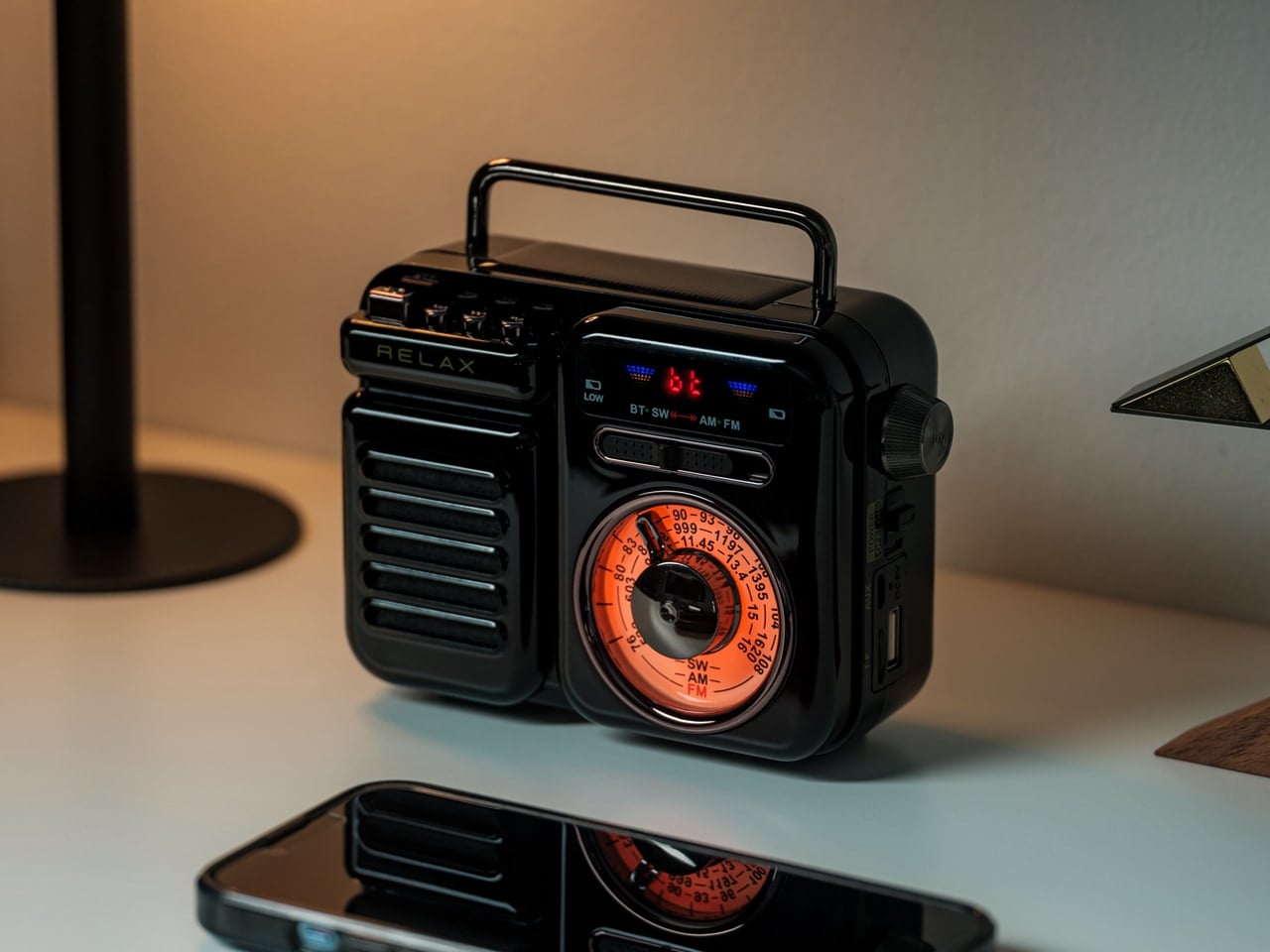
There’s a radio sitting somewhere in Japanese design history that directly inspired this one. The RetroWave 7-in-1 Radio arrives with a tactile tuning dial, a warm housing drawn from mid-20th century aesthetics, and the kind of visual restraint that makes a thing look inevitable. Behind the retro face is a 7-in-1 device handling AM, FM, and shortwave reception, Bluetooth streaming, a built-in flashlight, SOS alarm, power bank charging, and a 2000mAh battery that tops up via hand-crank or solar panel.

The 8W speaker punches with enough warmth to soundtrack a campfire properly, and the 20-hour radio battery life means it runs through a full weekend without reaching for a cable. Two colorways — black and warm gray — make it look as good on a picnic blanket as it sounds in the open air. It’s the rare object that solves the problems you forgot to plan for: music, emergency signaling, phone power, and light, all from one compact, beautiful thing.

Click Here to Buy Now: $89.00

What We Like

  • The 7-in-1 function set means it replaces multiple items in your pack — flashlight, emergency radio, portable charger, and speaker all collapse into a single carry-anywhere device with one well-resolved retro form that earns its weight every time.
  • The retro Japanese design with a tactile tuning dial doesn’t look like survival gear. It looks like a piece you’d buy for the living room, which means it earns a permanent spot in the gear bag rather than getting quietly left behind on the shelf.

What We Dislike

  • Bluetooth battery life tops out at approximately 5 hours at 75% volume, meaning a full camp day of wireless streaming will require a recharge — the solar panel helps, but cloud cover changes that math quickly.
  • The compact body keeps it packable, but the speaker volume has a ceiling that wide-open outdoor settings can expose, especially once the campfire gets going and conversation picks up.

2. Twist Camping Lantern

Small beige LED lamp lit with a warm glow, sitting on a round wooden stump.

Cream wireless over-ear headphones resting on a wooden stump against a pale background.

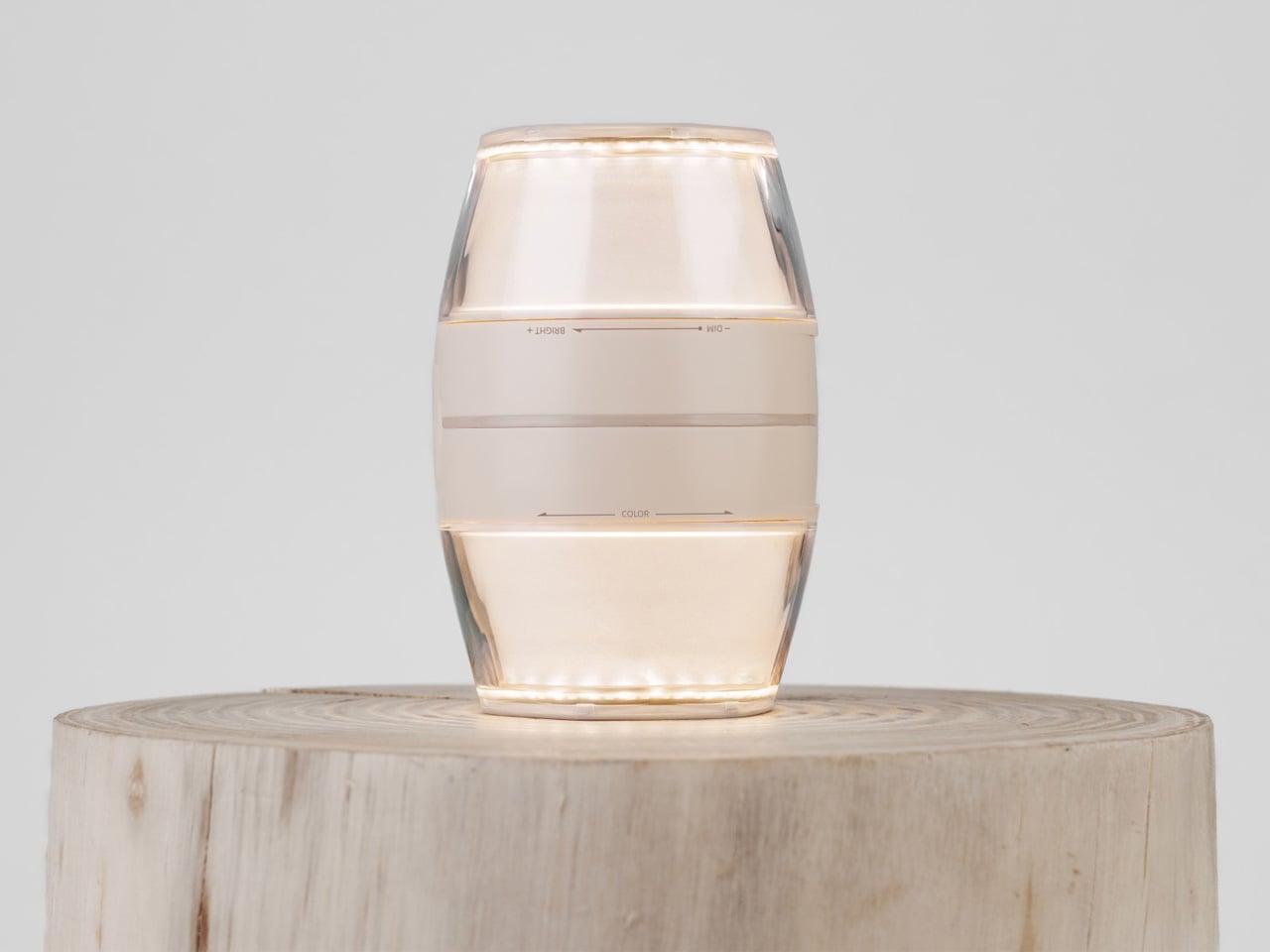
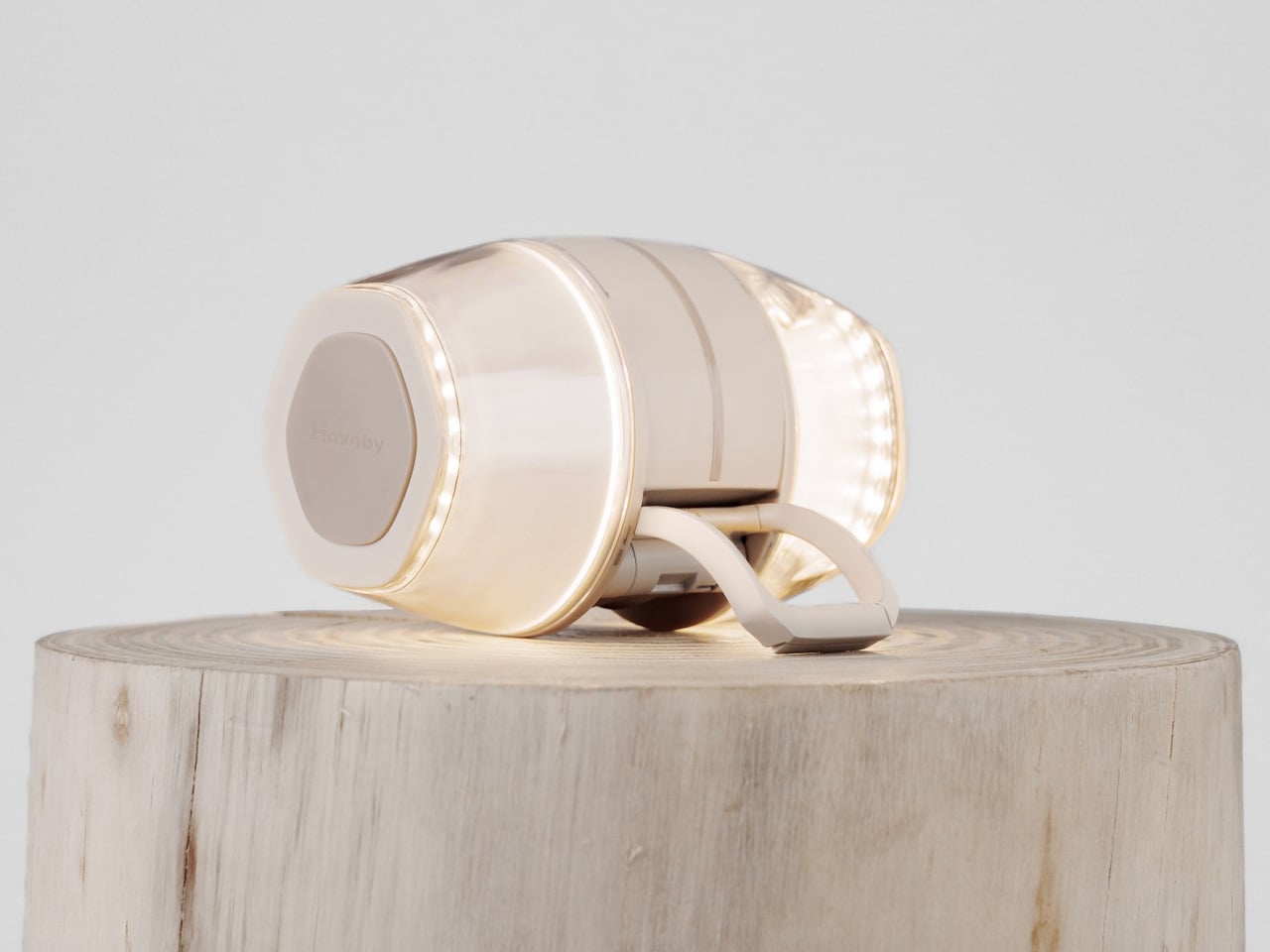
When designer iu Llong looked to Japanese gashapon vending machines for inspiration — those capsule toy dispensers that make cracking open a prize feel like a small ceremony — the result was a camping lantern that turns on exactly the way a gashapon opens: with a satisfying twist. Built for Havnby as two cones joined at the base, the single twist mechanism adjusts both brightness and color temperature, dialing from cool white all the way down to a warm red.

The Twist Lantern packs a 10,000mAh rechargeable lithium battery into a compact form that weighs around 410 grams and charges fully in under three hours via USB-C. Its runtime stretches from 3.8 hours at full brightness to an impressive 70 hours on its lowest setting — enough for an extended weekend. The waterproofing and built-in magnetic mount mean it handles rain and hangs wherever you need it. For a lantern, it’s remarkably thoughtful. For a design object, it’s immediately recognizable.

What We Like

  • The gashapon-inspired twist interaction makes operating this lantern something you’ll actually look forward to — the kind of satisfying physical gesture that cheap pushbutton camp lights have never managed to replicate across years of trying.
  • A 70-hour runtime on its lowest setting is exceptional for any rechargeable camping lantern, meaning you can leave home without calculating whether the battery will outlast the trip or quietly die at hour three.

What We Dislike

  • At 520 lumens, the Twist Lantern is optimized for ambiance and intimate spaces — it sets a tent mood beautifully but won’t flood a large group campsite the way a high-output utility lantern would.
  • The twin-cone form factor, while visually striking, is less stackable in a tightly packed gear bag than a more conventional cylindrical lantern design, which may require some creative packing on longer trips.

3. Iam Sauna

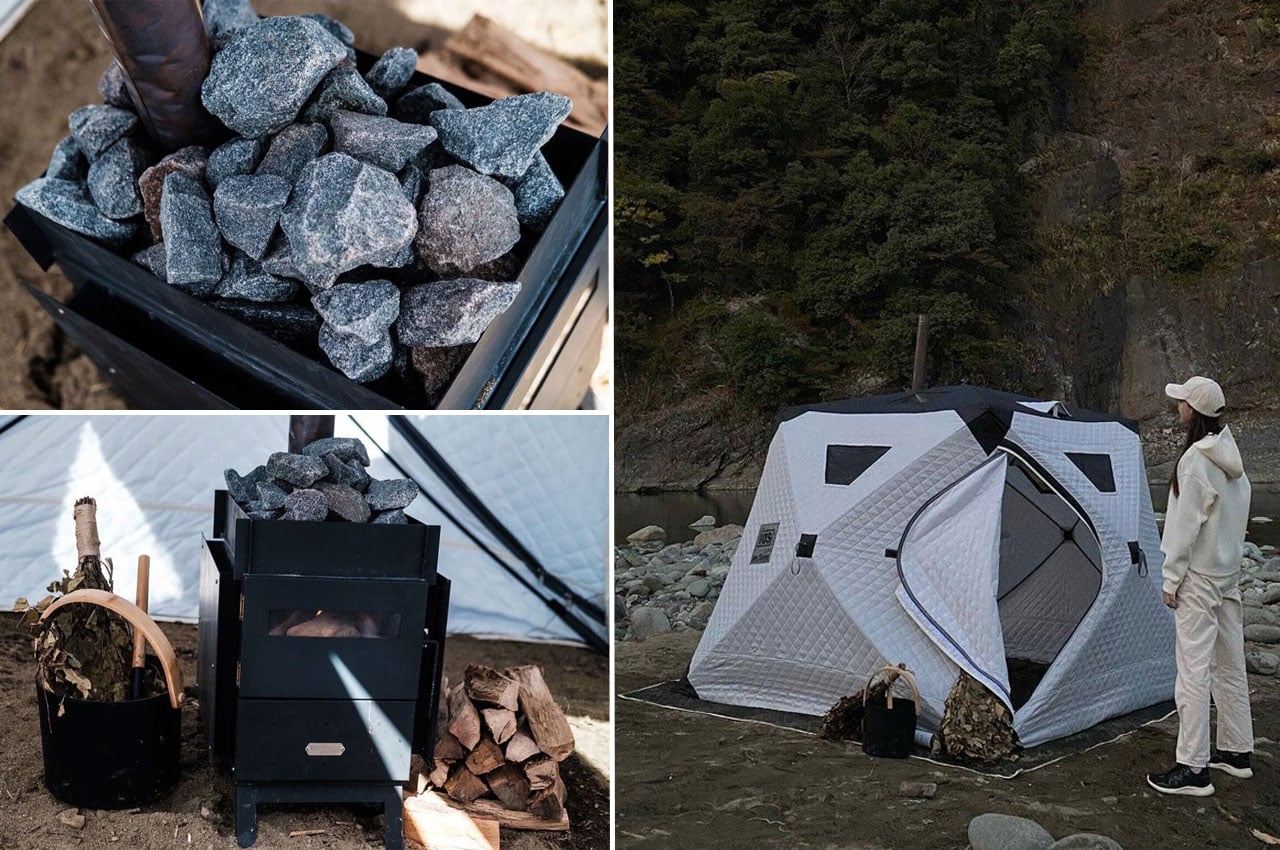
Iam Sauna is a portable sauna, genuinely made portable. The tent-style unit measures 220cm x 220cm x 185cm, accommodates up to six people, and is built from heat-insulating cotton material designed to trap steam and hold warmth in cold outdoor conditions. The included Tanzawa wood-burning stove is iron-built with folding legs, a heat-resistant glass window, and a removable guard plate where sauna stones stack neatly on top. Setup takes under a minute — one person, four pull tabs.

The panoramic windows along the upper section of the tent are a quiet design decision that separates this from any other portable sauna concept. Heat the stove, settle in, and you can watch stars or the tree canopy while your body does exactly what it came outdoors to do. Whether recovering after a full day of hiking or committing to a Saturday evening ritual by the lake, Iam Sauna delivers the restorative experience that used to require a fixed structure.

What We Like

  • A single person can collapse and set up the full tent structure in under 60 seconds, which means the sauna arrives at the campsite as a realistic option rather than a logistical project that gets quietly abandoned at the trailhead.
  • Panoramic windows at the top of the structure keep you visually connected to the outdoor environment while you’re inside — a design detail that makes the experience feel like it genuinely belongs in the wilderness, not in a hotel spa.

What We Dislike

  • The Tanzawa iron stove weighs approximately 18kg on its own, which adds meaningful carry weight to an otherwise packable system, effectively making Iam Sauna more of a car-camping or van-camping solution than a true backpacking option.
  • The wood-burning heat source requires sourcing fuel on-site or carrying it in, which introduces a variable that a gas or electric alternative would eliminate for weekend campers who prefer to pack light and plan less.

4. Airflow 8-Panel Fire Pit

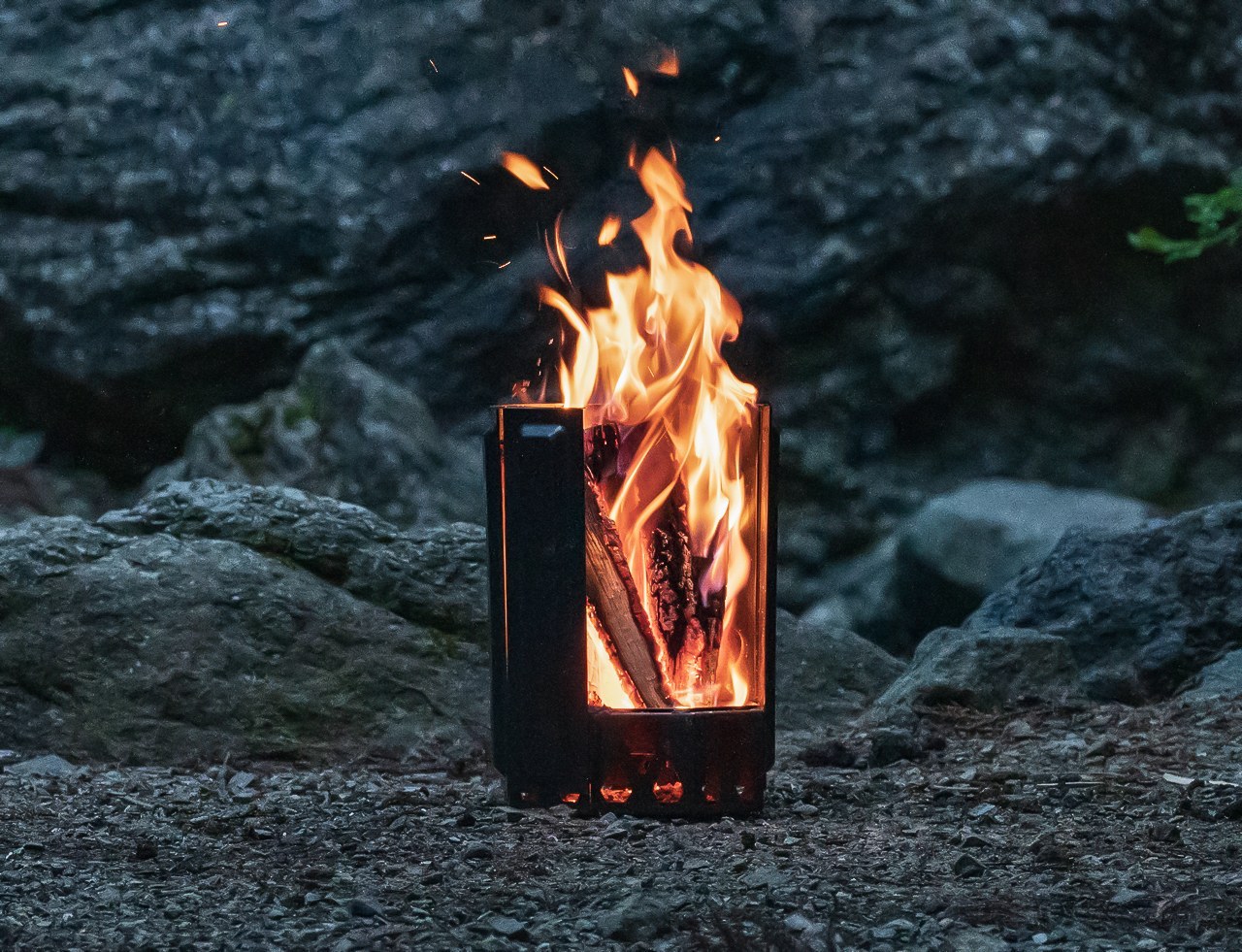
Japanese company UM spent decades in metal processing before arriving at the Airflow 8-Panel Fire Pit, and that deep material knowledge shows clearly. Eight removable panels form an octagonal cylinder optimized for secondary combustion. Holes at the base of each panel channel fresh air directly to the wood for primary combustion. As that air heats up, it rises through the double-walled cavity and exits at the top, creating secondary combustion that burns wood more completely and produces significantly less smoke.

The exterior panels are removable, meaning fire intensity is adjustable — pull one or two off and the fire breathes differently. The interior uses corrosion-resistant stainless steel designed to age into a natural patina, while exterior panels take the punishment a campsite delivers. A grill grate attachment turns it into a cooking platform without altering the fire pit’s core logic. Ash falls and collects at the base. Cleanup is minimal. It’s a piece of engineering that makes fire feel considered.

Click Here to Buy Now: $325

What We Like

  • The secondary combustion system is a genuine engineering achievement at this size — the smoke reduction is physics, not a marketing claim, and it makes extended campfire evenings significantly more comfortable for everyone sitting around it without constantly shifting to dodge the drift.
  • The modular panel system means the fire pit packs down smaller than its assembled footprint suggests, making it more portable than traditional bowl-style designs that share its output and heat radius.

What We Dislike

  • Assembling eight individual panels before the fire can be lit adds more steps to the startup process than a campfire usually demands — a minor friction, but one that registers in the dark or in rain when fumbling with separate components feels less intuitive.
  • The cooking grill grate is sold as an optional add-on rather than included in the base package, which feels like a missed opportunity given that cooking over fire is the most obvious secondary use case for every campsite fire pit.

5. Haori Cup

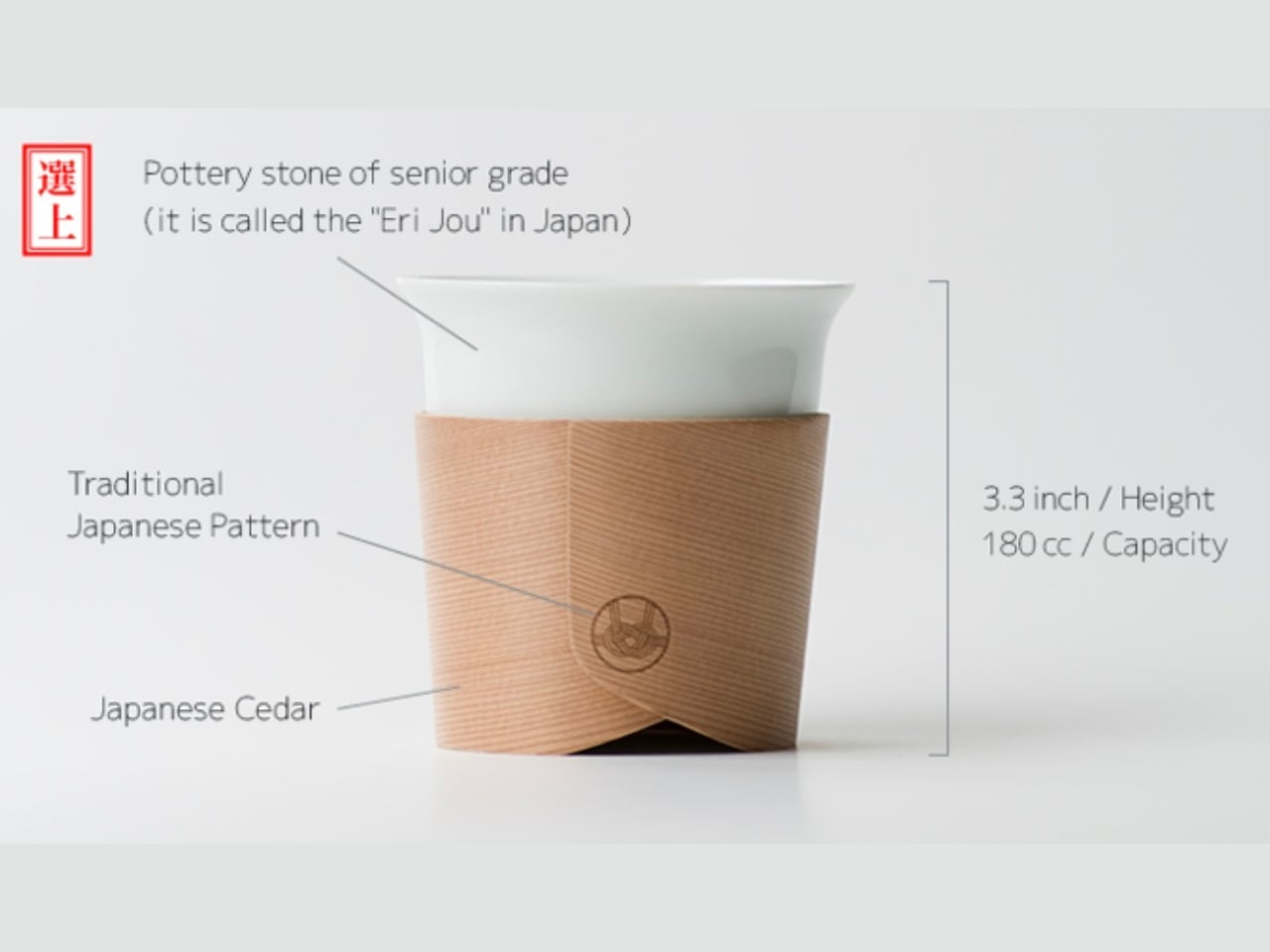
When designer Tomoya Nasuda set out to revive Hakata Magemono — the 400-year-old Japanese craft of hand-bending thin cedar into curved forms — he built the Haori Cup from a single piece of Japanese cedar. The result is a vessel that holds warmth from the inside and transfers almost none to your hands, because cedar insulates naturally. Available in several colorways, including the “Sakura” edition, every cup is handmade and shaped by grain patterns unique to that piece of wood.

The cedar lends a whisper of fragrance to each sip — a clean, forest quality that doesn’t compete with the coffee, just frames it. Bring the Haori Cup camping, and something specific happens. Holding warm coffee in a vessel bent from a single piece of Japanese cedar, sitting among trees not unlike the ones that made it, that’s the kind of moment you came outside for. It’s lightweight, it carries centuries of craft, and it makes the morning feel intentional.

What We Like

  • Reviving the 400-year-old Hakata Magemono craft means every Haori Cup is genuinely one of a kind — no two grain patterns are the same, and that individuality gives it a value that mass-produced camping vessels with identical stamped forms simply cannot offer.
  • Cedar’s natural thermal insulation keeps drinks warm without heating the exterior surface of the cup, meaning you can hold a freshly poured coffee comfortably without burning your hands — a straightforward material advantage with quietly elegant results in practice.

What We Dislike

  • Cedar is not dishwasher-safe and requires careful hand cleaning followed by thorough drying, which is a manageable routine at home but adds genuine friction when you’re washing up at a campsite with limited water and fading daylight.
  • As a handcrafted artisan object rooted in centuries-old technique, the Haori Cup carries a premium price that may be difficult to justify for a purpose as unpredictable as outdoor camping, where the risk of a dropped cup on river rock is never zero.

The Best Camping Gear Doesn’t Add More — It Gets Everything Right

Five products, five different problems, each solved with a rigor that feels less like product design and more like pure philosophy. That’s what Japanese design does at its best: it doesn’t add features to justify a price. It removes everything unnecessary, then makes whatever’s left feel like the only possible answer. That’s the standard these objects hold, and it makes everything else at the campsite feel slightly underdressed by comparison.

The best gear for Memorial Day isn’t the most technical. It’s the most considered. A radio that earns its campfire seat. A lantern that makes switching on a light feel like an occasion. A fire pit engineered so you don’t think about combustion. A sauna you carry in and a cup that turns coffee into a ceremony. Pack these five, and the weekend will be more than just a long one.

The post 5 Memorial Day Outdoor Gadgets That Make Every Camping Trip Feel Engineered in Japan first appeared on Yanko Design.

5 Best LEGO Creations of January 2026

LEGO has spent decades proving that plastic bricks can build anything from childhood memories to architectural masterpieces. January 2026 continues that tradition with designs that push beyond simple construction into genuine cultural commentary. These aren’t just toys gathering dust on shelves. They’re conversation pieces that bridge art history, gaming nostalgia, comedy legends, sports culture, and the maker movement into something you can actually hold.

What makes these five stand out is their refusal to play it safe. Each one takes risks with form, function, or concept. Some open to reveal hidden worlds. Others capture movement frozen in absurdity. The best designs this month understand that LEGO’s real magic lies in surprising people who thought they’d seen everything the medium could offer.

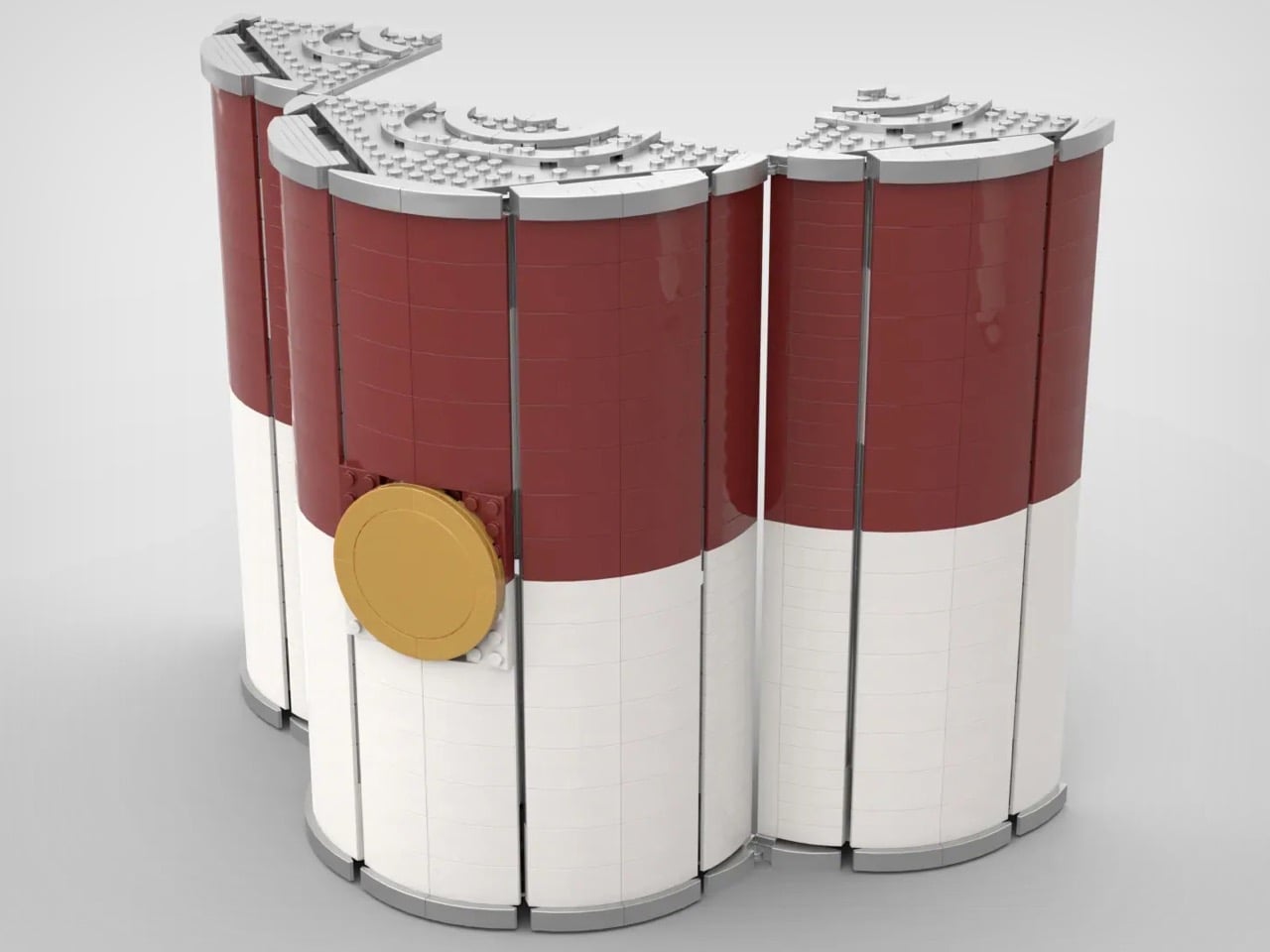
1. LEGO Campbell’s Soup Can Opens to Reveal Andy Warhol’s Factory Studio

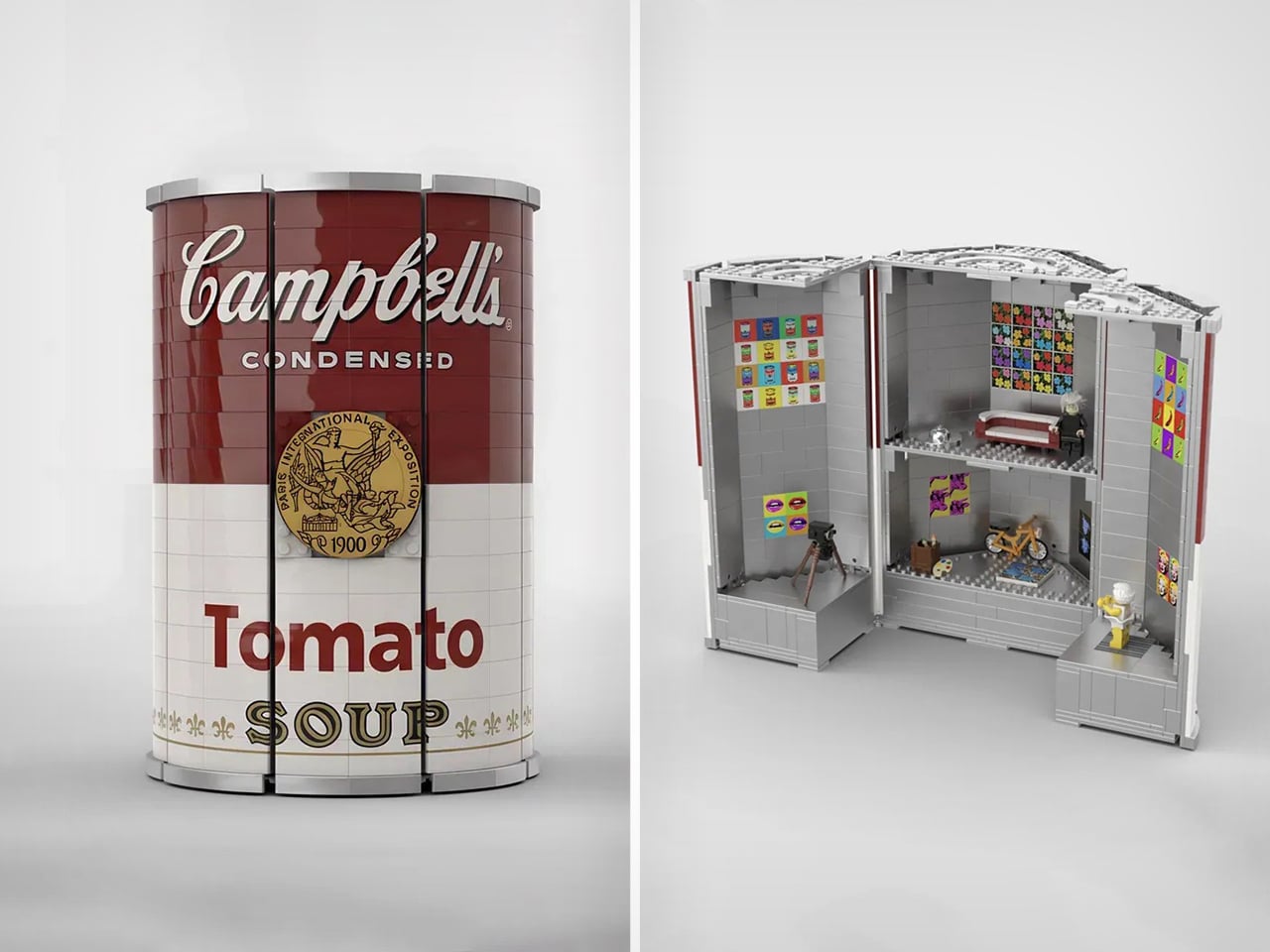
This LEGO Ideas submission transforms Warhol’s most famous subject into an architectural achievement that honors both pop art and the artist’s creative process. The 24-stud diameter curved exterior alone represents great technical skill, but that’s just the packaging for what’s inside. Months of research went into recreating The Factory’s actual layout, visual language, and cultural significance. The printed artworks covering interior walls reference Warhol’s practice of painting on the floor surrounded by finished pieces.

The metallic interior creates a jarring contrast against the familiar red and white label, mimicking that disorienting moment when commercial design becomes fine art. Props from the actual studio populate the space: the disco ball reflecting celebrity culture, the motorcycle representing Warhol’s fascination with danger and fame, the couch where artists and socialites blurred boundaries. The silver-wigged minifigure presides over it all like a tiny curator. This works as both a display piece and an educational tool, making 1960s avant-garde culture accessible through the universal language of LEGO.

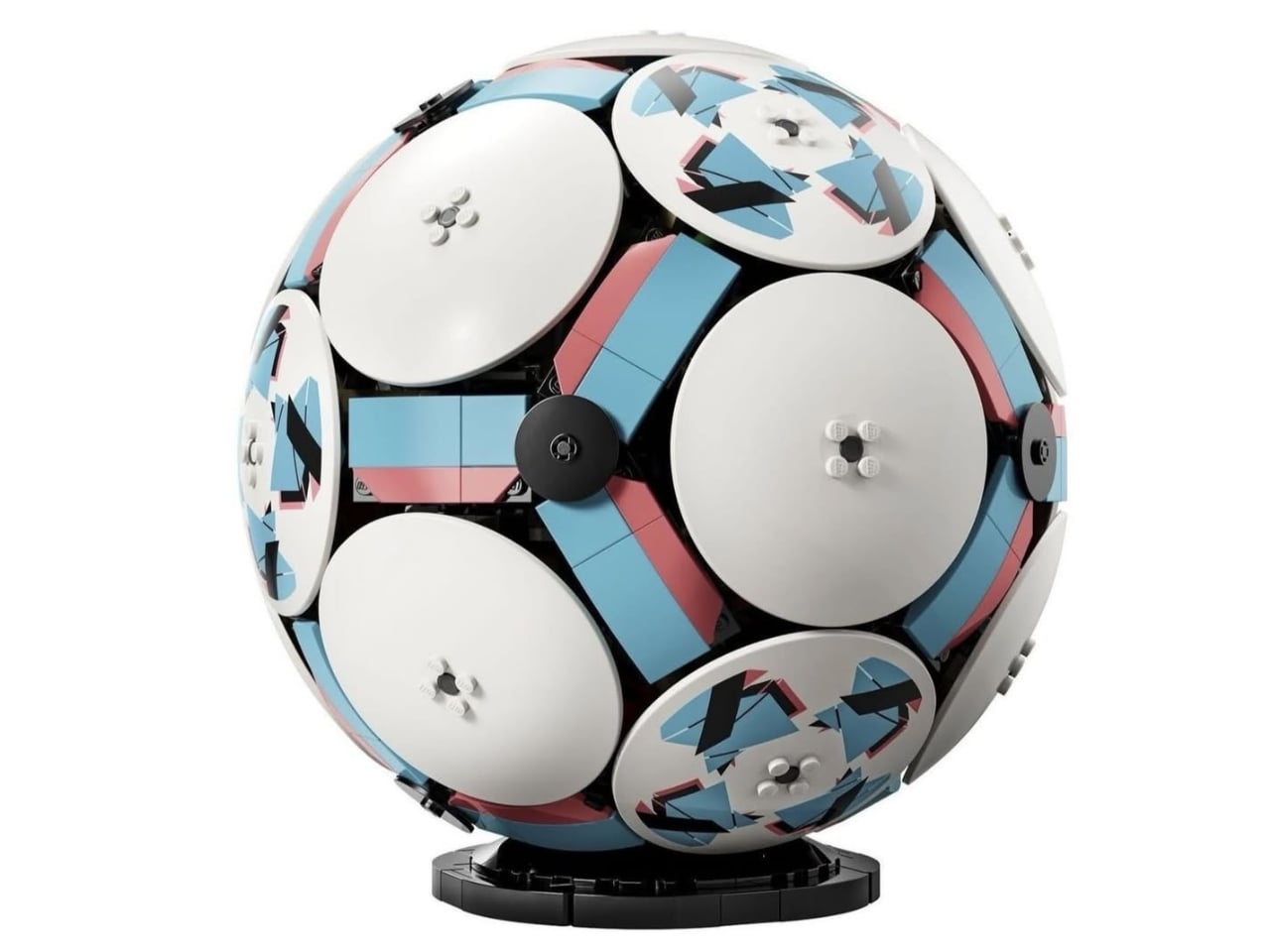
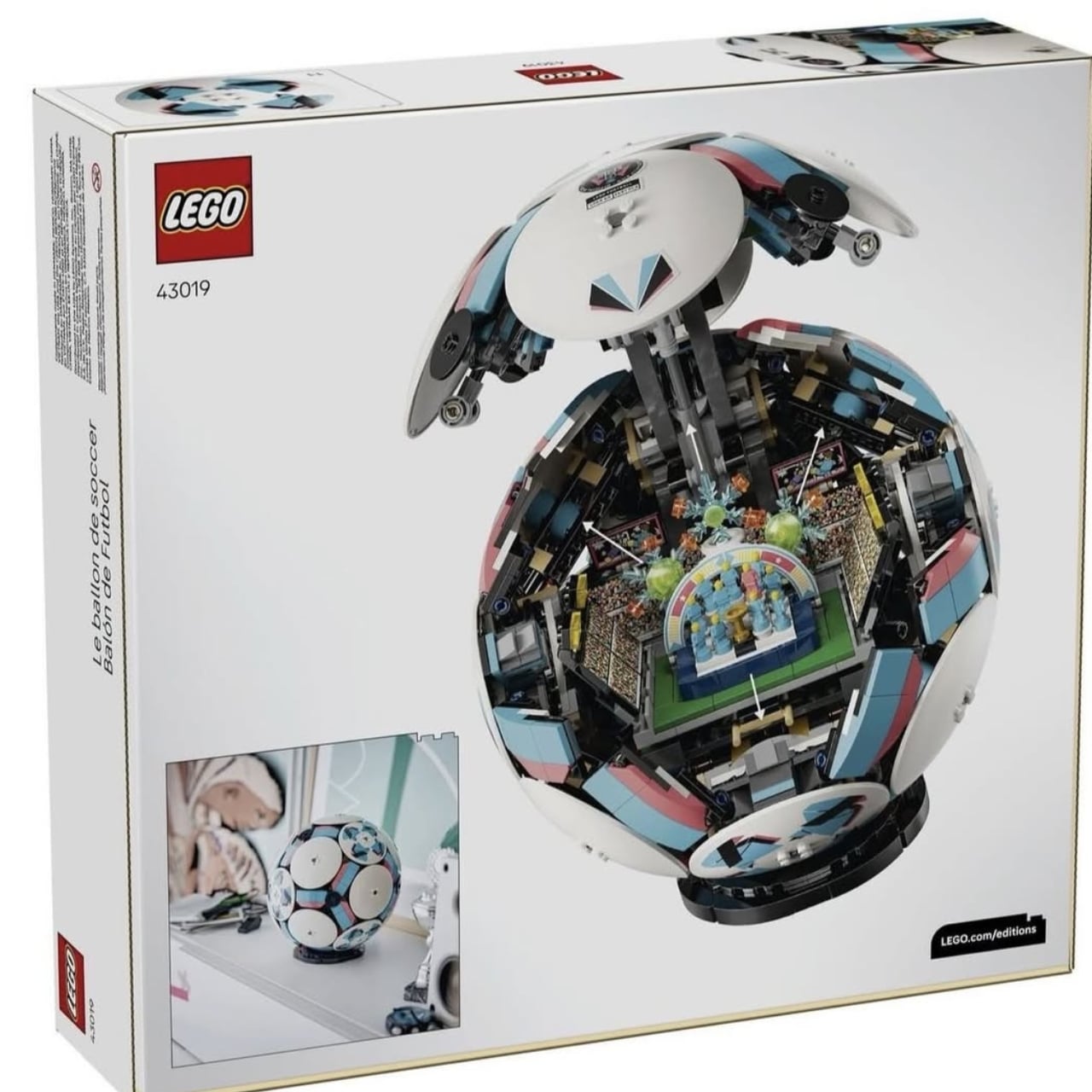
2. LEGO Editions 43019 Soccer Ball Opens to Stadium Interior

This 1,498-piece build measures 15 inches long, 10.3 inches wide, and 2.8 inches tall when fully assembled. The ball exterior alone would make a decent display piece, but cracking it open reveals the real achievement: a complete miniature stadium tucked inside curved walls. Stands, pitch, and match details occupy space most designers would leave hollow. Tiny fans populate the seating areas while players freeze mid-action on the field, capturing that electric moment before kickoff.

The engineering required to create both a recognizable ball exterior and a detailed stadium interior deserves recognition. This isn’t hollow packaging with loose pieces rattling around. Every element serves the dual design, allowing two completely different display configurations from one set. Show the closed ball for sports memorabilia aesthetic, or open it up to reveal the intricate stadium work. That versatility makes it perfect for shelves, desks, or dedicated LEGO display areas. The commitment to surprising builders at every construction stage elevates this beyond typical sports merchandise.

3. LEGO Monty Python Ministry of Silly Walks Build

John Cleese’s Mr. Teabag finally exists in brick form, complete with exaggerated proportions capturing every knee-flinging motion from the legendary sketch. The Technic joints provide genuine articulation rather than decorative suggestion, allowing precise recreation of those impossibly specific movements. This build solves a difficult problem: translating physical comedy into a static medium while preserving all the visual humor that made the original sketch memorable.

The facial expression captures Mr. Teabag’s deadpan bureaucratic seriousness with museum-quality attention to sculptural detail. That silhouette reads instantly from across any room, making it display-worthy alongside traditional LEGO architecture sets. The bowler hat and umbrella complete the aesthetic, transforming simple accessories into essential elements of British absurdist comedy. This works whether you’re a Python fanatic who can quote entire sketches or simply appreciate builds with genuine personality. The wit translates perfectly into plastic brick form.

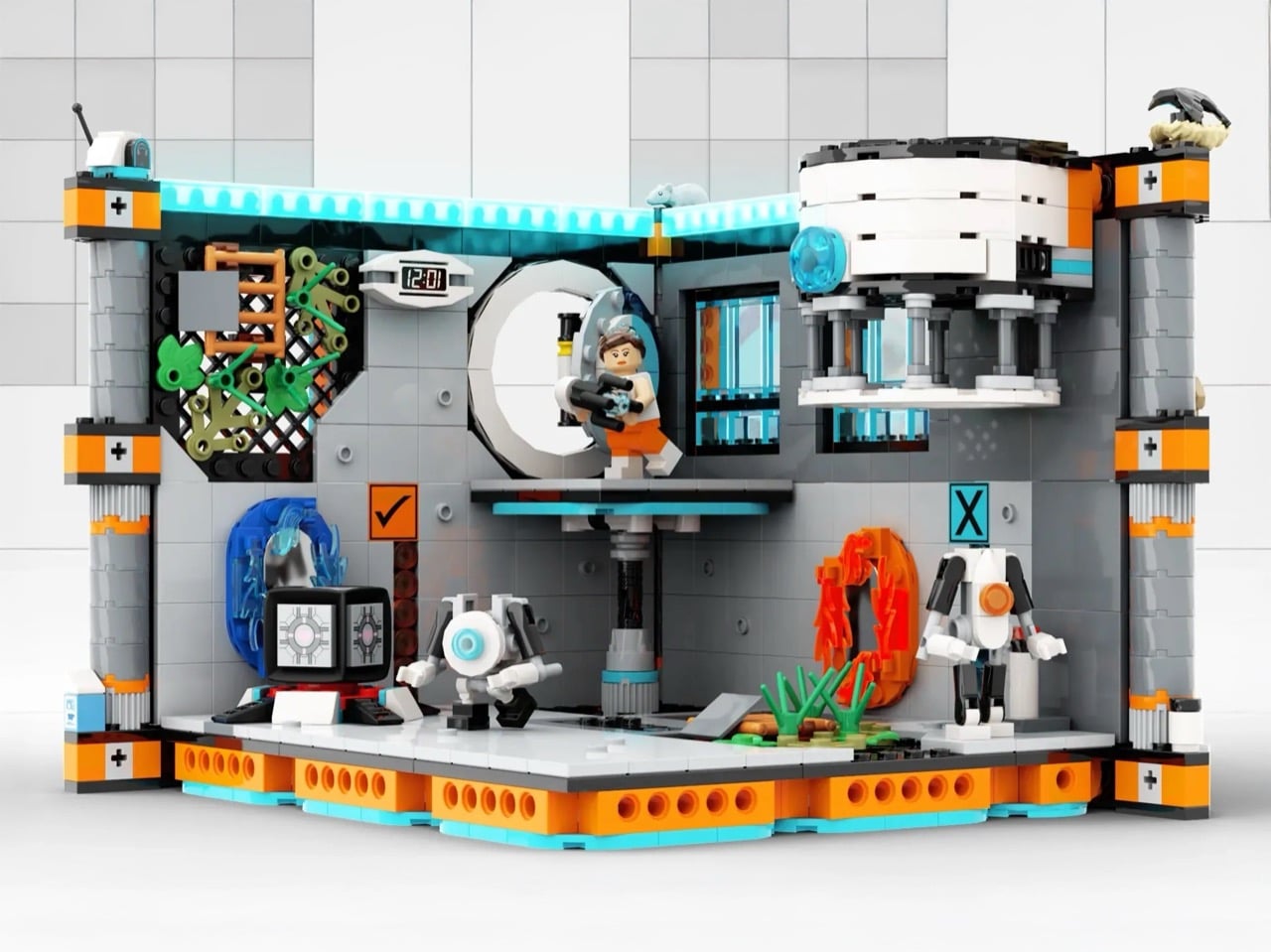
4. LEGO Portal 2 Test Chamber Creator with Modular Design

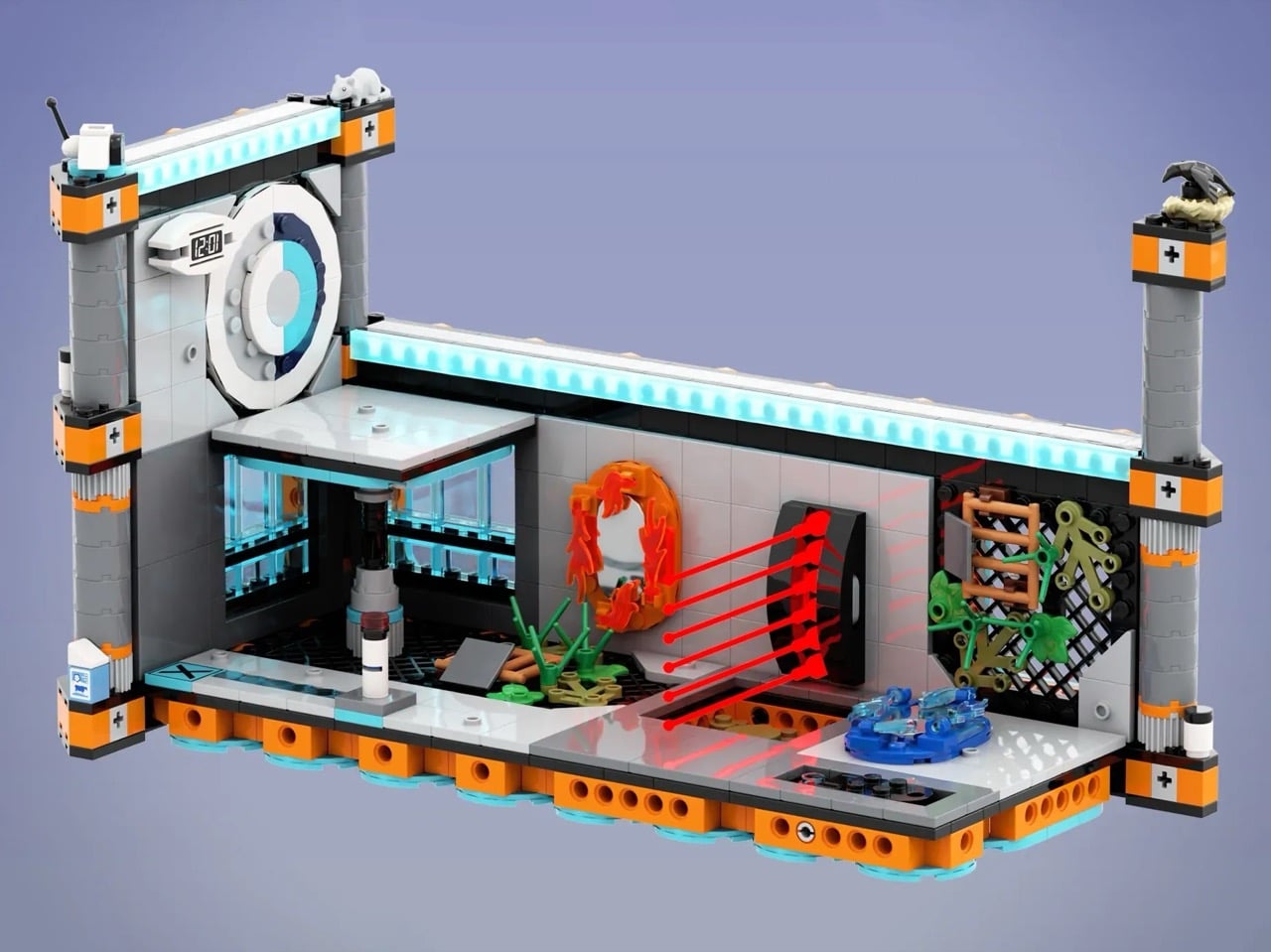
The Portal franchise earned its legendary status through ingenious puzzles, dark humor, and an aesthetic so distinctive that orange and blue instantly evoke Aperture Science. KaijuBuilds translated that sterile-yet-sinister world into brick form with this LEGO Ideas submission. The sophisticated modular tile system features 18 unique configurations across 29 total modules, letting builders reconstruct famous chambers or design entirely new challenges. Around 1,280 pieces include Chell, Wheatley, Atlas, P-body, turrets, portals, a Companion Cube, and that infamous cake.

Attention to detail extends to overgrown tiles referencing Portal 2’s decayed facility sections, complete with a white rat nodding to mysterious Rattman. The modular approach mirrors the in-game test chamber editor, transforming this from a frozen diorama into an actual spatial puzzle playground. You can play with configurations rather than building one static scene, which captures the core Portal experience of manipulating space to solve problems. That interactive design philosophy makes this more than fan service. It’s a genuine translation of game mechanics into a physical building system.

5. LEGO Ender-Inspired 3D Printer Model

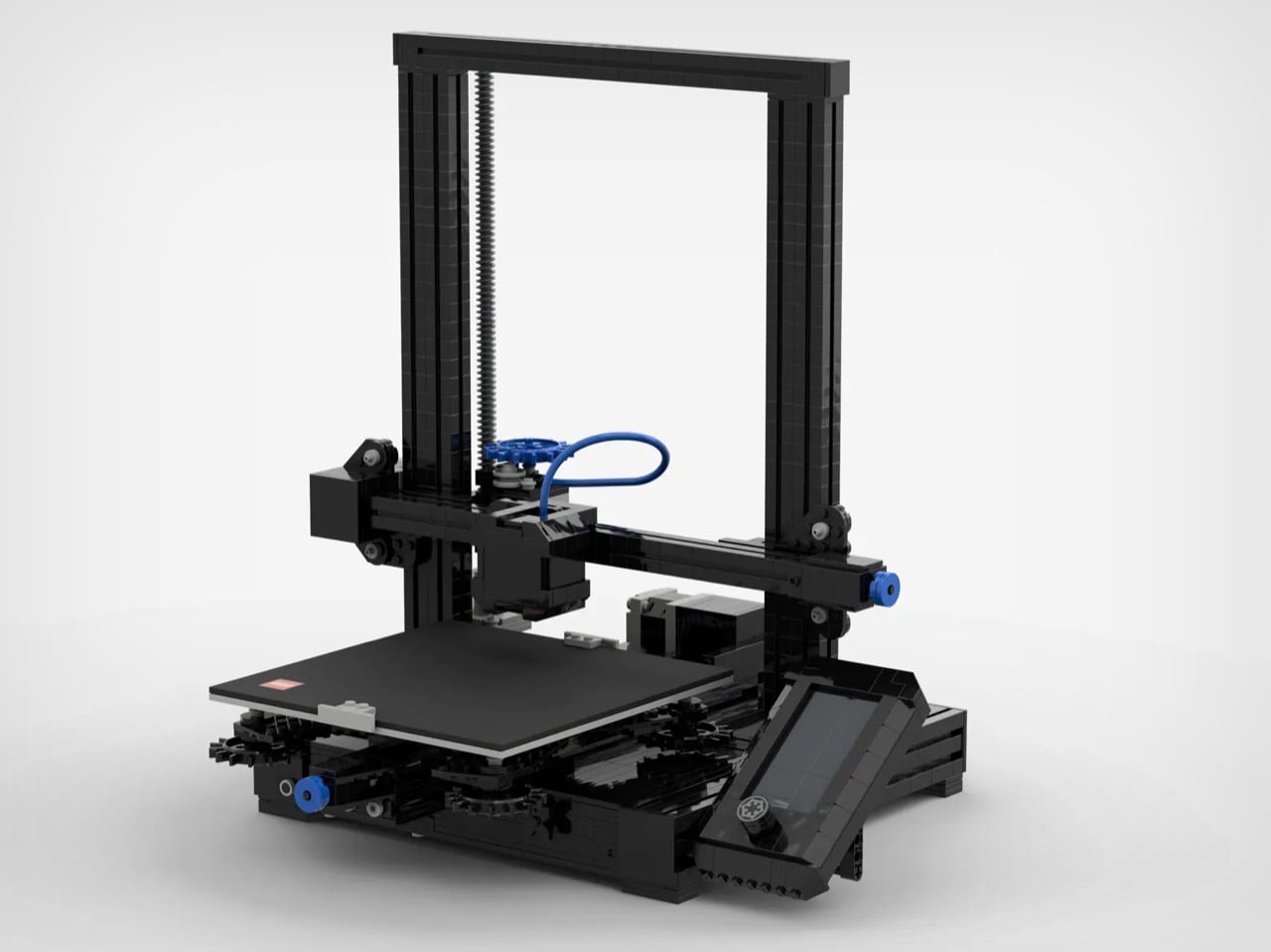
LEGO and 3D printing occupy similar creative territory, both transforming ideas into physical objects through systematic processes. Despite this natural kinship, no official LEGO model has captured the specific machine democratizing small-scale manufacturing. This fan submission fixes that gap with a recognizably Ender-inspired design capturing both the utilitarian aesthetic and basic kinematic structure of Creality’s popular printer lineup. The build doesn’t actually function like some ambitious LEGO projects, but that misses the point entirely.

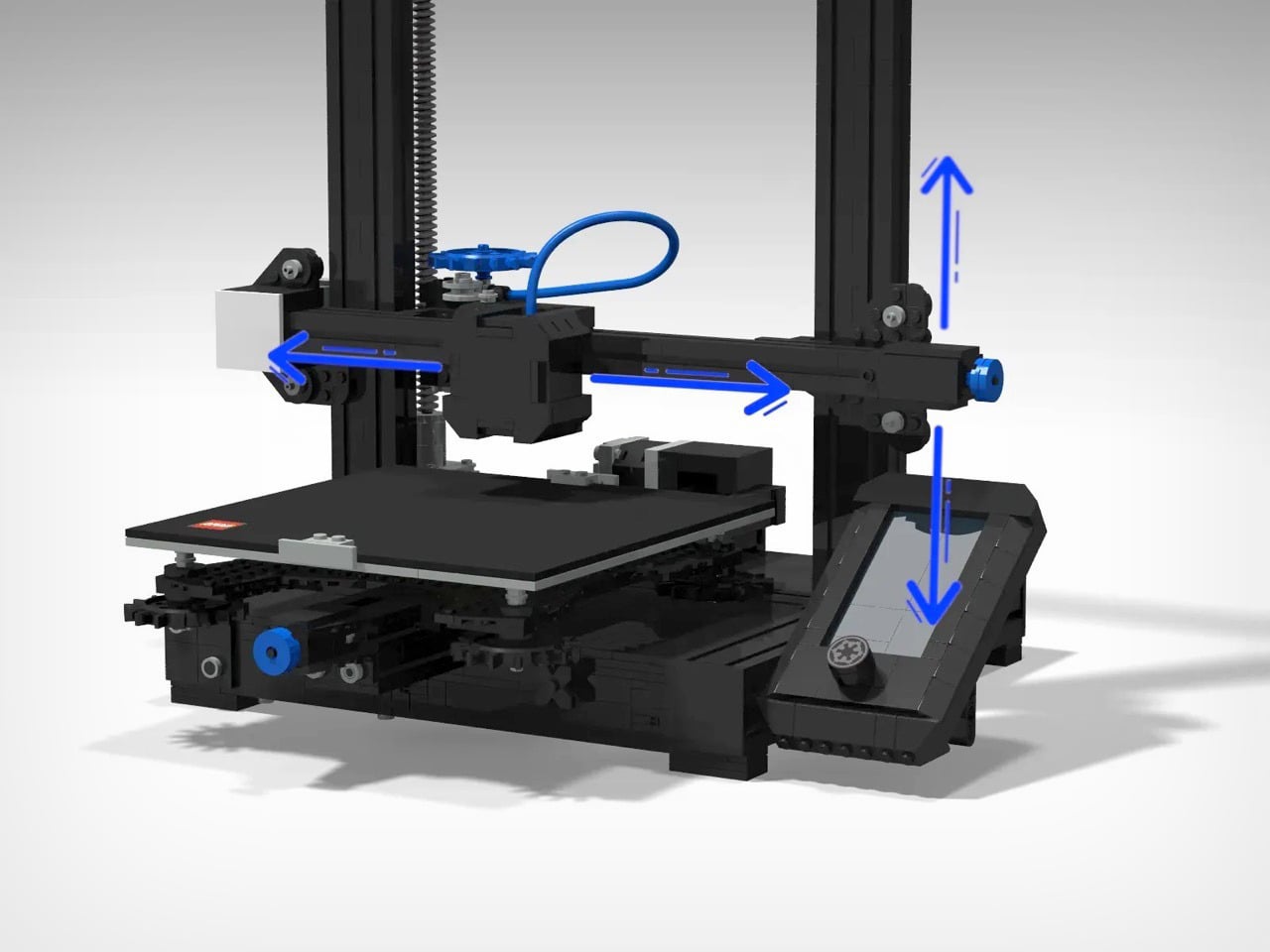
Someone unfamiliar with 3D printing could assemble this and understand how Cartesian motion systems work, how hotend assembly relates to the build plate, and why vertical lead screws matter for Z-axis stability. For people who already own an Ender or similar machine, it offers nostalgia and novelty in seeing familiar hardware translated into tabletop collectible form. This bridges two maker communities that share fundamental DNA: the systematic joy of creating physical objects layer by layer, whether through molded plastic bricks or extruded filament.

The New Direction of LEGO Design

These five builds represent where LEGO culture is heading: designs that celebrate specific communities, translate complex ideas into accessible forms, and trust builders to appreciate nuance. They’re not chasing mass appeal. They’re serving passionate audiences who want their interests reflected in brick form, whether that’s pop art history, gaming nostalgia, or maker culture.

The best part is how these designs use LEGO’s constraints as creative fuel rather than limitations. Curved soup cans, modular game chambers, articulated comedy, nested stadiums, and kinematic printer structures all push the medium into new territory. January 2026 proves that after decades of innovation, LEGO still has surprises left to build.

The post 5 Best LEGO Creations of January 2026 first appeared on Yanko Design.

5 Best Desk Accessories to Reset Your Work-From-Home Setup in January 2026

January arrives with its familiar promise of renewal, and your work-from-home setup deserves the same attention as your fitness goals or morning routines. The desk where you spend eight hours daily becomes more than furniture—it transforms into the command center of your productivity, creativity, and professional presence. After months of accumulated cable chaos, scattered pens, and makeshift arrangements, the new year offers the perfect excuse to reimagine your workspace with intention.

The right desk accessories don’t just organize; they elevate your entire work experience through thoughtful design and purposeful engineering. These five pieces represent the intersection of form and function, where premium materials meet clever problem-solving. From levitating pens that spark creative breaks to monitor stands that finally solve the Mac mini placement puzzle, each accessory addresses a specific pain point while adding visual sophistication to your desk landscape.

1. Alogic Aspekt Omni Fold Stand

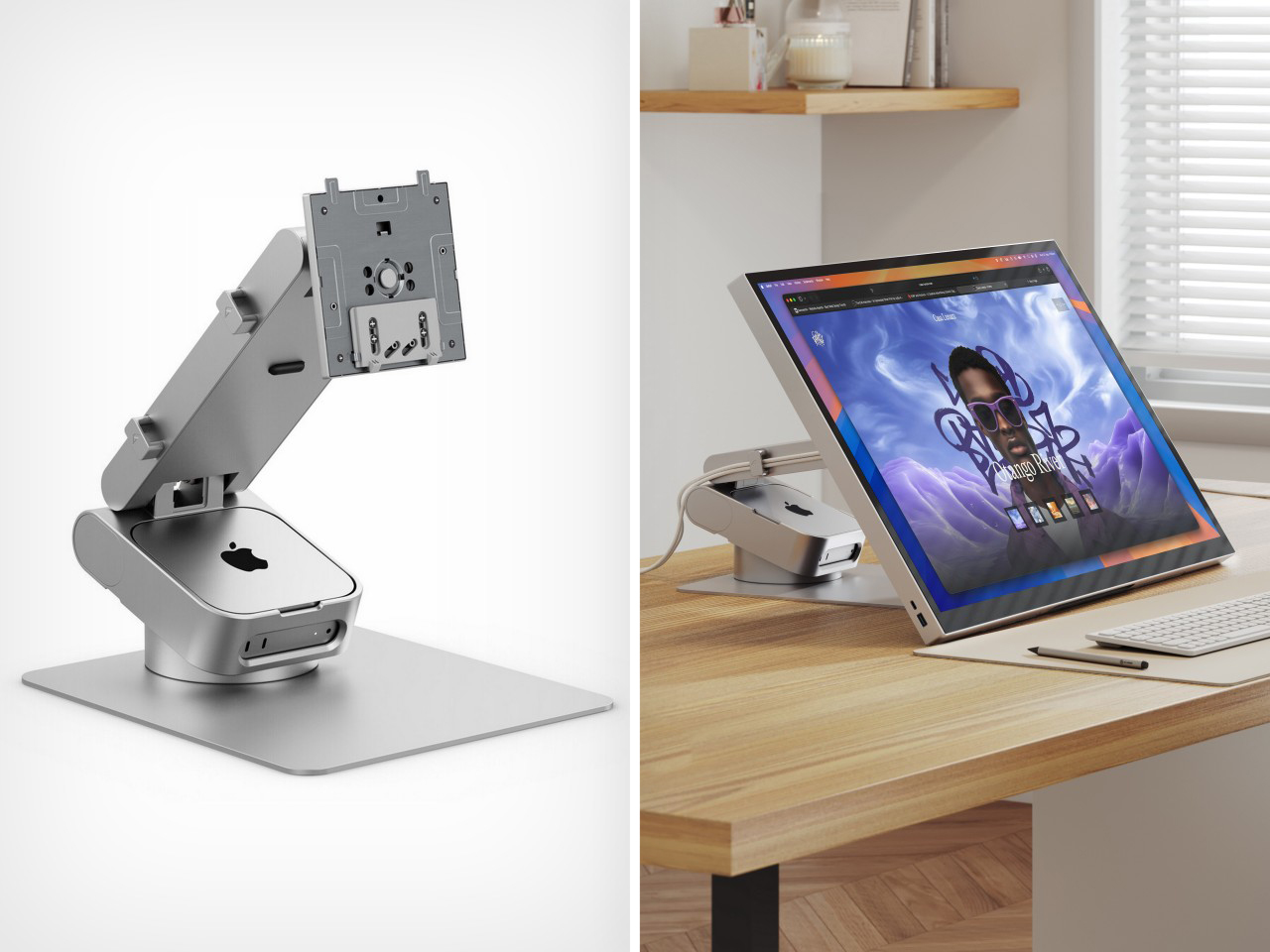
Apple’s Mac mini has always been a spatial enigma—too beautiful to hide away, yet too awkward to display properly. The little computing powerhouse typically ends up pushed to the side with cables sprawling in every direction, never quite integrating into your desk aesthetic. Alogic spotted this design gap and responded with the Aspekt Omni Fold Stand, a monitor stand that elegantly solves the Mac mini placement problem by building its home directly into the base.

The engineering here feels revelatory in its simplicity. Rather than creating another shelf or separate mount, Alogic carved a precision groove into their premium monitor stand specifically calibrated for the M4 Mac mini. This transforms your setup into a modular iMac where computer and display unite visually while remaining independently upgradeable. The stand eliminates cable clutter by centralizing your hub, while the aluminum construction matches Apple’s design language perfectly. Starting your year with this level of spatial organization creates a foundation for everything else on your desk.

What We Like

  • Transforms the Mac mini and monitor into a cohesive all-in-one aesthetic.
  • Precision-engineered groove prevents the computer from sliding or shifting.
  • Centralizes cables and ports for a cleaner desk appearance.
  • Premium aluminum construction matches Apple product quality.

What We Dislike

  • Specifically designed for the Mac mini limits universal appeal.
  • Premium materials result in a higher price point than basic stands.

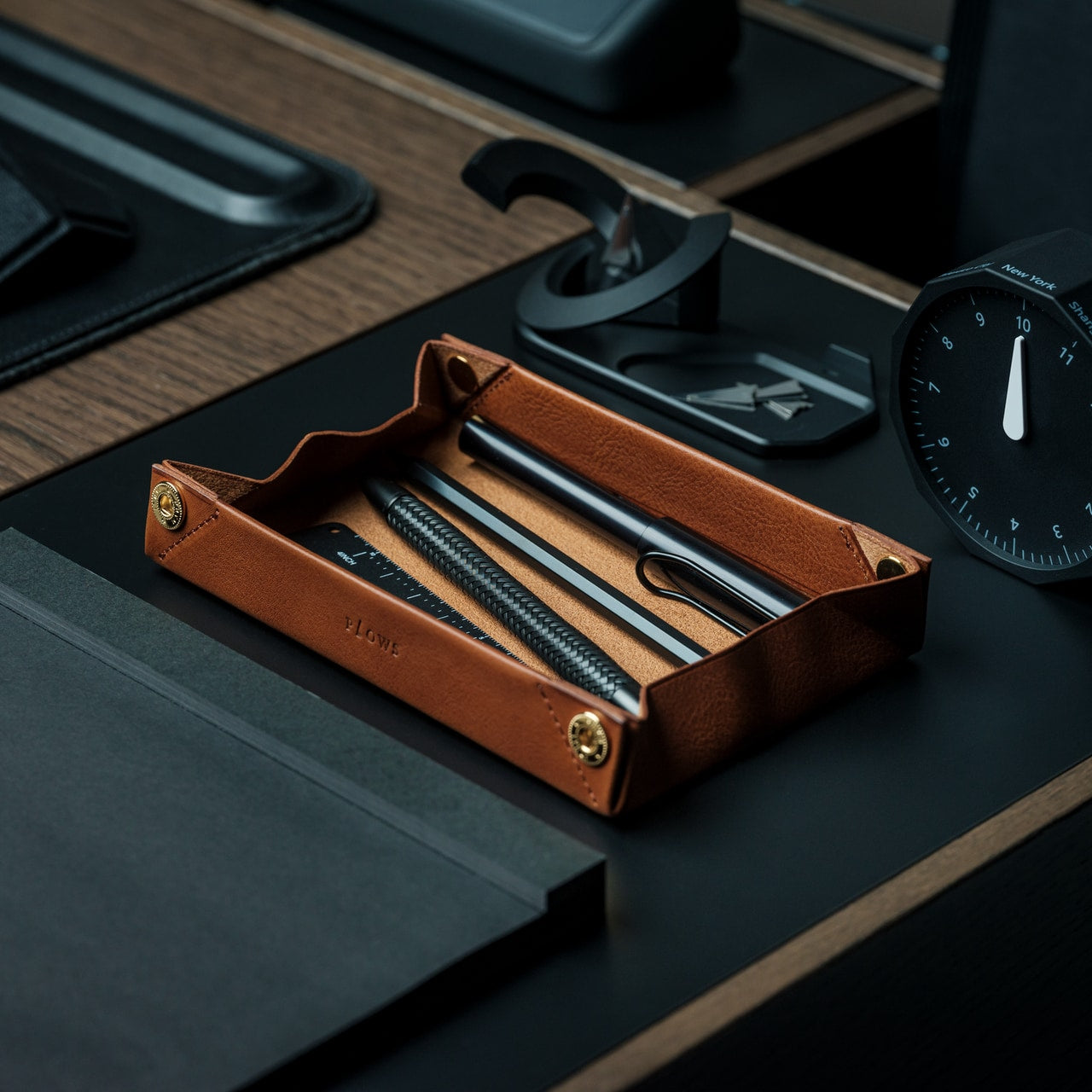
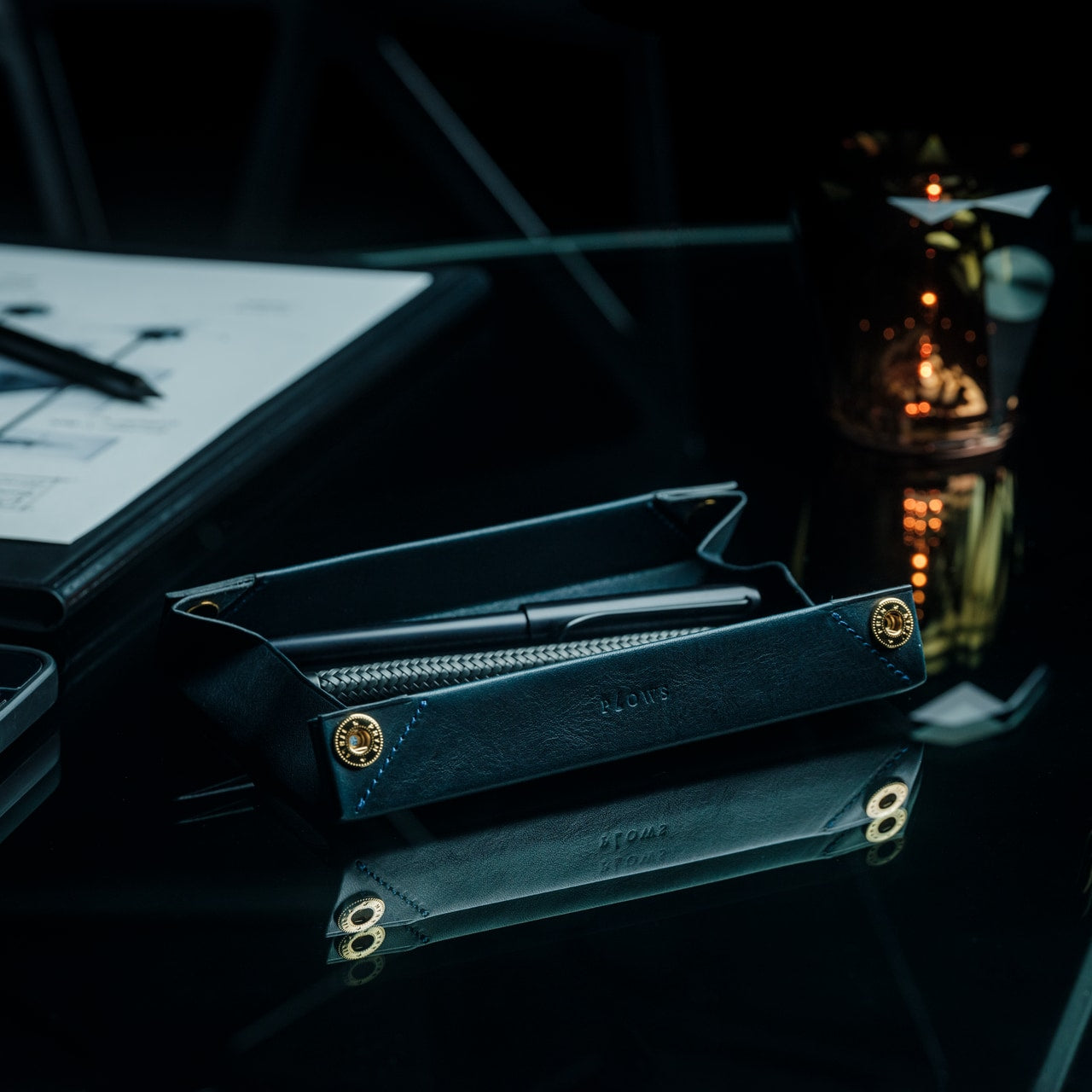
2. FoldLine Pen Roll

Digital tools dominate our workflows, yet the ritual of putting pen to paper remains irreplaceable for sketching ideas, signing documents, or journaling thoughts. The FoldLine Pen Roll recognizes this enduring need and transforms pen storage from utilitarian afterthought into an intentional design object. Crafted from a single piece of Italian leather, this isn’t merely a case—it’s a portable writing station that unfolds into a defined work surface wherever you land.

The origami-inspired geometry creates natural compartments without stitching or partitions. Your pens nestle into folded leather channels that prevent rattling and scratching; even metal-bodied instruments remain separated and protected. Opening the roll becomes a small ceremony that signals transition into focused work mode, whether you’re at a café table or hotel desk. The leather develops character through use, aging beautifully while maintaining structure. Resetting your desk for January means honoring analog tools with the same design consideration you’d give your laptop or monitor.

Click Here to Buy Now: $135.00

What We Like

  • Single-piece Italian leather construction ensures durability and elegance.
  • Unfolds into a stable tray that defines a workspace on any surface.
  • Natural folding system protects pens without scratches or noise.
  • Compact form travels easily in bags without adding bulk.

What We Dislike

  • Leather requires occasional conditioning to maintain suppleness.
  • Limited capacity suits curated pen collections rather than large inventories.

3. ClearMind Kendama

Desk accessories typically focus on productivity optimization, but sustained focus requires deliberate breaks that refresh your mind without derailing concentration. The ClearMind Kendama from Tokyo Kendama introduces a physical skill toy to your workspace, offering three-minute mental resets between video calls or during creative blocks. This traditional Japanese toy—a wooden handle connected to a ball—challenges hand-eye coordination while providing satisfying tactile feedback that screens simply cannot deliver.

Tokyo Kendama recalibrated the classic design specifically for modern desk use. Larger cups make landing tricks more achievable, building confidence rather than frustration during brief breaks. The bearing system minimizes string twists, maintaining smooth operation throughout the day. The balanced weight distribution creates precise movements that feel meditative rather than chaotic. Keeping the ClearMind Kendama within reach establishes a healthier relationship with breaks, replacing endless phone scrolling with intentional physical engagement that genuinely refreshes your attention span for the next task.

Click Here to Buy Now: $59.00

What We Like

  • Physical skill development provides genuine mental breaks from screens.
  • Larger cups and recalibrated balance increase success rates for beginners.
  • The bearing system prevents string tangles during extended use.
  • Compact desktop footprint requires minimal space when not in use.

What We Dislike

  • The initial learning curve may frustrate users seeking immediate gratification.
  • Wooden construction shows wear marks from repeated trick attempts.

4. OrigamiSwift Folding Mouse

Laptop trackpads serve their purpose, but precision work demands a proper mouse—a truth that becomes problematic when your workspace shifts between home office, coffee shops, and coworking spaces. The OrigamiSwift Folding Mouse solves this portability paradox by delivering full-size comfort and control in a device that collapses completely flat. Inspired by origami’s transformation principles, this Bluetooth mouse adapts to your location rather than forcing workspace compromises.

The folding mechanism activates in under half a second with a simple flip, springing the mouse to life immediately. At just 40 grams, it disappears into your bag or pocket until needed, yet the ergonomic shape feels substantial and natural during extended work sessions. The design acknowledges that January resolutions often include workspace flexibility—maybe you’re committing to working from different environments or finally embracing that digital nomad dream. OrigamiSwift ensures your tools match your ambitions, providing desktop precision regardless of where you unfold your laptop.

Click Here to Buy Now: $79.00

What We Like

  • Folds completely flat for effortless transport in any bag.
  • Full-size ergonomic comfort prevents hand fatigue during long sessions.
  • Instant 0.5-second activation from folded to functional state.
  • Ultra-lightweight 40-gram construction adds negligible travel weight.

What We Dislike

  • The folding mechanism represents a potential long-term durability concern.
  • Bluetooth connectivity requires occasional battery recharging.

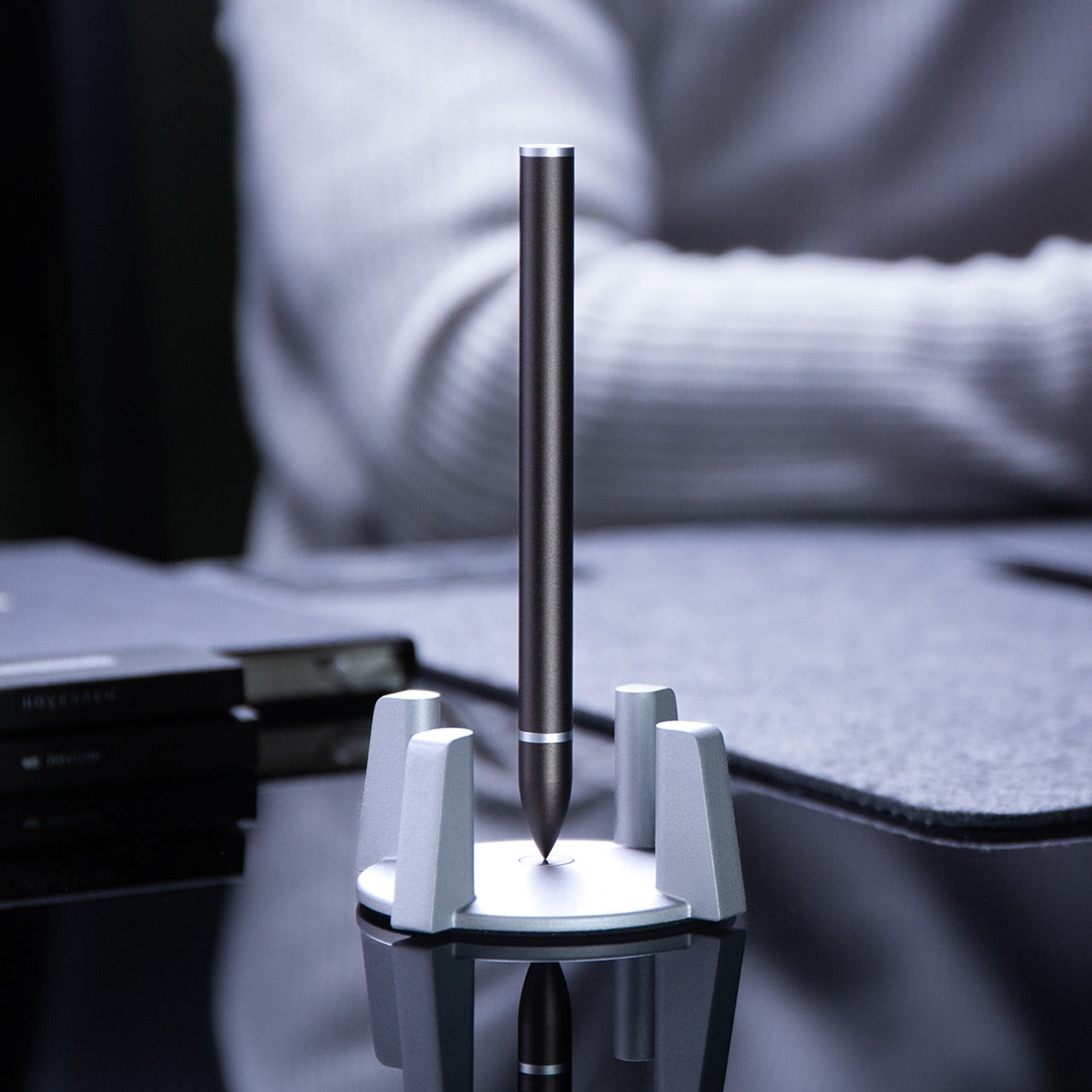
5. Levitating Pen

Every desk needs a conversation piece that transcends pure utility, an object that sparks curiosity and provides momentary wonder during grinding workdays. The Levitating Pen achieves this through magnetic engineering that suspends the pen vertically in mid-air without batteries or electronics. The precision-machined pedestal creates a magnetic field perfectly calibrated to balance the pen, transforming a writing instrument into a kinetic sculpture that commands attention on any desk surface.

Manufactured using CNC machining with tolerances under 0.1mm—the same facility producing Apple products—this pen demonstrates obsessive attention to detail. The Swiss-made ballpoint cartridge ensures writing performance matches the engineering spectacle. Beyond aesthetics, the levitating mechanism serves a practical purpose: taking brief mental breaks by spinning the pen, watching its hypnotic wobble for thirty seconds before returning refreshed to your task. Starting January with this level of design consideration signals your commitment to a workspace that inspires rather than merely functions.

Click Here to Buy  Now: $79.00

What We Like

  • Magnetic levitation creates a mesmerizing desk centerpiece without power requirements.
  • High-precision CNC manufacturing ensures reliable hovering performance.
  • Swiss ballpoint cartridge delivers a smooth, professional writing experience.
  • Spinning motion provides meditative micro-breaks during intensive work.

What We Dislike

  • The pedestal requires permanent desk space that cannot be repurposed.
  • Premium manufacturing process results in significant investment cost.

Resetting Your Workspace Intentionally

The desk accessories you choose reveal your priorities and shape your daily experience more than most people realize. These five pieces represent different facets of the modern work-from-home reality: spatial organization, analog appreciation, mental refreshment, location flexibility, and design inspiration. Each addresses specific pain points while elevating your workspace beyond pure function into something that genuinely sparks joy during those long January afternoons.

Resetting your desk for the new year isn’t about buying everything at once—it’s about identifying which aspect of your current setup drains energy rather than creating it. Maybe you’re drowning in cable chaos around your Mac mini, or perhaps you’re scrolling through your phone during breaks when your mind needs actual engagement. Start with the accessory that solves your most persistent frustration, then build from there as your workspace evolves throughout the year.

The post 5 Best Desk Accessories to Reset Your Work-From-Home Setup in January 2026 first appeared on Yanko Design.

5 Best Japanese Kitchen Tools That Replace Your Entire Drawer

Japanese kitchen design operates on a different philosophy than Western culinary equipment. Where most kitchen drawers overflow with single-purpose gadgets, Japanese tools embrace versatility through precision engineering. Each piece does multiple jobs exceptionally well, eliminating the need for drawer clutter. This approach stems from centuries of craftsmanship tradition where quality trumps quantity, where thoughtful design replaces redundant specialization.

These five Japanese kitchen tools embody that philosophy completely. They’re not just beautiful objects that happen to be functional. They’re seriously capable implements designed to consolidate your drawer chaos into a curated collection of multi-purpose excellence. From scissors that replace knives to tongs that work as chopsticks, each tool reflects the Japanese principle of doing more with less, better.

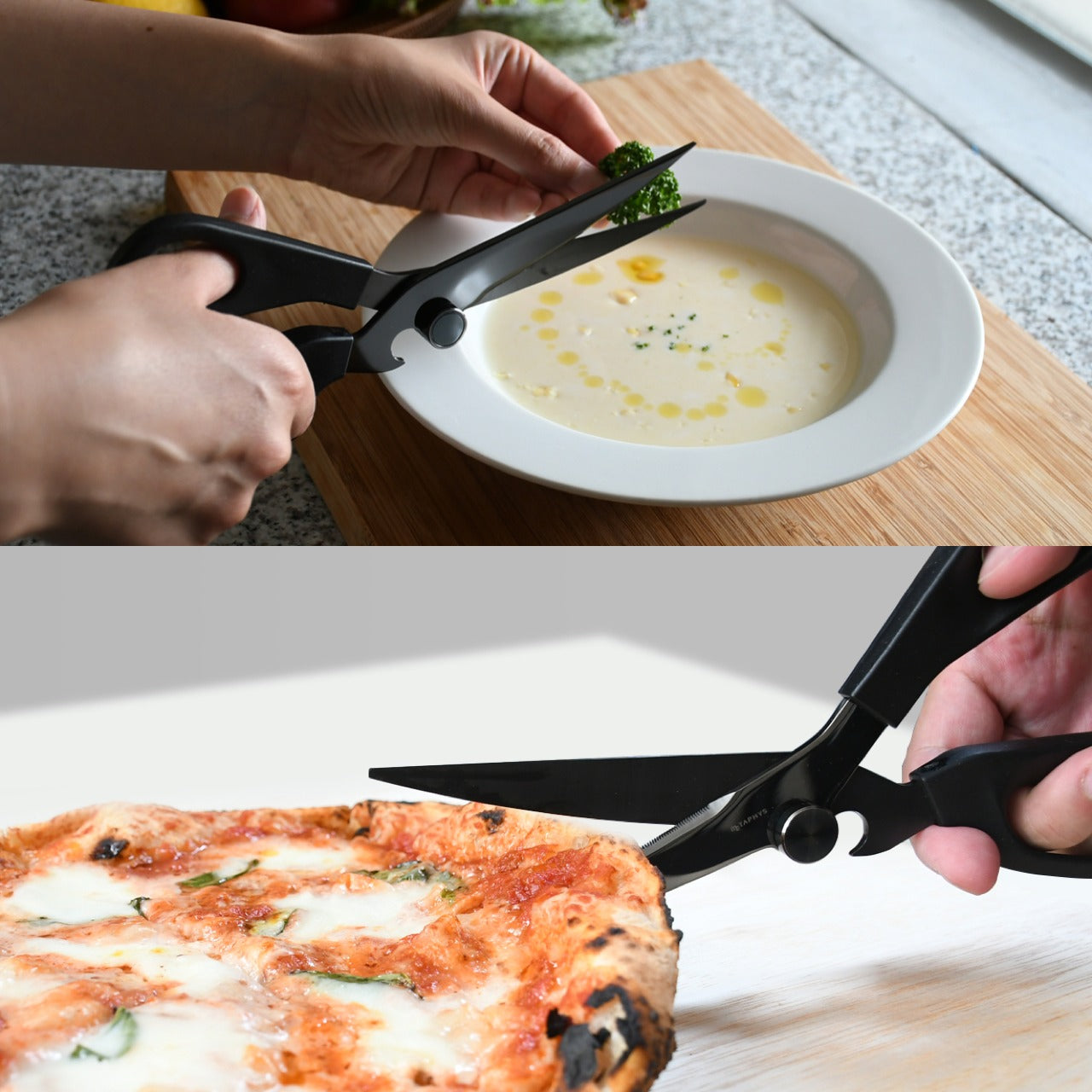
1. Precision Chef Kitchen Scissors

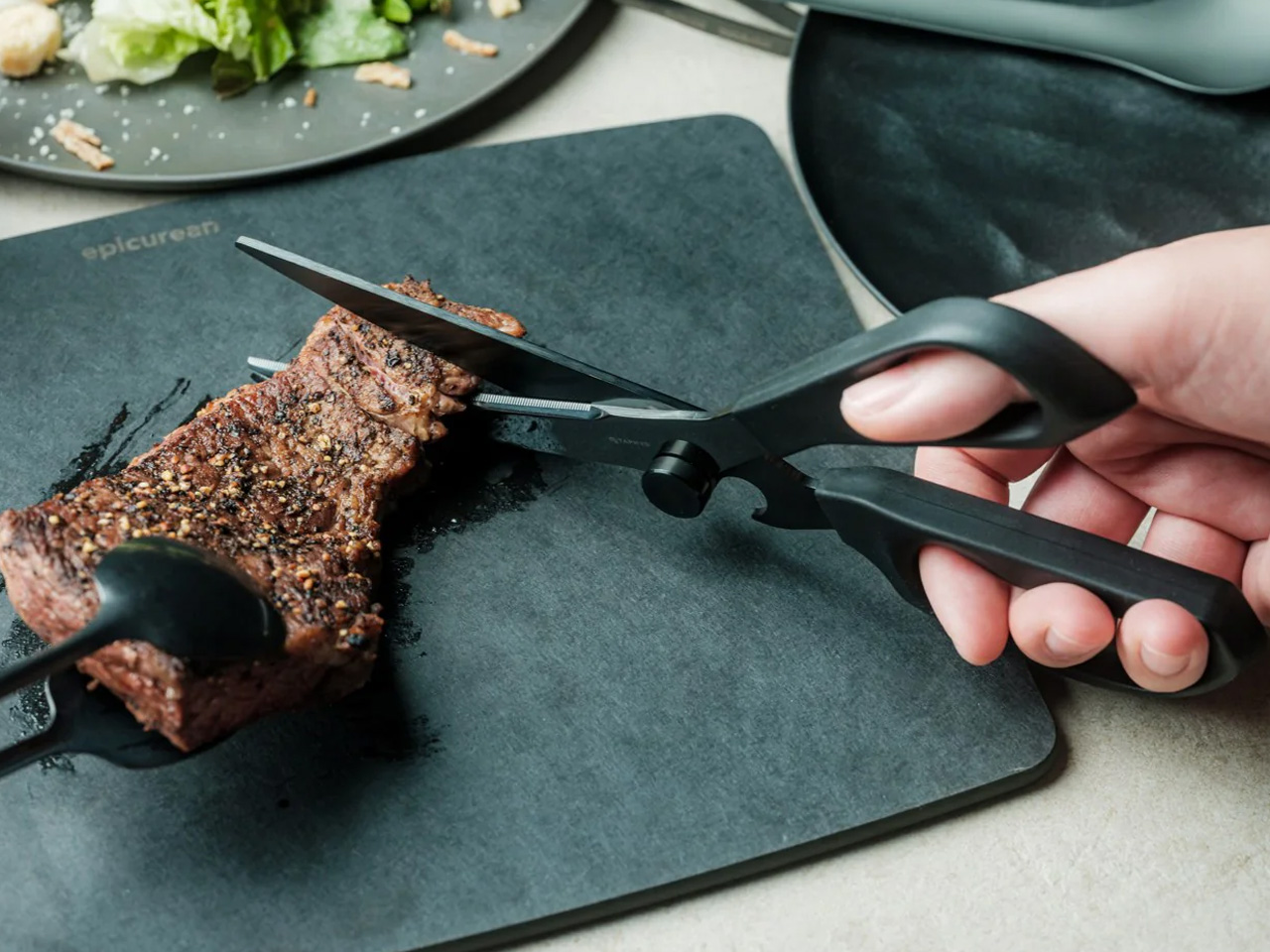
Kitchen scissors occupy a strange middle ground in most Western kitchens—too specialized to use constantly, too useful to discard entirely. The Precision Chef Kitchen Scissors obliterate that ambiguity by becoming the tool you reach for before the knife. Crafted with specially designed curved serrated blades, these scissors cut through meat, vegetables, pizza, and countless other foods with remarkable ease. The oxidation coloring creates a striking black finish that resists fading through deterioration, giving the scissors a commanding presence whether stored or in use. The ergonomic structure includes a thoughtful detail: when laid flat, the blades don’t touch the surface, maintaining sharpness and hygiene.

What transforms these scissors from a single-purpose tool into a drawer replacement is their genuine versatility. Butchering chicken becomes faster than knife work. Trimming fat, cutting herbs, portioning pizza, opening packages, even detailed vegetable prep—the Precision Chef handles it all with authority. The curved serrated design provides superior grip on slippery meats and fibrous vegetables that regular scissors struggle with. The substantial build inspires confidence for heavy-duty tasks while maintaining enough precision for delicate work. For anyone trying to pare down kitchen clutter, these scissors eliminate the need for multiple knives, kitchen shears, herb scissors, and pizza cutters. They’re the consolidation tool that actually delivers on that promise.

Click Here to Buy Now: $99.00

What we like

  • Curved serrated blade design handles meat, vegetables, and various foods with exceptional ease.
  • Oxidation coloring creates a fade-resistant black finish that maintains appearance indefinitely.
  • Ergonomic structure prevents blade contact with surfaces when laid down for hygiene and sharpness.
  • Multi-purpose capability replaces several single-function tools in typical kitchen drawers.

What we dislike

  • Premium construction and finish result in a higher price than standard kitchen scissors.
  • Specialized blade design may require specific sharpening techniques for long-term maintenance.

2. Obsidian Black Precision Chopstick Tongs

Tongs and chopsticks occupy opposite ends of the utensil spectrum—one for cooking with control, the other for eating with precision. The Precision Chopstick Tongs fuse both into a single remarkable tool that works equally well at the stove and the table. Shaped like elongated chopsticks but functioning as spring-loaded tongs, they bring chopstick dexterity to cooking tasks while making chopstick dining accessible to anyone, regardless of skill level. Crafted from SUS821L1 stainless steel with special black oxide film processing, they’re both lightweight and exceptionally durable. The finish won’t scratch or peel, maintaining that distinctive obsidian appearance through years of use.

The genius lies in how this design collapses multiple tools into one elegant form. Flipping delicate fish? These provide the precision of chopsticks with tong reliability. Arranging bento boxes? The fine tips handle small ingredients with ease. Eating sushi? There’s no wrong way to grip them. Turning vegetables in a hot pan? They offer control that standard tongs can’t match. The lightweight stainless steel construction means your hand doesn’t fatigue during extended cooking sessions, while the corrosion resistance ensures they’ll survive constant washing and high-heat exposure. For kitchens embracing minimalism, the PrecisionGrip replaces standard tongs, cooking chopsticks, serving utensils, and eating chopsticks in one beautifully executed package.

Click Here to Buy Now: $19.00

What we like

  • Chopstick-tong hybrid design provides versatility for both cooking and dining applications.
  • SUS821L1 stainless steel offers exceptional strength and corrosion resistance.
  • Black oxide film processing creates a scratch-proof and peel-proof finish.
  • Lightweight construction prevents hand fatigue during extended use.

What we dislike

  • Chopstick shape may feel unfamiliar to users accustomed to traditional tong designs.
  • Fine tips may lack the grip strength needed for very heavy ingredients.

3. Sakura Petal Grater

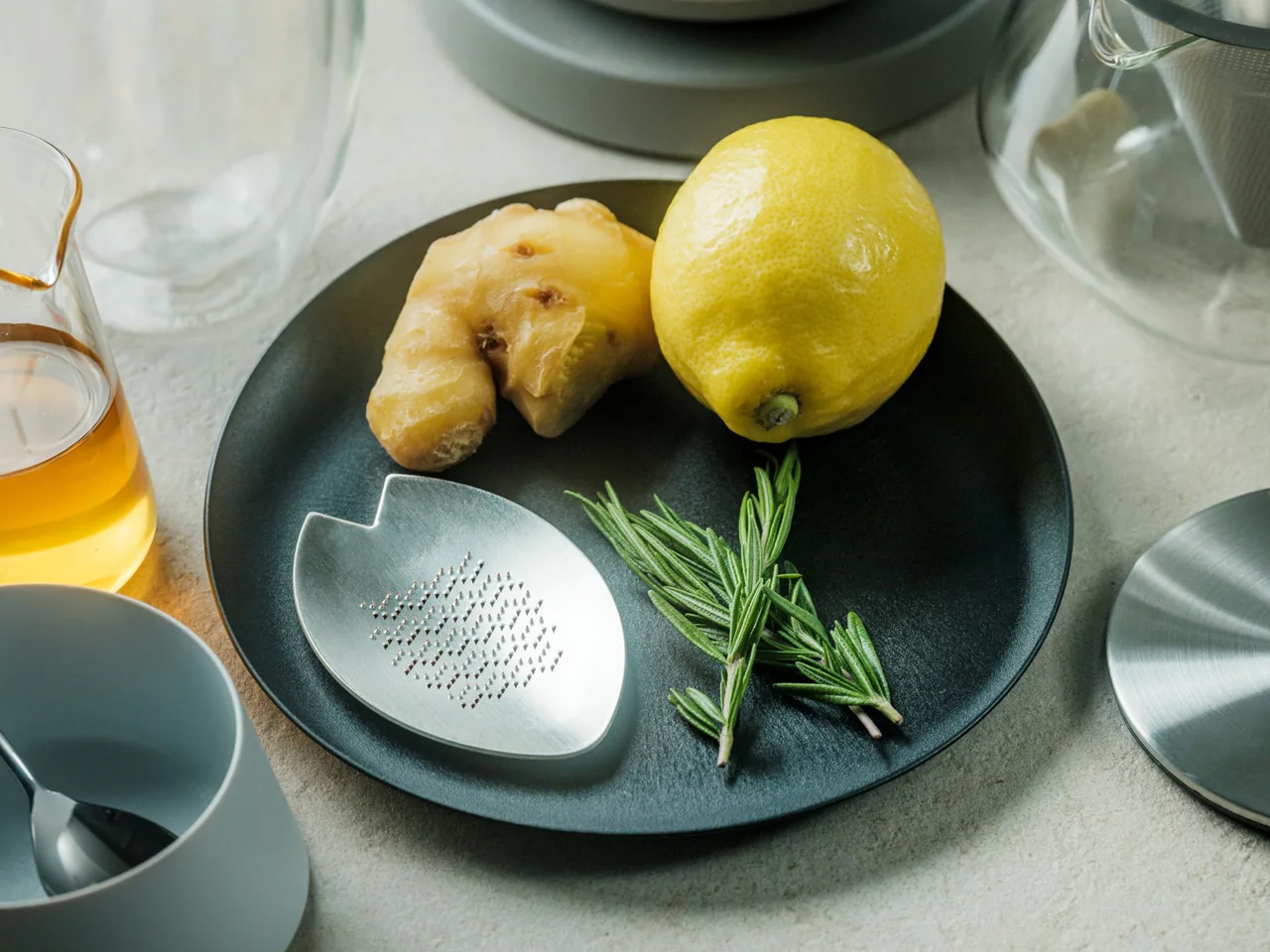
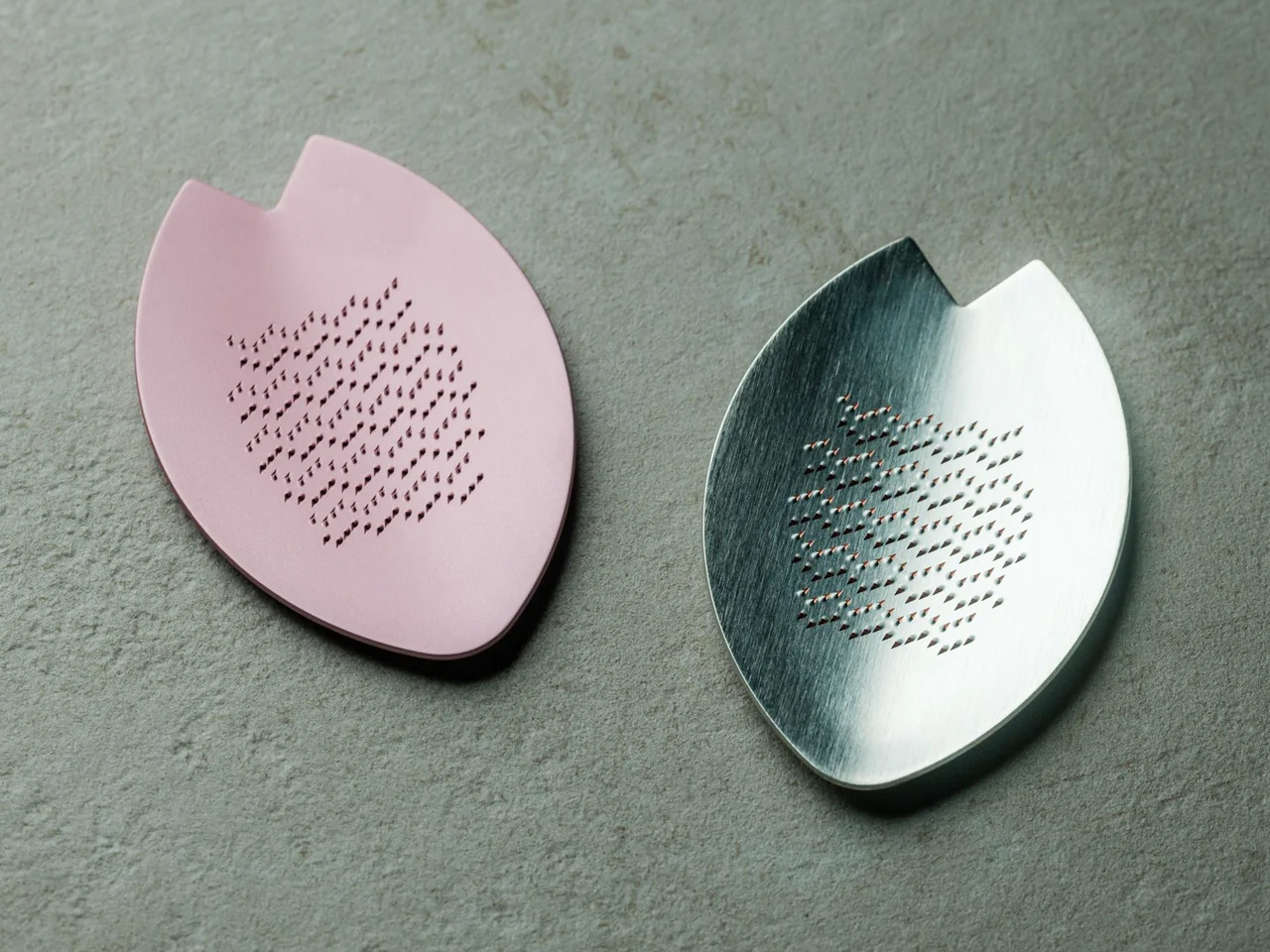
Graters typically live forgotten in drawer backs, pulled out occasionally for cheese or ginger, then quickly returned. The Sakura Petal Grater by Tsuboe demands permanent counter presence through sheer beauty and exceptional performance. Inspired by Japan’s iconic cherry blossoms and the historic Ōkōzu Diversion project, it transforms utilitarian grating into culinary artistry. Available in pink anodized aluminum or silver tin-plated copper, each version offers distinct character—the pink captures delicate sakura beauty while the silver provides substantial heft and luxurious interplay of metals. Precision-crafted blades raised individually by custom NC machines deliver razor-sharp performance that makes grating genuinely effortless.

This grater consolidates multiple kitchen functions through superior sharpness and thoughtful design. Hard cheese, ginger, garlic, citrus zest, chocolate, nutmeg—the Sakura handles everything that typically requires specialized graters or microplanes. The individual blade craftsmanship means each tooth cuts cleanly rather than tearing, producing finer textures with less effort. The substantial build quality of either material choice provides stability during use that flimsy graters can’t match. The commemorative packaging and included story card celebrating Japanese heritage elevate it beyond tool status into a meaningful kitchen object. For those reducing drawer clutter, the Sakura replaces cheese graters, microplanes, zester tools, and specialty graters while bringing genuine artistry to food preparation.

Click Here to Buy Now: $25.00

What we like

  • Sakura-inspired design connects kitchen work to Japanese artistic tradition and cultural heritage.
  • Precision-crafted individual blades offer razor-sharp performance across various ingredients.
  • Material choice between lightweight aluminum and substantial tin-plated copper suits different preferences.
  • Commemorative packaging with a story card transforms the tool into a meaningful gift or collection piece.

What we dislike

  • Premium materials and craftsmanship command a significantly higher price than standard graters.
  • Decorative beauty may make some users hesitant to subject it to daily kitchen wear.

4. Black Kitchen Knives

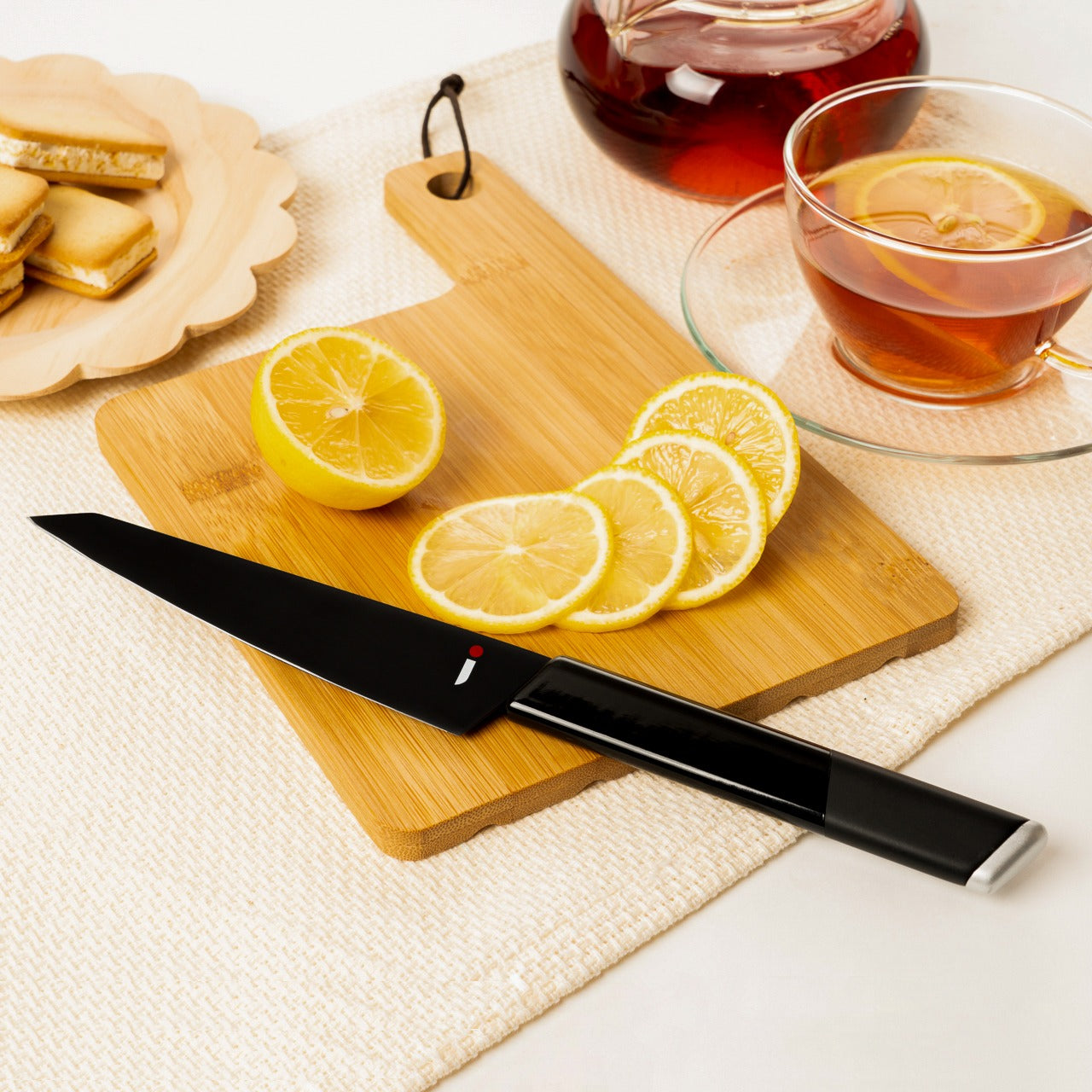
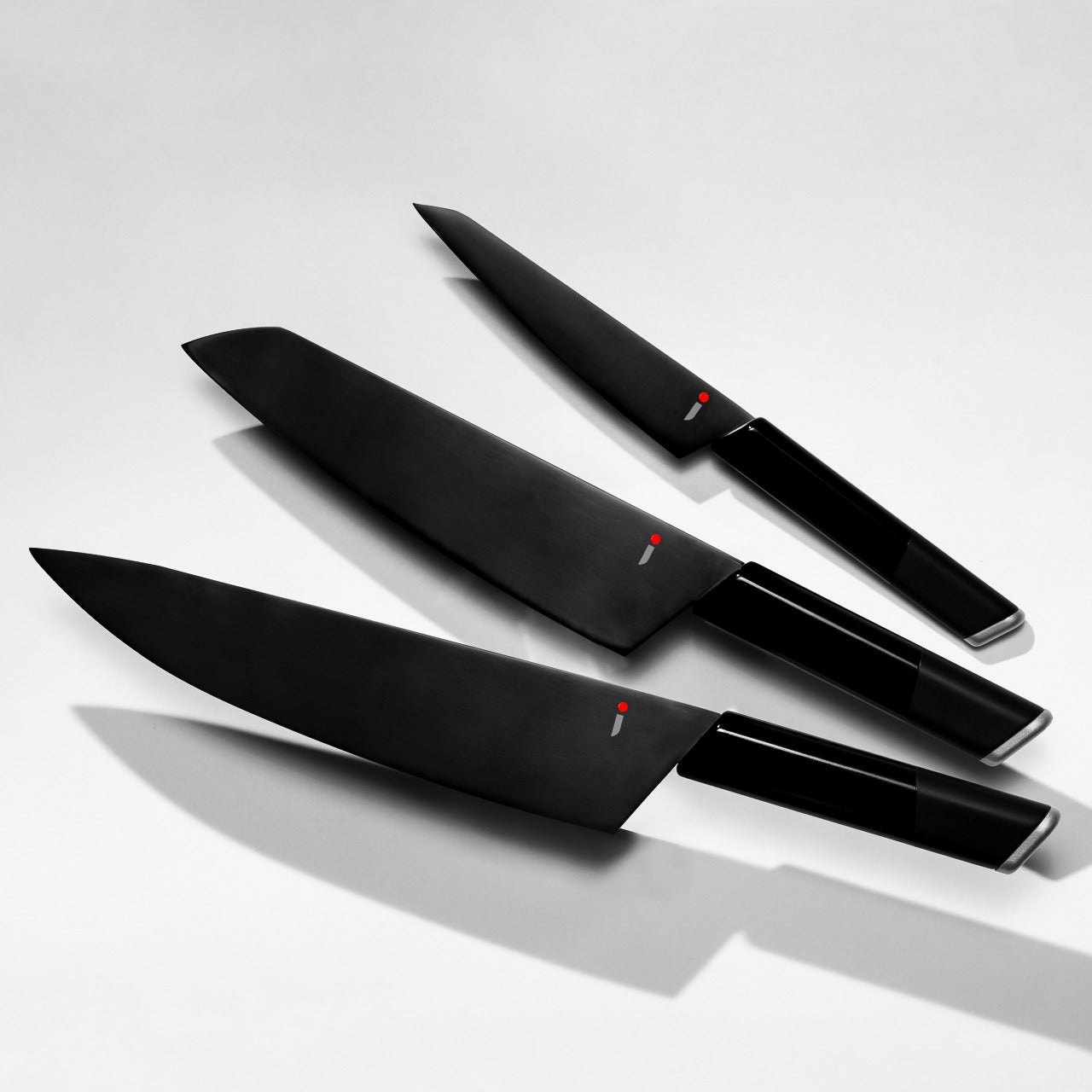
Most knife sets include eight to twelve pieces that rarely all see use. The Black Kitchen Knives from Seki, Japan, take a different approach—offering essential blade types crafted with such quality that they genuinely replace larger collections. Made from molybdenum vanadium steel with titanium coating, each knife features the full-scale double-edged blade construction that Seki’s sword-making heritage demands. The pitch-black finish created through the titanium coating gives them a striking visual presence that shatters expectations of what kitchen knives should look like. Each blade is crafted individually by a craftsman, ensuring the precision and attention that mass production can’t deliver.

The consolidation power comes from the blades’ exceptional versatility and edge retention. The steel composition and coating mean these knives stay sharper longer, reducing the functional knife count needed. A chef’s knife and paring knife from this collection can handle the work of five or six lesser blades through superior material quality and craft. The double-edged design provides cutting precision from either side, accommodating different cutting techniques and user preferences. The substantial feel and balance inspire confidence for everything from delicate herb mincing to breaking down proteins. For anyone drowning in knife block bloat, these Black Kitchen Knives prove that a small collection of exceptional blades outperforms a large set of mediocre ones.

Click Here to Buy Now: $99.00

What we like

  • Molybdenum vanadium steel with titanium coating provides exceptional sharpness and edge retention.
  • Seki craftsmanship, drawing on sword-making tradition, ensures individual blade precision.
  • Pitch-black titanium finish creates a distinctive aesthetic that elevates kitchen design.
  • Full-scale double-edged construction offers cutting precision from either blade side.

What we dislike

  • Individual craftsman production may result in longer wait times or limited availability.
  • Premium materials and Seki heritage command significantly higher investment than standard knife sets.

5. DraftPro Top Can Opener

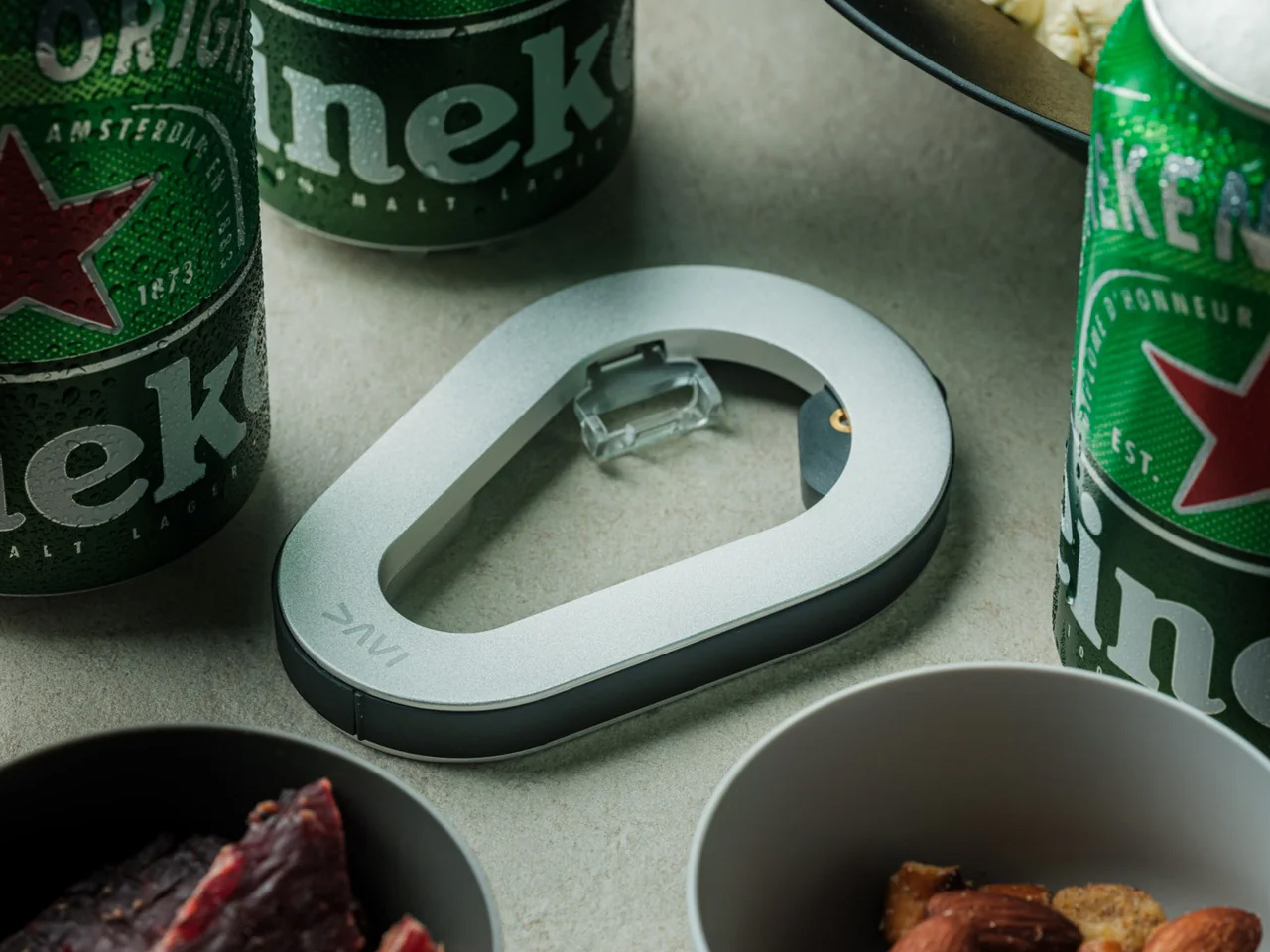
Can openers are afterthoughts in most kitchens—cheap tools purchased without consideration, used briefly, then tossed in drawers. The DraftPro Top Can Opener, designed by award-winning Japanese designer Shu Kanno, reimagines what a can opener can be and do. Rather than creating the typical jagged opening, the DraftPro removes the entire top cleanly, transforming canned beverages into glass-like drinking experiences. This wide-mouth opening enhances aroma and taste perception, letting you experience canned beer, cocktails, or sparkling water as they were meant to be enjoyed. The universal fit handles both domestic and international can sizes seamlessly.

The multi-function capability extends beyond just better drinking. The fully removed top allows adding ice cubes directly into cans for rapid chilling on hot days when refrigeration isn’t sufficient. It enables creating cocktails directly in the can—adding mixers, garnishes, or spirits without needing shakers or extra glasses. The smooth edge left behind eliminates the danger of typical jagged can openings. For minimalist kitchens, the DraftPro replaces traditional can openers, bottle openers, cocktail shakers, and even some glassware needs. It transforms the simple act of opening a can into an opportunity for an elevated experience, proving that even the most mundane kitchen task deserves thoughtful design attention.

Click Here to Buy Now: $59.00

What we like

  • Complete top removal creates a smooth-edged, wide-mouth opening that enhances the drinking experience.
  • Universal compatibility with domestic and international can sizes eliminates size concerns.
  • Enables adding ice directly to cans for rapid chilling without transferring beverages.
  • Facilitates in-can cocktail creation without requiring shakers or additional glassware.

What we dislike

  • Specialized function primarily benefits canned beverage drinkers rather than general food prep.
  • Complete top removal may create disposal or recycling considerations with full lids.

The Japanese Approach to Kitchen Minimalism

These five tools prove that Japanese design philosophy offers genuine solutions to Western kitchen clutter. The emphasis on multi-purpose capability through exceptional quality means fewer tools doing more jobs better. Each piece consolidates several single-function gadgets through superior materials, thoughtful engineering, and craft tradition. This isn’t minimalism for aesthetics alone—it’s functional reduction that genuinely improves kitchen workflow and food preparation.

The drawer replacement these tools provide goes beyond physical space savings. They reduce the mental clutter of choosing between redundant options, the maintenance burden of caring for numerous mediocre tools, and the replacement cycle of disposable kitchen gadgets. Japanese craftsmanship emphasizes objects worth keeping, tools that improve with use and age. These five pieces embody that philosophy completely, offering a path toward kitchens with less stuff but vastly more capability.

The post 5 Best Japanese Kitchen Tools That Replace Your Entire Drawer first appeared on Yanko Design.