Sam Bankman-Fried formally applies for a pardon
The FTX CEO was sentenced for fraud in 2024.
By the end of this year’s big tech keynotes, one comparison stood out more than any product demo. Apple said “AI” 28 times at WWDC 2026. Google said it nearly 100 times at I/O 2026. Same industry, same race, same obsession, but two very different instincts about how to sell the next phase of computing.
Google’s keynote reflected the current rhythm of the AI industry, loud, relentless, and eager to stamp the term onto everything in sight. Apple’s presentation moved differently. It kept circling back to what people could actually do with the technology, how private it would be, and where it would fit into everyday routines. That softer framing may frustrate people who want Apple to move faster and compete harder. It may also be exactly why Apple’s pitch feels easier to absorb at a moment when audiences are already saturated with AI promises.
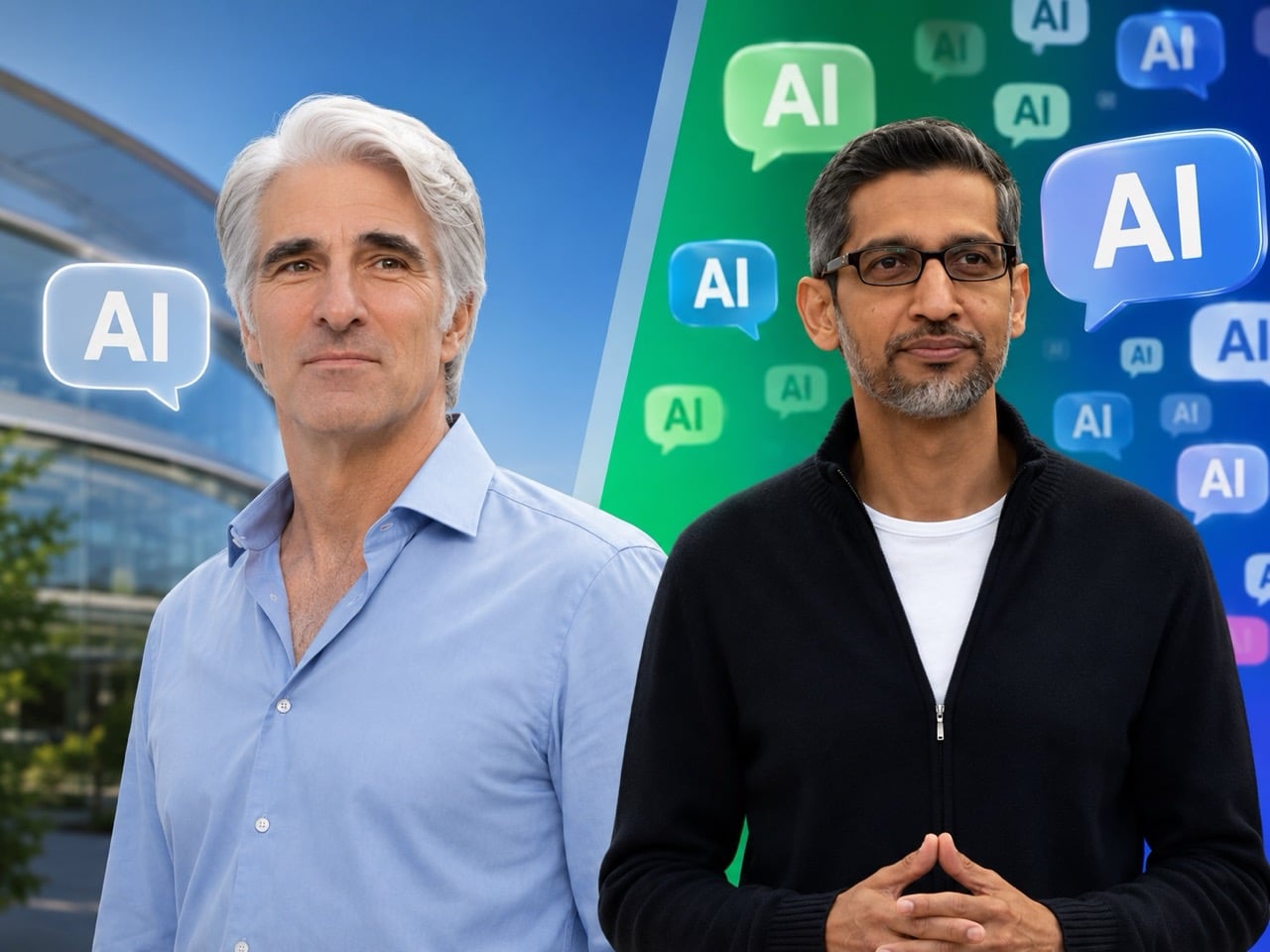
AI fatigue is real, and it has been building for a while. After years of keynotes, product launches, and press releases leading with the same two letters, the word has started to lose its grip on audiences. What once signaled breakthrough capability now signals marketing effort. When a company says “AI” 100 times in a single presentation, the listener stops hearing a technology and starts hearing a strategy. The signal becomes noise, and somewhere in that noise, the actual products get harder to see.
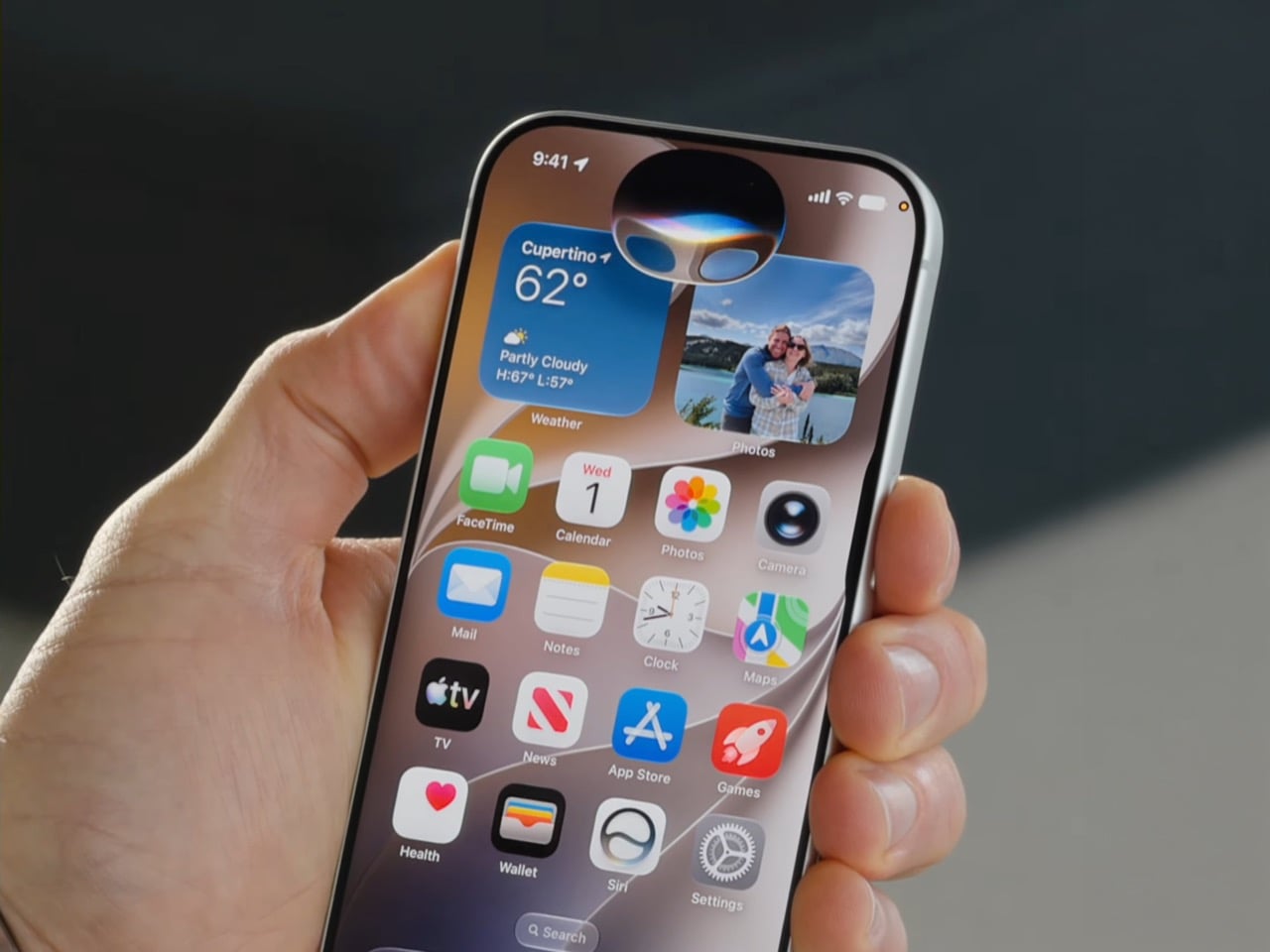
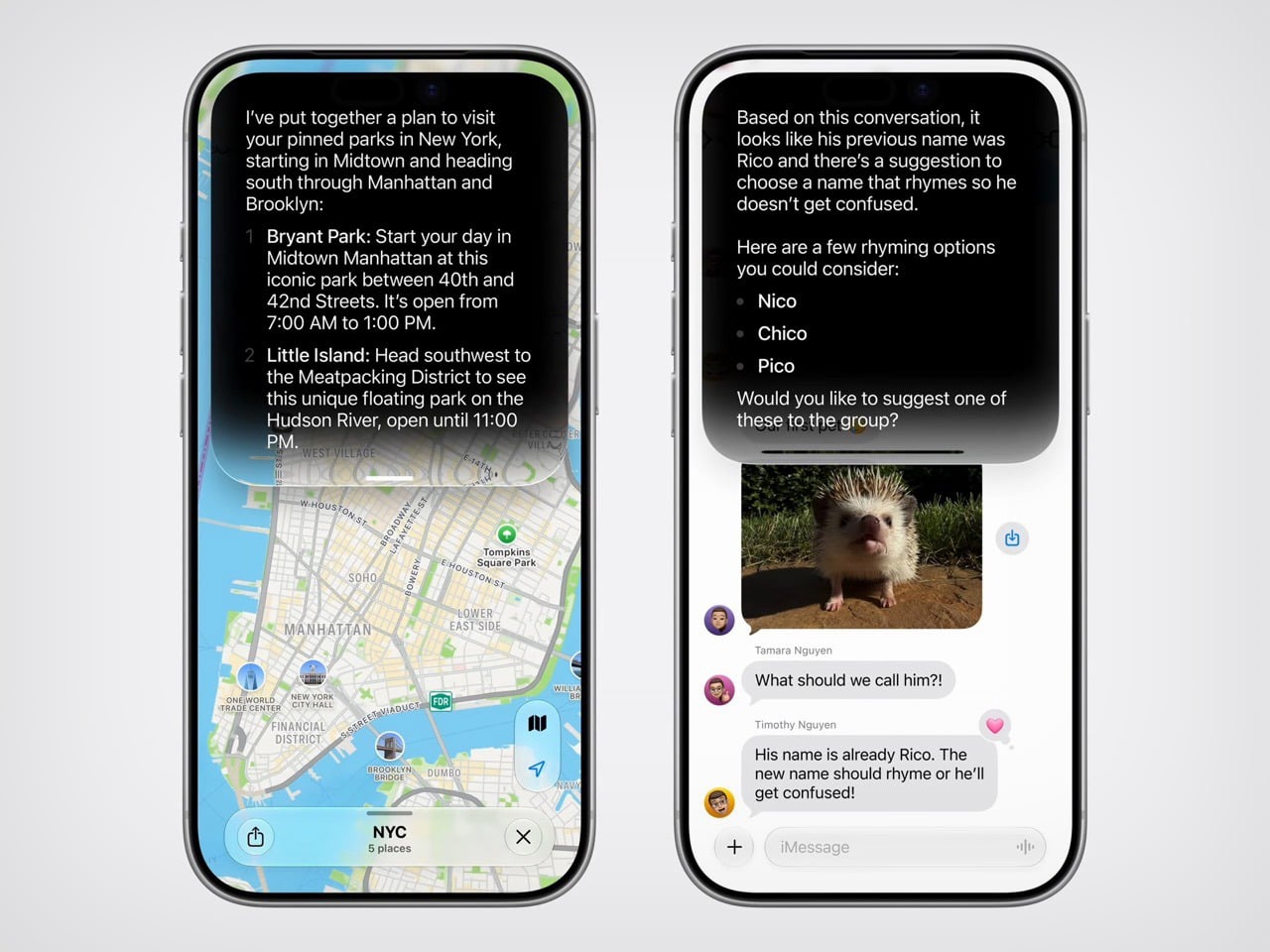
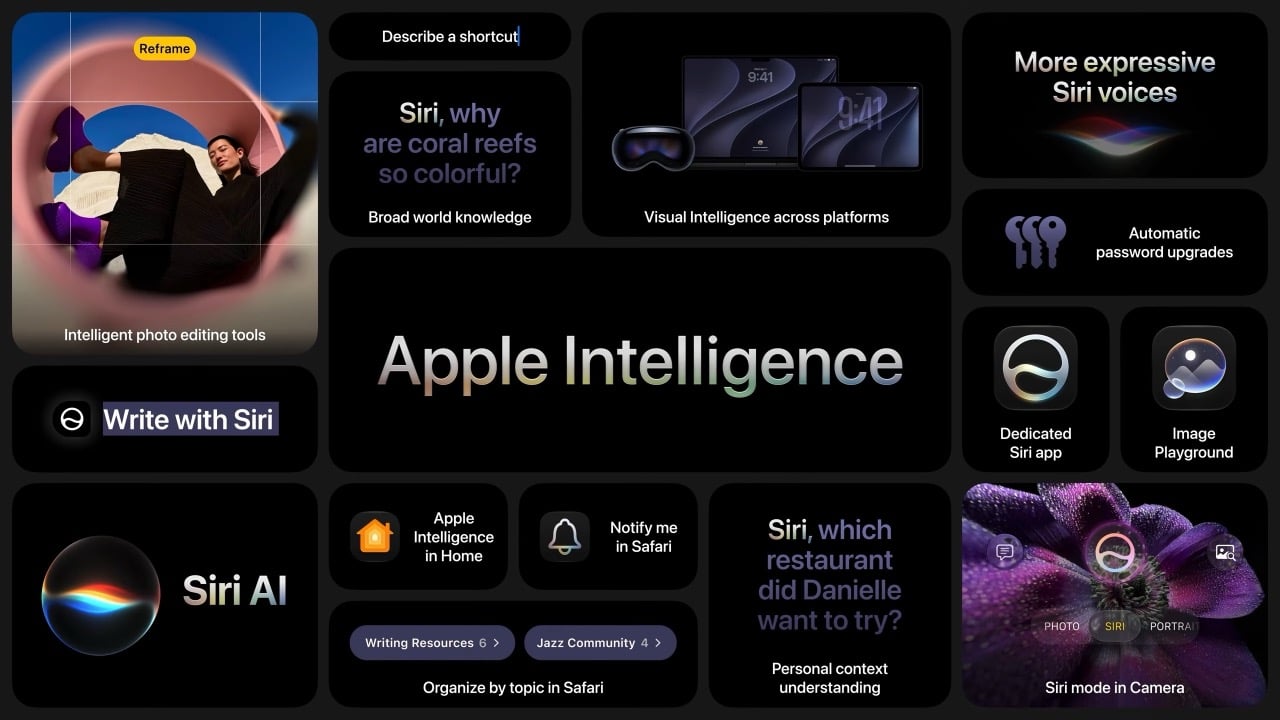
Apple’s approach at WWDC 2026 worked around that problem by reframing the conversation entirely. Instead of leading with technology, it led with moments. Siri finding a friend’s new address buried in a weeks-old message thread. A photo being reframed after the fact, as if you had stepped to the right before pressing the shutter. A restaurant bill split with Apple Cash by pointing a camera at it. These are small things, but they are the kind of small things that people actually think about during their day. Anchoring the keynote to those moments gave the technology a human scale that raw AI talk rarely achieves.
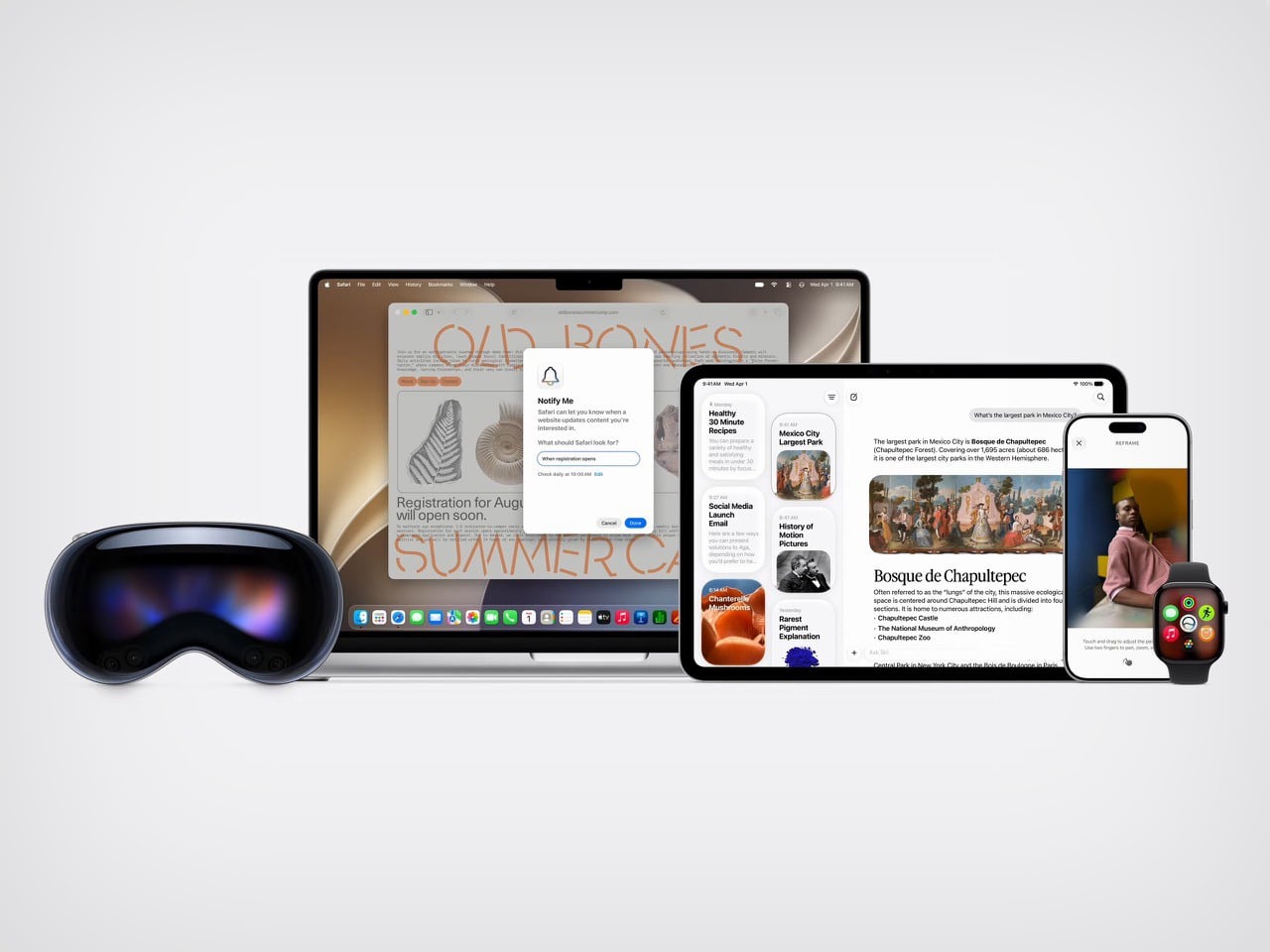
The branding reflects the same thinking. Apple calls it “Apple Intelligence,” a label that keeps the company name front and center while quietly sidestepping the overcrowded AI conversation. It is a deliberate choice, and it shows. Google’s keynote was structured around the technology itself, its power, its speed, its range. Apple’s keynote was structured around the people using it. That difference in framing shapes how audiences receive the same underlying capability, and Apple’s version is considerably easier to trust.
Privacy played a central role in building that trust. Apple returned to on-device processing and Private Cloud Compute repeatedly throughout WWDC, not as a footnote but as a feature. At a time when public concern about how AI companies handle personal data is growing steadily, that emphasis lands differently than it might have a few years ago. Google builds powerful models and serves them at enormous scale. Apple builds careful models and makes a point of telling you where your data goes and where it stays. For a meaningful portion of consumers, that distinction matters more than benchmark scores.
None of this means Apple is winning the AI race on capability. Google’s models are more powerful, more publicly accessible, and more deeply woven into the daily workflows of people around the world. Gemini’s reach across Search, Gmail, YouTube, and Android gives Google a distribution advantage that Apple’s ecosystem, for all its loyalty, cannot easily match. If the competition were judged purely on technical ambition and model performance, Google’s 100 mentions would feel earned.
But technology keynotes are not judged purely on technical ambition. They are judged on how they make audiences feel, what they make people want, and whether they leave the room energised or overwhelmed. On those terms, Apple’s 28 mentions of “AI” accomplished something that Google’s near-100 did not. They kept the word rare enough to mean something. Every time Apple said it, there was a feature attached, a privacy assurance nearby, and a use case grounded in daily life. The word carried weight because it was not being used to fill space.
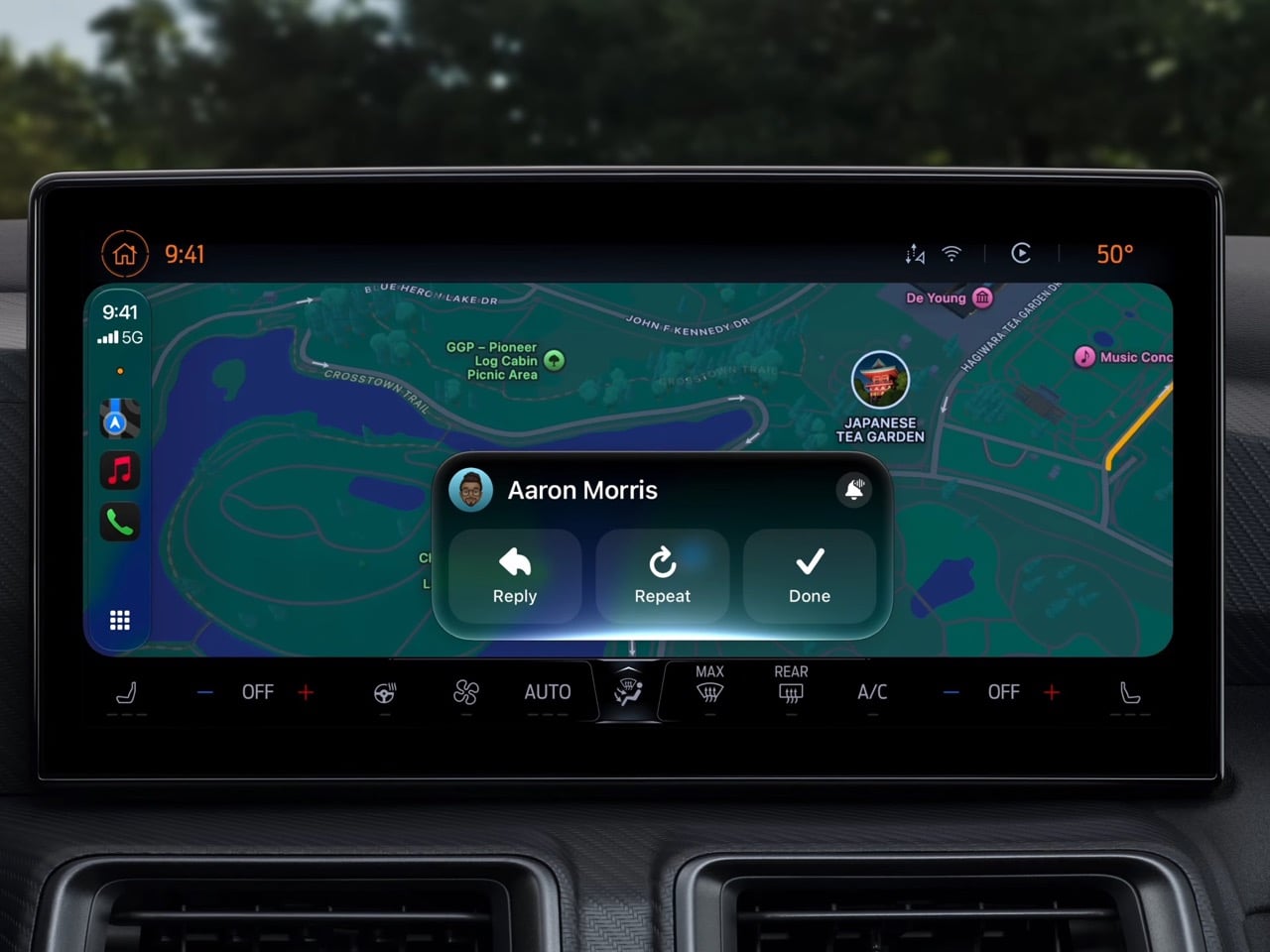
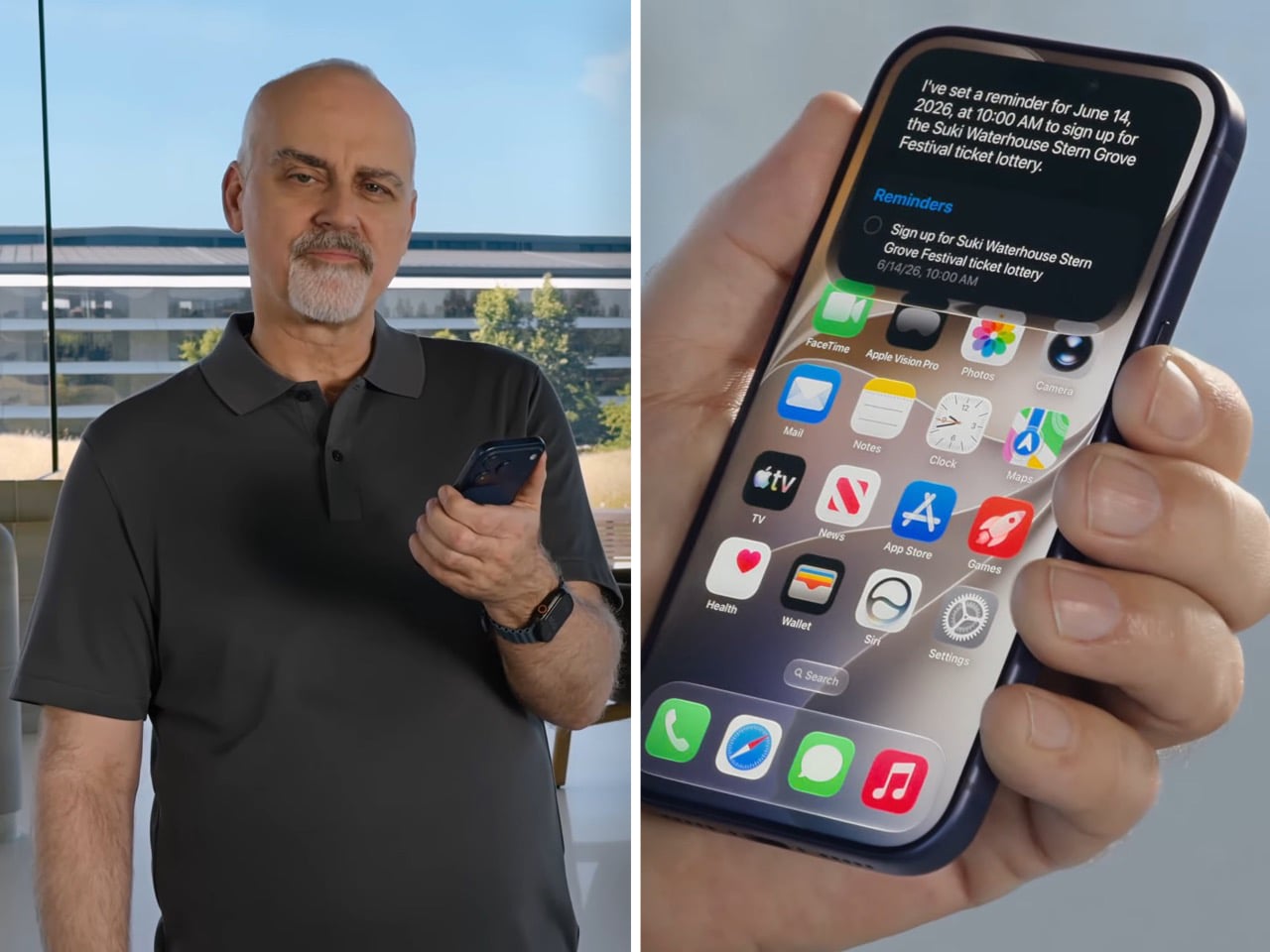
The larger irony is that Apple may be the company best positioned to benefit from a backlash it did not entirely create. Google, Microsoft, Meta, and others have spent years flooding the conversation with AI language, and the fatigue that has followed is a byproduct of their own enthusiasm. Apple watched, built quietly, and showed up at WWDC 2026 with a keynote that treated restraint as a product decision. Whether that restraint reflects genuine strategic confidence or simply a capability gap dressed up in good marketing is the question the next few years will answer. For now, 28 versus 100 tells a story that Apple’s communications team could not have scripted better.
The post Apple said ‘AI’ exactly 28 times at WWDC 2026. Google mentioned it nearly 100 times at I/O. first appeared on Yanko Design.
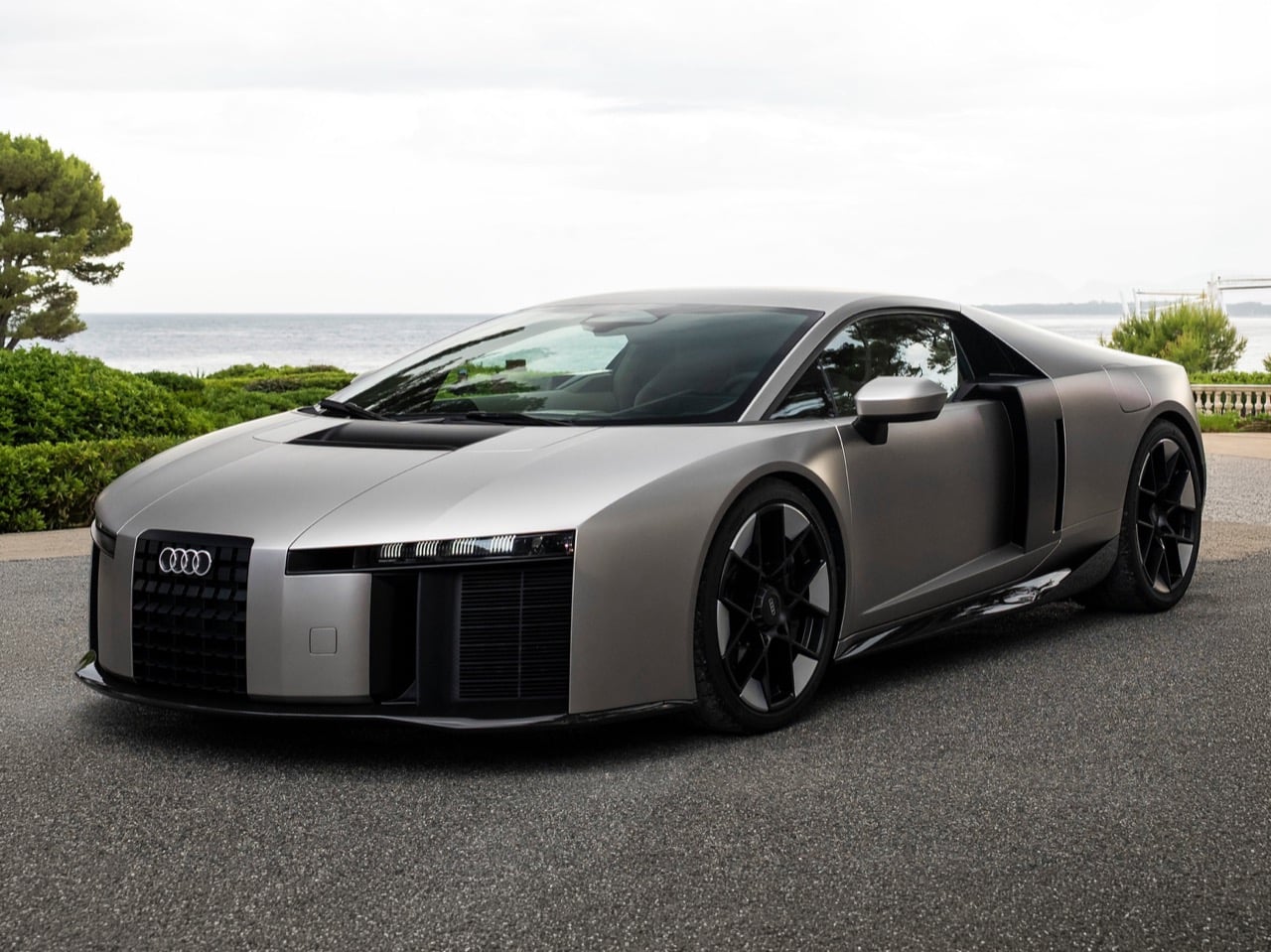
Audi gave the world a new supercar, and on paper the Nuvolari sounds engineered for universal applause. A V8 hybrid powertrain, 987 horsepower, 499 units, and a price tag hovering around the one-million-dollar mark should have made this an uncomplicated flex. Audi has not produced a proper supercar since the R8 ended production in 2023, and the Nuvolari arrives with enough technical ambition to convincingly fill that gap. The car is named after Tazio Nuvolari, the Italian racing driver who piloted Auto Union machinery in the 1930s and whom Ferdinand Porsche himself called “the greatest driver of the past, present, and future.” Instead, the conversation has drifted somewhere far messier, into the subjective territory where prestige brands are judged hardest: taste.
Jaguar’s 2024 identity overhaul illustrated exactly how quickly a design misstep can derail a brand’s entire narrative, and that context is worth holding next to the Nuvolari. When we covered Jaguar’s rebranding and the leaked images of its new EV late that year, the core criticism was that the brand had produced a visual identity emotionally decoupled from what a Jaguar is supposed to make you feel. Audi faces a different version of that same problem. The hardware here is easy to respect. The styling is where the uncertainty begins. For some, it reads as calm confidence. For others, it feels strangely anonymous for a car meant to sit at the very top of Audi’s food chain.
Designer: Audi
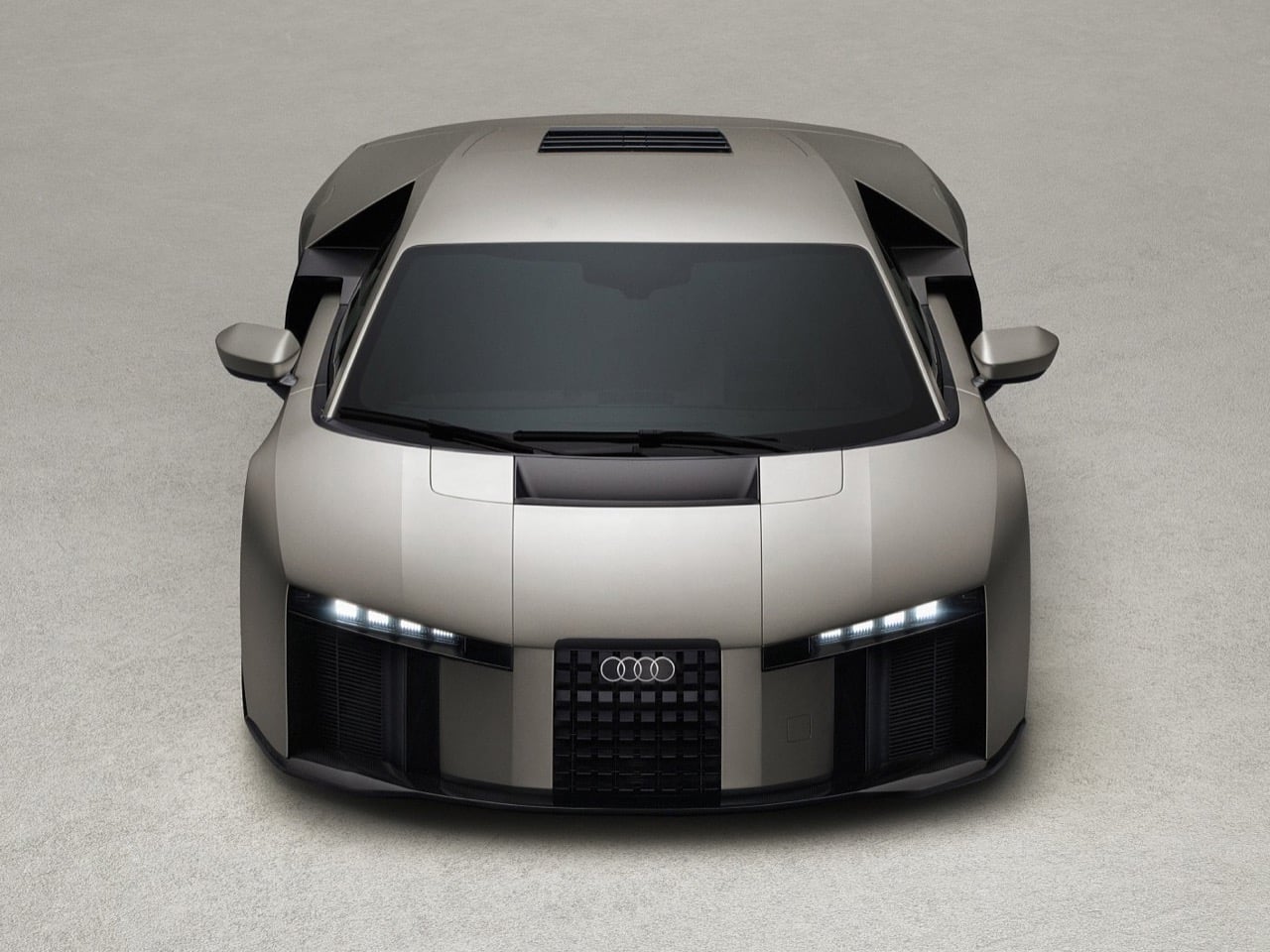
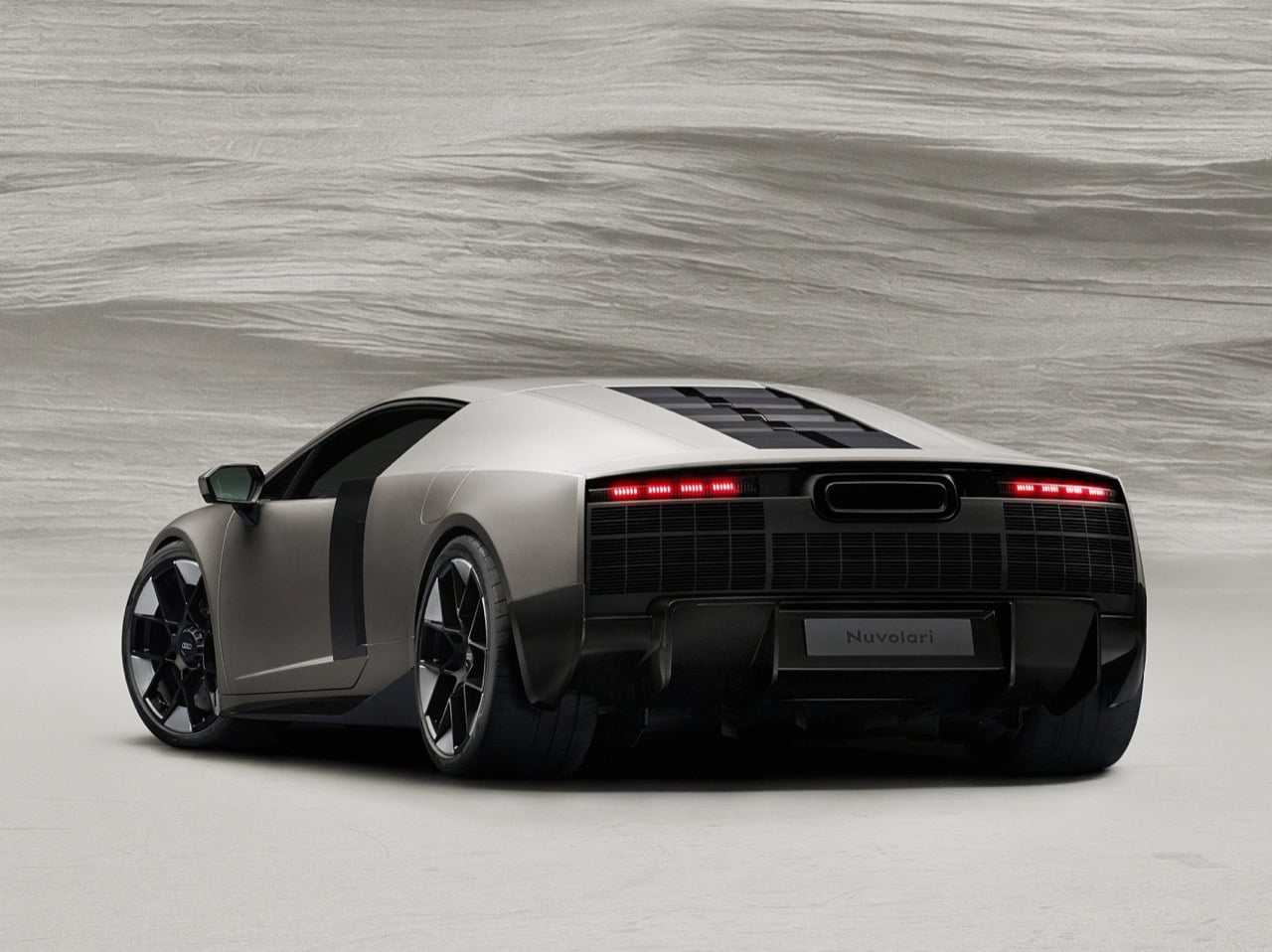
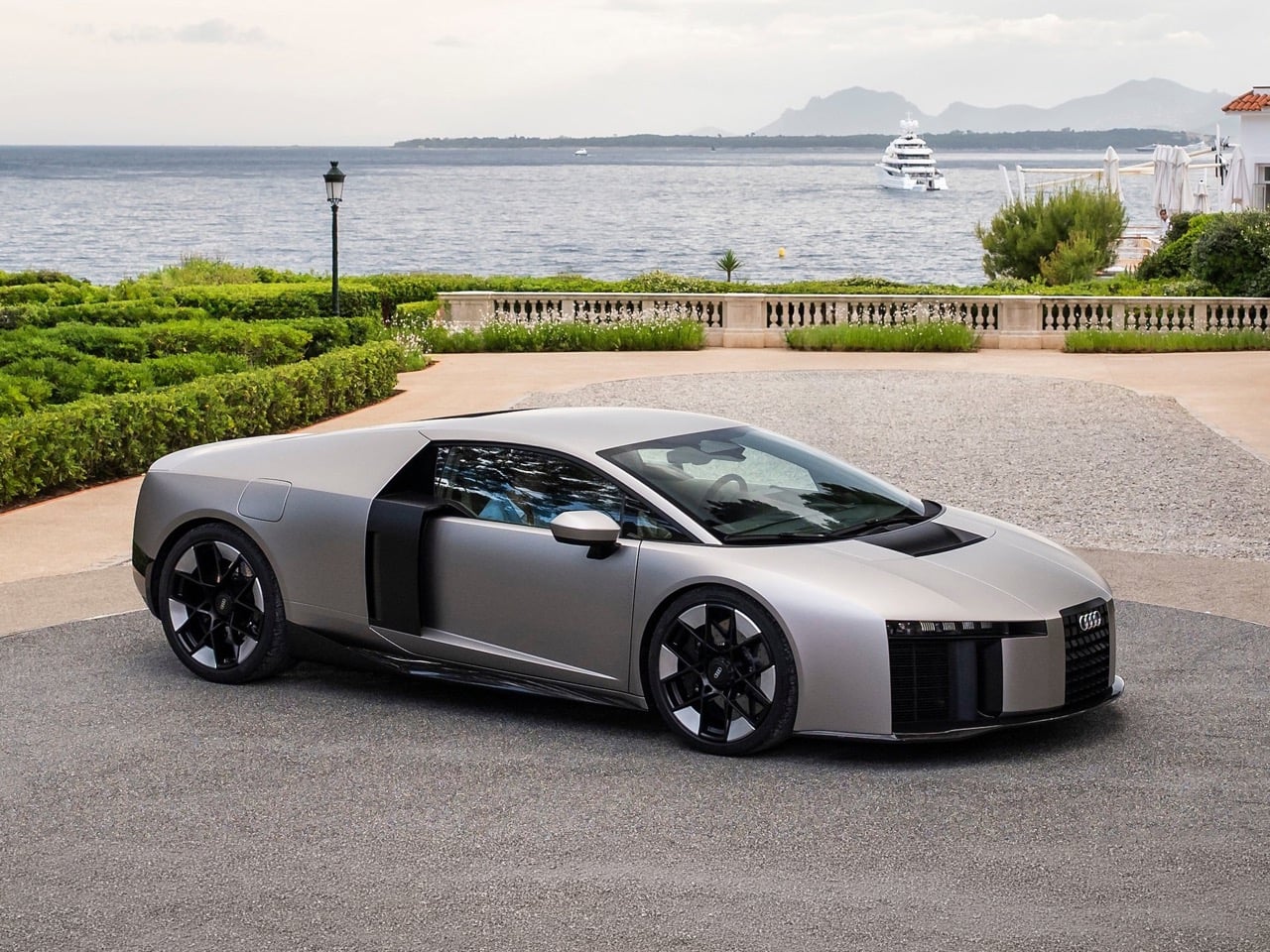
The Nuvolari is the first production car to carry Audi’s new “Radical Next” design direction, developed under Massimo Frascella, the designer previously responsible for the sublimely restrained third-generation Range Rover. The exterior carries a reinterpreted Singleframe grille arranged as a grid of small angled square elements, taut carbon fiber surfacing that leaves almost no visual mass to read as drama, and a roofline that tapers cleanly into the rear without the crease work or aggressive geometry you would expect from a car in this category. The whole car is finished in Titanium, a signature color Audi has already committed to on its F1 machinery and the Concept C that previewed this design direction last year. The four rings on the rear wing are milled aluminum set flush into the carbon fiber bodywork, a detail that sounds spectacular in description. On a car this visually spare, it reads as a whisper rather than a statement.
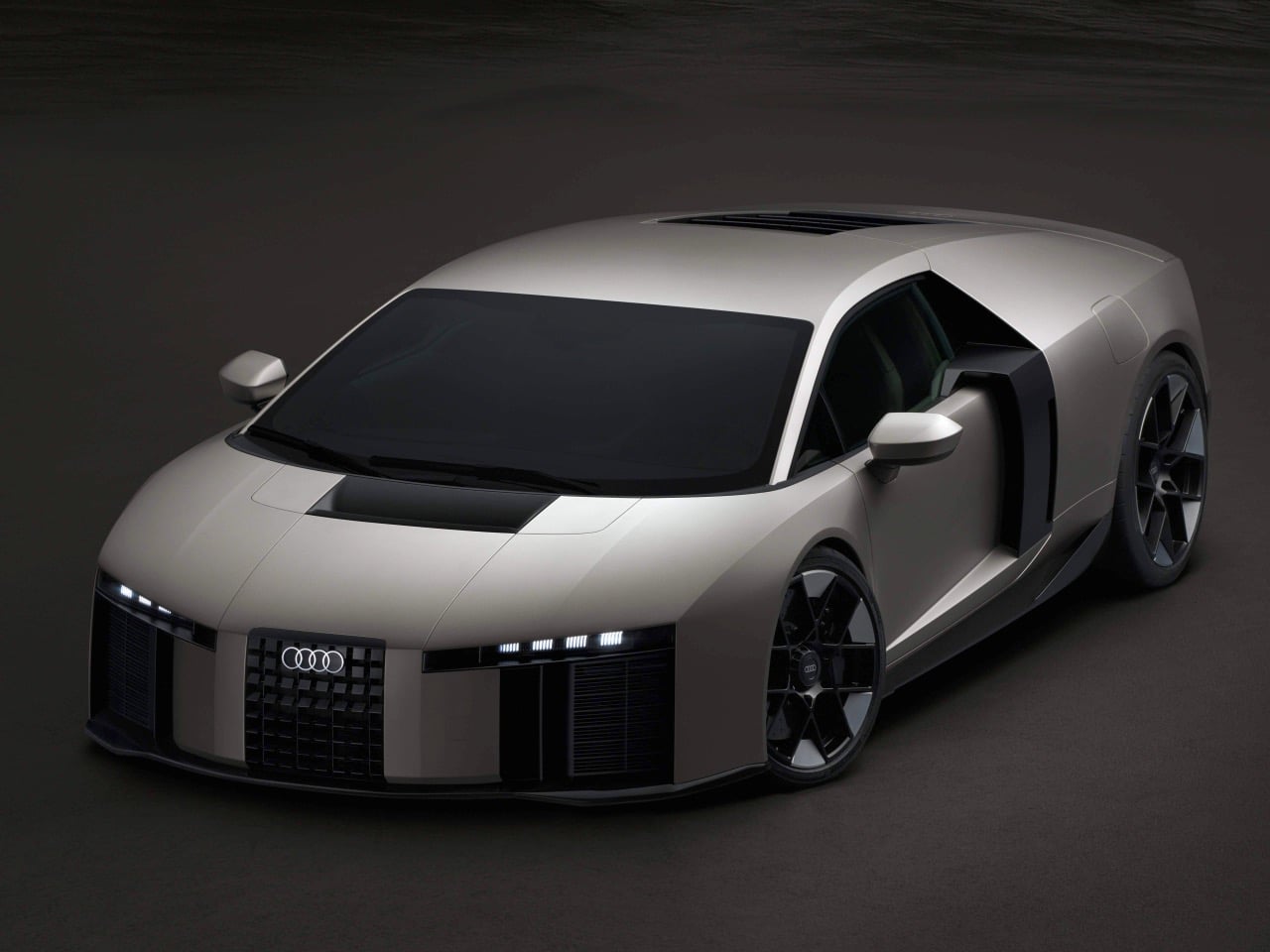
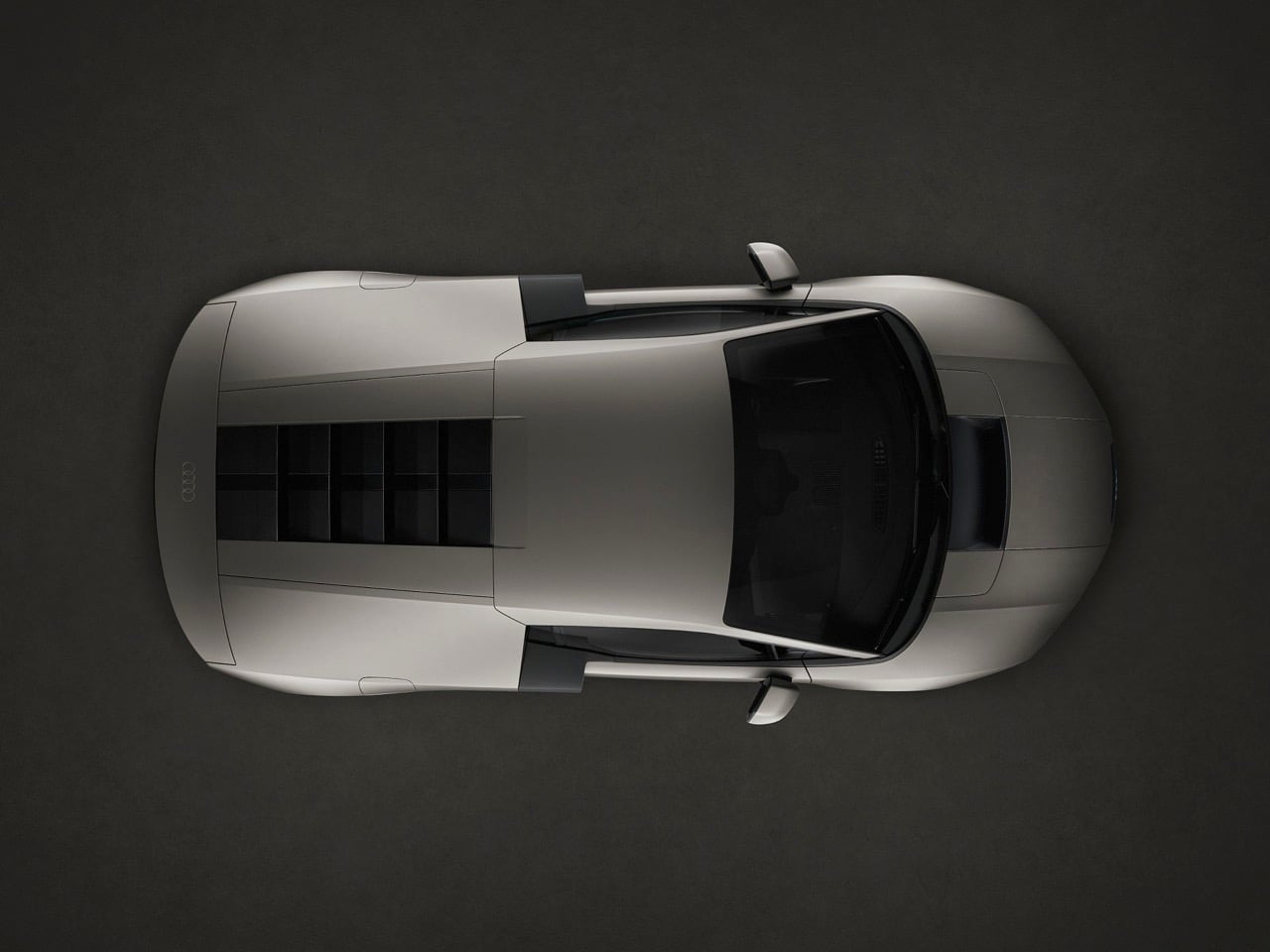
The Nuvolari borrows the Lamborghini Temerario’s twin-turbo 4.0-liter V8, producing 800 horsepower on its own and spinning to a motorsport-grade 10,000 rpm. Three axial-flux electric motors, two on the front axle and one integrated into the eight-speed dual-clutch gearbox, push combined output to 1,001 PS. Audi claims 0-100 km/h in 2.6 seconds, 0-200 km/h in 6.8 seconds, and a top speed above 350 km/h. An F1-derived DRS rear wing deploys across three configurations, actively managing downforce and drag depending on driving conditions, while ten-piston ceramic front calipers deliver deceleration Audi says is on par with a current Formula 1 car. The chassis is an aluminum space frame wrapped entirely in prepreg autoclave carbon fiber, with forged center-lock wheels and Bridgestone Potenza Race rubber sized 255/35R-20 front and 325/30R-21 rear.
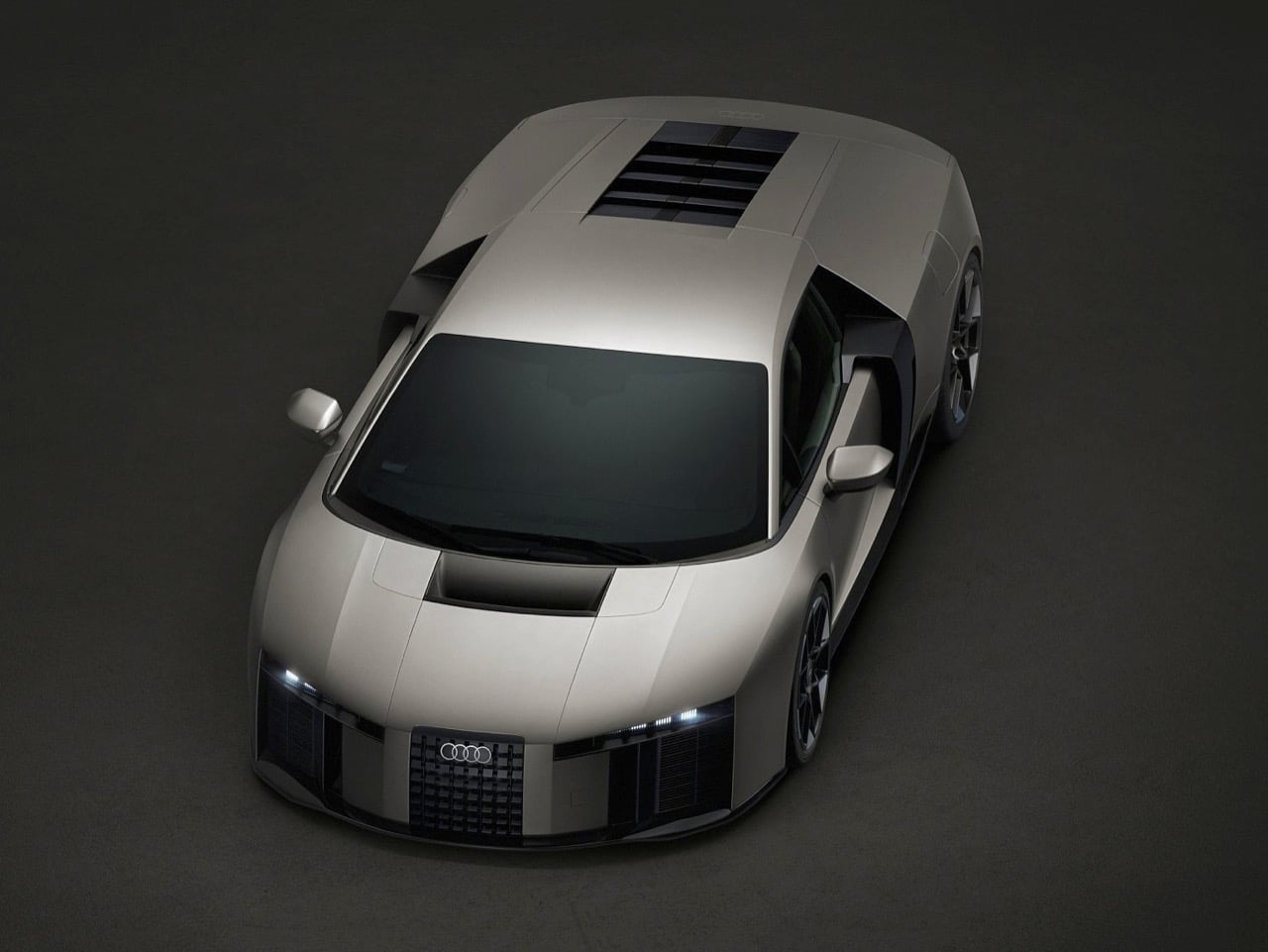
Frascella spent years at Jaguar Land Rover before taking charge of Audi’s design direction, a fact that makes the comparison to Jaguar’s recent struggles feel less like coincidence and more like a design philosophy traveling with its author. His minimalist approach was exactly right for the Range Rover, a vehicle designed to project composed authority without raising its voice. A supercar carrying 1,001 horsepower and a seven-figure price tag operates on entirely different emotional frequencies. The same cool remove that reads as confidence on a luxury SUV can read as emotional vacancy on a halo machine people are supposed to dream about. The question the Nuvolari raises is whether the taut, surface-led language Frascella brought from Solihull to Ingolstadt belongs on the most extreme car Audi has ever produced.
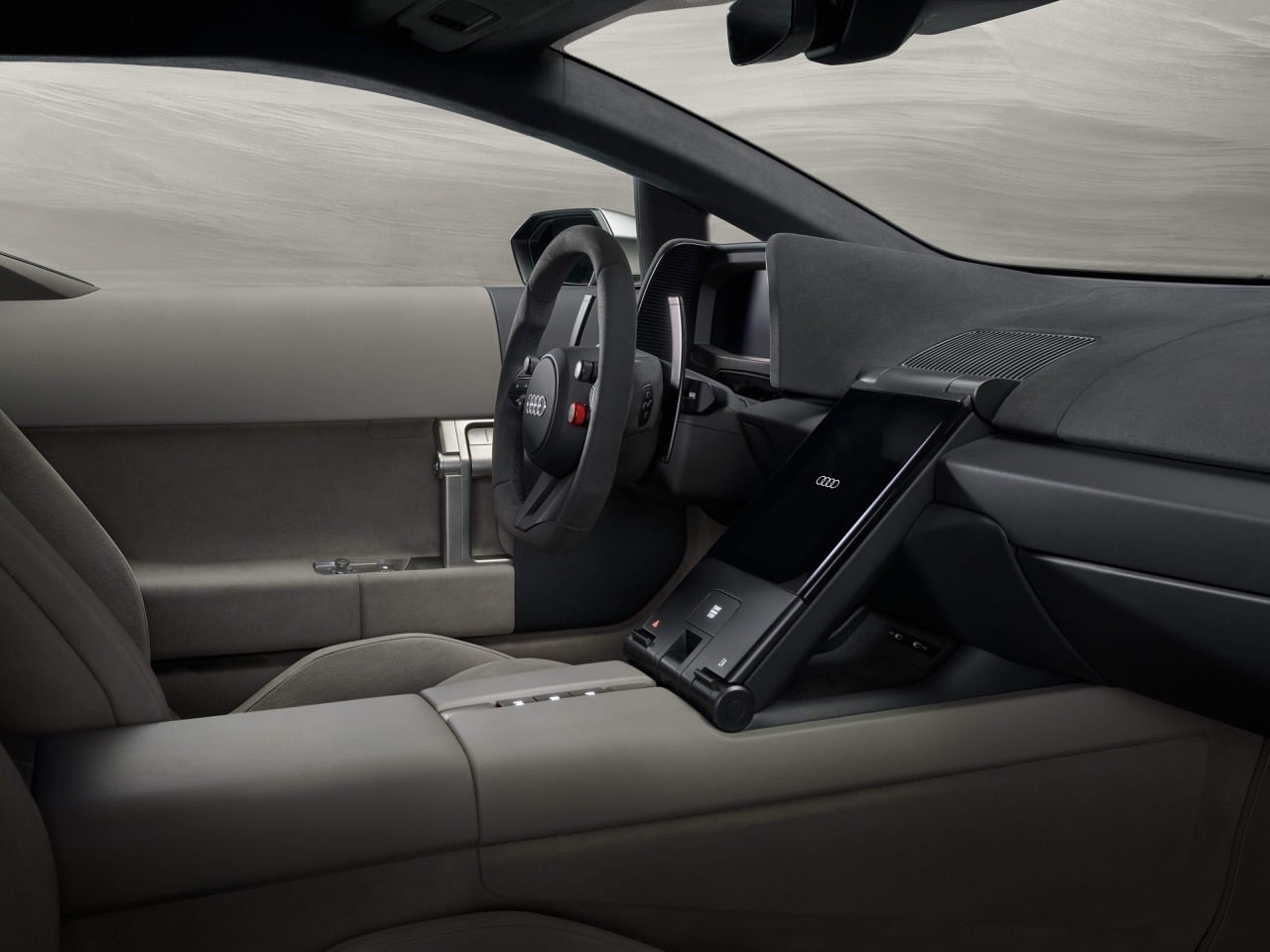
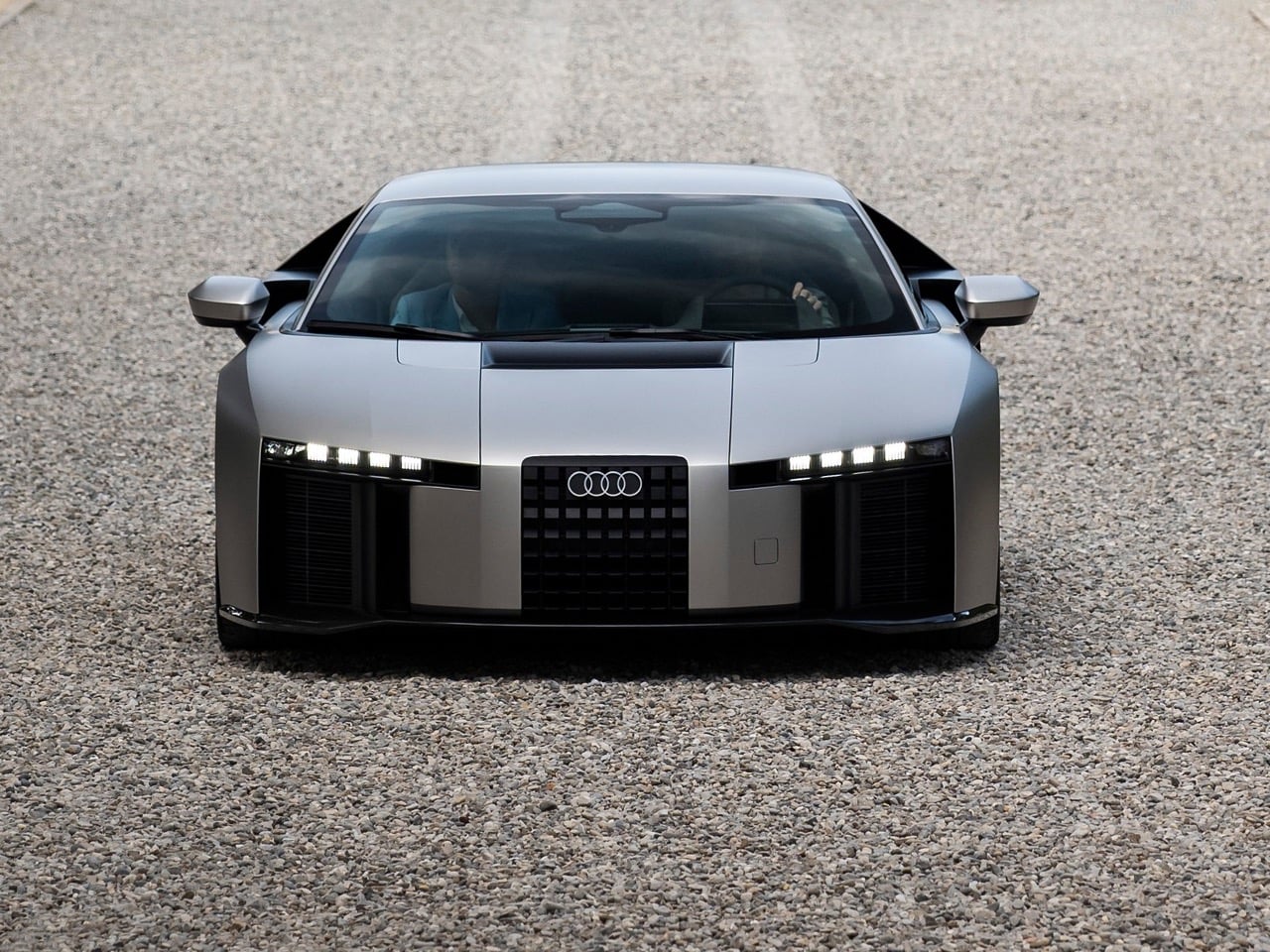
The 499 buyers who can afford the Nuvolari will not lose sleep over comment sections, and the production run will almost certainly sell out regardless of what design critics think. But the Nuvolari is also explicitly Audi’s first production model to carry the new design language, which means whatever signal it sends will eventually filter down into mainstream models at a fraction of the price. If the dominant reaction to a halo car is “respectful but not excited,” that is a signal worth taking seriously before it scales. Jaguar learned that simplicity without emotional conviction reads as absence rather than restraint, and the fallout was swift and public. Audi’s engineering story is airtight. The harder question is whether Frascella’s Radical Next direction carries the visual magnetism to match it.
The post Audi’s $1M Nuvolari Has the Same Design Problem Jaguar Had Last Year first appeared on Yanko Design.