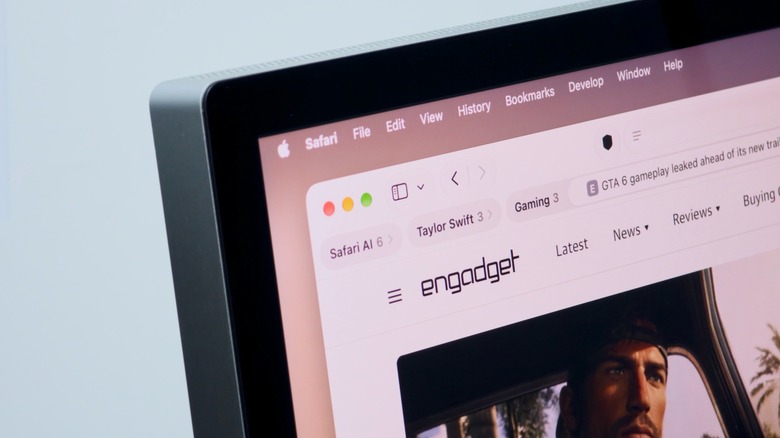
How to organize and group your Safari tabs in macOS 27
Apple's latest desktop OS can make your tabs much neater, if you want it to.
For most of the last decade, if you wanted to actually build and train a robot, you needed one of three things: a university lab, a five-figure budget, or a job at a tech company willing to foot the bill. The tools existed, but the entry price kept ordinary curious people locked out of the room. That gap between “I want to understand AI in the physical world” and “I can actually afford to try it” has been the quiet, unglamorous problem holding back a whole generation of hobbyist roboticists.
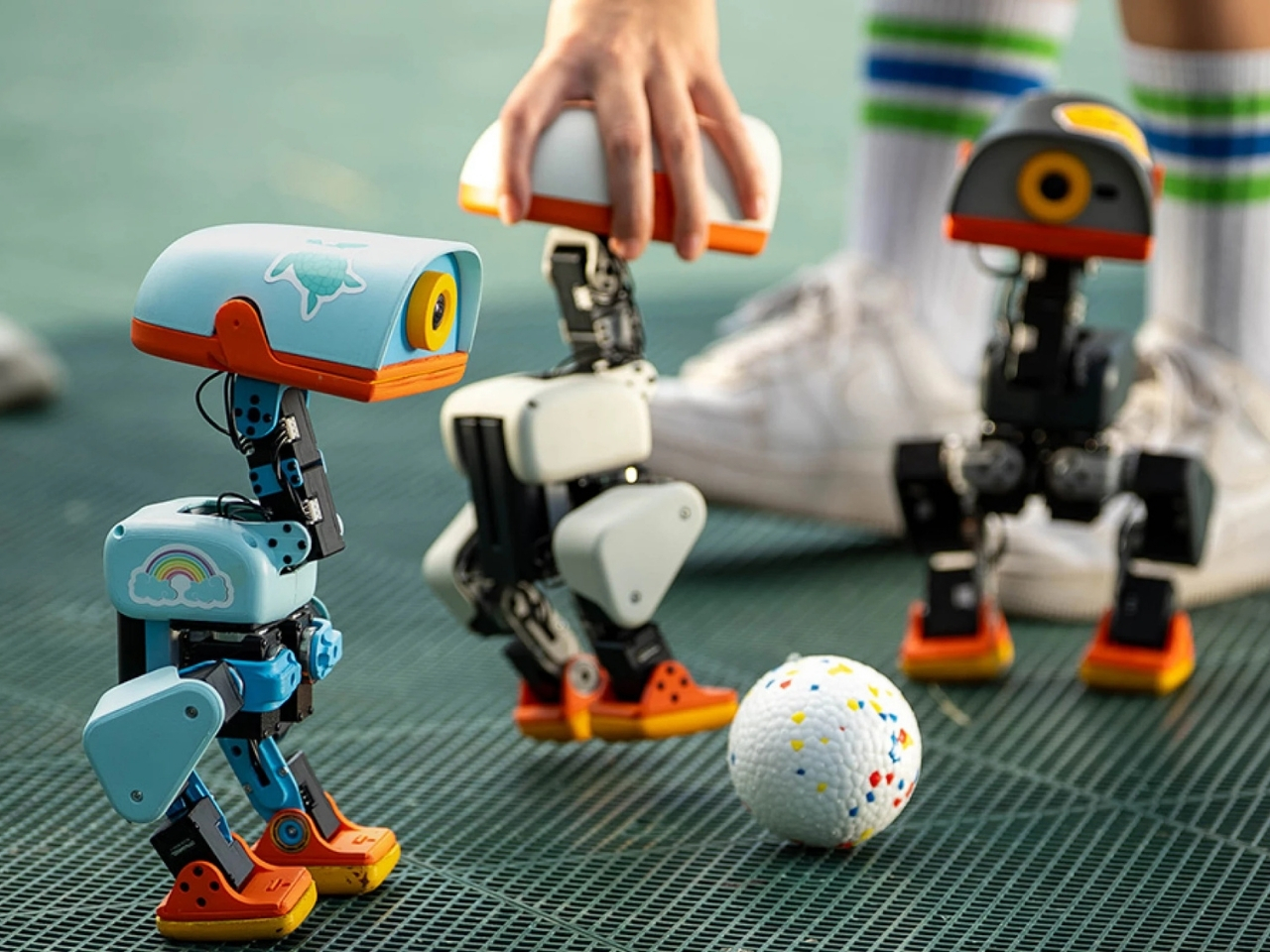
Microduck, the new pre-order from French robotics company Pollen Robotics and AI platform Hugging Face, closes that gap for $399. It is a 25-centimeter biped that walks, sits, crouches, picks small objects up with its beak, and gets back up on its own after a fall. It even roller-skates. Under a shell built with 15 motors, a camera, a depth sensor, and two IMUs, it runs on fully open-source software, which means you are not just buying a cute desk companion, you are buying a real, hackable platform for training reinforcement learning models on hardware you can hold in one hand.
Designer: Pollen Robotics
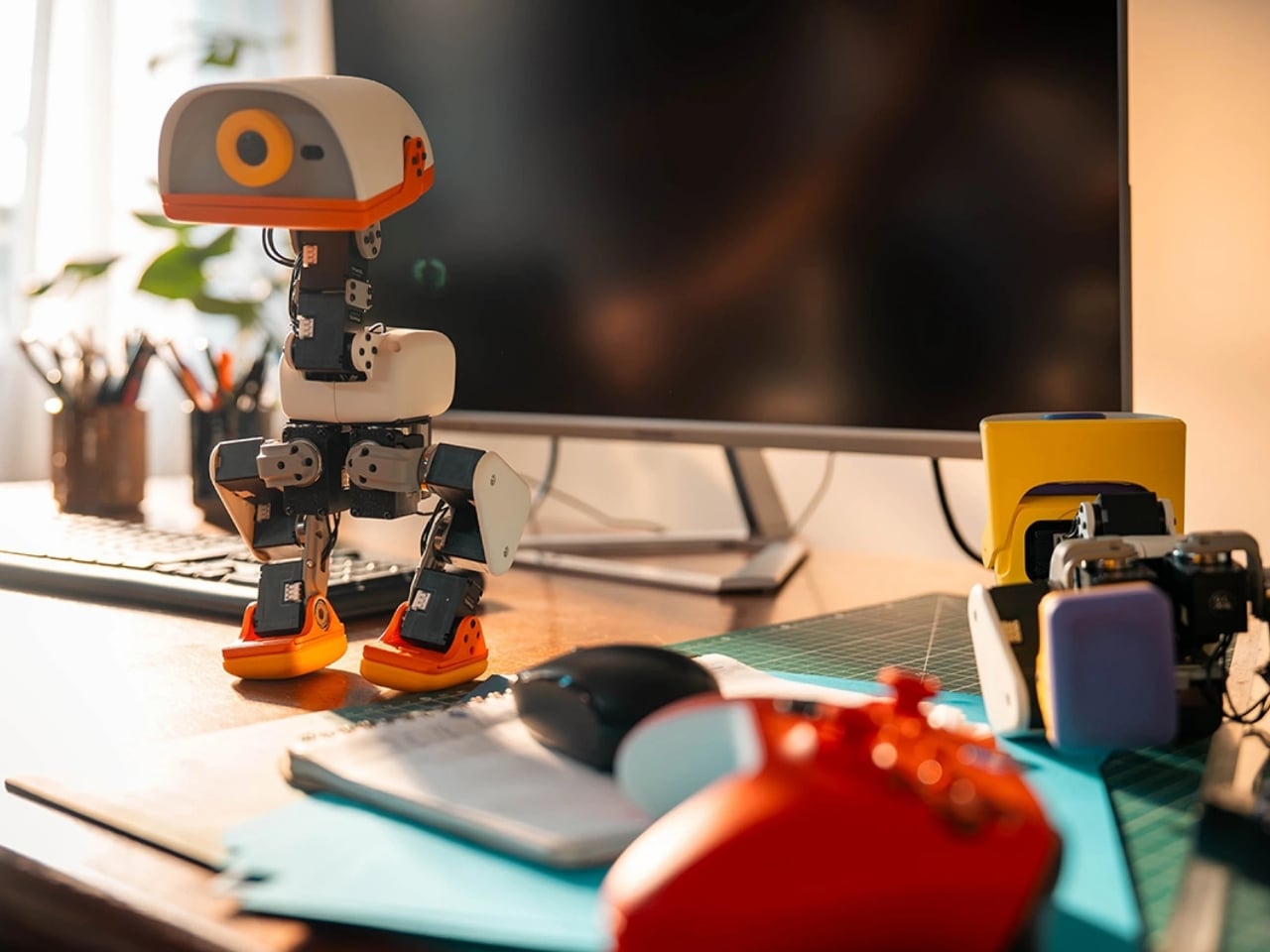
Pollen Robotics is not new to this space. Last year the team launched Reachy Mini, a small desktop robot built purely for face-to-face interaction, and more than 10,000 of them found homes with developers and tinkerers around the world. Microduck is what happened when that same team asked a different question: what if the robot did not stay on the desk at all, but actually moved through your house? That shift from stationary companion to mobile, fallible, get-back-up-and-try-again machine is, to me, the more honest representation of what learning robotics actually looks like. Real robots fall down. Good ones figure out how to stand back up.
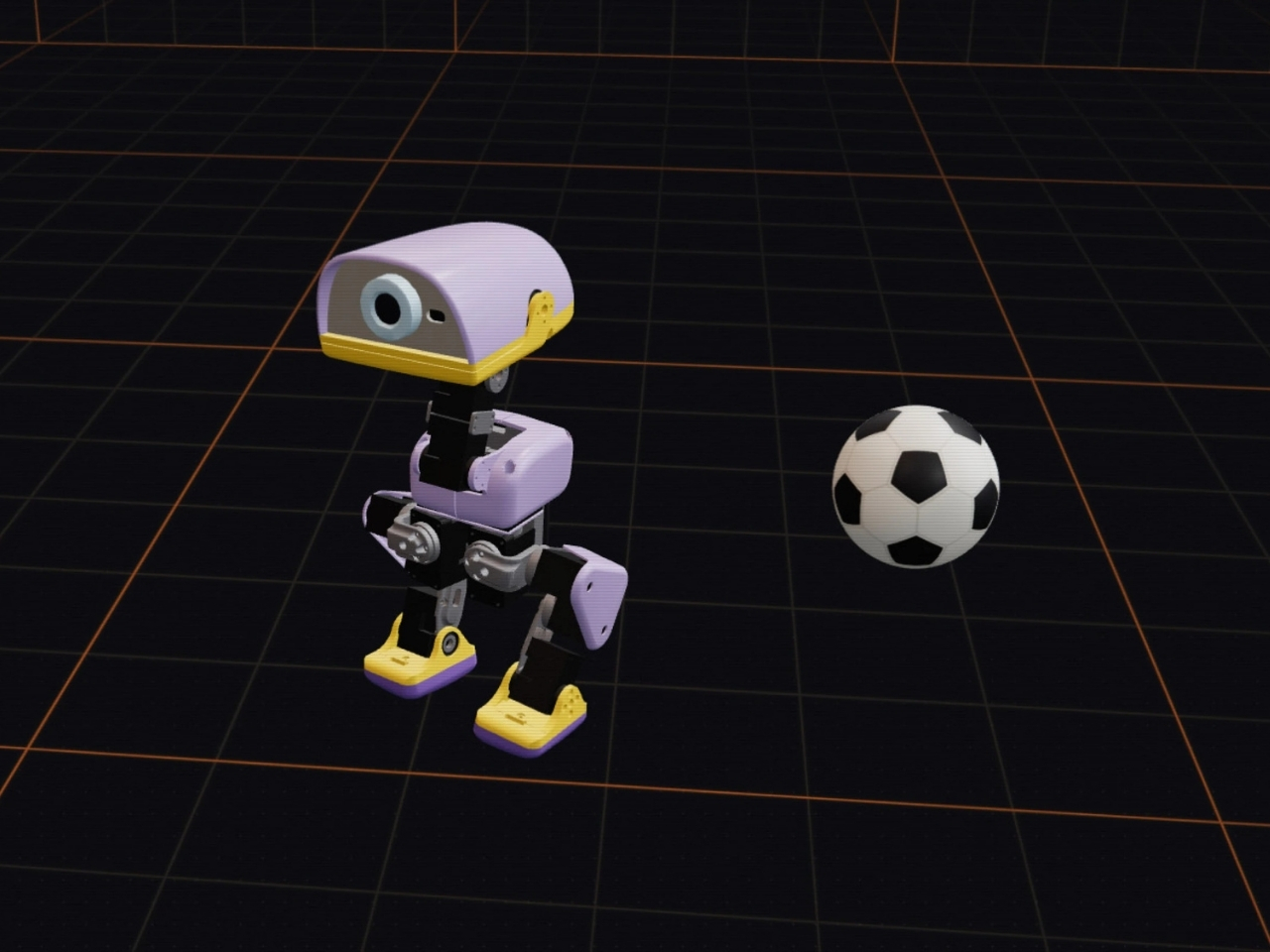
I will admit the duck framing initially struck me as a marketing gimmick, the kind of cute mascot skin slapped onto serious tech to make it more shareable. But the more I read about the design choices, the articulated beak that doubles as a gripper, the roller-skate foot swap, the four soft colorways named Cream, Graphite, Lavender, and Sky, the more it felt deliberate rather than decorative. A humanoid robot falling over looks like failure. A duck robot falling over and waddling back up looks like a duck being a duck. That emotional permission to fail without embarrassment might be the smartest design decision in the entire product, because it lowers the psychological barrier to experimentation just as much as the price tag lowers the financial one.

Weighing in under 800 grams and priced before taxes and shipping, Microduck ships to North America, Europe, and the UK before Christmas 2026. Hugging Face CEO Clem Delangue called it part of an effort to “democratize physical AI and world models,” and whatever you think of Silicon Valley mission statements, the market response backed it up fast. Within roughly a day of pre-orders opening, demand reportedly pushed sales past the $26 million mark and the duck went to backorder. That is not a niche hobbyist purchase pattern. That is a signal that a lot of Americans, tech-curious but priced out of serious robotics until now, were simply waiting for an affordable, unintimidating way in.

There is a broader mood shift happening in how the country talks about AI right now, somewhere between exhausted and skeptical, tired of chatbots that talk in circles and promises that never quite land in the real world. Microduck feels like a small, tangible answer to that fatigue. You cannot hug a language model or watch it recover from a stumble. You can with this. For $399, families, students, and weekend tinkerers get a genuine on-ramp to physical AI, not a toy pretending to be smart, but a real machine willing to be clumsy in front of you while it learns.
Pollen Robotics has been upfront that Microduck will not solve robotics’ hardest problems, and it should not have to. What it offers instead is something rarer than a breakthrough: a starting point that is actually within reach.
The post Finally, Learning Robotics Doesn’t Cost a Five-Figure Lab first appeared on Yanko Design.
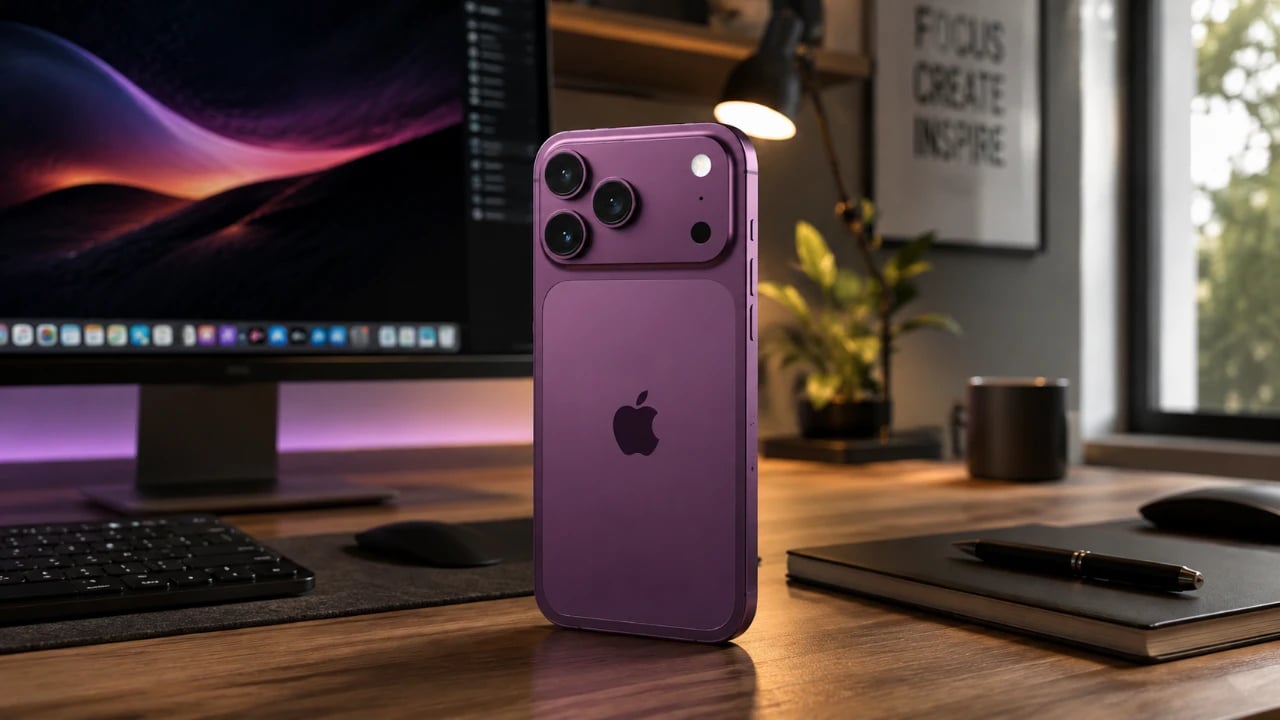
Apple’s forthcoming iPhone 18 Pro Max and the much-discussed folding iPhone have become focal points for tech enthusiasts and industry analysts. These devices are expected to showcase design innovations, innovative technology, and strategic advancements that could influence the smartphone market significantly. By examining the potential features, design challenges, and market implications, we can better understand […]
The post iPhone 18 Pro Max Final Design Leaks Early appeared first on Geeky Gadgets.

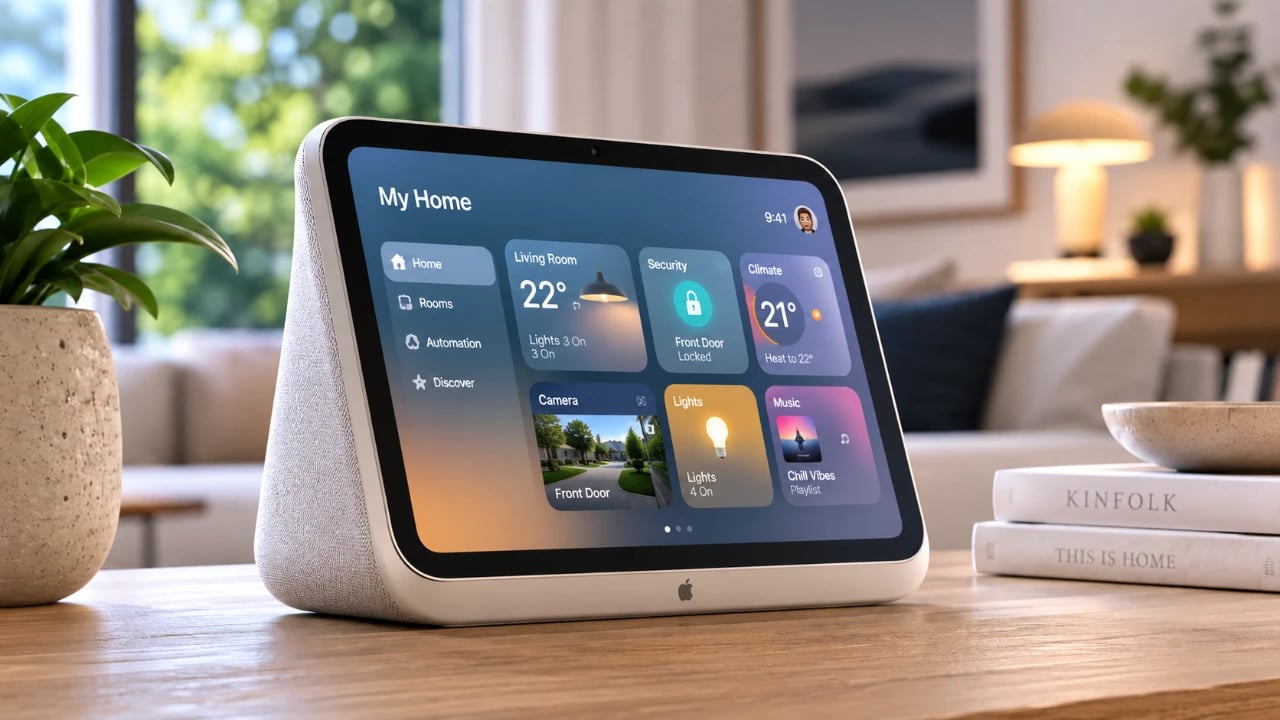
Apple is reportedly preparing to unveil a dedicated smart home hub, codenamed J490, with a potential launch date of September 9th. This device is designed to act as the central control point for your smart home, offering a streamlined interface to manage connected devices, interact with Siri, and access essential information. Unlike an iPad, the […]
The post Apple Quietly Preps a New Screen for the Center of Your Home appeared first on Geeky Gadgets.


I own a lot of things I’ll probably never actually wear out. A leather bag that’s outlasted three apartments. A watch that was my grandfather’s. A cast iron pan that will likely be handed down long after I’m gone. And then I have a bathroom drawer full of plastic toothbrushes, each one used for a few months and tossed, none of them meant to last, none of them meant to matter.
That contrast is what caught my attention when I came across the Berninox 316, a toothbrush designed by Swiss product designer Julien Bernard that flips the entire logic of oral care on its head. Instead of a disposable object you replace every few months, you get a handle made from 316L surgical stainless steel, the same alloy used in medical instruments, paired with a small replaceable head made from recycled ocean-bound plastic. When the bristles wear down, you don’t throw away the whole thing. You just click off the head and snap on a new one.It sounds almost too simple, which might be exactly why it works.
Designer: Julien Bernard for Berninox
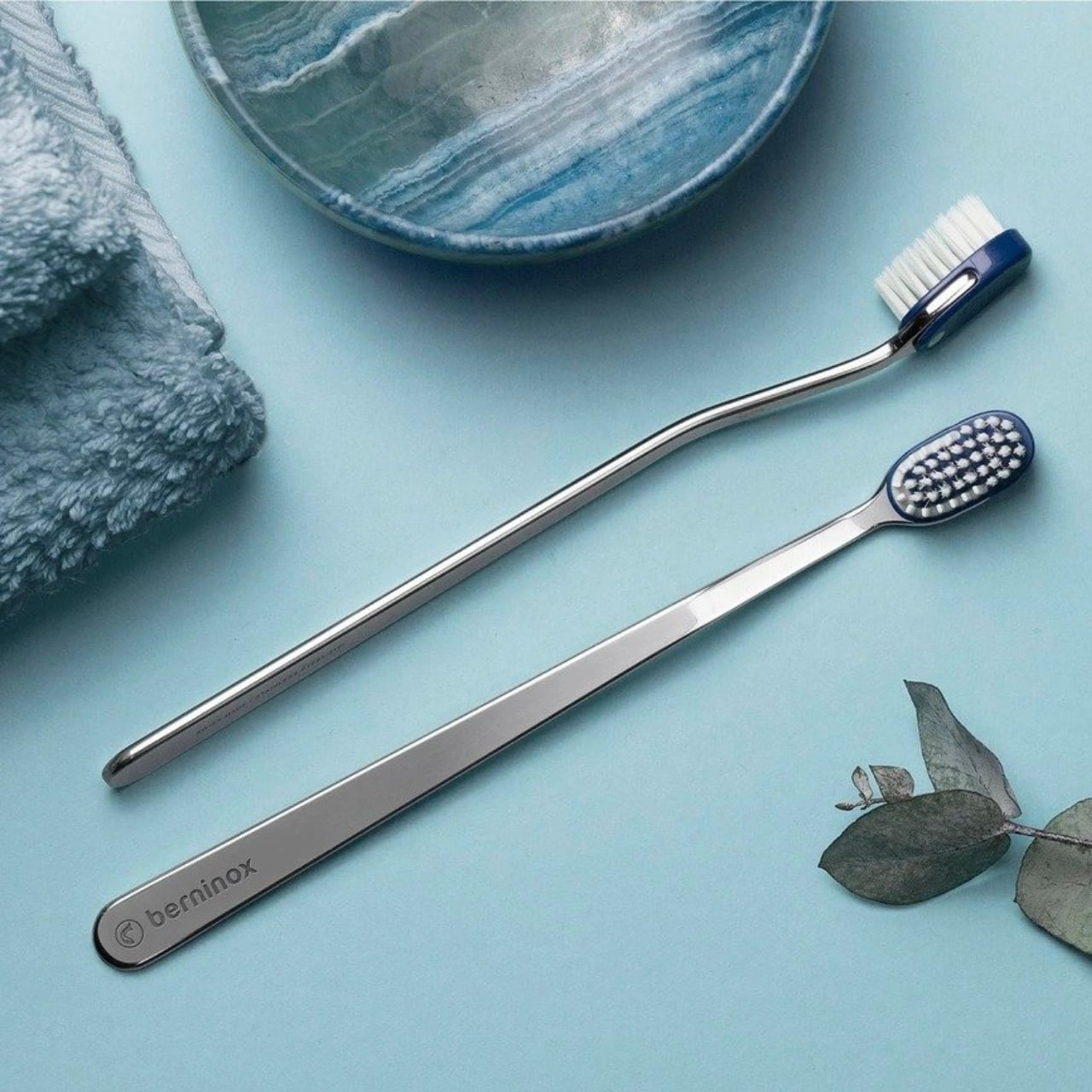
What strikes me most about this design isn’t the material, though stainless steel is obviously the headline. It’s the clip system holding the head in place. Berninox has a patent pending on it, and once you understand why, it makes sense. Anyone who has used a razor with interchangeable blades knows the annoyance of a head that wiggles or pops off at the worst moment. Getting that mechanism right, so it feels secure during brushing but still releases easily when you want to swap it, is the unglamorous engineering work that actually makes a product usable long term. Good design is rarely about the flashy part. It’s about the hinge nobody notices until it fails.
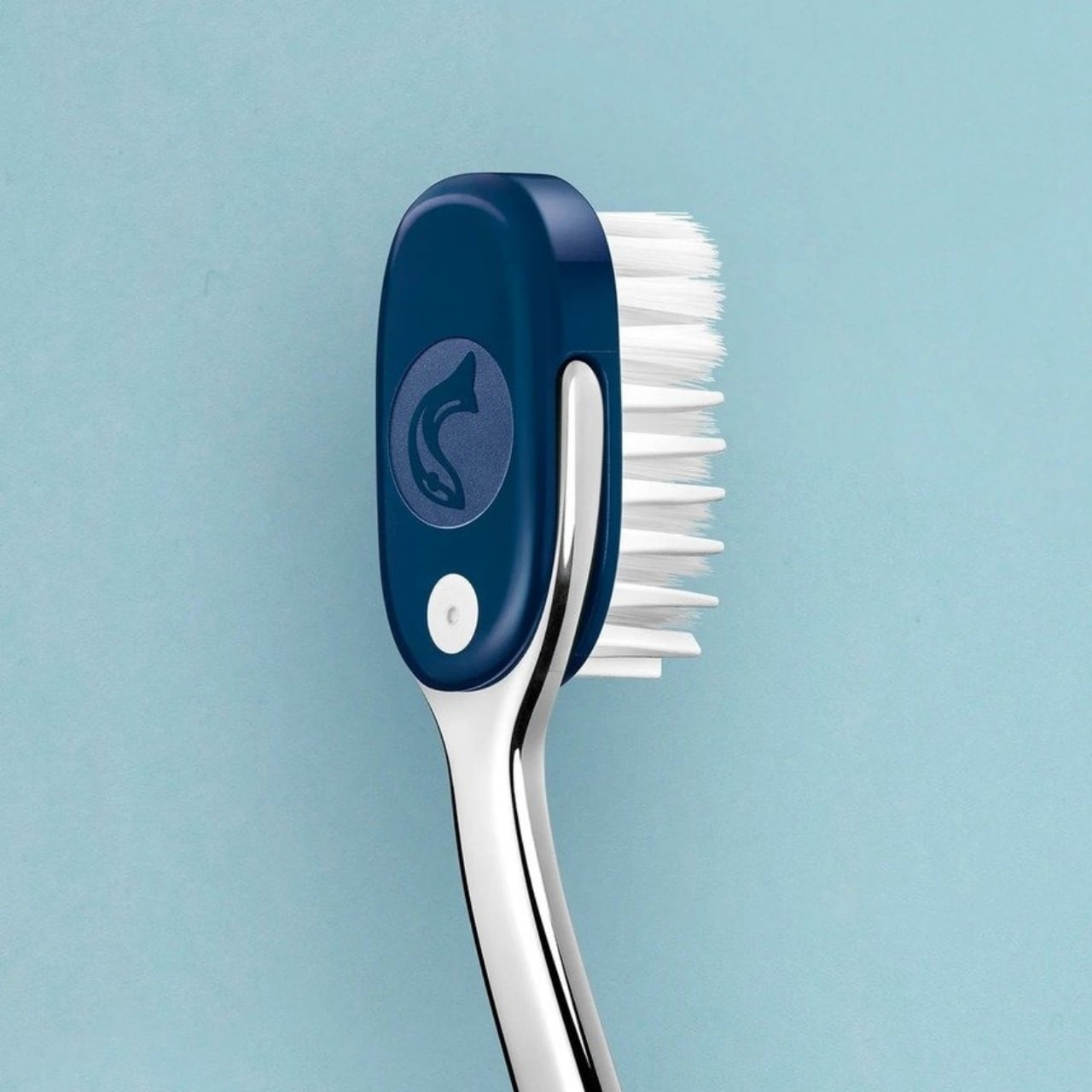
I also appreciate that this wasn’t dreamed up purely as a sustainability gesture. The brand worked with dental professionals during development, which matters more than it might seem at first glance. Plenty of eco-conscious products lead with their environmental story and treat function as an afterthought. Berninox seems to have built the case for durability and the case for actually brushing your teeth well at the same time, rather than picking one.
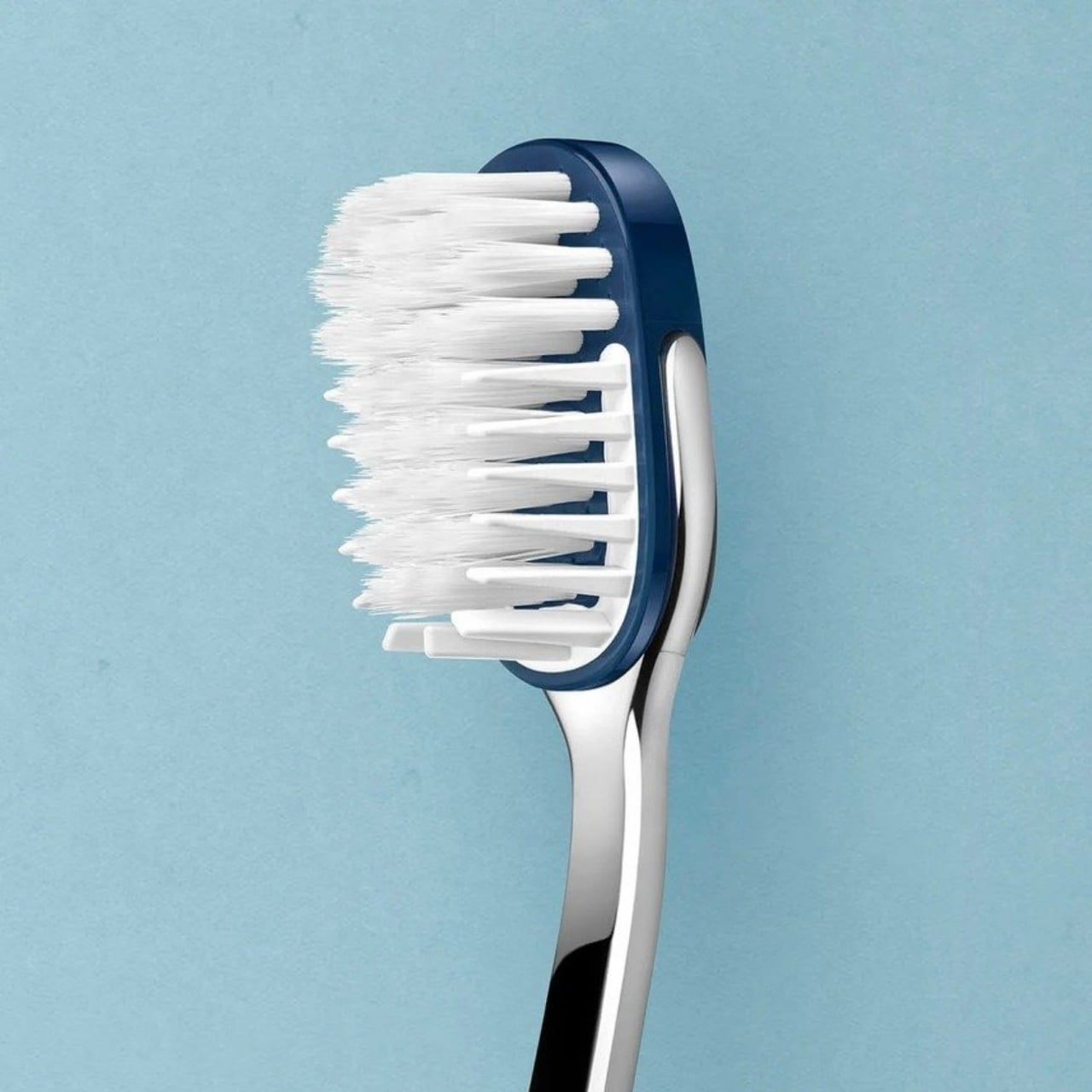
There’s also something quietly satisfying about the ocean plastic detail. The heads are made through a partnership with a Swiss initiative that collects ocean-bound plastic from Southeast Asia before it ever reaches the water. It’s a small volume of material in the scheme of global plastic pollution, sure, but I don’t think that’s really the point. It’s a demonstration that a mundane, overlooked object like a toothbrush can carry a slightly bigger story if someone bothers to design it that way.
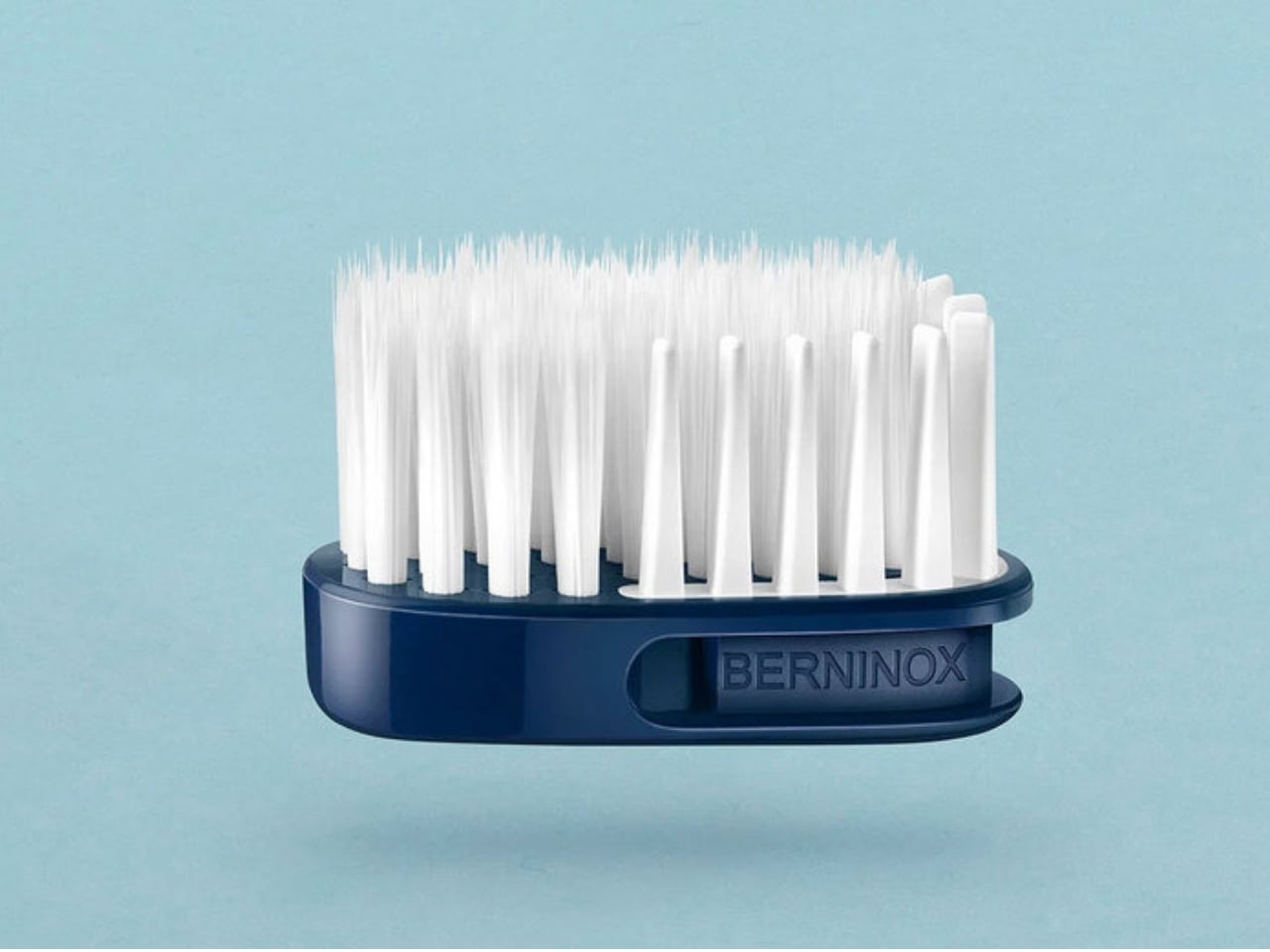
I’ll admit I’m a sucker for objects that feel like they were made by someone who actually cared about the details, not just the marketing copy. A stainless steel handle that can go into the dishwasher or be steam sterilized isn’t just a hygiene feature, it’s a signal that the people behind it were thinking about how the object behaves in real life, not just how it photographs on a shelf.
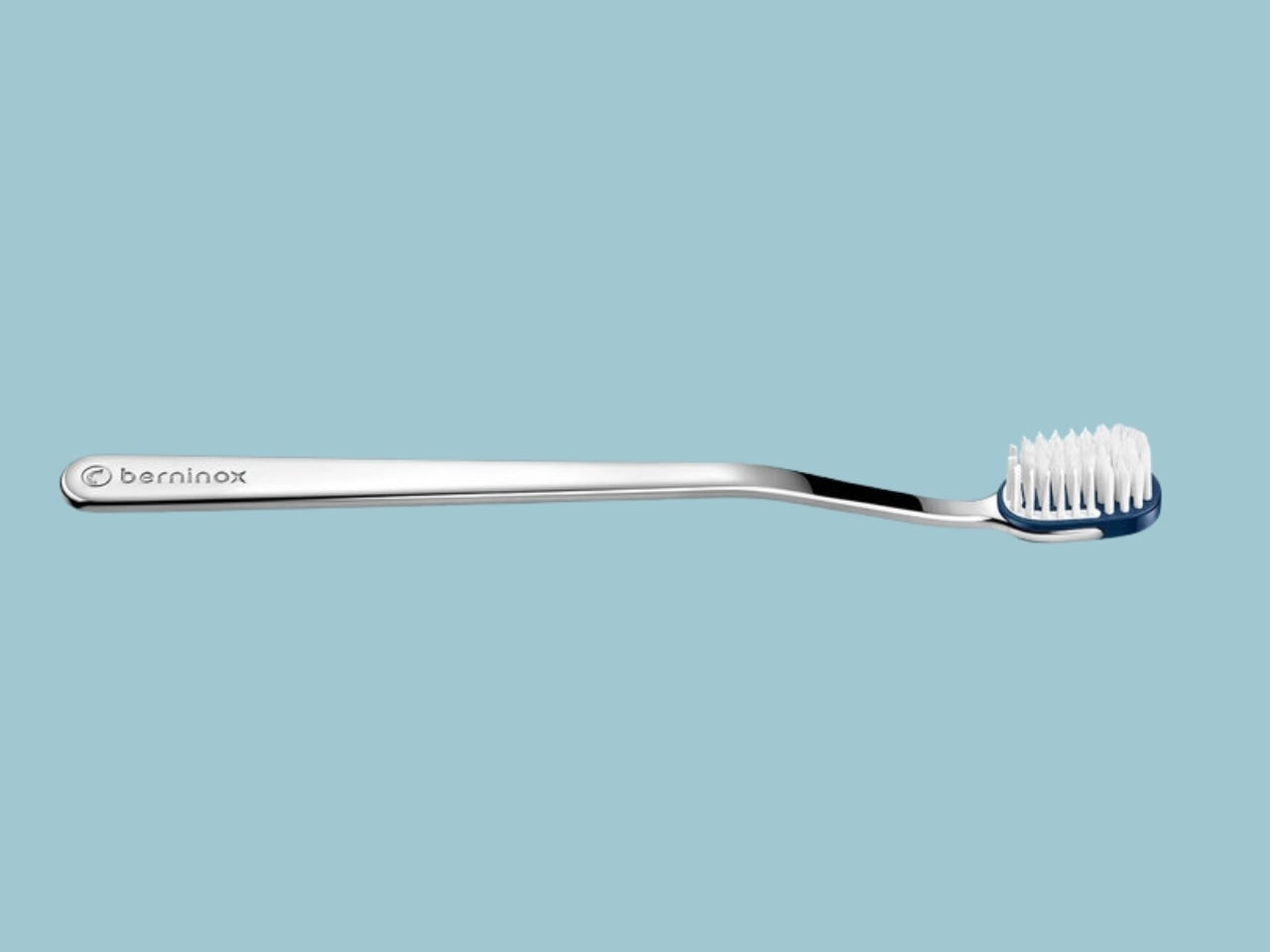
Is a forty-dollar toothbrush going to be for everyone? Probably not. Plenty of people will look at their nine-pack of drugstore toothbrushes and see no reason to change. And that’s fair. But I think there’s a growing appetite, especially among people who already collect watches, pens, or well-made kitchen tools, for everyday objects that don’t pretend to be disposable. We’ve spent decades normalizing things designed to be thrown away, and I think we’re slowly correcting course, one small object at a time.
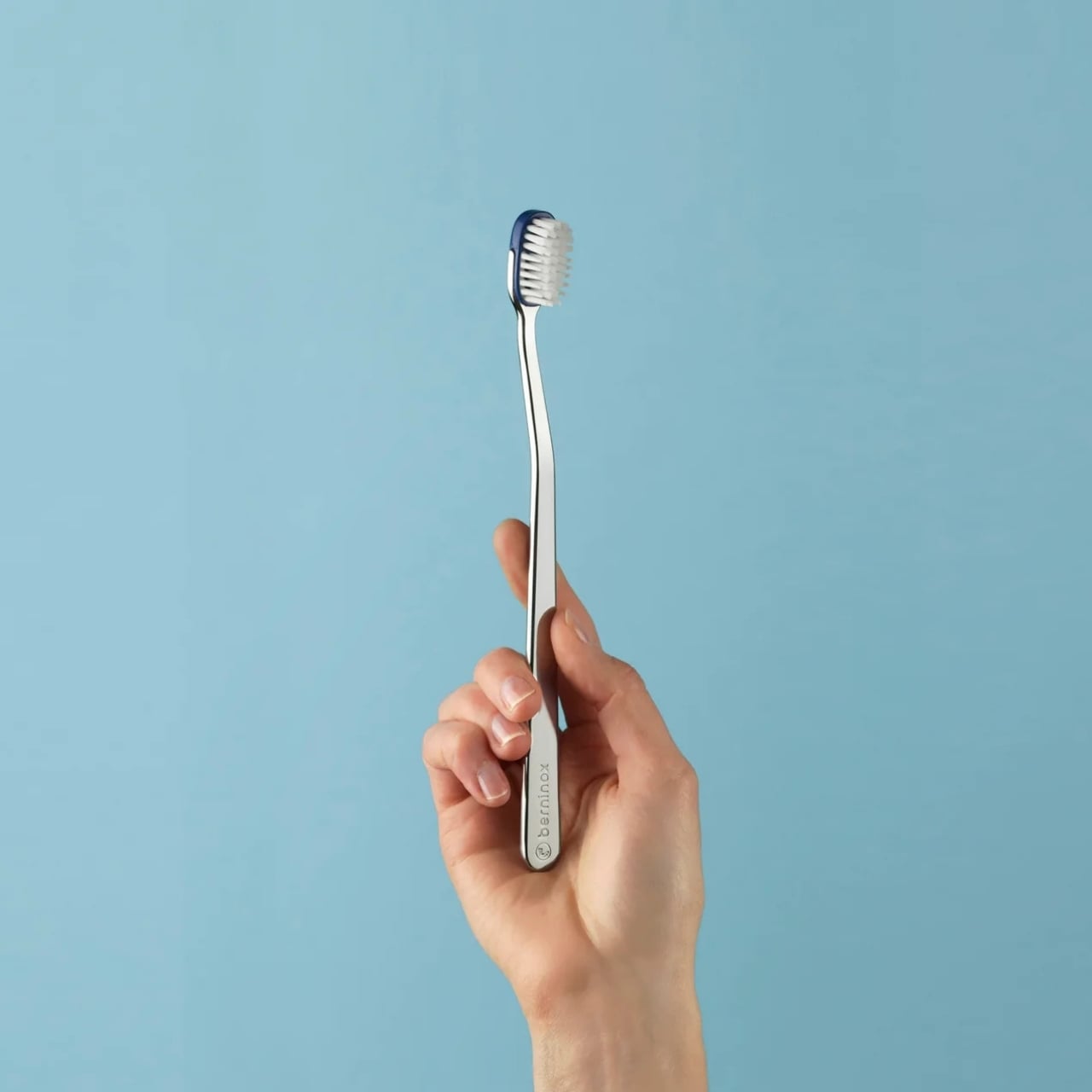
What I like most about the Berninox 316 is that it doesn’t ask you to change your habits. You still brush your teeth the same way you always have. It just quietly changes what happens to the object in your hand once the bristles wear out. Sometimes the most meaningful design shifts aren’t the loud ones. They’re the small, practical ones that make you rethink something you never thought twice about, sitting right there in your bathroom cup.
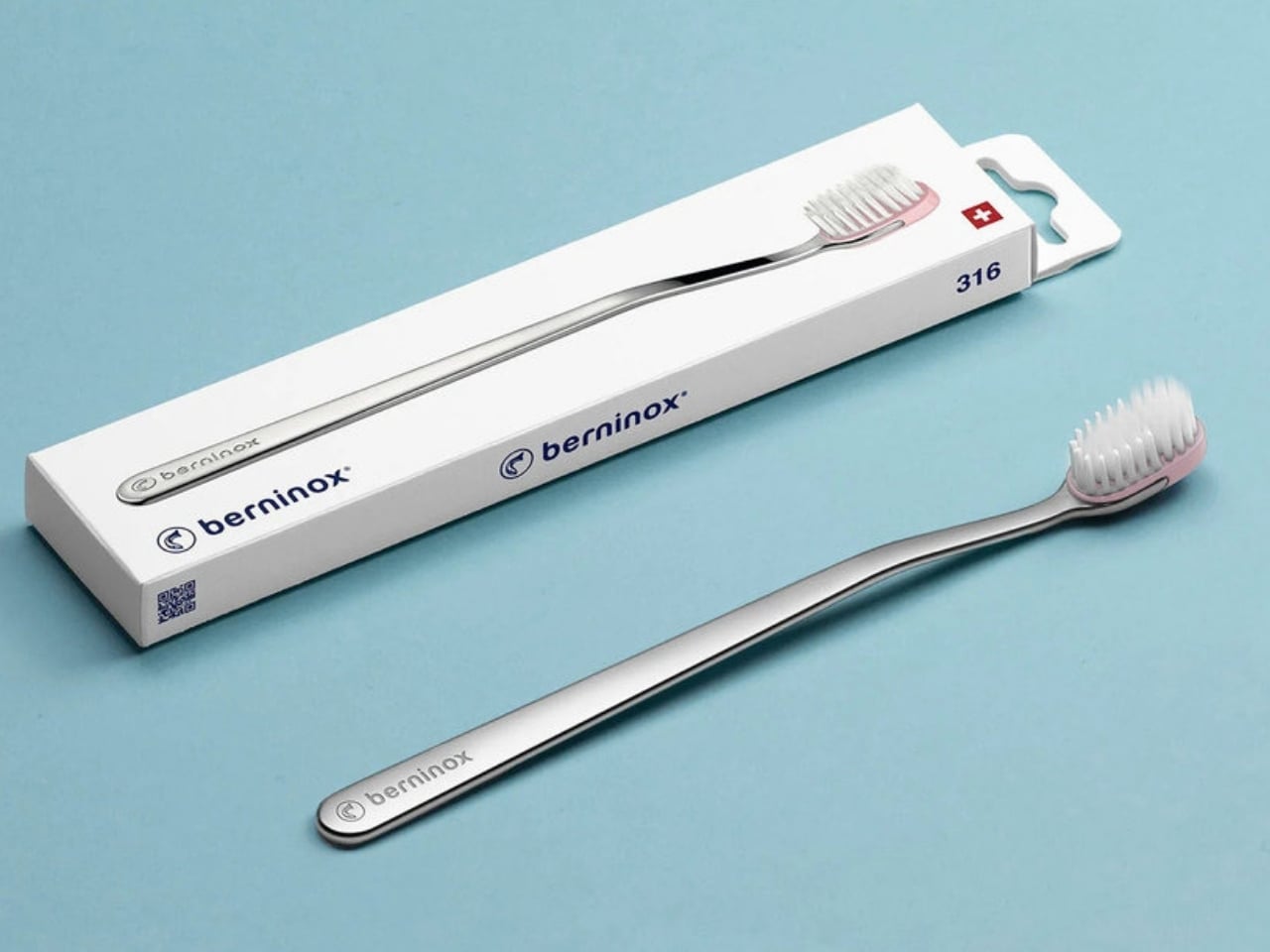
The post This Surgical-Steel Toothbrush Was Never Meant to Be Thrown Away first appeared on Yanko Design.

Tencent’s HY4 is an open-weight AI model that combines efficiency with advanced computational design, as highlighted by World of AI. It features 770 billion parameters, with only 49 billion active at any time, thanks to its Mixture of Experts (MoE) architecture. This approach ensures optimized resource use while maintaining high performance. Additionally, its 1 million […]
The post Tencent HY4 Brings 1 Million Token Context to Apache 2.0 appeared first on Geeky Gadgets.
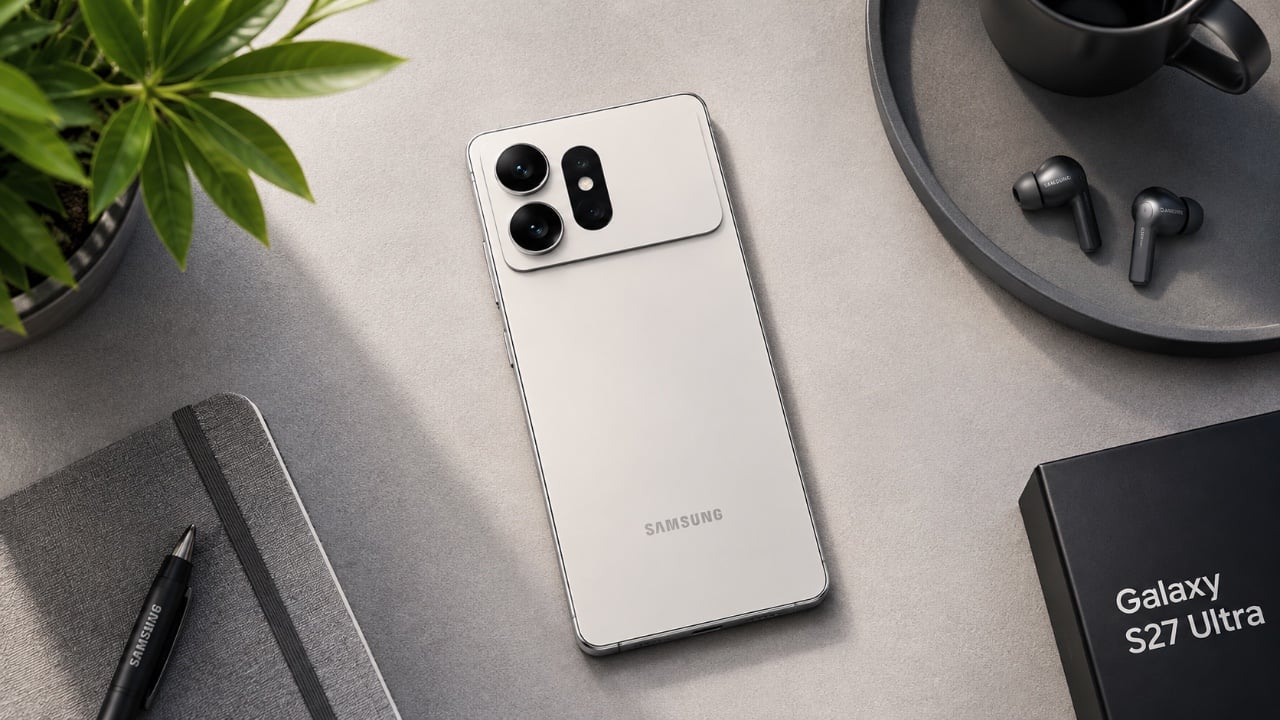
The Samsung Galaxy S27 Ultra has become a focal point of discussion in the tech world, with rumors of a significant design overhaul sparking debates about its resemblance to the iPhone 17 Pro. Leaks suggest that Samsung may introduce a larger, unified camera plateau, moving away from its iconic vertical camera layout. This potential shift […]
The post Samsung’s Galaxy S27 Ultra Camera Looks Uncomfortably Familiar appeared first on Geeky Gadgets.