
DoorDash will pay $131.5 million for missing and miscalculated NYC delivery worker wages
The company blames technical errors and a difference of opinion on how wages should be calculated for pay irregularities.
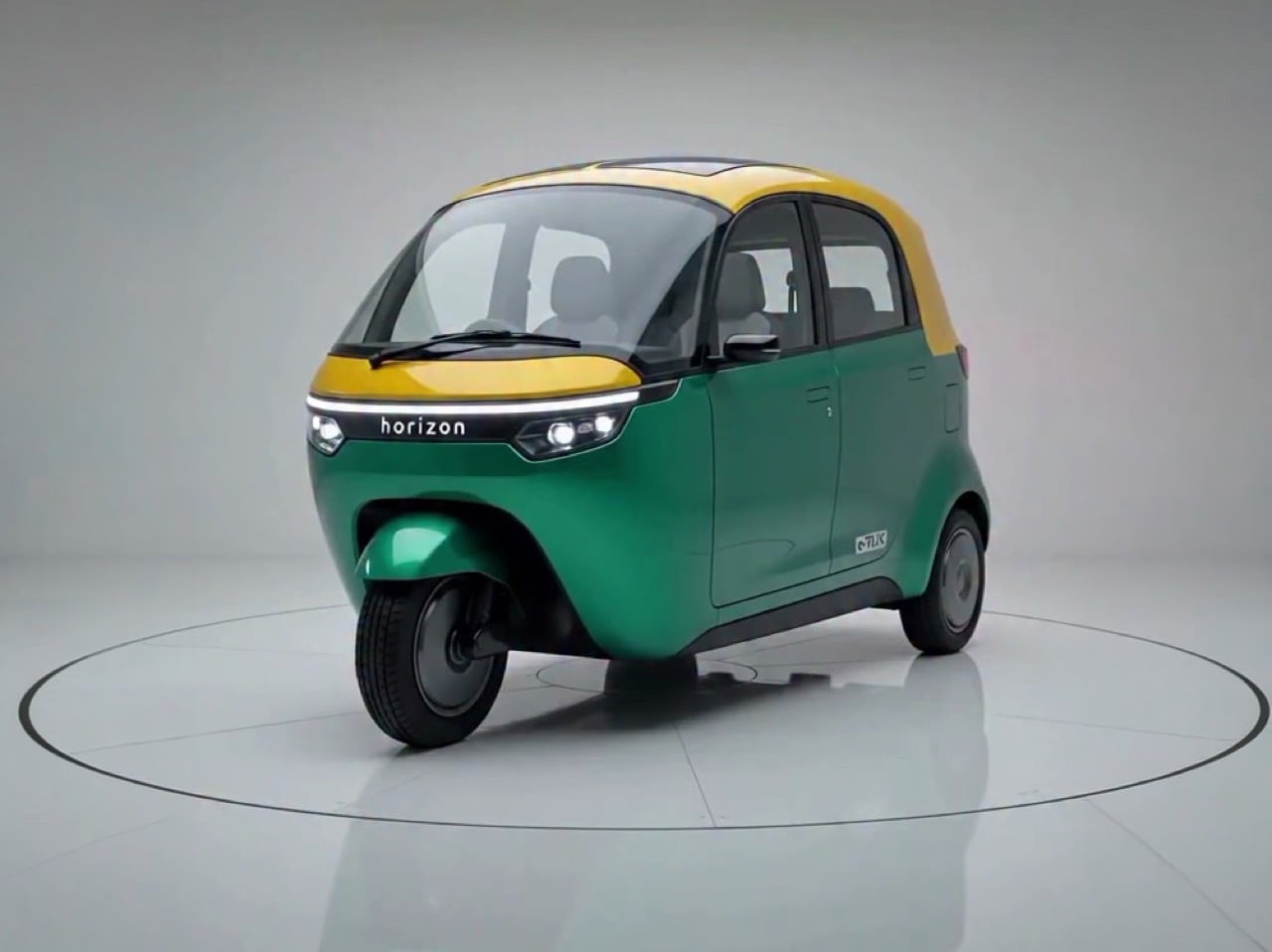
The Tuk-tuk, also called the ‘Auto Rickshaw’ in South Asia, actually comes from Italy! The original three-wheeled vehicle was manufactured by Piaggio and popularized in the continent under the model name Apé before other brands caught on. The vehicular category is now an unshakeable part of Indian automotive culture. In its regular form, the Auto Rickshaw (as opposed to the hand-pulled carts called Rickshaws) is a mode of public transport, seating up to three people at the back. Swap the back seat out for a truck bed and the Auto Rickshaw becomes a transport vehicle for all sorts of cargo, from furniture to fresh produce. The only problem with the Auto Rickshaw is that it hasn’t fundamentally changed in its aesthetic in decades. Carbon Noir proposes an alternative.
Dubbed the ‘Cyberpunk 2077 Auto Rickshaw’, this concept vehicle has a few changes on and under the hood. For starters, it comes with an electric powertrain, making it way more energy efficient than the fuel and CNG guzzling autos you see on Indian roads. Secondly, the exterior gets an absolute makeover, which I have mixed feelings on.
Designer: Carbon Noir
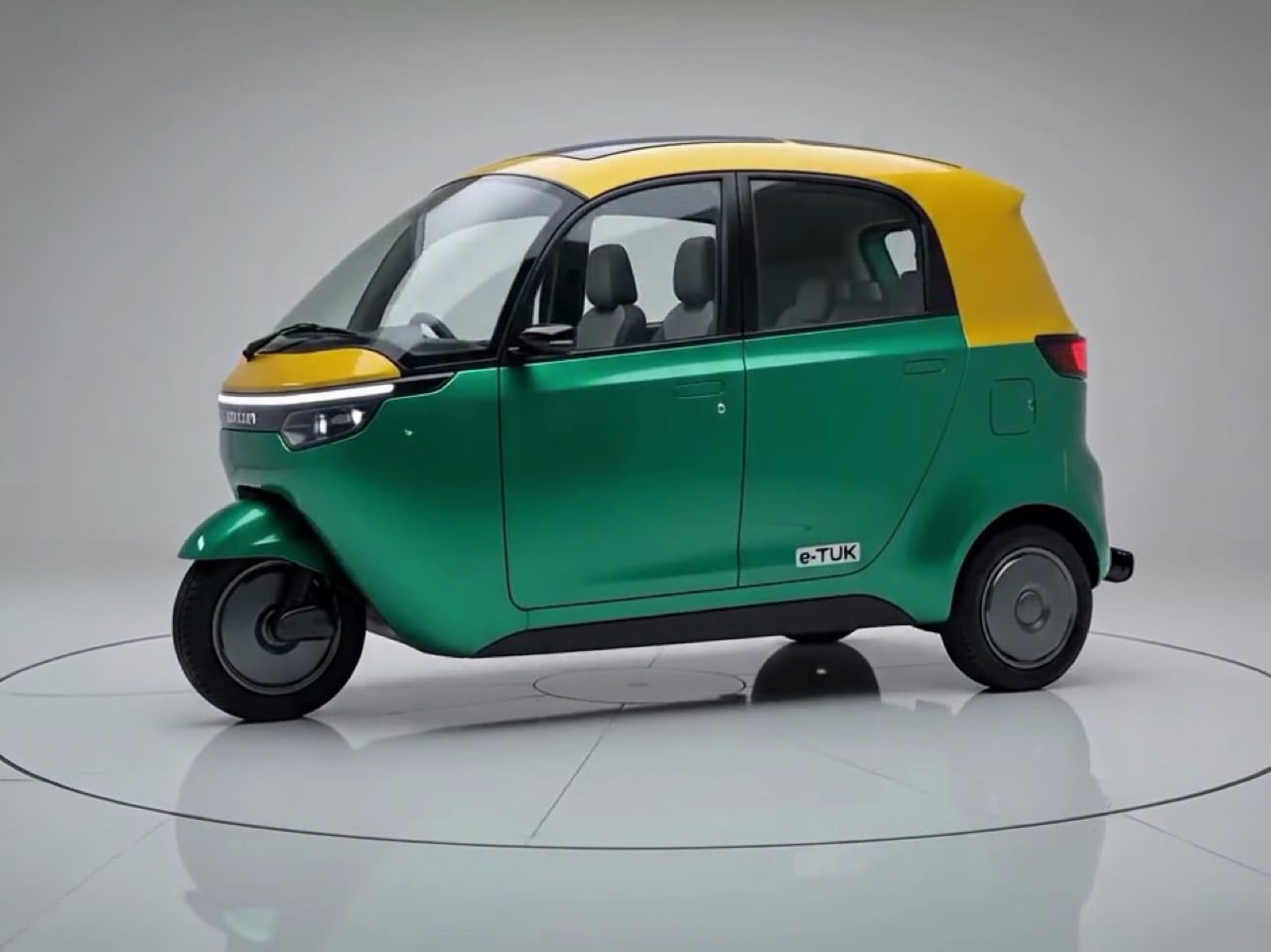
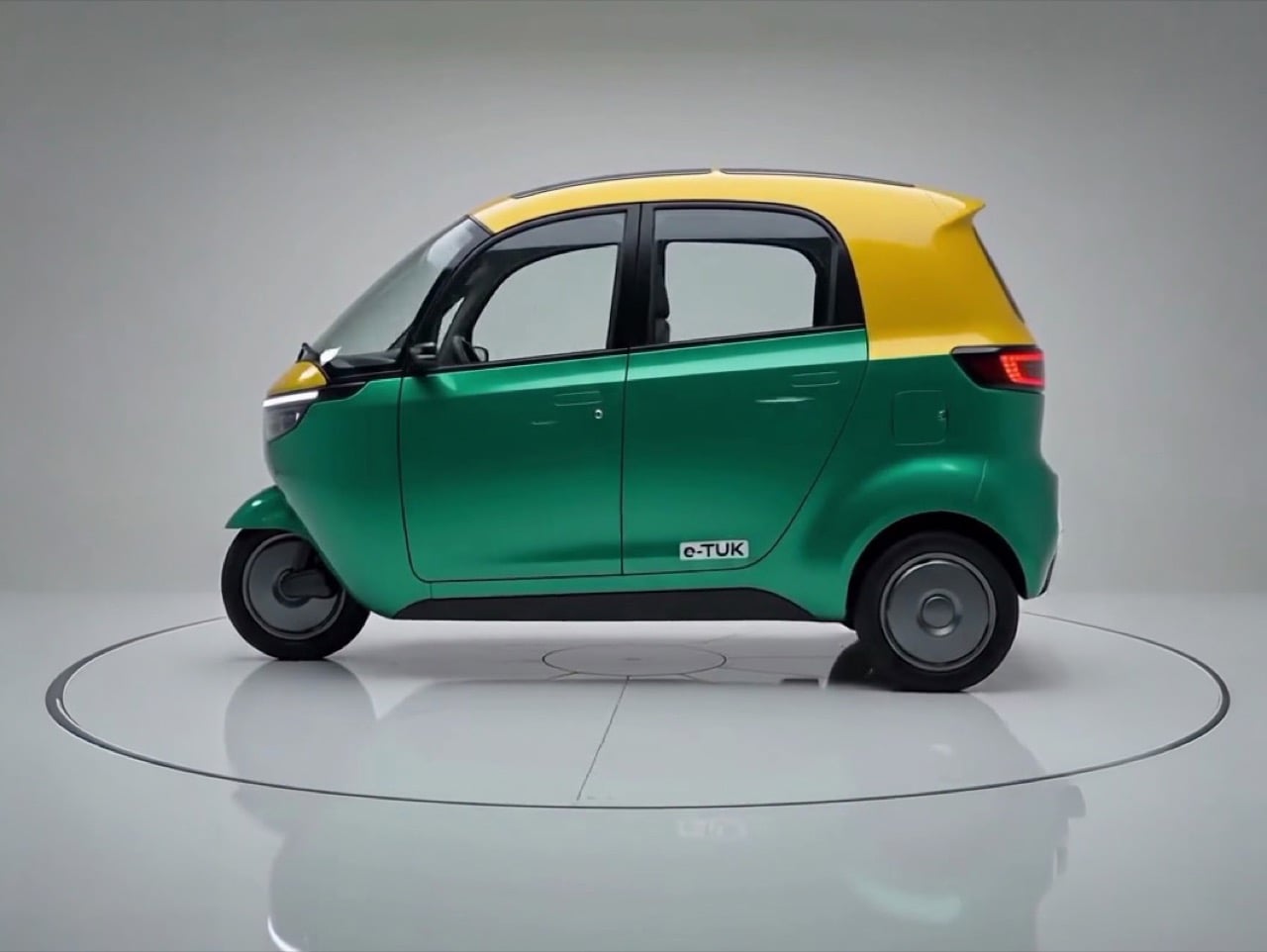
There’s a lot to appreciate about the makeover – you’ve got modernized headlights and taillights, an actual hardbody design that isn’t a metal armature roof with fabric pulled over it, and an aesthetic that feels very Renault Twizy but dialed back. The only real problem (and this is entirely in my head) is the dual-tone design, which gives the E-tuk (electric tuk-tuk) the stature and vibe of the Fisher Price toy car, but with a green base. That’s quite literally the only gripe I have. Ditch the two-tone and you have a winner on your hands.
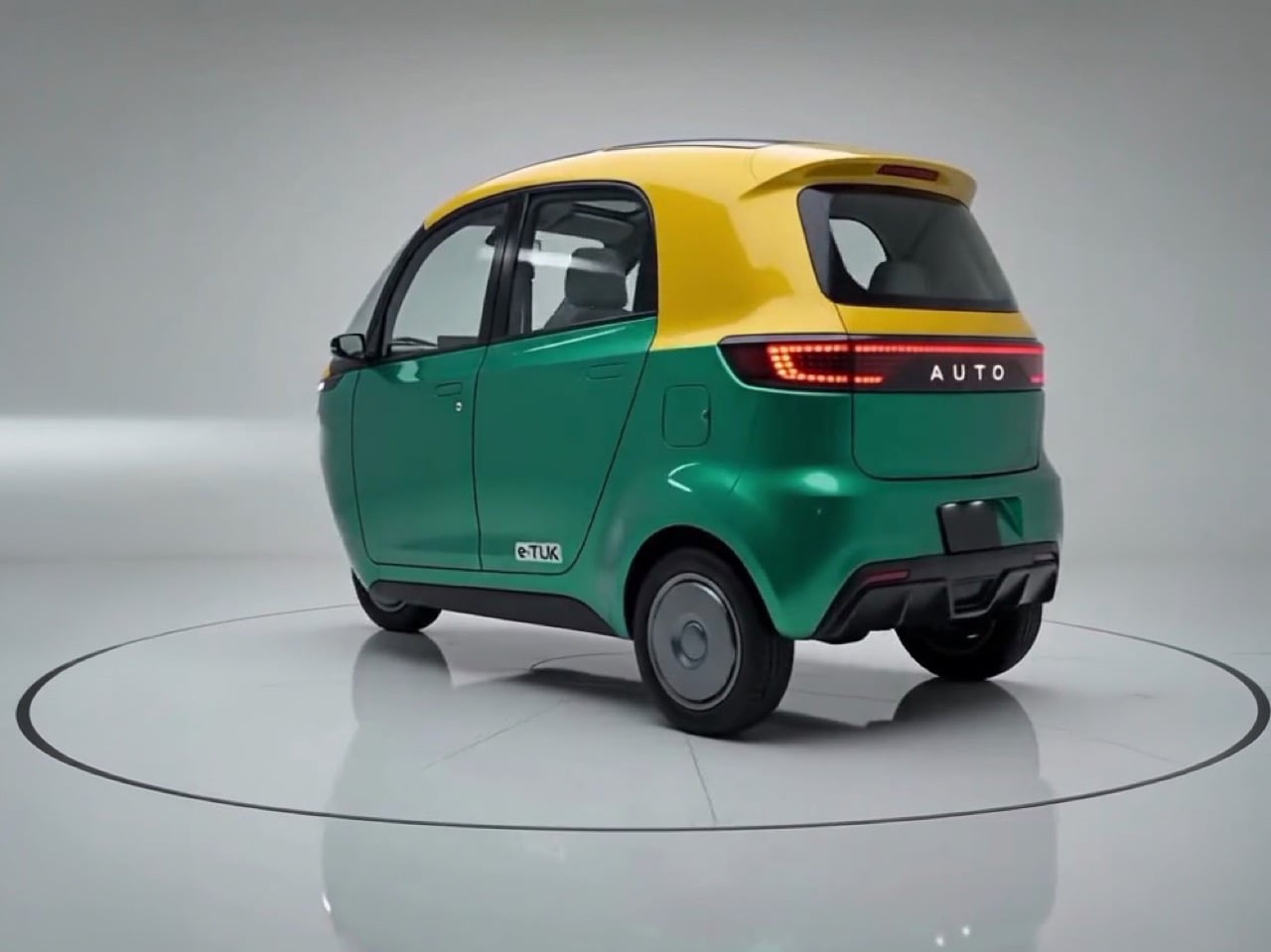
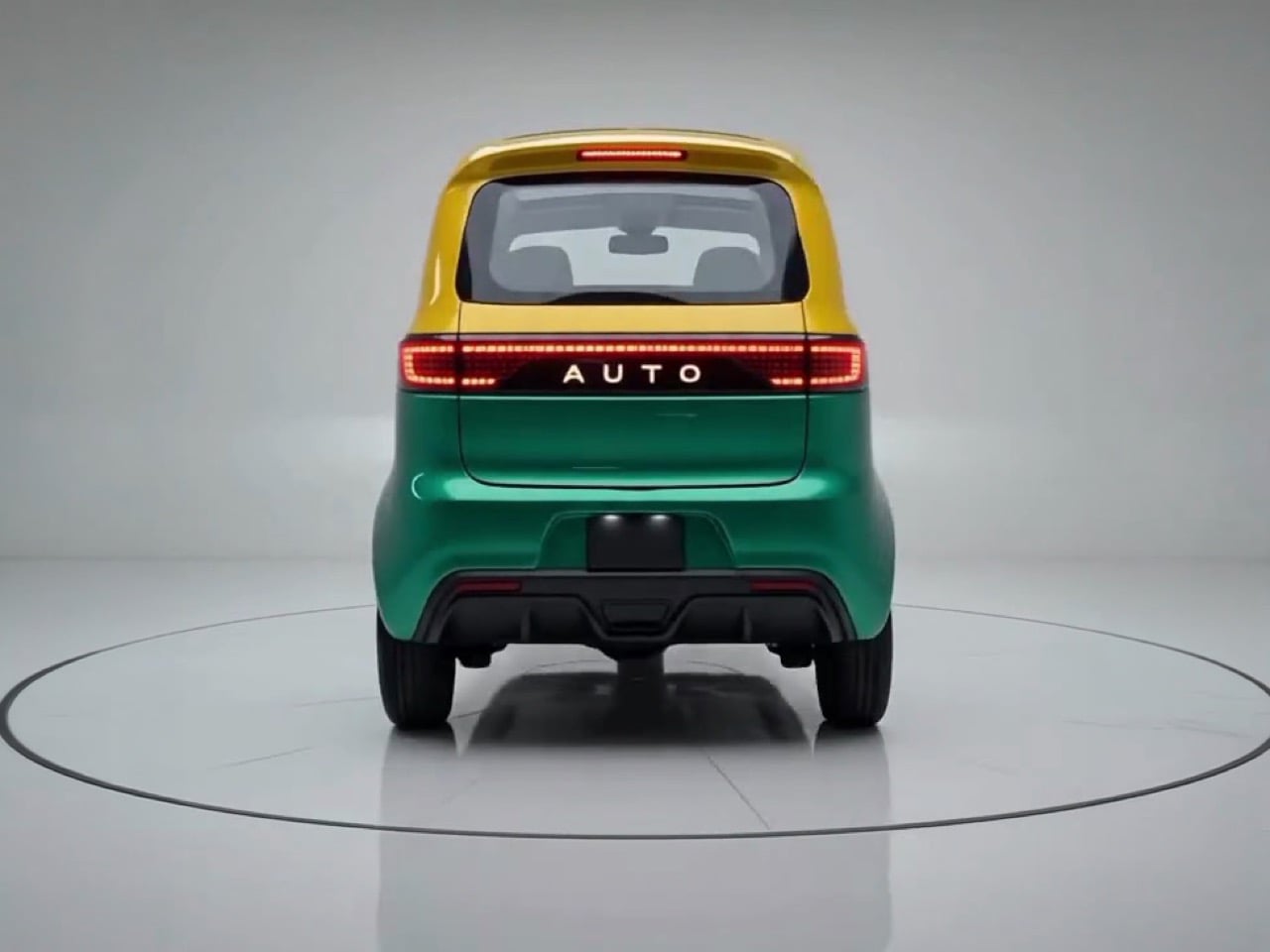
The E-tuk sports a few interesting design details. It contains a usable boot, which most auto rickshaws don’t have. The conventional auto rickshaw packs the engine in the back, but one can assume that an electrified platform frees the boot up, letting people store luggage inside. Speaking of inside, the interiors see a pretty remarkable change too. The original auto rickshaw seats one in the cockpit, and 2-3 at the back. This revised model opts for a traditional 2×2 seating structure, while retaining the handlebar controls instead of swapping it for a steering wheel. Spiritually, this still feels like an auto rickshaw.
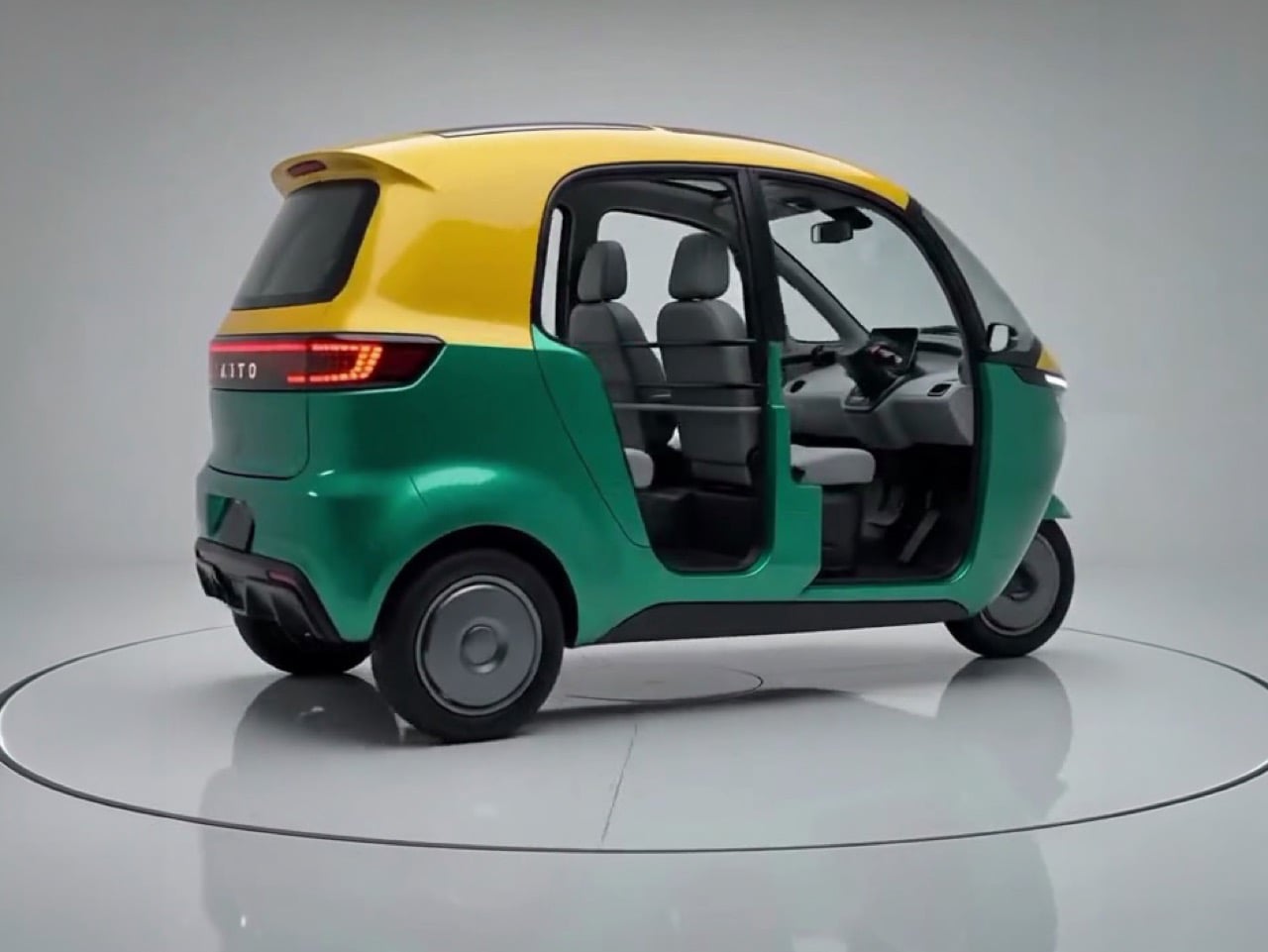
Like most auto rickshaws in India, the E-tuk sports doors on the left side of the vehicle, leaving the right bare. A mere bar on the right side blocks passengers in the back from falling off (or jumping out of a moving ride), but the front still lets the driver enter and exit freely. For riders, entry and exit happens purely through the left, using the doors on both the front as well as the back.
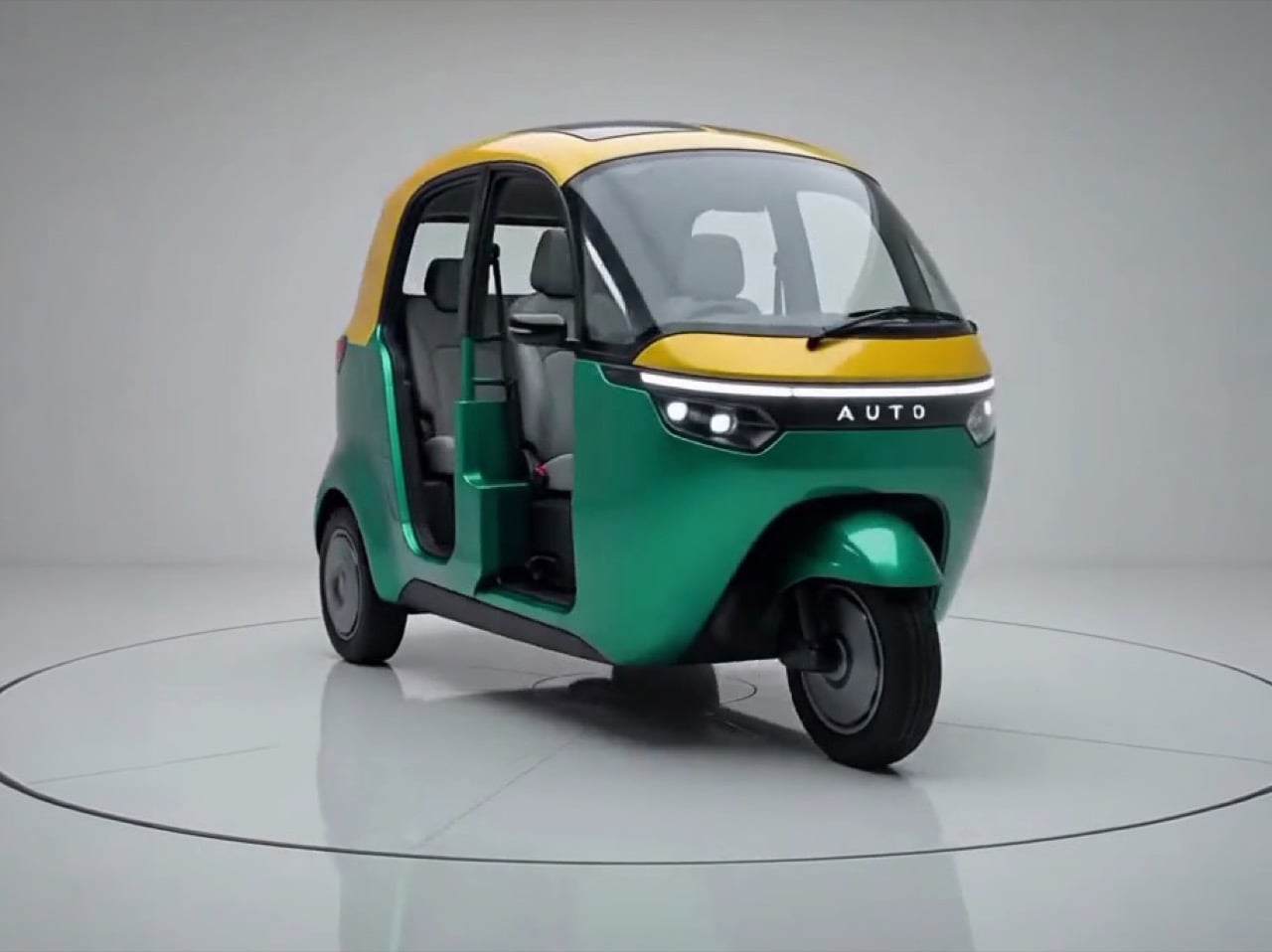
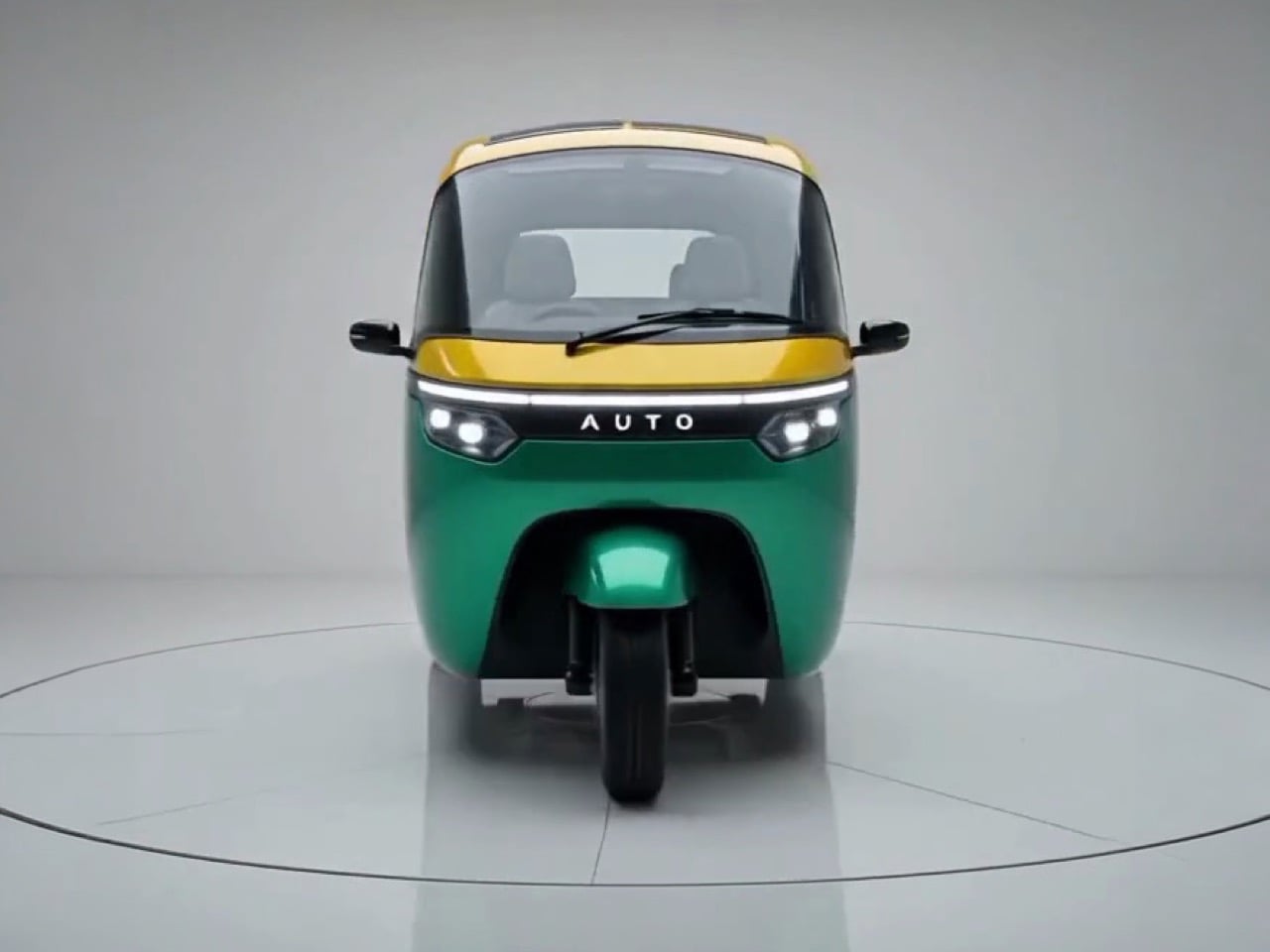
Like I said, spiritually, this is still the quintessential Auto Rickshaw. That two-tone design is iconic, although it serves no purpose here since the green-bottom Auto Rickshaws are painted to denote that they run on Compressed Natural Gas and not petrol. The handlebars for the auto-rider are iconic too, and an open-side design means accepting the weather the city gives you – sun on hot days, wind on good days, and dust or rain on bad days. That’s the non-verbal contract you sign when you sit in an ‘auto’. Yeah, and sure the thing is powered by an electric drivetrain, but that doesn’t mean we’re getting in-vehicle air-conditioning anytime soon!
The post Someone Designed India’s Humble Tuk-Tuk As A Modern-day Renault-style Mini EV first appeared on Yanko Design.
The Tuk-tuk, also called the ‘Auto Rickshaw’ in South Asia, actually comes from Italy! The original three-wheeled vehicle was manufactured by Piaggio and popularized in the continent under the model name Apé before other brands caught on. The vehicular category is now an unshakeable part of Indian automotive culture. In its regular form, the Auto Rickshaw (as opposed to the hand-pulled carts called Rickshaws) is a mode of public transport, seating up to three people at the back. Swap the back seat out for a truck bed and the Auto Rickshaw becomes a transport vehicle for all sorts of cargo, from furniture to fresh produce. The only problem with the Auto Rickshaw is that it hasn’t fundamentally changed in its aesthetic in decades. Carbon Noir proposes an alternative.
Dubbed the ‘Cyberpunk 2077 Auto Rickshaw’, this concept vehicle has a few changes on and under the hood. For starters, it comes with an electric powertrain, making it way more energy efficient than the fuel and CNG guzzling autos you see on Indian roads. Secondly, the exterior gets an absolute makeover, which I have mixed feelings on.
Designer: Carbon Noir
There’s a lot to appreciate about the makeover – you’ve got modernized headlights and taillights, an actual hardbody design that isn’t a metal armature roof with fabric pulled over it, and an aesthetic that feels very Renault Twizy but dialed back. The only real problem (and this is entirely in my head) is the dual-tone design, which gives the E-tuk (electric tuk-tuk) the stature and vibe of the Fisher Price toy car, but with a green base. That’s quite literally the only gripe I have. Ditch the two-tone and you have a winner on your hands.
The E-tuk sports a few interesting design details. It contains a usable boot, which most auto rickshaws don’t have. The conventional auto rickshaw packs the engine in the back, but one can assume that an electrified platform frees the boot up, letting people store luggage inside. Speaking of inside, the interiors see a pretty remarkable change too. The original auto rickshaw seats one in the cockpit, and 2-3 at the back. This revised model opts for a traditional 2×2 seating structure, while retaining the handlebar controls instead of swapping it for a steering wheel. Spiritually, this still feels like an auto rickshaw.
Like most auto rickshaws in India, the E-tuk sports doors on the left side of the vehicle, leaving the right bare. A mere bar on the right side blocks passengers in the back from falling off (or jumping out of a moving ride), but the front still lets the driver enter and exit freely. For riders, entry and exit happens purely through the left, using the doors on both the front as well as the back.
Like I said, spiritually, this is still the quintessential Auto Rickshaw. That two-tone design is iconic, although it serves no purpose here since the green-bottom Auto Rickshaws are painted to denote that they run on Compressed Natural Gas and not petrol. The handlebars for the auto-rider are iconic too, and an open-side design means accepting the weather the city gives you – sun on hot days, wind on good days, and dust or rain on bad days. That’s the non-verbal contract you sign when you sit in an ‘auto’. Yeah, and sure the thing is powered by an electric drivetrain, but that doesn’t mean we’re getting in-vehicle air-conditioning anytime soon!
The post Someone Designed India’s Humble Tuk-Tuk As A Modern-day Renault-style Mini EV first appeared on Yanko Design.

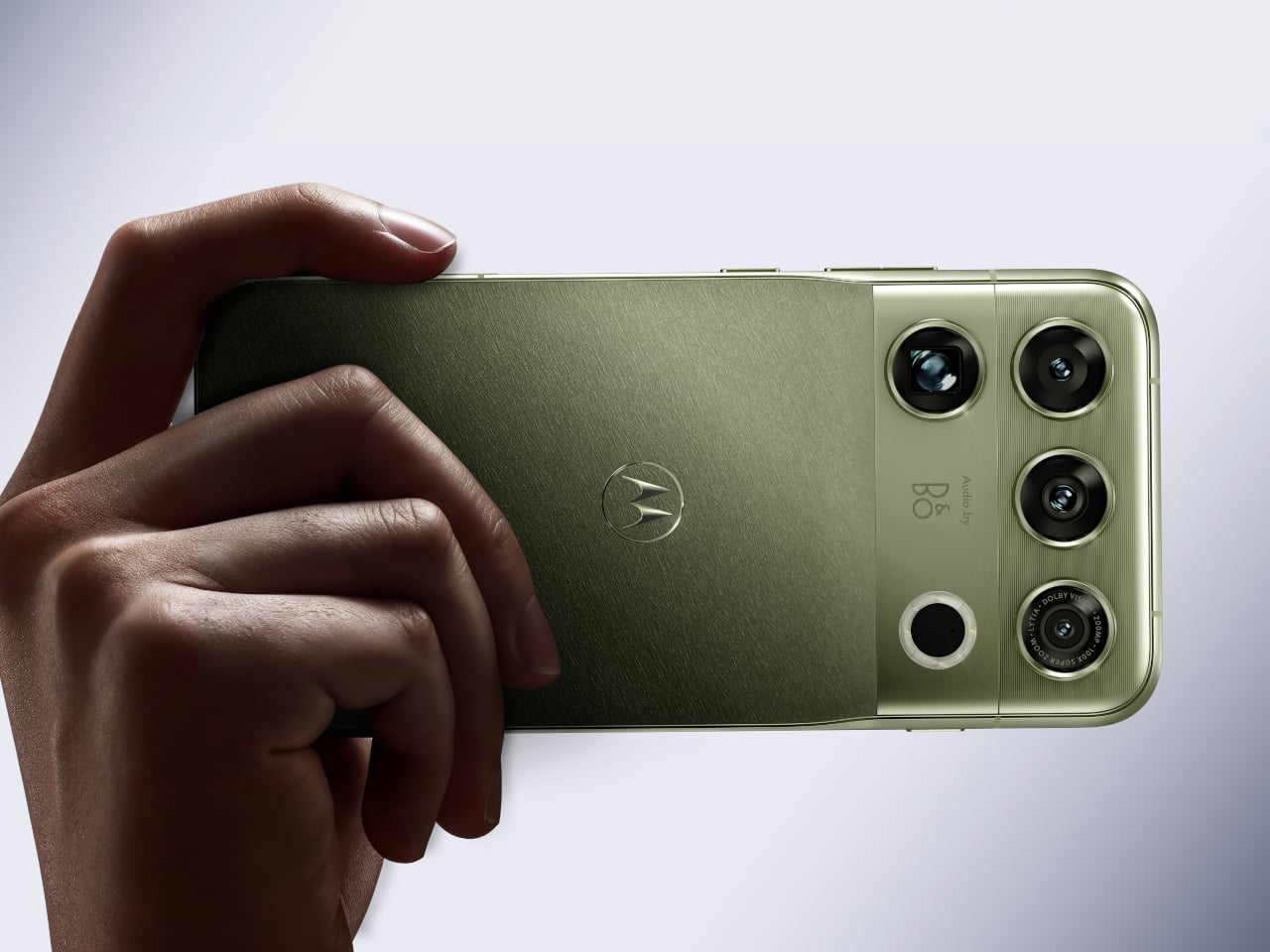
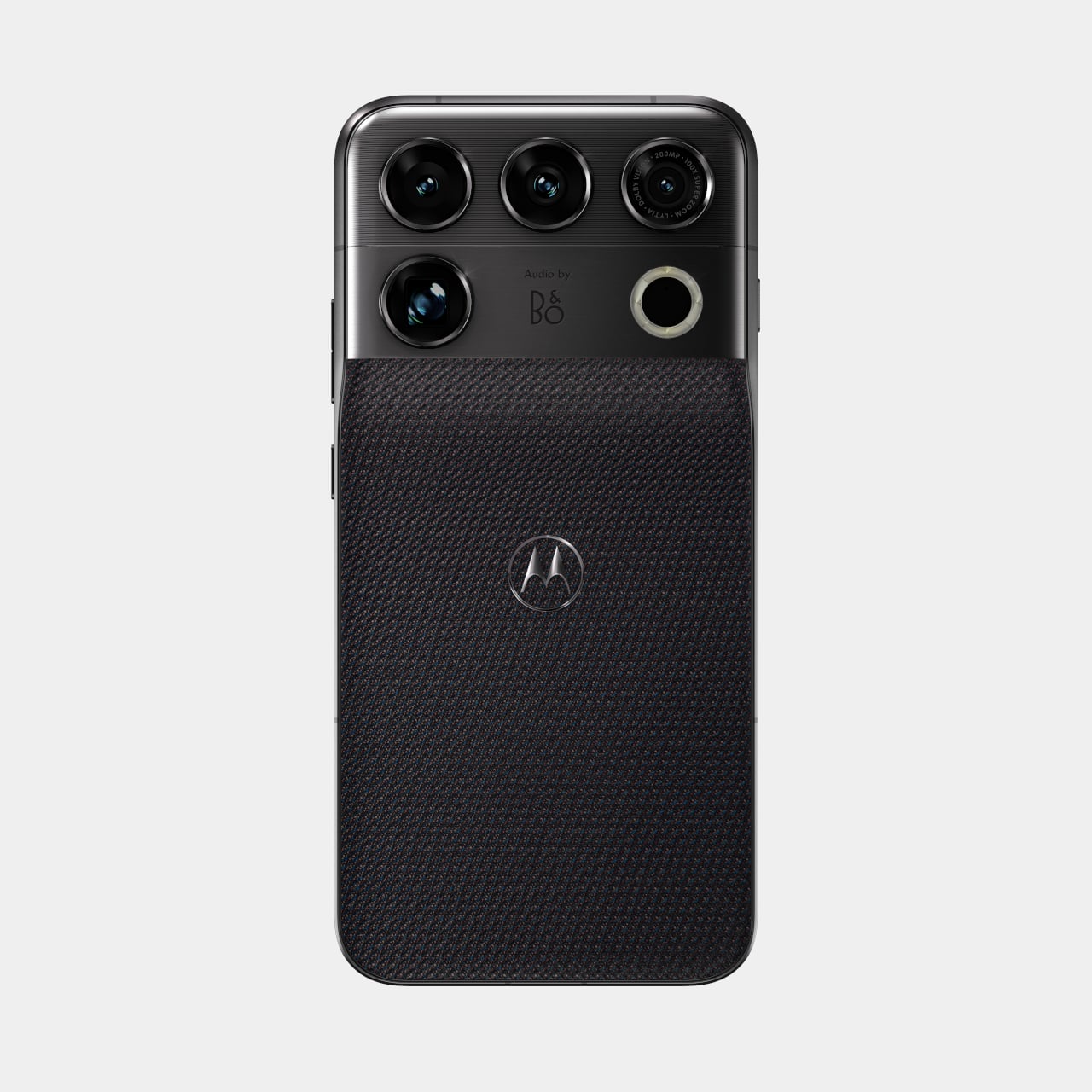
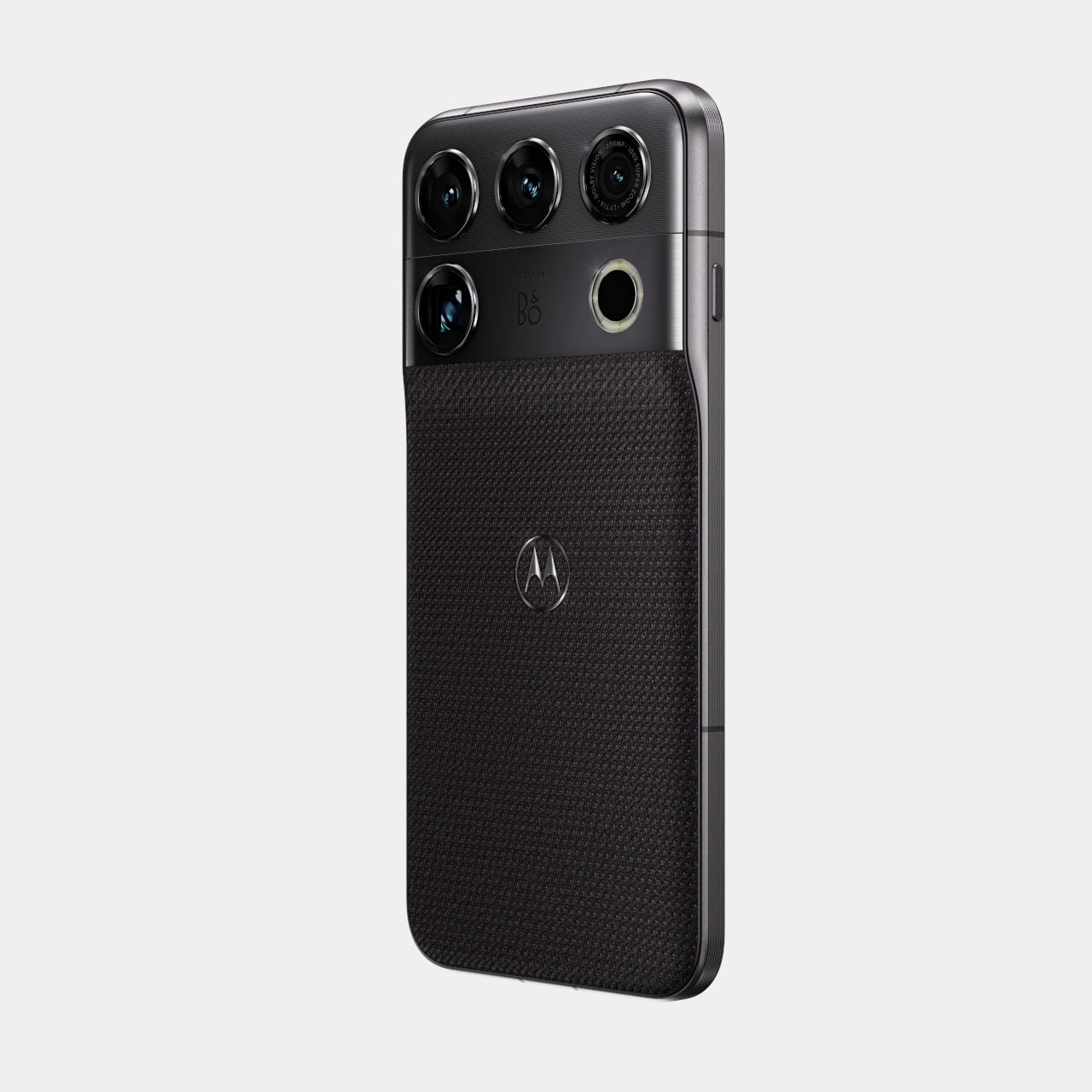
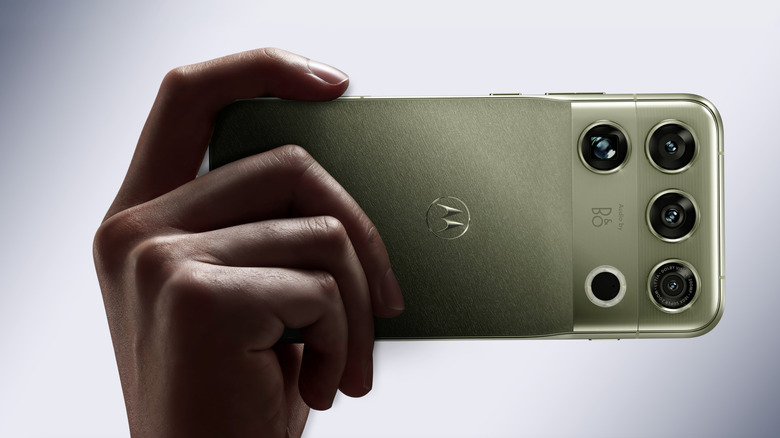
A smartphone’s camera bump usually exists to hold lenses and nothing else, a necessary bulge nobody asks to admire. The motorola signature 27 turns that same block into a badge, stamping a Bang & Olufsen wordmark directly onto the module beside the lenses themselves. It’s the clearest possible signal that this device treats audio as a design decision, not a spec buried three pages into a press release.
That badge marks Motorola’s first phone built under its new multi-year partnership with Bang & Olufsen, a deal aimed at making sound feel purposeful rather than incidental. Camera hardware and speaker hardware rarely share billing on the same panel of glass, yet here they sit side by side, treated as equally important reasons to pick this phone up and turn it over in your hand before ever opening an app.
Designer: Motorola, Bang & Olufsen
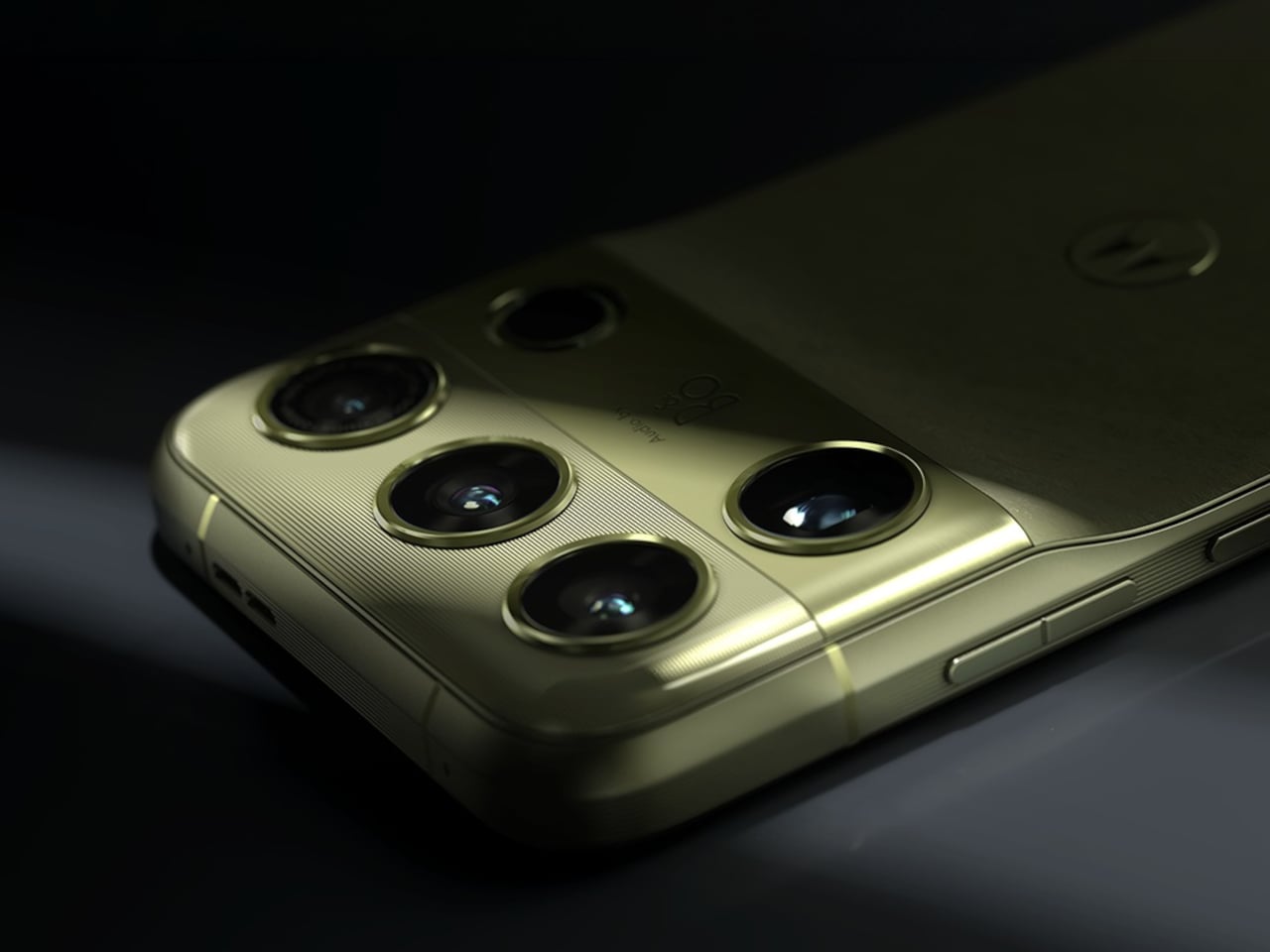
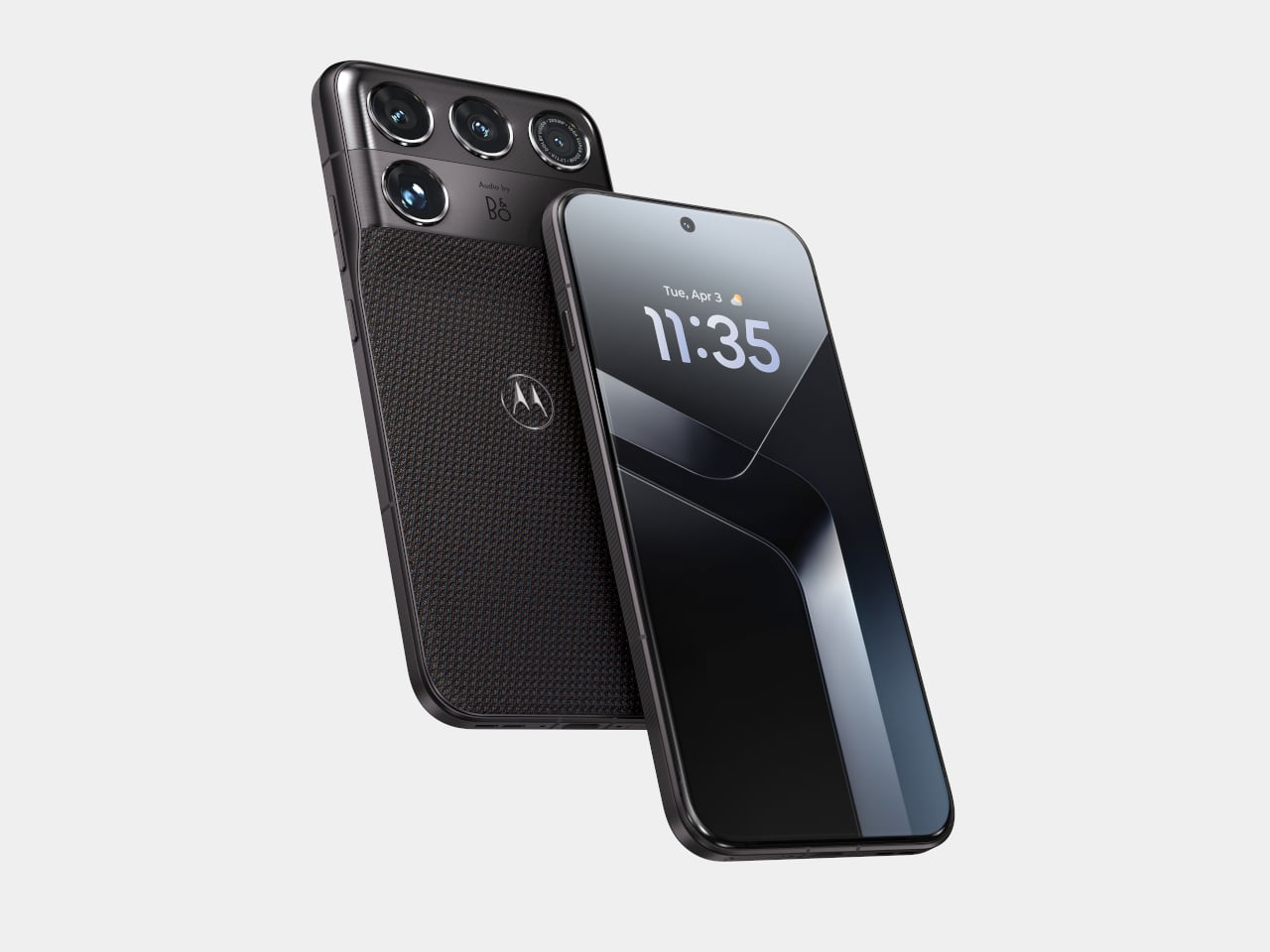
The name itself carries intent too. Motorola is retiring its old naming logic in favor of a simple year-based tag, with this device marking the first signature phone to carry a number tied directly to 2027 rather than an arbitrary sequential digit. It’s a small administrative choice that quietly promises a predictable rhythm going forward, one flagship a year, clearly dated, without guesswork about where it sits in the lineup.
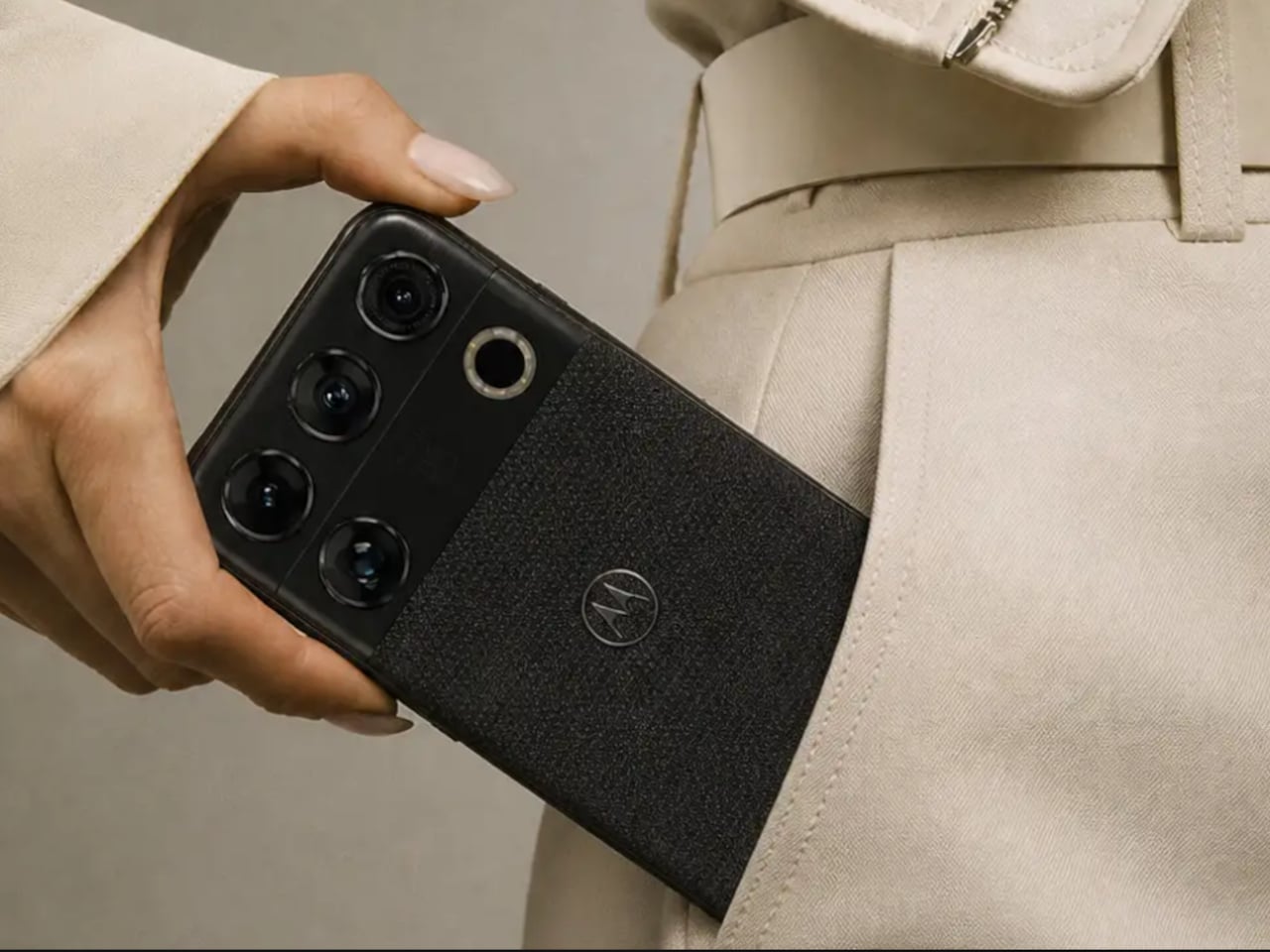
Flip it back around, and the chassis keeps making that same argument through touch alone. The Coal Smoke colorway wears a tightly woven, tactical-feeling texture borrowed from automotive interiors and performance wear, grippy enough to trust in a bag without a case. Capulet Green swaps that for a brushed, fabric-like softness pulled from fashion and interior design instead, warmer under a thumb than any glass back manages.

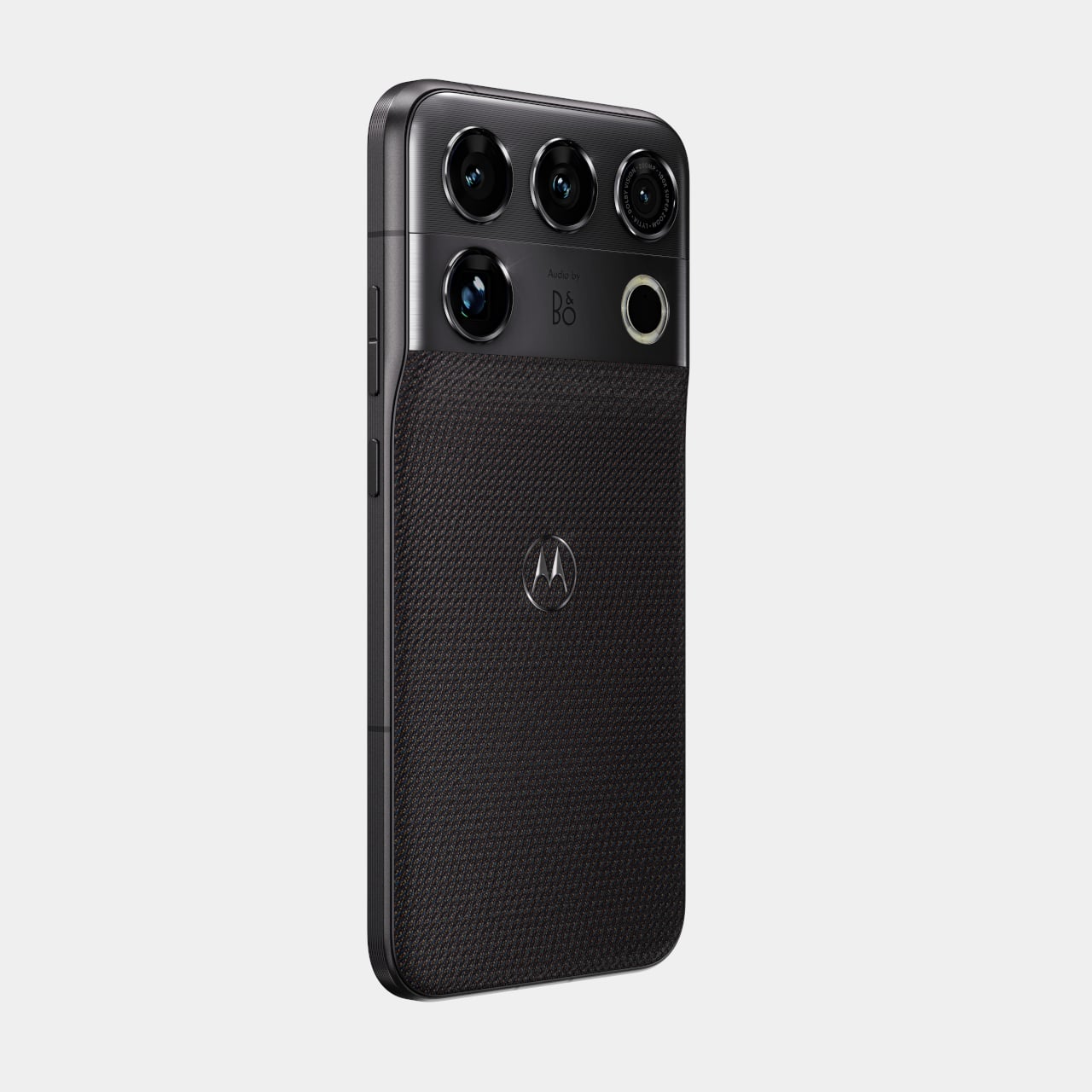
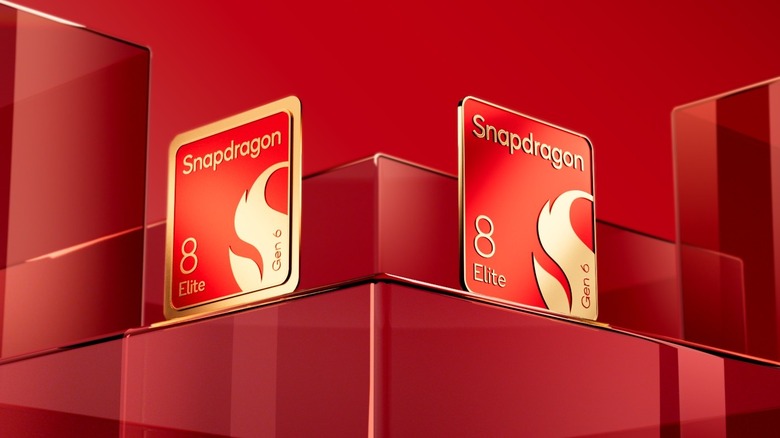
Both finishes wrap around a body built specifically to survive its own performance. Powering everything is Qualcomm’s brand-new Snapdragon 8 Elite Extreme Gen 6, paired with a cooling system Motorola calls ArcticMesh, combining diamond-infused gel, liquid metal, and copper mesh across a vapor chamber 40% larger than before. That matters most during long gaming sessions or video exports, when cheaper phones start throttling, and this one keeps its pace steady.
Photography gets the same layered treatment. A 50MP Sony sensor anchors the main shot, backed by a 200MP periscope lens for distant detail, while stabilization hardware works alongside Qualcomm’s own image processing to keep handheld footage from wobbling during a walk or a pan. Motorola’s Video Enhancement Engine reads a scene in real time, adjusting color before and during recording so a sunset or a dim concert stage looks the way it actually felt standing there.
Google’s Gemini threads through the software layer without waiting to be asked. It handles more than answering questions, moving from a spoken intention to a finished action, booking a table, drafting a plan, or turning a handful of photos into an edited video through a tool Motorola calls Gemini Omni. A companion feature named Lyria builds original music and soundtracks from scratch, folding creative software into hardware that already looks built for it.
None of this arrived as a finished retail package. What Motorola showed at Snapdragon Summit is a preview, missing pricing and a firm release window, with the company promising fuller detail as 2026 continues. What’s already clear is the intent: sound, texture, and image quality are being treated as one connected decision here, not three separate boxes checked down a spec sheet.
The post The motorola signature 27 Signs Its Camera With Bang & Olufsen first appeared on Yanko Design.
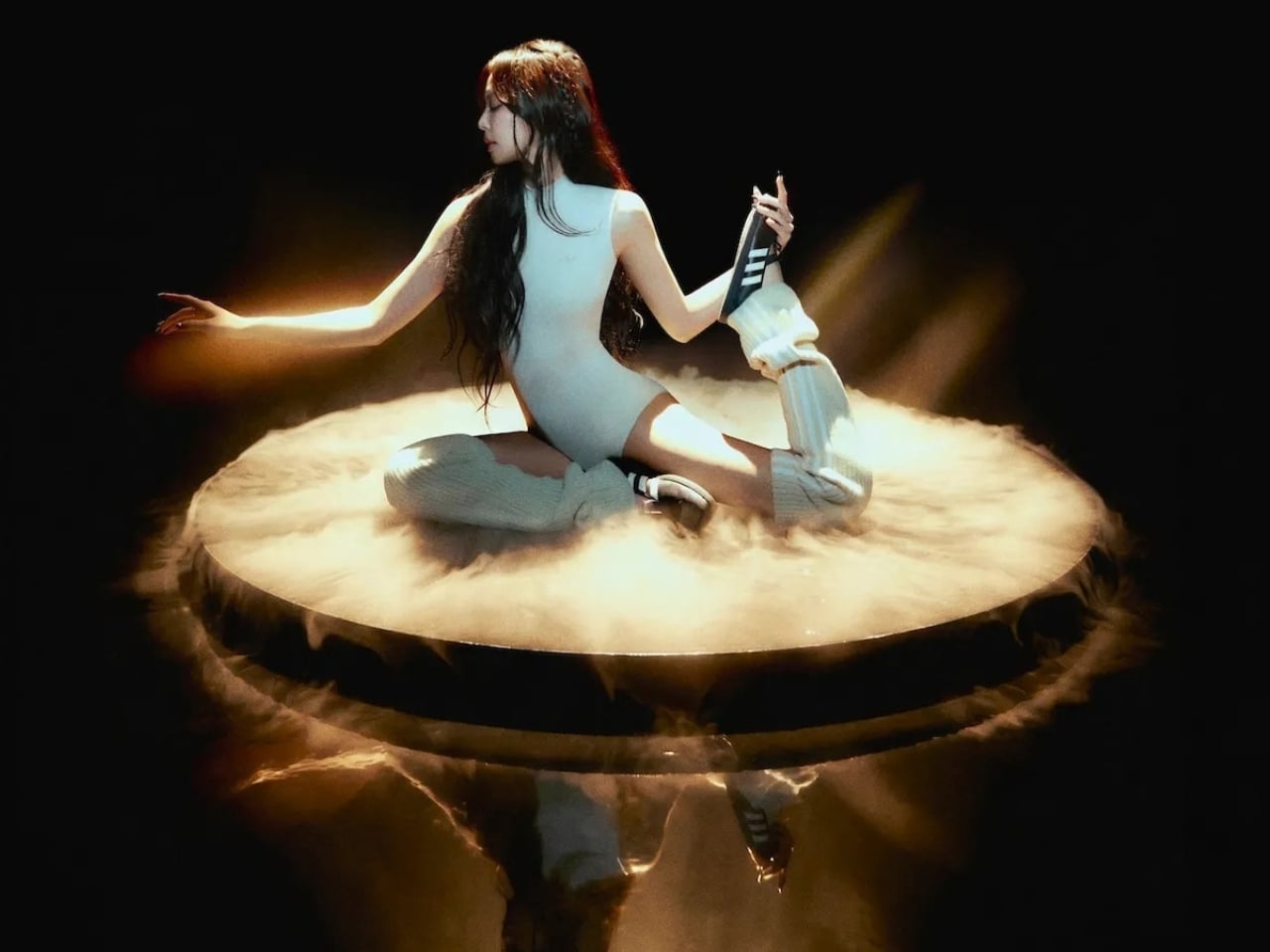
One of the biggest trends in sneakers and footwear in general over the past few years has been big brands rolling out their own take on “balletcore.” Personally, it’s a trend I hope sticks around, since the designs we’ve seen so far give me serious sneaker envy. They tend to strike the perfect blend between fashion and comfort, and for anyone who’s on their feet all day but still wants to look stylish, this aesthetic is one of the better options out there.
If you’re a fan of adidas and K-pop, specifically Blackpink, this latest collaboration with Jennie (who’s also a successful soloist in her own right) will be right up your soles. The adidas Superstar SQ Ballet marks the first pair of shoes Jennie has ever co-designed for any brand, which makes it a genuine collector’s item. But even if you’re not a K-pop fan, this is still worth a look if you’re after ballet-inspired shoes built for comfortable, everyday wear rather than actual dancing.
Designer: Jennie x adidas Originals
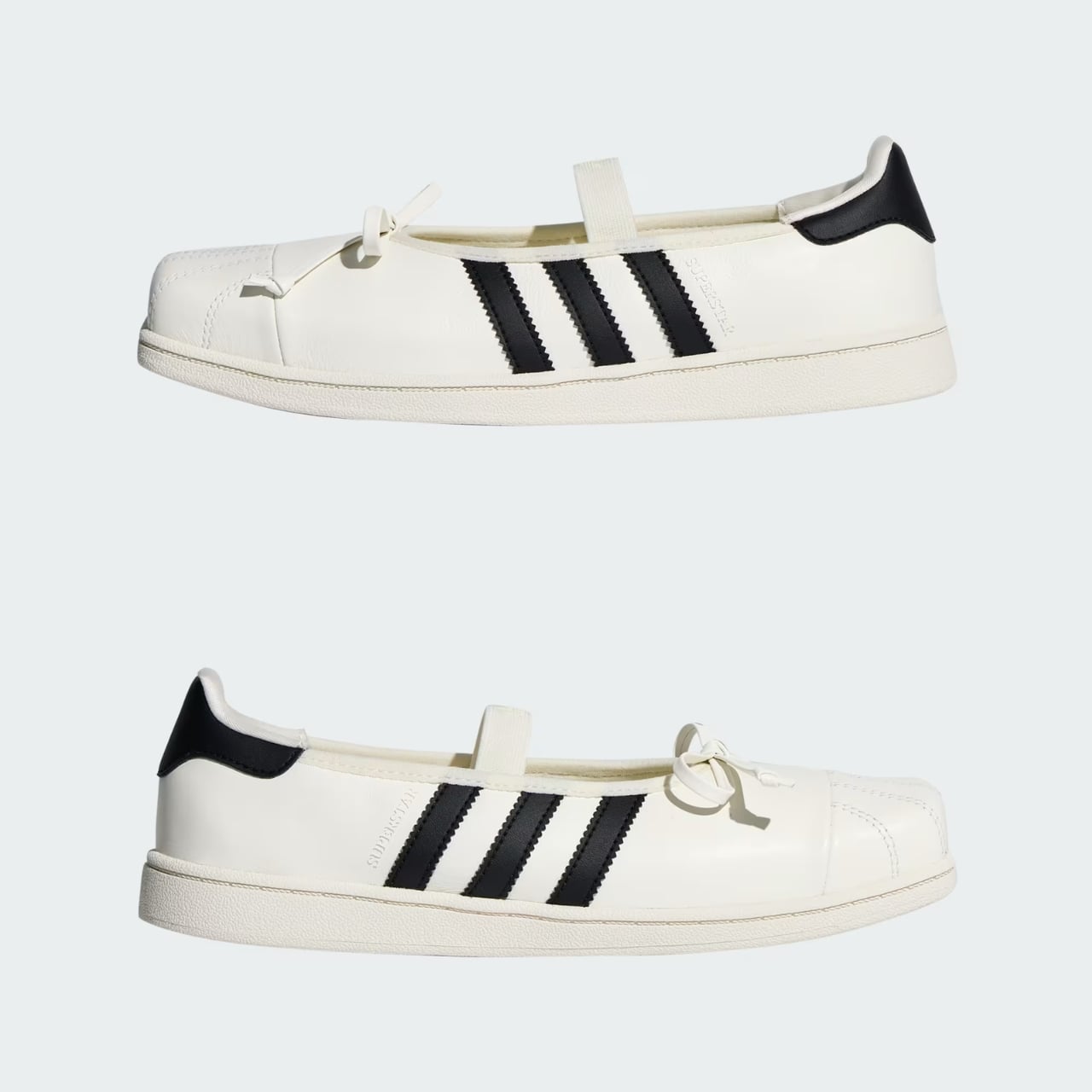
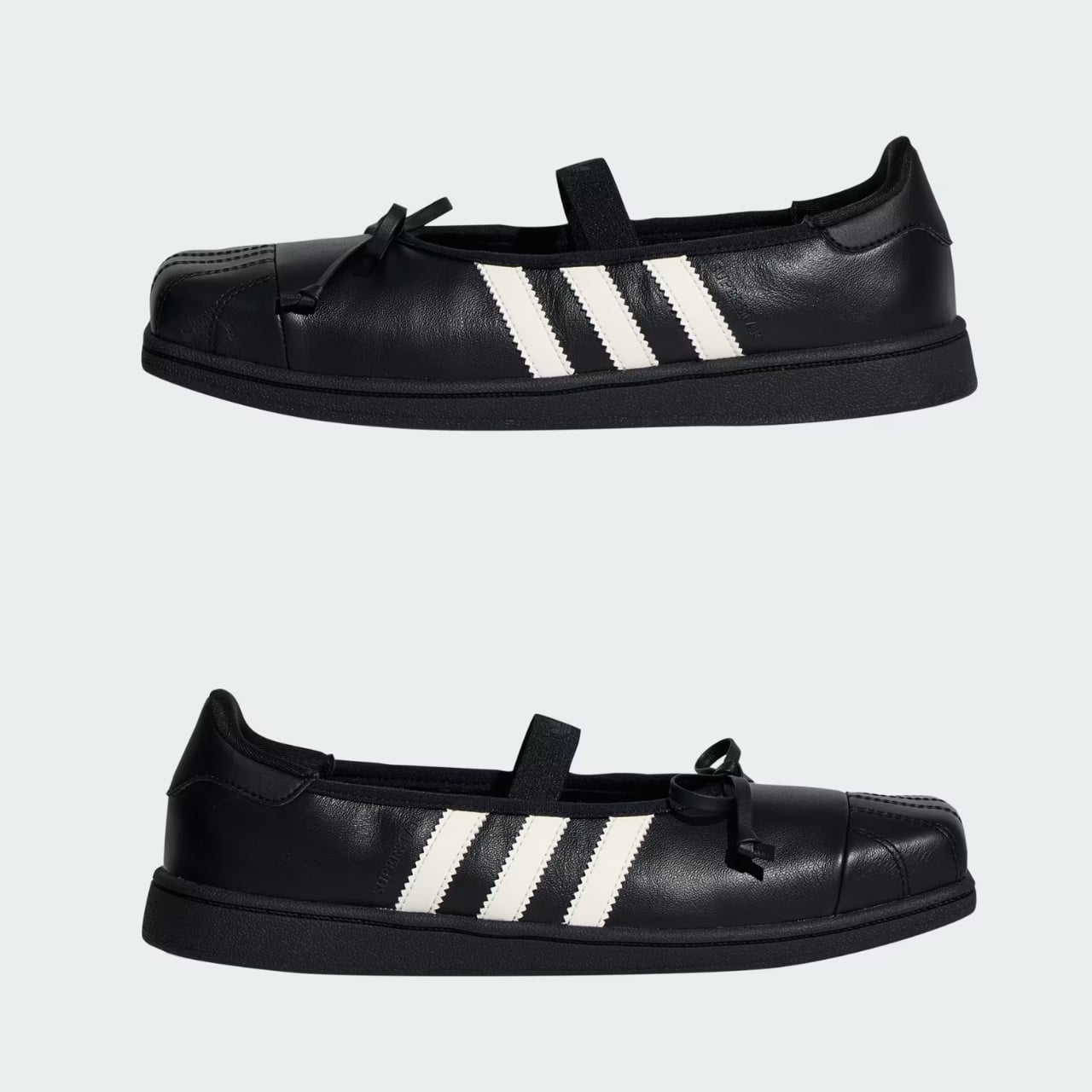
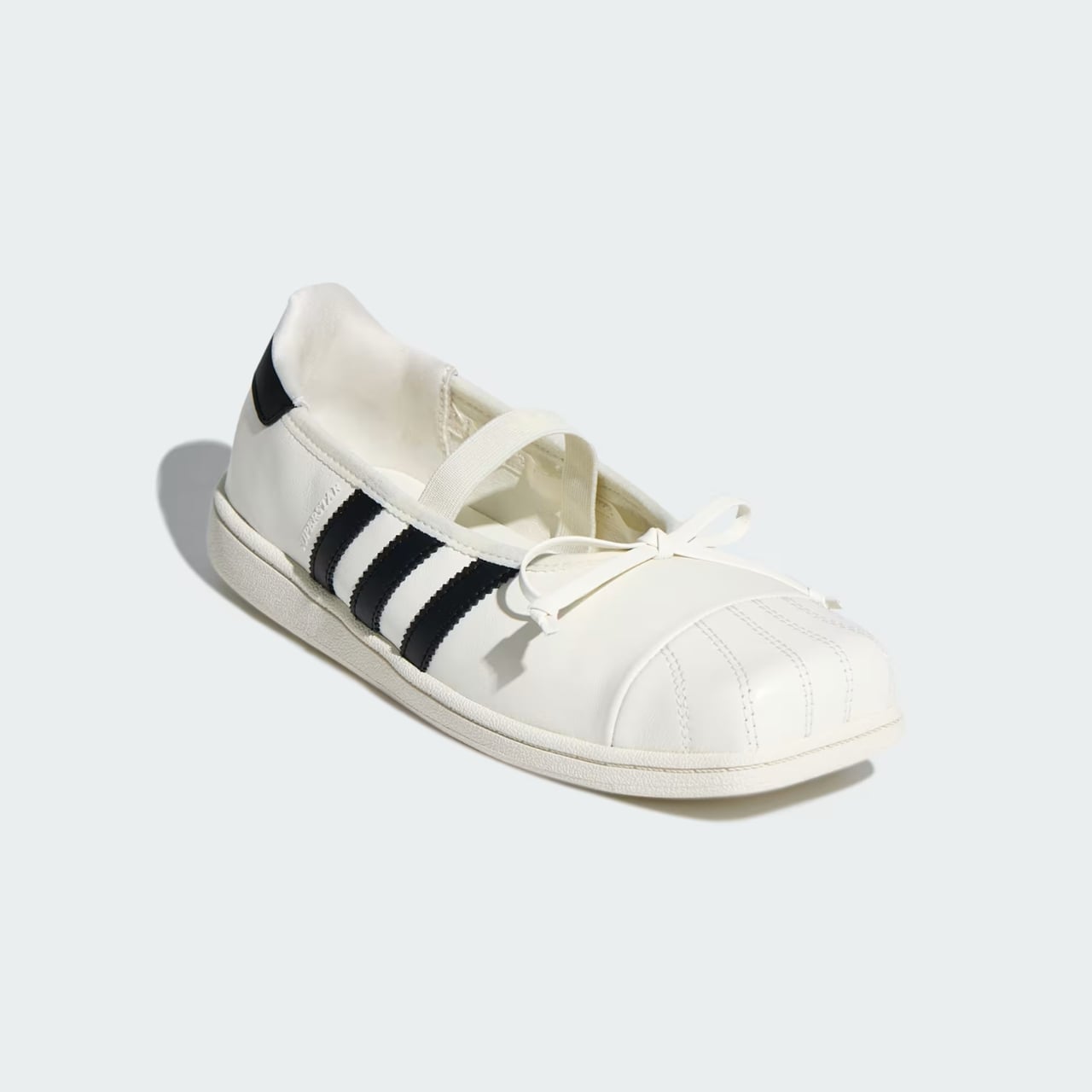
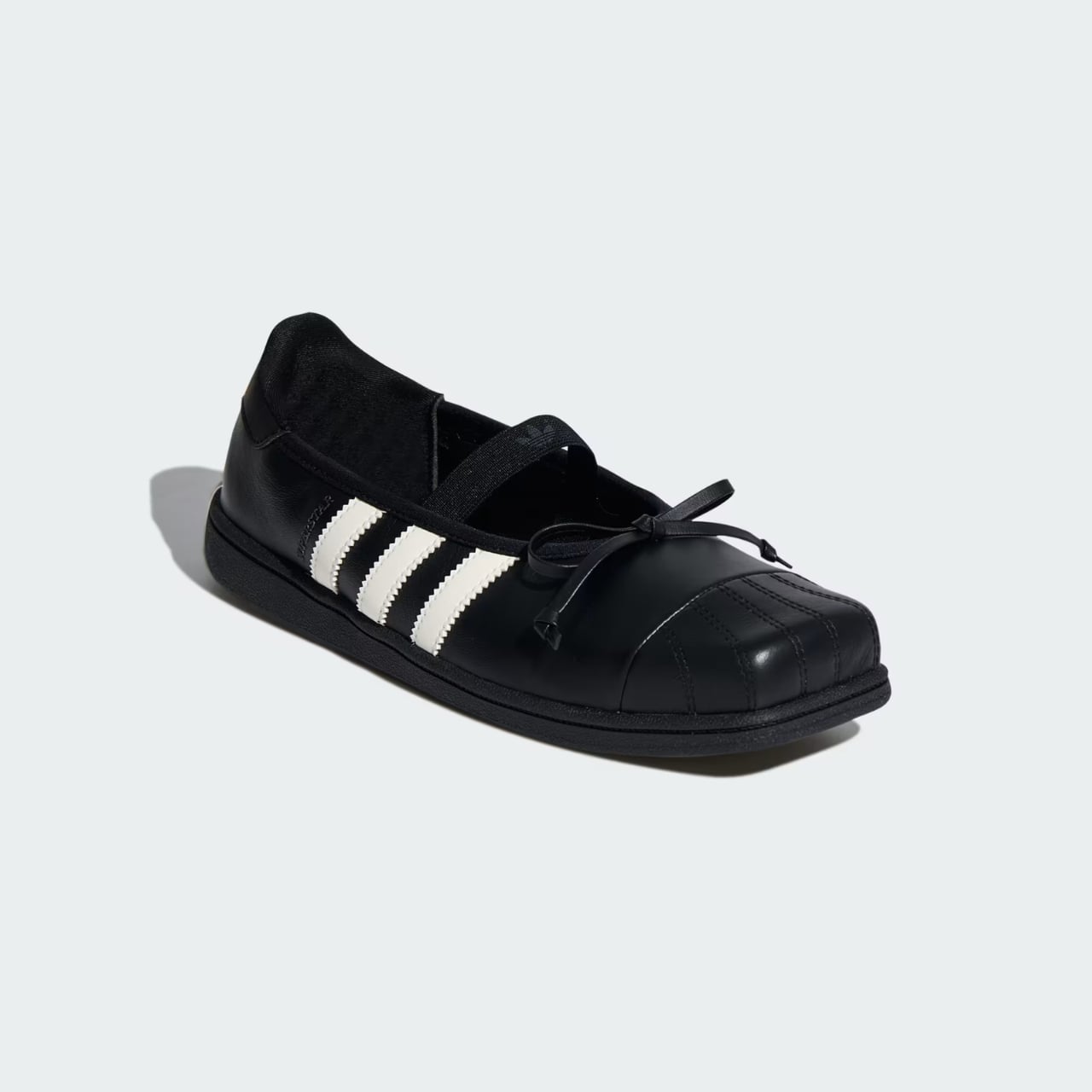
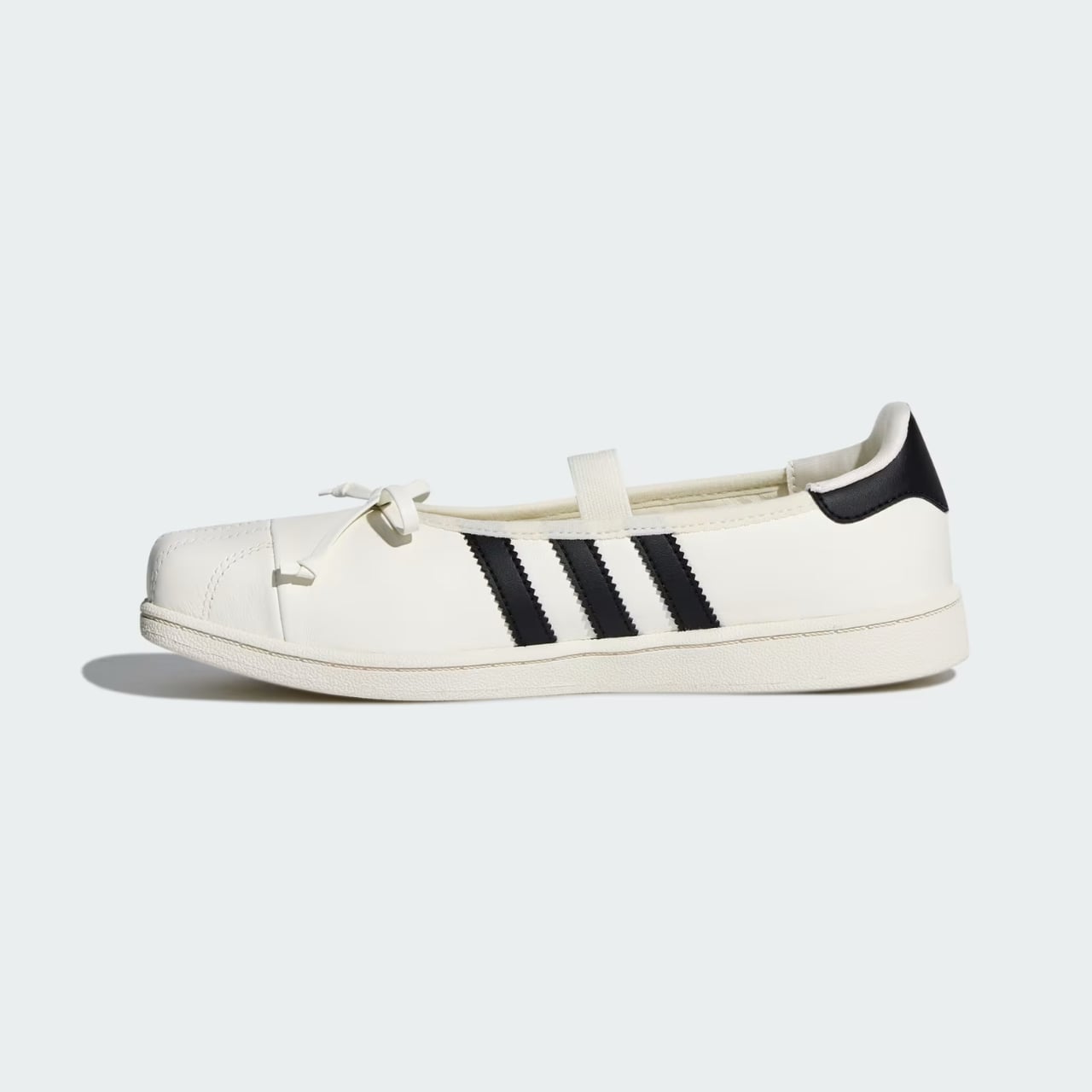
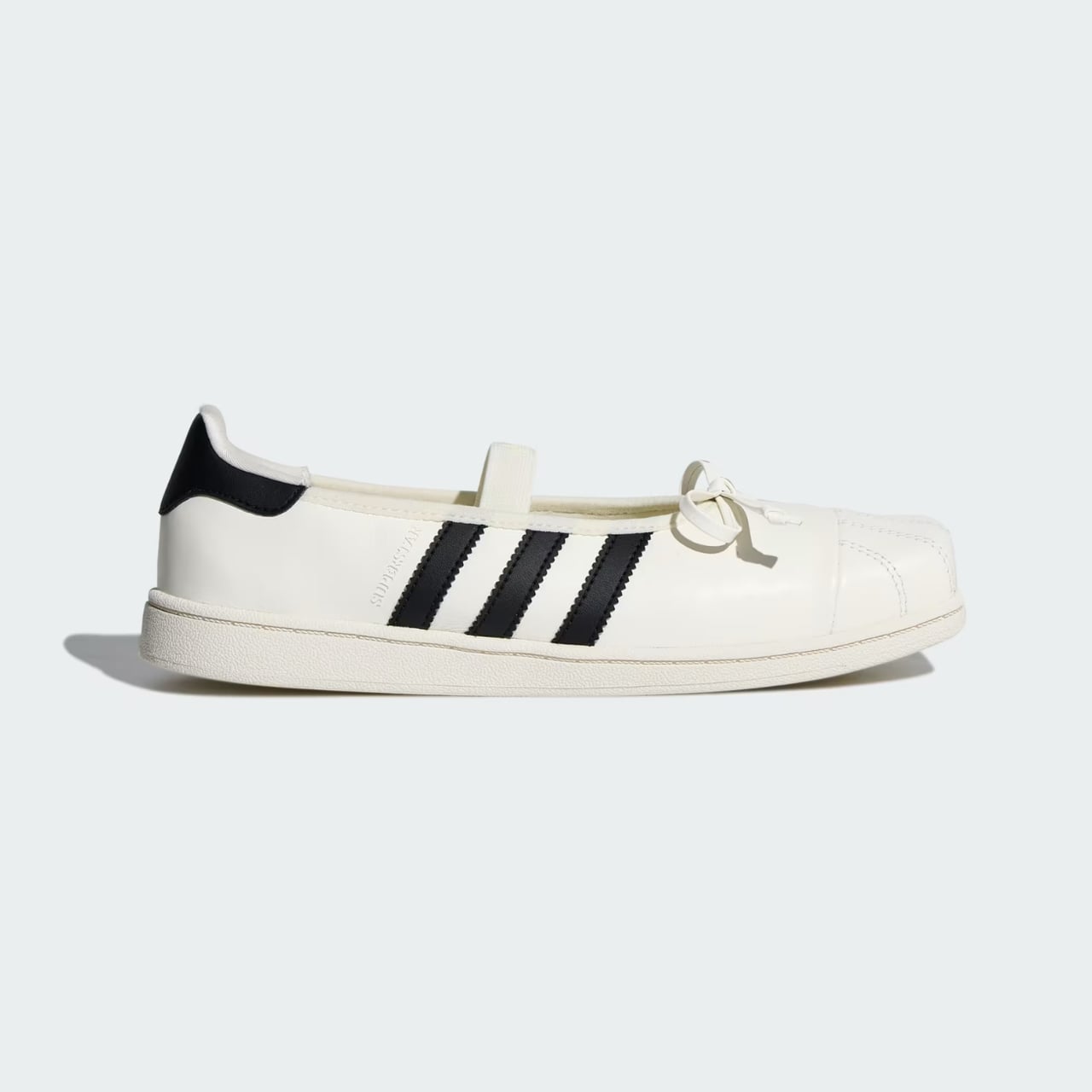
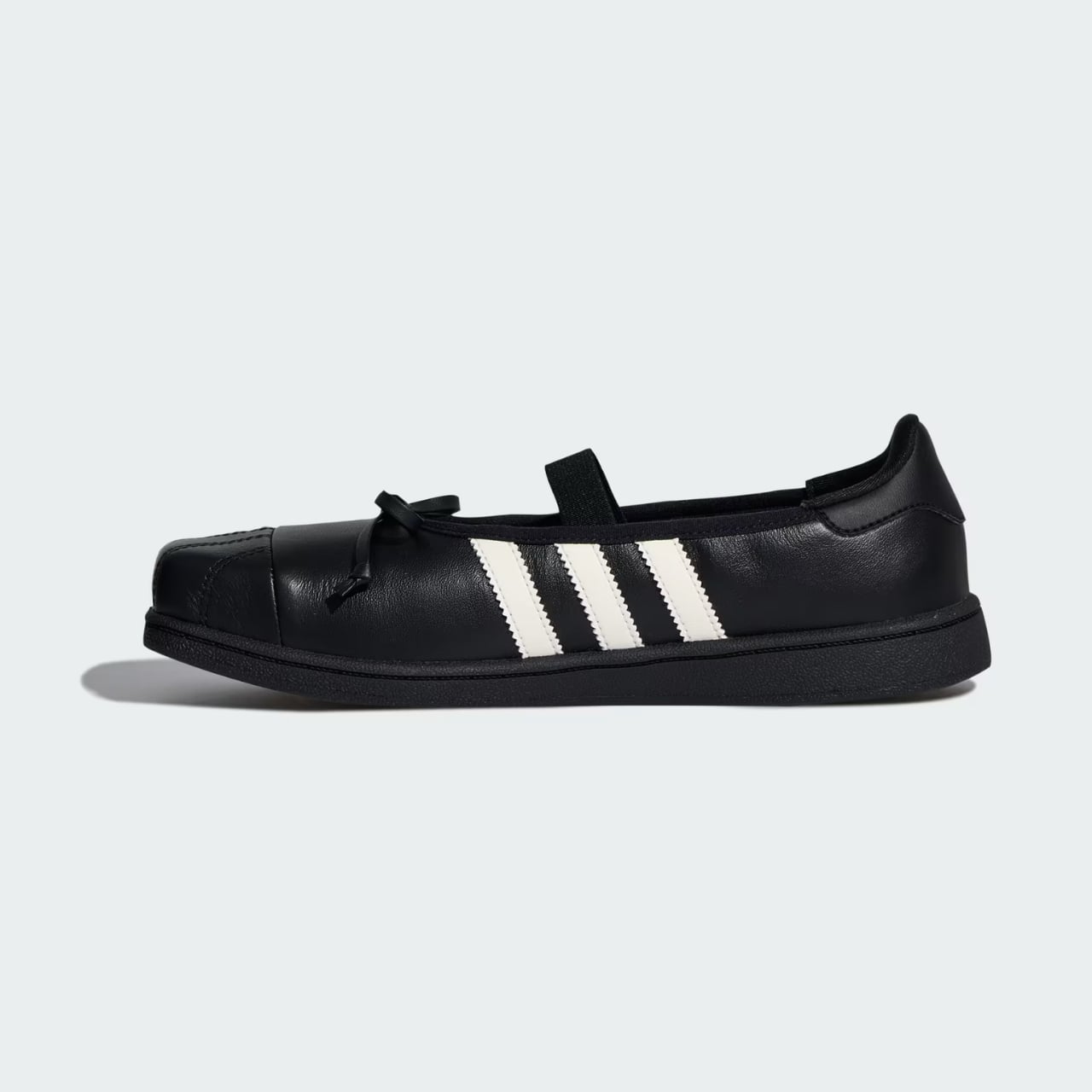
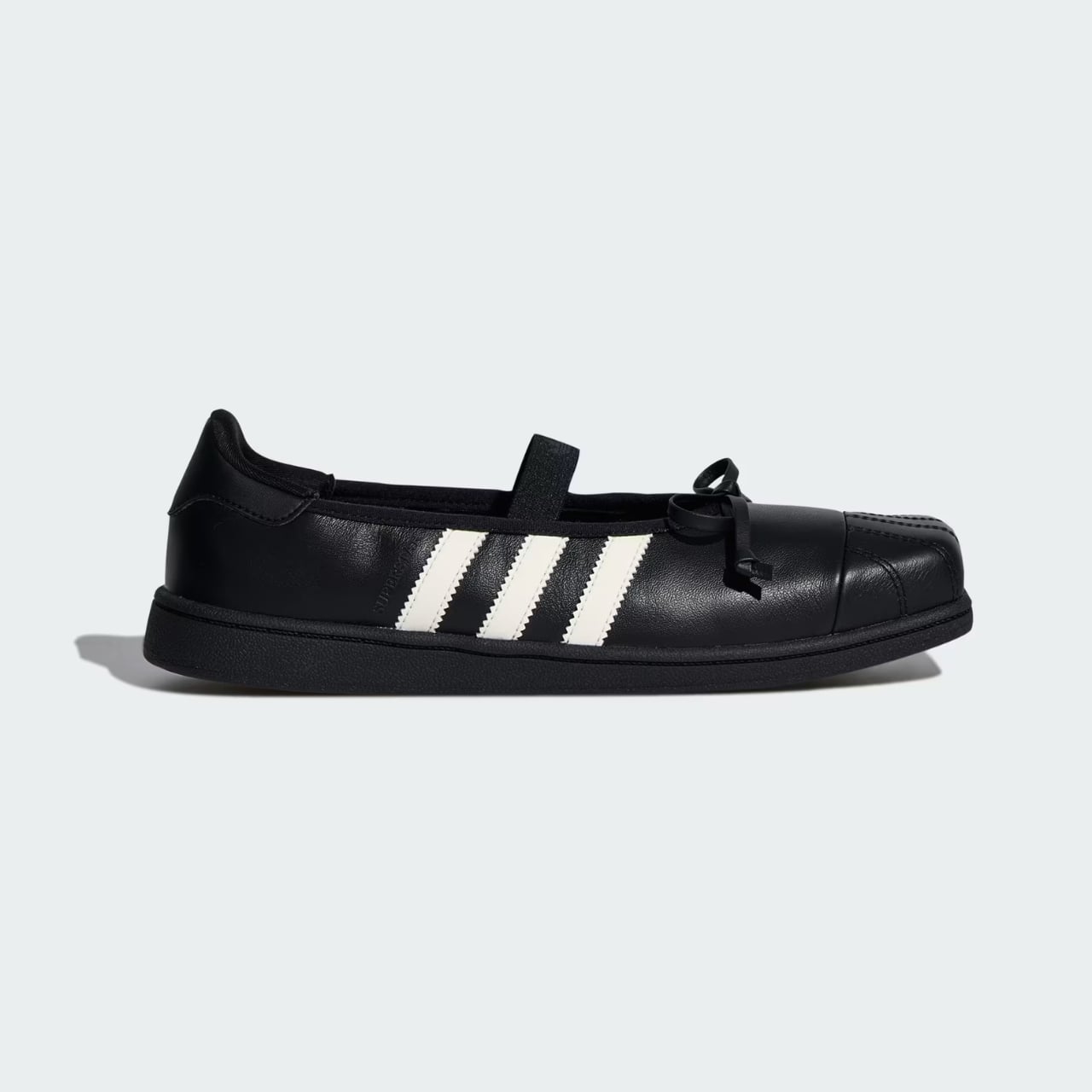
The Superstar has long been one of adidas’ most recognizable sneakers, but this version trades in the brand’s signature rounded shell toe for a square, ballet-flat-like toe box. Standard laces are gone too, replaced by an elastic closure that lets you slip into the shoes effortlessly. To complete the ballet look, a leather ribbon with a delicate bow accent runs across the vamp, giving the sneaker a softer, more feminine touch.
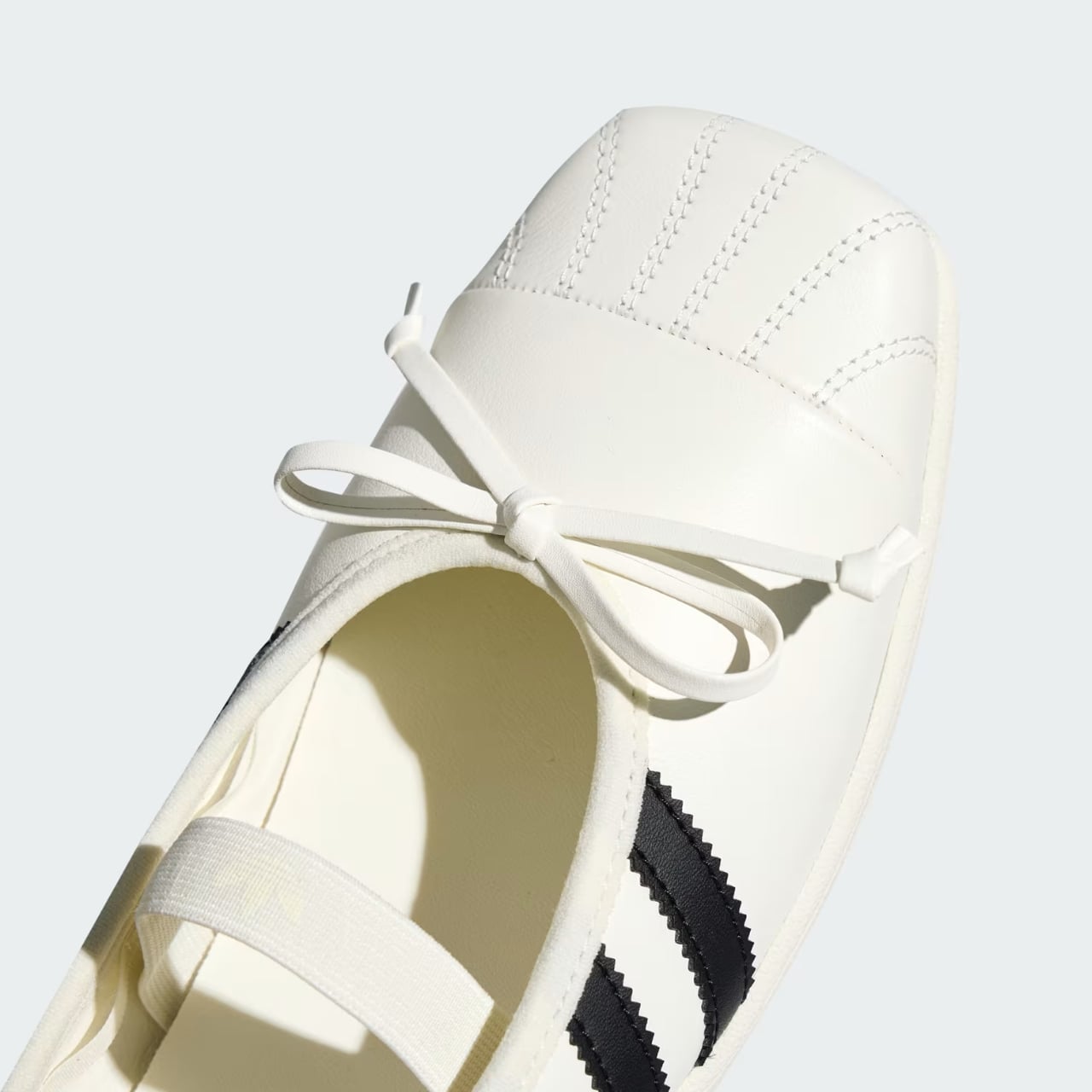
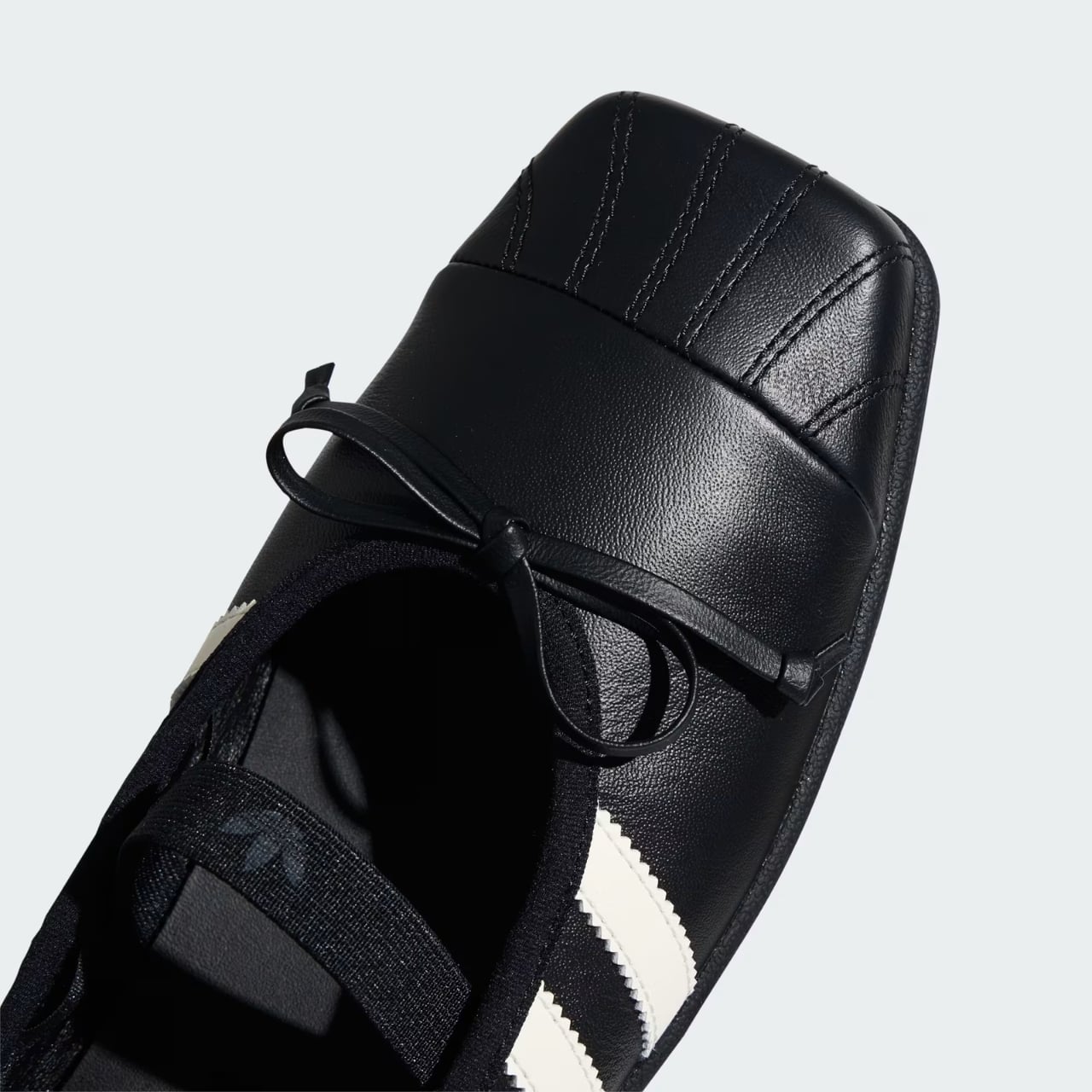
Don’t let the delicate detailing fool you, though. The upper is crafted from premium leather, built for durability and everyday comfort as much as style. An ultra-light EVA foam sole keeps it wearable from morning to night, and both colorways, off-white/black and black/off-white, lean into the “quiet luxury meets streetwear” mood dominating fashion now.
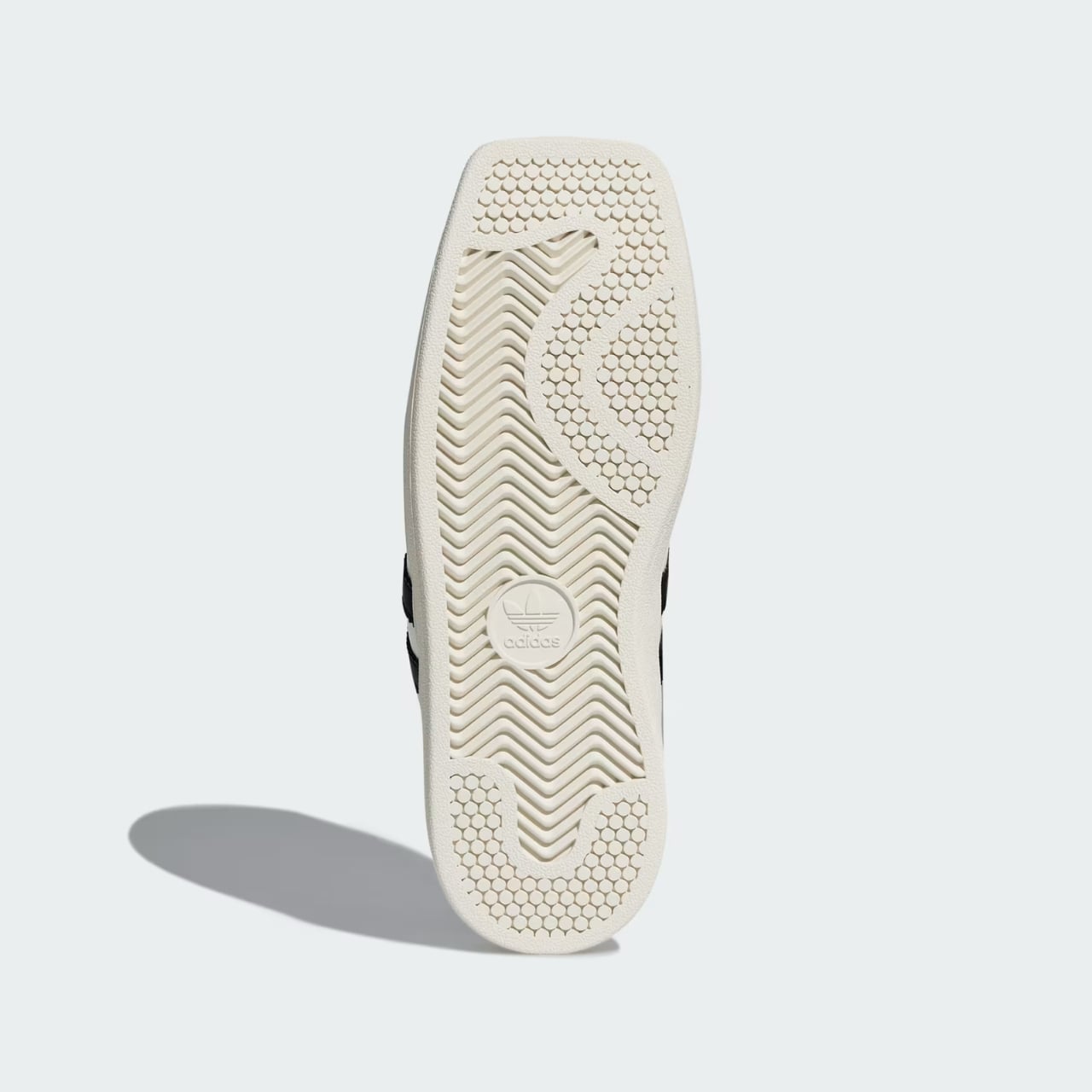
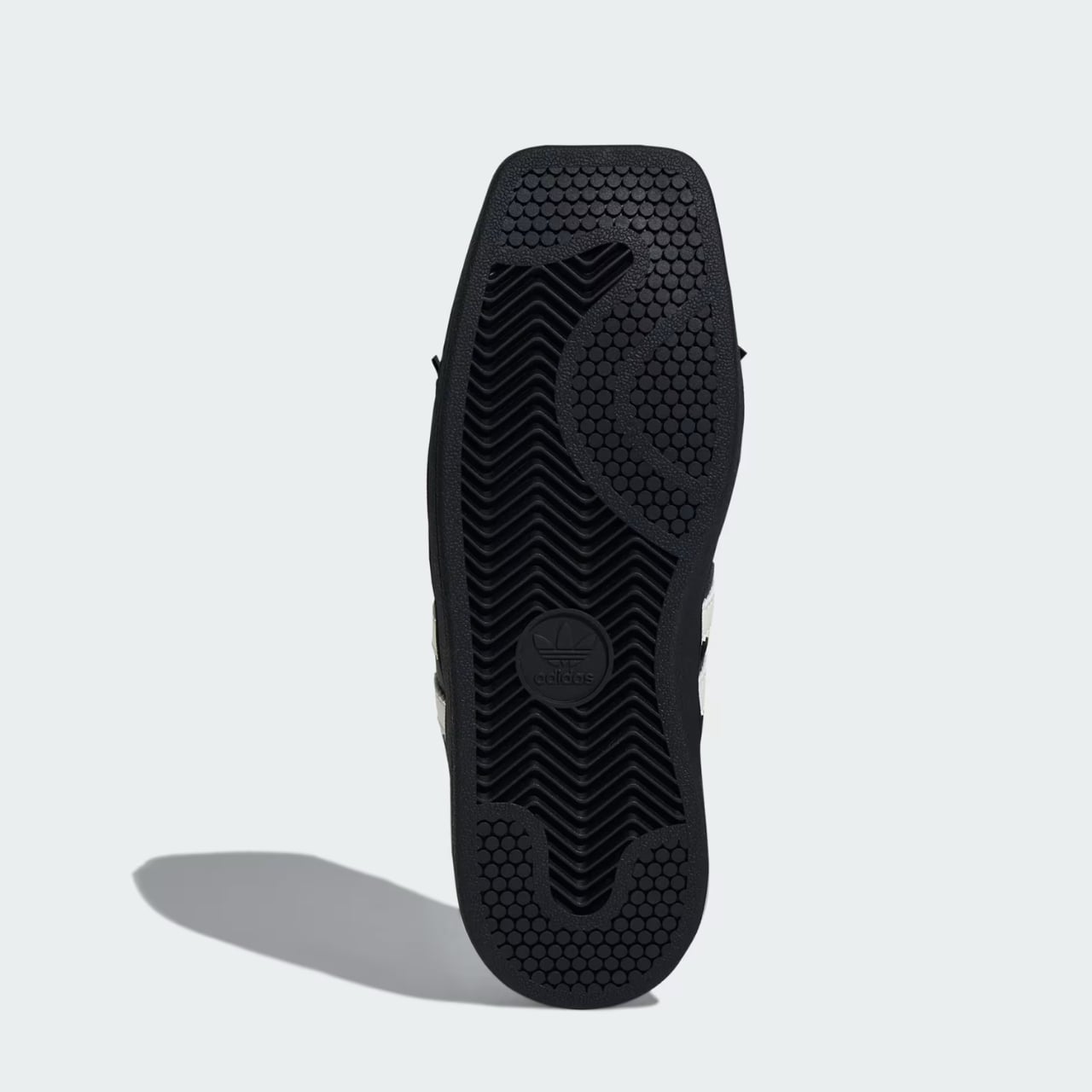
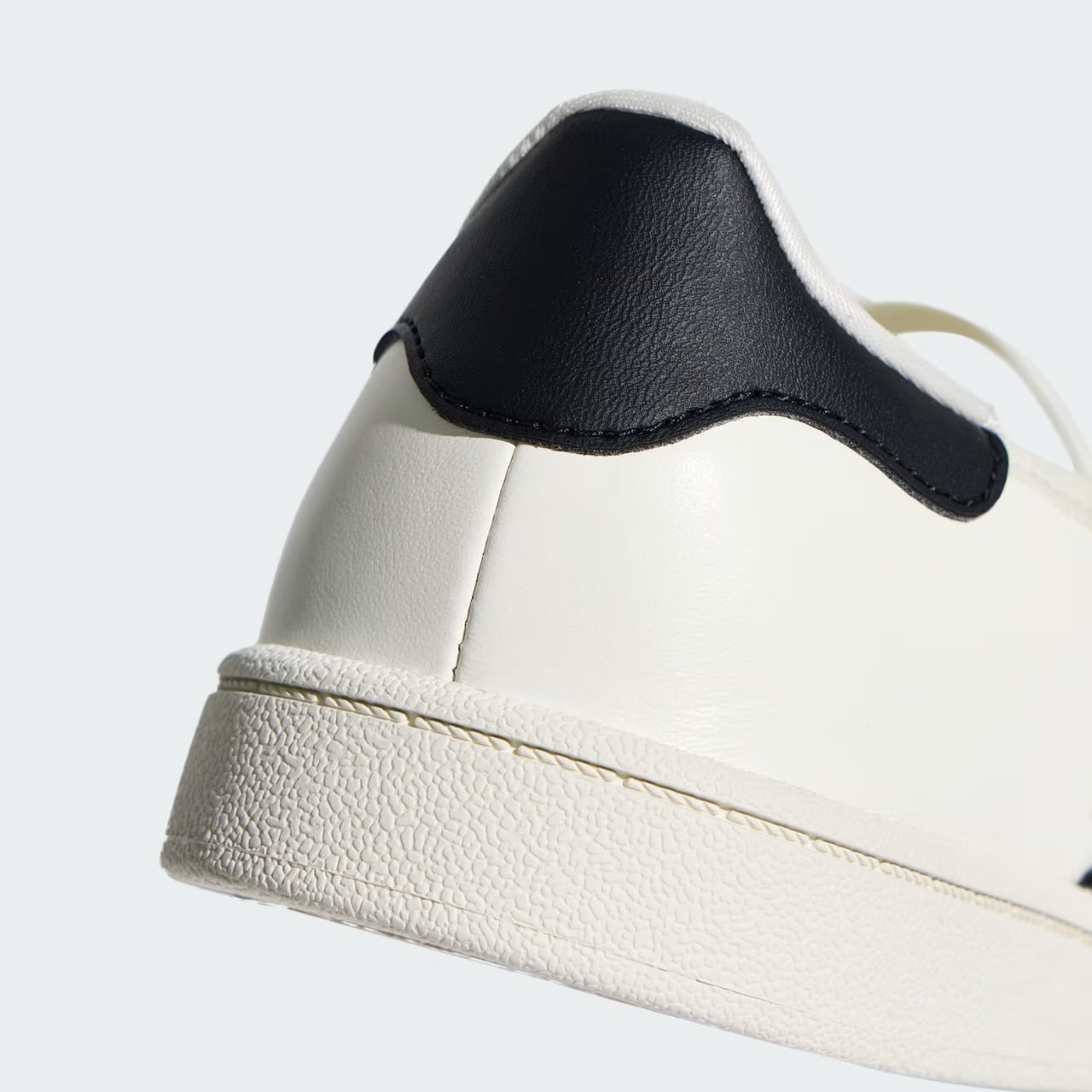
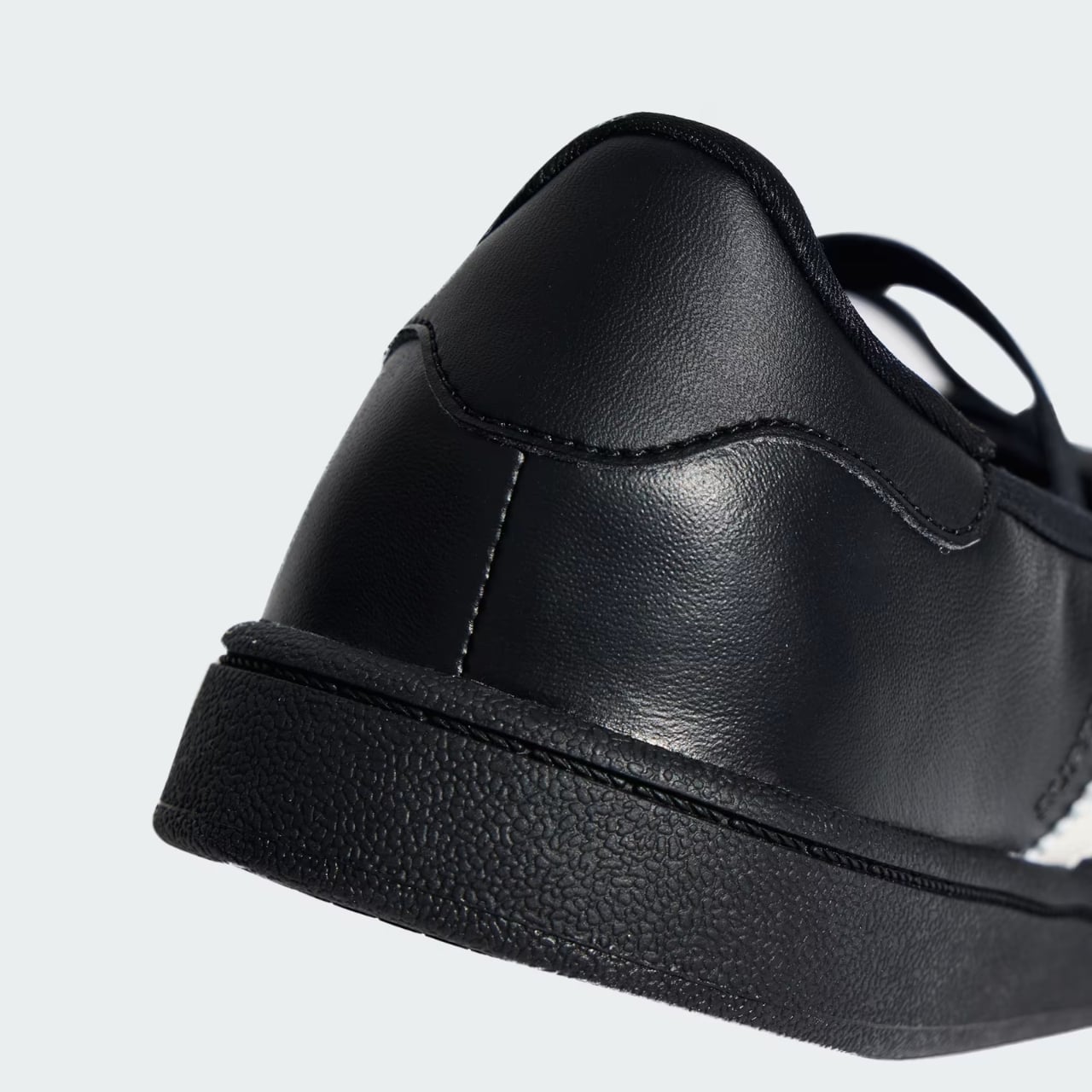
The Superstar SQ Ballet drops in two colorways, listed under style codes LB3786 (Off White/Core Black/Core White) and LB3787 (Core Black/Core Black/Off White), priced at $130 on adidas.com. It anchors a bigger capsule called adidas Originals by JENNIE, built around a concept she’s dubbed “Functional Grace,” which also includes reworked trackwear, wrap skirts, sheer layers, and knitwear.
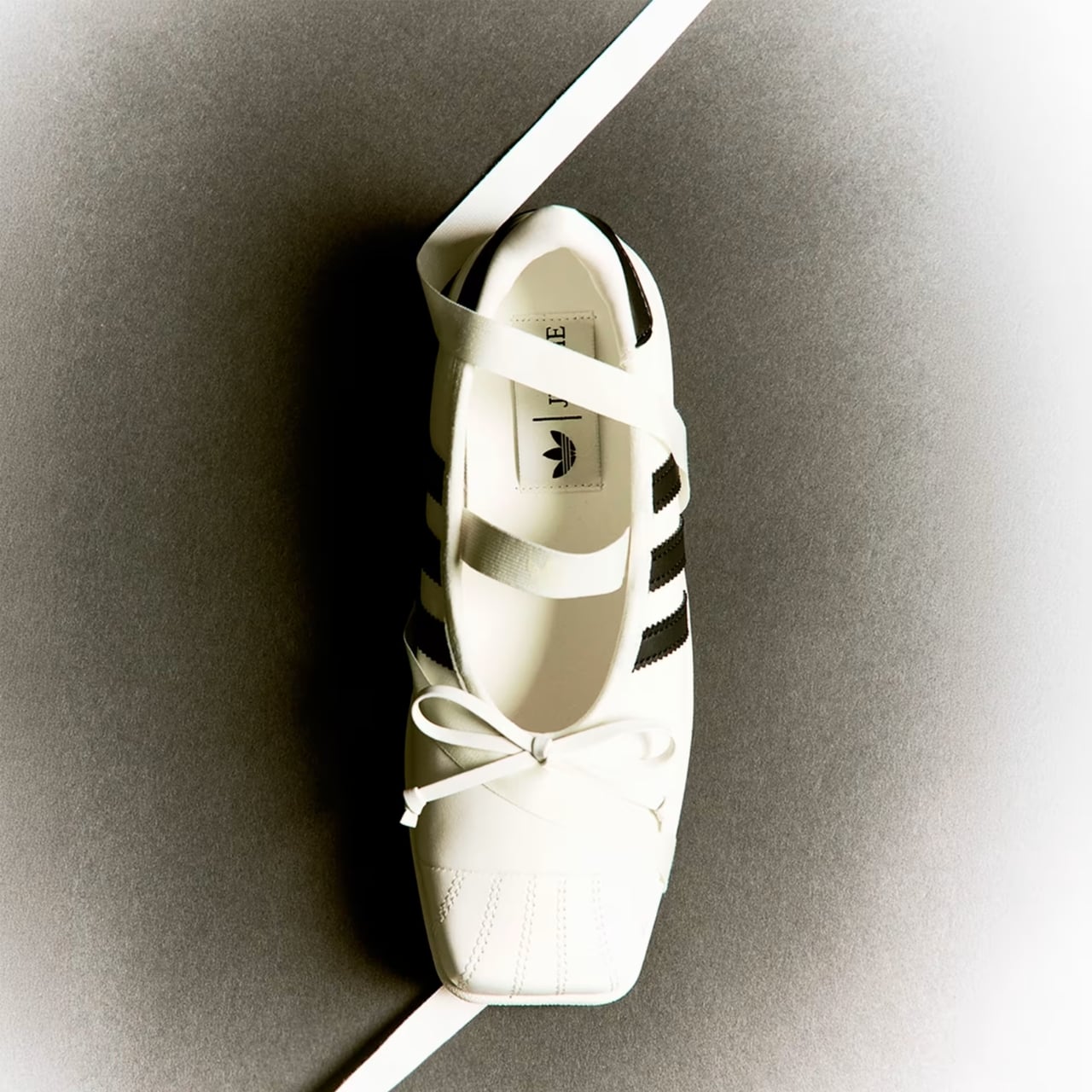
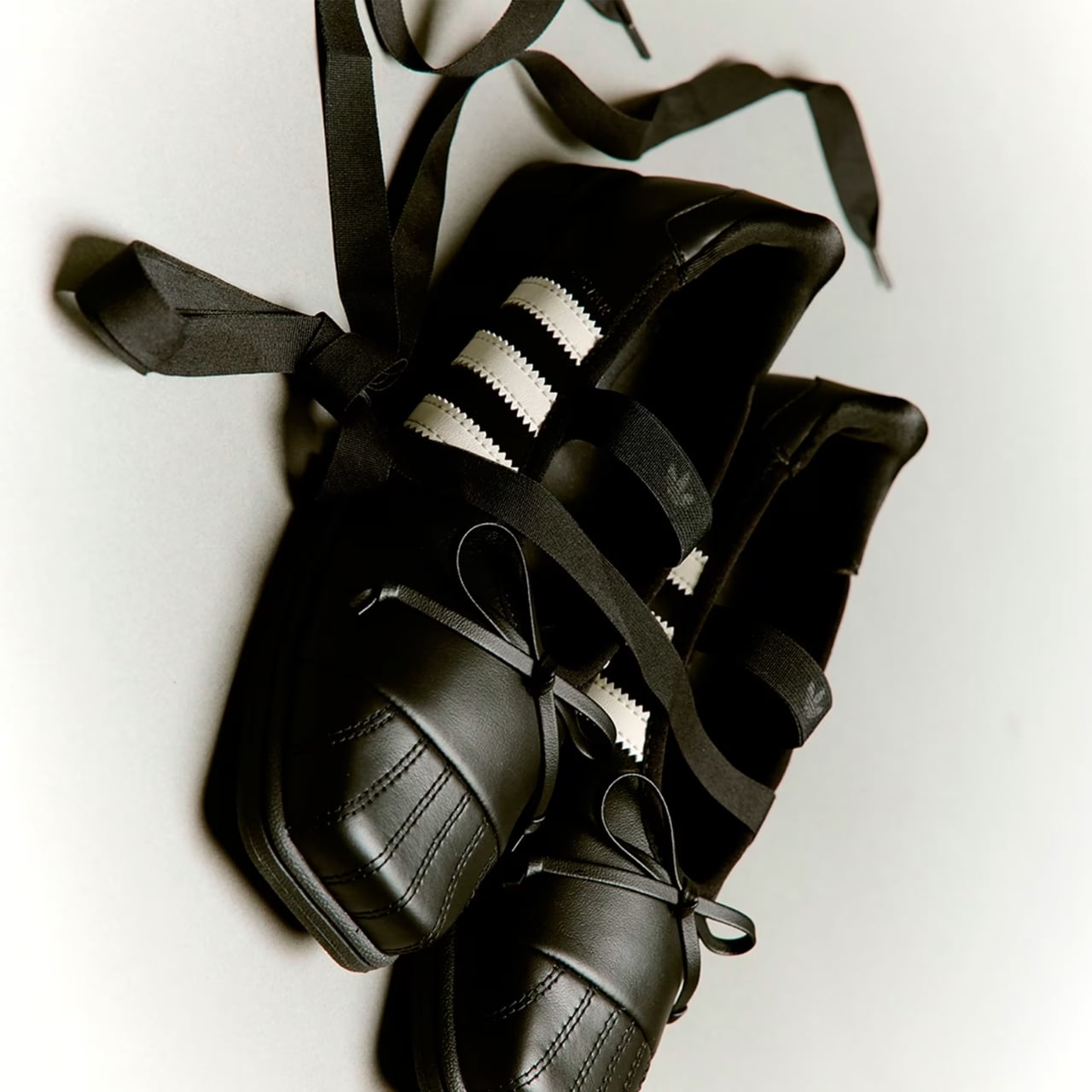
On her vision for the line, Jennie said she wanted to bring together the elegance of ballet and the freedom of space as concepts for “softness and strength.” She added that reworking the Superstar was about bringing “the softness and restraint found in ballet, as well as the strength behind it,” to a shoe that still feels unmistakably adidas. Reportedly, the design took a full year to complete, which explains why every detail feels intentional rather than rushed.

This isn’t the first time balletcore has found its way onto a sneaker, and we’ve covered plenty of these hybrid designs before. Converse Japan gave the All Star its own ballet-flat makeover with delicate straps and a softer silhouette, while Nike added satin ribbons to its Air Rift “Black Swan” that you could wrap around your ankle for a more theatrical finish. Birkenstock even teamed up with Repetto, the French ballet shoe maker, blurring the line between sandal and slipper entirely. What sets Jennie’s Superstar SQ Ballet apart is that it isn’t just a licensed nod to ballet dreamed up by a design team. It comes from someone with a genuine point of view on softness and strength, backed by a full year of development instead of a quick seasonal push.
At the end of the day, balletcore sneakers like this one prove that comfort and elegance don’t have to be mutually exclusive. Whether you’re drawn to it because you’re a die-hard Blackpink fan, an adidas collector, or simply someone who appreciates a sneaker that can go from errands to dinner without missing a beat, the Superstar SQ Ballet earns its spot in the rotation. And if this trend keeps producing shoes this thoughtful, I, for one, hope brands never let balletcore leave the building.
The post Jennie’s adidas Superstar Actually Looks Like a Ballet Flat first appeared on Yanko Design.