
iOS 27: How to hide or replace the audio button in iMessages
The fact that the "send" button shares real estate with the "record" button can make dealing with iMessage aggravating.

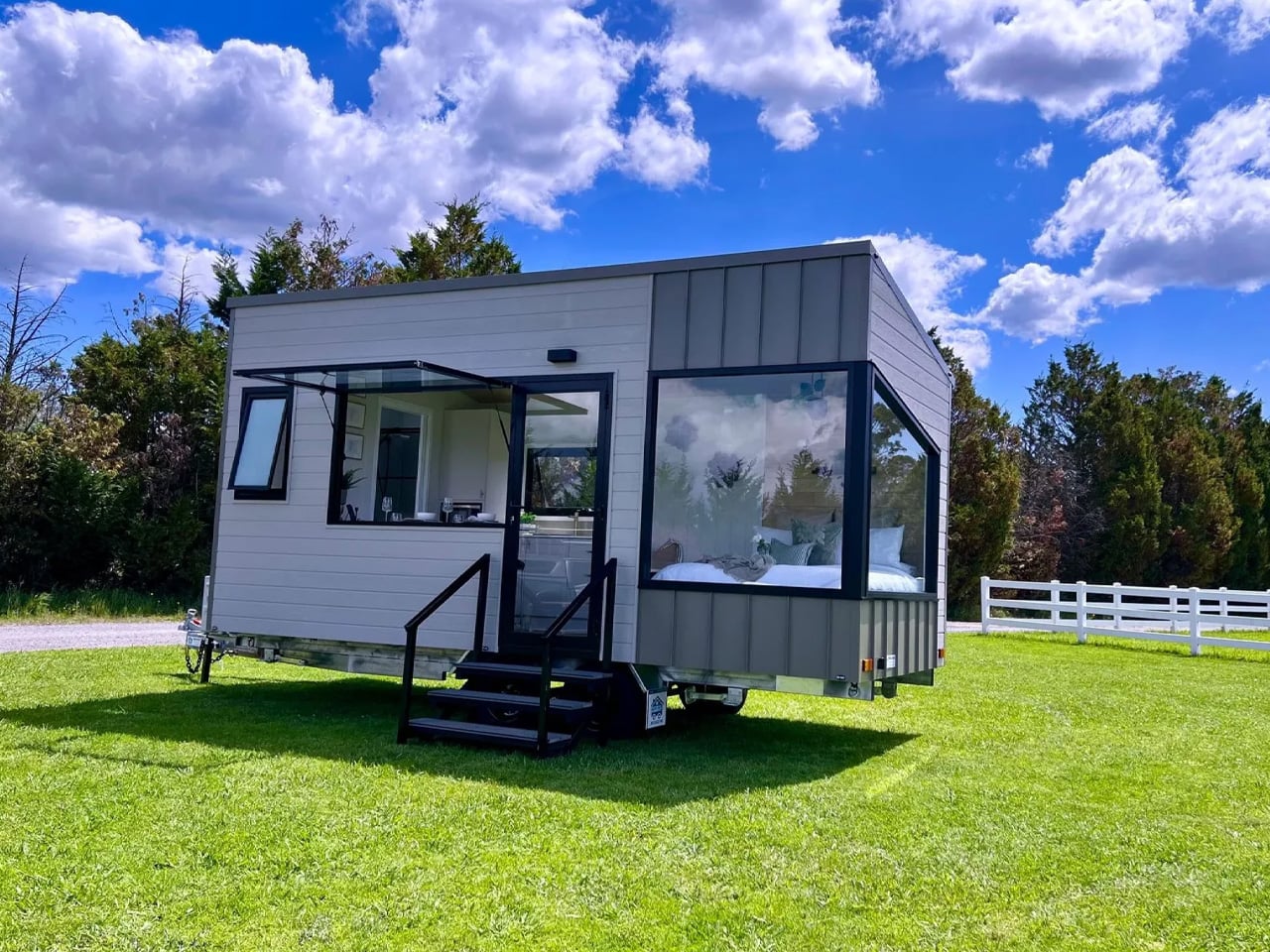
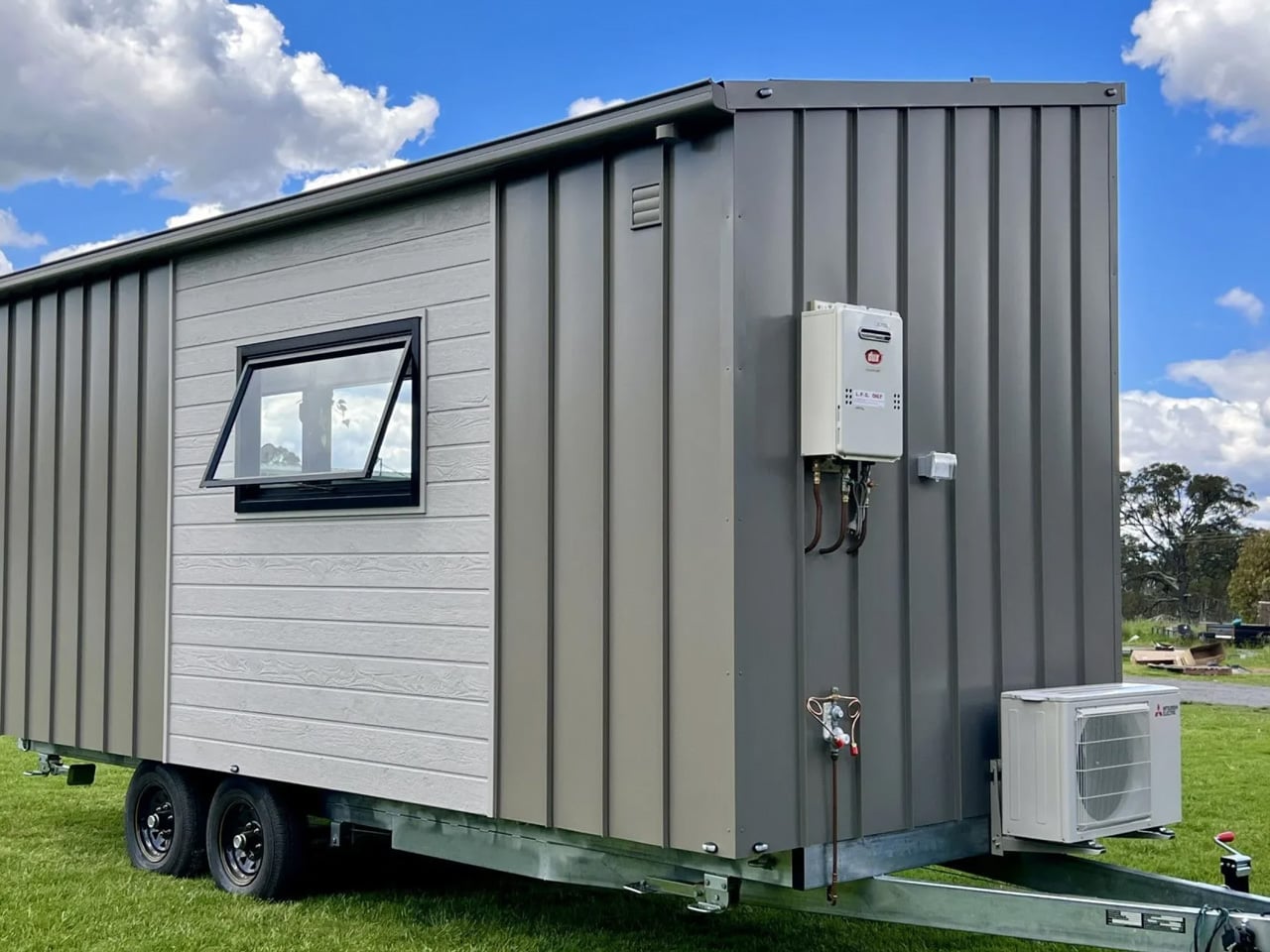
Lofts are overrated. The Luxe 6.0 by Australian builder Highlands Tiny Homes makes a compelling case for keeping everything on one level — and doing it with the kind of restraint that feels genuinely considered rather than forced by budget. At just 6 meters (20 ft) long, the Luxe 6.0 sits on a double-axle trailer fitted with electric brakes and stabilizer legs, giving the structure a road-ready foundation without sacrificing interior integrity.
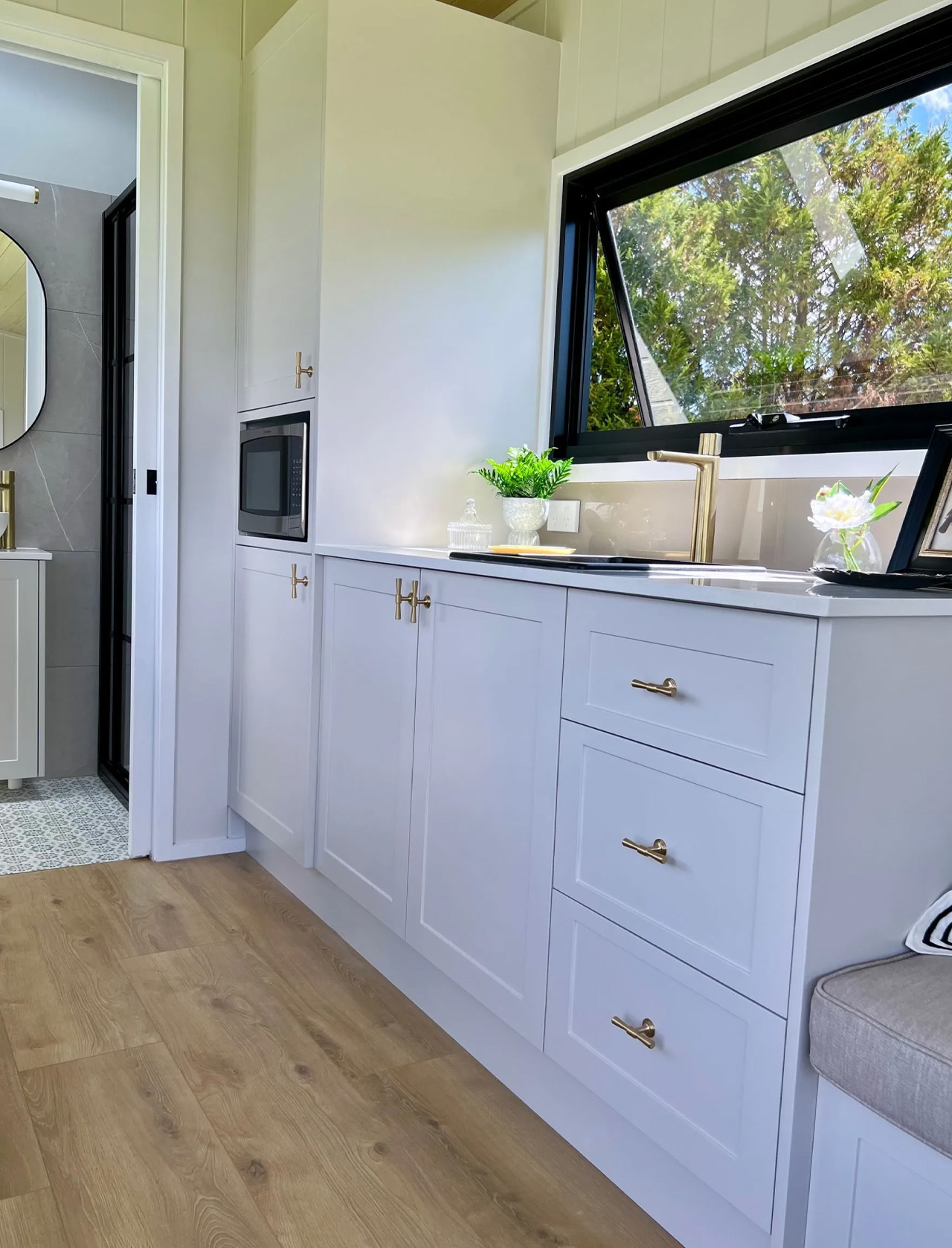
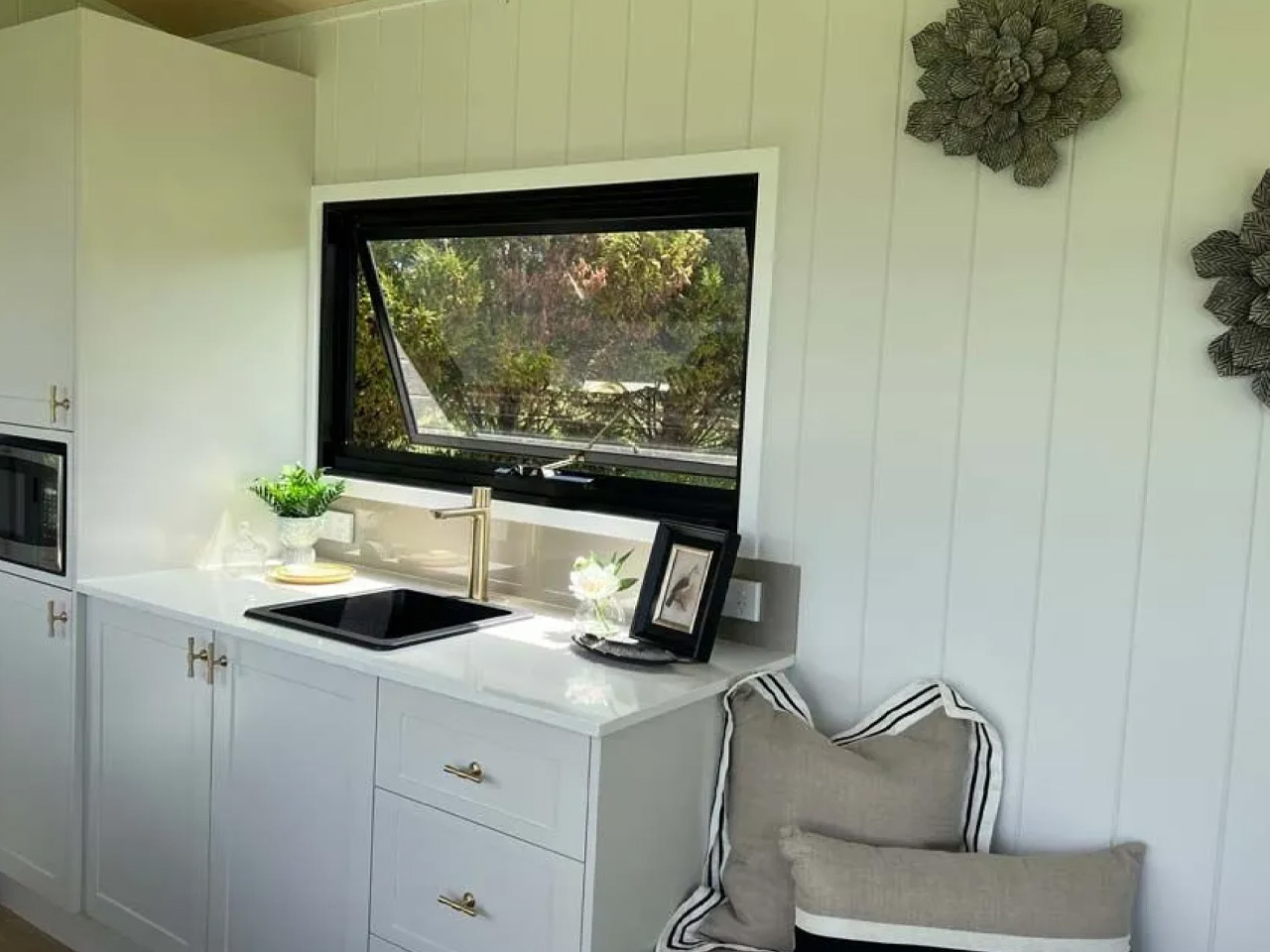
The exterior wraps in metal cladding and wood-effect vinyl panels beneath a clean metal roofline, broken up by generous glazing that does the heavy lifting the square footage can’t. That large operable kitchen window in particular dissolves the boundary between prep space and the outdoors in a way that feels almost Japanese in its intent — framing nature as part of the room rather than something happening outside it.
Designer: Highlands Tiny Homes
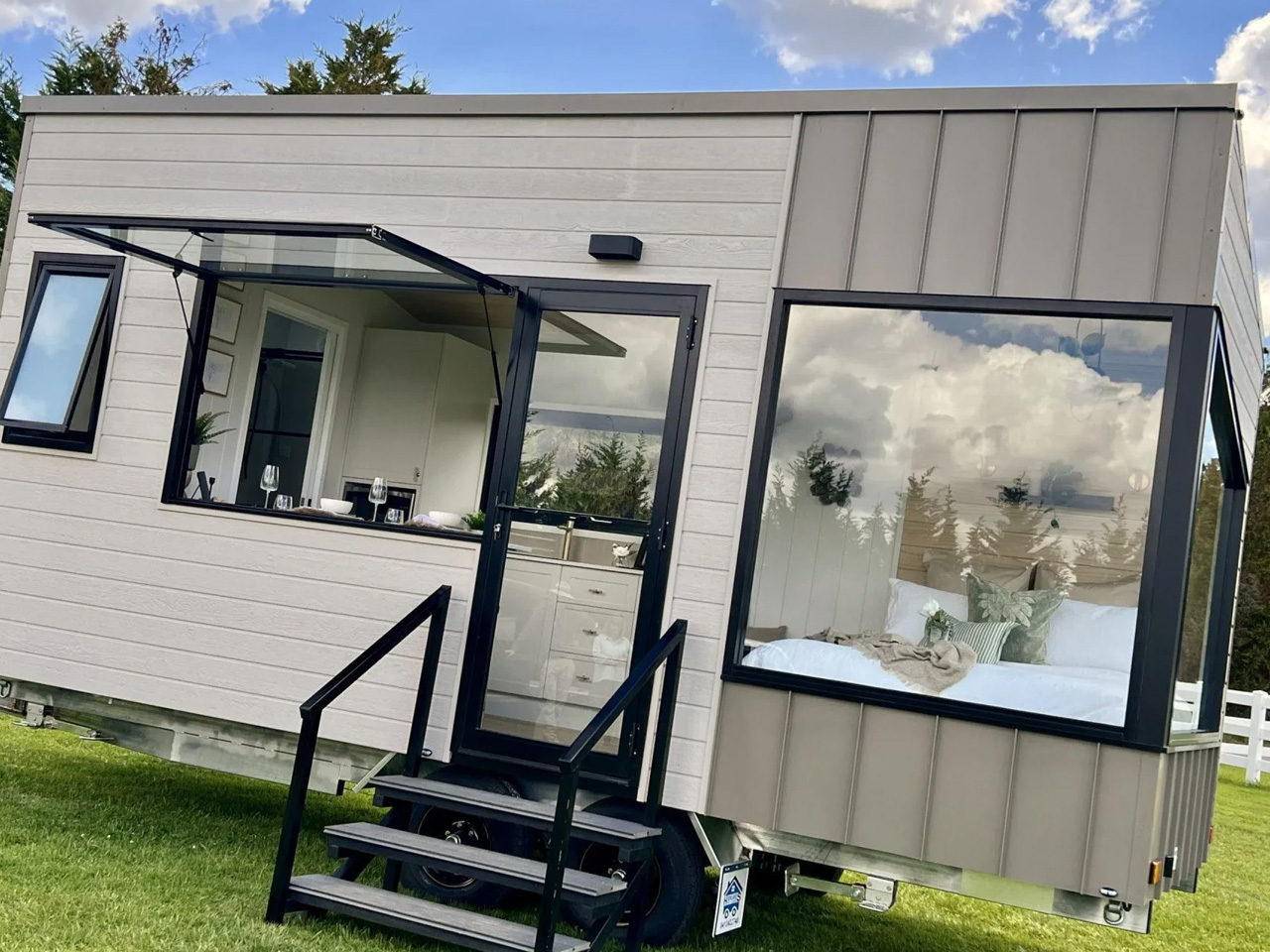
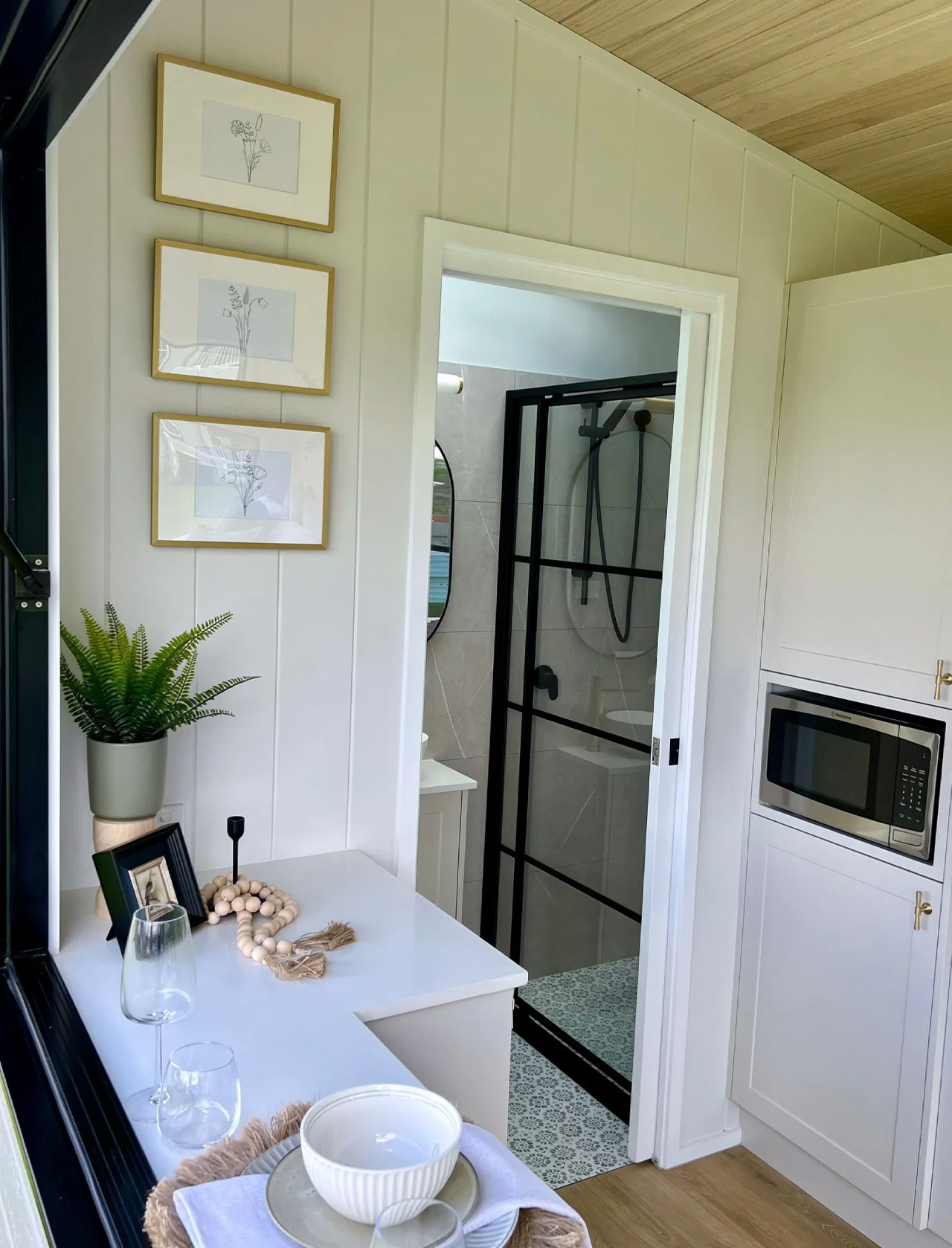
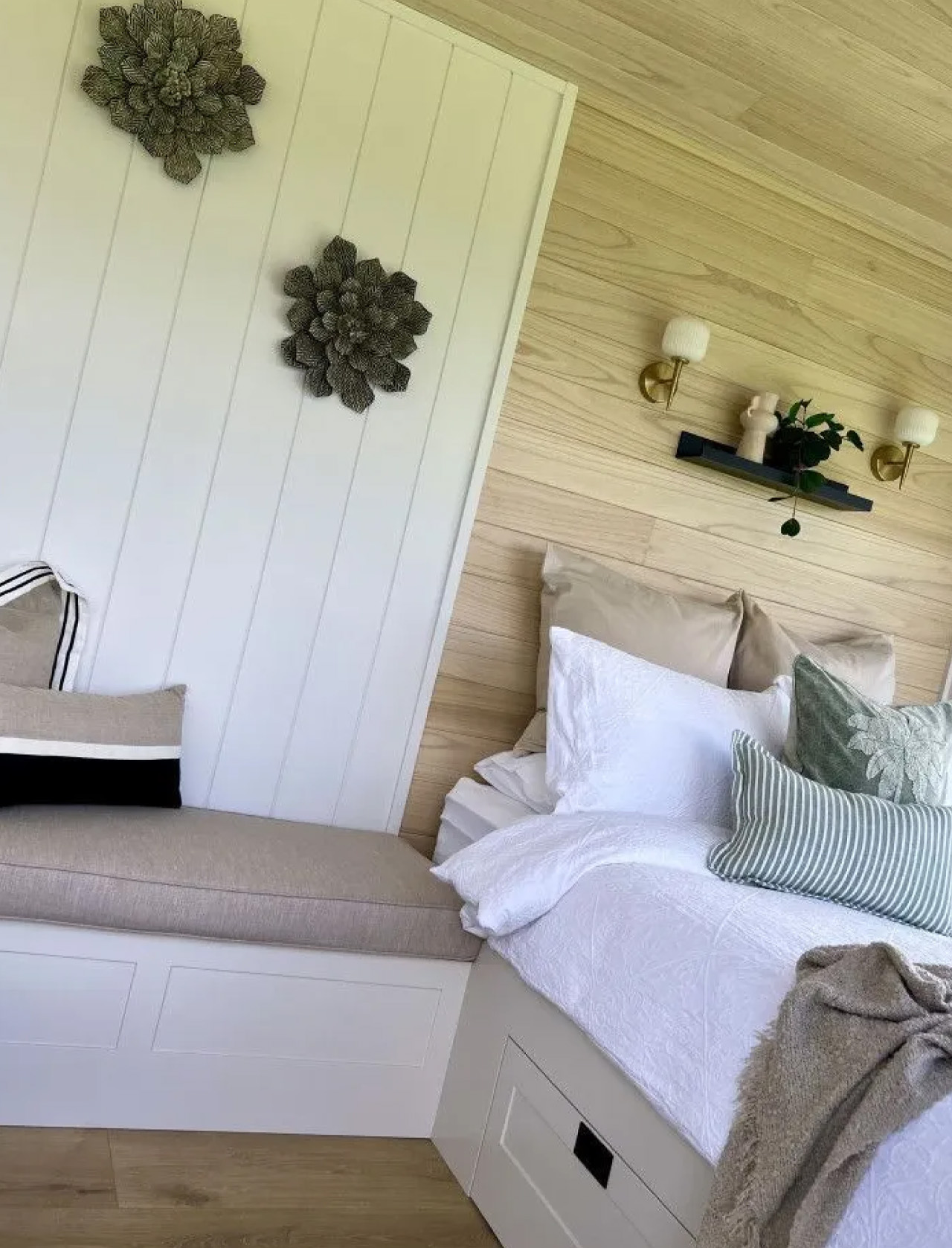
Inside, the single-level configuration reads as one continuous living volume. Only the bathroom retreats behind a space-saving pocket door, leaving the kitchen, dining, and sleeping areas to flow without interruption. It’s a layout designed for two people who want proximity to space rather than compartmentalization — the kind of arrangement that works for a holiday rental, a guest suite, or a permanent off-grid base. The galley kitchen packs in a surprising amount of storage for its footprint, and water-resistant woodgrain laminate runs throughout the main floor, keeping the palette warm without demanding much maintenance.
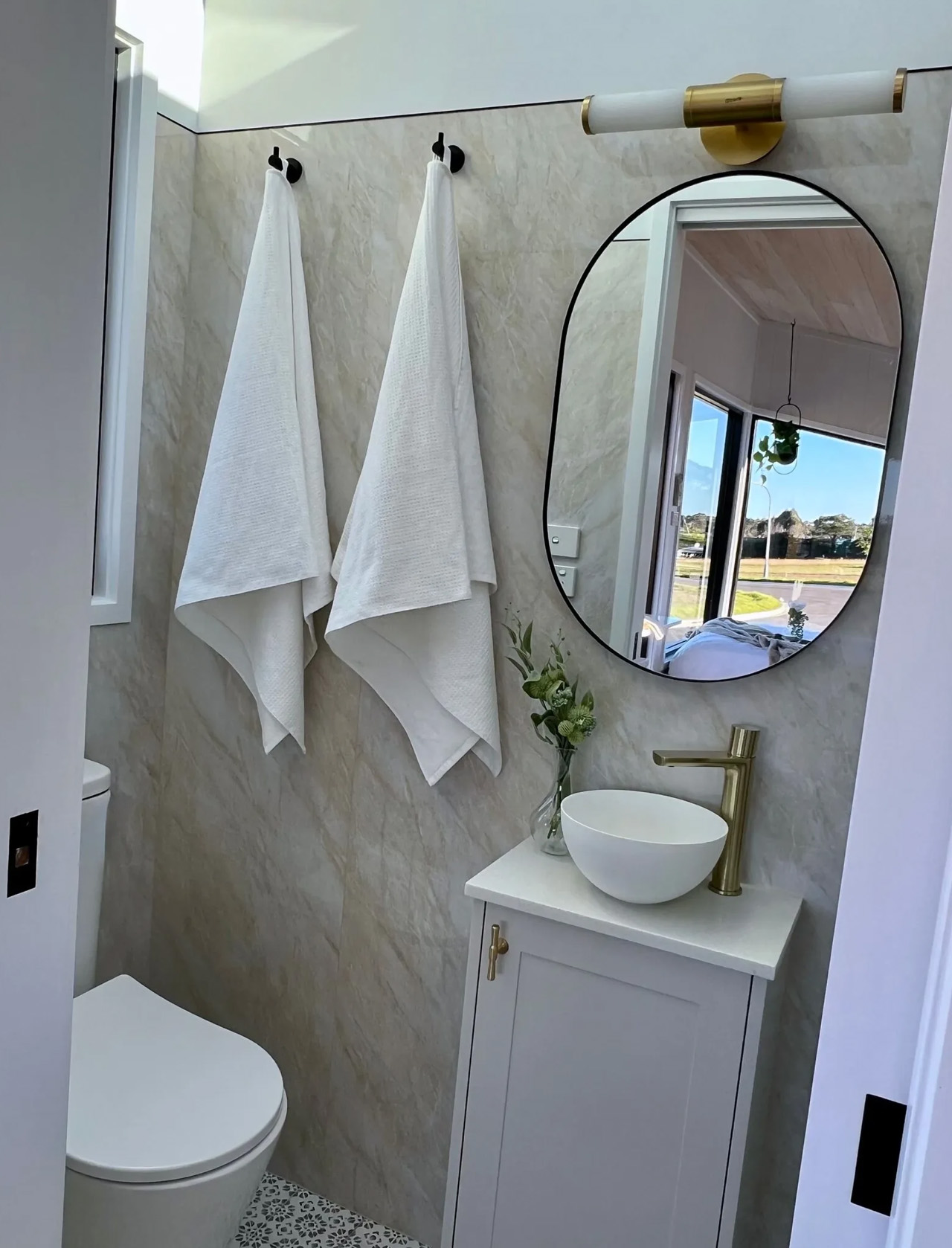
Highlands offers the Luxe 6.0 in three finish tiers: standard, deluxe, and deluxe+. The top tier brings fully tiled bathroom floors, faux stone countertops, polyurethane cabinetry, and decorative light fixtures — the sort of material choices that quietly signal quality without reaching for drama. Pricing starts from US$67,000 including GST, which positions it as an accessible entry point for anyone serious about the tiny home lifestyle without cutting corners on craft.
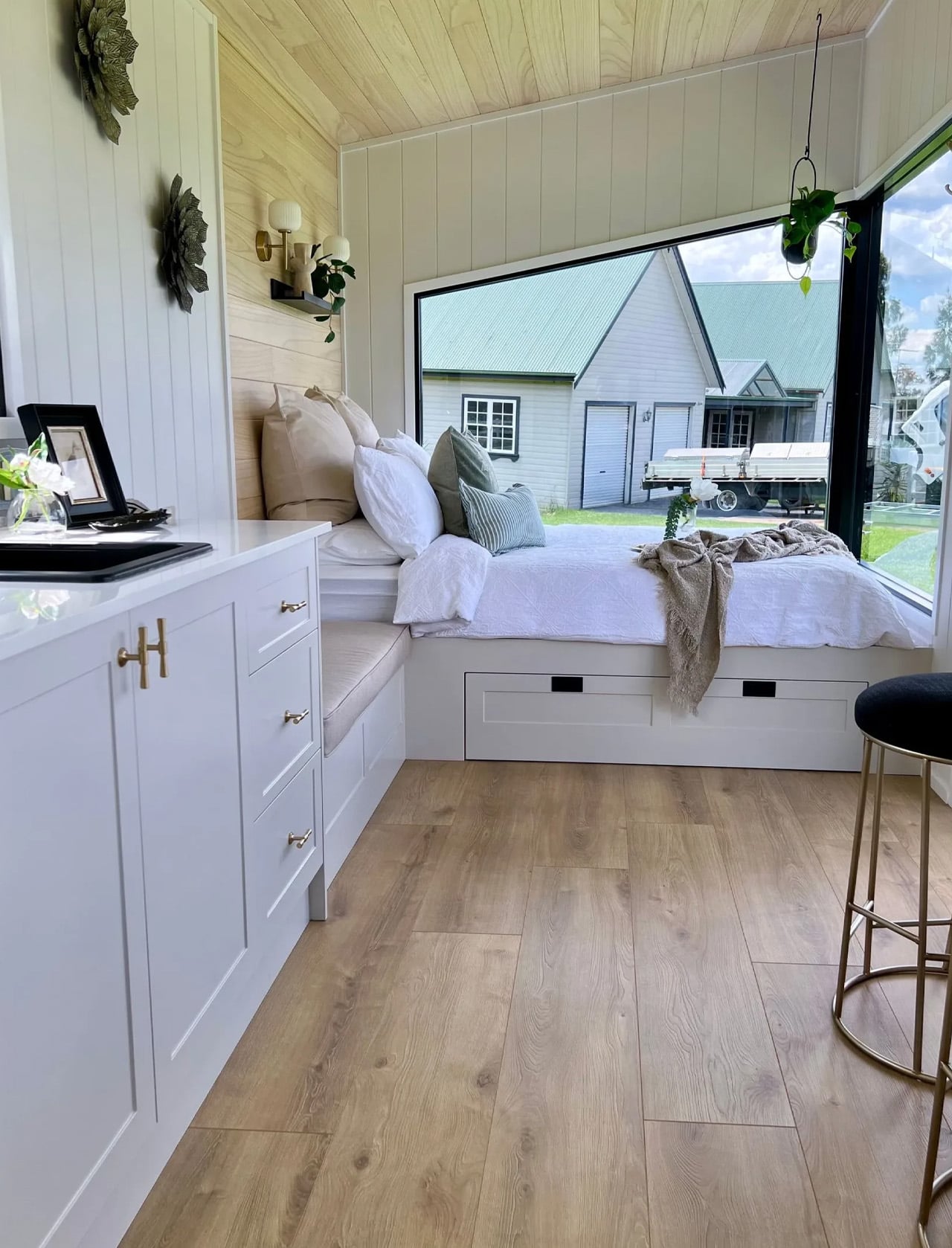
What makes the Luxe 6.0 stand out isn’t any single feature — it’s the honesty of the whole thing. Highlands didn’t try to squeeze in a loft to hit a checklist. They looked at who actually lives in a space like this, what they need from it daily, and built accordingly. The result is a home that feels smaller than it looks in plans and larger than it reads on paper — which, in this category, is exactly the point.
The post This 20-Foot Tiny Home Ditched the Loft — and It’s Better for It first appeared on Yanko Design.

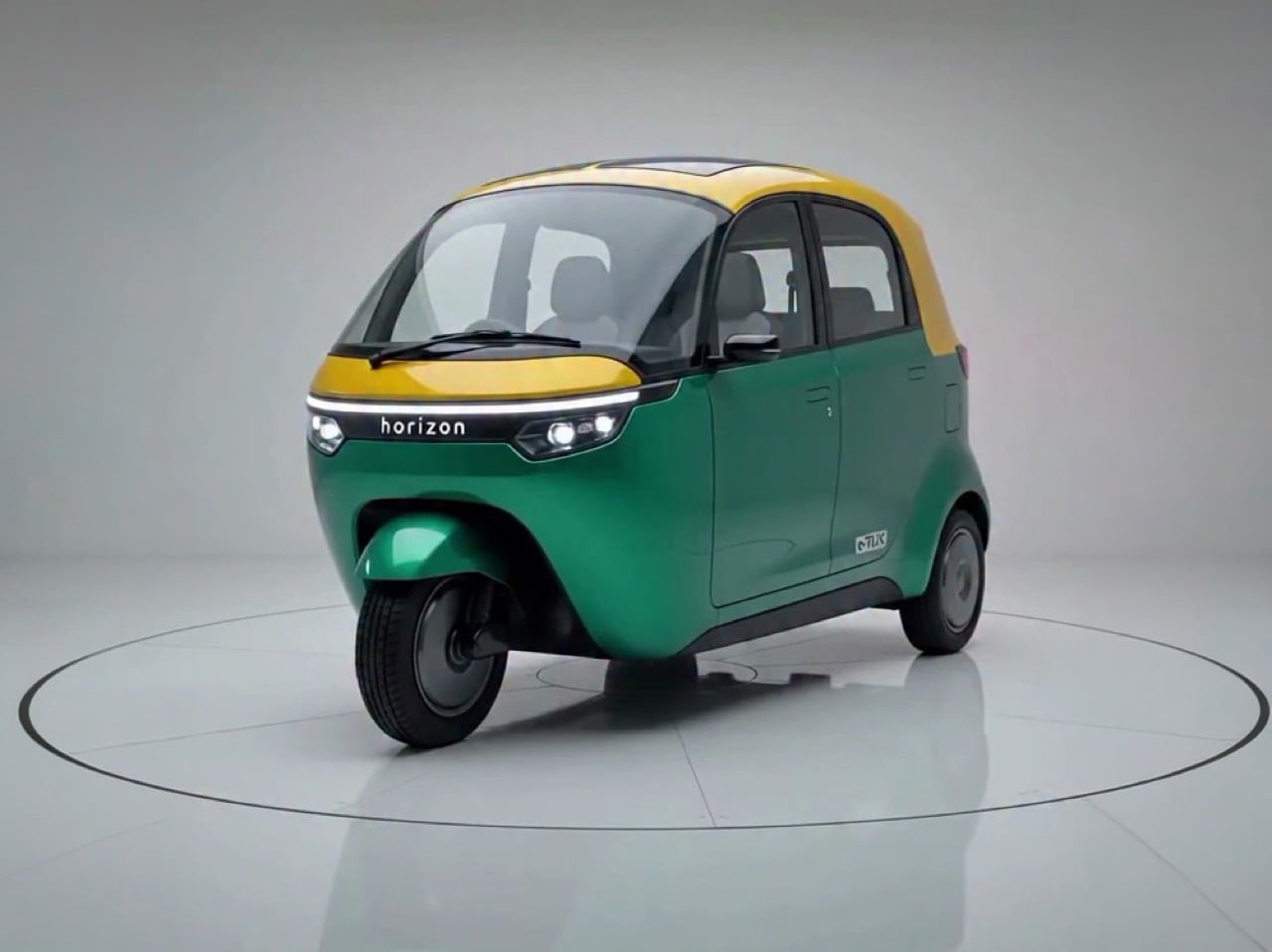
The Tuk-tuk, also called the ‘Auto Rickshaw’ in South Asia, actually comes from Italy! The original three-wheeled vehicle was manufactured by Piaggio and popularized in the continent under the model name Apé before other brands caught on. The vehicular category is now an unshakeable part of Indian automotive culture. In its regular form, the Auto Rickshaw (as opposed to the hand-pulled carts called Rickshaws) is a mode of public transport, seating up to three people at the back. Swap the back seat out for a truck bed and the Auto Rickshaw becomes a transport vehicle for all sorts of cargo, from furniture to fresh produce. The only problem with the Auto Rickshaw is that it hasn’t fundamentally changed in its aesthetic in decades. Carbon Noir proposes an alternative.
Dubbed the ‘Cyberpunk 2077 Auto Rickshaw’, this concept vehicle has a few changes on and under the hood. For starters, it comes with an electric powertrain, making it way more energy efficient than the fuel and CNG guzzling autos you see on Indian roads. Secondly, the exterior gets an absolute makeover, which I have mixed feelings on.
Designer: Carbon Noir
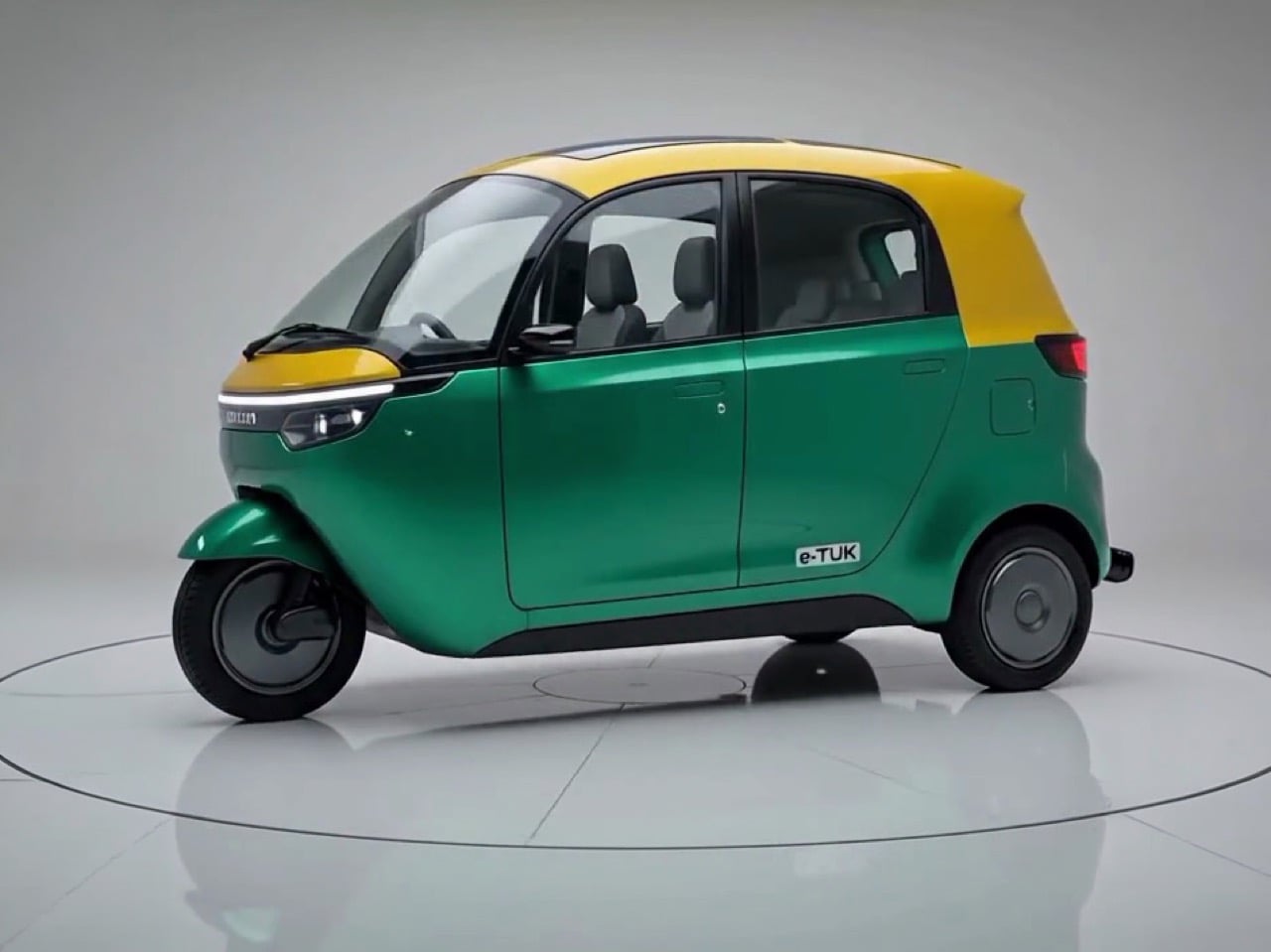
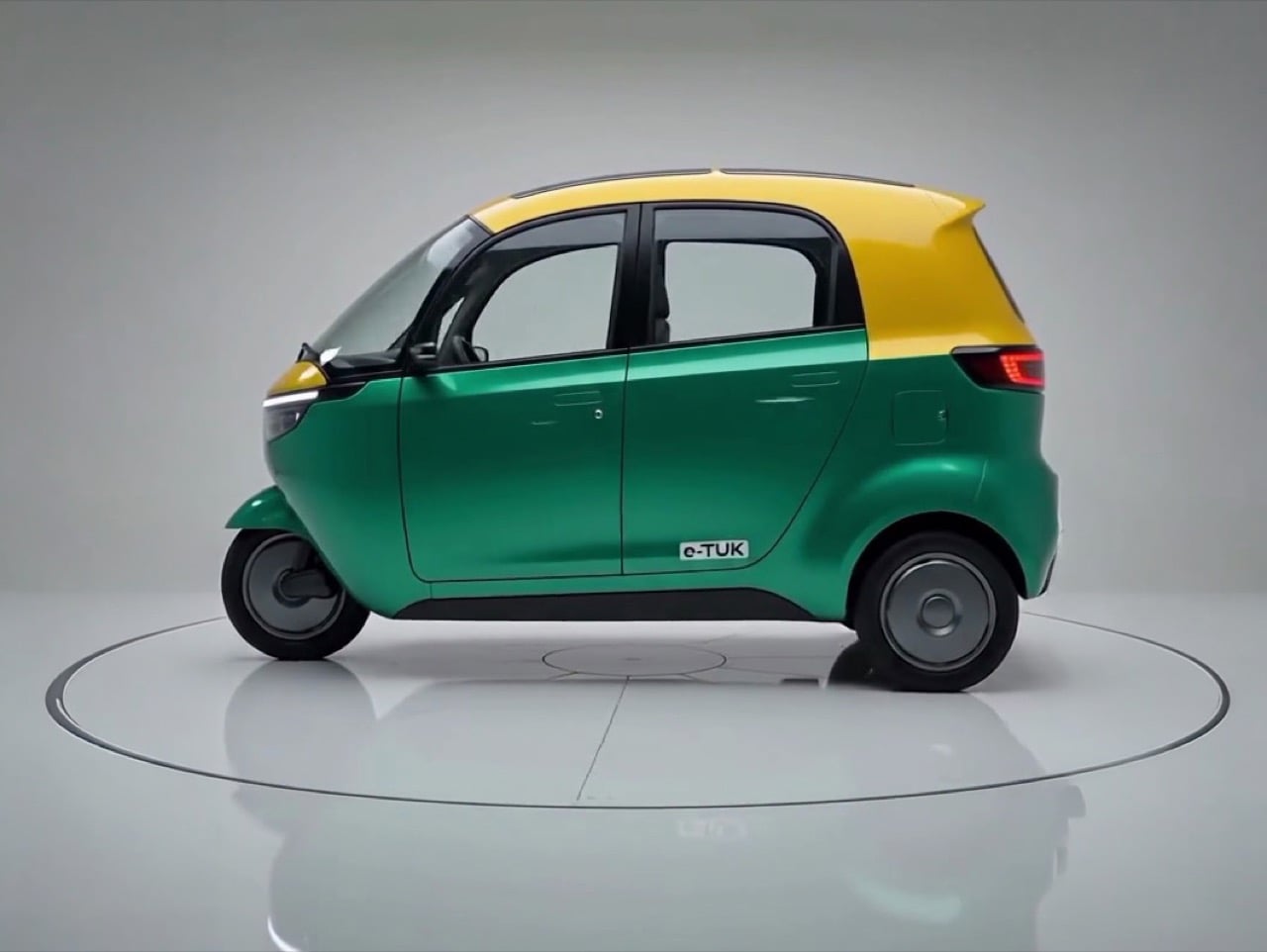
There’s a lot to appreciate about the makeover – you’ve got modernized headlights and taillights, an actual hardbody design that isn’t a metal armature roof with fabric pulled over it, and an aesthetic that feels very Renault Twizy but dialed back. The only real problem (and this is entirely in my head) is the dual-tone design, which gives the E-tuk (electric tuk-tuk) the stature and vibe of the Fisher Price toy car, but with a green base. That’s quite literally the only gripe I have. Ditch the two-tone and you have a winner on your hands.
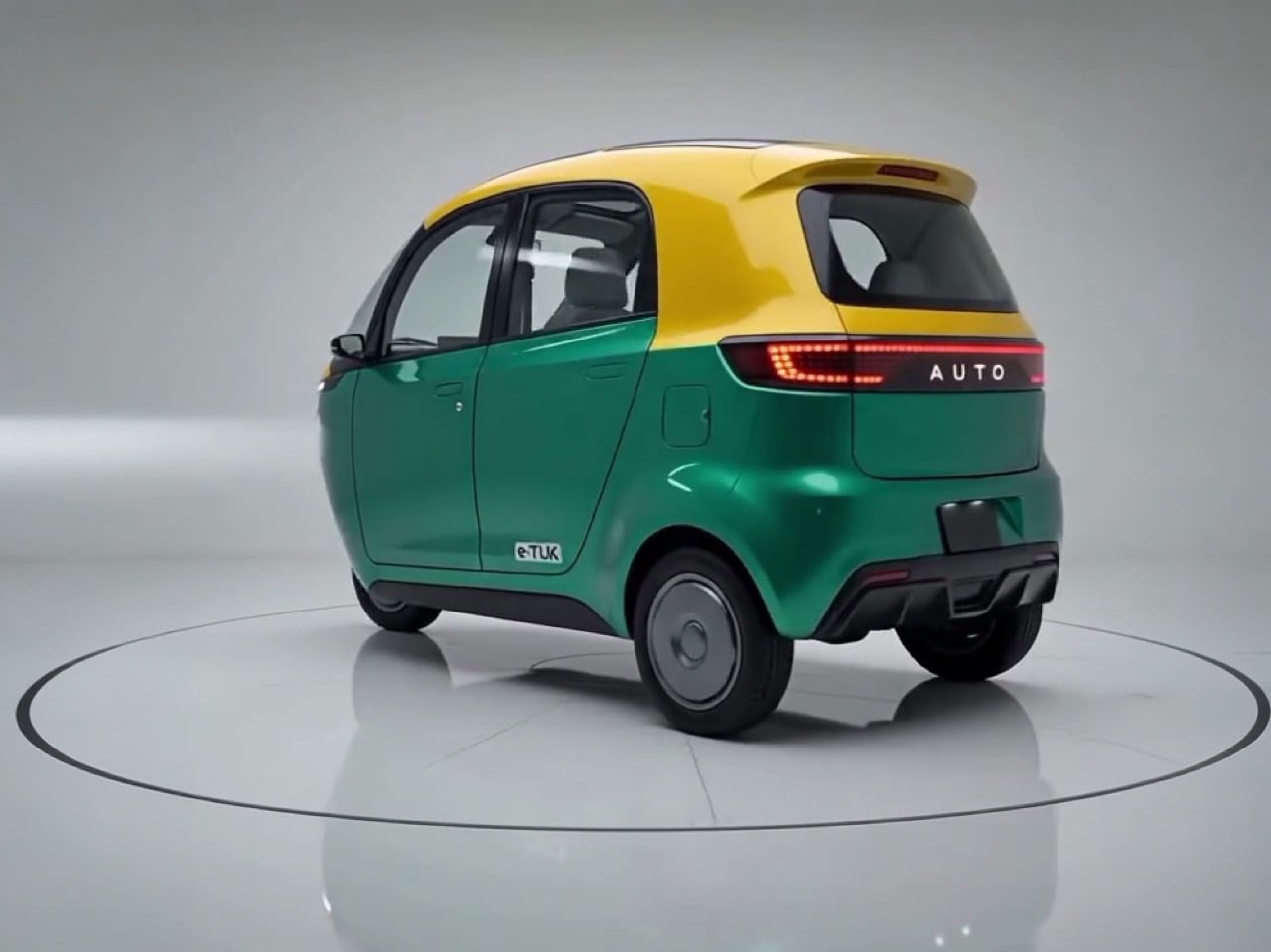
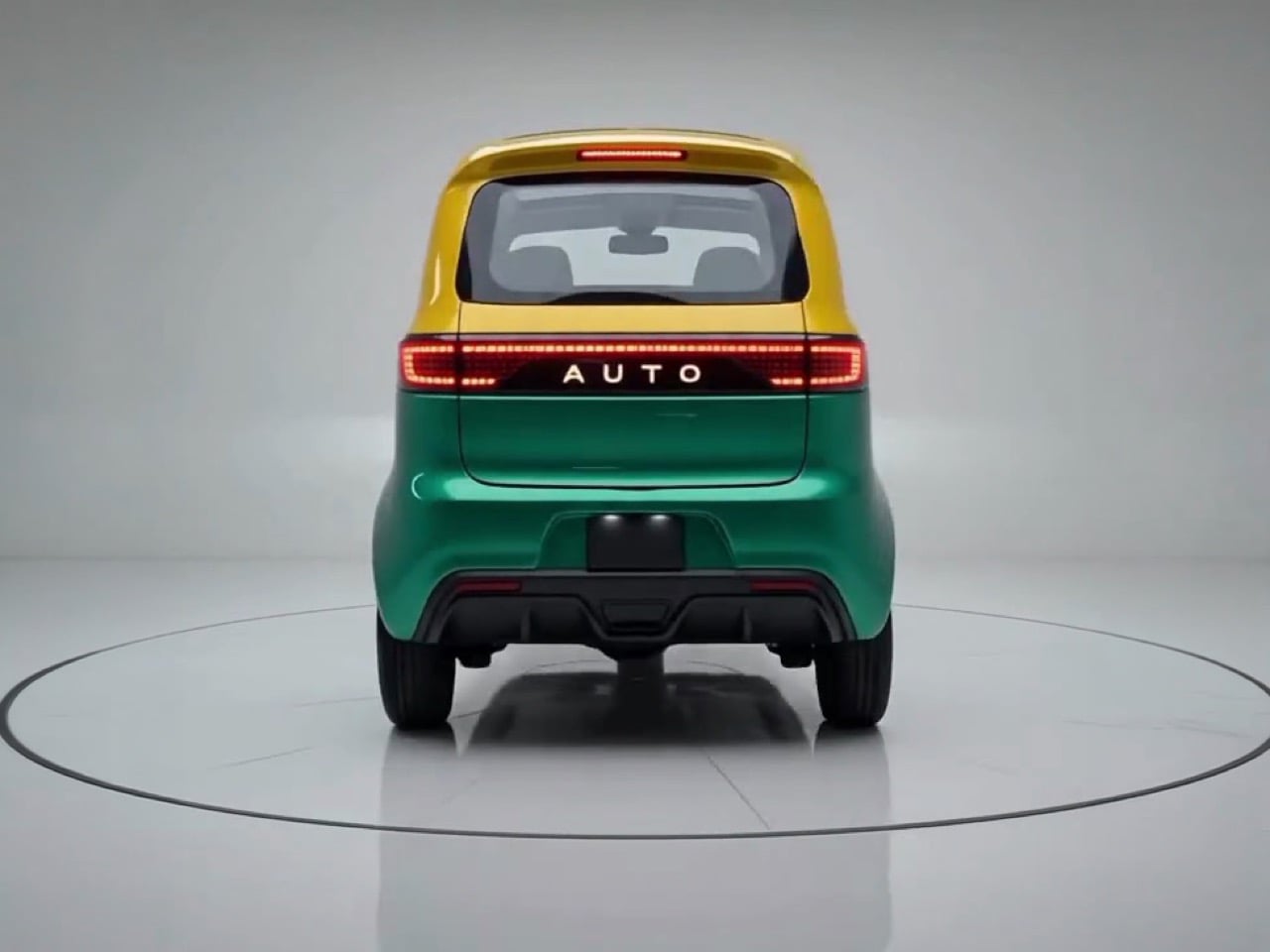
The E-tuk sports a few interesting design details. It contains a usable boot, which most auto rickshaws don’t have. The conventional auto rickshaw packs the engine in the back, but one can assume that an electrified platform frees the boot up, letting people store luggage inside. Speaking of inside, the interiors see a pretty remarkable change too. The original auto rickshaw seats one in the cockpit, and 2-3 at the back. This revised model opts for a traditional 2×2 seating structure, while retaining the handlebar controls instead of swapping it for a steering wheel. Spiritually, this still feels like an auto rickshaw.
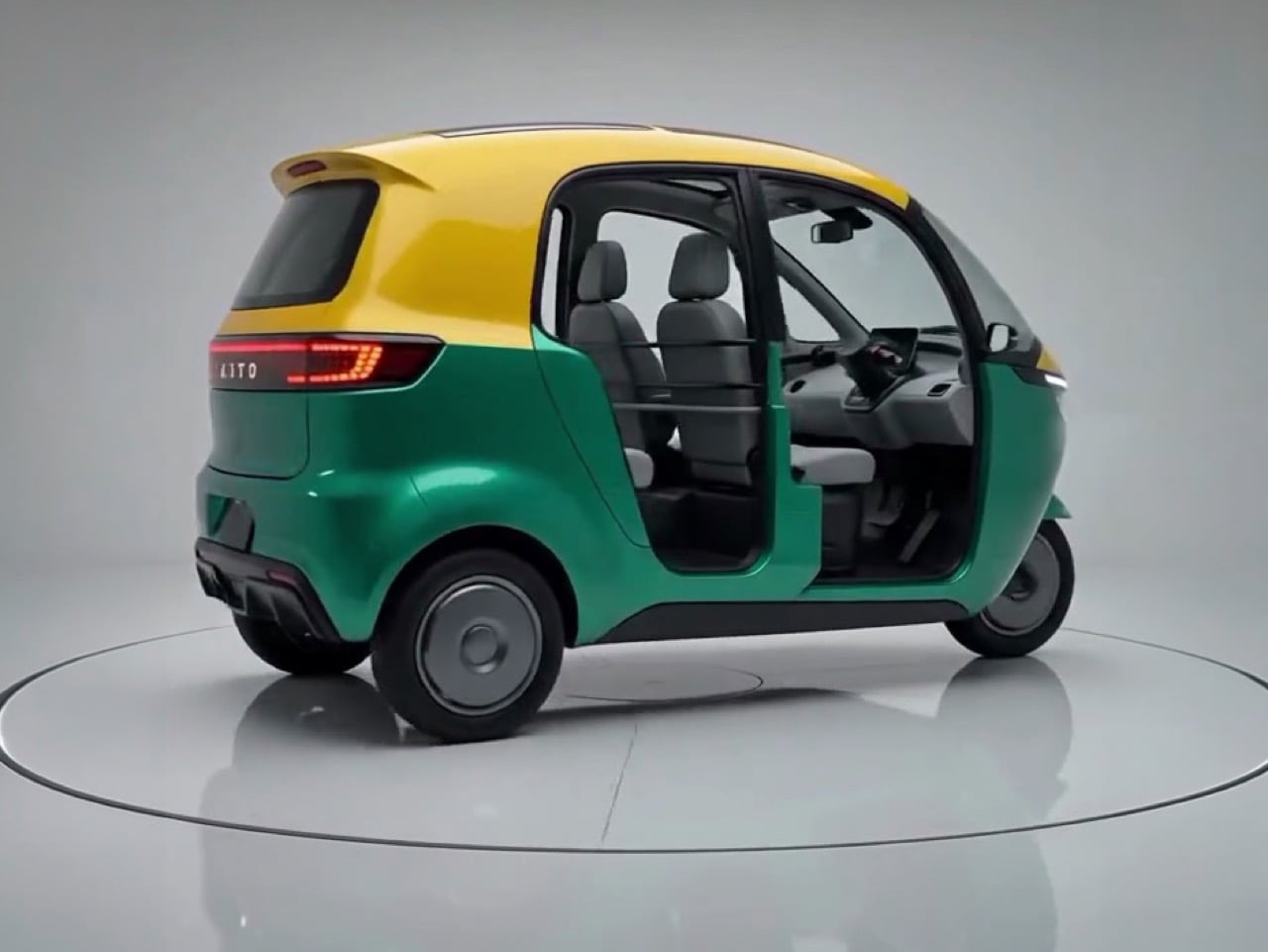
Like most auto rickshaws in India, the E-tuk sports doors on the left side of the vehicle, leaving the right bare. A mere bar on the right side blocks passengers in the back from falling off (or jumping out of a moving ride), but the front still lets the driver enter and exit freely. For riders, entry and exit happens purely through the left, using the doors on both the front as well as the back.
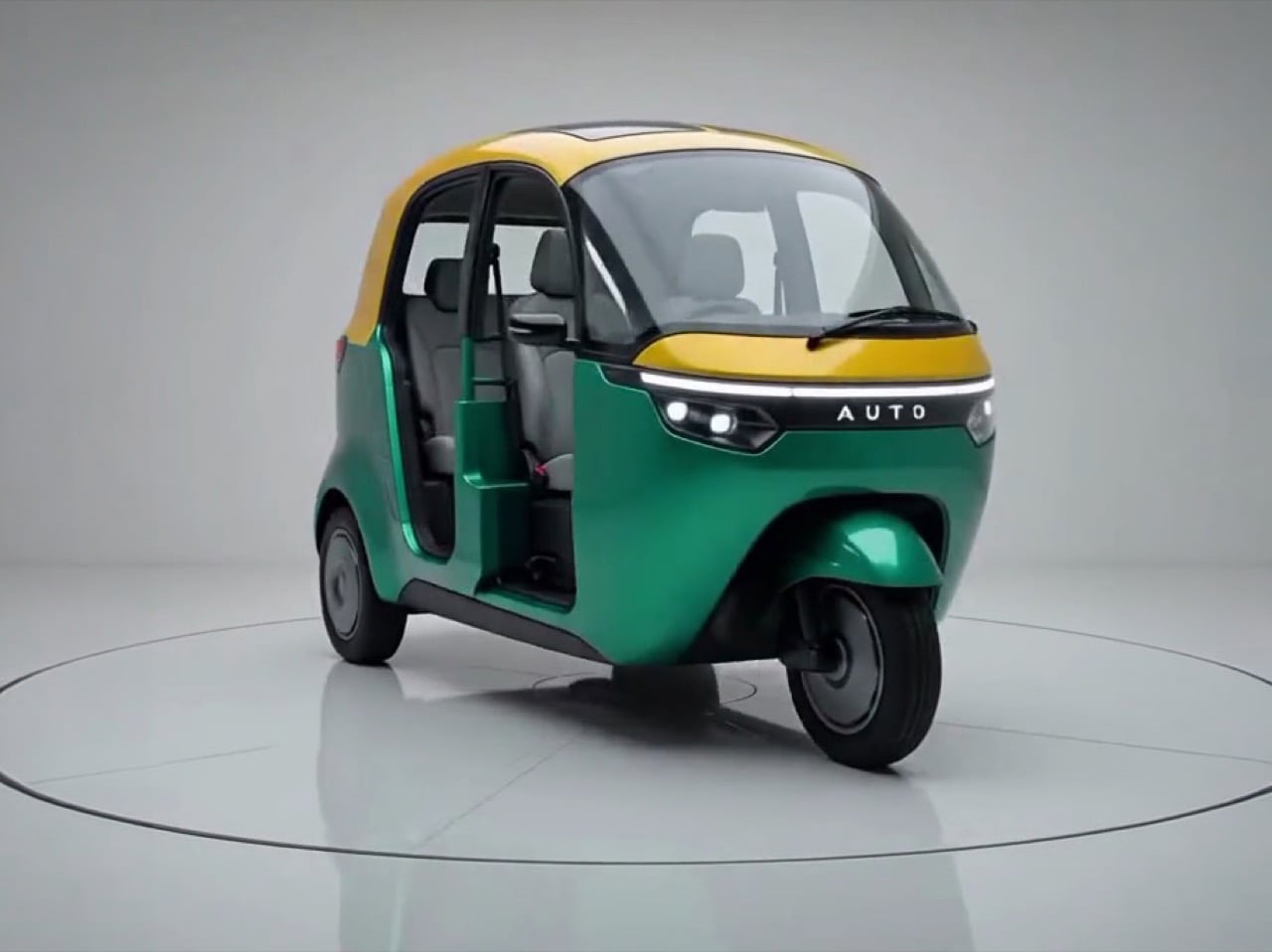
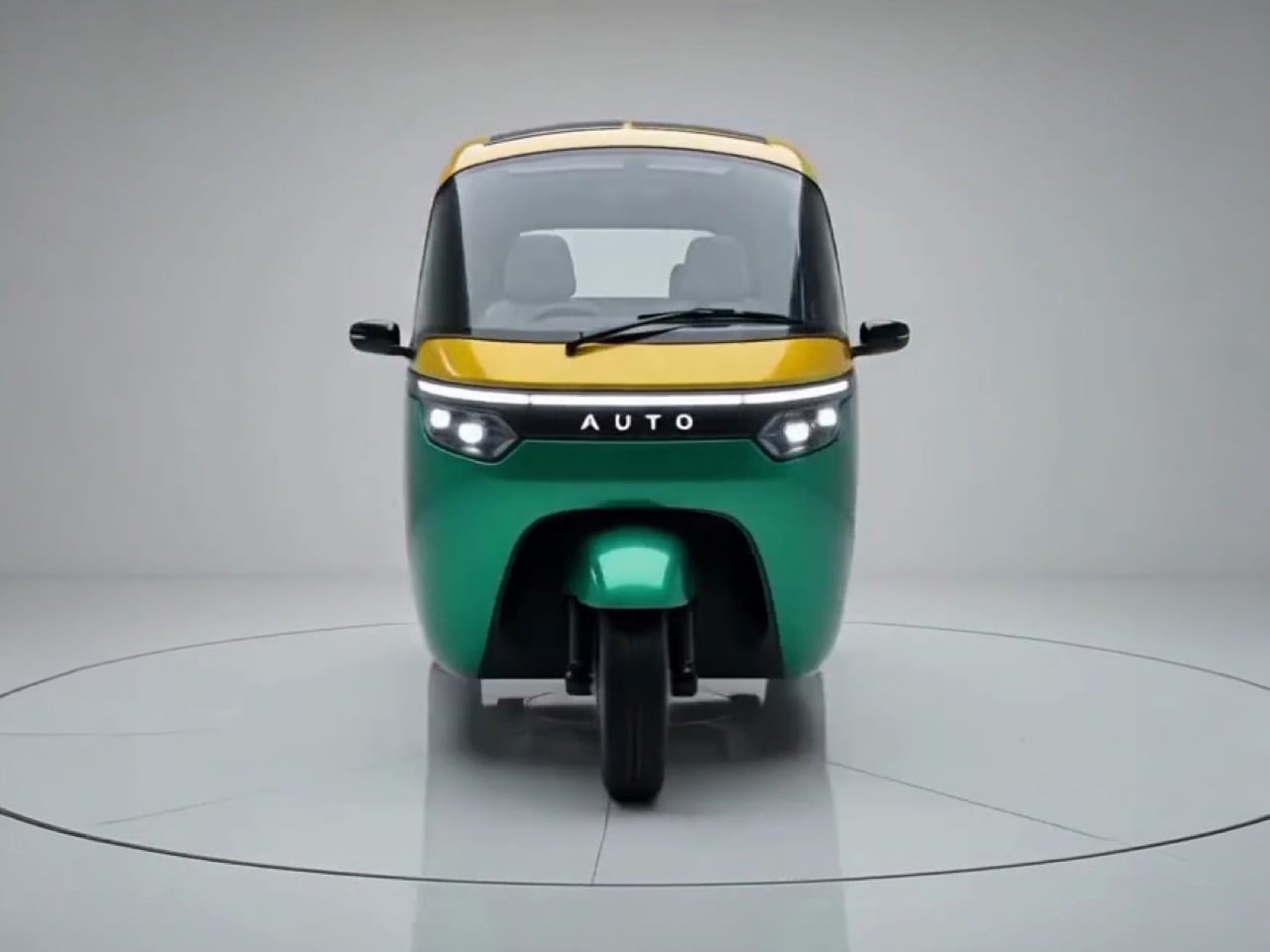
Like I said, spiritually, this is still the quintessential Auto Rickshaw. That two-tone design is iconic, although it serves no purpose here since the green-bottom Auto Rickshaws are painted to denote that they run on Compressed Natural Gas and not petrol. The handlebars for the auto-rider are iconic too, and an open-side design means accepting the weather the city gives you – sun on hot days, wind on good days, and dust or rain on bad days. That’s the non-verbal contract you sign when you sit in an ‘auto’. Yeah, and sure the thing is powered by an electric drivetrain, but that doesn’t mean we’re getting in-vehicle air-conditioning anytime soon!
The post Someone Designed India’s Humble Tuk-Tuk As A Modern-day Renault-style Mini EV first appeared on Yanko Design.
The Tuk-tuk, also called the ‘Auto Rickshaw’ in South Asia, actually comes from Italy! The original three-wheeled vehicle was manufactured by Piaggio and popularized in the continent under the model name Apé before other brands caught on. The vehicular category is now an unshakeable part of Indian automotive culture. In its regular form, the Auto Rickshaw (as opposed to the hand-pulled carts called Rickshaws) is a mode of public transport, seating up to three people at the back. Swap the back seat out for a truck bed and the Auto Rickshaw becomes a transport vehicle for all sorts of cargo, from furniture to fresh produce. The only problem with the Auto Rickshaw is that it hasn’t fundamentally changed in its aesthetic in decades. Carbon Noir proposes an alternative.
Dubbed the ‘Cyberpunk 2077 Auto Rickshaw’, this concept vehicle has a few changes on and under the hood. For starters, it comes with an electric powertrain, making it way more energy efficient than the fuel and CNG guzzling autos you see on Indian roads. Secondly, the exterior gets an absolute makeover, which I have mixed feelings on.
Designer: Carbon Noir
There’s a lot to appreciate about the makeover – you’ve got modernized headlights and taillights, an actual hardbody design that isn’t a metal armature roof with fabric pulled over it, and an aesthetic that feels very Renault Twizy but dialed back. The only real problem (and this is entirely in my head) is the dual-tone design, which gives the E-tuk (electric tuk-tuk) the stature and vibe of the Fisher Price toy car, but with a green base. That’s quite literally the only gripe I have. Ditch the two-tone and you have a winner on your hands.
The E-tuk sports a few interesting design details. It contains a usable boot, which most auto rickshaws don’t have. The conventional auto rickshaw packs the engine in the back, but one can assume that an electrified platform frees the boot up, letting people store luggage inside. Speaking of inside, the interiors see a pretty remarkable change too. The original auto rickshaw seats one in the cockpit, and 2-3 at the back. This revised model opts for a traditional 2×2 seating structure, while retaining the handlebar controls instead of swapping it for a steering wheel. Spiritually, this still feels like an auto rickshaw.
Like most auto rickshaws in India, the E-tuk sports doors on the left side of the vehicle, leaving the right bare. A mere bar on the right side blocks passengers in the back from falling off (or jumping out of a moving ride), but the front still lets the driver enter and exit freely. For riders, entry and exit happens purely through the left, using the doors on both the front as well as the back.
Like I said, spiritually, this is still the quintessential Auto Rickshaw. That two-tone design is iconic, although it serves no purpose here since the green-bottom Auto Rickshaws are painted to denote that they run on Compressed Natural Gas and not petrol. The handlebars for the auto-rider are iconic too, and an open-side design means accepting the weather the city gives you – sun on hot days, wind on good days, and dust or rain on bad days. That’s the non-verbal contract you sign when you sit in an ‘auto’. Yeah, and sure the thing is powered by an electric drivetrain, but that doesn’t mean we’re getting in-vehicle air-conditioning anytime soon!
The post Someone Designed India’s Humble Tuk-Tuk As A Modern-day Renault-style Mini EV first appeared on Yanko Design.