Lock Your Private Apple Notes with Face ID or Touch ID

Lock Your Private Apple Notes with Face ID or Touch ID An iPhone screen displaying a customized project dashboard inside Apple Notes.

Apple Notes is a feature-rich app designed to help users stay organized and manage information efficiently. In a recent breakdown by Chris Makes It Click, one standout feature discussed is the ability to pin important notes. This allows users to keep essential items, such as meeting agendas or to-do lists, easily accessible at the top […]

The post Lock Your Private Apple Notes with Face ID or Touch ID appeared first on Geeky Gadgets.

Posted in Uncategorized

iPhone 18 Leaks Reveal a Smaller Dynamic Island and Massive Chip Upgrades

iPhone 18 Leaks Reveal a Smaller Dynamic Island and Massive Chip Upgrades Concept render of the standard iPhone 18 showing a smaller dynamic island.

The iPhone 18 is poised to redefine Apple’s smartphone lineup with a series of noteworthy advancements in performance, display technology, and artificial intelligence (AI). At the heart of these innovations lies the A20 chip, a technological leap promising greater efficiency and power. Alongside these upgrades, Apple is introducing a revised release strategy that could reshape […]

The post iPhone 18 Leaks Reveal a Smaller Dynamic Island and Massive Chip Upgrades appeared first on Geeky Gadgets.

Posted in Uncategorized

30M Parameter AI Running on an ESP32 Microcontroller

30M Parameter AI Running on an ESP32 Microcontroller An ESP32 microcontroller connected to a computer for AI deployment.

Deploying a 30-million-parameter AI model on an ESP32 microcontroller is no small feat, but Marina in the video below demonstrates how it’s possible by combining careful design and optimization techniques. The project involved building a decoder-only transformer model with 12 layers and a 6,000-token vocabulary, tailored to fit the ESP32’s limited 32 MB of flash […]

The post 30M Parameter AI Running on an ESP32 Microcontroller appeared first on Geeky Gadgets.

Posted in Uncategorized

New Features You Didn’t Know Were Coming in iOS 27.2

New Features You Didn’t Know Were Coming in iOS 27.2 Illustration of battery icon related to the article topic.

Apple’s iOS 27.2 brings a host of updates aimed at improving usability, customization, and design; it is expected to be released around the end of October. With enhancements that span across apps, system features, and user interfaces, this release is designed to make your iPhone experience more seamless, intuitive, and personalized. Below is a detailed […]

The post New Features You Didn’t Know Were Coming in iOS 27.2 appeared first on Geeky Gadgets.

Posted in Uncategorized

10 iPhone 18 Pro Max Settings to Change for Maximum Battery Life

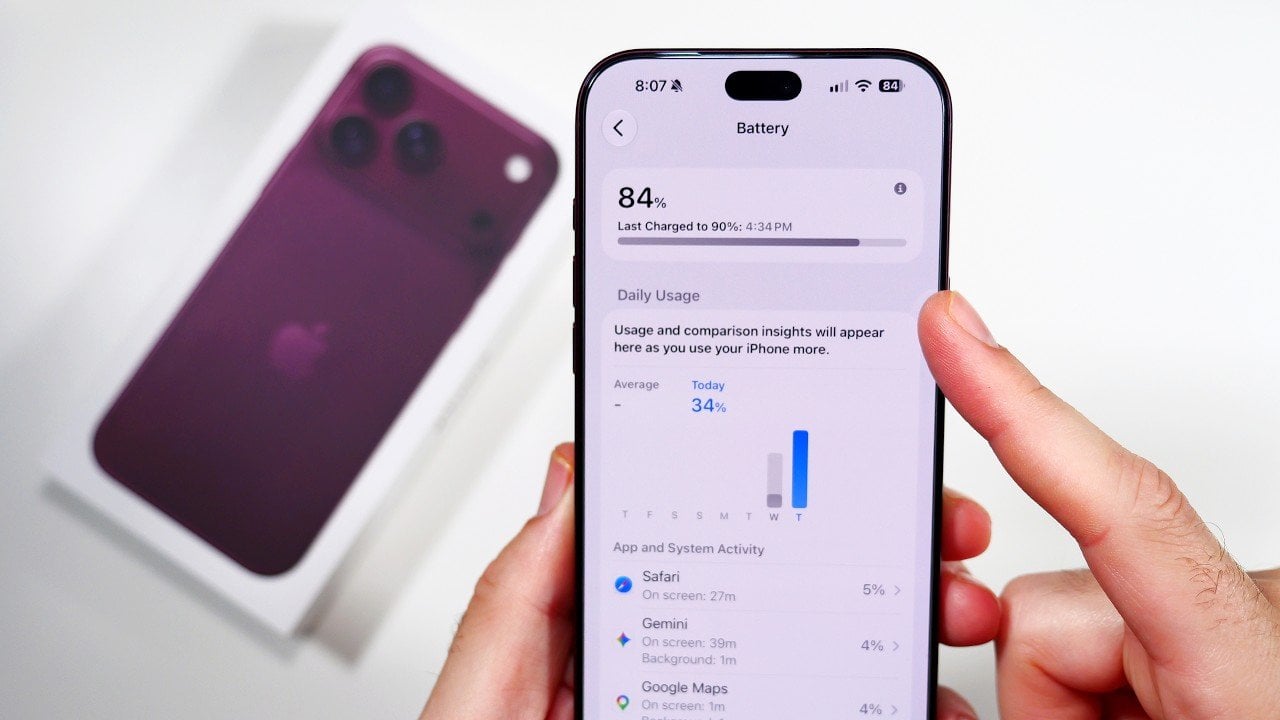
10 iPhone 18 Pro Max Settings to Change for Maximum Battery Life The battery settings menu on an Apple iPhone 18 Pro Max

The iPhone 18 Pro Max is a feature-rich device designed to deliver exceptional performance, but its advanced capabilities can significantly impact battery life. By making targeted adjustments to specific settings, you can extend your device’s battery performance without compromising essential functionality. This guide highlights ten critical settings you can tweak to maximize power efficiency and […]

The post 10 iPhone 18 Pro Max Settings to Change for Maximum Battery Life appeared first on Geeky Gadgets.

Posted in Uncategorized

The 5 Best Outdoor Gear of October 2026

Packing for a weekend outdoors has a way of exposing awkward design. The cooler takes over the closet, the sleeping pad needs inflating, and the flashlight ends up buried precisely when you need it. October’s picks focus on those small frustrations. These five designs earn their place through compact packaging, useful combinations of functions, or a mechanism that makes the whole trip easier to prepare for and pack away afterward.

For October 2026, we’ve chosen five useful companions for the less glamorous parts of camping. A folding cooler tackles storage, a tiny pump simplifies setup, and compact tools keep essentials close. The focus is on car camping, park days, and manageable overnight trips rather than extreme expeditions. Each product serves a different purpose, giving you room to choose what suits your routine instead of simply packing more for every outing.

1. RetroWave 7-in-1 Radio

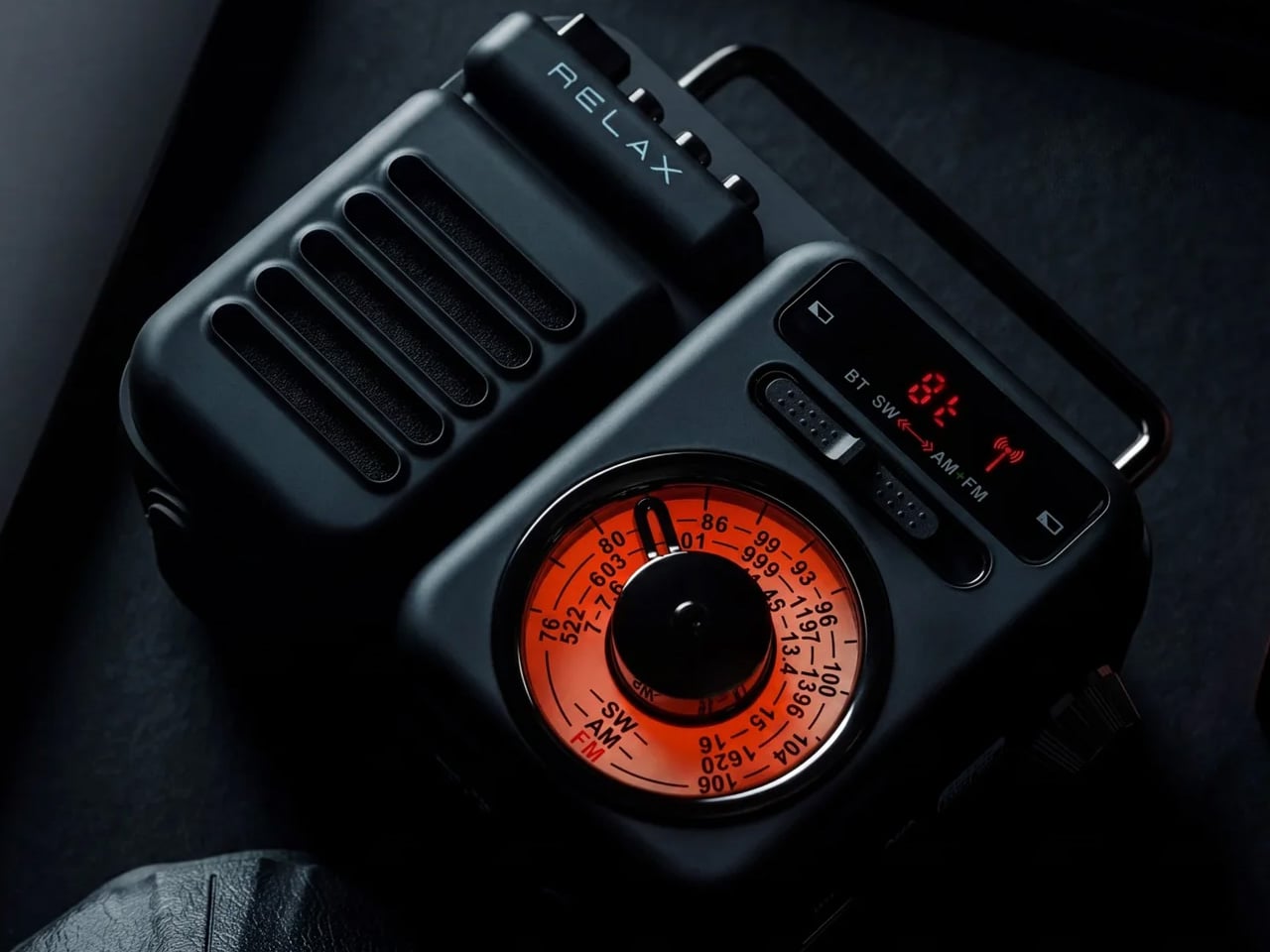
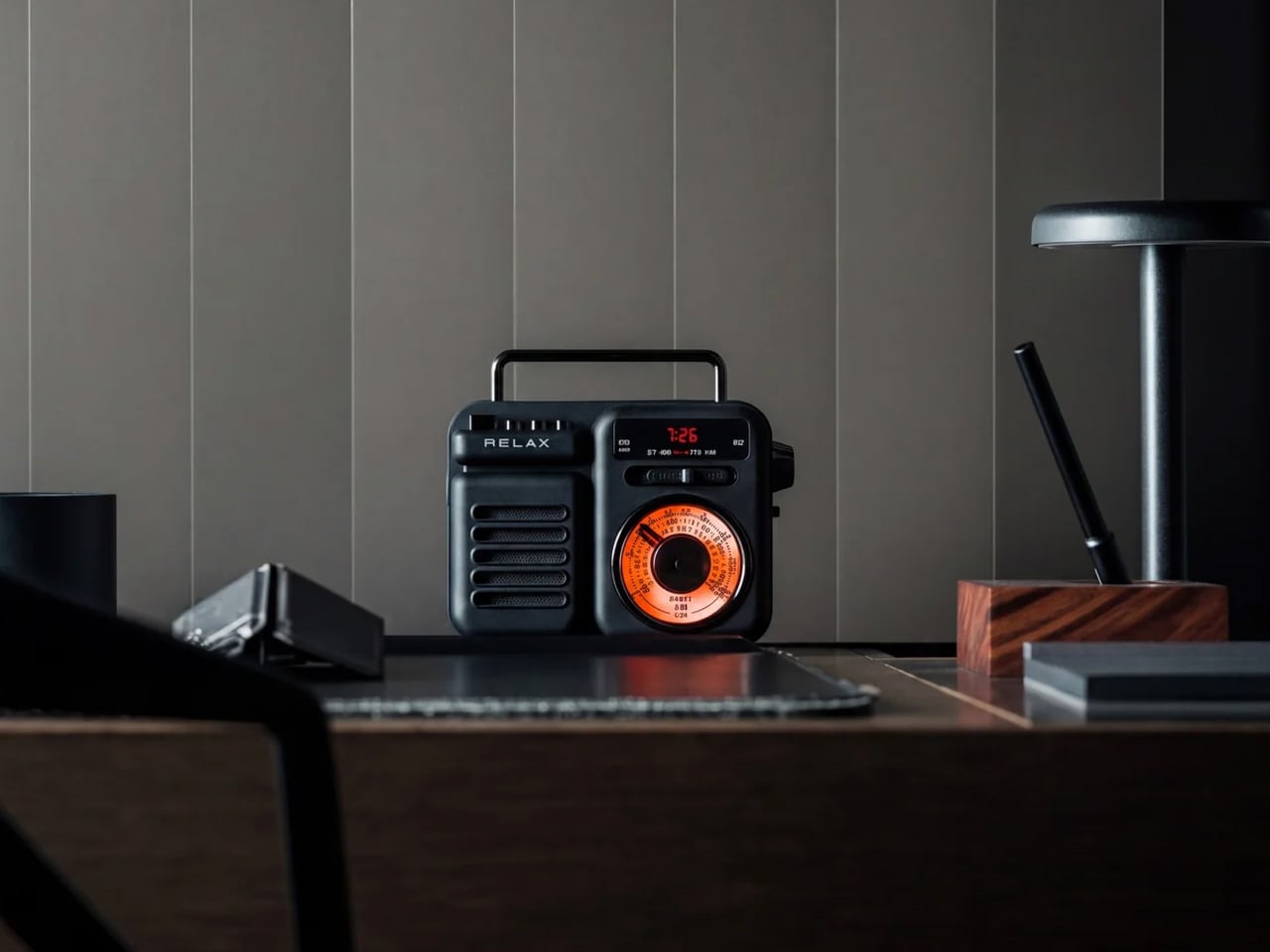
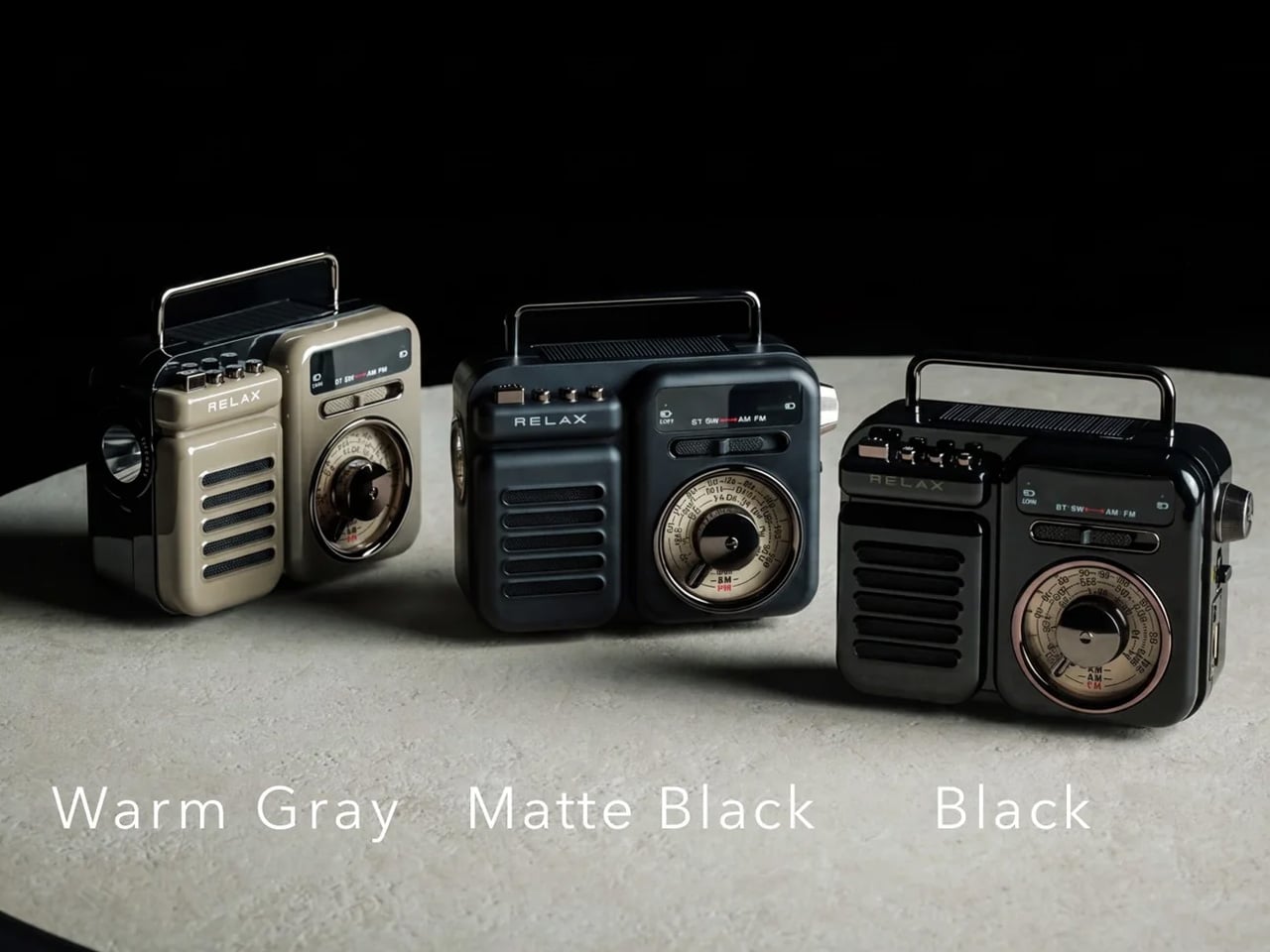
A tuning dial gives the RetroWave 7-in-1 Radio an appeal that another featureless Bluetooth speaker would struggle to match. Its compact retro body brings AM, FM, and shortwave reception together with Bluetooth streaming and MP3 playback from USB or microSD. For a picnic table or campsite, that means several useful ways to listen without making your phone responsible for everything. The built-in flashlight and SOS alarm also give this little radio practical reasons to travel beyond that familiar kitchen shelf.

The charging arrangement needs closer inspection than the seven-function headline. USB is the primary charging method, while the hand crank is for emergencies and the solar panel provides supplemental power. It features a 2,000mAh battery and approximately 20 hours of radio playback at moderate volume. That makes the RetroWave an appealing listening companion with backup utilities, rather than a replacement for a dedicated phone charger. Keep it charged before leaving, and treat its alternative inputs accordingly.

Click Here to Buy Now: $89.00

What we like

  • AM, FM, and shortwave reception doesn’t require an internet connection.
  • Music playback, a flashlight, and an SOS alarm share one compact body.

What we dislike

  • Solar charging is supporting power, not the primary recharge method.
  • Phone charging draws from the same modest battery used for listening and lighting.

2. Coleman Snap ’N Go Collapsible Cooler

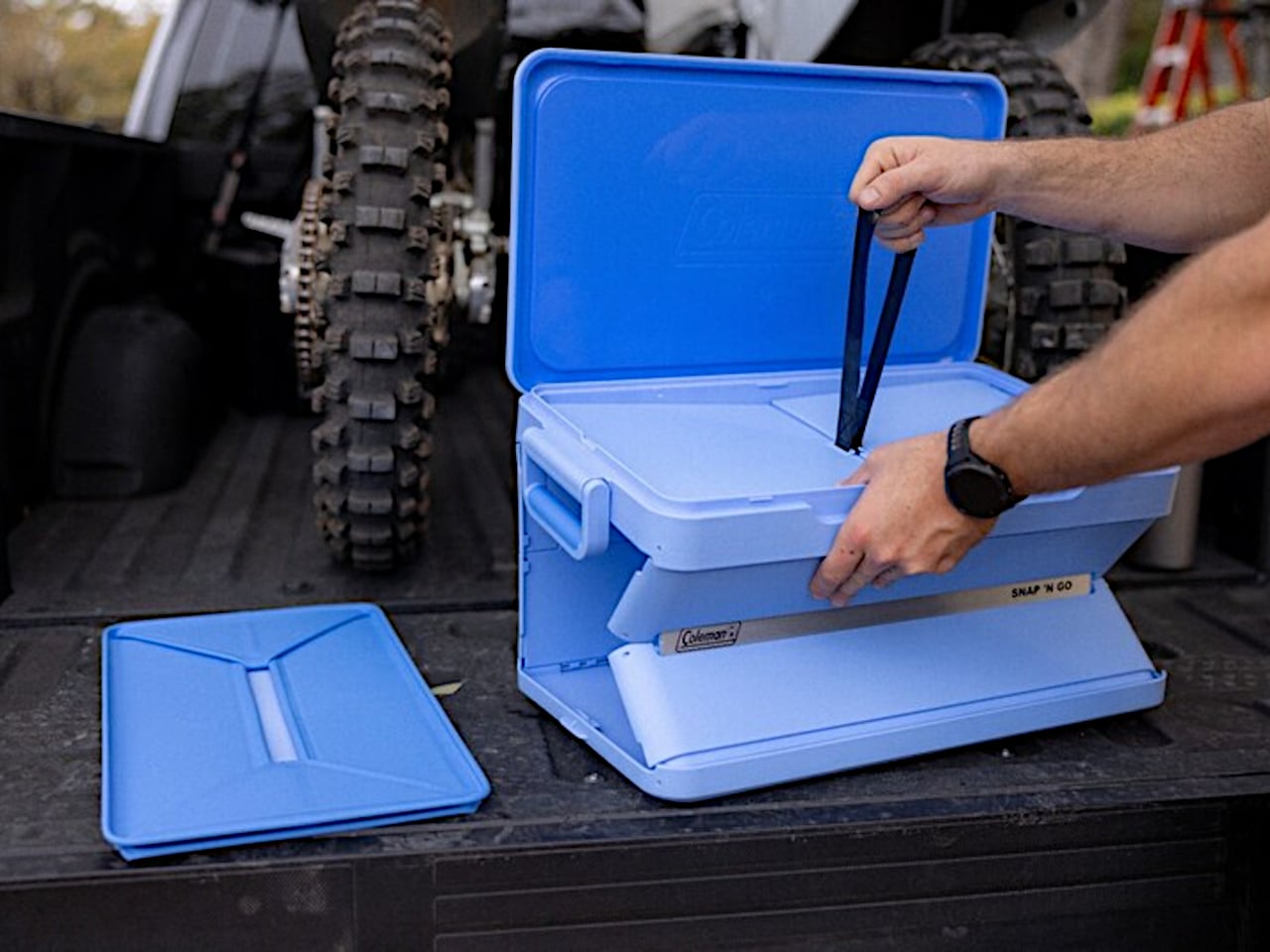
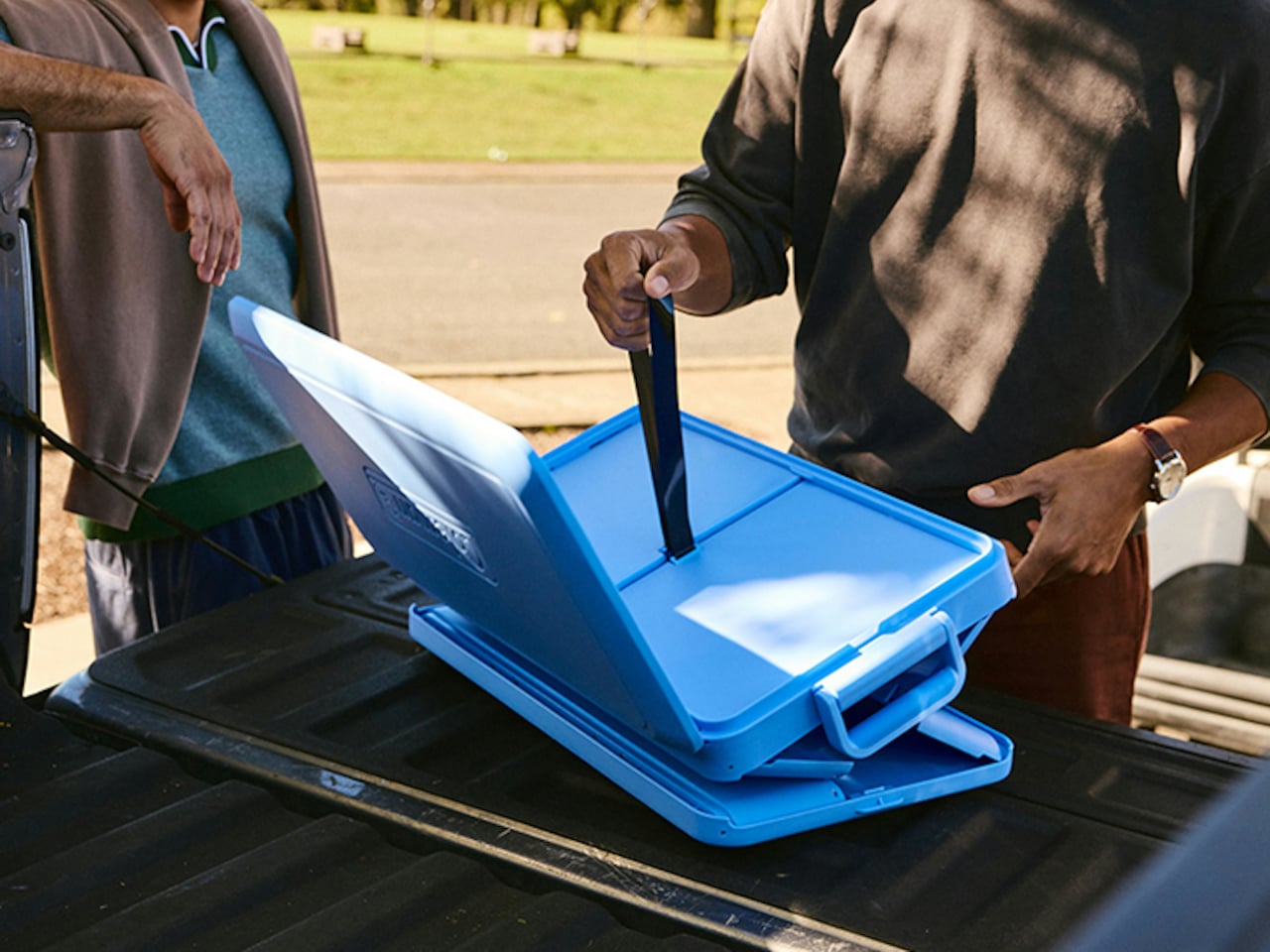
Storage is the Snap ’N Go’s strongest argument. Coleman’s collapsible cooler uses folding body panels and a removable liner to shrink to roughly one third of its open size. The liner folds away separately, so the transformation involves more than simply pressing the lid down. For anyone whose outdoor equipment shares space with everyday life, that smaller stored shape frees up storage space. You get room back in the closet between trips and in the car once the cooler is emptied.

The size you choose matters. Coleman rates the 55-quart model for up to 64 hours of ice retention, with an insulated lid and body. Smaller versions have different ratings, so that figure shouldn’t be applied across the range. The removable liner also allows separate cleaning after a trip. This is a sensible pick for car camping and tailgates, where storage bulk matters more than shaving every ounce. Folding it doesn’t make a loaded hard cooler into lightweight overnight backpacking equipment.

What we like

  • Collapsing to one-third of its open size reduces storage bulk between outings.
  • A removable liner makes the interior accessible for separate cleaning.

What we dislike

  • Removing and folding the liner adds a step when packing away.
  • The space-saving benefit arrives after emptying it, not while carrying food and ice.

3. FLEXTAIL TINY PUMP 2X

The TINY PUMP 2X addresses one very specific annoyance: getting an inflatable sleeping pad ready when you’d rather be settling into camp. FLEXTAIL lists its weight at 100 grams, with a body measuring 45 by 46 by 59 millimeters. Its stated airflow of 180 liters per minute and pressure of 4 kPa describe a compact pump for suitable low-pressure inflatables. Five included nozzles offer different valve connections, though matching one to your own pad remains worth checking before departure.

Deflation is the function that makes this more useful than a gadget for arrival alone. Drawing air out of compatible inflatables can help with rolling and packing them, while the integrated lantern gives the pump another job after setup. A hanging ring and built-in magnet provide ways to position the light without holding it. USB-C charging keeps replenishment straightforward. The tradeoff is shared battery capacity: using it as a lantern leaves less power available for pumping the following morning.

What we like

  • Inflation and deflation address both setting up camp and packing it away.
  • The lantern, hanging ring, and magnet give it a useful second role.

What we dislike

  • Included nozzles still need checking against your particular sleeping pad.
  • Pumping and lighting depend on the same rechargeable battery.

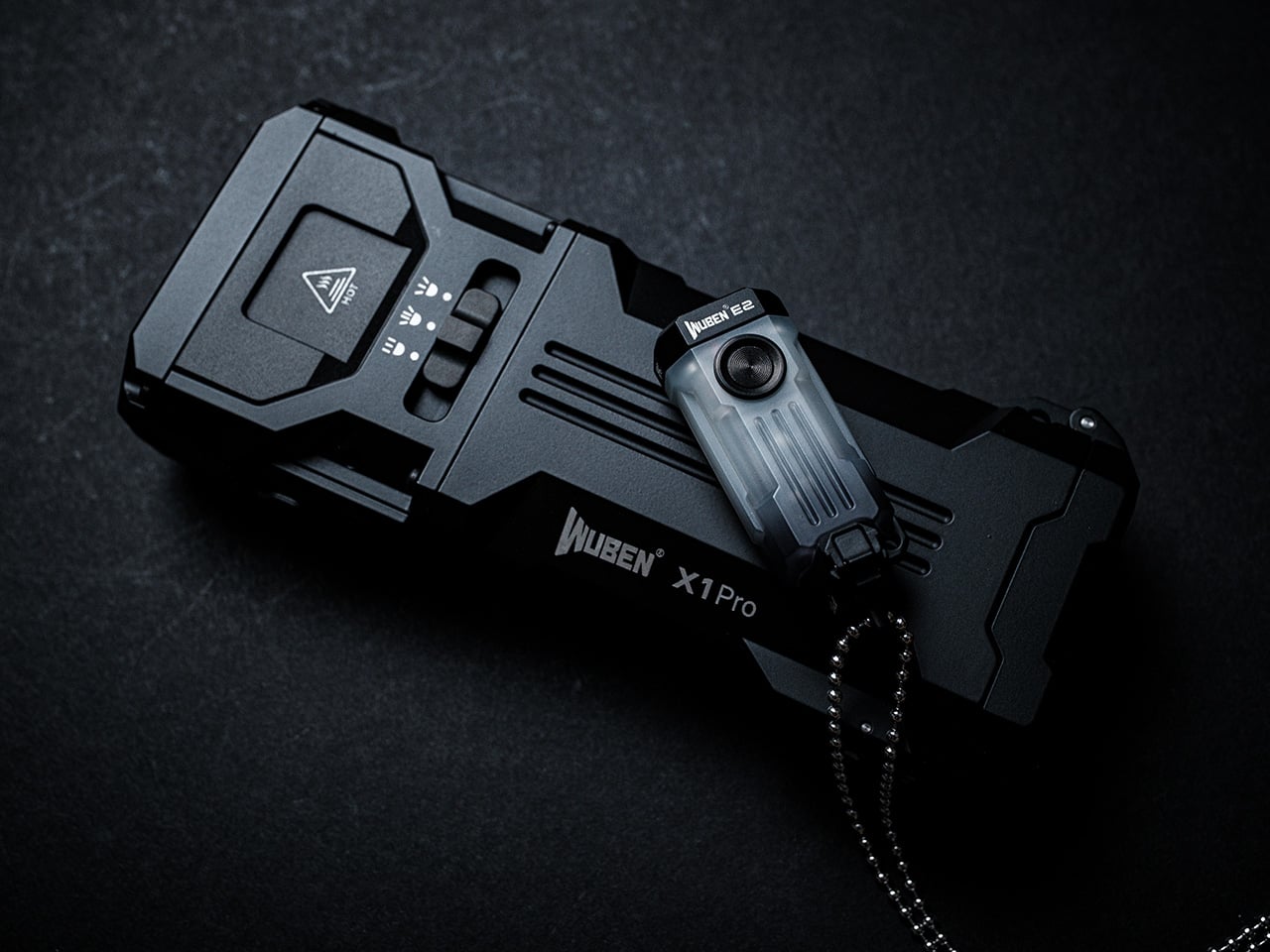
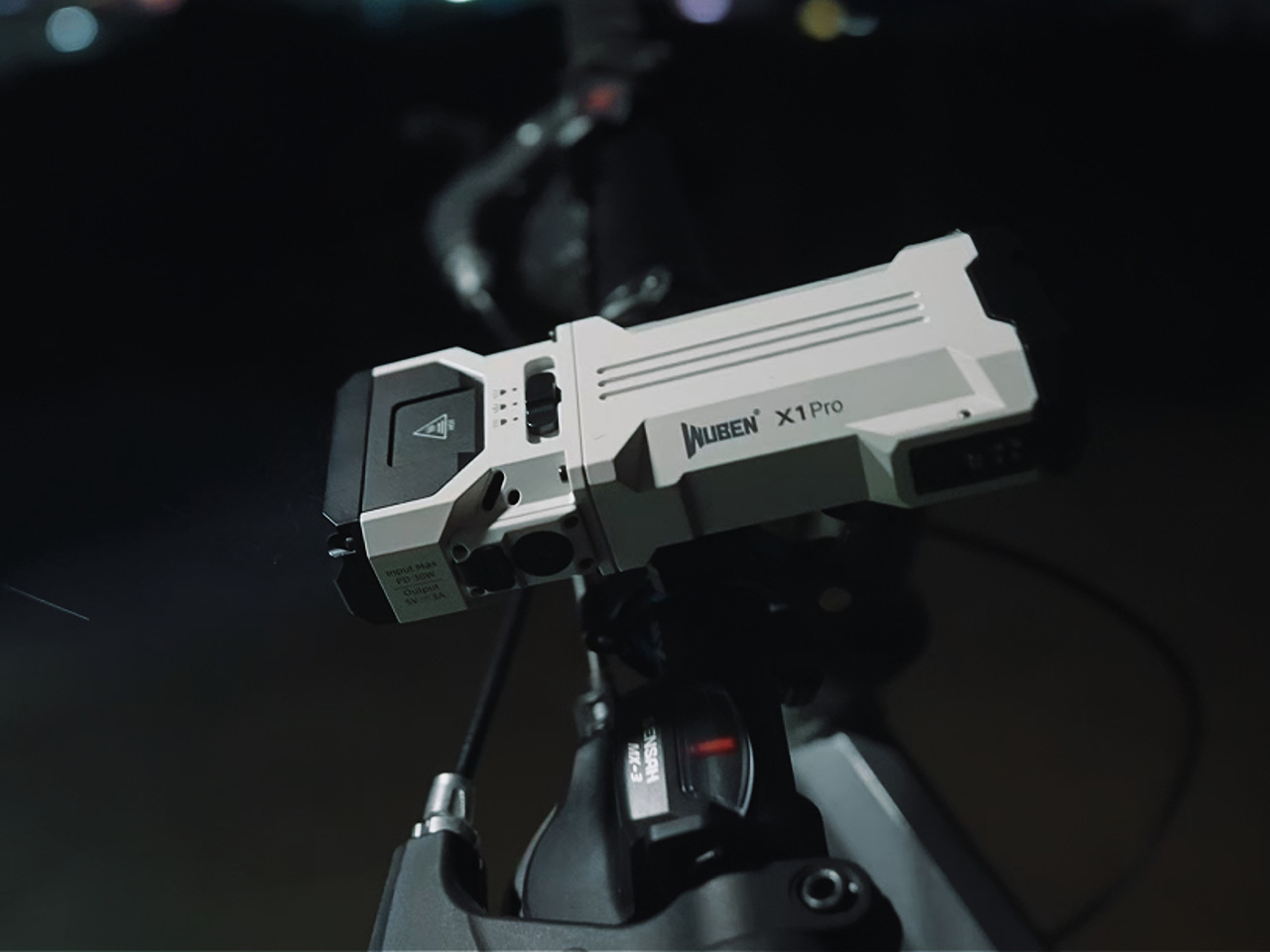
4. Wuben X4 Flashlight

Wuben’s X4 gives you a reason to pack a dedicated light even when other gear already includes an LED. Its main beam combines flood and spot illumination, while a separate side panel provides warm white light for nearby tasks. Wuben specifies up to 1,500 lumens from the main light and a 4000K side light. The useful design choice is directional separation: you can light the ground ahead or a page beside you without asking one beam to do both jobs.

The rectangular body also supports several ways of working without occupying a hand. Stand it upright, use the pocket clip, or attach the magnetic base to suitable metal. A rotary control adjusts brightness, and the replaceable 18650 battery can be charged through USB-C. That replaceability matters for longer trips because carrying a charged spare gives you another option. The current product specification lists IP65 protection for rain and splashes. Its rain resistance shouldn’t be treated as permission to submerge it.

What we like

  • Separate main and side lights serve walking and stationary tasks.
  • A replaceable battery offers another power option beyond USB-C charging.

What we dislike

  • IP65 protection doesn’t make it a light for underwater use.
  • Optional mounting accessories and diffusers are sold separately.

5. Eiger 8-in-1 Scissors

Scissors are an unusually practical starting point for a multitool. EigerTool starts with scissors, a sensible choice for opening food packaging and handling the small cutting jobs that accumulate around camp. The Eiger 8-in-1 Scissors measure just 13 centimeters long and weigh 53 grams. Made in Sanjo, Niigata, Japan, they use SUS420J2 stainless steel. Their other seven functions include a knife, can opener, bottle opener, screw-cap opener, shell cracker, prying tool, and gas-release tool, integrated into the blades and handles.

The included leather case and red NITE IZE carabiner make this easier to keep accessible rather than loose among utensils. EigerTool chose the red clip for visibility, a small decision with an obvious packing benefit. The black finish uses an oxidation coloring treatment that improves weather and corrosion resistance. The appeal is straightforward: a modest collection of camp kitchen tools occupies one compact outline. Its small size still calls for realistic expectations about more demanding cutting tasks.

Click Here to Buy Now: $65.00

What we like

  • Scissors and opening tools cover several everyday camp kitchen jobs.
  • The included case and visible red carabiner support accessible, protected carry.

What we dislike

  • Compact handles may feel restrictive when wearing thick gloves.
  • There are no pliers or screwdrivers for equipment repairs.

Pack for the trip you actually take

The most useful outdoor purchase usually starts with an inconvenience you can name. If you struggle to store your equipment, prioritize the object that becomes smaller at home. If setup is the part you dread, look for something that removes a repetitive task. A longer feature list is worth less than a function you’ll actually use. Match the tool to your habits before making room for it in your bag.

Multifunctional gear also makes selective packing more important. Several items here include lighting, so carrying all of them simply because they appear together would miss the point. Choose your primary light, decide how you’ll keep essential electronics powered, and bring the tools your meals and sleeping setup require. The best outcome is a kit that feels considered rather than crowded, with enough room left for the things that aren’t gadgets.

The post The 5 Best Outdoor Gear of October 2026 first appeared on Yanko Design.

Tesla’s New Roadster Can Fly. Its CEO’s Reputation Cannot.

Nine years. It took Elon nine years to remember he was supposed to ship a Roadster. Announced in 2017, the second-generation car came with bold promises. Promises Elon made and conveniently forgot, like the crewed Mars mission he targeted for 2024, or the coast-to-coast self-driving demo he promised by the end of 2017. He’s a genius at moving the goalpost, and he has the attention span of a toddler. In those nine years, he moved Tesla HQ to Texas, launched a Roadster into outer space, bought Twitter, bankrolled a presidential campaign to the tune of $200 million, fronted DOGE, and folded xAI into SpaceX, whose IPO made him the world’s first trillionaire. Somehow, delivering the second Roadster never made the list.

On Thursday, he remembered the Roadster still had reservations sitting for nearly a decade. So he did what he always does: razzle-dazzle, fanfare, and a stunt big enough to bury nine years of broken timelines. The car Tesla showed on October 15 differs from the 2017 pitch, though not in ways worth cheering. Range drops from 620 miles to over 300, and seats drop from four to two at most. The 0-60 is better, with Tesla claiming under 1.6 seconds on the base car, under 0.9 on Thrust, and under 0.59 on Rocket, but the last two trims aren’t approved for road use. Impressive on paper, but just like the 2017 Roadster, all this is only on paper.

The flying trim has no reserve button and no road approval
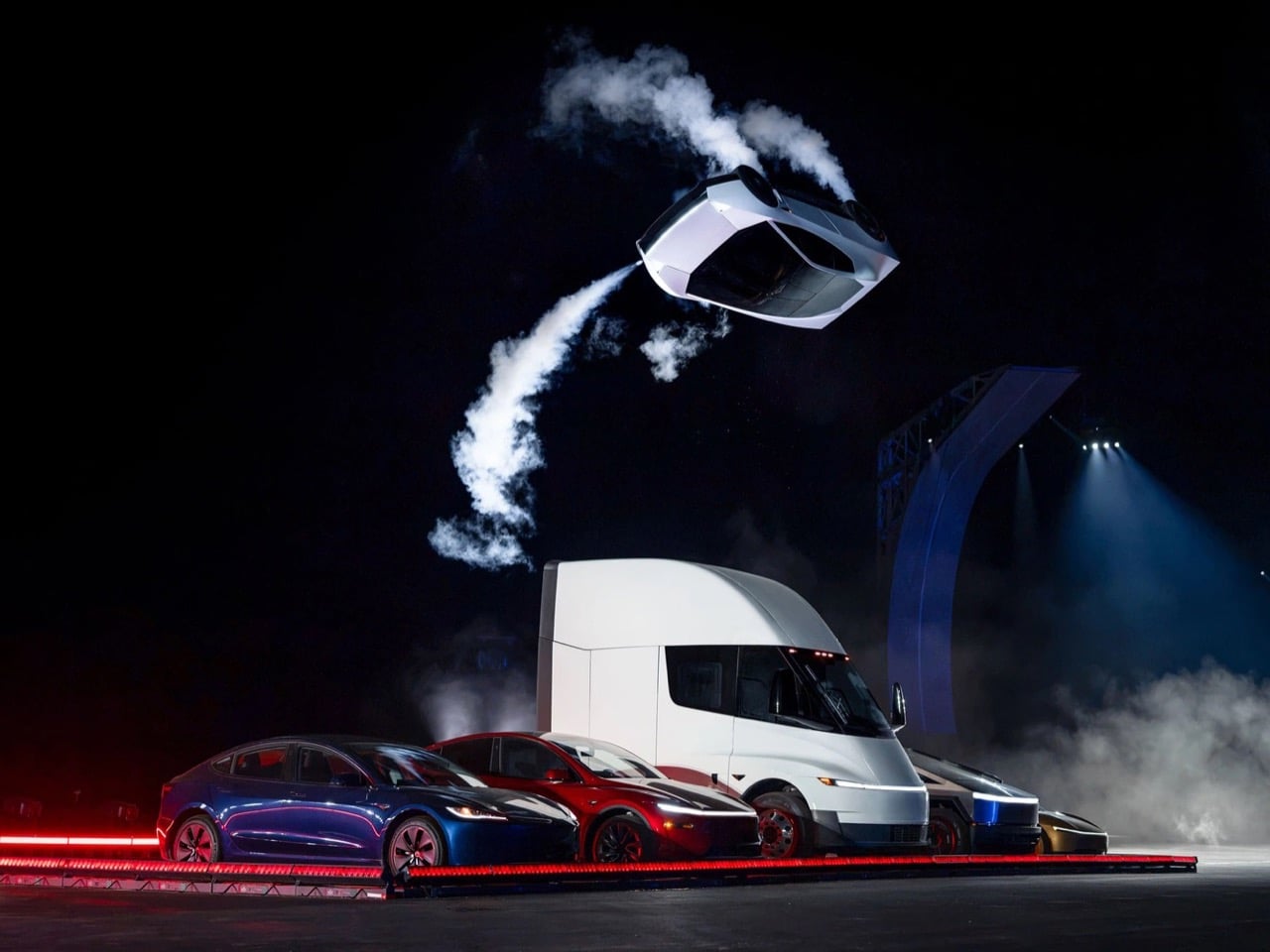
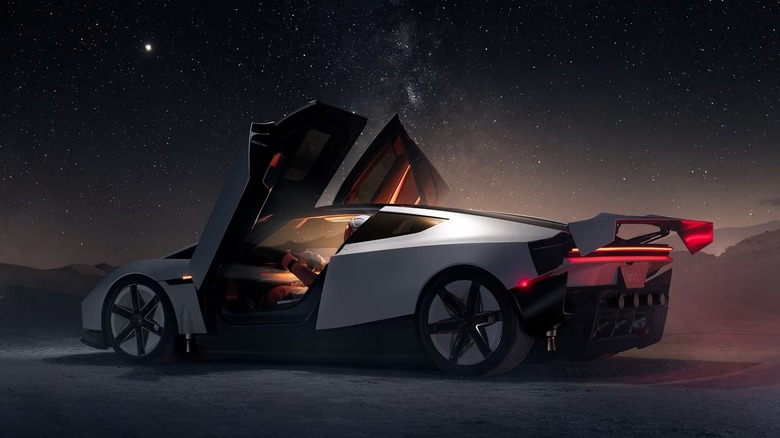
Tesla is selling the Roadster in three trims, and the one that flies is the one you can’t reserve. The Rocket trim seats one, runs ten cold-gas thrusters fed by 600 liters (roughly 158 gallons) of compressed air, and carries an invite only label where the reserve button should be. The $250,000 Thrust trim adds rear thrusters for sub-one-second launches (sort of like afterburners on a jet), meanwhile the $50,000 Performance trim reservation gets no thrusters. Tesla says none of the thruster packs are approved for road use, and no human was driving during the Waco demo. There’s still no price, battery size, or powertrain info for any trim. My bet is that Rocket ends up a mod a handful of invitees get 5-6 years after the base car.

Design school drills one question into you early: who is this for? A feature Tesla itself says isn’t approved for road use, offered to people who can’t even reserve it, answers with a shrug. Tesla credits the SR-71 and F-35, though the wedge owes a visible debt to the Lotus Esprit from The Spy Who Loved Me, which Musk owns and put on display. Every usable void in the car is packed with carbon fiber overwrapped pressure vessels, the same type behind multiple SpaceX rocket explosions. Musk has said safety is not the main goal, which at least explains the packaging. It’s like ordering a sofa and receiving a trampoline show: great theater, and still no price.

Nine years of slipped dates and a spec sheet that shrank
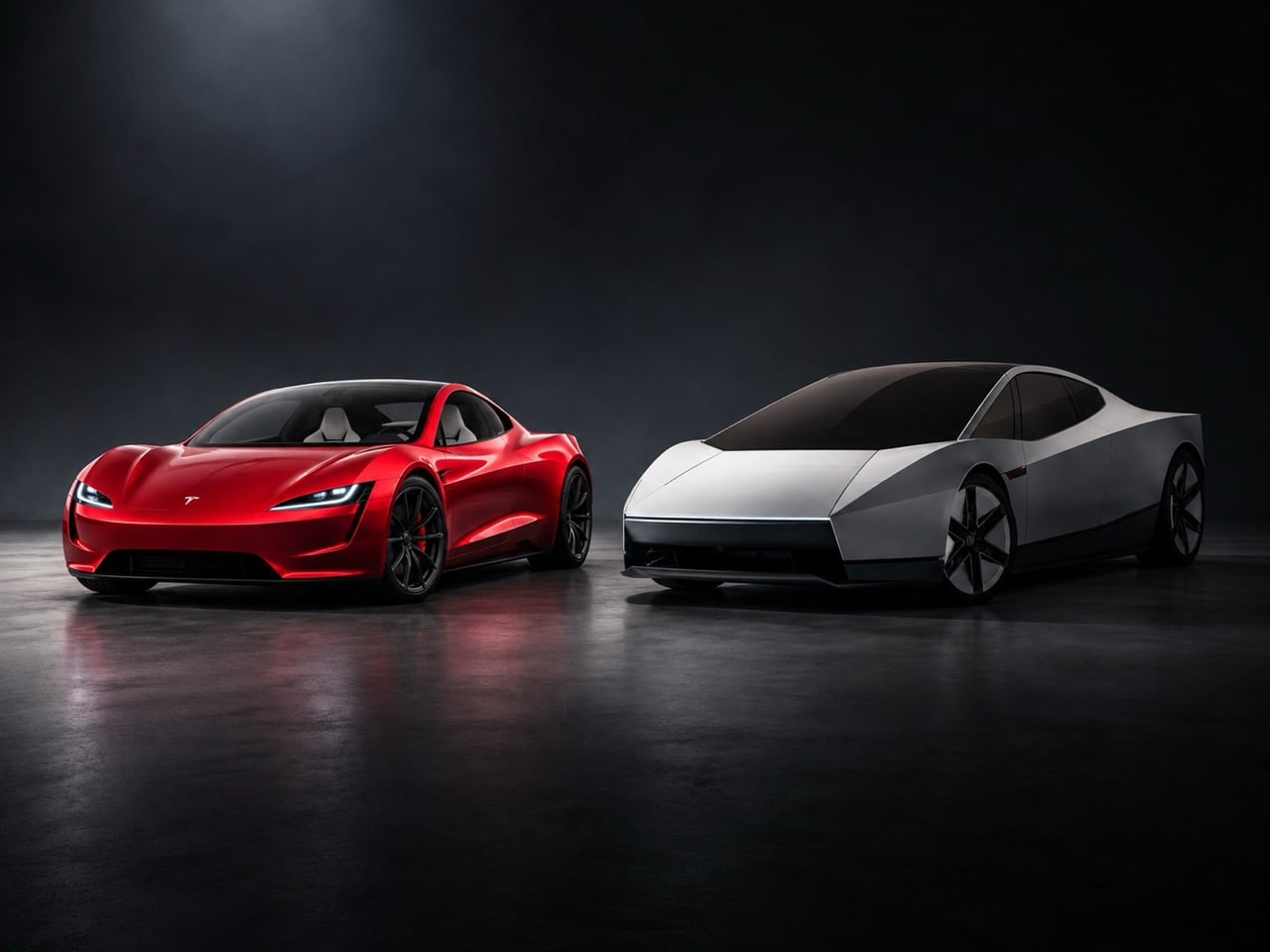
Tesla revealed this Roadster as a surprise at the end of the 2017 Semi event and promised deliveries within a few years. Buyers put down $50,000 deposits, and some paid $250,000 for one of 1,000 Founders Series cars. Musk then delayed the car in 2020, 2021, 2023, and 2024, while Tesla fought through Model 3 production hell and moved on to the Model Y and Cybertruck. Last year he promised a reveal by the end of 2025, then pushed it to April 1, 2026, saying an April Fools’ event would give him some deniability. Planning your own launch around deniability is a bold strategy. Severe weather bumped the October 1 date, and the real show finally happened October 15.

The 2017 pitch listed 620 miles of range, a top speed above 250 mph, four seats, and a $200,000 base price. Today’s version quotes over 300 miles of range (Tesla’s figure, with no test cycle named), over 230 mph, two seats at most, and no price at all. The deposit is still $50,000, so anyone holding a 2017 reservation has been lending Tesla that money interest free since before the Model Y existed. In fairness, the base car now beats the 1.9-second 0-60 promised in 2017, and the stunt car clearly works. Marques Brownlee, one of the customers vocal about the delays, summed up the mood by asking whether the whole thing was a prank.

Elon’s graveyard of dead promises
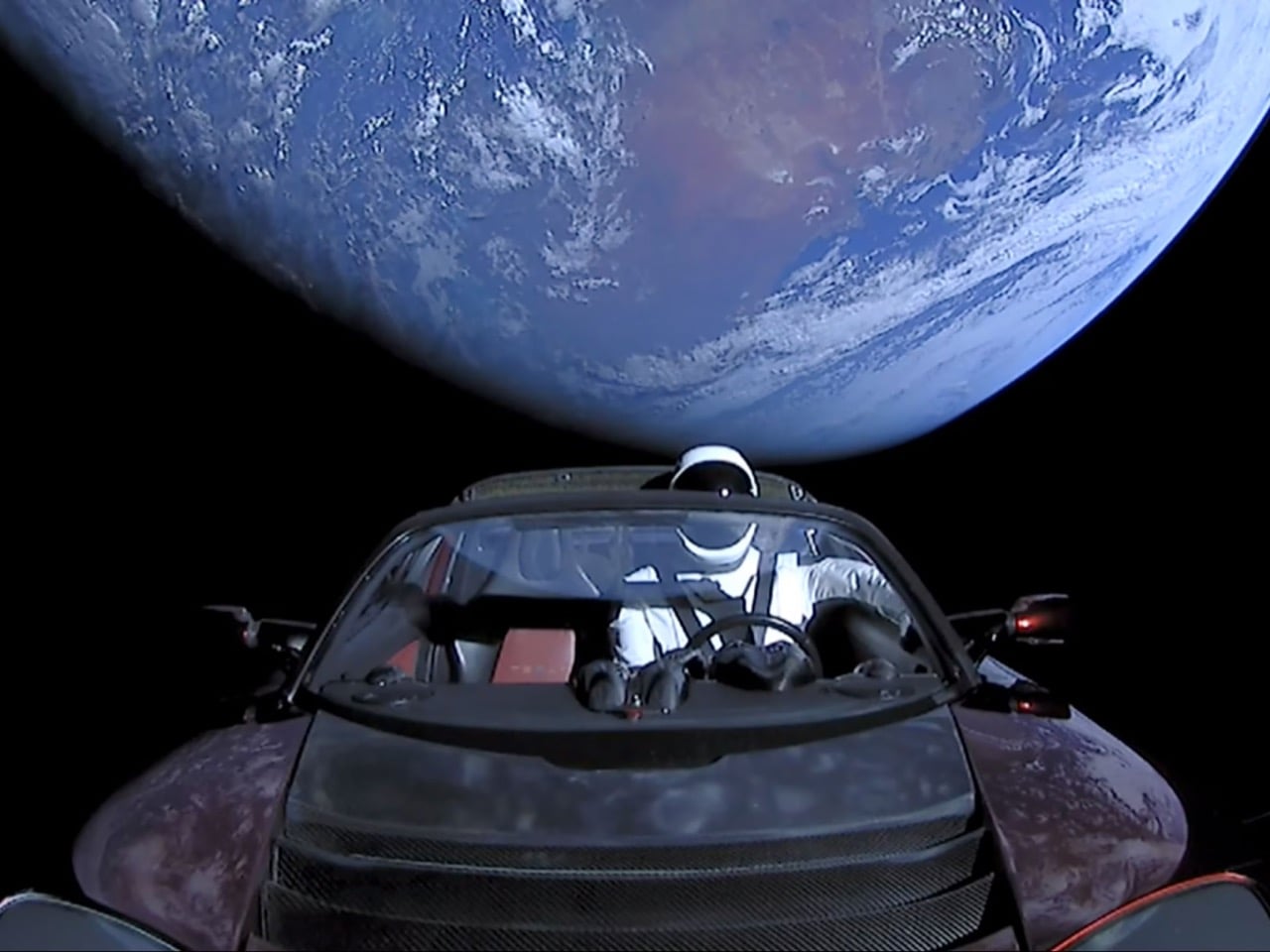
In 2016, Tesla told buyers every car it built had the hardware for full self-driving, and it later sold the package for up to $15,000. In April 2019, Musk promised over a million robotaxis on the road by 2020. He has since admitted that the HW3 computer in millions of those cars can’t deliver unsupervised driving. A California judge ruled the name itself misleading. The DMV gave Tesla 60 days to fix its marketing or face a 30-day sales suspension. Tesla now sells it as Full Self-Driving (Supervised), which is a lot of parentheses for a promise that began without any.

Musk targeted a crewed Mars mission for 2024, then floated an uncrewed 50-50 shot at late 2026, and in February SpaceX shifted its focus to the Moon. He said Mars would now take 20 years or more. On Optimus, he promised 1,000 or more robots working at Tesla in 2025, then said in January 2026 they were still R&D units doing no useful work. Robotaxis are the bright spot, since they now run without safety drivers in a few cities. That’s still a long way from the half of the country he promised. Each broken promise gets swapped for a bigger one, which is a handy way to keep the old ones from getting audited.

Why a flying car won’t change Elon’s true legacy

Back in December 2024 before DOGE officially existed, Musk and Trump attacked a bipartisan spending deal as bloated, and Republican leaders dropped it, resulting in the gutting of funding for pediatric cancer research. The casualties included an extension for the NIH’s Gabriella Miller Kids First program, named for a 10-year-old who died of a brain tumor. Nancy Goodman, who lost her own child to cancer at 10, asked how anyone cuts cancer research in the name of efficiency. The Senate passed a pared-back version two days later, but the Give Kids a Chance Act took until February 2026 to become law. Once DOGE got going, NIH announced a 15% overhead cap that Fred Hutch said would erase about $125 million a year for its cancer center.

USDA canceled about $660 million for Local Food for Schools and $420 million for a companion food bank program, just as the administration and DOGE said they were slashing waste. One school district lost $100,000 it had planned to spend on local beef and produce for student meals. The Waco crowd cheered a car leaping over a Cybertruck, and I sat there in admiration too. A good design improves someone’s life, and a stunt car with no price, no road approval, and a 2028 date hasn’t improved anyone’s yet. The Roadster can fly. Its CEO’s reputation stays on the ground, parked next to the cancer bill and the school food money.

The post Tesla’s New Roadster Can Fly. Its CEO’s Reputation Cannot. first appeared on Yanko Design.