Don’t throw away your old USB charging cables — Repurpose them instead
The charger from your three-generations-ago phone can still be useful. Here are several ways to use old cables, both indoors and out.

A miniature piece of sci-fi equipment becomes more appealing to me when it has a job beyond occupying a shelf. The KOJIMA PRODUCTIONS x CASETiFY collection addresses that small but familiar dilemma for fans: how to bring a favorite fictional universe into everyday life without buying another display piece. Here, game references become phone cases, earbuds covers, and accessories with somewhere to go besides a glass cabinet.
Launched October 15, 2026, the limited-edition collaboration was developed with Hideo Kojima and art director Yoji Shinkawa at KOJIMA PRODUCTIONS’ Tokyo studio, according to CASETiFY. Its strongest idea is translating the studio’s visual identity into physical forms, rather than treating every accessory as a blank surface for a logo. That gives the collection something to offer readers who appreciate industrial design but couldn’t identify every Death Stranding reference.
Designer: Kojima Productions x Casetify

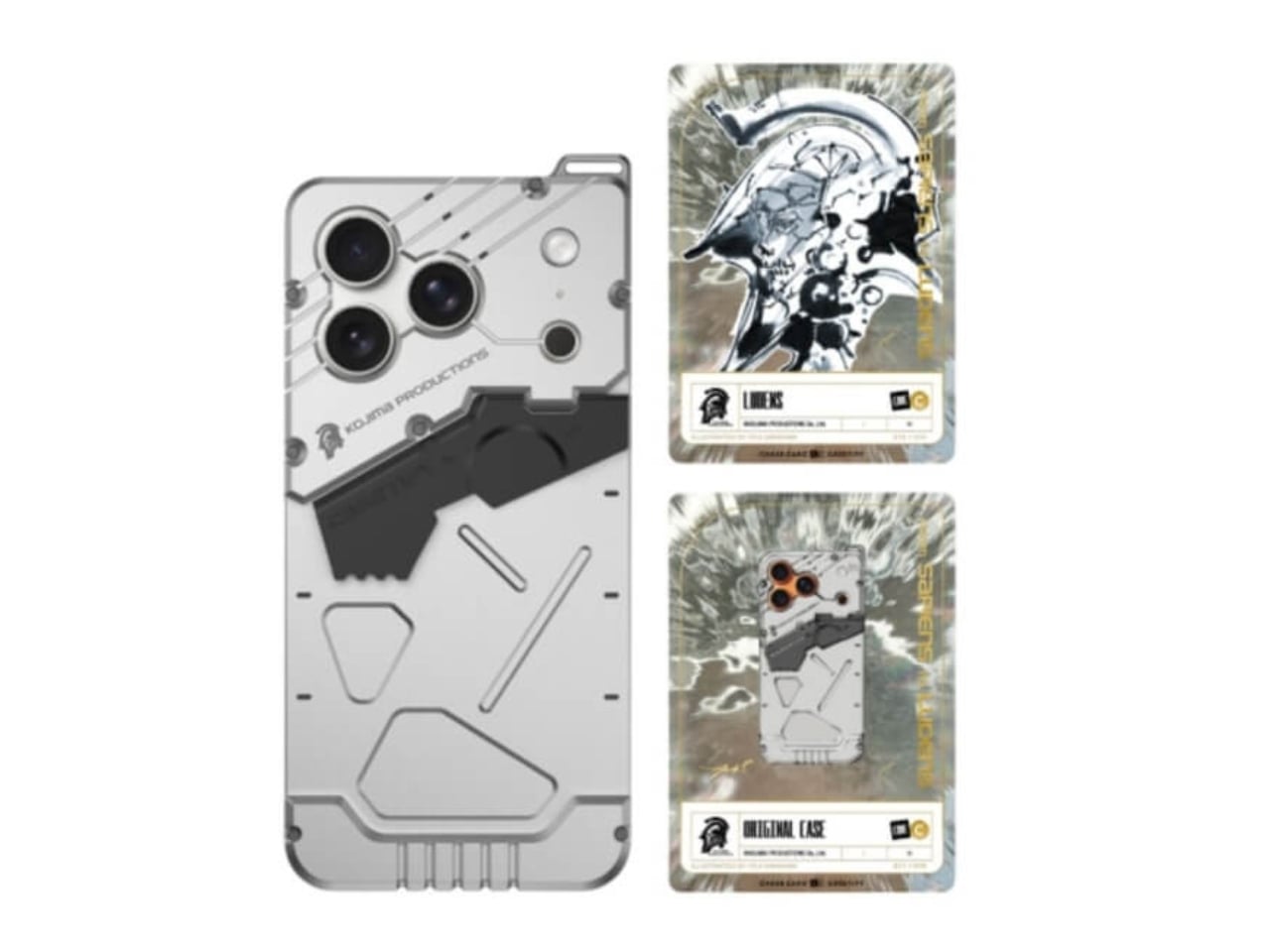
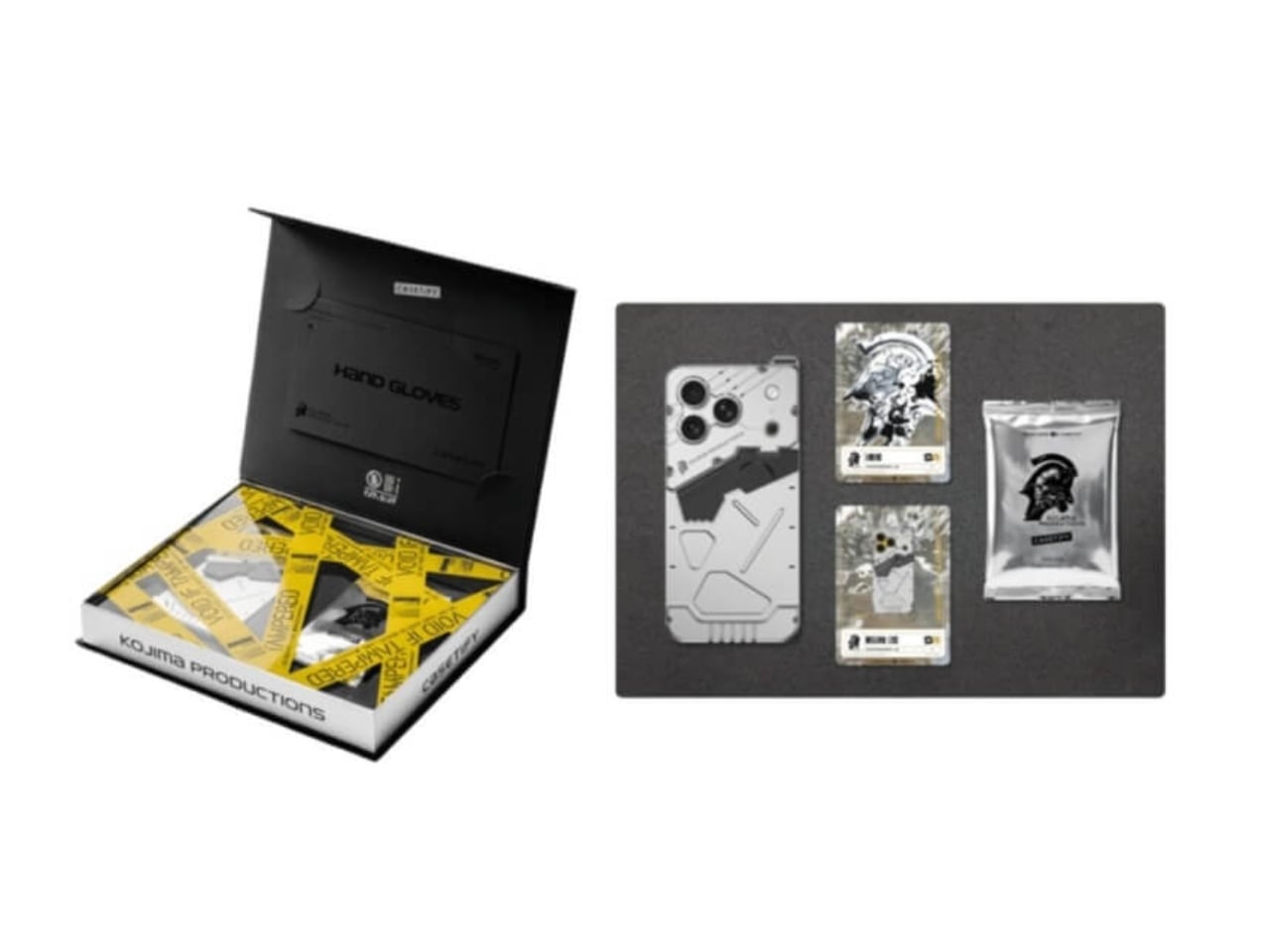
The centerpiece is the Yoji Shinkawa Original Design 3D Crafted Aluminum Case. In the product images, silver panels are crossed by diagonal lines, circular fasteners punctuate the edges, and a black component cuts across the back. The camera openings become part of that mechanical composition instead of an awkward interruption. I like how the design makes the phone look like a component removed from a larger machine, complete with details suggesting assembly and maintenance.
That black component also folds out as a kickstand, giving the elaborate back a practical purpose. It supports the phone horizontally in the promotional images, which makes sense for watching video at a desk without carrying a separate stand. More importantly, its angular shape belongs to the overall design. It doesn’t look like a generic accessory attached afterward. That integration is the detail that makes the case feel considered rather than merely decorated.
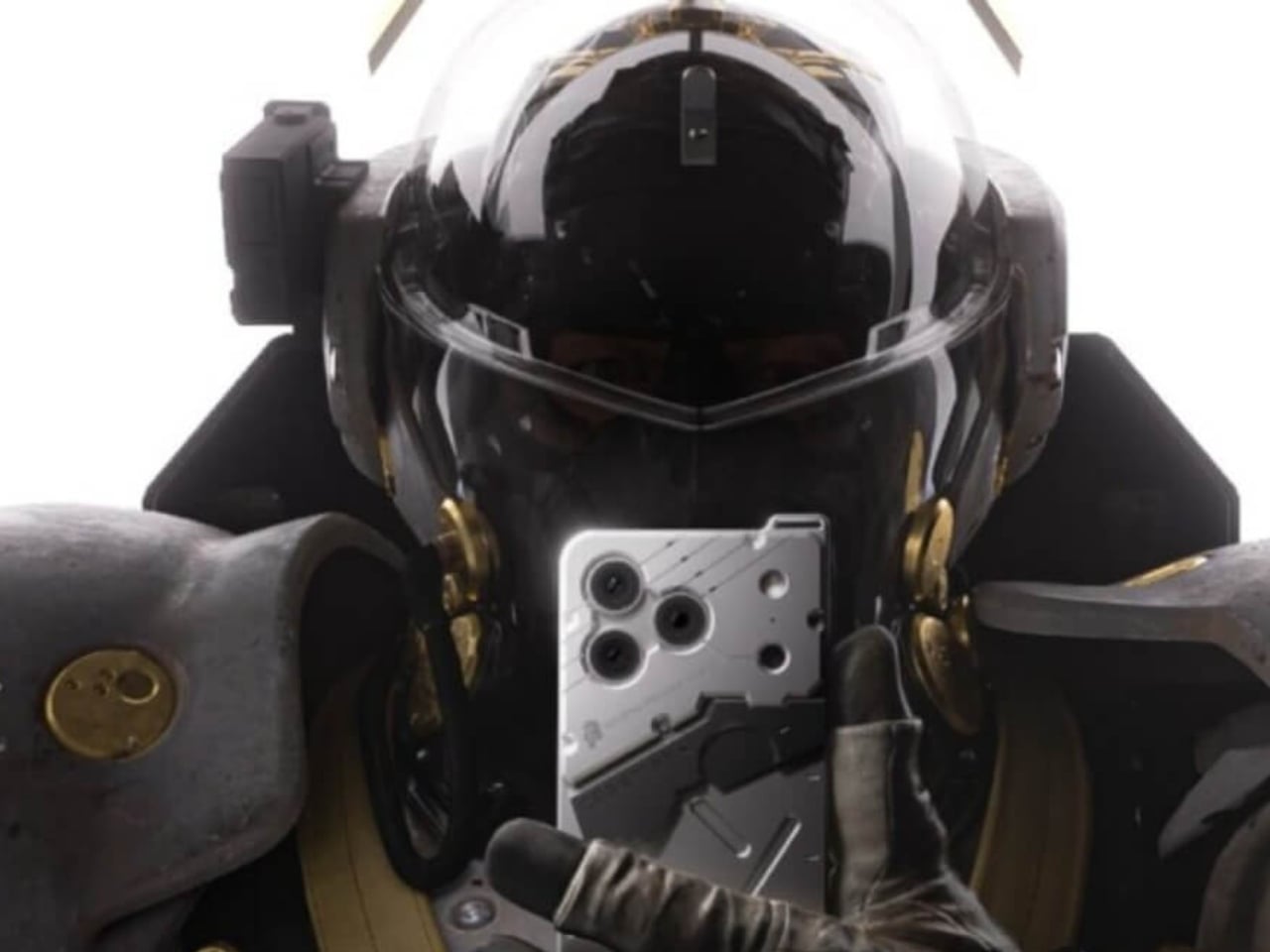
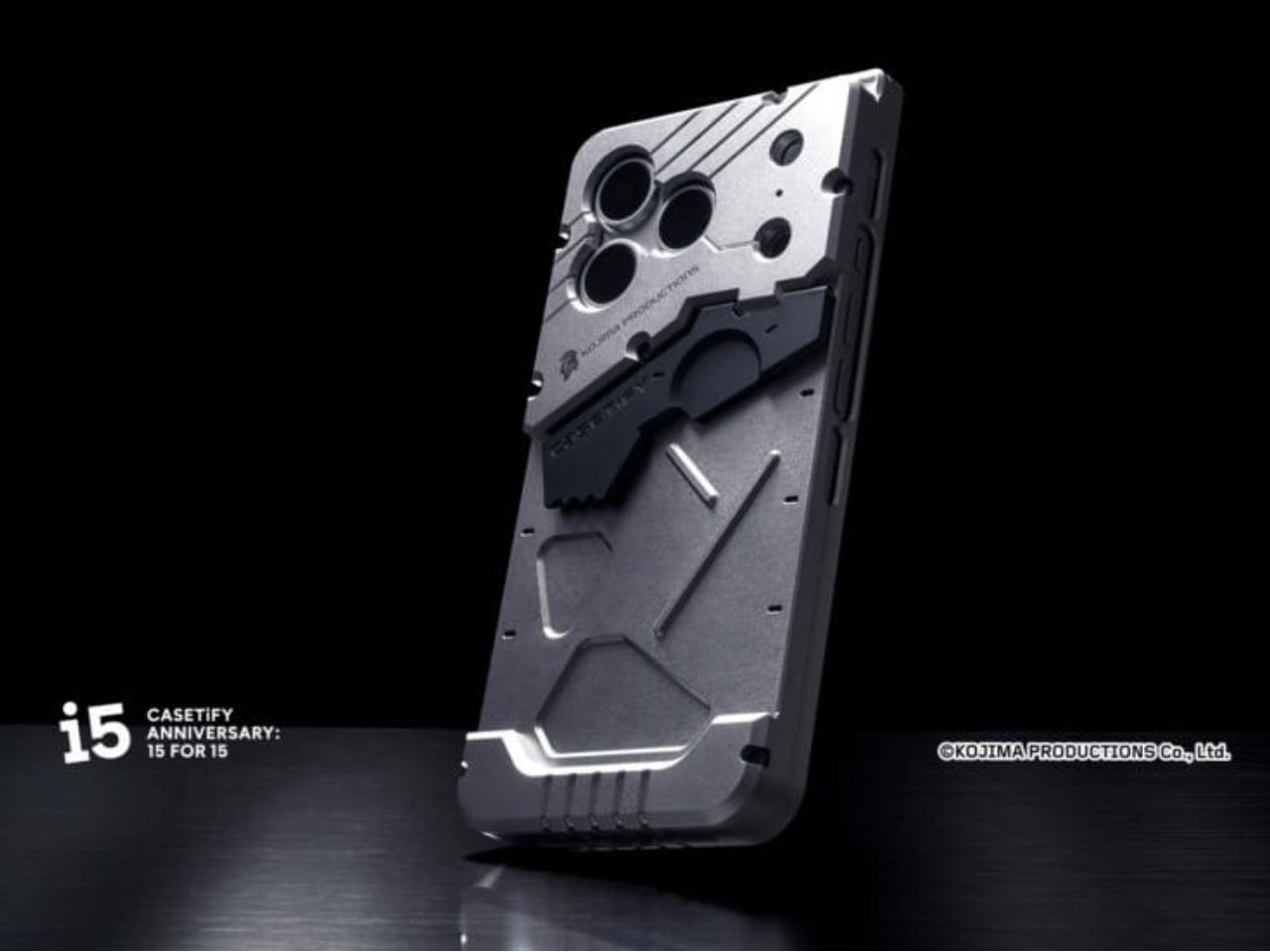
I’d still separate the armored appearance from any assumption about protection. Looking like equipment designed for a hostile landscape doesn’t establish how a case handles a kitchen-floor landing. The available images also can’t settle questions about grip, pocket comfort, or how pleasant those edges are during a long call. For me, this is an appealing collectible design first. Its everyday usefulness needs to earn its place alongside the visual appeal, especially at the listed $184 price.
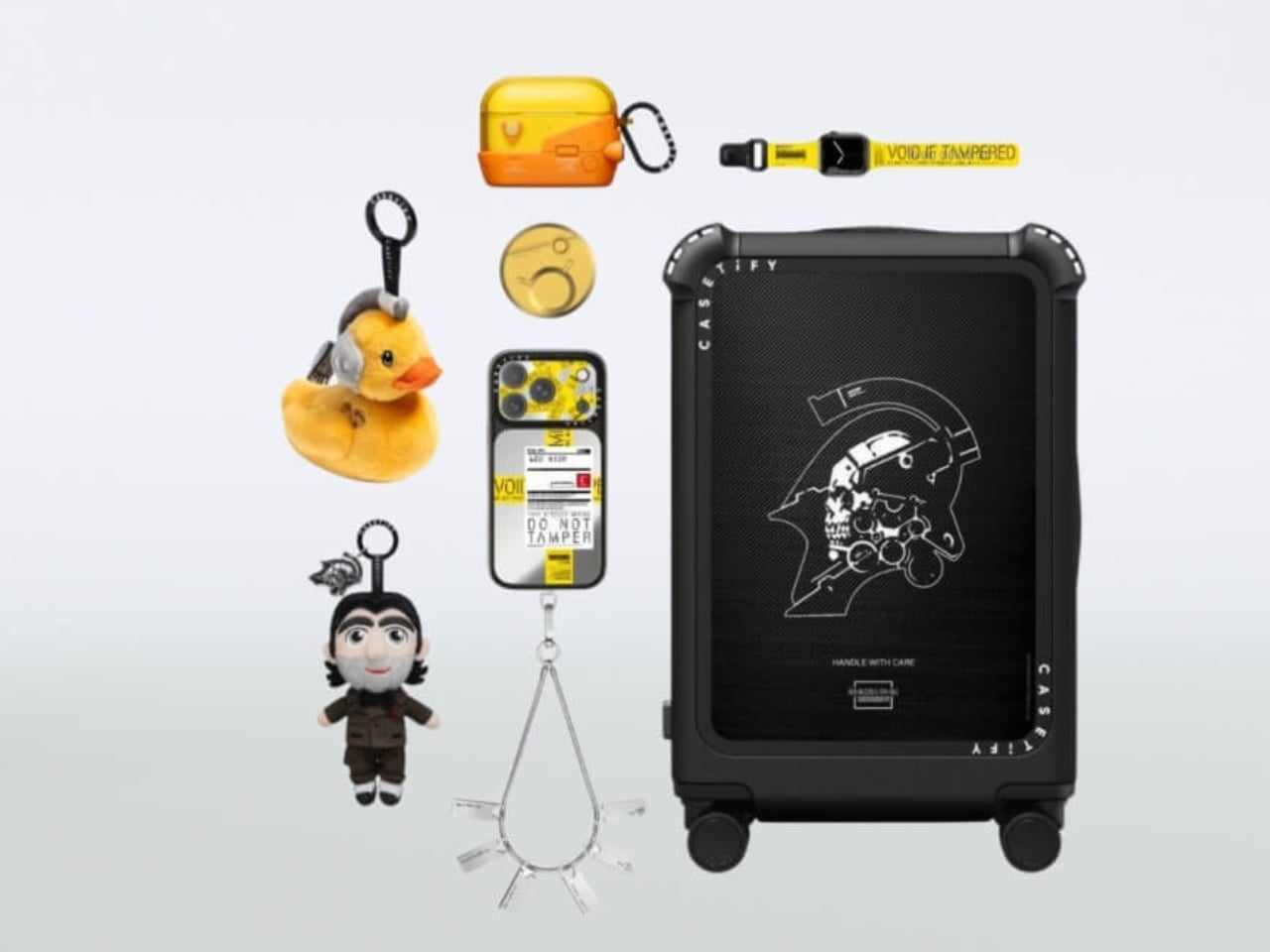
The BB Pod Collectible AirPods Case makes a more immediately playful argument. Its yellow translucent-looking upper section, orange lower enclosure, and black carabiner turn a familiar charging case into a tiny equipment pod. Small labels and molded details carry the reference without requiring a huge title across the front. I think this is one of the collection’s clearest translations: a fictional container becomes an actual container. The listed AirPods Pro 3 version costs $56, so the novelty carries a premium, but the connection between inspiration and function is easy to understand.
The $70 Qpid Wristlet takes another route, adapting a Death Stranding motif into a phone-carrying accessory. Its silver-toned loop and dangling tags give it a jewelry-like presence in the collection imagery. I prefer that kind of reinterpretation to a replica that needs an explanation before it has a use. Here, the reference can remain meaningful to a fan while reading as an unusual accessory to everyone else. It invites recognition without demanding it.
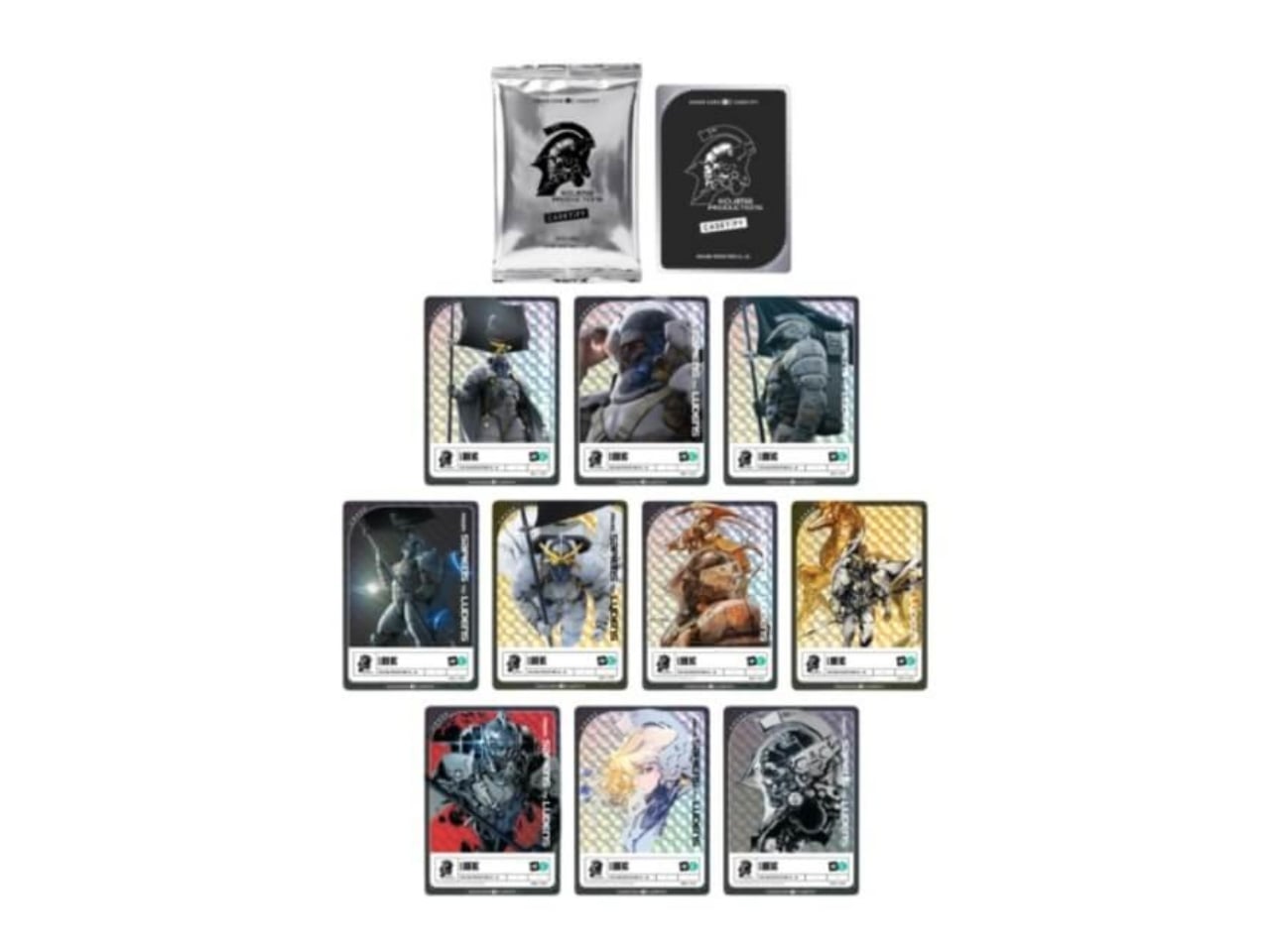
The graphic cases are worth attention, too. Cargo ID and Damage Sensor Tape designs borrow the visual language of shipping labels and marked equipment, while Ludens imagery offers a more direct studio connection. These are the options I’d consider for someone who wants the aesthetic without the aluminum centerpiece’s sculptural treatment. Magnetic cardholders, grip stands, and charging accessories extend that approach to other routines. Their appeal is personalization, not evidence of better charging or some hidden technical advantage.
My preference would be to choose one strong piece and let it interrupt an otherwise ordinary setup. The BB Pod makes the most sense to me because its form and purpose reinforce each other. The aluminum case is the more ambitious design, but ambition alone wouldn’t persuade me to put it around an expensive phone. I’d want to know that carrying the collectible remained as enjoyable as looking at it.


The post Kojima x CASETiFY: Game-World Gear You Can Actually Carry first appeared on Yanko Design.
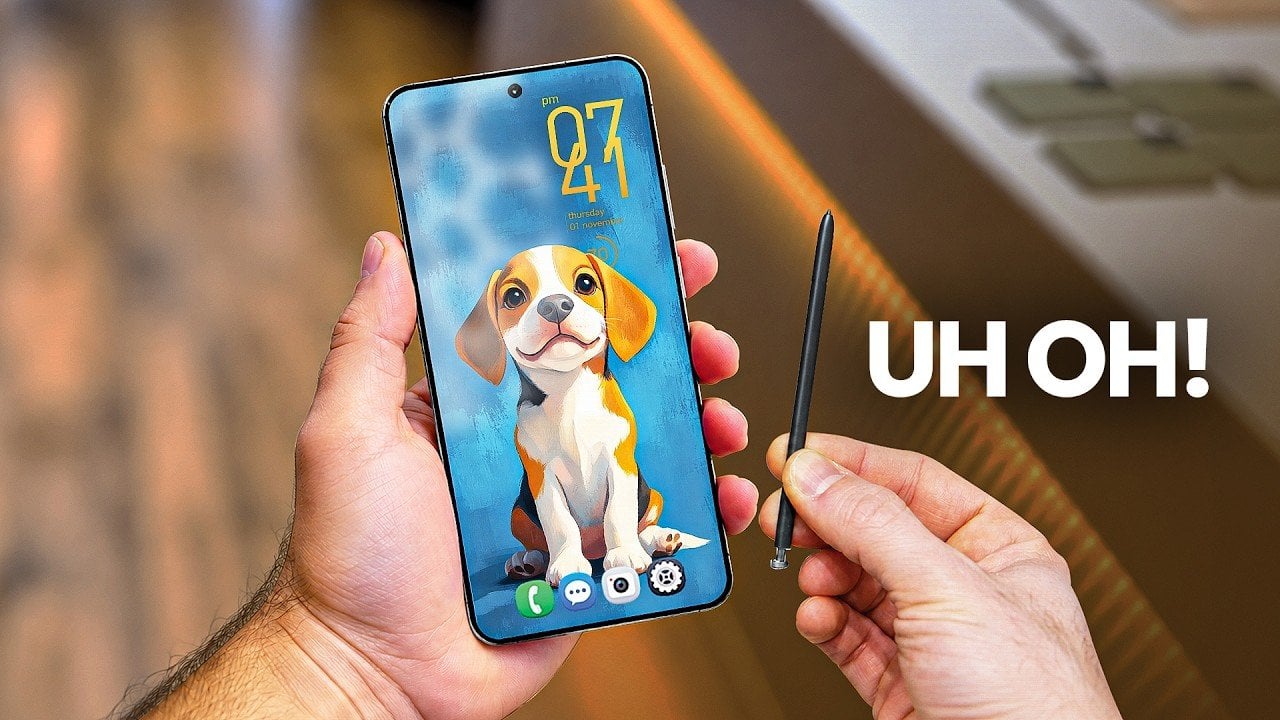
The Samsung Galaxy S27 Ultra enters the market as a flagship device that blends innovative advancements with notable compromises. It introduces subtle design refinements, potential performance upgrades, and new model variations, but also raises concerns about hardware choices, feature adjustments, and pricing strategies. For those considering an upgrade, understanding the device’s strengths and weaknesses is […]
The post Samsung Galaxy S27 Ultra: Every Rumor, Leak, and Major Change appeared first on Geeky Gadgets.
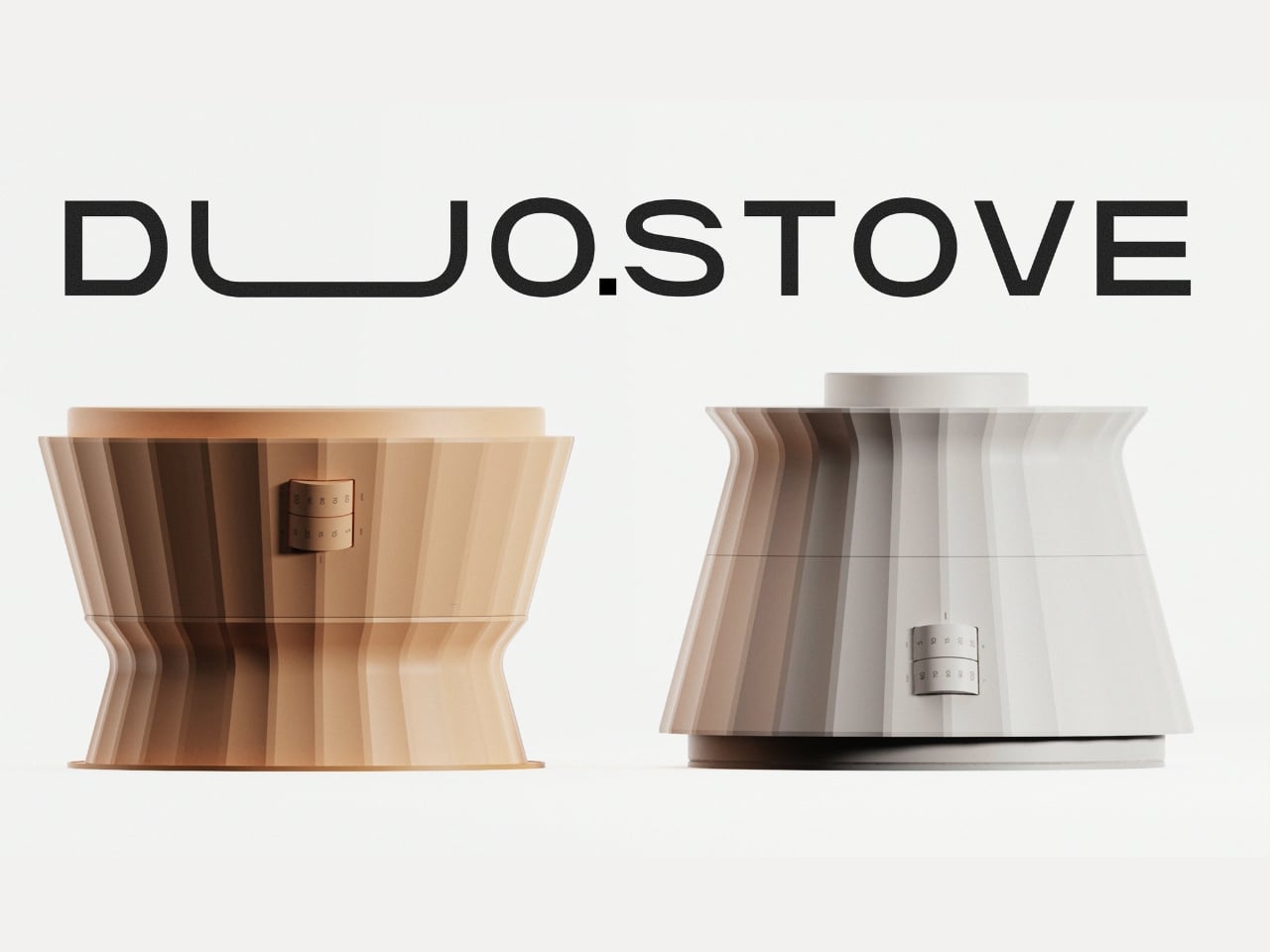
Dinner can be a one-pot meal and still leave a small collection of appliance parts in the sink. Add a separate steamer or countertop cooker, and the equipment starts taking up as much attention as the food. DUO STOVE, a concept by designer Eunseo Yun, tackles both kinds of clutter by rethinking where an appliance’s heating unit belongs.
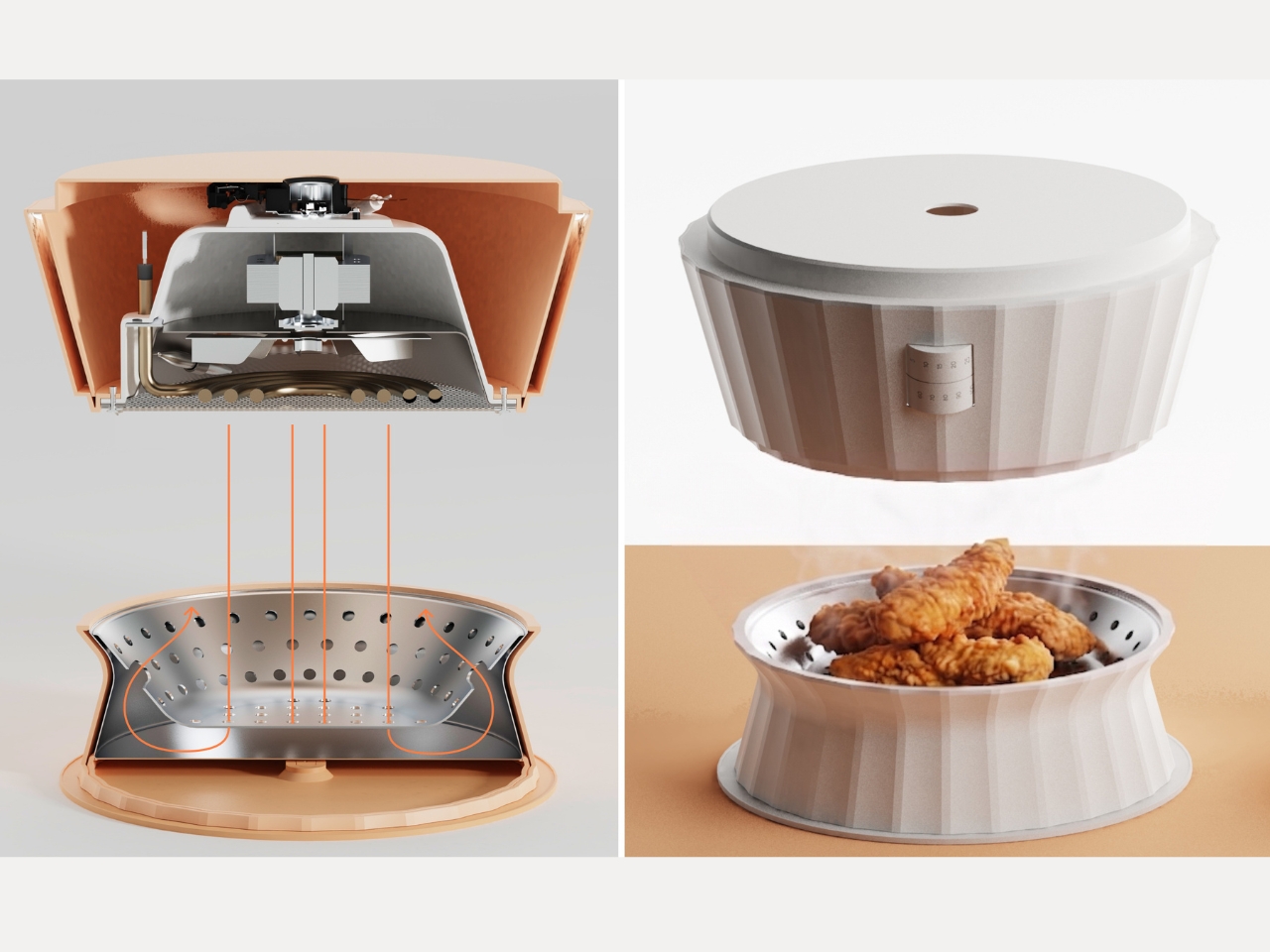
The central move is a reversible heating module. It sits beneath the cooking vessel in multicooker mode. In air fryer mode, it flips over and moves above it, directing heat down into the food chamber. Yun’s presentation treats the appliance as two essential parts: something that holds food and something that heats it. Rearranging those parts offers two cooking setups without asking you to find room for two separate machines.
Designer: Eunseo Yun
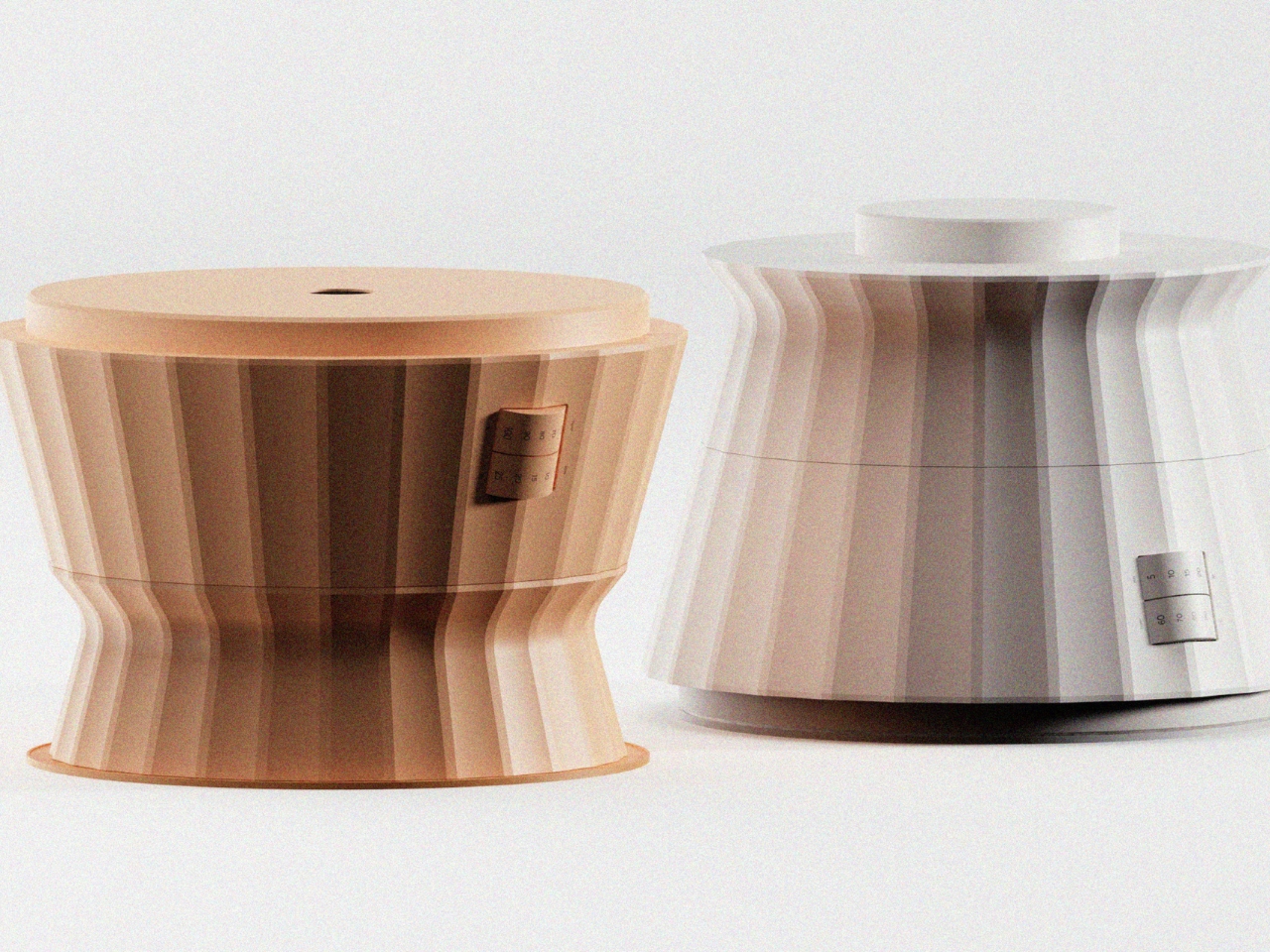
The exterior makes that reversal look intentional. Its fluted sides pinch inward around the middle, giving the body a sculptural silhouette that works in either orientation. The pale and amber-toned versions shown in the presentation look closer to serving vessels than the usual black countertop box. I like that restraint. A device meant to sit beside dinner should look comfortable there, even when nobody is admiring its specifications.
In multicooker mode, a wire insert turns the vessel into a steamer. Remove it, and the proposal supports other methods, including boiling; a lower temperature setting is intended to keep food warm while you eat. That last use feels especially relevant to the dining-table placement. A pot of soup could remain part of the meal instead of becoming another trip back to the kitchen.
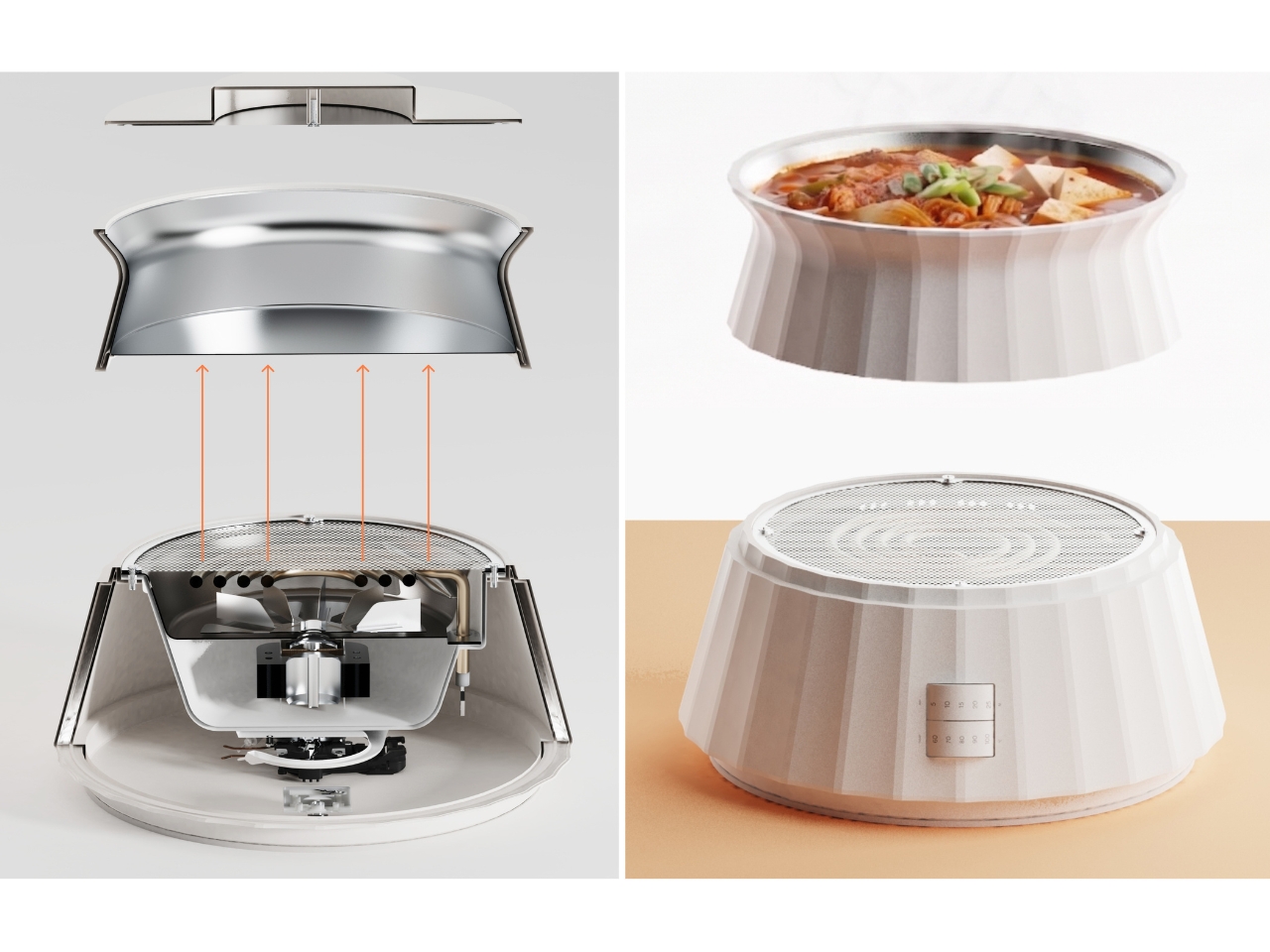
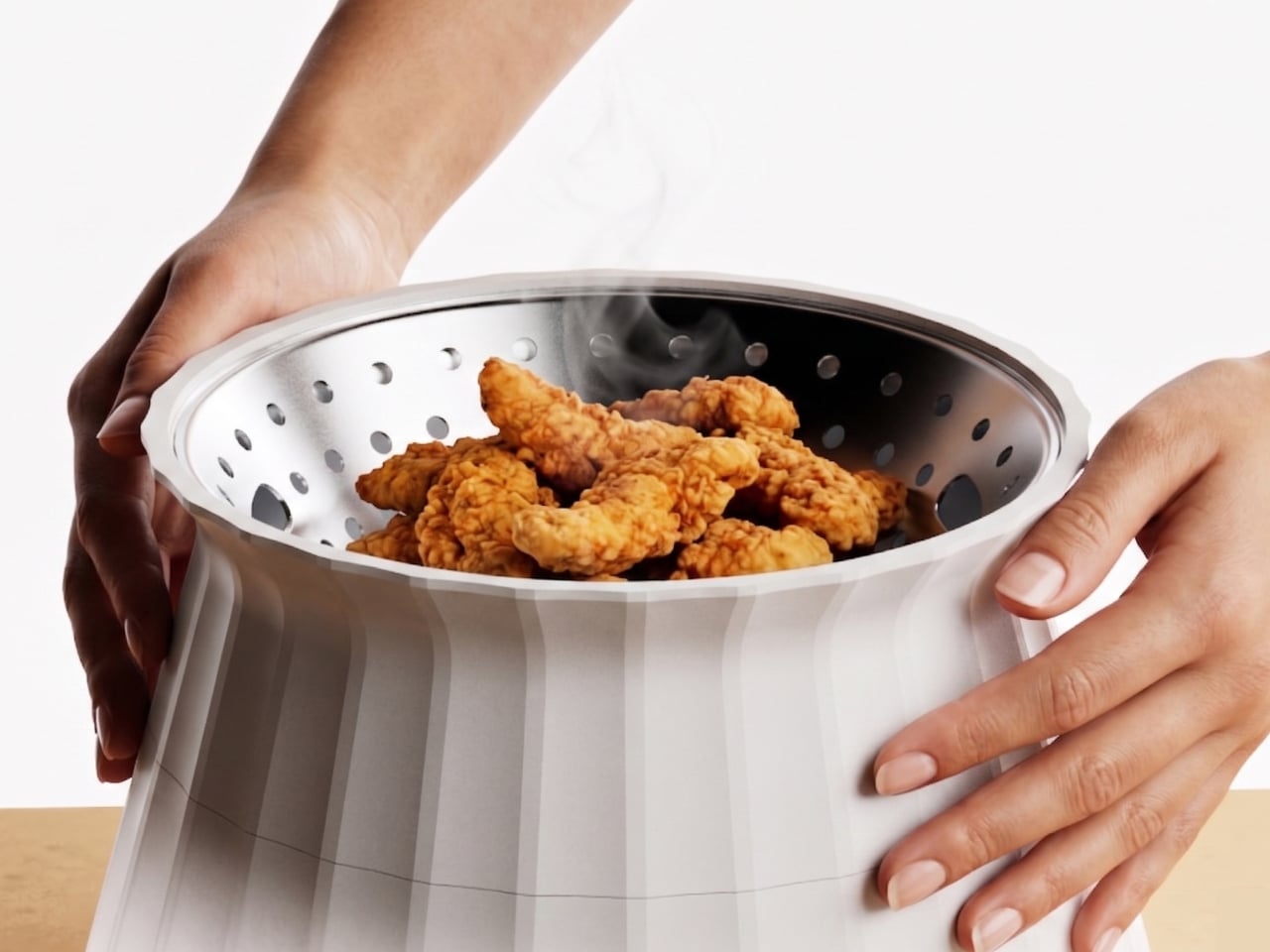
The air fryer arrangement brings the cleanup argument into focus. Yun proposes using the lower inner pot as a bowl after cooking, reducing the need to transfer food into separate serving ware. The presentation shows a perforated insert holding chicken pieces inside the outer vessel. The useful detail is the continuity between cooking and eating, with the appliance’s lower half doing a job beyond containing a basket.
That doesn’t mean washing disappears. Food-contact parts still need cleaning, and a perforated insert still has holes to deal with. I’d read the concept’s cleanup pitch as an attempt to shorten the sequence, rather than a promise of a magically empty sink. Serving from the cooking vessel is a modest improvement, but modest improvements are often the ones that make sense on a busy weeknight.
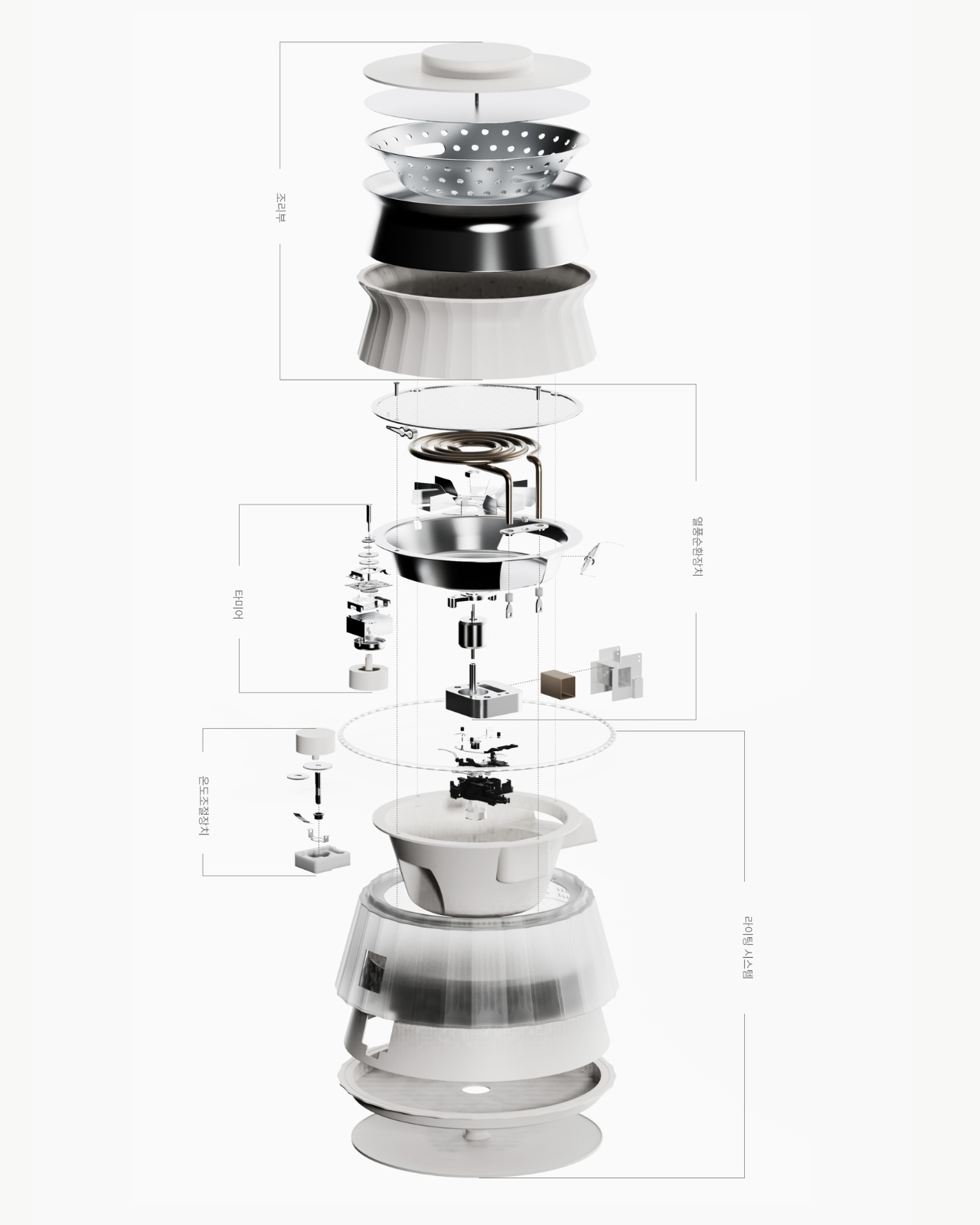
The controls follow the same pared-back thinking. Two dials handle time and temperature, with an interface intended to remain readable when the heating module is flipped. There’s no menu of food presets to navigate in the proposed system. I’d take that trade, provided the markings were clear. Choosing a temperature yourself can feel less fussy than deciding which tiny food icon most closely resembles tonight’s leftovers.
Yun also gives the timer a visual presence beyond the controls. Light shines through a translucent lower housing, with its intensity changing in proportion to the remaining cooking time. The illustrated sequence moves from a brighter glow toward darkness. It’s conceived as both an ambient progress indicator and a nod to a campfire at the table. That’s an appealing role for lighting, although it wouldn’t replace a precise time reading.
The questions are practical ones. How safely could you handle and reposition the heating module? Where would the cord go in each arrangement? Would the cooking capacity justify the space it occupies? The supplied presentation establishes the design proposal, not answers backed by cooking tests. Before treating DUO STOVE as a genuine replacement for two appliances, I’d want to know how well it performs both jobs.
Still, the premise is worth exploring because it addresses more than appliance count. It considers the route from preparing food to serving it, then clearing the table. Combining functions only helps if the transitions don’t become chores of their own. DUO STOVE’s strongest idea is giving those transitions some attention, with a bowl you can keep using and a heating unit that changes position instead of demanding another permanent spot on the counter.
The post DUO STOVE Concept Air-Fries and Steams Without Two Appliances first appeared on Yanko Design.

Meta glasses users often encounter difficulties in finding prescription lenses that are affordable, compatible and functional. Jasmine Uniza examines this challenge by testing VR Rock’s $20 prescription lenses, which are specifically designed for Meta glasses. These lenses are available at a low starting price and include features such as anti-fog coatings and compatibility with models […]
The post VR Rock Brings $20 Prescription Lenses to Meta Smart Glasses appeared first on Geeky Gadgets.

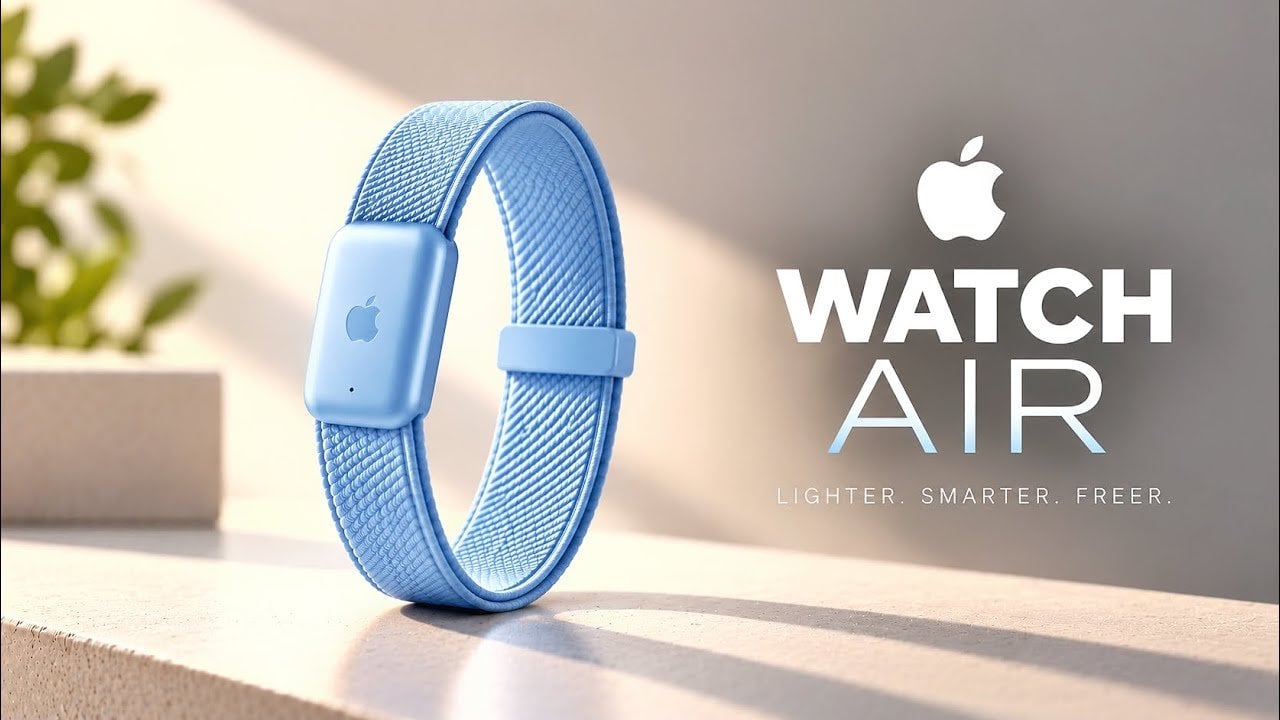
Apple is reportedly working on a new wearable device, tentatively named the Apple Watch Air. This concept departs from traditional smartwatch designs by eliminating the display entirely, focusing instead on health and fitness tracking in a lightweight, minimalist form. If realized, this device could reshape the wearable landscape by emphasizing simplicity, comfort and advanced functionality […]
The post First Details Emerge on the Rumored Apple Watch Air appeared first on Geeky Gadgets.

OpenAI’s recent release of three new models, Aurora Blue, Aurora Green Alpha and Aurora Red Alpha, has sparked widespread discussion about the company’s evolving priorities. According to Universe of AI, these models focus on image generation, a notable shift from the language and coding advancements many had anticipated. This pivot has raised questions about OpenAI’s […]
The post OpenAI Tests 3 Aurora Models Focused on Generating Images appeared first on Geeky Gadgets.