For most people, getting serious audio at home eventually turns into a tradeoff. Multi-speaker surround setups demand wiring, dedicated gear, and more floor space than a typical room can spare. Smart speakers simplified things, but the best-sounding options tend to carry steep price tags, and the more affordable ones rarely fill a room with the kind of sound that actually does the music justice. That gap has stayed stubbornly open.
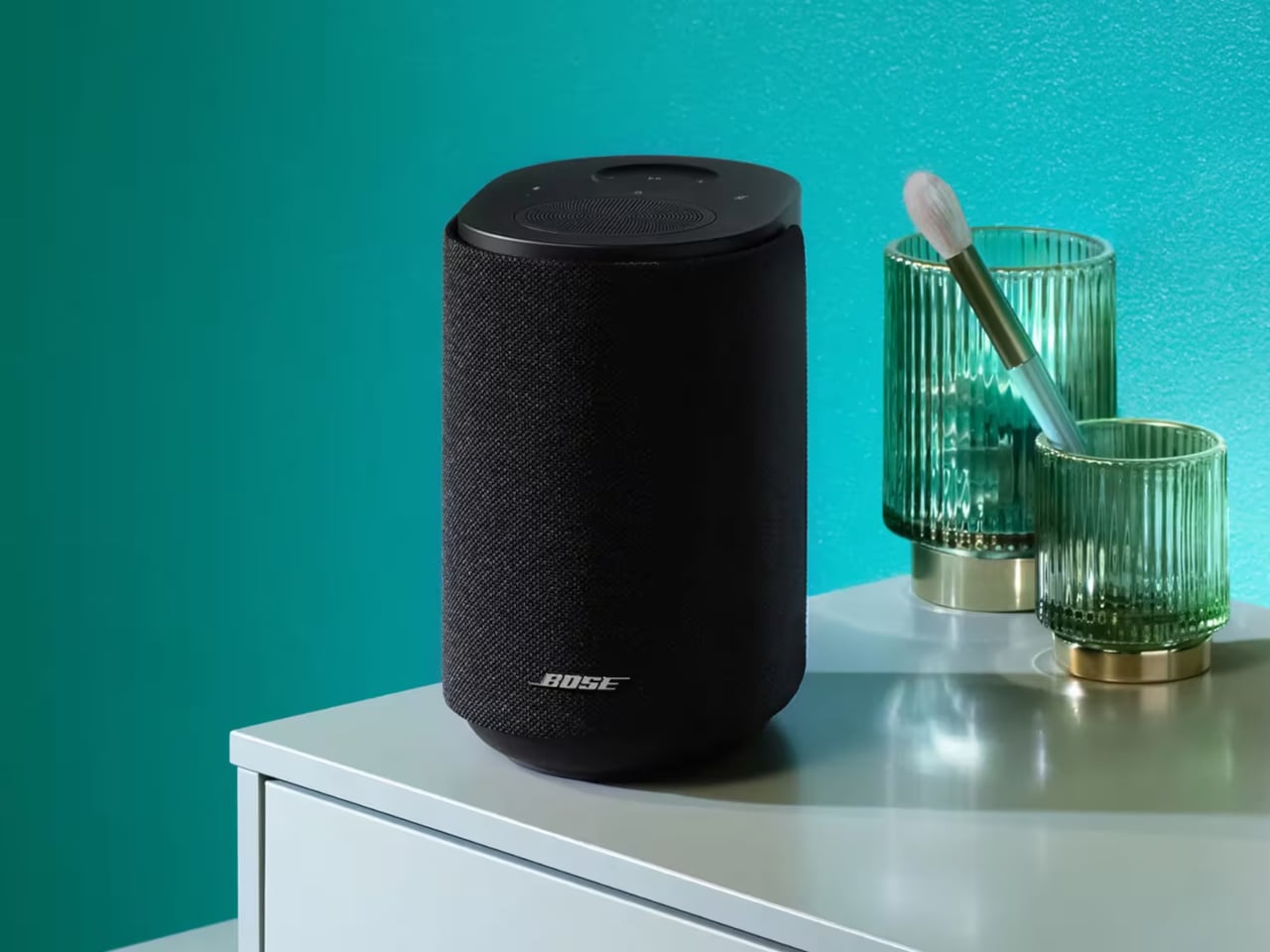
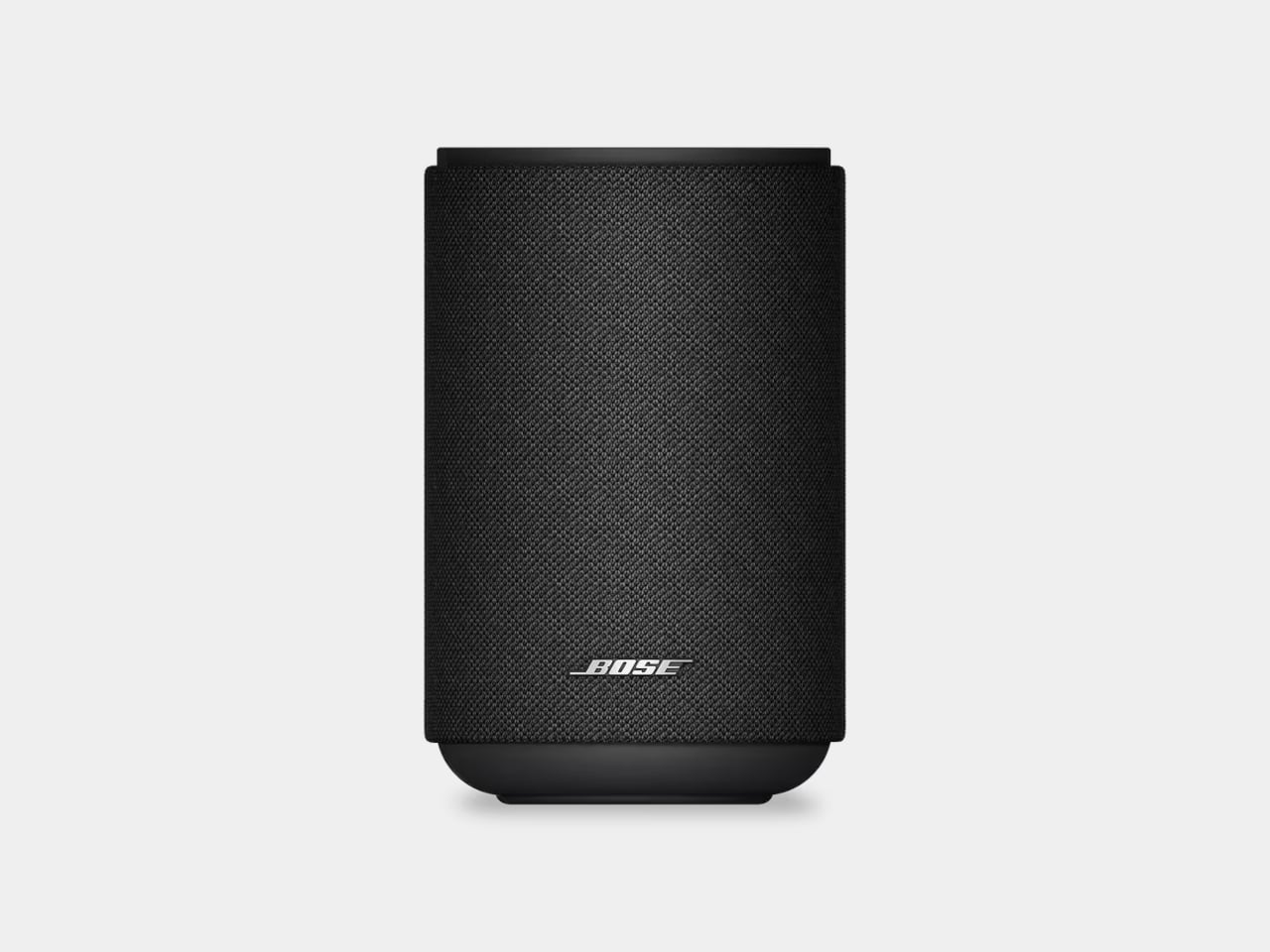
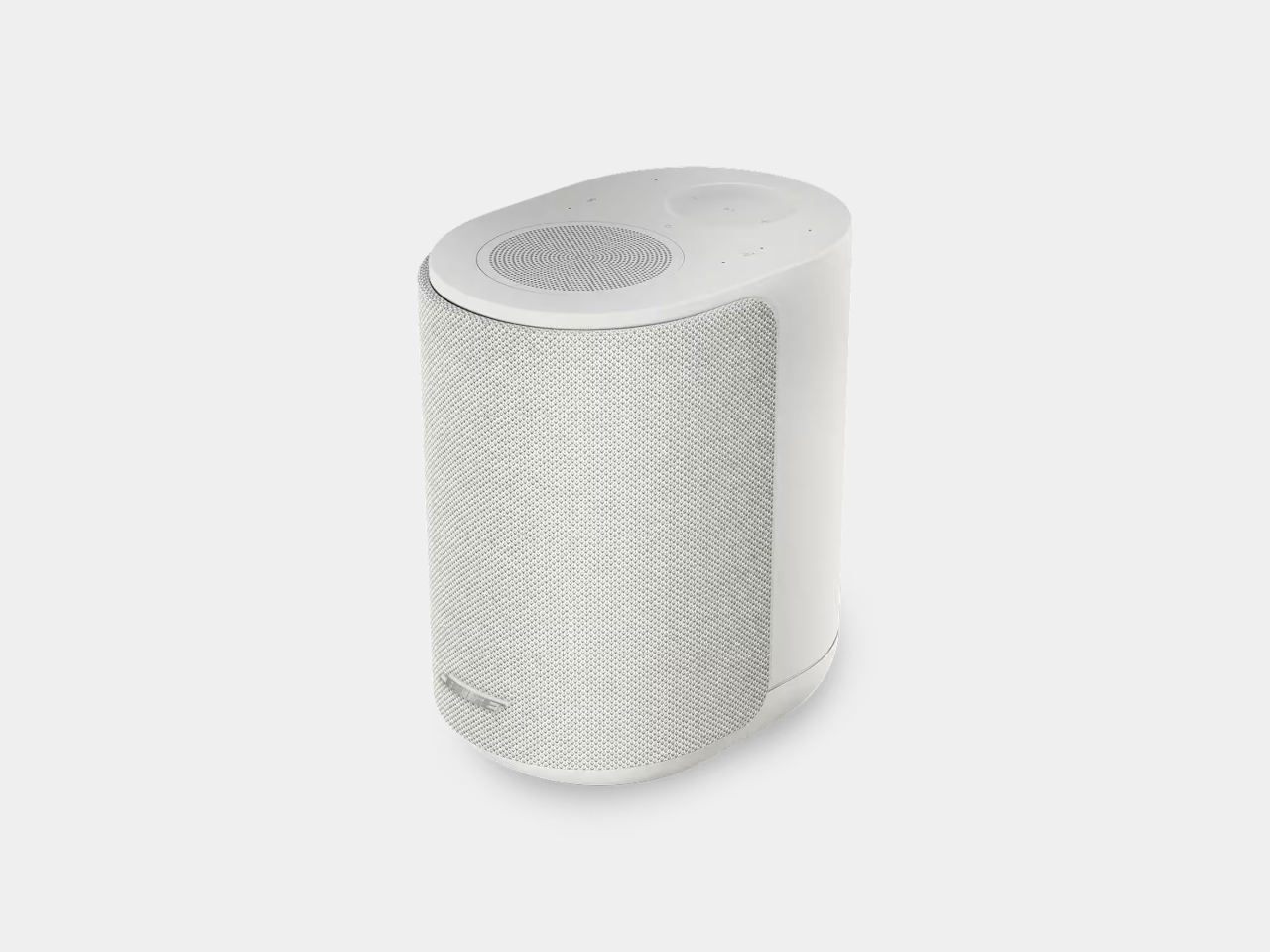
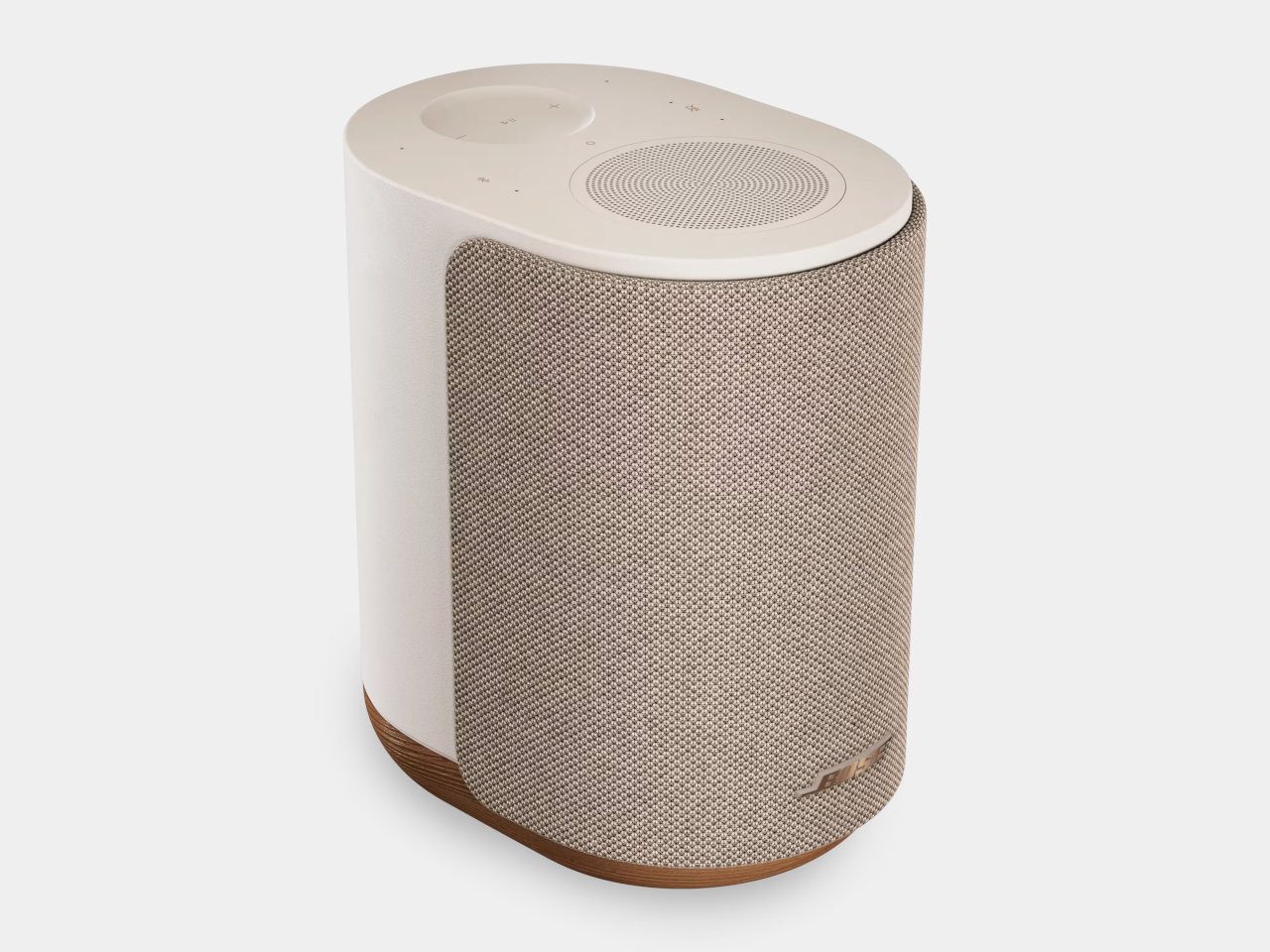
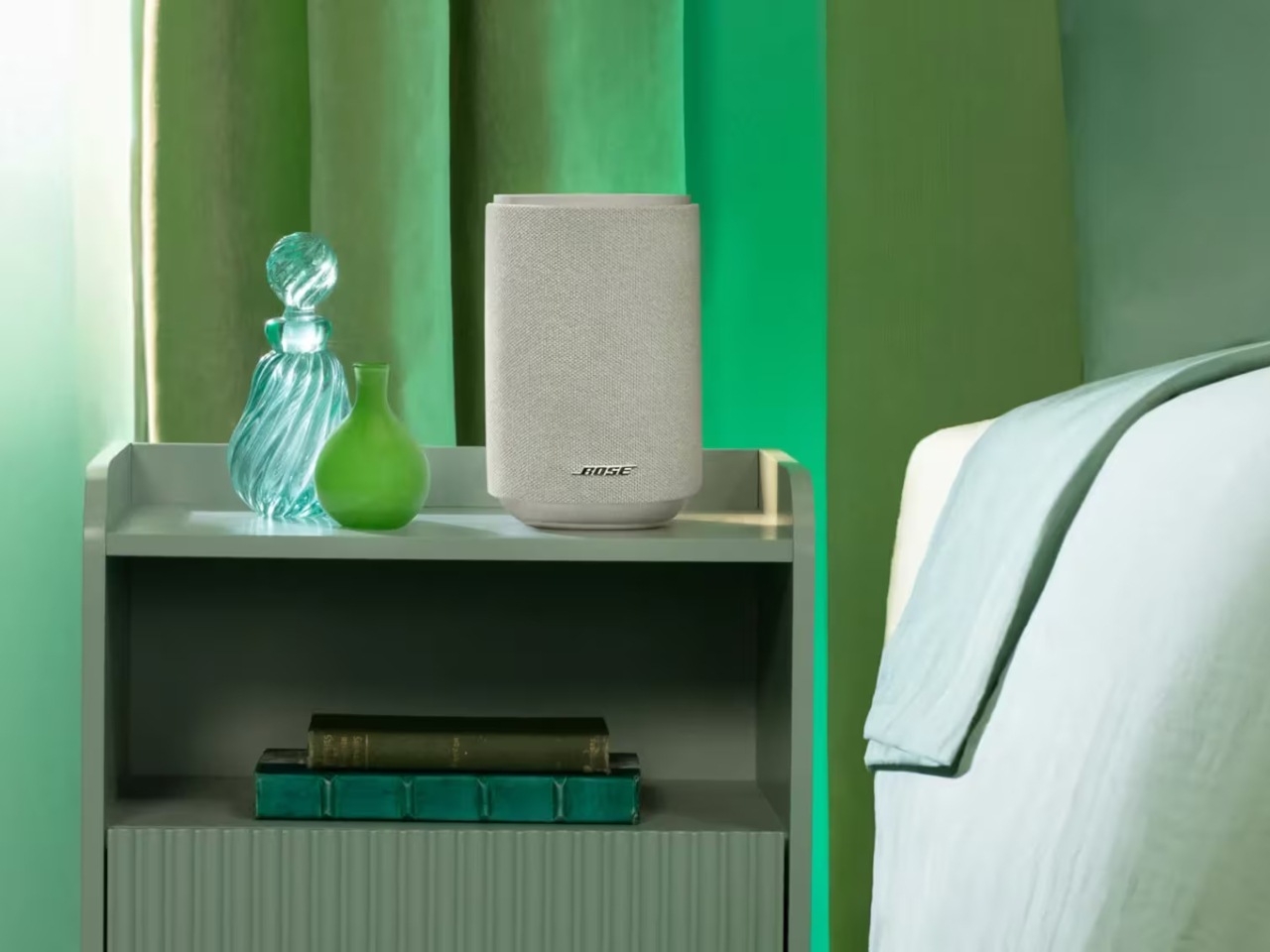
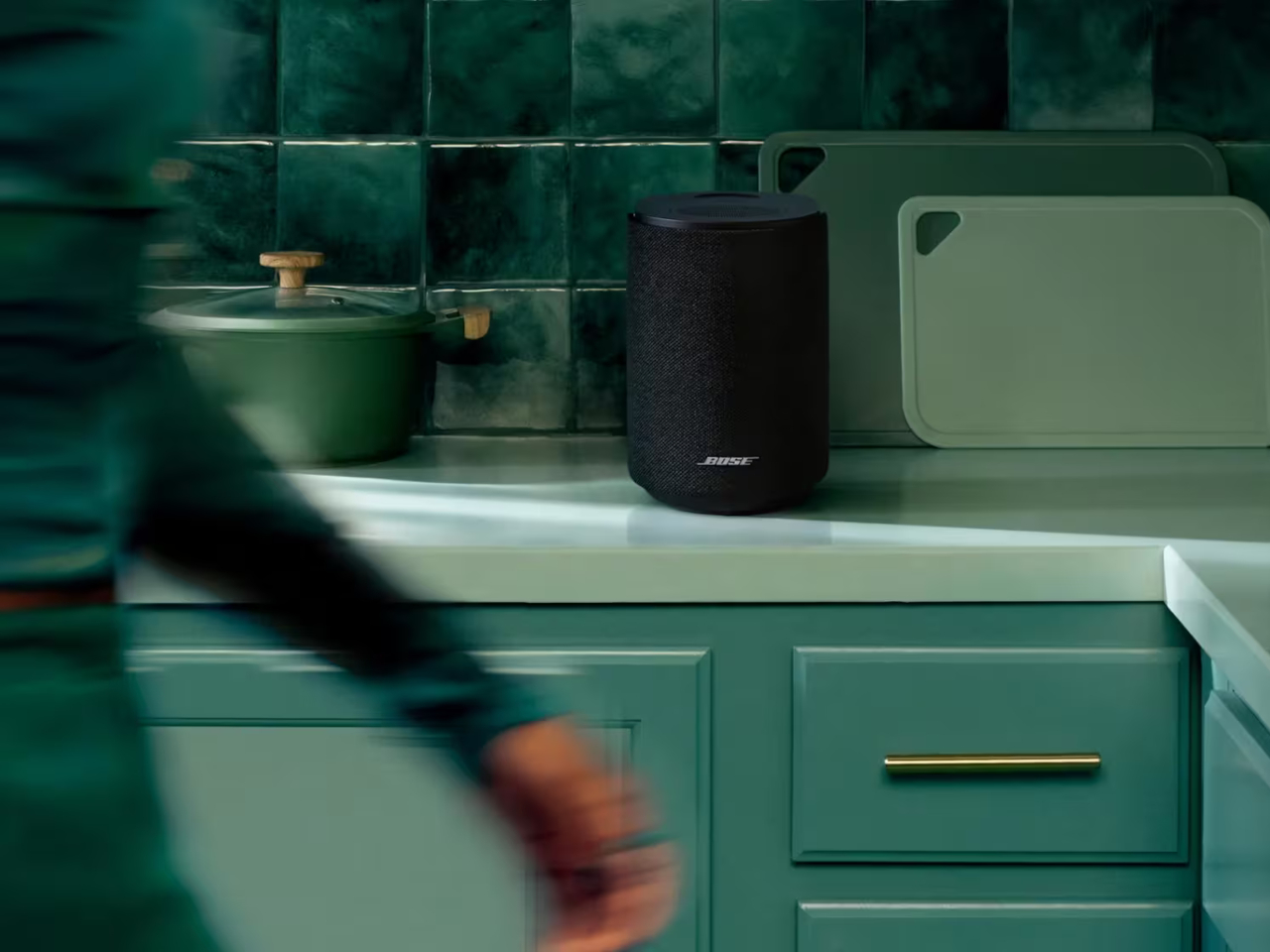
Bose thinks it has the answer, and it’s reviving a celebrated name to prove it. The Lifestyle brand, first introduced in 1990 and discontinued in 2022, is back with a collection that treats audio quality and refined design as inseparable. Leading that return is the Lifestyle Ultra Speaker, a compact wireless unit wrapped in knit fabric that sits unobtrusively on any shelf while delivering sound that’s anything but understated.
The secret to that sound lies in the speaker’s three-driver configuration. Two front-facing drivers handle the direct output, while a third fires upward, bouncing sound off the ceiling to create a sense of height and space that a single forward-pointing speaker simply can’t achieve. Bose calls this TrueSpatial Technology, and it works alongside CleanBass, which uses QuietPort acoustics to produce bass that’s deep, controlled, and free of distortion.
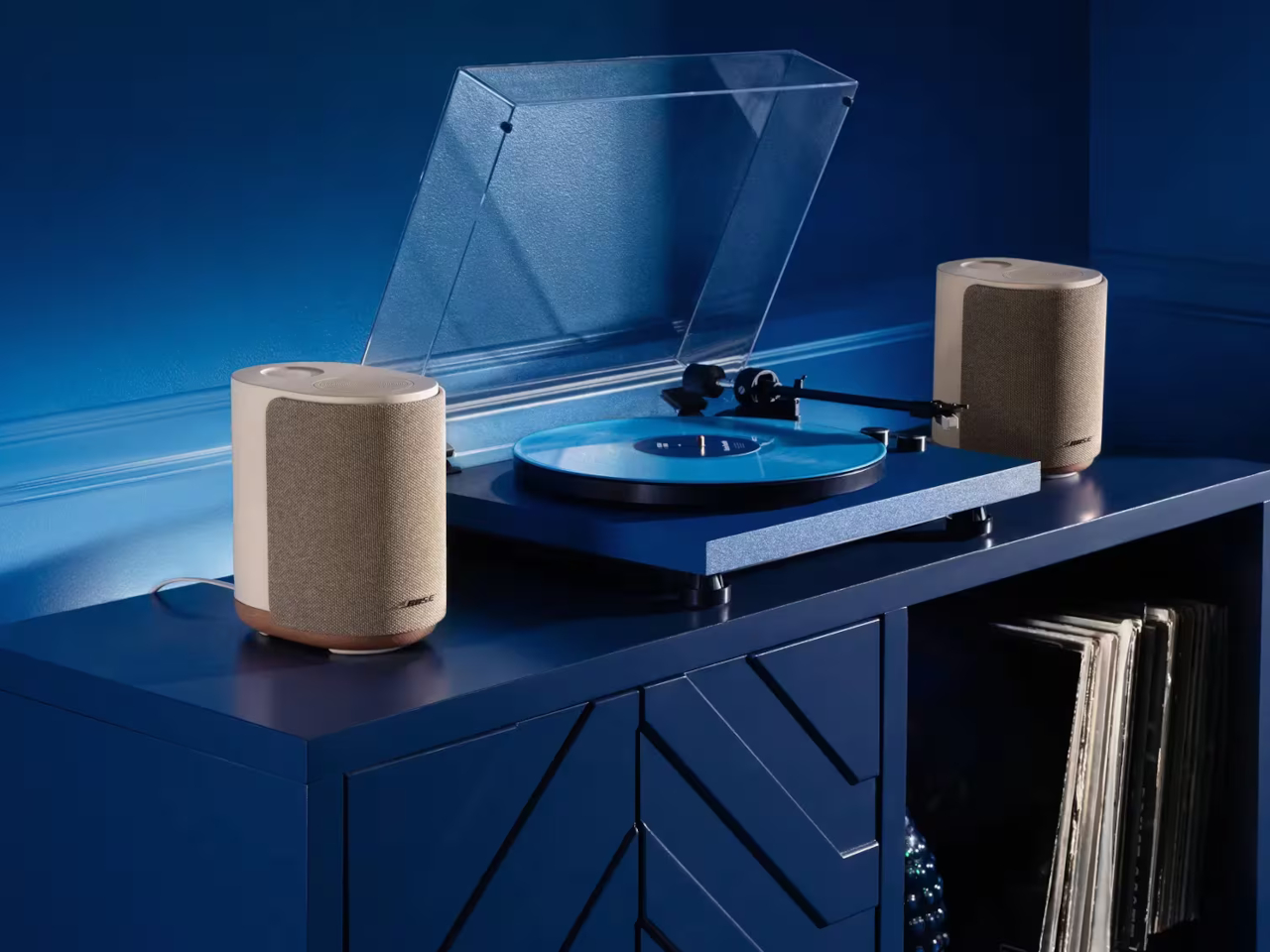
That flexibility extends to how the speaker fits into different setups. On its own, it works as a capable standalone smart speaker. Pair two of them together, and you’ve got a genuine stereo setup. Add the Lifestyle Ultra Soundbar and Lifestyle Ultra Subwoofer, also part of the new collection, and it takes on rear-channel duties in what becomes a full 7.1.4 surround system, no wires snaking across the floor required.
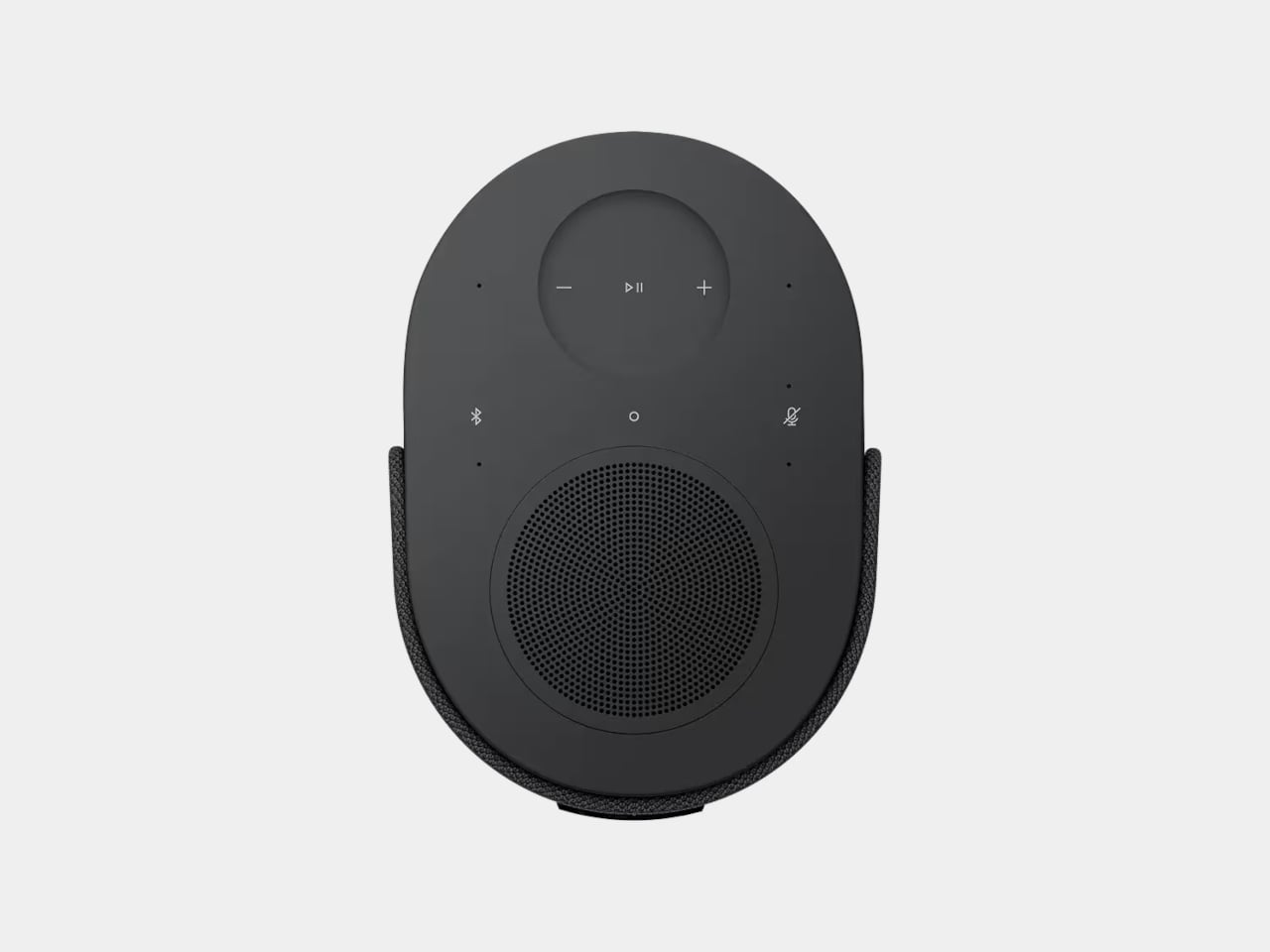
Getting music onto it isn’t complicated. The speaker supports Apple AirPlay 2, Google Cast, and Spotify Connect, so you can stick with whatever app you already use without adapting to a proprietary system. Bluetooth 5.3 is also on board, and a 3.5mm aux input handles wired sources like a turntable. Alexa+ serves as the built-in voice assistant, with on-device touch controls and a radial volume slider for quick adjustments.
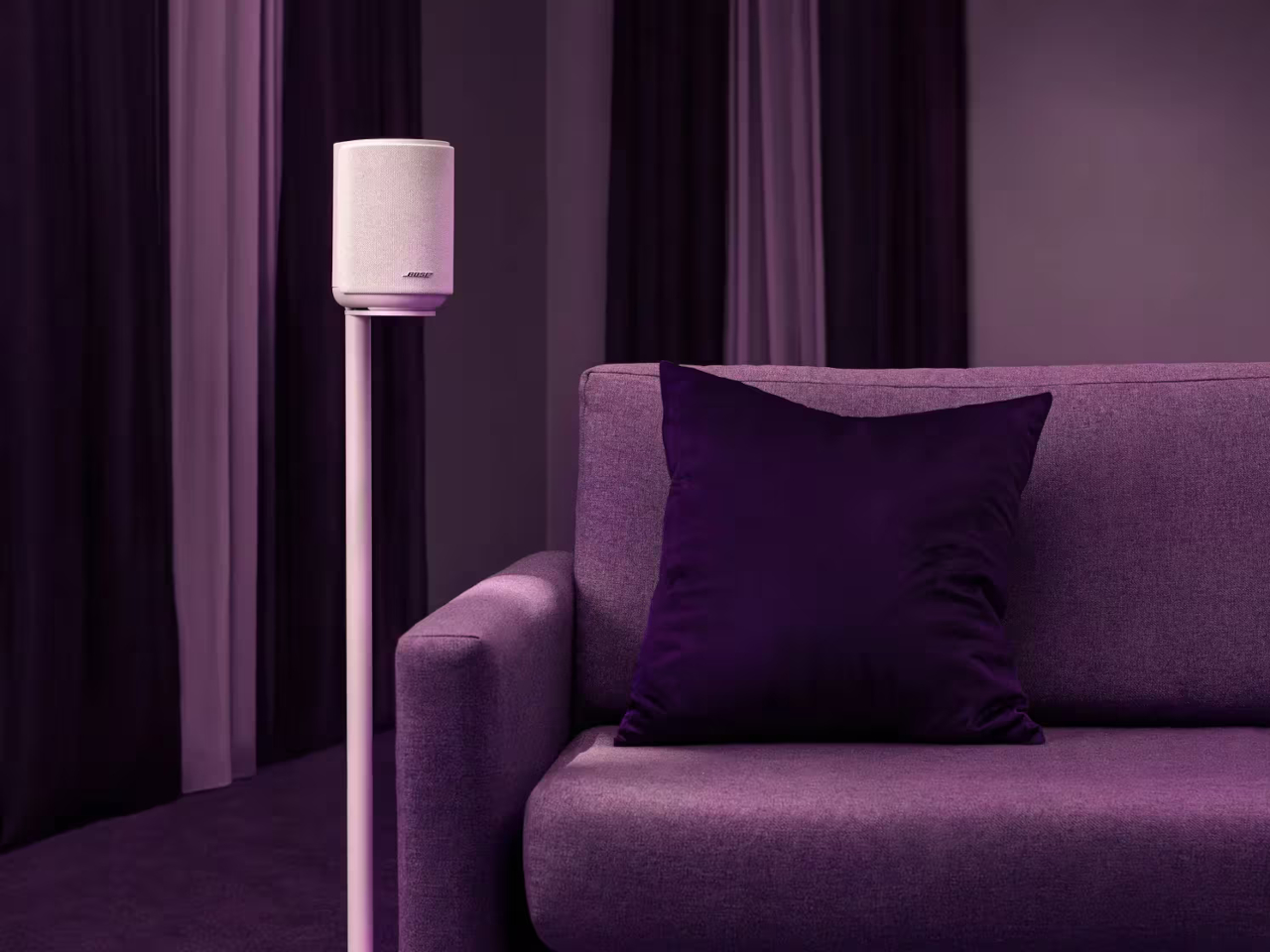
One of the more practical touches is CustomTune, a calibration feature that uses your phone’s microphone to listen to the acoustics of whichever room the speaker is in. It accounts for furniture placement and room size, automatically adjusting the output without requiring any manual tweaking on your end. For even more placement options, an optional wall bracket priced at $69 and a floor stand at $149 are both available separately.
The Lifestyle Ultra Speaker starts at $299 in Black or White Smoke, with the limited-edition Driftwood Sand colorway priced at $349. The full Lifestyle Collection, including the Ultra Soundbar at $1,099 and Ultra Subwoofer at $899, is available to preorder now and ships on May 15. It can start small on a single shelf and gradually take over your entire home audio setup without ever looking like it doesn’t belong.
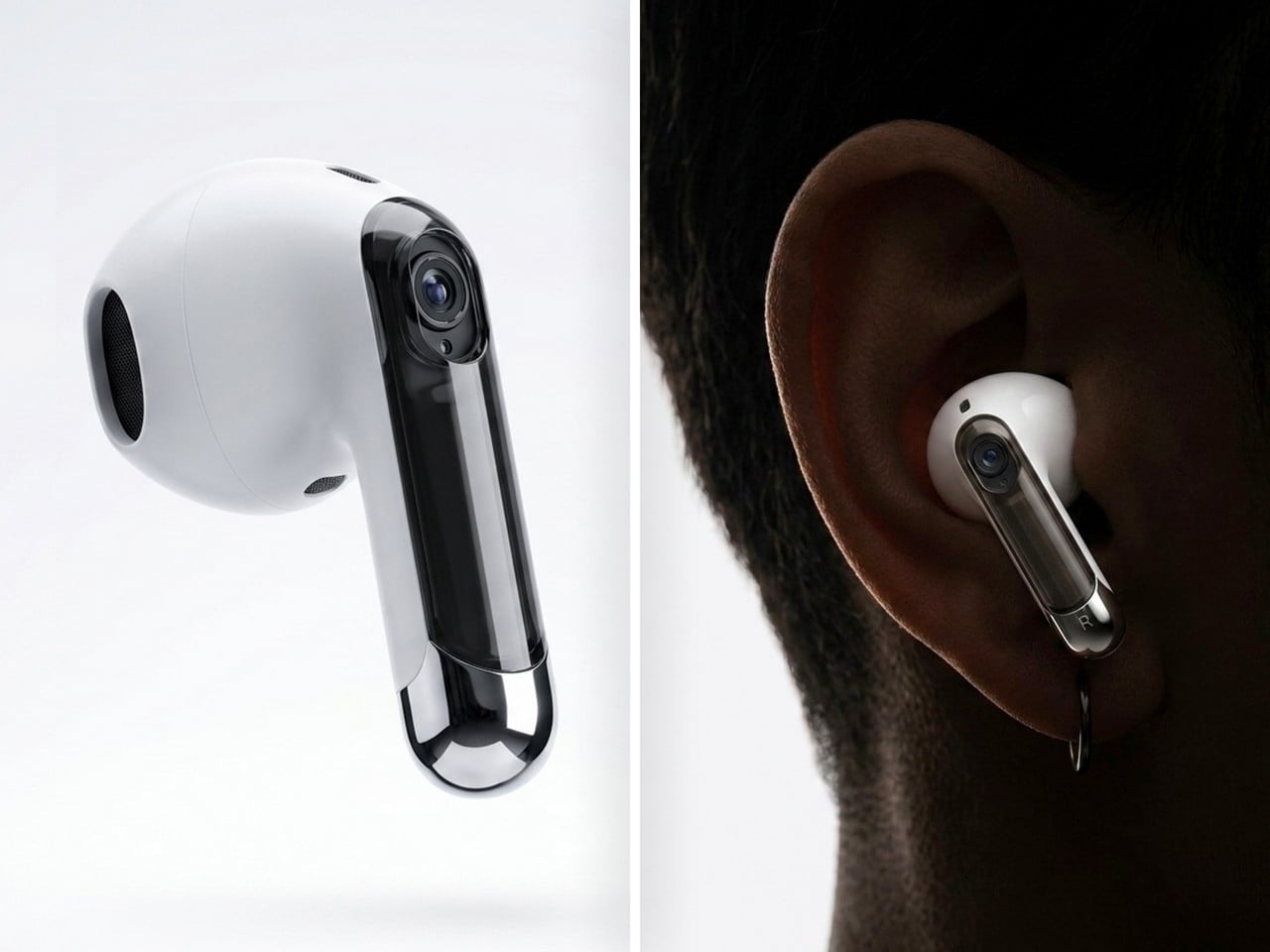
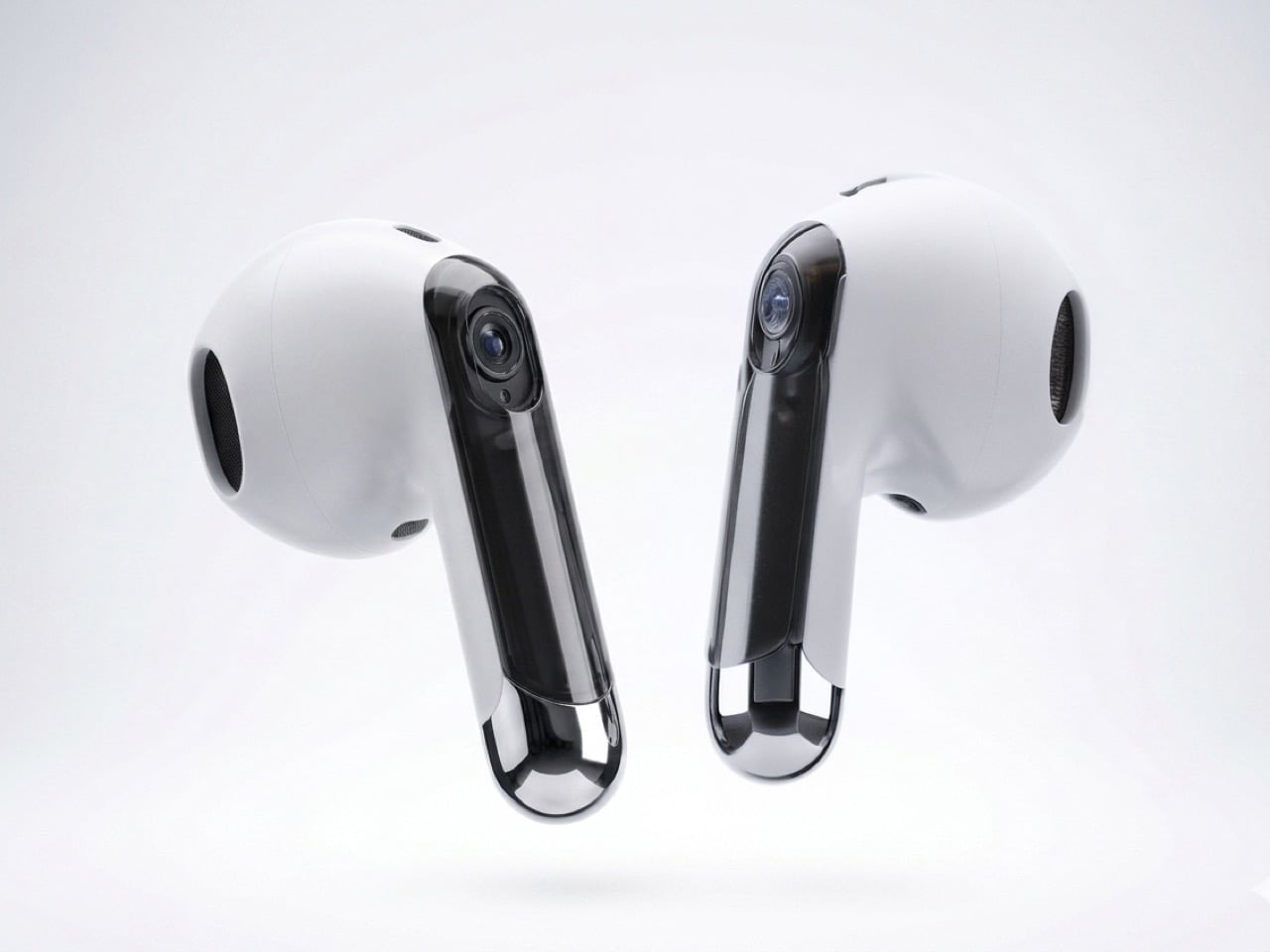
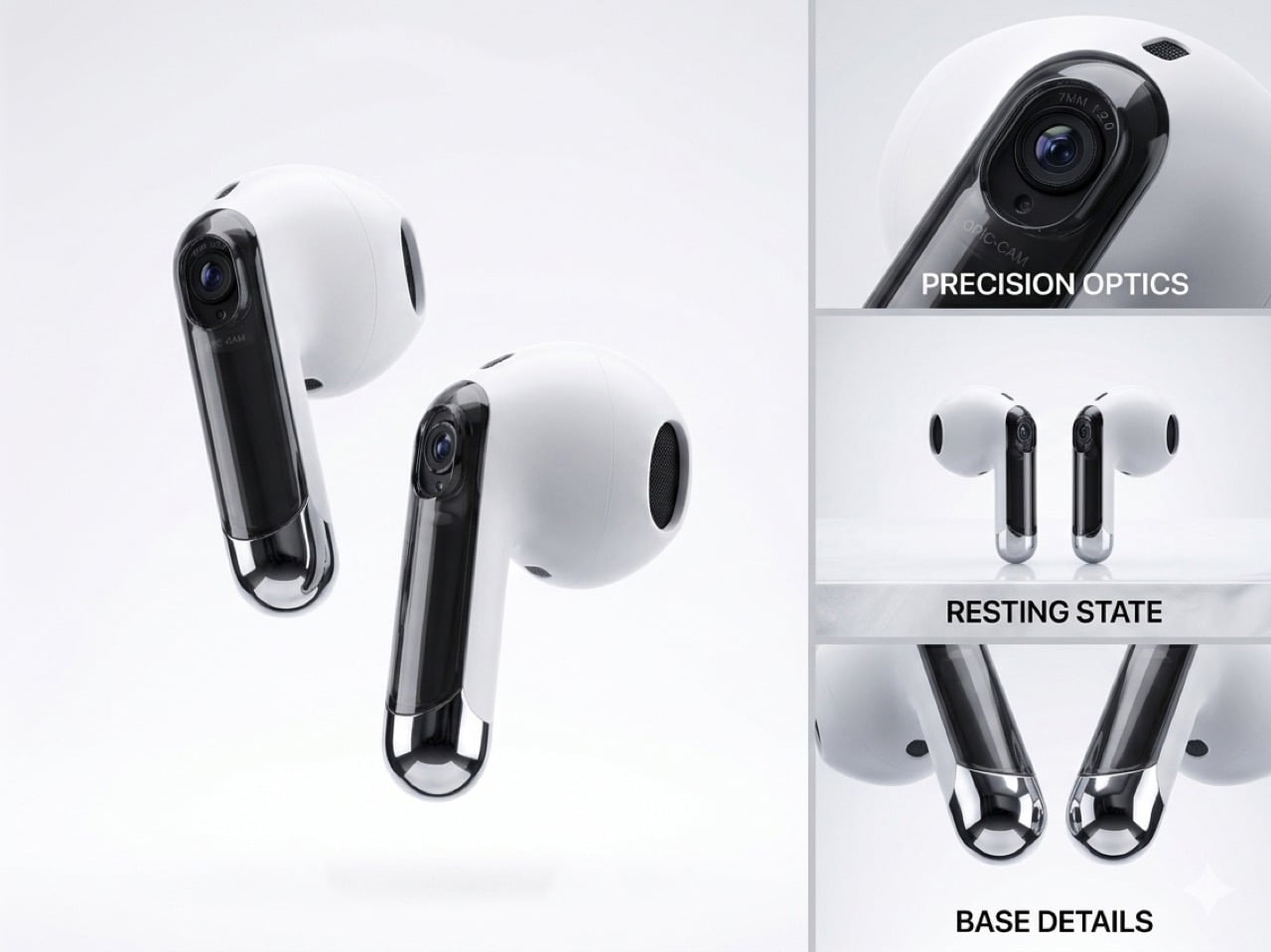
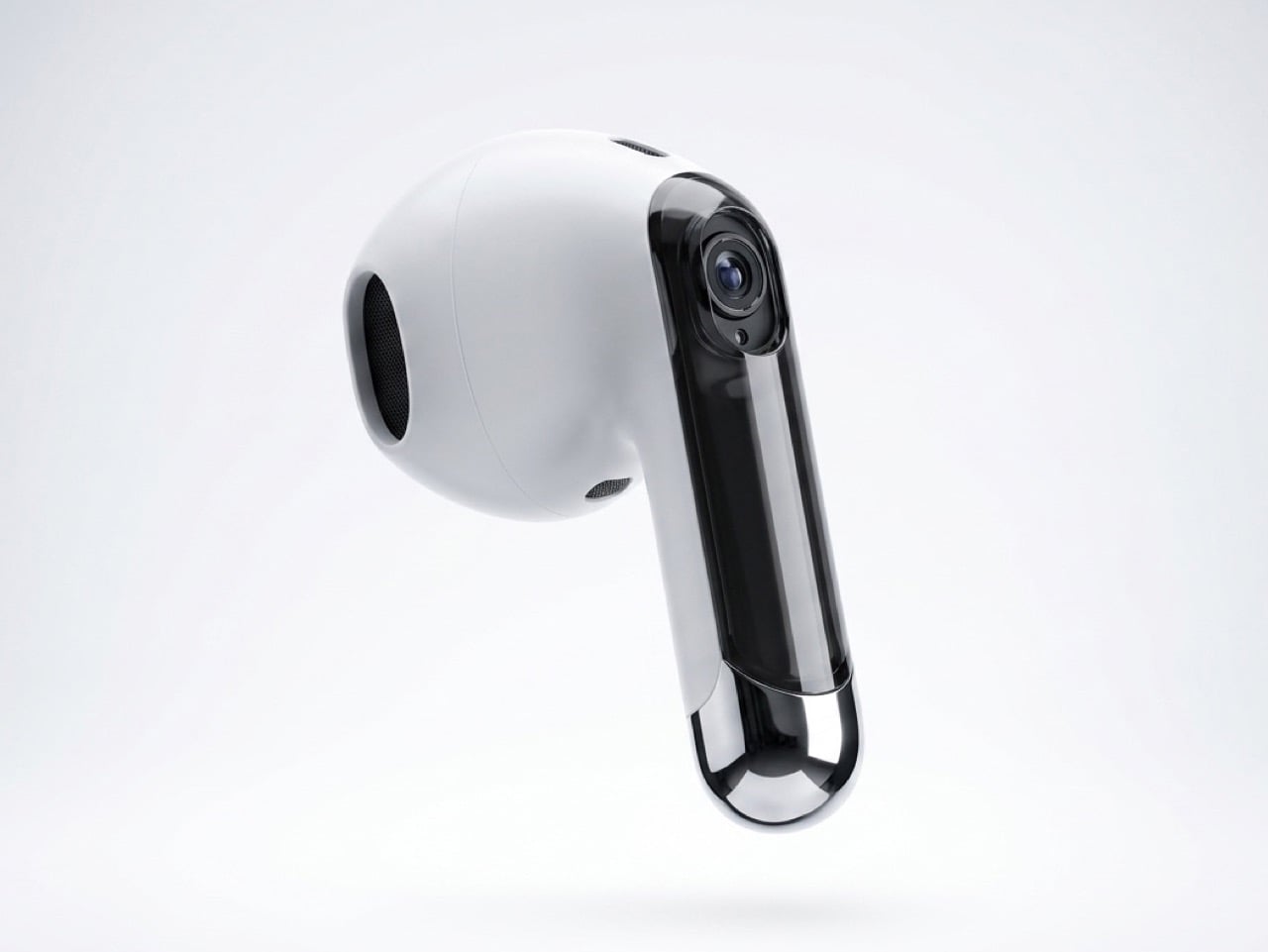
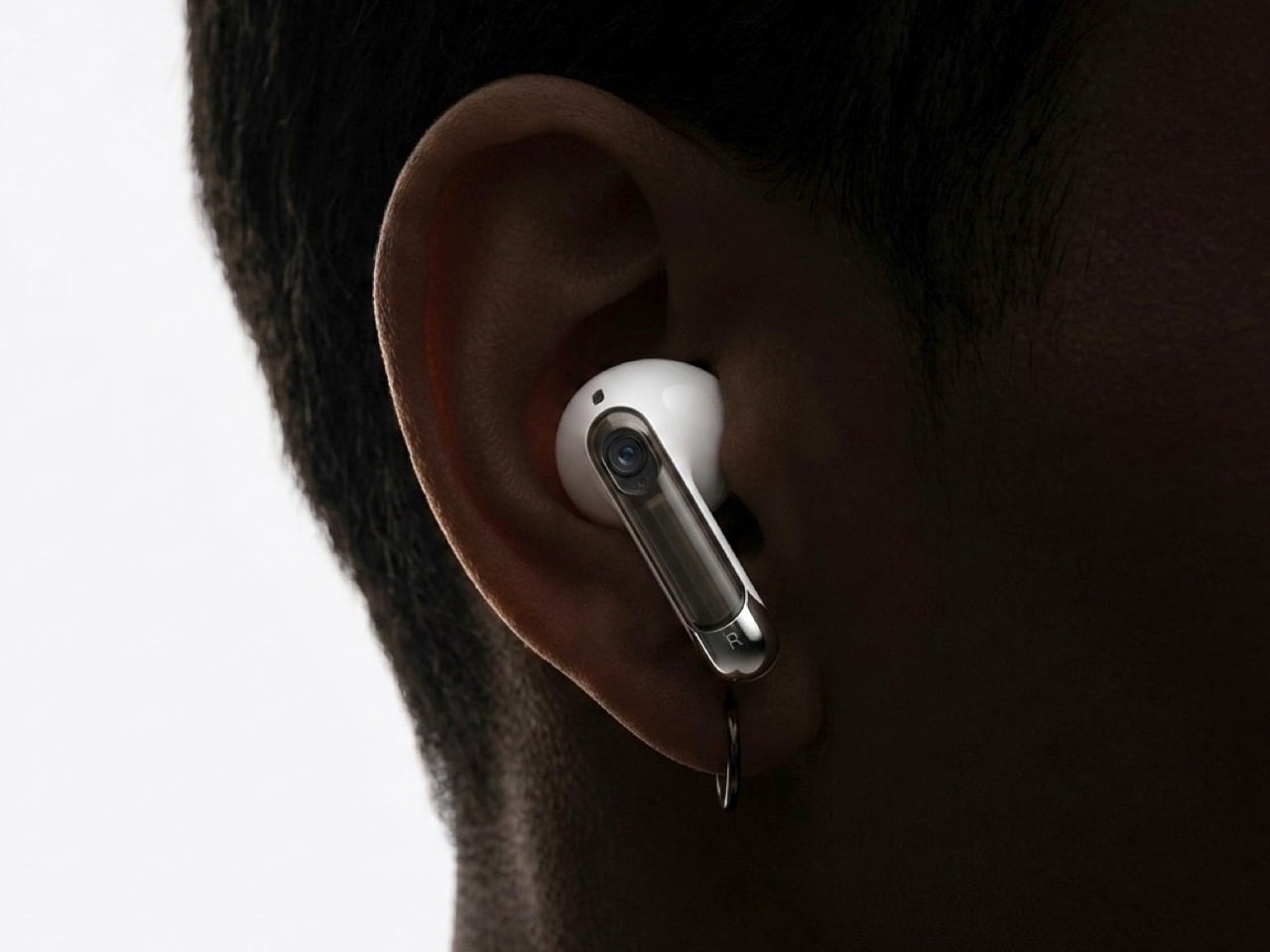
Your earbud can read your body temperature, heart rate variability, and sleep quality. No, I’m not joking, there are TWS earbuds on the market that can gather medical-grade data aside from playing music or your favorite podcast. Now, Apple wants to put a camera on them too. The AirPods Pro 3 already ships with a heart rate sensor. Brands like Amazfit and Soundcore have been quietly building health-monitoring earbuds for a couple of years now. The earbud has become a sensing platform in its own right, and Apple’s next move is to take that considerably further with infrared cameras baked into a premium new model, reportedly called the AirPods Ultra, that would sit above the existing AirPods Pro lineup and bring computer vision to the most personal wearable most people actually wear every day.
According to Bloomberg’s Mark Gurman, who has been tracking this story for months, the cameras won’t capture photos or video. They are infrared sensors, closer in nature to the Face ID array on iPhone, designed to scan the environment around the wearer and feed contextual data to Siri in real time. The goal is a smarter assistant that knows what you’re looking at and what’s happening around you, without you having to describe any of it. Gurman has described the product as a “major new product category,” and the branding alone tells you something: AirPods Ultra would sit above the AirPods Pro 3, which currently retails at $249, making it the most expensive AirPods Apple has ever sold. The concept has been circulating since Ming-Chi Kuo first floated it in mid-2024, but the story has crystallized considerably in recent weeks, with multiple sources converging on an expected September 2026 launch window.
Image Credits: Sarang Sheth
The Apple Watch Ultra and the M-series Ultra chips established “Ultra” as Apple’s signal for extreme capability and premium positioning within a product family, and the AirPods Ultra branding carries exactly that weight. 9to5Mac noted that what was previously reported as a high-end AirPods Pro variant has shifted in the rumor landscape toward a genuinely new product tier. The reported pricing reflects that: these will cost more than the AirPods Pro 3, which sits at $249. Apple is also reportedly developing an iPhone Ultra and MacBook Ultra for 2026, meaning the earbuds would join a broader product family refresh built around the tier. Apple is constructing a new ceiling for its entire hardware lineup, and the AirPods Ultra sits at an intersection of audio, AI, and ambient sensing that no earbud has occupied before.
The infrared camera’s job description, as currently understood from Gurman’s reporting, is to make Siri situationally aware. Visual Intelligence on iPhone 15 Pro and newer already allows the camera to identify objects, read menus, and pull up contextual information about whatever it points at. Moving that capability to an earbud means the system could, in theory, understand your environment passively, without you reaching for your phone or issuing a voice command first. Apple’s next-generation Siri, expected to arrive alongside iOS 27, is reportedly being rebuilt around exactly this kind of ambient, context-first intelligence. The AirPods Ultra cameras would feed that system continuous environmental data, turning a passive audio device into something closer to a spatial awareness layer running alongside your daily life.
Kuo’s original 2024 report framed the camera feature around in-air gesture control, the idea that waving a hand near your head could manage calls or control playback without touching the earbuds. It was a compelling angle, and it made for a more immediately legible pitch than “cameras for Siri.” Gurman has since walked it back, stating he does not expect the AirPods to support hand gestures at launch. A 2025 Apple patent did explore gesture recognition through the earbud camera system, so the underlying research exists even if the shipping product won’t lead with it. The gap between what Apple patents and what it actually ships in a first-generation product is well-established history, and gesture control reads like a capability that may surface in a second-generation AirPods Ultra rather than the first.
Visual Intelligence on iPhone has proven genuinely useful in contained scenarios, but earbuds introduce a layer of ambient, always-on sensing that is harder to control and considerably harder to explain to the person standing next to you. The privacy implications are real, and the design challenge of making an IR camera in your ear feel considered rather than intrusive is one Apple will have to solve in both hardware and communication. The AirPods Ultra, if it lands in September 2026, will be one of the more consequential product launches Apple has attempted in years, because it represents the company’s clearest statement yet about what a wearable is actually for. The earbud went from audio device to health monitor quietly enough that most people barely noticed. Adding computer vision to the mix is considerably harder to ignore.
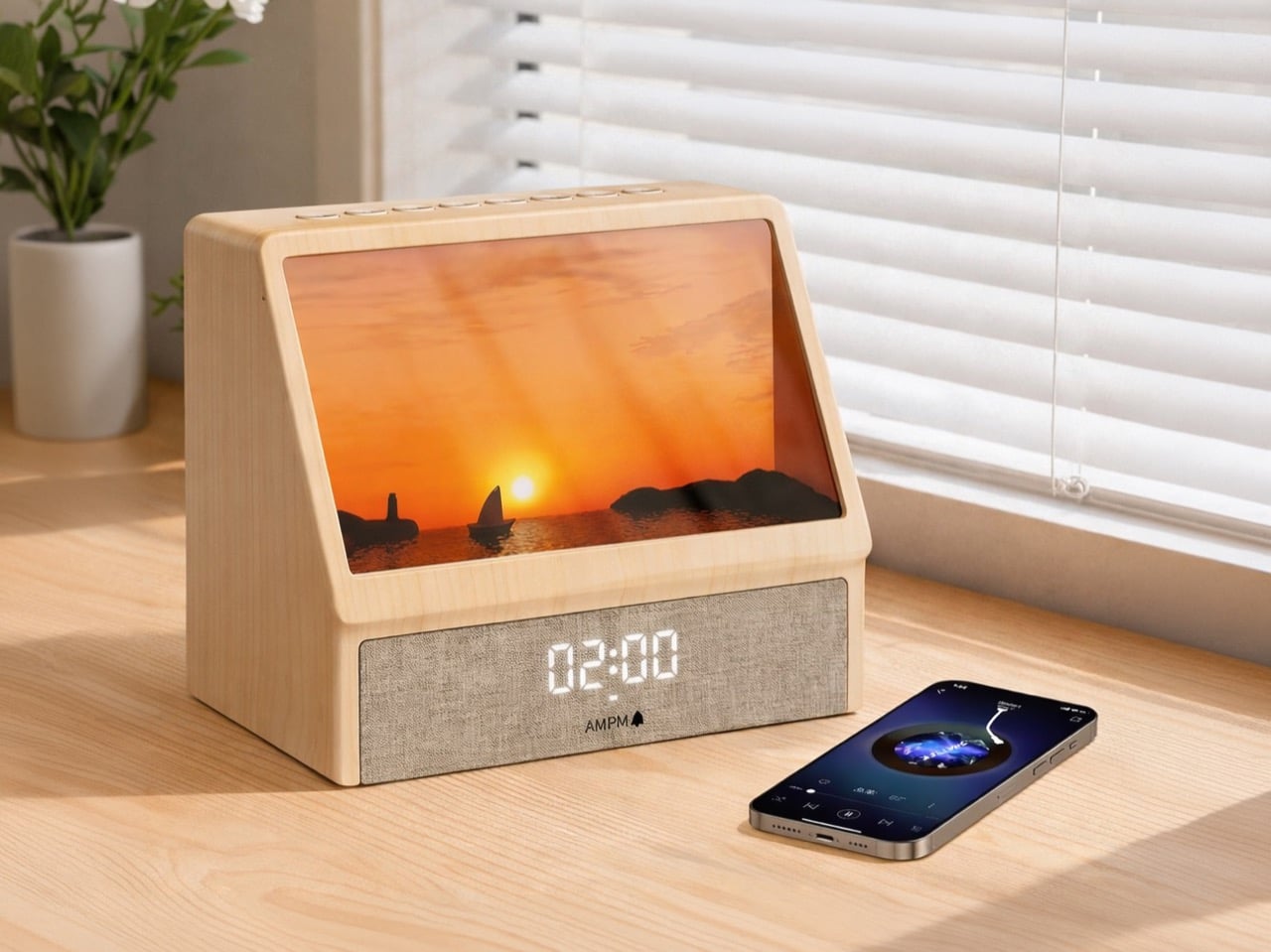
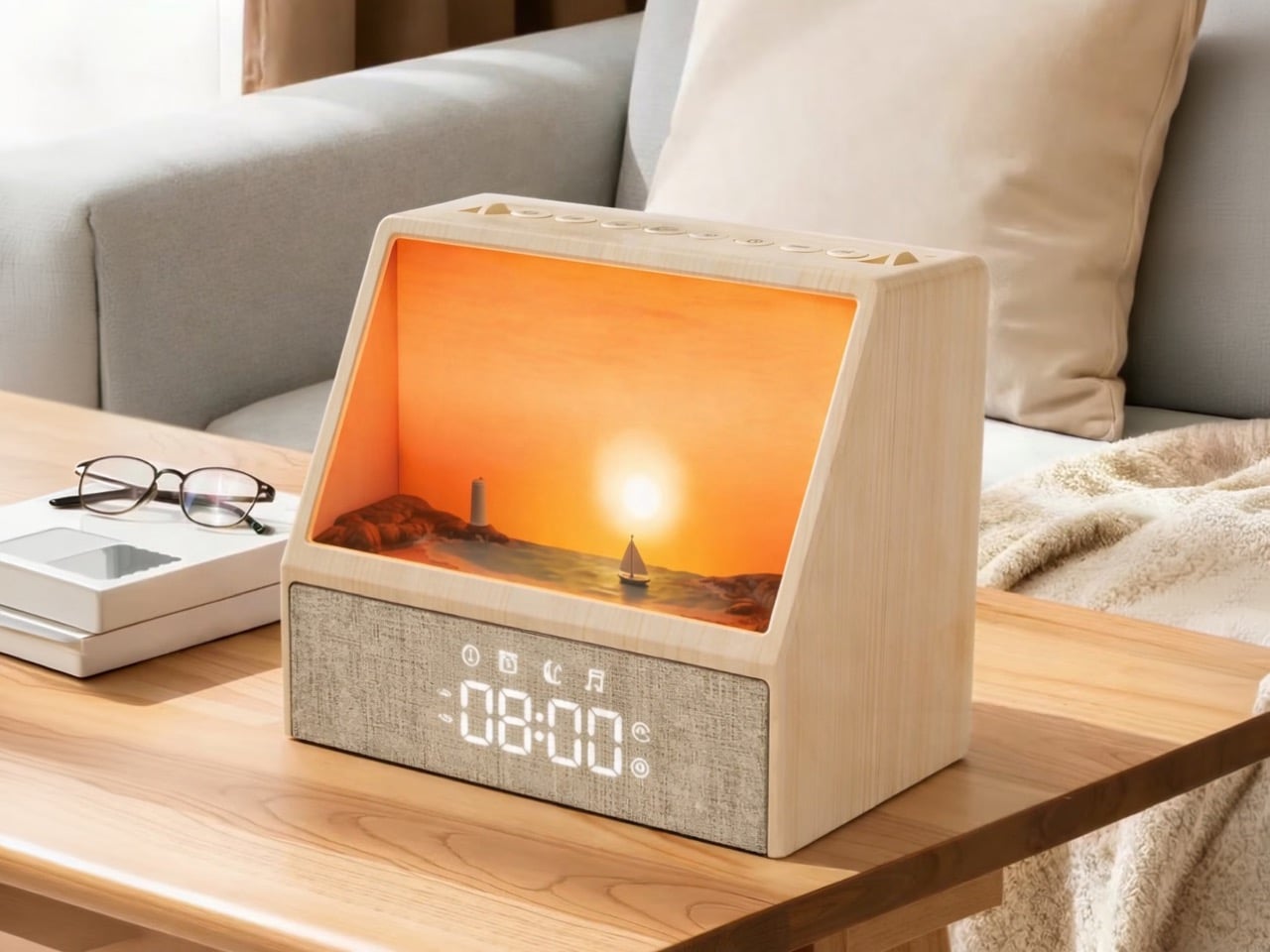
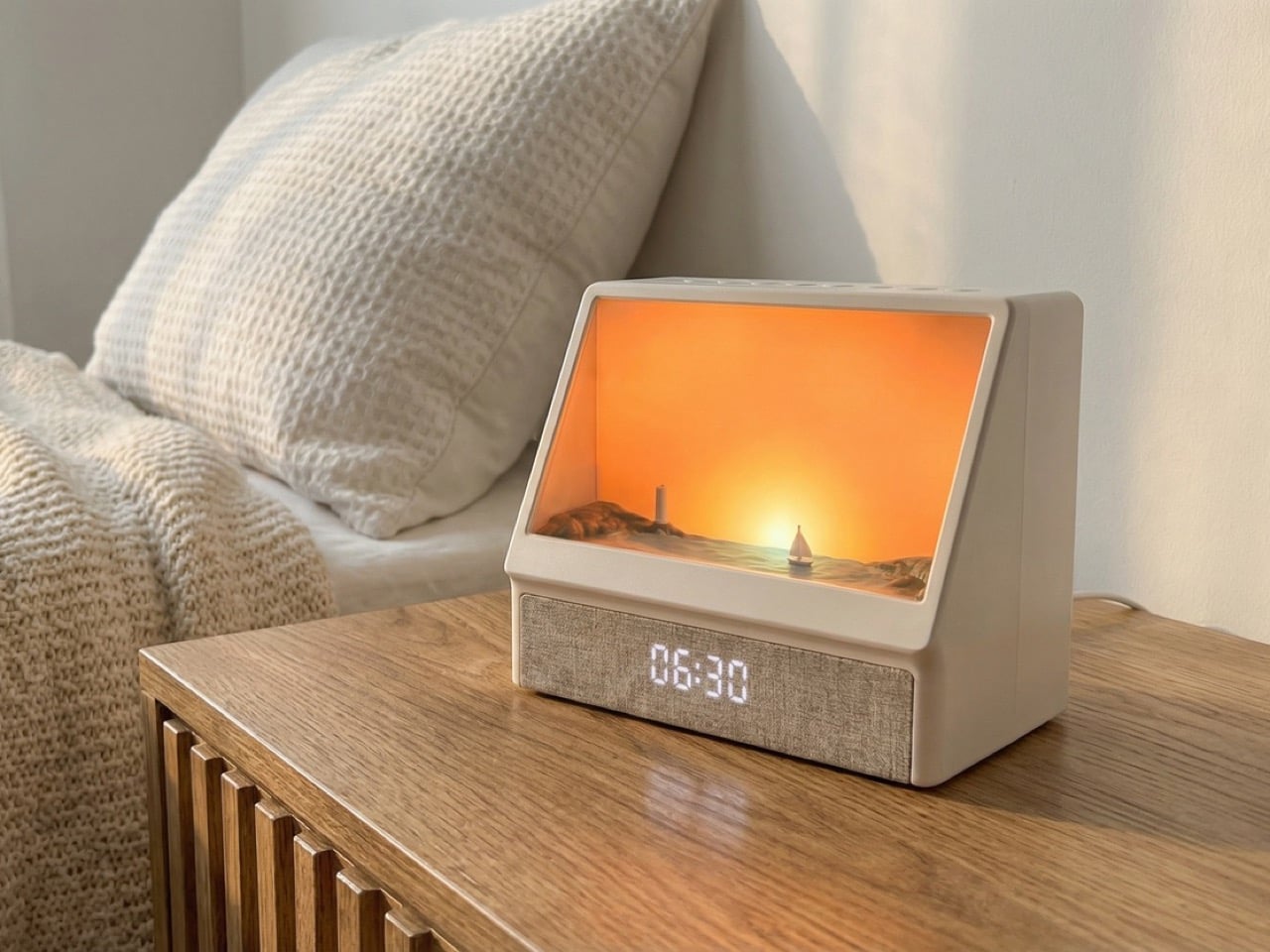
Imagine a small coastal diorama sitting on your nightstand, a sculpted seascape of rocky shores and a lone sailboat frozen in miniature, and then imagine it coming to life every morning as warm amber light builds from nothing inside it, flooding the scene like a real sun cresting the horizon. That single image is enough to explain why the sunrise alarm clock category has been waiting for something like the SOLUME Sunrise Wake Light for a long time. The science behind it has been settled for decades: circadian rhythm research consistently shows that graduated light exposure at dawn regulates cortisol and melatonin in a way that leaves you alert without the cortisol spike of an acoustic alarm, the kind evolution wired us to associate with immediate physical threat. SOLUME takes that research and builds a product around it that you actually want on your nightstand.
The enclosure uses a wood-grain finish with a wedge-shaped profile, housing that sculpted coastal scene behind an angled opening that glows through warm amber and orange during the sunrise sequence. A fabric-wrapped base below carries a clean LED clock display, a Bluetooth speaker, and controls for 12 built-in nature sounds and programmable sunset timers at 45 or 90 minutes, handling both ends of the sleep equation in a single object. Designed in the United States and grounded in over 35 years of phototherapy research, the SOLUME packages serious sleep science into something that reads, at a glance, more like a piece of tabletop art than a wellness gadget. The Philips Wake-Up Light held this category for two decades on function alone; SOLUME is making the same argument with considerably better aesthetics.
Traditional sunrise clocks solve the light therapy problem with a bare bulb behind a diffuser panel, which works but leaves nothing interesting to look at during the wind-down phase. SOLUME’s sculpted seascape gives the light somewhere to live, so as the sunset timer counts down in the evening, the amber glow retreating across those miniature rock formations actually mimics the quality of late golden-hour light in a way a flat panel never could. It turns a passive light source into something with depth, shadow, and a bit of theatre, which matters more than it sounds when you’re staring at it from a pillow for 45 minutes waiting to fall asleep.
Pairing your phone over Bluetooth means your usual sleep playlist or podcast winds down alongside the fading light, both cues working together rather than competing. The 12 built-in nature sounds cover the expected ground, rain, ocean, forest, and serve well enough for nights when reaching for your phone feels like too much friction. The fabric grille housing the speaker also does quiet acoustic work, softening the clock display’s LED glow so it reads cleanly without punching through a dark room at 3am.
Most sleep gadgets optimize for one end of the night or the other, a sunrise clock wakes you up, a sound machine helps you fall asleep, and never quite reckon with the fact that these are two halves of the same problem. SOLUME treats the full cycle as a single design brief, which is the right call, and the hardware reflects that clarity. The Classic and Pro versions sit at $68 and $75 respectively, with the Pro adding a handful of premium features for the small premium. For a device that credibly replaces your alarm clock, your bedside lamp, and your white noise machine simultaneously, that math works out fairly cleanly.
The headphone has become something it was never originally designed to be: a silhouette. Worn around the neck on a subway platform or draped over a chair at a coffee shop, a great pair of over-ears communicates taste in much the same way a watch or a well-chosen bag does. The best ones are now designed with that resting moment in mind, not as an afterthought, but as a deliberate part of the brief.
What separates a good headphone from a great one is increasingly less about frequency response and more about how the object behaves when it’s not in use. The five pairs on this list earn their place on both counts. Worn on the head, they deliver. Worn around the neck, they still look like they were built by people who thought carefully about that exact resting moment, collarbone and all.
1. StillFrame Headphones
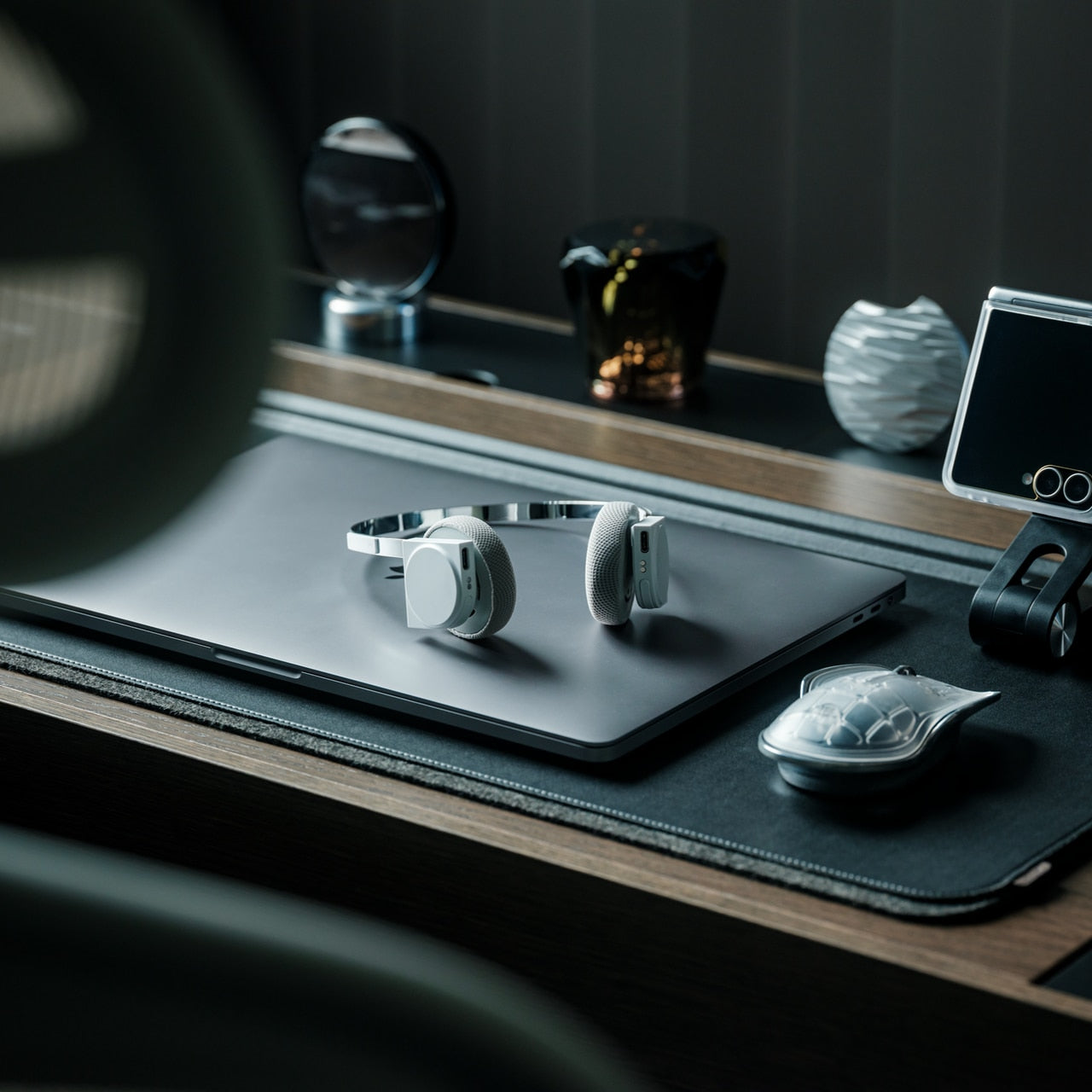
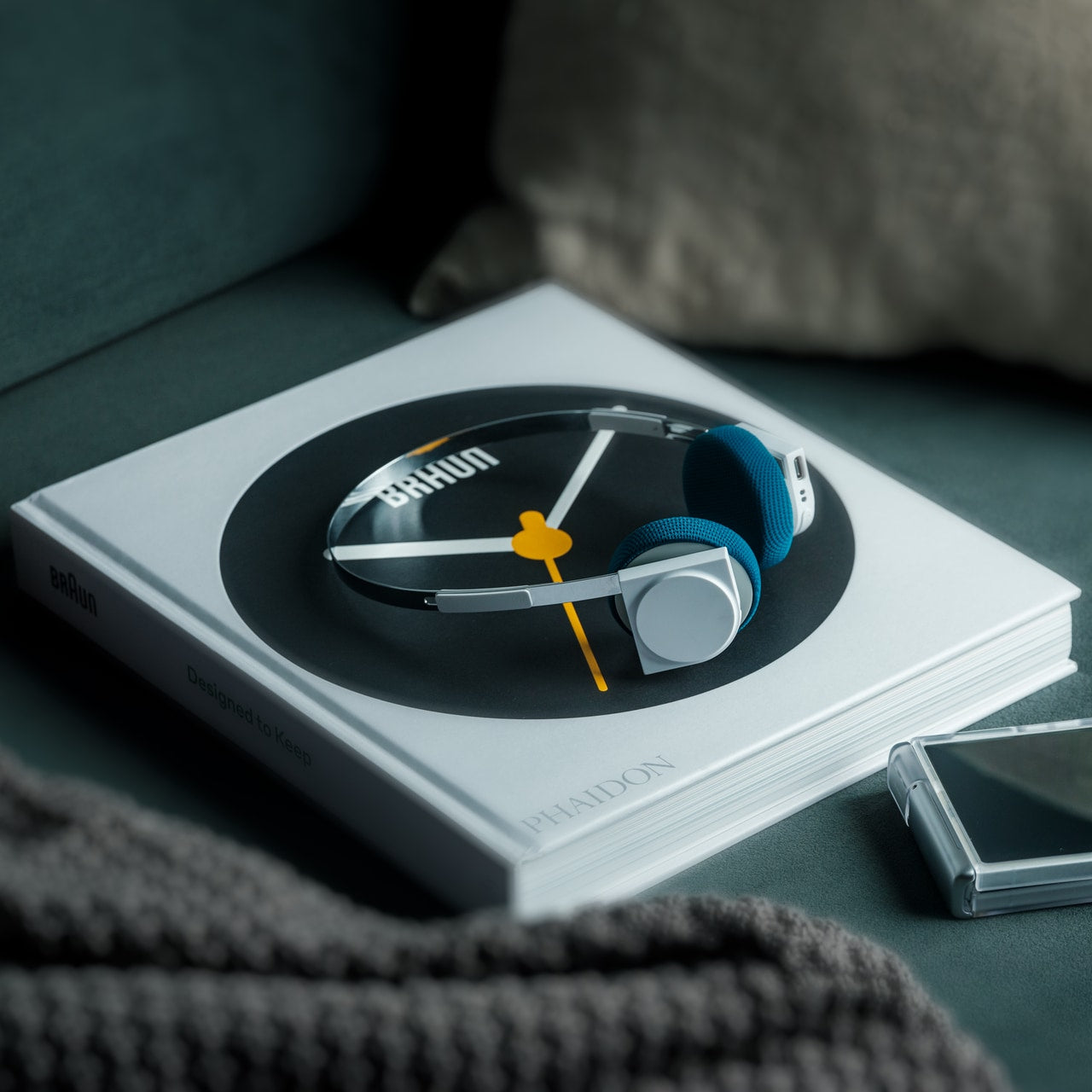
Most headphones achieve lightness by sacrificing material quality somewhere along the way. StillFrame achieves it by rethinking the entire structure from scratch. At 103 grams, it sits on your head with the kind of effortless presence most pairs spend an entire product page trying to claim. The ultra-minimal design, clean lines, no exposed hardware, and no decorative flourish anywhere on the frame is the kind of restraint that reads as confidence rather than budget constraint.
Around the neck, StillFrame does what minimal design always promises and rarely delivers: it disappears into your outfit rather than competing with it. The 24-hour battery means you’ll reach for these in the early morning and still have charge well into the evening without thinking about a cable. For anyone who wants headphones that age well, that look as right in three years as they do today, this is where the search ends.
At 103 grams, this is one of the lightest over-ear headphones available without any sacrifice in build integrity, and the weightlessness is felt the moment you put them on
A 24-hour battery life means this pair genuinely runs from morning to night on a single charge, removing the low-battery anxiety that comes with most wireless headphones on the market
What We Dislike
Minimal colorway options are a direct consequence of the same design restraint that makes the StillFrame look this considered, and that trade-off is real and visible
With so little on the frame to grab visual attention, this pair asks you to commit fully to its design language, which rewards patience but does not suit every aesthetic
2. Meze Audio Strada
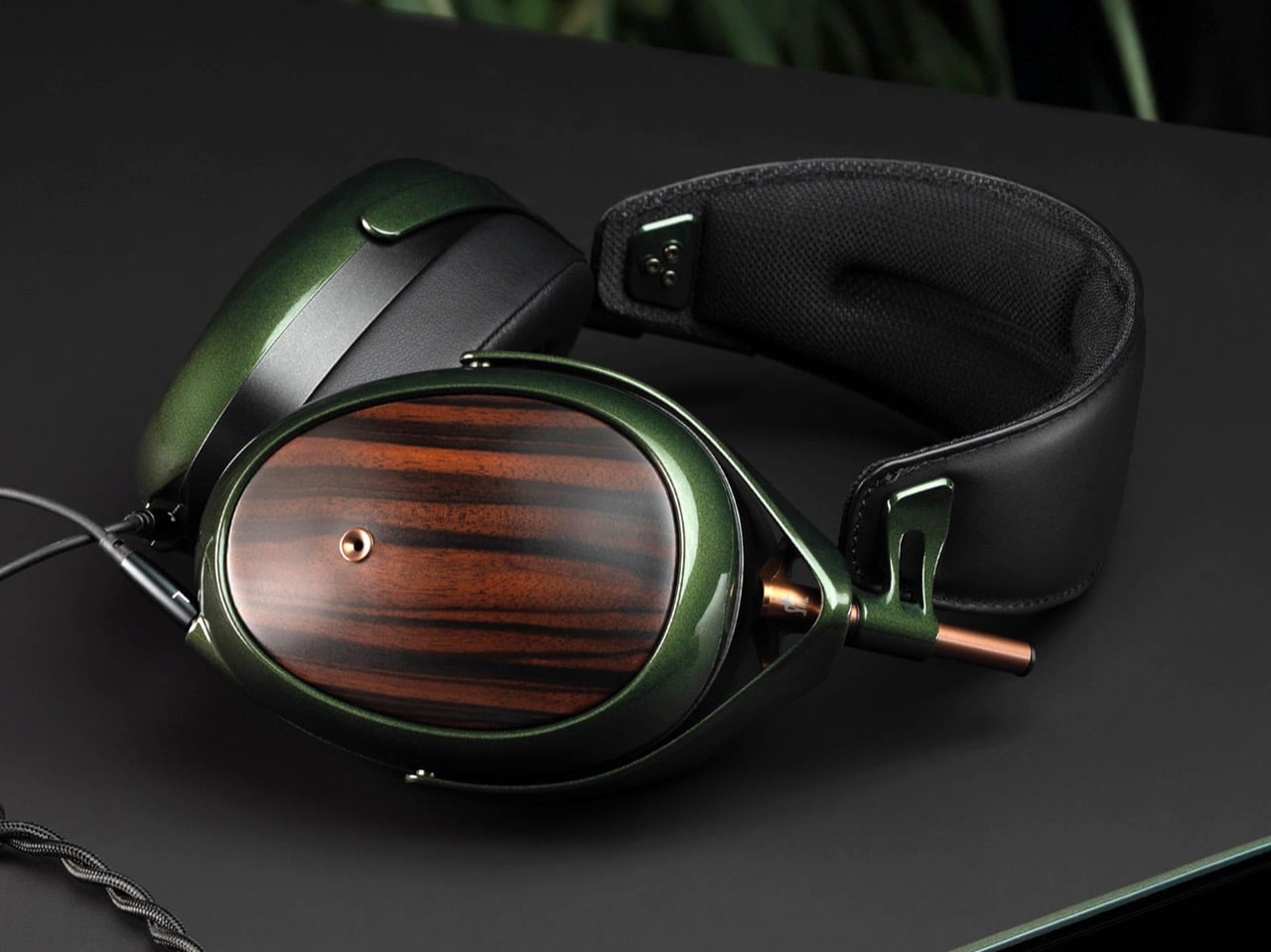
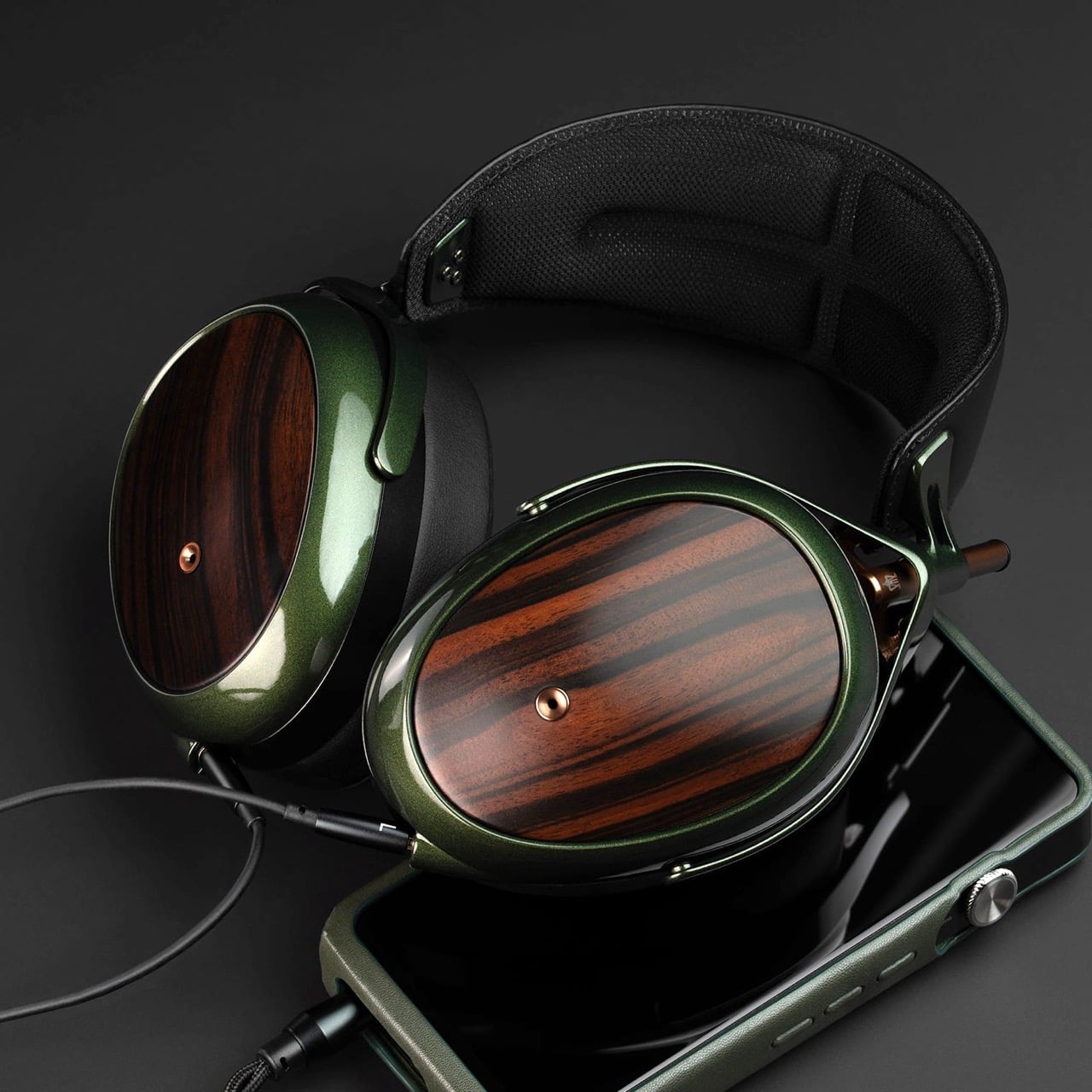
Romanian audio atelier Meze has spent two decades treating headphones as craft objects, and the Strada makes that philosophy fully explicit. Hand-carved walnut and ebony ear cups, each unique in grain and tone, sit alongside a magnetic ear pad system that snaps on and off cleanly, making them the first pair that genuinely anticipates its own aging. The leather headband drapes naturally against the collarbone. At $799, you’re investing in the idea that daily objects deserve this level of material care.
Worn around the neck, the Strada does something genuinely rare: it makes you look considered rather than plugged in. Those hand-carved wood cups catch light in a way that aluminum never quite manages, and the closed-back design delivers warmth and isolation without the clinical precision of most audiophile gear.
What We Like
The hand-carved wood ear cups make every unit genuinely one-of-a-kind, an unusual distinction in a product category that typically prizes consistency and uniformity above everything else
The magnetic ear pad system solves a real longevity problem that most headphone manufacturers still choose to ignore, making the Strada feel genuinely built for the long term from the start
What We Dislike
The warm, closed-back tuning leans toward intimacy over accuracy, which won’t satisfy listeners who prefer a flat, analytical sound profile for critical or reference listening sessions
No active noise cancellation at $799 is a deliberate aesthetic choice, but it will not suit everyone who regularly listens in open, noisy, or busy urban environments
3. Bang & Olufsen Beoplay H95
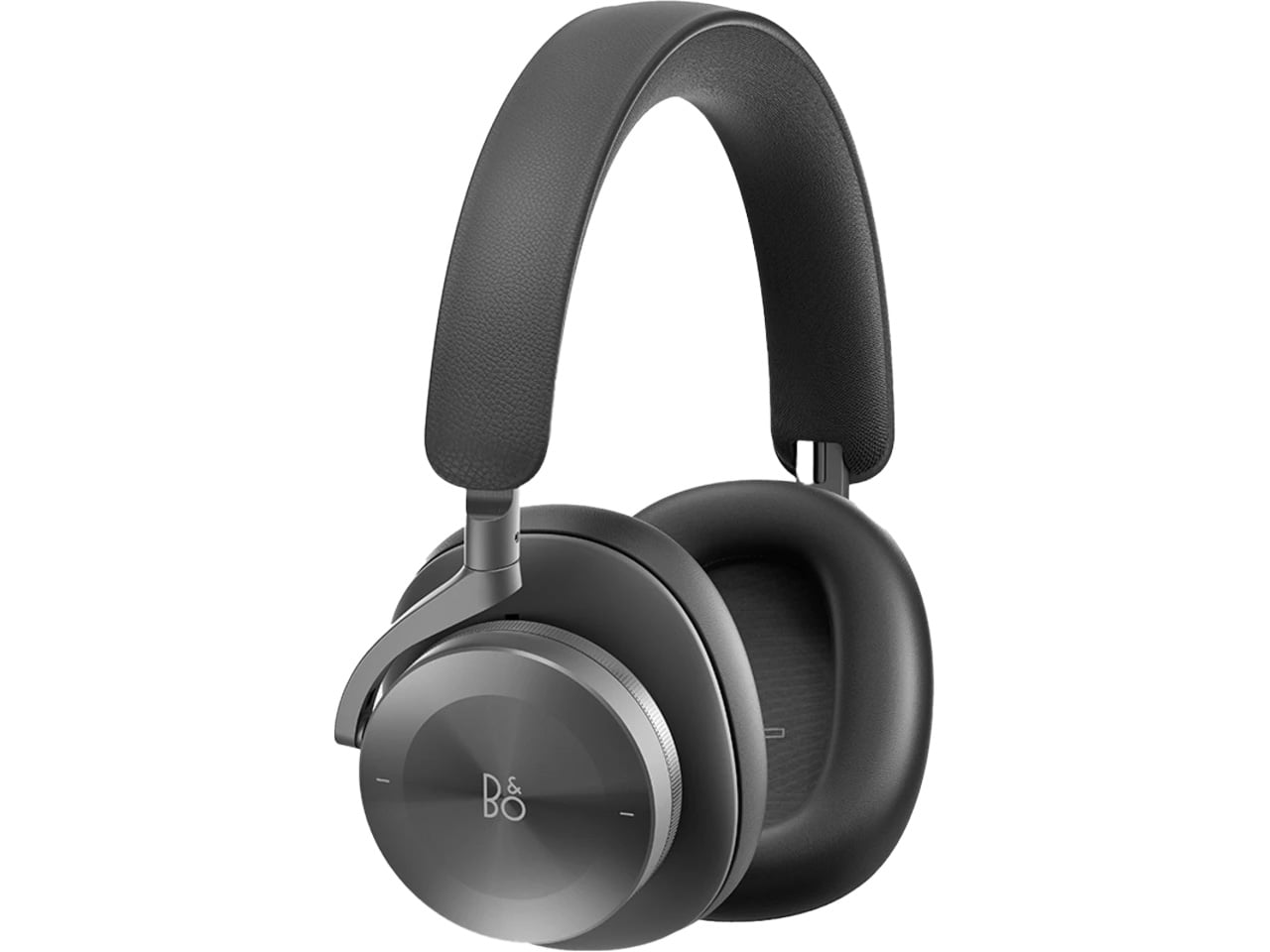
Bang & Olufsen has been designing objects that make a room better simply by existing in it since 1925. The Beoplay H95 carries that logic to your ears. Brushed aluminum arcs support lambskin ear cushions with the quiet authority of something that was never trying to impress anyone. Custom 40mm titanium drivers deliver an expansive, unhurried soundstage, and 38 hours of battery life with ANC active means you rarely need to think about charging. At $1,250, it reads as inevitable rather than expensive.
Around the neck, the H95 makes its strongest case. The slim profile rests cleanly against the collarbone, the aluminum catches light without glare, and the lambskin ages into something better than what you started with. Vogue Scandinavia named it the headphone that pairs best with the softest cashmere roll-neck and a cocooning wool coat, which is not exactly a mid-range endorsement. The tactile control dial and hard carrying case complete the picture of a brand that hasn’t needed to shout for a century.
What We Like
Lambskin ear cushions and brushed aluminum give the H95 a material quality that makes every other pair on this list look like it is working a little harder to impress you
38-hour ANC battery life is class-leading and genuinely difficult to match at any price point, making this the pair most likely to outlast a long-haul journey without any hesitation
What We Dislike
At $1,250, this is a significant investment for a product category where $400 already delivers very strong audio performance from multiple well-regarded and respected manufacturers
The control dial is elegant but carries a subtle learning curve that takes several days of regular use to feel completely intuitive and second-nature in the hand
4. Bowers & Wilkins Px8 S2
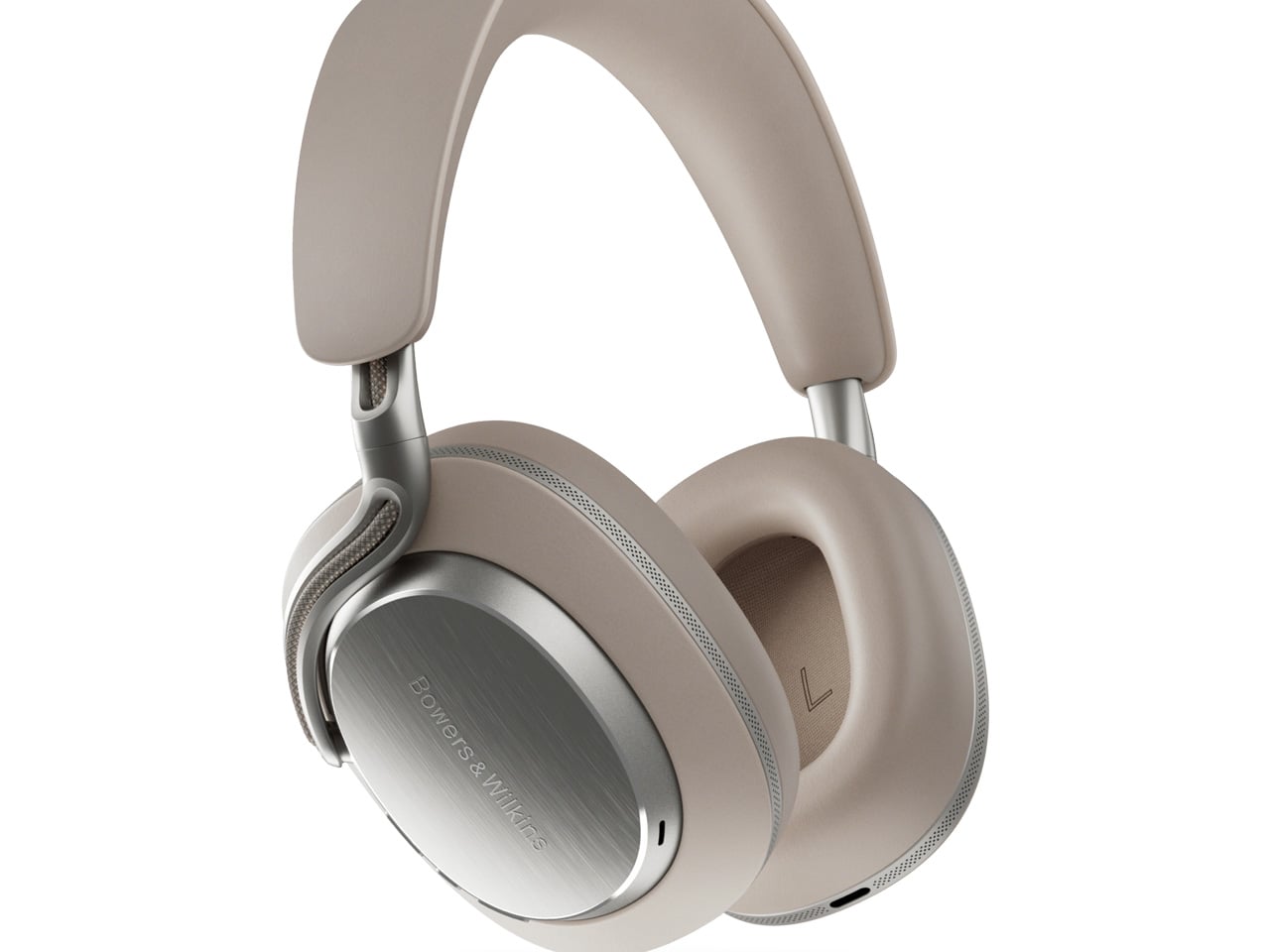
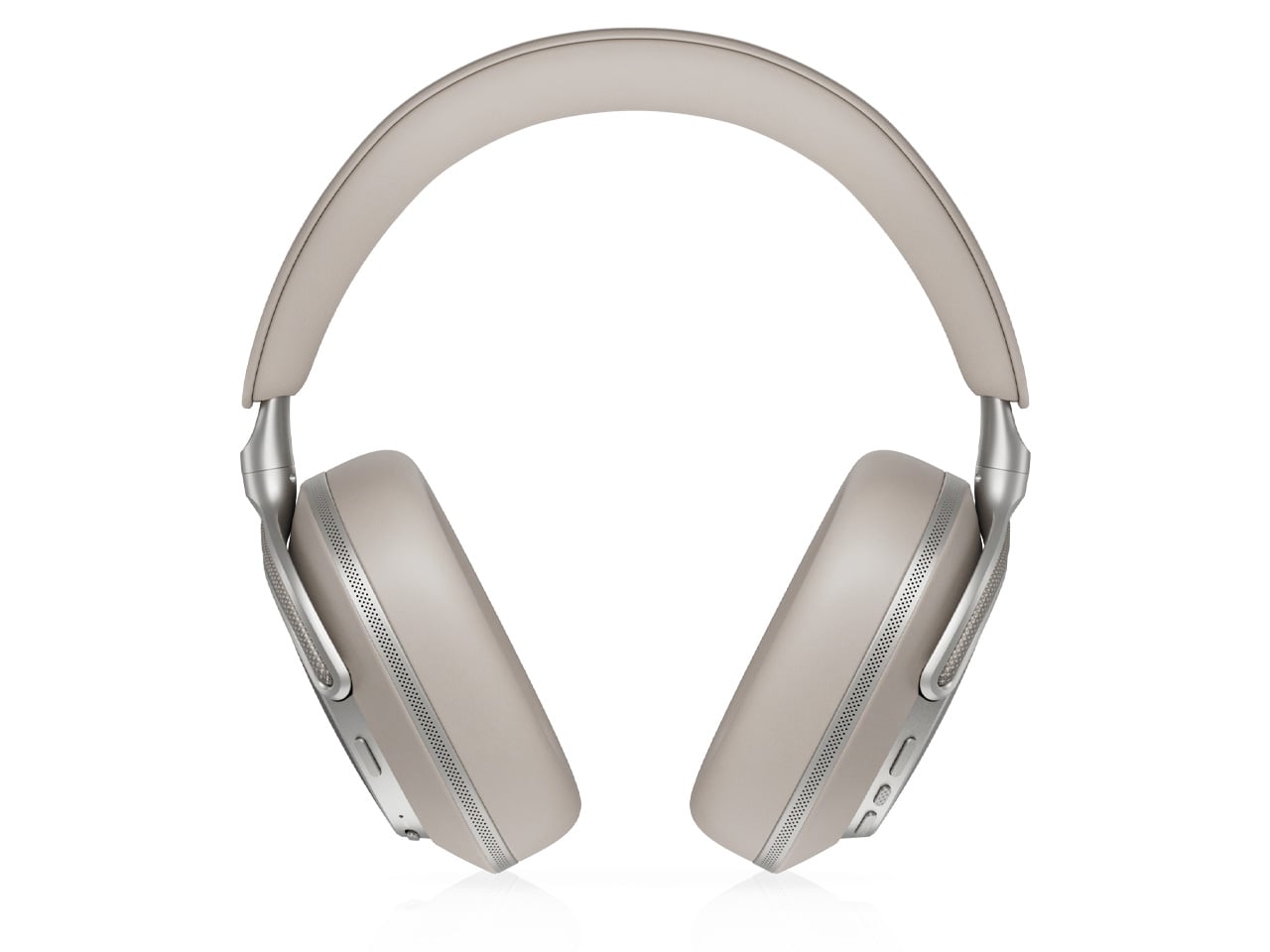
The Px8 S2 looks like it was designed by someone who spent too much time around luxury automobiles and not enough time worrying about what people thought. Diamond-quilted Nappa leather ear cups sit inside angular aluminum driver housings that don’t apologize for taking up space. Bowers & Wilkins built their reputation on speaker cabinets in British living rooms, and that obsession with material quality is fully present in the Px8 S2. At $799, it’s the most visually assertive pair on this entire list.
Worn on the head, the 40mm Carbon Cone drivers deliver a focused sound that rewards careful listening. Worn around the neck, the quilted leather and aluminum geometry create a silhouette that reads closer to jewelry than consumer electronics.
What We Like
The diamond-quilted Nappa leather ear cups are a genuinely distinctive design move that no other headphone brand at this price point is executing with this level of craft and conviction
40mm Carbon Cone drivers bring the kind of focused sound detail that makes streaming audio feel like it might be holding something back, consistently rewarding attentive listeners on every session
What We Dislike
The angular form does not fold into a compact carry position, making the included case noticeably bulkier than most direct competitors when packed into a bag for daily commuting use
The firm clamping force is necessary for the acoustic seal, but it makes itself felt during extended listening sessions, which matters for anyone who wears headphones for several consecutive hours at a time
5. Sonos Ace
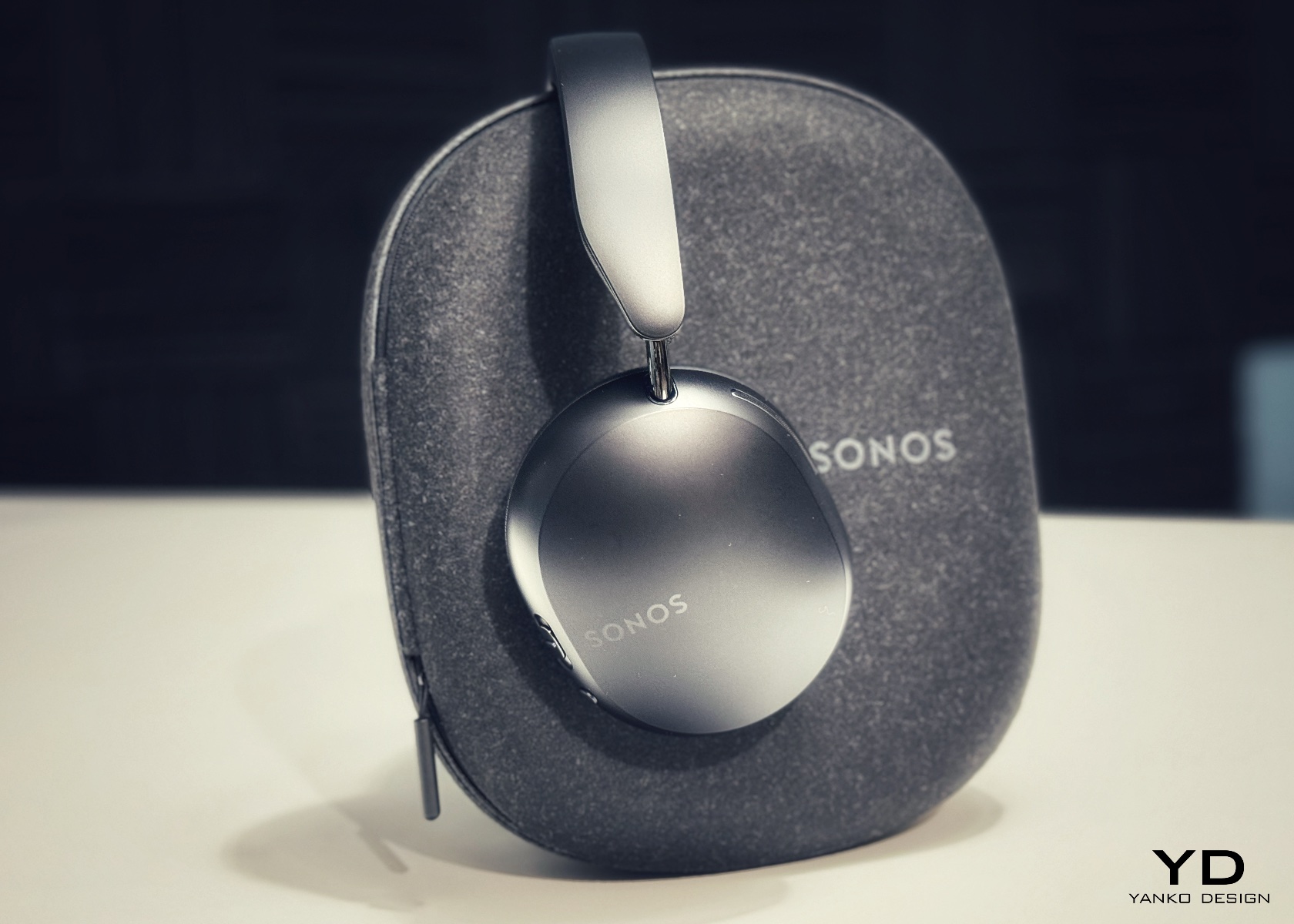
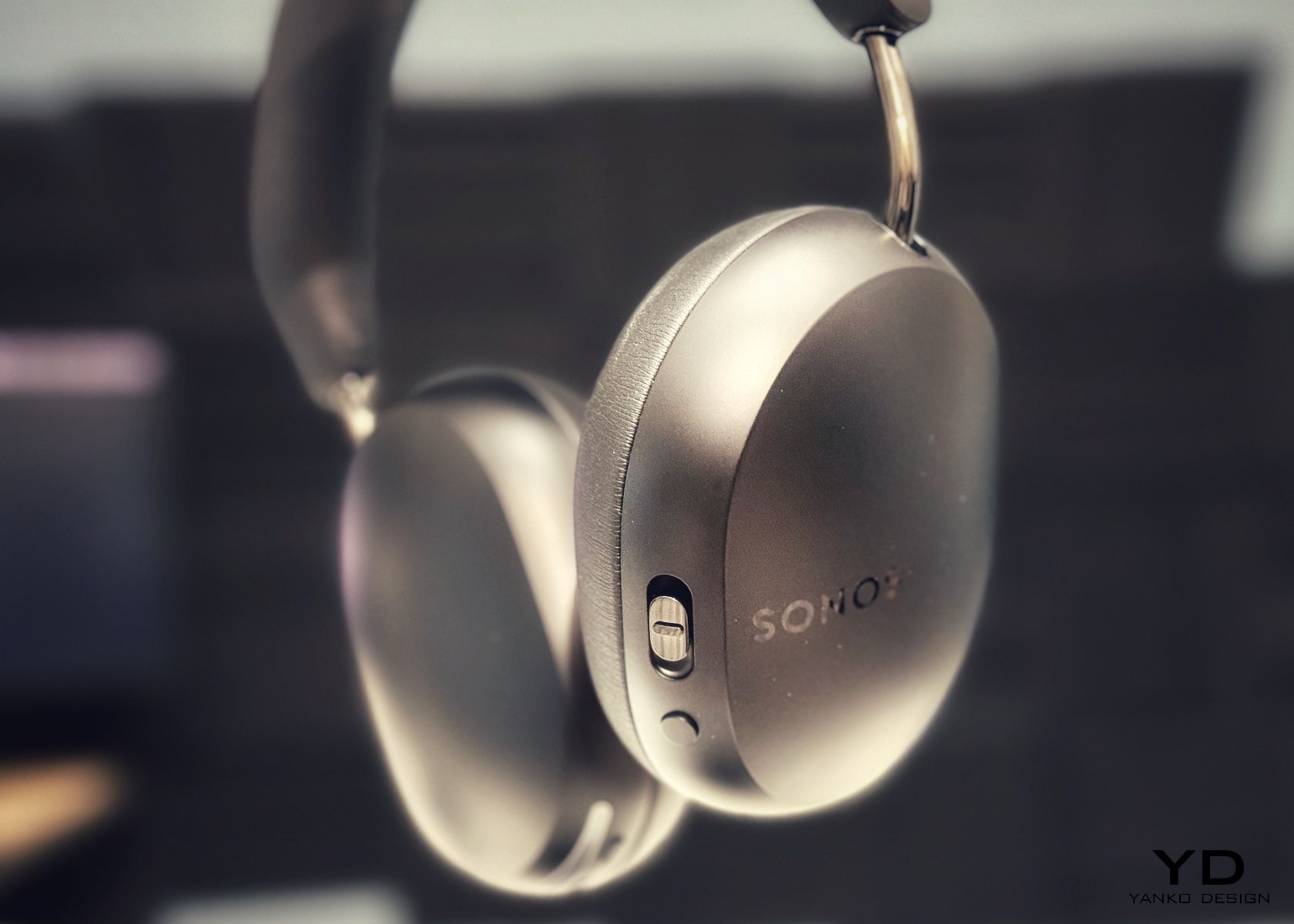
Sonos spent two decades being the most thoughtfully designed speaker company in the world before ever touching headphones. The Ace is what happens when a brand famous for restraint and material quality finally commits to an entirely new product category. Stainless steel arms, memory foam ear cushions, and a clean form in Midnight or White carry the same quiet authority as Sonos’s best home equipment. At $449, it sits below the B&O and B&W while fully matching them on design character and material coherence.
What makes the Ace genuinely stand out is what you don’t notice: no visible seams on the headband, no mismatched materials, no hardware that apologizes for itself. Active noise cancellation and a 30-hour battery complete a pair that wears as well around a neck as it sounds through the drivers, making it the most versatile pick on this list.
What We Like
The material cohesion across every surface, every finish, and every seam speaks one consistent and considered design language, which is an unusually disciplined achievement at the $449 price point
Active noise cancellation combined with a 30-hour battery puts the Ace ahead of most competitors on the two specifications that matter most for daily and travel listening
What We Dislike
The body is predominantly high-quality plastic rather than metal, which is a material trade-off that some buyers will feel at this price point relative to the B&O and B&W alternatives
Head-tracking spatial audio is most effective when paired with a Sonos home speaker system, limiting the feature’s full appeal for listeners who don’t already own Sonos hardware at home
The Best Headphones Are the Ones You Never Want to Take Off
What all five of these pairs share is a seriousness of intent that goes well beyond frequency response. They were built by companies that think about how objects live in the world, not just during a listening session, but on a train platform, at a desk, hanging around a neck. That’s a harder problem to solve than noise cancellation, and the brands that crack it tend to stay relevant far longer than those that don’t.
The range here runs from $449 to $1,250, but the price gaps matter less than they appear at first. What you’re really choosing between is design language: Romanian craft warmth, Scandinavian restraint, British precision, speaker-first material thinking, or clean minimalism that genuinely disappears. Any of these pairs earns the right to hang around your neck. The question is which one earns it in a way that feels made for how you actually move through the world/
The smart home speaker market has settled into a familiar aesthetic. Smooth cylinders, matte finishes, and understated designs meant to disappear into a room are the default for most voice assistants. It’s a reasonable approach, but it also means most of them look exactly the same, and the hardware driving them tends to get replaced every couple of years, whether it actually needs to be or not.
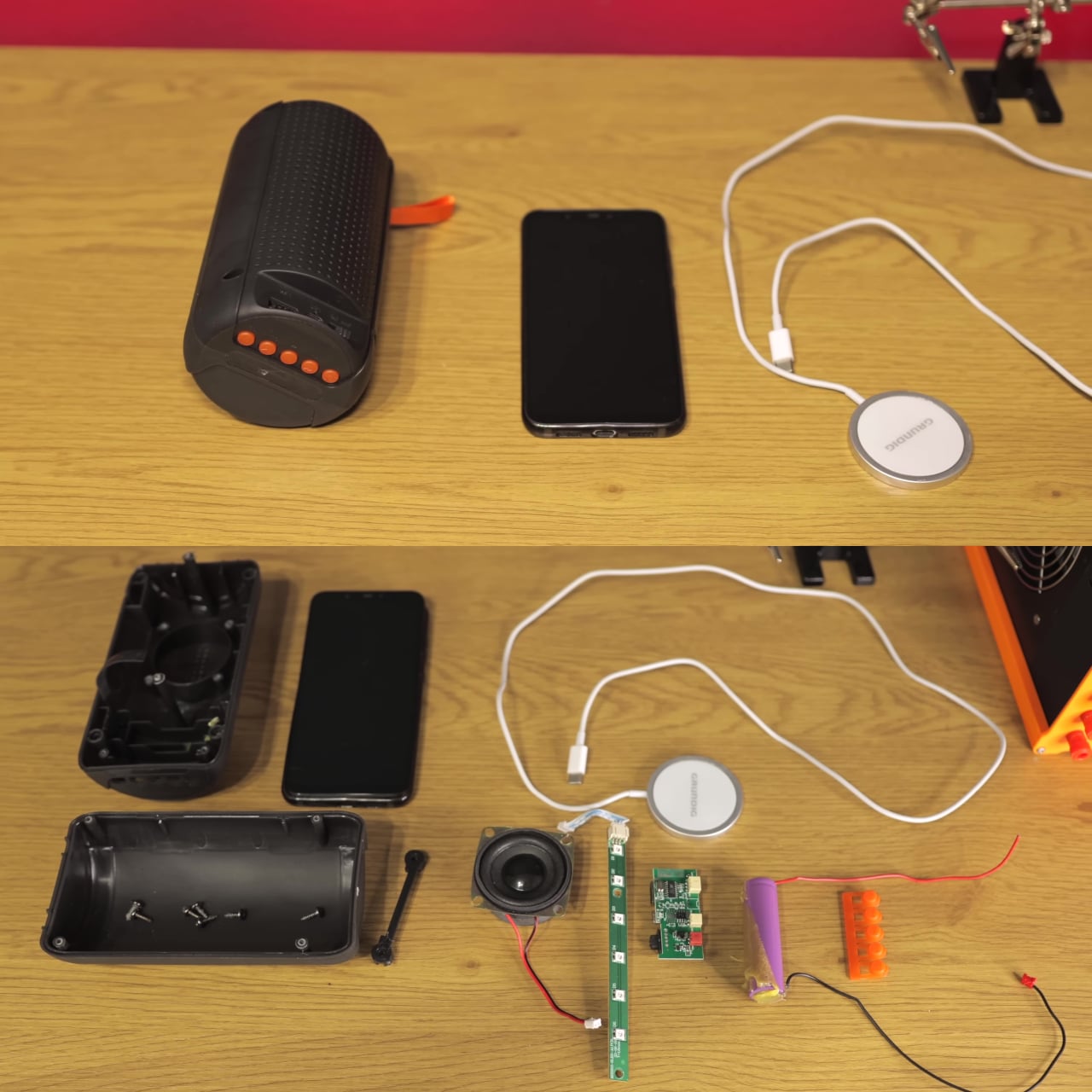
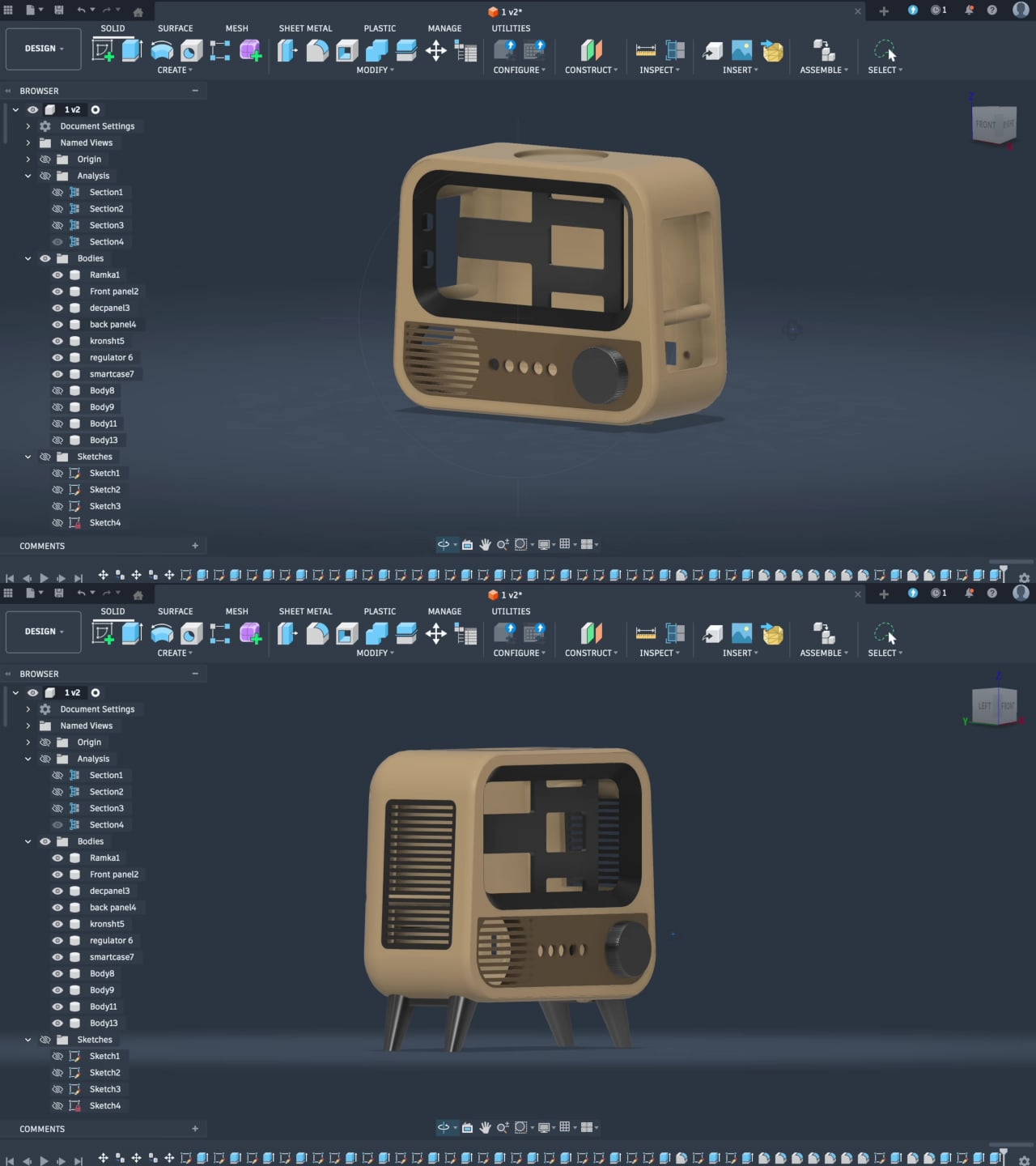
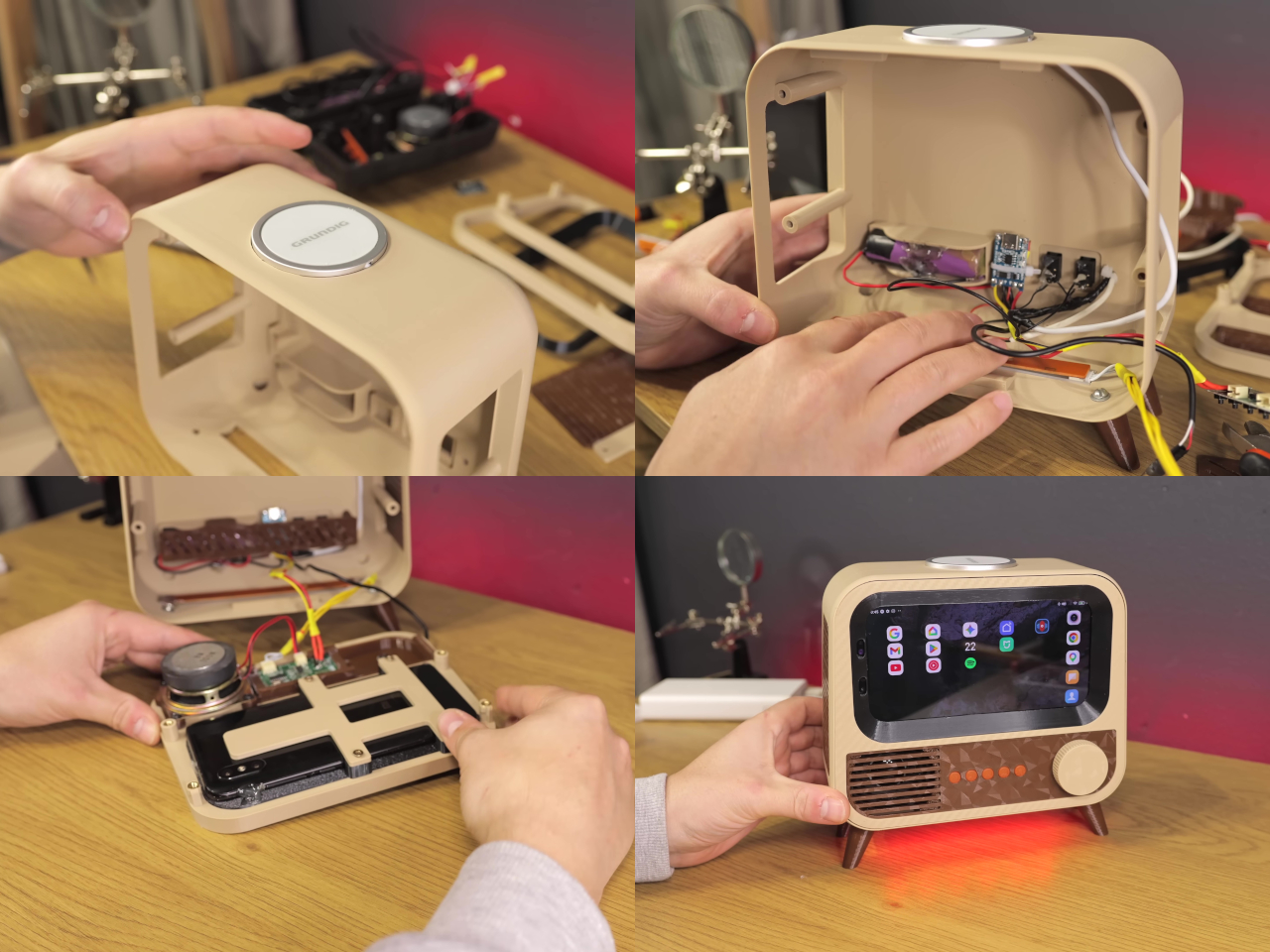
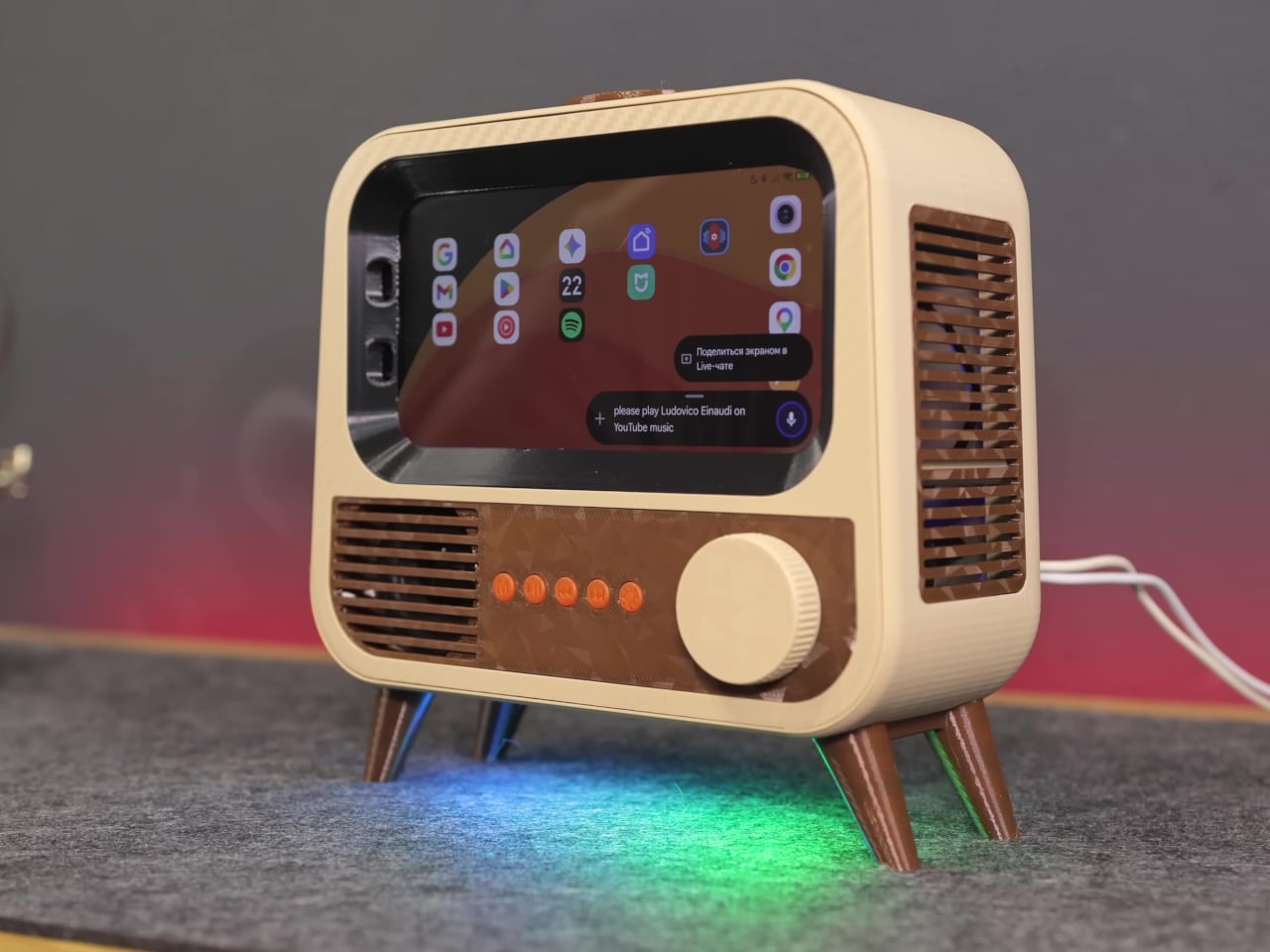
HANDMAX Workshop took a different approach entirely. Rather than buying new hardware, the build starts with a Xiaomi Mi 8 already well past its prime, complete with a burned-in display, degraded speakers, and a failing battery. The processor and software capabilities were still perfectly usable, though, and that turned out to be all this kind of project actually needs.
Designer: HANDMAX Workshop
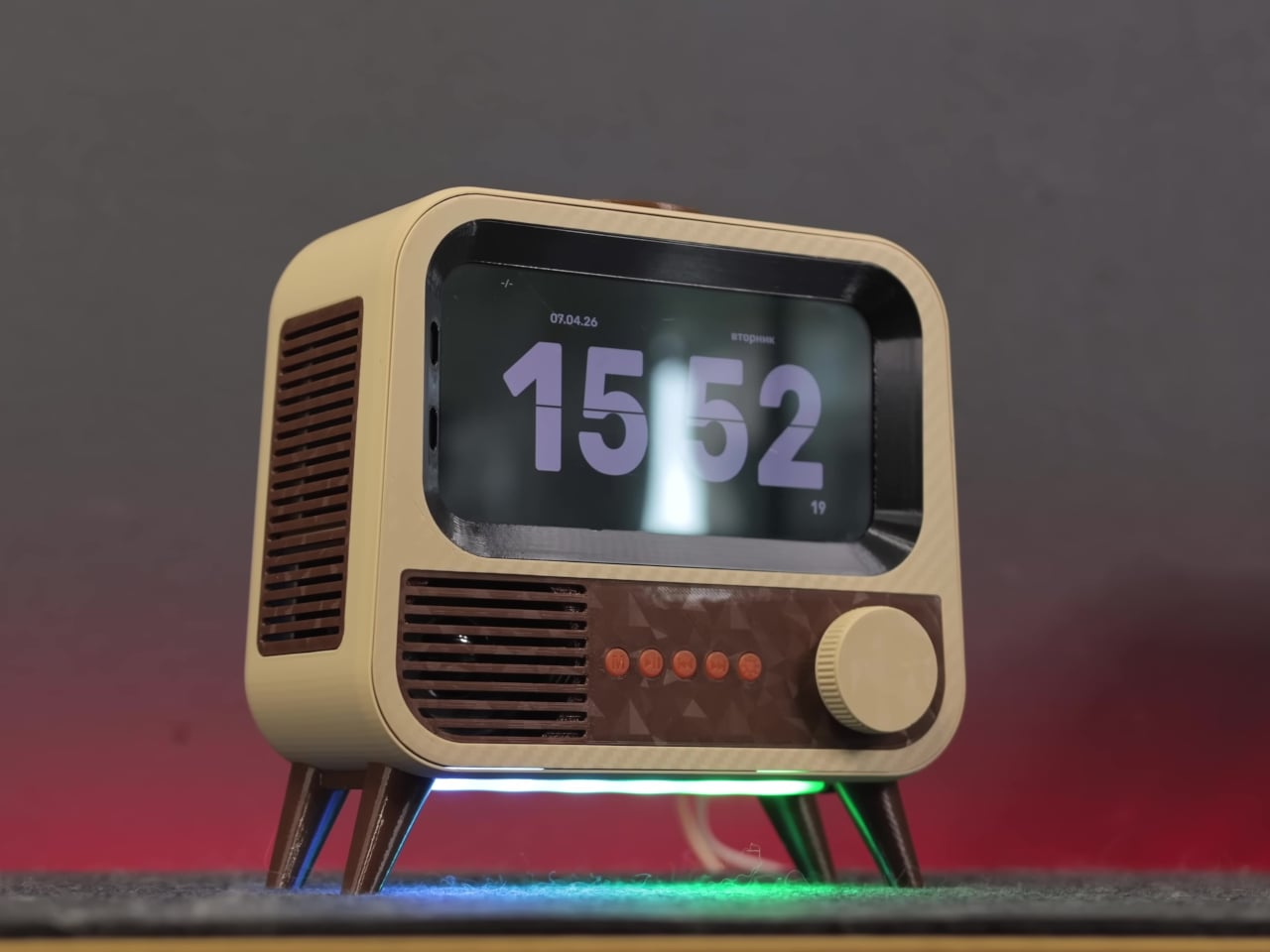
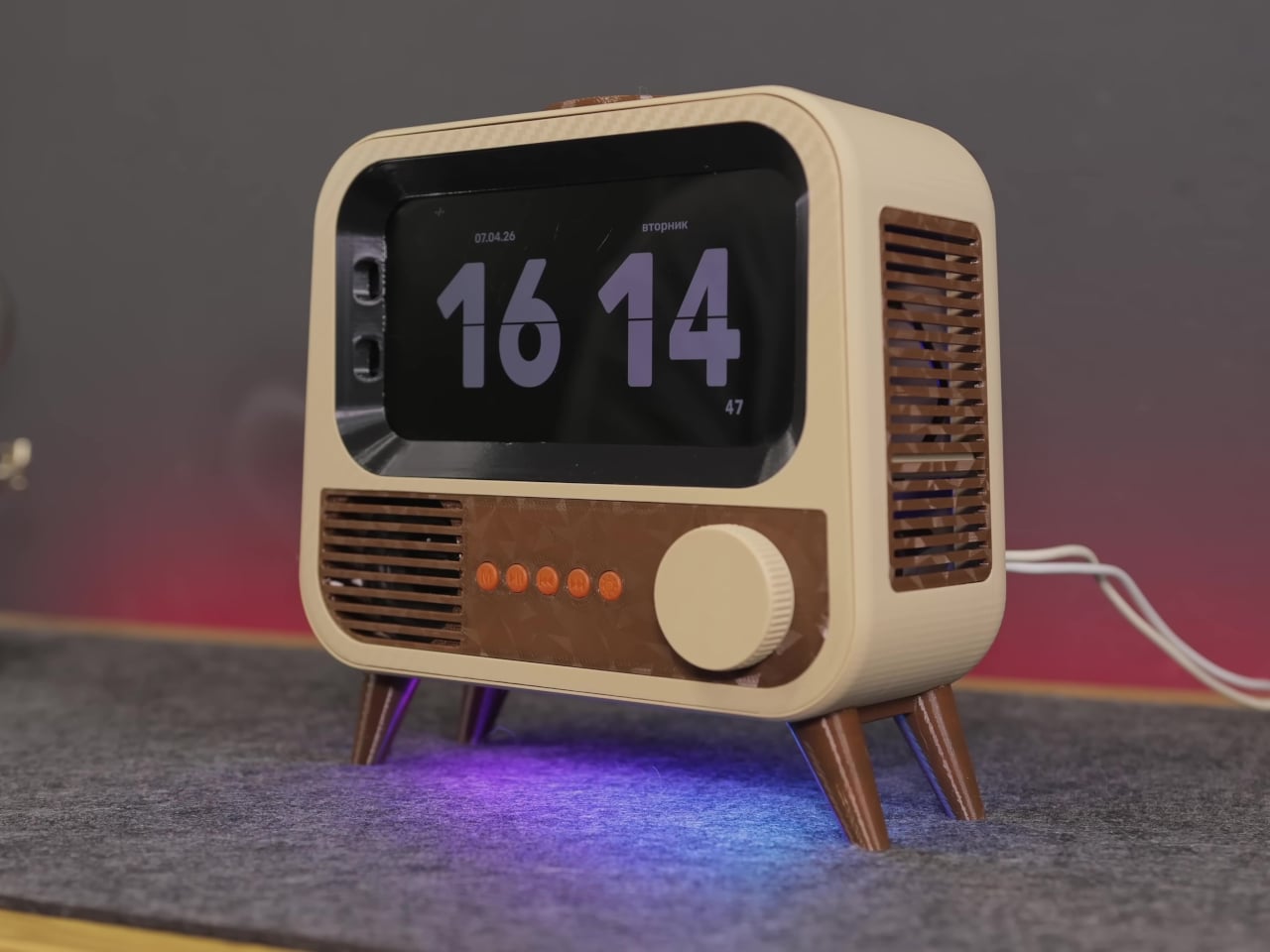
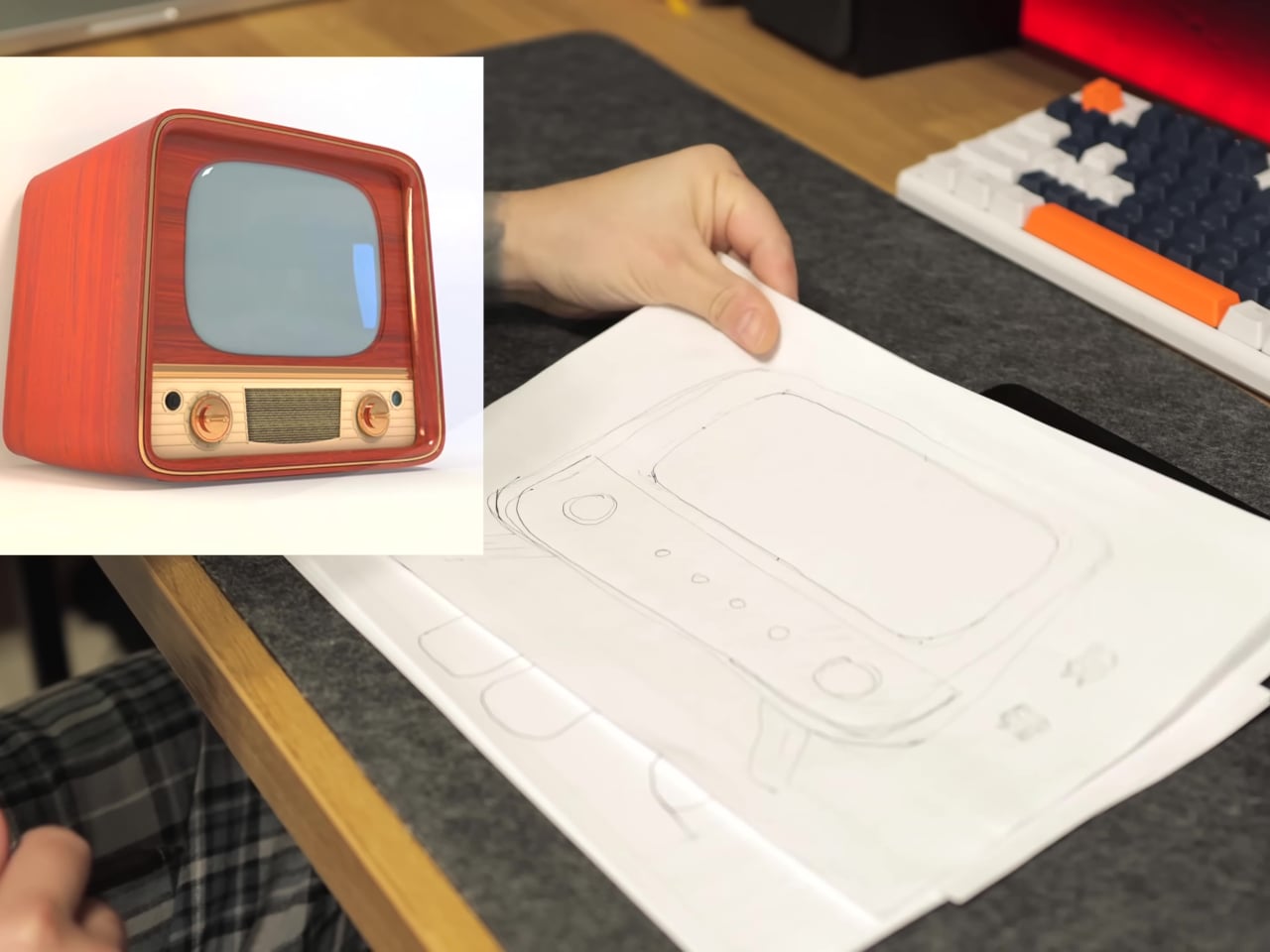
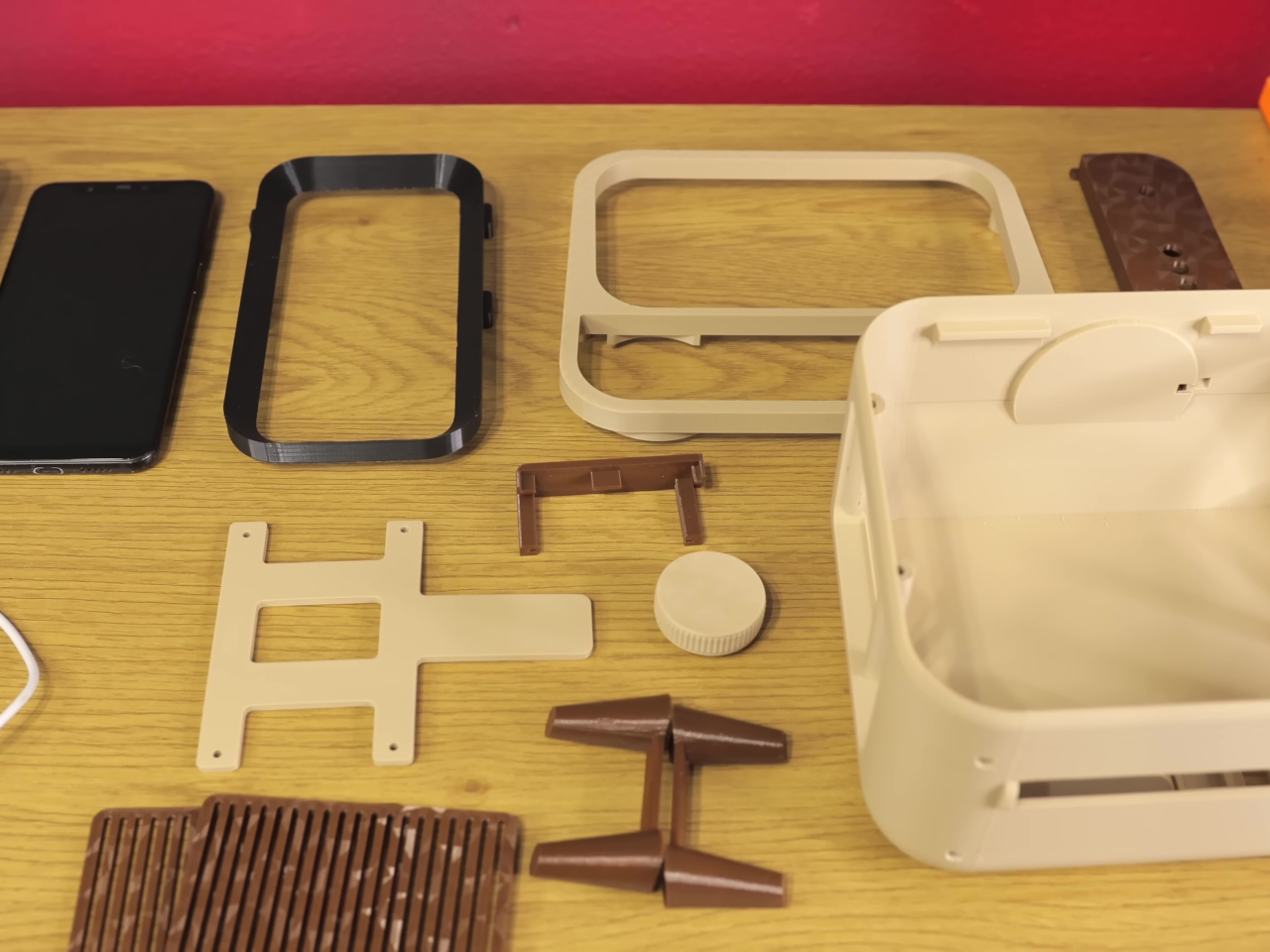
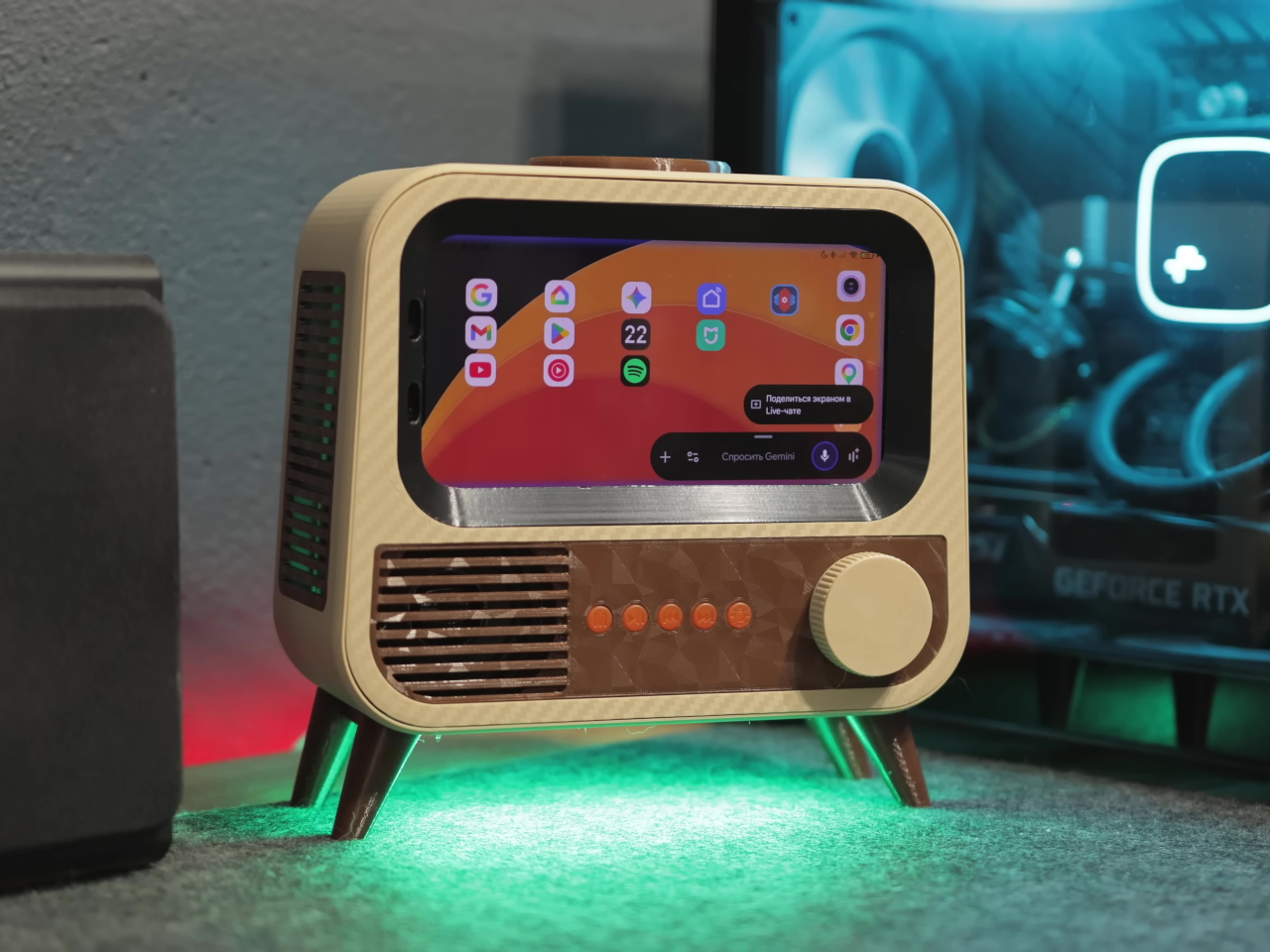
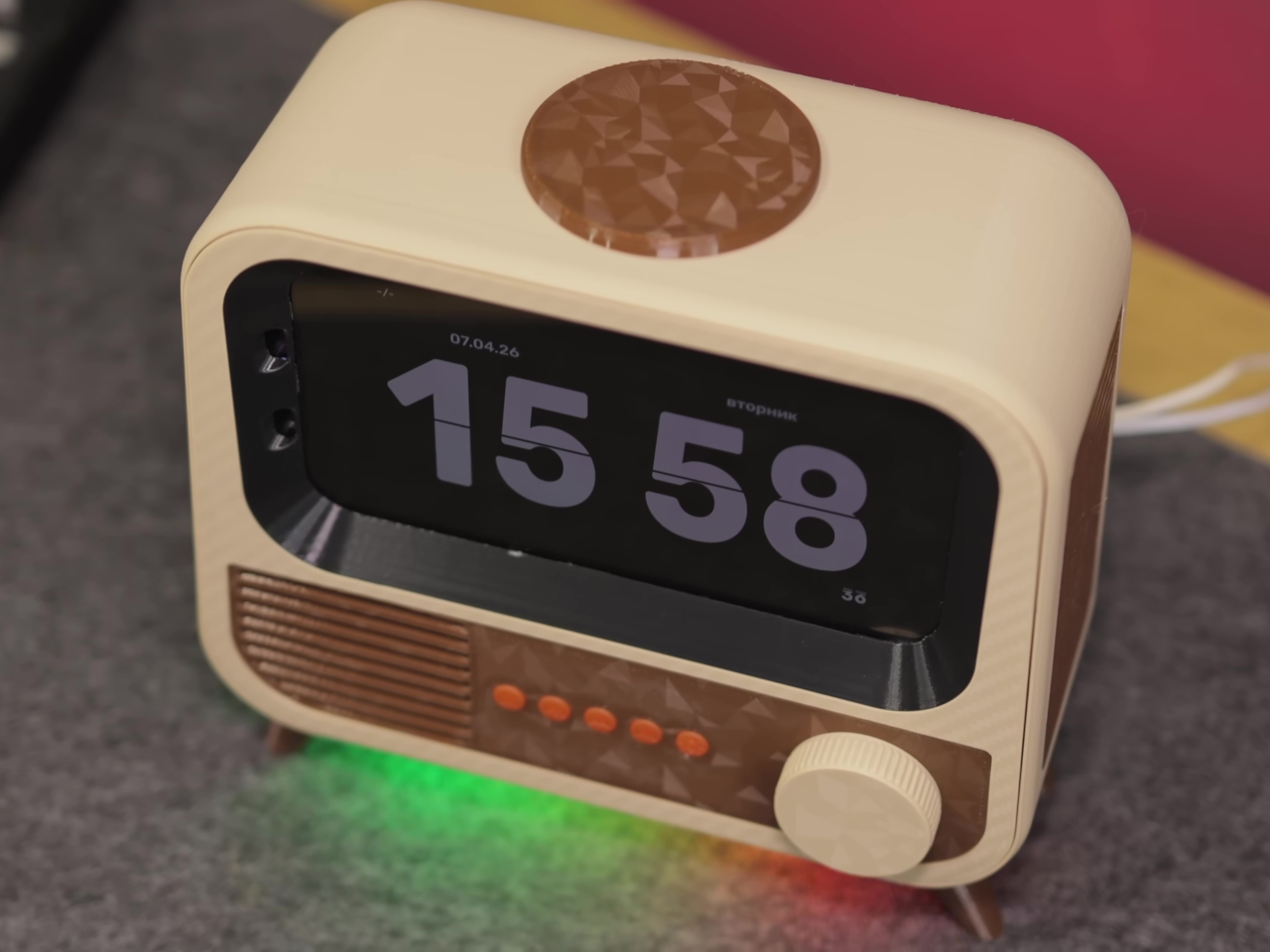
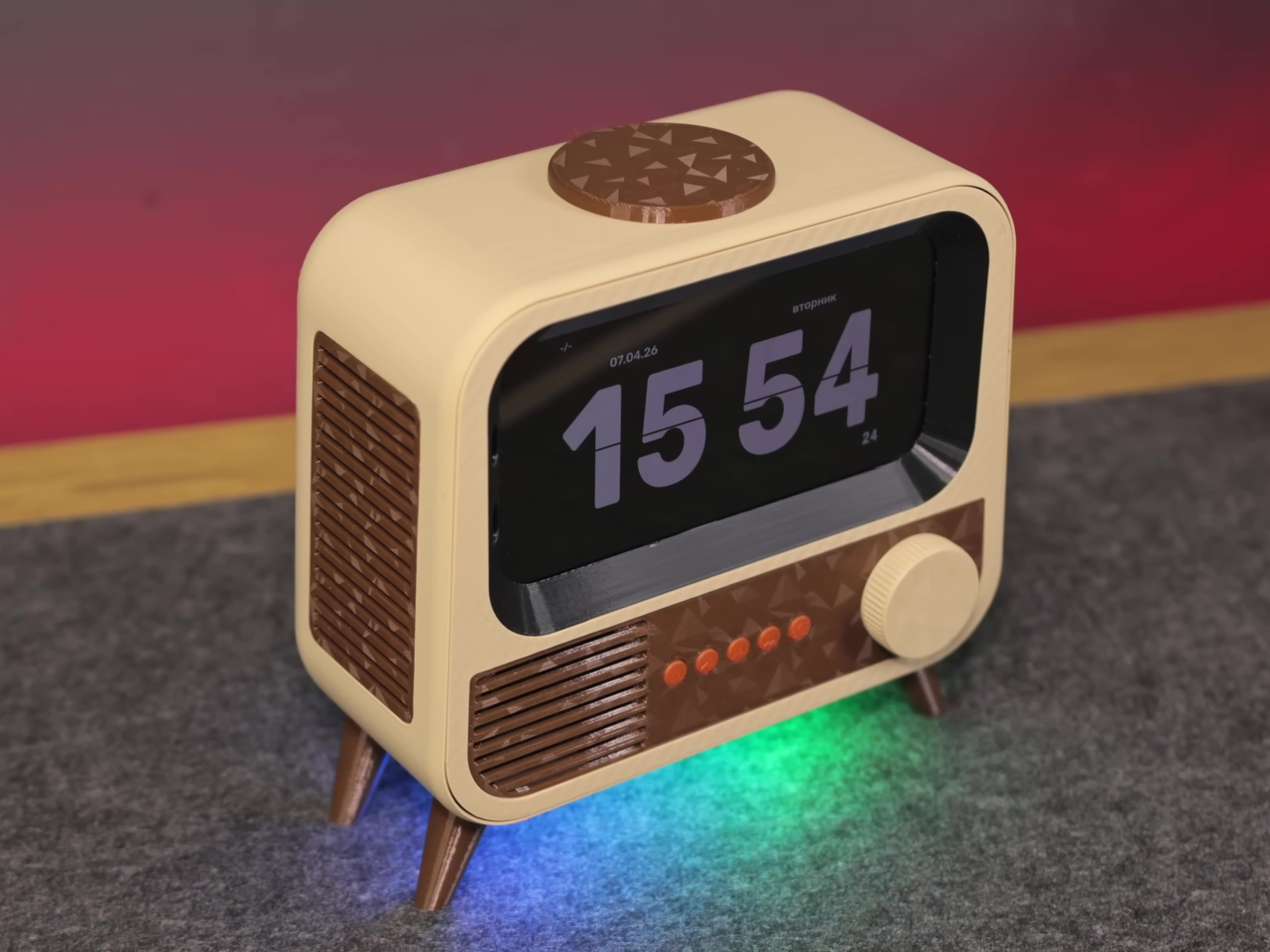
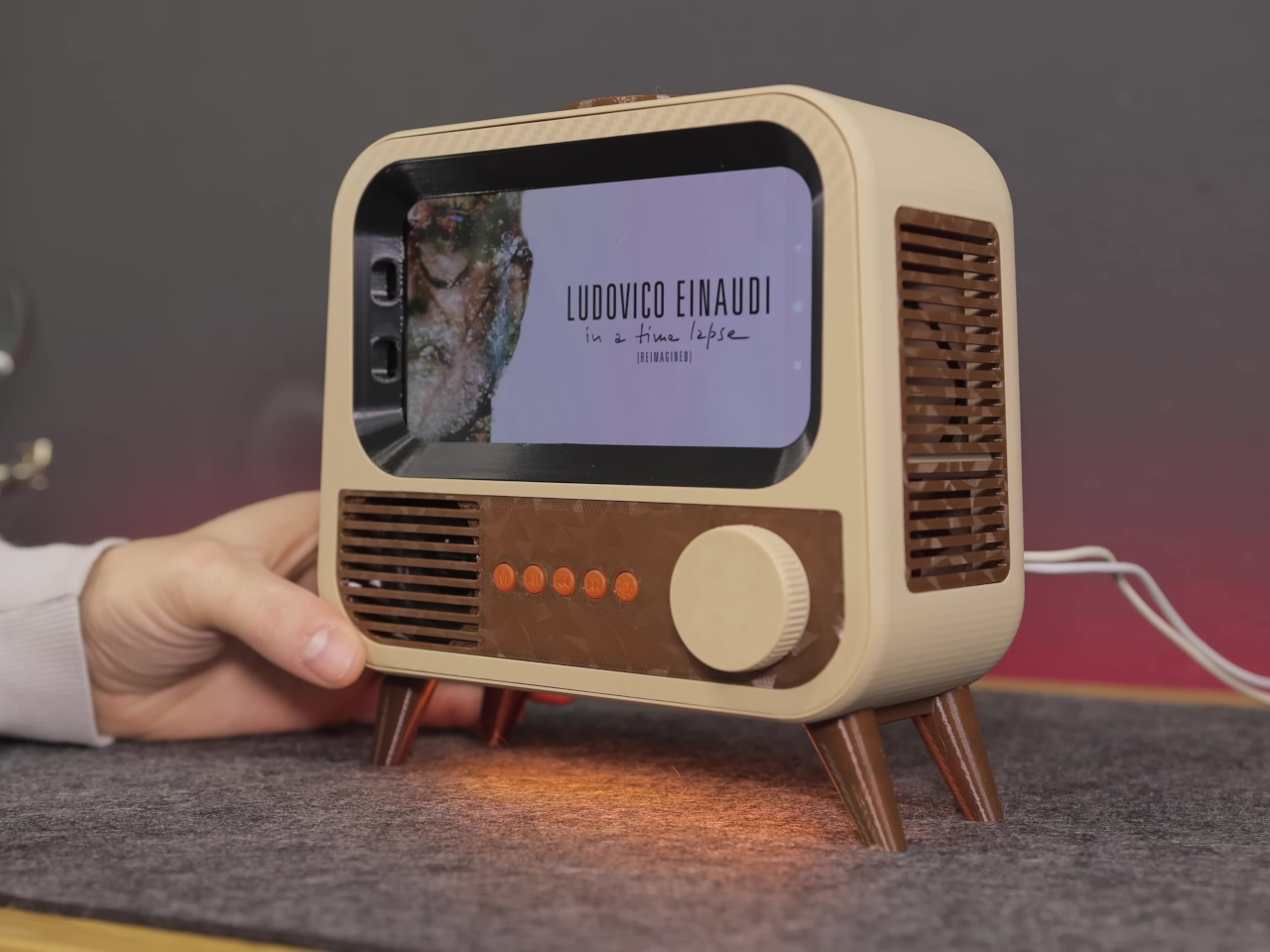
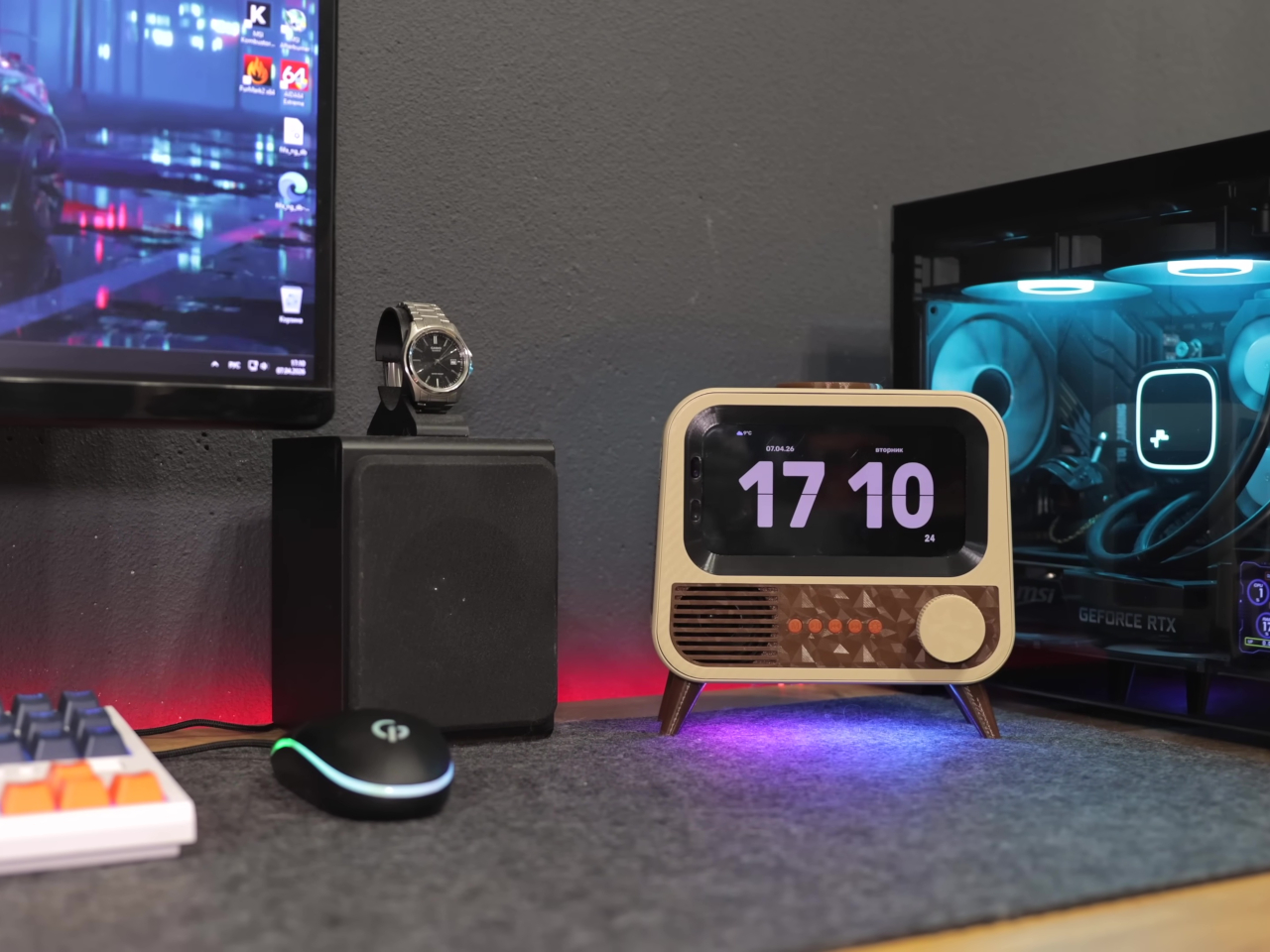
The case is where things get interesting. Instead of a sleek enclosure meant to blend in, the HANDMAX design goes full retro television, with a front grille, physical control buttons, and decorative legs completing the picture. Carefully modeled 3D-printed parts handle the practical side of things, accommodating the phone’s sensors and camera while keeping the vintage illusion intact from every angle you look at it.
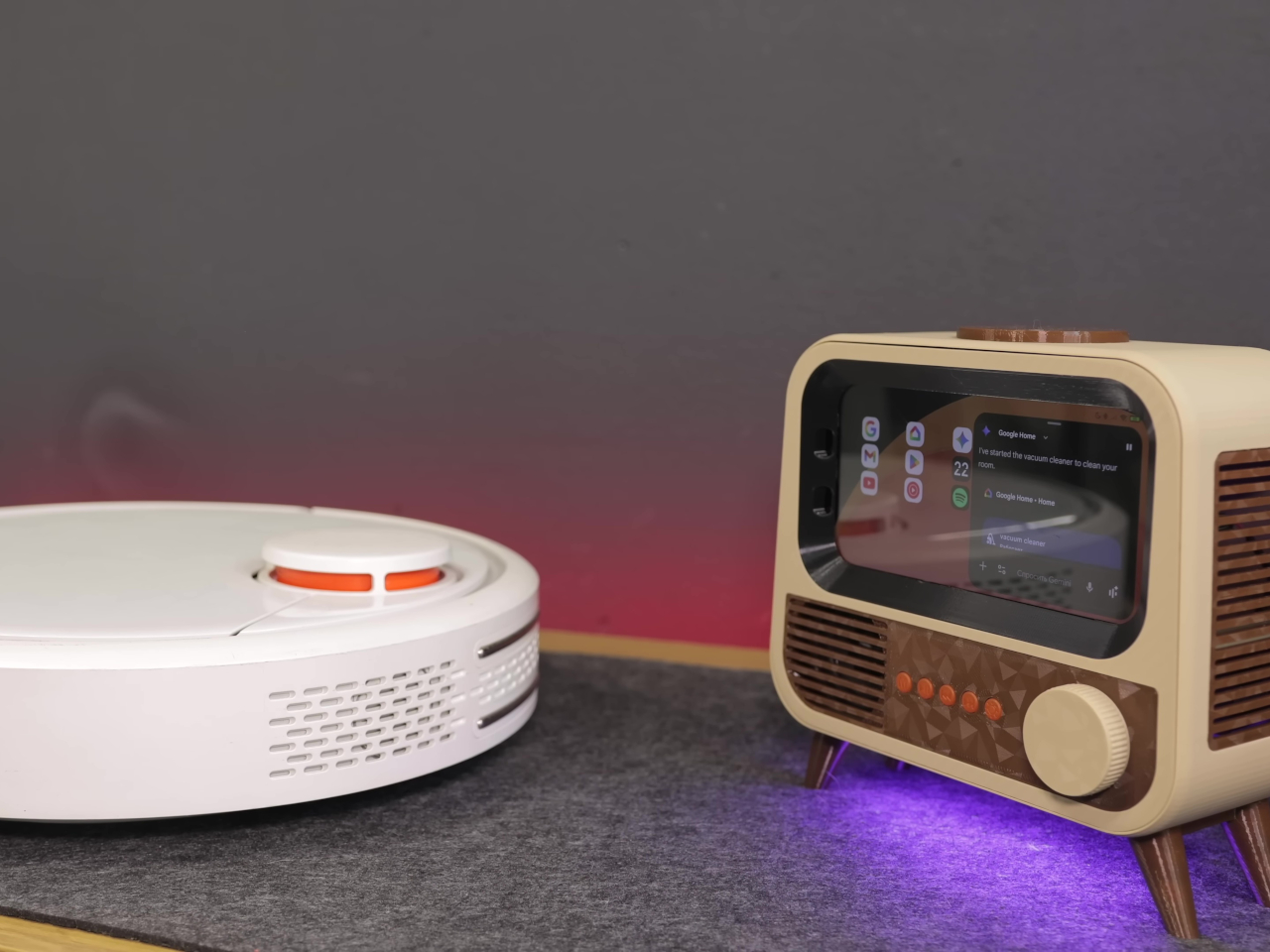
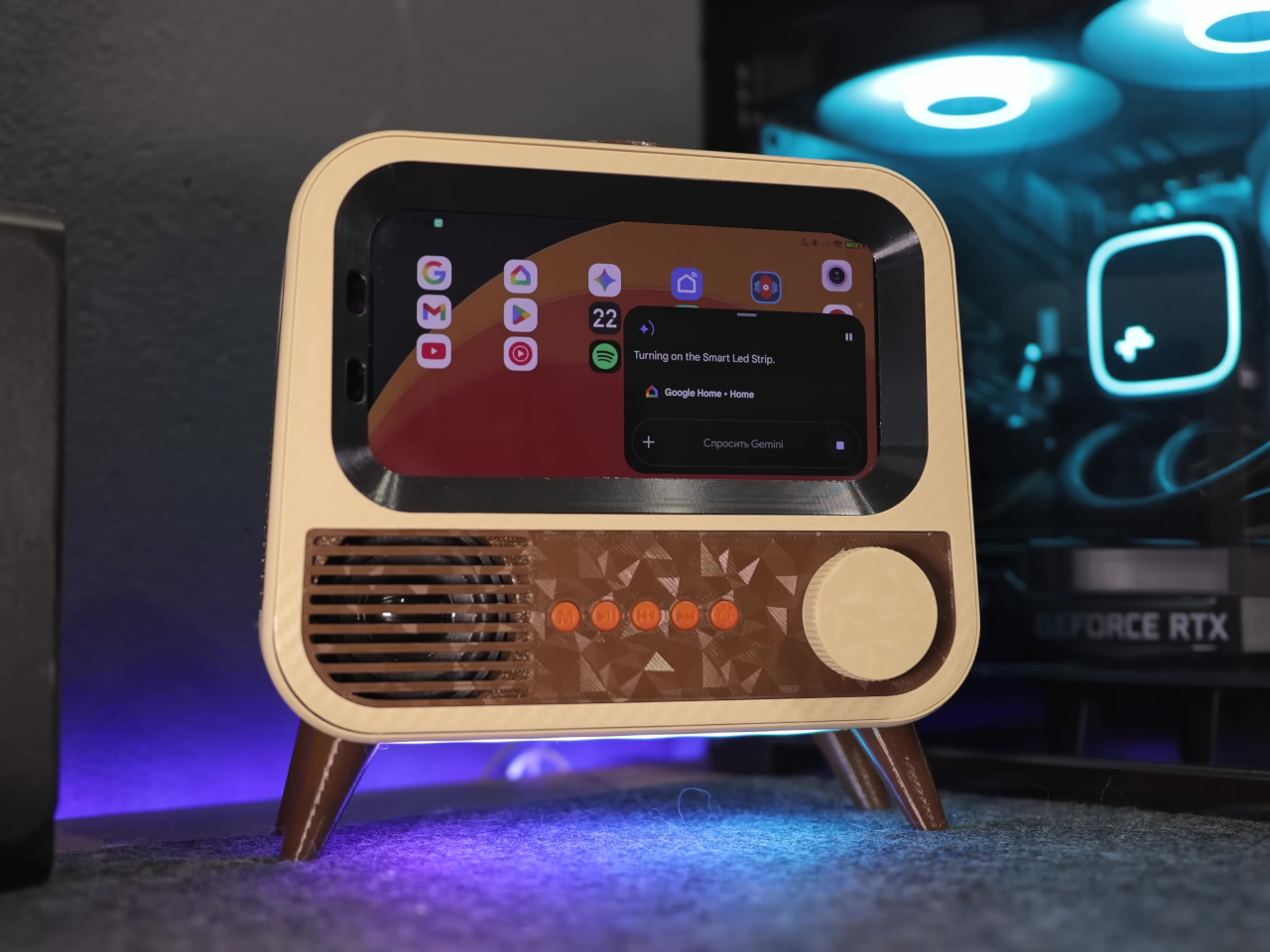
Put it on a desk, and you have a smart speaker that looks like something rescued from a garage sale, in the best possible way. Ask it a question, and Google Gemini handles the conversational side, pulling in responses without needing a dedicated microprocessor or a new development board. It’s the same AI model powering higher-end commercial devices, running on hardware that would otherwise be sitting in a drawer.
The smart home integration is what makes it genuinely useful beyond being a conversation piece. Through Google Home, the device can control smart home accessories directly, and custom routines let voice commands trigger specific actions around the house. Turning lights on, adjusting a thermostat, or running a sequence of automations becomes a spoken instruction directed at what looks like a miniature television set.
Getting there wasn’t entirely straightforward. The phone’s Bluetooth module had a habit of shutting itself down after 20 minutes of silence, which would quietly cripple the whole setup. The fix was characteristically clever, though; an inaudible 6 Hz tone runs constantly in the background, imperceptible to human ears but enough to convince the firmware that the system is still in use and shouldn’t shut down.
Beyond voice interaction, the finished device also functions as a wireless charger and a desktop display, which means it earns its counter space even when no one is talking to it. The final hardware list doesn’t include a single new component, just old parts that most people would have discarded without a second thought. That’s the more interesting design challenge of the two.
There’s an argument to be made that the best AI hardware isn’t always the most expensive, and this project makes it quietly. Commercial smart speakers are bought, used for a few years, and eventually replaced. A device built from broken hardware doesn’t follow that lifecycle, and the retro TV case that holds it together makes sure it doesn’t look like it’s trying to.
Good outdoor speakers are everywhere. Ones worth actually leaving on the counter are a different category entirely. These seven designs blur the line between audio gear and decorative object, earning a permanent spot on a shelf or desk not just because of what they play, but because of how they look doing it. Each one carries a design identity strong enough to spark a conversation before you ever hit play.
From a pocket-sized cassette hiding Bluetooth inside to a mecha-inspired lantern balanced on a tripod, these are the designs that earn their shelf real estate on looks alone. The sound is never secondary, but the form is what keeps them out of the drawer permanently. These are speakers that live in your space the same way a good lamp or a well-chosen object does—placed once and never put away.
1. Side A Cassette Speaker
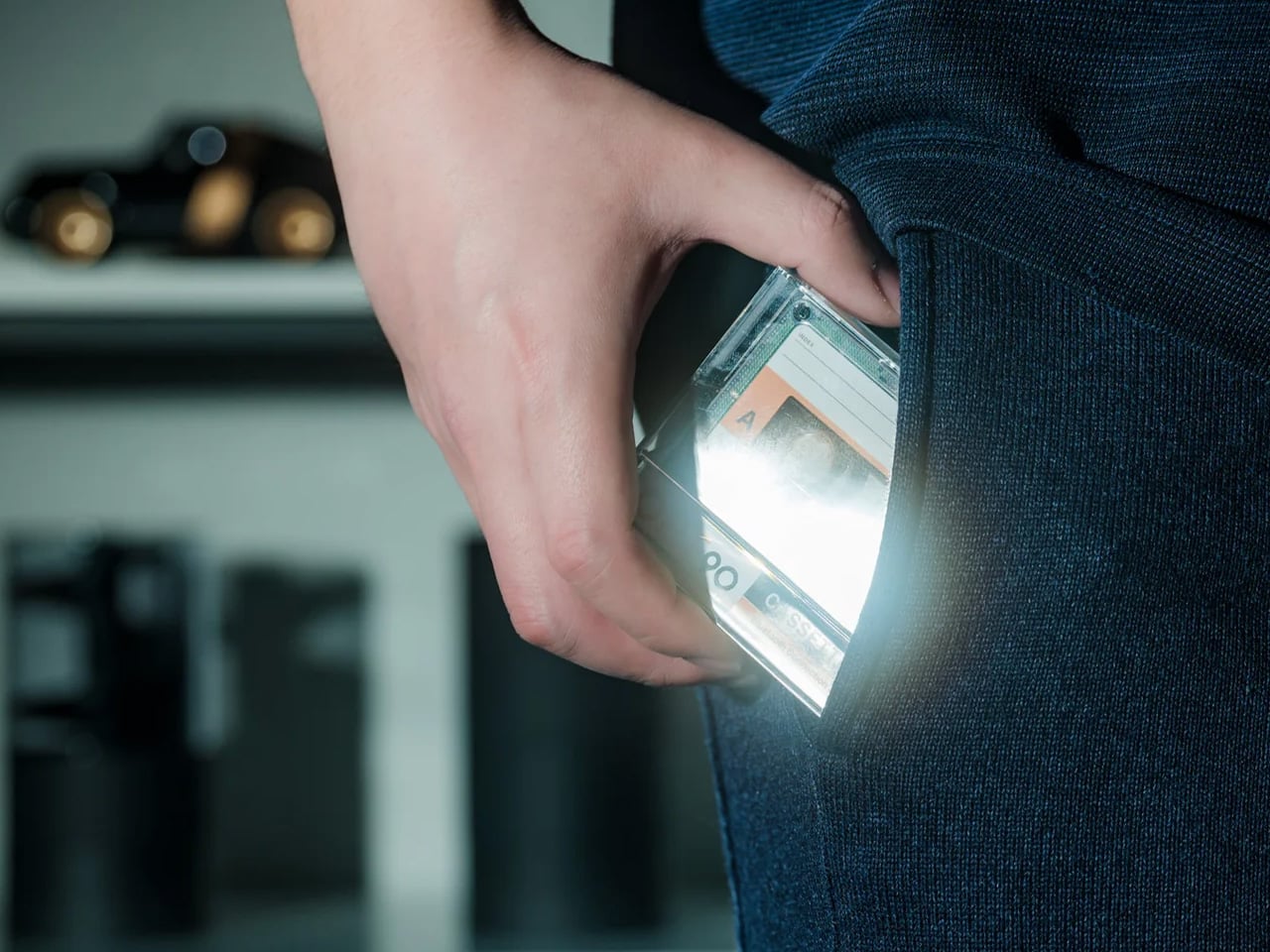
There’s something genuinely satisfying about a speaker that makes people stop and pick it up before they realize what it is. The Side A Cassette Speaker nails that trick with a faithful mixtape silhouette, a transparent shell, and a hand-labeled “Side A” that lands like a gut punch of nostalgia. It ships in a clear case that doubles as a stand, so it lives comfortably on your desk or shelf without looking incidental. At under $50, it’s the kind of impulse buy that actually earns its counter space and keeps it.
Bluetooth 5.3 keeps your phone paired cleanly, and the microSD slot means you can load a full playlist and leave your phone in your pocket entirely. The sound is warmer than you’d expect from something this compact, tuned to echo the soft, rounded tones of actual tape playback rather than the sharp, clinical output most small speakers produce. Six hours of battery handles a full workday, and a two-hour recharge turnaround keeps the momentum going. It’s a speaker you’ll leave on your desk long after you’ve stopped reaching for anything else.
Nostalgic cassette design doubles as a shelf display piece
Bluetooth 5.3 and microSD support for flexible, wire-free listening
What We Dislike
Six-hour battery limits longer or overnight listening sessions
microSD playback is MP3-only, restricting audio format options
2. Porsche Design PD S20
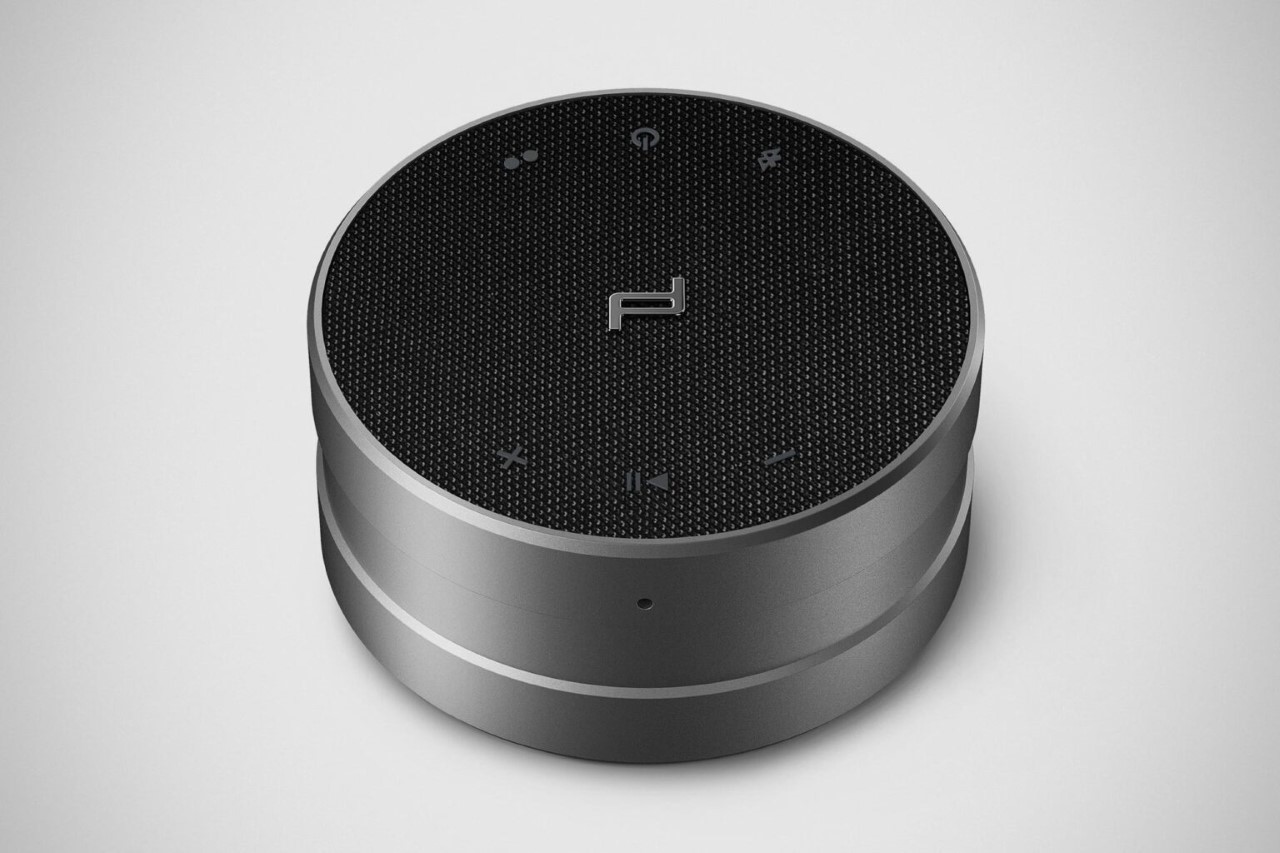
Porsche Design doesn’t rush into new product categories, so when they finally launched their first outdoor speaker, people paid close attention. The PD S20 is a cylindrical unit machined from anodized aluminum and wrapped in gray acoustic fabric, a pairing that looks as refined as it performs. The minimalist silhouette translates just as naturally indoors as it does sitting outside on a trailhead or patio table. It carries the same visual restraint as Porsche’s automotive design work, and that kind of earned confidence transfers directly into your living space.
The IP67 rating means rain, dust, and the occasional splash are non-issues, making it easy to bring the PD S20 wherever your day actually goes. A 1.75-inch woofer flanked by two passive radiators pushes surprisingly full bass for its size, and the 10-hour battery handles a complete day without range anxiety. Haptic buttons built into the fabric grill keep the surface visually clean, and voice assistant integration means you can manage your playlist, handle calls, and send messages without ever picking the speaker up off the counter.
What We Like
IP67 waterproof and dustproof rating for dependable outdoor use
Anodized aluminum build with a polished, minimalist finish
What We Dislike
The $245 price point sits at the higher end of portable Bluetooth speakers
A single woofer may not satisfy listeners who want serious bass outdoors
3. RetroWave 7-in-1 Radio
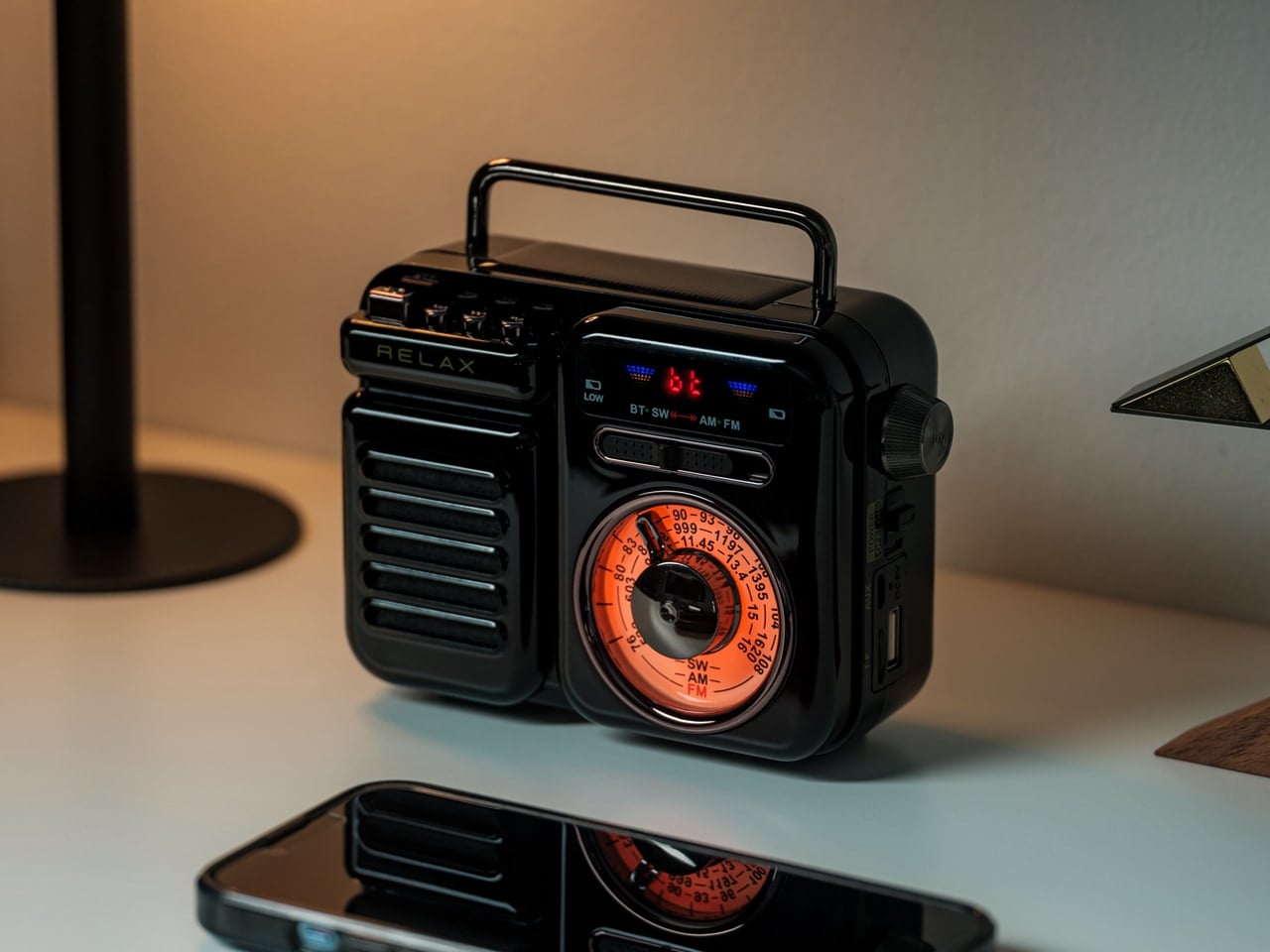
The RetroWave 7-in-1 Radio looks like something pulled from a Japanese vintage shop: warm tones, a tactile tuning dial, and analog character worked into every detail of its form. It handles AM, FM, and shortwave radio, streams over Bluetooth, and plays MP3s directly from USB or microSD. At home, it settles naturally onto a kitchen counter or bookshelf, its retro design holding its own in spaces where most technology looks visually out of place. It’s the rare piece of gear that earns its shelf real estate on looks alone before you ever power it on.
Where it builds real loyalty is in the layers you discover underneath the aesthetic. A built-in flashlight, SOS alarm, hand-crank charging, solar panel, and power bank function make this a genuinely serious emergency companion. When the power goes out or the road gets unpredictable, this is the device you’ll be relieved to have within reach. It does double duty as a daily listening companion and an emergency preparedness tool, meaning you’re not sacrificing any counter space on something that only becomes relevant when things go wrong.
Seven practical functions packed into one compact, shelf-worthy design
Solar and hand-crank charging for genuine off-grid reliability
What We Dislike
Audio quality is tuned for versatility rather than high-fidelity listening
FM, AM, and shortwave reception depend heavily on location and antenna placement
4. AUREOLA Wireless Speaker
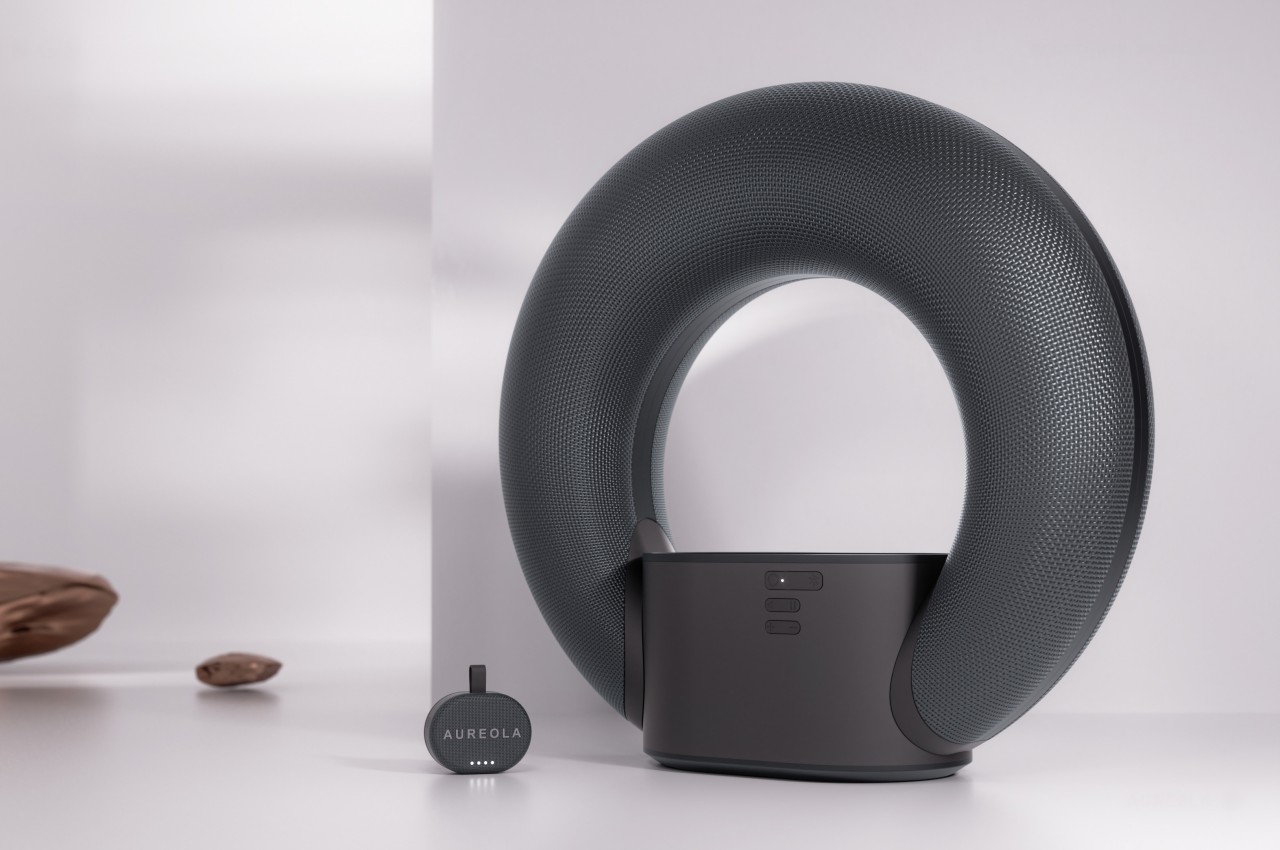
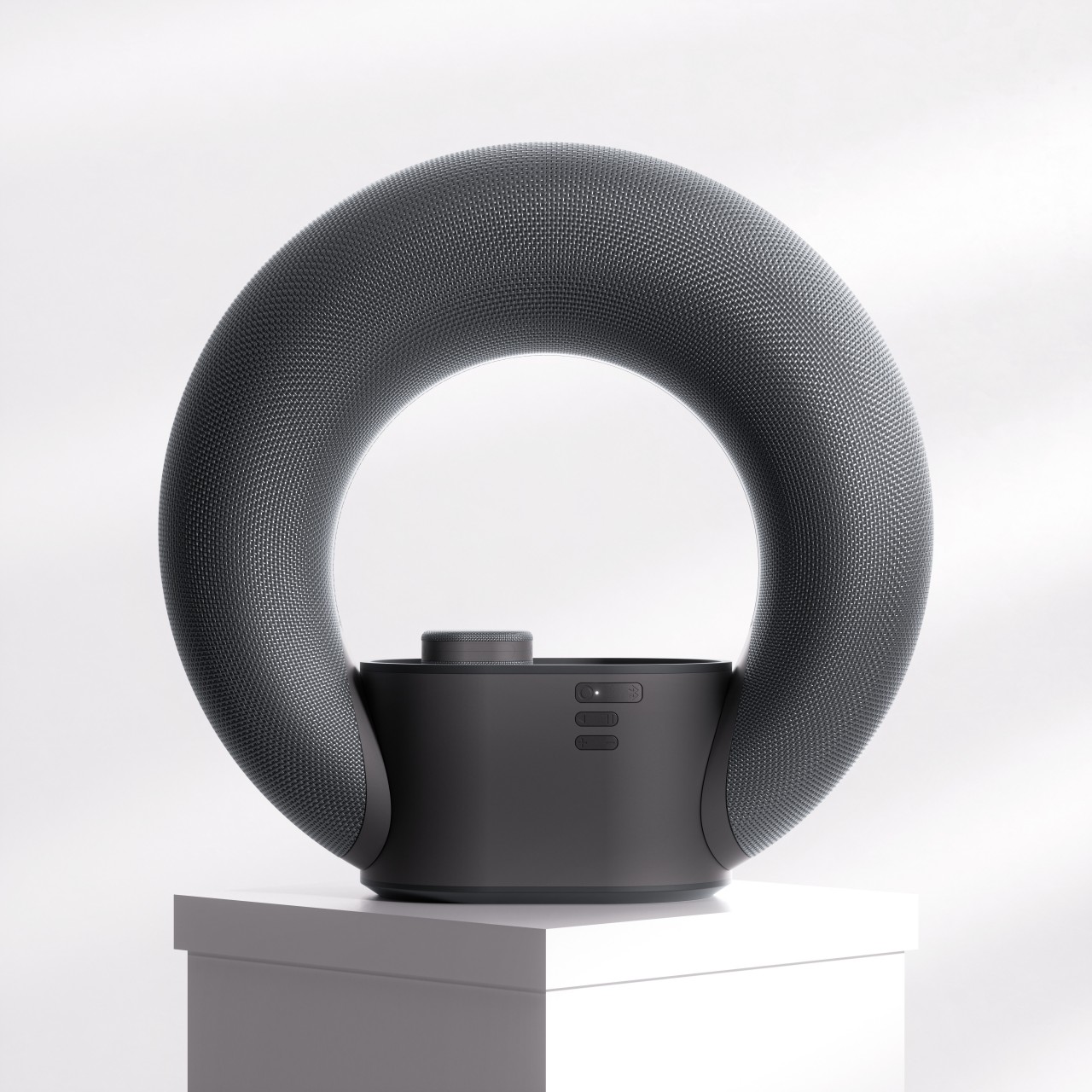
The AUREOLA concept solves one of the more persistent tensions in portable audio: the speaker you take outside rarely looks good enough to bring back in and actually display. Its two-part system separates a compact outdoor portable unit from a large indoor base featuring an omnidirectional ring rising from a wireless charging platform. The ring reads more like a sculpture than audio hardware, and in the right color, it anchors a room visually the same way a considered lamp or art object does. It commands attention without announcing itself.
The outdoor unit is compact enough to slip into a pocket, and the indoor base charges both the speaker and other devices wirelessly, earning its counter space in more ways than one. For you, the benefit is a speaker system that never asks you to choose between portability and design presence. Take the portable unit hiking or to a park, then dock it back into the ring at home and let the room fill with omnidirectional sound from something that actually looks like it belongs there permanently, not just between adventures.
What We Like
Two-part system designed for both indoor and outdoor listening environments
Indoor base doubles as a wireless charging pad for multiple devices
What We Dislike
Concept design, meaning availability, and final specifications remain unconfirmed
The compact portable unit’s size may limit raw audio output in open outdoor spaces
5. Battery-Free Amplifying iSpeaker
In a world of rechargeable everything, the Battery-Free Amplifying iSpeaker makes its case through pure, uncompromised simplicity. Set your phone into the slot, and the Duralumin body, the same aluminum alloy used in aircraft construction, does the rest. No charging, no pairing, no apps, no setup. The golden ratio proportions give it a visual elegance that reads across interior styles, from minimal Scandinavian kitchens to warmer, more layered desktops. It looks intentional on a surface in a way that most speakers, trailing cables and charging bricks, never quite manage.
The amplification works by channeling your phone’s audio output through the metal body, adding warmth and volume without drawing a single watt of power. For you, this means a speaker that is always ready, never needs a charge, and costs nothing to run day to day. It works naturally as background listening during work or morning routines and doubles as a clean display stand for your phone. The optional Bloom and Jet modular accessories let you shape the direction of sound if you want more control over how audio fills the room around you.
No battery or electricity required, always ready with zero setup
Aircraft-grade Duralumin construction shaped to precise golden ratio proportions
What We Dislike
Sound amplification is entirely dependent on the phone’s own built-in speaker quality
Sound-directing modular accessories are sold separately at additional cost
6. GravaStar Supernova
The GravaStar Supernova looks like it was designed for a film set and simply decided to stay. Its three-legged zinc alloy frame, built on the same iconic tripod base from GravaStar’s earlier mecha-inspired lineup, holds a transparent center tube that doubles as a fully functioning lantern. For outdoor enthusiasts who want their gear to carry a genuine aesthetic point of view, it delivers on both fronts: 25 watts of power paired with a half-inch high-frequency tweeter, and three lighting modes, including a flickering campfire effect that sets a mood no standard speaker comes close to replicating.
The light-synced music mode makes it an effortless centerpiece at outdoor gatherings, pulsing in rhythm with whatever is playing and turning any campsite or balcony into a proper event. For you, it means a speaker who handles the atmosphere as well as the audio. Bring it to a rooftop or a garden party, and it becomes the visual focal point without any extra effort. The solid zinc alloy construction handles outdoor conditions without softening the distinctive look that makes it worth owning and displaying in the first place.
What We Like
25 watts with a dedicated tweeter delivers genuinely powerful outdoor sound
Light-synced and campfire modes add atmosphere well beyond standard speakers
What We Dislike
The tripod form factor is bulkier than slim portable speaker alternatives
The bold mecha aesthetic is a niche design that won’t suit every space
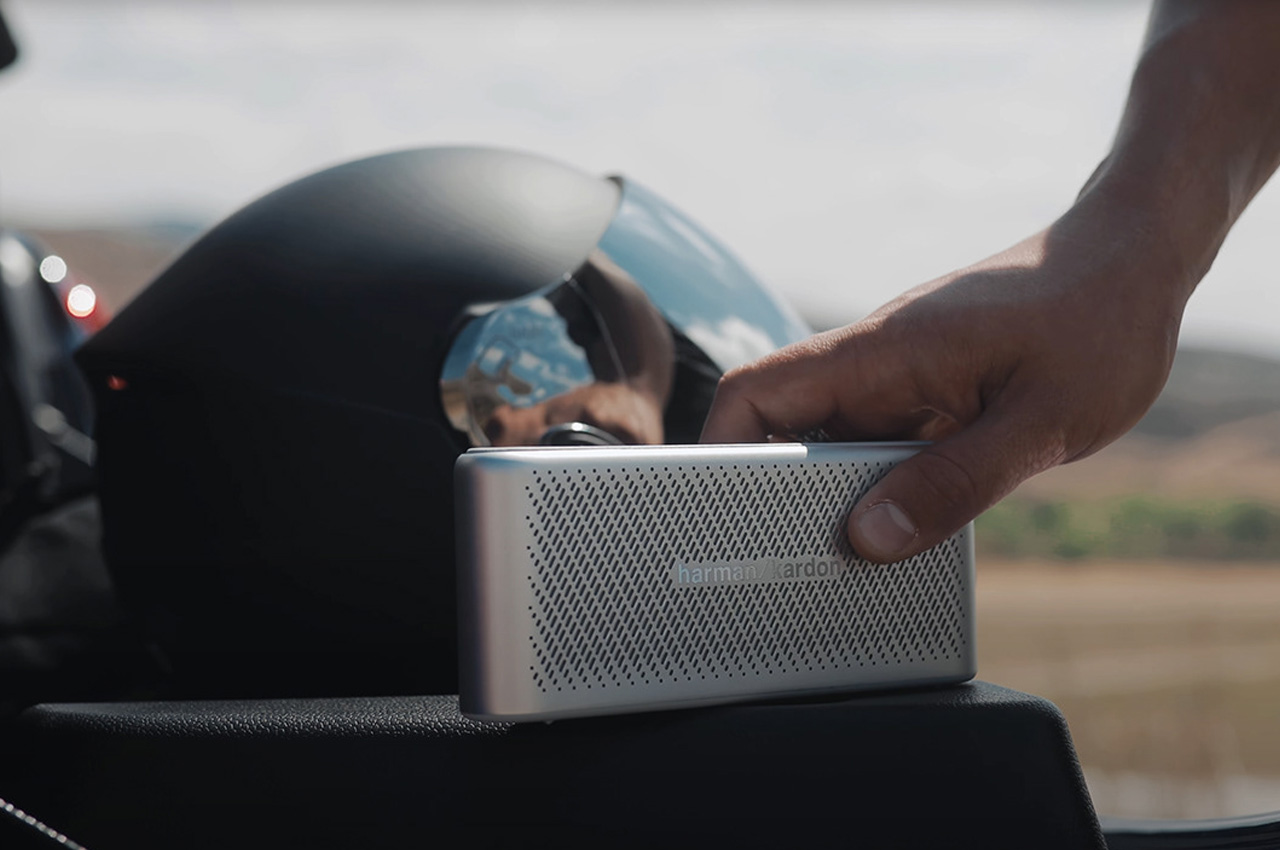
7. Harmon Kardon Traveller Concept
The Traveller pulls its design DNA directly from the Harman Kardon portfolio, borrowing the visual language of ultra-slim point-and-shoot cameras to produce a speaker that reads as considered travel gear rather than an audio add-on. Touch controls and LED indicators sit cleanly on the top surface, keeping the profile uncluttered from every angle. It’s slim enough to disappear into a carry-on without adding meaningful bulk, and polished enough to leave on a hotel nightstand or bathroom counter and have it look like it was placed there with full intention.
Ten hours of battery is the practical floor for a travel speaker, and the Traveller clears that bar while adding a reverse charge feature that turns it into a power bank when your primary device runs low. For you, that translates to one fewer cable to pack and one fewer charging situation to manage at an airport gate. The premium finish and Harman Kardon design language give it a visual authority that most travel speakers simply don’t carry, making it as much a deliberate aesthetic choice as a practical one that travels with you everywhere.
What We Like
Reverse charge functionality doubles as a power bank for connected devices
Slim, camera-inspired profile built for travel without compromising on design quality
What We Dislike
Concept design with no confirmed release date or finalized retail pricing
Slim form factor may limit bass depth compared to bulkier travel speaker alternatives
Design Is the Reason They Stay
The best audio gear has always been about more than just sound. These seven speakers prove that a well-considered object can genuinely change how a room feels, not just how it sounds. Whether it’s the warm analog nostalgia of a cassette speaker or the sculptural weight of a zinc alloy tripod, each design earns its place in your space twice over—once through the ears, and once through the eyes.
Counter space is real estate you protect, which means everything on it needs to justify its presence in more than one way. These designs do exactly that. They play music, yes, but they also hold a room together, tell a story about who you are, and make your desk or shelf feel deliberately curated rather than accidentally filled. That’s the difference between a speaker you use and one you keep.
Music used to take up space in the most satisfying way. There was a record sleeve to pull from a shelf, a cassette to slot into a deck, a disc to slide into a tray. Each was a small, deliberate act that made listening feel like a choice rather than a background default. Streaming replaced all of that with convenience, and something tactile and visual quietly disappeared along the way.
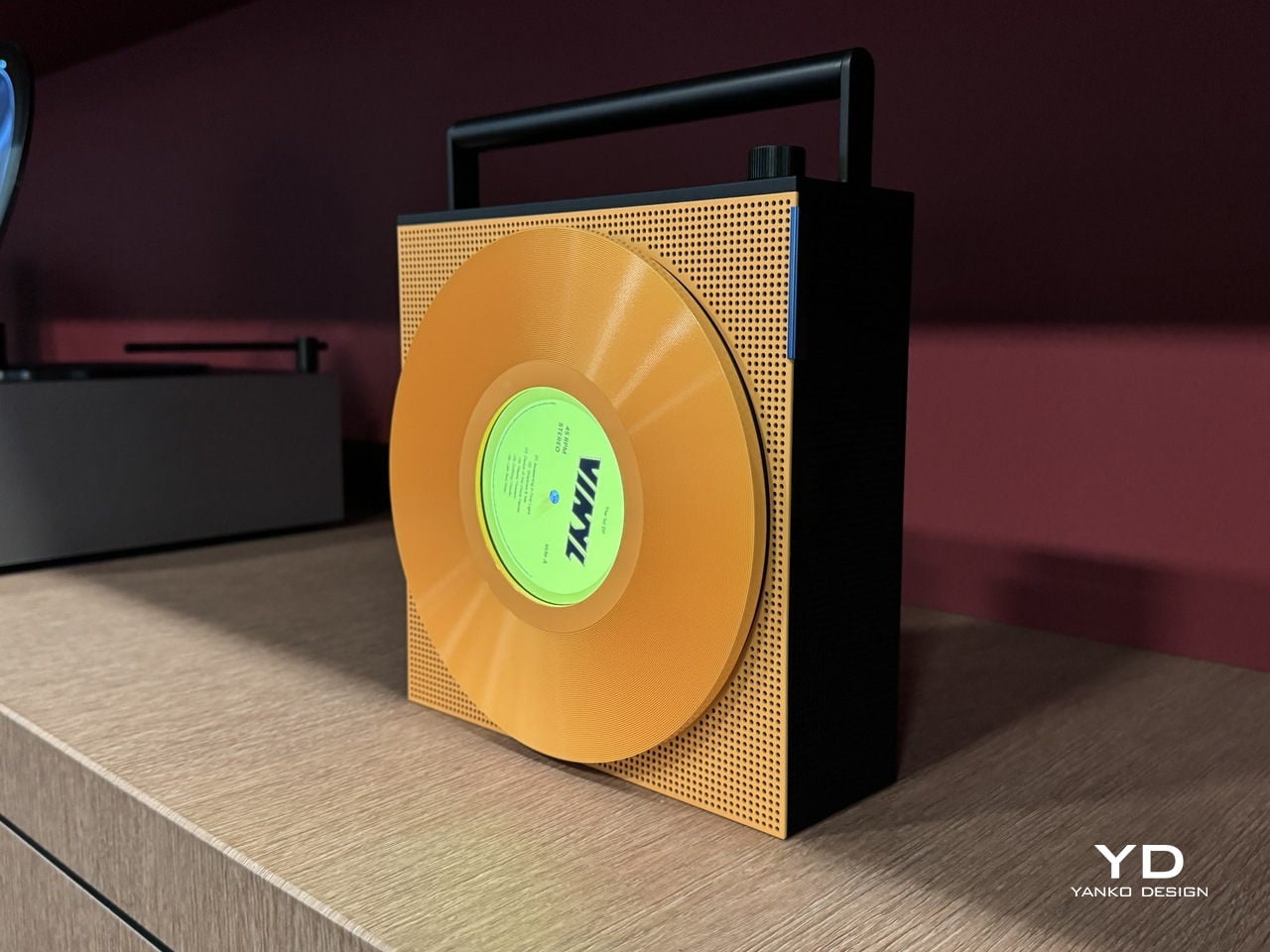
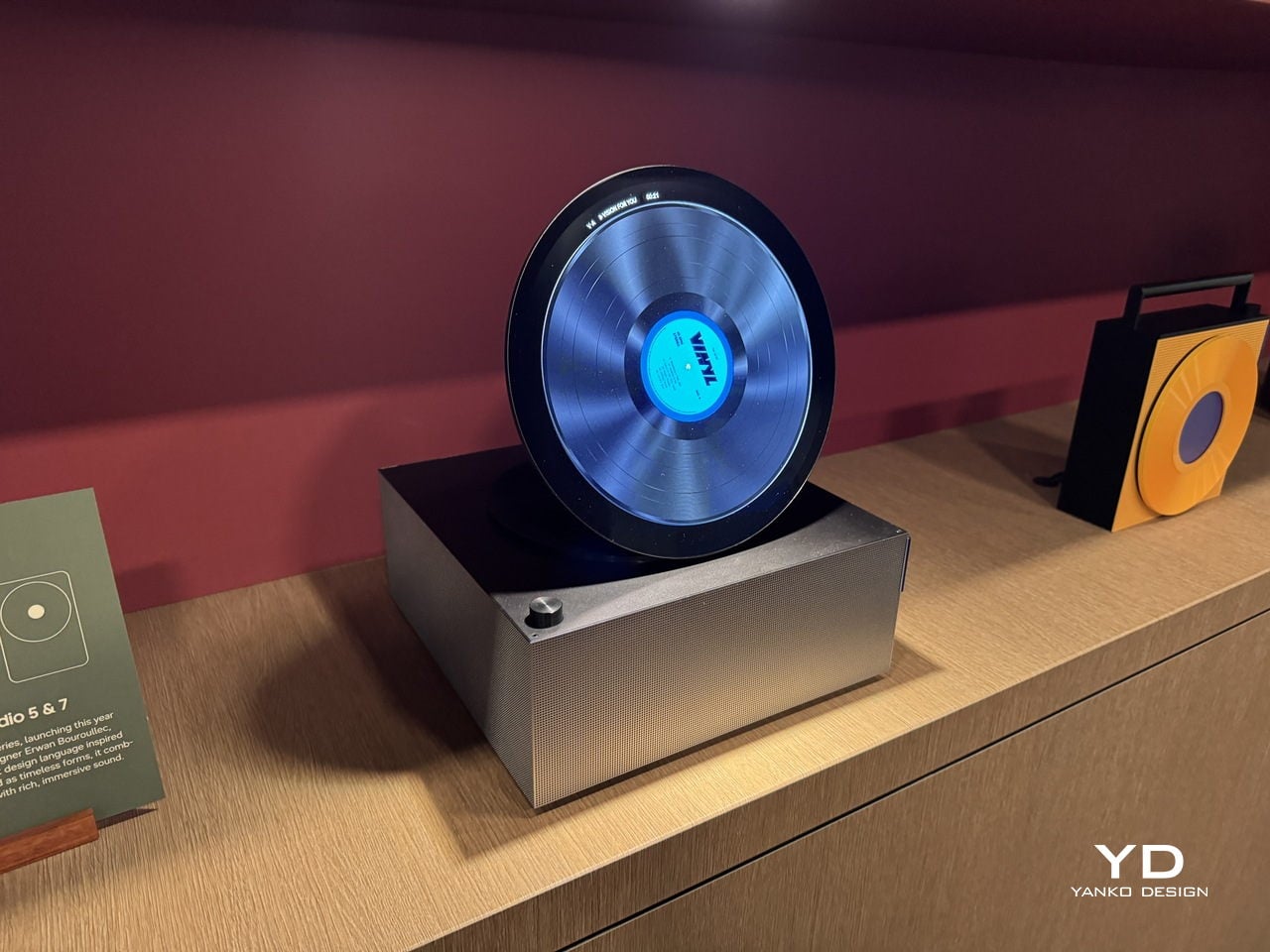
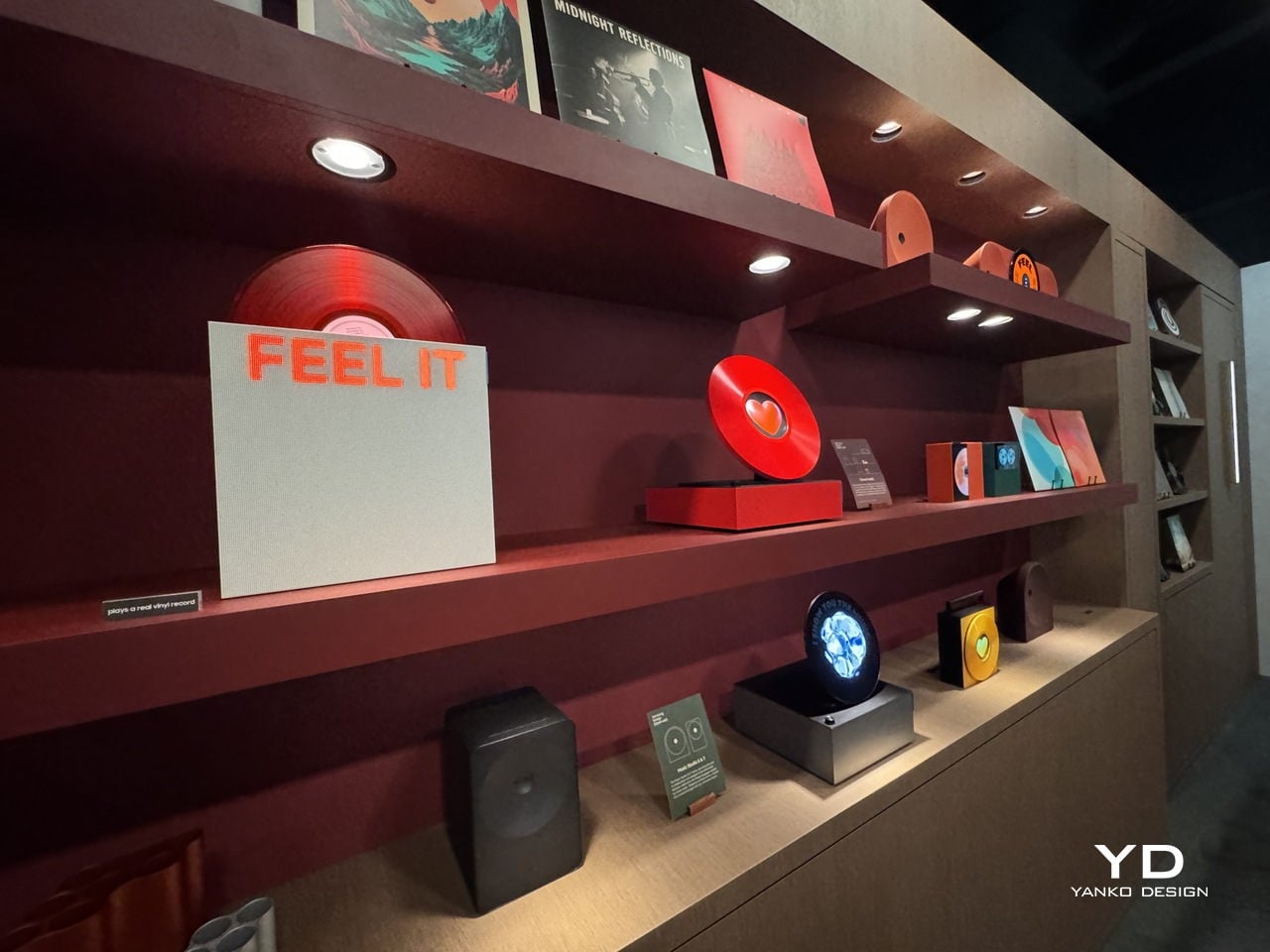
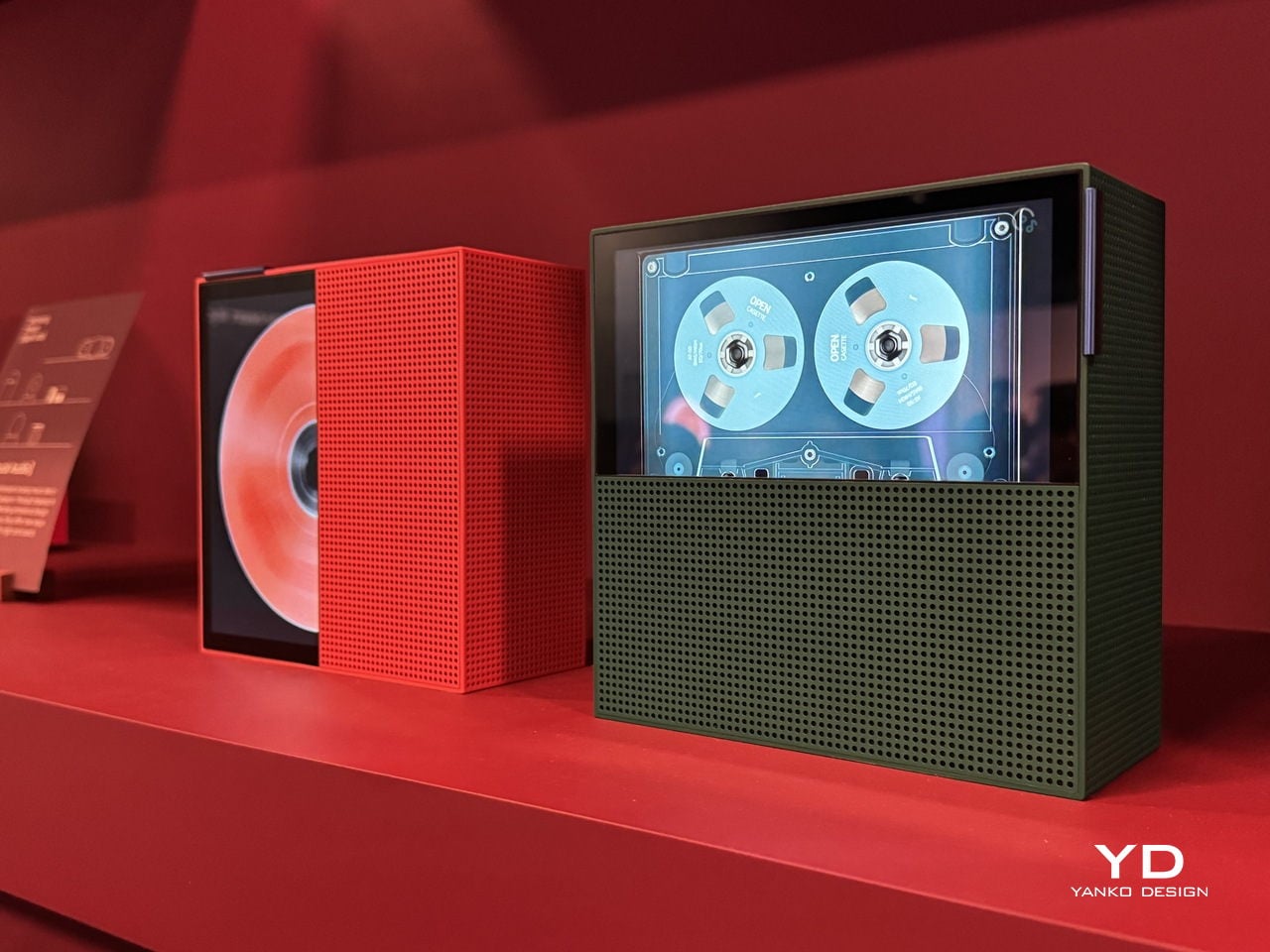
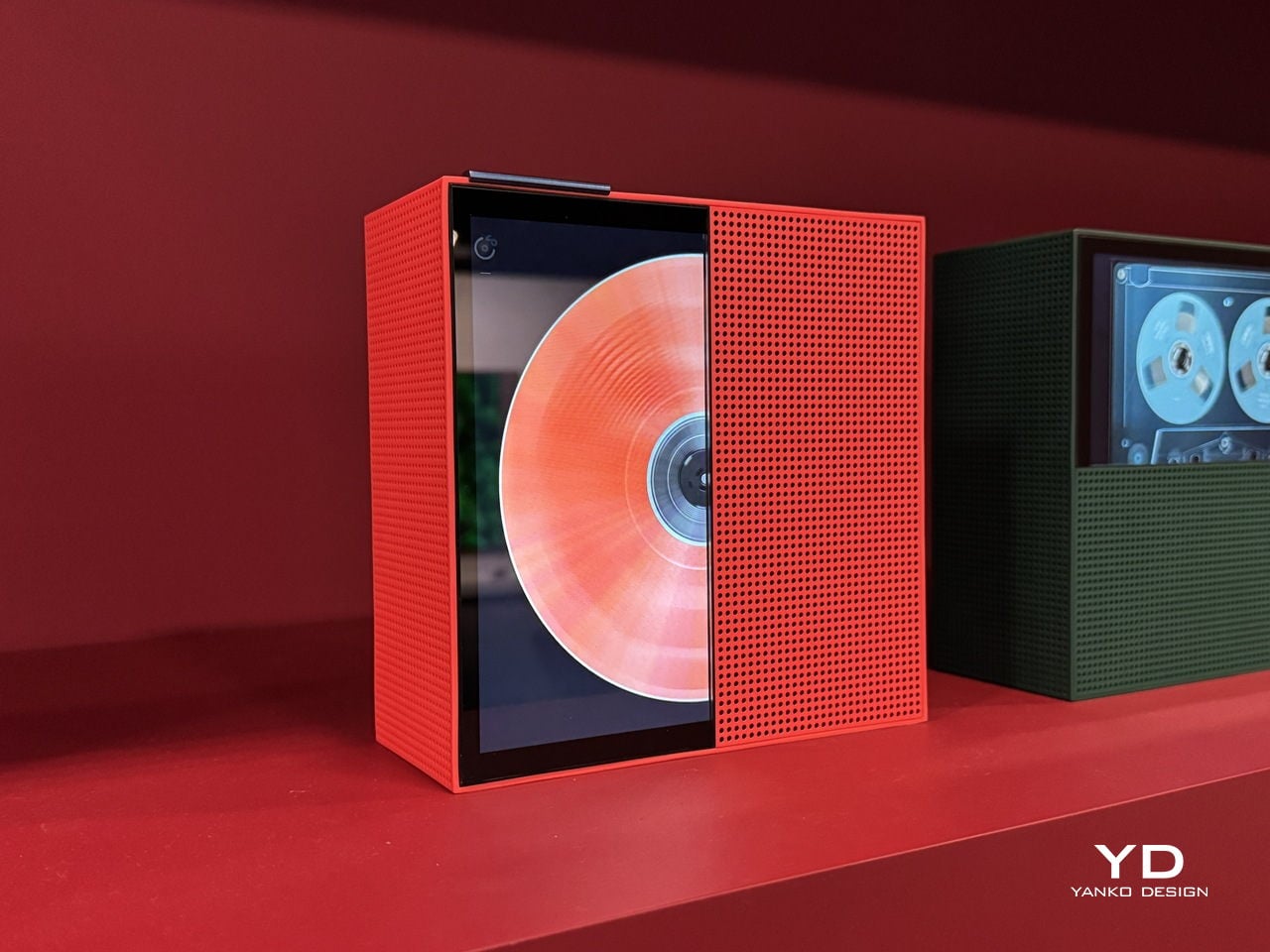
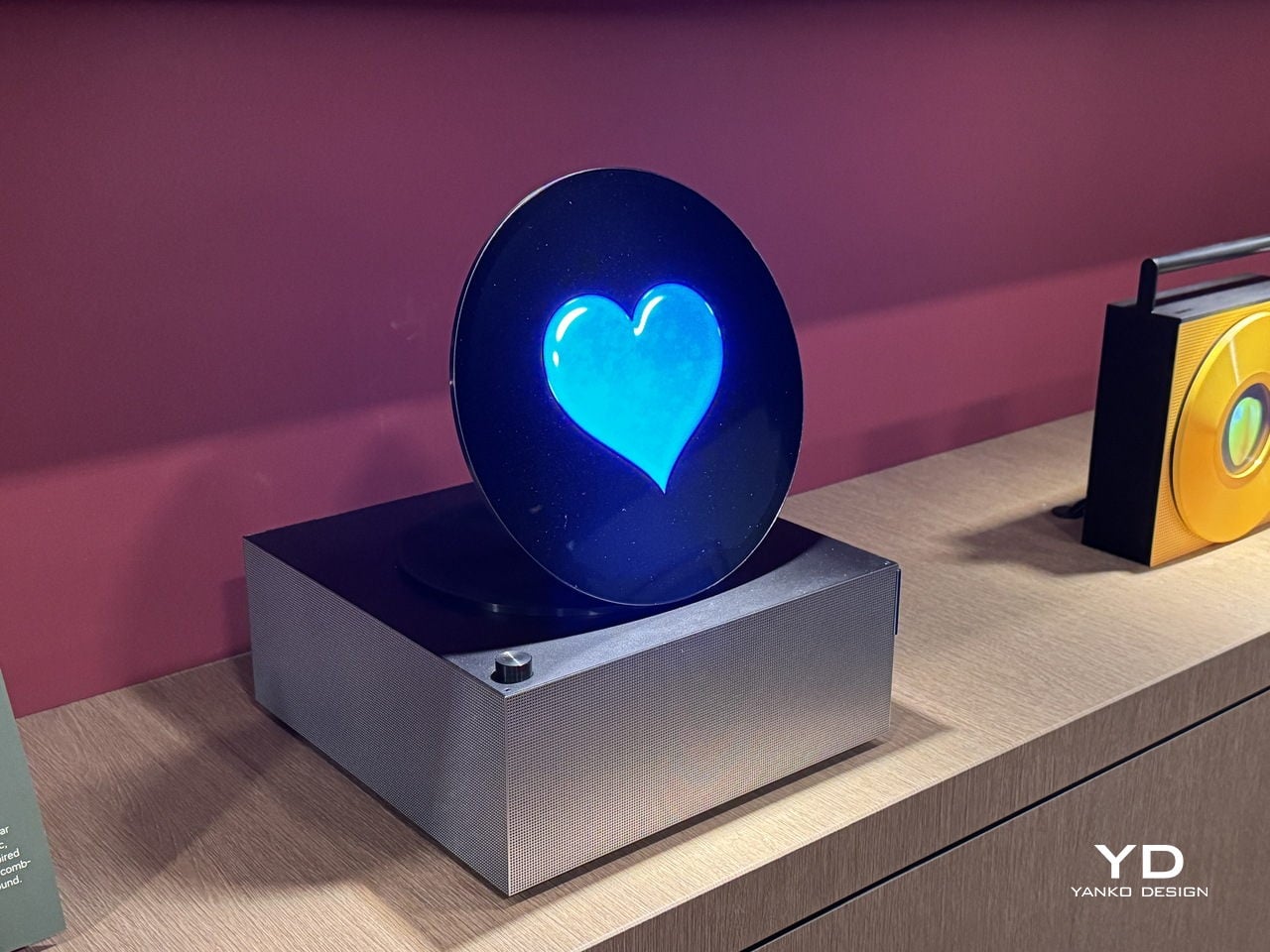
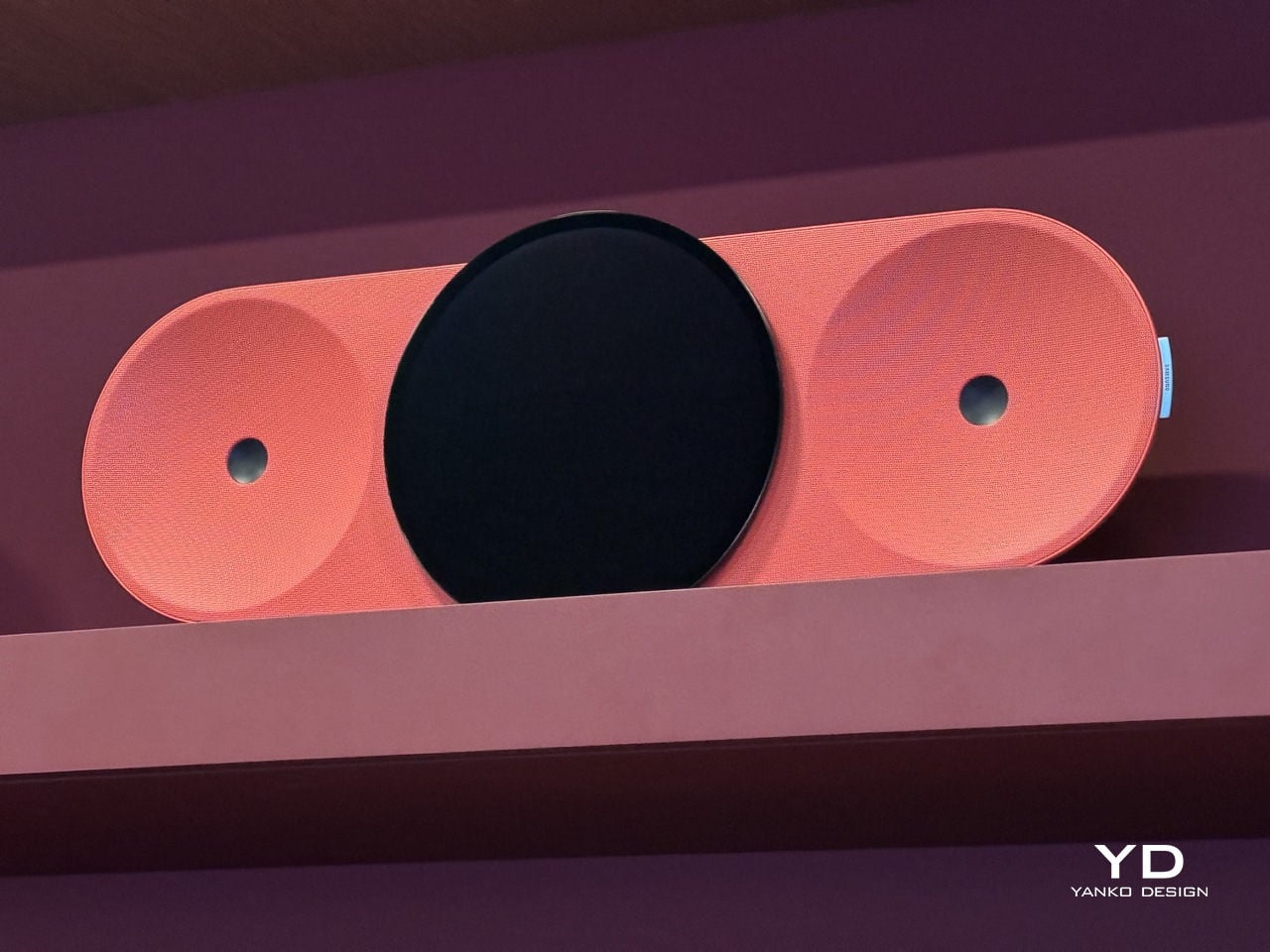
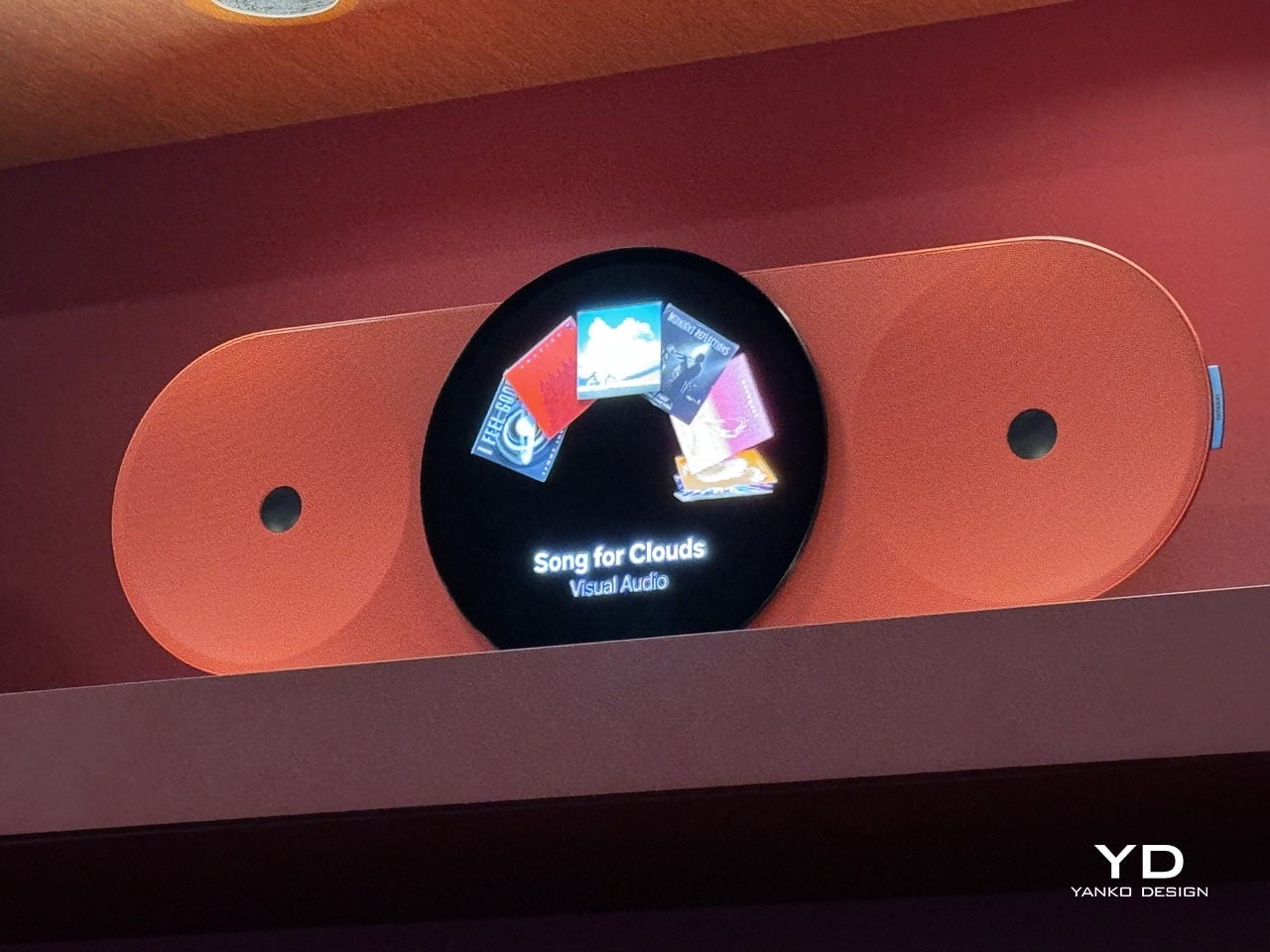
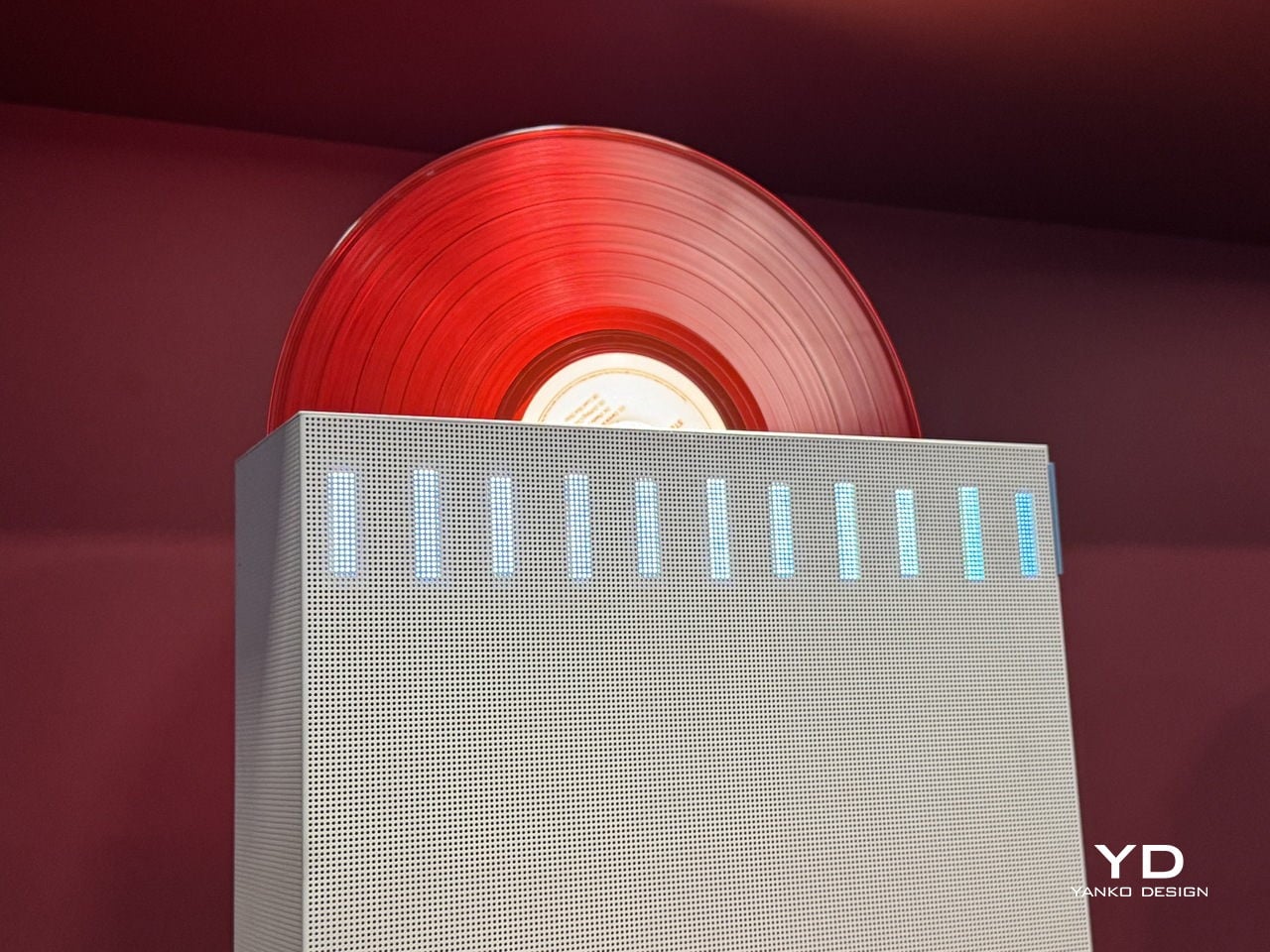
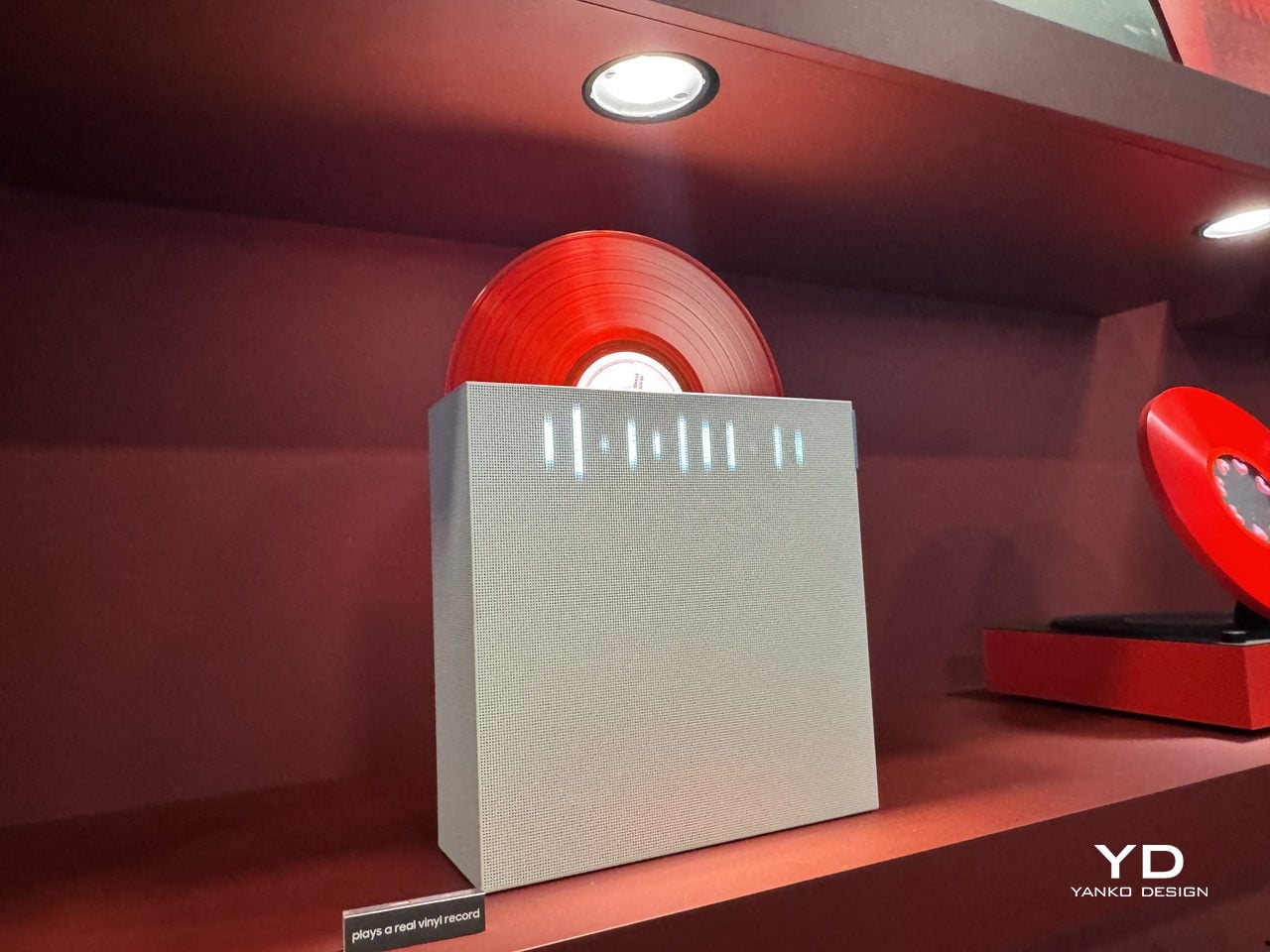
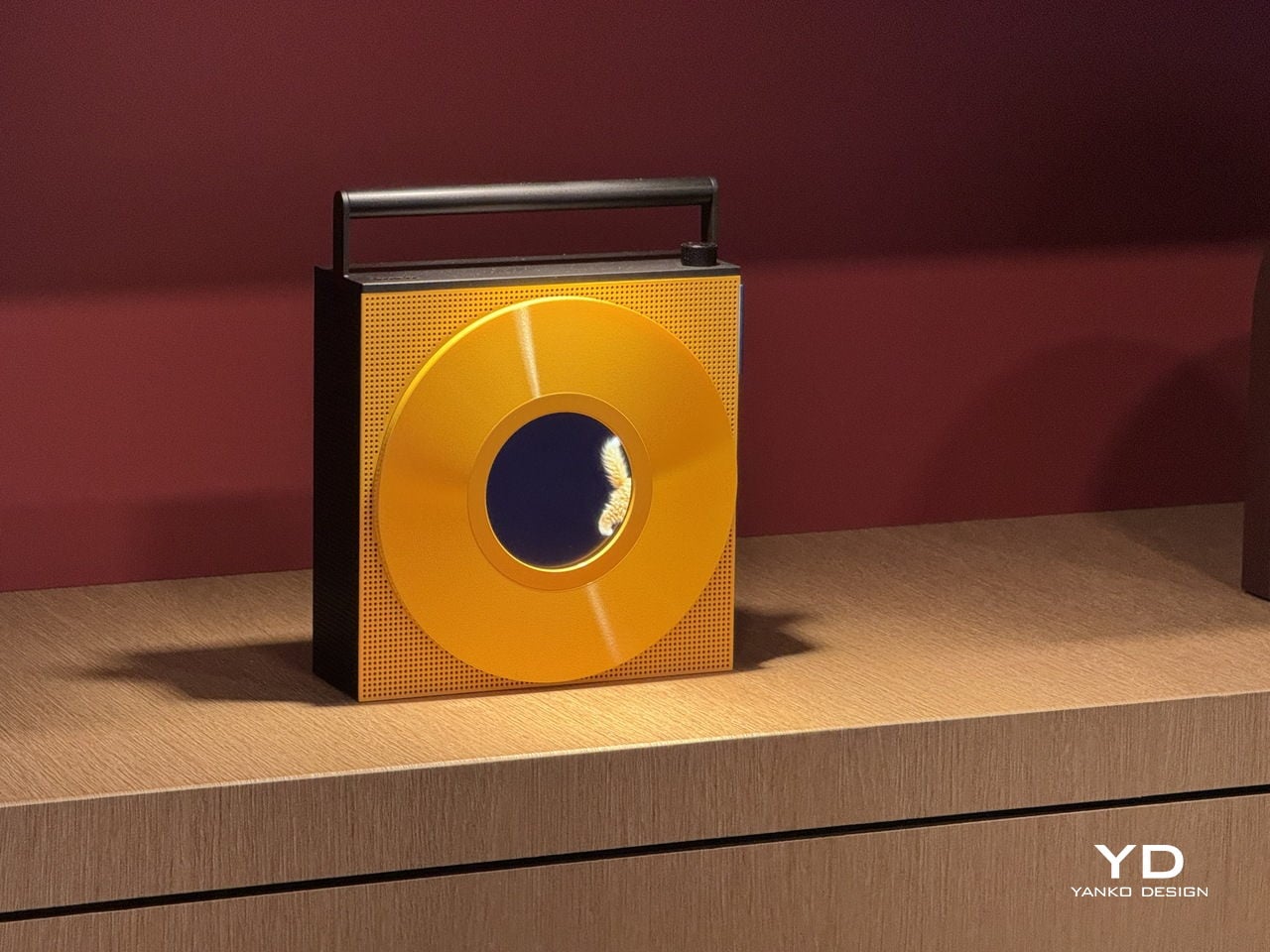
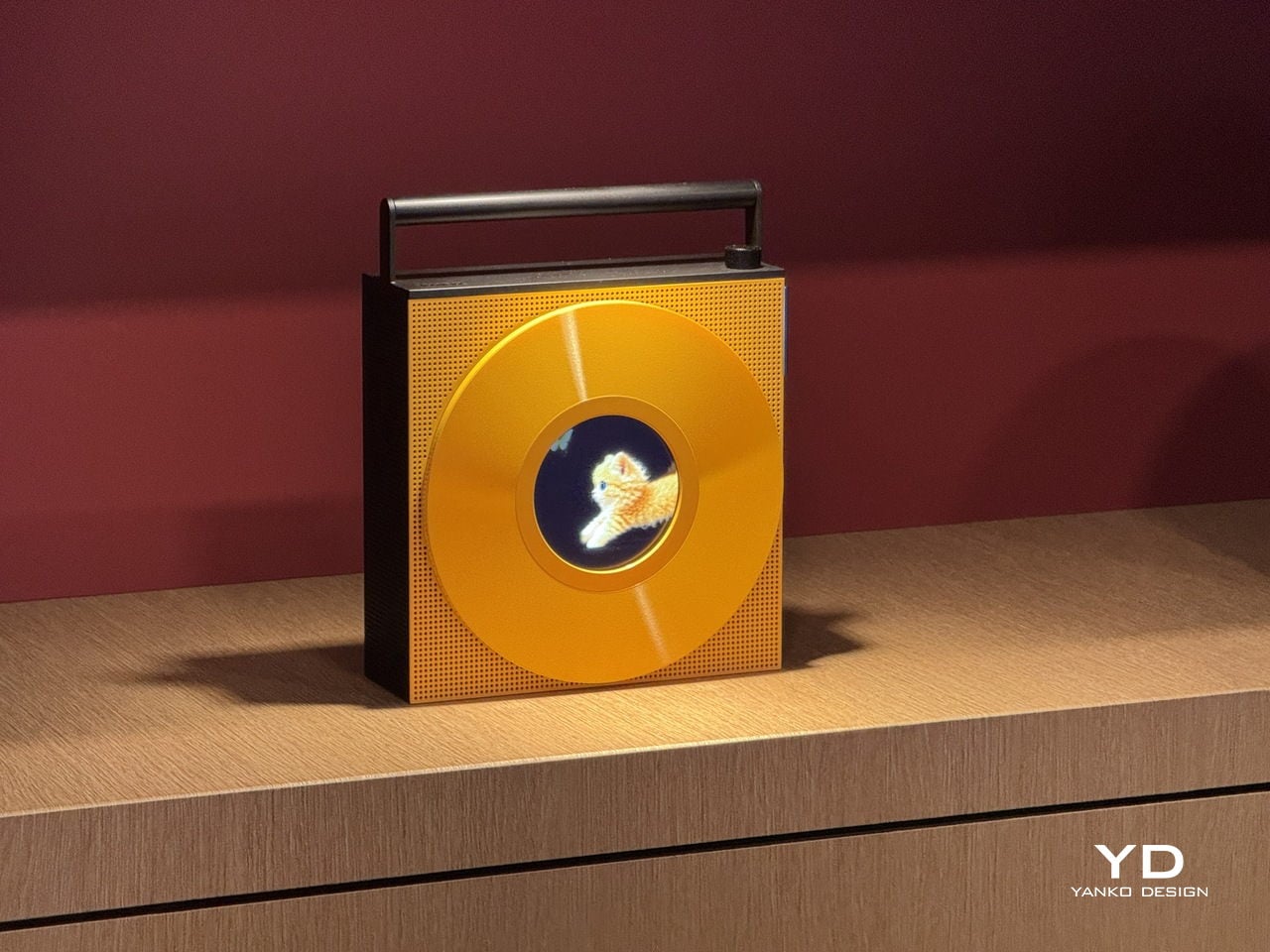
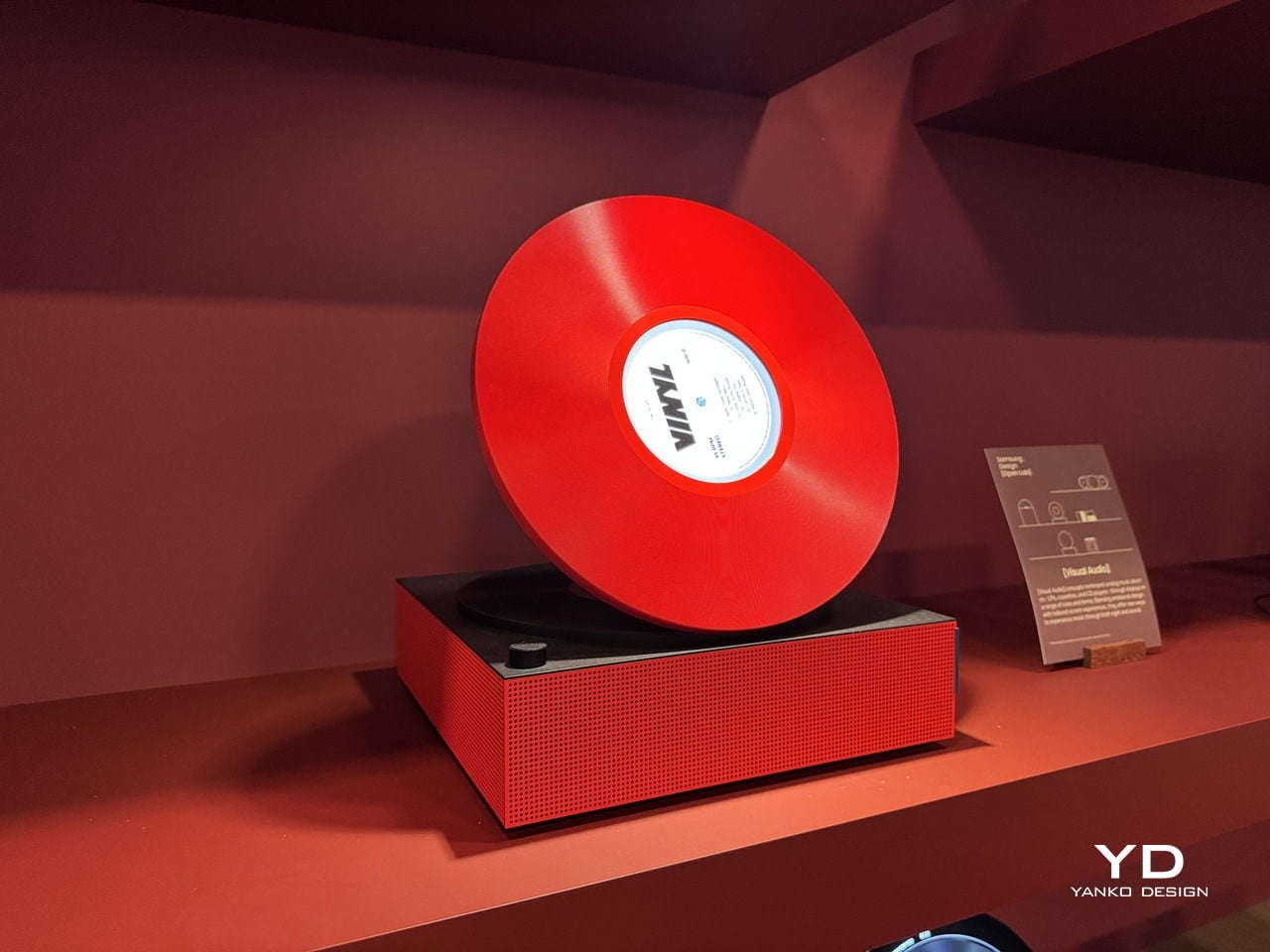
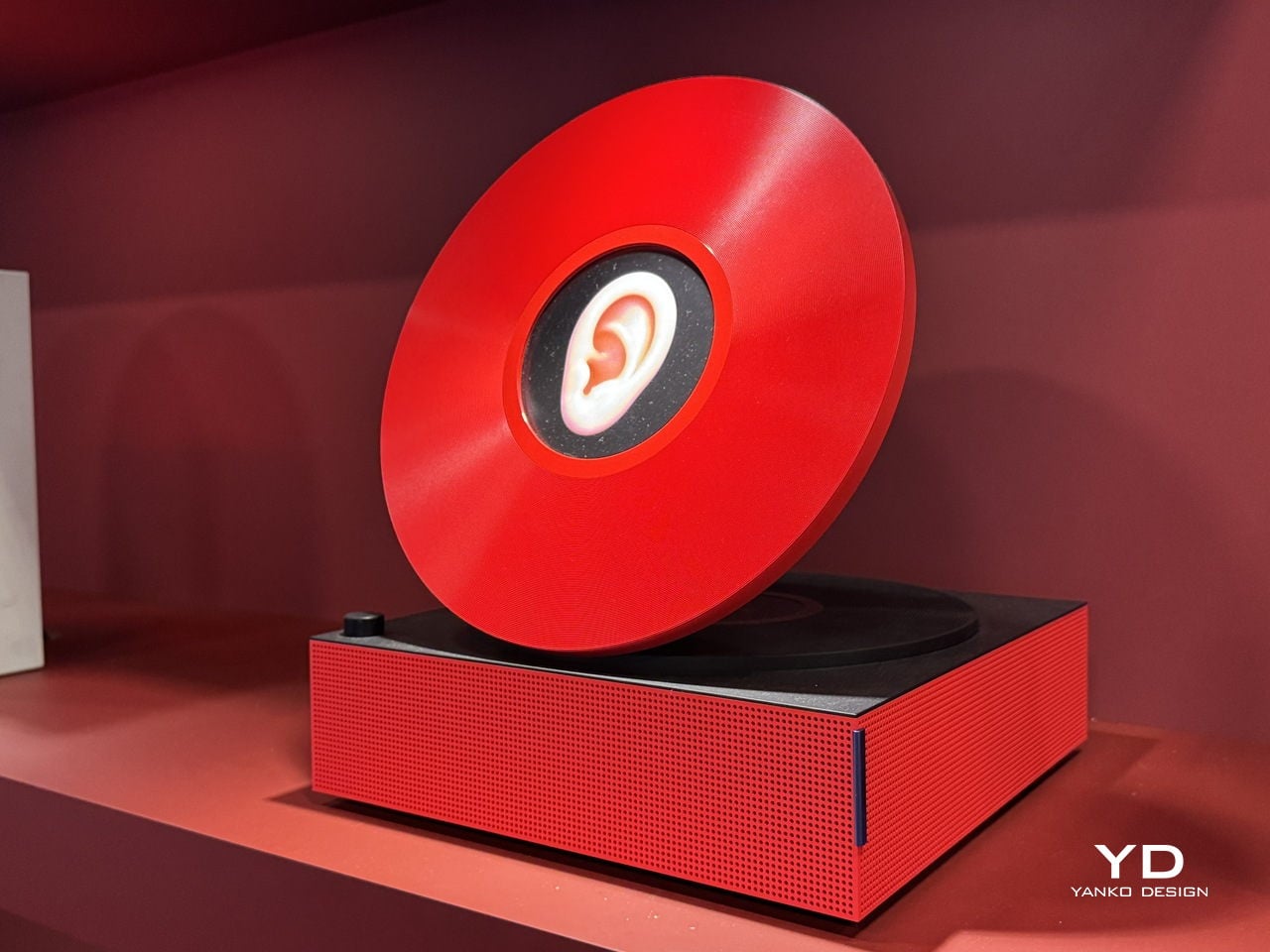
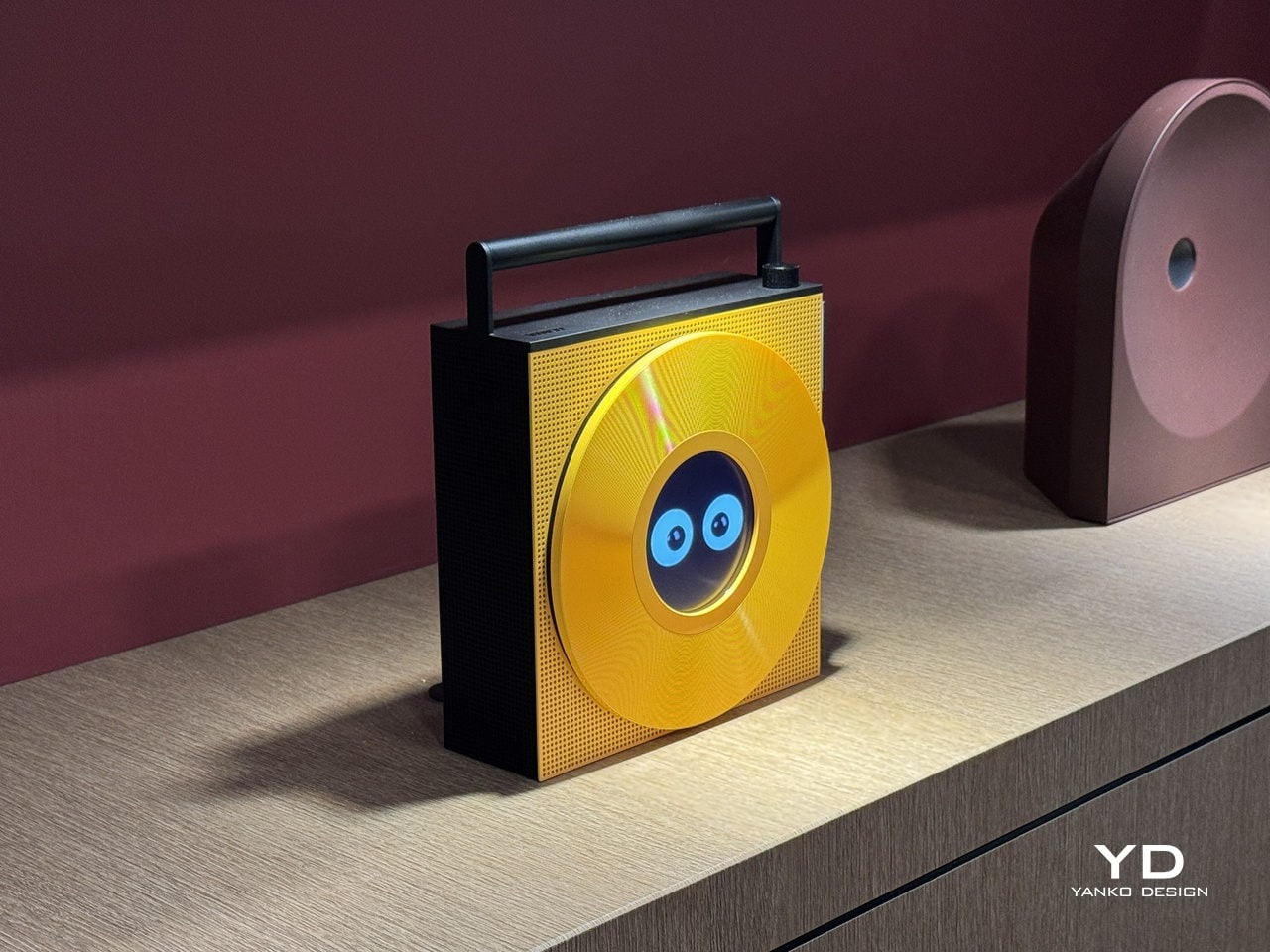
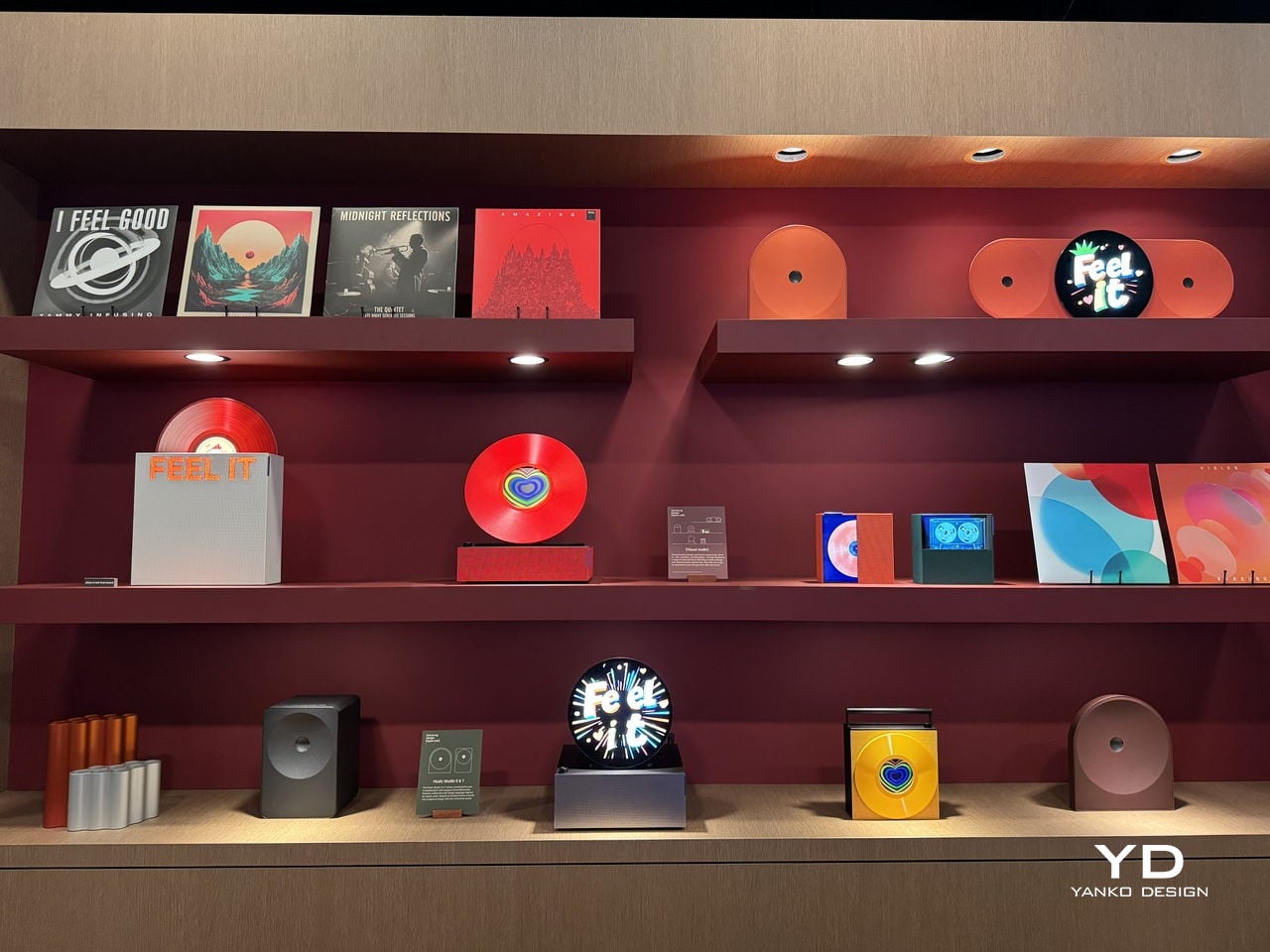
Samsung Design seems to think that loss is worth addressing. At Milan Design Week 2026, it presented Visual Audio, a collection of music player concepts that reinterpret the forms of LPs, cassettes, and CD players through tailored displays. Rather than smart speakers with screens bolted on, they’re objects designed to make listening visible again, giving digital music a presence that largely disappeared with the vinyl era.
Designer: Samsung Audio
The appeal of analog formats was never really about fidelity. It was about having something to look at while the music played, a record spinning on a platter, tape reels turning inside their housing, a disc glowing in a transparent tray. Each gave listening a visual rhythm you could follow without thinking. Streaming quietly removed all of that, leaving the experience invisible in a way that’s only grown more obvious.
Visual Audio addresses this with objects that are clearly players but also clearly more. One recalls the boxy silhouette of a cassette deck, its screen animating spinning reels as the music plays. Another takes the form of a circular piece that simulates vinyl in motion, with a rotating label at the center. Each has a visual identity tied to the analog format it evokes, and that’s very much the point.
What these objects do differently from regular speakers or streaming devices is make playback legible. When something is playing, you see it happening. The interface isn’t a generic progress bar on an app; it’s a reel turning, a record label spinning, album art presented in a way that matches the physical form of the device. That makes sitting down to listen feel more like an occasion than a habit.
There’s also how these pieces actually live in a room. A speaker that looks like a cassette deck or a miniature turntable doesn’t need to be tucked in a corner; it contributes to the space around it, the way a record collection or a well-placed audio rack once did. Keep one on a desk, and it quietly communicates something about taste and how seriously you take the act of listening.
None of the Visual Audio concepts are headed for retail, and Samsung Design is upfront about that. They’re experiments, open questions about what music players could look like if they treated the emotional intelligence of analog formats as a design priority. The interesting thing is how specific and considered they are for objects not going anywhere near a store, which suggests this line of thinking goes beyond the exhibition itself.
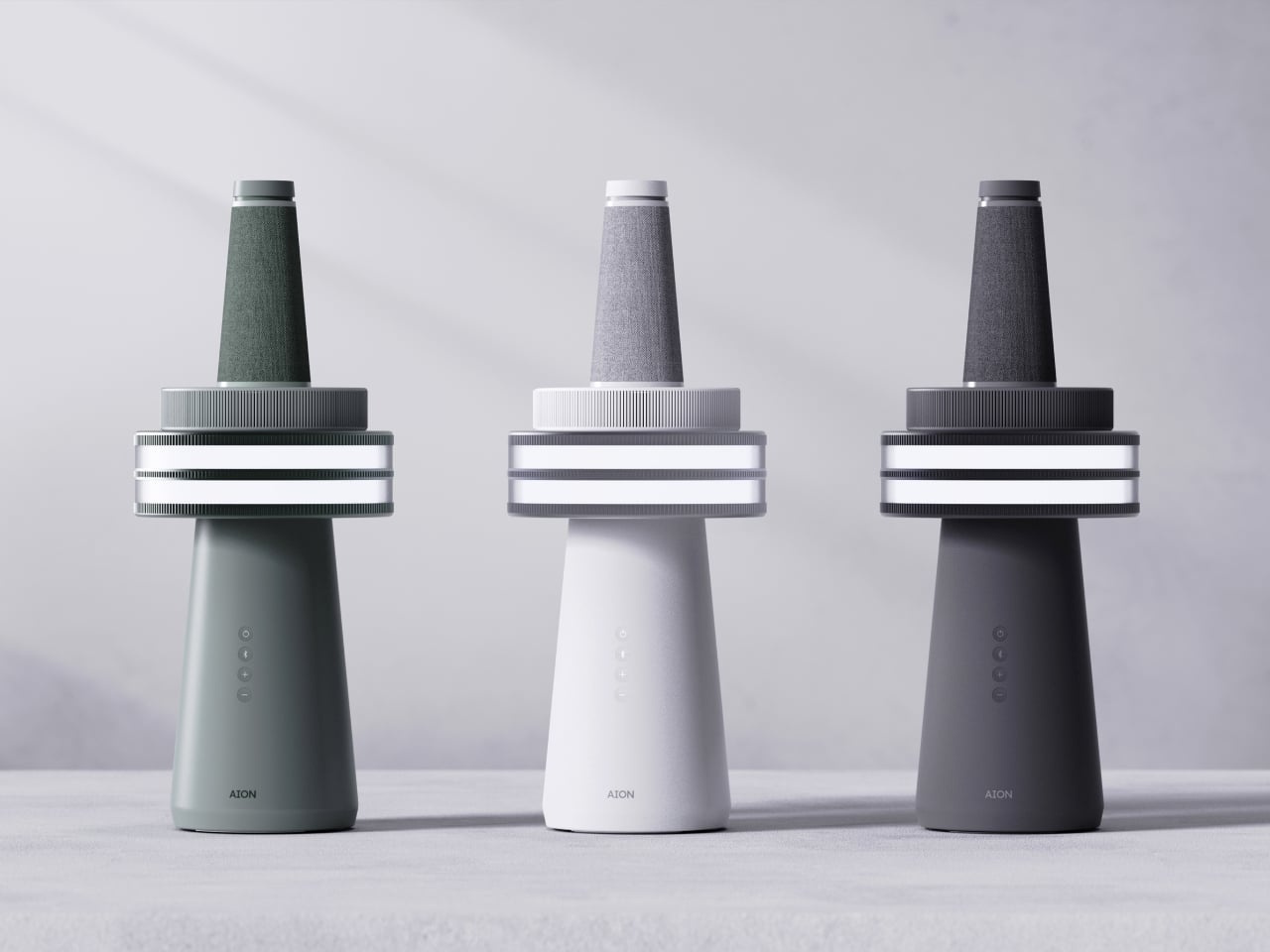
Namsan Tower stands at the center of Seoul like a declaration. It doesn’t just sit on a hilltop watching over the city; it has always been a transmitter, physically sending signals outward to every corner of a metropolis that never slows down. For most people, it’s a tourist destination, a date-night landmark, the place you go to lock a padlock and feel poetic about love. But for Juhyun Lee, a design student at Hongik University, it was a brief. A very interesting brief.
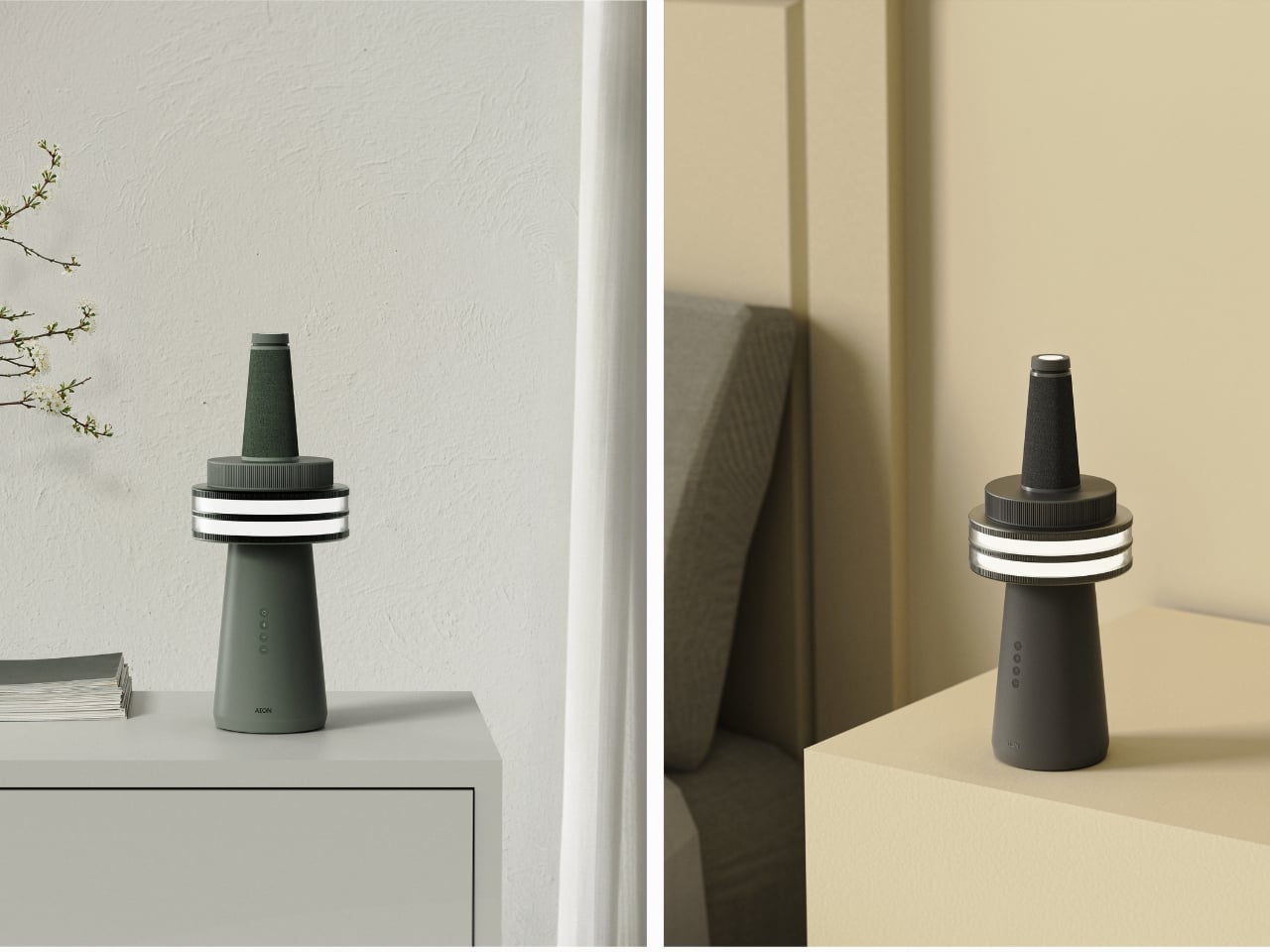
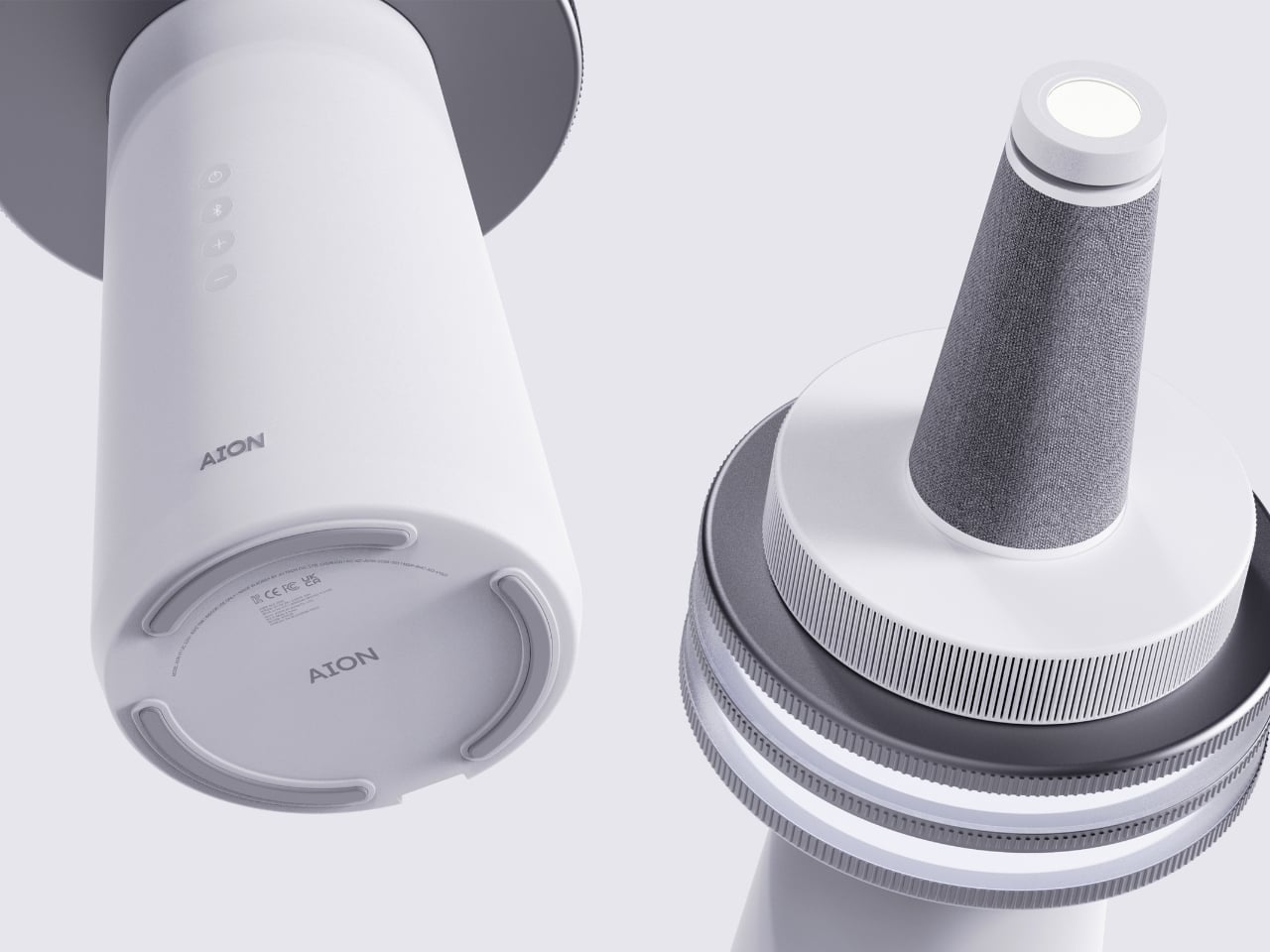
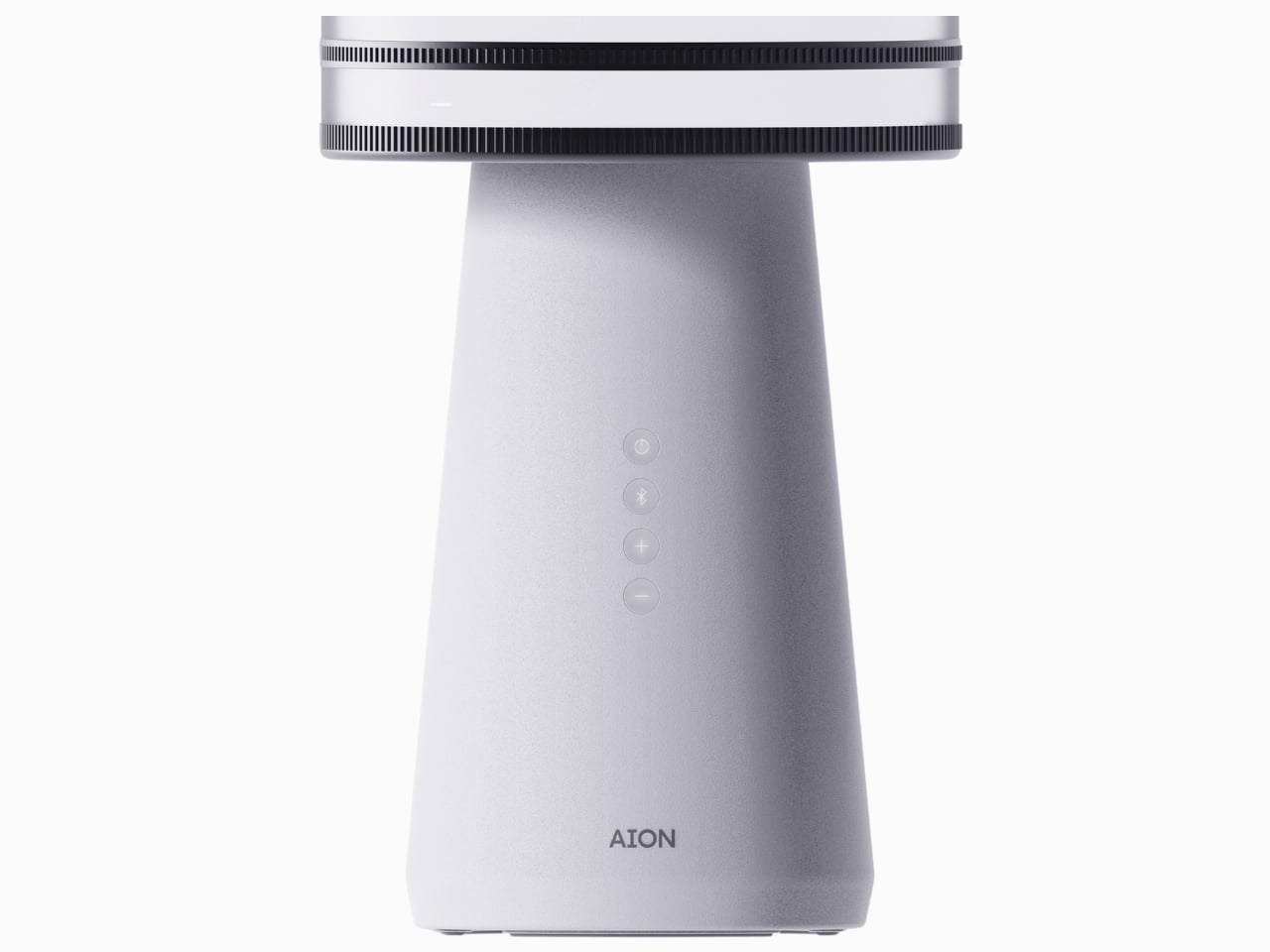
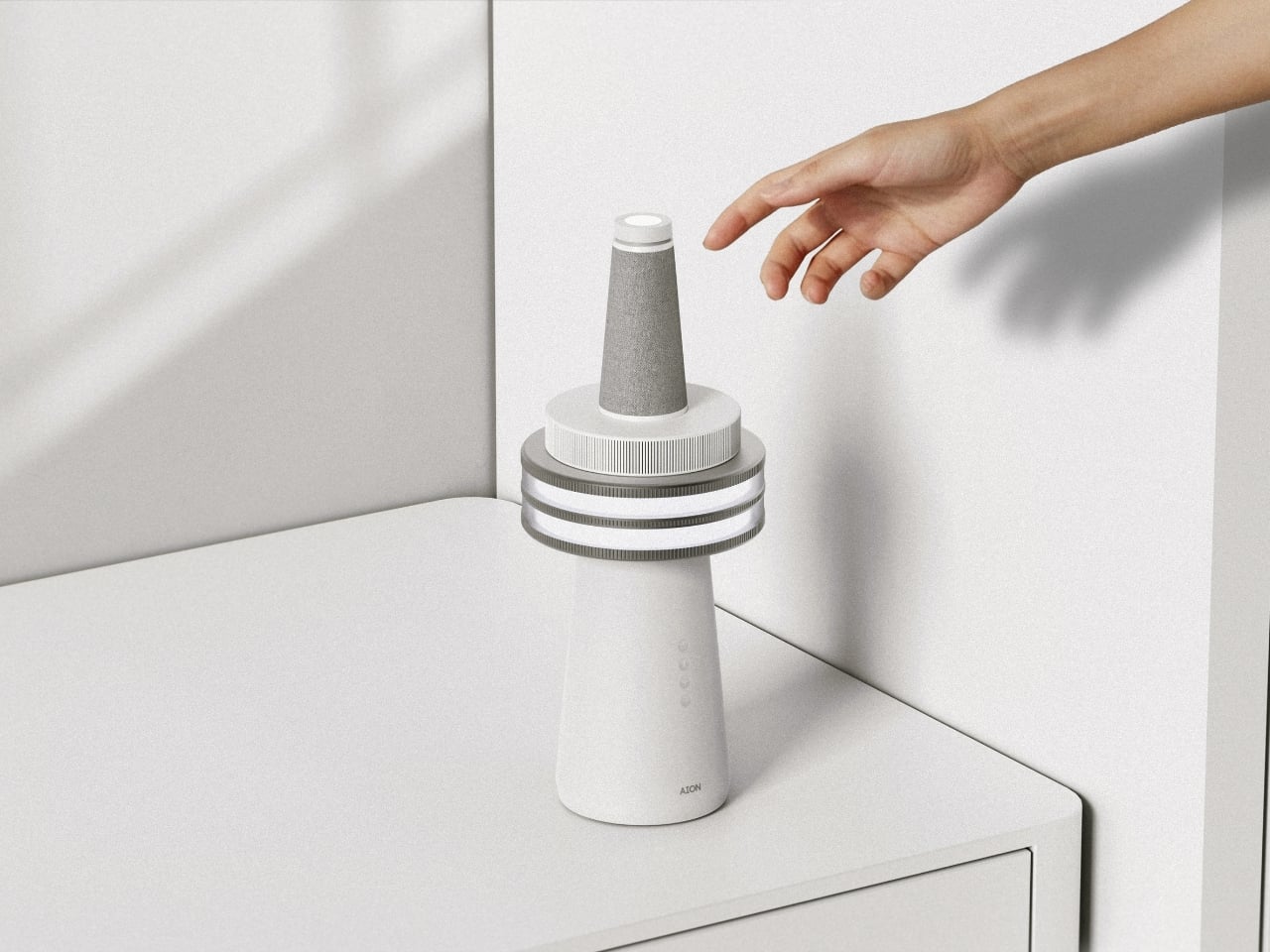
AION is Lee’s concept for an AI assistant device, and the connection to Namsan Tower isn’t decorative or coincidental. The tower’s original function as a broadcast tower, a structure purpose-built for transmitting information across an entire city, is the actual design philosophy behind it. Lee took that idea and scaled it down: what if a single object on your kitchen counter, or your desk, or your bedside table, could do something similarly intentional? Not just respond to commands, but transmit meaning through light and sound in a way that actually fits how you live? That question is what makes AION more interesting than the average concept speaker.
The device combines speaker and lighting functions, but the point isn’t really the hardware. The point is how it communicates. AION is designed to provide context-aware information, meaning it adapts to what you actually need in the moment rather than just playing music until you ask it something. In a design landscape crowded with smart speakers that are essentially cylinders with microphones, a concept that thinks about situational awareness and ambient communication feels genuinely worth the attention.
Light as a communication tool is an underused idea in home technology, and it puzzles me that more designers haven’t pushed harder here. We’re surrounded by screens that demand our eyes, and speakers that demand our ears. The quiet alternative, light that shifts and signals without interrupting you, is something AION seems to understand. There’s a reason we find a lamp calming and a notification alarming. The difference is mostly about how information reaches us, not what the information actually is.
The name AION is borrowed from Greek, where it carries meanings of “age” and “eternity,” a word associated with cyclical time and continuity rather than a single moment. That choice doesn’t feel arbitrary. A tower that has broadcast through decades of a city’s history, and a home device designed to integrate into the ongoing rhythm of daily life, share a certain kind of permanence in their logic. They aren’t built for a single interaction. They’re built to always be there, doing their job quietly in the background.
What’s refreshing about Lee’s approach is the restraint. Concept design can easily become an exercise in maximalism, stacking features and rendering a product that looks cinematic but has no real relationship to how humans actually use things. AION doesn’t appear to fall into that trap. The Namsan Tower reference isn’t about aesthetics alone; it’s a framework that disciplines the design. You start with a clear function, a clear reason for existing, and you build outward from there.
Hongik University has produced a lot of notable designers over the years, and Lee’s project earns its place in that tradition not because it’s technically revolutionary, but because it’s conceptually coherent. The thinking is visible. You can follow the logic from inspiration to outcome, and that kind of transparency in a design brief is rarer than it should be.
Whether AION ever moves past concept stage is probably the wrong thing to focus on. The more useful takeaway is what it suggests about the future of AI devices in general: that the most compelling ones won’t necessarily be the smartest or the loudest, but the ones that know when to speak in light instead of sound, when to blend into the room, and when to make themselves known. Seoul’s tower has been doing exactly that for decades. Someone just finally took notes.
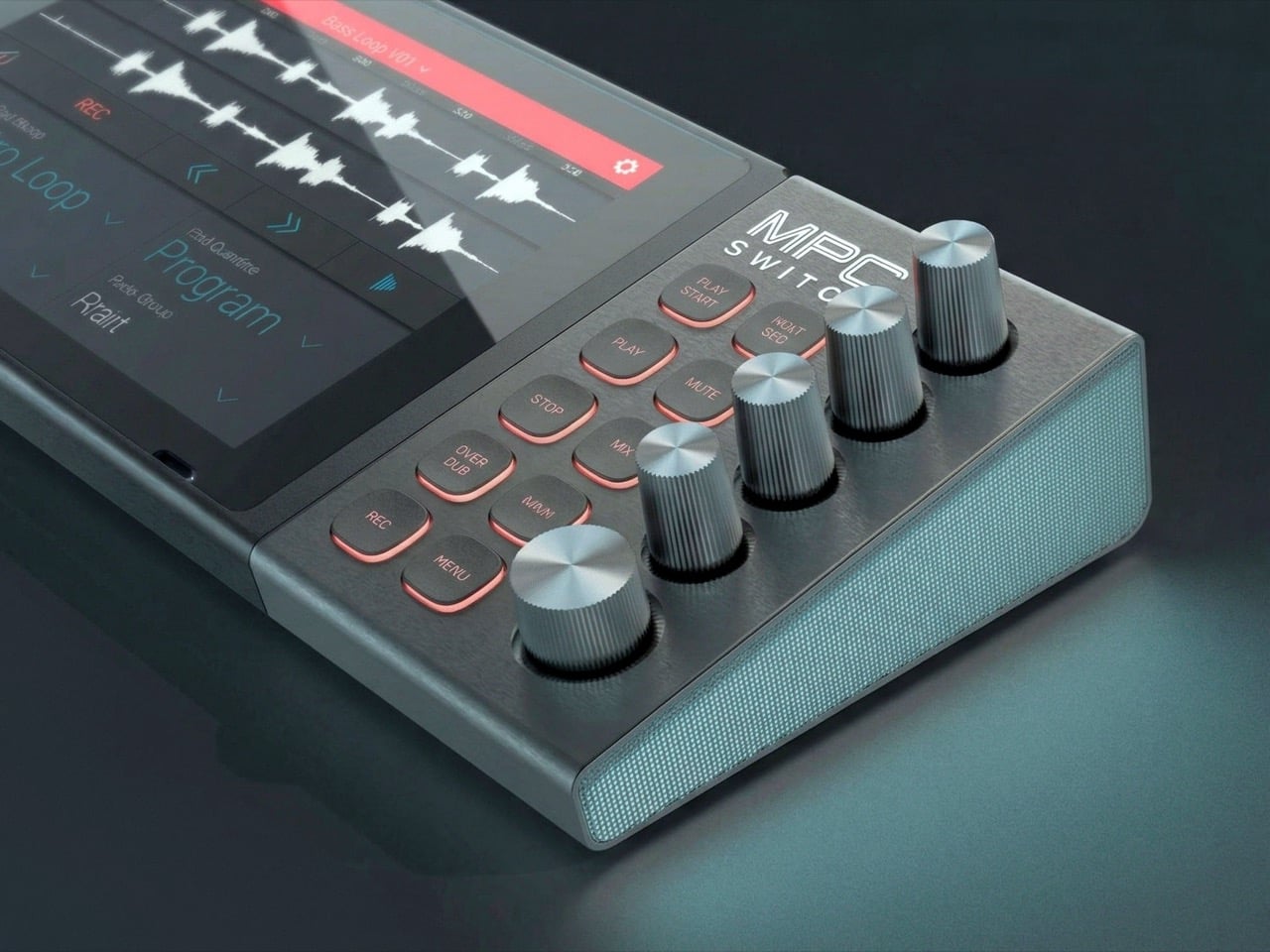
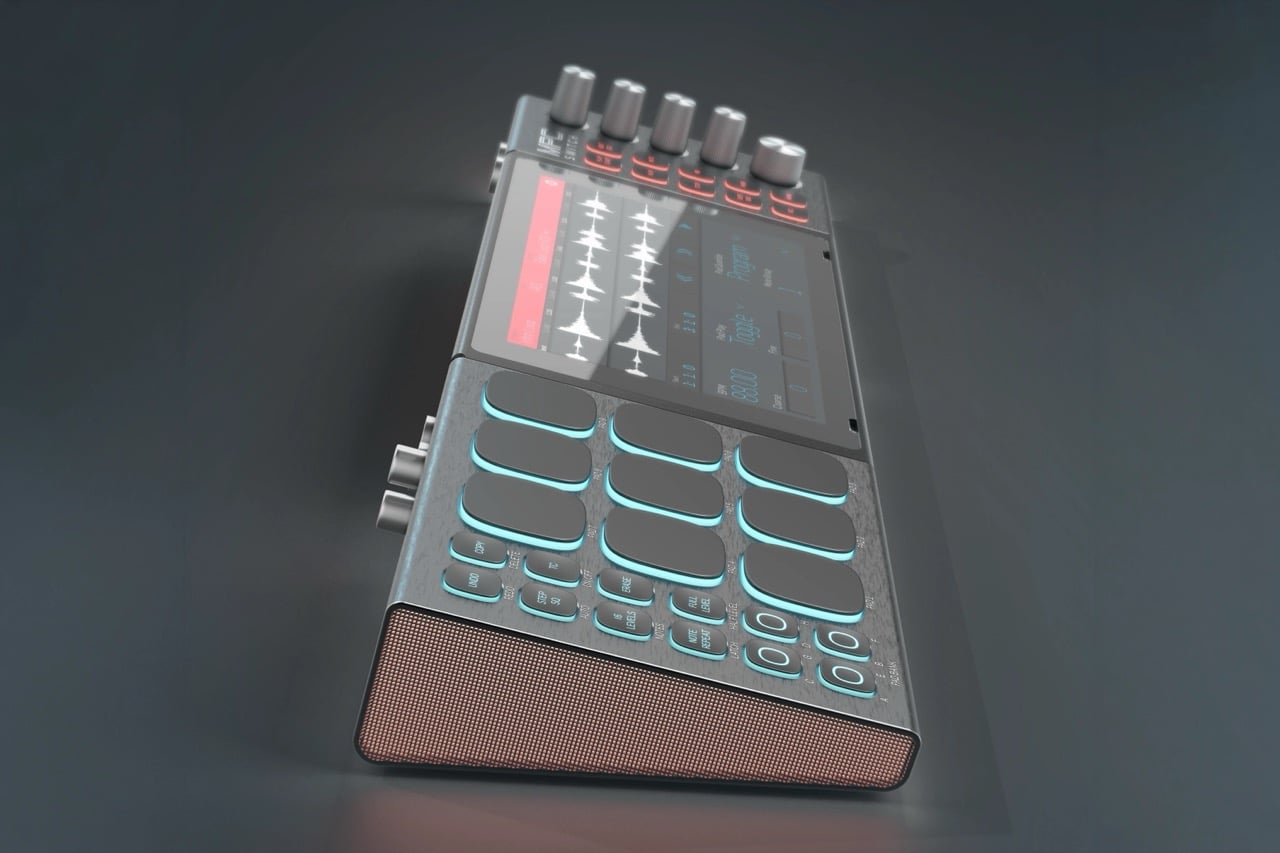
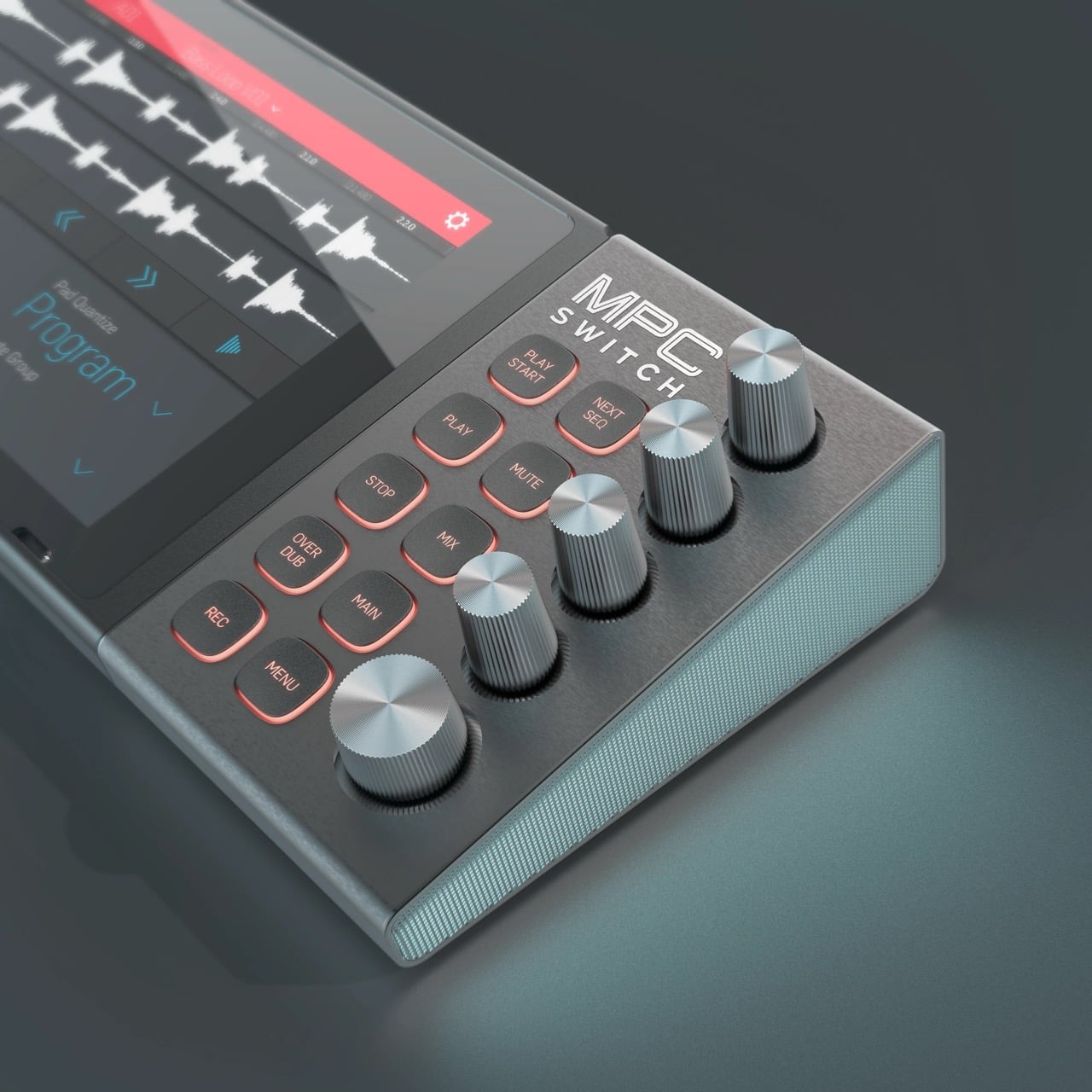
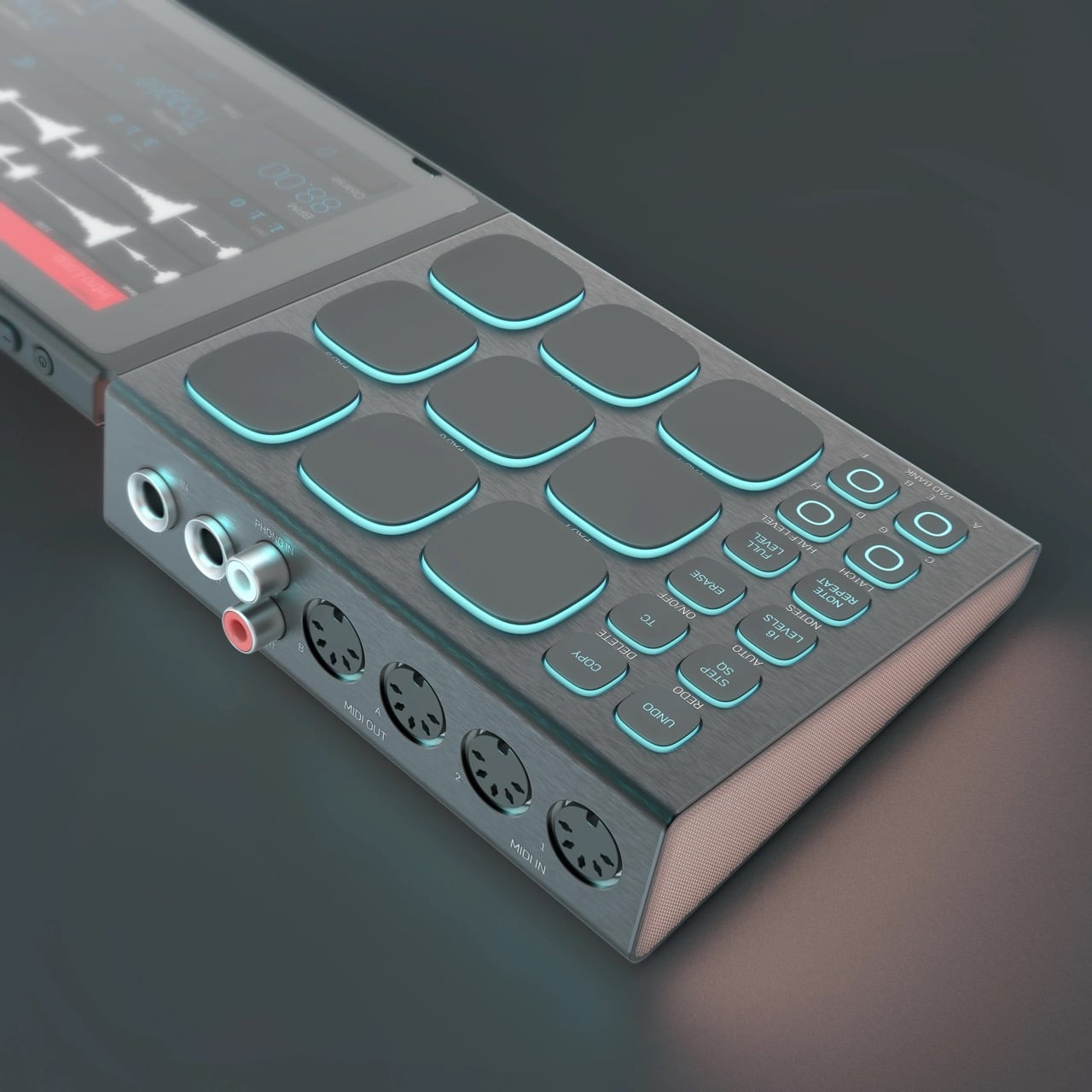
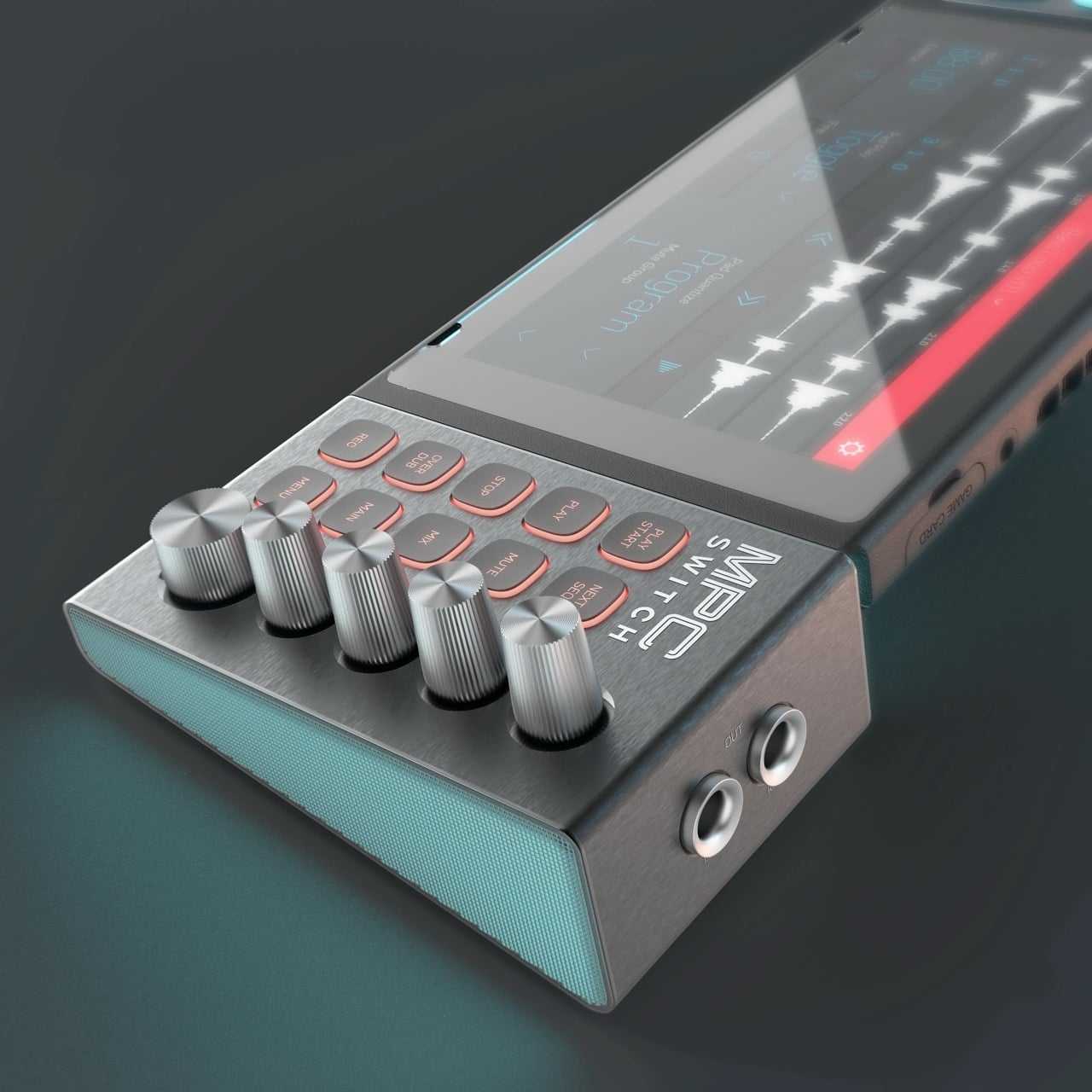
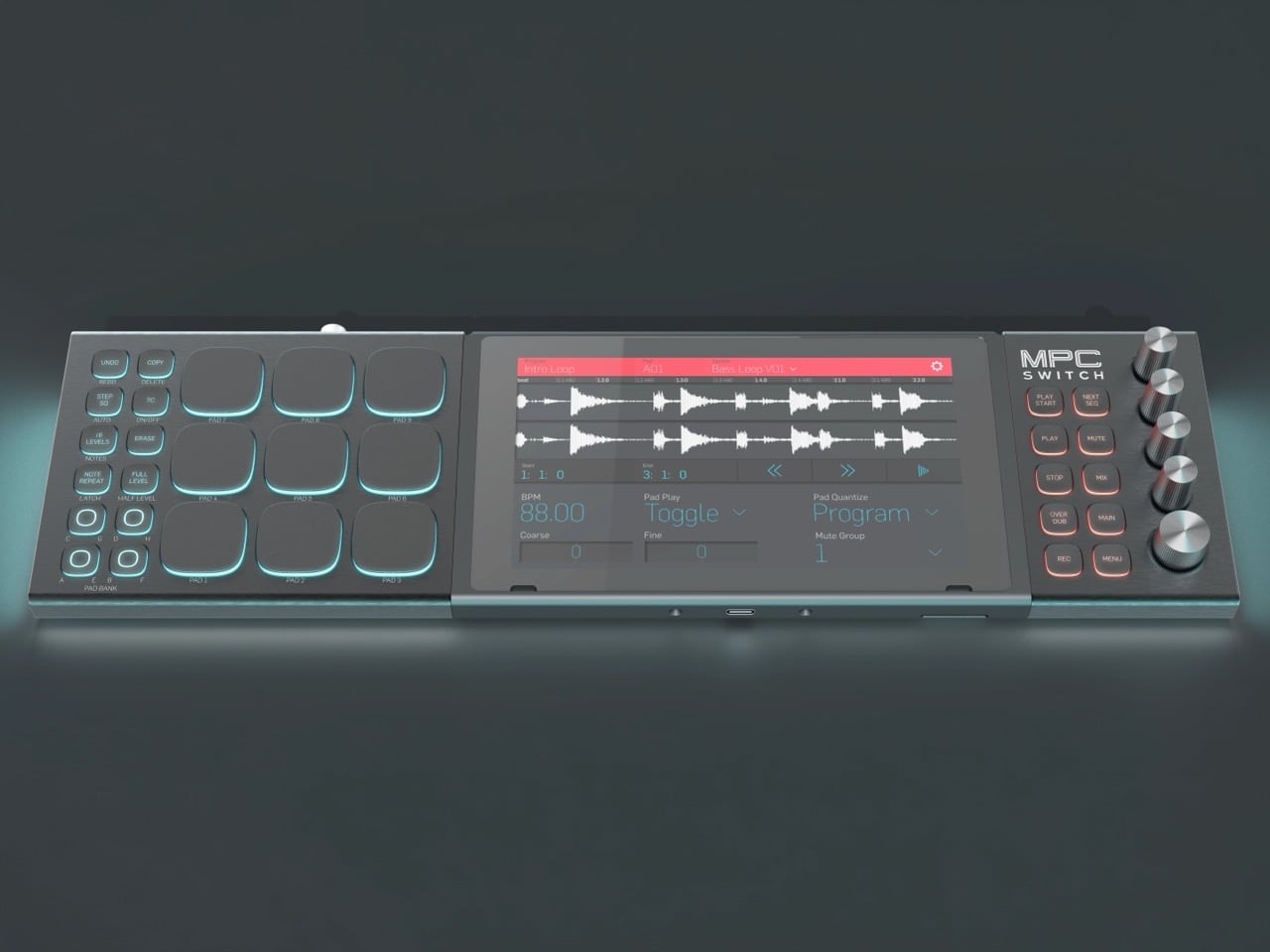
If you can emulate Nintendo devices on laptops, why can’t you emulate laptop software on a Switch? That’s pretty much Alquemy’s train of thought when it came to this concept which merges the worlds of gaming and music in a way that would make Guitar Hero look like child’s play. The Akai MPC Switch are two controller units designed to snap onto the sides of a Switch console, turning your gaming rig into a live music production factory. Unlike your average Guitar Hero controller, this thing is as serious as it gets. MIDI inputs and outputs, a fairly detailed DAW running on the Switch’s screen, and a myriad of controls that let you deejay or produce music on the fly.
To be honest, this concept does give you pause for thought. Why can’t a capable gaming rig also handle other high-intensity software? Music production, 3D modeling, video editing, everything you’d otherwise do on a studio-grade machine. Sure, the Switch isn’t as powerful as an iMac, but that doesn’t mean it can’t handle anything a MacBook Air can. The MPC Switch (albeit conceptual) are a pretty brilliant idea if you think about it – imagine being able to game when you’re bored and produce/perform music when you need to, all on the same machine. Just swap out the Joy-Cons for this MIDI setup and you’re good to go!
Designer: Alquemy
The AKAI MPC, for those who don’t know, holds a special place in the music hall of fame, with artists from Dr. Dre to John Mayer to Mark Ronson to even Kanye West using the hardware to create some of their most legendary work. The MPC (or MIDI Production Center) is, simply put, a sampler and sequencer, allowing you to load audio banks, record music samples/loops, and play them back in a sequence. Think of it as a device that lets you build your track together, brick by brick.
It’s no different from how you’d play games like Street Fighter, mashing together buttons in a variety of combinations to make up your routine. The only difference is here, you record tracks/sounds/effects, and mash buttons to create drum loops, synth patterns, leads, and choruses. Individual sounds can be tweaked too, with the ability to adjust EQ, apply effects, or even modulate live music, thanks to the MIDI inputs and outputs on the device.
This basically means your Switch isn’t just a gaming console anymore, it’s also a live music console. USB-C and SD Card slots on the Switch let you load tracks, sound banks, etc… and the MPC Switch’s hardware give you even more ports, letting you connect your Switch to a more professional setup with anything from electronic instruments to a turntable to even a mixing deck for live recording.
Now this isn’t the kind of idea that would come to your average Nintendo or AKAI exec… you’d need to be slightly eccentric to draw such a brilliant parallel, which designer Phil Rose (who goes by Alquemy online) definitely did. The MPC Switch is incredibly detailed, even down to the software running on the Switch’s display. The only problem is that it’s entirely conceptual, which breaks my heart a bit. If anyone from Nintendo or AKAI is seeing this, you guys are sitting on an absolute goldmine that would not only break the music industry but might also end up creating a new handheld gaming hardware category!
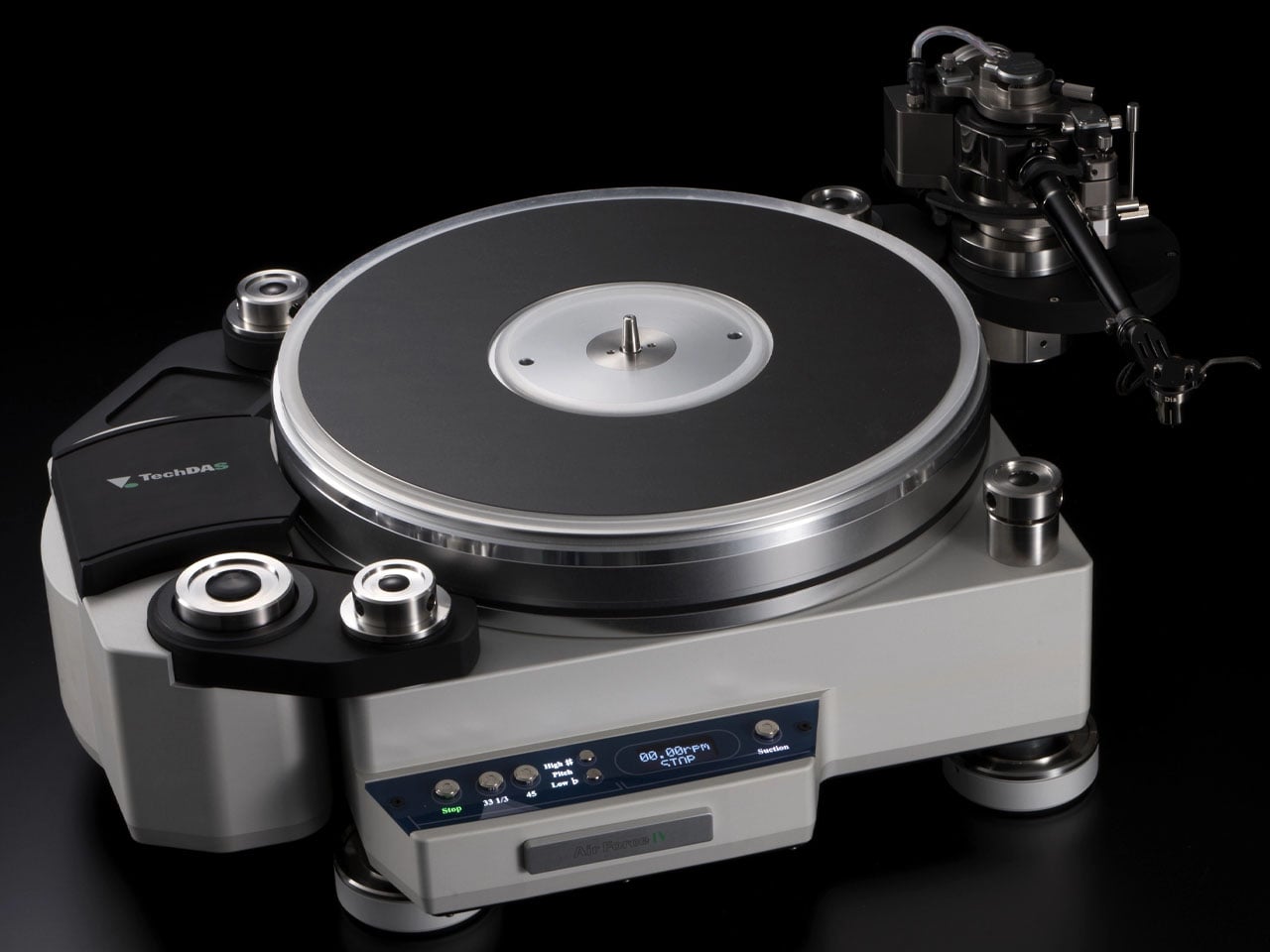
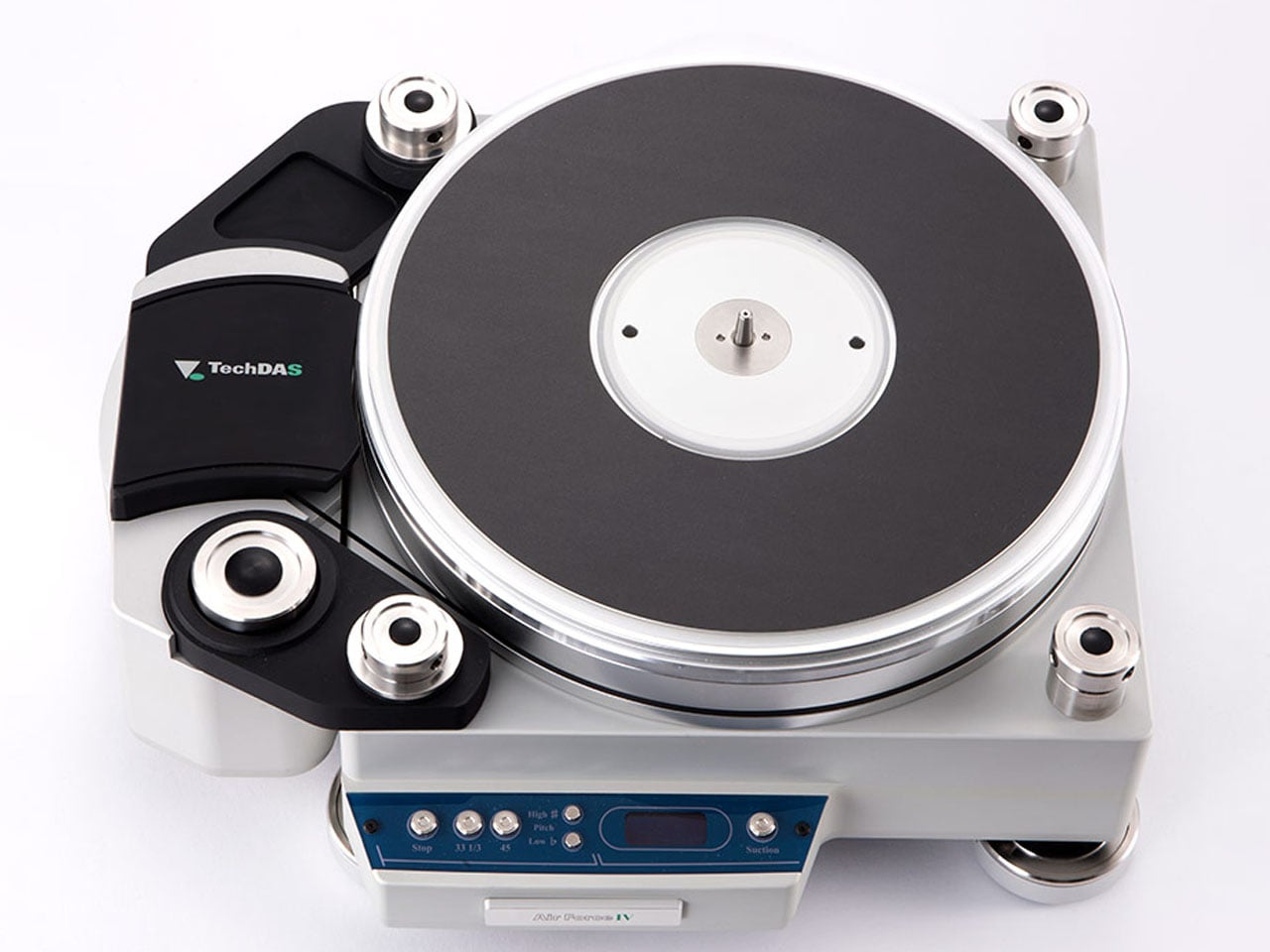
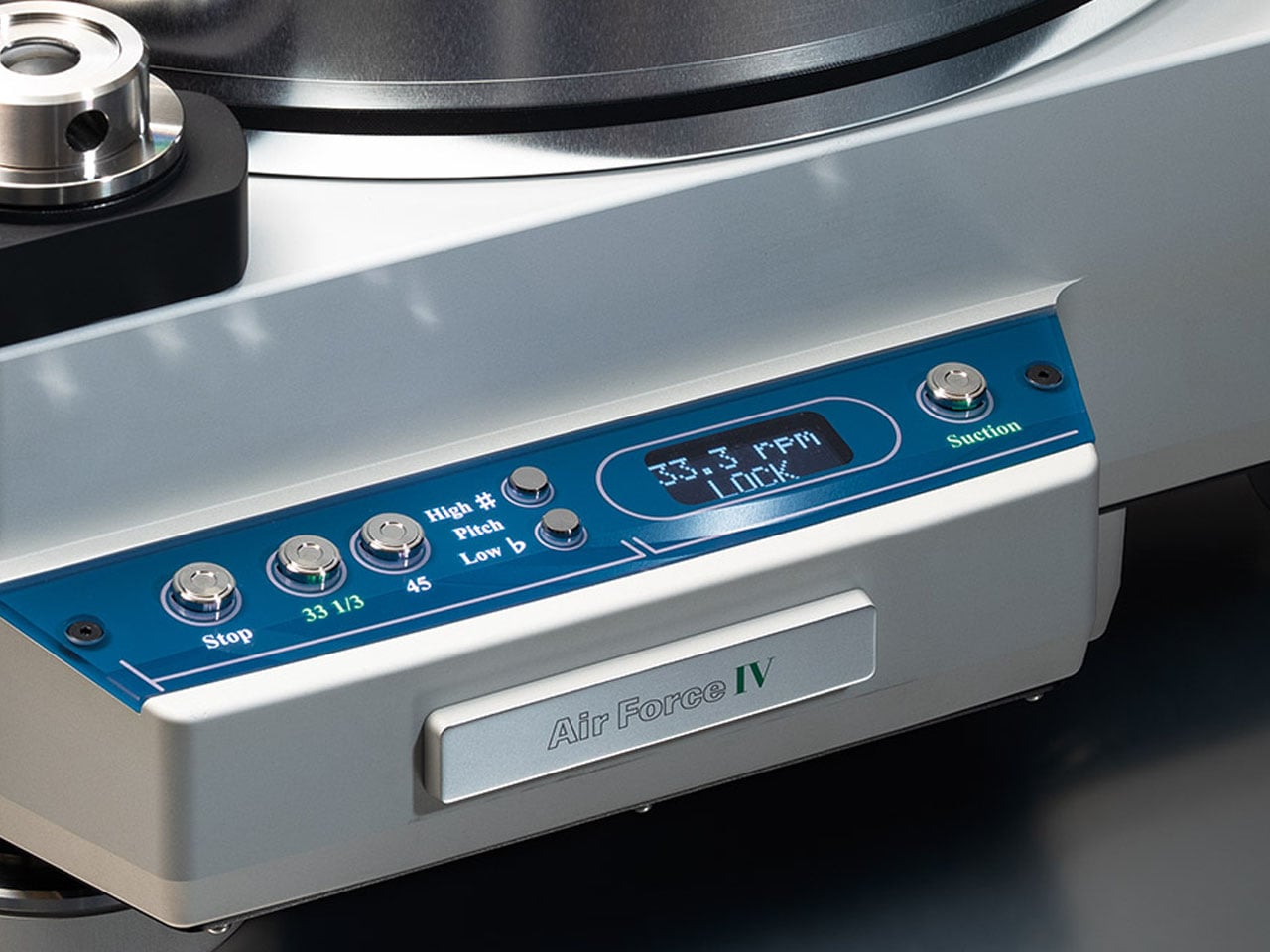
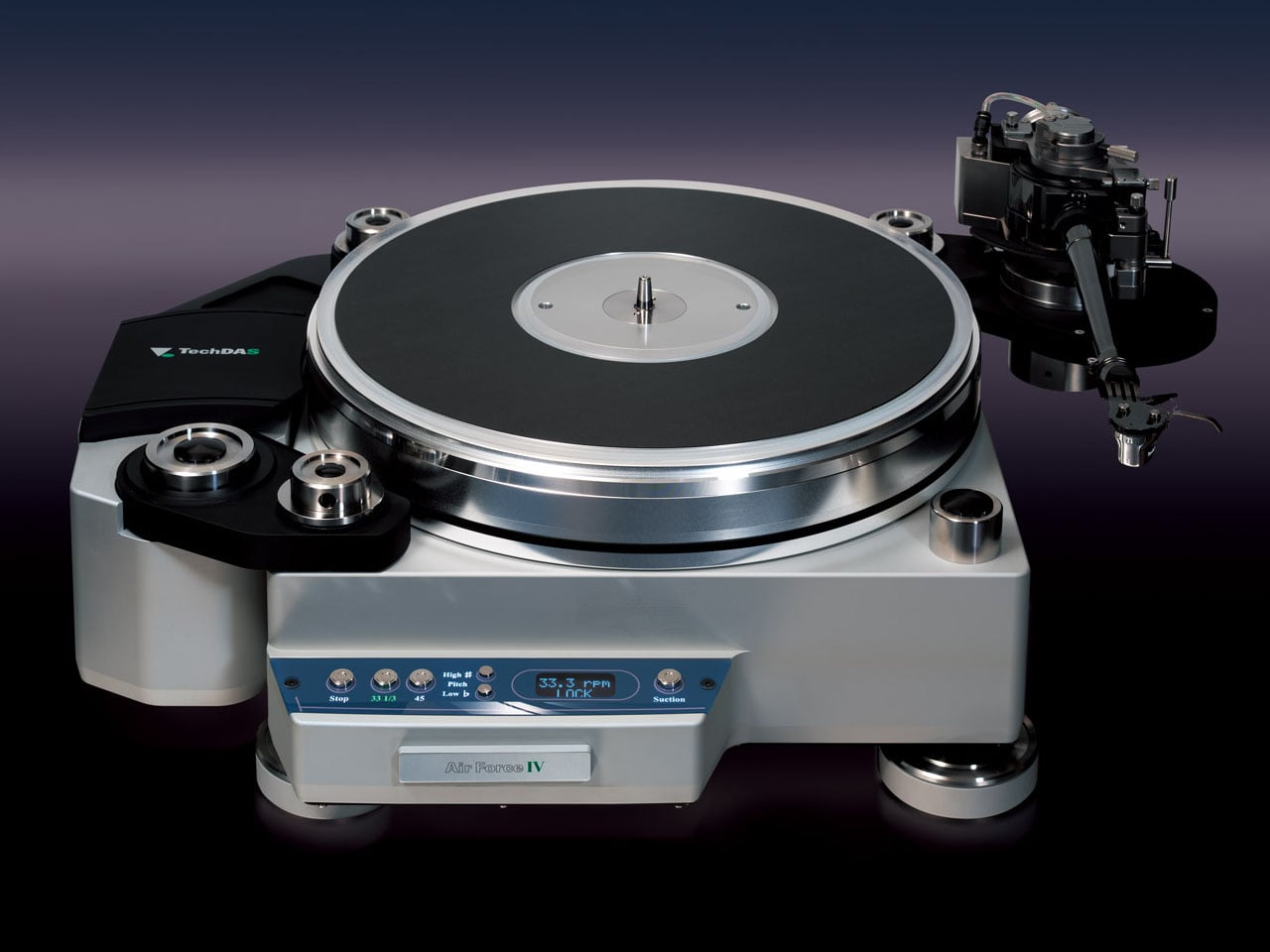
In modern times, where digital convenience dominates listening habits, the persistence of ultra-high-end analog engineering feels almost rebellious. The TechDAS Air Force IV turntable leans fully into that defiance, emerging not merely as a playback device but as a precision instrument designed to push vinyl reproduction beyond its traditional limits.
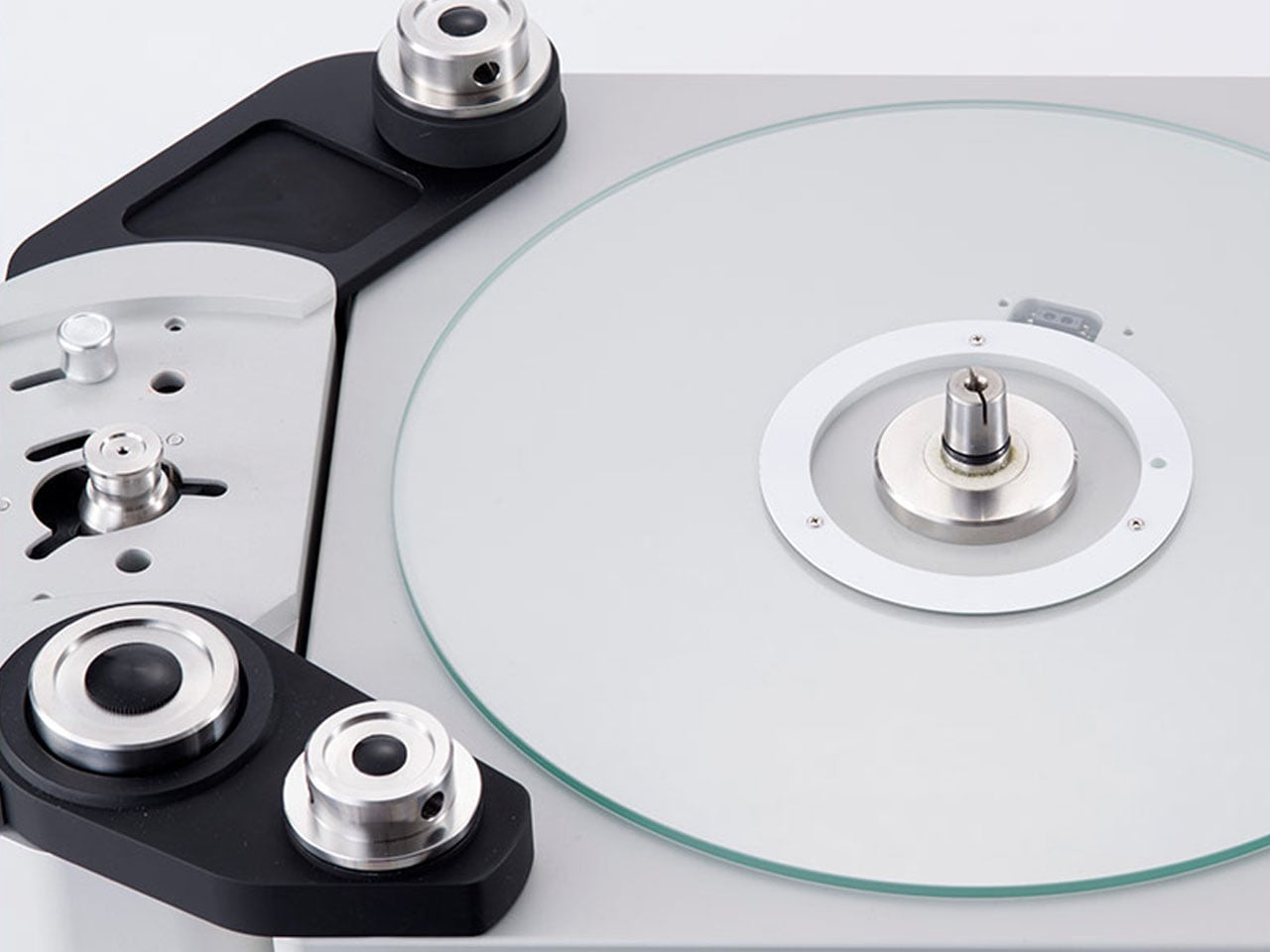
At the core of the future-forward vinyl player’s signature pneumatic architecture is a system that fundamentally rethinks how a turntable handles vibration and resonance. Instead of relying on conventional mechanical isolation, the design uses an air-bearing mechanism that effectively floats the platter, eliminating friction and drastically reducing unwanted noise.
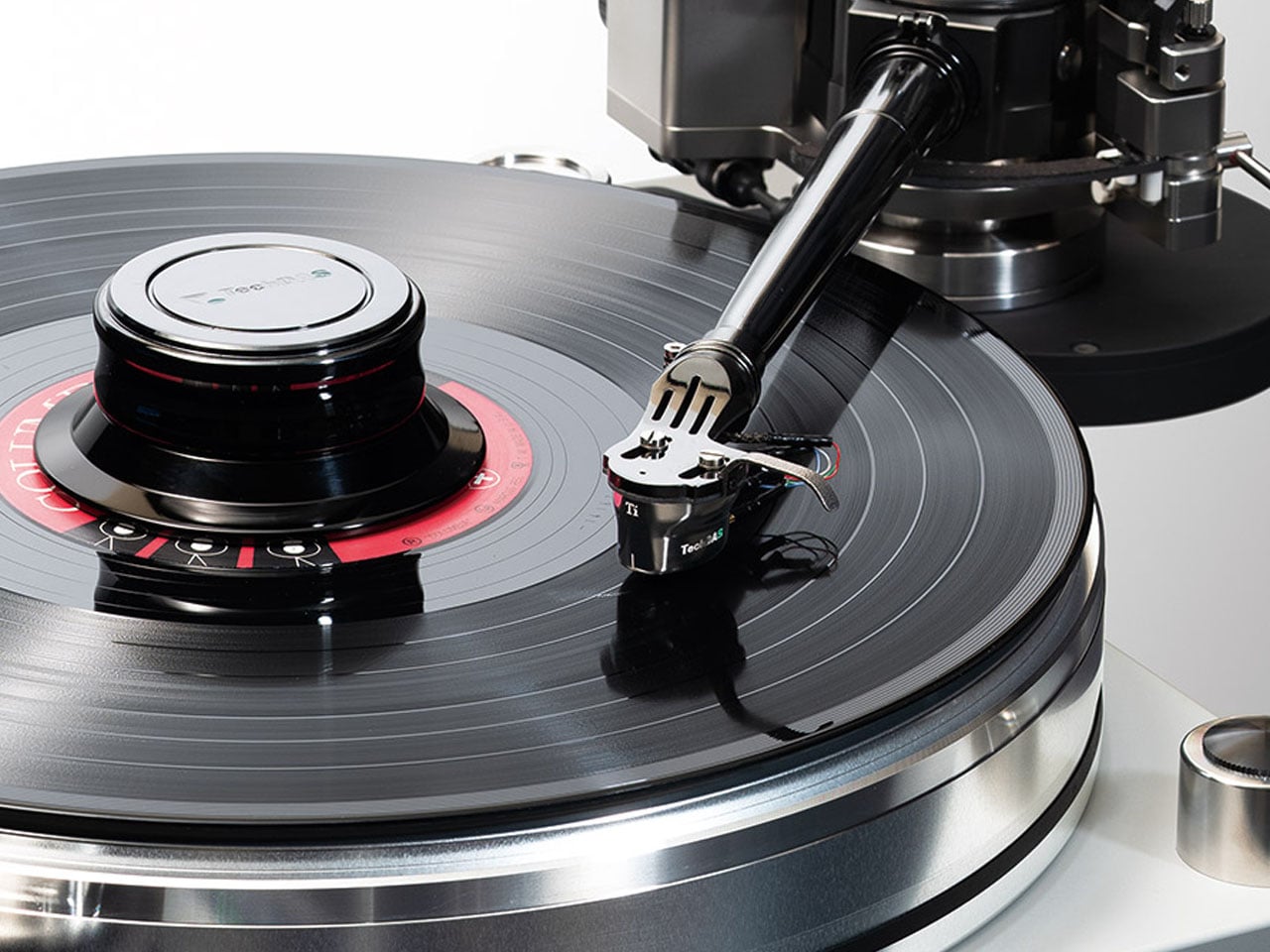
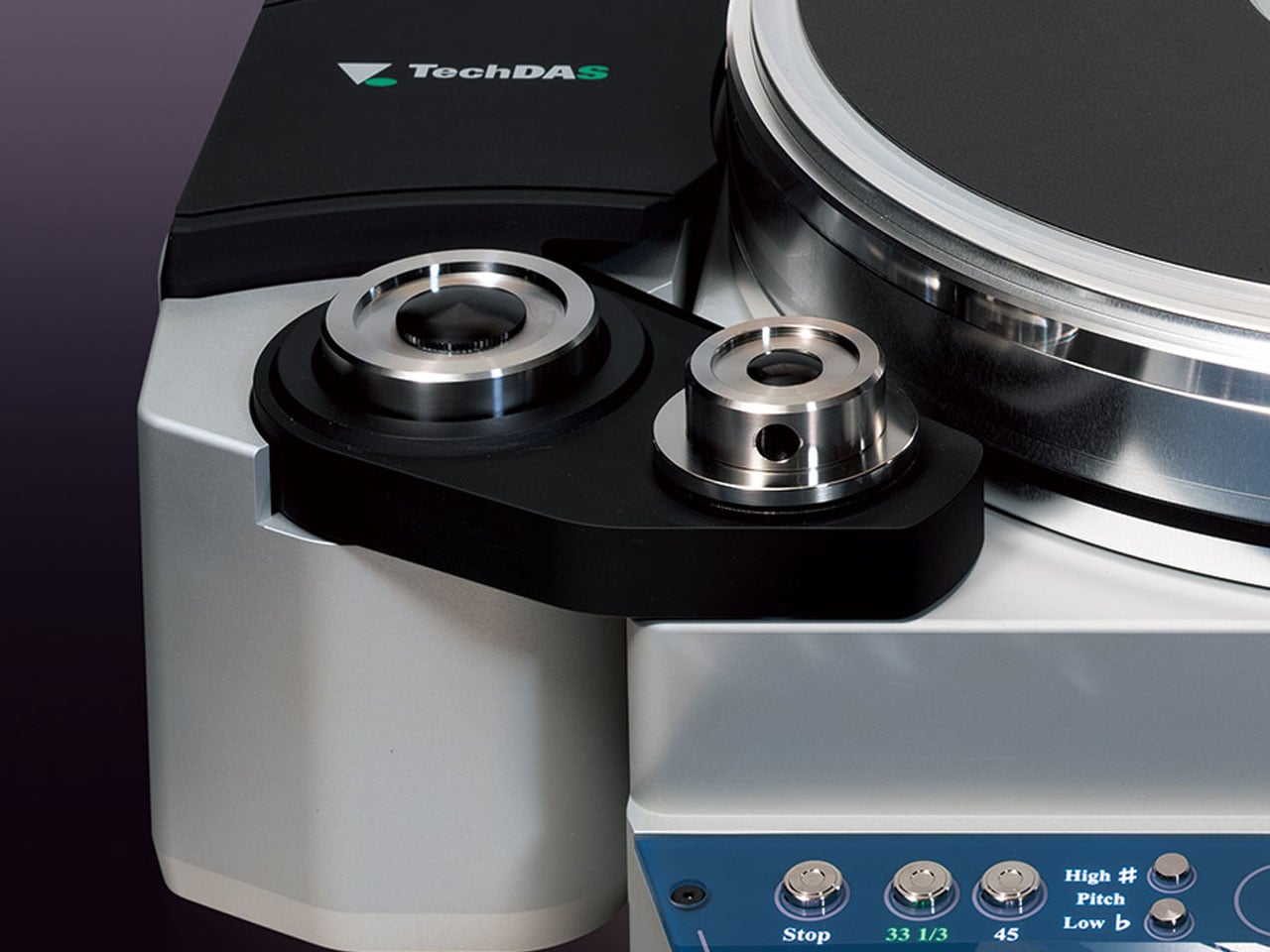
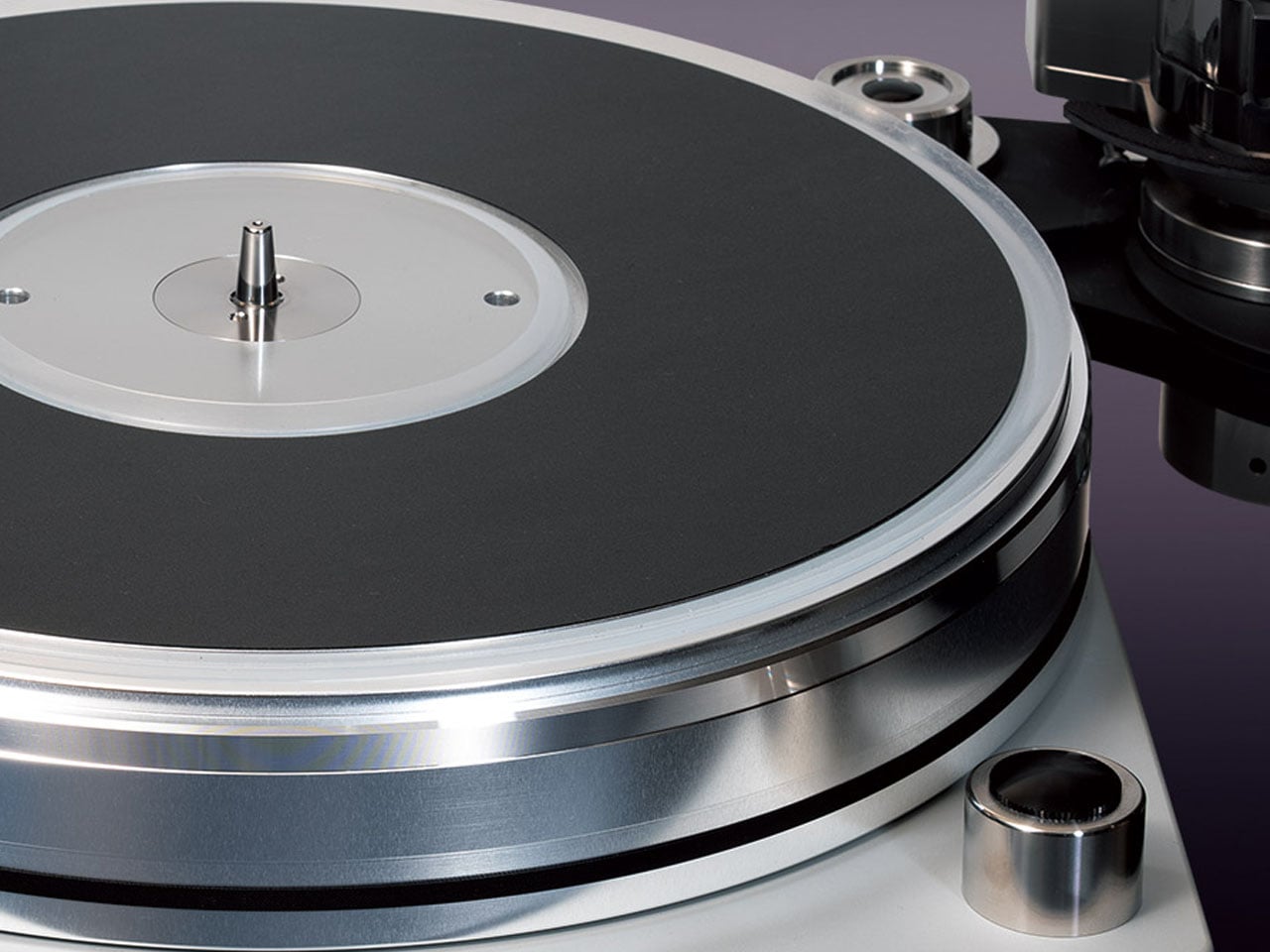
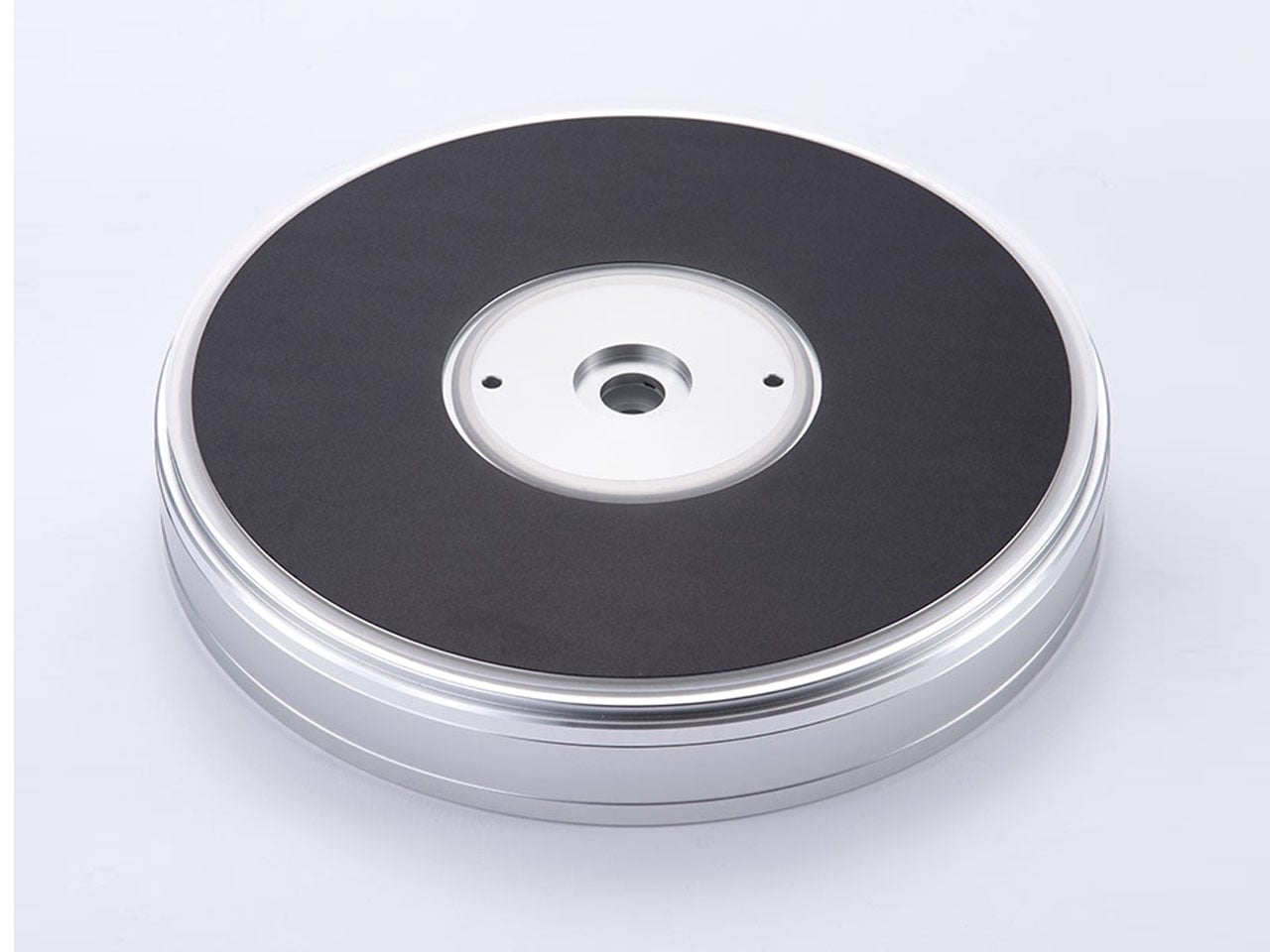
Complementing this is a vacuum LP hold-down system that secures the record firmly against the platter surface, ensuring stable playback and minimizing distortions caused by warping or micro-vibrations. Together, these “air” technologies aim to deliver a sound profile that is both exceptionally clean and dynamically expressive, setting a new benchmark for analog playback. The engineering emphasis continues with a precision-machined one-piece platter carved from solid A5056 aluminum alloy. Weighing close to 9kg, this heavy platter plays a crucial role in enhancing rotational stability while extending frequency response and improving overall dynamics.
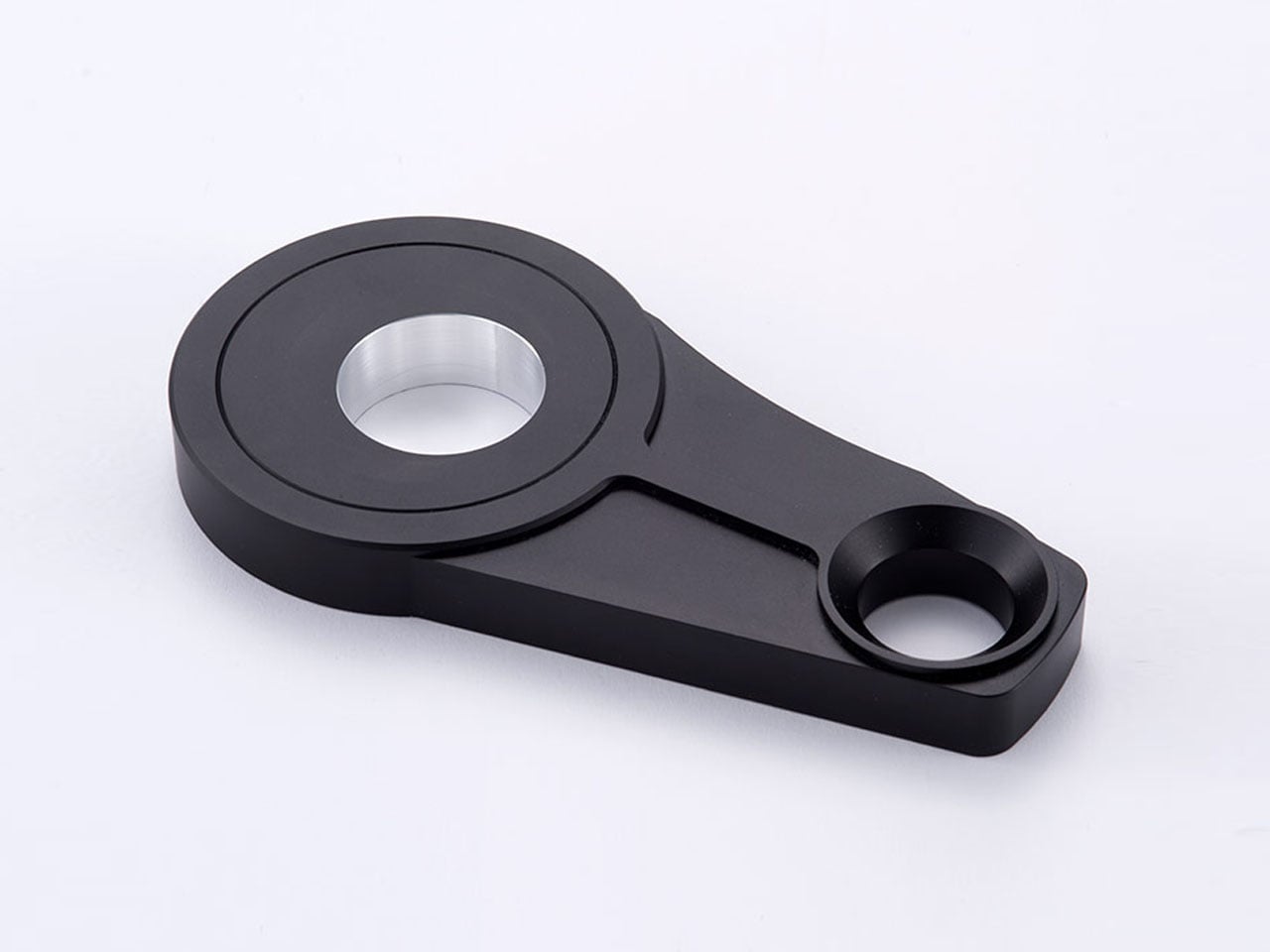
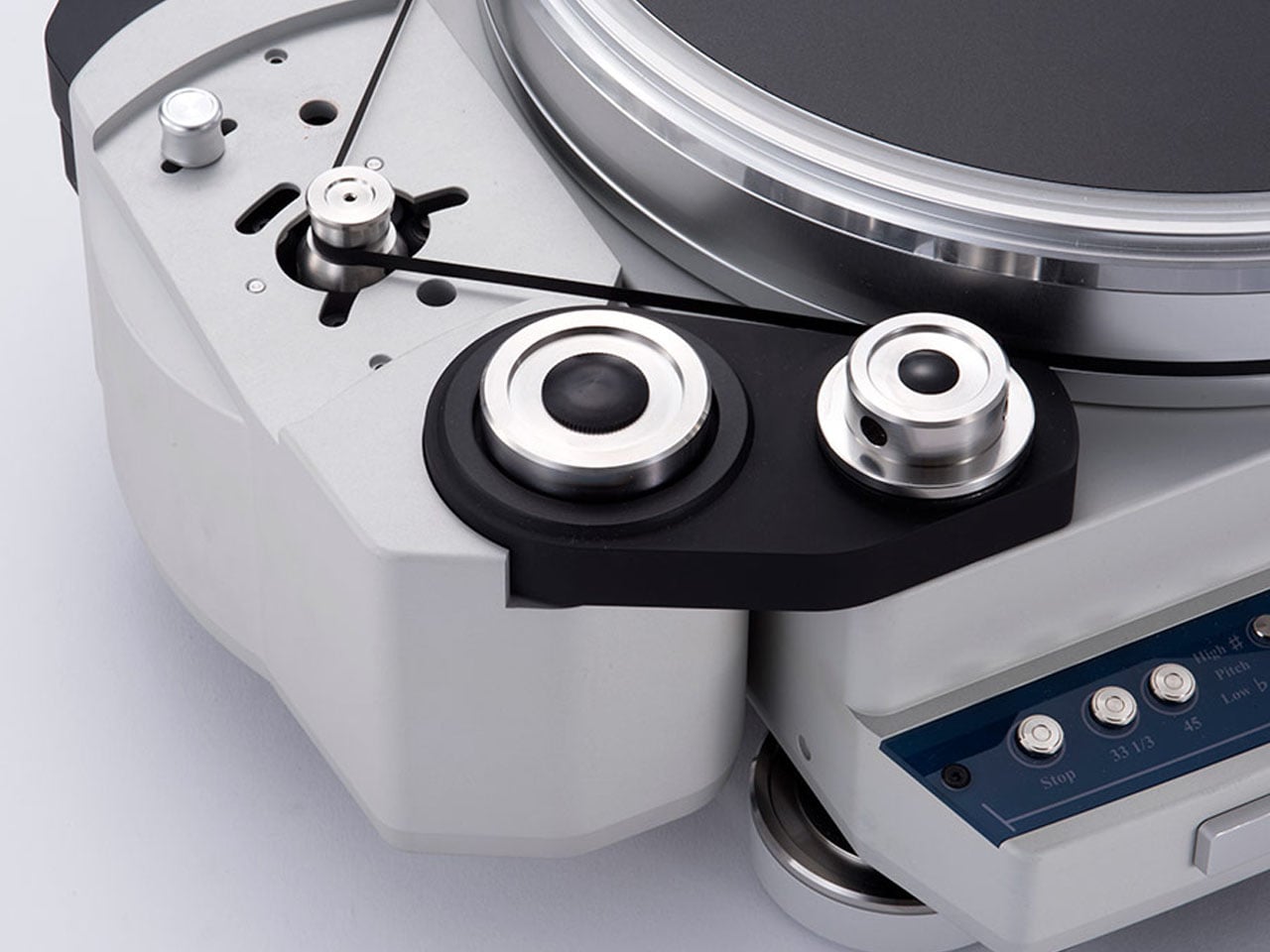
The addition of a specialized damping and anti-static surface further protects records while contributing to a quieter sonic background. The result is an audio presentation marked by a notably low noise floor and refined detail retrieval. Unlike many turntables that integrate all components into a single structure, the Air Force IV separates its motor unit from the main chassis. This external 2-phase, 4-pole AC synchronous motor reduces vibration transfer, allowing the belt-driven system to maintain highly stable rotation. A polished polyester flat belt (borrowed from higher-end models) ensures consistent speed performance, reaching standard playback speeds of 33.3 and 45 RPM with minimal wow and flutter.
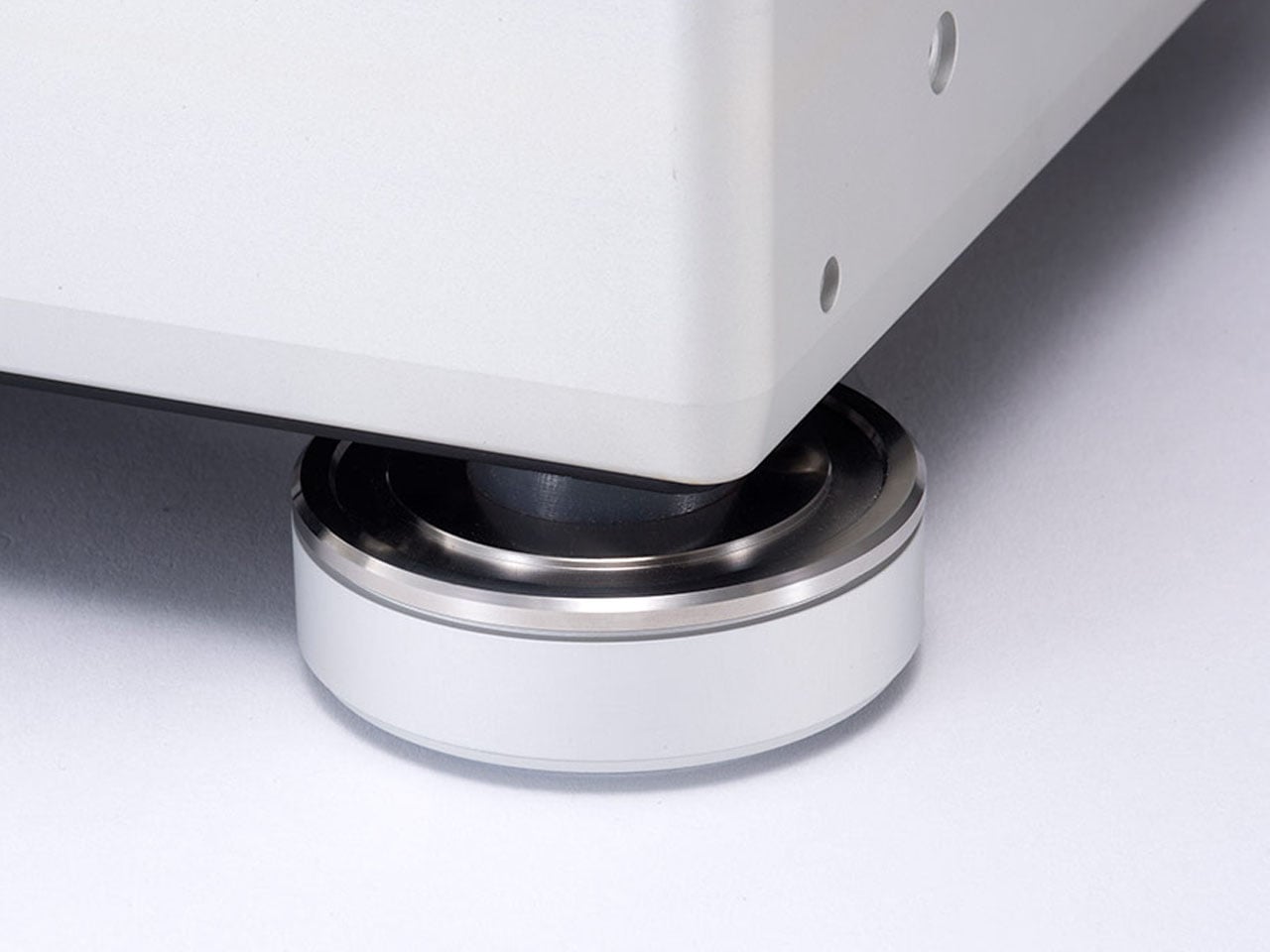
Despite its compact footprint compared to other models in the Air Force lineup, the IV incorporates technologies derived from its more expensive siblings, positioning it between the Air Force III and V in the range. The chassis itself is precision-machined from solid aluminum, supported by four specialized suspension feet designed to block external vibrations. Impressively, the design also allows for up to three tonearms, offering flexibility for audiophiles who demand multiple cartridge setups.
The Air Force IV reflects TechDAS’ broader philosophy that analog sound still has room to evolve even after decades of digital dominance. That level of tonal precision by the high-end Japanese audio manufacturer comes at a steep price of £19,998 (approximately $27,140). Obviously, it is only targeted towards audiophiles with fat pockets!








 Bang & Olufsen has been designing objects that make a room better simply by existing in it since 1925.