OpenAI’s latest voice AI model, GPT Realtime 2, introduces advanced capabilities for natural and context-aware interactions. Built on the GPT-5-level reasoning framework, it handles complex tasks such as troubleshooting technical issues or organizing schedules while maintaining a conversational flow. According to Universe of AI, the model adapts dynamically to user input, offering precise responses tailored […]
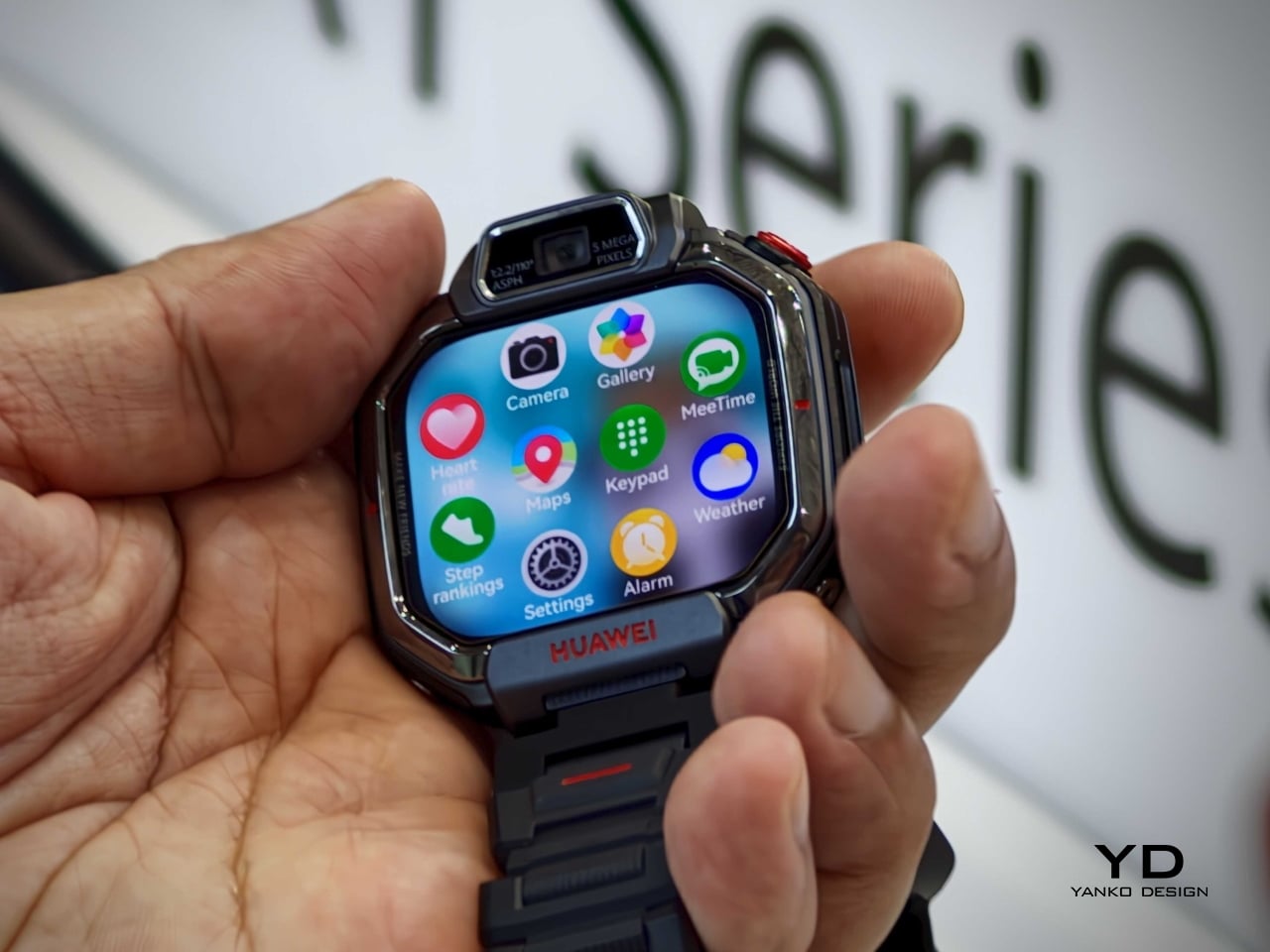
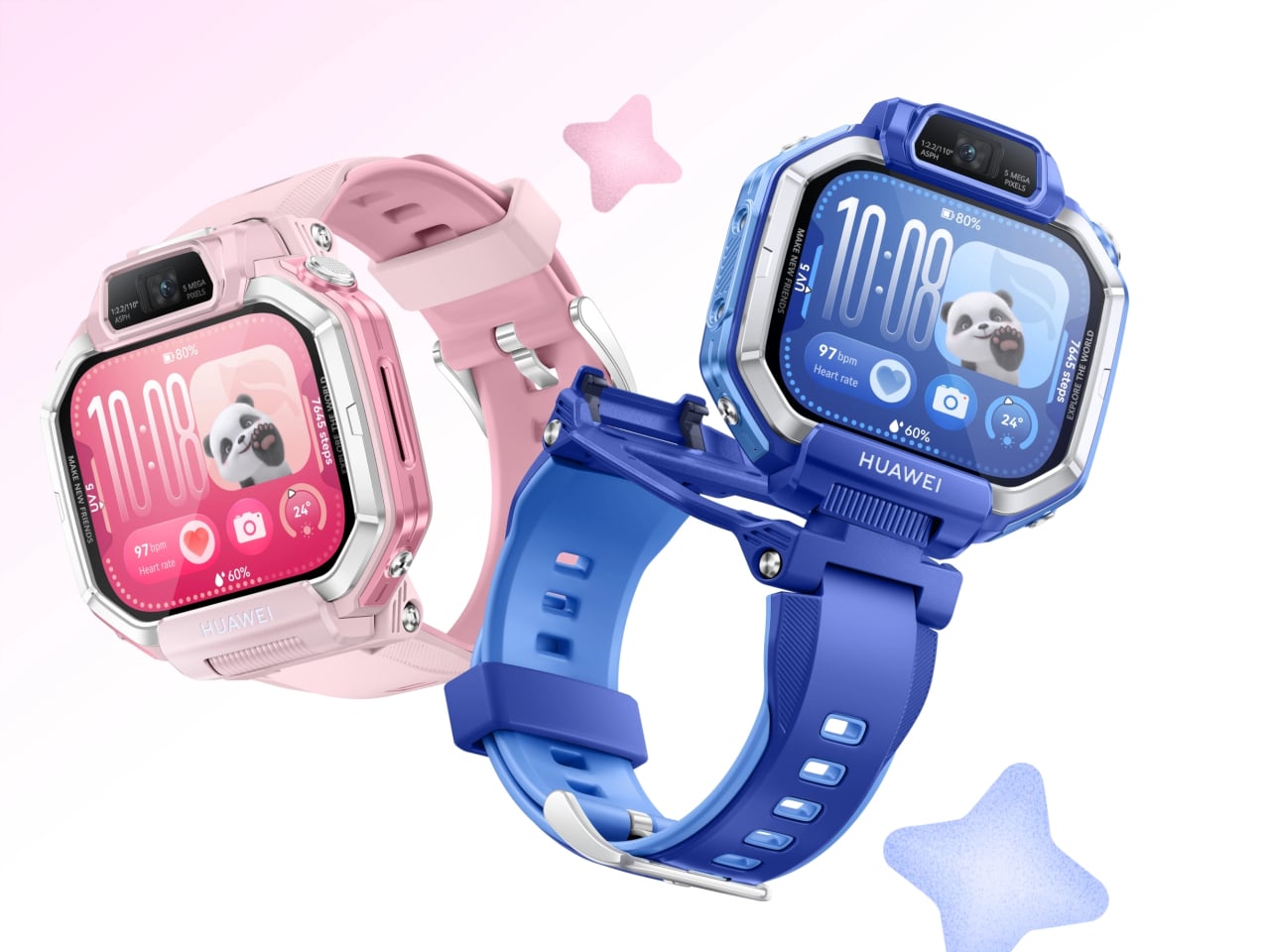
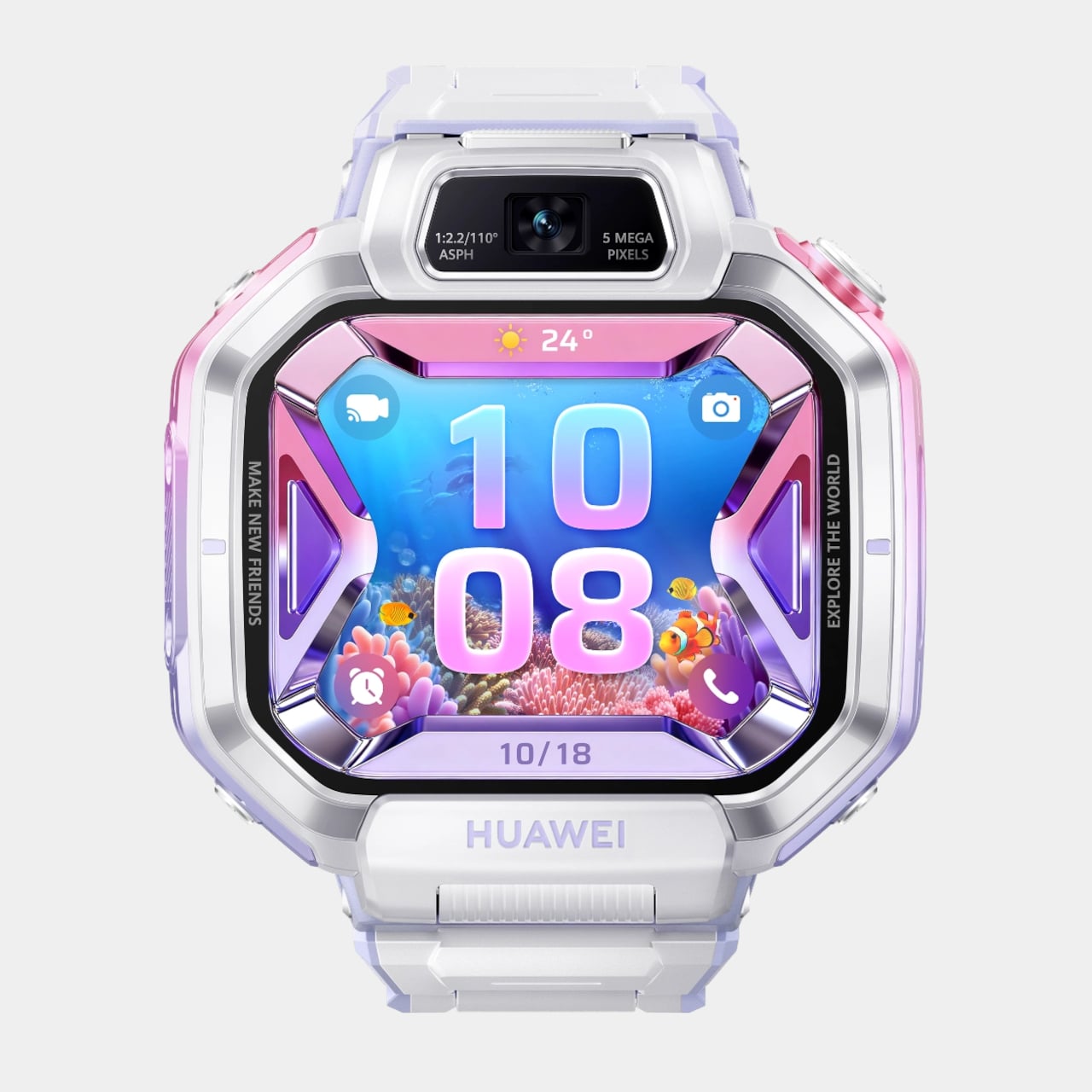
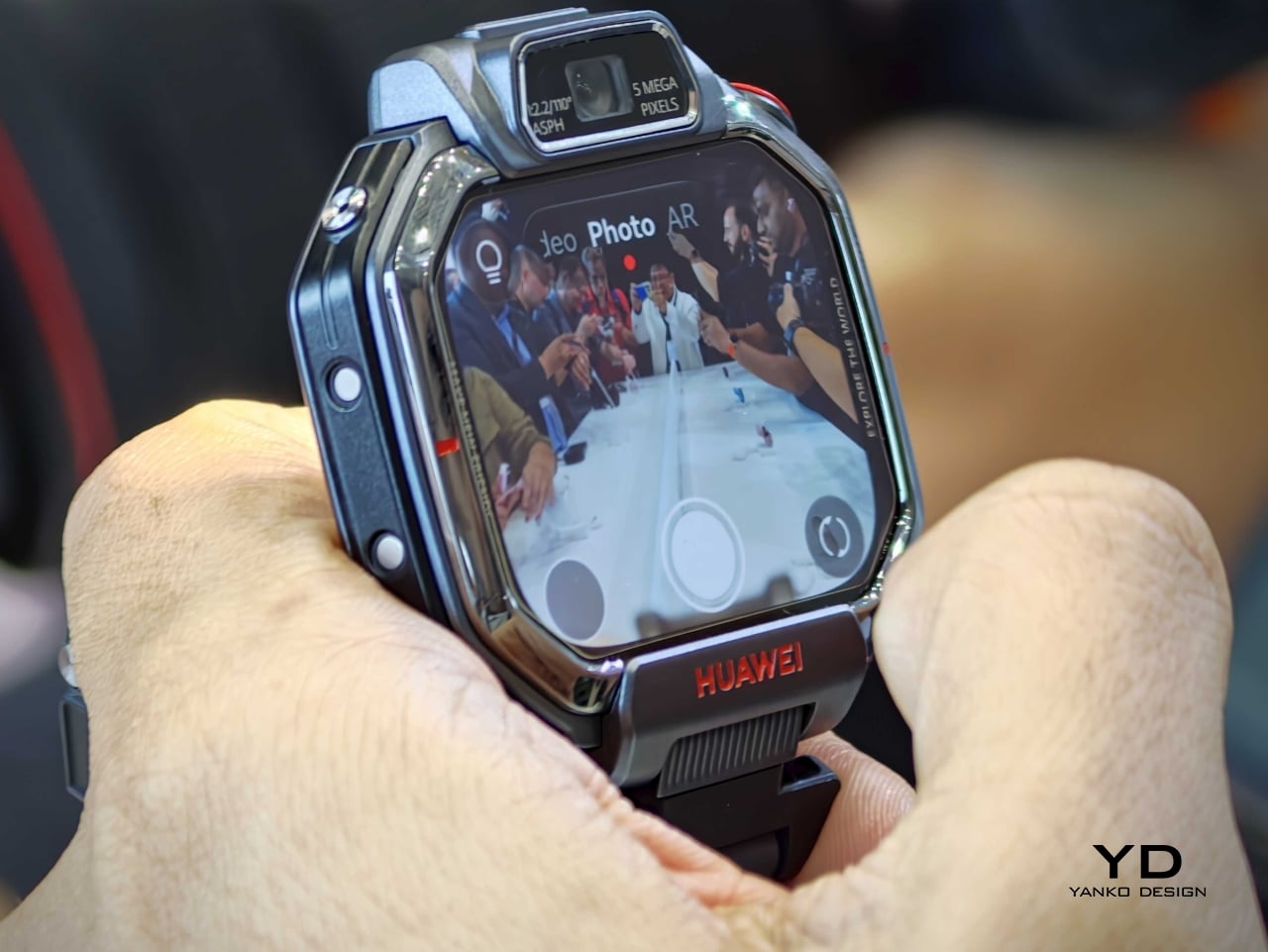
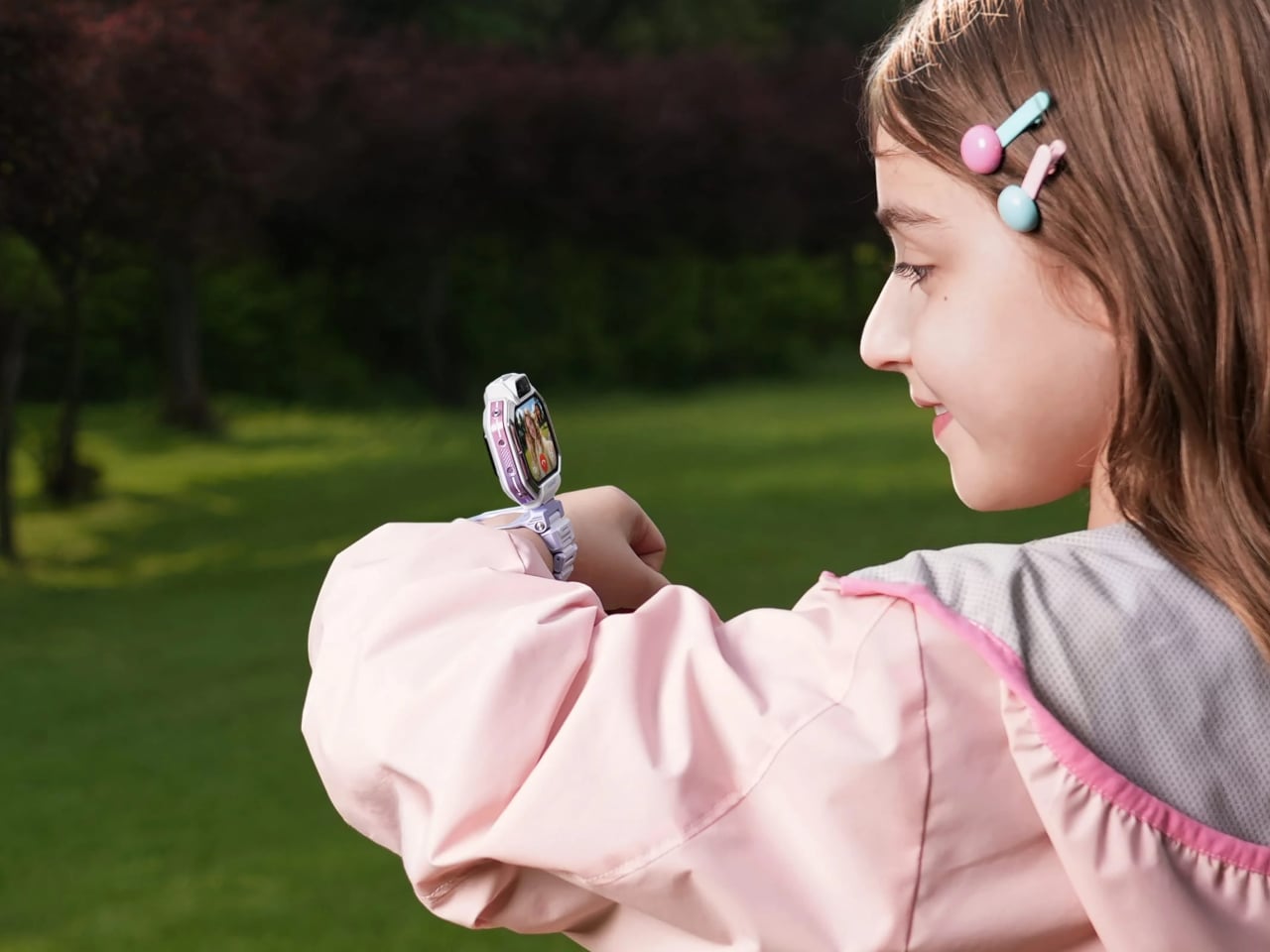
Huawei is returning to the children’s wearable category with the Watch Kids X1 series, a new lineup that feels noticeably more design-driven than the average kid-safe smartwatch. Announced during the company’s global launch event in Thailand, the series generated visible excitement from the audience, signaling strong interest in a product that brings a more playful and expressive take to kids’ tech. Instead of reducing the device to a wrist-bound tracker with calling features, Huawei gives it a more dynamic physical identity. The result is a wearable that balances parental reassurance with the kind of tactile, camera-friendly interaction that actually appeals to kids.
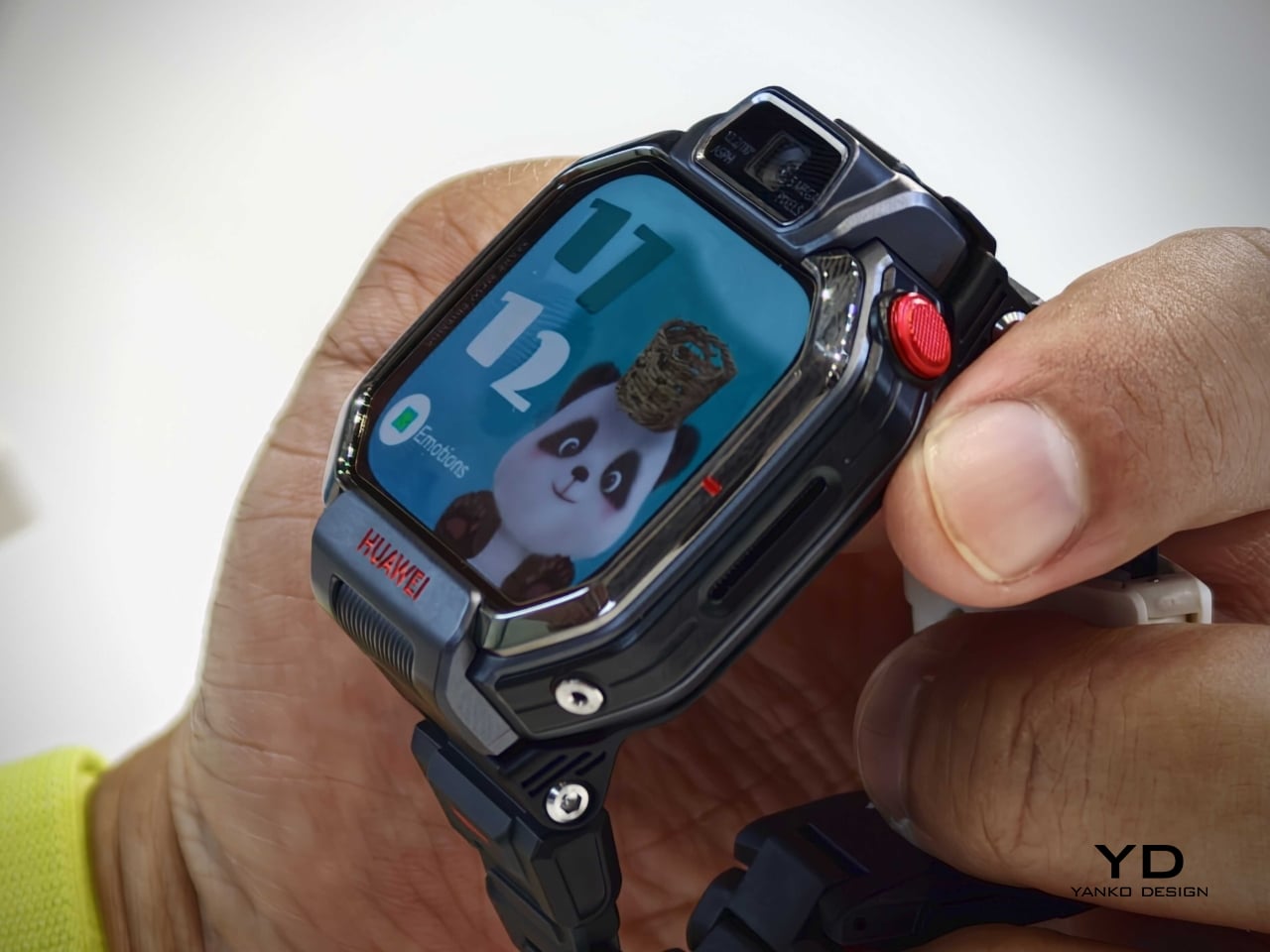
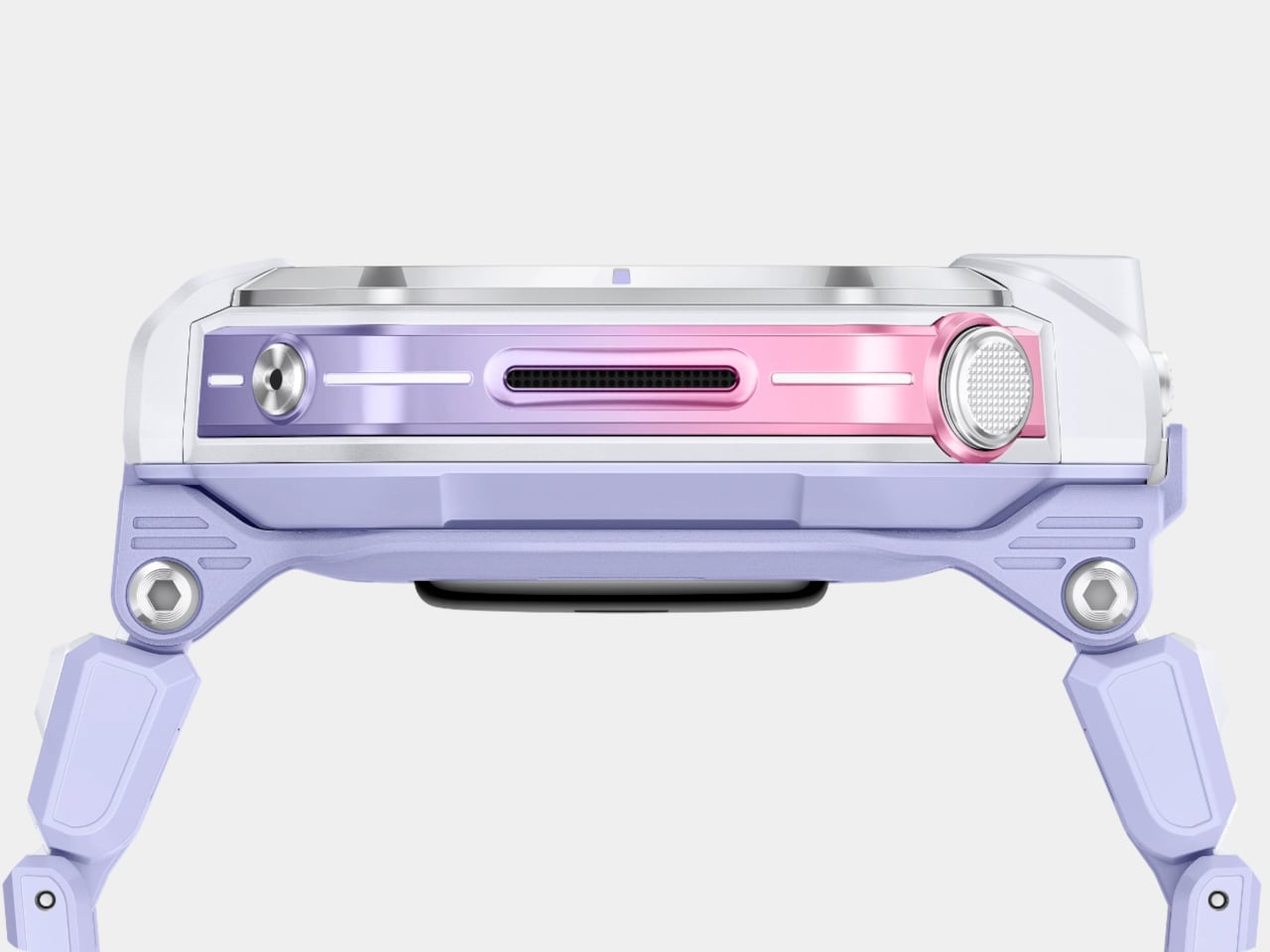
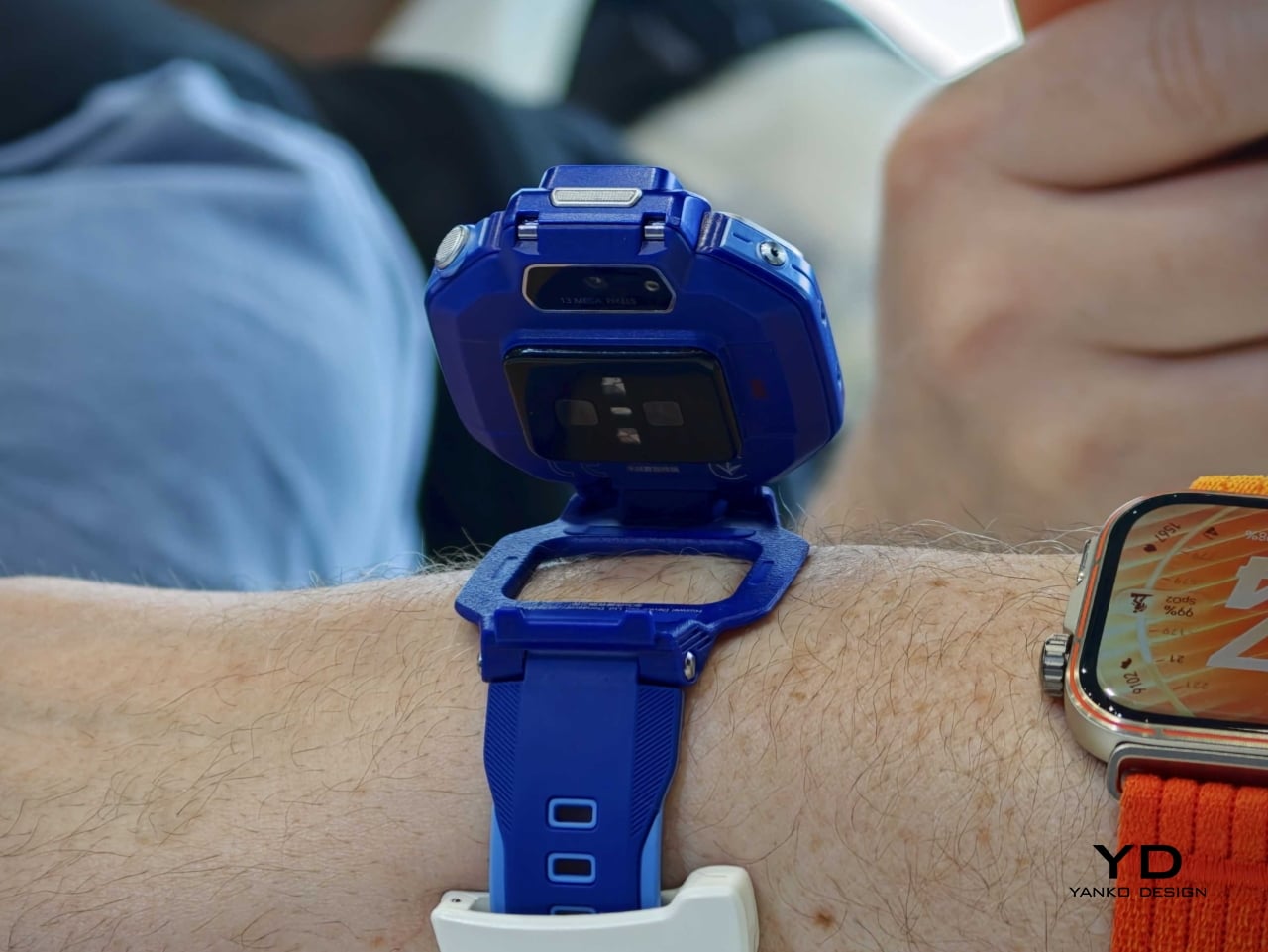
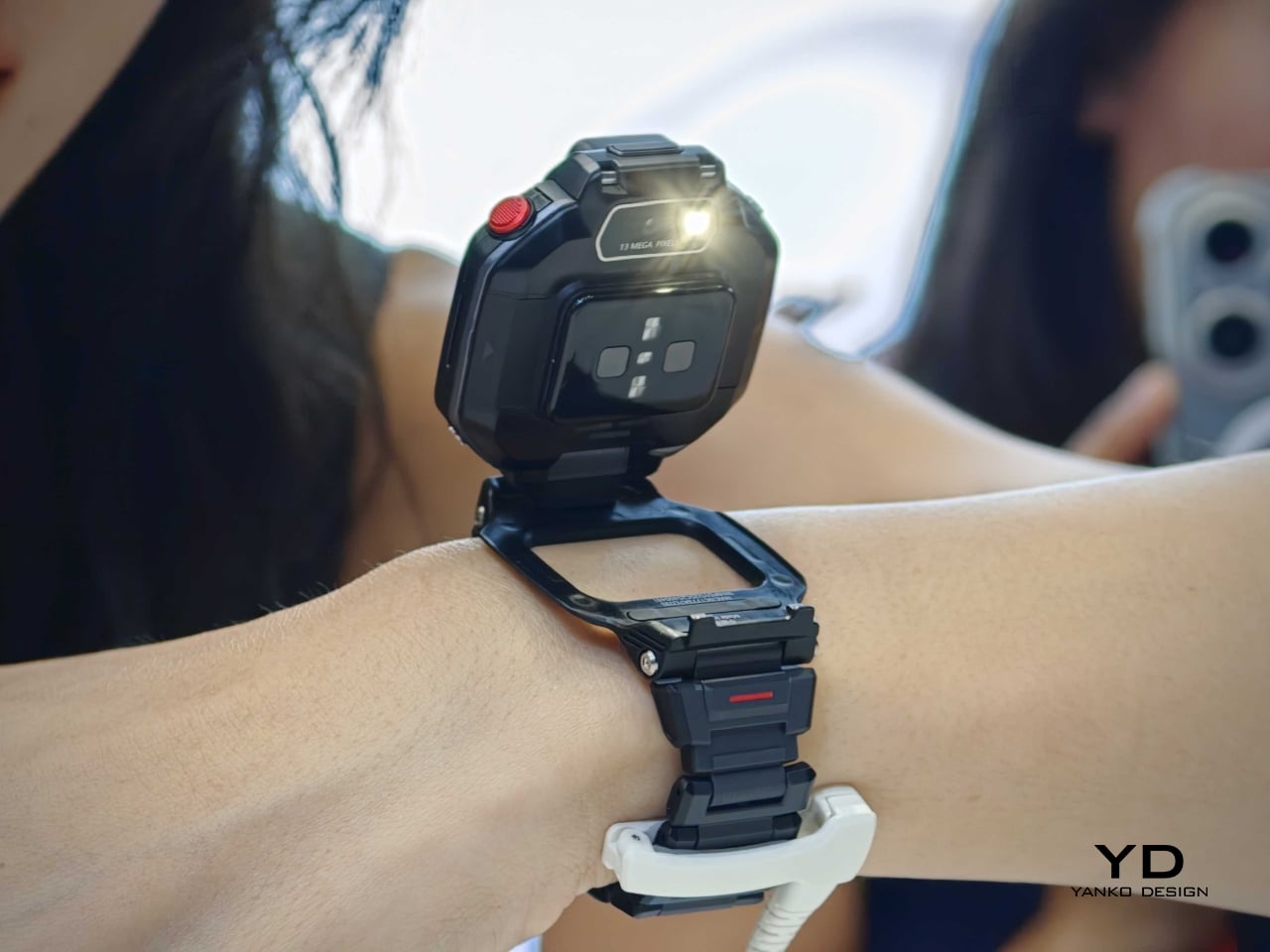
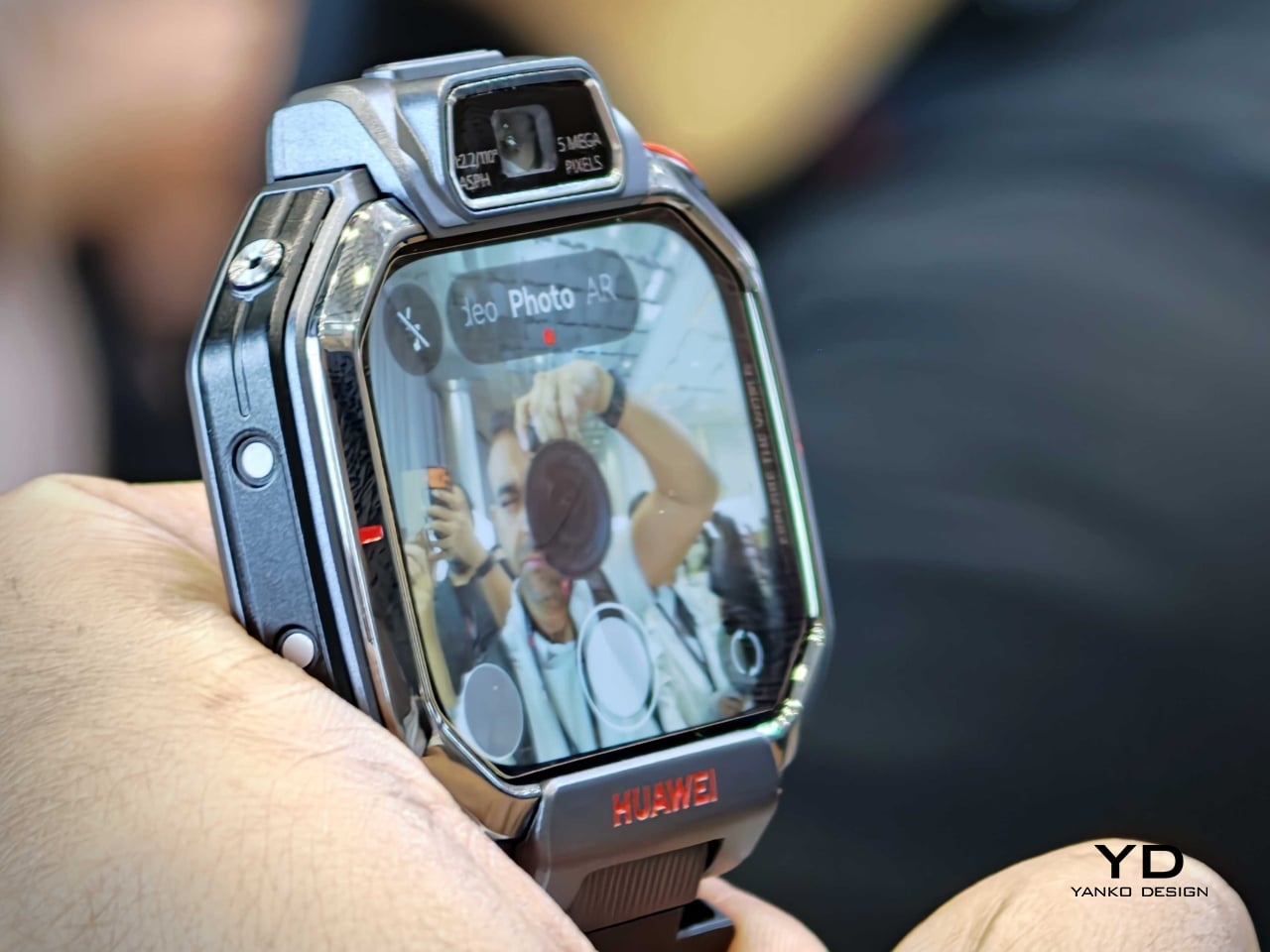
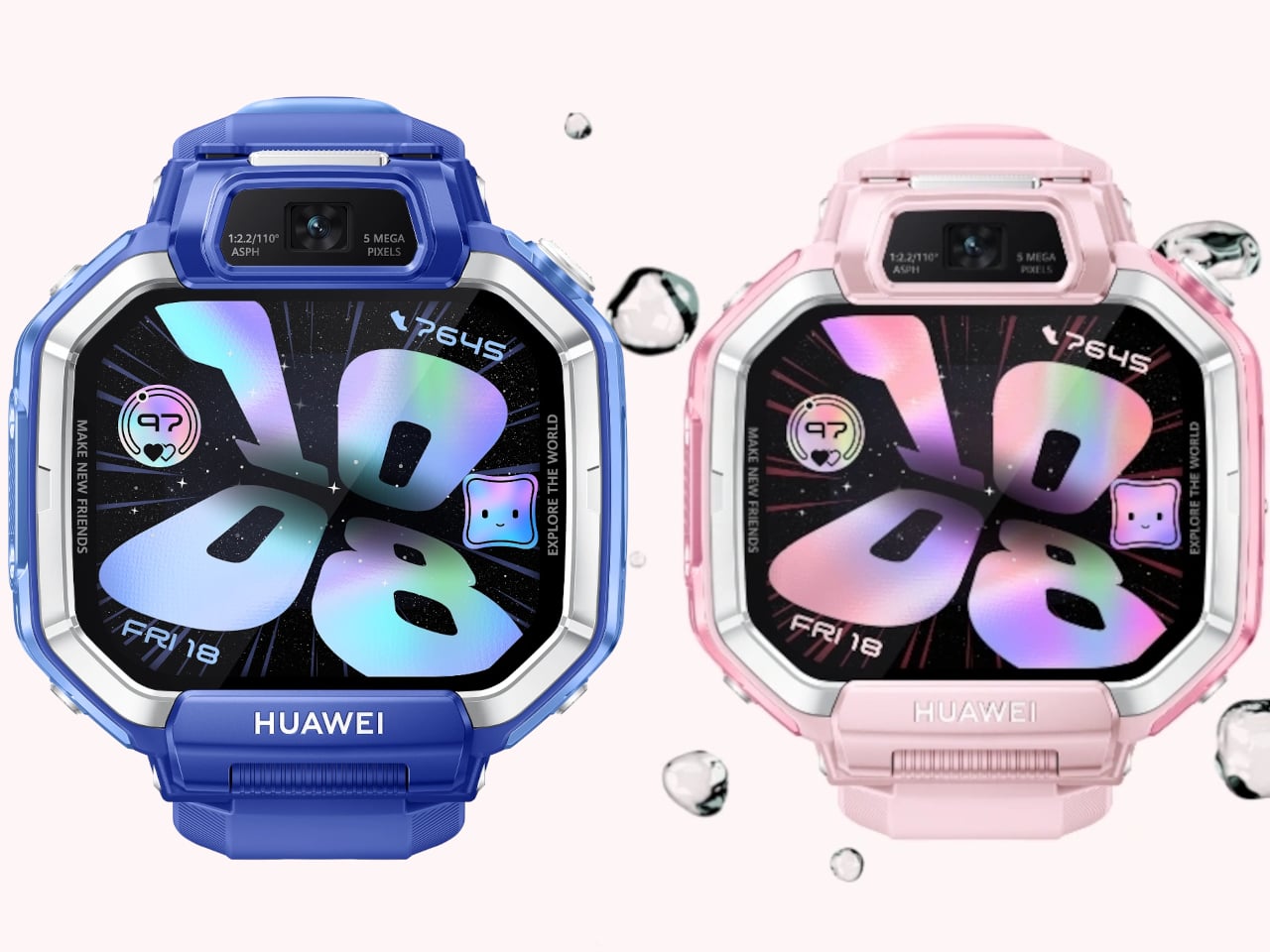
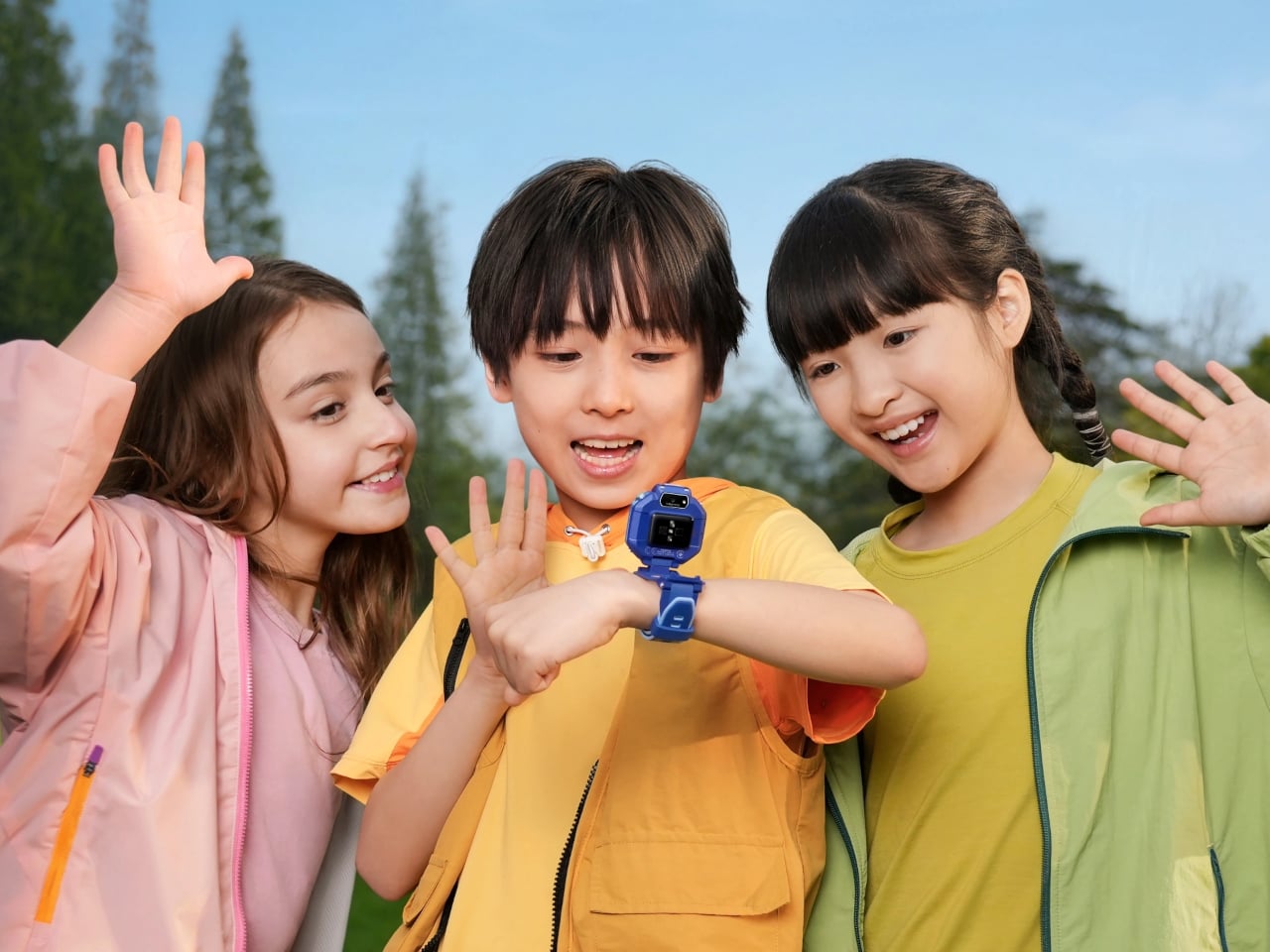
The series includes the Watch Kids X1 and Watch Kids X1 Pro, and both models lean heavily into transformable hardware. The standard version uses a flippable, 360-degree rotatable design, while the Pro adds a detachable module that can be removed from the strap and used more like a tiny handheld camera with its housing case. That shift in form makes the X1 series feel less like a miniature adult smartwatch and more like a hybrid object designed around play, communication, and movement.
Designer: Huawei
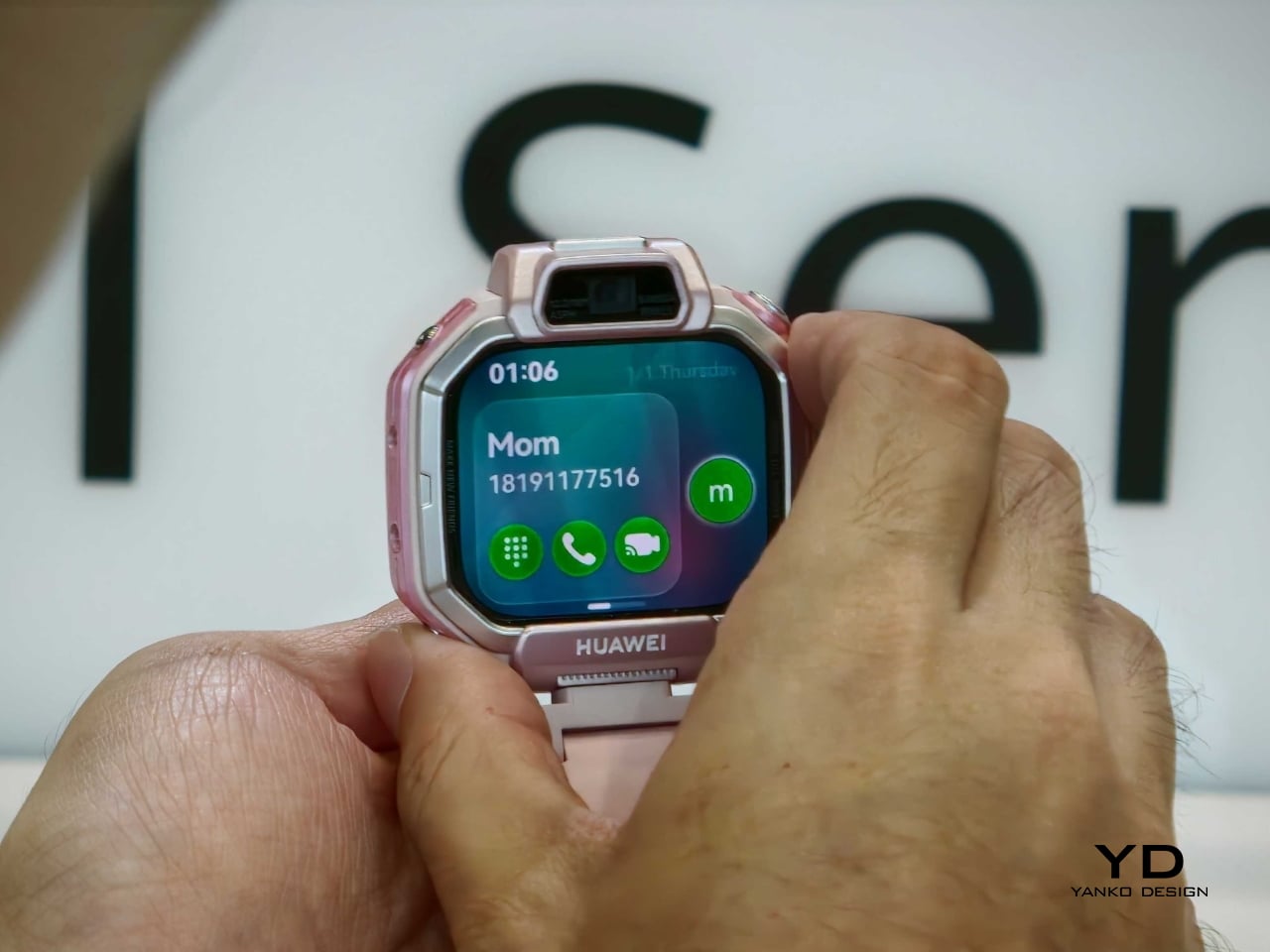
Both devices feature a 1.82-inch AMOLED touchscreen with a 480 x 408 resolution, giving the watches a bright, modern face that feels more premium than the category usually suggests. Huawei also equips the lineup with a 5MP front camera and a 13MP rear camera for HD video calls and photos, reinforcing the idea that these are communication-first wearables rather than simple step counters with GPS.
Safety remains a core part of the pitch. The Watch Kids X1 series supports multiple positioning methods, including dual-band satellite and GNSS-based tracking, along with additional location assistance modes designed to improve accuracy indoors and outdoors. Huawei also includes parental controls and health-oriented features, framing the watch as both a child-friendly gadget and a practical family tool.
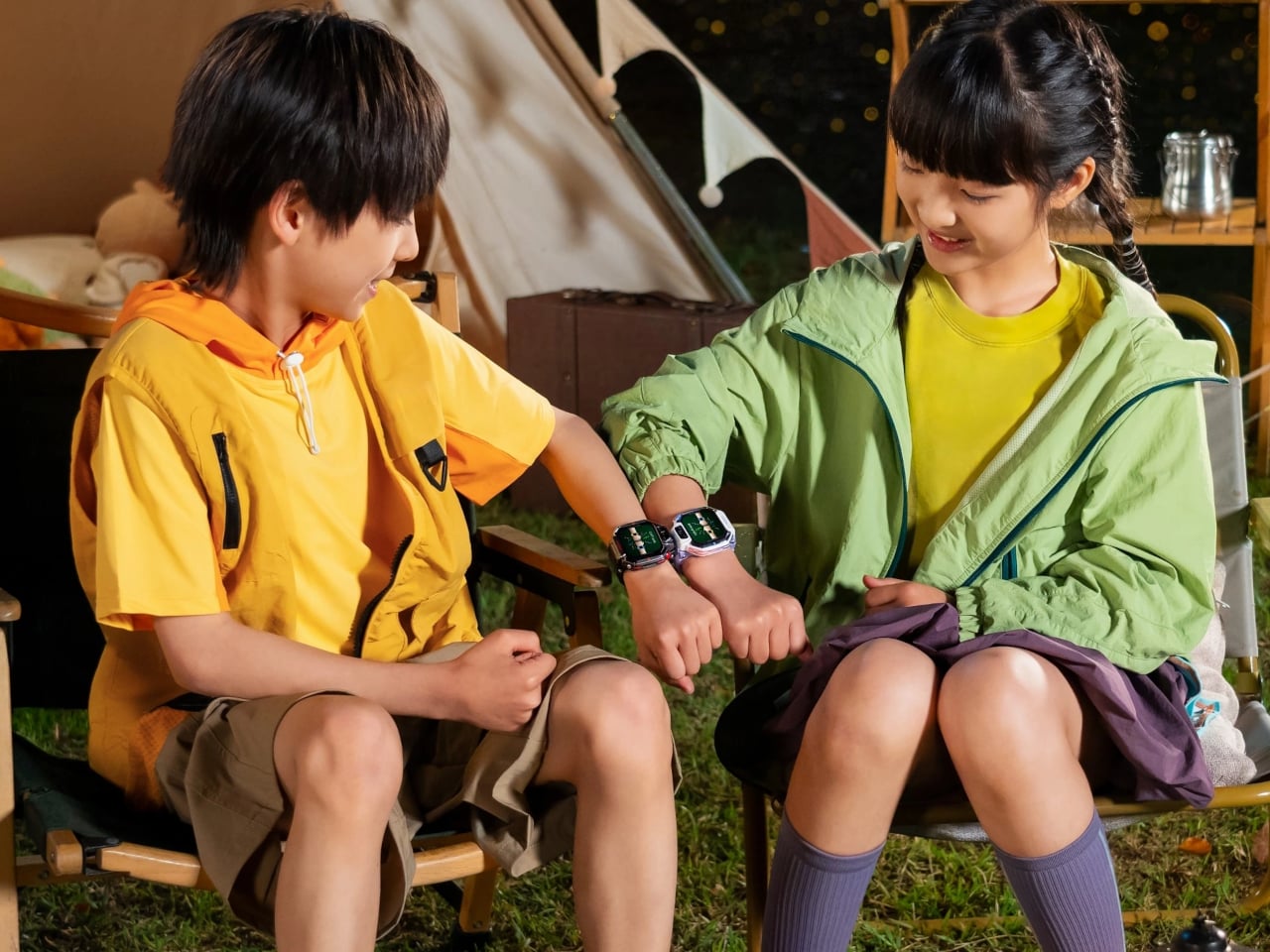
There is also a more expressive side to the design. The watches support filters, stickers, timer shooting modes, and friend-adding gestures such as touching devices together or shaking hands. These details may sound small, but they turn the product from a passive utility into something performative and social, which is exactly where children’s tech often succeeds or fails.
Battery life appears to be centered around an 850mAh cell, with reports claiming charging can reach 50 percent in about 20 minutes. Connectivity includes cellular support with 2G, 3G, and 4G compatibility, alongside WLAN, Bluetooth, and GNSS. That combination positions the X1 series as a compact communication hub for calls, messages, photos, and location sharing.
The Watch Kids X1 series shows that Huawei does not treat safety features and delight as opposing ideas. The flip, rotate, and detach mechanics give the product a sense of personality, while the cameras and bright display make it feel more like a creative object than a compliance device. For a category that often defaults to chunky plastic and strictly functional design, that is a meaningful shift.
The Watch Kids X1 is priced at €249, while the Watch Kids X1 Pro comes in at €349. If those figures hold across broader availability, Huawei is clearly positioning the pair above the most basic children’s wearables and closer to a premium family tech accessory with stronger industrial design ambitions.
Apple is currently grappling with significant supply chain disruptions that are affecting its Mac lineup, particularly the MacBook Neo and Mac Mini. These challenges stem from a combination of global chip shortages, production constraints, and rising component costs. The result is delayed production schedules and limited availability for consumers. If you’re considering purchasing a […]
Anthropic’s latest updates to Claude AI introduce a new feature called Dream Mode, which enables the system to autonomously refine its capabilities by analyzing past interactions and identifying patterns for improvement. This self-improvement mechanism operates in the background, allowing Claude AI to become progressively more effective at handling complex tasks over time. As highlighted by […]
Valve’s ambitious Steam Machine project aimed to bridge the gap between PC and console gaming and the Zotac SN780 was one of its flagship devices. Released in 2016, this compact gaming PC came equipped with an Intel Core i5-6400T processor, an Nvidia GTX 960 GPU and 16GB of DDR3 RAM, all optimized to run Steam […]
Apple is reportedly preparing to unveil a new category of high-end laptops: the MacBook Ultra. Positioned above the MacBook Air and MacBook Pro, this device is expected to redefine premium computing with a suite of advanced features. For those who prioritize innovative technology, the MacBook Ultra could represent the future of high-performance laptops, offering capabilities […]
Most fitness trackers have followed the same design logic for years: a screen on the wrist that flashes step counts, shows incoming messages, and turns the whole device into a smaller, sweatproof version of your phone. That approach has its fans, but it also has a ceiling. Screens add bulk, drain batteries, and tempt you to keep checking things you probably didn’t need to check while trying to fall asleep.
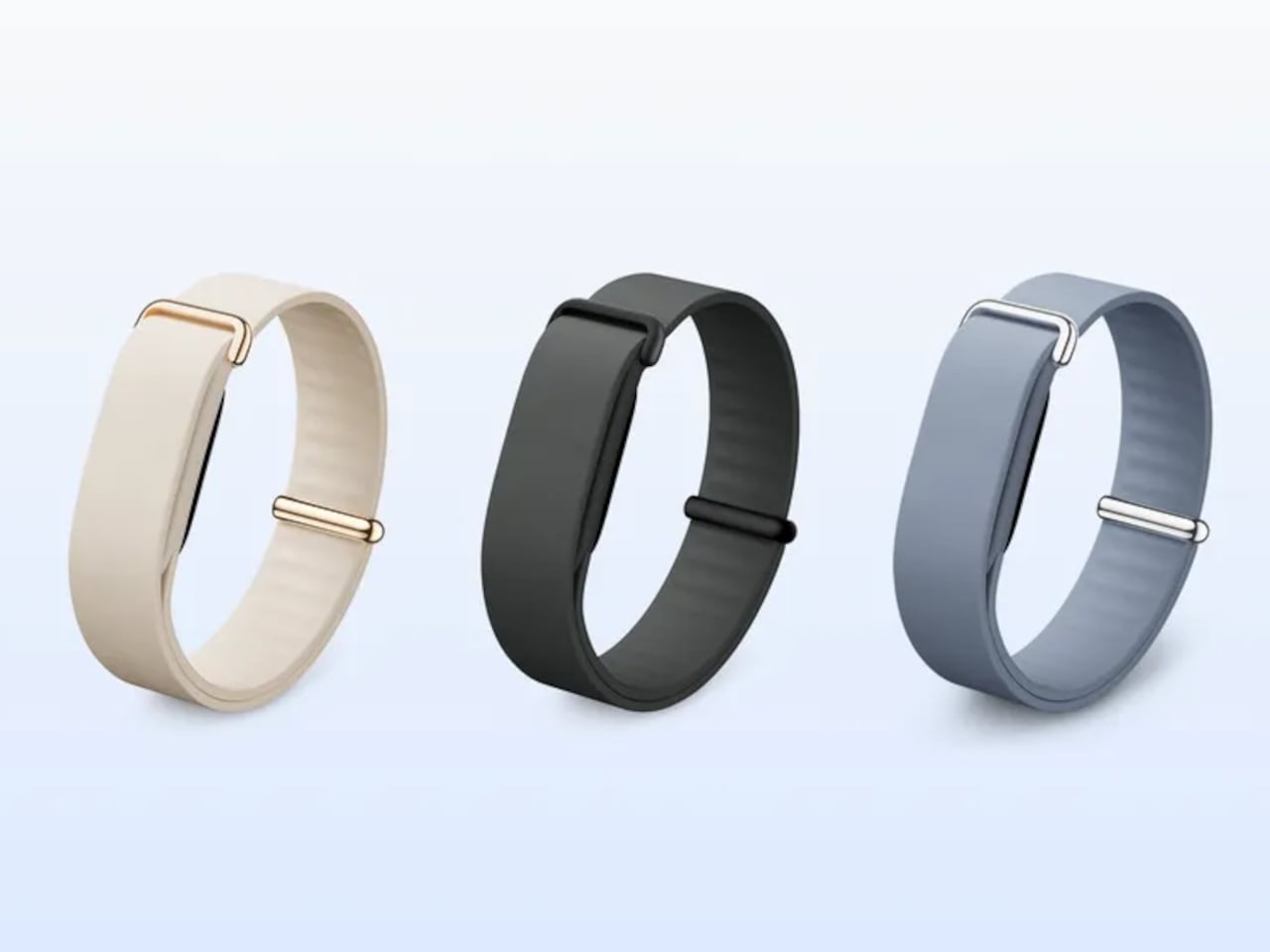
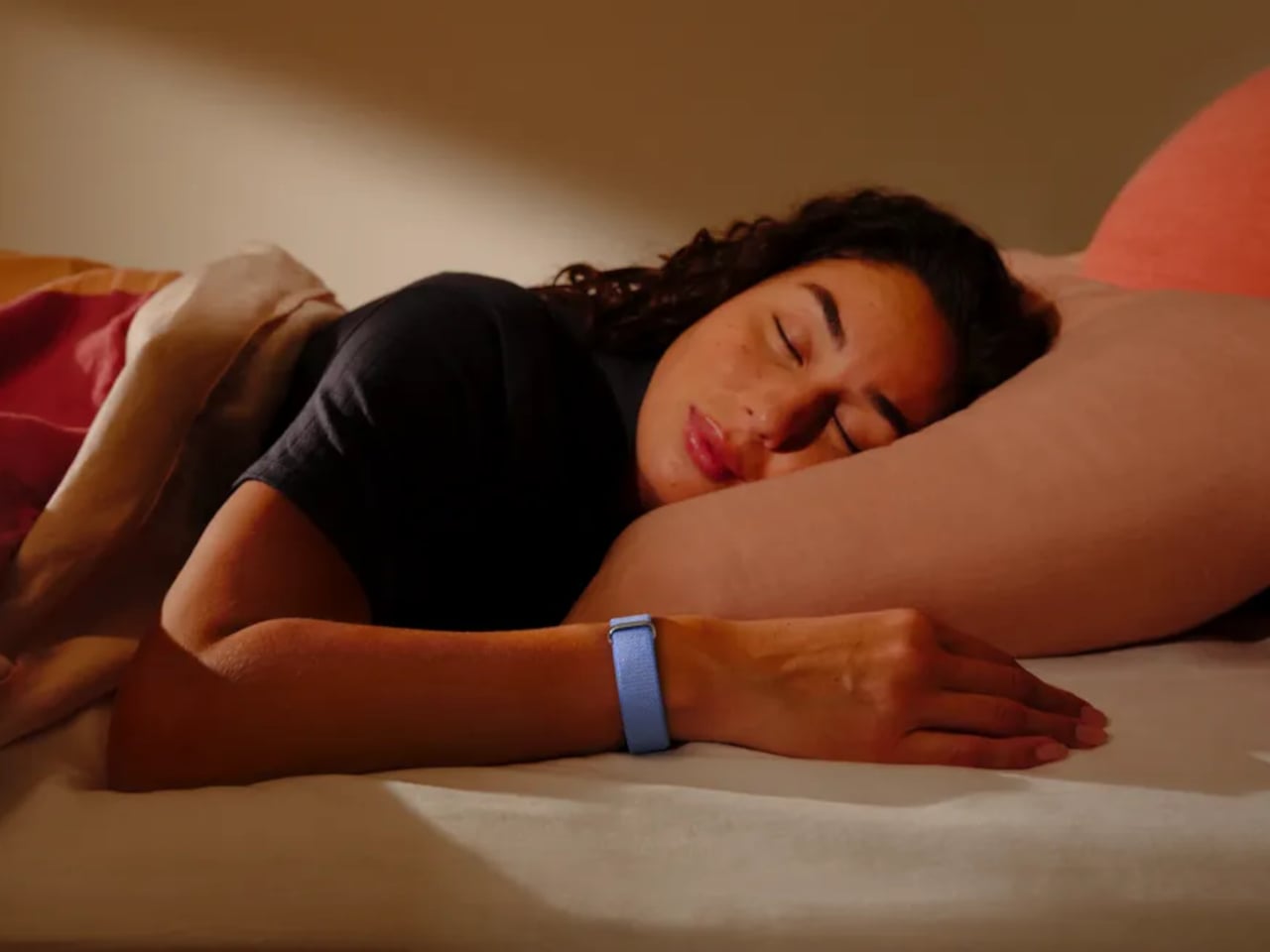
Fitbit Air is Google’s answer to what a fitness tracker looks like when the screen comes off entirely. It’s the smallest Fitbit ever made, weighing roughly five grams on its own and about 12g with a band, and it has nothing on its face except a slim oval housing made from recycled polycarbonate. No display, no haptic button, no notification feed; just sensors doing their job quietly and continuously.
That doesn’t mean there’s less happening inside. The Air carries an optical heart rate monitor, a three-axis accelerometer and gyroscope, red and infrared sensors for blood oxygen monitoring, and a device temperature sensor. Together, these maintain a continuous record of heart rate, heart rate variability, resting heart rate, oxygen saturation, and sleep stages, while also flagging irregular heart rhythms along the way without any input from the wearer.
Wear it to bed, and it tracks sleep stages through the night without lighting up or buzzing. Take it through a workout, and it recognizes the activity automatically. The battery lasts up to seven days under normal use, and a five-minute top-up adds another full day when the charge runs low. Water resistance reaches 50 meters, so showers, swimming, and sweaty training sessions don’t require a second thought.
The data flows into the Google Health app, which is where the Air actually earns its keep. Built on Gemini, Google Health Coach reads everything the tracker has collected and turns it into something genuinely useful: personalized recommendations, recovery guidance, trend analysis, and answers to specific questions about why you might be feeling tired after travel or how to adjust training around an injury, all based on your actual biometrics.
The app works the same way with Pixel Watch, meaning the Air can slot into an existing Google wearables setup or work entirely on its own. Wearing both simultaneously is supported, health data syncs automatically, and the app lets you sort metrics by device. For someone who already carries a Pixel Watch but wants continuous overnight tracking without the bulk of a full smartwatch, the Air fills that gap neatly.
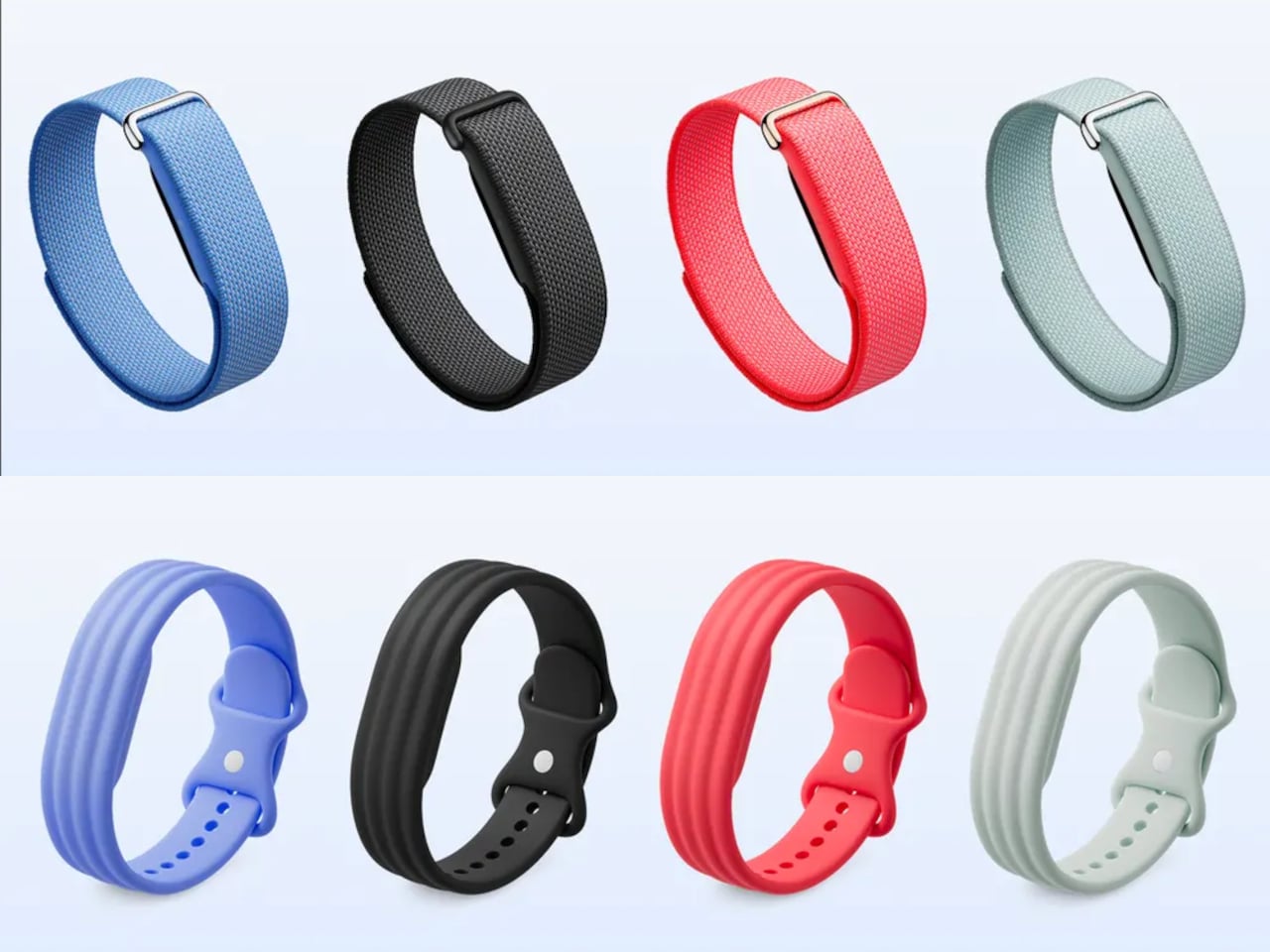
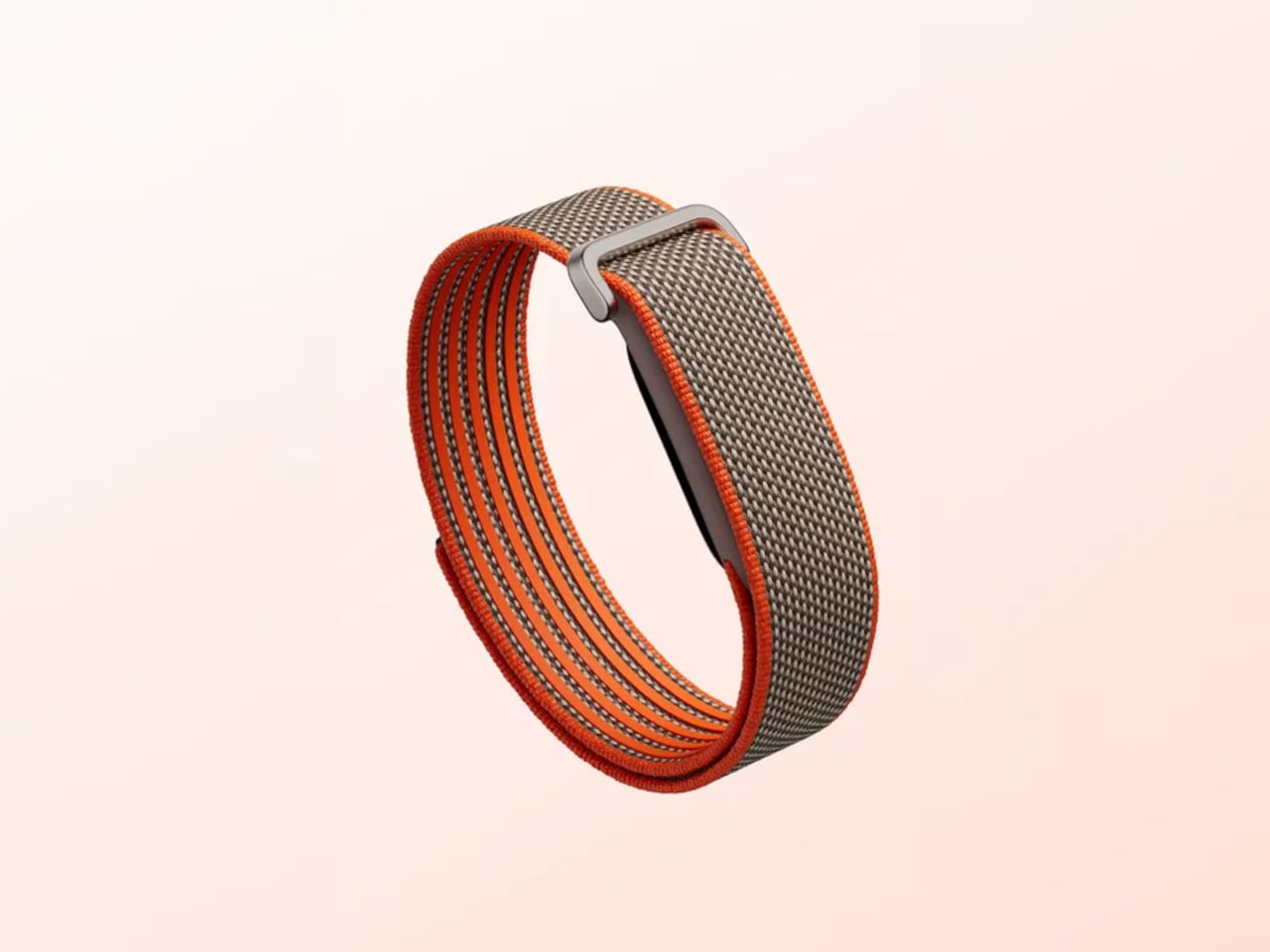
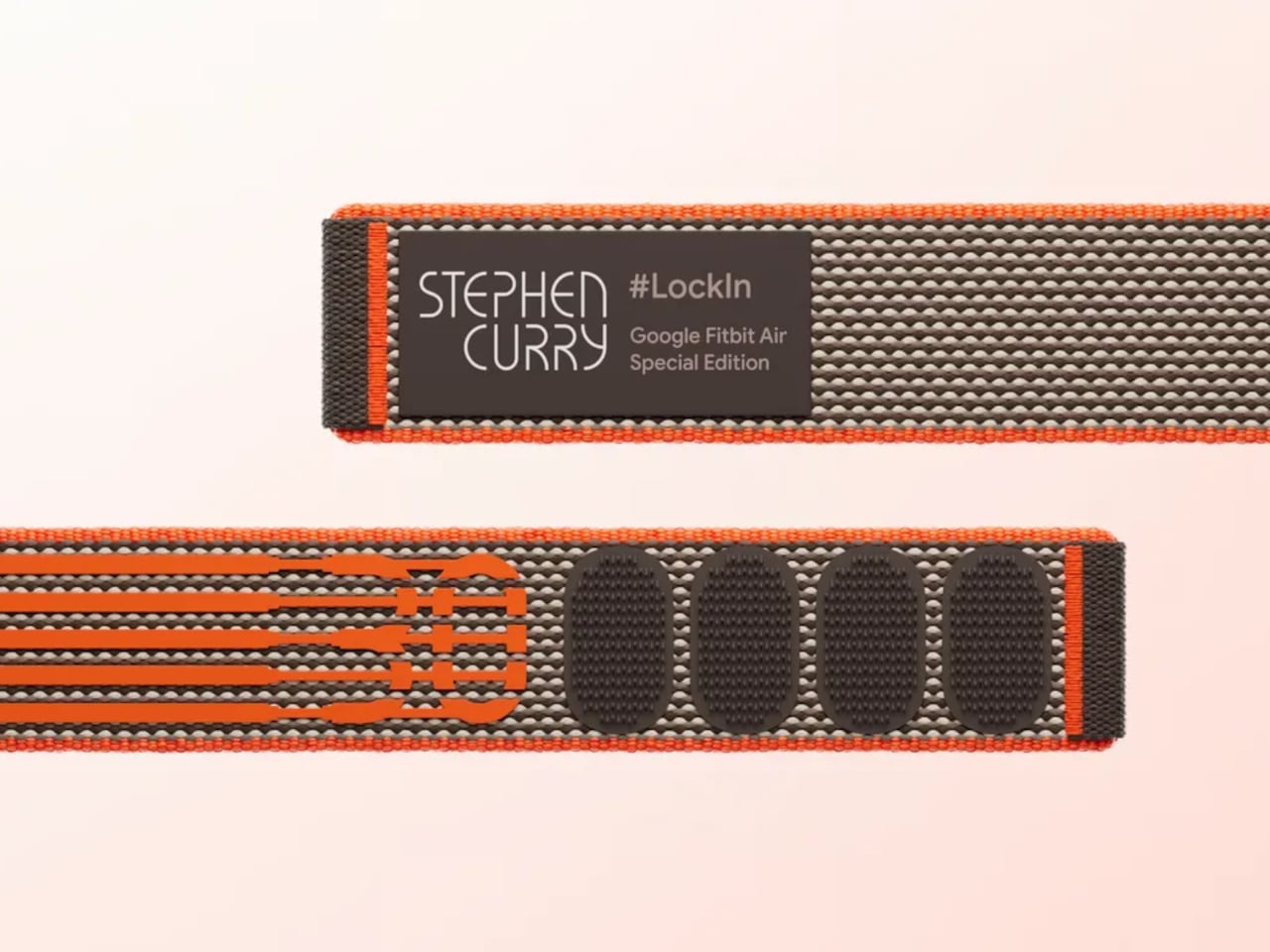
Fitbit Air is available for preorder at $99.99, with first shipments scheduled for May 26. That price includes three months of Google Health Premium, which unlocks full access to Health Coach. After the trial, continuing the service runs $9.99 per month or $99.99 per year. A Stephen Curry Special Edition runs $129.99, and interchangeable accessory bands start at $34.99, compatible with Android and iOS.
Compared to other services that charge nothing upfront but require a subscription from the start, the Air’s $99.99 entry price is a more accessible way in. As a device you’re genuinely not meant to look at, its value lives almost entirely in the software behind it; the band gathers, and Google Health interprets. For a tracker specifically designed to be forgotten on the wrist, that’s a quietly compelling arrangement.
GitLab and GitHub are widely used platforms for version control and collaboration, each serving distinct needs in software development. According to Corbin, GitLab stands out for its free self-hosting option, allowing organizations to retain full control over their infrastructure, a critical advantage for teams with stringent data governance requirements. In contrast, GitHub’s extensive community and […]