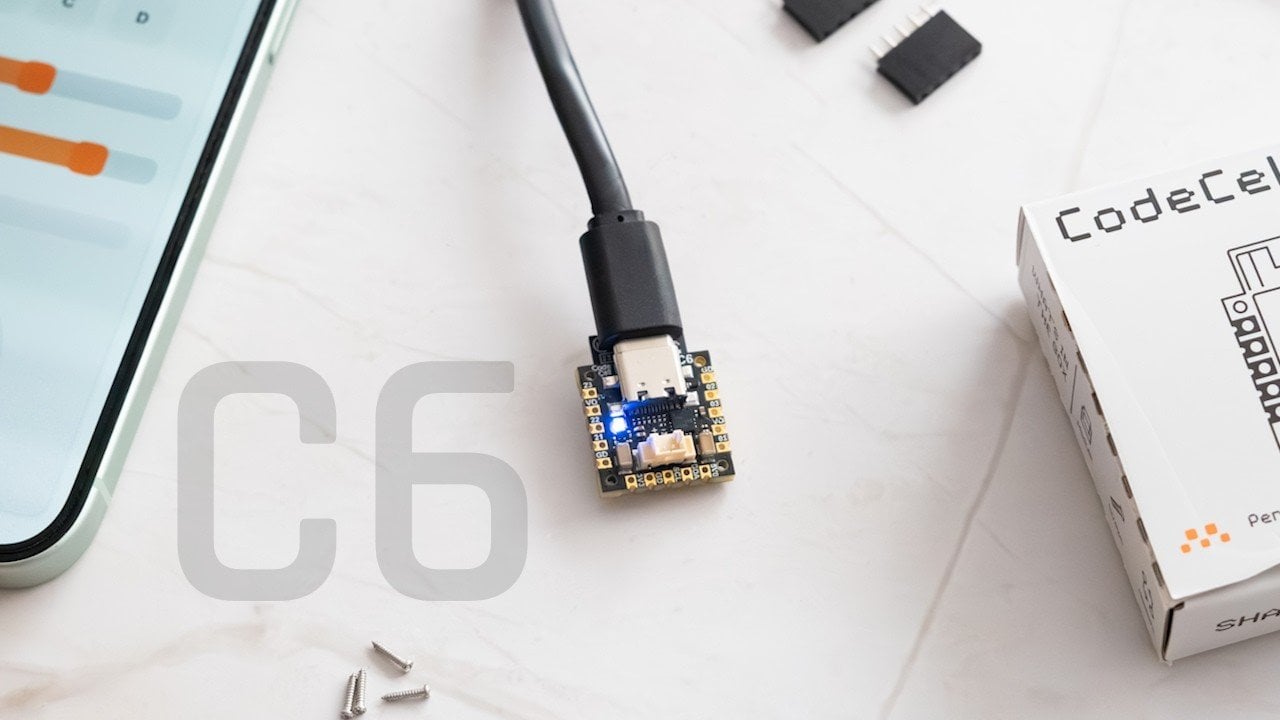
What if the IoT development board you’ve been waiting for finally existed? Below, microbots breaks down how the new CodeCell C6 redefines what’s possible for developers and hobbyists alike. Built on the trusted ESP32 platform, this compact yet powerful board isn’t just an upgrade, it’s a response to the needs of its users. With expanded […]
Apple is reportedly preparing to unveil its most ambitious smartphone yet—the iPhone Fold. Expected to debut in 2026, this device is anticipated to redefine the foldable smartphone category. By combining innovative design, advanced technology, and seamless integration into Apple’s ecosystem, the iPhone Fold could establish a new standard in the industry. For those following the […]
What if your research assistant could not only sift through mountains of data but also deliver precise, citation-backed insights in real time? That’s exactly what GPT-5.2 brings to ChatGPT Deep Research, and is now being rolled out by OpenAI. It doesn’t just answer questions, it reshapes how professionals approach deep research, offering unparalleled accuracy and […]
Samsung Electronics has officially confirmed its next Galaxy Unpacked event, set to take place on February 25 in San Francisco. This highly anticipated occasion will serve as the platform for unveiling the latest Galaxy S series, showcasing innovative advancements in smartphone technology. A key focus of this year’s event will be the integration of artificial […]
What if a single piece of gear could make you feel faster, sharper, and more competitive in your favorite games? Dave2D takes a closer look at how the Logitech GPro X2 Super Strike might just be that fantastic option. With its innovative Haptic Inductive Trigger System (HITS) and a design laser-focused on reducing click latency, […]
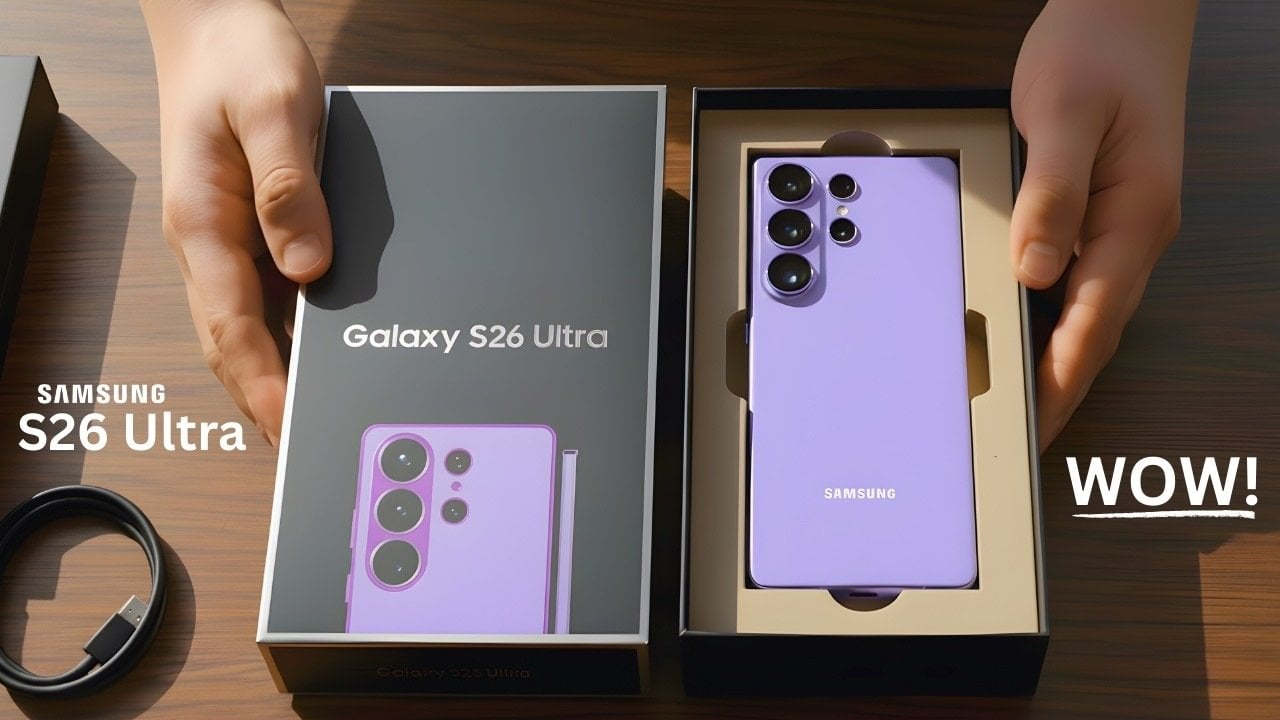
Samsung is gearing up to unveil its highly anticipated Galaxy S26 series, with the Galaxy S26 Ultra positioned as the flagship model. Scheduled for an official announcement on February 25, 2026, this device is set to redefine expectations with its innovative features, refined design, and enhanced user experience. Pre-orders are anticipated to begin as early […]
Samsung has rolled out the OneUI 8.5 Beta 4 update, a significant release aimed at improving your device’s performance, addressing critical bugs, and reintroducing the voicemail feature. With a size of 1488 MB, this update also integrates the February 2026 security patch, making sure your device is safeguarded against the latest threats. While it doesn’t […]
Managing your iPhone contacts can become a daunting task, especially when you need to delete several entries simultaneously. While iOS lacks a built-in “select all” feature, it does provide a gesture-based method that simplifies the process. The video below from Daniel About Tech outlines how to efficiently delete multiple contacts and offers practical strategies to […]
Working away from a main desk often means a laptop balanced on a café table or airplane tray, maybe a separate portable monitor propped up on a stand, a compact keyboard wedged in front, and a tangle of USB-C cables. This works in theory, but often feels like overpacking, especially when all you wanted was a bit more screen space and a better typing angle without turning a small table into a tech puzzle.
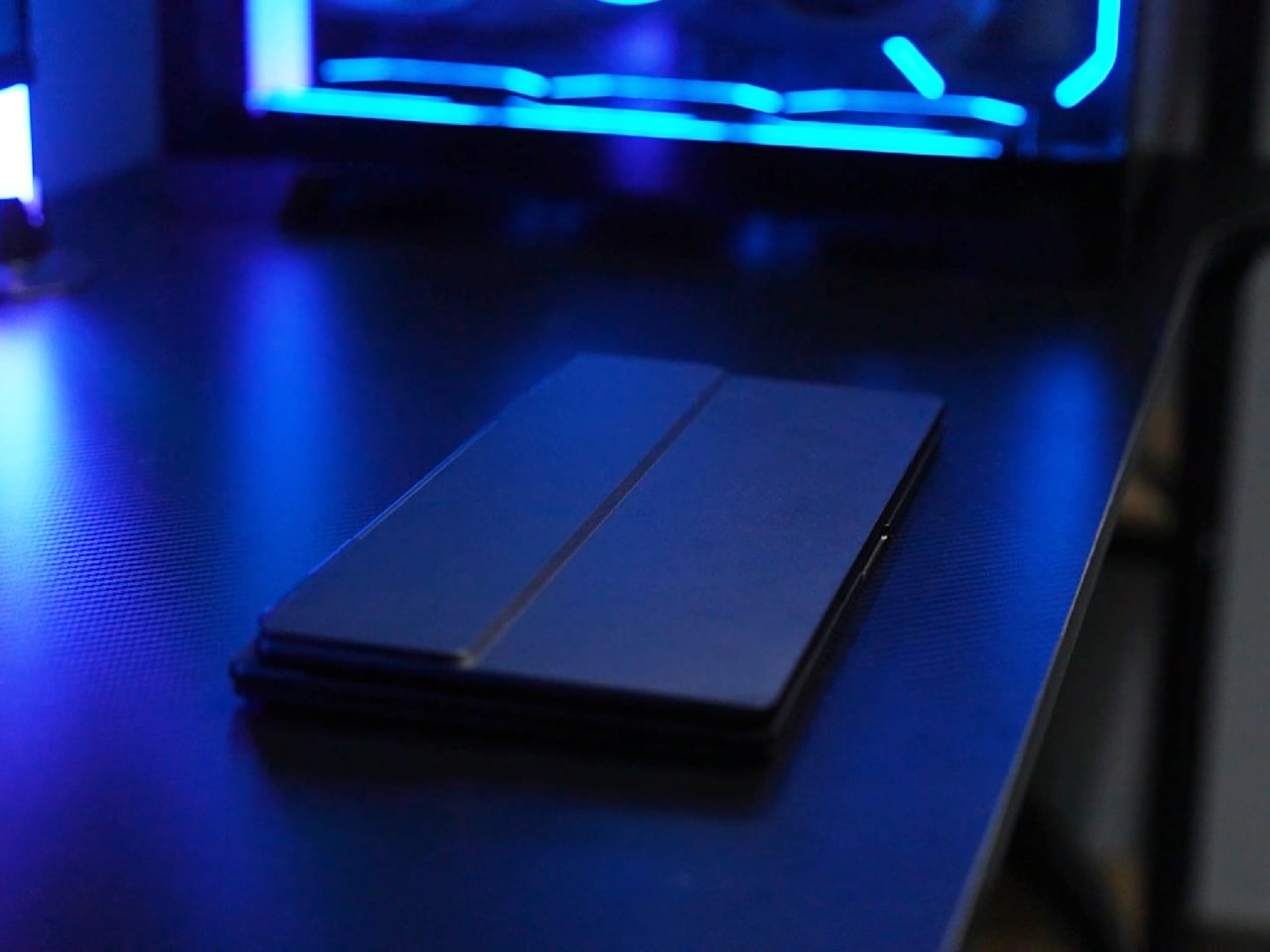
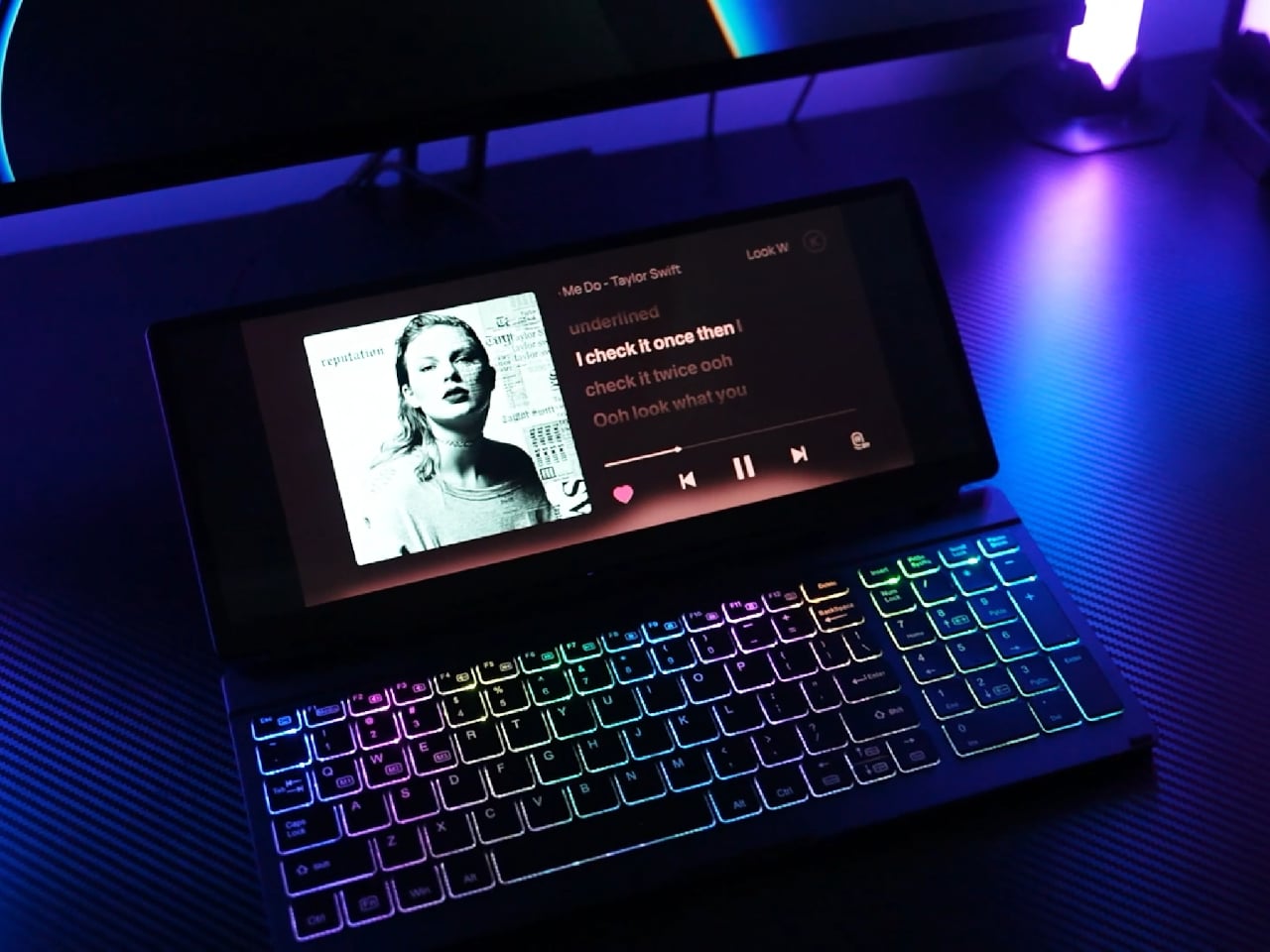
KeyGo Gen2 is a response to that clutter, an ultra-slim folding keyboard with a built-in 13-inch 4K touch screen and speakers that carry like a thin notebook. When it’s closed, it is a flat CNC-machined aluminum slab that slides into a sleeve. When it opens, it becomes a low-profile strip of keys and glass that turns any USB-C laptop into a dual-screen workstation.
The original 720p panel has been replaced with a 4K/60 Hz IPS display, stretched to 13.0 inches and bright enough for offices and cafés, with adjustable brightness for late-night sessions. That upgrade means editing footage at native resolution, keeping dense spreadsheets visible without squinting, parking timelines, chat windows, or reference material on the lower screen so the main laptop display can stay focused on the primary task.
The 10-point capacitive touch layer sits just above the scissor-switch keys, so you can drag windows, scrub through a timeline, or tap controls directly on the display while your hands stay near the keyboard. Key travel has been shortened by 1 mm compared to the first generation, making keys feel snappier and more responsive for long writing or coding sessions.
The CNC aluminum body and under-2-cm profile matter when you are actually on the move. The 32cm x 15 cm footprint fits on a tray table or narrow counter without overhanging. The 1,000g weight feels substantial enough not to slide around, yet light enough to carry daily without feeling like you’re packing a second laptop.
Built-in speakers mean video edits, calls, or background music come from the same strip you are typing on, avoiding the weak audio of many laptops and the need for extra gear. The sound comes from right where you’re working, which makes video playback and calls feel more focused without hunting for a dongle or Bluetooth pairing.
The KeyGo Gen2 moves between roles, plugged into a Windows laptop in a coworking space as a second screen for tools, attached to a compact Linux machine at home as a primary display and keyboard, or paired with an Android tablet for streaming and note-taking. Compatibility with Windows, macOS, Linux, and Android means it can follow your devices rather than being locked to one ecosystem.
The 180-degree fold and single USB-C connection change how quickly you can set up in tight spaces. Instead of assembling a portable monitor stand, routing cables, and finding room for a separate keyboard, you unfold one piece, plug in, and start working. That reduction in friction means you are more likely to actually deploy the dual-screen setup instead of making do with a cramped laptop panel.
The KeyGo Gen2 feels like a thoughtful second pass. It has sharper 4K visuals, a slightly larger 13-inch canvas, a thinner body, refined key feel, brightness control, and audio all tuned to the way hybrid workers, creators, and coders actually move through spaces. With so many separate pieces and improvised stands flooding the market, a single folding strip of aluminum, glass, and keys that opens into a complete little command center feels like an integrated design worth carrying every day.
There’s something deeply broken about the way we interact with technology. We scroll mindlessly, chase notifications, and bounce between tabs like caffeinated pinballs. Our devices constantly demand our attention, rewarding speed over substance, reaction over reflection. But what if a piece of technology asked you to slow down instead?
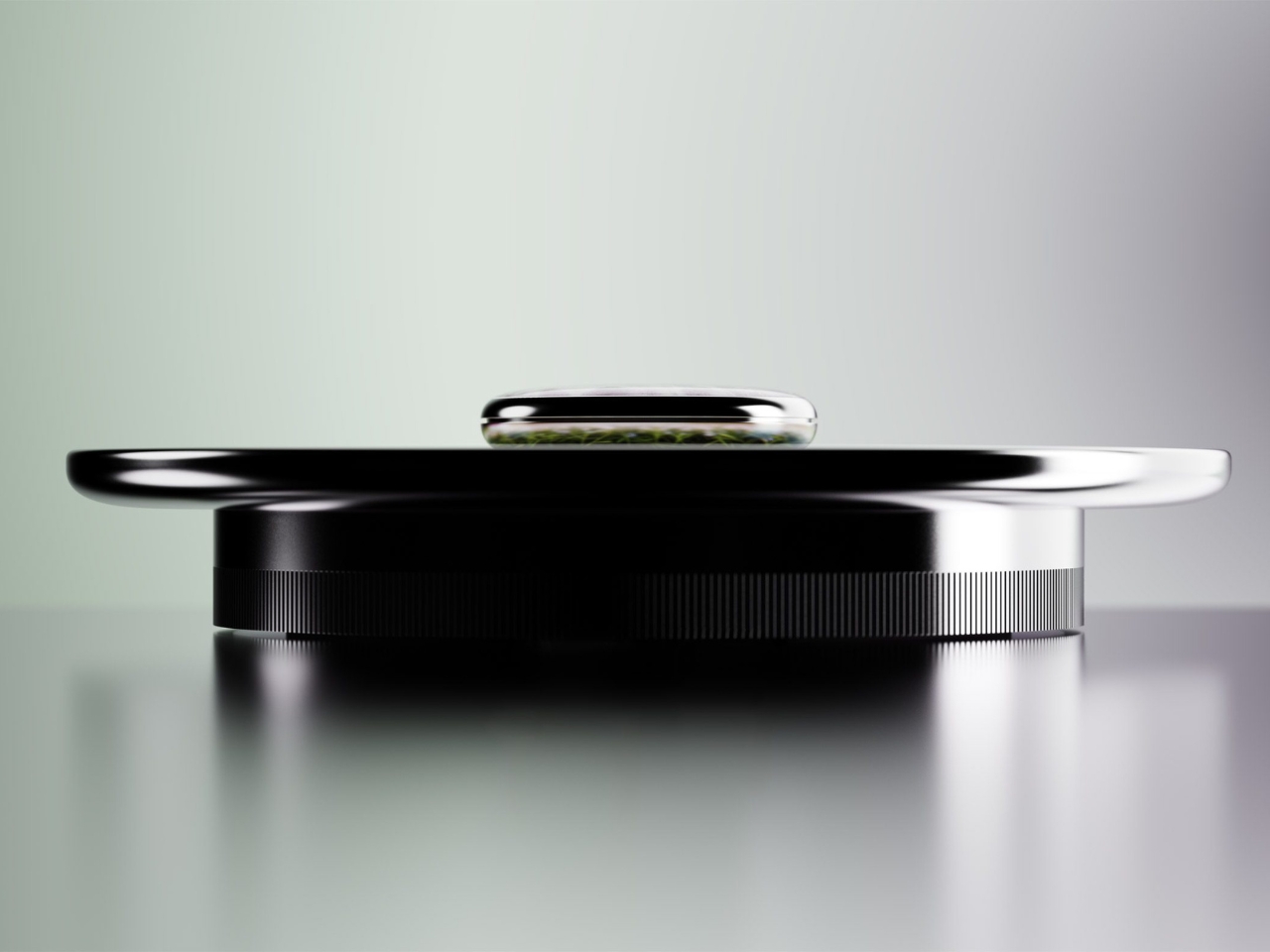
That’s the radical premise behind Cognitive Bloom, a speculative AI device conceived by Map Project Office in collaboration with Chanwoo Lee from Lovelace Research. Lee, who’s also a visiting lecturer at Imperial College London and the Royal College of Art, is reimagining what personal AI could become if we designed it with the same care we give to cultivating a garden.
The concept couldn’t arrive at a more critical moment. With mounting evidence around cognitive decline and digital burnout, Cognitive Bloom offers an alternative vision for our relationship with artificial intelligence. Instead of optimizing for efficiency or speed, it encourages something we’ve almost forgotten how to do: genuine self-reflection.
At the heart of Cognitive Bloom is a beautiful metaphor that makes complex data feel alive. The device uses an ambient display that transforms your mental wellness data into a virtual ecosystem. Areas where you’re struggling show up as yellowing leaves. New buds emerge where you’re beginning to grow. When you’re truly thriving in an aspect of your wellbeing, those buds finally bloom. It’s an intuitive visualization that breaks down the typically overwhelming data around mental health. Rather than confronting you with charts, percentages, or clinical assessments, Cognitive Bloom speaks in a language we instinctively understand. Plants need water, sunlight, and attention. So do we.
The device functions as a domestic companion that nurtures what the designers call “a new ritual of self-reflection.” It’s designed to help users reconnect with what genuinely matters, fostering the creation of new mental pathways through thoughtful engagement rather than passive consumption. This approach stands in stark contrast to how most AI products work today. Current AI interfaces typically emphasize quick answers, instant gratification, and frictionless productivity. Cognitive Bloom deliberately introduces friction, but the kind that matters. It’s the friction of pausing. Of considering. Of being present with your thoughts rather than racing past them.
The gardening metaphor extends throughout the entire experience. Just as tending a garden requires patience, consistency, and presence, Cognitive Bloom asks users to take a respite from digitally overstimulated lifestyles. It creates space for genuine contemplation, curiosity, and self-discovery, qualities that feel increasingly rare in our current technological landscape. What makes this project particularly compelling is how it uses human-centered design to foster a deeper connection not just to ourselves, but to our digital environment. Too often, technology feels like something that happens to us, an external force constantly pulling us in a hundred directions. Cognitive Bloom suggests technology could instead become a tool for coming home to ourselves.
The collaboration between Map Project Office and Lovelace Research brings together expertise in design strategy and human-centered AI research, creating a vision that feels both technically informed and emotionally resonant. As a speculative project, Cognitive Bloom doesn’t need to solve every practical challenge of implementation. Instead, it asks the more important question: What if we actually designed technology the way we cultivate gardens, with care, patience, and presence?
That question alone is worth sitting with. In a culture obsessed with growth hacking, viral moments, and exponential scaling, the steady rhythm of gardening offers a different model entirely. Gardens can’t be rushed. They respond to seasons, weather, and the particular needs of different plants. They require observation and adaptation, not standardized solutions.
Cognitive Bloom represents a growing movement in design and technology that’s pushing back against the extractive, attention-harvesting model that dominates our digital lives. It joins other projects reimagining what ethical, human-centered AI could actually look like when we design for wellbeing instead of engagement metrics. Whether Cognitive Bloom eventually becomes a physical product or remains a provocative concept, it’s already succeeded in making us reconsider our relationship with AI and personal data. Sometimes the most important innovations aren’t the ones that disrupt markets but the ones that disrupt our assumptions about what technology should be for.