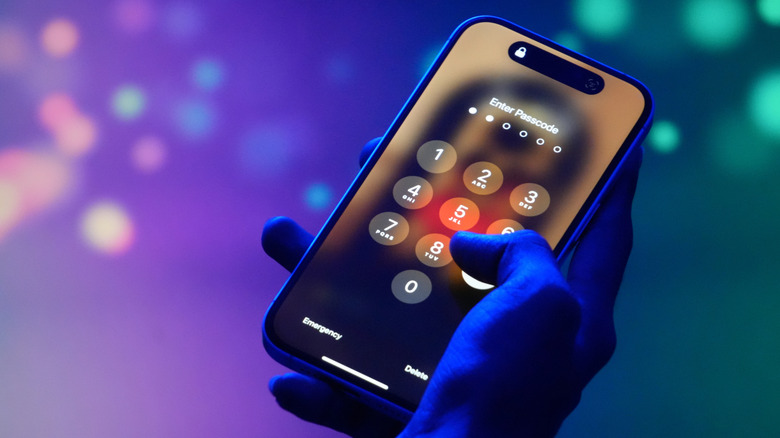
Getting an ‘iPhone Unavailable’ message? Here’s how to fix it
If you're having trouble getting into your iPhone, you'll need your old passcode or Apple Account password.
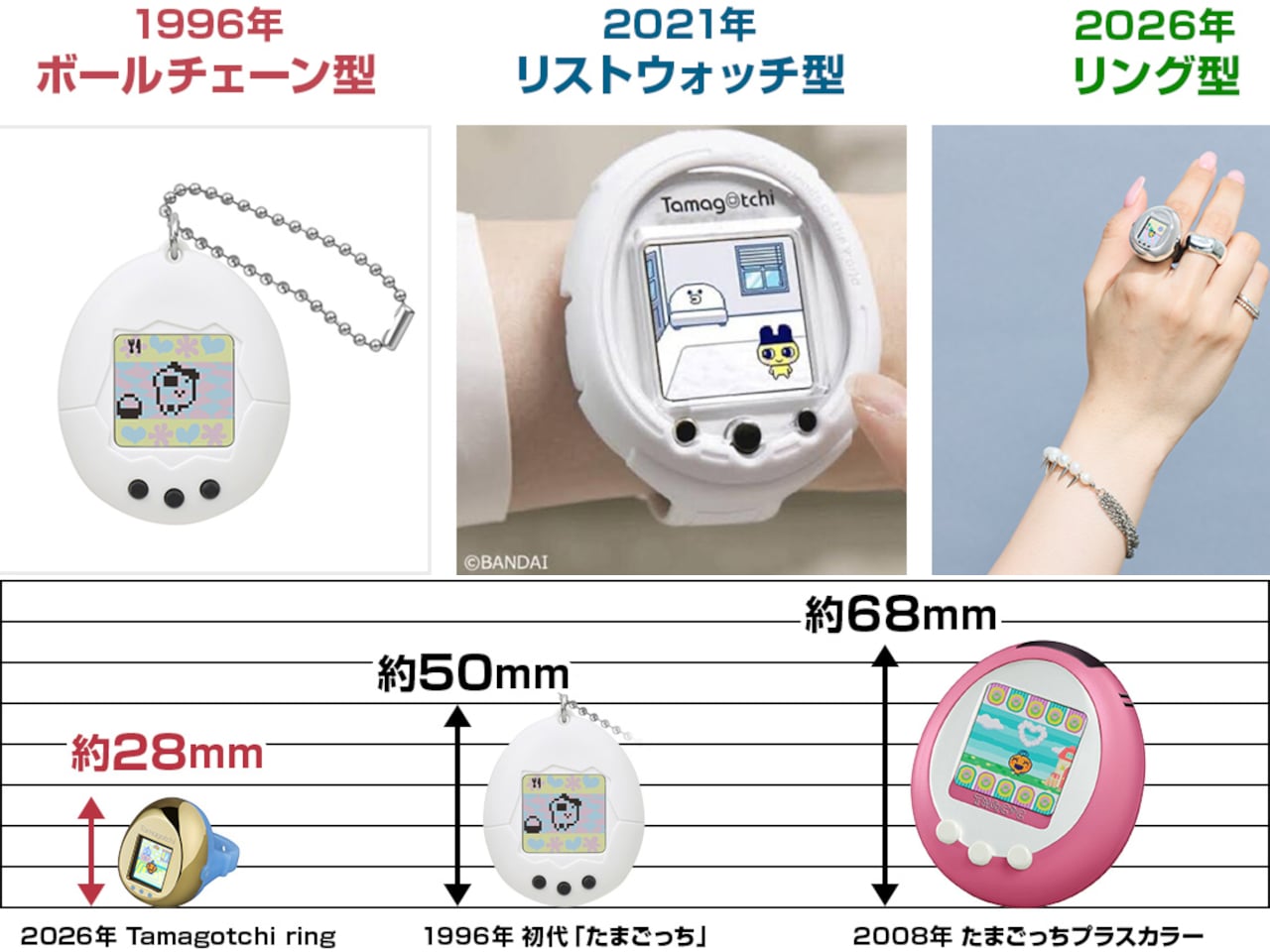
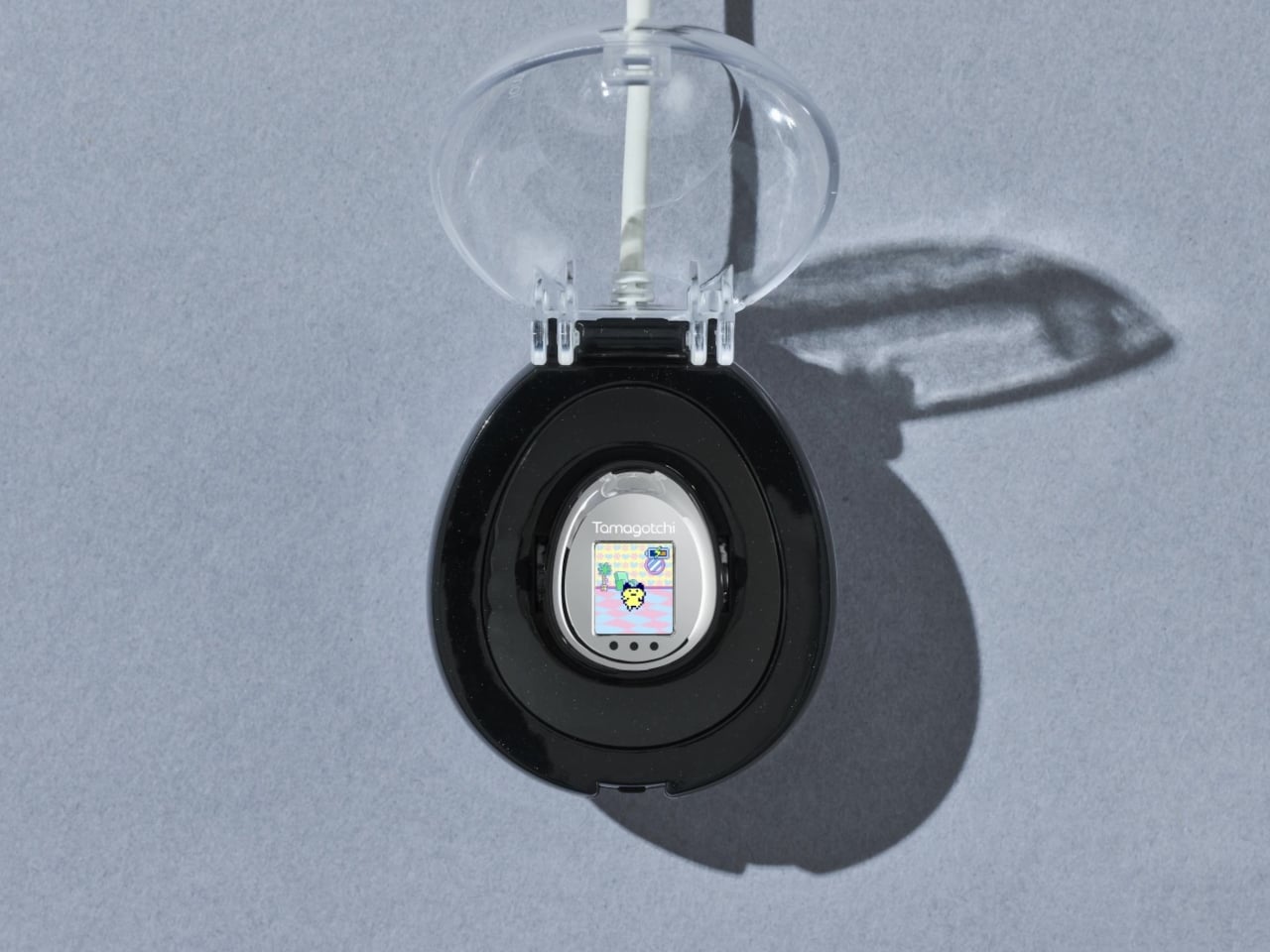
The original Tamagotchi was a plastic egg about 50 mm tall that you clipped to your bag and tried not to kill. Thirty years later, Bandai has announced a version you wear on your finger, the 39th entry in the main series, and by far the smallest one yet. The Tamagotchi Ring houses a 0.56-inch color LCD in a body 28 mm tall, roughly half the size of that 1996 keychain, and it took Bandai two years to figure out how to make it work.
Miniaturizing something this far doesn’t happen by shrinking the parts. It requires rethinking the entire internal layout. The Tamagotchi Ring contains 64 total components, 52 electronic and 12 plastic, crammed into a body measuring 28mm x 23mm x 35mm. The 0.56-inch display is the smallest color LCD ever fitted to a Tamagotchi, and the battery, now rechargeable rather than a replaceable coin cell, charges via an included case because there simply wasn’t room for anything else.
Designer: Bandai
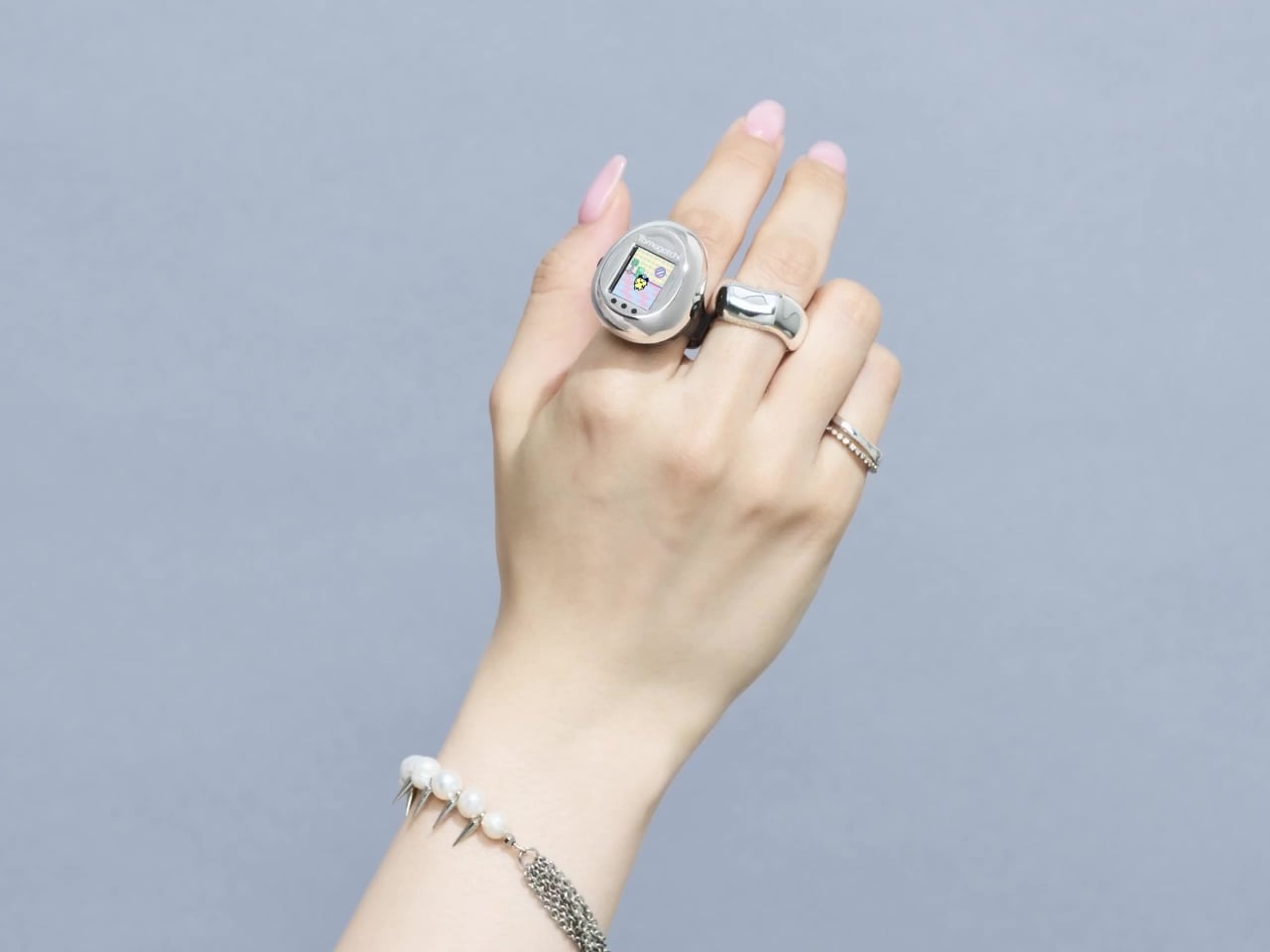
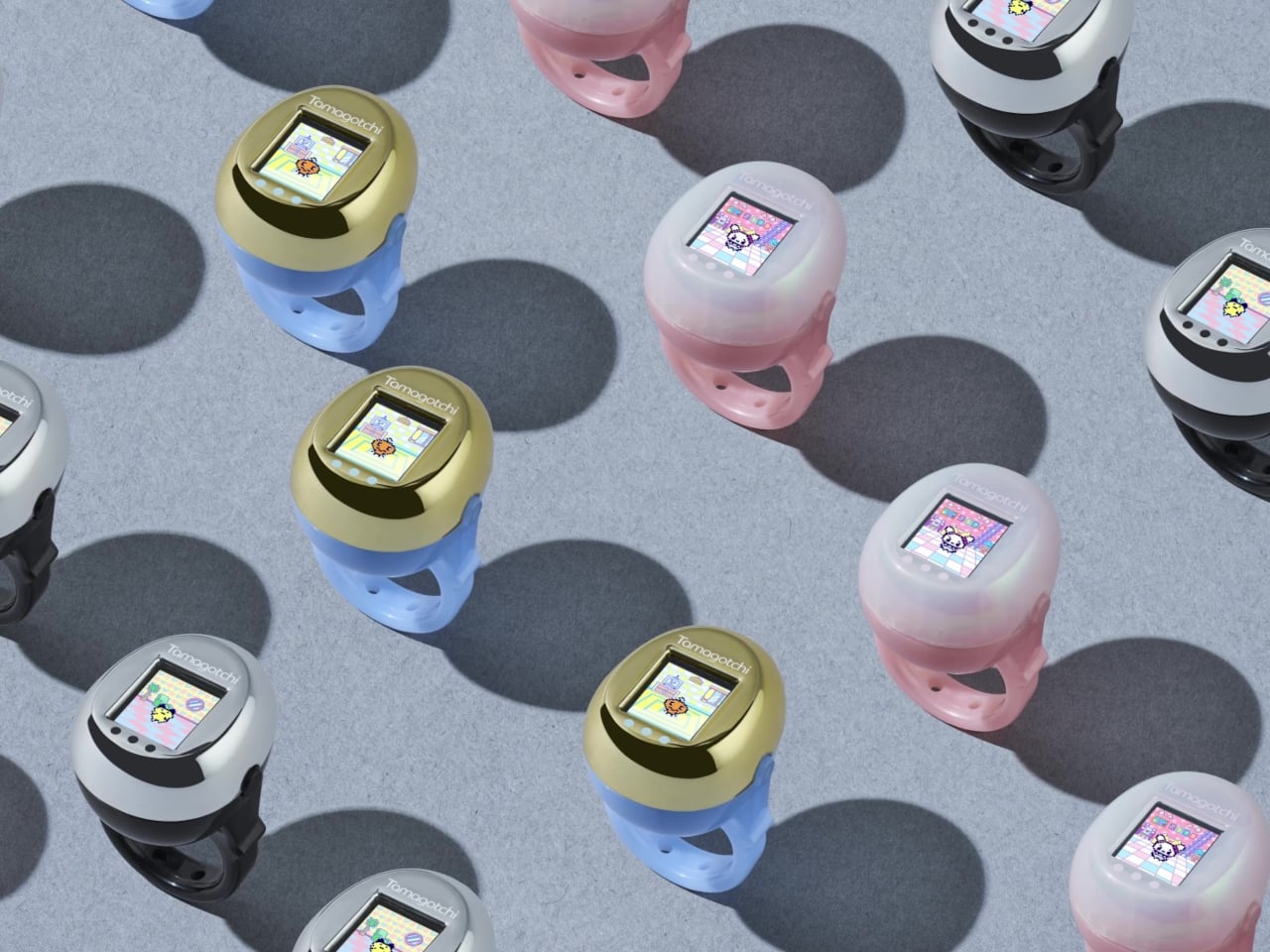
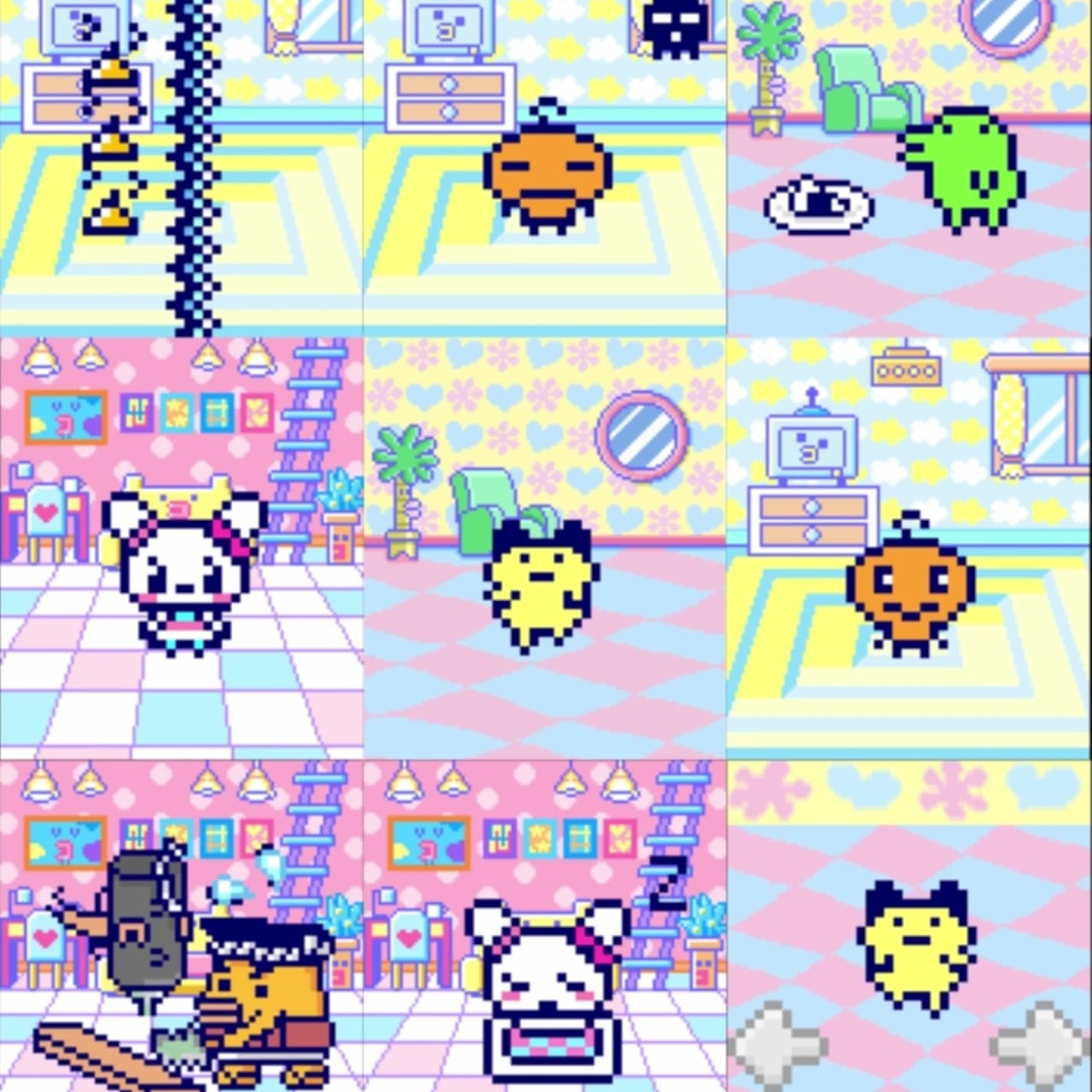
What it does despite that size is the part worth paying attention to. Thirty raiseable characters are in there, along with minigames and a room customization feature. It’s a complete Tamagotchi experience, not a reduced one, running on hardware small enough that Bandai could mount it on a ring band. The design sits on the finger like a small wearable sculpture rather than a piece of consumer electronics.
The announcement arrived on August 27, 2026, timed to mark the franchise’s 30th anniversary. That timing isn’t incidental. The Tamagotchi has been through enough reinventions to know when a milestone deserves something genuinely new rather than a color variant. A ring-form virtual pet is a different object than a keychain pet, even if the creature inside behaves the same way. It changes where the Tamagotchi lives in your day and how visibly you’re tending to it.
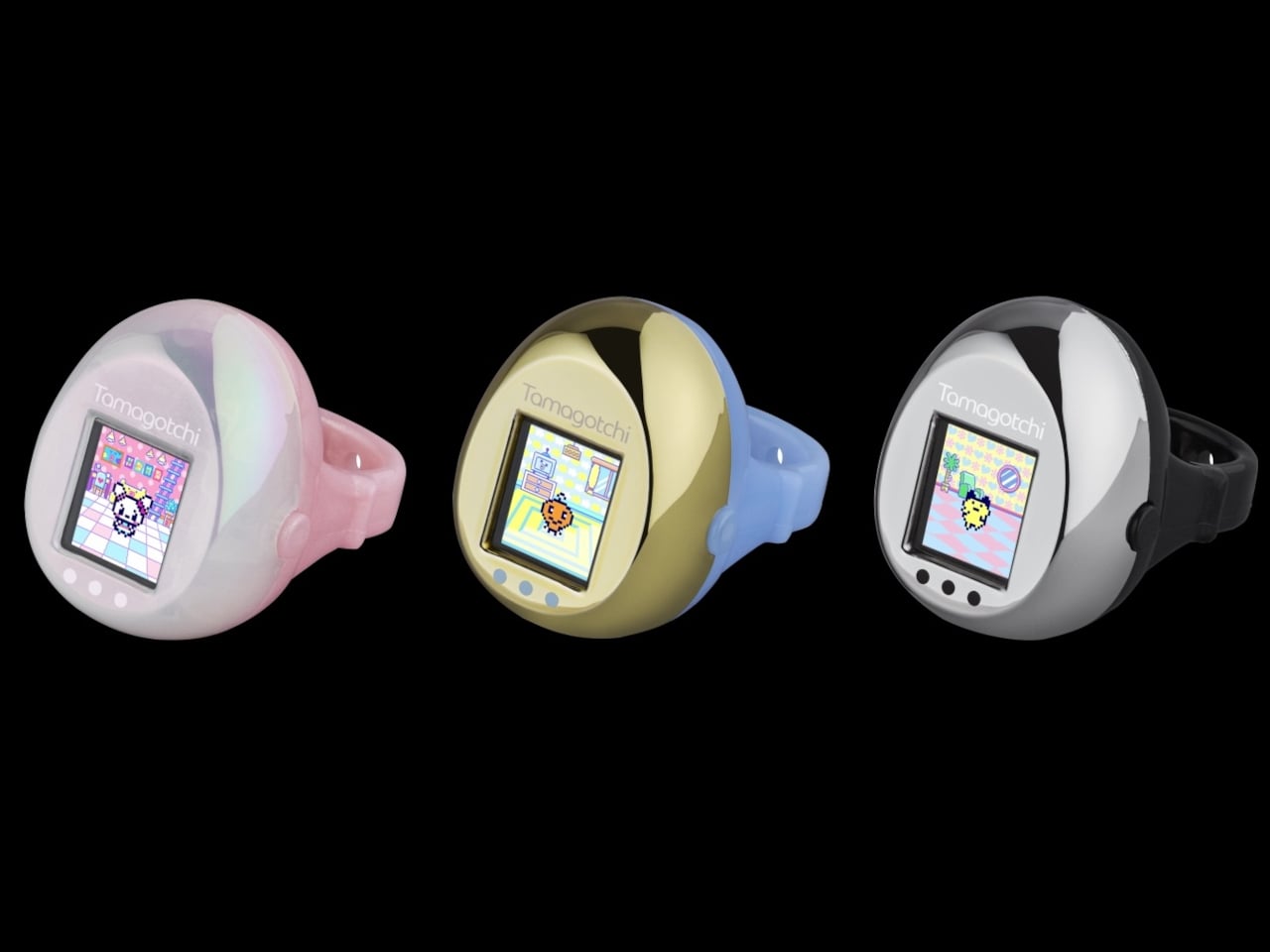
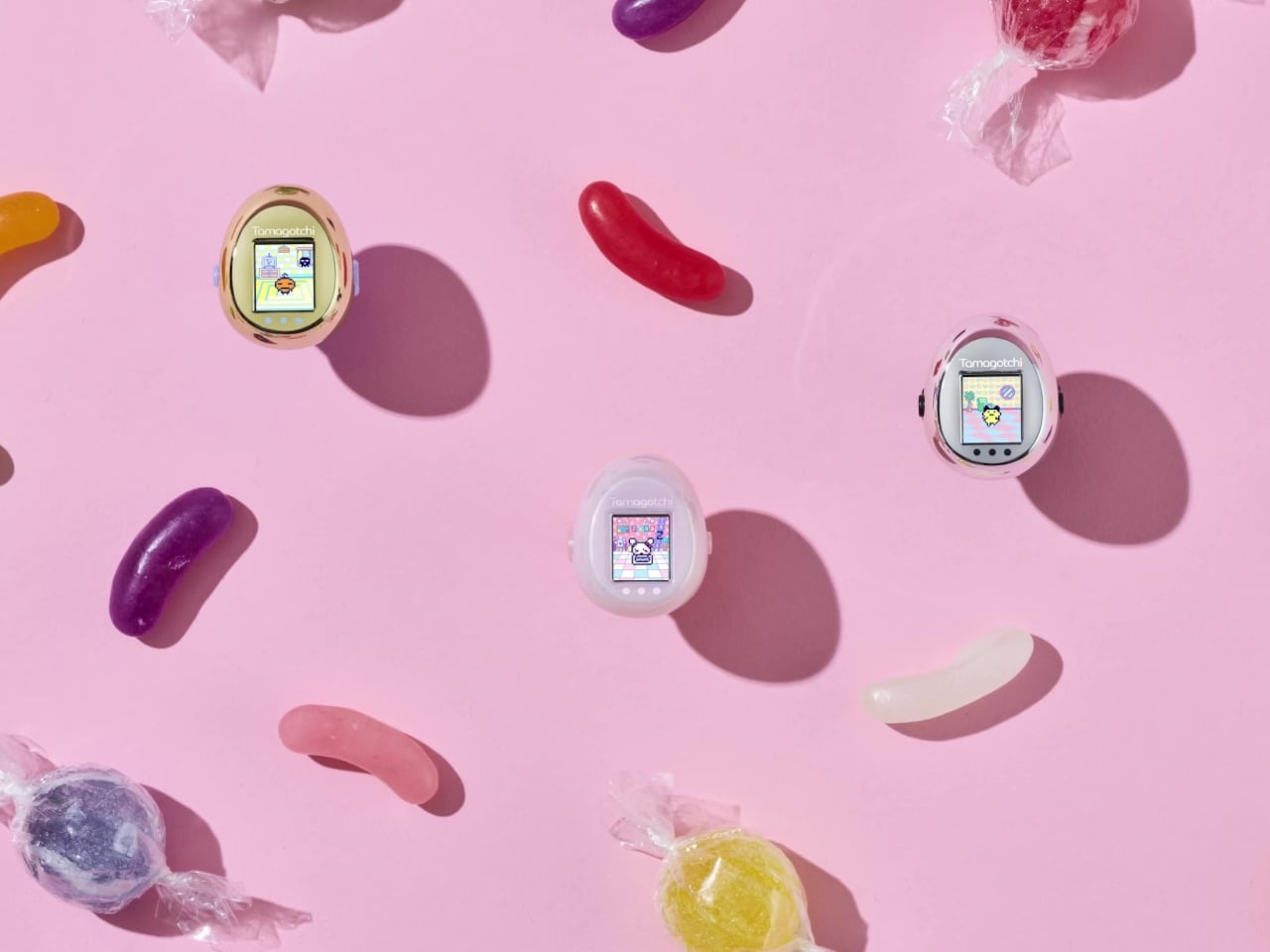
The ring comes in three colorways: Black x Metallic Silver, Light Blue x Metallic Gold, and Pink x Pearl White. It’s designed for Japanese ring size 14, which sits at approximately 17.3 mm inner diameter, with an included adapter to bring it down to size 10. That translates roughly to US ring sizes 7 and 5.5, respectively, covering a reasonable range without requiring multiple SKUs.
Battery life hasn’t been specified, which is the honest gap in what Bandai has disclosed. The rechargeable approach means you won’t be swapping coin cells in the middle of the day, but runtime under actual gameplay conditions is still unknown. The charging case is included in the box, which at least solves the problem of where to stow it when it needs power.

Bandai hasn’t announced plans for a direct international launch, so international buyers are looking at third-party import channels for now. Shipping doesn’t start until February 2027, which is a long lead time for a preorder opened in August. It suggests the manufacturing challenge here is real and that Bandai isn’t rushing it to market. For 64 components in a ring, that patience probably counts for something.
The post 30 Years After the Keychain, Bandai Just Made the Tamagotchi a Ring first appeared on Yanko Design.

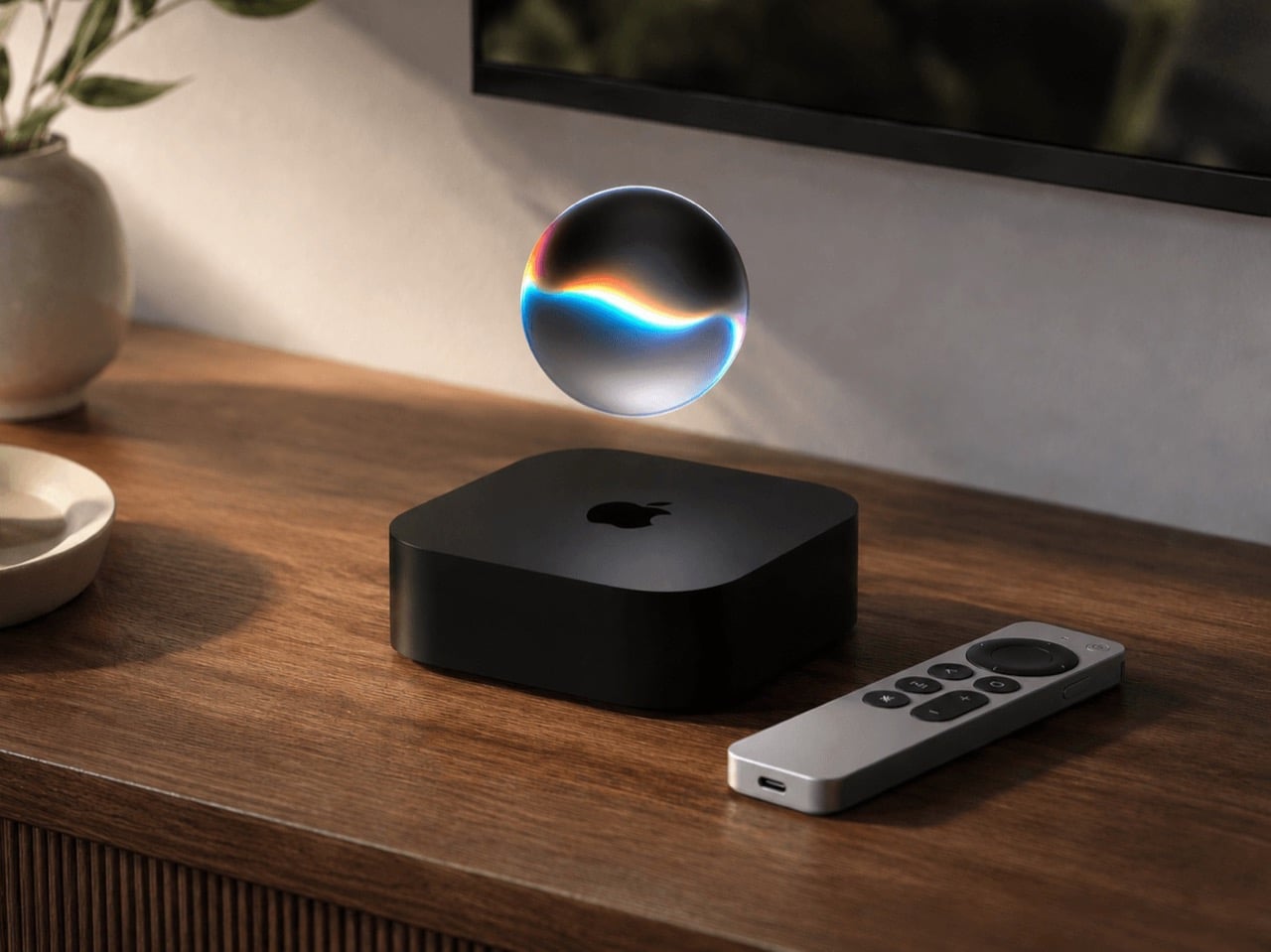
Apple’s next Apple TV 4K is expected on September 9, and the headline feature is a Siri you can hold a conversation with. Siri AI runs on a custom 1.2 trillion parameter Google Gemini model inside Apple’s Private Cloud Compute, which Apple reportedly pays Google around a billion dollars a year to license. It should reach the public with tvOS 27 in mid September, most likely around Monday the 14th. Leaked code in the macOS 26.7 release candidate lists an unreleased controller as ATVRemote1,5. Four years after the last box shipped, the living room finally gets the good Siri, and the remote gets demoted.
The current model has been on sale since November 2022 with an A15 Bionic chip, making it the longest running Apple TV between updates. Apple raised its price anyway in June, from $129 to $199 for the Wi-Fi version and $149 to $249 with Ethernet, blaming the memory chip shortage. The new box is rumored to carry an A17 Pro chip or newer, 8GB of RAM, and Apple’s N1 wireless chip for Wi-Fi 7, Bluetooth 6, and Thread. Apple has confirmed exactly none of it. My interest is in the stick, because a conversational assistant changes what a remote is even for.
Designer: Apple
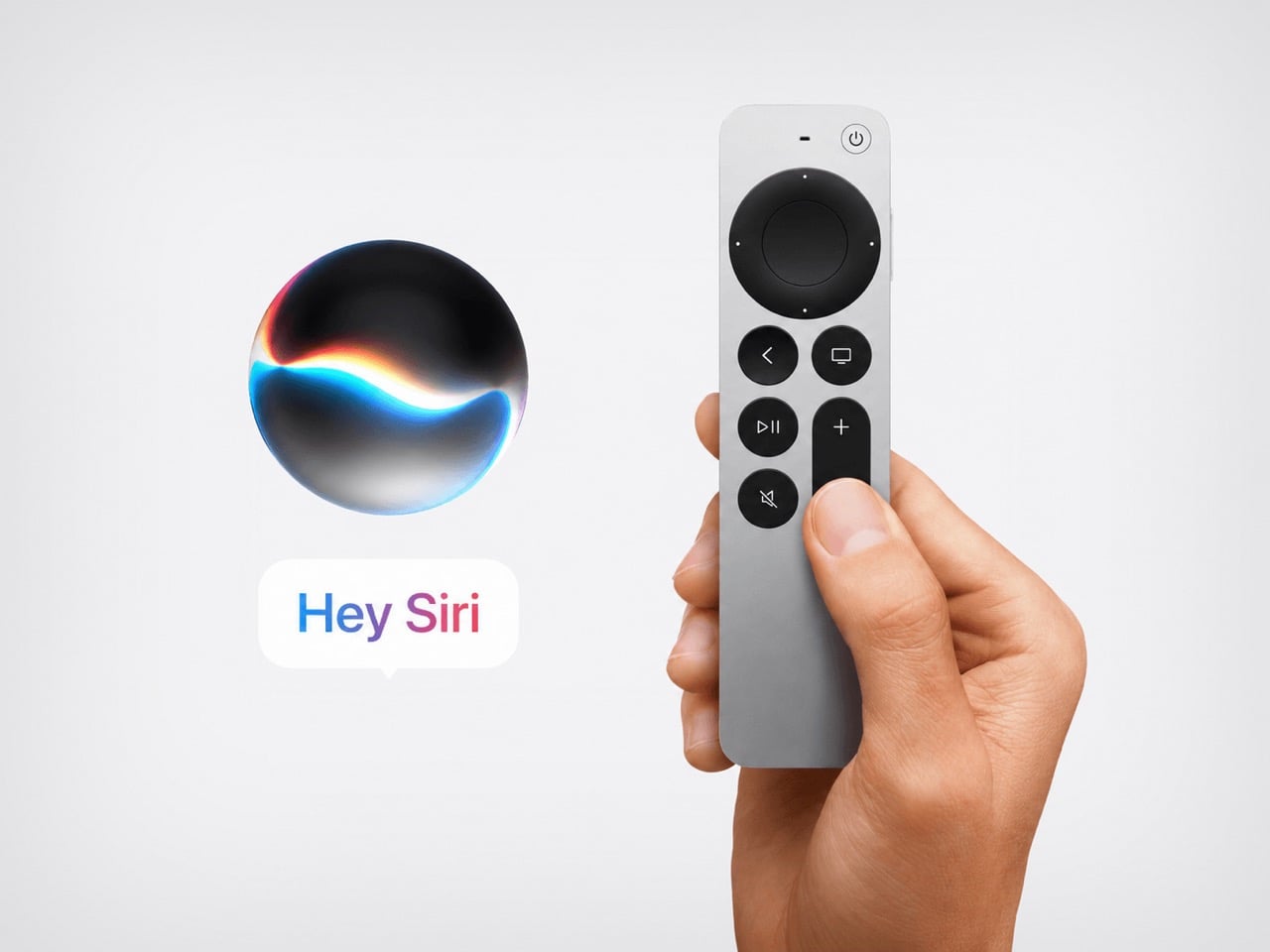
The Siri Remote has always been the awkward part of this product. The 2015 glass touchpad version was famously easy to hold upside down. The 2021 aluminum redesign fixed orientation with a circular clickpad and a jog ring, but it stayed thin, cold, and easy to lose in a couch. Nobody expects ATVRemote1,5 to look radically different, although one can hope. The rumor mill’s best guess is a second generation Ultra Wideband chip for Precision Finding, which is a nice way of saying Apple is finally building a remote finder into the remote instead of asking you to turn your house upside down, or worse, strap a clunky AirTag to it.
Siri AI’s 1.2 trillion parameter Gemini model dwarfs the roughly 150 billion parameter models Apple’s own Foundation Models run on, and Google built it specifically to handle summarizing and multi step planning, the tasks Siri has failed at for over a decade. Apple’s answer to the privacy question is architectural rather than rhetorical: queries route through Private Cloud Compute, Apple’s own server silicon, so the assistant is Google’s brain wearing Apple’s skin. Whether Apple TV gets the full version or a scaled down version tied to on device processing is still unconfirmed.
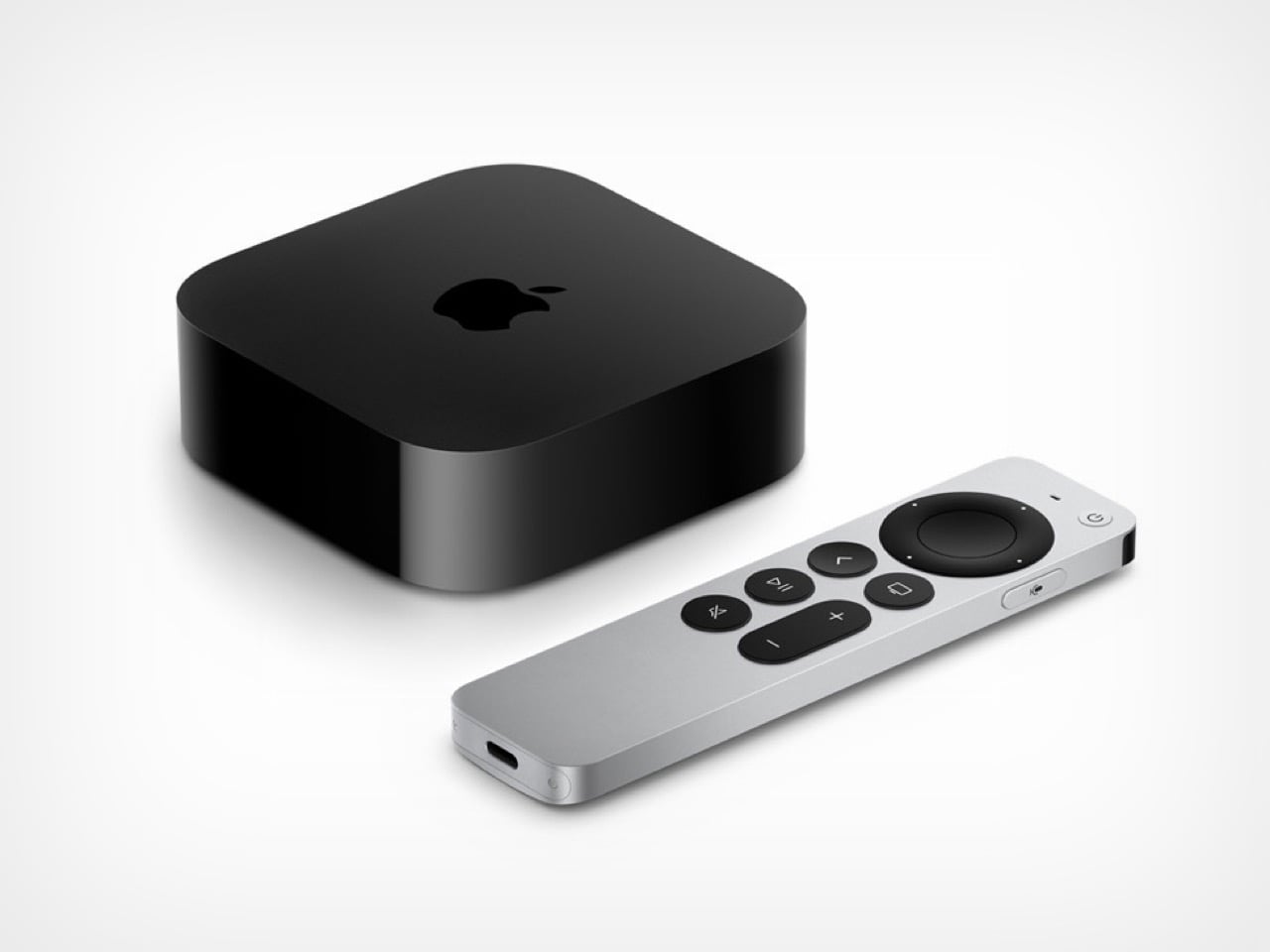
None of this works without new silicon, which is presumably why Apple TV and HomePod mini were left out of the WWDC keynote entirely despite tvOS 27 shipping Apple Intelligence frameworks in its beta code. Current Apple TV and HomePod hardware simply cannot run it. That is also the best explanation for why Apple hiked the price of four year old hardware by 54 percent in June rather than discounting it toward obsolescence. The company was buying time, not margin.
What I find genuinely interesting is the inversion. For a decade, the remote was the product’s weak point and the box quietly did fine. Now the box is getting the transplant everyone wanted, and the remote becomes almost optional, a fallback for when you would rather not talk to your television. If Apple pulls off a Siri that understands “put on the thing with the guy from that show” without three follow up questions, the aluminum wand in your couch cushions finally gets to retire.
The post Apple TV 4K Is Coming September 9, With a Gemini-Powered Siri You Can Actually Talk To first appeared on Yanko Design.