The Samsung Galaxy S27 Ultra represents a significant evolution in smartphone design, combining practicality with innovative technology to address user needs. By rethinking traditional design elements and integrating advanced features, Samsung has created a device that challenges conventional norms while enhancing usability and performance. Though some changes may initially divide opinions, they are rooted in […]
The unveiling of the Quantum Genesis Initiative marks a pivotal moment in the global race for quantum computing supremacy. Announced by the U.S. Department of Energy, this ambitious program aims to develop the world’s first fault-tolerant quantum computer by 2028, a feat that could transform industries ranging from healthcare to national security. Unlike classical computers, […]
Apple’s much-anticipated September 9th event, titled “Surprise and Shine,” is generating widespread excitement as rumors and leaks hint at new announcements. From foldable devices to advancements in artificial intelligence, the event is expected to highlight Apple’s latest innovations and strategic direction. Here’s a comprehensive look at what you can expect from this pivotal showcase. […]
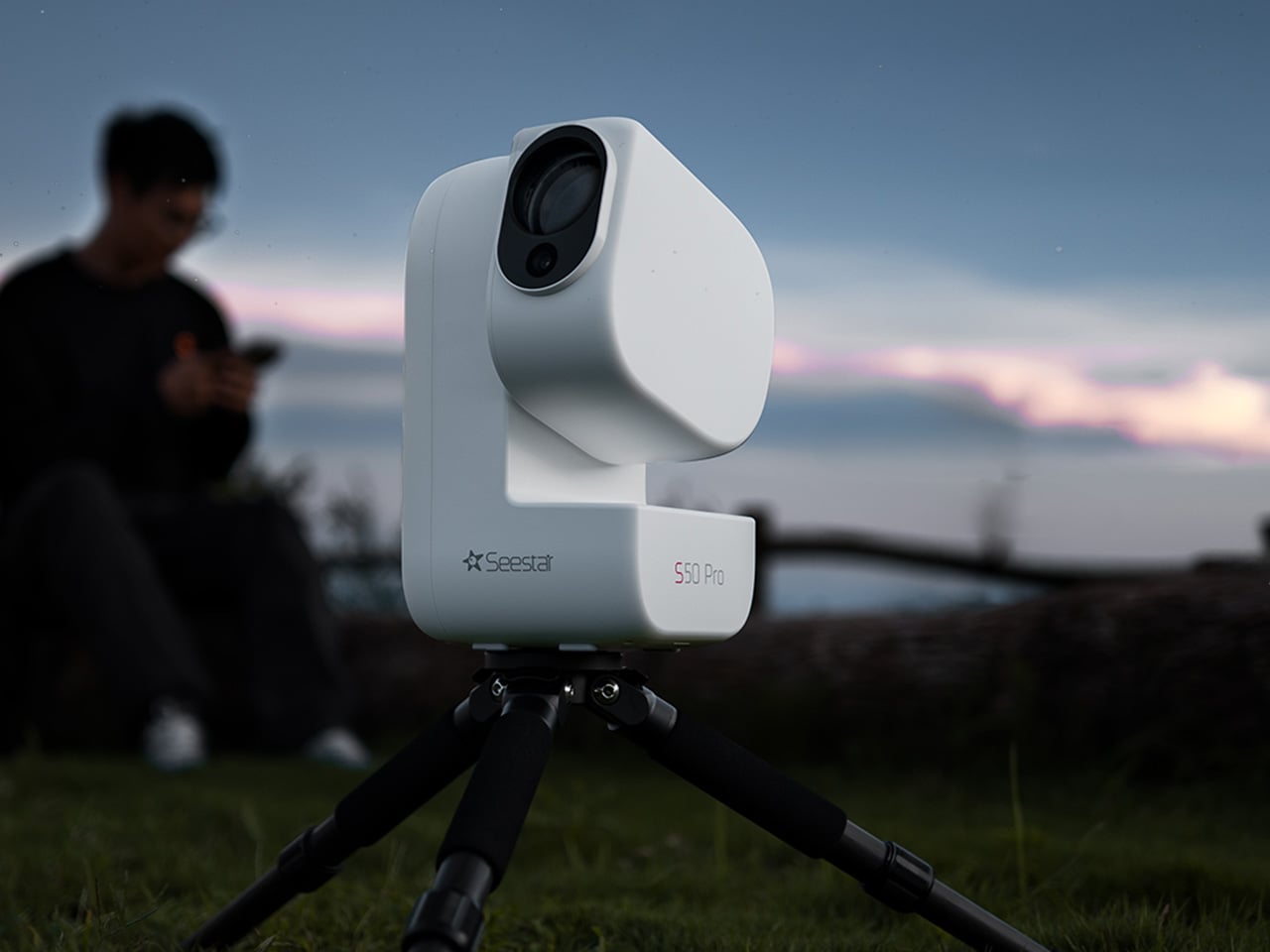
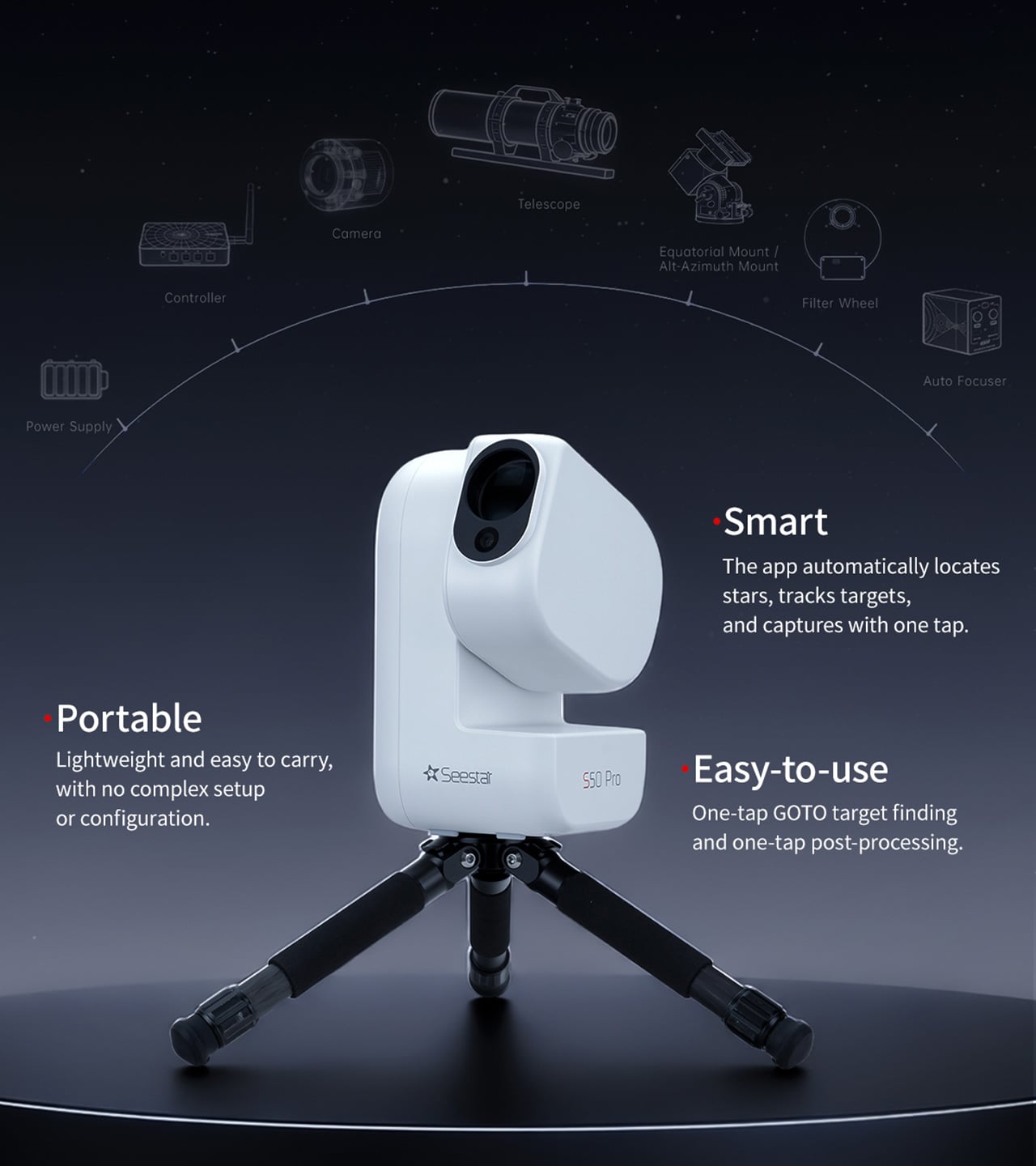
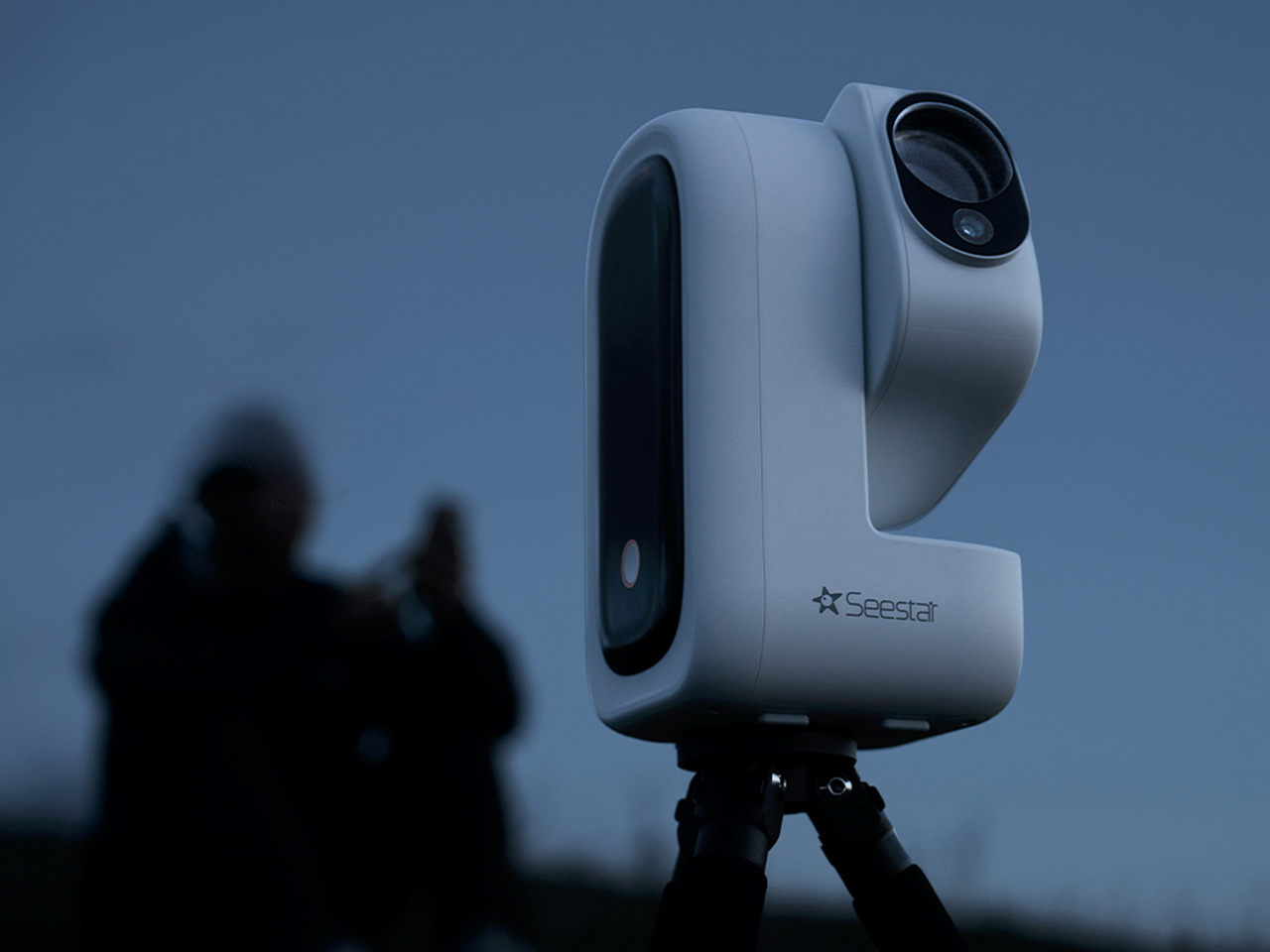
Astrophotography has always had a bit of a reputation problem. Getting a decent image of a nebula or galaxy typically means wrestling with a telescope, an equatorial mount, a dedicated camera, and enough cables to open a small hardware store. The ZWO Seestar S50 Pro changes that entirely, packing all of it into one tidy package you can carry out on a clear night.
At 2.8kg and folded down to roughly the size of a small camera bag, the S50 Pro is genuinely portable in a way that traditional astronomy rigs aren’t. There are no power cables to run, no separate computer to boot up, and no star alignment ritual to sit through. You just set it down on a tripod, open the app, and you’re already looking at the sky.
The optical heart of the Seestar S50 Pro is a four-element apochromatic lens built with extra-low dispersion glass, which is a meaningful upgrade that most beginner telescopes skip entirely. That 50mm aperture gathers substantially more light than the 30mm systems typically found at this price range, which means fainter structures become visible, and star shapes stay clean and round rather than bleeding into soft halos at the edges.
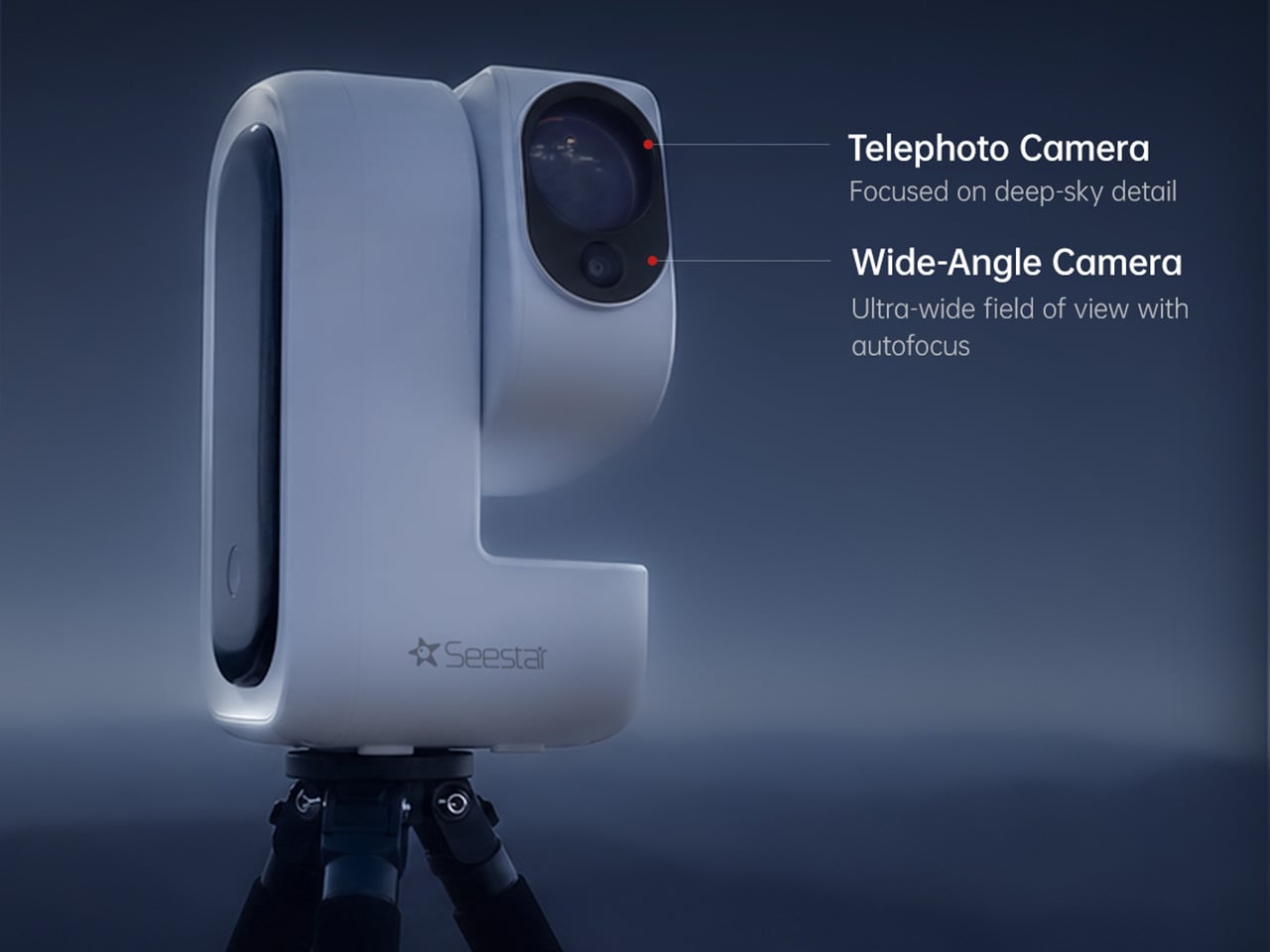
What makes the Seestar S50 Pro genuinely different from its predecessor is the dual-camera system. A telephoto camera with an 880mm-equivalent focal length sits alongside a wide-angle unit with a 63-degree field of view, and both cameras shoot at 4K resolution. The telephoto hunts for deep-sky details, while the wide-angle takes in the full sweep of the night sky above it.
That’s also where the Seestar S50 Pro makes a compelling case for shooting from cities or suburbs. A built-in triple filter system, including a dual-band light pollution filter targeting wavelengths specific to nebulae, pulls usable detail from skies that would otherwise wash everything out. A dark frame filter handles noise in longer exposures, and a magnetic solar filter handles the daytime shift.
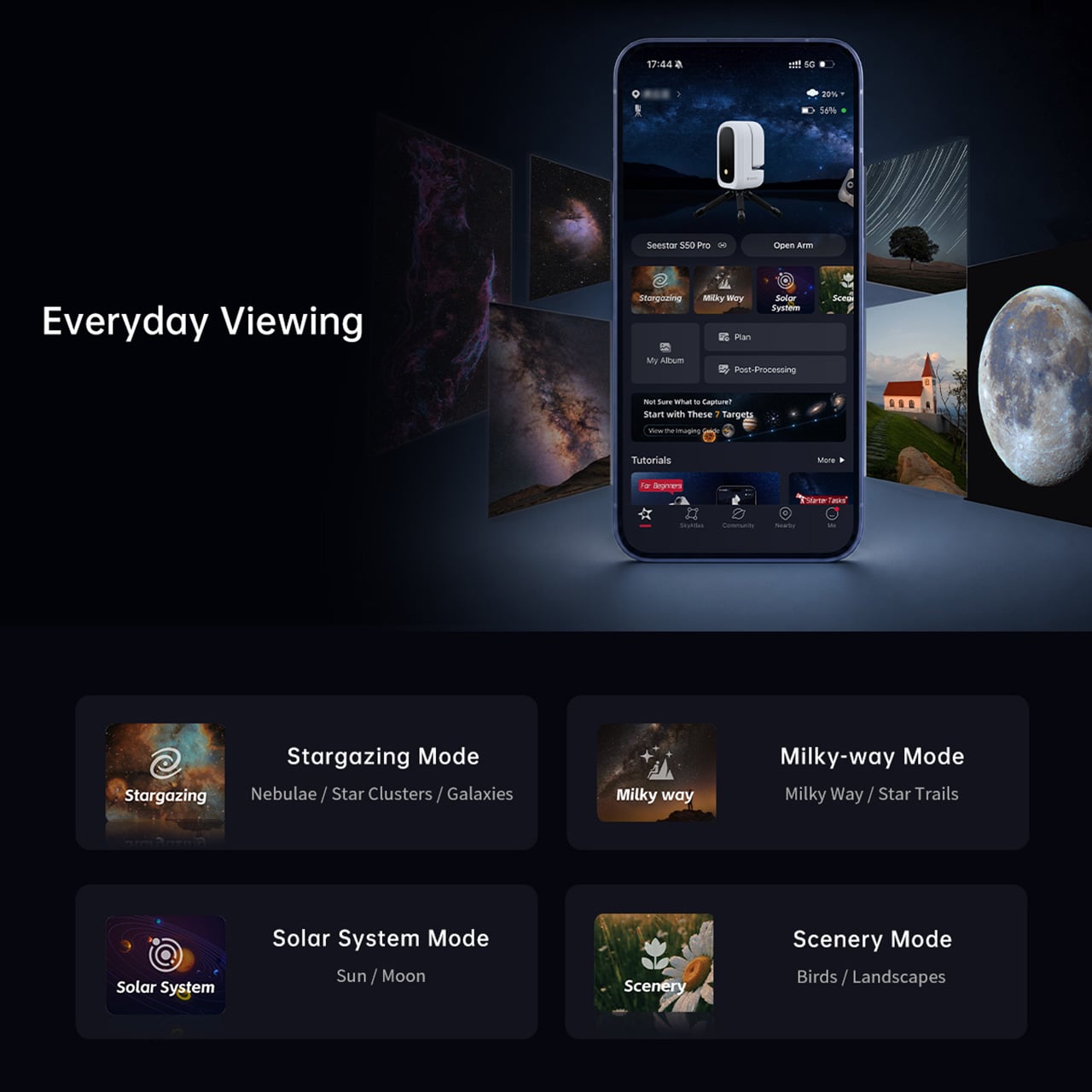
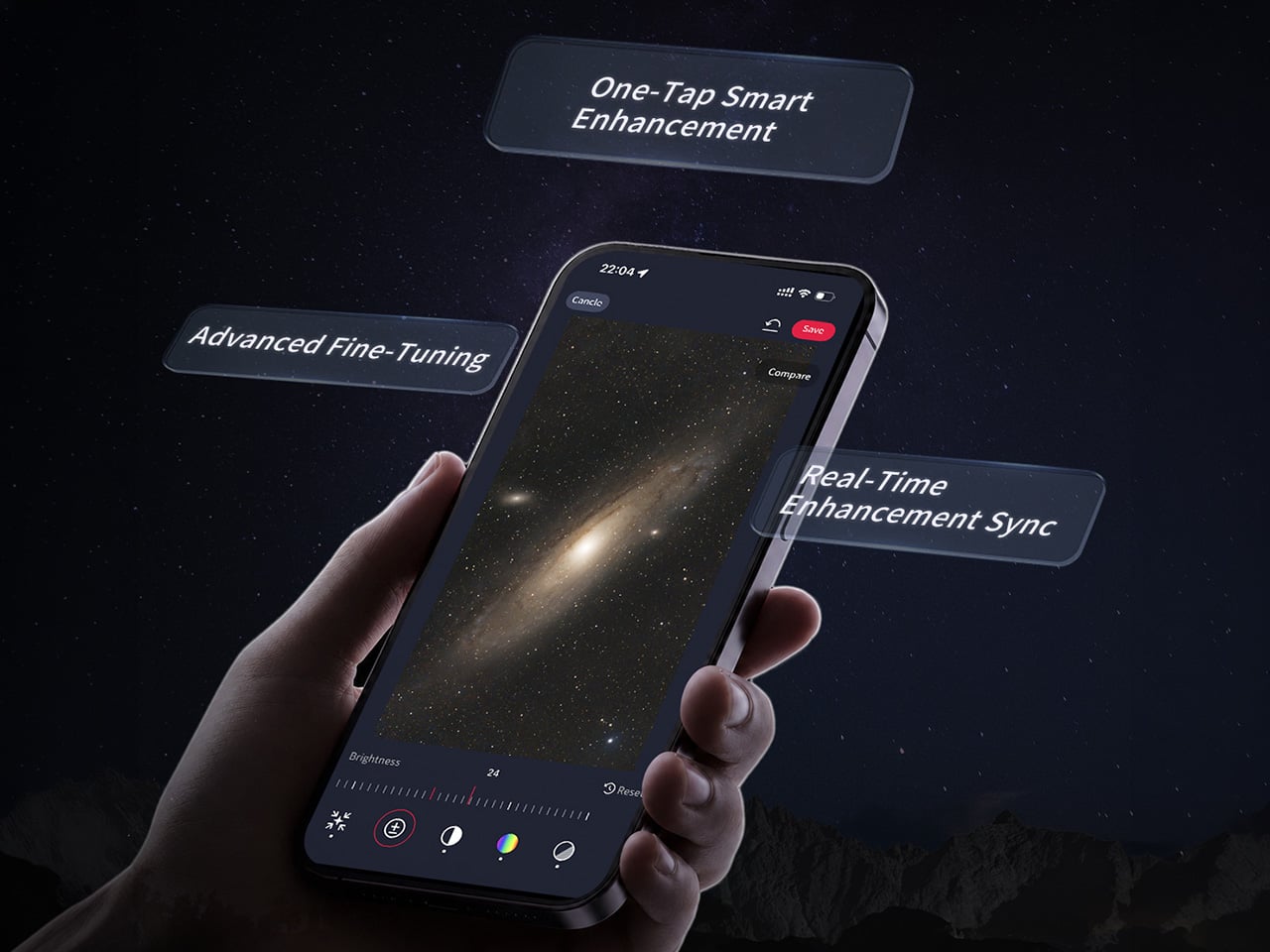
The Seestar app, which runs the whole operation, doesn’t ask you to know much astronomy to get started. You tap a target, and the telescope finds it, locks on, and begins stacking exposures automatically. There’s also an AI assistant you can simply talk to, naming the object you want to see, and it handles positioning and capture without any further input from you.
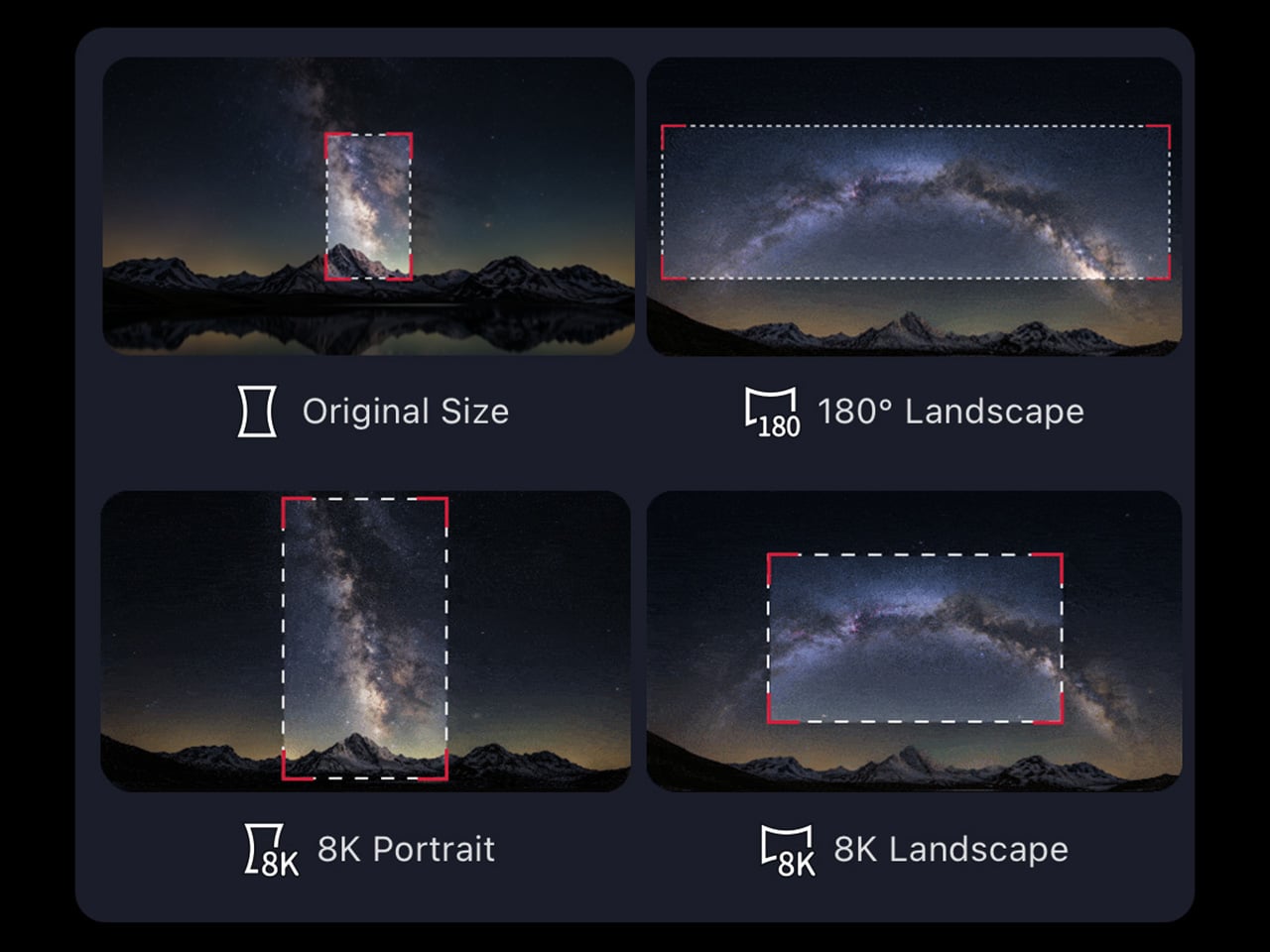
The wide-angle camera is where the more visible creative benefits live. A single tap is all it takes to stitch a complete Milky Way arch, with the device planning and capturing every frame on its own. Star trail sessions convert automatically into videos showing the sky in motion over time, and telephoto mosaic stitching can push images all the way to 8K resolution.
The S50 Pro doesn’t put itself away when the sun comes up, either. The telephoto camera, with its 880mm-equivalent reach, works just as well for birdwatching, distant landscapes, or capturing rare solar events with the included magnetic solar filter. It’s a surprisingly capable long-range daylight imaging device that transitions naturally into a serious astrophotography rig once the sky goes dark.
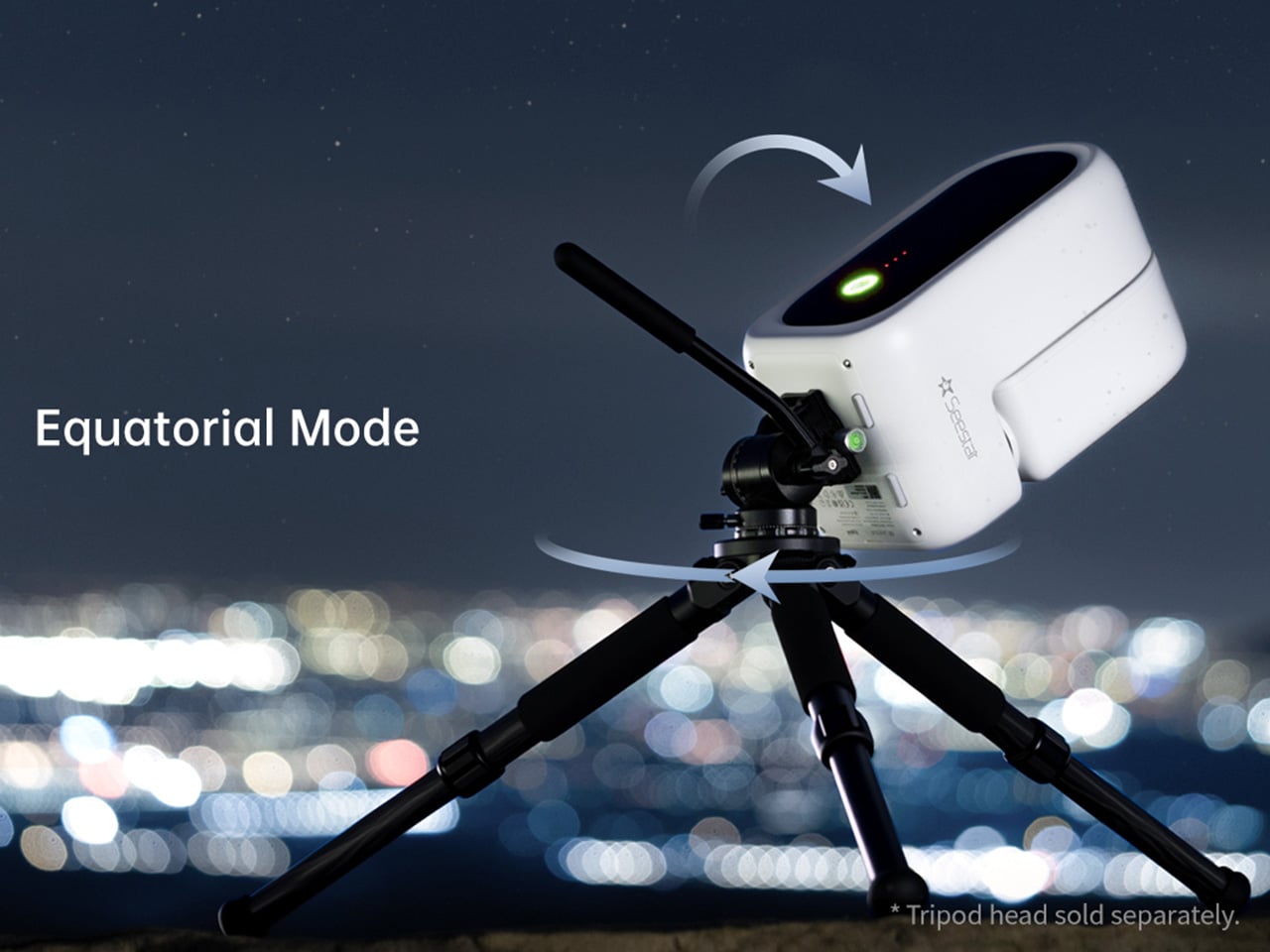
The 10,000mAh battery keeps the S50 Pro running for up to nine hours, enough to outlast most late-night sessions without a power bank nearby. Underpinning the whole tracking system is a zero-backlash precision drive that holds steady even when the wind gets involved, which is particularly useful in equatorial mode, where individual exposures can stretch to 60 seconds. The Telescope Network feature lets you control the device remotely, which means a cloudy local sky doesn’t have to end a session if the telescope is stationed somewhere clearer.
Nine hours of battery, a footprint that fits in a backpack, and no manual alignment to wrestle with before you can start shooting. That’s the version of astrophotography the Seestar S50 Pro is making a case for, and it’s a convincing one. The sky has always been worth looking at. The S50 Pro just makes it considerably harder to run out of excuses not to.
We’ve gotten so used to having our smartphones as our companions for everyday life that we don’t think of having other devices attached to our person. But what if you’re in an area where your phone is basically useless due to lack of cellular signal? Or what if you’re in an emergency situation where your phone is out of juice and you need to stay informed? The Clip&Go Radio will be very handy in such situations.
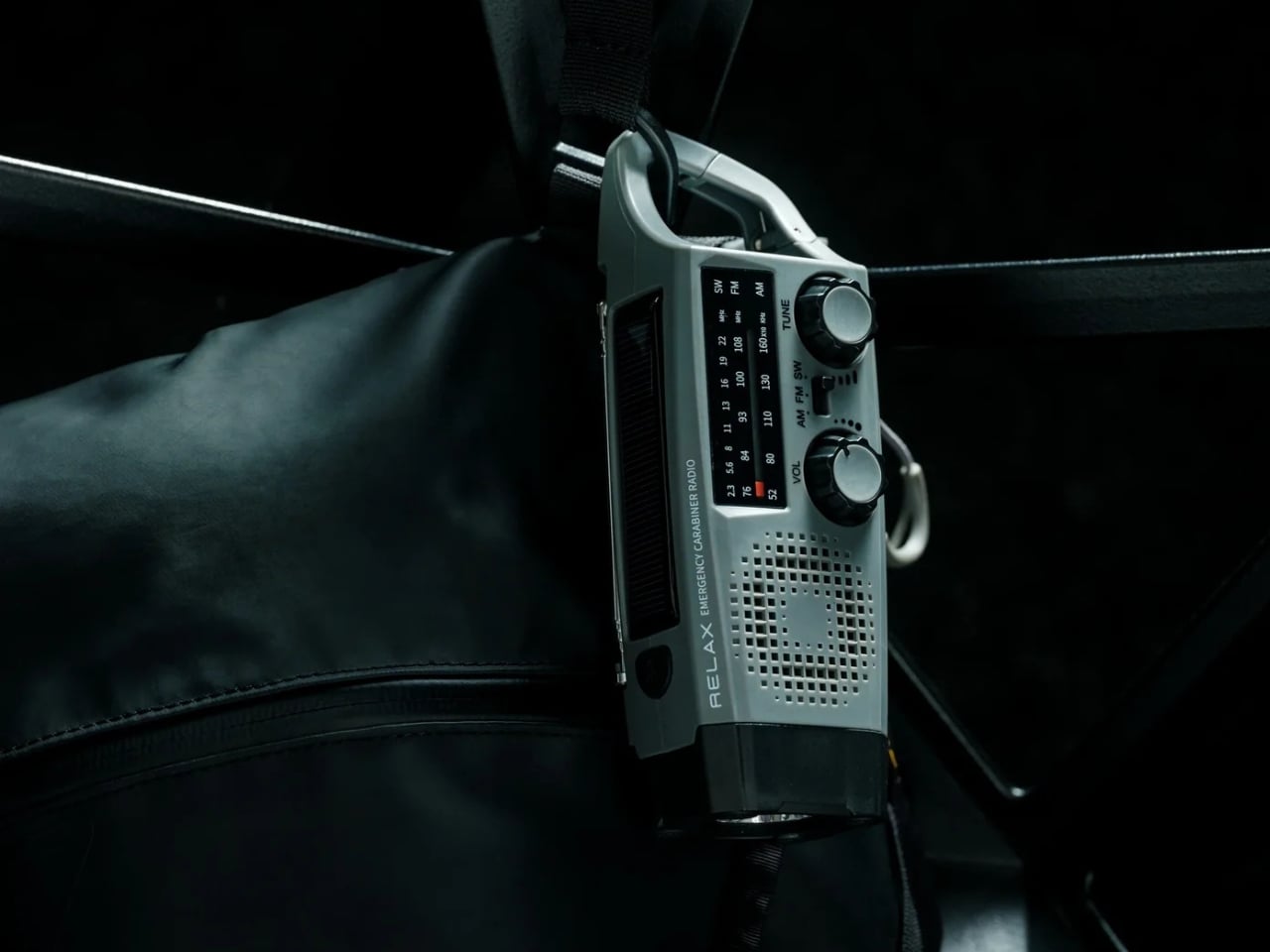
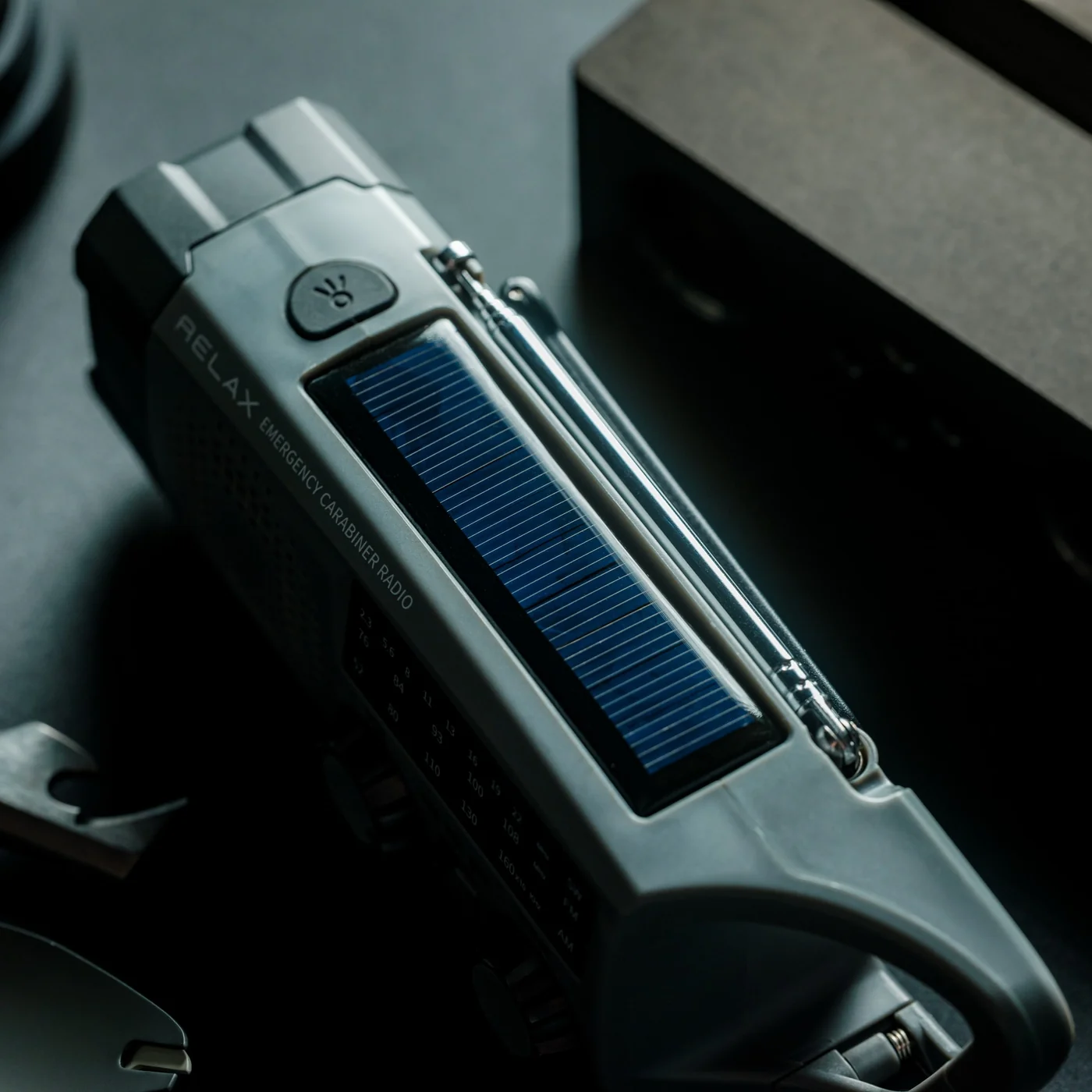
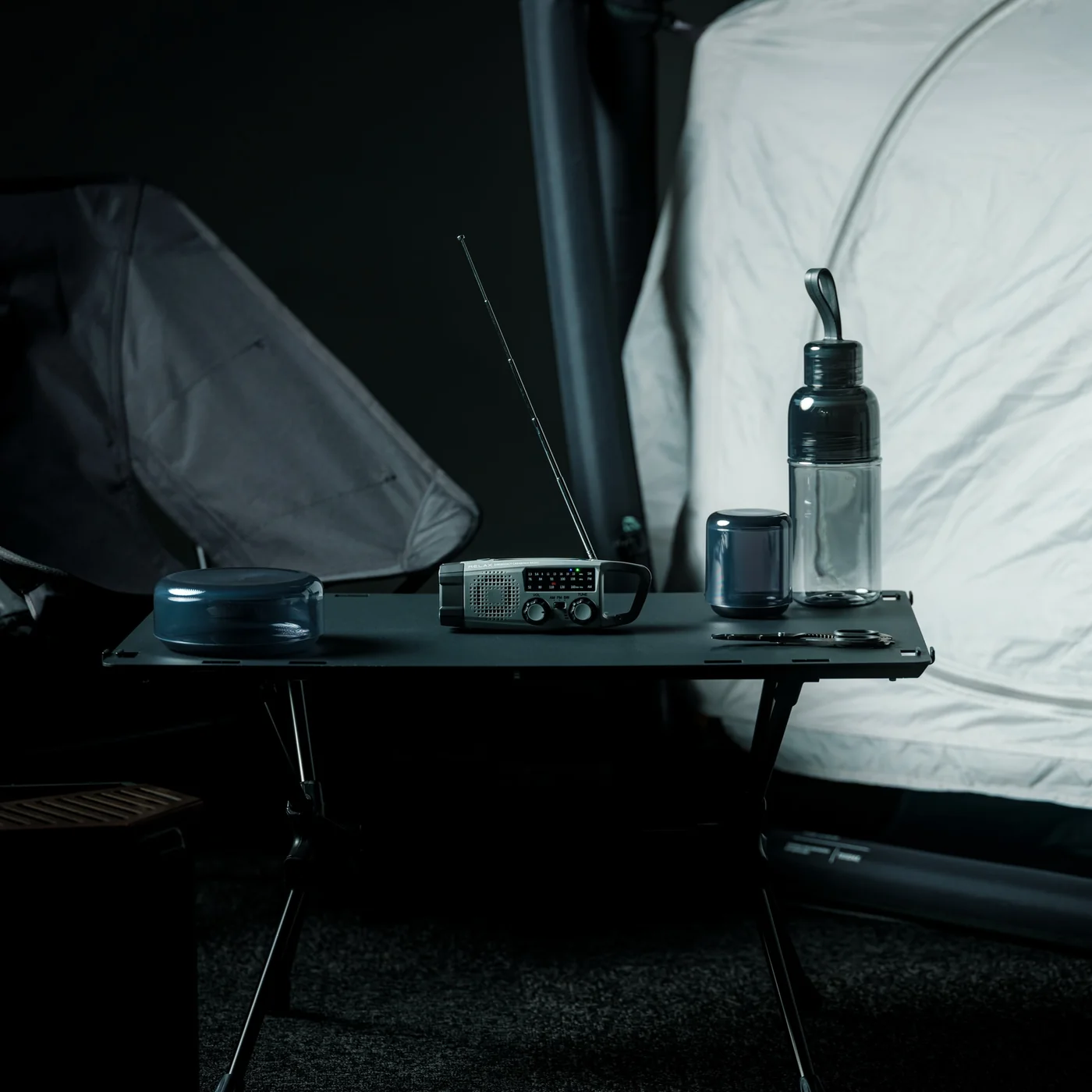
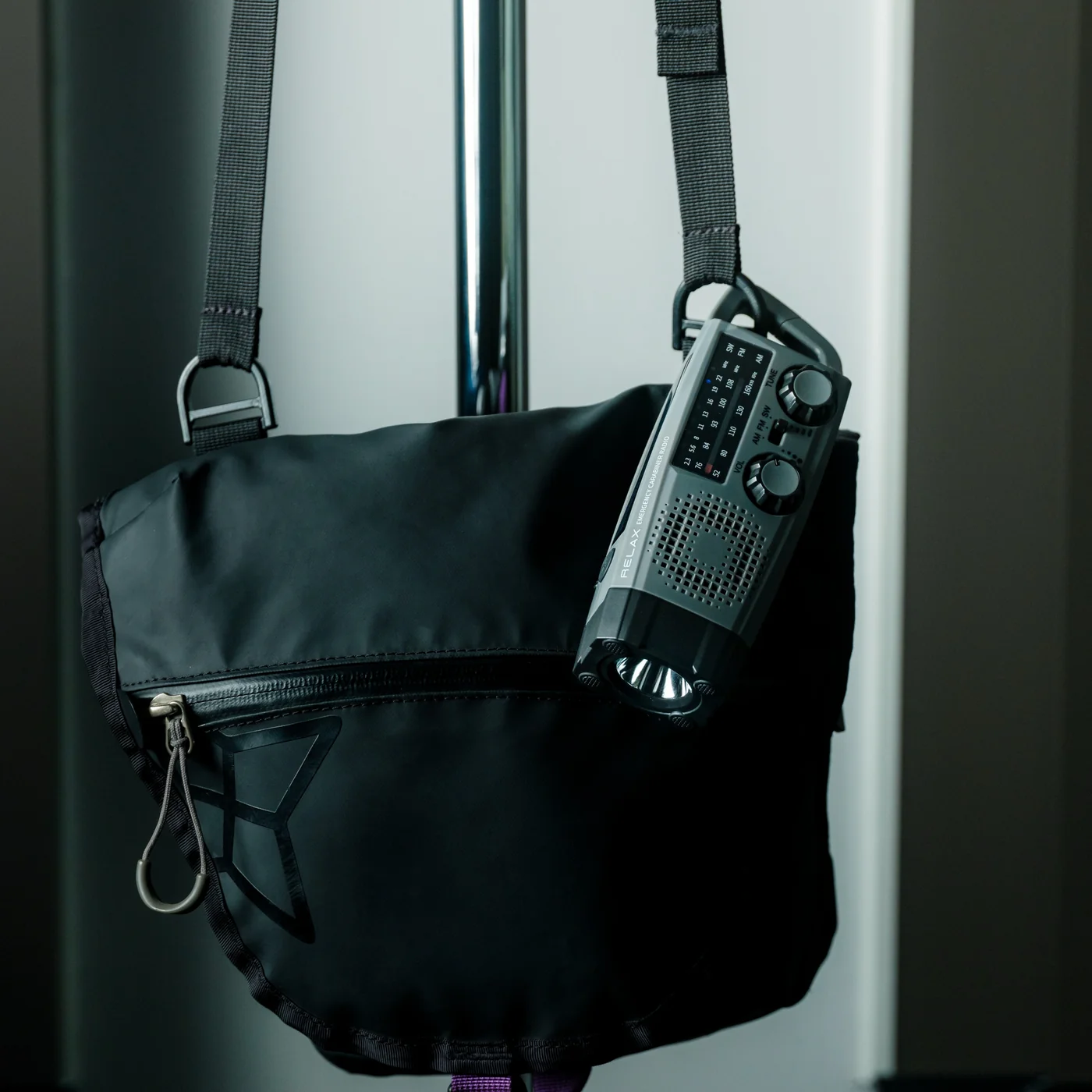
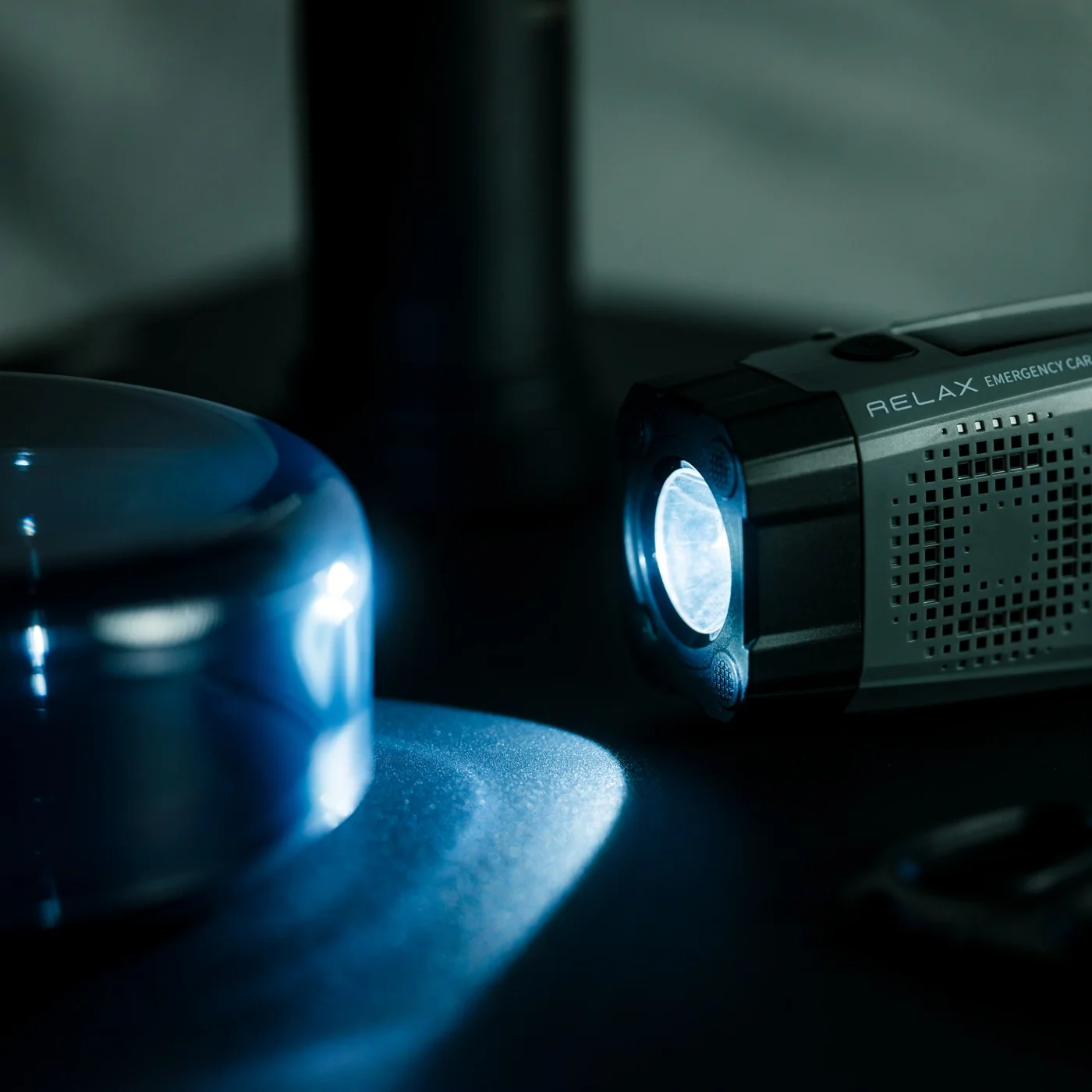
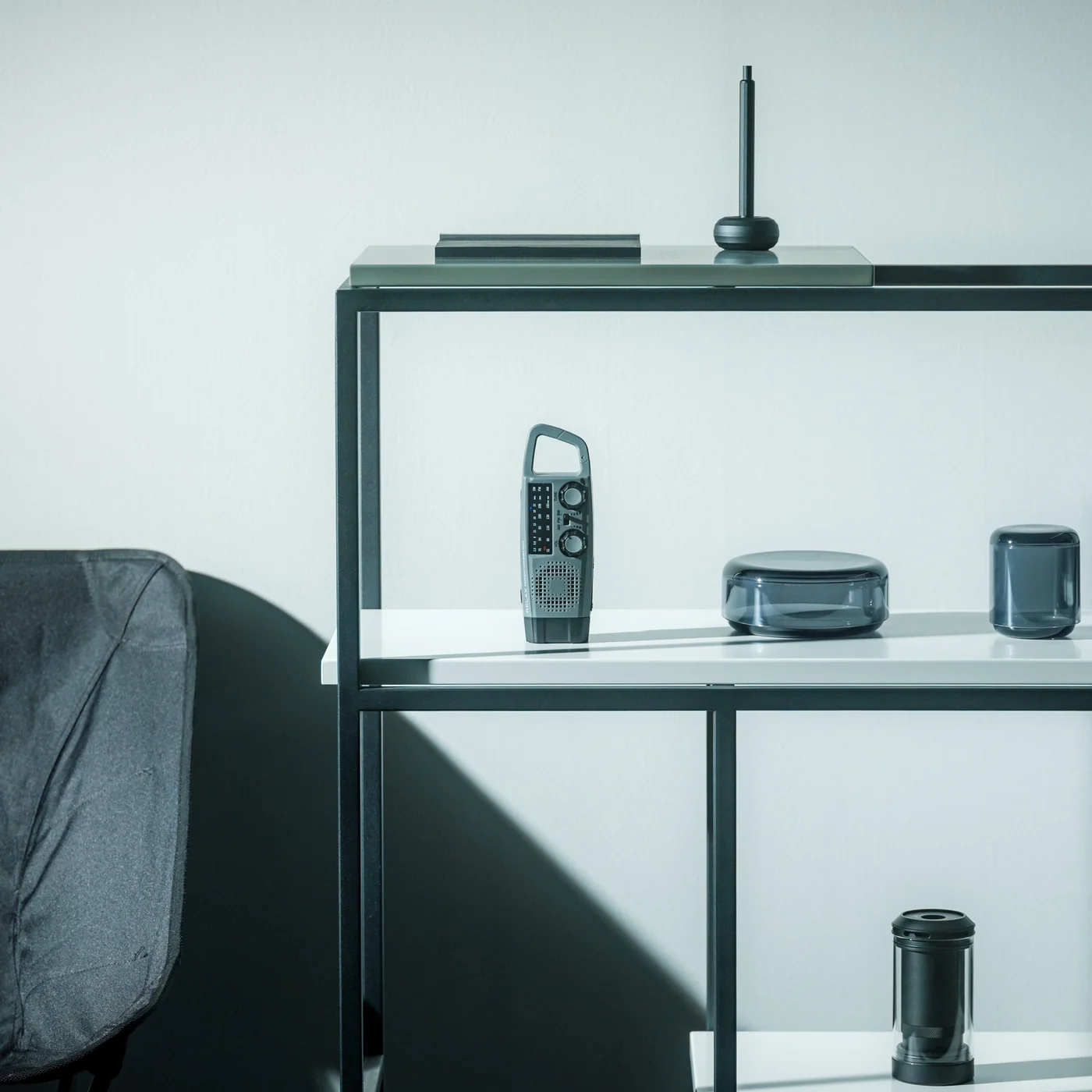
This 5-in-1 tool can be clipped to your bag or to your pants or shirt, and it’s ready to do its job whenever you suddenly need it. It mainly serves as a radio for your music and your news, but it’s also a power bank to charge your phone, a flashlight to light up the way, and an SOS alarm for those emergencies when you need to catch others’ attention.
Emergency radios have been around for some time, especially for those who live in areas where emergency situations like wildfires, hurricanes, and tornadoes can pop up occasionally. But over the years, many have stopped using them because they’re too heavy or inconvenient to bring around. The Clip&Go Radio wants to solve that problem by having a design that lets it live on your backpack or in your pocket, close enough to grab at a moment’s notice.
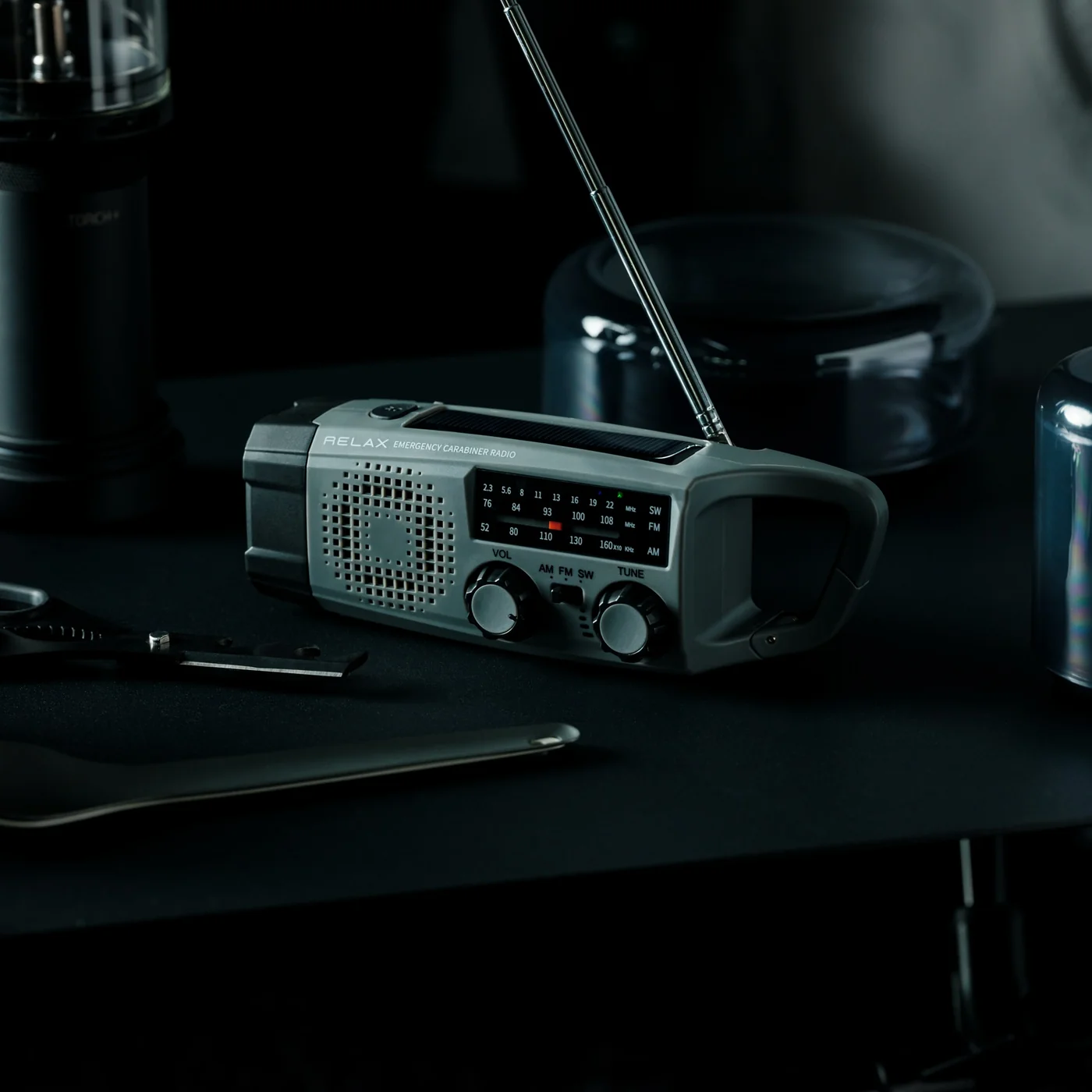
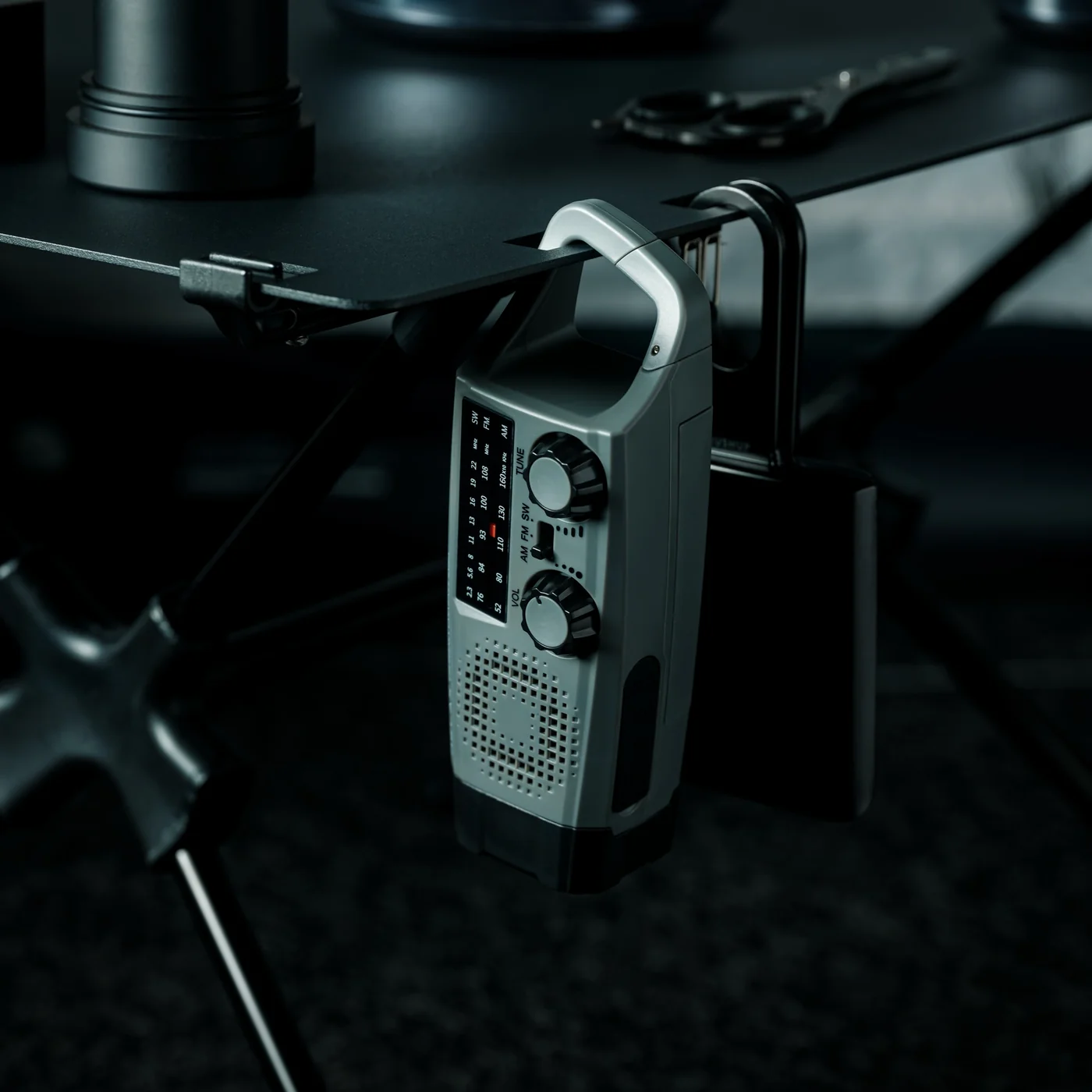
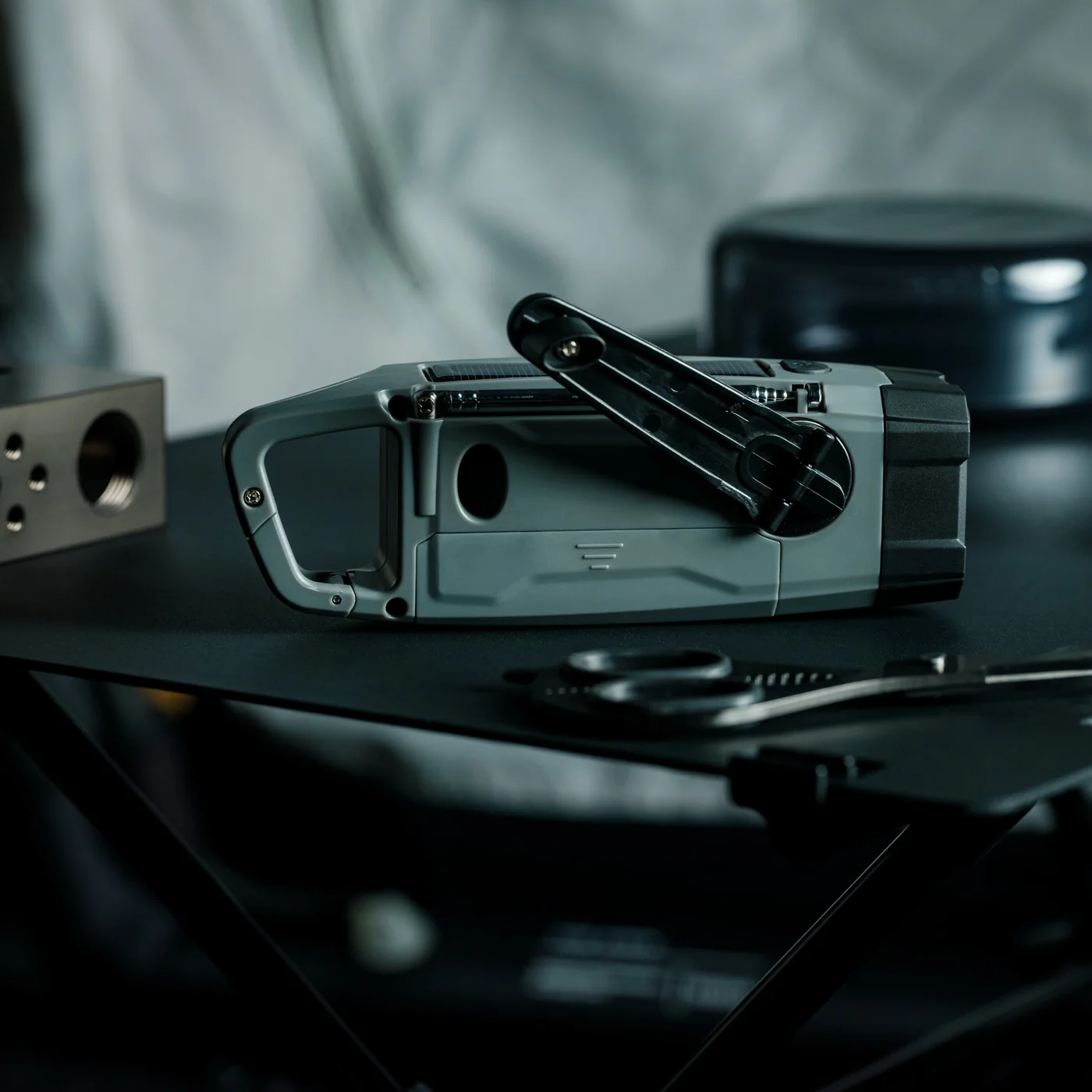
Despite its impressive list of features, the Clip&Go doesn’t look or feel like a bulky survival gadget. It measures just 6.2 x 1.9 x 2.1 inches and weighs a mere 220 grams, light enough that you’ll barely notice it on your pack. The body is built from ABS resin, polycarbonate, and silicone rubber, giving it a durable yet lightweight construction that can handle the bumps and knocks of outdoor life. What really sets its form apart, though, is the built-in carabiner that clips directly onto a backpack strap, a belt loop, or any piece of gear, keeping the radio accessible without taking up precious space inside your bag.
Most clip-on radios only offer AM/FM reception, but this one also has shortwave, which can broadcast emergency channels, international stations, and long-range signals. This means you can still get what may very well be life-saving information even when your phone has no power or there’s no regular cellular signal.
It can also serve as a power bank for your phone, in case that’s really what you need at that moment. It has a triple charging function for true off-grid readiness: USB-C, solar panel, and hand-crank, with the hand-crank serving as a true emergency backup when no power source is available. As a bonus, its 18650 lithium-ion cell is user-replaceable, so you can simply swap it out when it reaches the end of its life without having to replace the entire device. That’s a rare and thoughtful touch in a category where most products are simply thrown away.
The built-in flashlight can run for approximately seven hours on a full charge, more than enough to get you through a power outage or an unexpected night outdoors. And when you truly need to signal for help, pressing and holding the SOS button triggers both an audible alarm and a flashing light, making it far easier for rescuers or fellow campers to locate you even in low-visibility conditions.
For American users in particular, the Clip&Go Radio makes a lot of sense. FEMA has long recommended hand-crank or battery-powered radios as a household essential, but most people never bother because standard emergency radios feel useless on a perfectly ordinary day. The Clip&Go flips that entirely. It’s a device you actually want to bring on a camping trip, a hike, or a day at the festival grounds, and it just happens to be ready for an emergency if one comes along. Whether you’re in hurricane territory, wildfire country, or tornado alley, having a device that functions completely independently of cell towers and internet is simply smart thinking. At $60, it’s a small price to pay for that kind of peace of mind.