This $60 Radio Clips to Your Bag and Could Save Your Life

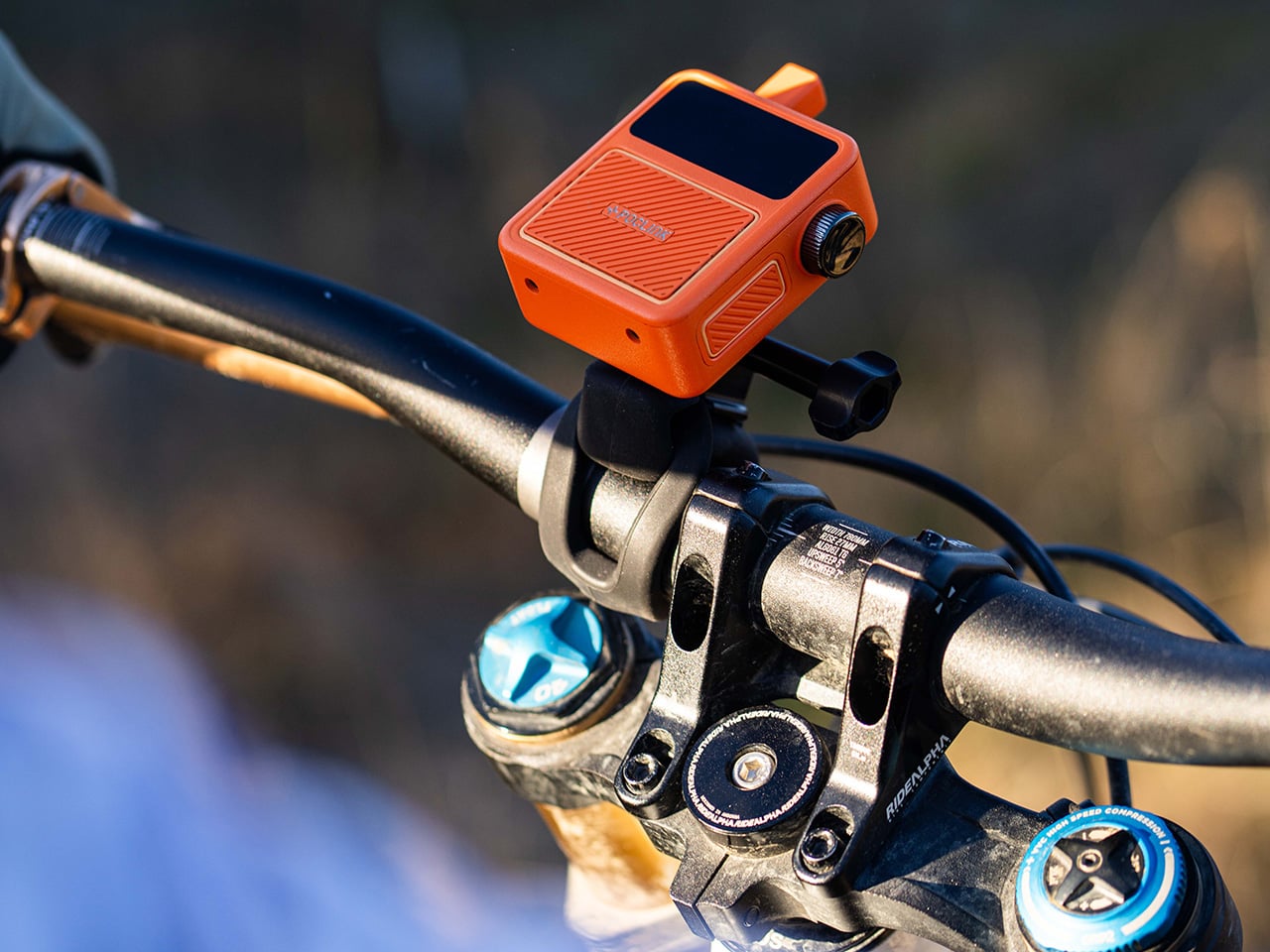
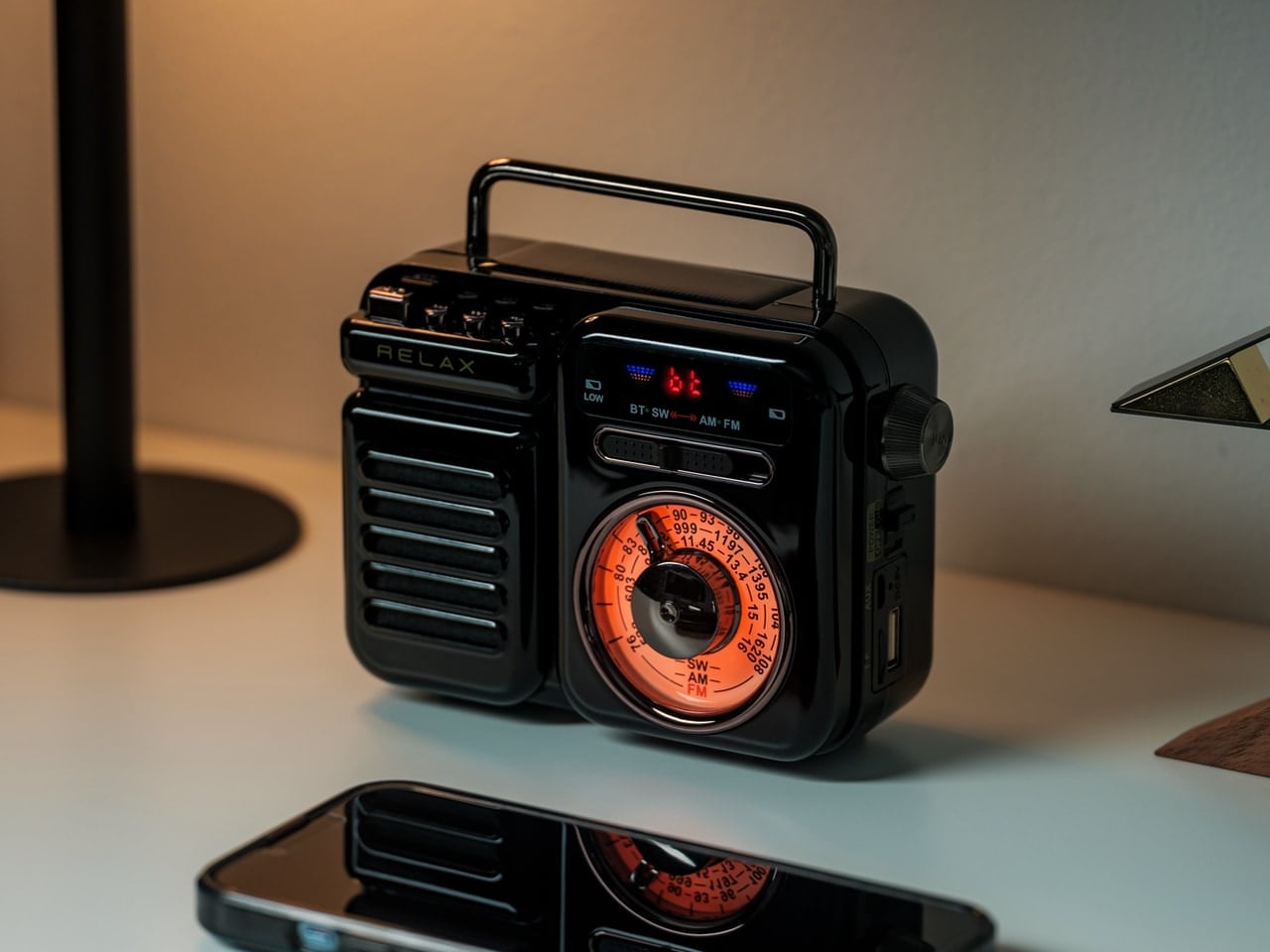
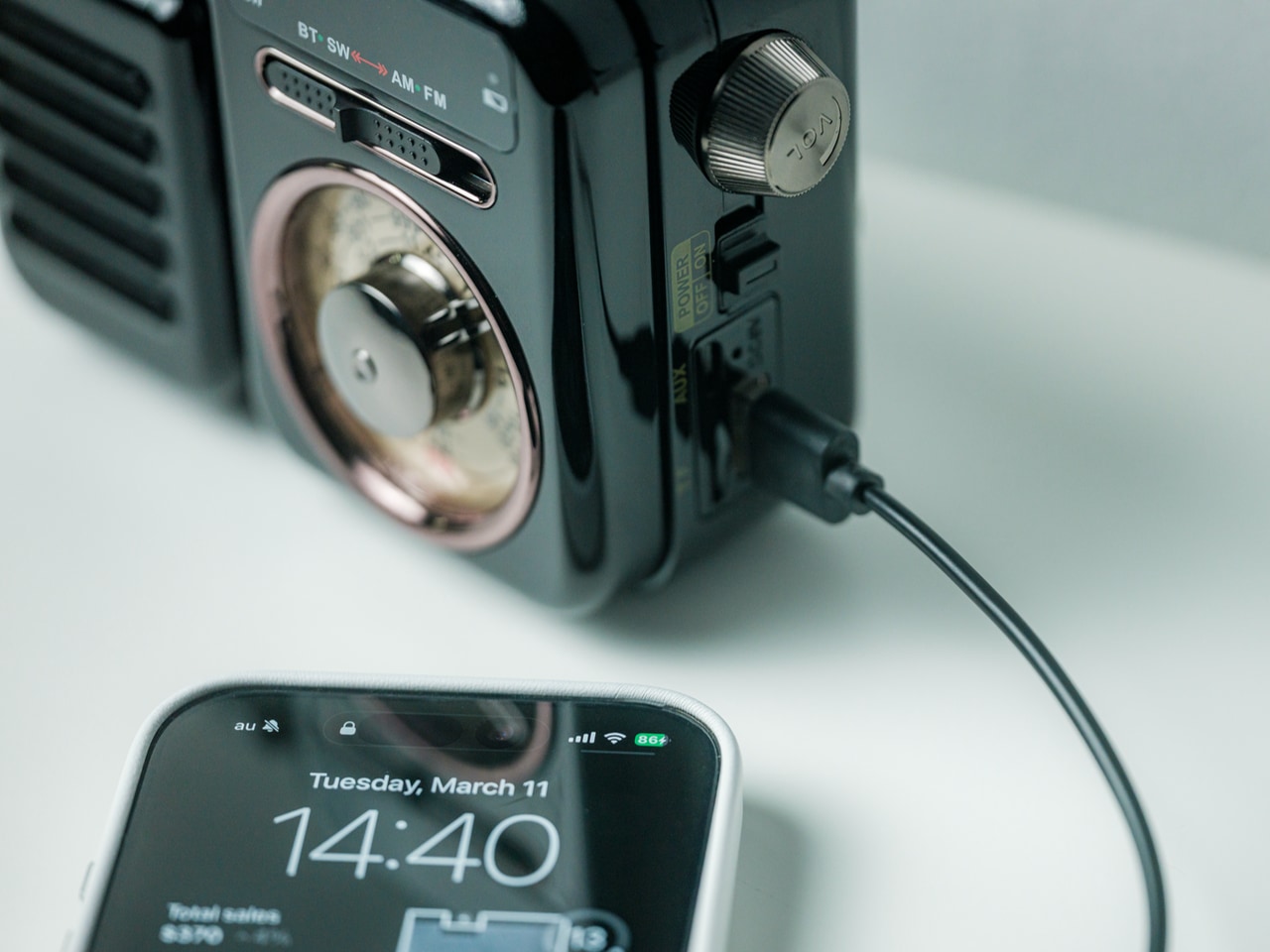
We’ve gotten so used to having our smartphones as our companions for everyday life that we don’t think of having other devices attached to our person. But what if you’re in an area where your phone is basically useless due to lack of cellular signal? Or what if you’re in an emergency situation where your phone is out of juice and you need to stay informed? The Clip&Go Radio will be very handy in such situations.

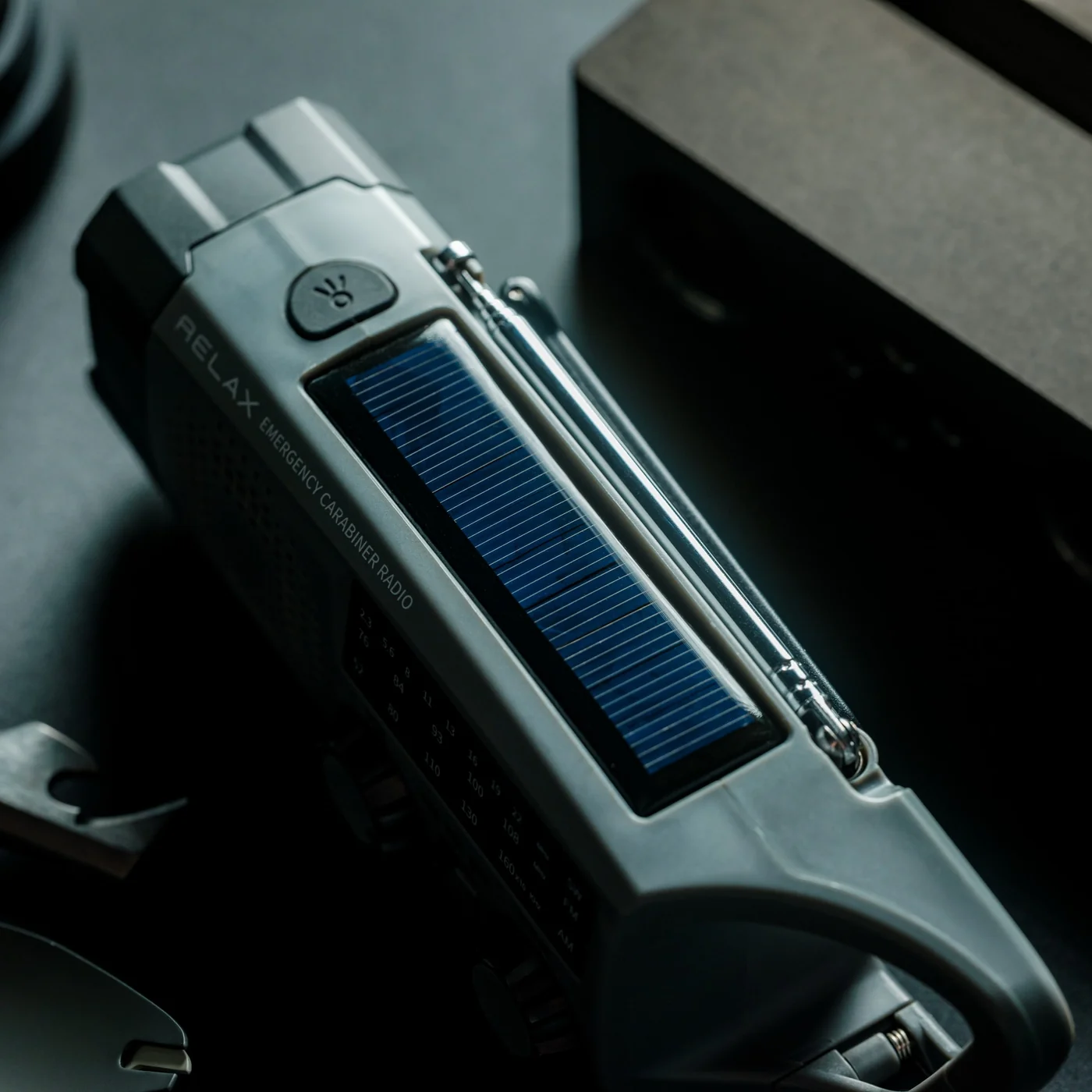
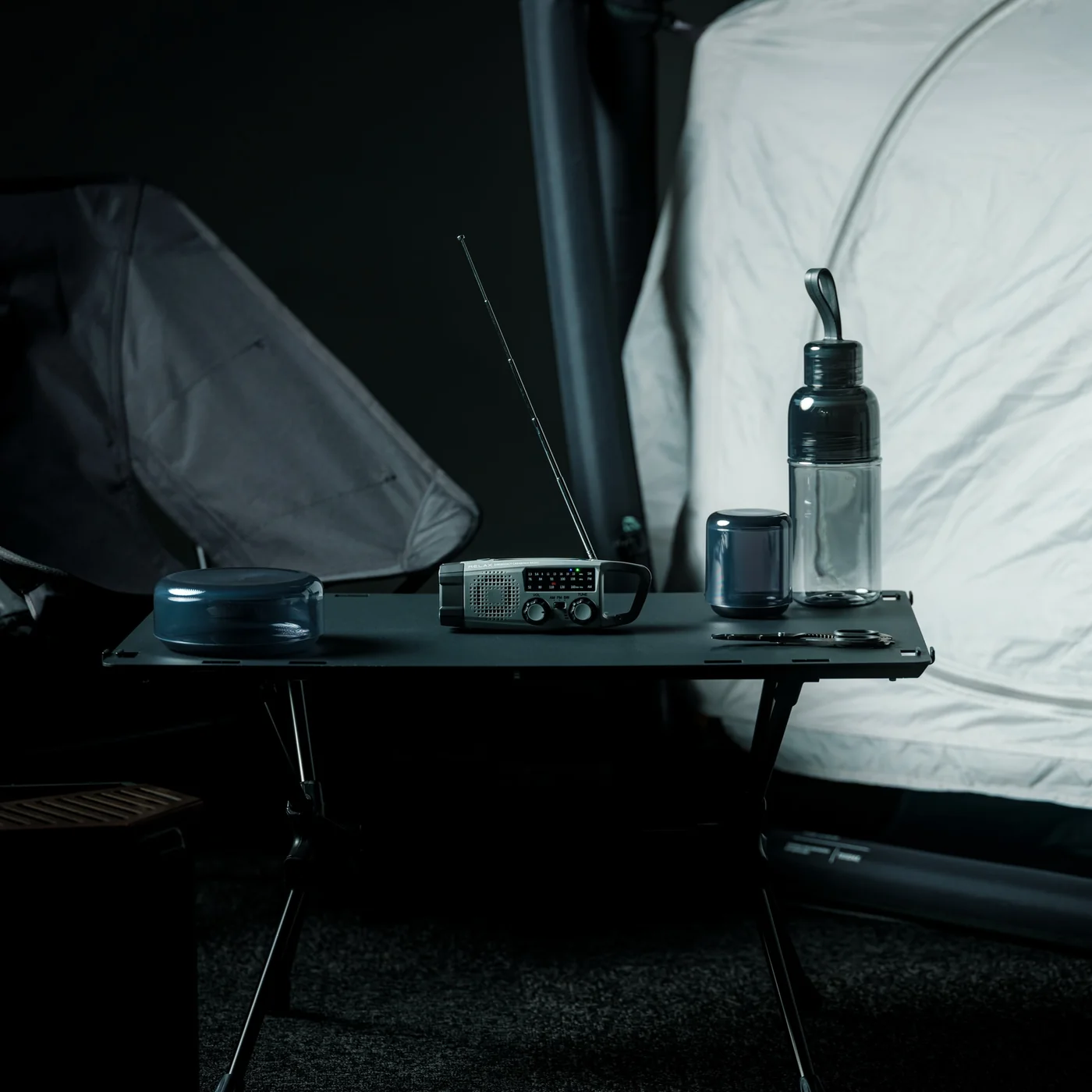
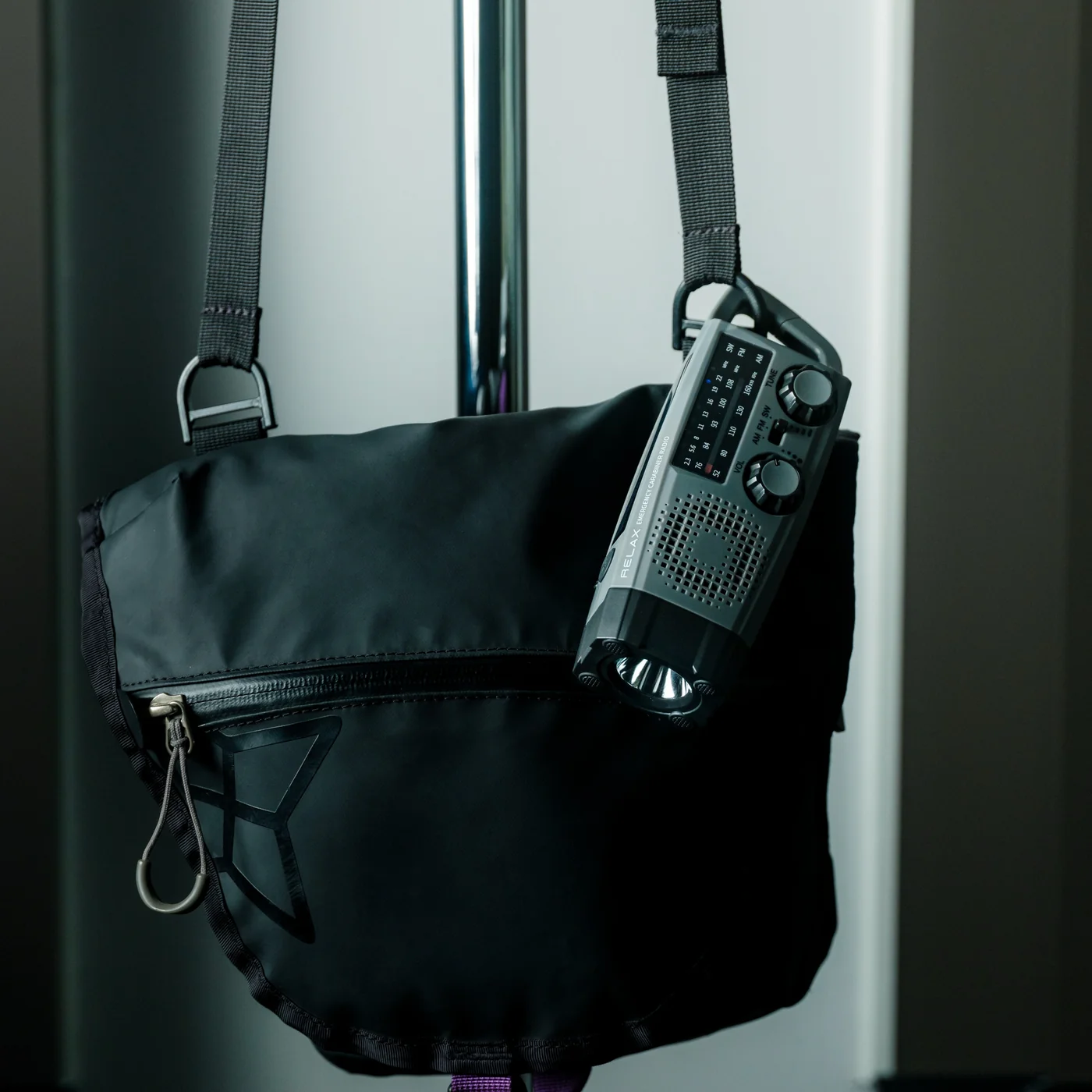
This 5-in-1 tool can be clipped to your bag or to your pants or shirt, and it’s ready to do its job whenever you suddenly need it. It mainly serves as a radio for your music and your news, but it’s also a power bank to charge your phone, a flashlight to light up the way, and an SOS alarm for those emergencies when you need to catch others’ attention.

Click Here to Buy Now: $60.00 Hurry, only a few left!

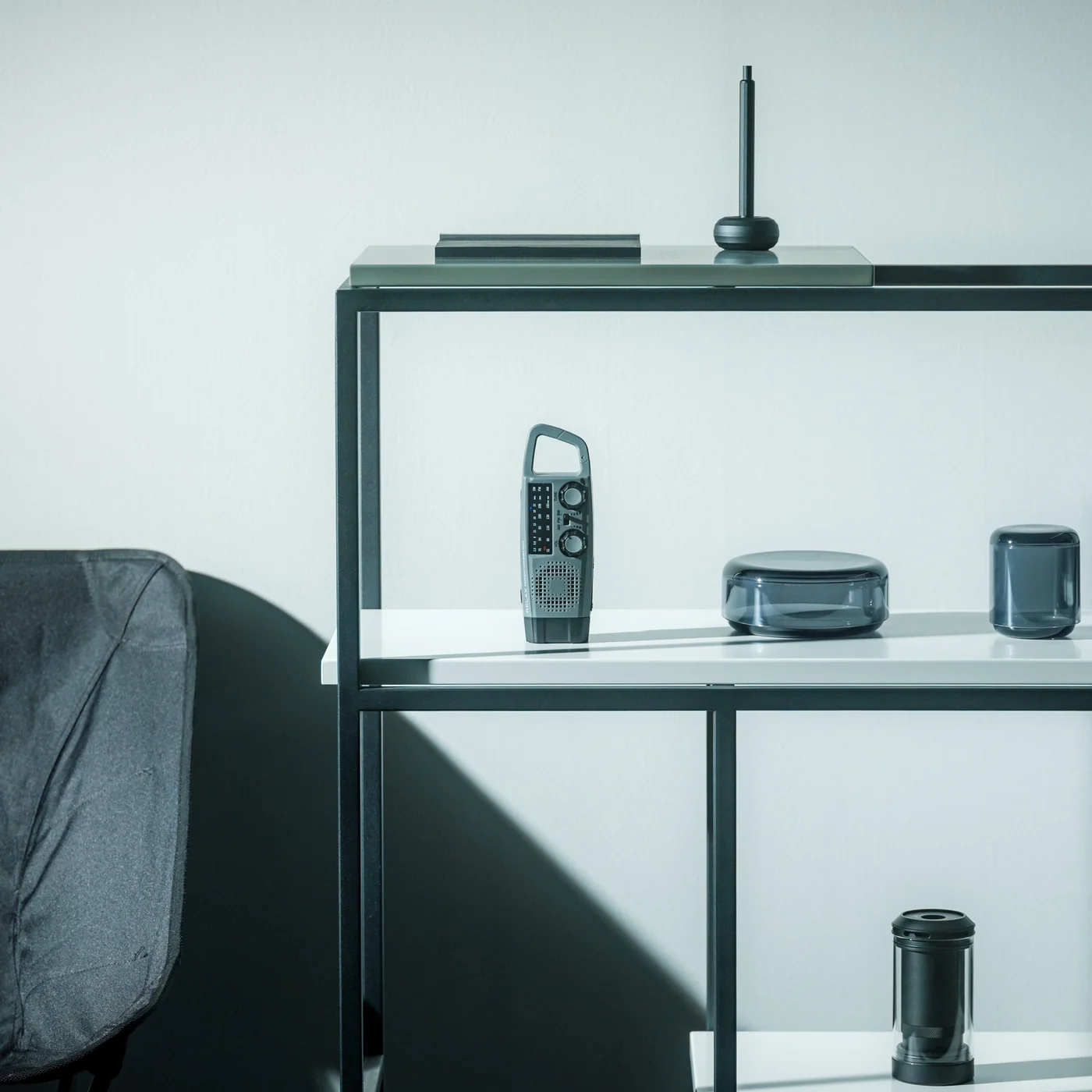
Emergency radios have been around for some time, especially for those who live in areas where emergency situations like wildfires, hurricanes, and tornadoes can pop up occasionally. But over the years, many have stopped using them because they’re too heavy or inconvenient to bring around. The Clip&Go Radio wants to solve that problem by having a design that lets it live on your backpack or in your pocket, close enough to grab at a moment’s notice.

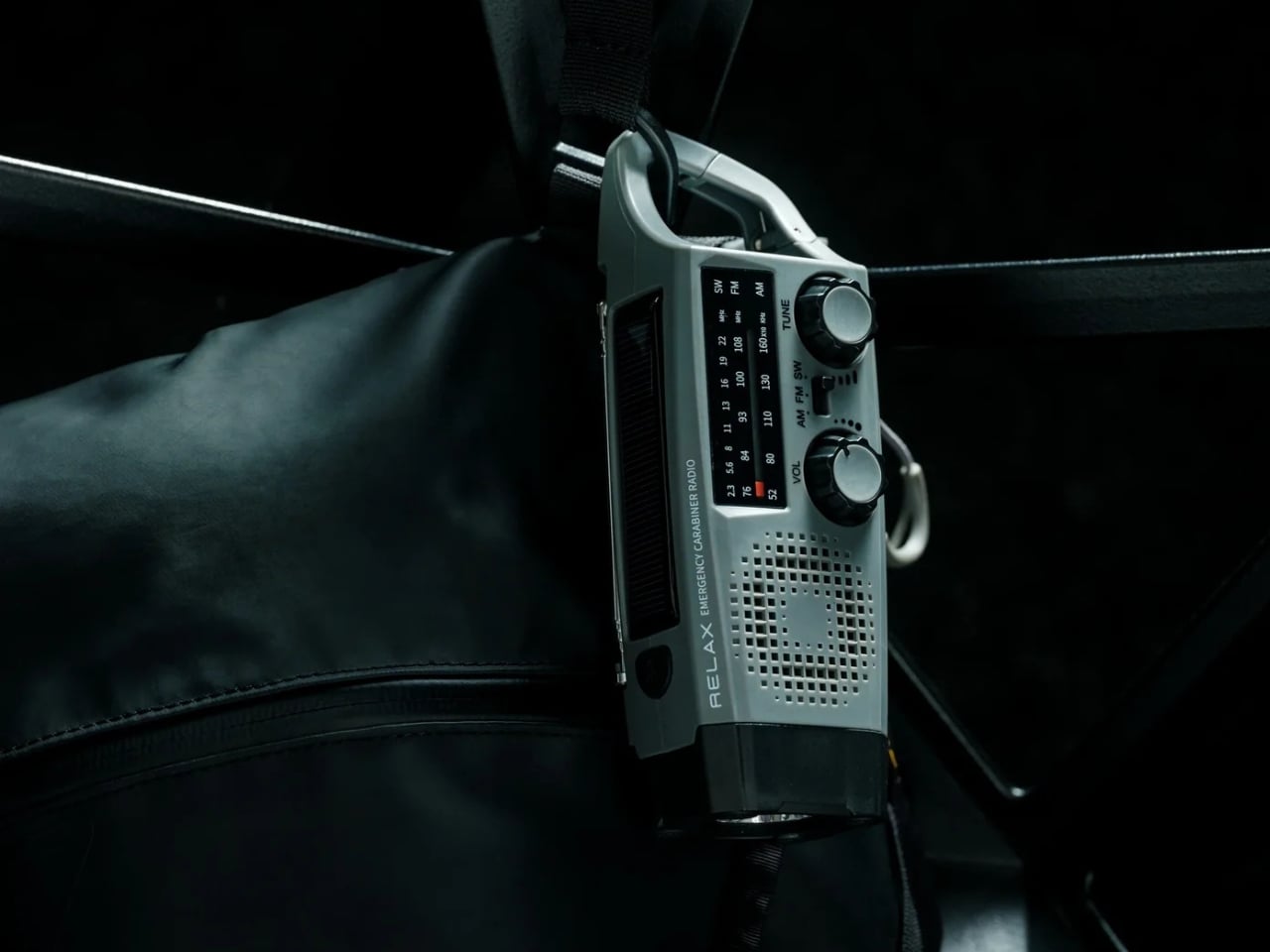
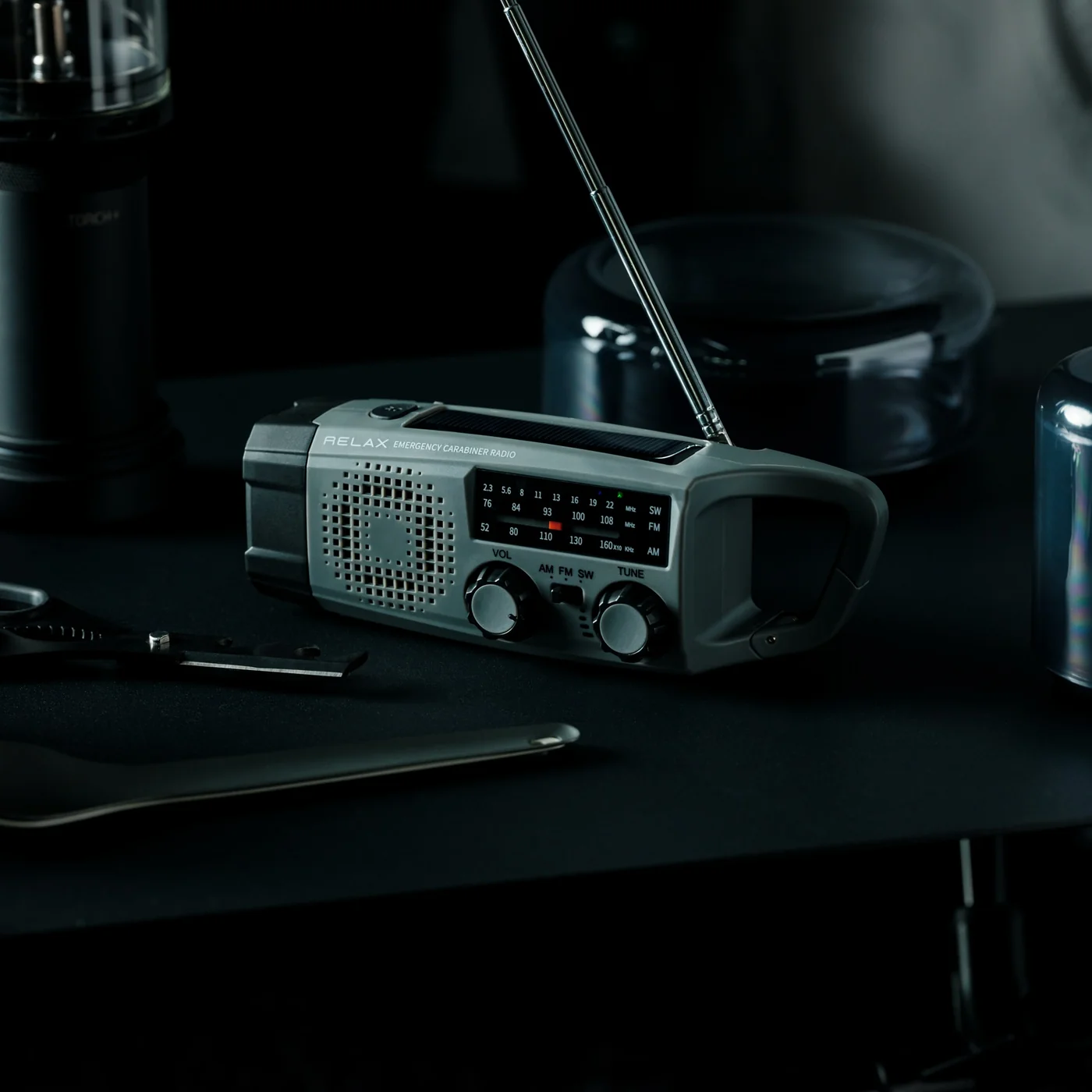
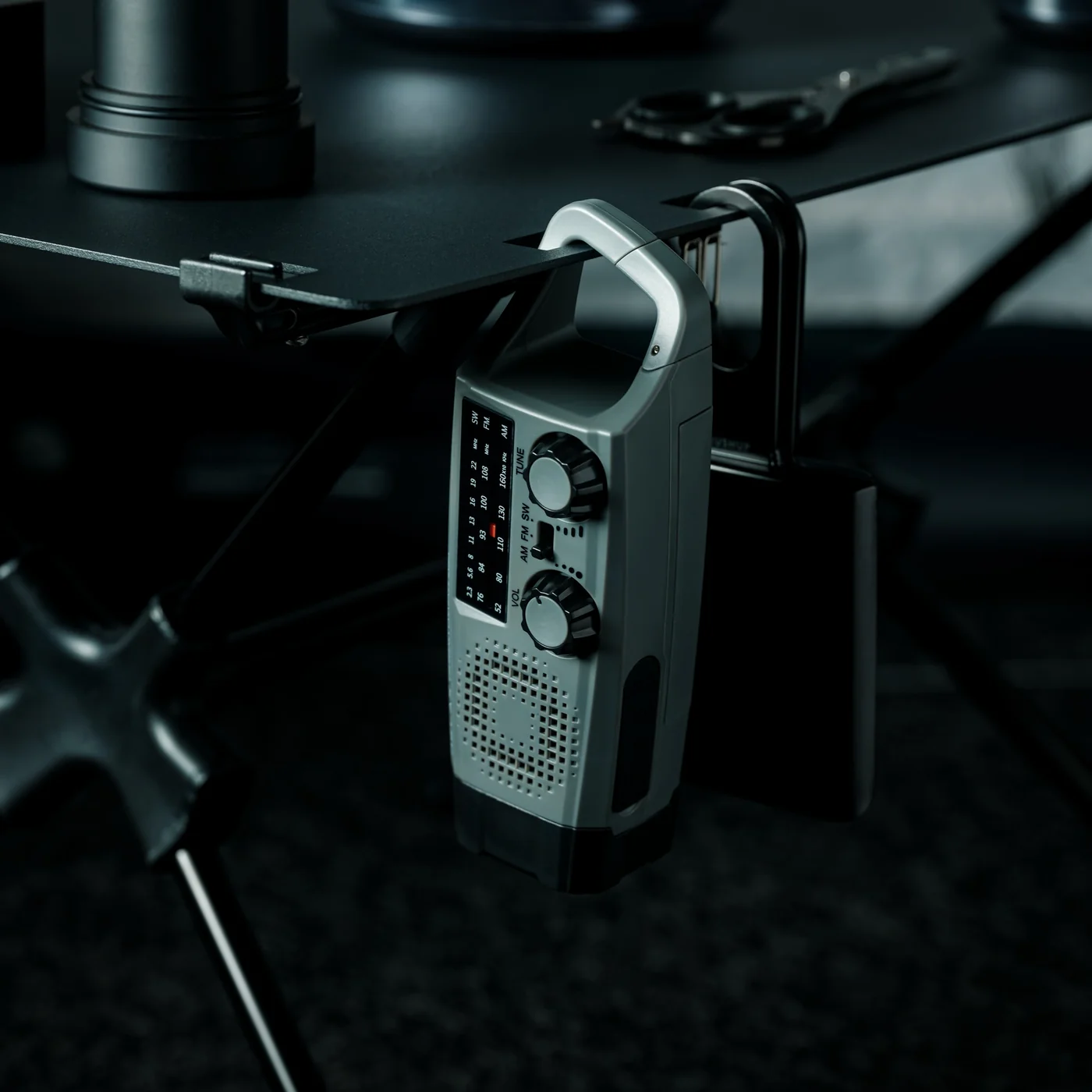
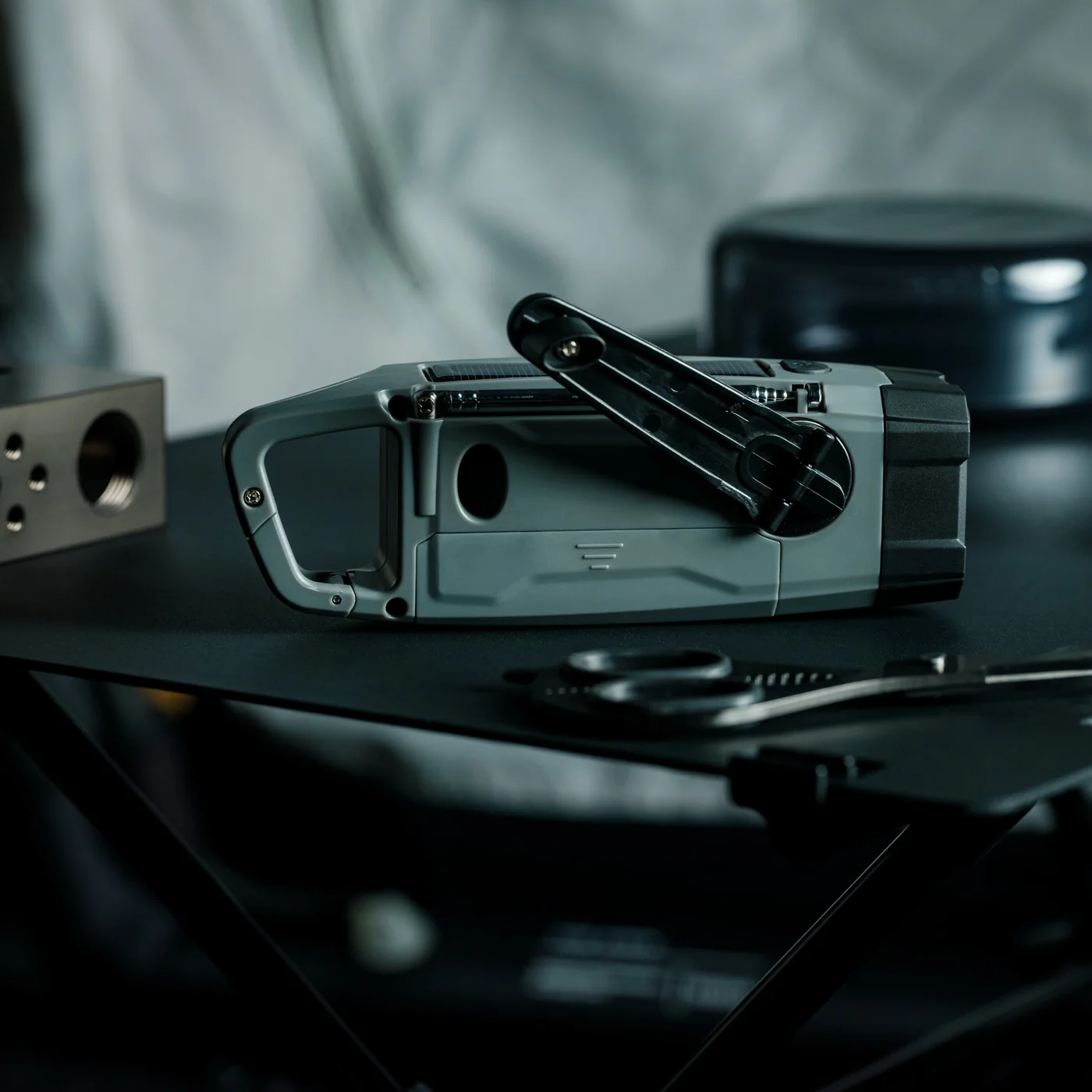
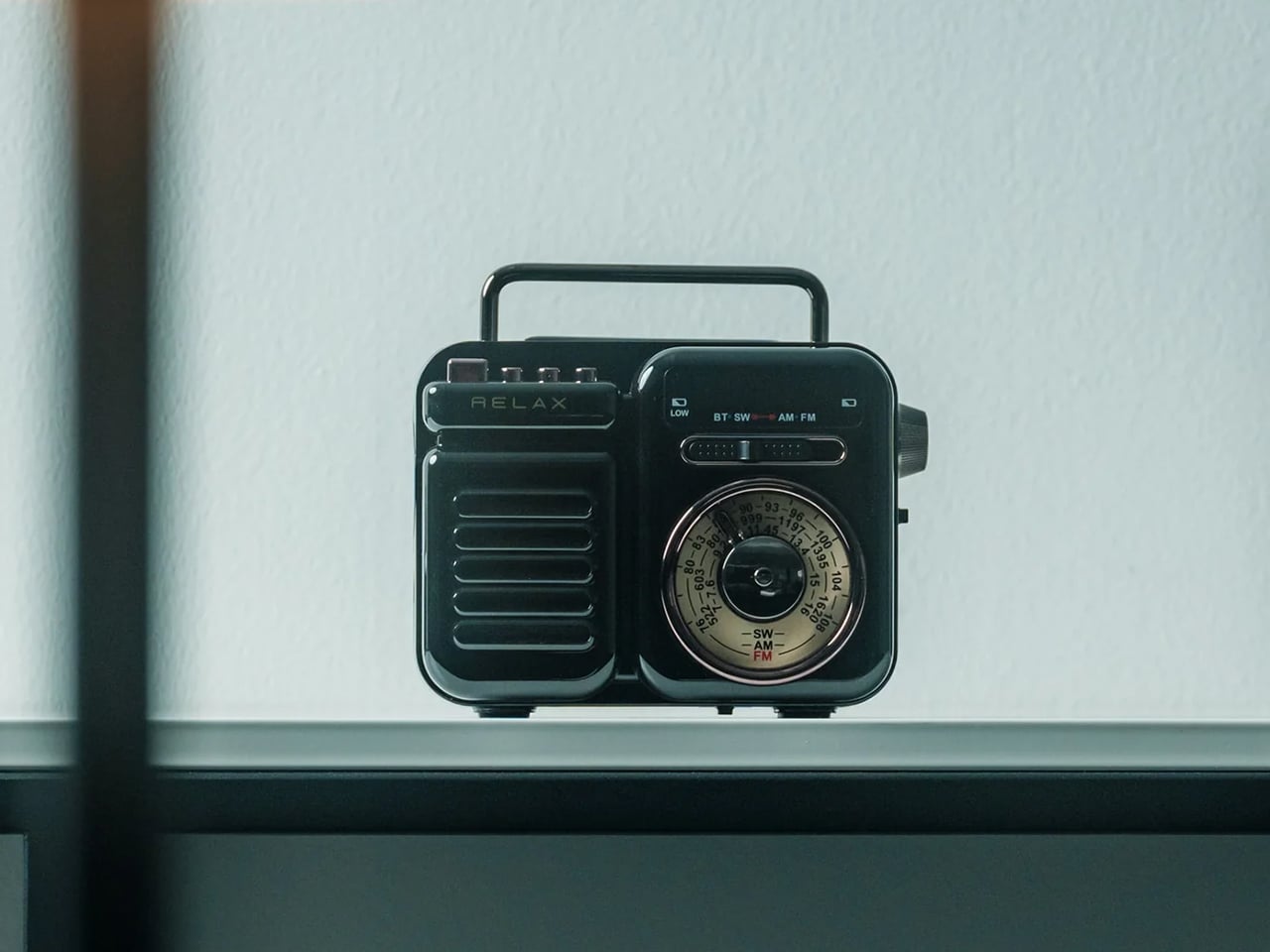
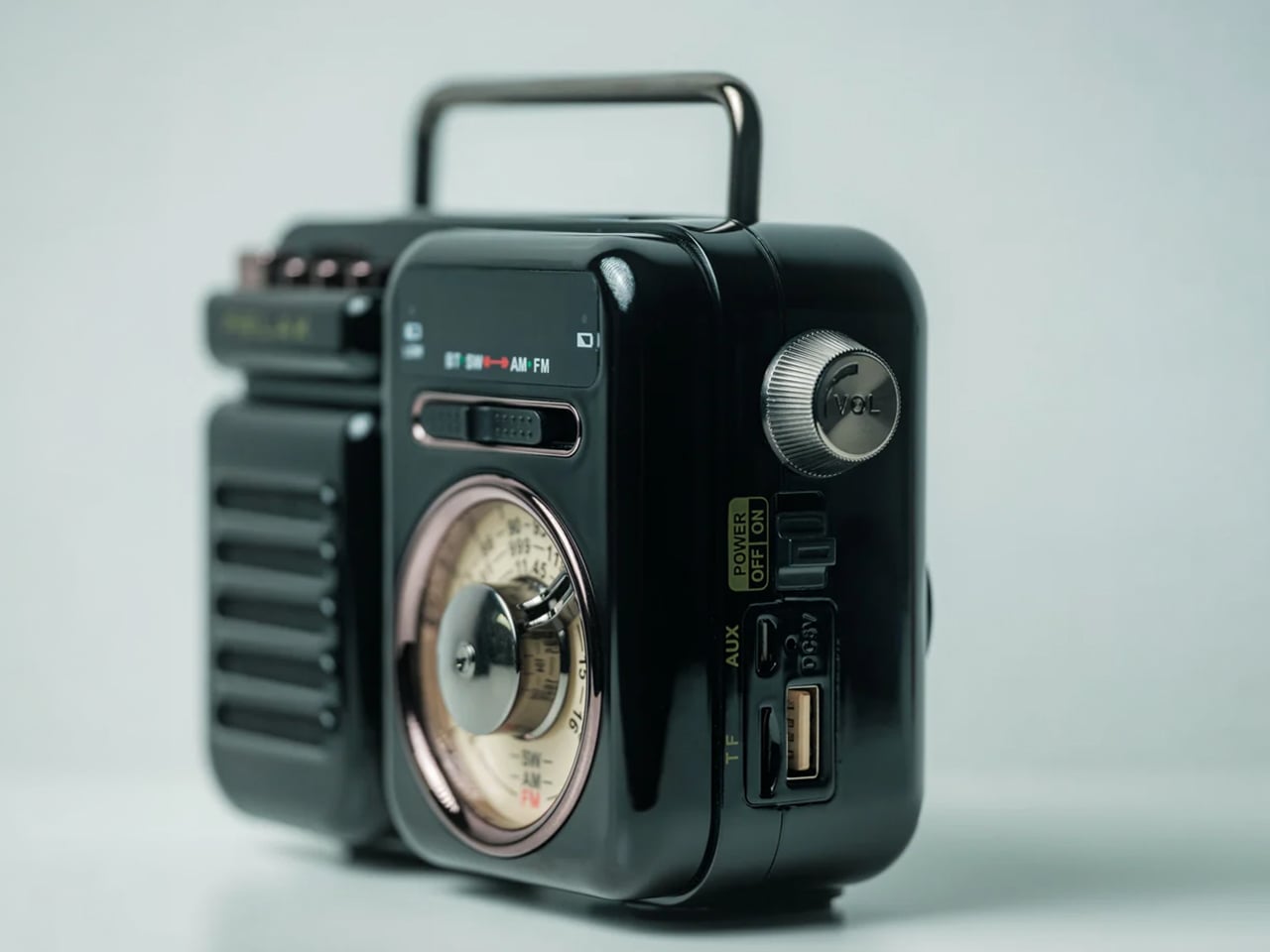
Despite its impressive list of features, the Clip&Go doesn’t look or feel like a bulky survival gadget. It measures just 6.2 x 1.9 x 2.1 inches and weighs a mere 220 grams, light enough that you’ll barely notice it on your pack. The body is built from ABS resin, polycarbonate, and silicone rubber, giving it a durable yet lightweight construction that can handle the bumps and knocks of outdoor life. What really sets its form apart, though, is the built-in carabiner that clips directly onto a backpack strap, a belt loop, or any piece of gear, keeping the radio accessible without taking up precious space inside your bag.

Most clip-on radios only offer AM/FM reception, but this one also has shortwave, which can broadcast emergency channels, international stations, and long-range signals. This means you can still get what may very well be life-saving information even when your phone has no power or there’s no regular cellular signal.

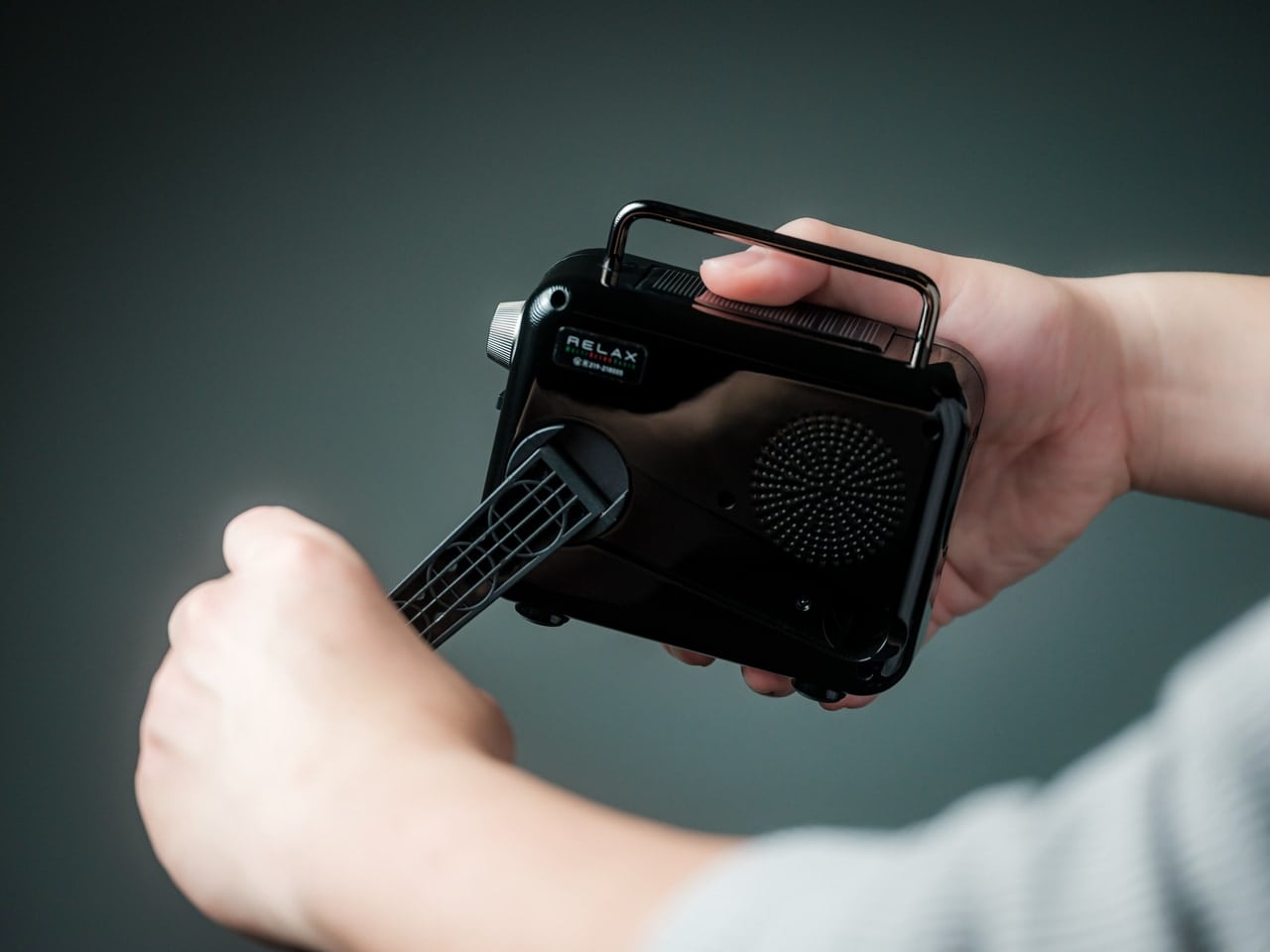
It can also serve as a power bank for your phone, in case that’s really what you need at that moment. It has a triple charging function for true off-grid readiness: USB-C, solar panel, and hand-crank, with the hand-crank serving as a true emergency backup when no power source is available. As a bonus, its 18650 lithium-ion cell is user-replaceable, so you can simply swap it out when it reaches the end of its life without having to replace the entire device. That’s a rare and thoughtful touch in a category where most products are simply thrown away.

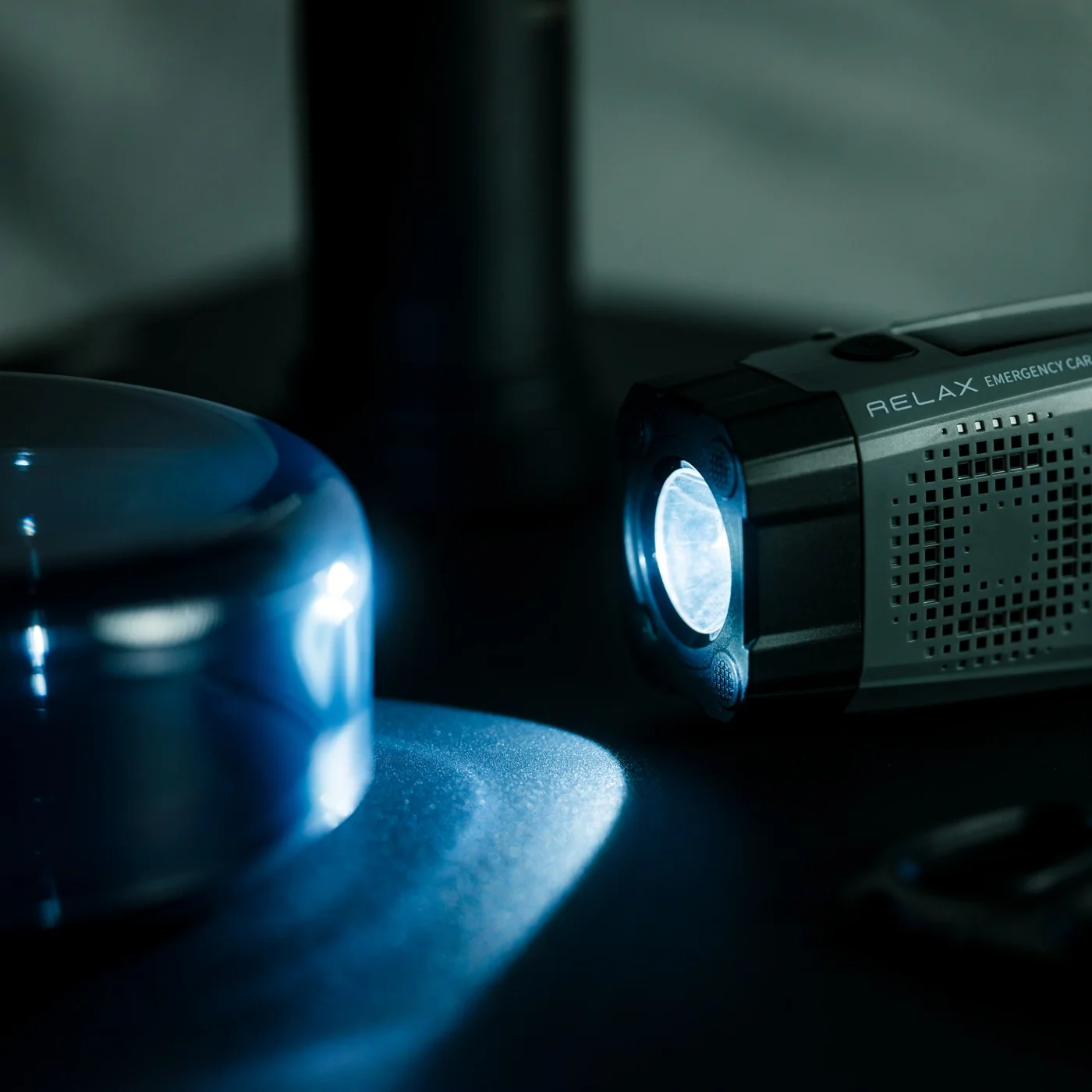
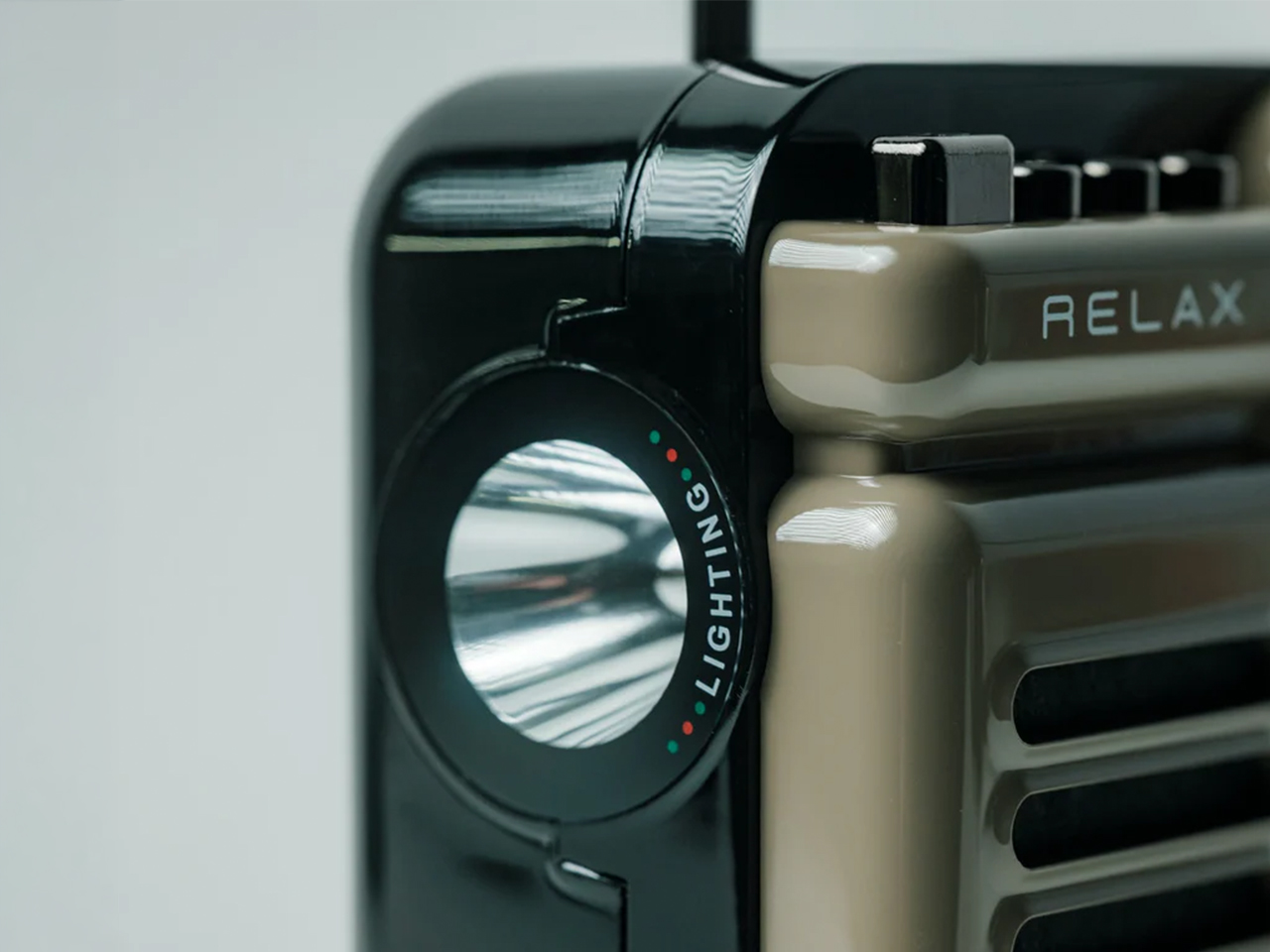
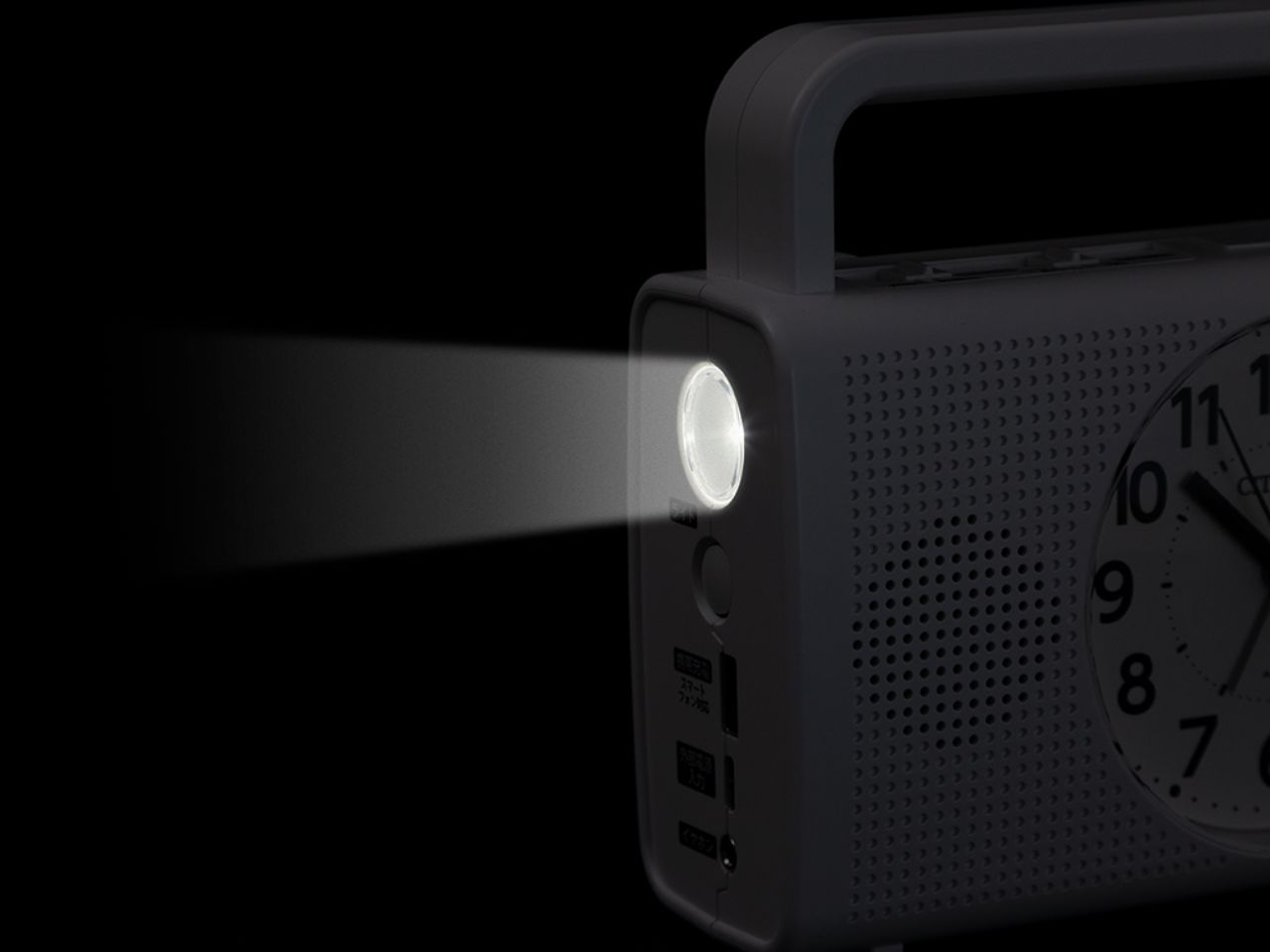
The built-in flashlight can run for approximately seven hours on a full charge, more than enough to get you through a power outage or an unexpected night outdoors. And when you truly need to signal for help, pressing and holding the SOS button triggers both an audible alarm and a flashing light, making it far easier for rescuers or fellow campers to locate you even in low-visibility conditions.

For American users in particular, the Clip&Go Radio makes a lot of sense. FEMA has long recommended hand-crank or battery-powered radios as a household essential, but most people never bother because standard emergency radios feel useless on a perfectly ordinary day. The Clip&Go flips that entirely. It’s a device you actually want to bring on a camping trip, a hike, or a day at the festival grounds, and it just happens to be ready for an emergency if one comes along. Whether you’re in hurricane territory, wildfire country, or tornado alley, having a device that functions completely independently of cell towers and internet is simply smart thinking. At $60, it’s a small price to pay for that kind of peace of mind.

The post This $60 Radio Clips to Your Bag and Could Save Your Life first appeared on Yanko Design.

Someone Built a LEGO Bedside Radio With 1,400 Bricks And Inner Circuitry

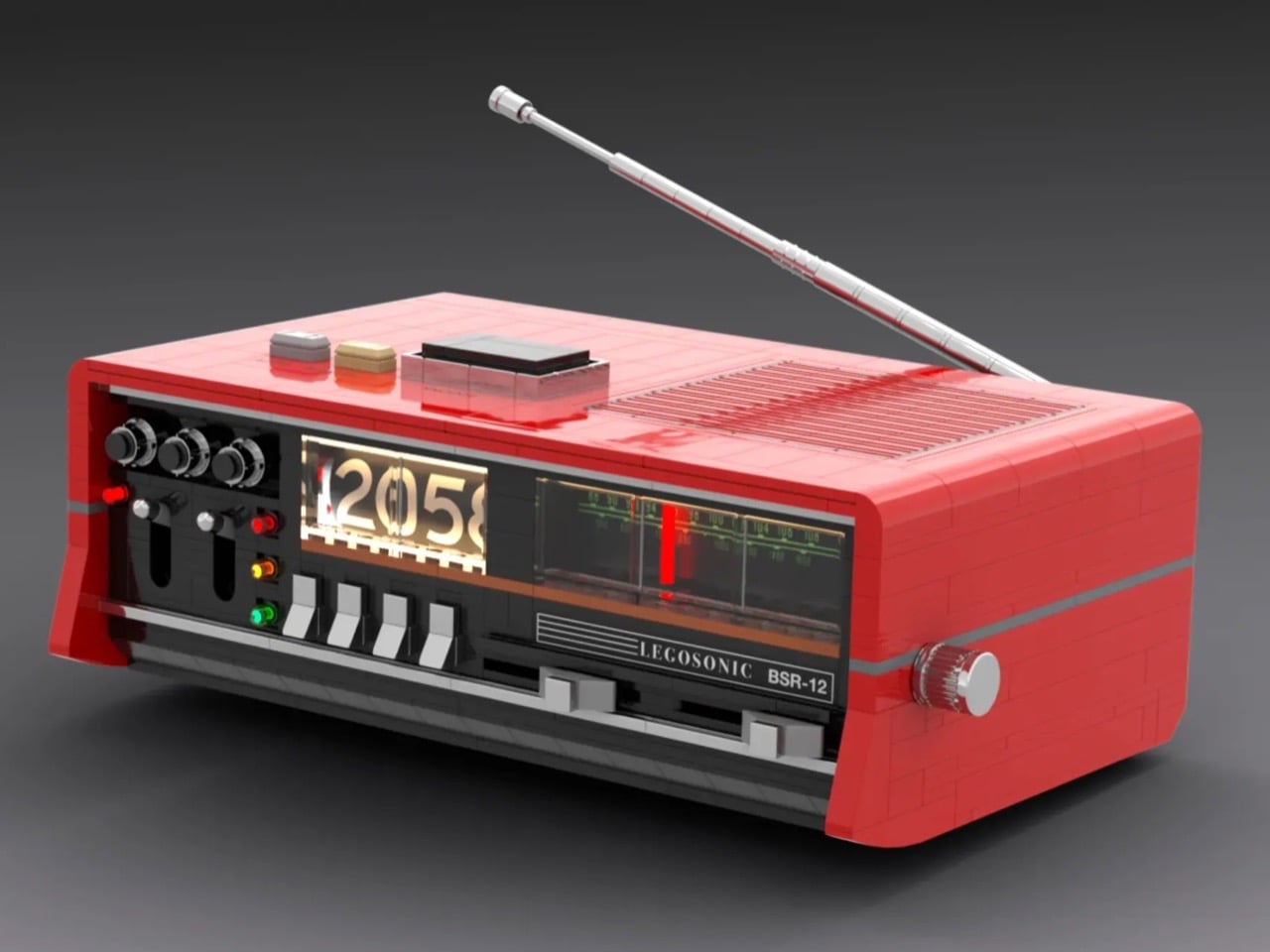
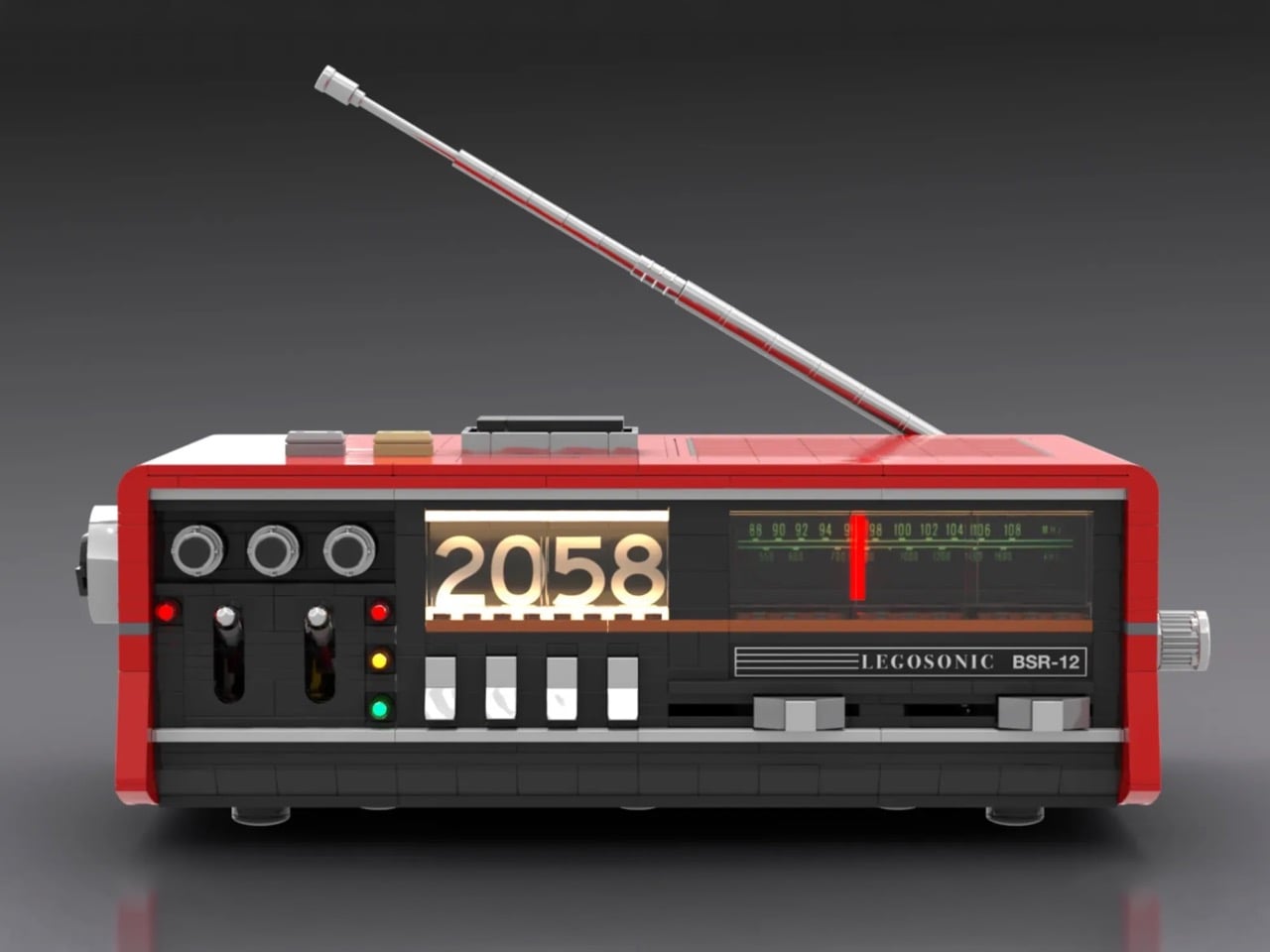
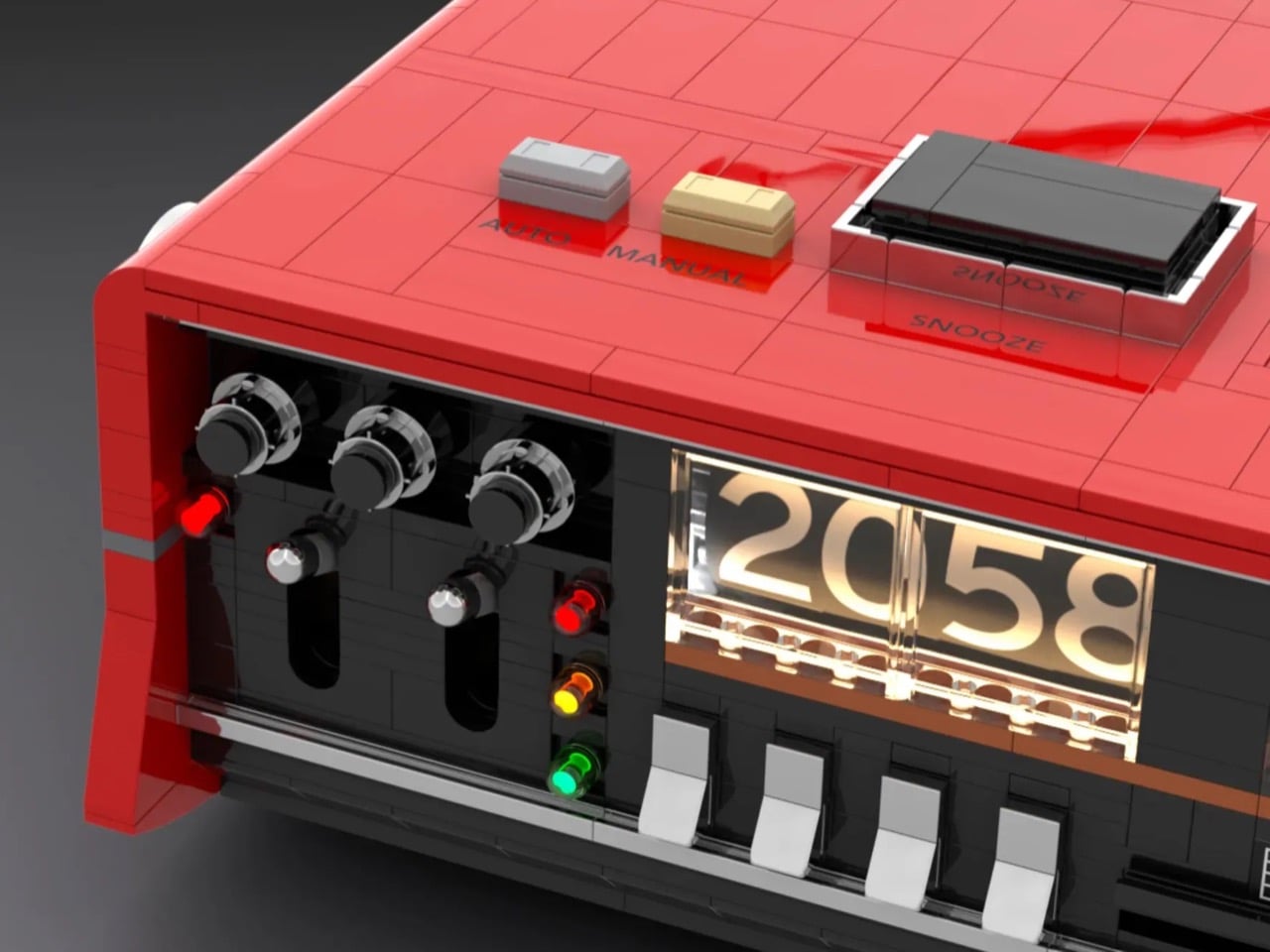
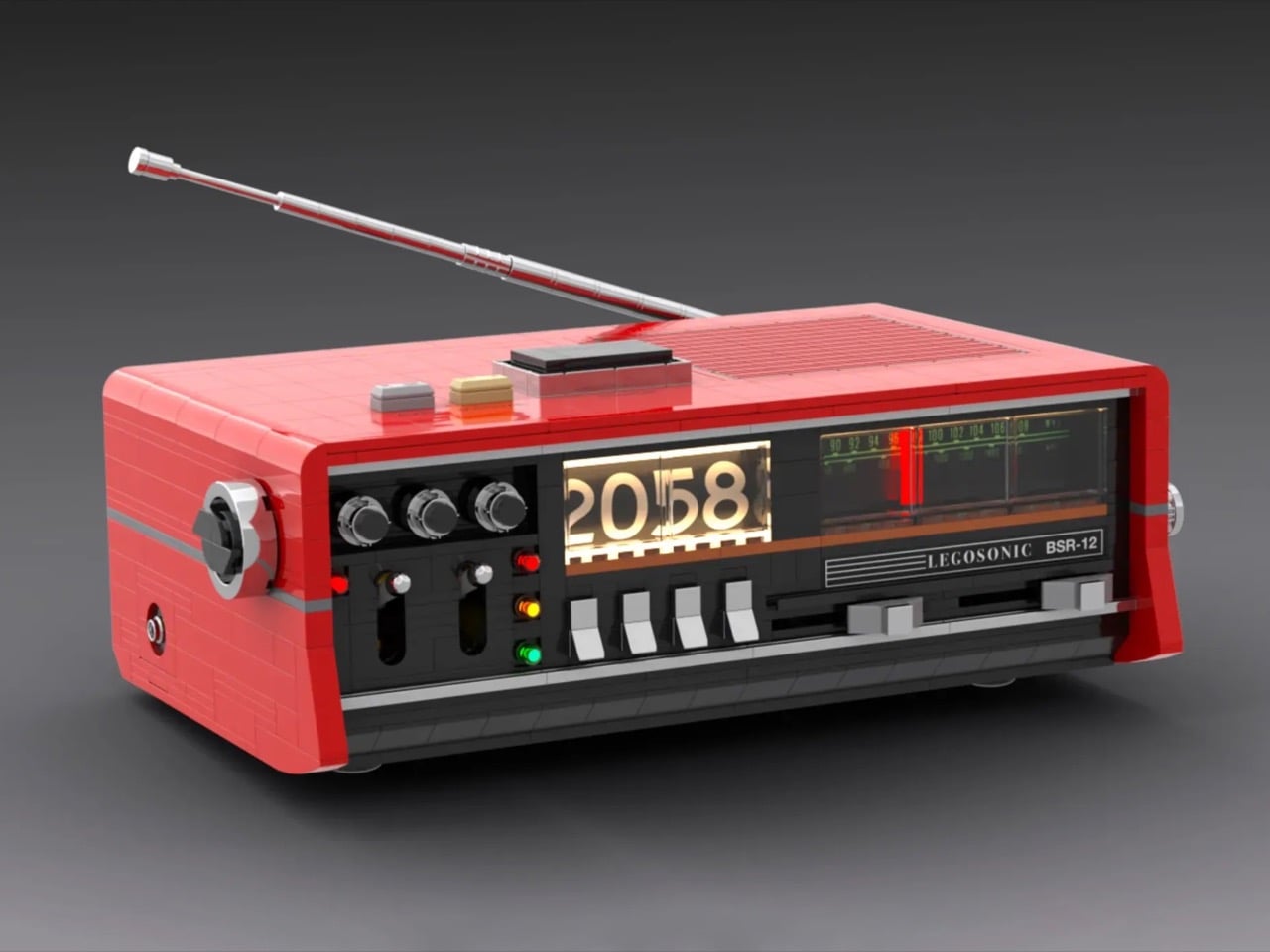
Remember when clock radios had personality? Before phones ate every function a bedside table used to need, you had this chunky little box with dials that clicked, buttons that thunked, and a display that glowed just enough to bug you at 3am. That exact vibe is what 91-Brickdesigns set out to capture with the Legosonic BSR-12, a LEGO Ideas build modeled on the radio alarm clocks that ruled nightstands in the late 70s and early 80s. And they didn’t just nail the look, they nailed the fidgetiness of the thing too.

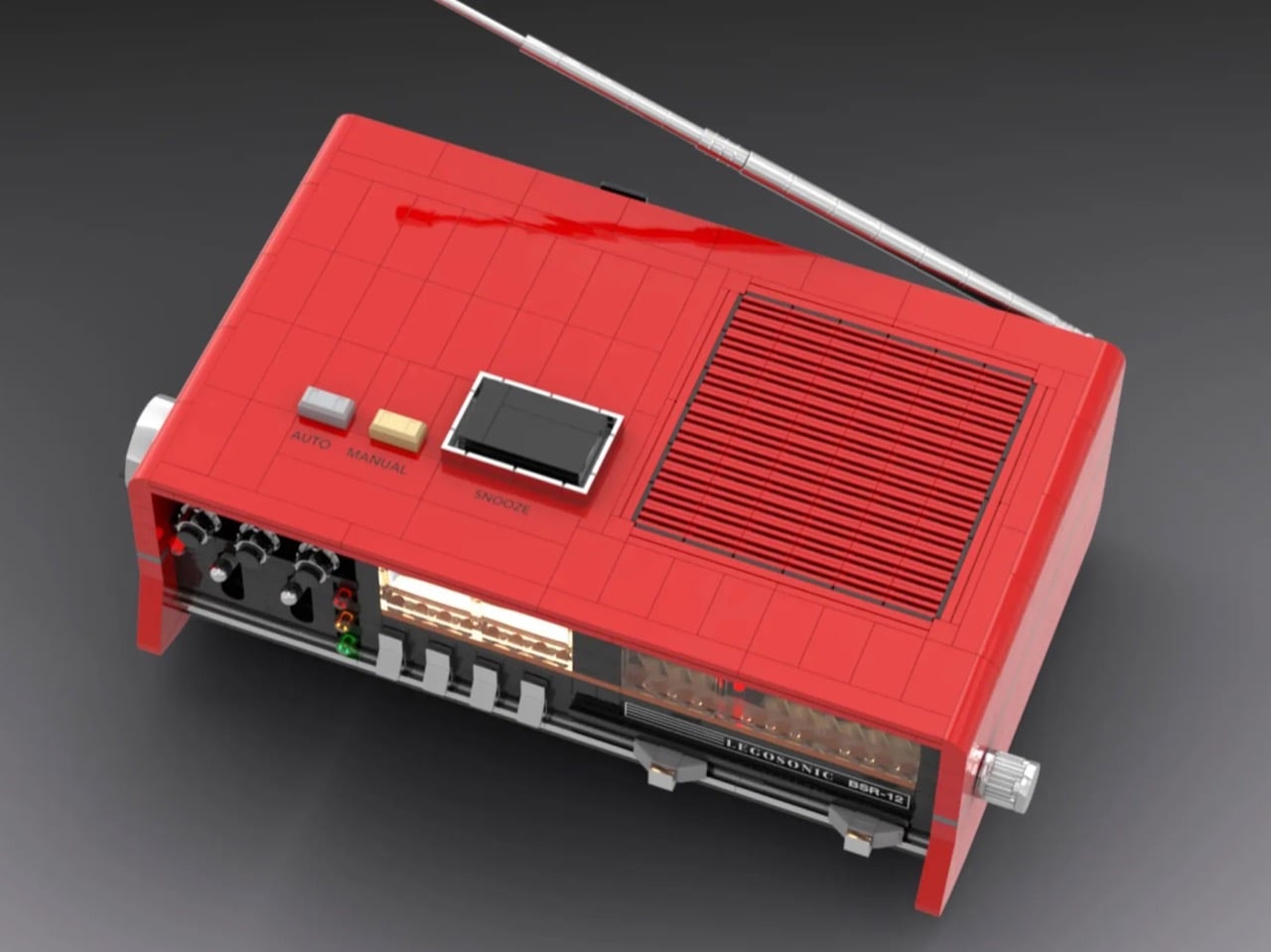
Around 1400 pieces went into this build, and a big chunk of that count is doing unnecessary, delightful work. The toggle switches have actual spring mechanisms so they click when you flip them. The sliders drive a gear underneath just so they feel smoother in your hand, despite doing literally nothing. Even the snooze button is a running joke, since pressing it accomplishes exactly zero. It’s the kind of overbuilt charm we loved in the LEGO Classics Computer a while back, cranked up another notch.

Designer: 91-Brickdesigns

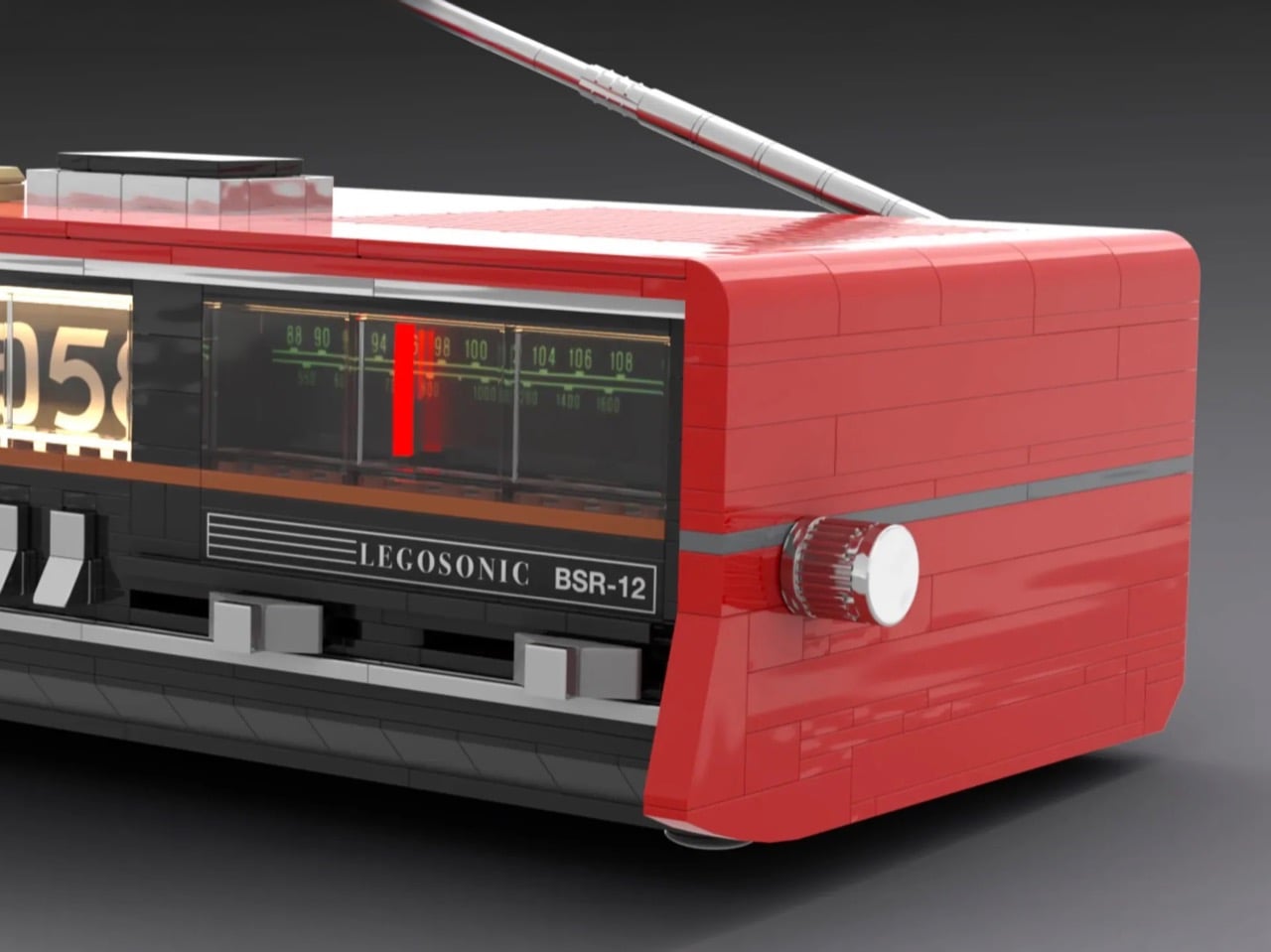
The front panel alone is a lot to take in. You’ve got three round dials up top that turn but don’t actually control anything, a row of colored indicator lights, and a genuinely functional time-set system where you spin the big dial and lock it in with a couple of chrome buttons. Next to that sits a flip clock style display frozen at 20:58, glowing like it just woke up from a nap, and a tuning window with a red needle you can slide across a fake FM and AM band using a little wheel on the side. None of it plays actual music, but every piece of it looks like it should.

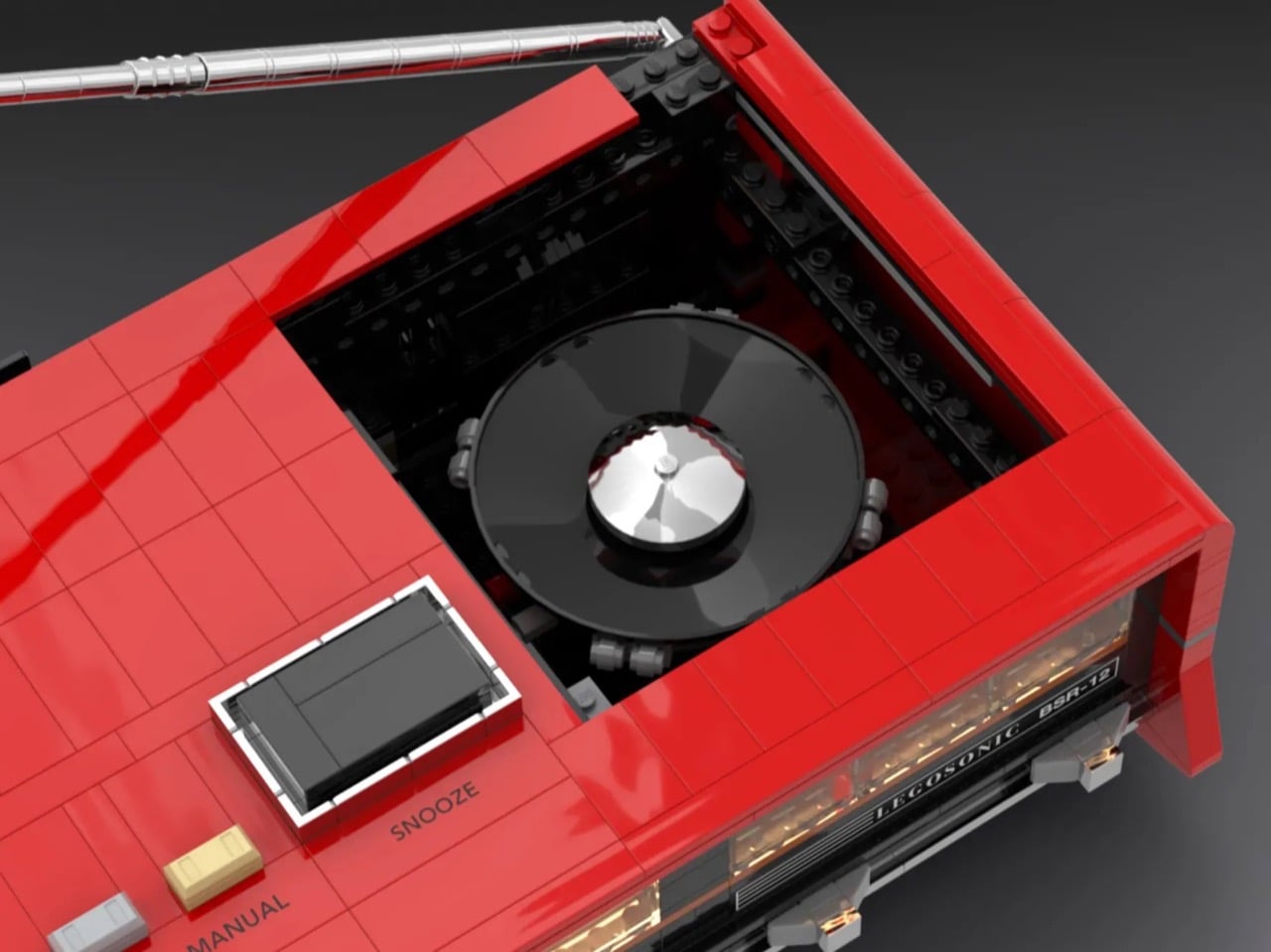
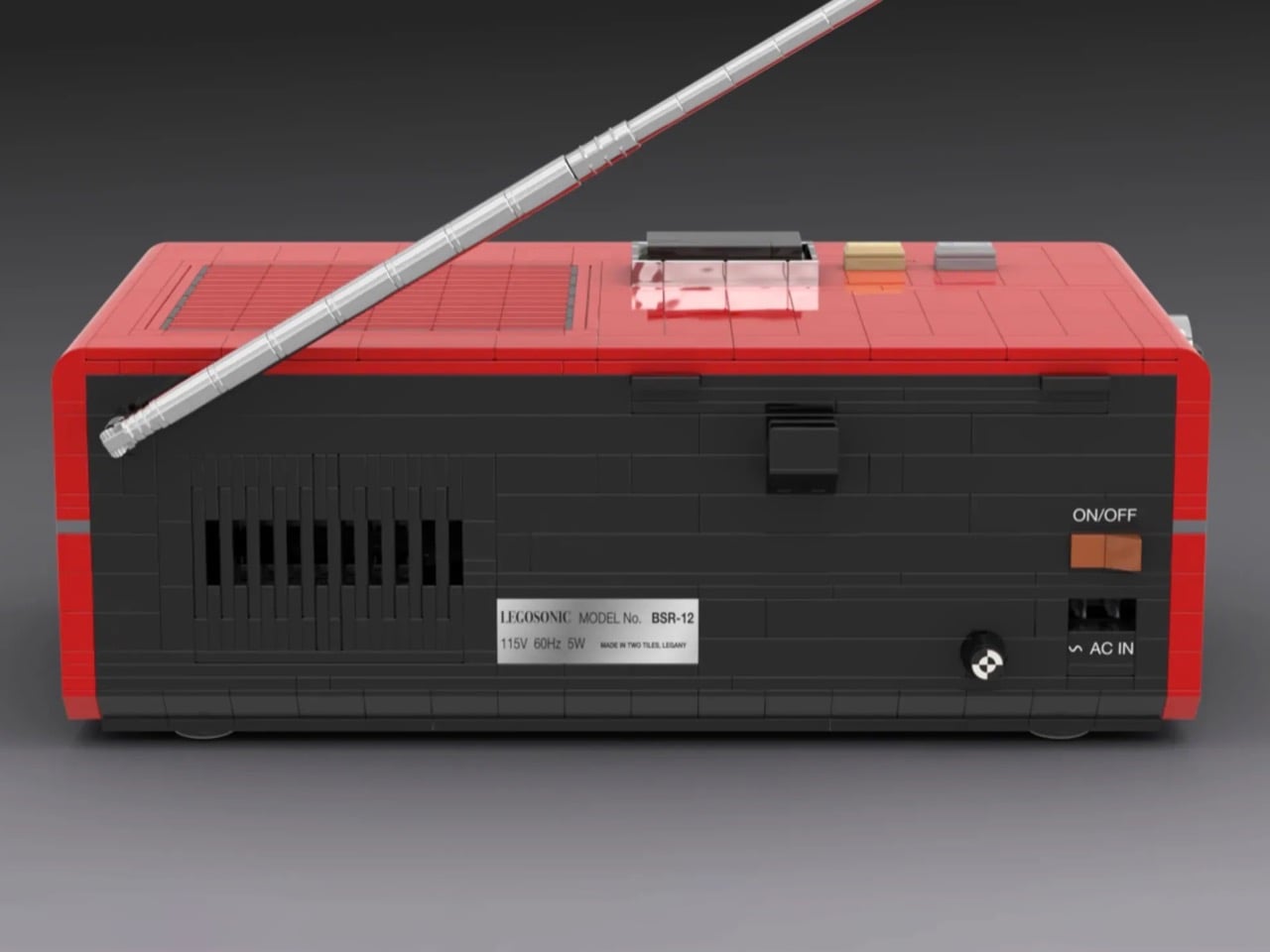
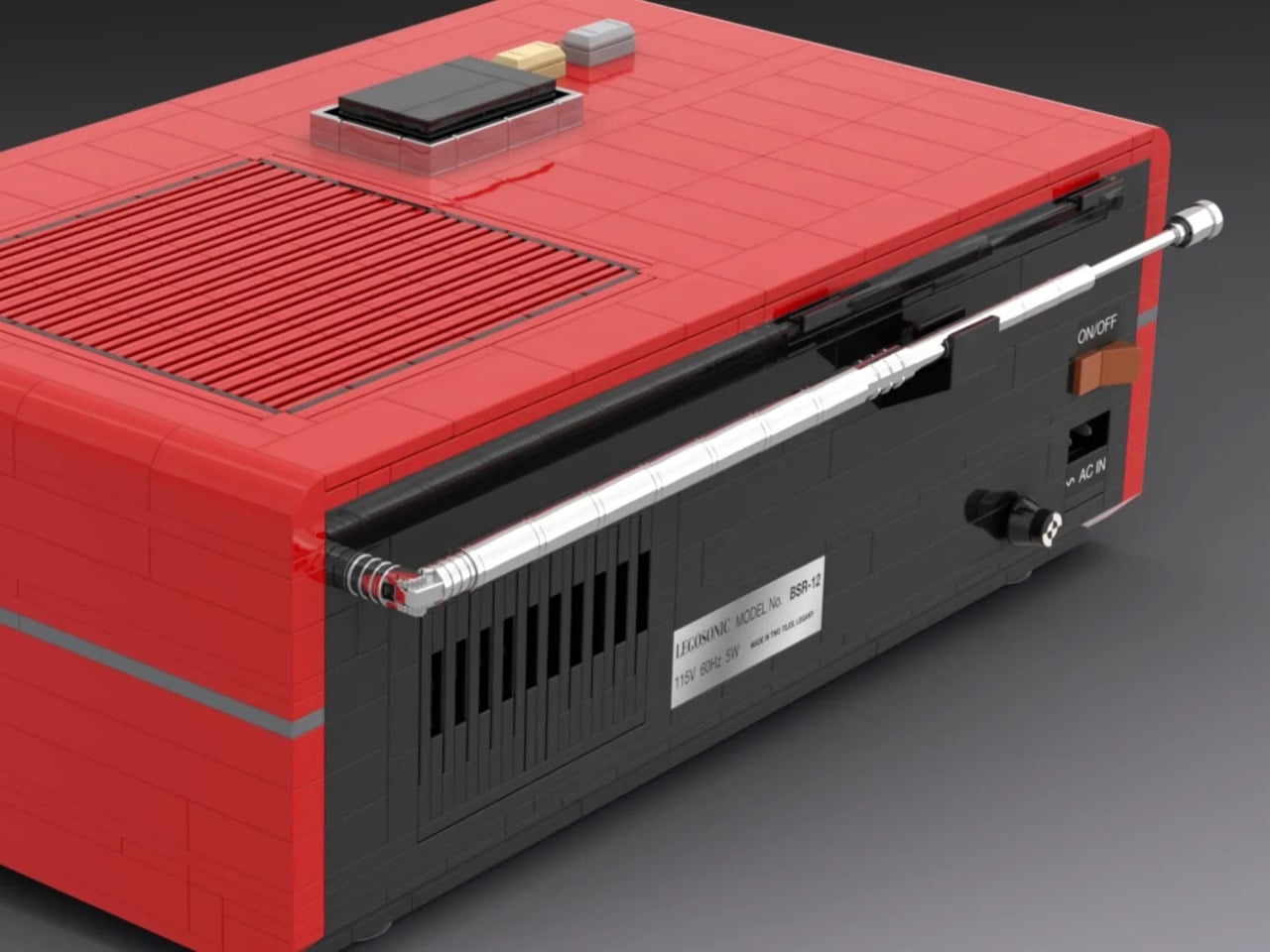
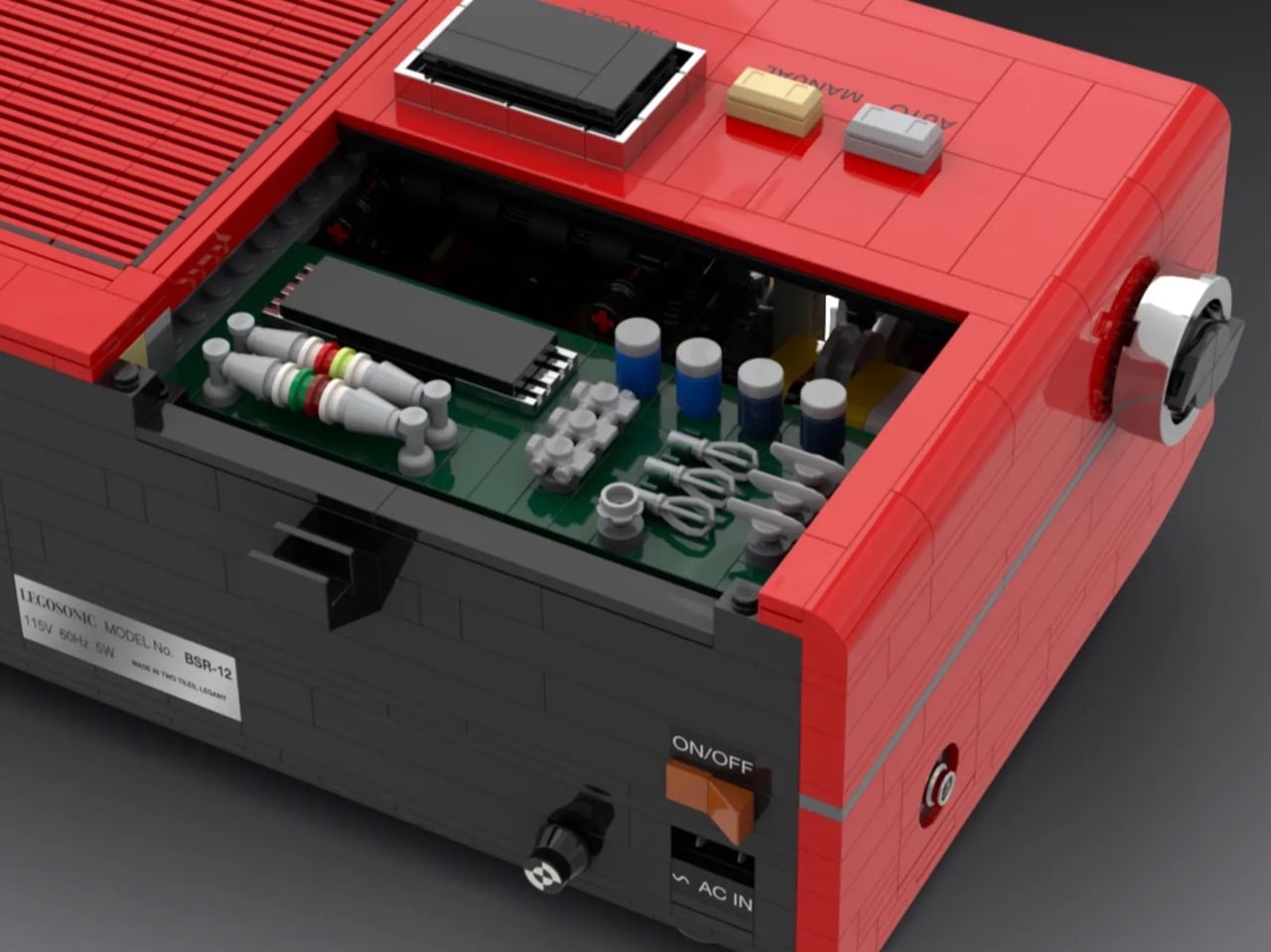
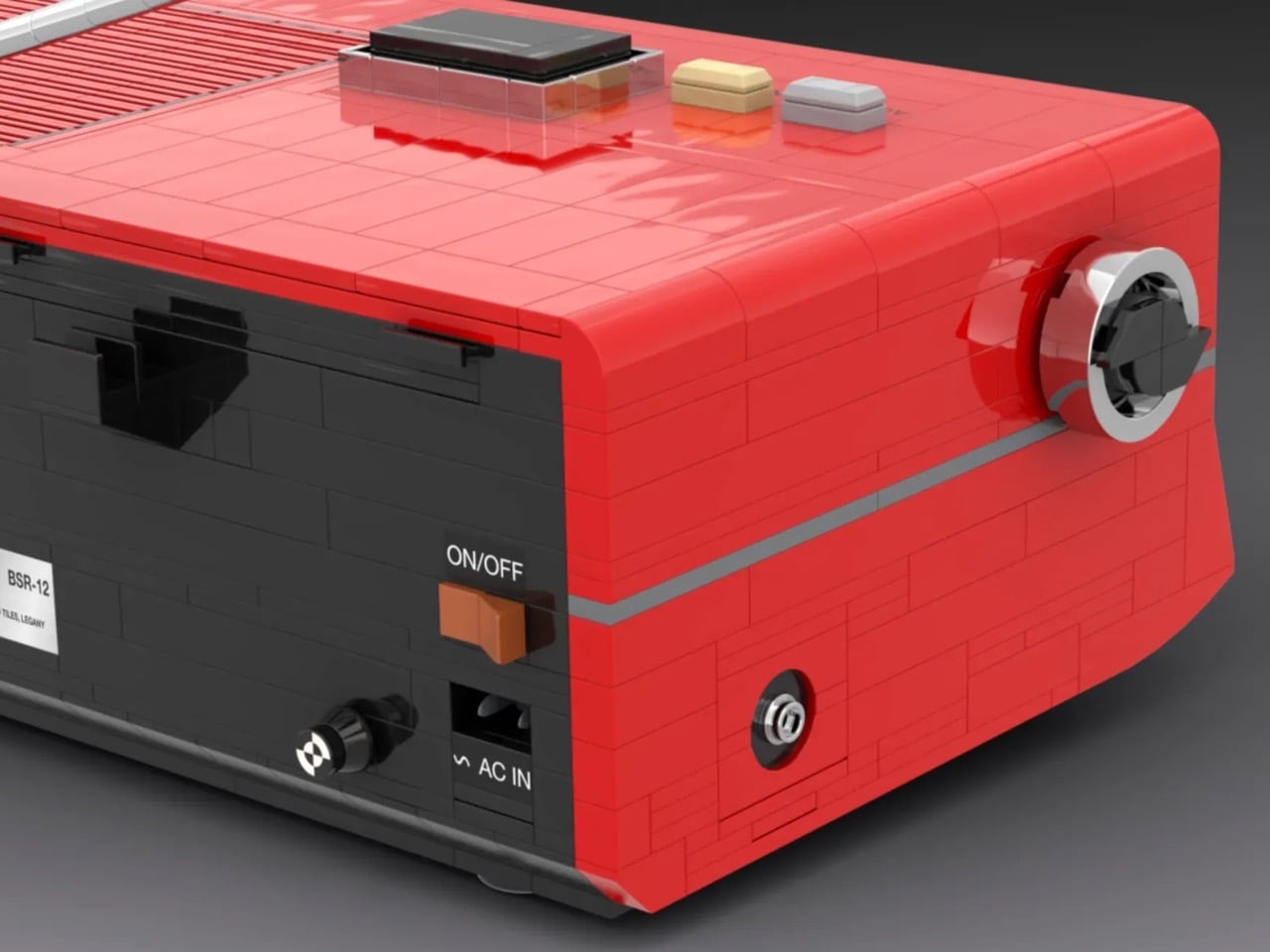
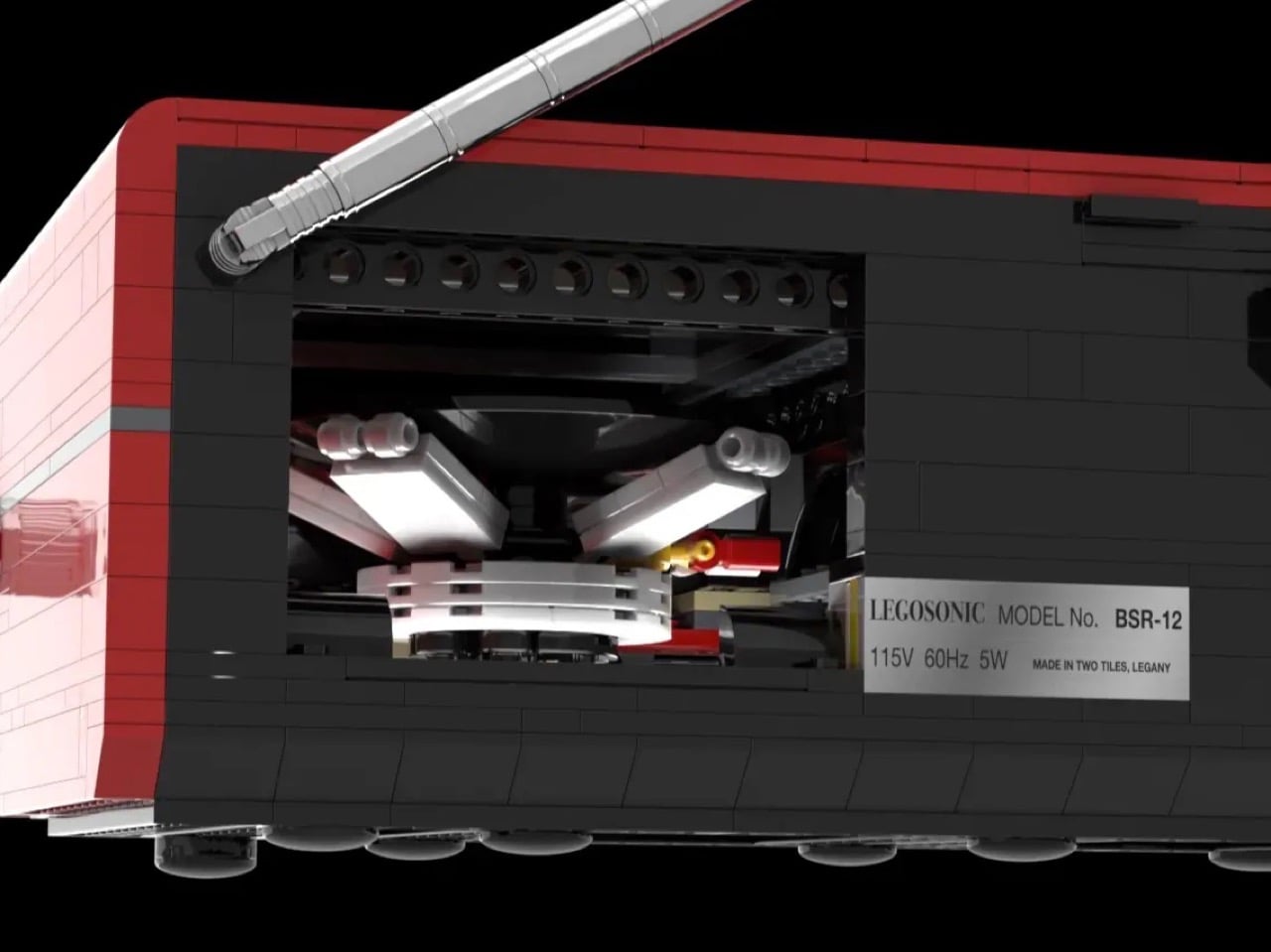
Pop the top cover and there’s a full circuit board hiding under there, with brick built resistors color coded the way real resistors are, a couple of capacitors, and a chip sitting exactly where you’d expect one on an actual PCB. Slide the ventilation grille open and there’s a speaker cone waiting behind it. Flip the whole thing around and the back has a proper spec plate, an AC input, and an on off switch that wouldn’t look out of place on a real appliance from a Best Buy circa 1983. My favorite detail might be the plate itself, which reads “Made in Two Tiles, Legany,” because apparently even fictional radio manufacturers deserve a pun.

This isn’t the first time we’ve watched builders chase this exact strain of nostalgia. The JVC pyramid TV that hit LEGO Ideas earlier this year leaned on the same appeal, and LEGO’s own Icons Retro Radio proved there’s real demand for gadgets that remind adults of a time when electronics had weight and character instead of just a glass slab and a charging port. The Legosonic BSR-12 fits right into that lineage, except it goes further than most by building the guts as carefully as the shell.

The build currently sits at Staff Pick status with 589 days left to hit its 5,000 supporter mark, on the way to the 10,000 votes needed for LEGO’s official review. If you’re the kind of person who misses a nightstand that made noise when you touched it, head over to LEGO Ideas and give it a vote.

The post Someone Built a LEGO Bedside Radio With 1,400 Bricks And Inner Circuitry first appeared on Yanko Design.

This $89 Retro Radio Made My Smart Speaker Feel Weirdly Useless

There was a time when the radio on the kitchen shelf meant something. Not just background noise – a presence. Something with weight and warmth, a dial that clicked with intention, a speaker that made the morning feel like it had a score. Then it disappeared. We outsourced listening to our phones, our earbuds, our smart speakers that go silent the moment the Wi-Fi drops or the power cuts. Our devices got smarter, but also more fragile. More connected, but less self-sufficient.

The result is a strange kind of ambient helplessness. Beautiful, optimized, perpetually connected – until nothing works. That’s what makes the RetroWave 7-in-1 Radio so quietly compelling. It doesn’t just revive the visual language of a classic Japanese radio. It restores something modern gadgets gave up without asking: the reassurance of an object that works when conditions aren’t perfect and takes away the decision fatigue of ‘choosing’ every single music you play.

The Radio That Changed How I Think About “Essential”

At first, I thought the RetroWave Radio was mostly a design piece. A handsome retro object with a tactile tuning dial and enough character to earn a shelf. But after a few weeks, I realized it had rearranged things I hadn’t expected.

The Bluetooth stream replaced my phone speaker and sounded better. The FM dial came back into rotation, and tuning a signal by hand felt more deliberate than tapping a playlist. Then the power went out during a weekend storm. The radio kept going. The hand crank charged my phone enough to send a message. The LED flashlight handled the kitchen. The SOS alarm stayed ready in the background, doing nothing, which was exactly what I needed it to do.

It hadn’t added a function to my shelf. It had closed a gap I didn’t know I was living with.

Close-up of a black device with a circular dial labeled 'LIGHTING' and small red/green indicators, beside a beige panel that says 'RELAX'.

Built Beautiful. Built Smart.

  • 7-in-1 functionality: Works as a speaker, MP3 player, radio, flashlight, clock, power bank, and SOS siren in one compact form.
  • Bluetooth + MP3 playback: Stream from your phone or play directly from USB and microSD when you want to go offline.
  • FM/AM/SW radio: Tune into local broadcasts, international news, or analog stations without needing the internet.
  • Emergency-ready power: Recharge by hand-crank or solar panel when outlets are unavailable.
  • Built-in flashlight and SOS alarm: Designed for blackouts, storm prep, roadside stops, and unexpected moments.
  • Phone charging on the go: The 2000mAh battery gives your essentials a boost when you need it most.
  • Compact but capable: Lightweight enough to pack, yet powerful enough for up to 20 hours of radio time or 6 hours of emergency lighting.

This isn’t multi-functionality for the sake of a spec sheet. Each function earns its place.

Close-up of a vintage black radio with a charging cable plugged into a smartphone displaying 14:40 on its screen.

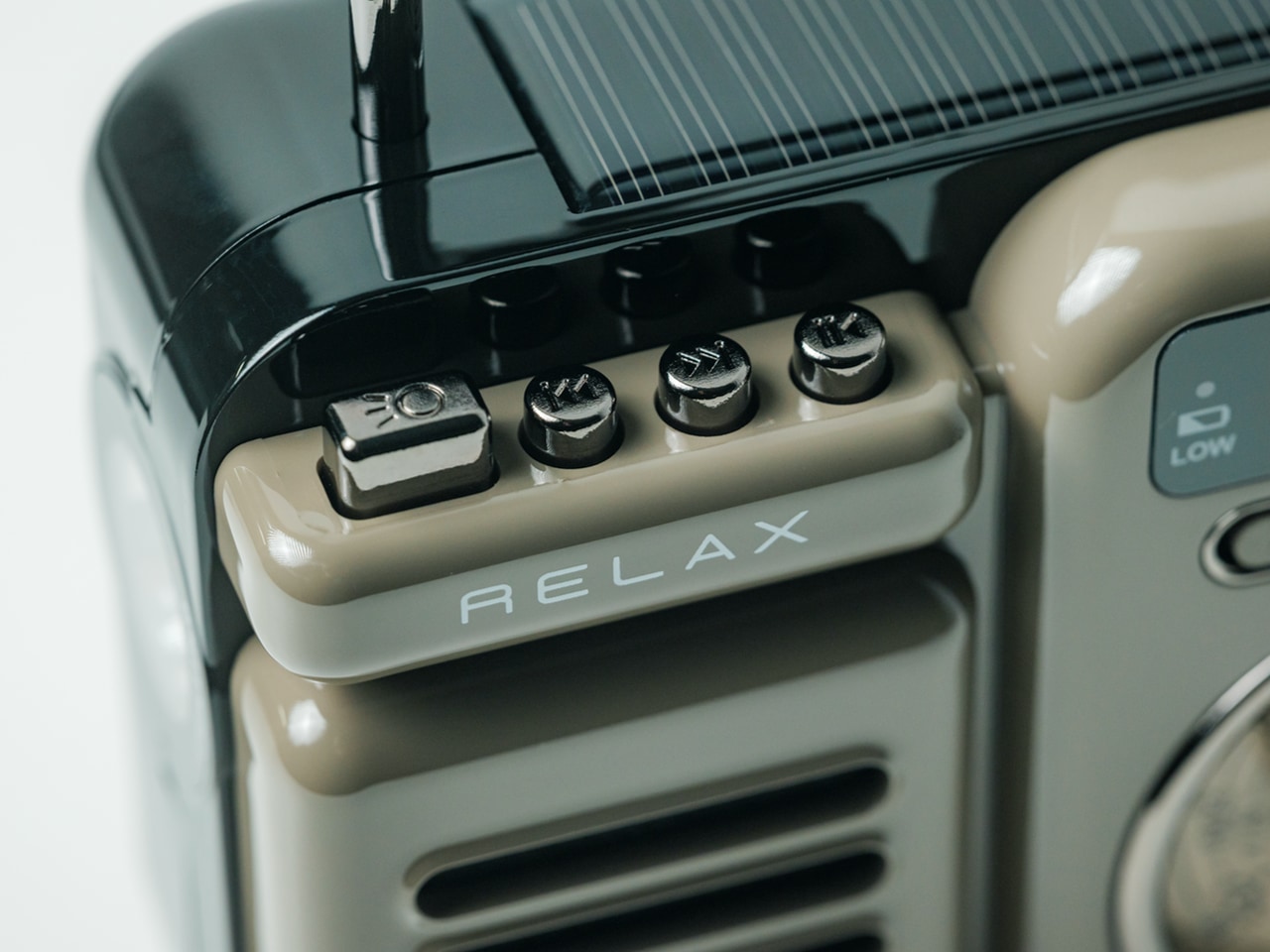
Close-up of a vintage beige control panel with four small knobs and a 'RELAX' label on a glossy black device.

Why Reliability Feels Like a Luxury Now

We tend to assume the future belongs to smarter devices. But smart has started to feel fragile. Speakers that go silent without internet. Phones that drain at the worst moment. Tools that work beautifully right up until they’re actually needed.

The RetroWave Radio offers a different kind of progress. Not rooted in constant connectivity, but in self-sufficiency. It gives you music when you want ambiance, information when you need updates, and power when everything else starts running low. The best emergency tool is the one that’s already out – living on your shelf, earning its place every day, so it’s there without thinking when things get difficult.

Person holds a small black portable device with a side vent and attached nozzle, held in two hands.

Design That Reflects Resilience

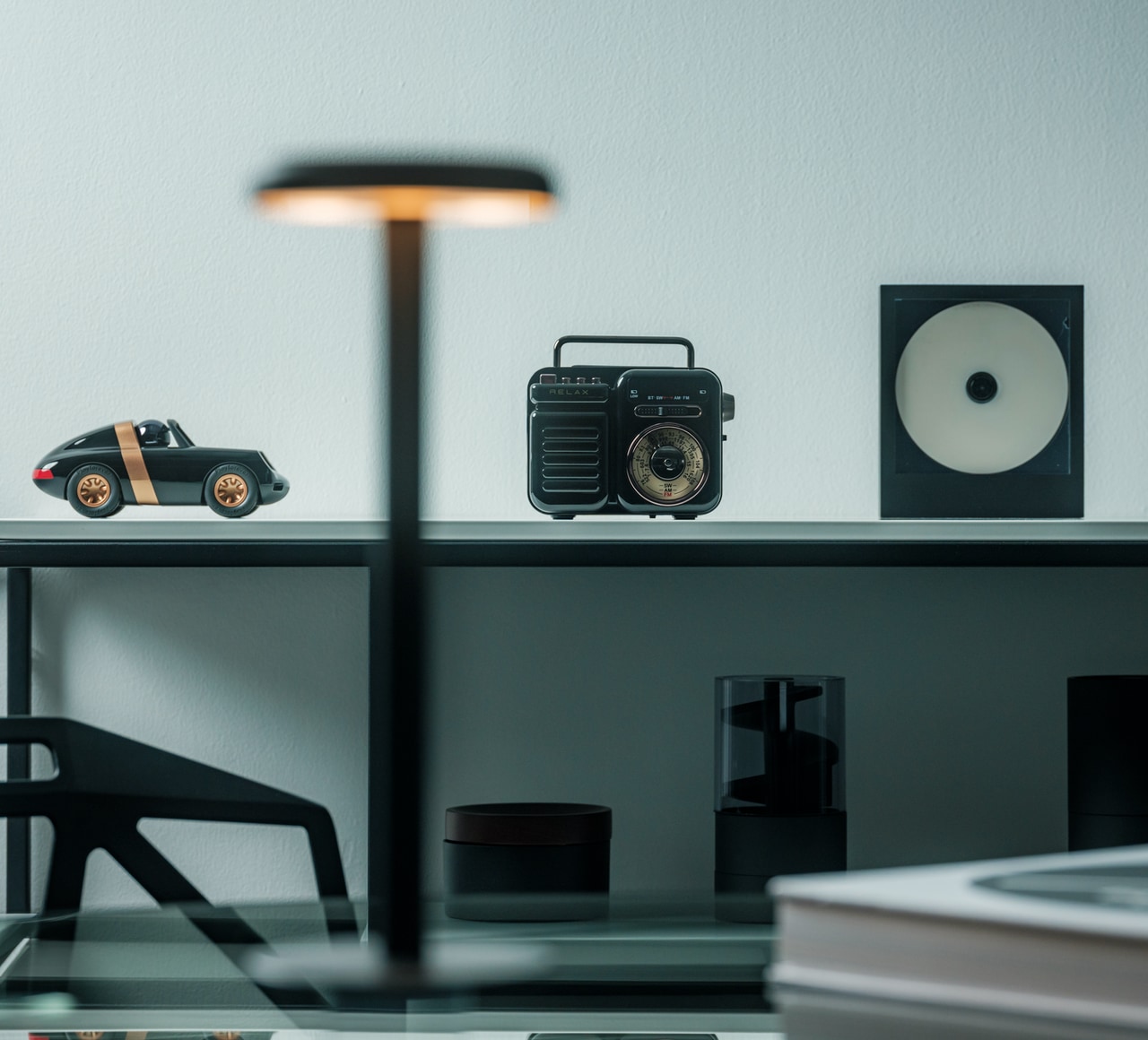
This isn’t a radio that begs for attention. The retro Japanese-inspired silhouette is balanced and resolved – compact without feeling cheap, characterful without demanding notice. The tuning dial has genuine tactile feedback, the kind touchscreens never replicate. The proportions feel considered. The soft glow of the interface gives it a quiet presence that works as naturally on a nightstand as it does in an emergency kit. It looks dependable before you even turn it on.

A vintage portable radio sits on a shelf between a black toy car and a square speaker with a white disc on the right of the image.

Who It’s For

  • Design Lovers

A functional object with enough character to live proudly on display.

  • For Users Who Are Always Prepared

A practical companion for blackouts, storms, travel, and emergency kits.

  • Minimalists on the Move

Seven useful functions in one compact device that actually earns the space it takes up.

Close-up of a hand turning the orange dial on a car stereo/dashboard.

The Quiet Power of Owning Fewer Things That Give You Freedom

You don’t realize how many modern tools depend on ideal conditions until the power cuts, the signal drops, or you simply want something that works without asking much in return. That’s what the RetroWave 7-in-1 Radio gets so right. It doesn’t just entertain. It reassures.

And maybe that’s why it feels so current. Not because it looks back, but because it solves for the kind of uncertainty modern gadgets tend to ignore. In a world full of devices that stop being useful the moment things go wrong, this one keeps earning its place. The RetroWave 7-in-1 Radio is available now for $89.

The post This $89 Retro Radio Made My Smart Speaker Feel Weirdly Useless first appeared on Yanko Design.

Bumpboxx BB-777 Plays Cassettes, CDs, Radio, and Bluetooth at 270W

Most portable speakers these days are designed to disappear. They’re compact, wireless, and largely anonymous, blending into whatever surface they rest on until a voice command kicks things off. Music has become a background utility, something that happens to you rather than something you actively choose. The ritual of physically engaging with sound has faded quietly, replaced by convenience that’s smooth, automatic, and almost entirely invisible.

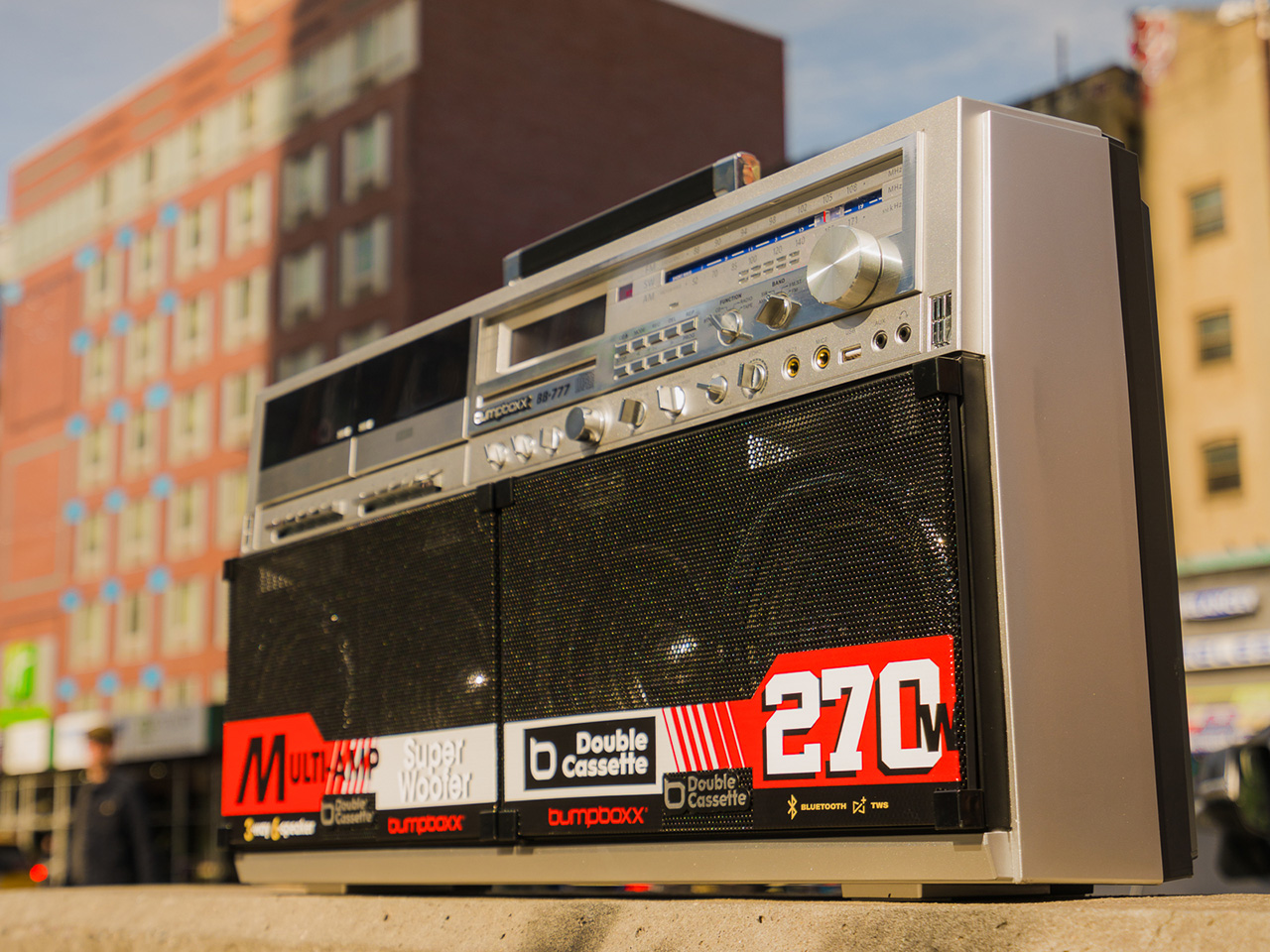
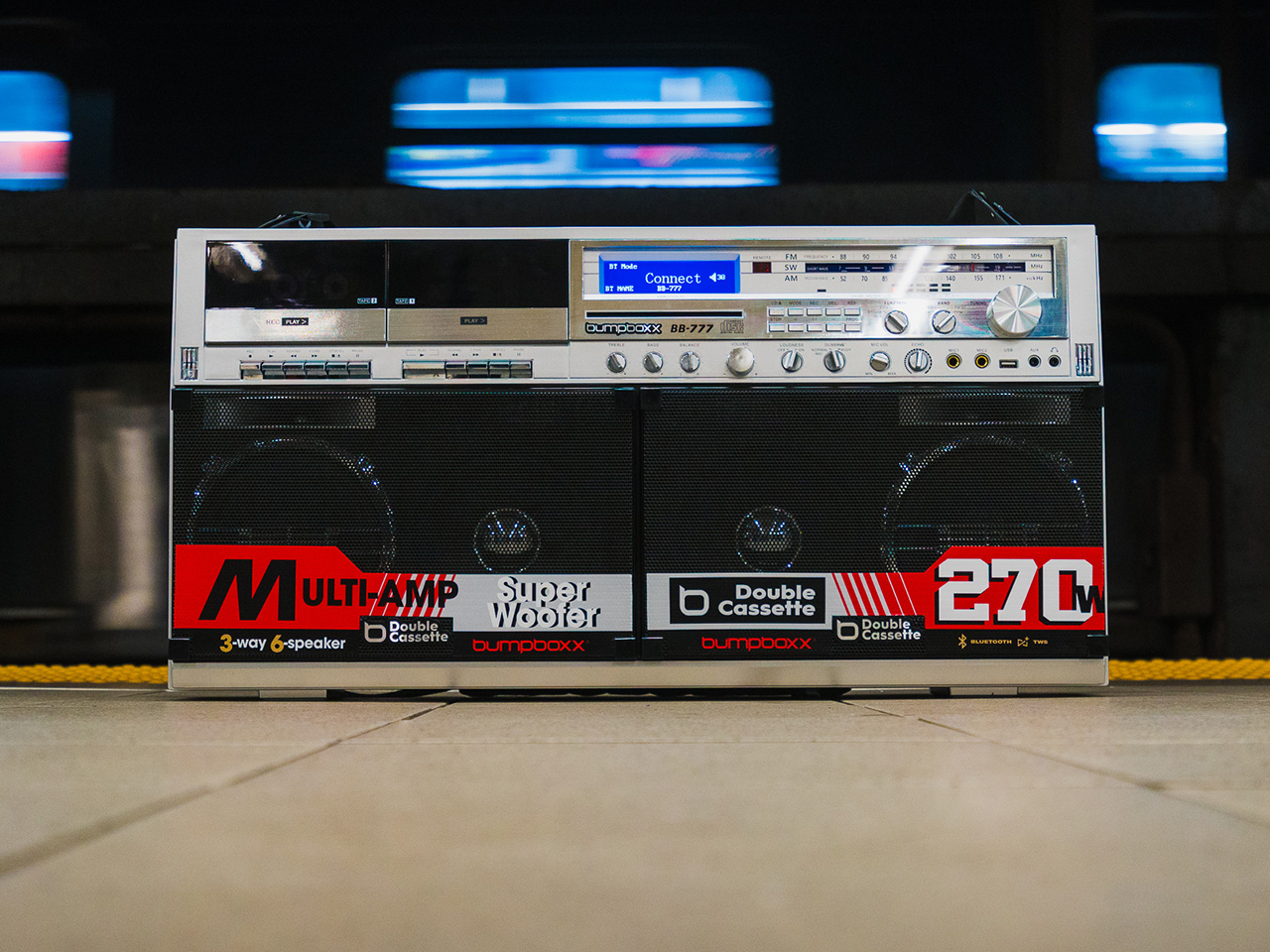
The BB-777 from Bumpboxx addresses that shift in a very deliberate way. Inspired by the legendary GF-777 of the ’80s, it brings back the classic boombox in a form that captures the unmistakable look and feel of the original, while updating everything under the hood. It’s the kind of design that immediately signals its intent: put music back at the center of the room, loud and visible.

Designers: Rob Owens and Luis Maciel

Click Here to But Now: $649 $1049 ($400 off). Hurry, only 197/1100 left! Raised over $3.8 million.

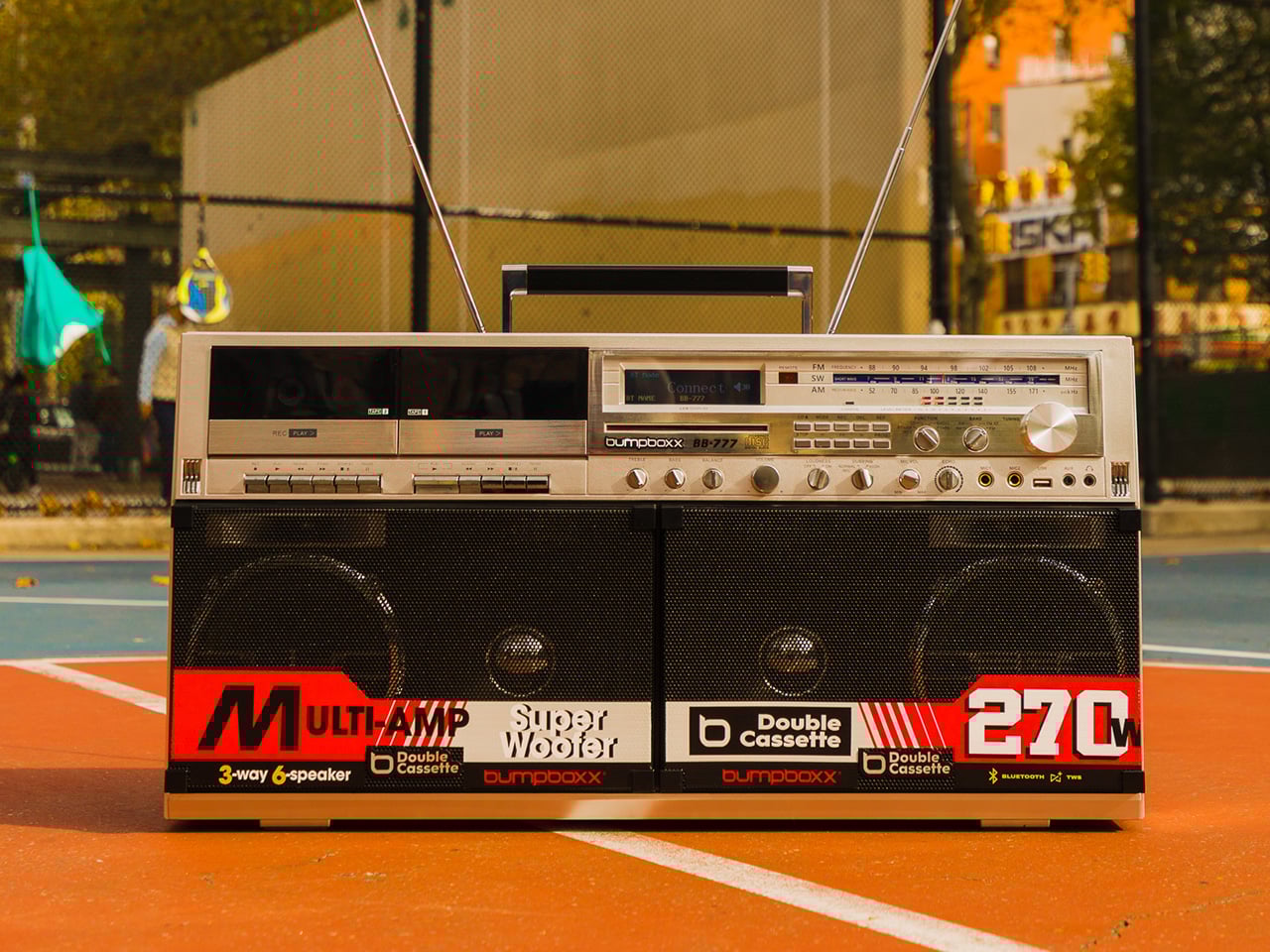
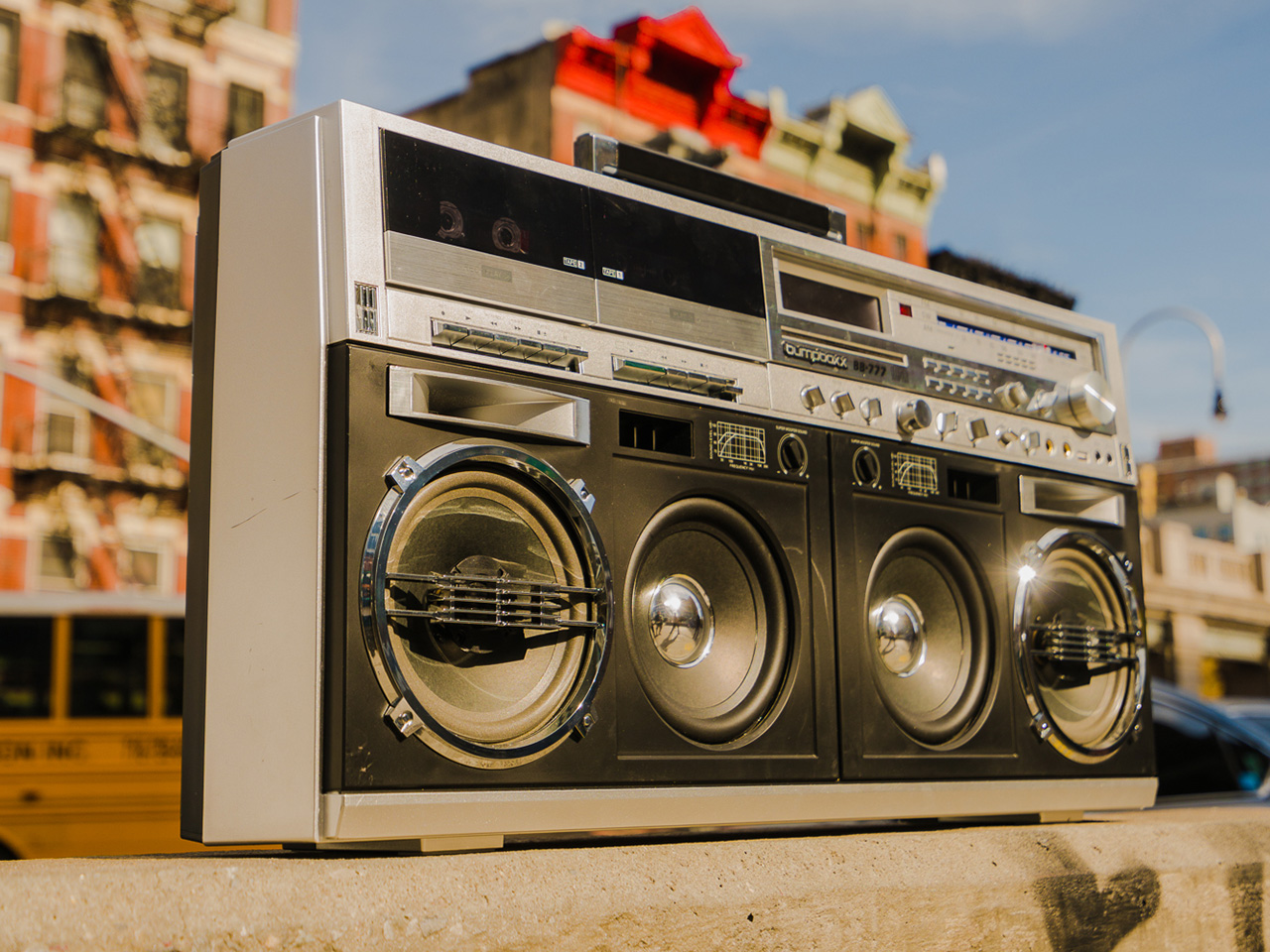
Part of what makes the BB-777 so compelling is just how much it commits to the aesthetic. The wide, horizontal body stretches 29.6 inches across, with dual cassette bays, a central control section, a long analog tuner strip, and four large drivers across the lower half. Paired with two telescoping antennas and a carry handle, the whole thing stays true to the iconic boombox design of the ’80s, built to be seen, not tucked away.

What really sets the experience apart, though, is how it feels to operate. Bass, treble, balance, and master volume are shaped through solid knobs that respond instantly, giving a direct connection to the music. Each adjustment is tactile and precise, bringing back the simple satisfaction of tuning sound with real hardware. There’s also a wireless remote for those moments when you’d rather adjust the sound from across the room without getting up from wherever you’ve settled in.

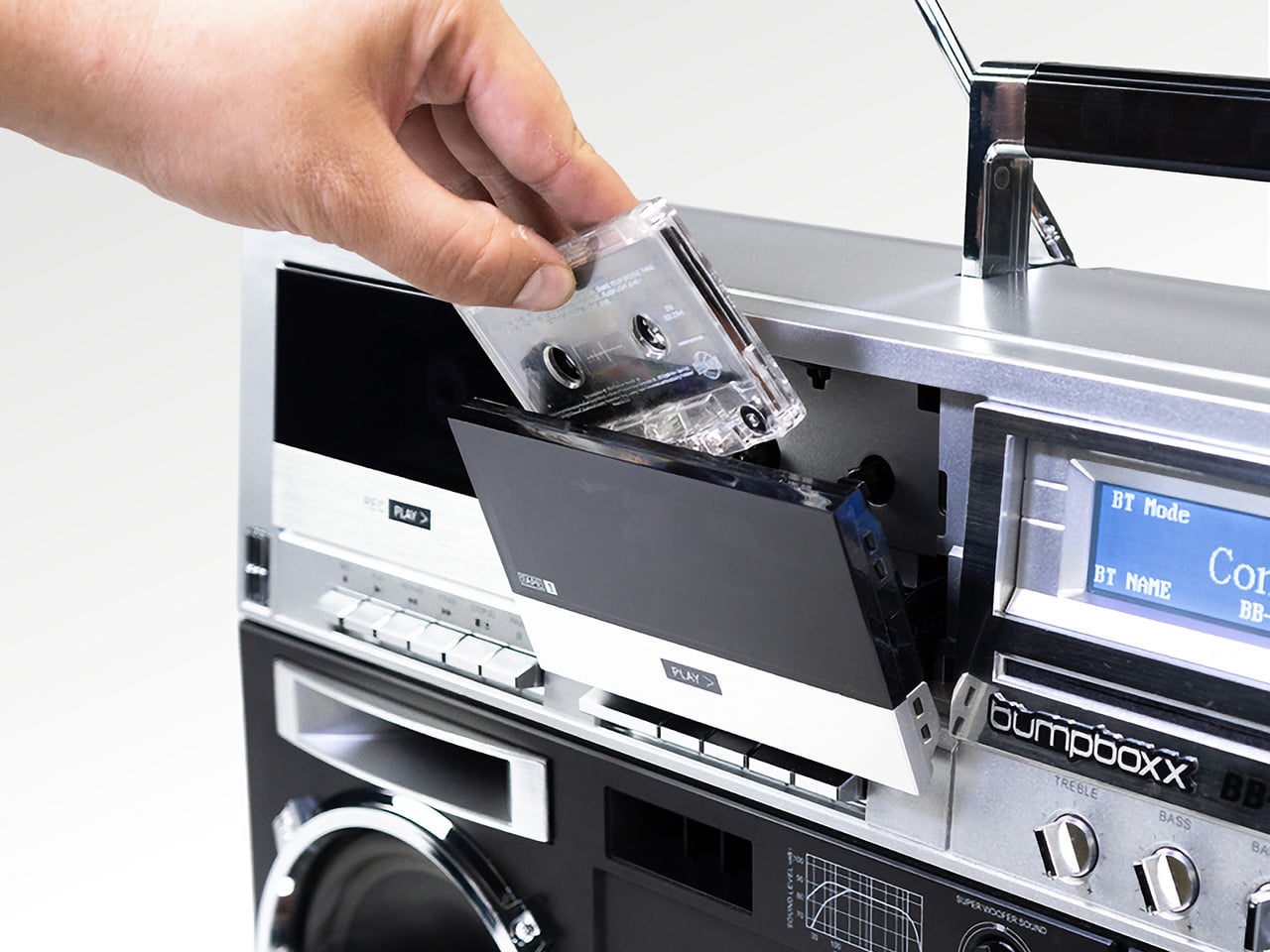
Then there’s the format support, and it’s where the BB-777 truly stands apart from other retro-styled speakers. It plays dual cassette tapes, loads CDs, tunes the radio, and connects via AUX, USB, or Bluetooth. It also handles CD-R and CD-RW discs, AM, FM, FM stereo, and shortwave radio. Old mixtapes, burned discs, streamed playlists, and radio stations all coexist in one machine without any compromise.

Beyond playback, the BB-777 brings old recordings back to life. Audio from cassettes, CDs, or radio can be recorded directly to a USB drive as clean WAV files, turning a retro boombox into a straightforward way to digitize your favorite recordings. The cassette deck supports cassette-to-cassette dubbing at high speed, and a built-in microphone with dual wired mic inputs and echo and volume controls means it handles voice recordings and live sessions just as comfortably.

Of course, the sound system is equally serious and modern. Inside the wide enclosure sits a 270W system built for bold, room-filling audio, with a 3-way setup featuring dedicated isolated woofers, full-range drivers, and horn tweeters delivering deep bass, clear mids, and sharp highs. The internally chambered housing with bass ports and a fan-cooled amplifier round out an acoustic architecture built for real performance. The low end carries genuine weight, and the highs cut through cleanly.

Running all of that for up to 15 hours is a TSA-approved 97.6 Wh Li-ion rechargeable and interchangeable battery pack. With a 4-to-6-hour recharge window and 100 to 240V multi-voltage input, the battery can be charged either inside the unit or separately, and keeping a spare means the music never has to stop. It’s a smart upgrade from vintage boomboxes, which drained stacks of D batteries far faster than anyone expected.

For those wanting a bigger setup, two BB-777 units can be paired via TWS for true stereo sound, with dedicated left and right channels working together for deeper, more immersive audio across every format. The 100 to 240V AC input makes it ready for use almost anywhere in the world, with no voltage converters needed. It comes in Classic Silver, Radical Red, and Onyx Black, with removable magnetic front grills and a shoulder strap included.

What the BB-777 ultimately offers is something most audio products stopped trying to give people a long time ago: the feeling that music occupies real space. It sits in a room with a presence that commands attention, rewards the people who use it with a physical connection, and carries enough history in its silhouette to feel like it genuinely belongs to culture, not just a shelf.

Click Here to But Now: $649 $1049 ($400 off). Hurry, only 197/1100 left! Raised over $3.8 million.

The post Bumpboxx BB-777 Plays Cassettes, CDs, Radio, and Bluetooth at 270W first appeared on Yanko Design.

4 Smart Devices Controlled by Touch, Not Screens or Apps

Digital devices promise convenience, but too often they deliver complexity instead, with endless menus, constant updates, and a learning curve that never seems to end, no matter how long you use them. Many of us long for the days when using a product was as simple as turning a dial or pressing a button without consulting manuals or watching tutorial videos online to understand basic functions.

The Tamed Digital Devices concept reimagines our relationship with technology by bringing back the tactile, multi-sensory experiences of analog gadgets we used to love and understand instinctively. Created by SF-SO in 2019, it’s a vision of tech that’s calming, intuitive, and designed to fit seamlessly into daily life without demanding constant attention or learning new interfaces. Each device in the series prioritizes touch, sound, and movement over screens and menus.

Designer: Hoyoung Joo (studio SF-SO)

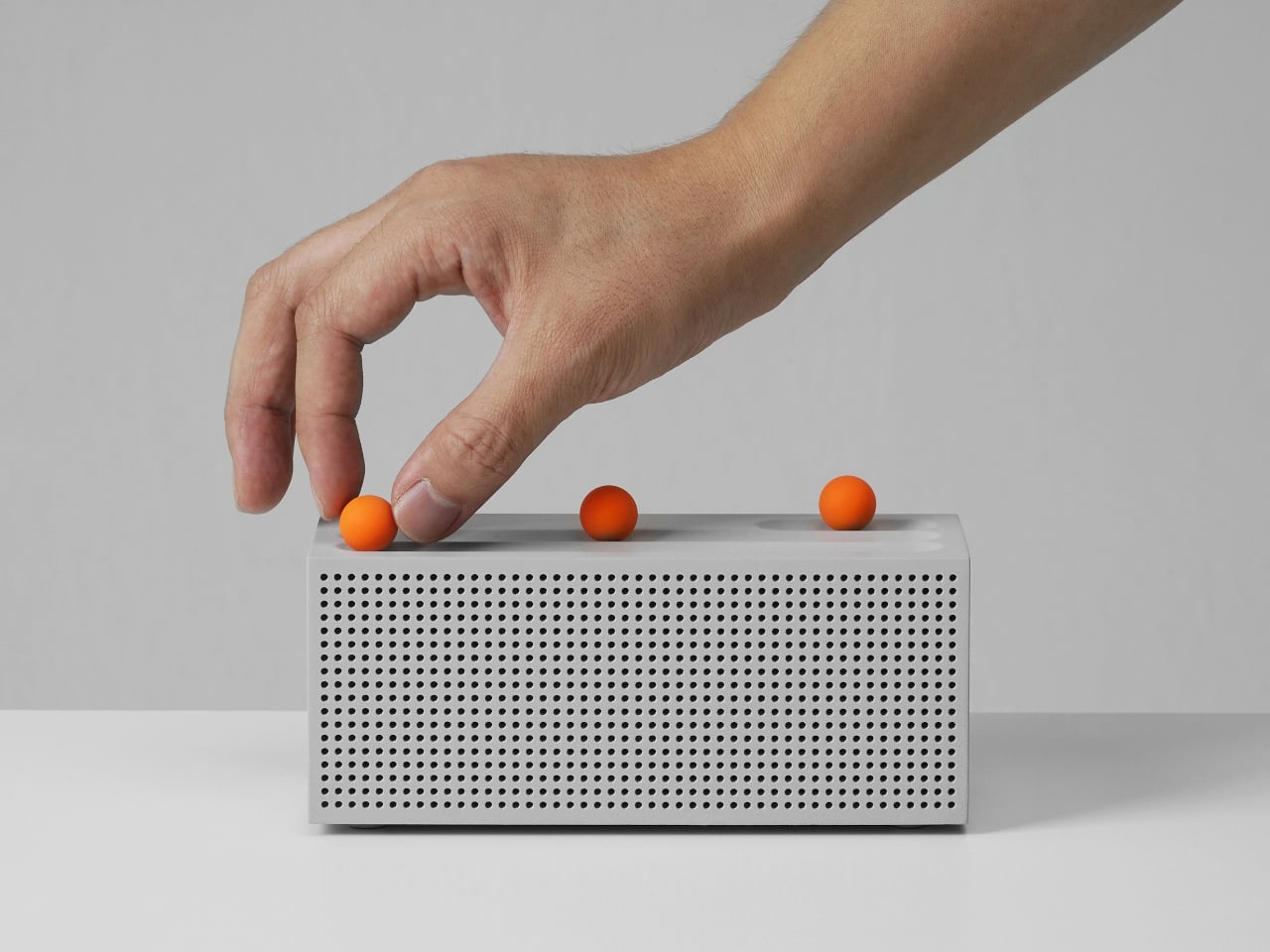
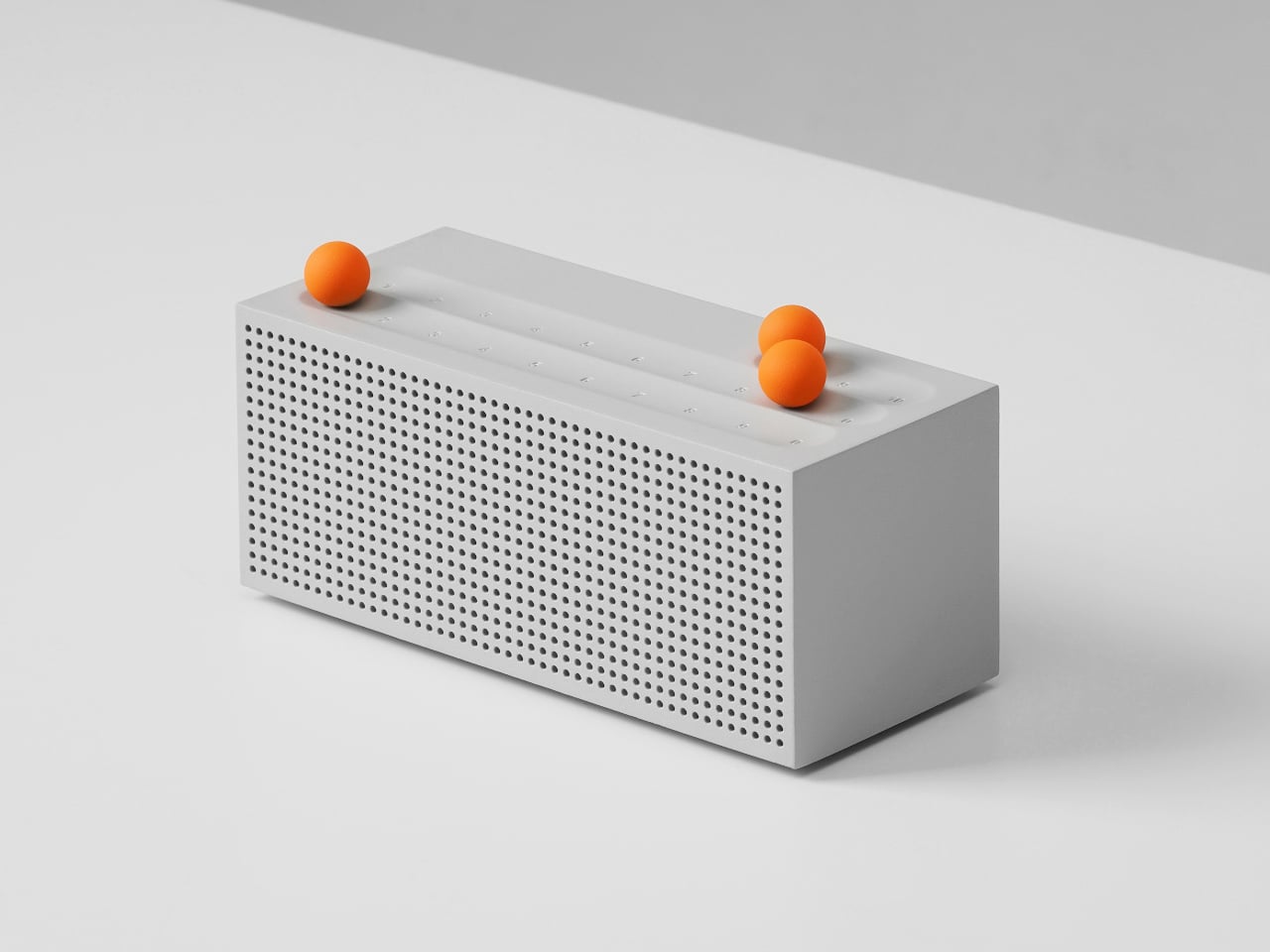
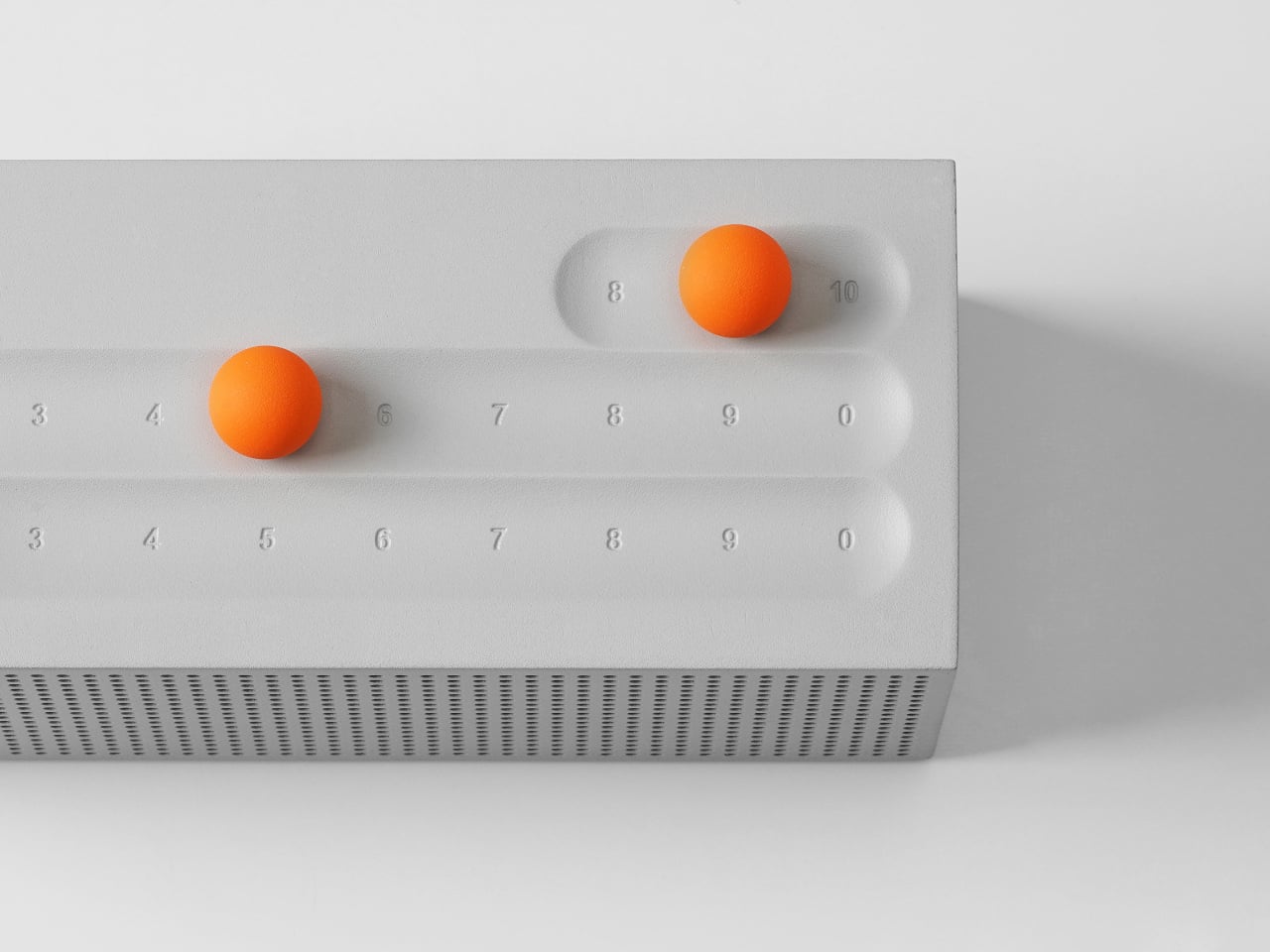
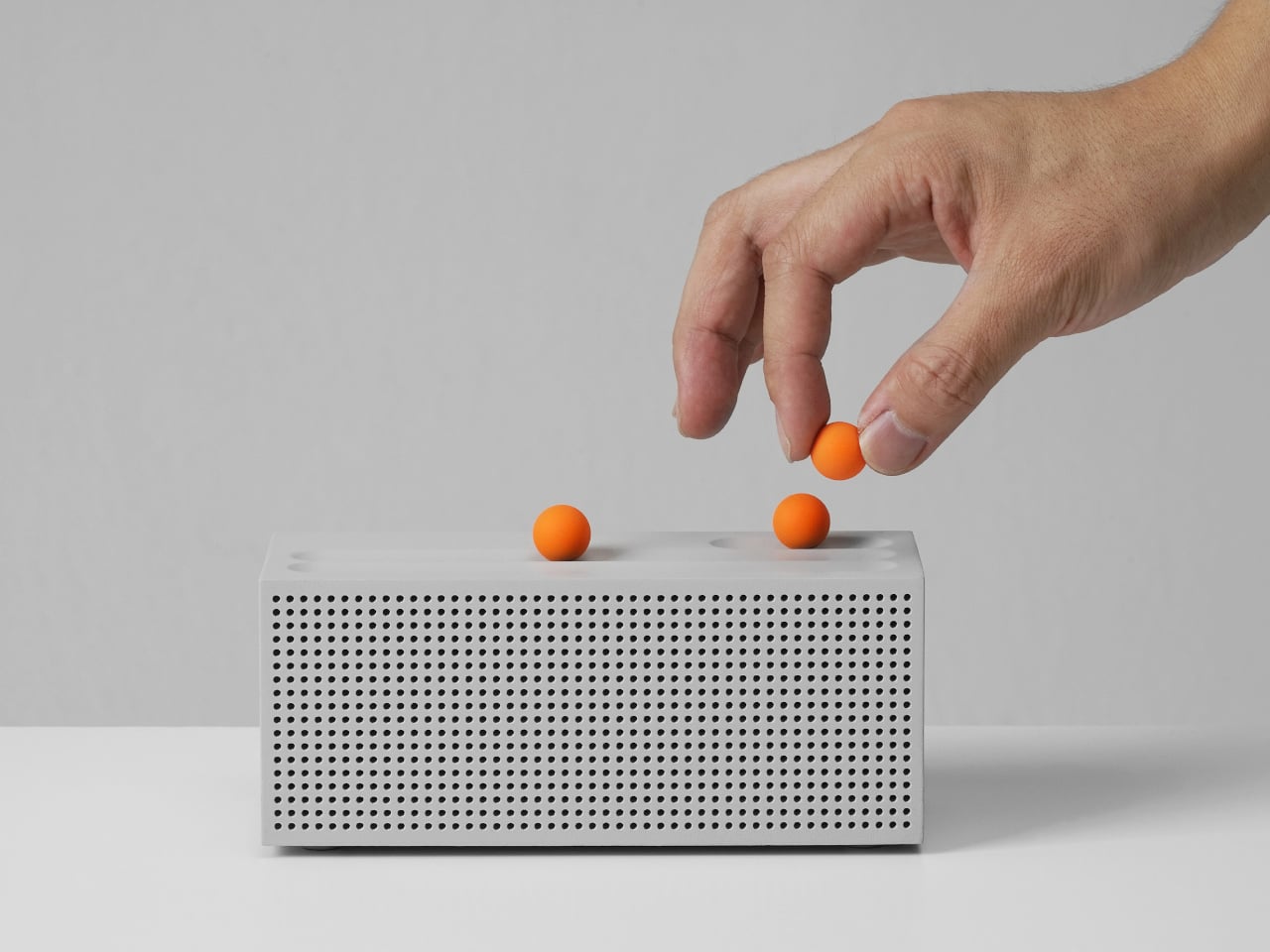
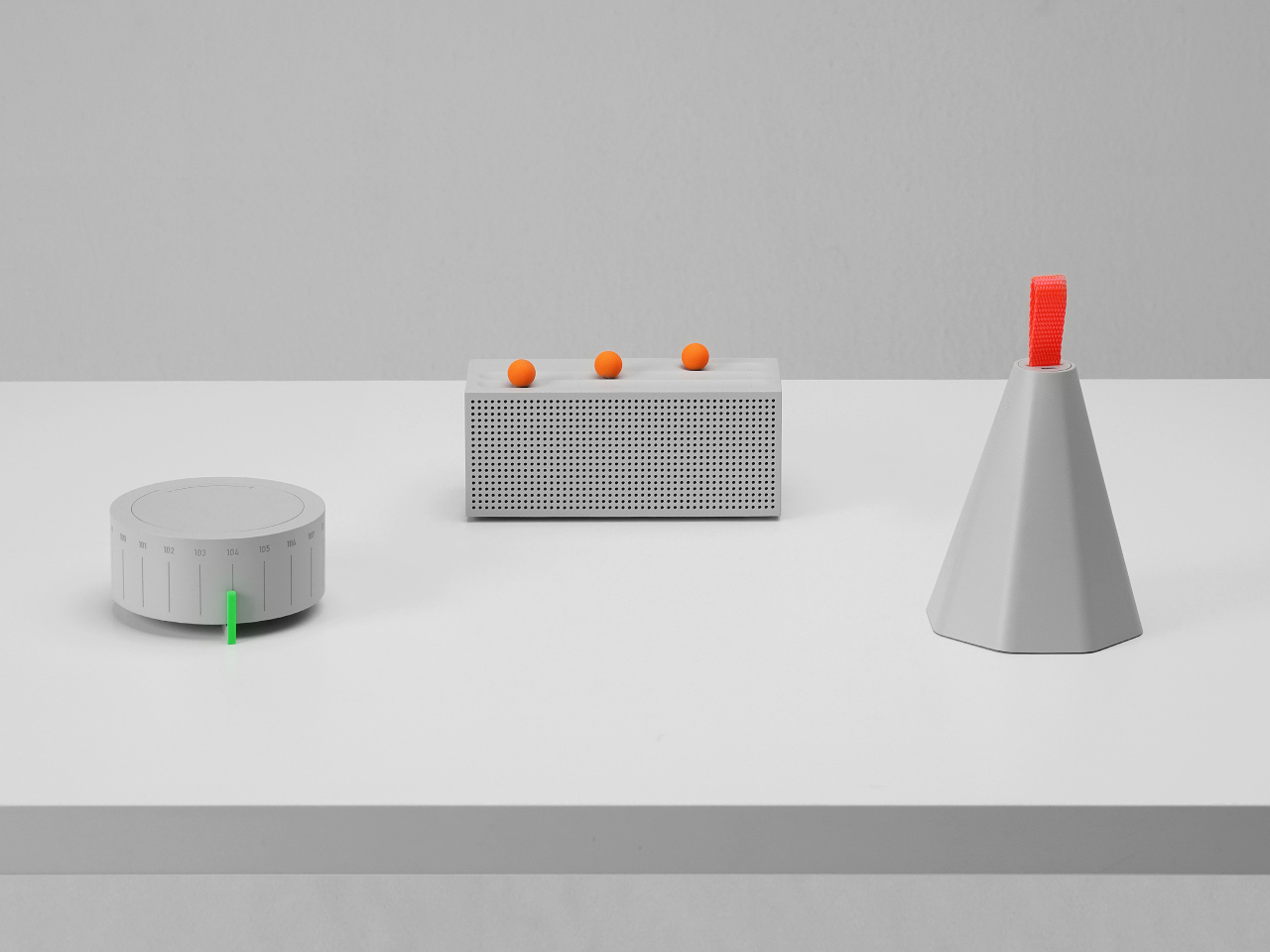
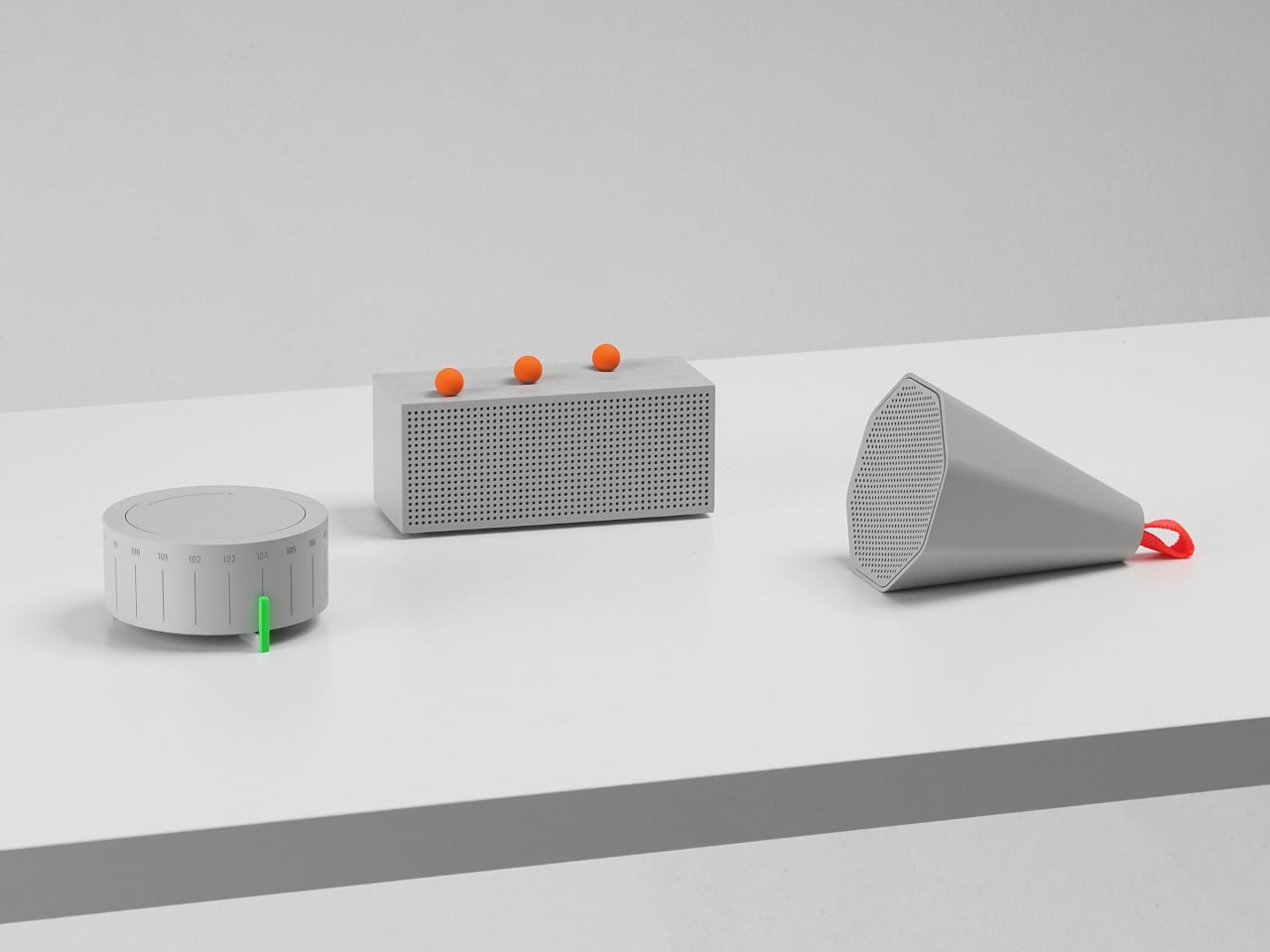
Each device in the series is inspired by classic analog forms and controls that people already understand instinctively without any instruction. The Ball Internet Radio swaps touchscreens for three magnetic balls on top that you roll or lift to change stations, making tuning in both intuitive and satisfying for all ages. The tactile feedback and visual movement of the balls create a playful interaction that feels natural rather than digital or sterile.

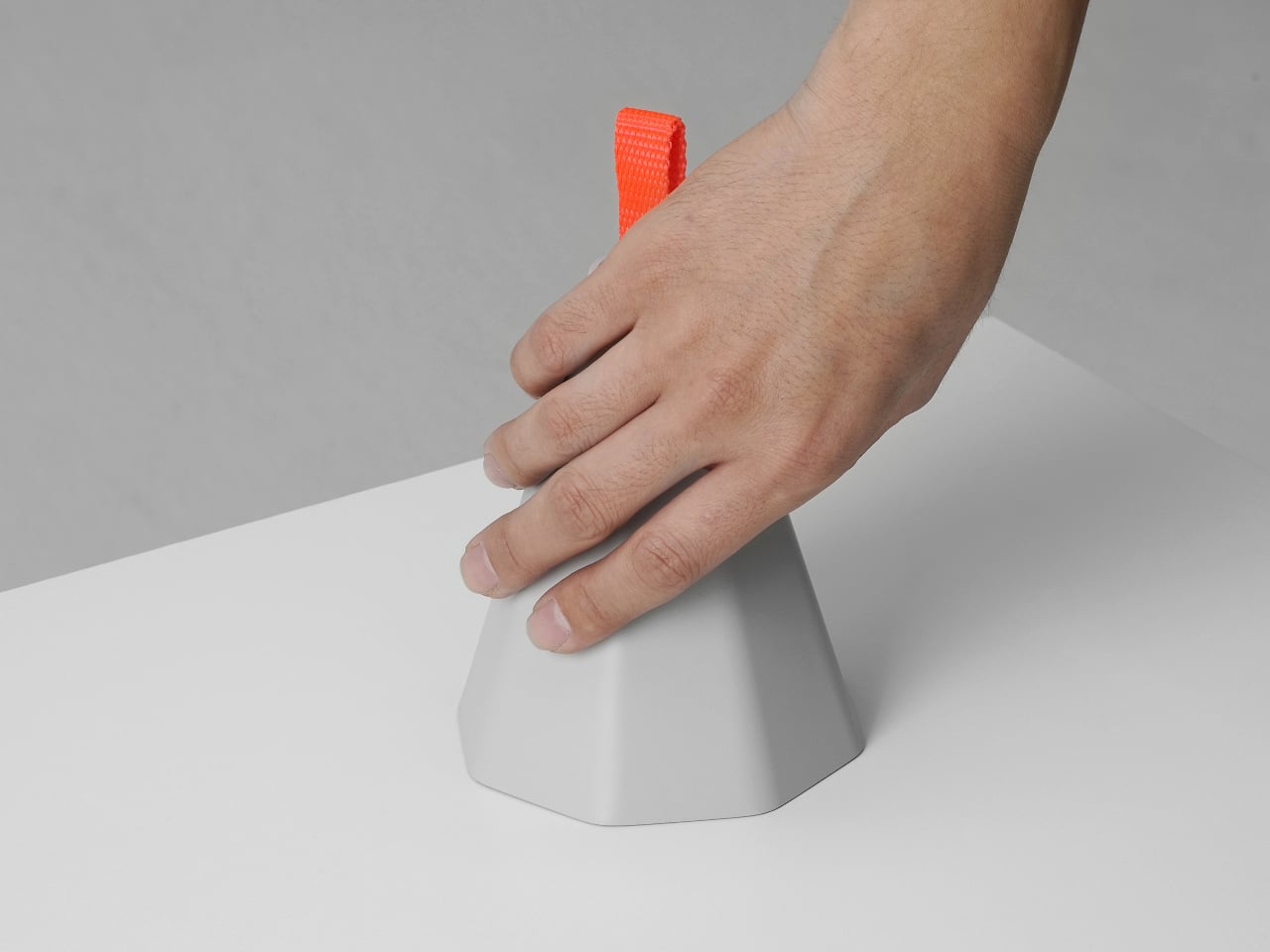
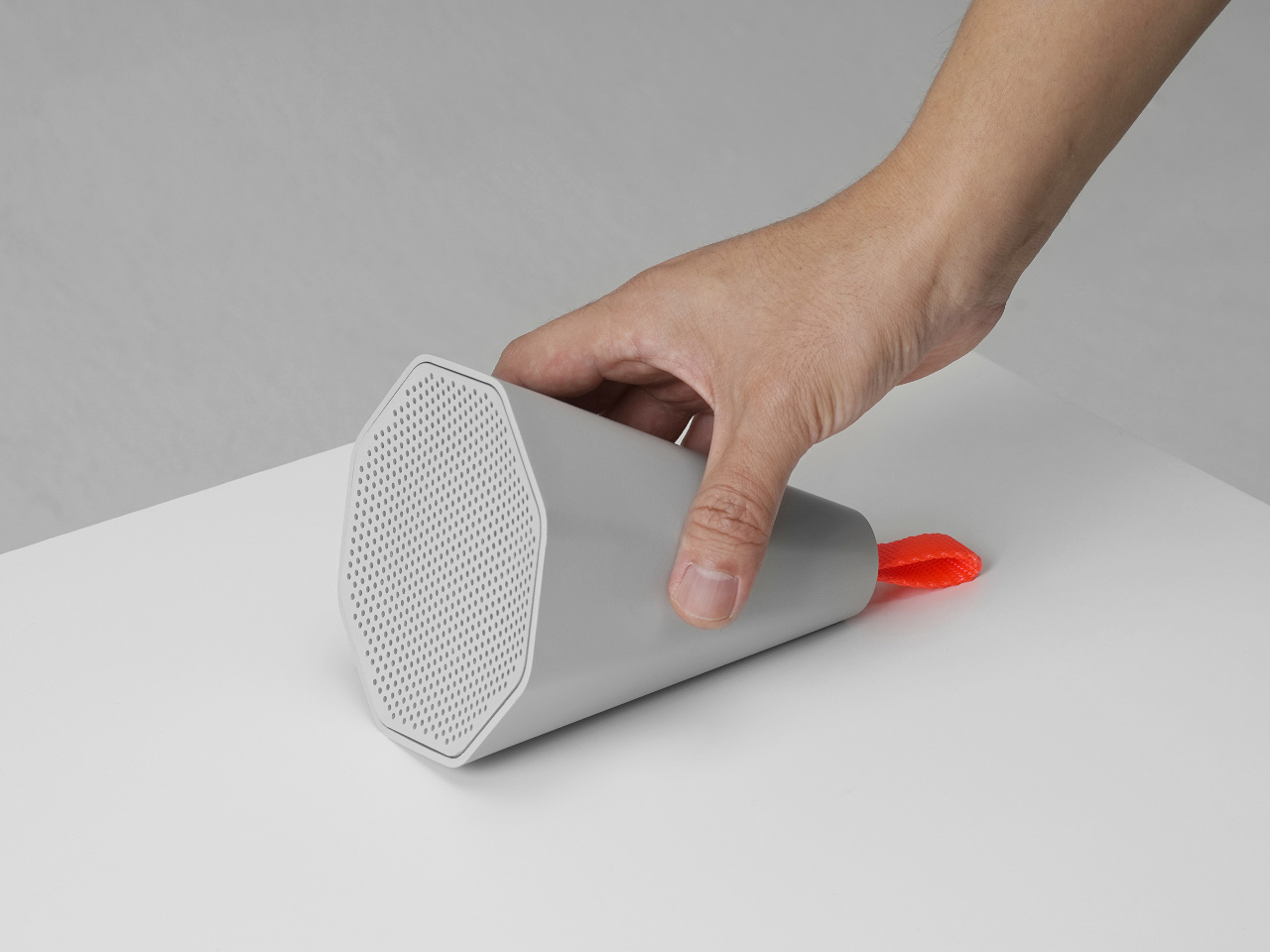
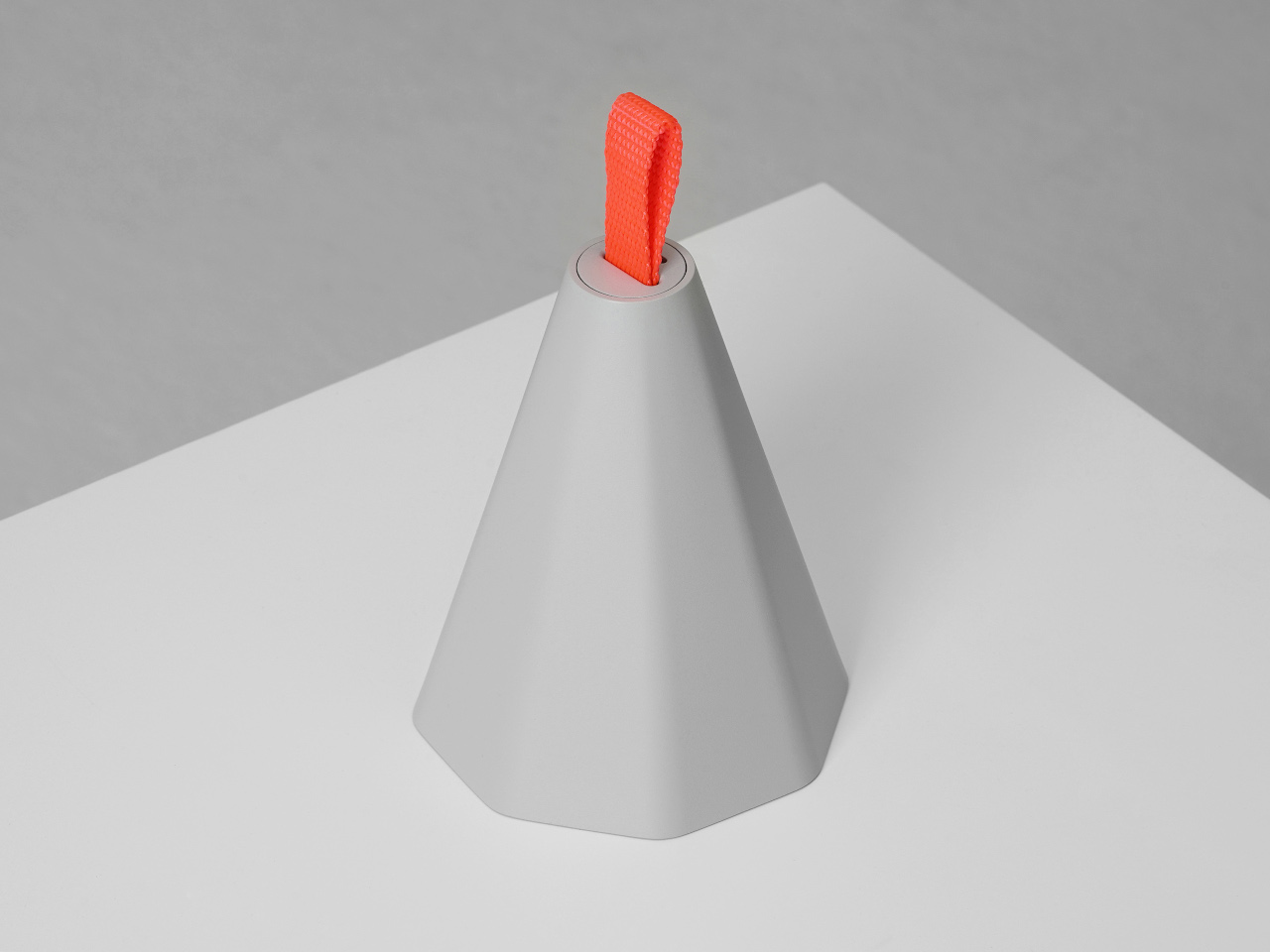
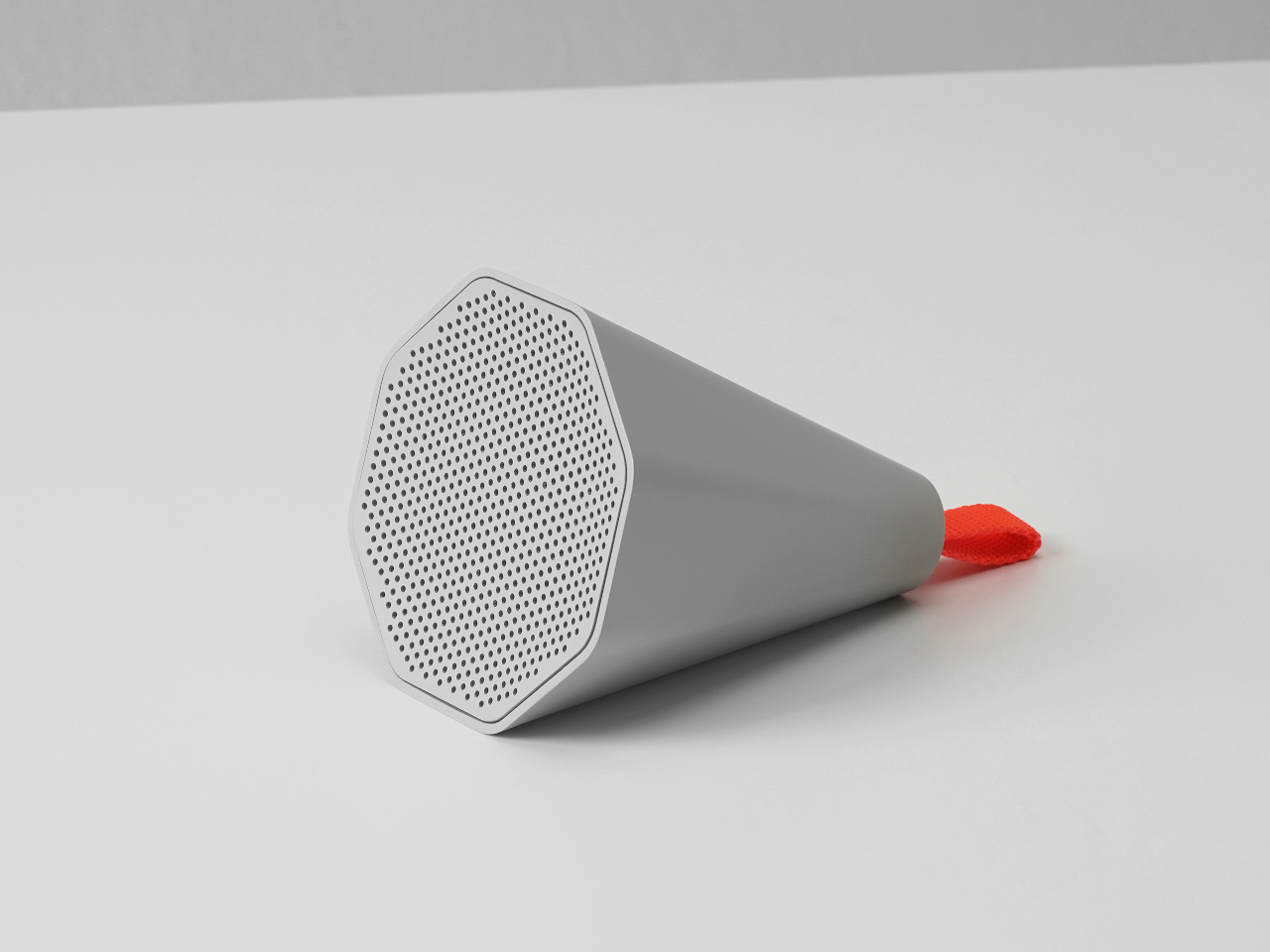
The Cone Bluetooth Speaker powers on or off with a simple flip, using a gravity sensor to turn a basic gesture into a moment of physical delight and satisfaction. No buttons to hunt for, no hold-and-press sequences to remember or decipher from tiny icons—just flip the speaker and it responds instantly. The conical shape with its bright orange accent doubles as sculptural home decor when not playing music, blending function with visual warmth.

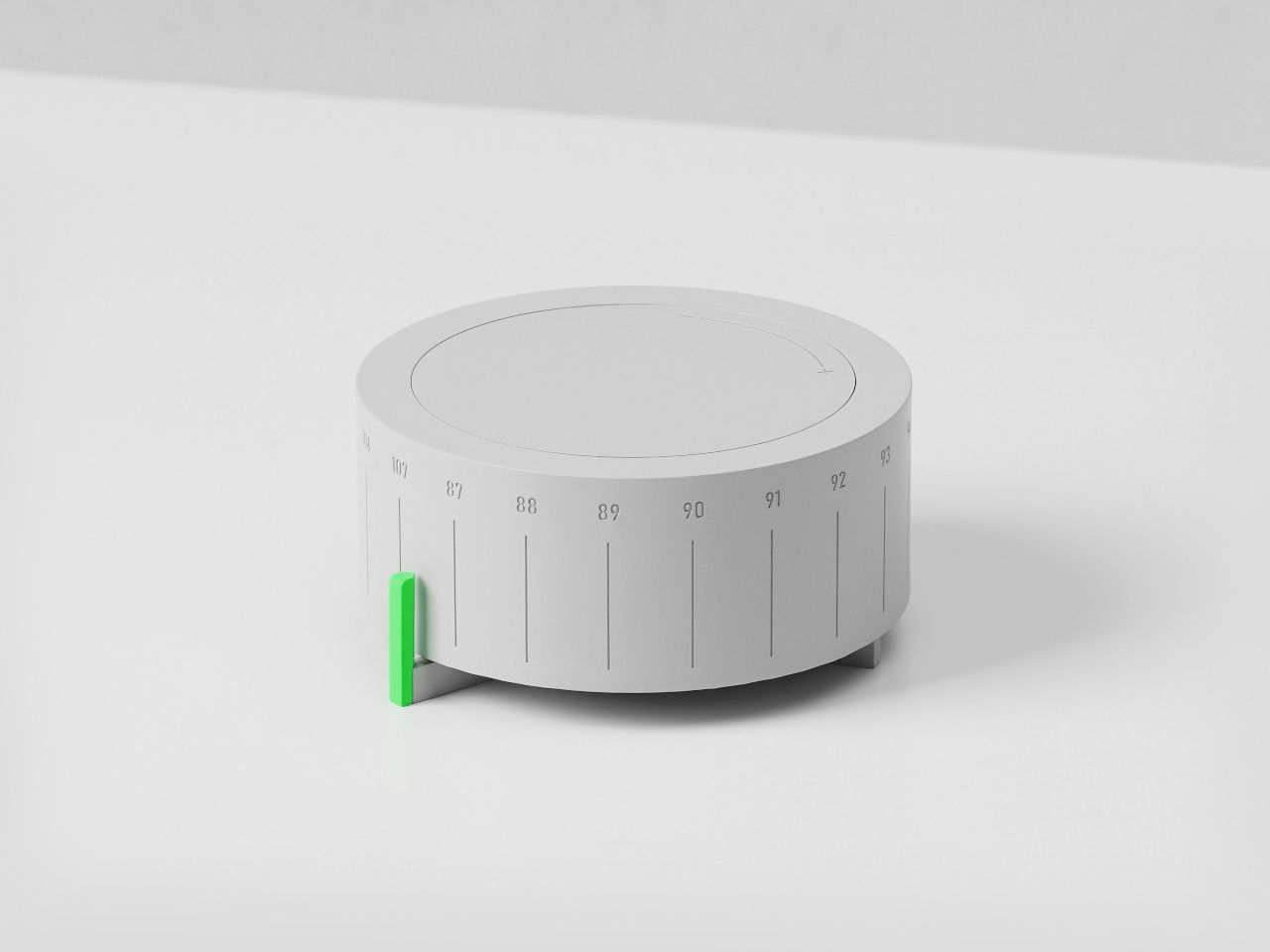
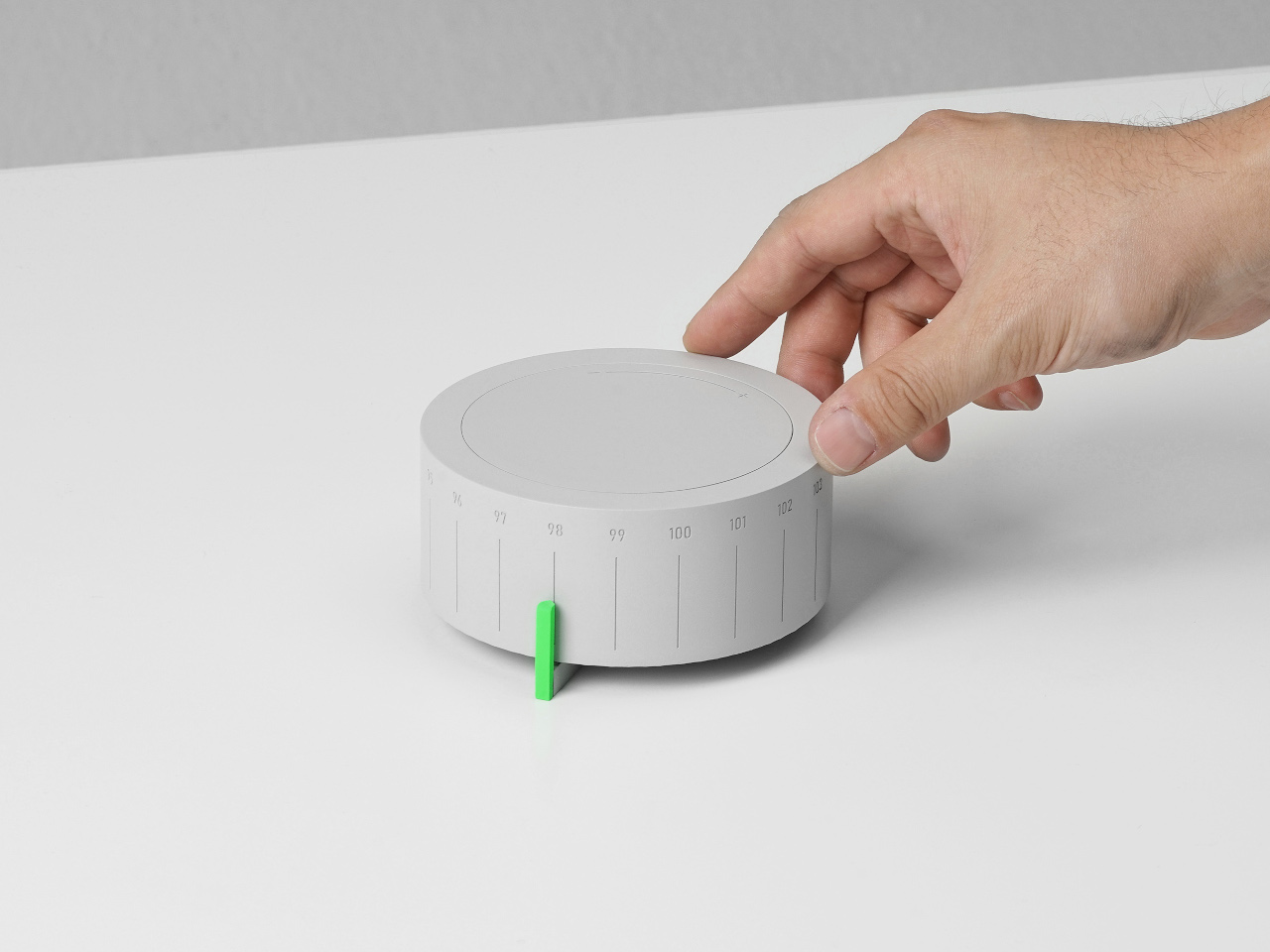
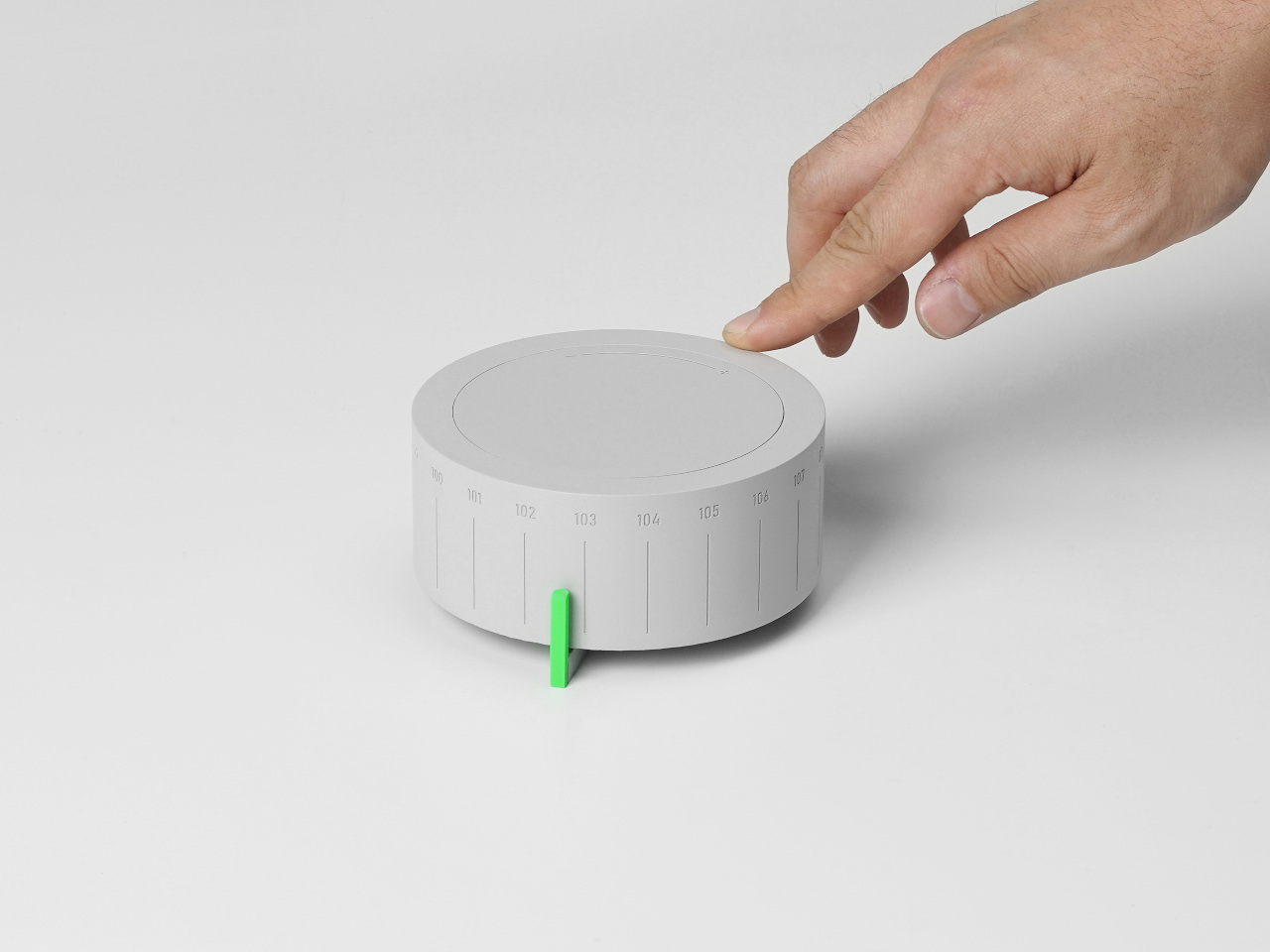
The Wheel Digital Radio lets you tune frequencies by rotating the entire body like traditional wheel-tuned radios, echoing the mental model of classic analog radios from decades past that everyone intuitively understands. A physical marker shows the tuned station, providing immediate visual feedback without digital displays or complicated interfaces. The cylindrical form with ribbed texture and green accent makes the interaction obvious at a glance to anyone who sees it.

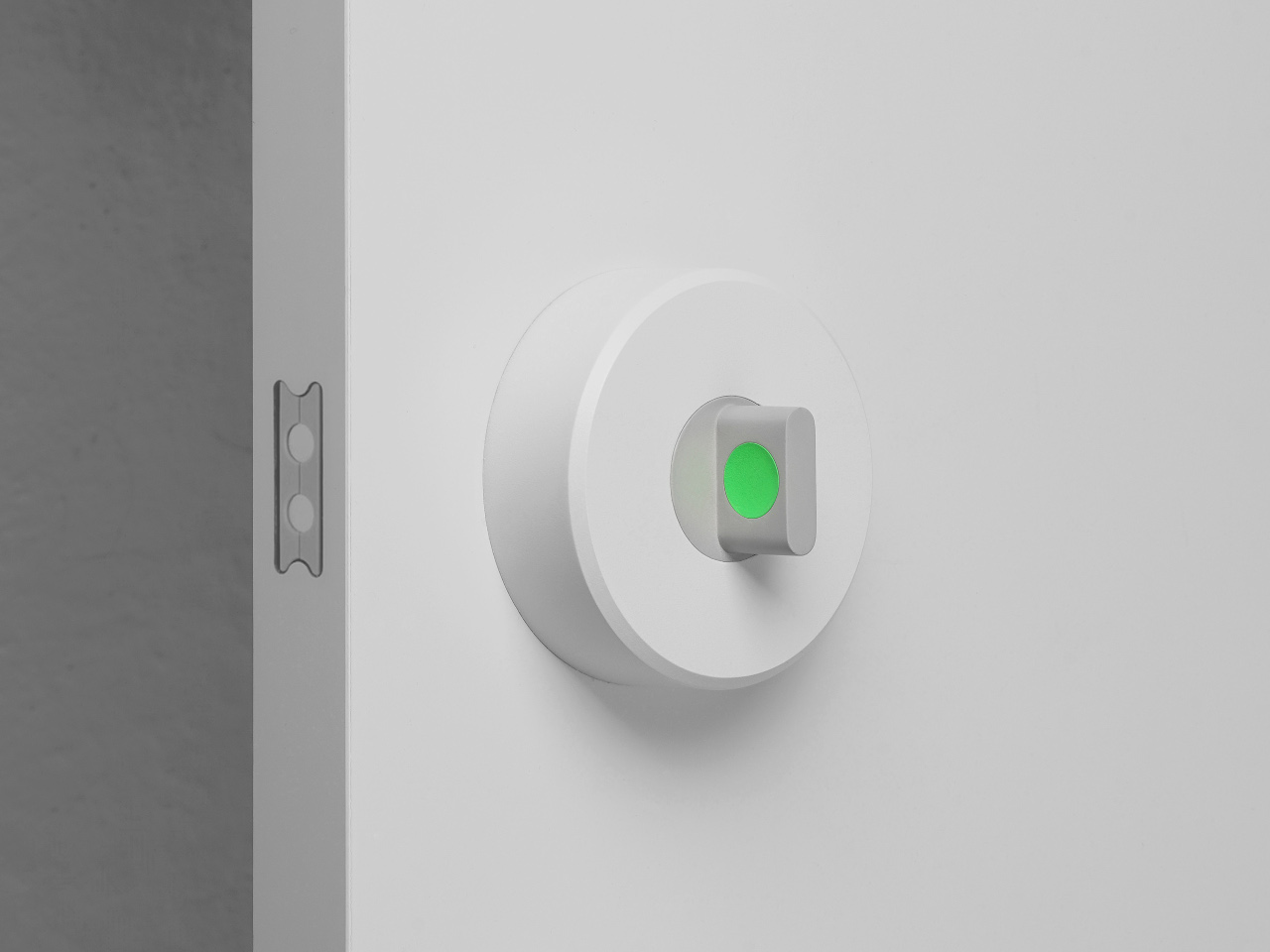
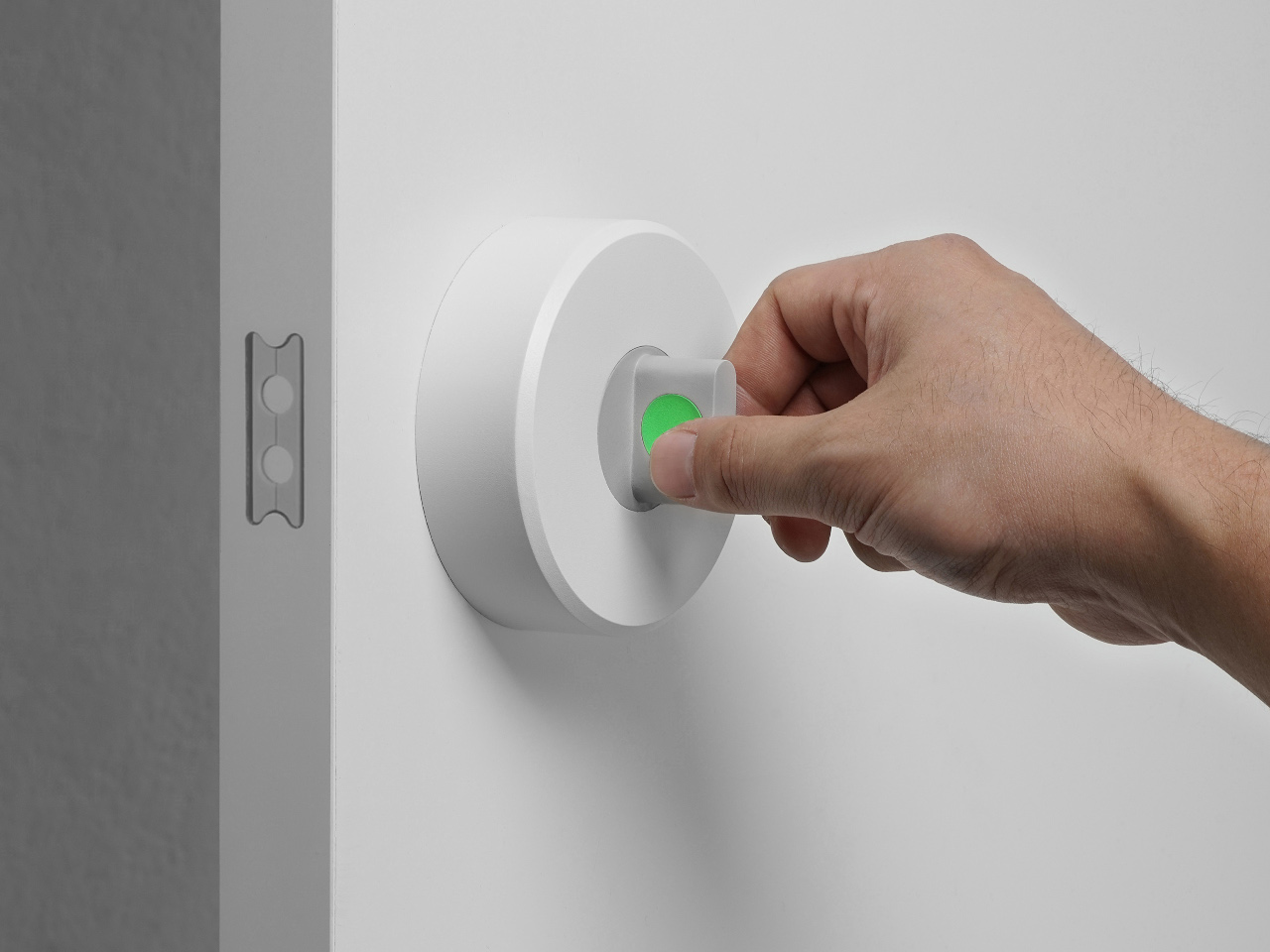
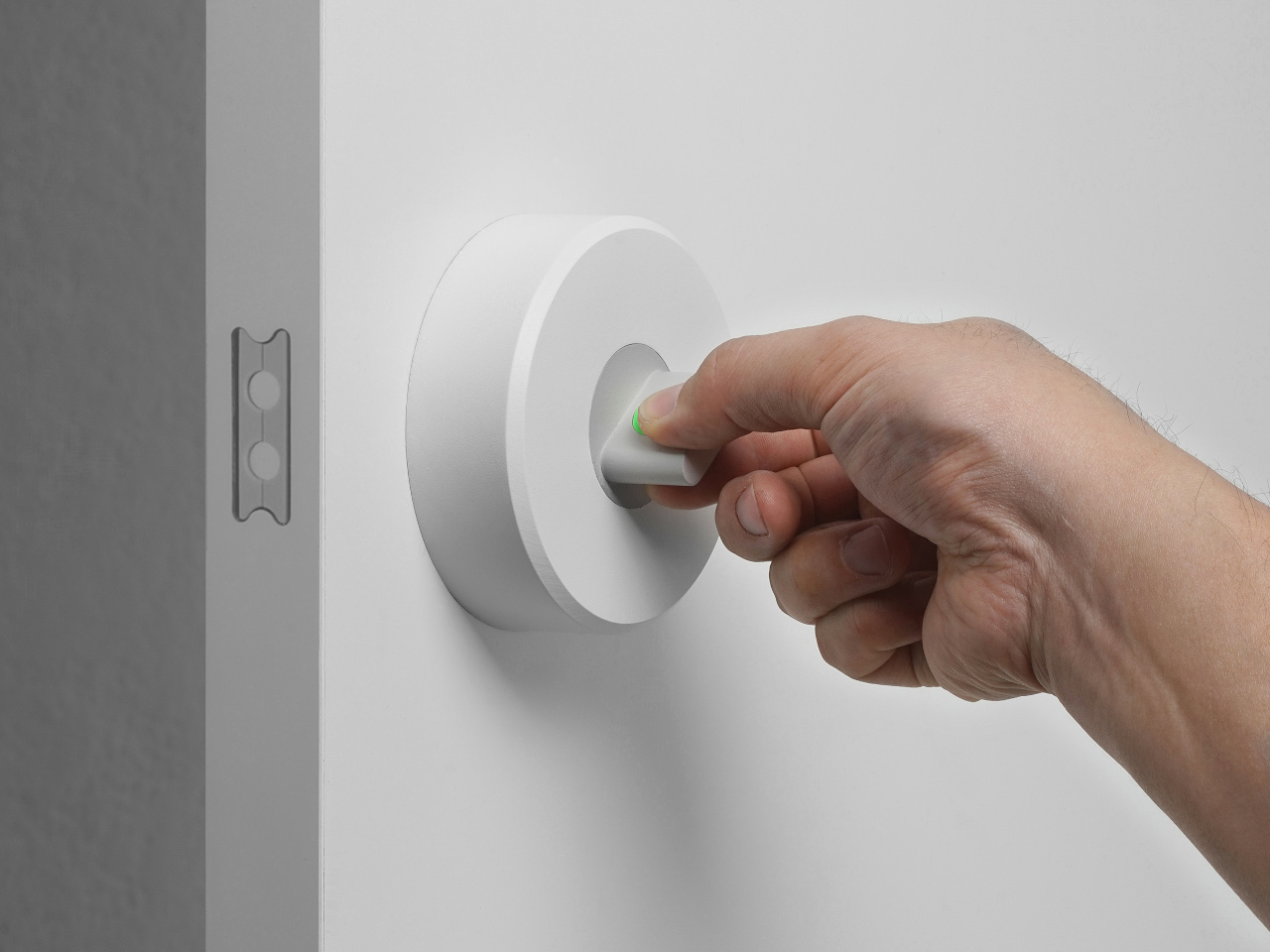
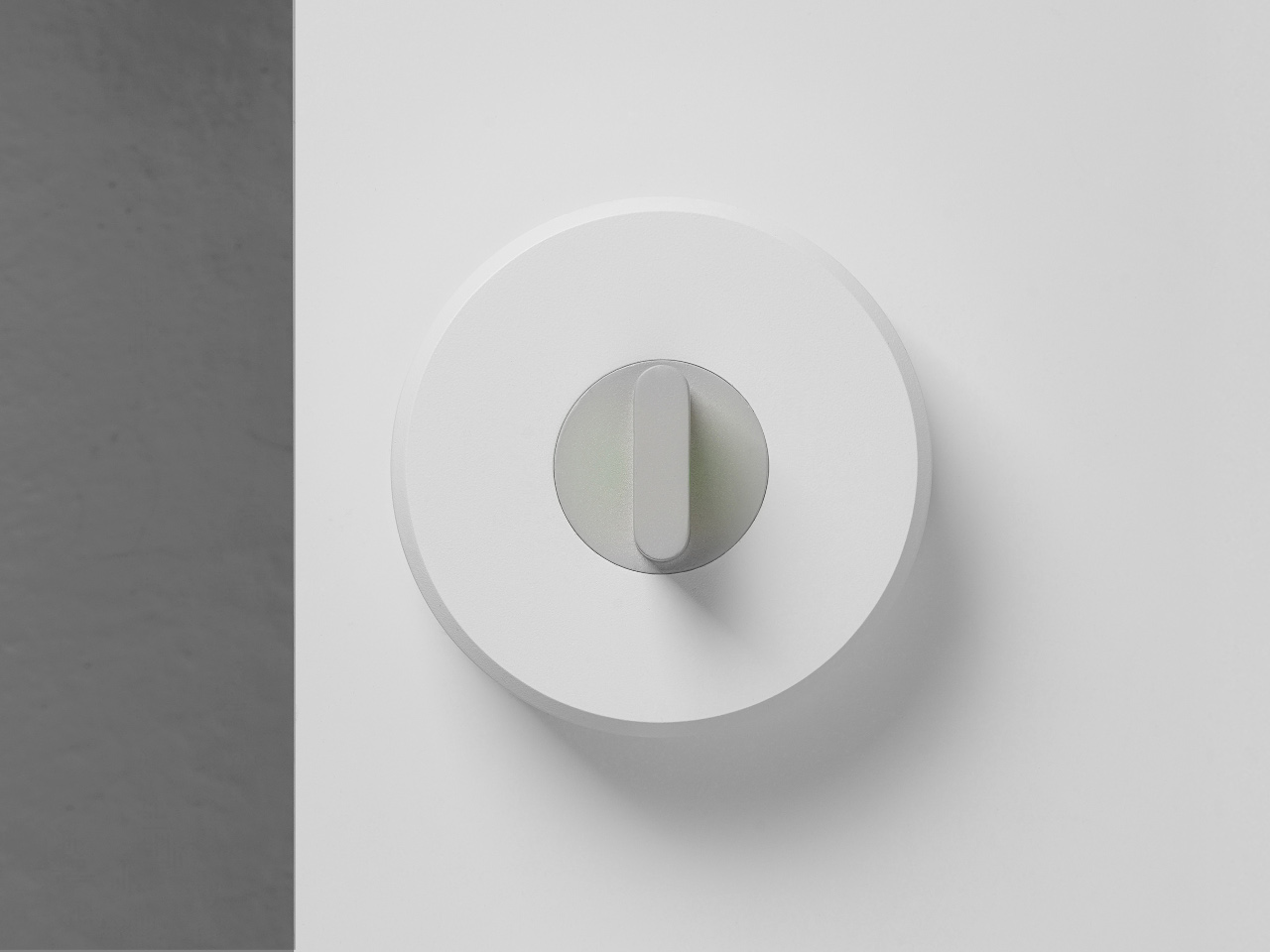
The Fingerprint Smart Door Lock combines the security of a keyless system with the familiar, physical action of turning a traditional lock mechanism that has existed for centuries. Users unlock the door by placing a finger on the sensor and rotating the dial, restoring the satisfying tactile feedback of analog hardware. The circular, wall-mounted form with green accent light provides visual confirmation without overwhelming smart home complexity.

Across the series, the use of tactile controls like rolling balls, turning wheels, and flipping speakers restores a sense of physicality and engagement lost in most digital products today that rely solely on touchscreens. The design language is clean and modern throughout, with geometric shapes, soft edges, and playful color accents that invite touch and curiosity rather than intimidation or confusion about how things work.

Tamed Digital Devices offer a glimpse of a future where technology supports well-being instead of adding stress to already busy lives filled with screens. For anyone craving a calmer, more human connection with their devices and tired of digital overload, this concept series is a reminder that innovation doesn’t have to mean complexity but can mean rediscovering the joy of simplicity and tactile pleasure.

The post 4 Smart Devices Controlled by Touch, Not Screens or Apps first appeared on Yanko Design.

Retro devices reimagined with fun 16-bit displays

Retro designs in technology continue to be a strong trend, from retro consoles to instant cameras to record players. Most of these products try to update the classic aesthetics to modern standards, reinterpreting them without straying too far from the original. In other words, they’re mostly modern devices simply paying homage to the past.

There might be times, however, the original designs still have a lot of pull, especially for eyes that have never seen them before. This series of concepts tries to imagine some of those with completely classic designs, save for the addition of 16-bit displays and a splash of 80s colors that make them funky and hip in their own unique ways.

Desigers: Ahmed Esmael, Marwan Abbass

1

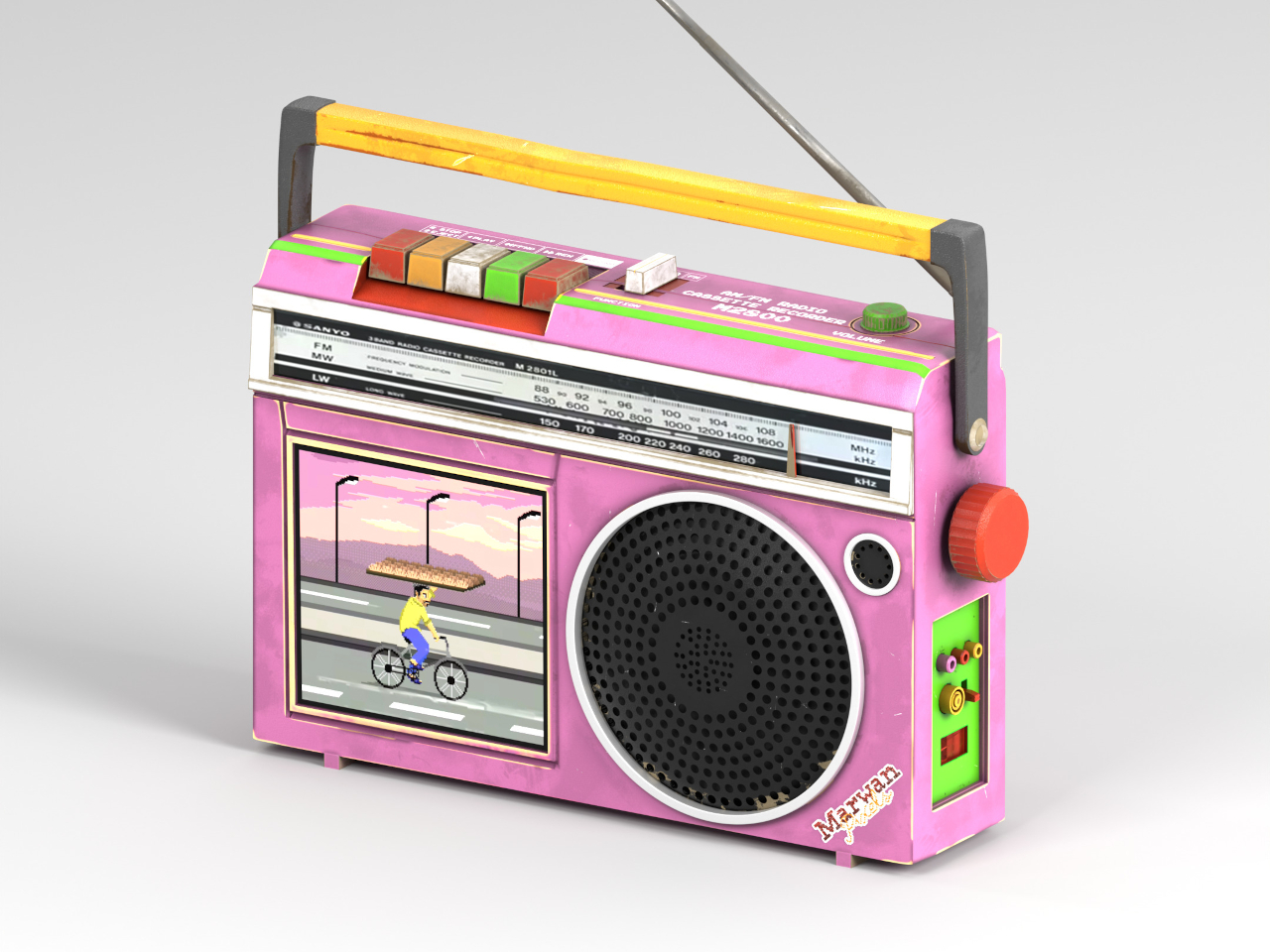
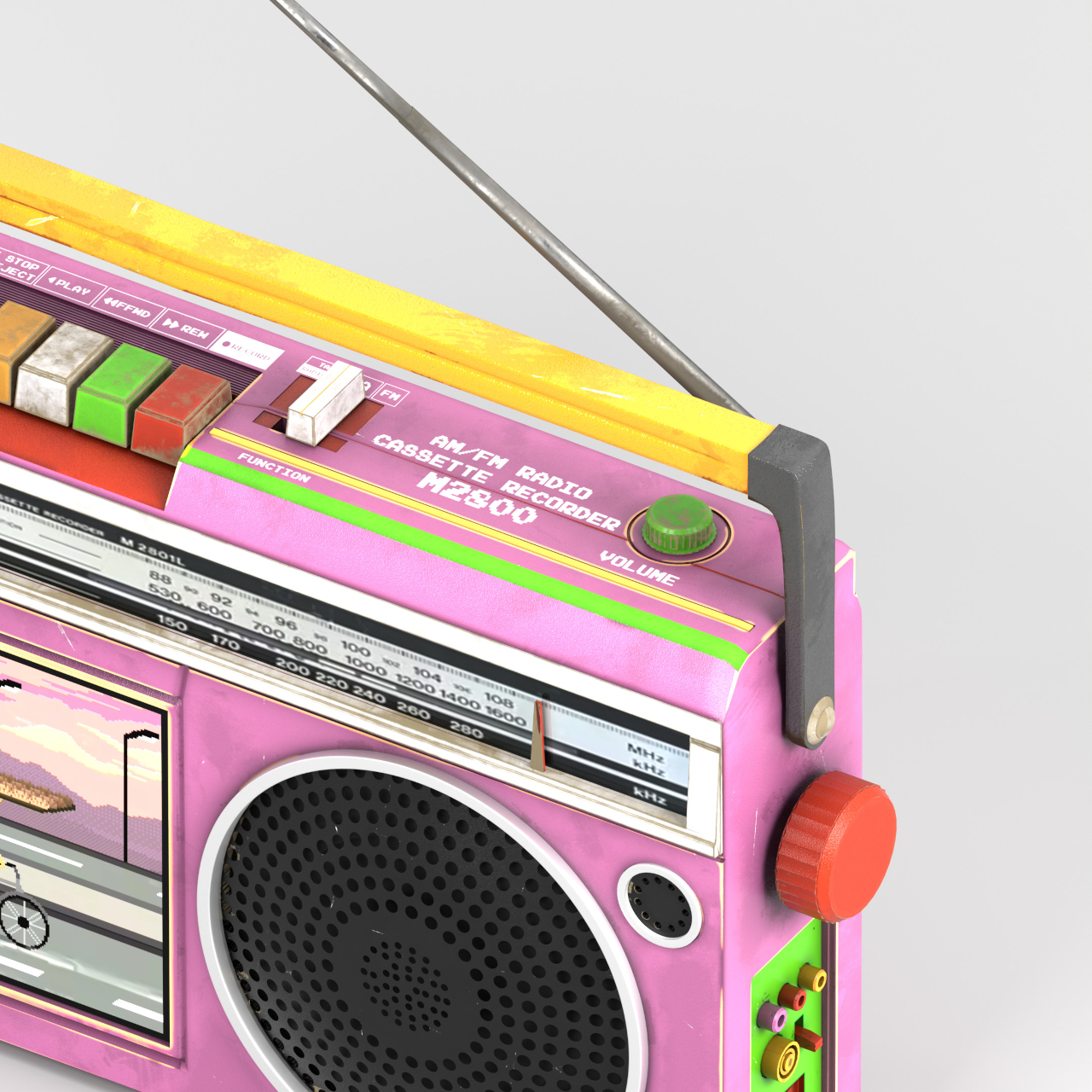
Music streaming has pretty much replaced the radio for most people, but the medium hasn’t completely died out. Radios, however, have become rarer outside of vehicles, and most designs these days tend to make the device almost invisible. This concept, in contrast, is as loud as it can be, both in sound and in appearance with its pink body and clashing color combinations.

What sets it apart, however, is the square display beside the circular front speaker. It’s not a modern touch screen for controlling the radio, but more of a useless but fun embellishment to the experience. It displays a 16-bit video that looks at home in games of that era, rendering an accompanying visual to the audio, whether it makes sense or not.

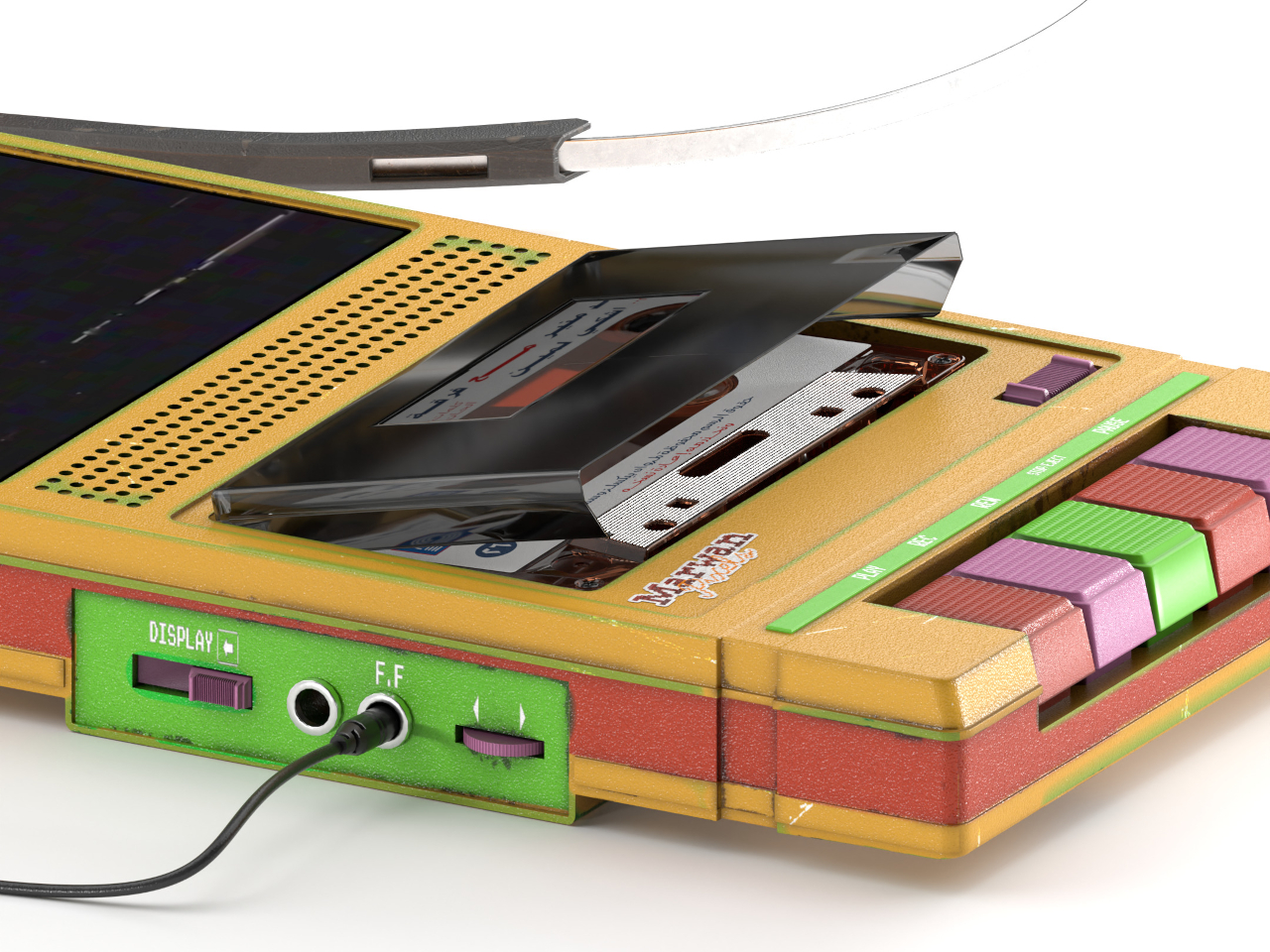
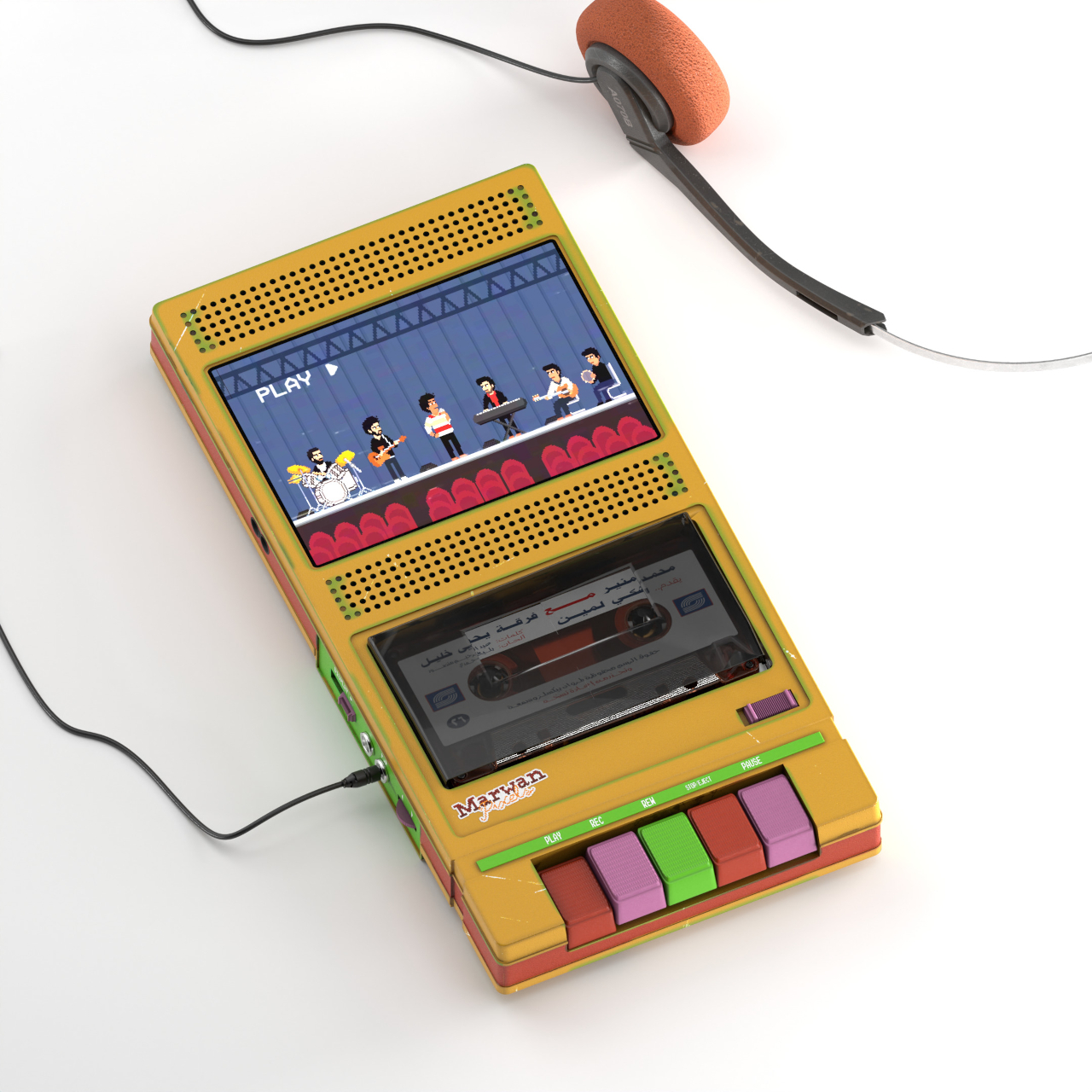
Very few people these days listen to cassette tapes. Unlike vinyl records, there’s almost no special audio quality to these small rectangular containers for brown tape that all too often gets tangled up. That said, some people still have a collection of these tapes, and this cassette player concept adds a unique twist to the device without twisting those tapes.

The color scheme for the device this time is a faded yellow, complete with green streaks of corrosion. But just like the radio above, the flat tape player integrates a screen that can play 16-bit videos. Although it doesn’t serve any practical function, it adds a bit of fun flavor to the music being played, making you want to look at the device even when it’s lying on the table.

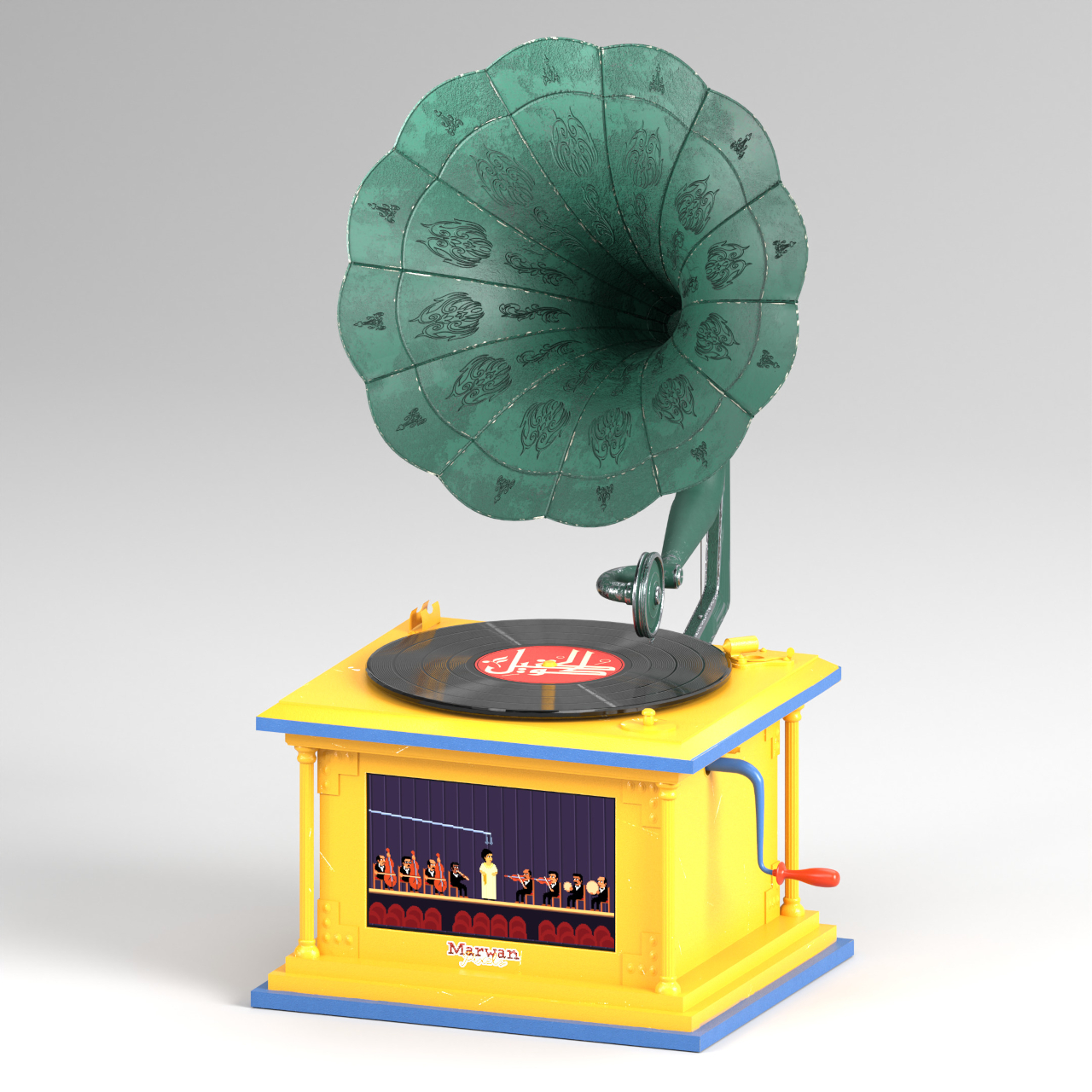
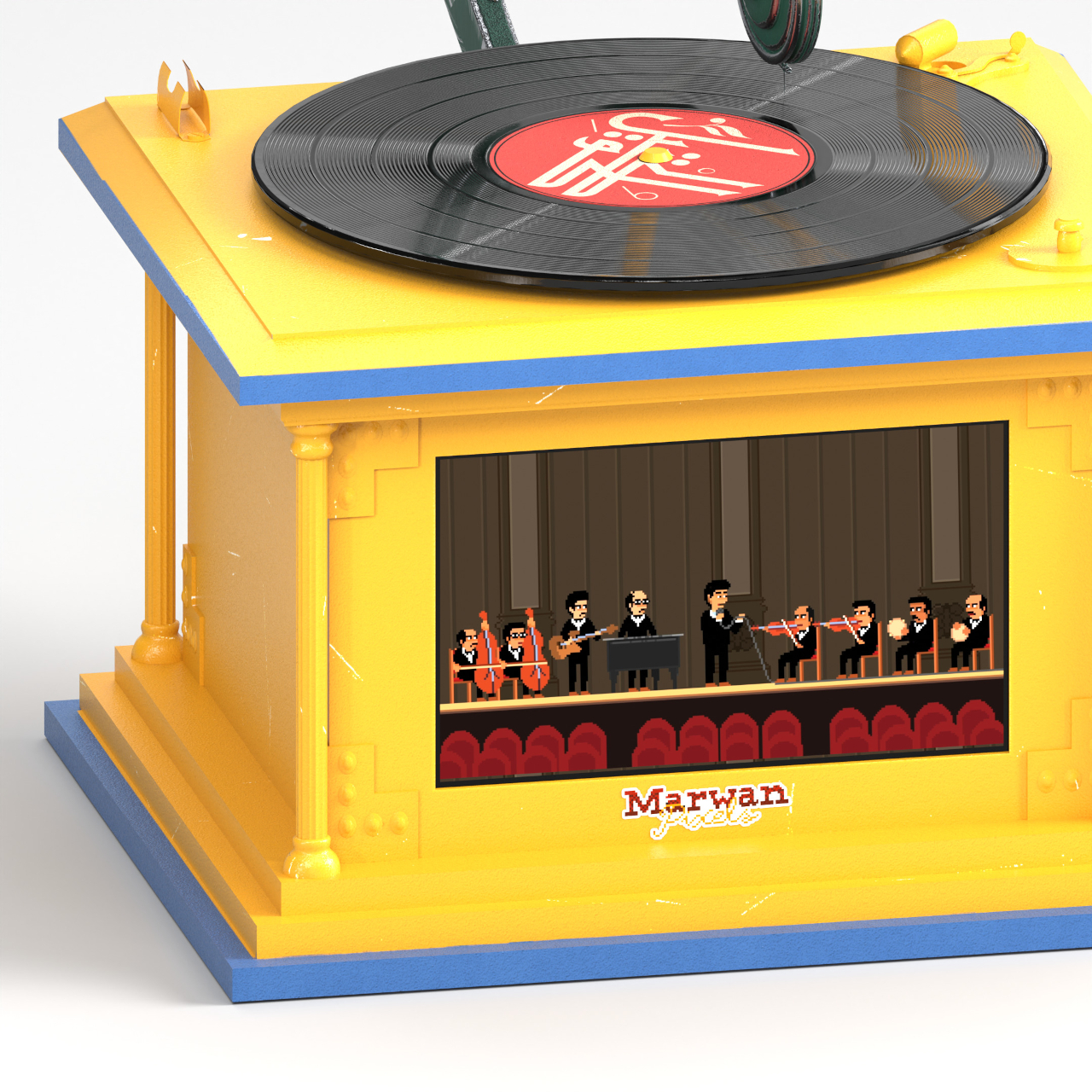
The record player in this Timeless Treasure collection steps farther back in time, adopting the form of a 40s gramophone. Its green, flower-shaped sound horn looks like copper that has aged over time, while the boxy platform has a mix of industrial and Art Deco details. Only the dominantly yellow color motif looks out of place and out of time, giving it an odd anachronistic flavor.

The large 16-bit display is again the center of attraction here, playing a pixelated video of an opera or orchestra performance. It could be related to the track being played, though it’s more likely a very generic clip for any and all kinds of records. It would probably be nice if each video was customized for different kinds of music, perhaps using some AI magic to make it happen.

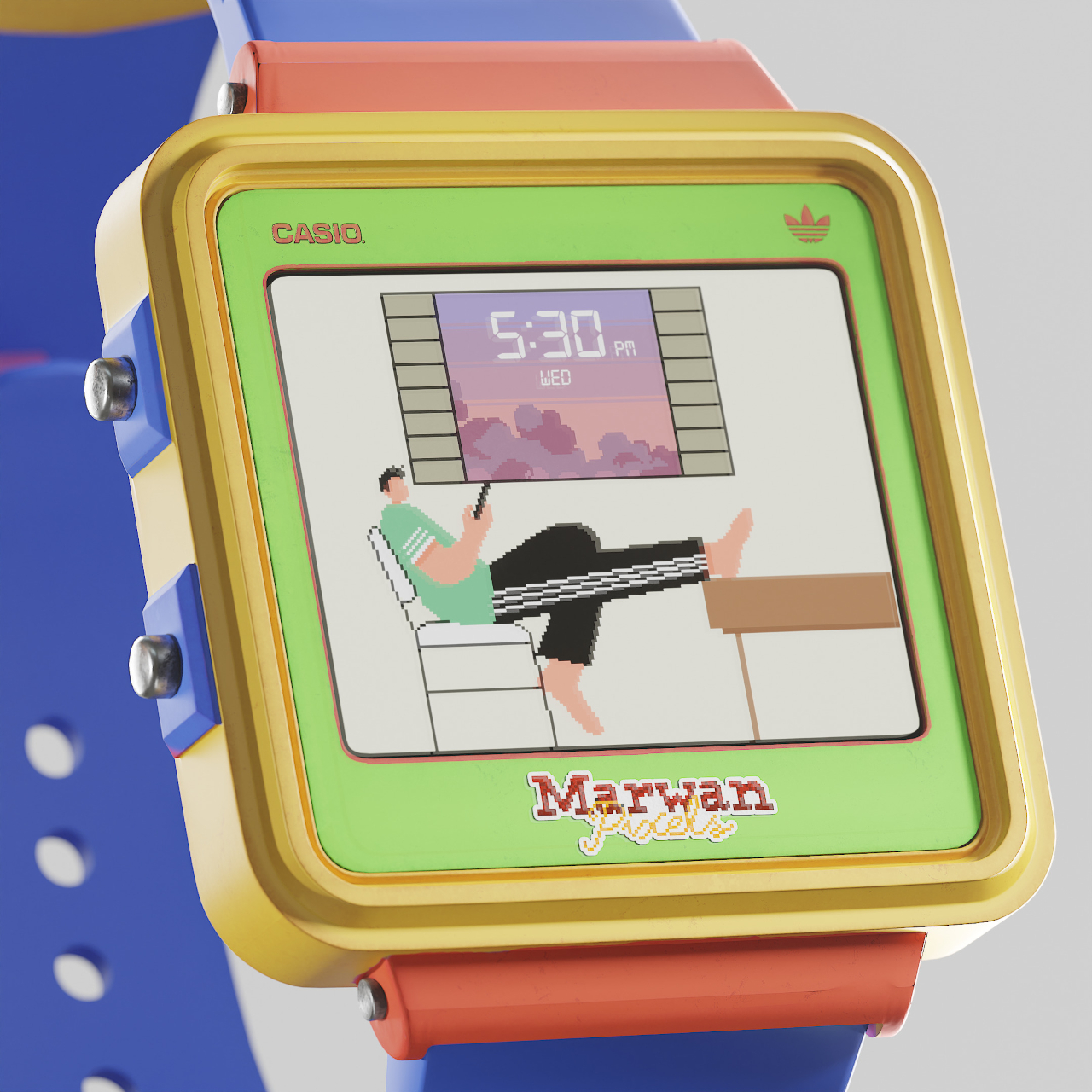
Old-school audio devices aren’t the only ones getting this 80s retro facelift, though a watch is hardly that old to qualify. More like an old-fashioned kids’ digital watch, this particular concept adds a lo-fi feel to this somewhat modern wearable, particularly when an alarm plays. Like the rest of the collection, it’s a fun touch that doesn’t add any functional advantage but gives the designs a new flavor.

The post Retro devices reimagined with fun 16-bit displays first appeared on Yanko Design.

This AI-equipped smart radio cooks up engaging conversations on trending topics, comes with TWS earbuds for listening freedom

AI is gradually creeping up in our daily lives, giving us all better ways to be productive without exercising our neural network. If we weren’t already slaves to our phones and PCs, AI will ensure we stay hooked on to our gadgets more than ever. Many applications of AI are more than useful if used smartly.

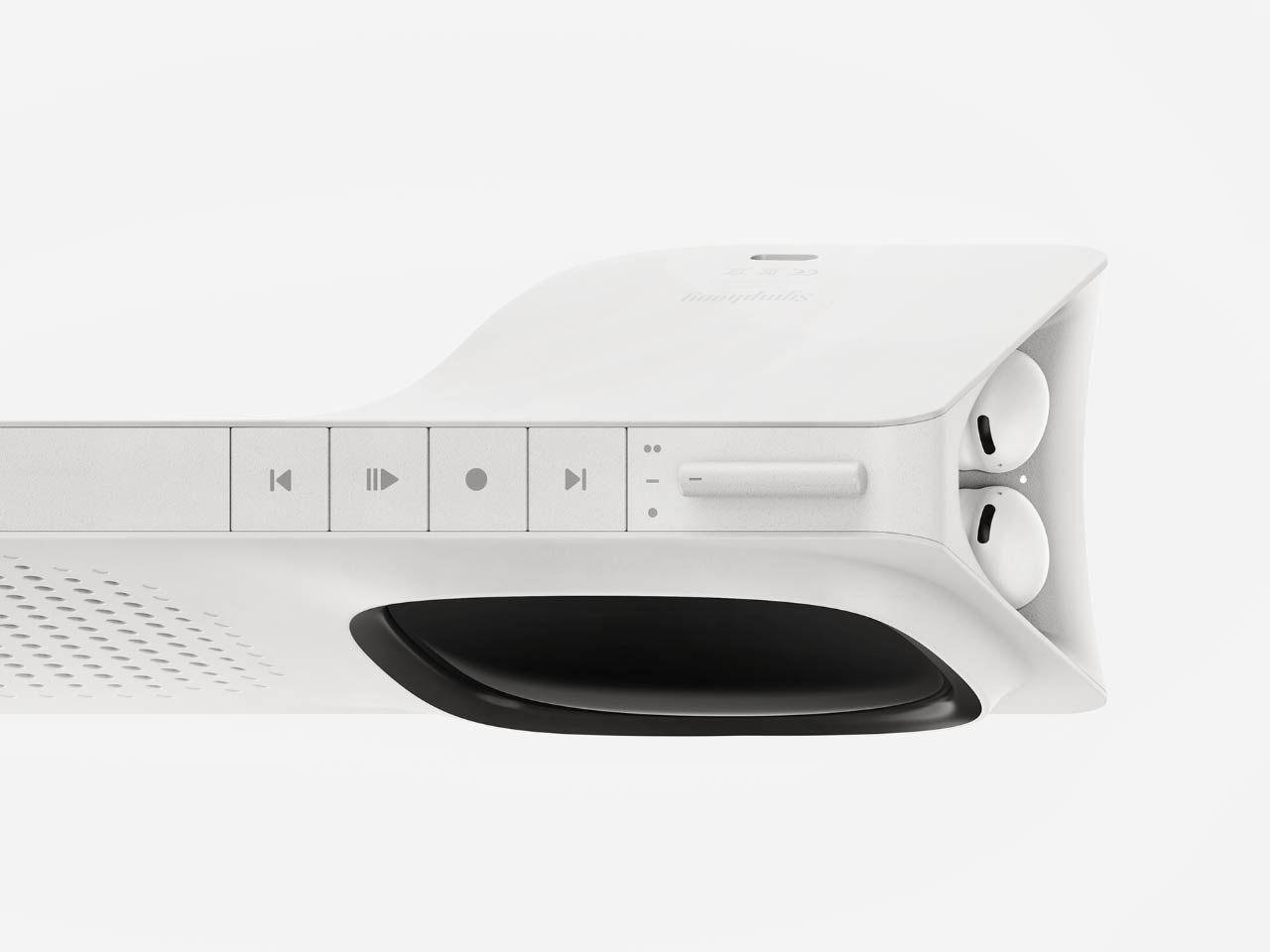
Most AI models are slowly inching towards a machine learning level that’s useful for more complex day-to-day applications. A direct byproduct of that metamorphosis is this concept radio that is entertaining for good. Meet Symphony AI language module radio that won’t leave you bored sitting on your couch scrolling endlessly in your Instagram feed.

Designer: Junha Kahm

The device comes with an in-built AI language module that creates engaging debates and conversations on a variety of topics. They can range from online news, podcasts, or trends that can be on any platform via YouTube, audio files or PDFs. The gadget is more than just summarizing information that doesn’t require debate. It captures the gist of the reasoning process and discusses information to further provide an opportunity for objective thinking that’s free from any biases. This is done based on all the latest world’s information.

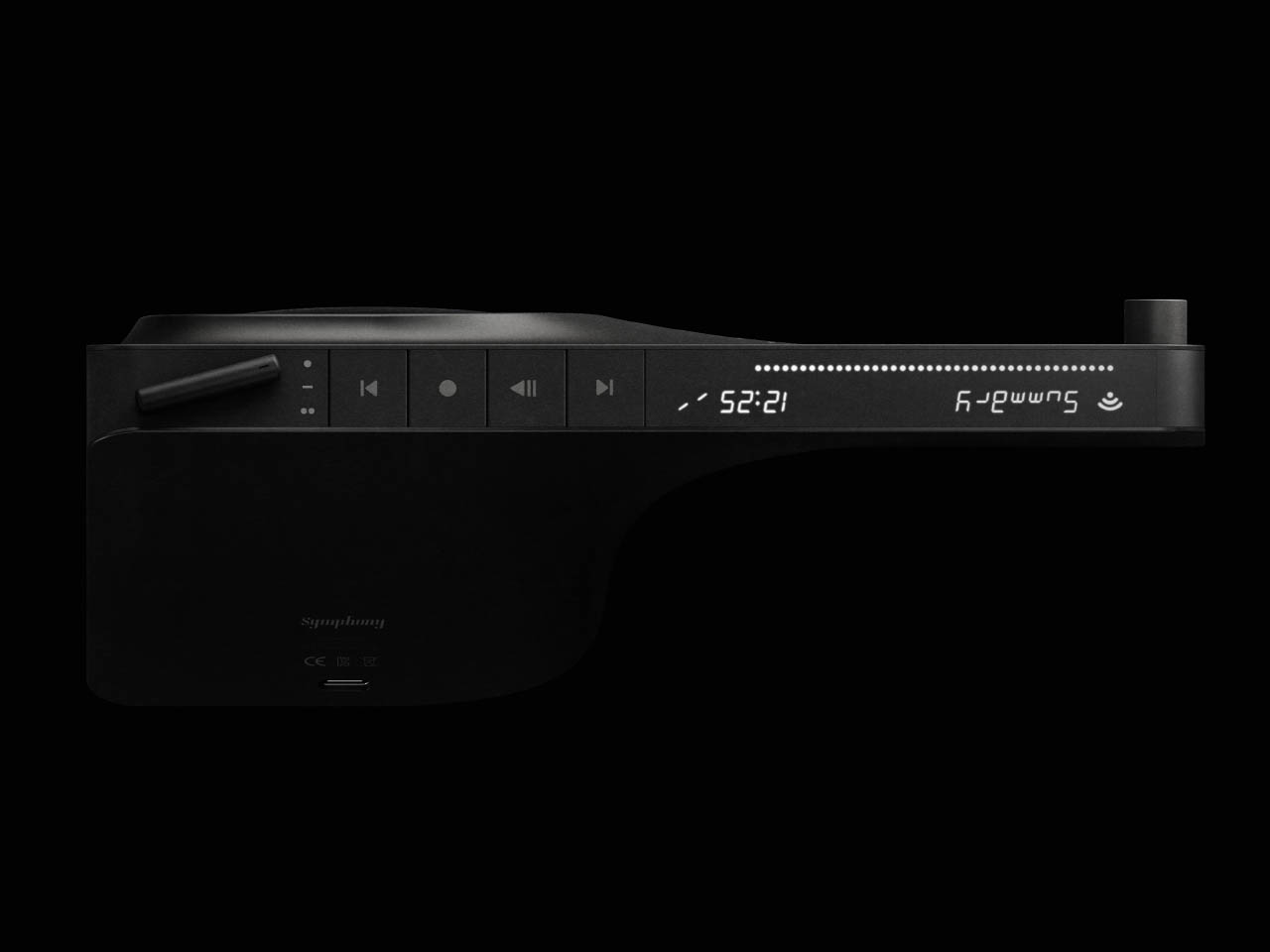
These two functions of the Symphony radio are kept separate via two modes. One of them is the Summary Mode which is more of a knowledge-condensing function for extracting the summary of elaborate topics that can get boring at times. The other is the Debate Mode which is more engaging and dynamic since it gathers and presents contentious information available online in a narrative format. In the second mode, the AI-driven approach presents individual perspectives and understands the issues more openly. This expands the user’s thoughts in a very entertaining way.

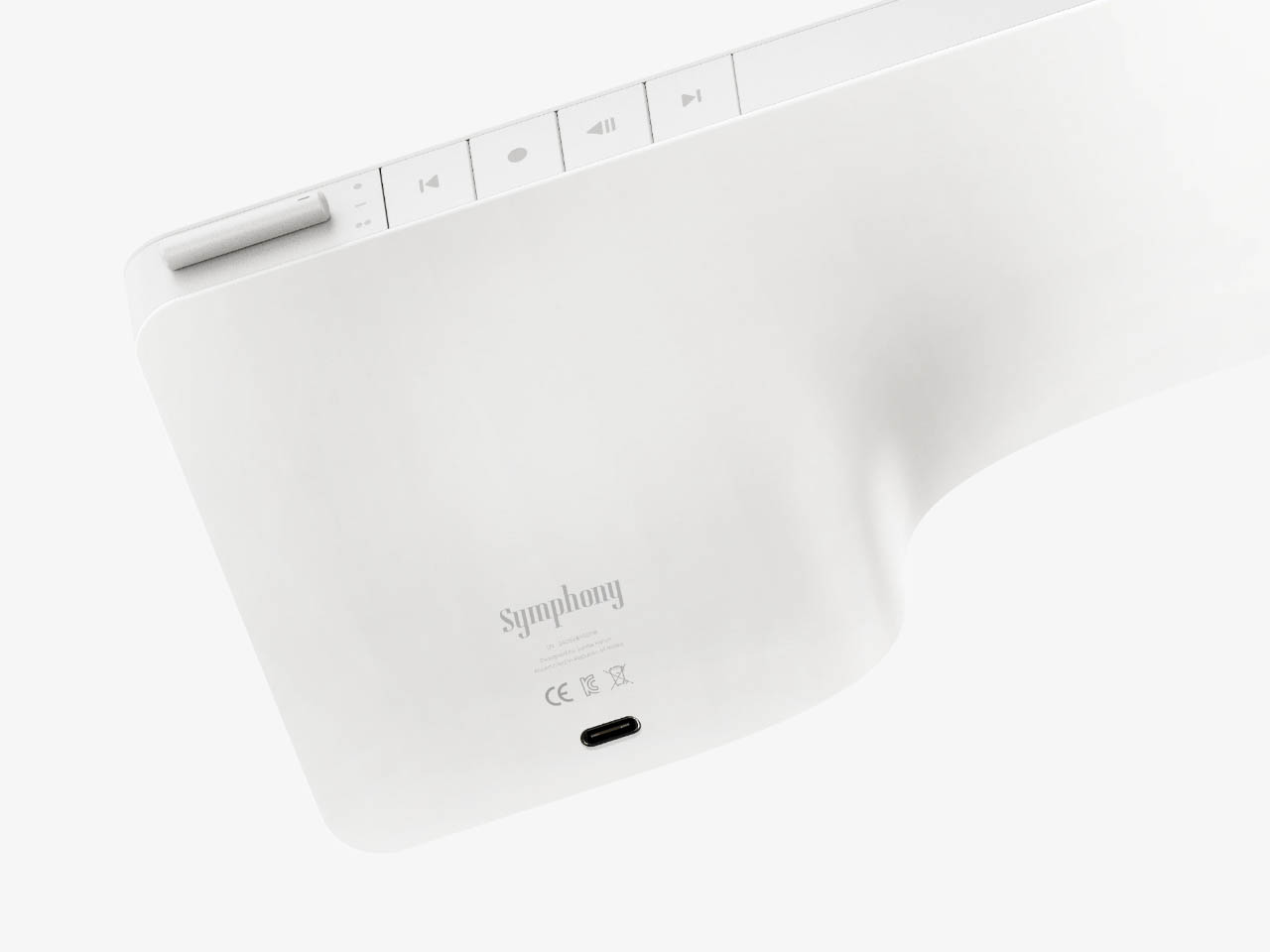
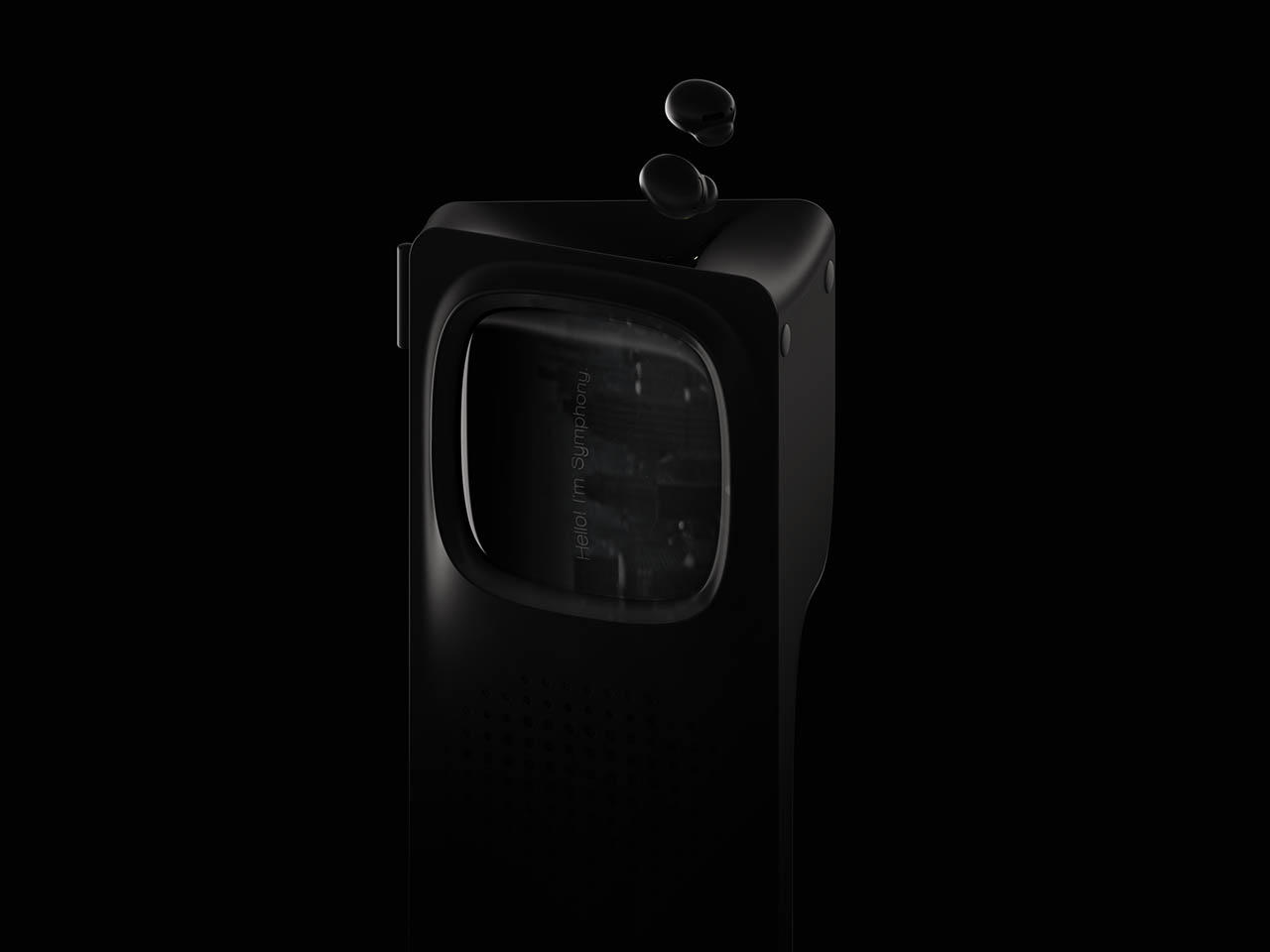
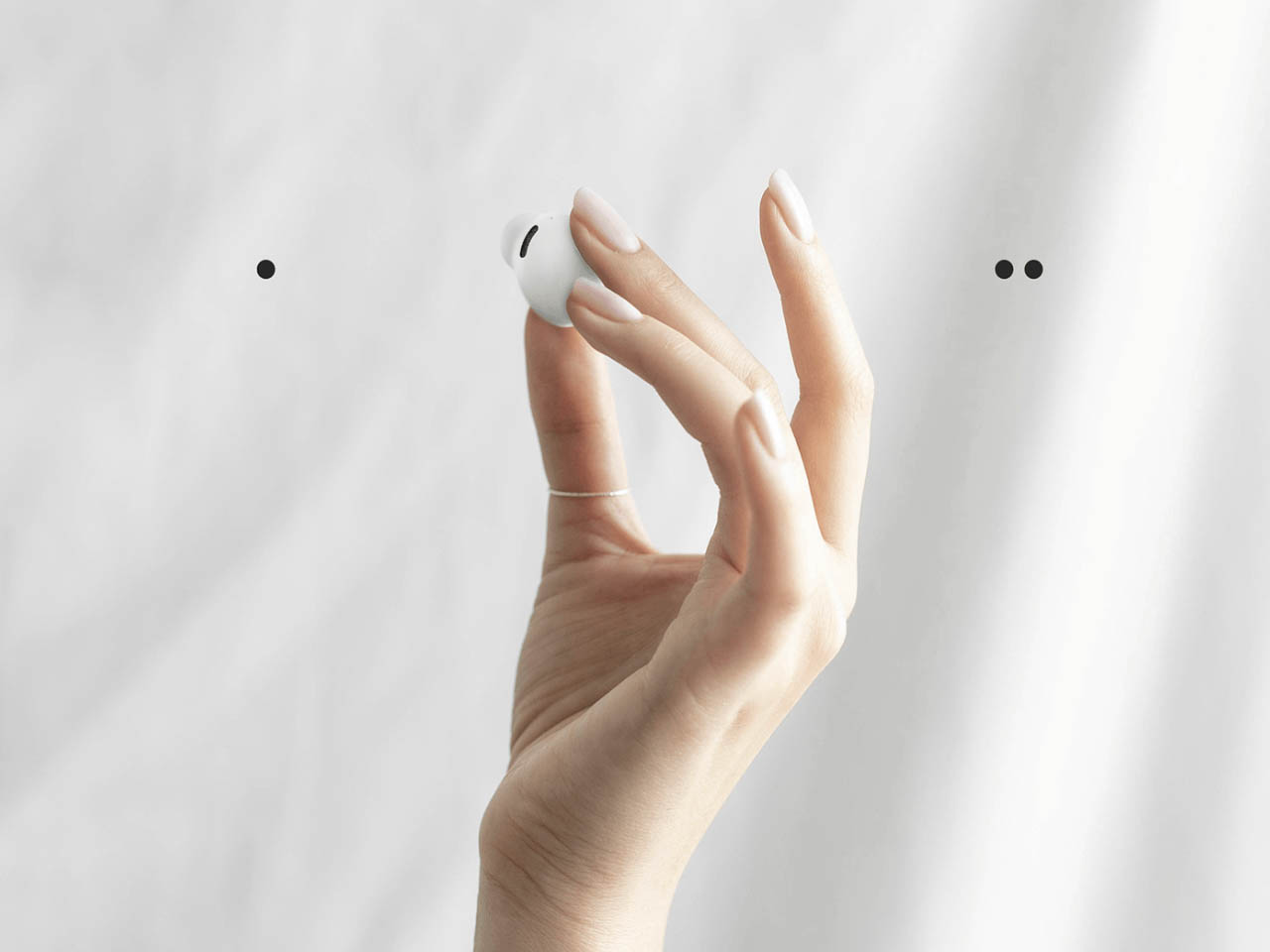
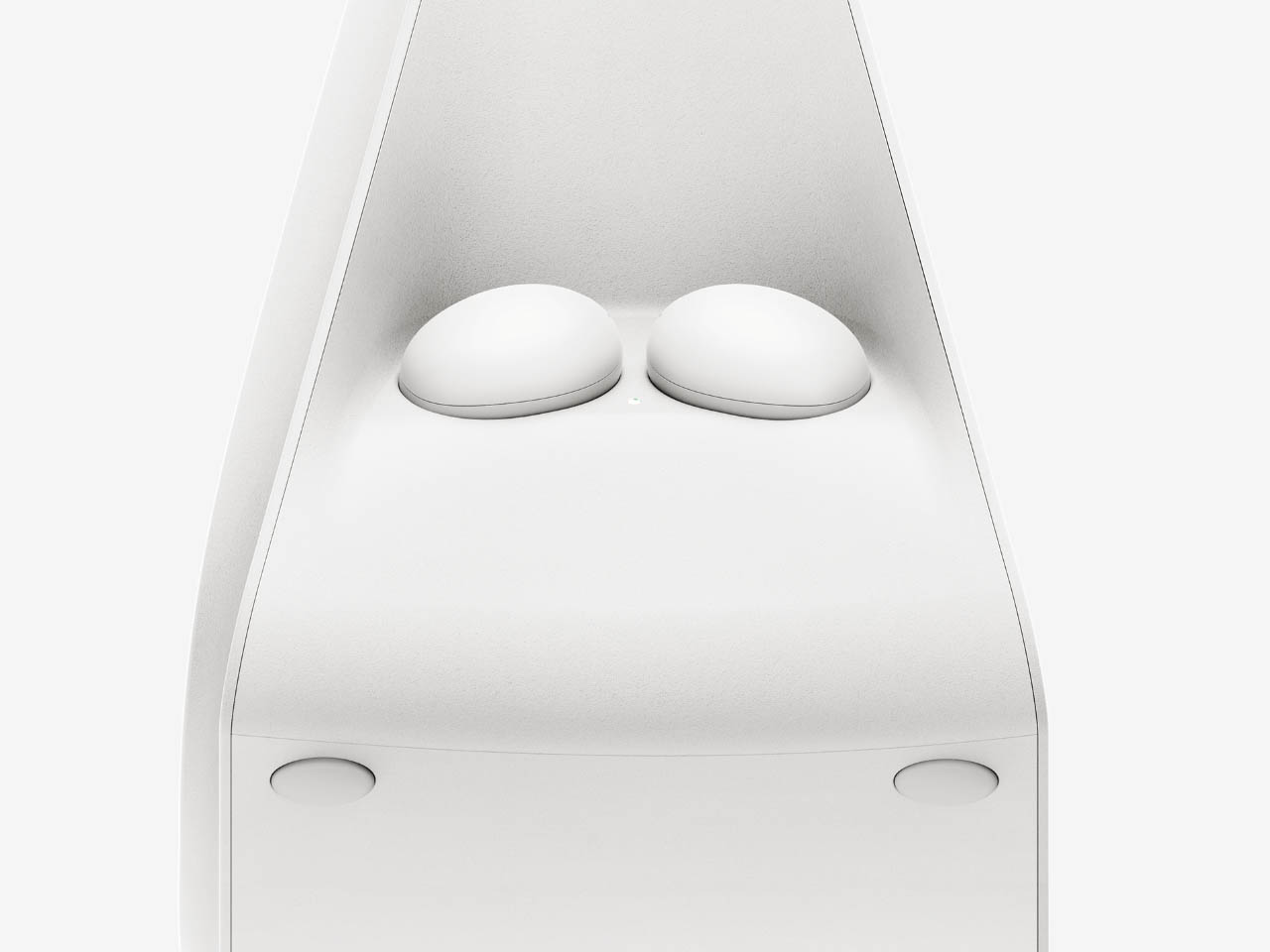
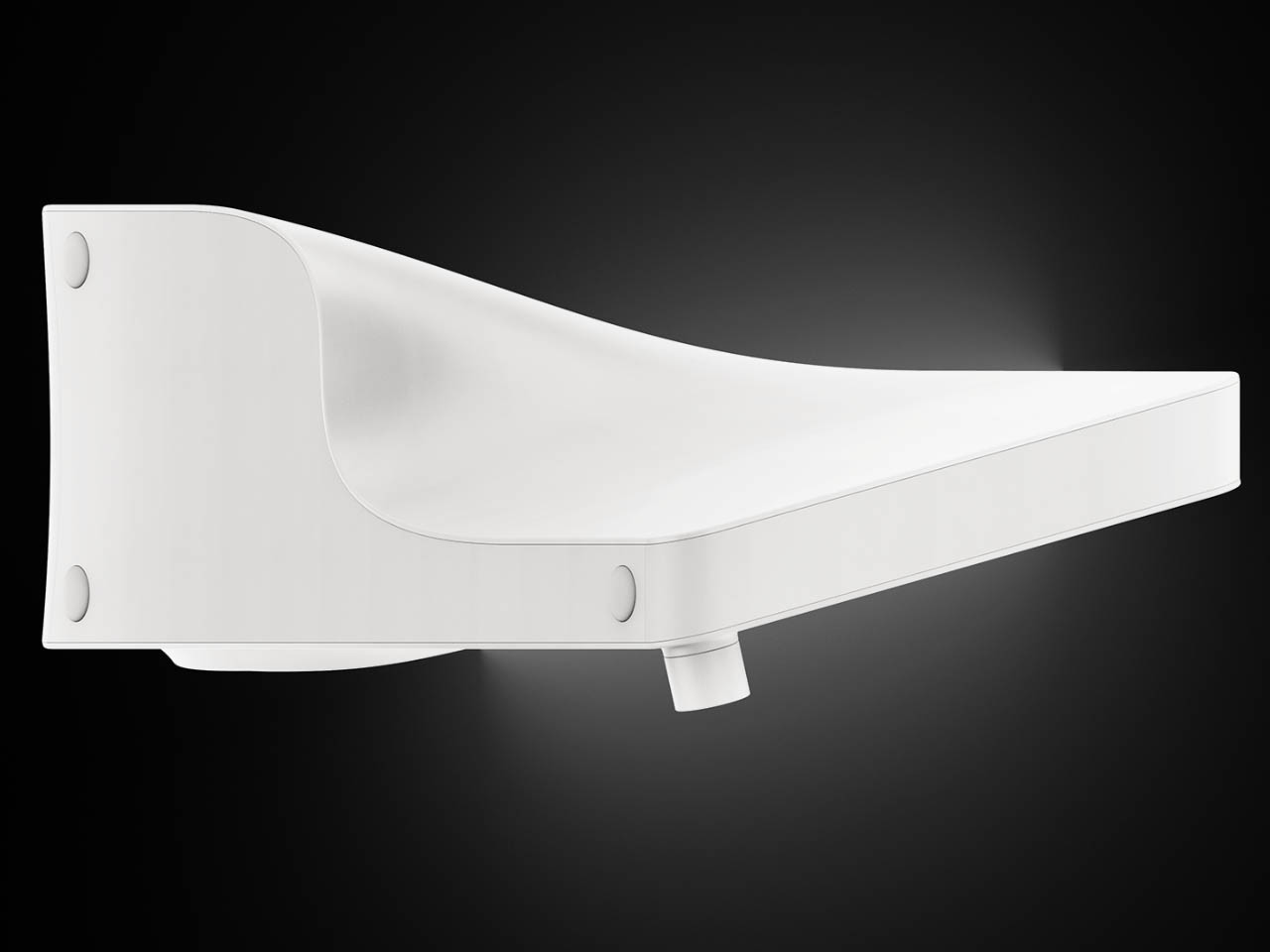
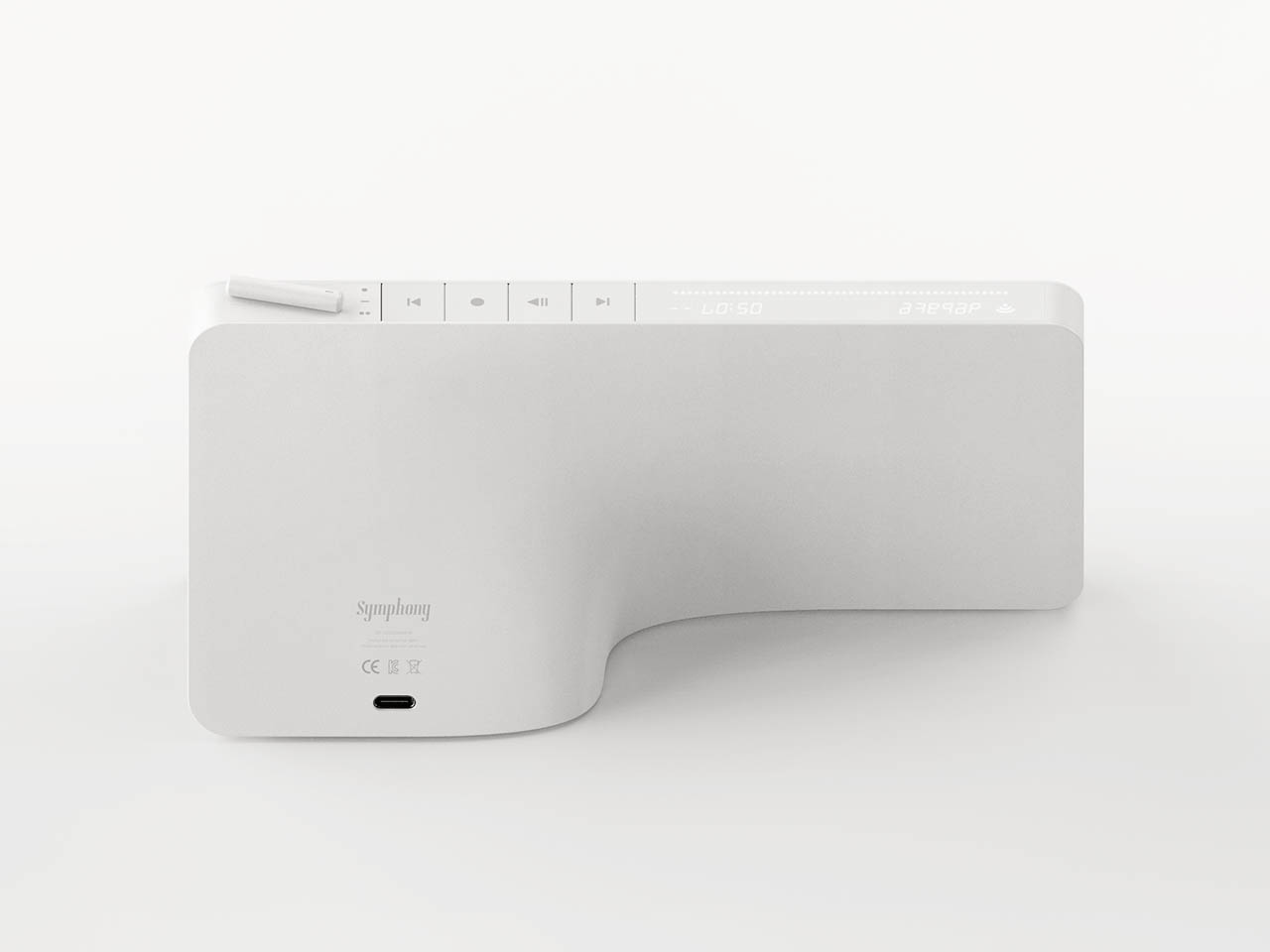
Symphony is like a small radio playing local channels in the afternoon, letting you engage with the latest news and information while sipping coffee. The gadget also comes with a monochrome screen to prompt all the spoken content in a textual format. Carrying a very future-forward design language, the Symphony radio has two wireless earbuds attached magnetically to the sides, hidden from plain sight. They let you enjoy all the AI-generated conversations without disturbing others in the room. Other than that, the radio has all those normal buttons to change channels, toggle volume levels and play/pause the broadcast.

The post This AI-equipped smart radio cooks up engaging conversations on trending topics, comes with TWS earbuds for listening freedom first appeared on Yanko Design.

This Disaster-Preparedness Clock Will Support You With A Flashlight, Radio And Charging Abilities

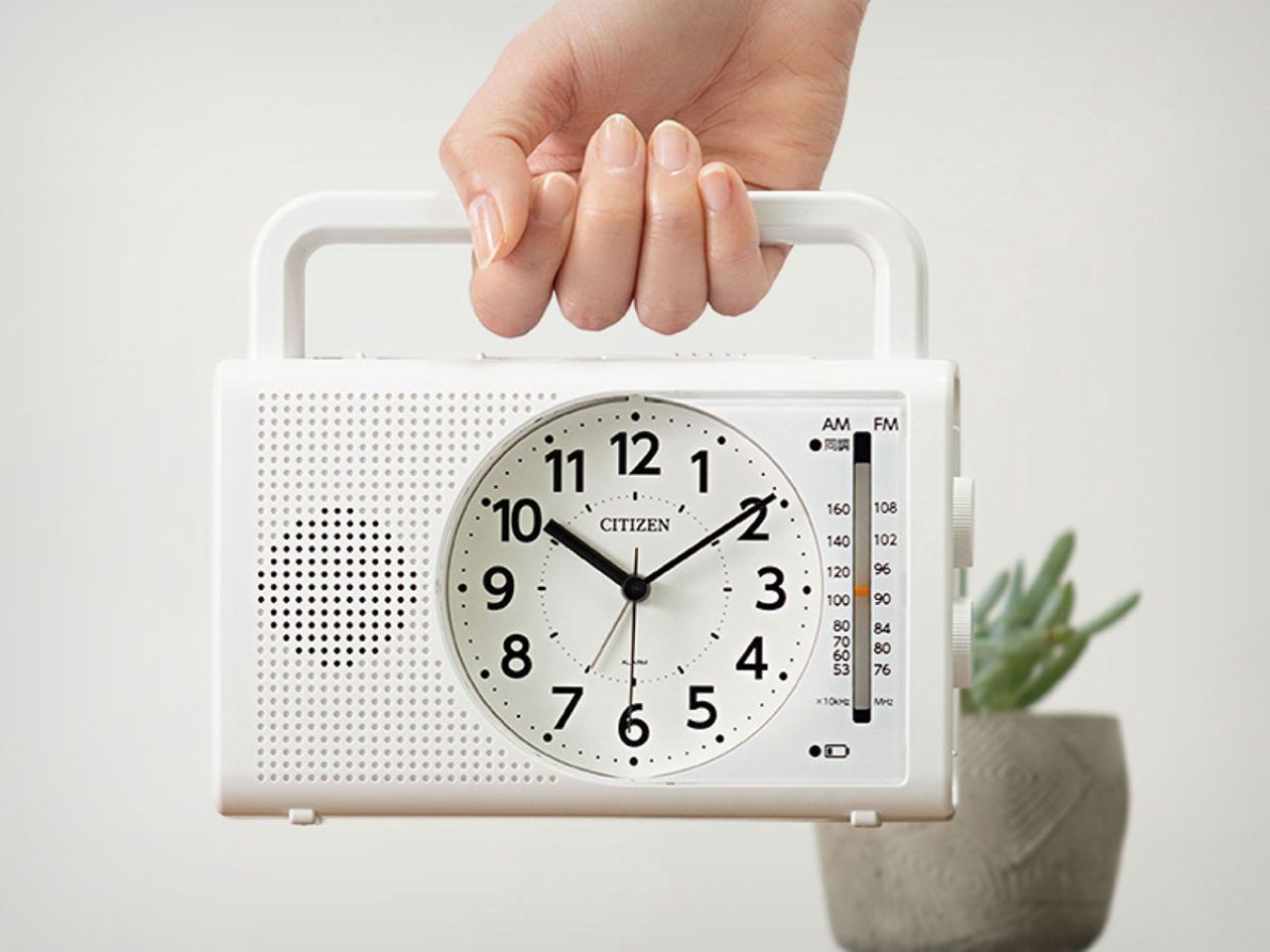
When disaster strikes, staying informed and prepared is crucial. The Rhythm 4RQ002-003 Disaster-preparedness Clock is a remarkable gadget designed with precisely that in mind. It’s not just an ordinary clock, it’s a multifunctional tool built to serve you both in daily life and during emergencies, offering peace of mind when you need it most.

Designer: Rhythm

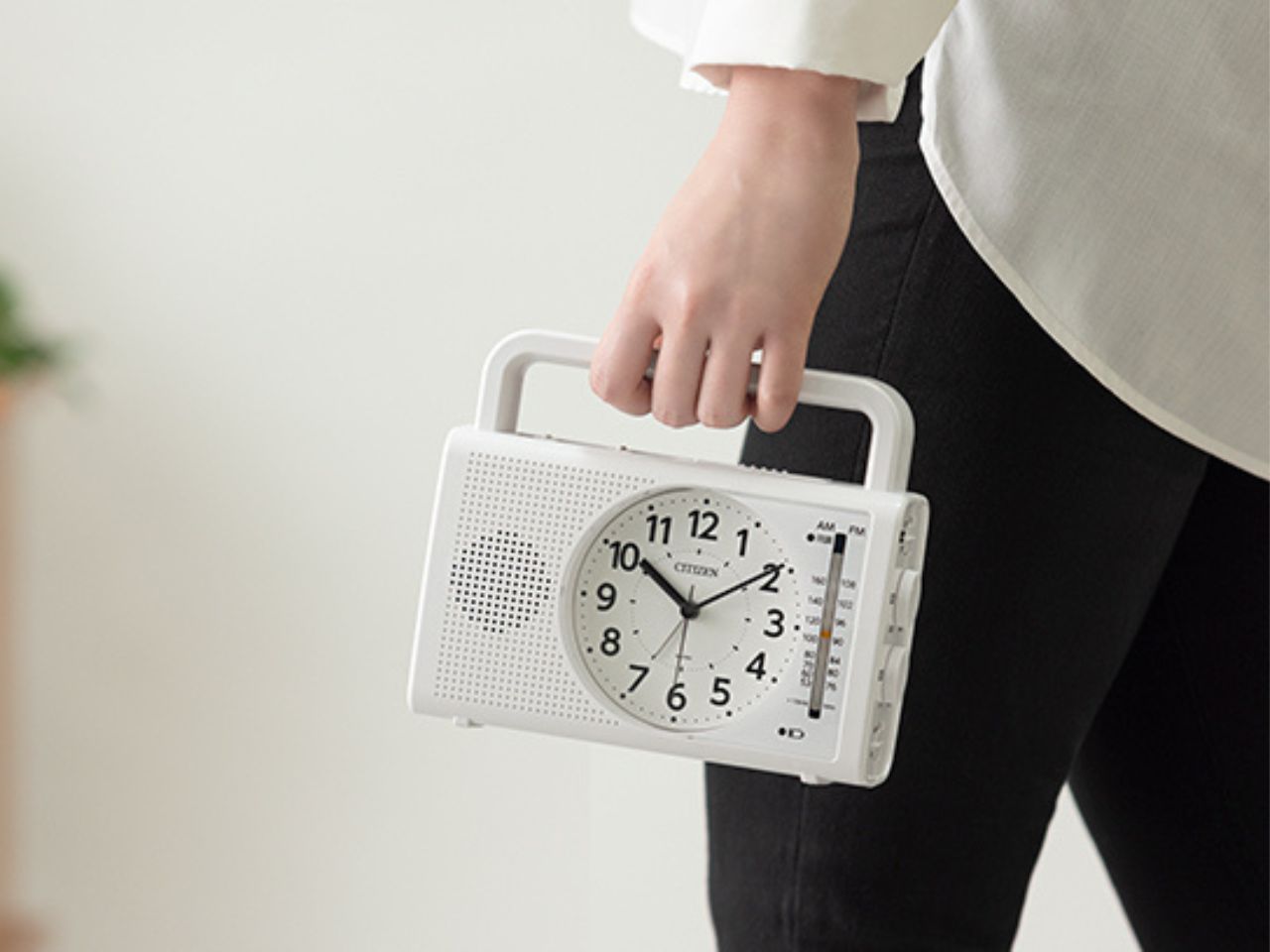
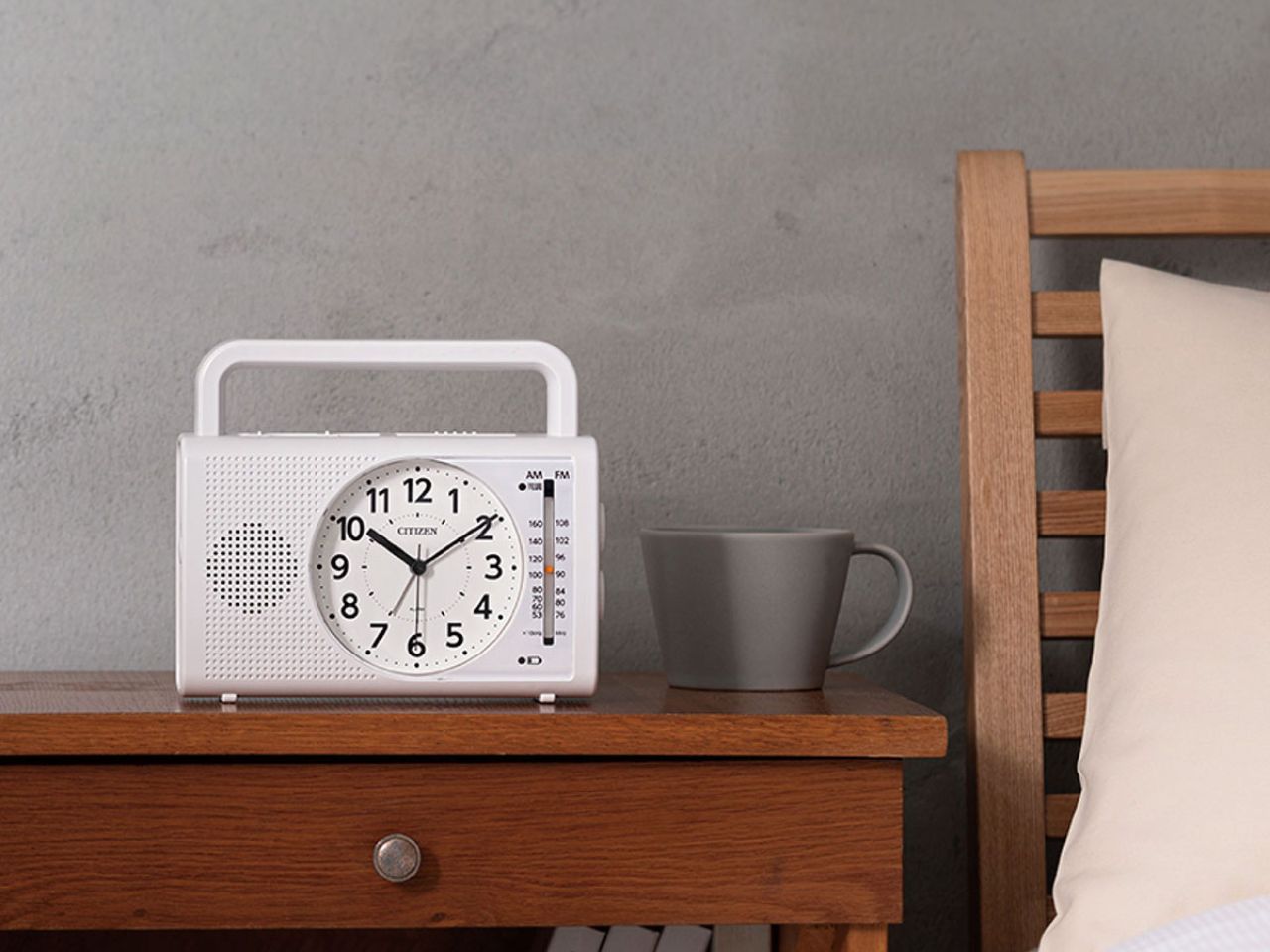
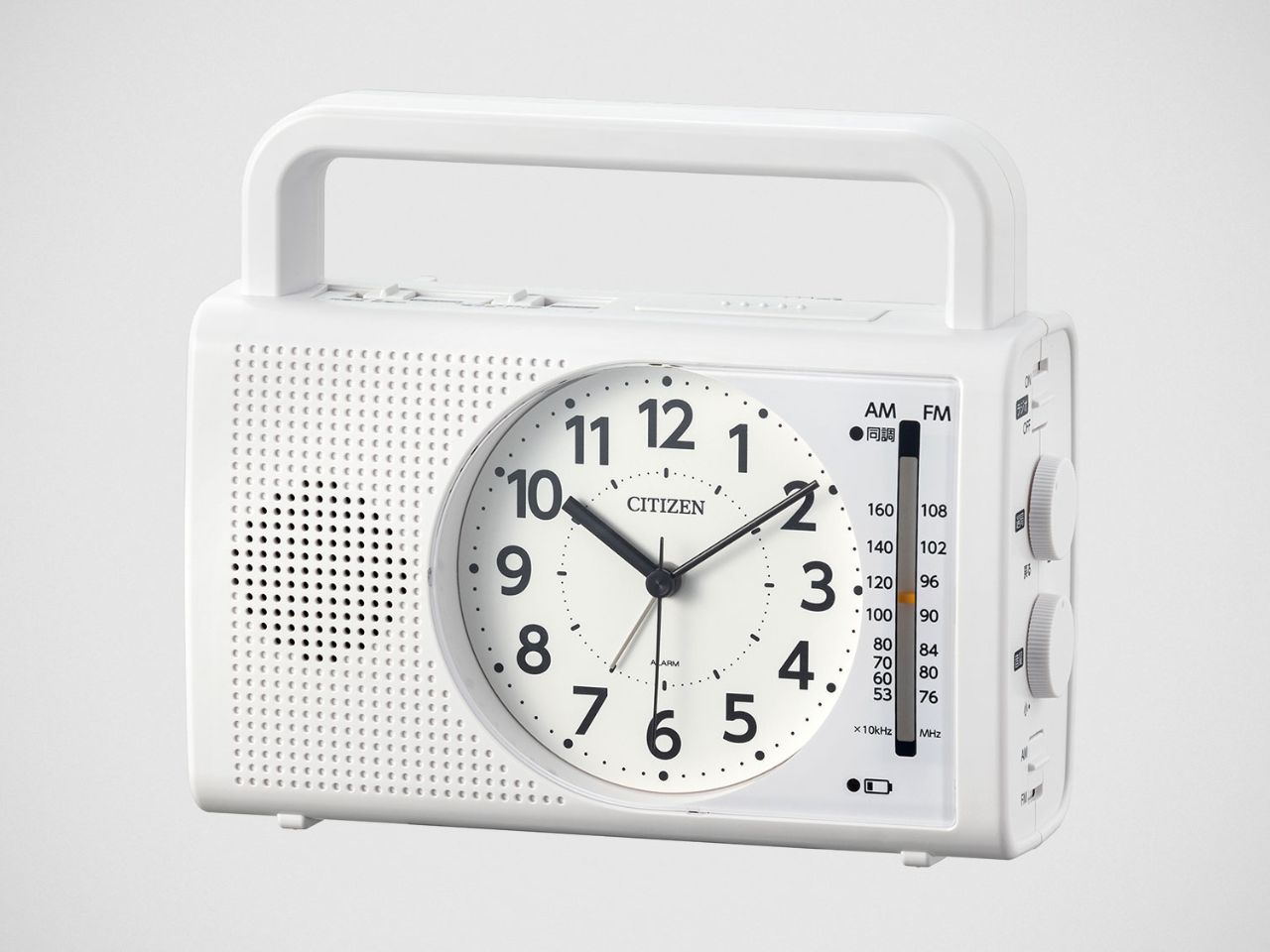
On an ordinary day, the 4RQ002-003 sits quietly on your nightstand, performing its duties as a reliable alarm clock. Its Citizen quartz movement ensures accurate timekeeping, while the three levels of electronic sound alarms with a snooze function help you start your day on the right note. Its sleek and compact design, measuring 152 by 179 by 68 mm and weighing 610 grams, makes it an unobtrusive addition to your bedside setup.

However, this clock is much more than a timekeeper. In times of disaster, when conventional power sources and communication channels might be compromised, the 4RQ002-003 shines as an essential survival tool.

Radio Functionality:

Equipped with a built-in radio, the clock allows you to stay informed about critical updates. The inclusion of Wide FM (FM supplementary broadcasting) ensures that you can access broadcasts even when AM signals are weak or unavailable. Whether it’s a natural disaster or any other crisis, this radio function becomes a lifeline, providing vital information from the authorities.

Device Charging Capabilities:

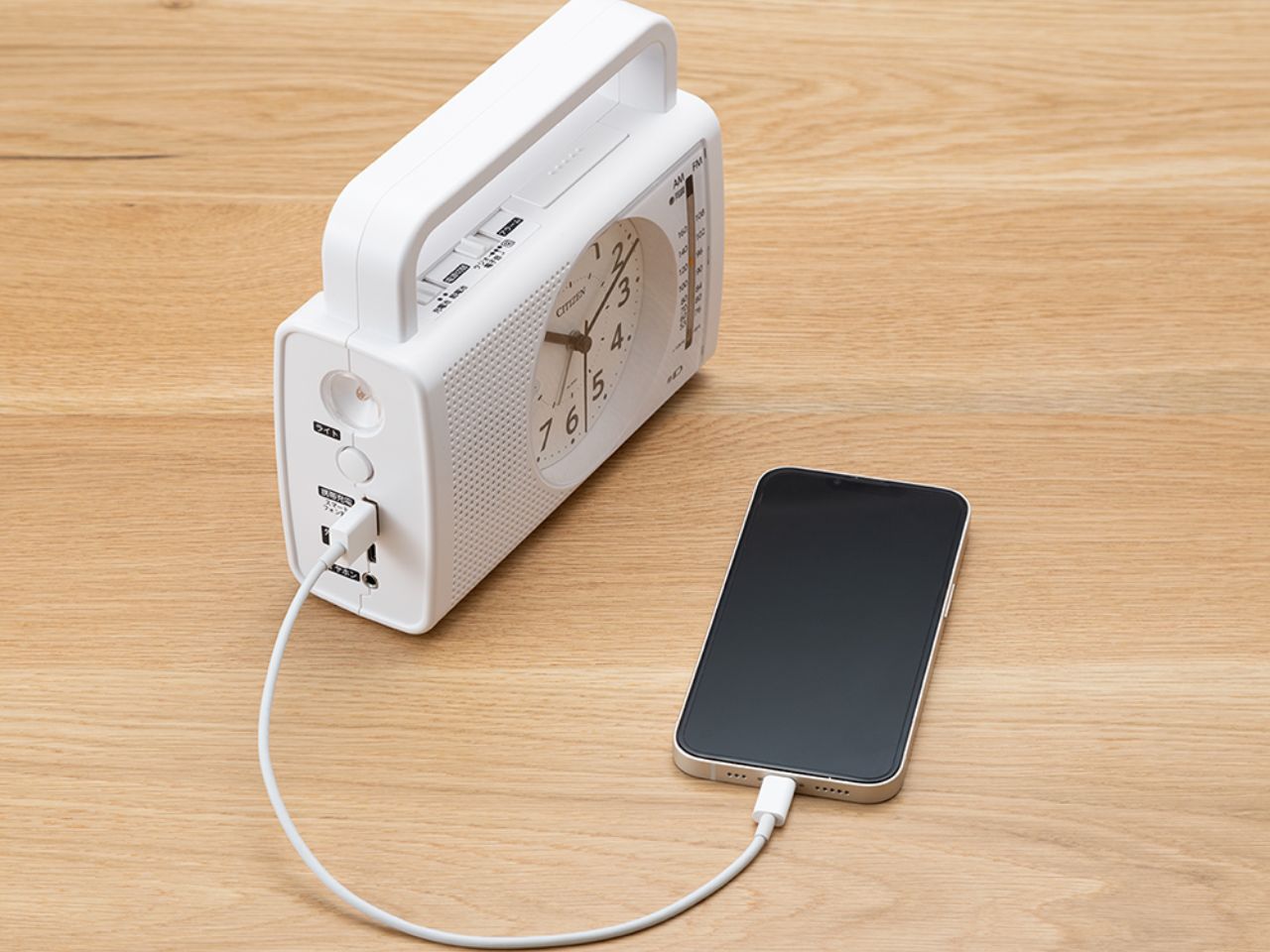
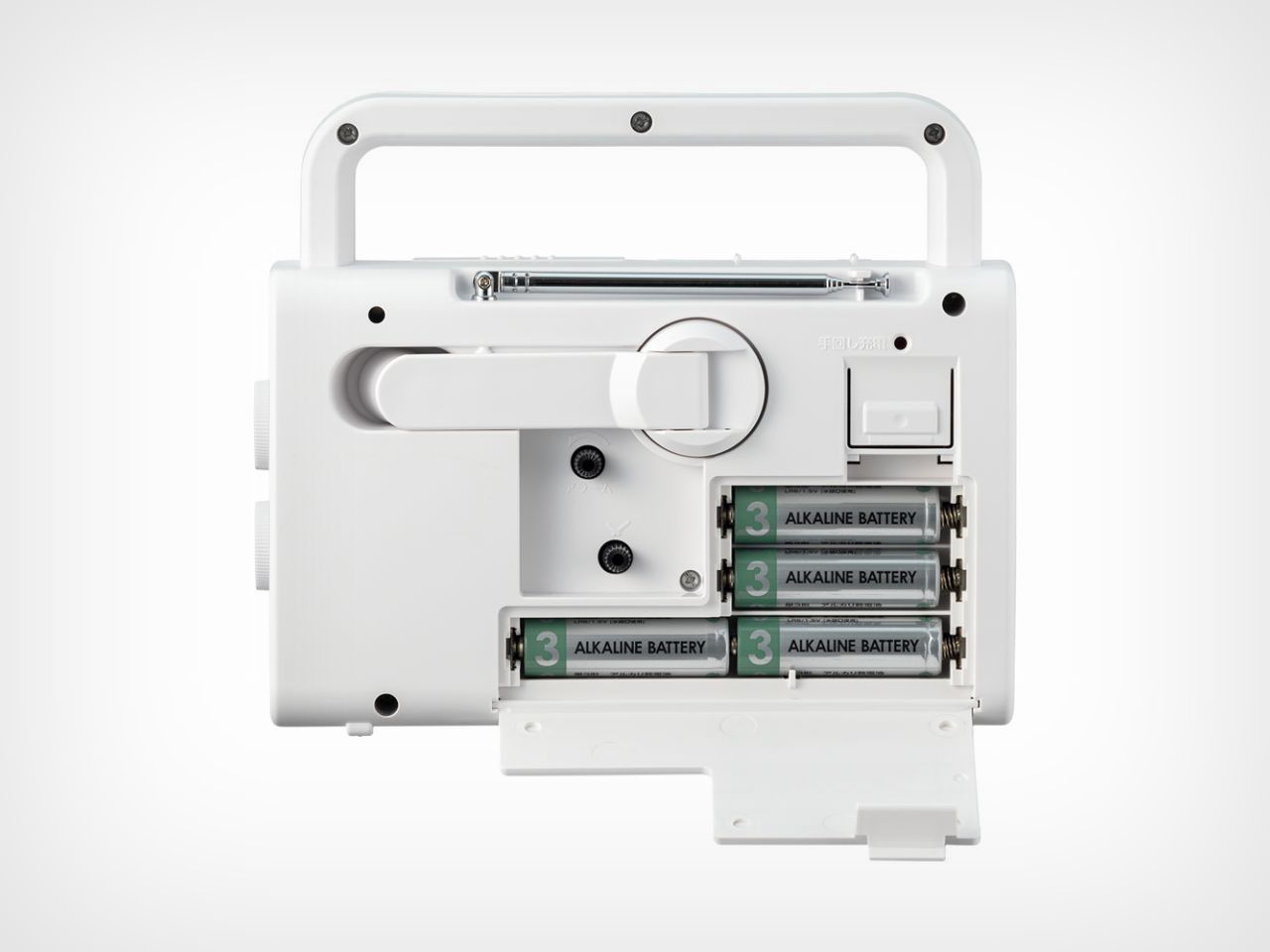
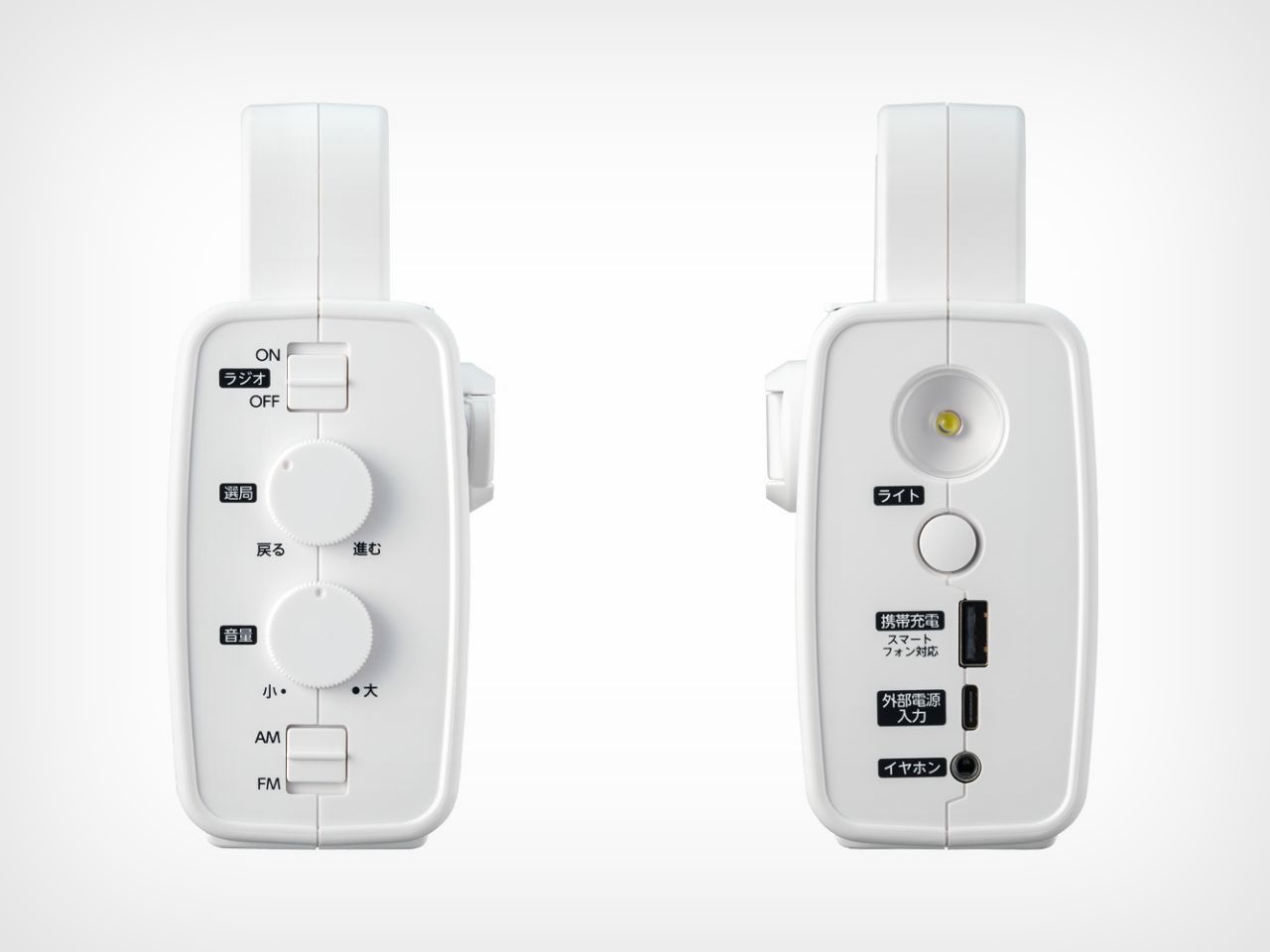
In a world where we rely heavily on smartphones, the ability to keep them powered during an emergency is invaluable. The clock offers two charging methods – four AA alkaline batteries or the built-in rechargeable NiMH battery. Additionally, it features a USB Type-A port (5v/500mA output) for charging smartphones and other gadgets, and a USB Type-C port (5v/300mA) to power the device itself. This dual charging capability ensures that your devices remain functional, even when the power grid is down.

Emergency Lighting:

The 4RQ002-003 features a powerful LED flashlight, perfect for navigating through darkness during power outages. This built-in light source is essential for emergency situations, helping you find your way or signaling for help when needed.

Hand-Crank Generator:

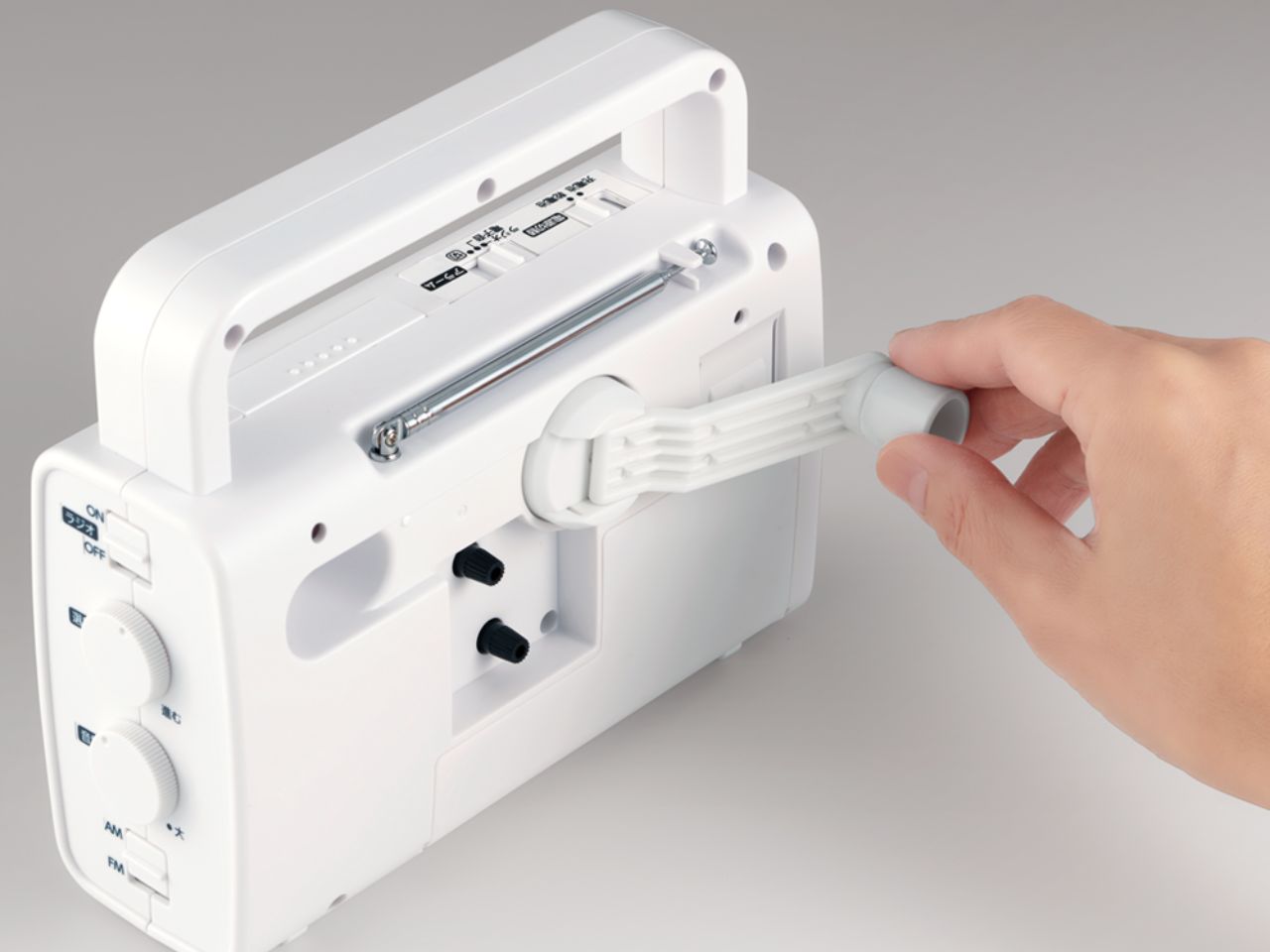
One of the most crucial features of the 4RQ002-003 is its hand-crank generator. When all other power sources fail, this manual option allows you to generate the necessary energy to power the clock, and the radio, and even charge your devices. It’s a feature that could prove to be a lifesaver in the most dire situations.

Additional Functionalities:

The clock also includes a 3.5 mm stereo headphone jack, allowing for private listening to the radio or other audio outputs. The low battery indicator ensures that you’re always aware of the clock’s power status, helping you stay prepared.

Built with a durable plastic enclosure, the 4RQ002-003 is engineered to withstand the demands of daily use and the intensity of emergency situations. The thoughtfully designed handle provides a secure grip, ensuring ease of use when it matters most. Its rugged construction is made to endure the harsh conditions of a disaster, while its practical design ensures it remains a versatile tool in any scenario.

Currently available in Japan for 16,500 yen (approximately 112 USD), the Rhythm 4RQ002-003 is a worthwhile investment in your safety and preparedness. It’s a comprehensive tool designed to be your companion in both everyday life and during emergencies. Whether you’re facing a storm, a power outage, or something even more unpredictable, the 4RQ002-003 is there to ensure you’re always prepared.

The post This Disaster-Preparedness Clock Will Support You With A Flashlight, Radio And Charging Abilities first appeared on Yanko Design.
Radio concept brings the aural and tactile nostalgia of using actual radios

One of my favorite parts of going on road trips when I was younger is listening to the radio in the car. You never know what you’re going to get when you switch through stations. And even at home, tuning in on to a physical radio is always a fun time, something that the new generation may never experience ever. But there are still some radios in the market and even more design concepts for those longing for the “good ole days”.

Designer: Gisung Han

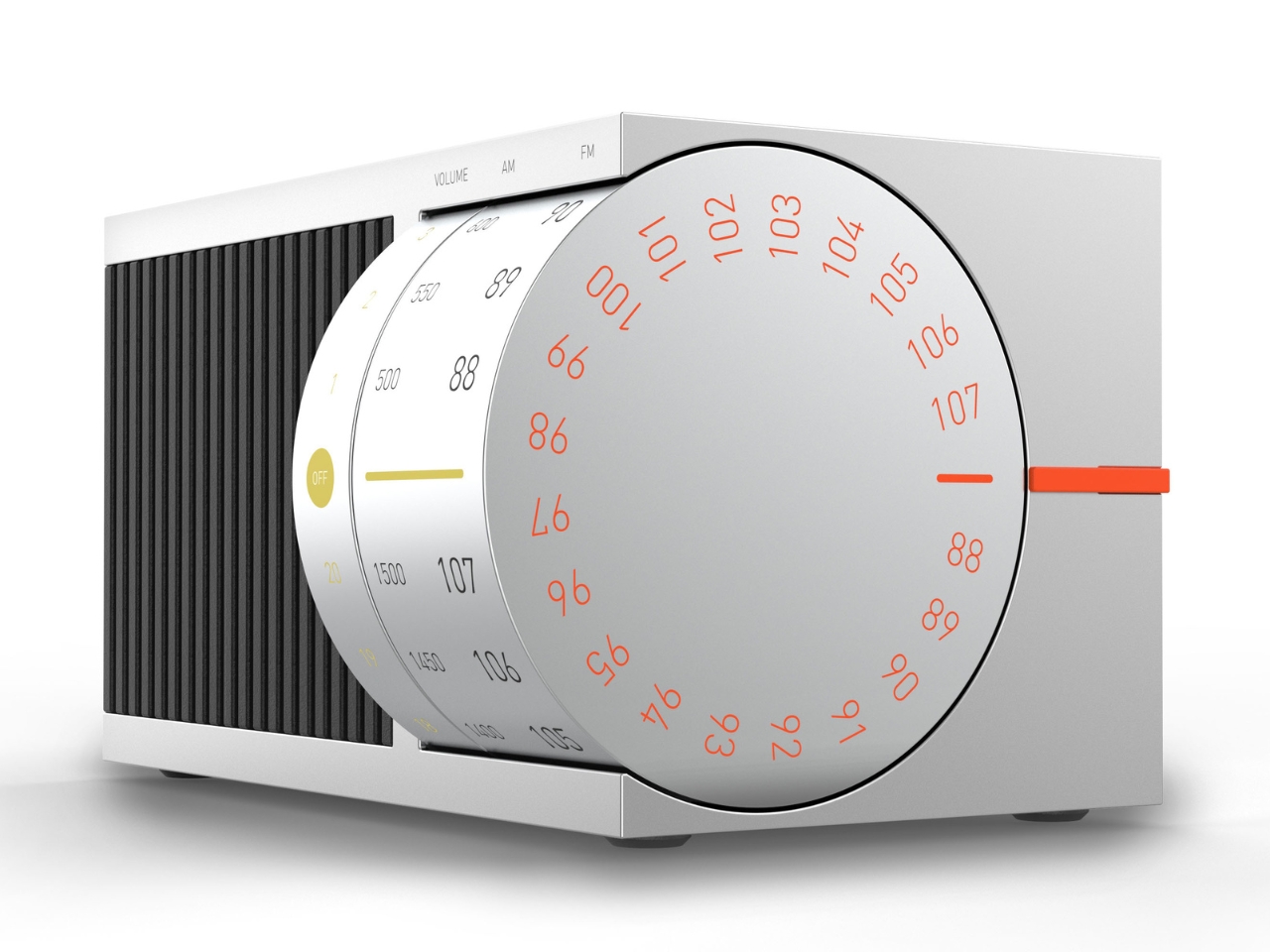
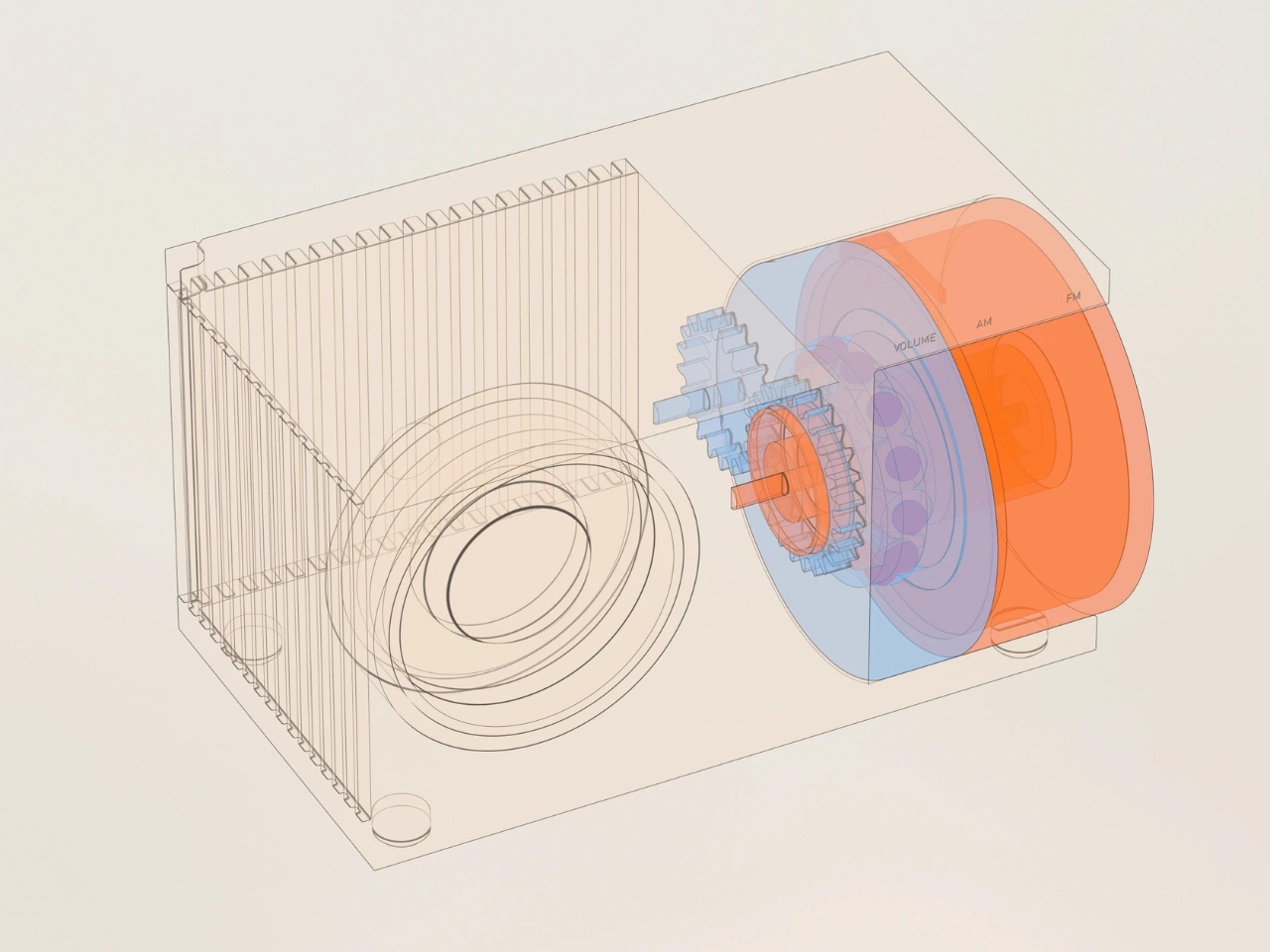
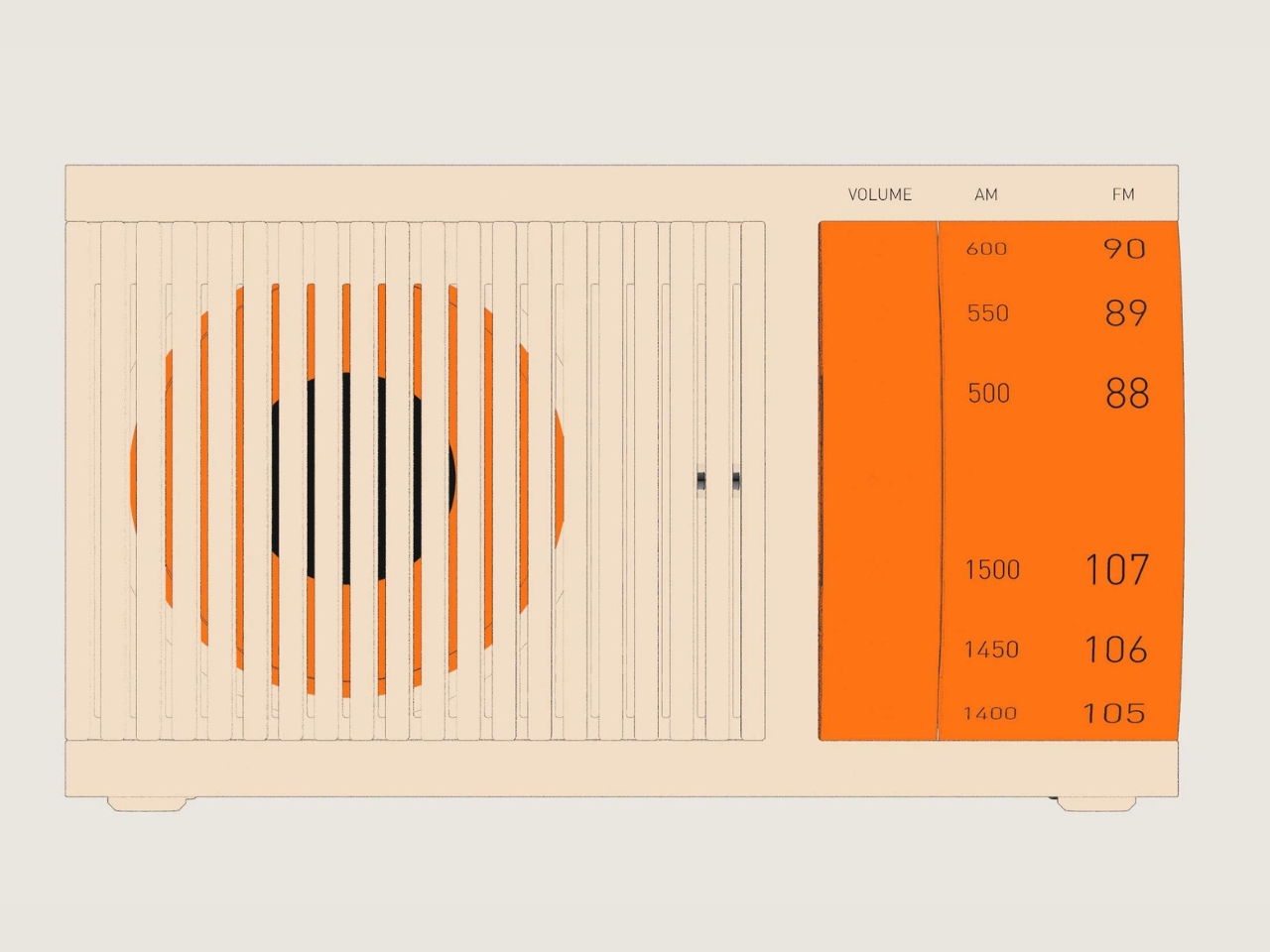
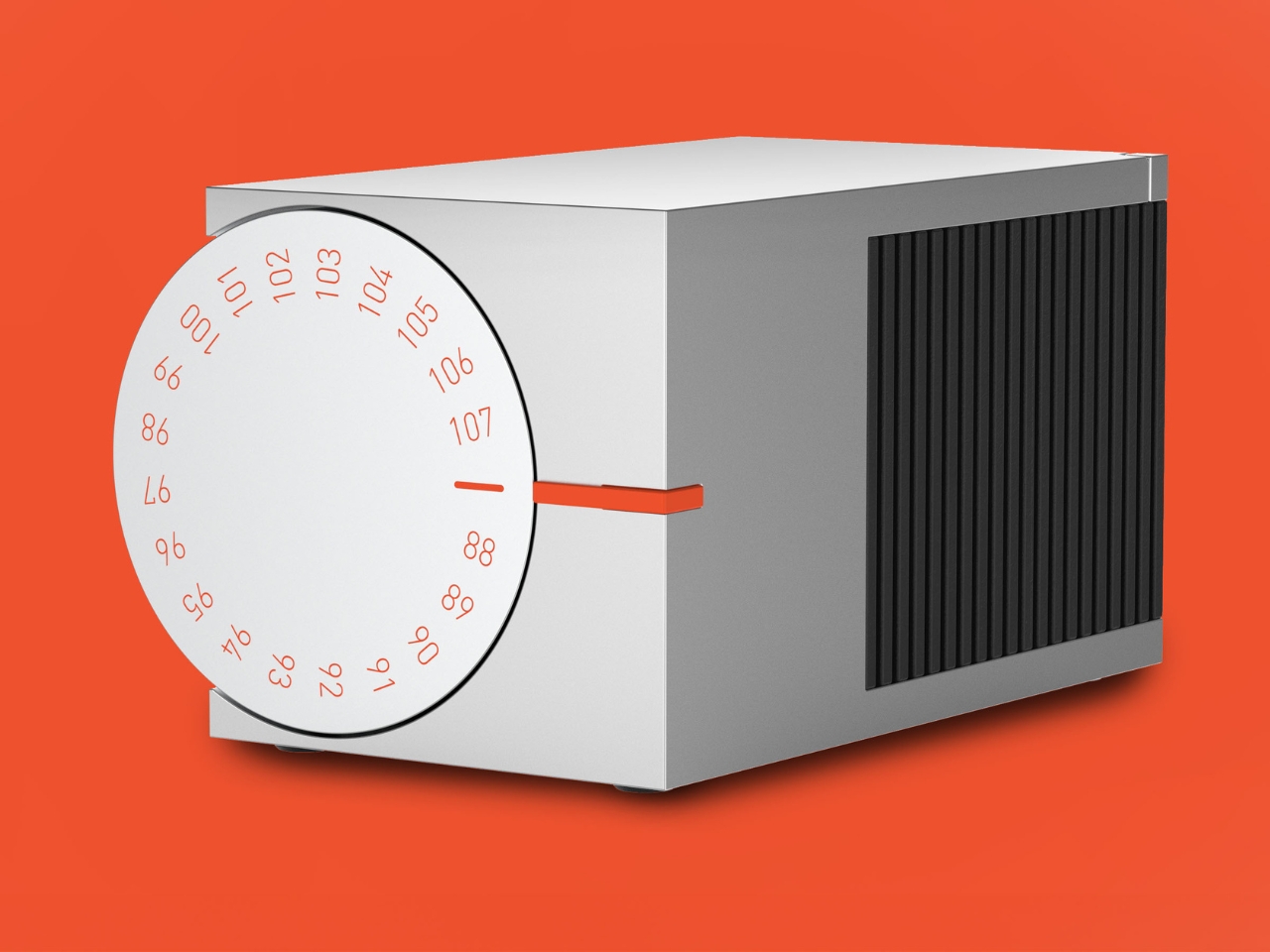
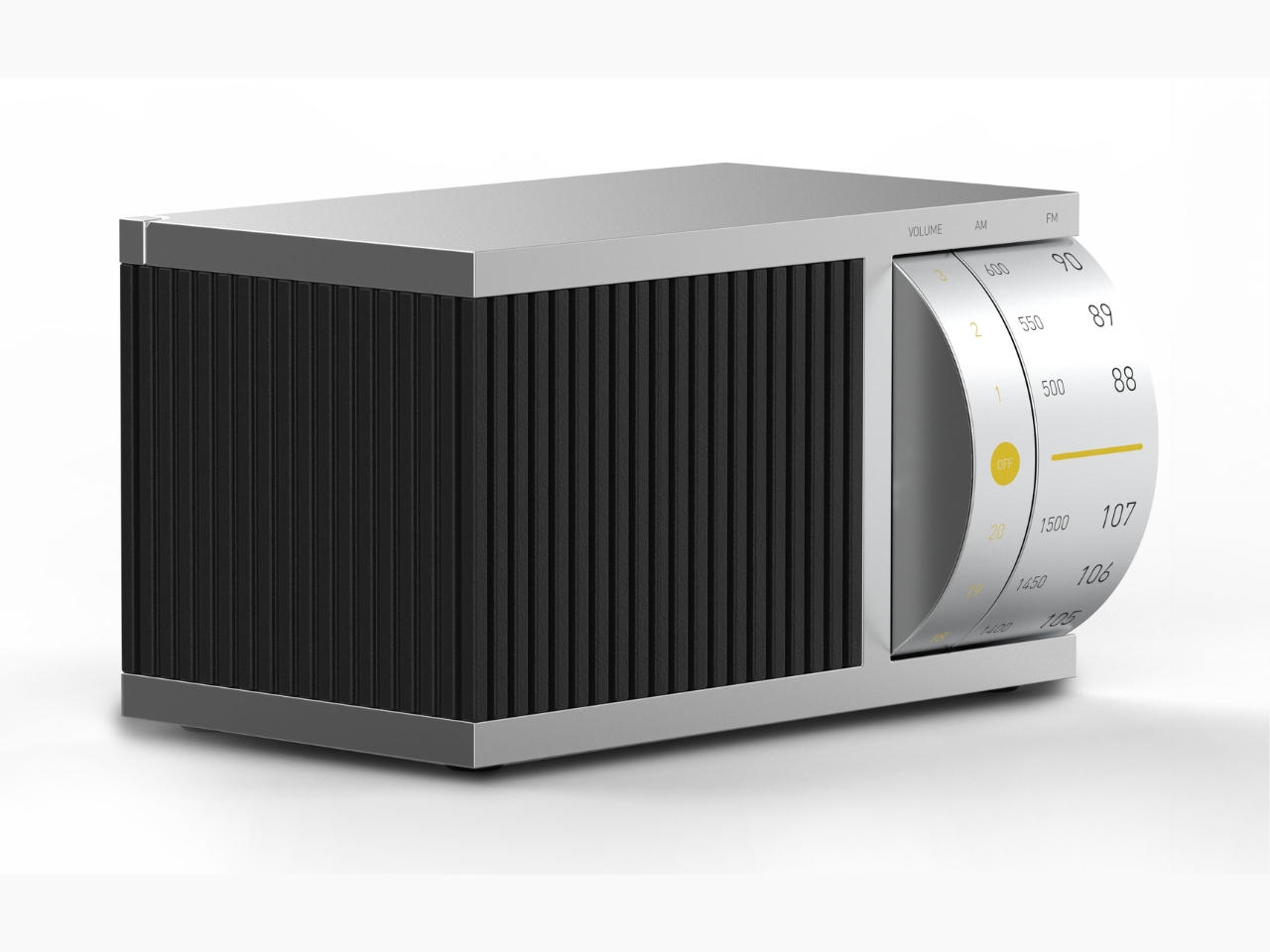
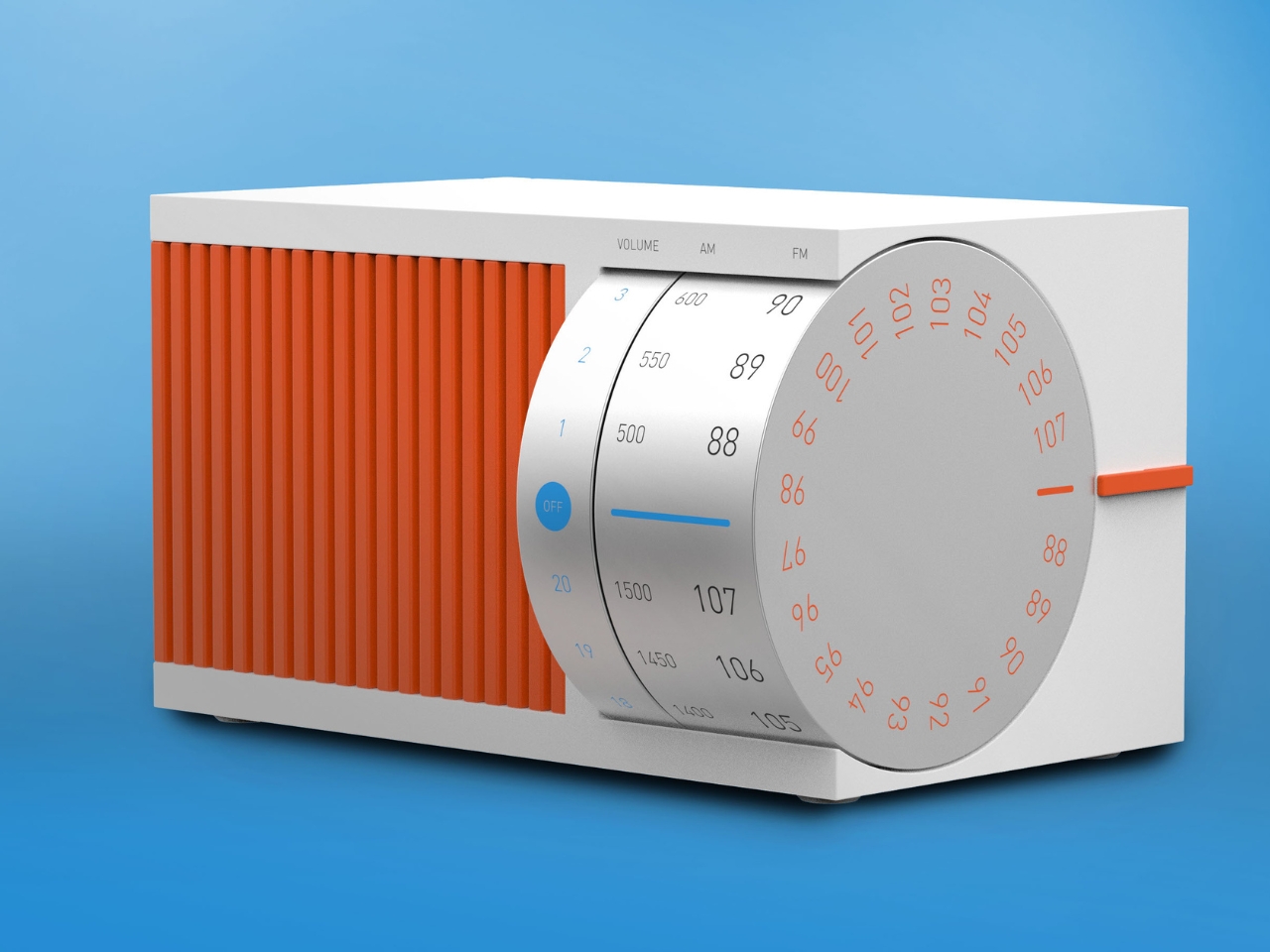
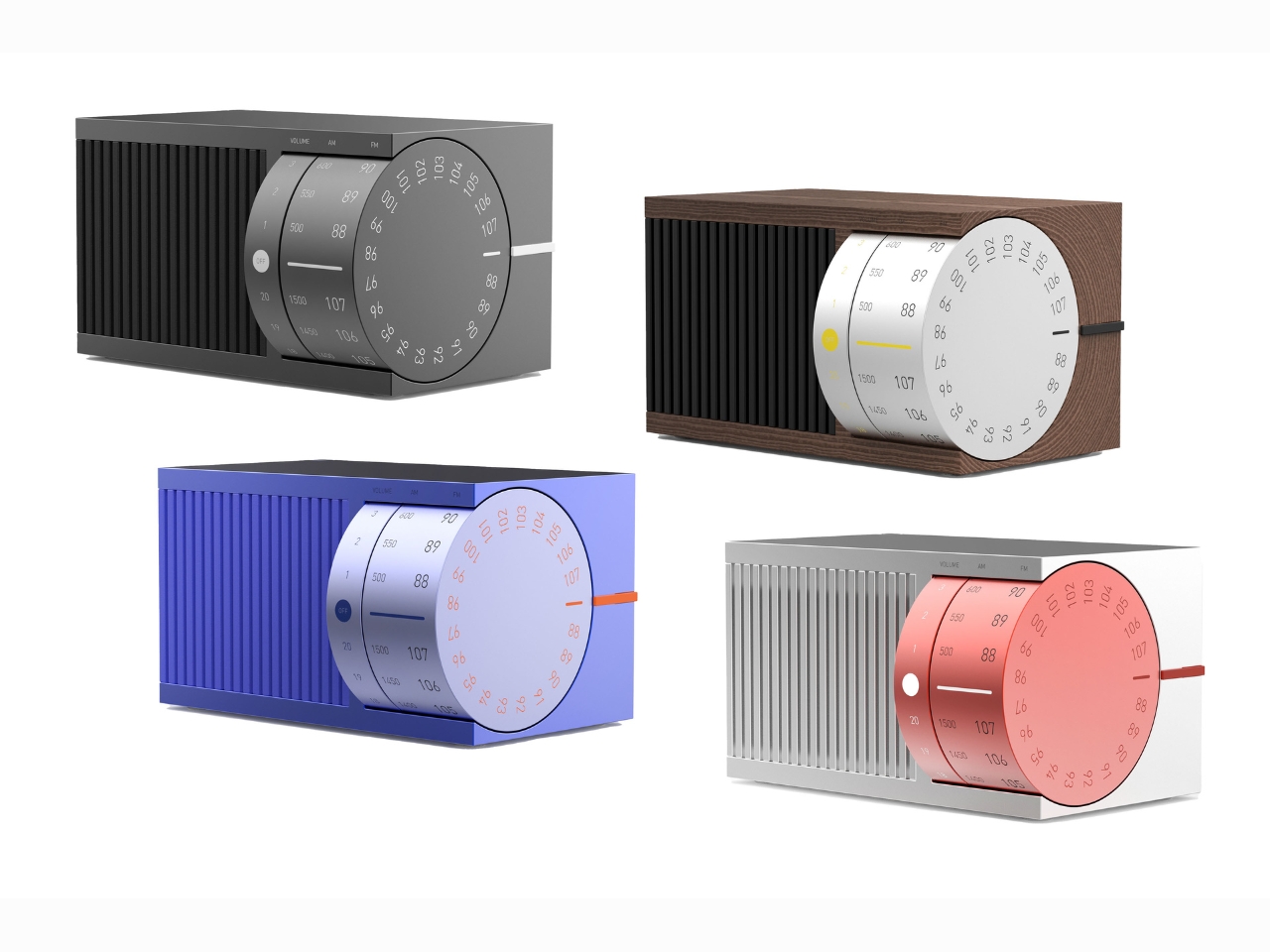
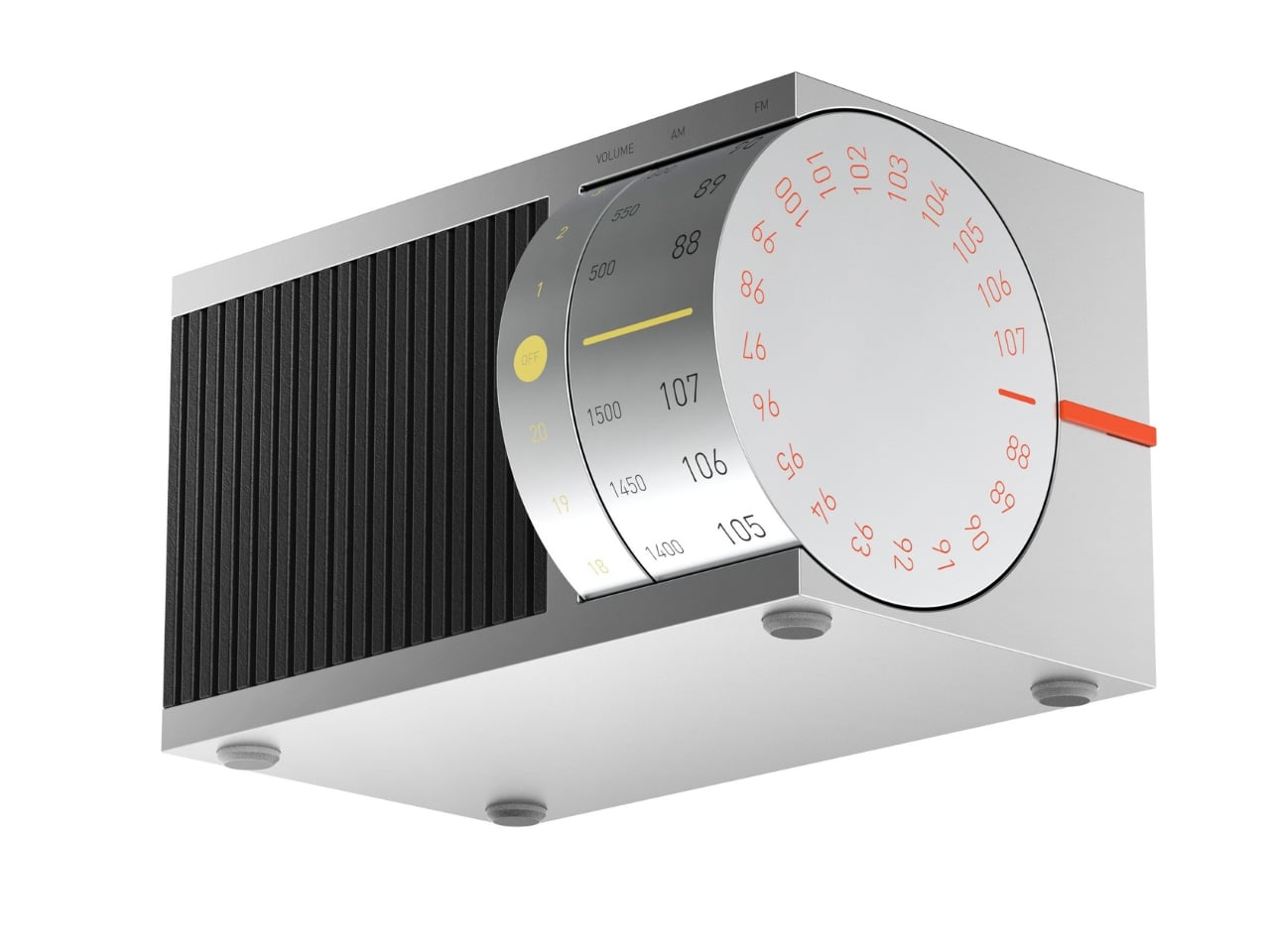
This concept for a radio is an interesting one as it doesn’t just play on the nostalgia of tuning in to the radio. The Calming Noise Radio also harps on both the aural and tactile experience that we had when we operated a physical radio back when people still tuned into it. Since the only tactile feel we get know from listening to music is tapping on our devices, this concept harps on the dials as we go from one radio station to another.

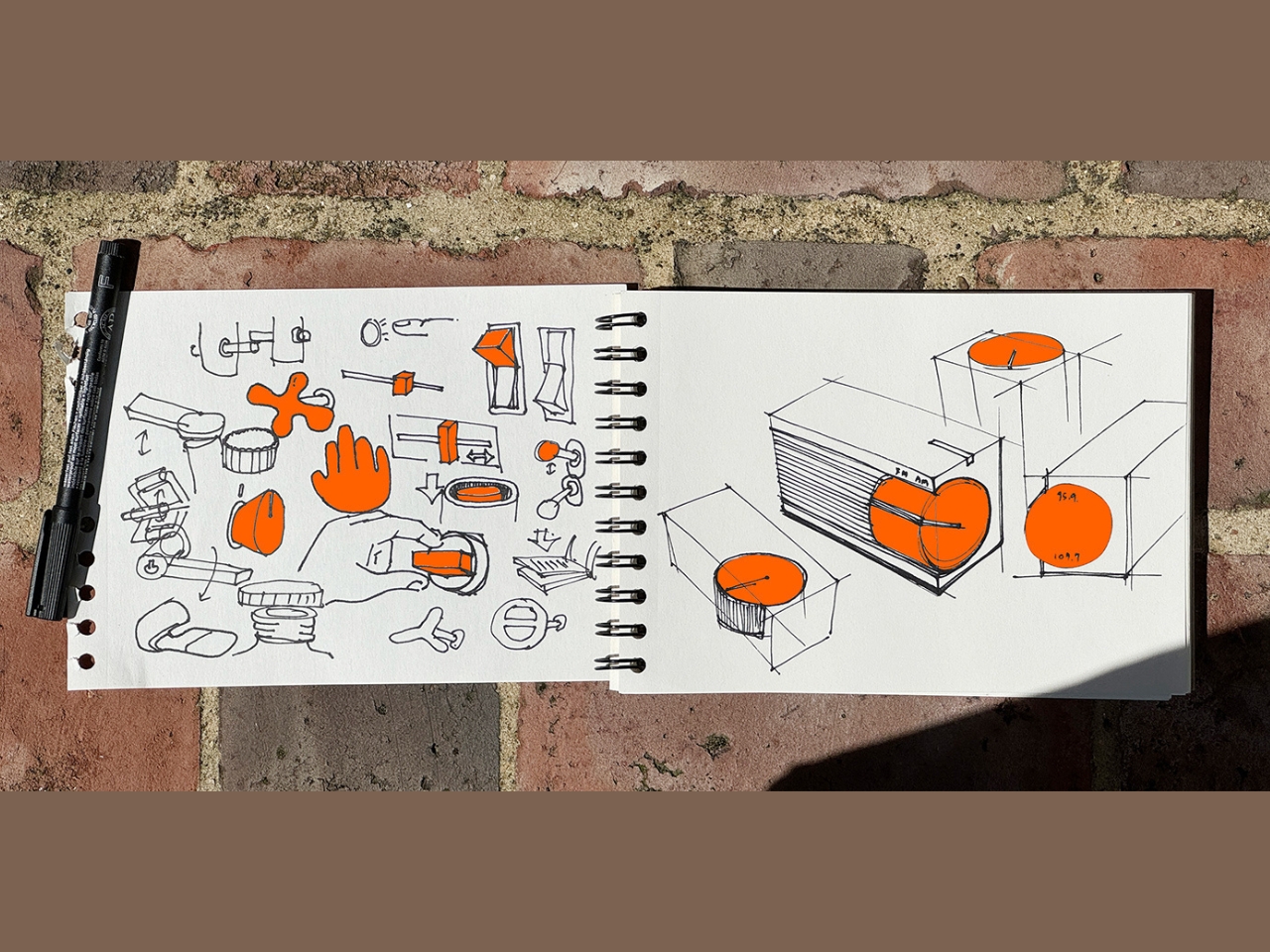
The designer made the dials to be “unusually large” so that visually and tactile-wise it stands out. It actually looks like the wheel in The Price Is Right (for those who actually know what that show is) and is meant to be both familiar and unique. The radio is in a familiar rectangular shape with the felt-like grills giving an interesting contrast with the round wheel of the dials.

The Calming Noise Radio, if it gets turned into an actual radio, will also probably play around with the “subtle static noise” that we get from old radios with the analog frequency adjustment sound. This will of course be pretty strange and unfamiliar for those who grew up in the age of MP3s and music streaming but will bring a nostalgic feeling for those who still get goosebumps from the sound of LPs and cassette tapes.

The post Radio concept brings the aural and tactile nostalgia of using actual radios first appeared on Yanko Design.
LEGO Radio actually plays tunes and even lets you dock your smartphone for Spotify support

LEGO Ideas and its obsession with retro builds will not die anytime soon. The vintage Polaroid SX-70 camera, the ingenious Tetris LEGO set, and now the LEGO Icons Retro Radio set are proof enough. The new 906-piece set is a nod to the musical era of the 50s and 60s when radio was an integral part of life.
The set is a part of LEGO’s Icons collection and is all set to arrive June 1 for $99.99 in LEGO stores worldwide and official online stores. The set will initially be exclusive to LEGO Insiders and from June 4 onwards anyone can get their hands on this one. While the set cannot (unfortunately) play your local radio station, it has something that’ll please online music listeners.

Designer: LEGO Ideas

Reviving the retro element are the bright color accents in white and brown of the bygone era. You’ll be more than keen to put it together and highlight it as your living room centerpiece or reserve the prime spot on your shelves. When fully assembled, the bricky radio stands over 13 inches high, 9 inches wide and 2.5 inches deep, making it a LEGO model that more than meets the eye. While we can go on talking about its nostalgic faux wood-colored trims, pastel bluish green exterior, classic speaker slits, extendable antenna and the tuner window; the functionality doesn’t take a back seat in any way.

The radio LEGO comes with prerecorded tunes such as fake sports stations that can be toggled using the dials. You can turn the dial to switch between these channels with the white noise of the radio taking you back in time. Another knob is used to switch on or off the unique radio While we believe the designers could have gone a step further by fitting in a transistor radio unit, you’ll have to emulate the feeling of listening to the good old radio by playing it on your phone. Yes, you can plug in your smartphone in a concealed compartment on the back panel and play your favorite music. Of course, you can play Spotify or Apple Music on this radio but we’ll stick to playing the classic music just to be in the retro feels!

The post LEGO Radio actually plays tunes and even lets you dock your smartphone for Spotify support first appeared on Yanko Design.