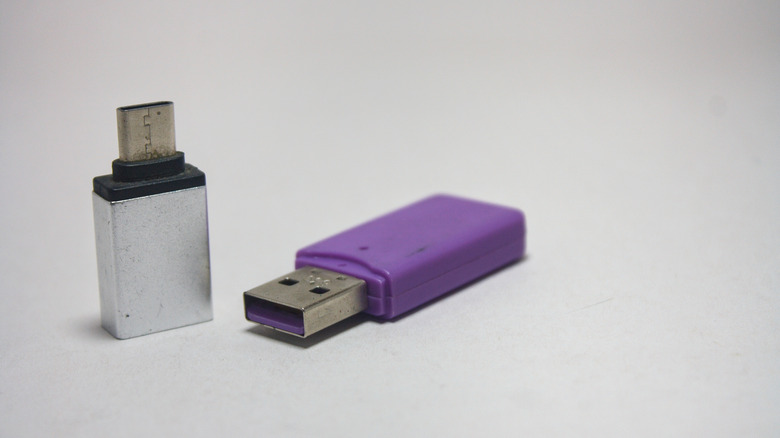
How to choose the right USB to USB-C adapter
Getting an adapter can open up a world of connectivity and charging options, but specs and brand matter quite a lot. Here's what to look for.


Most wireless chargers look like something you’d find in an airport lounge. Flat, black, forgettable. They do their one job and ask nothing of the rest of your desk, which is exactly the problem. Somewhere along the way, home offices turned into small personal galleries. People started adding framed photos, a fake fiddle-leaf fig, a candle nobody actually lights. And then, right in the middle of that carefully curated setup, sits a charging pad that looks like it fell off a delivery truck.
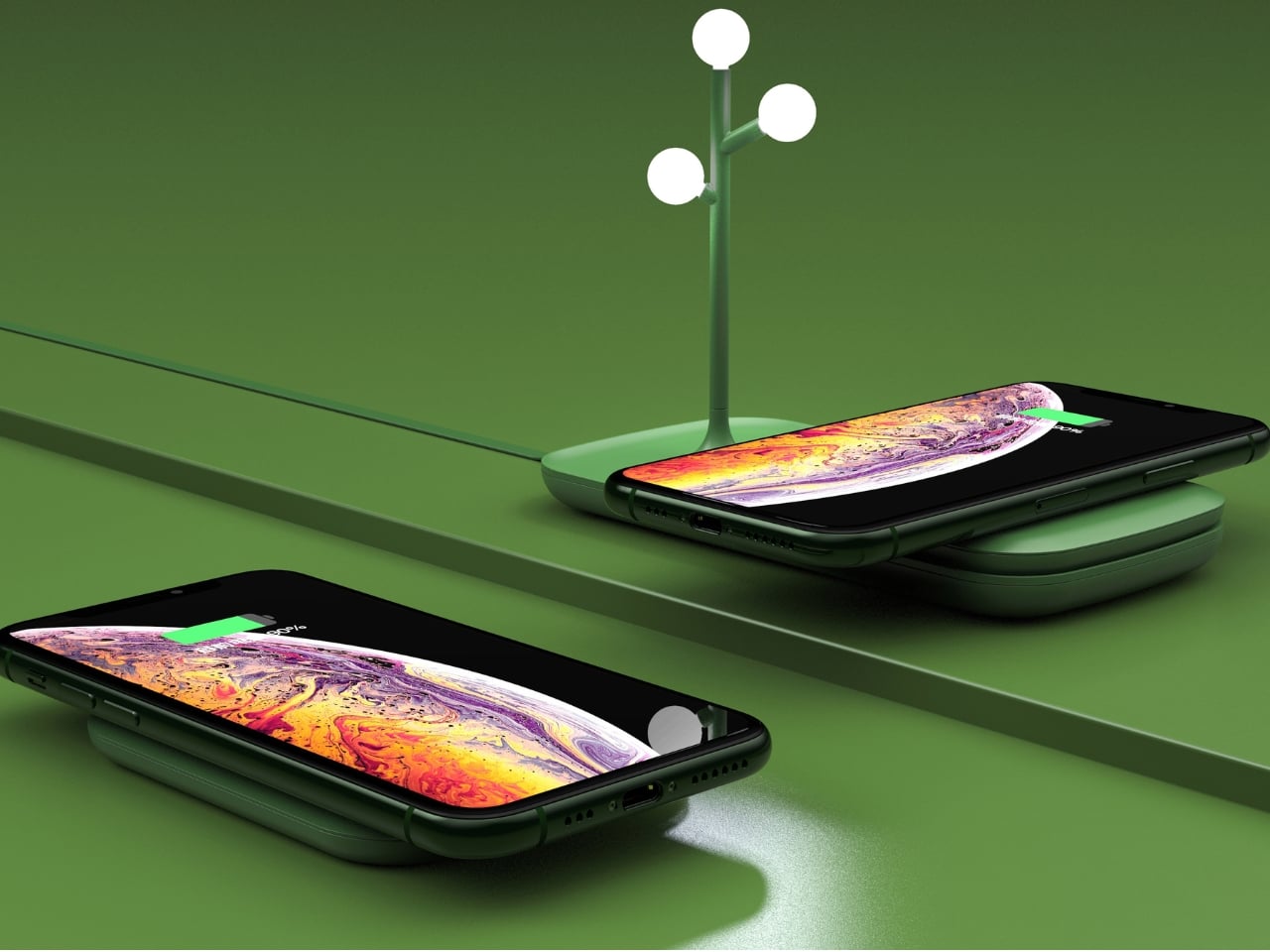
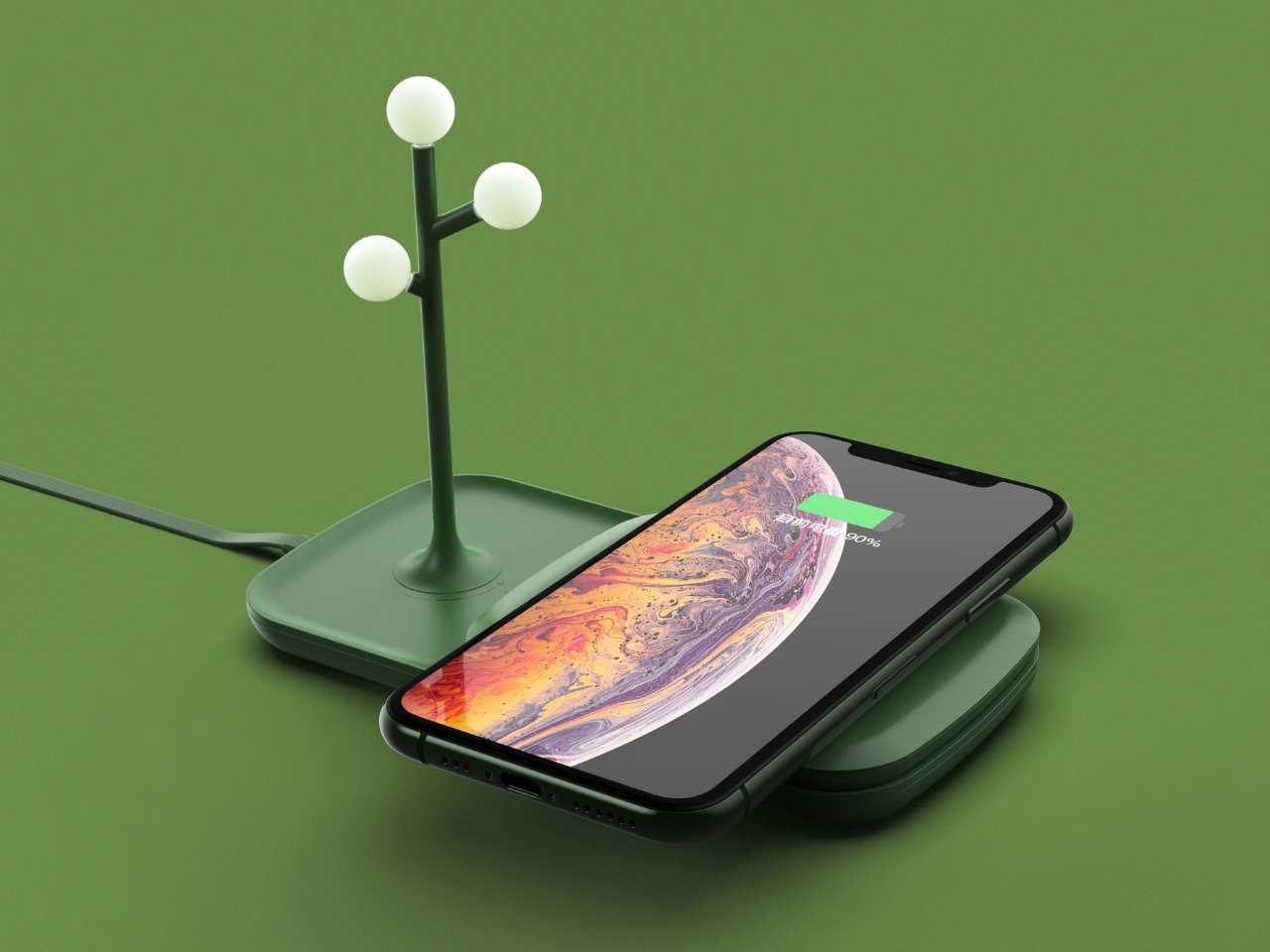
Yong Zhang and Lei Wang, two designers working out of Liaoning Petrochemical University in China, apparently noticed the same disconnect. Their answer is a device called Poetry-Electricity, a wireless charger that also functions as a small tabletop lamp, its surface dotted with tiny spherical lights arranged like buds on a branch. Set your phone down and it charges. Leave it there after dark and it glows, casting the kind of soft, scattered light that makes a desk feel less like a workstation and more like a place you’d actually want to sit.
Designers: Yong Zhang and Lei Wang
I like that the idea starts from a real observation rather than a trend chase. Office decor got personal because people needed their workspace to feel human again, not because a design blog said cozy desks were in. A charger that ignores that shift and just sits there being efficient and joyless is missing the point of why people started decorating in the first place.
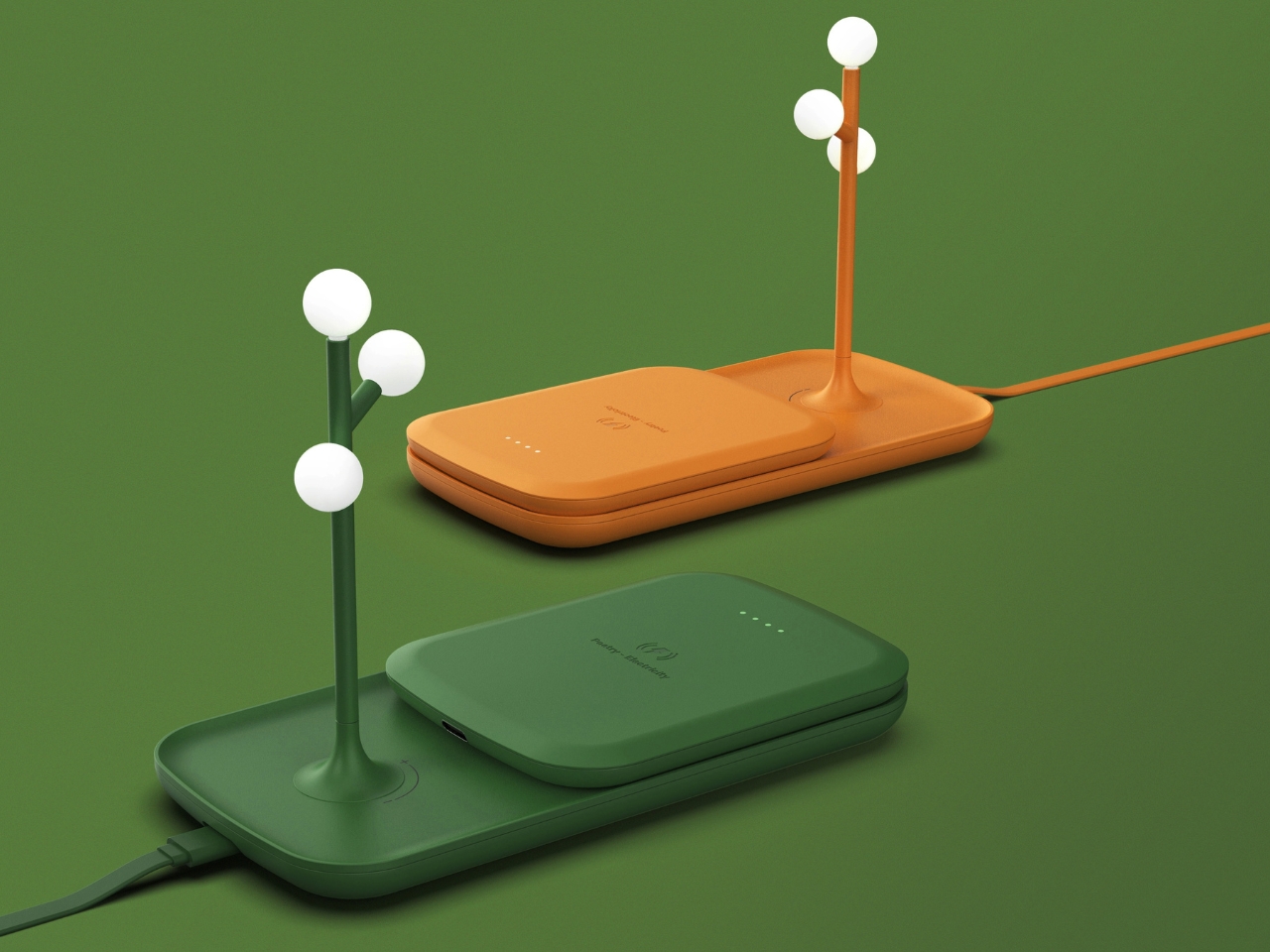
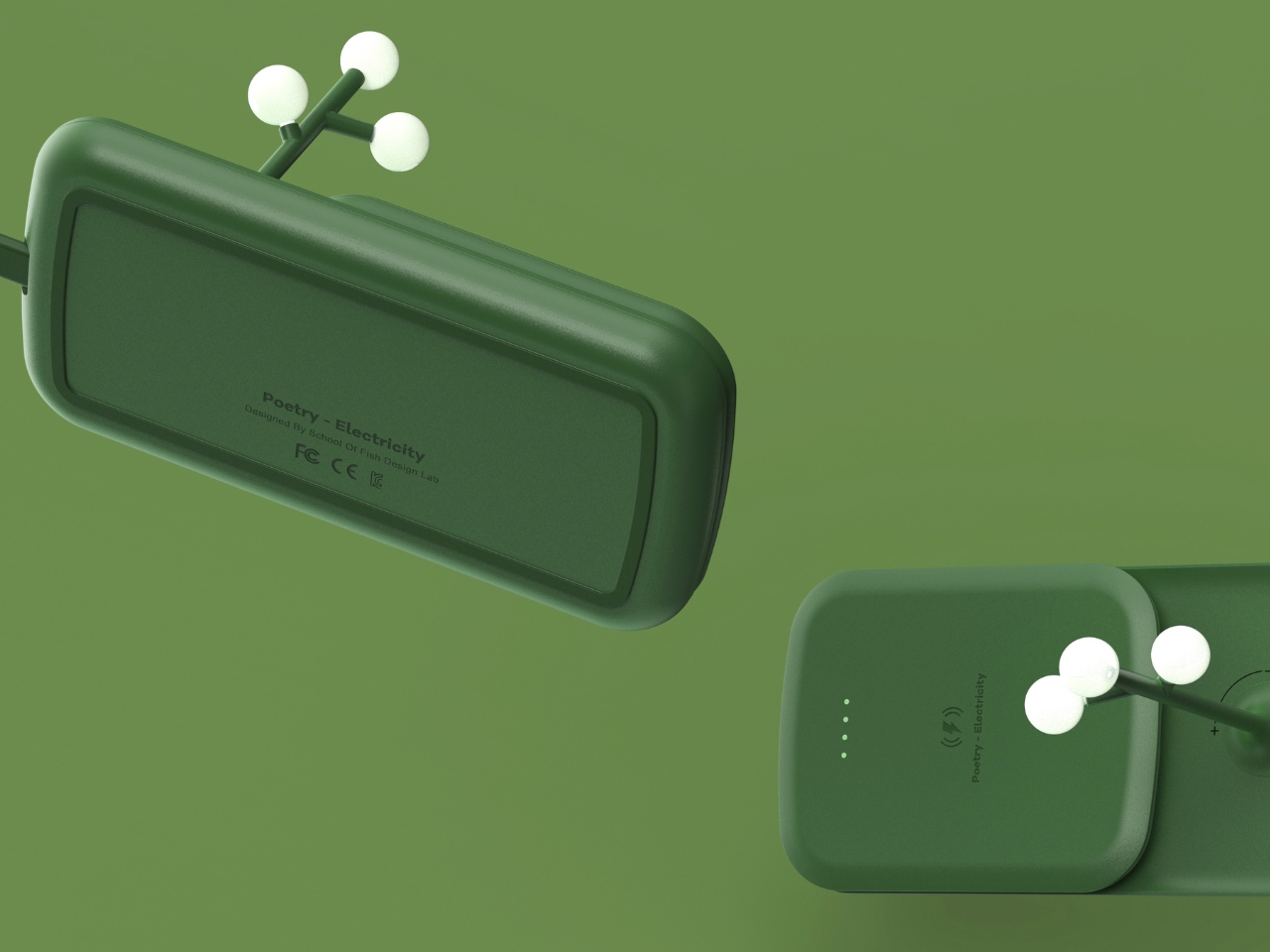
What actually makes this more than a nice-looking gimmick is the engineering hiding underneath the poetry. The designers built in a magnetic barrier that blocks stray magnetic fields from interfering with the charging circuit, which is a fussy but important detail, since wireless charging pads are notorious for losing efficiency the moment anything metal or magnetic gets near the coil. There’s a rubber texture on the charging surface so your phone doesn’t slide off mid-charge, and a built-in lithium battery strip means the whole thing can be used away from an outlet, not just tethered to a desk. None of that is flashy. It’s the kind of quietly practical thinking that never shows up in a product photo but absolutely shows up in daily use, when your phone stays put and actually charges at the rate it’s supposed to.


I keep going back and forth on whether the tree-shaped light cluster is a little too on-the-nose as a metaphor for “growth” or “energy” or whatever the press materials probably say. But I’ll admit it works better in practice than it sounds on paper. A charging pad that also throws warm, broken-up light across a desk at 9 p.m. does something a single overhead bulb or a phone screen never will. It softens a room instead of just illuminating it. What strikes me most is how unbothered this design is by the usual tech industry instinct to hide function behind minimalism, or hide personality behind function. Most gadget design forces a choice: sleek and cold, or decorative and useless. Poetry-Electricity doesn’t pick a side. It just assumes your desk deserves both, and builds accordingly.
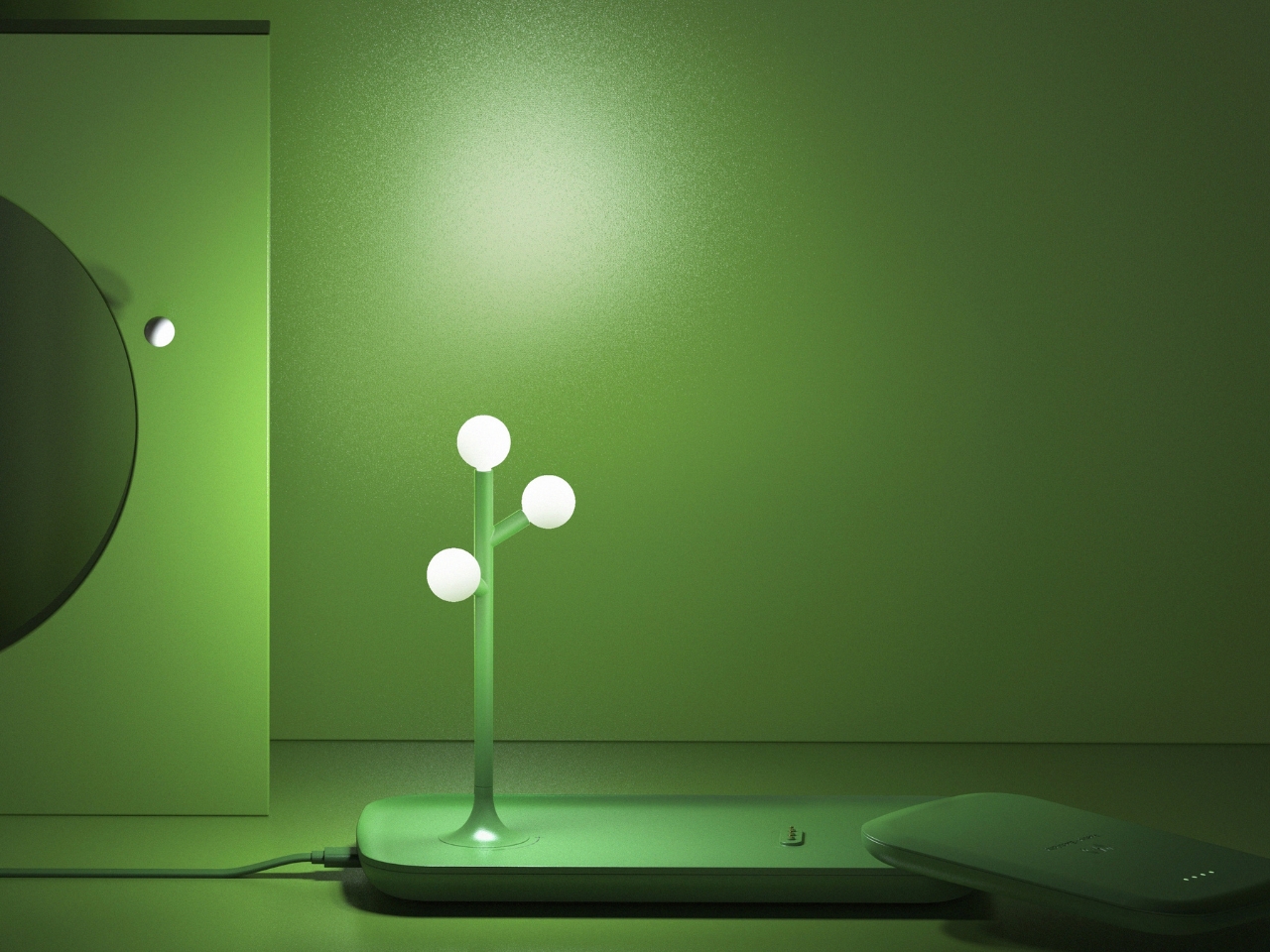
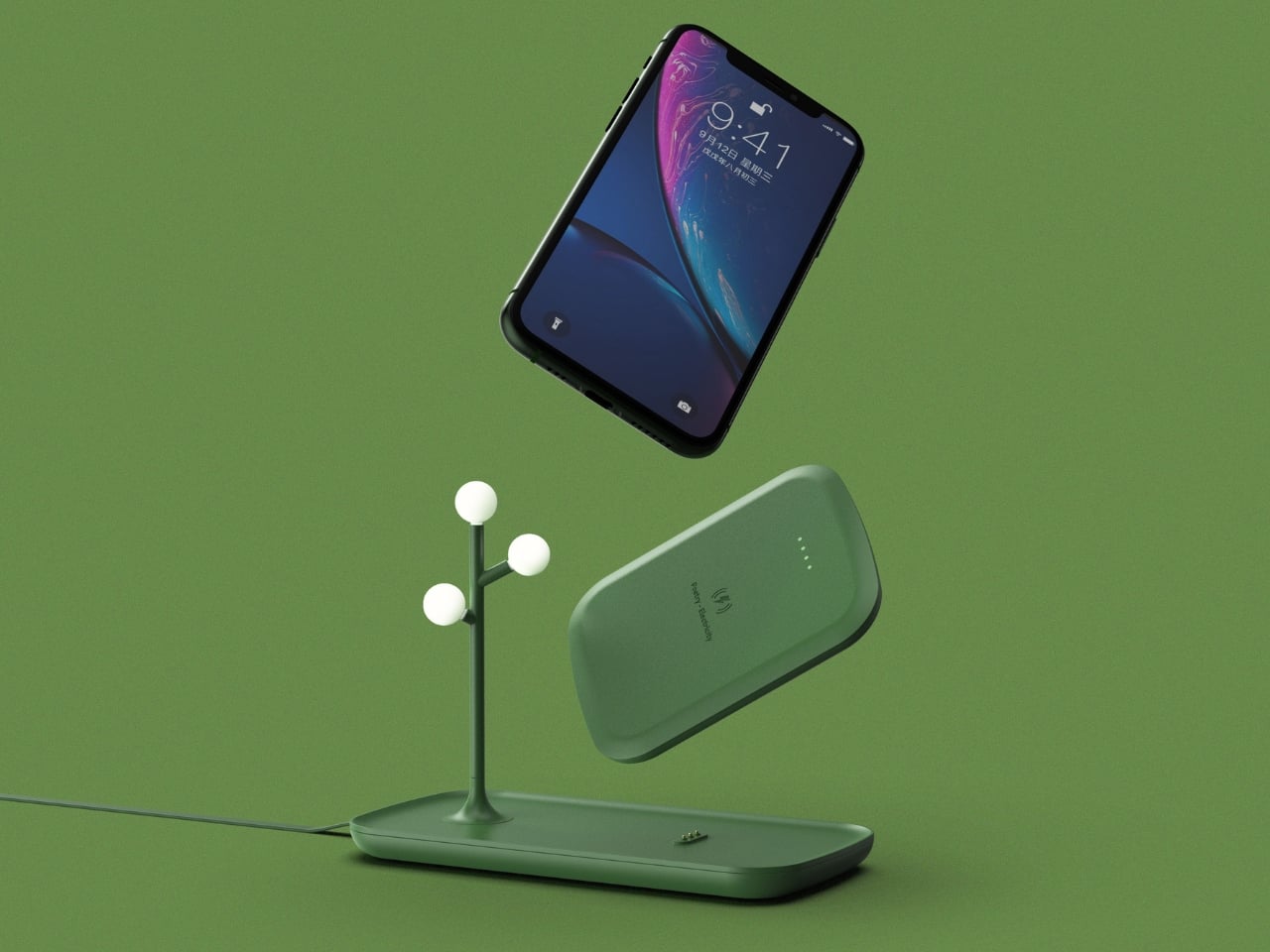
Whether it ever shows up on shelves at a price a normal person would pay is a separate question, and awards concepts like this one, a Silver winner from A’ Design Award, don’t always make that leap to retail. But the thinking behind it deserves more company. Desks aren’t going back to being purely functional spaces anytime soon, not with so much of the workday still happening from home. The objects that live there should probably stop pretending otherwise. A charger that also wants to be looked at isn’t solving a huge problem. It’s solving a small, honest one, the kind that’s easy to dismiss until you notice how much better a room feels once it’s gone.

The post A Wireless Charger That Quietly Doubles as a Desk Lamp first appeared on Yanko Design.
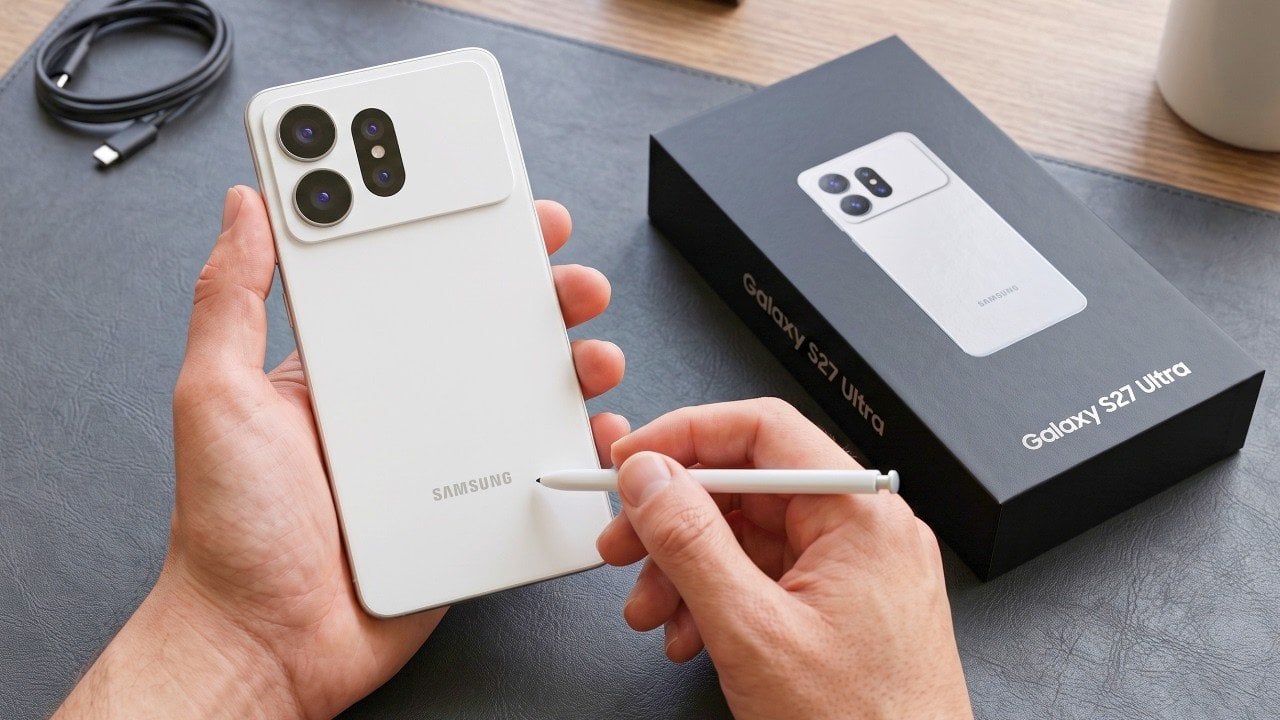
The Samsung Galaxy S27 Ultra is capturing attention with its rumored advancements in camera technology, promising to redefine the boundaries of smartphone photography and videography. With significant upgrades in hardware, image processing and video recording capabilities, this flagship device could establish a new standard for mobile imaging. However, some design choices, particularly the revamped camera […]
The post Samsung Galaxy S27 Ultra: The Massive Changes We Didn’t Think Samsung Would Make appeared first on Geeky Gadgets.


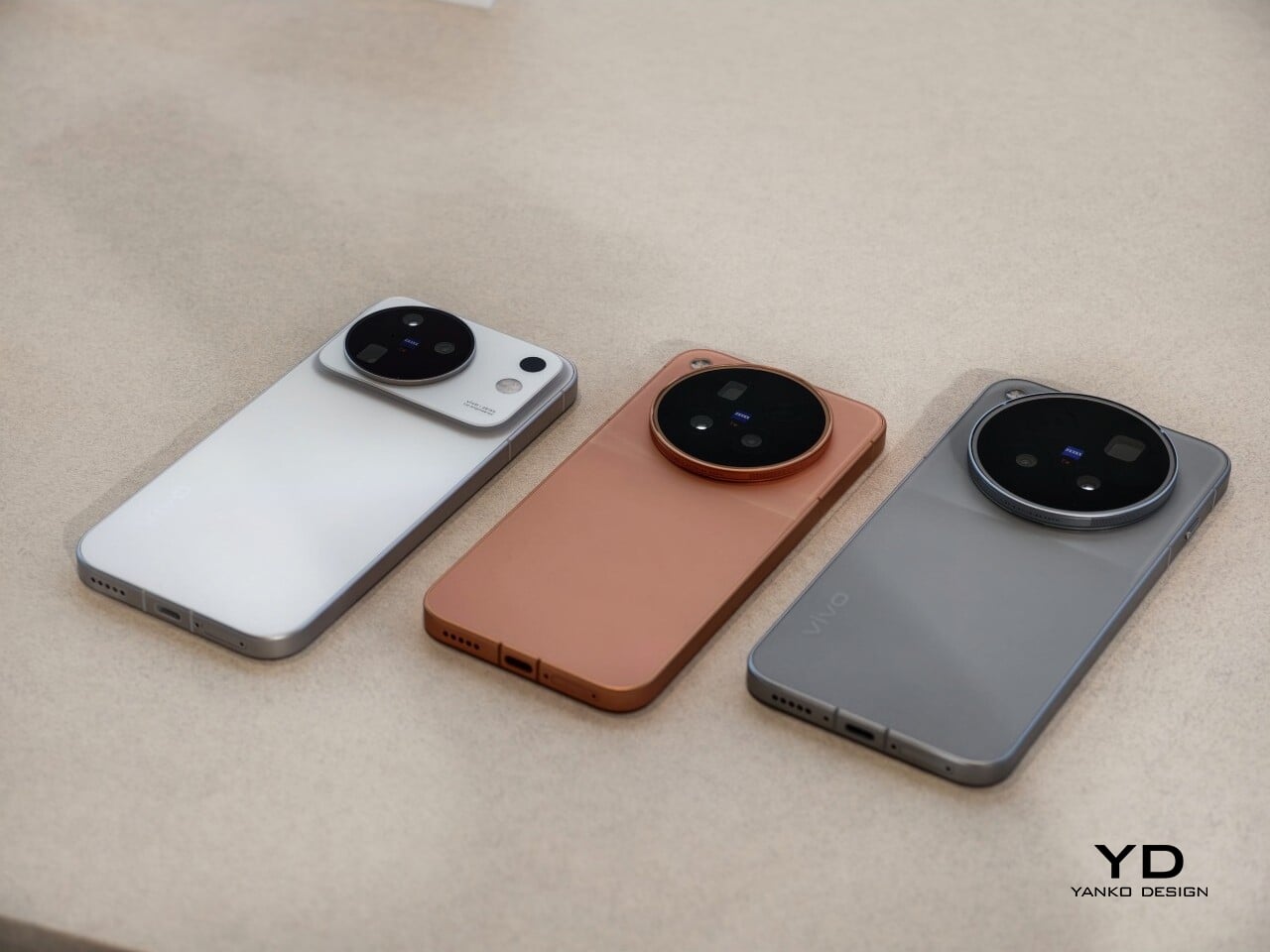
Vivo has unveiled the X500 series in Shanghai, introducing the X500, X500 Pro, and X500 Pro Max as the first phones built around its new dynamic imaging strategy. The whole lineup is meant to raise the bar for both photography and video, but the X500 Pro Max is clearly the main attraction. It is the model with the biggest imaging ambitions, the most serious video features, and Vivo’s clearest attempt yet to turn a smartphone into a genuine all-in-one production tool.
The X500 Pro Max debuts Vivo’s new Sony LYTIA L910 sensor, which the company says delivers true 17 EV ultra-high dynamic range output. The goal is to preserve more detail across bright highlights and deep shadows in the same frame. The rest of the setup is just as ambitious, pairing the main camera with a 200MP ZEISS APO telephoto camera and support for a 400mm equivalent Vivo ZEISS Telephoto Extender Gen 2 Ultra. Vivo is also putting plenty of weight behind stabilization, with 3-degree gimbal-grade OIS on the main camera and CIPA 7.0 professional stabilization on both the main and telephoto cameras.
Designer: Vivo
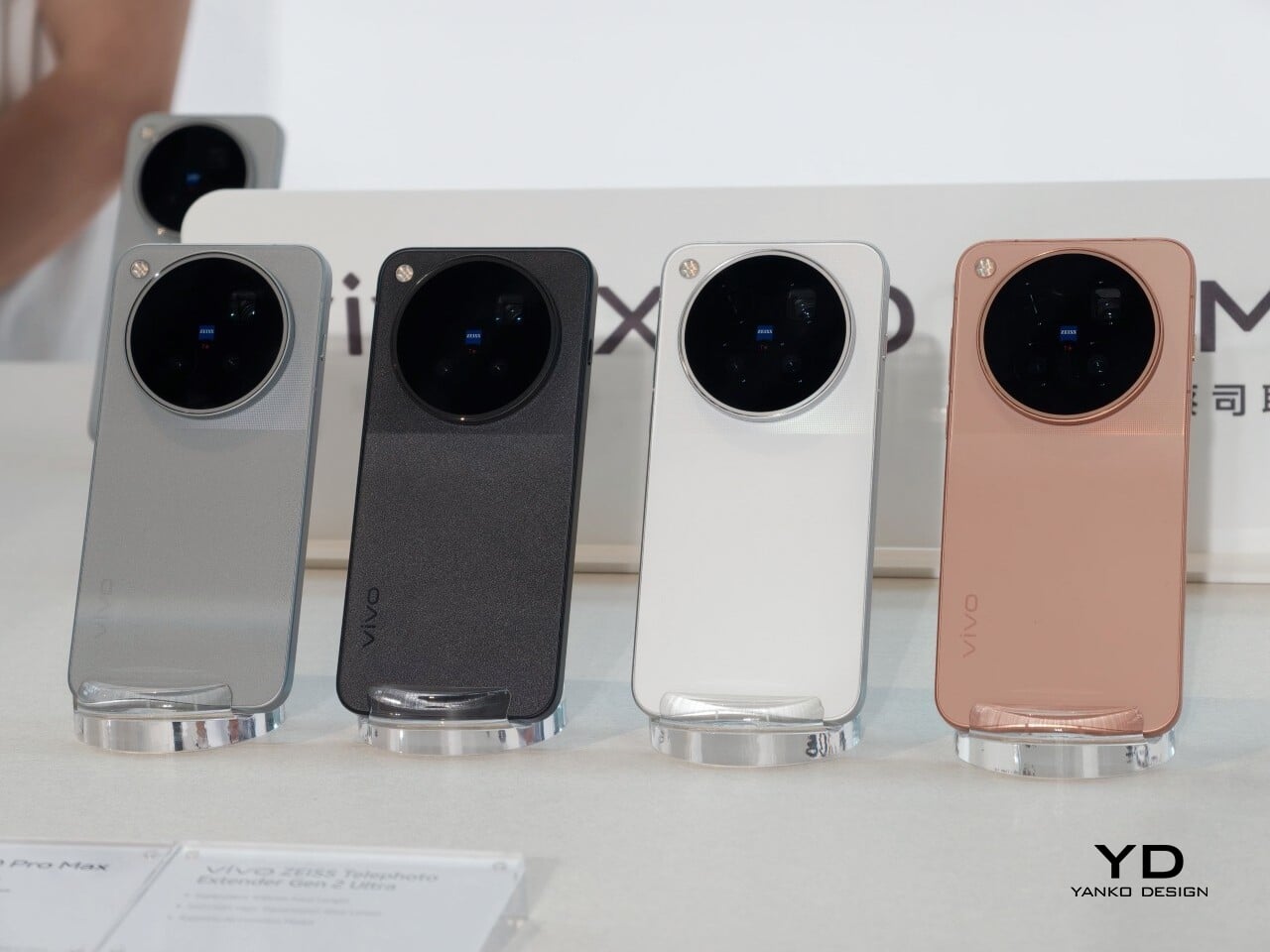
Vivo X500 Pro Max
Video is where the X500 Pro Max really starts to pull ahead. The phone supports 4K 240fps cinematic slow-motion video, 4K 120fps 10-bit Log burn-in direct output, AF tracking video, and 8K Native Live. Vivo is also leaning into a more professional workflow with 10-bit 4:2:2 encoding, ACES support, and official color transformation support with DaVinci. Taken together, those features make the X500 Pro Max feel less like a phone that happens to shoot good video and more like a camera tool built with editing in mind from the start.
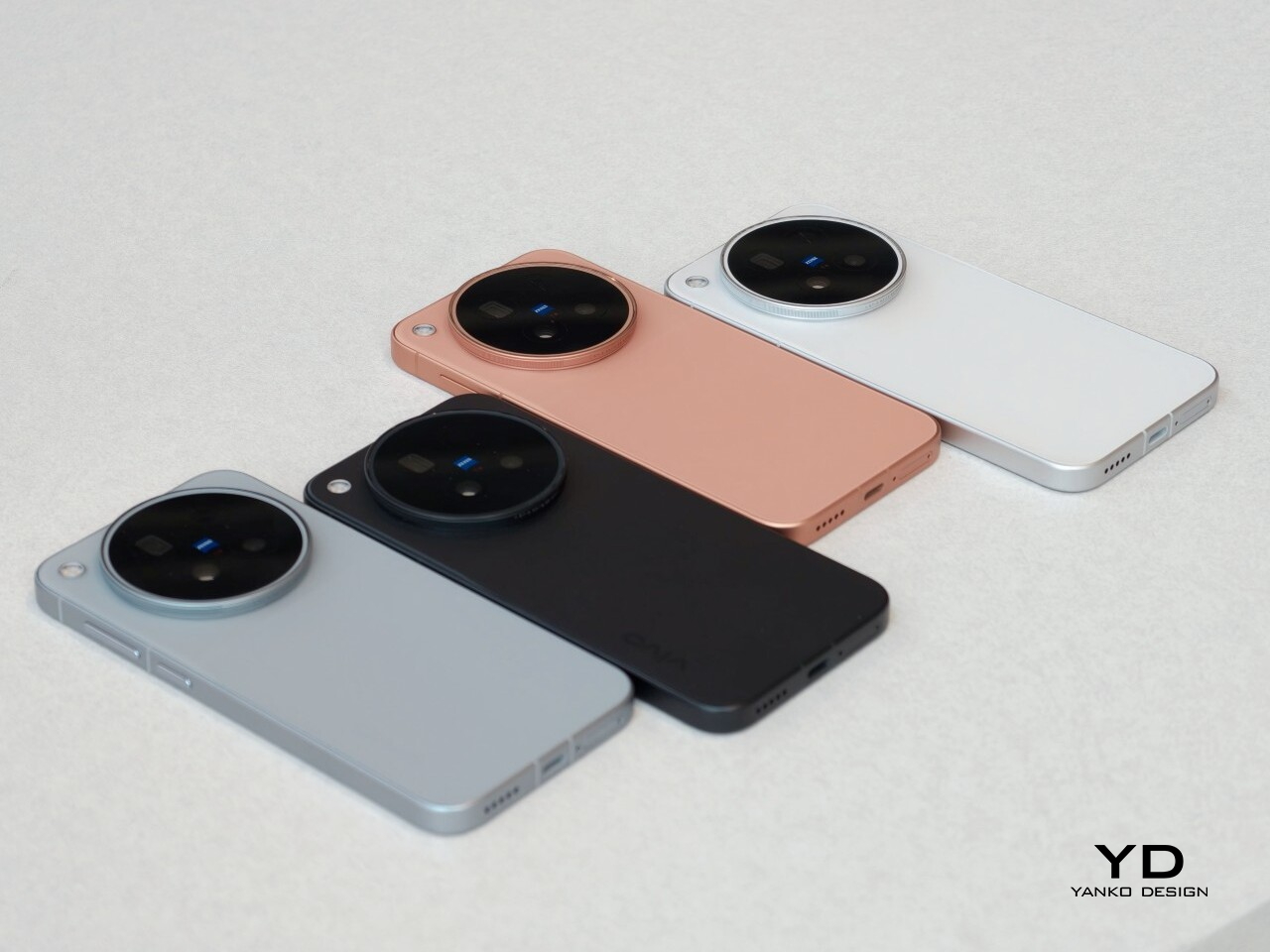
Vivo X500 Pro
The X500 Pro Max and X500 Pro share almost the same design, with size being the main differentiator. Both come in black, gray, white, and dusty orange, with a subtle two-finish back panel that adds slight contrast to the rear surface. The effect is understated, but it helps the phones feel a little more considered than a purely spec-driven flagship.
The standard X500 looks a little different from its Pro siblings. Available in black, gray, white, and purple, it uses a square camera plateau at the top instead of following the same rear layout as the X500 Pro and X500 Pro Max.
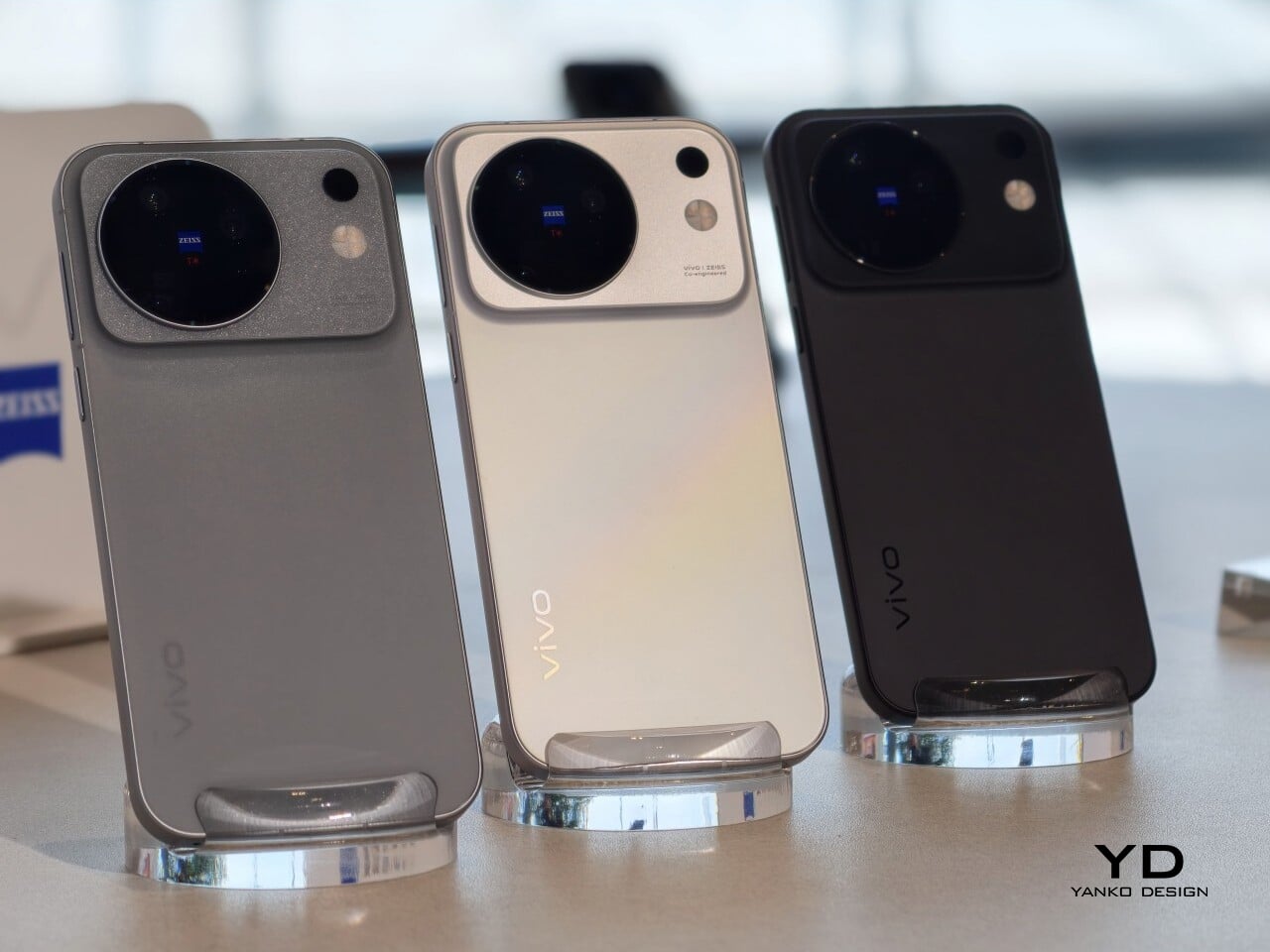
Vivo X500
The rest of the hardware is built to keep pace with the camera system. The X500 Pro Max runs on the MediaTek Dimensity 9600 Pro and includes Vivo’s V3+ imaging chip alongside the VS1+ pro imaging chip. It also gets a 6.85-inch 2K ZEISS Master Color Display and an 8000mAh battery, which should matter to anyone actually using these video features for more than a few minutes at a time. The X500 Pro shares much of the same foundation, making the two Pro models feel more like parallel options than a simple good-better-best ladder.
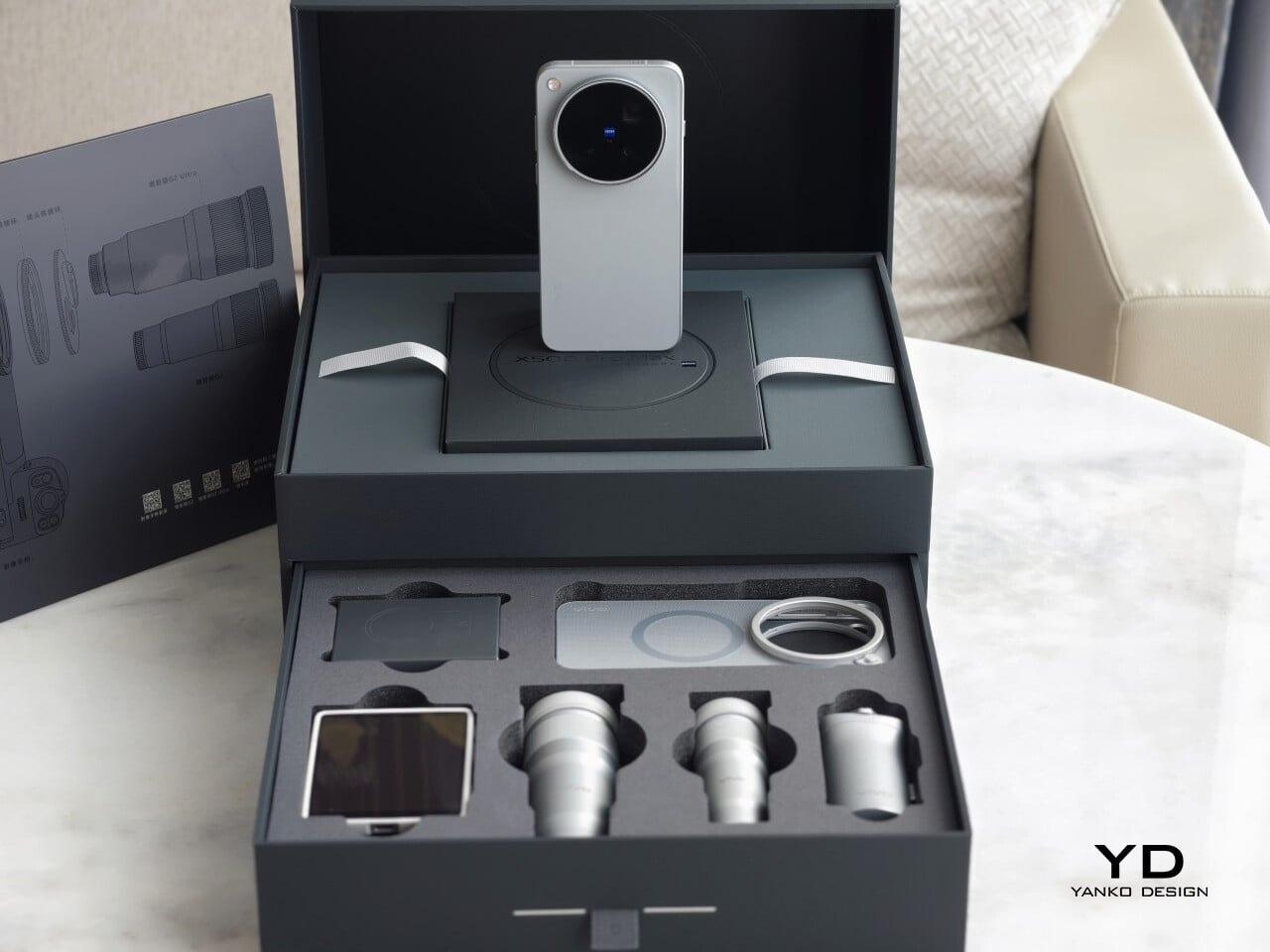
Vivo is also building an ecosystem around the X500 Pro Max with a dedicated Creator Kit. Its most interesting feature is a real-time wireless camera viewfinder, which makes framing and monitoring a lot more flexible during shoots. The kit also includes 2.35x and 4.7x telephoto converter lenses, pushing the phone further toward a more modular shooting setup.
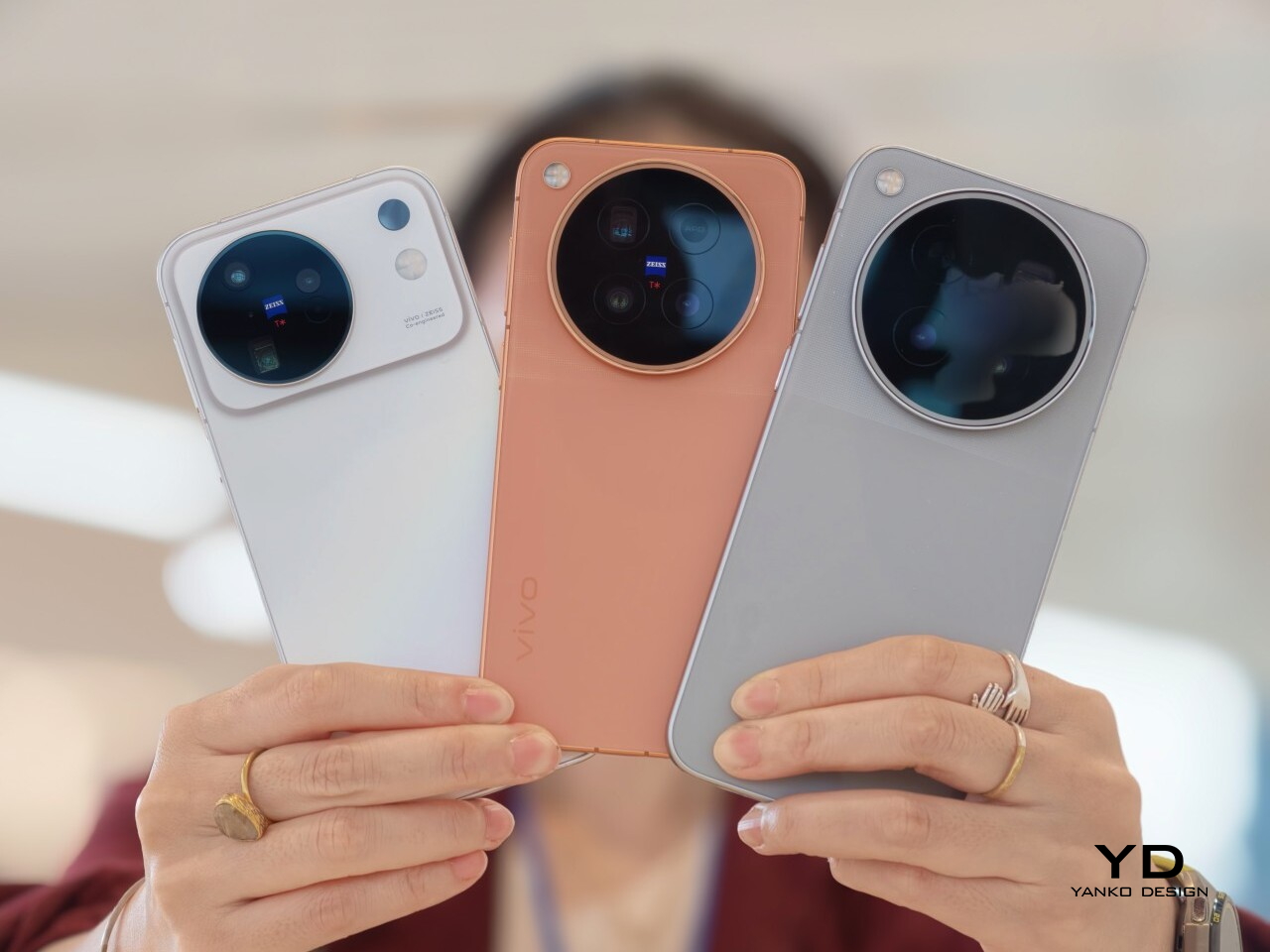
The standard X500 still sounds strong on its own, with a large main sensor, ZEISS gimbal-grade OIS, 4K 120fps slow motion, and 8K Native Live. Still, this launch revolves around the X500 Pro Max. It is the phone Vivo is using to show where mobile imaging is headed next, and it makes a stronger case than most for a phone that can go well beyond casual shooting and hold its own in professional-level workflows.
Vivo has confirmed pricing for the X500 series. The X500 starts at 5,499 CNY (about $821) for 12GB+256GB, the X500 Pro starts at 6,499 CNY (about $970) for the same tier, and the X500 Pro Max opens at 6,999 CNY (about $1,045) for 12GB+256GB. The Creator Kit, built around the 16GB+1TB satellite communication X500 Pro Max, carries a suggested price of 12,999 CNY (about $1,941). Pre-orders for the X500 series are open now in China, with official sales beginning on September 24. A global rollout is planned for later on, though the company hasn’t shared specific markets or pricing outside China, leaving international buyers to wait for further details.
The post Vivo’s X500 Series Arrives With a Pro Max Built for Creators first appeared on Yanko Design.