If you don’t like using Siri, this iOS 27 feature may change your mind
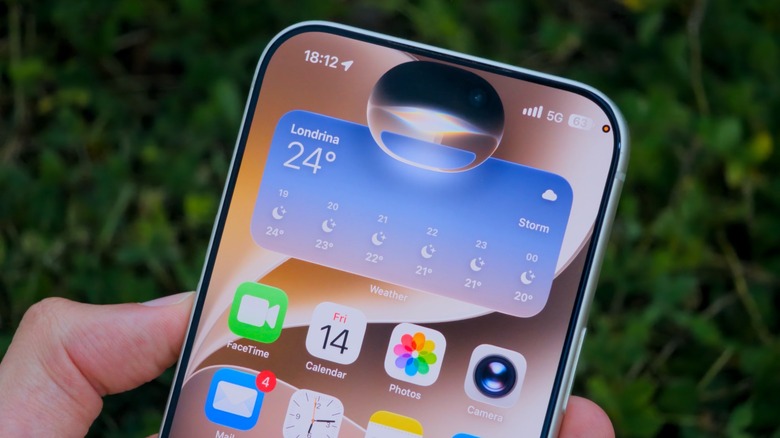
Siri has long been known for its stagnation, but that changes with iOS 27 and accompanying releases. Siri has undergone major improvements.
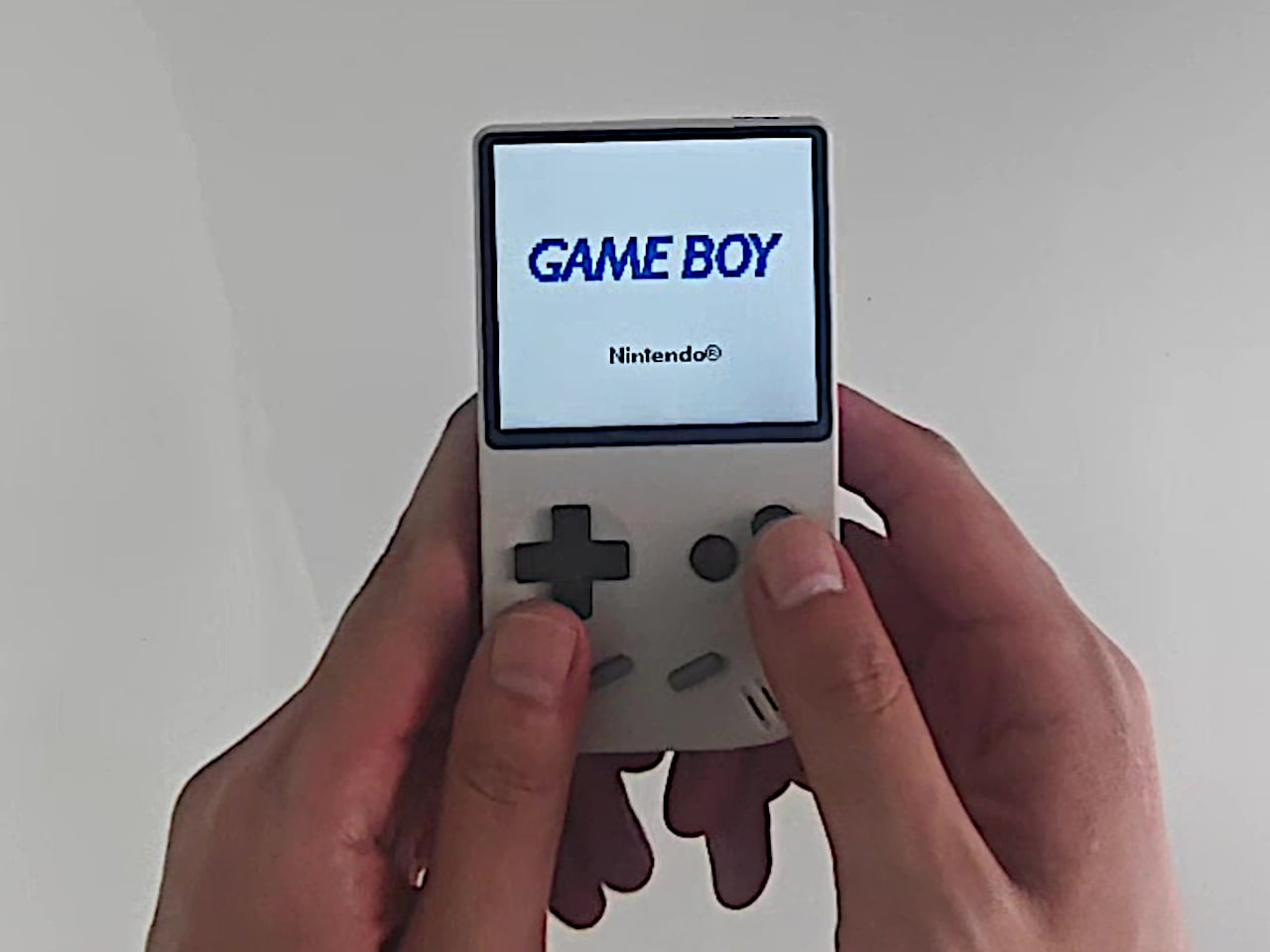
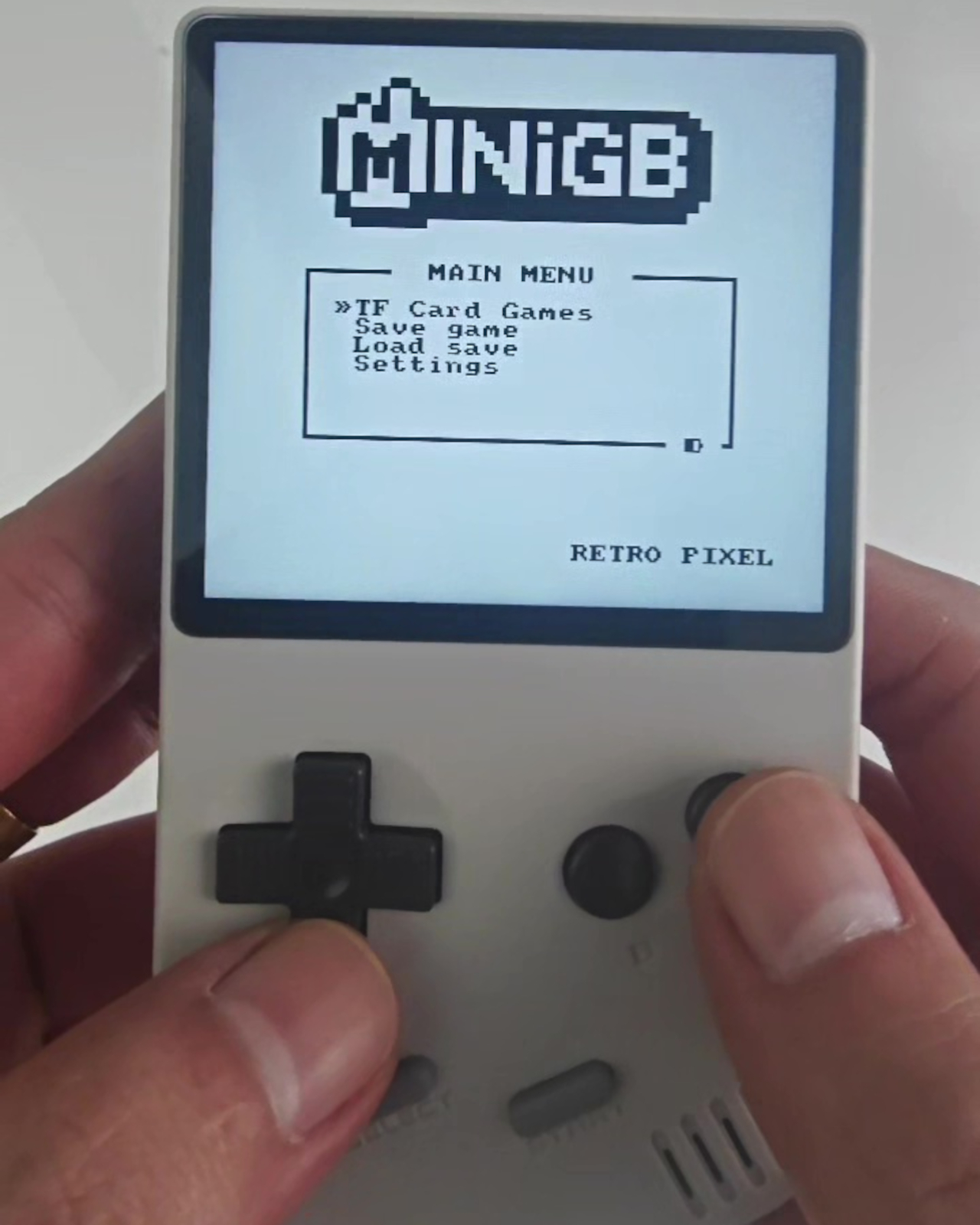
A Game Boy cartridge used to feel small in your palm, a flat plastic rectangle dwarfed by the console it slotted into. The FPGB Mini flips that relationship entirely. This new handheld measures barely wider than one of those cartridges, turning decades of shrinking electronics into an actual party trick rather than a marketing phrase. It plays original Game Boy and Game Boy Color cartridges directly, no adapters, no compromises on how the games behave.
That accuracy comes from field-programmable gate array technology or FPGA, the same approach used in pricier hardware like the Analogue Pocket. Instead of software emulation approximating old hardware, the FPGA chip recreates the original circuitry’s behavior directly, which is why colors, timing, and quirks specific to Game Boy games show up exactly as they did decades ago. The tradeoff is narrower cartridge support, limited here to Game Boy and Game Boy Color only.
Designer: FunnyPlaying (via Retro Dodo)
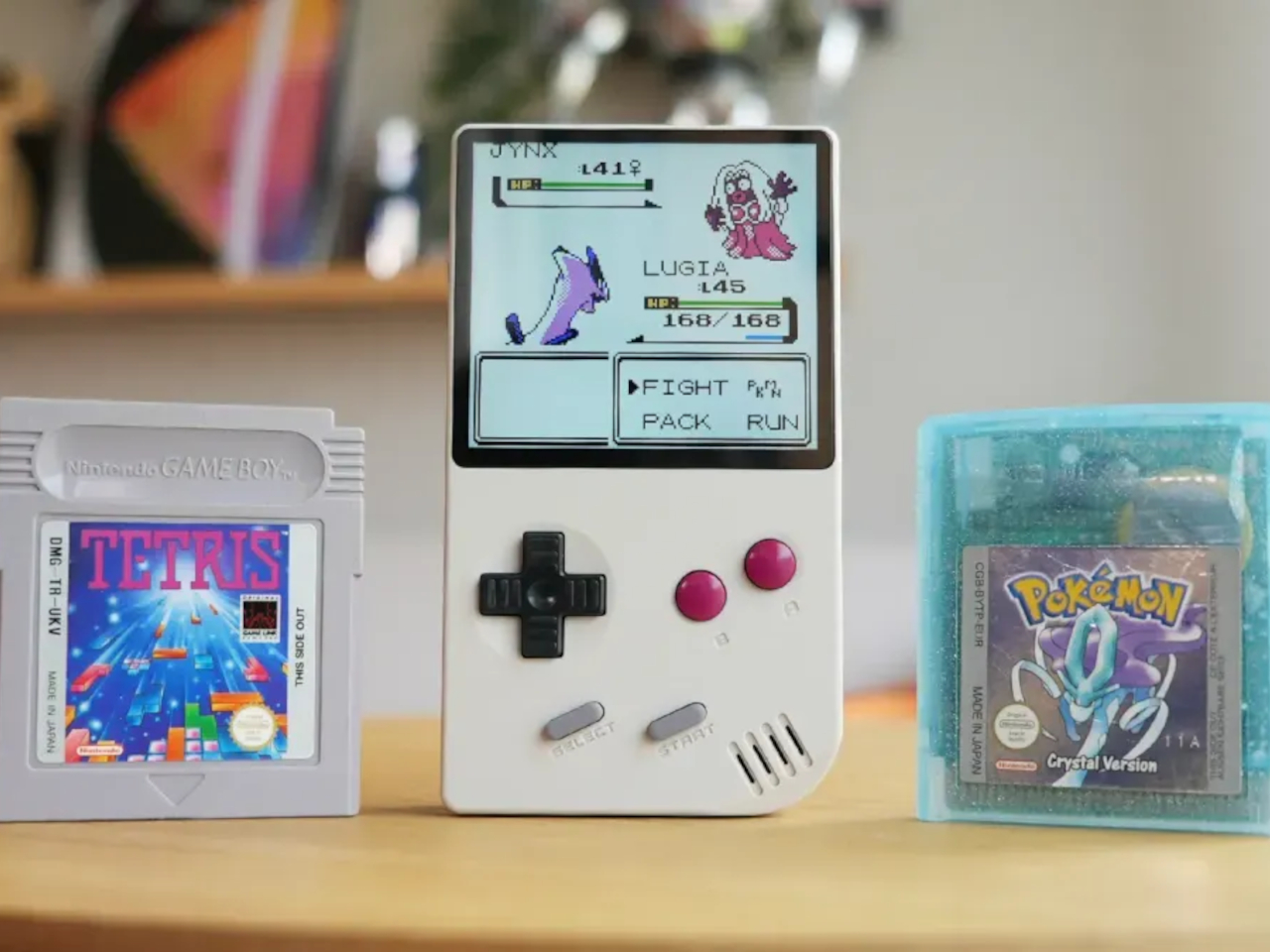
Slide a cartridge into the back, and the 2.98-inch IPS screen renders everything at 800 by 720 pixels, a resolution chosen specifically because it scales the original Game Boy display by a clean five times. That kind of deliberate math means pixel art looks crisp rather than blurred or unevenly stretched, a detail that matters enormously to anyone who has stared at a mushy upscaled screen on a cheaper handheld clone.
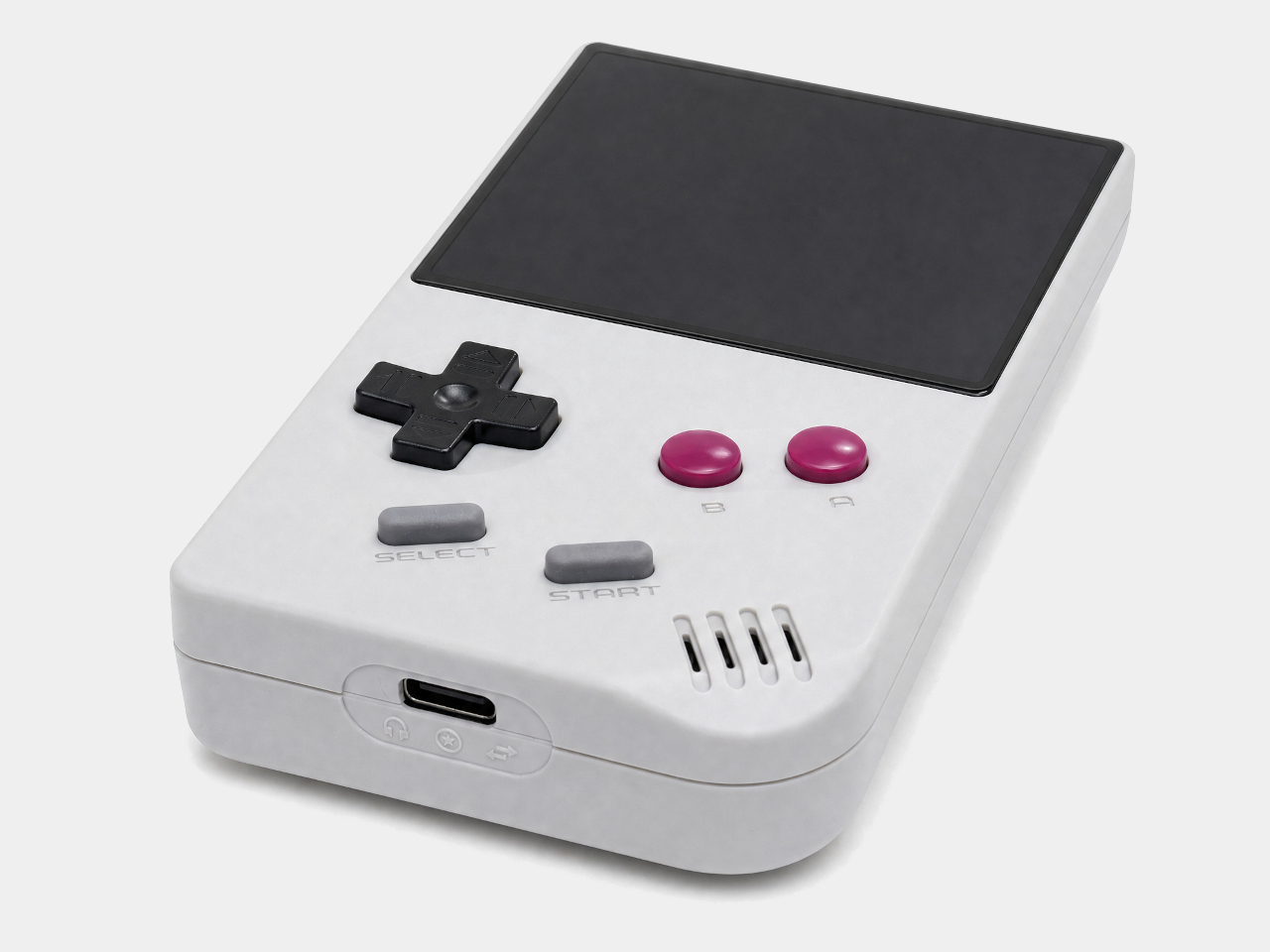
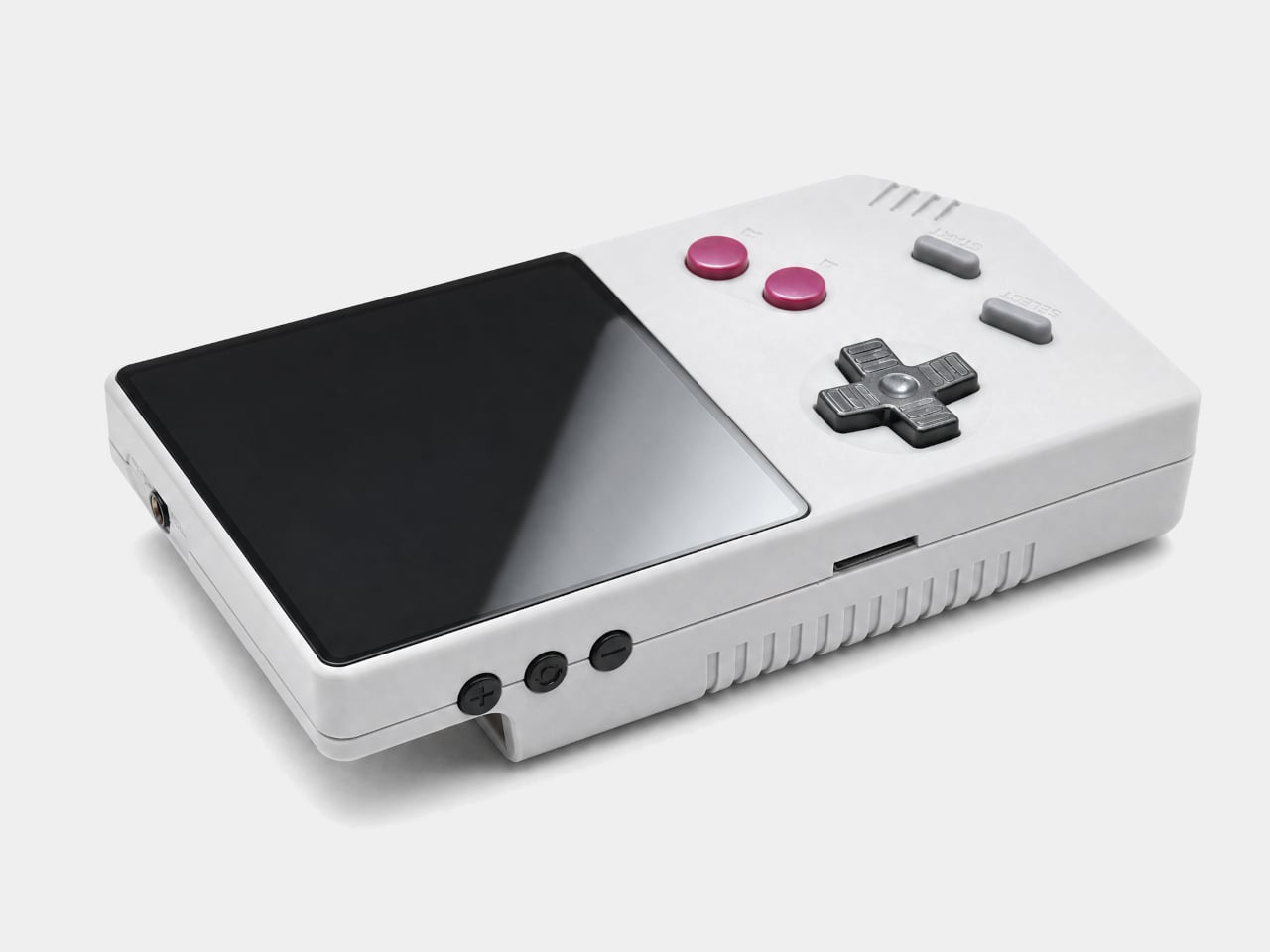
Pull two of these out during a road trip, and the link cable becomes the actual point. FunnyPlaying included a dedicated wired connection for multiplayer battles and trading, mirroring what the original Game Boy Link Cable did for a generation of kids swapping Pokémon in parking lots and school hallways. It’s a small inclusion that says the design team understood which memories actually mattered here.
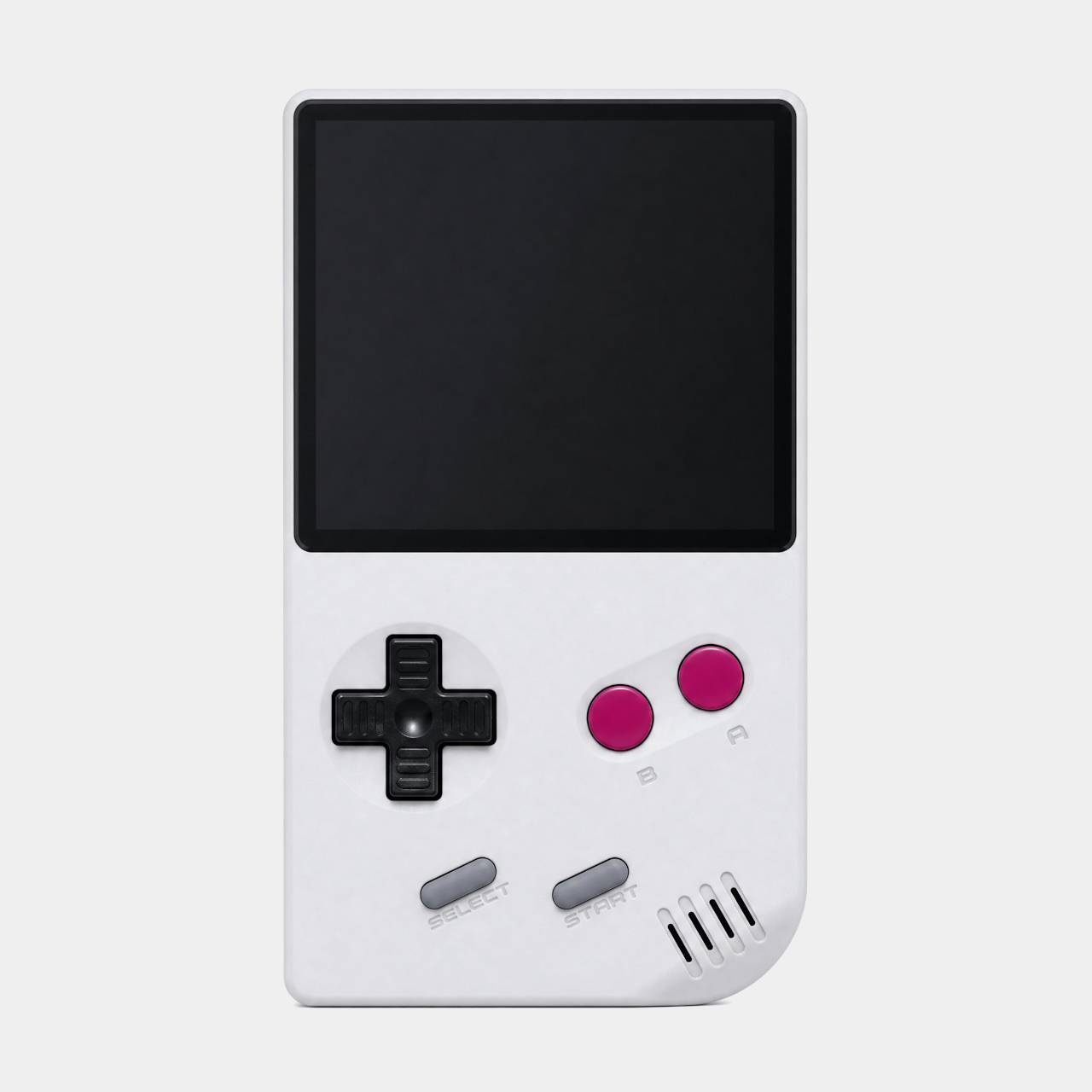
A built-in real-time clock keeps the momentum going even after the cartridge comes out. Games like Pokémon Gold and Silver relied on that internal clock for day-night cycles and timed events, a feature plenty of modern clones quietly drop. Its presence here suggests the engineering priority sat with preserving how games actually played, not just how the console looked sitting on a shelf.
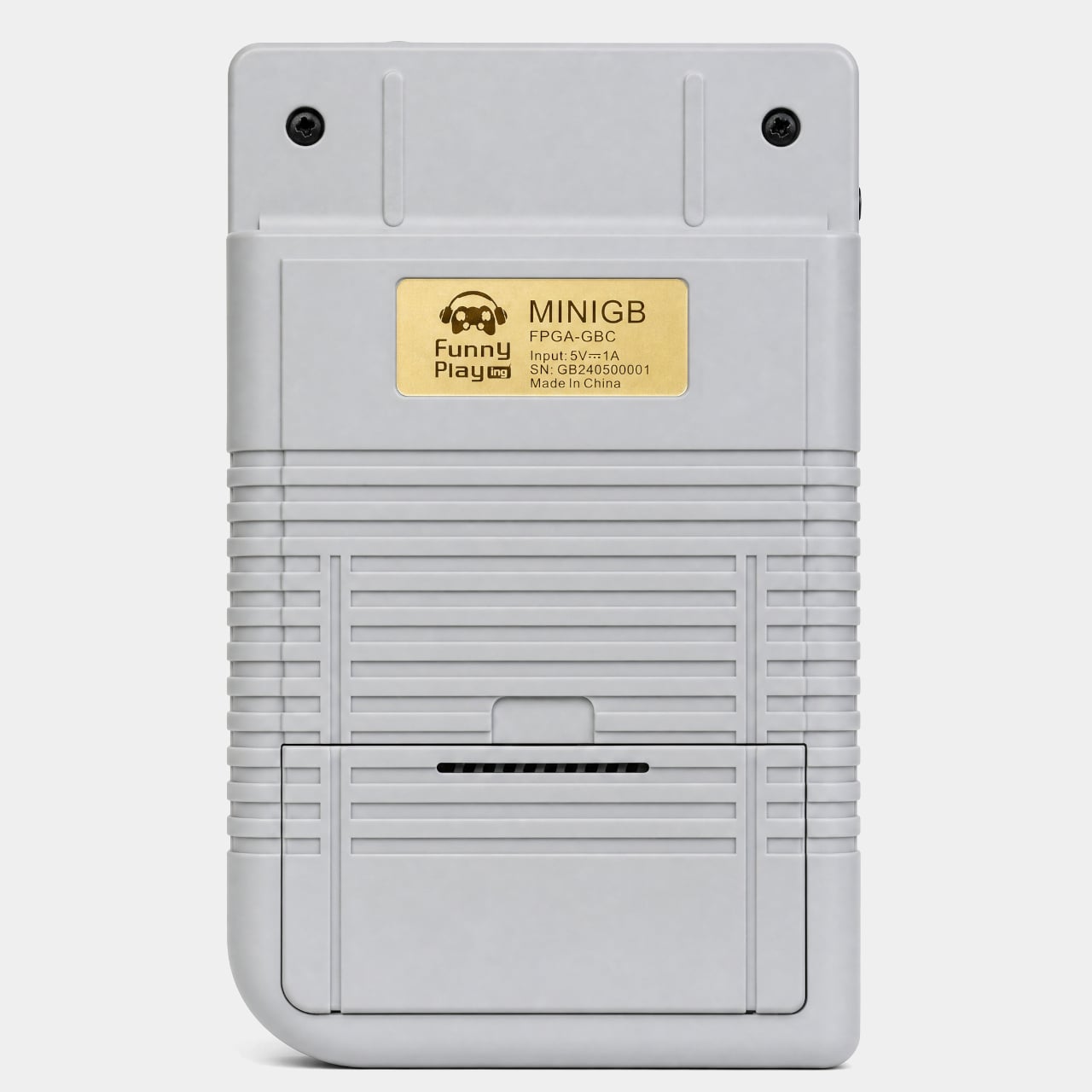
A microSD slot rounds out the modern side of the hardware, storing save files, screenshots, or ROM files that can run through a built-in emulator when no cartridge is inserted. That flexibility turns the FPGB Mini into two devices depending on the moment: a hardware-accurate cartridge reader when authenticity matters, and a pocket emulator when convenience wins out instead.
Color reproduction gets a boost too, with support for 16.7 million colors and an RGB565 pipeline that keeps Game Boy Color titles looking properly saturated rather than washed out. It’s a detail easy to overlook next to the flashier link-cable and FPGA talking points, yet it shapes the actual daily experience of loading up a cartridge more than either of those features do.
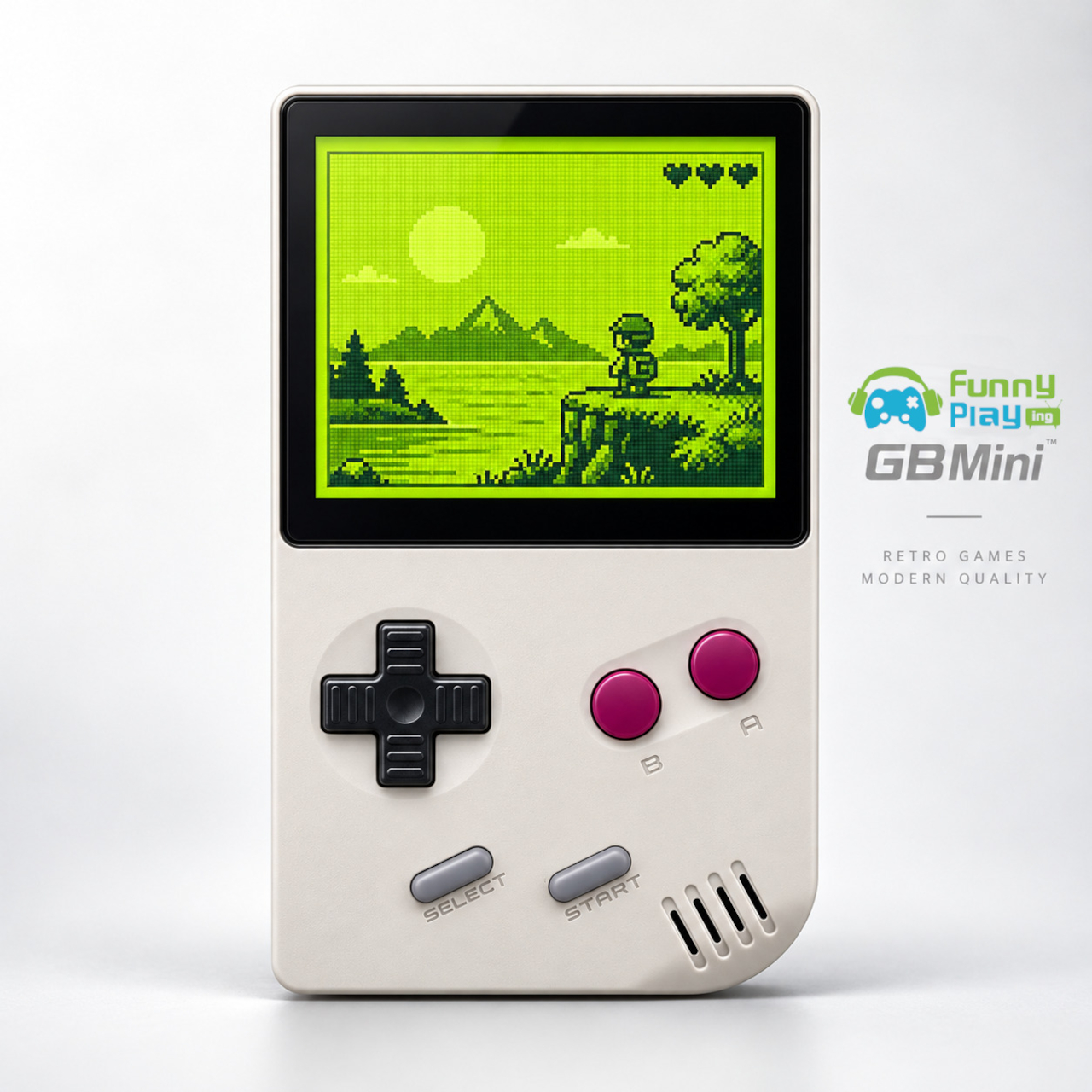
At 113mm x 64mm x 22m and roughly 135g, the whole unit disappears into a jacket pocket in a way no console with a cartridge slot has any right to. An 1,800mAh removable battery pack handles the power side, charging over USB-C in roughly two to three hours and running for several hours of play per charge, numbers respectable for hardware this compact. A carrying case ships in the box, treating portability as a finished thought rather than an afterthought bought separately.
The post The FPGB Mini Is Barely Wider Than a Game Boy Cartridge, and Plays One first appeared on Yanko Design.



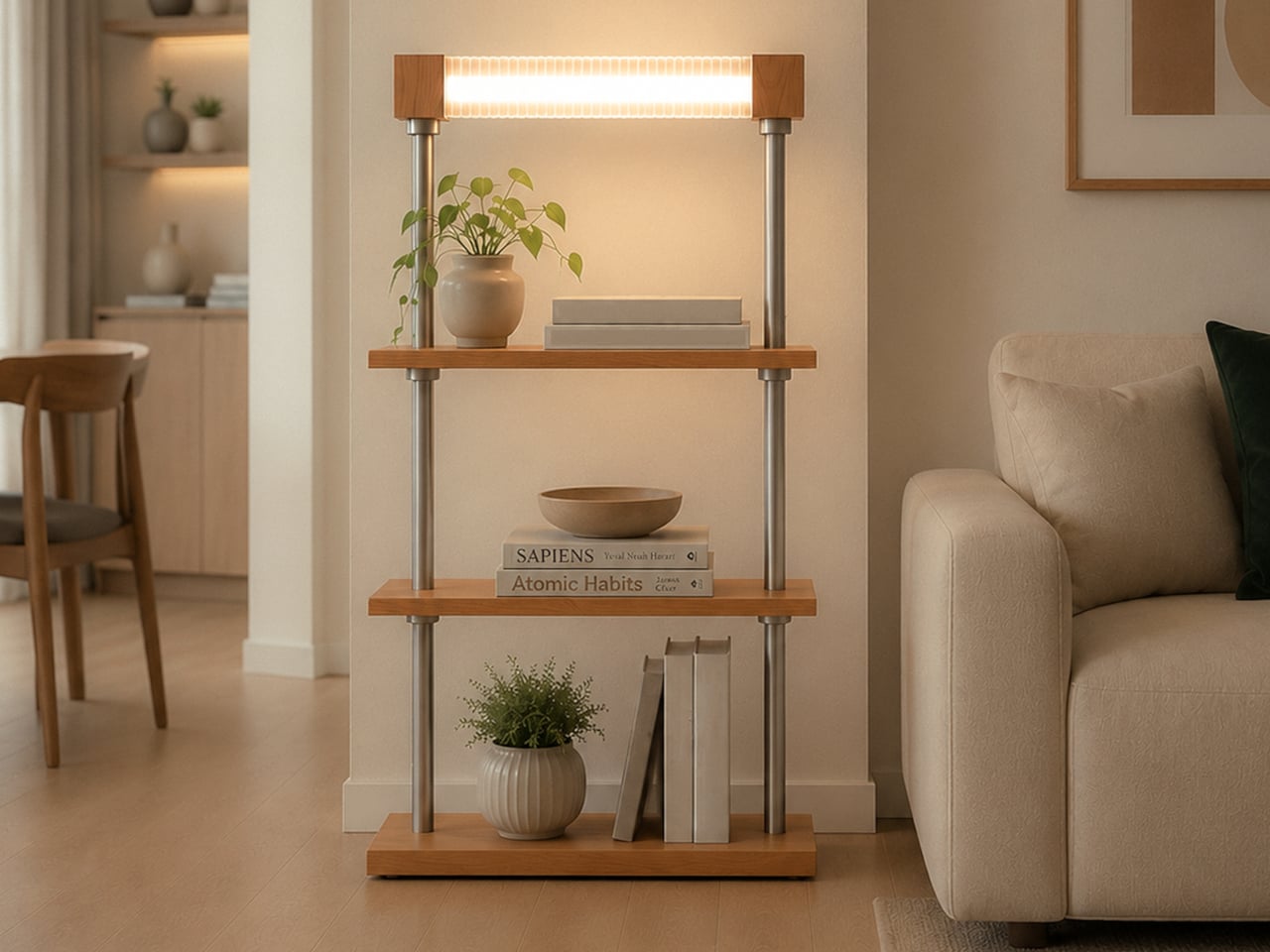
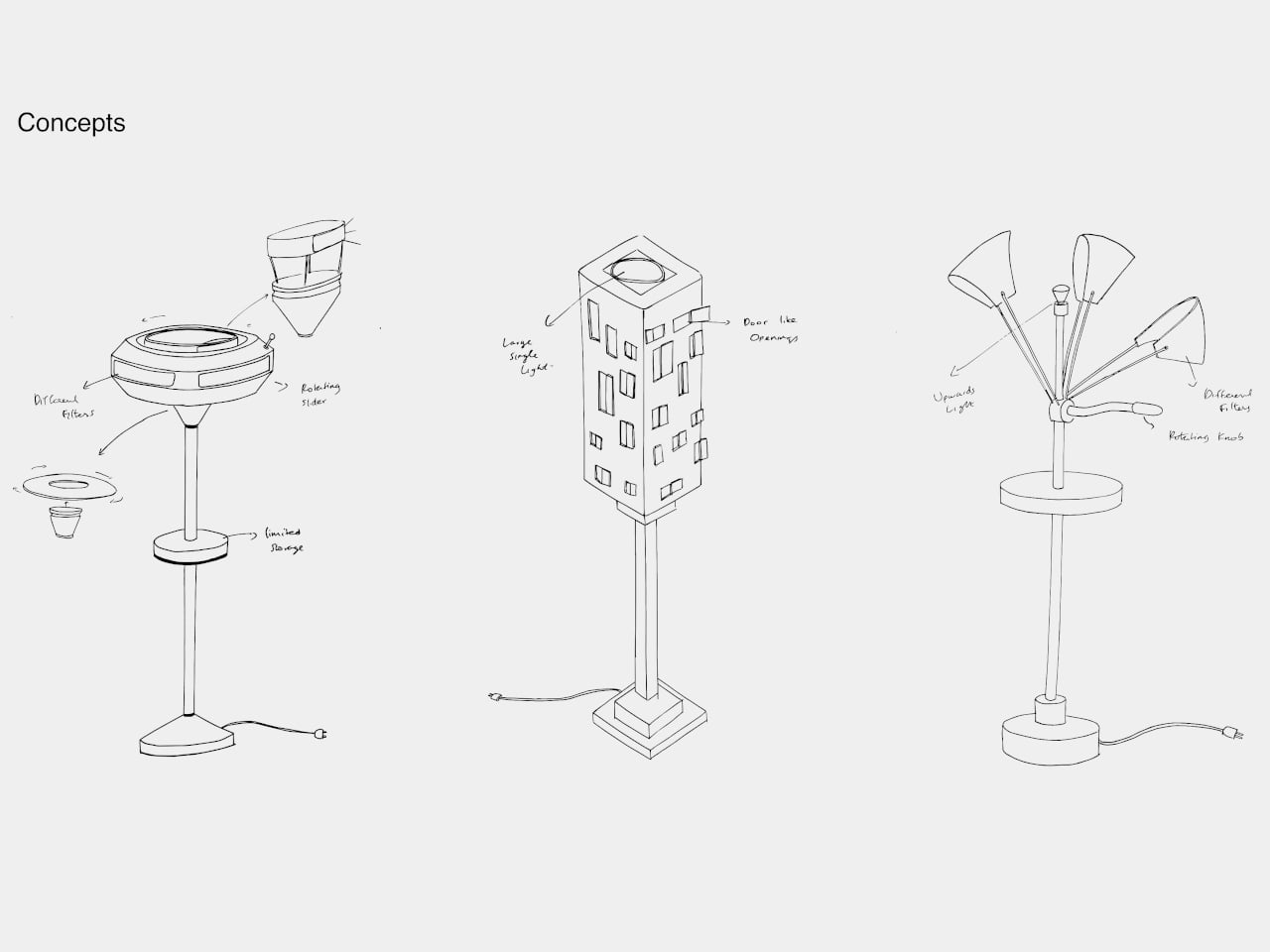
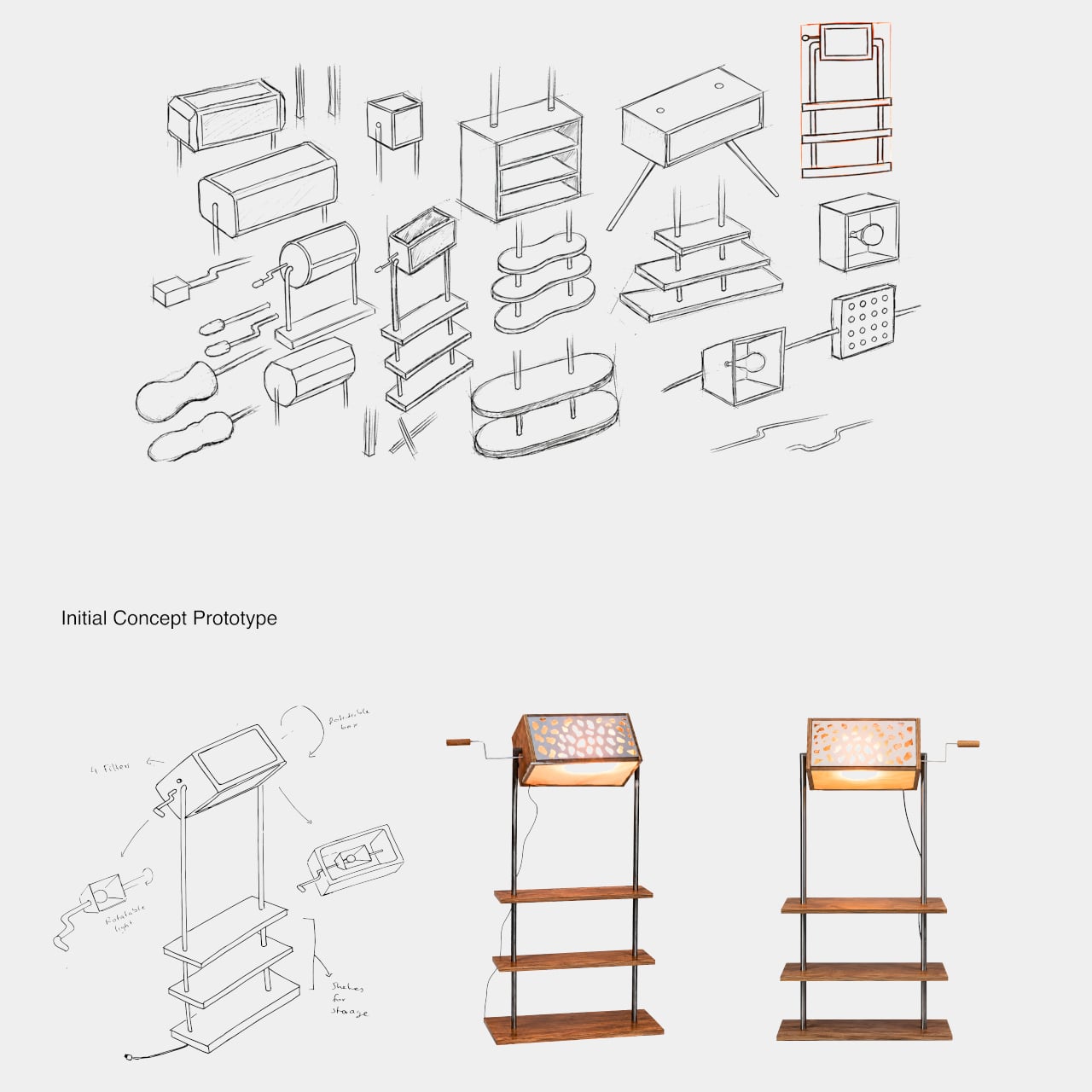
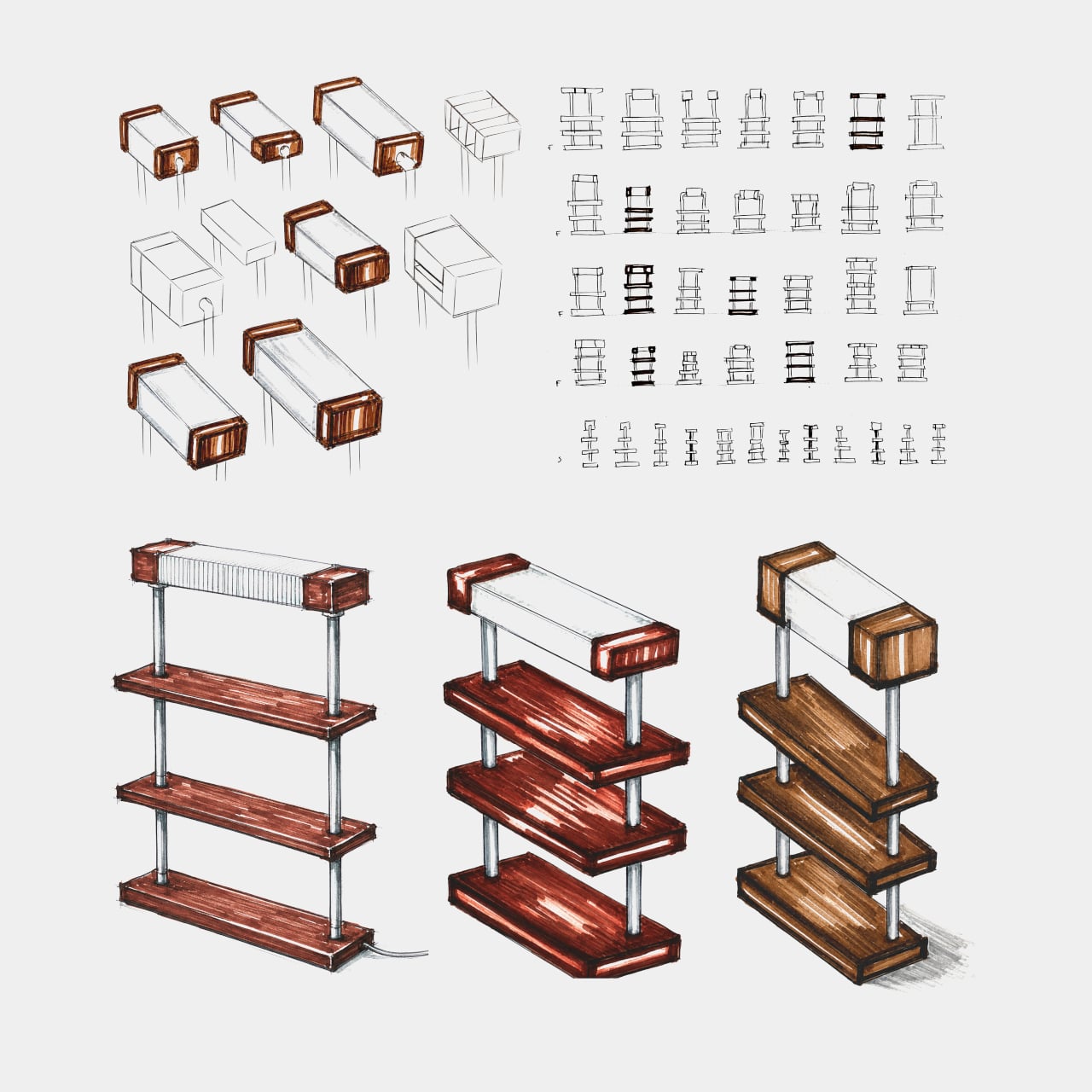
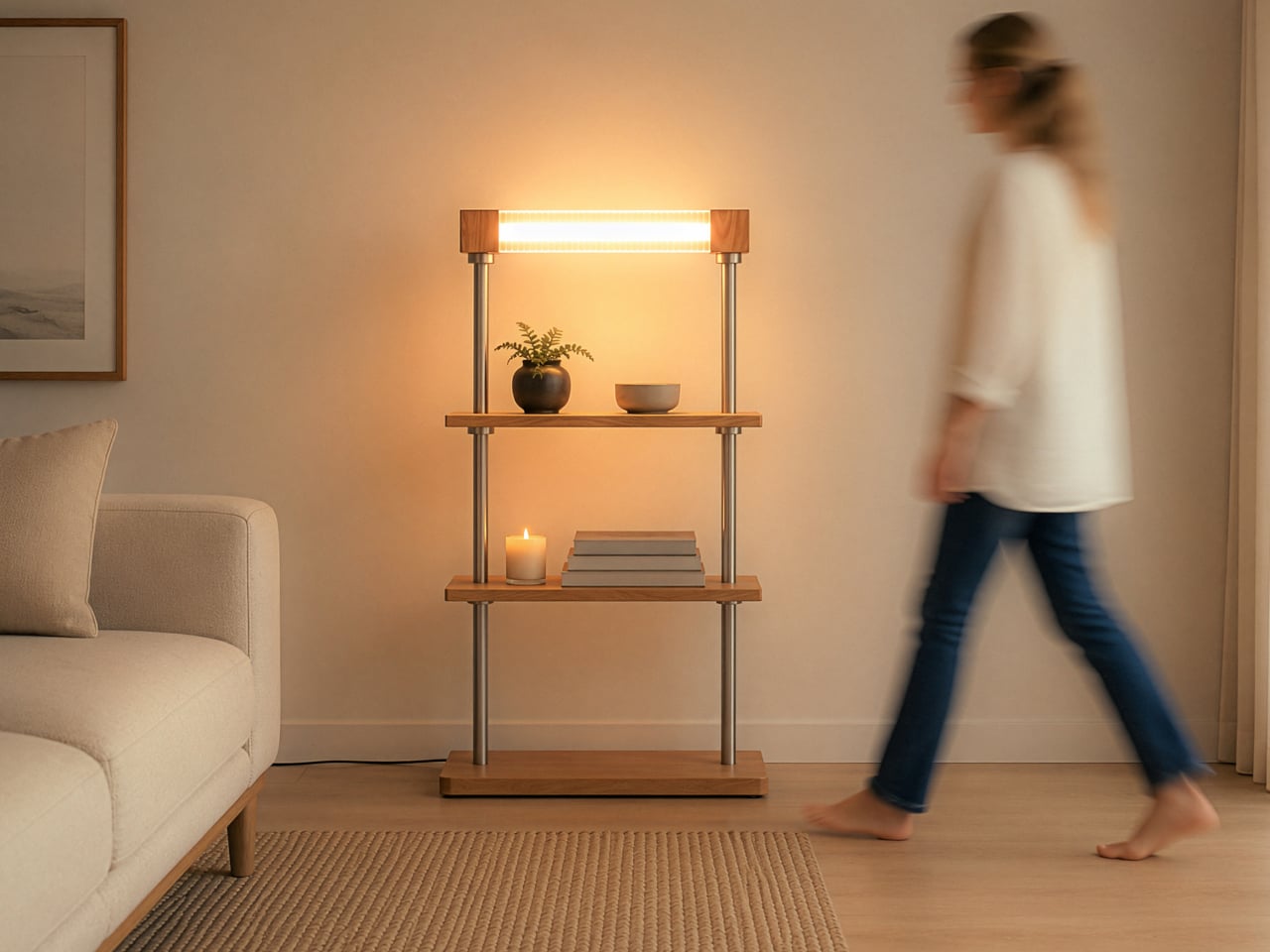
Most homes treat lighting and shelving as two separate purchases, bought on different days from different stores, then arranged next to each other and hoped to look intentional. Nook Stack skips that negotiation entirely. It fuses a three-tier wood shelf with a glowing, ribbed light fixture on top, turning what used to be two mismatched objects into a single furniture piece that reads as considered rather than accumulated.
The shelf itself does real work rather than sitting there for visual balance. Three solid wood tiers stack along two slender metal poles, giving a living room somewhere to rest books, a candle, or a small plant without stealing floor space for a separate side table. That stacking logic means the whole piece grows upward instead of outward, useful in the kind of urban apartment where square footage rarely allows for both a lamp and a shelving unit.
Designer: Joel Stanly
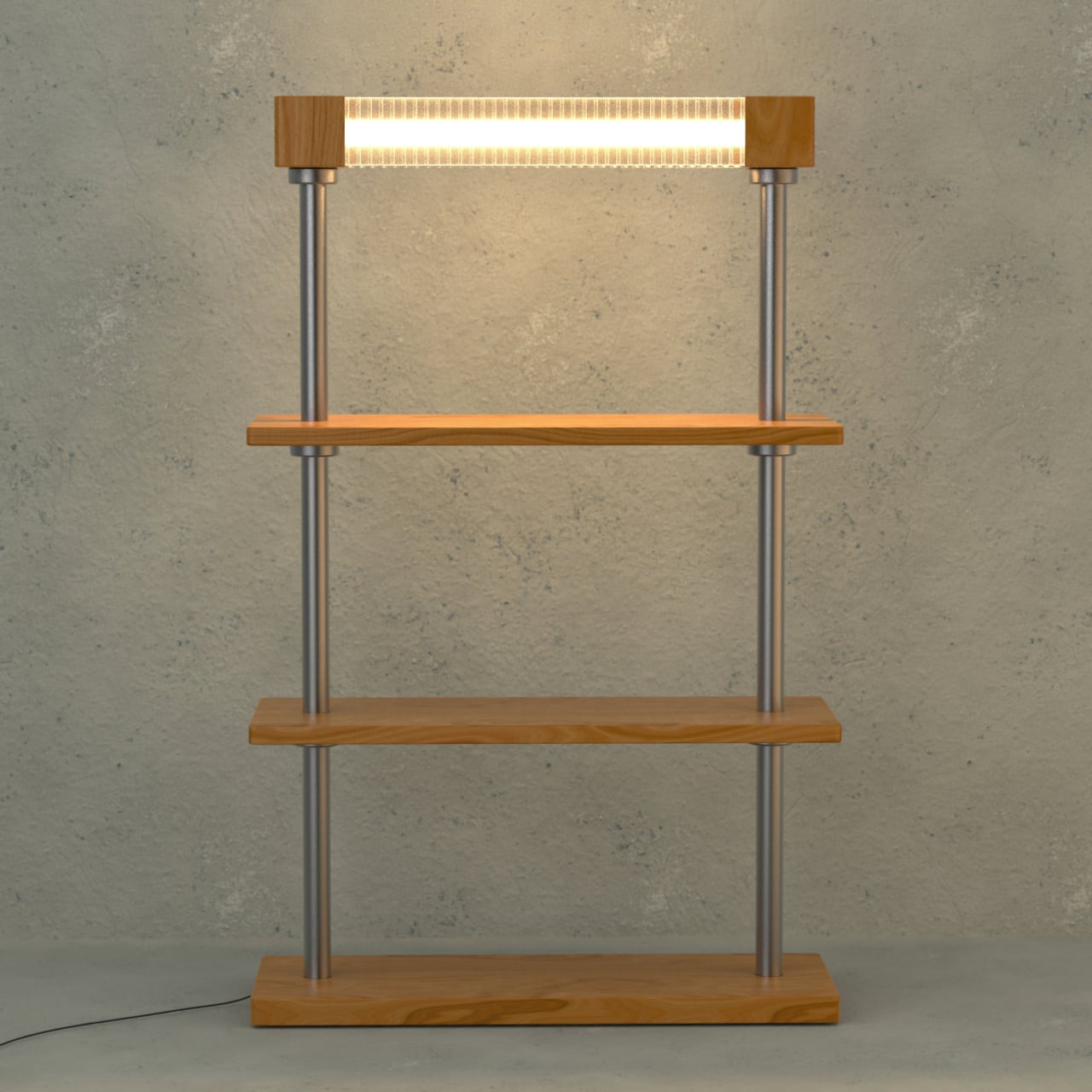
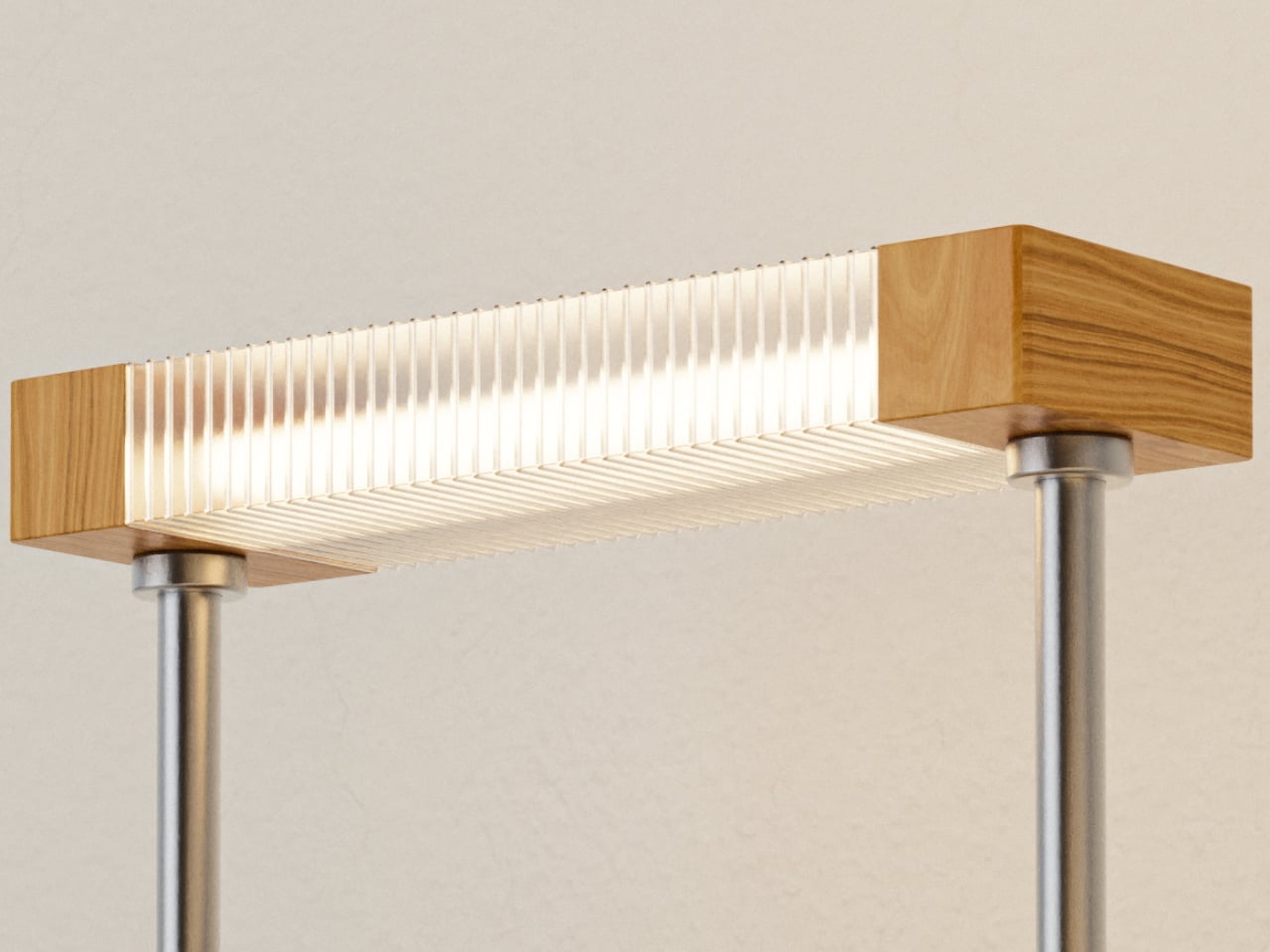
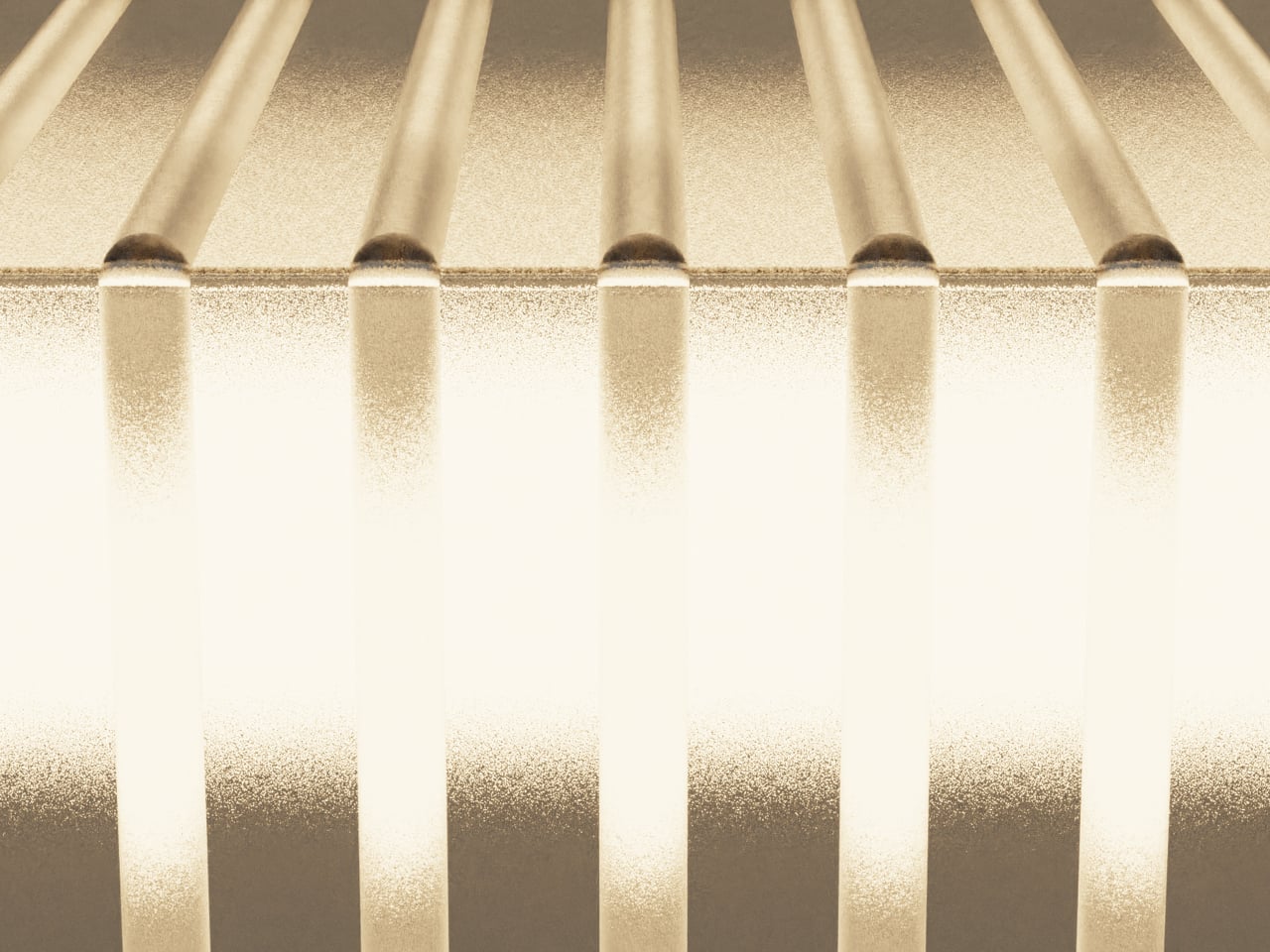
Up top, a fluted acrylic diffuser catches the light source and splits it into individual glowing lines instead of one flat glow. That ribbed texture is doing more than decoration. It scatters brightness evenly across the light bar’s length, avoiding the single hot spot that a bare bulb or a plain shade usually creates, so the light lands as ambient wash rather than a glare aimed straight at the room.
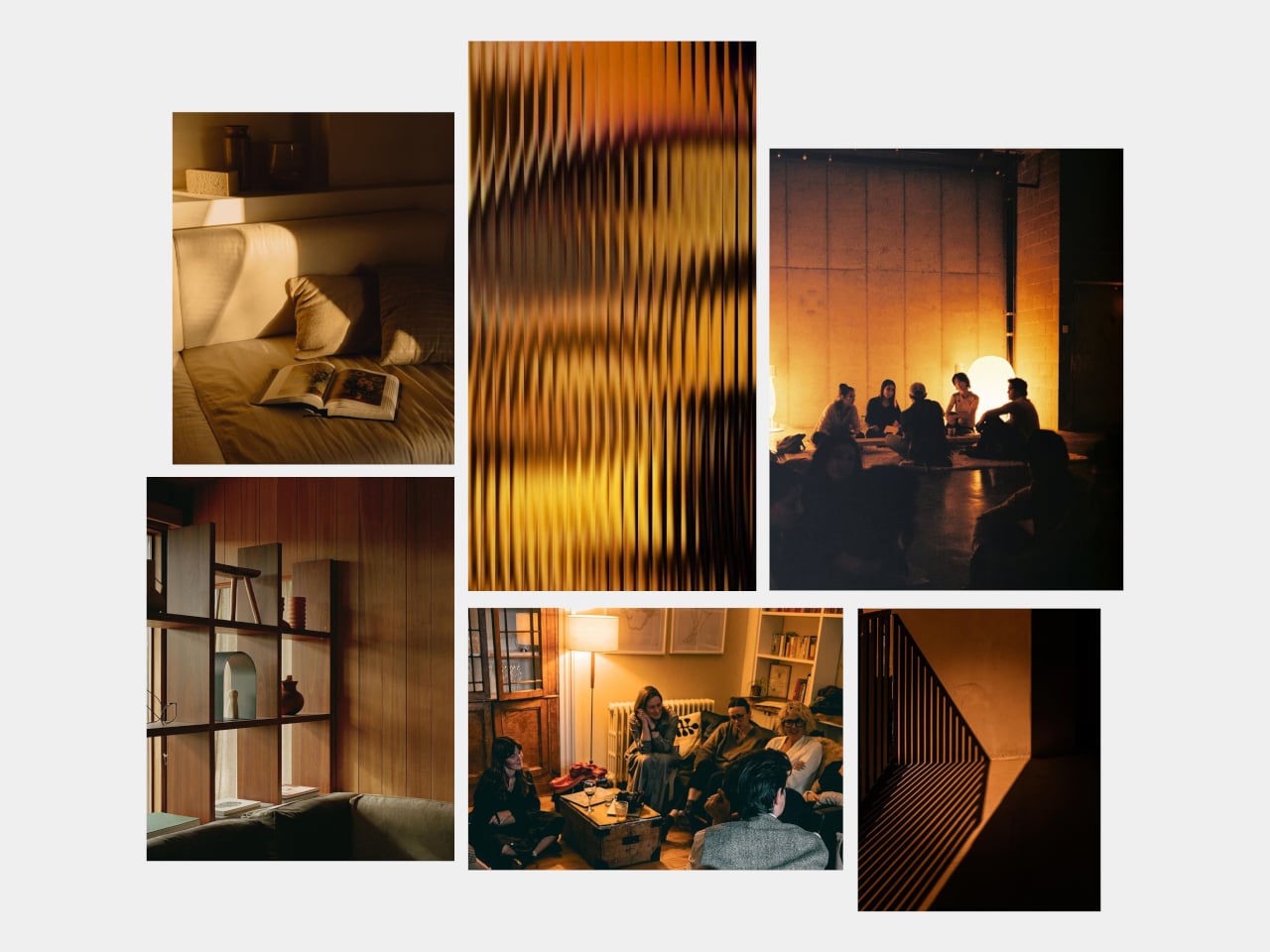
It’s paints a picturesque scenario when you settle onto a nearby sofa with a book after sunset. The light bar sits at above eye height when seated, designed to wash the immediate area in warm light without requiring an overhead fixture or a separate reading lamp clipped to the armrest. It’s the kind of light that suits a slow evening, dim enough for a group of people talking on cushions, bright enough to actually read by.
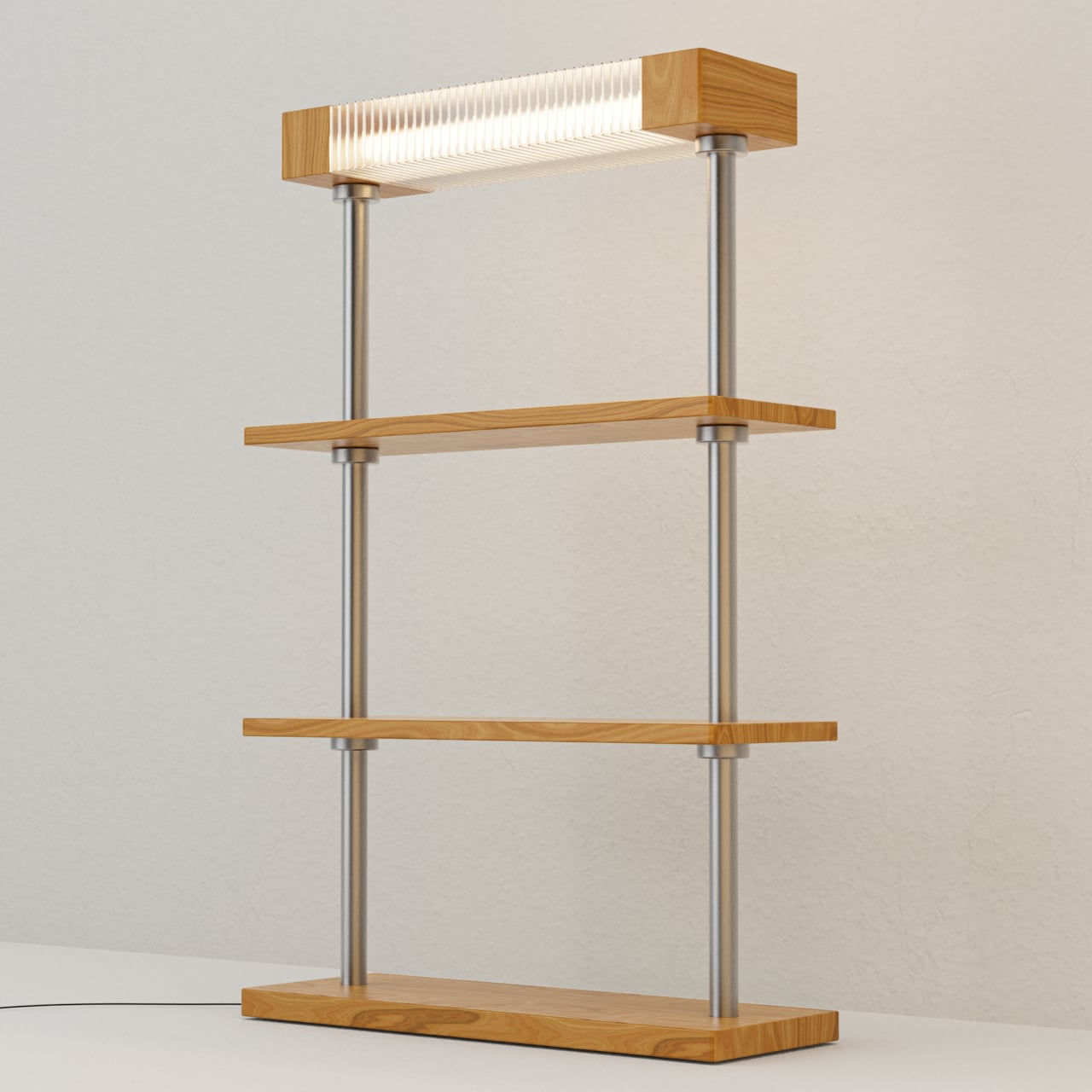
Material choices lean toward warmth over stark minimalism. Satin-finish rubberwood forms the shelves and end caps, paired with powder-coated aluminum poles that keep the structure light without looking industrial. The frosted acrylic light box and its internal linear LED tube round out the build, chosen specifically to diffuse rather than expose the bulb, keeping the glow soft from every angle in the room.
At 39 by 26 by 9 inches, Nook Stack occupies a footprint closer to a narrow bookshelf than a floor lamp, letting it slot into a corner beside a sofa or stand as a room divider between a living space and an entryway. That scale matters for apartments where every object has to earn its spot twice, once for what it does and once for how much floor it takes up.
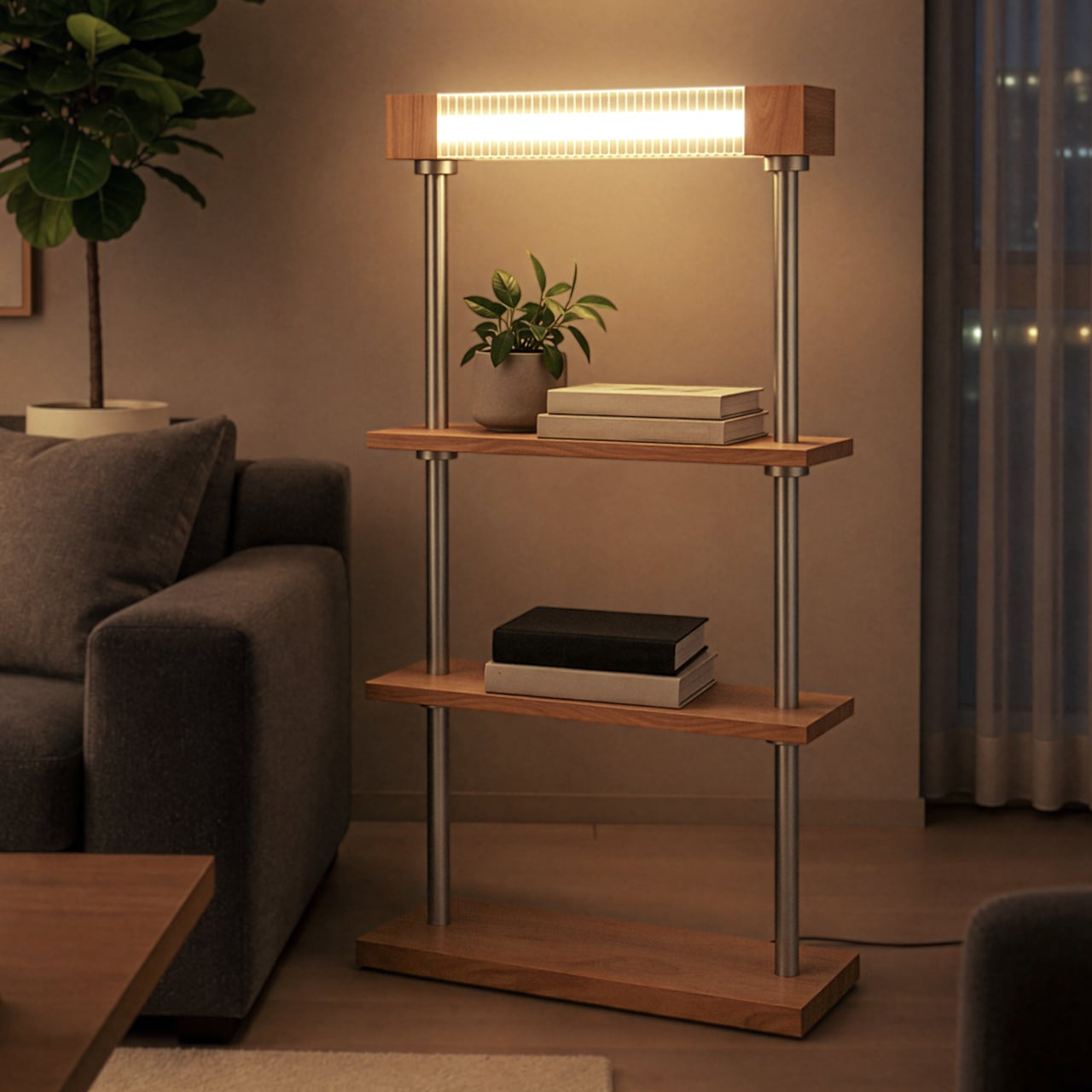
The piece ultimately argues that lighting and storage don’t need to compete for attention in a room already full of furniture decisions. Stacked into one object, they start reinforcing each other instead, the shelves giving the light somewhere to shine down onto, and the light giving the shelves a reason to glow after dark rather than fade into the room’s background.
The post Nook Stack Is the Floor Lamp That Moonlights as a Bookshelf first appeared on Yanko Design.

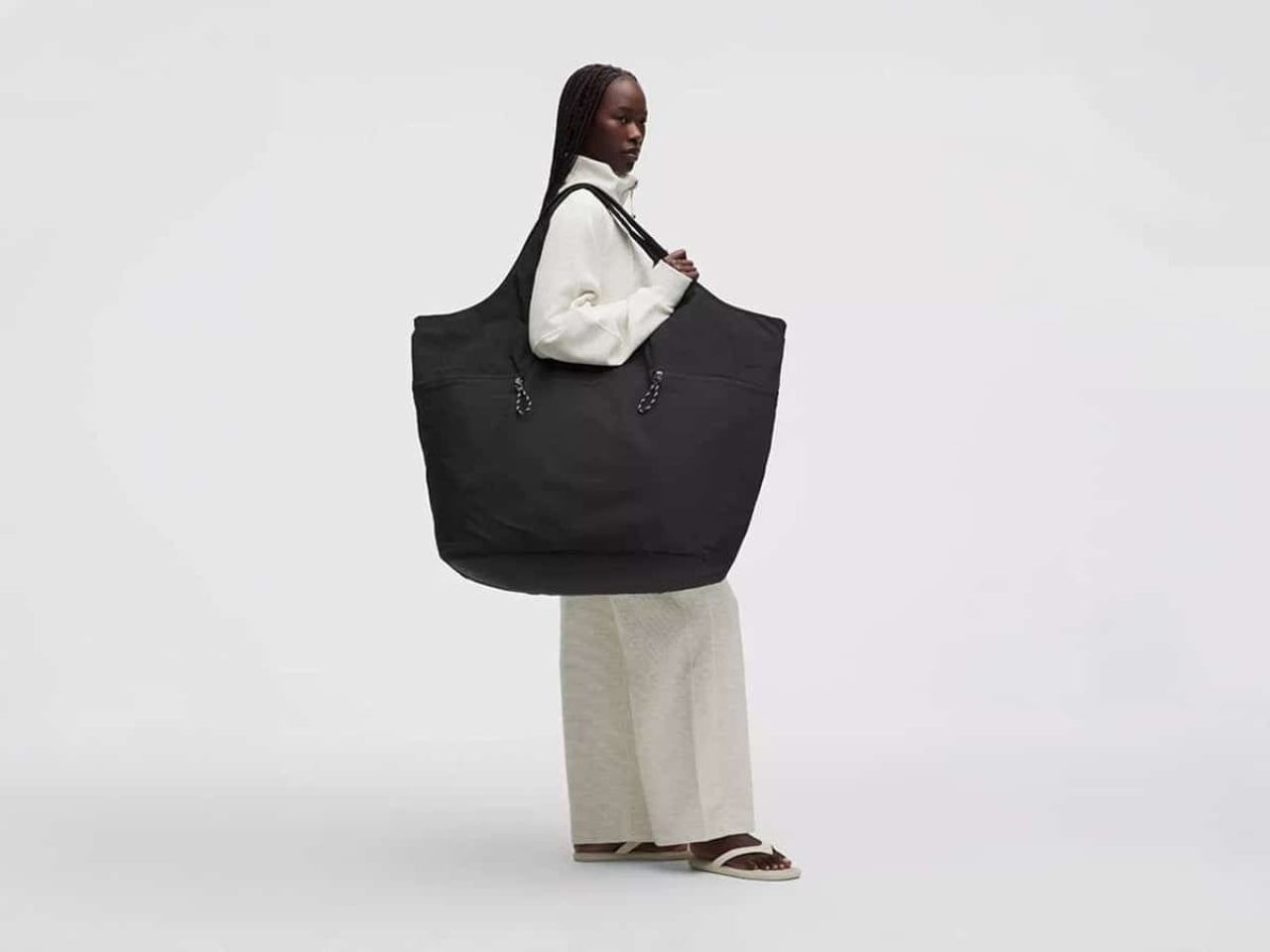
I often bring a large bag, or two, when I go out because I always seem to want to bring half of my house with me. There are my journals (yes, that’s plural), stationery supplies, a planner, a book or two, skincare and makeup essentials, my diabetic first aid kit, and various other knickknacks. So yes, I often bring a big-ass bag with me.
This new release from Lululemon matches my aesthetic perfectly. And yes, it’s actually called the Big-Ass Bag 80L, because how else would you describe it? It has a capacity of, you guessed it, 80 liters, and stands nearly three feet tall. So if you’d rather carry just one bag instead of juggling several, this is probably the biggest and most stylish option out there.
Designer: Lululemon
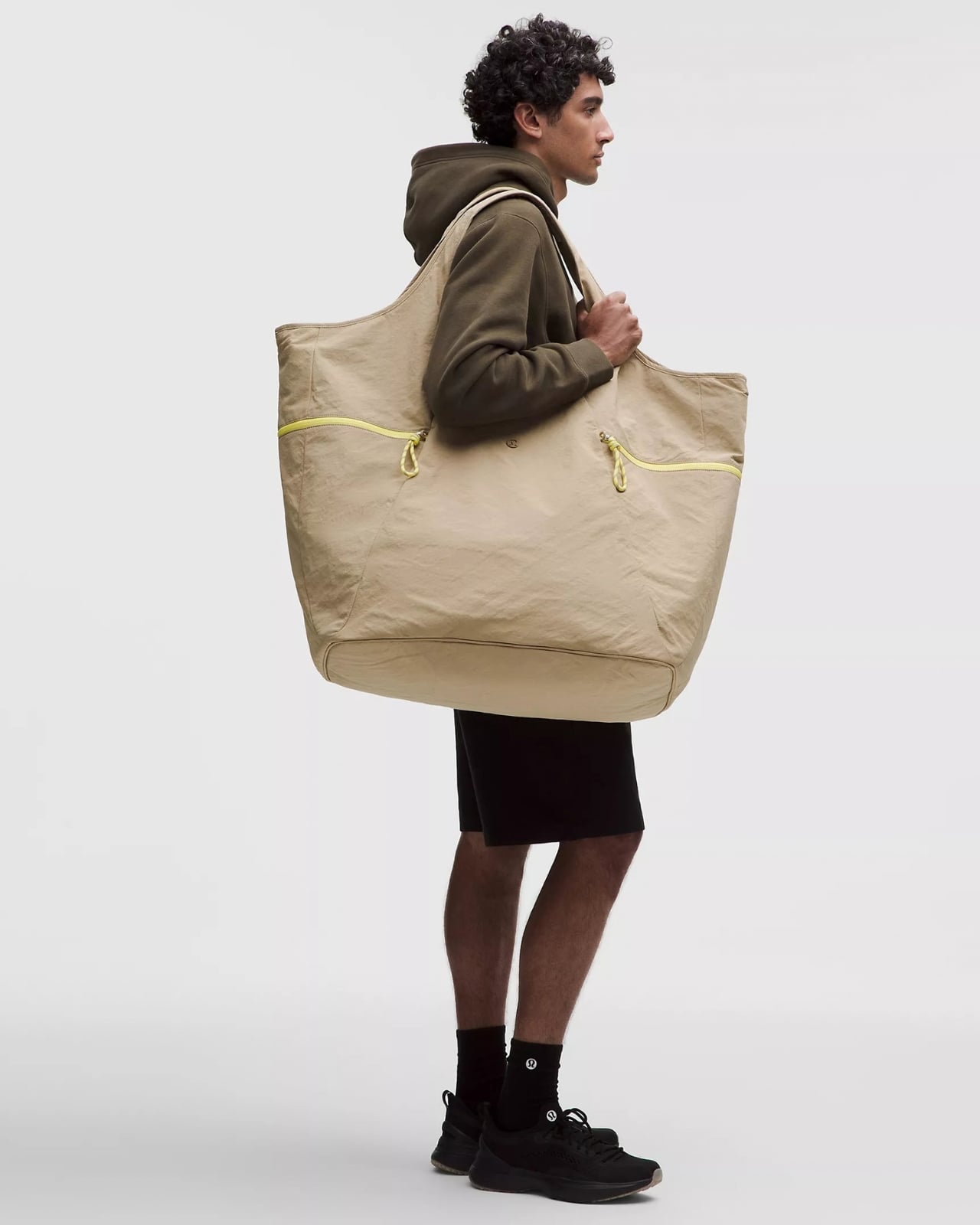
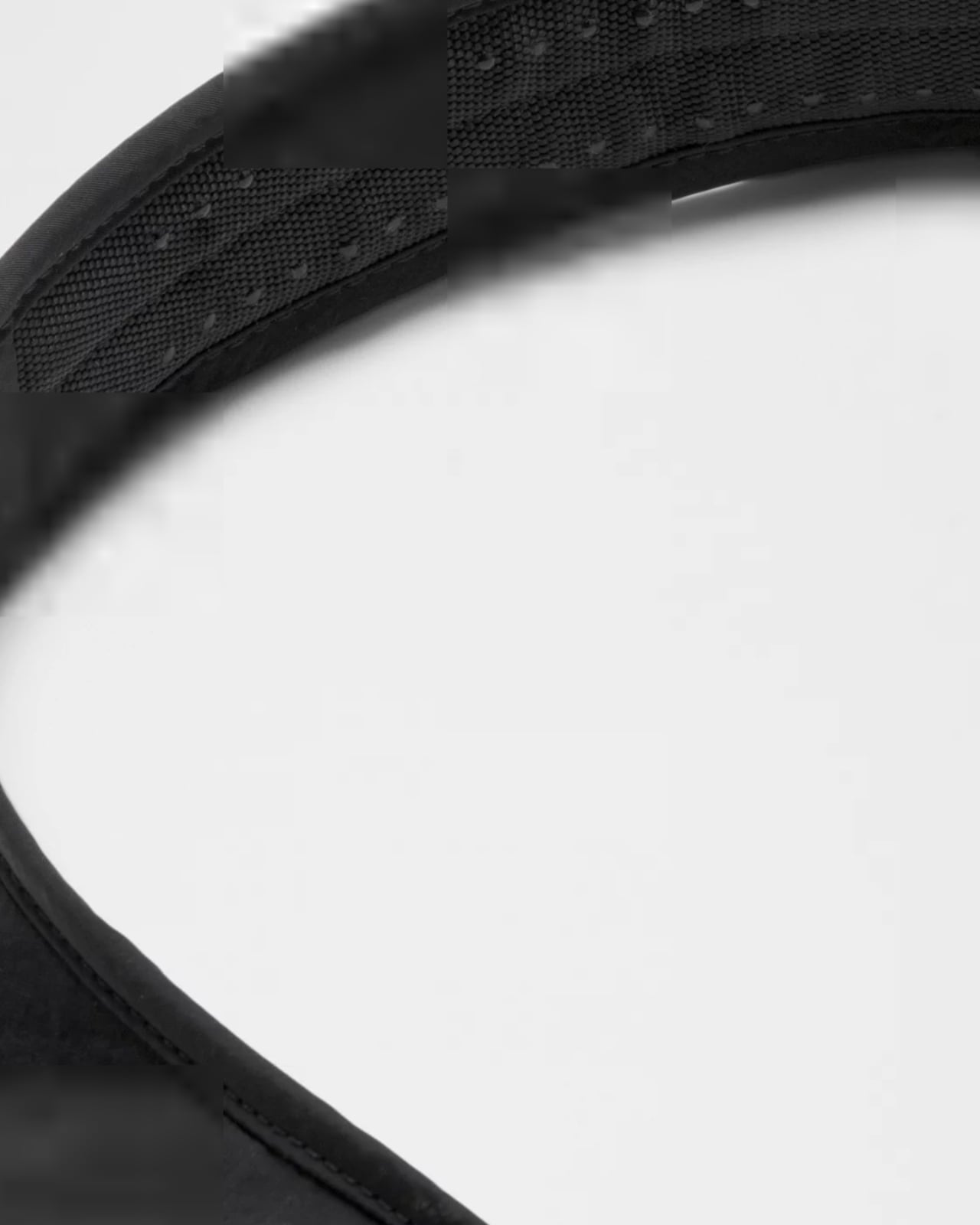
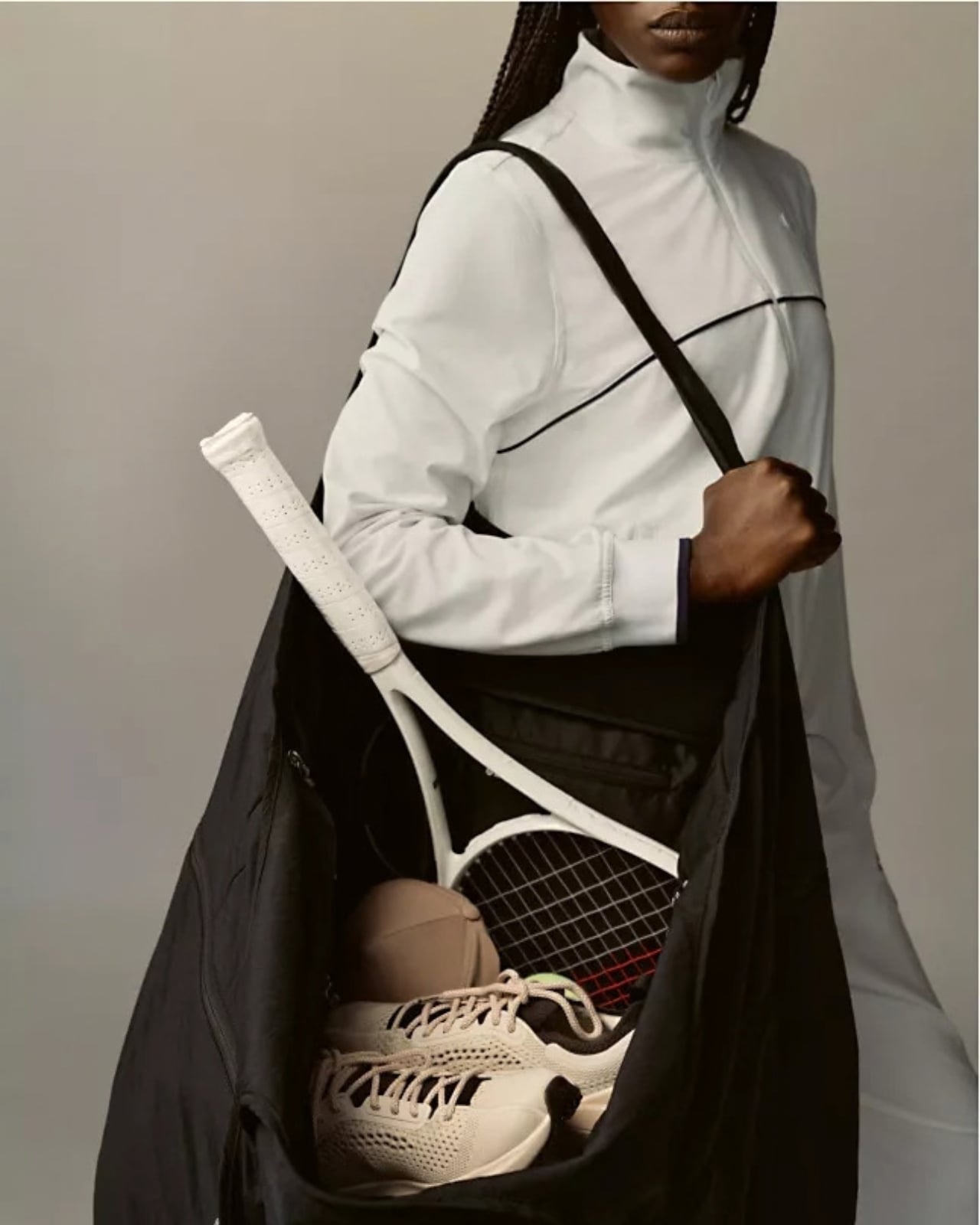
One challenge with big bags like this is that they can get quite heavy and dig into your collarbone. This particular Big-Ass Bag solves that problem with padded shoulder straps. Meanwhile, the integrated silicone grips keep it from sliding off your shoulder, which can be another common annoyance. And believe me, catching an 80-liter bag mid-slip will hurt your fingers and wrist.
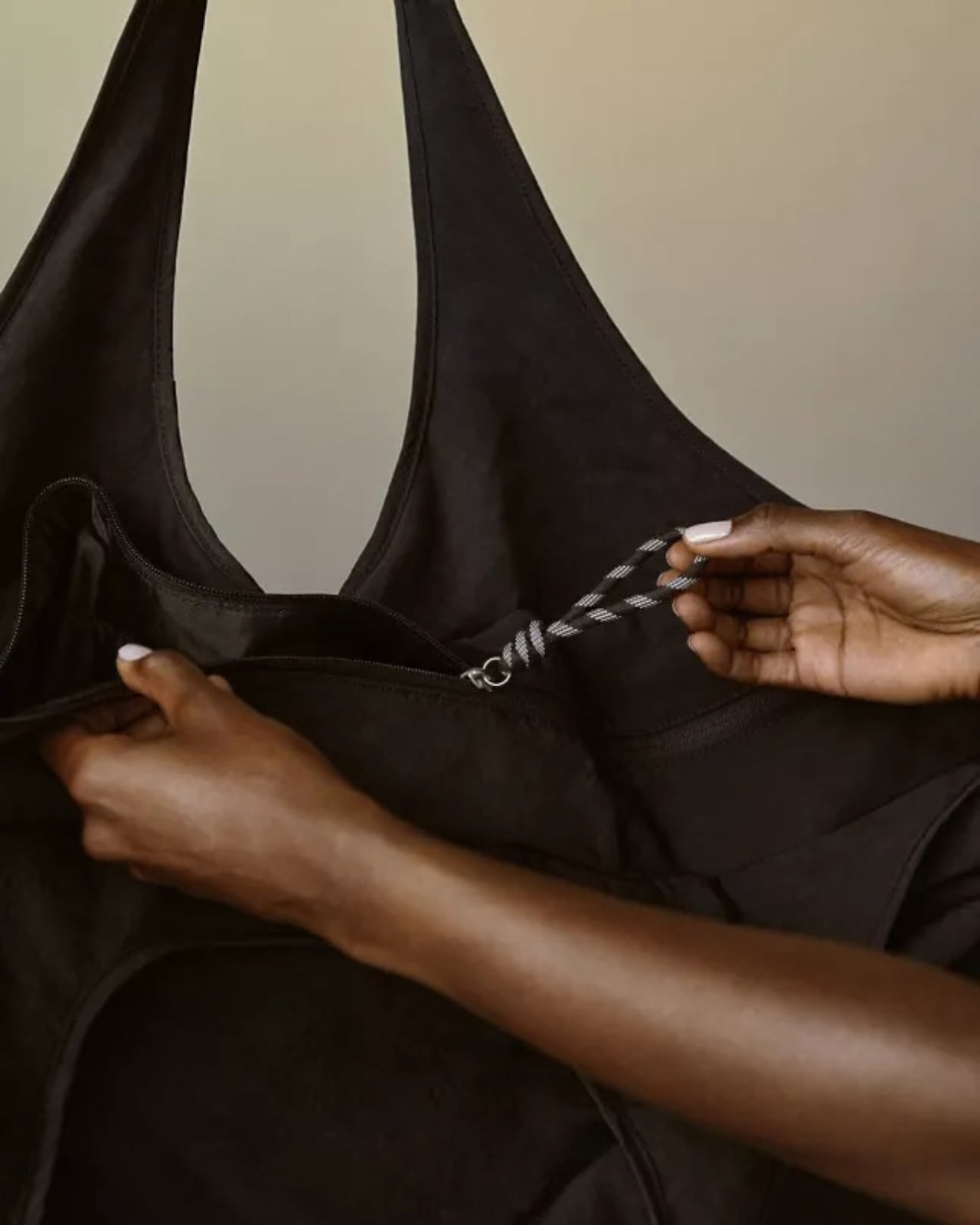
You probably also don’t want everything you packed to shift and roll around inside, making it hard to dig through and find what you need when you need it. This bag comes with several built-in organizational features to prevent that. You get dual exterior zippered pockets, a dedicated water bottle holder, a zippered main compartment, and interior organizational pockets. There’s even a mini tote included for extra storage, in case everything somehow doesn’t fit into your already massive bag.
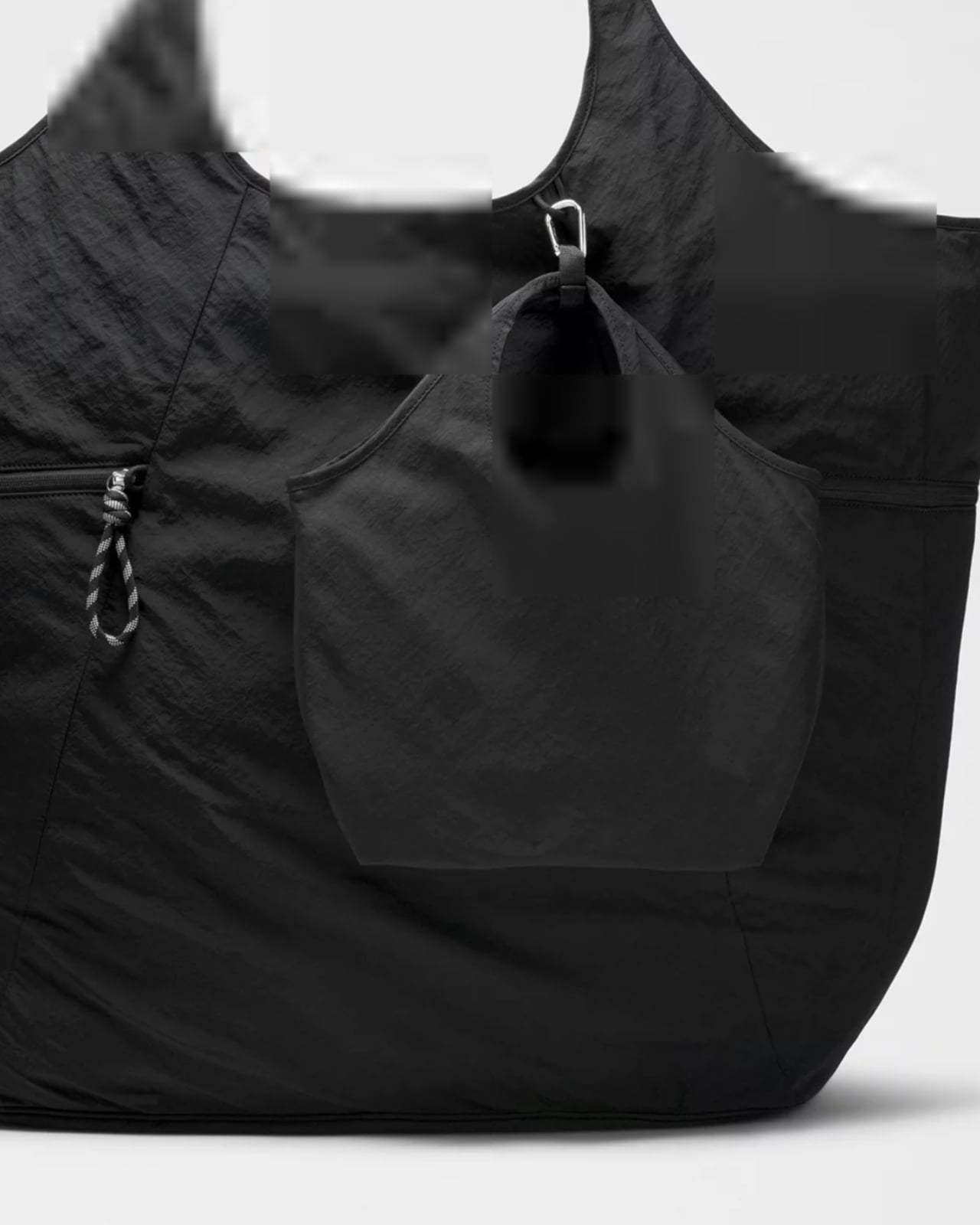

If you like clipping on photo card holders, plushies, gym tags, keys, or that included mini tote, the bag has a webbing loop attachment point for exactly that. It’s also designed to stand upright on its own, so there’s no danger of everything spilling out the moment you set it down. As for materials, it’s made from 100% recycled nylon and polyester, which fits neatly into the brand’s ongoing sustainability push. At $248, it isn’t cheap, but for a bag this size and this well thought out, it’s a reasonable ask.
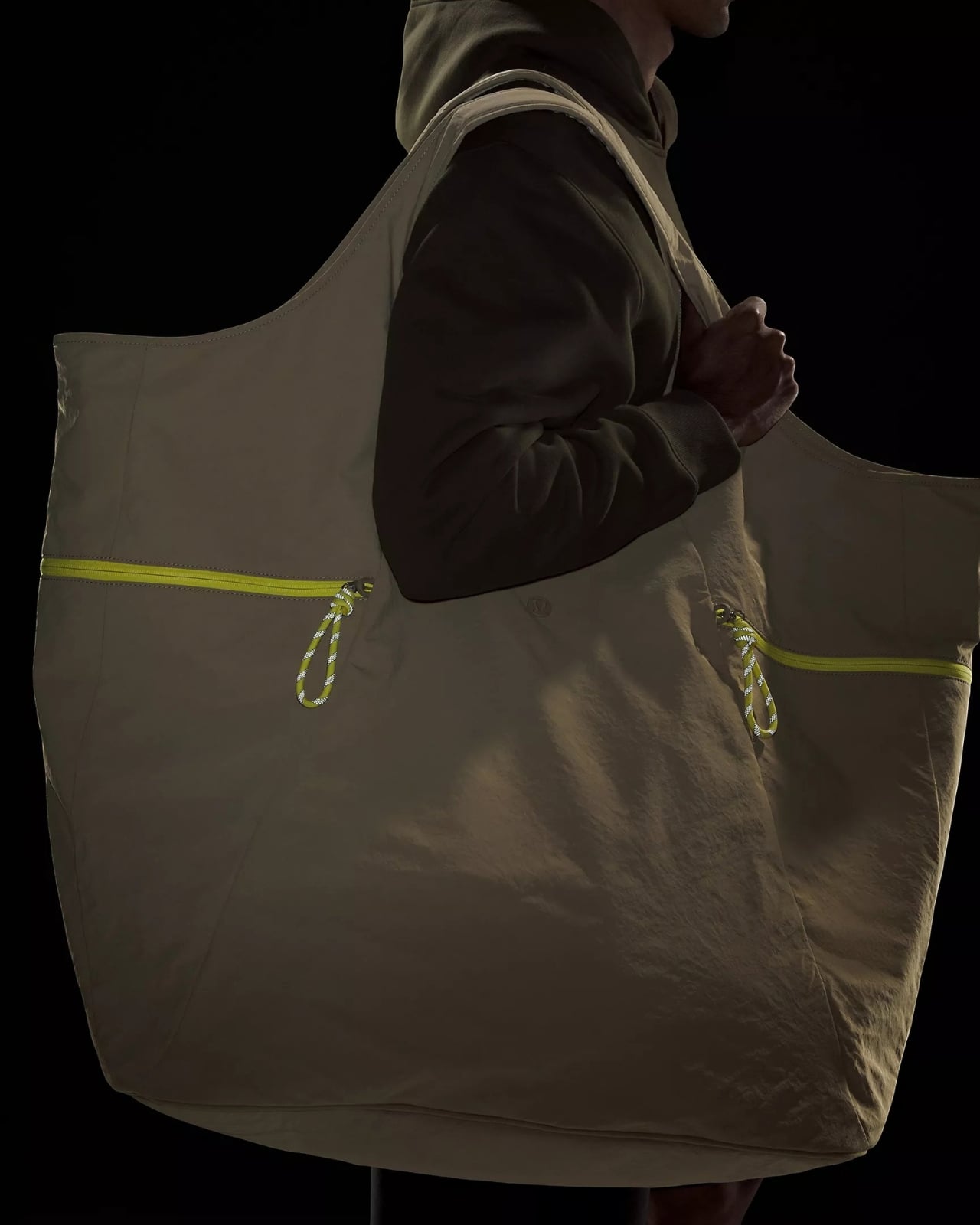
So how does the Big-Ass Bag stack up against other giant carriers on the market? The most obvious comparison is Patagonia’s Black Hole Duffel 100L, a longtime favorite among travelers and gearheads. At around $225 and measuring 29 x 15 x 13.3 inches, the Black Hole holds even more volume, and its weatherproof, rugged shell is built to survive baggage handlers and years of rough use. But it’s a duffel, not a shoulder tote, so it’s better suited for trips and gear hauling than for daily errands.
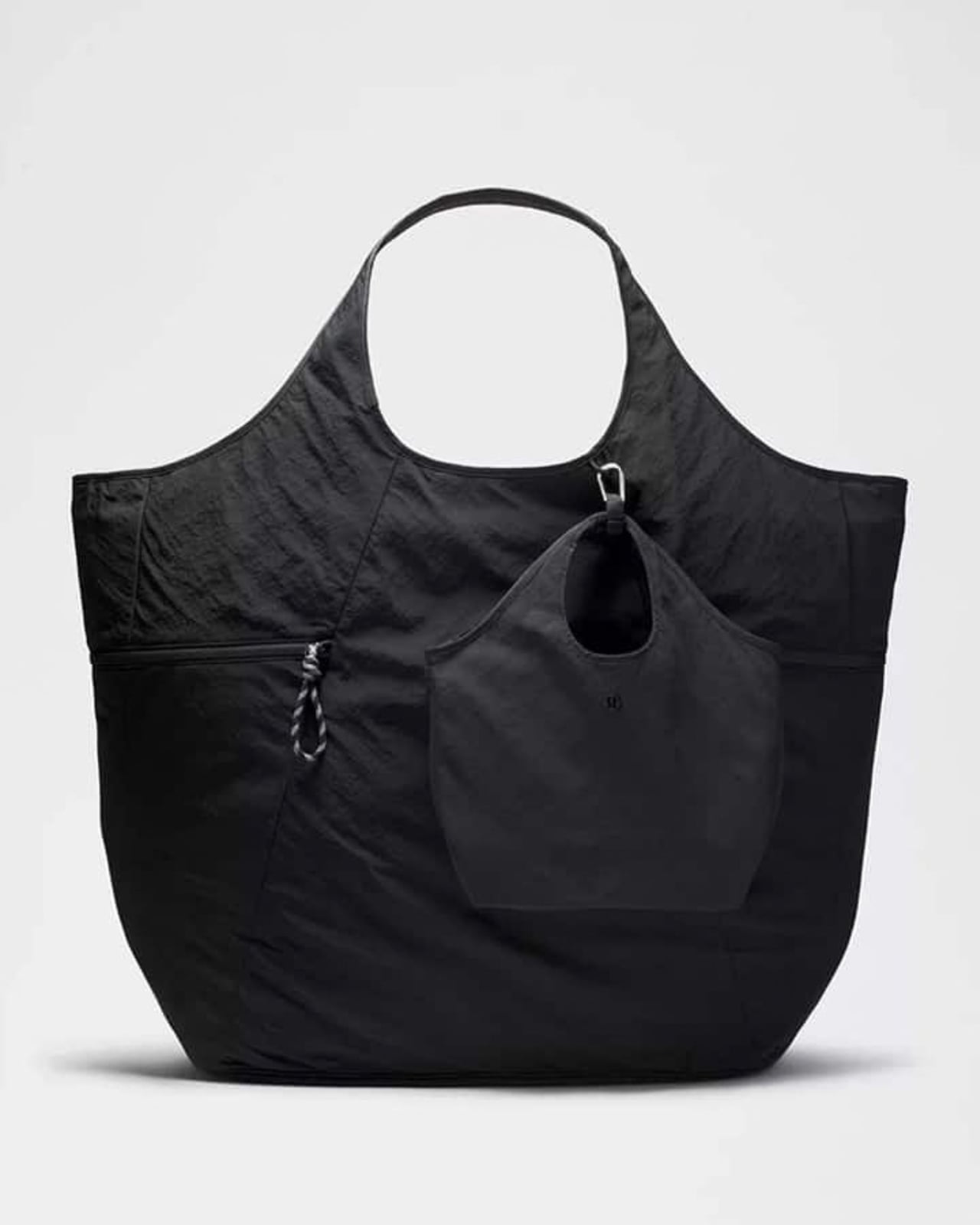
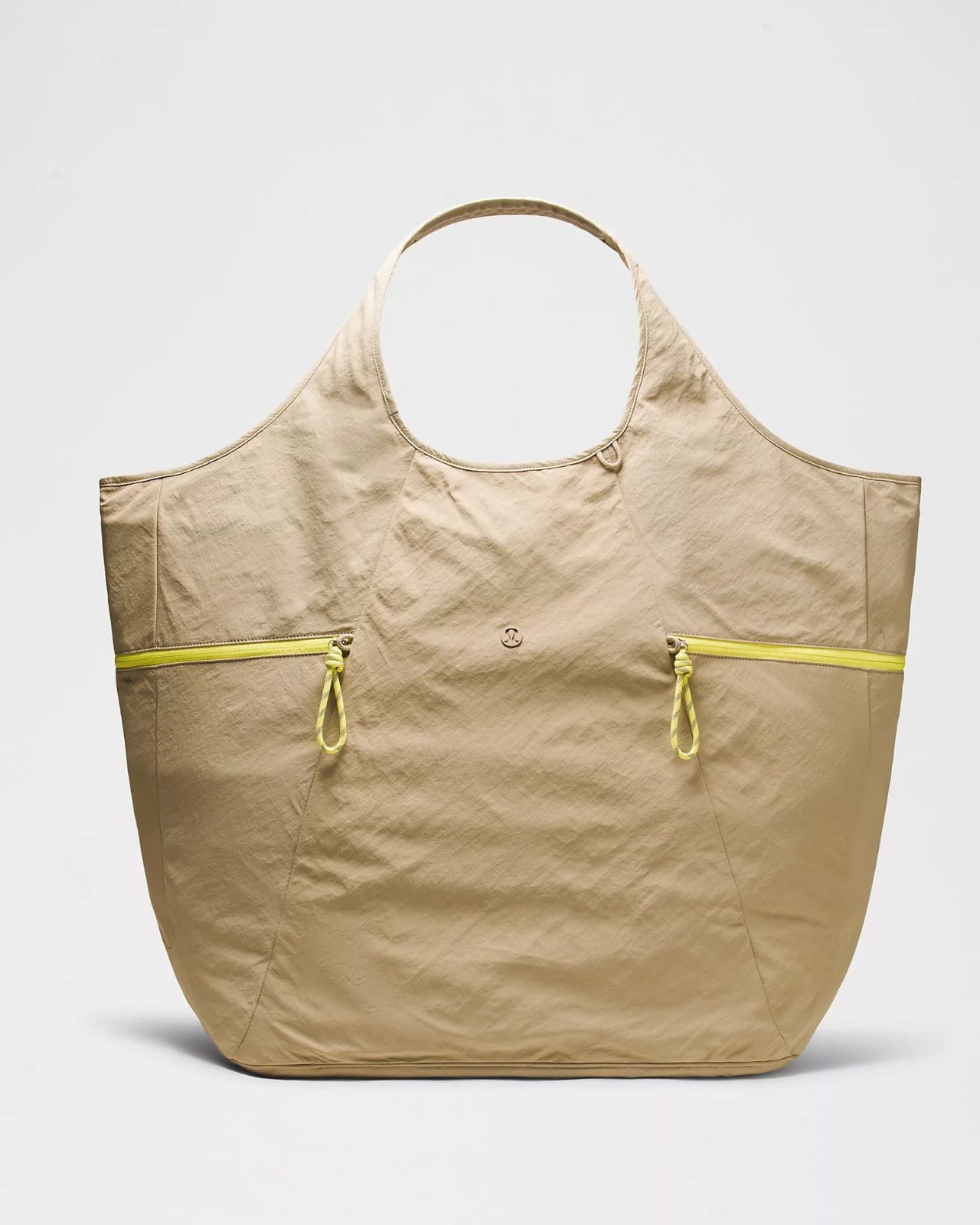
Lululemon’s entry, by contrast, is designed with an upright, structured shape that works more like an oversized tote you can sling over one shoulder and walk into a grocery store or laundromat with. It won’t survive quite the abuse a Black Hole Duffel can take, but it doesn’t need to. This is a bag built for daily life, not base camp. If you want rugged travel gear, Patagonia still wins. If you want something that turns “I need to bring everything” into a single, stylish, over-the-shoulder grab-and-go, the Big-Ass Bag has the edge.
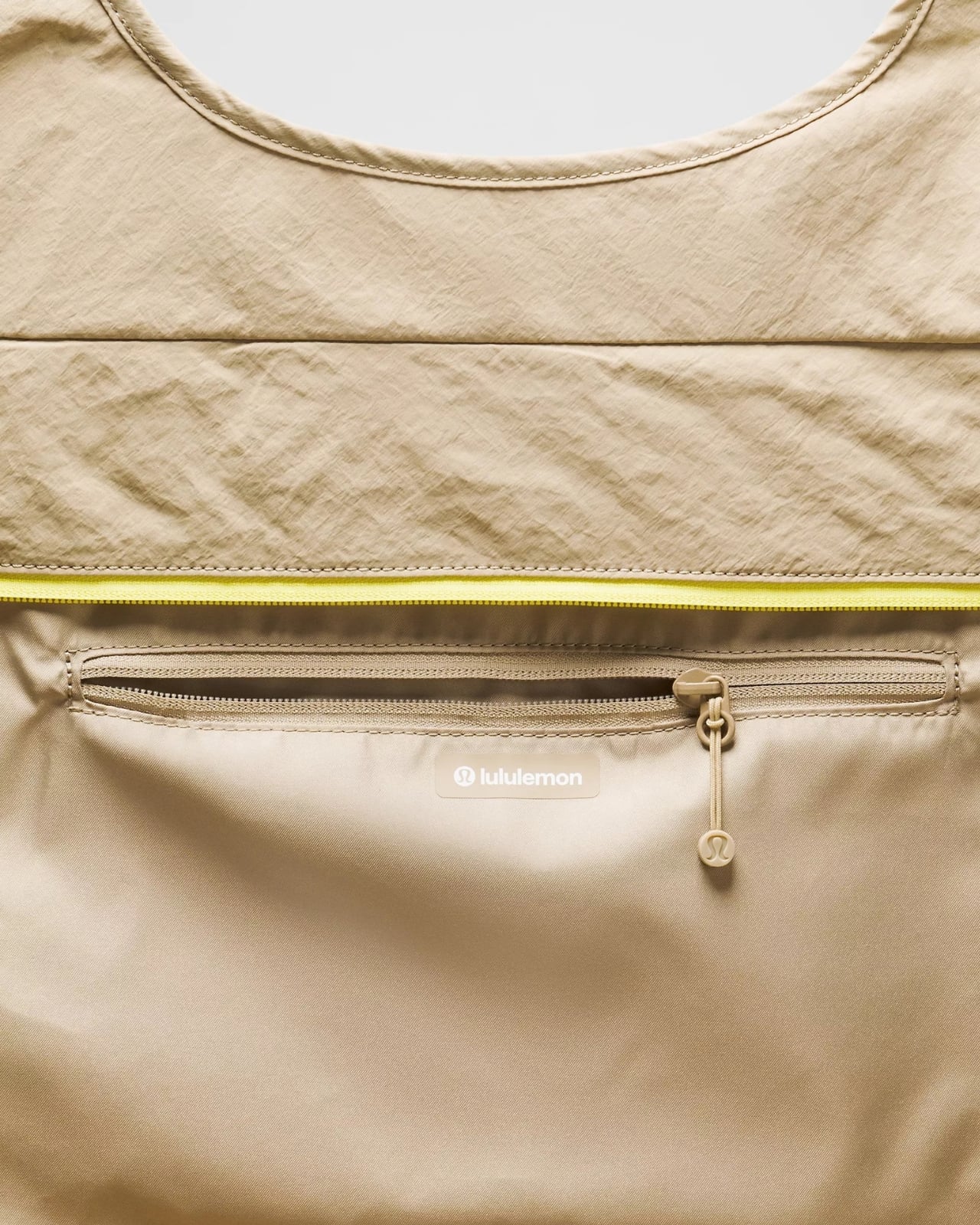

At the end of the day, this bag is proof that sometimes the simplest idea, just make it bigger, is exactly what people didn’t know they needed. It won’t fit in your closet quietly, and it definitely won’t let you forget you own it, but that’s sort of the point. Whether you’re the person who packs a “just in case” version of everything, a parent hauling three kids’ worth of gear, or someone who simply refuses to make two trips to the car, the Big-Ass Bag earns its name honestly. It’s oversized, it’s a little ridiculous, and it’s exactly as practical as it looks. For anyone tired of choosing between style and sheer carrying capacity, Lululemon just proved you don’t have to pick one.
The post Lululemon’s 80L Bag Refuses to Let You Pack Another Tote first appeared on Yanko Design.