Grade 5 Titanium, M390 Steel, Ceramic Bearings, $120 Price Tag: The EDC Knife to Beat in 2026

Most folding knives compromise somewhere. The blade steel holds an edge but rusts easily. The handle looks gorgeous but feels slippery when wet. The action is butter-smooth out of the box but develops wobble after six months of carry. MIH spent months asking a simpler question: what if you refused to compromise at all? What if you stripped away every feature that didn’t directly serve the three things a knife actually needs to do well, and then executed those three things with materials that cost more but last longer?

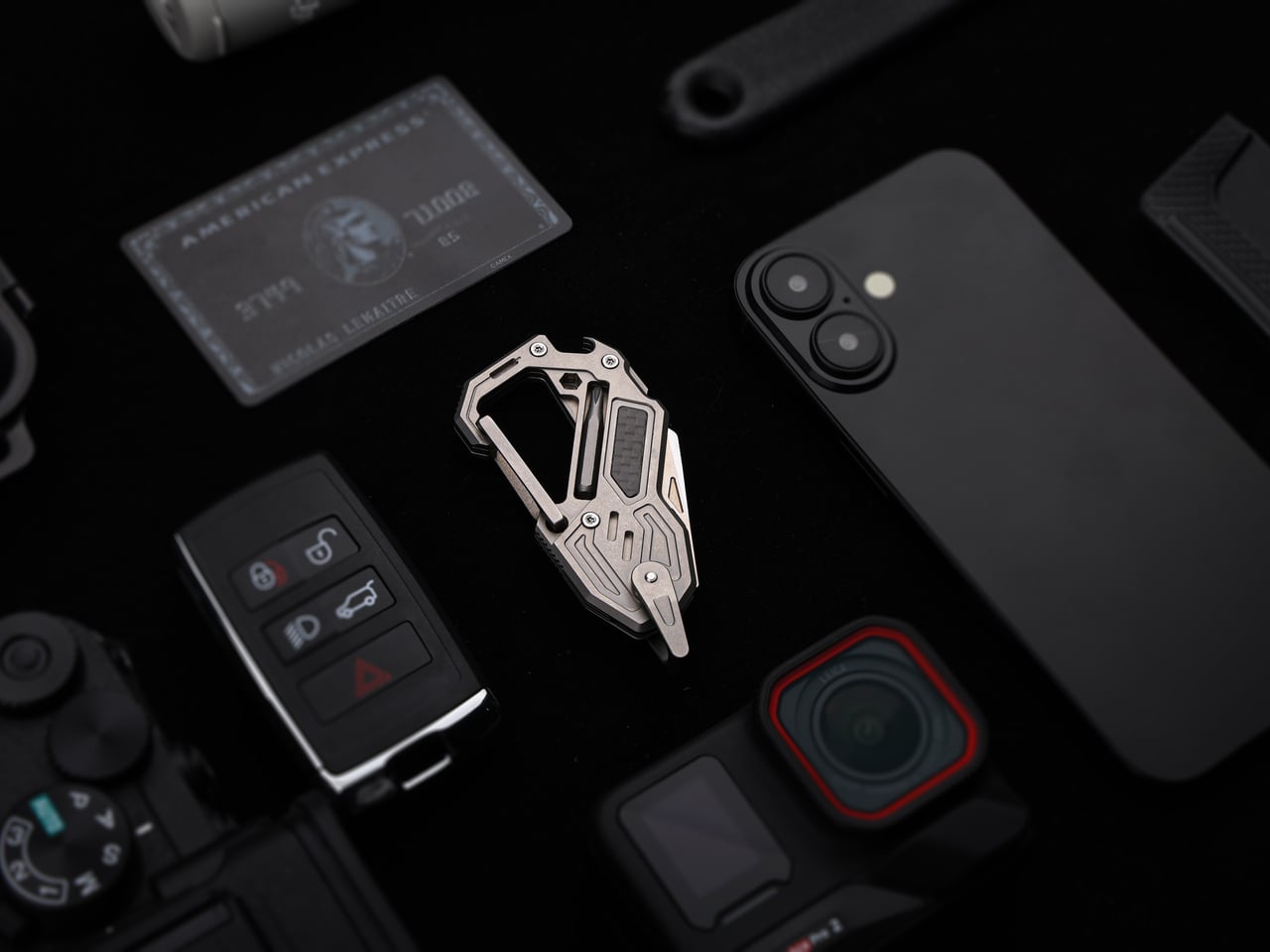
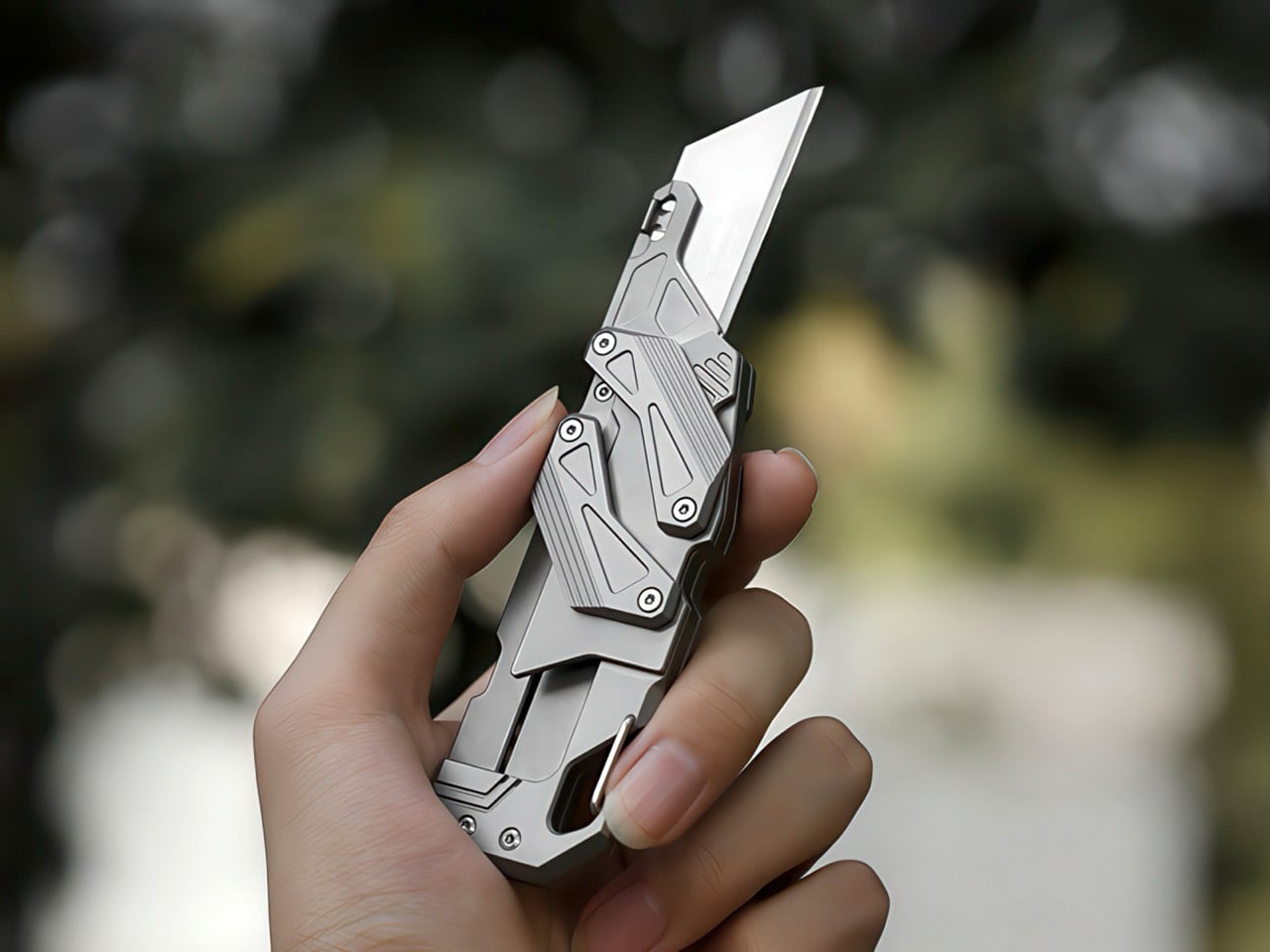
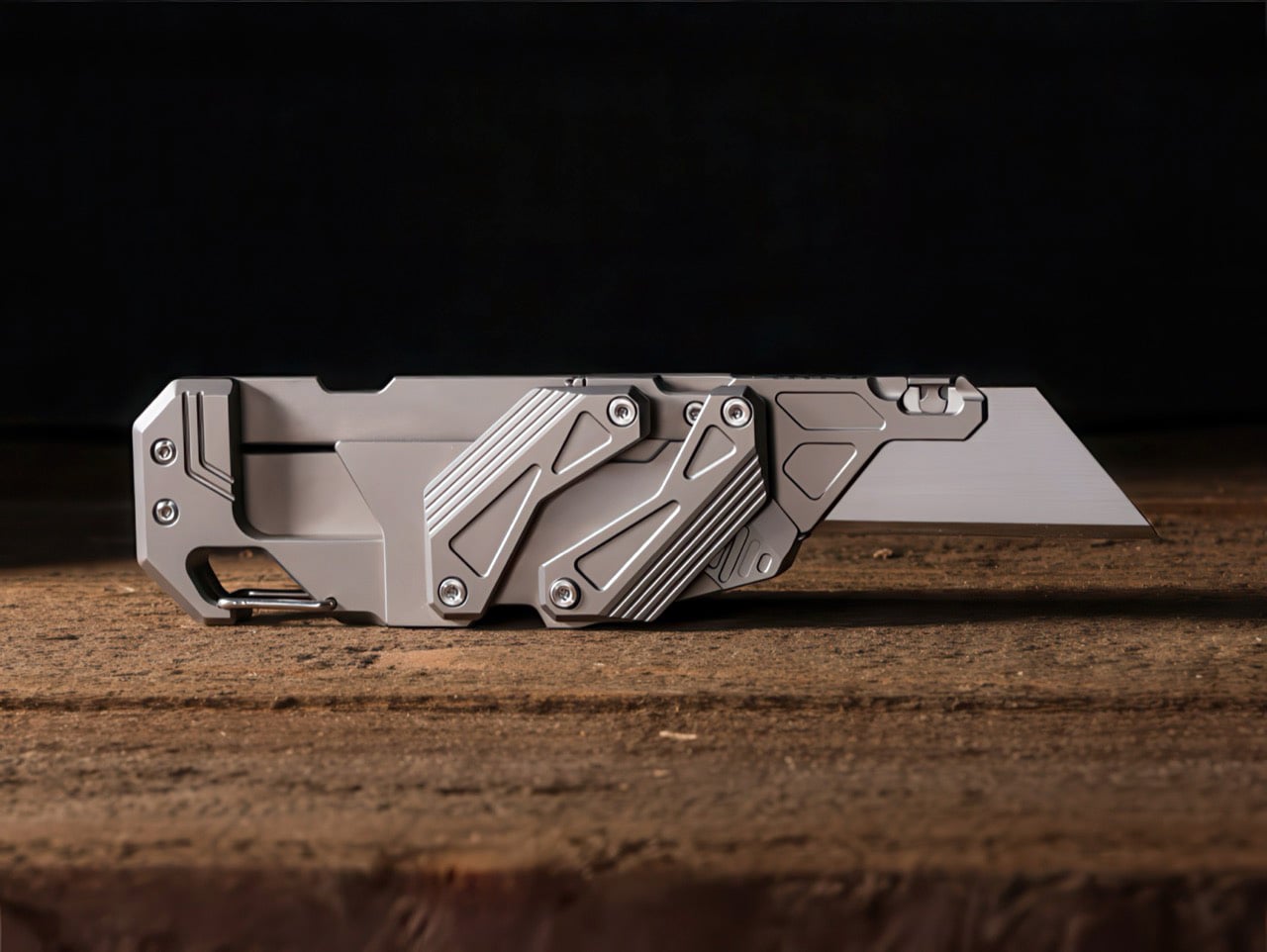
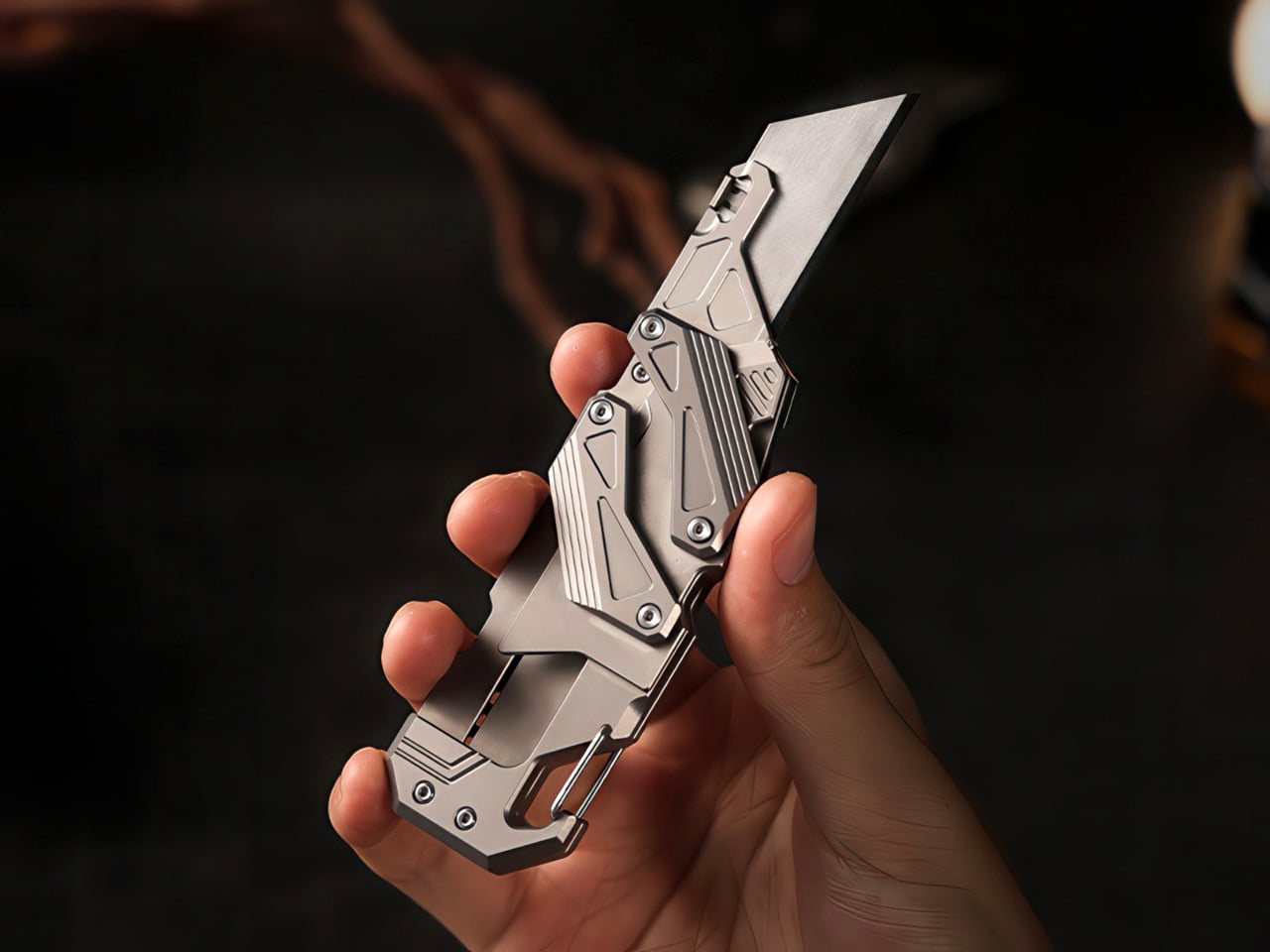
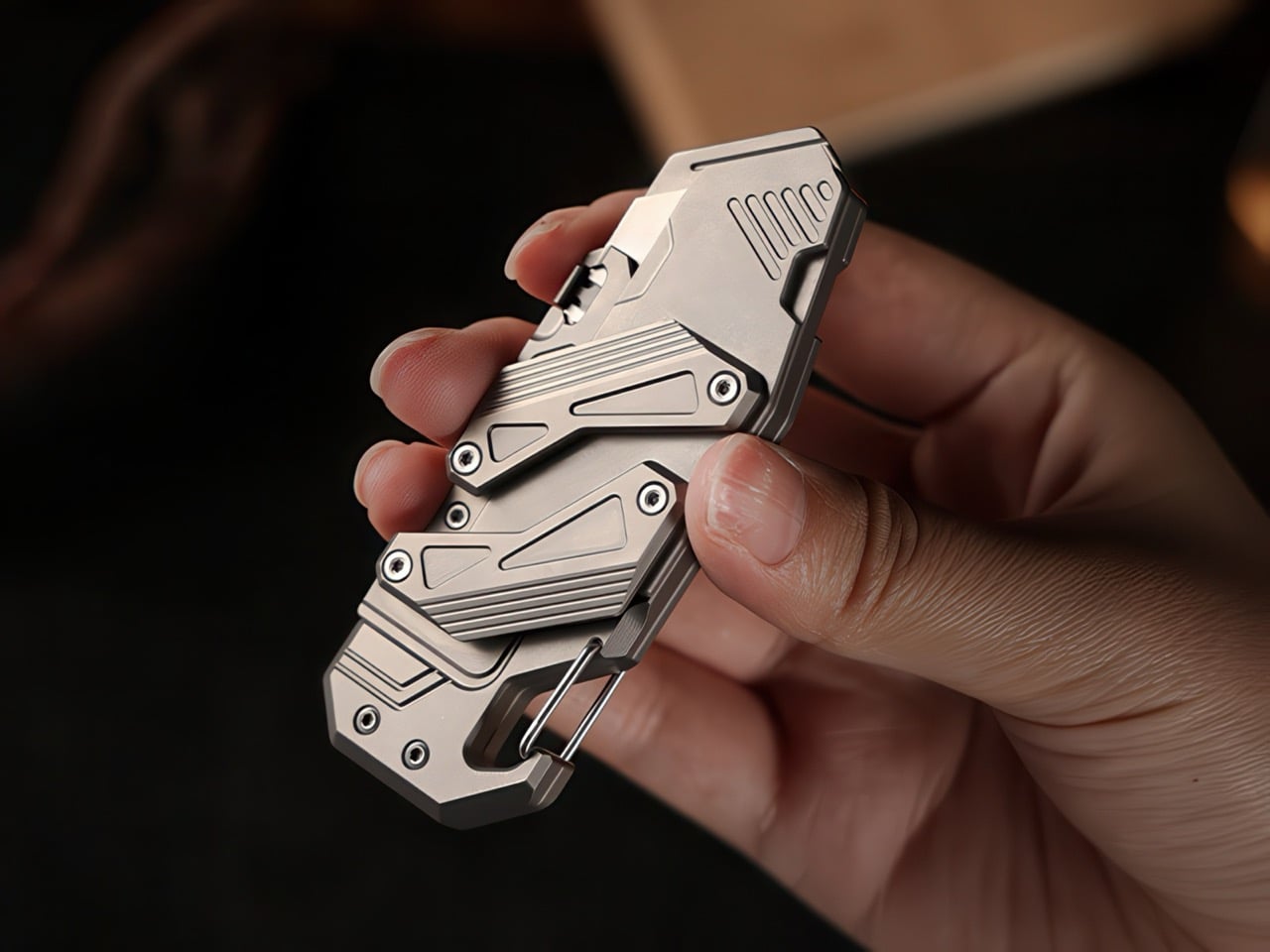
The GraphiX is the answer to that question. M390 steel, the supersteel standard, cuts 959mm of cardboard before dulling compared to 420HC’s 200mm. Ceramic bearings that will never rust paired with phosphor bronze washers that will never wear out. A titanium frame machined from Grade 5 aerospace alloy with a deep-carry clip milled directly into the structure. Carbon fiber scales with a tactile weave that ensures control even with gloves on. At $120 for the D2 version, this is a folder designed to be carried daily, used hard, and maintained rarely. It disappears in your pocket and appears in your hand exactly when you need it.

Designer: MIH

Click Here to Buy Now: $120 $183 (35% off) Hurry! Only 19 days left!
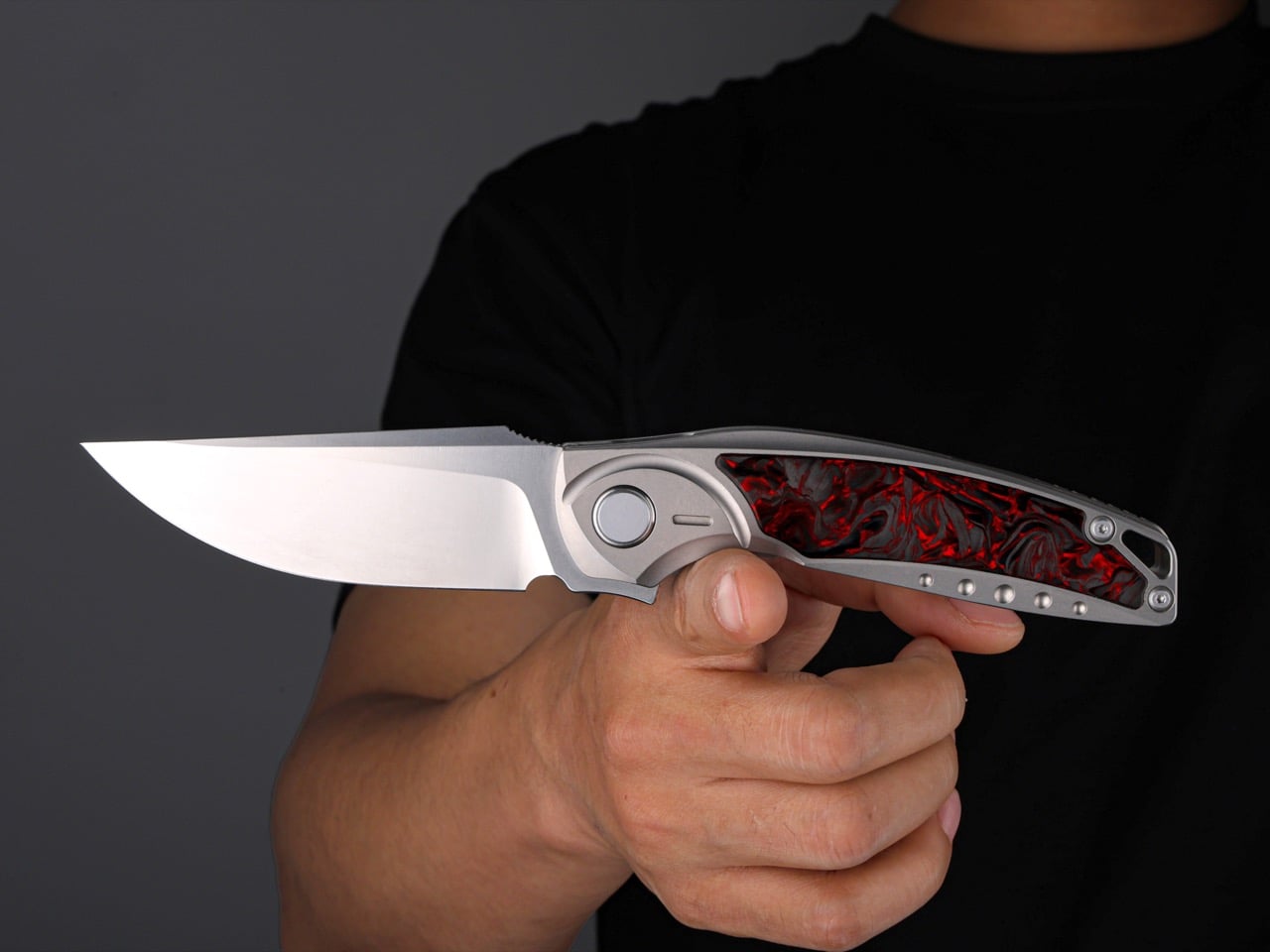
M390 is composed of 1.9% carbon for hardness, 20% chromium for corrosion protection, and 4% vanadium for edge life. That formula puts it at the top of the stainless steel hierarchy, well above the AUS-8 and 8Cr13MoV alloys found in budget production knives. The CATRA cardboard test proves it: M390 slices through nearly five times as much material as 420HC before edge degradation becomes noticeable. Heat-treated to 62 HRC and ground to a 15-degree edge angle per side, the blade hits the balance point where sharpness meets durability. You sharpen other knives. You just use this one. For those who prioritize toughness over ultimate edge retention, the D2 variant delivers serious cutting performance at 58-60 HRC, a tool steel with a long history of reliability in hard-use folders.

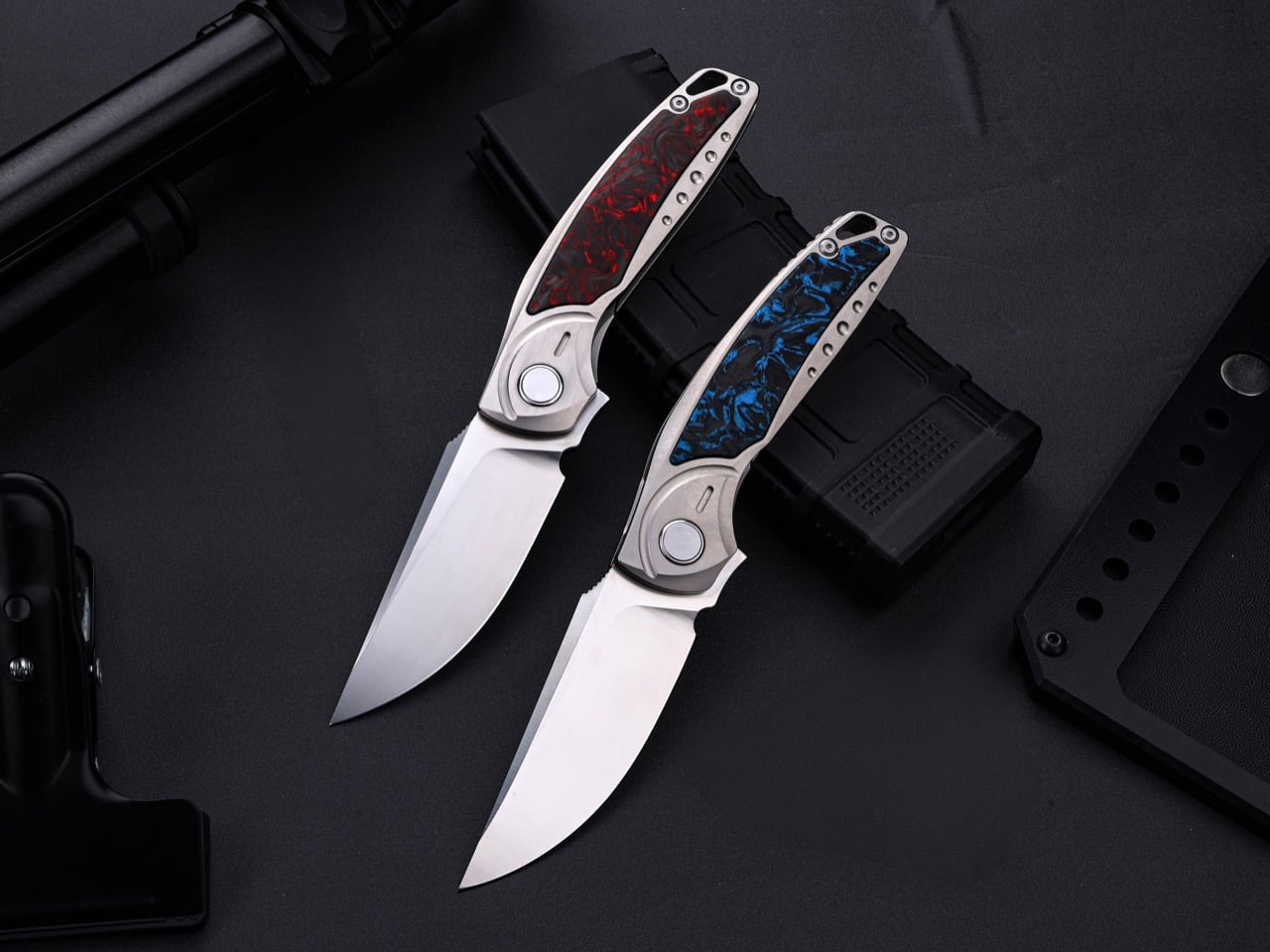
Grade 5 titanium, also known as Ti-6Al-4V, carries a strength-to-weight ratio that makes it the default choice in aerospace and medical implants. MIH machines the entire frame from this alloy, creating a structure light enough to disappear in your pocket at 5.6 ounces but strong enough to resist the kinds of lateral stresses that would bend a stainless steel liner. The frame curves to follow the natural contour of your palm, and the carbon fiber scales layered on top provide texture without aggression. Each scale displays a unique weave pattern since carbon fiber, by nature, never replicates exactly. Red, blue, or black colorways let you choose between bold presence, understated elegance, or low-visibility stealth. At the base of the blade, subtle jimping creates a tactile index point for your finger during detail work, the kind of small addition that only matters when you’re making precise cuts and suddenly realize how much control it gives you.
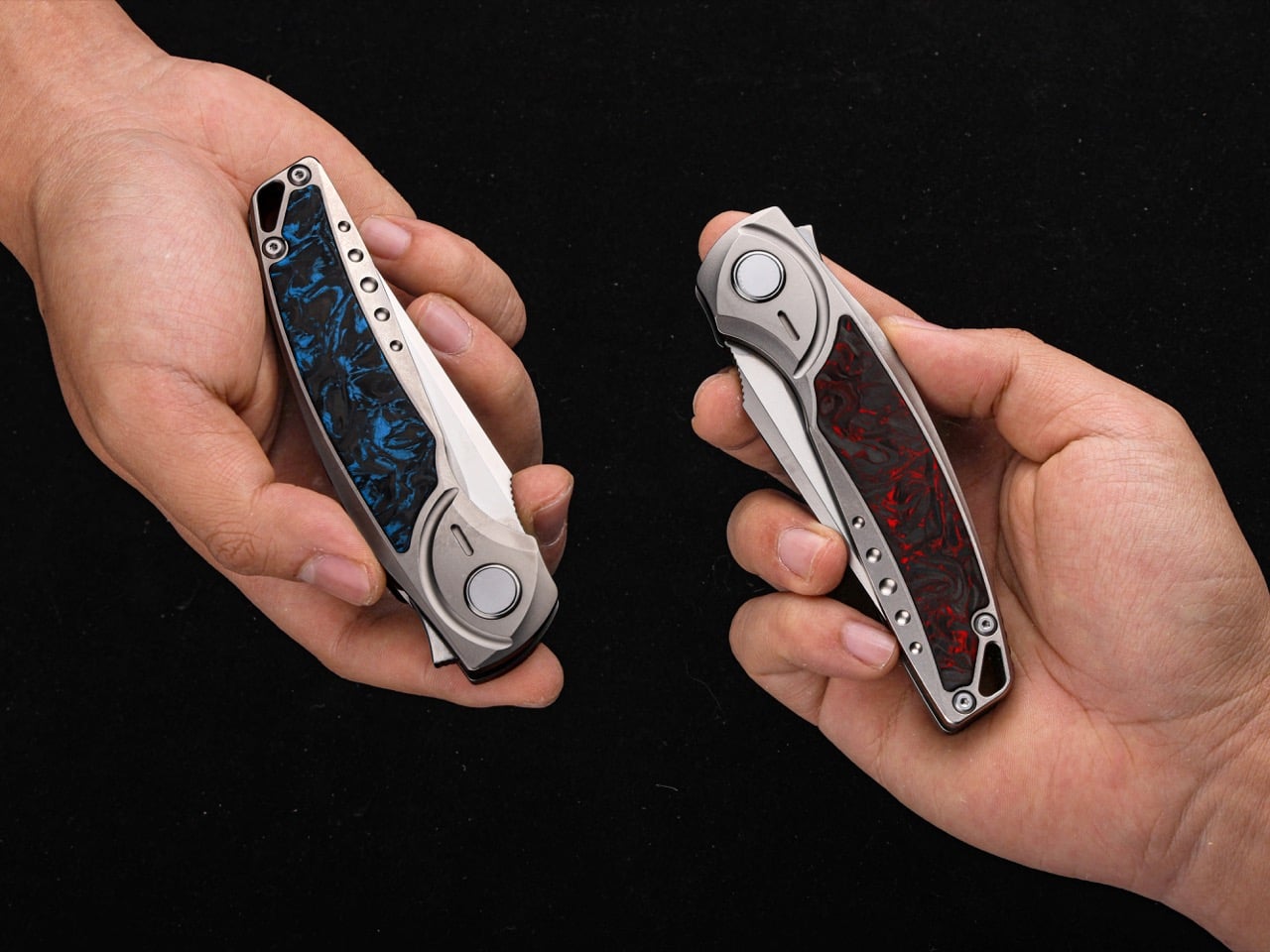
Ceramic bearings handle the pivot rotation while phosphor bronze washers distribute the load. Steel bearings corrode. Ceramic bearings don’t. Plastic washers compress and wear. Phosphor bronze doesn’t. The result is a deployment action that feels smooth the day it arrives and stays smooth years later. A strong detent keeps the blade locked closed during carry with no risk of accidental opening, but when you engage the flipper tab, the blade snaps out with a satisfying, controlled authority. The lock face and pivot are precision-machined to eliminate tolerances, which translates to zero blade play when the knife is open. No wobble. No lateral movement. Just solid lockup you can trust under hard use.
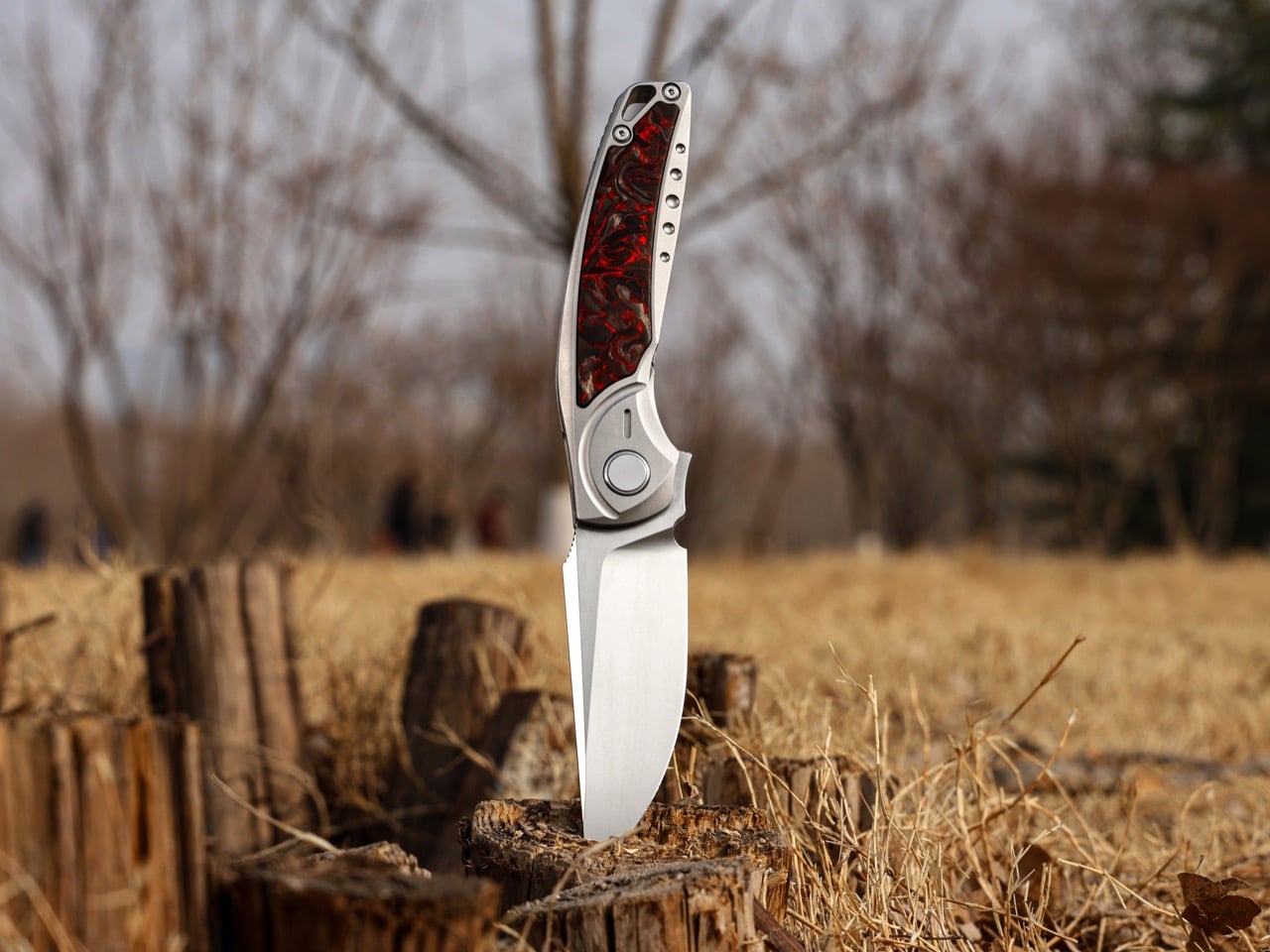
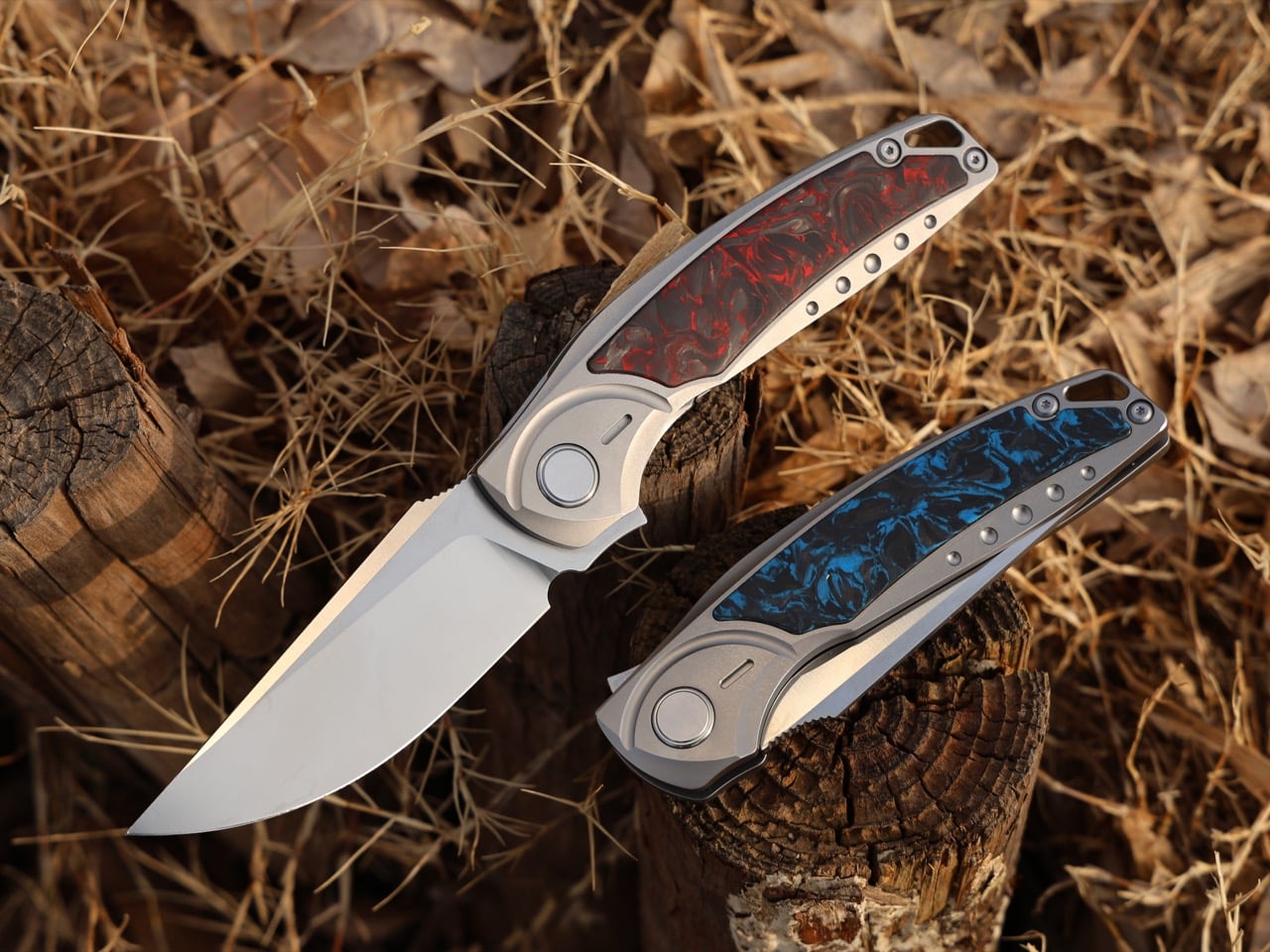
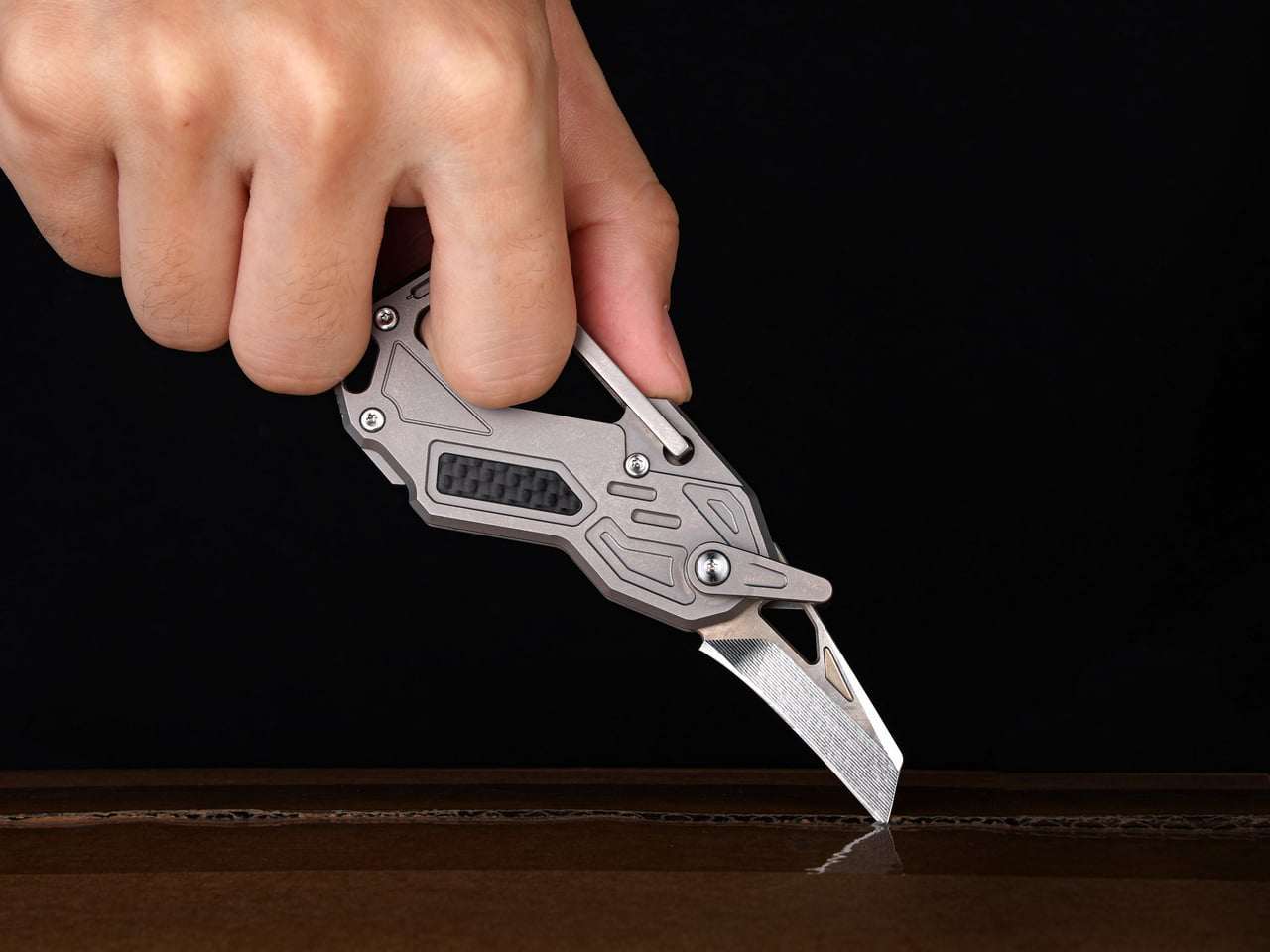
The blade runs a drop point profile, which means the spine curves gently downward to meet the tip, creating a strong point with plenty of belly for slicing. Drop point is the workhorse geometry for EDC because it excels at the tasks you actually do daily: opening packages, cutting cordage, preparing food, stripping wire, shaving wood. The tip is strong enough for piercing but not so aggressive that it tears through pocket fabric or catches on material when you’re making controlled cuts. At 62 HRC with a 15-degree edge angle, the M390 blade slices through cardboard, rope, plastic banding, and food prep tasks without requiring frequent touch-ups, while the D2 variant trades some of that extreme edge retention for better toughness under hard lateral loads. This is a knife built for the person who’s tired of pocket clips that loosen after a month, blades that need constant sharpening, and folders that feel like they were designed by a committee instead of someone who actually carries a knife daily.
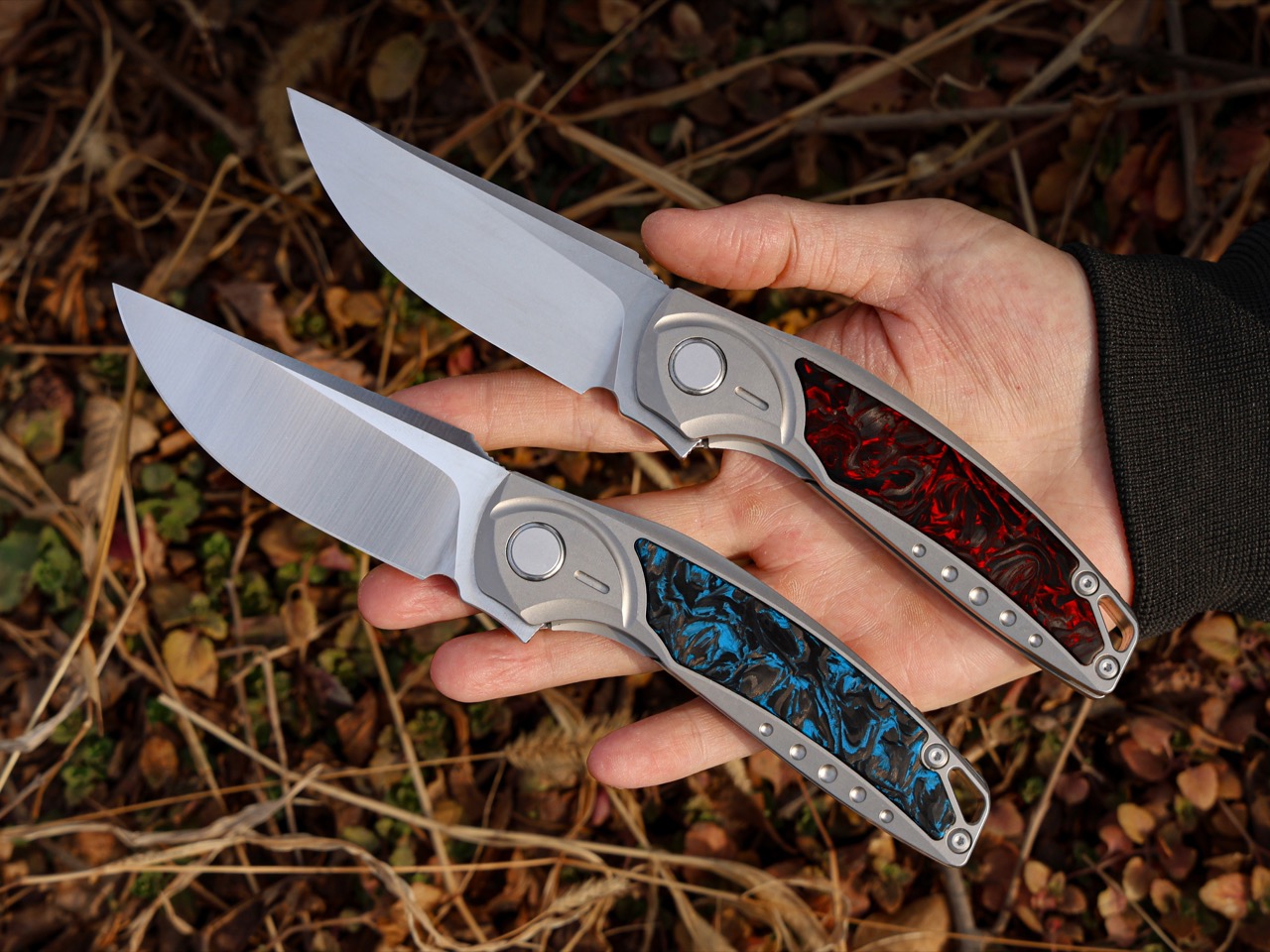
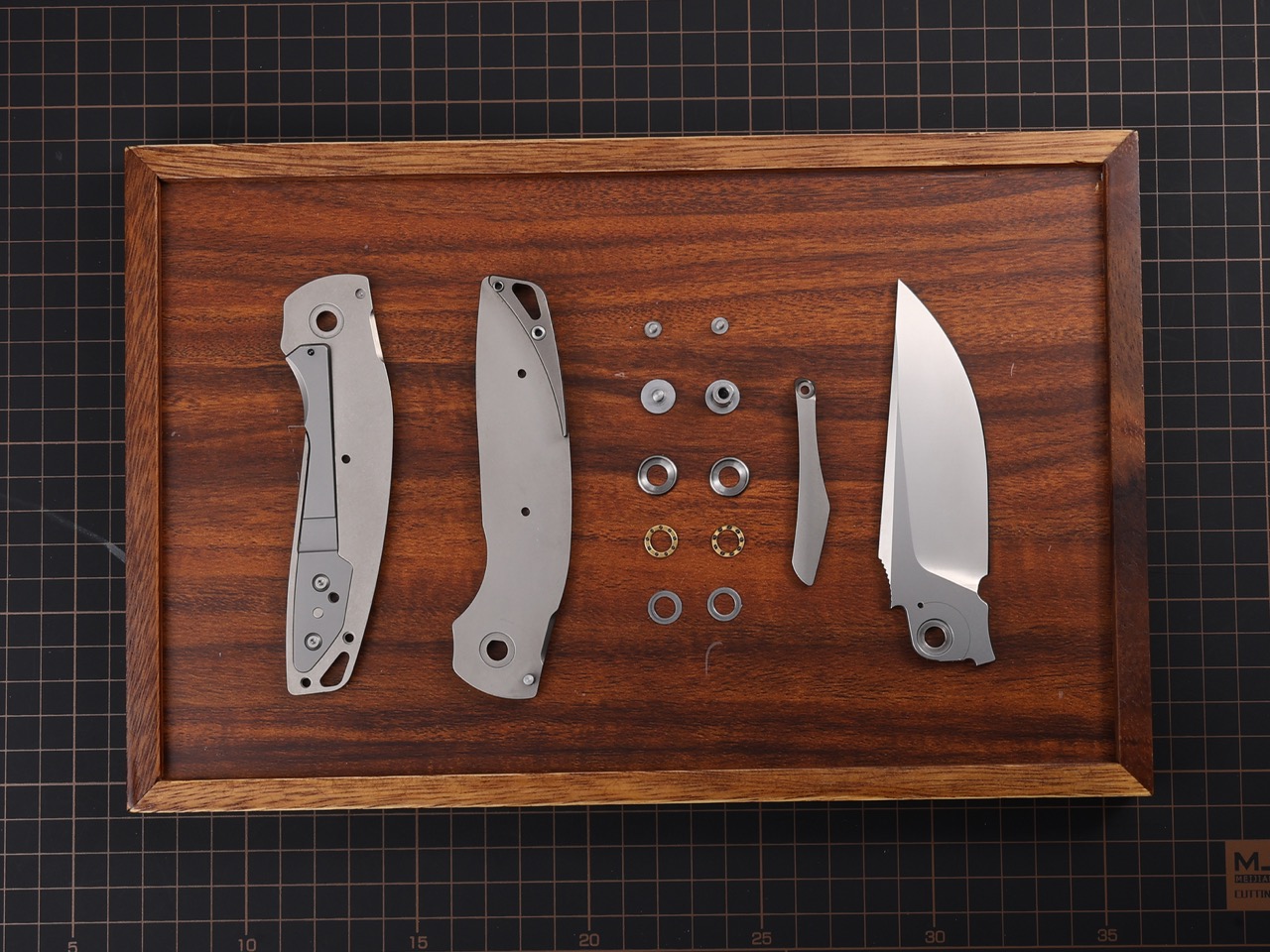
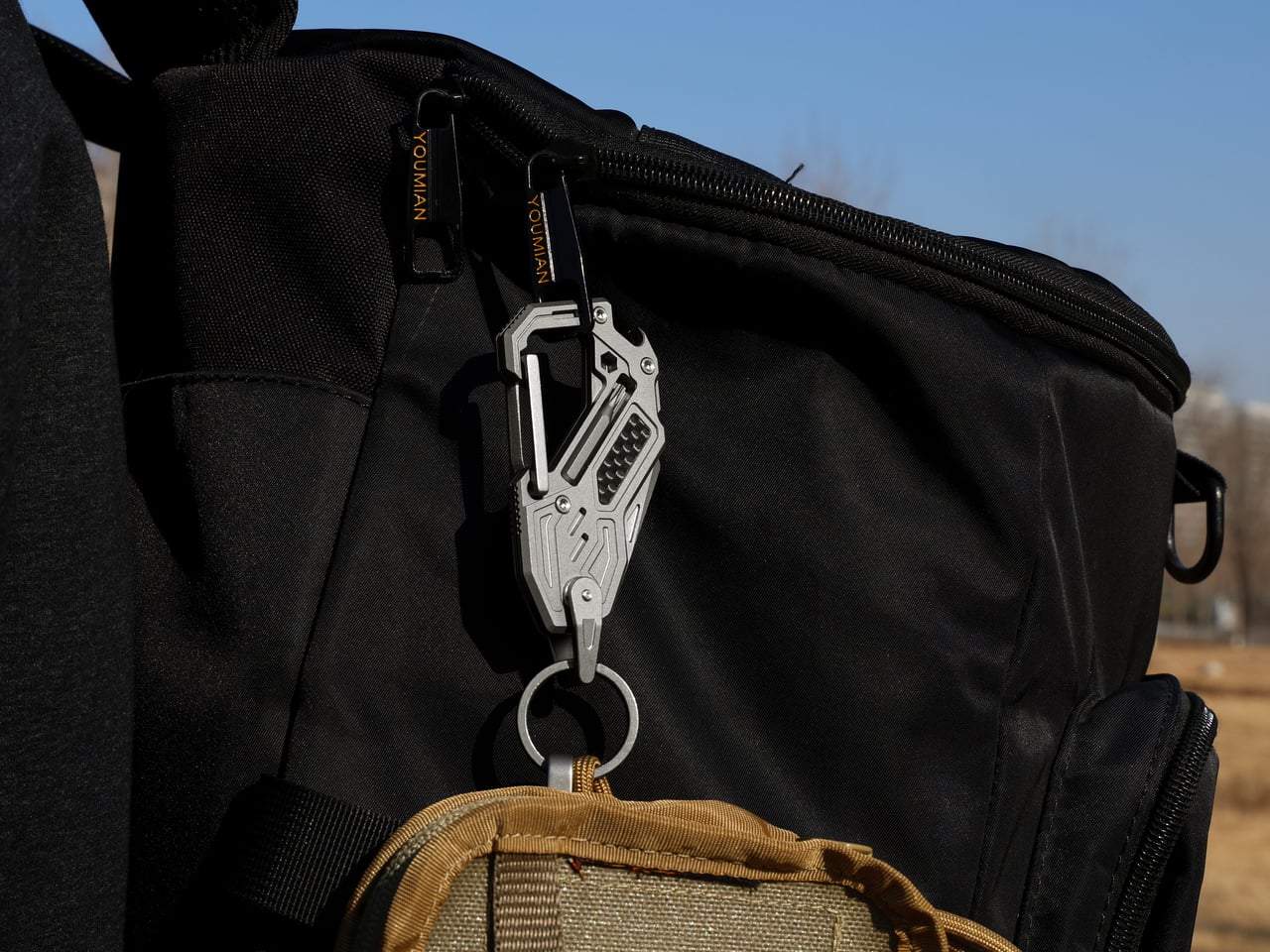
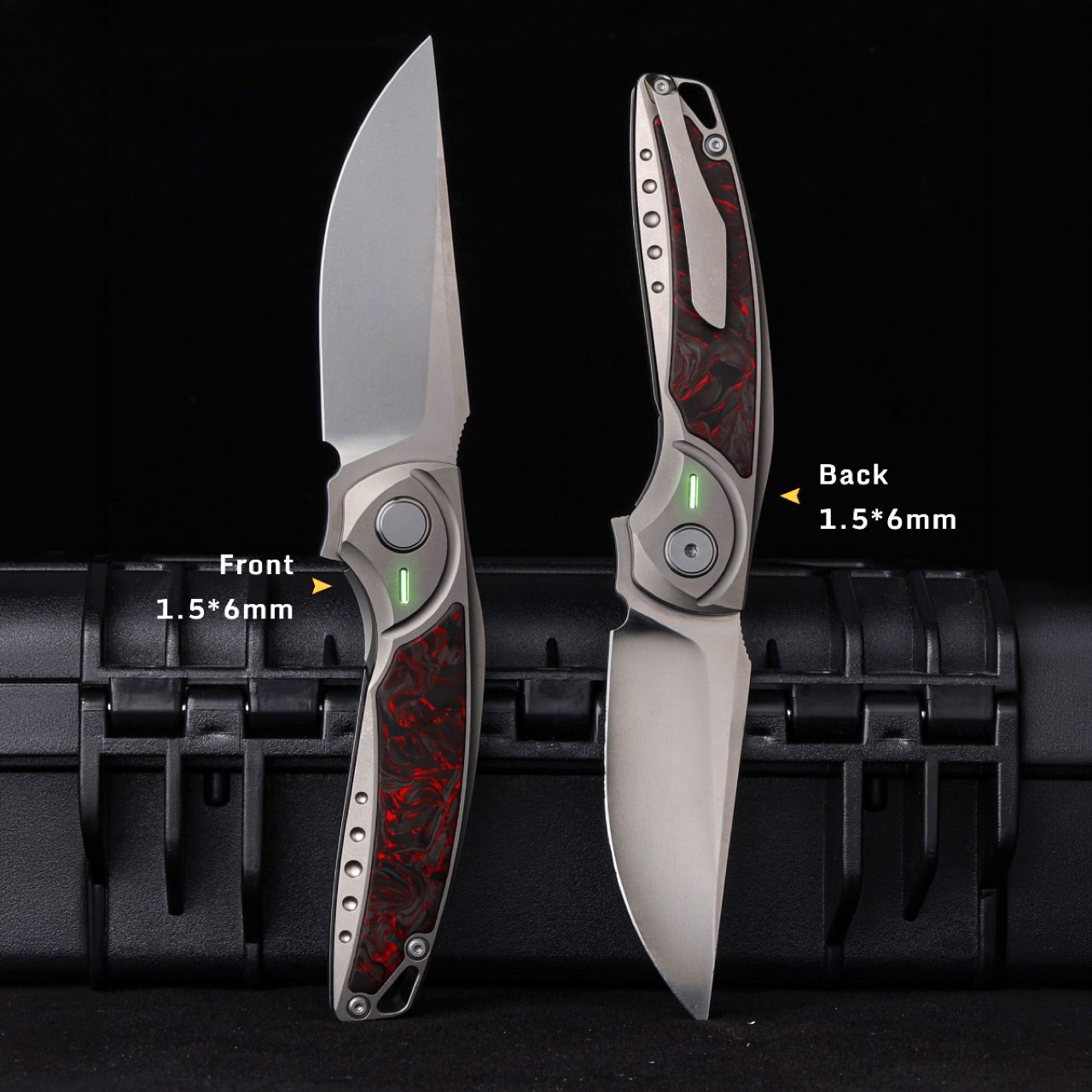
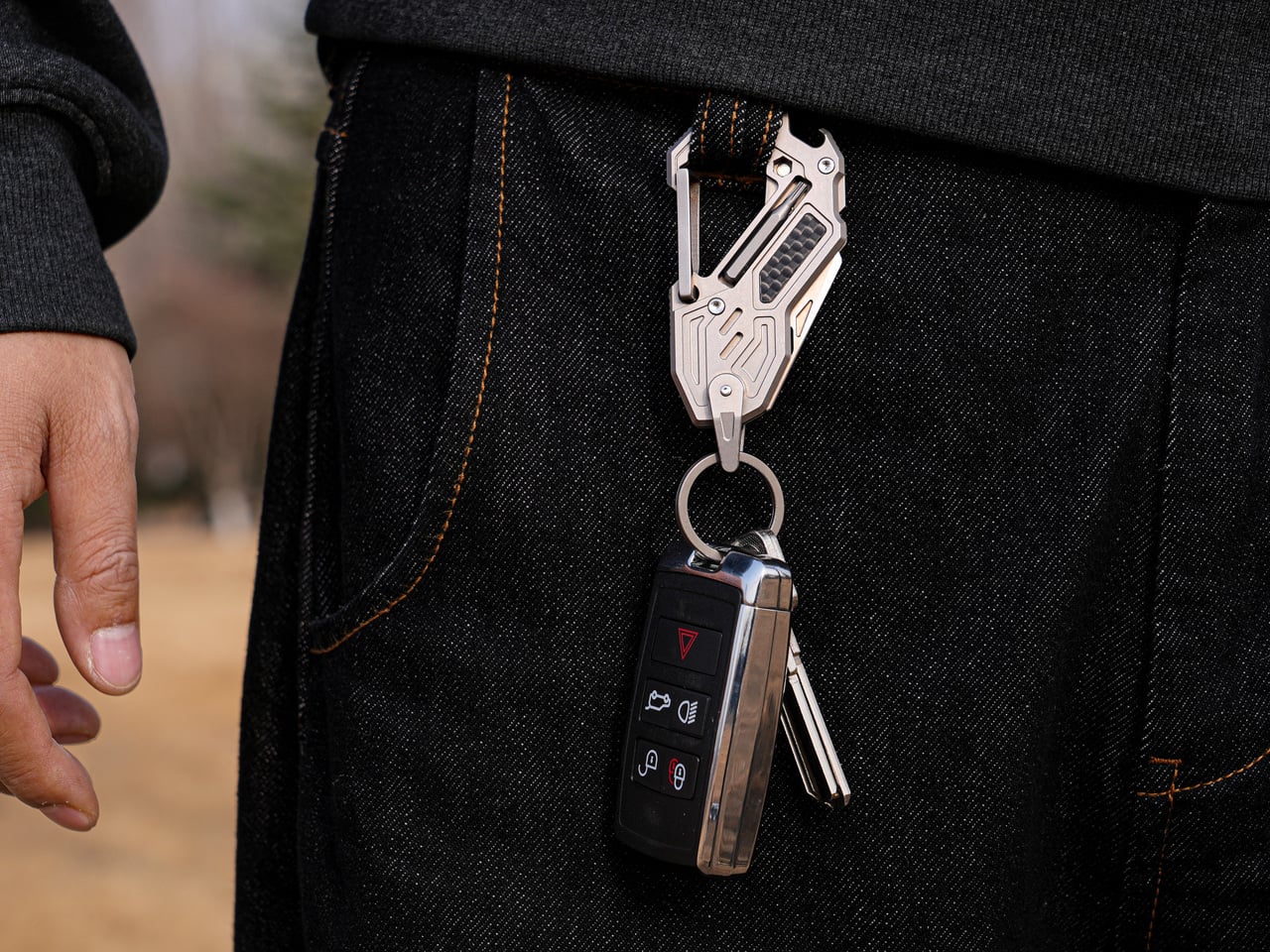
MIH milled the clip channel directly into the titanium frame so the clip sits flush with the handle contour, machined from spring-grade titanium so it grips firmly without deforming and releases smoothly without snagging fabric. Precision-machined tritium slots measuring 1.5x6mm sit on both sides of the handle, ready to accept self-illuminating vials if you want a subtle glow-in-the-dark locator, or you can leave them empty and enjoy the clean lines. A lanyard hole at the tail end gives you the option to attach a bead or cord for wrist retention or easier pocket extraction. Closed, the GraphiX measures 4.71 inches. Open, 8.27 inches. The balance ratio hits 0.618, essentially the golden ratio applied to weight distribution, which means the knife pivots naturally in your hand without feeling blade-heavy or handle-heavy.
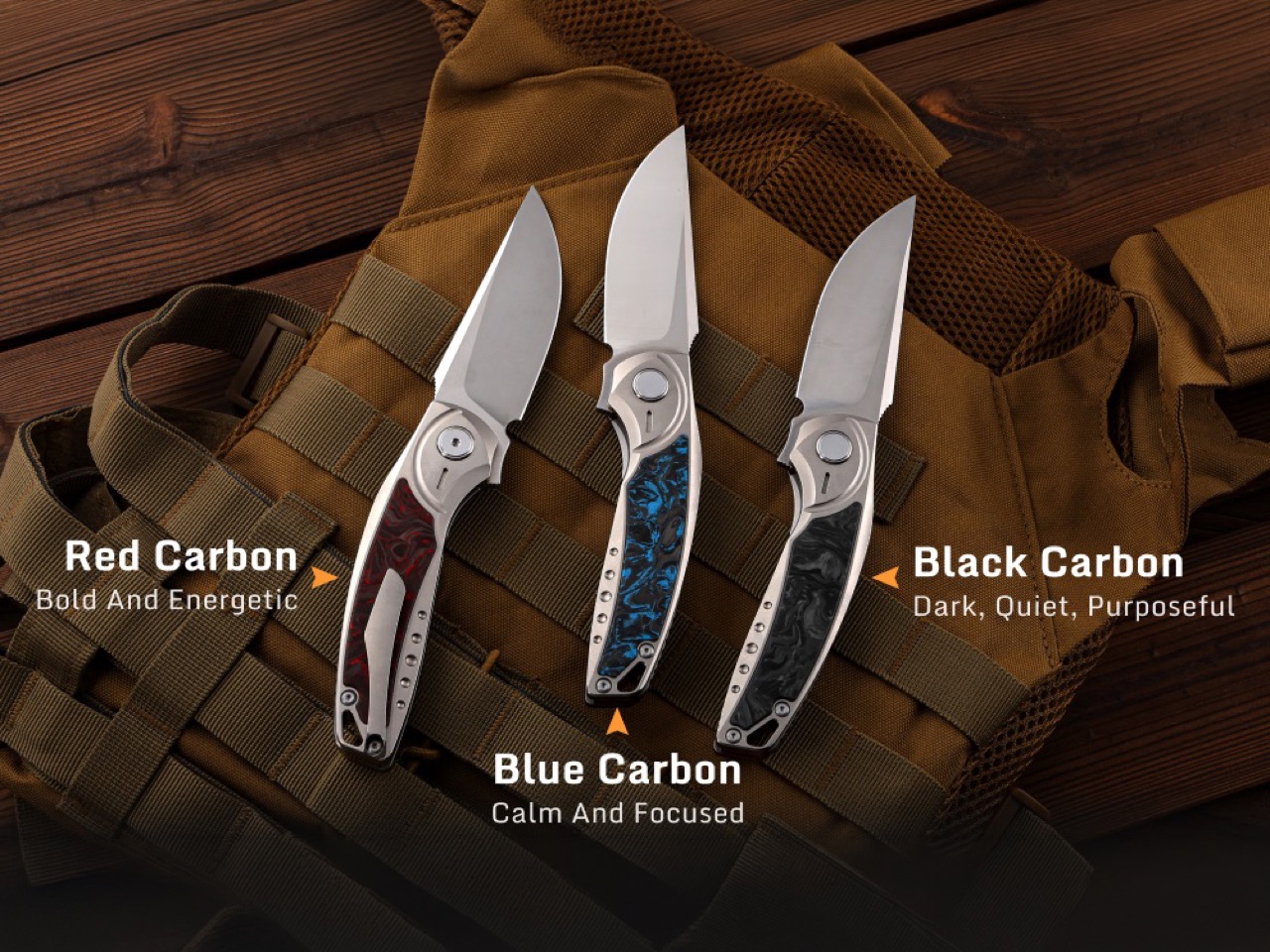
The D2 variant starts at $120, making it the accessible entry point into a titanium-framed folder with ceramic bearings and a carbon fiber inlay. The M390 version commands a premium for the superior edge retention. Add-ons include custom engraving, alternate carbon fiber colors (blue or black if you don’t want the default red), luminous vials, tritium vials, a titanium lanyard bead, and a foldable knife sharpener. The GraphiX ships worldwide with no additional shipping fees, and delivery is expected in August-September 2026 for backers who secure their spot during the campaign window.

Click Here to Buy Now: $120 $183 (35% off) Hurry! Only 19 days left!

The post Grade 5 Titanium, M390 Steel, Ceramic Bearings, $120 Price Tag: The EDC Knife to Beat in 2026 first appeared on Yanko Design.
Grade 5 Titanium, M390 Steel, Ceramic Bearings, $120 Price Tag: The EDC Knife to Beat in 2026

Most folding knives compromise somewhere. The blade steel holds an edge but rusts easily. The handle looks gorgeous but feels slippery when wet. The action is butter-smooth out of the box but develops wobble after six months of carry. MIH spent months asking a simpler question: what if you refused to compromise at all? What if you stripped away every feature that didn’t directly serve the three things a knife actually needs to do well, and then executed those three things with materials that cost more but last longer?

The GraphiX is the answer to that question. M390 steel, the supersteel standard, cuts 959mm of cardboard before dulling compared to 420HC’s 200mm. Ceramic bearings that will never rust paired with phosphor bronze washers that will never wear out. A titanium frame machined from Grade 5 aerospace alloy with a deep-carry clip milled directly into the structure. Carbon fiber scales with a tactile weave that ensures control even with gloves on. At $120 for the D2 version, this is a folder designed to be carried daily, used hard, and maintained rarely. It disappears in your pocket and appears in your hand exactly when you need it.

Designer: MIH

Click Here to Buy Now: $120 $183 (35% off) Hurry! Only 19 days left!

M390 is composed of 1.9% carbon for hardness, 20% chromium for corrosion protection, and 4% vanadium for edge life. That formula puts it at the top of the stainless steel hierarchy, well above the AUS-8 and 8Cr13MoV alloys found in budget production knives. The CATRA cardboard test proves it: M390 slices through nearly five times as much material as 420HC before edge degradation becomes noticeable. Heat-treated to 62 HRC and ground to a 15-degree edge angle per side, the blade hits the balance point where sharpness meets durability. You sharpen other knives. You just use this one. For those who prioritize toughness over ultimate edge retention, the D2 variant delivers serious cutting performance at 58-60 HRC, a tool steel with a long history of reliability in hard-use folders.

Grade 5 titanium, also known as Ti-6Al-4V, carries a strength-to-weight ratio that makes it the default choice in aerospace and medical implants. MIH machines the entire frame from this alloy, creating a structure light enough to disappear in your pocket at 5.6 ounces but strong enough to resist the kinds of lateral stresses that would bend a stainless steel liner. The frame curves to follow the natural contour of your palm, and the carbon fiber scales layered on top provide texture without aggression. Each scale displays a unique weave pattern since carbon fiber, by nature, never replicates exactly. Red, blue, or black colorways let you choose between bold presence, understated elegance, or low-visibility stealth. At the base of the blade, subtle jimping creates a tactile index point for your finger during detail work, the kind of small addition that only matters when you’re making precise cuts and suddenly realize how much control it gives you.

Ceramic bearings handle the pivot rotation while phosphor bronze washers distribute the load. Steel bearings corrode. Ceramic bearings don’t. Plastic washers compress and wear. Phosphor bronze doesn’t. The result is a deployment action that feels smooth the day it arrives and stays smooth years later. A strong detent keeps the blade locked closed during carry with no risk of accidental opening, but when you engage the flipper tab, the blade snaps out with a satisfying, controlled authority. The lock face and pivot are precision-machined to eliminate tolerances, which translates to zero blade play when the knife is open. No wobble. No lateral movement. Just solid lockup you can trust under hard use.

The blade runs a drop point profile, which means the spine curves gently downward to meet the tip, creating a strong point with plenty of belly for slicing. Drop point is the workhorse geometry for EDC because it excels at the tasks you actually do daily: opening packages, cutting cordage, preparing food, stripping wire, shaving wood. The tip is strong enough for piercing but not so aggressive that it tears through pocket fabric or catches on material when you’re making controlled cuts. At 62 HRC with a 15-degree edge angle, the M390 blade slices through cardboard, rope, plastic banding, and food prep tasks without requiring frequent touch-ups, while the D2 variant trades some of that extreme edge retention for better toughness under hard lateral loads. This is a knife built for the person who’s tired of pocket clips that loosen after a month, blades that need constant sharpening, and folders that feel like they were designed by a committee instead of someone who actually carries a knife daily.

MIH milled the clip channel directly into the titanium frame so the clip sits flush with the handle contour, machined from spring-grade titanium so it grips firmly without deforming and releases smoothly without snagging fabric. Precision-machined tritium slots measuring 1.5x6mm sit on both sides of the handle, ready to accept self-illuminating vials if you want a subtle glow-in-the-dark locator, or you can leave them empty and enjoy the clean lines. A lanyard hole at the tail end gives you the option to attach a bead or cord for wrist retention or easier pocket extraction. Closed, the GraphiX measures 4.71 inches. Open, 8.27 inches. The balance ratio hits 0.618, essentially the golden ratio applied to weight distribution, which means the knife pivots naturally in your hand without feeling blade-heavy or handle-heavy.

The D2 variant starts at $120, making it the accessible entry point into a titanium-framed folder with ceramic bearings and a carbon fiber inlay. The M390 version commands a premium for the superior edge retention. Add-ons include custom engraving, alternate carbon fiber colors (blue or black if you don’t want the default red), luminous vials, tritium vials, a titanium lanyard bead, and a foldable knife sharpener. The GraphiX ships worldwide with no additional shipping fees, and delivery is expected in August-September 2026 for backers who secure their spot during the campaign window.

Click Here to Buy Now: $120 $183 (35% off) Hurry! Only 19 days left!

The post Grade 5 Titanium, M390 Steel, Ceramic Bearings, $120 Price Tag: The EDC Knife to Beat in 2026 first appeared on Yanko Design.

Grade 5 Titanium, M390 Steel, Ceramic Bearings, $120 Price Tag: The EDC Knife to Beat in 2026

Most folding knives compromise somewhere. The blade steel holds an edge but rusts easily. The handle looks gorgeous but feels slippery when wet. The action is butter-smooth out of the box but develops wobble after six months of carry. MIH spent months asking a simpler question: what if you refused to compromise at all? What if you stripped away every feature that didn’t directly serve the three things a knife actually needs to do well, and then executed those three things with materials that cost more but last longer?

The GraphiX is the answer to that question. M390 steel, the supersteel standard, cuts 959mm of cardboard before dulling compared to 420HC’s 200mm. Ceramic bearings that will never rust paired with phosphor bronze washers that will never wear out. A titanium frame machined from Grade 5 aerospace alloy with a deep-carry clip milled directly into the structure. Carbon fiber scales with a tactile weave that ensures control even with gloves on. At $120 for the D2 version, this is a folder designed to be carried daily, used hard, and maintained rarely. It disappears in your pocket and appears in your hand exactly when you need it.

Designer: MIH

Click Here to Buy Now: $120 $183 (35% off) Hurry! Only 19 days left!

M390 is composed of 1.9% carbon for hardness, 20% chromium for corrosion protection, and 4% vanadium for edge life. That formula puts it at the top of the stainless steel hierarchy, well above the AUS-8 and 8Cr13MoV alloys found in budget production knives. The CATRA cardboard test proves it: M390 slices through nearly five times as much material as 420HC before edge degradation becomes noticeable. Heat-treated to 62 HRC and ground to a 15-degree edge angle per side, the blade hits the balance point where sharpness meets durability. You sharpen other knives. You just use this one. For those who prioritize toughness over ultimate edge retention, the D2 variant delivers serious cutting performance at 58-60 HRC, a tool steel with a long history of reliability in hard-use folders.

Grade 5 titanium, also known as Ti-6Al-4V, carries a strength-to-weight ratio that makes it the default choice in aerospace and medical implants. MIH machines the entire frame from this alloy, creating a structure light enough to disappear in your pocket at 5.6 ounces but strong enough to resist the kinds of lateral stresses that would bend a stainless steel liner. The frame curves to follow the natural contour of your palm, and the carbon fiber scales layered on top provide texture without aggression. Each scale displays a unique weave pattern since carbon fiber, by nature, never replicates exactly. Red, blue, or black colorways let you choose between bold presence, understated elegance, or low-visibility stealth. At the base of the blade, subtle jimping creates a tactile index point for your finger during detail work, the kind of small addition that only matters when you’re making precise cuts and suddenly realize how much control it gives you.

Ceramic bearings handle the pivot rotation while phosphor bronze washers distribute the load. Steel bearings corrode. Ceramic bearings don’t. Plastic washers compress and wear. Phosphor bronze doesn’t. The result is a deployment action that feels smooth the day it arrives and stays smooth years later. A strong detent keeps the blade locked closed during carry with no risk of accidental opening, but when you engage the flipper tab, the blade snaps out with a satisfying, controlled authority. The lock face and pivot are precision-machined to eliminate tolerances, which translates to zero blade play when the knife is open. No wobble. No lateral movement. Just solid lockup you can trust under hard use.

The blade runs a drop point profile, which means the spine curves gently downward to meet the tip, creating a strong point with plenty of belly for slicing. Drop point is the workhorse geometry for EDC because it excels at the tasks you actually do daily: opening packages, cutting cordage, preparing food, stripping wire, shaving wood. The tip is strong enough for piercing but not so aggressive that it tears through pocket fabric or catches on material when you’re making controlled cuts. At 62 HRC with a 15-degree edge angle, the M390 blade slices through cardboard, rope, plastic banding, and food prep tasks without requiring frequent touch-ups, while the D2 variant trades some of that extreme edge retention for better toughness under hard lateral loads. This is a knife built for the person who’s tired of pocket clips that loosen after a month, blades that need constant sharpening, and folders that feel like they were designed by a committee instead of someone who actually carries a knife daily.

MIH milled the clip channel directly into the titanium frame so the clip sits flush with the handle contour, machined from spring-grade titanium so it grips firmly without deforming and releases smoothly without snagging fabric. Precision-machined tritium slots measuring 1.5x6mm sit on both sides of the handle, ready to accept self-illuminating vials if you want a subtle glow-in-the-dark locator, or you can leave them empty and enjoy the clean lines. A lanyard hole at the tail end gives you the option to attach a bead or cord for wrist retention or easier pocket extraction. Closed, the GraphiX measures 4.71 inches. Open, 8.27 inches. The balance ratio hits 0.618, essentially the golden ratio applied to weight distribution, which means the knife pivots naturally in your hand without feeling blade-heavy or handle-heavy.

The D2 variant starts at $120, making it the accessible entry point into a titanium-framed folder with ceramic bearings and a carbon fiber inlay. The M390 version commands a premium for the superior edge retention. Add-ons include custom engraving, alternate carbon fiber colors (blue or black if you don’t want the default red), luminous vials, tritium vials, a titanium lanyard bead, and a foldable knife sharpener. The GraphiX ships worldwide with no additional shipping fees, and delivery is expected in August-September 2026 for backers who secure their spot during the campaign window.

Click Here to Buy Now: $120 $183 (35% off) Hurry! Only 19 days left!

The post Grade 5 Titanium, M390 Steel, Ceramic Bearings, $120 Price Tag: The EDC Knife to Beat in 2026 first appeared on Yanko Design.
Grade 5 Titanium, M390 Steel, Ceramic Bearings, $120 Price Tag: The EDC Knife to Beat in 2026

Most folding knives compromise somewhere. The blade steel holds an edge but rusts easily. The handle looks gorgeous but feels slippery when wet. The action is butter-smooth out of the box but develops wobble after six months of carry. MIH spent months asking a simpler question: what if you refused to compromise at all? What if you stripped away every feature that didn’t directly serve the three things a knife actually needs to do well, and then executed those three things with materials that cost more but last longer?

The GraphiX is the answer to that question. M390 steel, the supersteel standard, cuts 959mm of cardboard before dulling compared to 420HC’s 200mm. Ceramic bearings that will never rust paired with phosphor bronze washers that will never wear out. A titanium frame machined from Grade 5 aerospace alloy with a deep-carry clip milled directly into the structure. Carbon fiber scales with a tactile weave that ensures control even with gloves on. At $120 for the D2 version, this is a folder designed to be carried daily, used hard, and maintained rarely. It disappears in your pocket and appears in your hand exactly when you need it.

Designer: MIH

Click Here to Buy Now: $120 $183 (35% off) Hurry! Only 19 days left!

M390 is composed of 1.9% carbon for hardness, 20% chromium for corrosion protection, and 4% vanadium for edge life. That formula puts it at the top of the stainless steel hierarchy, well above the AUS-8 and 8Cr13MoV alloys found in budget production knives. The CATRA cardboard test proves it: M390 slices through nearly five times as much material as 420HC before edge degradation becomes noticeable. Heat-treated to 62 HRC and ground to a 15-degree edge angle per side, the blade hits the balance point where sharpness meets durability. You sharpen other knives. You just use this one. For those who prioritize toughness over ultimate edge retention, the D2 variant delivers serious cutting performance at 58-60 HRC, a tool steel with a long history of reliability in hard-use folders.

Grade 5 titanium, also known as Ti-6Al-4V, carries a strength-to-weight ratio that makes it the default choice in aerospace and medical implants. MIH machines the entire frame from this alloy, creating a structure light enough to disappear in your pocket at 5.6 ounces but strong enough to resist the kinds of lateral stresses that would bend a stainless steel liner. The frame curves to follow the natural contour of your palm, and the carbon fiber scales layered on top provide texture without aggression. Each scale displays a unique weave pattern since carbon fiber, by nature, never replicates exactly. Red, blue, or black colorways let you choose between bold presence, understated elegance, or low-visibility stealth. At the base of the blade, subtle jimping creates a tactile index point for your finger during detail work, the kind of small addition that only matters when you’re making precise cuts and suddenly realize how much control it gives you.

Ceramic bearings handle the pivot rotation while phosphor bronze washers distribute the load. Steel bearings corrode. Ceramic bearings don’t. Plastic washers compress and wear. Phosphor bronze doesn’t. The result is a deployment action that feels smooth the day it arrives and stays smooth years later. A strong detent keeps the blade locked closed during carry with no risk of accidental opening, but when you engage the flipper tab, the blade snaps out with a satisfying, controlled authority. The lock face and pivot are precision-machined to eliminate tolerances, which translates to zero blade play when the knife is open. No wobble. No lateral movement. Just solid lockup you can trust under hard use.

The blade runs a drop point profile, which means the spine curves gently downward to meet the tip, creating a strong point with plenty of belly for slicing. Drop point is the workhorse geometry for EDC because it excels at the tasks you actually do daily: opening packages, cutting cordage, preparing food, stripping wire, shaving wood. The tip is strong enough for piercing but not so aggressive that it tears through pocket fabric or catches on material when you’re making controlled cuts. At 62 HRC with a 15-degree edge angle, the M390 blade slices through cardboard, rope, plastic banding, and food prep tasks without requiring frequent touch-ups, while the D2 variant trades some of that extreme edge retention for better toughness under hard lateral loads. This is a knife built for the person who’s tired of pocket clips that loosen after a month, blades that need constant sharpening, and folders that feel like they were designed by a committee instead of someone who actually carries a knife daily.

MIH milled the clip channel directly into the titanium frame so the clip sits flush with the handle contour, machined from spring-grade titanium so it grips firmly without deforming and releases smoothly without snagging fabric. Precision-machined tritium slots measuring 1.5x6mm sit on both sides of the handle, ready to accept self-illuminating vials if you want a subtle glow-in-the-dark locator, or you can leave them empty and enjoy the clean lines. A lanyard hole at the tail end gives you the option to attach a bead or cord for wrist retention or easier pocket extraction. Closed, the GraphiX measures 4.71 inches. Open, 8.27 inches. The balance ratio hits 0.618, essentially the golden ratio applied to weight distribution, which means the knife pivots naturally in your hand without feeling blade-heavy or handle-heavy.

The D2 variant starts at $120, making it the accessible entry point into a titanium-framed folder with ceramic bearings and a carbon fiber inlay. The M390 version commands a premium for the superior edge retention. Add-ons include custom engraving, alternate carbon fiber colors (blue or black if you don’t want the default red), luminous vials, tritium vials, a titanium lanyard bead, and a foldable knife sharpener. The GraphiX ships worldwide with no additional shipping fees, and delivery is expected in August-September 2026 for backers who secure their spot during the campaign window.

Click Here to Buy Now: $120 $183 (35% off) Hurry! Only 19 days left!

The post Grade 5 Titanium, M390 Steel, Ceramic Bearings, $120 Price Tag: The EDC Knife to Beat in 2026 first appeared on Yanko Design.

Grade 5 Titanium, M390 Steel, Ceramic Bearings, $120 Price Tag: The EDC Knife to Beat in 2026

Most folding knives compromise somewhere. The blade steel holds an edge but rusts easily. The handle looks gorgeous but feels slippery when wet. The action is butter-smooth out of the box but develops wobble after six months of carry. MIH spent months asking a simpler question: what if you refused to compromise at all? What if you stripped away every feature that didn’t directly serve the three things a knife actually needs to do well, and then executed those three things with materials that cost more but last longer?

The GraphiX is the answer to that question. M390 steel, the supersteel standard, cuts 959mm of cardboard before dulling compared to 420HC’s 200mm. Ceramic bearings that will never rust paired with phosphor bronze washers that will never wear out. A titanium frame machined from Grade 5 aerospace alloy with a deep-carry clip milled directly into the structure. Carbon fiber scales with a tactile weave that ensures control even with gloves on. At $120 for the D2 version, this is a folder designed to be carried daily, used hard, and maintained rarely. It disappears in your pocket and appears in your hand exactly when you need it.

Designer: MIH

Click Here to Buy Now: $120 $183 (35% off) Hurry! Only 19 days left!

M390 is composed of 1.9% carbon for hardness, 20% chromium for corrosion protection, and 4% vanadium for edge life. That formula puts it at the top of the stainless steel hierarchy, well above the AUS-8 and 8Cr13MoV alloys found in budget production knives. The CATRA cardboard test proves it: M390 slices through nearly five times as much material as 420HC before edge degradation becomes noticeable. Heat-treated to 62 HRC and ground to a 15-degree edge angle per side, the blade hits the balance point where sharpness meets durability. You sharpen other knives. You just use this one. For those who prioritize toughness over ultimate edge retention, the D2 variant delivers serious cutting performance at 58-60 HRC, a tool steel with a long history of reliability in hard-use folders.

Grade 5 titanium, also known as Ti-6Al-4V, carries a strength-to-weight ratio that makes it the default choice in aerospace and medical implants. MIH machines the entire frame from this alloy, creating a structure light enough to disappear in your pocket at 5.6 ounces but strong enough to resist the kinds of lateral stresses that would bend a stainless steel liner. The frame curves to follow the natural contour of your palm, and the carbon fiber scales layered on top provide texture without aggression. Each scale displays a unique weave pattern since carbon fiber, by nature, never replicates exactly. Red, blue, or black colorways let you choose between bold presence, understated elegance, or low-visibility stealth. At the base of the blade, subtle jimping creates a tactile index point for your finger during detail work, the kind of small addition that only matters when you’re making precise cuts and suddenly realize how much control it gives you.

Ceramic bearings handle the pivot rotation while phosphor bronze washers distribute the load. Steel bearings corrode. Ceramic bearings don’t. Plastic washers compress and wear. Phosphor bronze doesn’t. The result is a deployment action that feels smooth the day it arrives and stays smooth years later. A strong detent keeps the blade locked closed during carry with no risk of accidental opening, but when you engage the flipper tab, the blade snaps out with a satisfying, controlled authority. The lock face and pivot are precision-machined to eliminate tolerances, which translates to zero blade play when the knife is open. No wobble. No lateral movement. Just solid lockup you can trust under hard use.

The blade runs a drop point profile, which means the spine curves gently downward to meet the tip, creating a strong point with plenty of belly for slicing. Drop point is the workhorse geometry for EDC because it excels at the tasks you actually do daily: opening packages, cutting cordage, preparing food, stripping wire, shaving wood. The tip is strong enough for piercing but not so aggressive that it tears through pocket fabric or catches on material when you’re making controlled cuts. At 62 HRC with a 15-degree edge angle, the M390 blade slices through cardboard, rope, plastic banding, and food prep tasks without requiring frequent touch-ups, while the D2 variant trades some of that extreme edge retention for better toughness under hard lateral loads. This is a knife built for the person who’s tired of pocket clips that loosen after a month, blades that need constant sharpening, and folders that feel like they were designed by a committee instead of someone who actually carries a knife daily.

MIH milled the clip channel directly into the titanium frame so the clip sits flush with the handle contour, machined from spring-grade titanium so it grips firmly without deforming and releases smoothly without snagging fabric. Precision-machined tritium slots measuring 1.5x6mm sit on both sides of the handle, ready to accept self-illuminating vials if you want a subtle glow-in-the-dark locator, or you can leave them empty and enjoy the clean lines. A lanyard hole at the tail end gives you the option to attach a bead or cord for wrist retention or easier pocket extraction. Closed, the GraphiX measures 4.71 inches. Open, 8.27 inches. The balance ratio hits 0.618, essentially the golden ratio applied to weight distribution, which means the knife pivots naturally in your hand without feeling blade-heavy or handle-heavy.

The D2 variant starts at $120, making it the accessible entry point into a titanium-framed folder with ceramic bearings and a carbon fiber inlay. The M390 version commands a premium for the superior edge retention. Add-ons include custom engraving, alternate carbon fiber colors (blue or black if you don’t want the default red), luminous vials, tritium vials, a titanium lanyard bead, and a foldable knife sharpener. The GraphiX ships worldwide with no additional shipping fees, and delivery is expected in August-September 2026 for backers who secure their spot during the campaign window.

Click Here to Buy Now: $120 $183 (35% off) Hurry! Only 19 days left!

The post Grade 5 Titanium, M390 Steel, Ceramic Bearings, $120 Price Tag: The EDC Knife to Beat in 2026 first appeared on Yanko Design.

Grade 5 Titanium, M390 Steel, Ceramic Bearings, $120 Price Tag: The EDC Knife to Beat in 2026

Most folding knives compromise somewhere. The blade steel holds an edge but rusts easily. The handle looks gorgeous but feels slippery when wet. The action is butter-smooth out of the box but develops wobble after six months of carry. MIH spent months asking a simpler question: what if you refused to compromise at all? What if you stripped away every feature that didn’t directly serve the three things a knife actually needs to do well, and then executed those three things with materials that cost more but last longer?

The GraphiX is the answer to that question. M390 steel, the supersteel standard, cuts 959mm of cardboard before dulling compared to 420HC’s 200mm. Ceramic bearings that will never rust paired with phosphor bronze washers that will never wear out. A titanium frame machined from Grade 5 aerospace alloy with a deep-carry clip milled directly into the structure. Carbon fiber scales with a tactile weave that ensures control even with gloves on. At $120 for the D2 version, this is a folder designed to be carried daily, used hard, and maintained rarely. It disappears in your pocket and appears in your hand exactly when you need it.

Designer: MIH

Click Here to Buy Now: $120 $183 (35% off) Hurry! Only 19 days left!

M390 is composed of 1.9% carbon for hardness, 20% chromium for corrosion protection, and 4% vanadium for edge life. That formula puts it at the top of the stainless steel hierarchy, well above the AUS-8 and 8Cr13MoV alloys found in budget production knives. The CATRA cardboard test proves it: M390 slices through nearly five times as much material as 420HC before edge degradation becomes noticeable. Heat-treated to 62 HRC and ground to a 15-degree edge angle per side, the blade hits the balance point where sharpness meets durability. You sharpen other knives. You just use this one. For those who prioritize toughness over ultimate edge retention, the D2 variant delivers serious cutting performance at 58-60 HRC, a tool steel with a long history of reliability in hard-use folders.

Grade 5 titanium, also known as Ti-6Al-4V, carries a strength-to-weight ratio that makes it the default choice in aerospace and medical implants. MIH machines the entire frame from this alloy, creating a structure light enough to disappear in your pocket at 5.6 ounces but strong enough to resist the kinds of lateral stresses that would bend a stainless steel liner. The frame curves to follow the natural contour of your palm, and the carbon fiber scales layered on top provide texture without aggression. Each scale displays a unique weave pattern since carbon fiber, by nature, never replicates exactly. Red, blue, or black colorways let you choose between bold presence, understated elegance, or low-visibility stealth. At the base of the blade, subtle jimping creates a tactile index point for your finger during detail work, the kind of small addition that only matters when you’re making precise cuts and suddenly realize how much control it gives you.

Ceramic bearings handle the pivot rotation while phosphor bronze washers distribute the load. Steel bearings corrode. Ceramic bearings don’t. Plastic washers compress and wear. Phosphor bronze doesn’t. The result is a deployment action that feels smooth the day it arrives and stays smooth years later. A strong detent keeps the blade locked closed during carry with no risk of accidental opening, but when you engage the flipper tab, the blade snaps out with a satisfying, controlled authority. The lock face and pivot are precision-machined to eliminate tolerances, which translates to zero blade play when the knife is open. No wobble. No lateral movement. Just solid lockup you can trust under hard use.

The blade runs a drop point profile, which means the spine curves gently downward to meet the tip, creating a strong point with plenty of belly for slicing. Drop point is the workhorse geometry for EDC because it excels at the tasks you actually do daily: opening packages, cutting cordage, preparing food, stripping wire, shaving wood. The tip is strong enough for piercing but not so aggressive that it tears through pocket fabric or catches on material when you’re making controlled cuts. At 62 HRC with a 15-degree edge angle, the M390 blade slices through cardboard, rope, plastic banding, and food prep tasks without requiring frequent touch-ups, while the D2 variant trades some of that extreme edge retention for better toughness under hard lateral loads. This is a knife built for the person who’s tired of pocket clips that loosen after a month, blades that need constant sharpening, and folders that feel like they were designed by a committee instead of someone who actually carries a knife daily.

MIH milled the clip channel directly into the titanium frame so the clip sits flush with the handle contour, machined from spring-grade titanium so it grips firmly without deforming and releases smoothly without snagging fabric. Precision-machined tritium slots measuring 1.5x6mm sit on both sides of the handle, ready to accept self-illuminating vials if you want a subtle glow-in-the-dark locator, or you can leave them empty and enjoy the clean lines. A lanyard hole at the tail end gives you the option to attach a bead or cord for wrist retention or easier pocket extraction. Closed, the GraphiX measures 4.71 inches. Open, 8.27 inches. The balance ratio hits 0.618, essentially the golden ratio applied to weight distribution, which means the knife pivots naturally in your hand without feeling blade-heavy or handle-heavy.

The D2 variant starts at $120, making it the accessible entry point into a titanium-framed folder with ceramic bearings and a carbon fiber inlay. The M390 version commands a premium for the superior edge retention. Add-ons include custom engraving, alternate carbon fiber colors (blue or black if you don’t want the default red), luminous vials, tritium vials, a titanium lanyard bead, and a foldable knife sharpener. The GraphiX ships worldwide with no additional shipping fees, and delivery is expected in August-September 2026 for backers who secure their spot during the campaign window.

Click Here to Buy Now: $120 $183 (35% off) Hurry! Only 19 days left!

The post Grade 5 Titanium, M390 Steel, Ceramic Bearings, $120 Price Tag: The EDC Knife to Beat in 2026 first appeared on Yanko Design.

Grade 5 Titanium, M390 Steel, Ceramic Bearings, $120 Price Tag: The EDC Knife to Beat in 2026

Most folding knives compromise somewhere. The blade steel holds an edge but rusts easily. The handle looks gorgeous but feels slippery when wet. The action is butter-smooth out of the box but develops wobble after six months of carry. MIH spent months asking a simpler question: what if you refused to compromise at all? What if you stripped away every feature that didn’t directly serve the three things a knife actually needs to do well, and then executed those three things with materials that cost more but last longer?

The GraphiX is the answer to that question. M390 steel, the supersteel standard, cuts 959mm of cardboard before dulling compared to 420HC’s 200mm. Ceramic bearings that will never rust paired with phosphor bronze washers that will never wear out. A titanium frame machined from Grade 5 aerospace alloy with a deep-carry clip milled directly into the structure. Carbon fiber scales with a tactile weave that ensures control even with gloves on. At $120 for the D2 version, this is a folder designed to be carried daily, used hard, and maintained rarely. It disappears in your pocket and appears in your hand exactly when you need it.

Designer: MIH

Click Here to Buy Now: $120 $183 (35% off) Hurry! Only 19 days left!

M390 is composed of 1.9% carbon for hardness, 20% chromium for corrosion protection, and 4% vanadium for edge life. That formula puts it at the top of the stainless steel hierarchy, well above the AUS-8 and 8Cr13MoV alloys found in budget production knives. The CATRA cardboard test proves it: M390 slices through nearly five times as much material as 420HC before edge degradation becomes noticeable. Heat-treated to 62 HRC and ground to a 15-degree edge angle per side, the blade hits the balance point where sharpness meets durability. You sharpen other knives. You just use this one. For those who prioritize toughness over ultimate edge retention, the D2 variant delivers serious cutting performance at 58-60 HRC, a tool steel with a long history of reliability in hard-use folders.

Grade 5 titanium, also known as Ti-6Al-4V, carries a strength-to-weight ratio that makes it the default choice in aerospace and medical implants. MIH machines the entire frame from this alloy, creating a structure light enough to disappear in your pocket at 5.6 ounces but strong enough to resist the kinds of lateral stresses that would bend a stainless steel liner. The frame curves to follow the natural contour of your palm, and the carbon fiber scales layered on top provide texture without aggression. Each scale displays a unique weave pattern since carbon fiber, by nature, never replicates exactly. Red, blue, or black colorways let you choose between bold presence, understated elegance, or low-visibility stealth. At the base of the blade, subtle jimping creates a tactile index point for your finger during detail work, the kind of small addition that only matters when you’re making precise cuts and suddenly realize how much control it gives you.

Ceramic bearings handle the pivot rotation while phosphor bronze washers distribute the load. Steel bearings corrode. Ceramic bearings don’t. Plastic washers compress and wear. Phosphor bronze doesn’t. The result is a deployment action that feels smooth the day it arrives and stays smooth years later. A strong detent keeps the blade locked closed during carry with no risk of accidental opening, but when you engage the flipper tab, the blade snaps out with a satisfying, controlled authority. The lock face and pivot are precision-machined to eliminate tolerances, which translates to zero blade play when the knife is open. No wobble. No lateral movement. Just solid lockup you can trust under hard use.

The blade runs a drop point profile, which means the spine curves gently downward to meet the tip, creating a strong point with plenty of belly for slicing. Drop point is the workhorse geometry for EDC because it excels at the tasks you actually do daily: opening packages, cutting cordage, preparing food, stripping wire, shaving wood. The tip is strong enough for piercing but not so aggressive that it tears through pocket fabric or catches on material when you’re making controlled cuts. At 62 HRC with a 15-degree edge angle, the M390 blade slices through cardboard, rope, plastic banding, and food prep tasks without requiring frequent touch-ups, while the D2 variant trades some of that extreme edge retention for better toughness under hard lateral loads. This is a knife built for the person who’s tired of pocket clips that loosen after a month, blades that need constant sharpening, and folders that feel like they were designed by a committee instead of someone who actually carries a knife daily.

MIH milled the clip channel directly into the titanium frame so the clip sits flush with the handle contour, machined from spring-grade titanium so it grips firmly without deforming and releases smoothly without snagging fabric. Precision-machined tritium slots measuring 1.5x6mm sit on both sides of the handle, ready to accept self-illuminating vials if you want a subtle glow-in-the-dark locator, or you can leave them empty and enjoy the clean lines. A lanyard hole at the tail end gives you the option to attach a bead or cord for wrist retention or easier pocket extraction. Closed, the GraphiX measures 4.71 inches. Open, 8.27 inches. The balance ratio hits 0.618, essentially the golden ratio applied to weight distribution, which means the knife pivots naturally in your hand without feeling blade-heavy or handle-heavy.

The D2 variant starts at $120, making it the accessible entry point into a titanium-framed folder with ceramic bearings and a carbon fiber inlay. The M390 version commands a premium for the superior edge retention. Add-ons include custom engraving, alternate carbon fiber colors (blue or black if you don’t want the default red), luminous vials, tritium vials, a titanium lanyard bead, and a foldable knife sharpener. The GraphiX ships worldwide with no additional shipping fees, and delivery is expected in August-September 2026 for backers who secure their spot during the campaign window.

Click Here to Buy Now: $120 $183 (35% off) Hurry! Only 19 days left!

The post Grade 5 Titanium, M390 Steel, Ceramic Bearings, $120 Price Tag: The EDC Knife to Beat in 2026 first appeared on Yanko Design.
Edrin 6-in-1 Carabiner-Knife Lives on Your Belt, Not in Your Bag

You technically own the right tools: a knife in a bag pocket, a small driver in a drawer, a keychain gadget somewhere under receipts. But when something needs cutting or tightening, the moment passes while you are still searching. The real problem isn’t capability but access, and the tools you actually use are the ones that live where your hand already goes instead of being buried at the bottom of a pack.

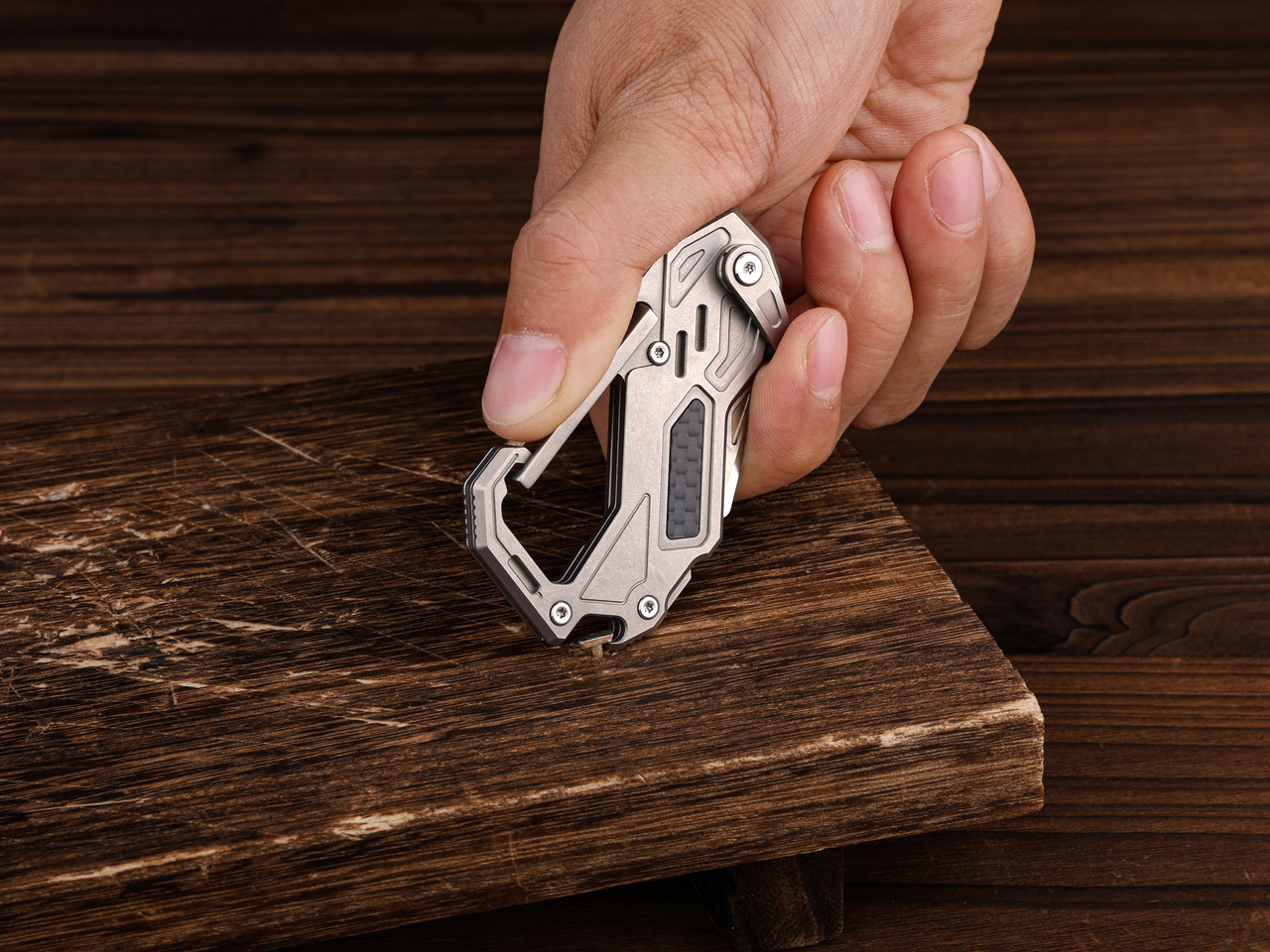
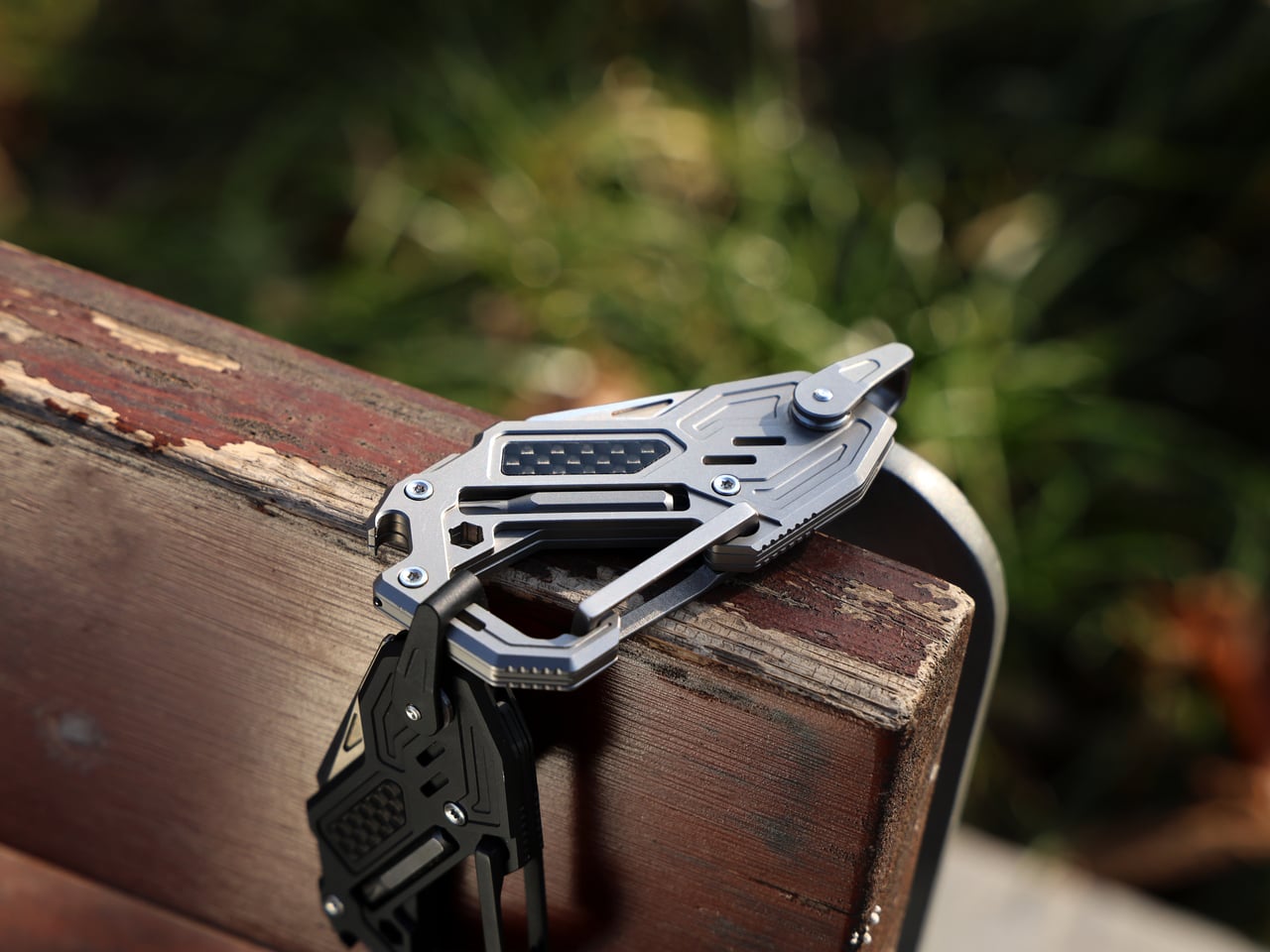
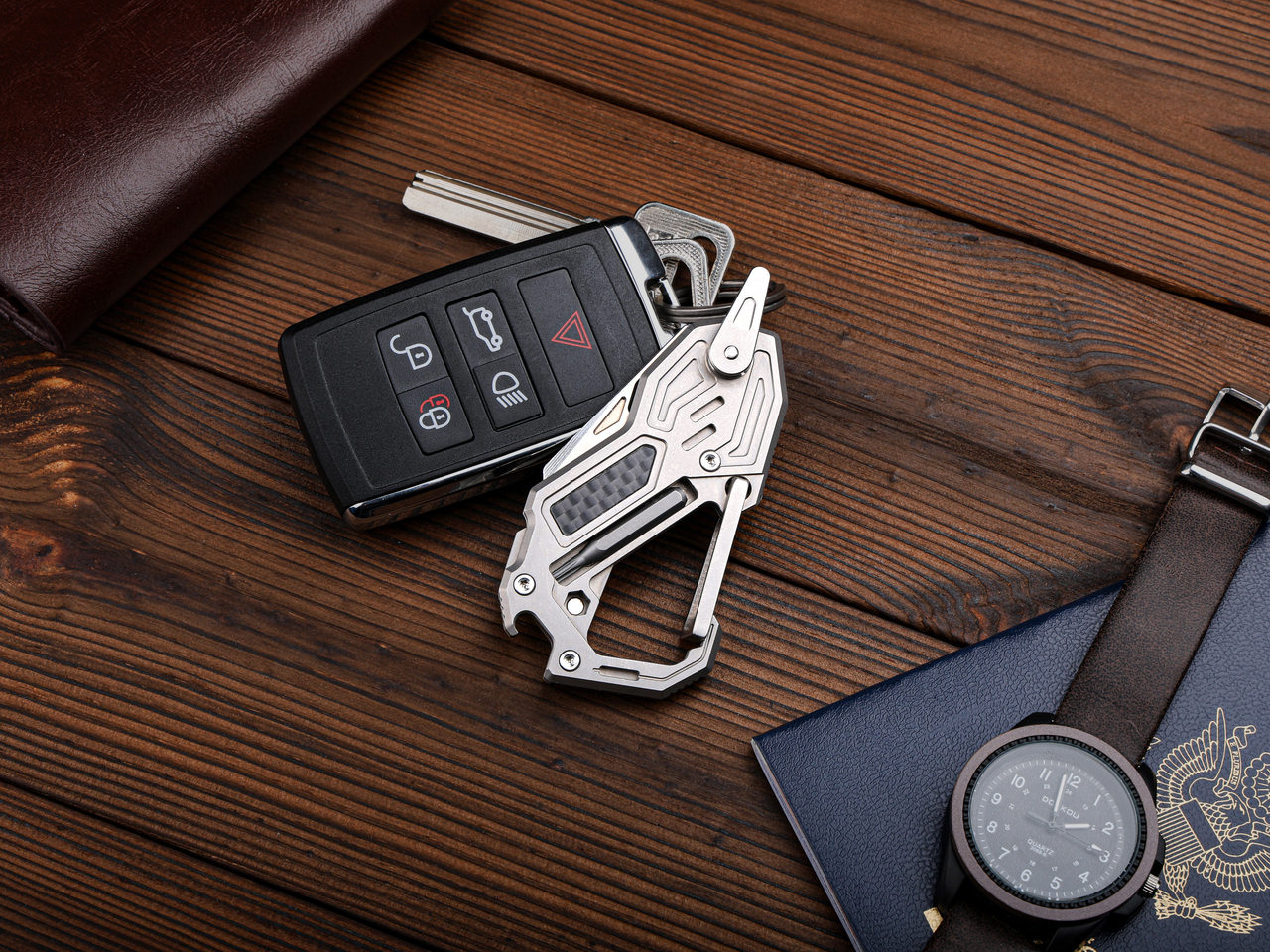
Edrin is a titanium carabiner-first knife that treats the clip, not the blade, as the starting point. It is a compact 6-in-1 tool built around a GR5 titanium frame with an integrated carabiner, a separate D-ring for keys, and a folding D2 blade tucked into the side. The goal is simple: it stays clipped to your belt loop, pack strap, or pocket edge all day, instead of disappearing into a bag.

Designer: MR. GADGET

Click Here to Buy Now: $75 $109 (31% off). Hurry, 88/100 left!

The body is CNC-machined from Grade 5 titanium, which keeps weight down to around 1.54oz while staying rigid and corrosion-resistant. Carbon fiber inlays add grip and a bit of contrast without bulk. At about 3.29 inches long and just over half an inch thick, it feels more like a small piece of industrial jewelry than a lump of hardware, which makes it easier to justify keeping it on you every day.

1

The blade is a compact D2 steel folder designed for control rather than drama. It opens with either hand, locks in place with a dedicated mechanism, and is meant for the kind of cutting you actually do: opening boxes, trimming cord, slicing tape, or cutting a loose thread. High-hardness D2 holds an edge well, so you are not constantly babying it, and the short length keeps it precise.

1

1

The magnetic 4mm bit driver is built into the frame, with a slot that stores the bit under strong magnets so it does not rattle or fall out. Day after day, it is the same little jobs: a loose screw on a tripod, a battery cover that needs a quarter turn, a handle that is starting to wobble. Having a bit driver literally hanging off your belt means those fixes happen in the moment instead of becoming another mental note.

1

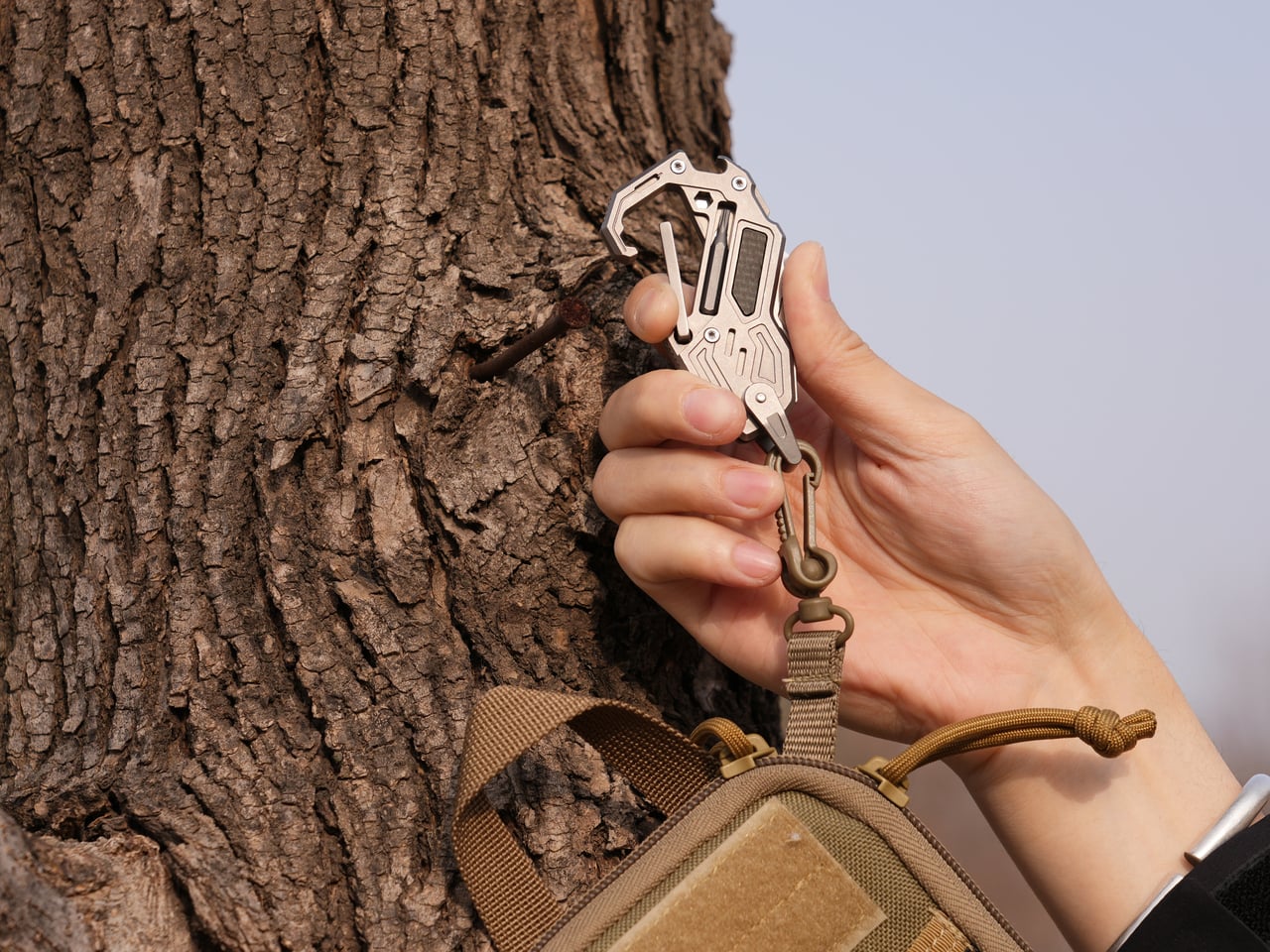
The bottle opener and nail puller are integrated into the skeleton of the carabiner, so popping a cap or lifting a small nail does not require digging for another tool. The emergency glass breaker sits quietly at one end, a hardened point that you hope never to use but that is always there if a car window or barrier needs to go in a hurry. Best of all, none of these functions adds much size.

Six tiny tritium slots are machined into the body, ready for optional vials that glow on their own without batteries or charging. In a dark car, a tent, or a hallway, that steady, low-level glow makes it easier to find the tool and orient it without fumbling for a flashlight. It is a small detail, but it reinforces the idea that Edrin is meant to be found and used quickly.

A tool like this quietly changes your routine. Instead of asking whether you should bring a knife or a multi-tool, you clip one titanium carabiner to your usual spot and forget about it until something needs cutting, opening, adjusting, or breaking. The combination of GR5 titanium, carbon fiber, D2 steel, magnets, and tritium sounds overbuilt for a 3.29-inch object, but that is exactly what makes it feel like a small, reliable anchor in a pocket full of temporary things that change every season.

Click Here to Buy Now: $75 $109 (31% off). Hurry, 88/100 left!

The post Edrin 6-in-1 Carabiner-Knife Lives on Your Belt, Not in Your Bag first appeared on Yanko Design.
Titaner’s Magnetic Ring Ruler Clicks Every 10cm While It Measures Curves

Before glowing screens and silicon chips, engineers used slide rules to design skyscrapers and send people to the Moon. Calculation meant moving a physical object, not tapping an app, and there was a certain clarity in that, a feeling that your hands and brain were in the same loop. Some of that intelligence at the fingertips is worth bringing back in a world that defaults to calculators for everything, even quick conversions.

Titaner’s Tisolver is a 3-in-1 titanium calculating ring ruler that sits at the intersection of tool, instrument, and jewelry. It measures curves and straight lines, converts between metric and imperial, and calculates square area, all in a GR5 titanium body you can wear or clip to your gear. The company calls it a bridge between the physical and mathematical worlds, a way to put slide-rule logic back into something you can roll across a table.

Designer: Titaner

Click Here to Buy Now: $49 $88 (44% off). Hurry, 40/550 left! Raised over $93,500.

1

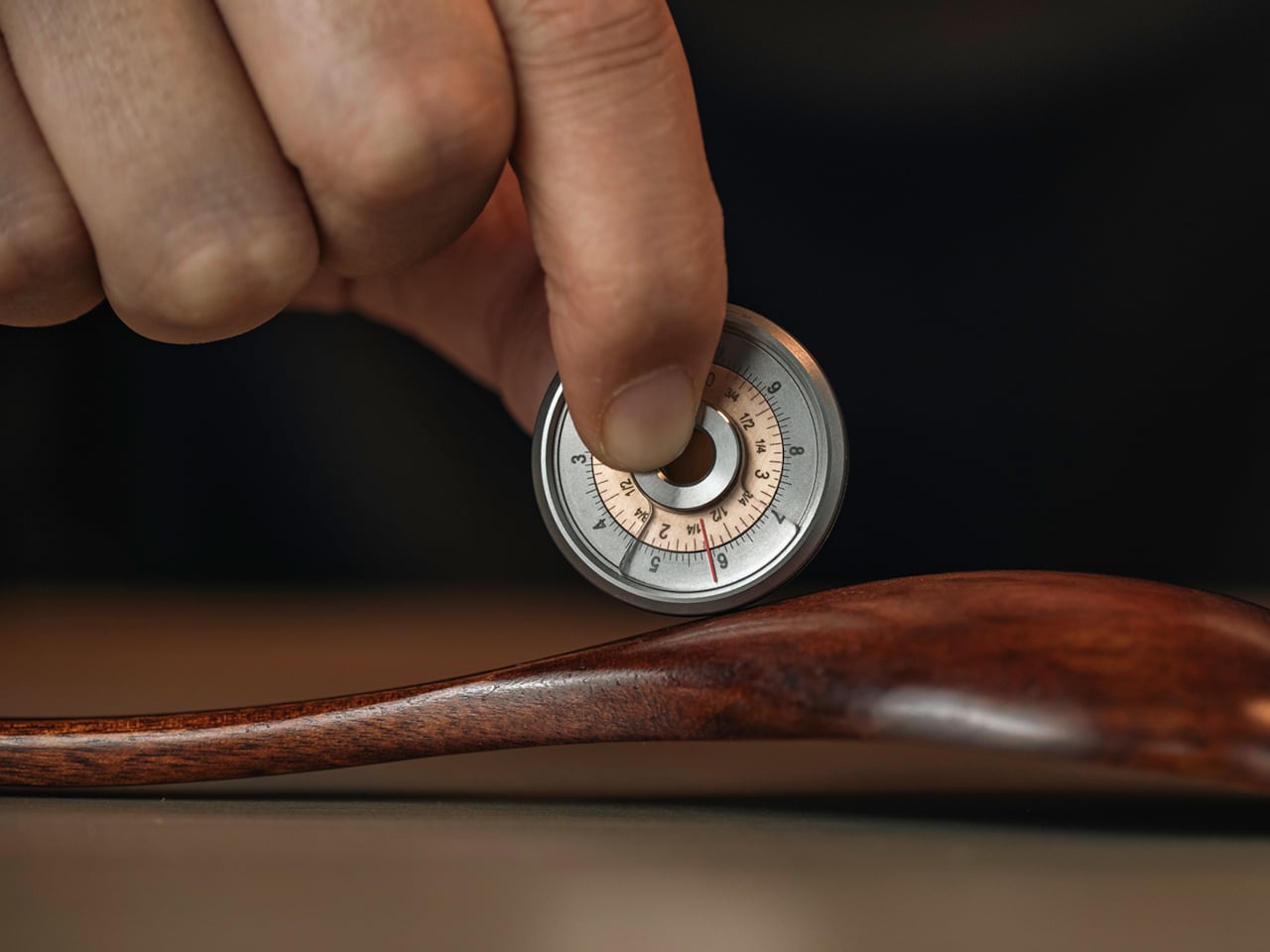
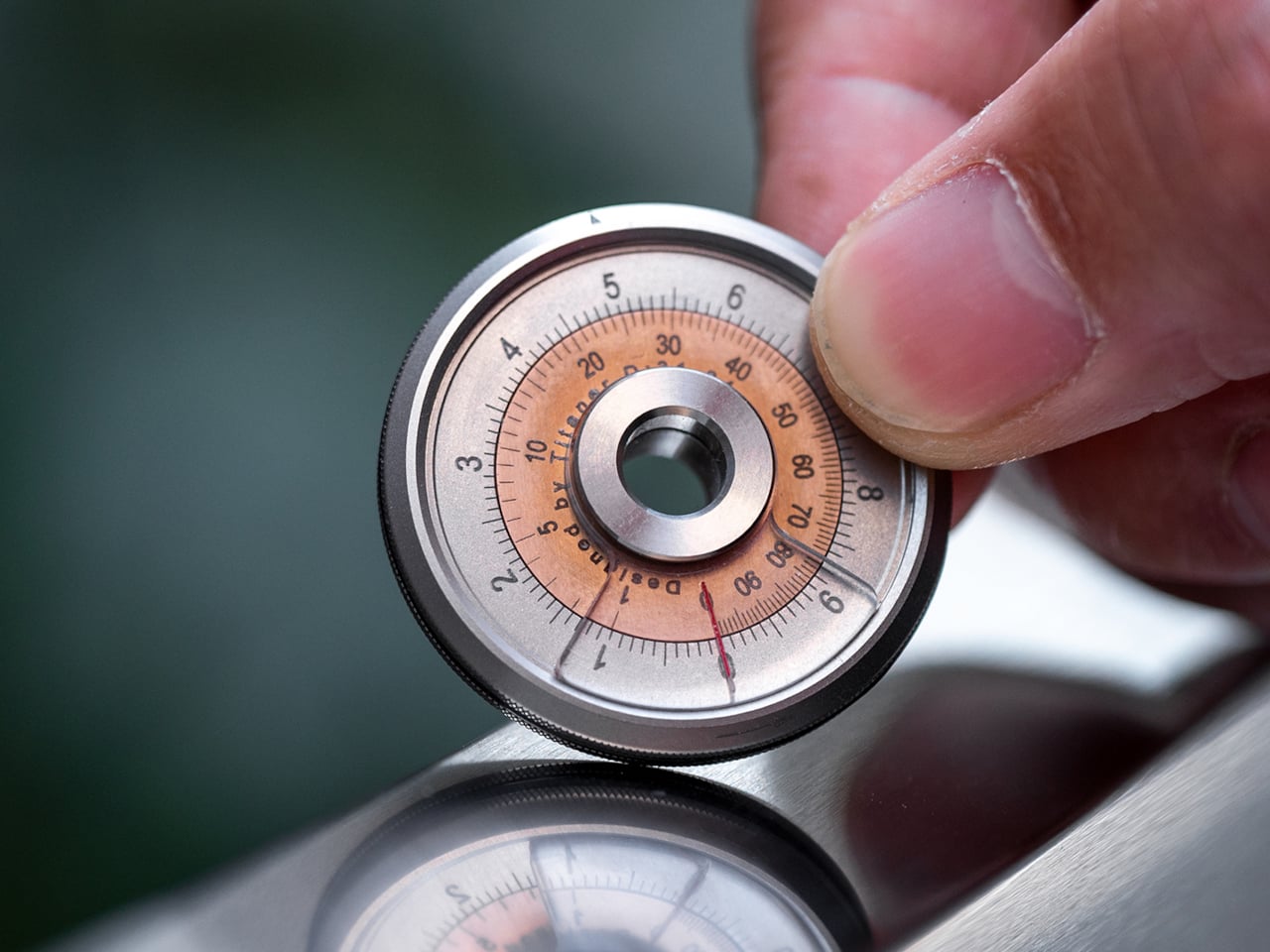
Tisolver uses a high-strength magnetic lock to give a clear tactile and audible click every time the ring completes a full 10cm rotation. The equation is simple: the number of clicks times ten plus the current reading in the HUD window equals the total length. You can roll it along a cable, a curved edge, or a piece of leather, count clicks, glance once, and know the measurement without juggling a straight ruler and a flexible tape.

1

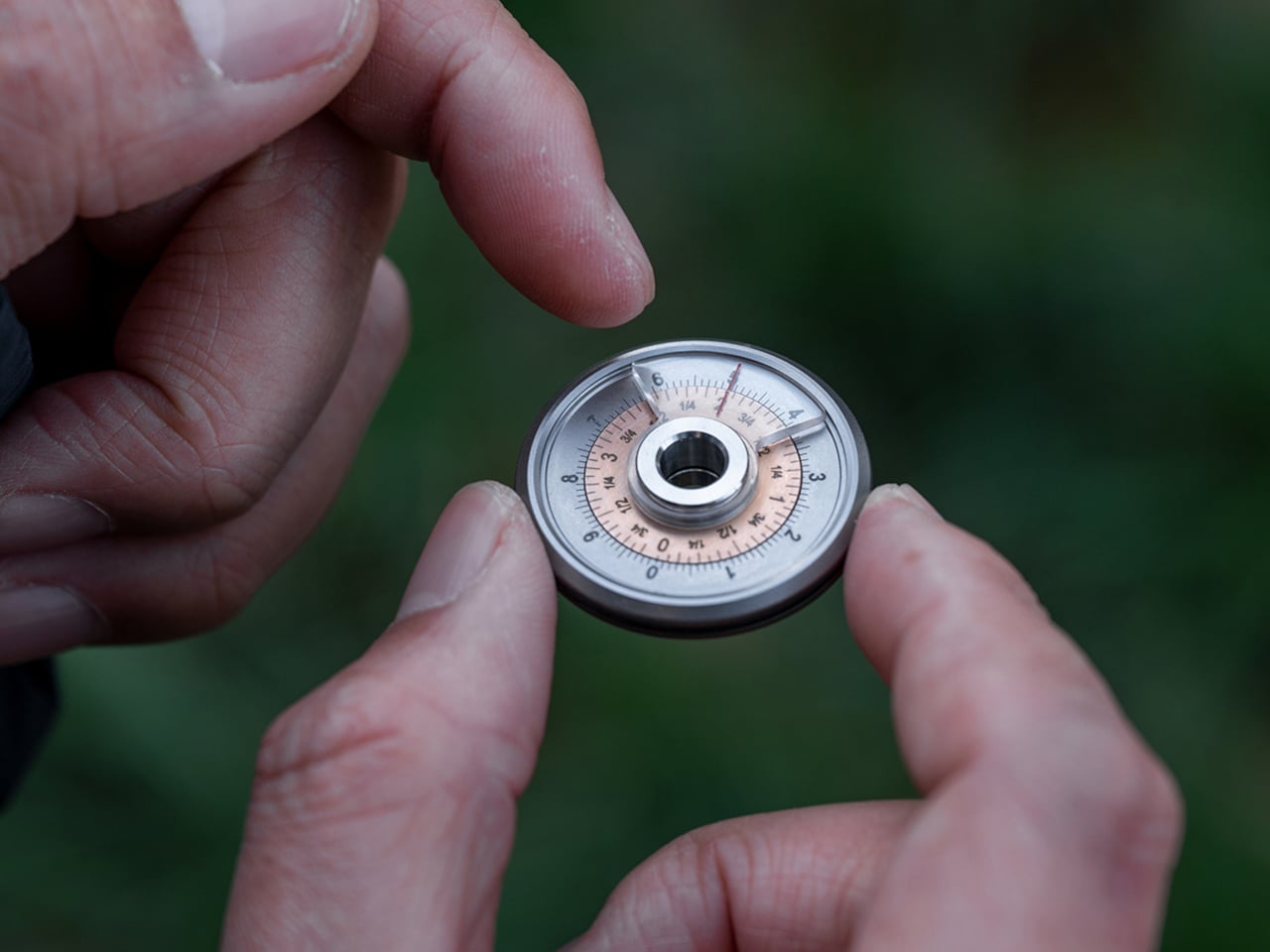
Side A has a 10cm metric scale and a 4-inch imperial scale laser-etched on the same ring. You snap Tisolver to zero with the magnetic feedback, align the HUD window’s red line with the metric value you care about, and the imperial equivalent sits under the same line. For longer numbers, you borrow a classic slide-rule trick, shifting the decimal, aligning at 4.2 instead of 42, reading the imperial, then shifting back, all without opening a phone.

Side B keeps a 10cm outer scale but replaces the inner ring with a square-area scale. When you roll and then align the red line with a side length, say 5cm, the inner scale shows 25, the area of a square with that side. Designers, leather crafters, and DIY people can measure one edge of a panel and instantly see coverage instead of doing mental multiplication. Flip the ring, and the same alignment also shows the imperial length.

1

The dual-locking traction system uses a soft rubber O-ring on the outside and hidden reverse anti-slip teeth on the inside that bite into the rubber, so the ring grips greasy workbenches or wet glass without slipping. The quarter-arc PMMA HUD window with a red reference line acts like a tiny scope, improving readability and protecting the finely etched scales. GR5 titanium, with a fine blasted matte finish, keeps the body light, corrosion-resistant, and warm in the hand.

1

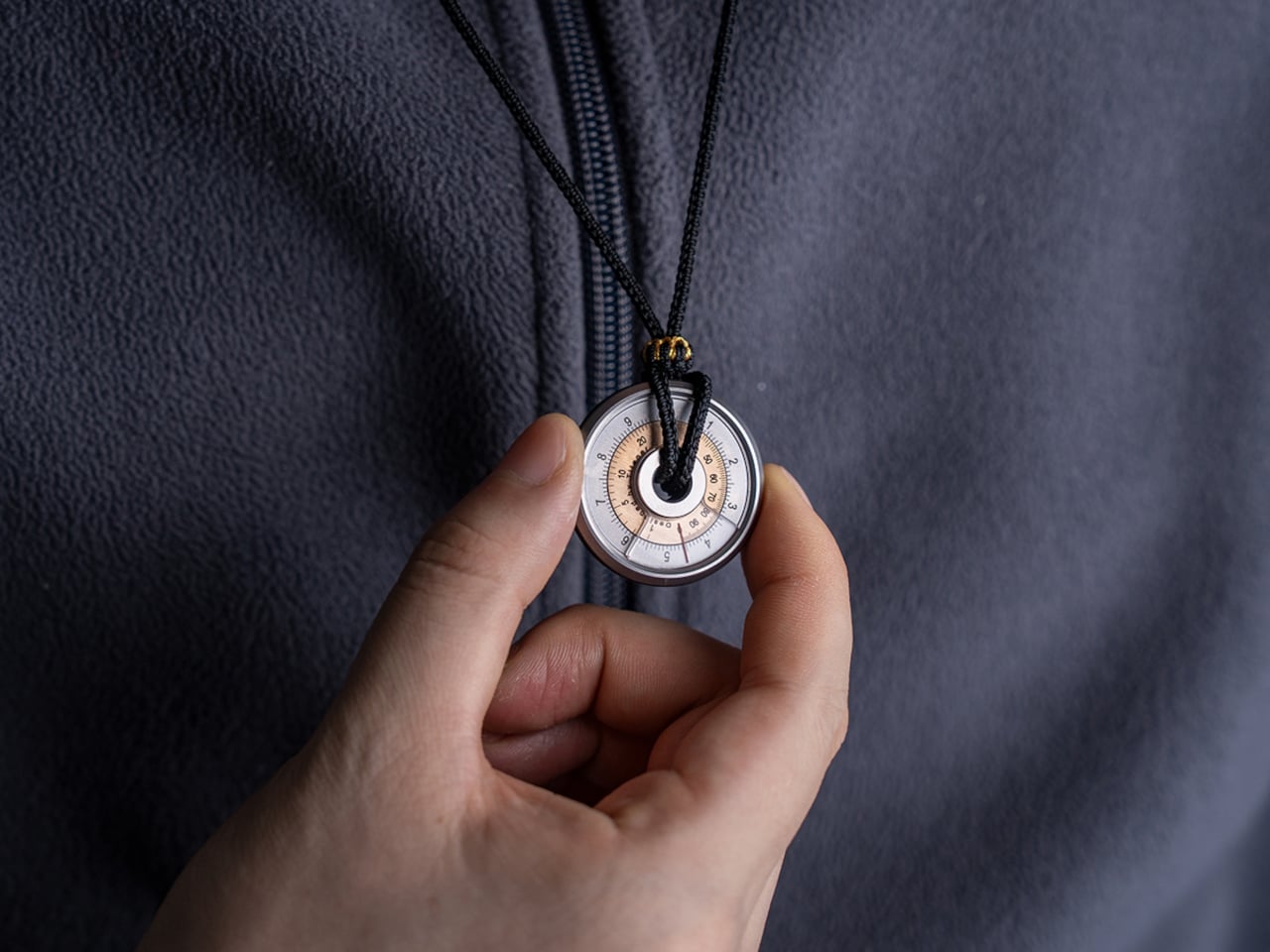
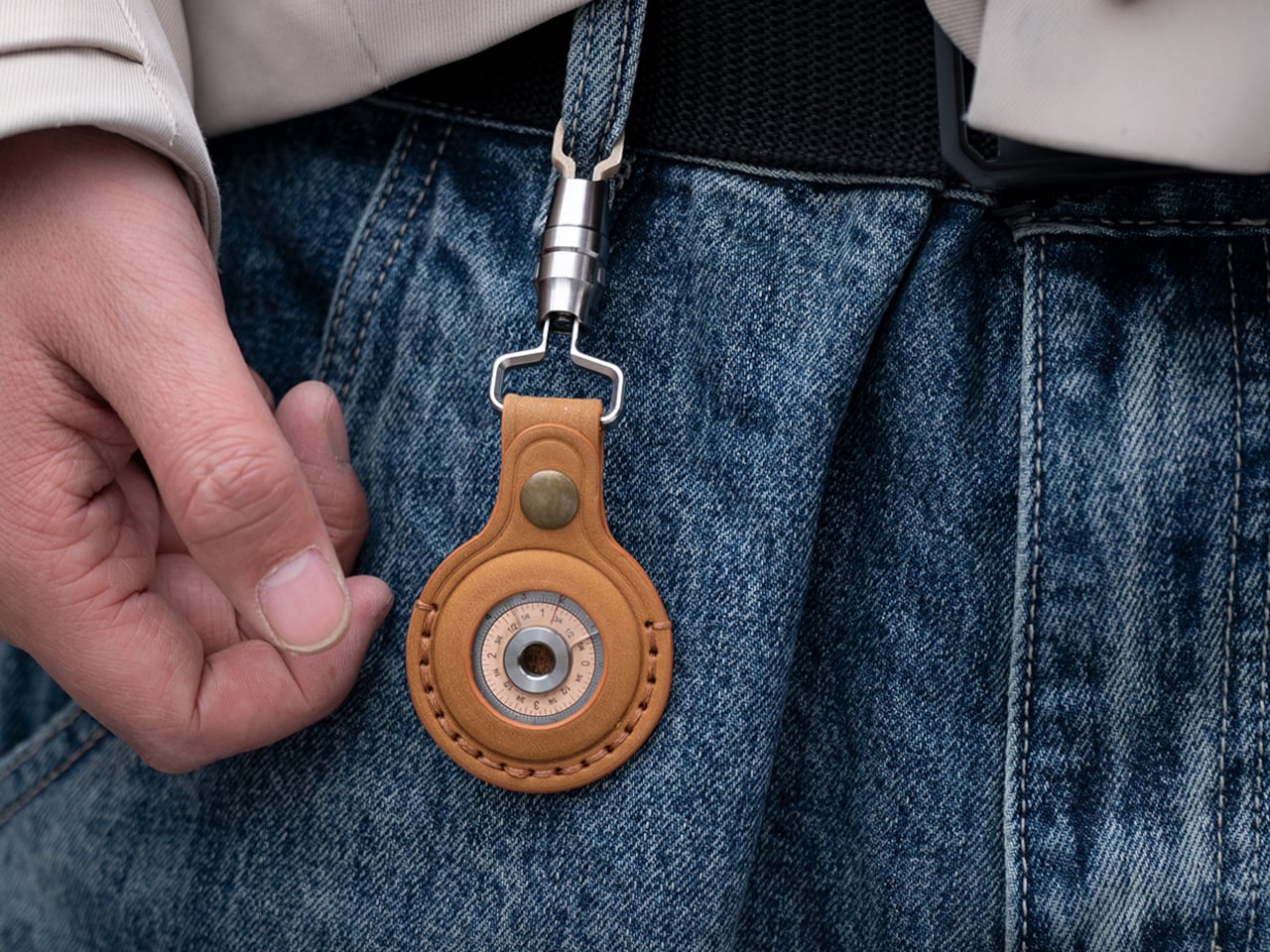
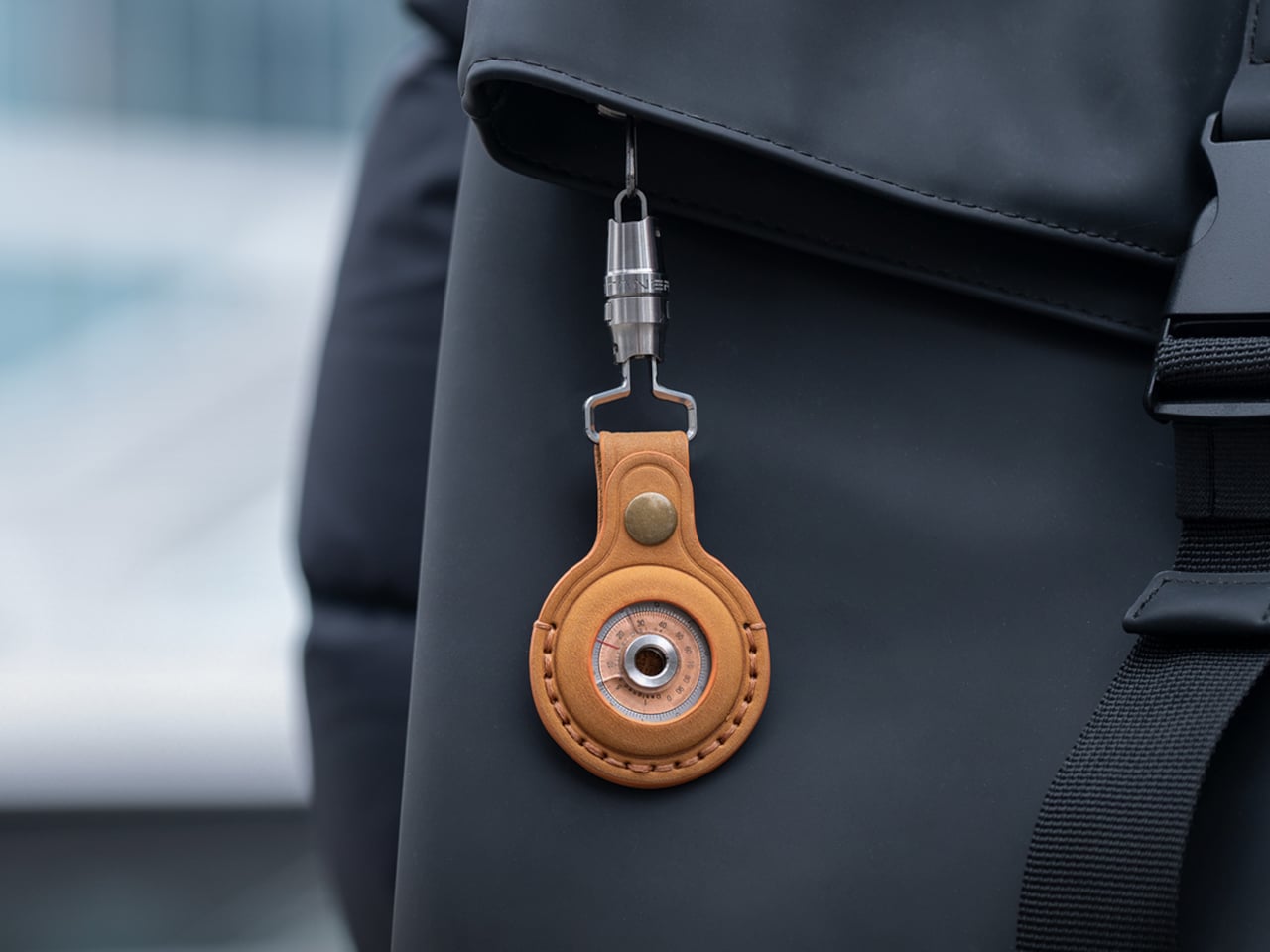
The Titaner Tisolver lives on a lanyard around your neck, on a keychain, or clipped to a backpack, ready whenever a measurement or conversion pops up. When you are stuck on a problem or waiting for a render, the magnetic click becomes a small mechanical meditation, a way to keep your hands busy while your brain turns things over. The ring rolls, clicks, and resets, and that rhythm helps ease tension without needing a screen or app to distract you.

A titanium ring that measures, converts, and calculates without a single pixel in sight feels like a satisfying little rebellion against the reflex of reaching for a phone every time you need a number. For people who like tools that think with them, not just for them, the Titaner Tisolver quietly earns its place on your chest or in your pocket, turning quick math and measurement into something you can touch, hear, and rely on.

Click Here to Buy Now: $49 $88 (44% off). Hurry, 40/550 left! Raised over $93,500.

The post Titaner’s Magnetic Ring Ruler Clicks Every 10cm While It Measures Curves first appeared on Yanko Design.
This $129 Titanium EDC Knife Has The Most Addictive Tiger-Claw Opening Mechanism

When the CRKT Provoke first appeared, its morphing mechanism felt like a revelation. The design, which borrowed its kinematics from the way a jungle cat’s claws extend from its paws, was a jolt of fresh energy for an EDC world growing tired of endless flippers and predictable OTF switchblades. TiGo’s SyncraBlade now takes that same philosophy of complex, purposeful motion and applies it to the humble utility knife, creating something that feels just as revolutionary. The parallel linkage system that deploys the blade isn’t just visual theater, though it certainly delivers on that front. It is a direct solution to the finger-in-the-way problem that every traditional folder presents.

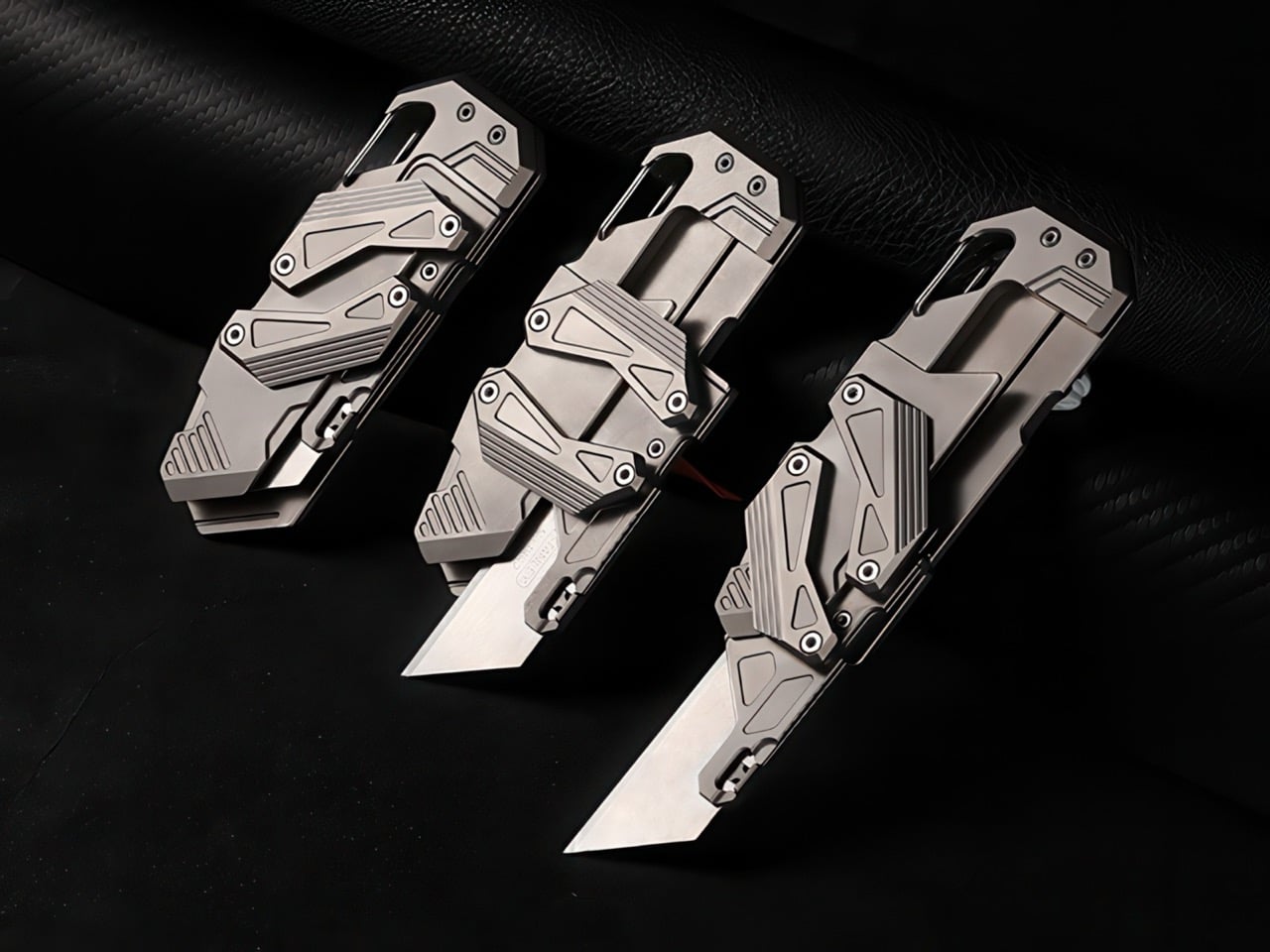
Watching the SyncraBlade extend is like observing a miniature precision machine at work. Two articulated arms move in perfect synchronization, carrying the blade forward along dual rails while maintaining its orientation. The entire assembly is milled from titanium, with every pivot point and linkage visible through strategic cutouts in the handle. This transparency isn’t accidental; TiGo designed a tool that wears its mechanical complexity proudly, appealing to anyone who appreciates clever engineering as much as practical function. The fact that it uses standard replaceable razor blades only reinforces its credentials as a tool meant for serious, everyday use.

Designer: TiGo

Click Here to Buy Now: $129 $201 (36% off) Hurry! Only 70 of 100 left.

The mechanism itself is a classic four-bar parallel linkage, a system engineers have used for centuries in industrial machinery (although maker TiGo likes to call it their ‘SyncraSlide’ mechanism). The blade carrier slides forward on a set of internal rails, but its motion is driven by those two external articulating arms. This setup ensures the blade extends in a perfectly linear path, keeping the cutting edge safely away from your hand throughout the entire deployment. Single-handed operation is effortless, and because the blade never folds, there’s zero risk of it accidentally closing on your fingers. Basically, clever engineering that solves a safety issue while looking gorgeous and feeling absolutely addictive. Looking at it will remind you of how a cat’s claws deploy from within their paws. At this scale, the SyncraBlade is roughly the same size (and probably even caliber) as a tiger’s claws – which sounds about as badass as the knife is designed to be.

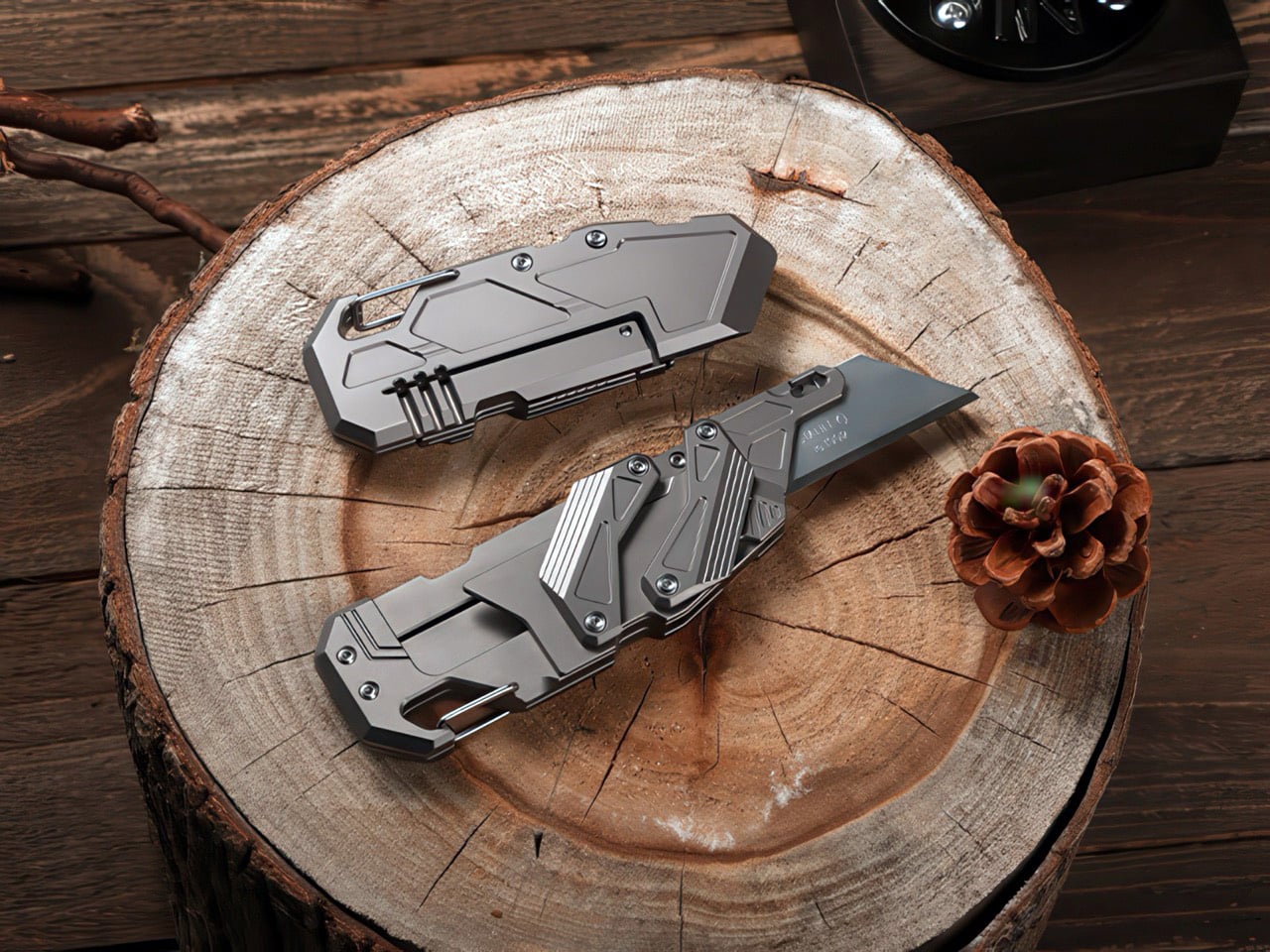
That entire intricate assembly is machined from Grade 5 titanium, which explains the sharp, angular lines and confident feel. This isn’t your standard stamped-metal utility cutter. The choice of Ti-6Al-4V gives it an incredible strength-to-weight ratio, so while it feels substantial, it won’t weigh down your pocket. Closed, it measures a compact 115mm long and weighs in at 118 grams, putting it right in the sweet spot for everyday carry. The bead-blasted finish gives it a subtle, non-reflective quality that highlights the milled textures on the handle and linkage arms. Every surface feels deliberate, designed for both aesthetic appeal and functional grip.

The titanium handle encases a cleverly integrated standard user-replaceable utility blade that’s both sharp and interchangeable, making it a perfect choice for brutal functionalists who hate the idea of ‘blade maintenance’. This completely sidesteps the hassle of sharpening and lets you maintain a factory-sharp edge with a simple swap. A fresh blade is always sharper and more precise than a hand-sharpened one, which is exactly what you want for delicate tasks like opening packages or trimming materials. The blade change mechanism appears straightforward, secured by a single screw, so you can pop in a new one in seconds without any specialized tools. It’s a practical decision that grounds the futuristic design in real-world usability.

The way the blade ejects is visually addictive, sure. But it’s also safer than your average flipper. A flipper blade often uses a torsion spring, which causes the blade to arc out and stop in its open position. If there’s no spring-loaded action, the blade almost always requires two hands to open and close – or at best, one hand with a bit of a struggle. If you’ve ever pulled out a sofa-bed, you know that a well-made parallel linkage can be activated with just a single hand. The SyncraBlade encourages that level of ease, allowing you to both deploy as well as shut the blade with a single thumb-motion. This is also safer because the blade’s edge never really comes in the path of your hands. A folding blade’s curved path means you need to move your fingers out of the way while opening and closing the blade – the SyncraBlade’s parallel linkage eliminates that need entirely. Grip the knife exactly how you used to, the blade never comes in contact with your skin – making it reliable to deploy in the dark, or even in any situation without having to look down at your knife.

The functionality doesn’t stop with the blade. Tucked into the tail end of the handle is an integrated pry bar and a wire-gate carabiner clip. These aren’t afterthoughts; they’re seamlessly incorporated into the titanium body. The pry bar is robust enough for light-duty tasks that would destroy a knife tip, like scraping or opening paint cans. The carabiner provides a secure attachment point for a keychain or belt loop, making it easy to keep accessible. There’s even a hidden bottle opener integrated into the frame, making this tiny beast perfect for the outdoors, whether you’re camping, hunting, or dare I say, on a tactical mission.

All these features are packed into a frame that is surprisingly ergonomic. When closed, it’s a dense, fidget-friendly rectangle of titanium. Once the blade is deployed, the articulated linkage arms naturally form a finger guard, creating a secure and comfortable grip. The milled texturing on the handle provides excellent traction, ensuring the tool won’t slip even when you’re applying significant force. The entire design feels balanced and intuitive in the hand, a testament to how much thought went into the relationship between the mechanism and the user experience.

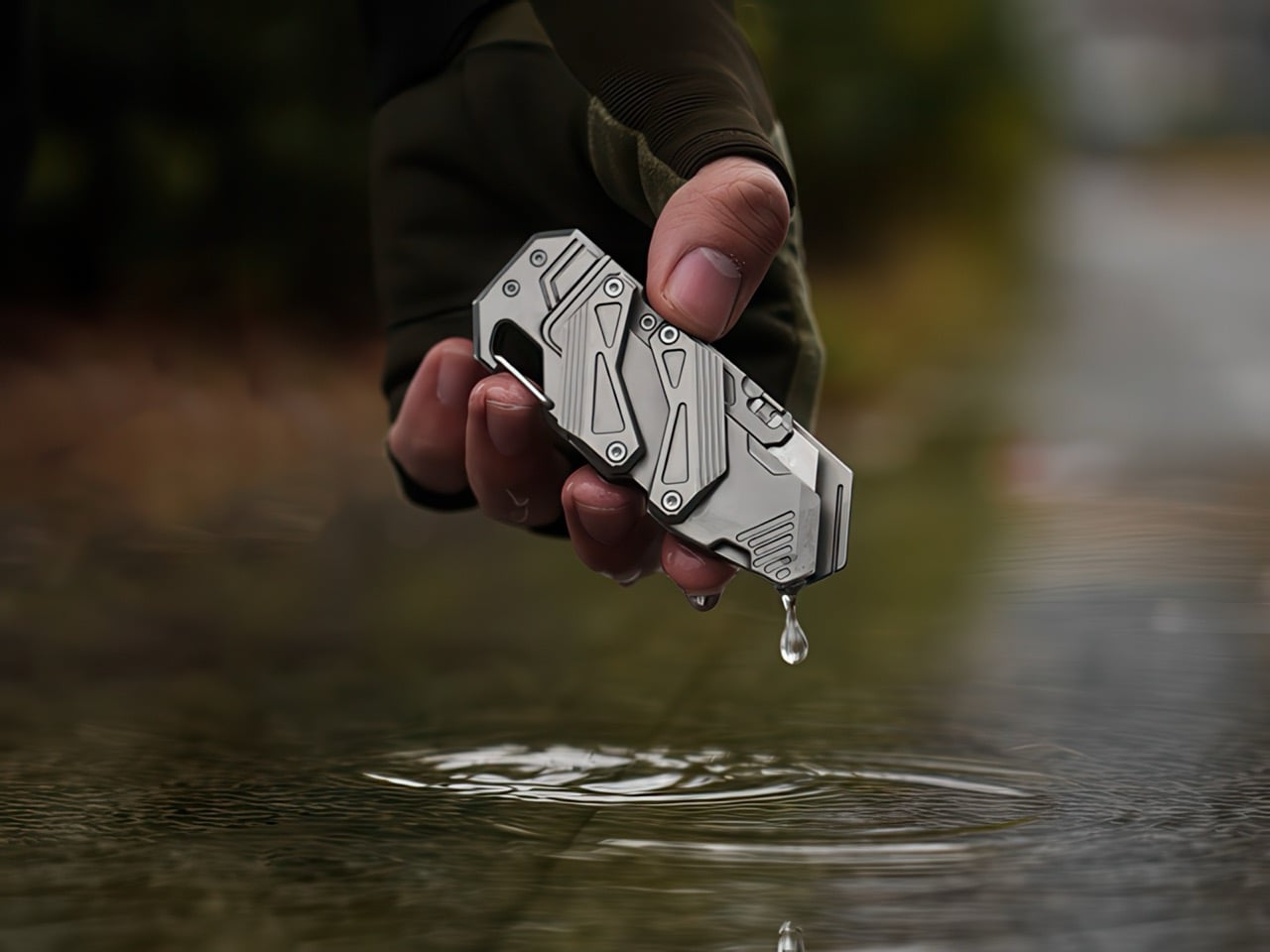
And the knife is designed for everyday use with quite literally zero compromise. The titanium build makes it devilishly durable. It’s corrosion-proof by default, doesn’t rust or oxidize, can be dropped from a hundred feet or be run over by a car without any sign of wear and tear. It’s water-resistant, and if you’re a part of a small section of people who are sensitive to certain materials, titanium is hypoallergenic by nature. The blade is the only replaceable part, which means you can simply ditch it for a sharper one if the old one dulls or breaks. And if you’re traveling, just pack the blade separately and you’ve got a TSA-friendly EDC that can attach to your backpack, belt loop, or sit in your pocket.

The SyncraBlade doesn’t entertain any fluff – it comes in a single natural color (none of that anodized or PVD coated nonsense), and the most you can do to personalize your knife is have it custom-engraved. I’d have appreciated a tritium slot on the sides, but that’s me being pedantic – especially considering the knife costs a mere $129 (discounted from its $201 price tag), and ships free globally starting May this year.

Click Here to Buy Now: $129 $201 (36% off) Hurry! Only 70 of 100 left.

The post This $129 Titanium EDC Knife Has The Most Addictive Tiger-Claw Opening Mechanism first appeared on Yanko Design.