Industrial design is always at the forefront of innovation with a perfect blend of creativity and functionality. As industrial design continues to evolve, here are some developments that are shaping the future of industrial design. Discover how creativity and functionality blend to shape the future of products and experiences.
Designer: ErgonBand
Human-Oriented Design
Human-centric design is driving industrial innovation, with designers prioritizing user needs, emotions, and behaviors. By integrating user perspectives into the design process, industrial designers are brilliantly creating solutions that deeply resonate with consumers. The best part about human-centric design is that it integrates user research, empathy mapping, and testing to create intuitive products. This trend is evident in smart devices, wearables, and adaptable interfaces, enhancing user experiences.
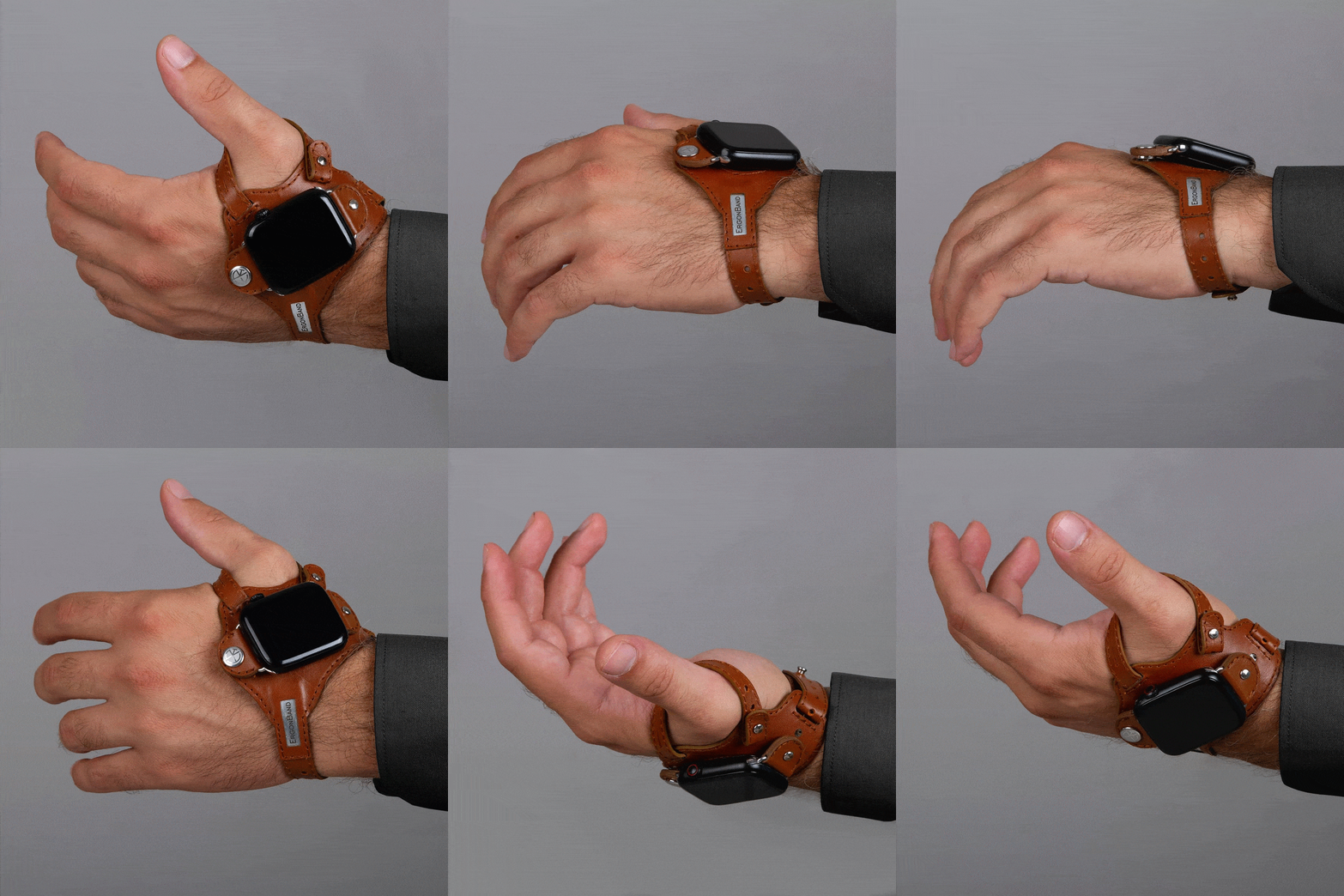
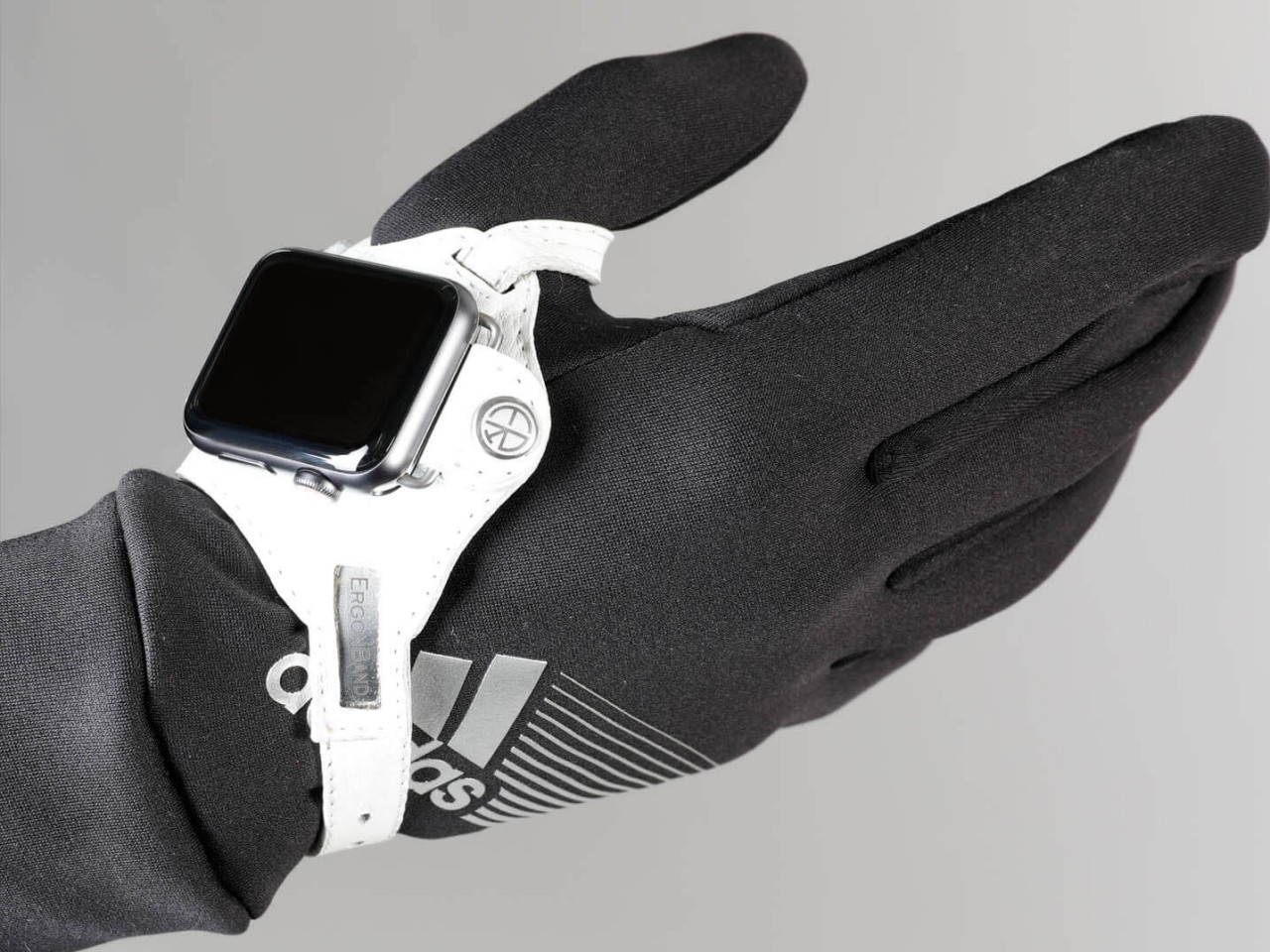
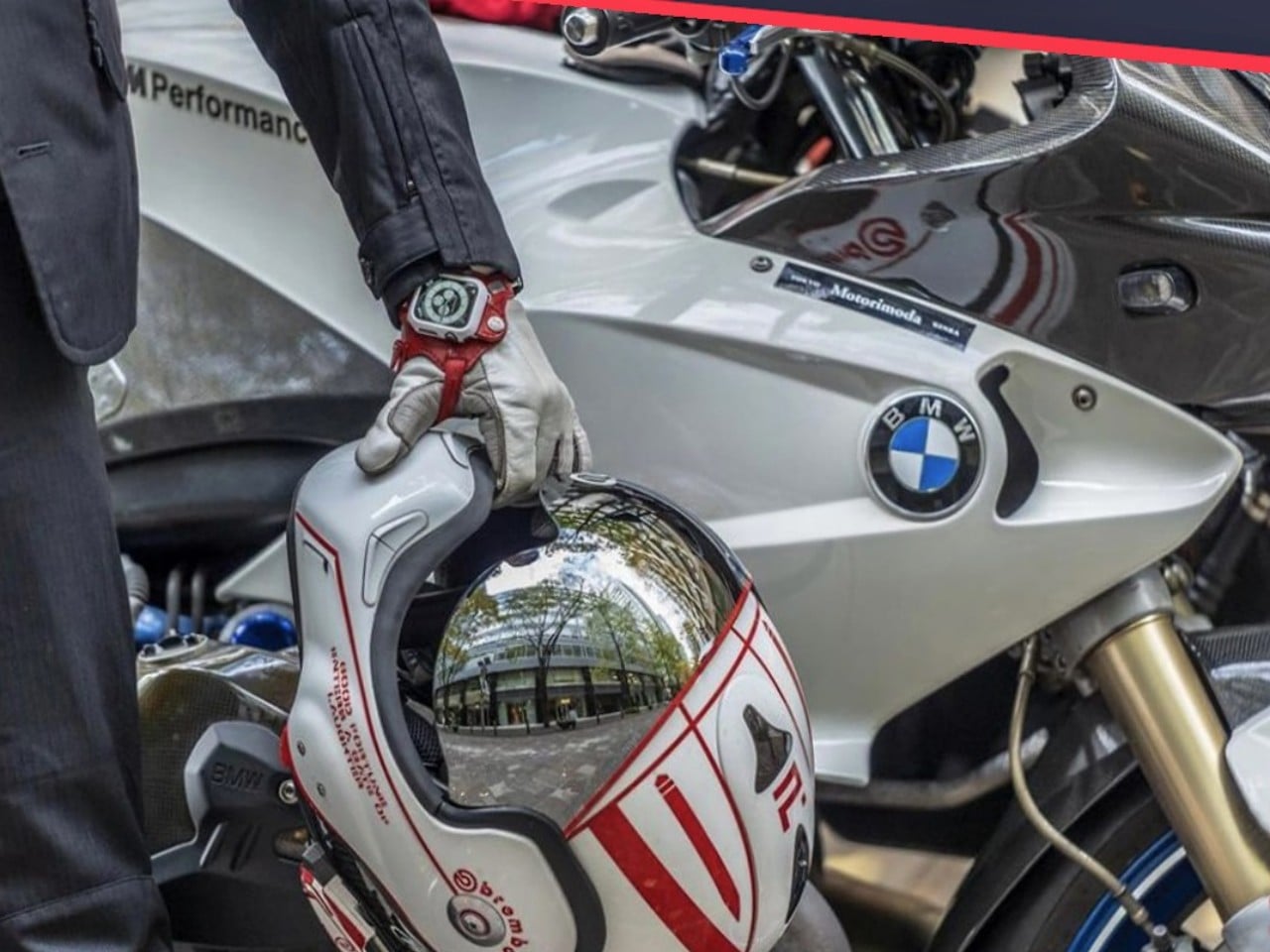
Wearing watches on wrists is standard, but discomfort can arise, especially with smartwatches. An Apple Watch accessory relocates the device to the back of the hand, reducing wrist strain. Its ergonomic design benefits athletes and those needing frequent wrist movement. However, practical challenges exist, such as the need for alternative screen activation methods. Despite this, the accessory offers a unique solution for individuals seeking a more comfortable way to wear their smartwatch.
Biomimicry
Nature inspires bio-design and biomimicry in industrial design. Bio-design incorporates living organisms into the process, creating innovative materials and structures. Biomimicry emulates nature’s patterns and processes to solve design challenges, resulting in breakthroughs like self-healing materials and sustainable manufacturing.
Designer: Rishikesh Sonawane
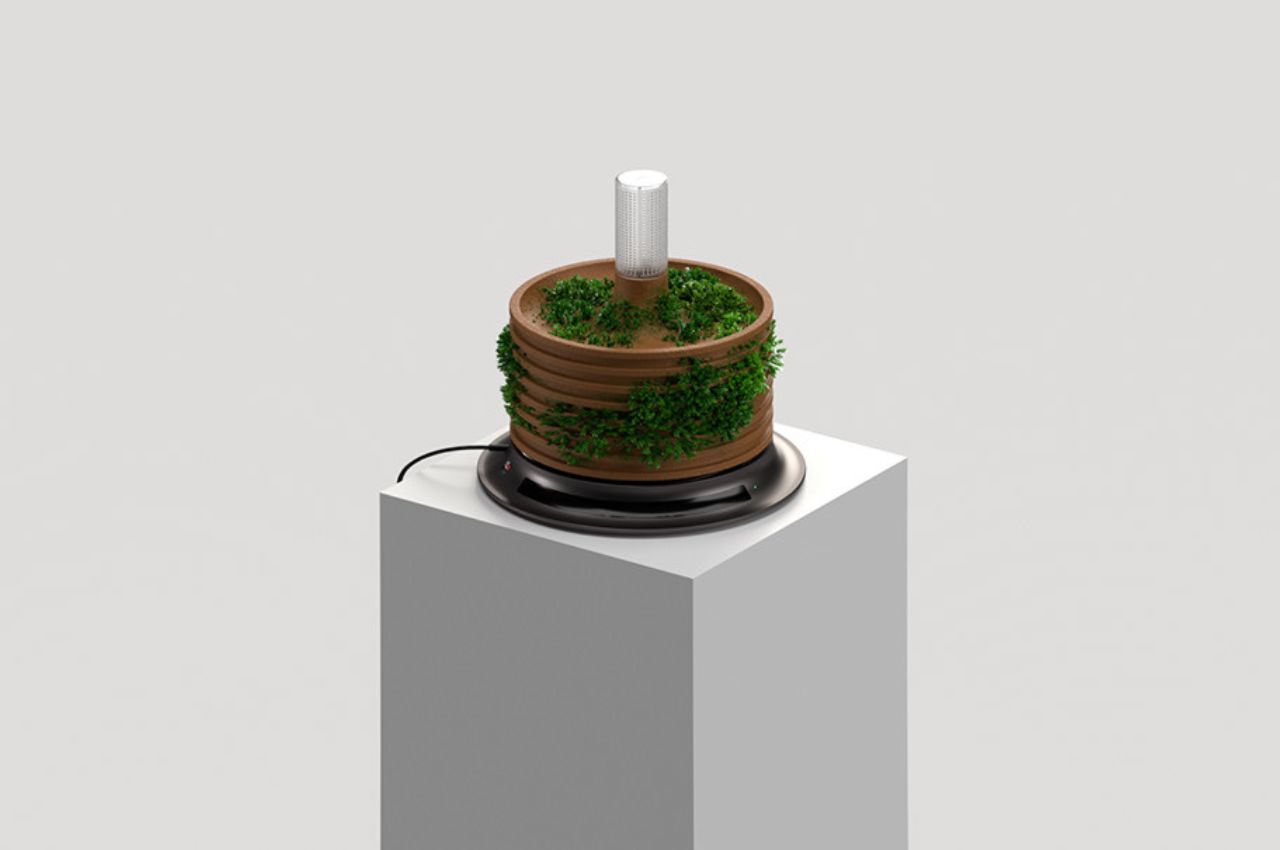
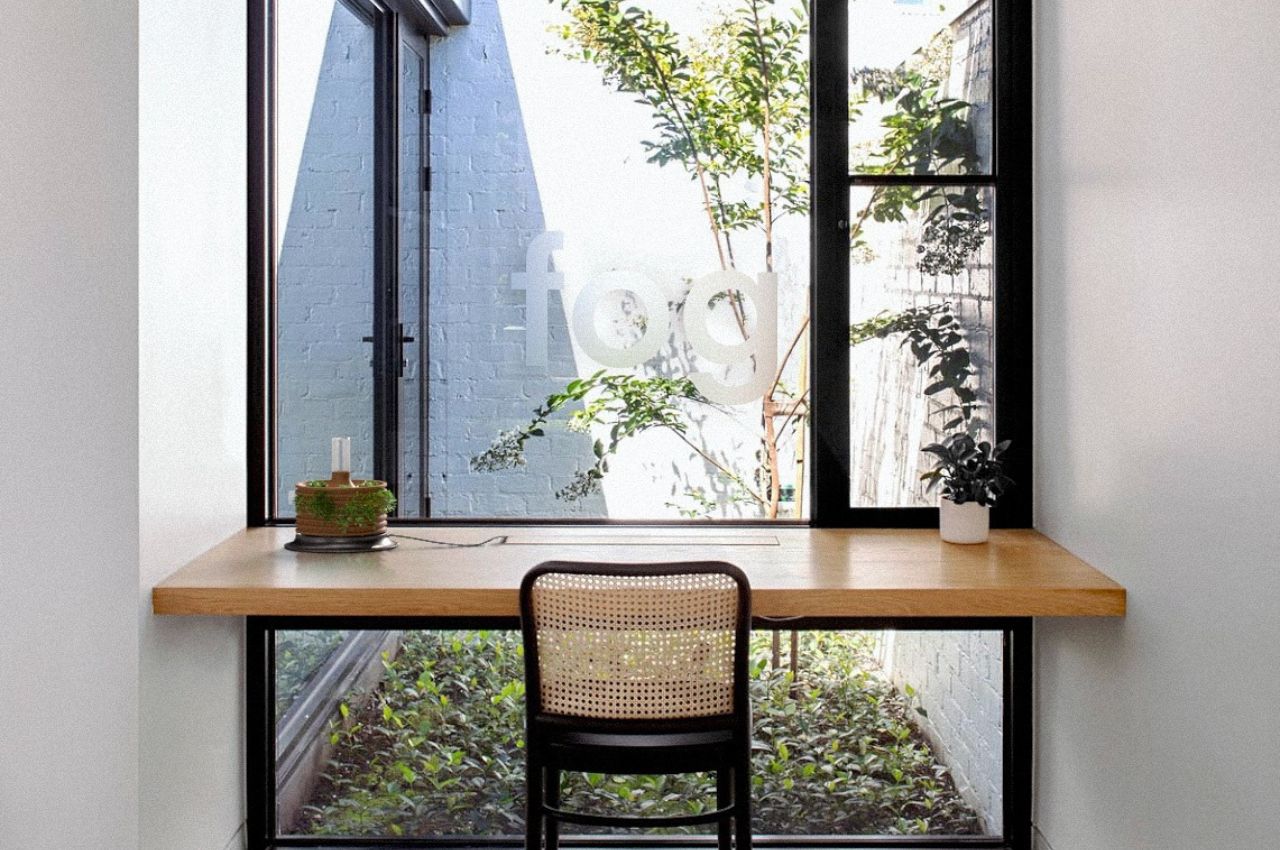
Drawing inspiration from the fog-basking beetle, the Fog Smart Hydroponic Planter embodies biomimicry, advanced materials, and smart technology for a sustainable future. It transcends functionality, merging aesthetics with innovation through its modular design. Crafted meticulously from Plexiglas and Lightweight Expanded Clay Aggregate (LECA), it ensures durability and water retention. The aluminum 6063 base provides stability and corrosion resistance.
Sustainable Design
With a focus on environmental concerns, sustainability has become paramount in the design industry as sustainable practices are being adopted to cut waste, reduce carbon footprints, and foster a circular economy. This involves maximizing material and product lifespan through recycling, upcycling, and waste reduction. Designers are exploring eco-friendly materials, energy-efficient manufacturing, and product life cycle analysis. Integrating renewable energy, smart energy systems, and recycled materials showcases industrial design’s role in creating a greener future.

Designer: Fuhua Wang, Weichih Chen
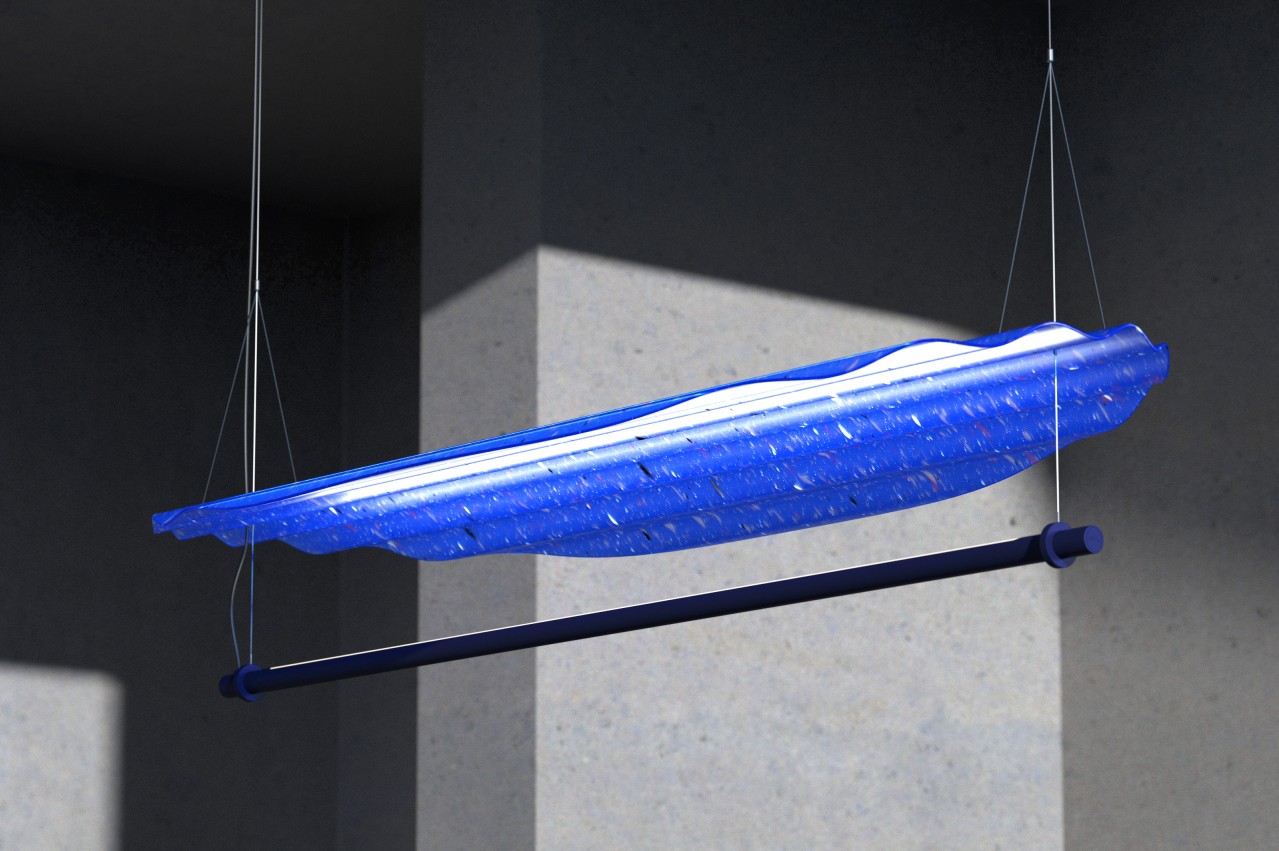
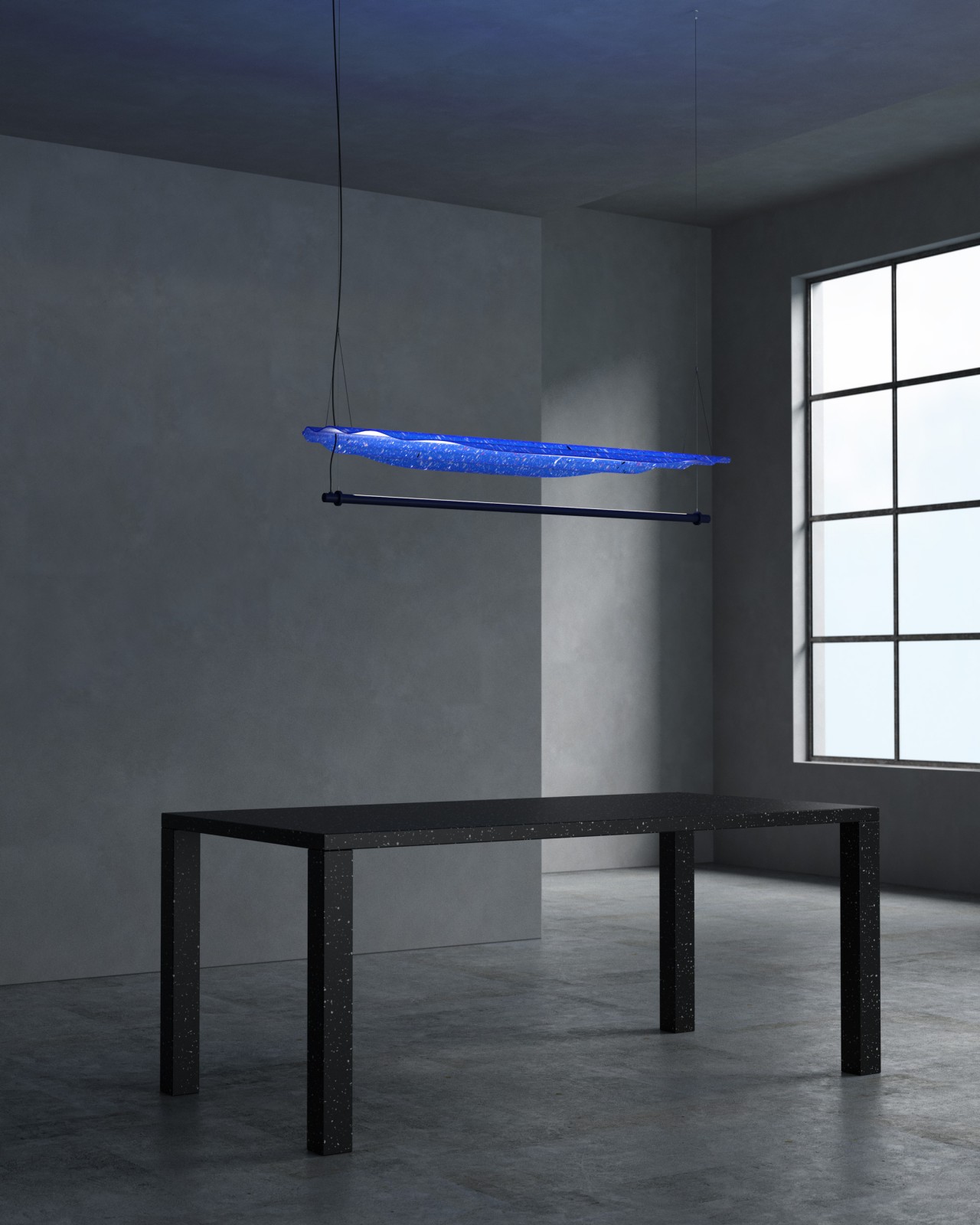
Lamps and lighting fixtures not only illuminate but also shape ambiance, often through their shades or materials. While conventional lampshades are commonly made of glass, metal, or plastic, innovative alternatives exist. The Ondina sustainable pendant lighting utilizes recycled ocean-bound plastics, resembling terrazzo with vibrant specks. Its translucent blue layer, evoking ocean pollution, complements its wavy shape reminiscent of water waves, creating a visually captivating design.
AI Integration
The integration of AI and machine learning in product design opens up new avenues for customization and user interaction. These technologies analyze vast data sets, informing designers’ decisions and facilitating personalized products and experiences. The incorporation of cutting-edge technologies like artificial intelligence (AI), virtual reality (VR), and the Internet of Things (IoT) has profoundly influenced industrial design. These tools are employed to develop highly personalized and interactive products while also enhancing production processes for greater efficiency.
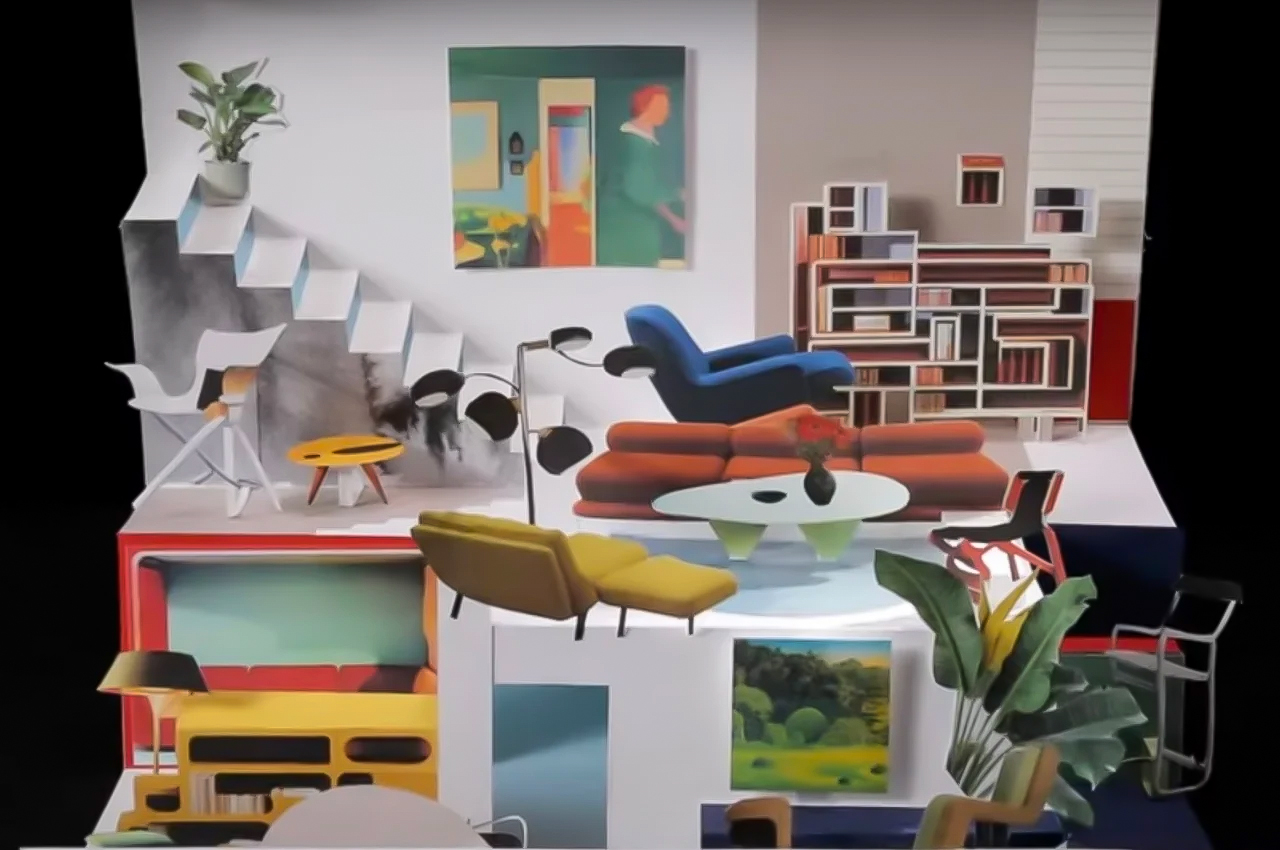
Designer: Joss Fong and Áron Filkey/courtesy Space10
Despite varying opinions on Artificial Intelligence, exploring creativity in this era is captivating. While AI won’t replace creatives, it offers tools for innovation. Space10, funded by Ikea, explores AI, augmented reality, and Web3. Using generative AI, they experimented with futuristic designs based on old Ikea catalogs, potentially inspiring future products. However, human intervention remains crucial for practicality and functionality. Collaborating with generative AI, like Ikea’s partnership with Space10, can inspire new product development while emphasizing human creativity alongside technology.
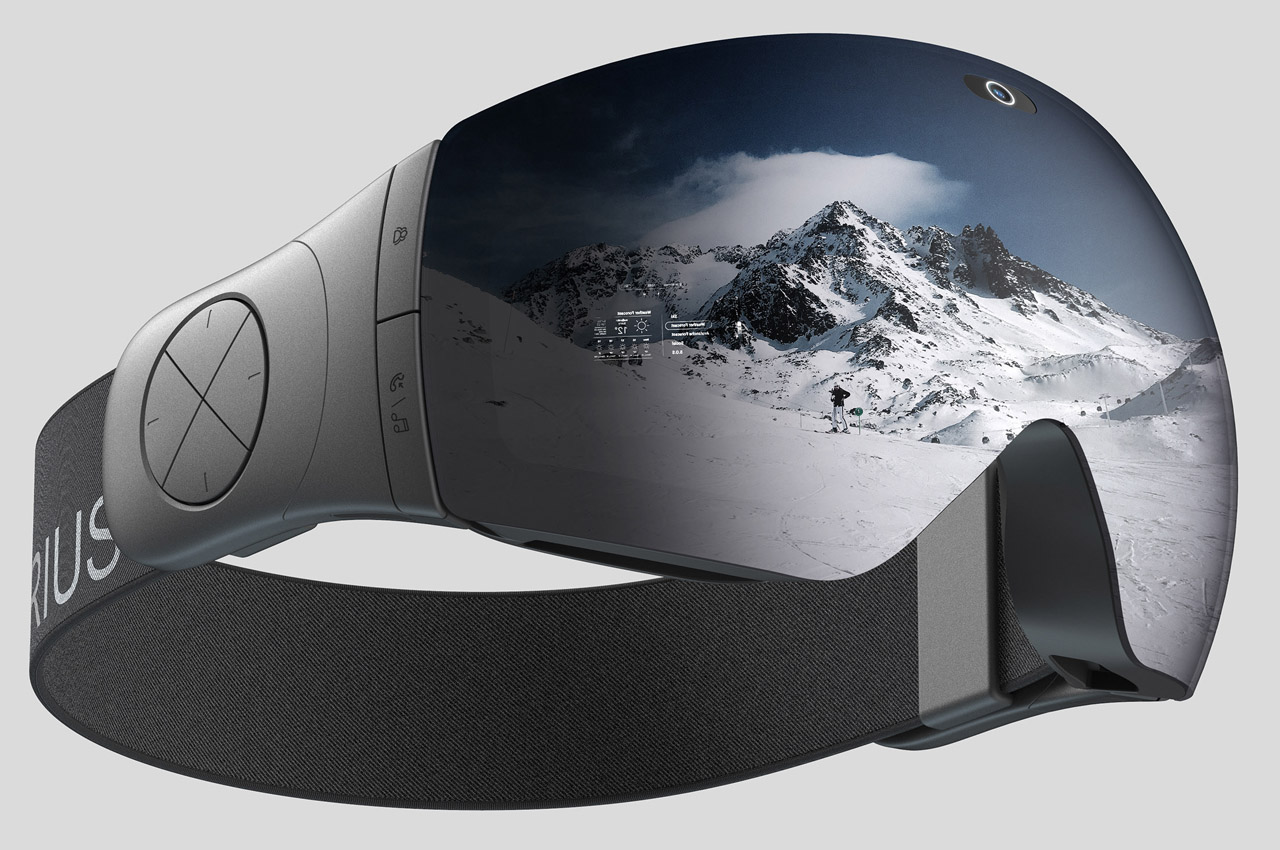
Designer: Ostloong
Skiing gear has evolved, but there’s still room for augmented reality (AR) and artificial intelligence (AI) to enhance the experience. Zurich-based Ostloong’s Sirius smart goggles integrate AR and AI seamlessly, providing skiers with vital information directly in their field of view. With a full-color AR display designed for outdoor use, the Sirius goggles revolutionize safety and communication on the slopes, showcasing the transformative power of AI in augmented reality.
Celebrates Minimalism
This trend emphasizes minimalist design principles, incorporating clean lines, basic shapes, and subtle aesthetics to produce products that are both timeless and highly functional.
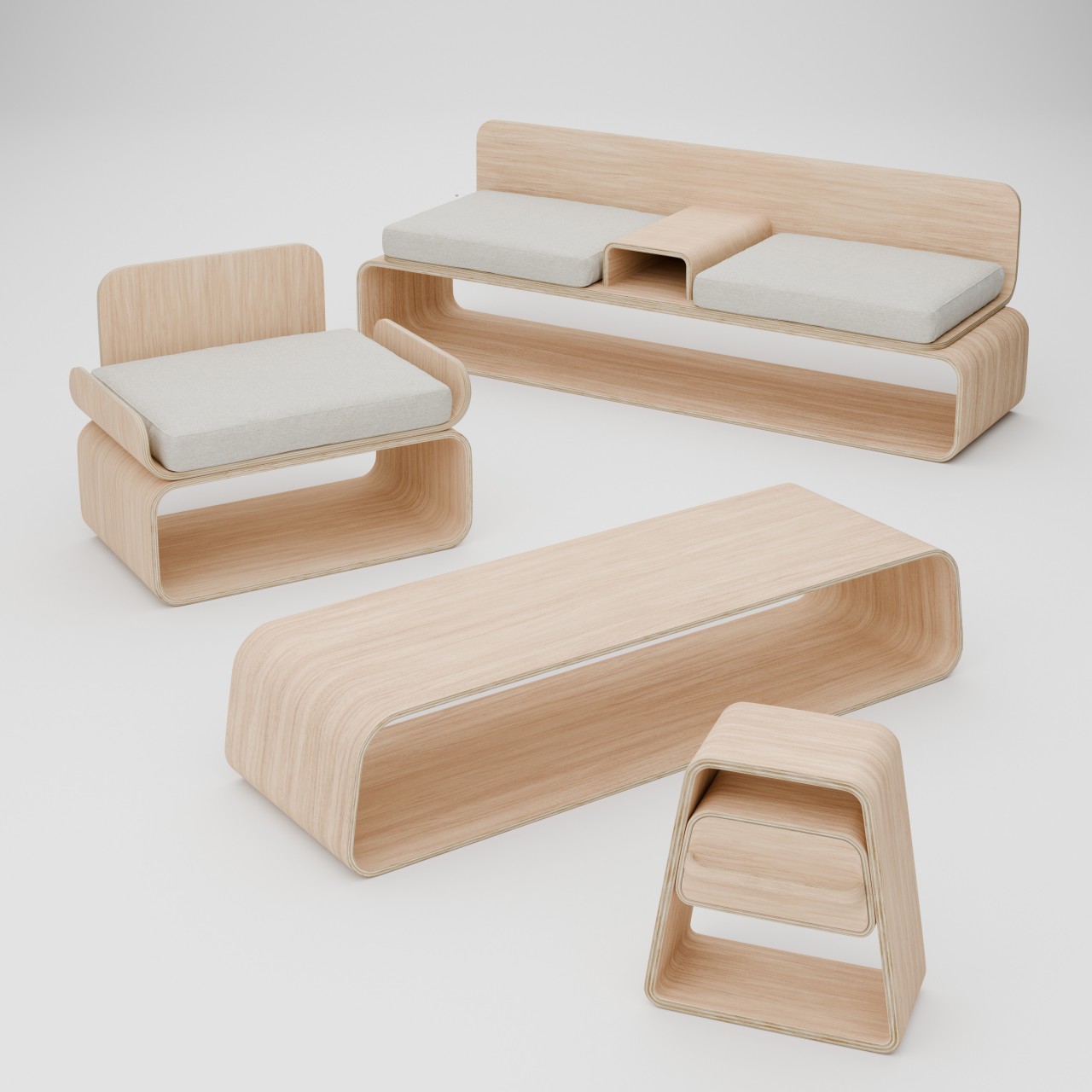
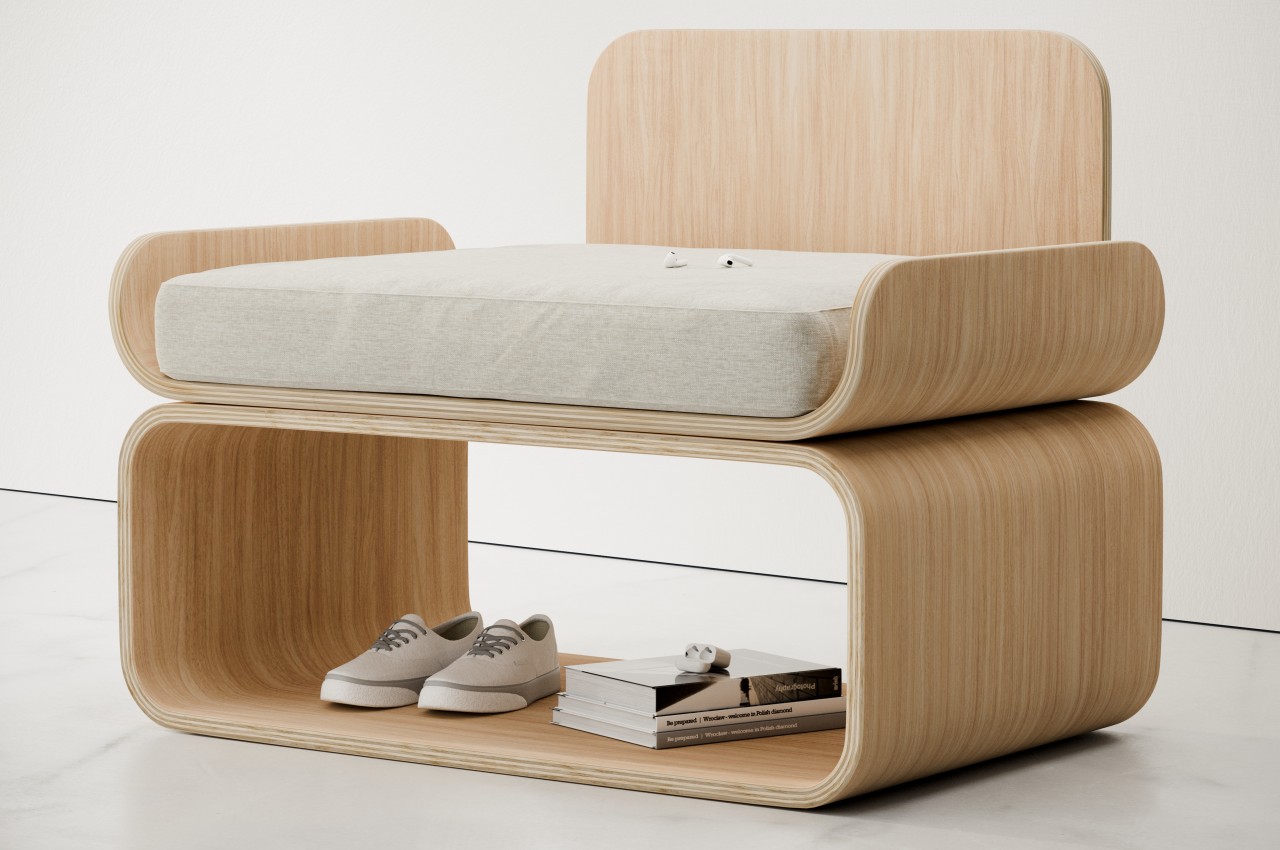
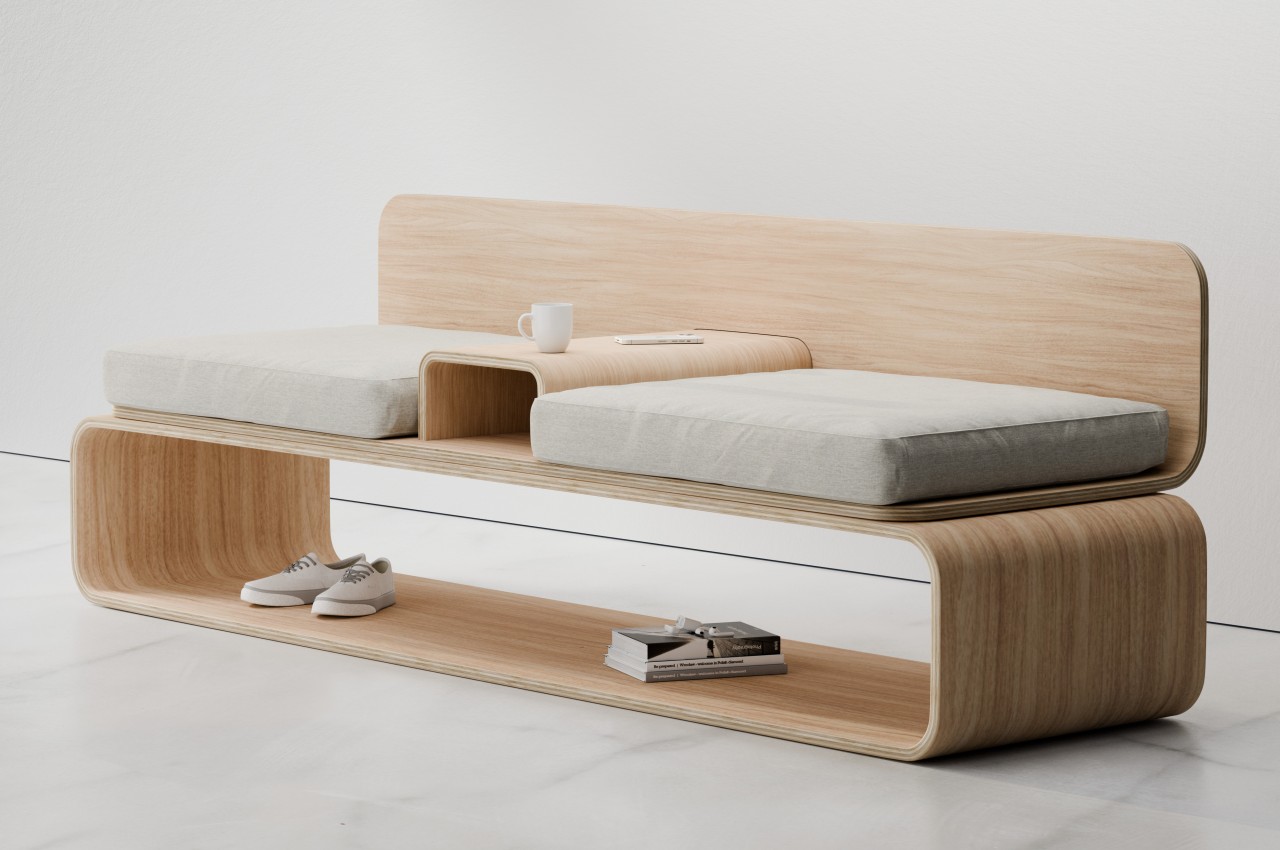
Designer: Julian Topor
Furniture occupies space, often unused. However, designs like the KURVE collection combine aesthetics with functionality by incorporating storage spaces. Utilizing minimalist curved plywood layers, these designs create hollow areas for storing items without complex construction. The KURVE chair features a backless box for its bottom half, all crafted from a single sheet of layered plywood bent to form support structures.
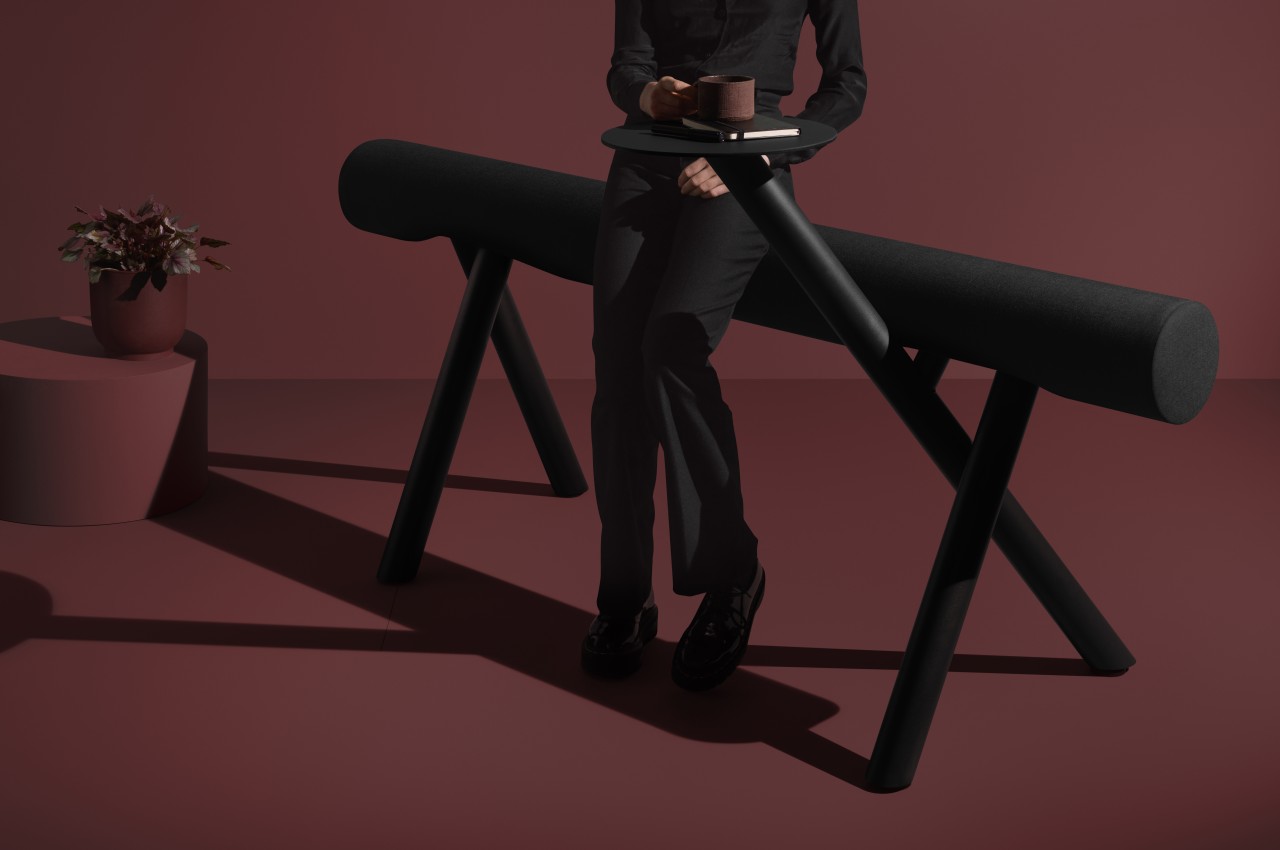
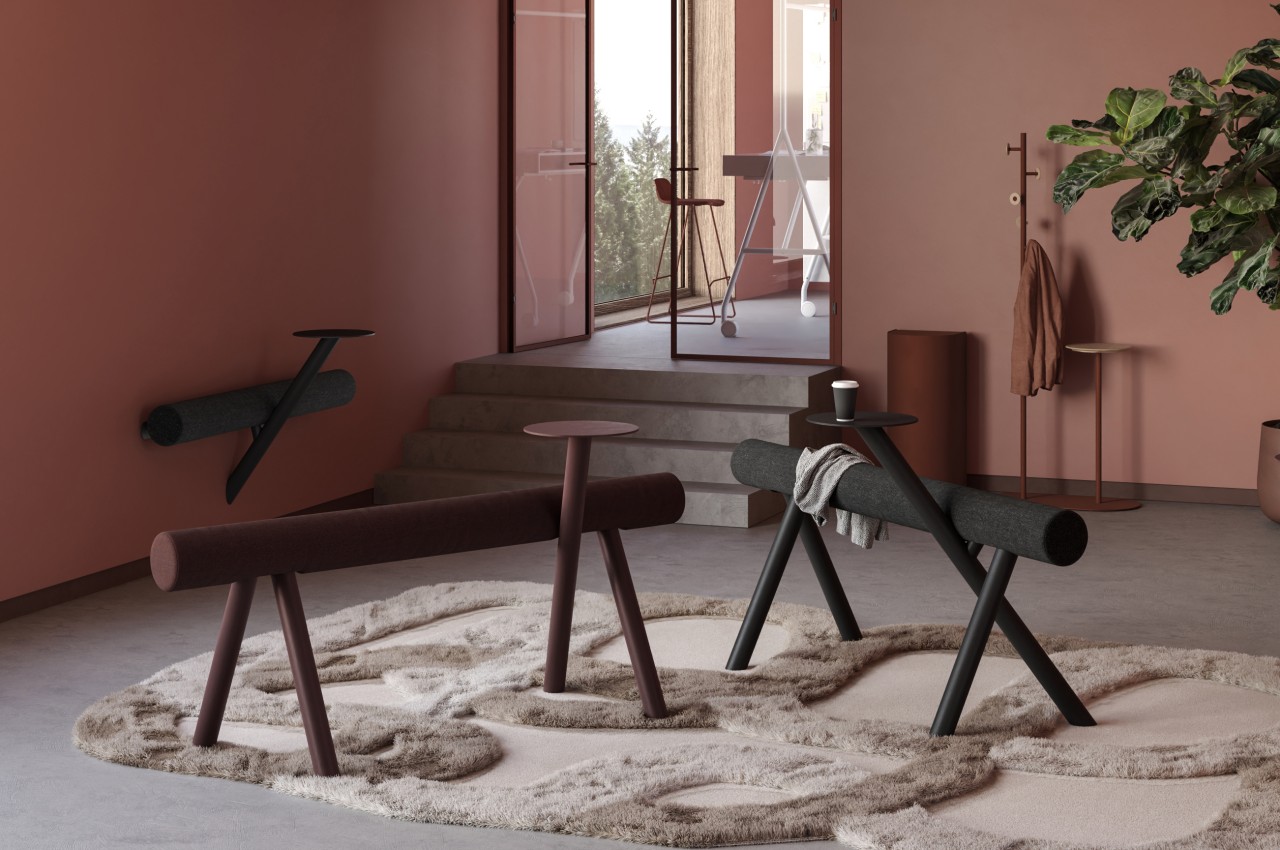
Designer: Addi
Sometimes, finding a place to sit can be a challenge, especially when space is limited. Perching seats offer a solution by providing a brief respite without the commitment of sinking into a full chair. Lumber takes this concept further with its minimalist design, offering style and comfort without monopolizing space. Its flame-proof wool upholstery ensures easy maintenance, while color-matched metal legs add a touch of elegance. With a built-in side table, Lumber enhances both relaxation and functionality in any setting.
Inclusive Design
By prioritizing the full participation of people with disabilities and other marginalized groups in society, inclusive design takes into account the varied needs of users, aiming to create products accessible to all.
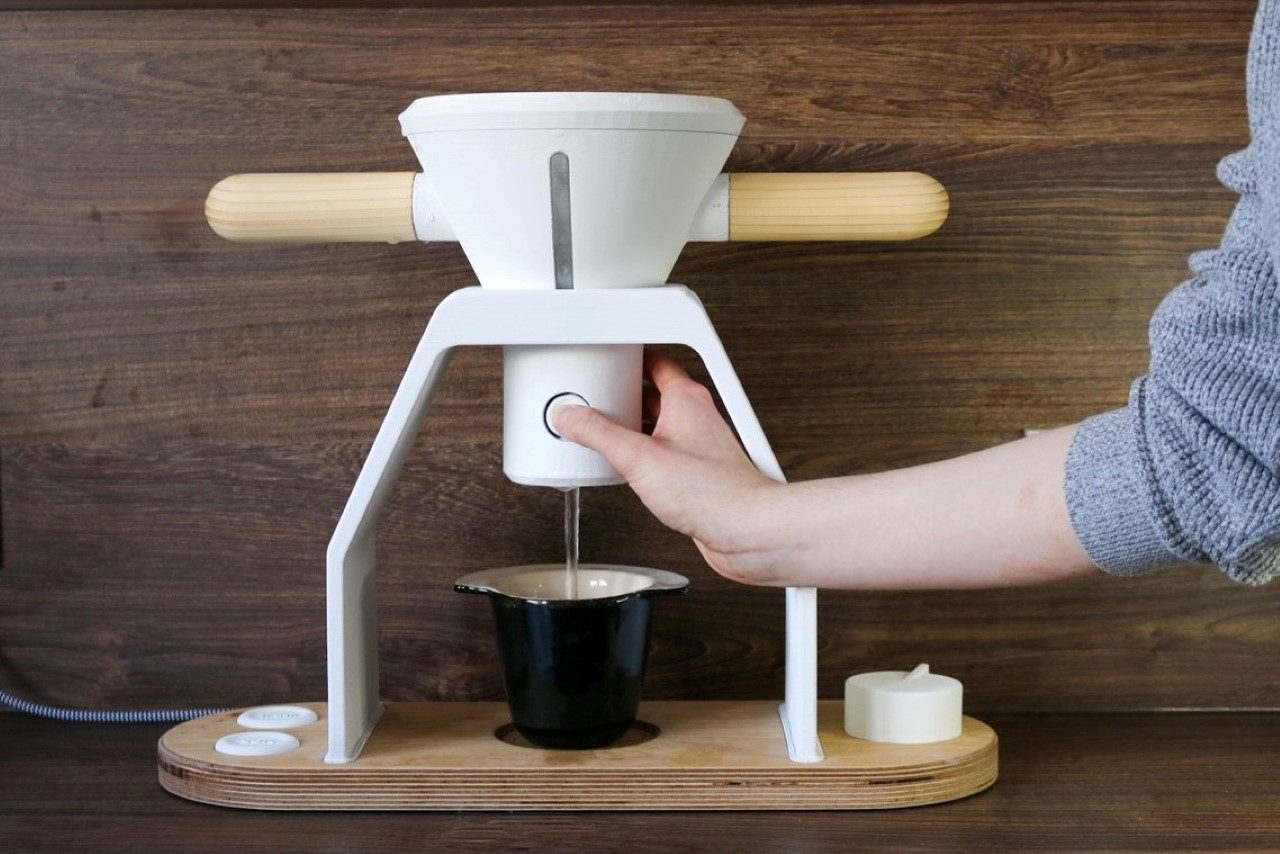
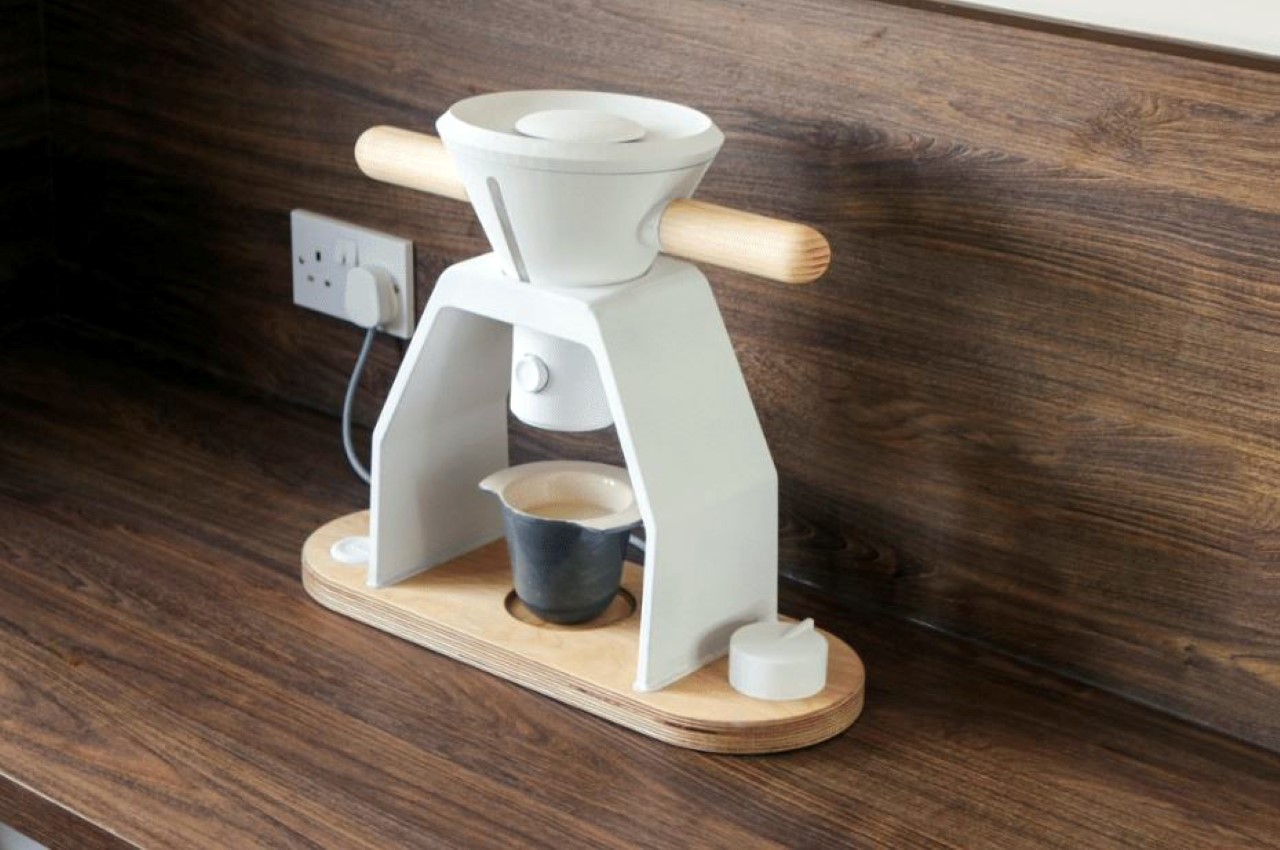
Designer: Nick Fitzpatrick
The handle-on-one-end design of kettles poses challenges for disabled individuals or those with reduced strength or dexterity. Nick Fitzpatrick’s ‘Inclusivitea’ kettle addresses these issues by redesigning the traditional shape. Featuring two handlebar-shaped arms, it simplifies both filling and pouring. The kettle comes with a stand for brewing and dispensing tea directly into cups, preventing spills. Each set includes containers for various ingredients and a cup with an extended rim for comfortable gripping.
Personalization
With the increasing demand for personalized and bespoke products, designers are providing more customization choices to cater to individual user preferences.
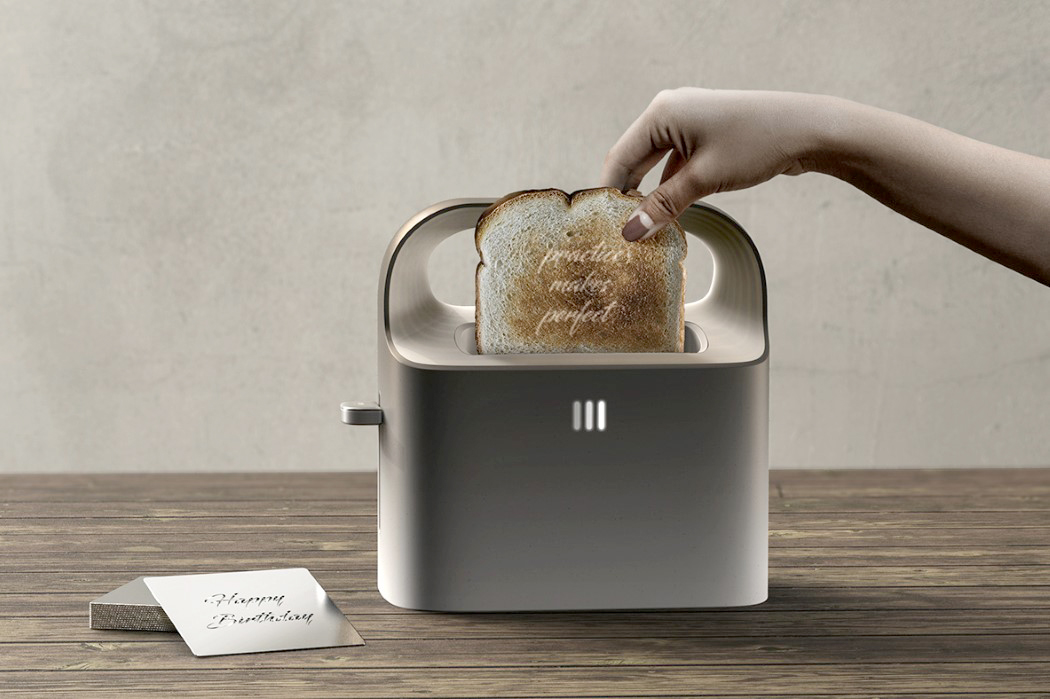

Designer: Min Soo Kim
This toaster redefines the act of “raising a toast” with its customizable features. Designed by Min Soo Kim, the Home Party Hoaster lets users personalize their toast with pre-engraved messages, images, or emojis. Resembling a Vifa speaker, it features slots for bread and stencil plates, with a touchscreen panel for adjusting toast crispiness. Once toasted, the unique message is reverse-etched onto the bread, offering a novel and personalized start to the day.
Digital Fabrication
Digital fabrication and prototyping technologies, including 3D printers, laser cutters, CNC routers, and robotic arms, allow industrial designers to swiftly create physical models or products from digital data. These tools streamline the experimentation, iteration, and refinement processes, offering faster, more cost-effective, and more accurate results than traditional methods. They also empower designers to develop complex, customized, and innovative solutions tailored to diverse user needs.
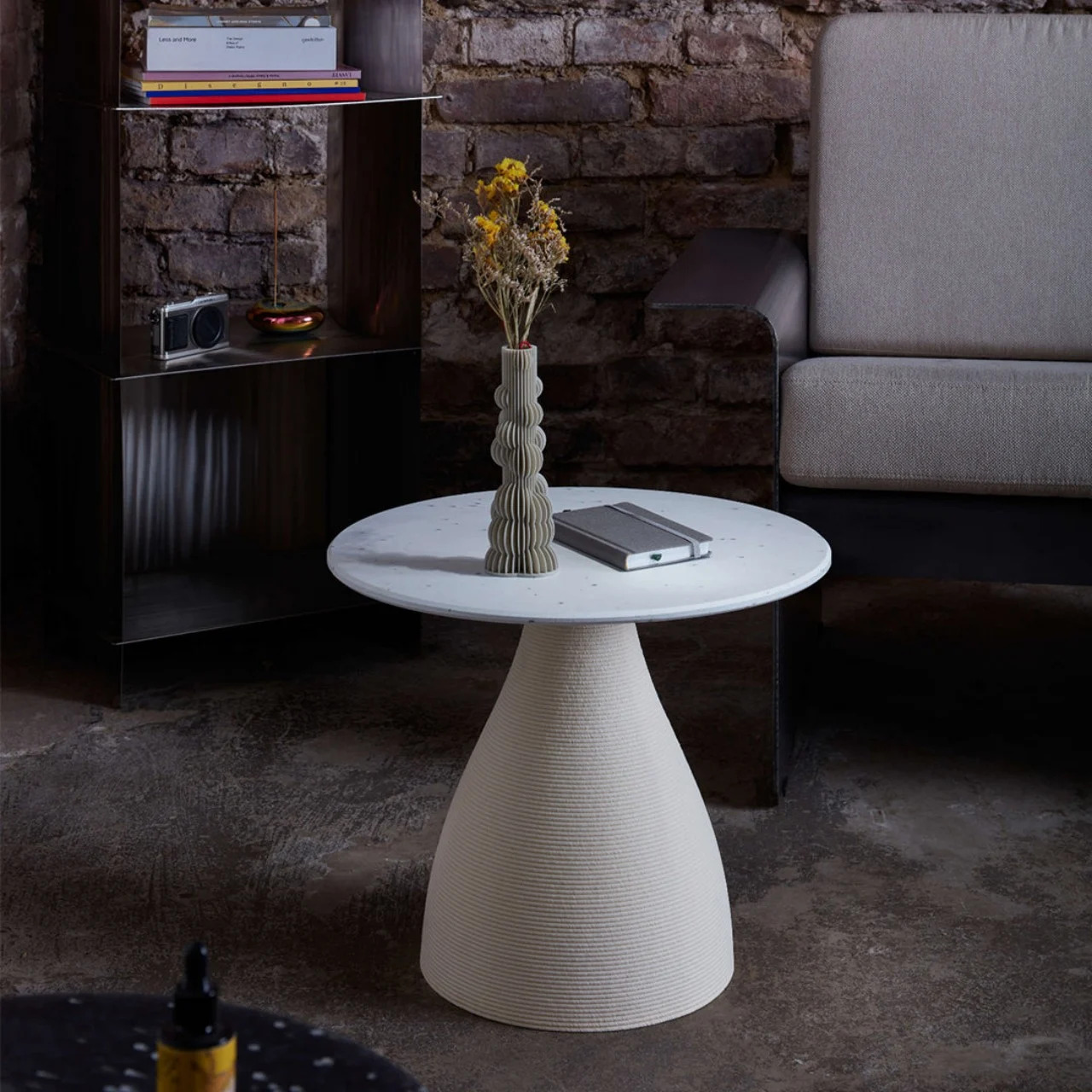
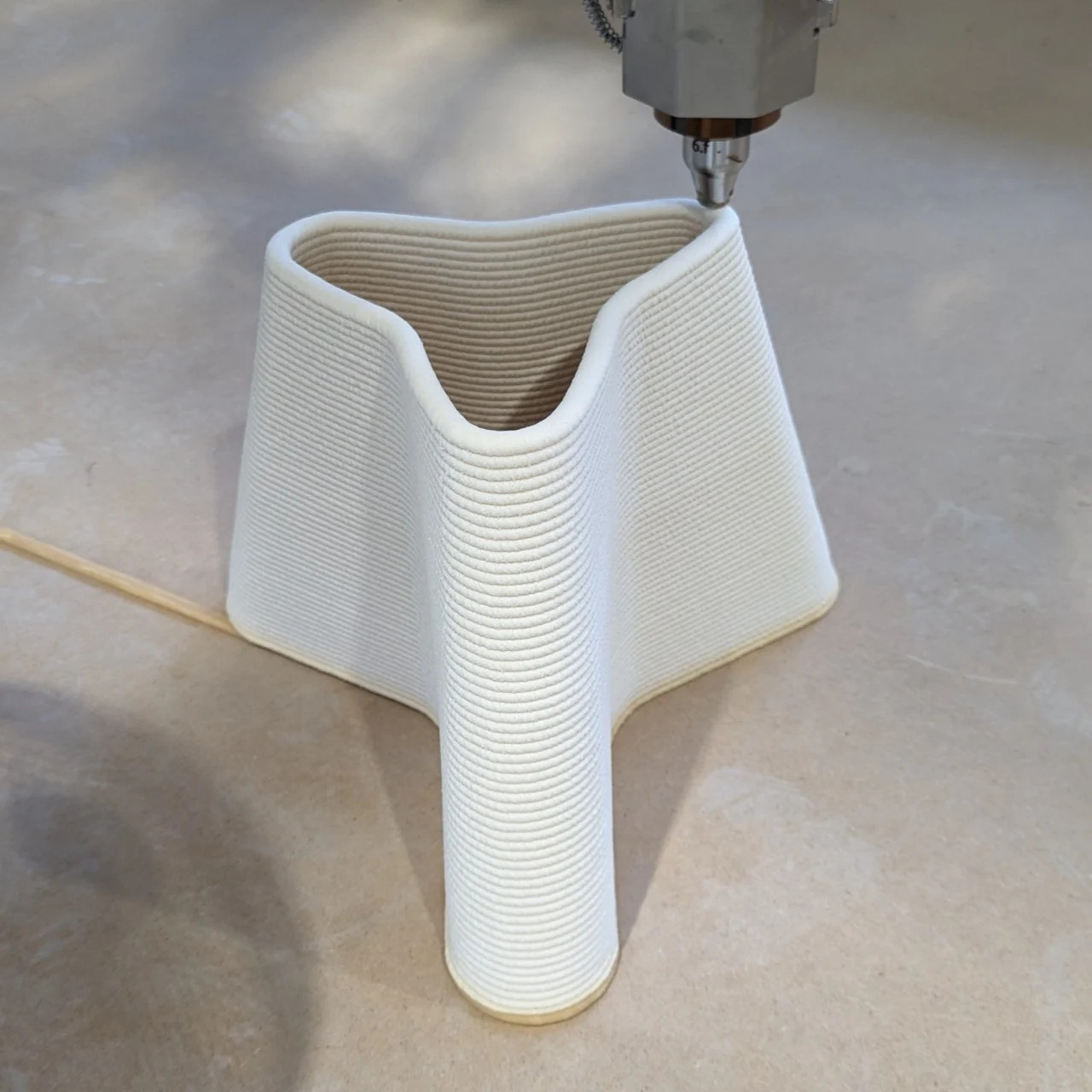
Designer: Martin Zampach
Traditional 3D printers have size limitations, hindering the creation of larger designs. However, the LOOPS collection of coffee tables utilizes 3D printing robots to overcome this obstacle. By employing a looping motion, the robot arm constructs intricate layers of composite material, enabling the formation of organic geometric shapes. This innovative approach expands the possibilities of 3D printing beyond conventional boundaries, allowing for the creation of larger and more complex objects.
In conclusion, industrial design is rapidly evolving due to technological advances, changing consumer behavior, and a growing focus on sustainability. Designers must prioritize blending aesthetics with functionality and integrate sustainable practices with the digital revolution.
The post Industrial Product Design Trends For 2024 first appeared on Yanko Design.