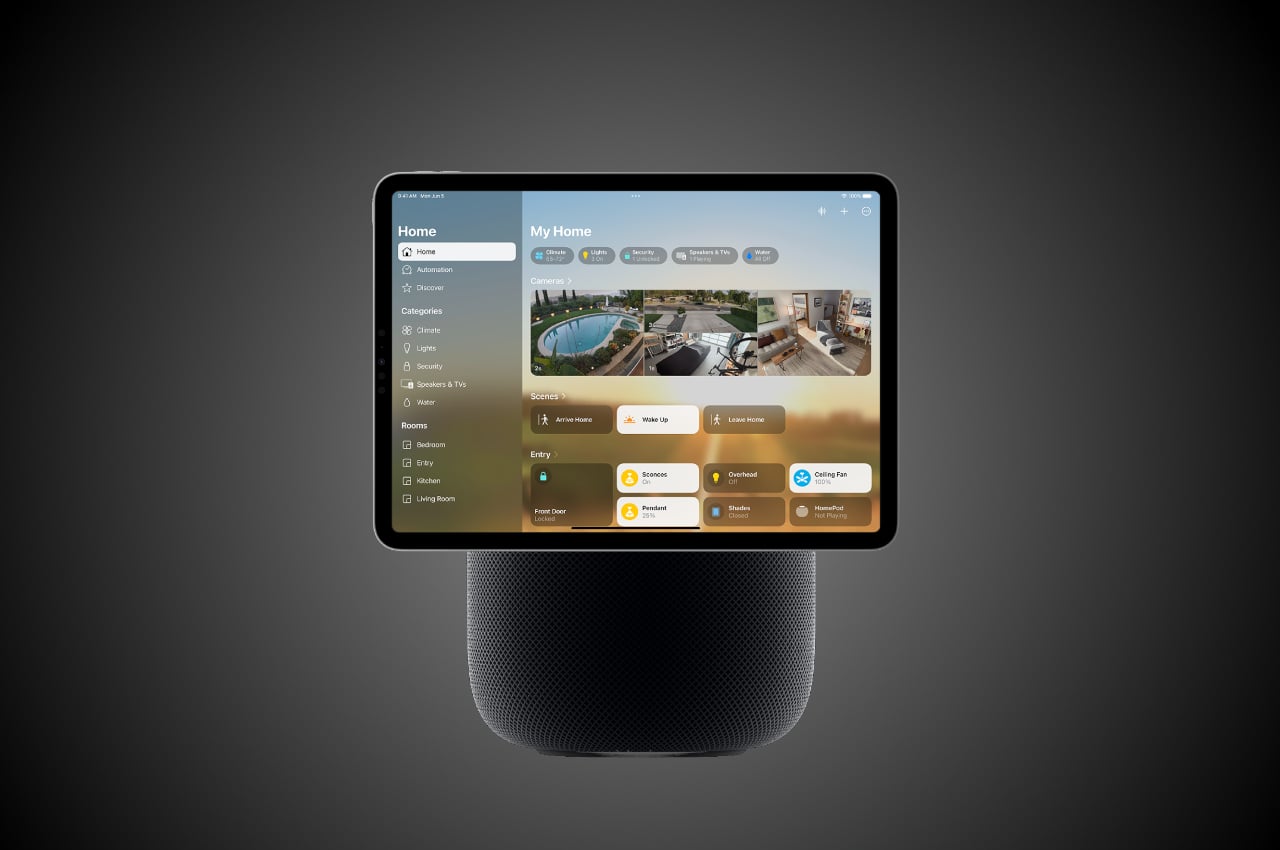
Apple HomePod with a Screen is coming to revive a forgotten smart home category

Although they look and seem like they’re made just for playing music, smart speakers are, of course, a lot more capable than simple wireless speakers. In fact, they were born to showcase the power of AI-powered smart assistants like Amazon Alexa, Google Assistant, and Apple Siri, which is also why the speaker quality of the first generation of speakers left much to be desired. While controlling your devices and appliances using your voice felt almost magical, it also became quite tiring quickly, especially when you could do things faster using an app on your phone. That’s the reason why smart speakers with displays, a.k.a. smart displays, were born, and that design might finally be coming to Apple’s ecosystem, potentially bringing life back to stagnant waters.

Designer: Apple (via MacWorld)

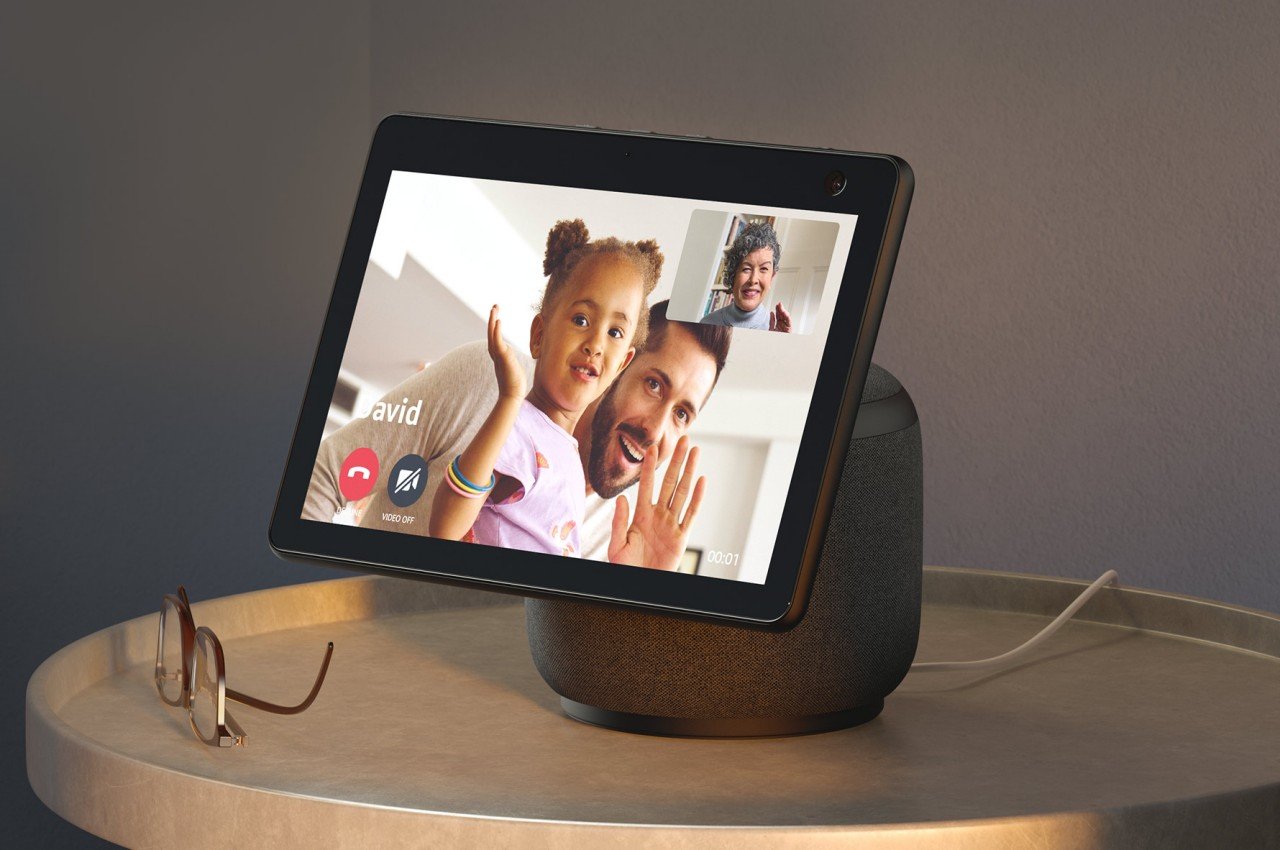
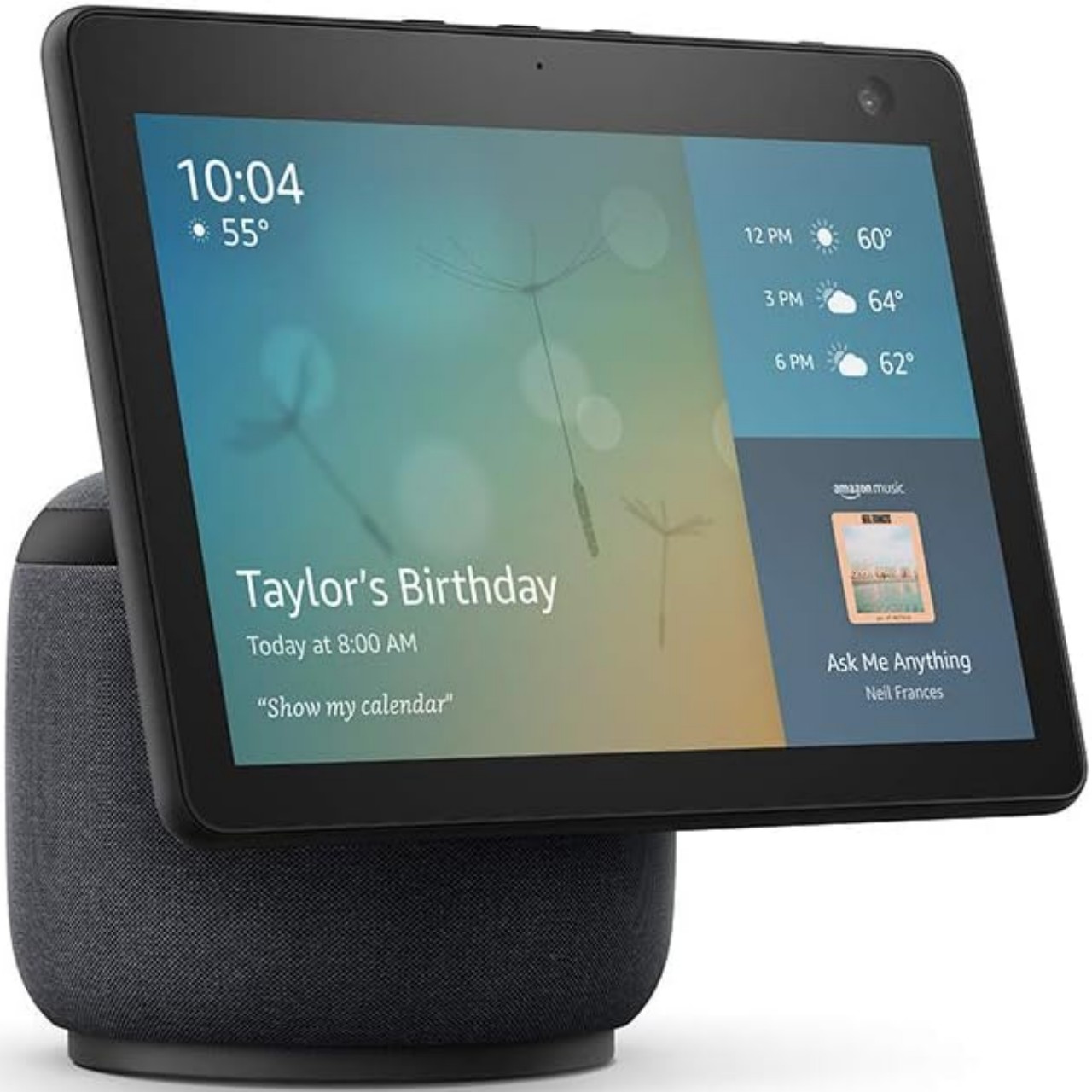
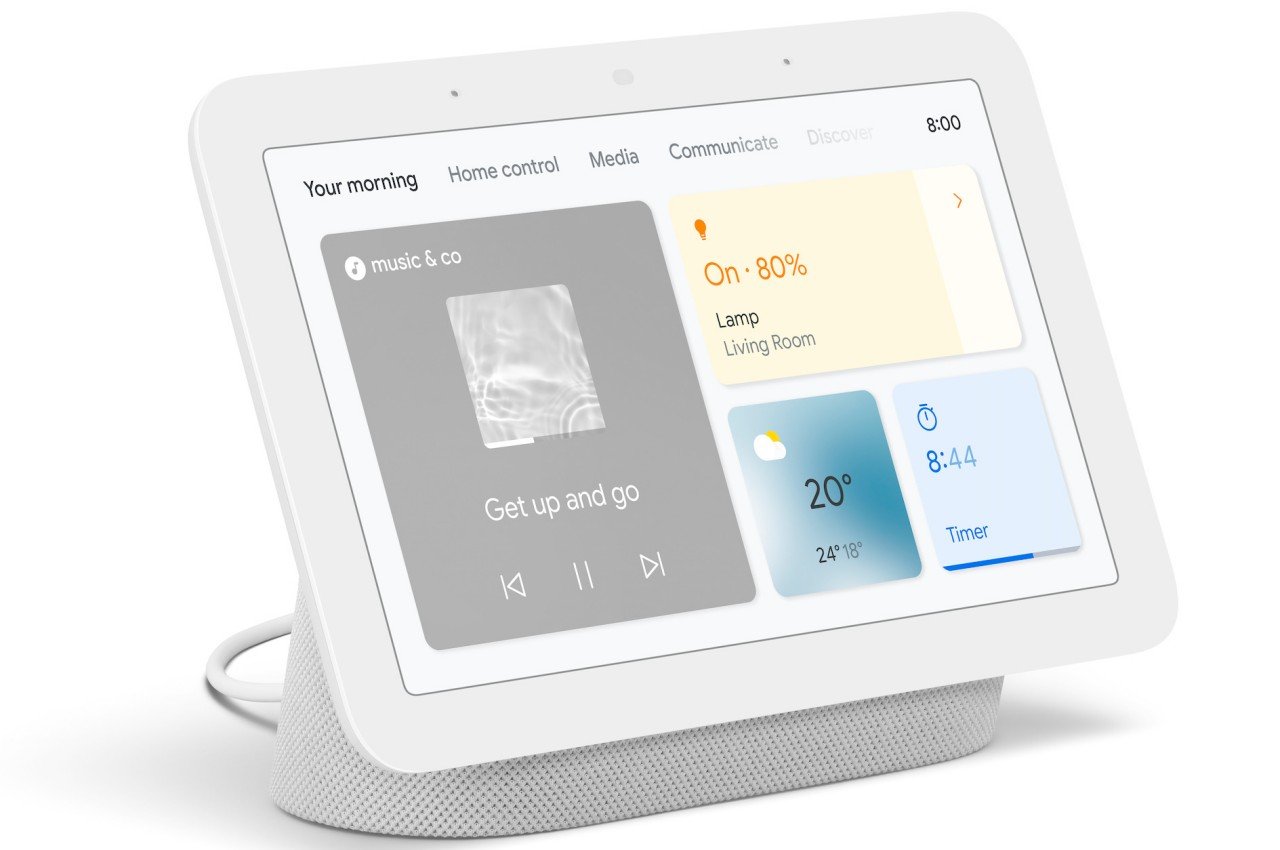
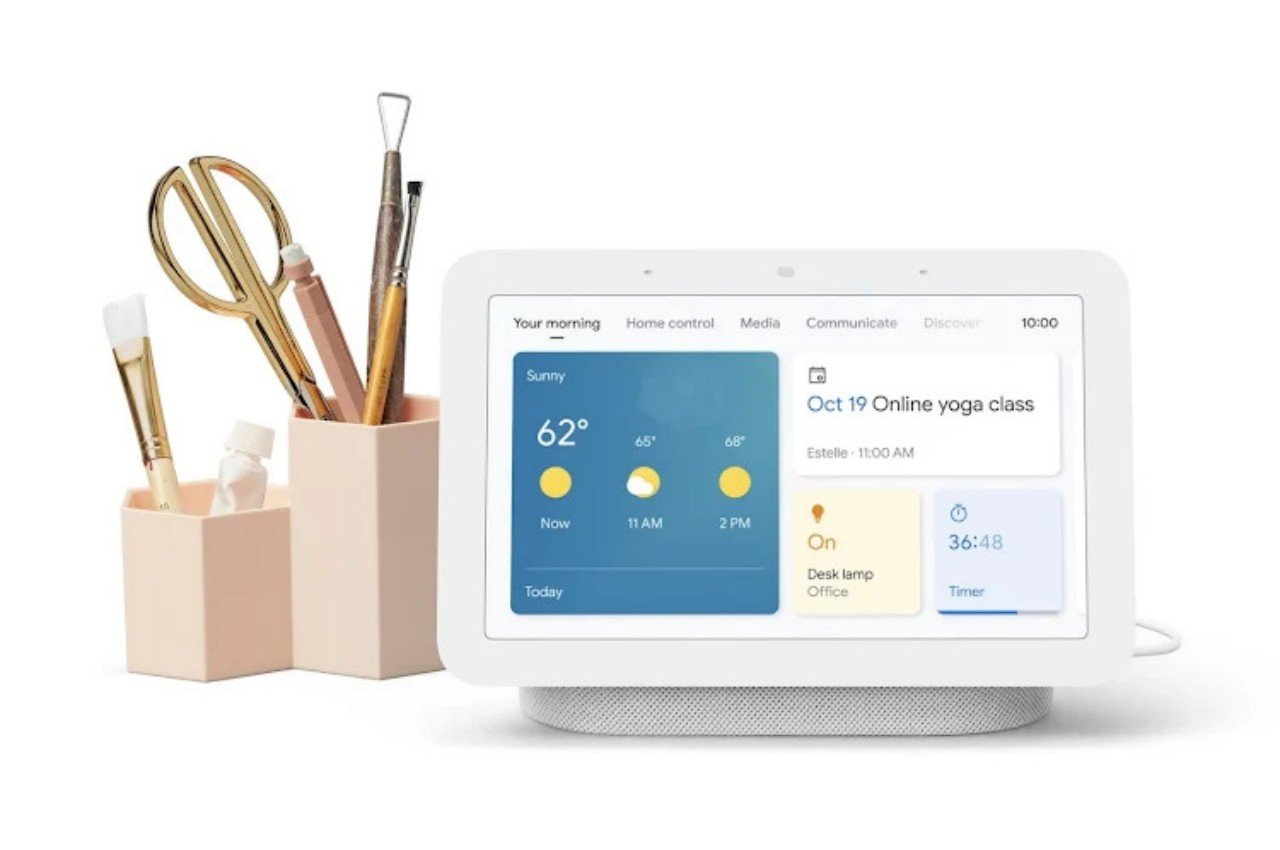
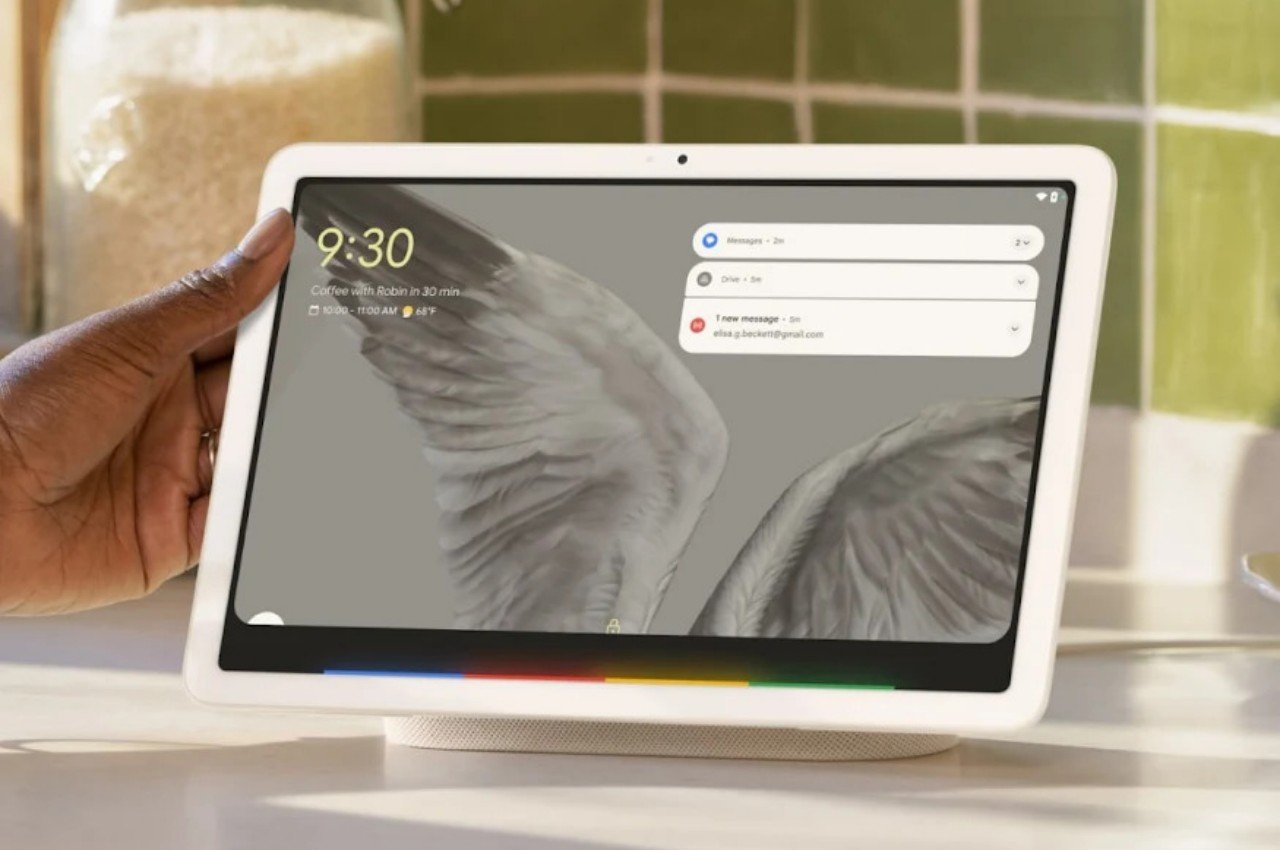
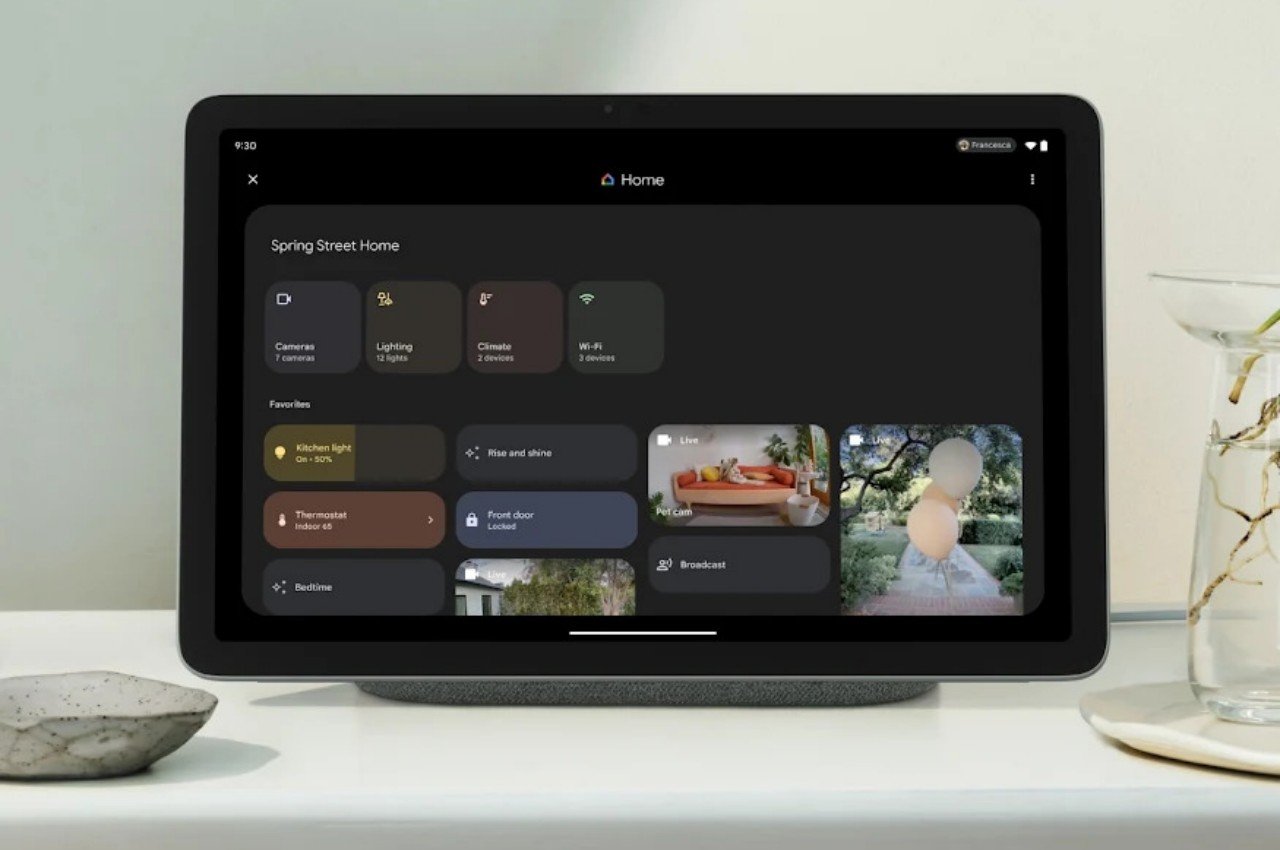
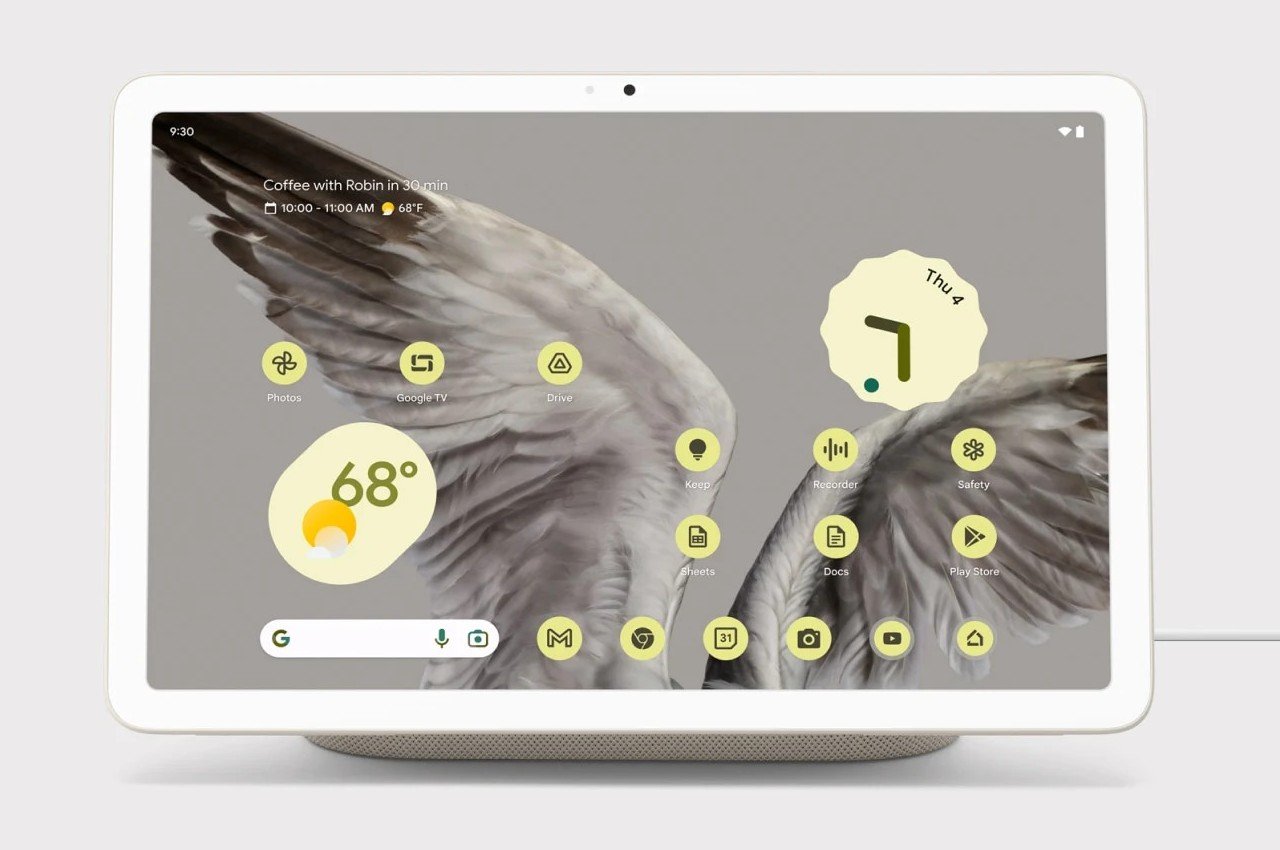
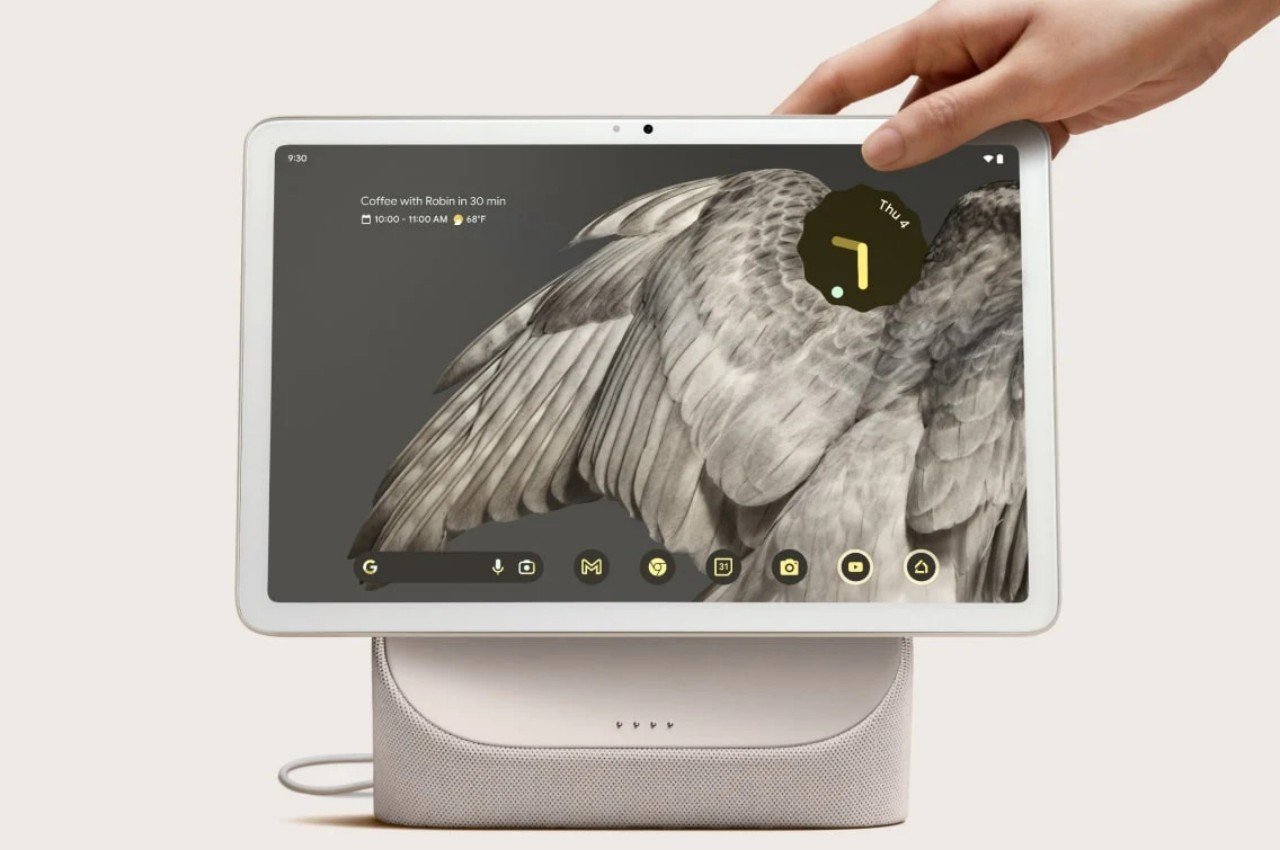
It’s been a while since we’ve seen a new smart display coming from the major brands. The latest Amazon Echo Show last year is actually just an upgraded Echo Show 5. Google launched the 2nd-generation Nest Hub in 2021, though some might argue that the Google Pixel Tablet and its speaker dock actually fall under this category. After all, most of these smart displays do look like smart speakers with a tablet stuck on top of them.

Amazon Echo Show 10

Amazon Echo Show 10

That design might be coming to Apple’s smart home device category, thanks to clues found in the latest beta testing of tvOS 17.4. There is no direct evidence, of course, just a new device codenamed “Z314” that just happens to share some internal hardware with the iPad mini 6. The HomePod was actually discovered to already be running tvOS, which would have been weird if it didn’t eventually get some visual capabilities. Again, much of these are based on speculation, but the hints seem to be building up and pointing toward a spring 2024 reveal.

Google Nest Hub 2

Google Nest Hub 2

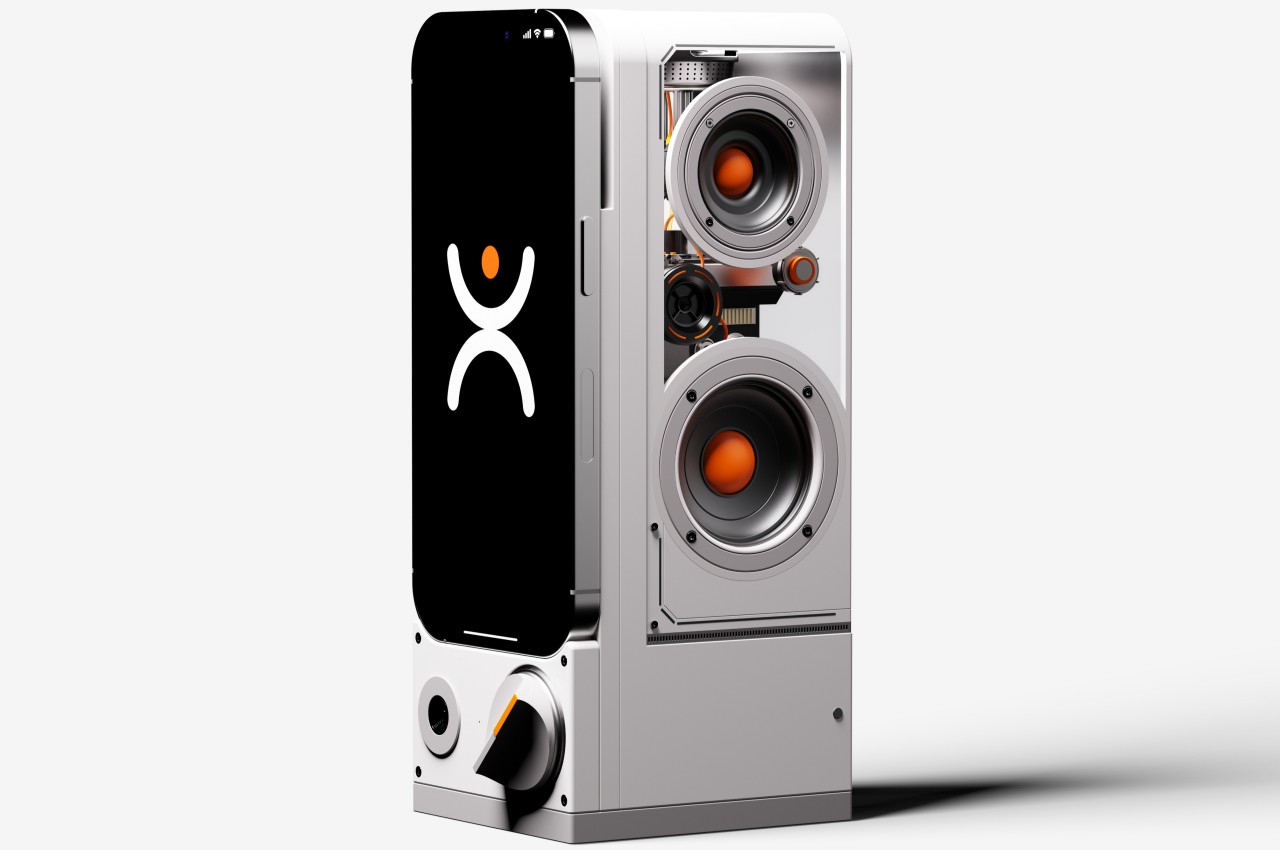
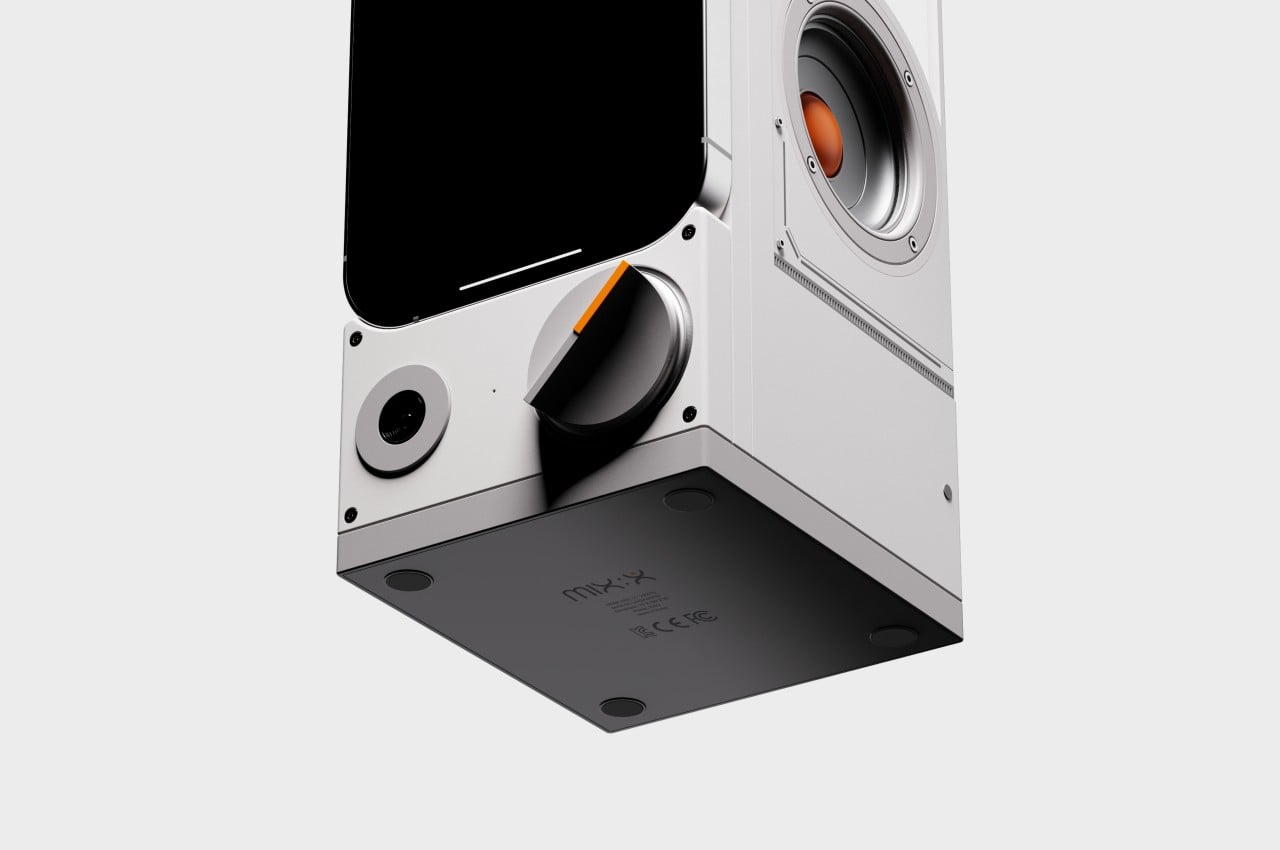
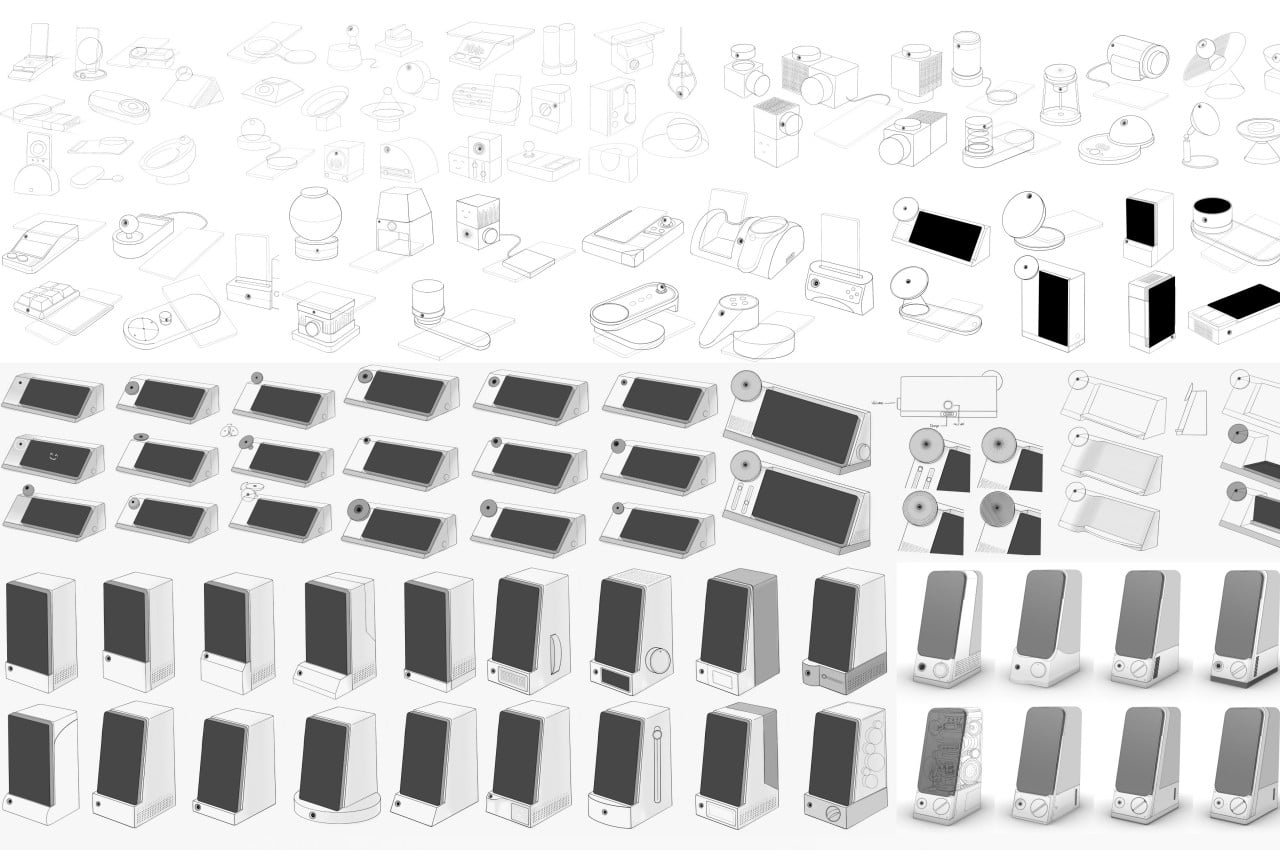
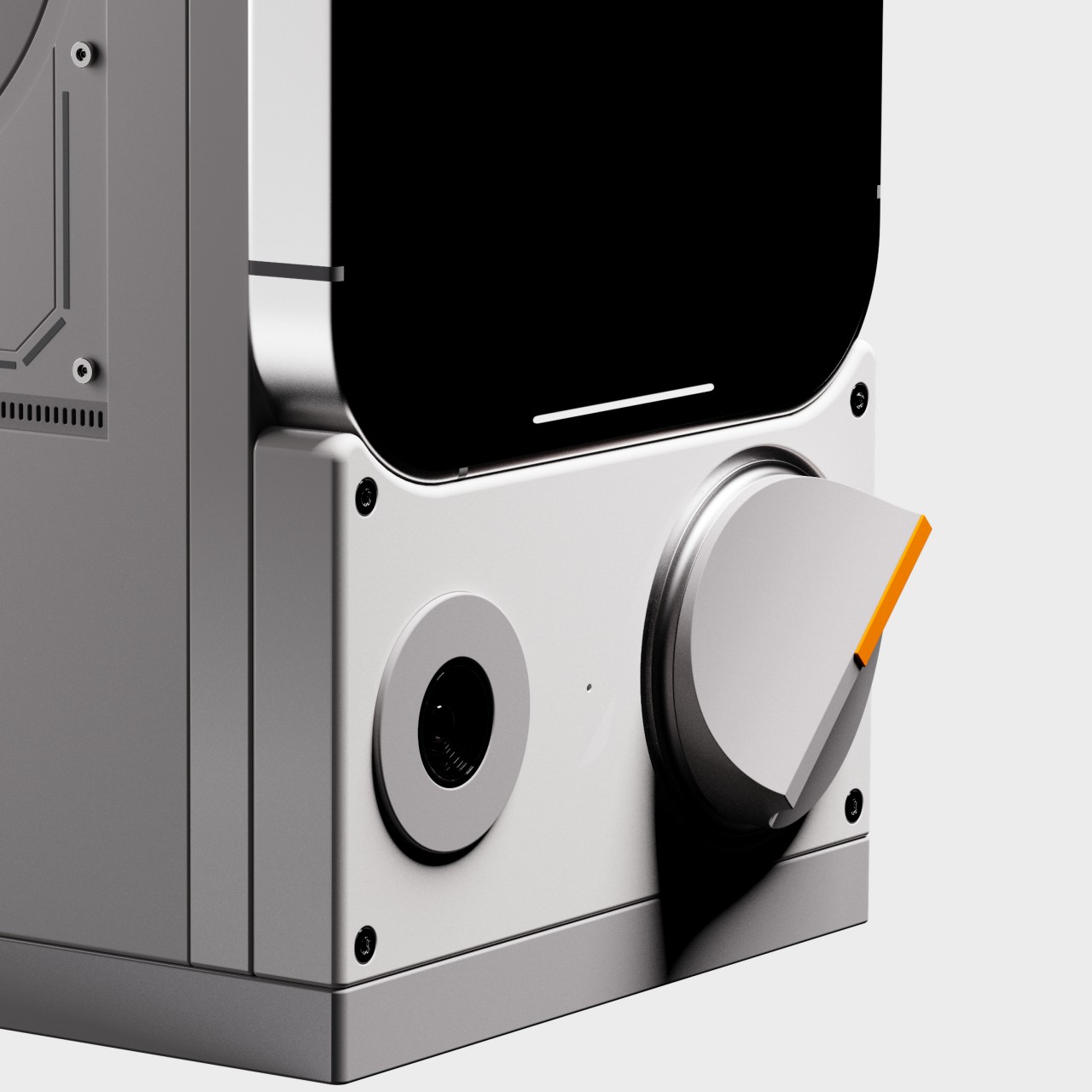
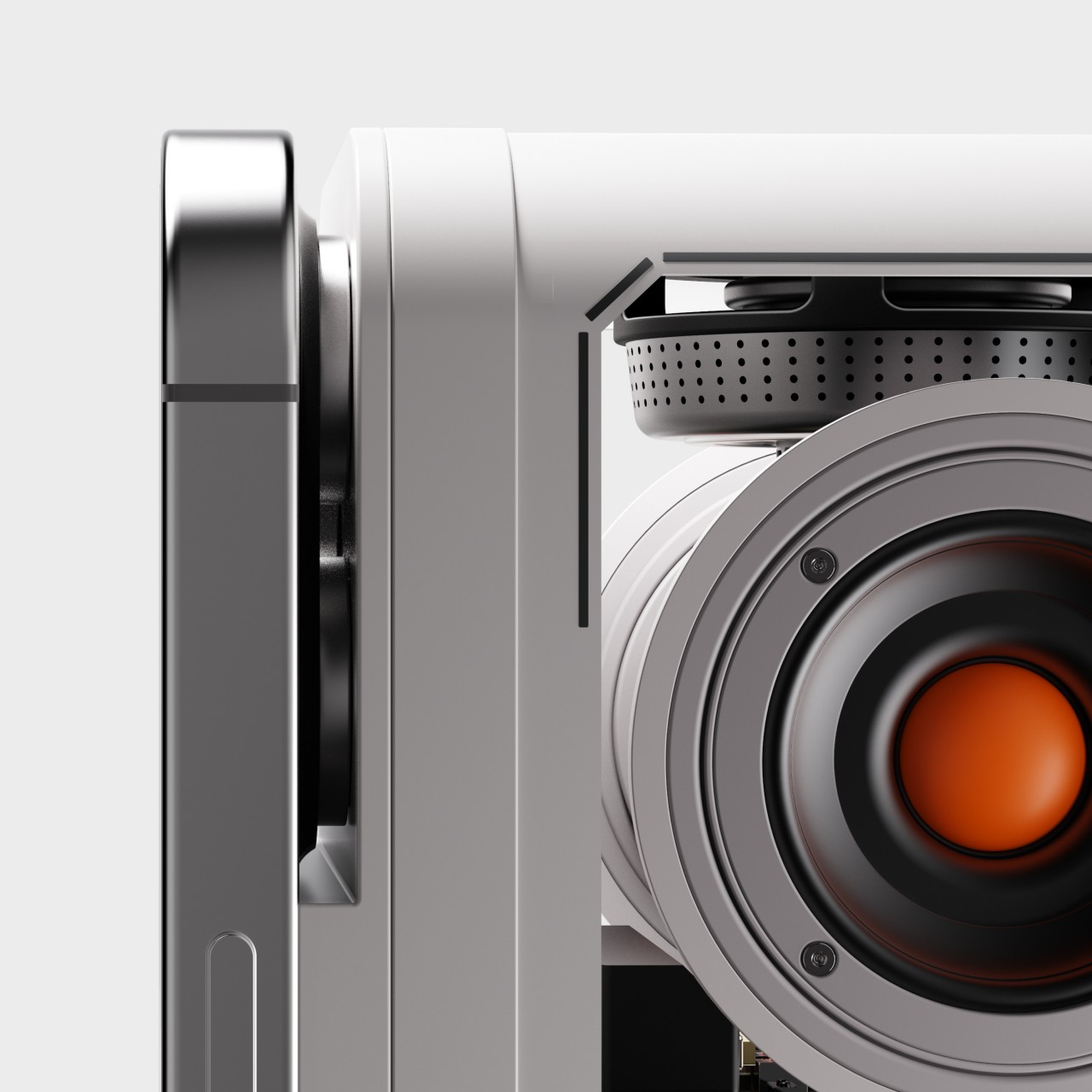
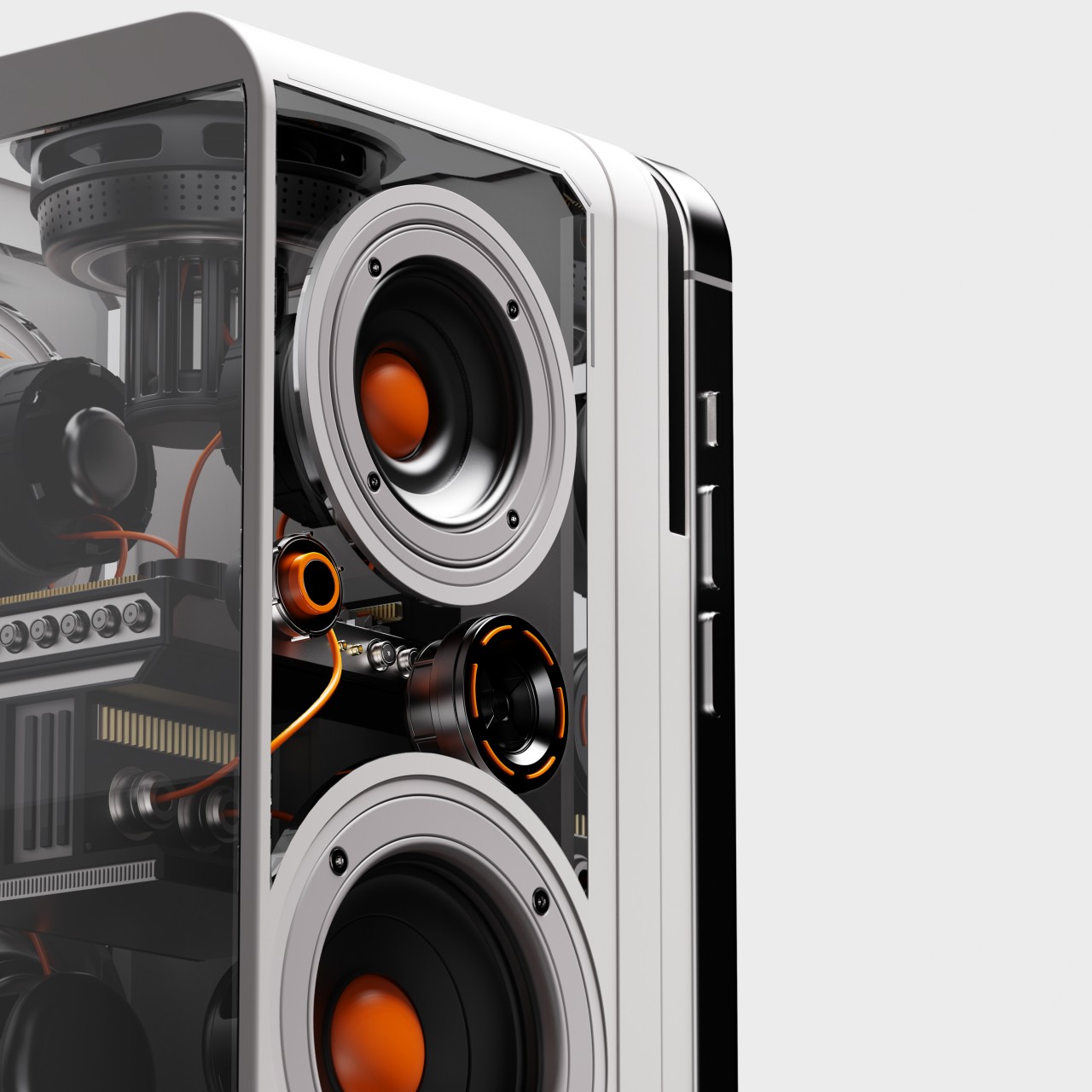
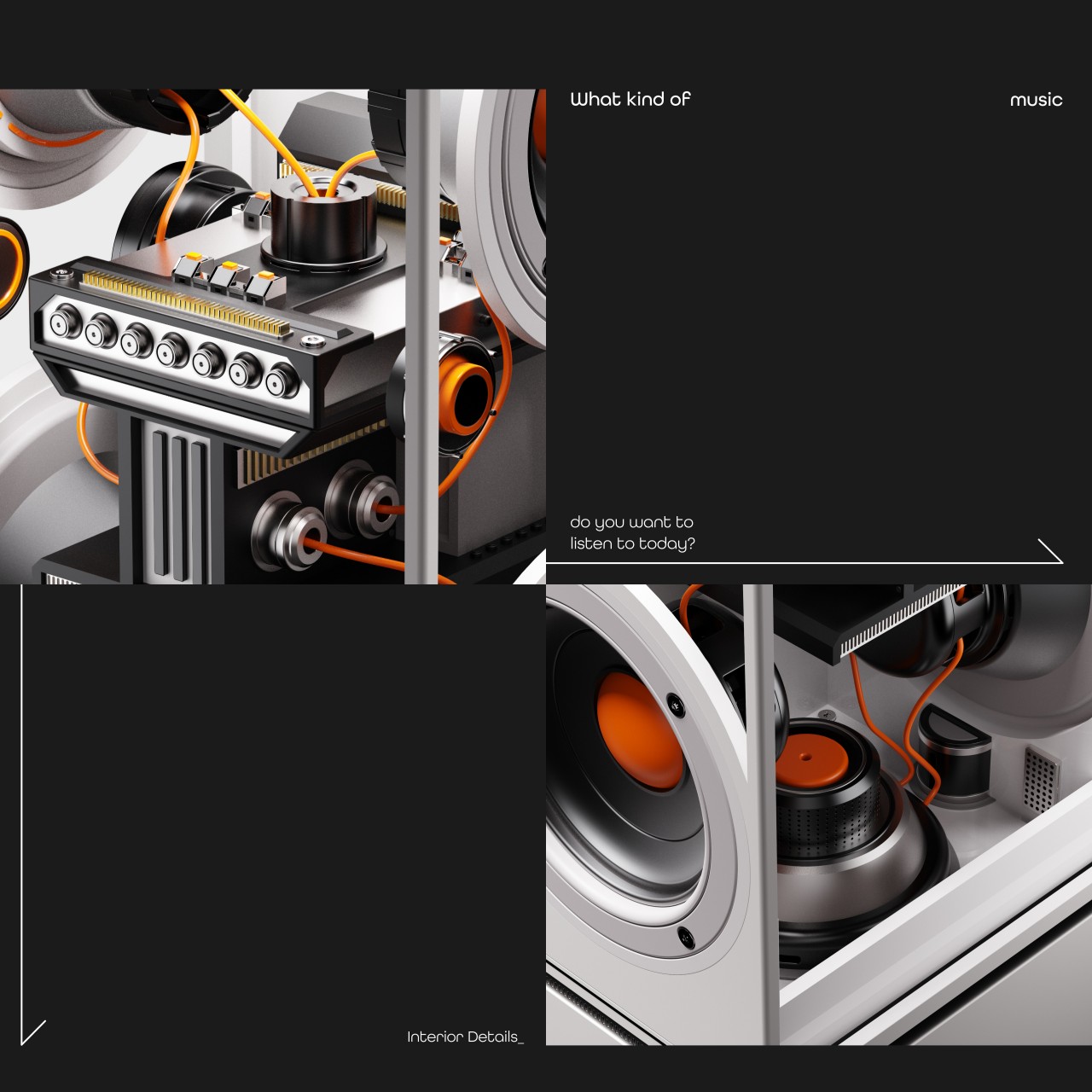
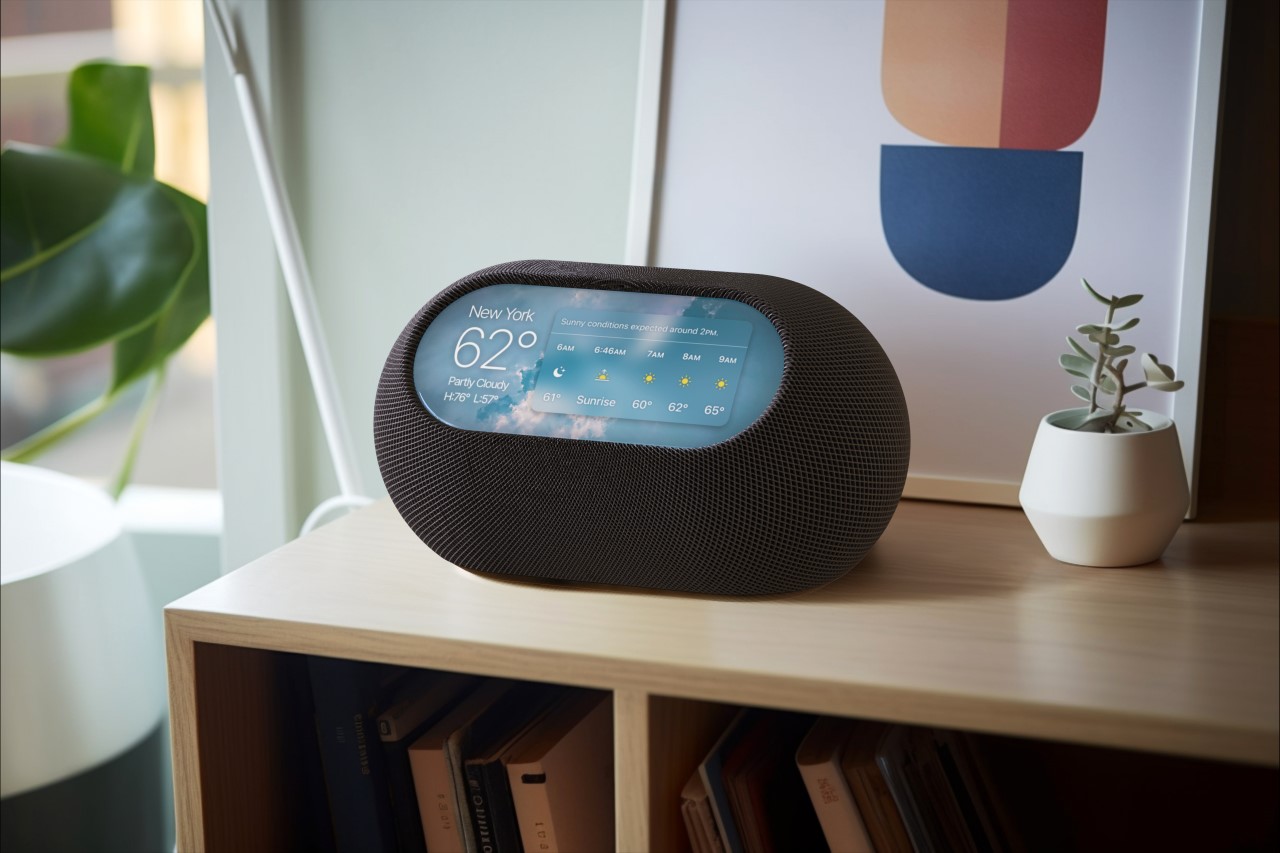
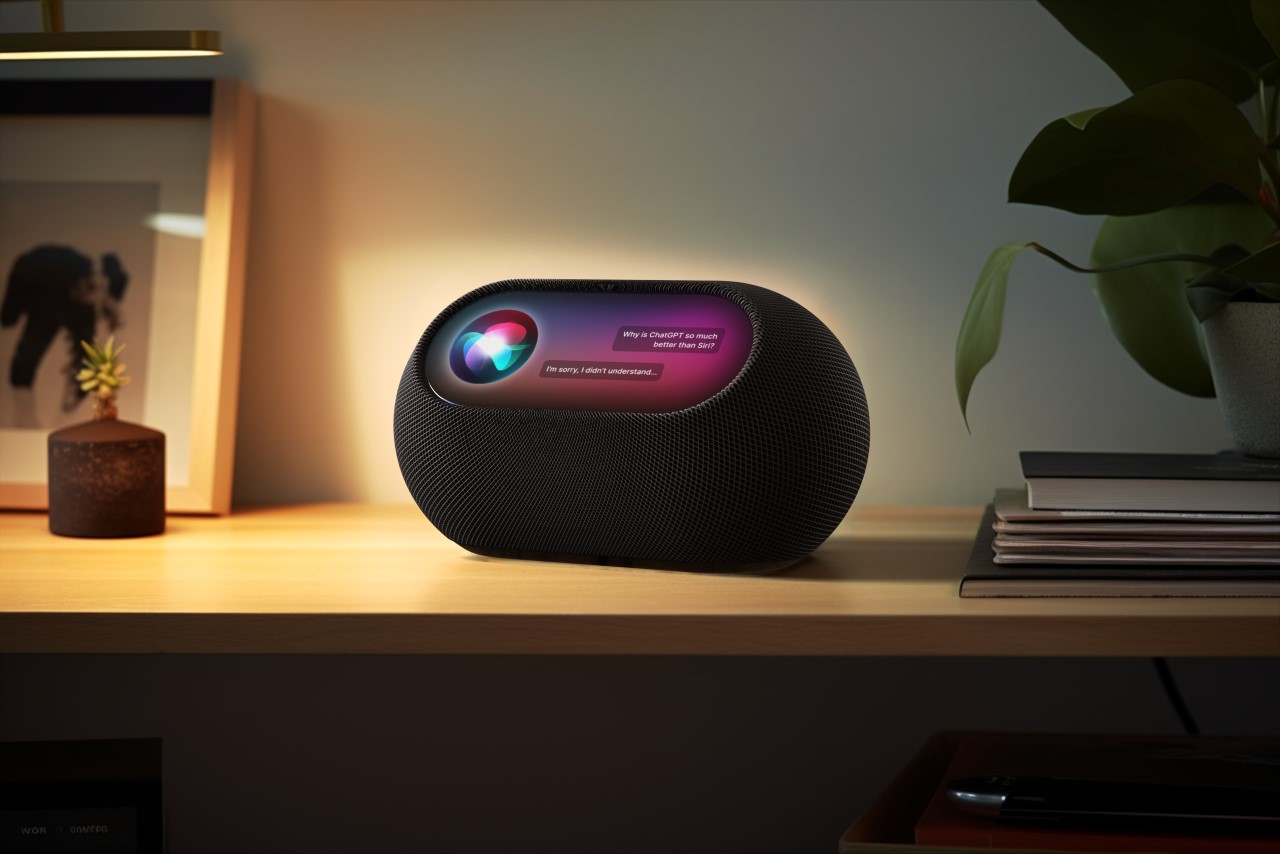
A HomePod with a touch screen, even just a 7-inch one as indicated by rumors, will offer a significant upgrade to people’s user experience. Although the HomePod already offers physical controls for quickly controlling music, anything else has to be done either through Siri or through a connected iPhone or iPad. The latter scenario, however, can cause additional battery drain to mobile devices, so a dedicated display will go a long way in making it more convenient to access Apple Home settings, media controls, and more. Of course, sticking a tablet on top of a HomePod isn’t the only possible design option available, as our very own Sarang Sheth explored in a piece that envisioned an aesthetic that matched Apple’s style more closely.

That said, it also isn’t certain how far Apple will go in what features it will provide on that screen. The likes of the Amazon Echo Show and Google Nest Hub offer video capabilities, though that has also been a thorny subject as far as YouTube is concerned. Apple is traditionally even more conservative in what it allows on its devices, so we can probably expect functionality limited to smart home control, FaceTime, and, of course, its own library of tunes and videos.

Google Pixel Tablet

Google Pixel Tablet

Google Pixel Tablet

Google Pixel Tablet

The post Apple HomePod with a Screen is coming to revive a forgotten smart home category first appeared on Yanko Design.
Sunflower-inspired speaker concept lets sound follow you wherever you go

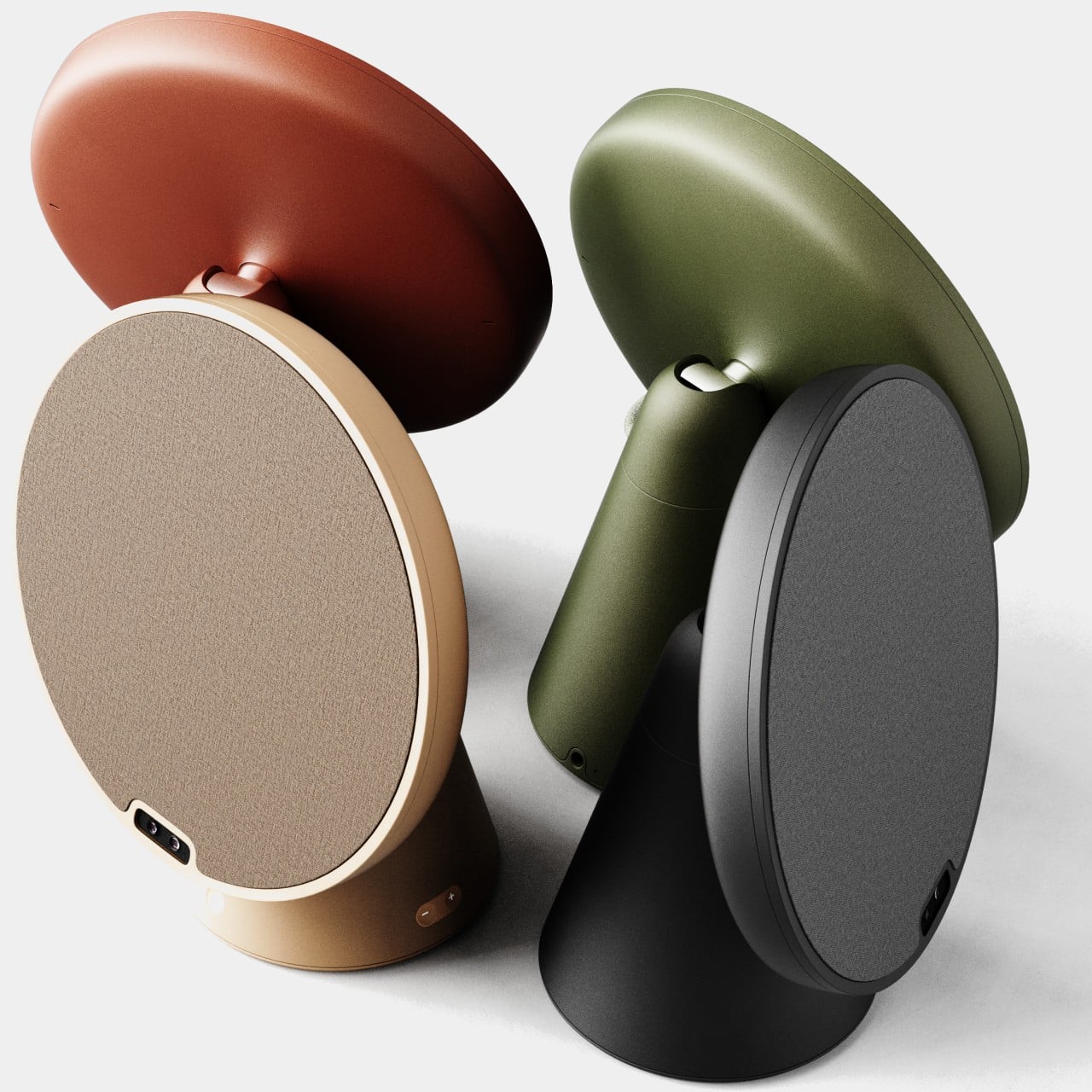
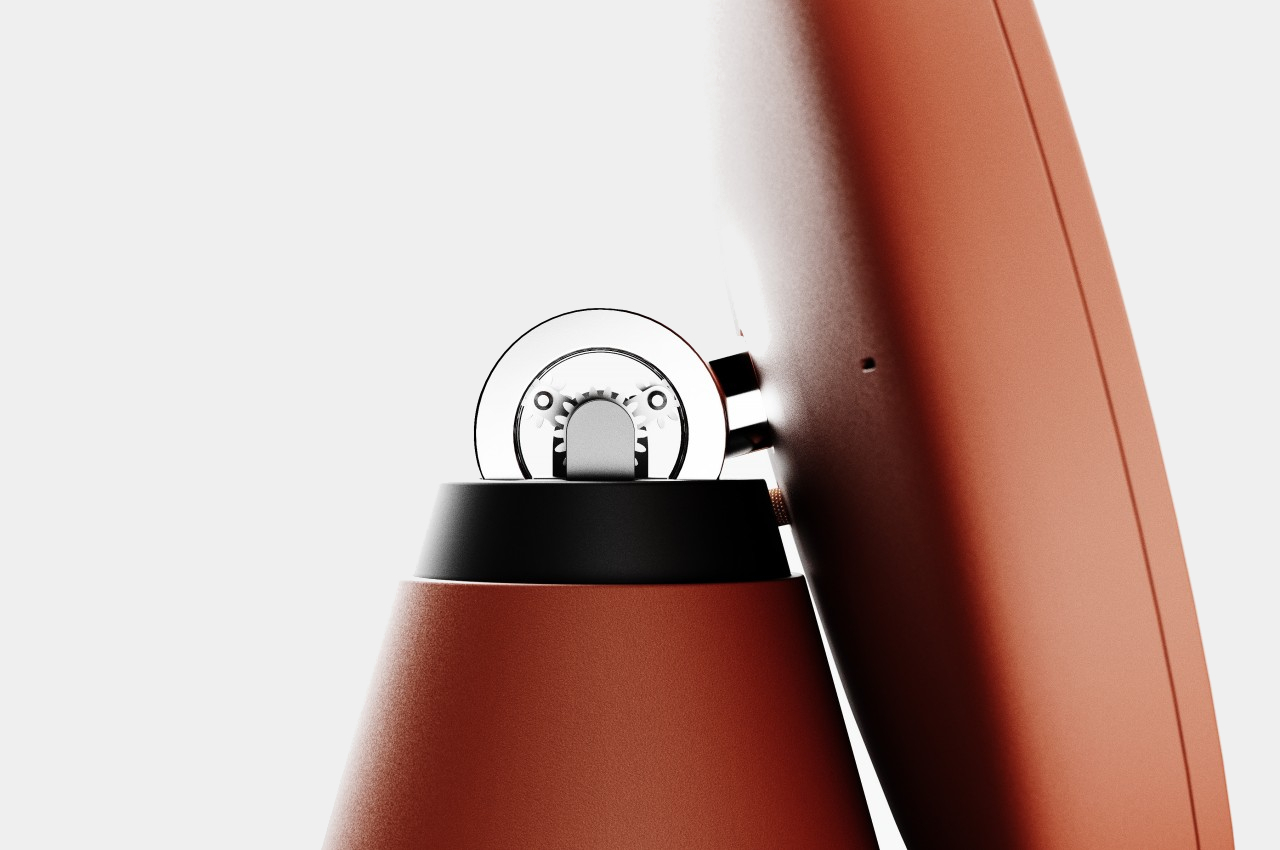
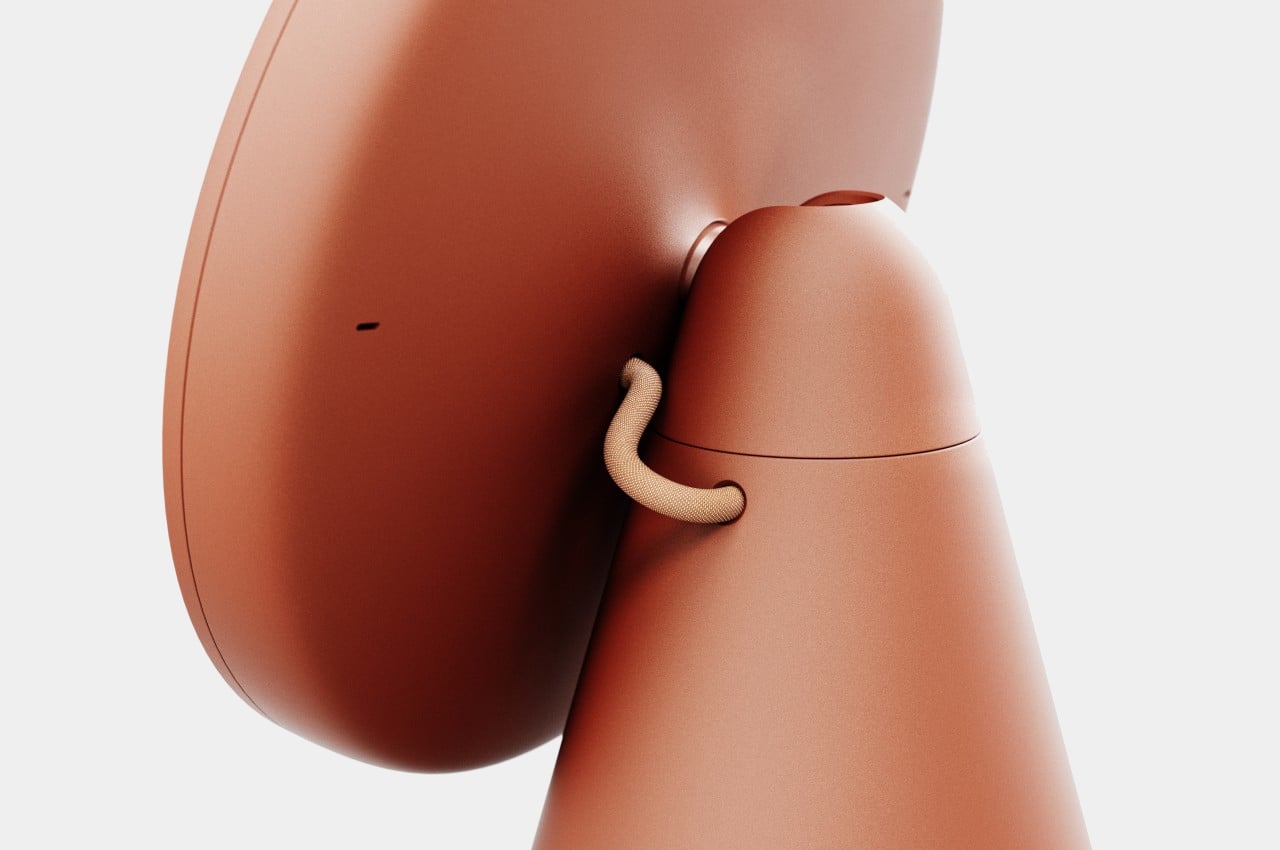
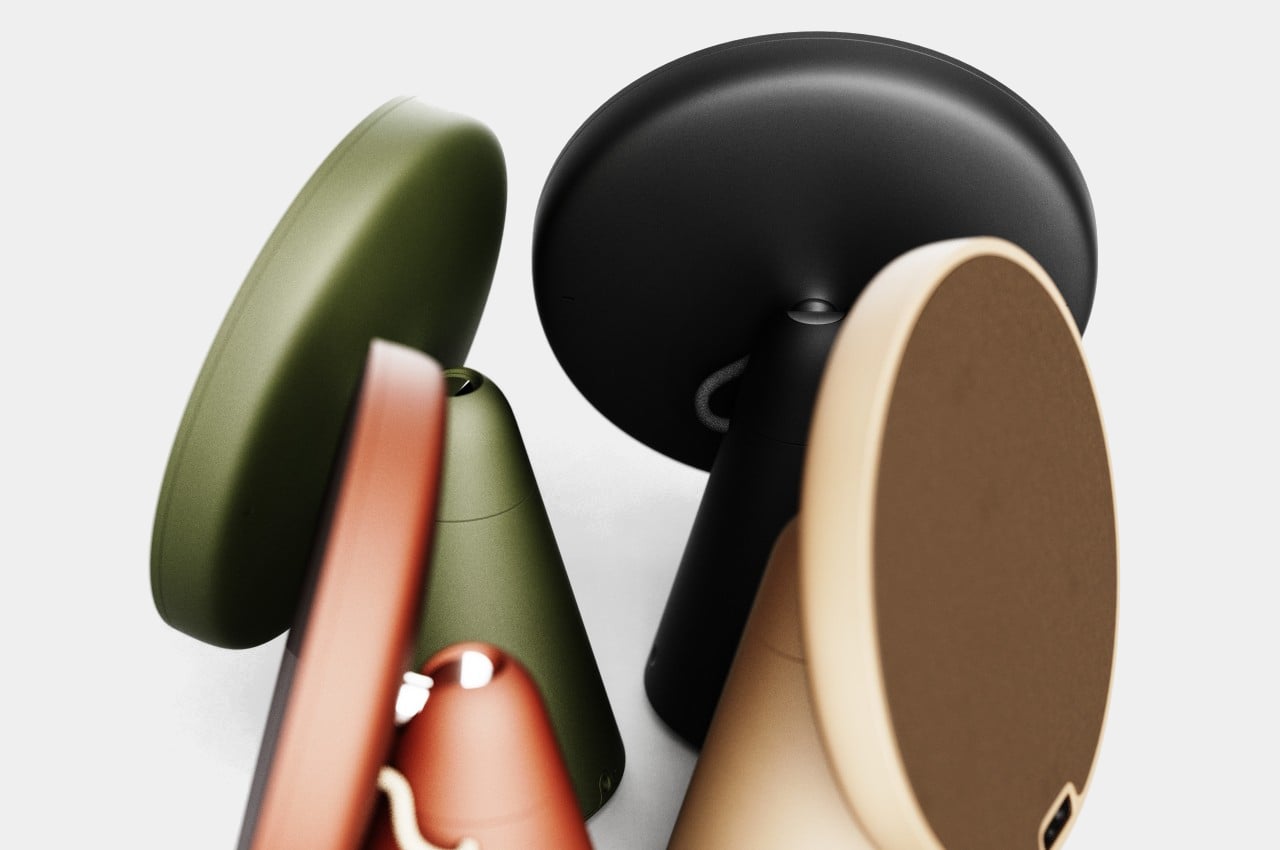
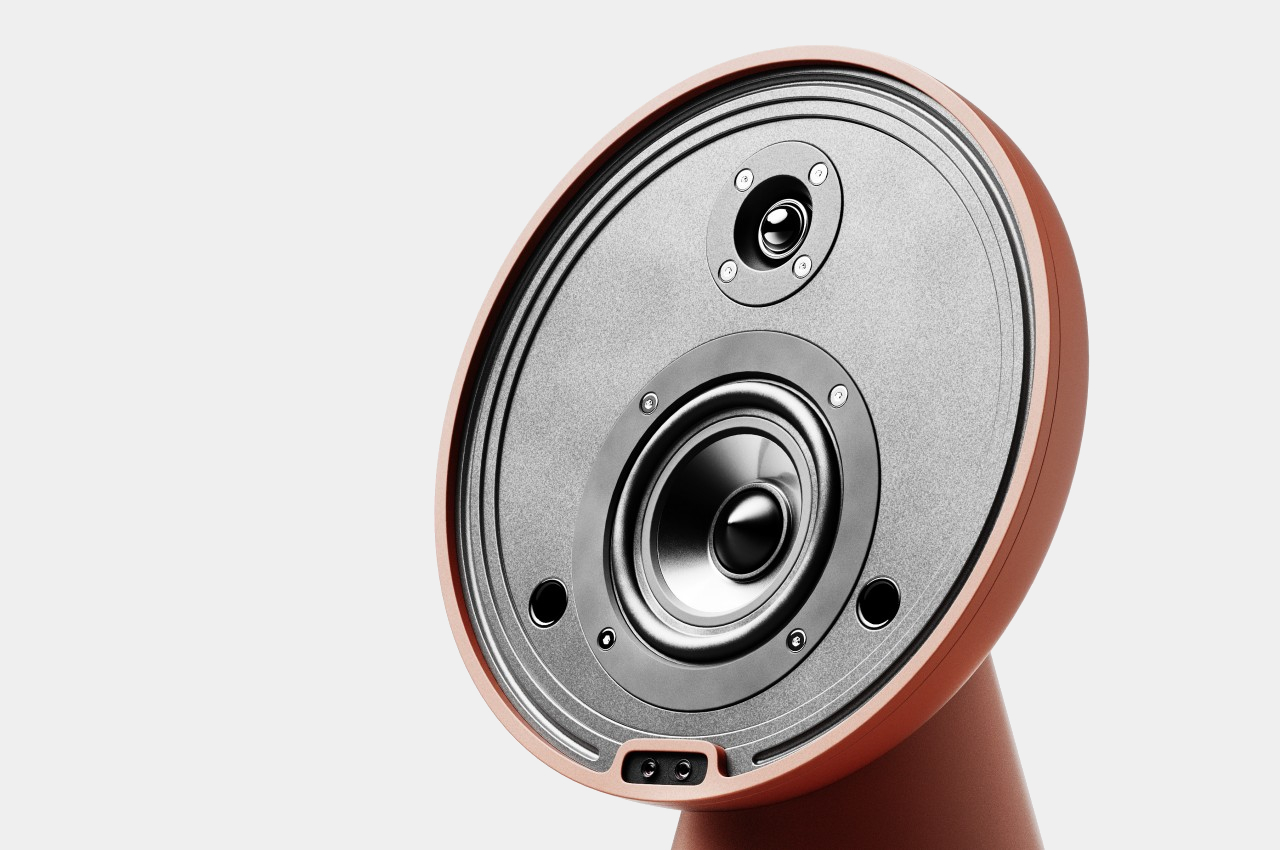
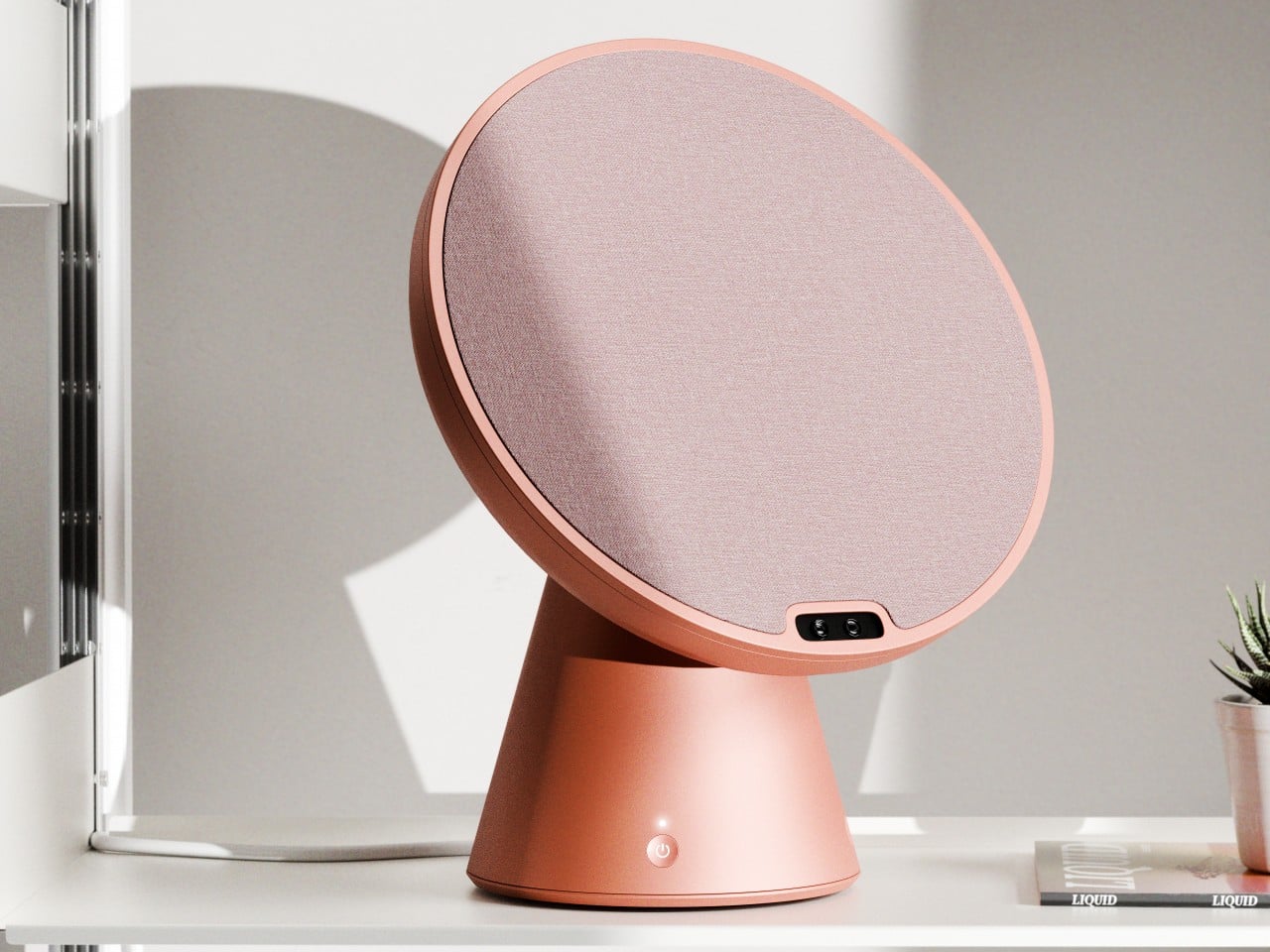
Smart speakers are becoming a common sight in homes these days, even those that have yet to wander into the smart home category. They come in all shapes and sizes, but most of the designs have one thing in common. Given the design of drivers, they can only project sound in one direction, usually forward. You can have a 360-degree speaker, but that requires having more complicated hardware or a cylindrical design that has to be placed somewhere in the middle of the room to make sure the sound reaches you where you are. This concept design, however, offers a simpler but more interesting solution, taking a cue from one of Mother Nature’s more curious creations. This circular speaker turns to make sure that sound is sent in your direction, following you all the time just like a sunflower follows the sun.

Designer: Joon-Yeol Bae

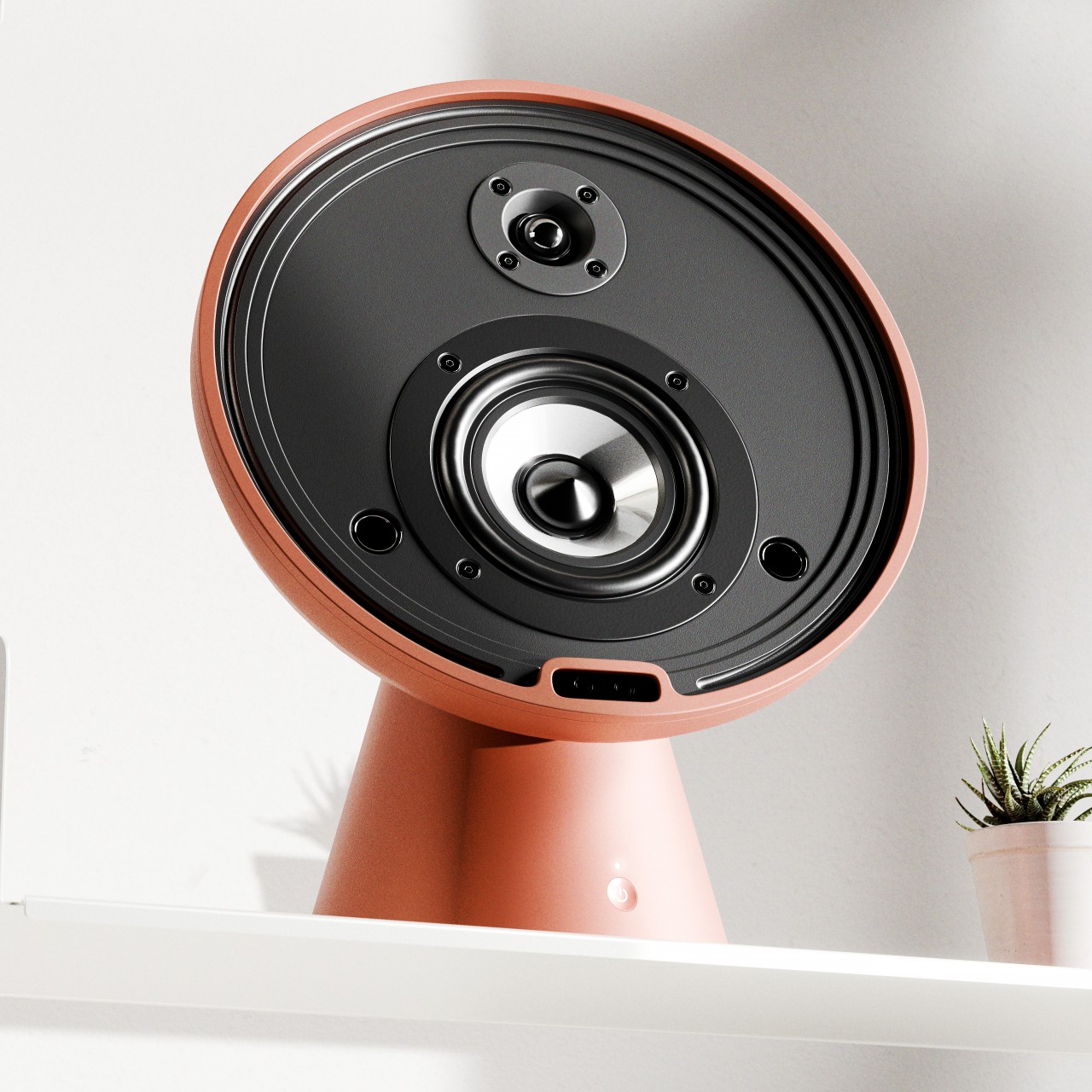
In general, sound travels in the direction an emitter, such as a speaker, is facing. It can bounce off objects or spread a bit in a cone, but on its own, it will never change its forward direction. Omni-directional speakers solve this by having drivers that face multiple directions to cover all possible directions. While effective and a common practice these days, it also means multiplying the number of components used, raising the build cost. In some cases, it also requires that the speaker be placed in an open and unobstructed area of the room, which limits your interior design options.

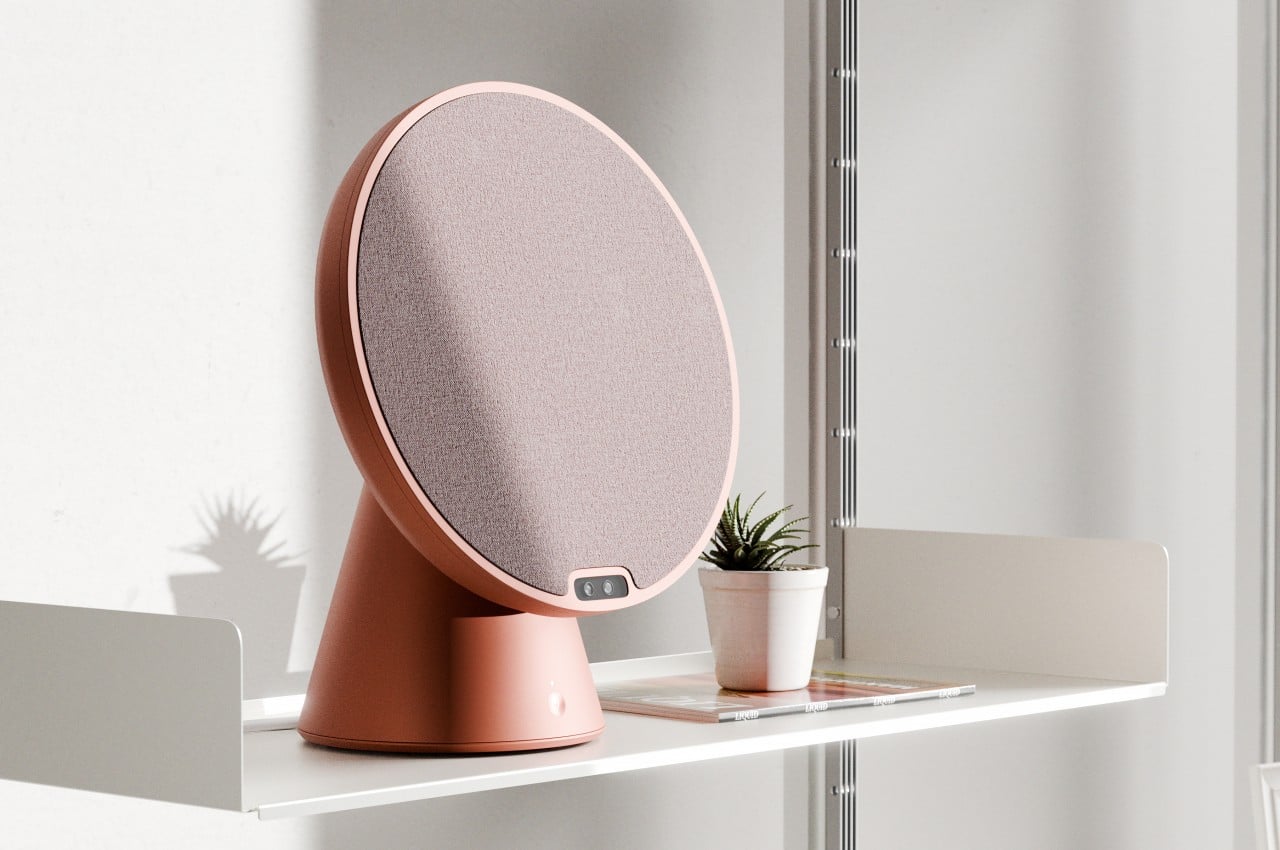
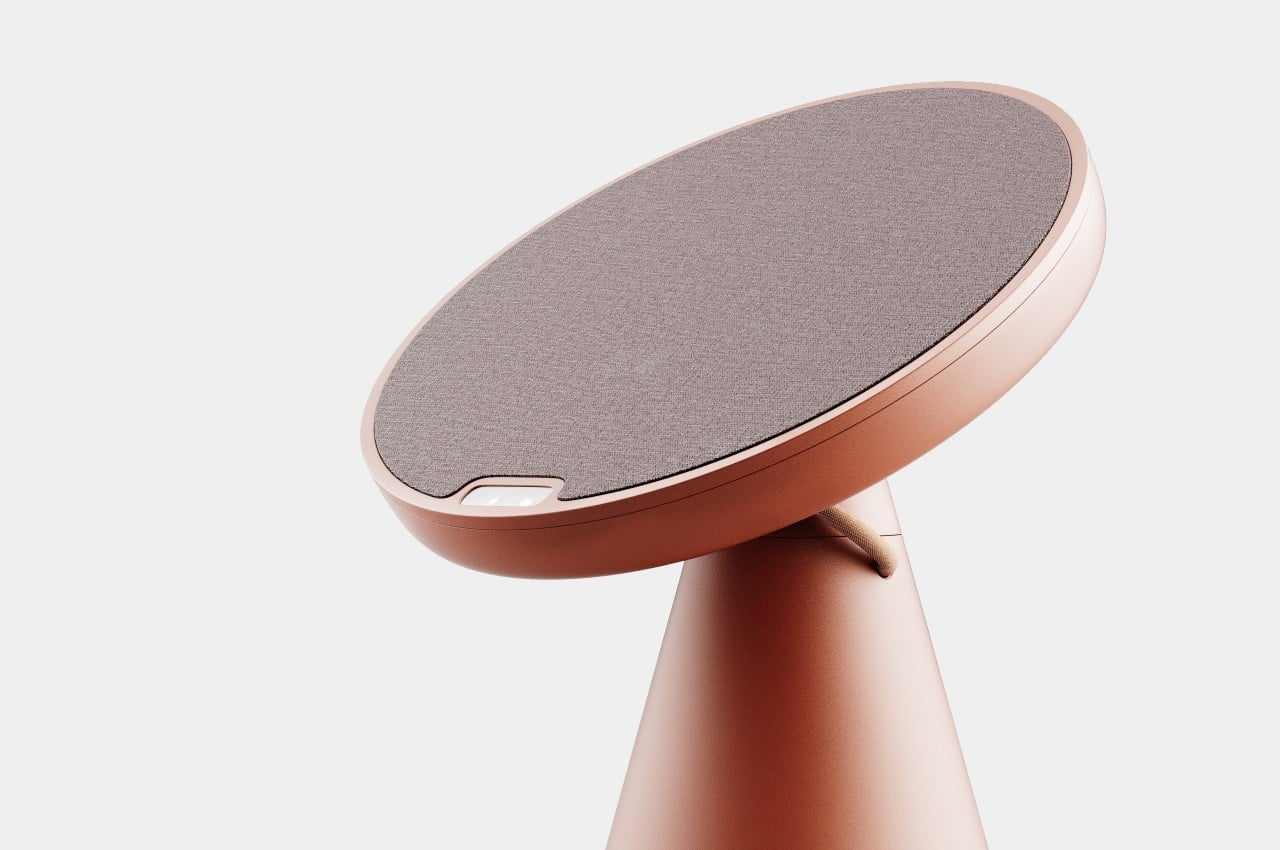
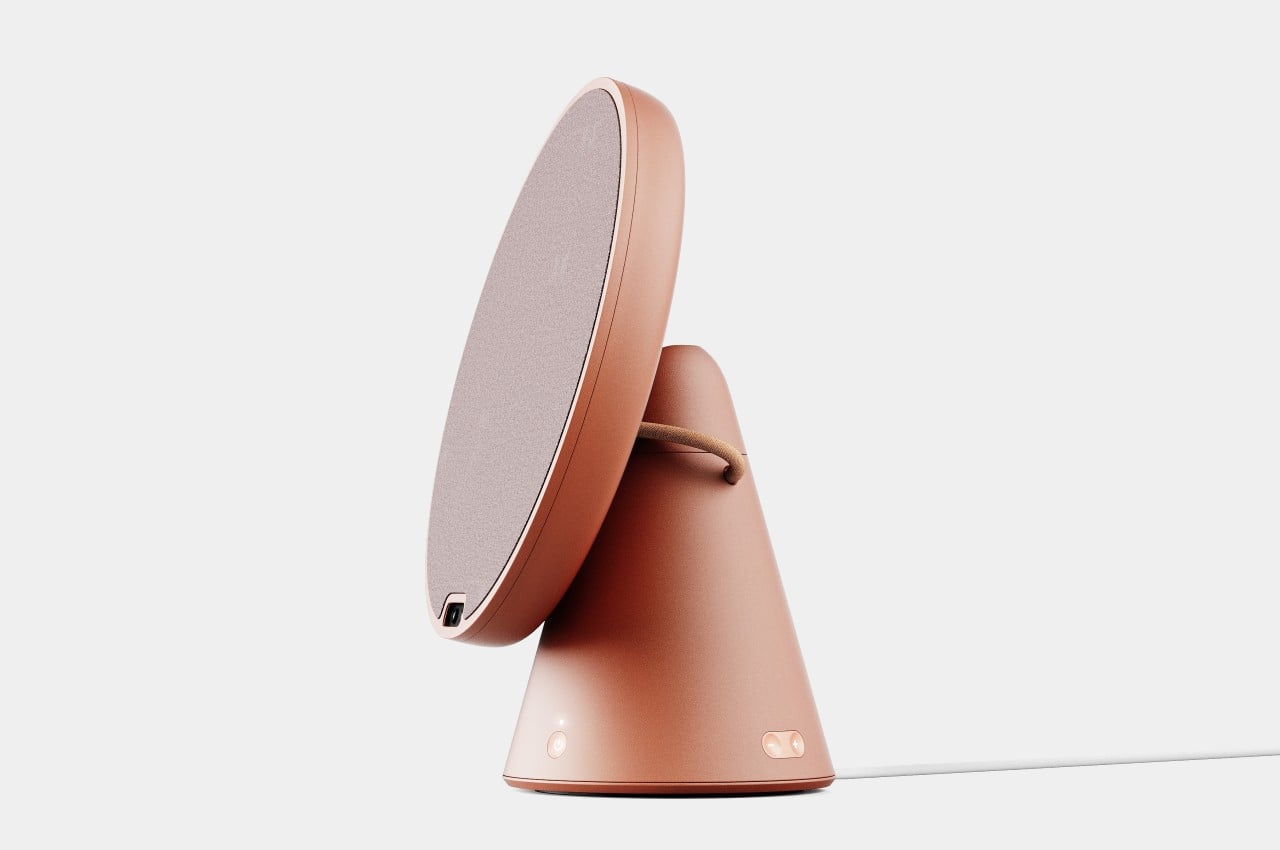
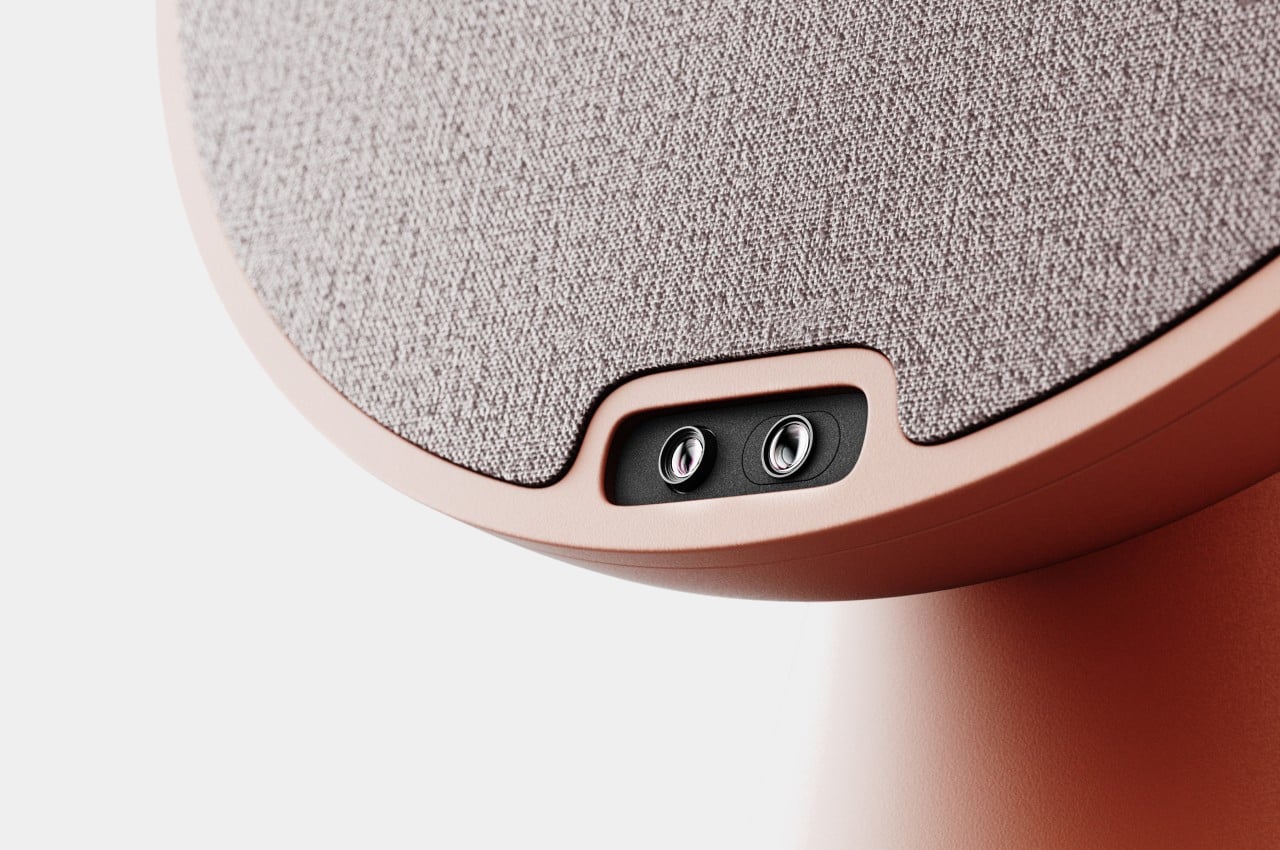
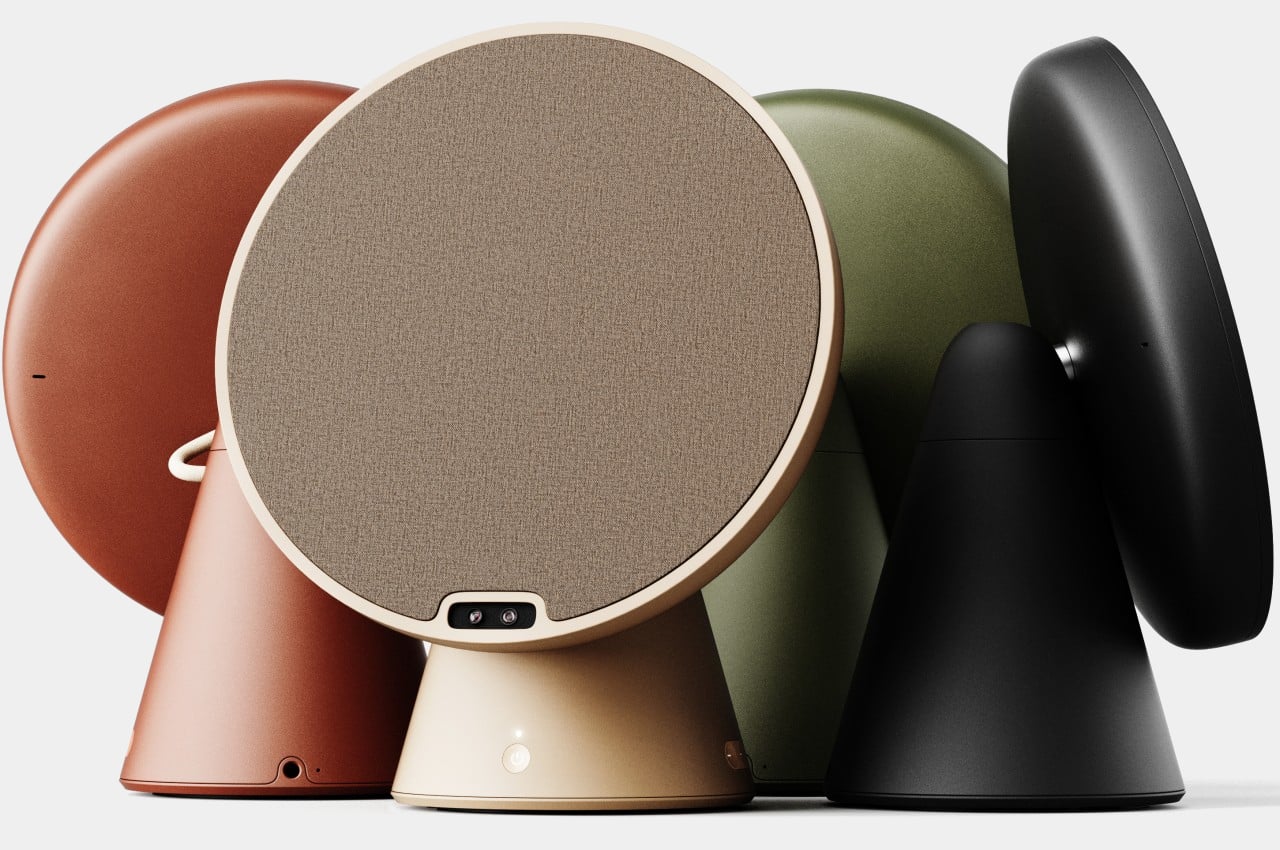
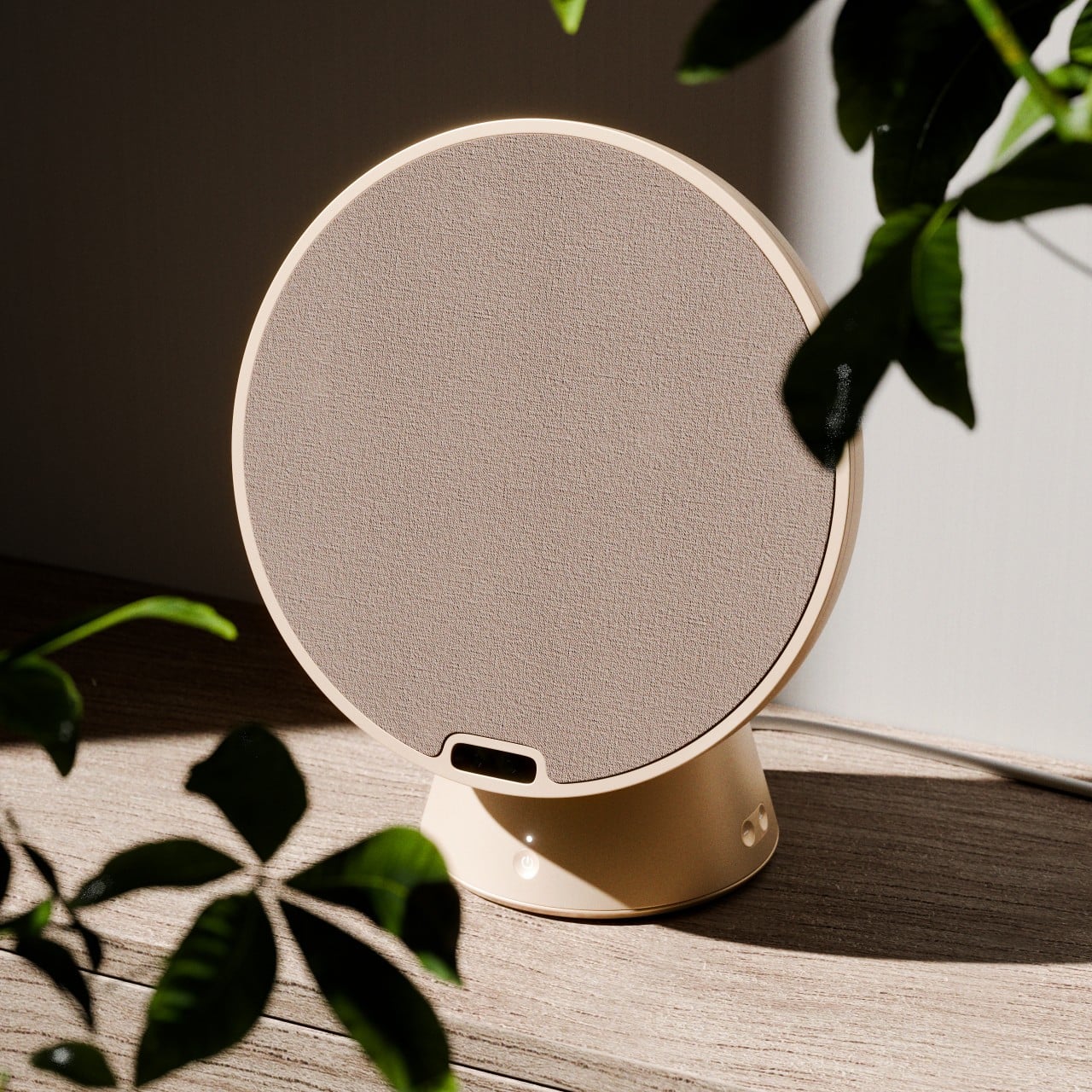
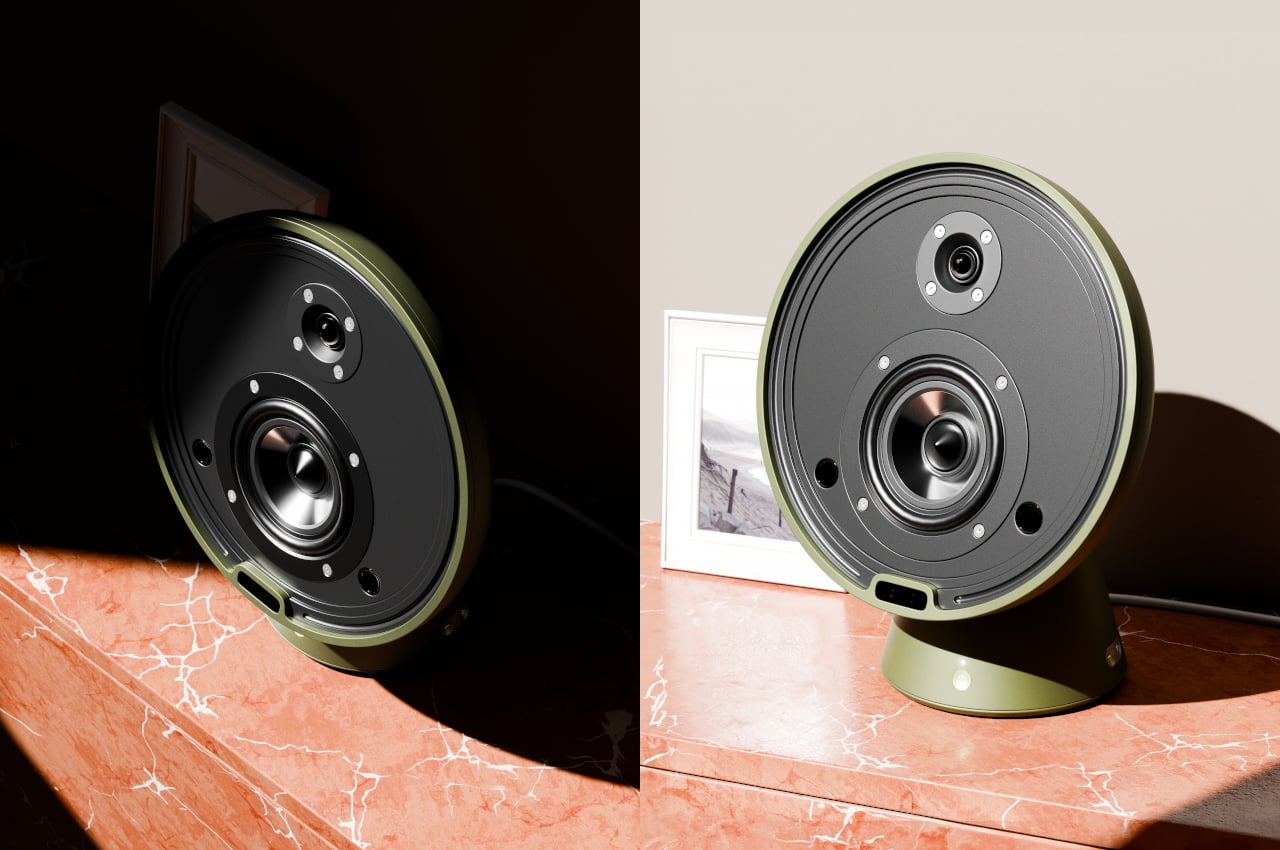
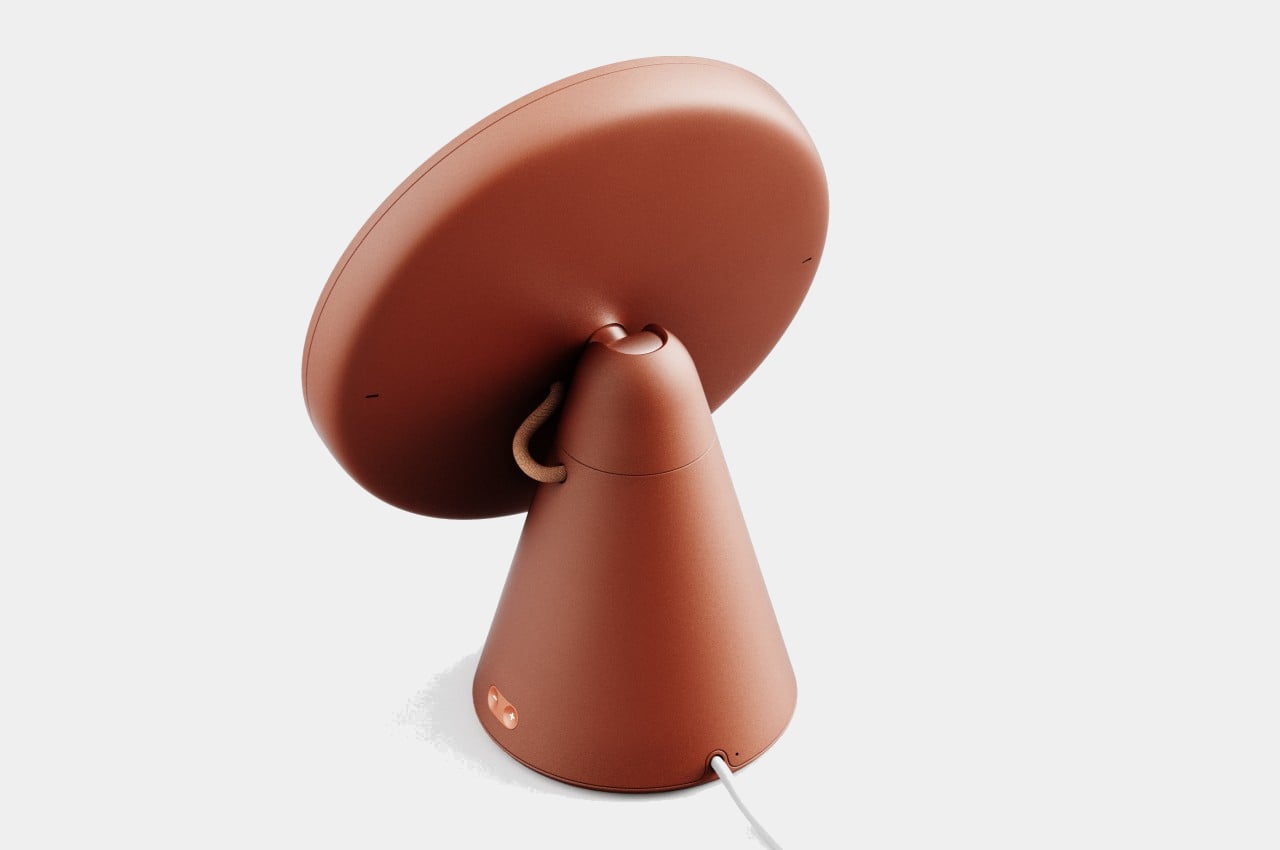
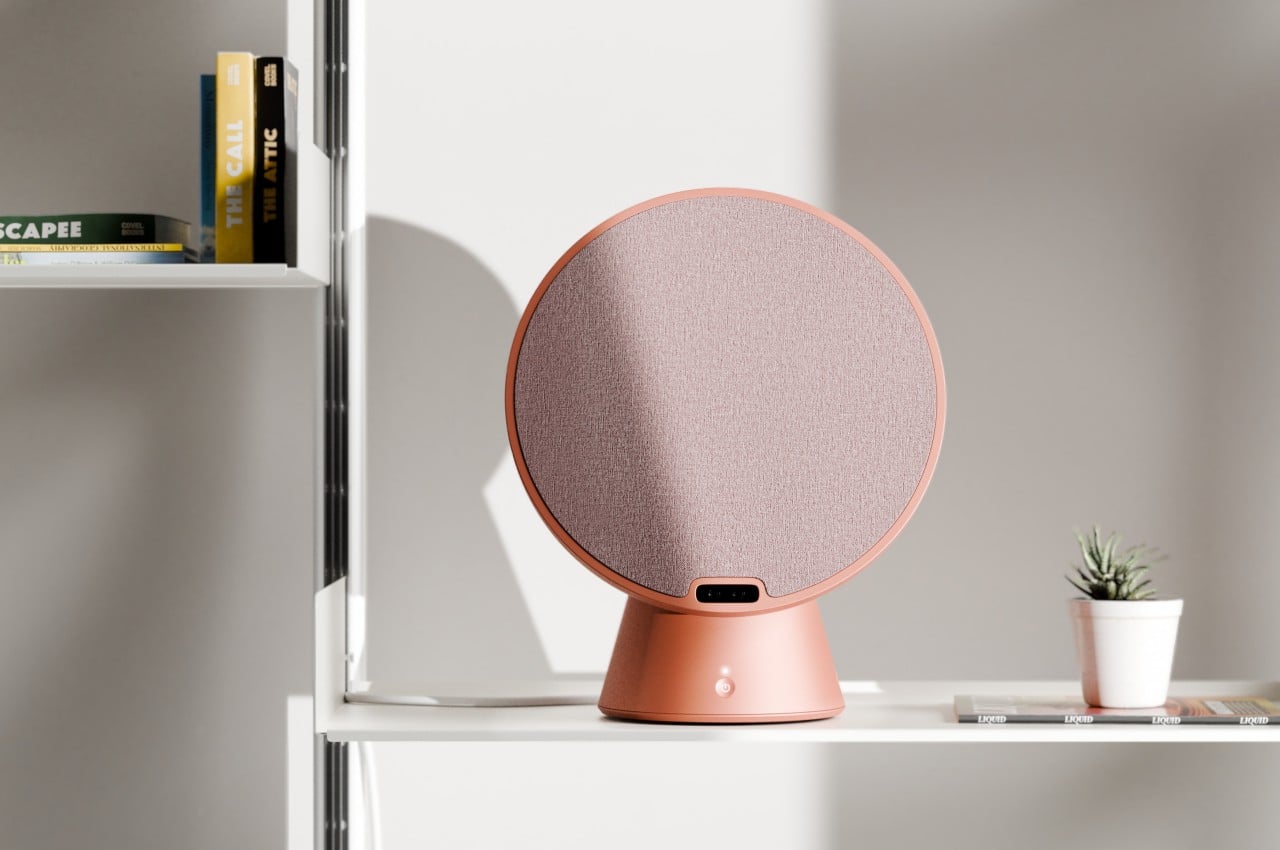
Solros, named after “sunflower” in Swedish, is a concept that takes an unconventional approach. Employing the same technologies used by self-driving cars and robot vacuums, it can tell where you are and rotate its disc-shaped head to always face in your direction. It can even detect how near or far you are from the speaker and adjust its volume to compensate for the distance. This has the effect of making the sound feel like it’s always following you, wherever you go inside a space.

The speaker is also designed to blend into the background if you need it or become the center of attraction if you want it. Its minimalist design, which can be made available in beige, black, red, and green colors, makes it a perfect fit for almost any interior. Its graceful movements also minimize distractions while, at the same time, becoming a point of curiosity for visitors. Needless to say, it’s going to be a conversation starter, especially when the music starts to play.

As interesting as this design might be, it does raise the question of how effective it will be when there is more than one person in the room. LIDAR alone won’t be able to give priority to certain individuals, say the homeowner, and the speaker might end up getting confused and frozen in place instead of making sure its sound is sent in the right direction. Solros definitely makes the composition of a speaker a bit simpler, but the logic necessary to avoid a deadlock makes it a bit more complicated than a more straightforward 360-degree speaker.

The post Sunflower-inspired speaker concept lets sound follow you wherever you go first appeared on Yanko Design.
Minimalist alarm clock and speaker can help kids manage time without screens

There are parents who would like to wean their children every once in a while from screens because they believe that it may be rotting their brain or something. But even these parents will sometimes have to admit that they still need technology to manage their children’s lives or to teach them things like productivity and time management. So product developers are coming up with non-screen devices to help parents and kids navigate life.

Designer: Pupupula

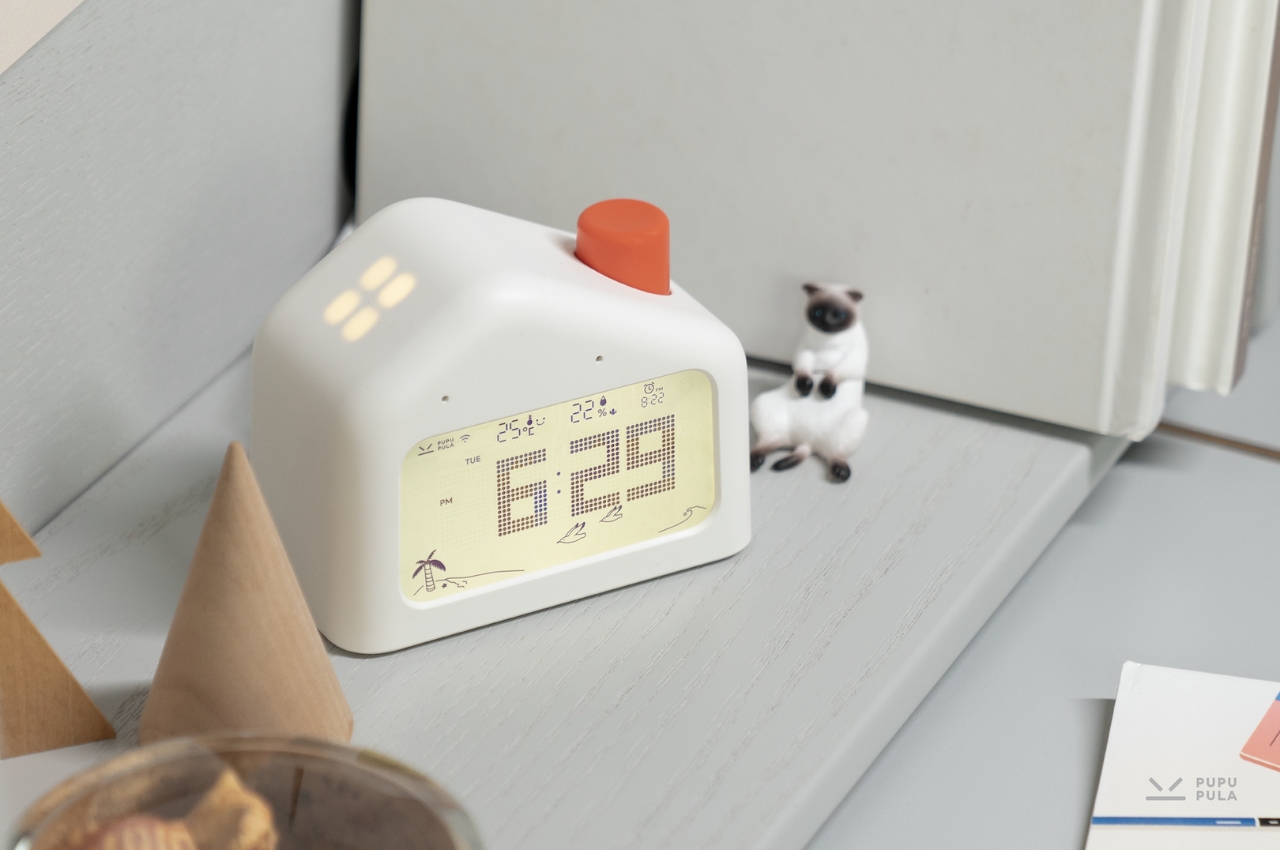
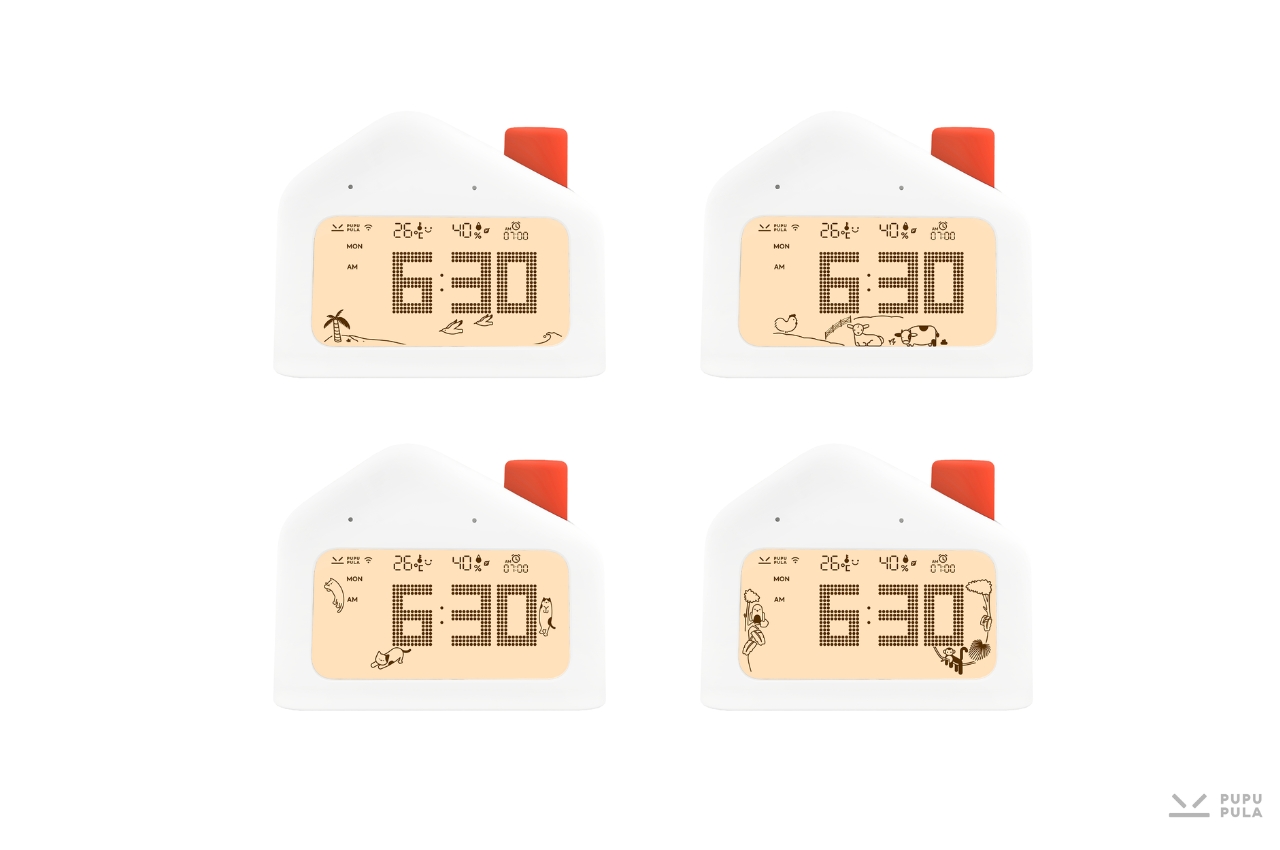
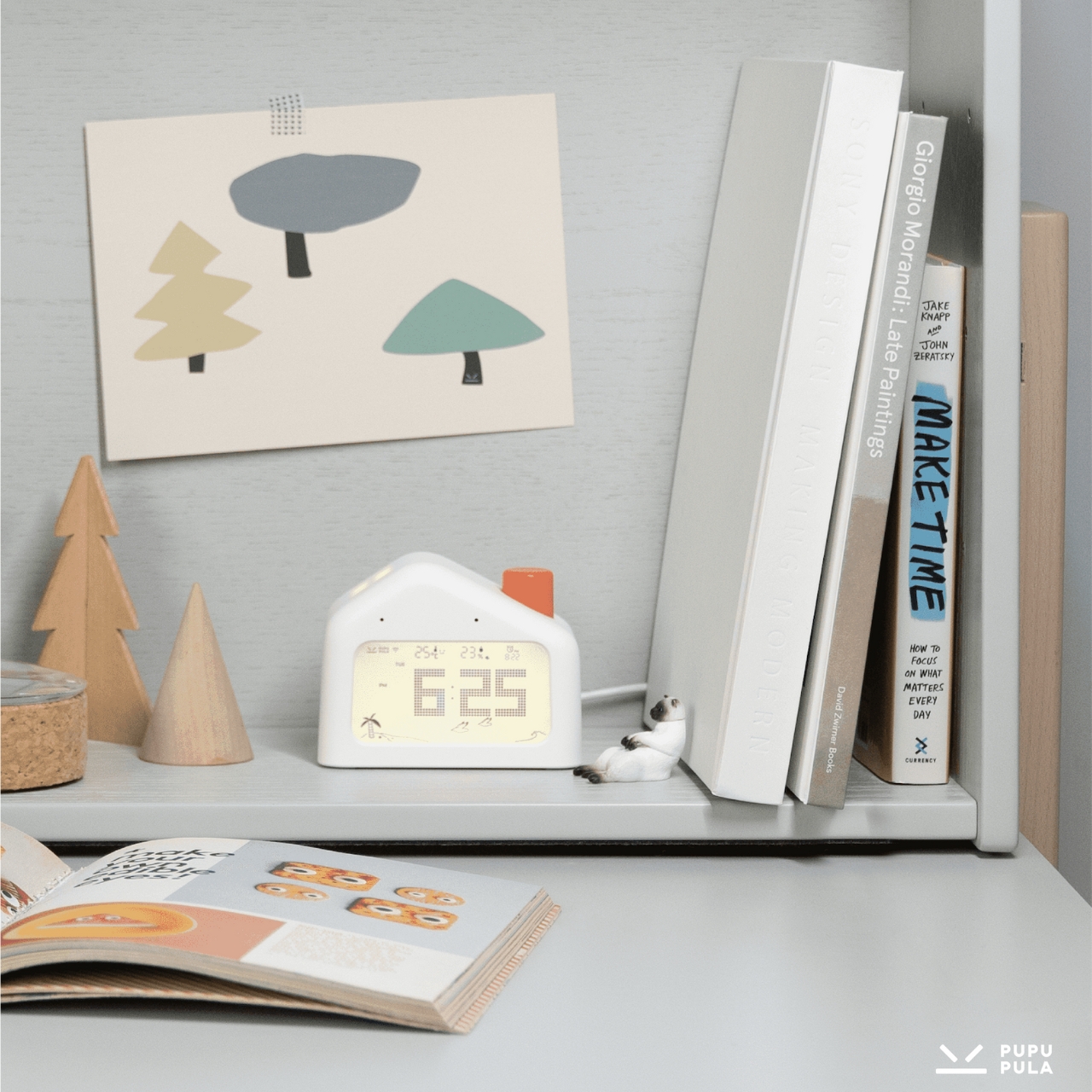
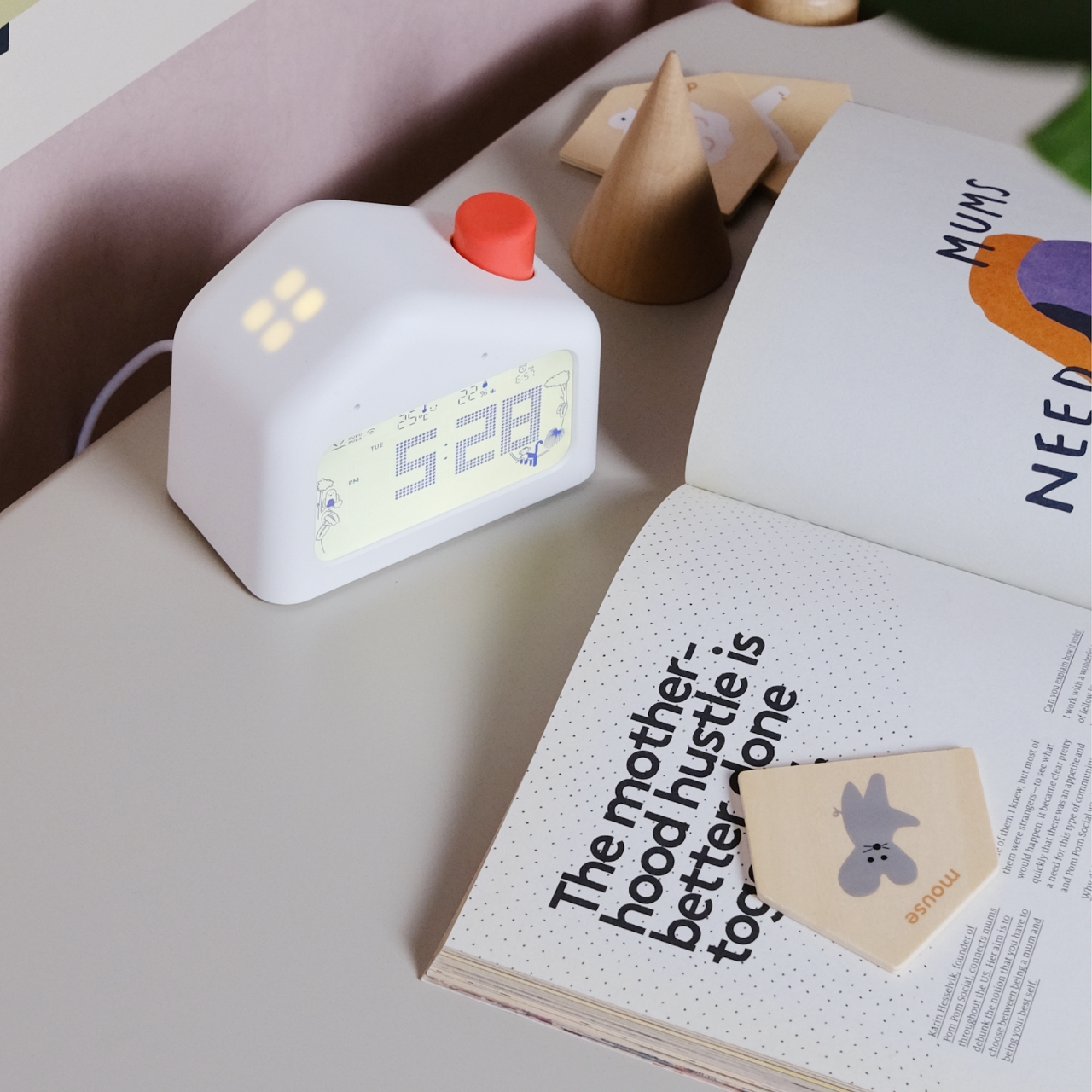
The Little House Alarm Clock is one such device that has a pretty basic display but still utilizes technology to help children manage their time and schedule properly. It’s basically a smart speaker with a built-in intelligent voice assistant to help the kids (and maybe adults) out. The display will only show the time, date, temperature, humidity, as well as the time of the next alarm set, which means the next upcoming schedule.

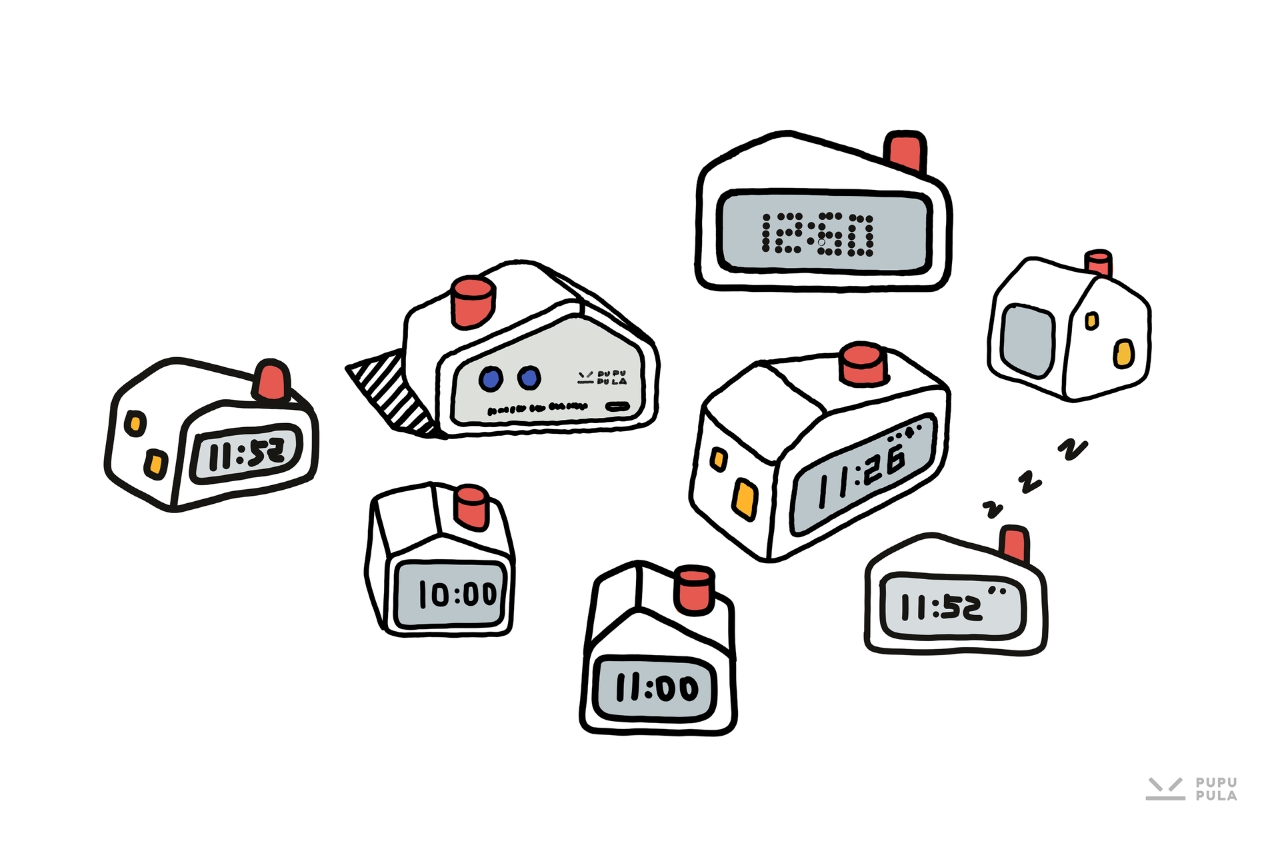
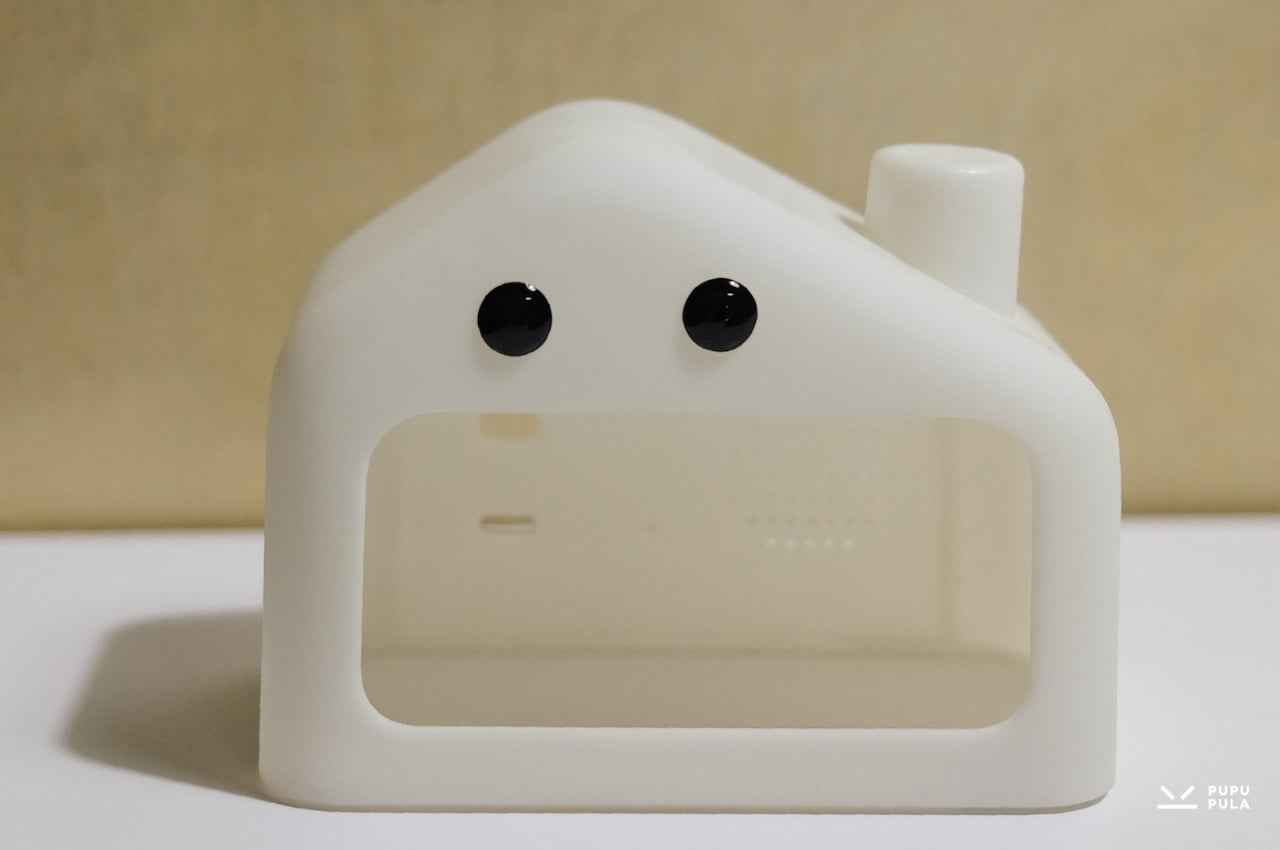
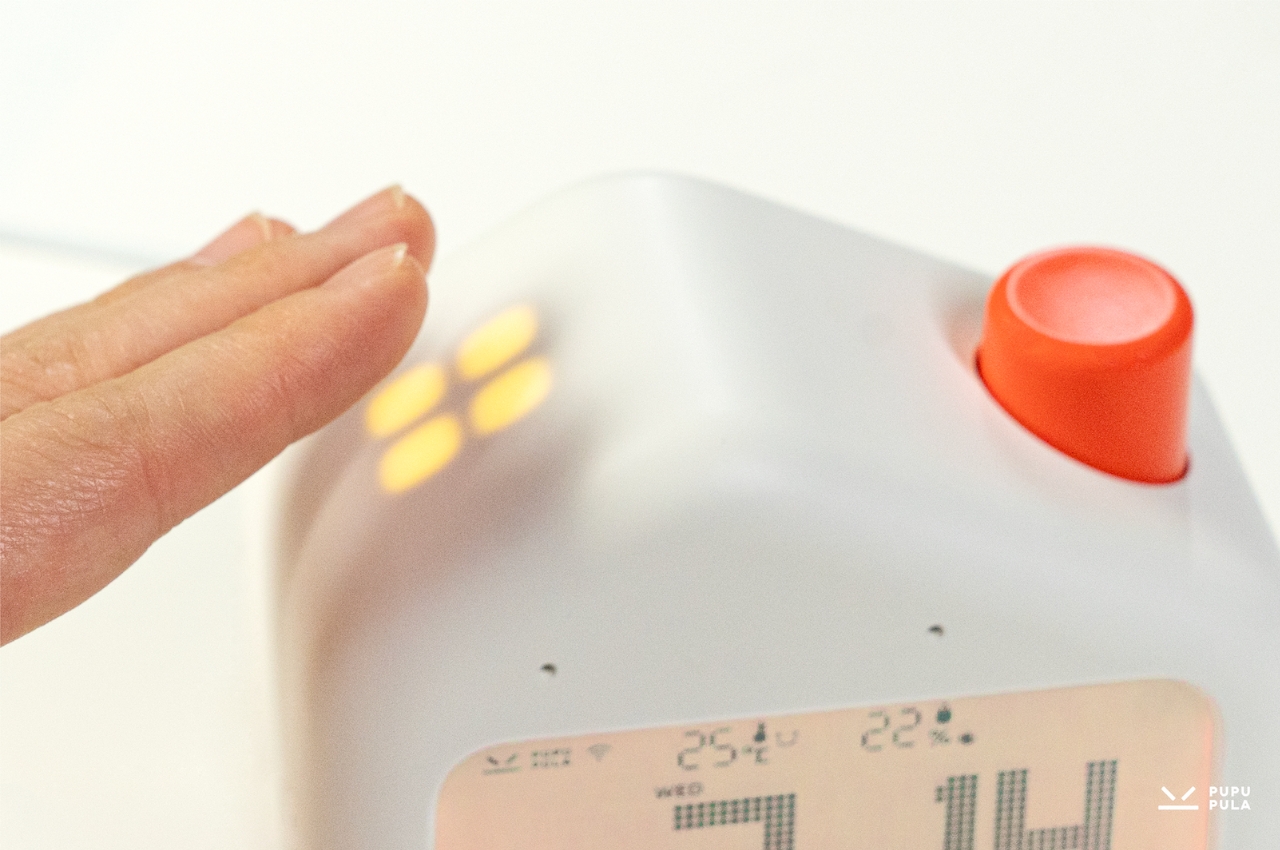
The design is that of a tiny house that should look at home whether in the kid’s room or in your living room. It has a light source but it is underneath the outer shell to give off a softer look to its orange nightlight. There are only two buttons to make it simple: a red chimney and a blue mute button. They complement the minimalist design with its white body color. You can also adjust the backlight for the screen by pressing the chimney or through the app.
The alarm clock has four different customized nature themed alarm sounds that match the animation that will show up on the display. There is also a Sleep Mode which will dim the lights and will turn off the mic so that everyone can really rest. The voice assistant when active can set reminders, play music, tell stories, and other tasks that don’t need a screen for your kids. It seems like an interesting device to have if you still want technology to help you out but not necessarily your smartphone or tablet.

The post Minimalist alarm clock and speaker can help kids manage time without screens first appeared on Yanko Design.