Subnautica publisher transforms into ‘AI first’ company and introduces voluntary resignation policy

South Korean games publisher Krafton recently announced its transformation into an "AI first" company, which typically means that human jobs are about to go on the chopping block. To that end, the company is now trying to slash its workforce by offering voluntary resignations, according to a report by Eurogamer.

Krafton is a giant company with tentacles in numerous development studios, including the folks that make PUBG and Subnautica. The organization says this isn't a plan to lay off its human workforce, but will "support members in proactively designing their growth direction and embarking on new challenges both inside and outside the company amid the era of AI transformation." Yep. Those are certainly words.

The company also says it will "support members in autonomously deciding whether to continue the direction of change internally or expand externally." That's corporate speak for "my way or the highway."

CFO Bae Dong-geun said during a recent earnings call that "individual productivity must increase at the company-wide level." Oh yeah. It's worth noting that Krafton recently noted record profits. It looks like these profits will not be going to the staff, but rather will be funnelled into large-scale investments in AI. It's a tale as old as time, or at least modern AI.

The company plans to "automate work centered on agentic AI" including the development of an "AI-centered management system." It's freezing all hiring except for those "developing original intellectual property and AI-related personnel."

Agentic AI systems have, so far, proven to be underwhelming when tasked with taking the reins. A recent MIT study noted that 95 percent of these efforts fail. Another study predicts that 40 percent of agentic AI projects will be cancelled by the end of 2027. In other words, good luck in your forthcoming endeavors, Krafton. You're gonna need it.

This article originally appeared on Engadget at https://www.engadget.com/ai/subnautica-publisher-transforms-into-ai-first-company-and-introduces-voluntary-resignation-policy-181042212.html?src=rss
The Sims-like Paralives is delayed until May 2026

Folks who are looking forward to a fresh flavor of life simulation in the form of Paralives will have to wait a while longer before they can jump into the Sims-like game. The game was supposed to hit early access on Steam on December 8, but lead developer Alex Massé and the team at Paralives Studio have pushed back the release date to May 25.

Massé explained that the team expanded its playtests in the lead up to the early access period, "and the latest feedback we received made us realize the game isn’t up to the standard we wanted it to meet for release." While the character creator and in-depth home builder modes seem to be in a solid place, playtesters encountered "impactful bugs" in the live mode and it appears that there isn't yet quite enough to do in the town. "We feel it is necessary to work on these before delivering the product to the community," Massé wrote. The team plans to improve the game's onboarding experience too.

Paralives has been in development for six years, and the team has grown from two or three people in the first couple of years to an average of 10. Having such a small team meant that the developers "had to alternate long stretches of development” between the three parts of the game, Massé wrote. "We are so proud of what we have built, but now, we just need a bit more time to polish the simulation part of the game. This would ensure Paralives offers a great first experience when it launches, making players come back for every exciting free update and expansion that we will put out afterwards."

Paralives Studio will stream 45 minutes of gameplay on its YouTube channel at noon ET on November 25. Massé said you'll get to see what the game looks like now, including some of the current features. The team will provide more details on aspects it plans to improve before the early access release. You can expect more streams and videos in the coming months. It's expected that Paralives will remain in early access for two years while the team adds the features and content it plans to.

Paralives is an indie alternative to the likes of The Sims and InZOI. There are other life sim games on the way before Paralives debuts, such as Pokémon Pokopia. Animal Crossing New Horizons is getting a major update and a Switch 2 version in January. However, EA will shut down The Sims Mobile that same month.

This article originally appeared on Engadget at https://www.engadget.com/gaming/pc/the-sims-like-paralives-is-delayed-until-may-2026-174922059.html?src=rss

You can’t pause your game in Call of Duty: Black Ops 7’s always-online campaign

While most of the enormous Call of Duty audience buys each annual entry without hesitation for its multiplayer offering, the single-player campaign is also a big part of the experience. CoD campaigns are often big on popcorn silliness and refreshingly tight. Some people just like to start a game and see its credits roll within a weekend, you know? But judging by the early impressions of Call of Duty: Black Ops 7 that are beginning to surface online, it sounds like this year’s campaign comes with some pretty major caveats.

I admittedly haven’t played the game myself yet, but IGN is one of the outlets that has gone live with its 6/10 review, which reveals that the campaign’s always-online nature means it can’t be paused, and if you’re idle for what the game deems to be too long it’ll boot you out. For a mode that is traditionally offline and totally separate from the online portion of the game, this might come as a shock to some players.

It gets worse. While the official website for Black Ops 7 states that the campaign can be played solo or with a "squad," it definitely emphasises its co-op nature first. A campaign that facilitates co-op is usually a good thing, but here it sounds like very few considerations are made for single players. You can’t fill in spots in the four-person squads with AI companions, so if you don’t have three friends handy, you’re not getting the desired experience. 

Objectives clearly designed for multiple players are reportedly tediously repetitive when you have to do all of them on your own. Many games are built entirely around co-op and that’s fine, but it seems like a pretty dramatic departure for a series that has always accommodated the solo player. According to IGN’s coverage there are no checkpoints either, so if you don’t finish a mission in a single sitting — not always possible for people with busy lives — you’ll lose all your progress. As you presumably will if your Wi-Fi dies.

For groups willing to live with all these potentially very awkward conditions, the Black Ops 7 campaign promises "high-stakes challenges across a wide spectrum of environments, from the neon-lit rooftops of Japan to the Mediterranean coast, and even into the deepest corners of the human psyche." Presumably that last bit doesn’t refer to the rageful thoughts of someone who just lost all their progress because they had to answer the front door.

As you’d expect, Call of Duty: Black Ops 7 also offers the traditional multiplayer and Zombies modes that will no doubt keep you busy until next year. It’s out today on Xbox (included with Game Pass), PS5, PS4 and PC.

This article originally appeared on Engadget at https://www.engadget.com/gaming/you-cant-pause-your-game-in-call-of-duty-black-ops-7s-always-online-campaign-172707048.html?src=rss

Why This Alarm Clock Might Actually Make You a Morning Person

Let’s be real: most of us have a complicated relationship with our alarm clocks. When I say most of us, I mean me. It’s my least favorite necessary thing even though it’s just basically on my phone . I get jolted awake with aggressive beeps, sometimes it glows too brightly in the dark, and honestly, they’re not exactly objects we want to look at or hear first thing in the morning.

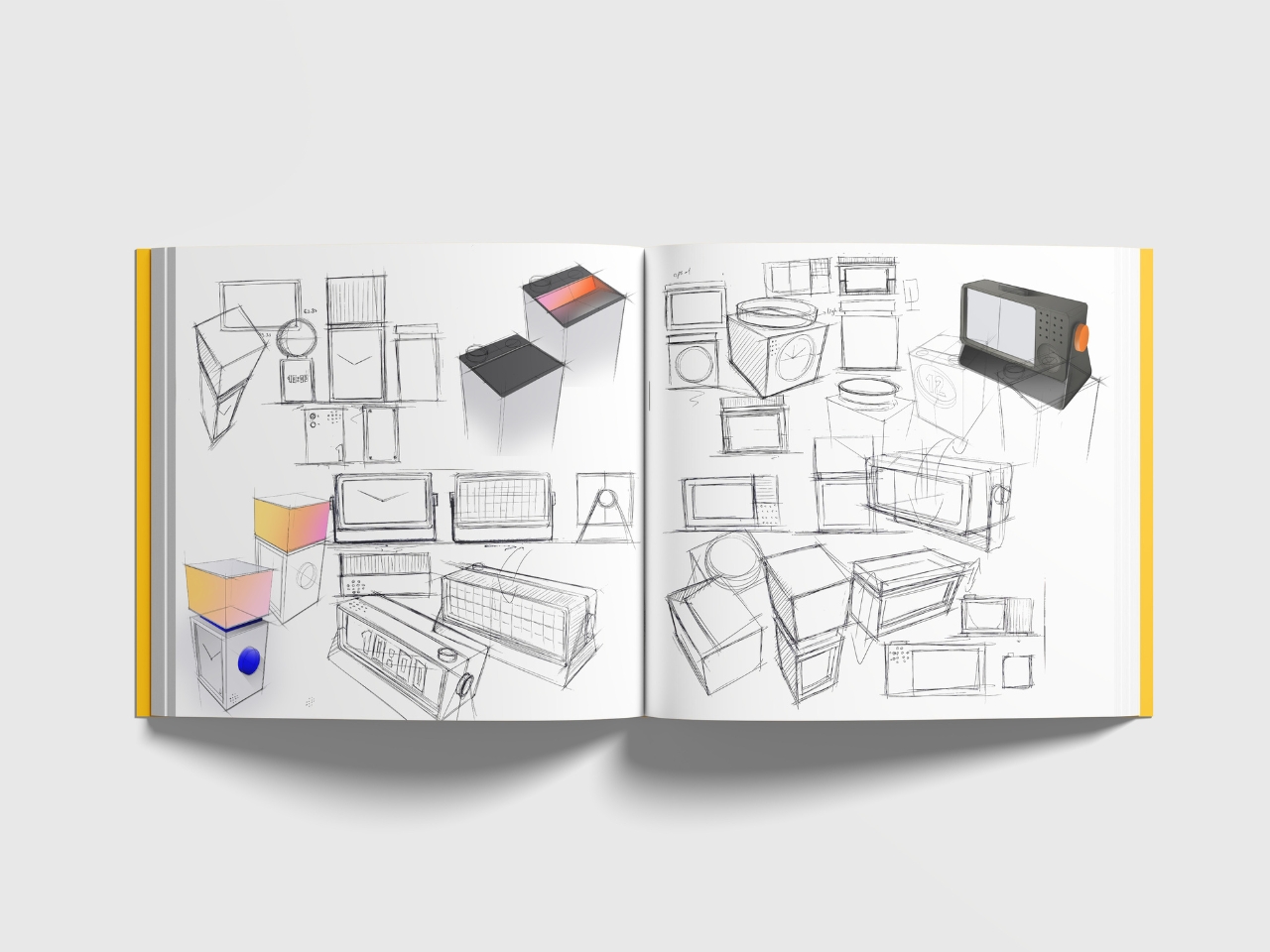
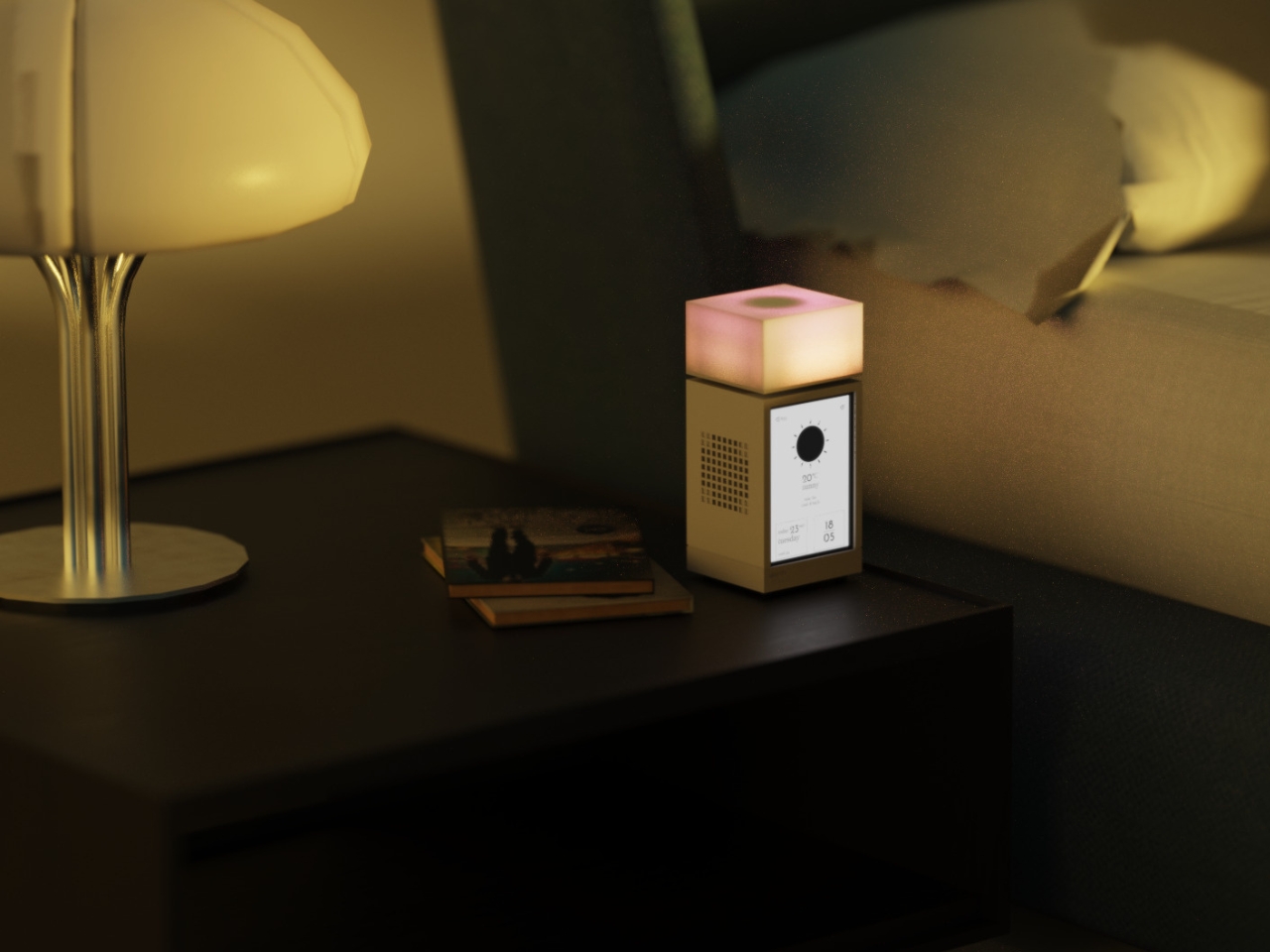
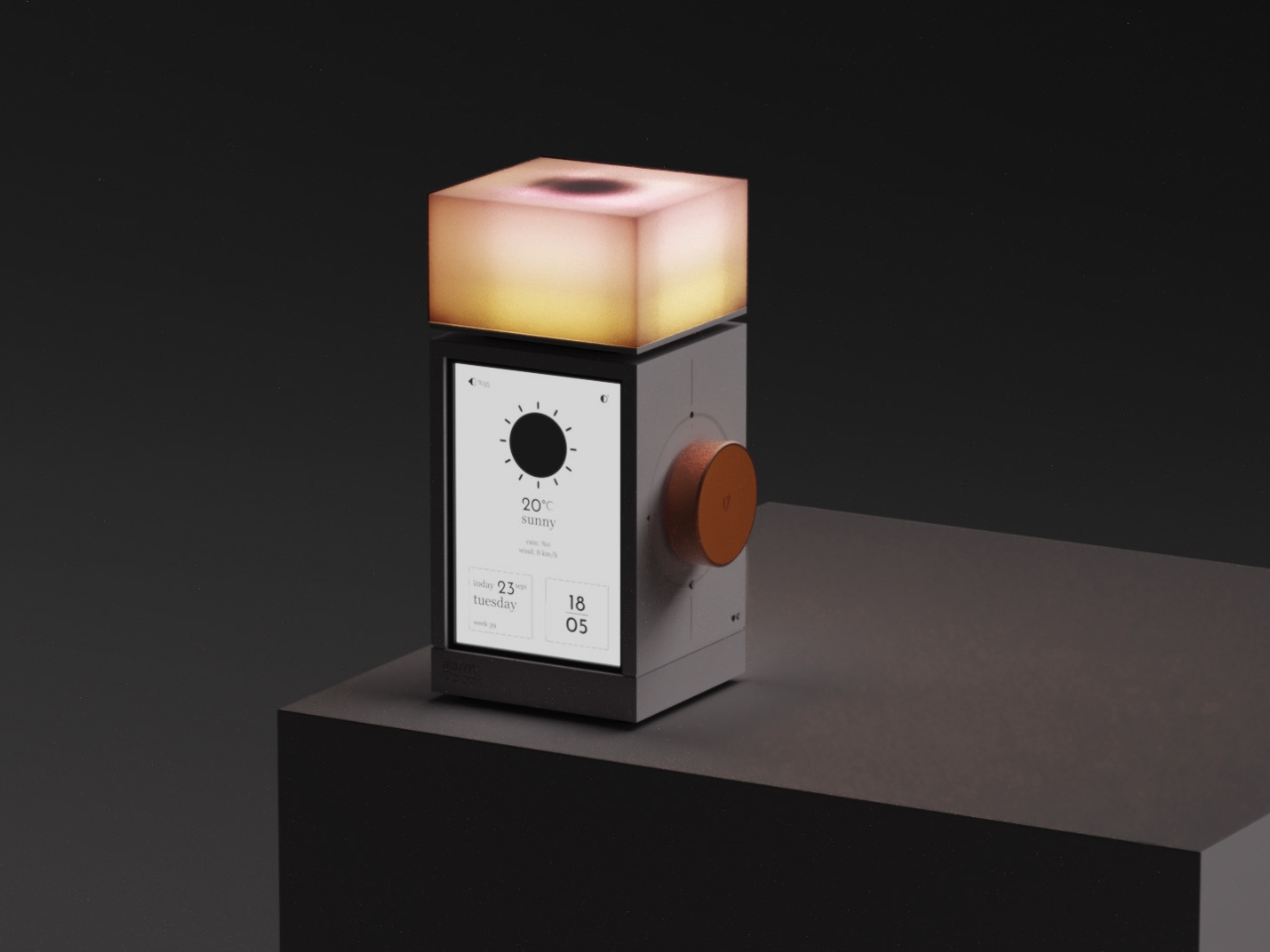
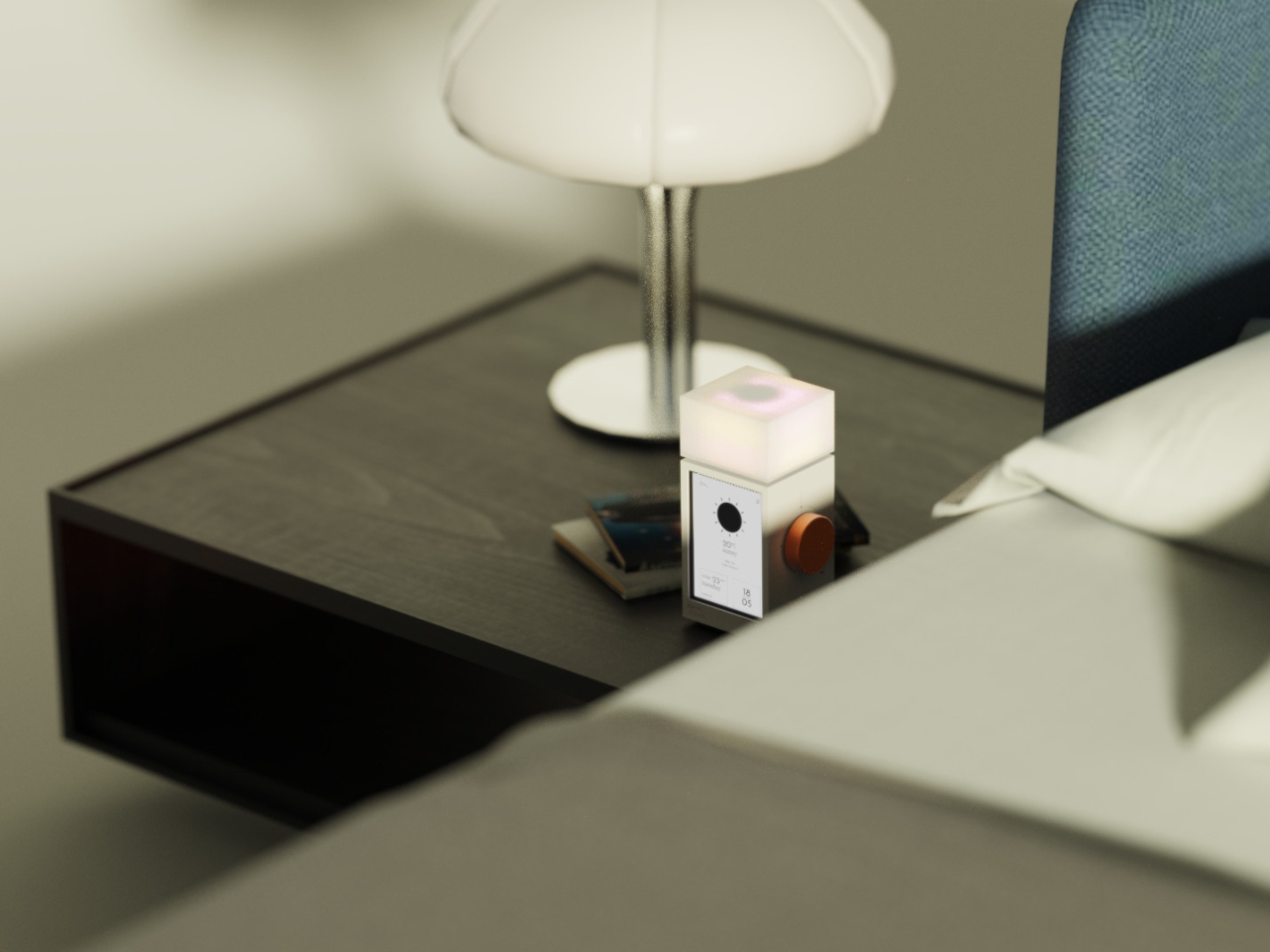
But what if your alarm clock could actually make waking up feel less like a punishment and more like a gentle invitation to start your day? That’s exactly what The Real Objects, a Milan-based design studio, seems to be thinking with their latest concept, Alarm O’clock. And yes, that apostrophe is intentional, giving it a playful Irish lilt that already makes it more charming than your phone’s default alarm.

Designer: The Real Objects

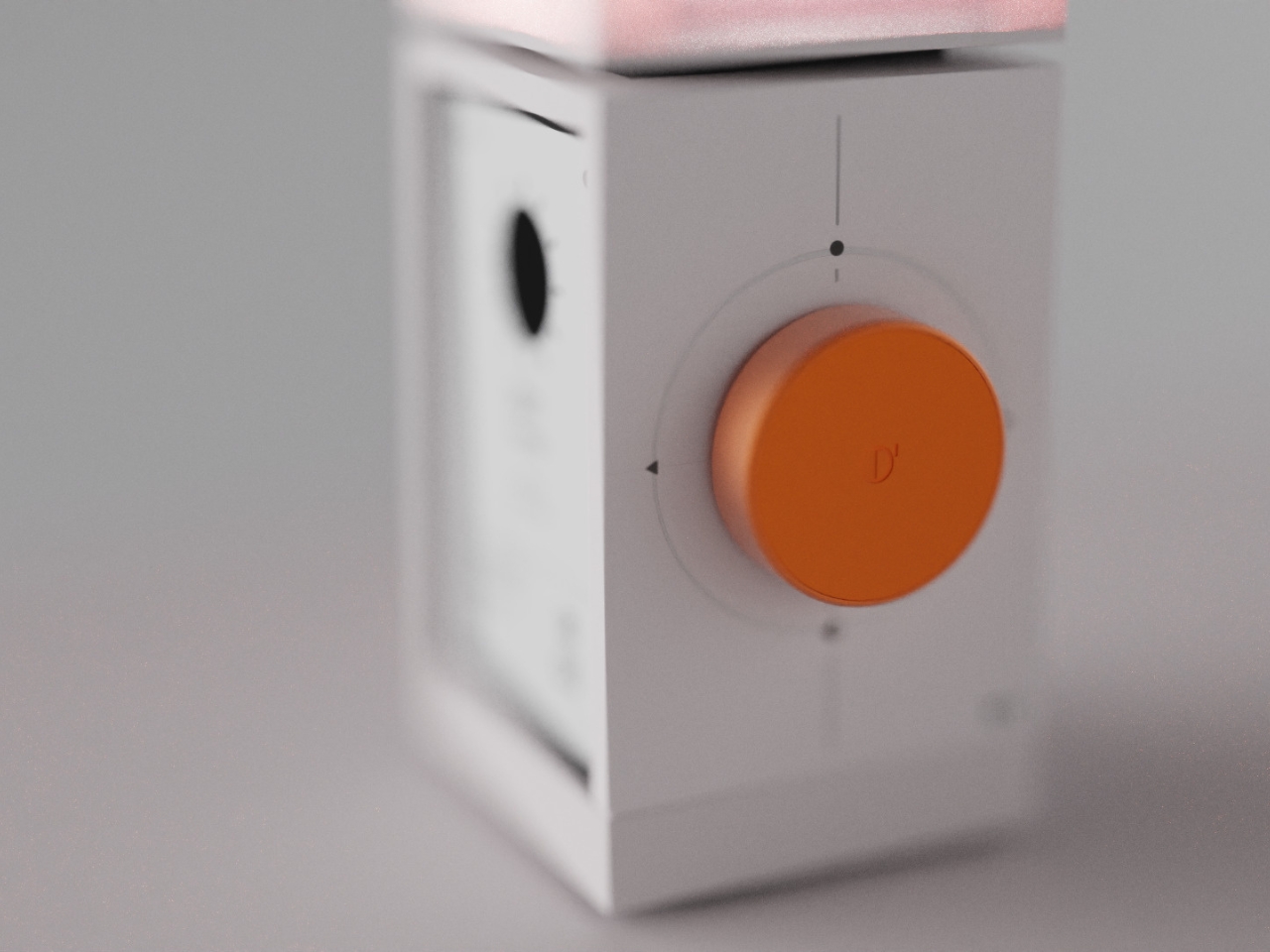
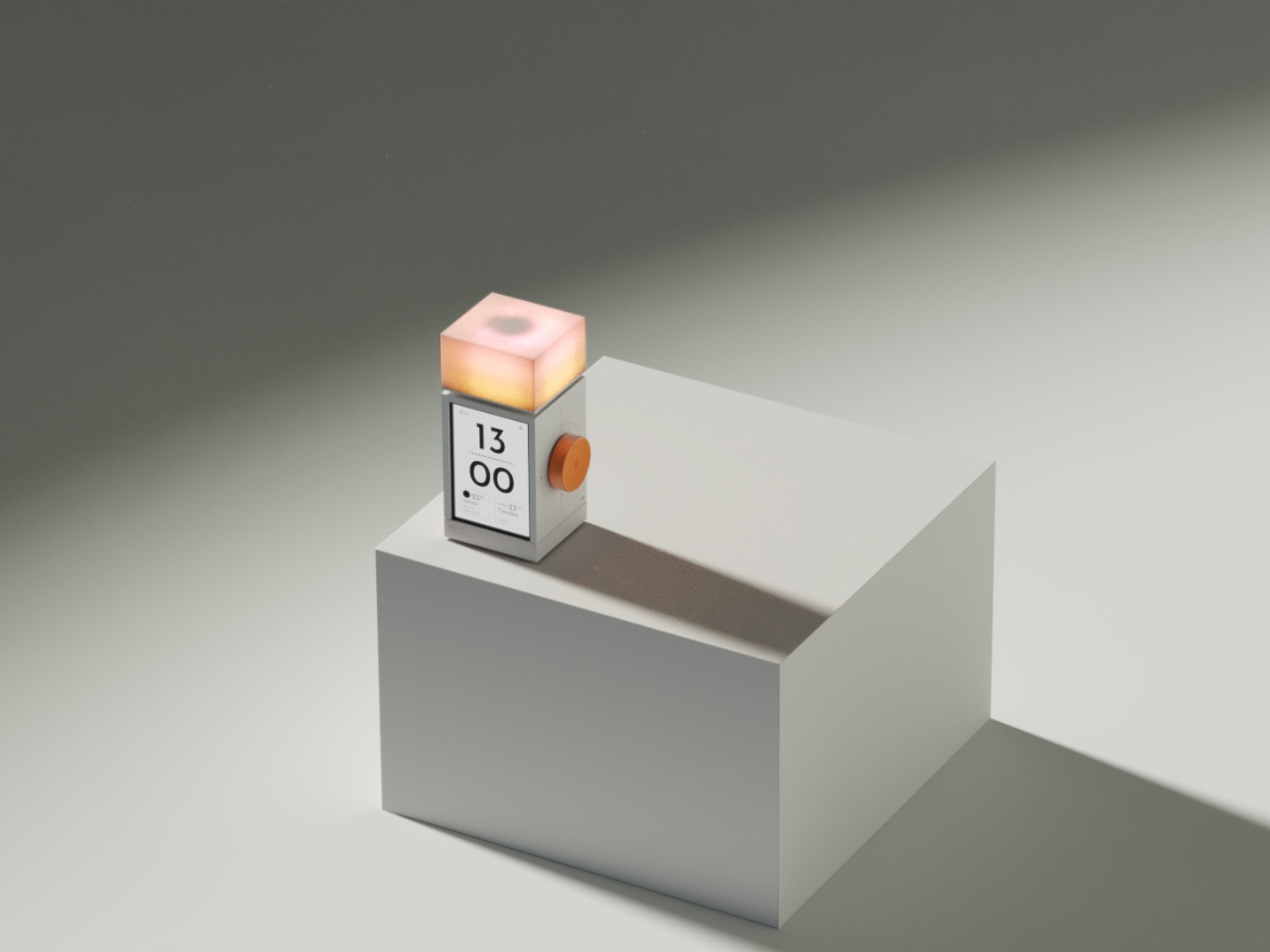
The design is described as “a bedside companion designed to bring calm, clarity, and personality to the way we wake up,” and I’m here for it. Because let’s face it, we spend way too much time thinking about productivity hacks and morning routines while completely ignoring the object that literally defines how our day begins.

From what I can see, Alarm O’clock isn’t trying to be smart or connected or packed with features you’ll never use. Instead, it looks like it’s going back to basics, but with a thoughtful, contemporary twist. The Real Objects describes it as blending “light, sound, and simplicity into one object,” which honestly sounds like exactly what we need in a world where everything is trying to do a million things at once.

There’s something refreshingly analog about this approach. While everyone else is using their phones as alarm clocks (guilty), we’re also scrolling before bed and checking notifications the second our eyes open. Having a dedicated alarm clock means you can actually leave your phone in another room, which sleep experts have been begging us to do for years.

The Real Objects was co-founded in Milan in 2024 by designers who are “dedicated to pushing the boundaries of product design.” But pushing boundaries doesn’t always mean adding more tech or making things more complicated. Sometimes it means rethinking everyday objects and asking why they’ve been designed the way they have.

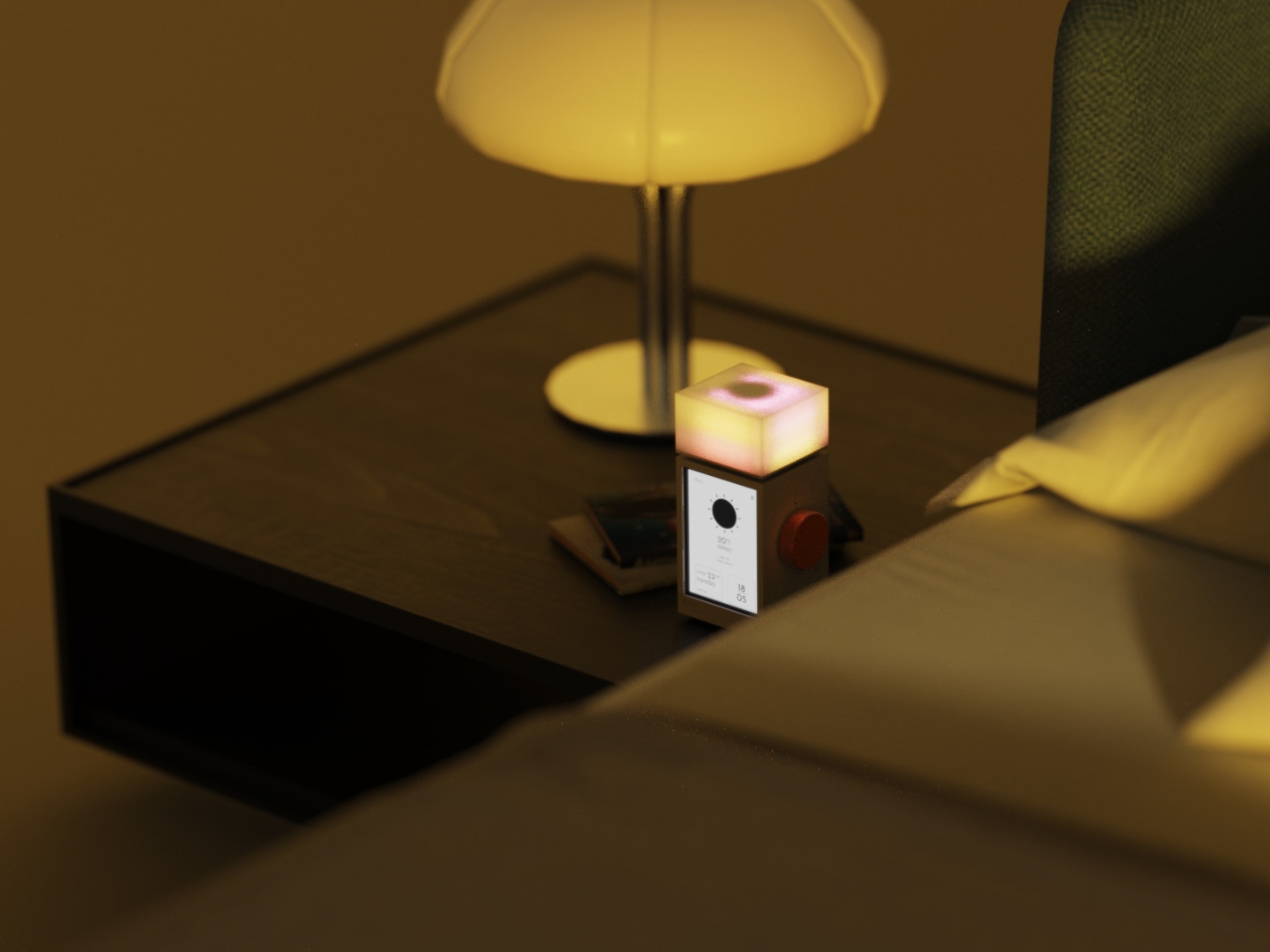
What strikes me about Alarm O’clock is that it seems to prioritize the experience over the function. Yes, it needs to wake you up, but how it wakes you up matters. The emphasis on “calm” and “clarity” suggests this isn’t going to be one of those alarms that sounds like a fire drill. And the mention of light integration hints at something closer to a sunrise alarm, which studies have shown can make waking up feel more natural.

The design itself appears minimal and sculptural, the kind of object that could sit on your nightstand without feeling like a piece of electronics invading your bedroom. In an era where we’re all trying to make our spaces feel more intentional and less cluttered with gadgets, that matters more than you might think. I love that they’re calling it a “bedside companion” rather than just an alarm clock. It’s a small word choice, but it signals a different philosophy. Your bedside table is intimate space. It’s the last thing you see before sleep and the first thing you see when you wake up. The objects there should feel like they belong, not like they’re just functional necessities you tolerate.

There’s also something to be said for designers who focus on the rituals of daily life. We get excited about revolutionary new products, but the truth is, the objects that actually improve our lives are usually the ones that make ordinary moments a little bit better. Waking up is one of those moments we experience every single day, and yet most of us haven’t thought critically about how we could make it better. Will Alarm O’clock change your life? Probably not. But could it make your mornings feel a little more human, a little less jarring? Absolutely. And in a world where we’re all trying to figure out how to have healthier relationships with technology, that feels like a step in the right direction.

The post Why This Alarm Clock Might Actually Make You a Morning Person first appeared on Yanko Design.

You need a fabric shaver — this one I use is down to $13 for Black Friday

If you, like me a few months ago, didn't know fabric shavers existed, I'm willing to bet you're not alone. Not too long ago, I went looking for something, anything, that could help get rid of the pilling on some of my most loved pieces of clothing. I stumbled upon the Philips Fabric Shaver in my search and was pleasantly surprised to learn such a device existed — and in such a cute, compact form. I decided to give it a shot and now it's an essential piece of tech in my house. Thanks to Black Friday deals, you don't have to pay as much as I did for it now that it's on sale for only $13.

Sure, it may not seem revolutionary — especially if you already knew of the wonders of such devices — but it was for me. I have a lot of T-shirts, joggers, sweaters and more that I've had for at least three years and wear regularly. We also have a bunch of throw blankets around the house, partially because I love a good throw, and partially because my cat demands soft spots on which to sleep. All of those well-worn, well-loved fabrics have pilled over time, and I was tired of picking at the pills myself.

This Philips Fabric Shaver makes it so I never have to do that anymore. It runs on two AA batteries, has a simple on-off switch and a shaving head with three sized holes that, as you glide it over your sweater or blanket, catches the pills and shaves them right off. It's literally as simple as that; after I tried it the first time on a pair of joggers, I spent far too much time running around my house and through my closet de-pilling as many things as I could. All the little fabric bits collect in a removable chamber that you simply empty as often as you need into the trash. If you're like me and try to make the most of the wardrobe you have and not buy new clothing all the time, this little gadget will keep the pieces in your closet looking fresh.

This article originally appeared on Engadget at https://www.engadget.com/deals/you-need-a-fabric-shaver--this-one-i-use-is-down-to-13-for-black-friday-163402337.html?src=rss

Peugeot Polygon Concept shatters the rules of modern supermini design

Peugeot’s design portfolio has always balanced compact efficiency with expressive character, but the new Polygon Concept takes that philosophy in a more experimental direction. This compact EV previews the next-generation 208 and signals the French brand’s vision for a future where architecture, materials, and controls are rethought.

Built on a sub-4-meter footprint, the Polygon modernizes the supermini silhouette with bold geometry and a signature lighting design. The familiar three-claw Peugeot motif is reinterpreted as horizontally arranged micro-LED stripes at both the front and rear, giving the car a sharply modern look. Its body features two large butterfly doors, replacing the conventional four-door layout, which is an expressive choice more suited for concept presentation rather than mass production.

Designer: Peugeot

The most radical change is on the inside, where the traditional round steering wheel is replaced by what Peugeot calls the “Hypersquare.” Rather than a solid circular rim, this control interface consists of four pods (one at each corner) that house touch-sensitive controls for media, driving modes, and more. Because the system is steer-by-wire, there is no physical linkage between the control and the front wheels. The steering ratio automatically adjusts for different speeds, becoming more direct at low speeds and more stable at high speeds. This setup also filters out any abrupt road vibrations for a smoother riding experience.

Peugeot replaces its conventional instrument cluster with a micro-LED screen placed behind the steering assembly, projecting information directly onto the windshield in a large, immersive format. According to the company, this design creates a cleaner, more open interior while keeping the driver’s attention focused where it matters.  Sustainability is central to the Polygon. The cabin uses a “forged textile” made from recycled seat upholstery sourced from end-of-life Peugeot vehicles. Seat shells are 3D-printed from recycled R-PET plastic, while their foam cores come as a single molded piece, reducing complexity. Interior paint also incorporates recycled rubber derived from used tires.

Peugeot designed the Polygon with modular, easily replaceable parts. Elements such as the Hypersquare control, seat foam, dashboard surfaces, and wheel covers can all be swapped out, allowing for personalization and potentially longer ownership. The car uses fewer overall components than a typical production vehicle, which simplifies manufacturing and supports a more circular lifecycle. Another tech highlight: the Polygon’s Goodyear tires feature “SightLine” technology, which monitors pressure, temperature, and road conditions and sends that data to the i-Cockpit system in real time.

While Peugeot has not confirmed detailed powertrain specifications, the Polygon is widely understood to preview a forthcoming fully electric version of the 208. The concept aligns with Peugeot’s plan to bring its Hypersquare steering system to production models around 2027. The Polygon Concept is a bold exploration of future small-car design with a combination of steer-by-wire controls, immersive display technology, and sustainable materials. Peugeot proposes a supermini that is not just efficient, but smarter, more modular, and far more expressive than what exists today.

The post Peugeot Polygon Concept shatters the rules of modern supermini design first appeared on Yanko Design.

Apple Black Friday deals: Get a four-pack of AirTags for a record-low price

Good deals on Apple products are generally harder to come by throughout the year than with other brands, but sale events are usually the best time to look around. And sure enough, for Black Friday, Apple’s AirTags are cheaper than ever. You can pick up a four-pack of these handy Bluetooth trackers for $63, a record low price, at Amazon and Walmart. Bear in mind that this deal brings the price per AirTag down to about $16 if you were to buy them individually, and when not on sale they usually cost $29.

If you use Apple devices and are prone to losing stuff, AirTags are the obvious choice of Bluetooth tracker to buy. Adding one to your account requires little more than a single tap, and with Apple’s Find My network offering such extensive coverage these days, it’s never been easier to find missing belongings.

Tracking down a still nearby misplaced item is as easy as using your iPhone to trigger a sound from the AirTag’s built-in speaker, or alternatively you can use Precision Finding to pinpoint its location through Find My. You just follow the instructions on your iPhone’s screen, paying attention to its vibrations as you get closer.

If you only need a single AirTag, they’re also on sale right now for $18, another record low. It works out a bit better as a deal if you purchase the four-pack, but if you just want to attach one to your keys or backpack, $65 might seem like a stretch. Just remember that AirTags can’t be attached to items right out of the box. You’ll need to add an accessory in order to turn one into a keyring, or even attach it to your pet’s collar.

This article originally appeared on Engadget at https://www.engadget.com/deals/apple-black-friday-deals-get-a-four-pack-of-airtags-for-a-record-low-price-161756513.html?src=rss

Our favorite action camera is up to 30 percent off with these Black Friday deals

Action cams make great gifts, or if you're a photographer, a solid addition to your kit. Black Friday deals usually mean you can pick up new cameras and accessories for less, and this year is no different. One of the best deals we've found is on the GoPro Hero 13 Black action cam, which is down to $310 for Black Friday. That's a discount of 23 percent or $90.

This model topped our list of the best action cameras, and for good reason. It's a fantastic device with all kinds of bells and whistles. It's the most versatile Hero camera that GoPro has ever made. There's a new family of modular lenses and it can shoot up to 5.3K and handle 2X optical zoom.

The battery is bigger than ever before and offers around 90 minutes of continuous shooting in 4K/30FPS. The camera is waterproof up to 10 millimeters, so don't worry about puddles. The full-color front screen is vivid and makes it easy to review footage without getting a computer involved.

There's no internal storage here, but it accepts microSD cards. There's a camera bundle on sale right now that includes a 64GB microSD, three batteries, a dual charger and a case. That pack costs $349, which is a discount of 30 percent.

This article originally appeared on Engadget at https://www.engadget.com/deals/our-favorite-action-camera-is-up-to-30-percent-off-with-these-black-friday-deals-160154682.html?src=rss
OnePlus 15: Snapdragon 8 Elite Gen 5 TESTED! (The New Performance King?)

OnePlus 15: Snapdragon 8 Elite Gen 5 TESTED! (The New Performance King?)

The OnePlus 15 establishes itself as a flagship smartphone tailored for power users and gaming enthusiasts, offering a combination of robust performance, exceptional battery life, and gaming-centric features. Priced at $899, it strikes a balance between premium hardware and software, catering to users with demanding needs. While its design and camera system may not transform […]

The post OnePlus 15: Snapdragon 8 Elite Gen 5 TESTED! (The New Performance King?) appeared first on Geeky Gadgets.

Posted in Uncategorized

Layer Just Built the AI Chair Remote Workers Need

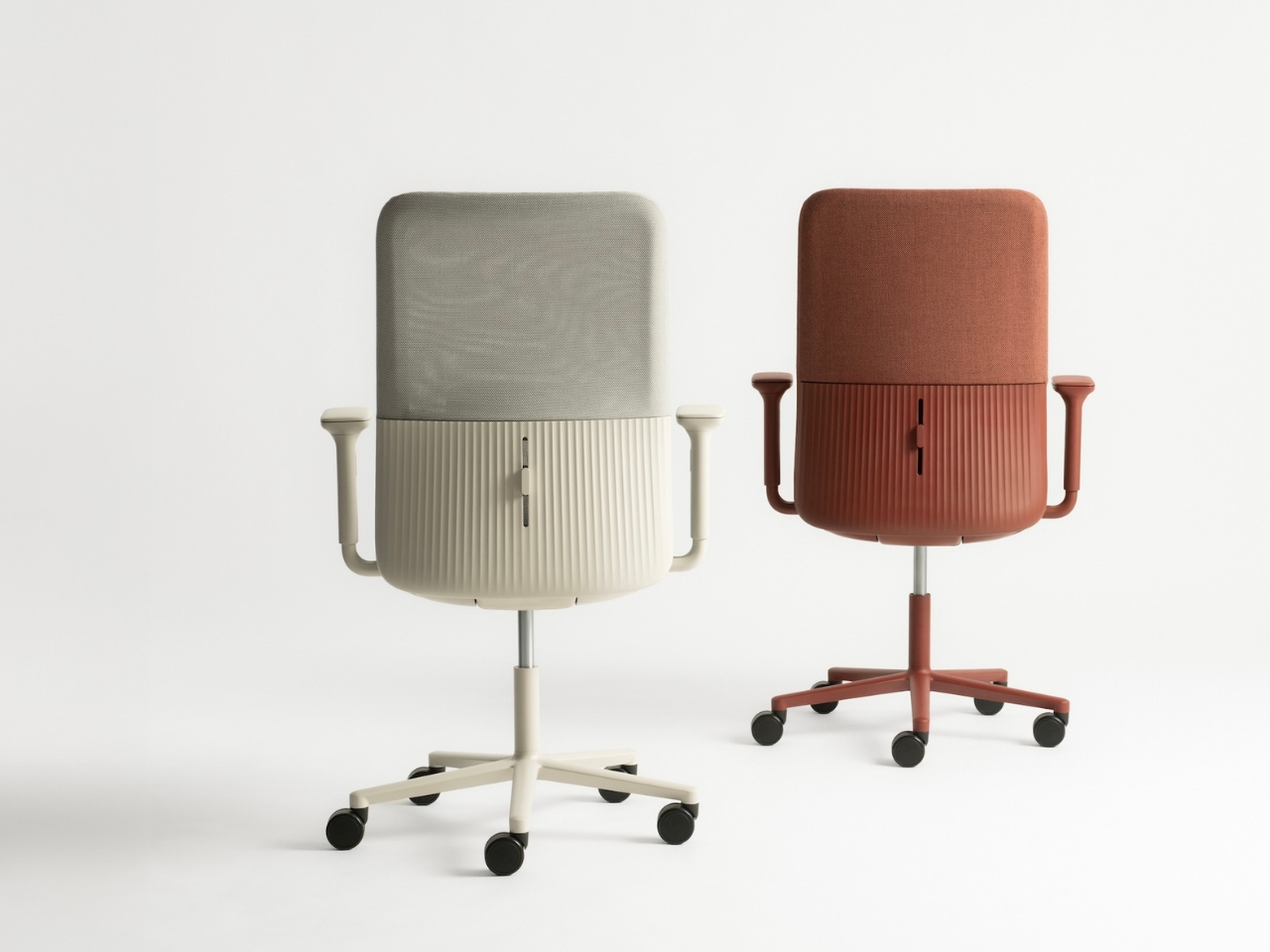
There’s something quietly revolutionary happening in office furniture, and it doesn’t involve more buttons, levers, or adjustment knobs. LAYER, the London-based design studio founded by Benjamin Hubert, has partnered with Spanish furniture maker Andreu World to create Velo, a task chair that throws out the instruction manual and replaces it with something far more intuitive: material intelligence.

If you’ve ever sat in a high-end office chair, you know the drill. There are usually about seven different levers under the seat, each controlling a specific function, and you’re expected to become an amateur ergonomics expert just to sit comfortably. Tilt tension here, lumbar support there, armrest height, armrest width, seat depth. It’s exhausting before you even start working. Velo takes a different approach entirely, one that feels almost obvious once you experience it.

Designer: LAYER x Andreu World

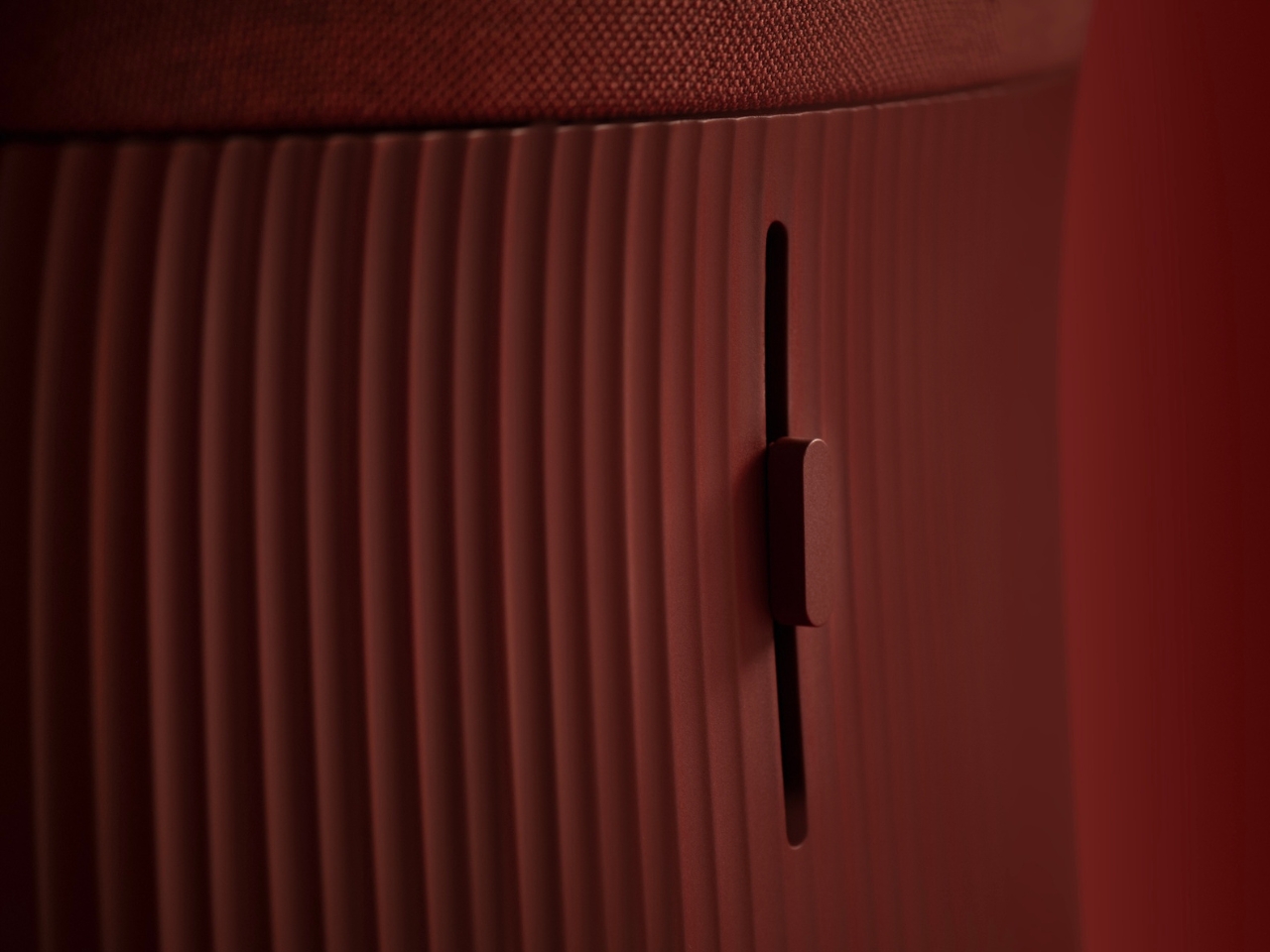
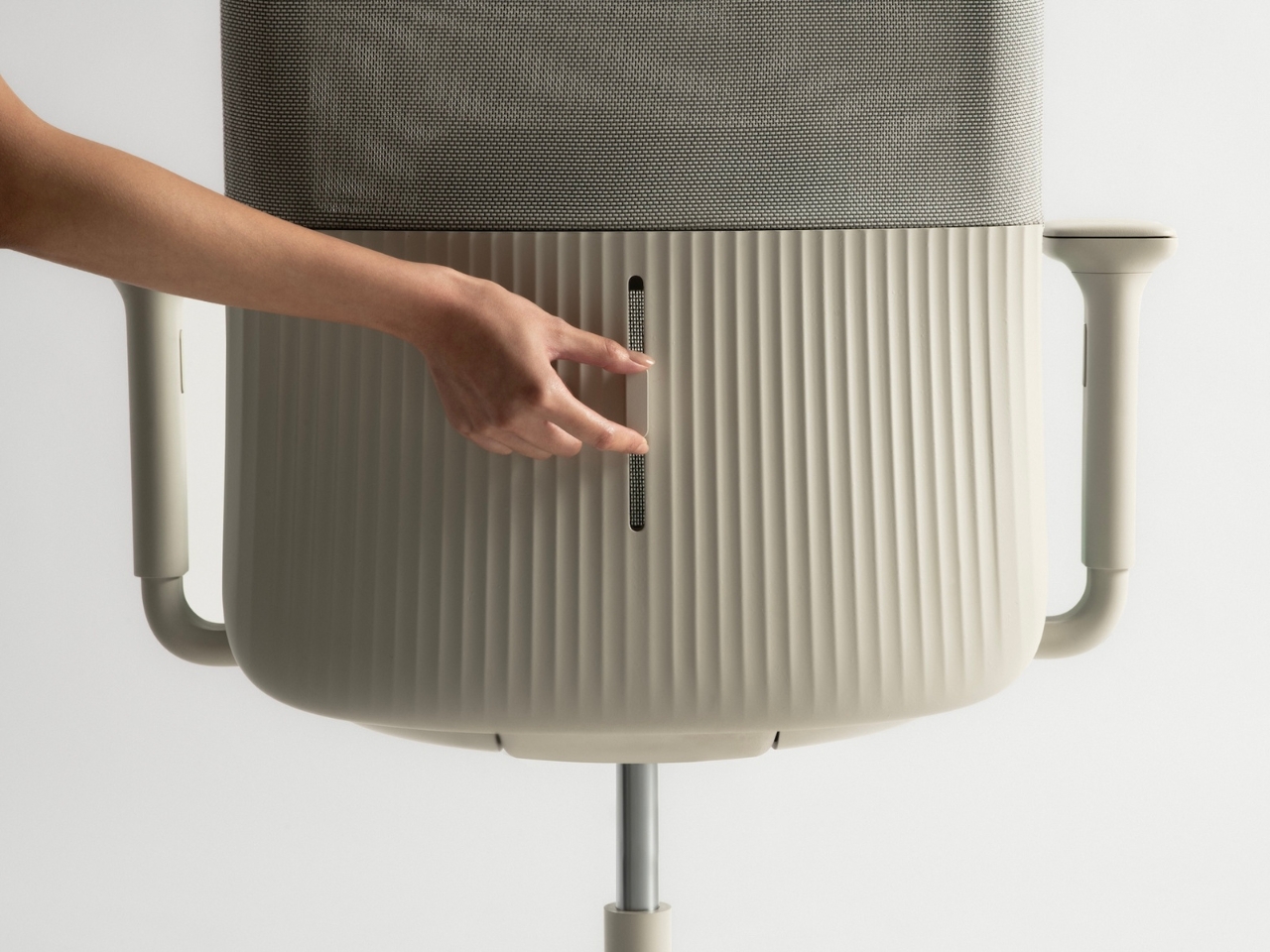
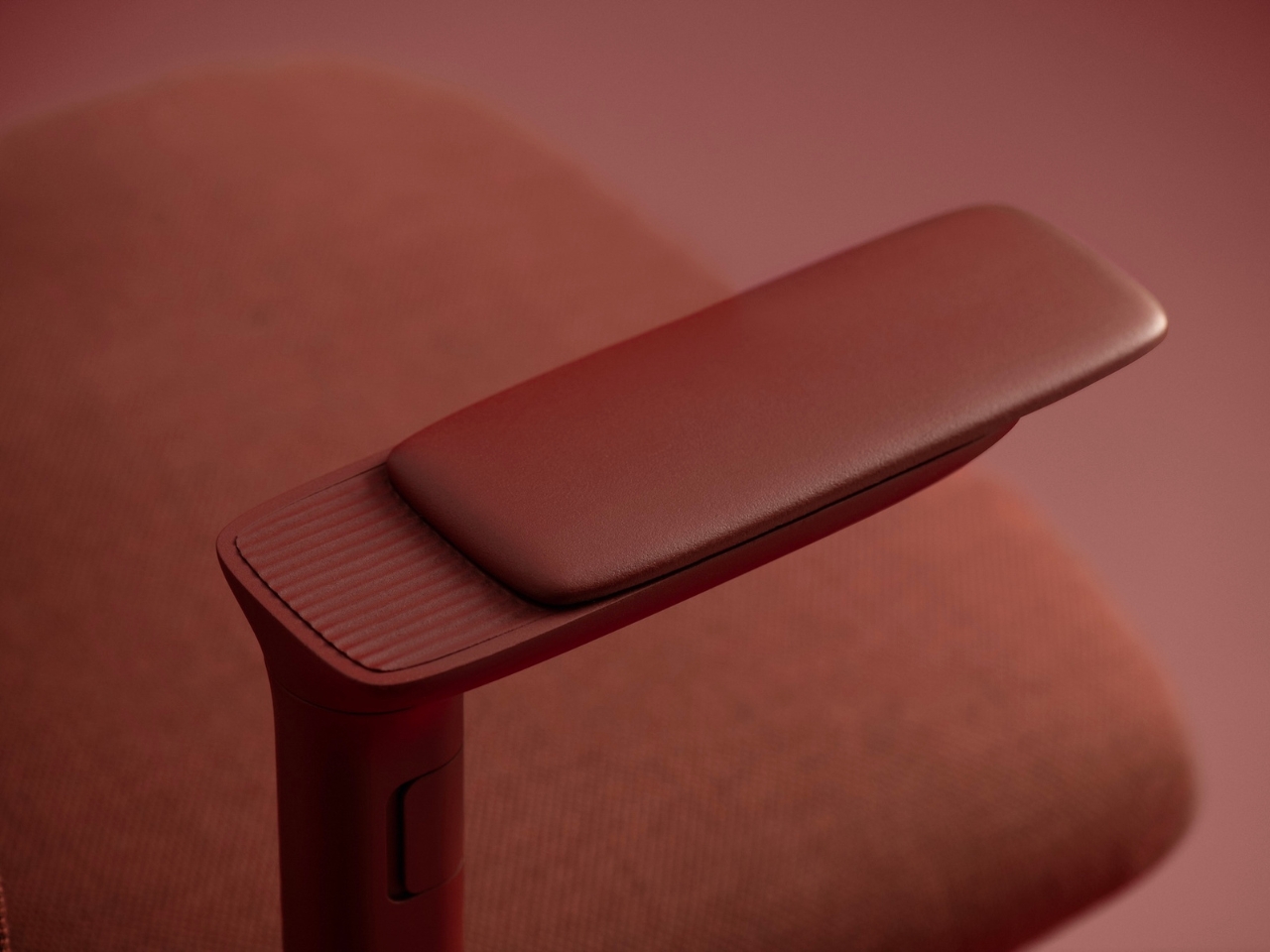
At the heart of this chair is a weight-activated mechanism that LAYER developed specifically for this project. Instead of requiring you to manually adjust anything, the chair simply responds to how you’re sitting. Lean back, and it flexes with you. Shift your weight forward, and it adapts. The contoured backrest moves in real time with your body, providing ergonomic support that feels less like furniture and more like the chair is actually paying attention to you.

This isn’t some gimmick hiding behind sleek marketing language. The technology here is genuinely clever. LAYER engineered a system that uses the sitter’s own body weight to activate the mechanism, eliminating the need for springs, gas lifts, or complex pivot points that typically make task chairs feel like miniature machines. The result is a chair that looks refreshingly simple but performs with sophisticated precision.

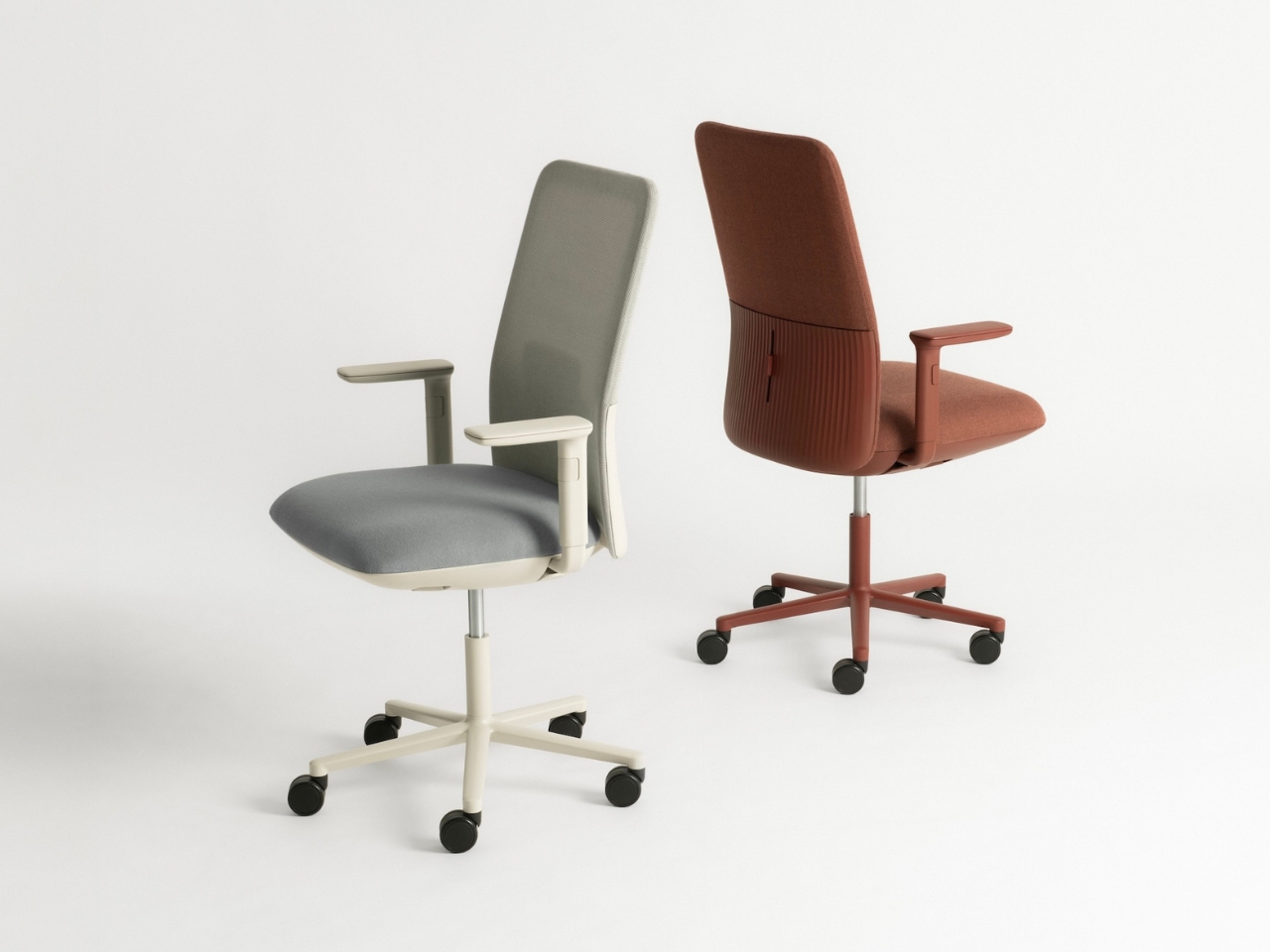
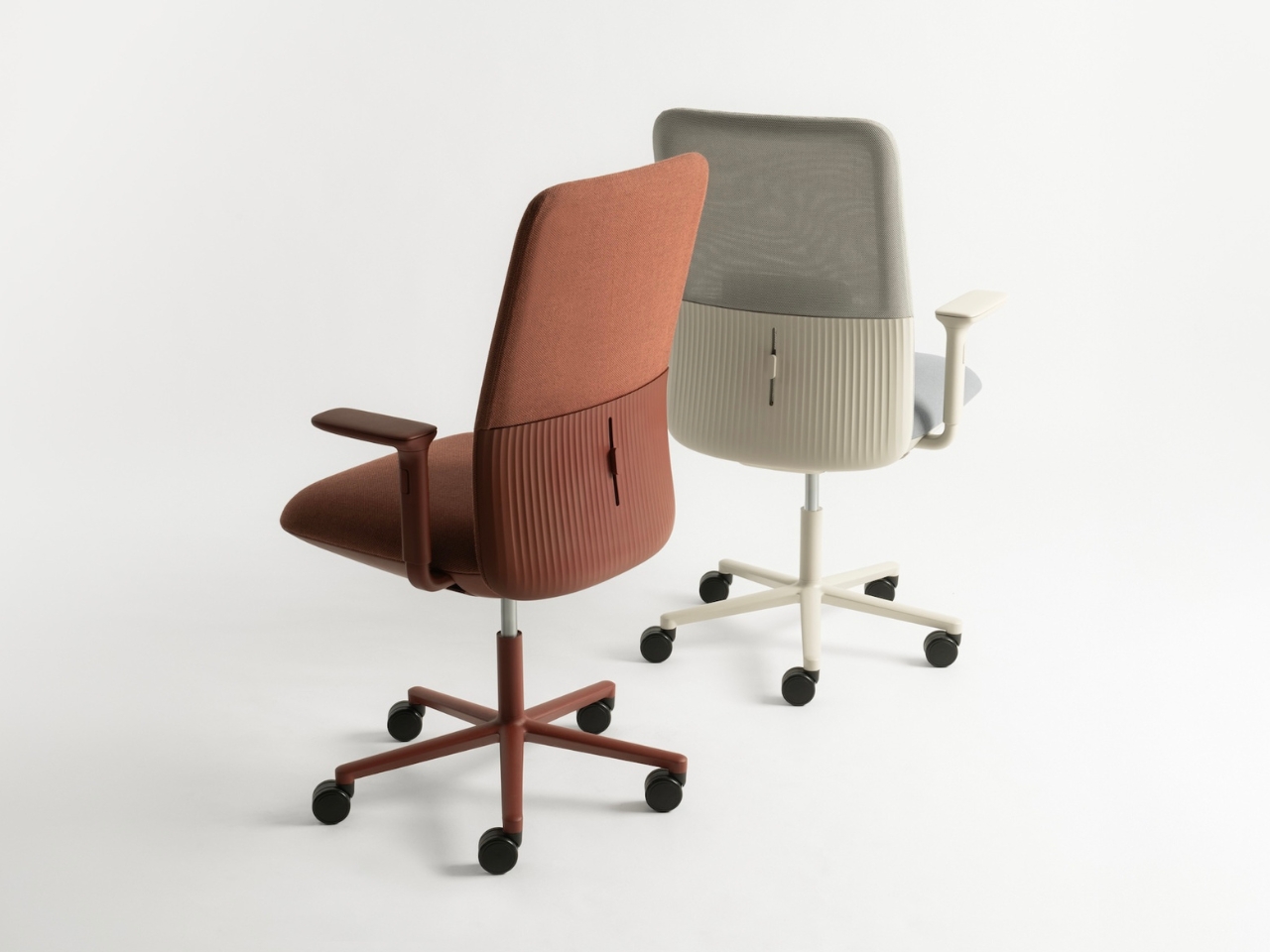
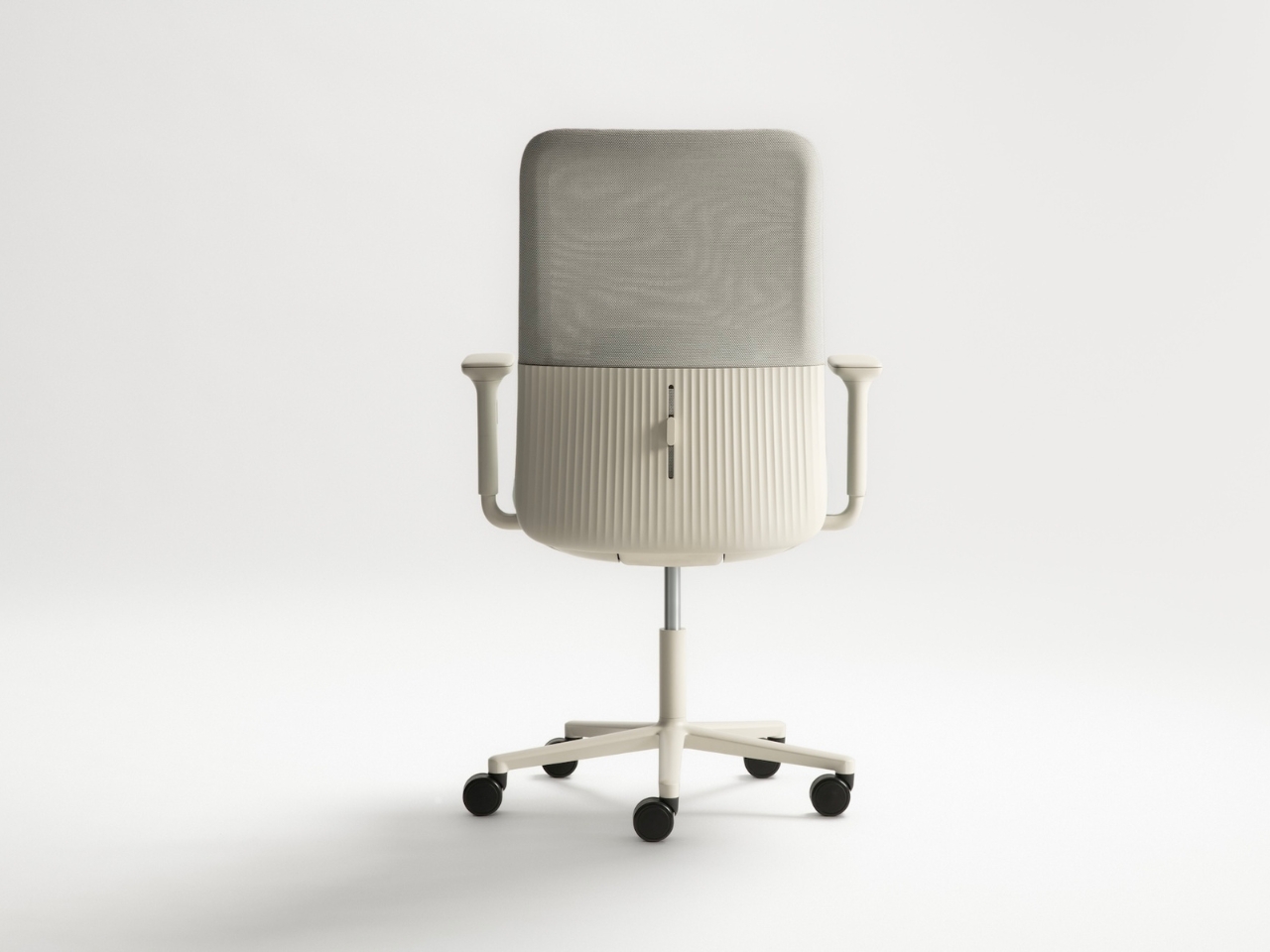
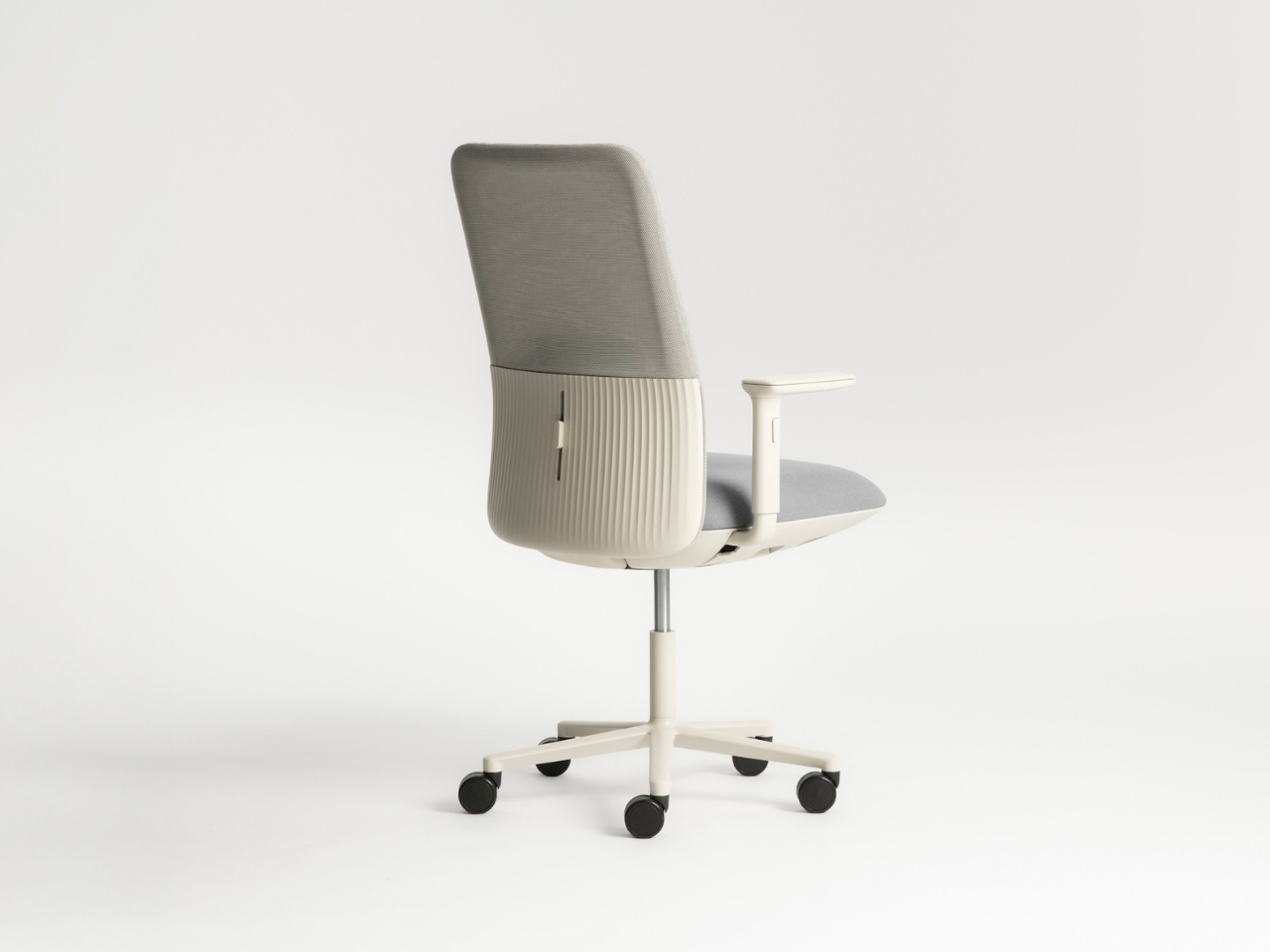
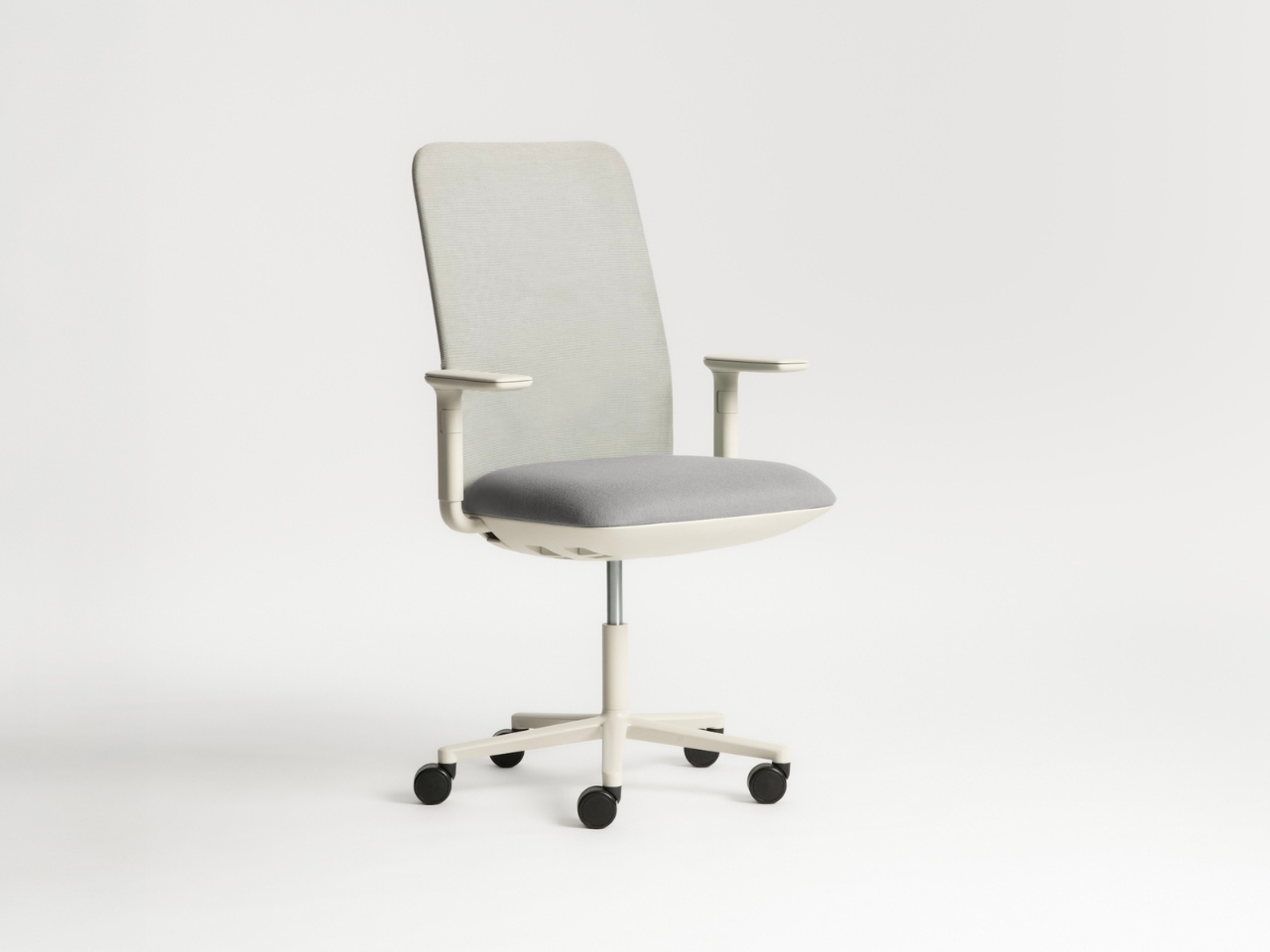
Visually, Velo is a departure from the aggressively technical aesthetic that dominates the office furniture world. Where most task chairs announce their functionality with exposed mechanisms and industrial details, Velo opts for soft, organic lines and a sculptural silhouette. It’s the kind of chair that wouldn’t look out of place in a contemporary home office, which is exactly the point. With more people working from home or splitting time between multiple locations, the old distinctions between commercial and residential furniture are breaking down. Velo was designed for that fluid reality.

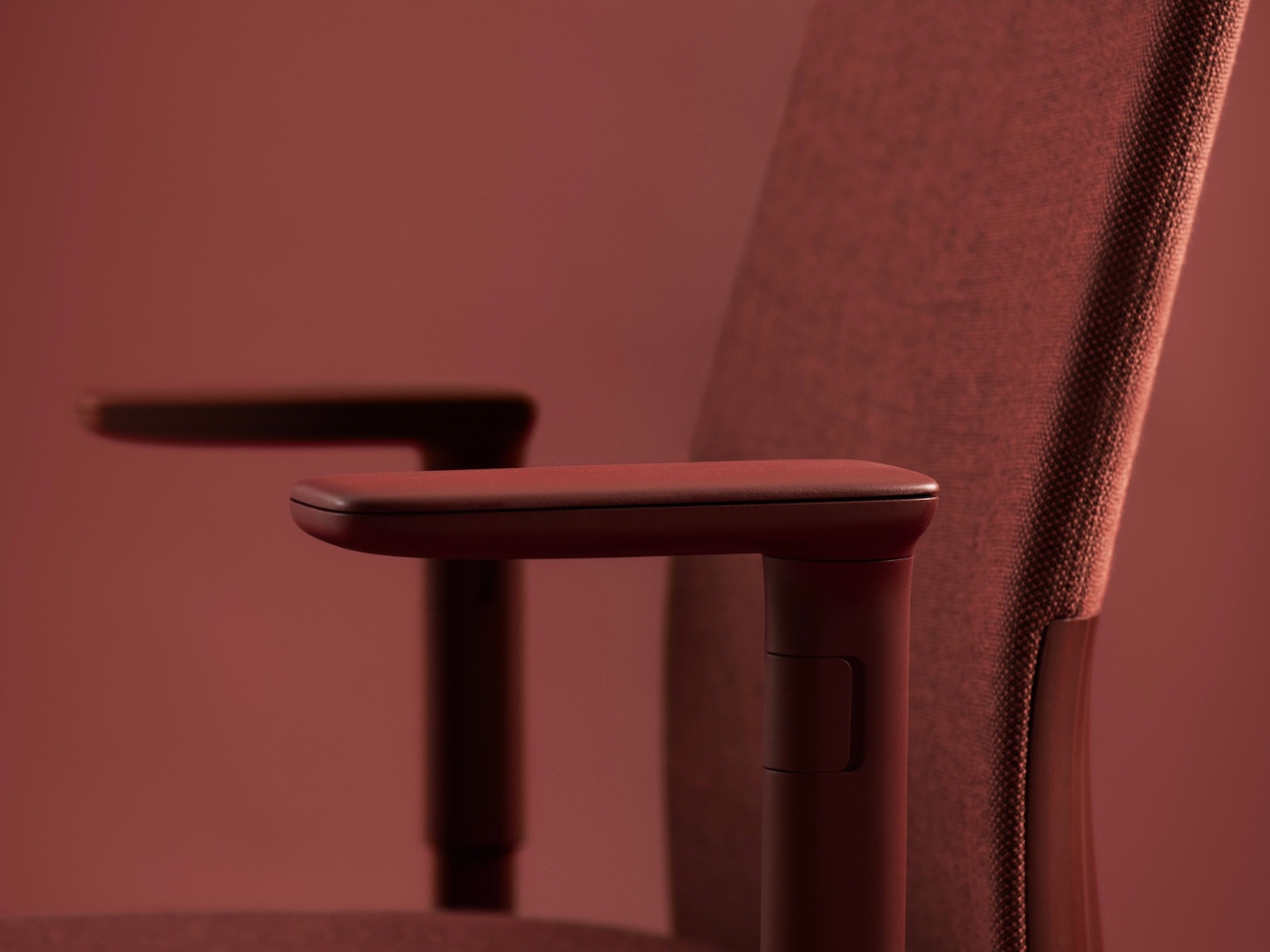
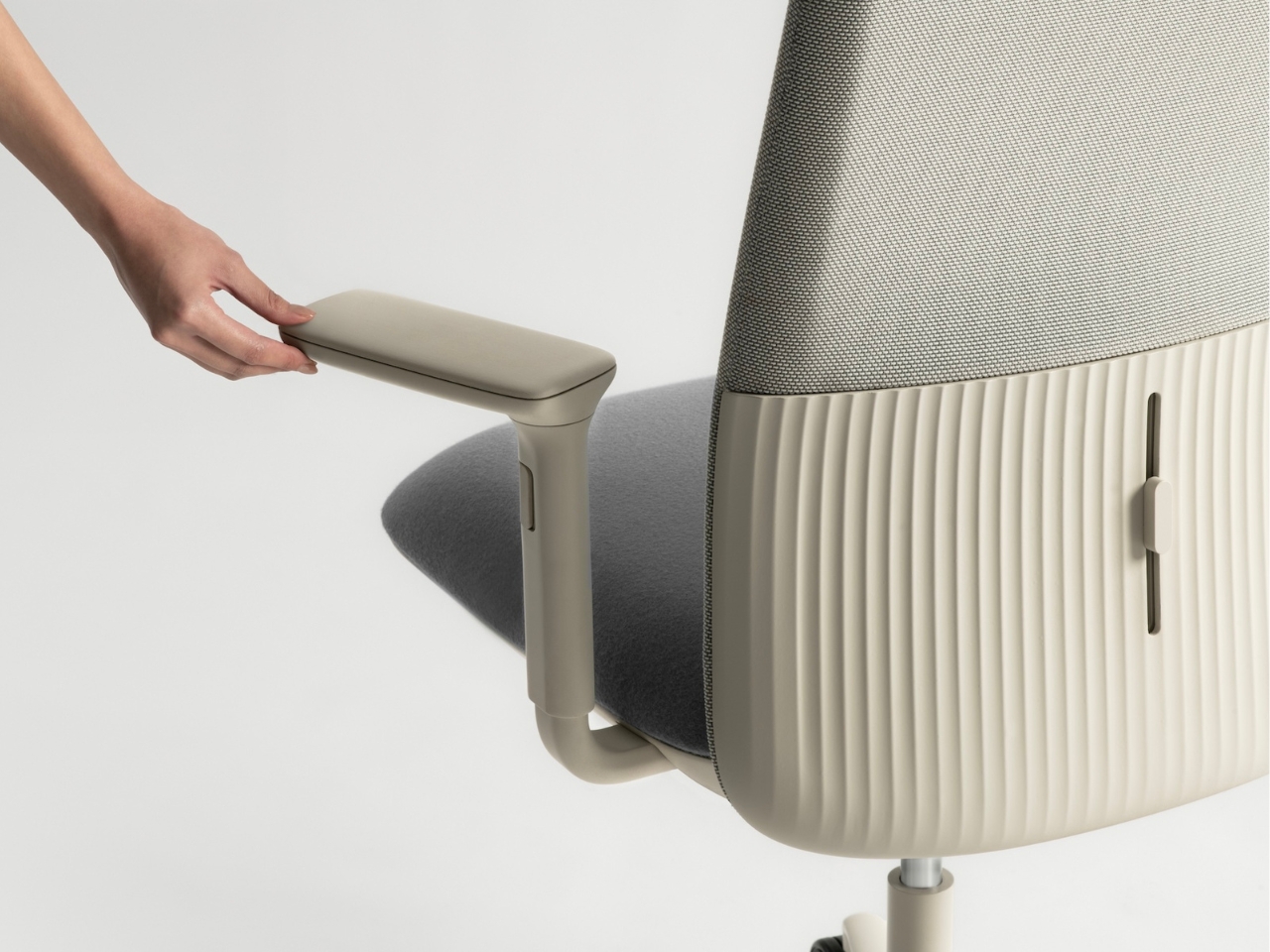
You can spec the chair in two main configurations. The mesh backrest version offers breathability and a lighter visual presence, perfect for warmer climates or minimalist spaces. The fully upholstered version provides a softer, more enveloping feel. Both options feature adjustable lumbar support, and you can choose between standard armrests or 4D movement arms that adjust in multiple directions. The base comes in Andreu World’s range of powder-coated finishes, and the upholstery options pull from their sustainable textile collection.

Speaking of sustainability, Velo was designed with end-of-life in mind from the very beginning. The lightweight frame and base are manufactured from recycled thermopolymer, a high-performance material that maintains durability while reducing environmental impact. The chair uses a minimal part count, which not only simplifies manufacturing but also makes disassembly straightforward when it’s time to recycle. The upholstery fabrics are either low-impact or fully recyclable, continuing Andreu World’s commitment to circular design principles.

Benjamin Hubert’s perspective on the project gets at something essential about where design is heading. As he puts it, people don’t want overly technical products anymore. They want intuitive, adaptable things that fit into their lives without requiring a learning curve. Velo strips back complexity and focuses on the fundamental question: what does a chair actually need to do? It’s not trying to reinvent sitting, but it is rethinking how a chair can support the way we actually work now, without making us work to figure out the chair itself.

The post Layer Just Built the AI Chair Remote Workers Need first appeared on Yanko Design.