Kodak Just Made a $35 Film Camera That Replaces Disposables

There has been a proliferation of various kinds of cameras in the market, driven by a growing demand for nostalgic and analog devices. While some of them look analog, they’re just retro-styled gadgets that still capture digital pictures. But there’s also a market segment producing actual film cameras, with varying levels of complexity and expertise required to operate them.

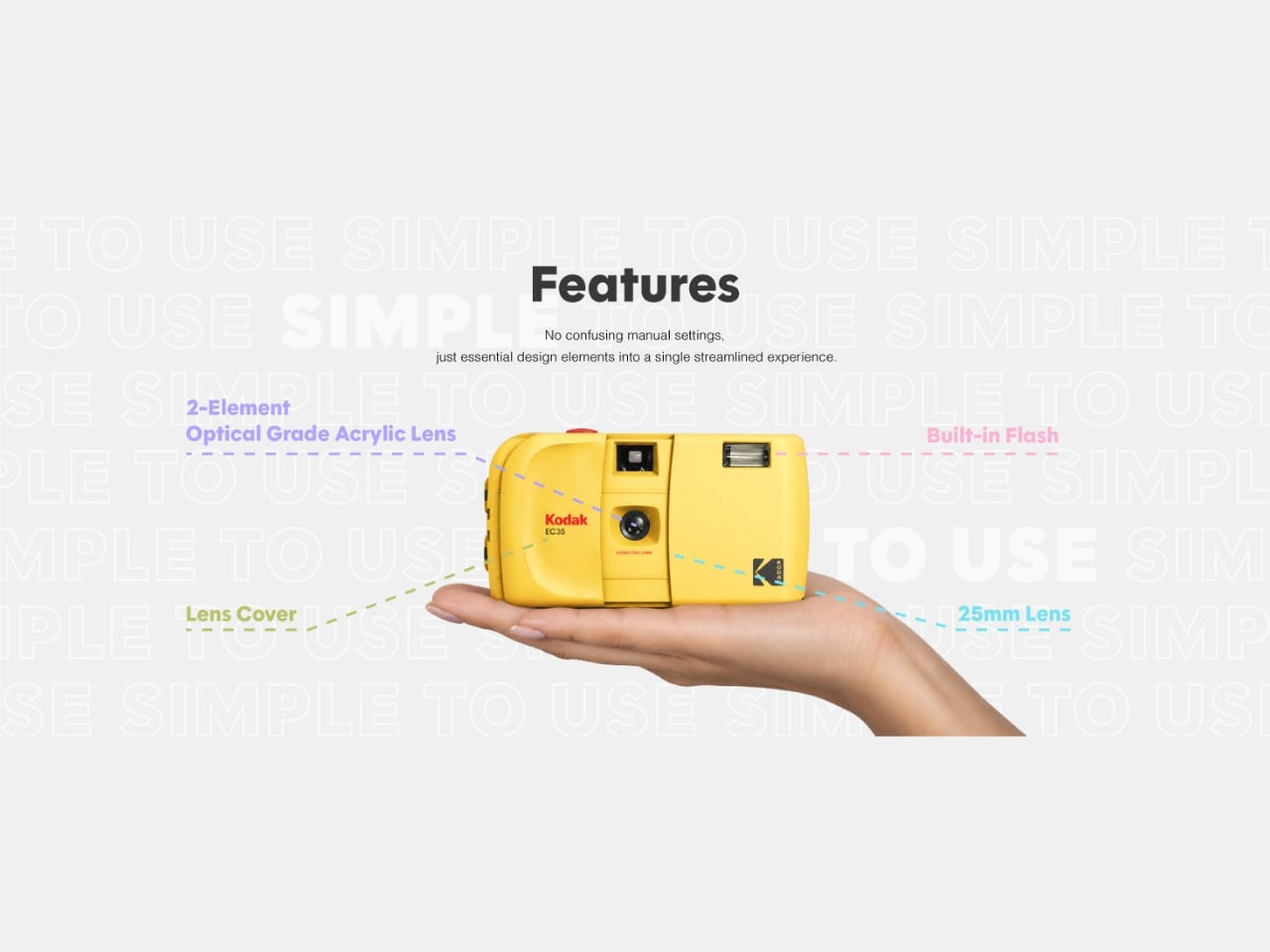
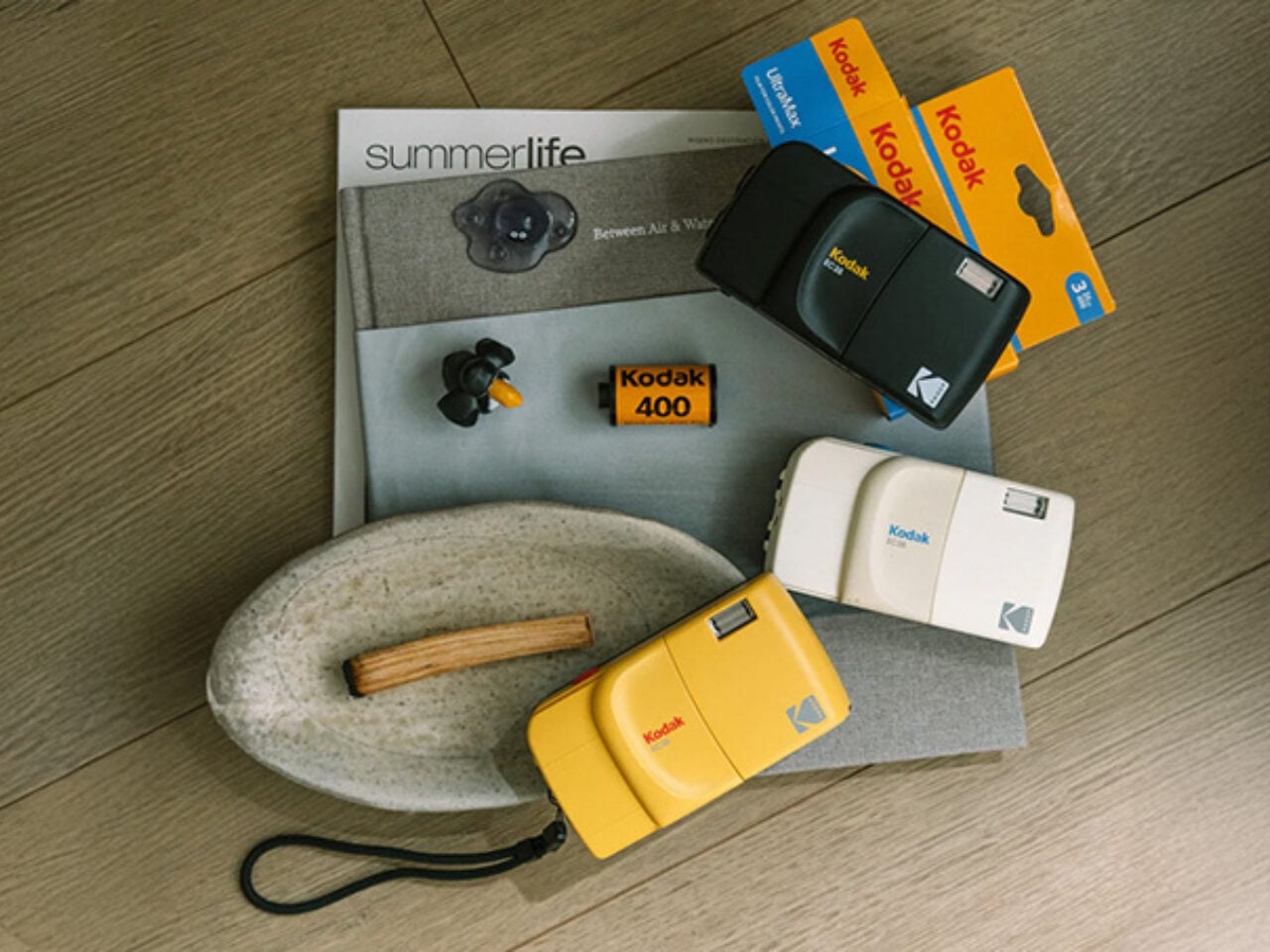
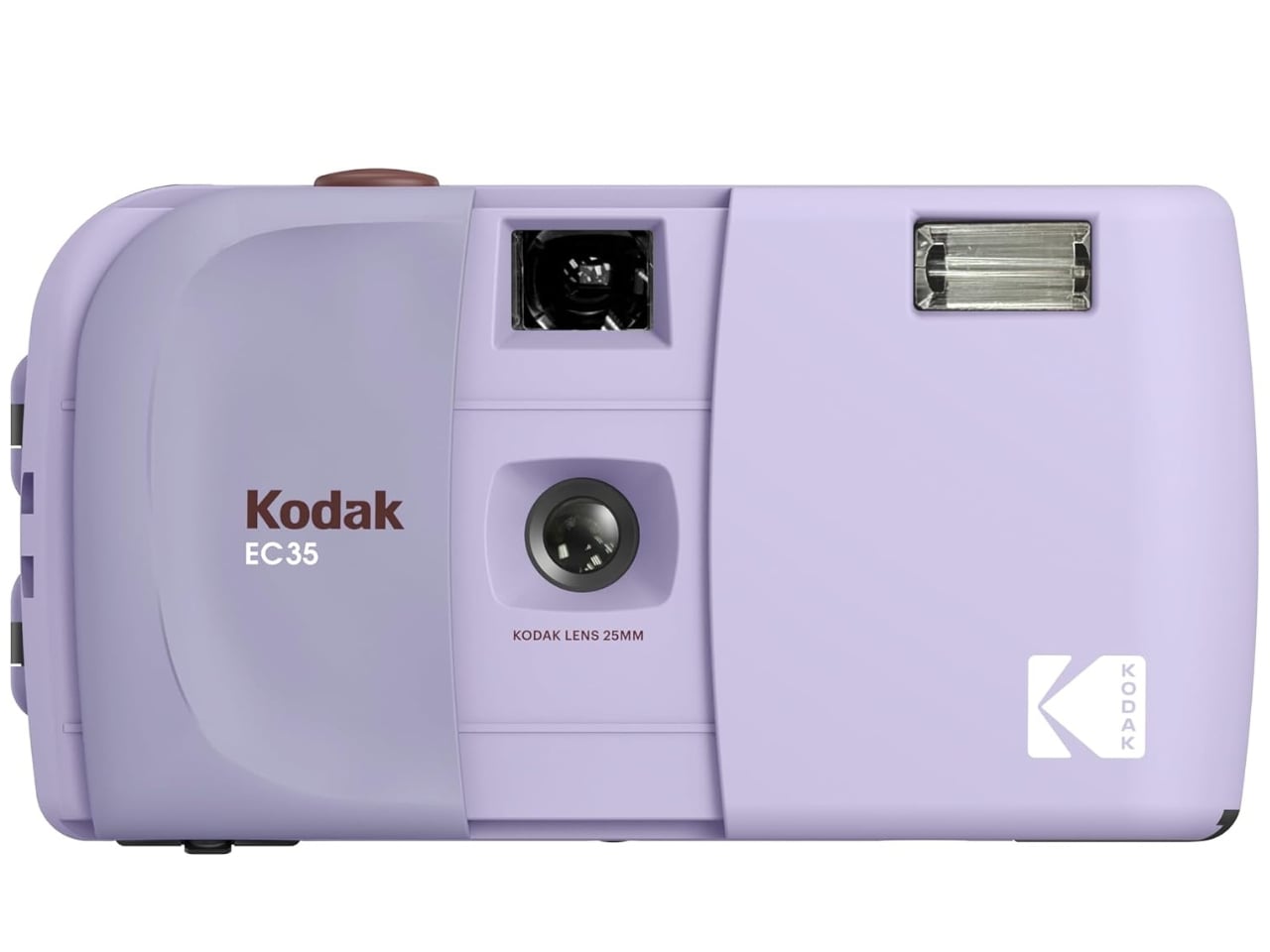
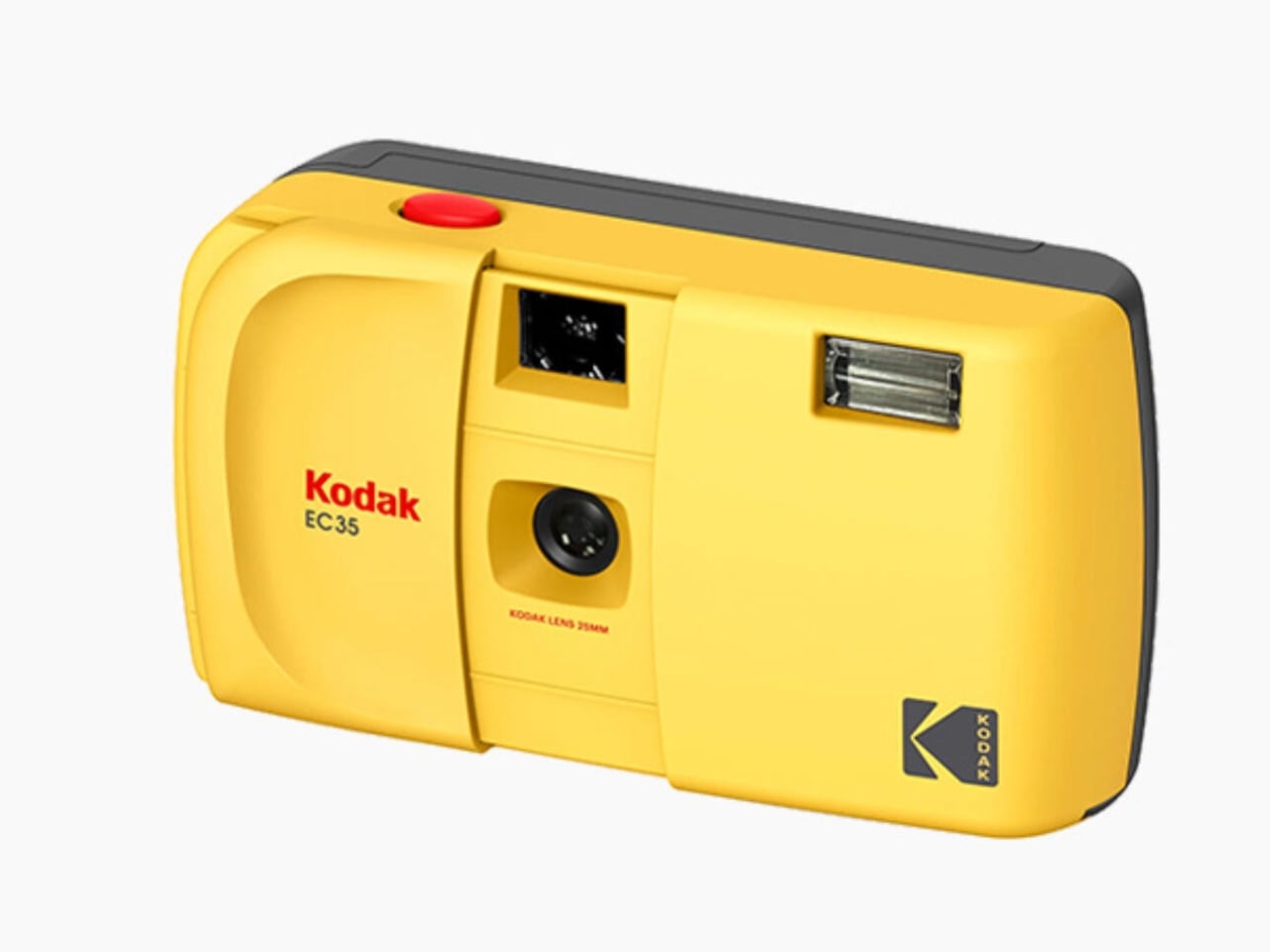
For those looking for a simple point-and-shoot film camera, the Kodak EC35 is a reusable 35mm film camera that lets you explore analog photography effortlessly. It bridges the gap between the carefree convenience of a disposable camera and the longevity of a proper reusable one. Think of it as the spiritual successor to the once-popular single-use camera, but this one is built to last and designed to grow with you.

Designer: Kodak

While there’s room for analog cameras that let you play around with various settings, lenses, and focus options, there are times when you just want a film camera that’s simple enough to point and shoot. The Kodak EC35 is one such camera that removes the usual complexities of film photography and lets you load, shoot, rewind, and enjoy the process without any hassle. Whether you’re a complete newcomer to film or simply someone who wants a grab-and-go option for everyday adventures, the EC35 fits the bill perfectly.

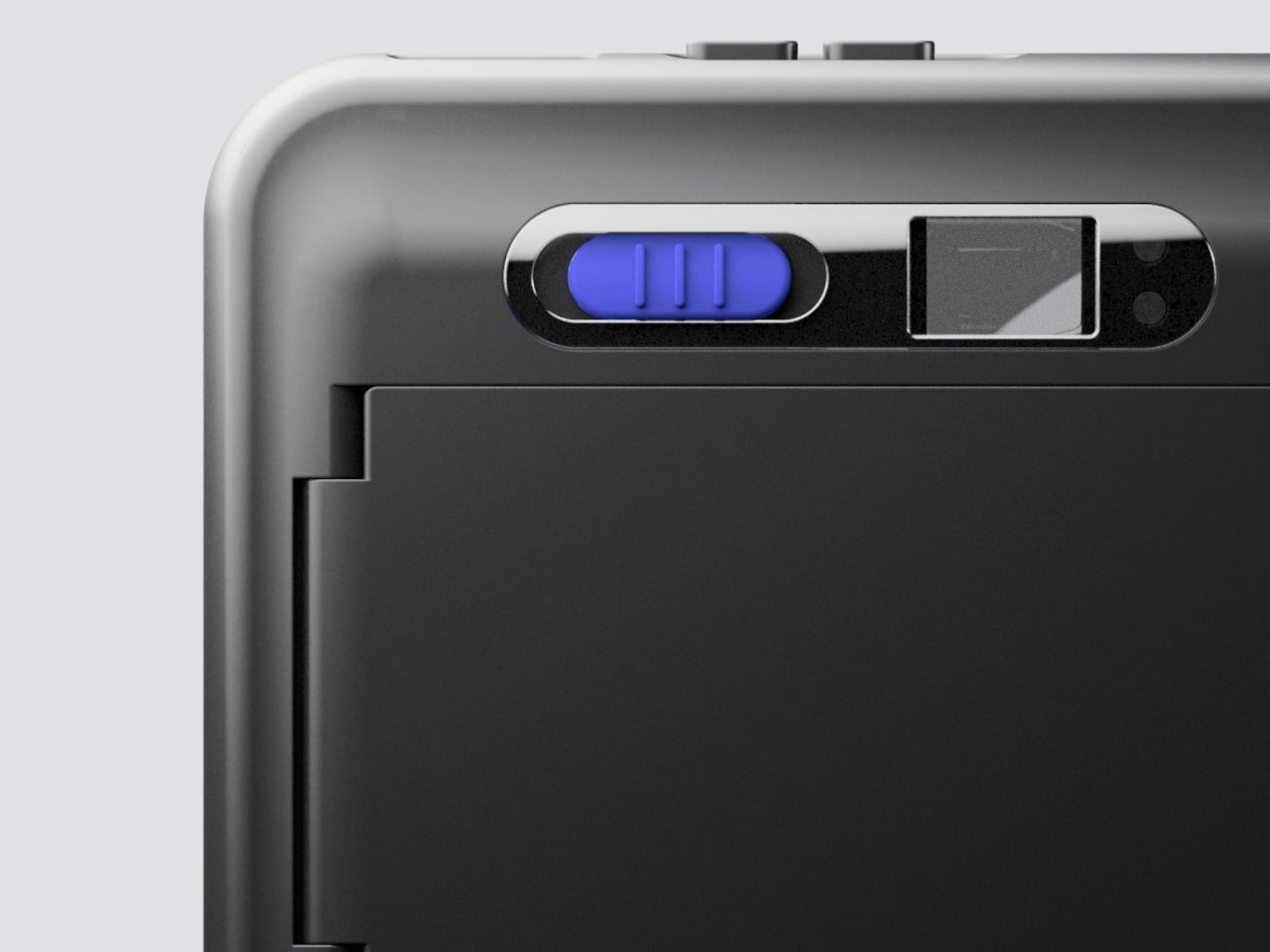
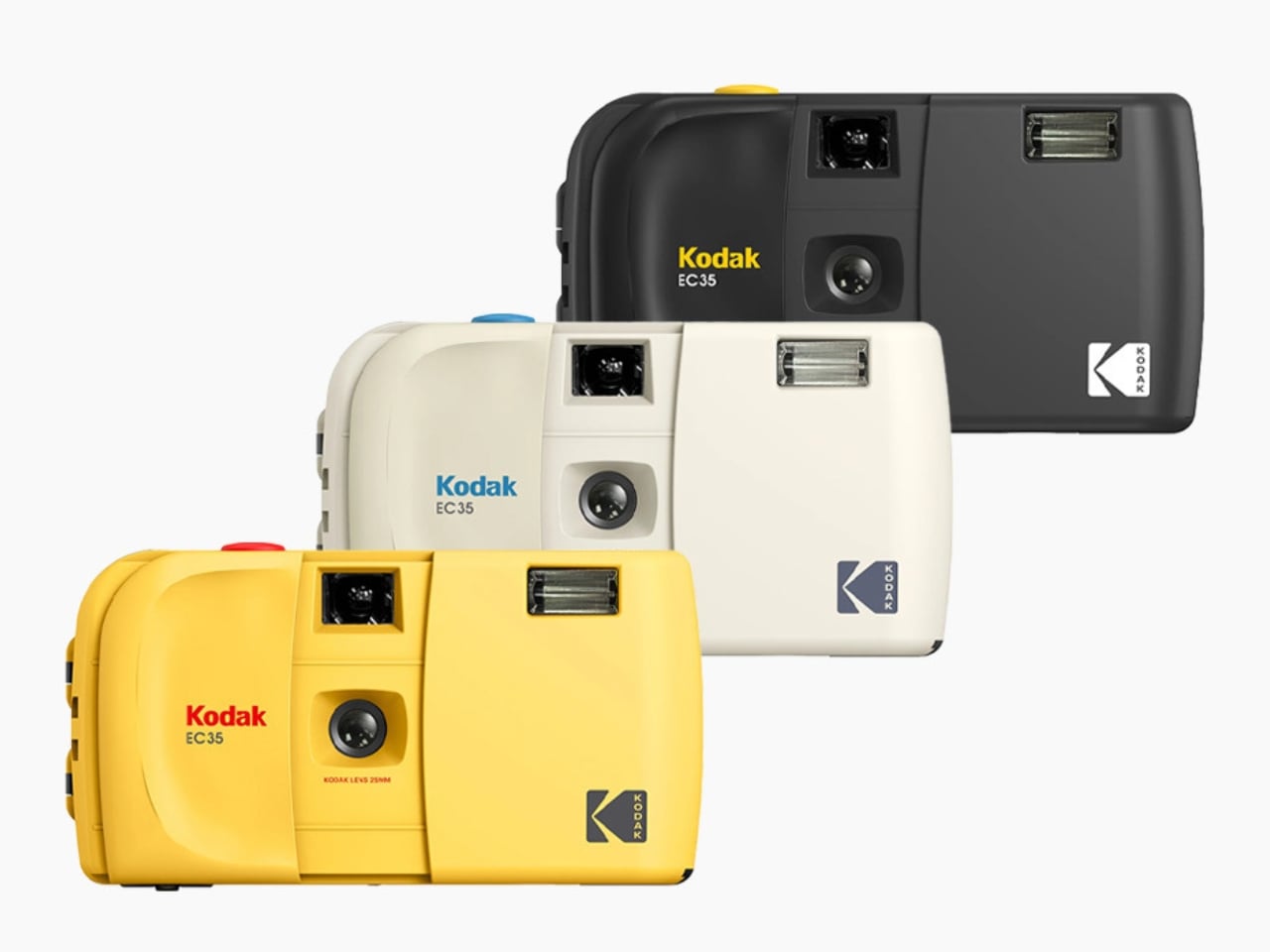
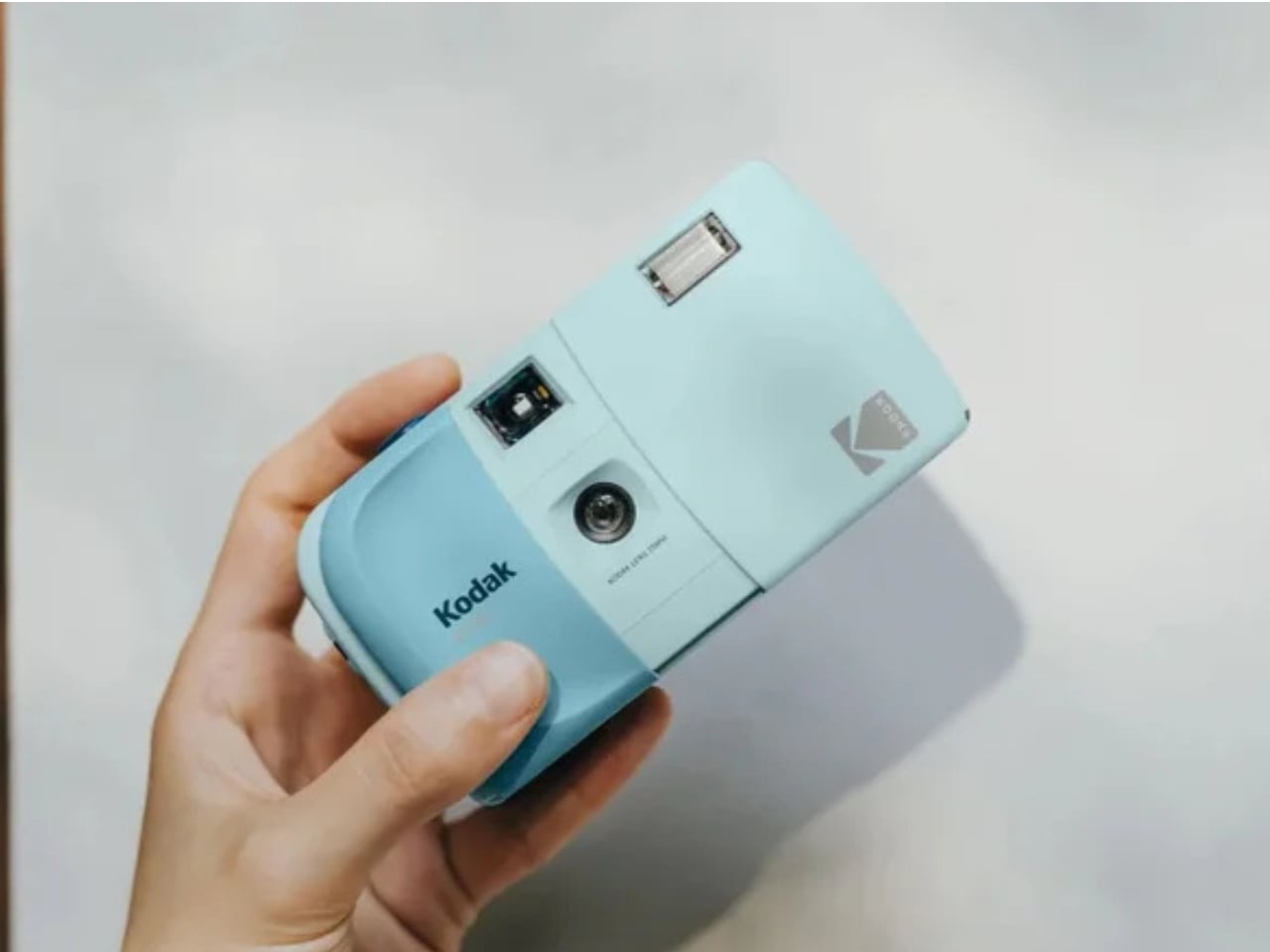
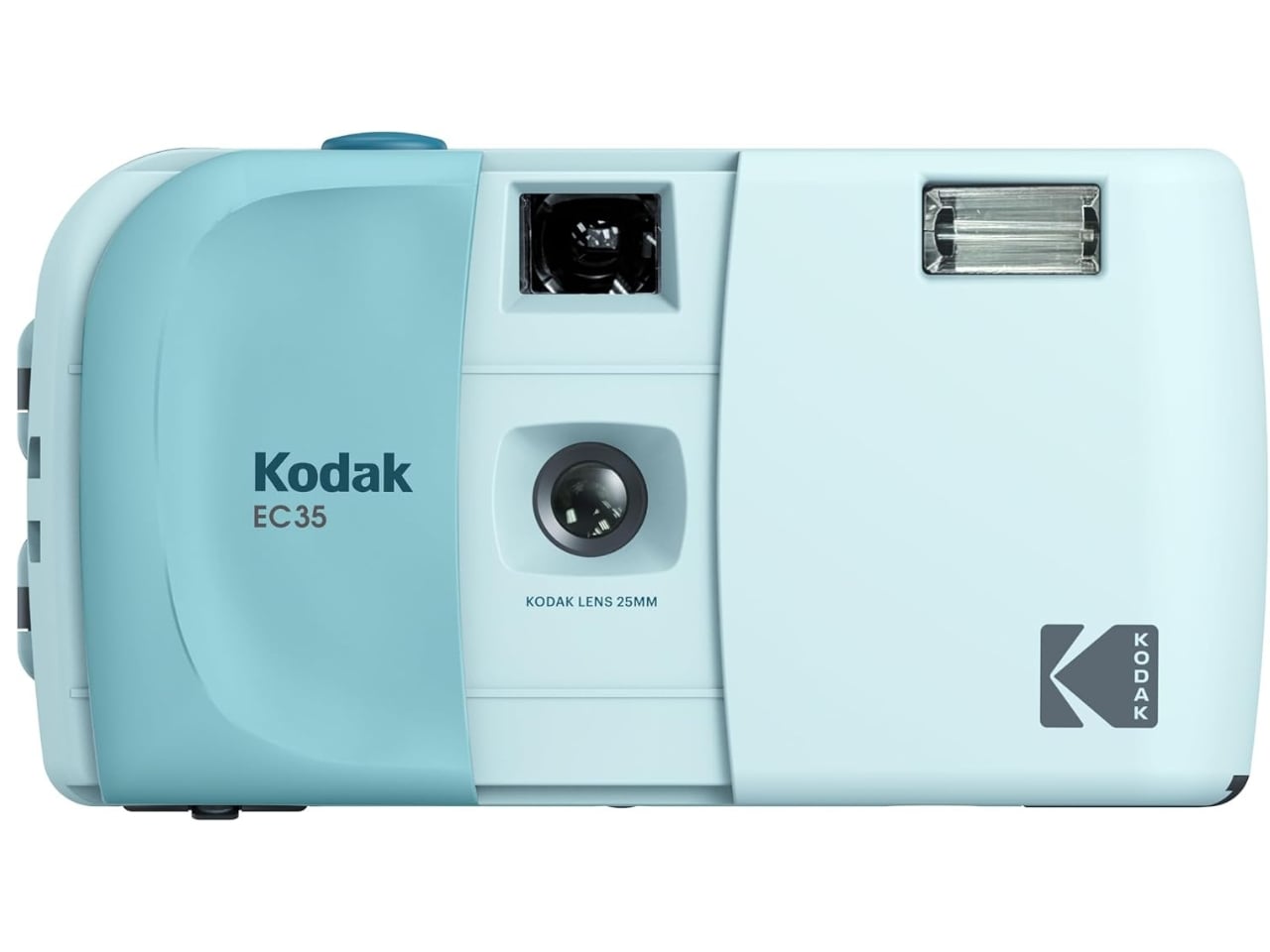
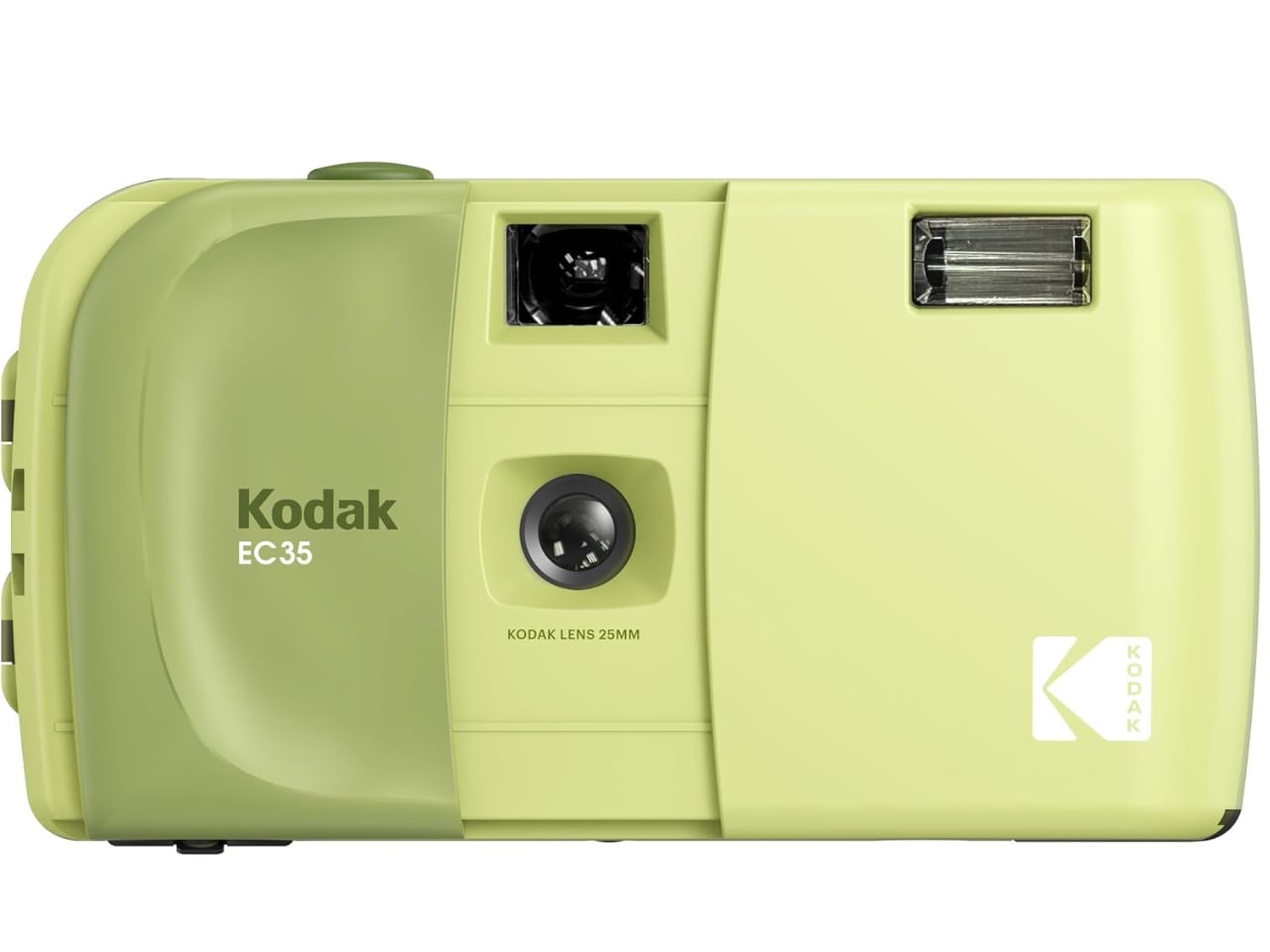
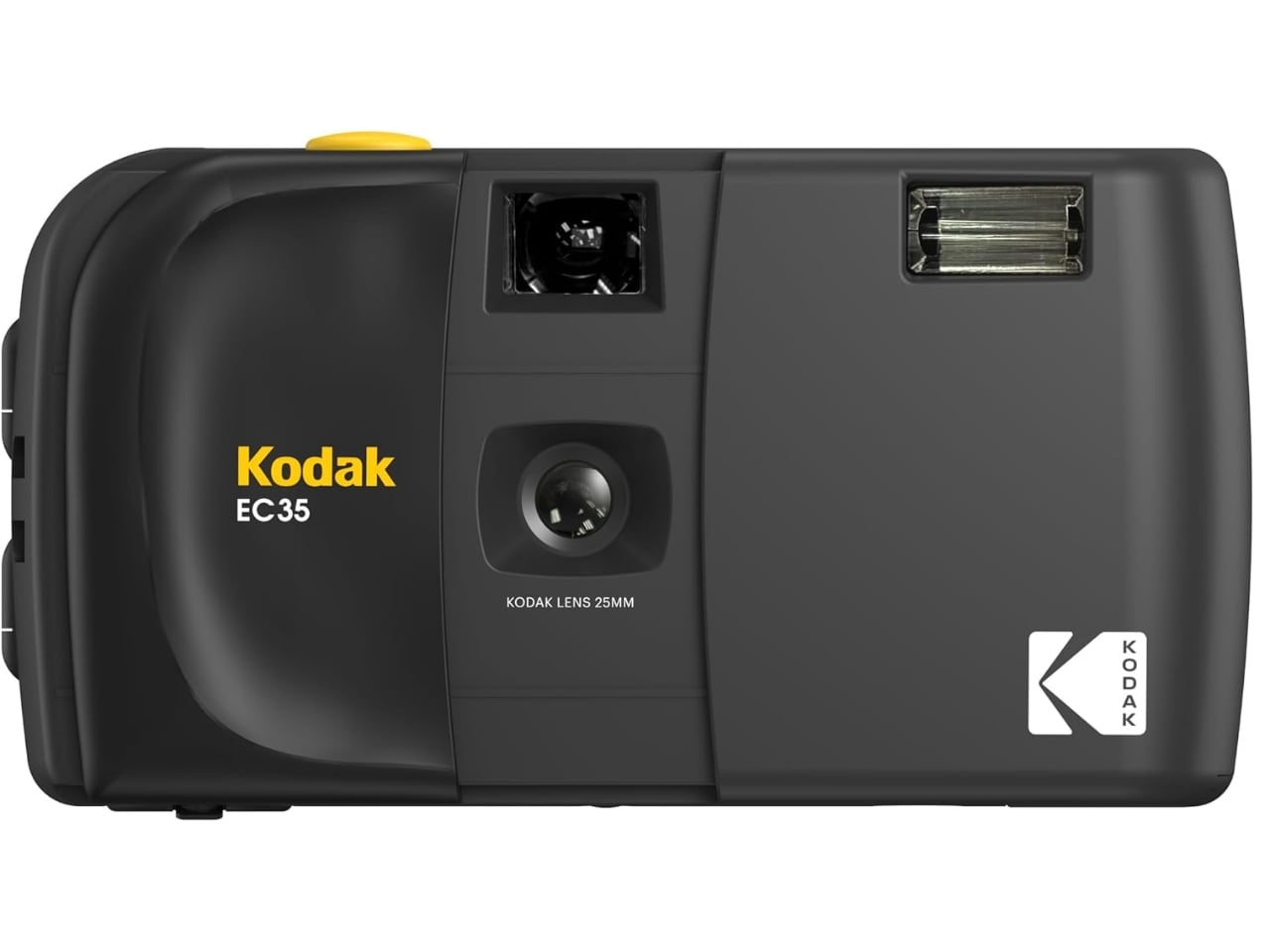
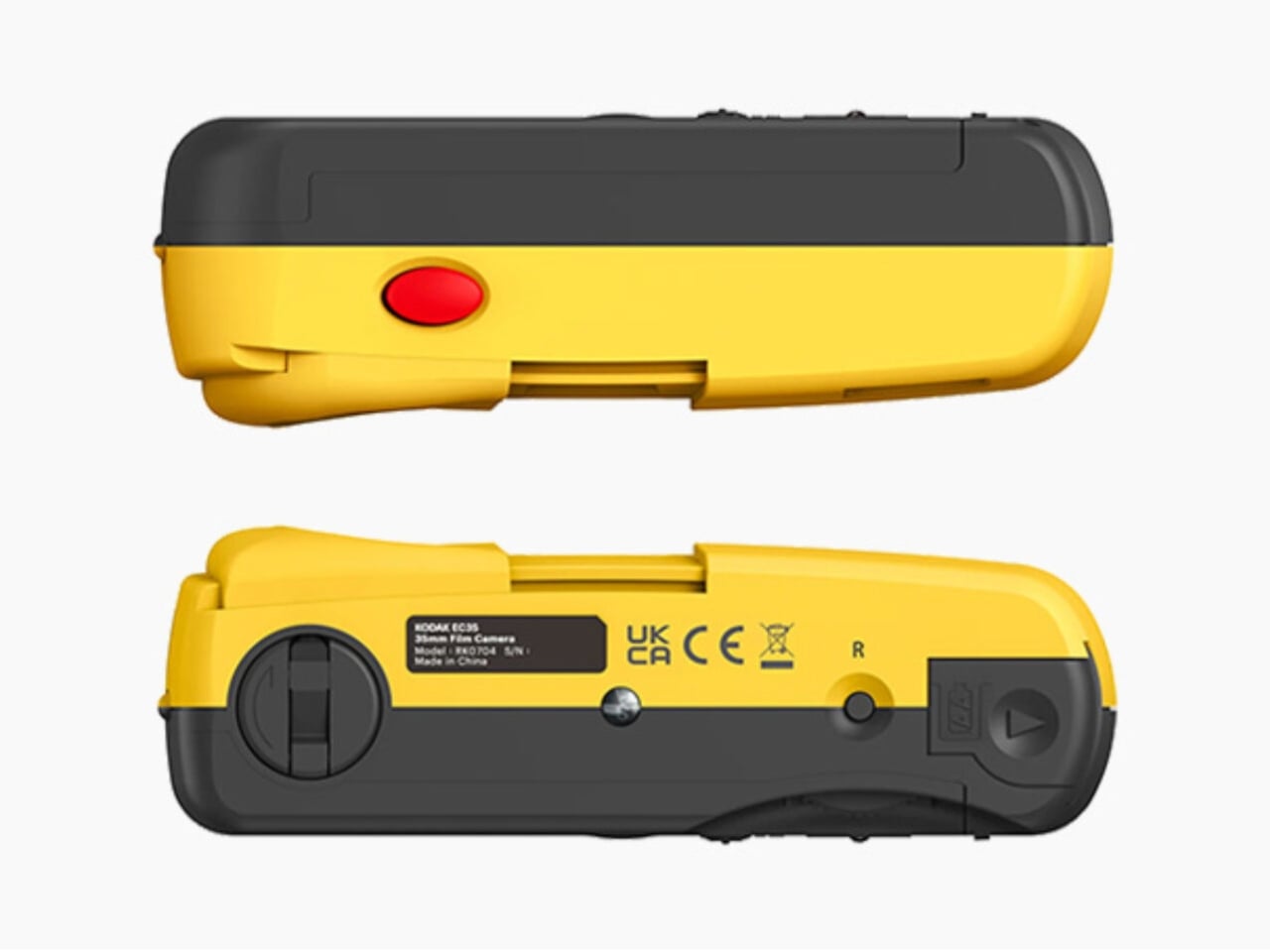
True to its beginner-friendly promise, the EC35 is a fully focus-free camera equipped with a 25mm, 2-element optical-grade acrylic lens fixed at an f/10 aperture, which means there’s no adjusting, no guessing, and no fussing over focus. The shutter speed is set at a fixed 1/100s, keeping things consistent and reliable every time you press the shutter. A built-in electronic flash handles low-light moments, powered by a single AA alkaline battery. Film transport is handled manually through a satisfying wind and rewind mechanism, a small ritual that serves as a reminder that there’s something special to look forward to at the end of each roll. A simple optical viewfinder sits above the lens, keeping the entire interface clean and intuitive.

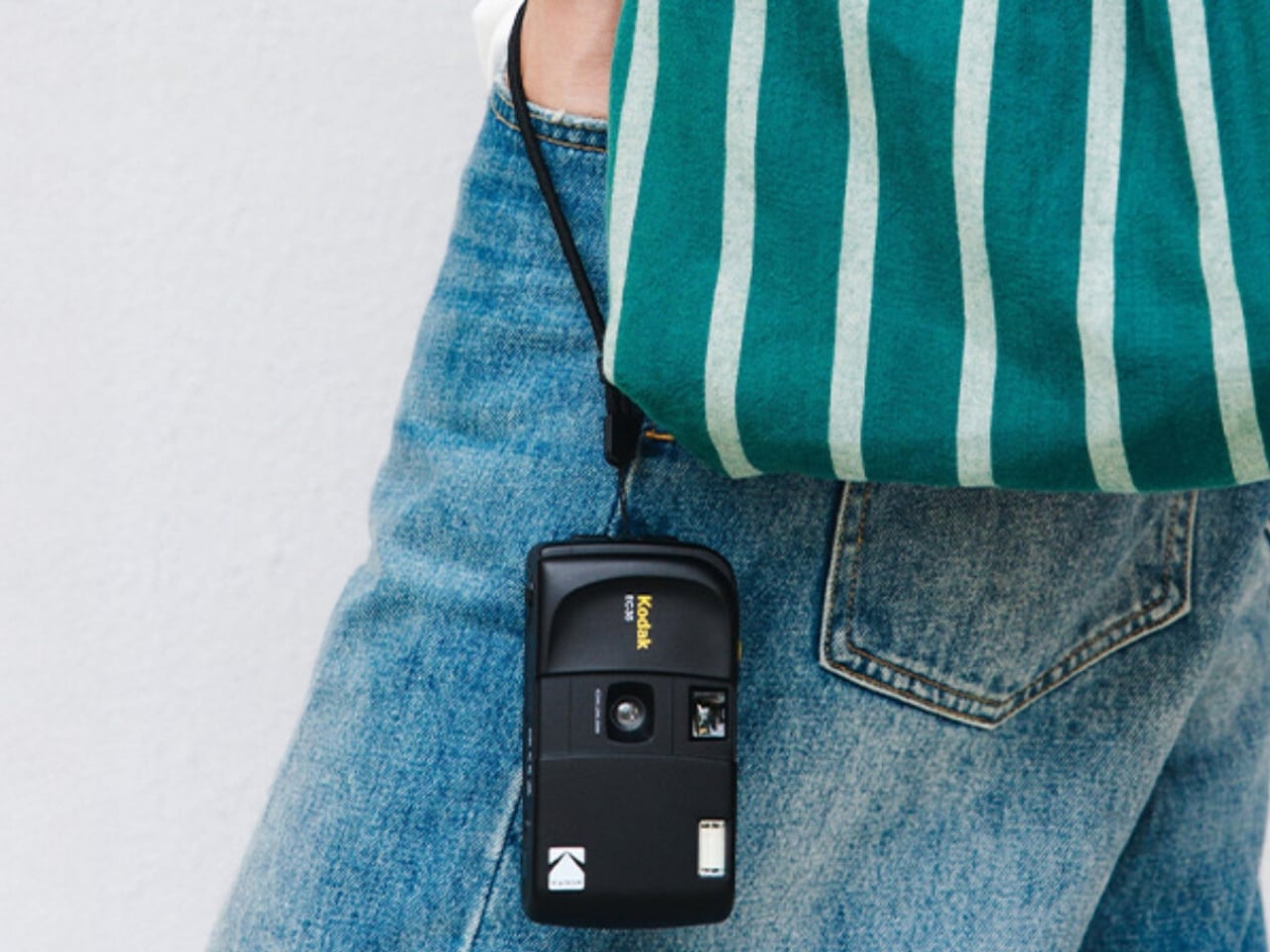
Measuring just 119mm wide, 65mm tall, and 41.5mm deep, and tipping the scales at only 102 grams, it’s genuinely light enough to slip into your pocket or tuck into the tiniest of bags, no camera bag required. It also features the iconic slide cover to protect the lens, a nod to beloved retro camera designs that delivers a satisfying, tactile feel and adds a distinctly vintage appeal. In a world dominated by digital photography, there’s something undeniably charming about carrying a film camera that looks, feels, and shoots the part. It’s the kind of camera that fits seamlessly into your everyday routine rather than demanding a special occasion.

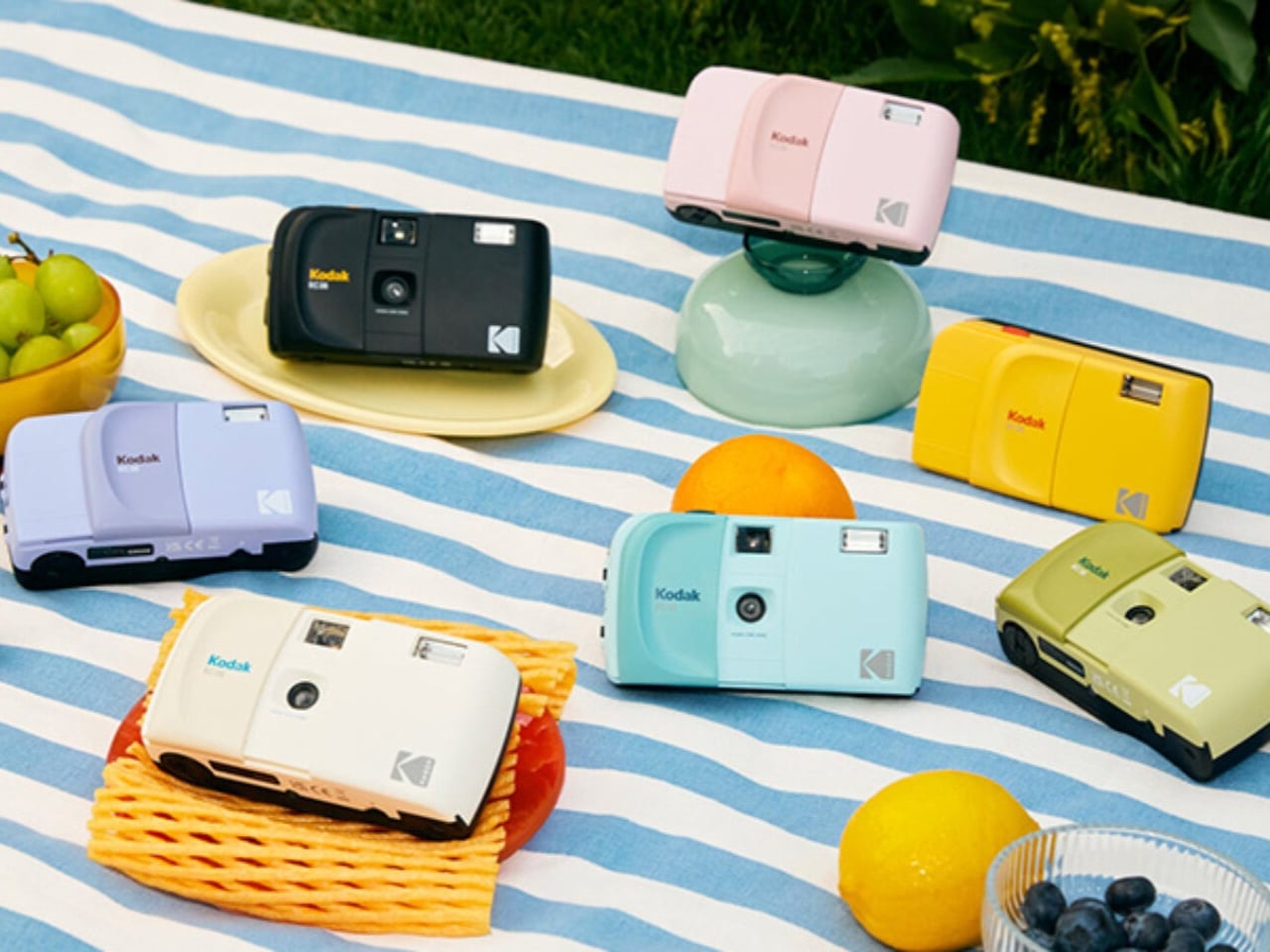
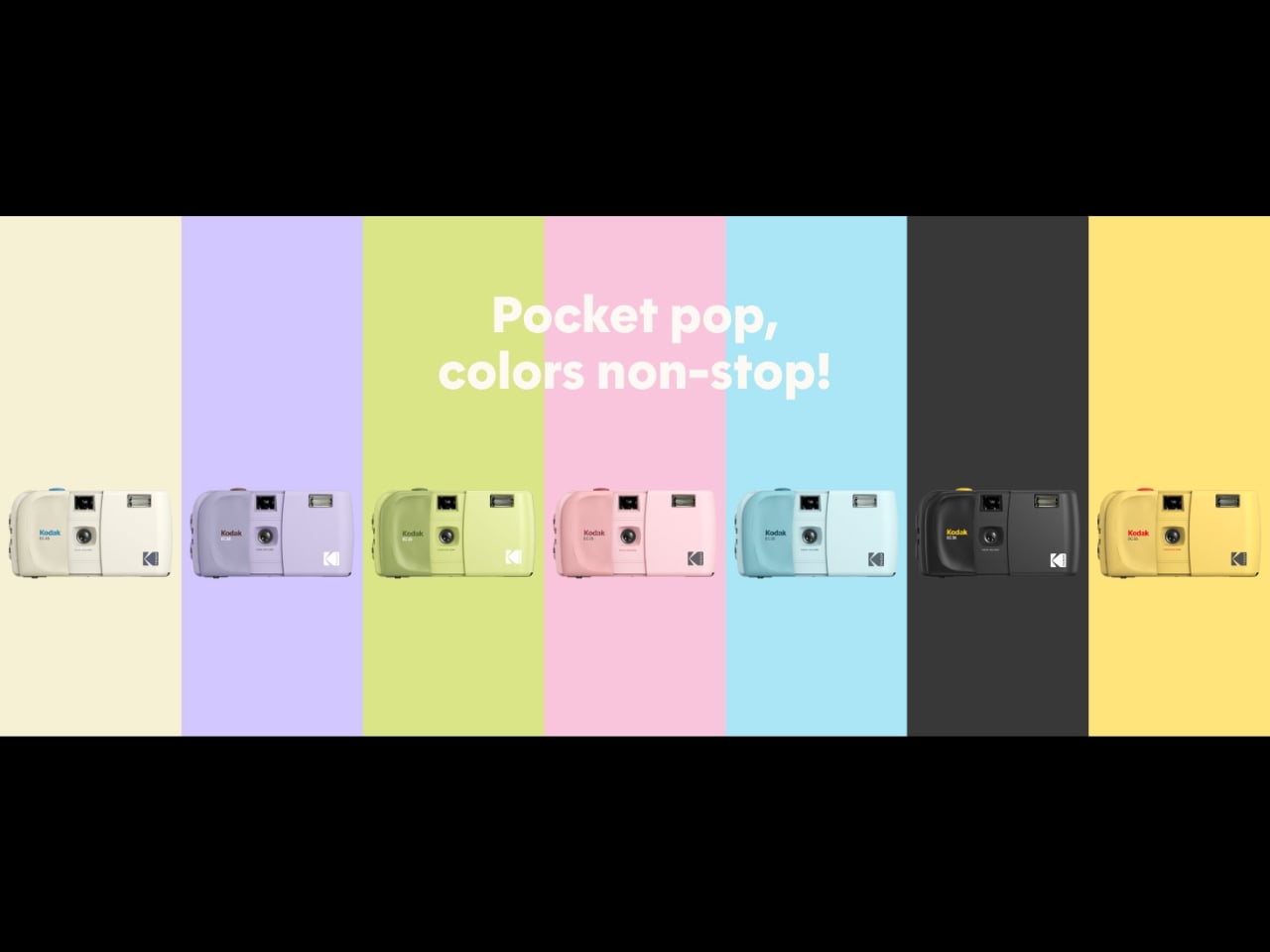
The Kodak EC35 comes in seven different colorways, specifically Midnight Black, Vanilla White, Butter Yellow, Lavender, Powder Blue, Blush Pink, and Avocado Green. Whether you lean toward bold and moody or soft and dreamy, there’s a shade for every personality. The wide color range also makes it a surprisingly thoughtful gift for anyone who is curious about film photography but doesn’t quite know where to start.

The Kodak EC35 shoots on 35mm film with a 25mm, f/10, 2-element optical-grade acrylic lens and a fixed shutter speed of 1/100s. It is fully focus-free and comes with a built-in electronic flash, a manual wind and rewind film transport system, and a simple optical viewfinder. The camera runs on a single AA alkaline battery and weighs just 102g (3.6 oz), with dimensions of 119(W) x 65(H) x 41.5(D) mm. It is available in 7 colorways and is priced at $35.

Available on its own or as a bundle that includes a camera strap and a 24-frame roll of Kodak Ultramax 400 film, the EC35 is one of the most accessible entry points into analog photography today. Note that a battery is not included, but at just $35 for the camera itself, that’s a small price to pay for a device that makes real film photography available to virtually anyone. For beginners, collectors, and anyone who simply loves the look and feel of a film camera, the Kodak EC35 makes a compelling and wallet-friendly case for going analog.

The post Kodak Just Made a $35 Film Camera That Replaces Disposables first appeared on Yanko Design.

Polaroid Just Upgraded the Tiny Camera Collectors Love

There was a time when the only people you would see carrying around Polaroid cameras were the hipster film or art students or the always-on-a-nostalgic-trip enthusiasts. But now, analog cameras have become part of the lives of those who are into photography or those who just like collecting printed photos to tuck into their journals or cork boards.

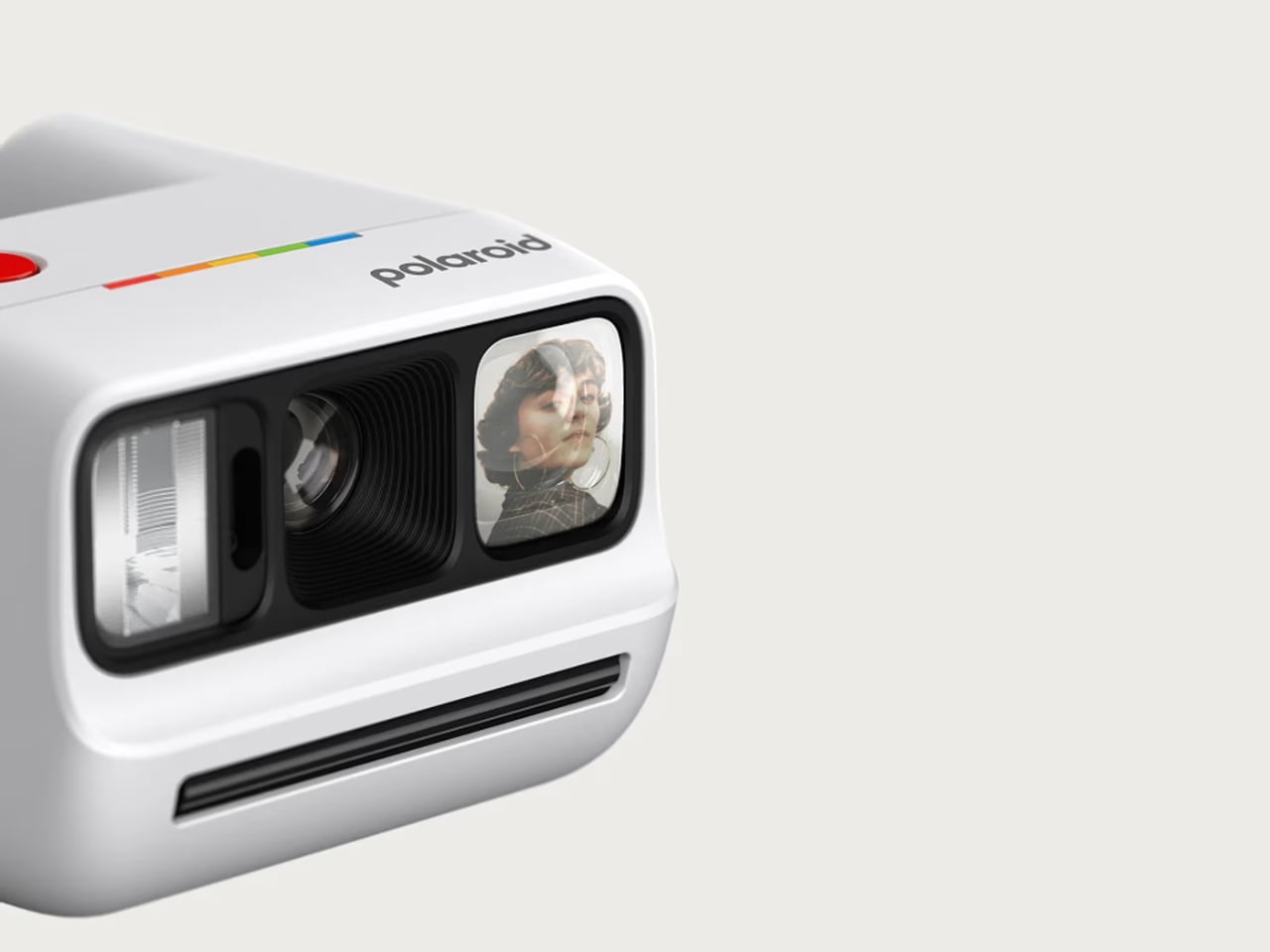
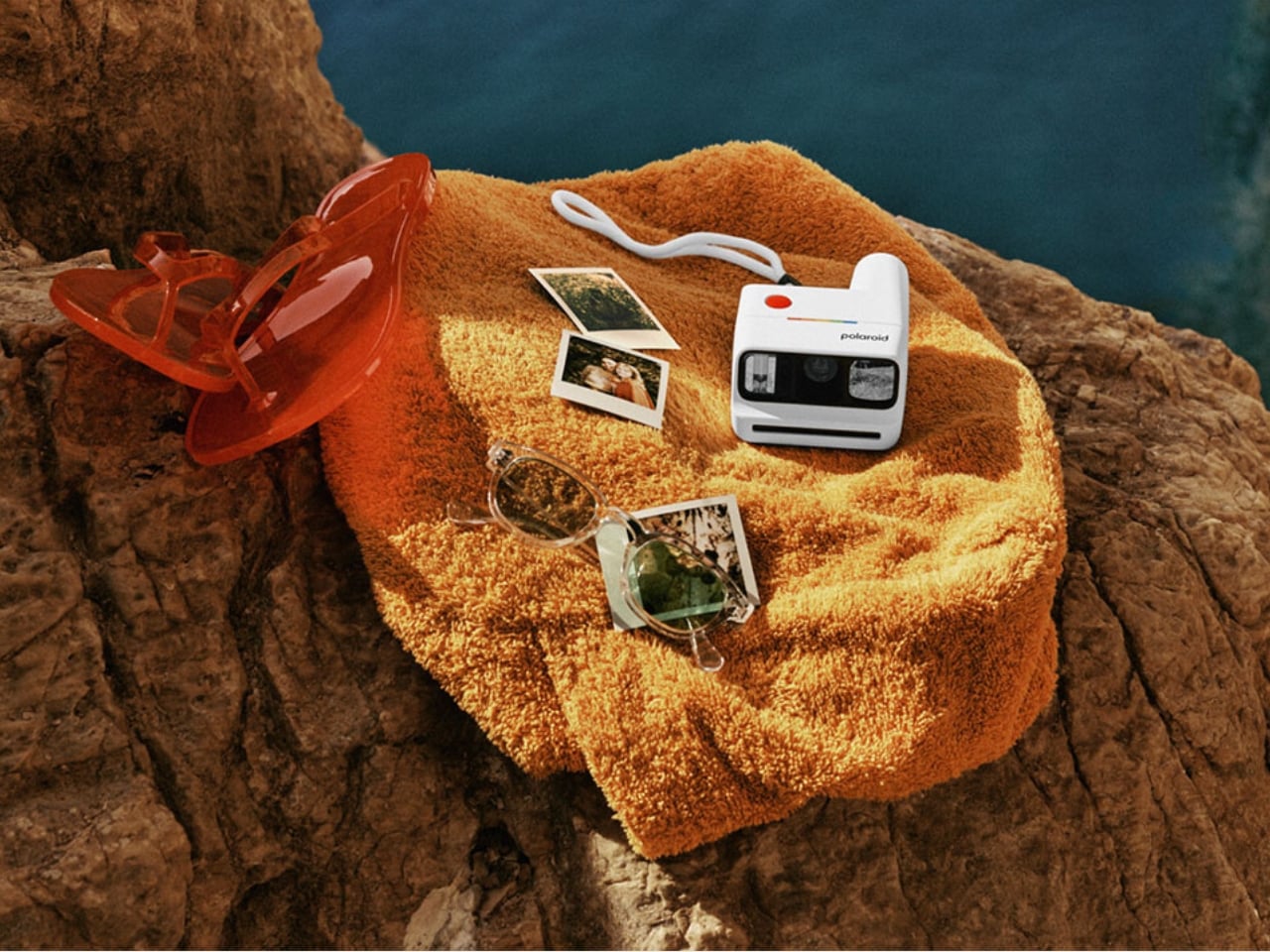
Polaroid is one of those brands that has really gotten into this whole analog-digital hybrid lifestyle by consistently releasing new products that the market gobbles up. Their latest release is the Polaroid Go Generation 3, the newest iteration of this product line that brings exciting new features, fresh vibrant colorways, and even more ways to capture those memories.

Designer: Polaroid

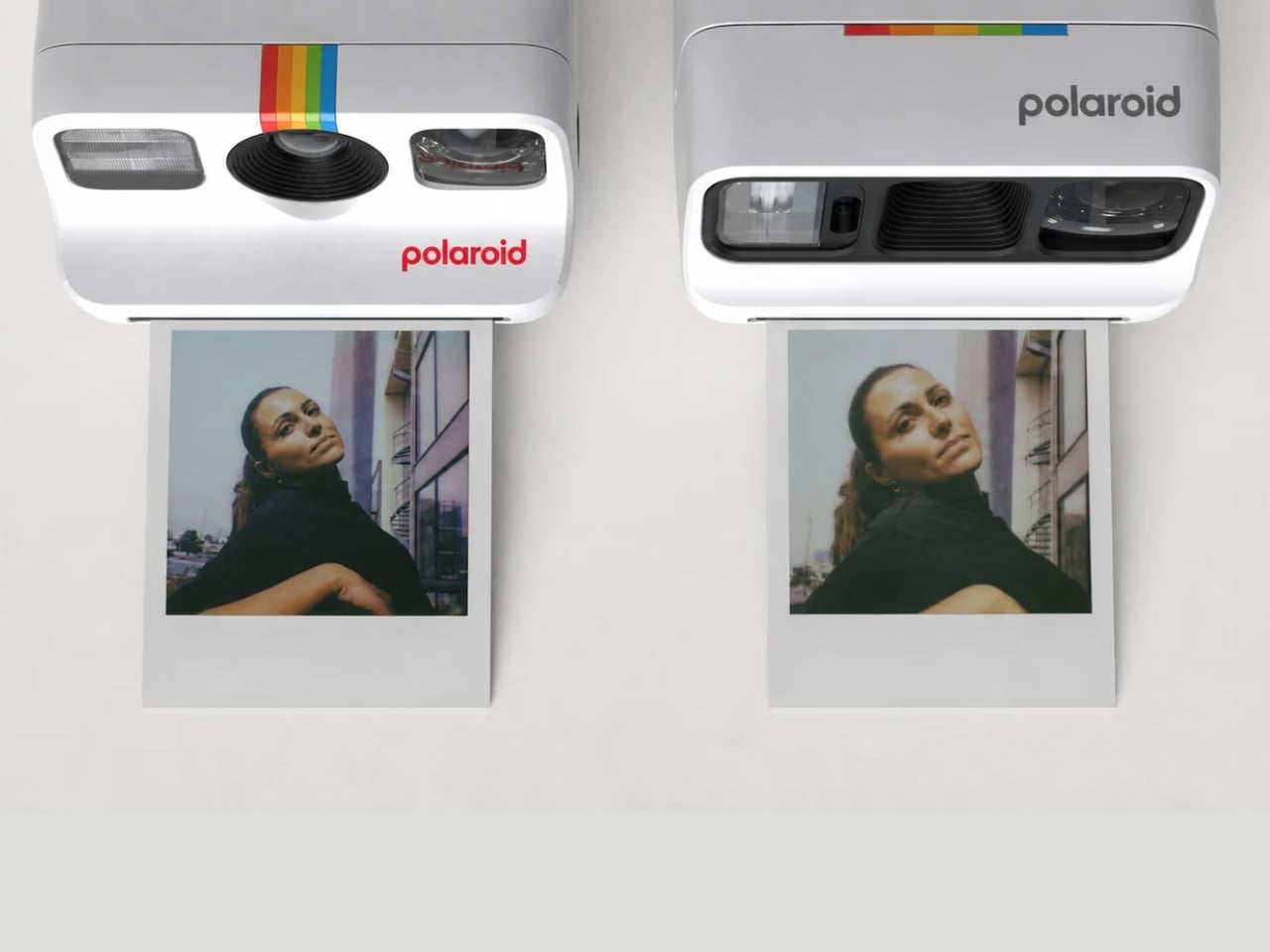
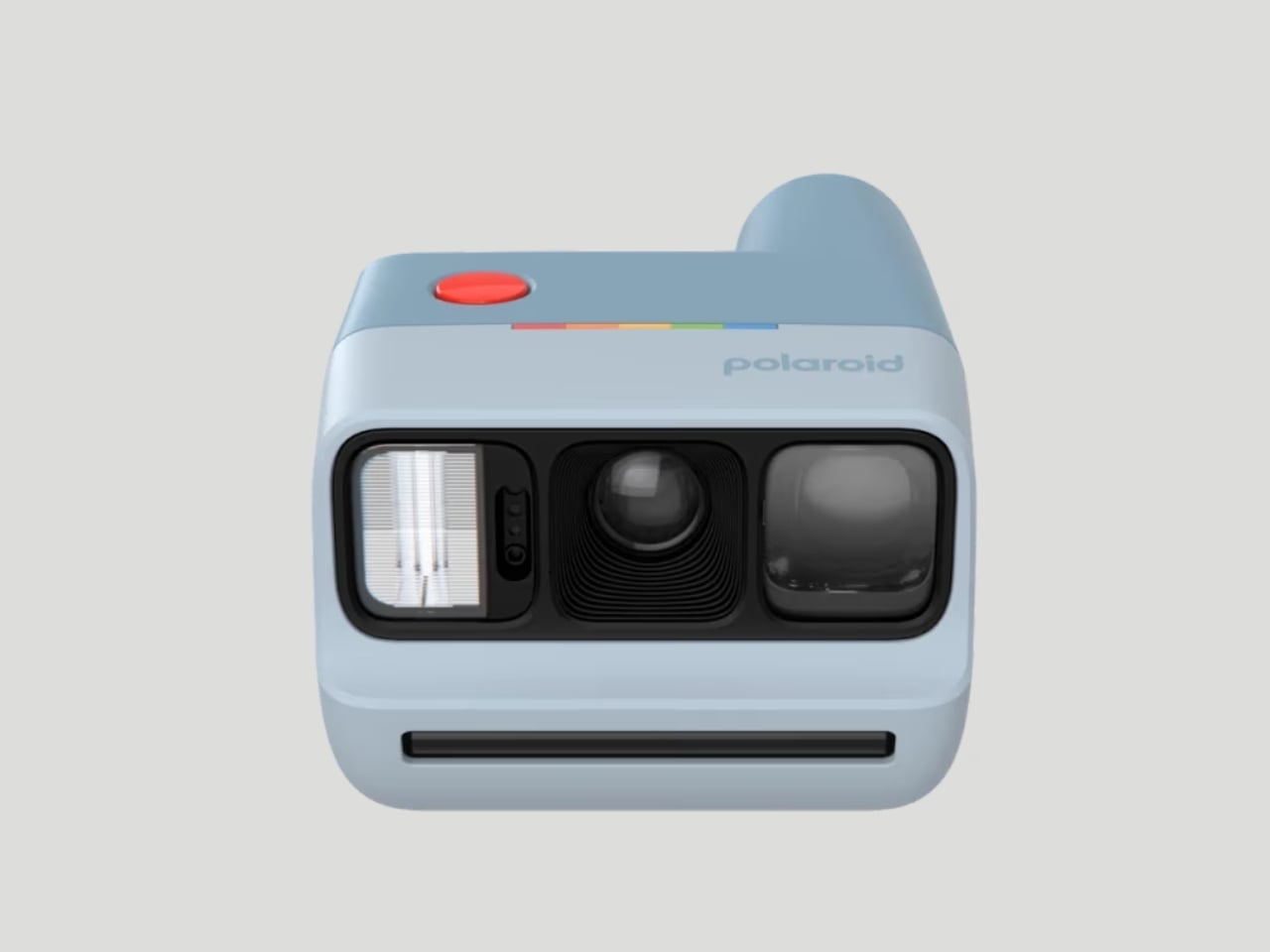
This new version of this beloved Polaroid camera offers several new things that collectors and enthusiasts will enjoy. The biggest upgrade is that the new polycarbonate optic brings you sharper and clearer photos. I know the lo-fi nature of a lot of these analog cameras is part of the appeal, but of course, sometimes you’d still want to have something that has higher quality.

This camera, which is the world’s smallest instant analog one, now also has a better Xenon flash which performs better than the LED flashes on modern cameras when taking low-light photos. It is also able to handle lens flaring better, and the selfie mirror now also has less glare.

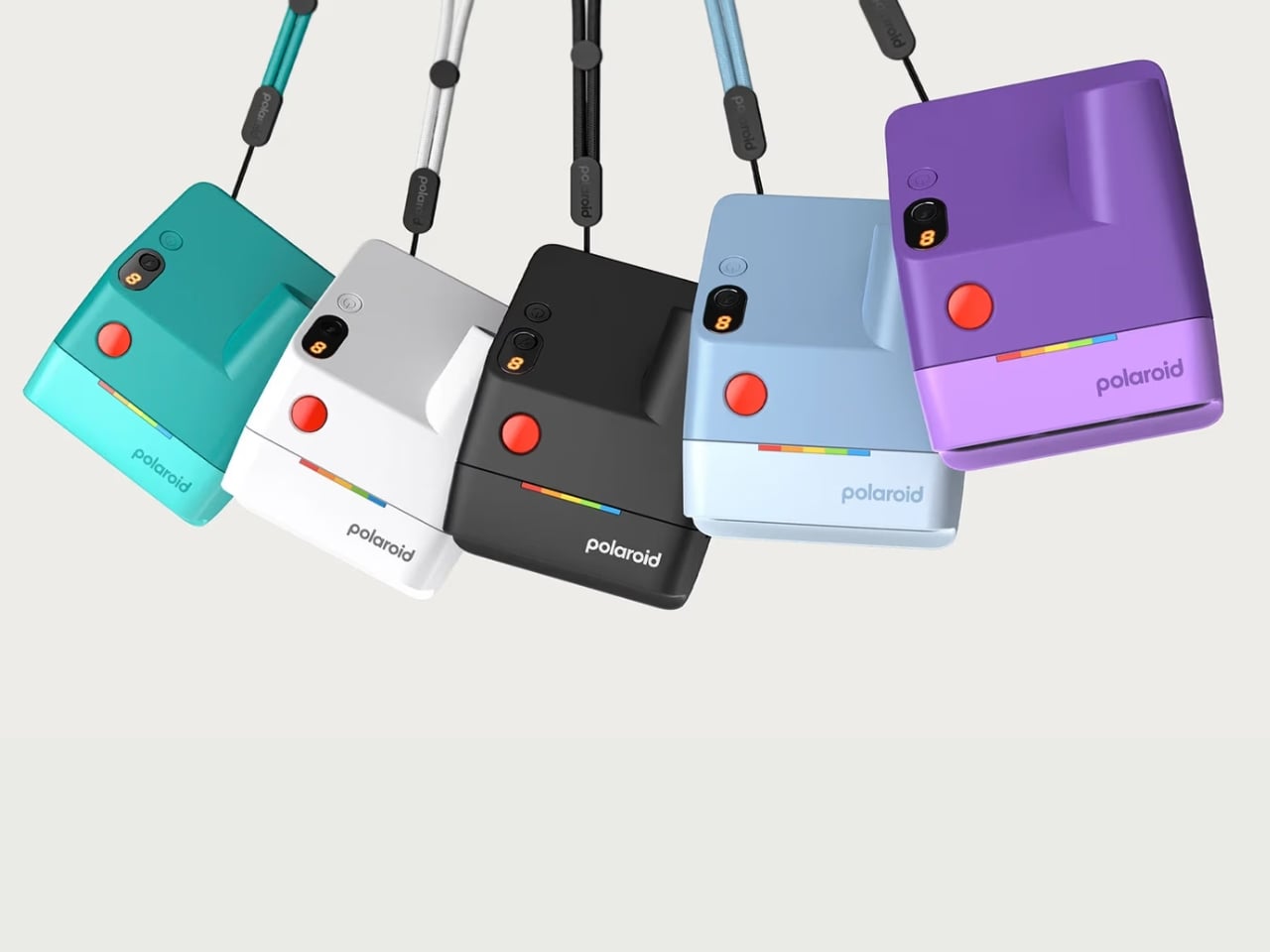
For collectors who are focused on the design of the camera itself, this version comes in five new vibrant colors: purple, teal, light blue, black, and white. Personally, I can’t wait to have the purple one and carry it around with its pocket-friendly dimensions.

Another upgrade worth getting excited about is the improved viewfinder. The new wider design with its elongated eyepiece lets you see your full composition comfortably, with no more awkwardly pressing your face against the camera just to frame a shot. It is a small but impactful change, especially when you’re trying to capture a spontaneous group moment and need to get the framing right on the first try. No more accidentally cut-off heads or missed expressions.

What also stays from the previous generations, and that is very much a good thing, are the beloved shooting modes. Use the self-timer for those full-group shots where everyone actually needs to be in the frame, or activate the double exposure mode for dreamy, creative layered shots that give your photos a truly artistic edge. Flash control is also all handled through a single button, keeping the whole experience intuitive and fuss-free. It is simple, fun, and exactly the kind of energy you want from a camera this size.

And for those who still want a little digital in their analog life, the Polaroid Go Gen 3 pairs nicely with the free Polaroid app. You can scan your prints and share them online, so you truly get the best of both worlds. The physical photo to stick on your wall, tuck into your journal, or swap with a friend, plus a digital copy ready to share whenever you feel like it.

The rechargeable lithium-ion battery holds up impressively too, giving you up to 15 film packs per charge, more than enough for a full weekend getaway or a long day of adventures without worrying about it dying on you at the worst possible moment. And at just $89.99, it is an accessible and very giftable entry into the world of instant analog photography.

Whether you are a die-hard Polaroid collector, a photo journaler, or someone who simply wants to step away from the overly curated world of digital photography and capture something real and unfiltered, the Polaroid Go Generation 3 is worth every penny. It is small enough to slip into a bag, beautiful enough to show off, and capable enough to make your memories look genuinely great. Big energy in the tiniest package, and honestly, is there anything more Polaroid than that?

The post Polaroid Just Upgraded the Tiny Camera Collectors Love first appeared on Yanko Design.

This Ceramic Vase Is Actually a Phone Speaker That Needs No Power

The home has become increasingly cluttered with gadgets that need charging, pairing, and their own dedicated spaces. Even something as simple as playing music from a smartphone often involves a Bluetooth speaker sitting on a shelf, waiting for its battery to drain. There’s been a quiet counter-movement in product design, where objects do their jobs without power and sit in a room the way a vase or a mug would.

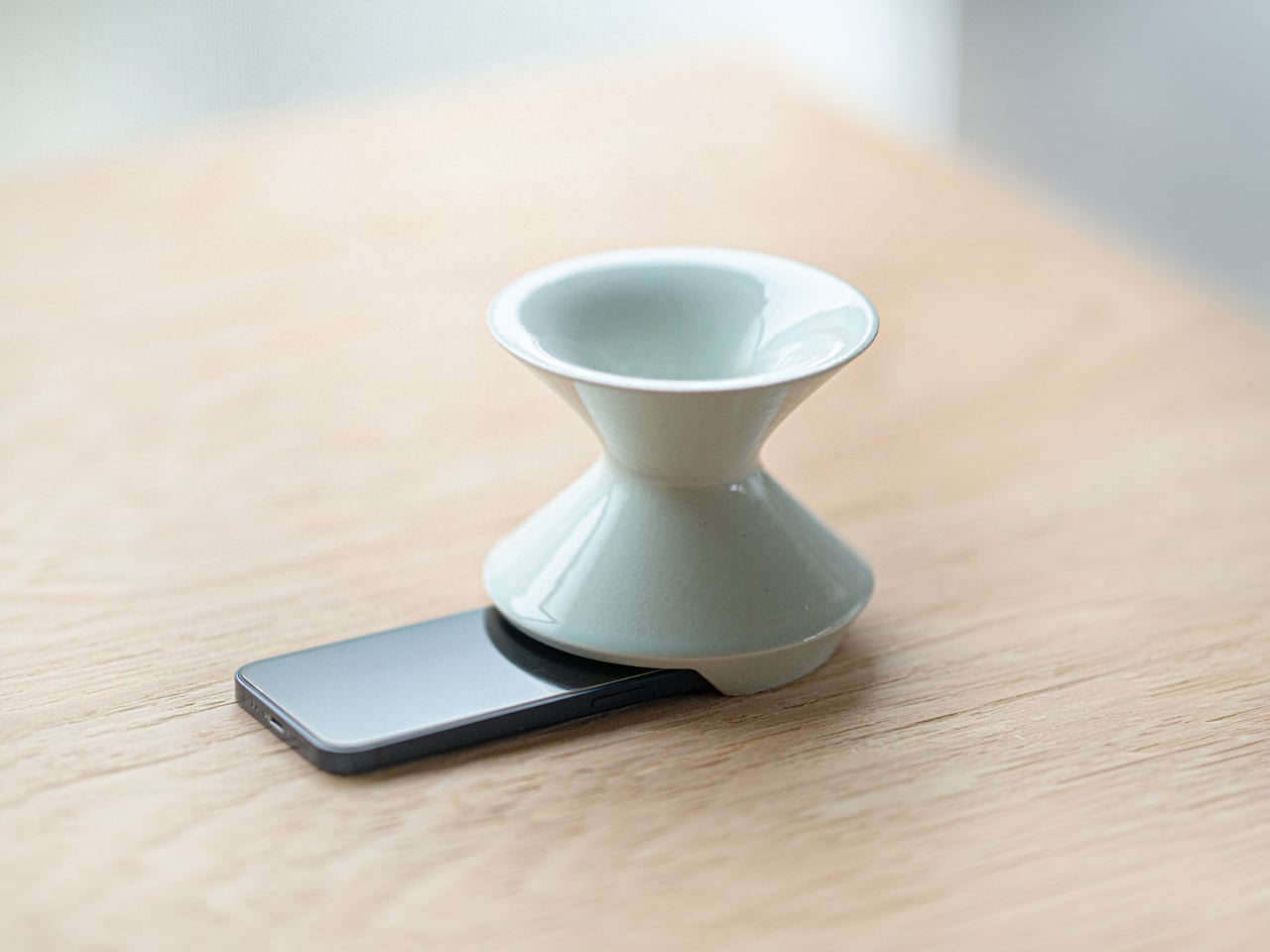
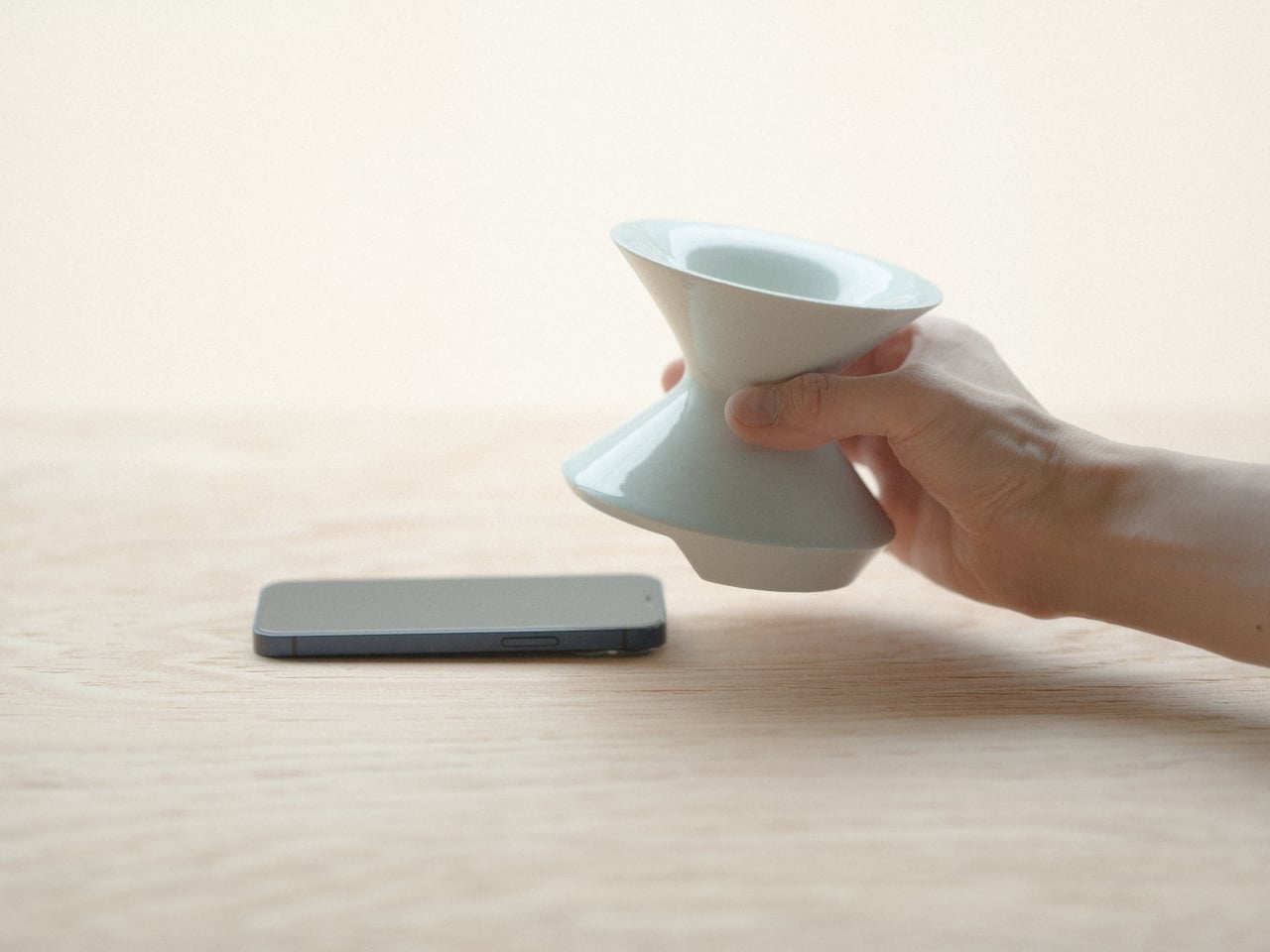
Kenji Abe’s ECHO is exactly that kind of object. It’s an analog speaker that amplifies smartphone audio simply by being set on top of the phone, requiring no power, no pairing, and no setup beyond placing it down. The concept takes its cues from wind instruments and seashells, two forms that have been shaping and projecting sound for centuries without the help of electricity.

Designer: Kenji Abe

The inside of ECHO works like a chamber, built to catch the phone’s audio and carry it outward in soft, diffused waves rather than projecting it directly. The geometry draws from the same logic as a cupped hand, but with more control over how sound travels. The result isn’t a dramatic volume boost so much as a room-filling quality that feels warmer than a powered speaker on a desk.

The choice of material makes as much of a statement as the form. Abe uses glazed ceramic, the same material found in vases, mugs, and tableware, giving ECHO a texture and presence that belongs in a home rather than on a tech shelf. It doesn’t look like an accessory. It looks like something that was always there, something that simply happened to be placed near a phone.

That quality matters when the phone is on the kitchen counter and you want music while cooking, or on a desk where you’d rather not have a speaker taking up permanent residence. ECHO doesn’t need to live next to a charging cable or be put away between uses. It sits on the table and becomes part of the room, as unobtrusive as any other ceramic piece nearby.

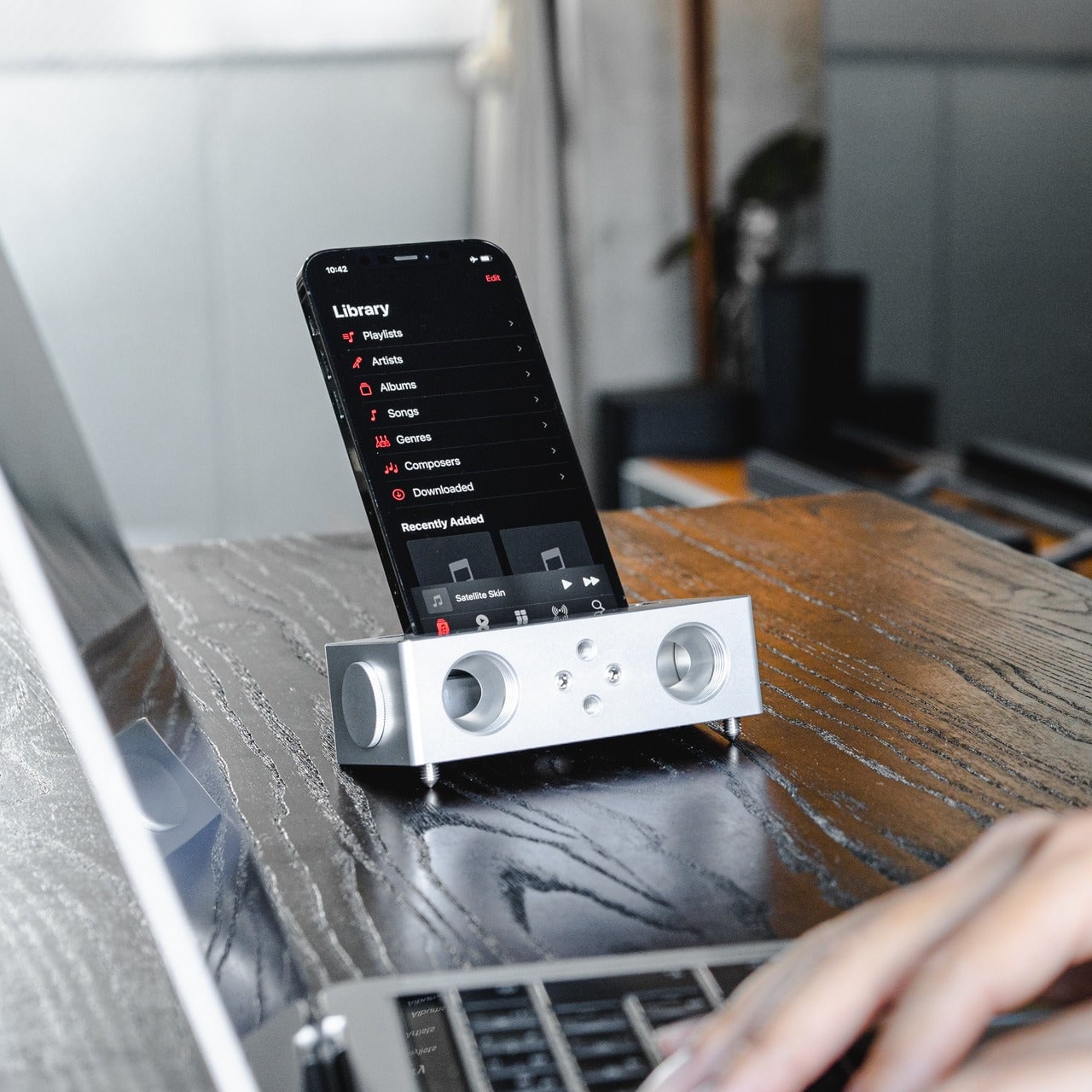
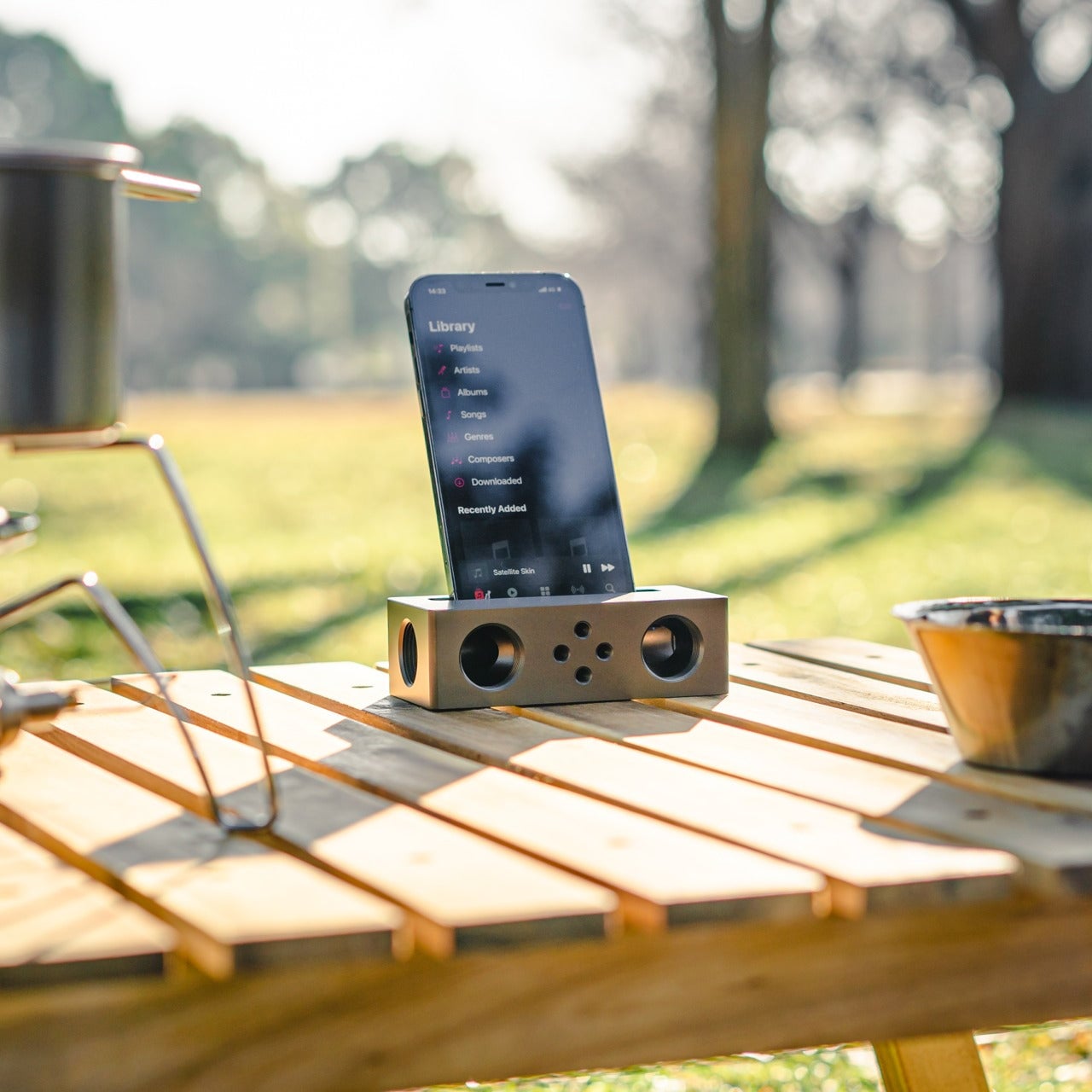
A guest walking in wouldn’t necessarily clock it as a tech product. That’s partly the point. The glazed surface catches light the way pottery does, and the form is quiet enough to sit beside books or plants without demanding attention. When a phone is slid underneath it, it starts doing its job. When the phone is gone, it just stays there, still looking like it belongs. The same underlying principle runs through the Battery-free Amplifying iSpeakers, where a Duralumin metal enclosure amplifies a smartphone’s audio without any power.

Abe designed ECHO to exist comfortably in a room even when it isn’t doing anything, a goal most speakers never consider. Most audio accessories announce themselves. This one quietly waits, and when a phone is close enough to fill the cavity with sound, the room gets a little warmer and a little fuller without anyone having to reach for a power button.

The post This Ceramic Vase Is Actually a Phone Speaker That Needs No Power first appeared on Yanko Design.

KitKat’s New Wrapper Actually Kills Your Phone Signal Completely

We’re already a third into 2026, and one “trend” that seems to be sticking is that this is the year when people intentionally go offline or analog to take a break from our increasingly digital lives. Hobbies like journaling, knitting, scrapbooking, baking, and board games have become a regular part of people’s personal schedules. More often than not, when we do these things, we keep our phones, or at least the internet, away. Some, though, may need more “drastic” measures just to make their phones quiet for a few hours every day.

KitKat Panama, in collaboration with creative agency Ogilvy Colombia, is taking the brand’s iconic “Take a Break” slogan to a whole new level with a special concept called Break Mode. Instead of people just eating a KitKat as a way to take a break, they turned the chocolate’s packaging into an actual Faraday cage. Basically, once you put your phone into the empty packaging, all signals (calls, 4G/5G connectivity, Bluetooth, and GPS) are entirely and effectively blocked, turning your world offline and analog, at least until you take your phone out again.

Designer: KitKat Panama

How they did it was by adding multiple layers to the special packaging. The copper layer is the primary conductive material, while the polyester layers give it structural integrity. The polypropylene outer coating provides durability and everyday usability, while the precision-engineered sealing mechanism ensures that your signals are truly blocked.

This kind of technology was once reserved for medical labs and data centers but can now be found in this iconic red KitKat package (well, at least if you’re in Panama). There’s also a sustainability angle to it, as the packaging’s materials have an approximate one-year lifespan and can eventually be separated for responsible recycling.

The ritual that KitKat envisions is quite intentional: unwrap your KitKat fingers, slide your phone into the empty packaging, and fully immerse yourself in the moment. Your digital world goes quiet, and your break truly begins. It feels almost ceremonial in the best way. Kim Waigel, Marketing Director for Nestlé in Central America, summed it up well: “Break Mode goes beyond simply saying ‘Take a Break’; it empowers individuals with the physical tool to genuinely achieve it.”

The concept was introduced at some of Panama’s most high-traffic venues, including a major technology expo, a concert event, and even a university campus, bringing the experience directly to the people who arguably need a digital detox the most.

Now, before you start planning your offline hours around a KitKat wrapper, it’s worth noting that Break Mode’s commercial viability is still under evaluation. So it isn’t something you can grab off a shelf at your nearest convenience store, at least not yet. But honestly, the fact that this concept even exists feels like a sign of the times. In an era where we’ve normalized doom-scrolling and round-the-clock connectivity, simply putting your phone away has become a radical act. And leave it to a chocolate brand to make that feel like something worth celebrating.

Whether or not Break Mode ever makes it to mass market, it’s already doing its job, sparking a conversation about what it truly means to take a break in 2026. Because sometimes, the most powerful thing you can do for yourself isn’t downloading another wellness app. It’s slipping your phone into a KitKat wrapper and letting the silence do the rest.

The post KitKat’s New Wrapper Actually Kills Your Phone Signal Completely first appeared on Yanko Design.

Buddy’s Wind-Up Mood Lamp Is the Anti-App We All Need

Think about the last time you had to download an app just to turn on a light. Or pair a Bluetooth device, wait for it to connect, tap through a settings menu, and finally get it to do the one thing you actually wanted: cast a soft glow across your room. At some point, the technology built to make things simpler started adding more steps than it removed.

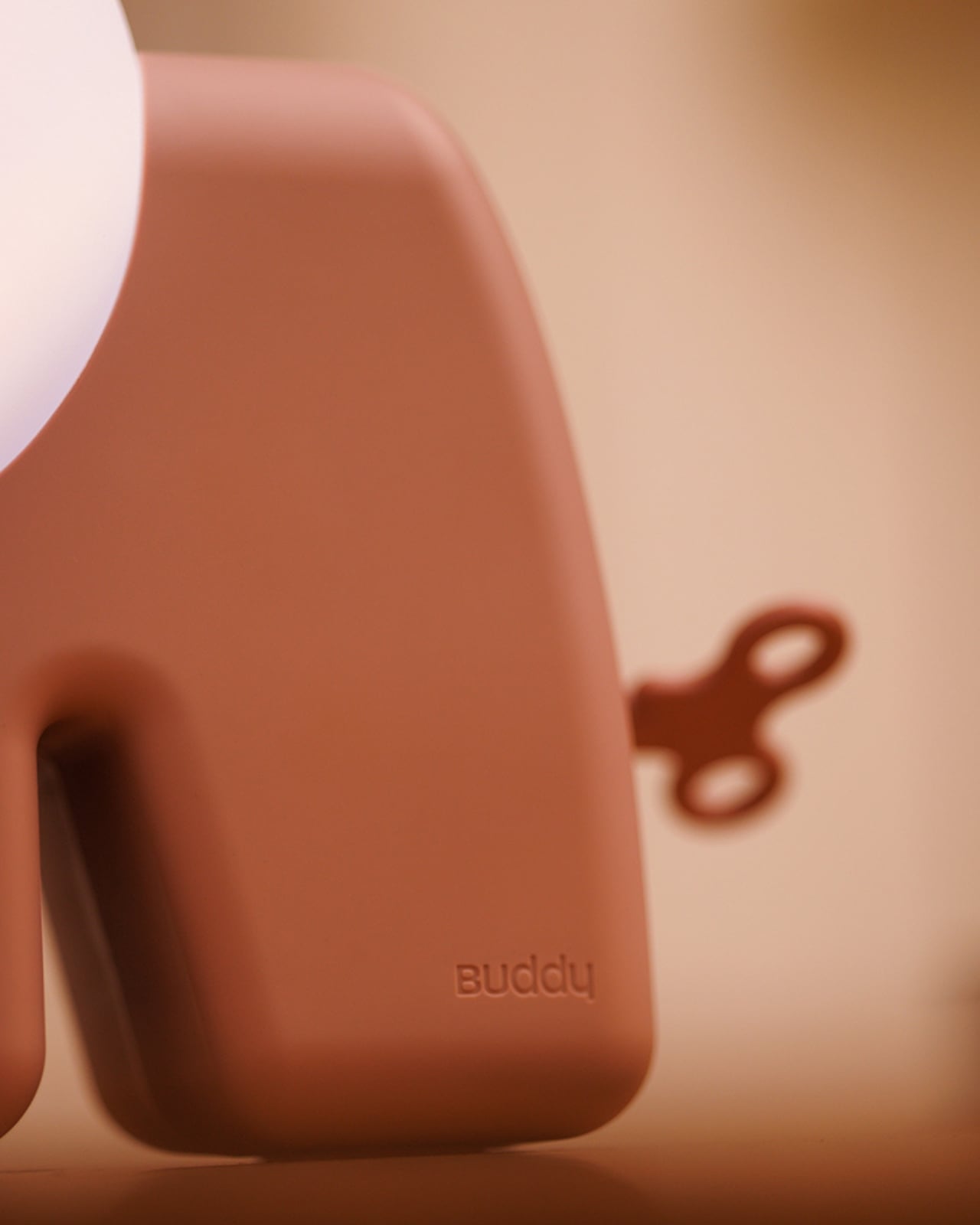
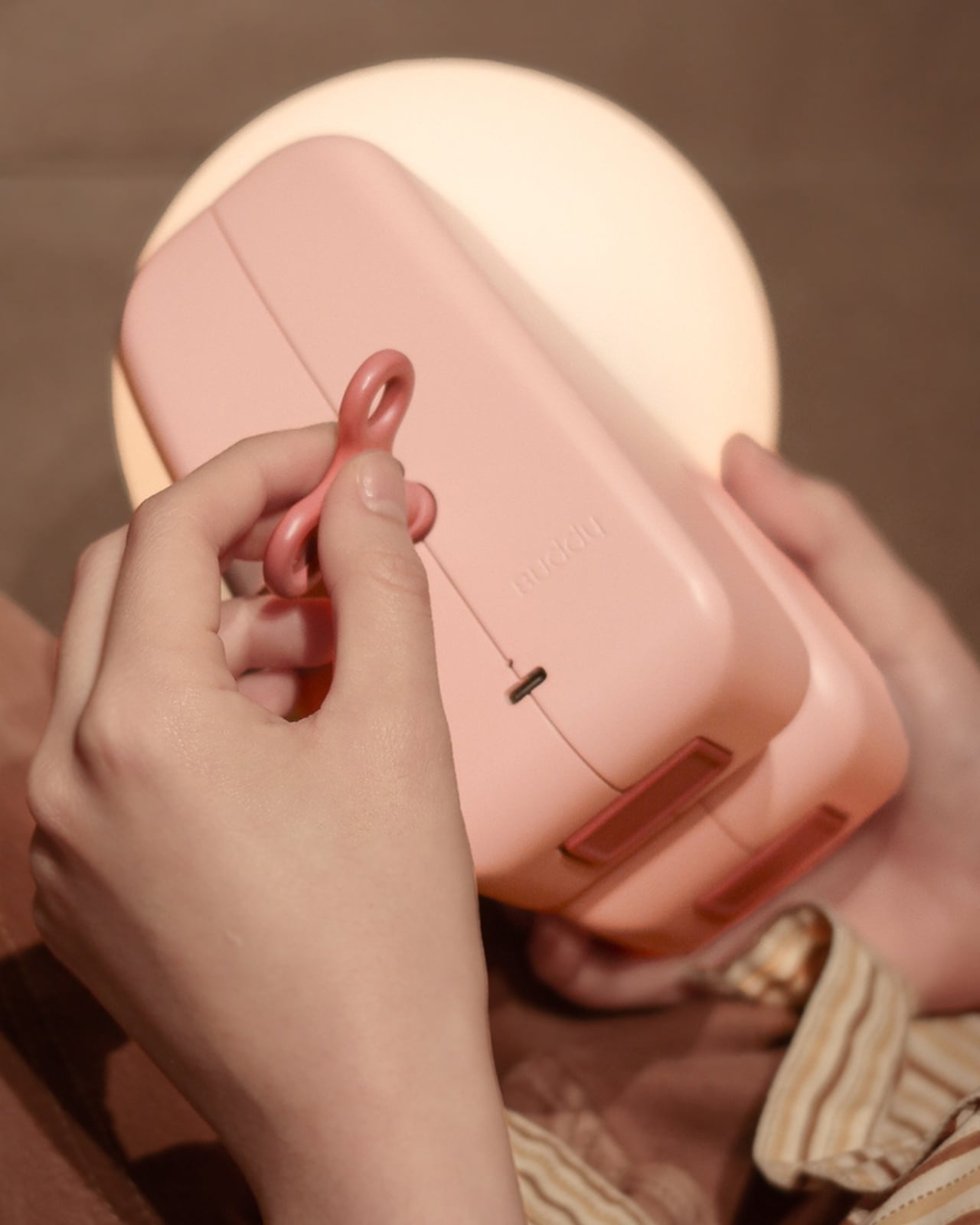
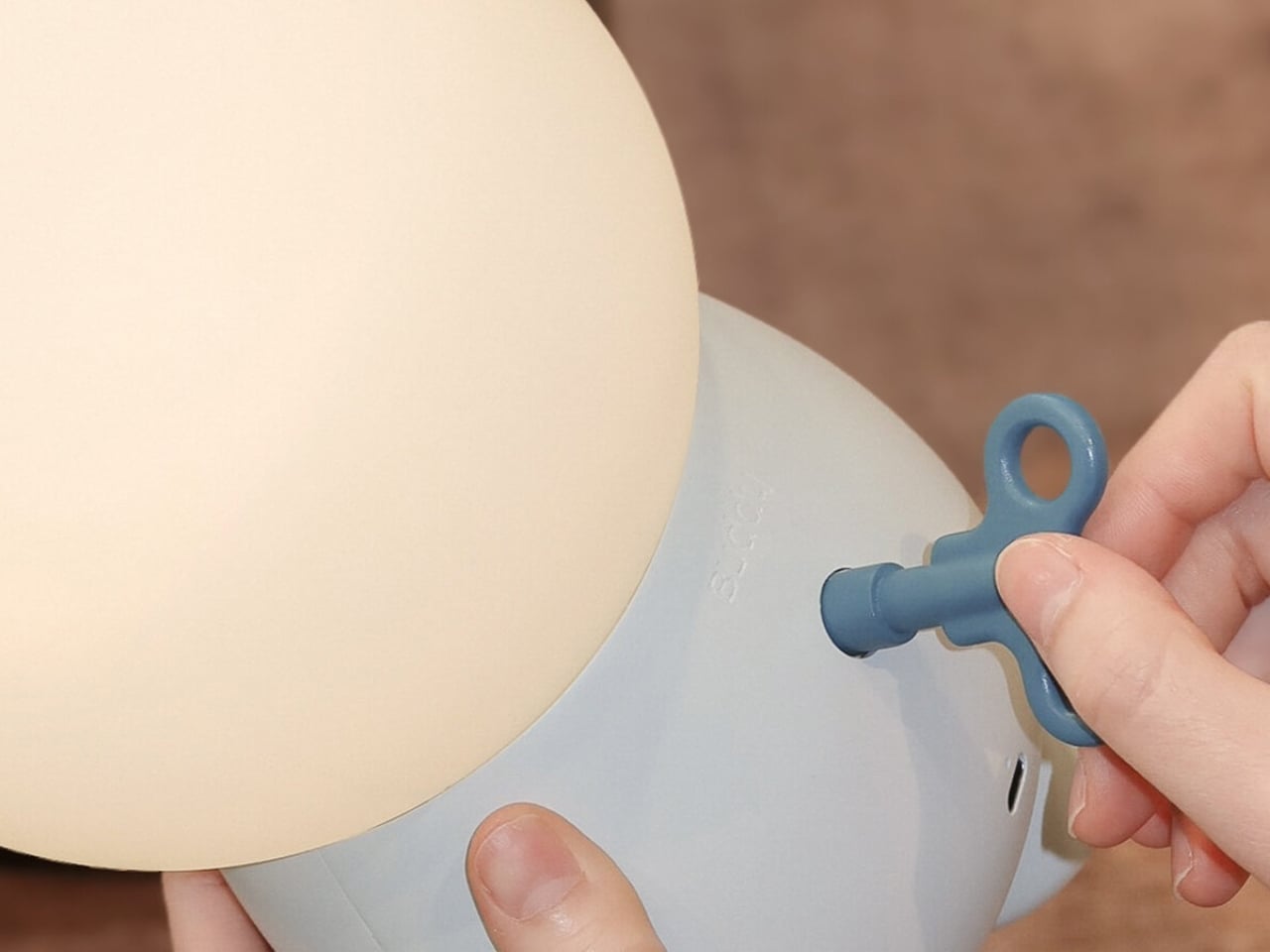
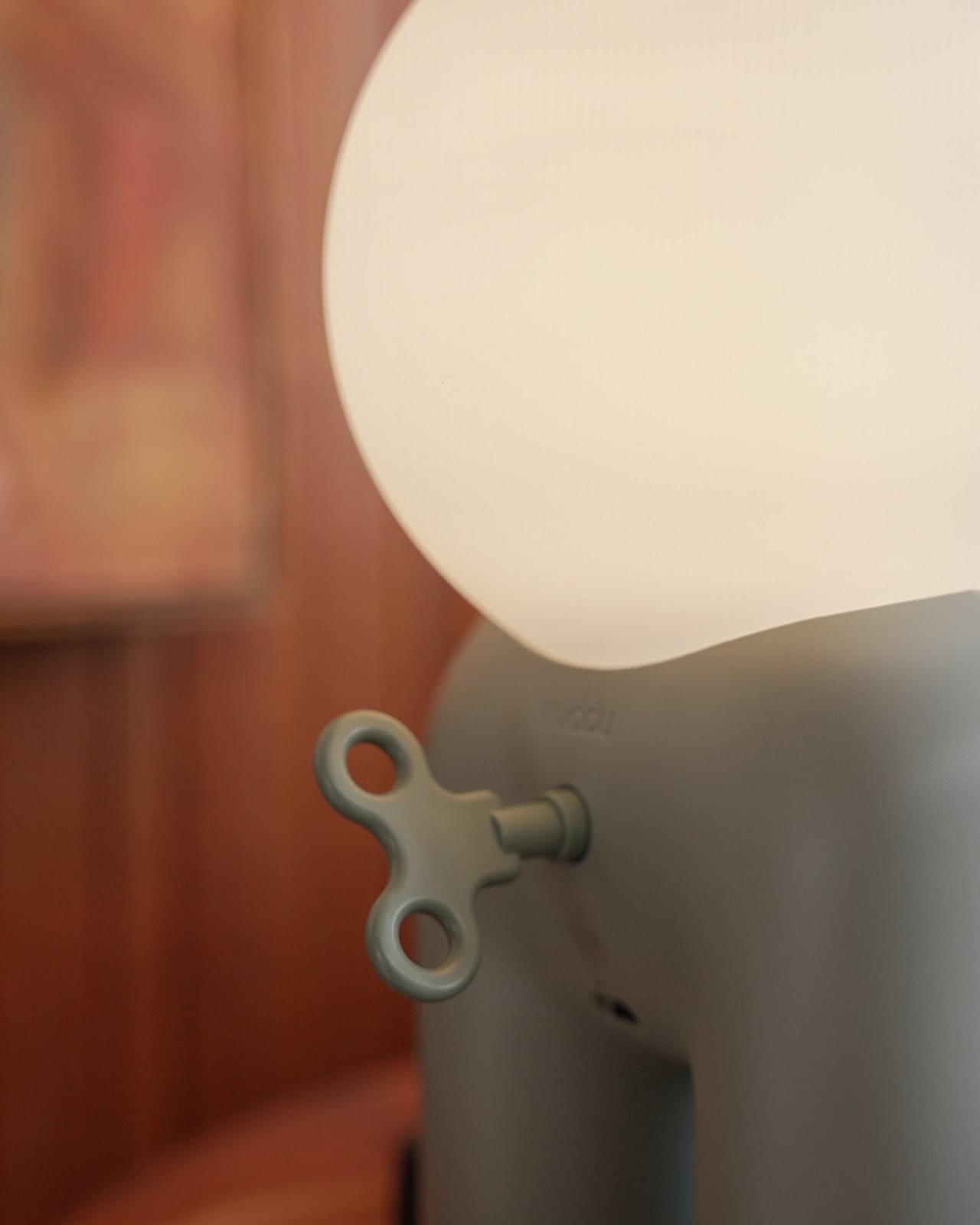
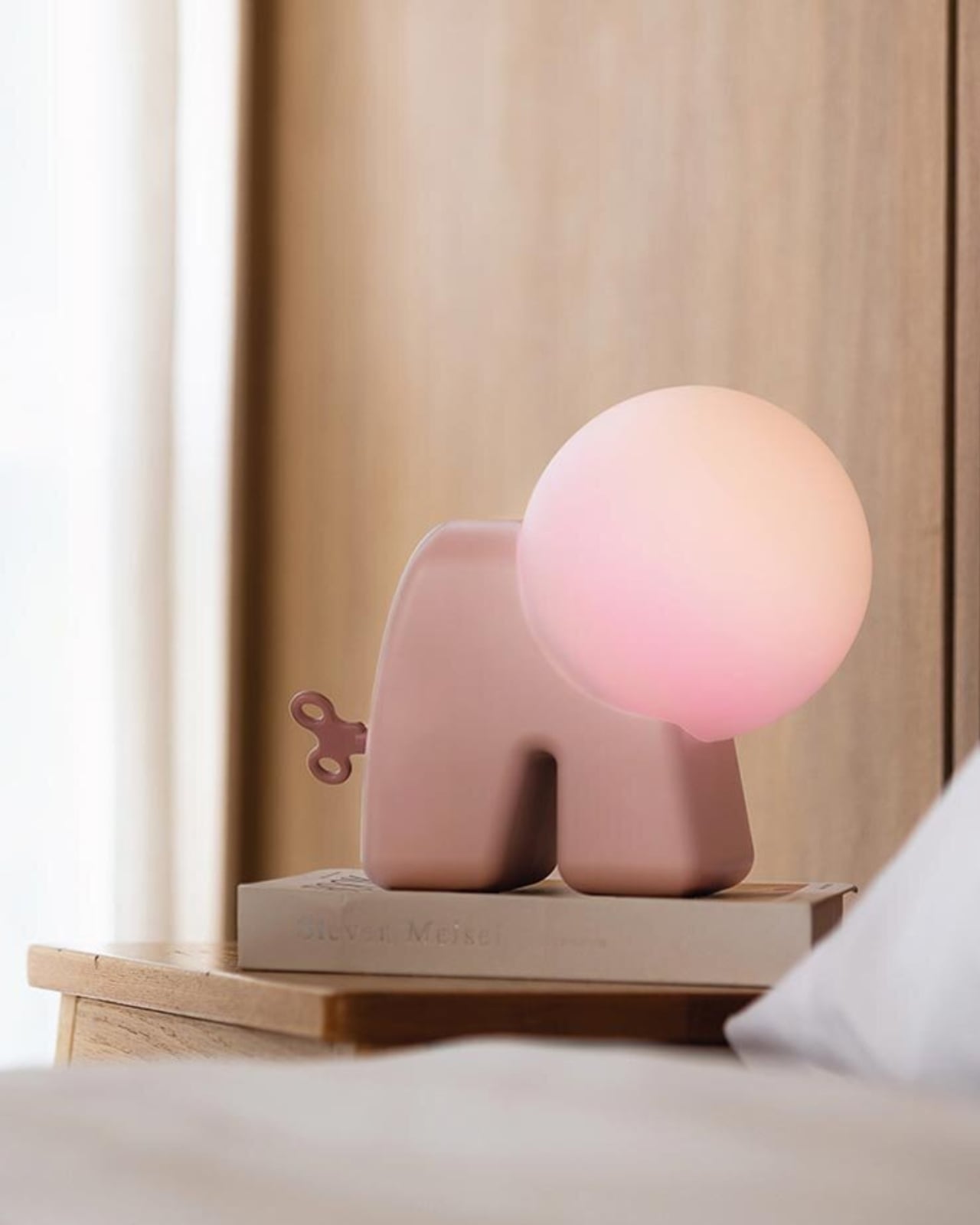
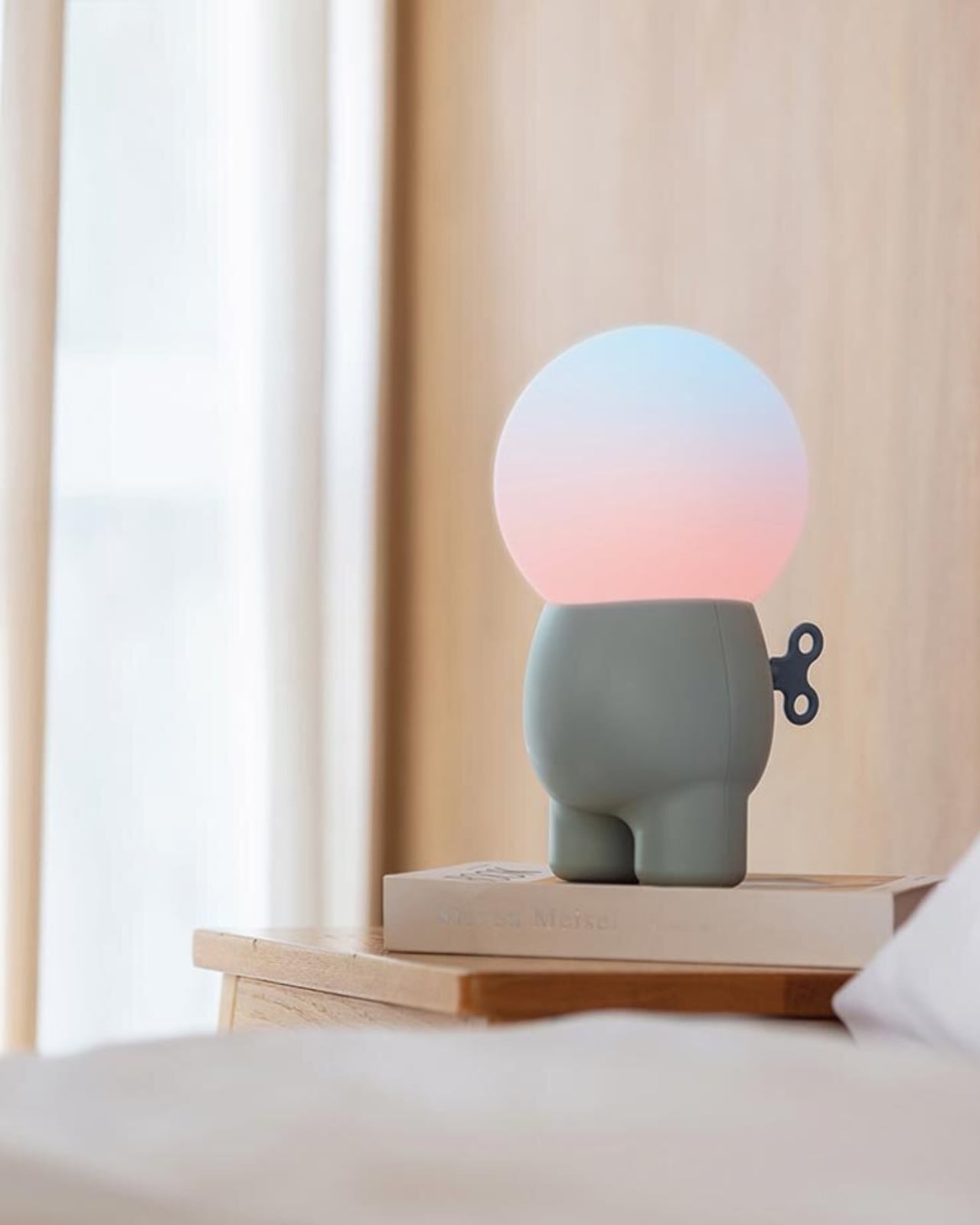
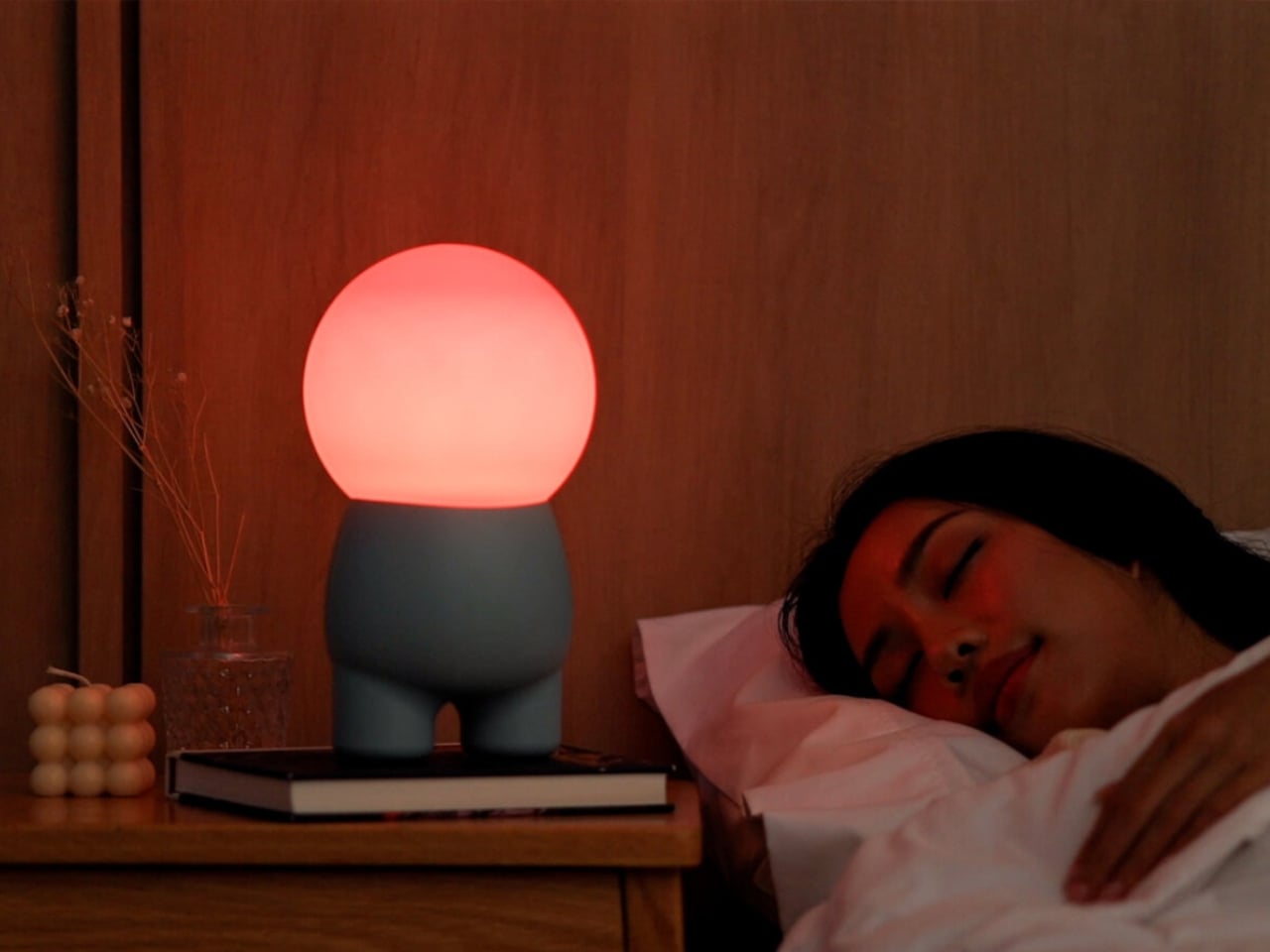
Chevy Chanpaiboonrat had a different idea. The Bangkok-born, New York-based industrial designer behind Buddy Design created a portable mood lamp with exactly one control: a single mechanical winding key, positioned at the back of the lamp body. No app. No voice commands. No wireless pairing required. Just a key, a twist, and light.

Designer: Chevy Chanpaiboonrat for Buddy Design

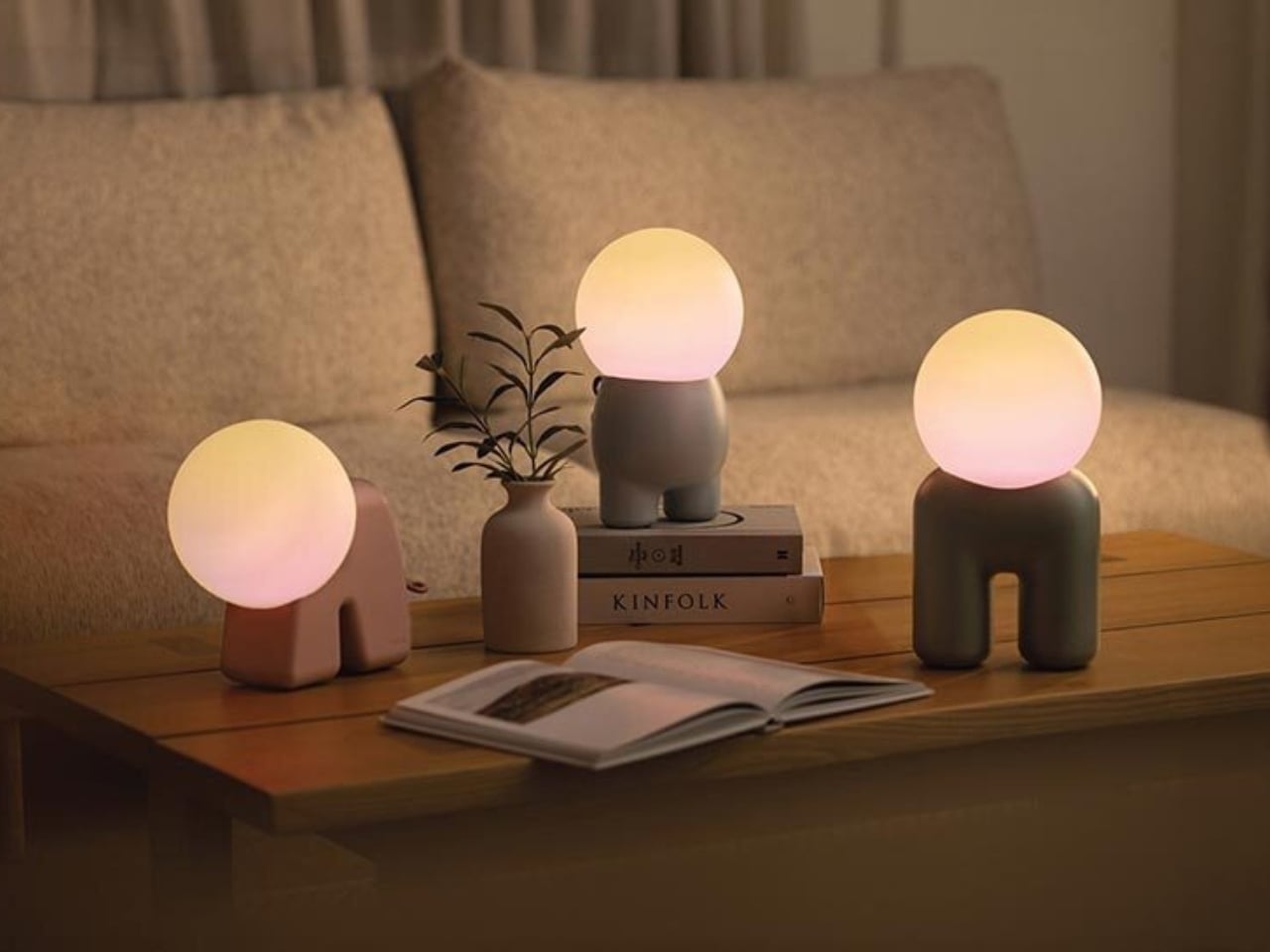
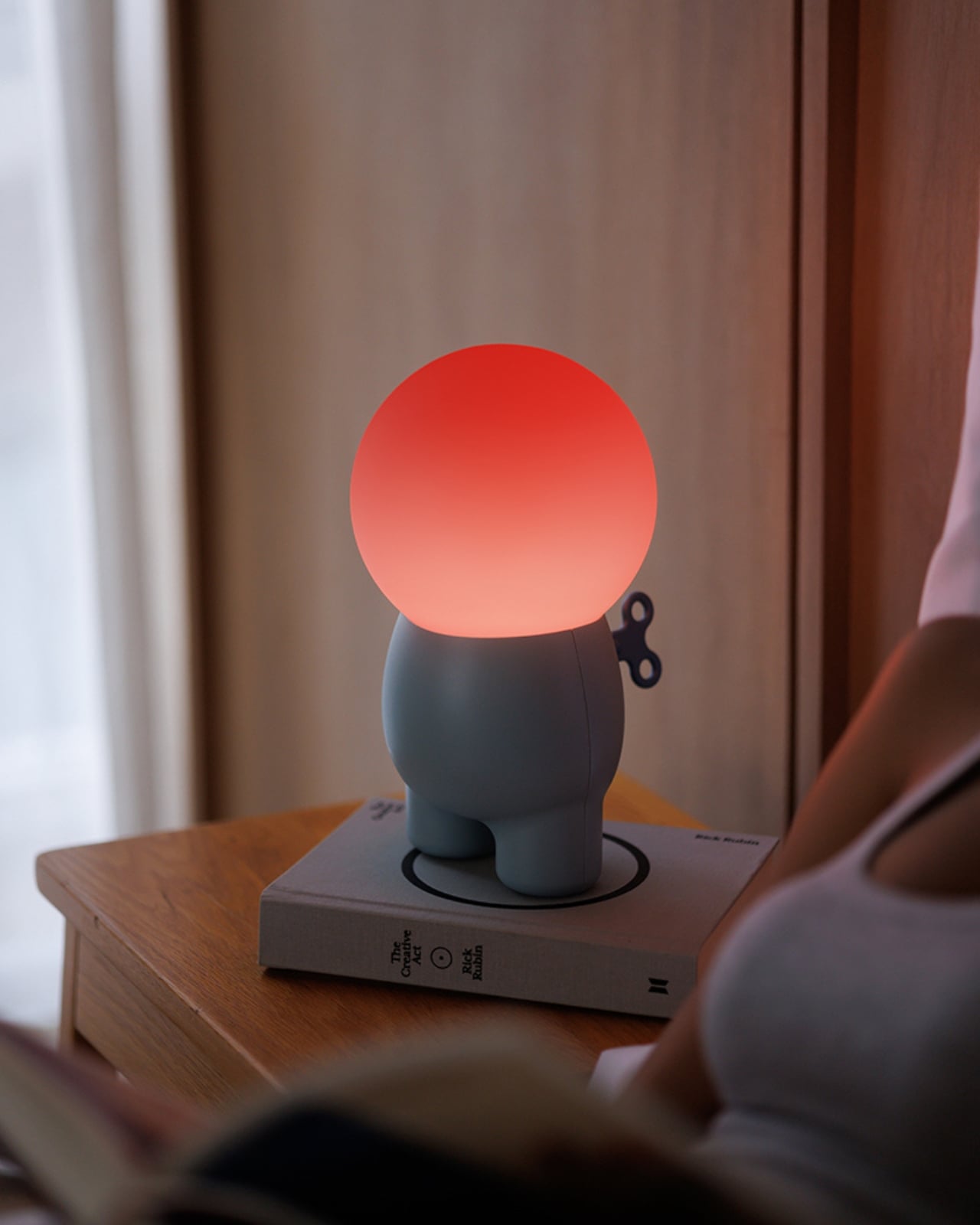
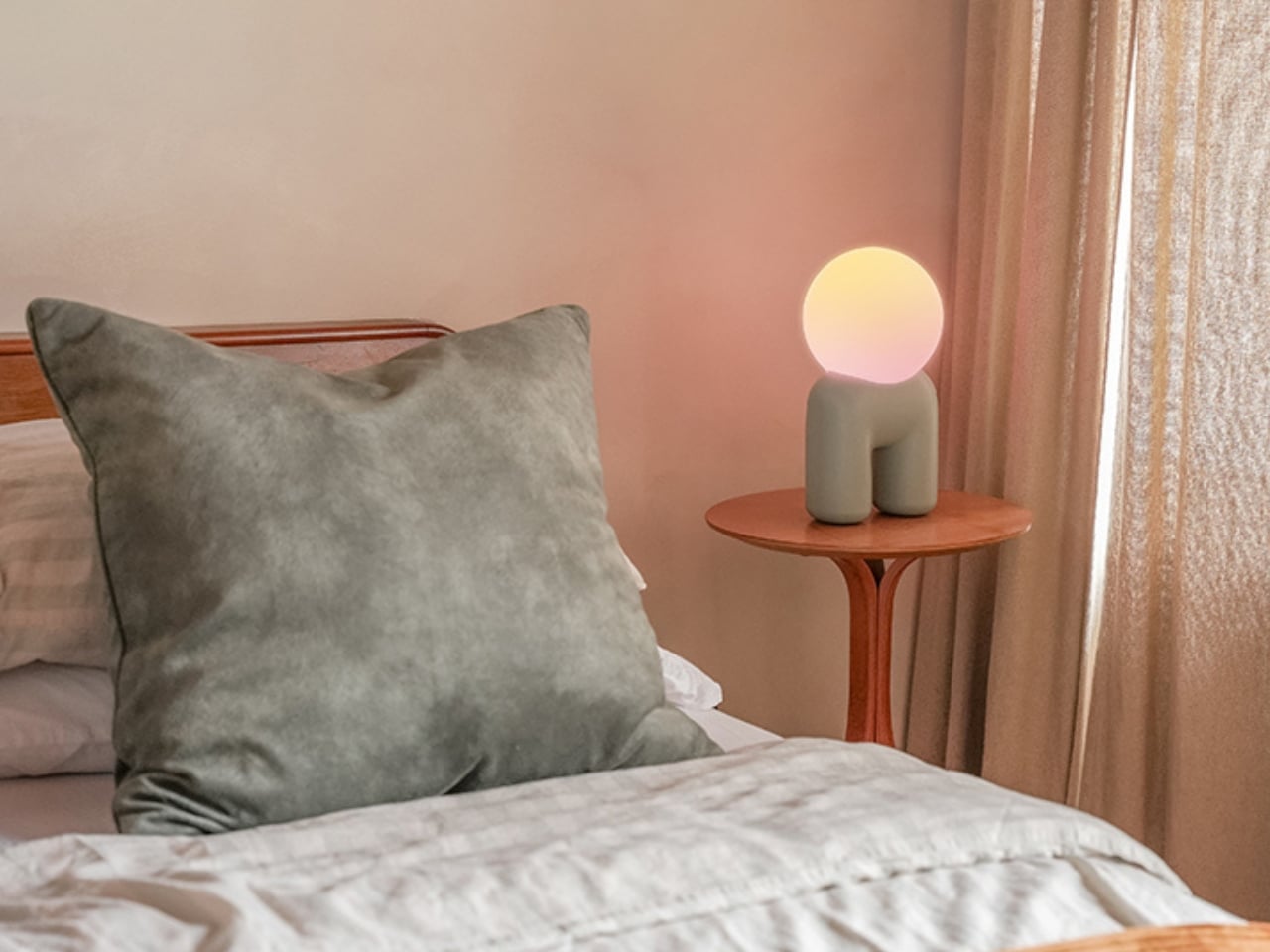
The Buddy lamp collection, which includes soft, animal-like forms named Puppy and Teddy, started as a thesis project at Parsons School of Design, where Chanpaiboonrat graduated with the School of Constructed Environment Honors award in 2023. That origin matters. The concept wasn’t rushed to market; it was worked through carefully, with the tactile interface emerging from the design process itself. The lamps offer eight science-informed gradient light modes, each grounded in color psychology and designed to support calm, focus, or better sleep. And the way you access all of that is the small key placed exactly where a tail would sit on the lamp’s animal-like body, a detail that manages to be both genuinely functional and quietly delightful.

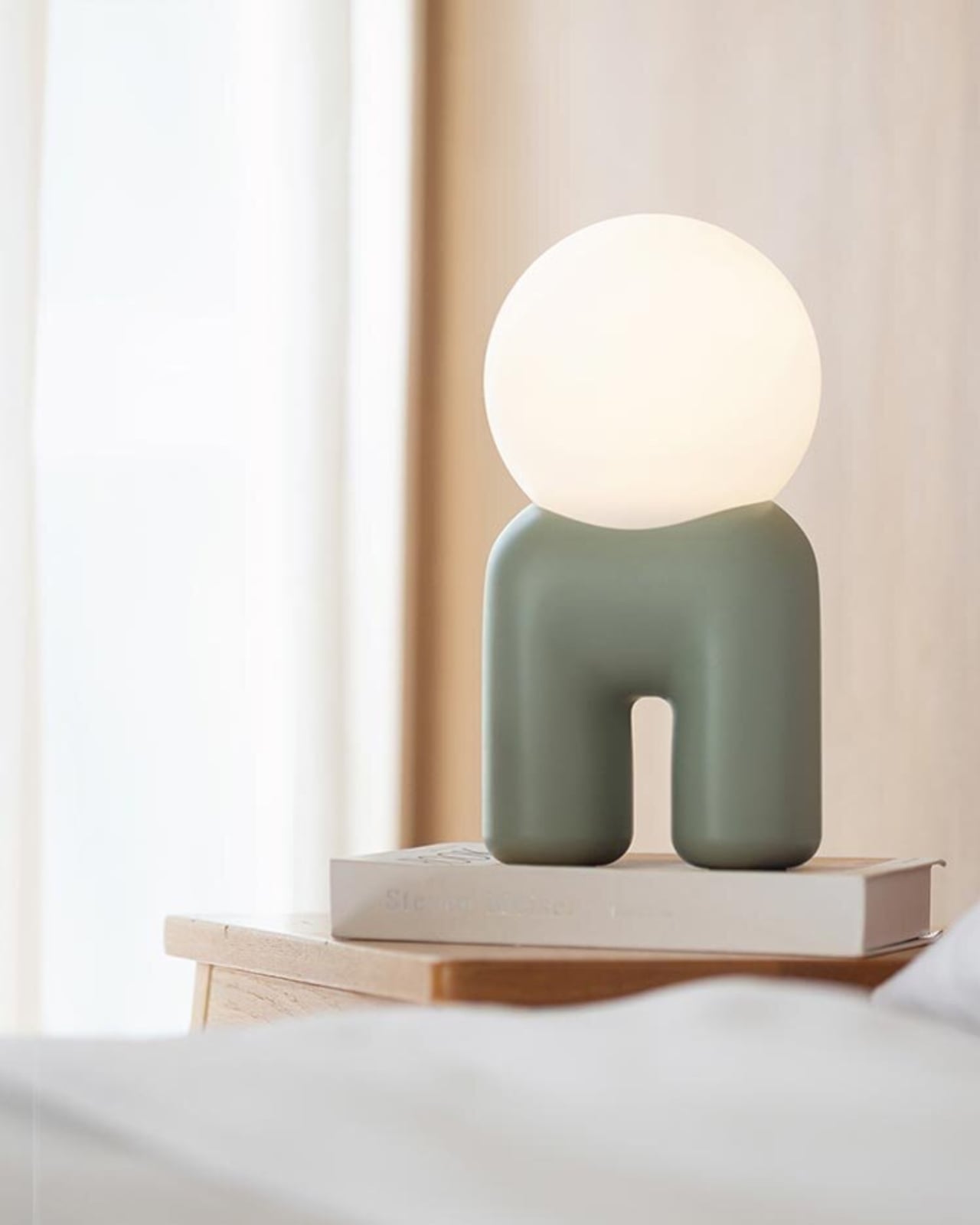
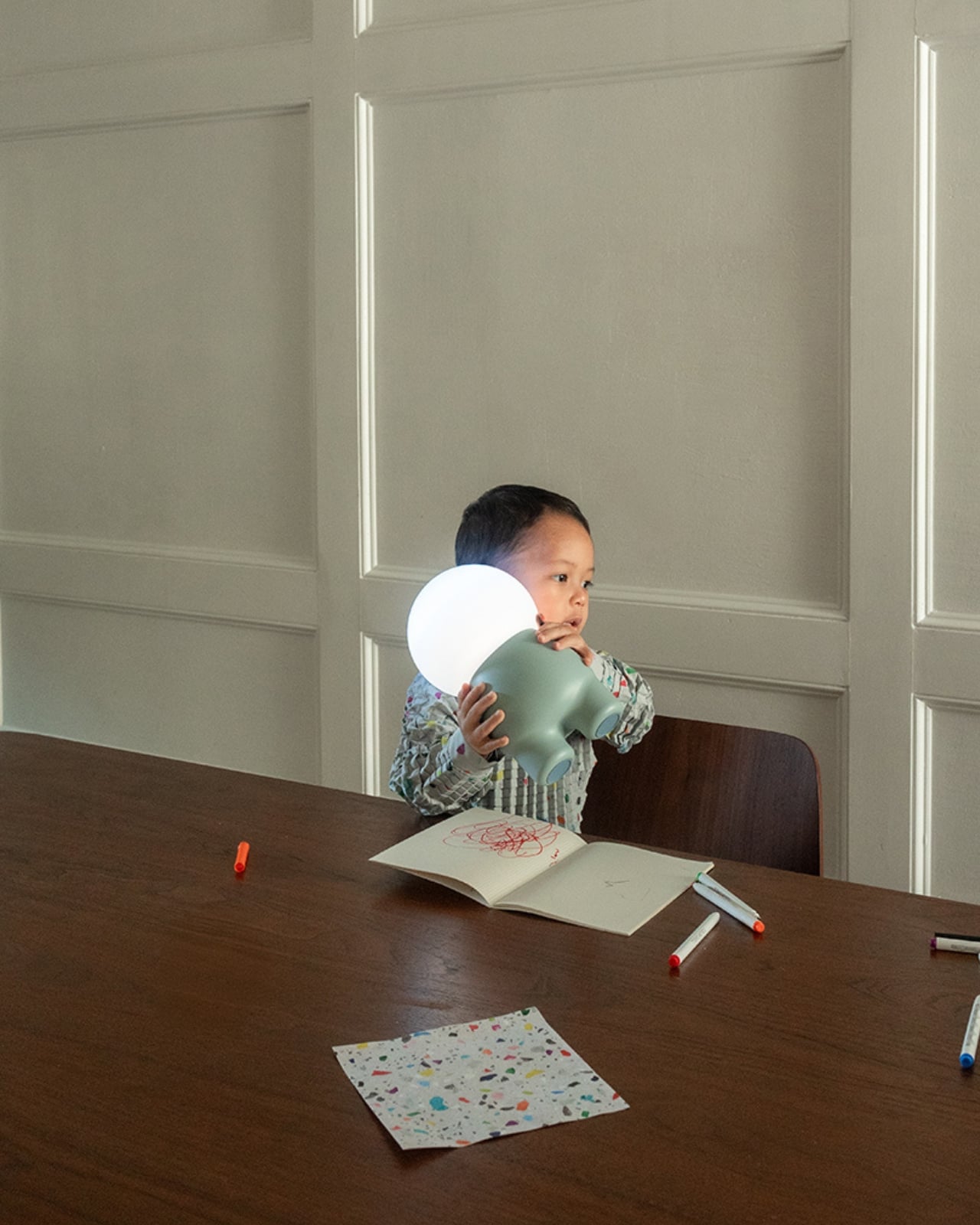
Both Puppy and Teddy share the same core design language: soft, rounded silhouettes, a matte finish, and a compact footprint that sits comfortably on a nightstand or desk without demanding attention. Puppy leans slightly slimmer and more upright, while Teddy carries a rounder, more settled form. The proportions are deliberately drawn from classic wind-up toys, which gives each lamp a familiarity that’s hard to place at first. They don’t look like tech products. They look like objects you’d pick up and hold, and that instinct turns out to be exactly the point.

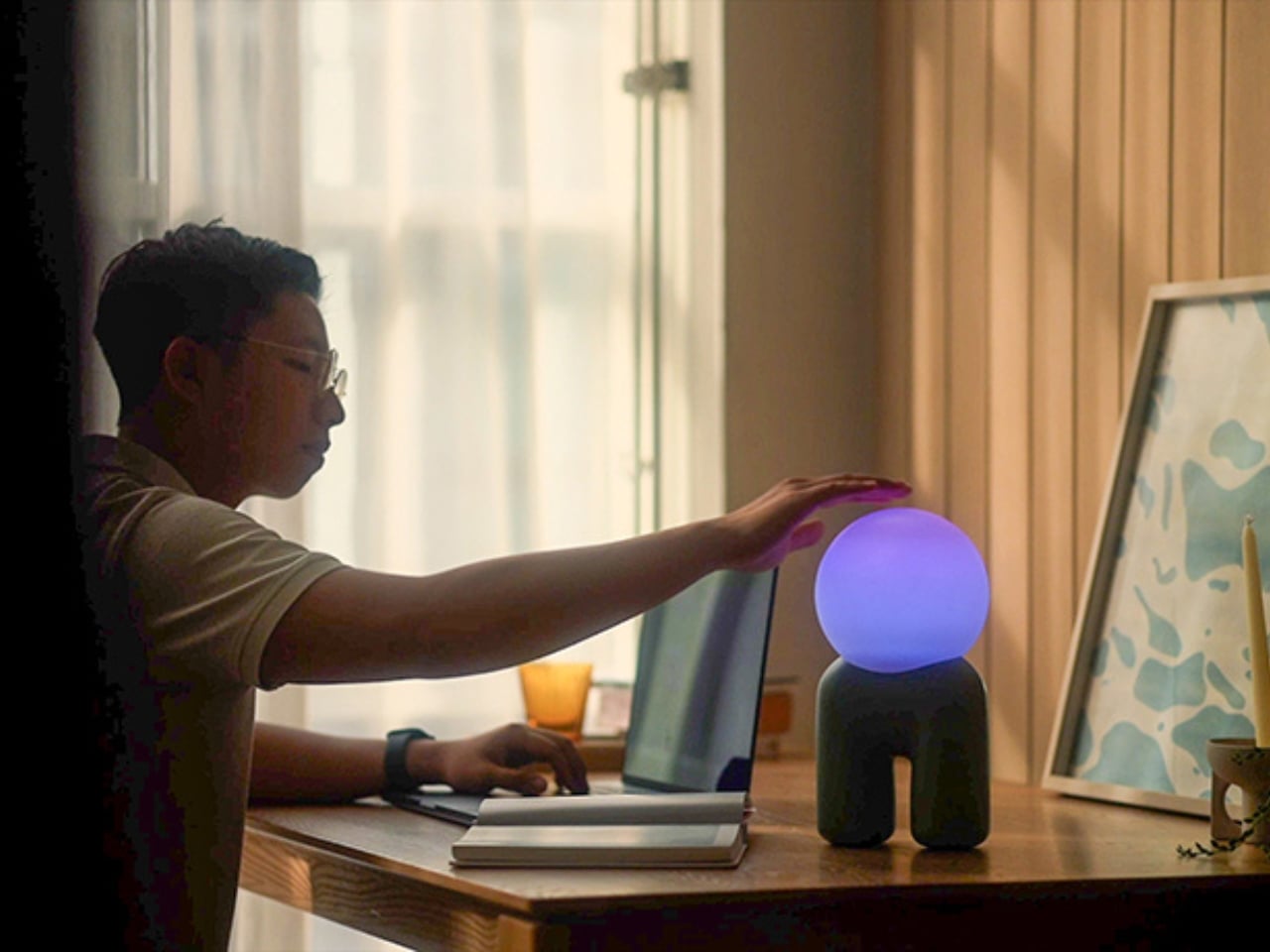
The interaction follows the form. Pressing and holding the key turns the lamp on. A short press cycles through three brightness levels. Rotating it transitions smoothly between the eight gradient light colors, moving from warm amber and soft pink through to cooler blues and greens. Each lamp runs up to ten hours on a full charge via USB-C, and the whole thing weighs just over a pound, making it genuinely portable rather than portable in name only. The physical proportions, the matte texture, the placement of that key: none of it feels accidental. The design is doing the emotional work that most products outsource to a companion app.

The brand describes itself as a tactile companion for overstimulated minds, which is a phrase that lands a little harder the more you think about it. The lighting is rooted in color psychology and wellness research, but what makes Buddy feel different isn’t the science. It’s the ritual. Winding the key is a small, physical action that no other object in your apartment is likely asking you to do. Every other device in your space wants your engagement through a screen. This one asks for something older and more direct.

Chanpaiboonrat has been running Buddy Design as a solo female founder since graduating from Parsons, and the brand has since earned the iF Design Award 2026, appeared at Wanted Design in New York, and found stockists including Lumens. For a one-person studio built on the premise that a winding key beats a smartphone app as an interface, that kind of traction is meaningful. It suggests the market is responding to the same exhaustion the product was designed around.

Part of what makes this feel timely is that Buddy isn’t trying to lead a revolution. It’s making a small, specific correction. A suggestion that not everything needs to be connected to everything else, and that lighting a room doesn’t require a subscription or a firmware update. Sometimes a winding key is exactly enough, and the fact that that feels like a refreshing thought is probably worth paying attention to.

The post Buddy’s Wind-Up Mood Lamp Is the Anti-App We All Need first appeared on Yanko Design.

Mudita Minimalist Phone and Alarm Clocks Design a Calmer Day at CES 2026

The day often begins and ends with a smartphone, from checking notifications before getting out of bed to scrolling in the dark when you should be asleep. Even people who care about design and well-being end up with glowing rectangles on every surface, and that constant presence quietly shapes attention, sleep, and mood more than most of us like to admit. The usual fix is another app that promises to help you use your phone less, which is like asking the problem to solve itself.

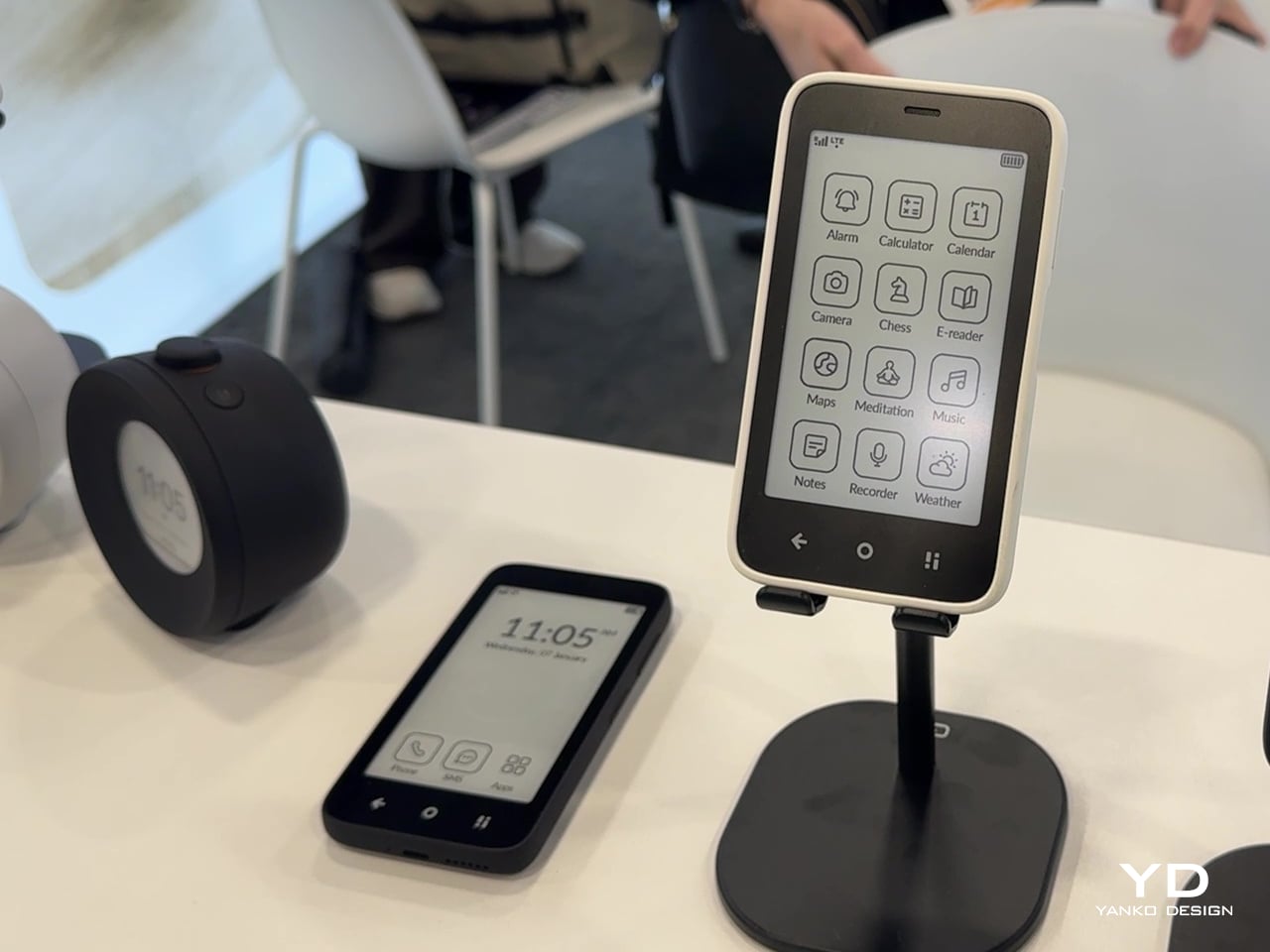
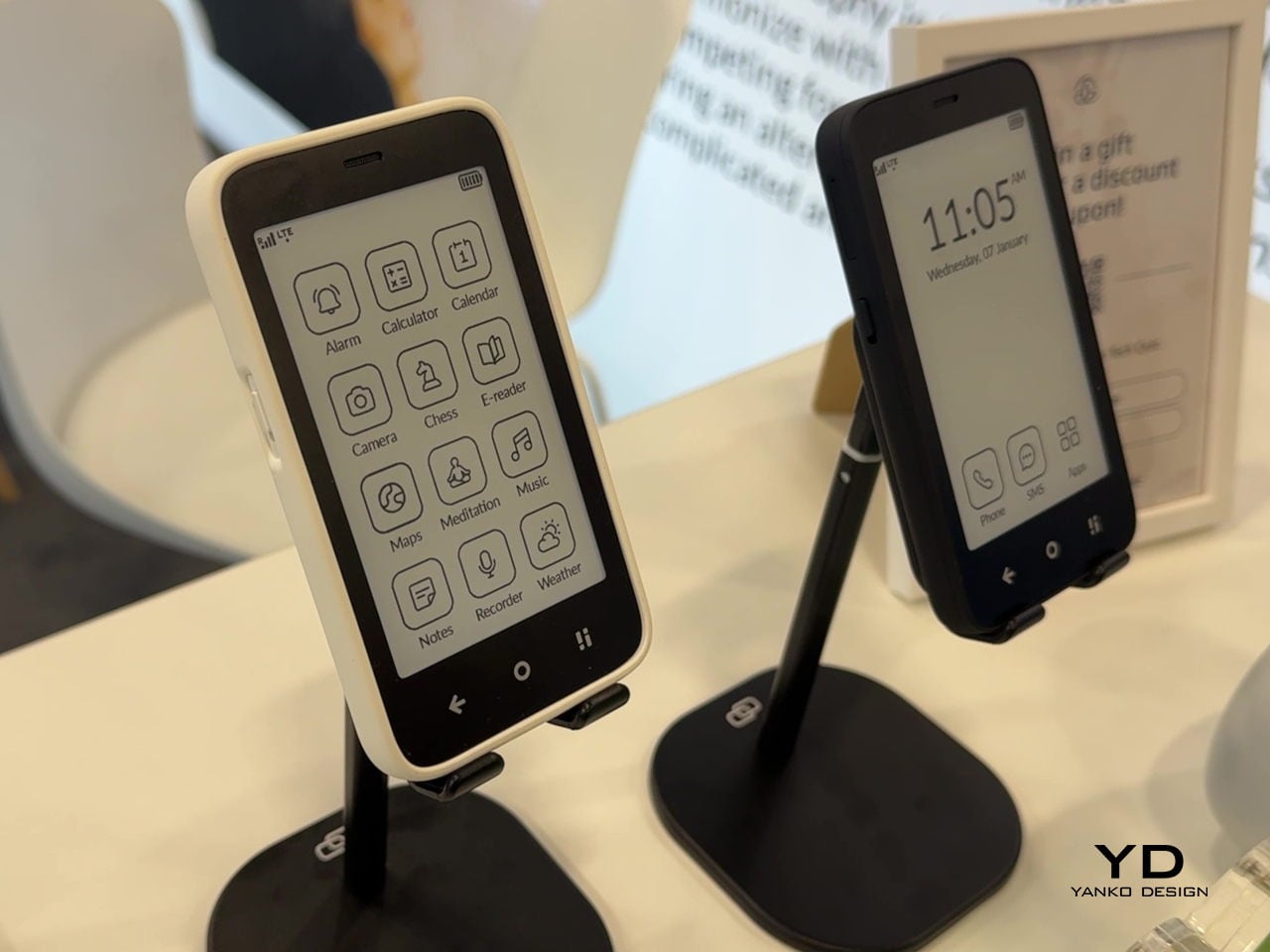
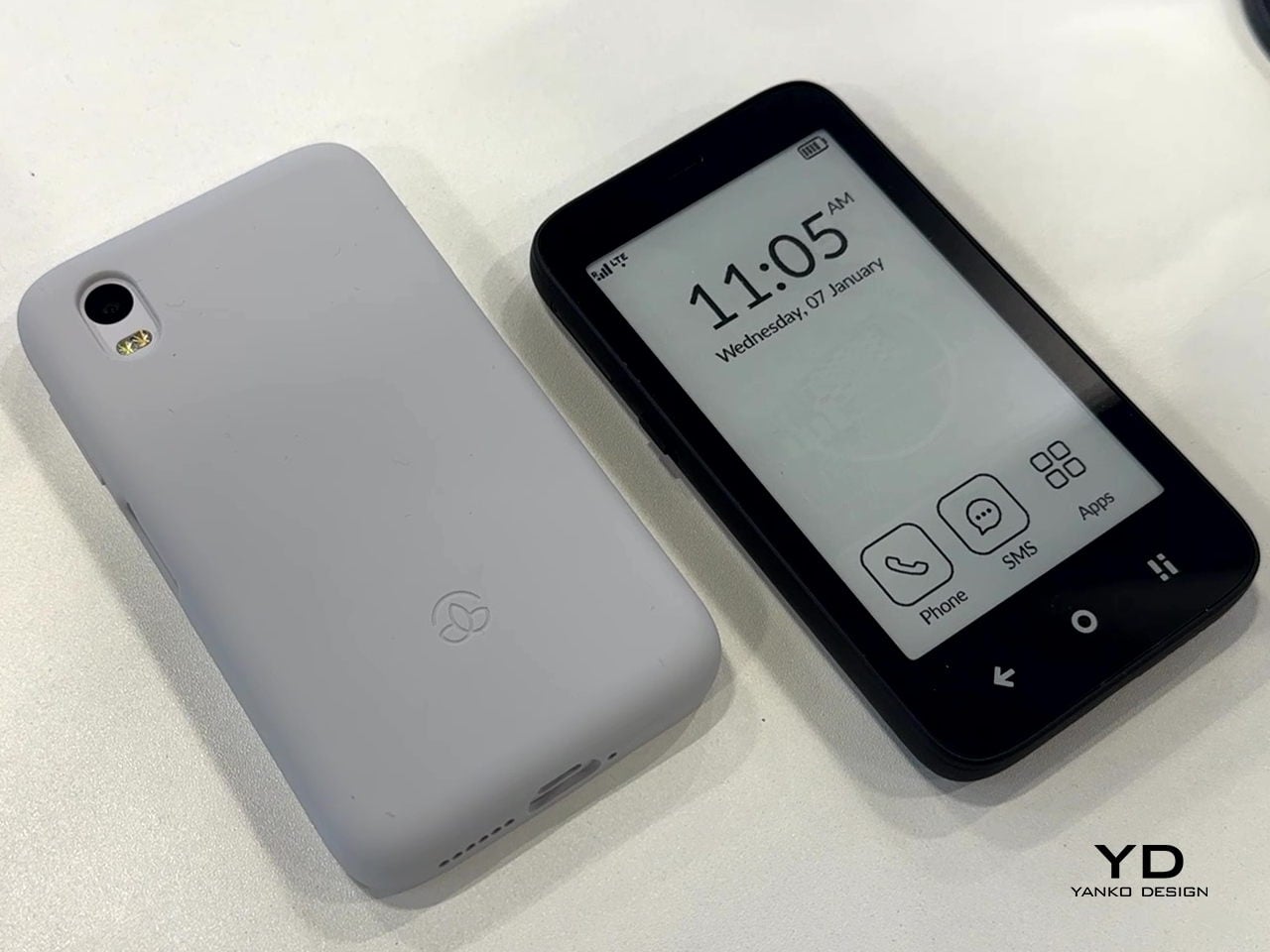
Mudita has been quietly building devices meant to step in where traditional smartphones can cause the most trouble. At CES 2026, that takes the form of three products: Mudita Kompakt, a minimalist E Ink phone, Mudita Harmony 2, a mindful alarm clock with an E Ink display, and Mudita Bell 2, an analog-style alarm clock with a few carefully chosen digital tricks. Together, they sketch out a different way to move through a day, keeping connections and routines intact while pushing screens out of the moments where you may choose to be “disconnected.”

Designer: Mudita

Mudita Kompakt: A Phone That Does Less on Purpose

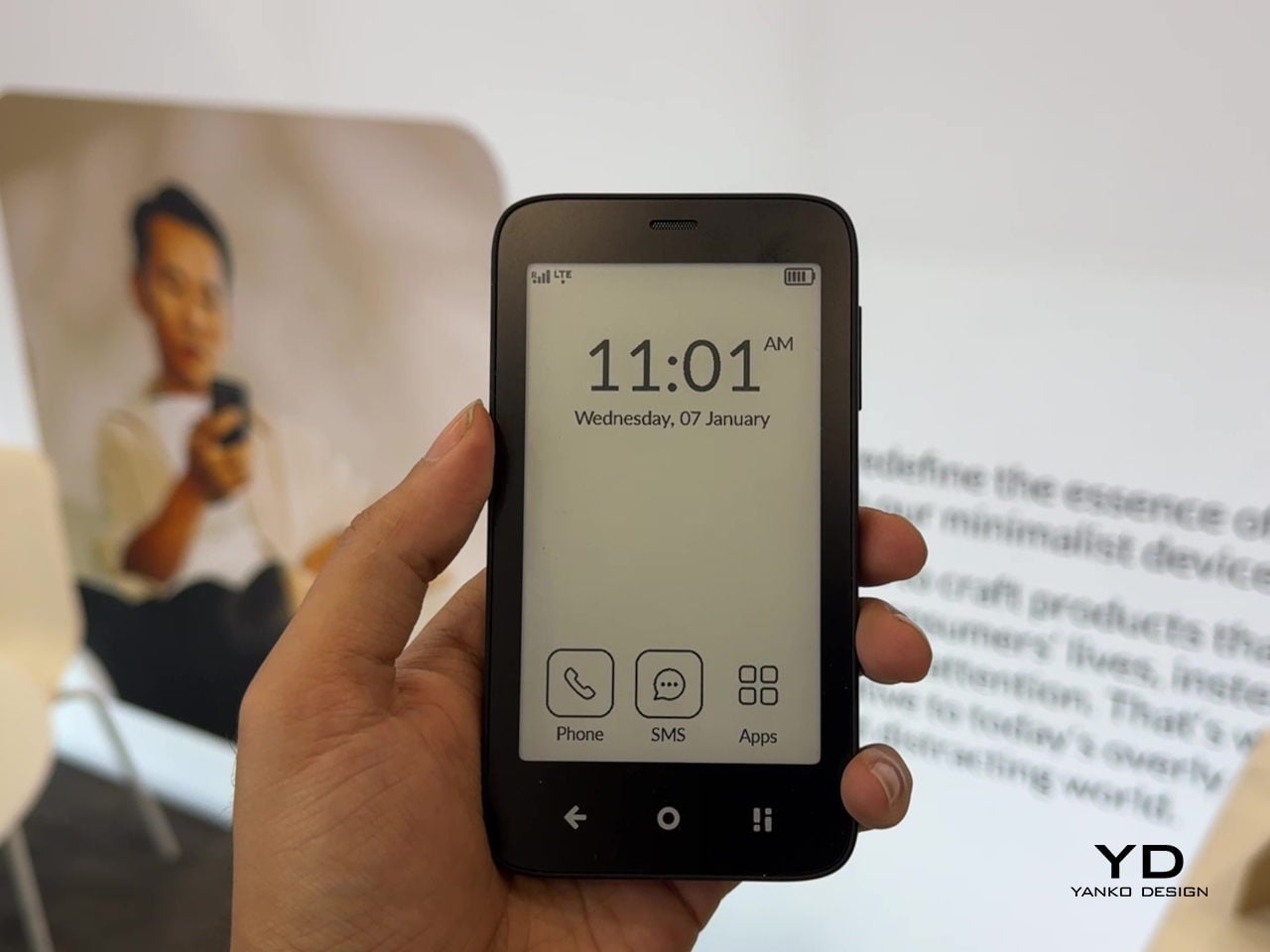
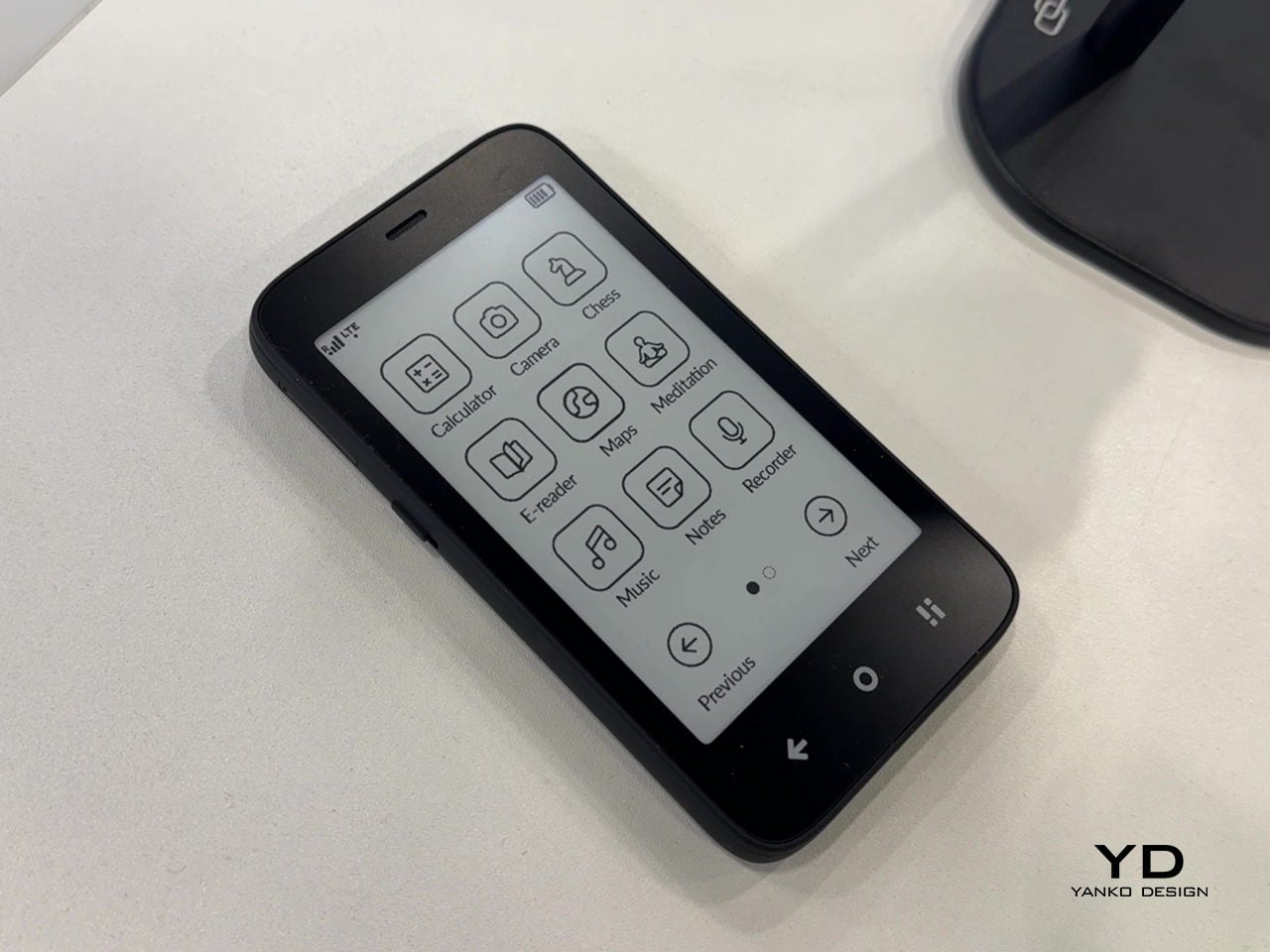
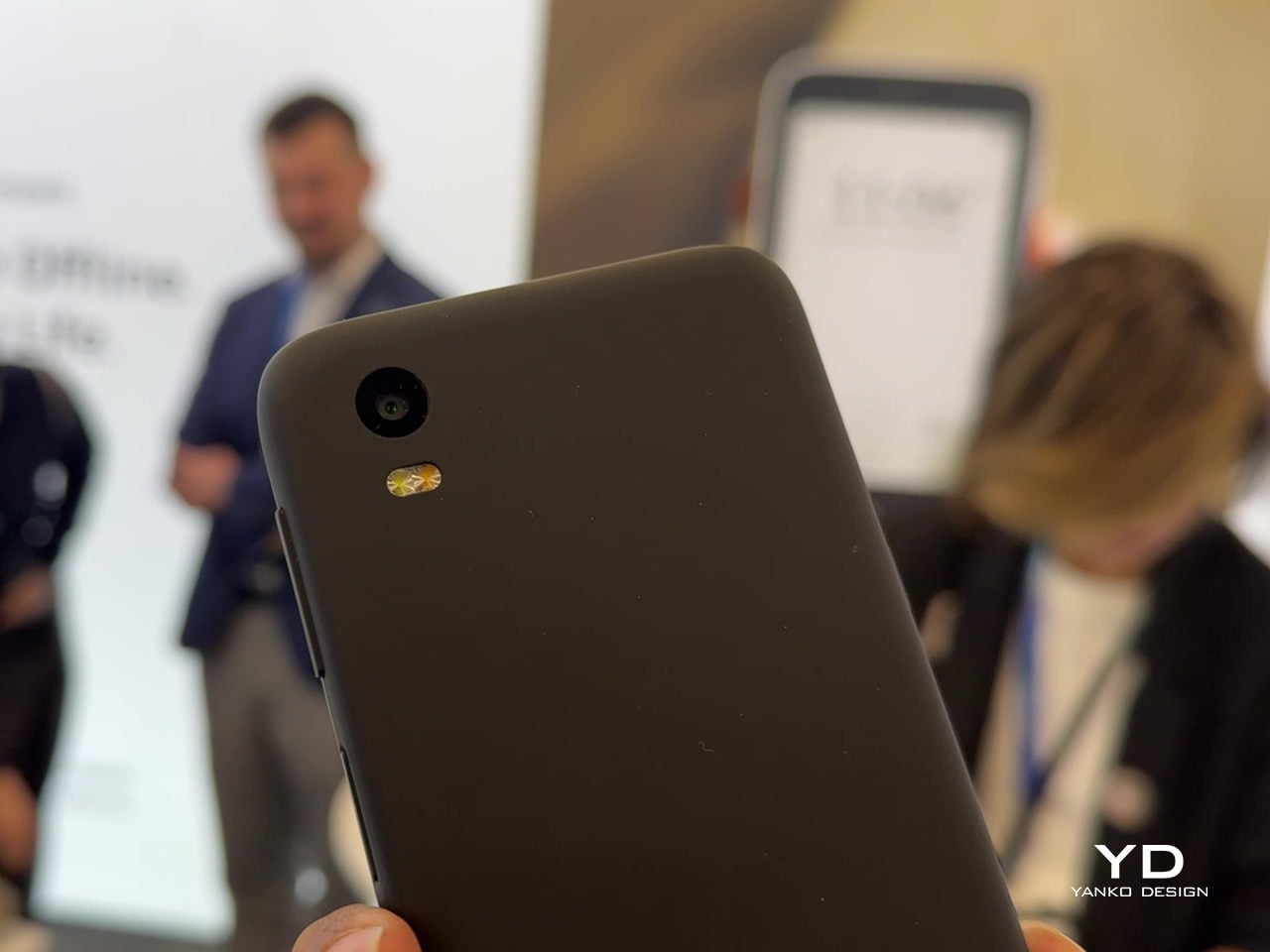
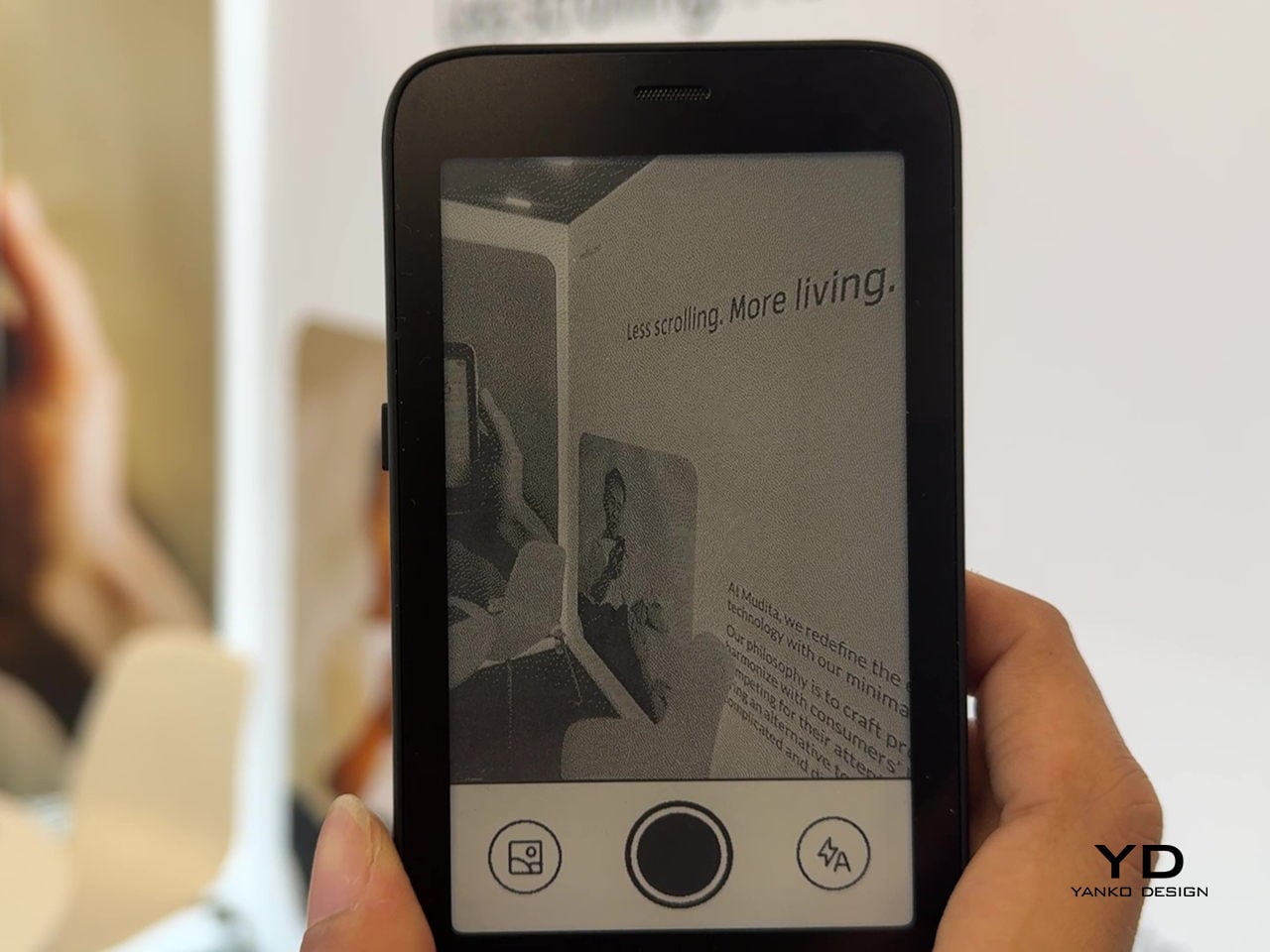
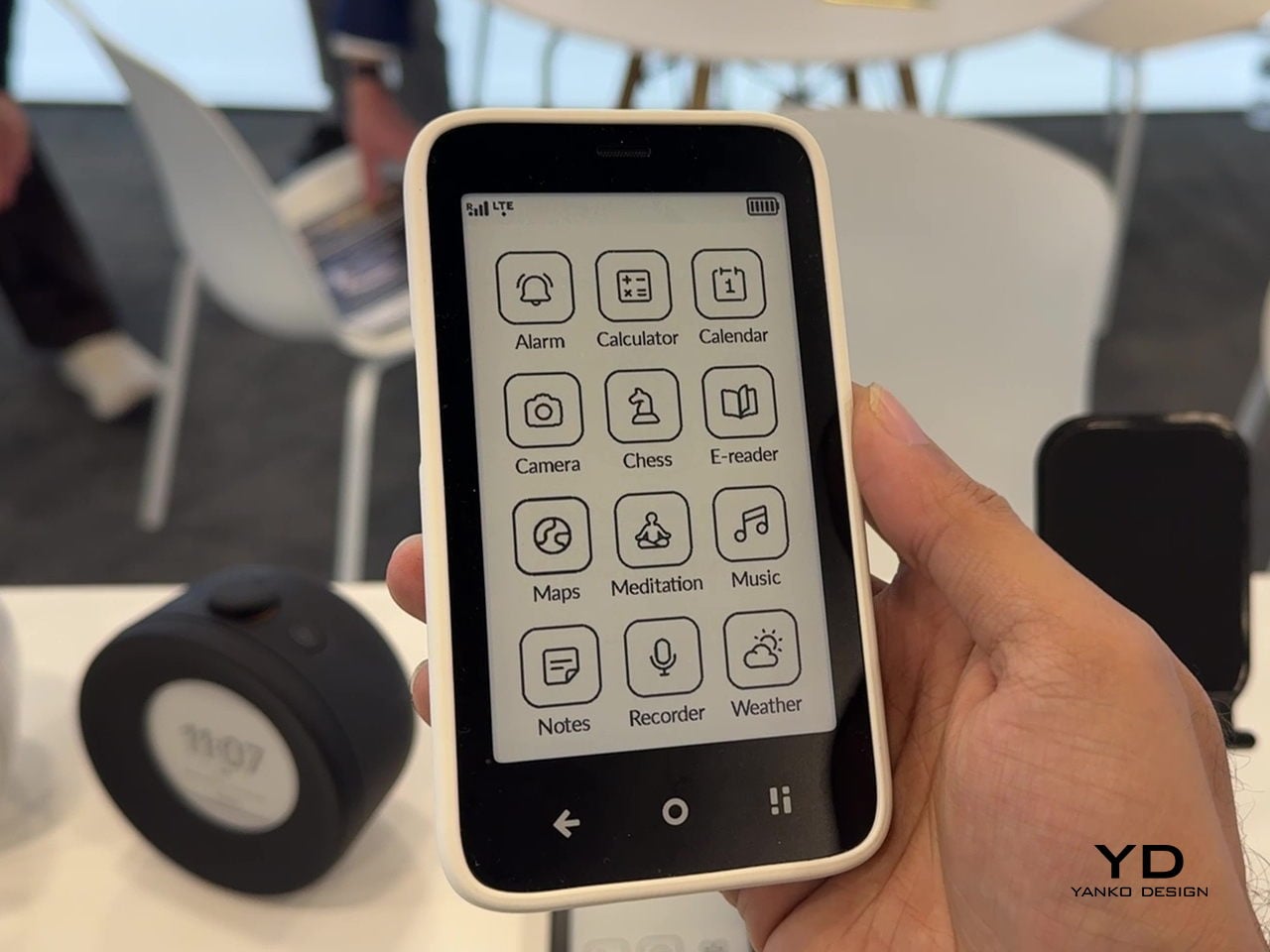
Kompakt looks more like a small e-reader than a slab of glass, built around a 4.3-inch E Ink screen that is paper-like, glare-free, and easy on the eyes. It runs MuditaOS K, a de-Googled operating system based on AOSP, with only essential tools on board: calls, SMS, offline maps, calendar, up-to-date weather forecasts, music, notes, a meditation timer, and an e-reader. There is no app store by design, keeping the interface focused on what you planned to do instead of what a feed wants to show you next. But if you do need some very specific functionality, your favorite apps are just a sideload away.

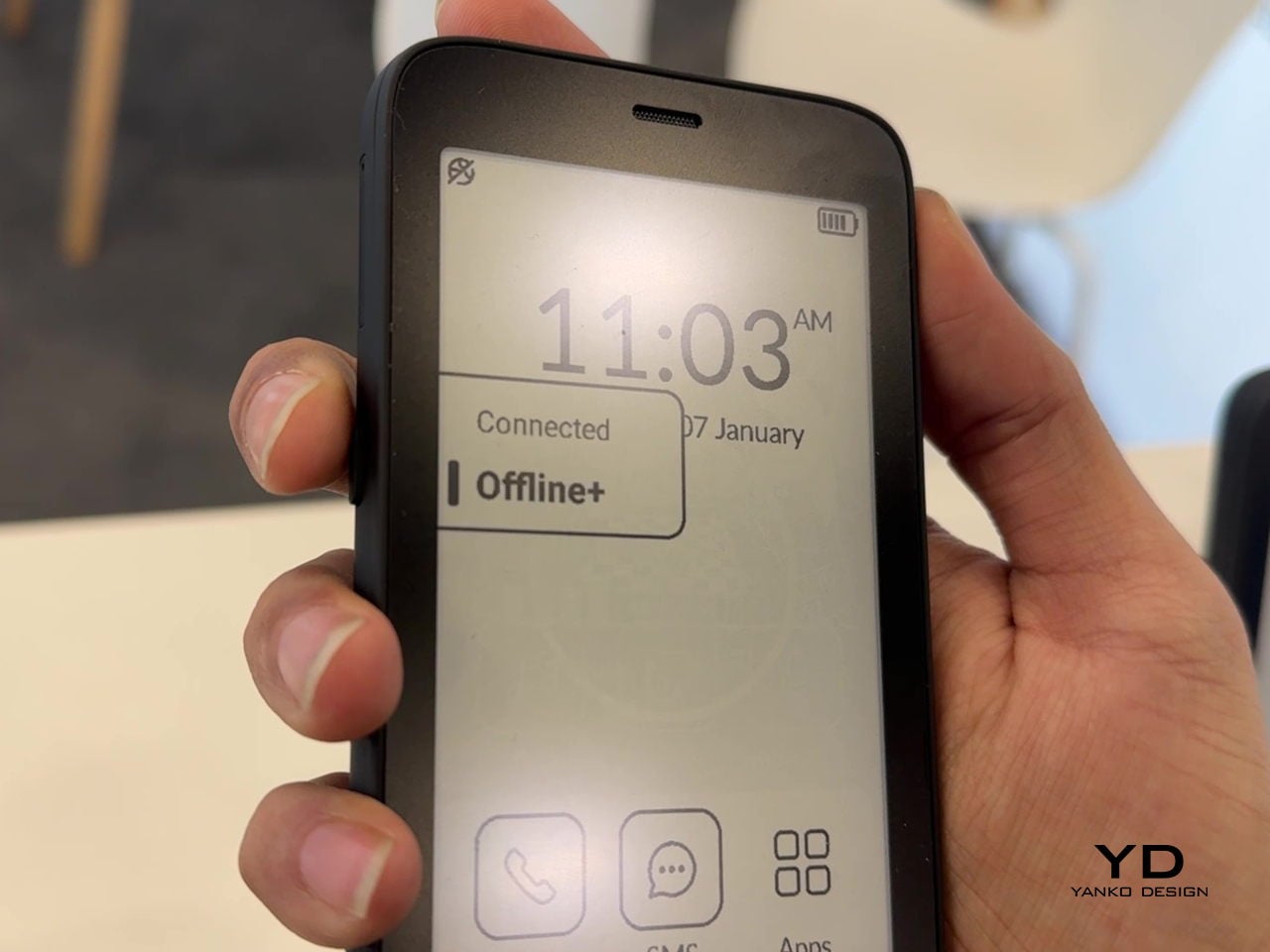
Offline+ Mode physically disconnects the GSM modem and microphones, while also disabling Wi-Fi, Bluetooth, and the camera, turning Kompakt into a sealed, offline device when needed. That hardware-level privacy goes beyond airplane mode, which matters when you want verifiable disconnection. Long battery life, up to six days on a charge, and both USB-C and wireless charging mean it can live on a desk or in a bag without constant topping up.

A dedicated Mudita Center desktop app handles contact syncing, music, and file transfers from a laptop, keeping the phone itself simple and uncluttered, its user experience reflecting its mission. As a primary phone for someone stepping away from feeds, it keeps communication and navigation intact while stripping away most reasons to pick it up mindlessly. As a secondary focus phone for anyone who wants to disconnect from the hustle of a smartphone, it can handle calls and texts without the usual app notifications to help nurture balance and peace of mind.

Mudita Harmony 2: A Bedroom Without a Smartphone Glow

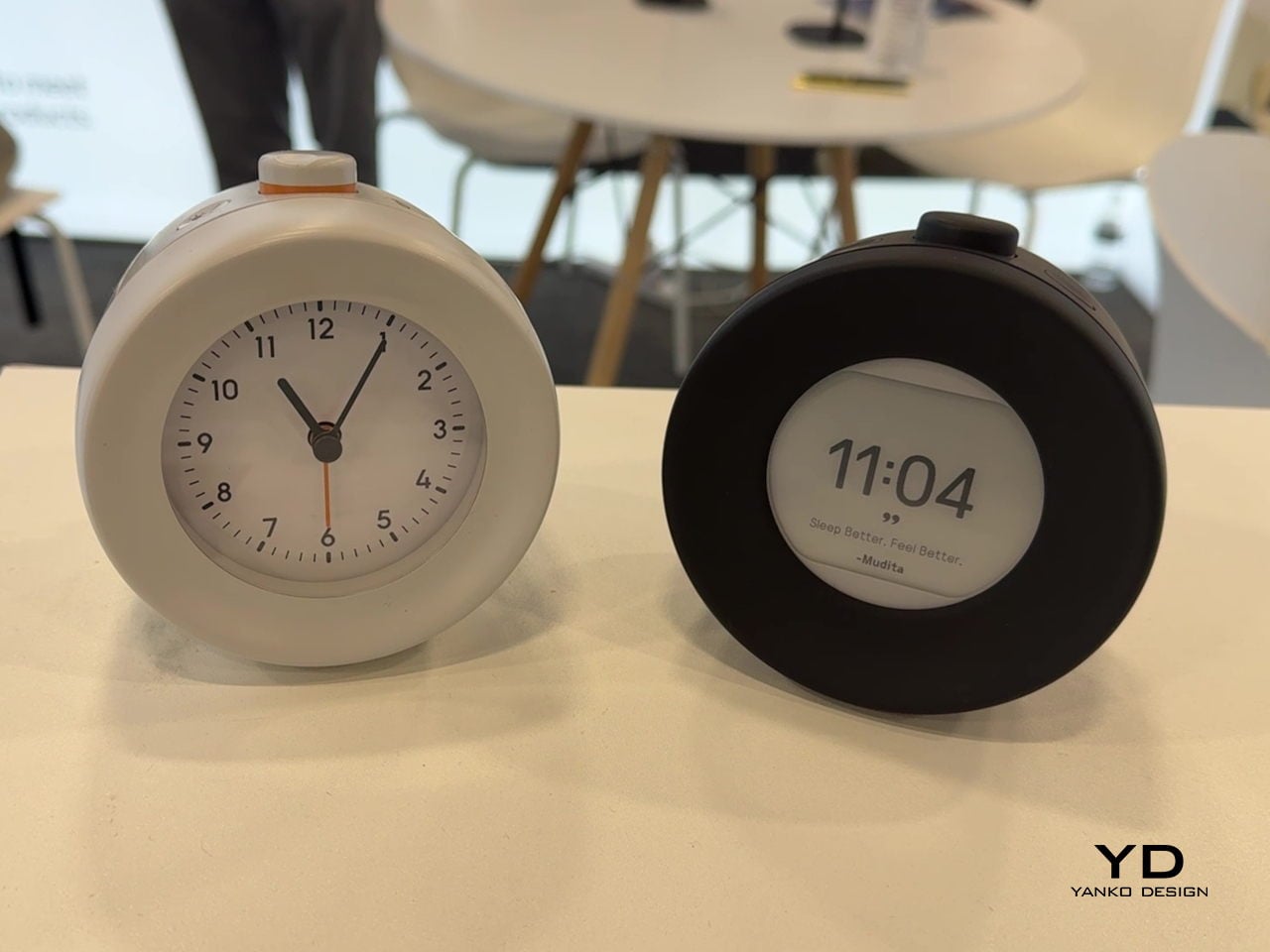
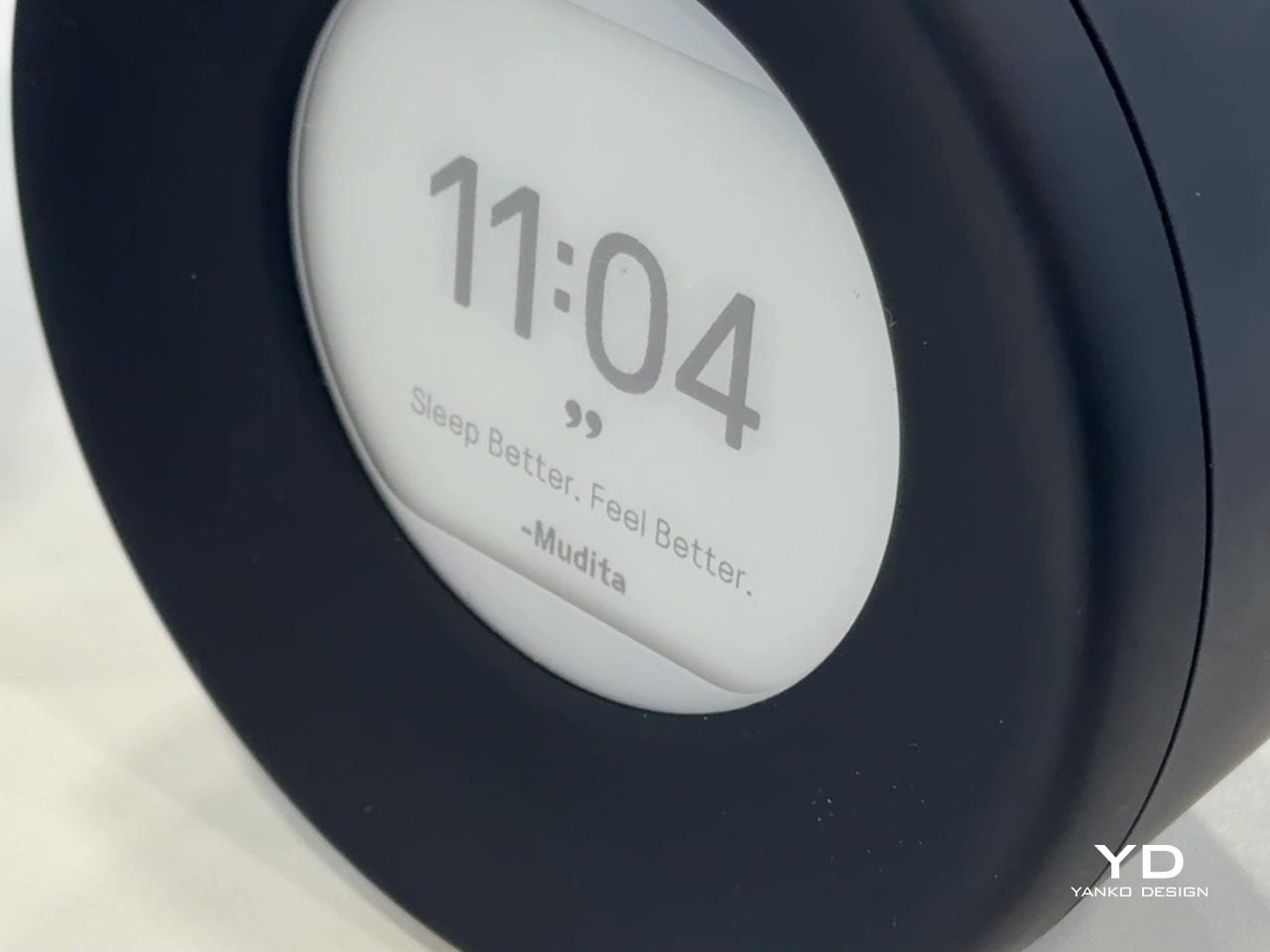
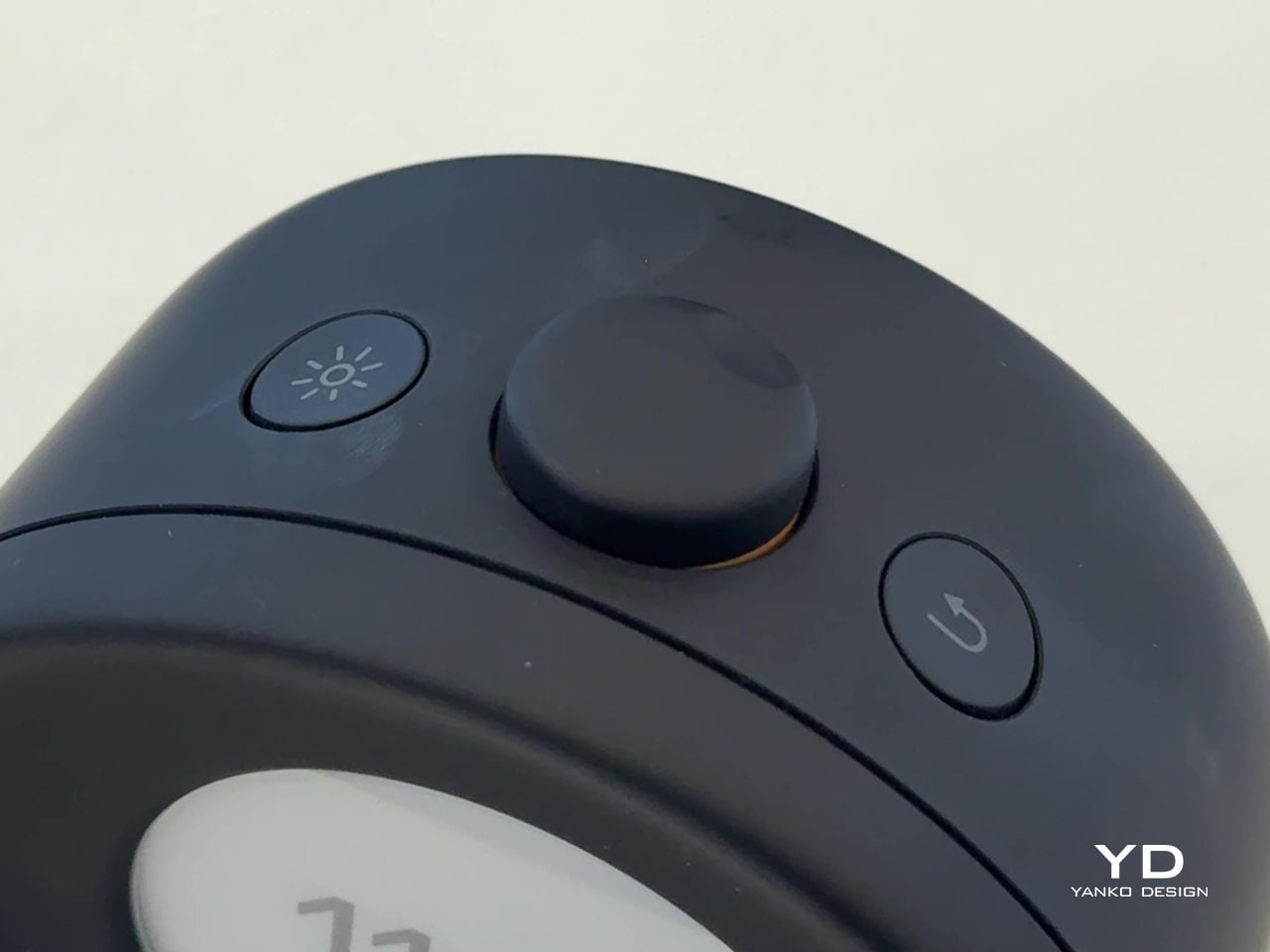
Harmony 2 is an E Ink alarm clock with three physical knobs on top for light, volume, and alarm settings, designed to live where a phone usually sits on a nightstand. The E Ink display is easy to read and uses an adjustable warm backlight that minimizes blue light, so you can check the time at night without a blast of white light or the temptation to swipe through notifications that make it harder to fall back asleep.

The wake-up experience is built around a gradual, ascending alarm that starts softly and increases in volume, paired with a pre-wake-up light that mimics a sunrise by slowly brightening five to fifteen minutes before the main alarm. Harmony 2 offers seventeen melodies, including real nature sounds, and lets you enhance alarms with light or upload custom audio via the Mudita Center app. The goal is to make waking feel less like an interruption and more like a natural transition.

Extra features support a phone-free bedtime, Relaxation mode with customizable sounds and white noise, a Bedtime Reminder to nudge you into a consistent routine, a Meditation Timer with gong sounds, and a Power Nap Mode. With over forty days of battery life and USB-C charging, Harmony 2 can stay on a nightstand without becoming another device you plug in every night, reinforcing the idea that the bedroom can be a low-tech space.

Mudita Bell 2: Analog Mornings with a Few Smart Tricks

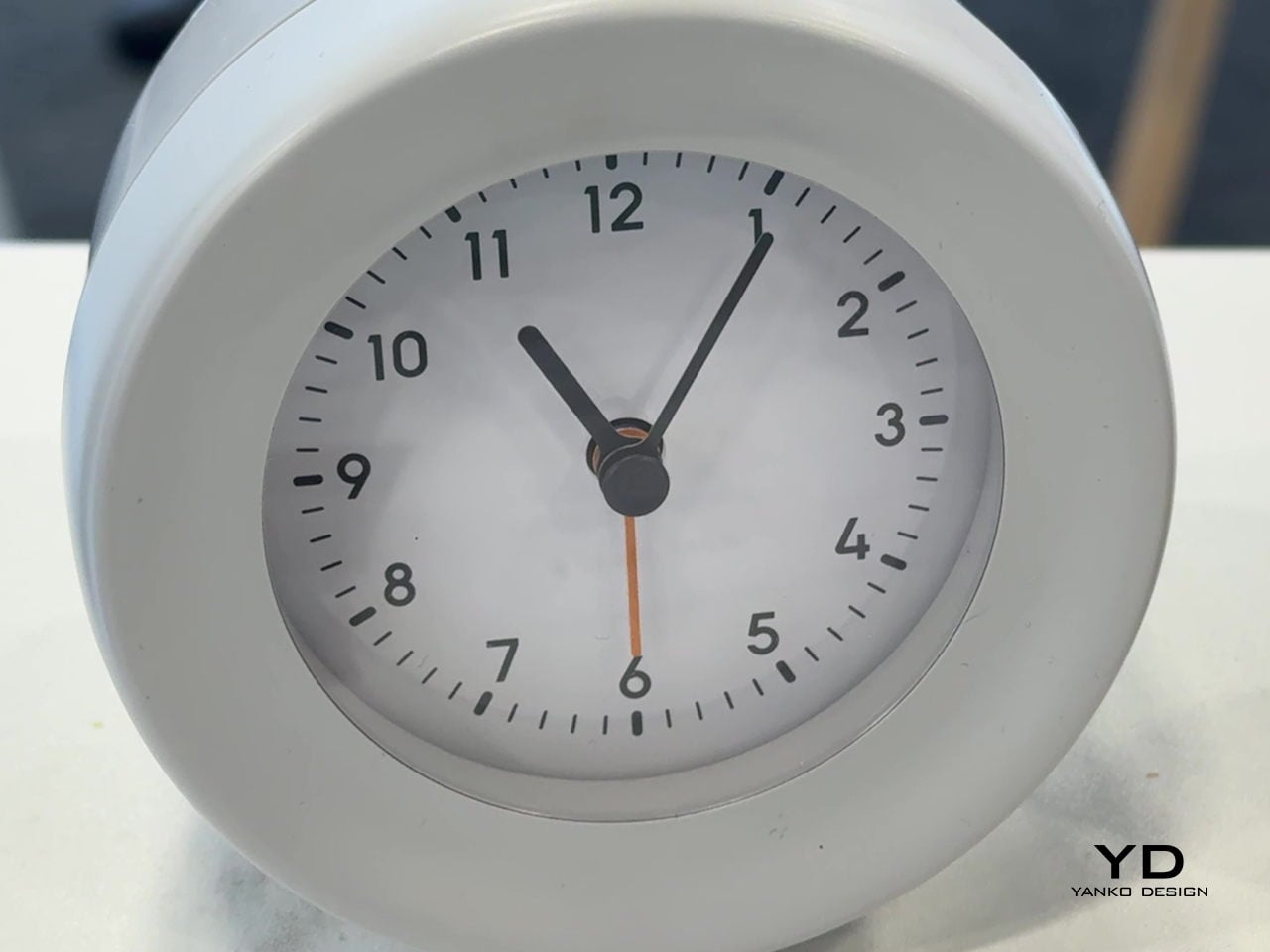
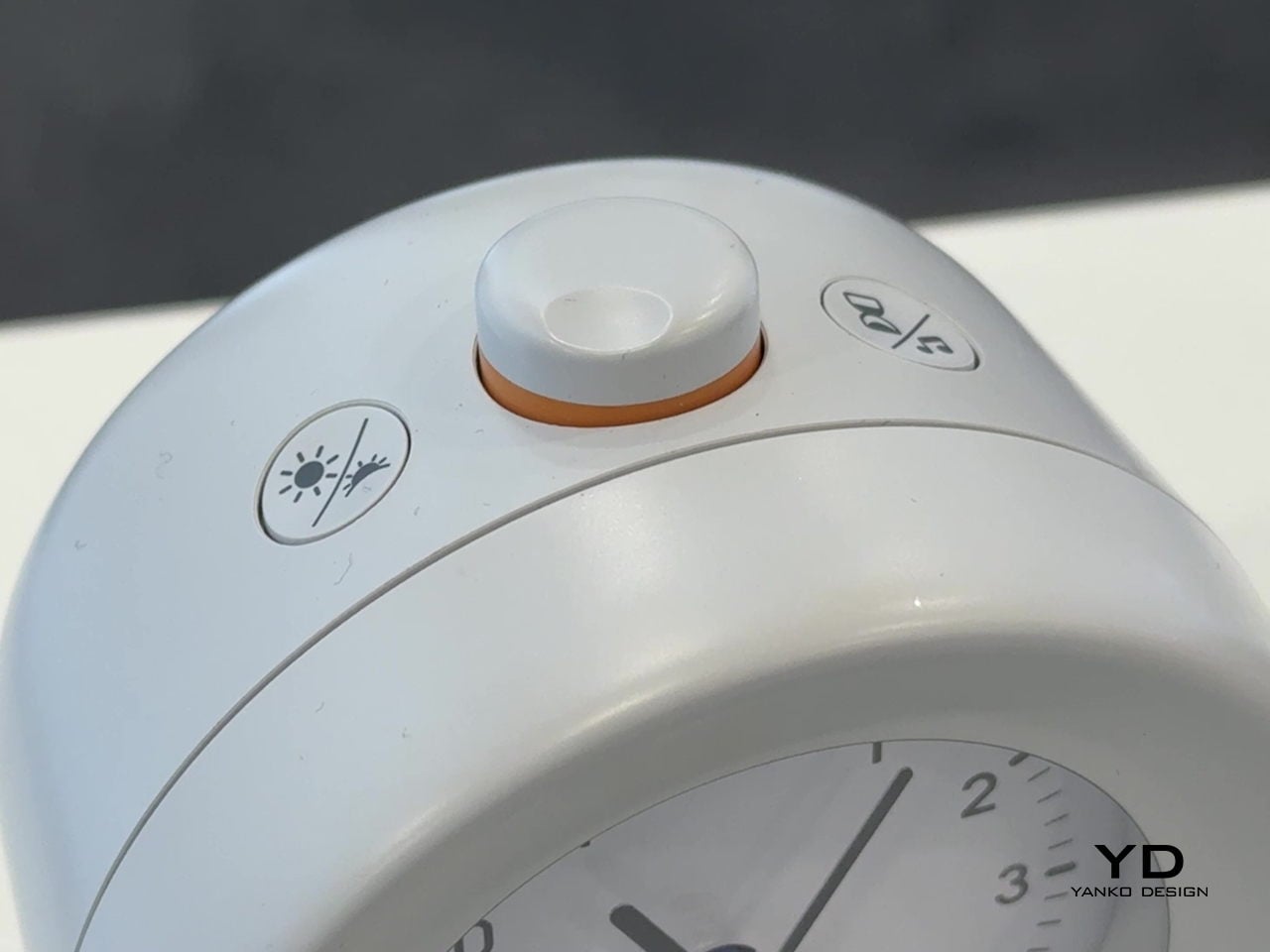
Bell 2 is the more analog-leaning sibling, an alarm clock with a clear, minimalist dial and an internal quartz mechanism, but also an E Ink display and a light-enhanced gradual alarm. It offers nine gentle melodies and a pure-tone alarm that starts quietly and grows to a set volume, plus a warm wake-up light that can be activated before the alarm to mimic sunrise, easing you out of sleep without a harsh jolt.

A built-in meditation timer starts and ends sessions with a gong, and the deliberate absence of Wi-Fi or Bluetooth means Bell 2 does not compete for attention or add to the ambient connectivity load in the room. It runs on a 2,600 mAh rechargeable battery that can last up to six months on a full charge, with USB-C for the rare times it needs topping up. It is designed to be set and then mostly forgotten.

Bell 2 has been awarded a Platinum Calm Technology Certification, recognizing products that respect attention and promote well-being. Available in charcoal black and pebble gray, it is meant to blend into different interiors while still feeling like a considered object. In a home shaped by Kompakt and Harmony 2, Bell 2 completes the picture: a simple, focused object that reflects Mudita’s belief that technology can be present without being intrusive.

Mudita at CES 2026: Technology for Mindful Living

Together, Kompakt, Harmony 2, and Bell 2 create intentional, screen-free moments throughout the day; focused time on the go with Kompakt, a calmer evening and wake-up routine with Harmony 2, and a simple, analog-leaning start to the morning with Bell 2. None of these is meant to replace a smartphone entirely. Instead, they offer a considered alternative for the moments when a screen adds little value. This is an approach that stands out at CES, where innovation is often defined by more features, rather than more thoughtful use.

The post Mudita Minimalist Phone and Alarm Clocks Design a Calmer Day at CES 2026 first appeared on Yanko Design.

5 Retro Film Cameras with Modern Tech Gen Z Can’t Stop Buying

In a world where digital cameras and smartphones promise instant perfection, the quiet return of analog photography feels almost revolutionary. Film cameras, once considered obsolete, are now being reimagined with modern features that blend nostalgia with innovation. This new generation of hybrid analog devices brings together the charm of vintage engineering and the convenience of contemporary technology, creating a more mindful, tactile, and emotionally rich way to capture images.

As Gen Z and today’s creators rediscover the pleasure of slowing down, film has become more than a medium, as it is a cultural shift toward intention and authenticity. The resurgence of analog cameras shows that the future of photography is not purely digital but a thoughtful fusion of old-world craft and modern possibility.

1. The Analog Revival In A Digital World

In an age dominated by smartphones and instant image processing, the resurgence of analog cameras might seem unexpected, but it’s far from accidental. Today’s creators, especially Gen Z, crave experiences that feel tactile, intentional, and emotionally grounded. Film photography delivers exactly that. What’s even more compelling is how a new wave of hybrid film cameras blends vintage charm with modern technology, transforming what was once a niche hobby into a vibrant contemporary culture.

Film photography is enjoying a strong comeback, but most point-and-shoot options still fall short. Vintage cameras come with unpredictable quirks, while many new models fail to capture the tactile charm that makes analog shooting special. For anyone wanting the warmth of film with modern reliability, the search often feels frustrating.
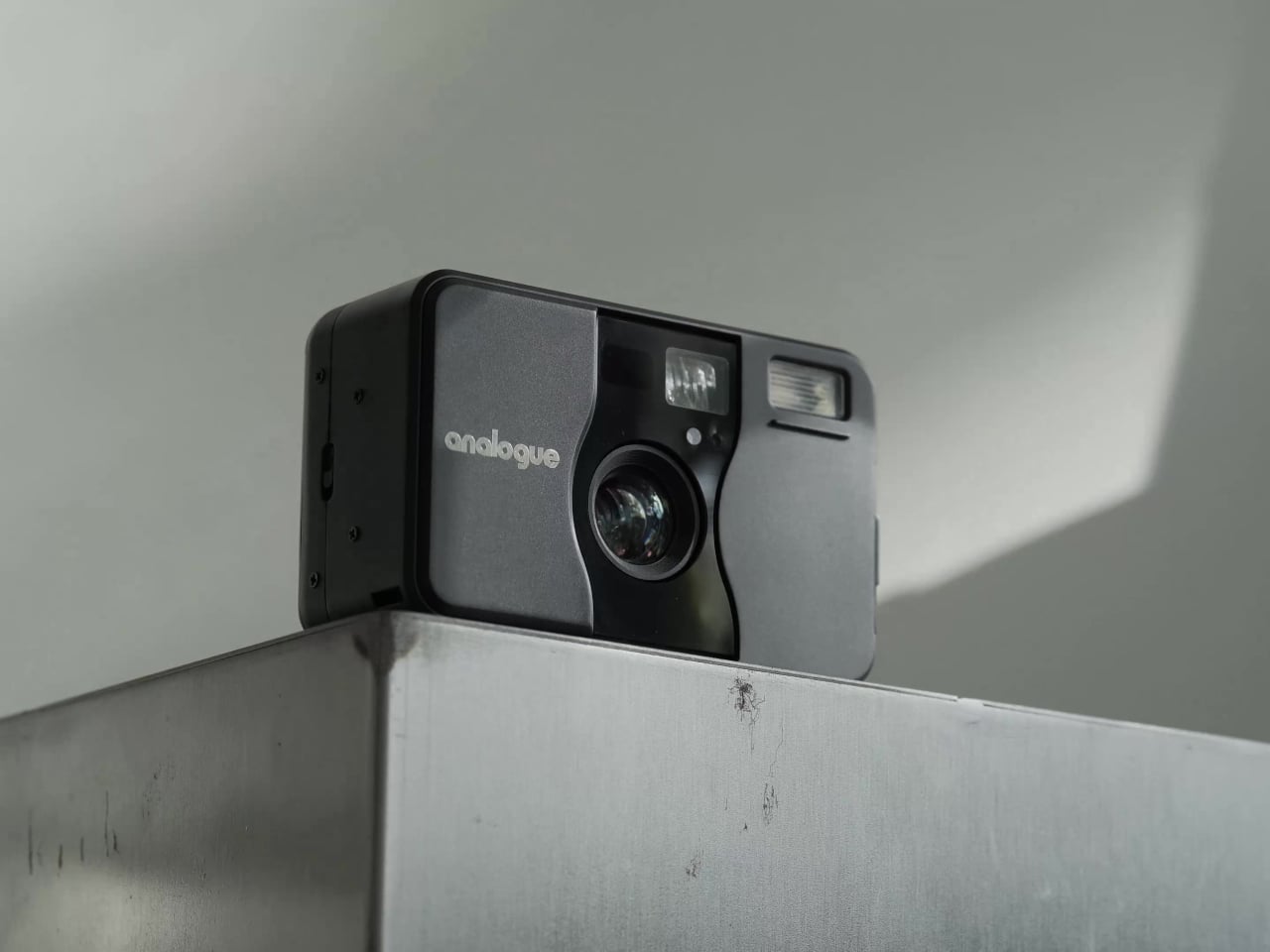
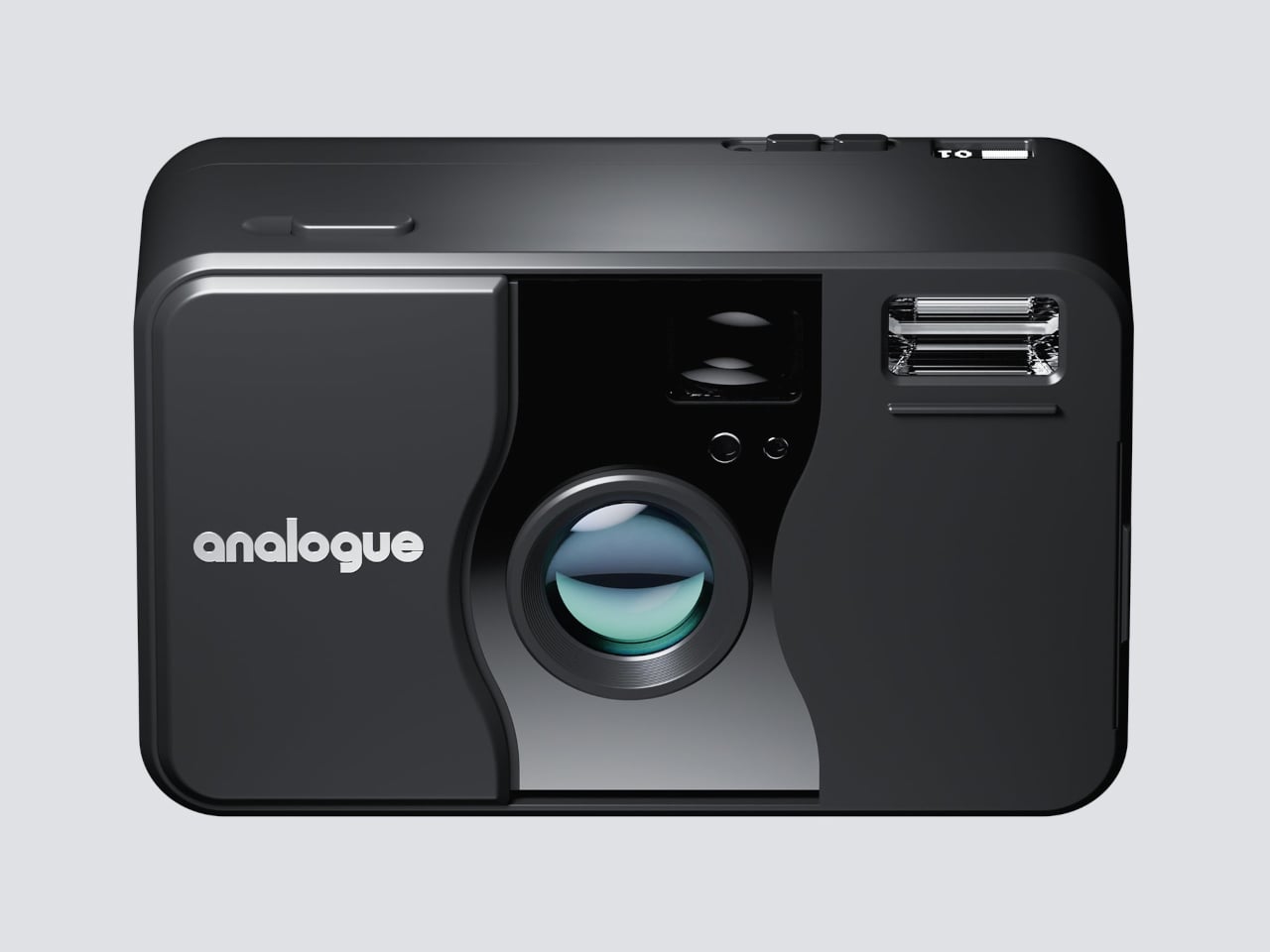
The Analogue aF-1 finally blends classic design with contemporary tech. Its compact, matte body, splash-resistant build, and sharp 35mm f/2.8 Double Gauss lens offer a familiar analog feel enhanced by dependable performance.
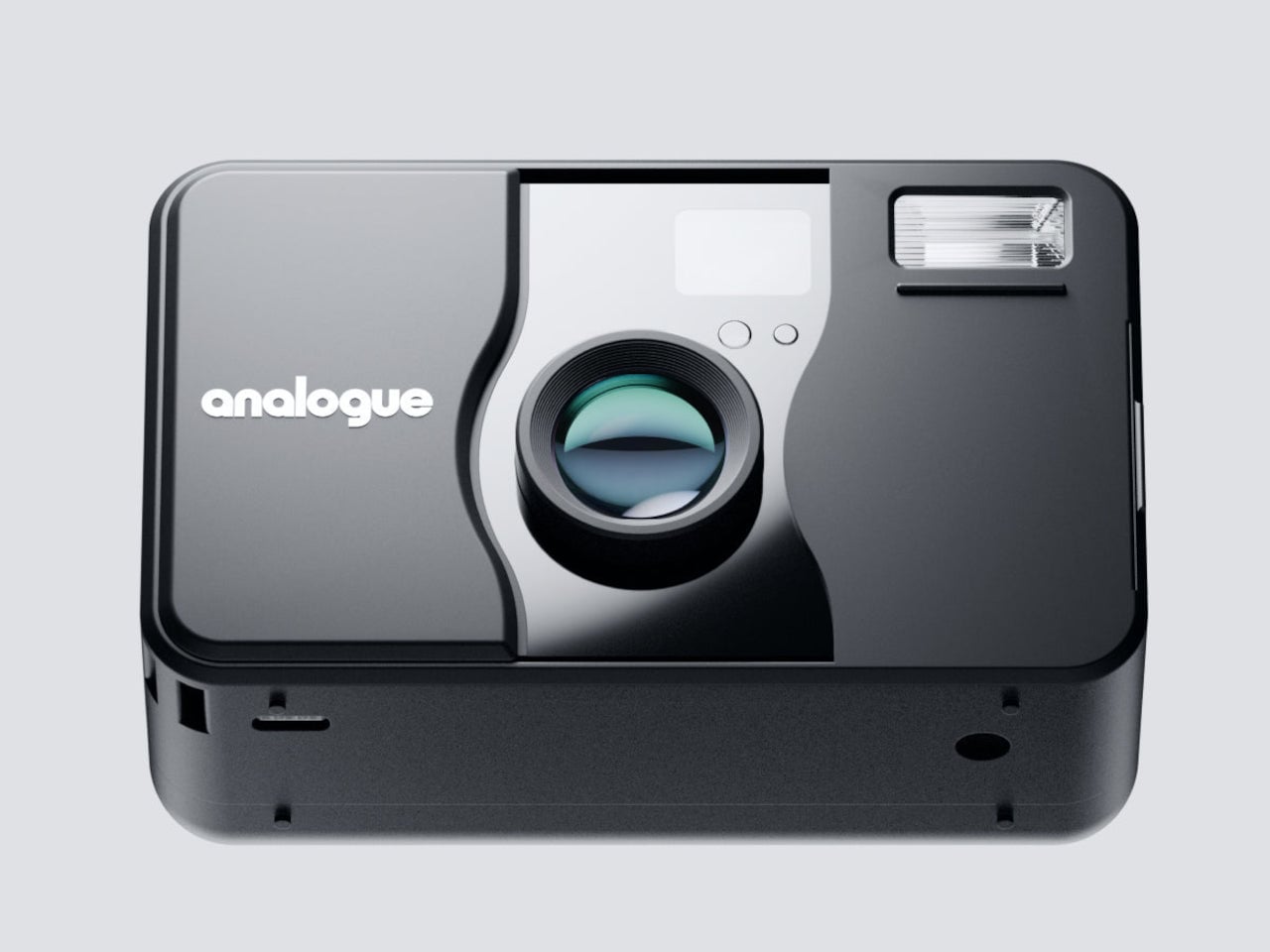
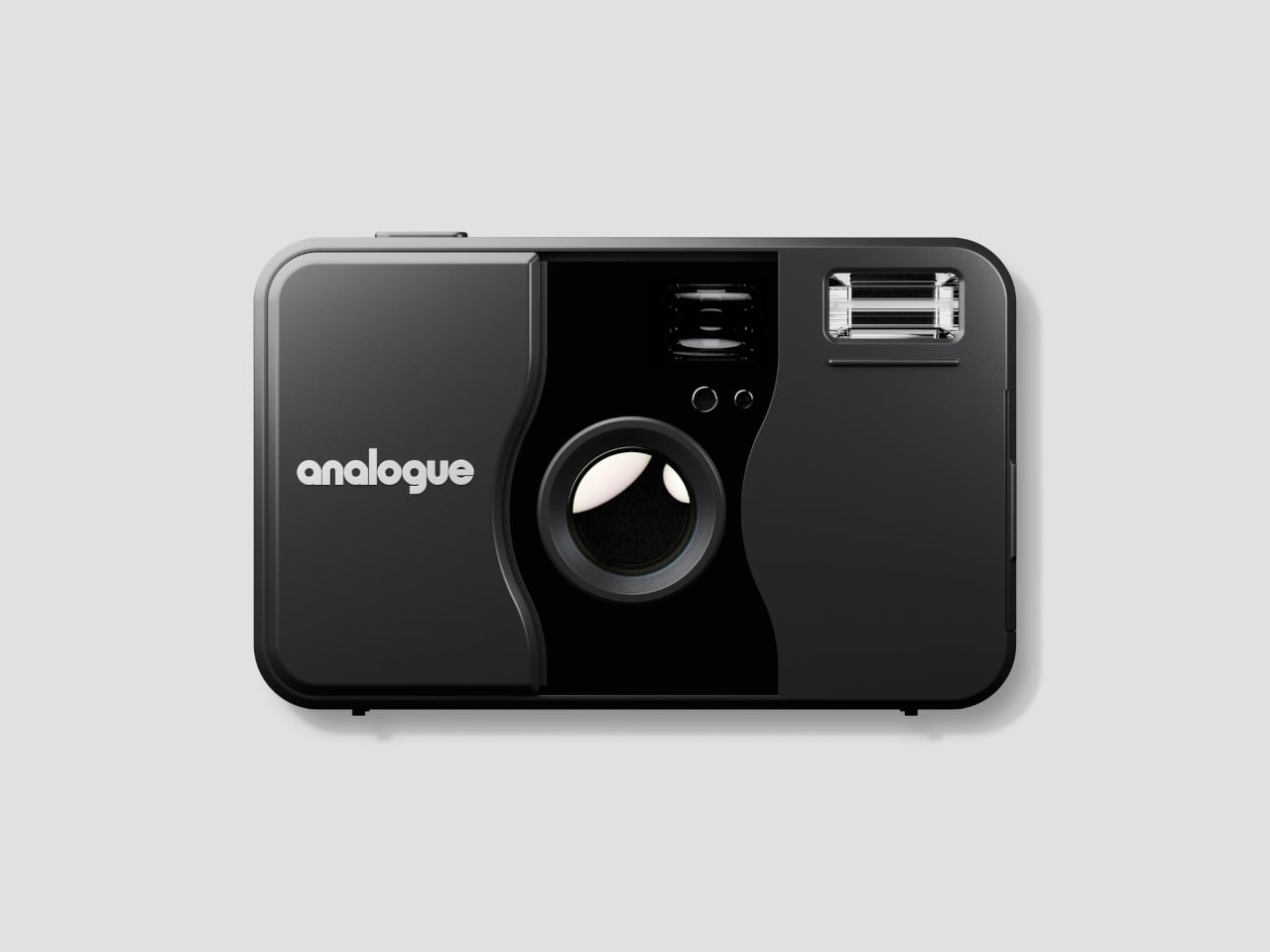
What truly sets the aF-1 apart is its seamless mix of analog character and digital convenience. LiDAR and Time-of-Flight autofocus ensure crisp shots from 0.5 meters to infinity, while automatic film loading and rewind remove guesswork. The GN8 flash recycles in half a second, and ISO support from 25 to 5000 makes it versatile in any light. With reliable mechanics and intuitive controls, the aF-1 brings film photography back to life without the usual hassles.

2. Why Film Feels Fresh Again

Analog cameras used to be defined by their limitations: no instant previews, finite exposures, manual settings, and the slow ritual of development. Now these very qualities are what attract modern users. The mindful pace of film forces you to slow down, observe, and shoot with purpose rather than rely on endless digital corrections. At the same time, new technologies have removed many of the old barriers, making film more accessible, adaptable, and rewarding for a wider creative community.

Modernized film cameras now include features that were unthinkable in traditional analog devices. Built-in light meters, Bluetooth connectivity, app-based controls, and hybrid workflows allow photographers to enjoy the aesthetic of film without sacrificing convenience. This balance of nostalgia and innovation gives today’s users the best of both worlds: the raw, imperfect beauty of analog paired with the efficiency of digital ecosystems.
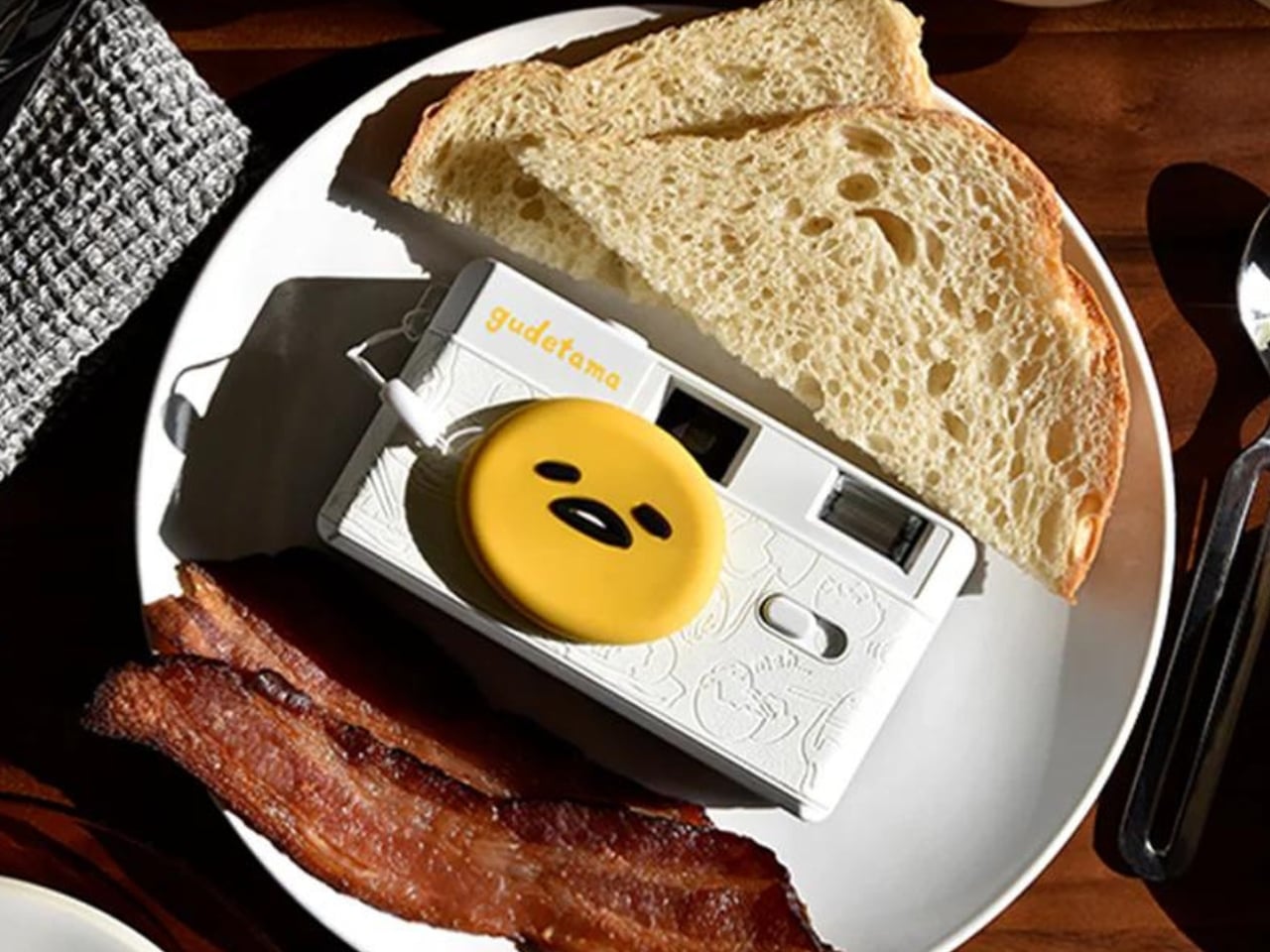
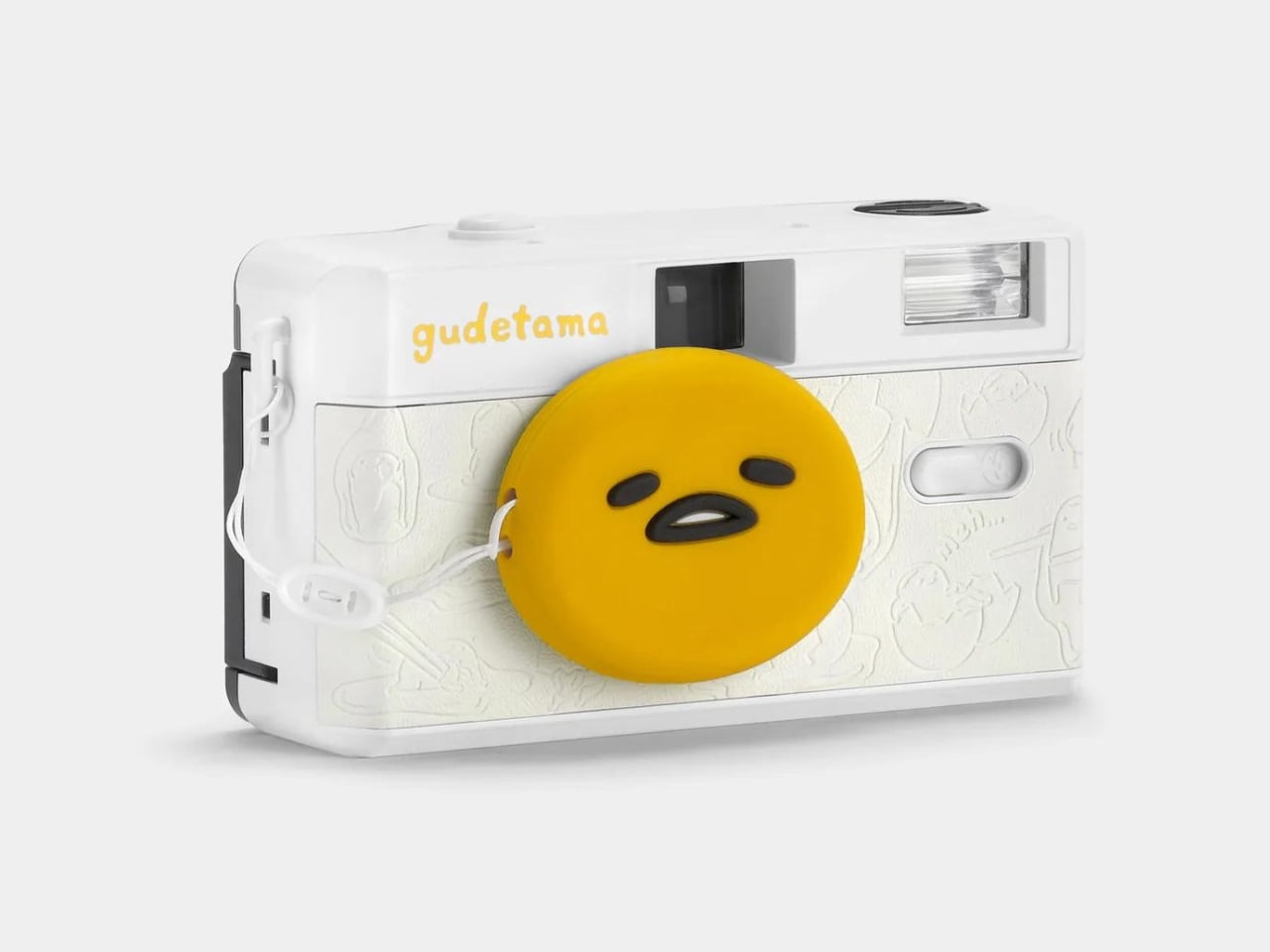
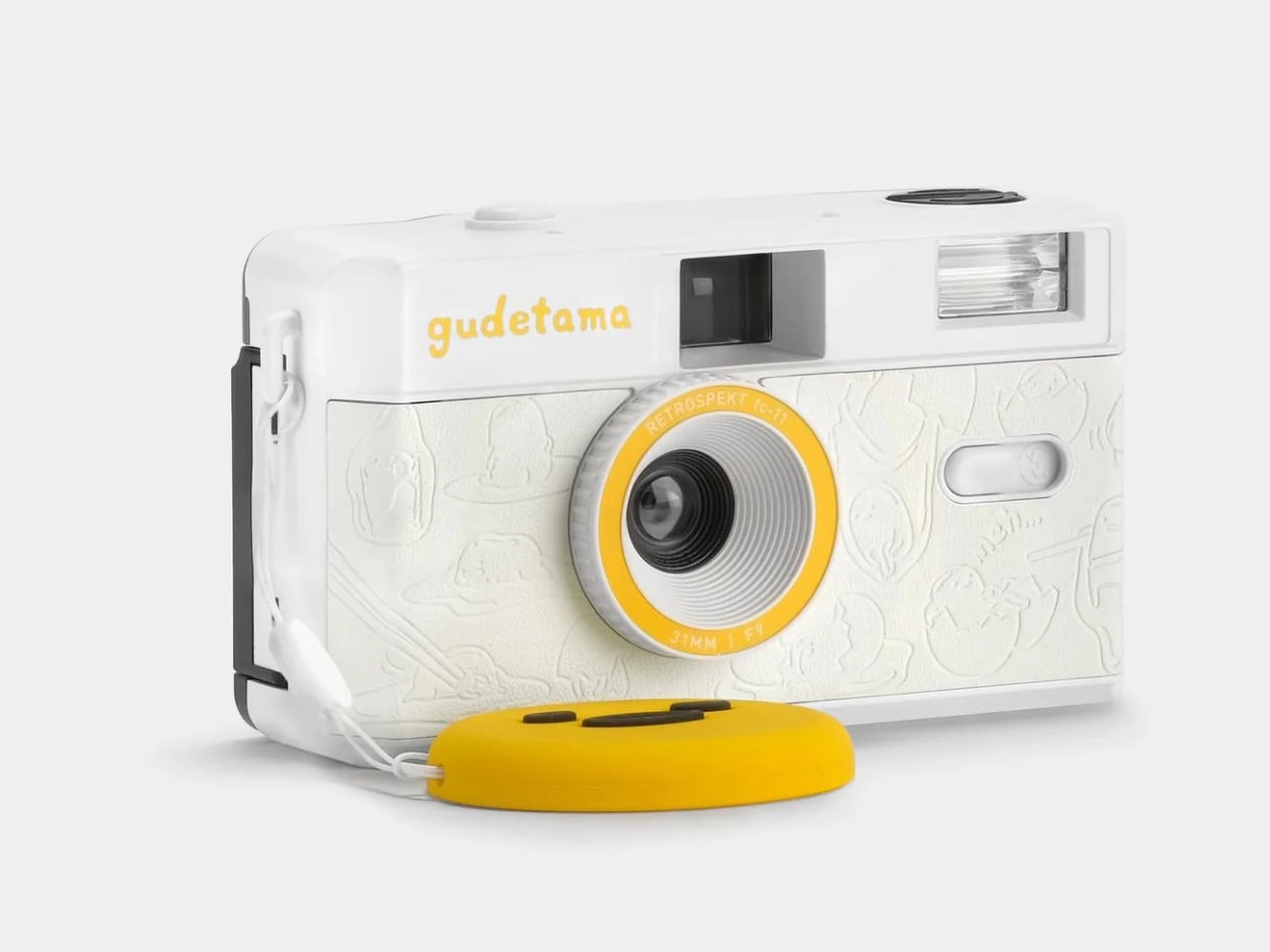
The limited-edition Gudetama Retrospekt FC-11 35mm Film Camera brings together Retrospekt’s retro craftsmanship and Sanrio’s iconic lazy egg in a playful, collectible design. The camera features a silicone Gudetama lens cap and a faux leather-wrapped body illustrated with multiple Gudetama poses, making it as much a display piece as a functional camera. Lightweight at just 122 grams, it’s easier to carry than most smartphones and immediately stands out with its bright, character-driven aesthetic.
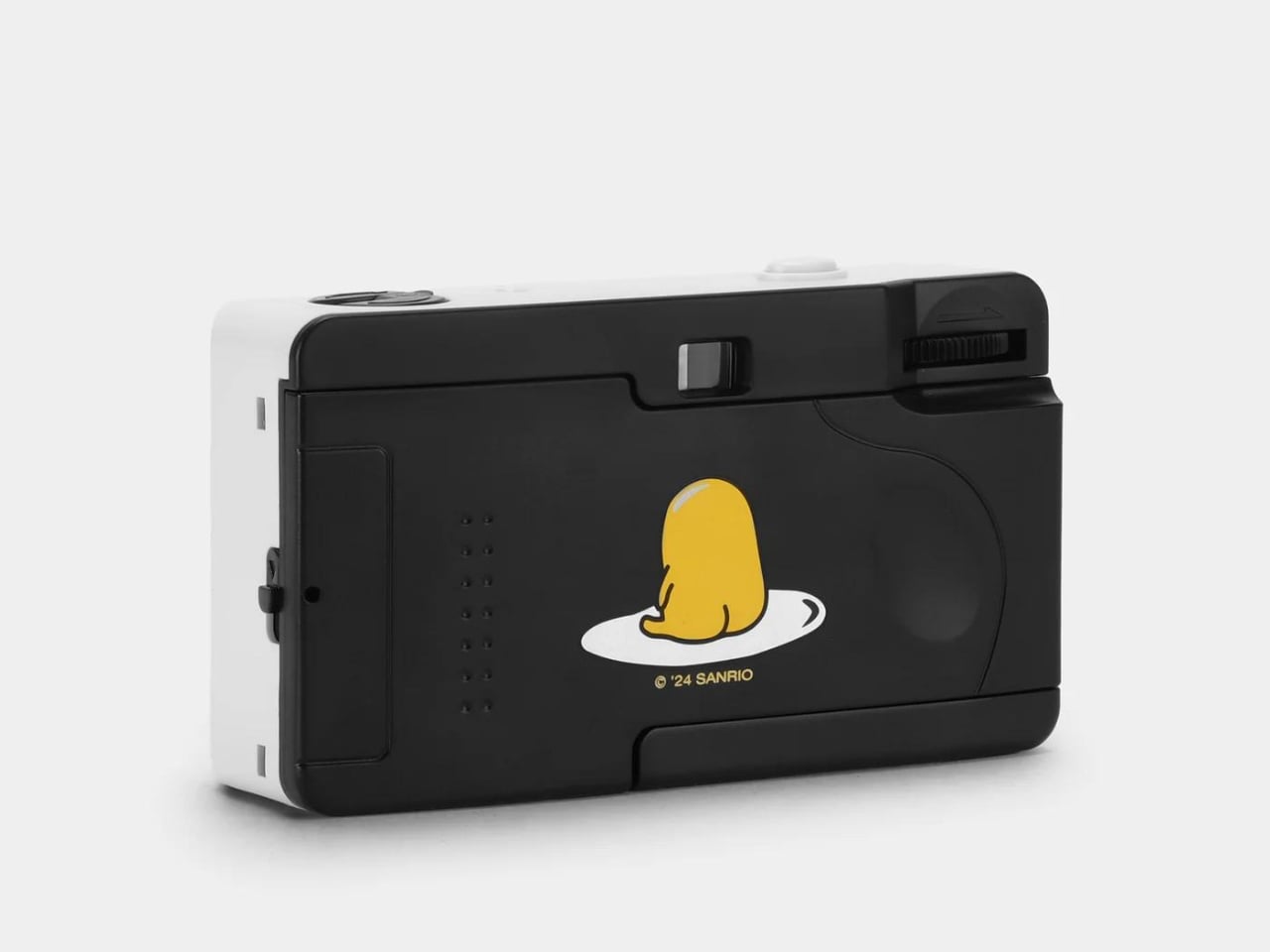
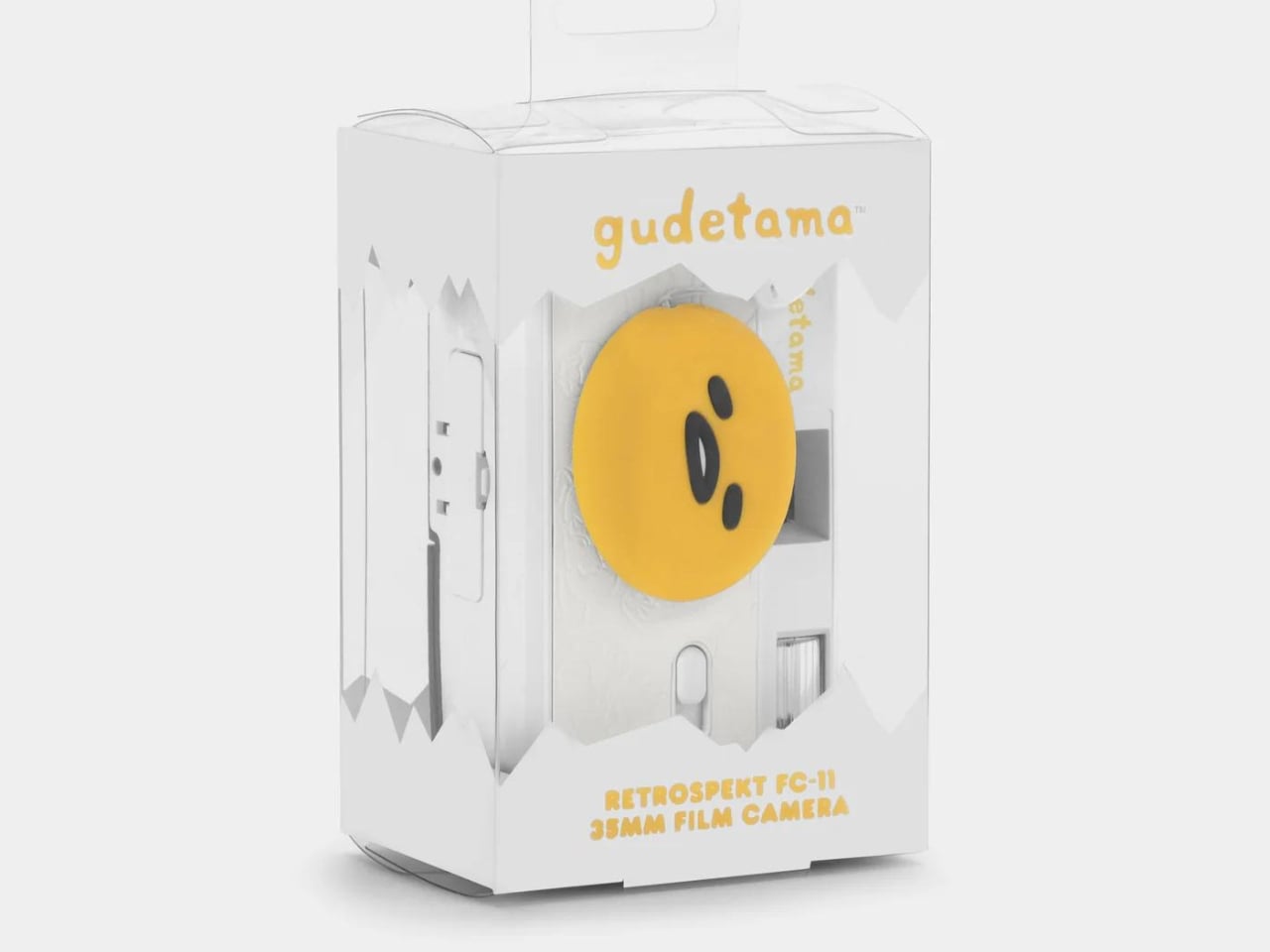
Built as a straightforward point-and-shoot, the FC-11 offers a 1m fixed-focus lens, optional built-in flash, and simple viewfinder framing for effortless shooting. It supports 200–400 ISO film, uses a 31mm f/9 lens, and has a 1/120-second shutter speed, giving users reliable performance in everyday conditions. Once you press the shutter, all that’s left is to develop the 35mm roll at your preferred lab. Cute, compact, and uncomplicated, the Gudetama FC-11 makes analog photography fun and accessible for beginners and collectors alike.

3. The Quest For Authenticity

Another reason for the revival is the cultural shift toward authenticity. In a world oversaturated with perfectly edited digital images, film offers a refreshing sense of realness. For younger audiences raised on high-resolution screens, film feels novel, tactile, and almost rebellious, an antidote to algorithm-driven perfection.

Online platforms have amplified the analog revival, giving emerging photographers a space to share their work, discuss techniques, and explore the emotional depth behind film practice. Even the waiting period between shooting and developing has become a shared ritual and a reminder that creativity doesn’t need to be rushed.
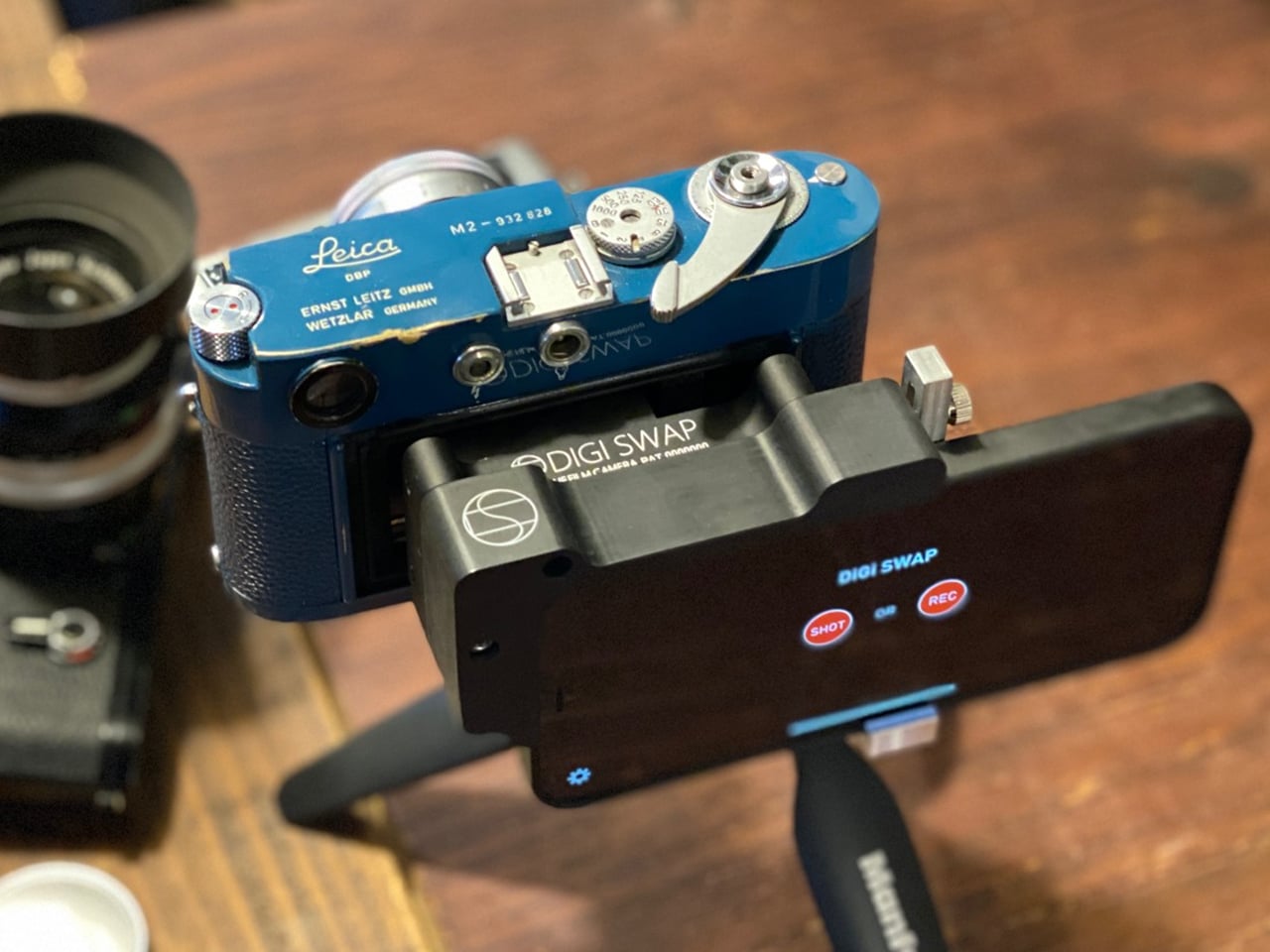

You can now enjoy the charm of analog photography without losing the comfort and speed of your smartphone. As traditional film cameras fade from everyday use, DIGI SWAP offers an elegant solution that brings them back to life. Many people keep old cameras as sentimental keepsakes, reminders of a time when every click of the shutter held suspense. This system lets you relive that experience by combining the tactile pleasure of a film camera with the efficiency of an iPhone.
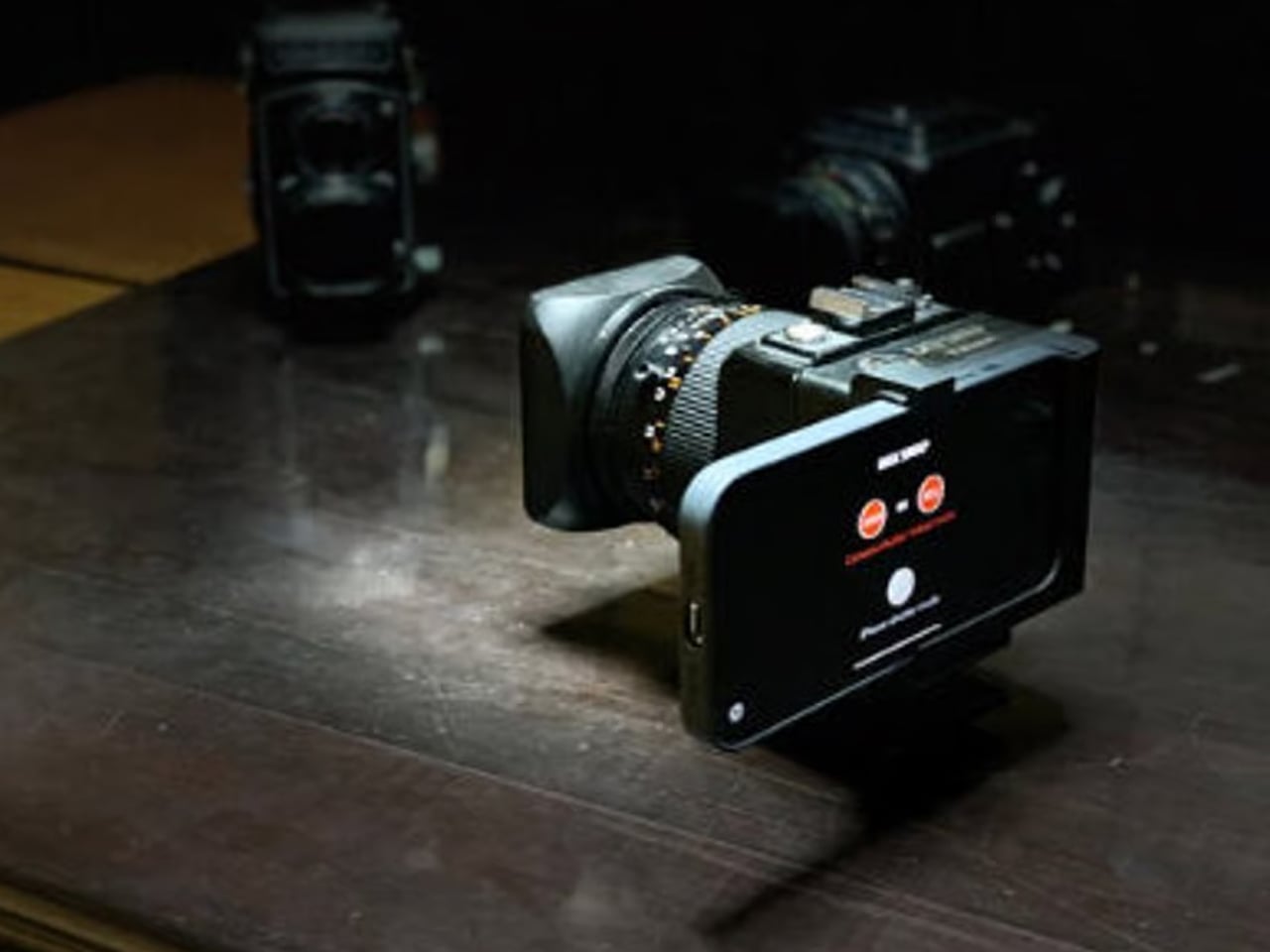
DIGI SWAP consists of an adapter and a companion app that work together to recreate the film shooting process. The adapter mounts your iPhone to the back of the camera, projecting the lens image directly into the phone’s sensor, while the app automatically captures each shot when you press the physical shutter. With features like a wind-up lever simulation and a “Film Empty” screen after 36 frames, it preserves the nostalgia of analog photography while breathing new life into classic equipment.

4. Analog Meets Sustainable Living

Sustainability also plays a subtle but growing role. Many film enthusiasts appreciate the long lifespan of well-made analog cameras, which can function reliably for decades. Instead of constant digital upgrades, users invest in repairable, enduring equipment, which is a mindset that aligns with today’s conscious consumption patterns. When paired with eco-friendly film labs and responsible developing methods, analog photography supports a slower, more considered creative lifestyle.
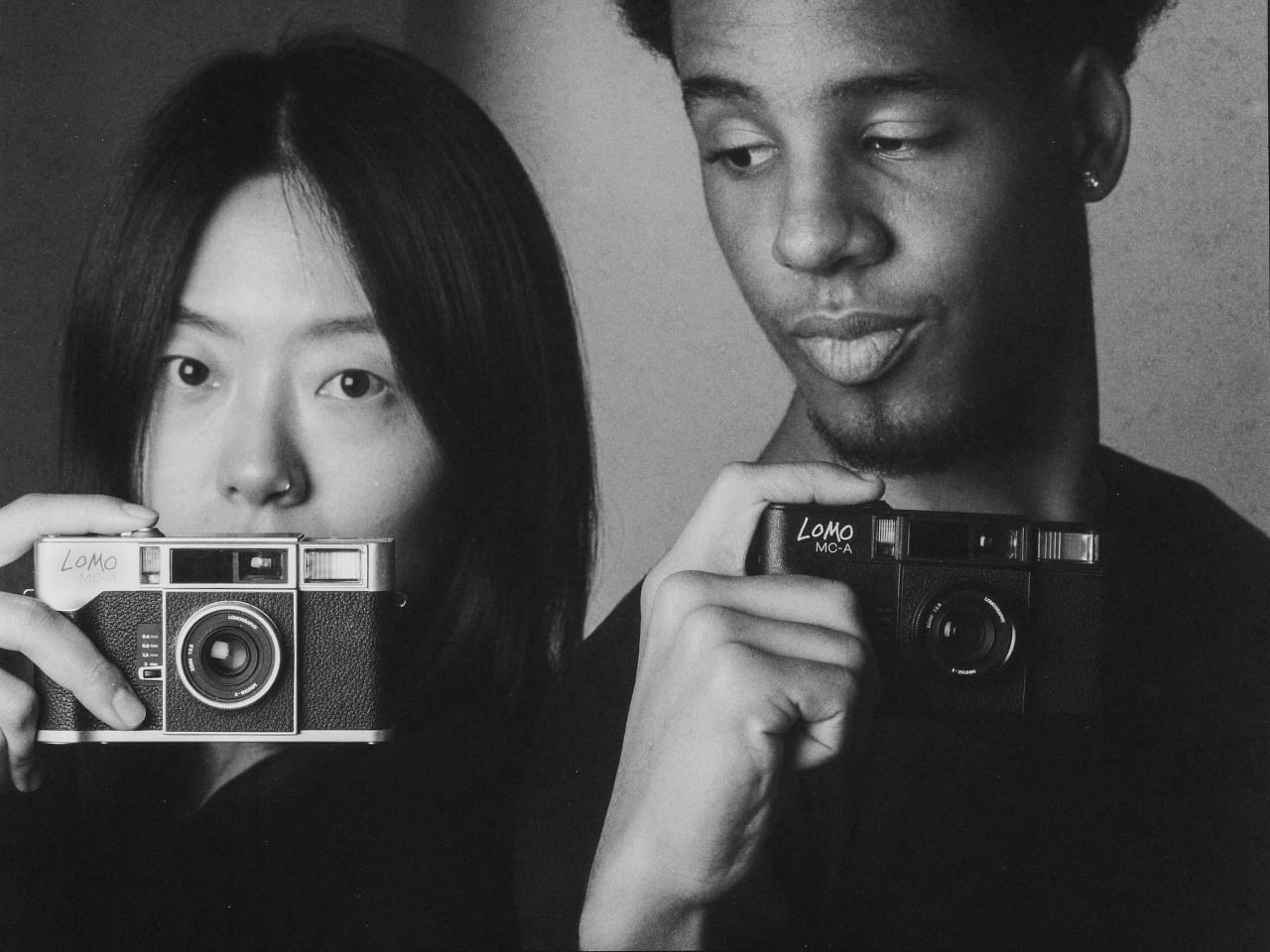
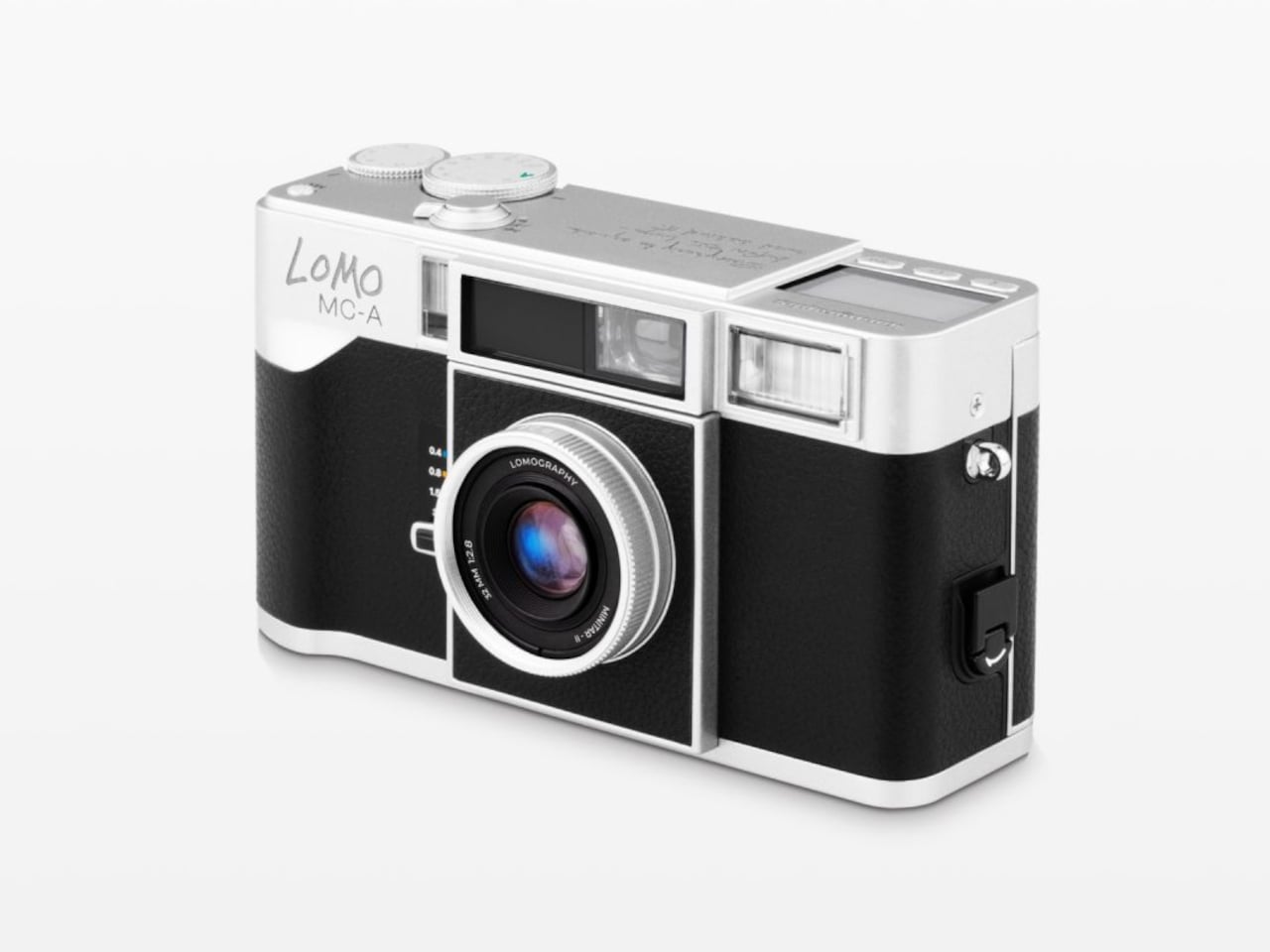
The Lomography Lomo MC-A stands apart from the wave of digital cameras dressed in retro styling by being a truly analog 35mm film camera. Built with a robust metal body in silver or black, it features a retractable 32mm f/2.8 multi-coated glass lens that produces sharp, vibrant images with authentic film character. Manual film advance, tactile dials, and classic controls reinforce the experience of shooting real film rather than simulating it. Three modes, like Program Auto, Aperture Priority, and Full Manual, offer flexibility for beginners and advanced users alike, while fast autofocus and zone focusing support everything from everyday snapshots to street photography.


What makes the MC-A especially practical is its integration of USB-C charging, replacing hard-to-find CR2 batteries with a rechargeable system that lasts up to ten rolls per charge and exceeds 1,200 recharge cycles. The camera also includes signature Lomography tools such as a Splitzer, colored gel filters, protective wrap, and leather accessories, creating a complete, ready-to-shoot analog kit for modern film enthusiasts.

5. A Timeless Art Form, Reimagined

Most importantly, the reimagining of analog cameras reflects a universal desire to reconnect with craftsmanship, with memory, and with the art of paying attention. Modern technology doesn’t erase the soul of film; it simply enhances it. By blending retro charm with intelligent innovation, these cameras invite photographers to rediscover the thrill of uncertainty and the beauty of restraint qualities that feel more relevant than ever in a hyper-digital world.

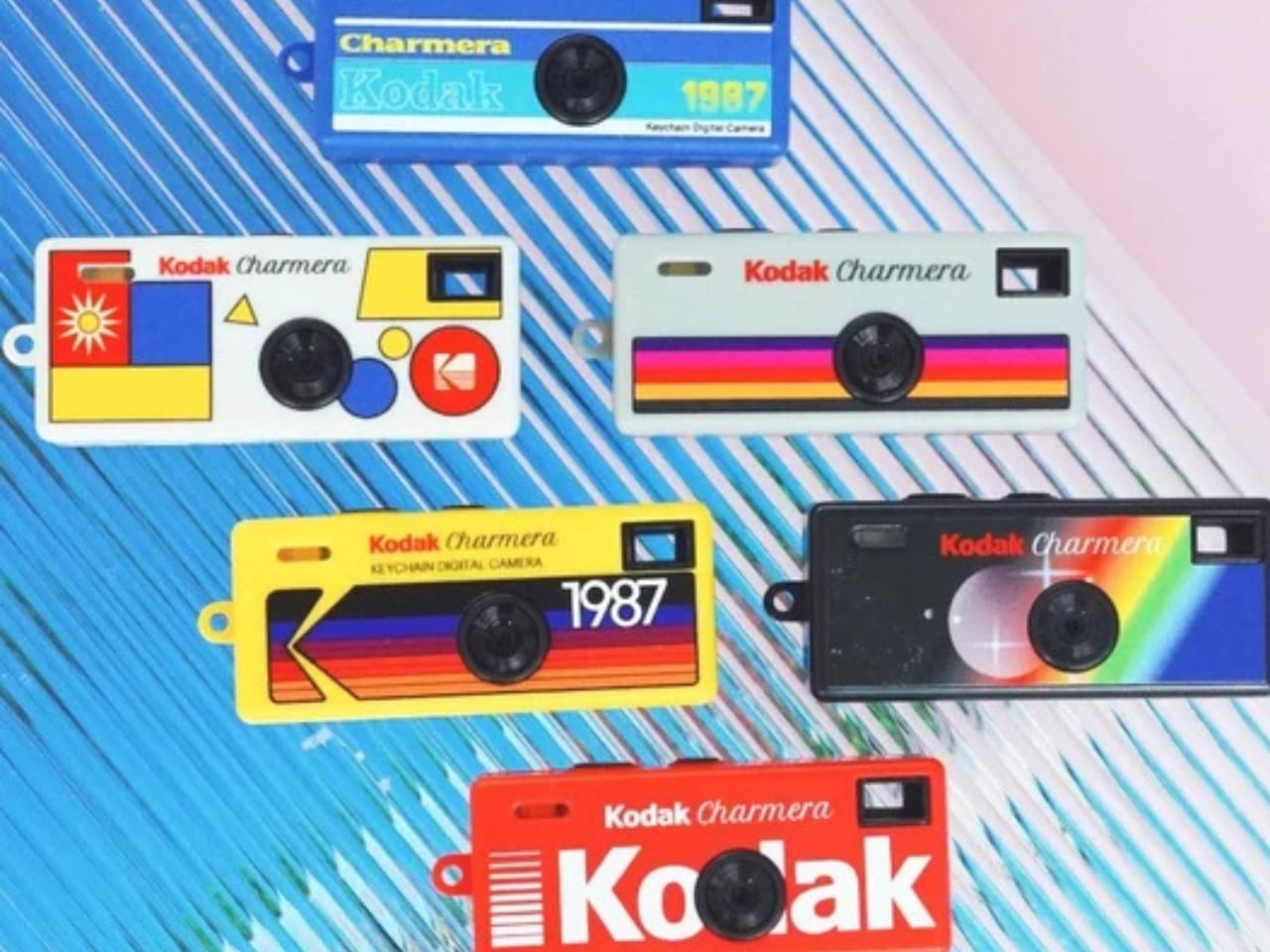
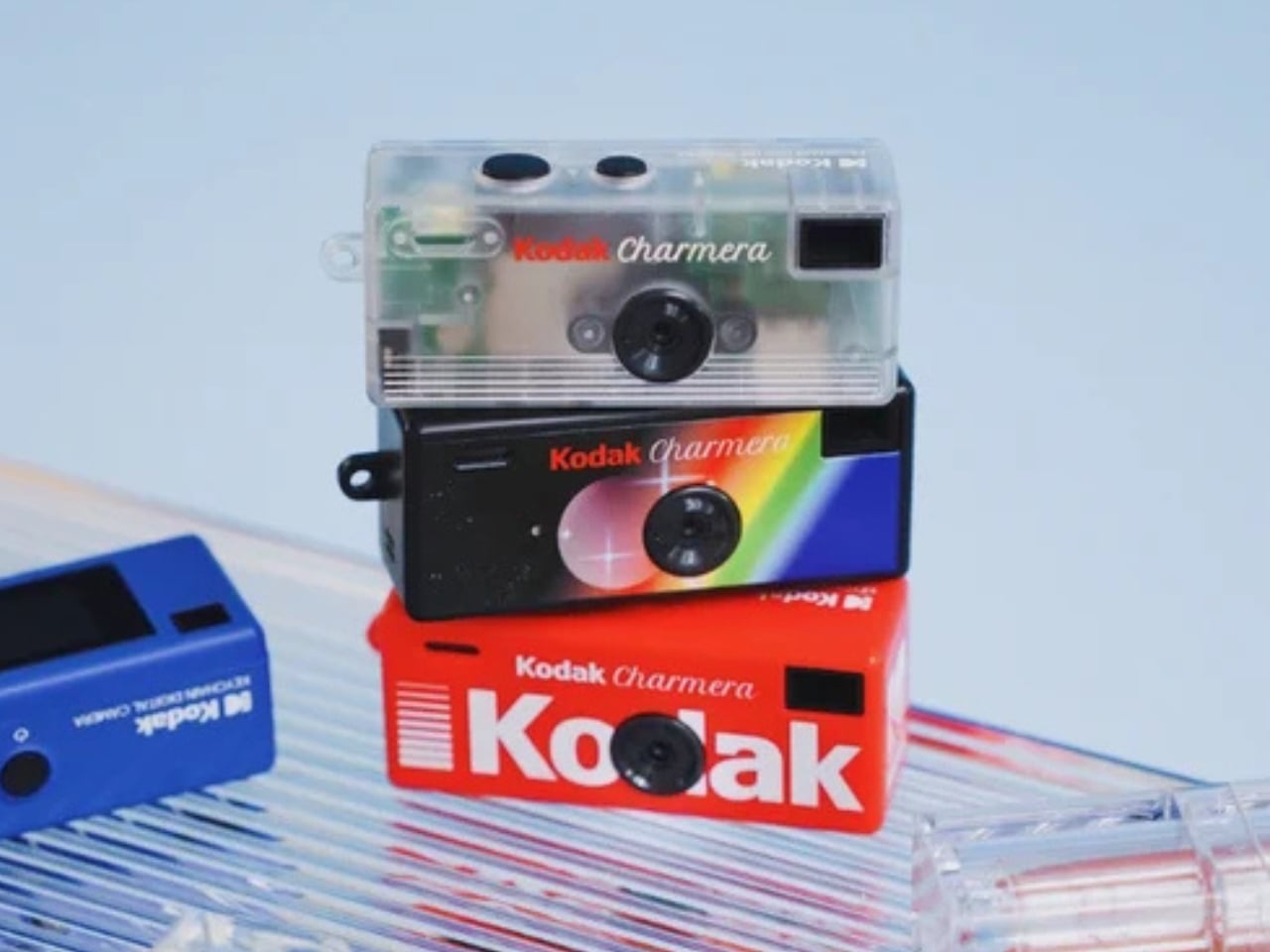
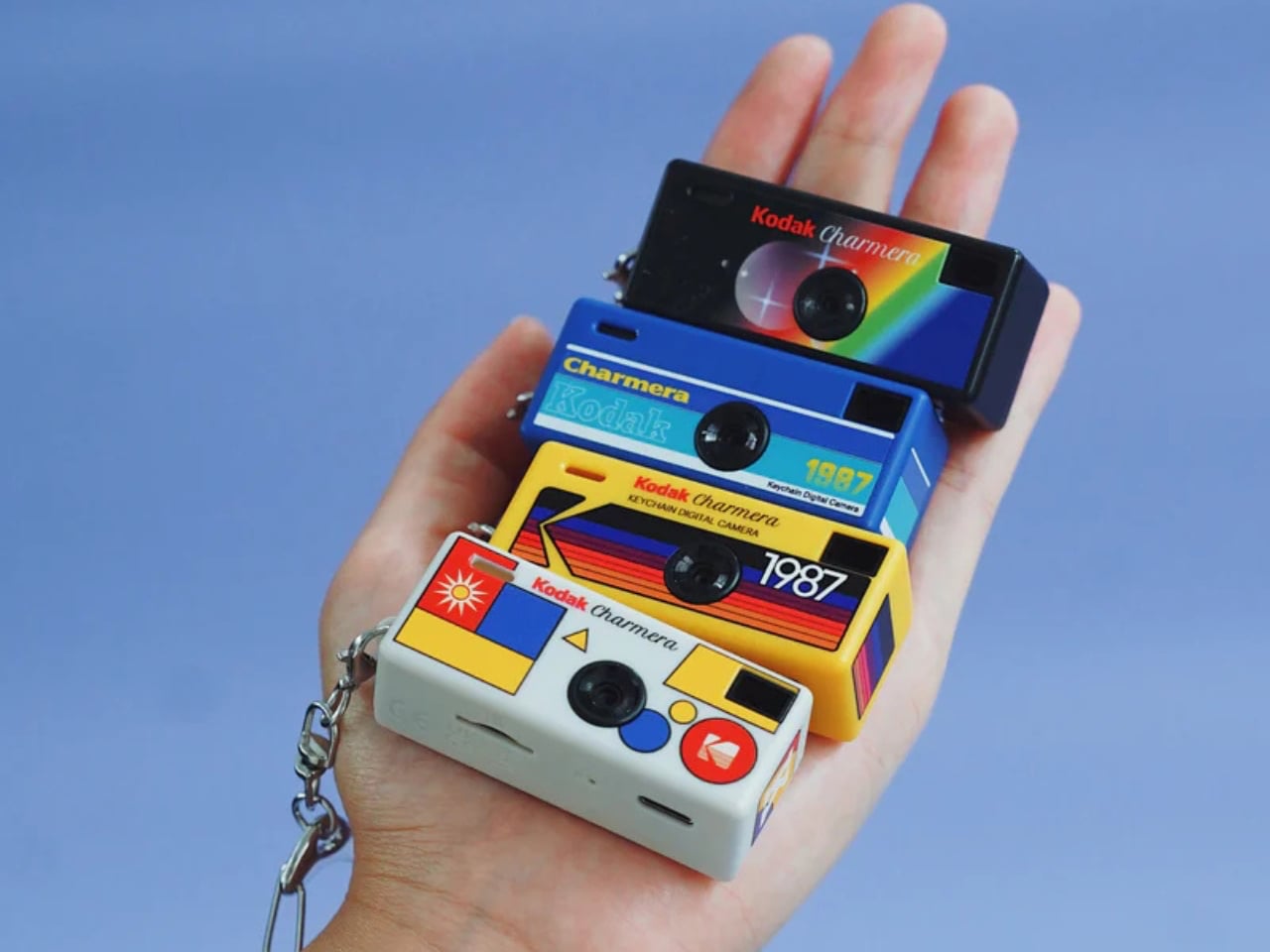
Kodak’s Charmera camera brings a modern twist to the brand’s iconic analog cameras, especially the single-use models from the 1980s and 1990s. Designed as a miniature digital device, it mirrors the size and retro look of the classic Kodak Fling while replacing disposability with convenient recharging. Its blind-box format adds a collectible appeal, offering one of several vintage-inspired designs, including a rare transparent “secret edition.” Compact and lightweight at just 2.2 inches and 30 grams, it doubles as a charm thanks to its keychain loop, blending nostalgia with everyday portability.
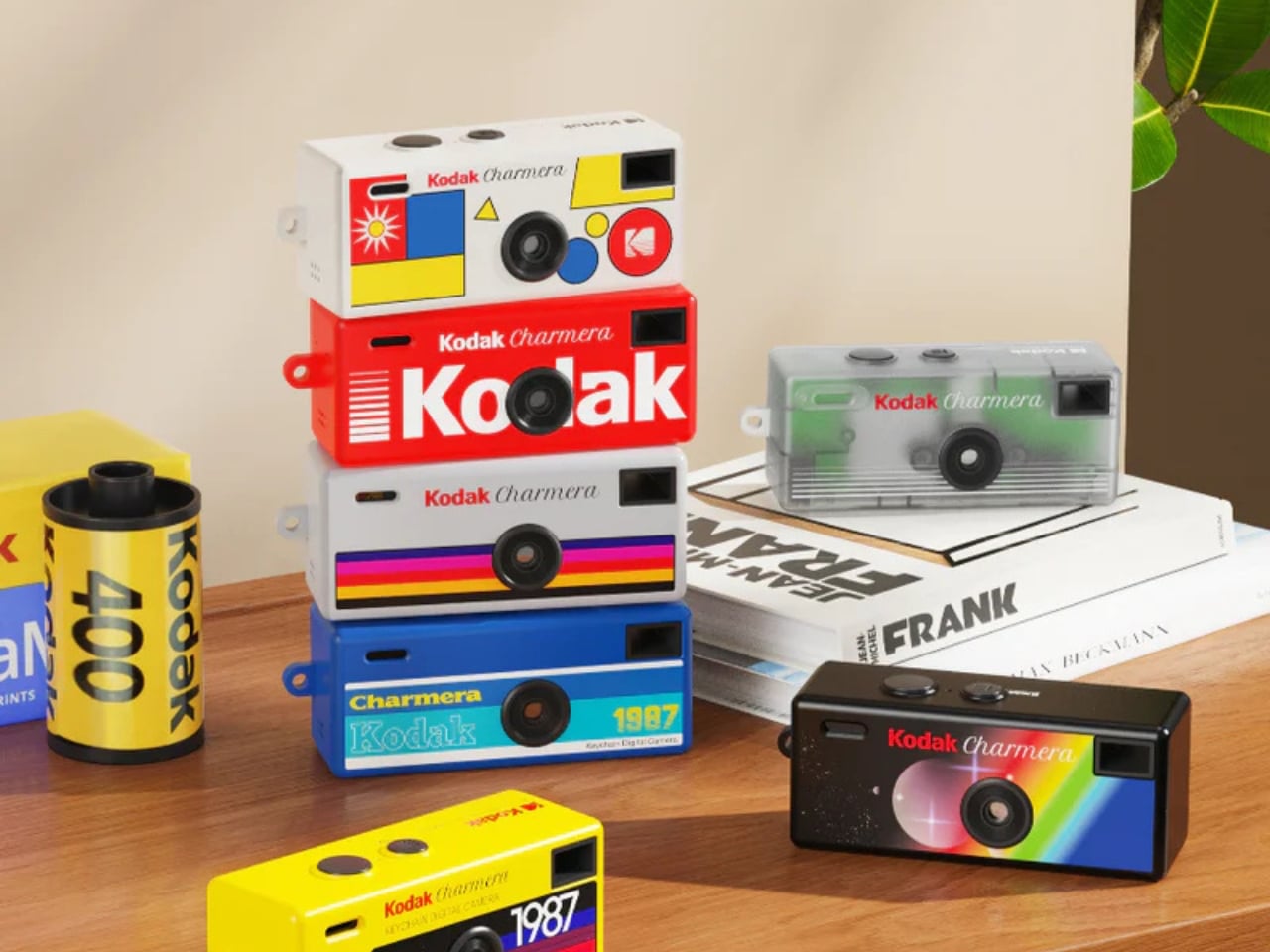
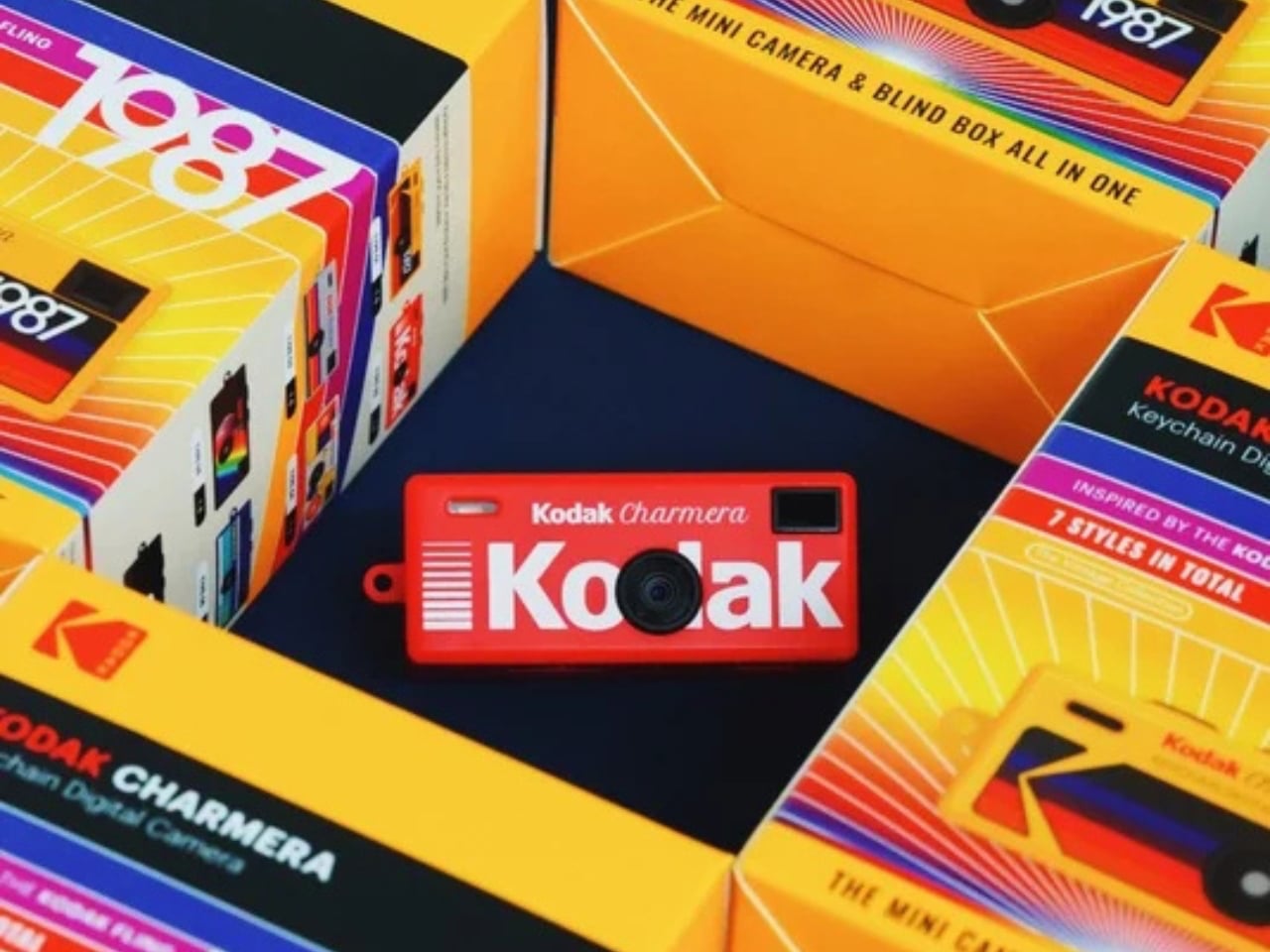
Despite its playful scale, Charmera delivers a complete digital shooting experience with the familiar imperfections of analog cameras. It uses a 1.6-megapixel CMOS sensor to capture 1440 × 1080 photos and 30 fps video, embracing a grainy, film-like aesthetic. With filters, themed frames, and date stamps, plus microSD support and USB charging, it offers a practical way to create retro-style content inspired by classic analog photography.

Analog photography is making a strong comeback, not by rejecting modern tech but by blending with it. New hybrid and updated film cameras keep the charm of shooting on film while adding features that make them easier to use. This mix of old and new shows that people still value slow, thoughtful image-making. In today’s fast digital world, analog feels fresh again.

The post 5 Retro Film Cameras with Modern Tech Gen Z Can’t Stop Buying first appeared on Yanko Design.
5 Gifts That Give Analog Joy in a Digital World

Our days are choreographed by screens. Messages stack up, tabs multiply, and even downtime quietly dissolves into endless scrolling. Everything is fast, efficient, and slightly forgettable. The more our lives move into apps and feeds, the more special it feels to hold something real, weighty, and unconnected.

This gift guide is a small rebellion against that drift. Each of these five picks invites a different kind of analog joy. They ask you to press graphite into paper, light a real flame, wait for a print to develop, or sit with an entire album. None of them need notifications to feel important. They just need a little bit of your time and attention.

Everlasting All‑Metal Pencil

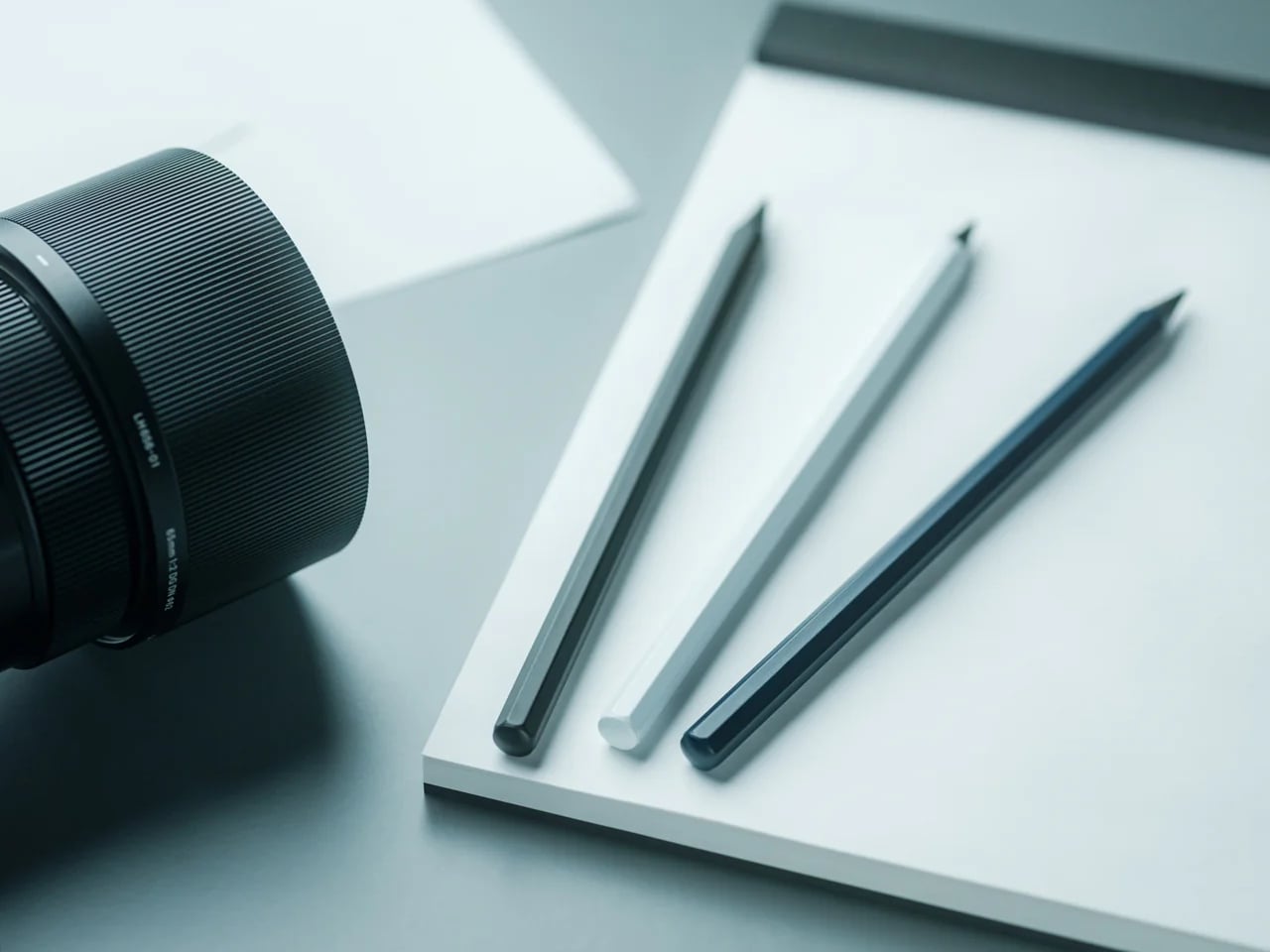
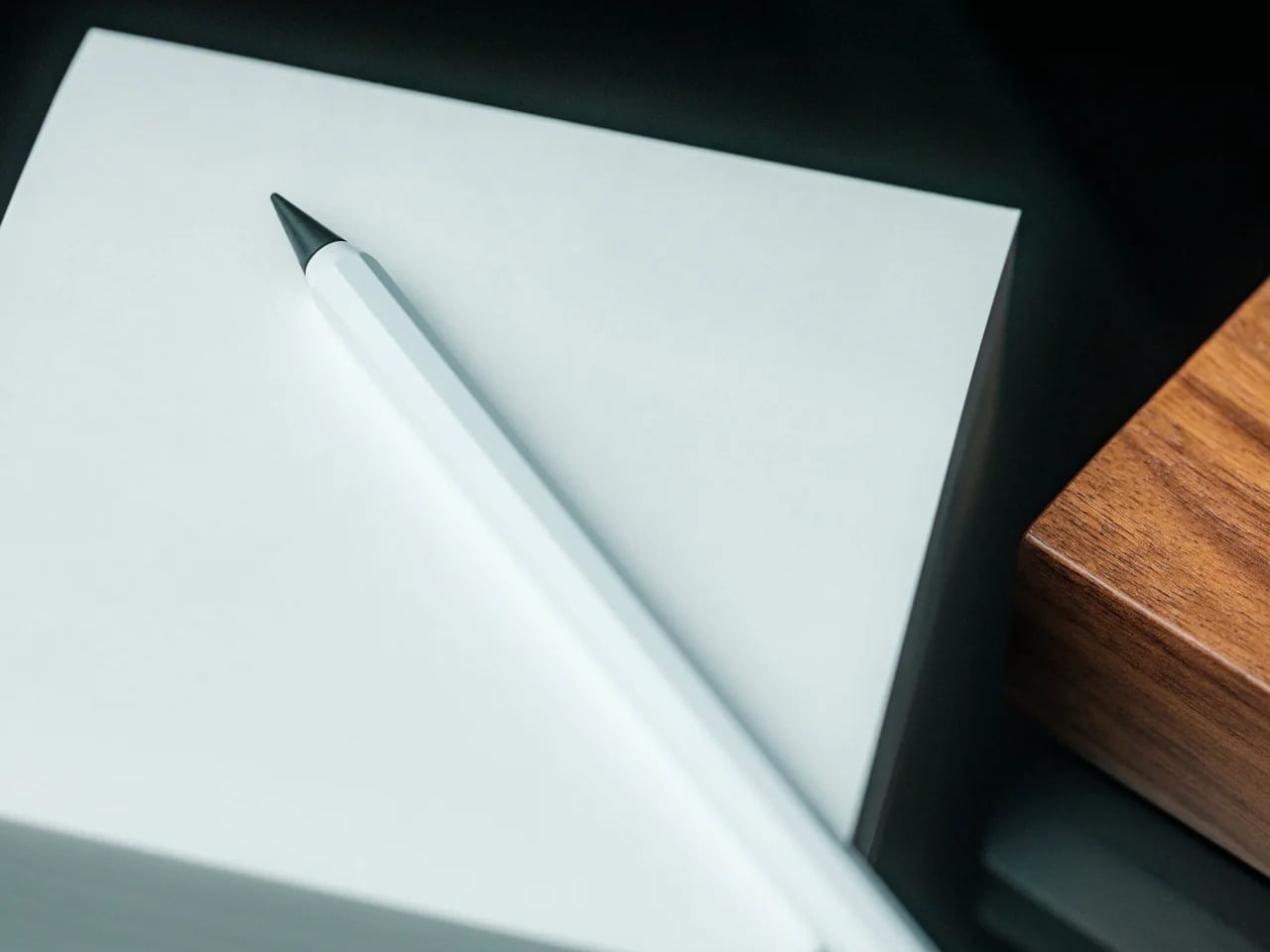
The Everlasting All‑Metal Pencil is what happens when a humble everyday tool is treated like a piece of precision hardware. It looks and feels like a machined object from a design studio, not a disposable stick from a stationery aisle. There is no wood to sharpen and no plastic to crack, just a single, solid body that quietly asks to live on your desk for years.

Using it turns quick notes and margin doodles into a small ritual. The cool touch of the metal, the balance in your hand, and the clean line it leaves on the page all slow you down just enough. It is perfect for designers, architects, and notebook addicts who want something permanent in a world of temporary browser tabs. As a gift, it is that rare thing that feels both minimal and deeply considered.

Click Here to Buy Now: $19.95

What We Like

  • Feels premium and durable.
  • Eliminate the need for sharpening.

What We Dislike

  • May feel heavier than a regular pencil.
  • Lacks the nostalgic ritual of shaprpening, which some analog purists actually enjoy.

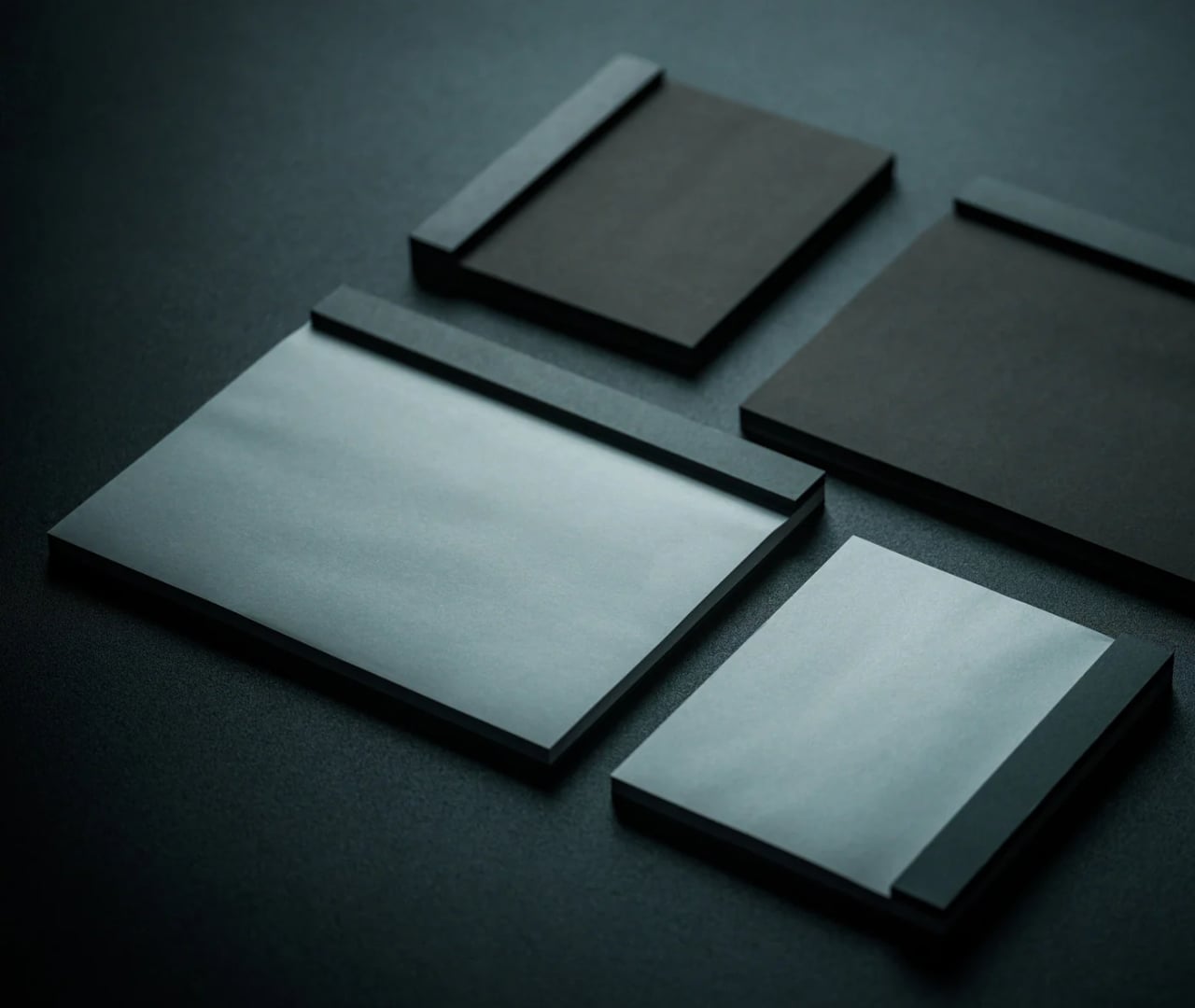
Japanese Drawing Pad

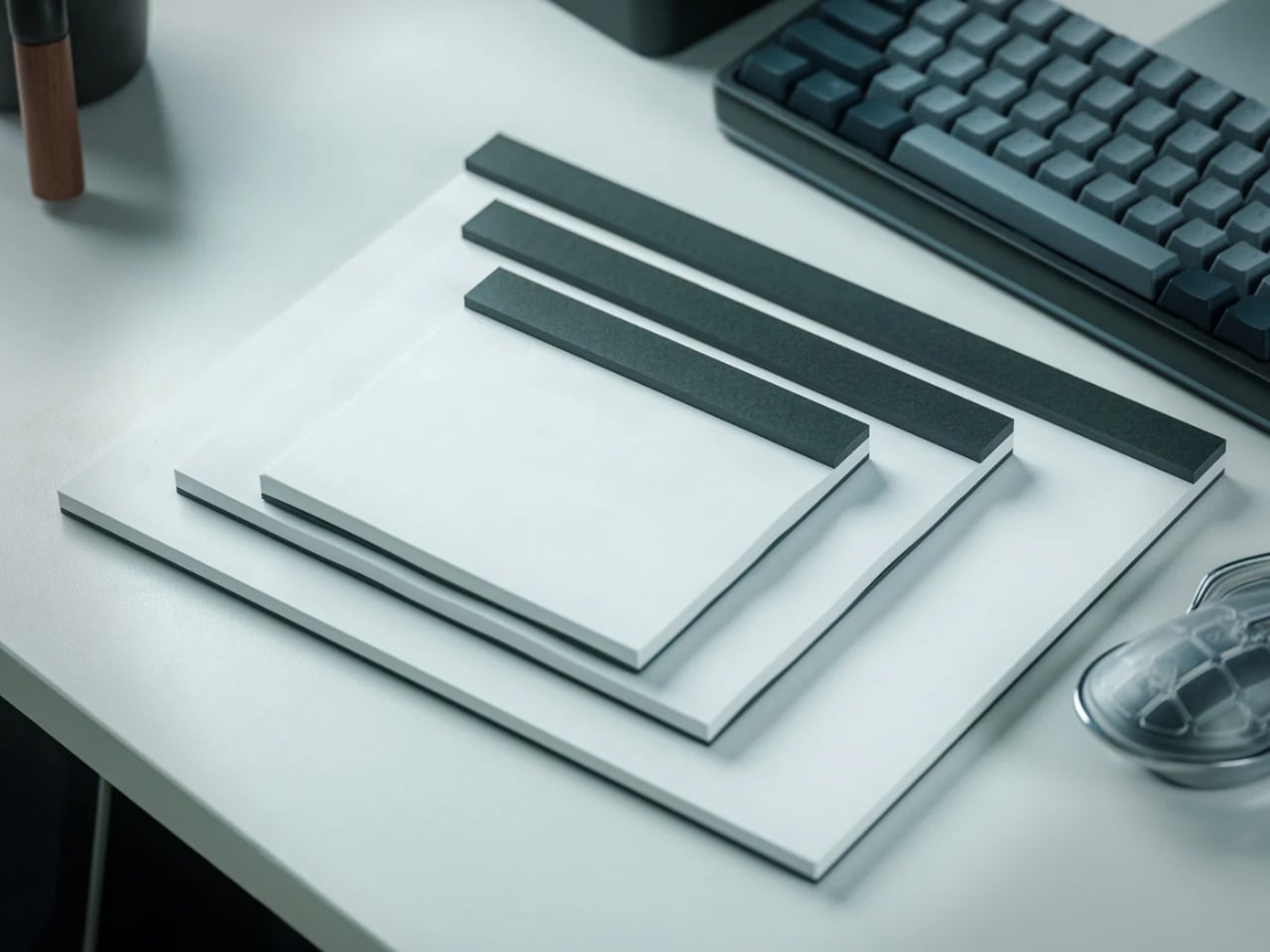
A good analog tool deserves equally good analog paper. The Japanese Drawing Pad is the quiet counterpart to the all‑metal pencil, turning loose thoughts into something you can literally flip through. Every sheet becomes a small stage for sketches, diagrams, or half‑formed ideas that would disappear instantly if they were typed into a notes app.

There is a tactile pleasure in the way the pages bend, stack, and curl over time. The pad looks clean and intentional on a desk, yet it is never precious enough to intimidate. You can fill it with messy thumbnails or careful lettering and it will still feel right. Paired with the metal pencil, it becomes a complete thinking kit, ideal for anyone who likes to step away from their screen and see ideas spread out in front of them.

Click Here to Buy Now: $26.00

What We Like

  • High-quality paper enhances the feel of drawing and writing.
  • Encourages analog thinking and sketching habits.

What we dislike

  • Not ideal for people who prefer lined or heavily structured pages.

Fire Capsule Oil Lamp

The Fire Capsule Oil Lamp is analog joy in its purest form. It does one thing beautifully. It gives you a small, living flame in a world of harsh LEDs and backlit everything. Lighting it becomes a tiny ceremony at the end of the day. You strike a match, watch the wick catch, and feel the room shift as the glow softens edges and slows your thoughts.

Its capsule‑like form makes it as much an object of design as a source of light. Metal and glass work together to frame the flame so it looks almost suspended inside the silhouette. Even when it is not lit, it reads as a sculptural accent on a shelf or bedside table. Give it to someone who loves reading at night, journaling by hand, or simply reclaiming a corner of their home from the blue light of their phone.

Click Here to Buy Now: $89.00

What we like

  • Creates a warm, calming atmospher.
  • Simple, analog operation turns lighting into a relaxing daily ritual.

What we dislike

  • Invoices an open flame, which requires caution.
  • Can leave a faint scnet or residue if low-quality oil is used.

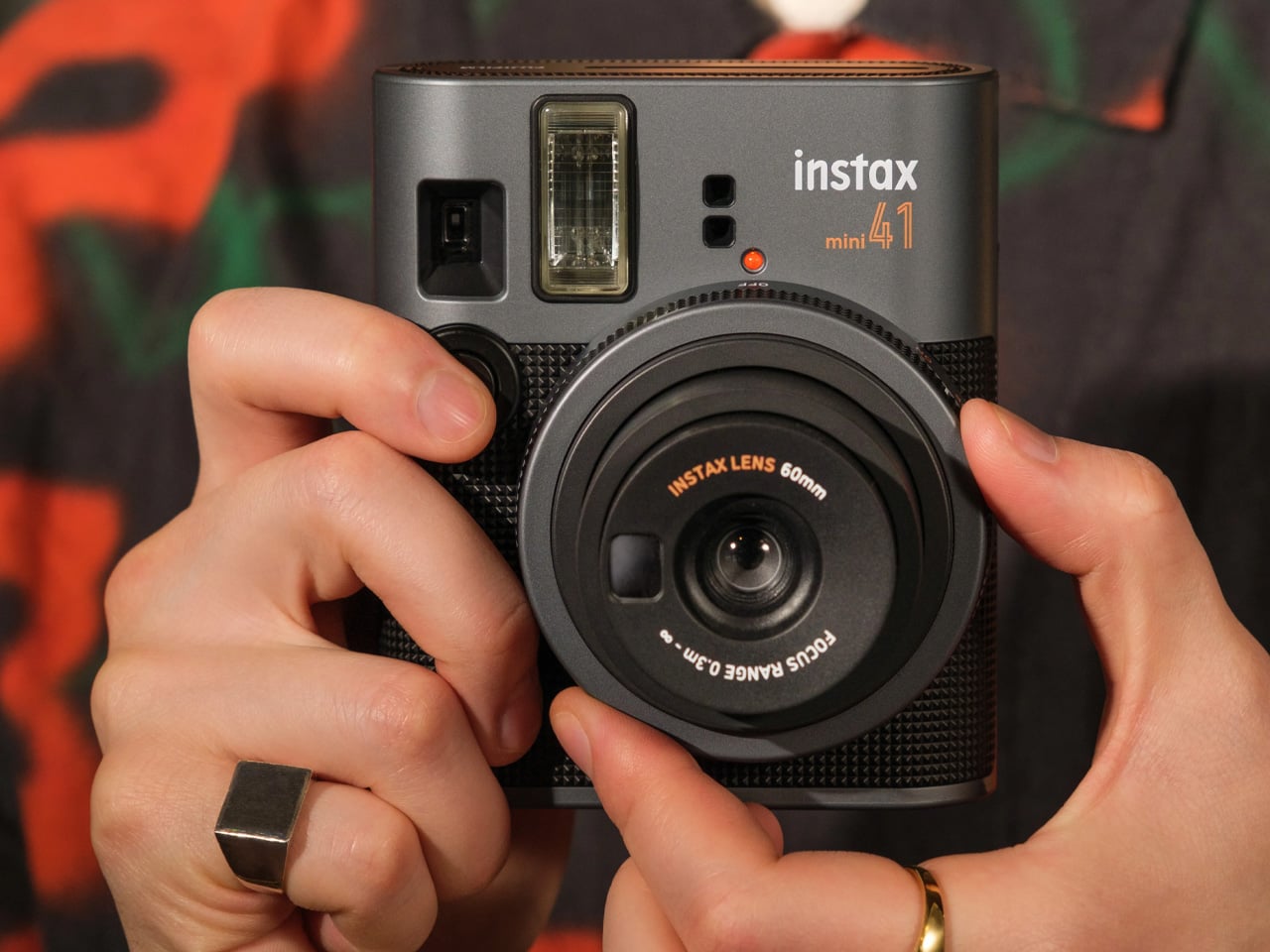
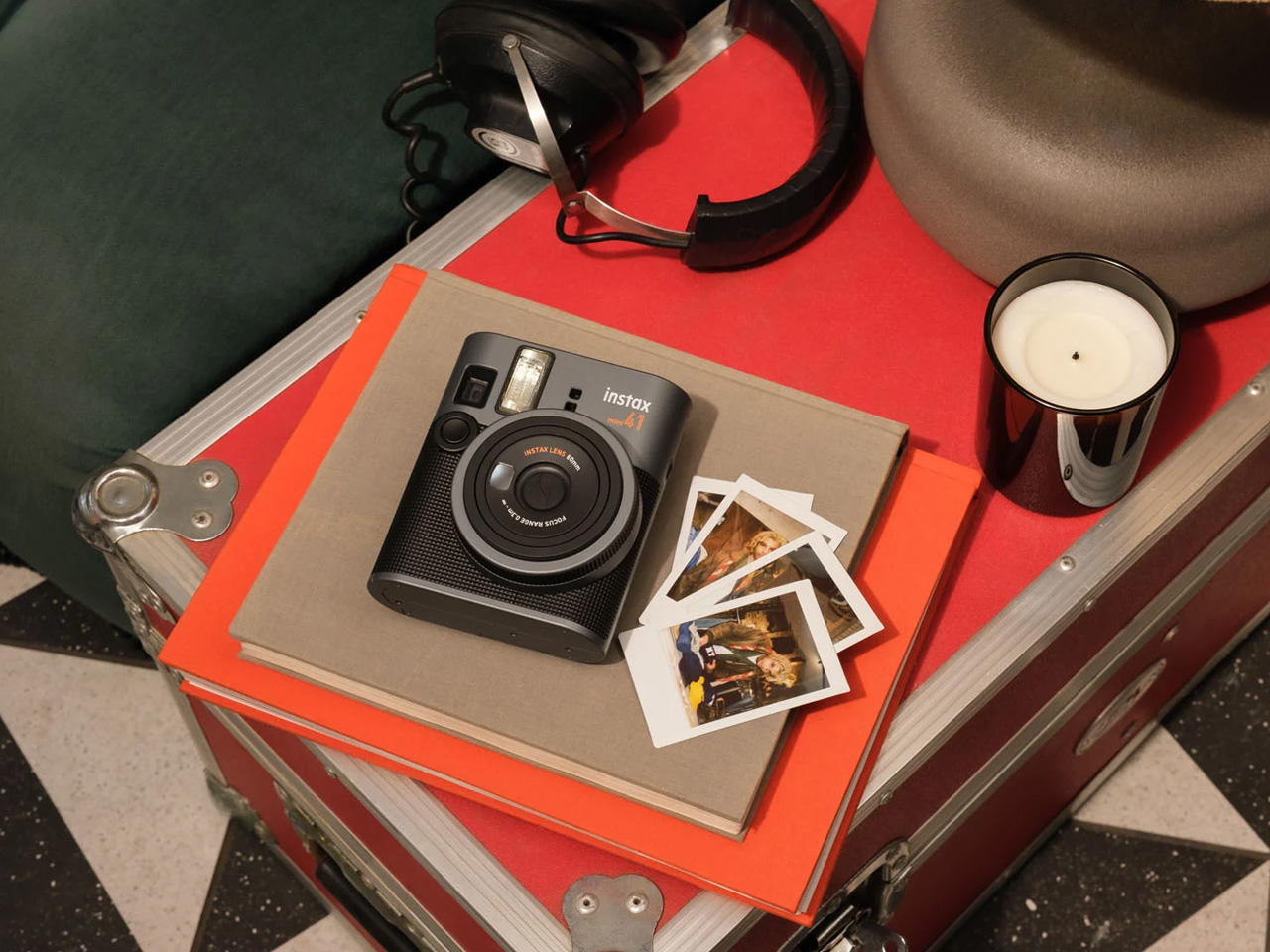
Fujifilm Instax Mini 41

The Fujifilm Instax Mini 41 brings back the thrill of waiting for a photo to appear in your hands. It has the retro charm of an instant camera, yet it is tuned for the way people actually shoot now. You frame the shot, click, and a small print slides out, slowly revealing the moment you just captured. There are no filters, no retakes, and no algorithm deciding whether this memory deserves likes.

Its design leans into nostalgia without feeling like a toy. The body has a familiar, friendly shape, while the updated features make it easier to capture better selfies and group shots. It is the perfect gift for someone who lives on social media but is starting to crave something they can stick on a wall, tuck in a wallet, or leave on a fridge. Over time, the little prints become a physical timeline that no feed can quite match.

What we like

  • Produces instant physical prints.
  • Modern features make it easier to capture better selfies and group shots.

What we dislike

  • Requires ongoling purchases of film.
  • Bulky compared to a phone camera.

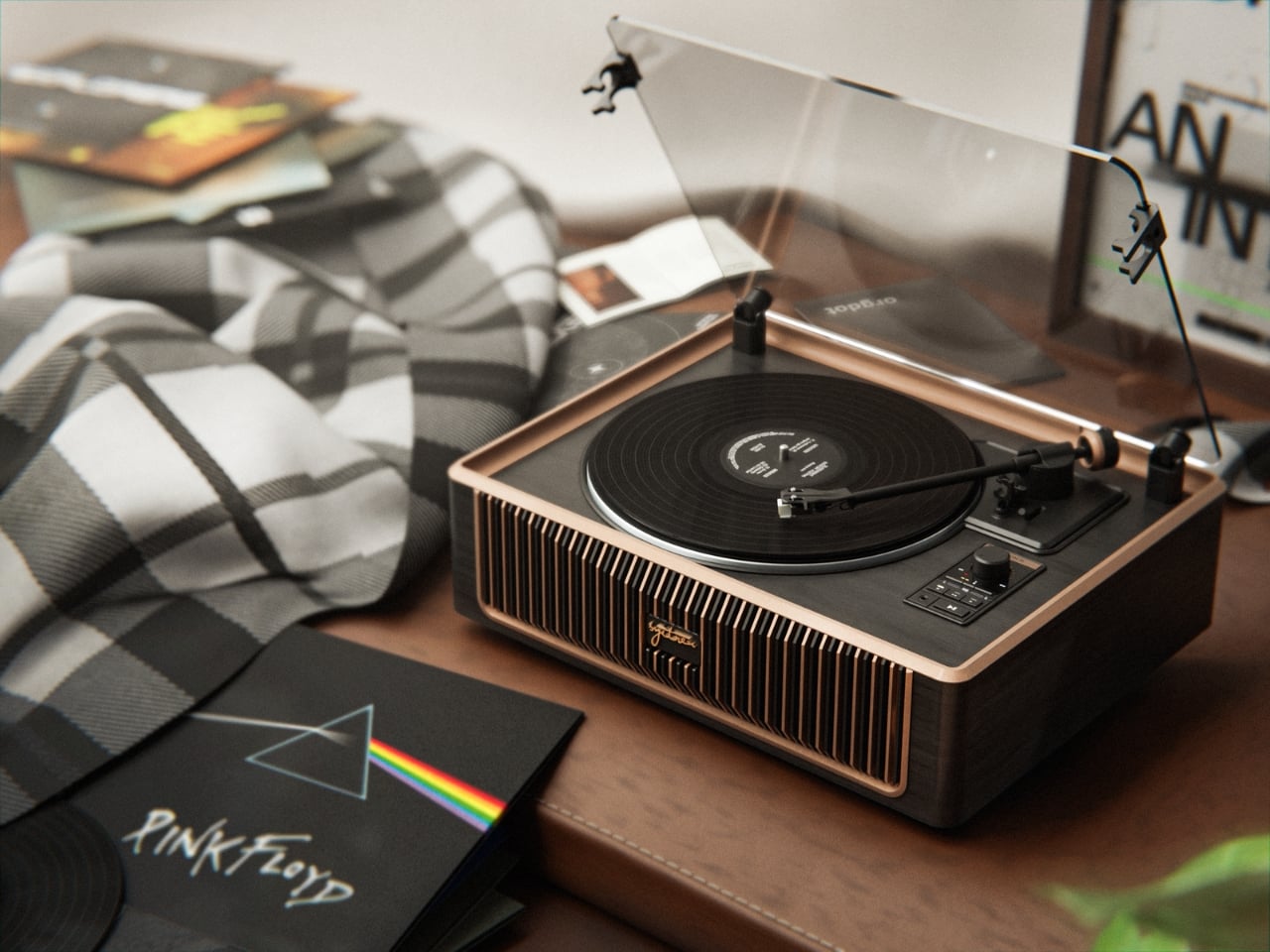
PARON III

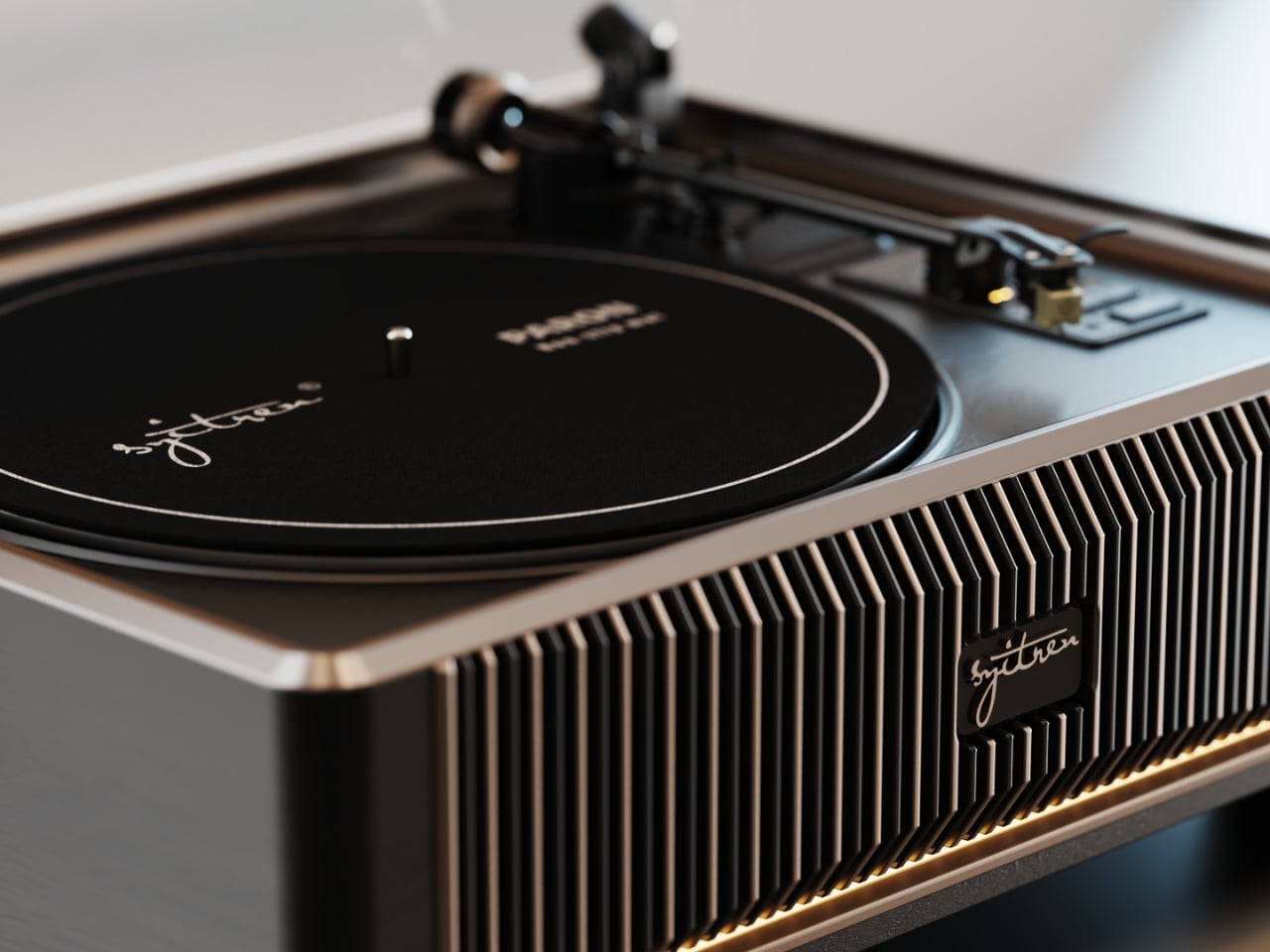
The PARON III is the most dramatic expression of analog joy in the lineup. It hides its turntable mechanism inside an incredibly sleek shell, so at first glance it looks more like a minimalist sculpture than a piece of audio gear. That visual restraint sets the tone for the entire listening experience. When you use it, you are not just putting on background noise. You are starting a small performance.

Playing a record on it is deliberately slower than tapping a playlist. You slide the vinyl from its sleeve, place it carefully, and commit to at least one full side. That constraint is exactly what makes it feel special. The clean lines and reduced visual clutter let it blend into modern interiors while still acting as a focal point when the music starts. As a gift, it is a statement. It is for the person who loves sound, sleeve art, and the idea that listening should sometimes be a single, undistracted act.

What we like

  • Turns listening to musicinto a deliverate, immersive ritual.
  • Premium design makes it a striking centerpeice.

What we dislike

  • Less convenient than streaming for casual listeners.

Find the Gift That Slows Their World Down

Analog gifts are not about pretending the digital world does not exist. They are about carving out small islands of slowness inside it. The Everlasting All‑Metal Pencil and Japanese Drawing Pad belong with the person who fills notebooks faster than hard drives. The Fire Capsule Oil Lamp suits the night owl who wants to unwind without another screen. The Fujifilm Instax Mini 41 is for the memory‑maker who wants a real stack of photos. The sleek vinyl player is for the listener who knows albums by heart and wants a reason to sit down and hear them properly.

Choose the gift that fits the ritual they already have or secretly want. Each of these objects asks for nothing more than a few quiet minutes and a pair of hands. In return, they give something the digital world still struggles to deliver. They give weight, texture, and the kind of small, analog moments people remember long after the latest app update fades.

The post 5 Gifts That Give Analog Joy in a Digital World first appeared on Yanko Design.
Why This Alarm Clock Might Actually Make You a Morning Person

Let’s be real: most of us have a complicated relationship with our alarm clocks. When I say most of us, I mean me. It’s my least favorite necessary thing even though it’s just basically on my phone . I get jolted awake with aggressive beeps, sometimes it glows too brightly in the dark, and honestly, they’re not exactly objects we want to look at or hear first thing in the morning.

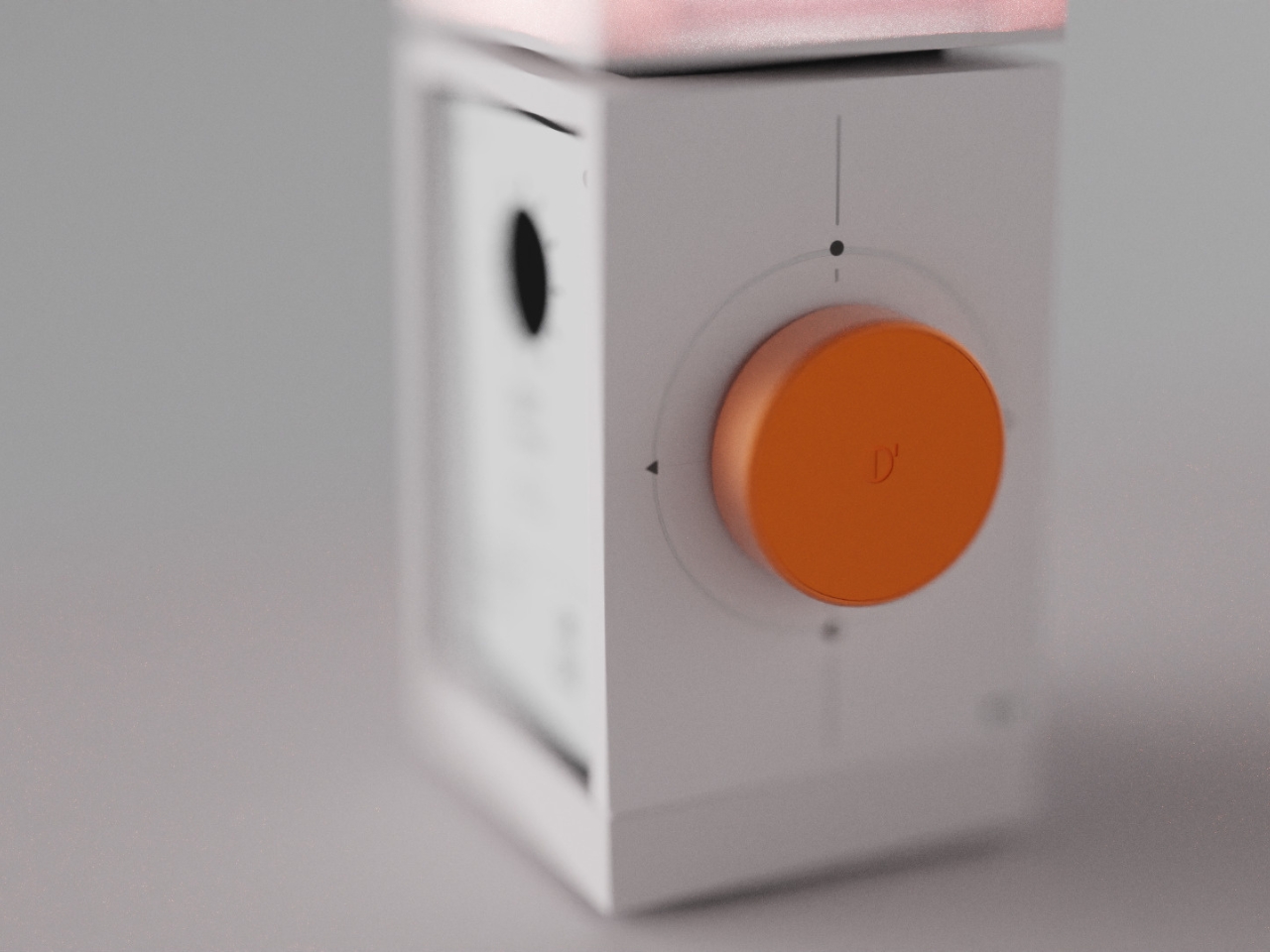
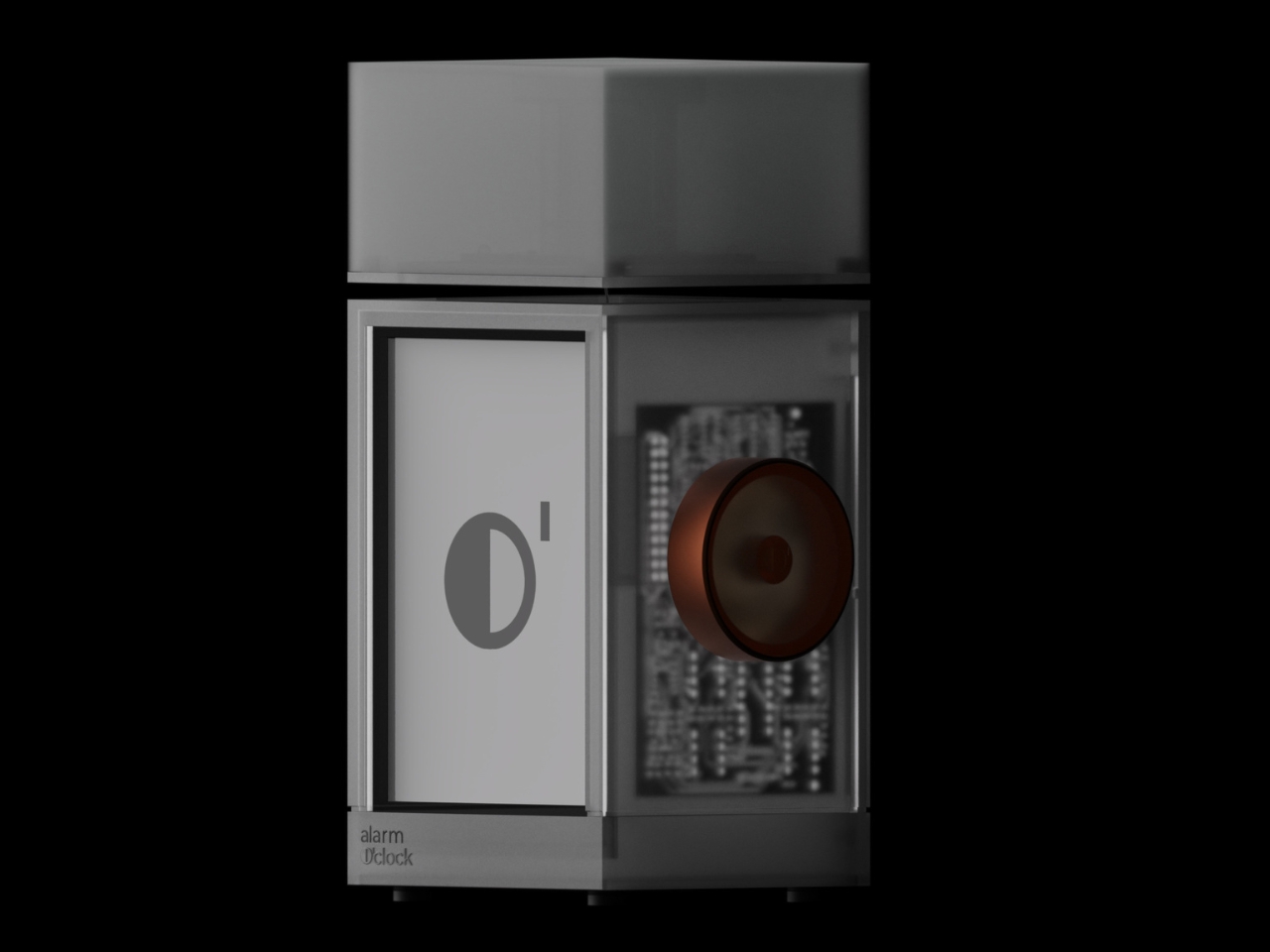
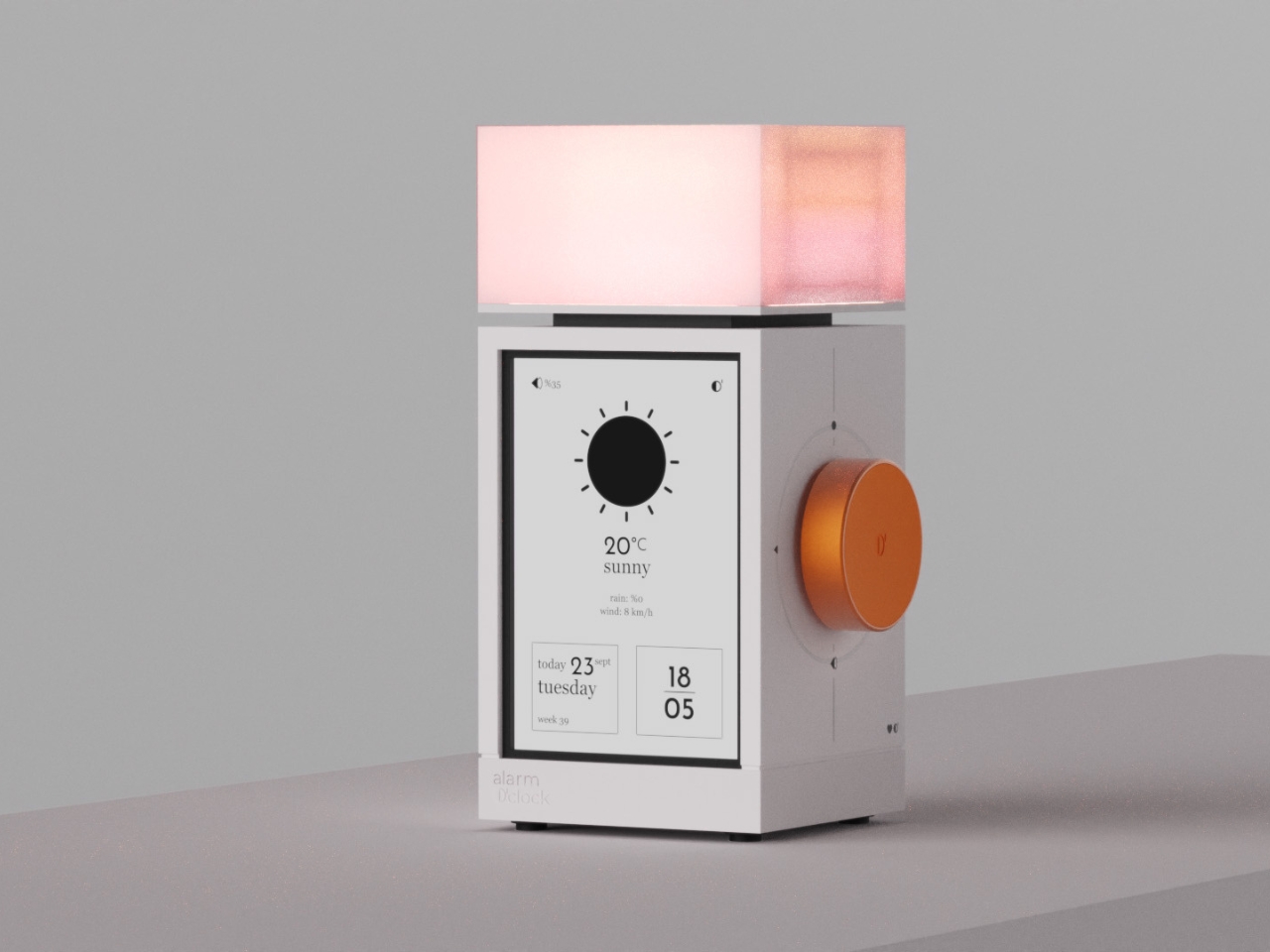
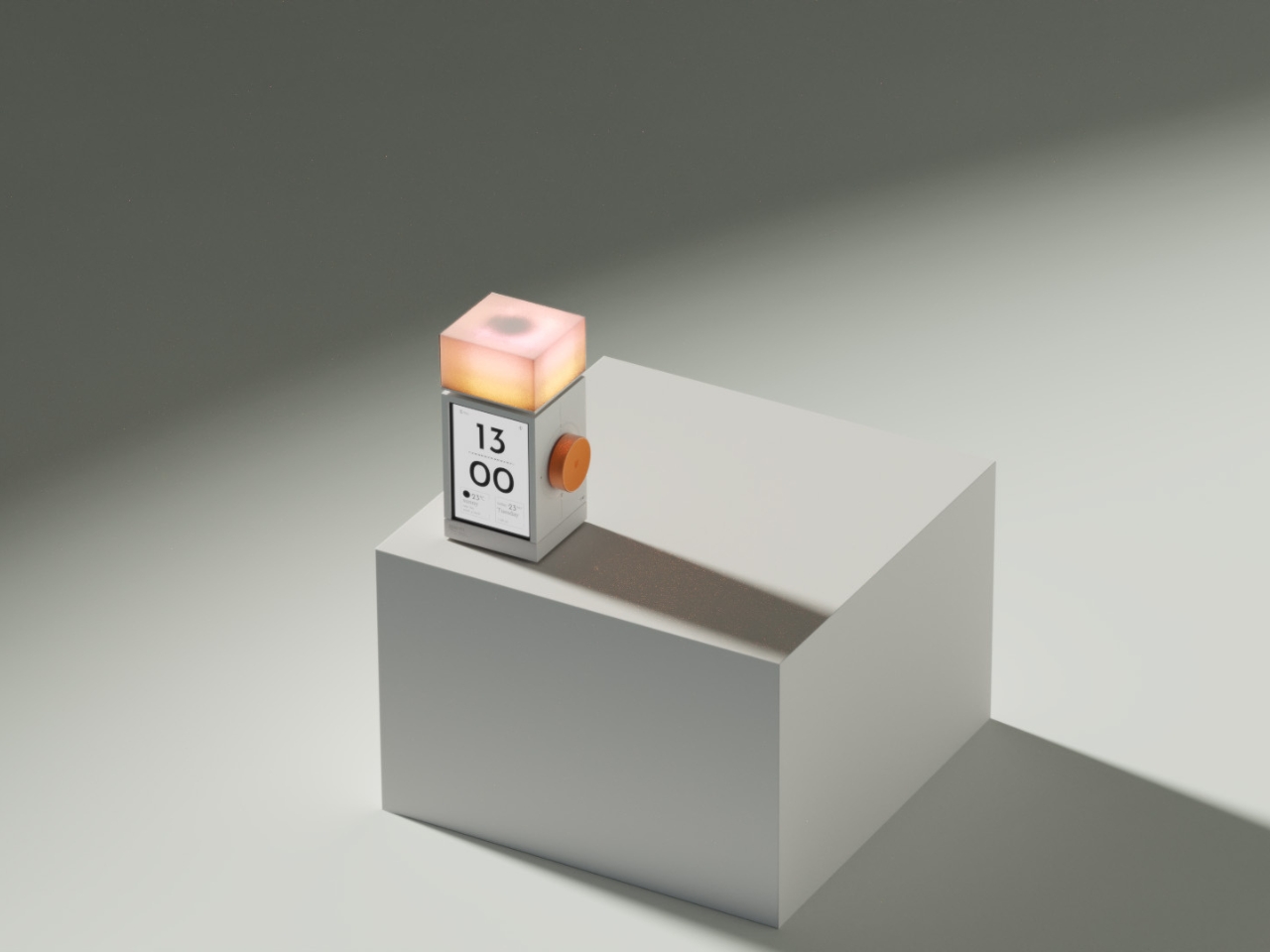
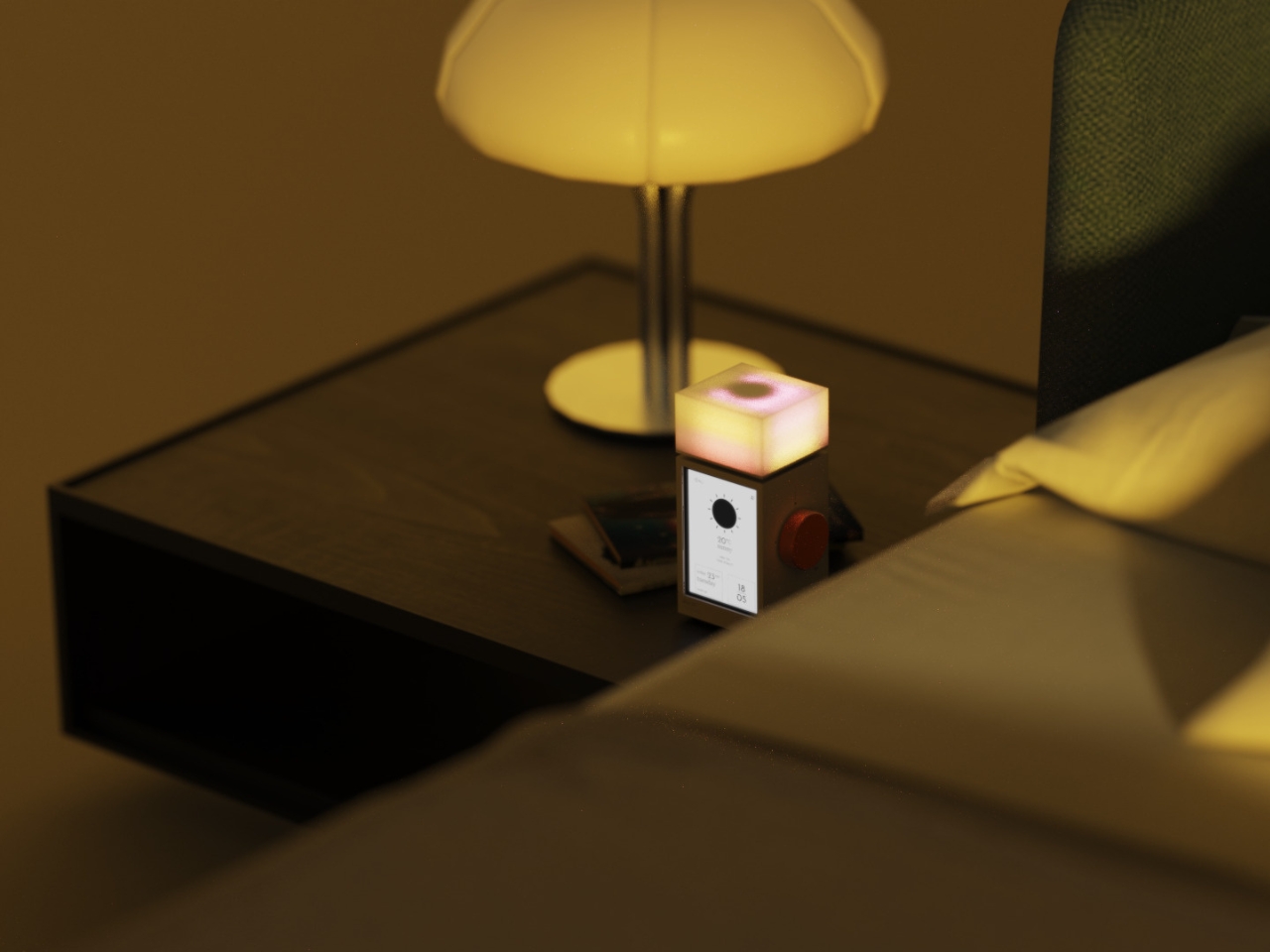
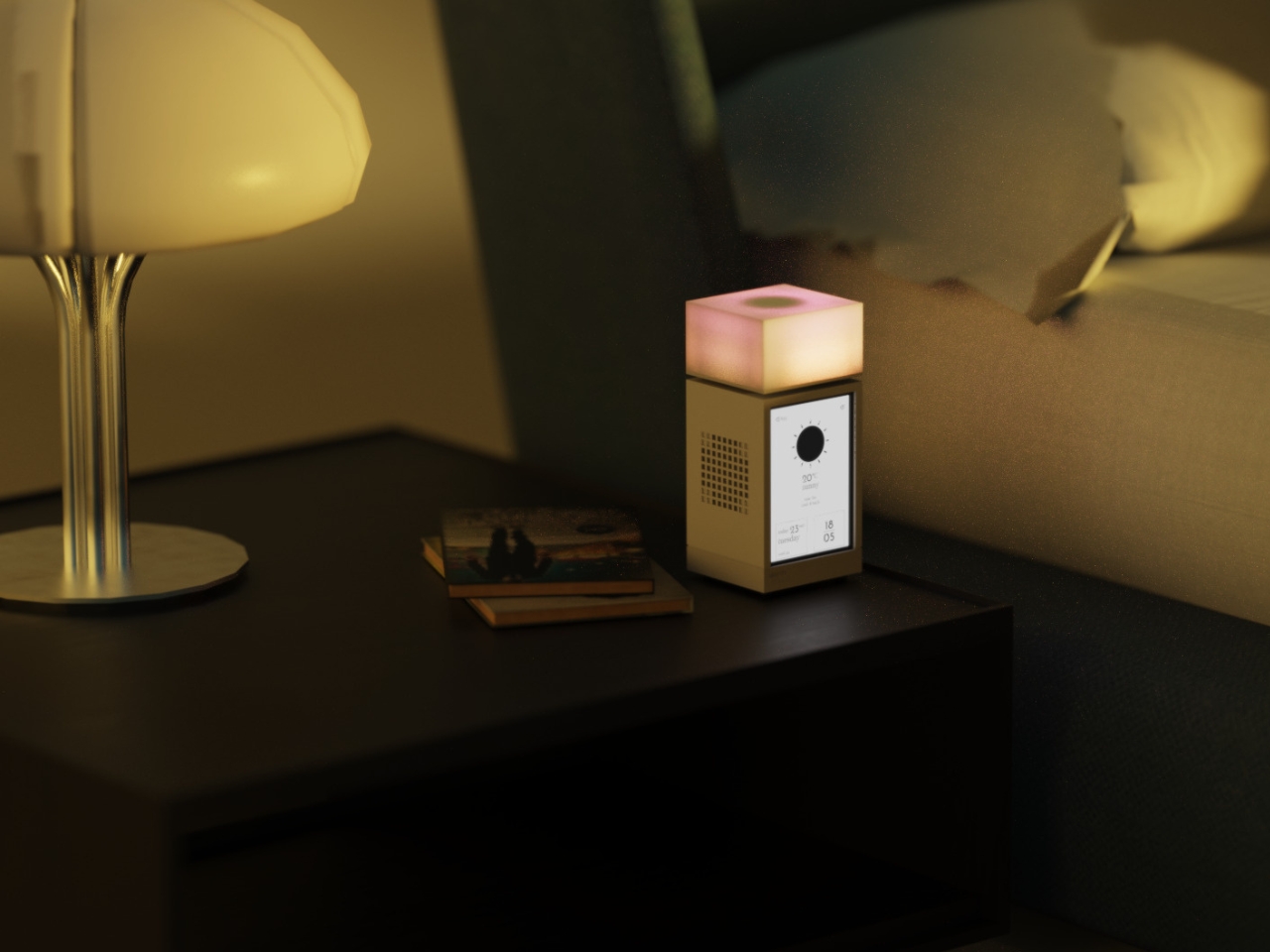
But what if your alarm clock could actually make waking up feel less like a punishment and more like a gentle invitation to start your day? That’s exactly what The Real Objects, a Milan-based design studio, seems to be thinking with their latest concept, Alarm O’clock. And yes, that apostrophe is intentional, giving it a playful Irish lilt that already makes it more charming than your phone’s default alarm.

Designer: The Real Objects

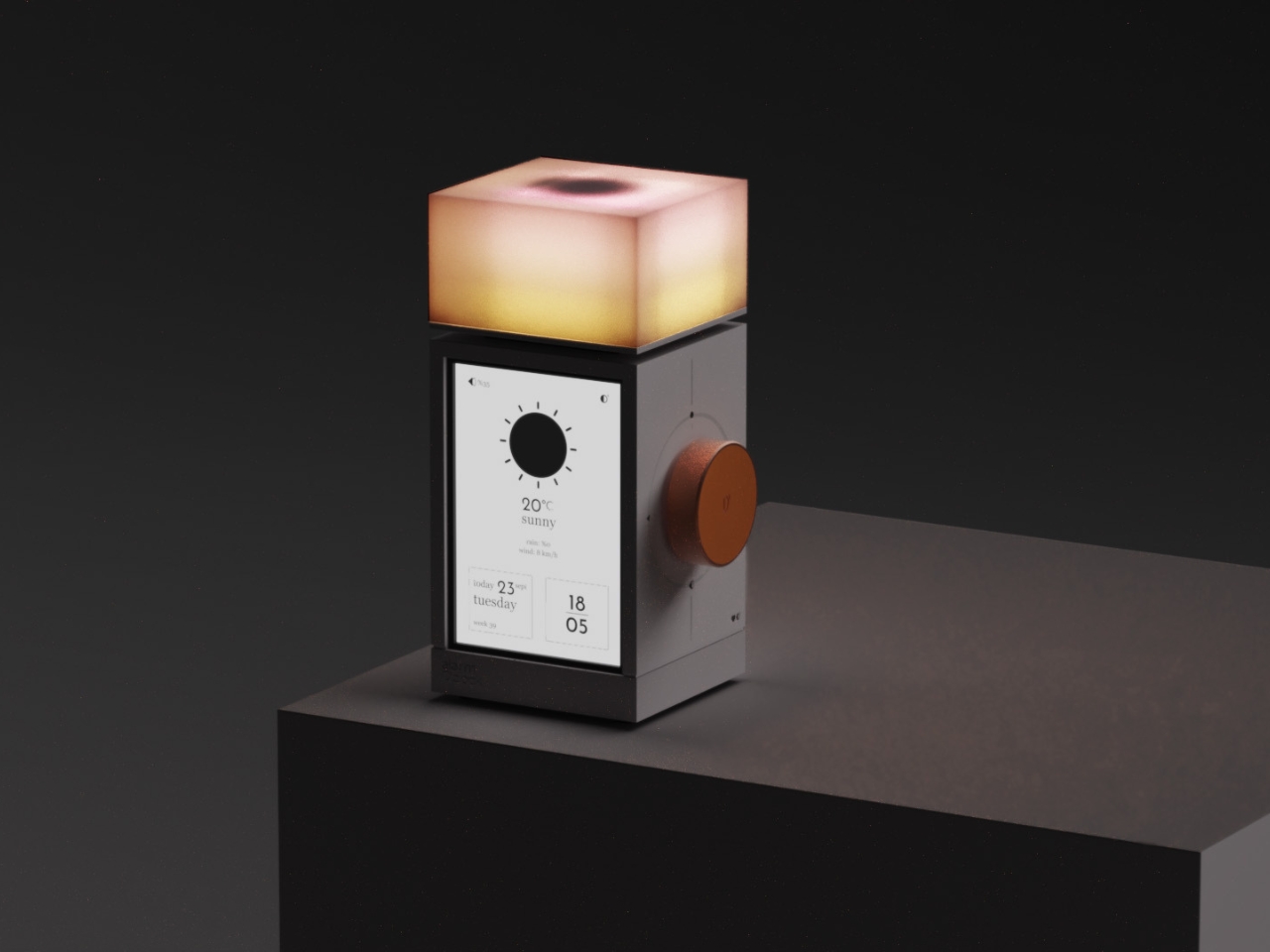
The design is described as “a bedside companion designed to bring calm, clarity, and personality to the way we wake up,” and I’m here for it. Because let’s face it, we spend way too much time thinking about productivity hacks and morning routines while completely ignoring the object that literally defines how our day begins.

From what I can see, Alarm O’clock isn’t trying to be smart or connected or packed with features you’ll never use. Instead, it looks like it’s going back to basics, but with a thoughtful, contemporary twist. The Real Objects describes it as blending “light, sound, and simplicity into one object,” which honestly sounds like exactly what we need in a world where everything is trying to do a million things at once.

There’s something refreshingly analog about this approach. While everyone else is using their phones as alarm clocks (guilty), we’re also scrolling before bed and checking notifications the second our eyes open. Having a dedicated alarm clock means you can actually leave your phone in another room, which sleep experts have been begging us to do for years.

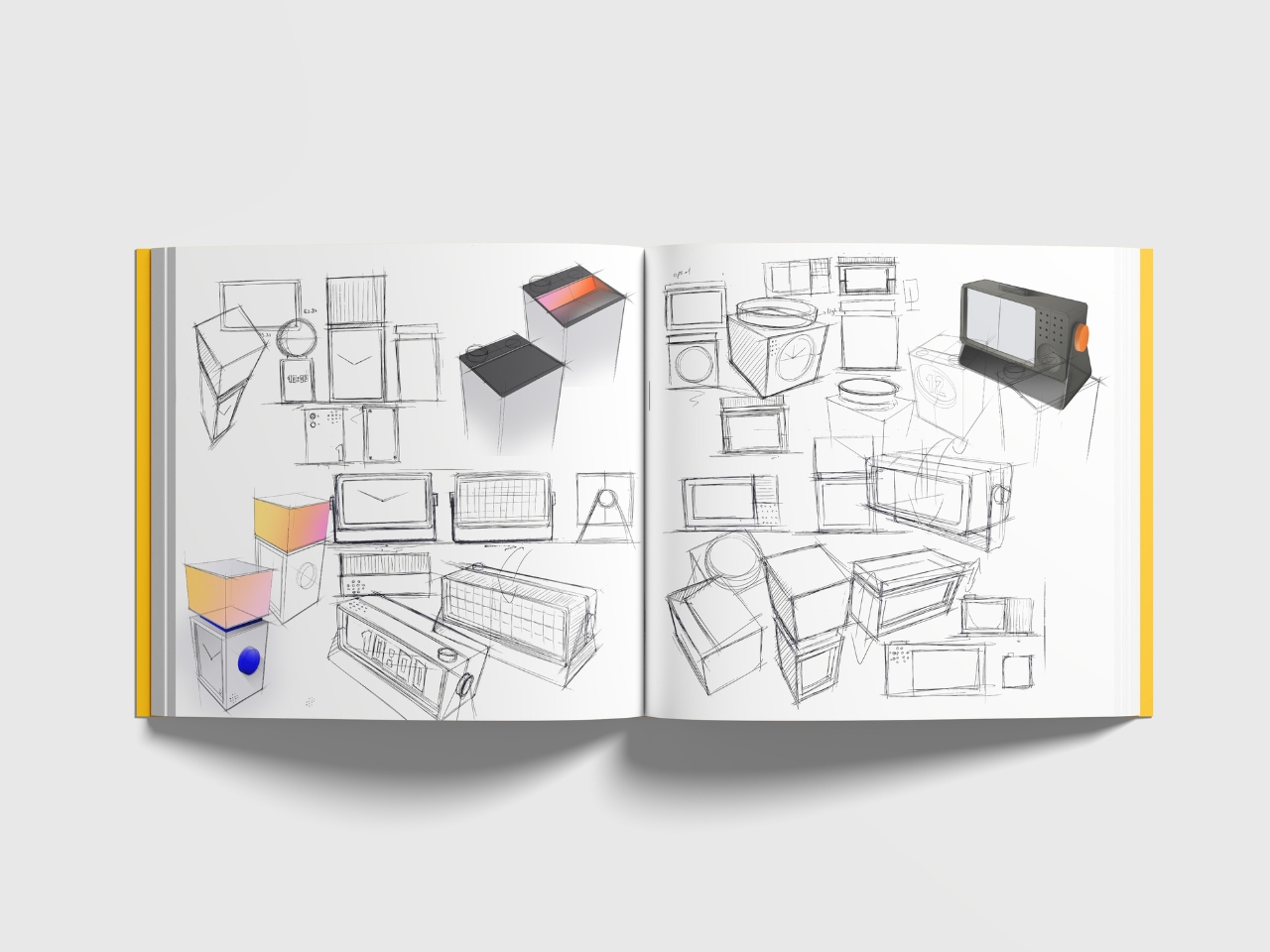
The Real Objects was co-founded in Milan in 2024 by designers who are “dedicated to pushing the boundaries of product design.” But pushing boundaries doesn’t always mean adding more tech or making things more complicated. Sometimes it means rethinking everyday objects and asking why they’ve been designed the way they have.

What strikes me about Alarm O’clock is that it seems to prioritize the experience over the function. Yes, it needs to wake you up, but how it wakes you up matters. The emphasis on “calm” and “clarity” suggests this isn’t going to be one of those alarms that sounds like a fire drill. And the mention of light integration hints at something closer to a sunrise alarm, which studies have shown can make waking up feel more natural.

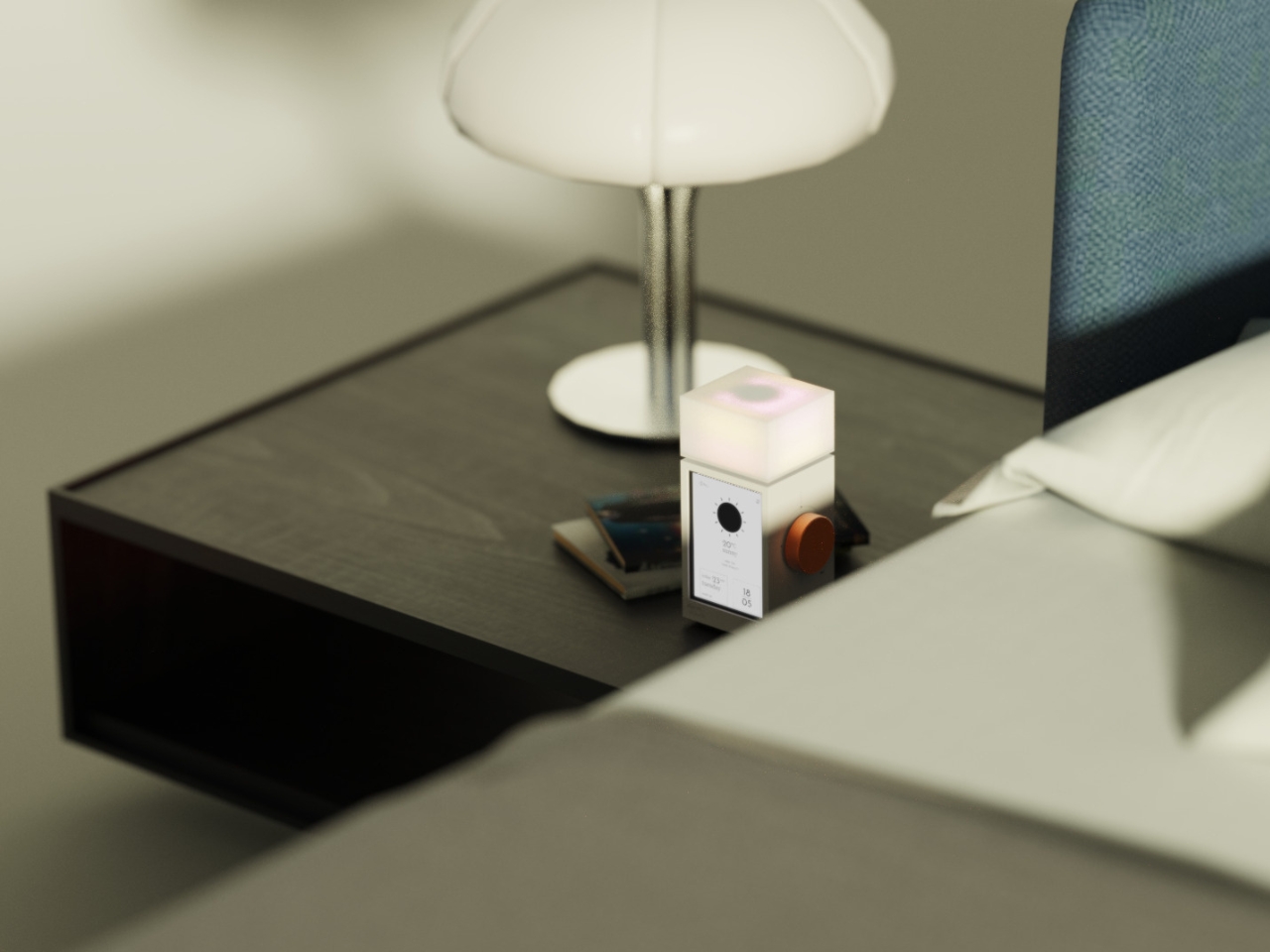
The design itself appears minimal and sculptural, the kind of object that could sit on your nightstand without feeling like a piece of electronics invading your bedroom. In an era where we’re all trying to make our spaces feel more intentional and less cluttered with gadgets, that matters more than you might think. I love that they’re calling it a “bedside companion” rather than just an alarm clock. It’s a small word choice, but it signals a different philosophy. Your bedside table is intimate space. It’s the last thing you see before sleep and the first thing you see when you wake up. The objects there should feel like they belong, not like they’re just functional necessities you tolerate.

There’s also something to be said for designers who focus on the rituals of daily life. We get excited about revolutionary new products, but the truth is, the objects that actually improve our lives are usually the ones that make ordinary moments a little bit better. Waking up is one of those moments we experience every single day, and yet most of us haven’t thought critically about how we could make it better. Will Alarm O’clock change your life? Probably not. But could it make your mornings feel a little more human, a little less jarring? Absolutely. And in a world where we’re all trying to figure out how to have healthier relationships with technology, that feels like a step in the right direction.

The post Why This Alarm Clock Might Actually Make You a Morning Person first appeared on Yanko Design.
When Slower Actually Means Better: The RAW Camera Concept

We take thousands of photos on our phones without thinking twice. Snap, scroll, forget, repeat. But here’s a wild thought: what if a camera literally forced you to slow down? That’s exactly what designer Seulgi Kim is exploring with RAW, a pinhole camera concept that’s part time machine, part meditation device, and entirely about reclaiming something we’ve lost in the digital age.

The name RAW works on two levels. First, it means “unrefined,” which perfectly captures the camera’s back-to-basics philosophy. Second, it references RAW image files in photography, those unprocessed originals that contain all the data before any digital manipulation happens. It’s a clever double meaning that sets up everything this concept is about: stripping away the excess to get back to what photography actually is.

Designer: Seulgi Kim

Create your own Aesthetic Render: Download KeyShot Studio Right Now!

Normally we can shoot a hundred photos in seconds with our phones but RAW does something almost rebellious. It uses a pinhole aperture instead of a lens, which means each exposure takes several seconds or even minutes to complete. You can’t rapid-fire shots. You can’t casually capture every moment. Instead, you have to stand there with your subject, waiting, observing, really seeing what’s in front of you. It’s the photographic equivalent of choosing to walk instead of drive, not because you have to, but because you want to notice things along the way.

What makes RAW fascinating beyond its function is how Kim translated traditional Korean architecture into its design language. This isn’t just aesthetic borrowing; it’s a thoughtful connection between two forms of slowness and intentionality. Traditional Korean architecture embodies what Kim calls “the aesthetics of slowness,” where every element reflects careful consideration of space, time, and human presence. Those principles shaped buildings that have stood for centuries, and now they’re informing how we might think about capturing a single photograph.

Look at the curved panel on the camera’s side. It’s directly inspired by the gentle curves of traditional Korean roof tiles, which were designed to protect houses from rain and wind. But here, that curve serves a completely modern purpose: it prevents slipping and creates a comfortable, stable grip. It’s functional heritage design at its best, where historical wisdom solves contemporary problems.

Then there’s the twelve-sided dial on top of the camera, which controls exposure time. In traditional Korean architecture, polygonal structures weren’t decorative flourishes; they provided stability and balance. Kim applies that same geometric logic to the timer dial, creating something that ranges from B (Bulb mode) through various seconds up to 30 minutes. That dodecagonal shape makes it intuitive to read and adjust your exposure settings at a glance. The design literally transforms time into something you can touch and see.

At the camera’s front, an octagonal hood acts as the window for incoming light. It’s not just there to look cool (though it does). The hood directs light rays evenly into the body and minimizes glare, ensuring balanced exposures. Every geometric choice serves both form and function, creating what Kim describes as “harmonious balance” between mechanical precision and traditional aesthetics.

The whole package comes in matte black with subtle mint-green accents on the shutter button and side controls. There’s a minimalist viewfinder on top and a woven camera strap that adds tactile warmth to the technical precision. When you see the camera disassembled in one of the concept photos, all those gears and components laid out like an exploded diagram, it drives home just how much mechanical thought went into something designed to be analog in a digital world.


What’s really striking about RAW is how it challenges our relationship with image-making in 2025. We’ve reached a point where our phones can computationally enhance photos before we even press the shutter. AI can generate entire images from text prompts. Photography has become almost too easy, too fast, too disposable. Kim isn’t saying technology is bad; she’s asking what we lose when everything becomes instant.

The pinhole camera format forces a different kind of presence. When you need minutes to capture a single frame, you can’t be casual about it. You have to choose your subject carefully, consider the light, commit to the moment. That extended exposure time becomes a form of meditation, a way of connecting with what you’re photographing that simply isn’t possible when you’re machine-gunning through dozens of shots. RAW proves that sometimes the most innovative design move is stepping backward. By reaching into centuries-old architectural wisdom and combining it with one of photography’s oldest techniques, Kim has created something that feels genuinely fresh. It’s a camera that doesn’t just take pictures. It changes how you see.

The post When Slower Actually Means Better: The RAW Camera Concept first appeared on Yanko Design.