Hyundai’s New $30K Ioniq 3 Electric Hatchback Isn’t Coming To America (Hint: Tariffs)

Here’s the Ioniq 3. It costs about as much as a well optioned Camry, it looks like nothing else in its price bracket, and you will never be able to buy one in the United States. Not because it failed some test, not because Americans don’t want small cars anymore, though we clearly don’t buy them. Hyundai built this thing specifically for European roads and European wallets, and then, somewhere in a boardroom, decided the math for shipping it here simply doesn’t work. So enjoy the photos. That’s about as close as most of us are going to get.

Hyundai unveiled it at Milan Design Week of all places, which already tells you this car cares more about form than your average econobox. Flat roofline, four pixel dots spelling “H” in Morse code above the grille, an interior built around furniture design instead of dashboard clutter. It’s a compact hatchback with a starting price around thirty grand and a face circular enough to make you nostalgic for the Beetle era. It is, by most measures, a properly cool small EV. It just also happens to be built in Türkiye, which under current tariffs might as well be built on the moon.

Designer: Hyundai Design Center
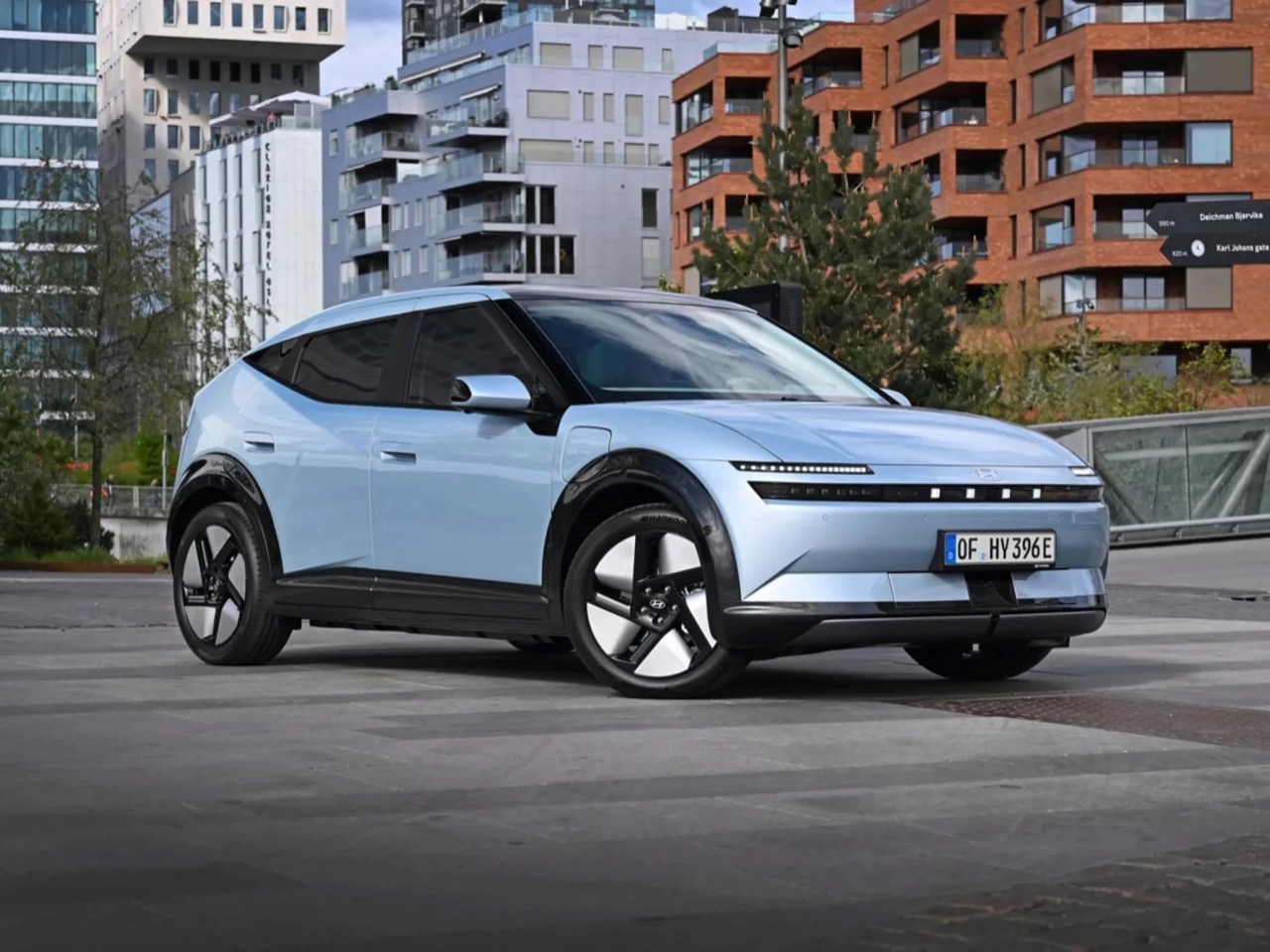
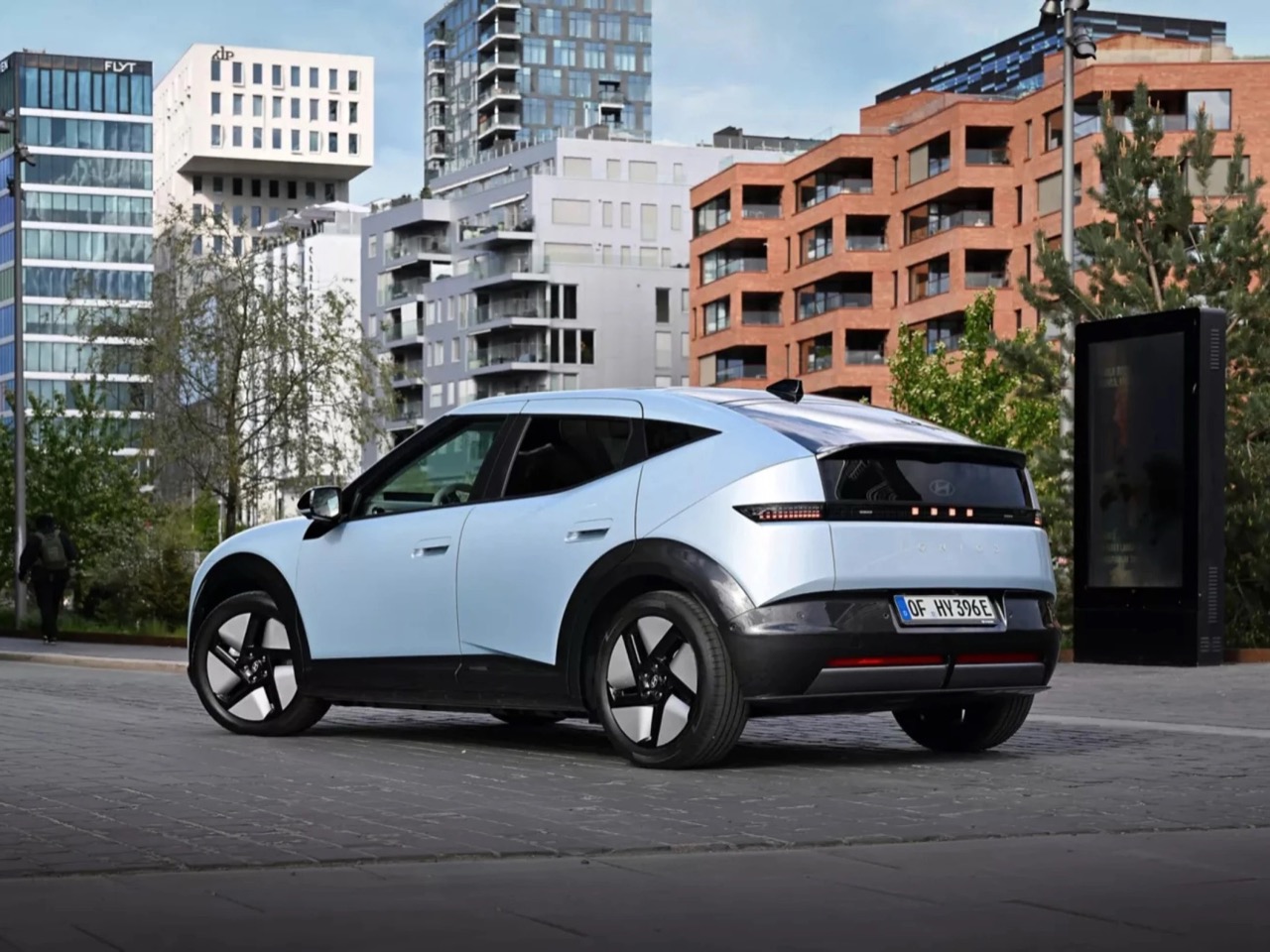
The whole thing runs on what Hyundai calls “Art of Steel,” a design language born from the fact that Hyundai is one of the only automakers left that actually makes its own steel. Instead of pretending that’s boring industrial trivia, the design team leaned into it, sculpting the Ioniq 3 around how sheet metal actually bends and holds tension. The result is the “Aero Hatch,” a silhouette with a roofline that runs dead flat over both rows of seats before diving into a rear spoiler like it just remembered somewhere else it needs to be. That flat roof isn’t decoration. It buys rear headroom while the tail does the aerodynamic heavy lifting, landing a drag coefficient of 0.263 that Hyundai is calling class leading.
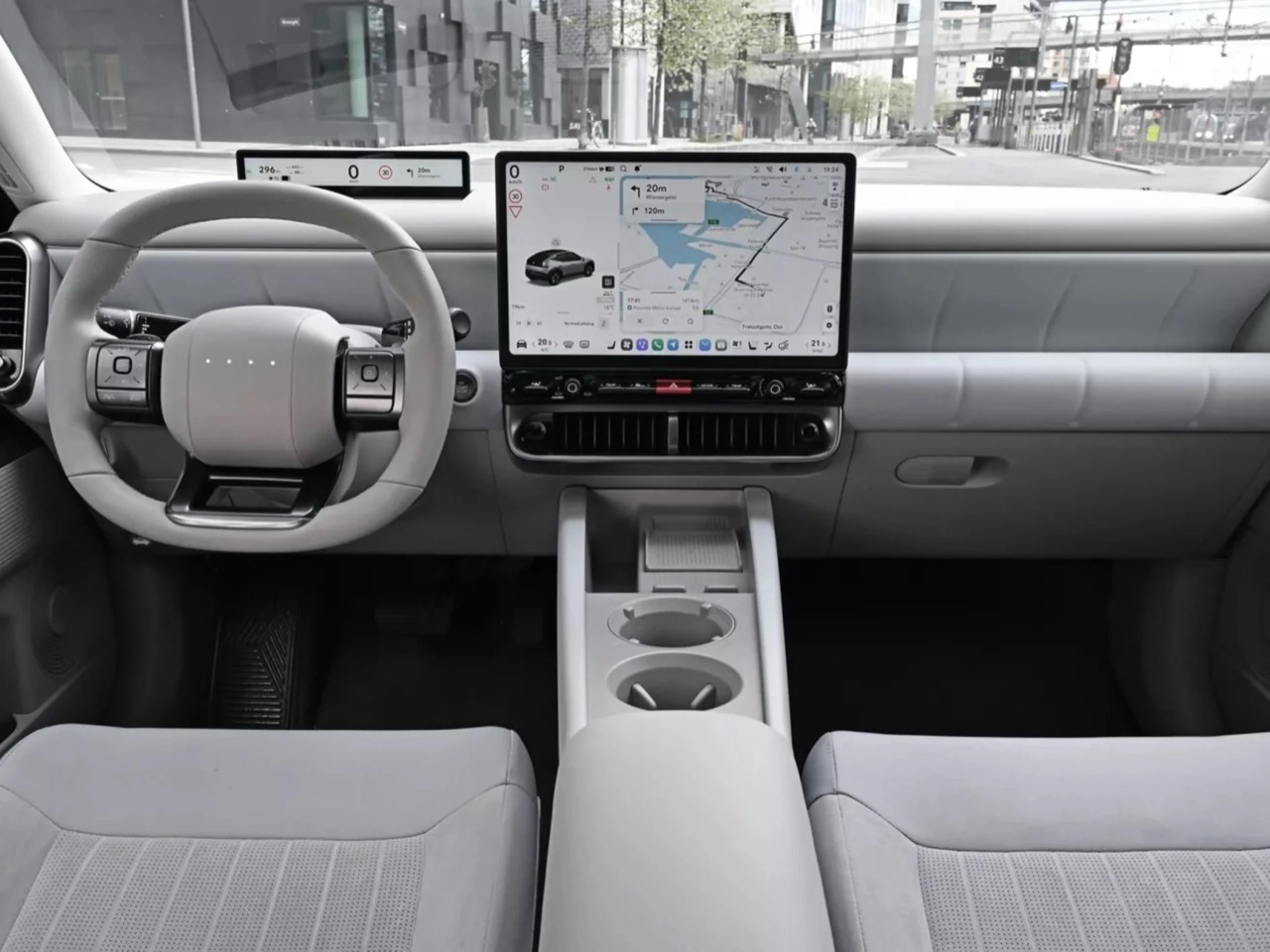
Step inside and the car keeps making its case. Hyundai calls the layout “Furnished Space,” meaning the cabin is arranged more like a piece of living room furniture than a traditional dashboard, with an open floating center console and seat fabrics pulling references from 1970s Italian furniture design. There’s a hidden underfloor bin called Megabox tucked beneath 322 liters of regular boot space, bringing total capacity to 441 liters in a car barely over four meters long. Materials lean sustainable without making a big show of it, recycled PET seat coverings, a steering wheel wrapped in corn derived synthetic leather. None of it screams for attention, which somehow makes it land harder.

The numbers back up the styling. Two battery options, 42.2 kWh and 61 kWh, get you 213 and 308 miles respectively on the WLTP cycle, running through a 400 volt architecture rather than the fancier 800 volt setup found on the Ioniq 5. That’s the quiet trick behind the low price. UK trims start at £22,245 for the entry Advance and climb to £31,945 for the sportier N Line Evo, with a 10 to 80 percent DC charge landing around 29 minutes across the lineup.
Here’s the annoying part. The Ioniq 3 rolls off the line at Hyundai’s İzmit plant in Türkiye, and current US tariff policy makes importing anything built there financially pointless. Meanwhile Hyundai has already trimmed its US EV lineup this year, pausing the Korea built Kona Electric and dropping the standard Ioniq 6, leaving the $35,000 Ioniq 5 as the brand’s de facto entry point stateside. That’s an awkward position to be in when Kia, Hyundai’s own sister brand, is bringing the smaller and cheaper EV3 to America instead.

So no, you can’t have the Ioniq 3, and pretending otherwise would be lying to you. What you can do is watch it become the car every European hatchback rival now has to answer to, while wondering why the industrial base making the case for small, affordable EVs keeps getting built everywhere except here.

The post Hyundai’s New $30K Ioniq 3 Electric Hatchback Isn’t Coming To America (Hint: Tariffs) first appeared on Yanko Design.


Why This 1,050 Sq Ft Upside-Down Cottage Beats a McMansion

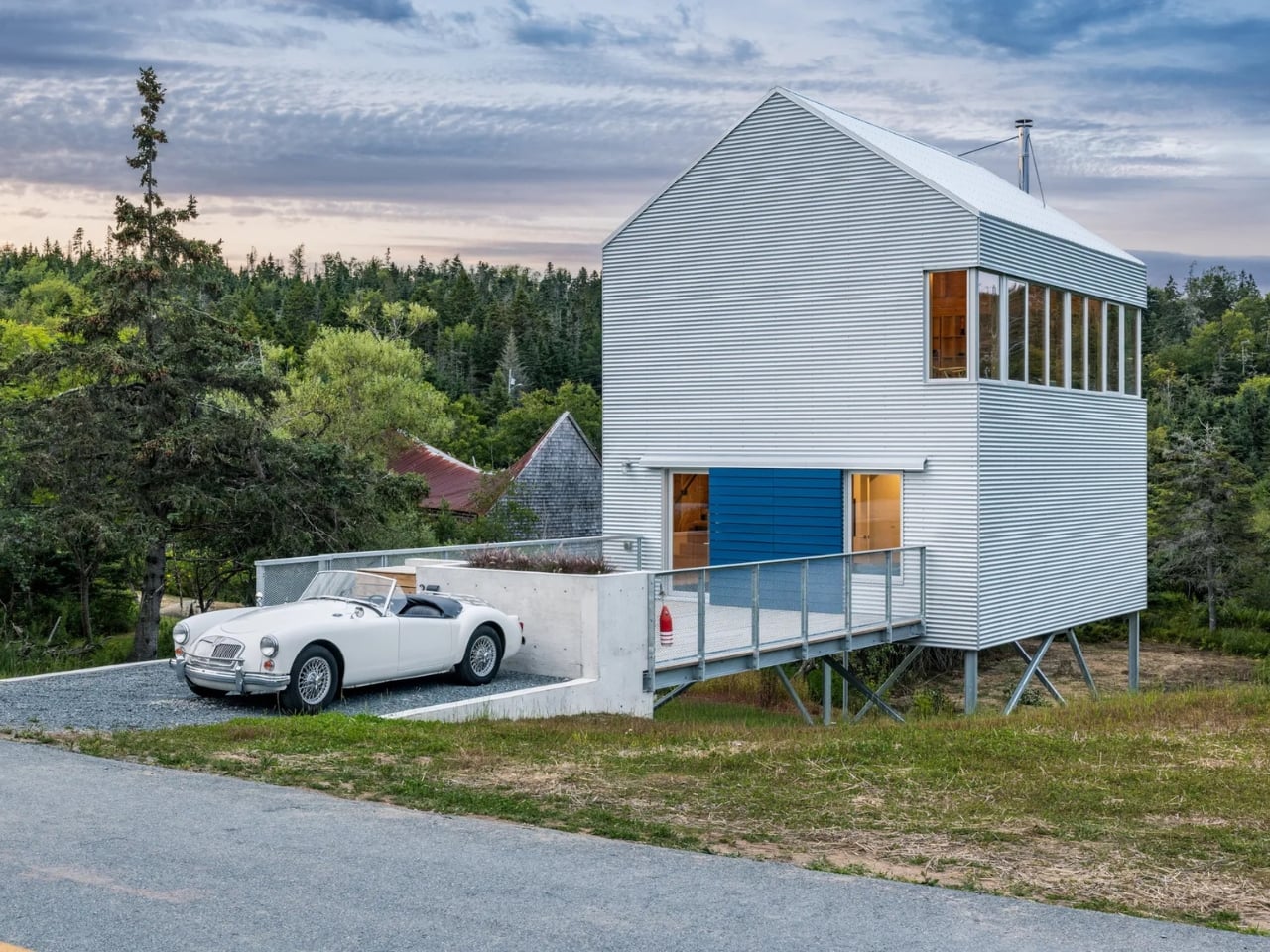
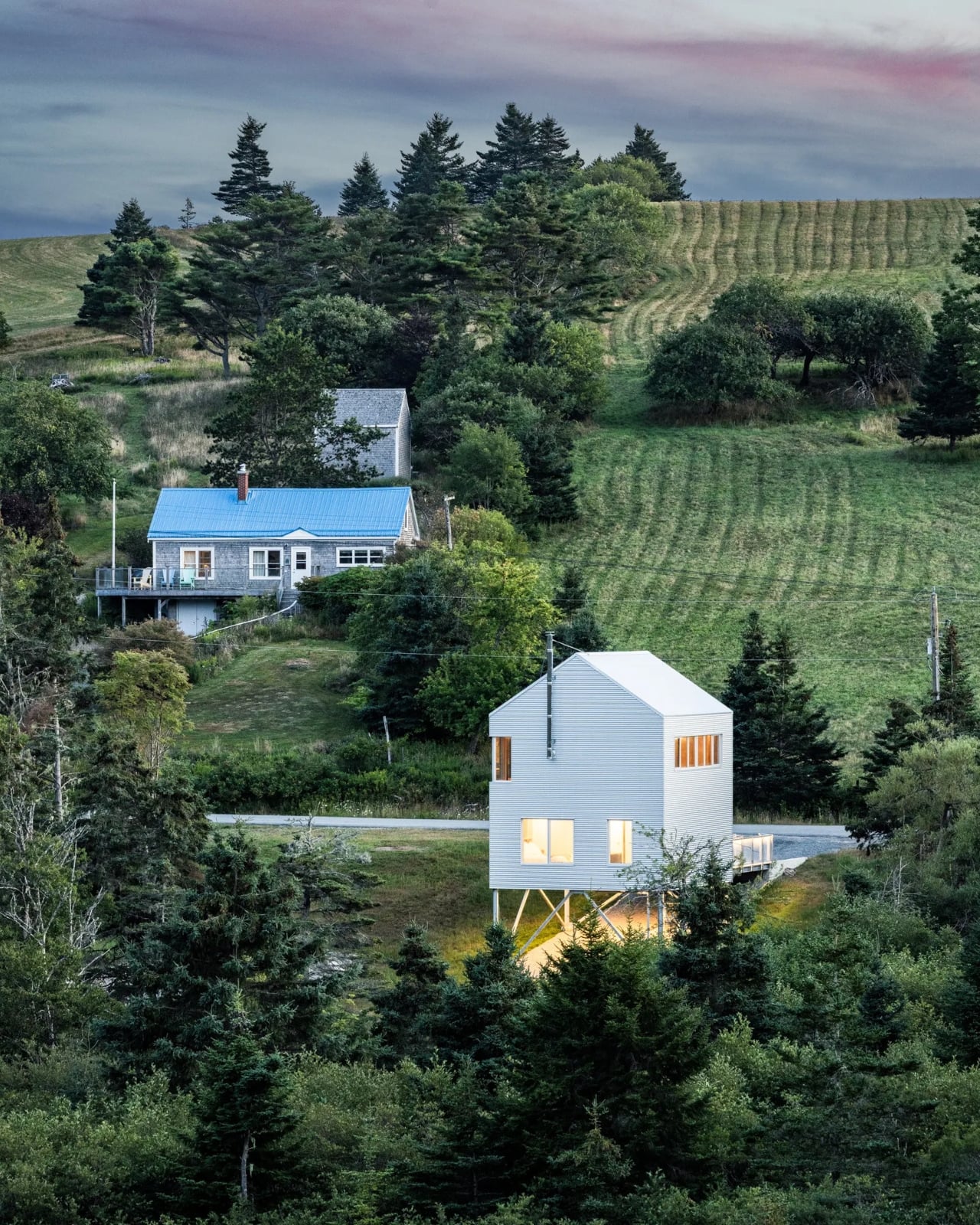
A thousand and fifty square feet. That’s roughly the size of a generous one-bedroom apartment in most major cities. And yet somehow, the Skybox, a new residence perched on stilts in Upper Kingsburg, Nova Scotia, manages to feel like a manifesto about how we’ve been thinking about small homes all wrong.

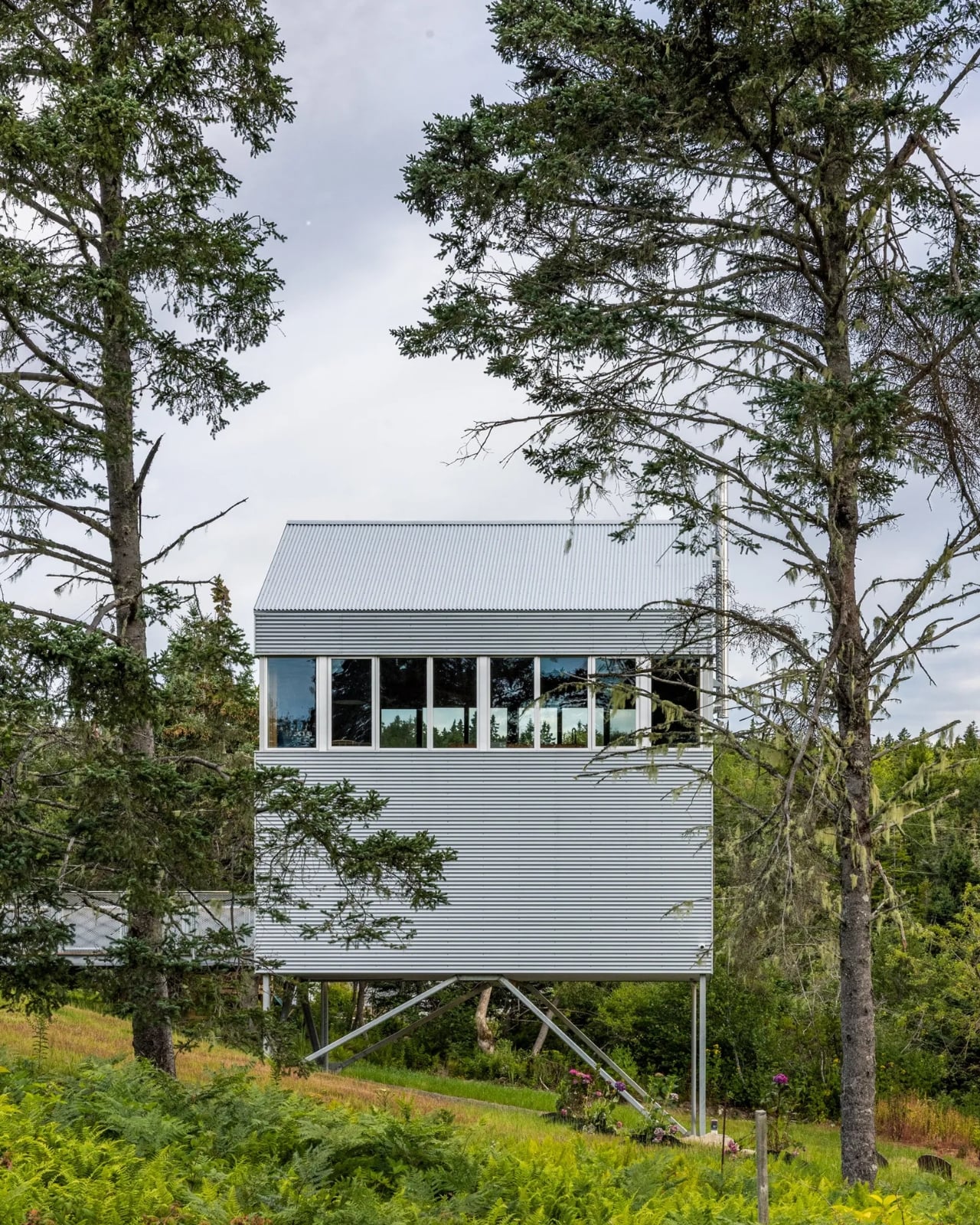
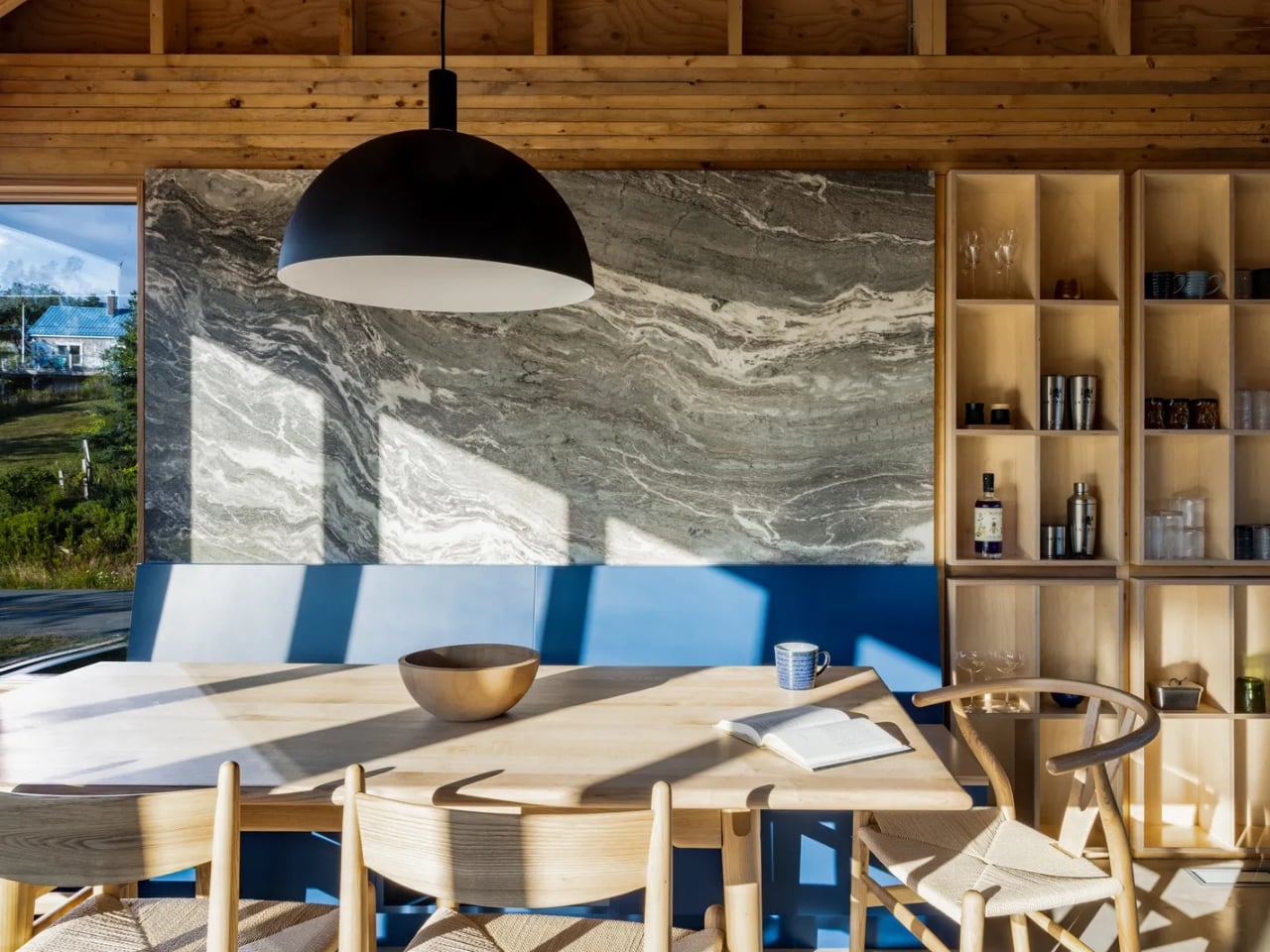
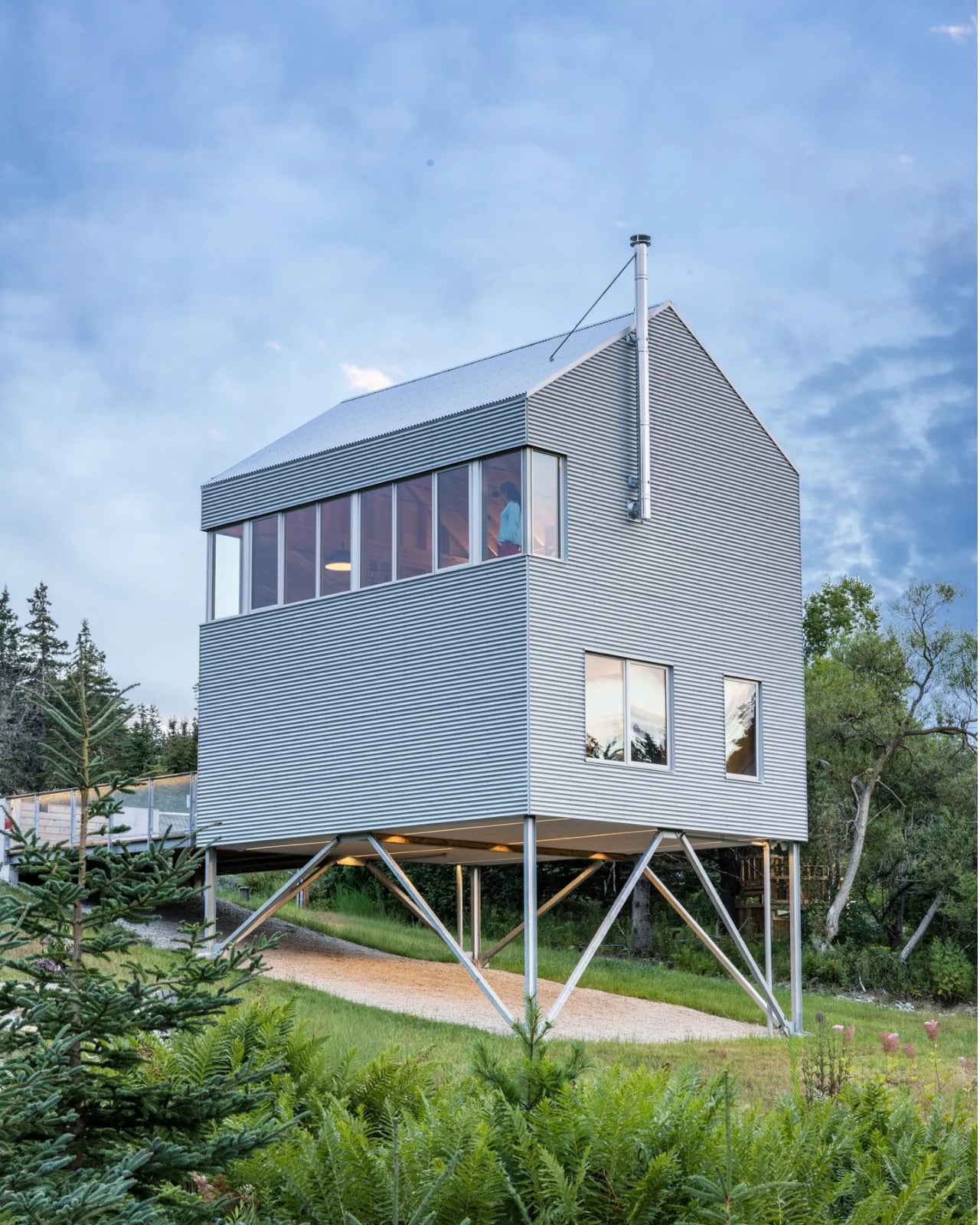
Designed by Halifax-based MacKay-Lyons Sweetapple Architects, the Skybox was built for a couple called the Everetts, who wanted something honest, modest, and rooted in place. What they got is all of that, and then some. The house sits on a sloping site that runs from road to creek, which is the kind of terrain that usually sends budgets spiraling. Architect Brian MacKay-Lyons solved it elegantly with stilts, lifting the structure off the ground so that it, as he puts it, “floats.” He compares it to a birdhouse. The analogy sticks.

Designer: MacKay-Lyons Sweetapple Architects

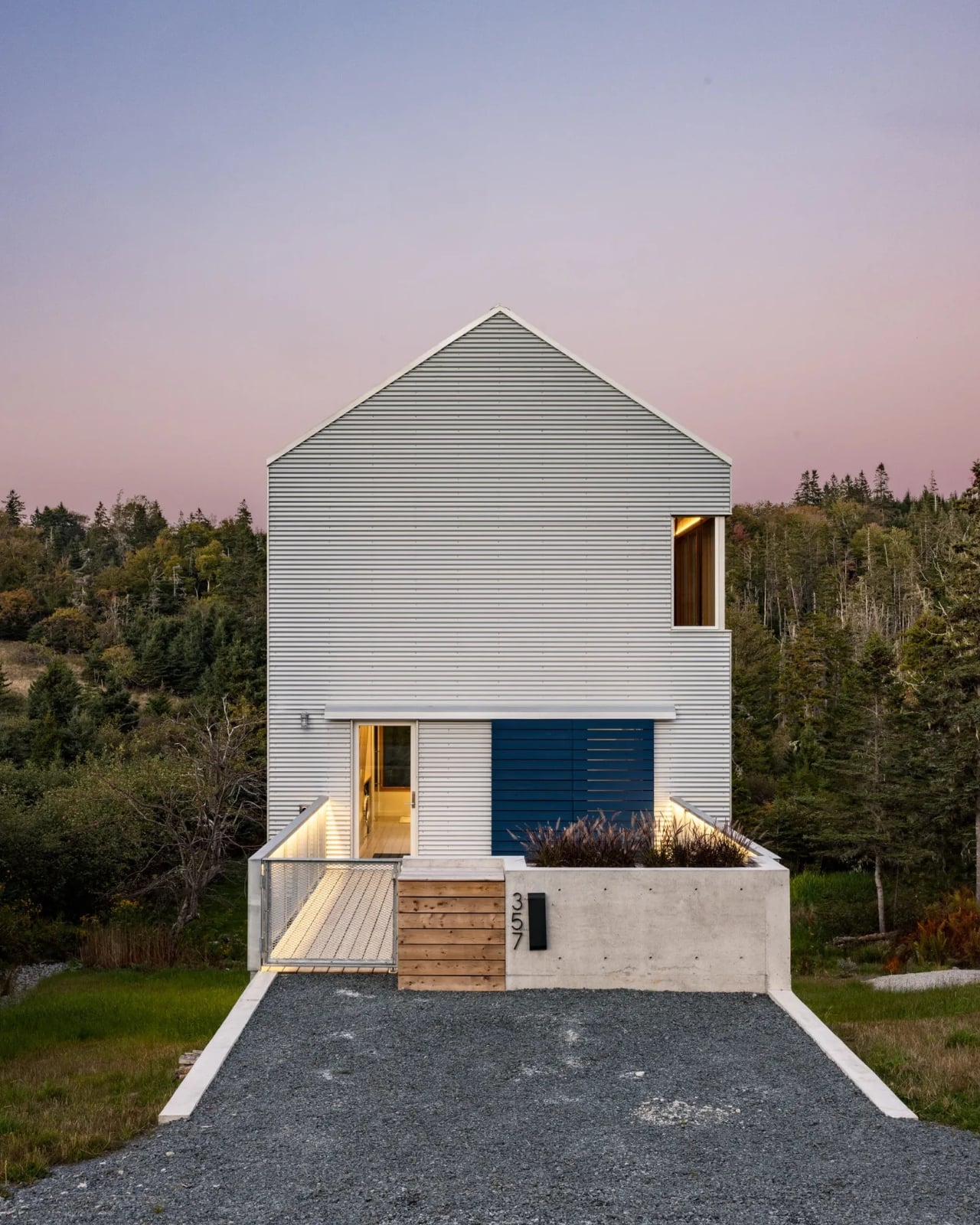
The Skybox takes its visual cues from the traditional Nova Scotia fisherman’s cottage, but it’s not a nostalgic recreation. The exterior is wrapped in galvalume, an industrial aluminum-zinc alloy that’s durable, low-maintenance, and unapologetically contemporary. The result is a building that reads as both entirely of its place and entirely of its moment. It belongs to the landscape the way a weathered boathouse does, not because it’s pretending to be old, but because it respects the same logic: build lean, build honest, build for the conditions.

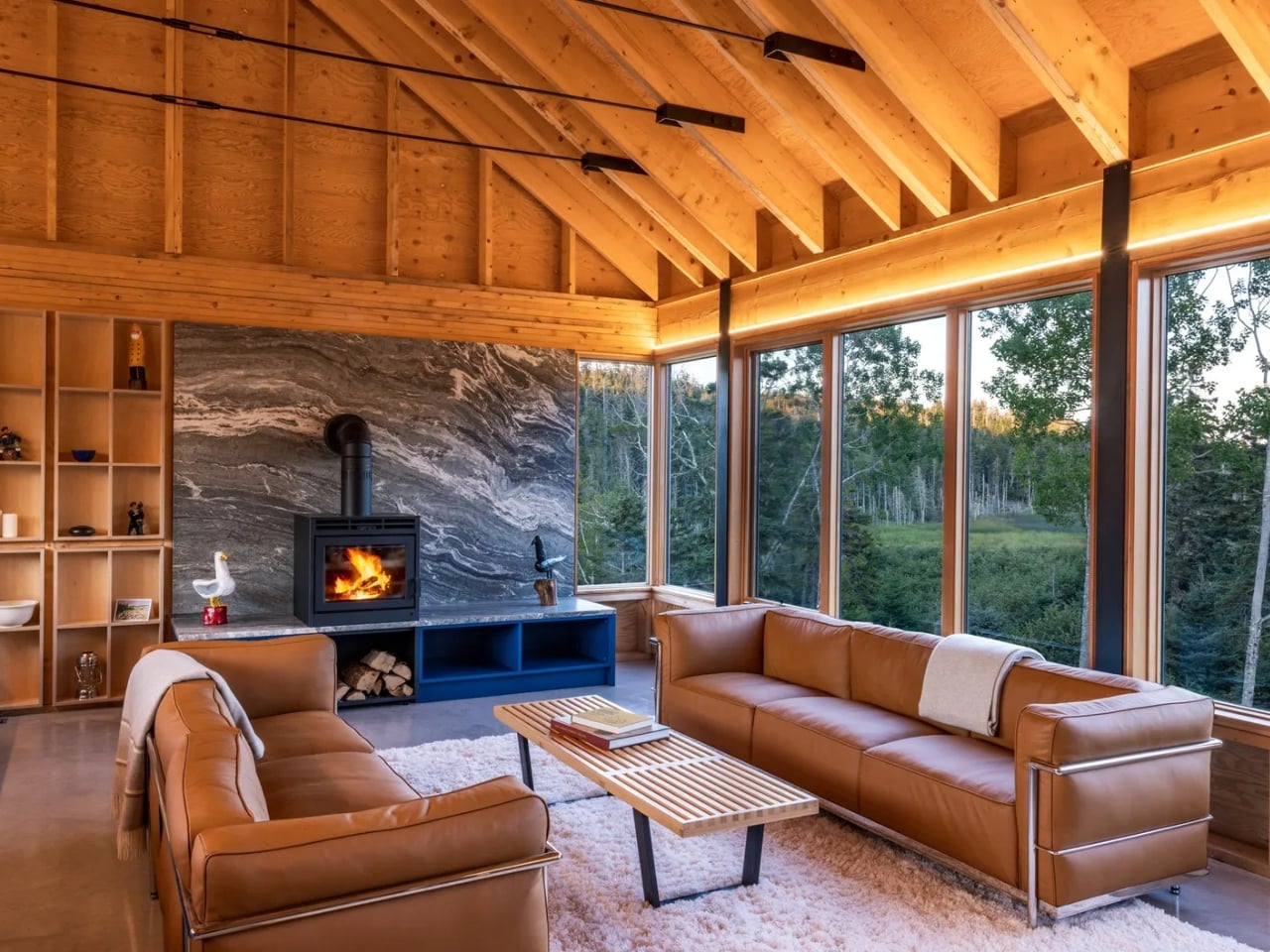
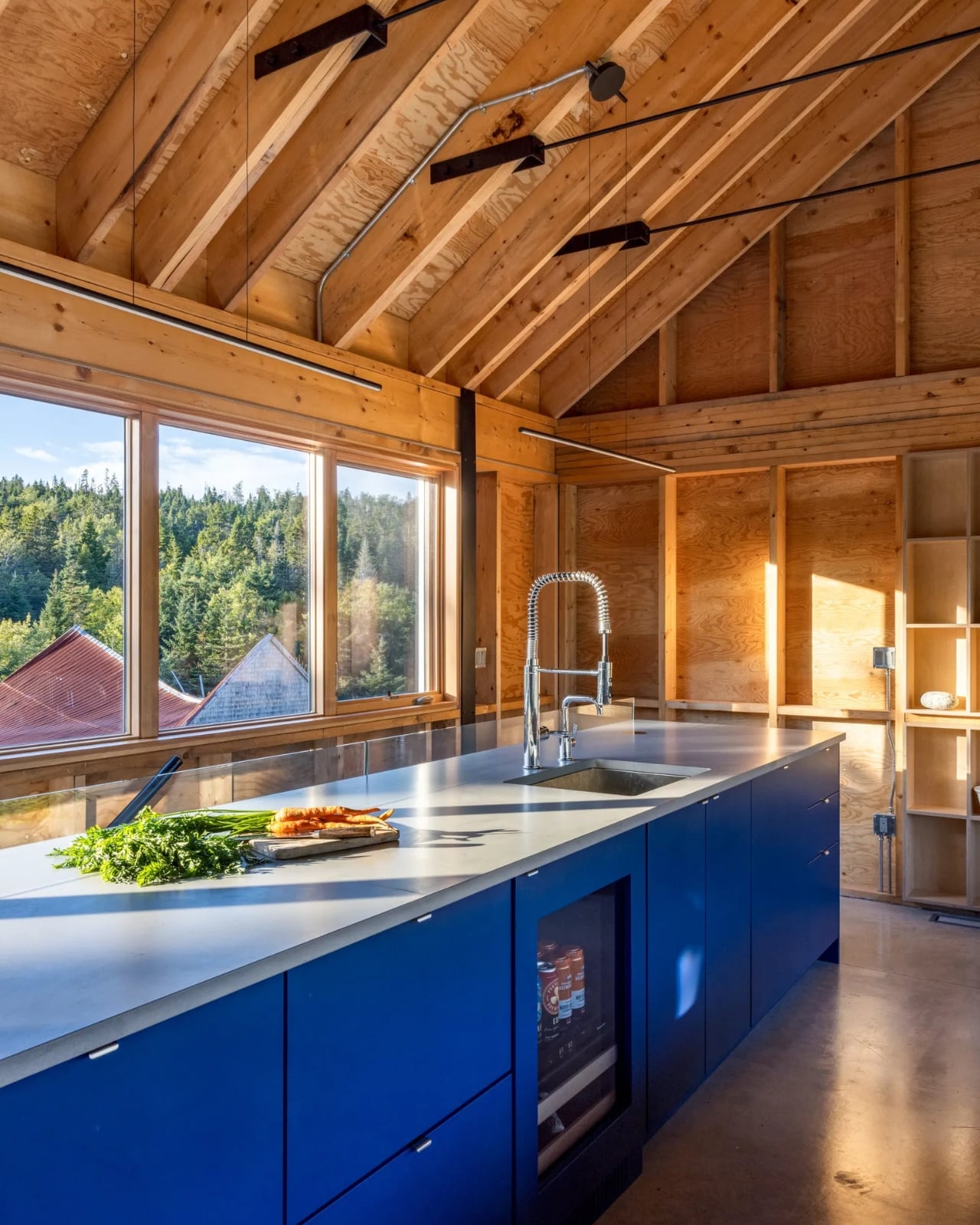
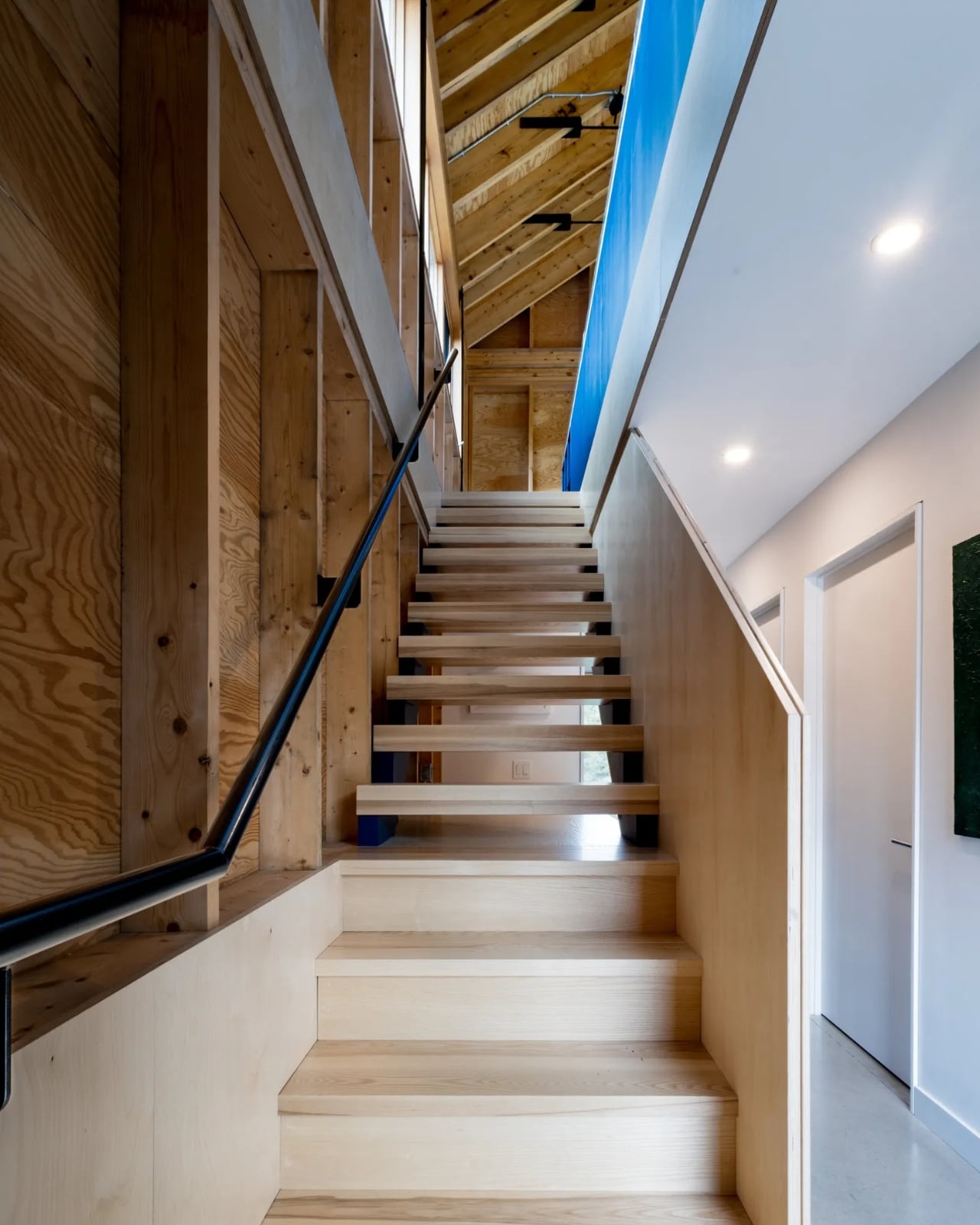
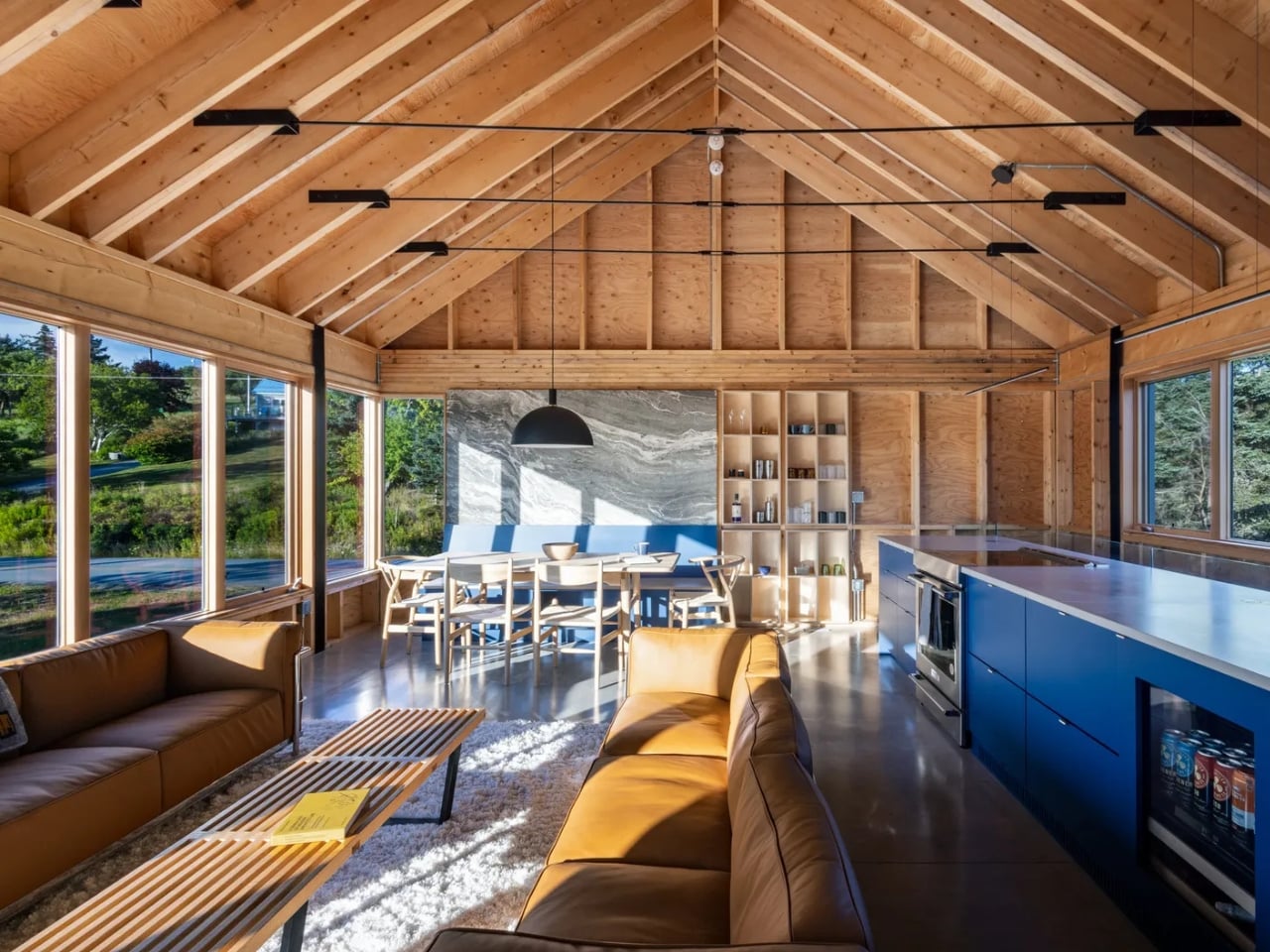
The interior takes the most interesting turn. The Skybox is what MacKay-Lyons calls an “upside-down house.” The sleeping areas, the private and quieter spaces of home life, sit on the lower floor. The living room, dining area, and kitchen are upstairs, where the views are wide and the light is generous. It’s a reversal that feels obvious in hindsight, which is usually the mark of a genuinely good idea. Why hide your best rooms at eye level when you could push them toward the sky?

Client Corey Everett coined the phrase “fish shack fabulous” to describe what they were going for, and it’s one of the most useful design descriptors I’ve come across in a while. It captures exactly what’s happening here: humble materials, unpretentious form, but a kind of elevated confidence in the result. No apologies for the size. No compensating with expensive finishes or overworked details. Just a clear idea, executed well.

What makes the Skybox part of a bigger story is the community it belongs to. Upper Kingsburg isn’t a random stretch of Nova Scotia coastline. MacKay-Lyons has spent four decades building dwellings here, more than fifty of them, as part of an ongoing exploration he calls “village-making.” The Skybox is the newest addition to that experiment. His own daughter’s house is visible from the property. This is architecture as long-term commitment, which is rare, and worth noting.

I keep thinking about the cultural timing of this. We are, at this point, thoroughly oversaturated with the idea of the dream home as something maximalist: the open floor plan that swallows a football field, the kitchen with two islands, the great room with thirty-foot ceilings. Those homes photograph well, but they also carry a quiet anxiety, a sense that more space must mean more living. The Skybox argues the opposite. At 1,050 square feet, it’s not asking you to scale down your ambitions. It’s asking you to redirect them.

Small doesn’t have to mean compromise. It can mean precision. It can mean that every decision about where you put a window or how you orient a room is made with intent. The Skybox earns its square footage in a way that many larger homes simply don’t bother to.

MacKay-Lyons described it as floating in the air like a birdhouse, and that’s also a quietly poetic way of explaining why the Skybox works. It’s light. It doesn’t take more than it needs from the land. And it leaves room for the view, the community, and the life happening all around it. That’s a harder thing to design than it looks.

The post Why This 1,050 Sq Ft Upside-Down Cottage Beats a McMansion first appeared on Yanko Design.
Esoteric T-01 turntable uses magnetic drive to eliminate mechanical contact

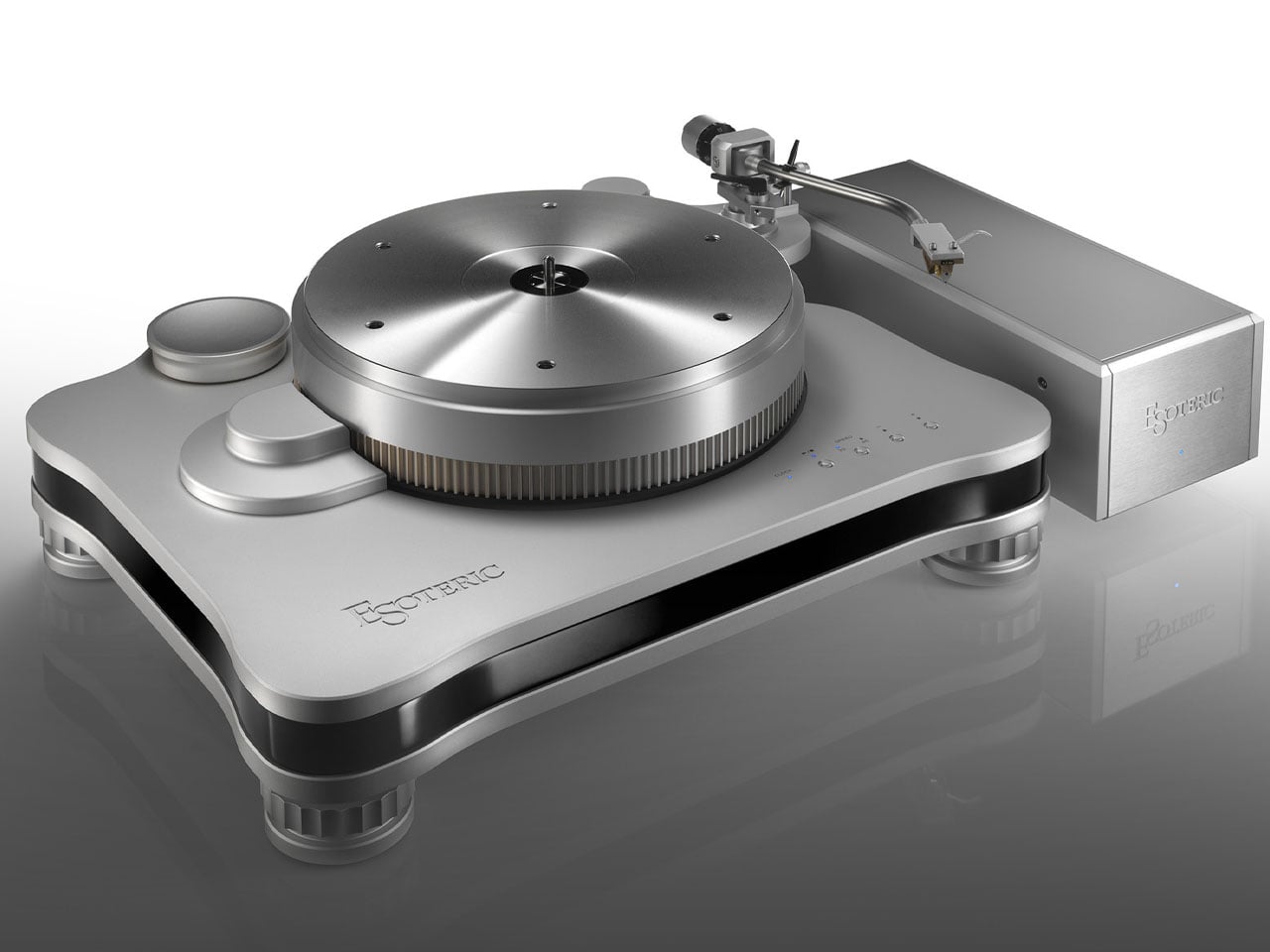
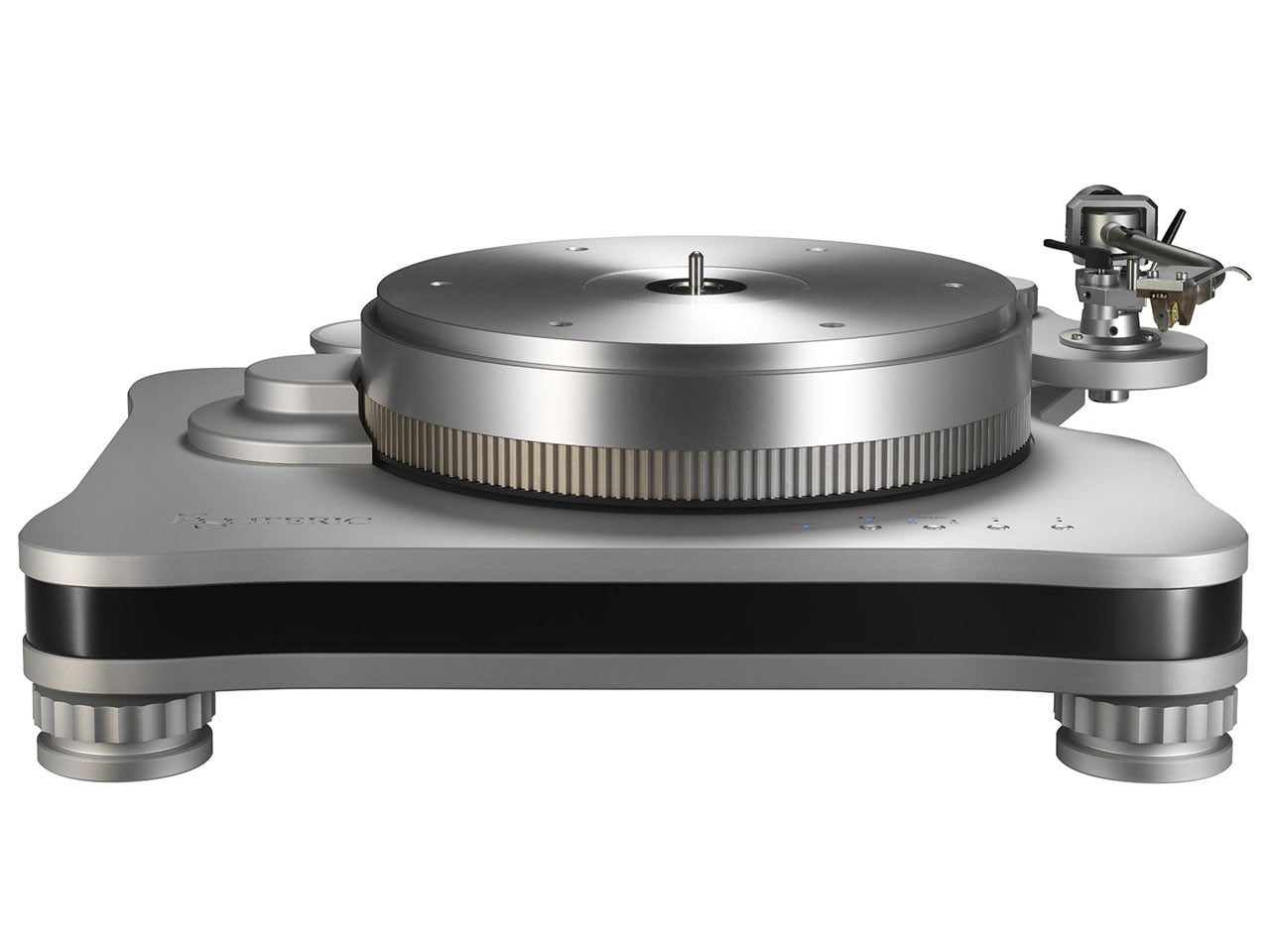
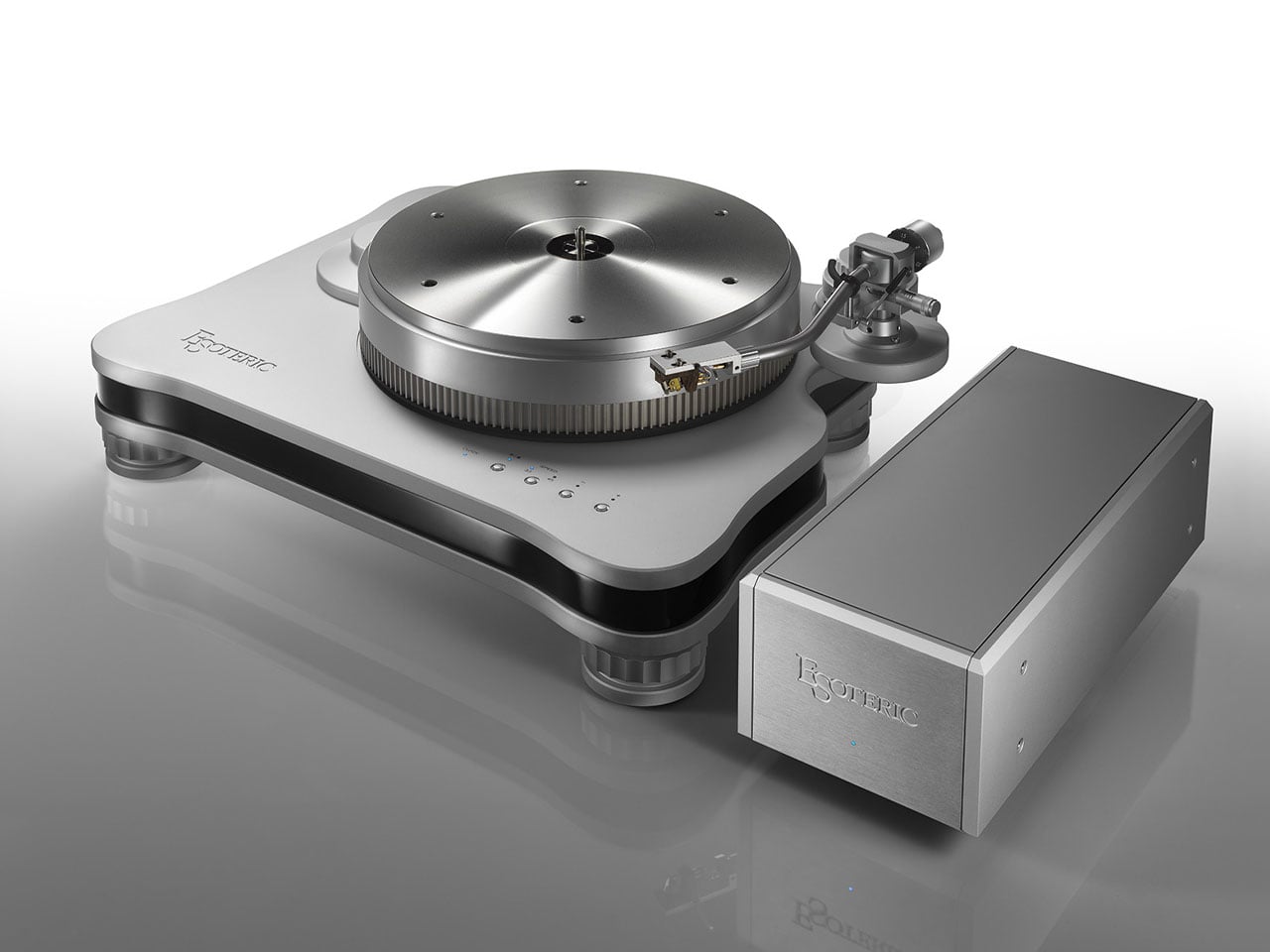
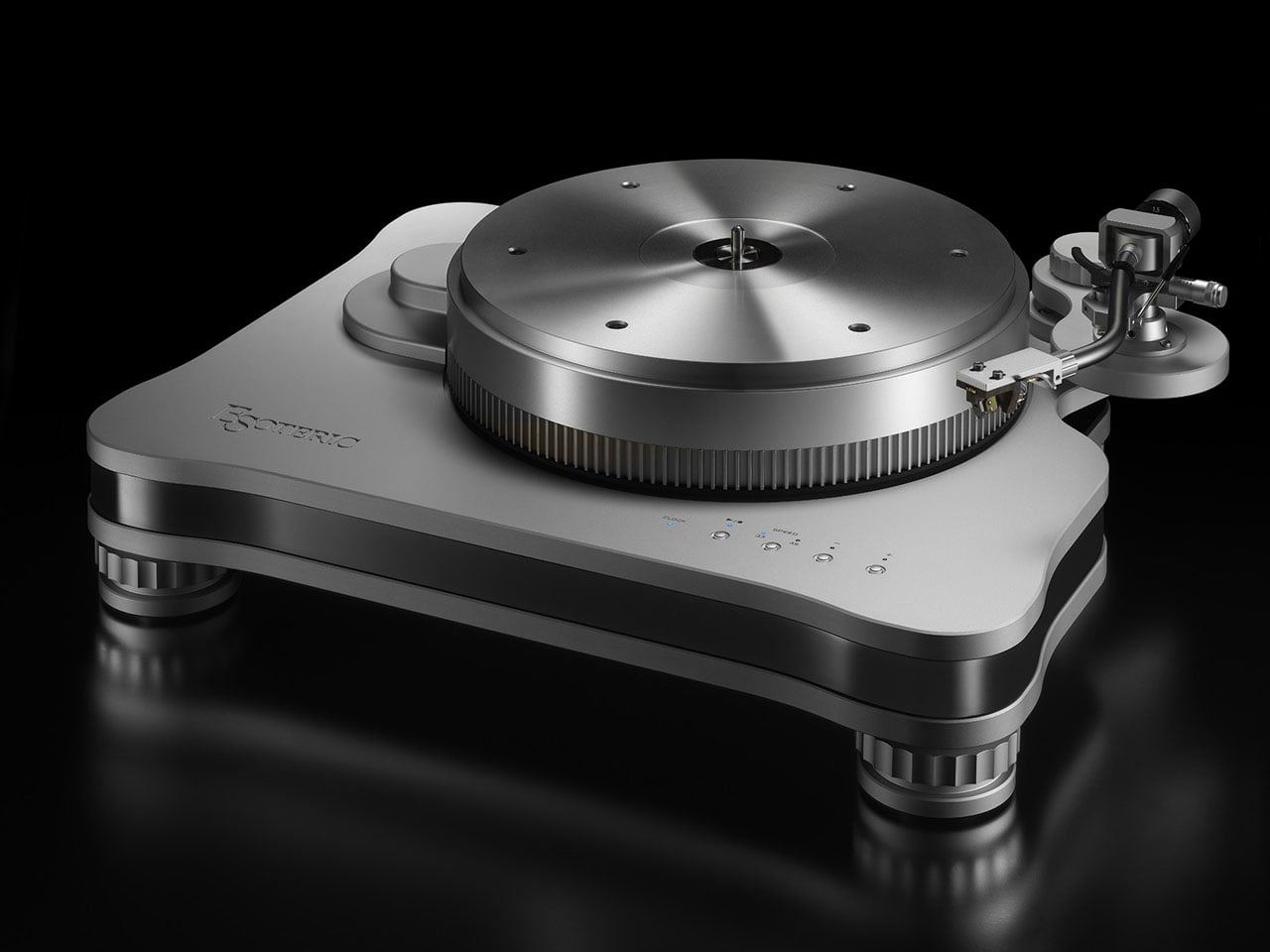
Esoteric has just dropped the T-01, an ultra-high-end turntable that takes an unusual approach to one of vinyl playback’s fundamental challenges: keeping the platter isolated from motor vibration. Unveiled in Tokyo, the deck uses the company’s patented MagneDrive system, which rotates the platter through magnetic induction rather than a belt or conventional mechanical connection.

The technology was first developed for Esoteric’s Grandioso T1, the company’s $80,000 flagship turntable. With the T-01, Esoteric has adapted that engineering into a more compact chassis designed to be easier to install without moving too far away from the performance ambitions of its larger sibling.

Designer: 3Esoteric

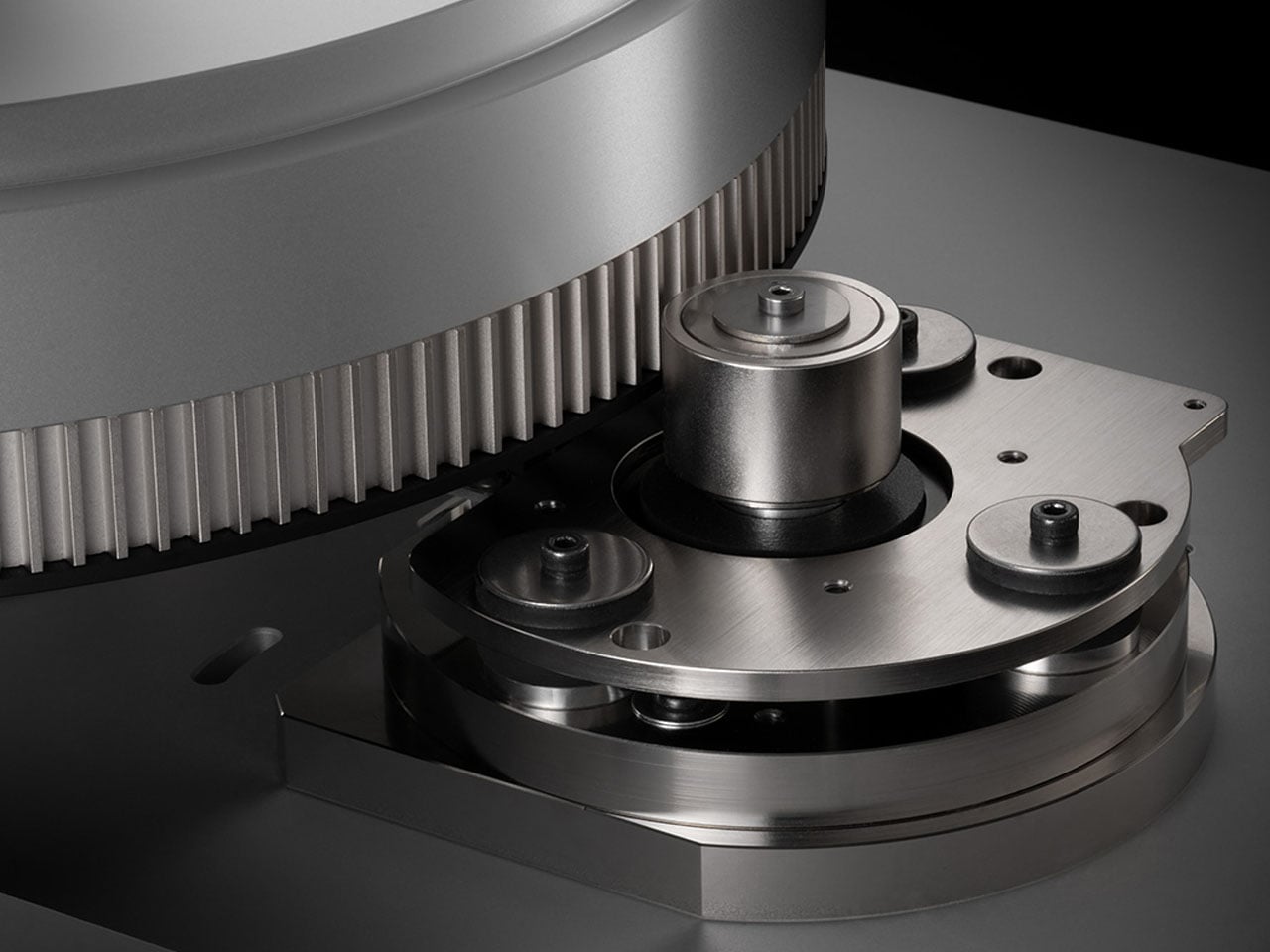
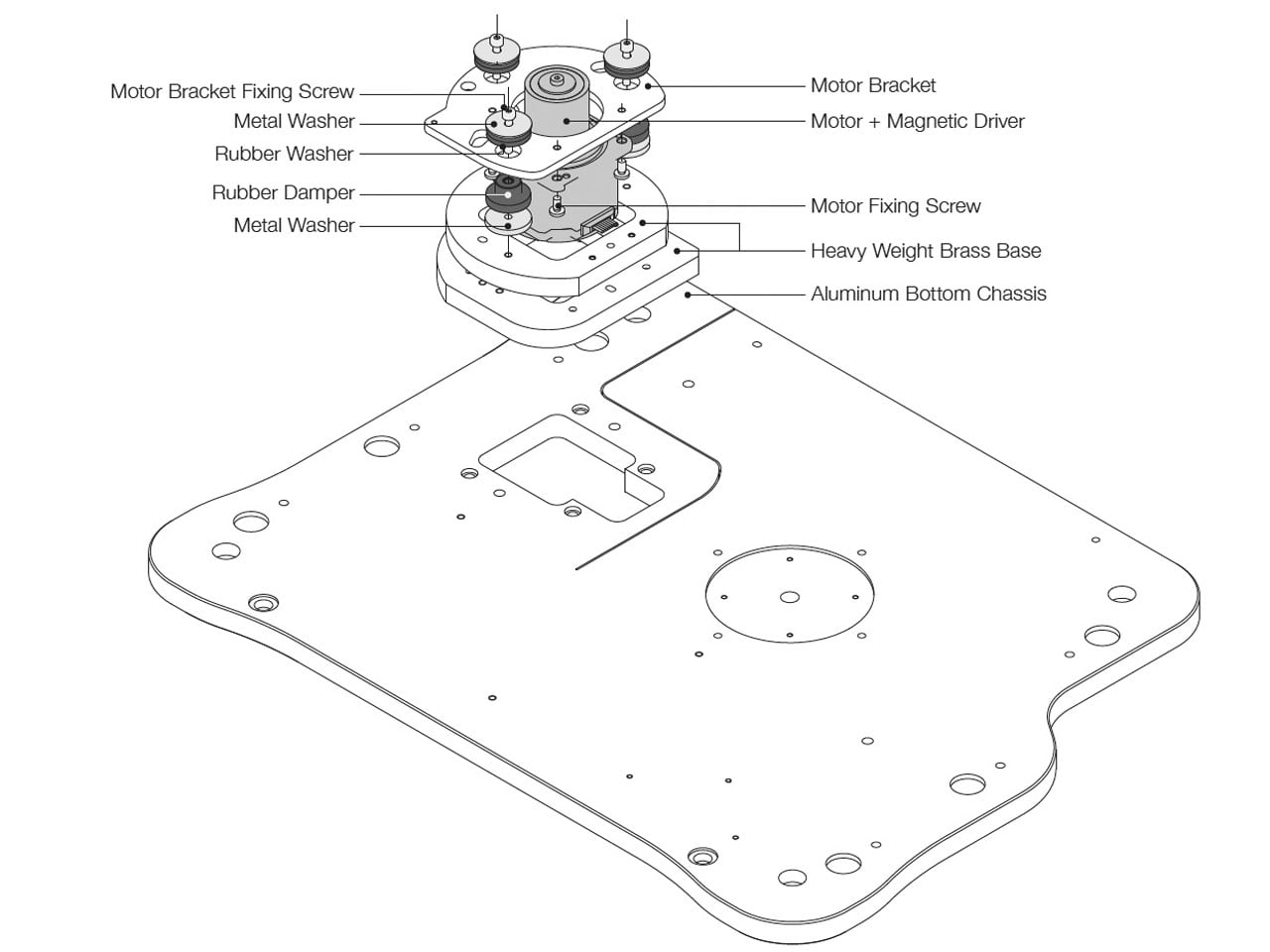
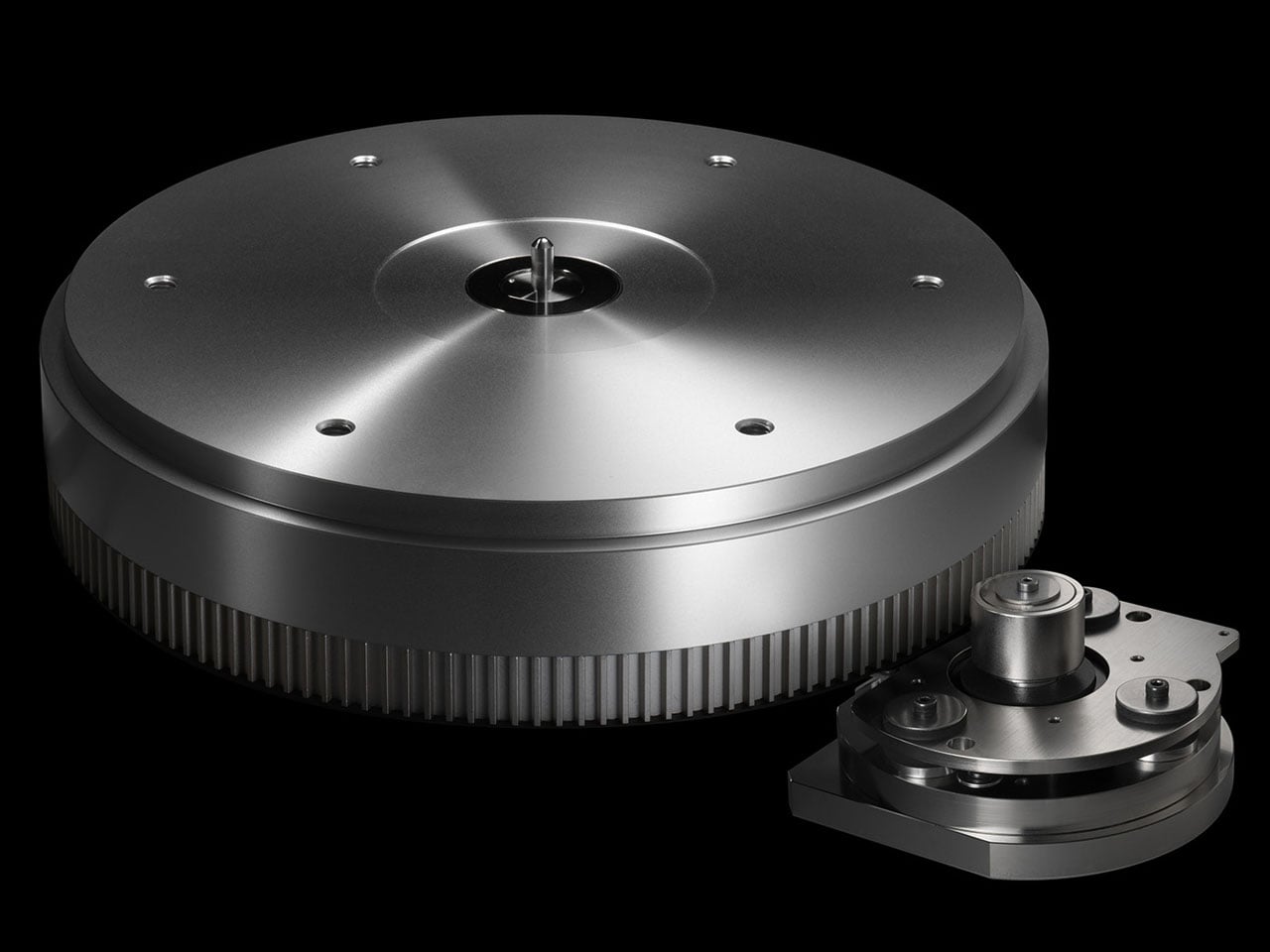
At the heart of the T-01 is its MagneDrive system, which essentially allows the platter to spin without being physically connected to the motor. A magnetic driver rotates beneath the platter, inducing movement in a soft-iron wheel positioned around its lower edge. That means there is no belt transferring the motor’s movement to the platter, helping isolate the record from mechanical vibration and motor noise.

Esoteric takes the same approach to the platter bearing. The 13kg aluminum platter is partially supported by magnetic force, reducing the load placed on the spindle bearing to around 4kg. An inverted bearing further reduces the mechanical resistance involved in keeping the platter moving. On paper, these details may sound excessive, but they reflect the company’s larger goal: removing as many potential sources of unwanted movement as possible between the motor and the record.

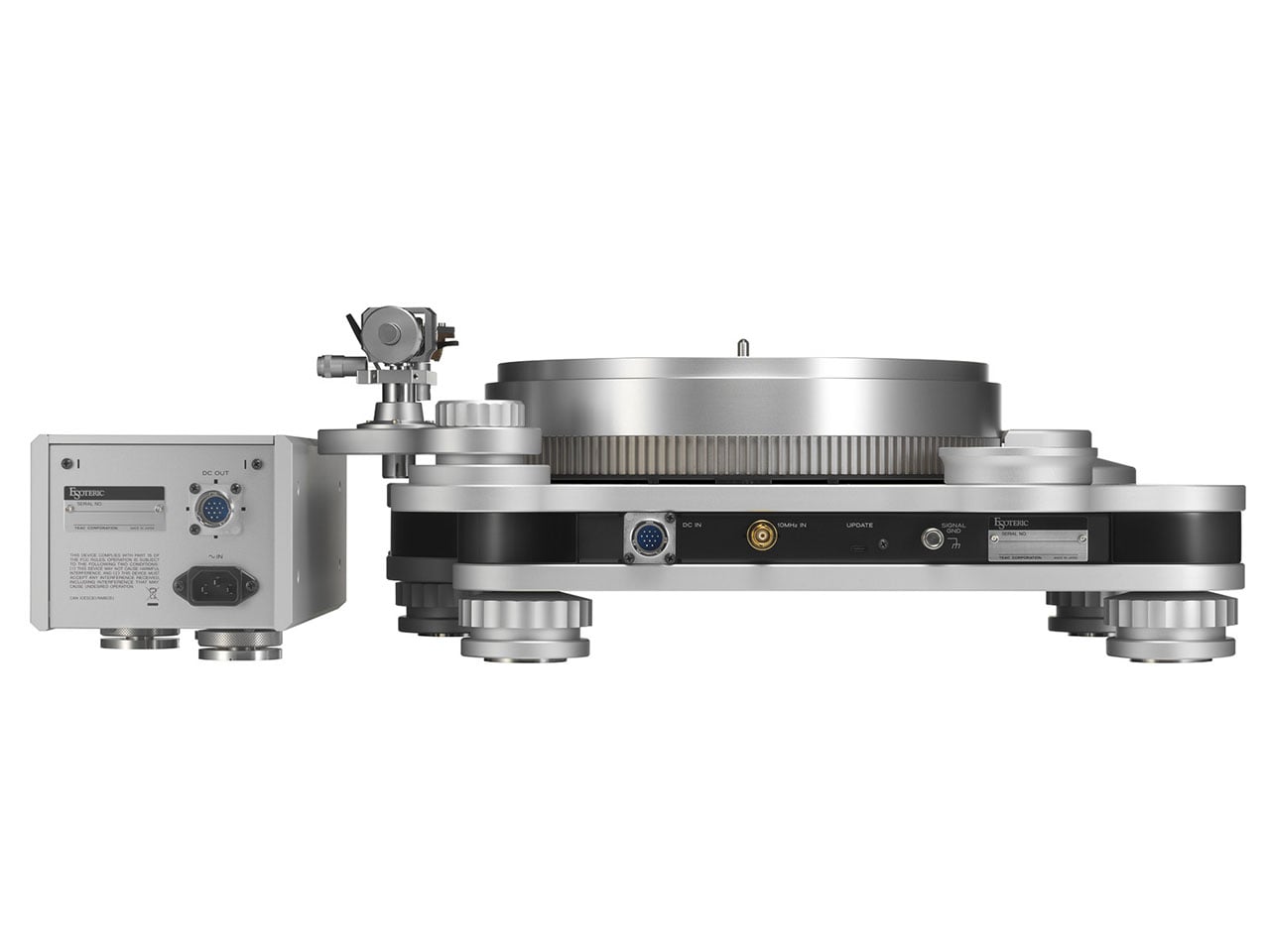
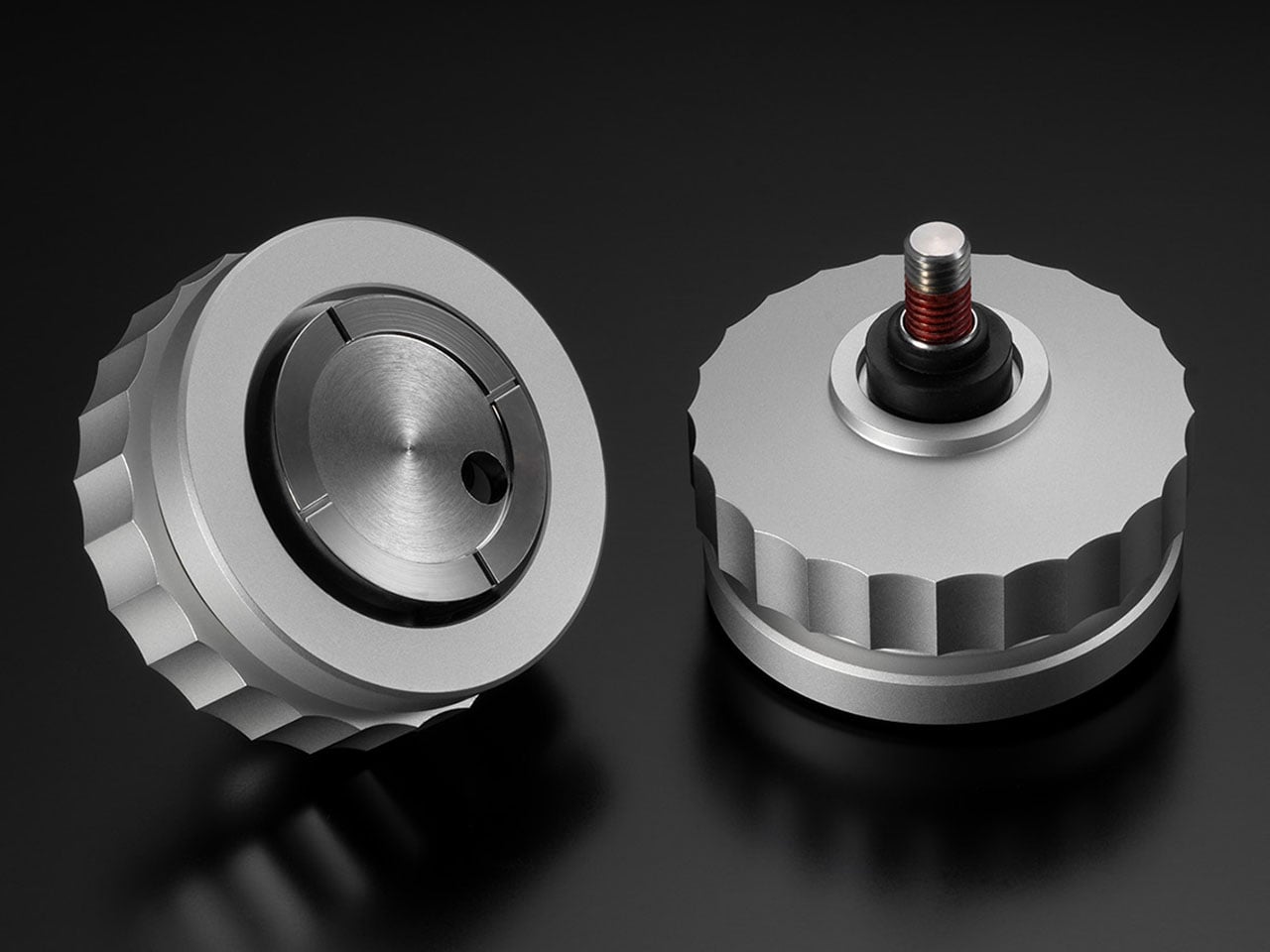
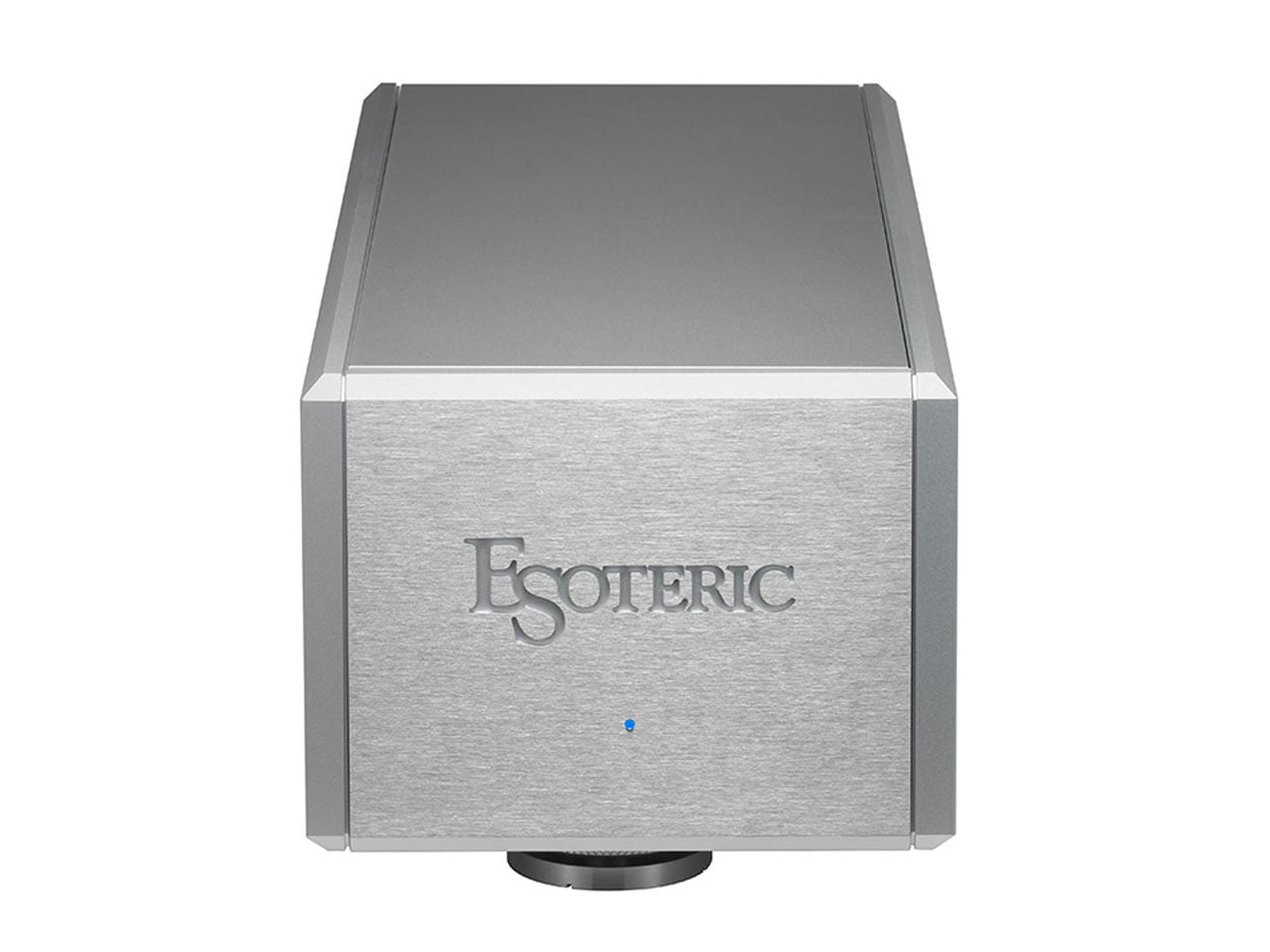
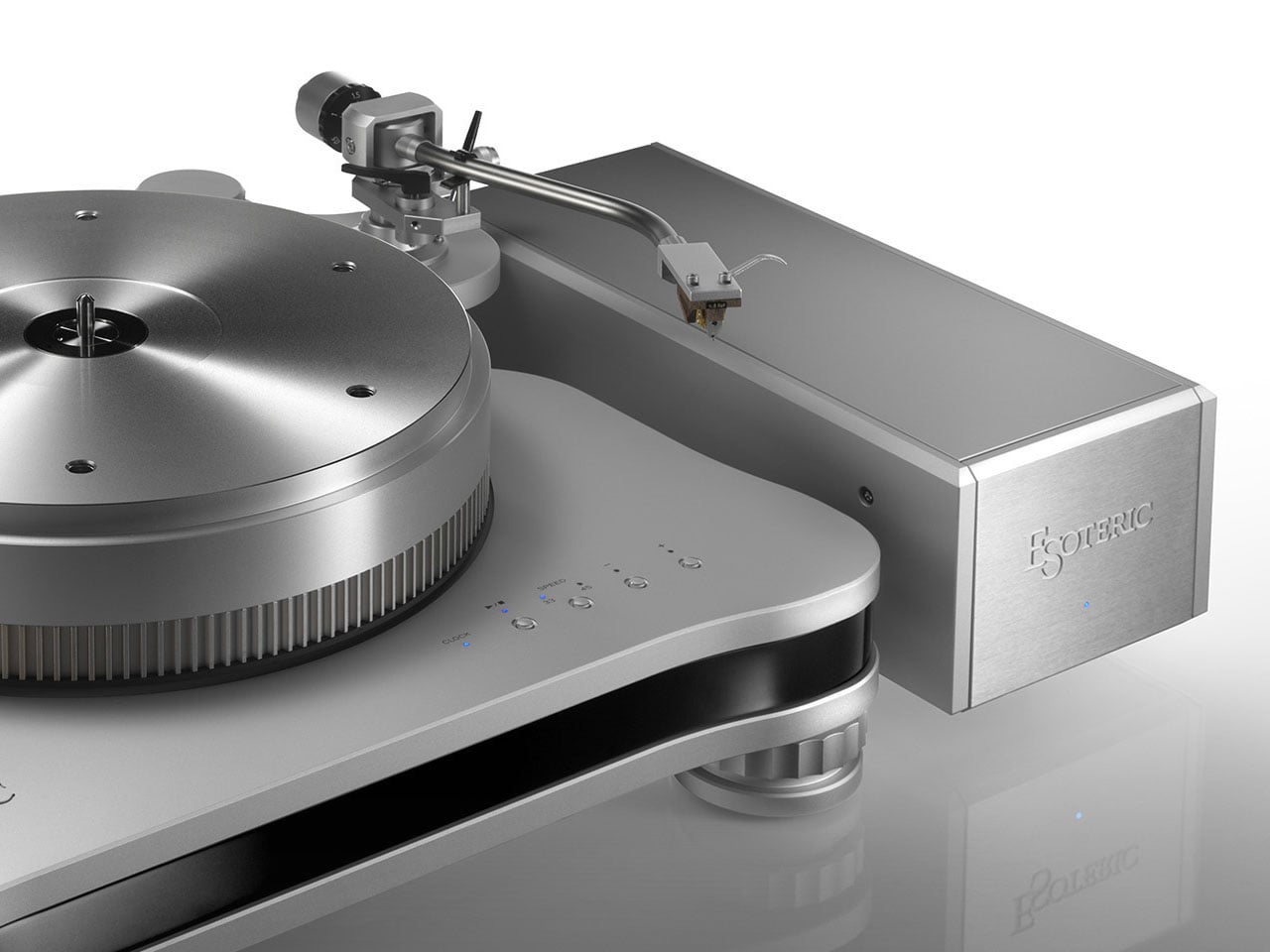
That attention to isolation continues through the rest of the design. The T-01 uses a three-layer aluminum and MDF chassis, with a piano-lacquered middle section, while its specialized feet combine a spike, pad and damper to help control external vibration. Even the motor is housed inside its own vibration-absorbing enclosure. A separate 7kg power supply keeps the electrical components away from the turntable itself, creating another layer of physical separation.

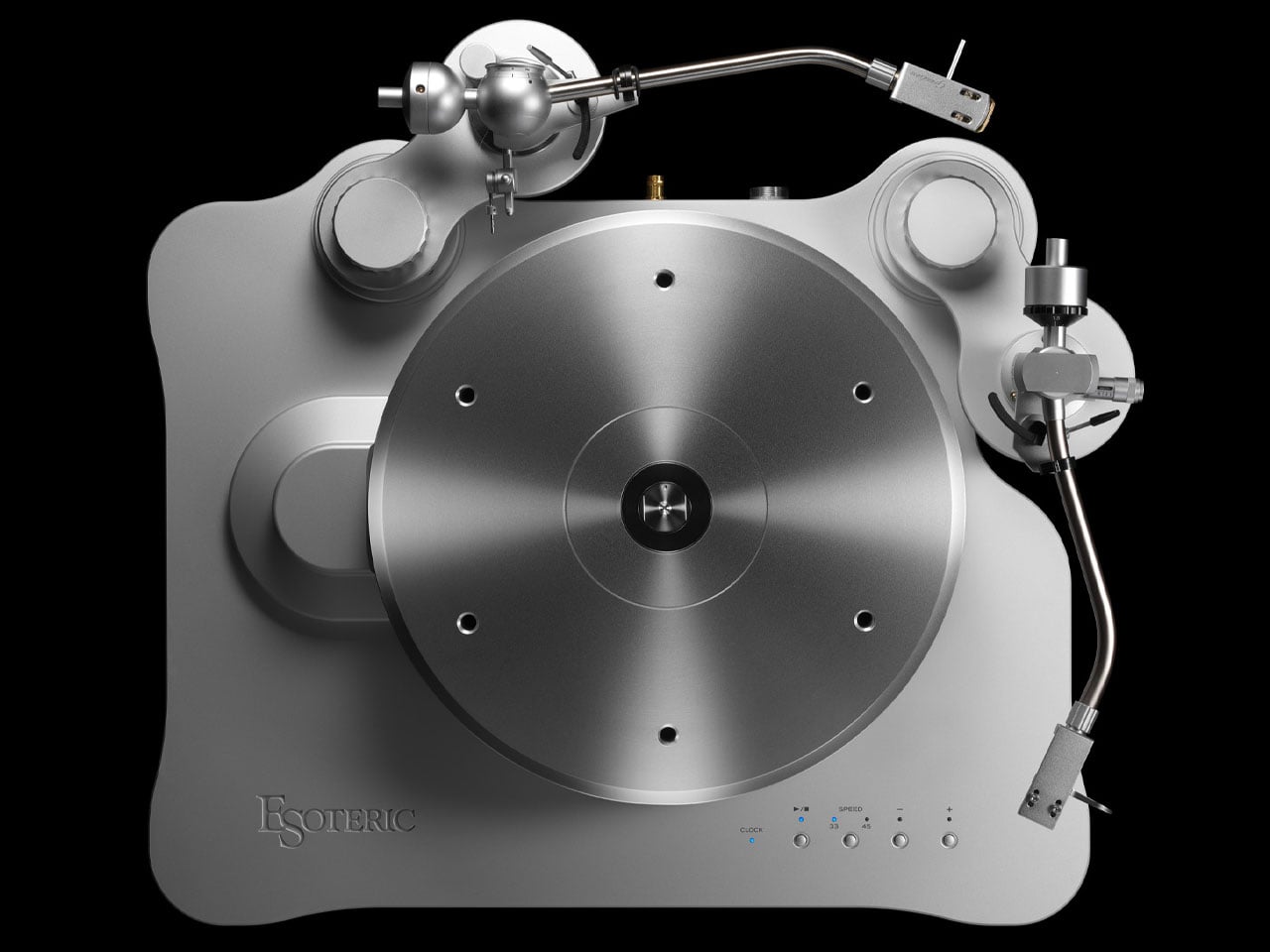
The T-01 also takes an unusually sophisticated approach to speed control. It supports the standard 33⅓ and 45 rpm records and can accept an external 10MHz clock reference through BNC. This allows it to synchronize with Esoteric’s dedicated master clocks, giving the company another way to maintain precise platter rotation. For a product aimed at listeners who scrutinize every part of the playback chain, even the timing of the motor becomes part of the equation.

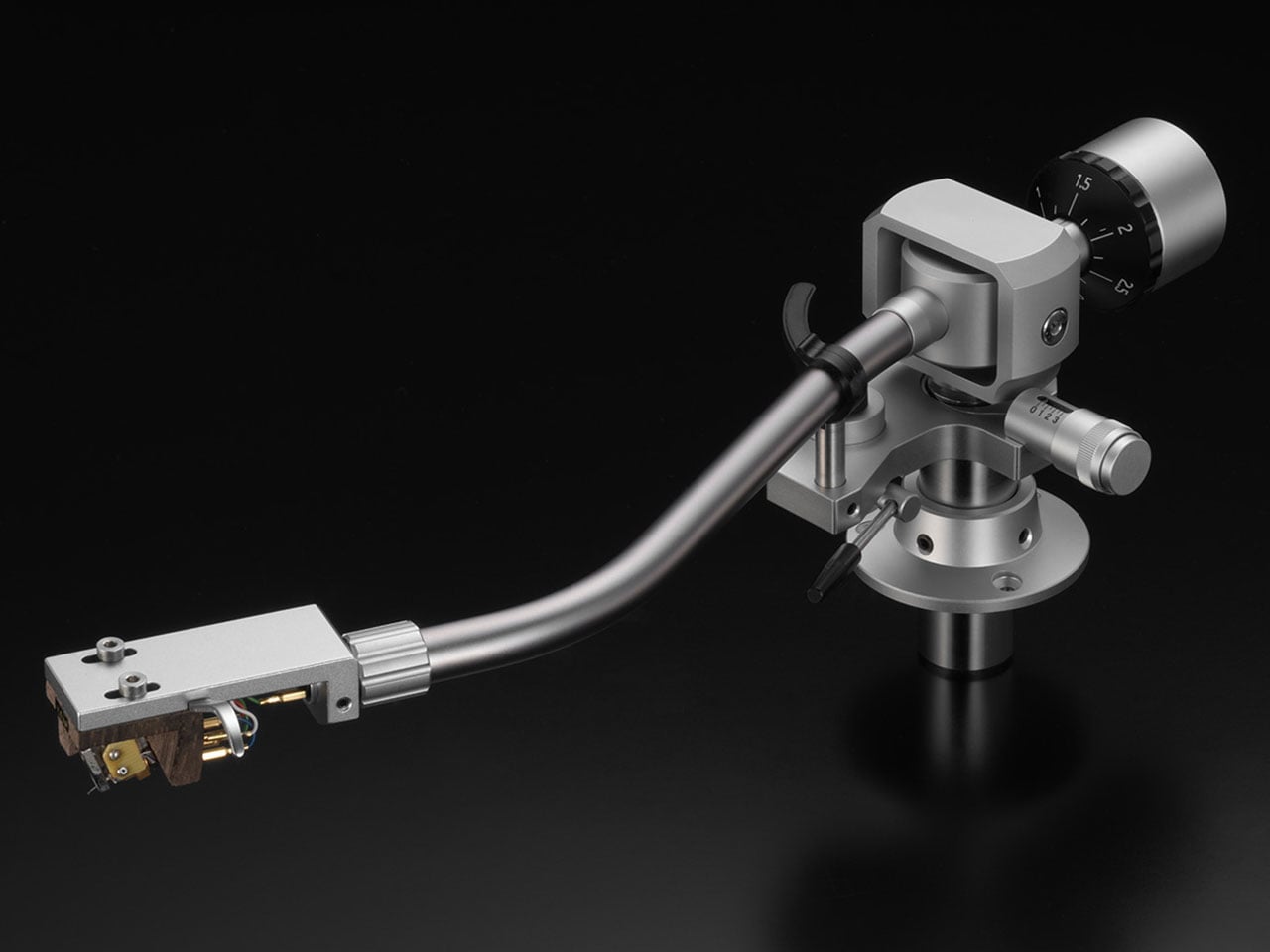
Esoteric offers the T-01 with its TA-9D tonearm, while the T-01AL leaves the tonearm out for buyers who prefer to choose their own. The deck can accommodate up to two tonearms with the appropriate mounting hardware, although a cartridge is not included.

Weighing 35kg before adding its separate power supply, the T-01 is clearly designed for a permanent place in a serious listening setup. At $50,000 with the tonearm, or $46,000 for the armless T-01AL, it is definitely targeted towards the high-end audiophile market. International shipments of this steeply priced turntable are scheduled to begin at the end of September 2026, so we’ll keep an eye.


The post Esoteric T-01 turntable uses magnetic drive to eliminate mechanical contact first appeared on Yanko Design.