Here are some recently released titles to add to your reading list. This week, we read First Contact: The Story of Our Obsession with Aliens, plus James Tynion IV and Martin Simmonds' take on Dracula — now in black and white for extra creep-factor.
Here are some recently released titles to add to your reading list. This week, we read First Contact: The Story of Our Obsession with Aliens, plus James Tynion IV and Martin Simmonds' take on Dracula — now in black and white for extra creep-factor.
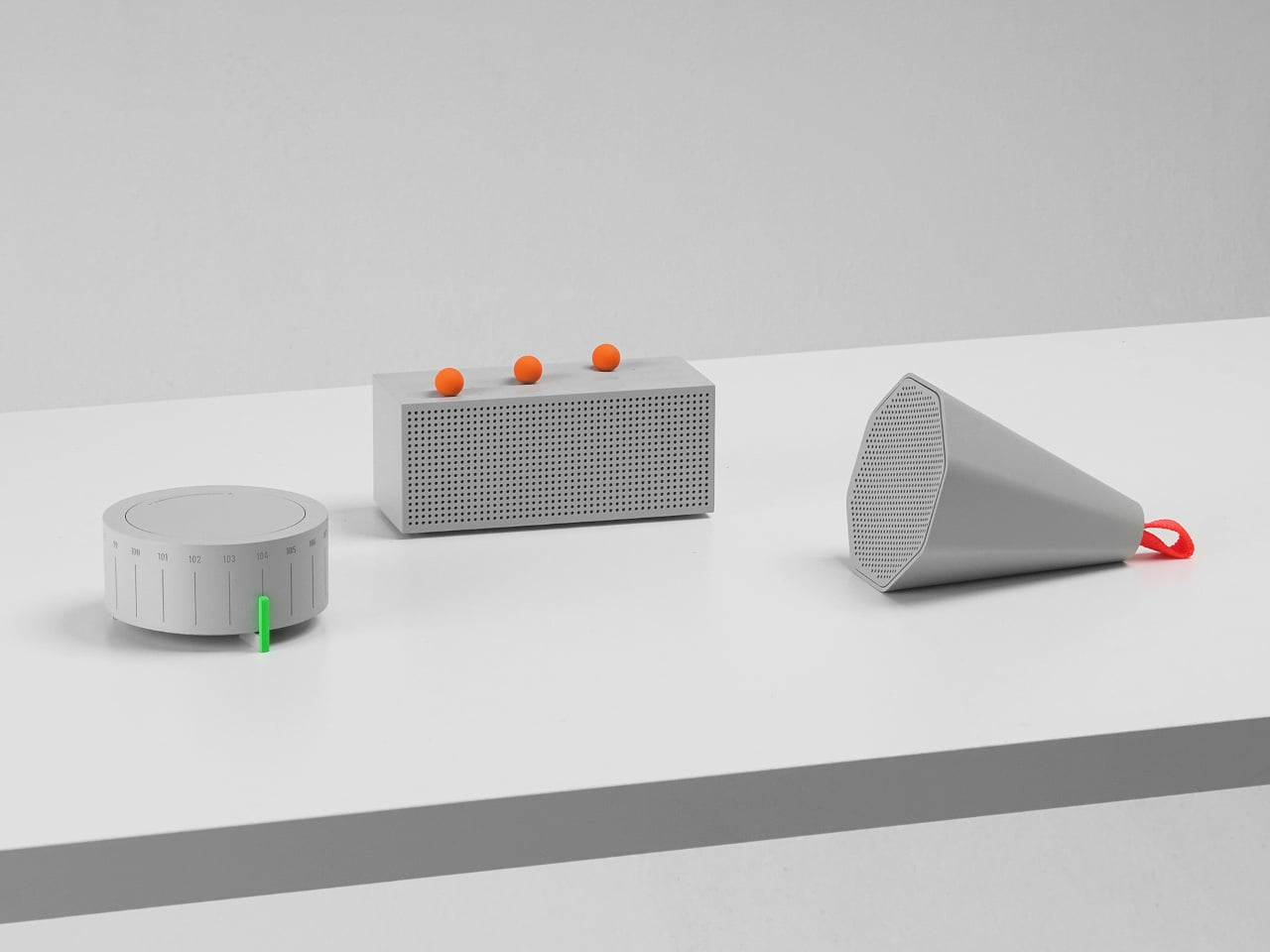
Digital devices promise convenience, but too often they deliver complexity instead, with endless menus, constant updates, and a learning curve that never seems to end, no matter how long you use them. Many of us long for the days when using a product was as simple as turning a dial or pressing a button without consulting manuals or watching tutorial videos online to understand basic functions.
The Tamed Digital Devices concept reimagines our relationship with technology by bringing back the tactile, multi-sensory experiences of analog gadgets we used to love and understand instinctively. Created by SF-SO in 2019, it’s a vision of tech that’s calming, intuitive, and designed to fit seamlessly into daily life without demanding constant attention or learning new interfaces. Each device in the series prioritizes touch, sound, and movement over screens and menus.
Designer: Hoyoung Joo (studio SF-SO)
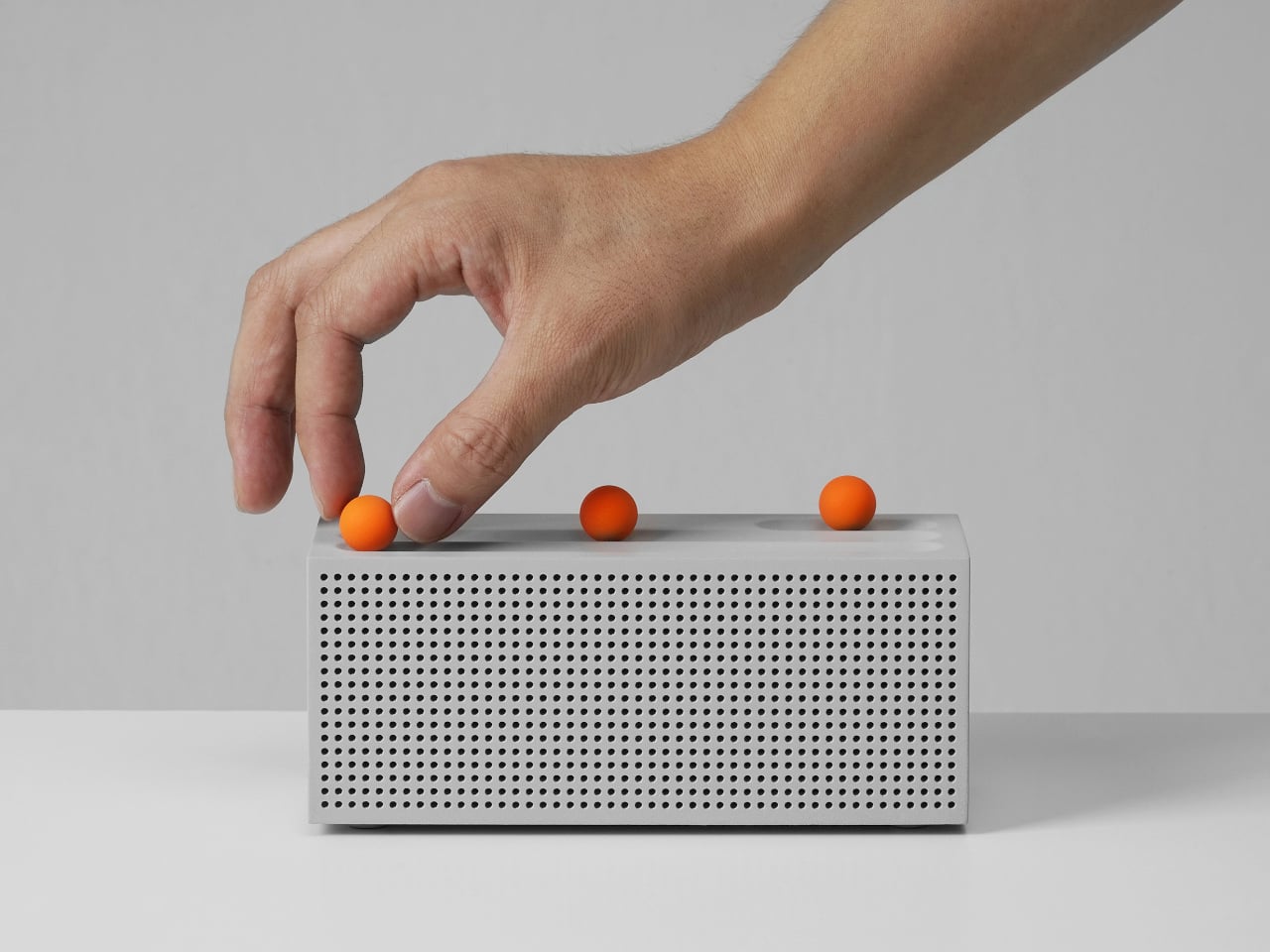
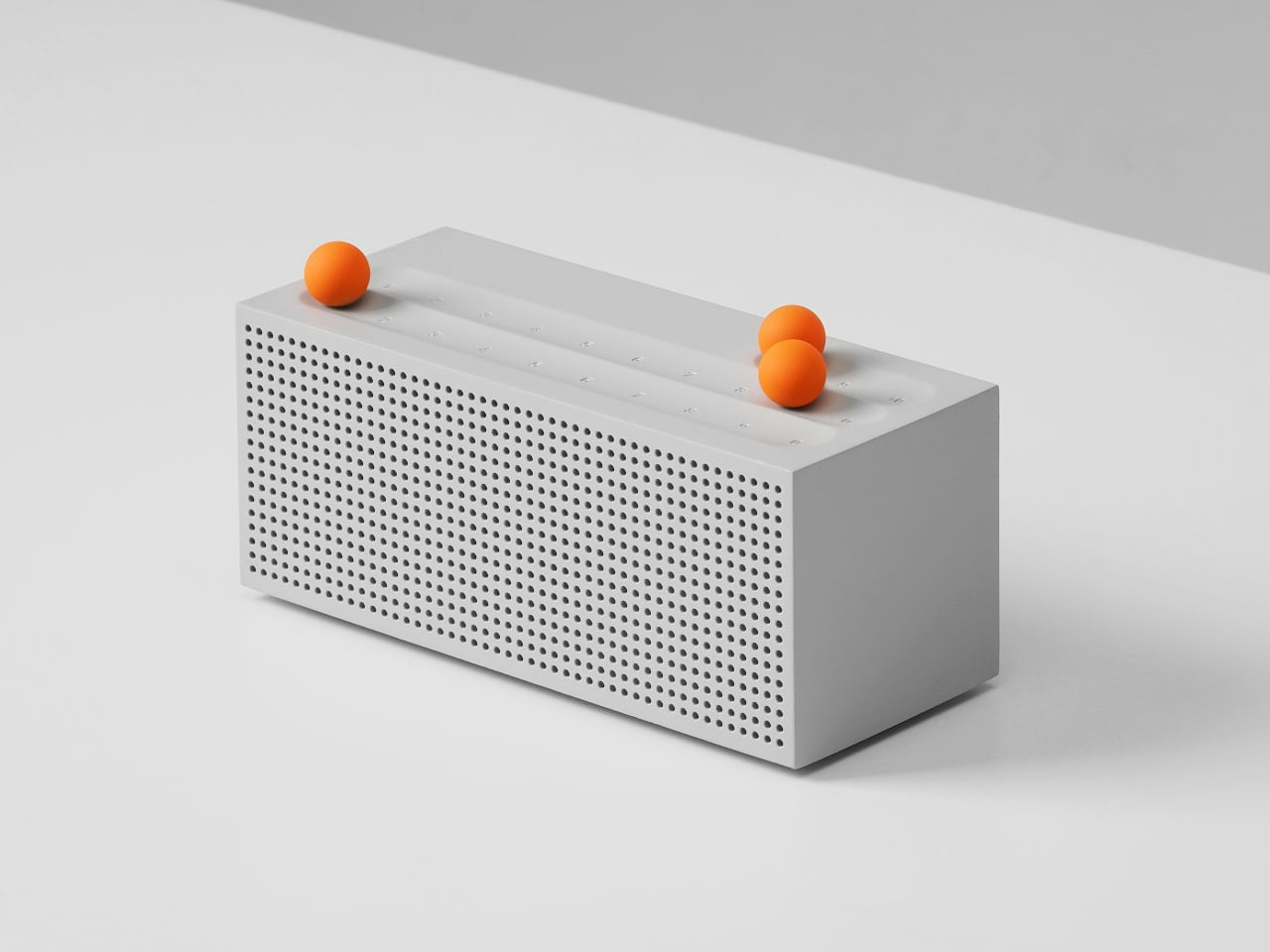
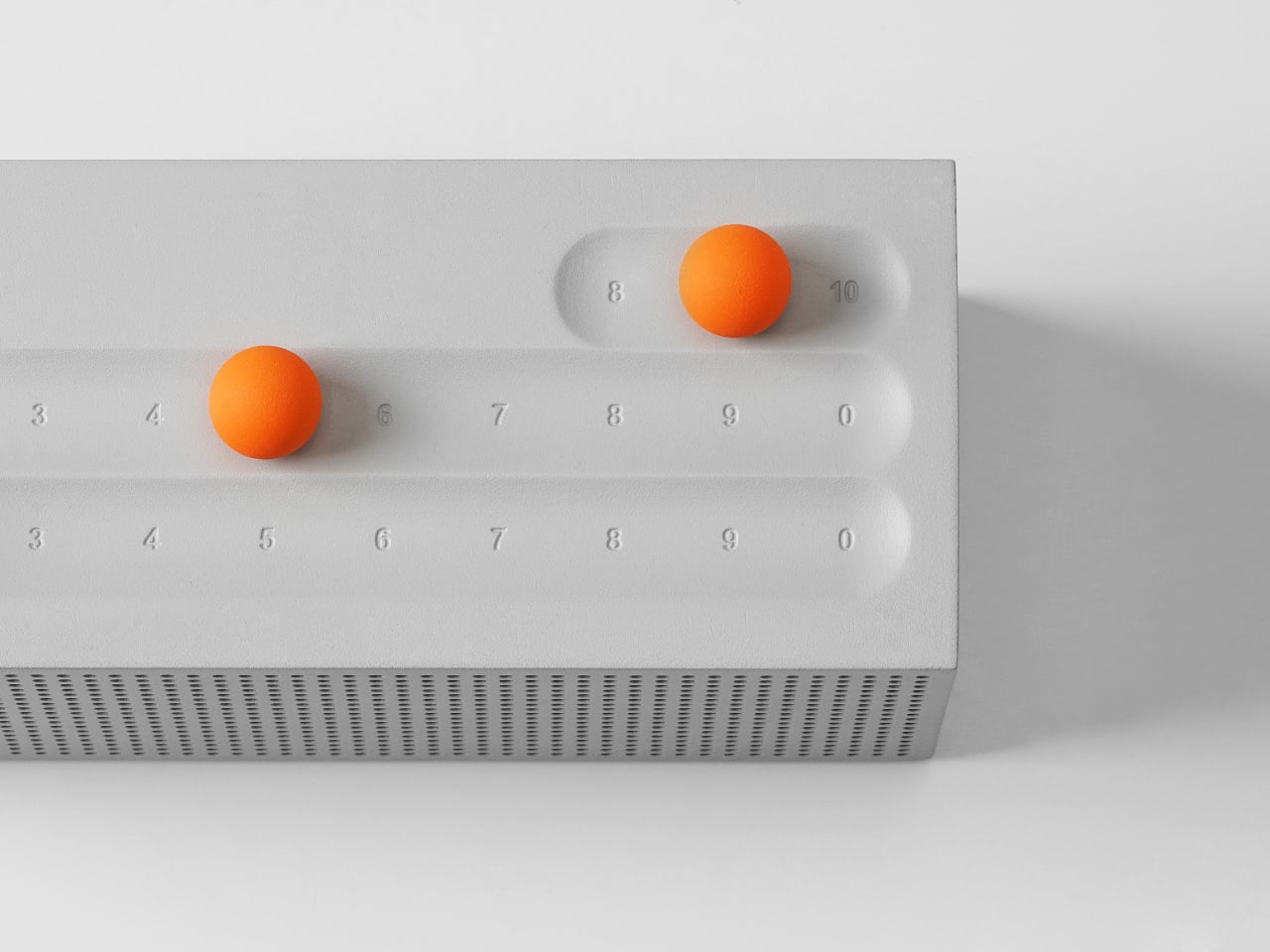
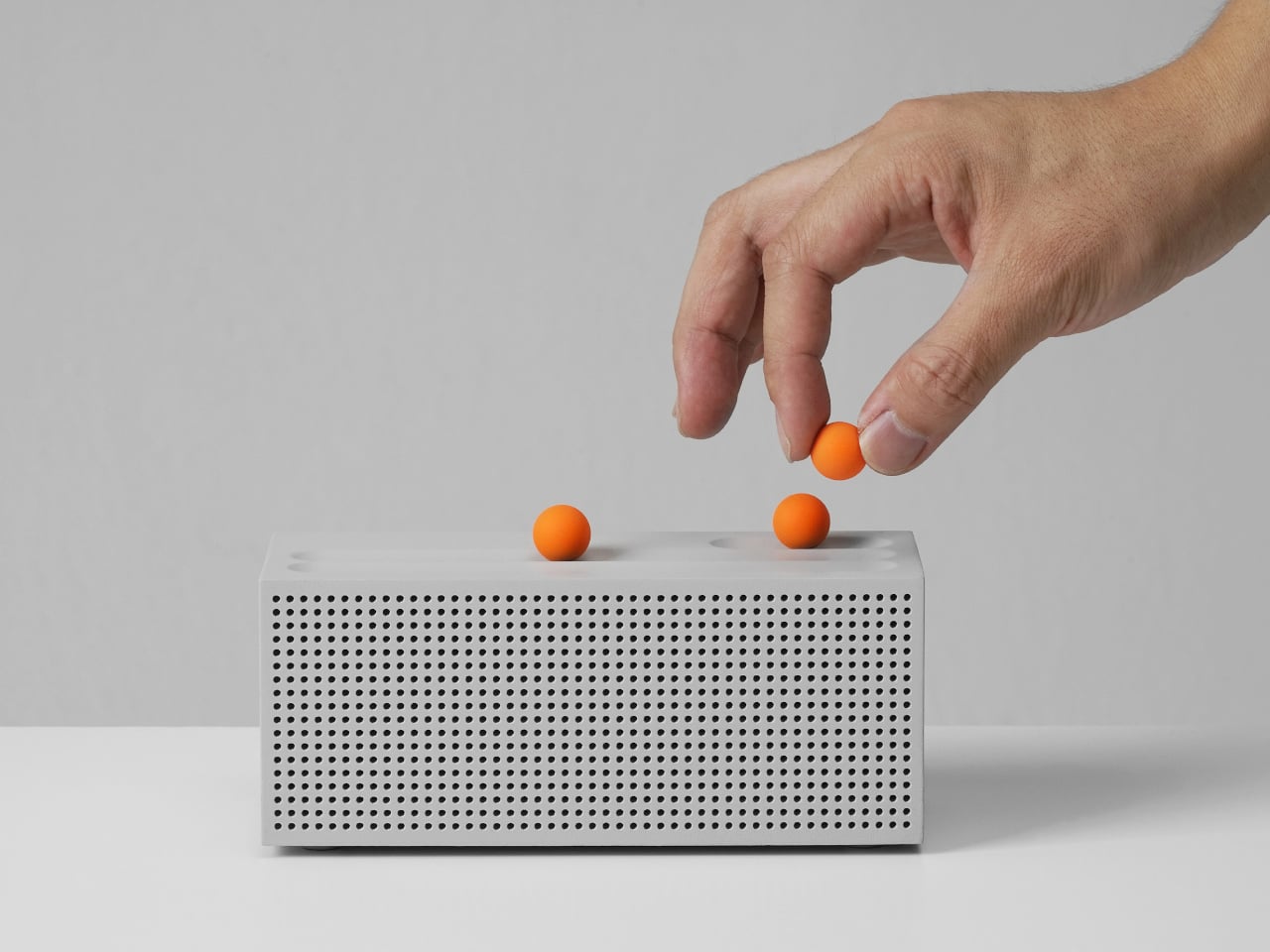
Each device in the series is inspired by classic analog forms and controls that people already understand instinctively without any instruction. The Ball Internet Radio swaps touchscreens for three magnetic balls on top that you roll or lift to change stations, making tuning in both intuitive and satisfying for all ages. The tactile feedback and visual movement of the balls create a playful interaction that feels natural rather than digital or sterile.
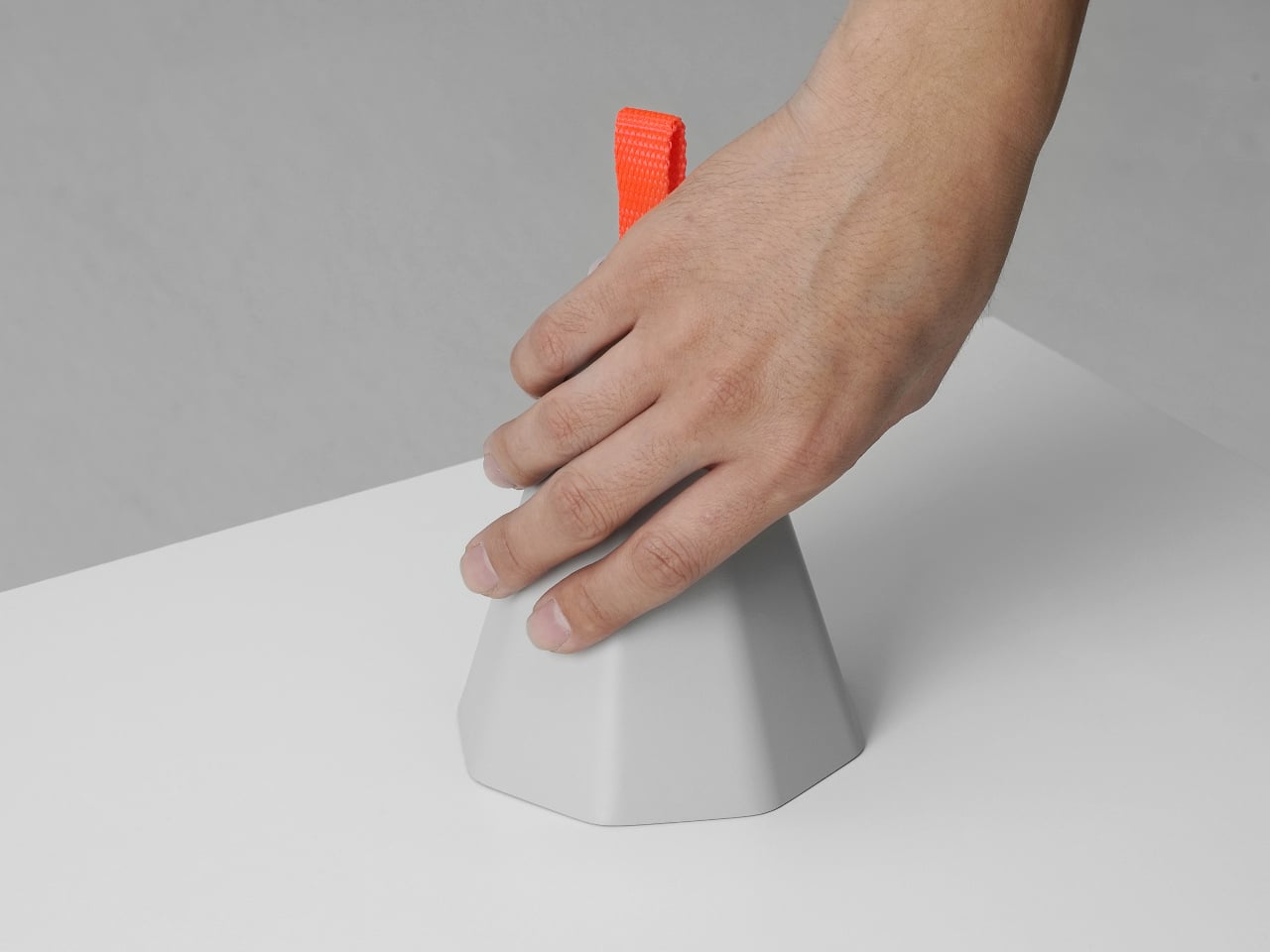
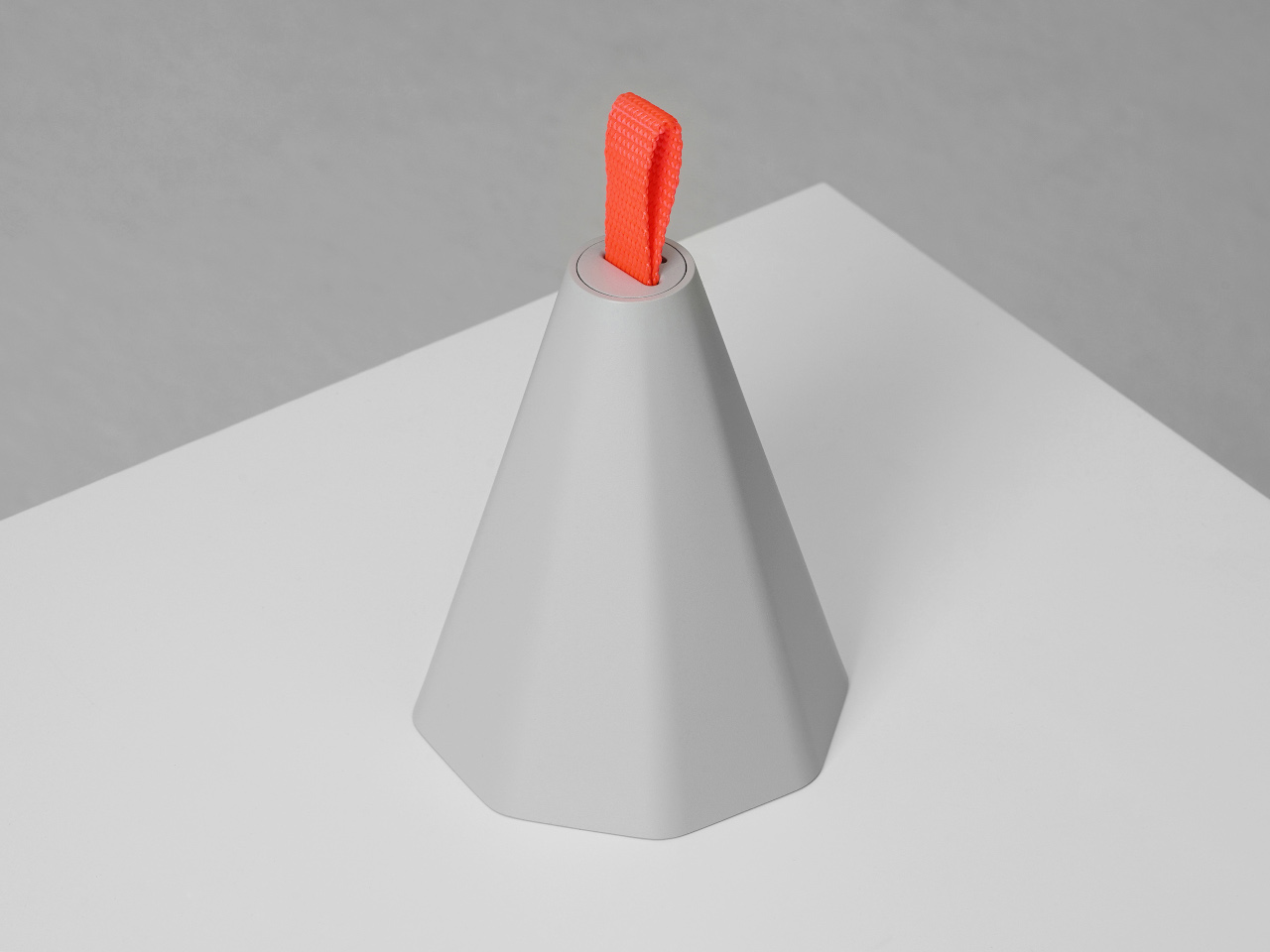
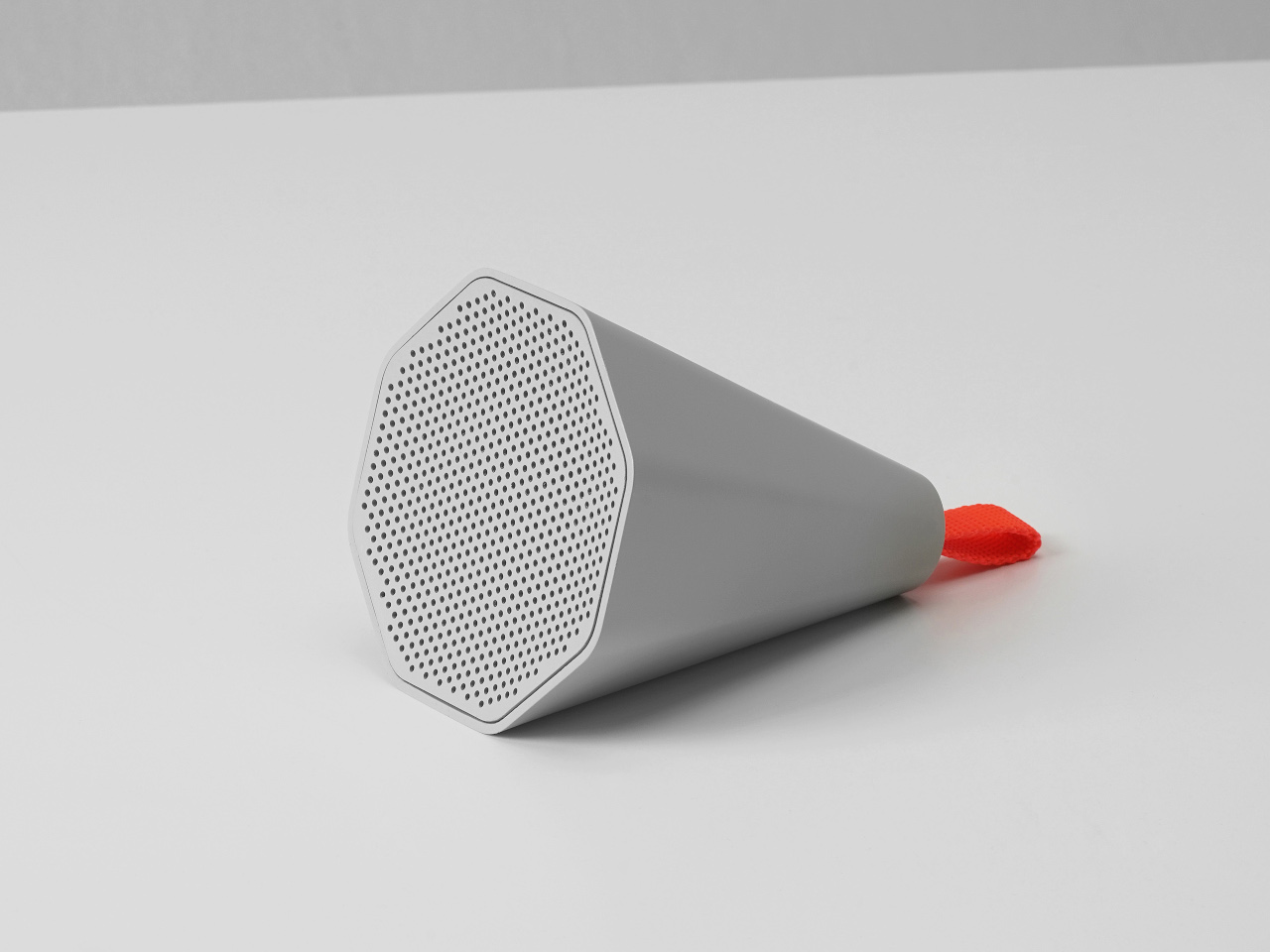
The Cone Bluetooth Speaker powers on or off with a simple flip, using a gravity sensor to turn a basic gesture into a moment of physical delight and satisfaction. No buttons to hunt for, no hold-and-press sequences to remember or decipher from tiny icons—just flip the speaker and it responds instantly. The conical shape with its bright orange accent doubles as sculptural home decor when not playing music, blending function with visual warmth.
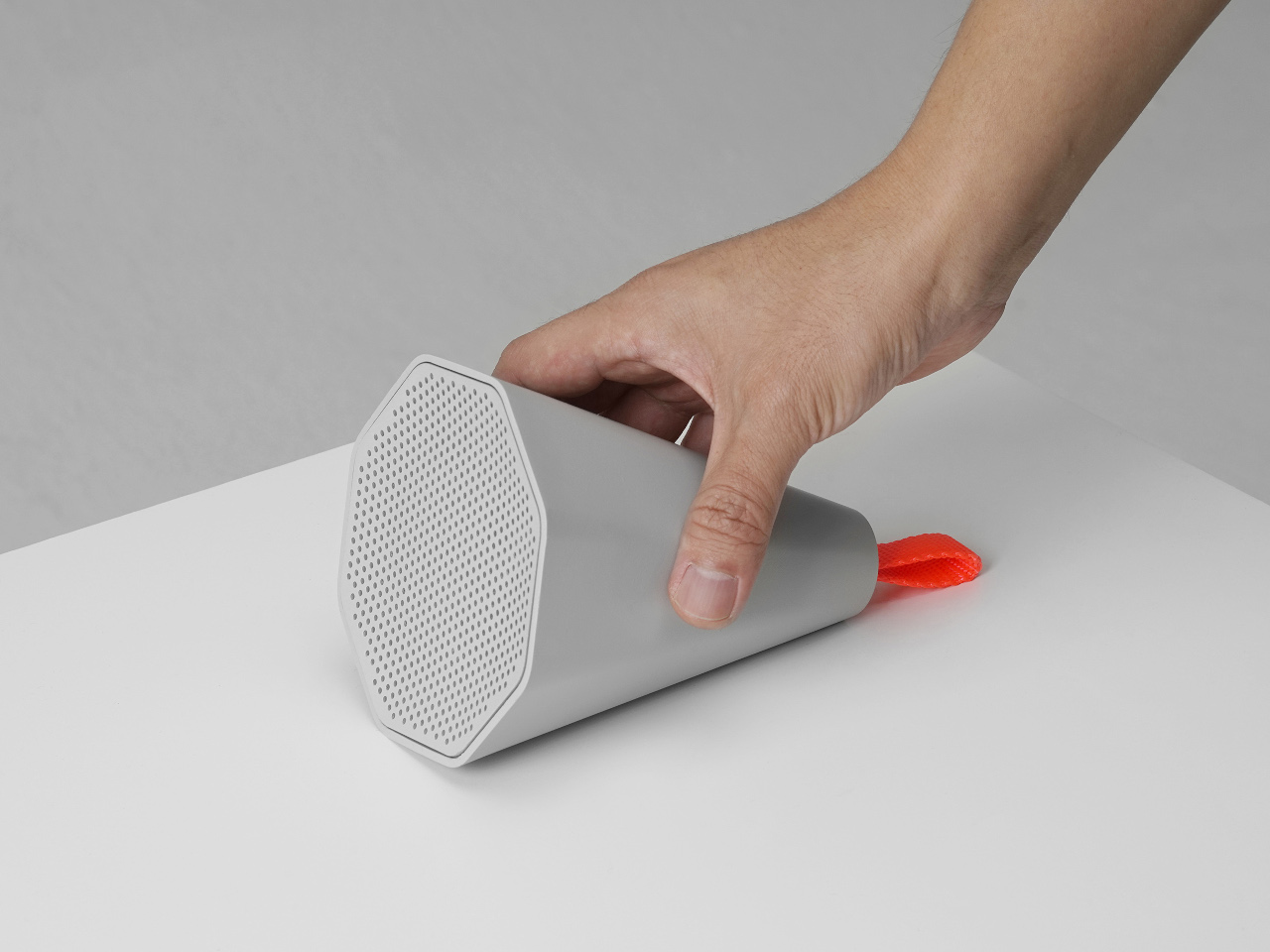
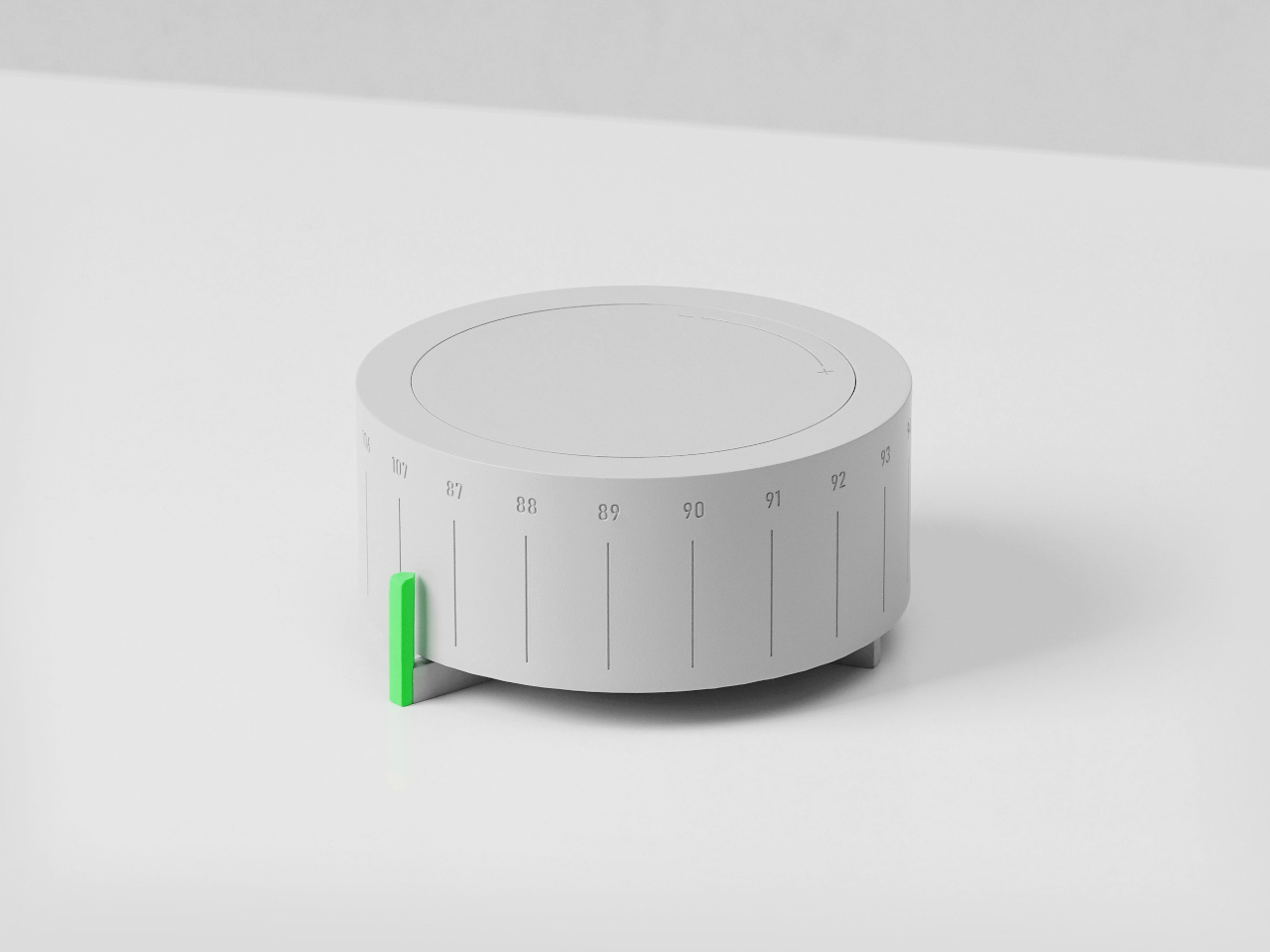
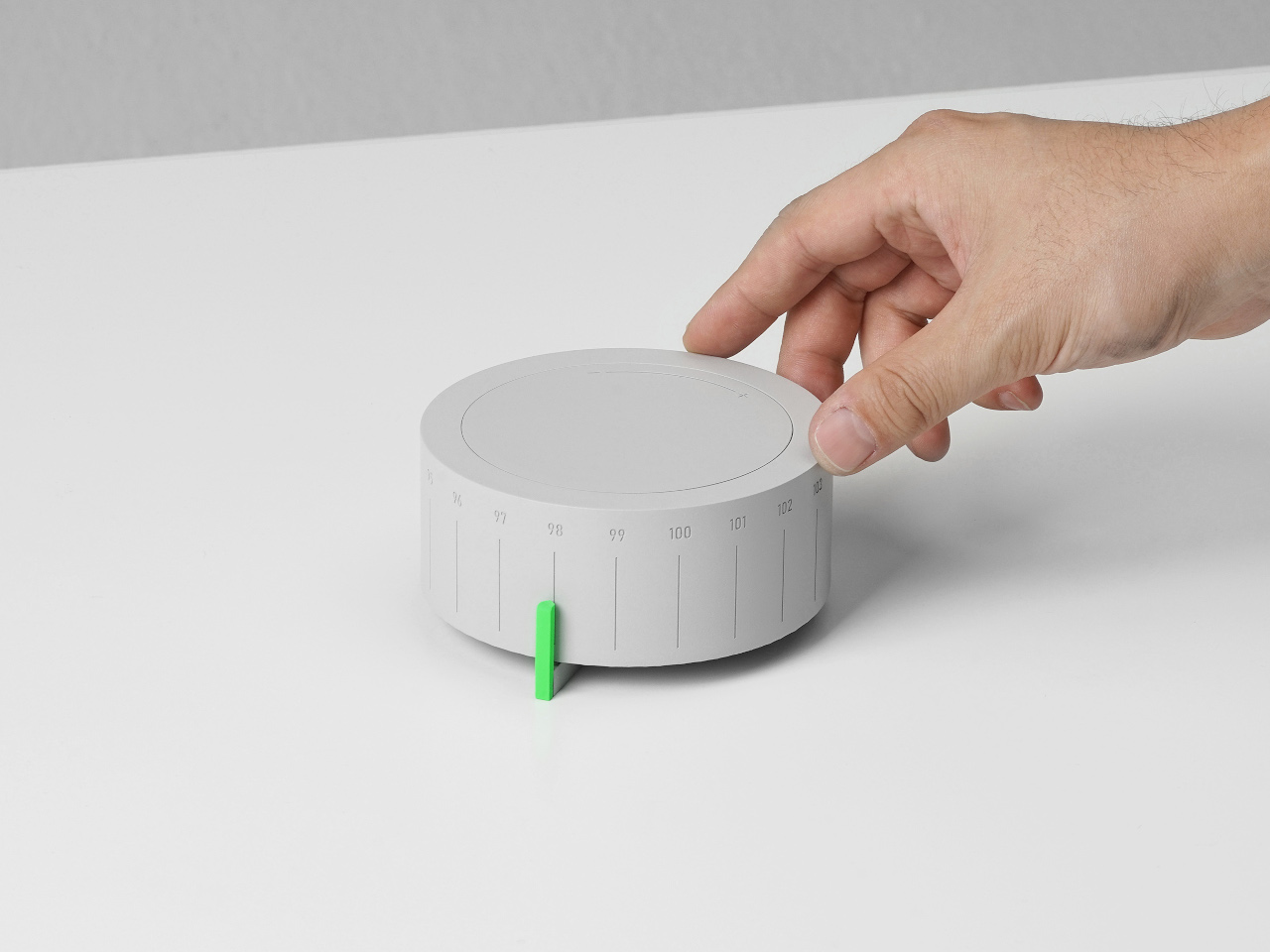
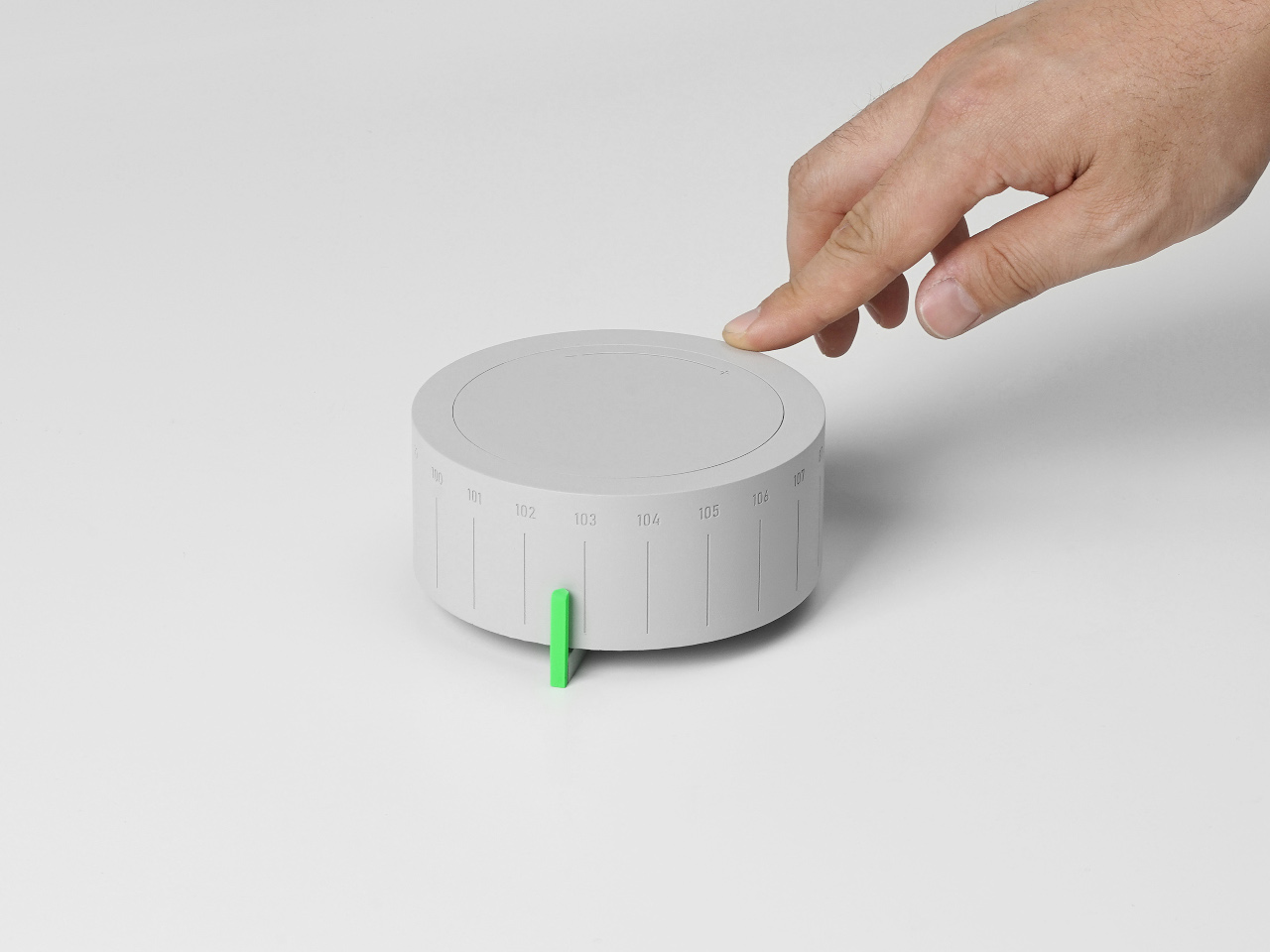
The Wheel Digital Radio lets you tune frequencies by rotating the entire body like traditional wheel-tuned radios, echoing the mental model of classic analog radios from decades past that everyone intuitively understands. A physical marker shows the tuned station, providing immediate visual feedback without digital displays or complicated interfaces. The cylindrical form with ribbed texture and green accent makes the interaction obvious at a glance to anyone who sees it.
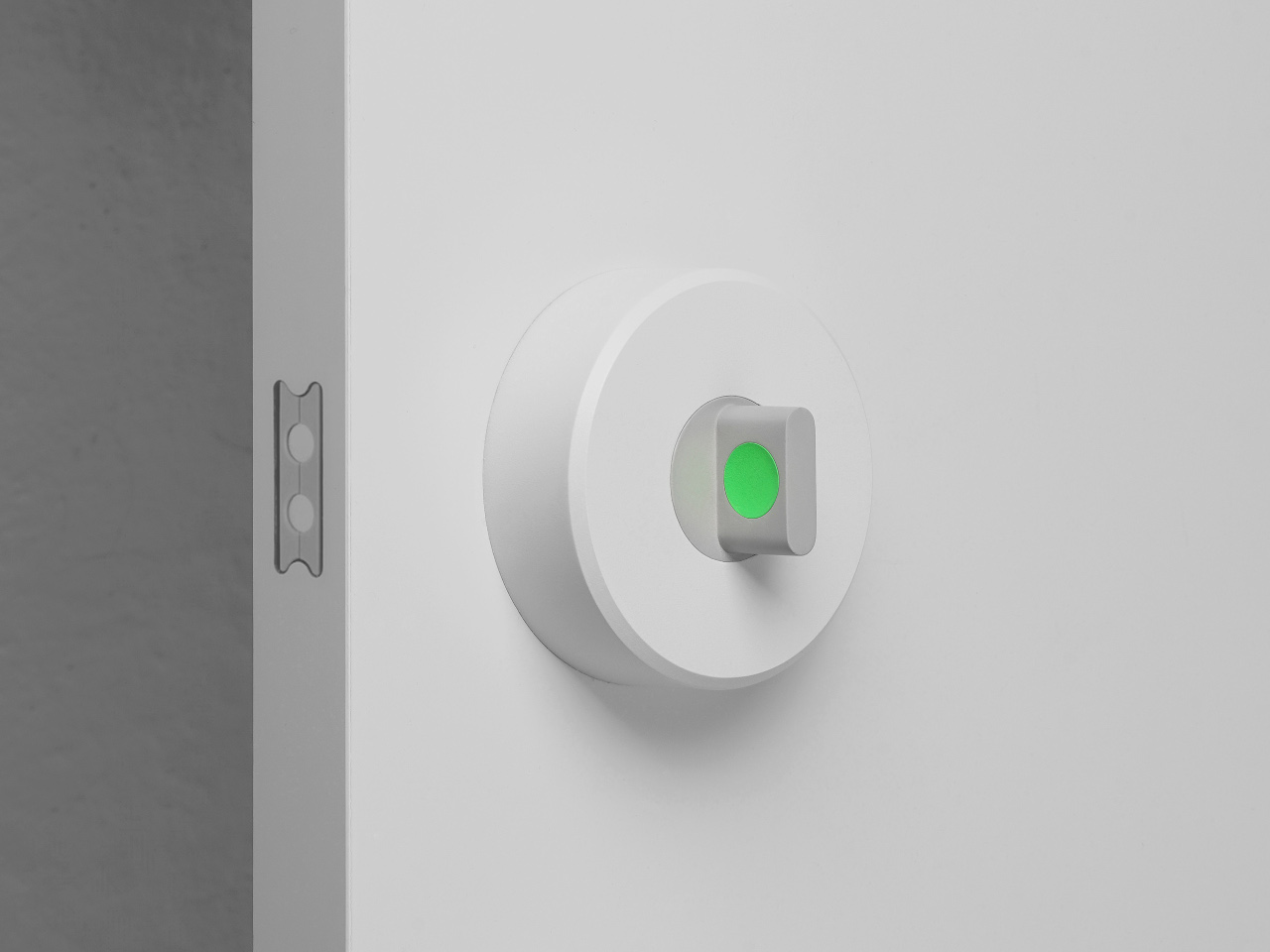
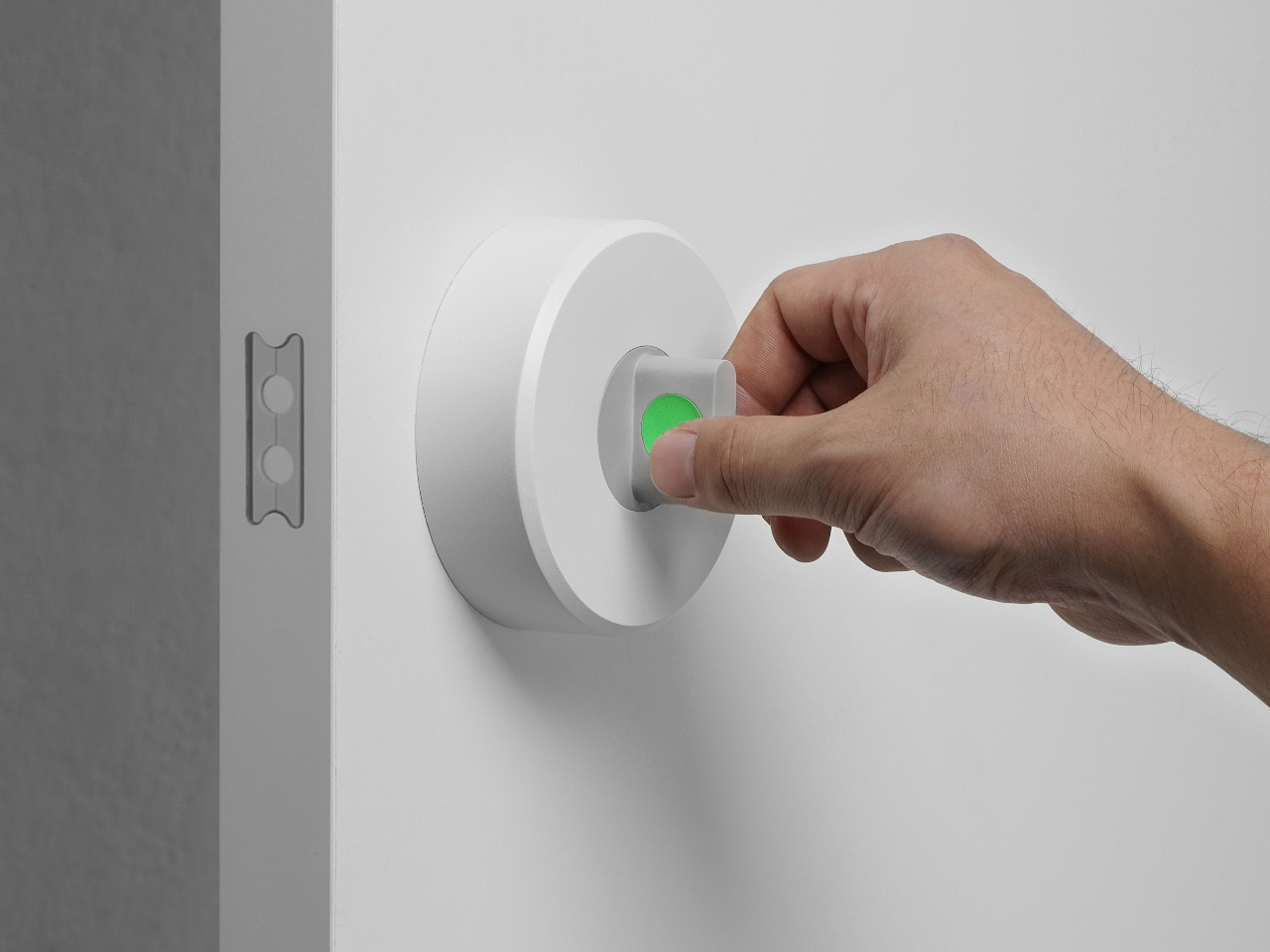
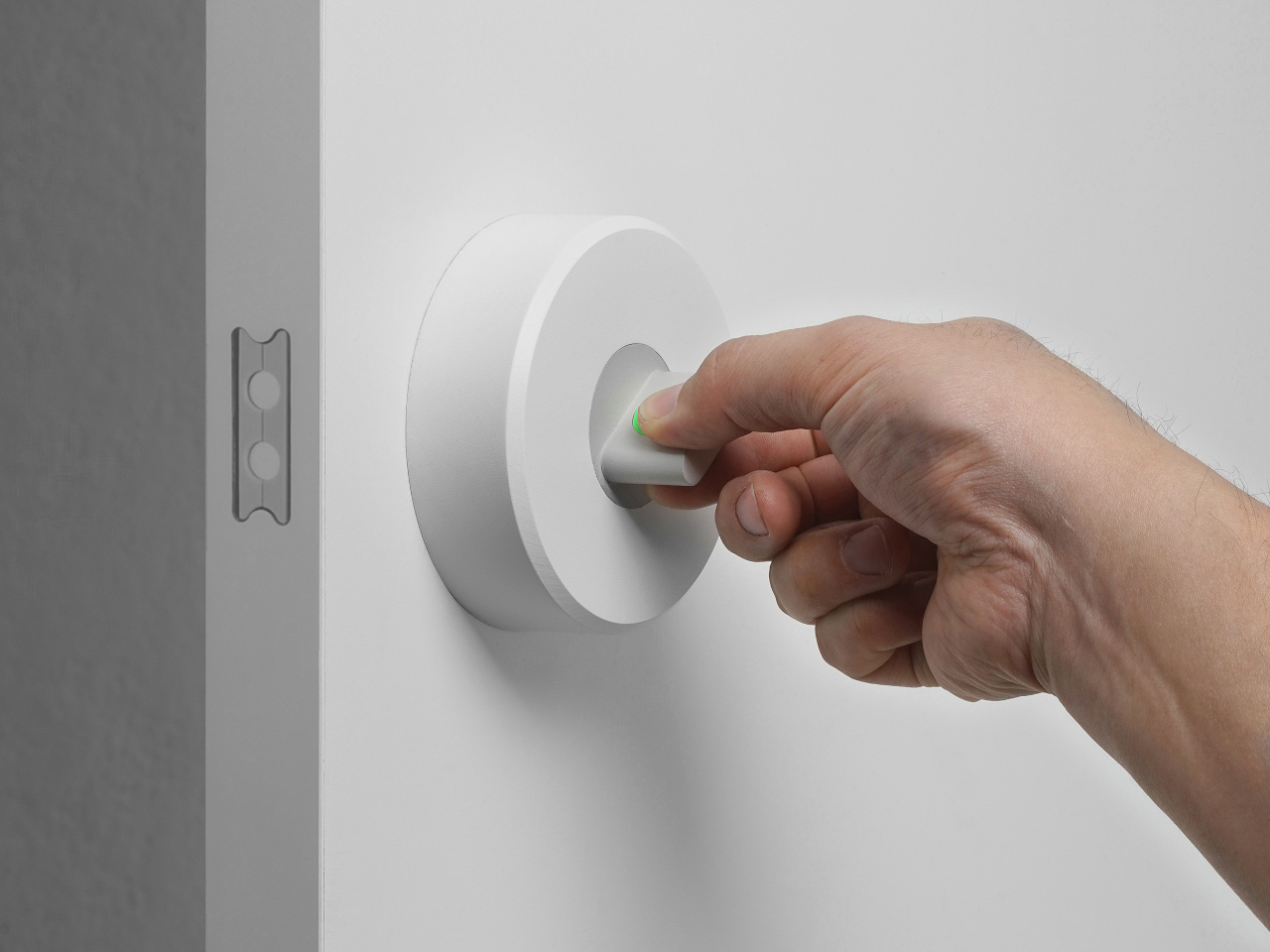
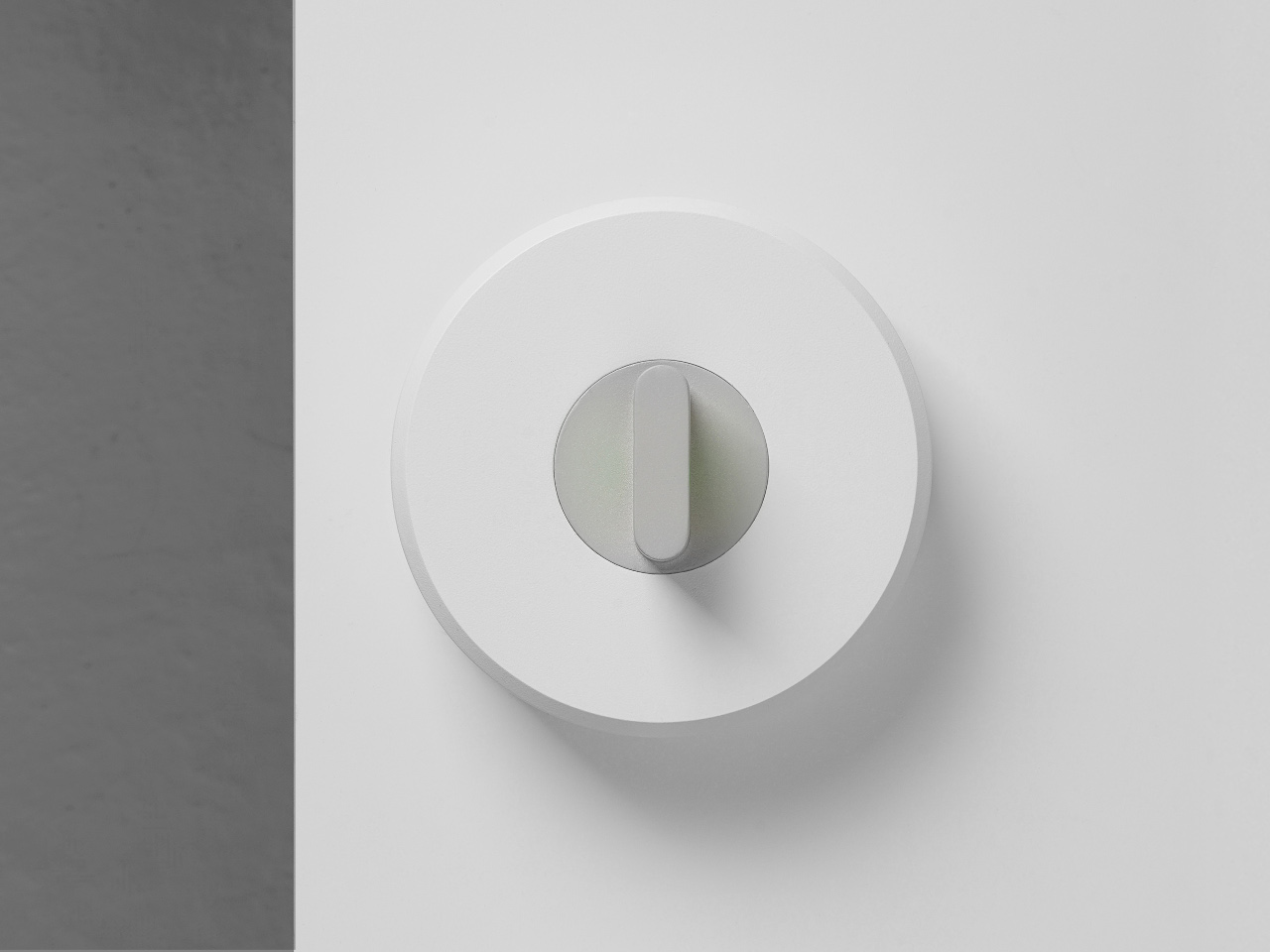
The Fingerprint Smart Door Lock combines the security of a keyless system with the familiar, physical action of turning a traditional lock mechanism that has existed for centuries. Users unlock the door by placing a finger on the sensor and rotating the dial, restoring the satisfying tactile feedback of analog hardware. The circular, wall-mounted form with green accent light provides visual confirmation without overwhelming smart home complexity.
Across the series, the use of tactile controls like rolling balls, turning wheels, and flipping speakers restores a sense of physicality and engagement lost in most digital products today that rely solely on touchscreens. The design language is clean and modern throughout, with geometric shapes, soft edges, and playful color accents that invite touch and curiosity rather than intimidation or confusion about how things work.
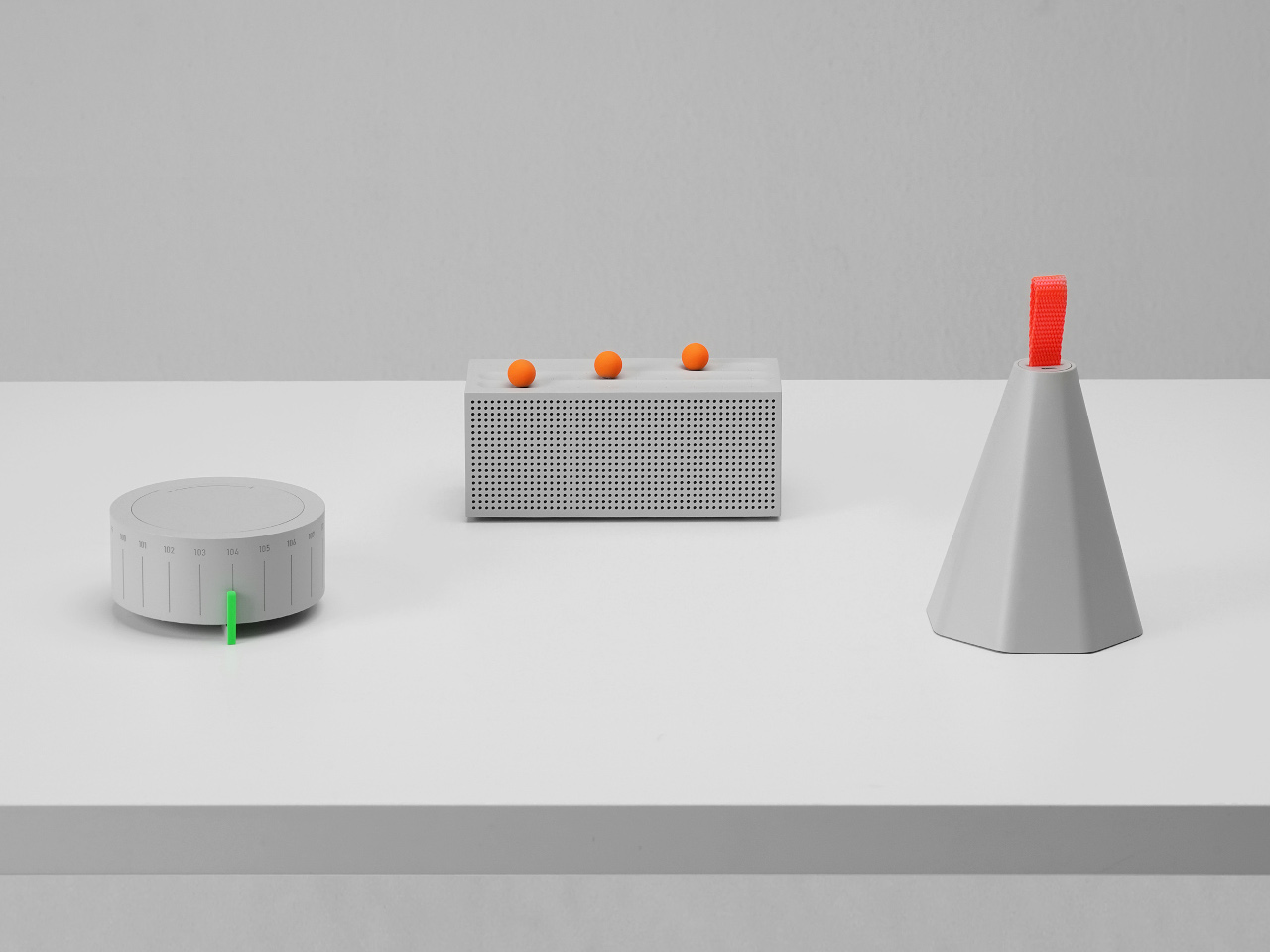
Tamed Digital Devices offer a glimpse of a future where technology supports well-being instead of adding stress to already busy lives filled with screens. For anyone craving a calmer, more human connection with their devices and tired of digital overload, this concept series is a reminder that innovation doesn’t have to mean complexity but can mean rediscovering the joy of simplicity and tactile pleasure.
The post 4 Smart Devices Controlled by Touch, Not Screens or Apps first appeared on Yanko Design.
Ayaneo is breaking into the competitive smartphone market with its latest offering, but it's hoping to attract the mobile gamers out there. In a teaser posted to its YouTube, the gaming handheld maker offered its first look at the Ayaneo Phone. As vague as the trailer is, Ayaneo clearly has a target demographic in mind, describing the smartphone as when a "mobile phone meets the soul of gaming handheld."
From the teaser, it looks like the Ayaneo Phone will be built with a standard dual-camera setup. Perhaps more relevant for its gaming-centric design, it looks like the smartphone will have physical shoulder buttons when held horizontally. Ayaneo previously mentioned the Ayaneo Phone during a product sharing session in the summer, where it hinted at a form factor that slides out. This could be another hint that Ayaneo is looking at making a modern-day version of the Sony Xperia Play, particularly since the Ayaneo Phone will fall under the company's Remake branding that features remakes of retro consoles and devices.
Considering Ayaneo's price tags for its other products, the Ayaneo Phone likely won't be cheap. However, it could offer serious competition to other gaming smartphones from Asus or Redmagic.
This article originally appeared on Engadget at https://www.engadget.com/mobile/smartphones/ayaneos-first-smartphone-could-have-physical-shoulder-buttons-182033773.html?src=rssThe Lenovo Legion Pro 7 is an innovative laptop designed to meet the needs of gamers and professionals who demand exceptional performance. Powered by advanced hardware, including the AMD Ryzen 9955 HX 3D CPU and NVIDIA RTX 5080 GPU, it delivers unparalleled speed and graphics capabilities. Key features such as its efficient cooling system, vibrant […]
The post Is the Lenovo Legion Pro 7 the Best Gaming Laptop of 2025? appeared first on Geeky Gadgets.
Most productivity tools are designed to grab your attention constantly with pop-up reminders, blinking notifications, and endless browser tabs competing for focus throughout the day. But sometimes, the best way to stay focused is to keep your most important information quietly in view, not fighting for your eyes or demanding immediate action every few minutes. Finding that balance between visibility and distraction remains surprisingly difficult in modern productivity software.
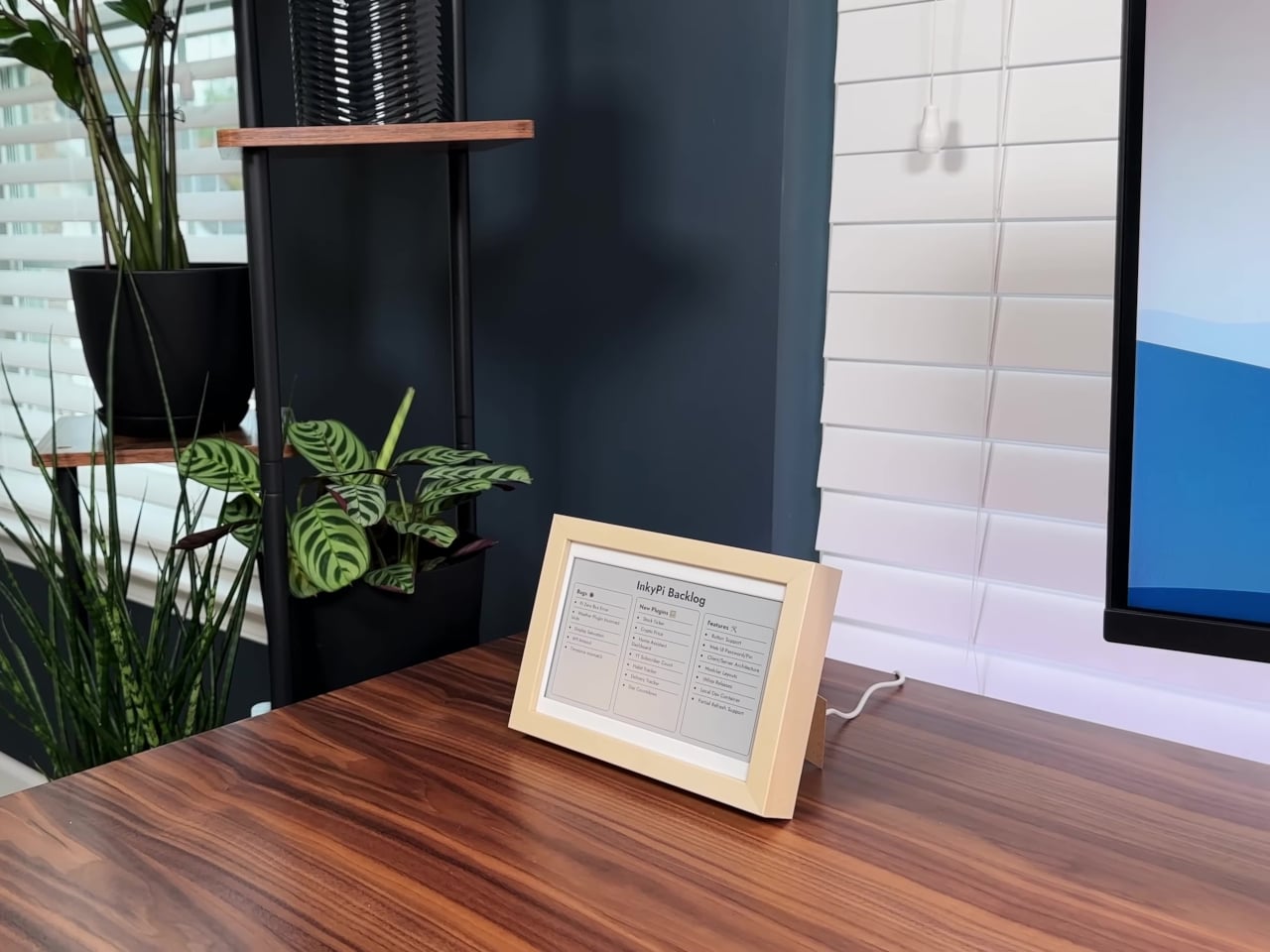
The InkyPi E-Paper Productivity Display is a DIY project that addresses this challenge directly and elegantly with minimal hardware. Built with a Raspberry Pi Zero 2 W and a crisp E-Ink screen, it turns your to-dos, deadlines, and progress into a calm, always-on dashboard that helps you stay organized without the noise. The project is open-source, customizable, and refreshingly simple in its approach to keeping you on track without overwhelming you.
Designer: AKZ Dev
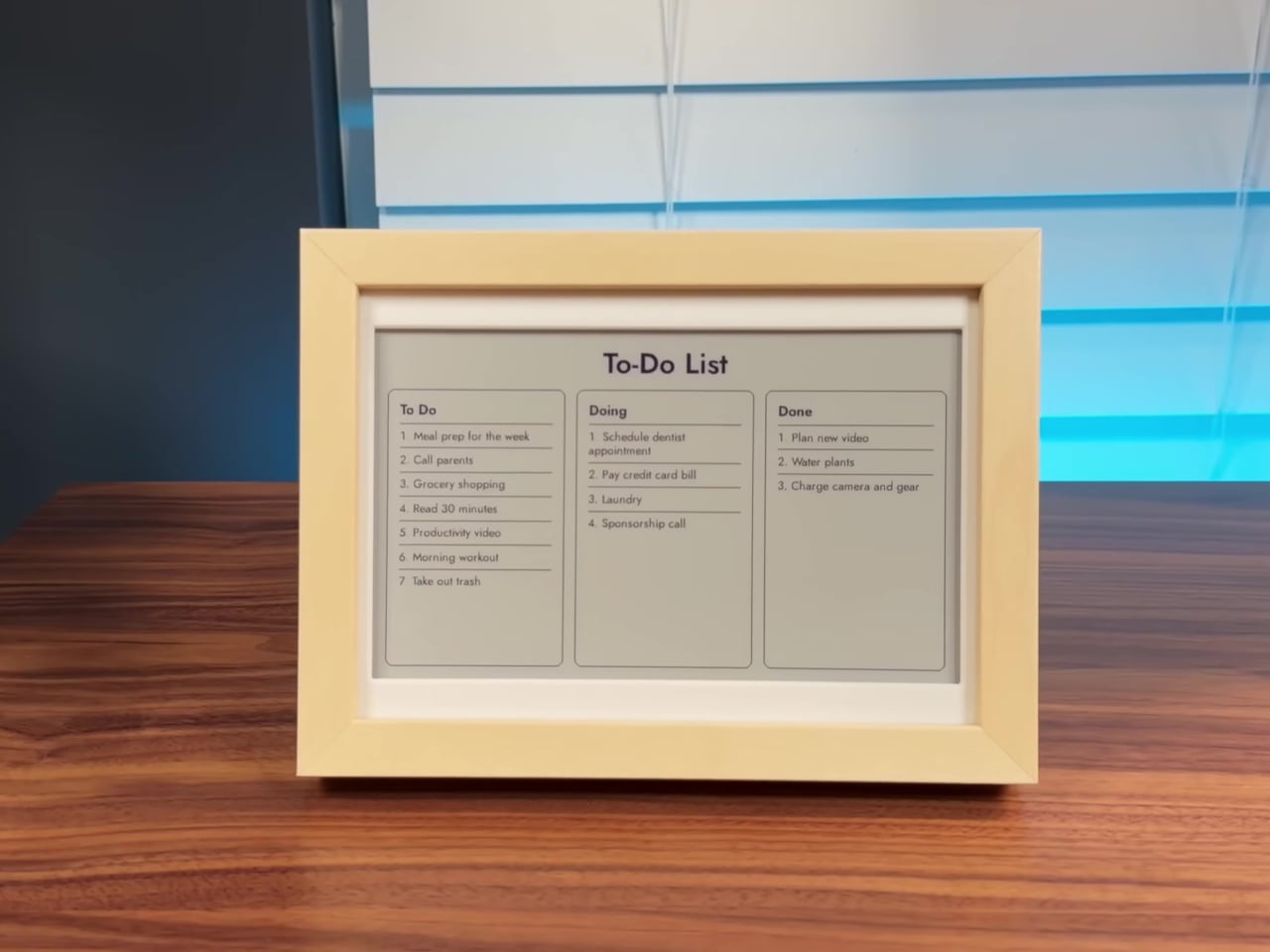
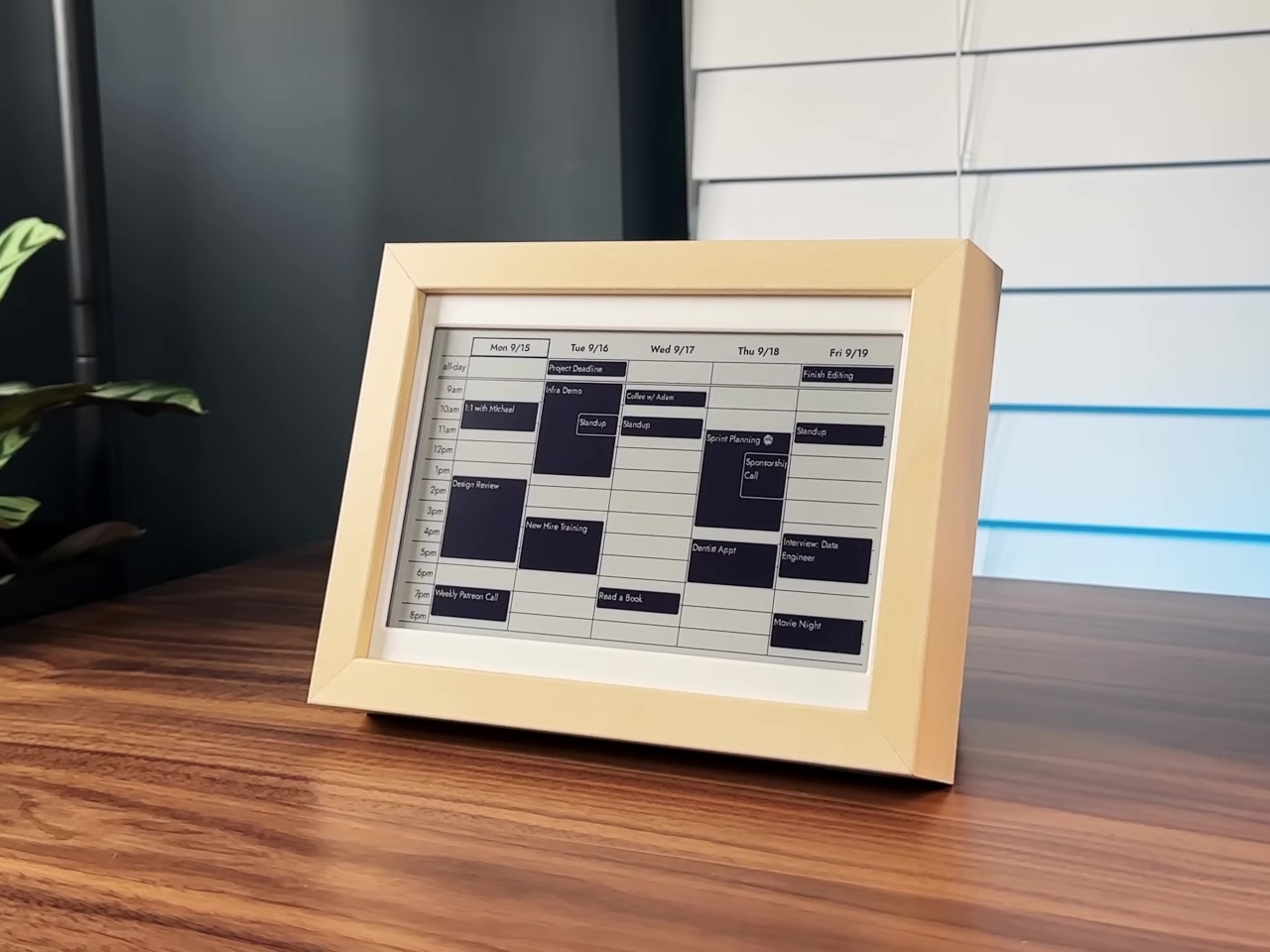
InkyPi’s minimalist design starts with a 7.3-inch or 7.8-inch E-Ink panel from Pimoroni or Waveshare, framed in a simple IKEA picture frame that looks more like a piece of art than a gadget on your desk. The Raspberry Pi Zero 2 W sits discreetly behind the display, keeping the whole setup slim, silent, and consuming minimal power throughout the day. The paper-like display is easy on the eyes and never glows or flickers.
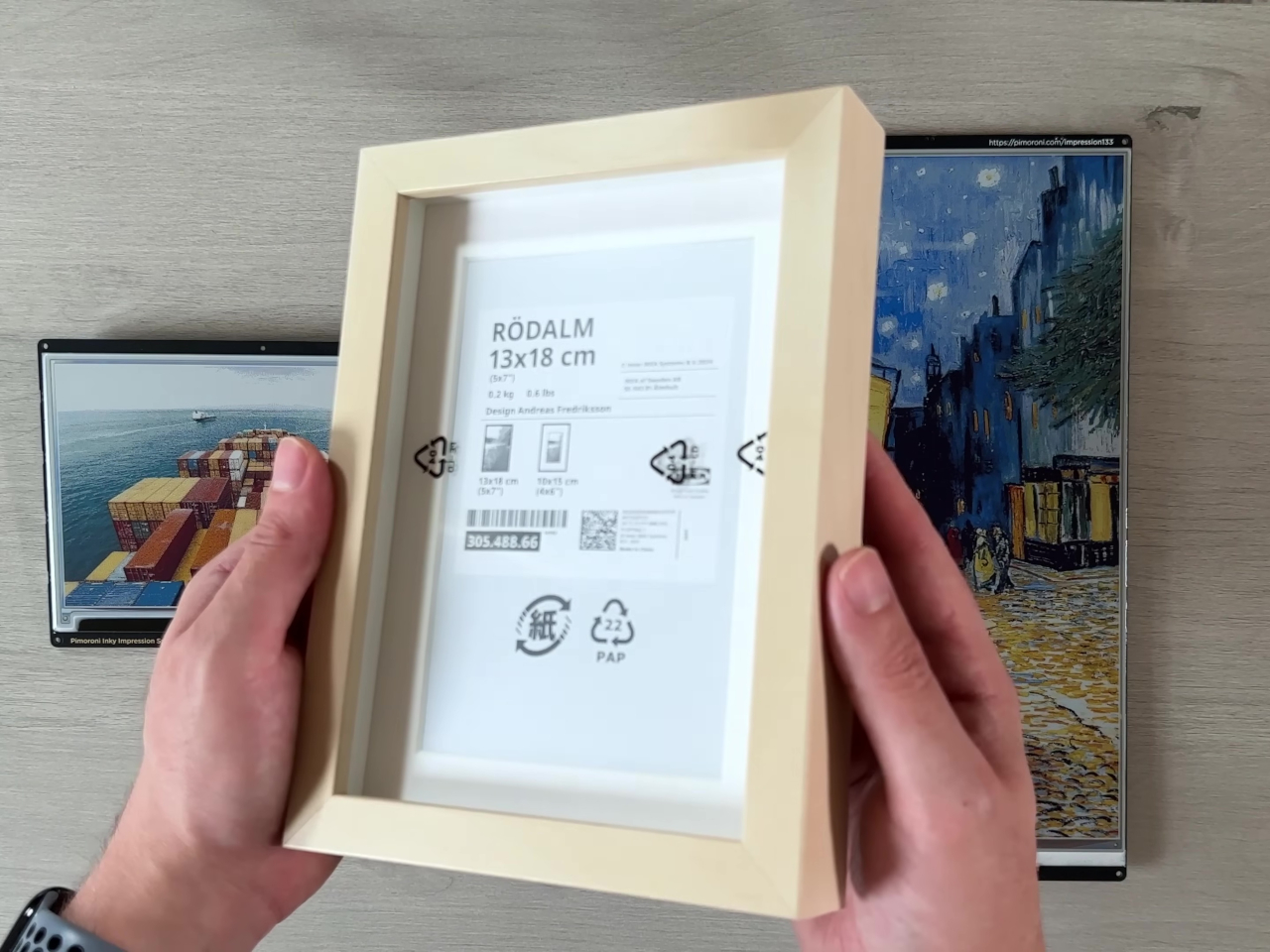
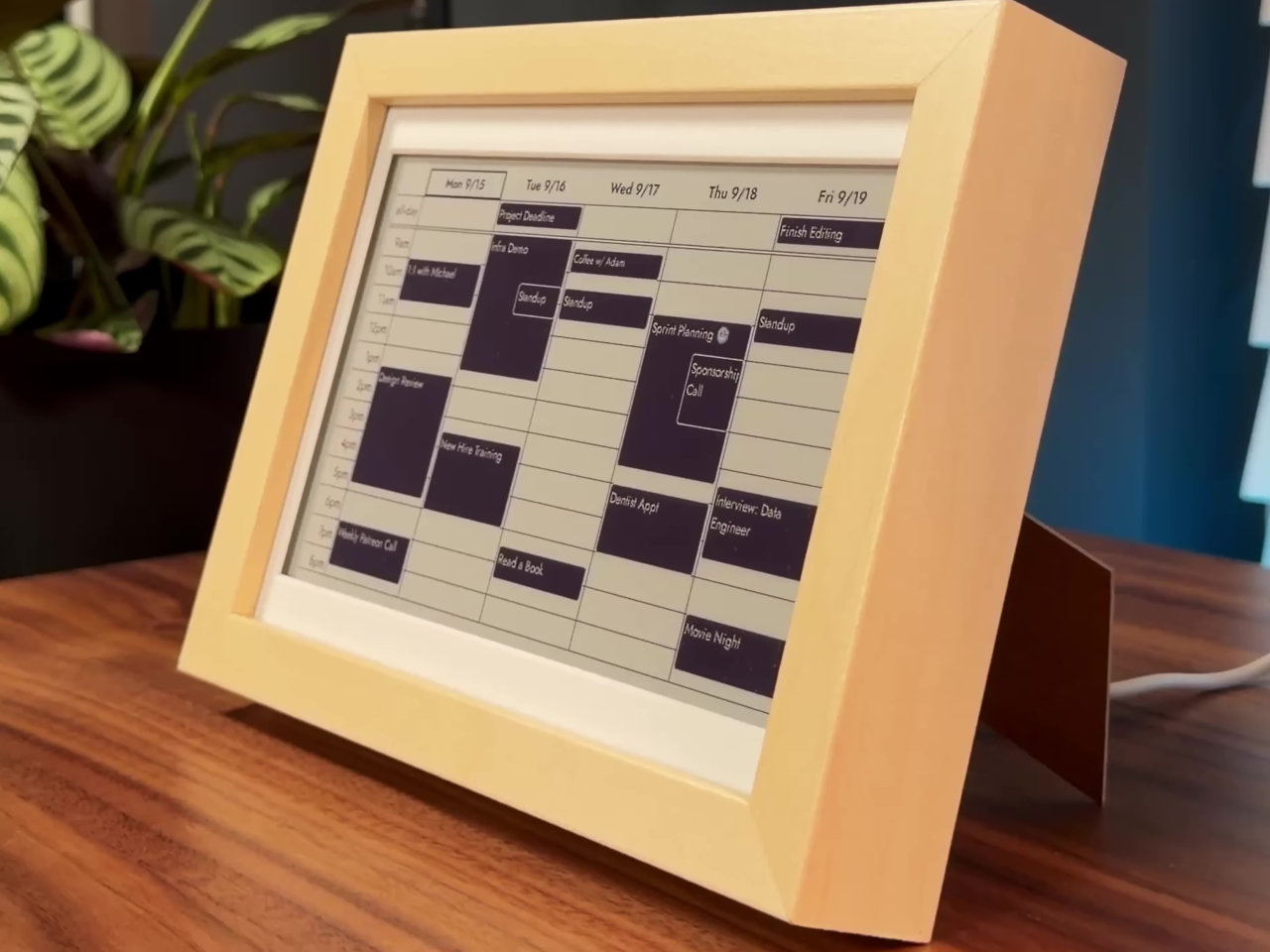
The framed display can be wall-mounted above your desk for easy glances throughout the day or set on a stand for desktop reference during intensive work sessions. The E-Ink screen shows information with the clarity of printed paper, making text and graphics readable from across the room without squinting. The lack of a backlight means it works well in any ambient lighting without causing eye strain during long days.
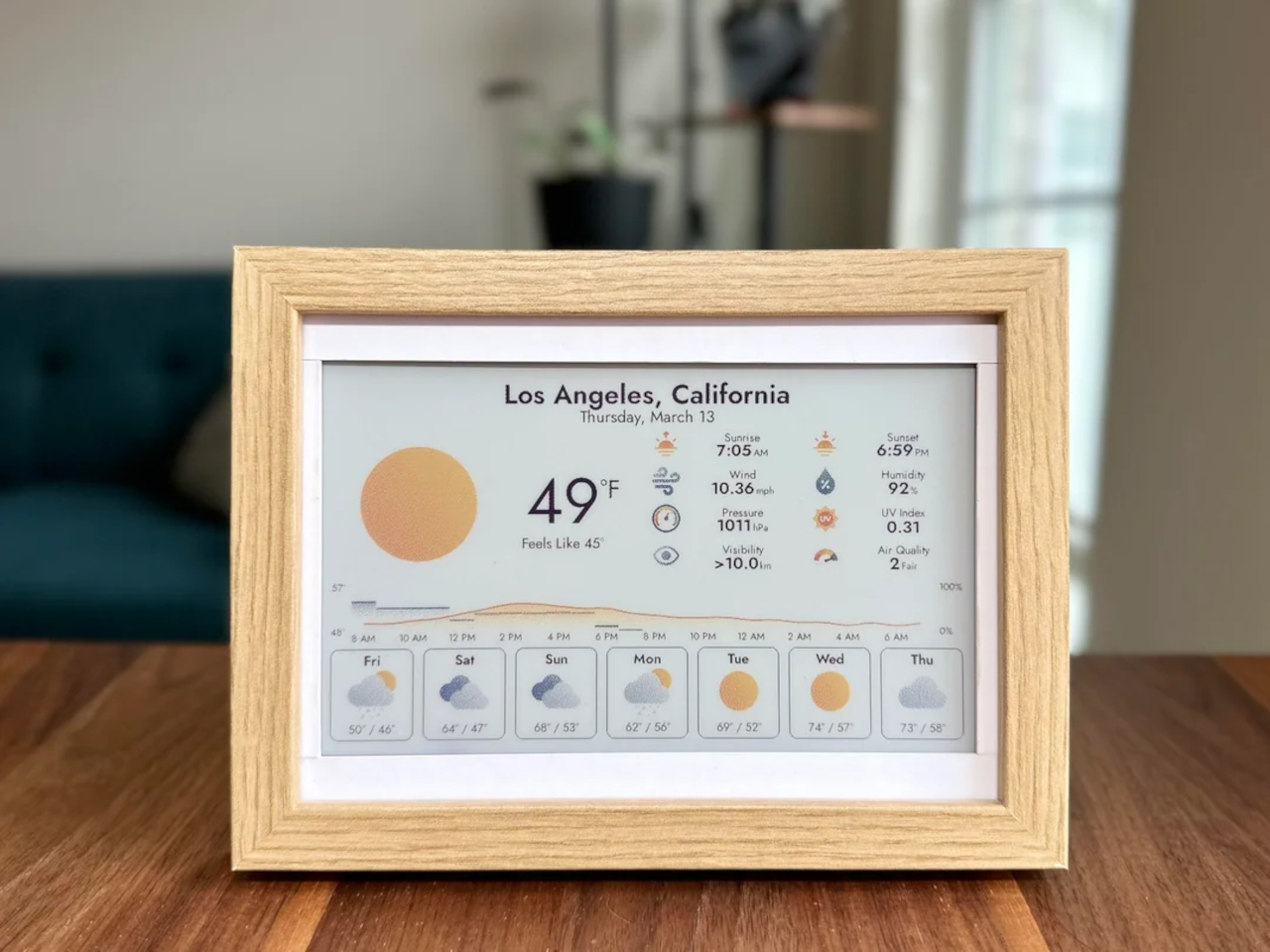
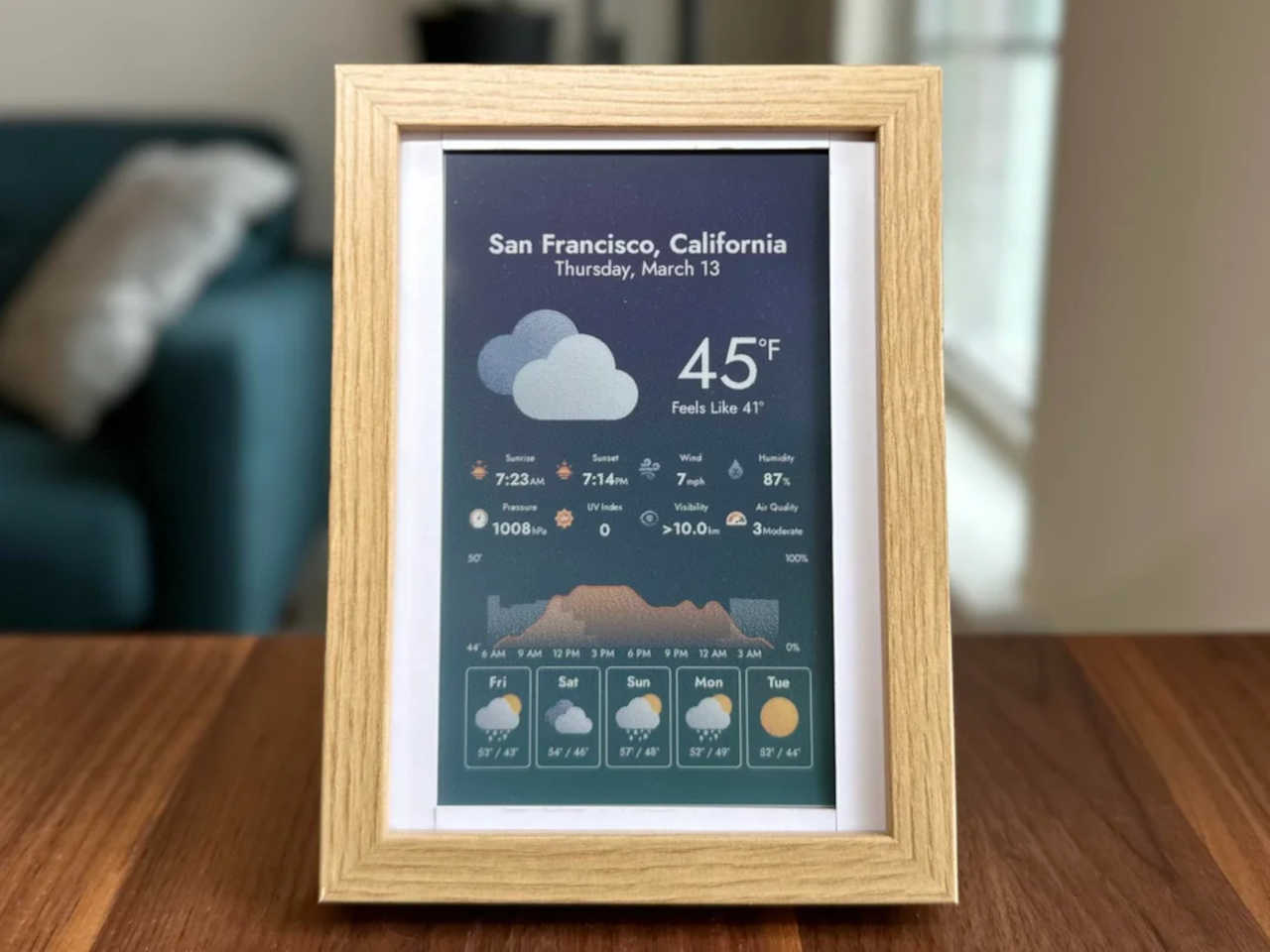
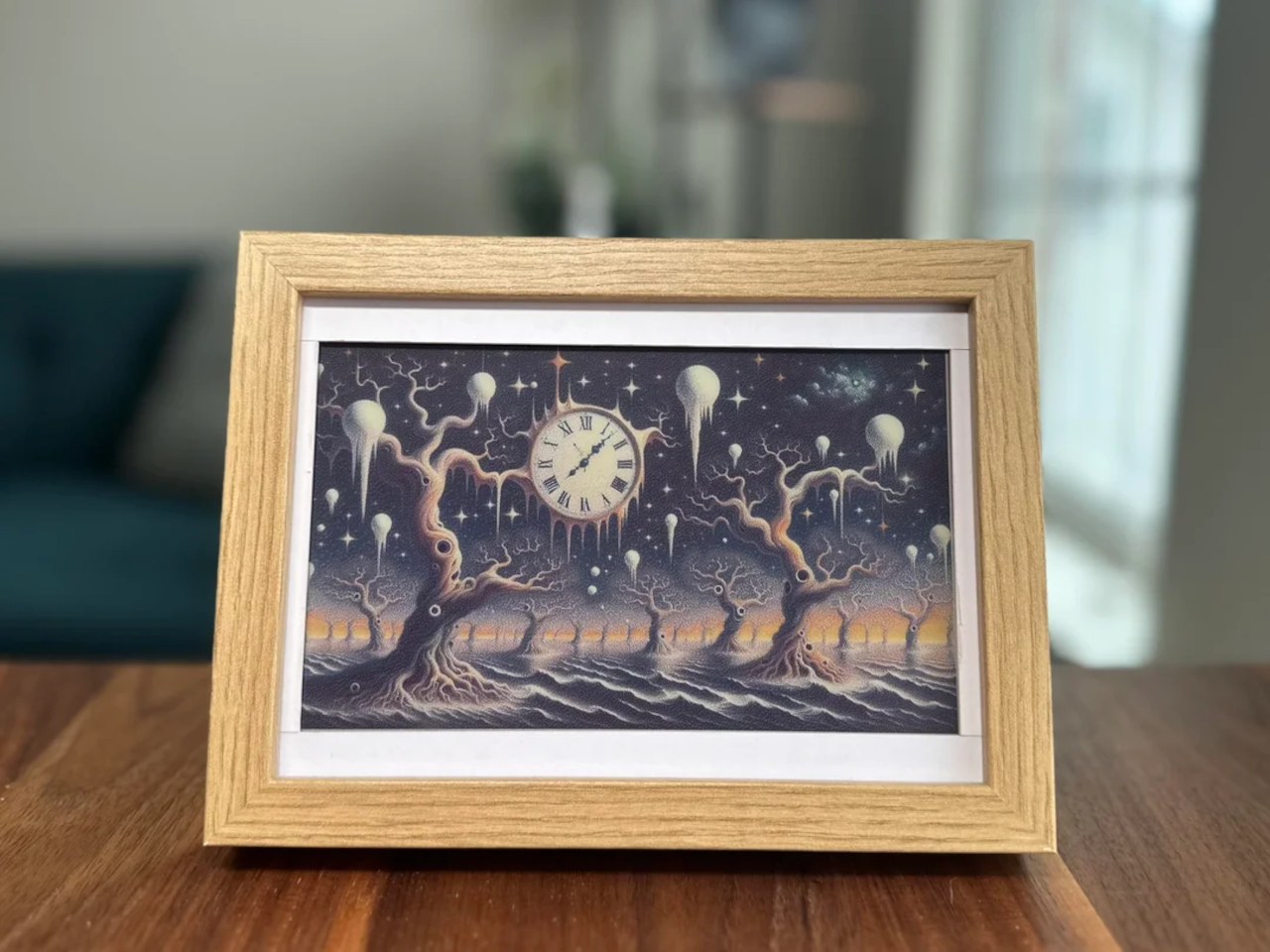
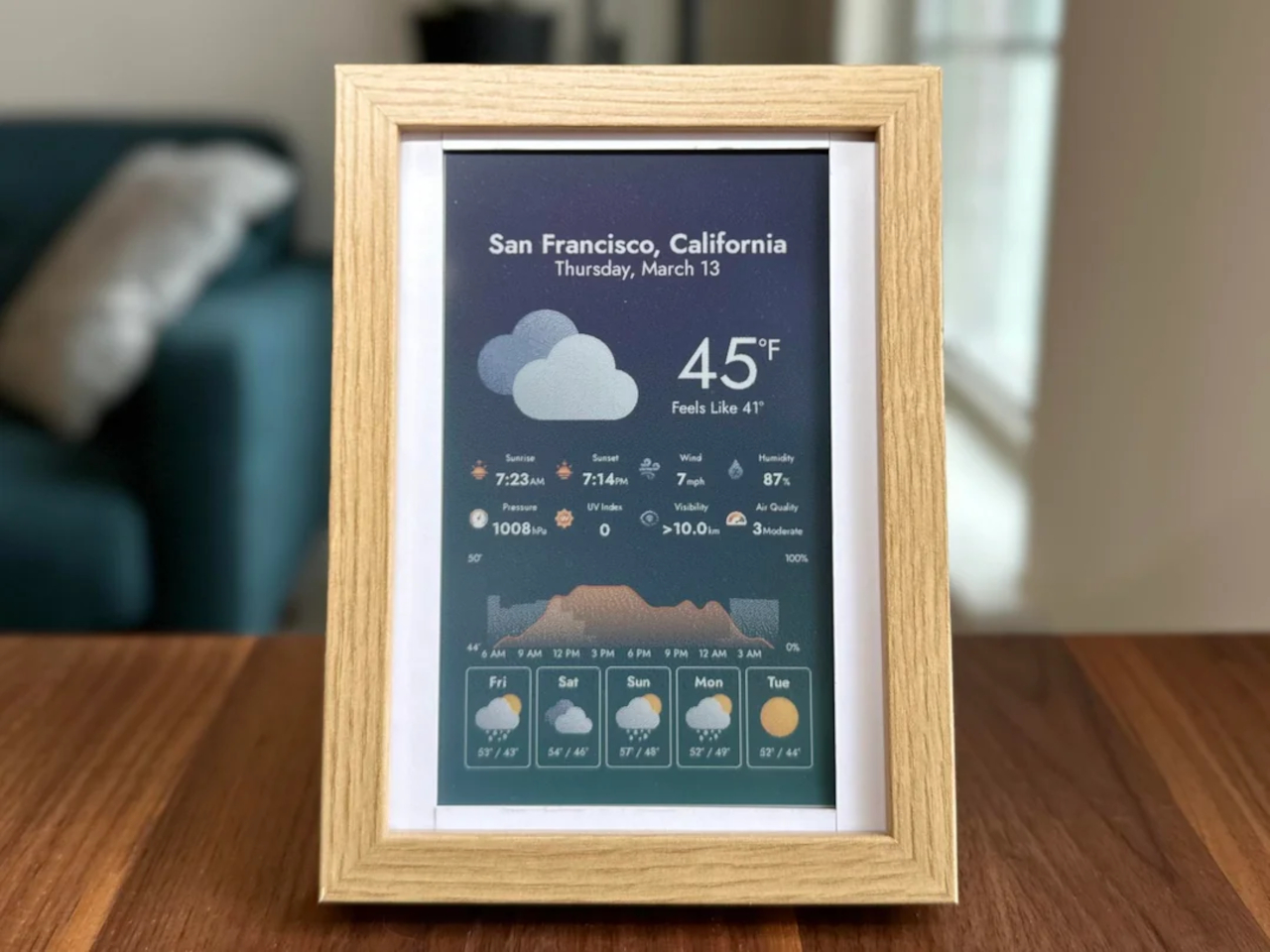
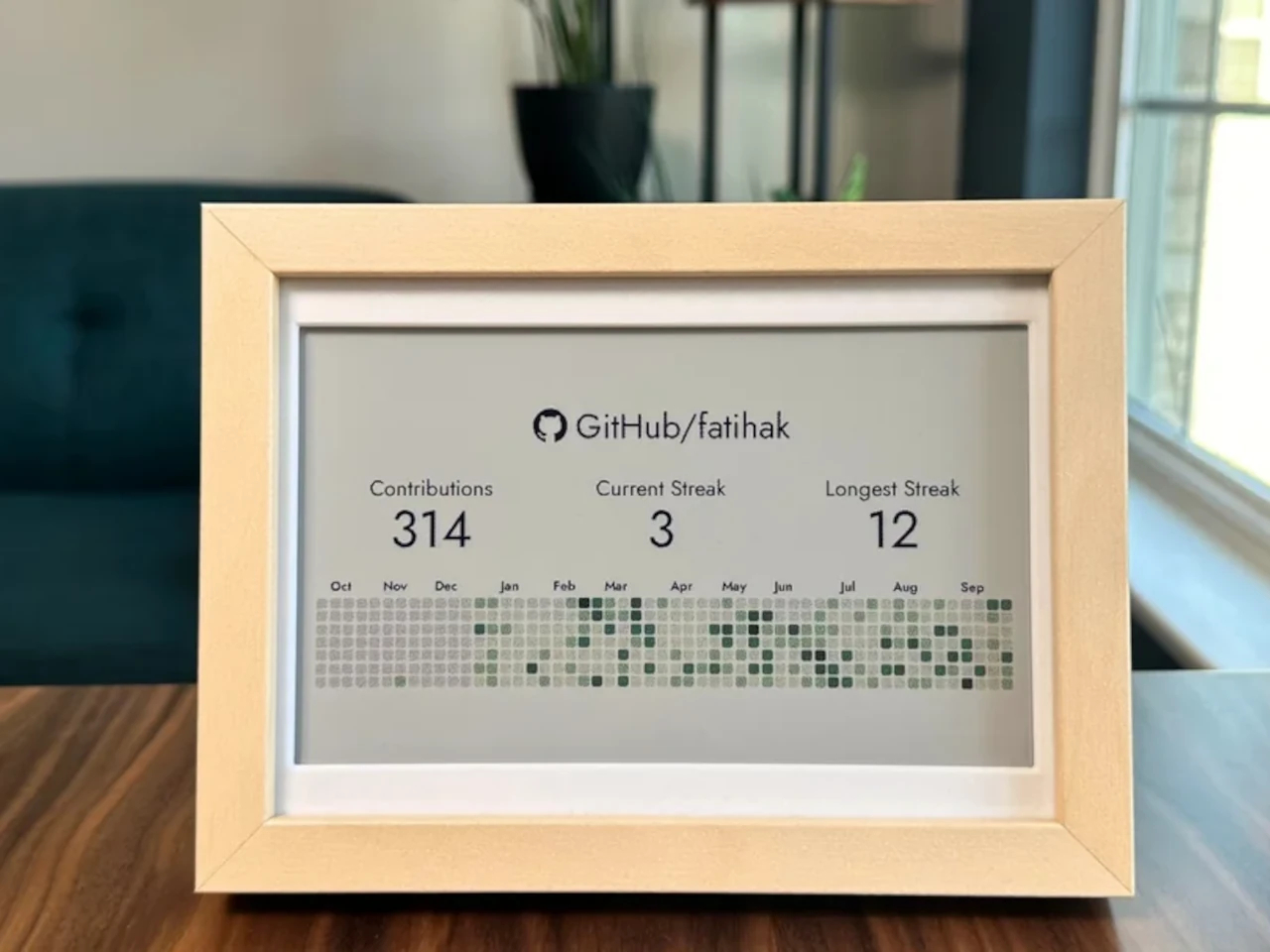
The open-source InkyPi dashboard runs a growing library of 20 plugins, all managed through a web-based user interface that’s accessible from any device on your network. You can schedule automatic refreshes, rotate through different plugins throughout the day, and customize layouts for your specific workflow. Recent plugin additions include a to-do list, day countdown, GitHub commit graph, year progress bar, and RSS feed reader for staying informed.
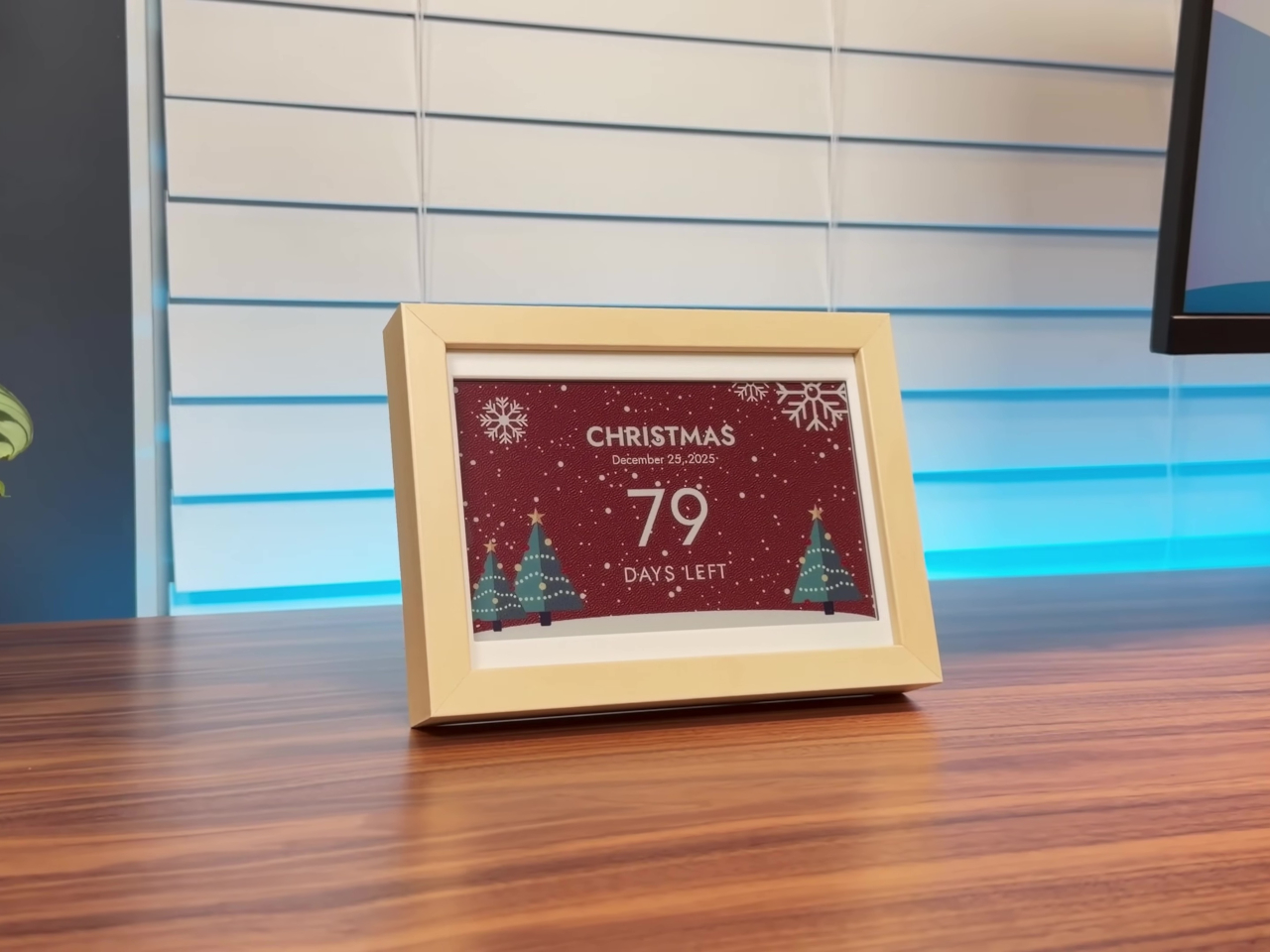
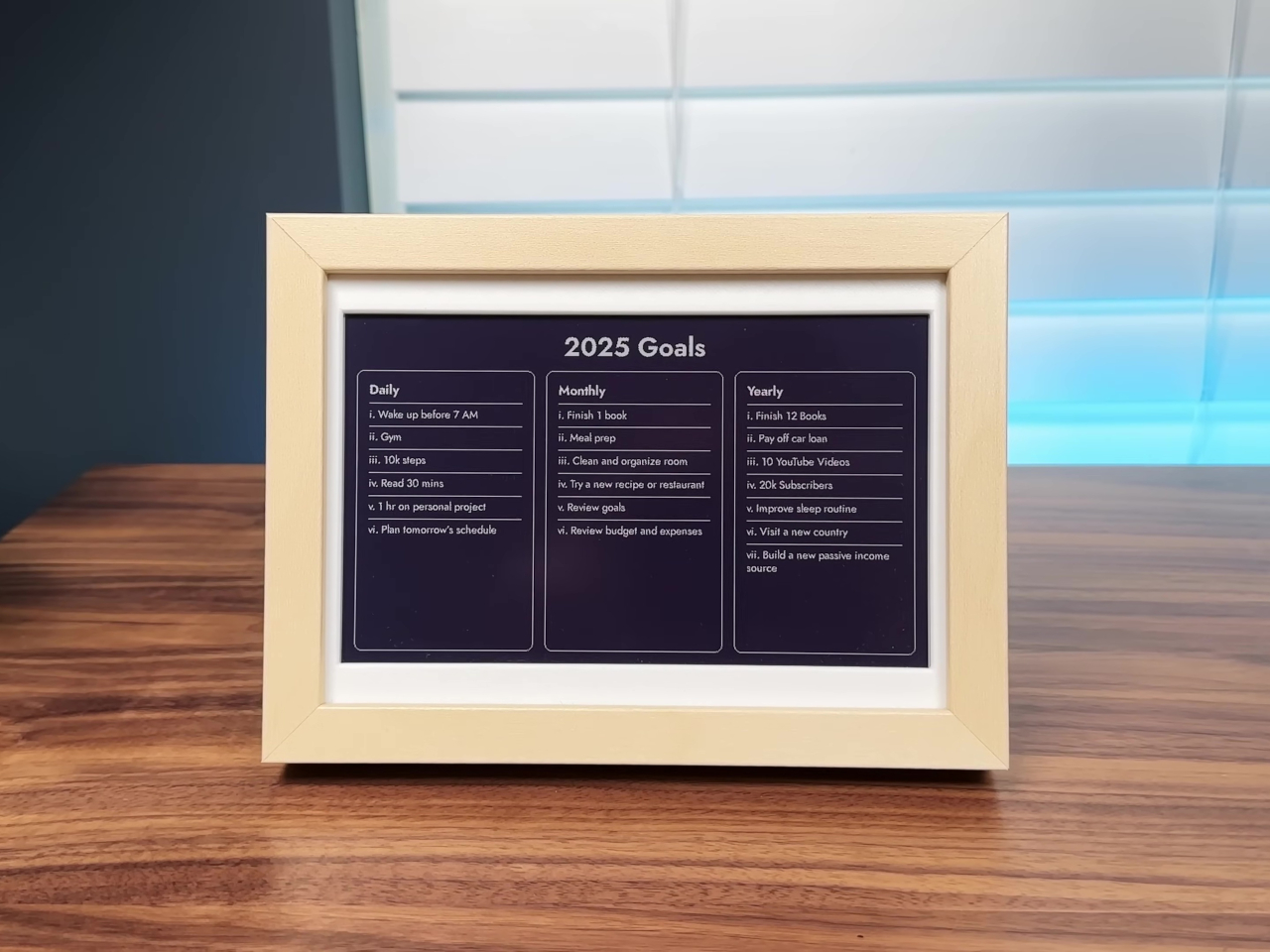
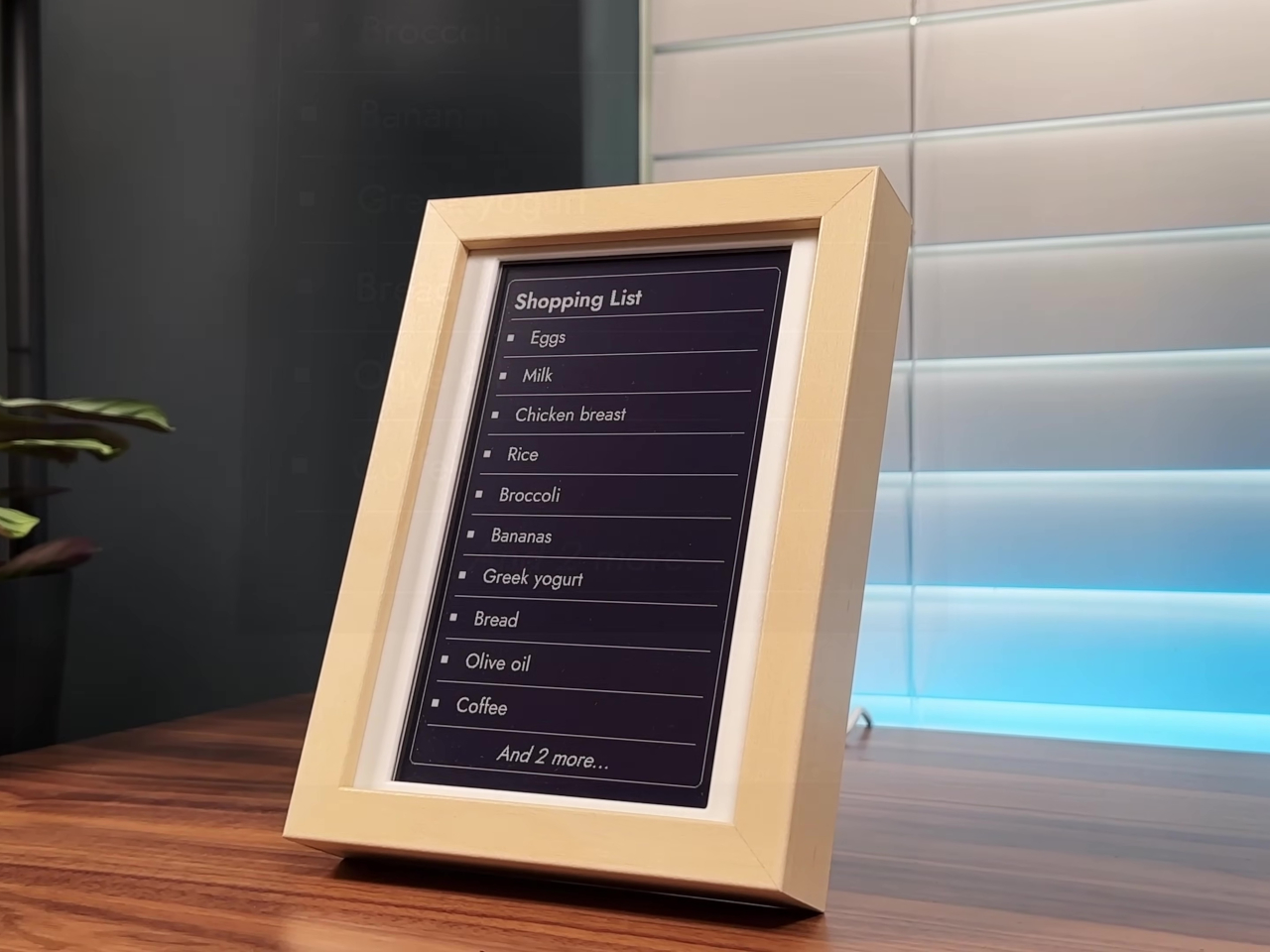
Each plugin is designed to give you just enough information to stay on track without overwhelming you with excessive detail or constant updates that break concentration. The to-do list shows three customizable lists with clean formatting, the year progress bar visualizes how much of the year remains for goal planning, and the GitHub graph motivates coding consistency through visual streak tracking. Everything updates automatically on your chosen schedule without requiring manual intervention.
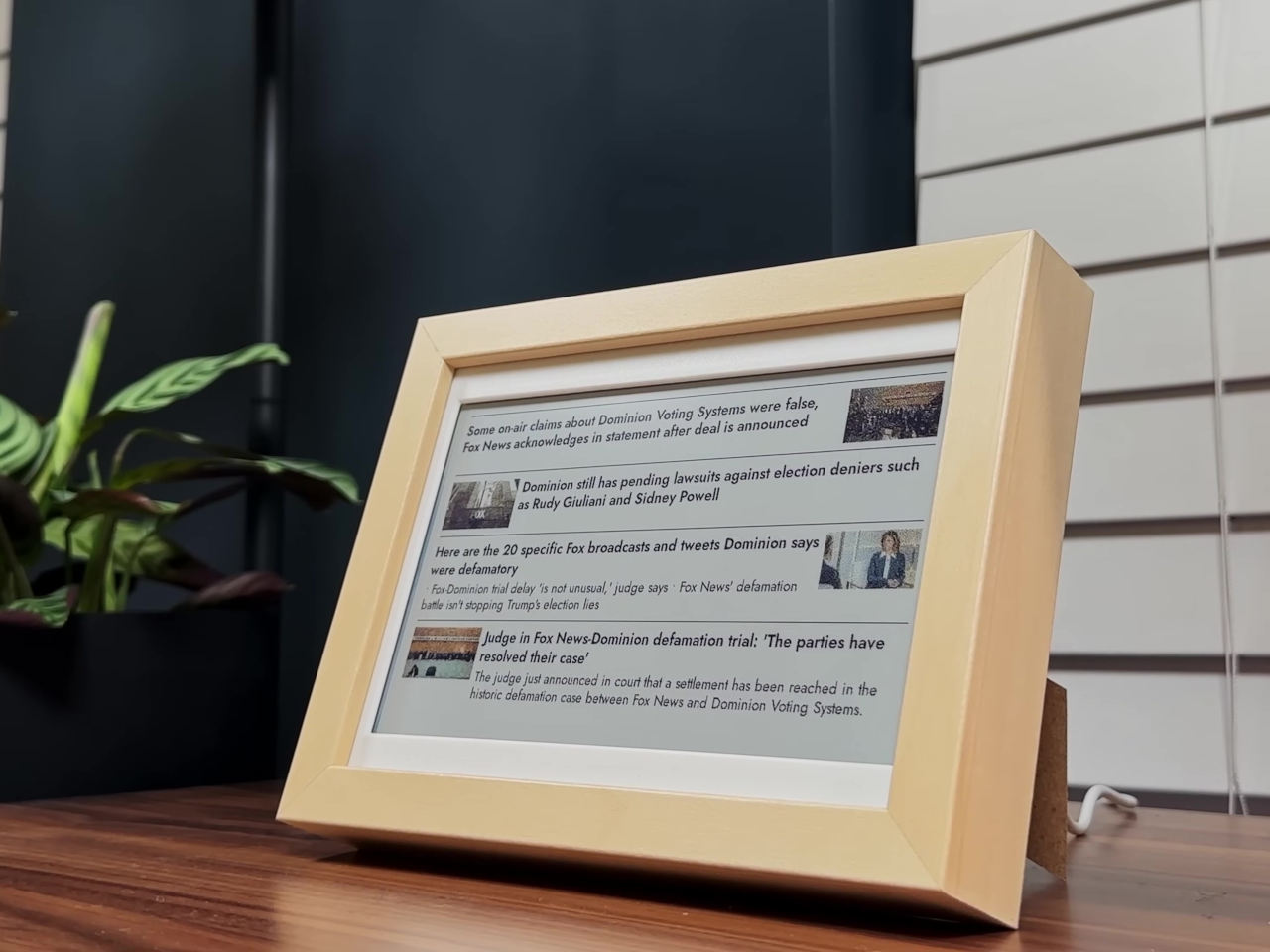
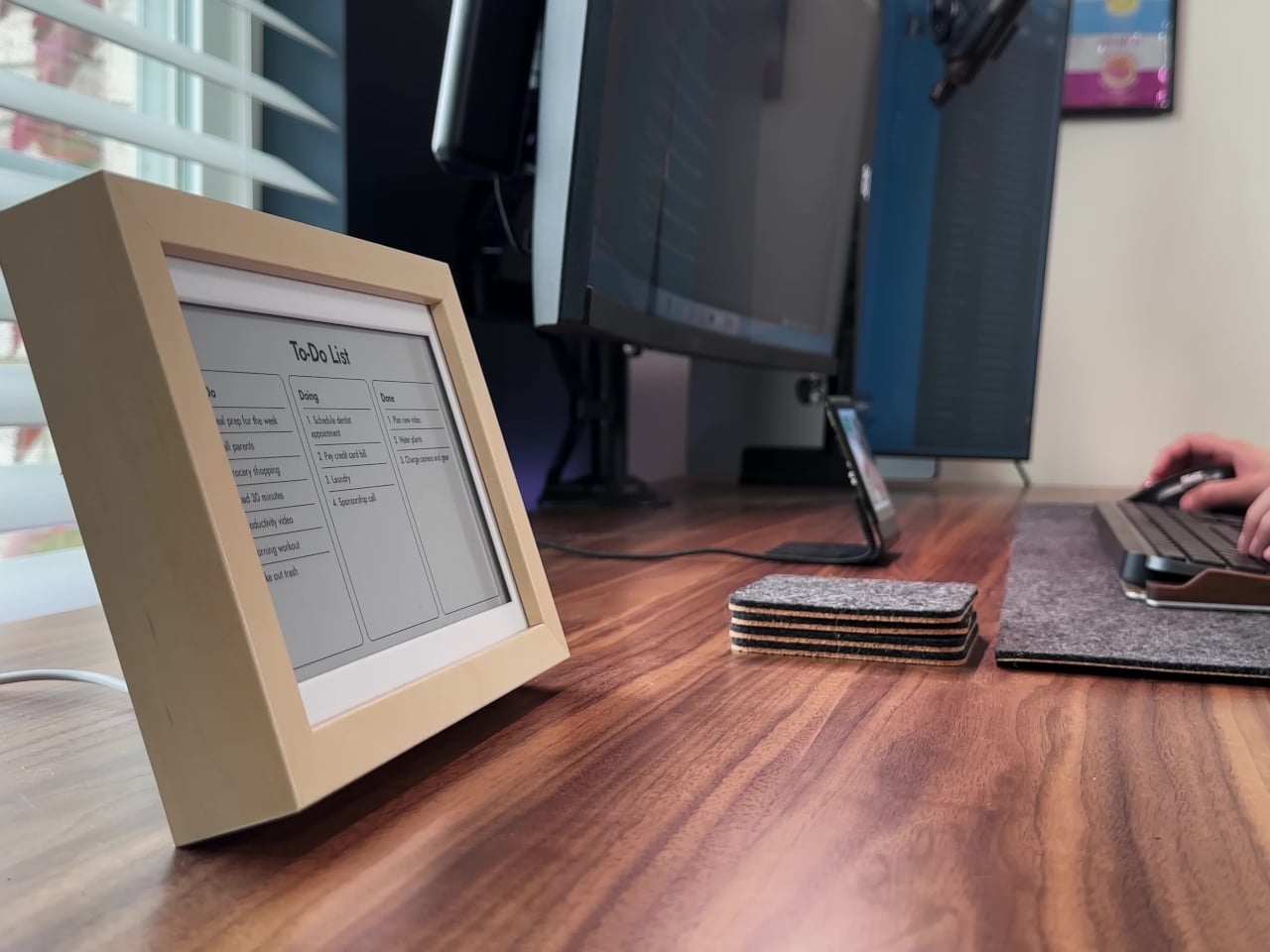
The E-Ink display’s slow refresh rate and lack of backlight mean it’s only updated when necessary, keeping your focus on the task at hand rather than the screen itself pulling attention. The dashboard is intentionally passive, meant for glancing rather than interacting, so you’re never tempted to click, scroll, or dive into rabbit holes when you should be working. The analog feel makes it more like checking a wall calendar or notepad.
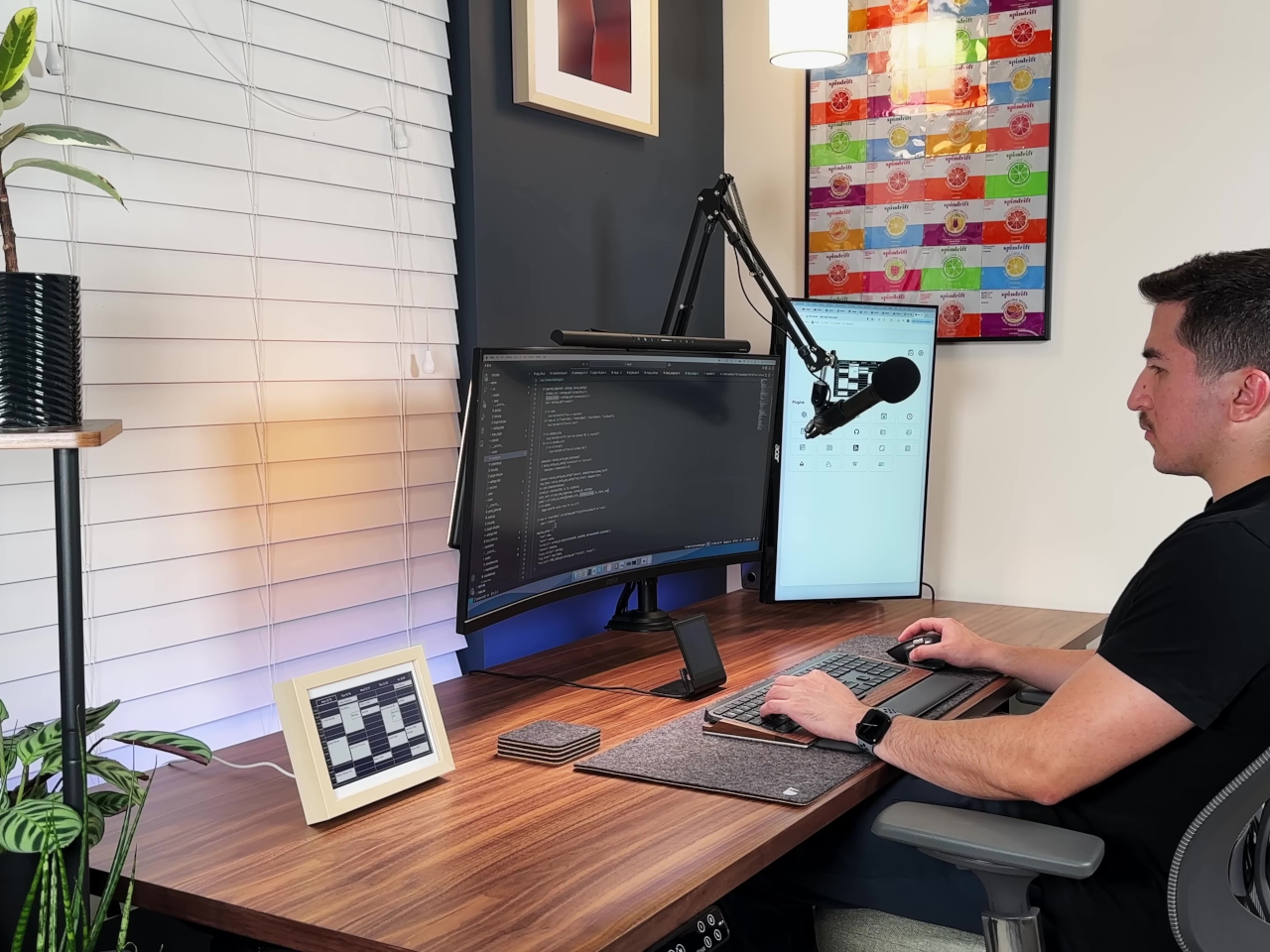
All hardware and software files are open-source on GitHub, with active community support and ongoing plugin development from contributors worldwide who continue adding features. For anyone tired of digital noise and constant notifications interrupting deep work, the InkyPi E-Paper Productivity Display offers a reminder that sometimes less screen time is exactly what you need to accomplish more meaningful work throughout your day without burning out.
The post Raspberry Pi E-Ink To-Do Display Disguises as Framed Desk Art first appeared on Yanko Design.
Later this month, Italian citizens will have one extra step to go through before getting on porn sites. On Friday, Italy's regulatory agency for communications, known as AGCOM, announced an age verification system that's meant to prevent minors from accessing websites with pornographic content. The initial list of sites covers around 50 sites, including Pornhub, XHamster and OnlyFans.
The new rule will require users to get verified through "certified third parties," which could be another company, bank or mobile operator that already has the relevant info. Once the third party verifies the user's age, it will issue a code that grants access to the porn site. While the legislation's stated goal is to prevent harm to minors, the age verification process uses a "double anonymity" system to quell privacy concerns. In order to protect user privacy, porn sites can only see if a user is of age and not their identity, while the third-party verifier can only see the user's identity and not the website they're trying to get on.
According to the legislation, users have to do this each time they try to get on affected porn sites. AGCOM said the new rule goes into effect on November 12, and any porn sites that are found non-compliant could be hit with penalties of up to 250,000 euros.
Italy is the latest in the European Union to implement age verification rules, after France put a similar system into place in the summer. Just outside the EU, the UK also recently introduced its own age verification process that requires either a selfie or government ID. Since then, Pornhub said that UK visitors to its site have plummeted 77 percent.
This article originally appeared on Engadget at https://www.engadget.com/cybersecurity/italy-will-be-the-latest-country-to-require-age-verification-for-porn-sites-170913842.html?src=rssRunning out of storage on your iPhone can be a common challenge, especially when you want to preserve your cherished photos, videos, and essential apps. Fortunately, iOS 26 provides several practical tools and strategies to help you reclaim storage space without compromising your personal files. By targeting overlooked data and optimizing settings, you can ensure […]
The post iOS 26 Storage HACK: 7 Settings to FREE UP Space INSTANTLY appeared first on Geeky Gadgets.
Your iPhone is equipped with a wide array of features that extend far beyond the basics, offering tools and settings designed to enhance convenience, efficiency, and personalization. However, many of these functionalities remain underutilized simply because users are unaware of their existence. In the video below, Proper Honest Tech delves into ten lesser-known iPhone features […]
The post STOP SCROLLING! : I BET You Don’t Know These 10 iPhone Secrets! appeared first on Geeky Gadgets.
The circular economy is a sustainable model of production and consumption that aims to reduce waste and extend the life of resources. Unlike the traditional linear system of “take-make-dispose,” it promotes a closed-loop approach where materials are reused, repaired, refurbished, and recycled. This model helps conserve natural resources, lowers environmental impact, and supports long-term economic resilience. A recent report indicates that only 6.9% of the 106 billion tonnes of materials used globally each year are recycled.
Despite growing awareness, the current rates of material reuse remain alarmingly low, highlighting the urgent need to rethink how products are designed and used. At its core, the circular economy focuses on keeping products and materials in use for as long as possible by rethinking how they are designed, used, and repurposed. It aims to eliminate waste and pollution from the start. Some core principles of the circular economy are outlined below:
Products should be designed with longevity in mind. This means using high-quality, durable materials that can withstand wear and tear over time. A well-made product reduces the need for frequent replacements, helping both the environment and the user’s wallet.
Equally important is making products easy to repair and update. Components should be simple to access, replace, or upgrade without specialized tools. Modular designs that allow users to adapt items for different uses add even more value. By thinking ahead during the design stage, products can stay useful longer and avoid ending up as waste.

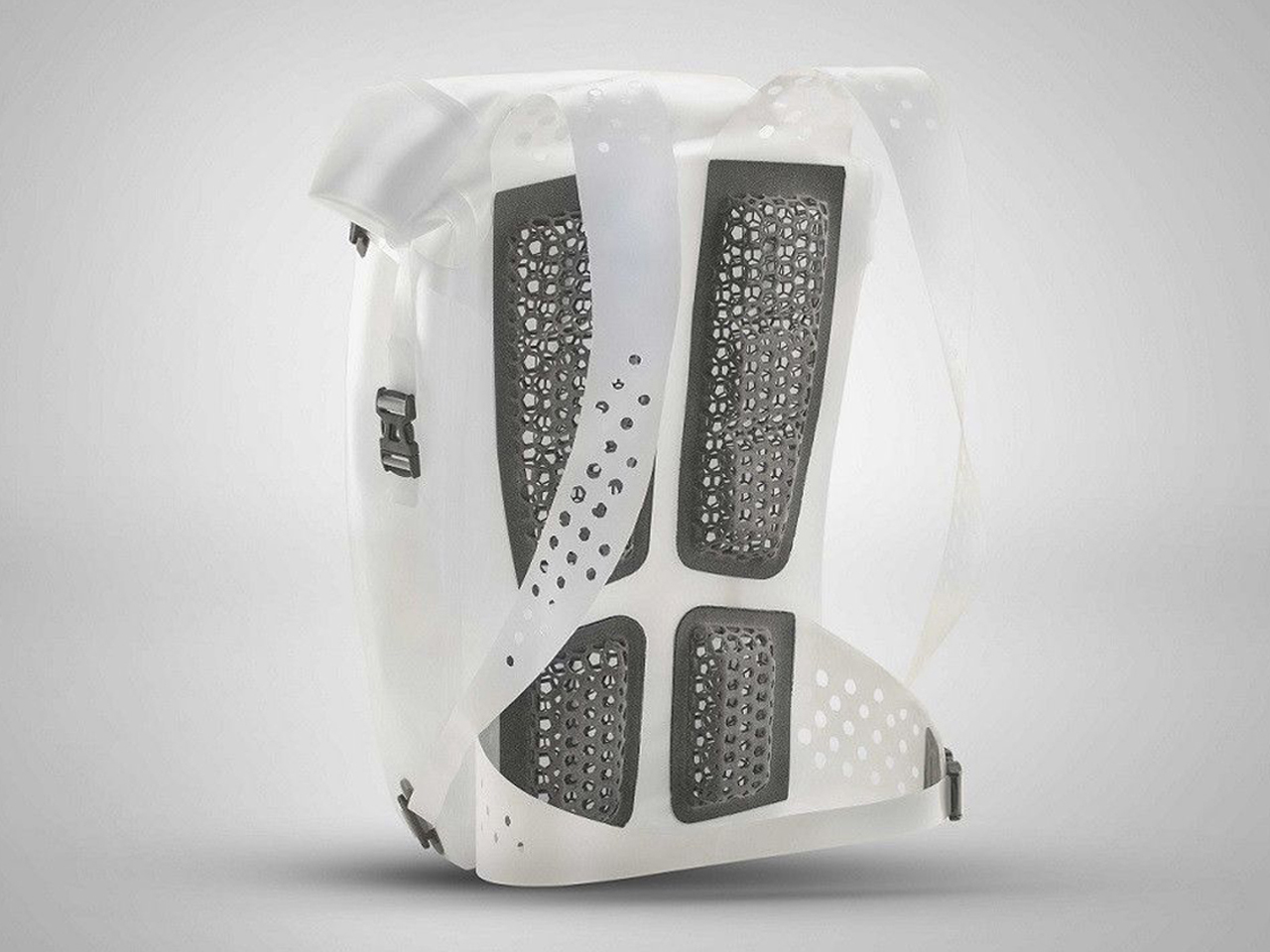
Novum 3D is a fully recyclable backpack developed by Vaude, a German outdoor brand committed to sustainability and circular design. Made entirely from thermoplastic polyurethane (TPU), the backpack is 3D-printed using a mono-material approach. This allows each part—from the straps and packsack to the honeycomb back pads to be easily disassembled and returned to the production cycle. By eliminating the use of mixed materials, Vaude addresses a major challenge in the textile industry and moves closer to true material circularity.
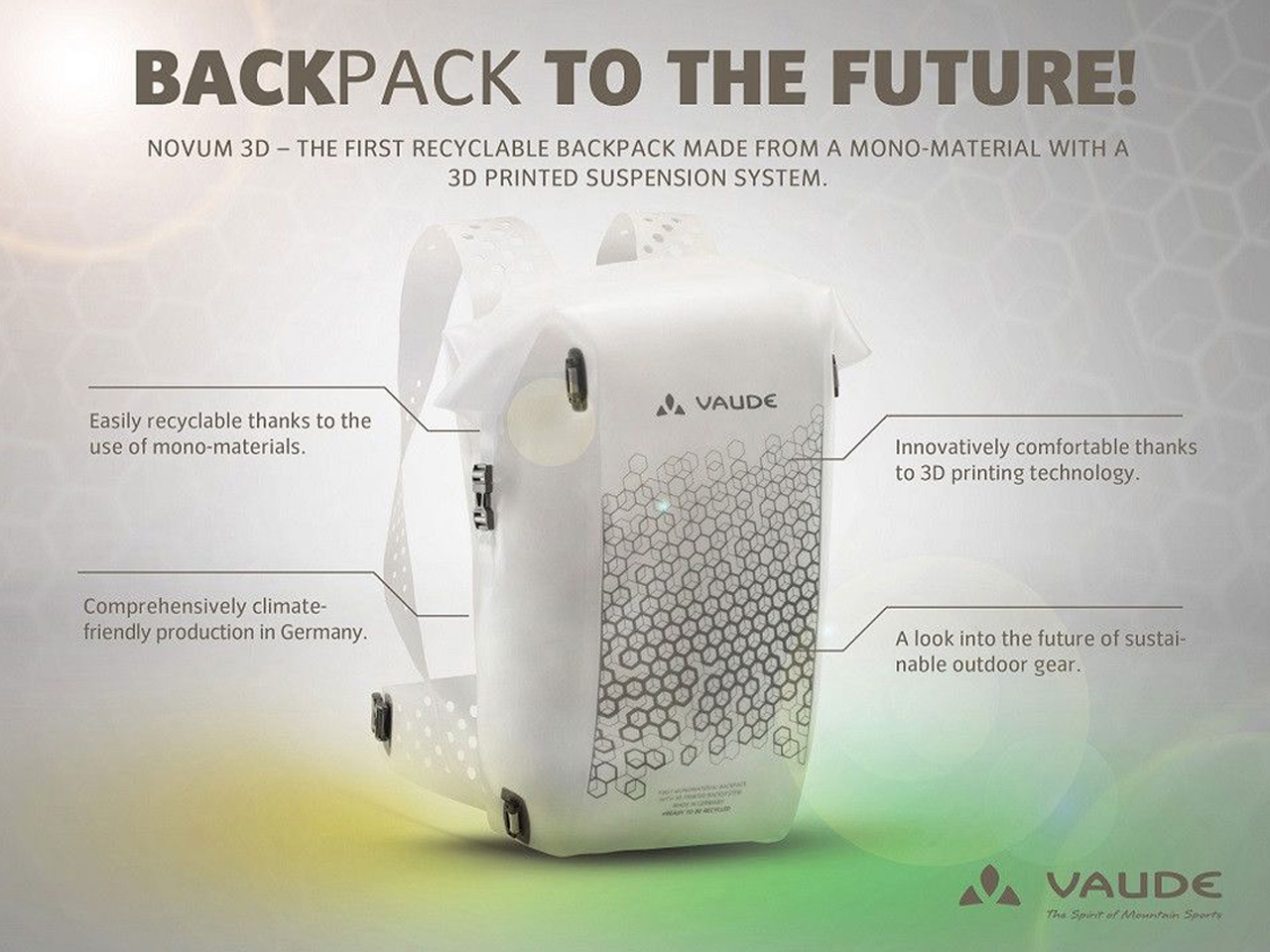
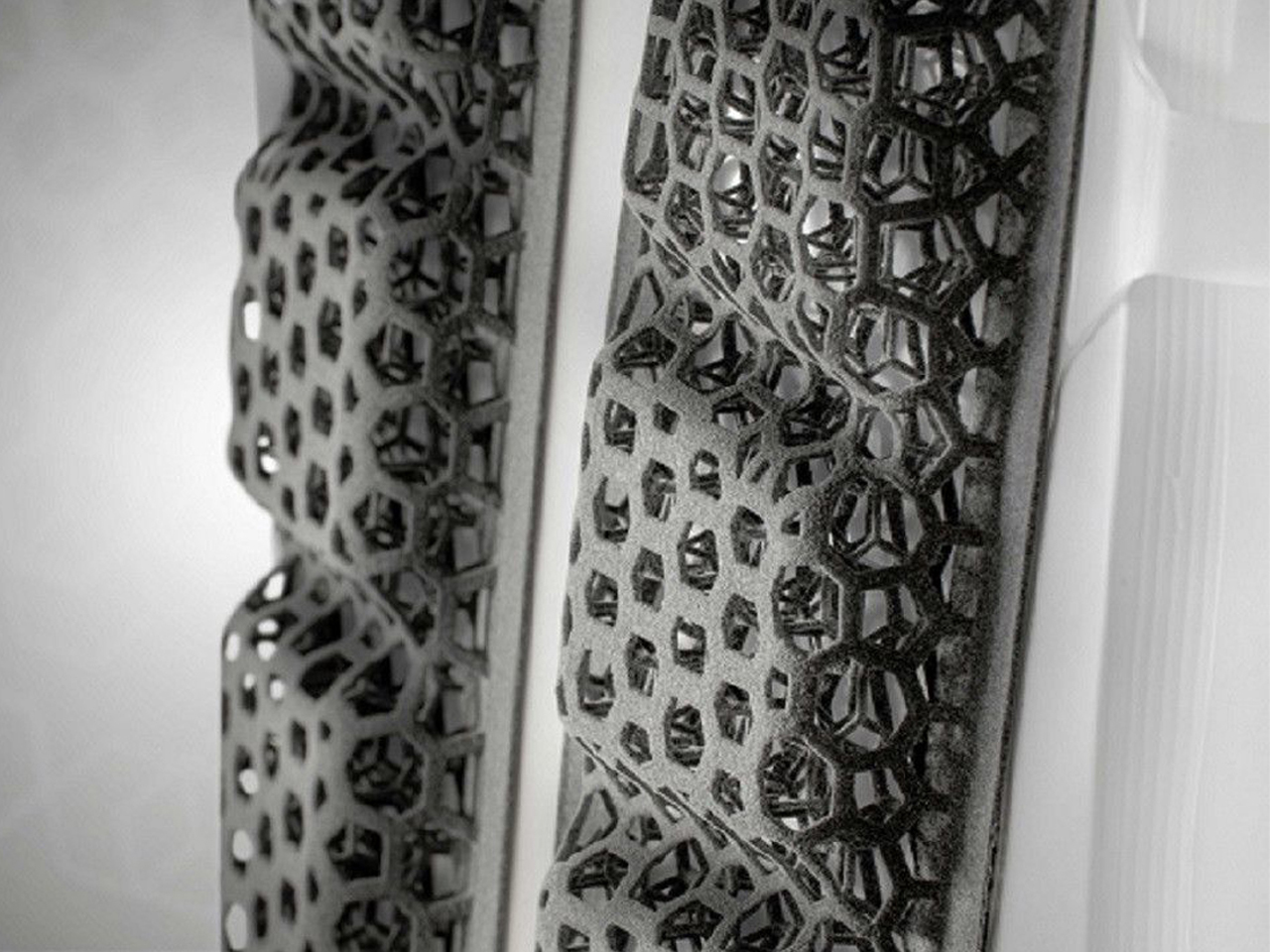
The backpack features a honeycomb construction inspired by one of nature’s most stable forms. This design offers high structural integrity with minimal material usage, while providing lightweight comfort and built-in ventilation. Varying degrees of hardness within the 3D-printed structure ensure balanced pressure distribution for ergonomic support. Novum 3D showcases Vaude’s dedication to innovation, proving that eco-conscious design can deliver both performance and comfort for the next generation of outdoor enthusiasts.
Products should be designed with their end-of-life in mind, using materials that can be easily recycled. Consider choosing mono-materials where all parts are made from the same substance, as it helps avoid the need for complex sorting or separation during recycling.
Equally important is avoiding bonded or composite materials that are difficult to break down. Products should also be easy to disassemble, allowing different parts to be separated and recycled properly. This kind of thoughtful design supports a circular economy by keeping materials in use longer and reducing the amount that ends up as waste.
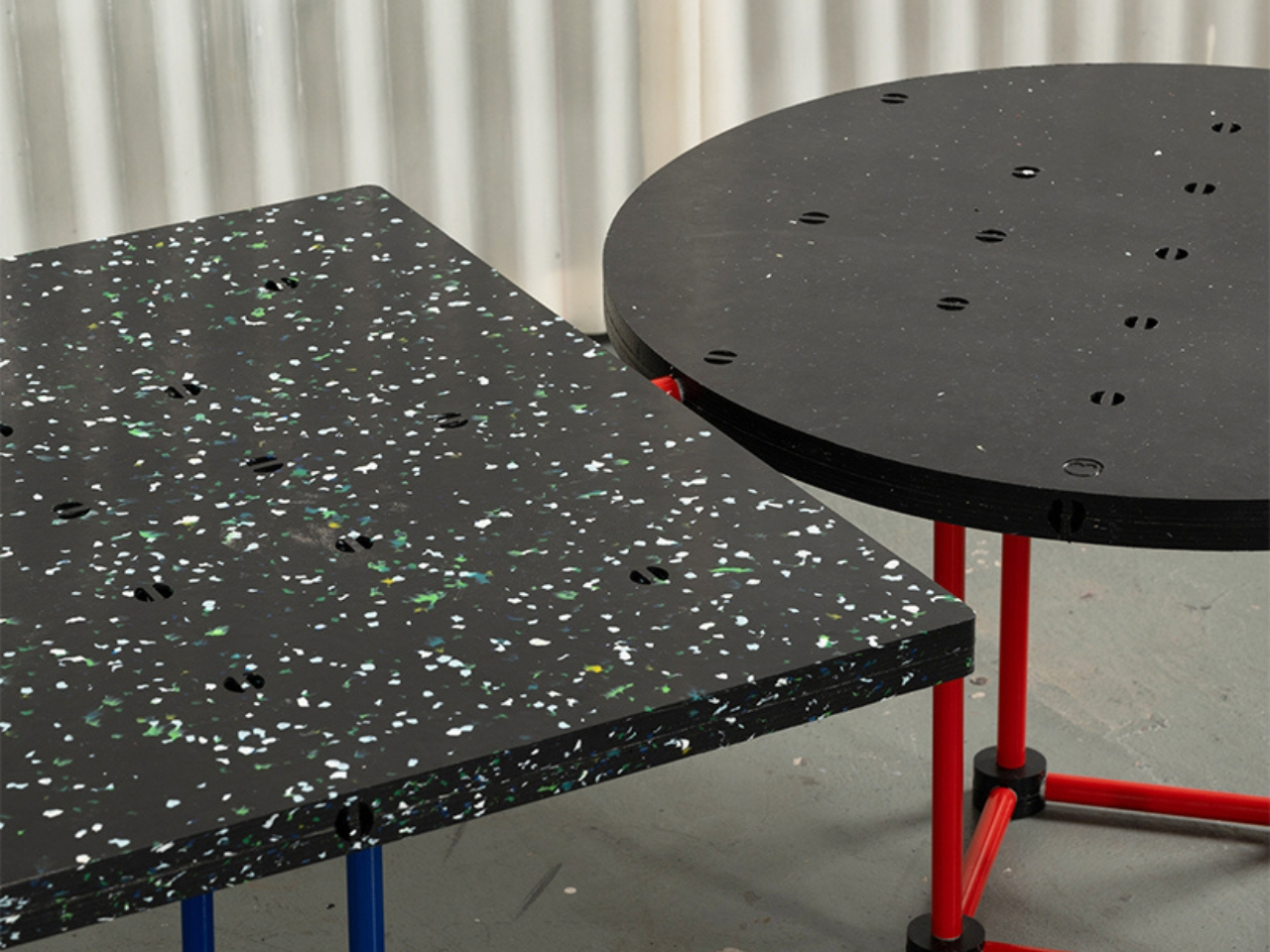
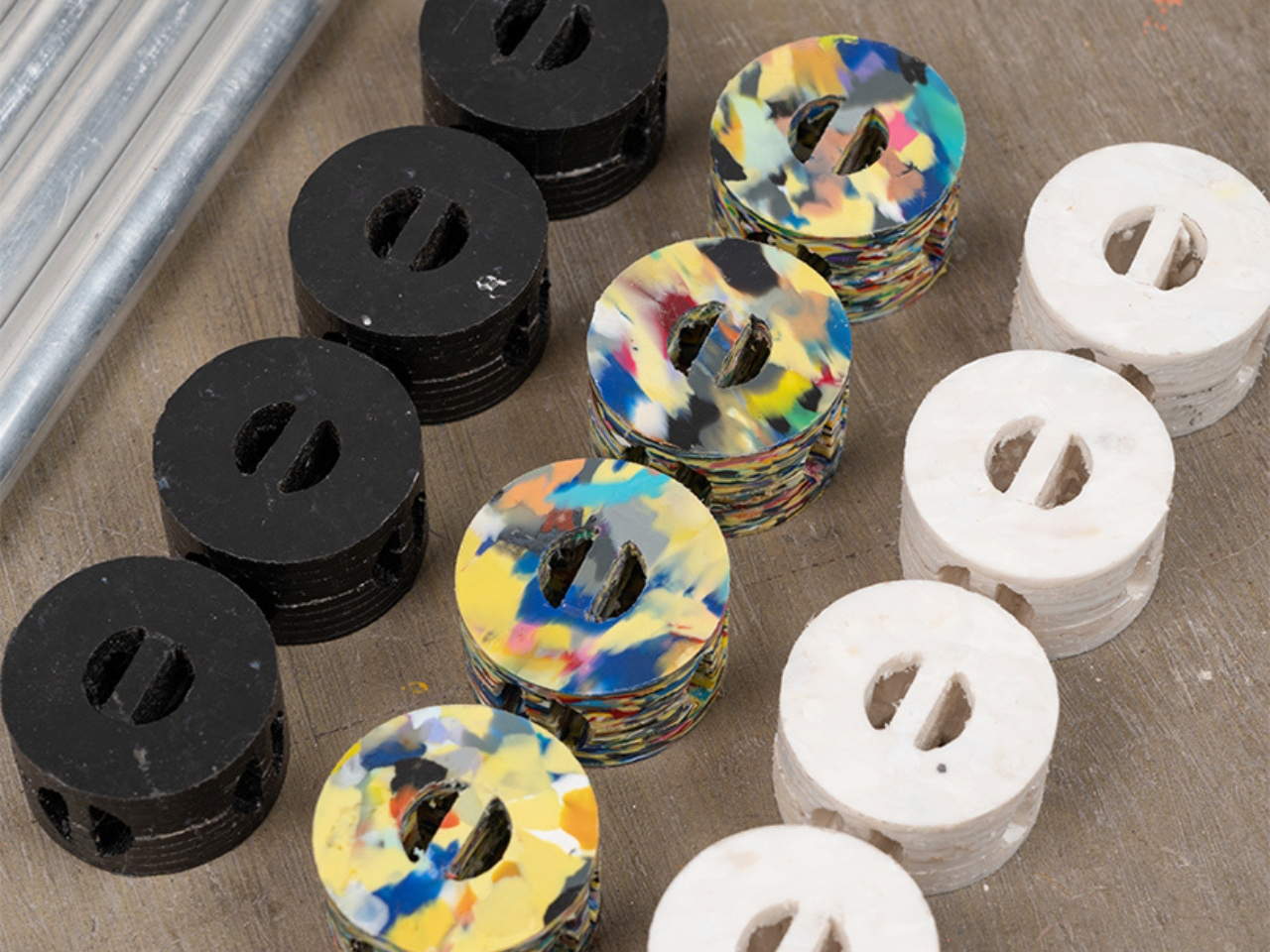
COSMOPLAST is a modular furniture system from Argentina, designed by Marcela Coppari and grounded in circular design principles—reuse, modularity, and sustainability. The system features geometric plates in various shapes and sizes, including circles, semicircles, squares, and rectangles. These components connect via aluminum tubes of varying heights and 5 cm-diameter connectors made from R-PEAD recycled plastic. Designed for adaptability, the structure supports both vertical and horizontal configurations, enabling users to create tables, shelves, and seating solutions tailored to diverse spatial needs.
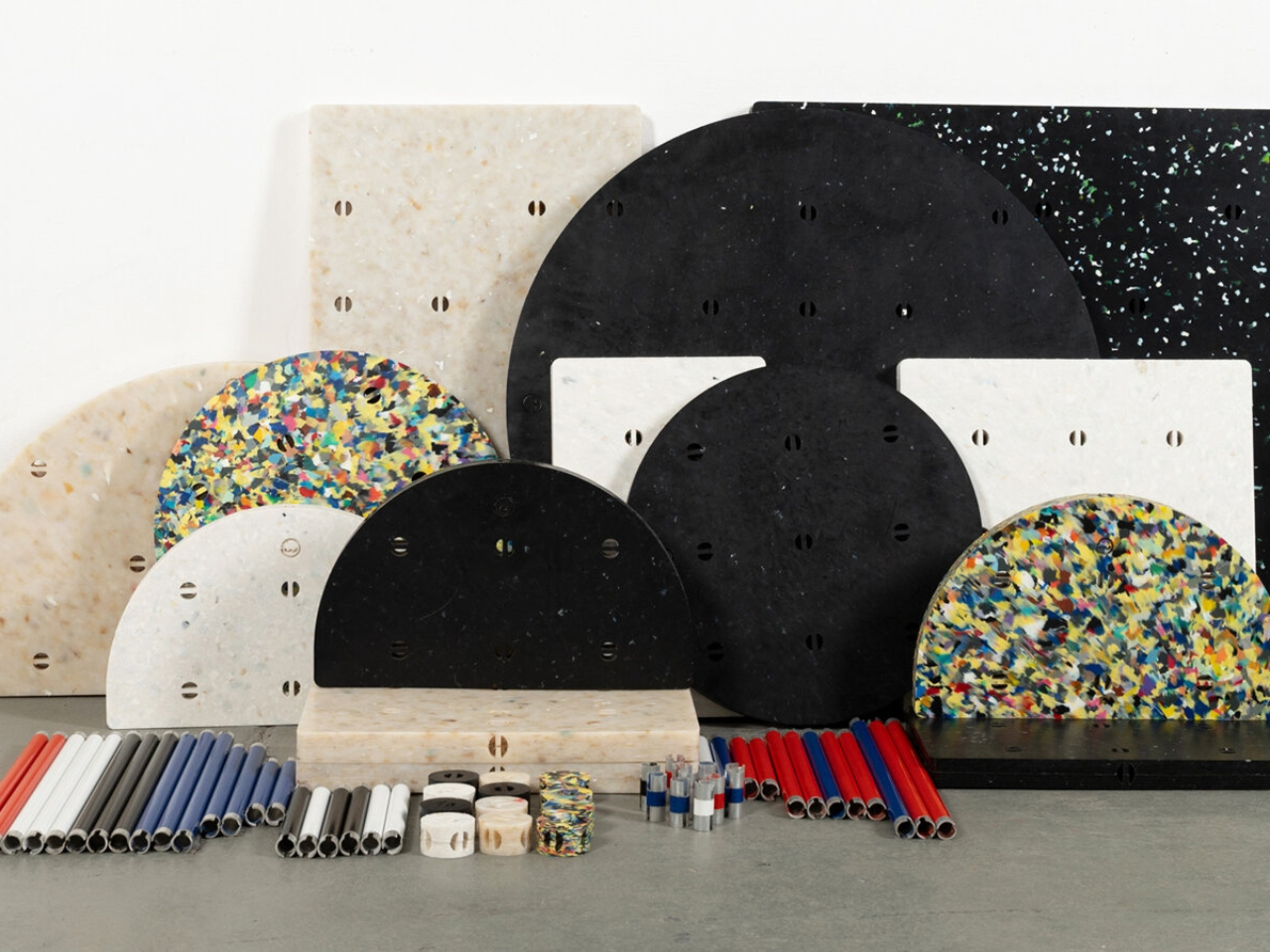
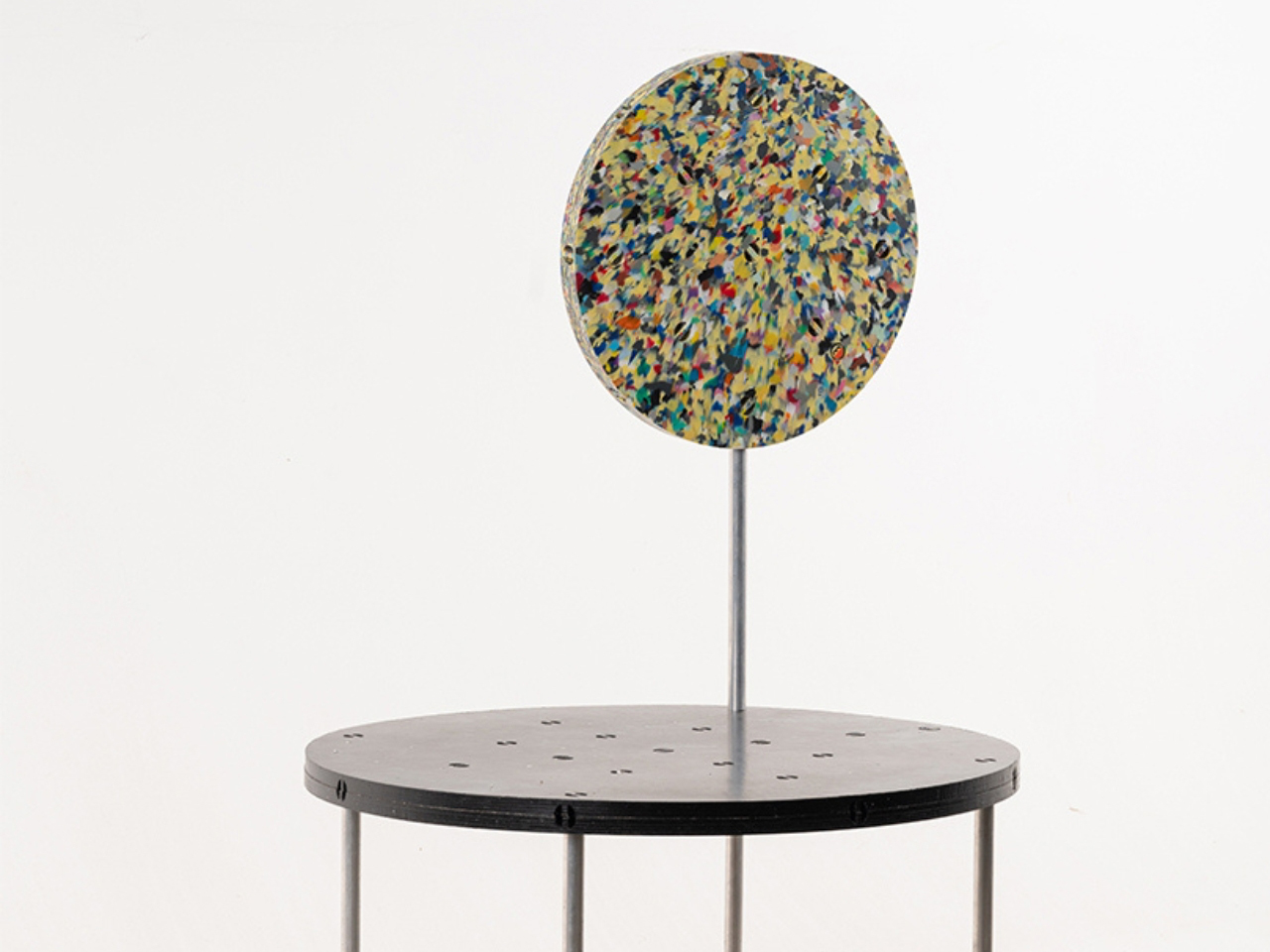
Assembly is intuitive and tool-free, using a simple press-fit system and a rubber mallet. The perforated plates allow multidirectional expansion, enhancing design flexibility. Each COSMOPLAST kit includes plate modules, CNC-machined connectors, and laser-cut aluminum tubes finished with epoxy paint, all packaged in a compact textile bag and flat cardboard box. Handcrafted in Argentina, with plastic plates manufactured by Necológica in Necochea, COSMOPLAST offers a refined, sustainable approach to modern, customizable furniture.
Businesses should focus on reducing their use of raw materials while still maintaining product quality and performance. This can be achieved through strategies like using alternative or recycled materials, designing lightweight products, and improving manufacturing processes to be more resource-efficient.
By cutting down on material consumption, companies not only help conserve natural resources but also lower production costs. These efforts lead to more sustainable products and a smaller environmental footprint. In the long run, this approach supports business success and environmental responsibility.

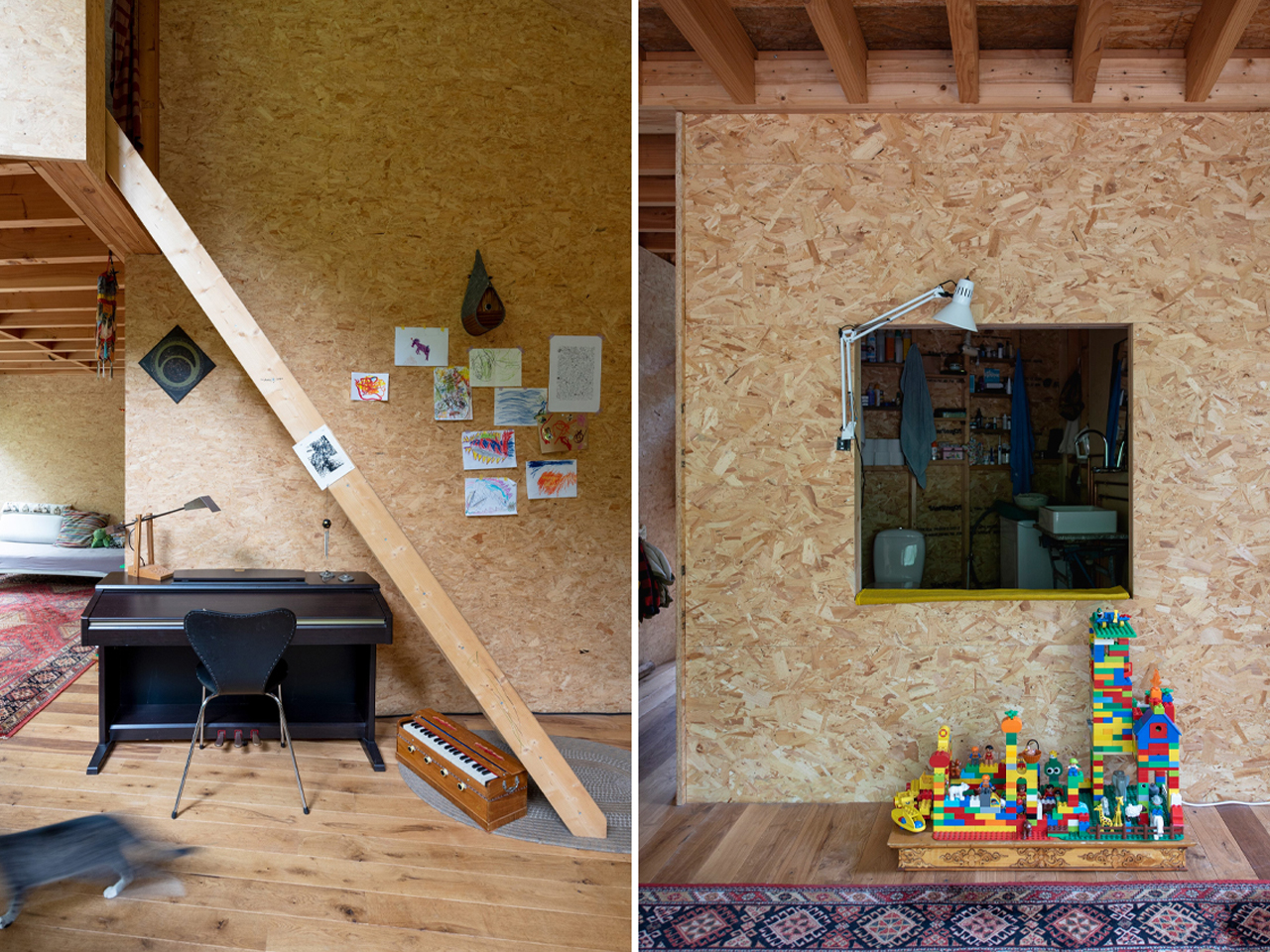
The Holiday Home in Brasschaat, Belgium, is a compact and sustainable residence designed by Polygoon Architectuur, employing circular construction and bio-ecological building methods. With a total area of 750 square feet, the structure features a unique pentagonal floor plan and a sloped roof that extends the ceiling height to 22 feet, creating a sense of spaciousness within a compact footprint. To minimize impact on the landscape, the home is elevated on eleven timber poles, serving as an alternative foundation system that enhances environmental harmony and mobility.

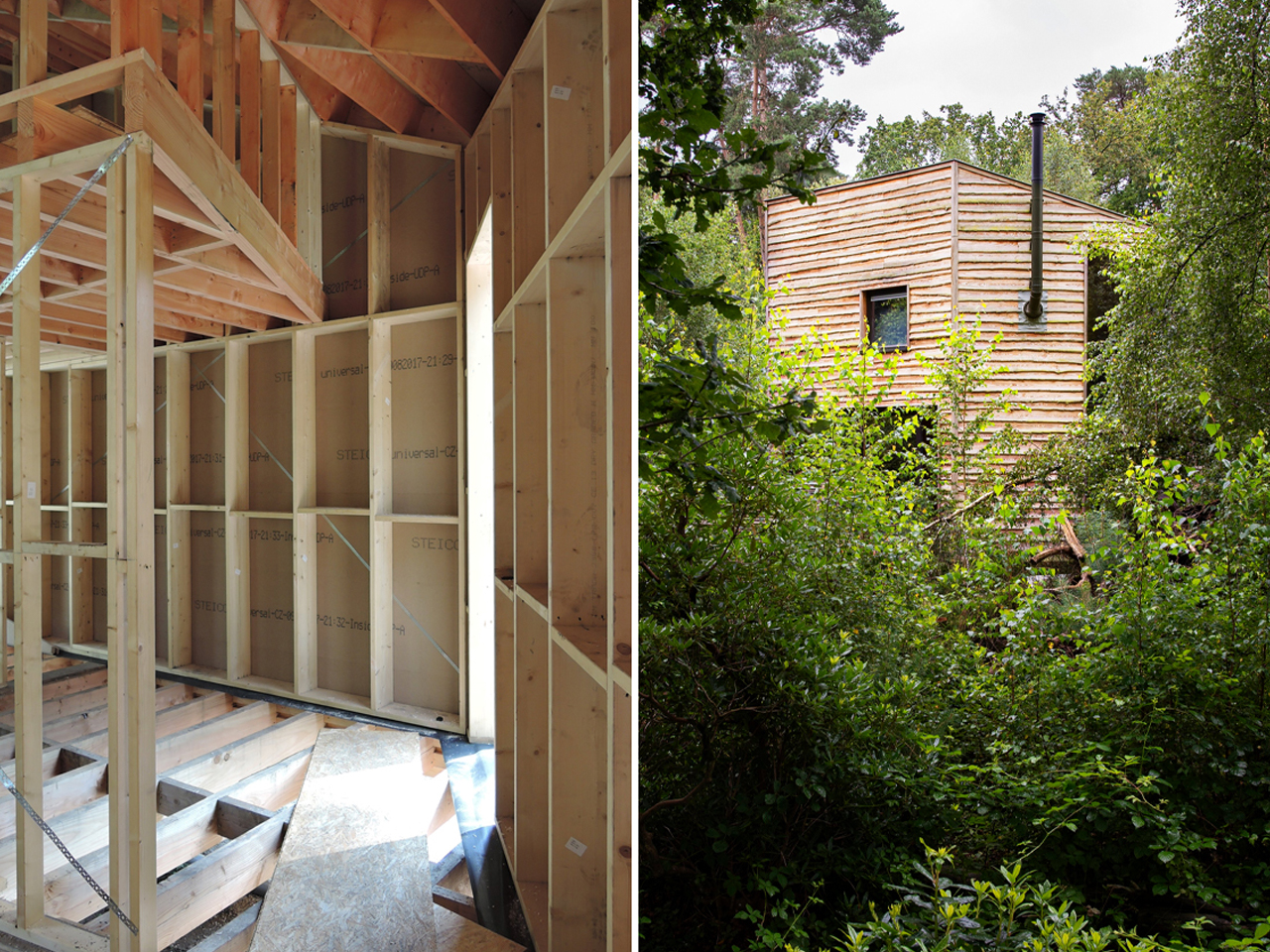
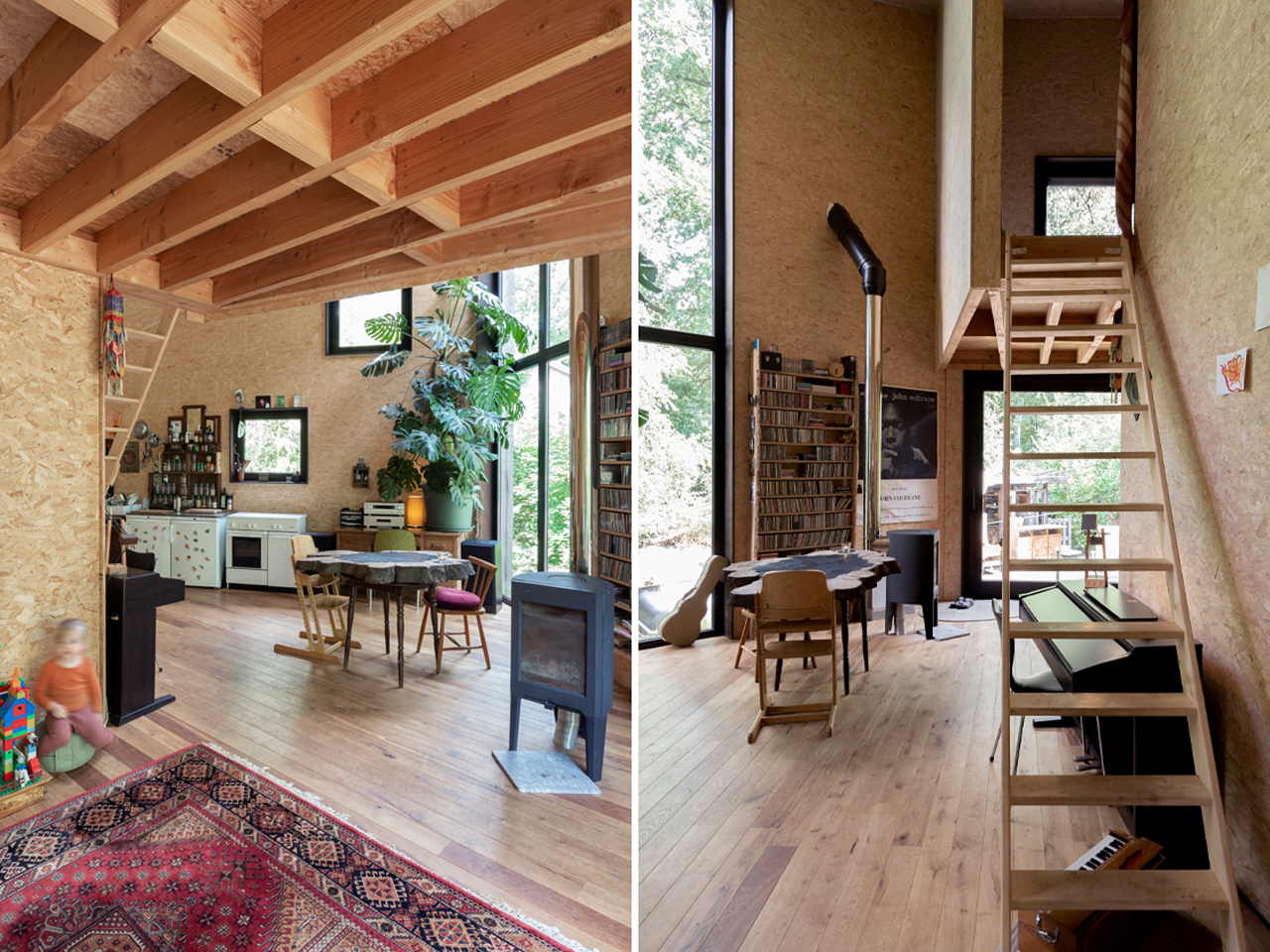
Constructed onsite in just five days, the home utilizes locally sourced coniferous wood for the frame, selected for its renewability, cost-efficiency, and hands-on suitability. The exterior is clad in bark planks for a vapor-open façade, while the interior is finished with oriented strand board (OSB) to support insulation. Spread over two levels, the layout includes living spaces, a kitchen, and bathroom on the ground floor, with sleeping areas and storage located above.
Sustainability begins with smart design. Rather than dealing with waste and pollution after they occur, the focus should be on preventing them from the outset. This means rethinking how products are made and choosing materials and methods that avoid generating waste in the first place.
Designing with intention helps reduce emissions, limit harmful byproducts, and lower the risk of spills or environmental harm. By addressing these issues early in the process, companies can create cleaner, more efficient systems that support long-term environmental health and business responsibility. It’s a proactive step toward a more sustainable future.
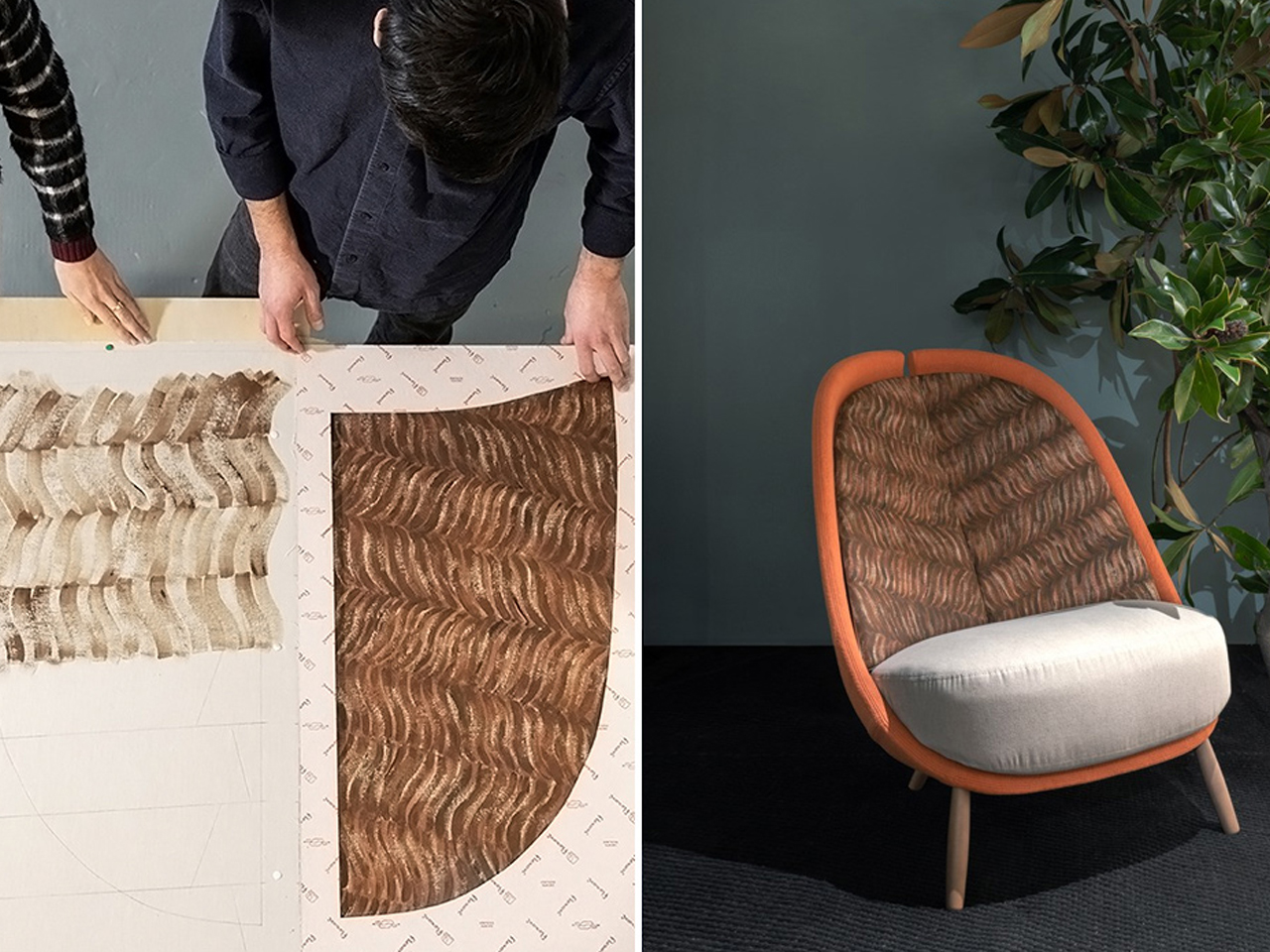
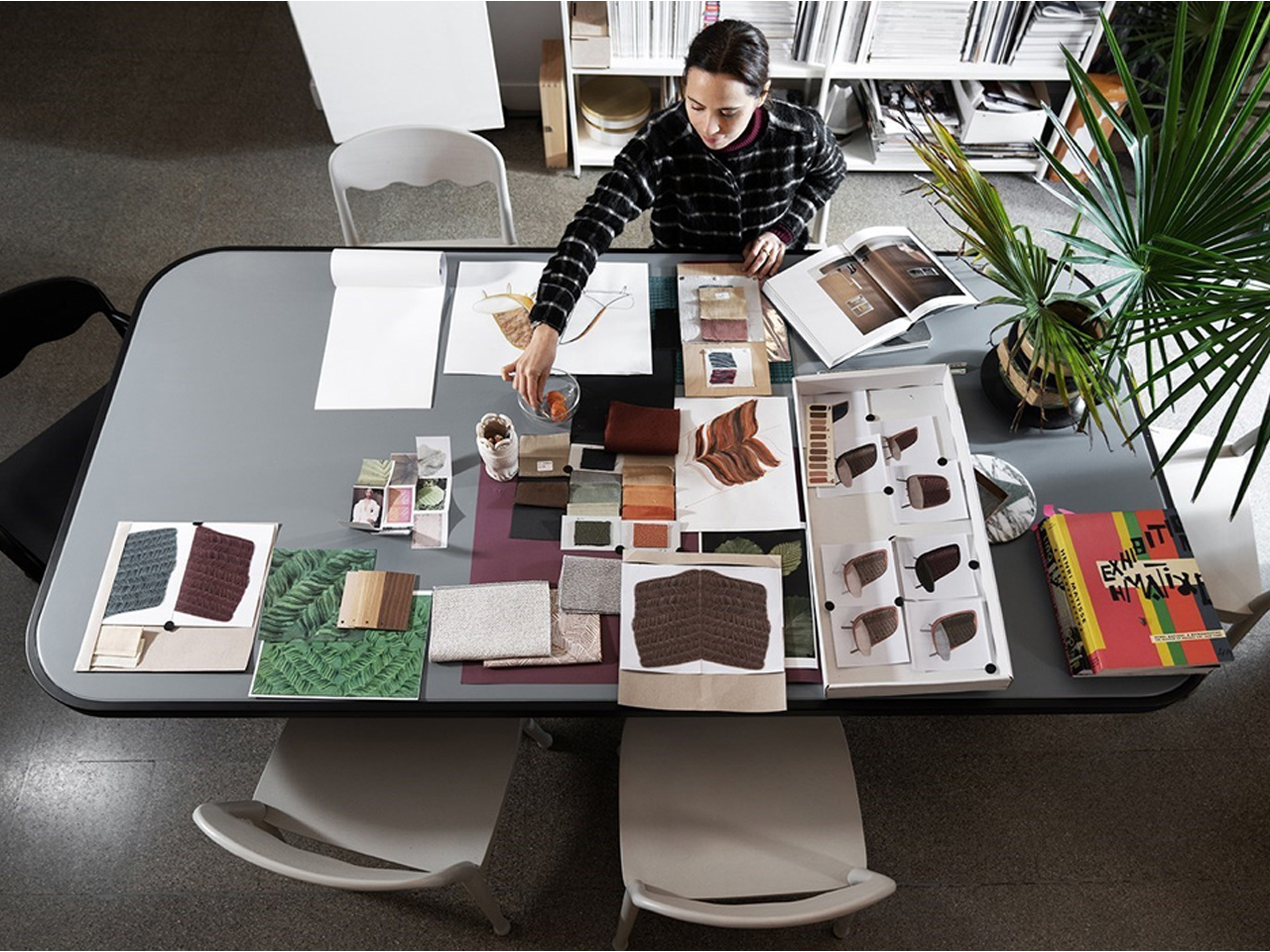
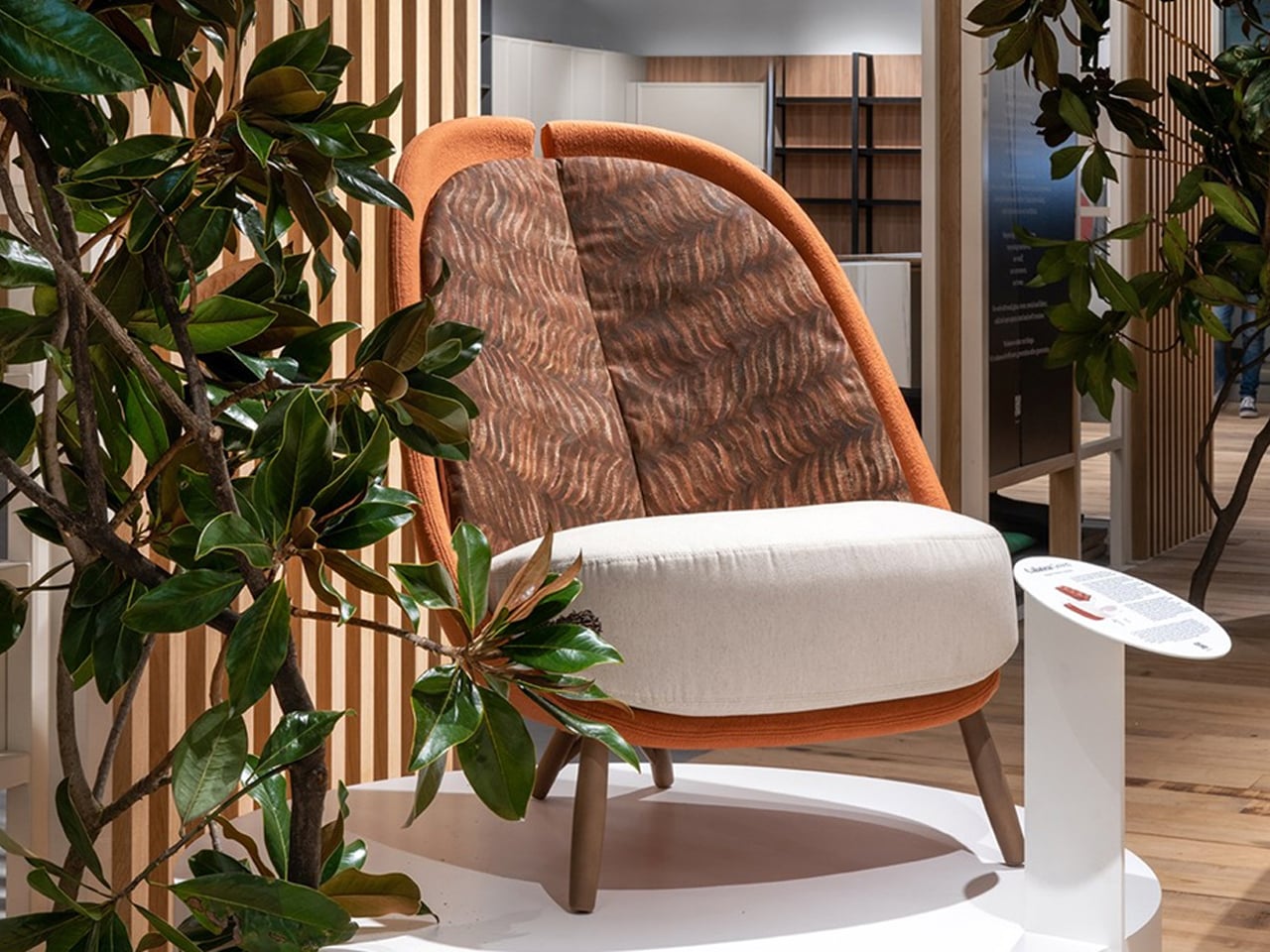
Calatea Green is a sustainable reimagining of the original Calatea chair by designer Cristina Celestino, created to mark the launch of Green Pea, Italy’s first green retail park. Guided by circular economy principles, Celestino redesigned each element with environmental impact in mind. The chair’s padding is made from recycled PET fabric sourced from plastic bottles that are recyclable and compostable. Its legs use FSC-certified ash wood from responsibly managed forests, while the upholstery is crafted from 100% recycled cotton yarn, certified by the Global Recycled Standard.
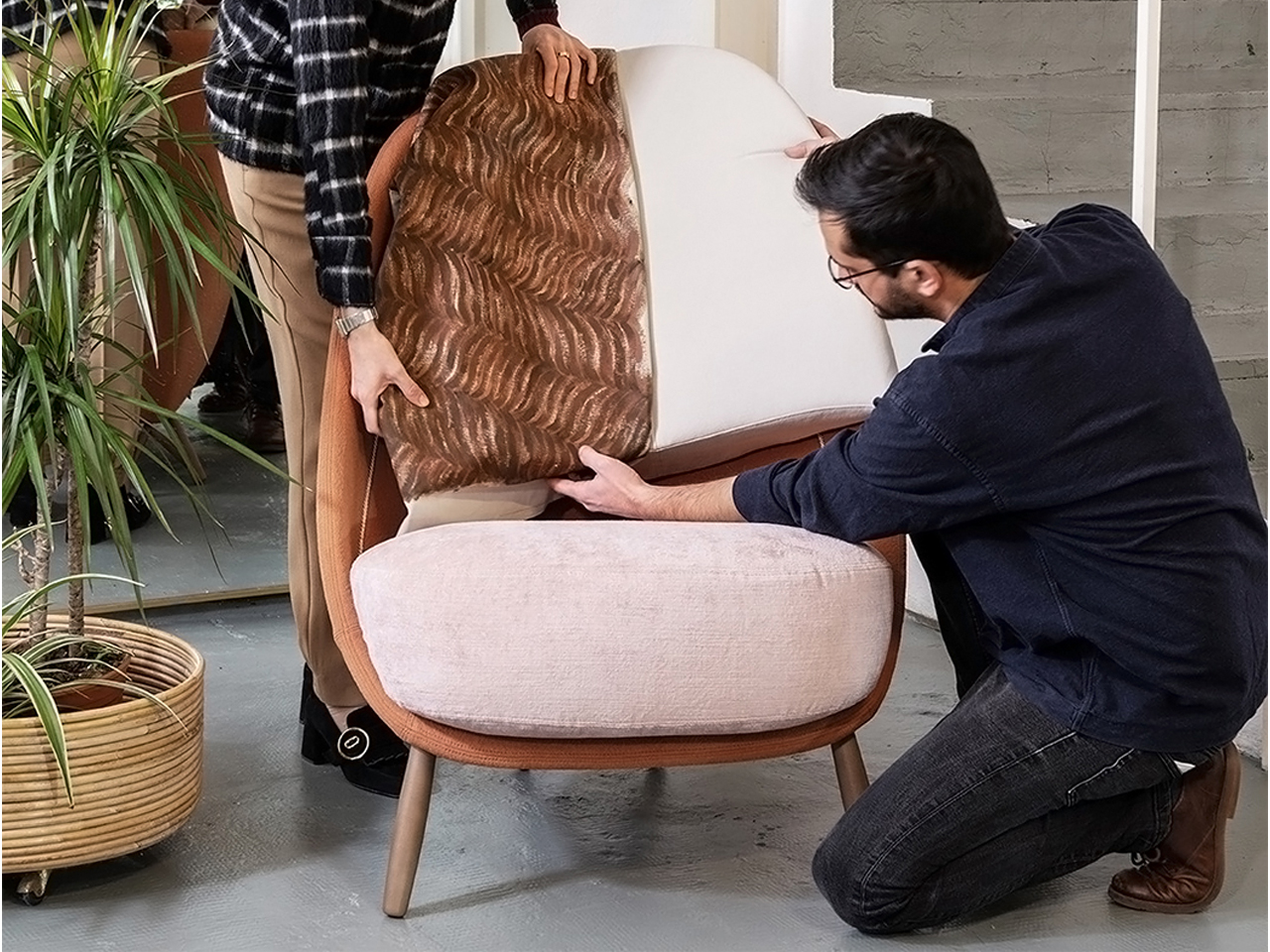
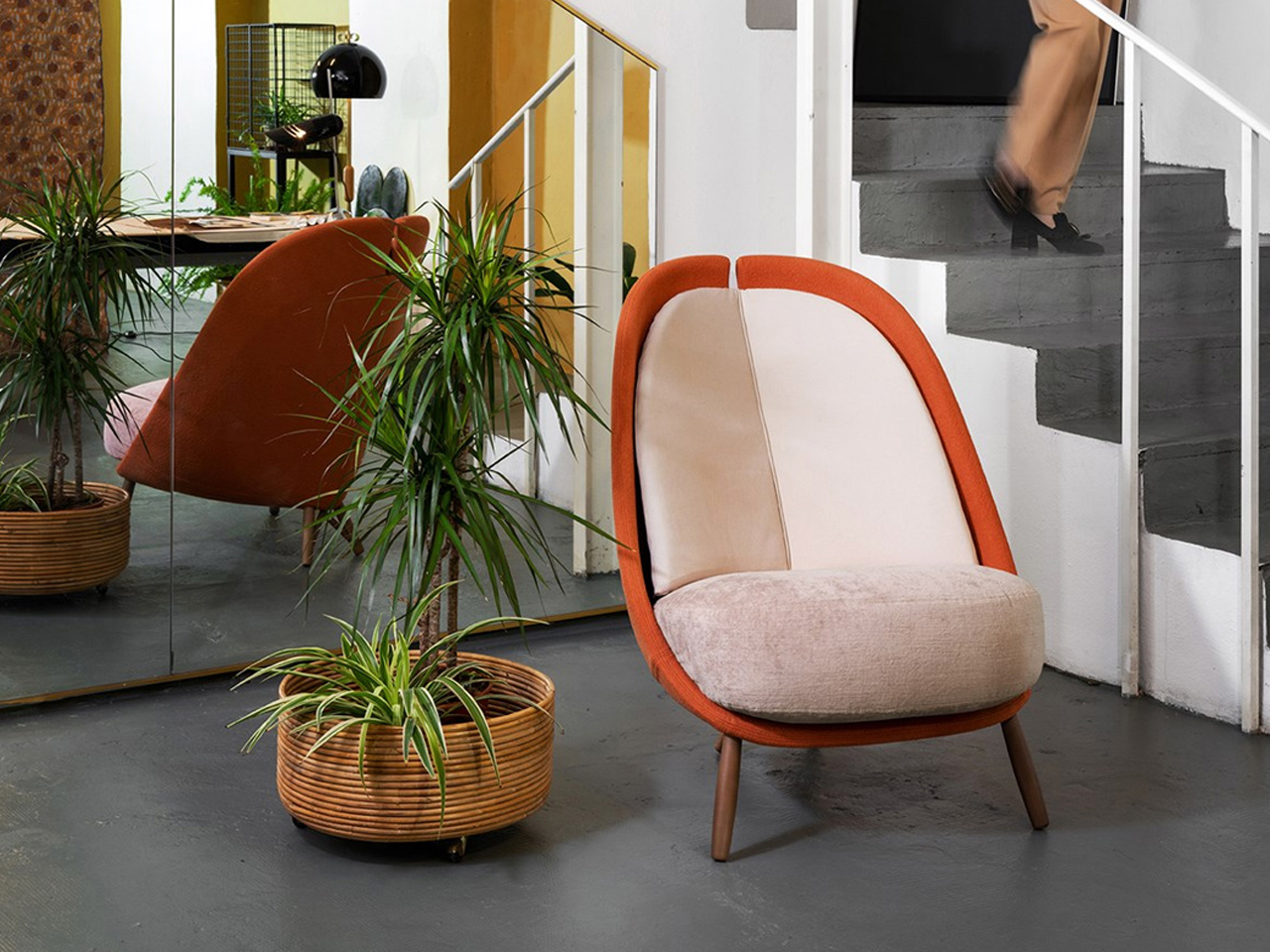
To align aesthetics with values, the original tropical Calathea motif has been replaced with a hand-painted design using non-toxic, water-based ink, inspired by Celestino’s roots in Friuli Venezia Giulia, a region known for its native alder tree. The project reflects Pianca’s broader sustainability ethos, which includes sourcing wood from certified forests, using 90% recycled packaging, and powering production entirely through a photovoltaic energy system.
The circular economy is not just about minimizing damage, but it is also about giving back to the environment. It focuses on restoring natural systems by using renewable energy, repairing degraded land, and promoting biodiversity. These actions go beyond sustainability, aiming to renew what has been lost.
By adopting regenerative practices, businesses can contribute to environmental recovery while building long-term resilience. The goal is to create an economy that improves the well-being of people and the planet, not just preserves it. This shift in mindset helps shape a future where nature and industry can thrive together.
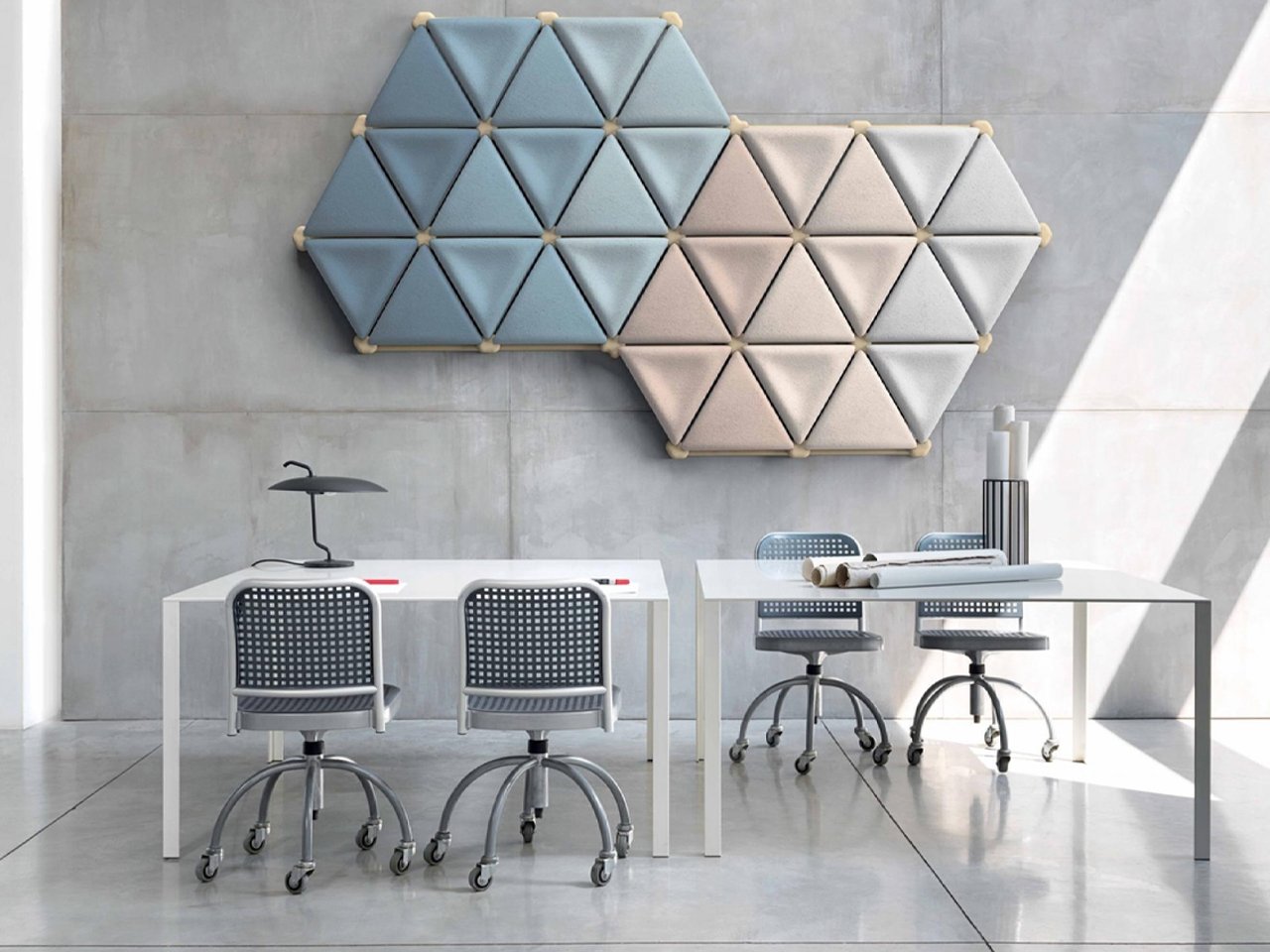
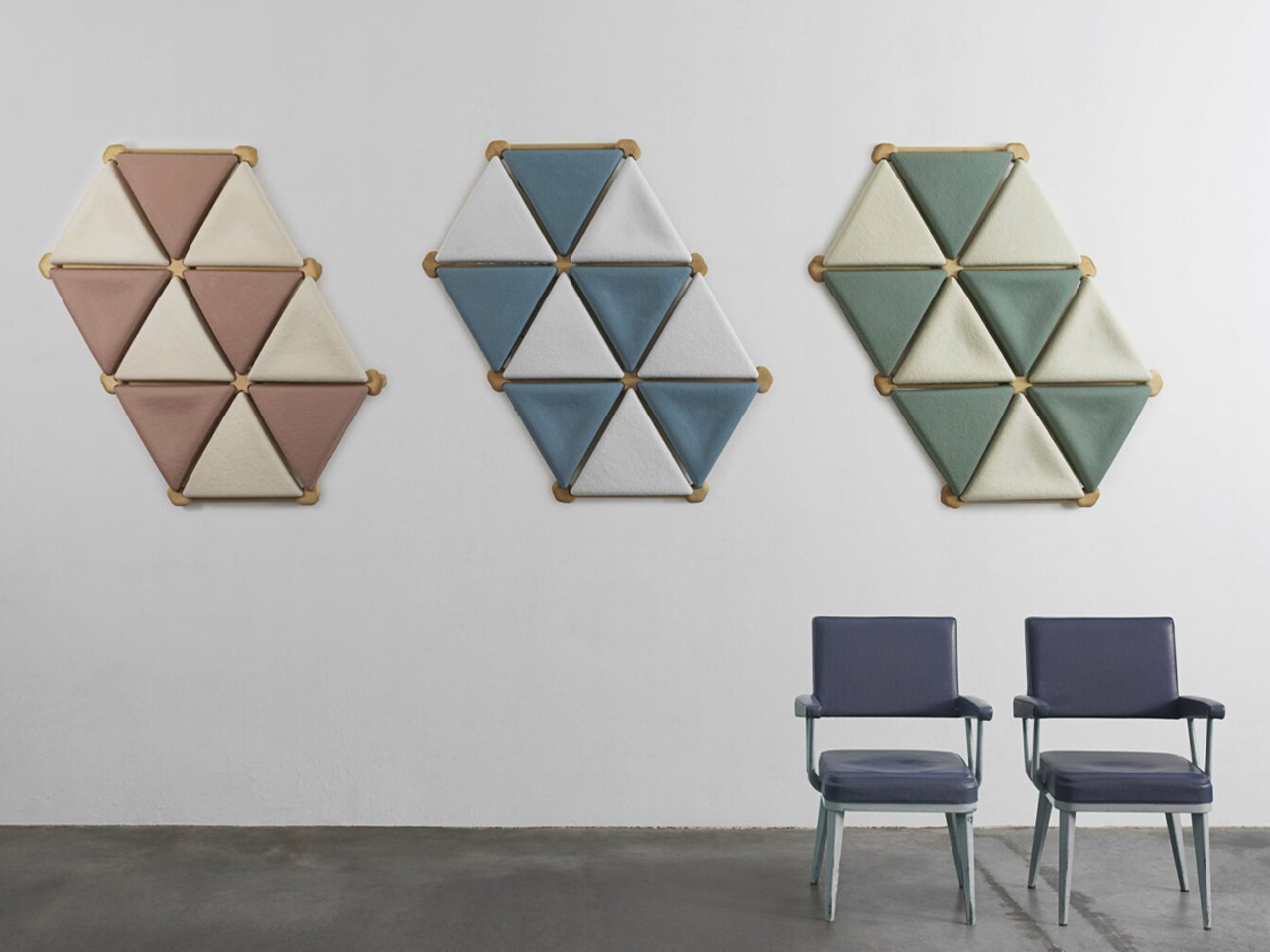
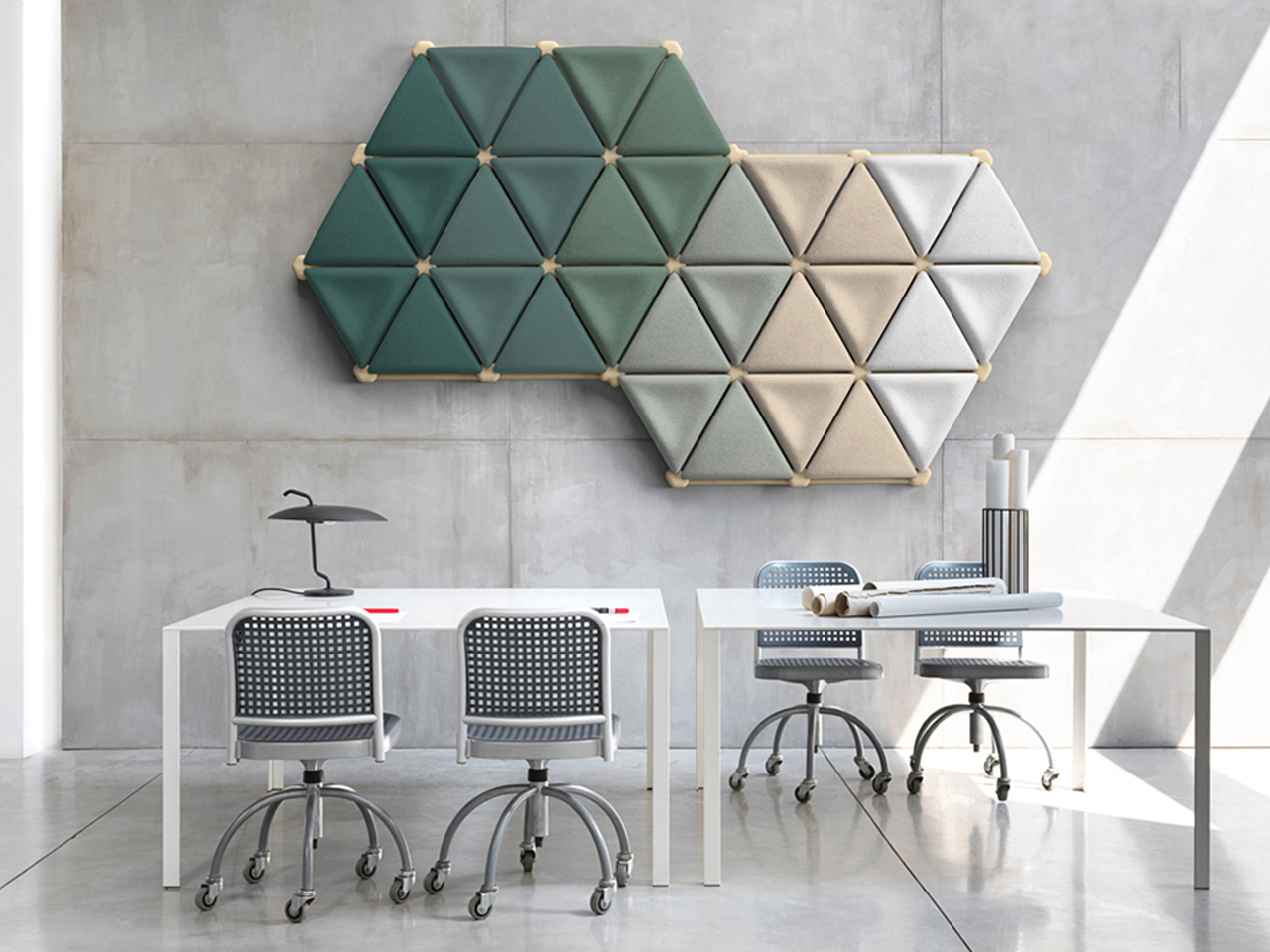
Foresta System is a modular acoustic panel system developed by Mogu, designed to combine sustainability with functional interior acoustics. Each panel is made from a unique blend of fungal mycelium and upcycled textile fibers, offering natural sound absorption while remaining lightweight and biodegradable. The panels are entirely free of synthetic materials, aligning with circular design principles. Their organic texture and composition make them ideal for reducing ambient noise in spaces such as offices, restaurants, and retail environments.
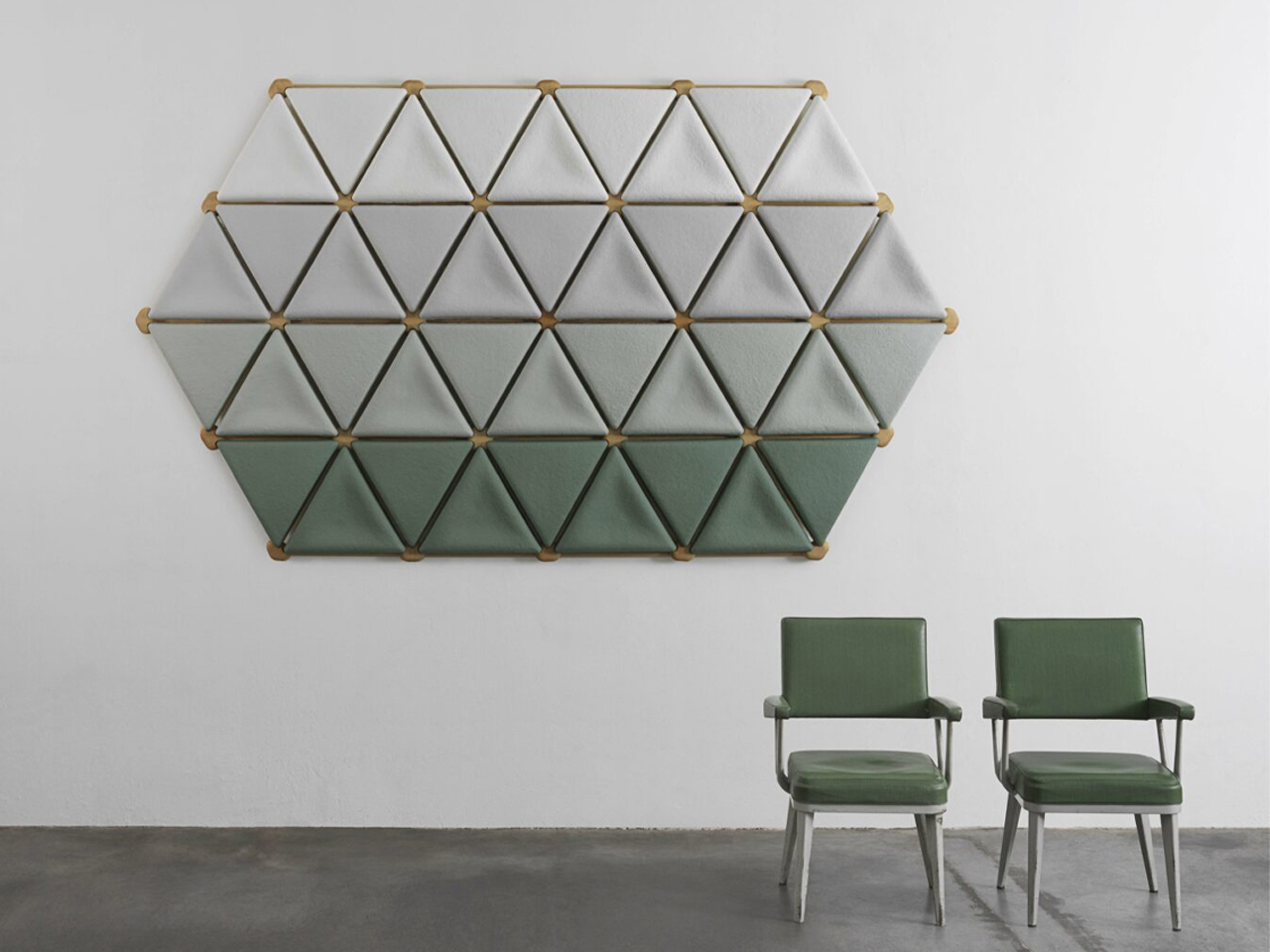
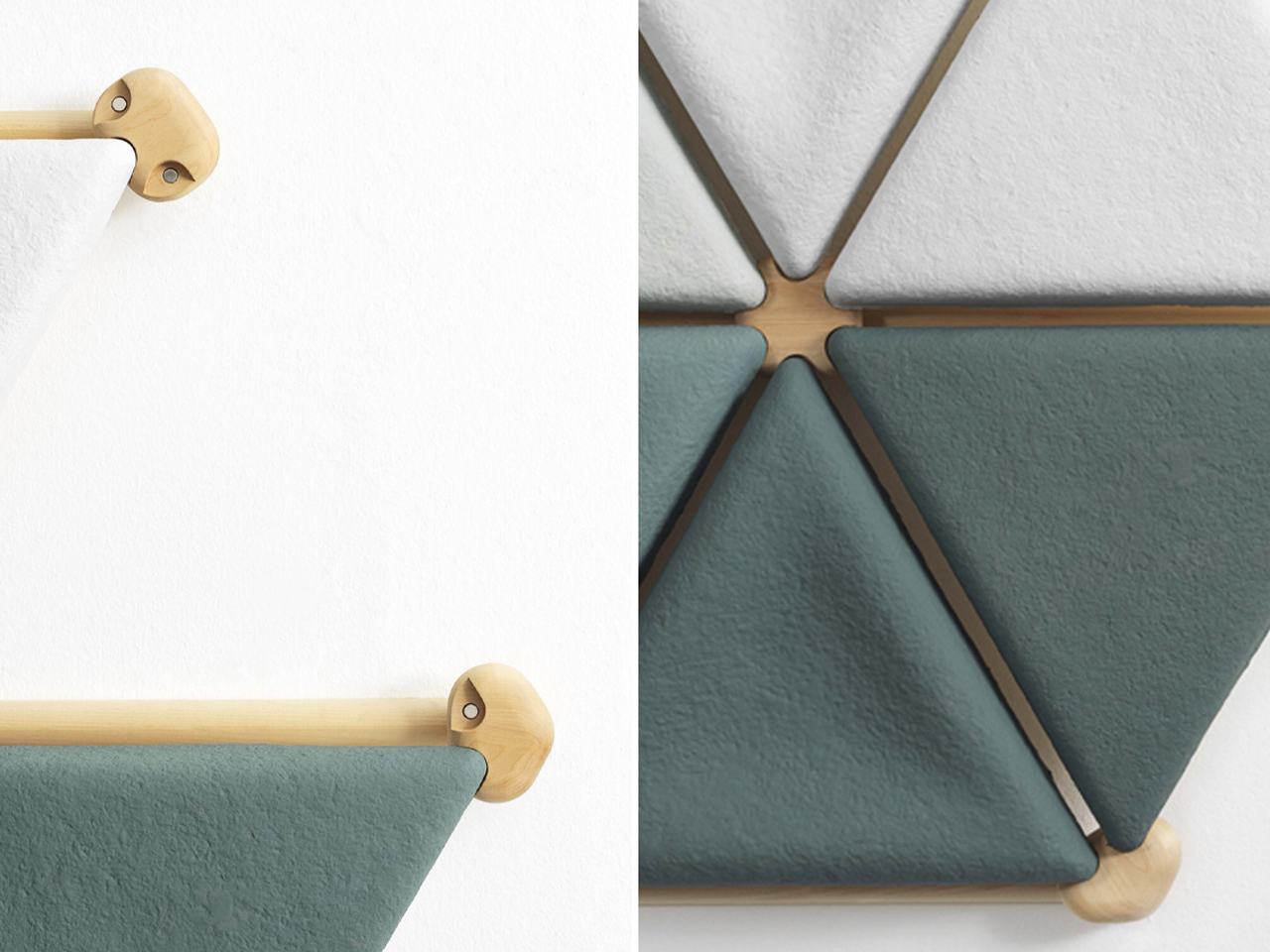
The system is supported by a timber frame constructed from wooden branches and modular nodes. These nodes contain integrated magnets, allowing the panels to be easily mounted, repositioned, or removed without the need for tools. This design enables flexibility in layout and ease of installation. Using advanced technologies such as parametric modeling and robotic manufacturing, the Foresta System merges refined wooden aesthetics with innovative biomaterials to create a sustainable and visually distinctive acoustic solution.
Circular design offers more than just sustainable solutions as it redefines how we create, use, and reuse materials. By designing with longevity, recyclability, and resource efficiency in mind, it helps close the loop on waste. As industries adopt these principles, circular design is not just shaping products but also shaping a more responsible and regenerative future for generations to come.
The post Only 7% of Materials Get Recycled – These 5 Products Were Designed to Fix That first appeared on Yanko Design.
The flagship smartphone market is more competitive than ever, with each device offering unique features and capabilities. This guide provides a detailed comparison of the Xiaomi 17, Galaxy S25, Pixel 10, and iPhone 17, focusing on critical aspects such as battery life, camera performance, video recording, display quality, and usability. By understanding the strengths and […]
The post FLAGSHIP KING 2025: Xiaomi 17 vs. S25 vs. Pixel 10 vs. iPhone 17 appeared first on Geeky Gadgets.